Trees Under Stress Are Talking
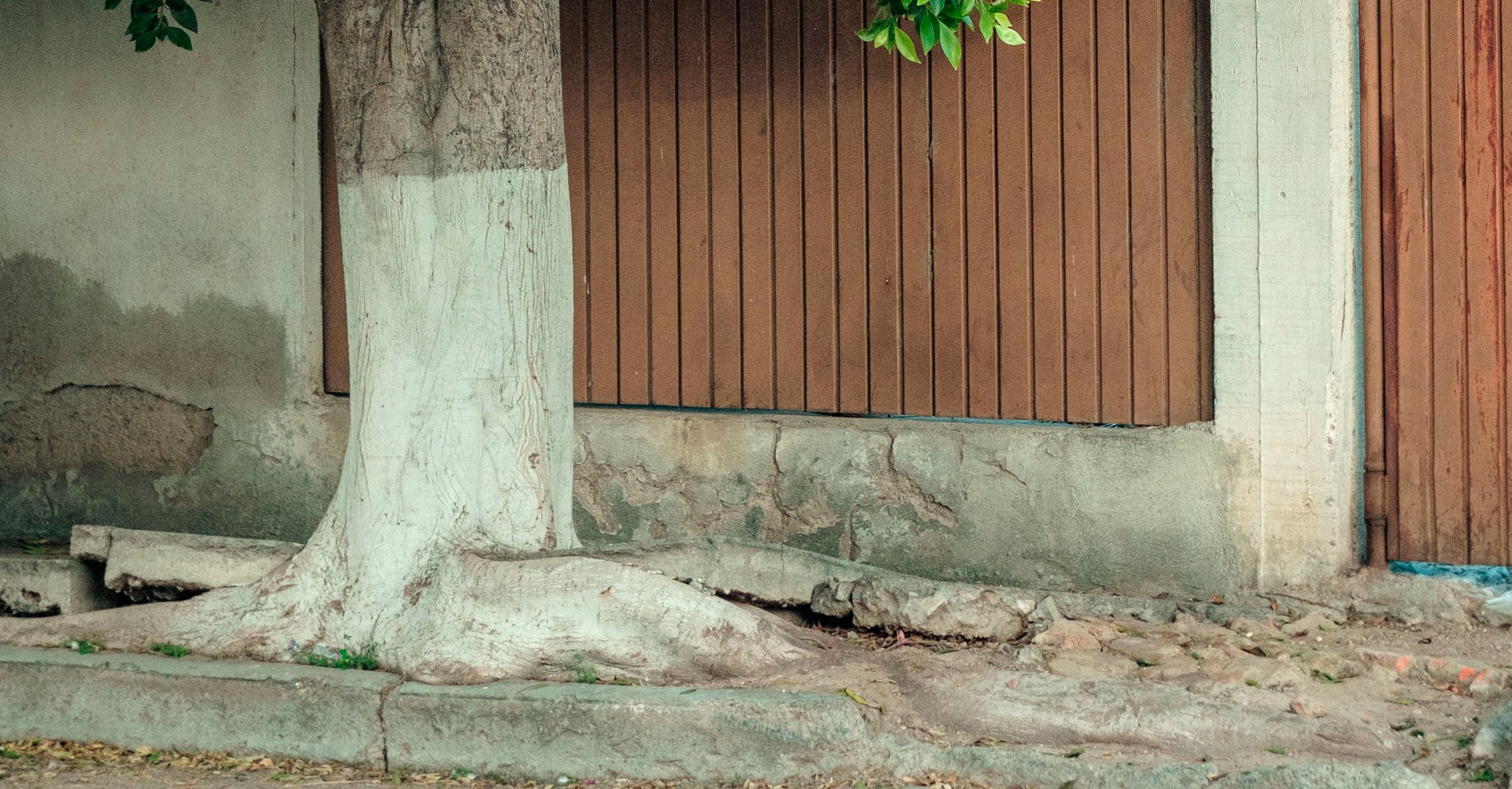
What actually happens when a tree comes under stress, from heat, drought, disease, or pollution?
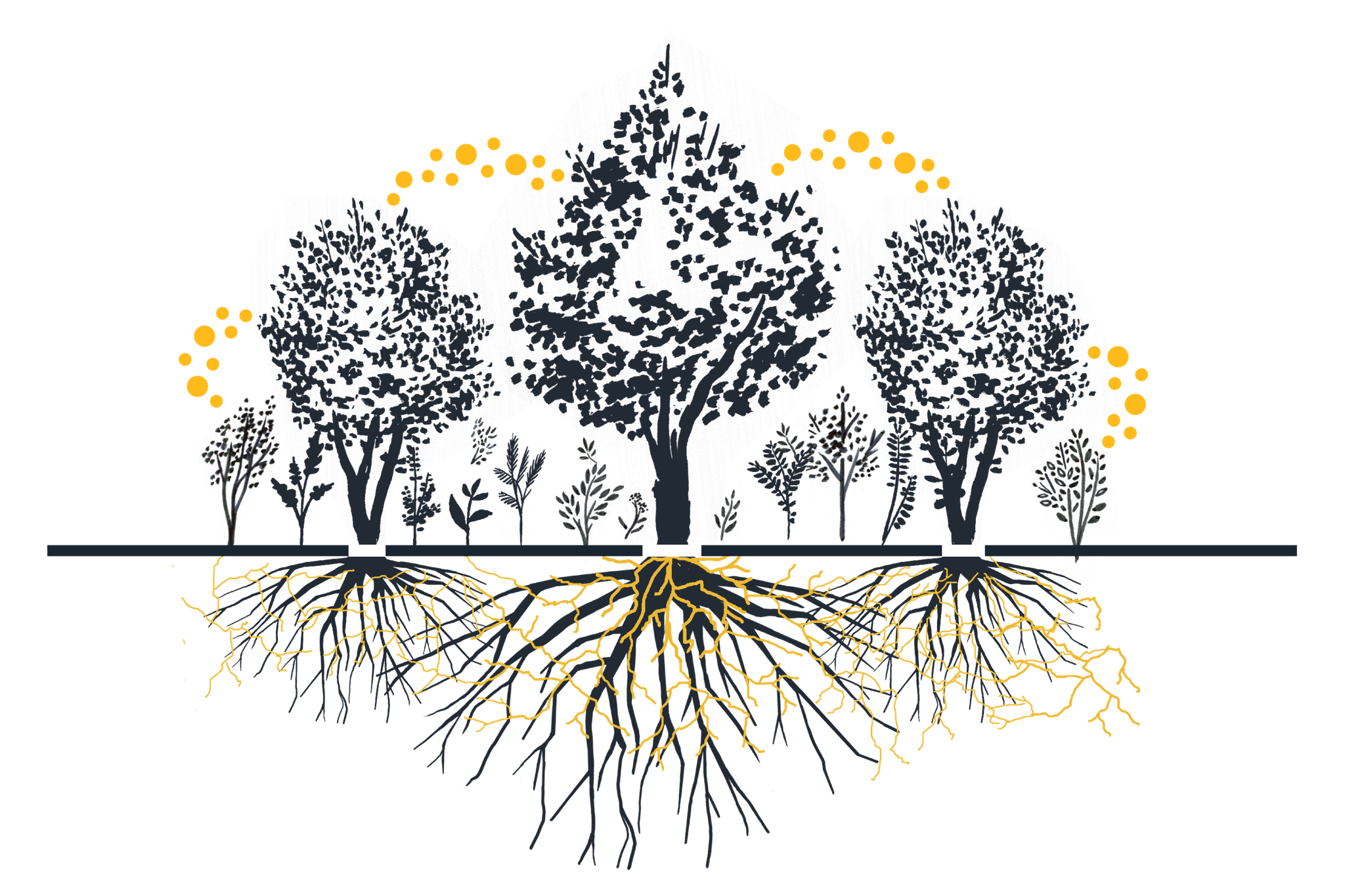
Turns out, it starts communicating. When attacked, a tree releases airborne chemical signals within minutes, warning nearby trees to raise their defences. Underground, mycorrhizal fungal networks carry the same distress calls between roots, letting "mother trees" send water and nutrients to struggling neighbours. Pollen is part of that conversation too. Under stress, trees shift into survival mode, producing more pollen and seed as a final effort to reproduce.
Doubling CO2 levels alone can raise a tree's pollen output by over 1,000% in lab studies, and urban heat islands push some trees to flower two to three weeks earlier than their rural neighbours.
Doubling CO2 levels alone can raise a tree's pollen output by over 1,000% in lab studies, and urban heat islands push some trees to flower two to three weeks earlier than their rural neighbours.
It matters for people too. Japan didn't even have a name for this until 1964, when doctors first described cedar pollen allergy, kafunsho, after the country reforested with fast-growing cedar monoculture.
Today it affects nearly 40% of the population.
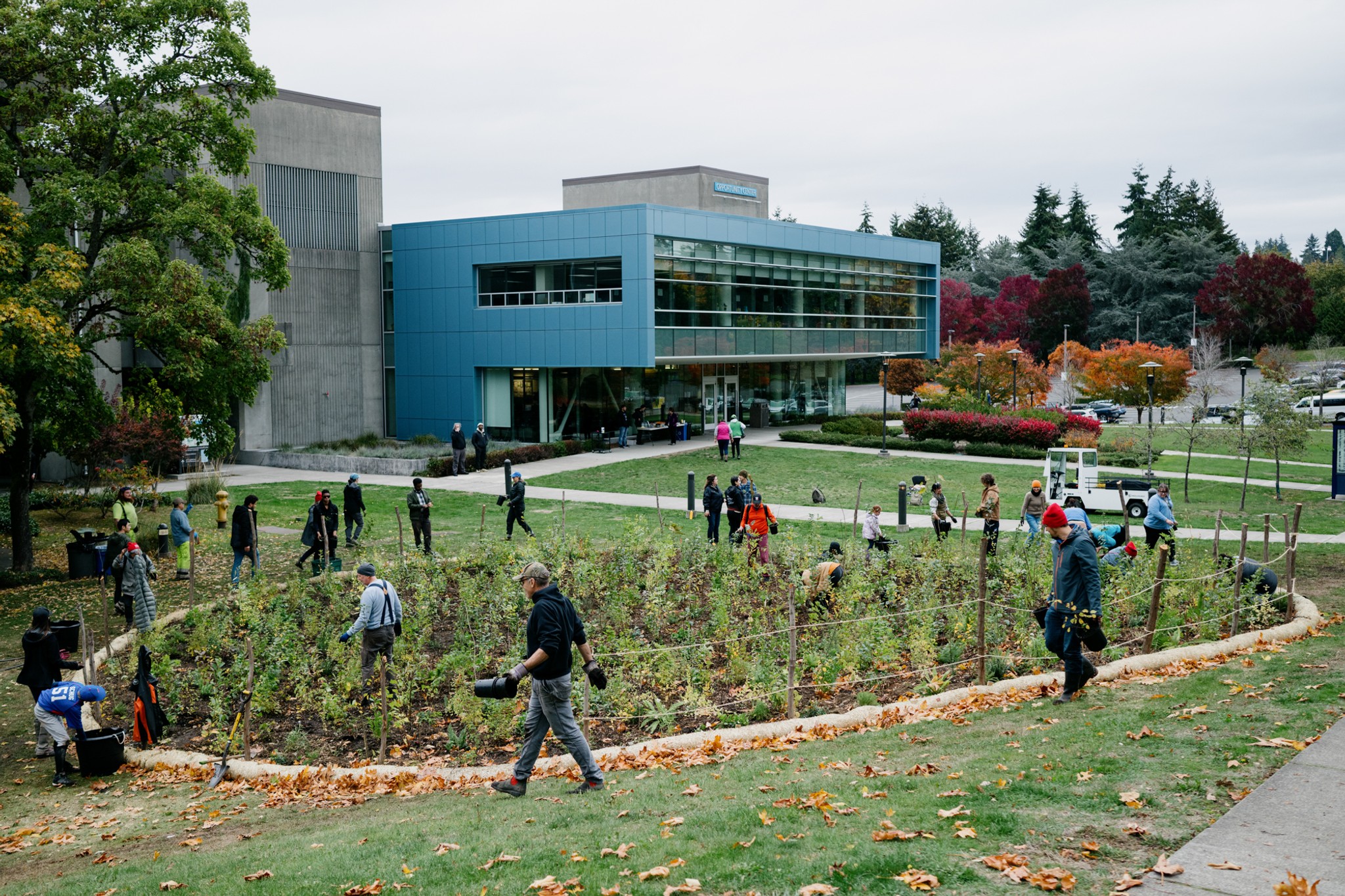
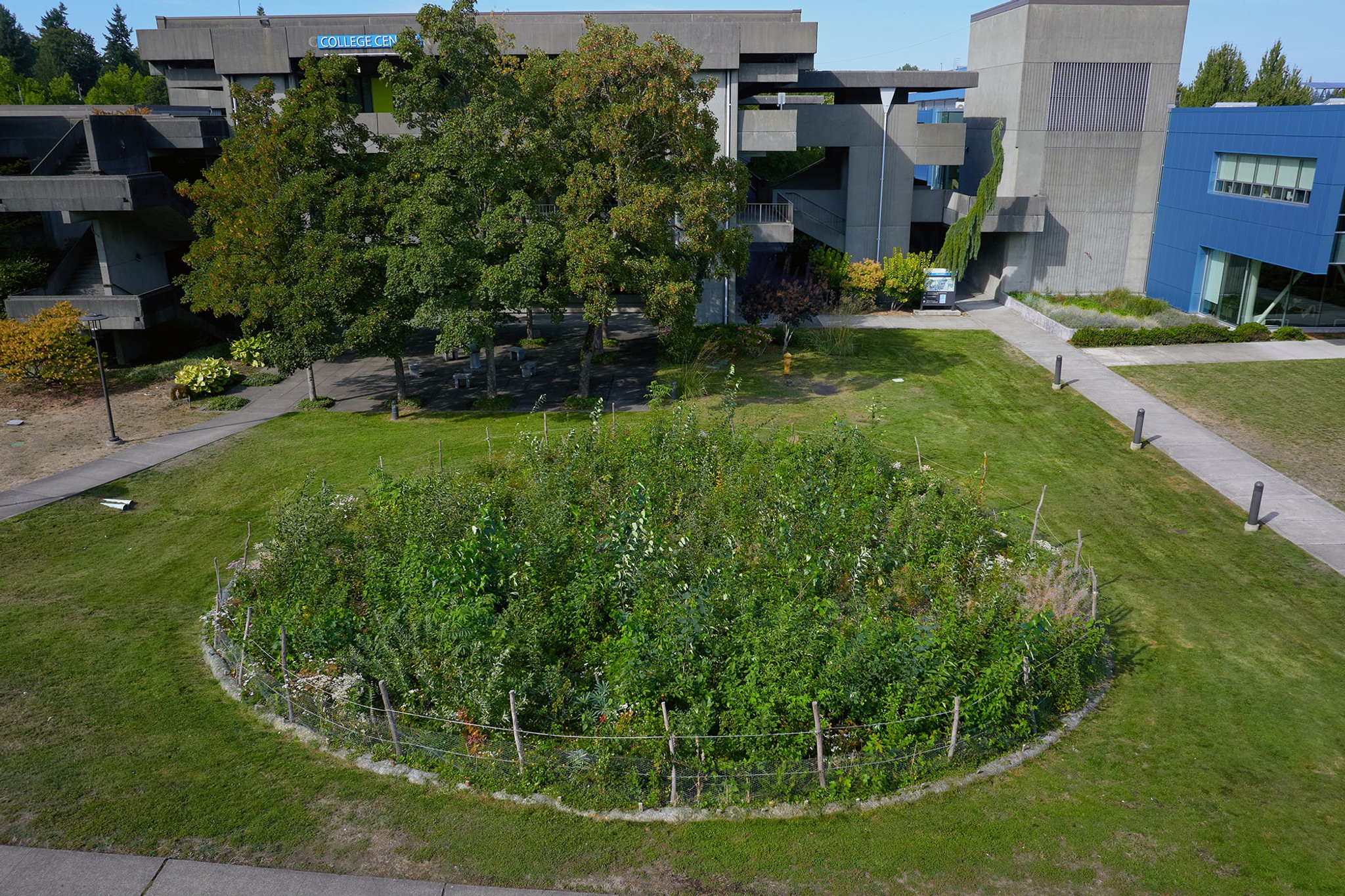
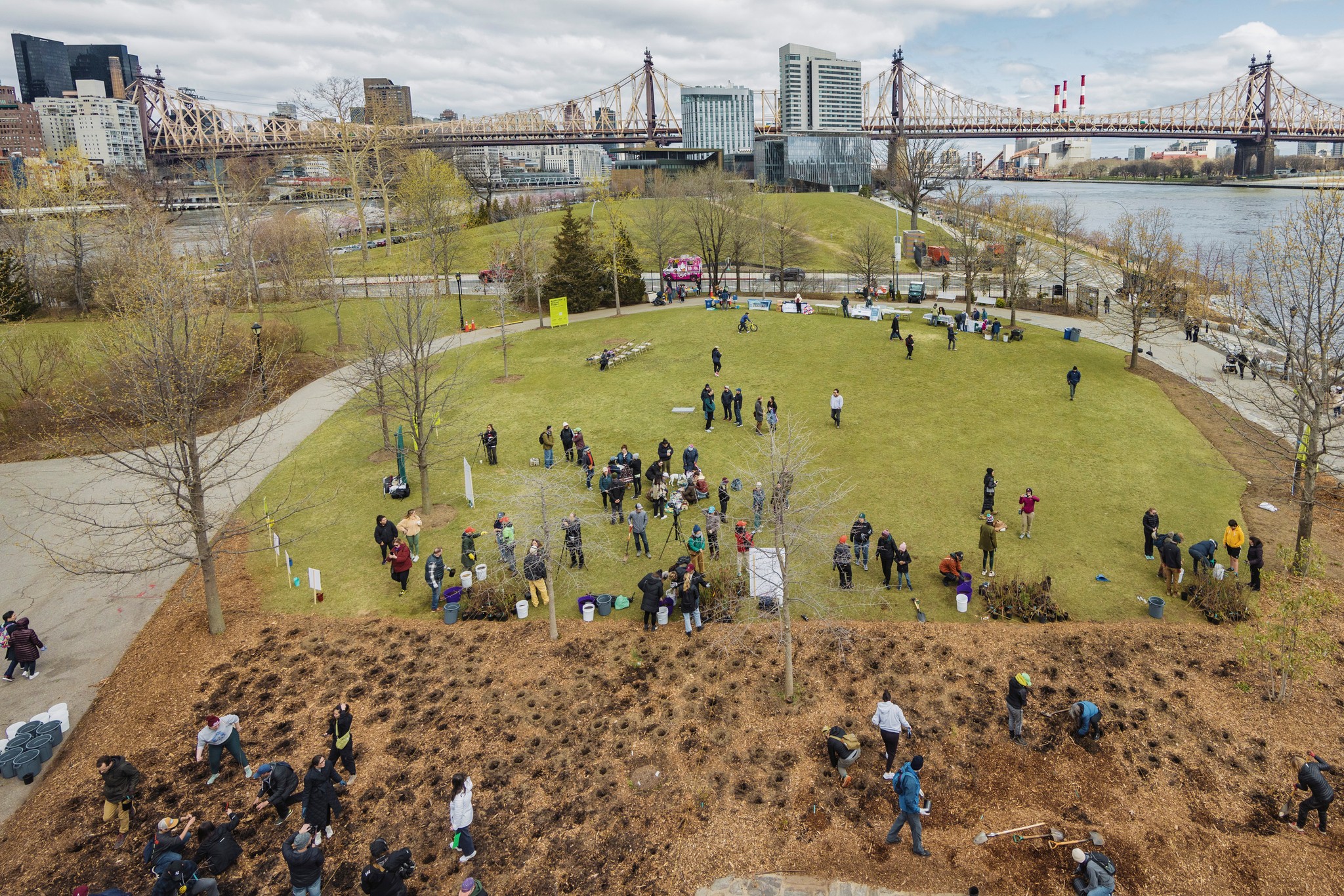
The fix? Rethink how, and what, we plant in our cities. A forest of one species under stress is fragile. A forest of many, native and interconnected, is resilient, for the trees and for us. When nature is thoughtfully planned in the spaces we build, everyone breathes easier.