Insects as workers & citizens
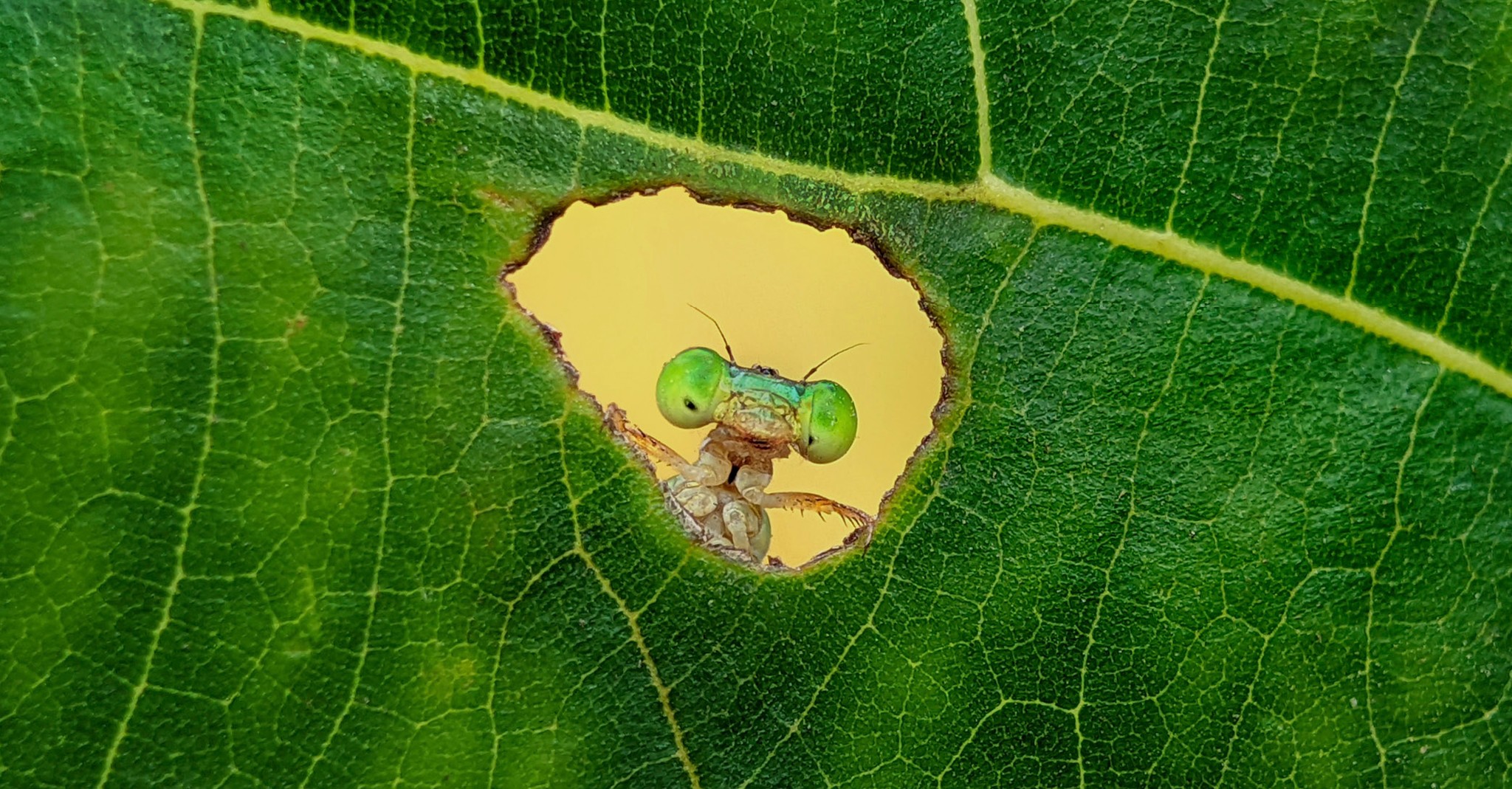
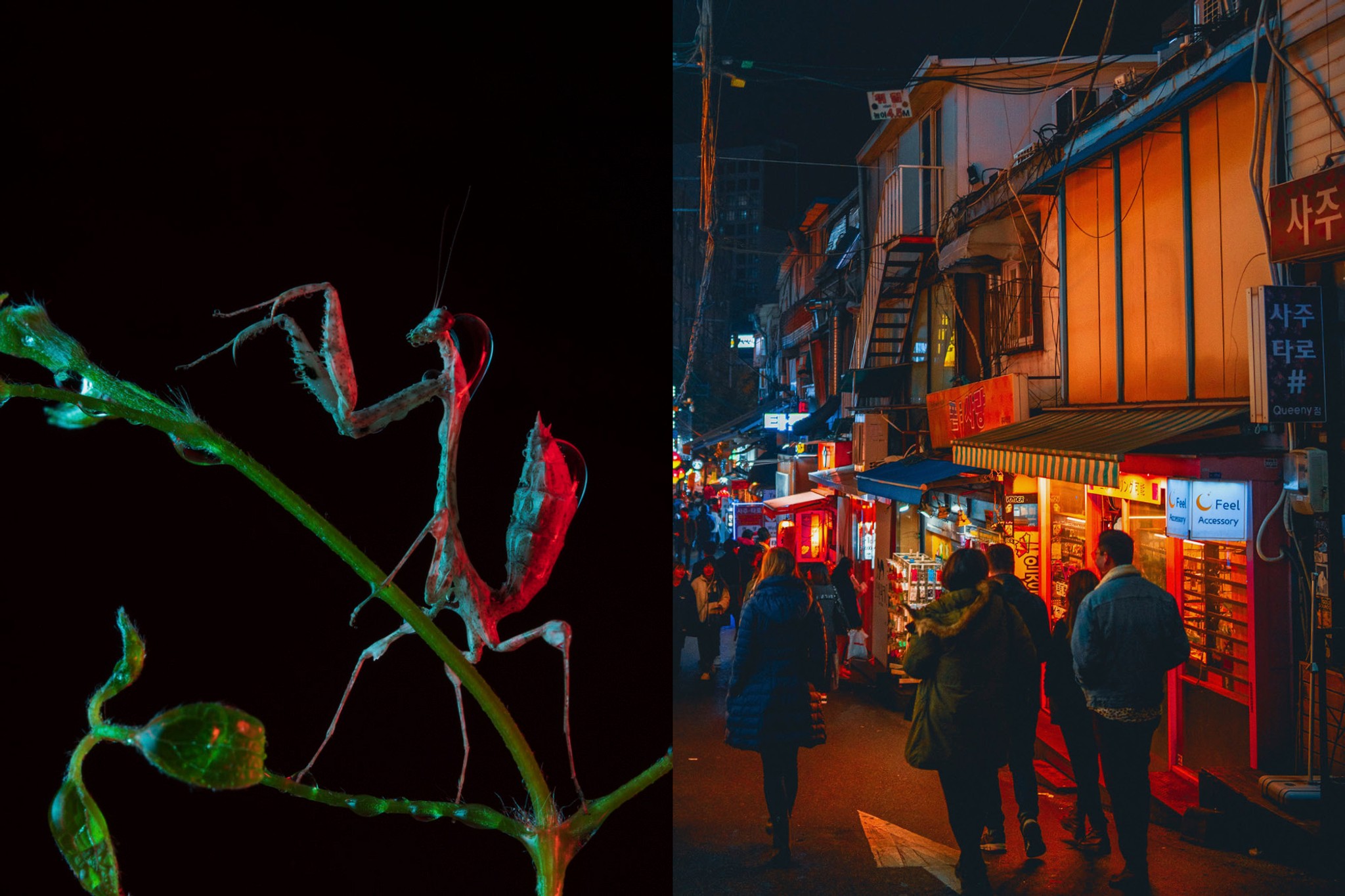
What if insects in your city weren’t background life, but essential workers shaping how the city functions?
The ones we overlook. The ones we avoid. The ones quietly holding ecosystems together. Not incidental, just unseen. Pollinating plants. Breaking down waste. Sustaining soil and growth in ways we rarely acknowledge.
We’ve been taught to think of cities as human systems. But they have always been more-than-human. Cities are shared environments, shaped by countless nonhuman lives working alongside us.
Insects already operate through complex systems of cooperation and division of labor, each playing a role in sustaining the whole. And in urban environments, they continue that work. Keeping natural cycles intact within human infrastructure.
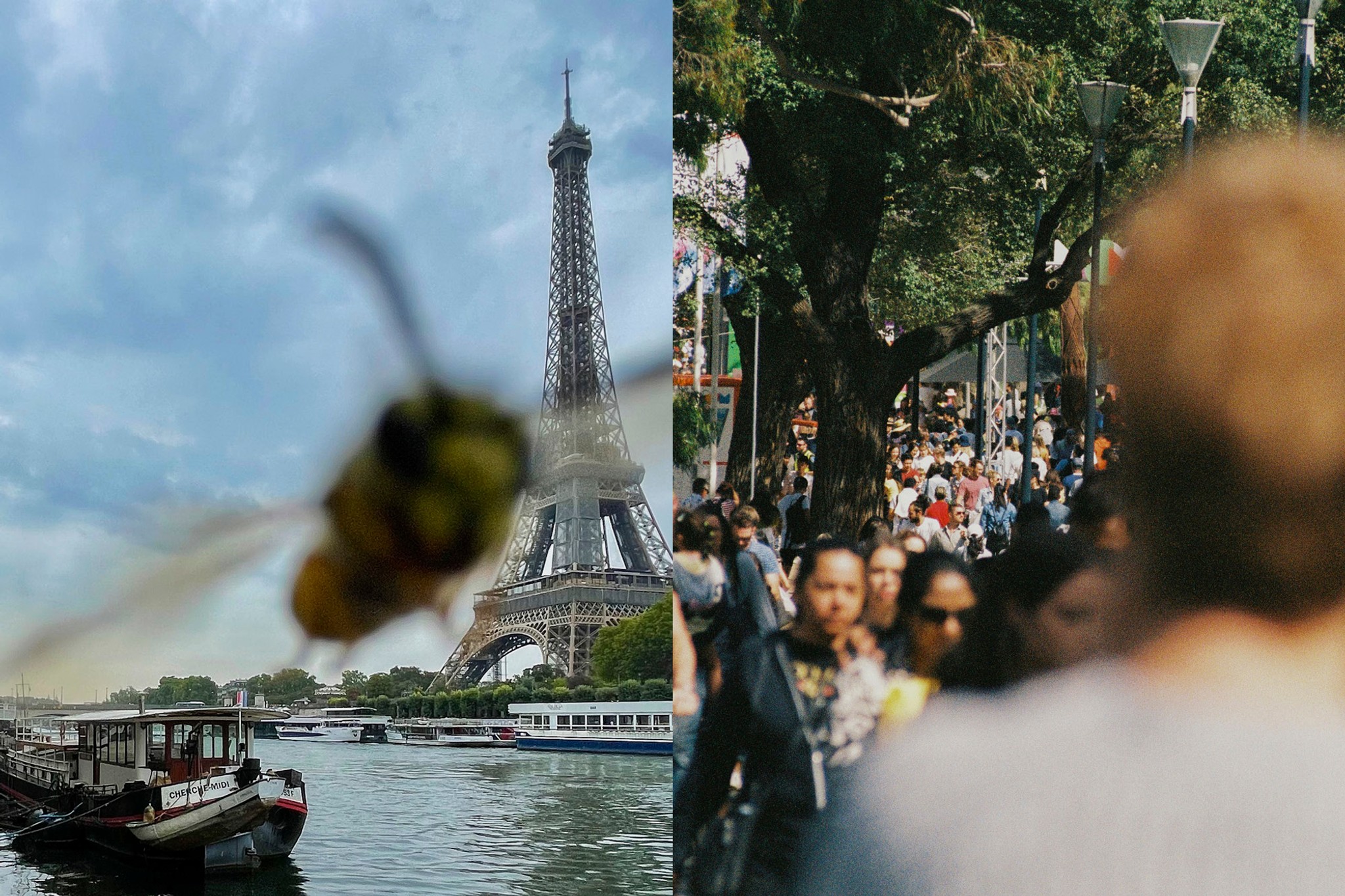
But our cities are rarely designed with them in mind.
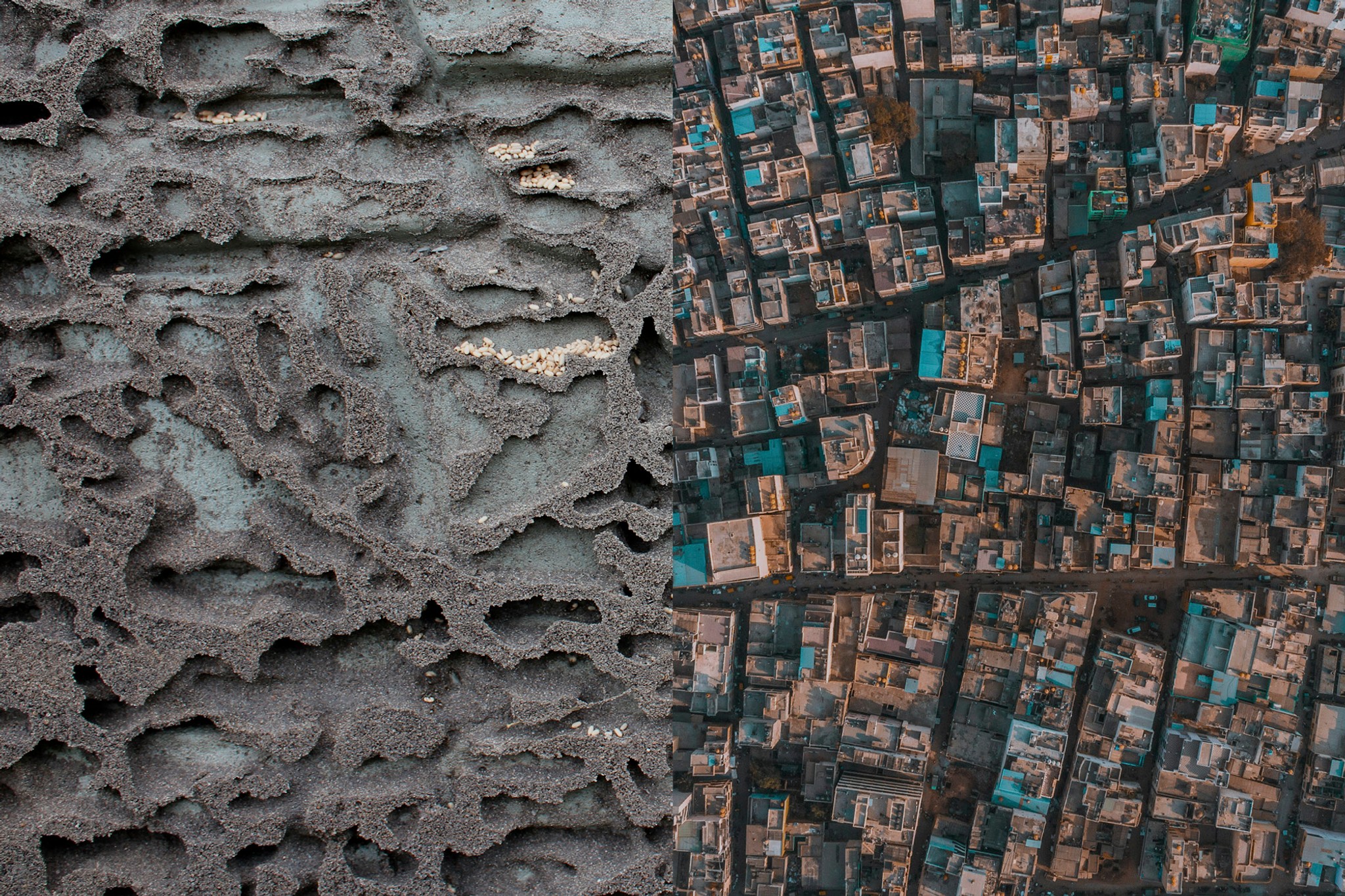
Urban planning tends to prioritize human function, often overlooking the ecological workers that make these spaces livable in the first place. And still, so much remains unseen: how insects move through buildings and green spaces, how they adapt to materials, how they quietly reshape the environments we build.
What if we stopped seeing insects as intruders, and started seeing them as participants?
Not just surviving in cities, but helping sustain them. Because the future of urban life may depend on designing with them, not against them.