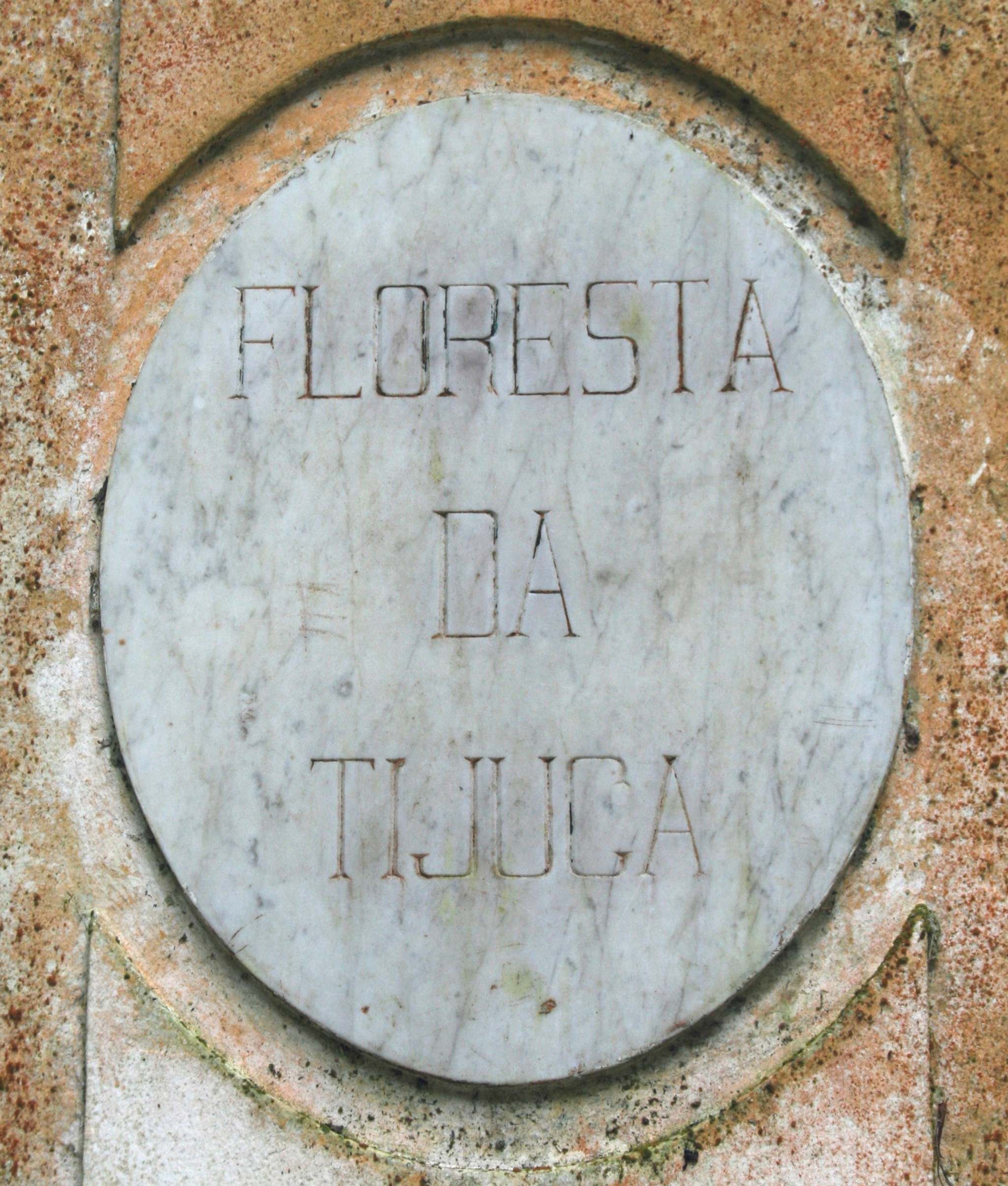
World's Largest Human-Made Forest in Rio de Janeiro
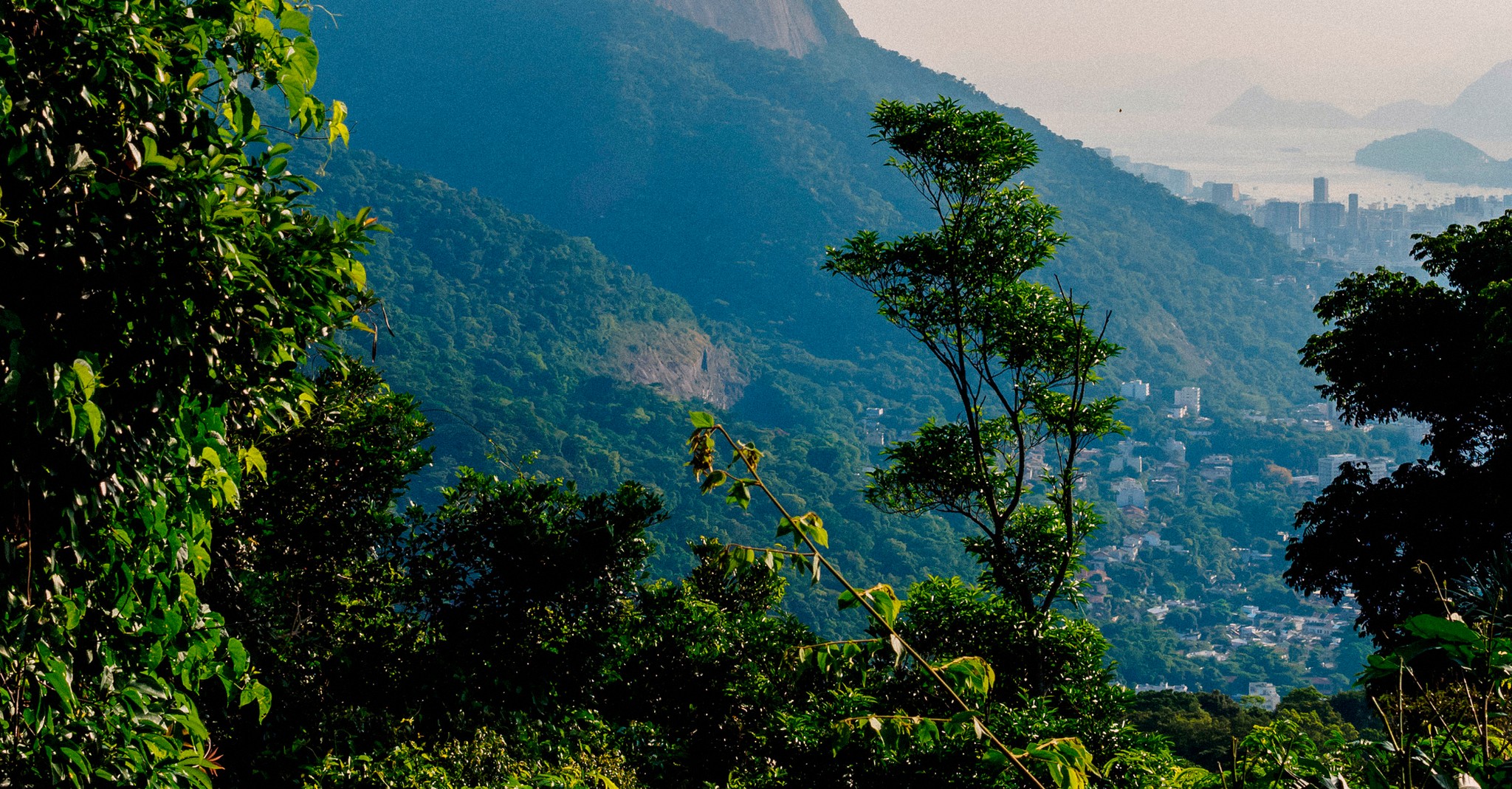
The Story of Tijuca Forest Restoration
When Charles Darwin arrived in Rio de Janeiro in the early 1830s, he encountered a city straining against its own ambition. The surrounding hills — dramatic, steep and once densely forested — had been stripped nearly bare. Streams ran thin. Drinking water grew unreliable. What is today an emerald backdrop to one of the world’s most recognizable skylines was, at the time, a landscape in ecological retreat.
For two centuries, large portions of the Atlantic Forest had been cleared and burned to make way for coffee plantations. The labor was carried out by enslaved Africans, among the nearly four million people forcibly brought to Brazil. Coffee enriched landowners and fueled the imperial economy, but the environmental cost was profound. Without tree cover, tropical rains eroded soil, muddied rivers and diminished the springs that supplied the capital.
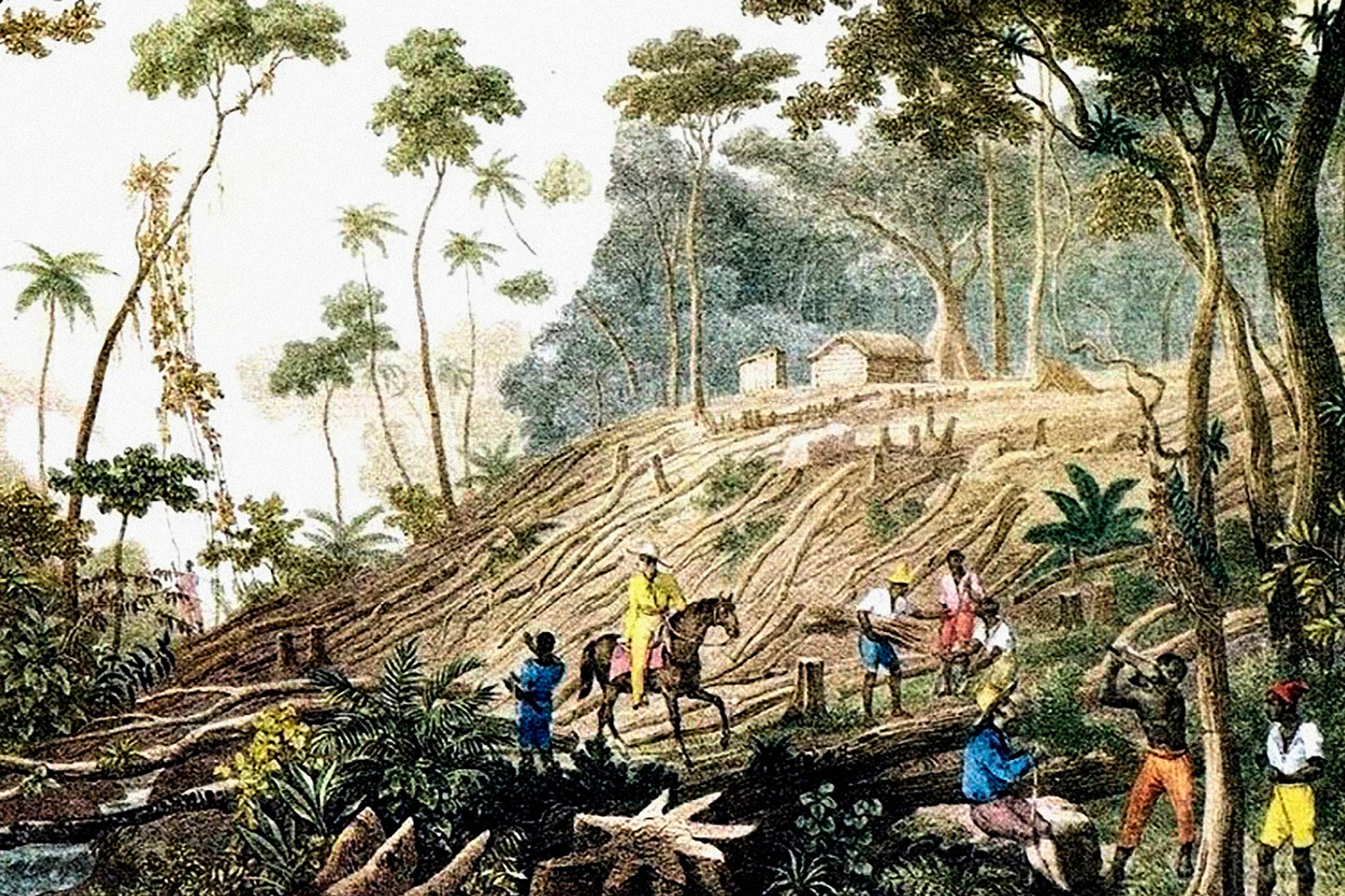
By the mid-19th century, the crisis could no longer be ignored. In 1861, the imperial government made a strikingly modern calculation: to secure Rio’s water supply, the forest had to be restored. Reforestation began on the Tijuca hills under state supervision. Historical records describe how small teams, including six enslaved workers, collected seeds from remaining forest fragments and planted more than 100,000 native trees across devastated slopes.
The work was slow and largely invisible at first. Saplings struggled against exposed sun and poor soil. But as years passed, roots stabilized the hillsides. Shade cooled the ground. Moisture returned. Springs began to flow more reliably into the reservoirs below. What started as a utilitarian water-management strategy gradually evolved into something larger — an expanding canopy that reclaimed ridge after ridge.
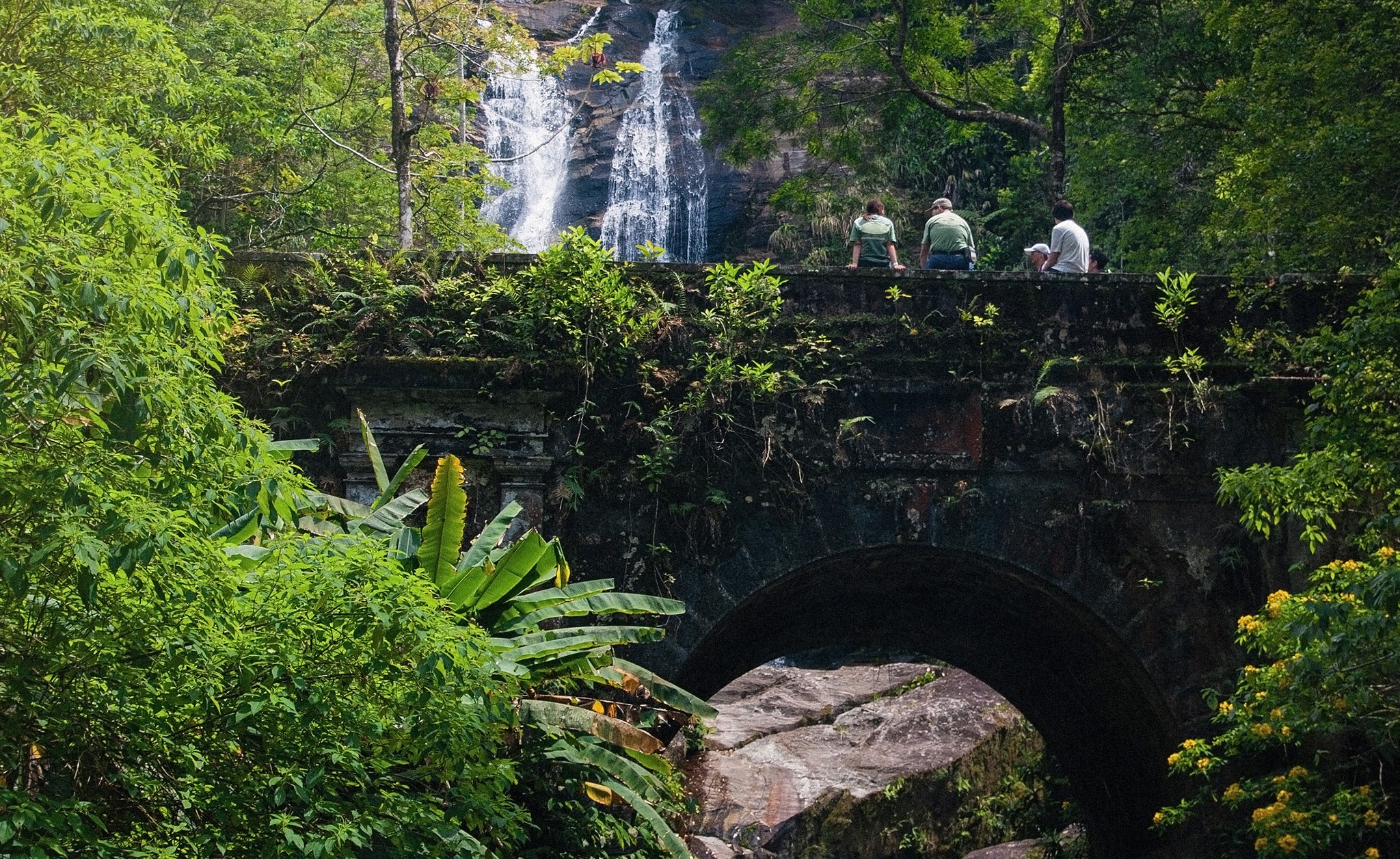
Through the late 19th and early 20th centuries, the regenerated forest continued to grow, aided by natural succession. Birds and mammals dispersed additional seeds. Secondary growth thickened into mature woodland. Trails were carved, scenic roads constructed, and lookout points established, transforming the once-degraded hills into a public landscape.
In 1961, the restored area was formally designated as Tijuca National Park, consolidating several forest sectors into a protected reserve. Over time, conservation policies strengthened, invasive species were managed, and wildlife , including capuchin monkeys and toucans, reestablished themselves in the canopy.
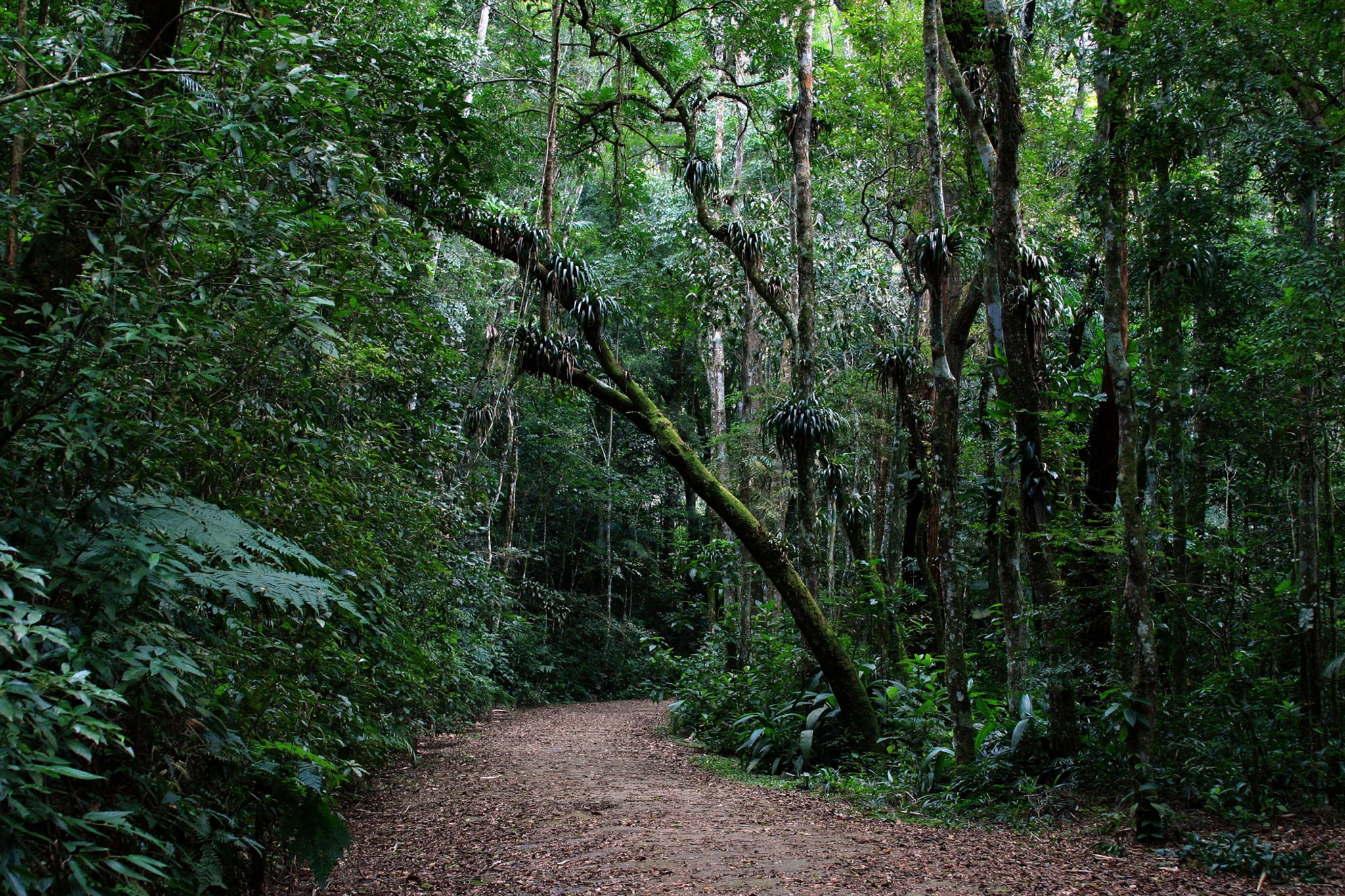
Today, the Floresta da Tijuca spans nearly 4,000 hectares within the city limits. It stands not merely as the world’s largest human-made urban forest, but as a living testament to ecological recovery. From barren plantation slopes to protected national park, Tijuca’s growth mirrors Rio’s own evolution — a reminder that restoration, though gradual, can reshape both landscape and destiny.