Healing Islands
Rewilding Santiago’s Iconic Children’s Hospital.
0
Trees
0
Square Meters
0
Native Species
0
Youth Impacted
Self sustaining pocket forest
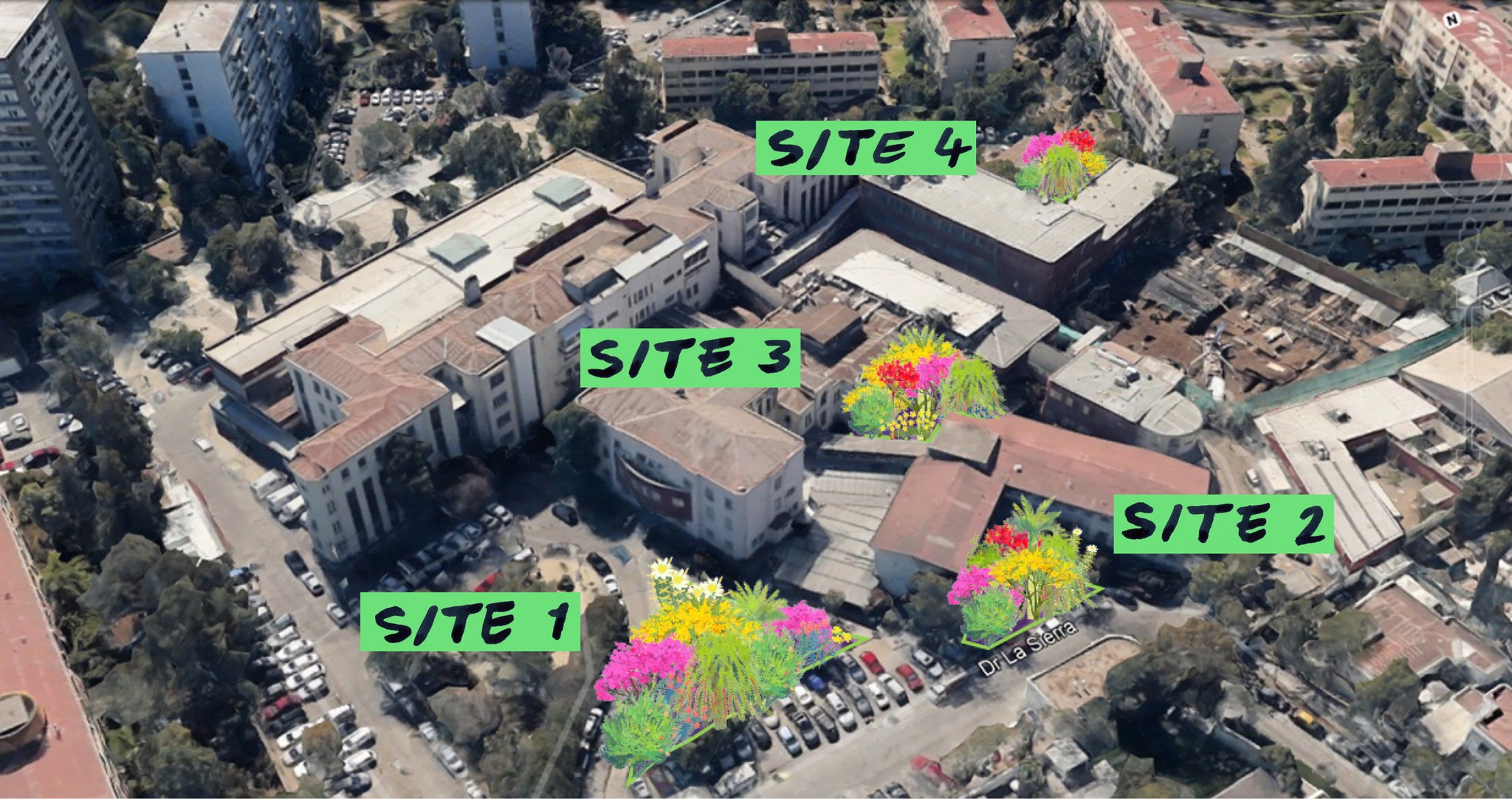
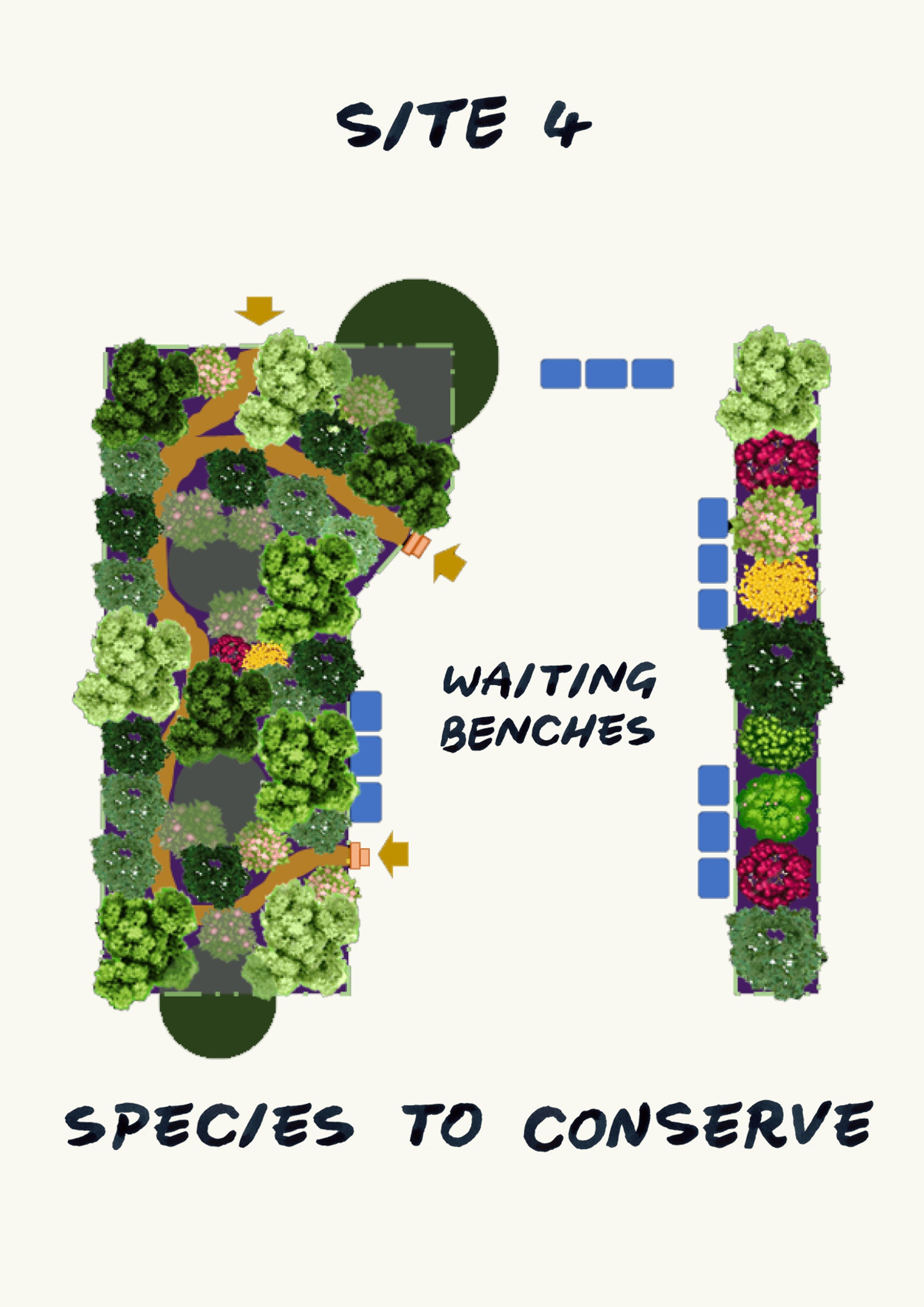
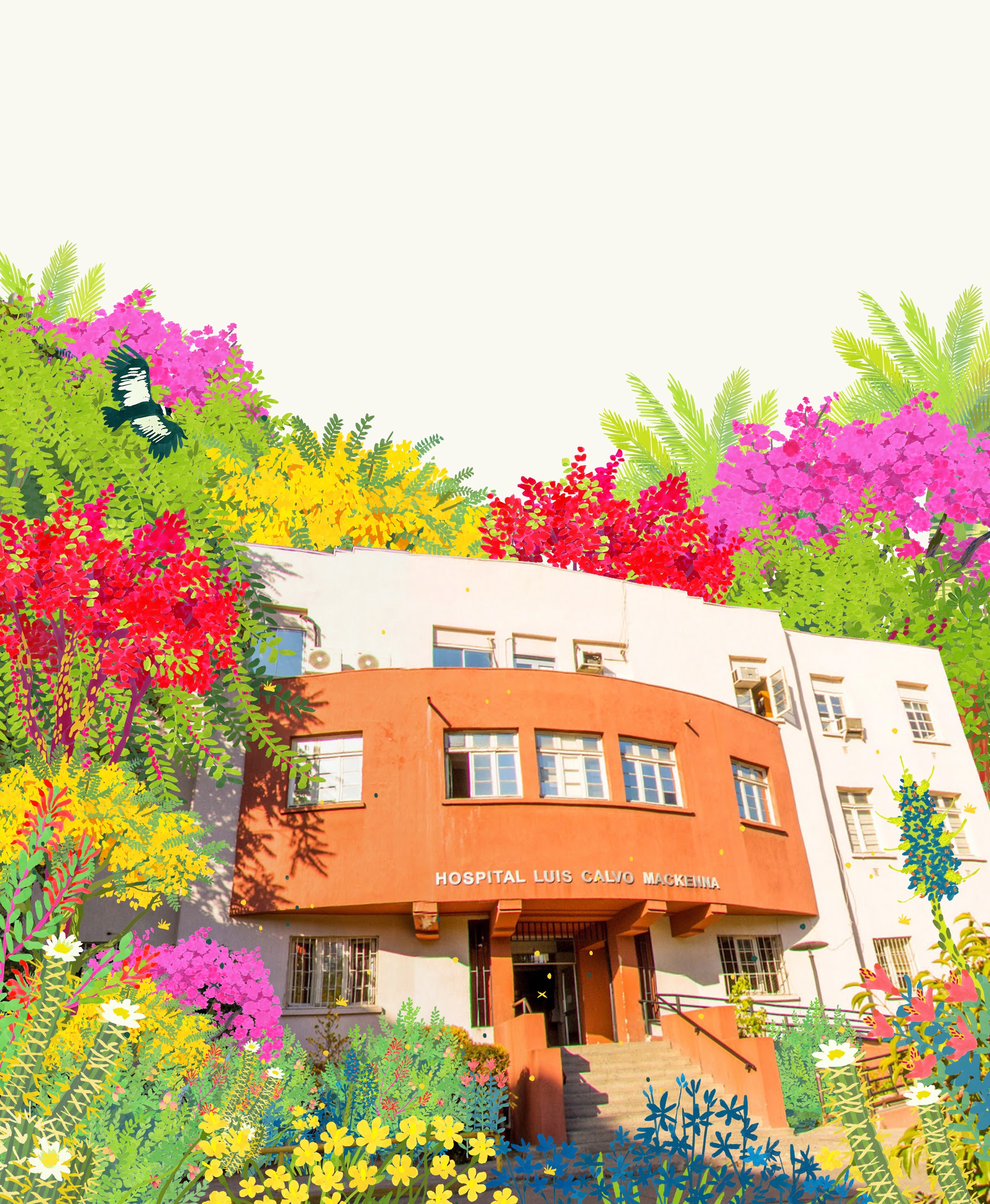
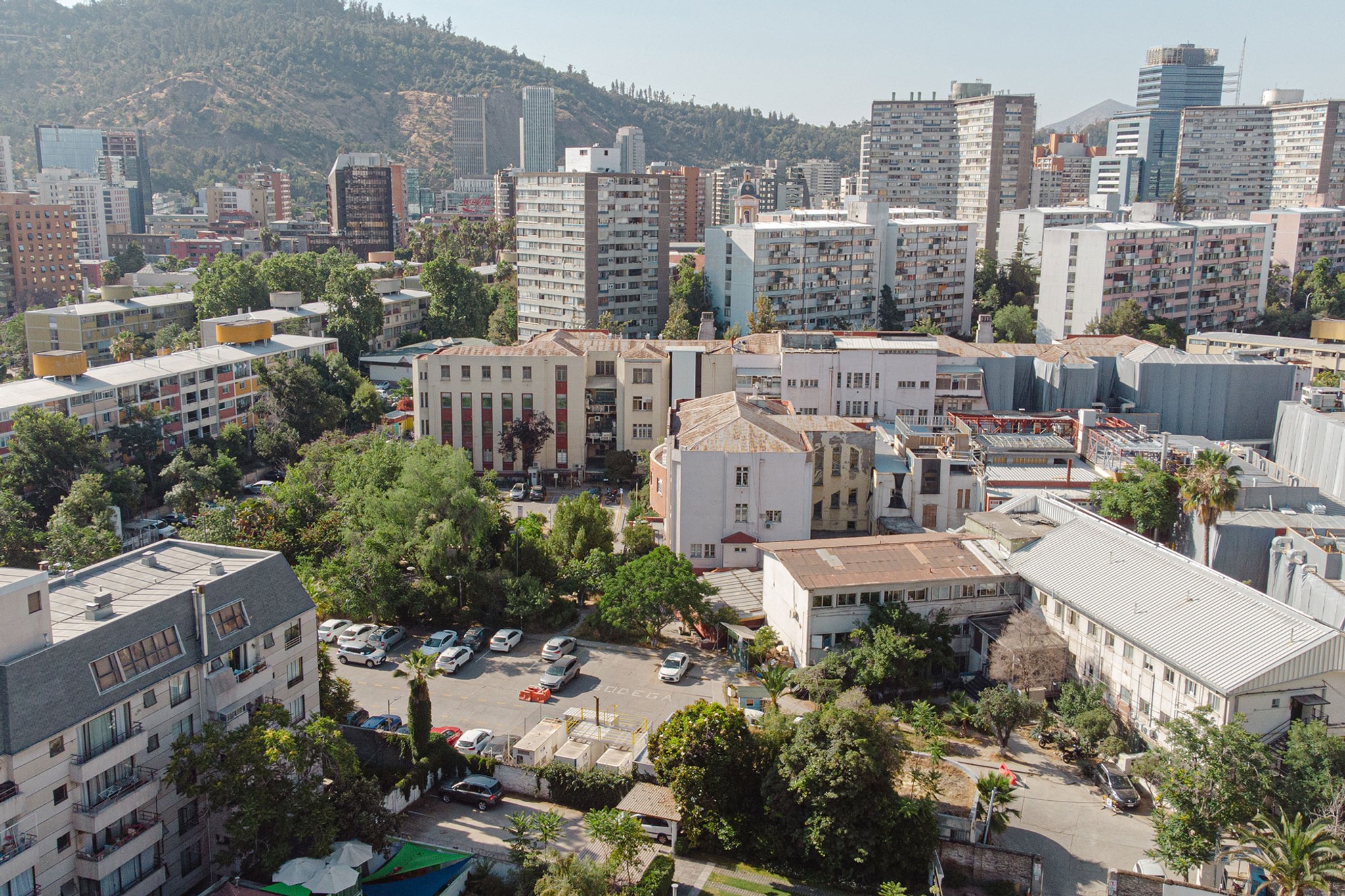
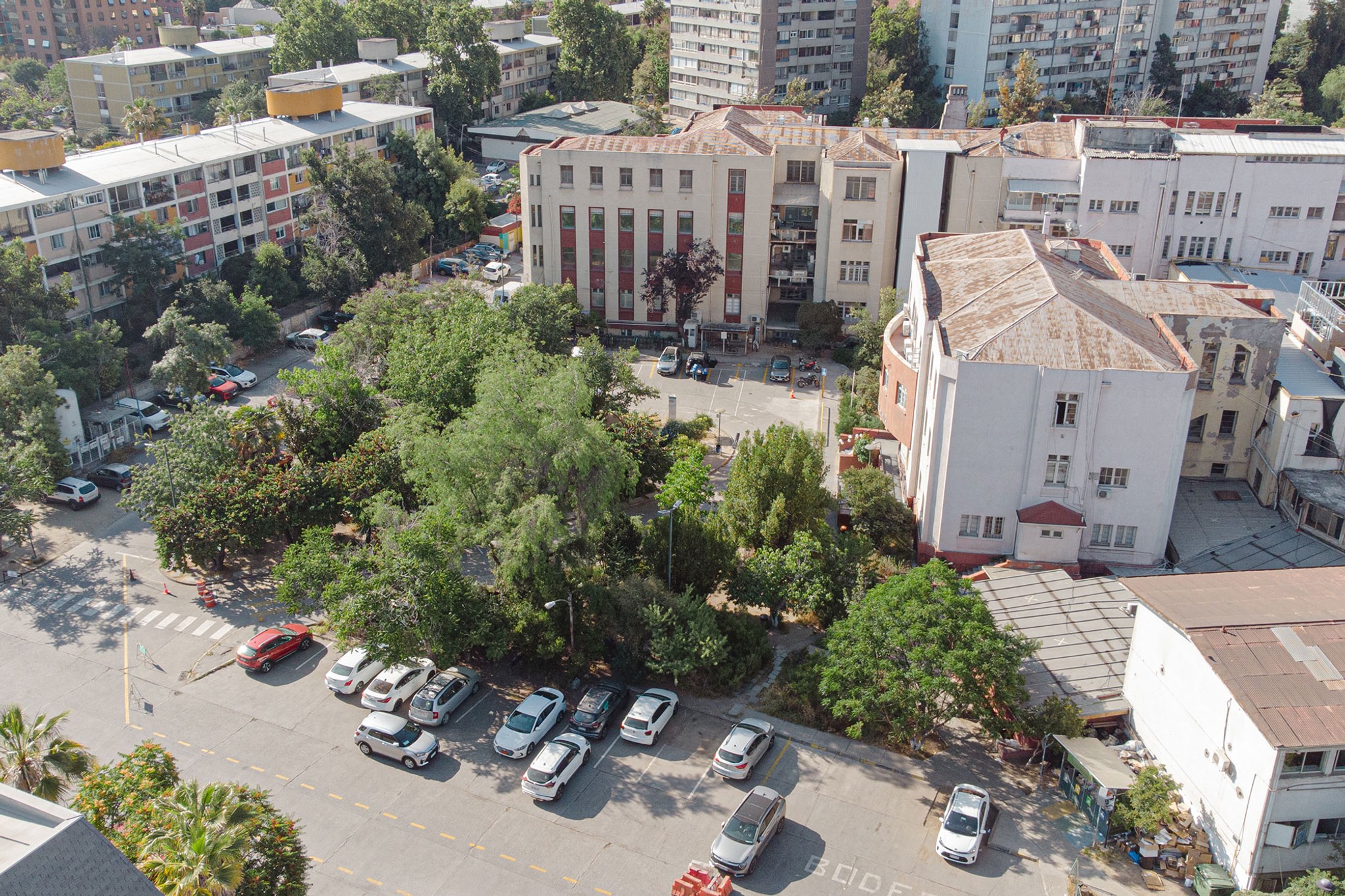
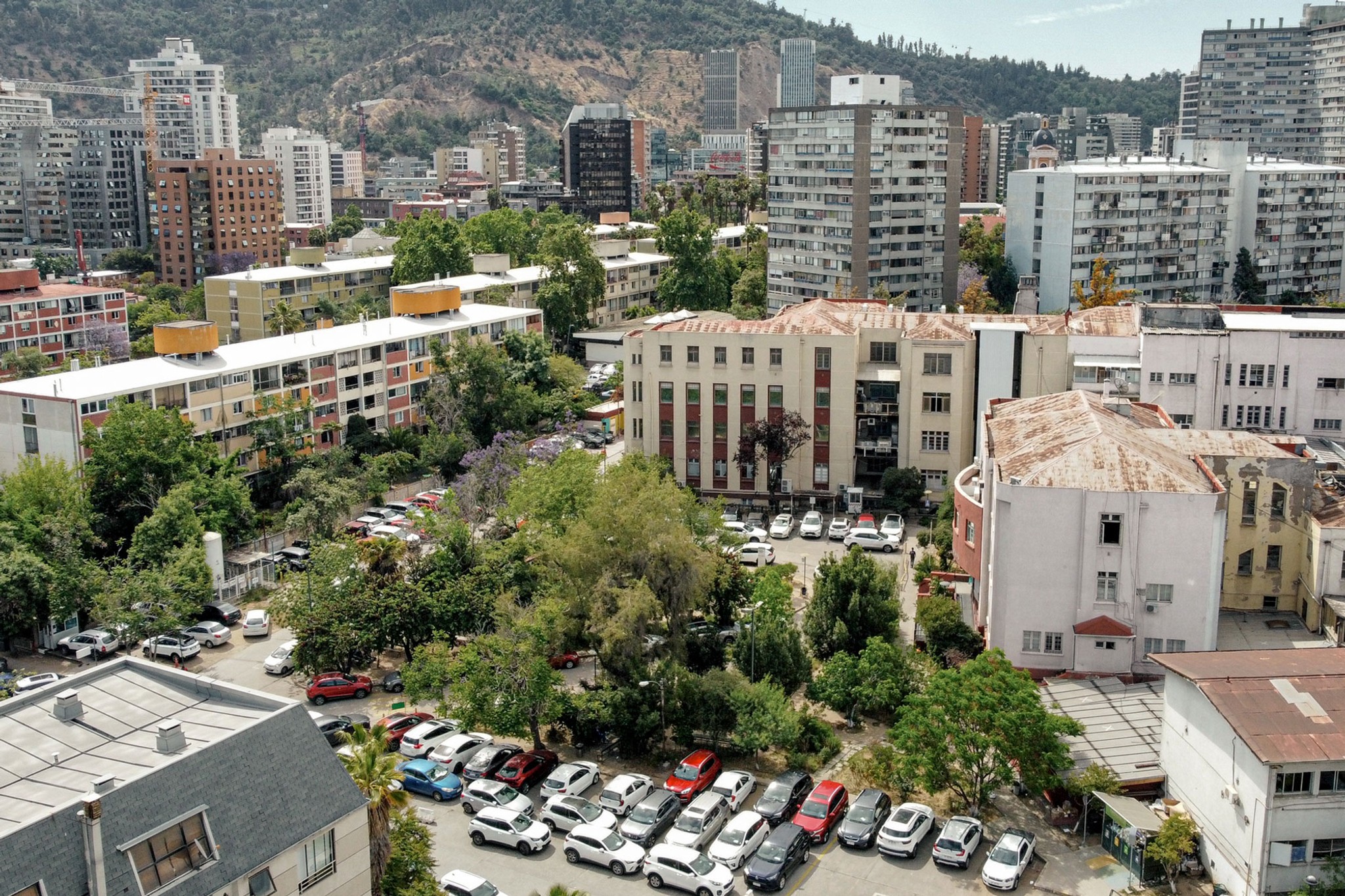
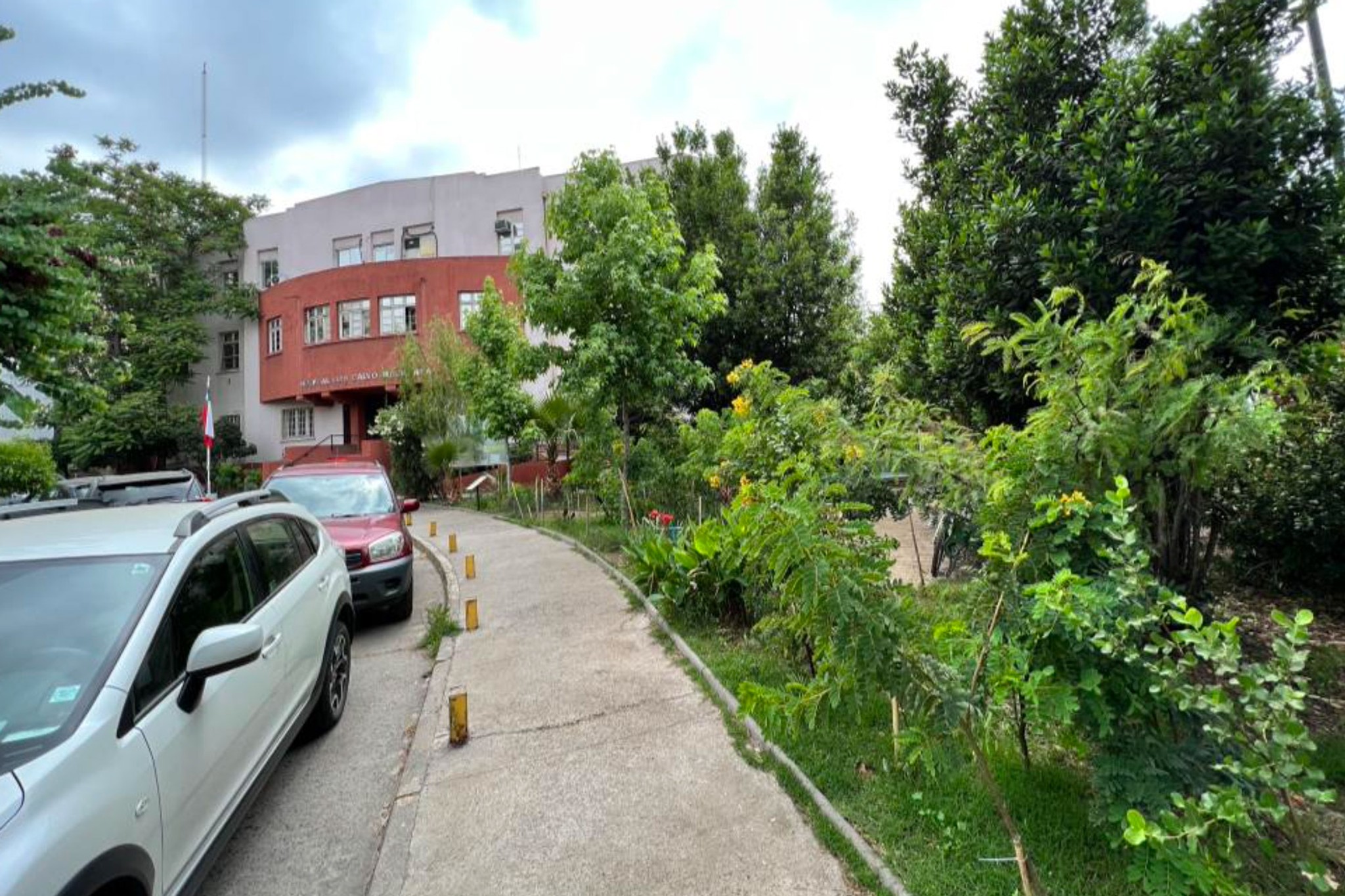
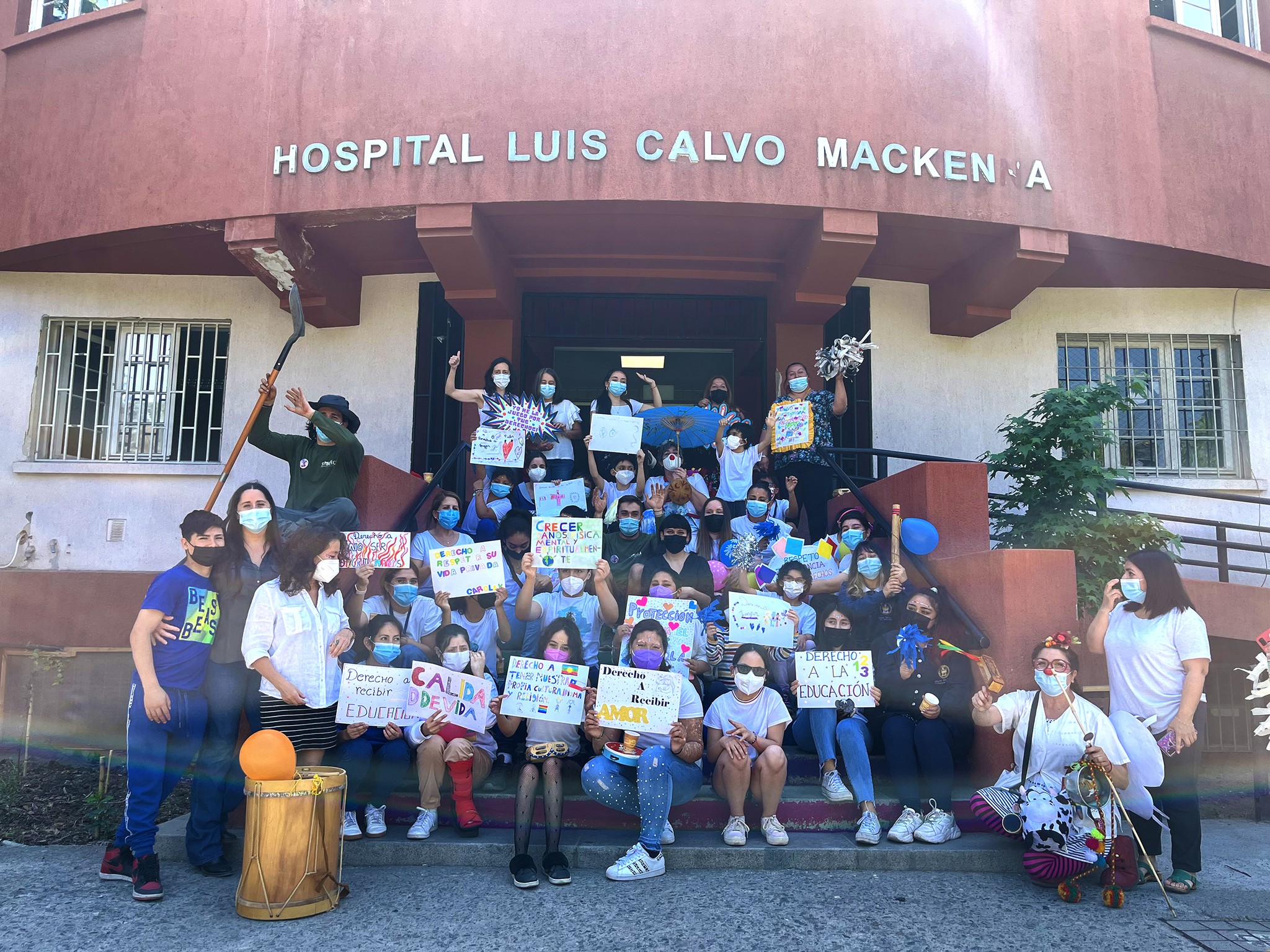
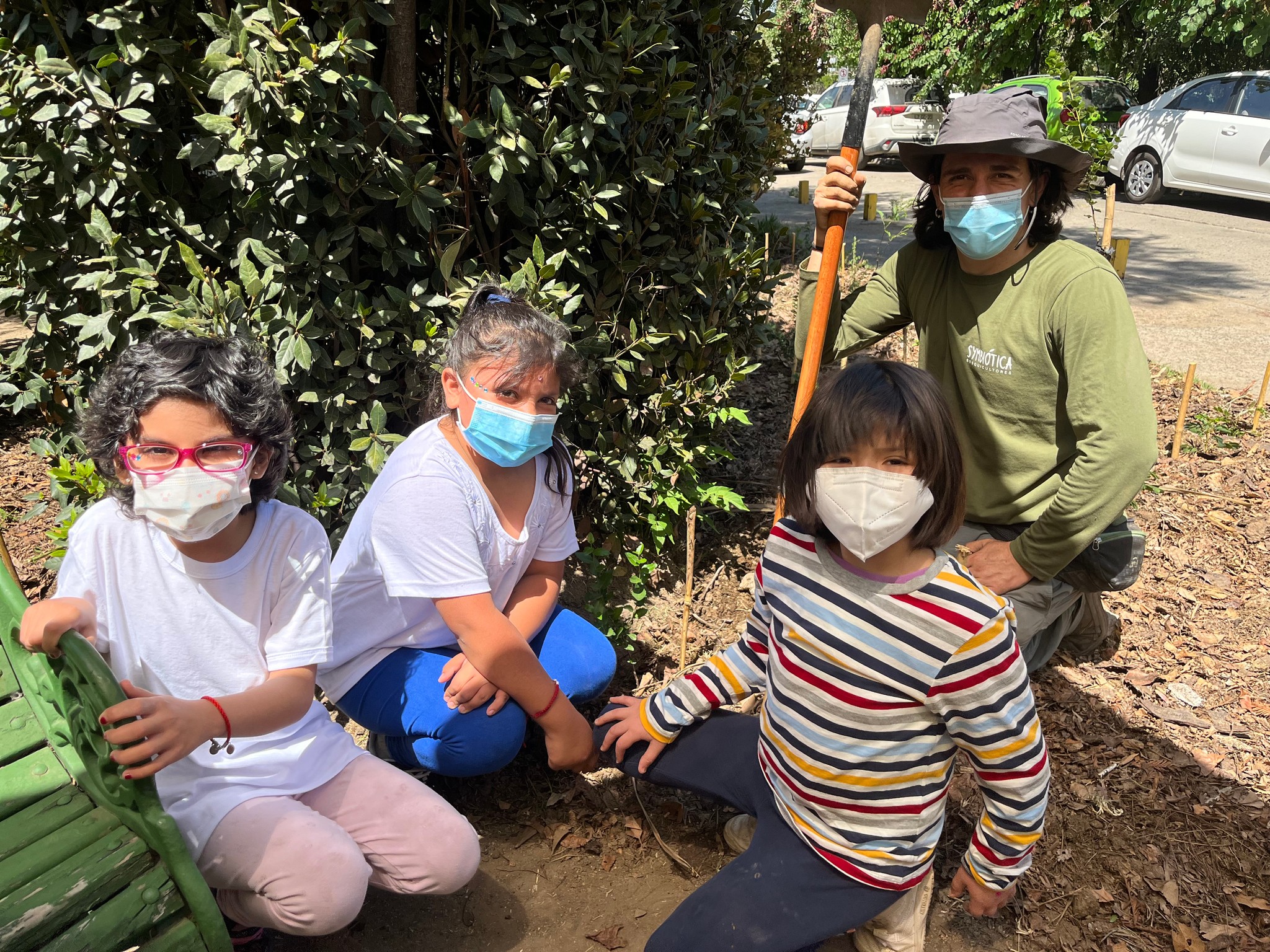
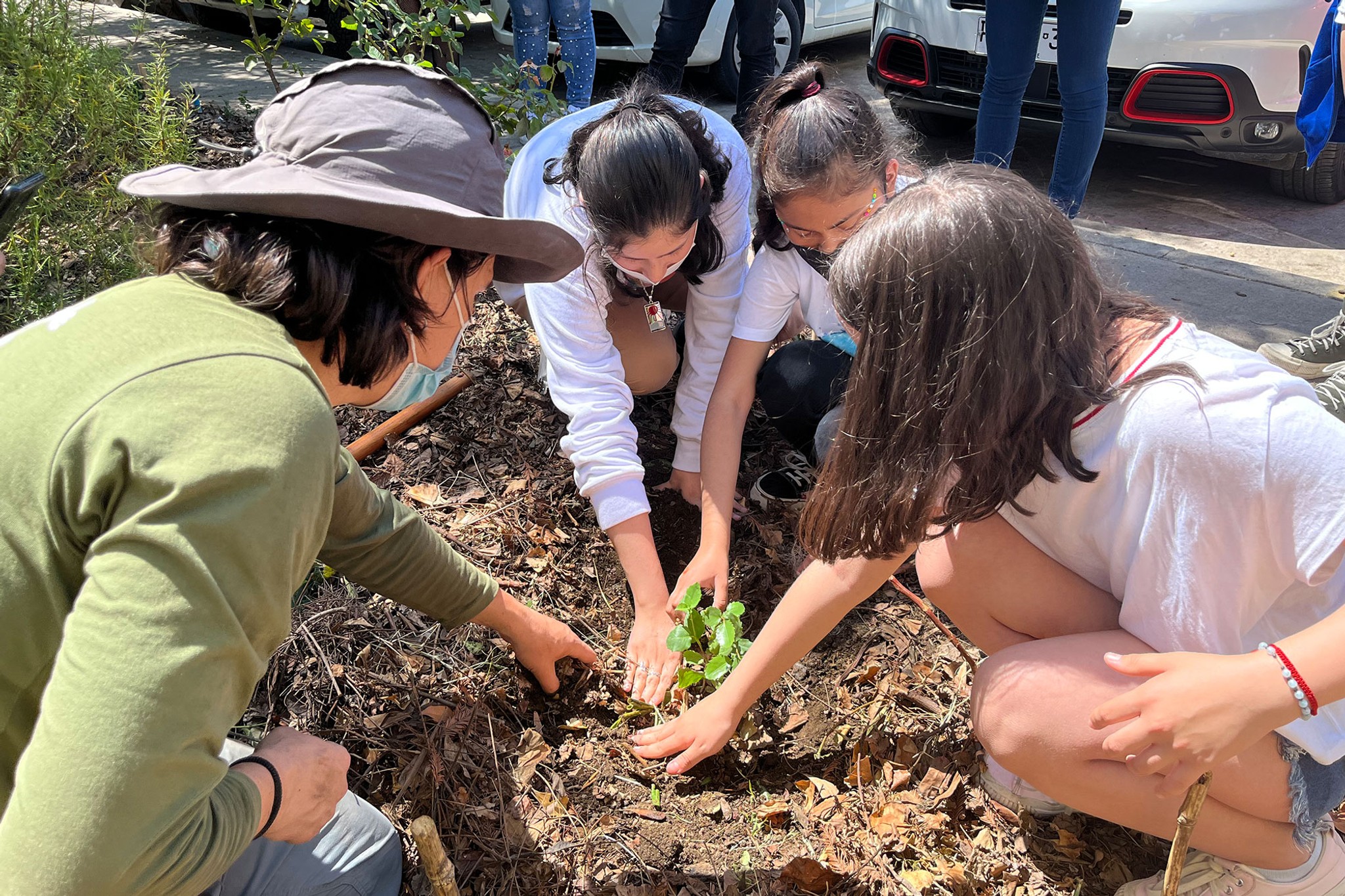
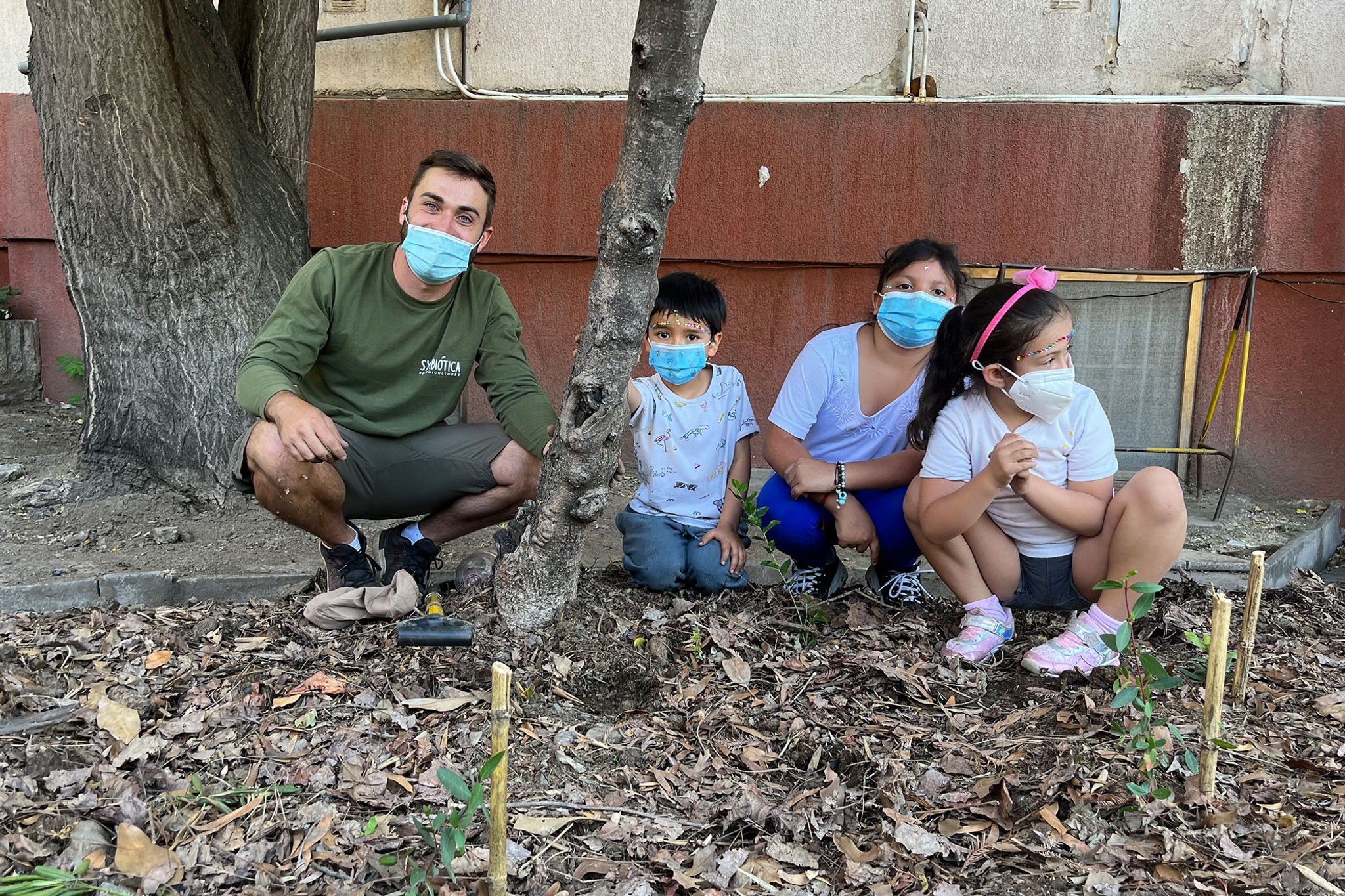
Planted within the grounds of the Dr. Luis Calvo Mackenna Hospital, one of Chile’s most iconic public children’s hospitals, the Healing Islands project brings nature back into the heart of Santiago’s concrete landscape.
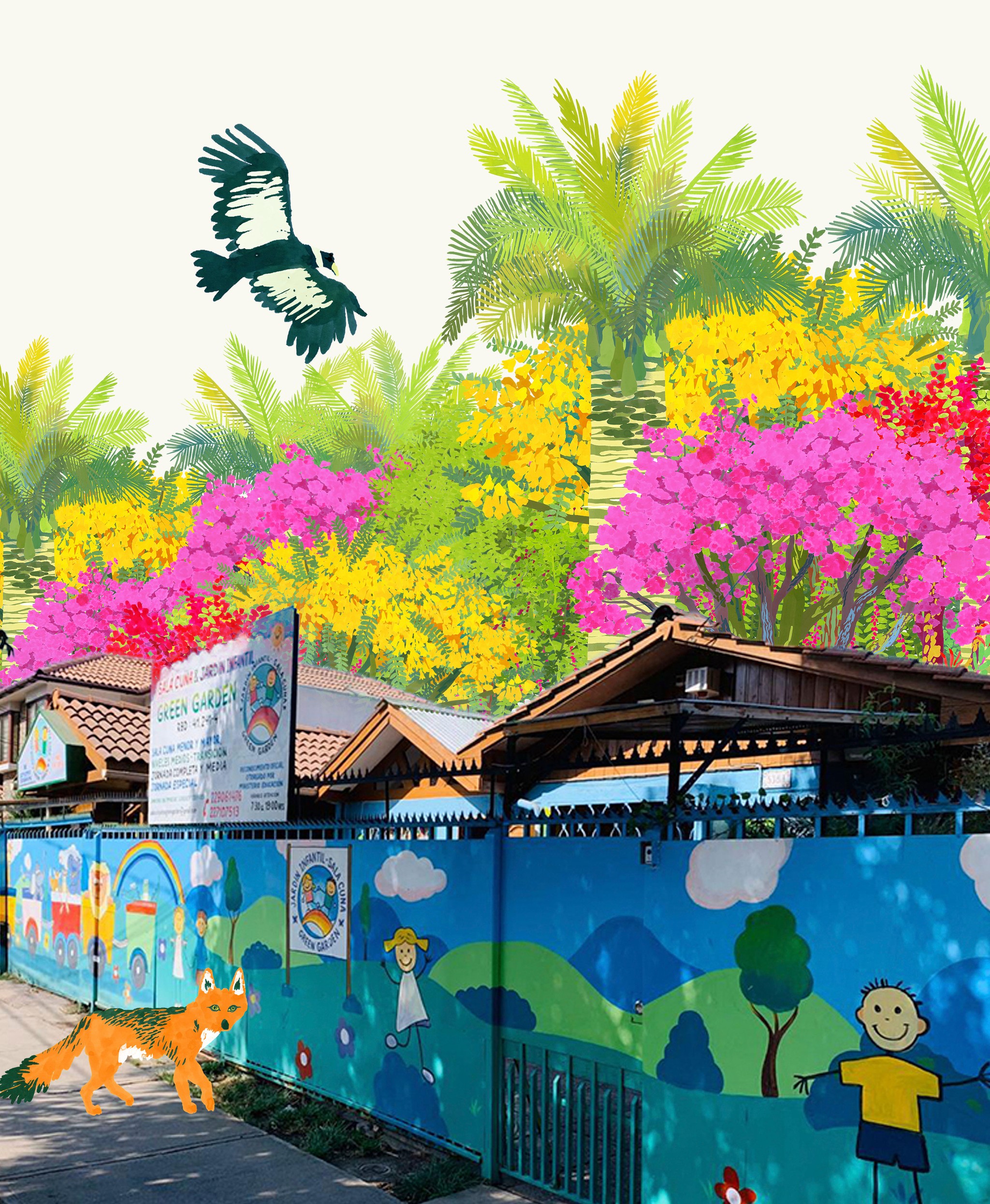
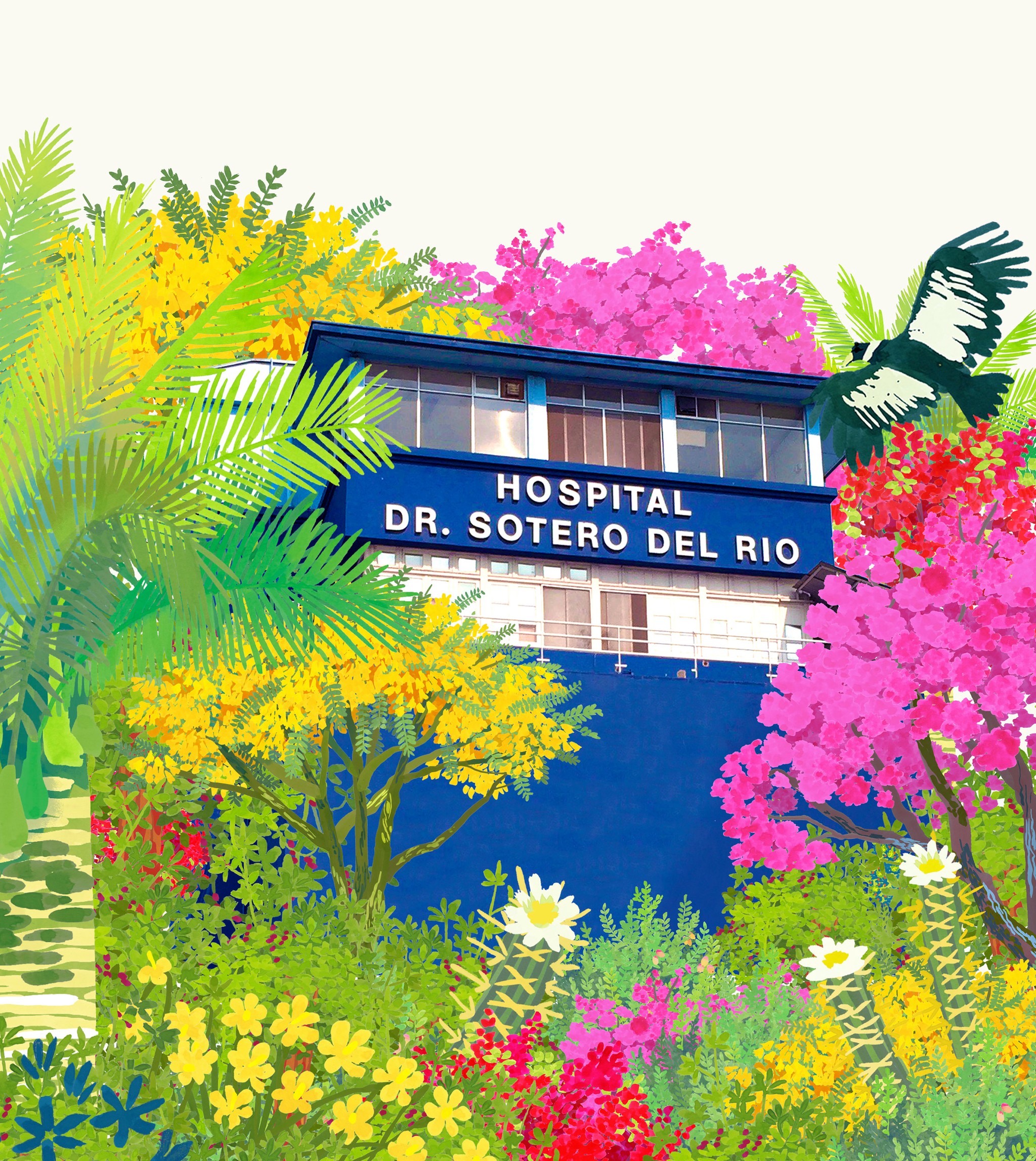
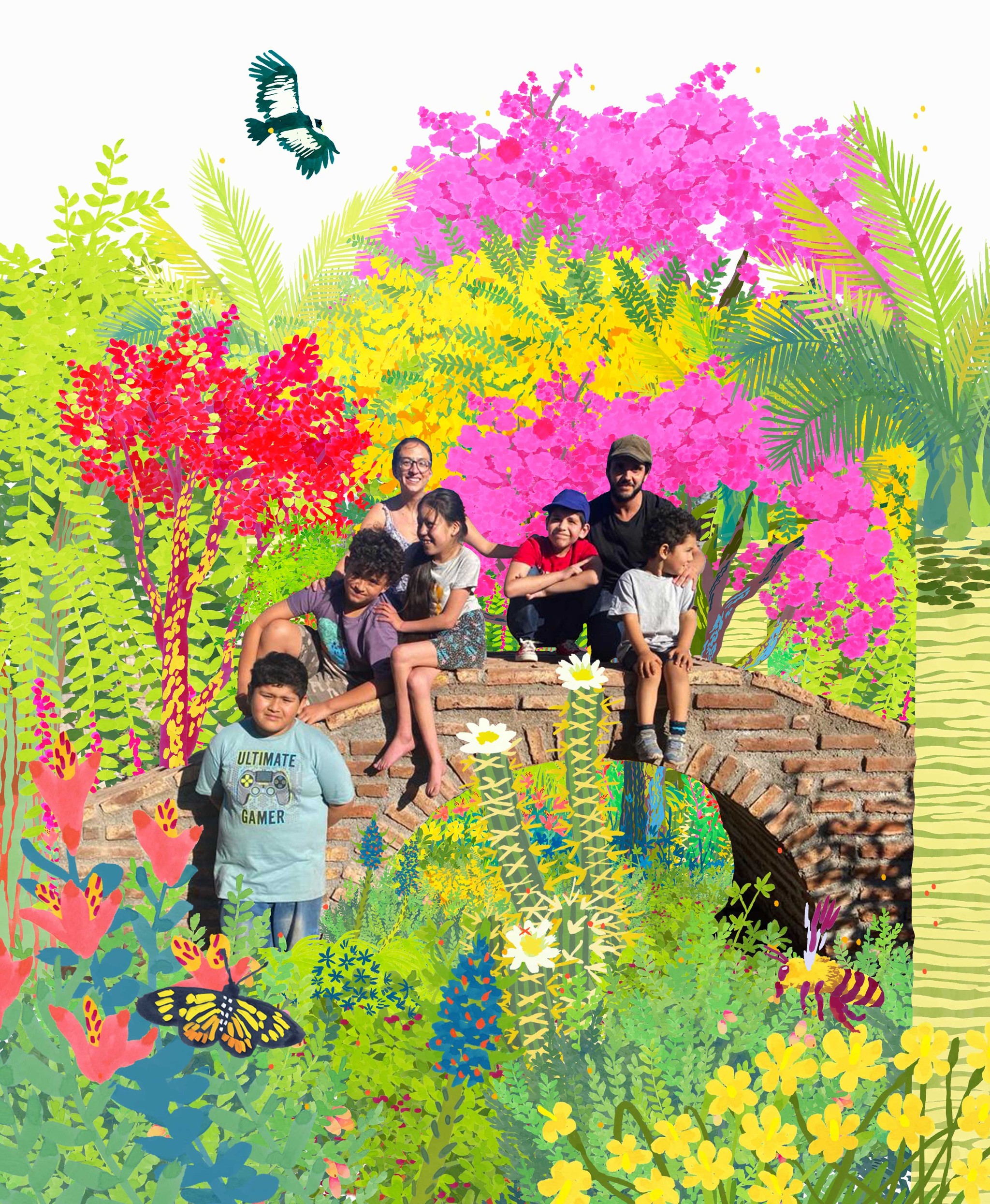
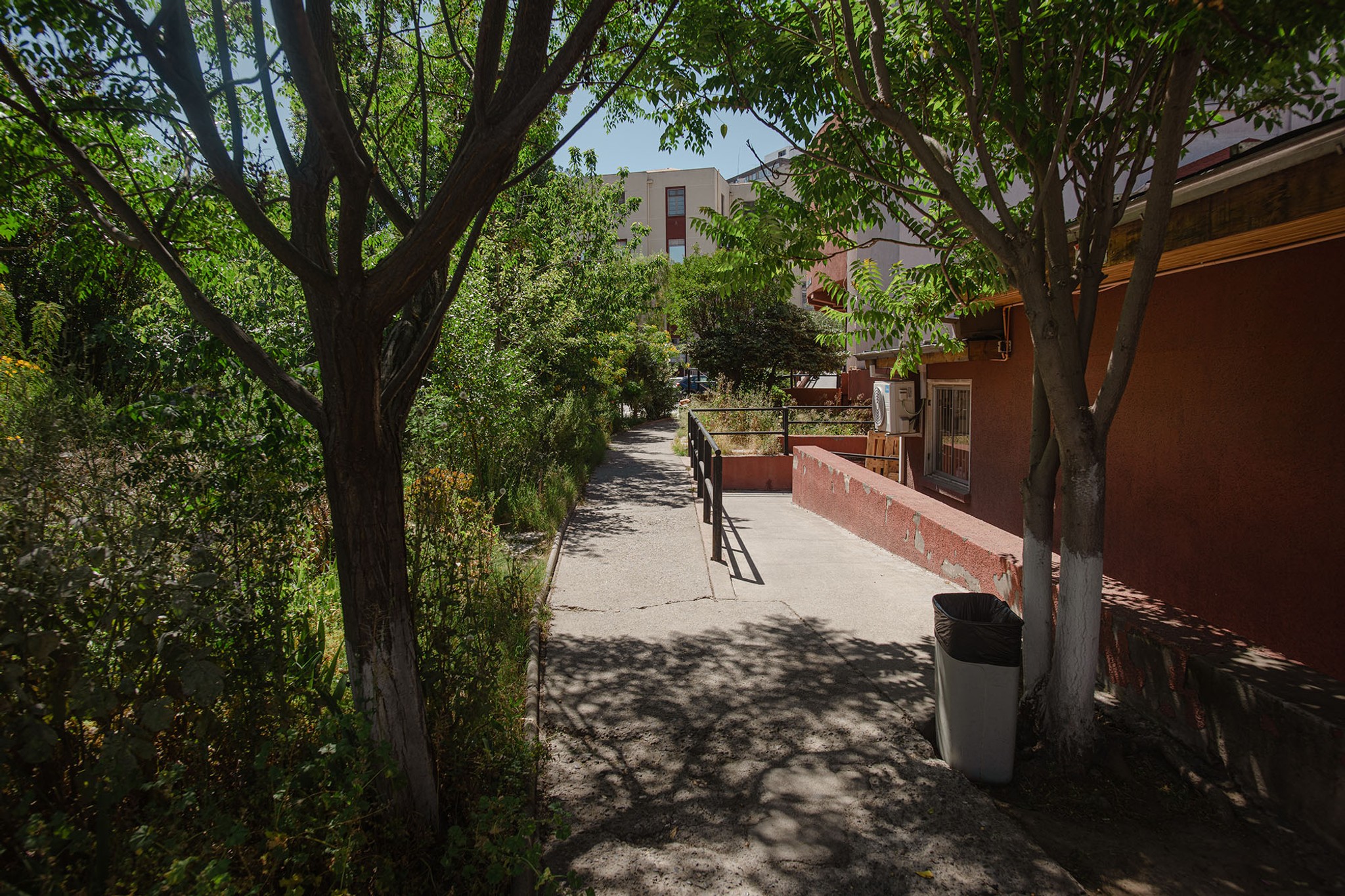
Through the work of Symbiótica, sections of hardened urban ground were broken open to allow native ecosystems to return, creating living “islands” of local flora, fauna and fungi that offer medicinal leaves, flowers and fruits for patients, visitors, staff and the wider community. Rooted in the belief that the healing of the Earth supports the healing of humanity, these Native Islands provide restorative contact with nature for children in recovery, while standing as a powerful statement of action for the rewilding generation.
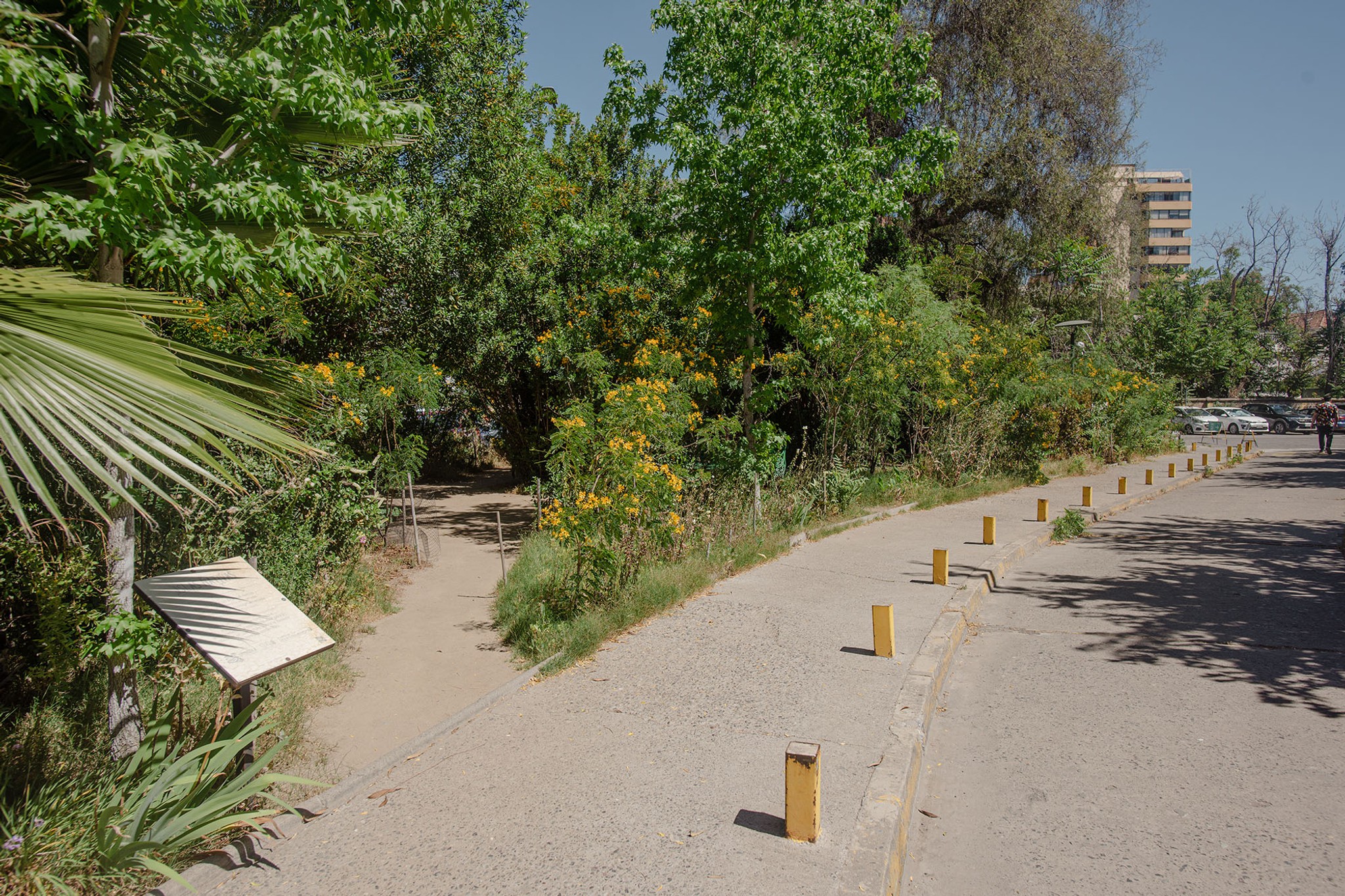
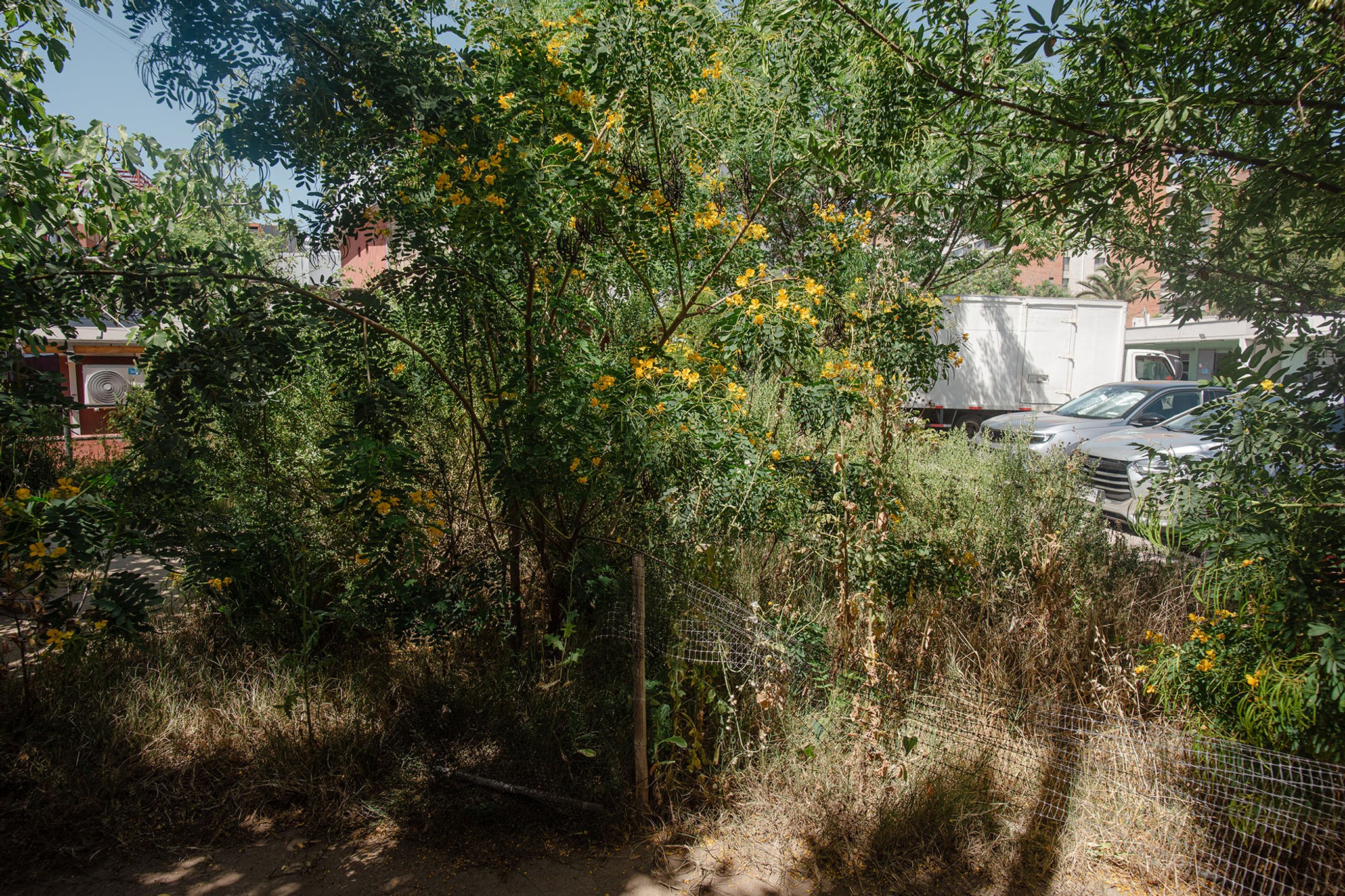
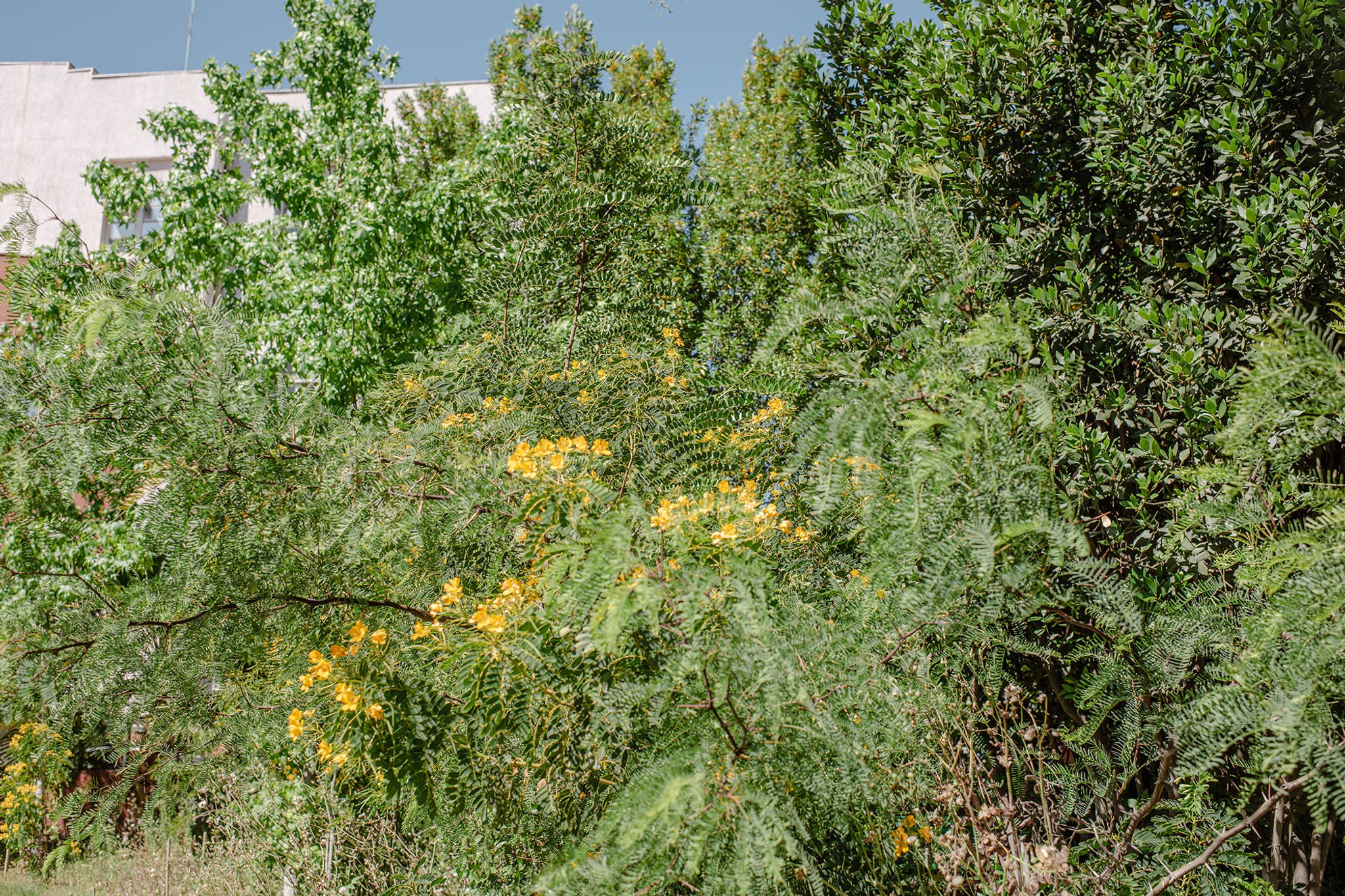
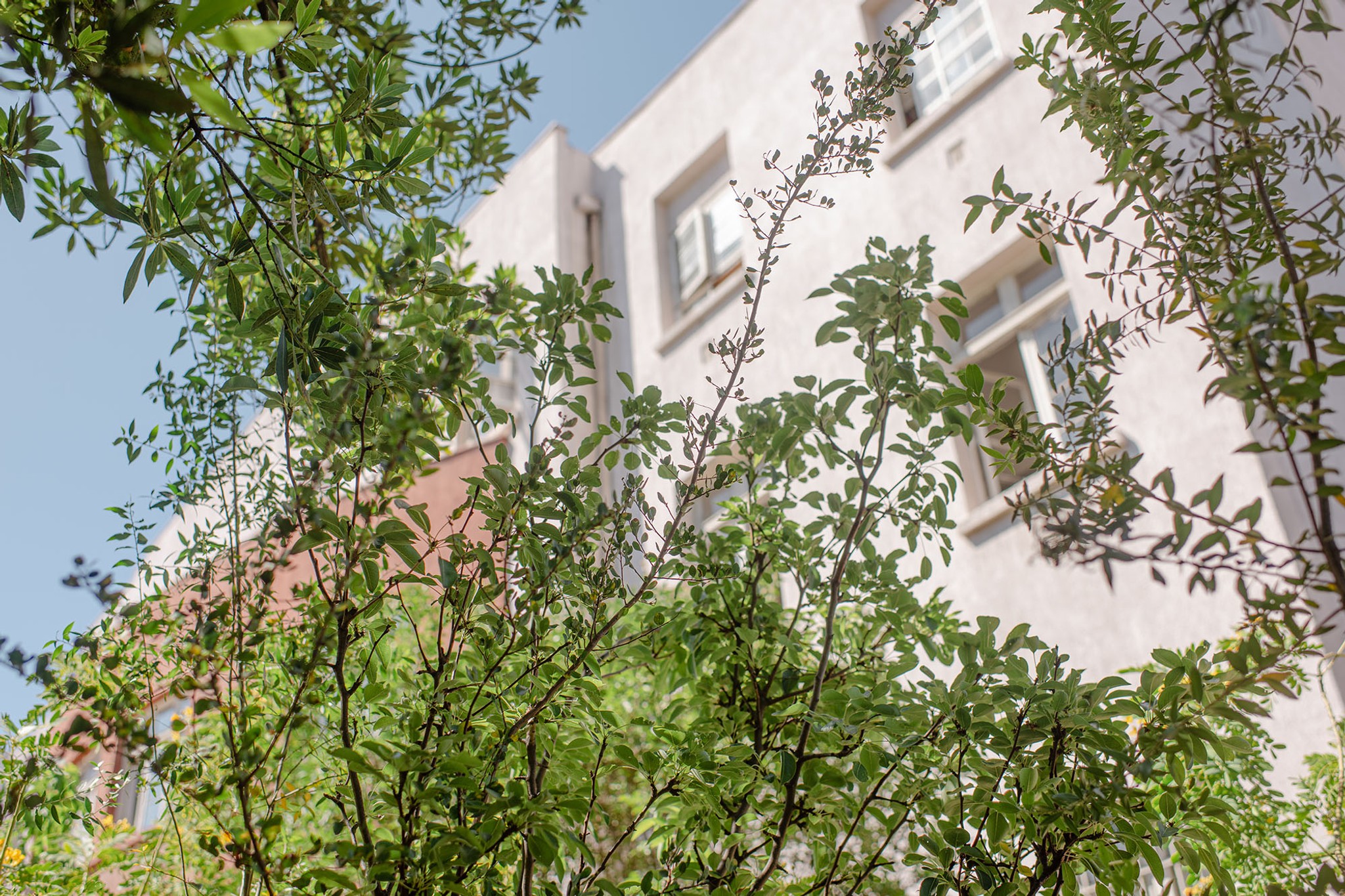
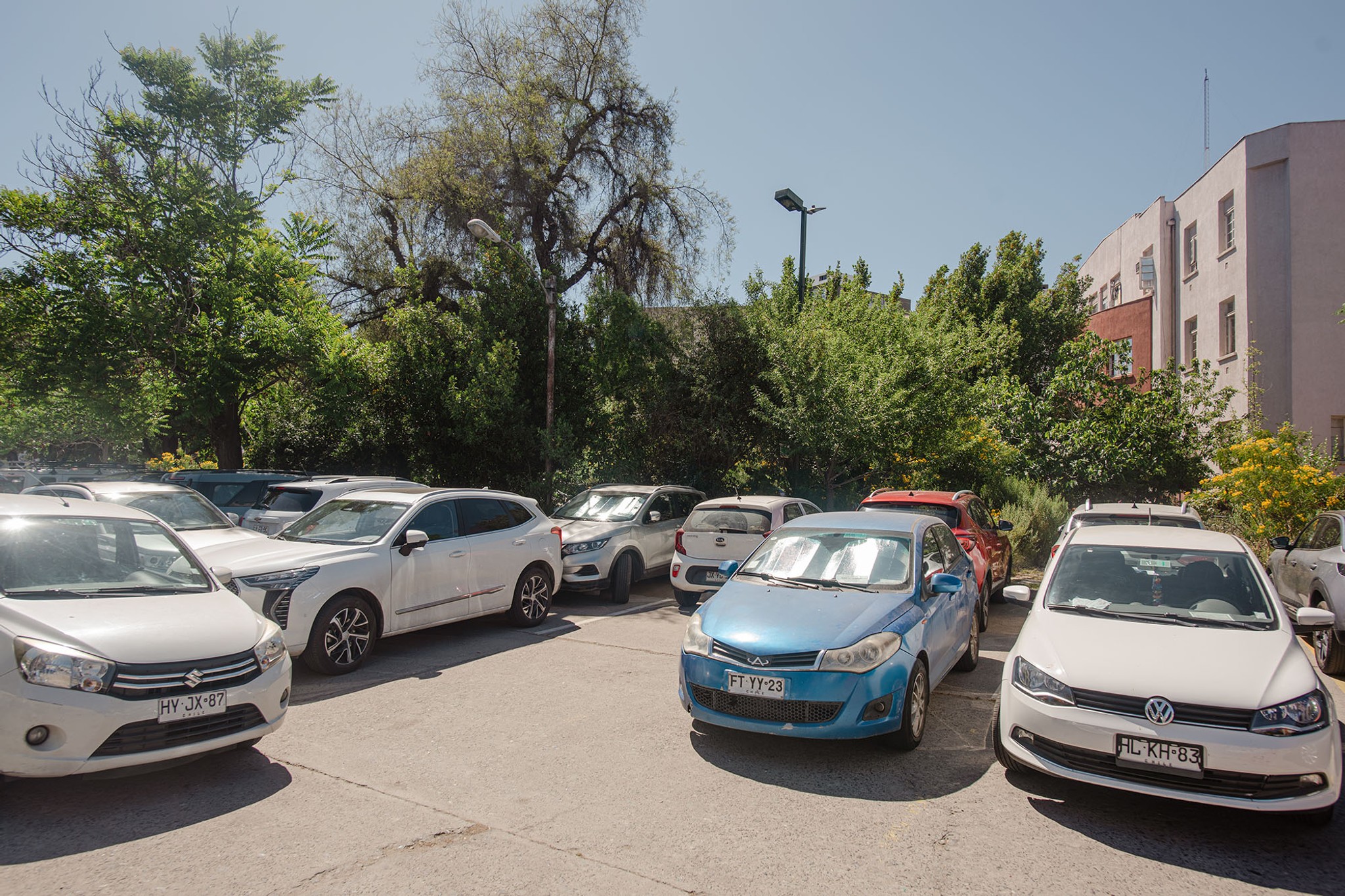
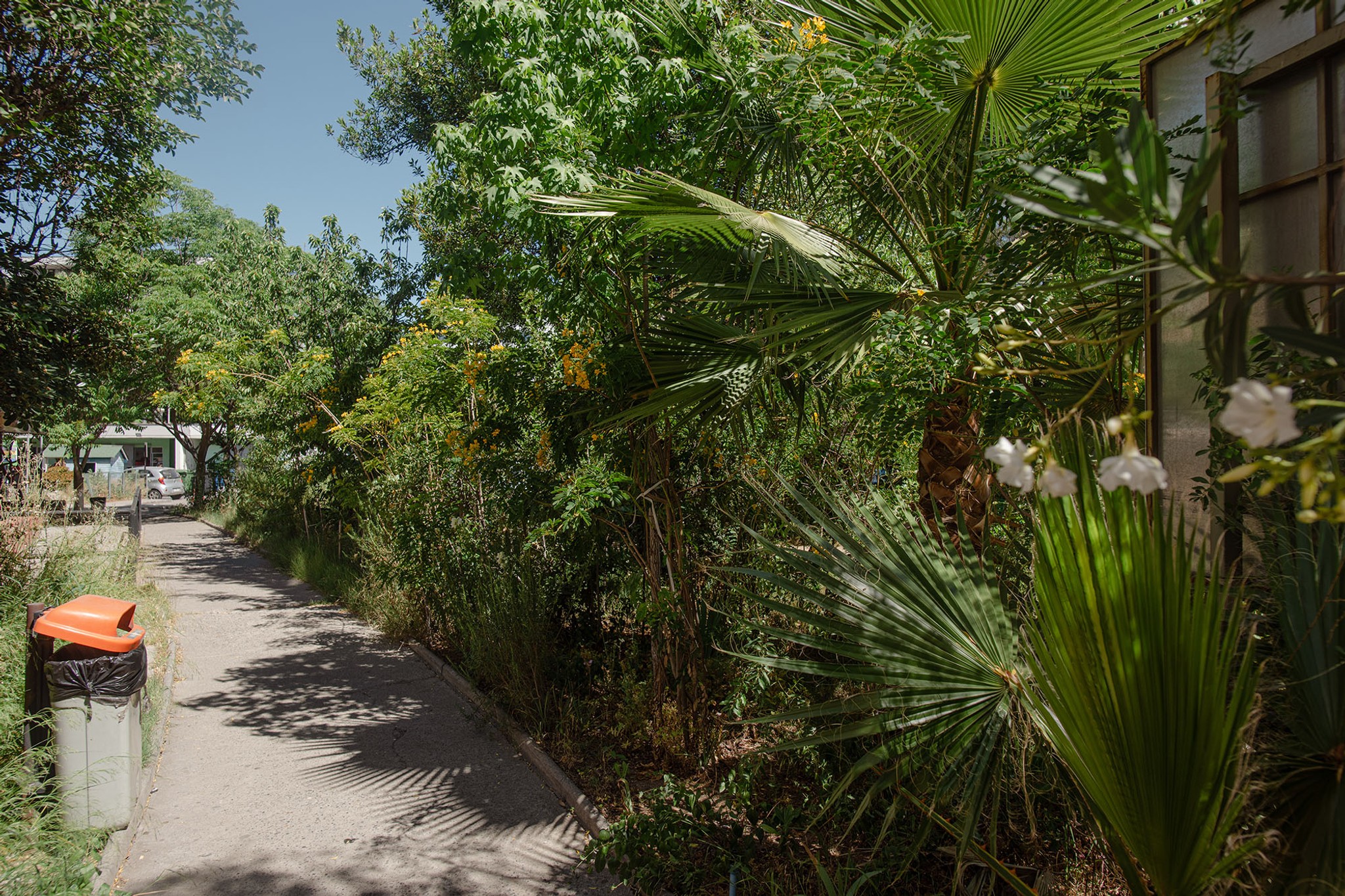
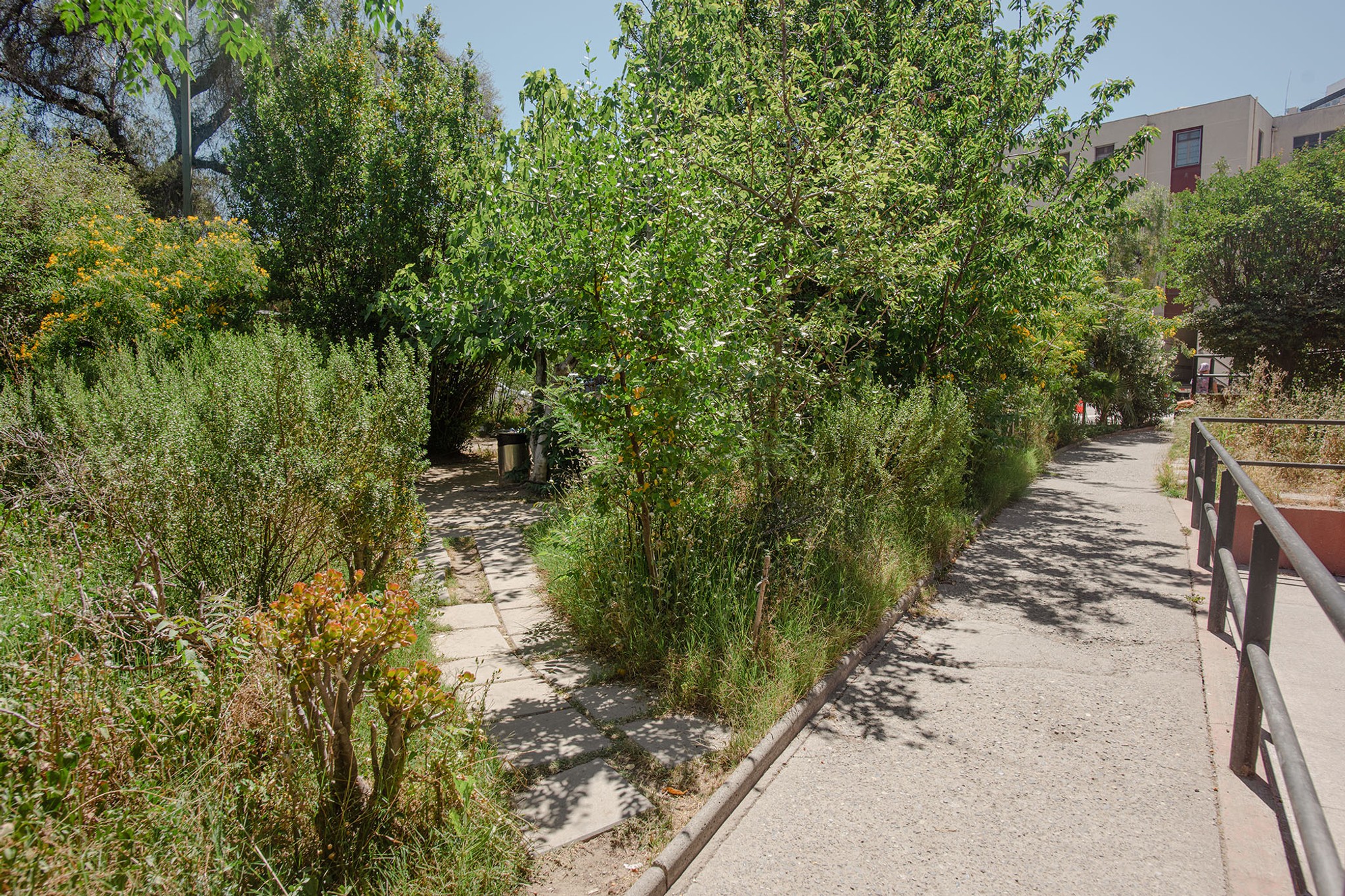
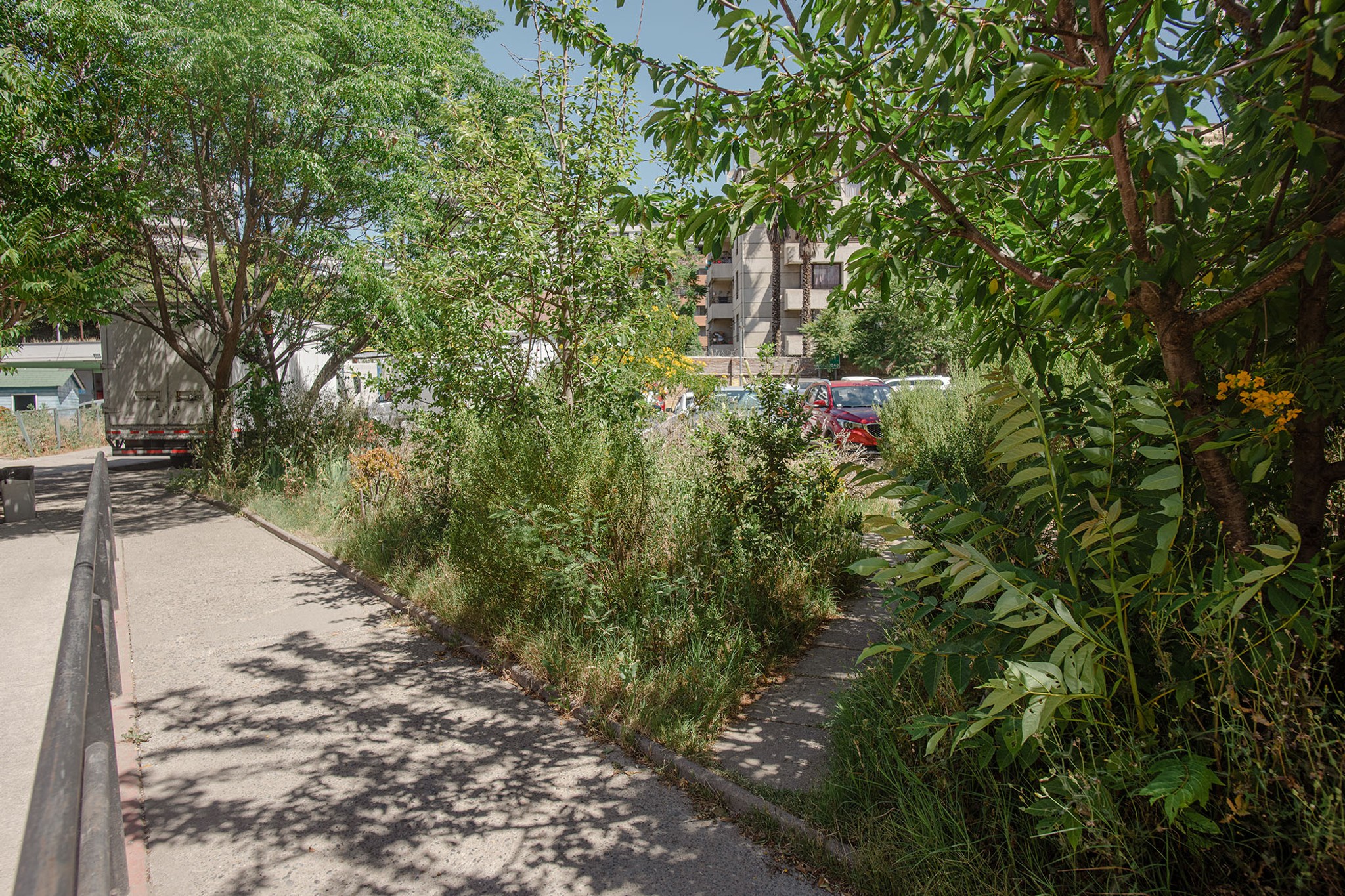
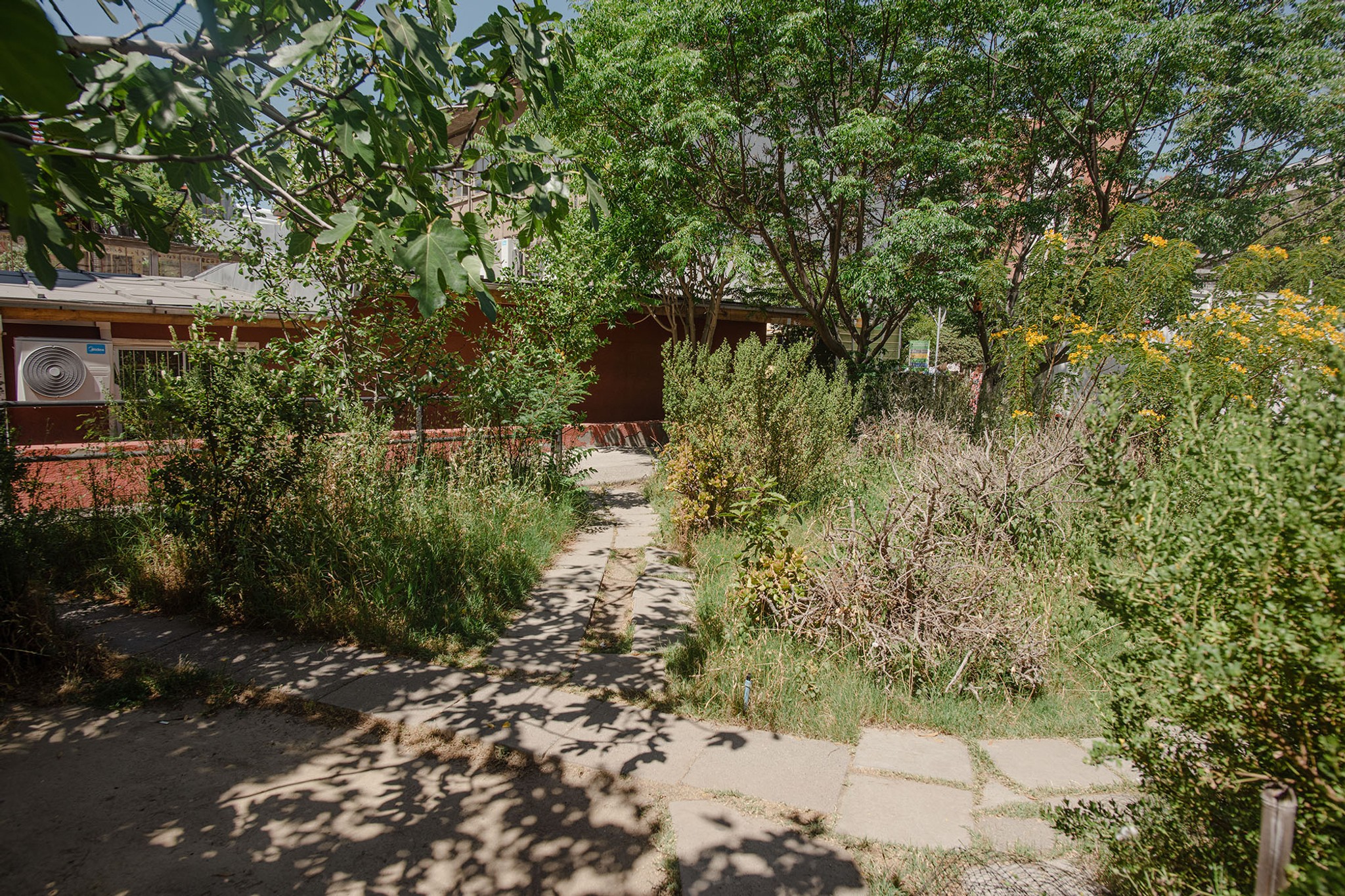
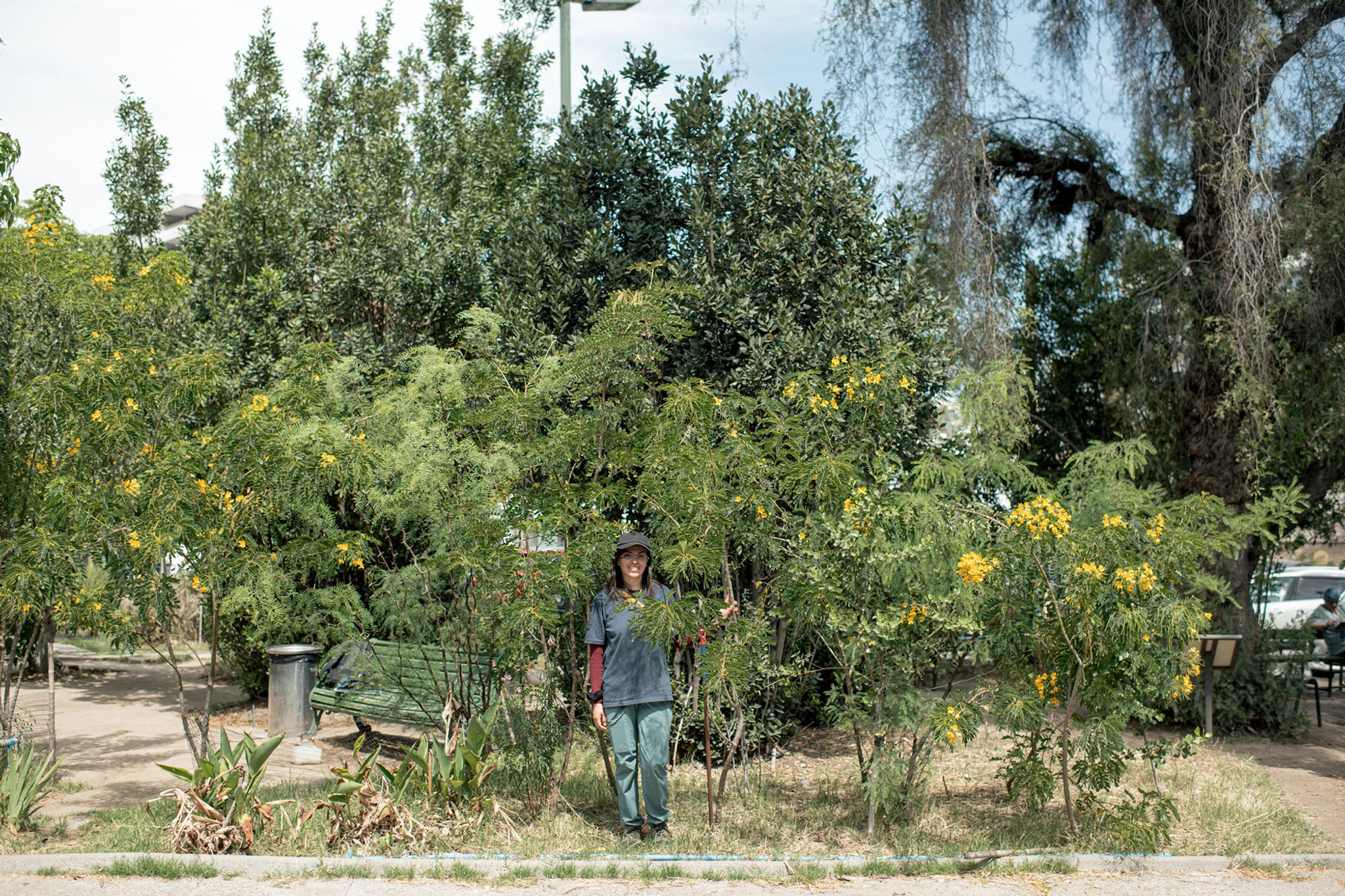
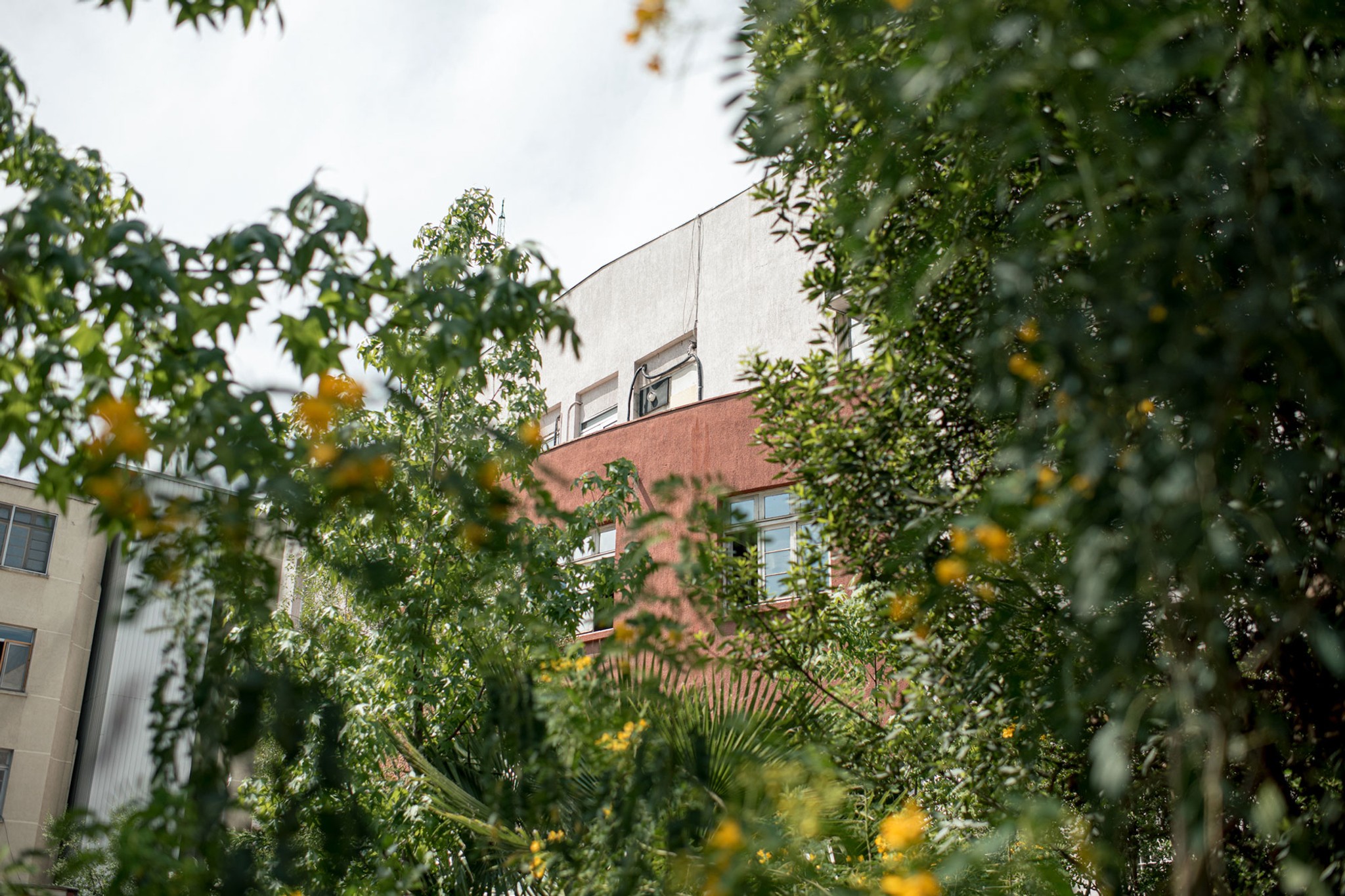
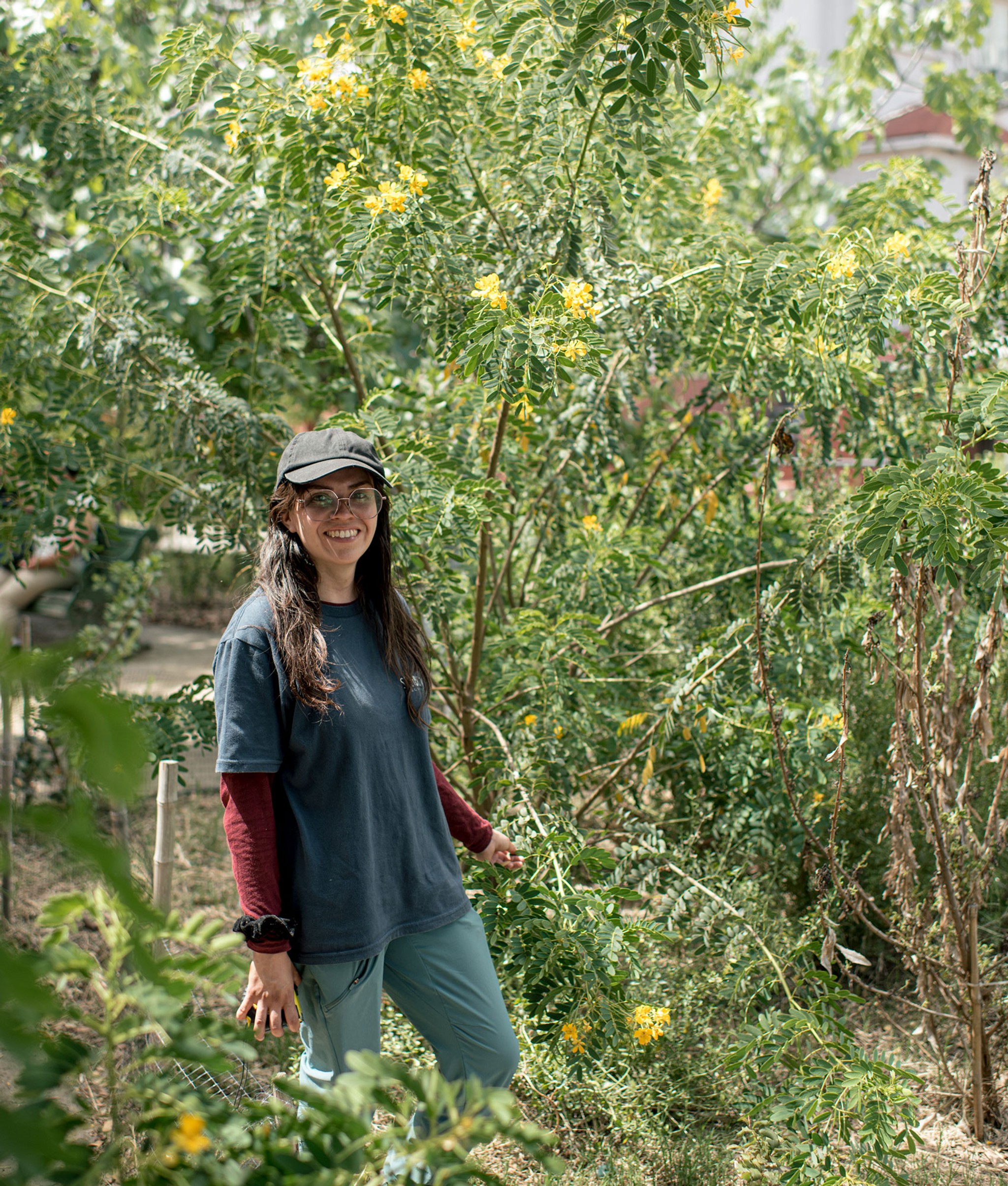
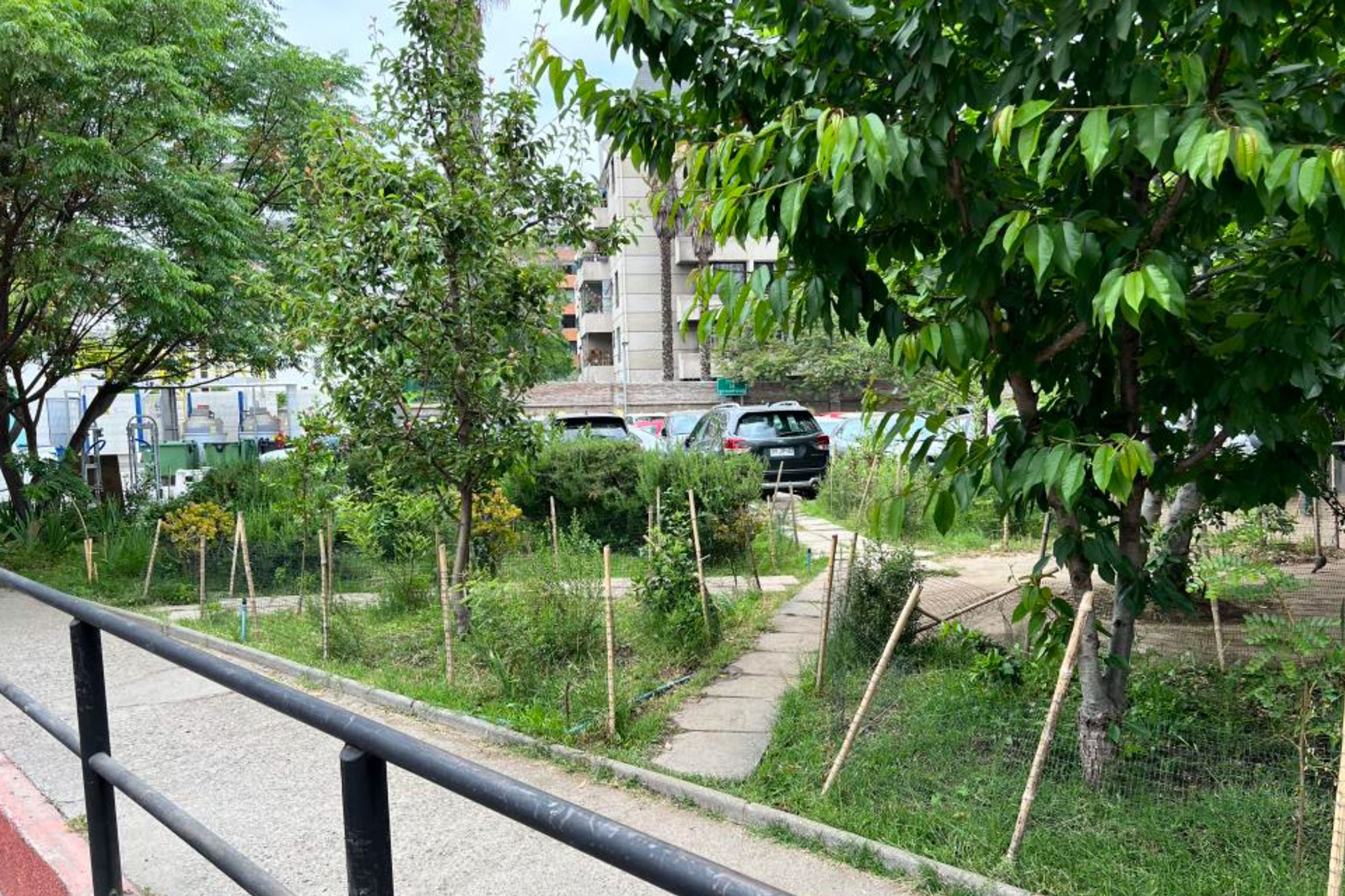
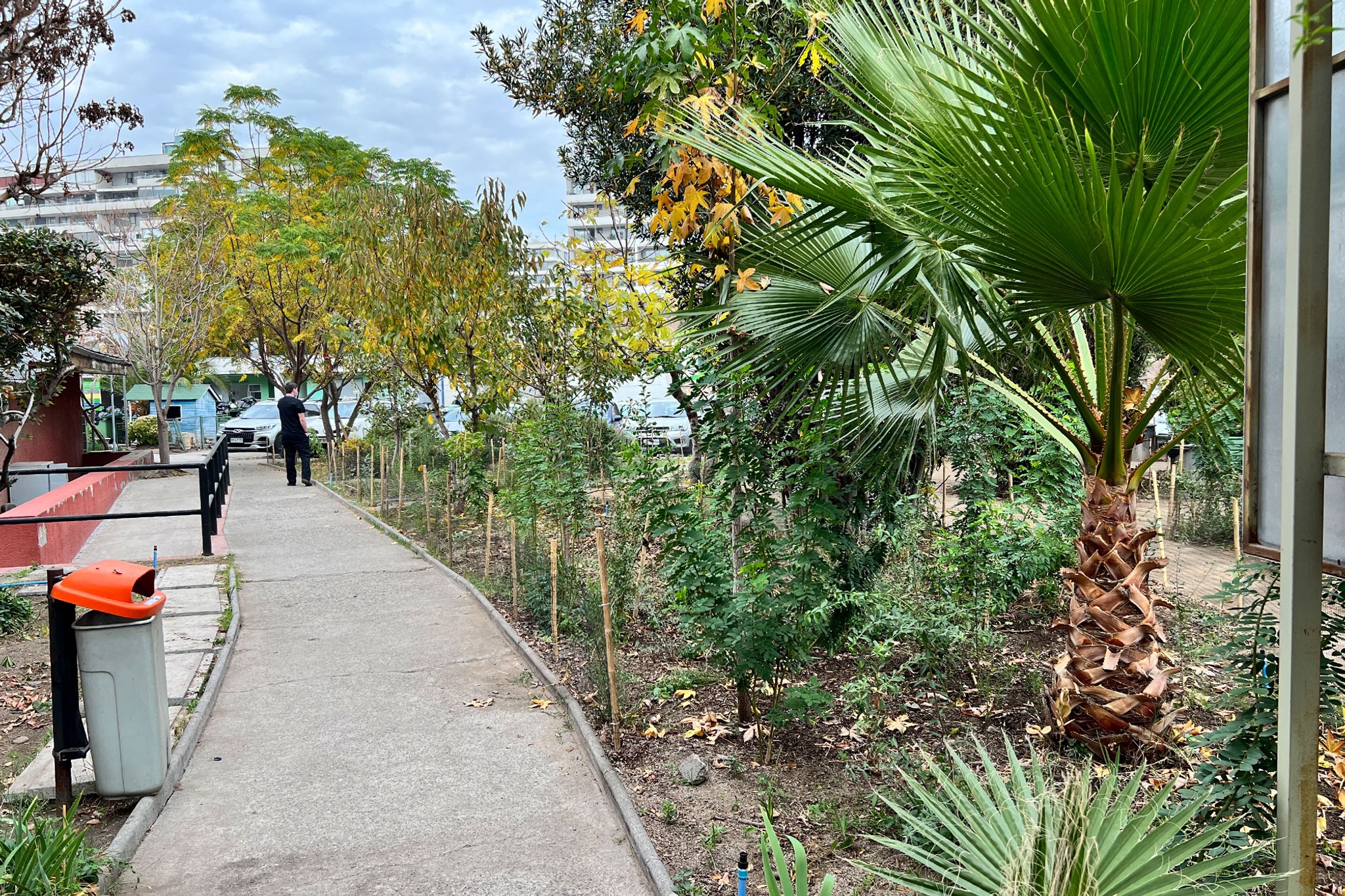
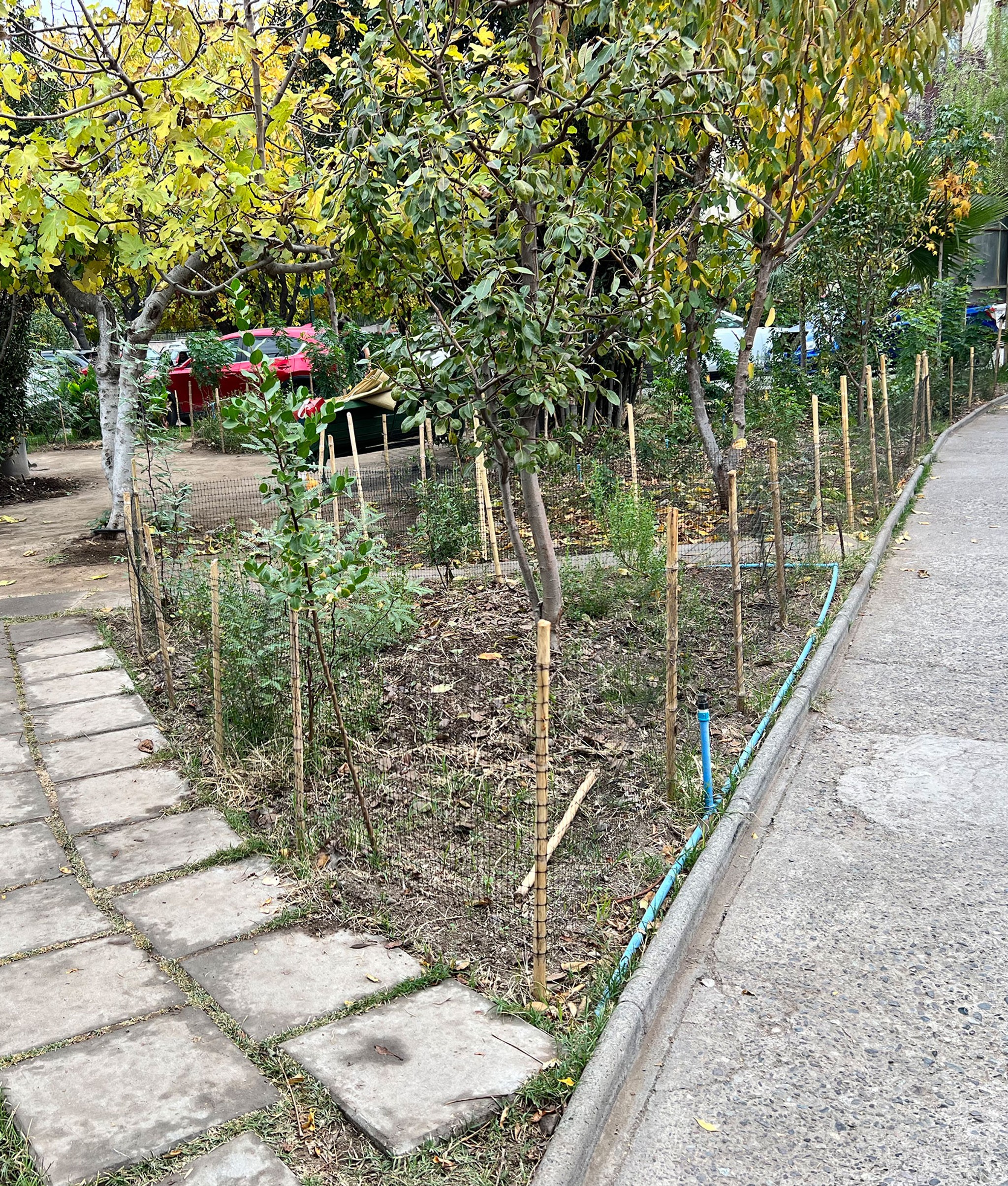
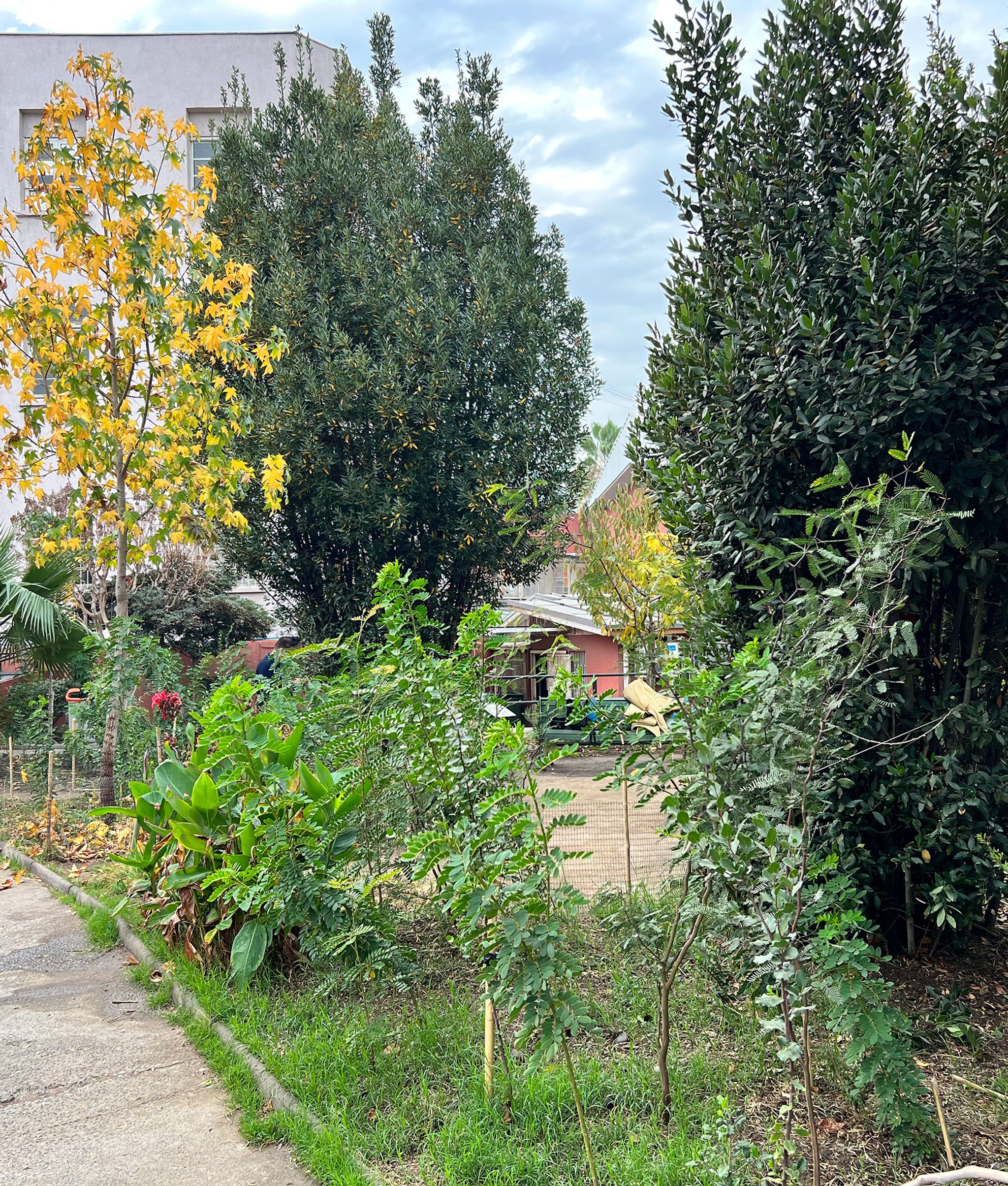
Four years after planting, the forest is developing under local climatic conditions with no active maintenance, and trees now reach an average height of nearly two metres, with visible stem thickening and the emergence of a scrubland structure.
Forest Maker
Symbiótica
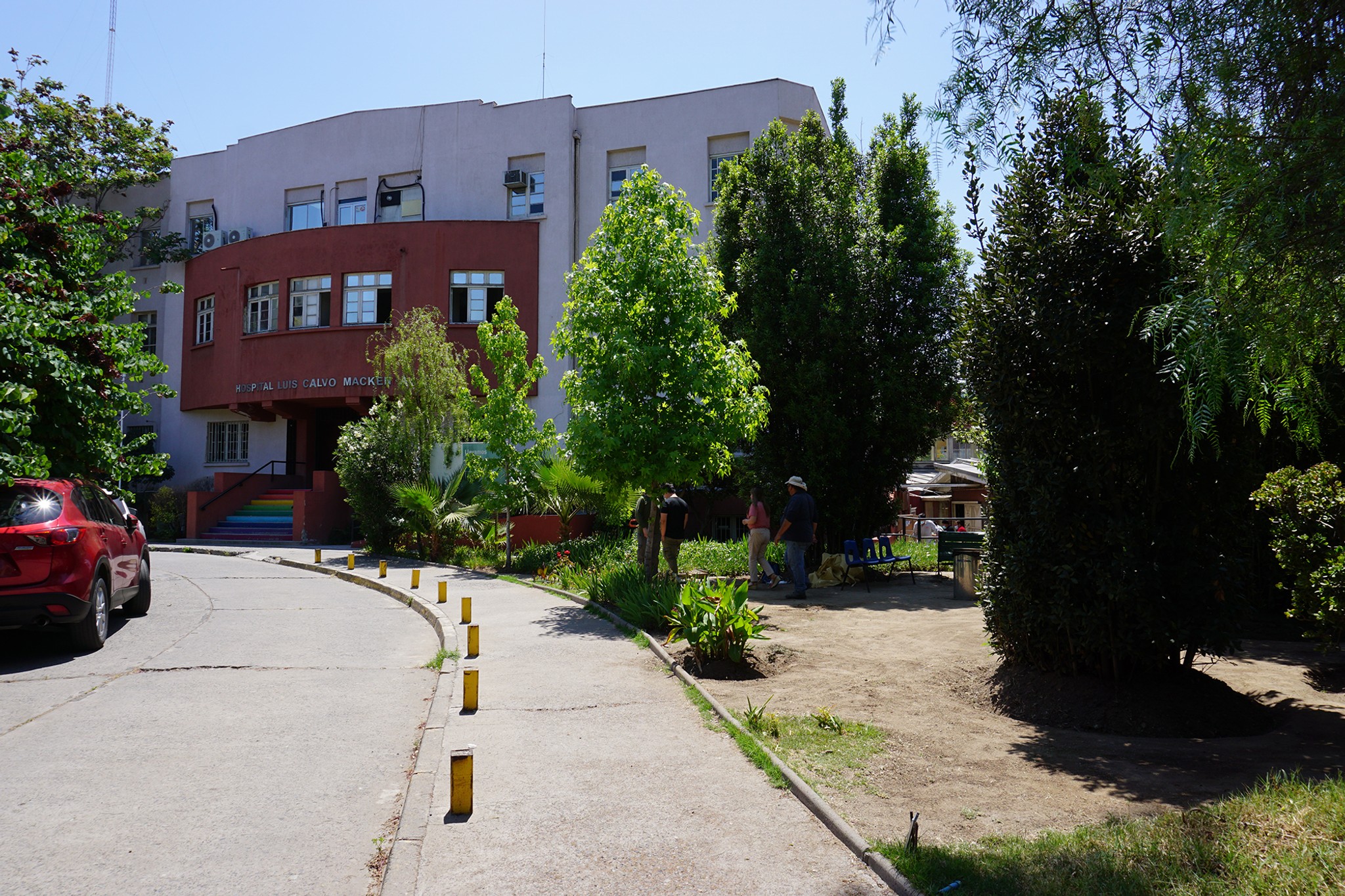
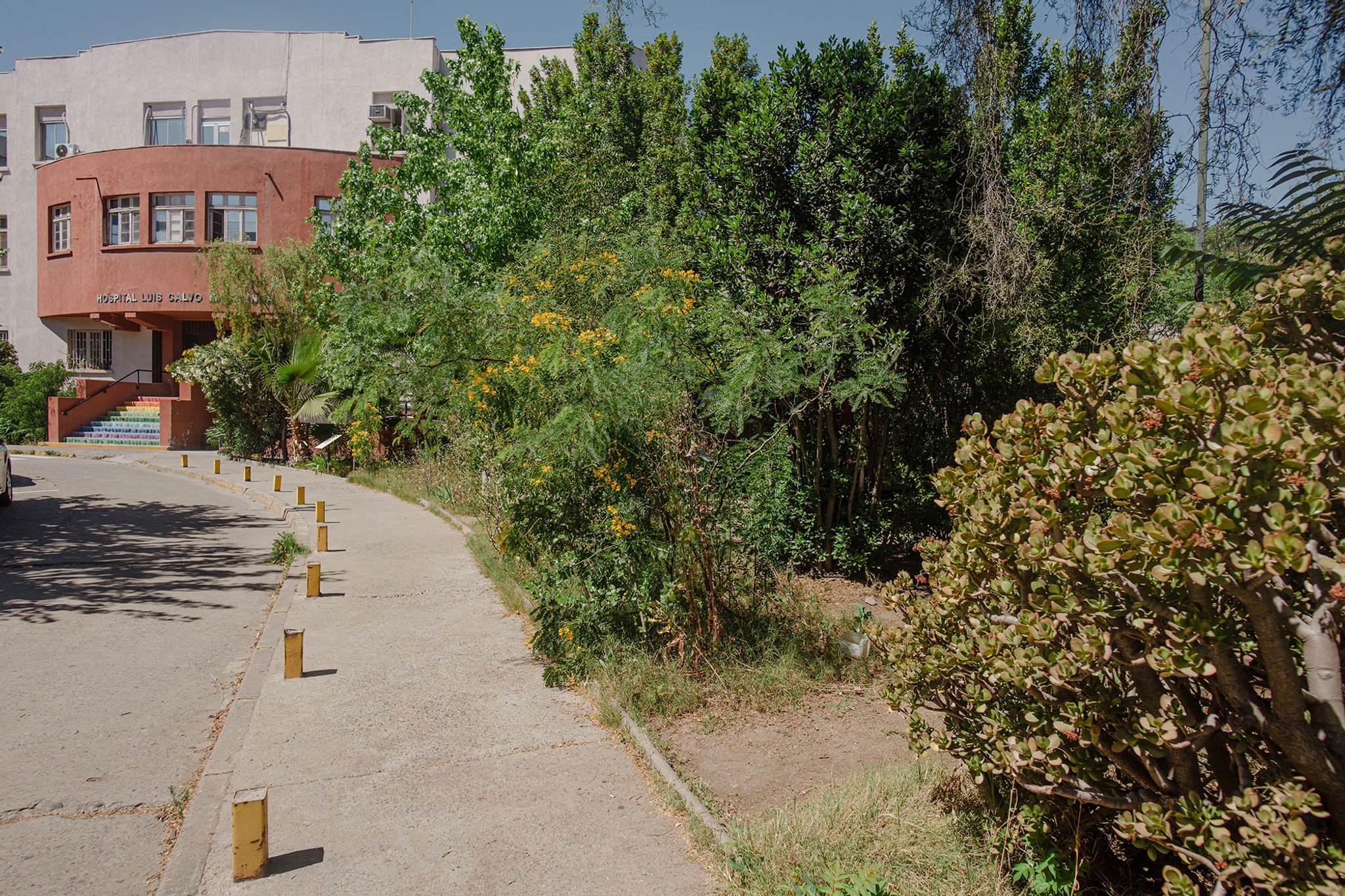
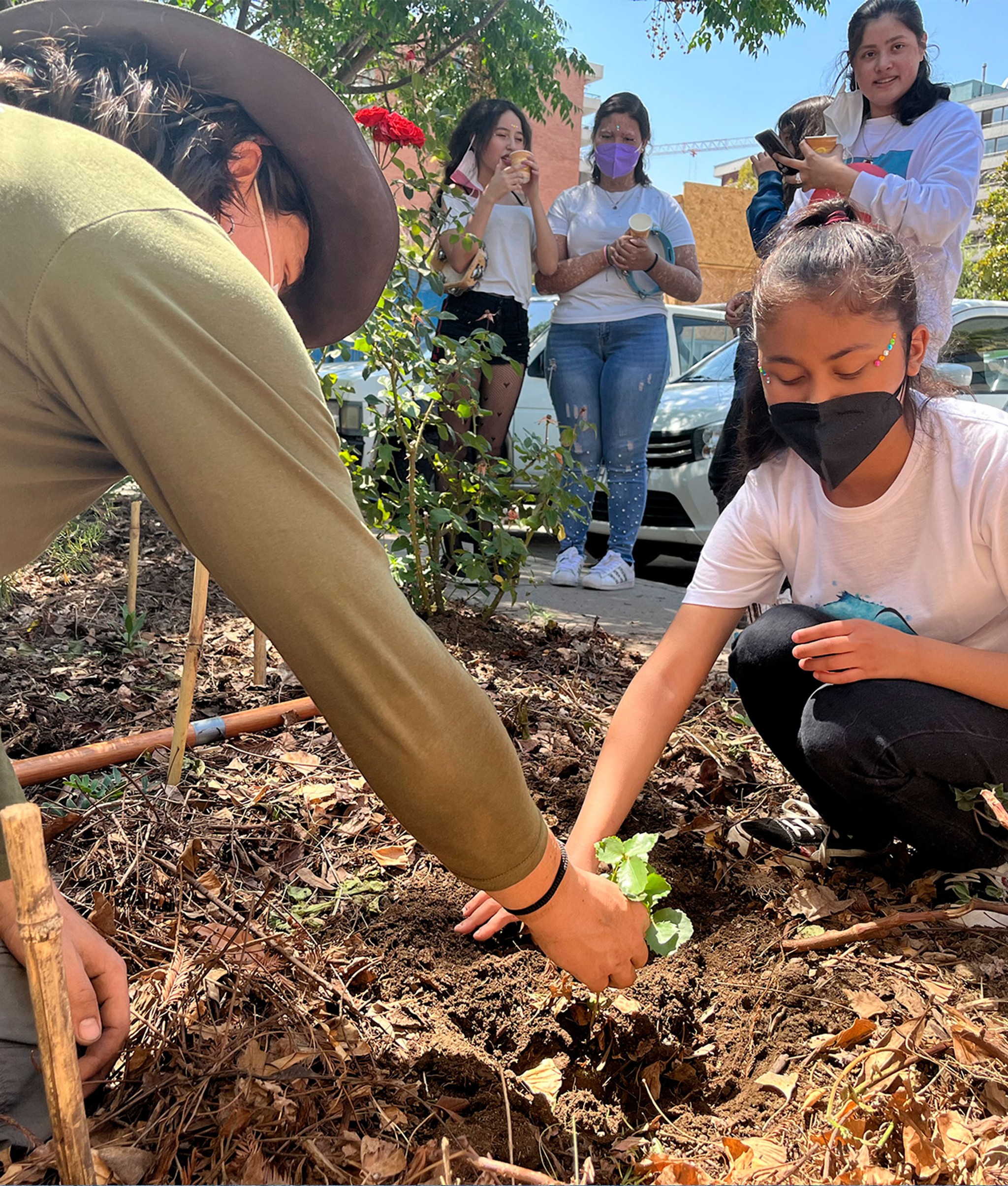
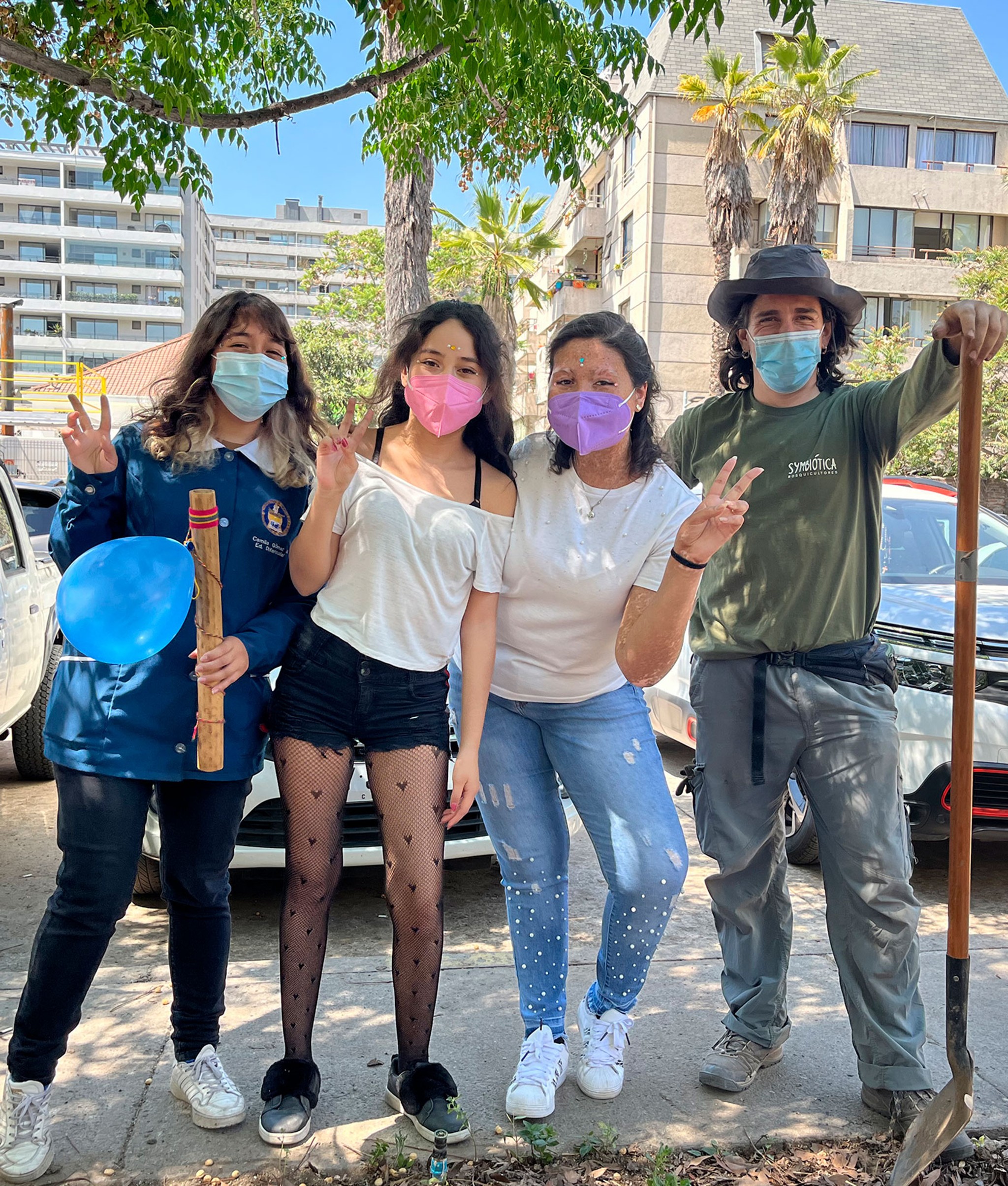
“The hospital has very interesting places to make Native Islands, or Miyawaki Forests. Conventional green areas will be transformed into forests, an inner cement courtyard will be rewilded, and abandoned and exposed soil will be renewed with micro and macro life. During the plantation, everyone will connect with the healing of Mother Earth and bring the experience back into their everyday life at the hospital.”
Nicolás Corral, Symbiótica
Ecosystem Restored
Final report: 29.10.2025
After approximately three years our SUGi Pocket Forests become self-sustaining. They no longer require human maintenance or watering, and can be handed over to Nature for biodiversity and complexity to naturally develop.
0%
Survival Rate
0
People living within 300 meters
0
kg of potential CO2 sequestration
Biodiversity
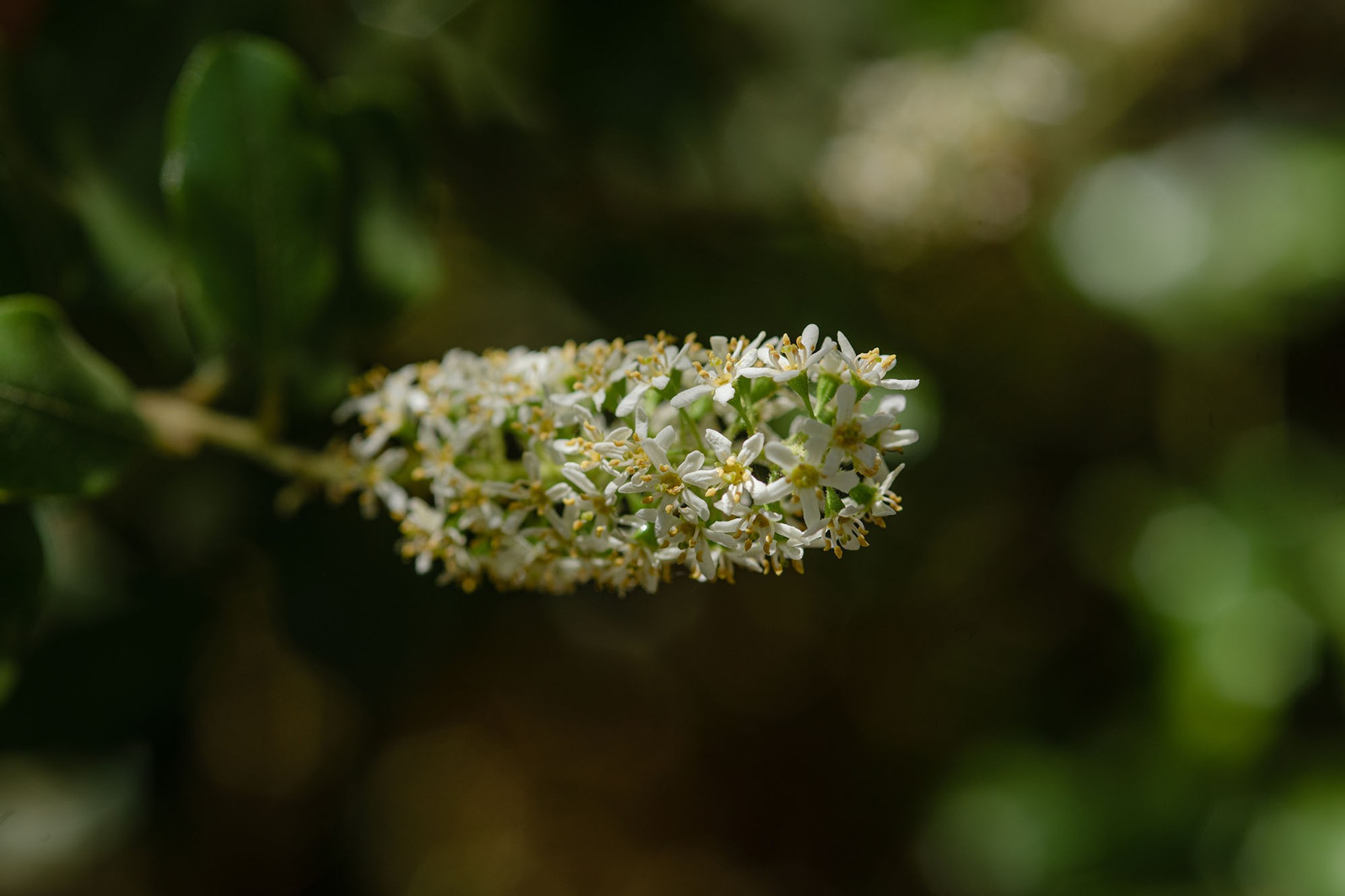
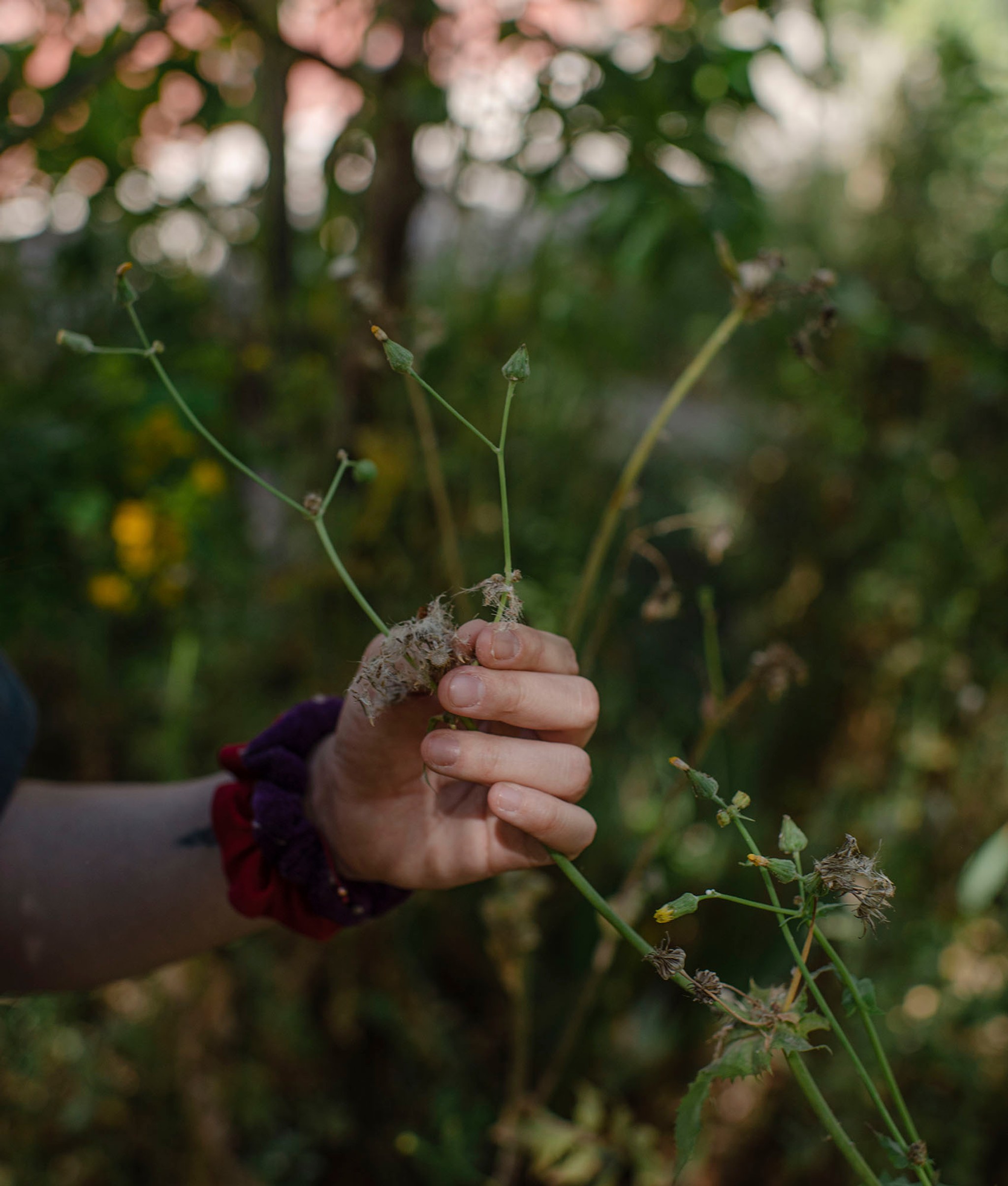
Biodiversity is all the different kinds of life you'll find in one area—the variety of animals, plants, fungi, and even microorganisms like bacteria that make up our natural world. Each of these species and organisms work together in ecosystems, like an intricate web, to maintain balance and support life.
0
Potential number of mammals
0
Potential number of birds
0
Potential number of amphibians
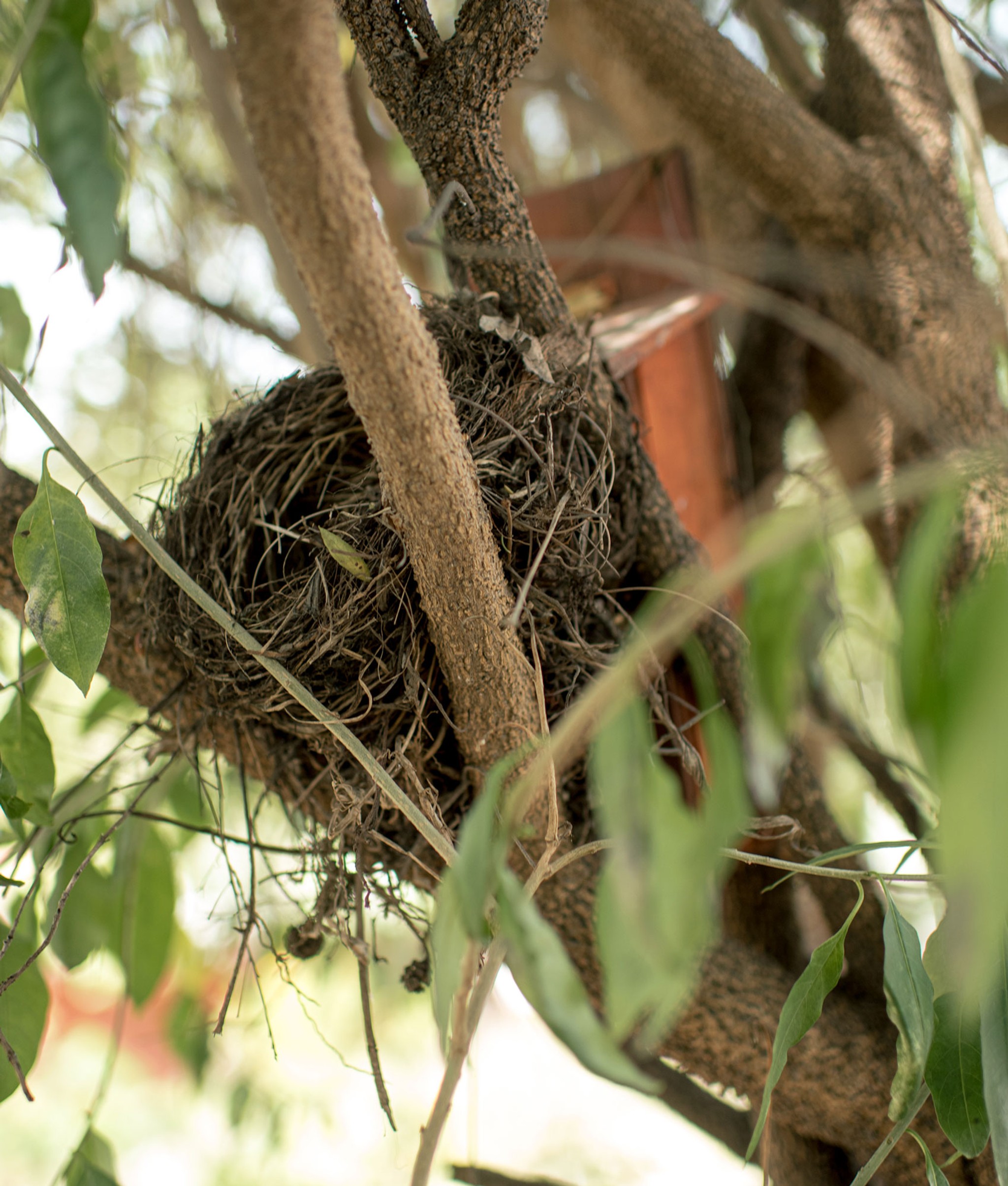
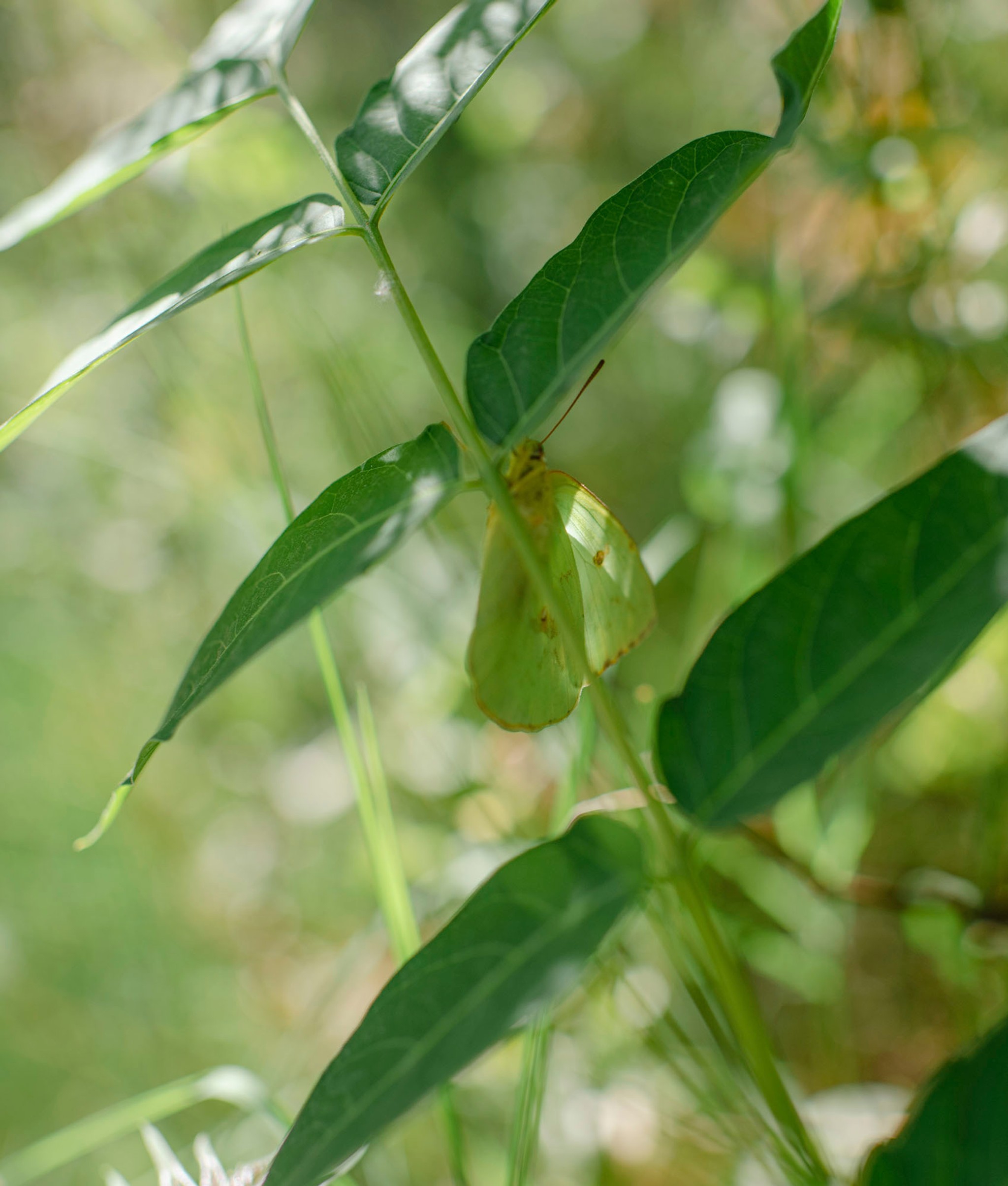
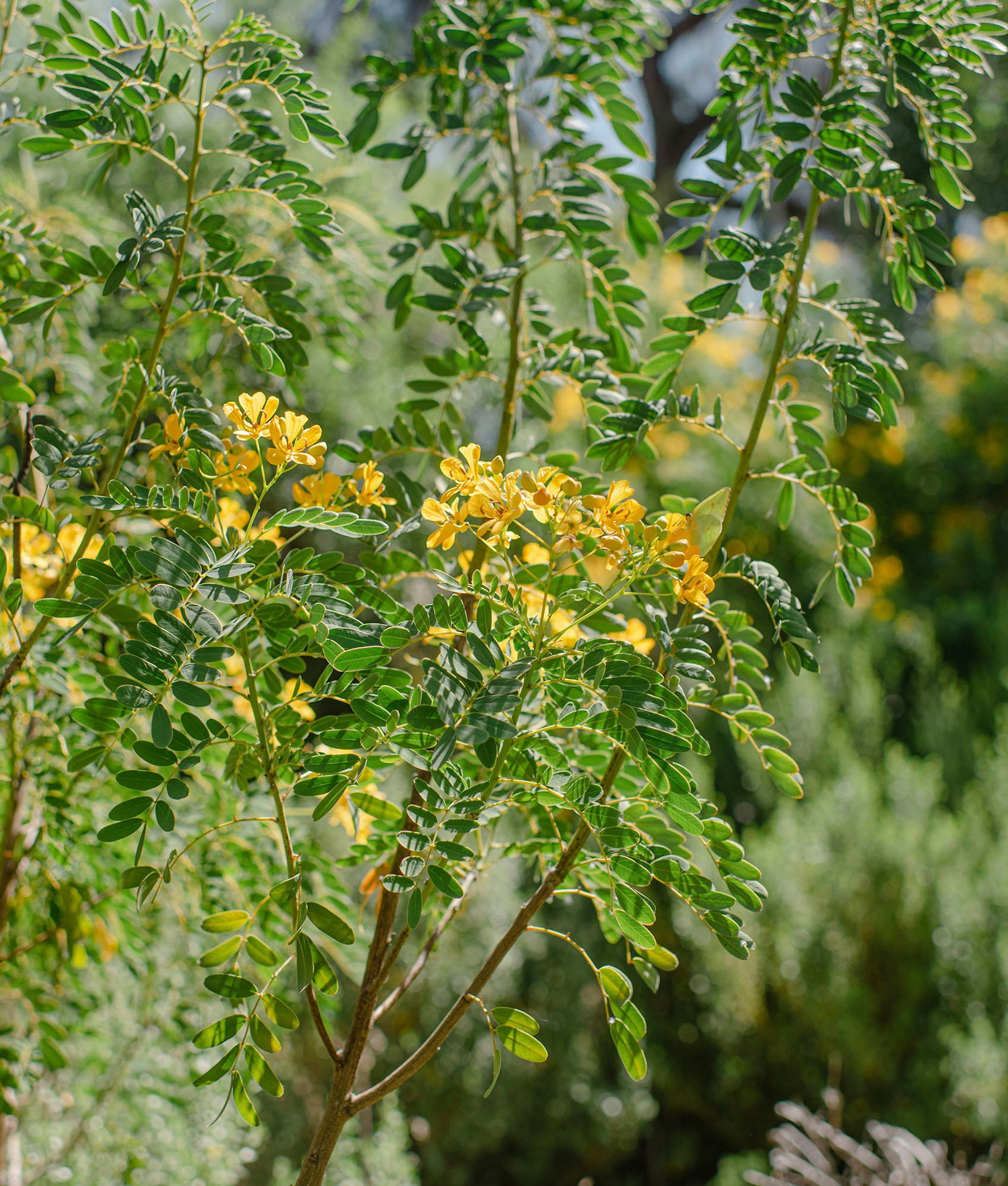
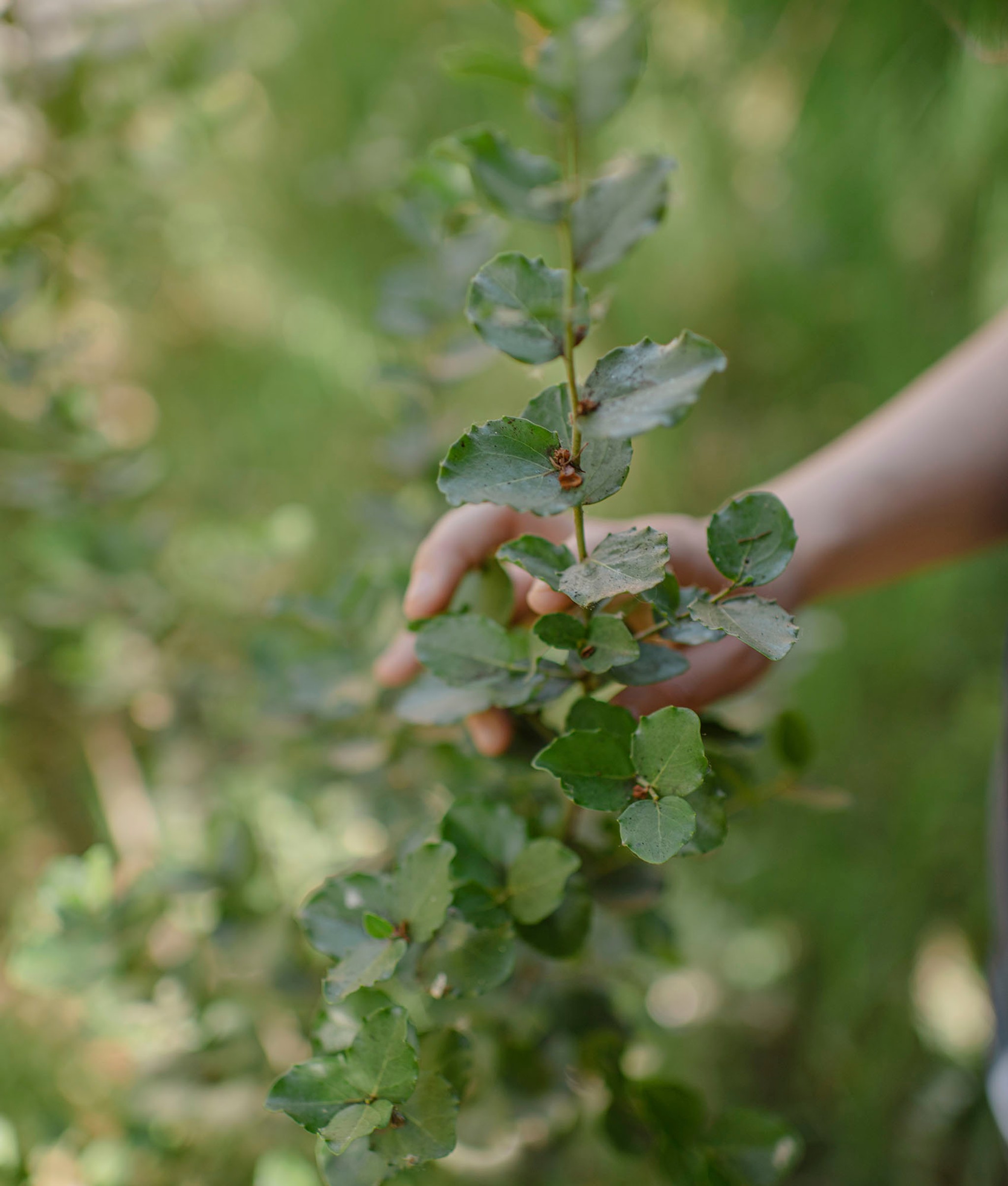
Forest Report: 2023
0 Years
Forest Age
0%
Survival Rate
0m
Average of Tallest 3 Trees
This project has truly been a lesson in terms of the requirements that are involved with bringing a forest to a public hospital, especially when regarding a team from the beneficiary establishment committed to care.
From the 1 year report until today, we have hosted 2 workshops at the site to help with maintenance, replanting, and applying mulch, to restructure this park into a Miyawaki forest.
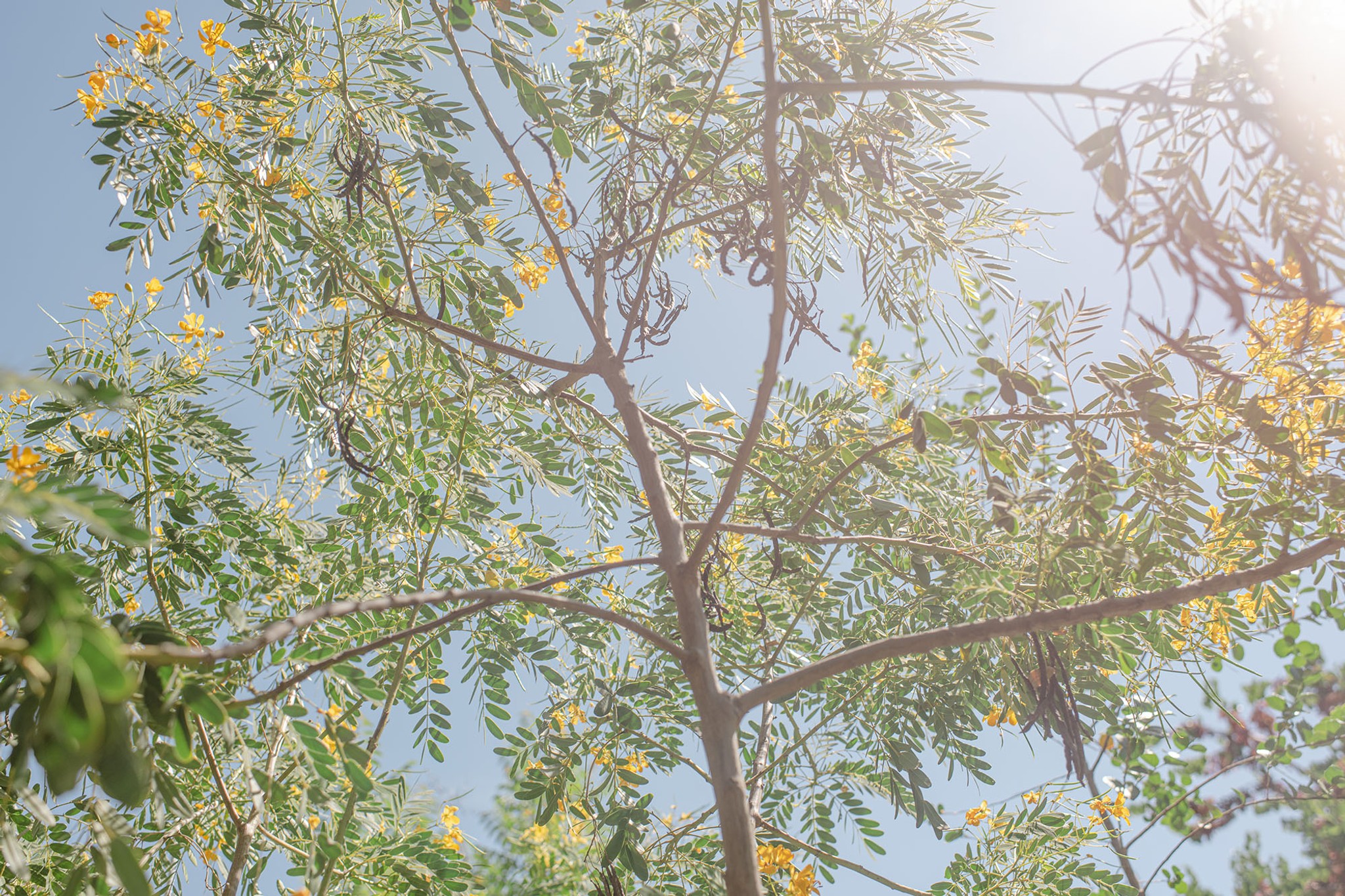
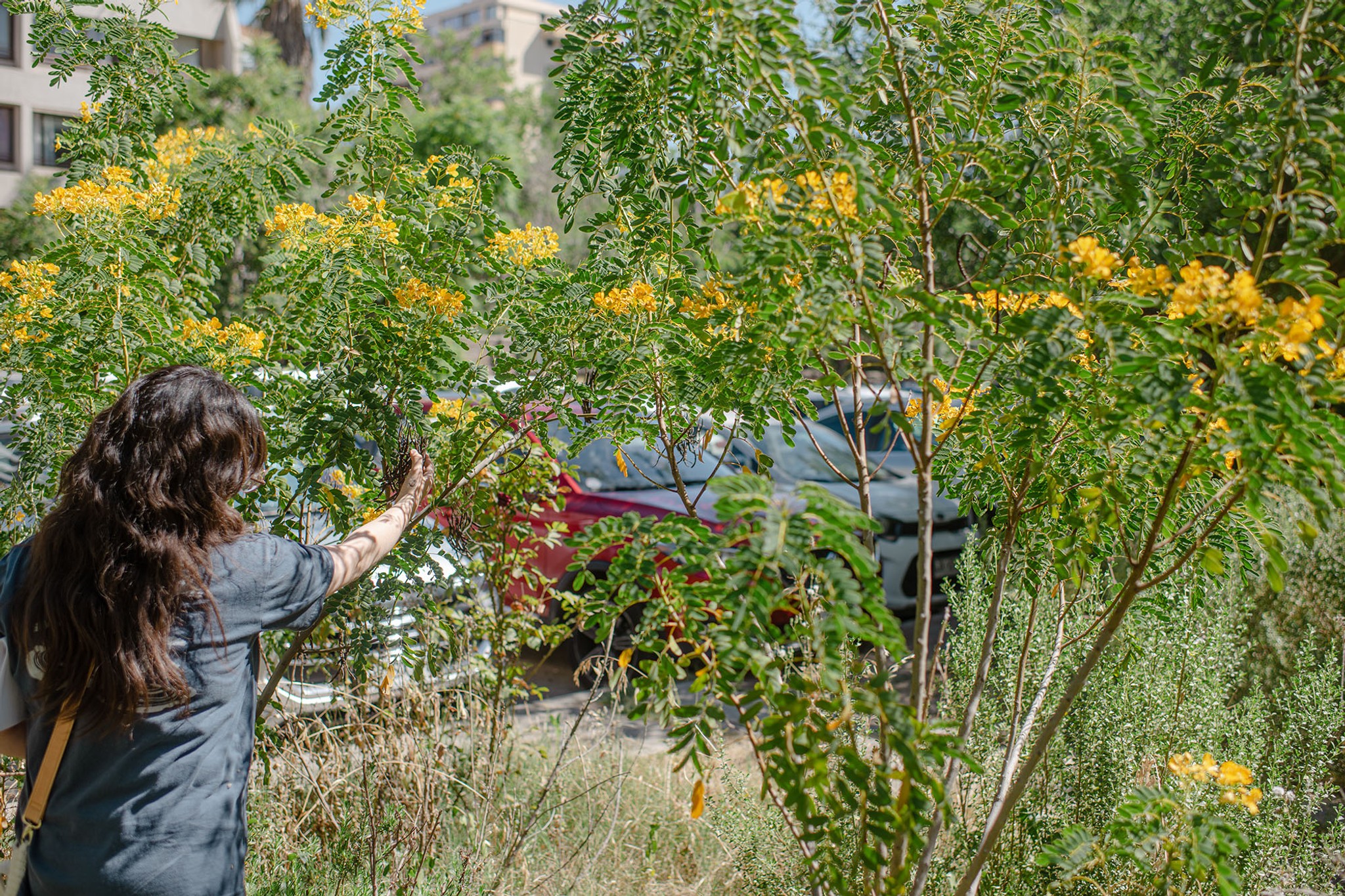
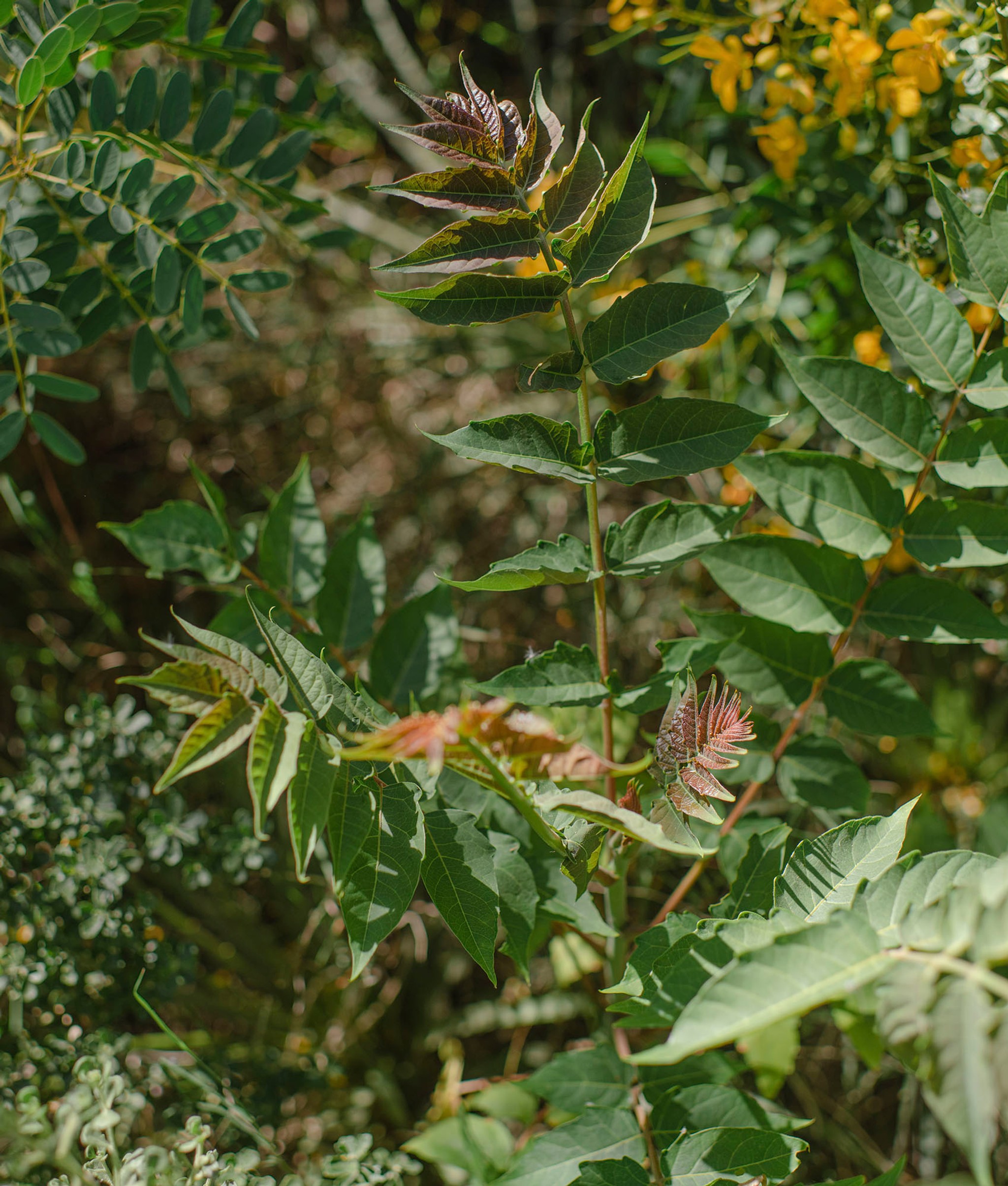
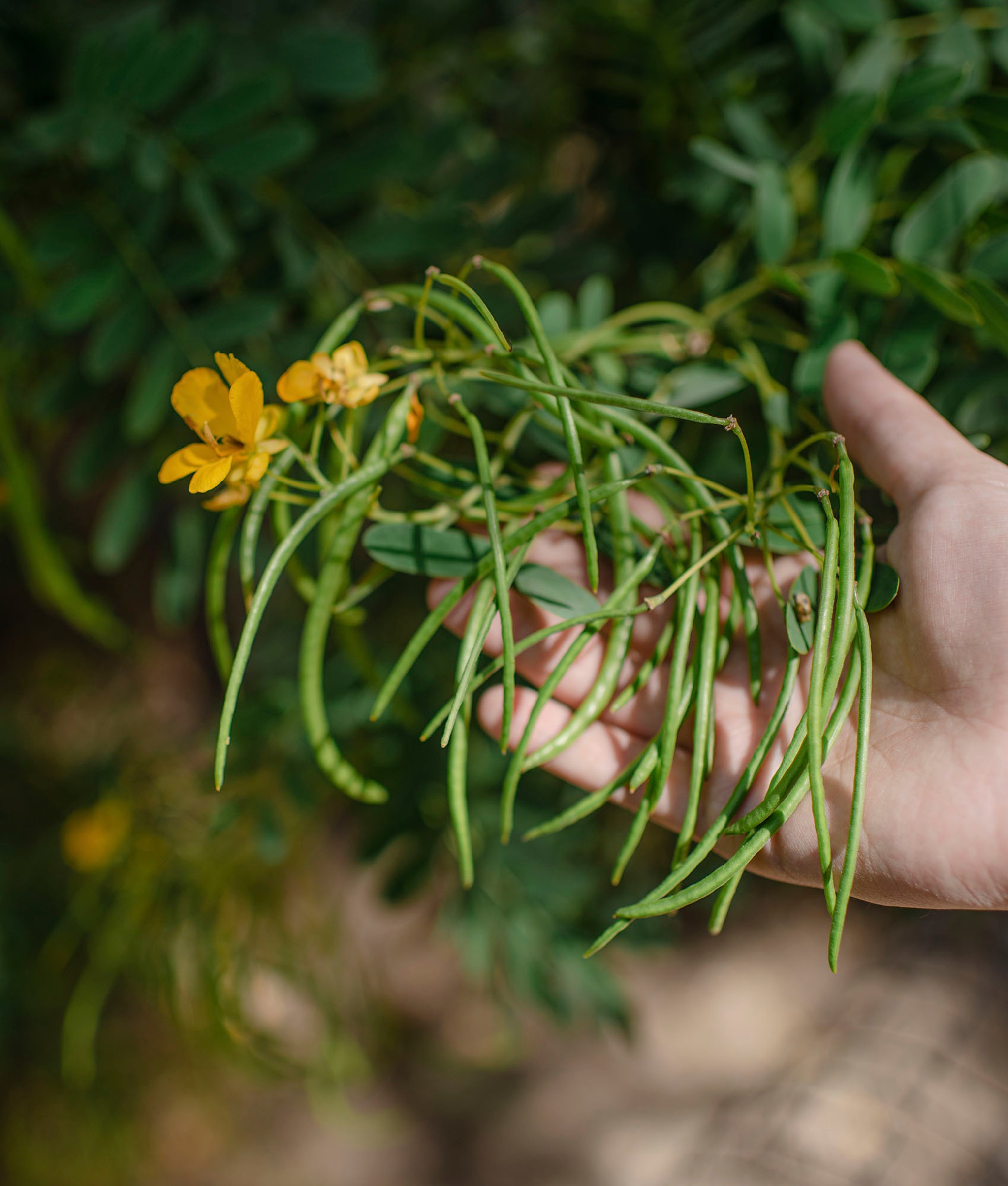
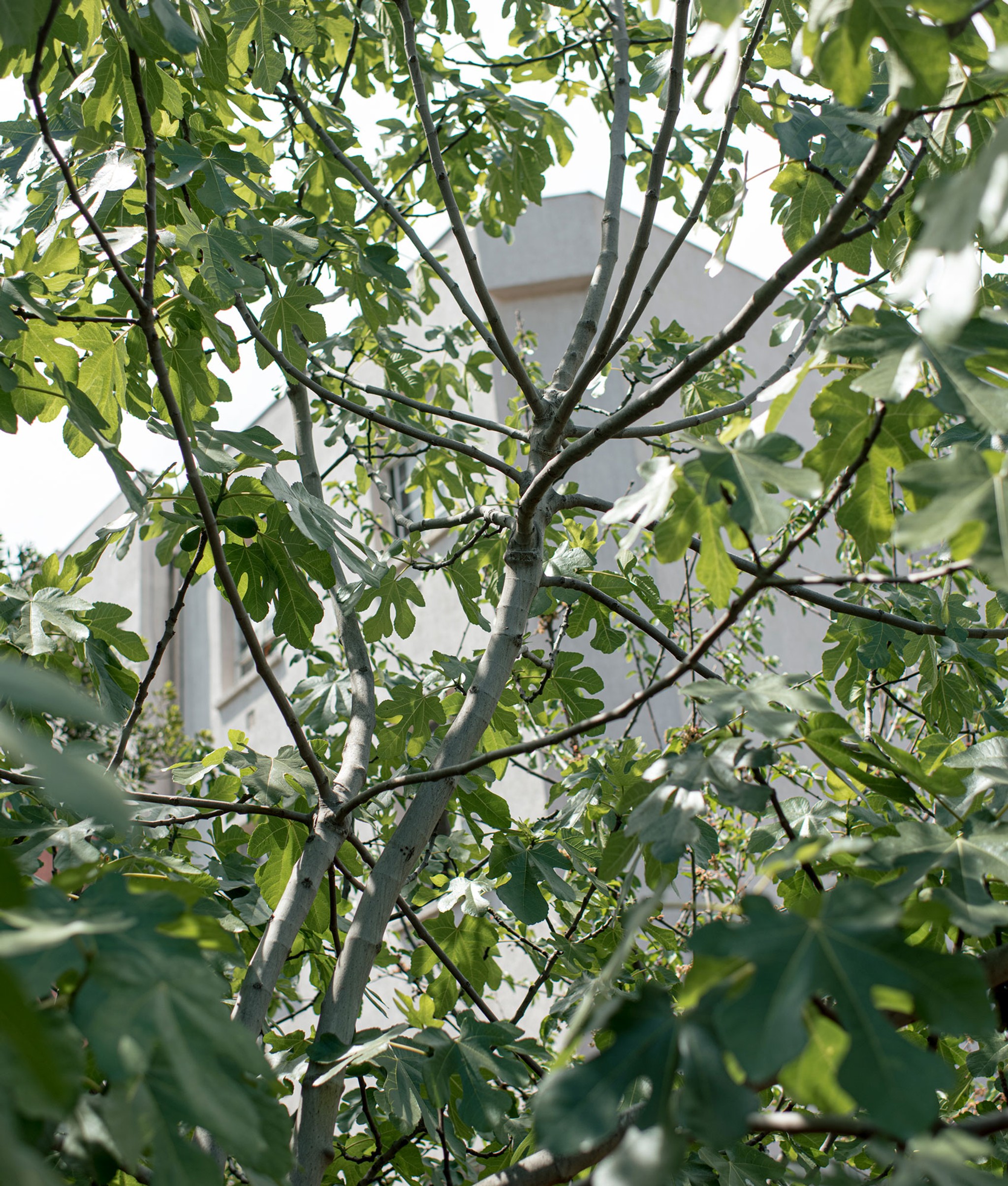
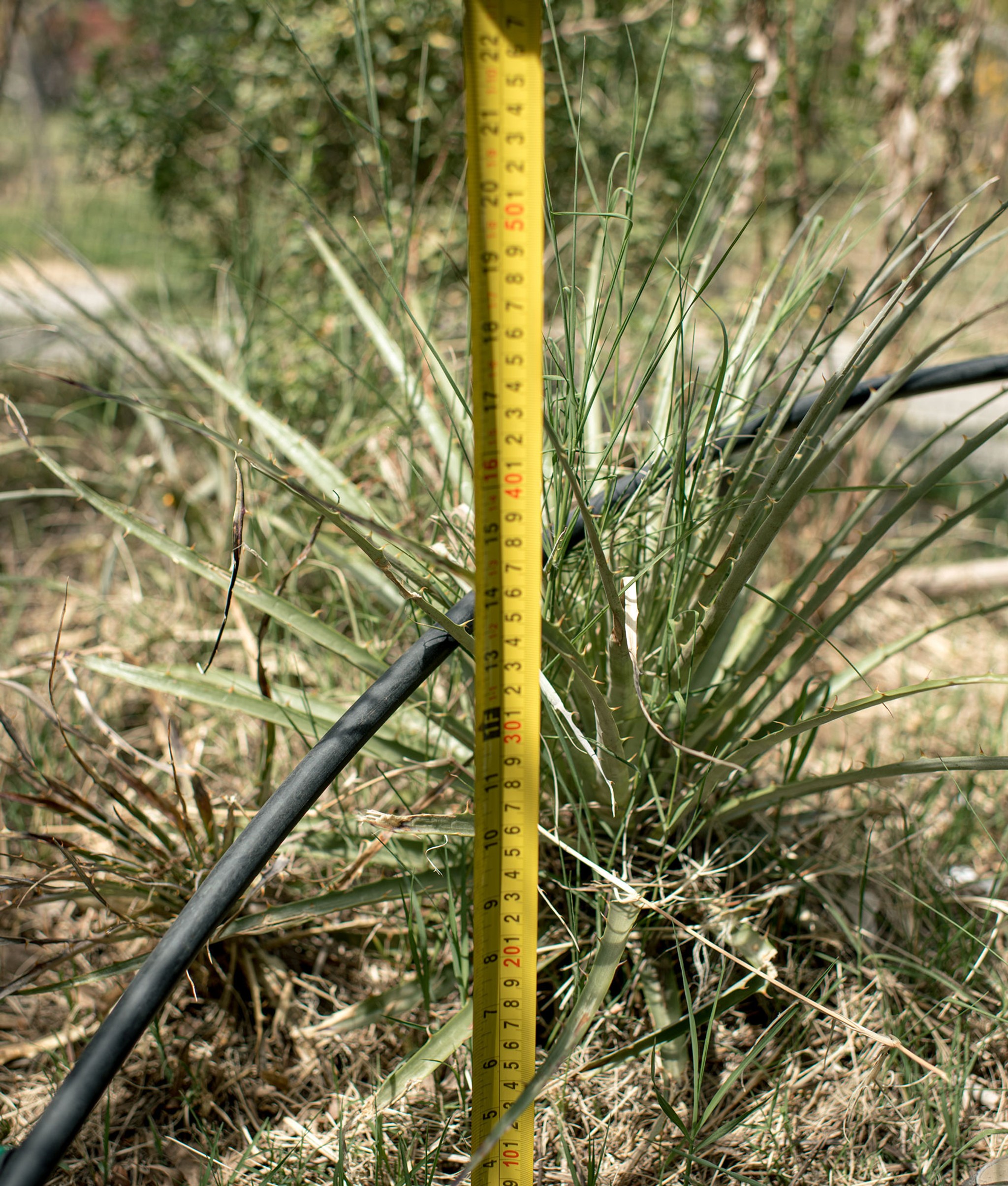
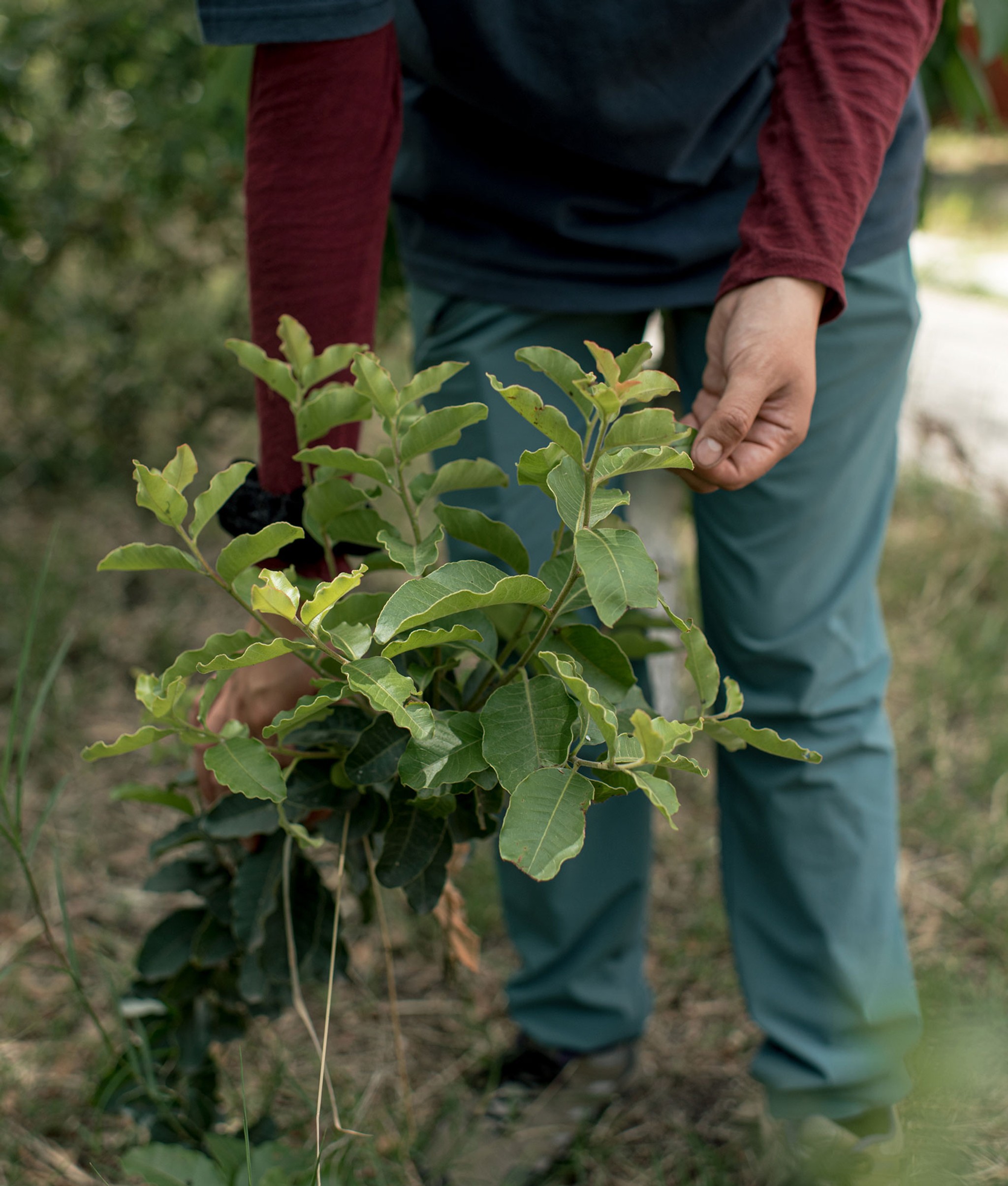
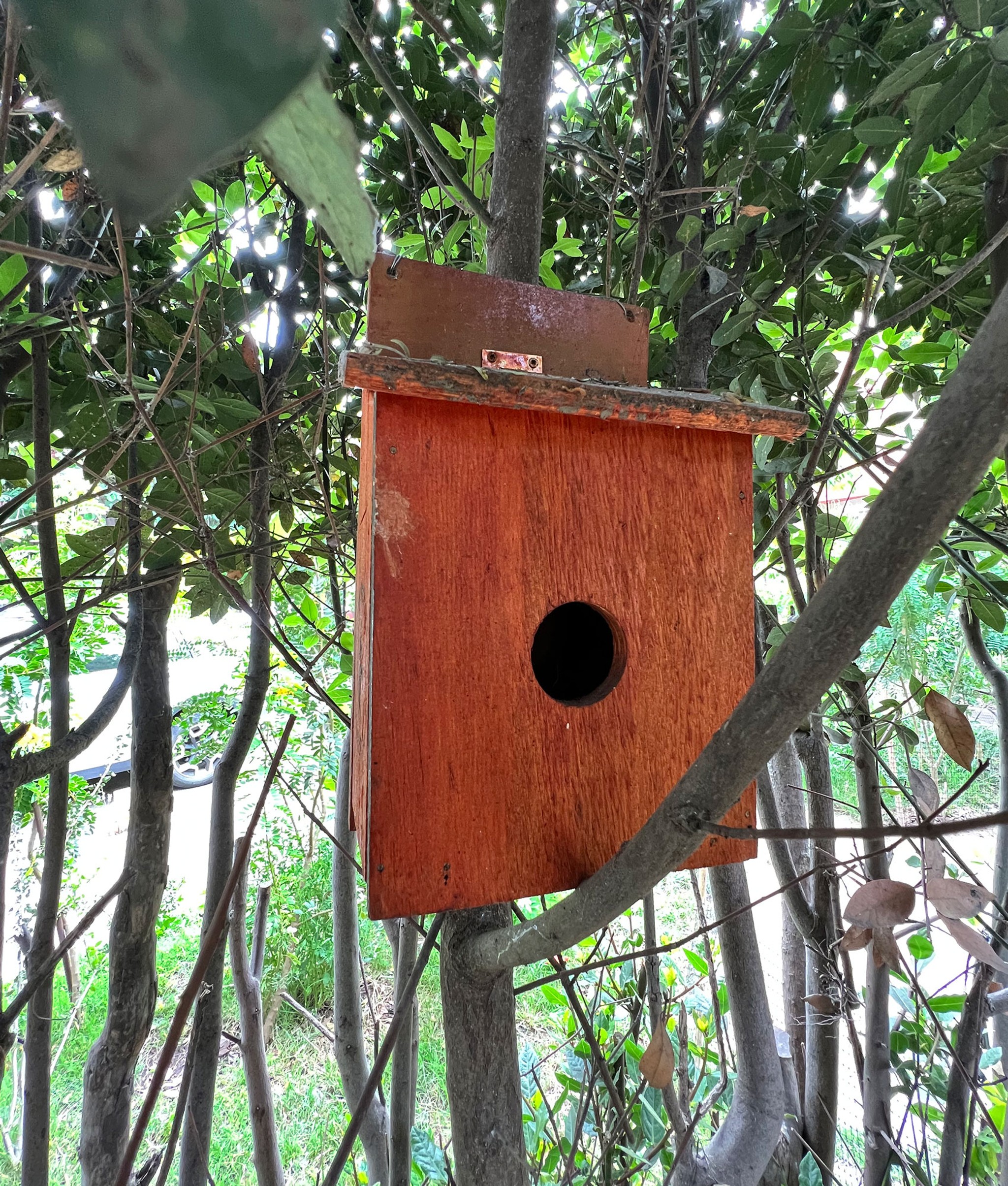
The good news is we have noticed the growth of some species that are beginning to dominate in the upper canopy, such as Senna candolleana and Prosopis chilensis. Puya berteroana has also grown, although it is thought that these plants will begin to be suppressed due to the lack of light - a result of the weeds.
Through surveys, we have been able to understand the positive social impact of this forest. The forest is very busy, and in general, people choose to walk through this green space - a testament to the health benefits that Nature and biodiversity bring.
In conclusion, we will continue to engage with the hospital, and educate those caring for the forest by carrying out more workshops to give this little forest another chance at life
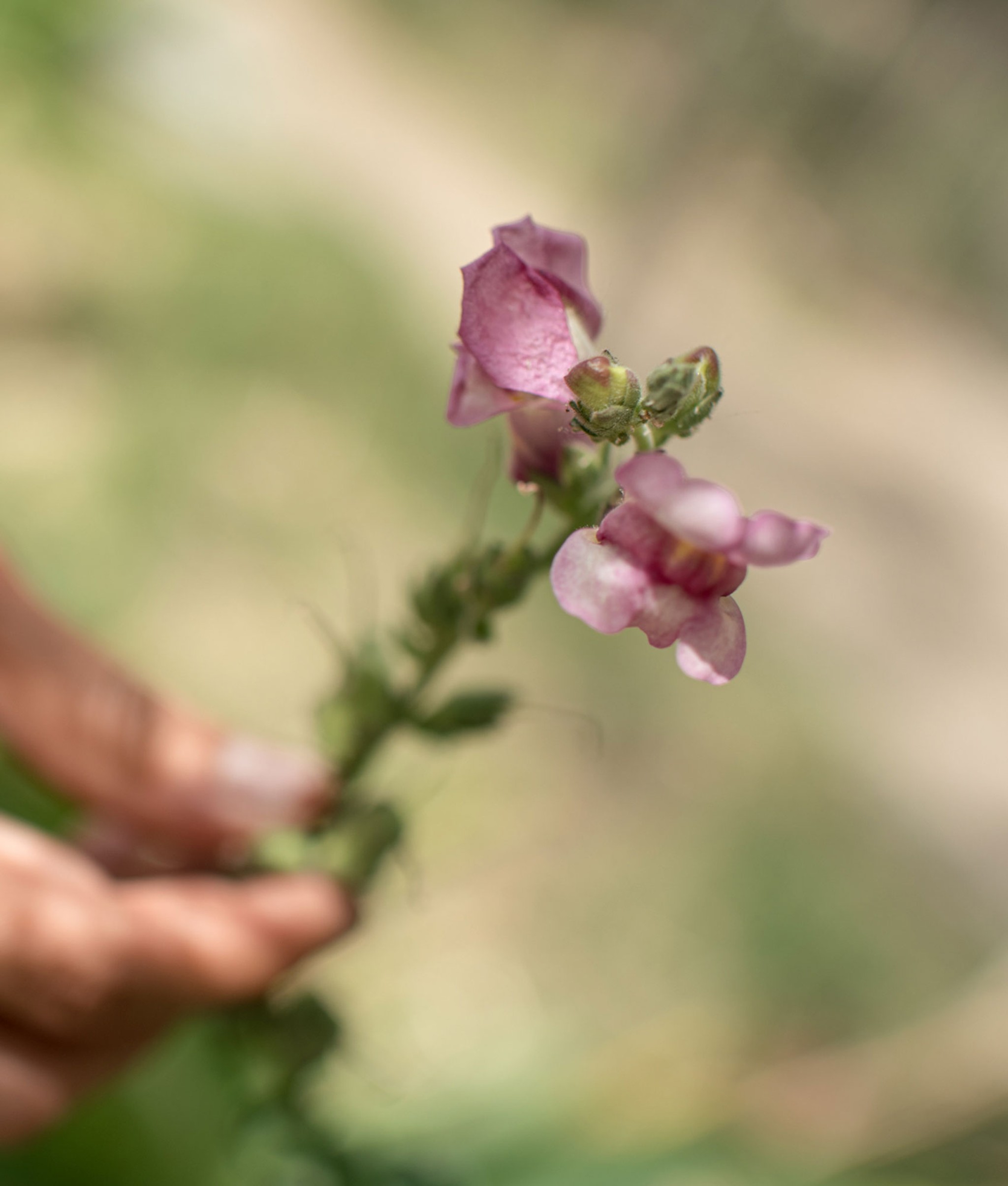
Biodiversity Notes:
Forest Report: 2022
0 Months
Forest Age
0%
Survival Rate
0m
Average of Tallest 3 Trees
This pocket forest is doing well and has really transformed this outdoor area of Dr. Luis Calvo Mackenna Hospital. Survival rate is lower than expected but this is due almost exclusively to human factors and highlights the challenges around dealing with third parties when forest making. Gardeners employed by the hospital removed the important mulch layer, along with saplings in certain areas for maintenance works. However, these issues have now been addressed with the necessary authorities and patches where plants have not survived will be replanted.
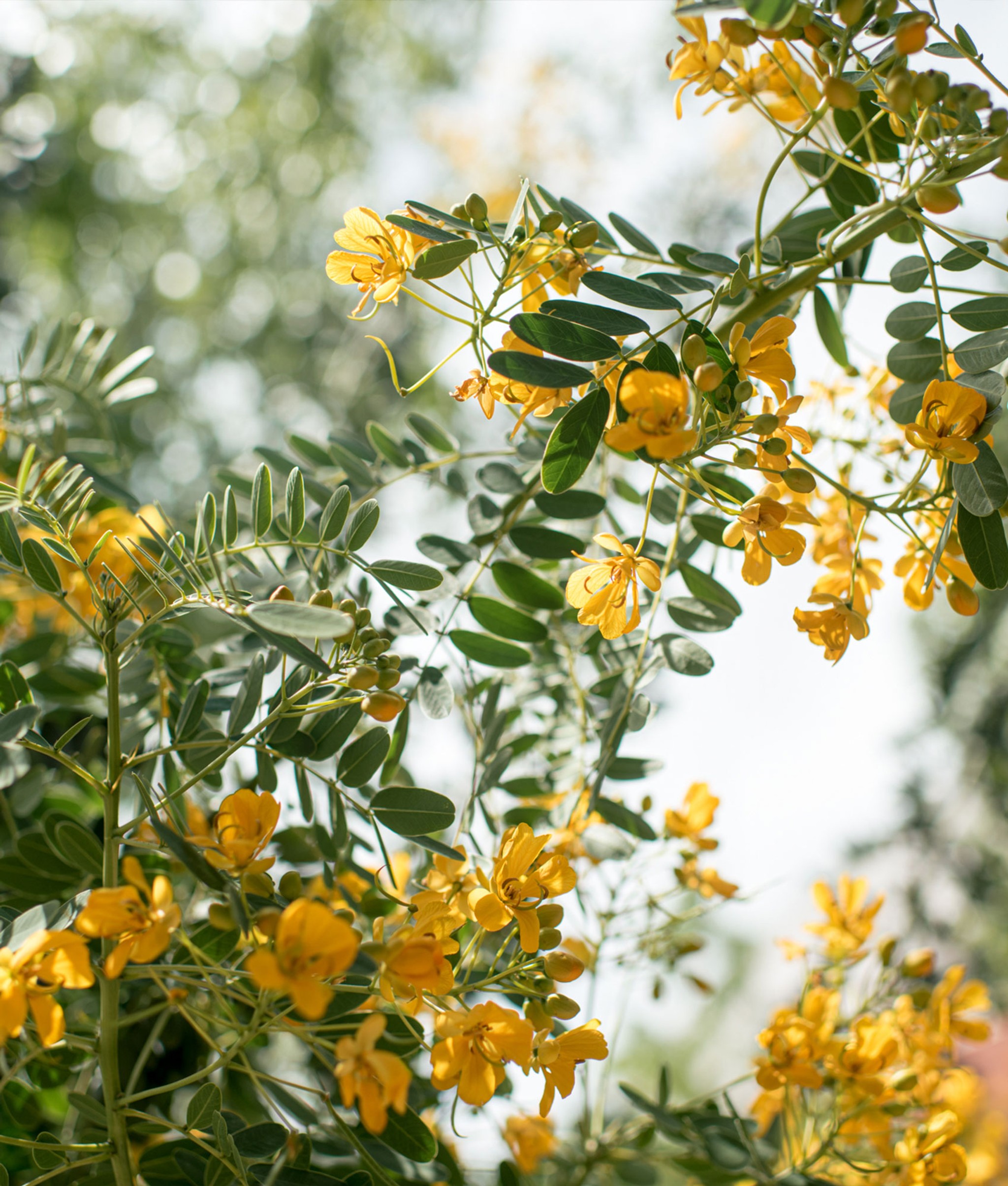
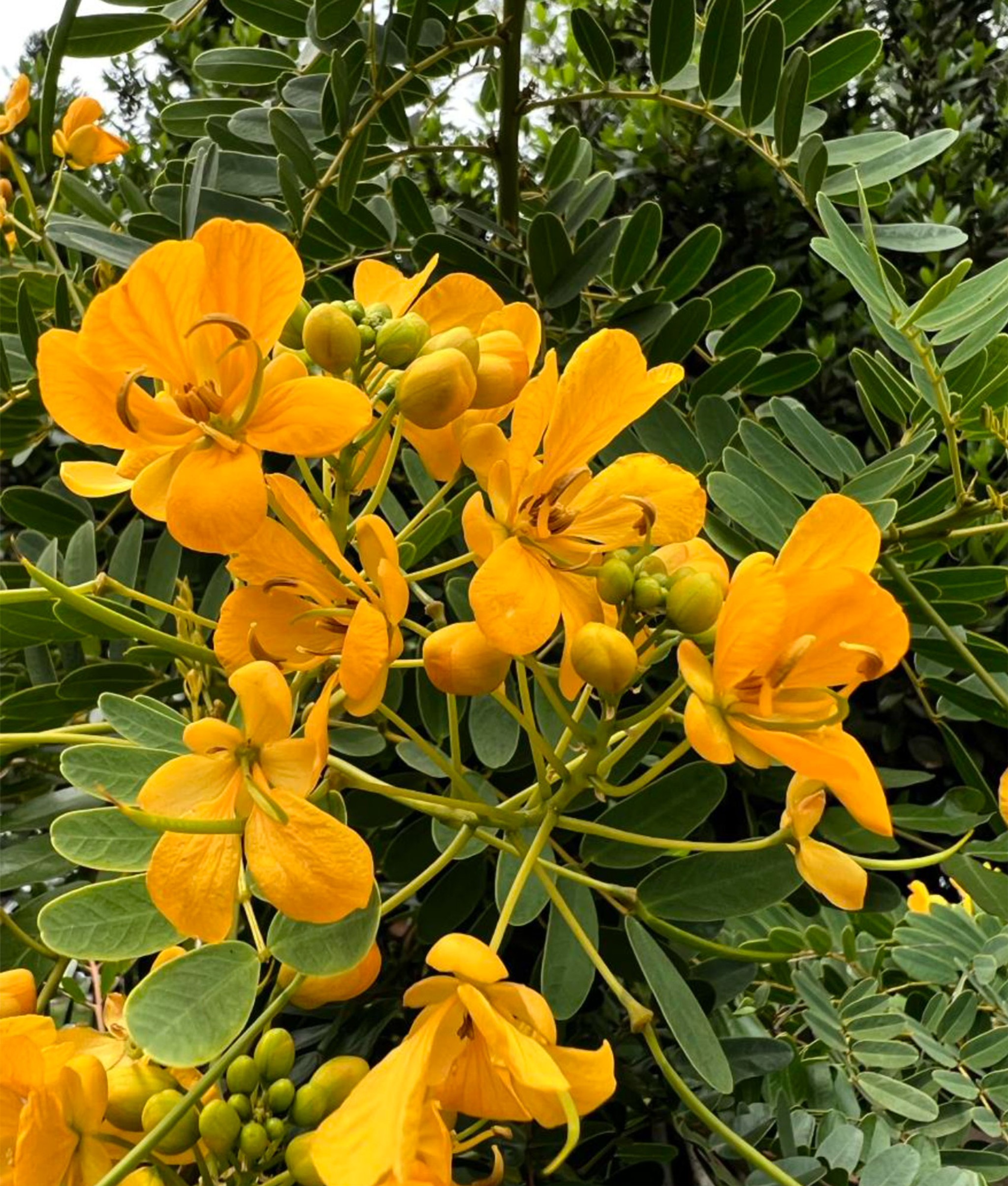
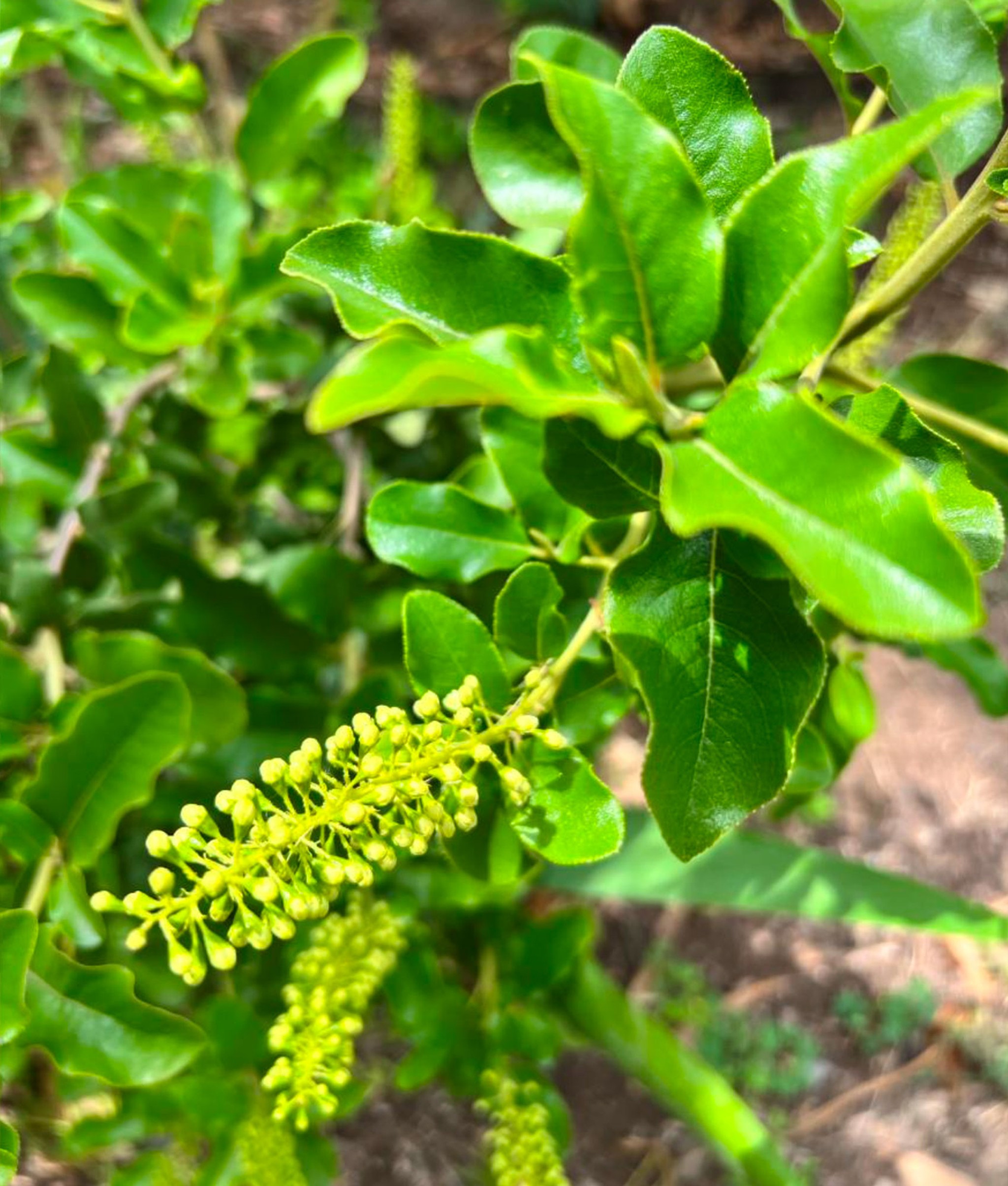
Still, growth rate of surviving saplings is incredible; a 310cm maximum height illustrates this. A Golden Cassia (Senna candolleana) has flowered this year, and we look forward to this forest bringing more joy to the hospital community in its second year.
Biodiversity Notes:
Forest Report: 2022
0 Months
Forest Age
Planting: November 2021
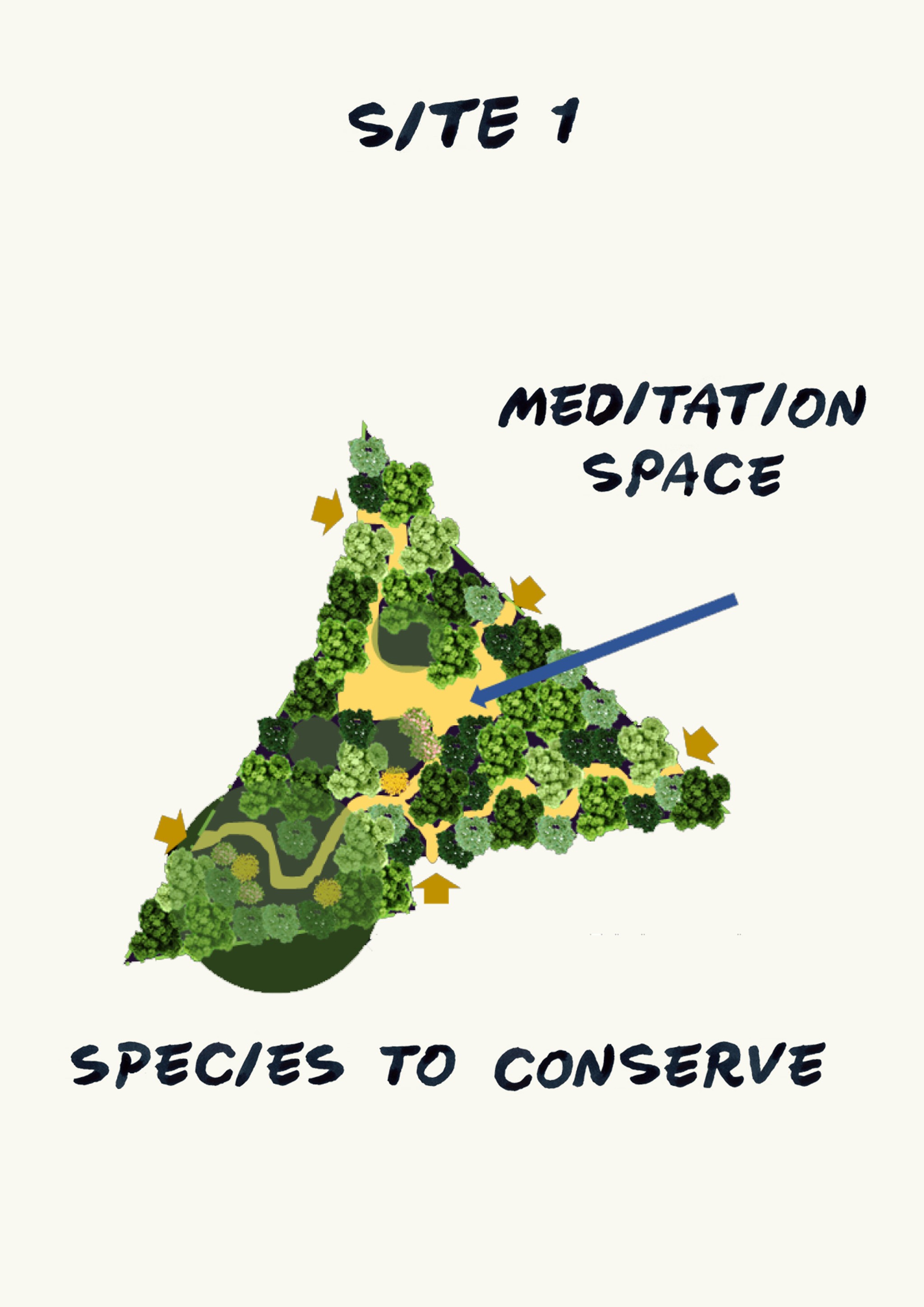
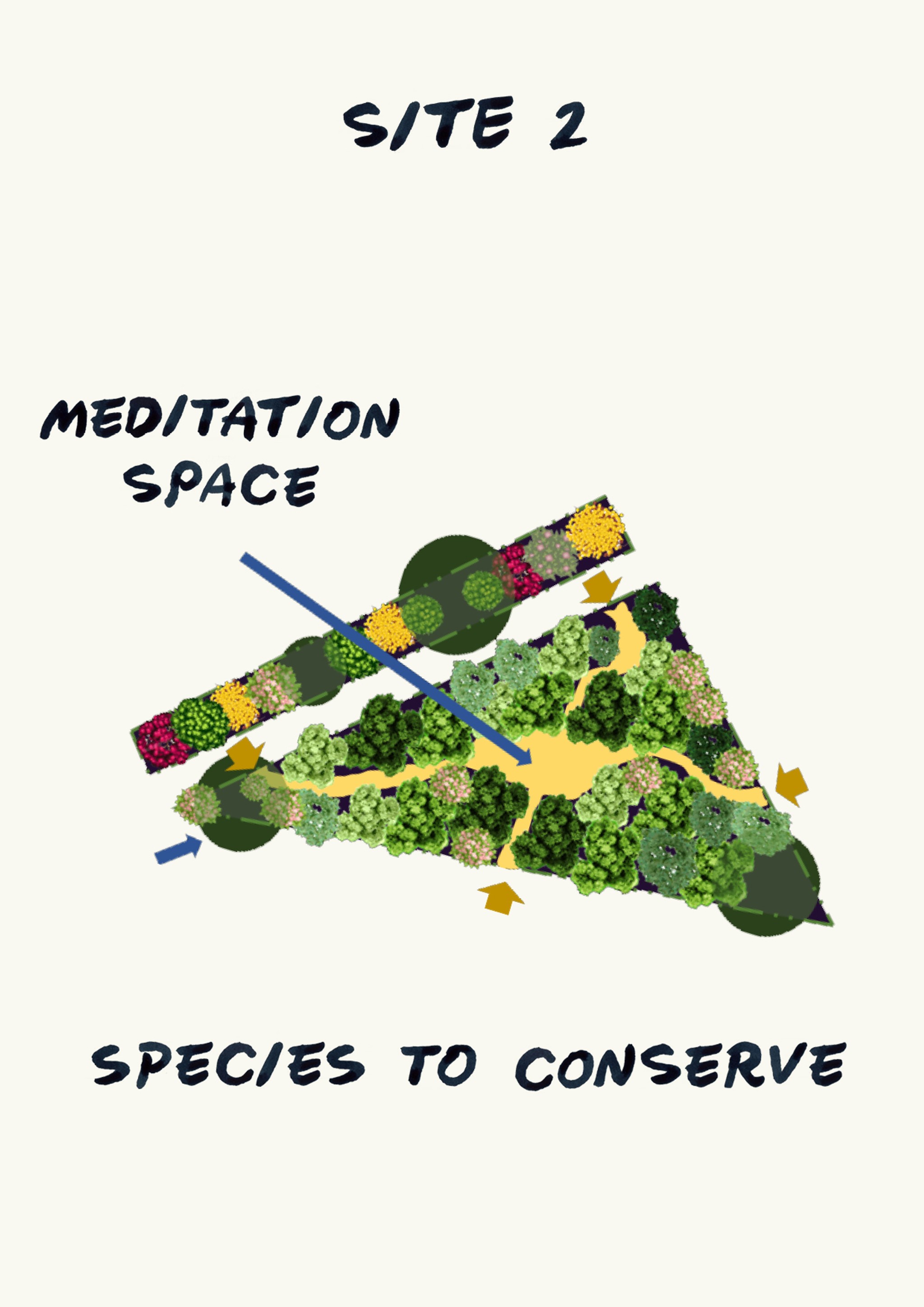
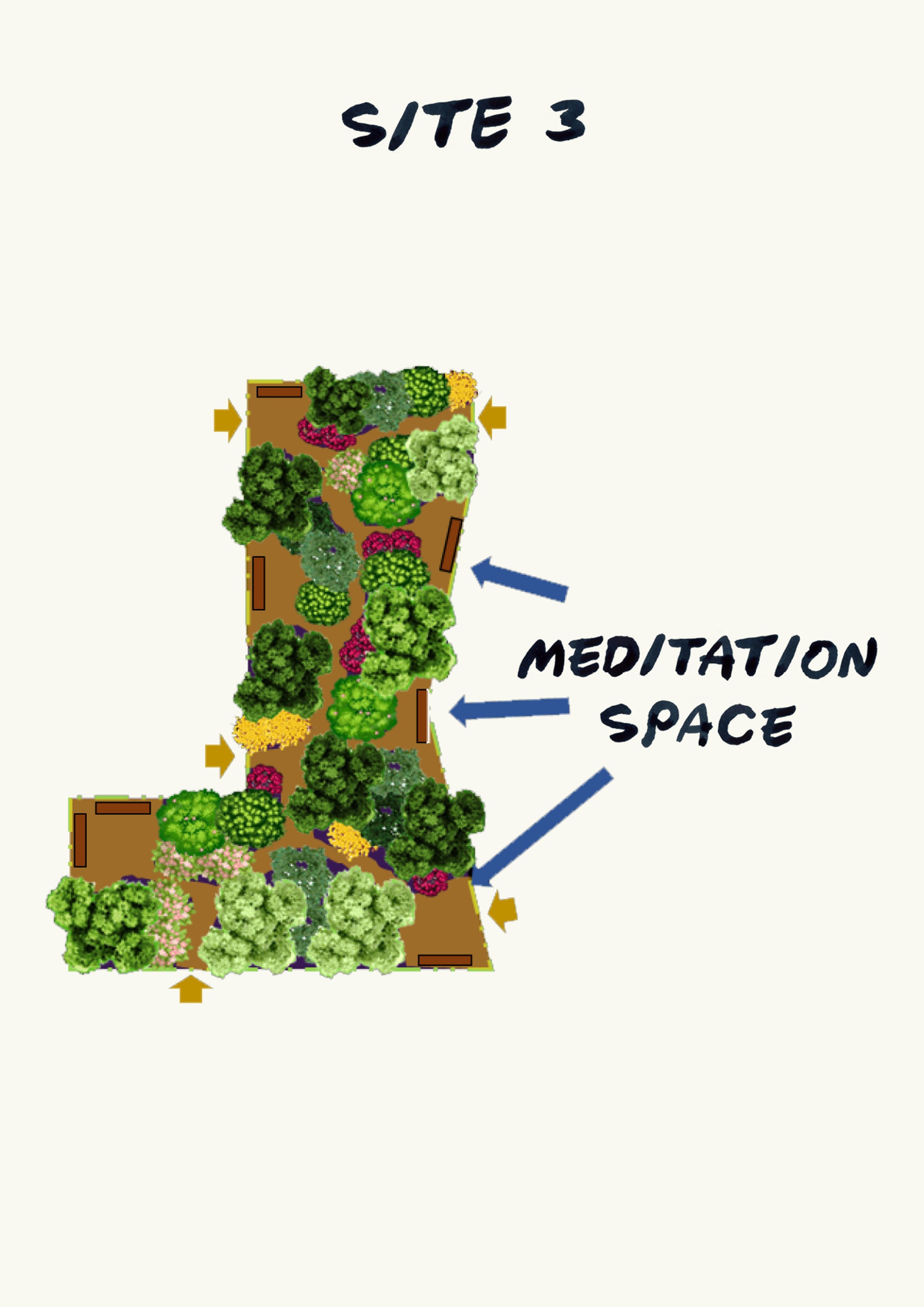
Forest Design