Trapa Trapa Forest
A place of peace for patients, families and caregivers.

0
Trees
0
Square Meters
0
Native Species
0
Youth Impacted
Self sustaining pocket forest
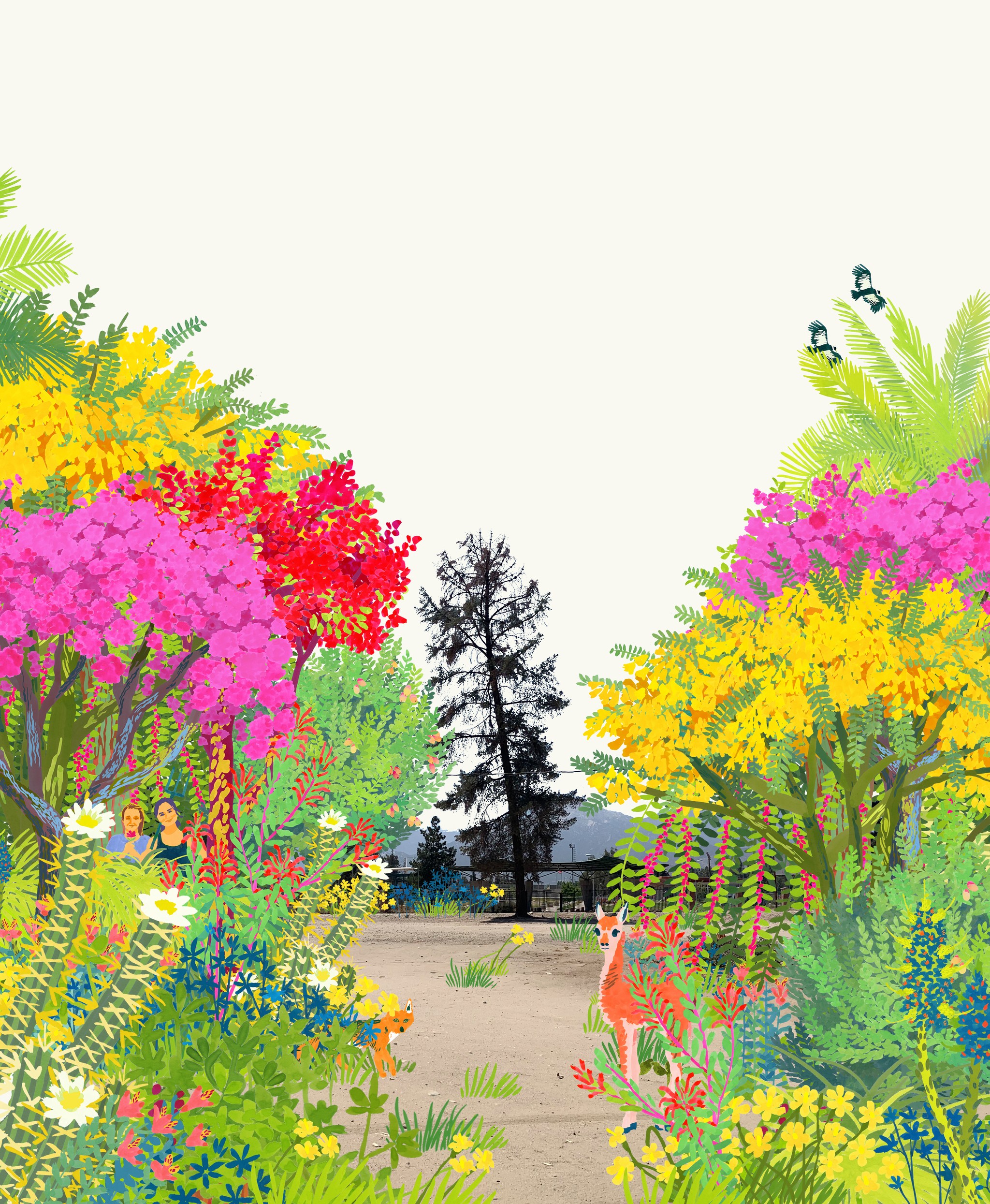
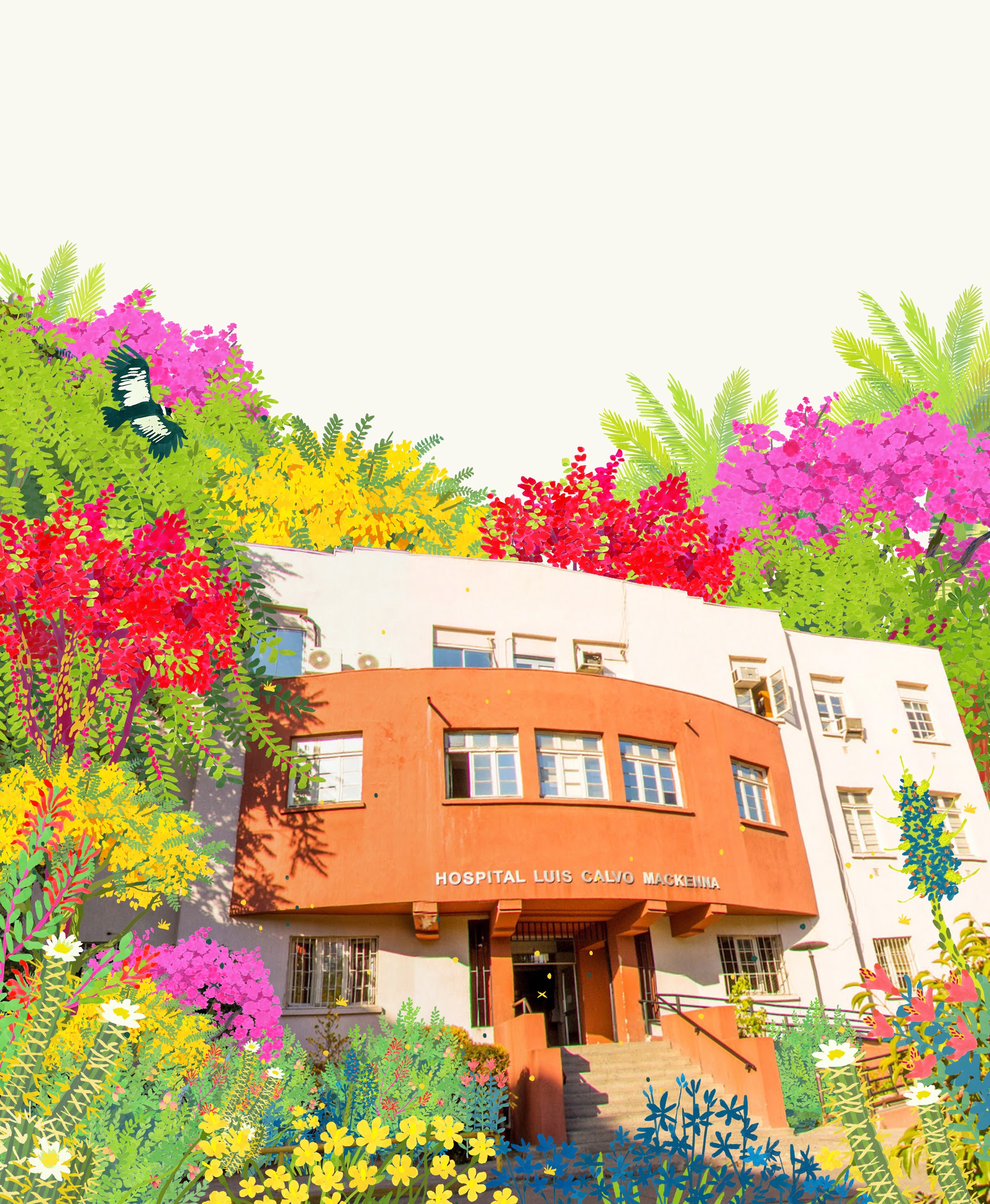
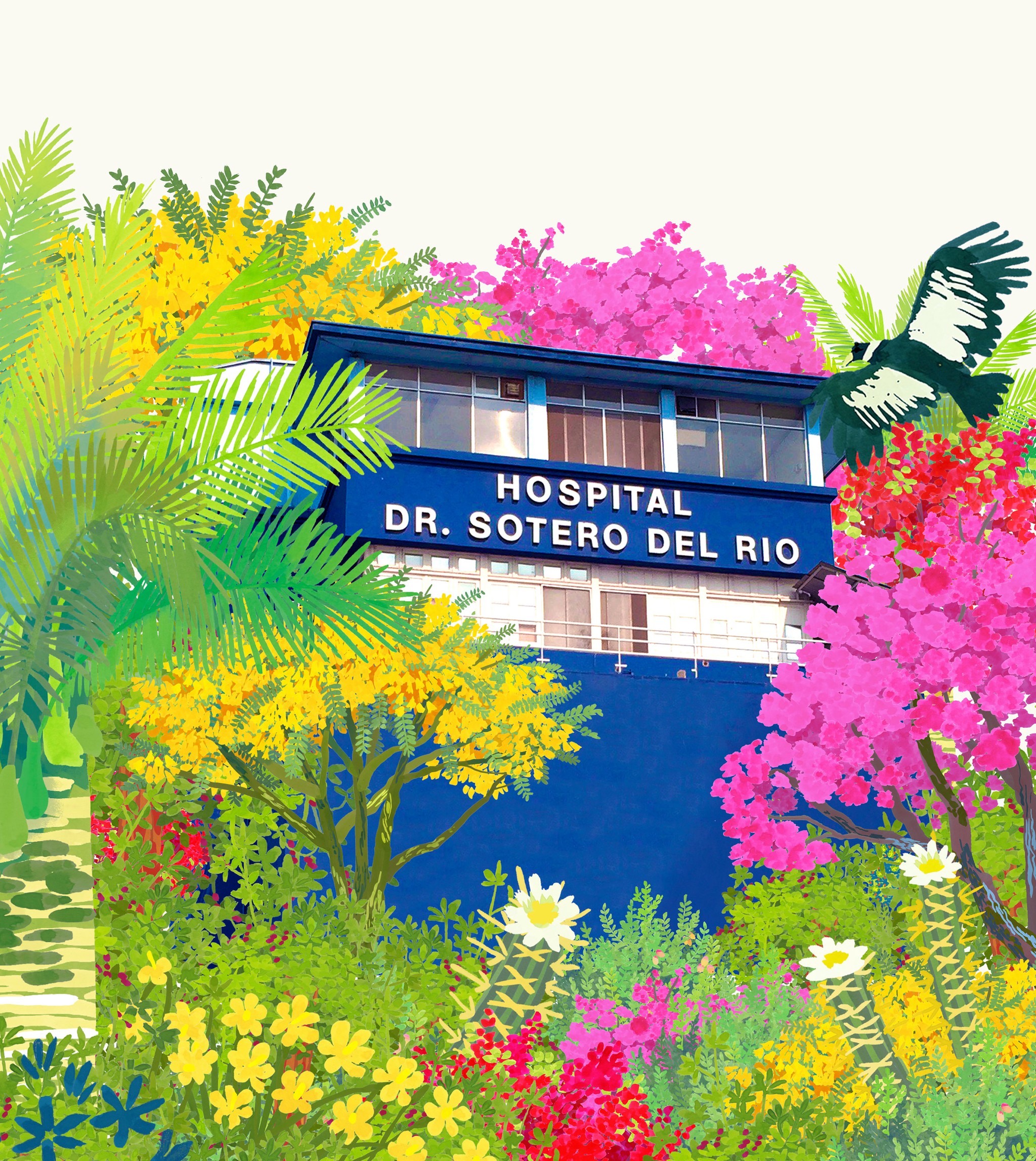
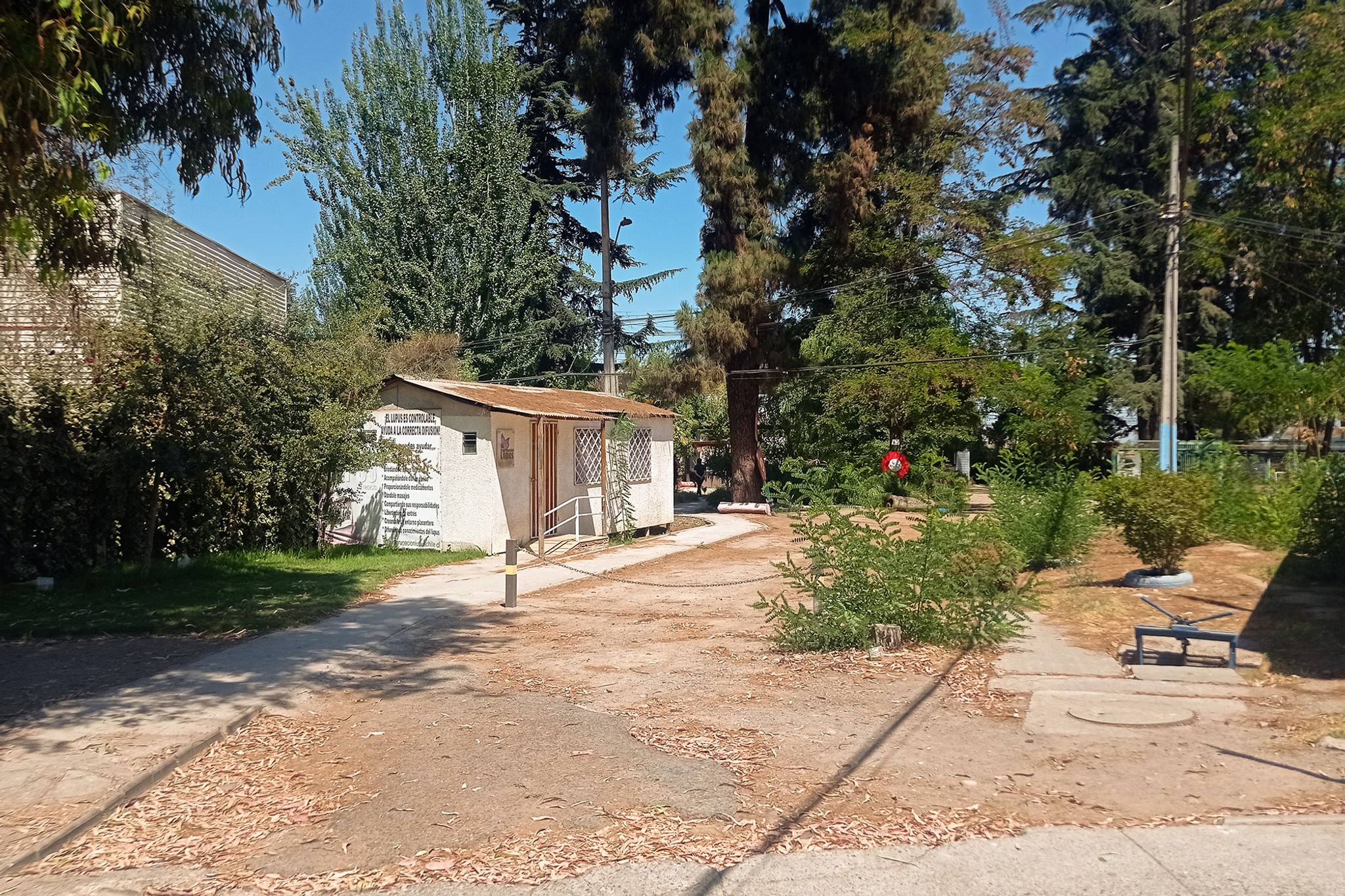
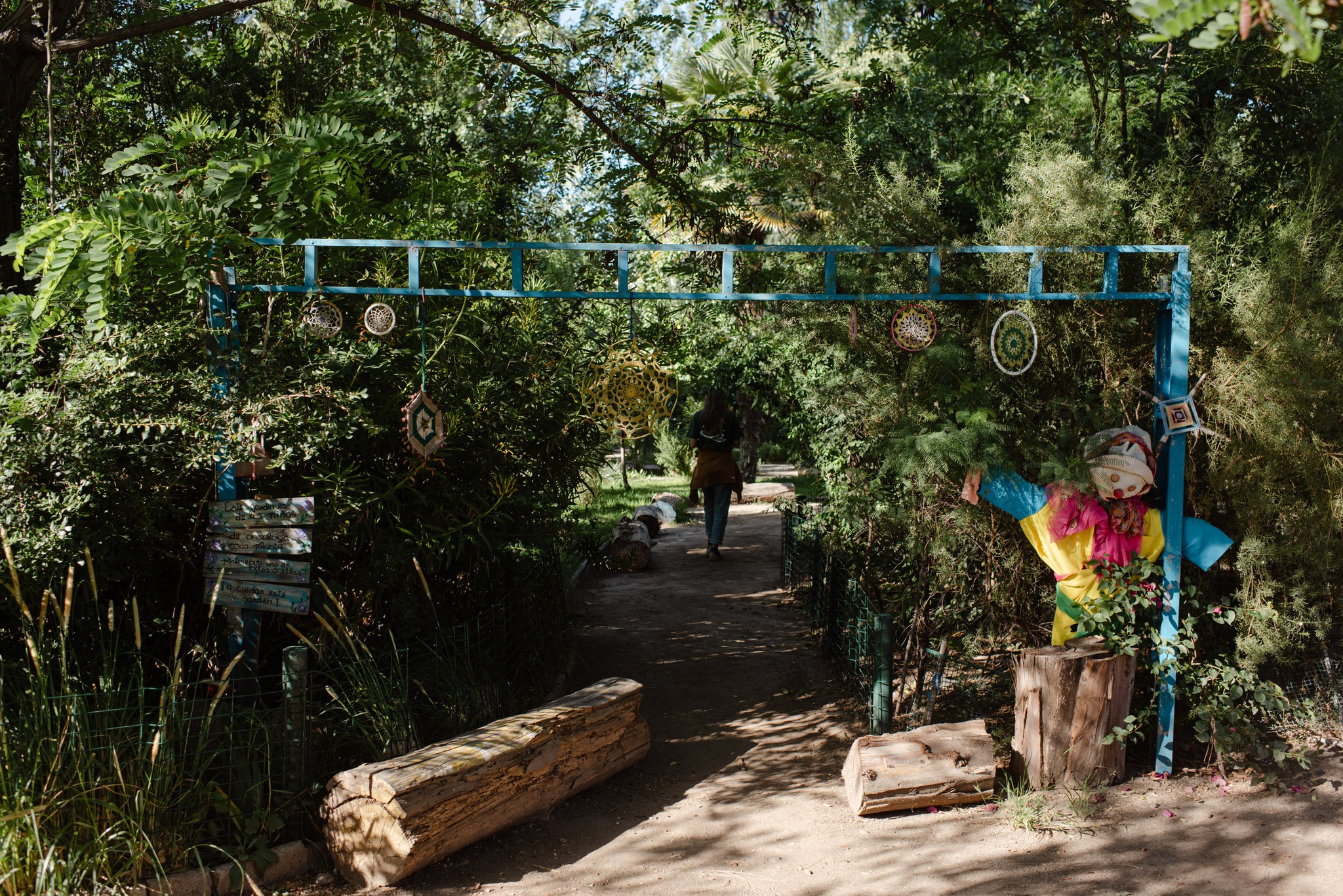
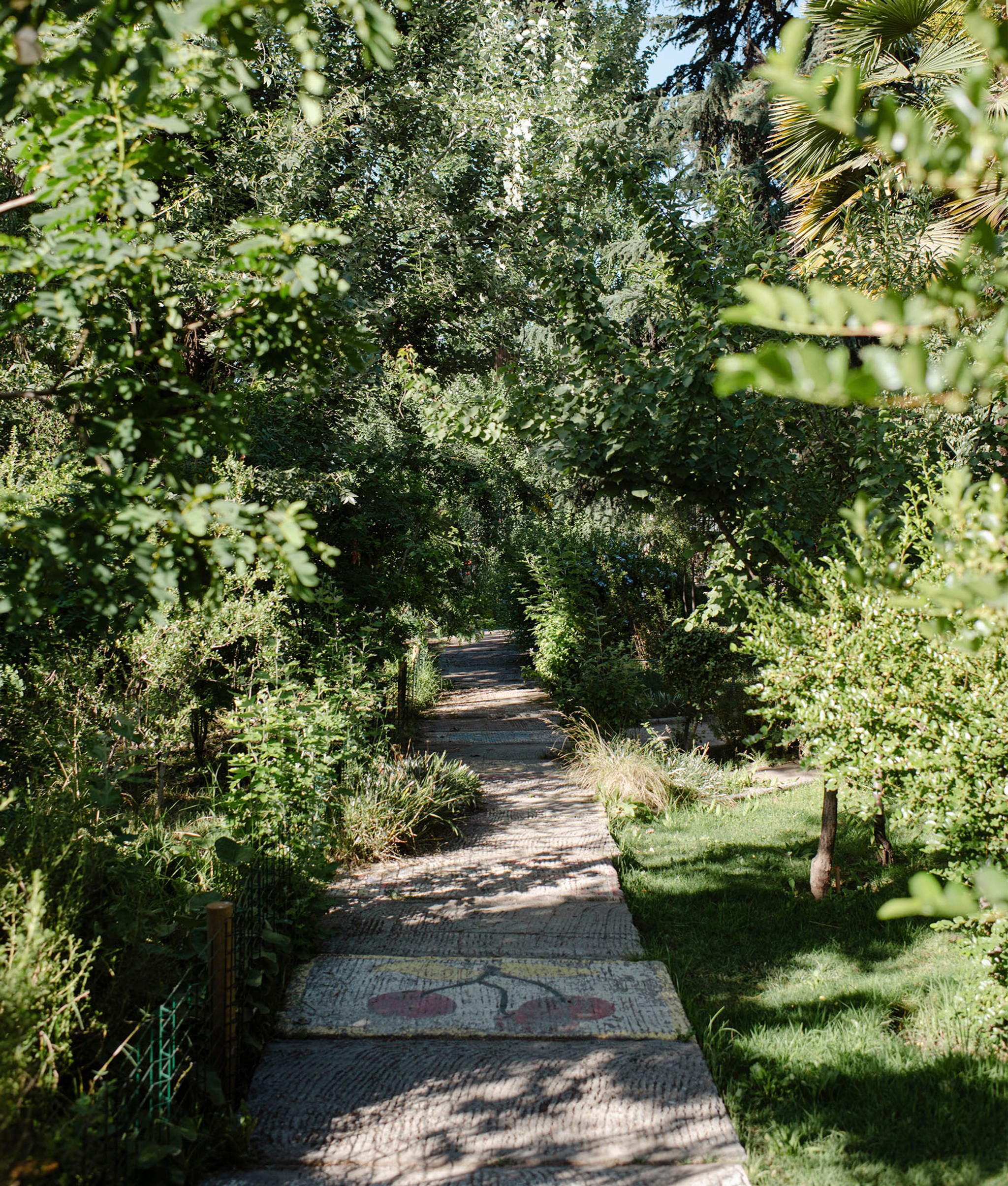
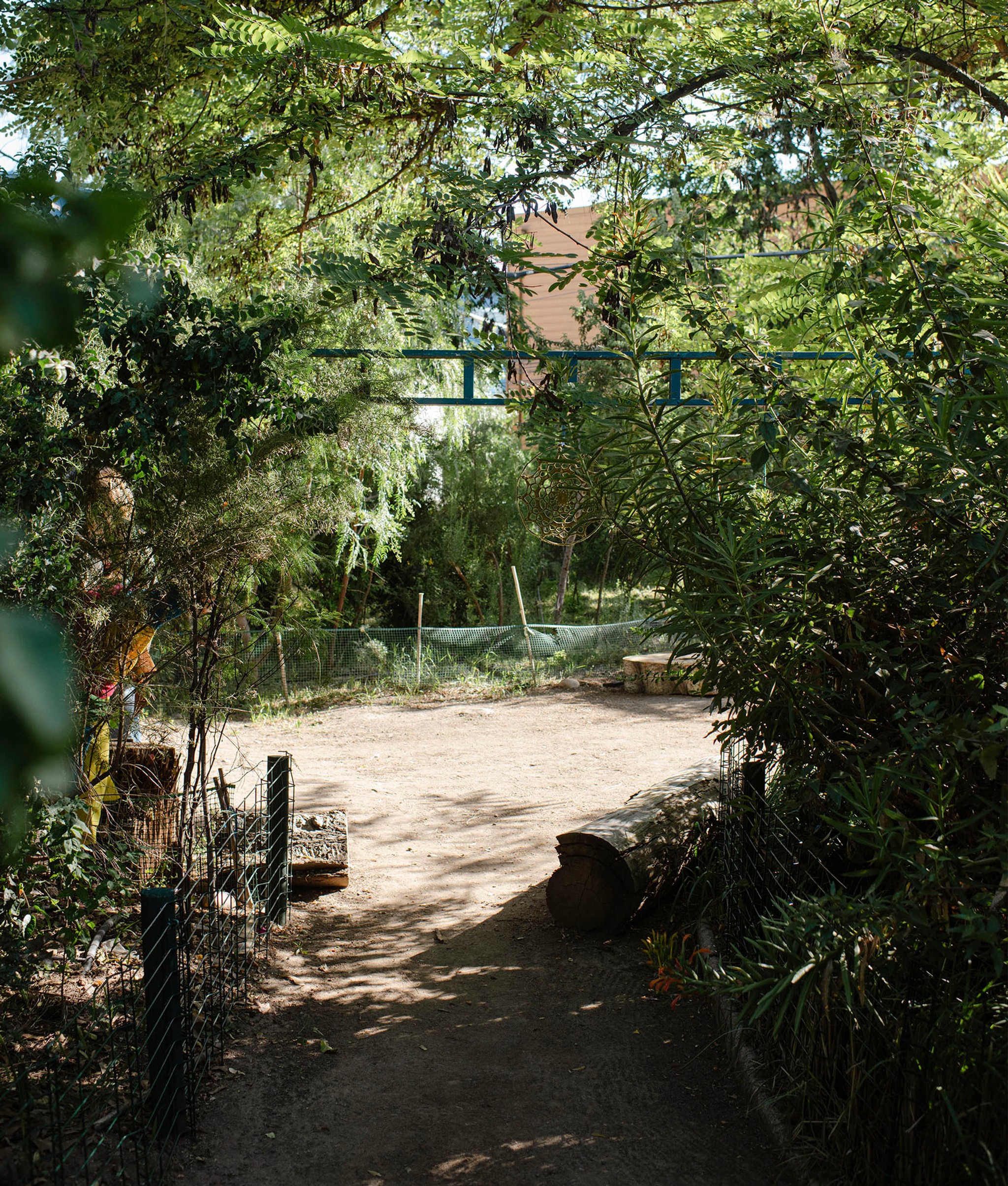
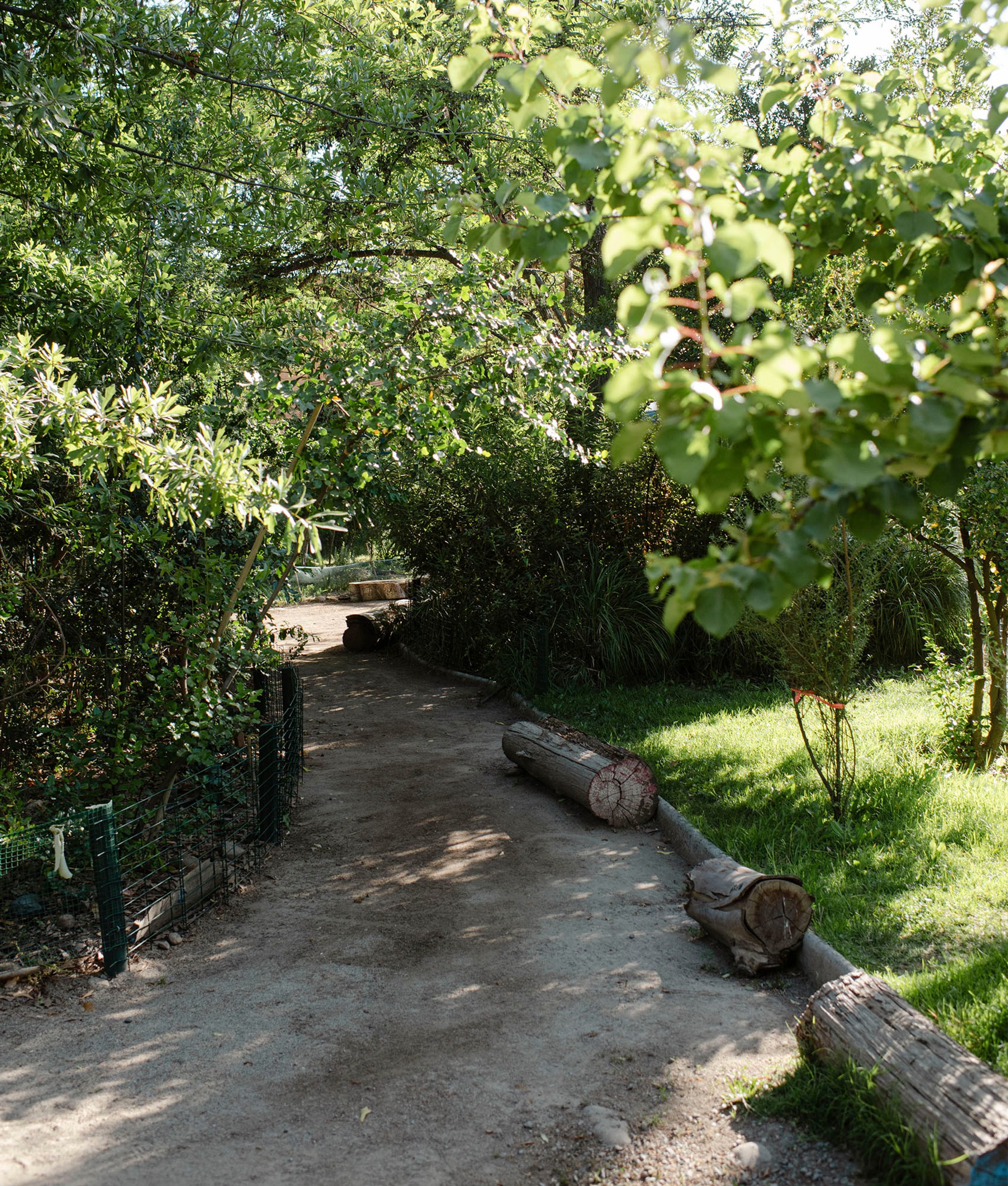
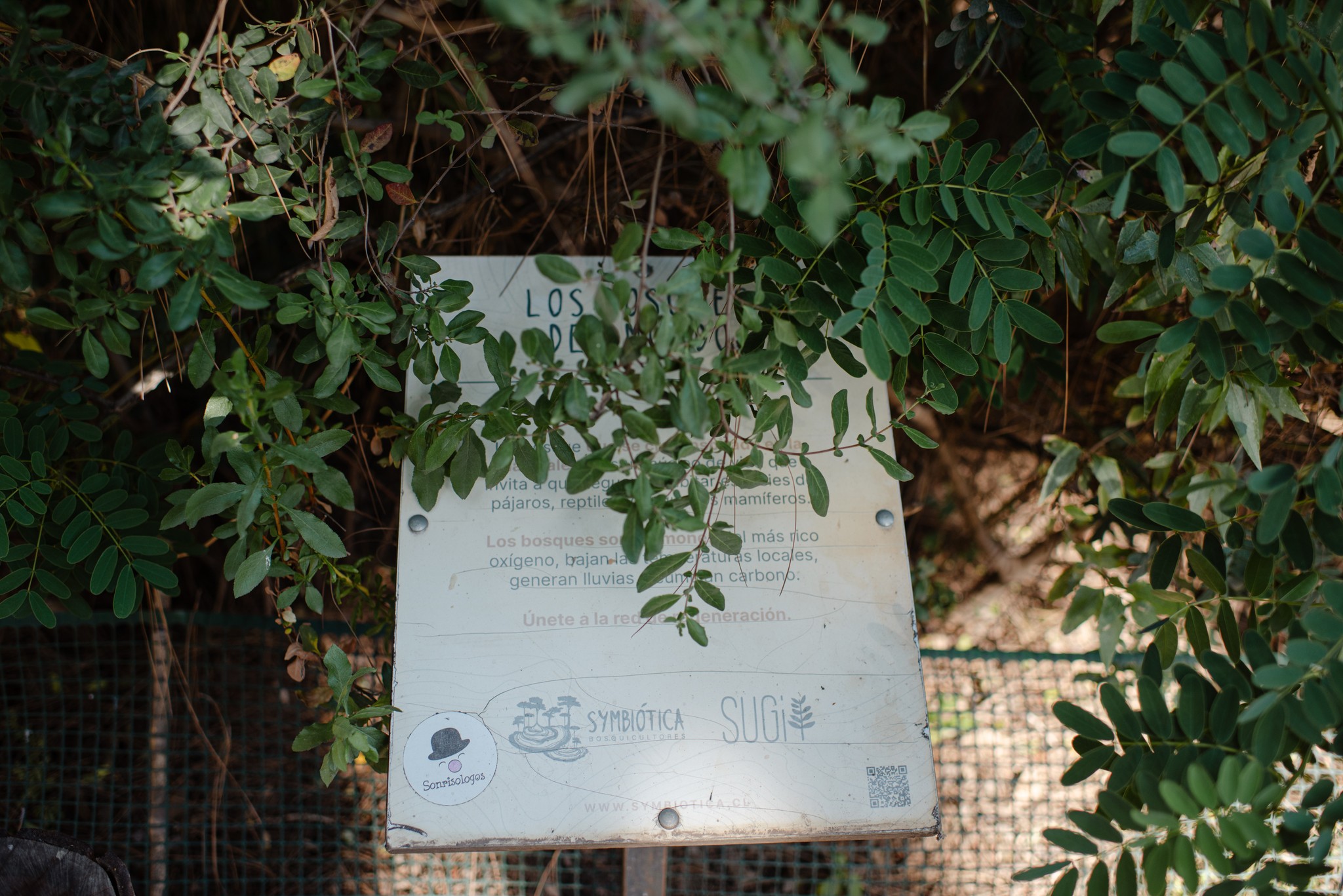
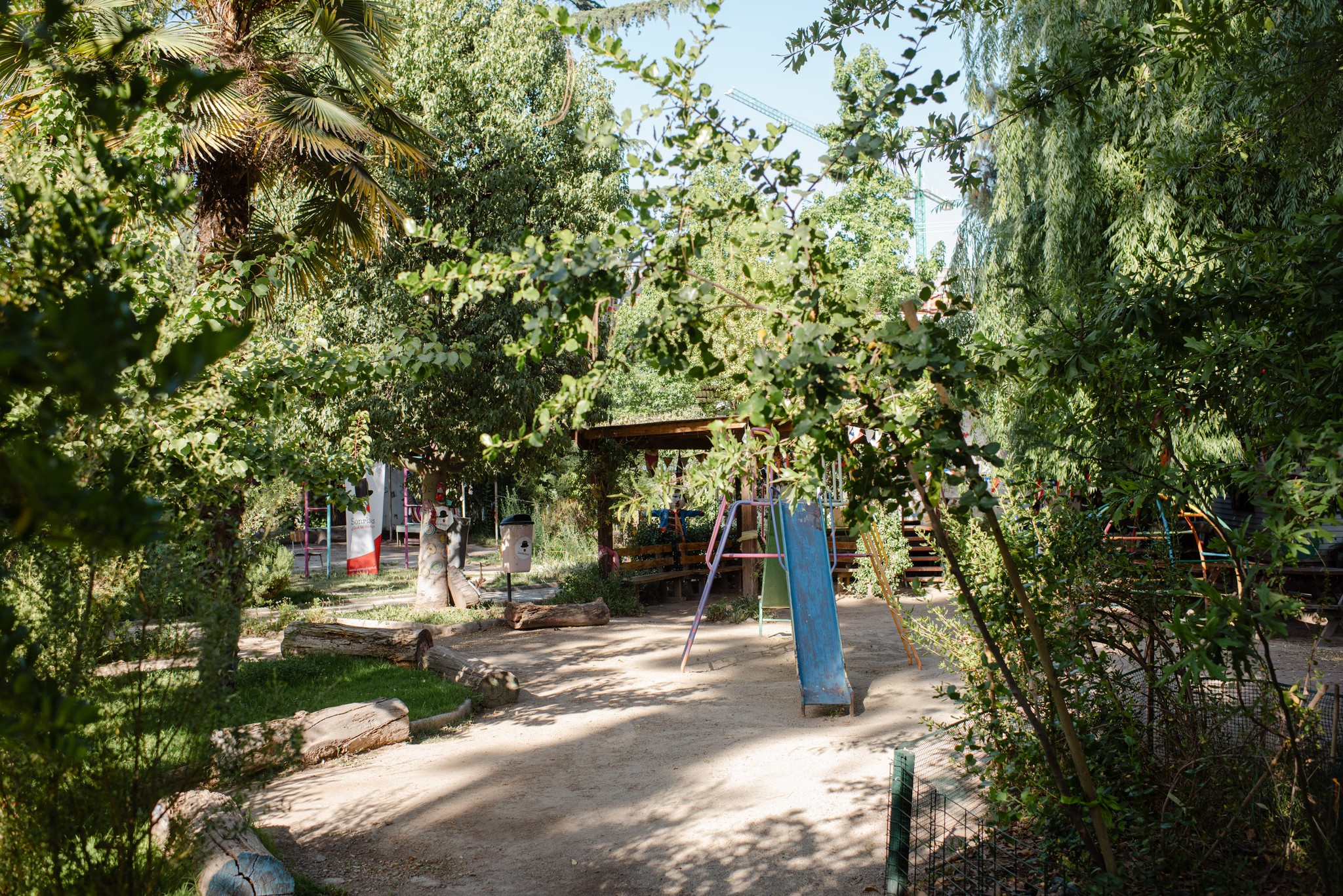
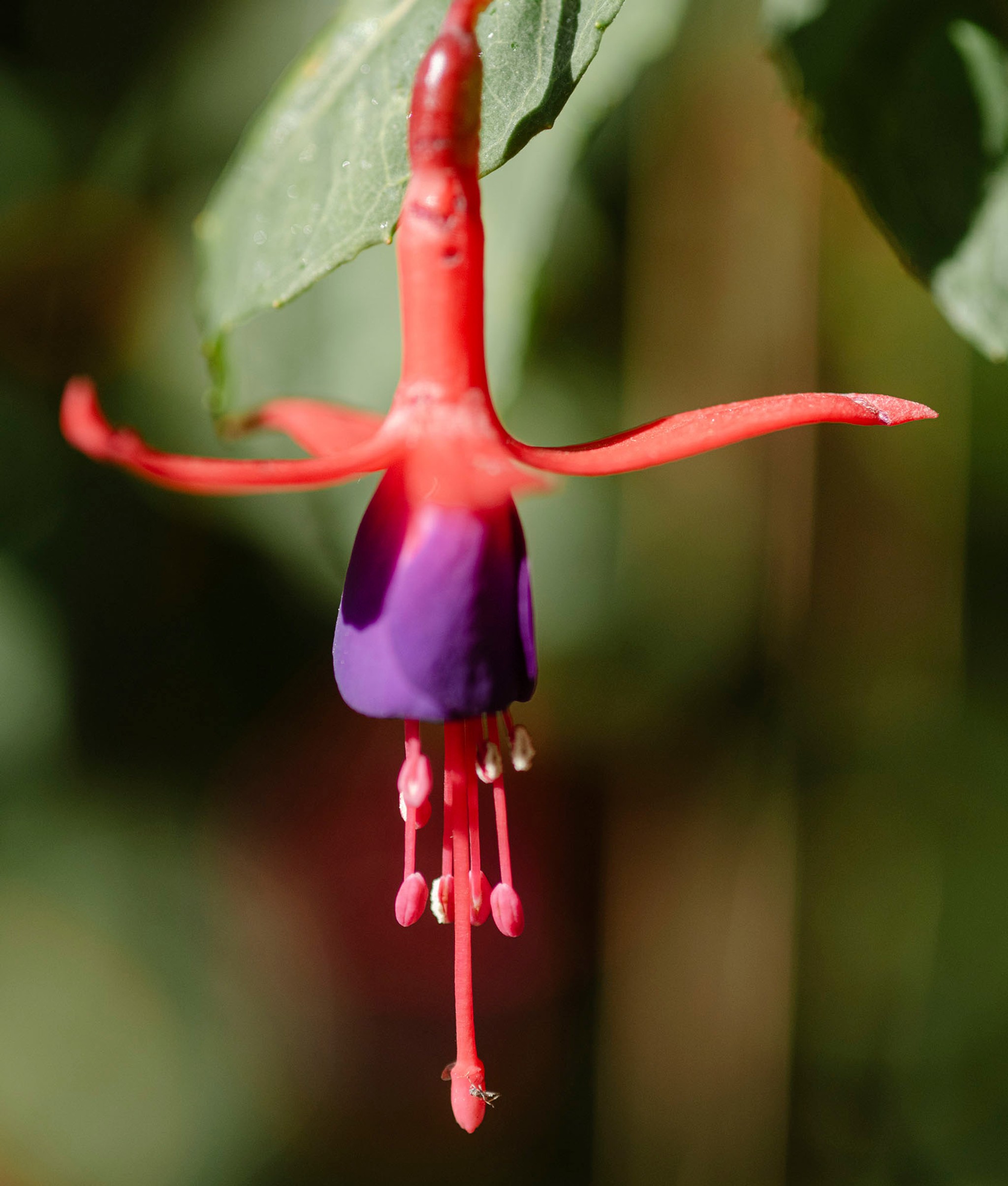
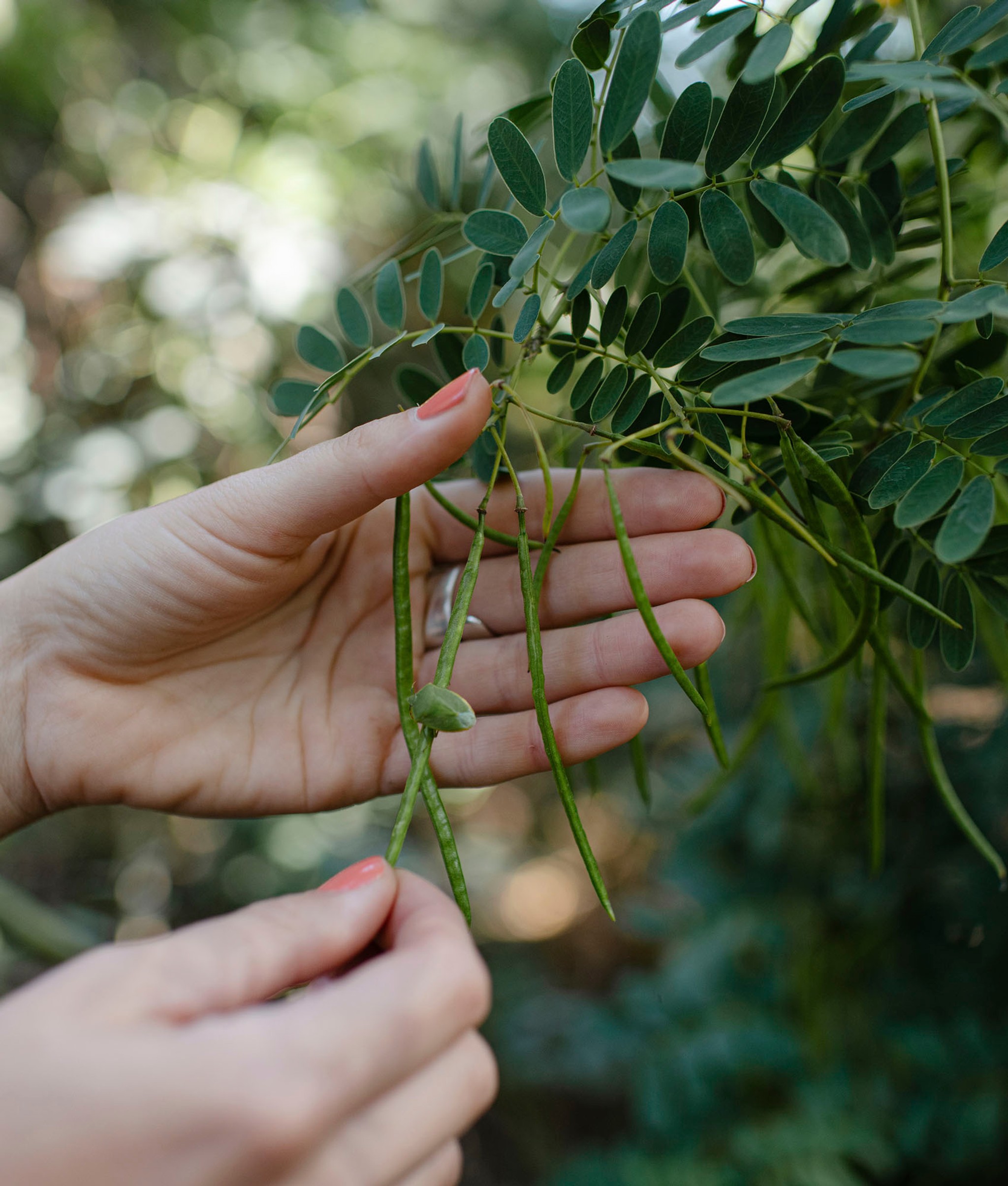
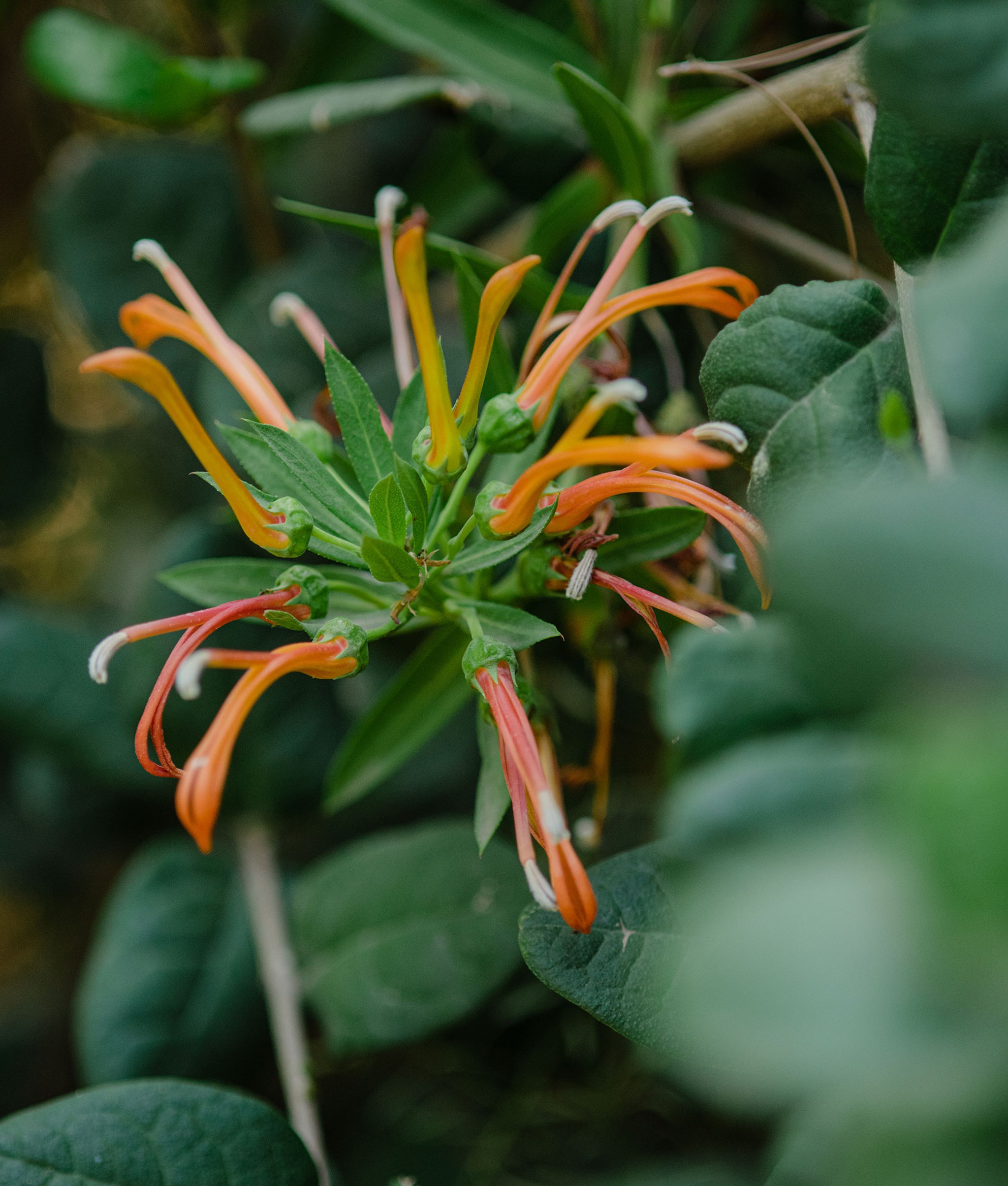
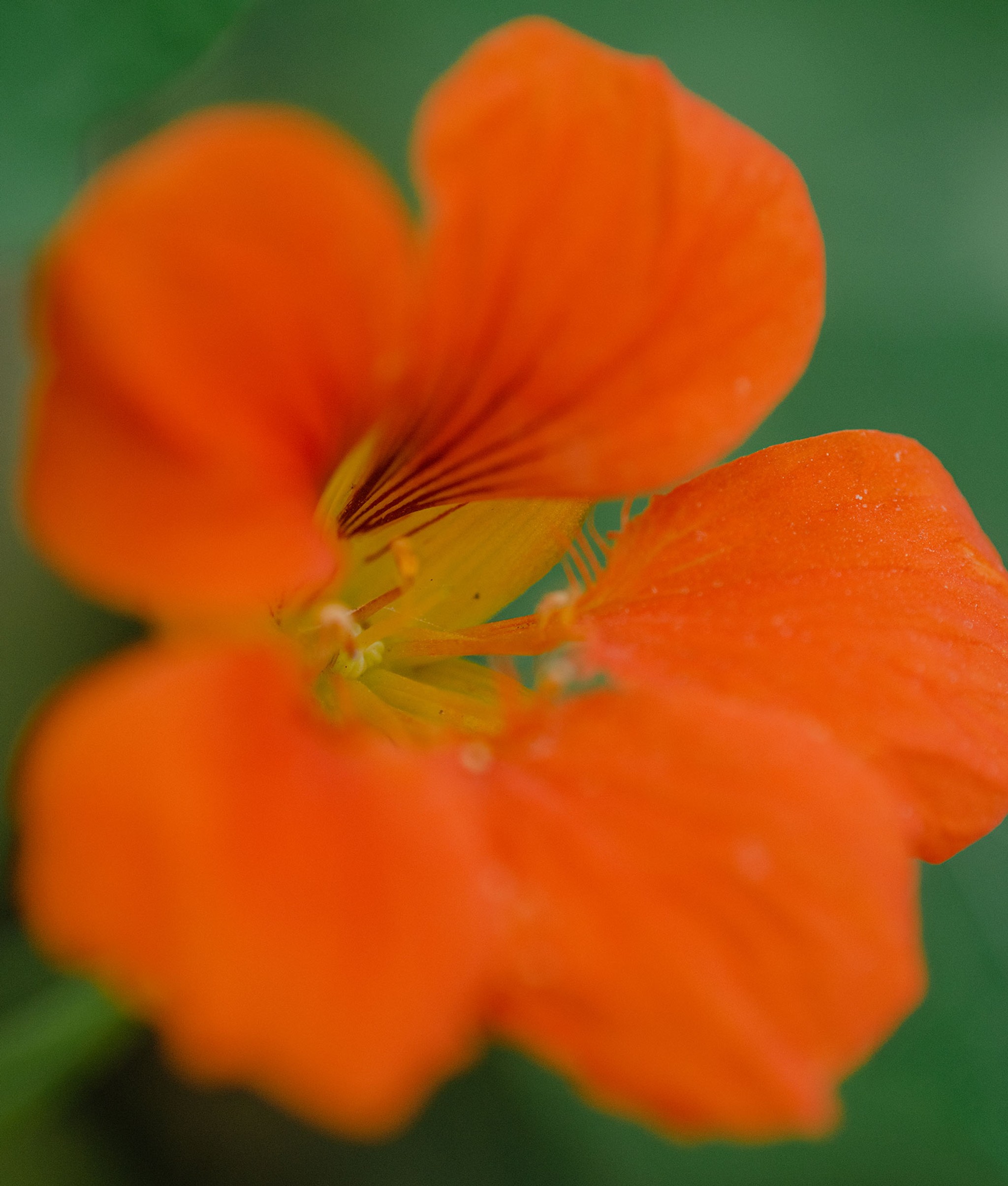
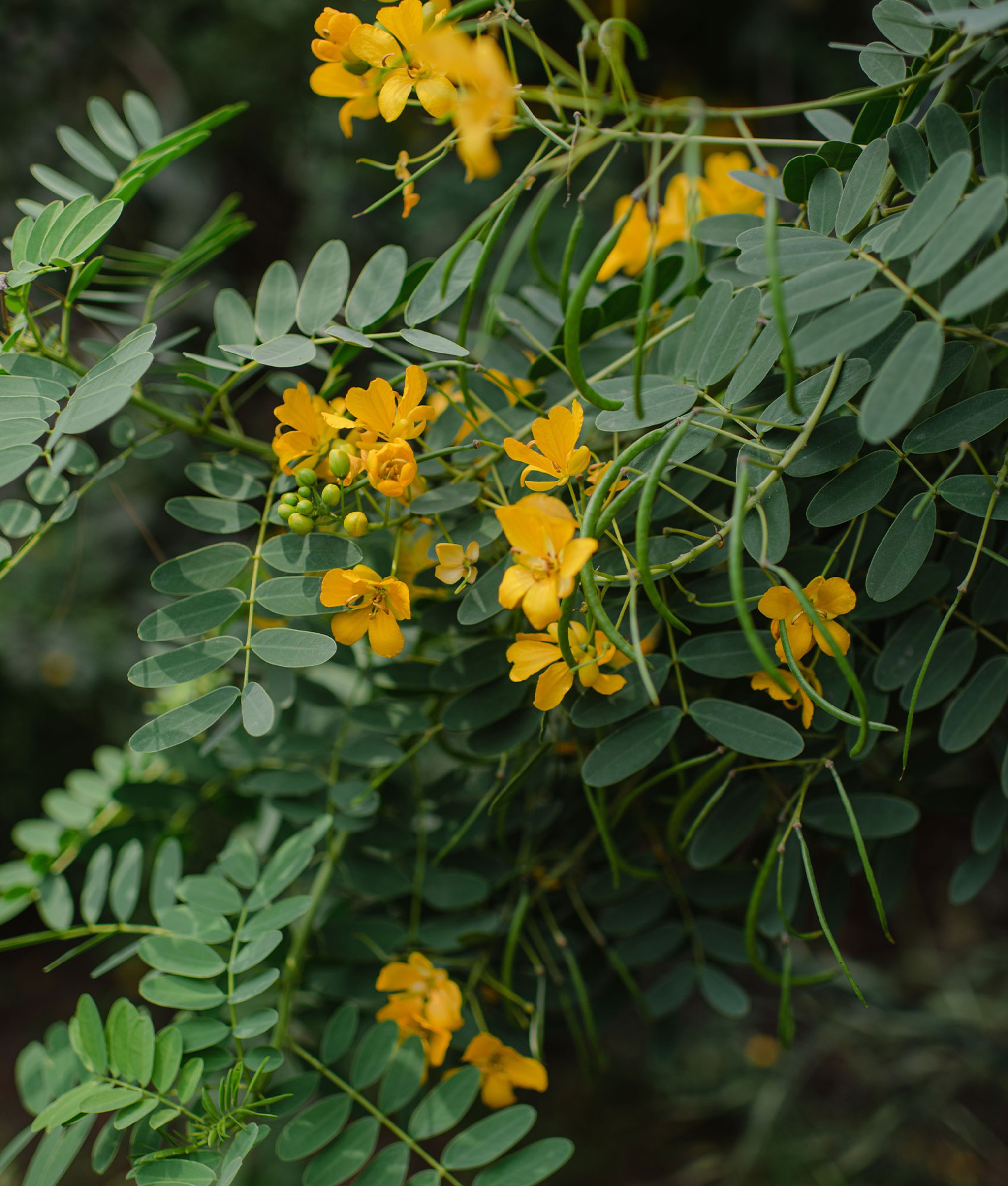
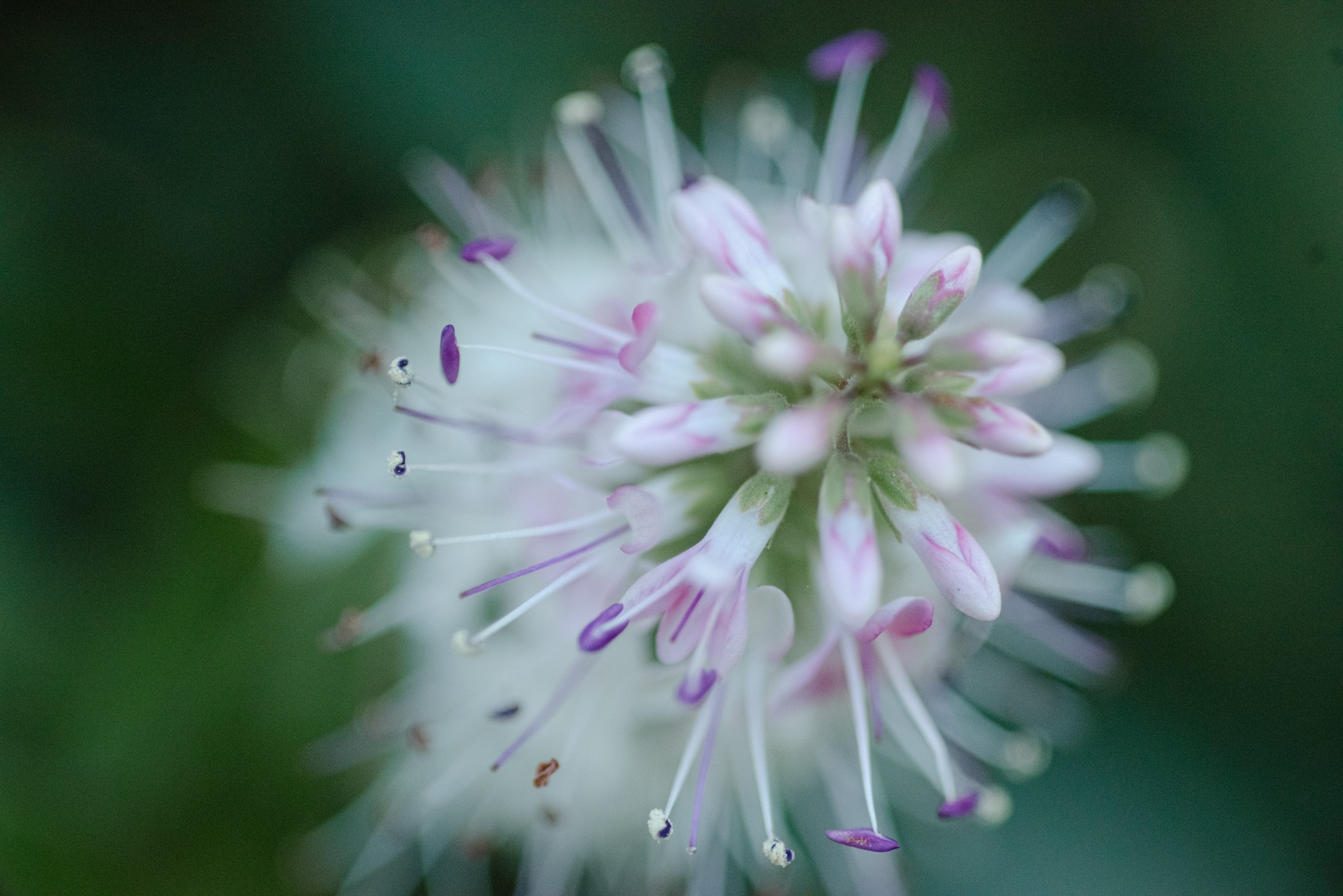
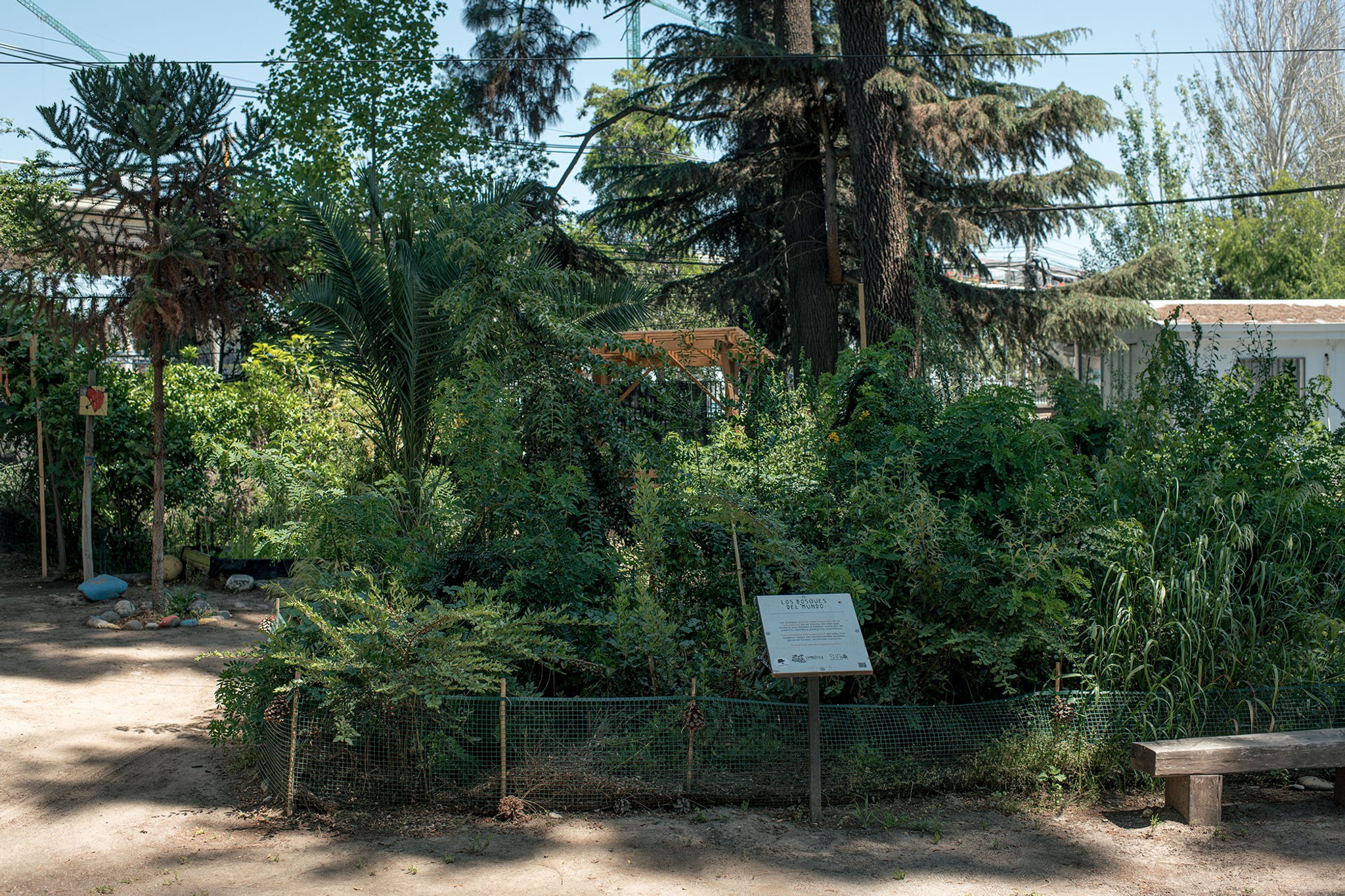
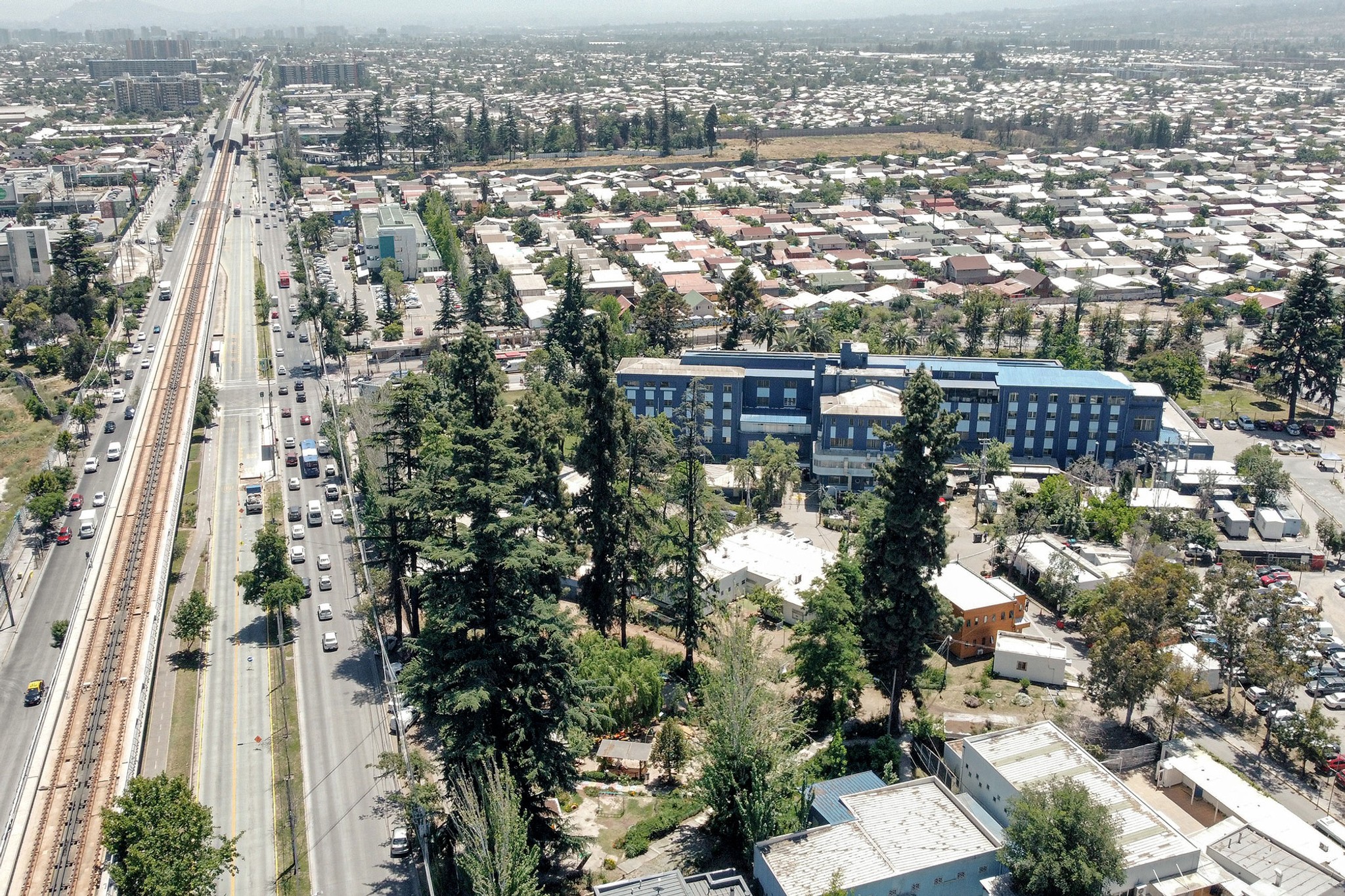
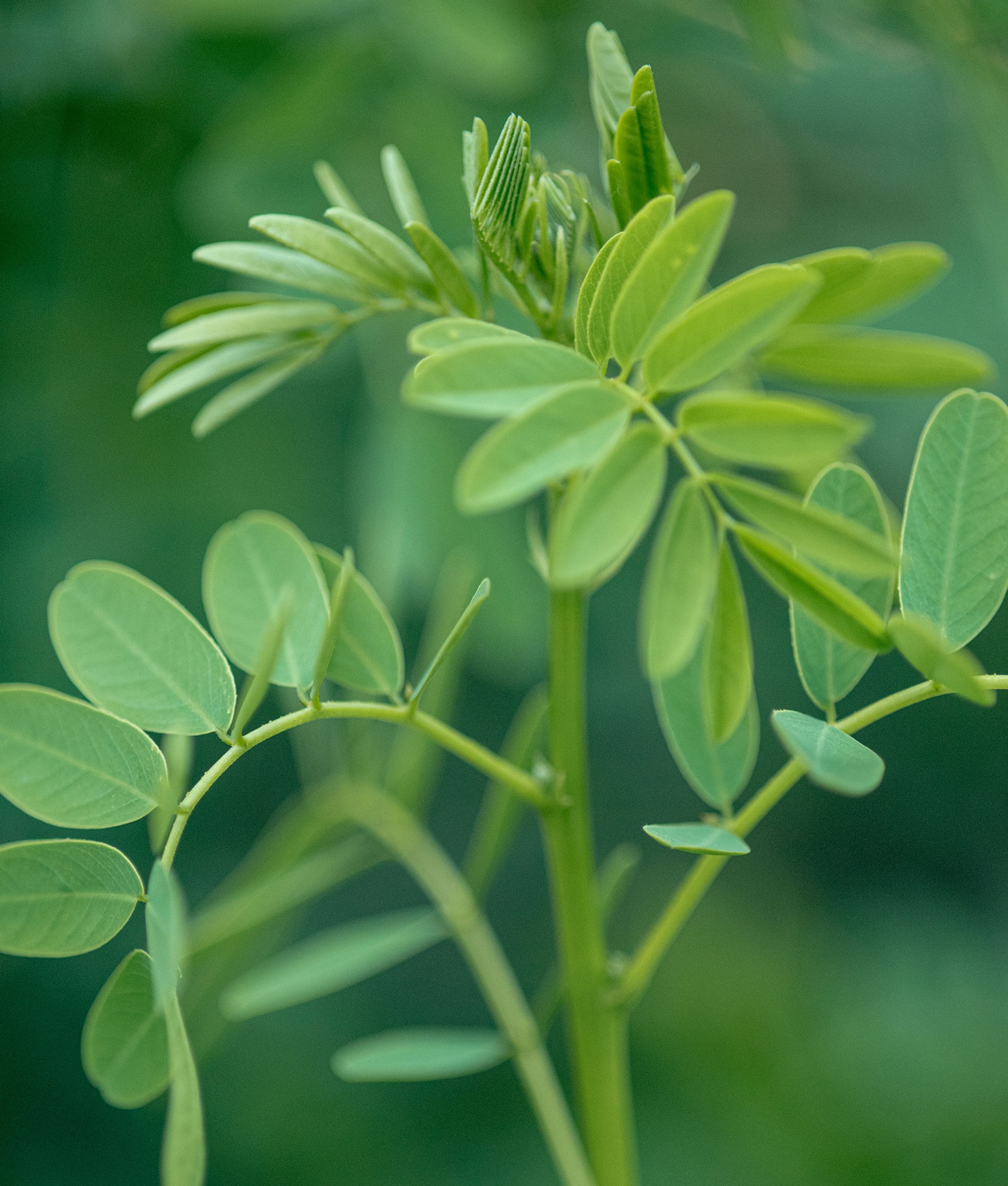
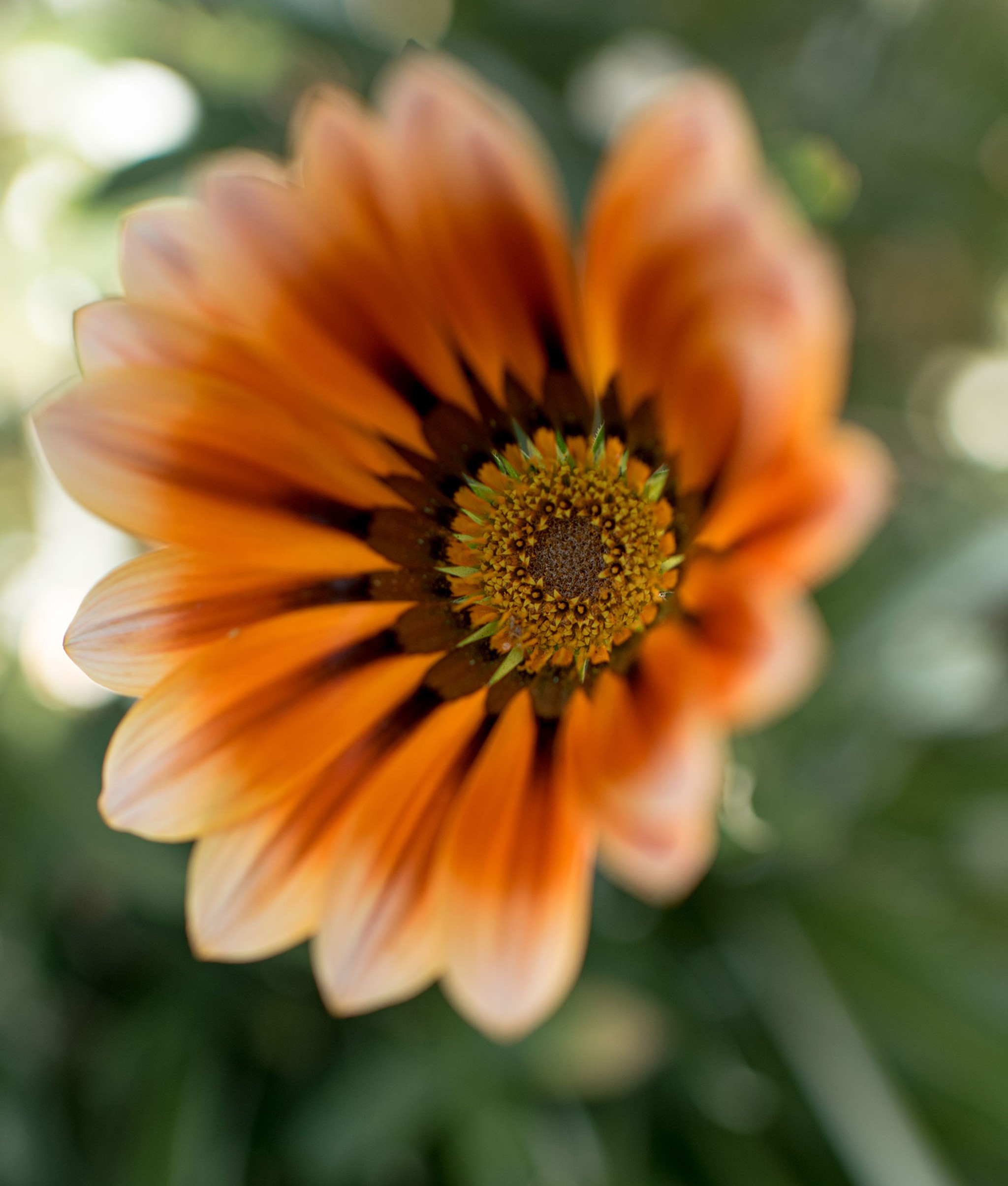
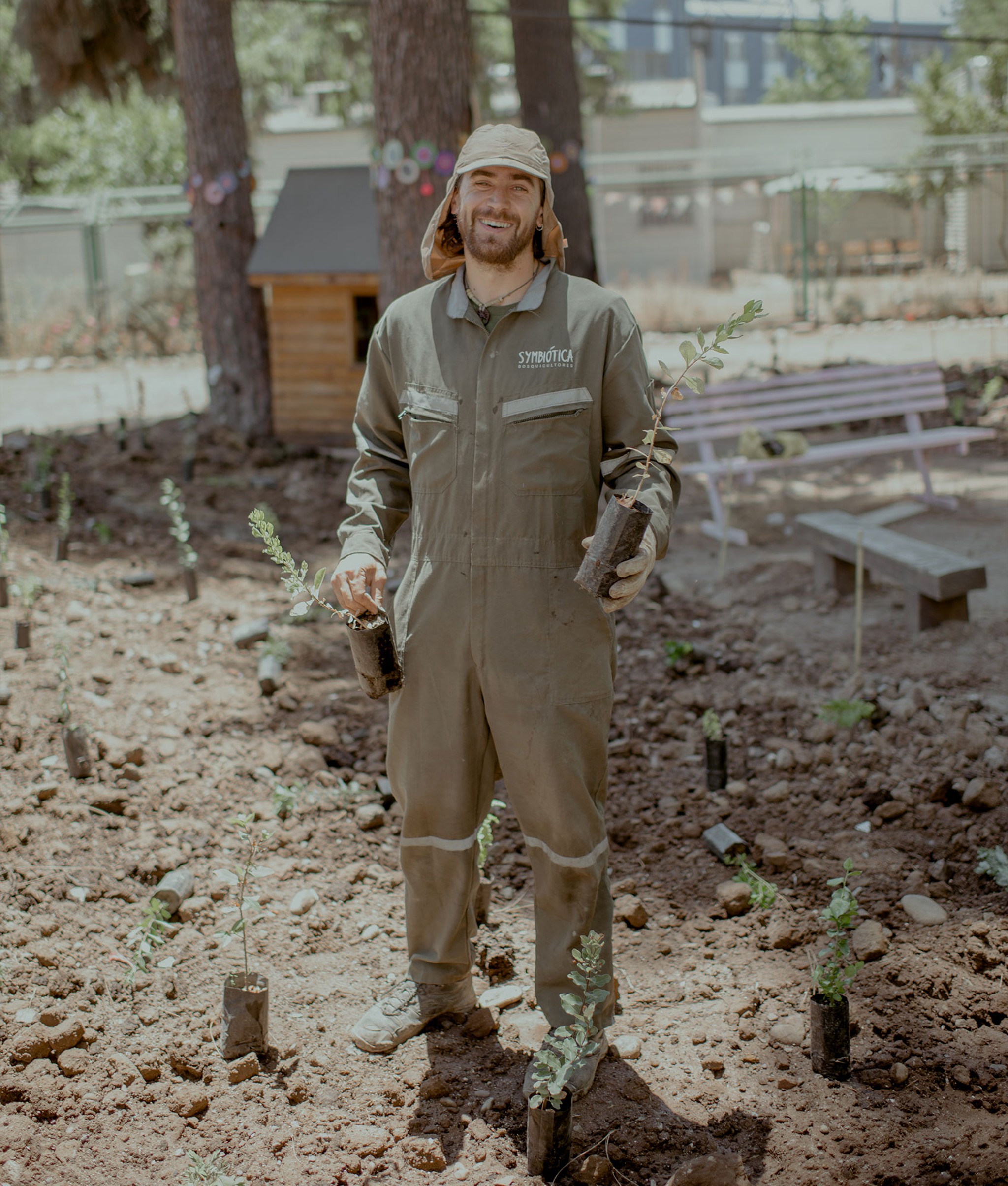
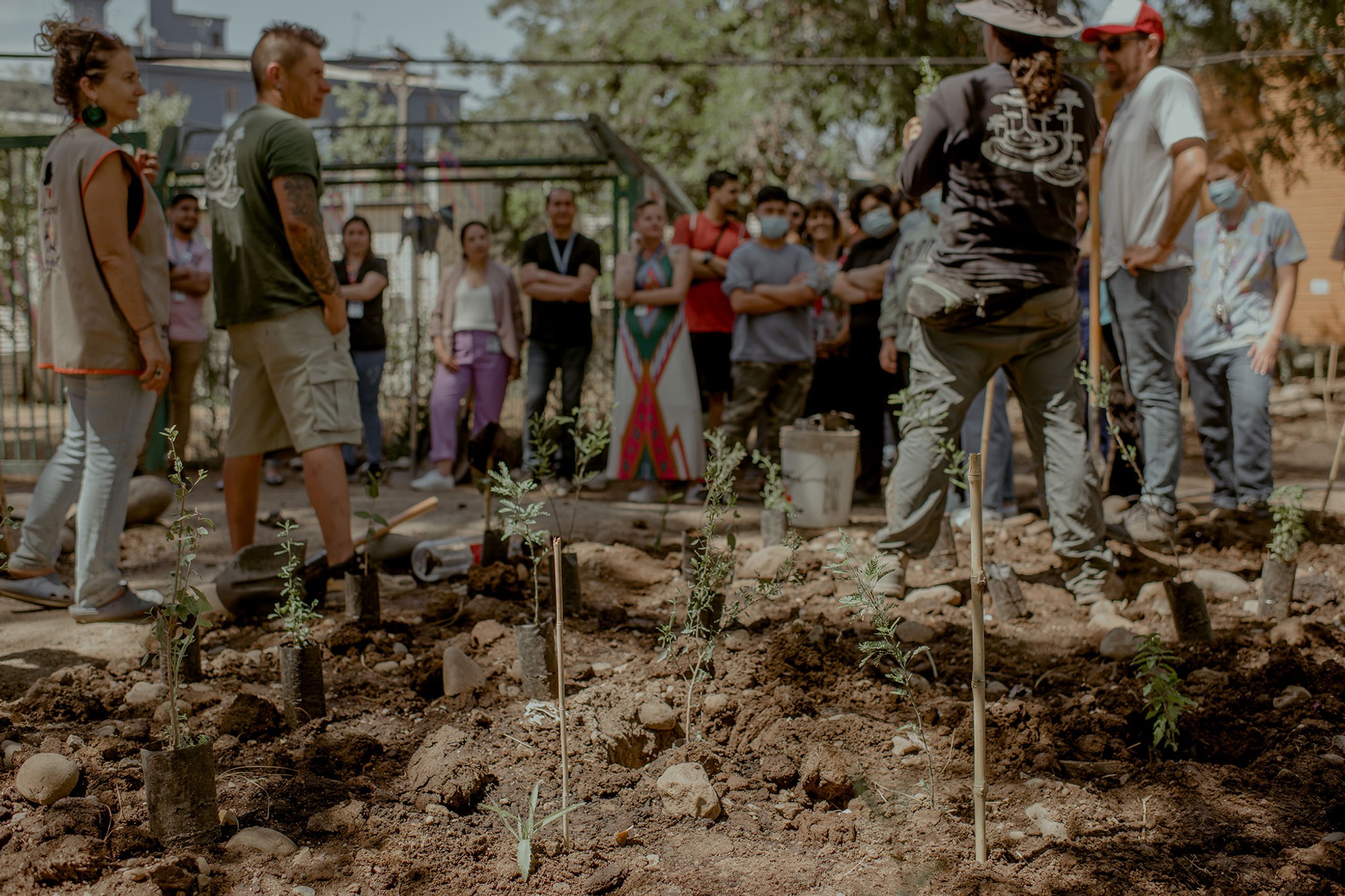
‘Trapa Trapa’, meaning “place of peace” in Mapudungun, the language of the indigenous Mapuche people, is a forest located within the grounds of Sotero del Río Hospital, one of the busiest public hospitals in Chile. Planted in December 2022 with indigenous and medicinal species inspired by the hospital’s healing mission, the forest bridges 21st-century healthcare with ancestral ecological knowledge, highlighting the deep connection between human health, nature and cultural heritage.
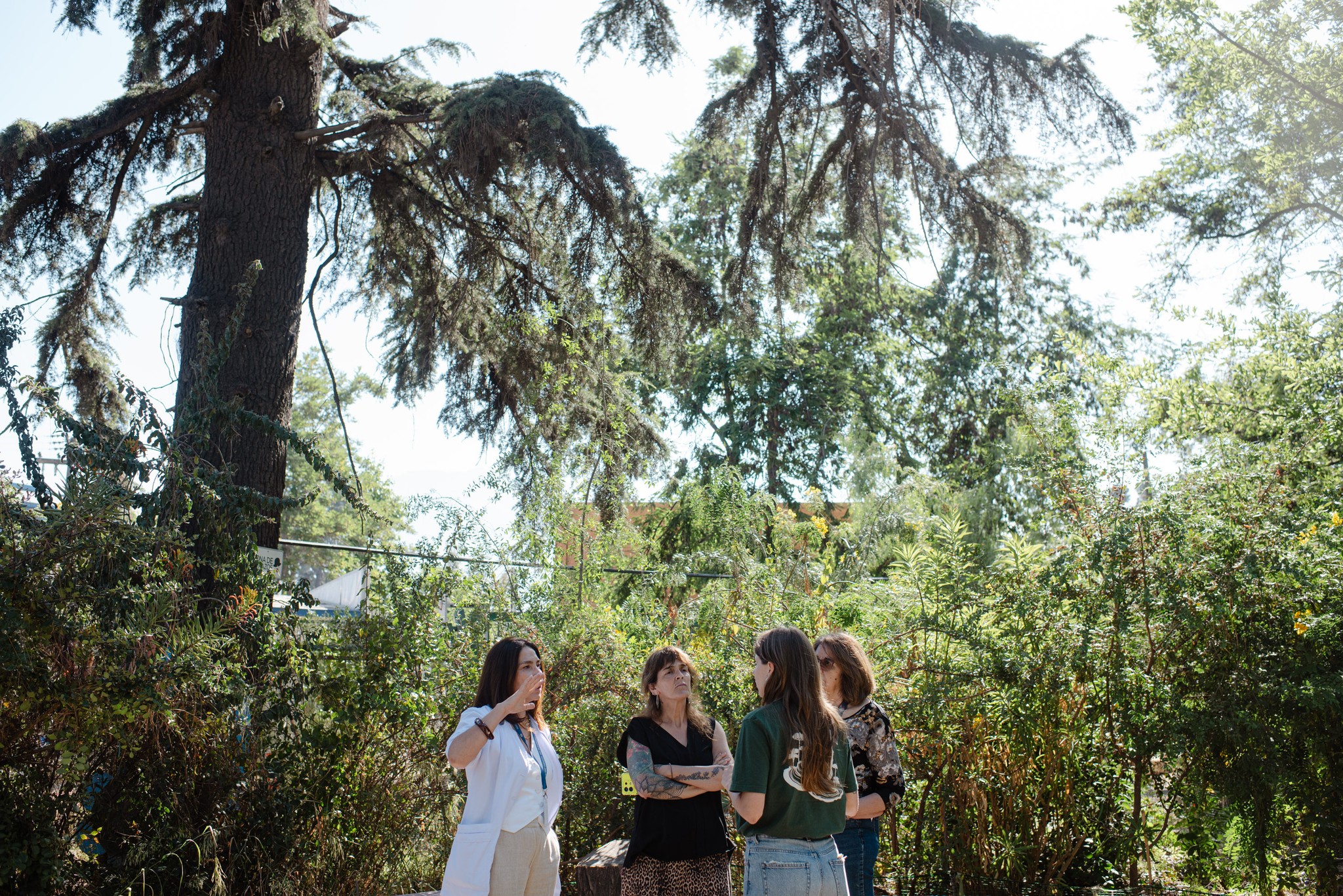
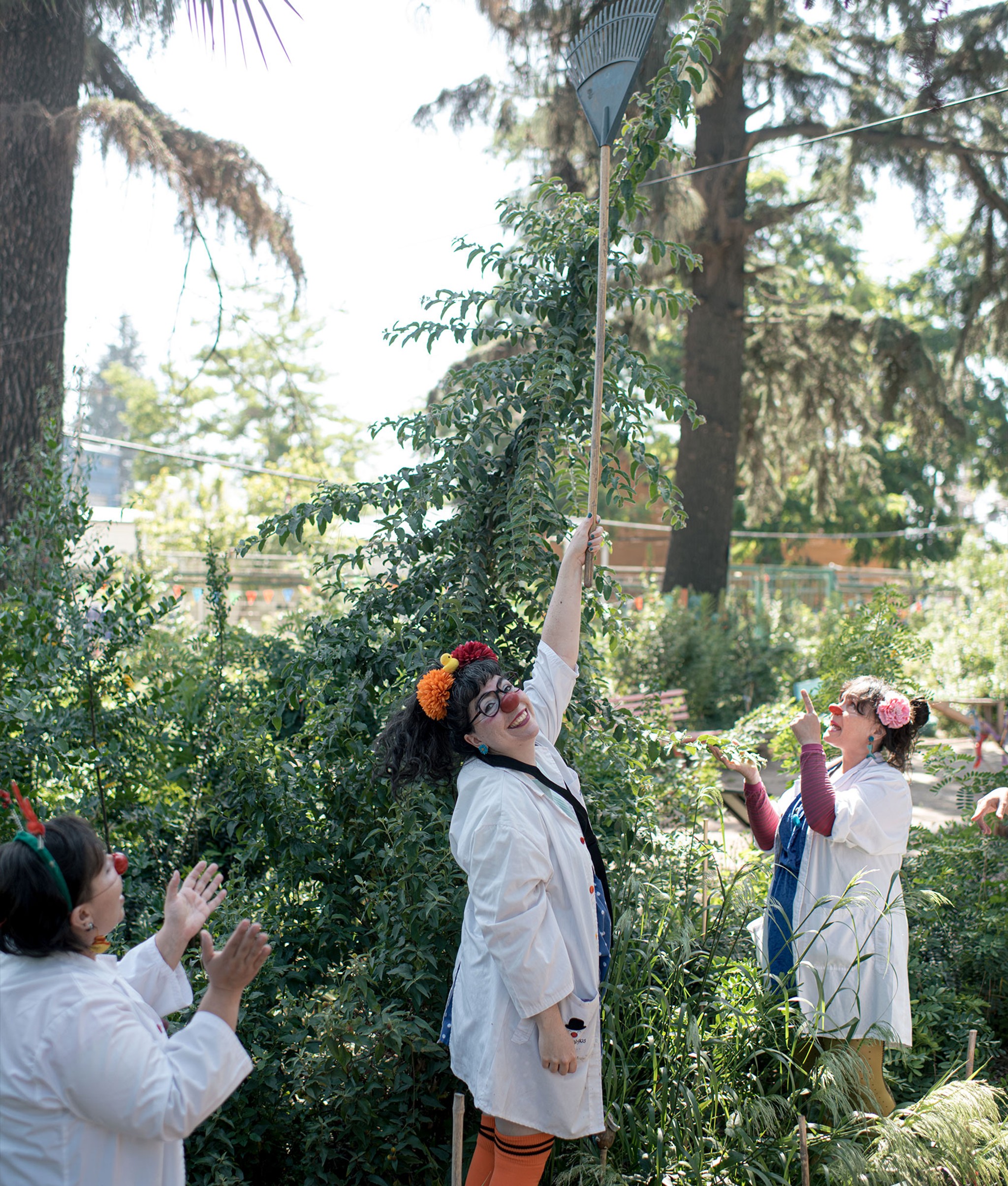
Monitoring of the forest confirms the project as a clear success, with the forest now established as a green space of high environmental, social and symbolic value within the hospital. Daily care provided by the “Sonrisólogos” team, and in particular the hospital gardener with over a decade of experience on site, has ensured consistent maintenance through regular mulching, control of exotic species and environmental awareness activities that strengthen the bond between visitors and the natural environment.
Forest Maker
Symbiótica
Forest Partner

Ecosystem Restored
Final report: 01.10.2024
After approximately three years our SUGi Pocket Forests become self-sustaining. They no longer require human maintenance or watering, and can be handed over to Nature for biodiversity and complexity to naturally develop.
0%
Survival Rate
0
People living within 300 meters
0
kg of potential CO2 sequestration
Biodiversity
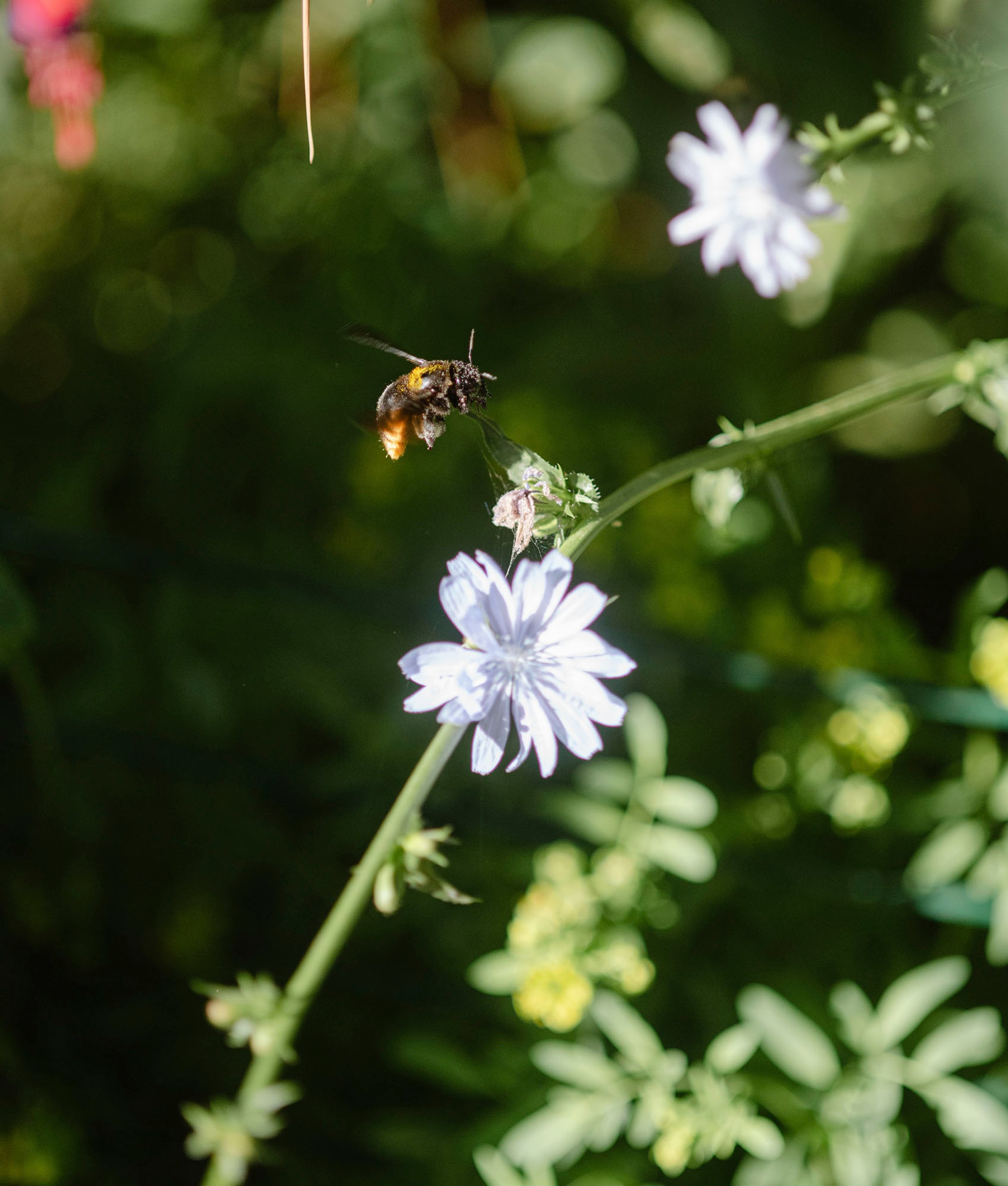
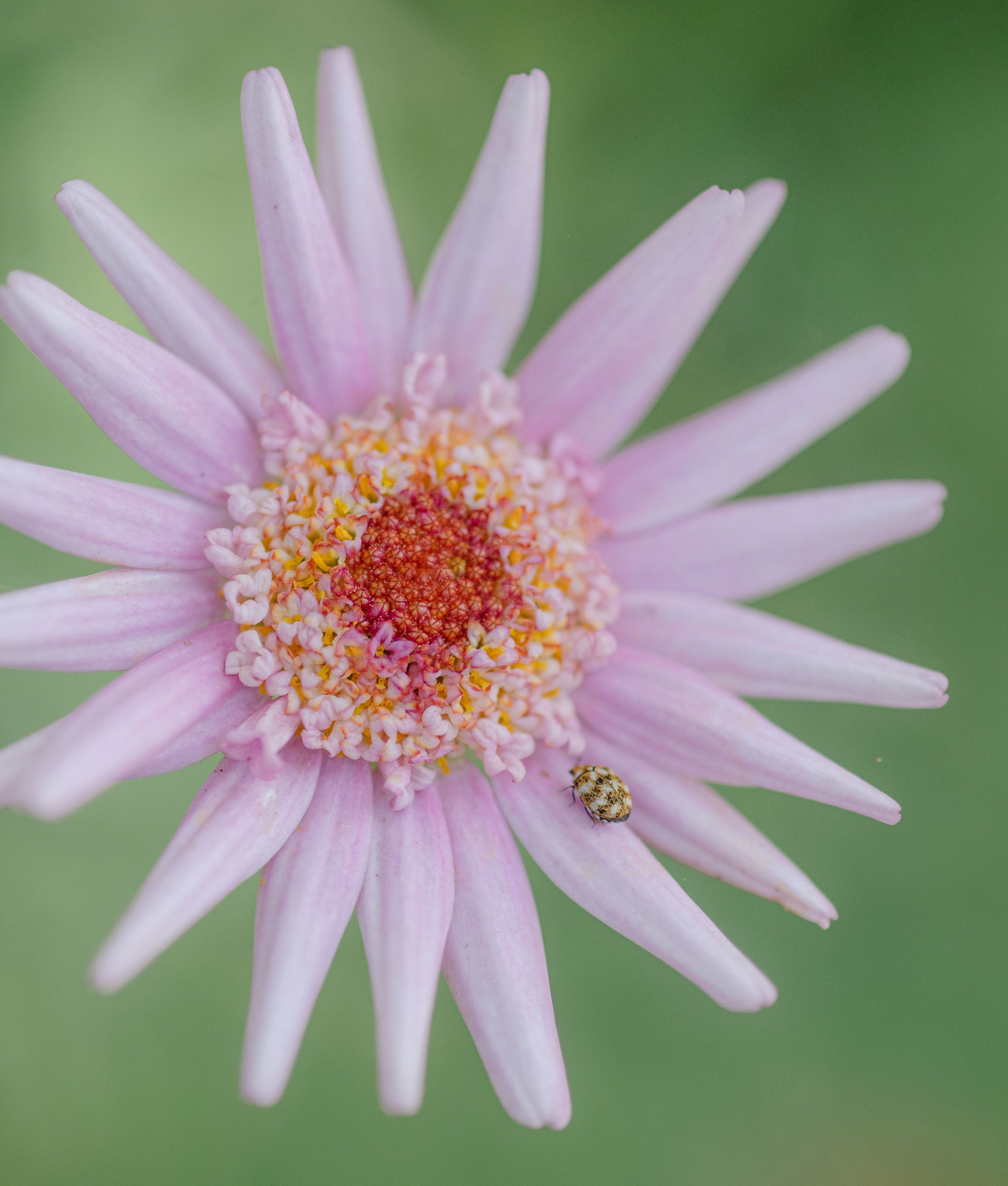
Biodiversity is all the different kinds of life you'll find in one area—the variety of animals, plants, fungi, and even microorganisms like bacteria that make up our natural world. Each of these species and organisms work together in ecosystems, like an intricate web, to maintain balance and support life.
0
Potential number of mammals
0
Potential number of birds
0
Potential number of amphibians
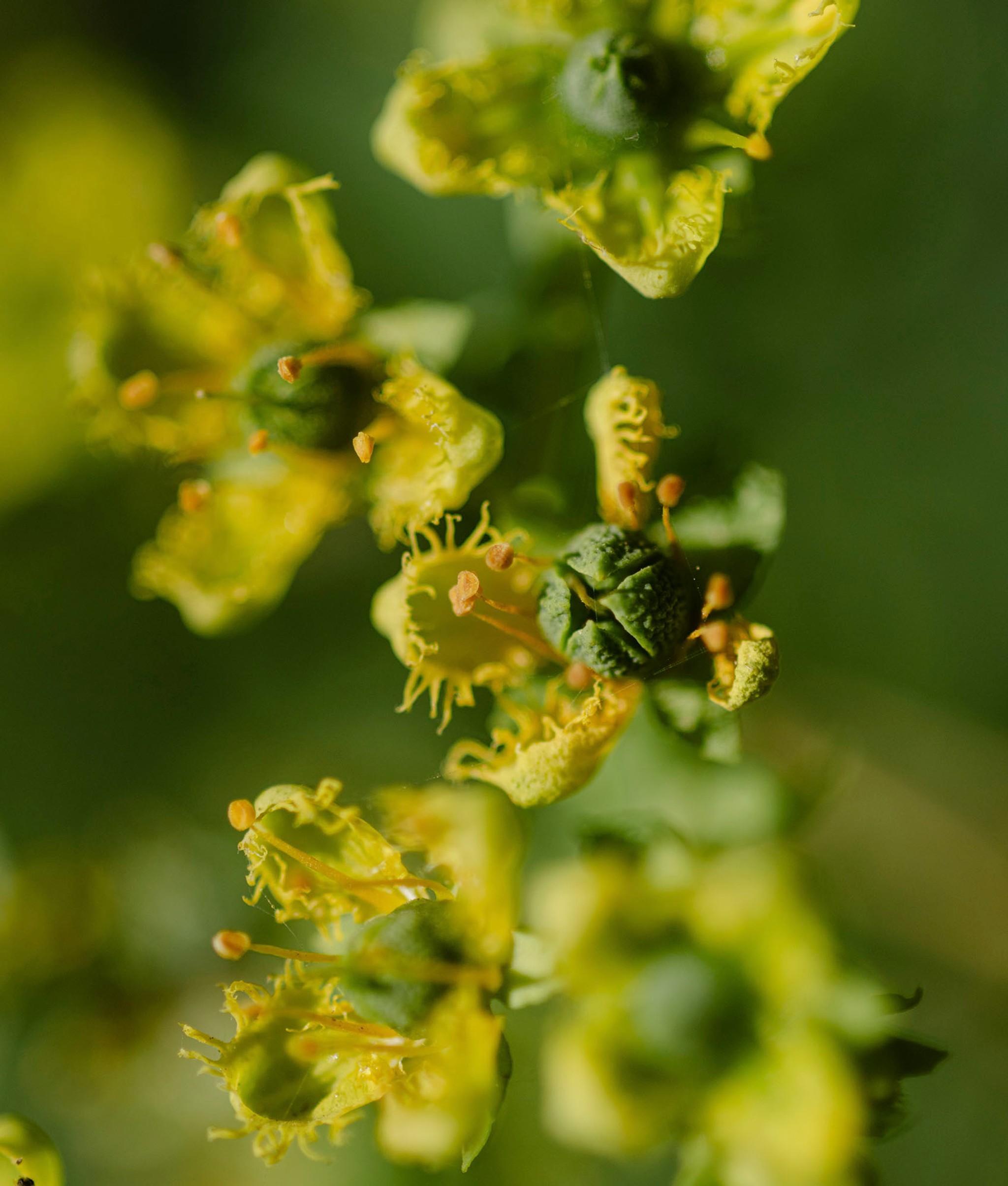
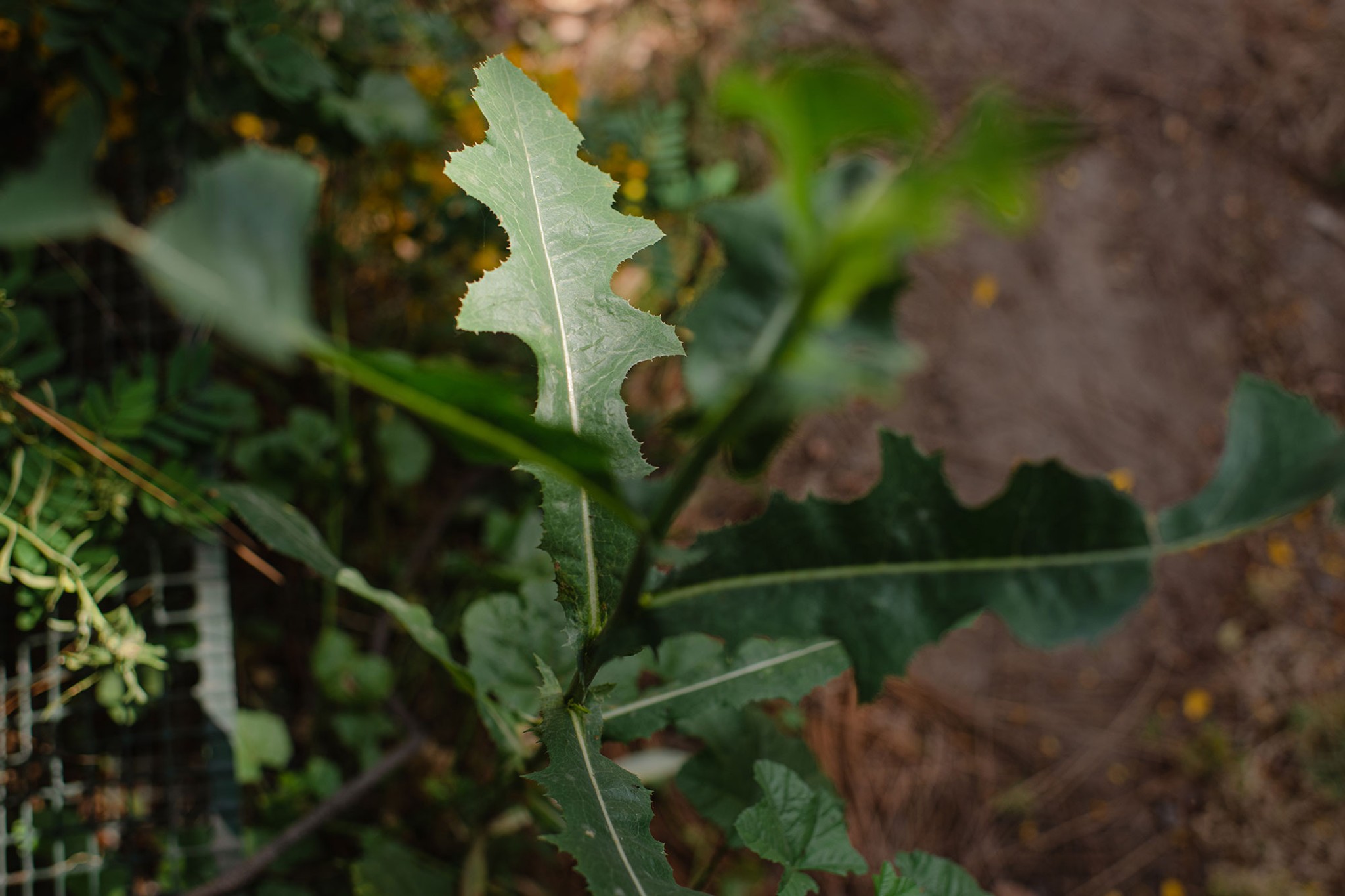
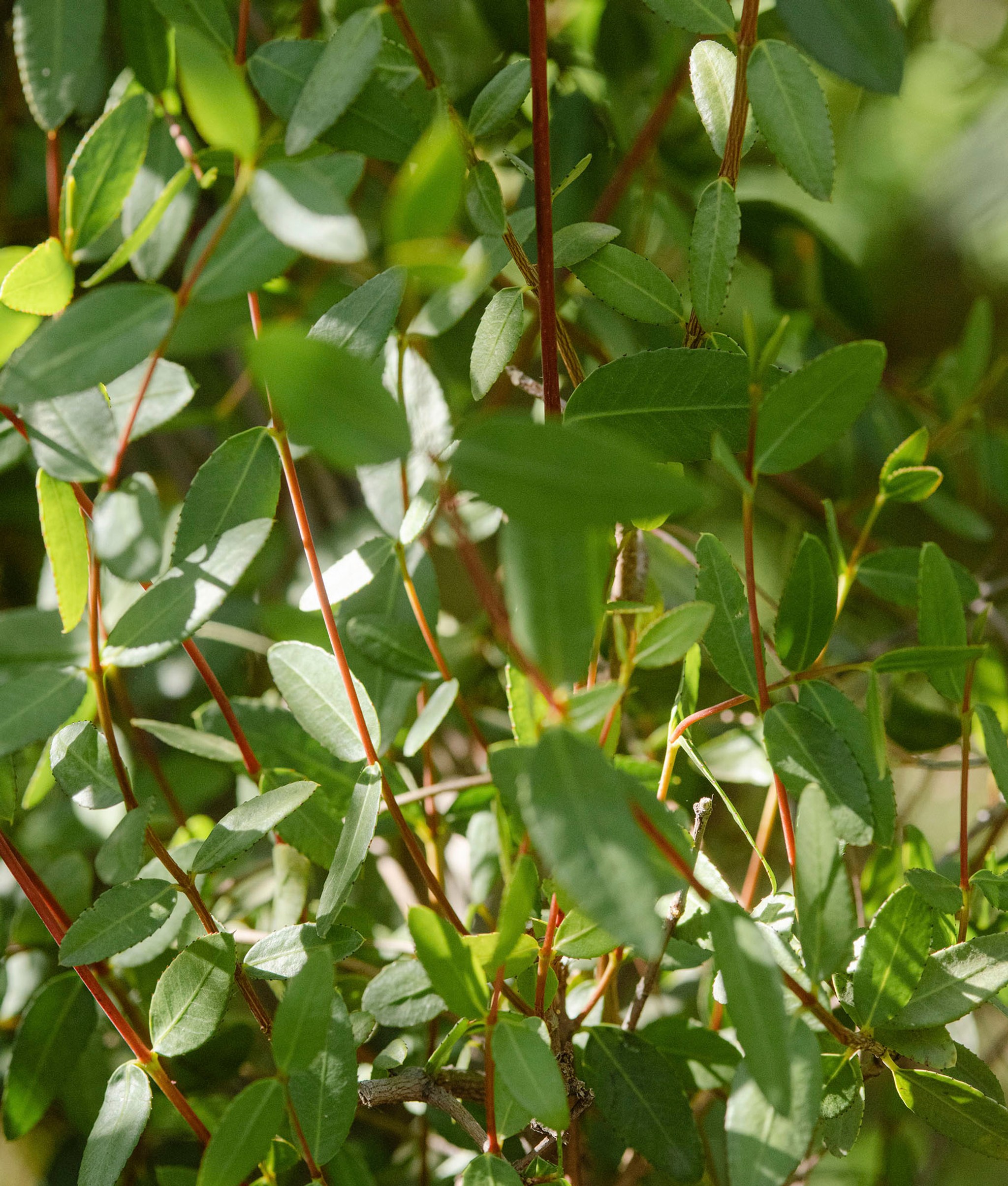
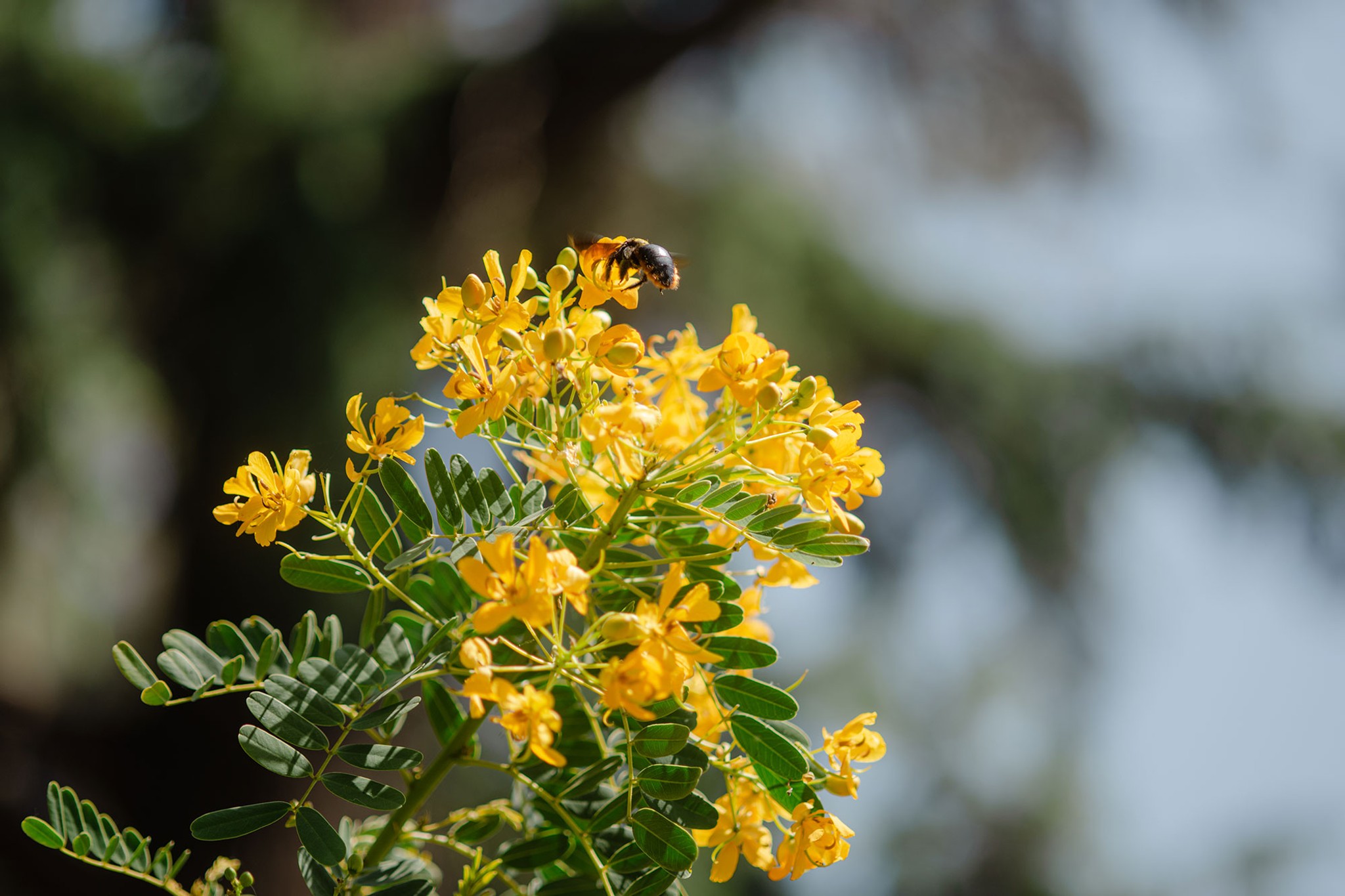

Urban Heat Profile
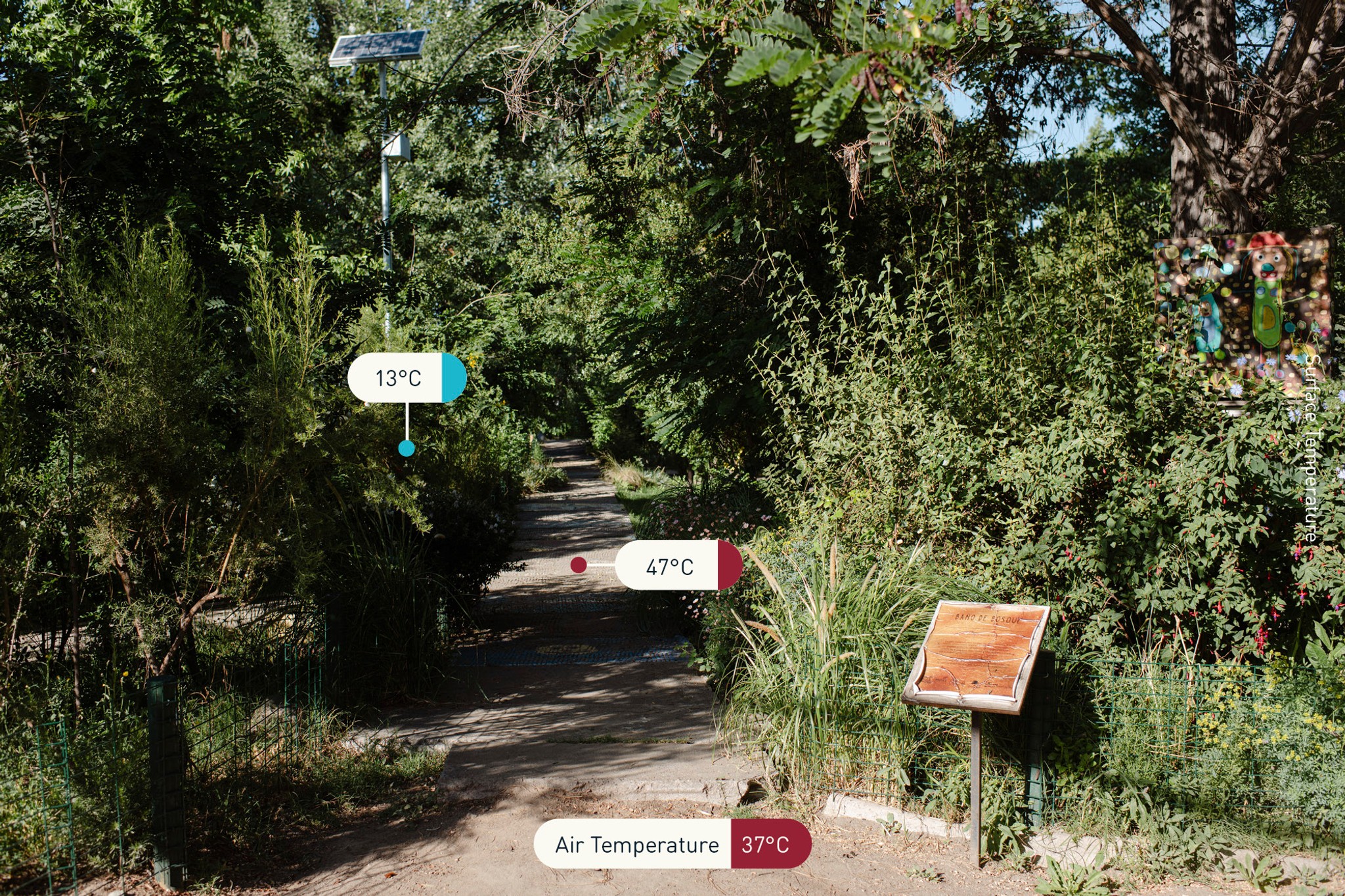
The Urban Heat Island Effect is affecting cities more and more each year and temperatures in urban areas can go up to 12 degrees hotter. This can be reduced and prevented by planting urban forests like this. We collected the air temperatures on a hot day in February at Trapa Trapa Forest and saw amazing results.
0°C
Surface Temperature Difference
Forest Report: 2024
0 Years
Forest Age
0%
Survival Rate
0m
Average of Tallest 3 Trees
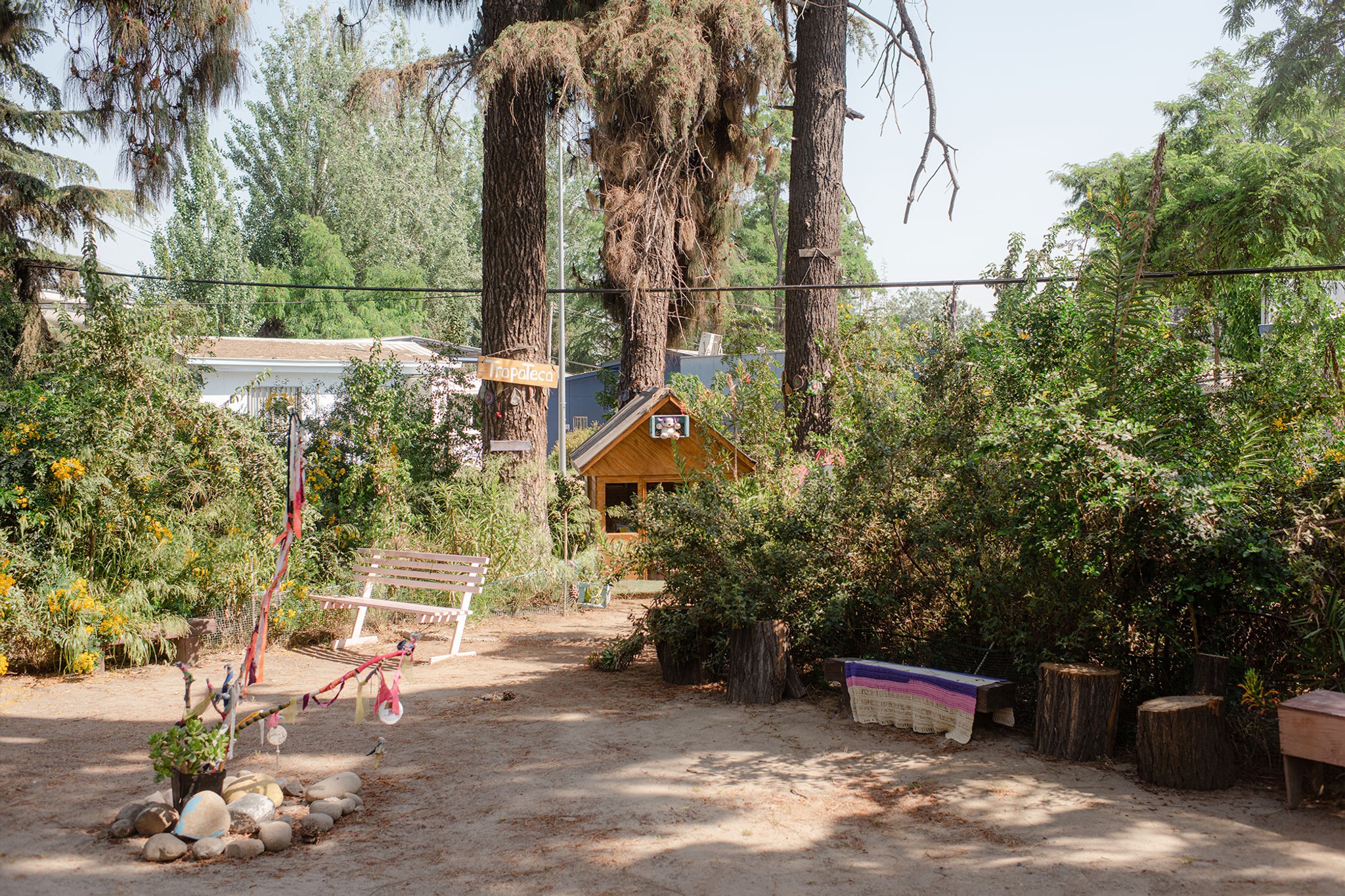
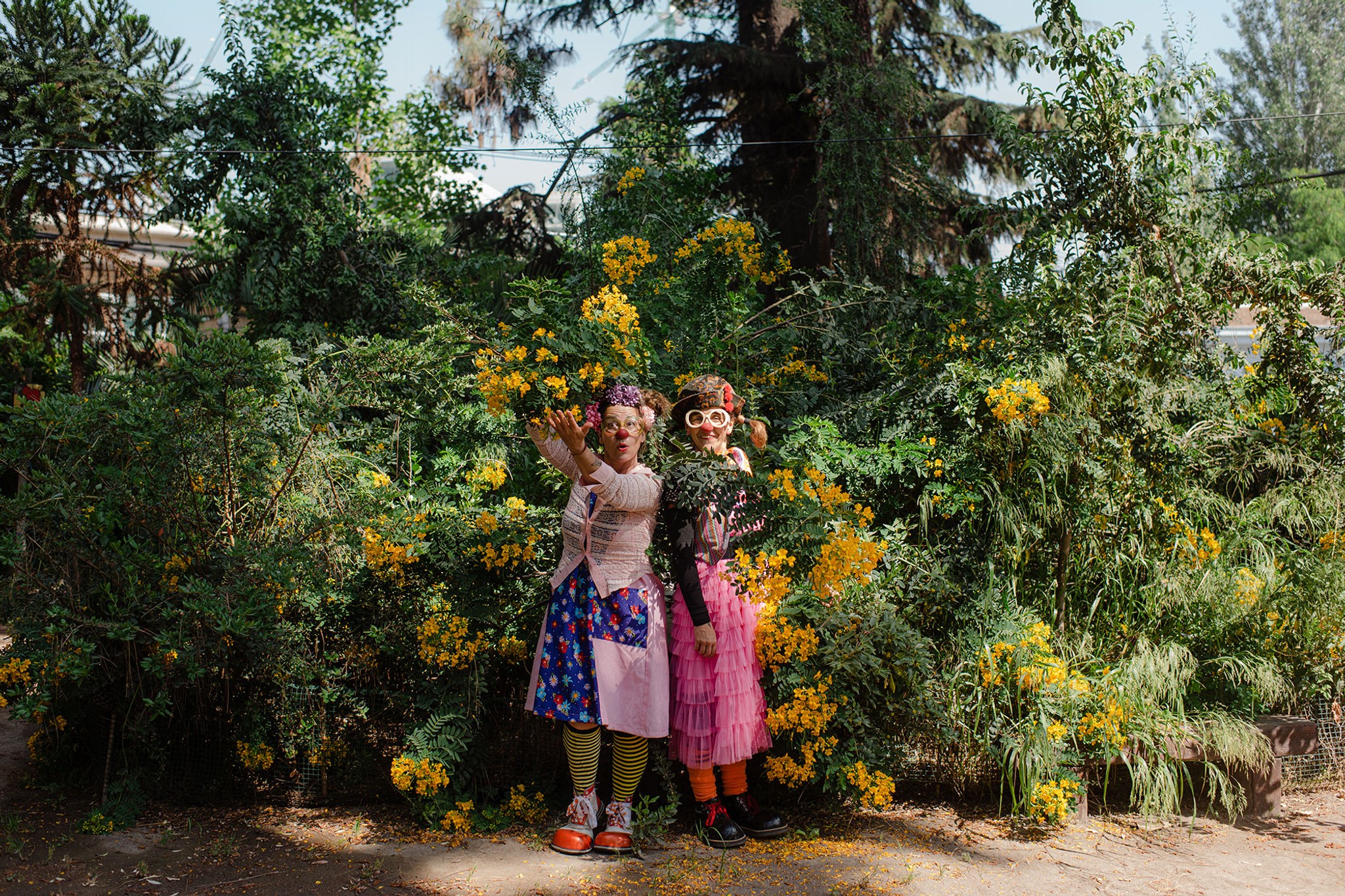
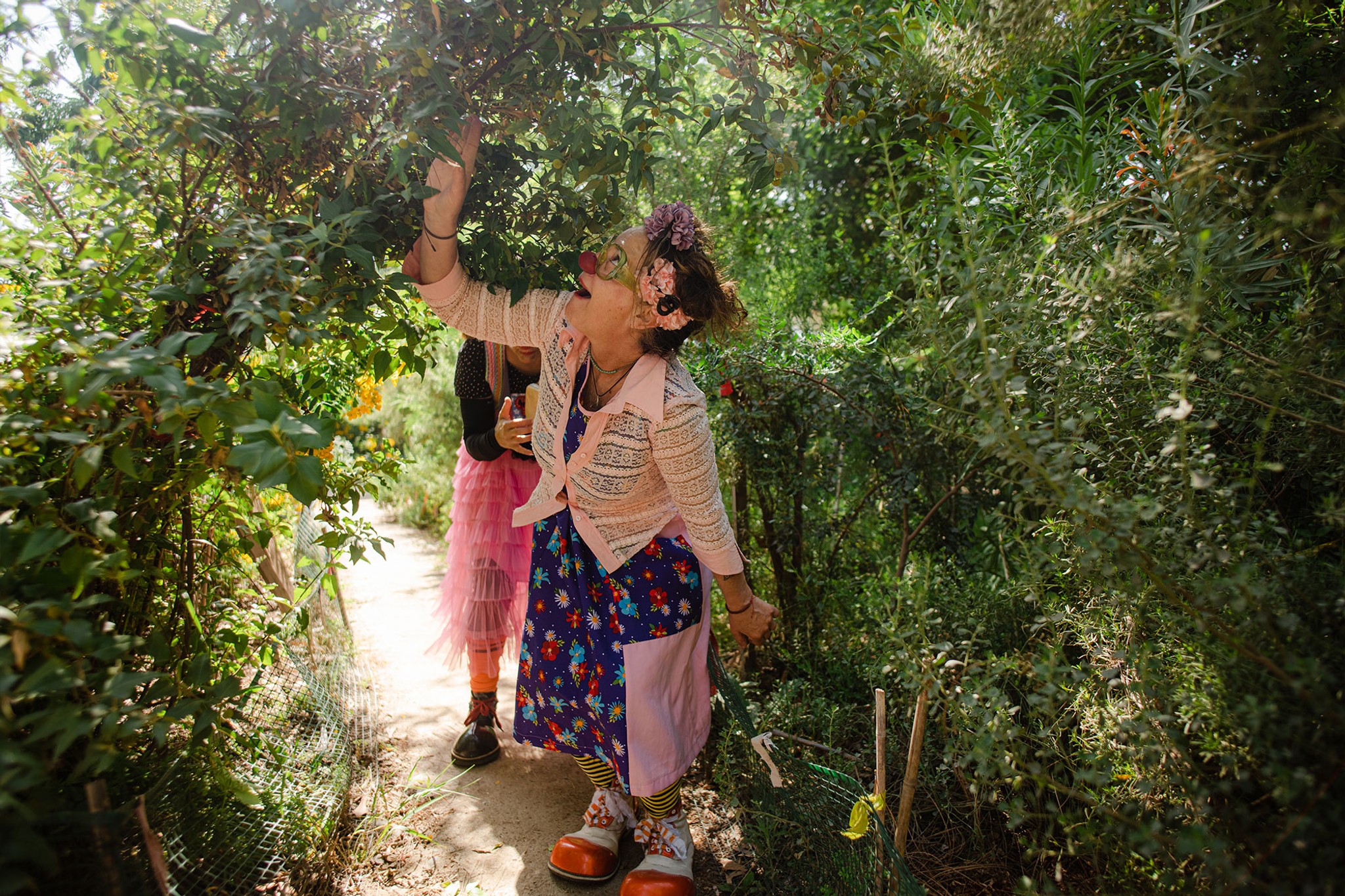
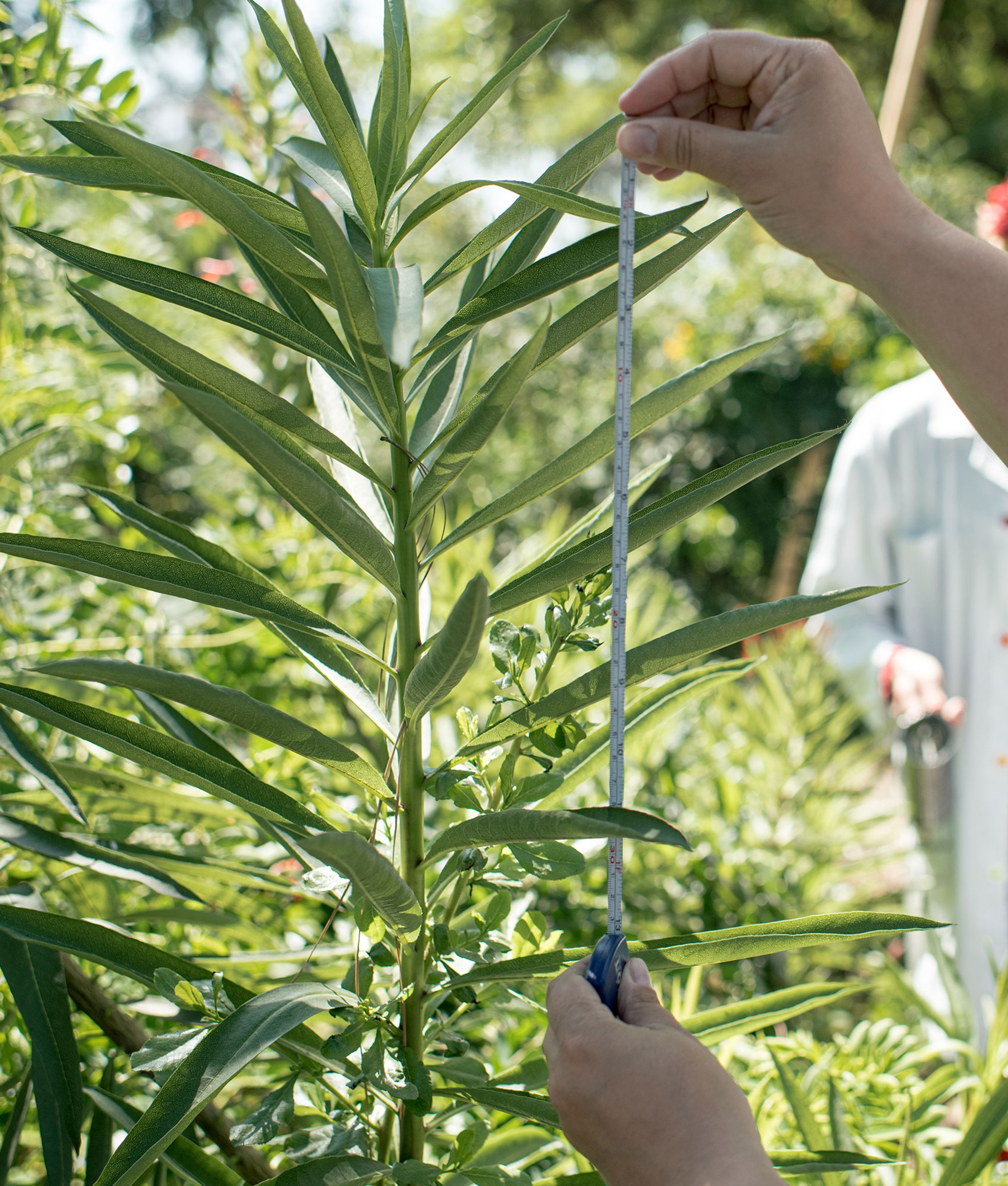
This forest is a definite success due to the daily care of the "Sonrisólogos" team, especially the gardener, who has been working in the hospital’s green areas for over ten years. The team’s commitment to forest care is evident - they have been constantly adding mulch as needed, preventing invasive species from encroaching on the forest, and making visitors to the hospital aware of the forest.
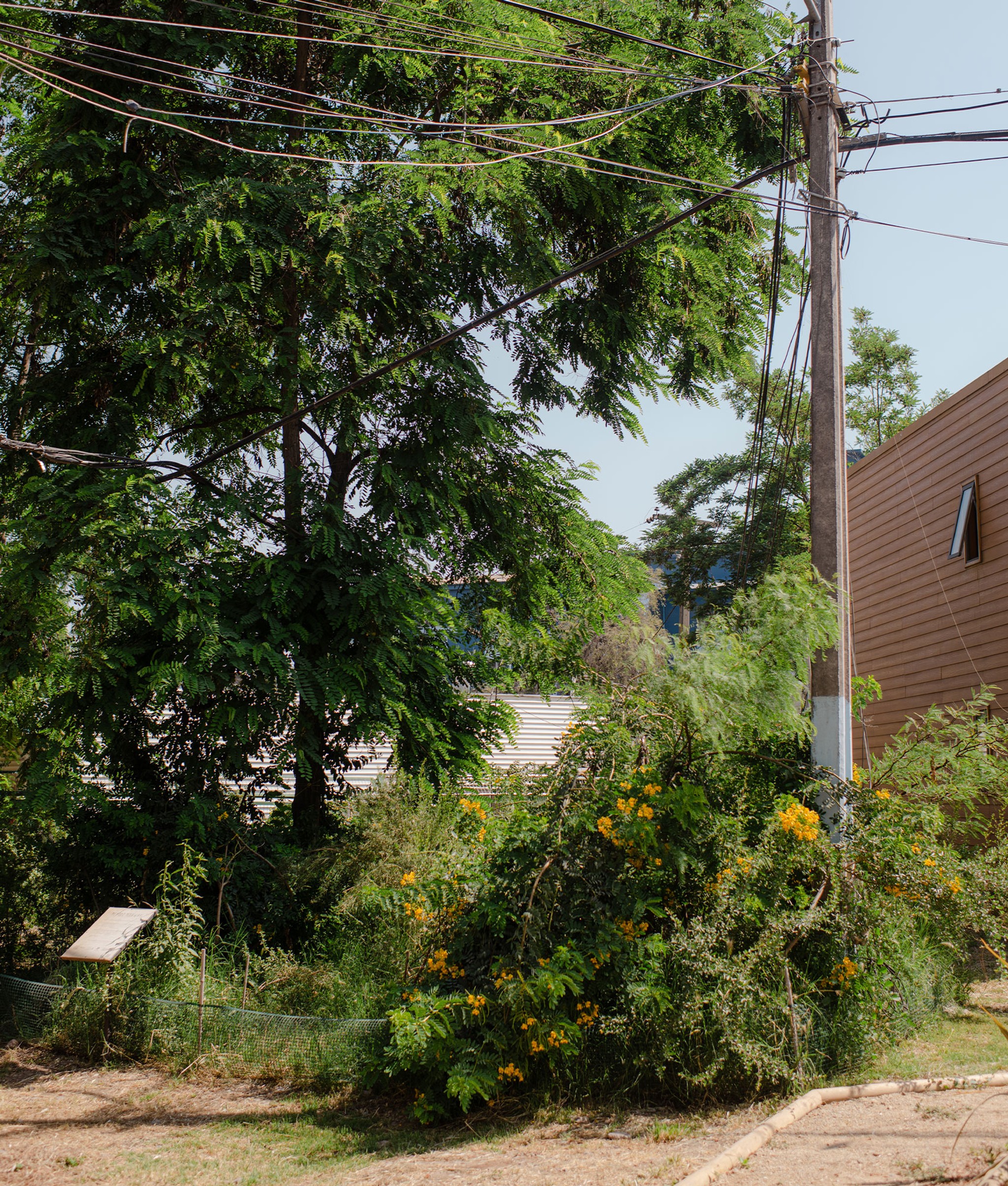
The forest sits next to a busy avenue, with lots of car traffic and a metro line - and their noise is mitigated by the presence of the forest, making it an essential space for disconnecting from the noise of the city and reconnecting with nature.
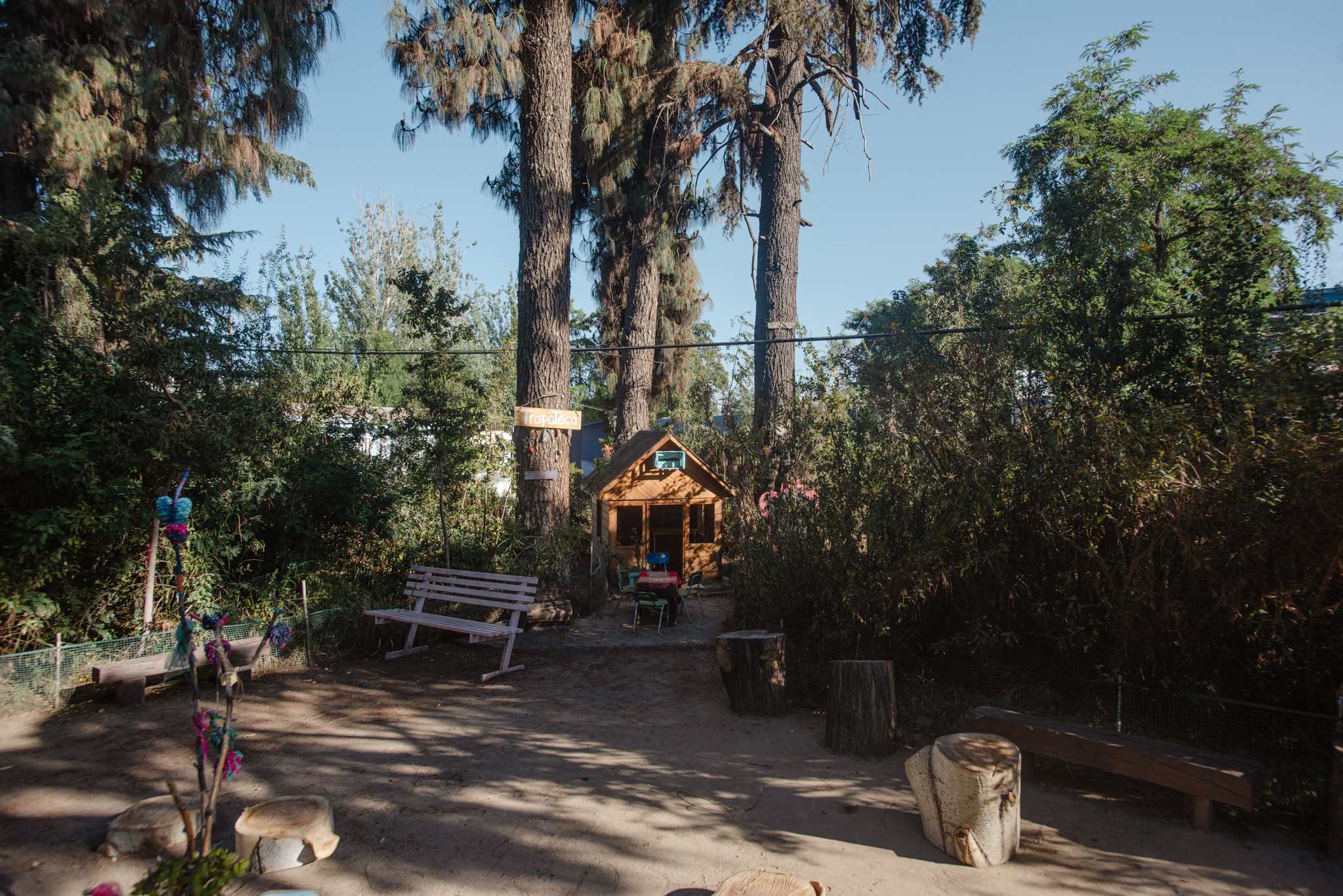
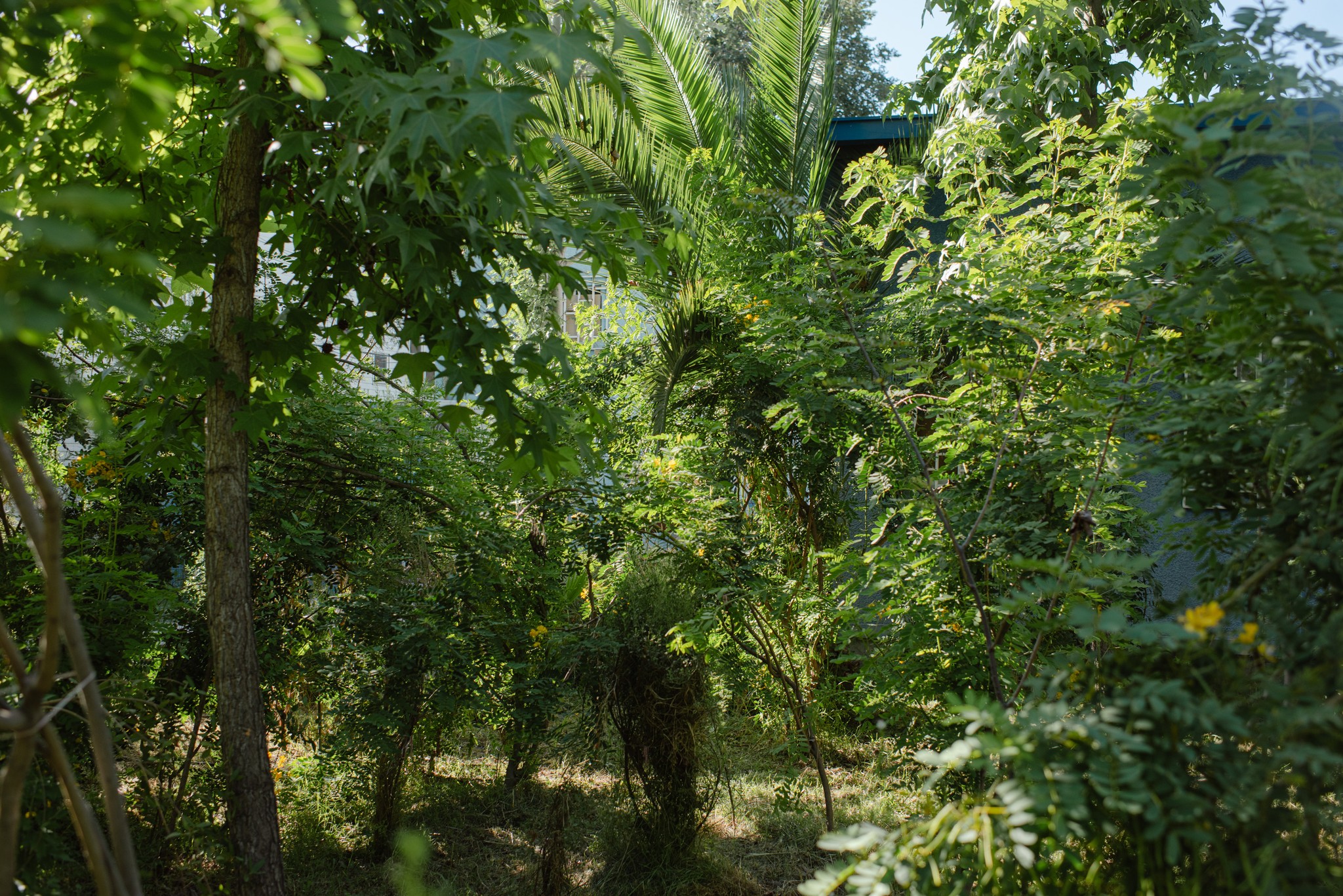
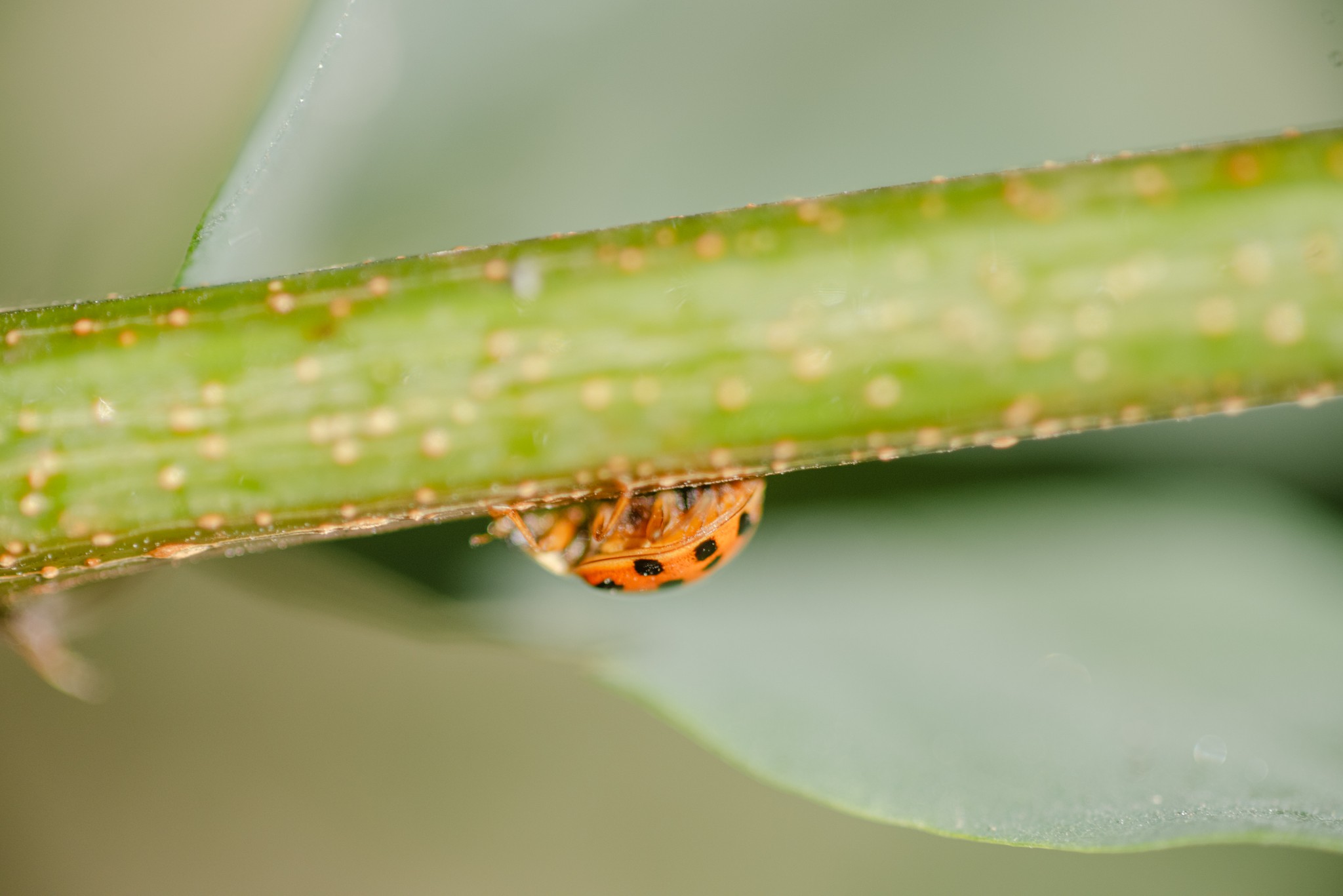
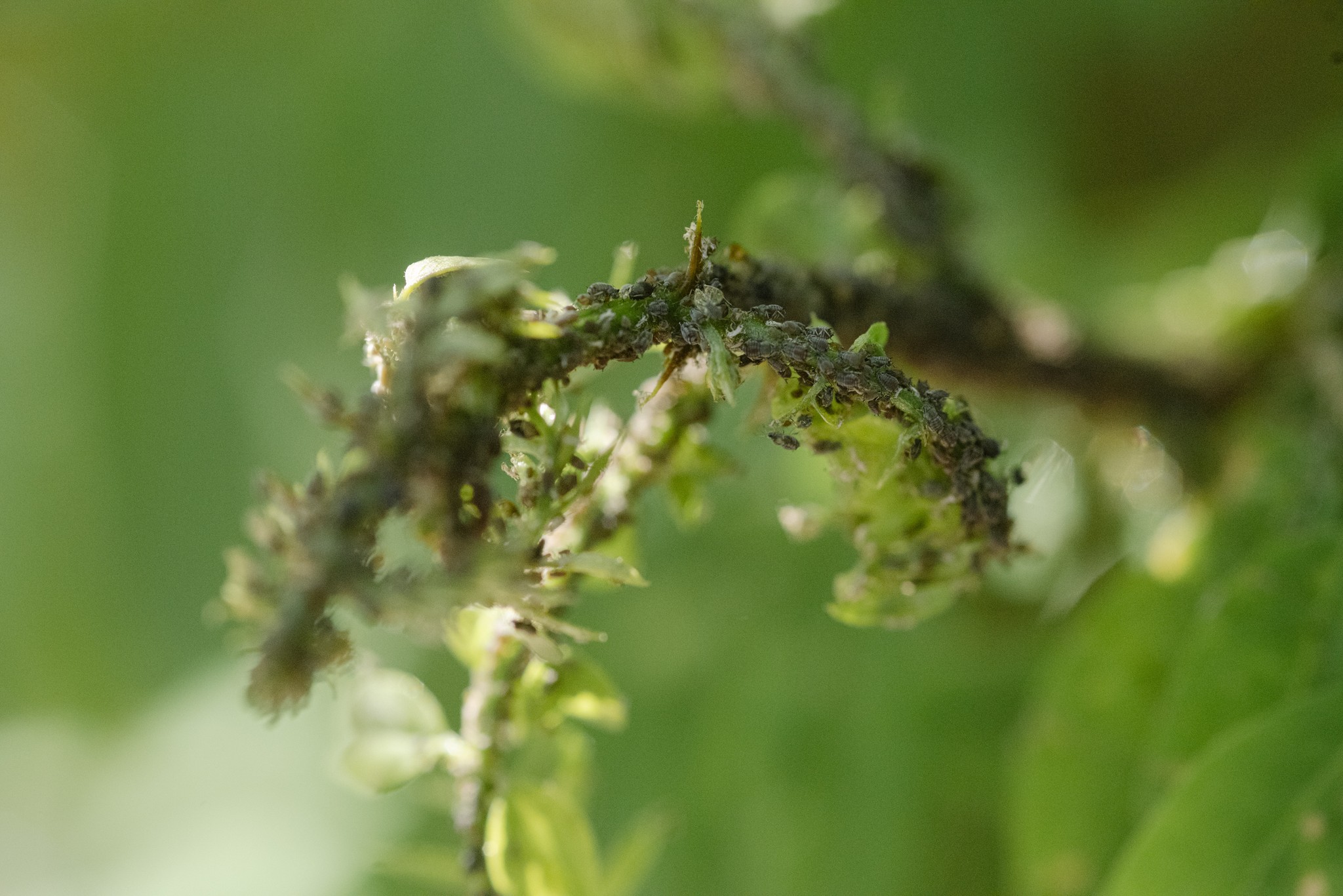
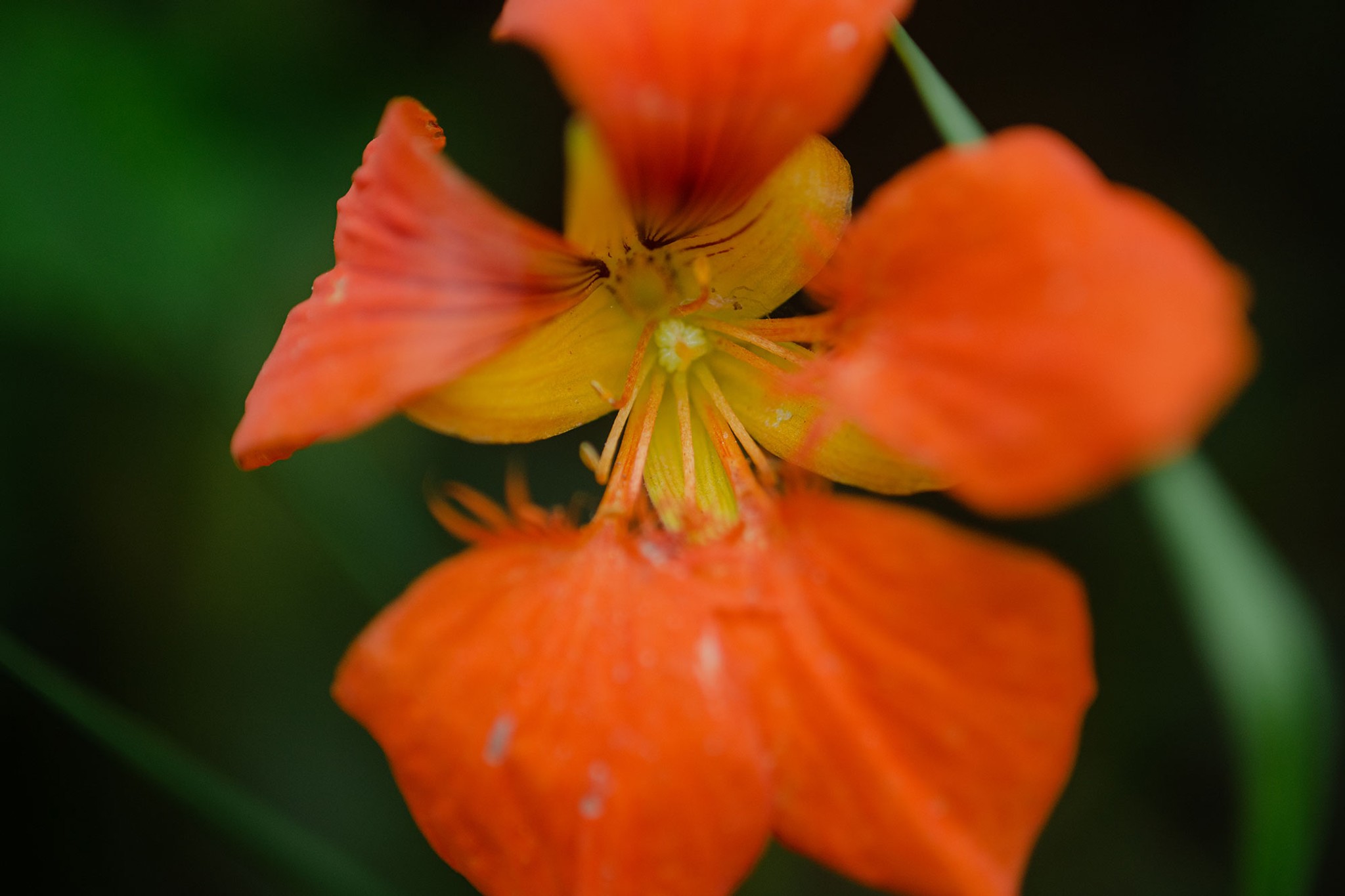
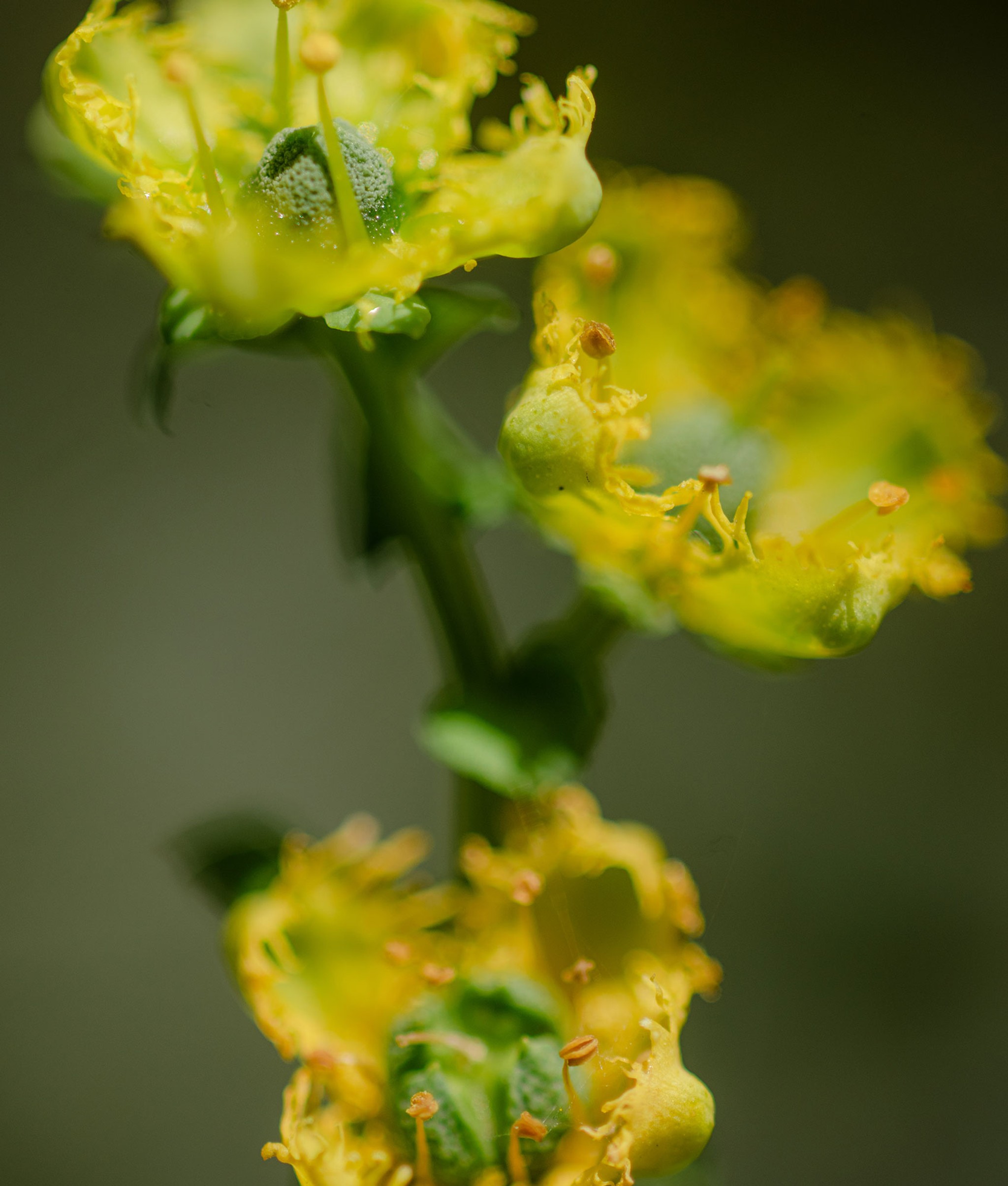
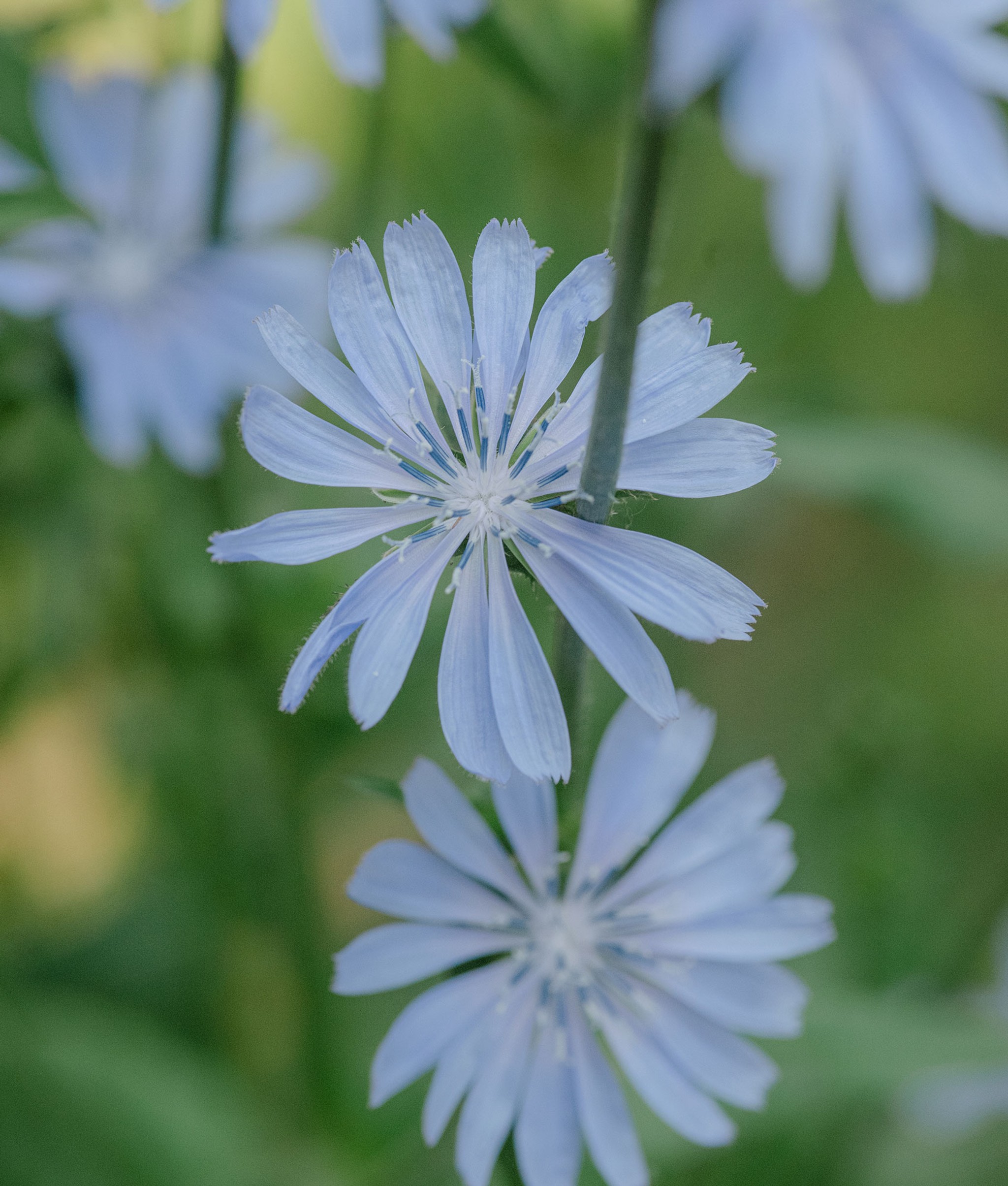
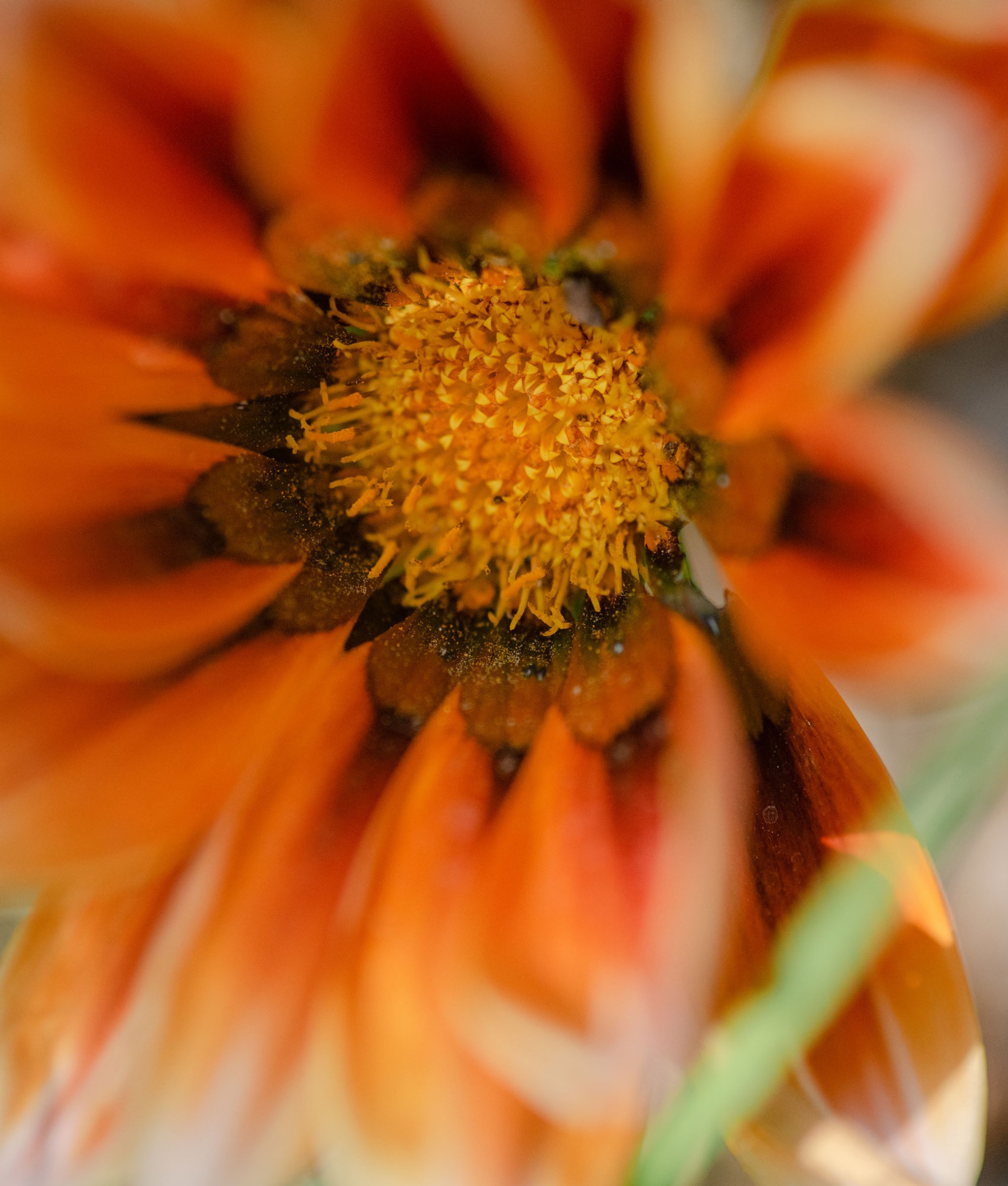
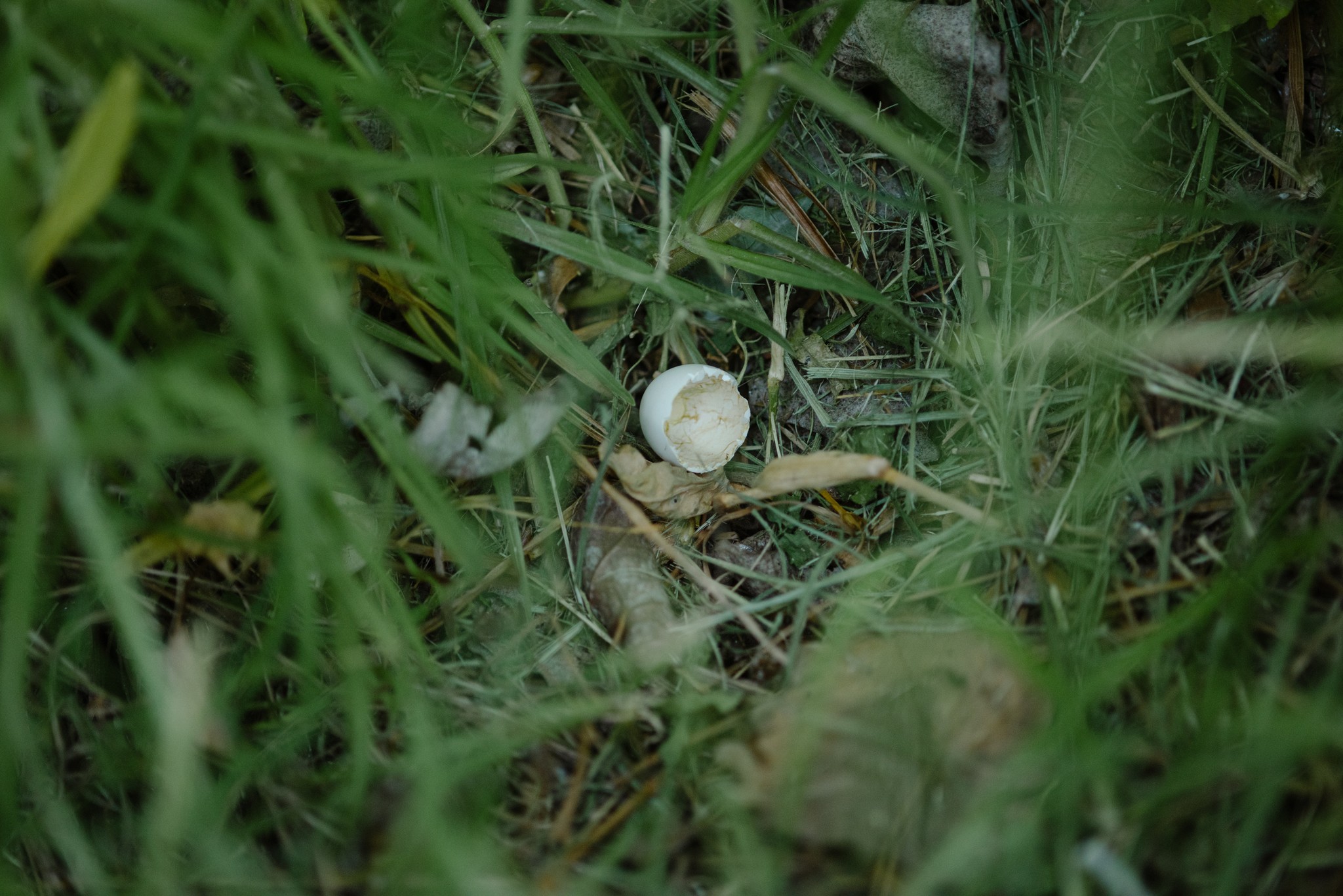
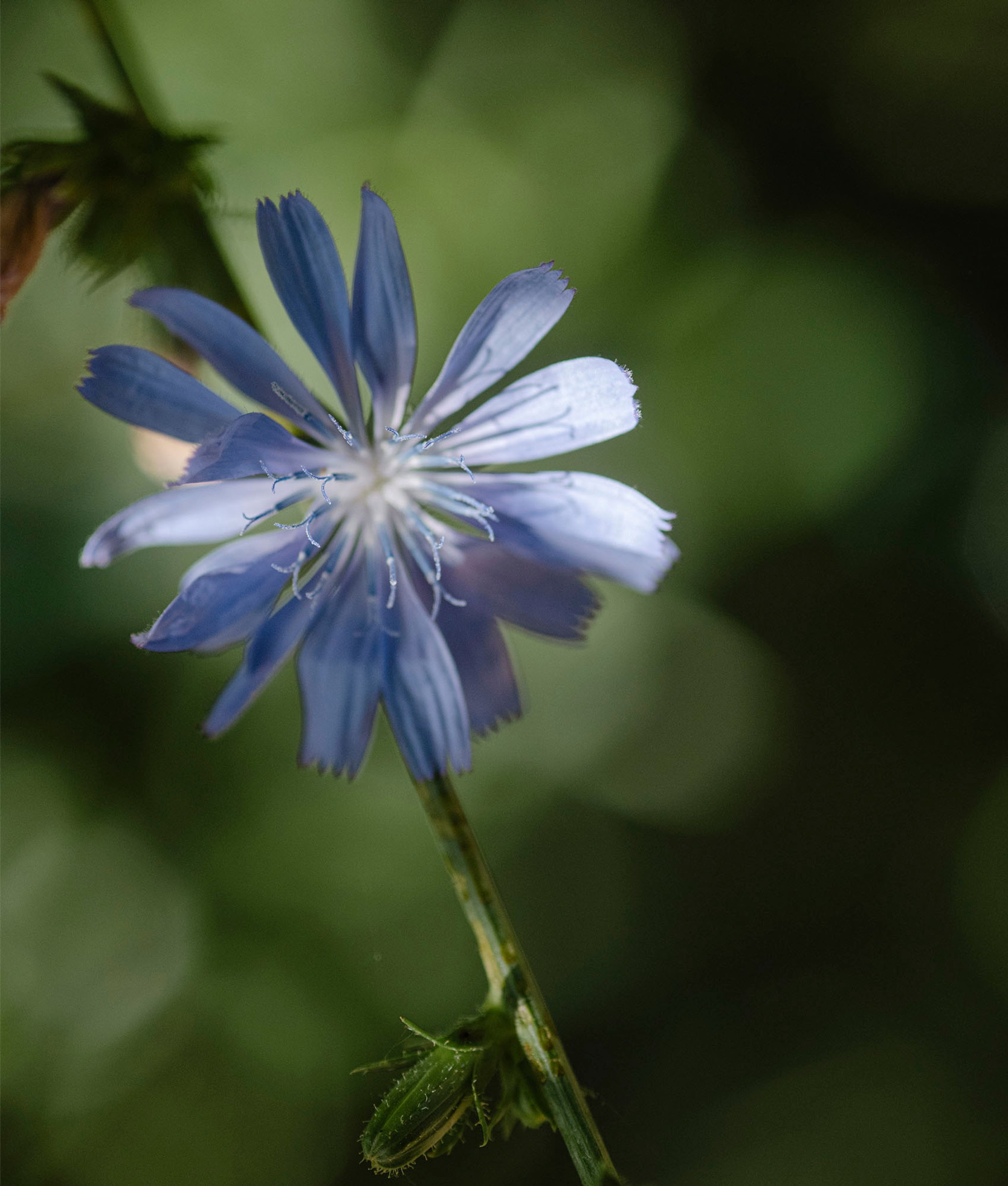
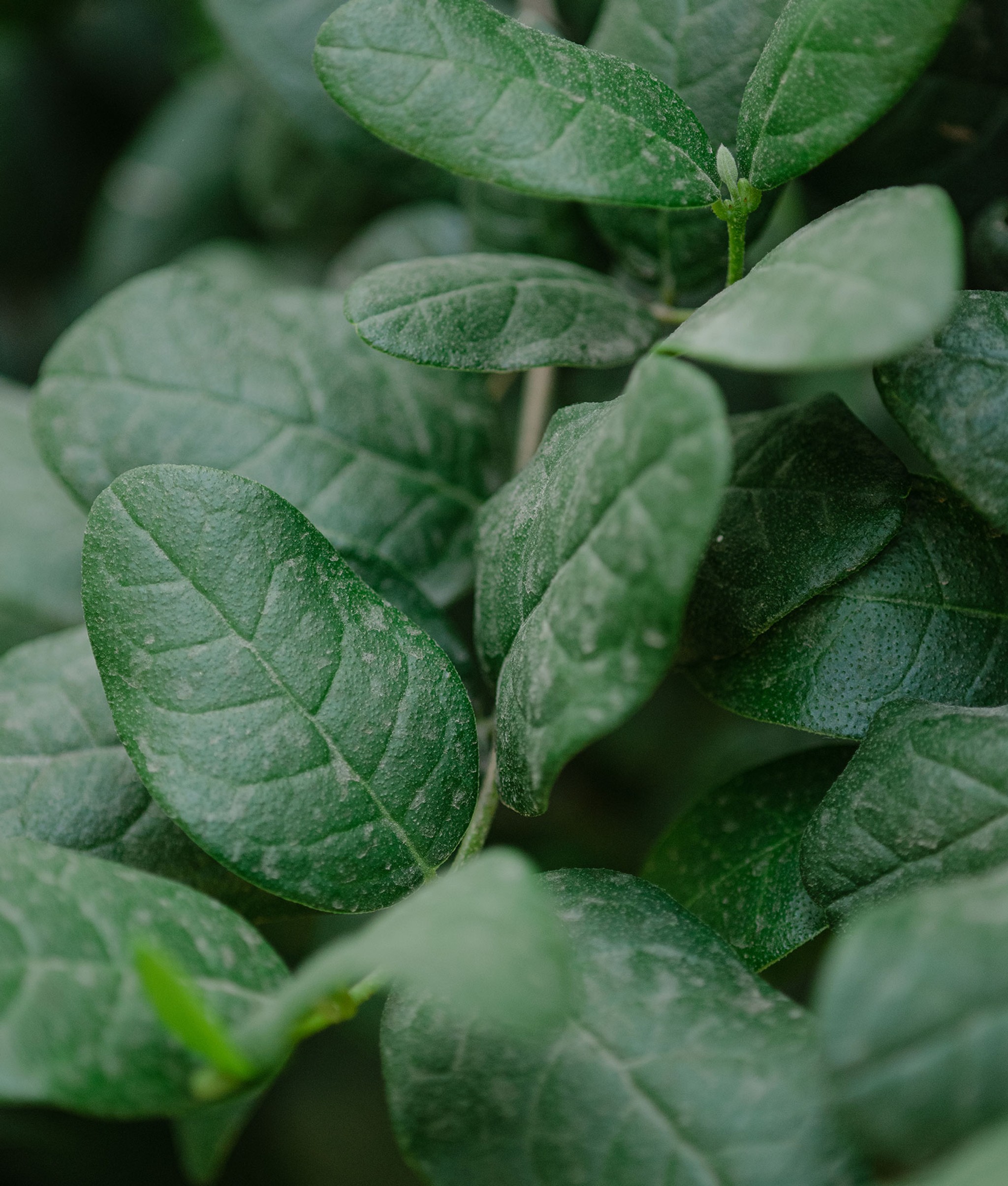
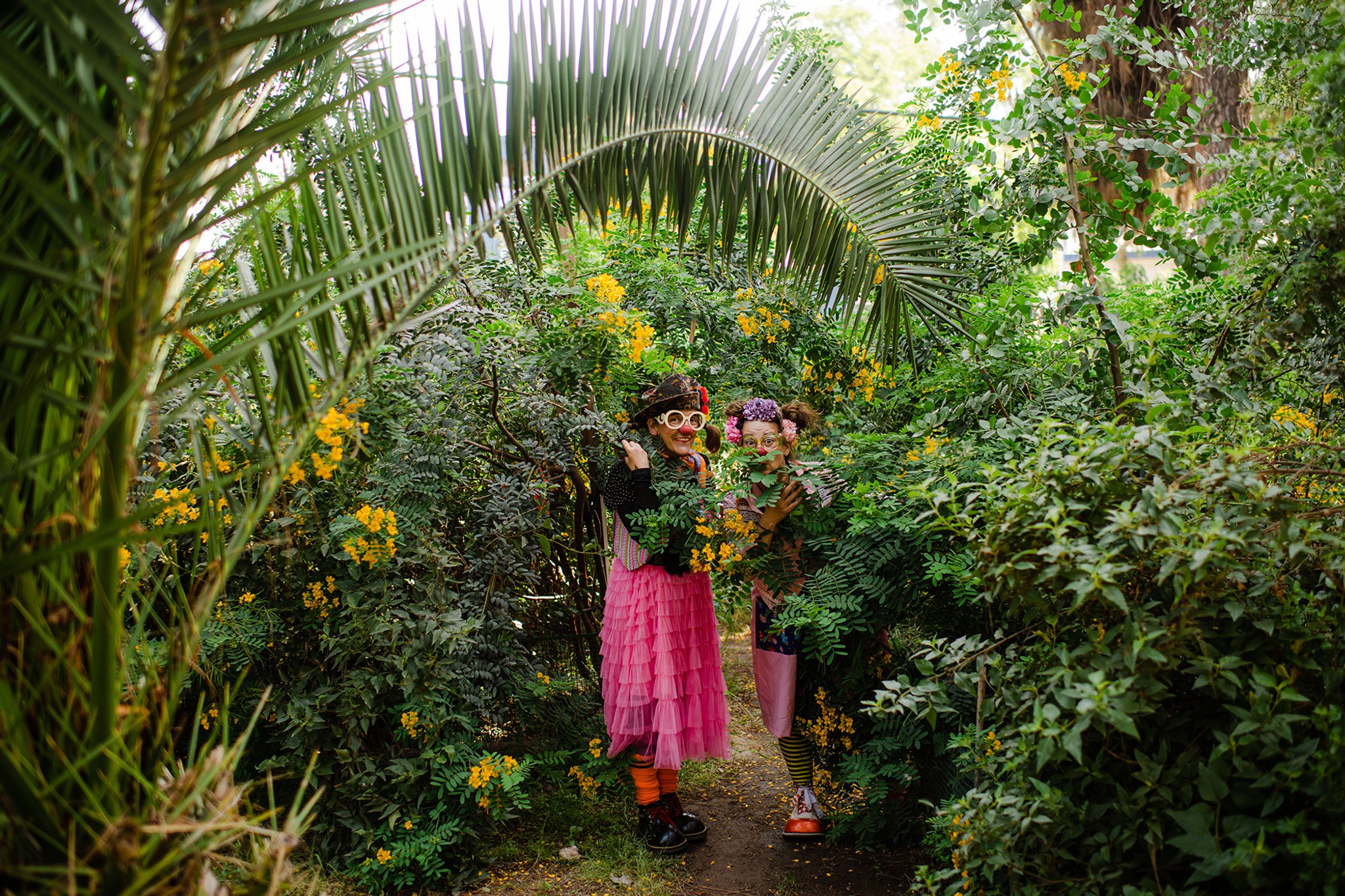
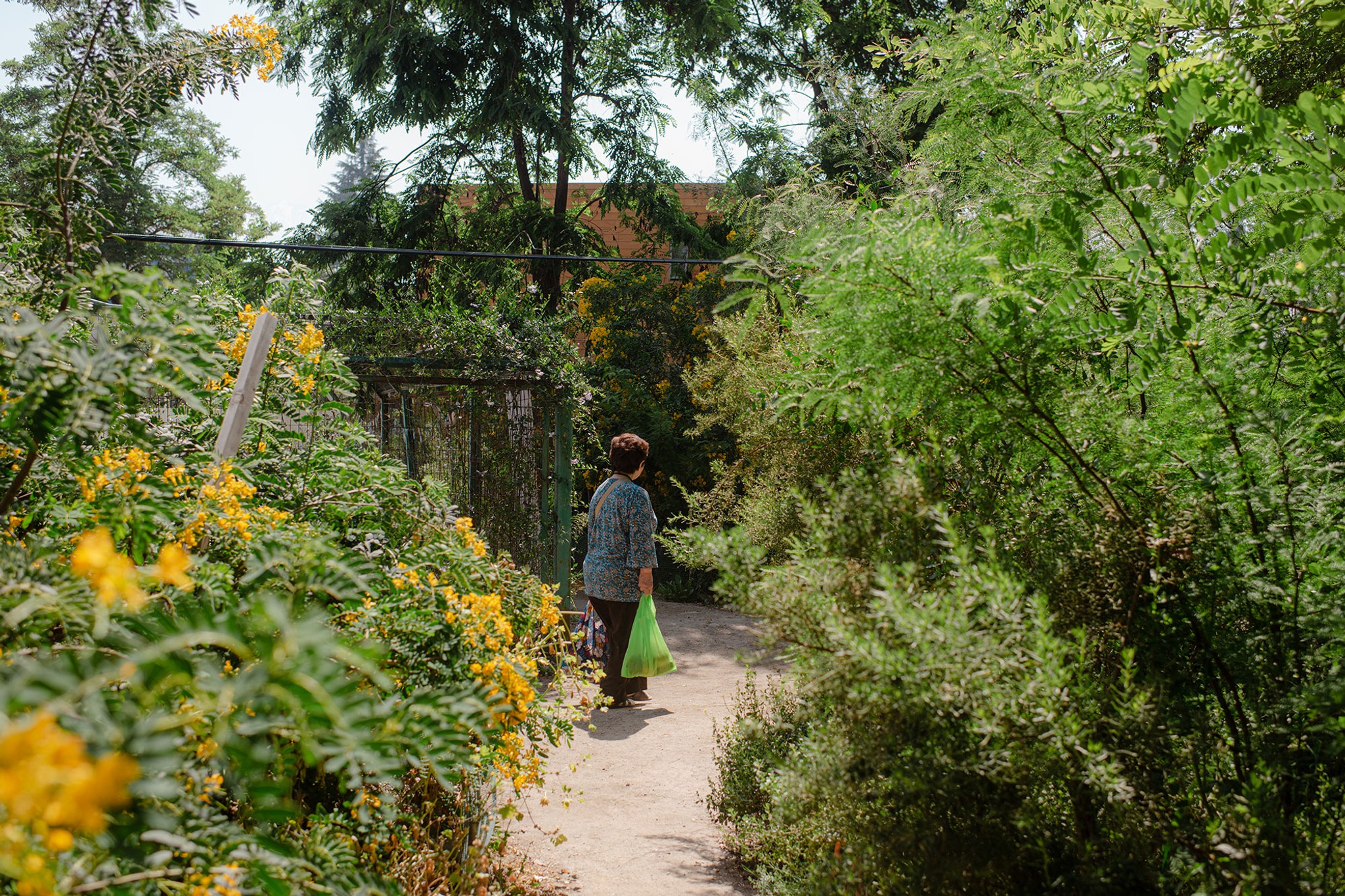
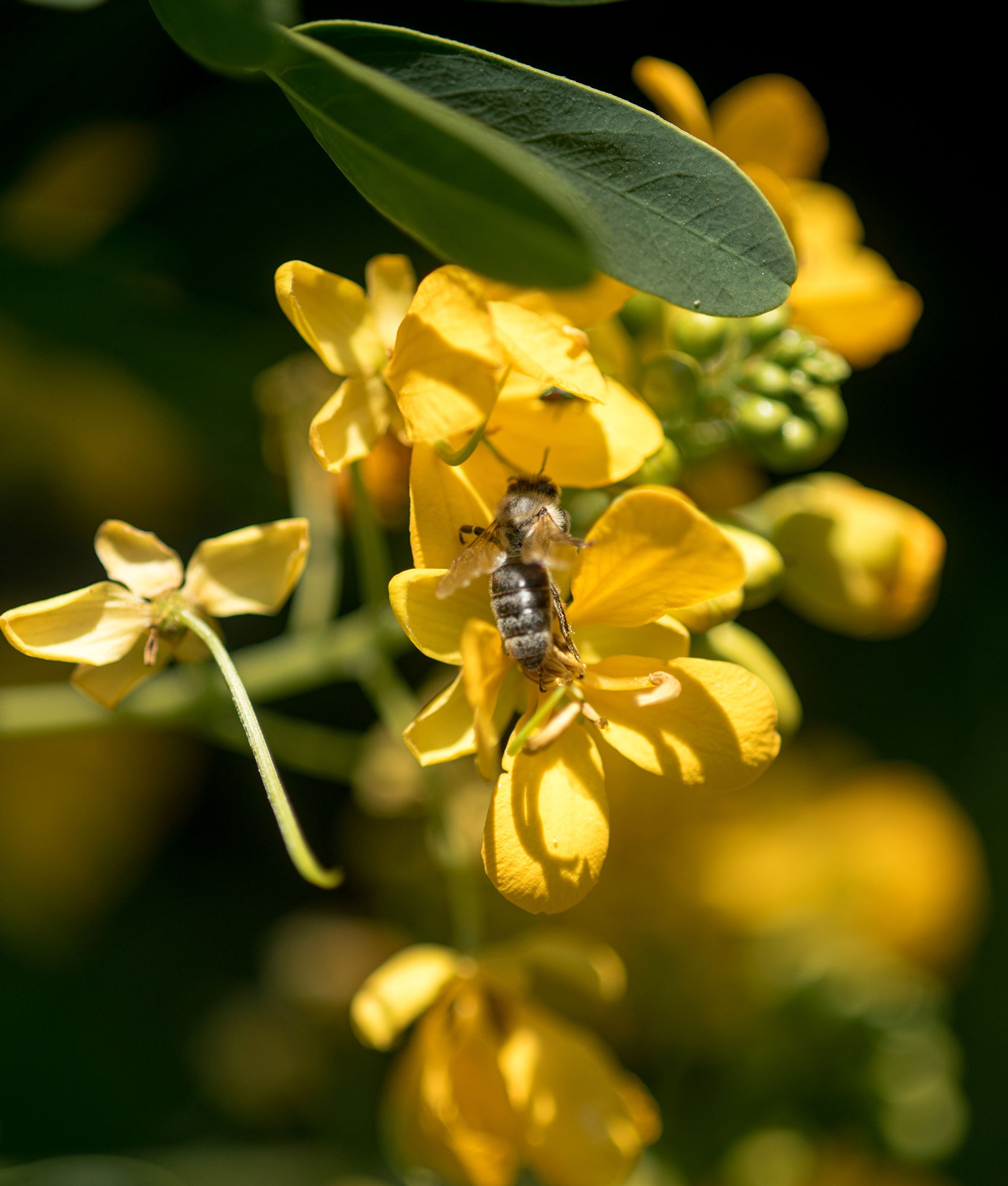
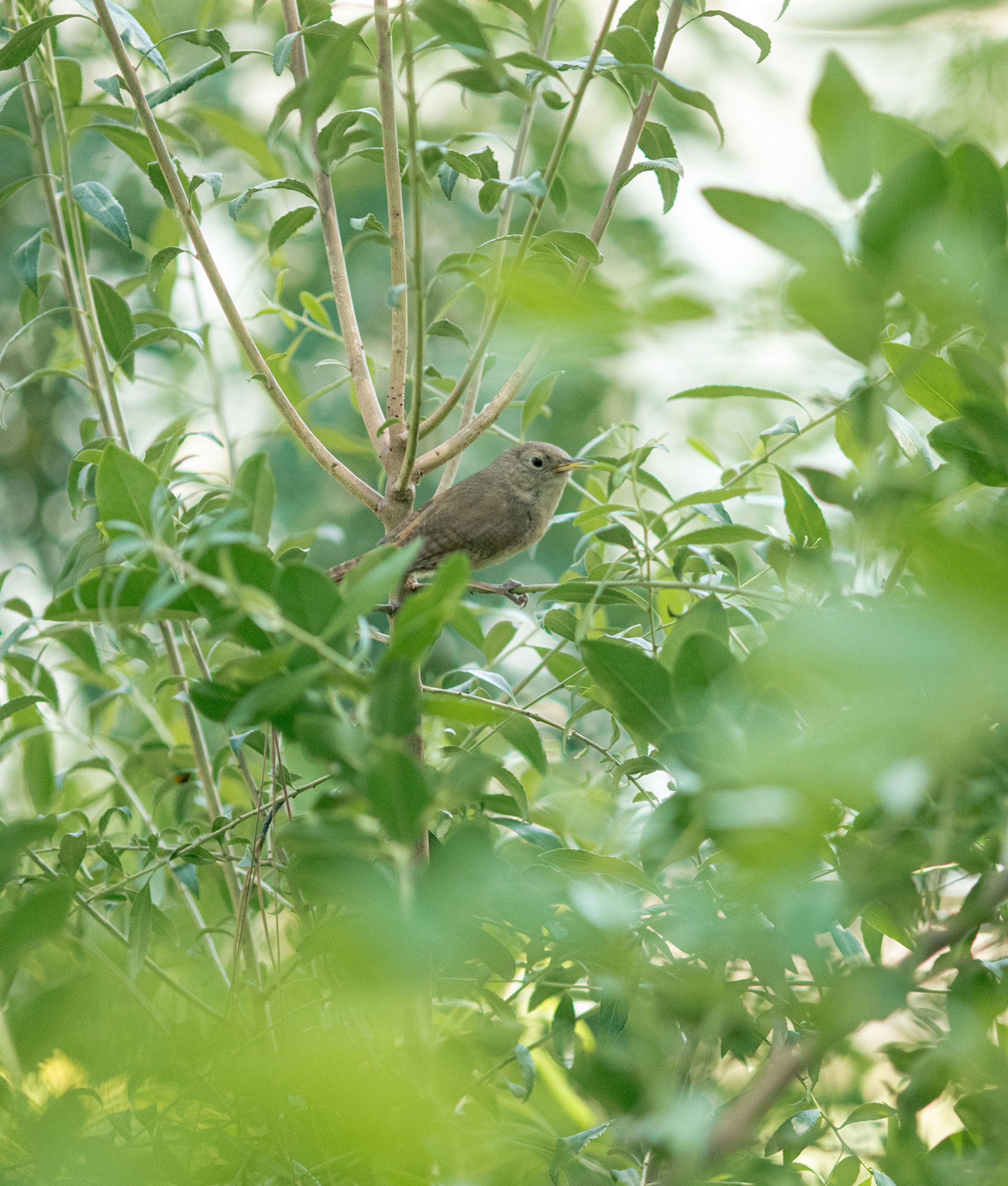
The various large tree species present in the forest give lots of necessary shade to the planted area, protecting it from the extreme heat of Santiago. There’s continuous irrigation, and all the dry leaves that fell from the forest trees have been used as mulch. All these factors contribute to the high survival rate of the forest - bringing it to lushness, while grasses have started colonising on the paths nearby the forest. We’ve also seen lots of animal biodiversity in the forest - thrushes, blackbirds, and doves; cachuditos, loicas, harriers and pintails, as well as butterflies, grasshoppers, and bees.

Biodiversity Notes:
Forest Report: 2023
0 Months
Forest Age
0%
Survival Rate
0m
Average of Tallest 3 Trees
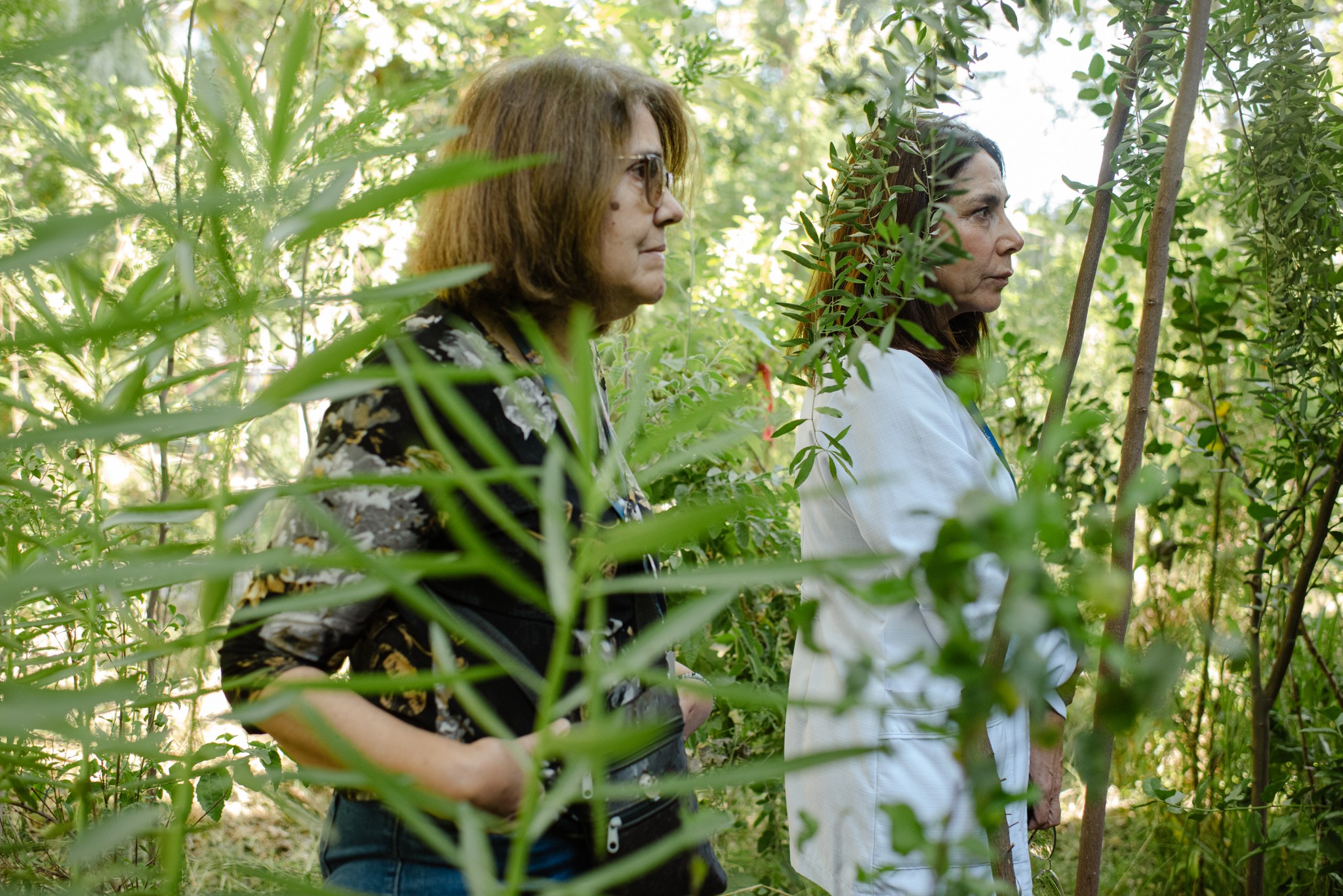
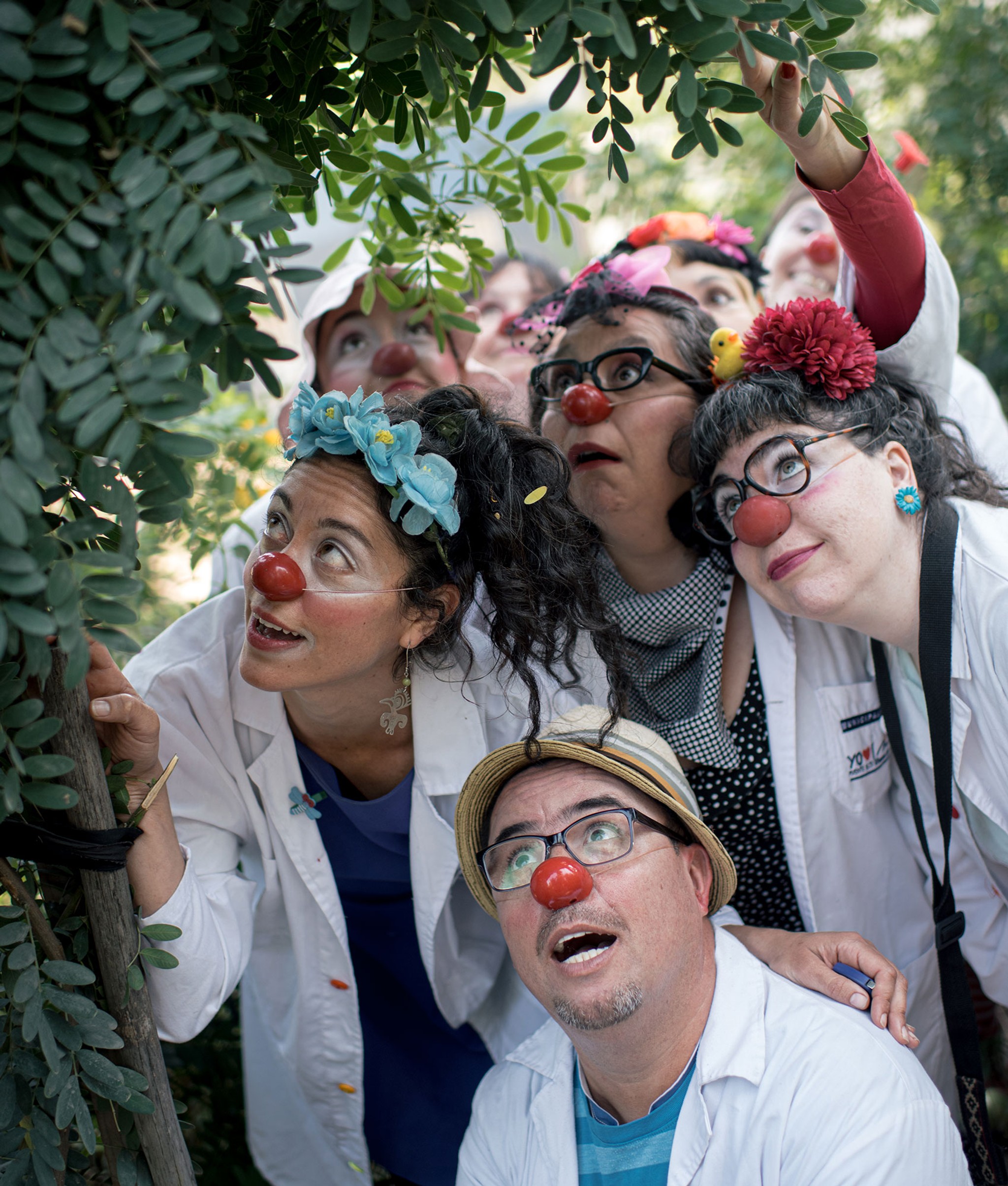
This project is a wild success, used daily by the “Sonrisólogos” team (professional laughter therapists with more than 15 years of making hospital patients giggle). The gardener, who has been working for around 10 years in the green areas of the hospital, is especially thrilled, as are the patients who have come to depend on the restorative power of the forest.
The forest even dampens the noise generated by a nearby busy road and subway line, thereby making it easier for caregivers and patients to disconnect from the noise of the city and reconnect with the calming benefits of nature.
In addition, different species of very large trees shade the plantation (and protect it from the extreme heat of Santiago), there is continuous and abundant irrigation, and all the dry leaves that were previously collected were used as mulch. The combination of these factors contributes to the high survival rate of this project. As for the organisms observed, a high attendance of birds and insects is seen, such as thrushes, blackbirds, turtle doves, butterflies, bees, etc.
Biodiversity Notes:
Planting: December 2022
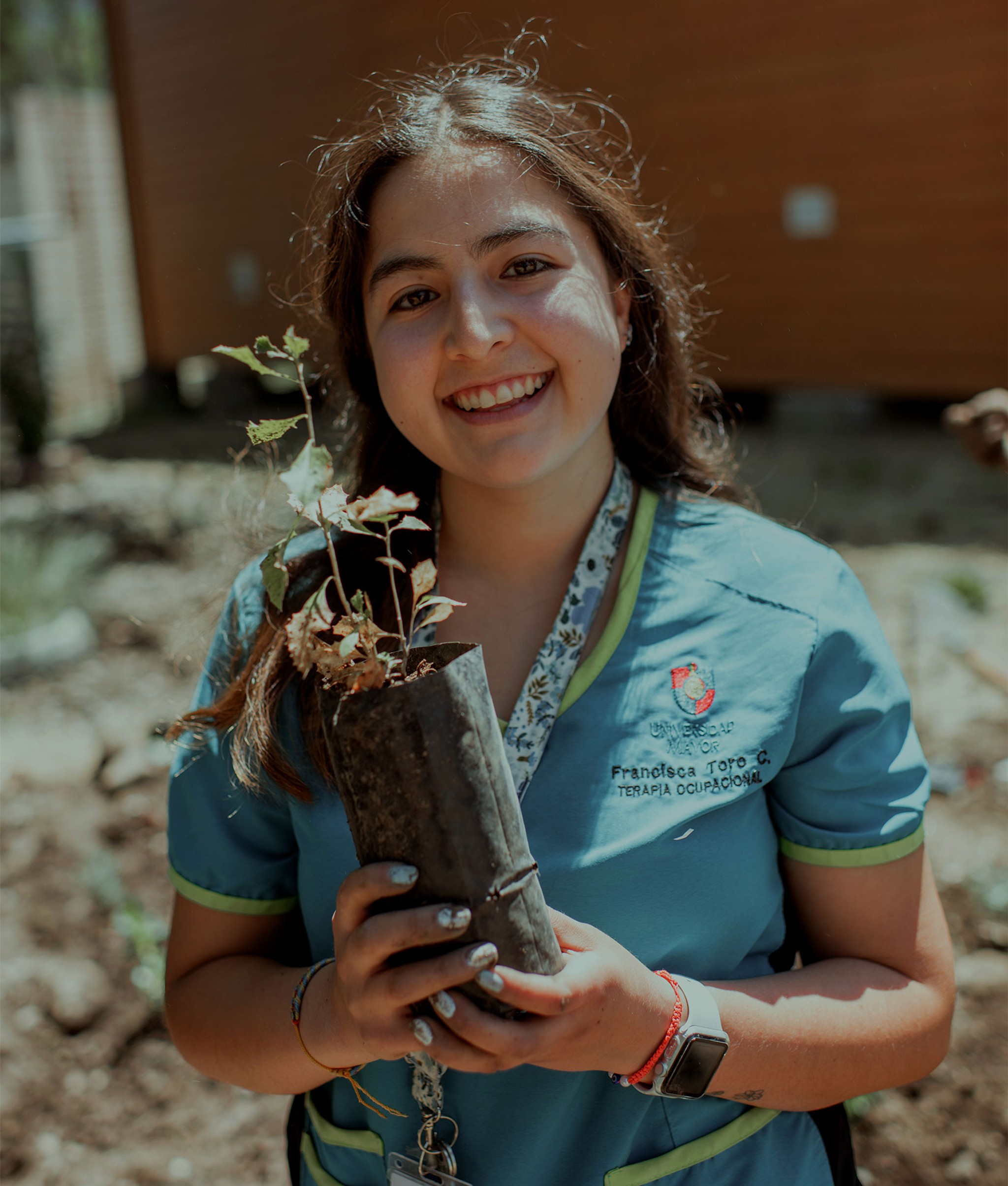
Why the Trapa Trapa Forest?
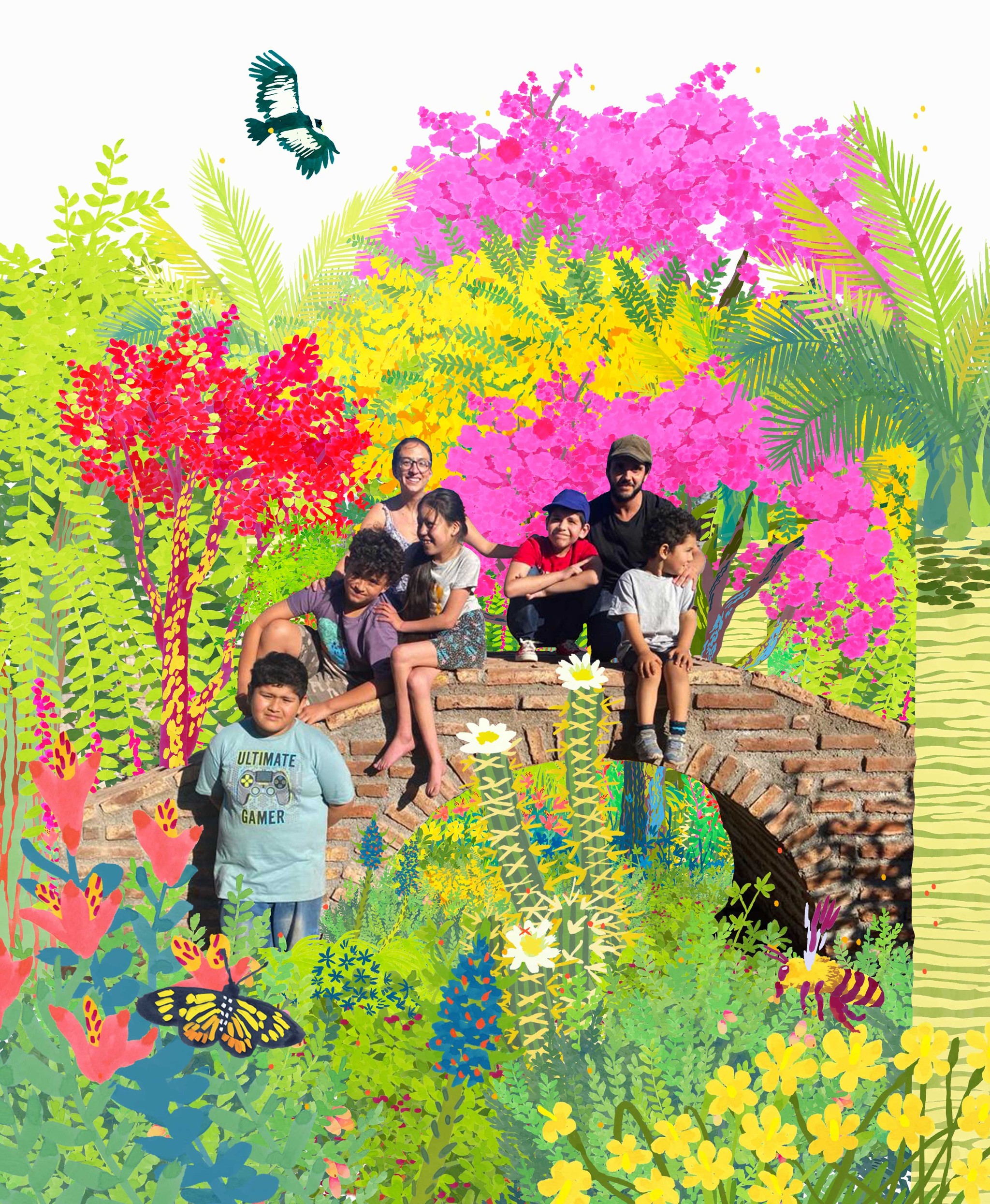
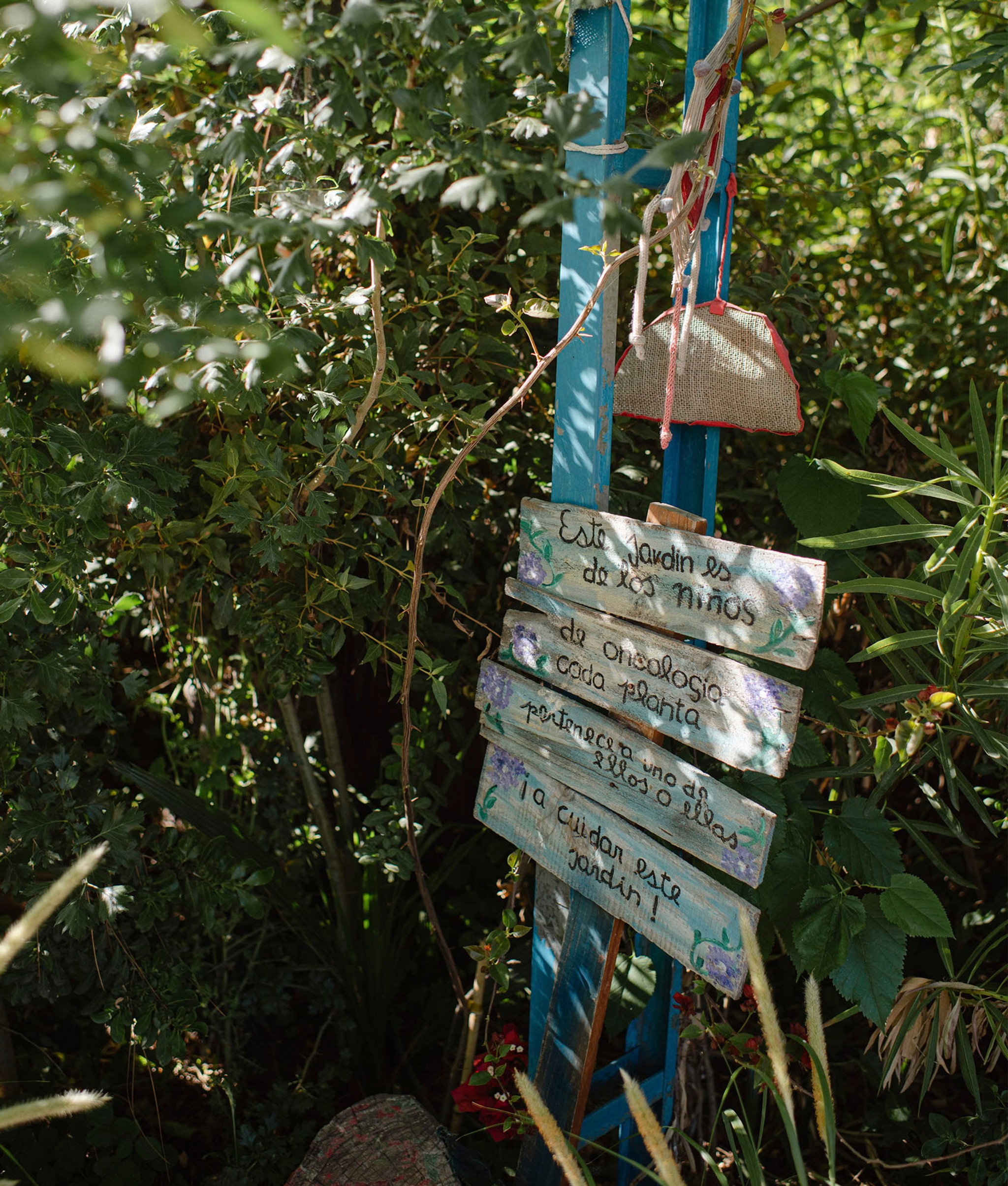
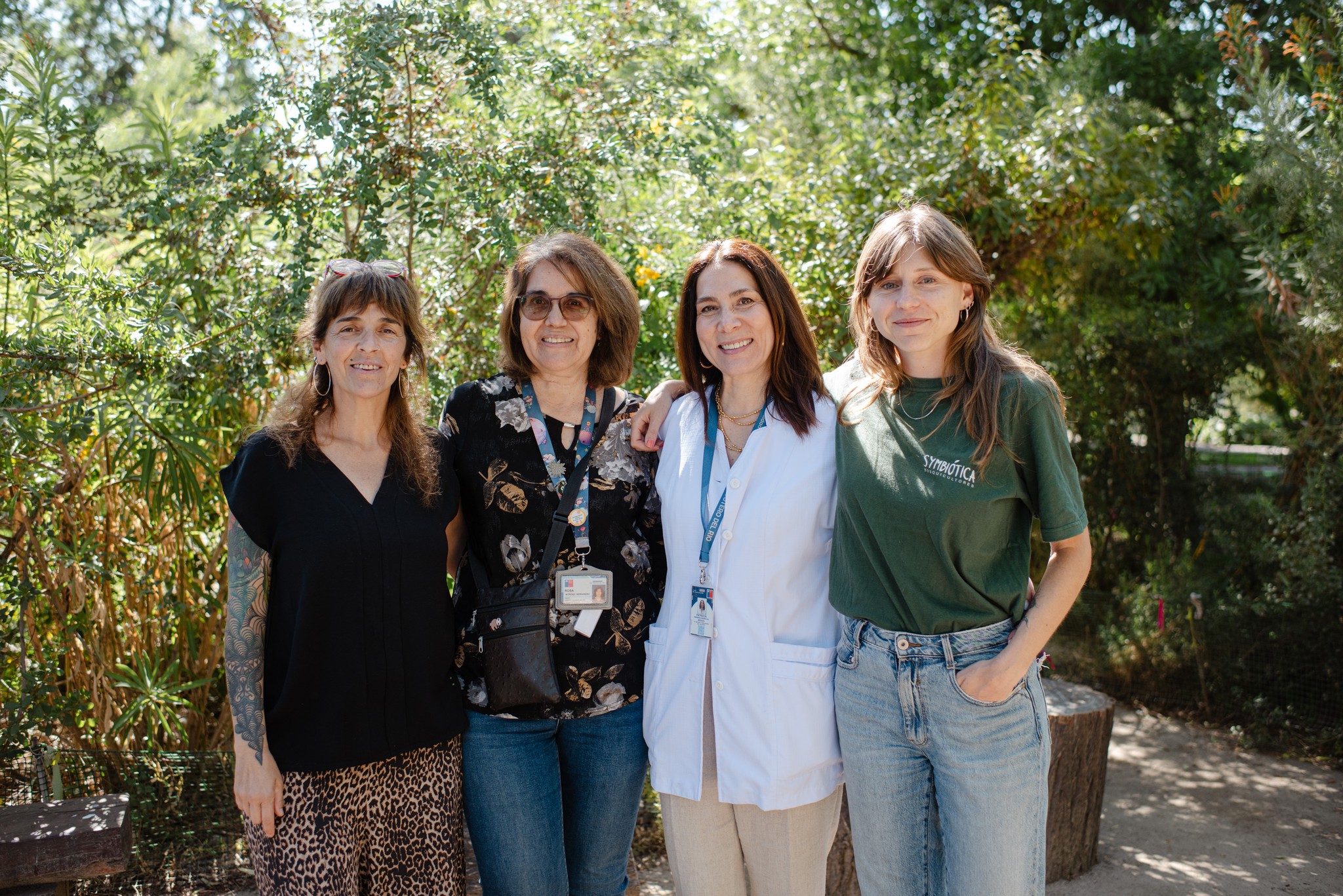
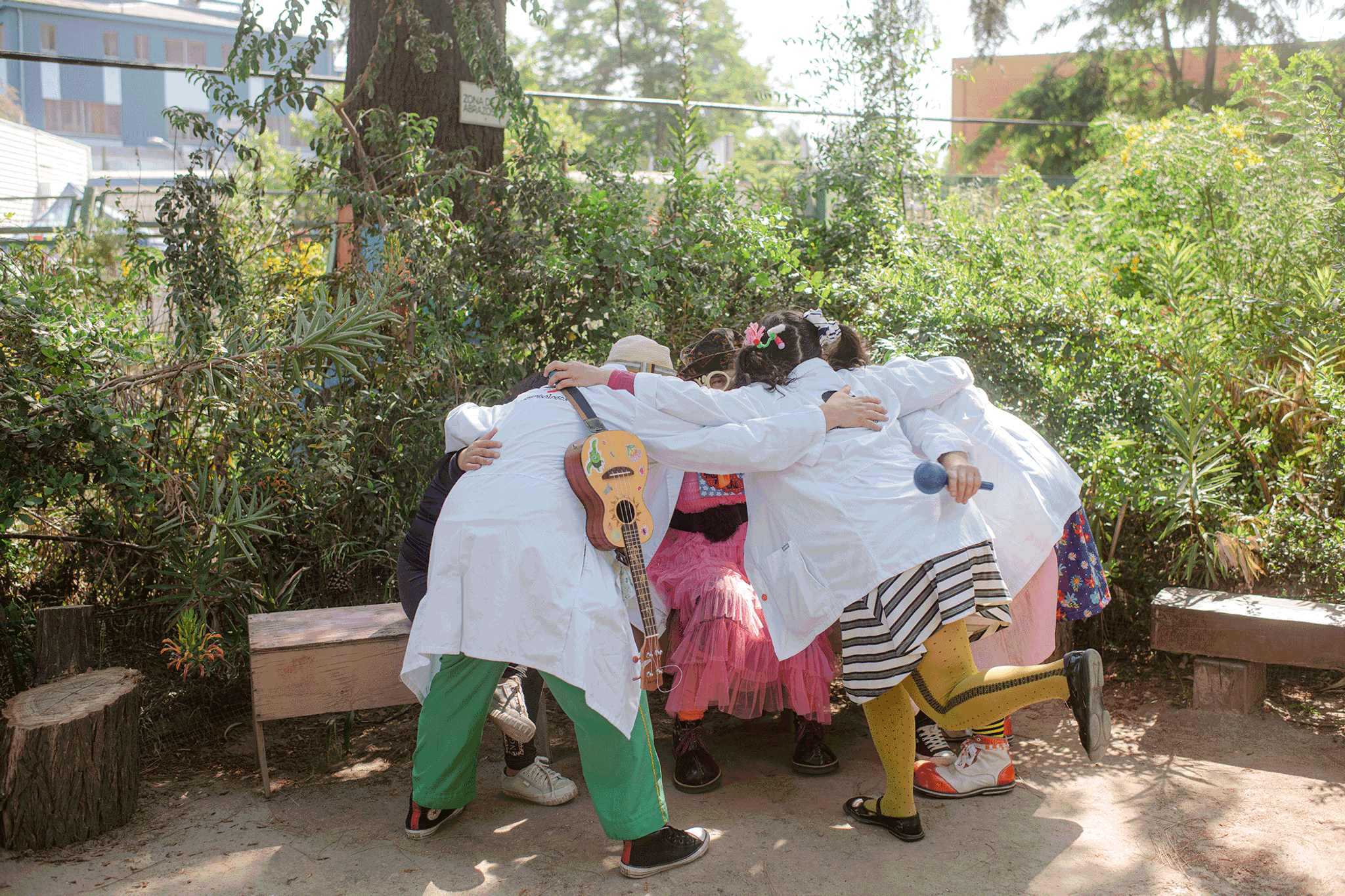
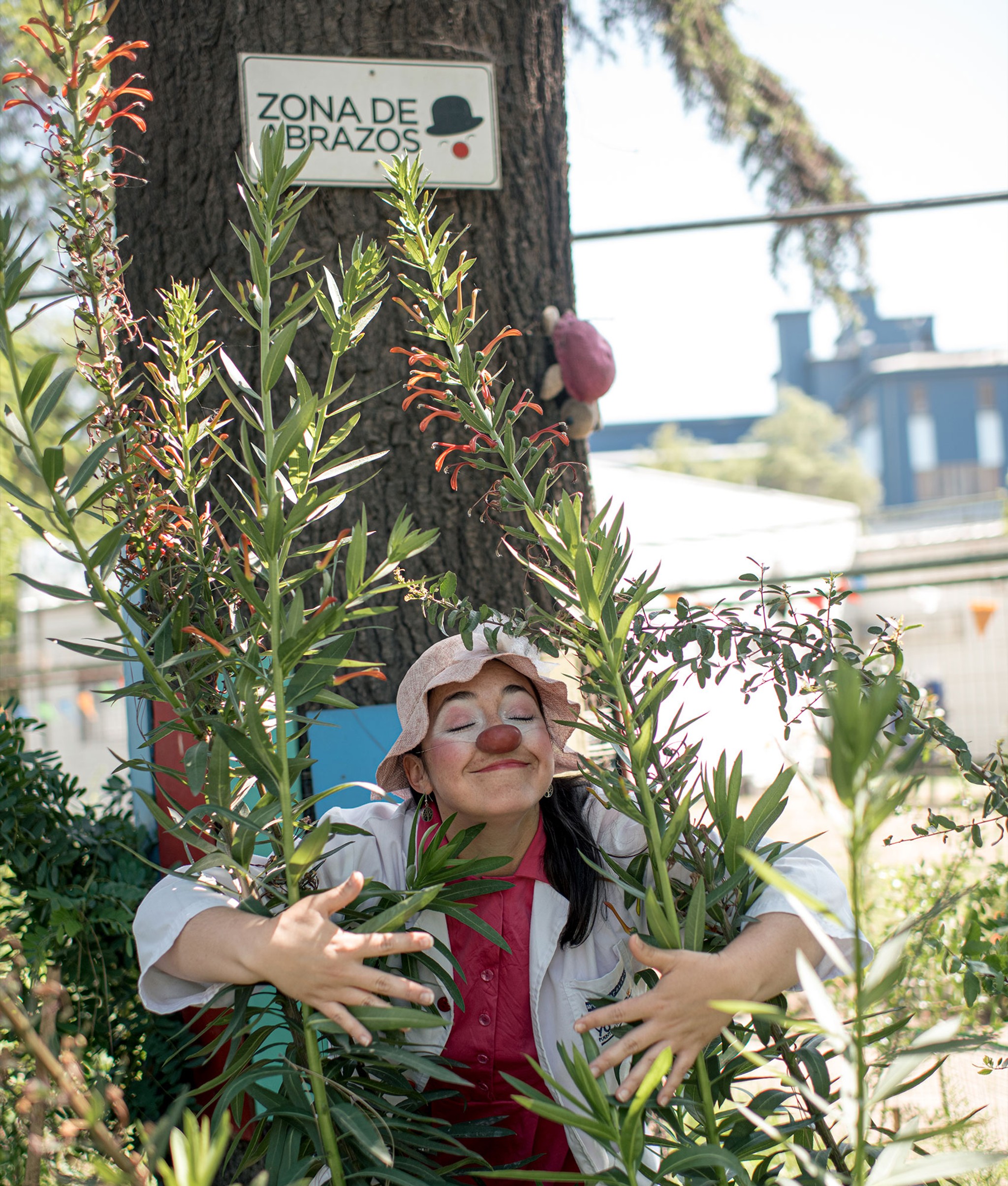
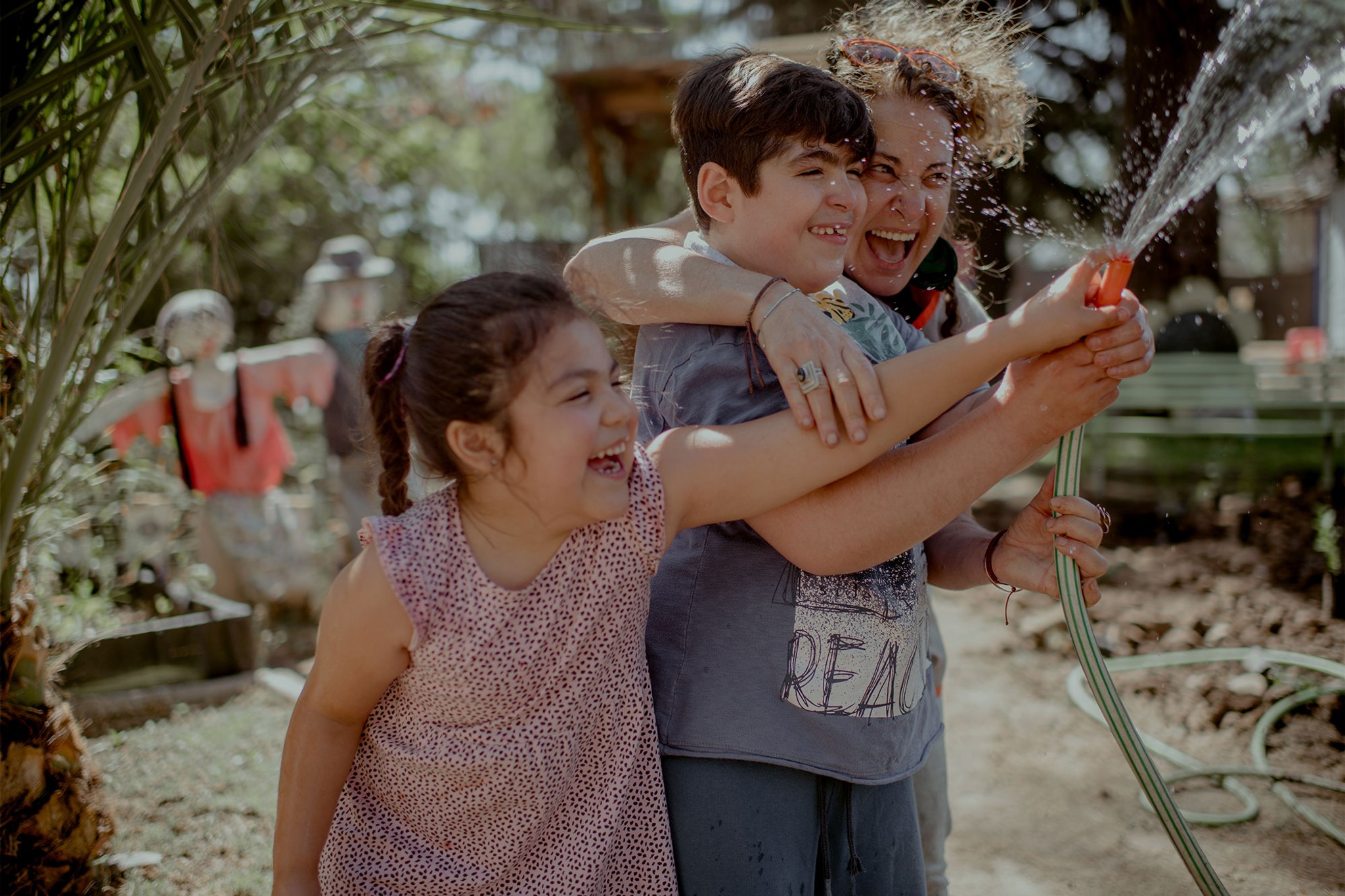
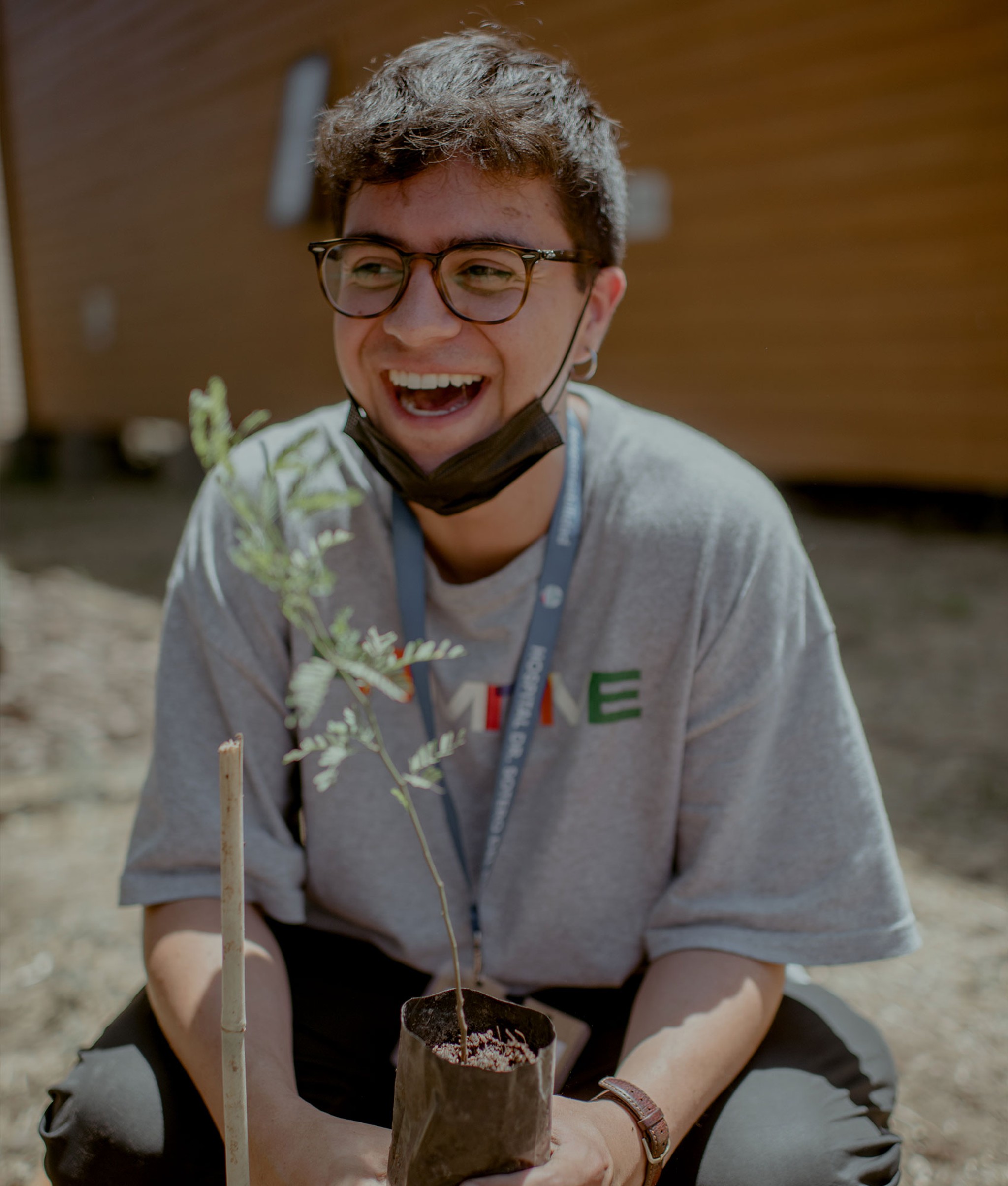
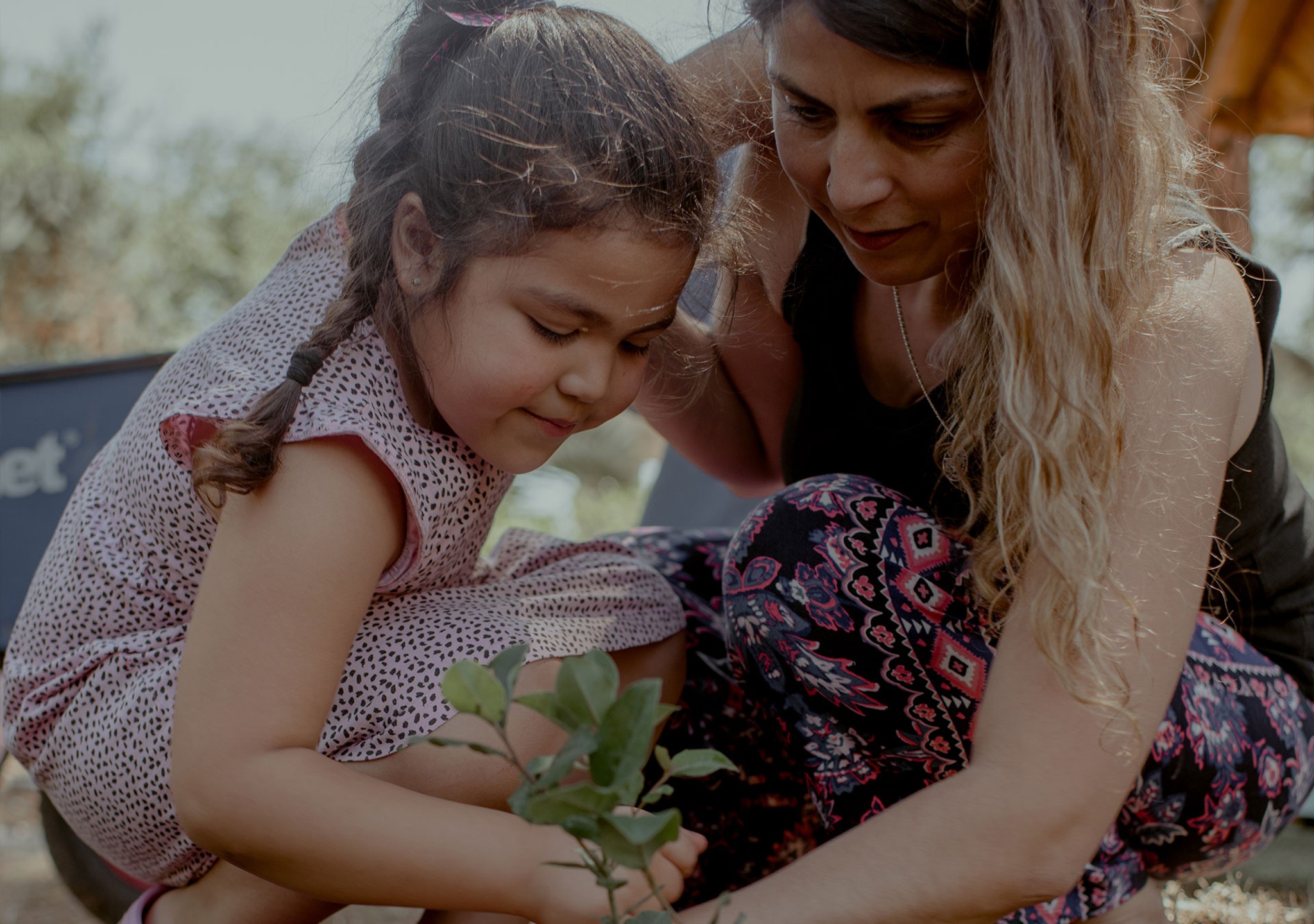
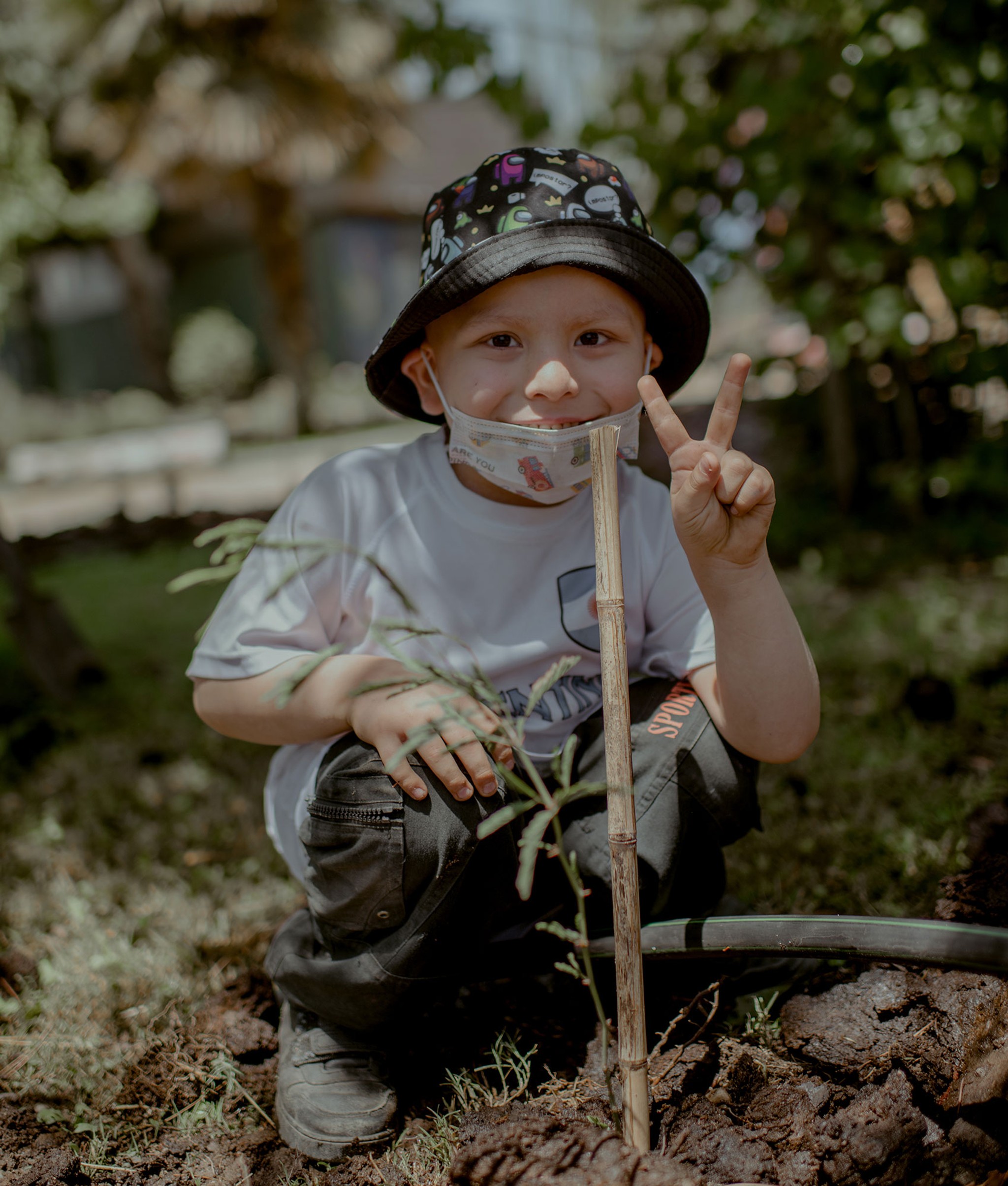
Working together with Su and Carola - professional laughter therapists with more than 15 years of making hospital patients giggle with their “Sonrisólogos” Team - Trapa Trapa Forest has become a source of green respite in an otherwise highly urbanized setting.
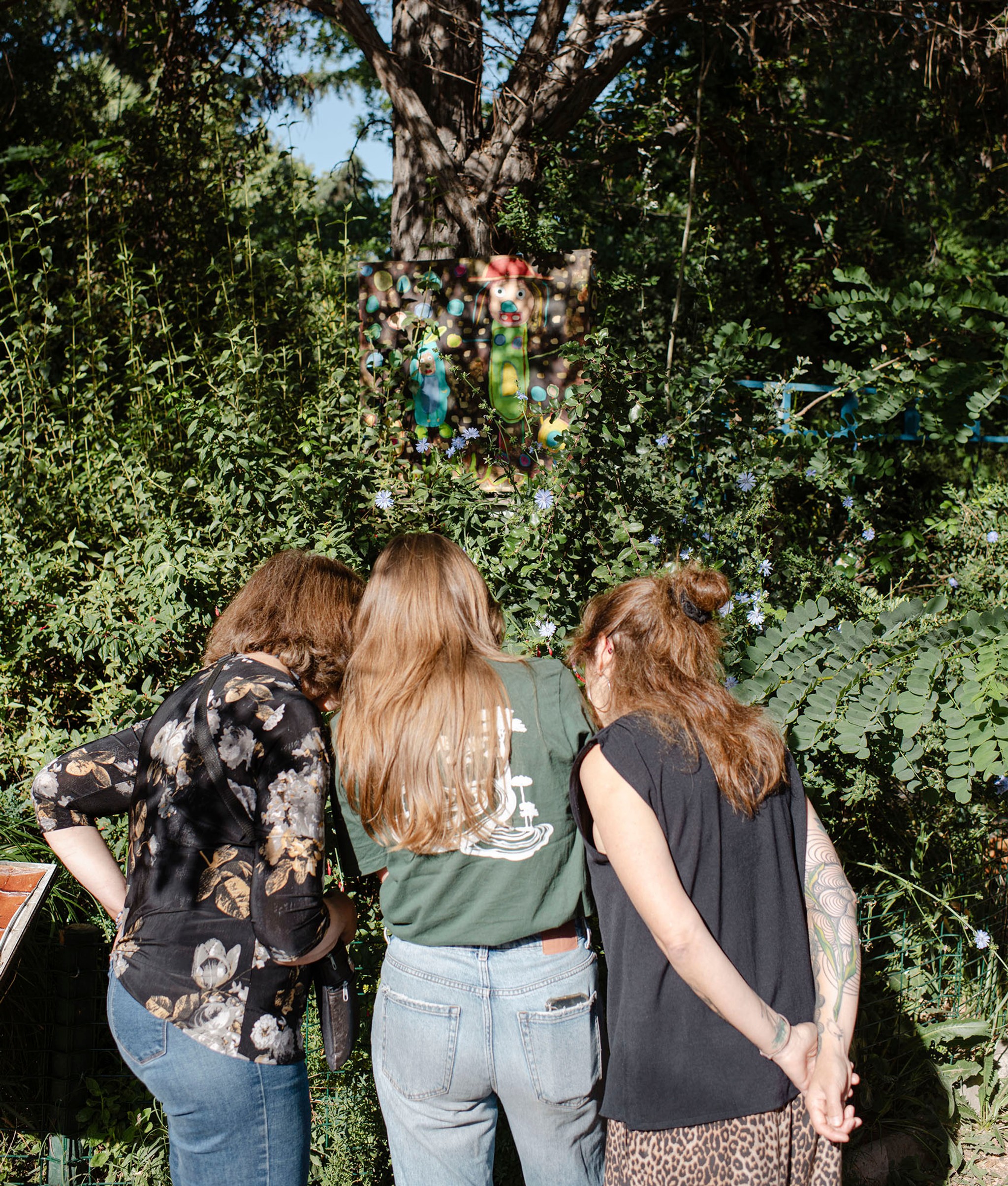
It serves as a place for fun, laughter and relaxation; a haven where patients and their carers can have a break from their hospital routines and soak up the beauty and benefits of nature.
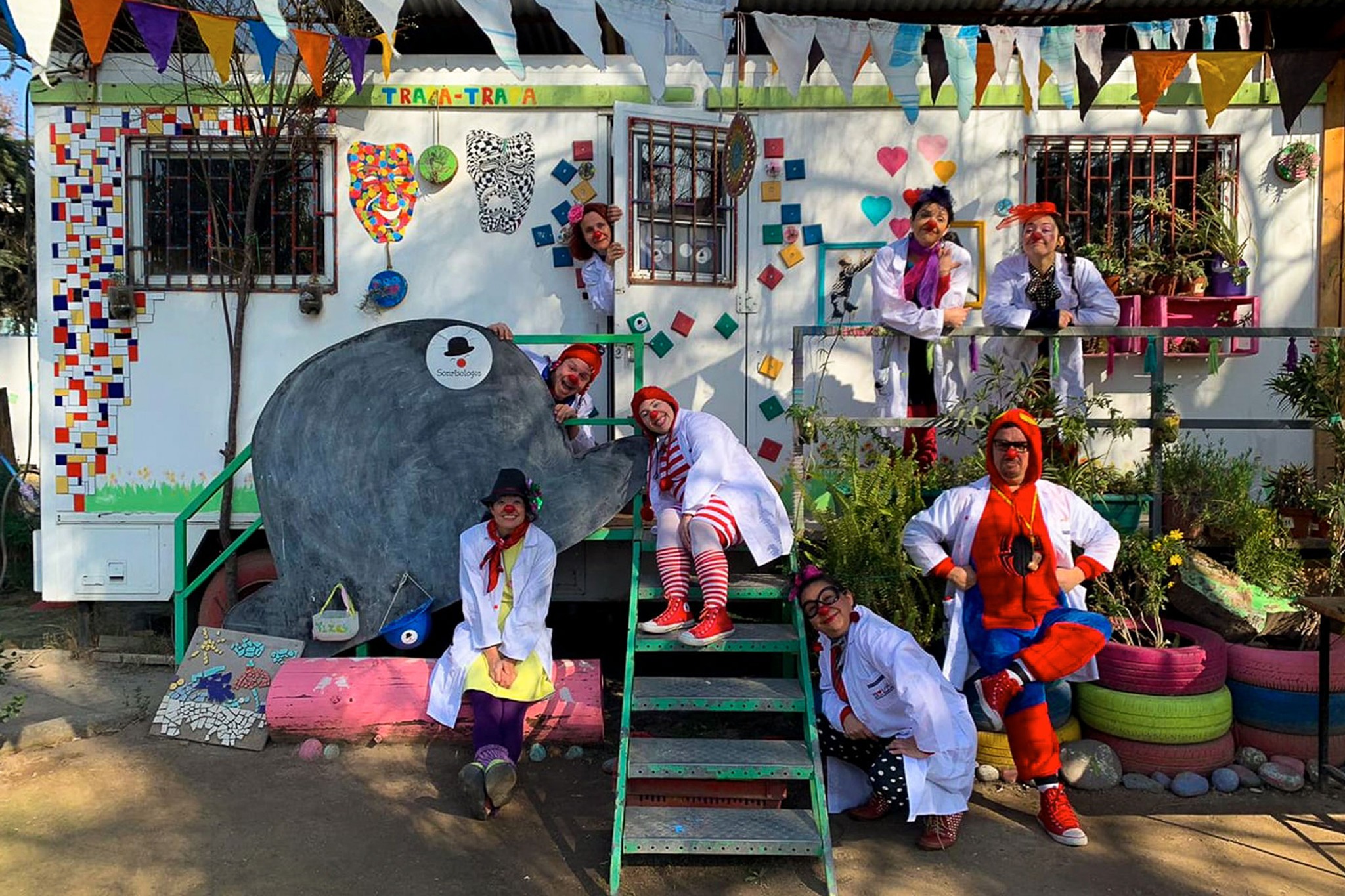
“A hospital does not have to be a sad place. Despite the difficulties, we are there to sow joy and hope.”
Susana Alegría & Carola Garabano, Laughter Therapists & Founders of “Sonrisólogos”