Beirut's RiverLESS Forest
Reclaiming public space and restoring biodiversity.

0
Trees
0
Square Meters
0
Native Species
Self sustaining pocket forest
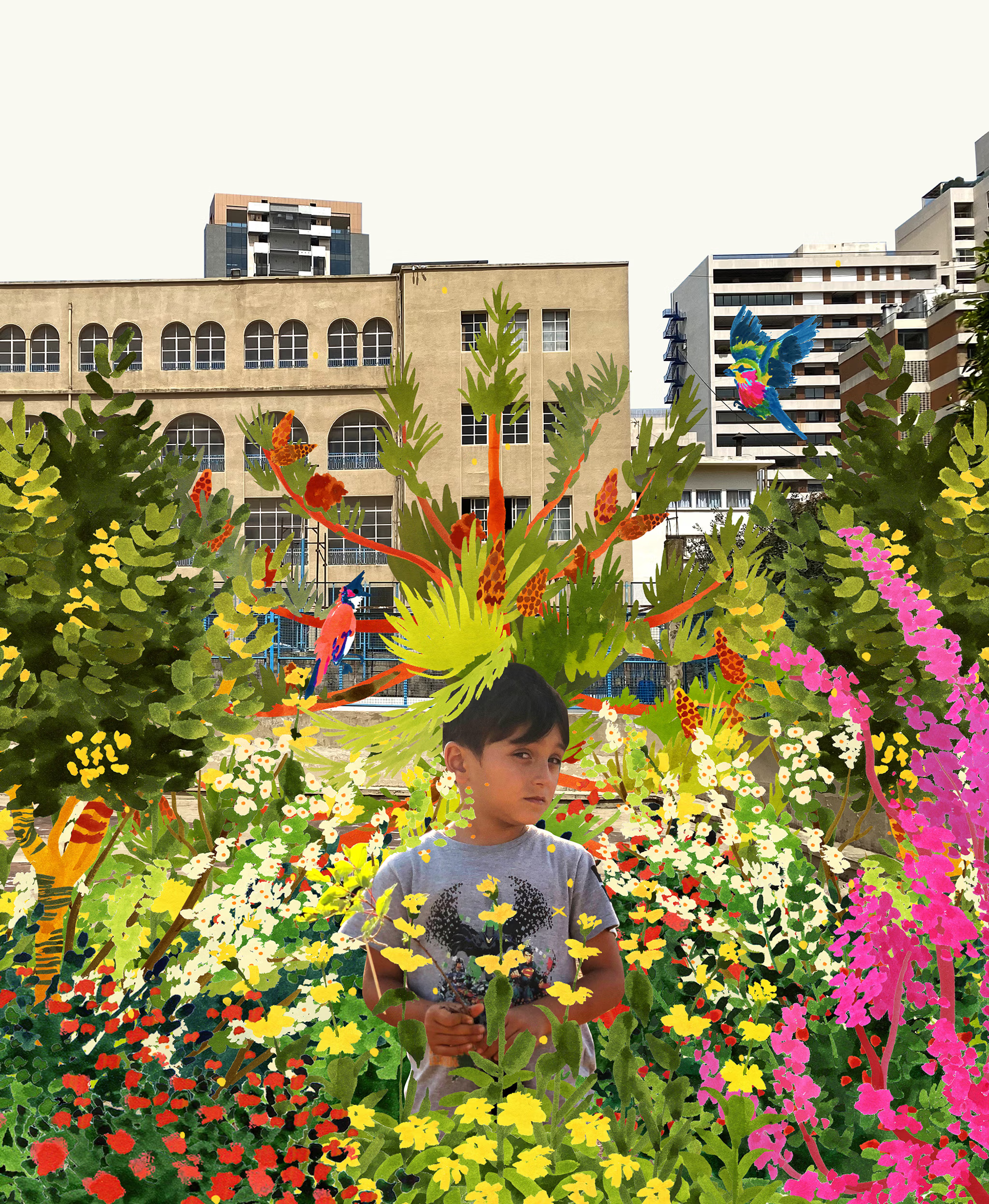
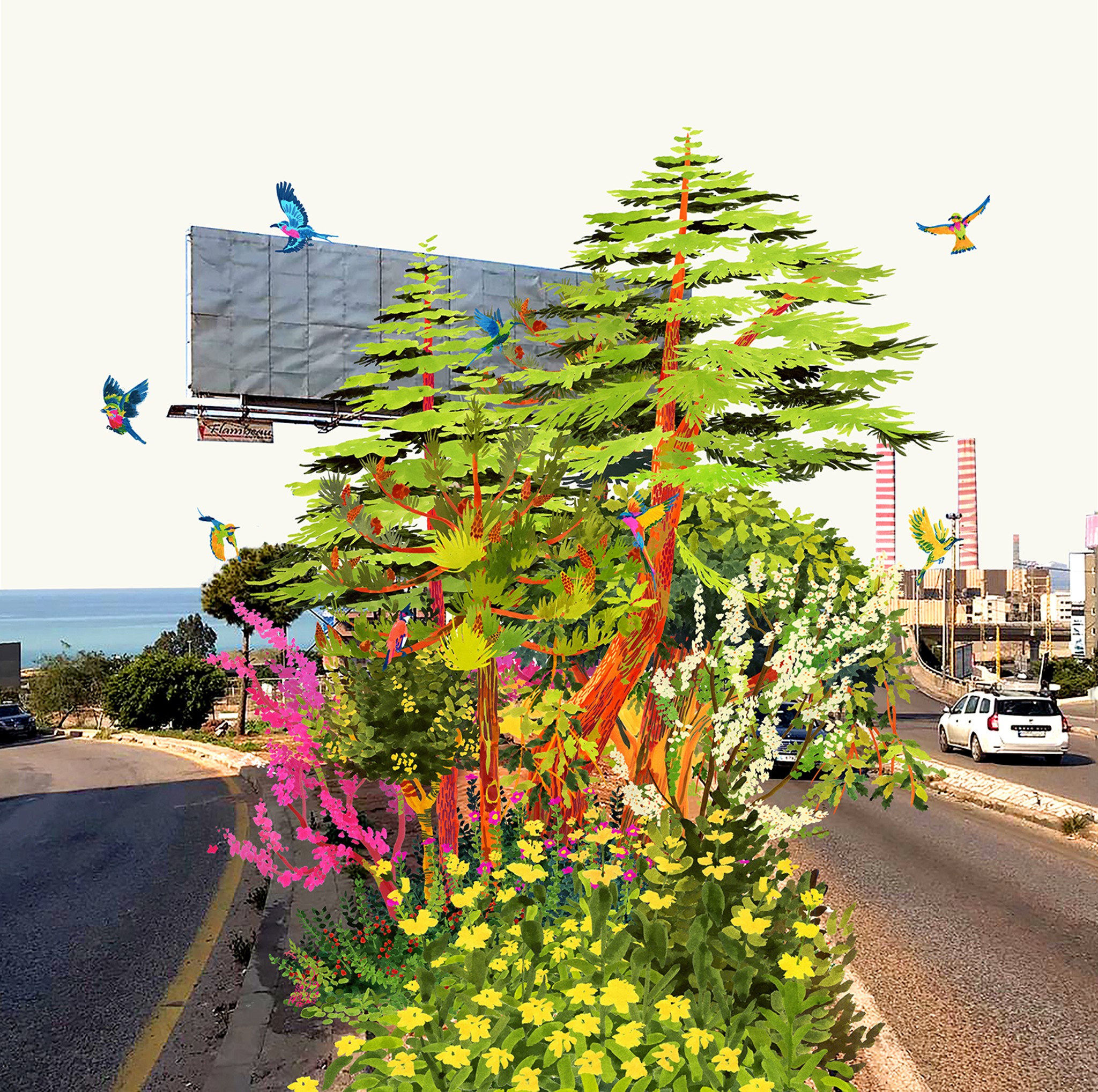
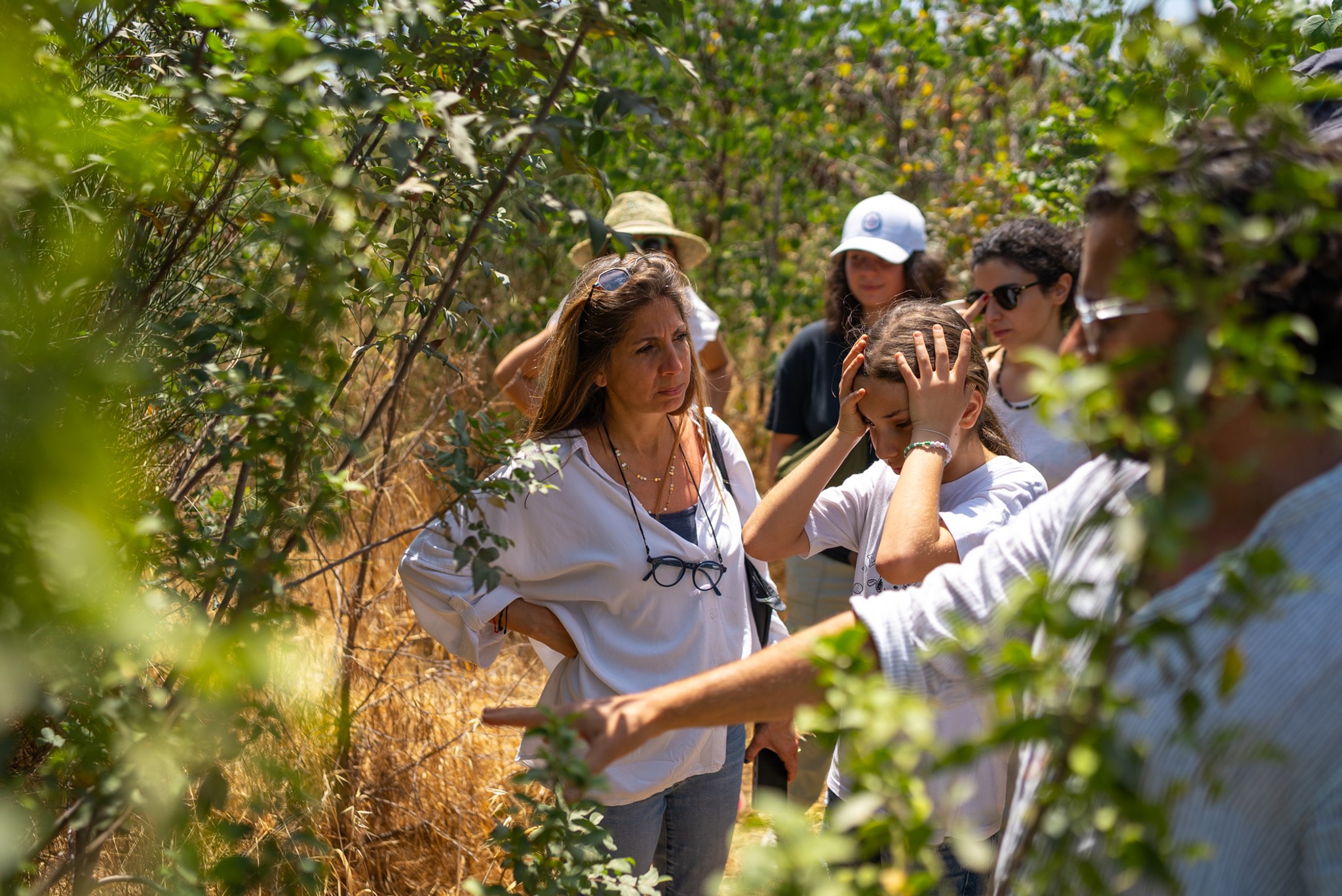
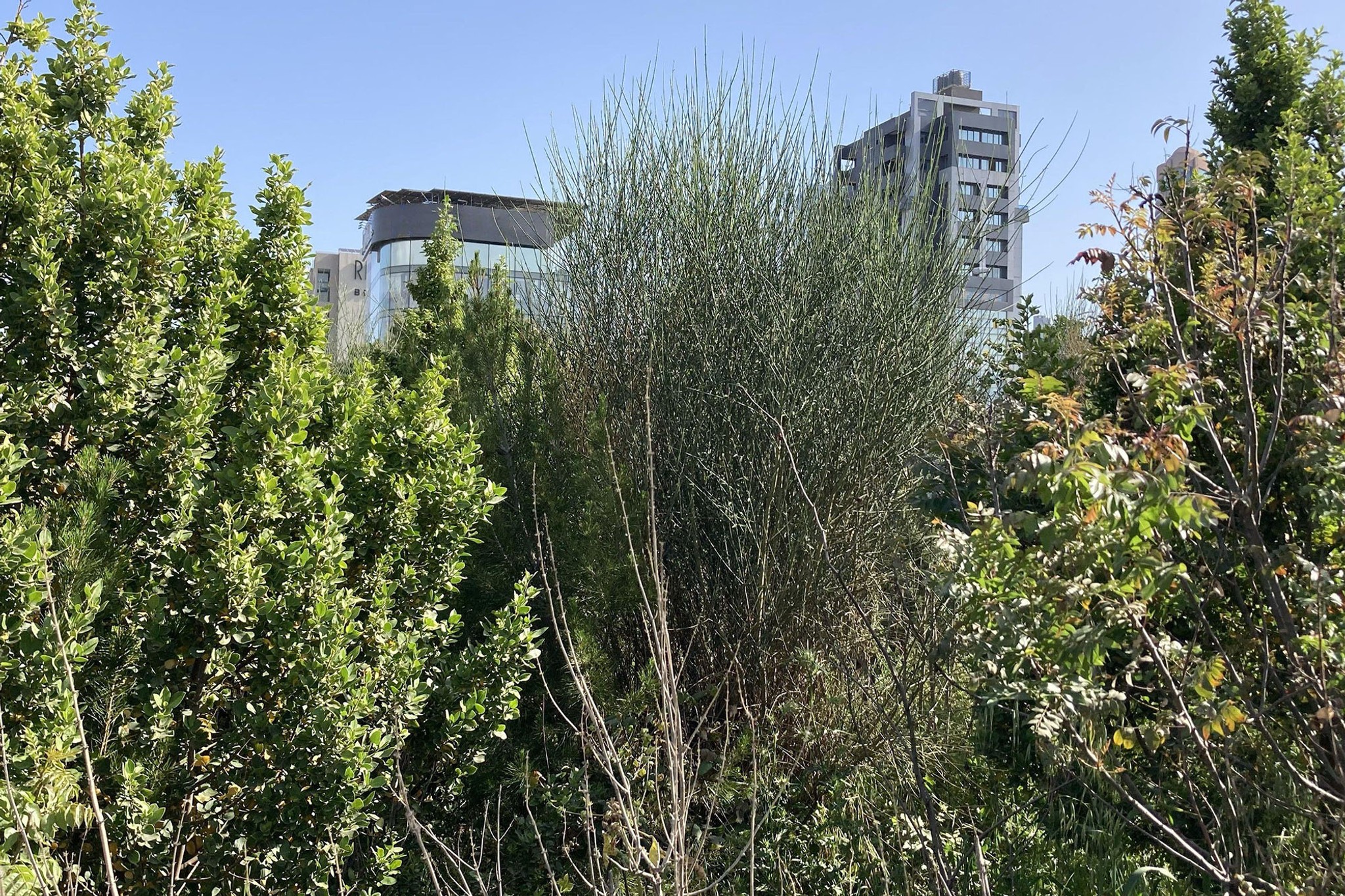
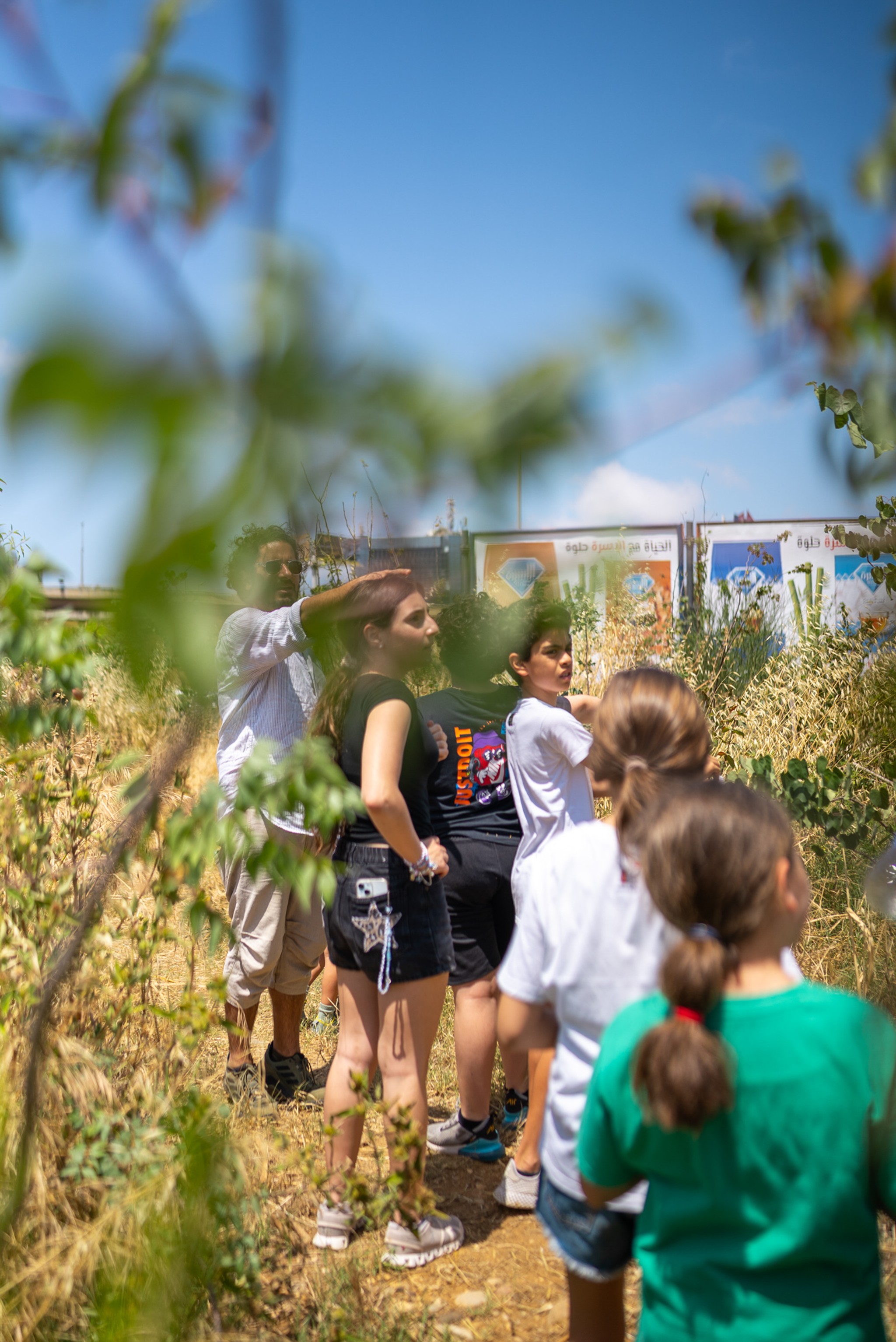
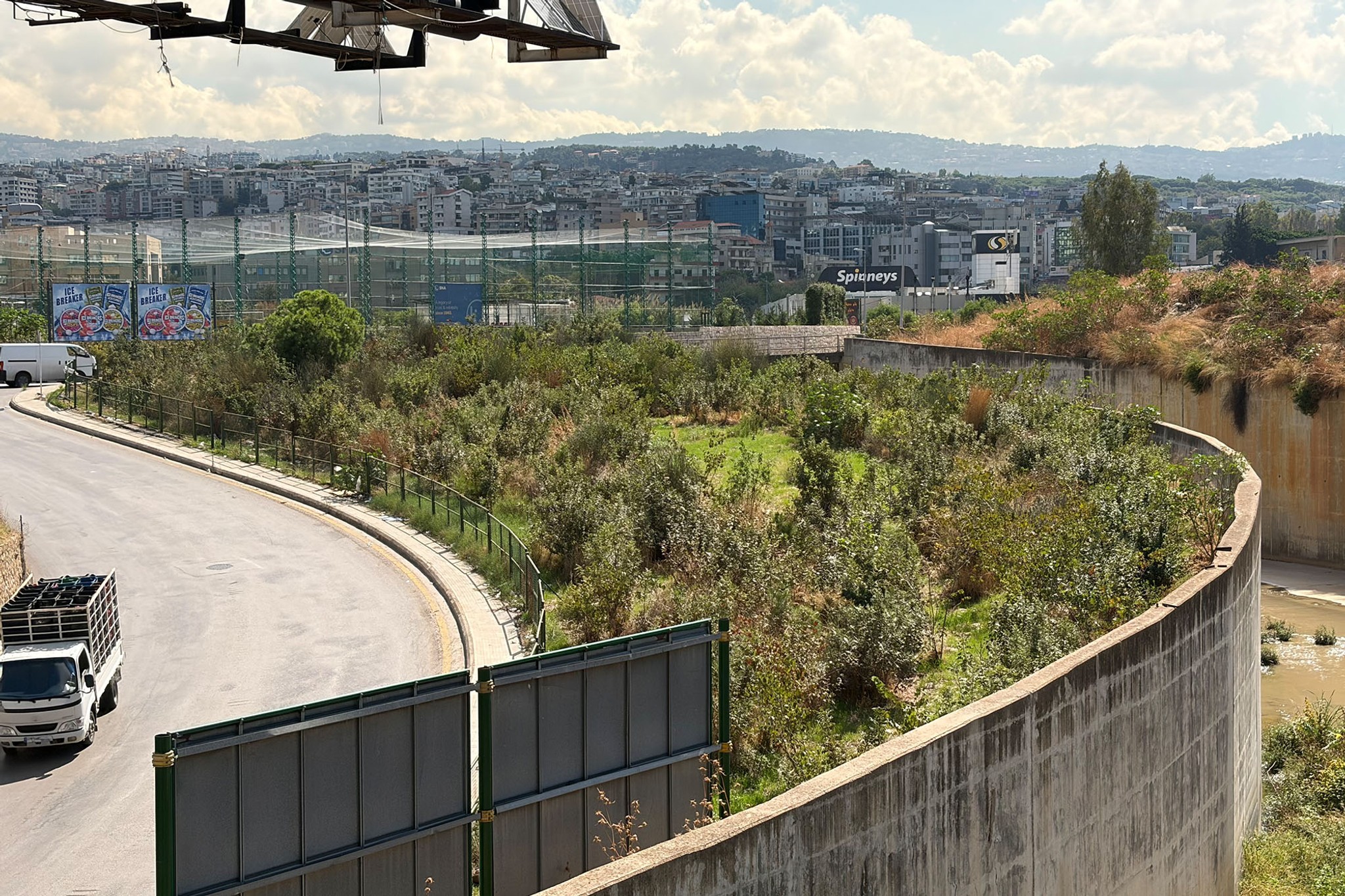
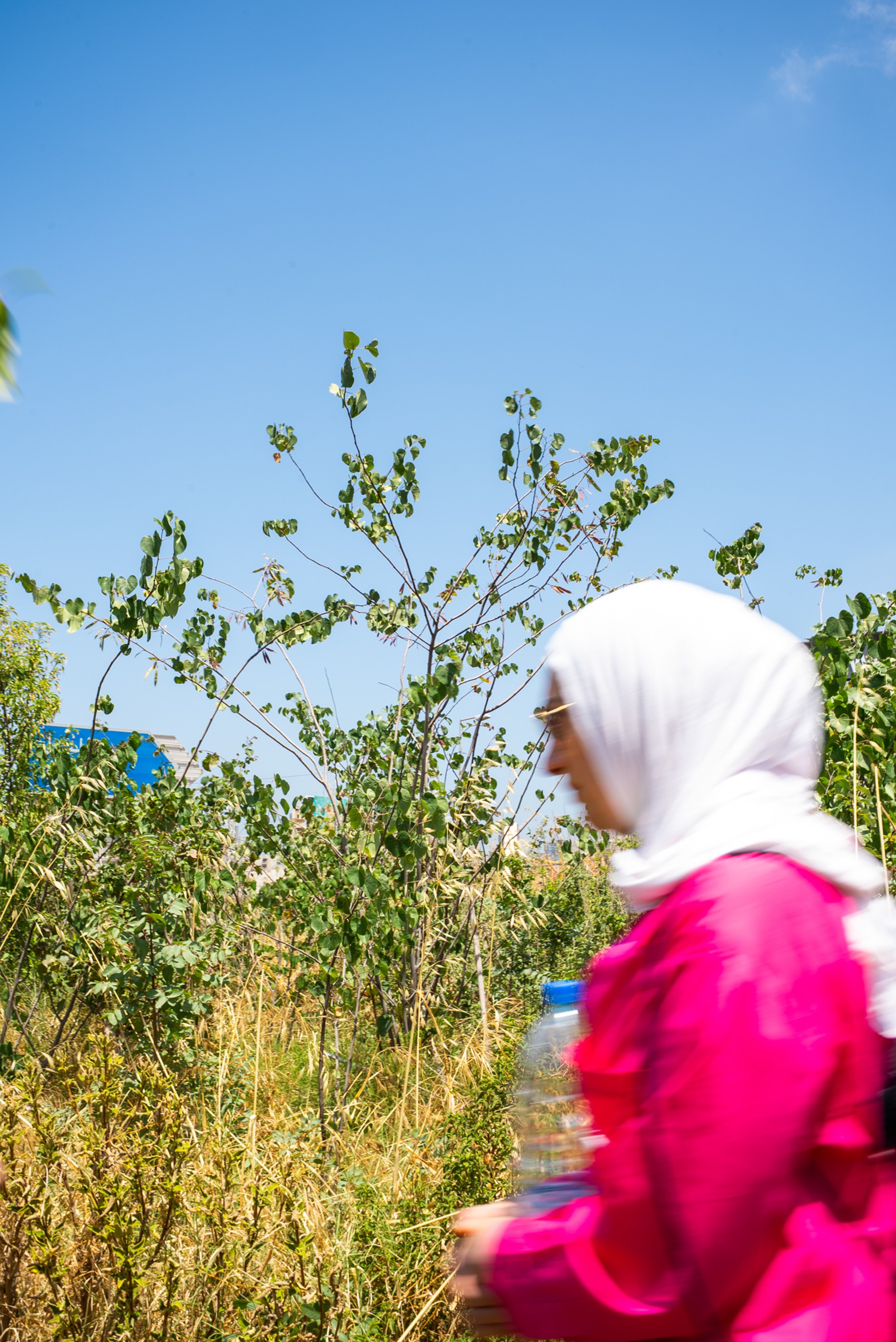
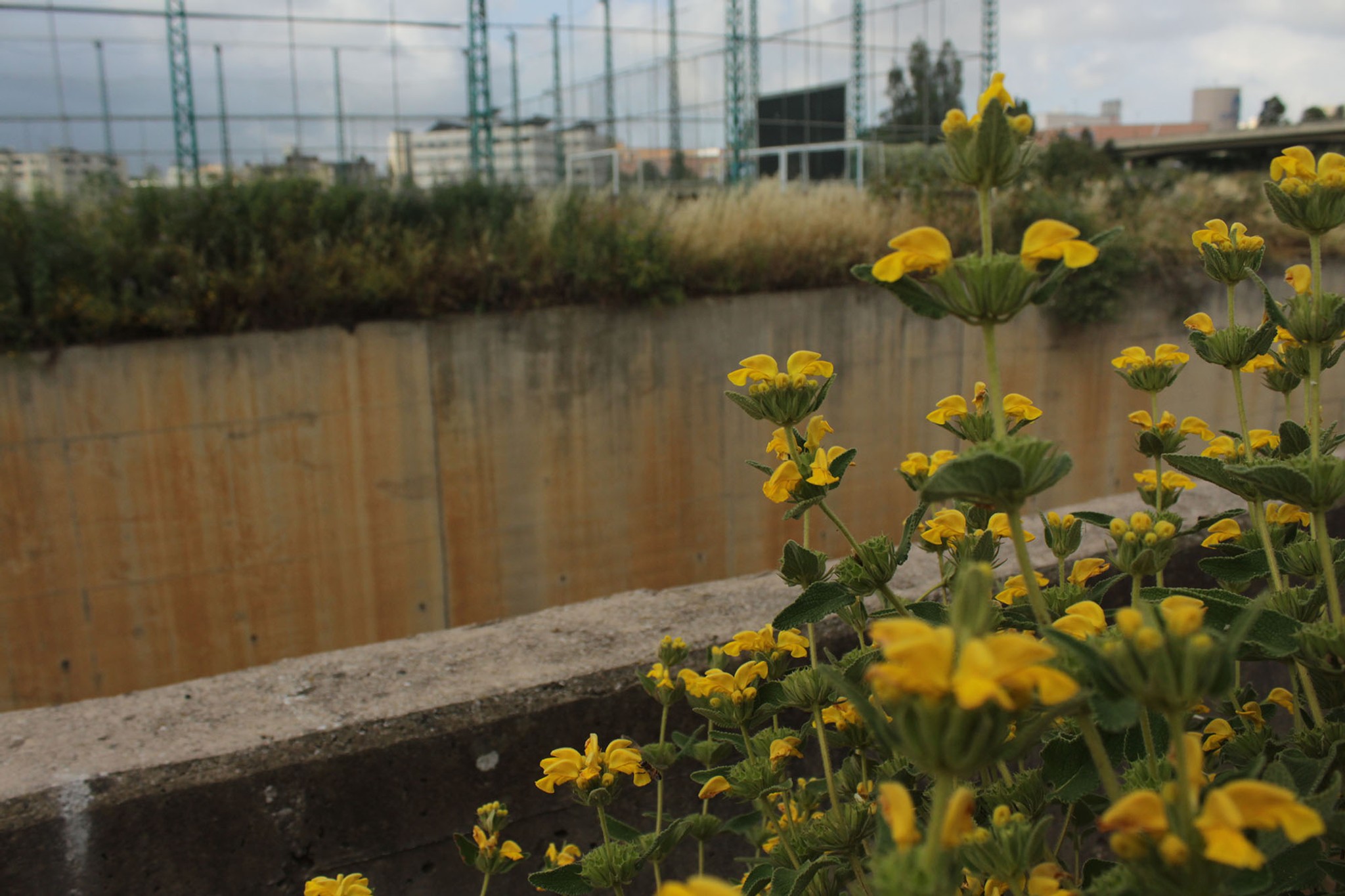
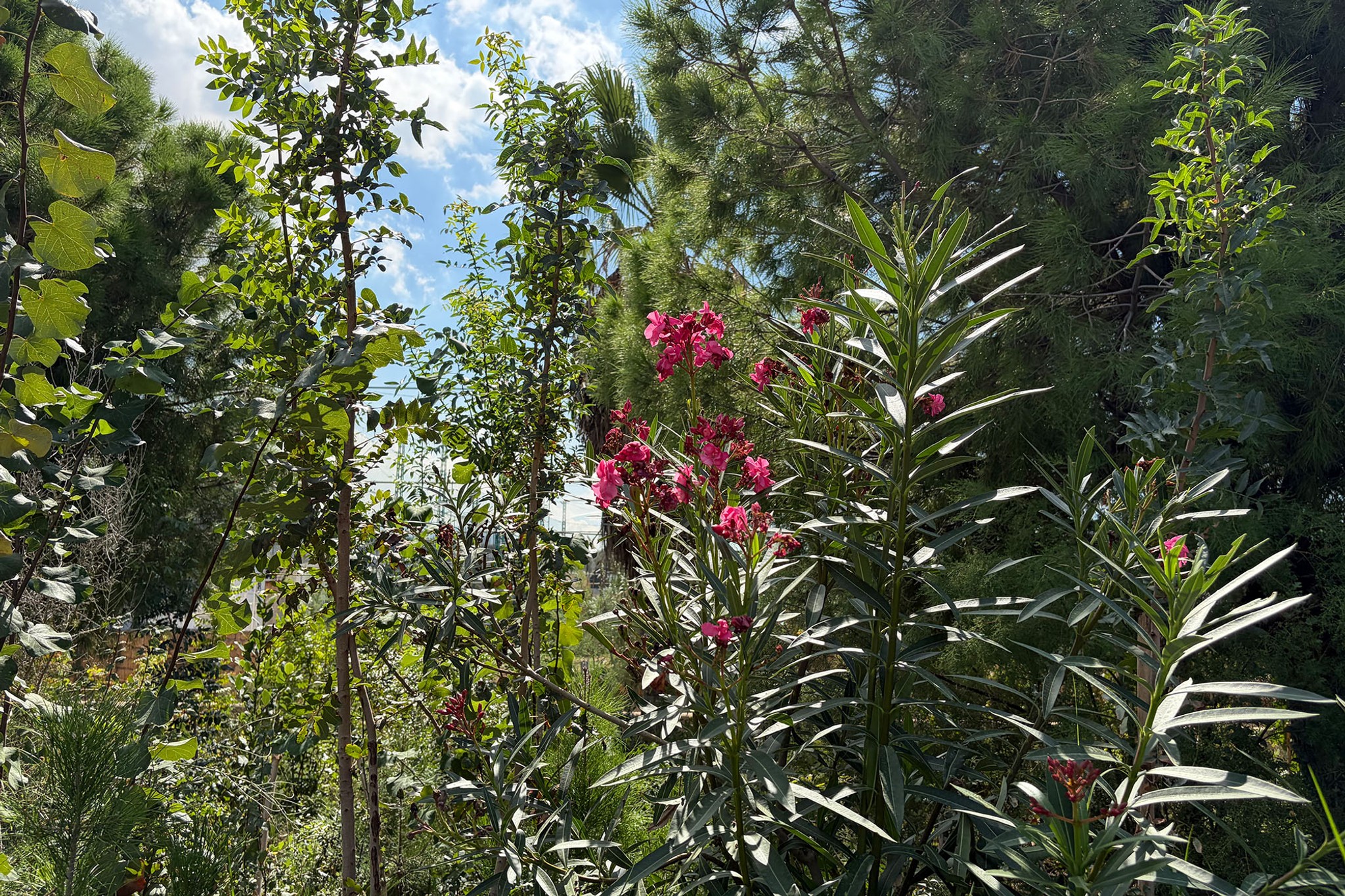
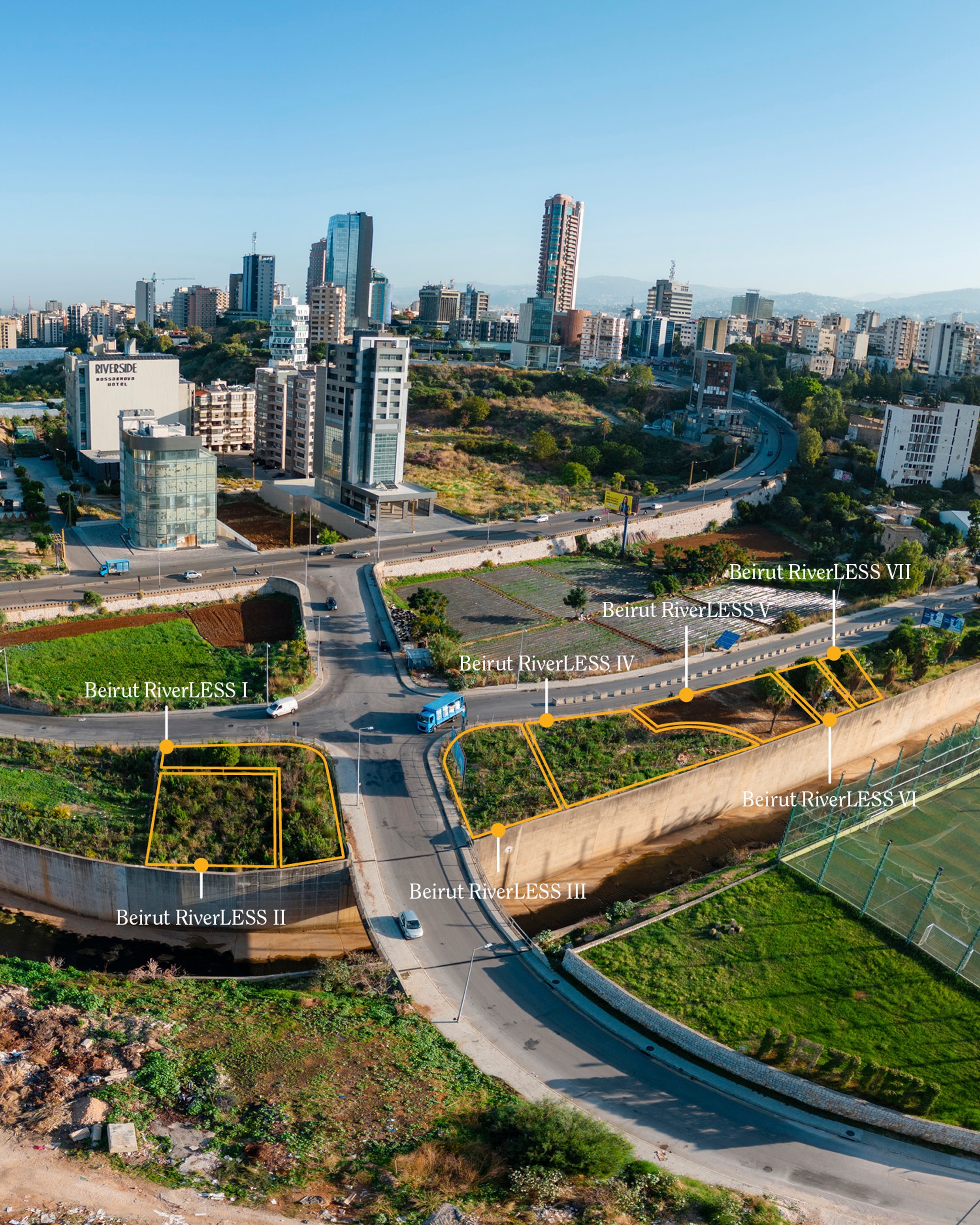
Since 2019, we’ve planted seven pocket forests along the Beirut River in Lebanon, reclaiming neglected public land and bringing native life back into the heart of the city. Once a source of water and a gathering place for local communities, the river was channelled into concrete in 1968 and became heavily polluted. Today, these forests are helping restore biodiversity along its banks, one pocket at a time. The oldest sections, now seven years old, have reached their self-sustaining stage, growing without regular watering or maintenance and demonstrating how nature can reclaim even the most urbanised landscapes.
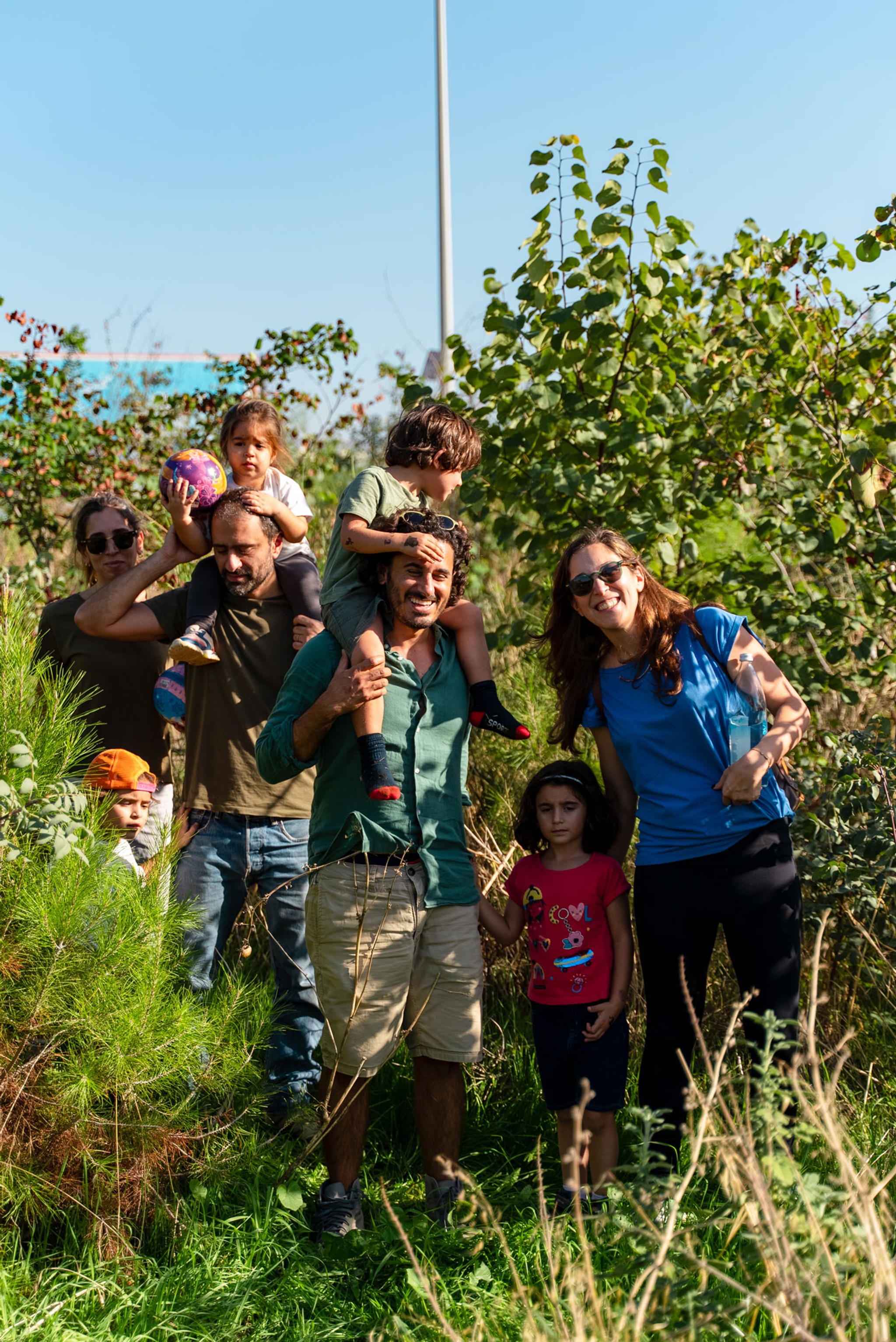
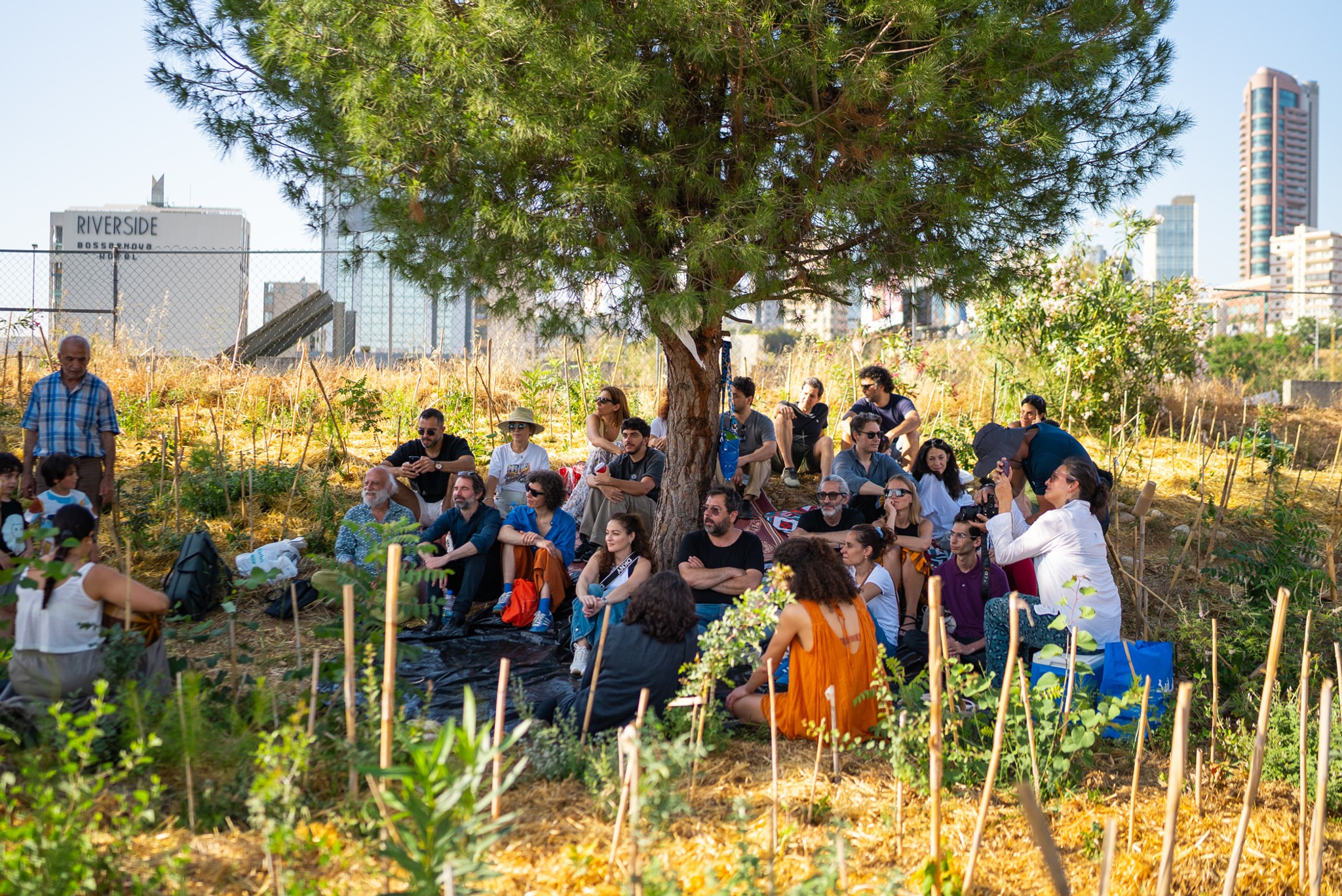
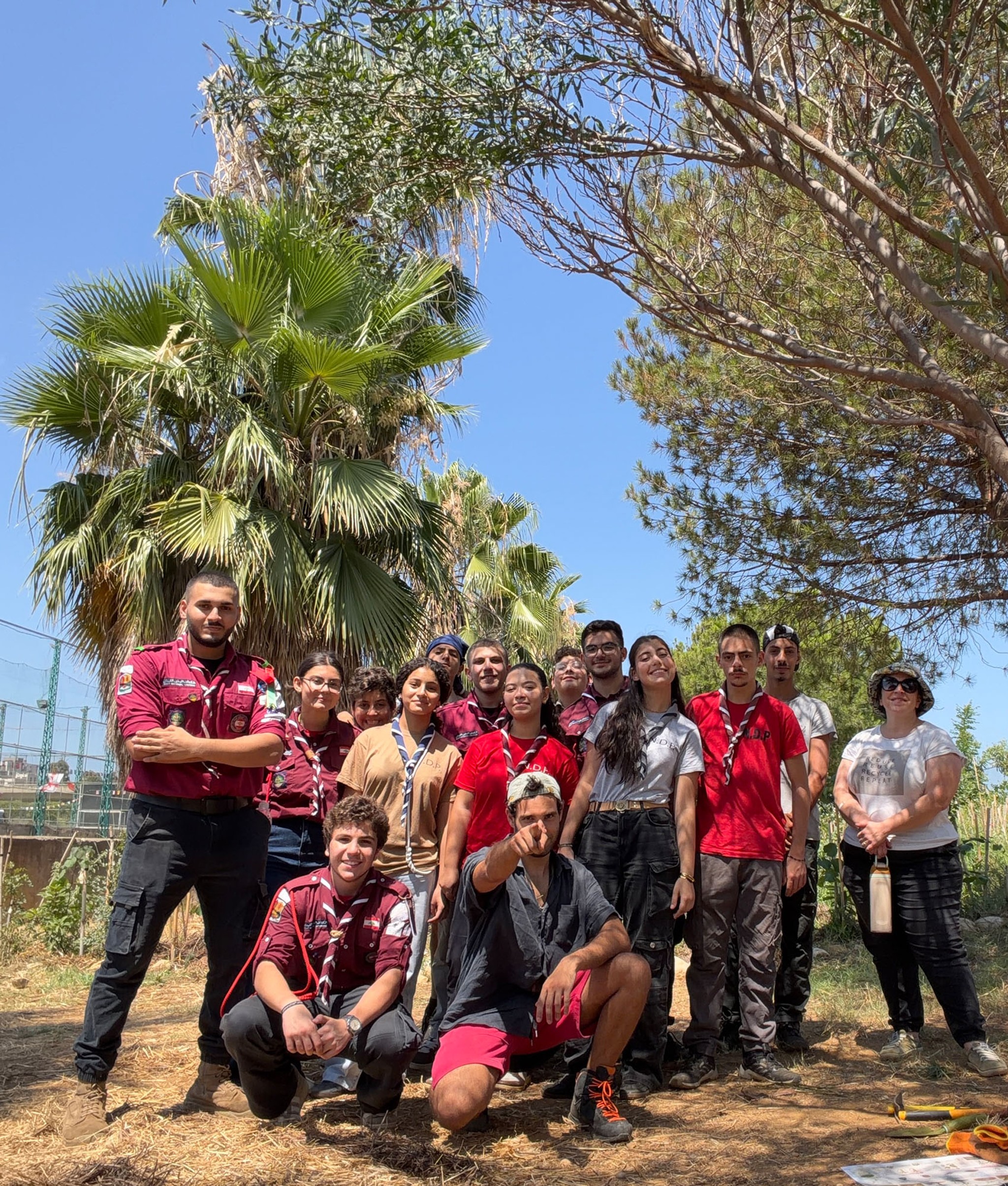
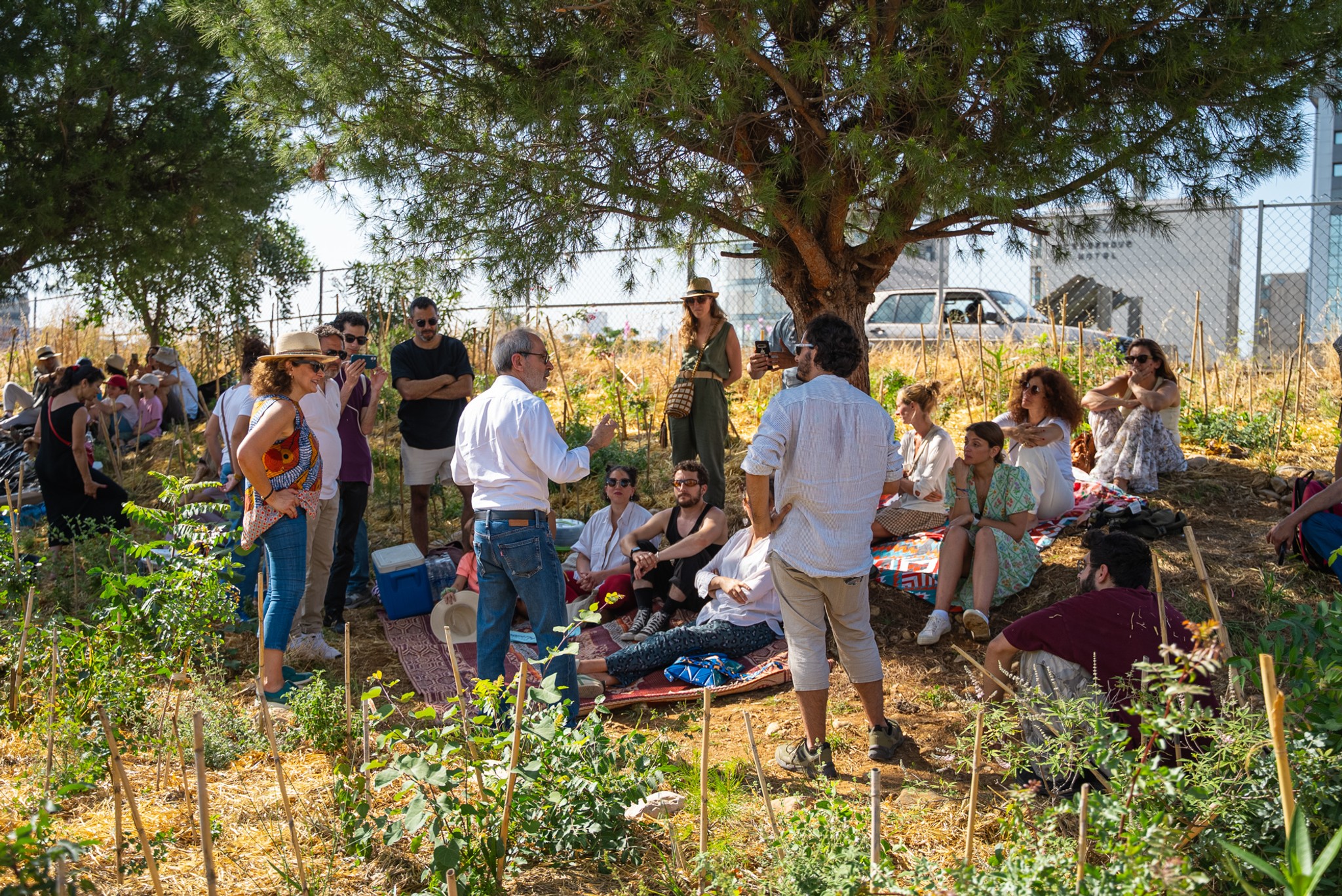
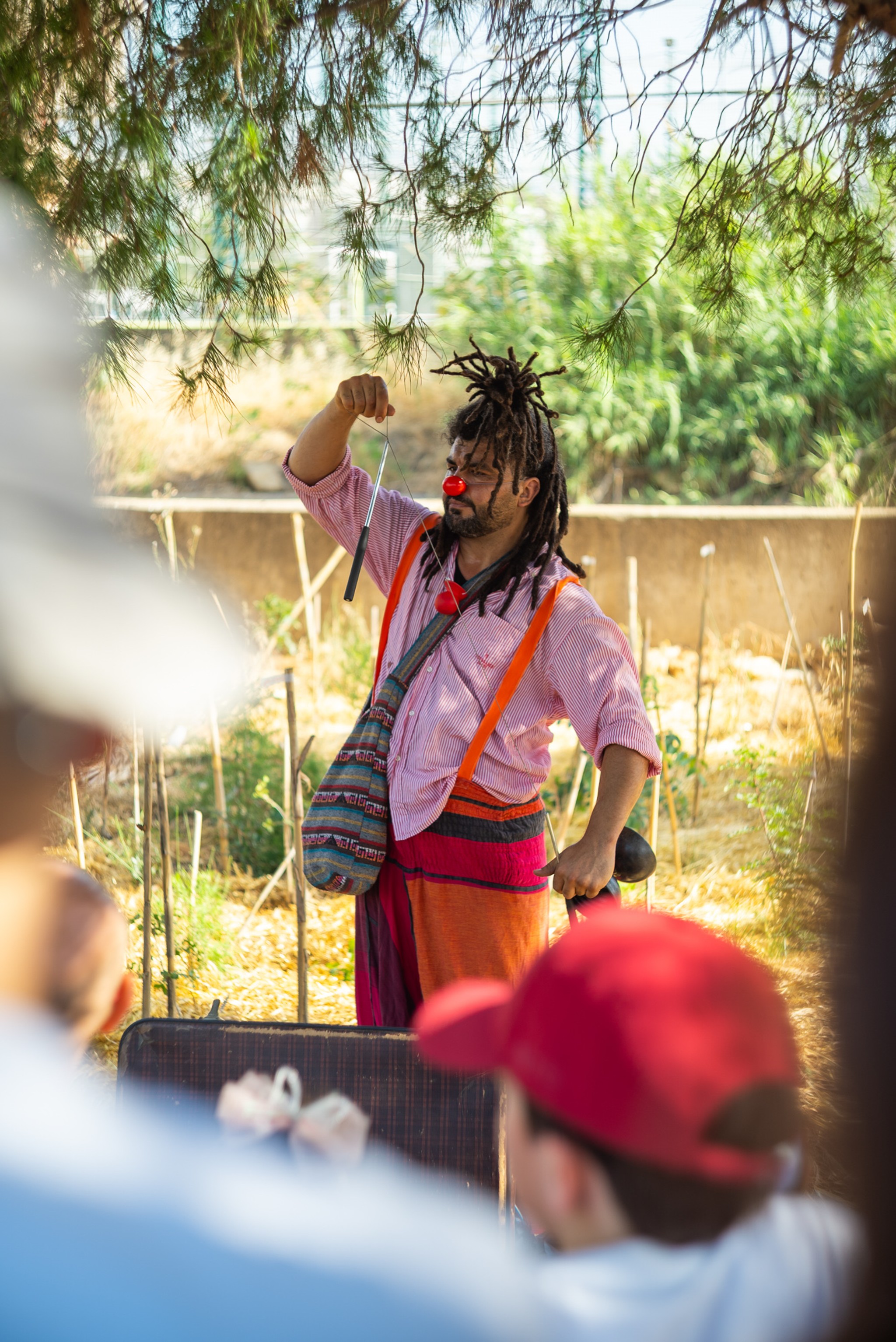
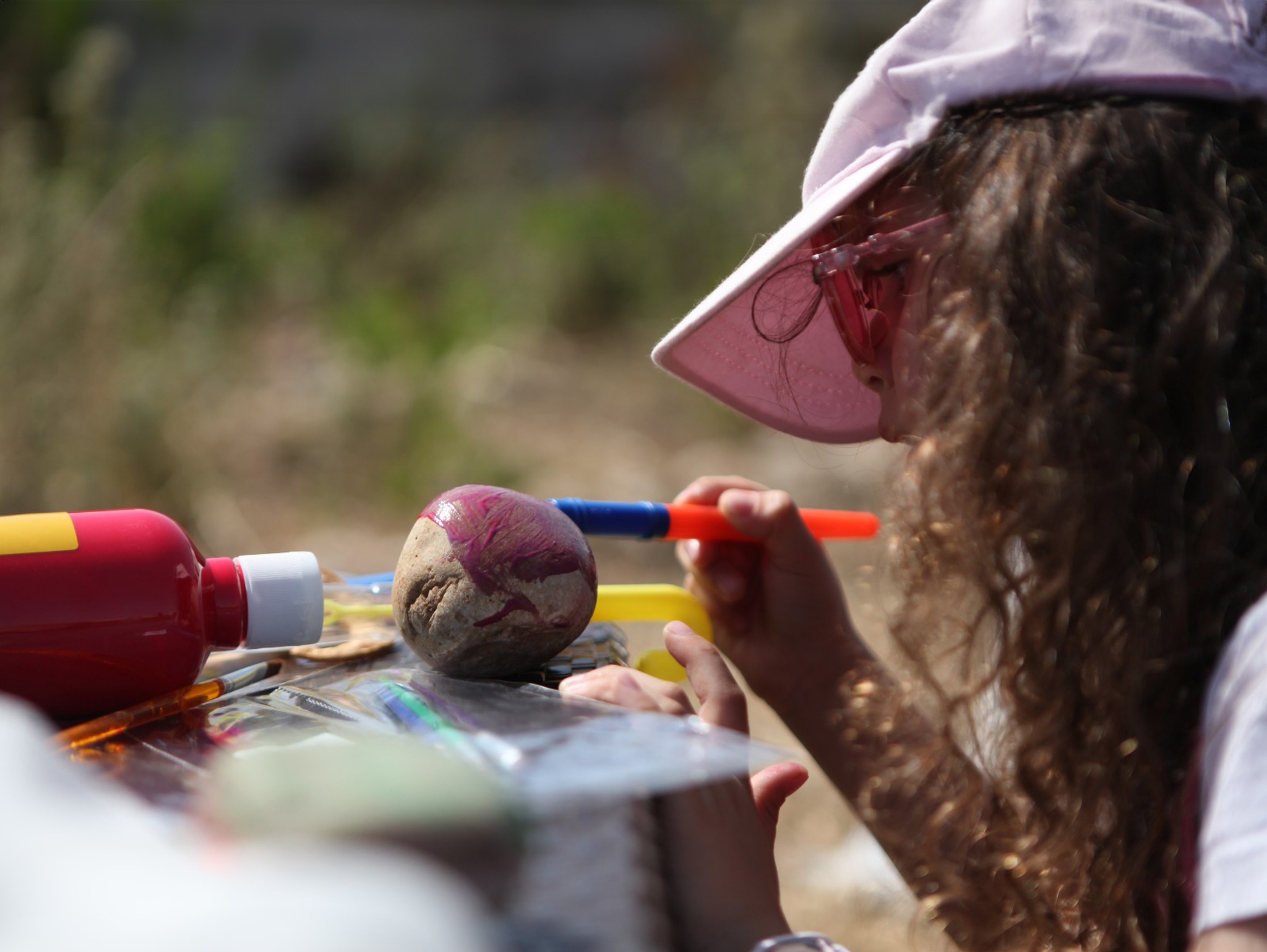
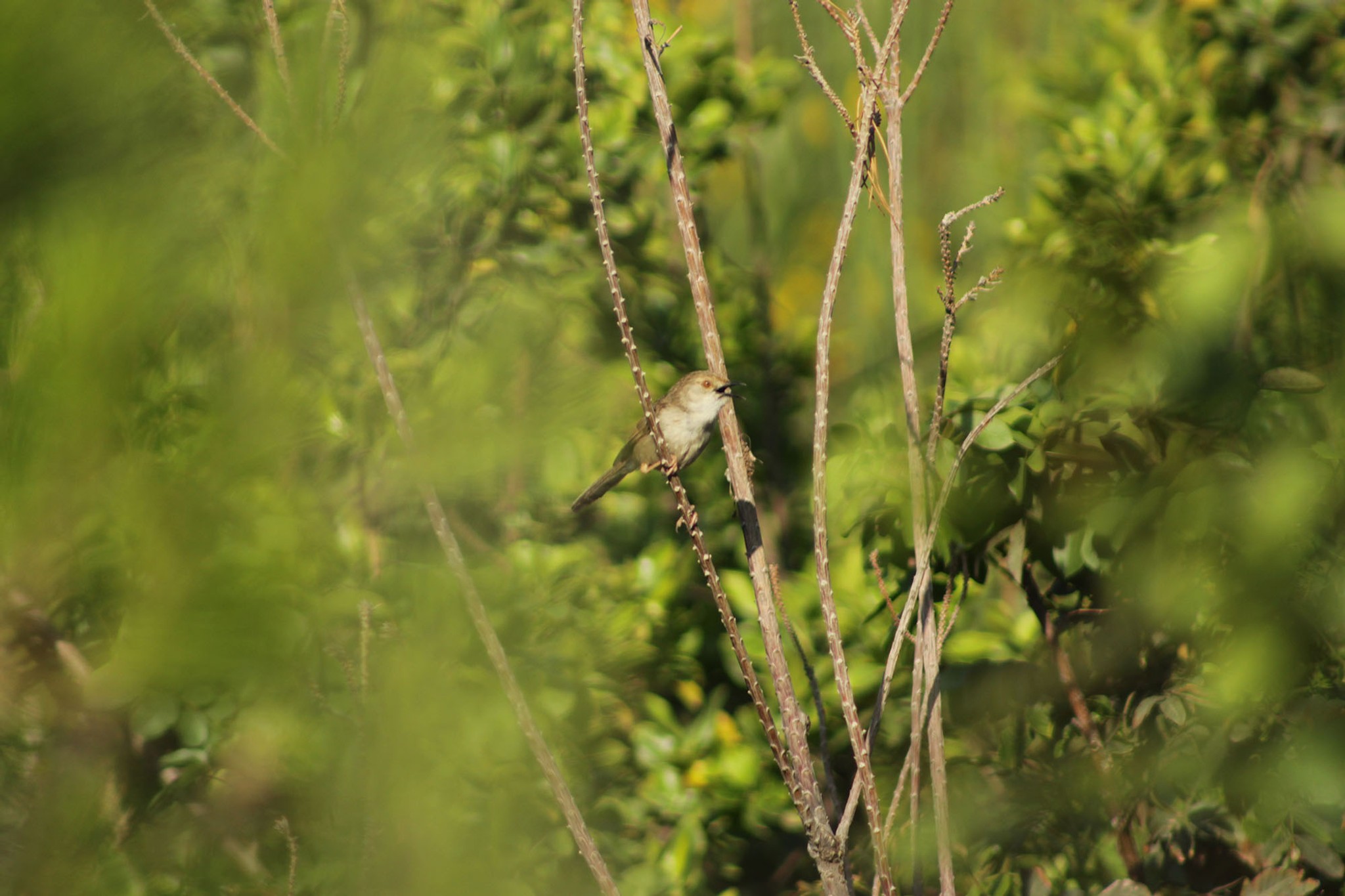
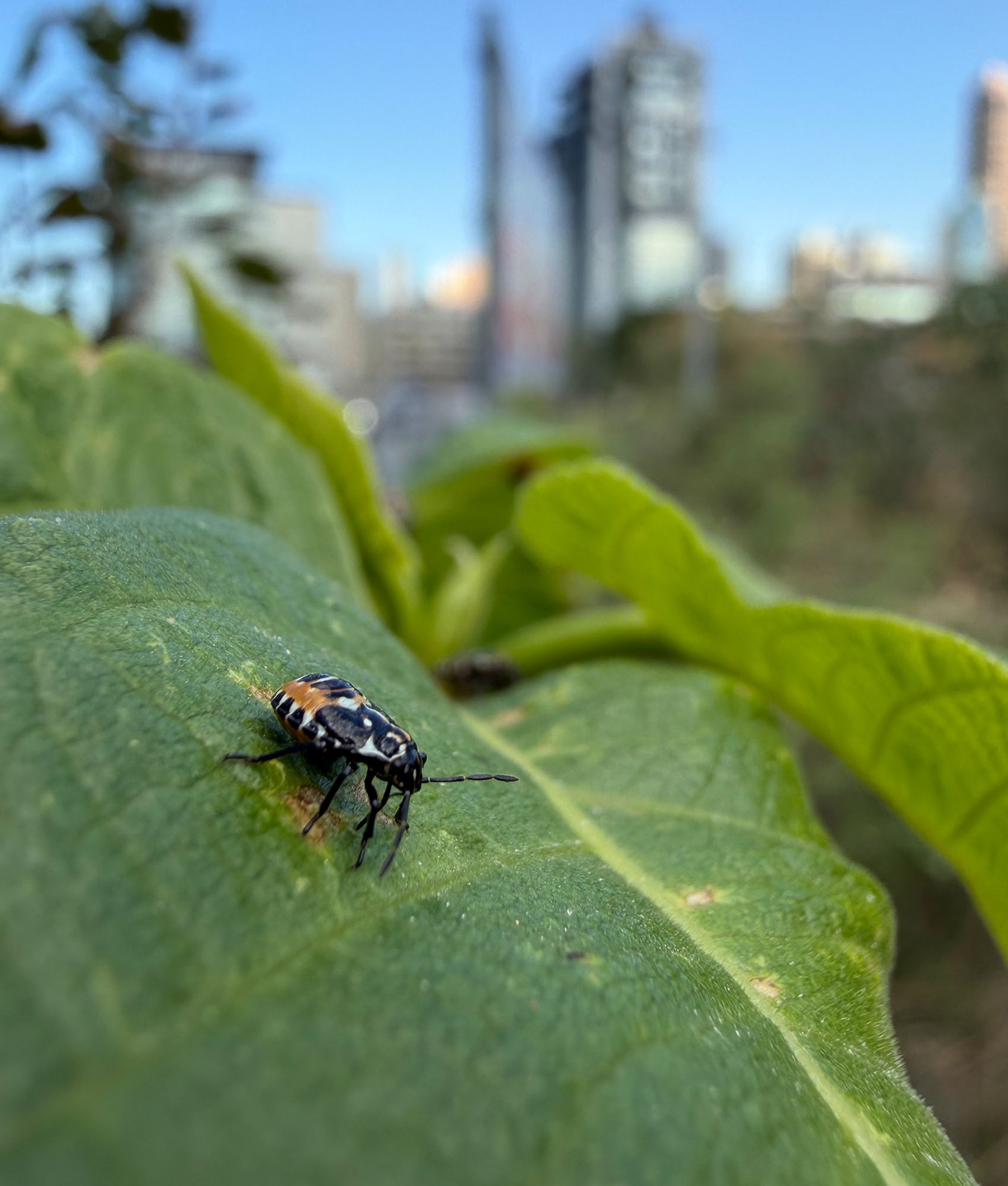
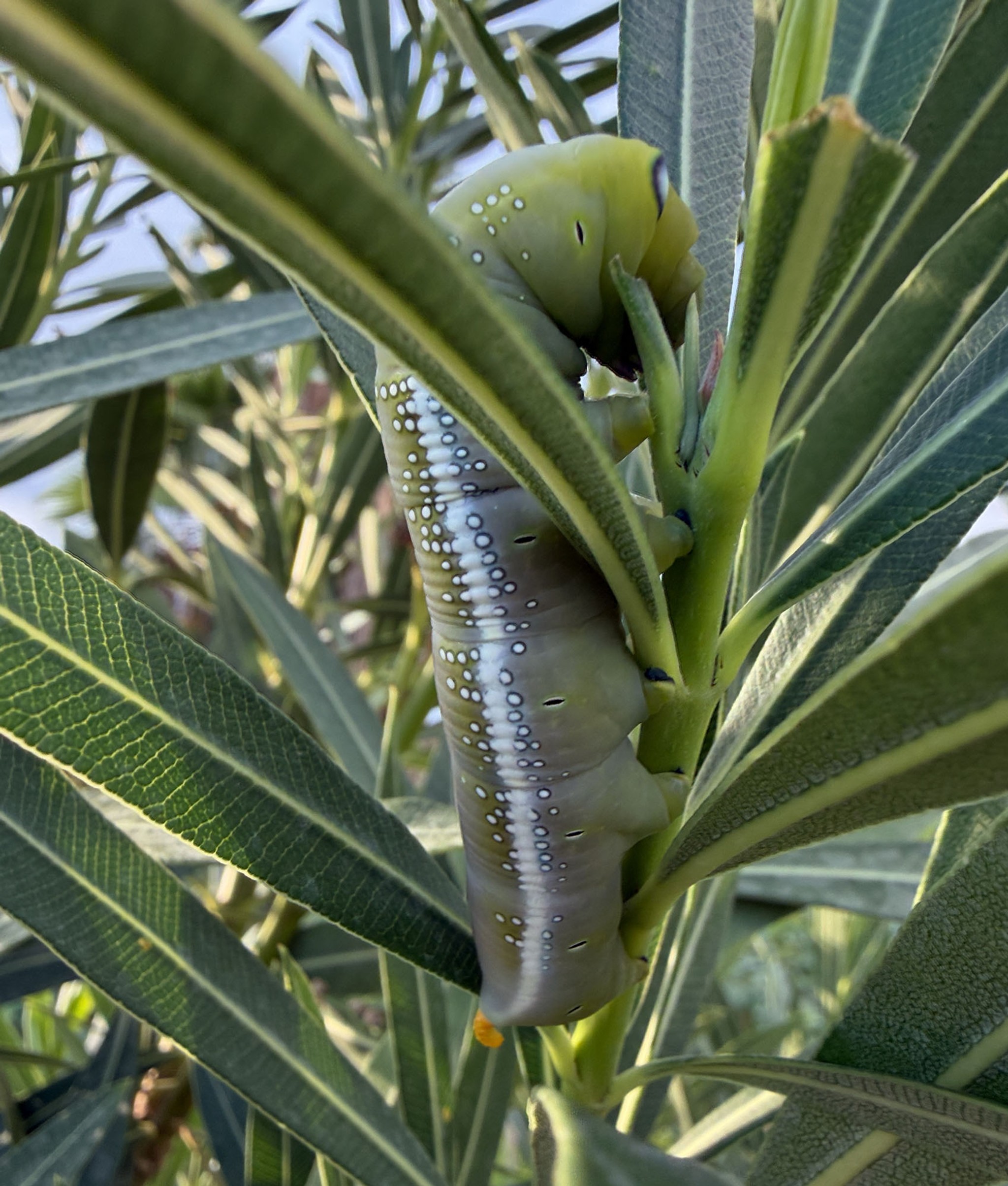
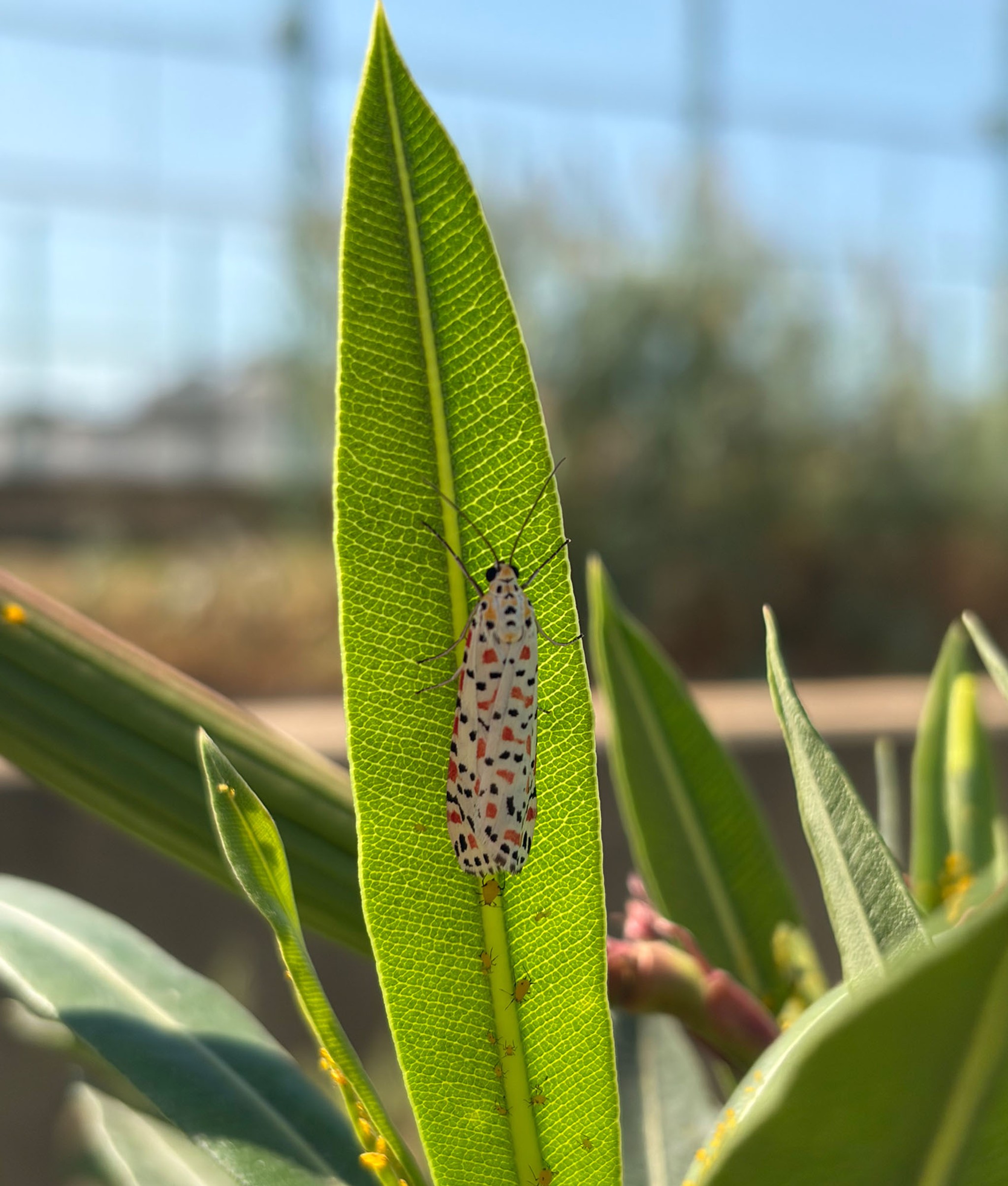
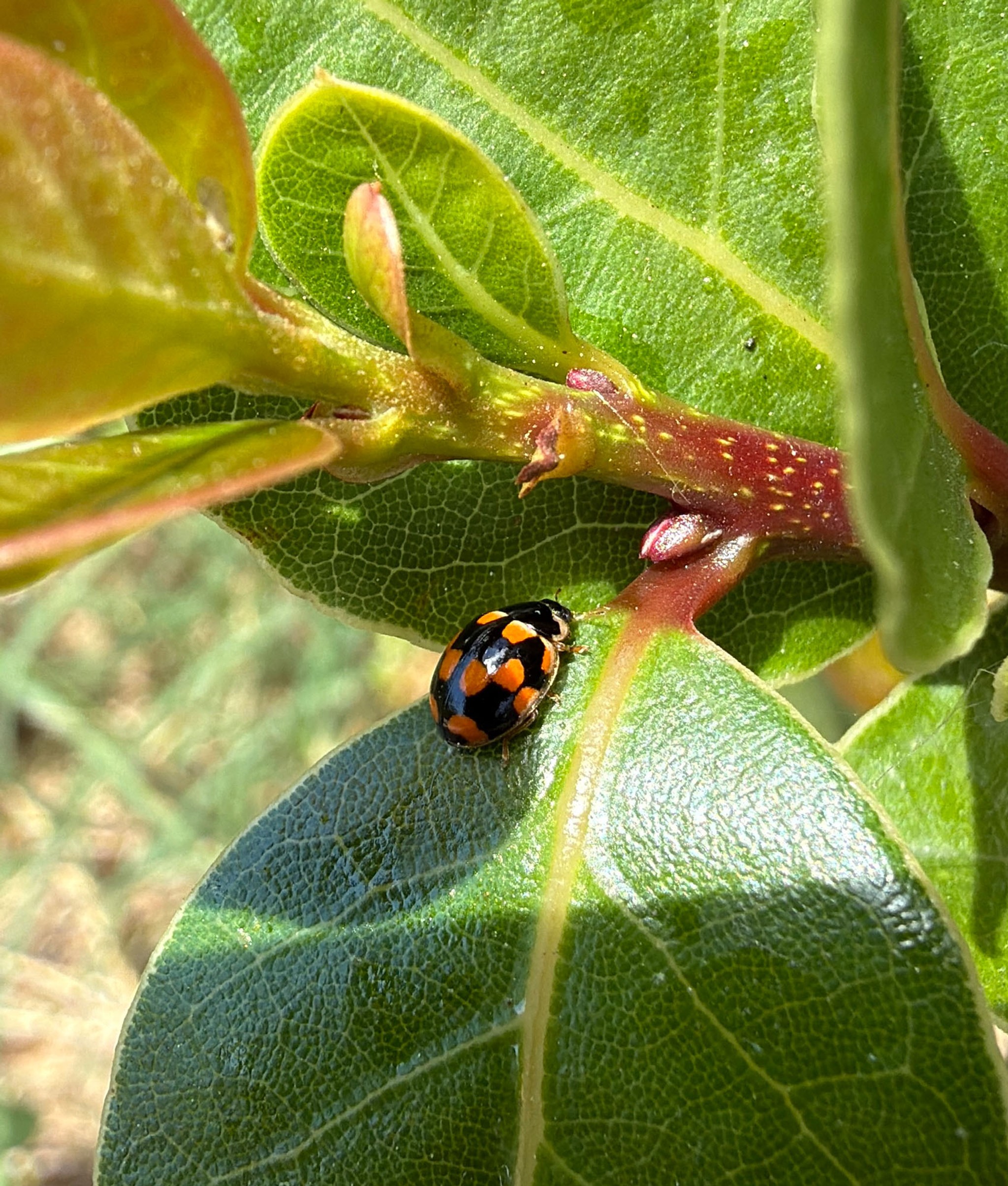
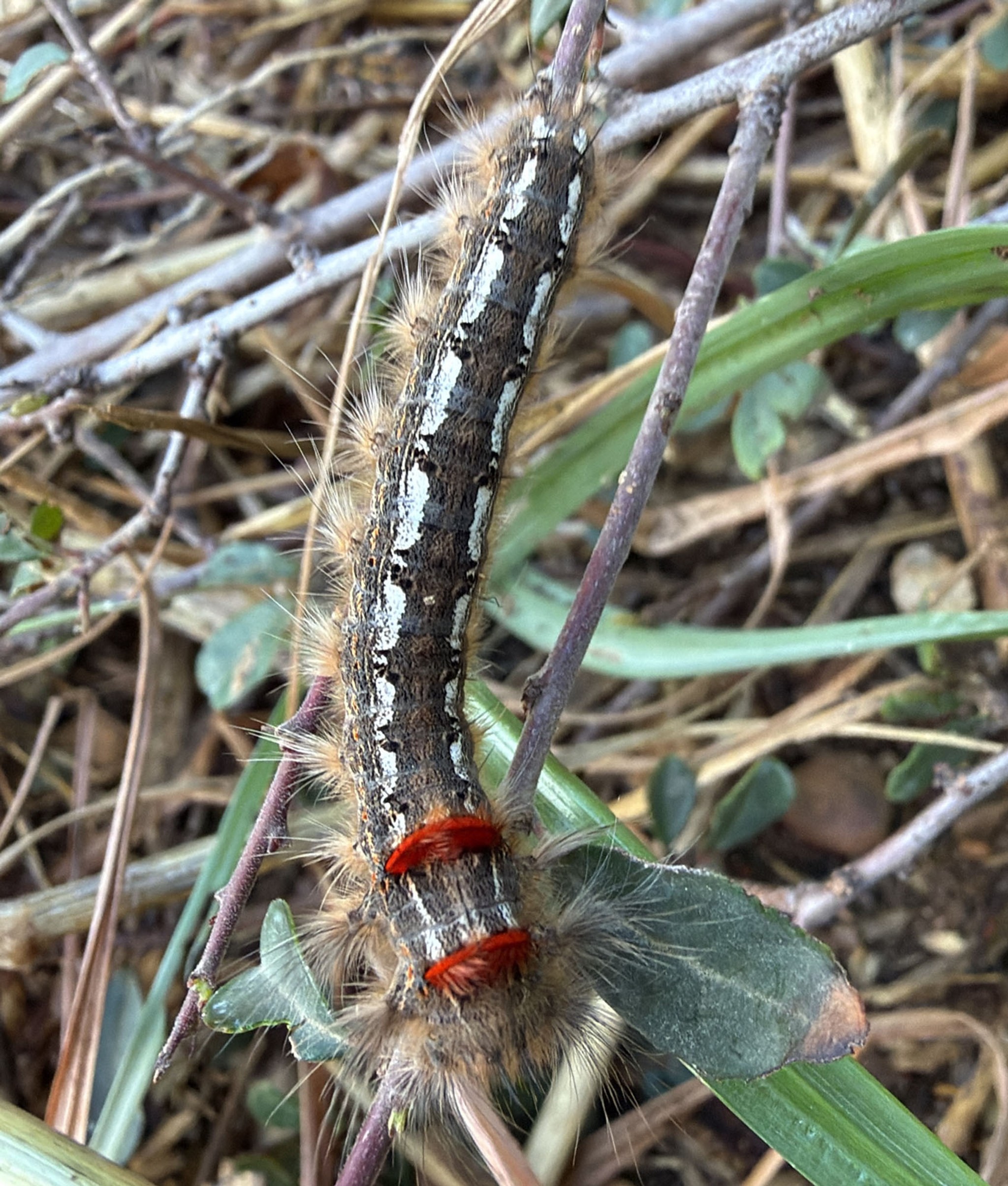
Wildlife is returning to these growing urban ecosystems, with birds, caterpillars and insects finding shelter among the trees, while fungi are beginning to appear in the older forest sections. Beyond their ecological benefits, the forests have also become important gathering spaces for the local community, hosting planting days, workshops, outdoor cinema and other activities.
What began as an effort to restore neglected land is now creating a network of thriving green spaces where biodiversity can flourish and people can reconnect with nature. Seven years on, Beirut’s pocket forests are living examples of how urban rewilding can bring nature back into the city while nurturing community, wellbeing and climate resilience.
"Let’s enable the native plants, birds, insects and fungi to reclaim their rightful place in the city alongside their human neighbors."
Forest Maker
Adib Dada


Ecosystem Restored
After approximately three years our SUGi Pocket Forests become self-sustaining. They no longer require human maintenance or watering, and can be handed over to Nature for biodiversity and complexity to naturally develop.
0%
Average Survival Rate
0
People living within 300 meters
0
kg of potential CO2 sequestration






Biodiversity
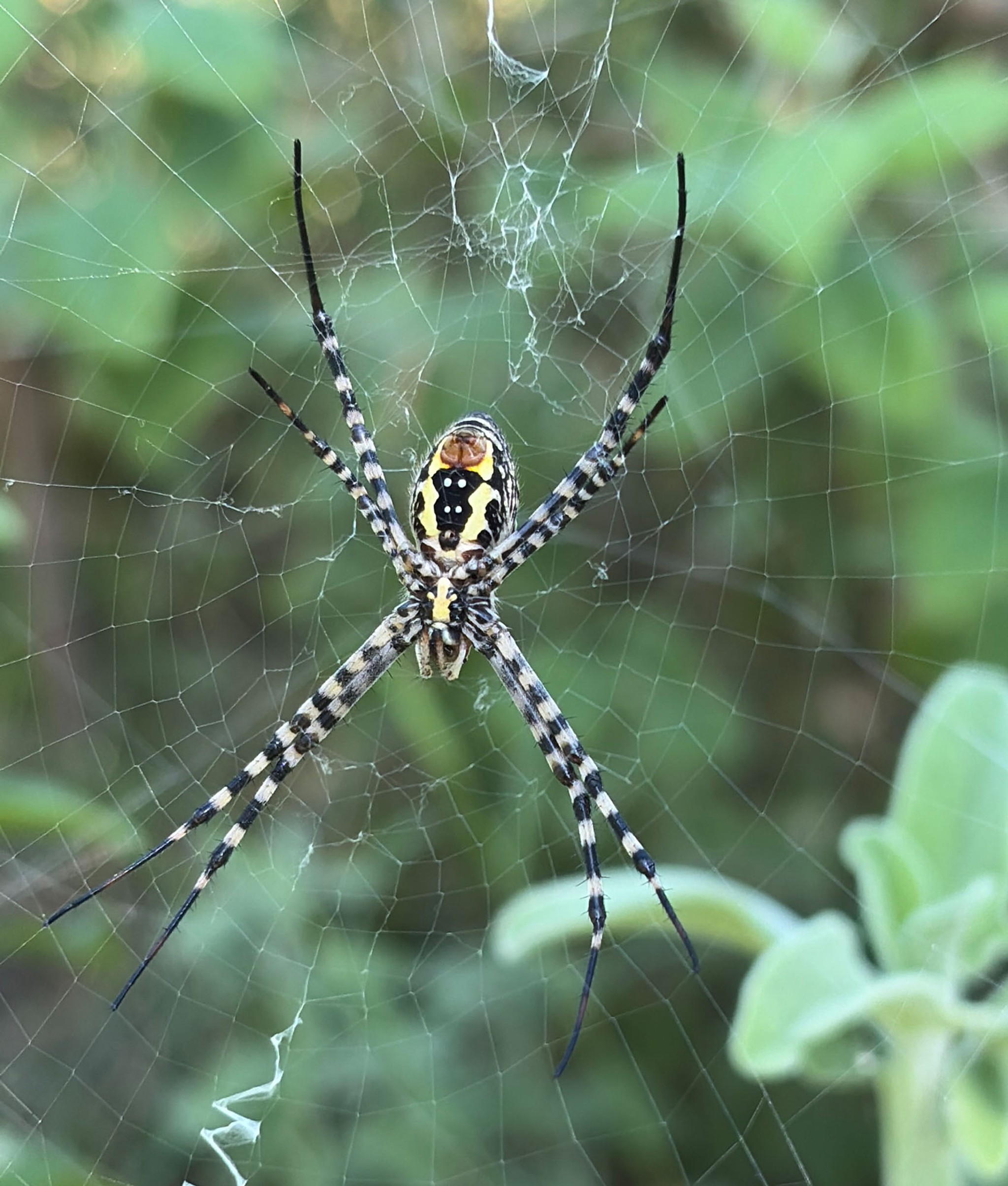
Biodiversity is all the different kinds of life you'll find in one area—the variety of animals, plants, fungi, and even microorganisms like bacteria that make up our natural world. Each of these species and organisms work together in ecosystems, like an intricate web, to maintain balance and support life.
0
Potential number of mammals
0
Potential number of birds
0
Potential number of amphibians




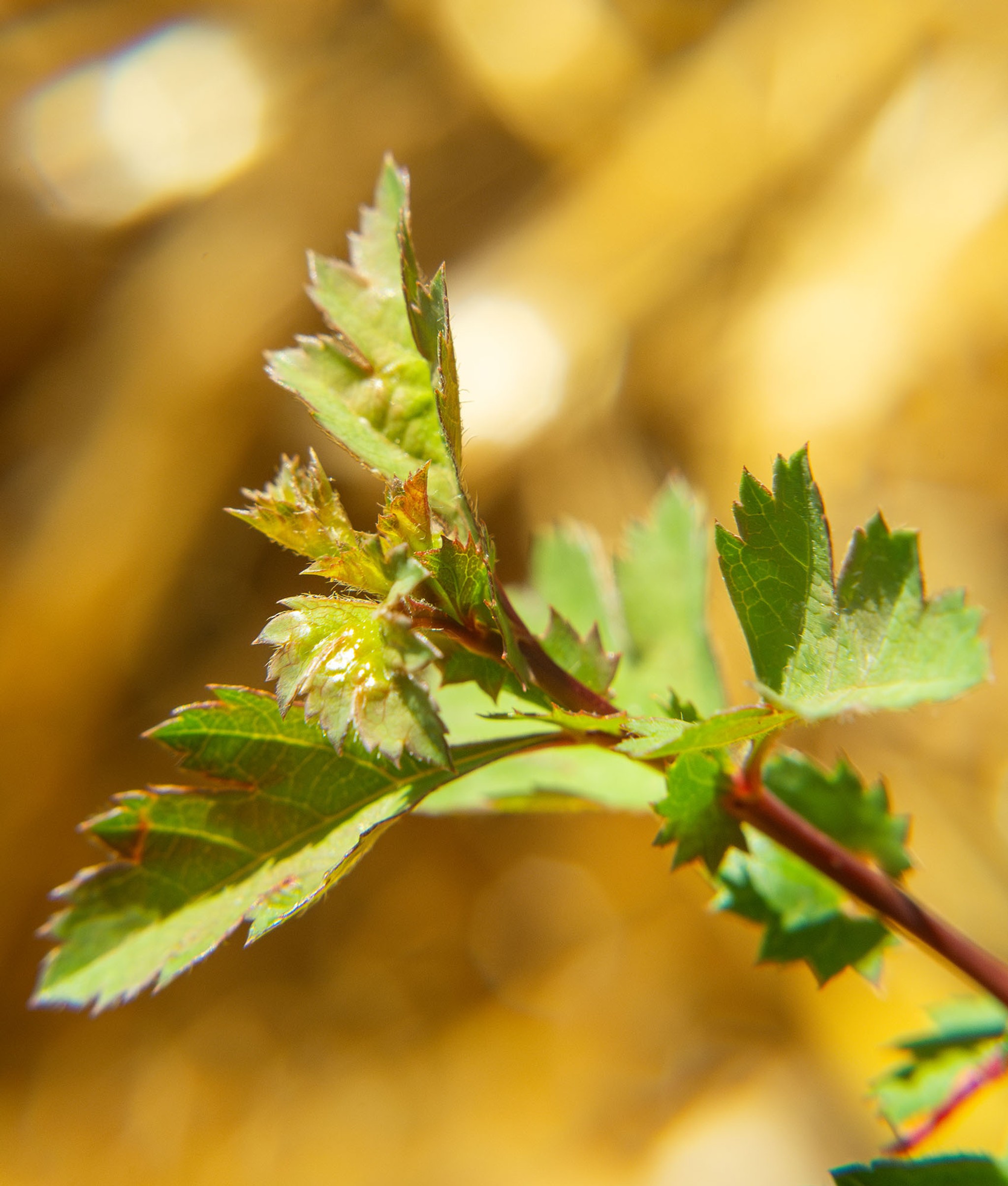

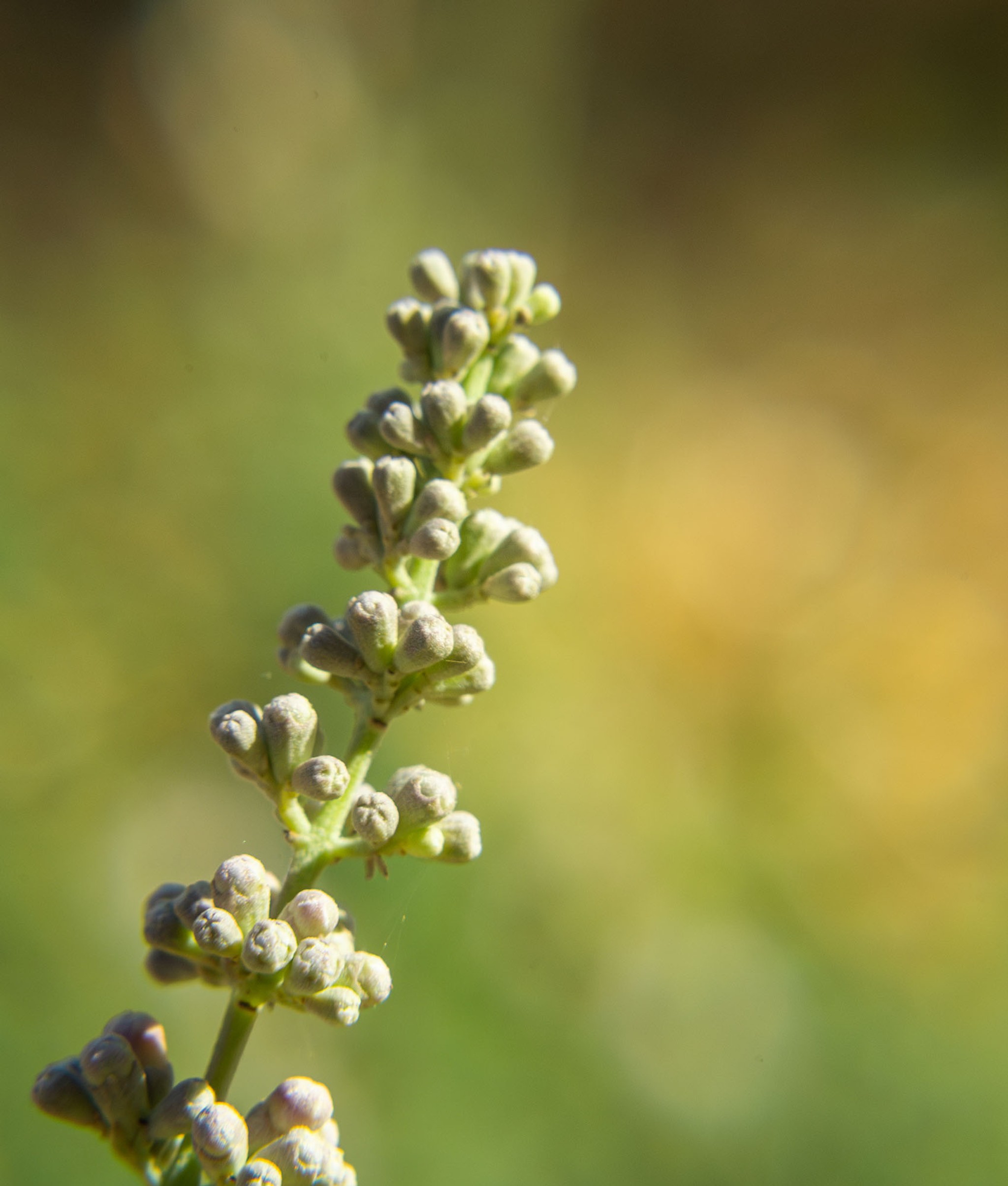
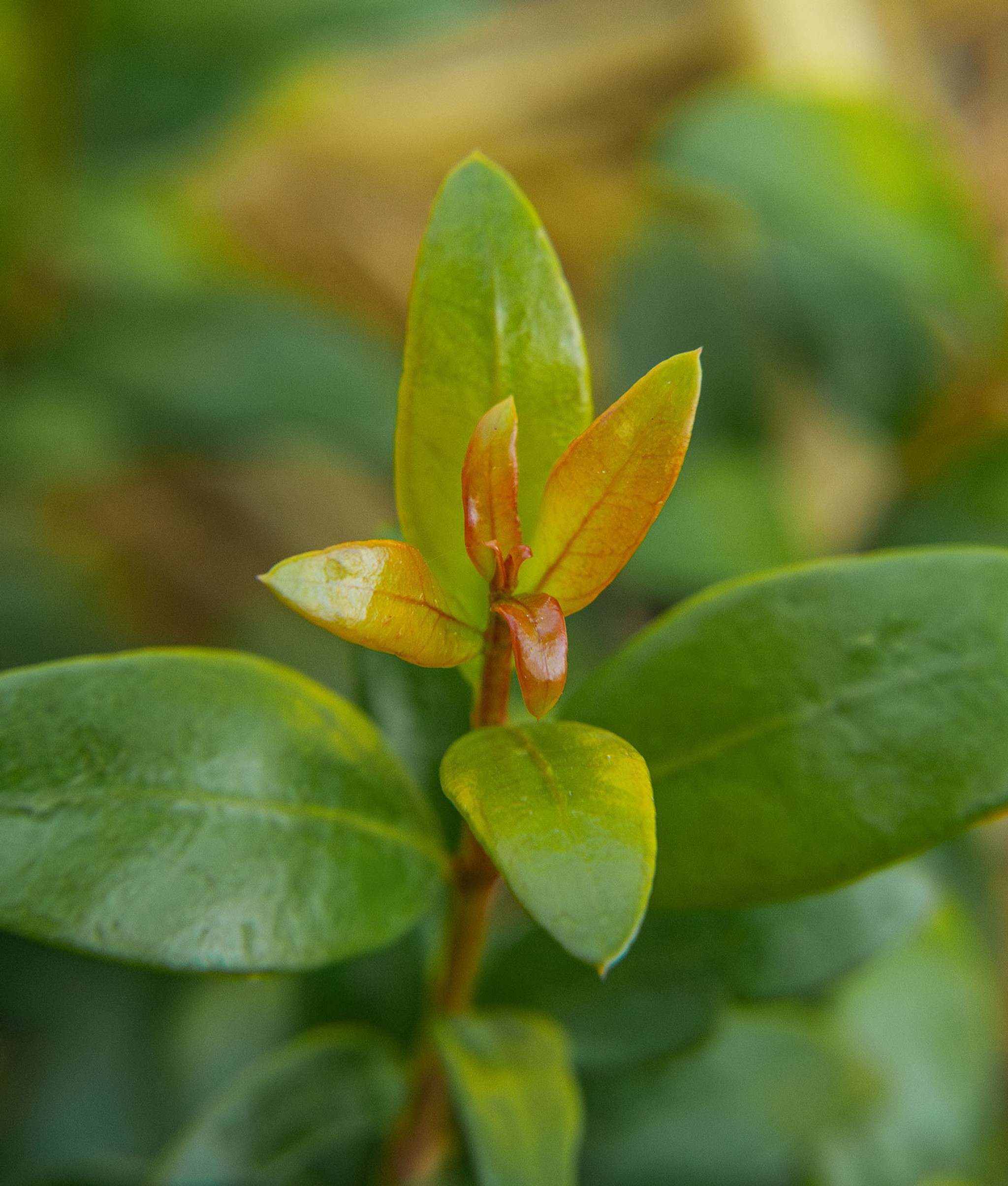
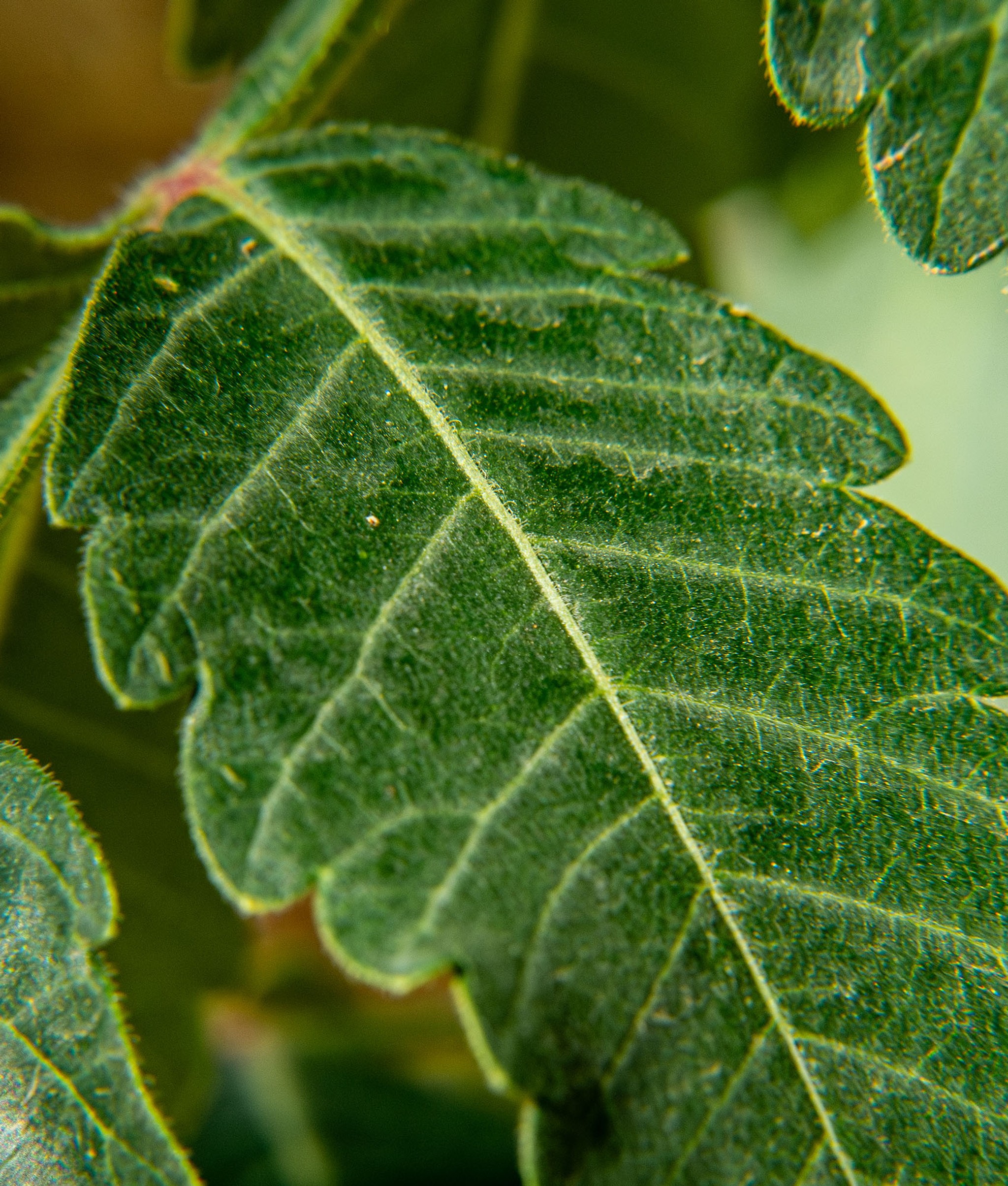
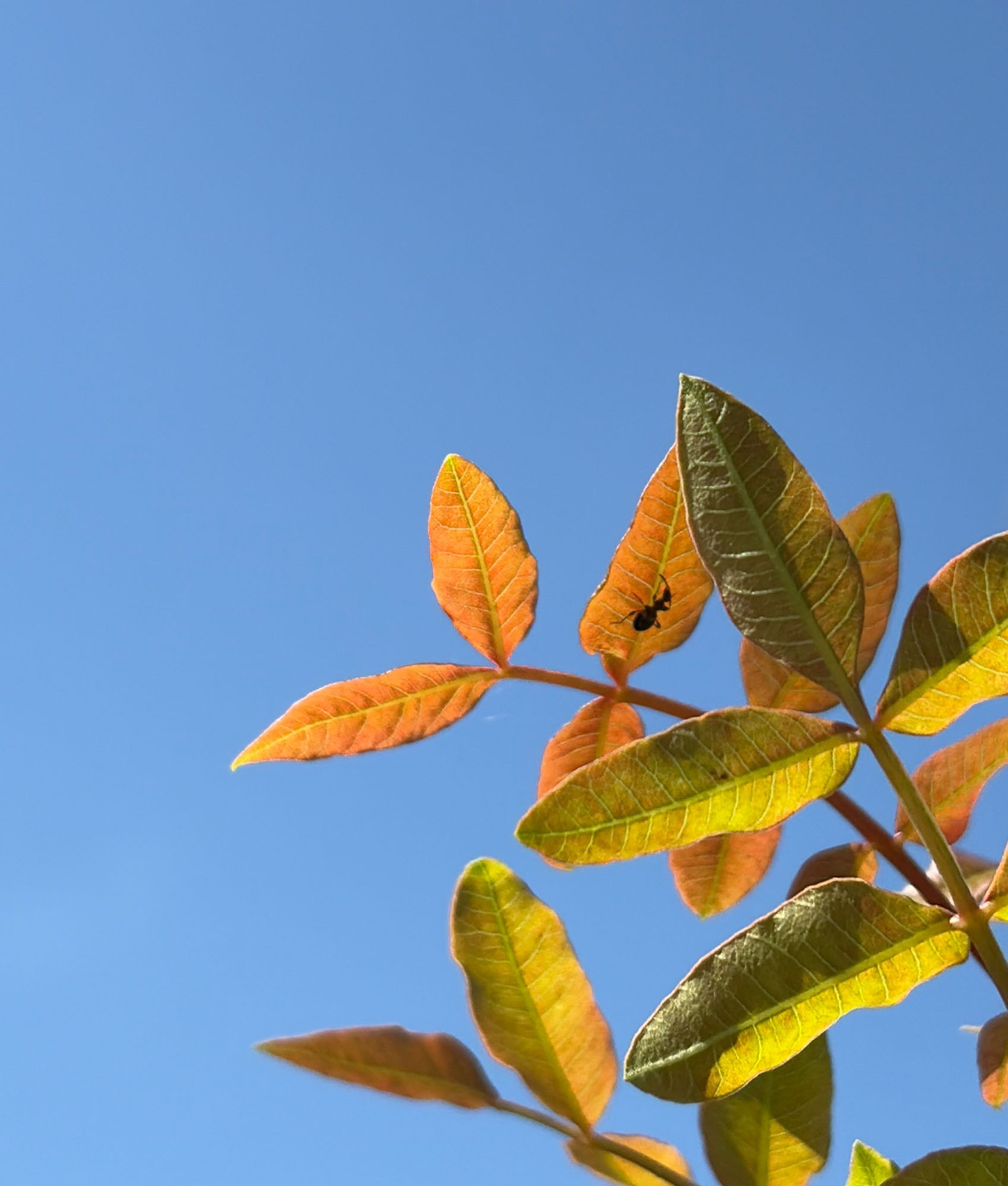
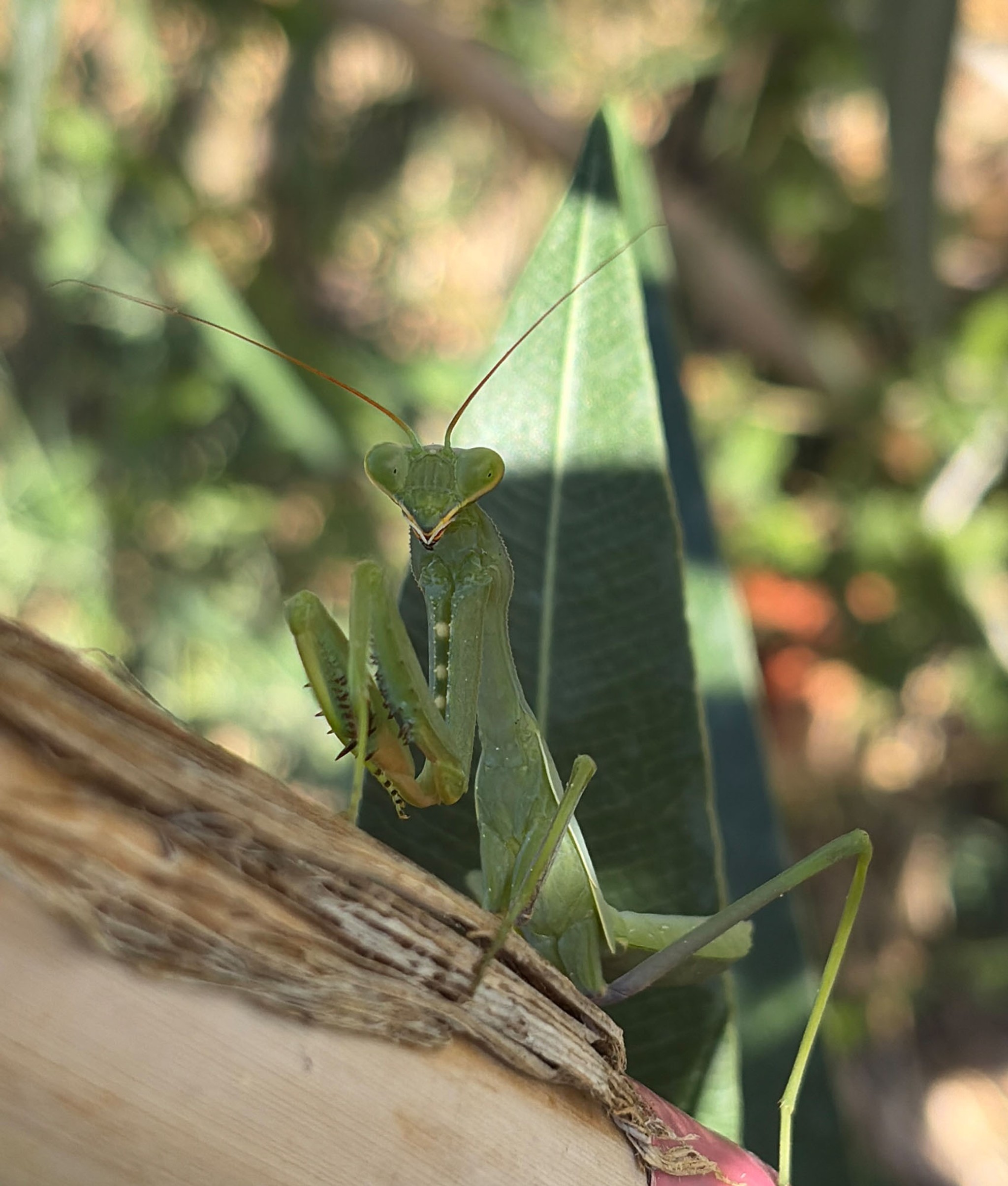
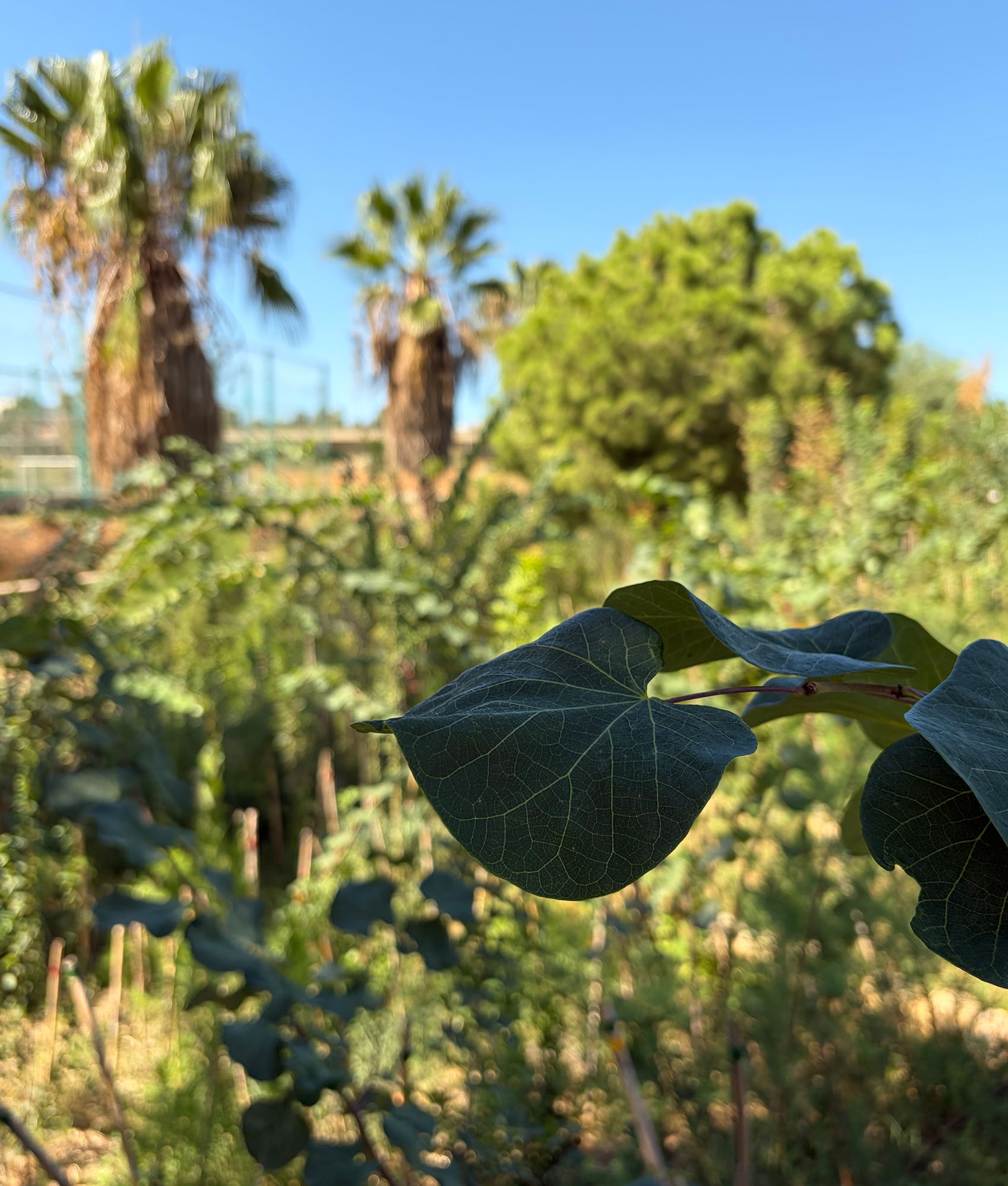
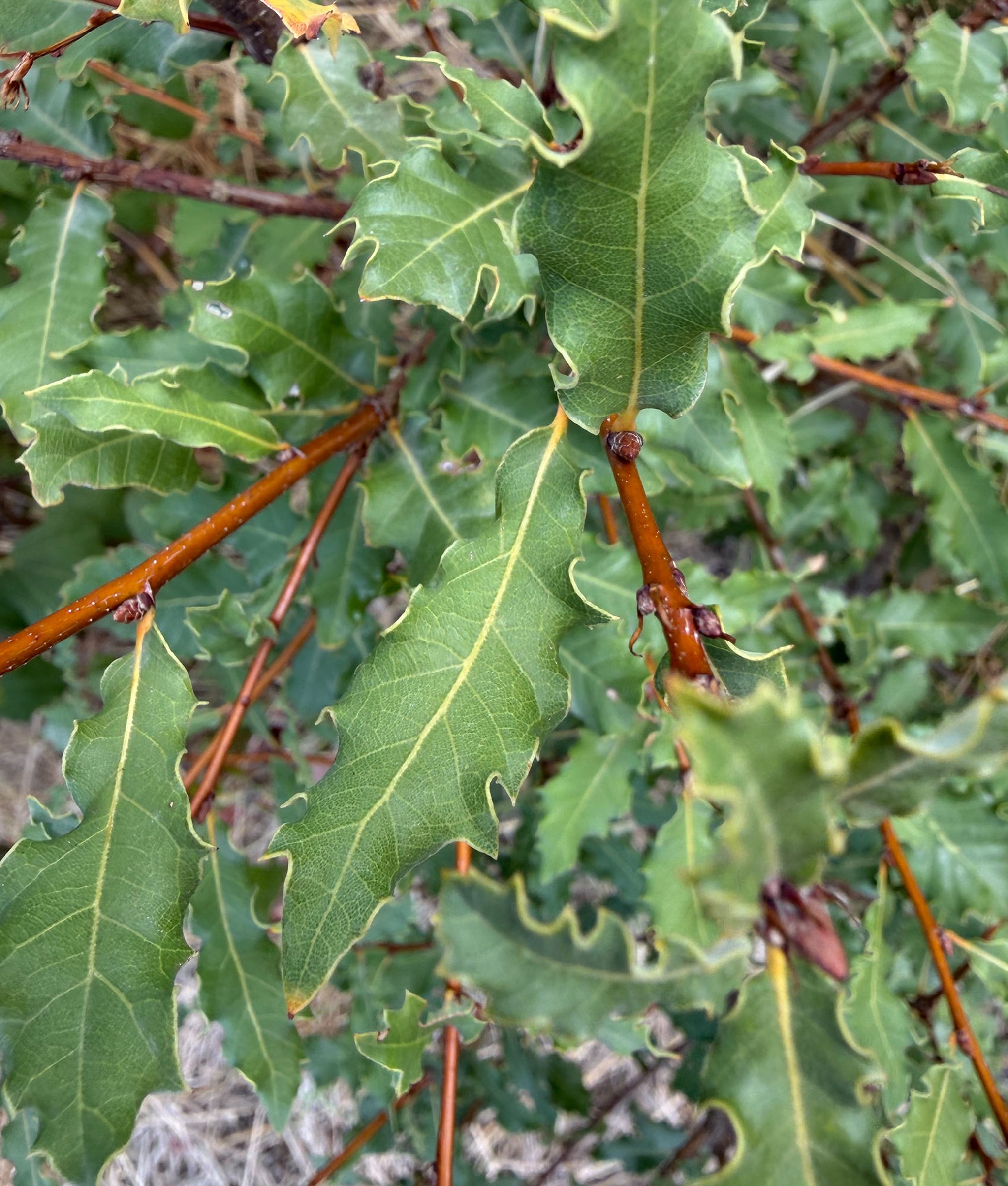
Forest Design
Beirut's RiverLESS
Beirut's RiverLESS II
Beirut's RiverLESS III
Beirut's RiverLESS IV
Beirut's RiverLESS V
Beirut's RiverLESS VI
Beirut's RiverLESS VII
“People have flocked to our Beirut Riverless project. You can feel the hunger for it. People who happened to walk by the site on planting days stop to put a sapling in the ground, somesaying they had never really touched a plant before.”
Adib Dada, SUGi Forest Maker & Founder theOtherDada

Forest Report: 2025
Beirut's RiverLESS V
Forest Age: 12 Months
Beirut's RiverLESS VII
Forest Age: Planted
0%
Average Survival Rate
0m
Average of Tallest 3 Trees
Beirut's RiverLESS IV
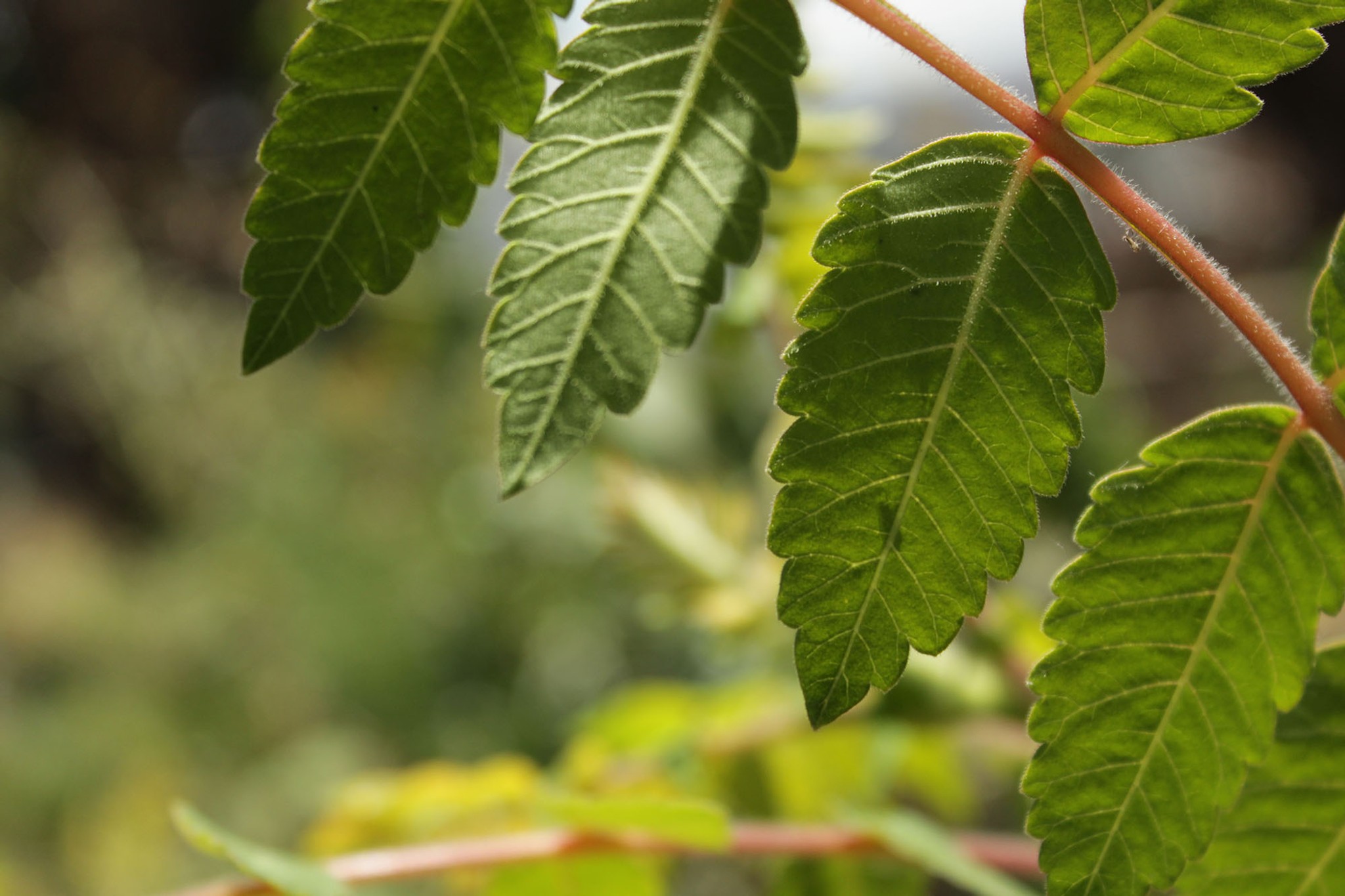
Various species and sizes of lizards have been observed showing a keen interest in the newly planted section of the Beirut RiverLESS Forest. Meanwhile, caterpillars are seeking refuge from the sun beneath the thick foliage of the tallest tree, Tamarix tetrandra.
Given that Beirut is experiencing more extreme weather patterns and a much shorter rainy season than in past years, the thriving growth of these plants is incredibly reassuring - not only for us, the forest makers, but also for the local wildlife.
Beirut's RiverLESS V
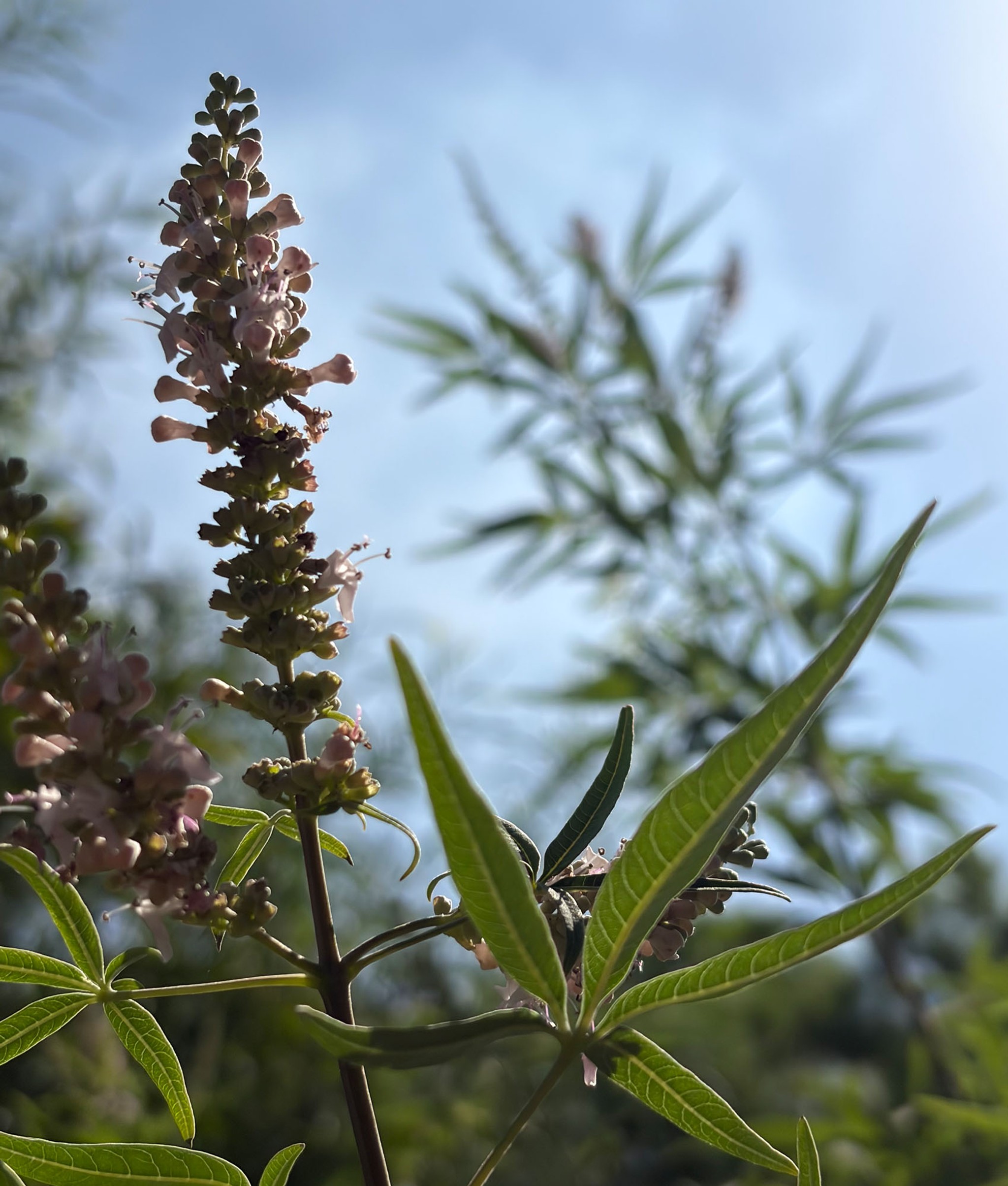
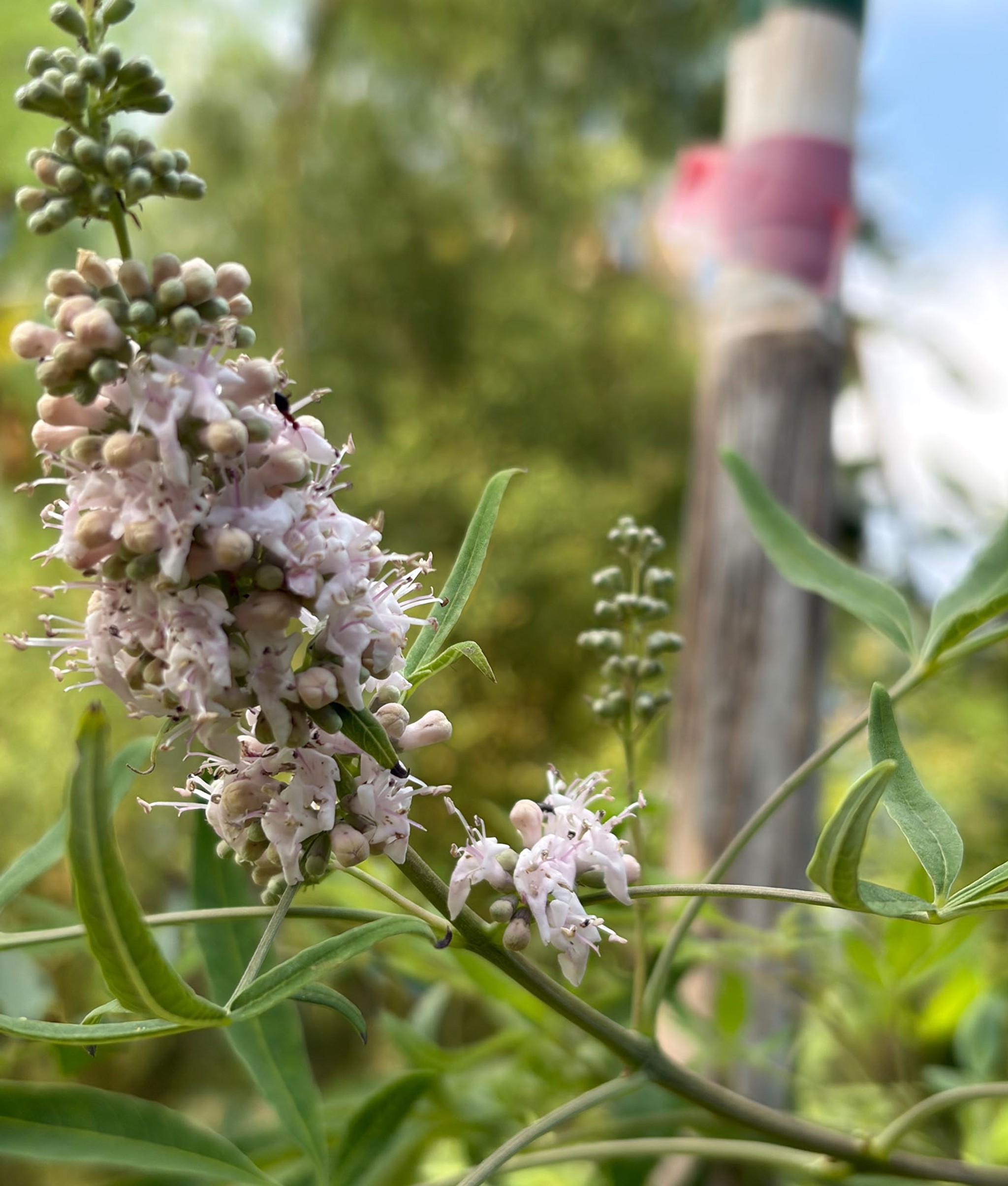
A sizable patch of land within this forest appears to have been taken over by vines that bloom with white flowers in the summer. Deweeding is therefore a delicate process, as the vines need to be carefully unwrapped from our trees and saplings, requiring close attention. In areas without planted trees, some vines have been intentionally left untouched, as they provide valuable nectar for many types of pollinators.


Forest Report: 2024
Beirut's RiverLESS
Forest Age: 5.5 Years
Beirut's RiverLESS II
Forest Age: 5 Years
Beirut's RiverLESS III
Forest Age: 3 Years
Beirut's RiverLESS IV
Forest Age: 2 Years
Beirut's RiverLESS V
Forest Age: 12 Months
Beirut's RiverLESS VI
Forest Age: Planted
0%
Average Survival Rate
0m
Average of Tallest 3 Trees
Beirut's RiverLESS + Beirut's RiverLESS II
At over 3 years old, these forests are now self-sustaining.
Beirut's RiverLESS III
The forest continues doing well! We’ve observed lots of bumblebees, as well as wild butterflies exploring our forest. Although the forest is overall looking lush and growing well, we’ve noticed that some rather tenacious weeds keep coming back to the forest - even after de-weeding. This might be as the forest lacks some ground coverage - such as straw - and Nature might be finding ways to create this shade cover with weeds, so as not to expose the bare soil to the elements.
Beirut's RiverLESS IV
Some tenacious weeds keep coming back and seem interested in our trees - possibly because of an insufficient amount of straw, or ground coverage or to provide shade nature decided to protect itself to prevent a barren naked soil. We’ve spotted bumblebees and butterflies exploring the forest.
Beirut's RiverLESS V
There is clear evidence of damage within the forest, including the creation of man-made paths that did not previously exist. These paths have reduced the size of certain trees and shrubs, particularly in edge and center-edge areas. This situation is exacerbated by the current social crisis in the country, which has driven people to seek refuge in secluded areas. Such observations are significant because they show that spaces like Beirut RiverLESS can provide shelter to individuals. However, this also raises the risk of unintentional or intentional harm to the forest's ecosystem. The lack of surveillance or maintenance by the local municipality further aggravates the situation. Given the country's ongoing struggles, this could pose a serious threat to the project's long-term viability.


Forest Report: 2023
Beirut's RiverLESS
Forest Age: 4 Years
Beirut's RiverLESS II
Forest Age: 3.5 Years
Beirut's RiverLESS III
Forest Age: 18 Months
Beirut's RiverLESS IV
Forest Age: 12 Months
Beirut's RiverLESS V
Forest Age: Planted
0%
Average Survival Rate
0m
Average of Tallest 3 Trees
Beirut's RiverLESS + Beirut's RiverLESS II
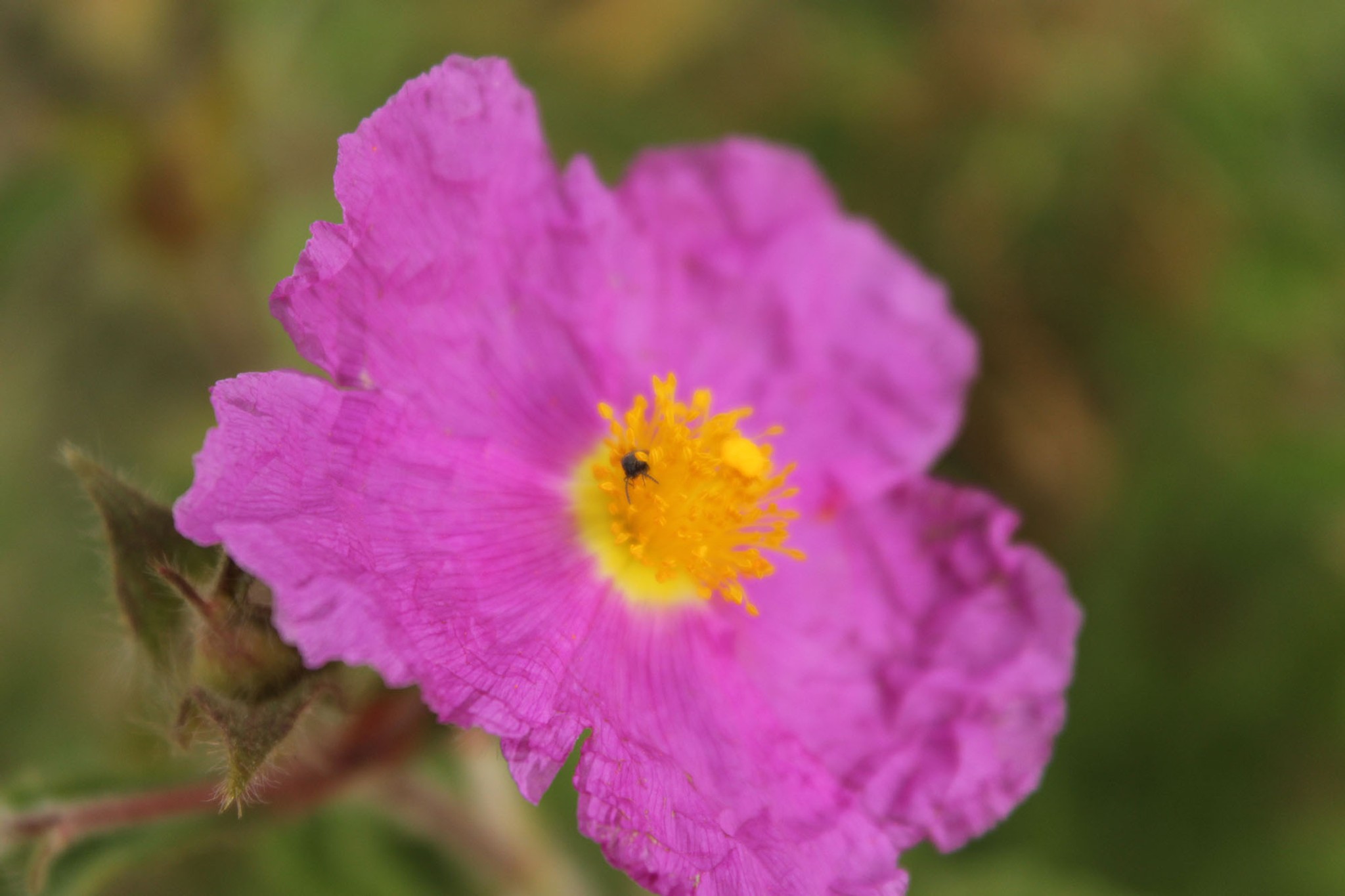
In the heart of the forest, fungi (Volvopluteus gloiocephalus) have appeared, indicating a healthy soil ecosystem. Meanwhile, it has been brilliant to see that the Pistachia trees have yielded fruit, helping to sustain diverse wildlife. Amidst the trees, there are signs of new growth as fresh shoots emerge. Invertebrates and insects have also been observed, including slugs, worms and wild bees.
Beirut's RiverLESS III
This quaint forest is thriving and acclimating well to urban surroundings. It began to recover following the summer heat wave. This year, we managed to provide ample water, a move that is mirrored in the favorable survival rate. While a few saplings didn't withstand the summer, the majority are adjusting well. Sun-resistant species such as Cercis Siliquastrum, Prunus Dulcis, and Pistacia Palestina are flourishing. Notably, we've seen a growth spurt in Styrax Officinalis - a species that has been challenging to sustain in the past.
Beirut's RiverLESS IV
This recently planted forest has demonstrated significant growth and adaptation. Although a few species succumbed to the heat wave and drought, our diligent watering efforts this year have largely mitigated these challenges.


Biodiversity Notes:


Forest Report: 2022
Beirut's RiverLESS
Forest Age: 3 Years
Beirut's RiverLESS II
Forest Age: 2.5 Years
Beirut's RiverLESS III
Forest Age: 6 Months
Beirut's RiverLESS IV
Forest Age: Planted
0%
Average Survival Rate
0m
Average of Tallest 3 Trees
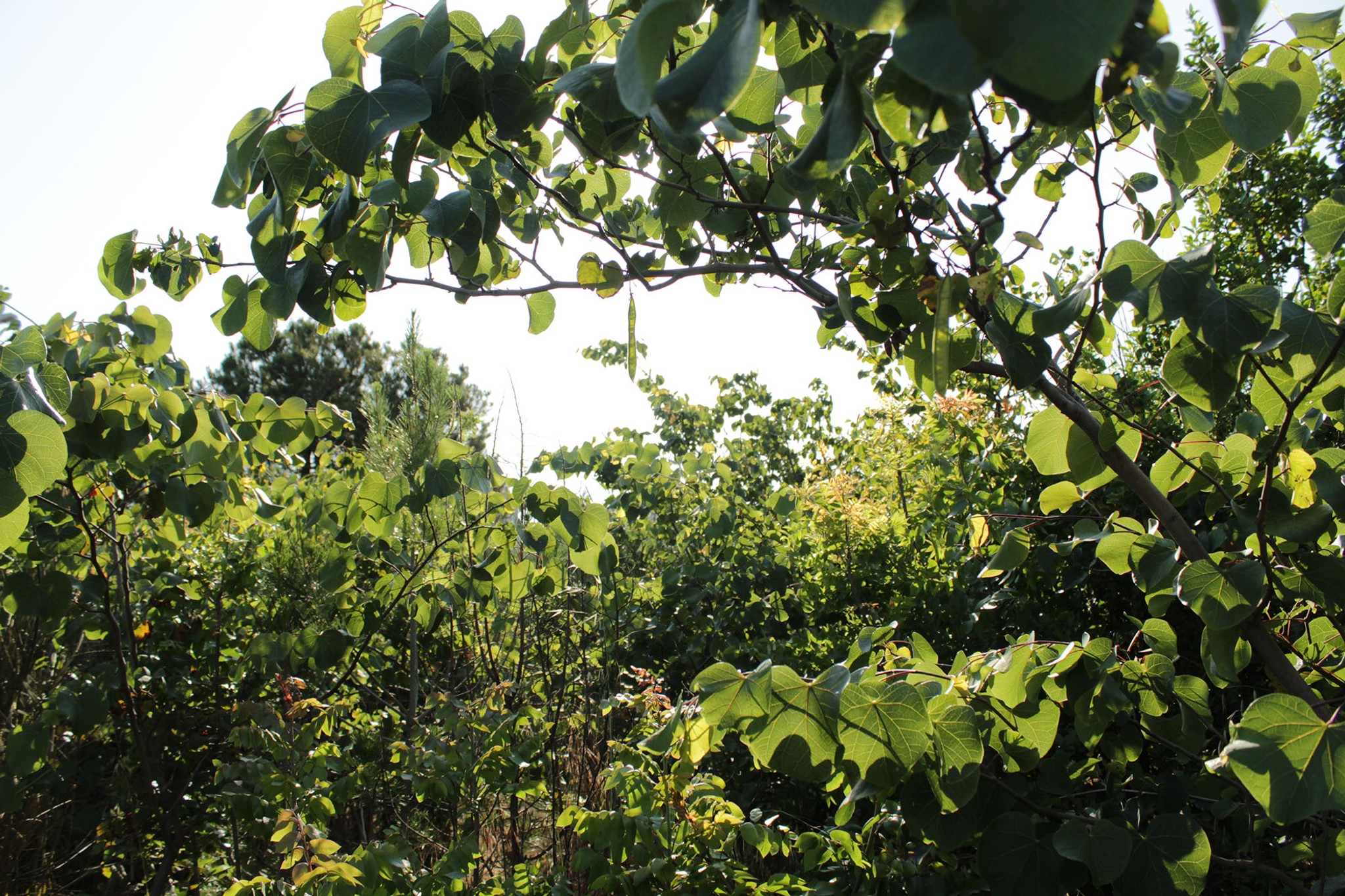
At over 3 years old, this forest is now self-sustaining. It has not been watered this year but is continuing to grow well. The Judas tree (Cercis siliquastrum) continues to be the tallest species across phases 1 & 2, with a maximum height of 405cm.
Visitors comment on the transformation this forest has brought to this former dumping ground. It is now a lush ecosystem that is filled with the sights and sounds of nature.


Biodiversity Notes:
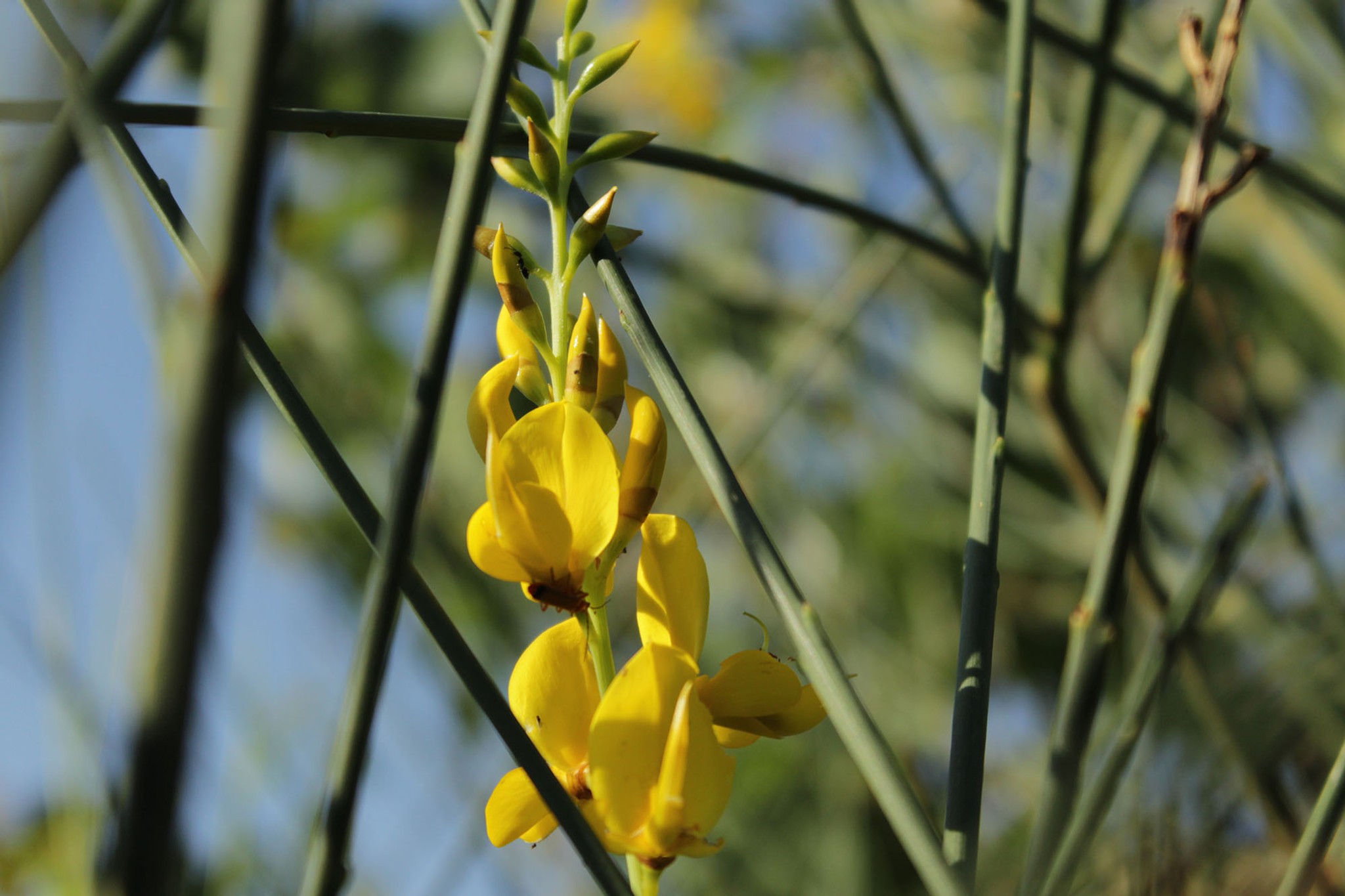
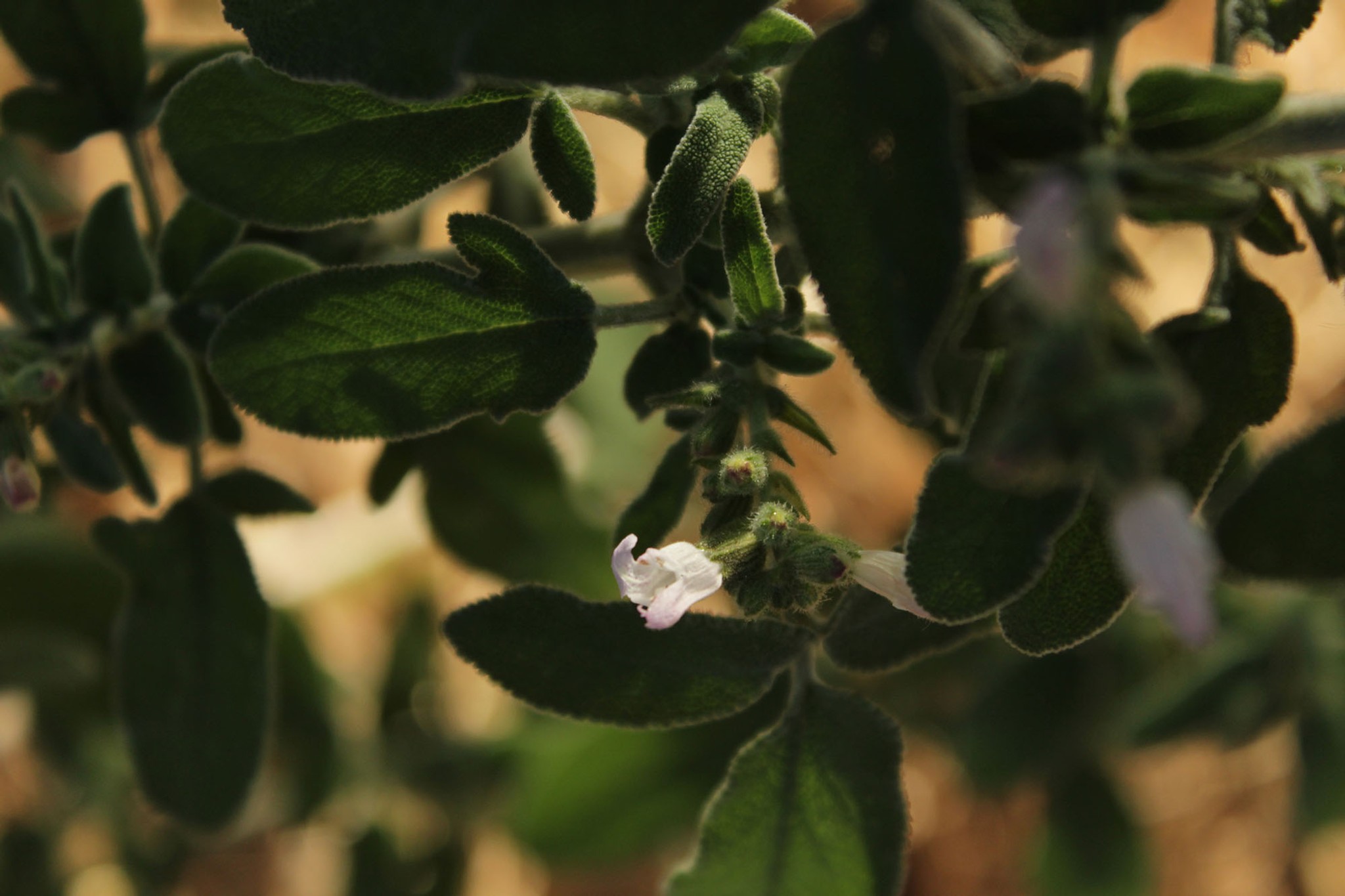
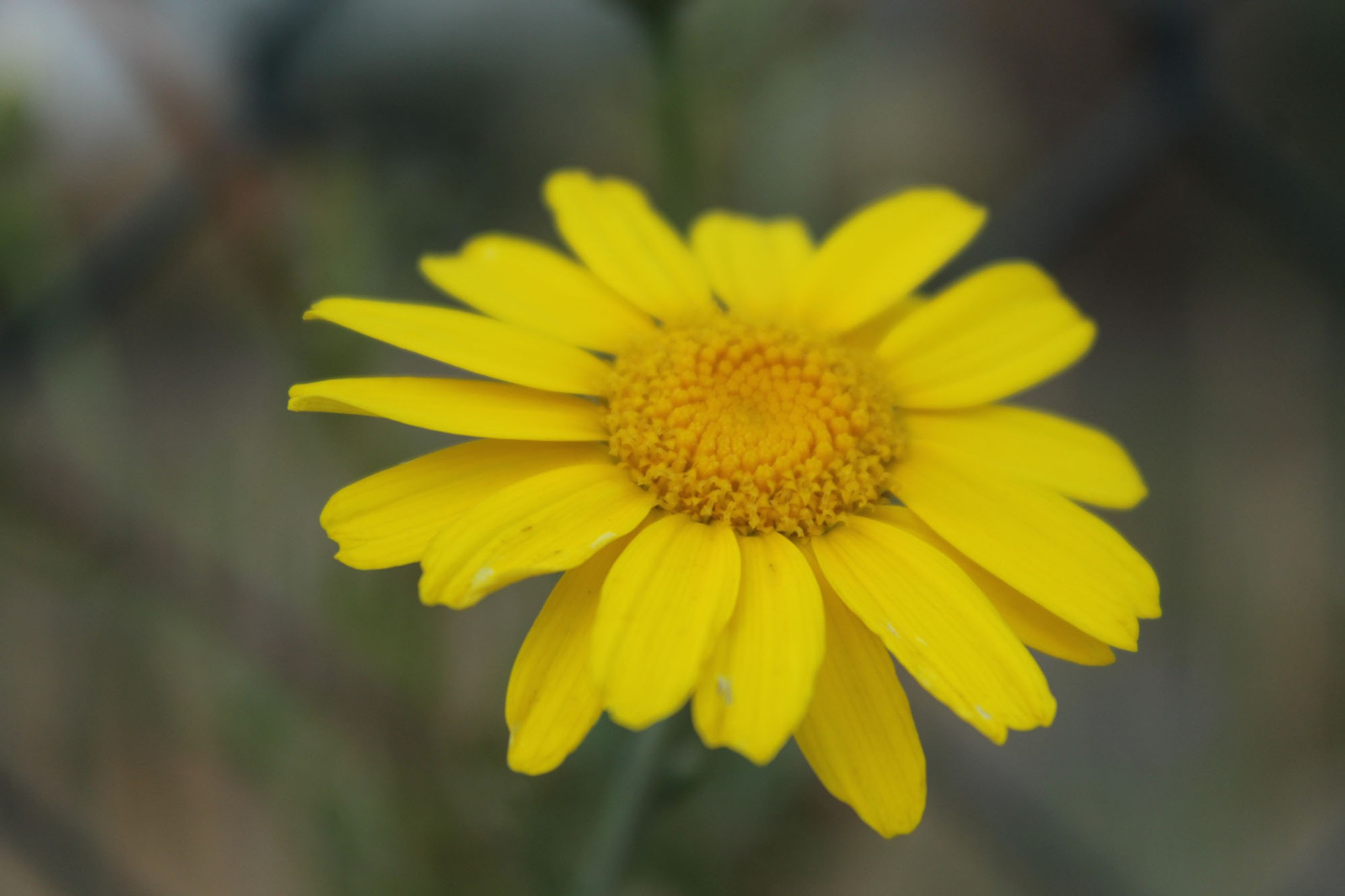
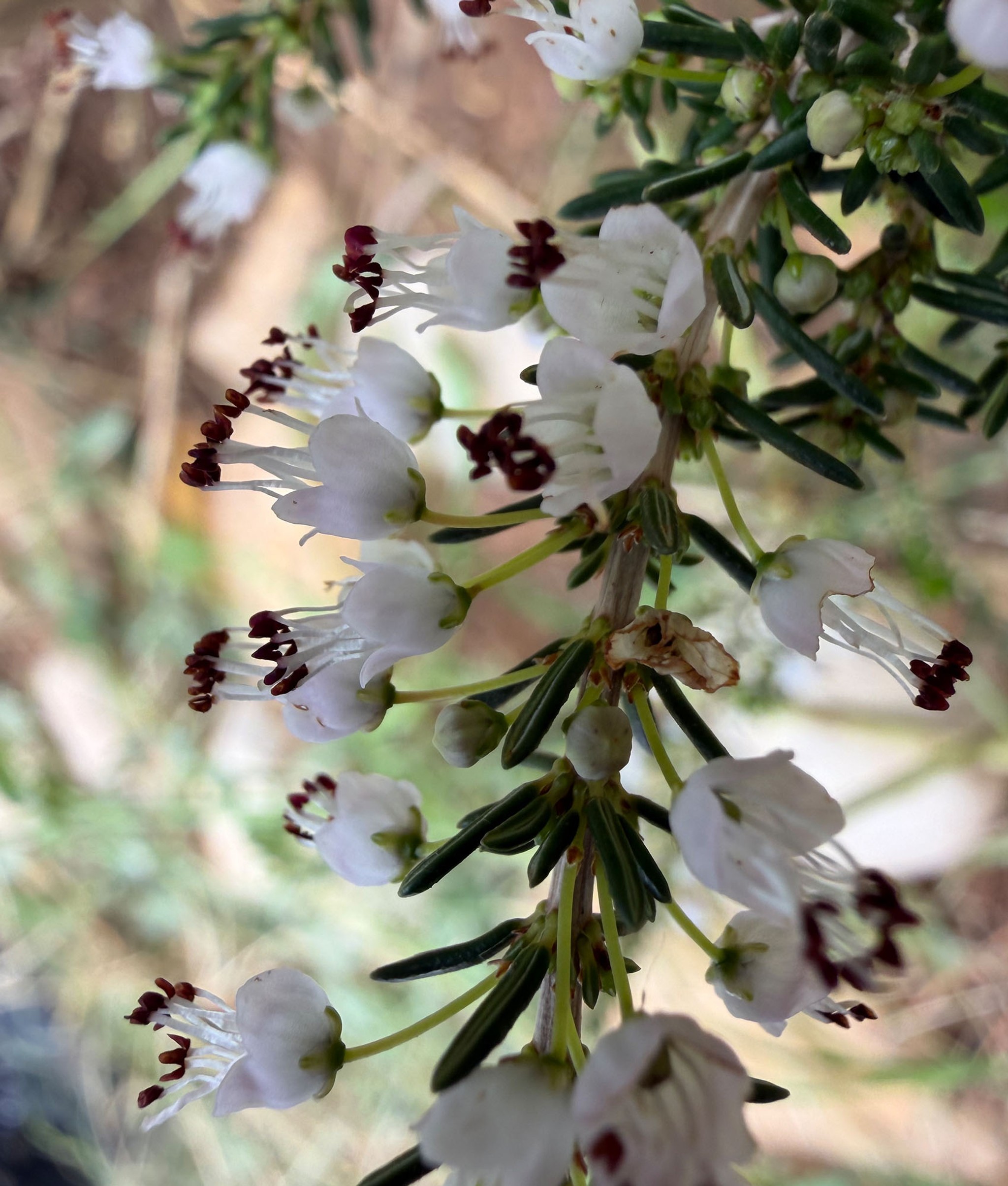
The trees are continuing to flower beautifully across the forest - and attract various pollinators as a result; these species include Myrtle (Myrtus communis), Spanish Broom (Spartium junceum) and Sage (Salvia fruticosa).


Forest Report: 2021
Beirut's RiverLESS
Forest Age: 2 Years
Beirut's RiverLESS II
Forest Age: 1.5 Years
Beirut's RiverLESS III
Forest Age: Planted
0%
Average Survival Rate
0m
Average of 3 Tallest Trees
Lack of consistent watering during a week in August 2019 caused the decline in survival rate. The tallest trees are the Judas tree (Cercis siliquastrum) reaching 400cm, along with the false olive tree (Buddleja saligna) of a height of 300cm.
The forest is very dense in some areas, hence it is becoming self-sufficient. We expect that in May 2022, when it is three years old, it will be 100% maintenance-free. It is remarkable to notice that this was a landfill and we transformed it into a lush ecosystem.


Biodiversity Notes:
Snakes have been observed - “gardeners best friends”. So many lizards and geckos and we’re observing the return of many birds. The forest is buzzing with life. Some trees have been flowering beautifully, including the Myrtle (Myrtus communis), Spanish Broom (Spartium junceum) and
Sage (Salvia fruticosa).


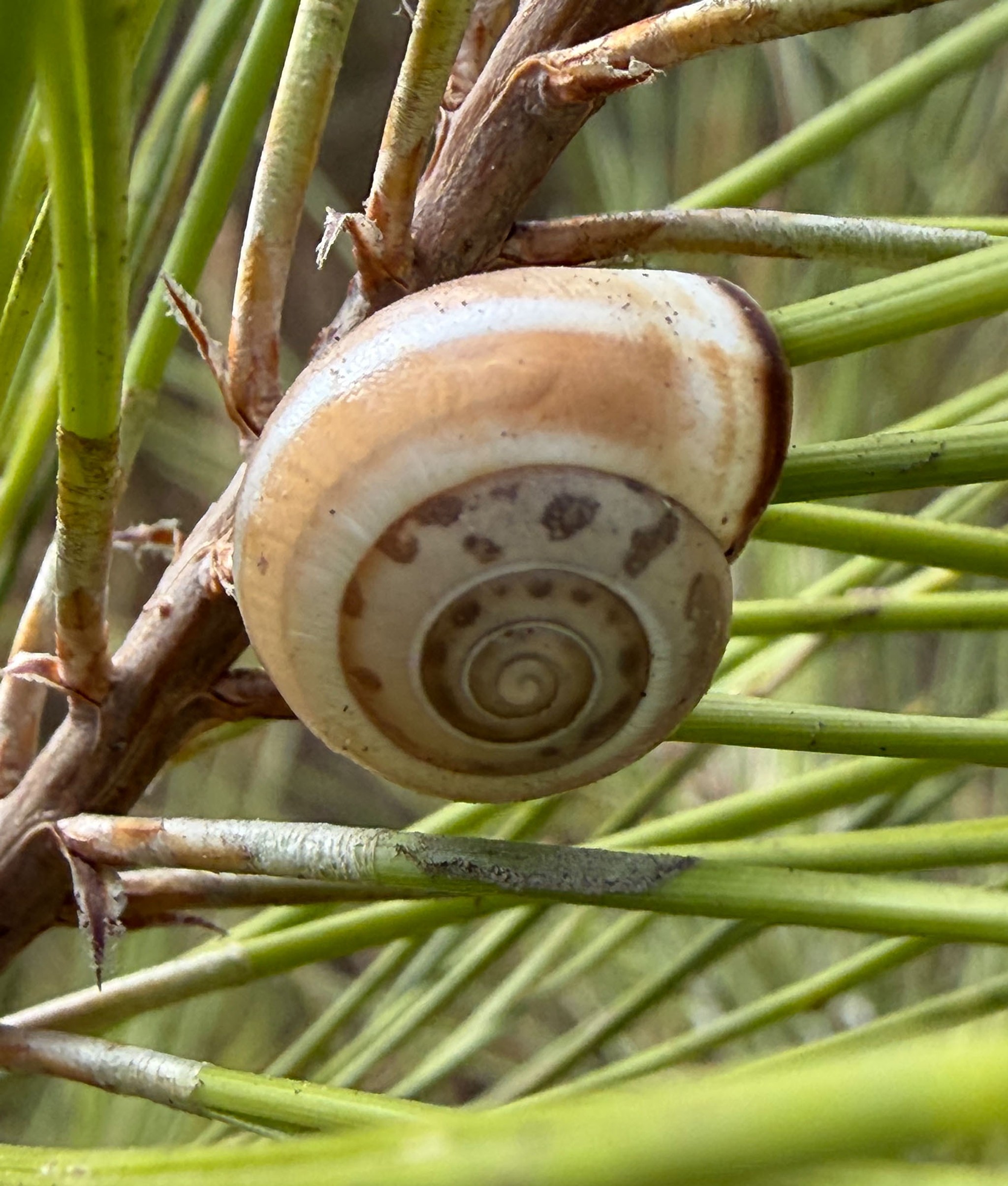
“Our resilient forest is thriving! Planted during a revolution and now going through a pandemic; bees, snails, ladybugs, amongst others, are having a wonderful time.”
Adib Dada, SUGi Forest Maker & Founder theOtherDada
Forest Report: 2020
Beirut's RiverLESS
Forest Age: 12 Months
Beirut's RiverLESS II
Forest Age: 6 Months


Forest Report
Planting
Beirut River, the city’s largest open river. Since Prehistoric and Roman times, the river has been used as a water resource for drinking and irrigation. It also had an important role as a social space for the community.
In 1968, the river was transformed from a natural, healthy ecosystem, to a canalized infrastructure. It became an open sewer for domestic and industrial waste water that’s highly polluted and poses numerous health risks. The river also lost its recreational and social function


How to make a Miyawaki Forest?
In May 2019, theOtherDada hosted a workshop with Shubhendu Sharma & Gaurav Gurjar from Afforestt.
With that, the Rewilding Generation in Beirut was born!