

Empowering Engagement with Rothschild & Co Foundation
0
Forests
0
Trees
0
Square Meters
0
Native species
SUGi is partnering with the philanthropic arm of Rothschild & Co. to help deliver on their core mission to protect the planet and empower future generations. Together, we’re tackling the effects of social and economic inequalities exacerbated by climate change with the planting of SUGi Pocket Forests globally.
Each of these forests is located in urban areas where green space and access to Nature and its multiple health benefits is scarce. Stay tuned for updates on the growth of these much-needed pockets of urban greenery and their impact on the local communities.

Ithuba Unity Forest
In the heart of Soweto, a new forest is taking root. Set against the backdrop of the iconic Soweto Towers, the Ithuba Unity Forest is more than just trees—it’s a symbol of healing, growth, and opportunity.
Planted within the grounds of Bona Comprehensive School, the forest will serve as a hands-on learning space where students can engage with nature, science, and sustainability. It’s a living classroom that encourages curiosity, creativity, and care for the environment. Beyond education, it will also be a space for empowerment—offering after-school programs that support women and girls in developing leadership and life skills.



La Casa del Encuentro Forest
Located in La Pintana, Santiago de Chile, "La Casa del Encuentro" stands as a pivotal community hub with a primary focus on nurturing early childhood development and supporting parenthood. The center caters to children ranging from 0 to 6 years old, as well as expectant mothers and prospective parents.
Given La Pintana's designation as a zone of high social priority, the center's role assumes paramount significance.


IFRC Park Forest
At the heart of Geneva, on the grounds of the International Federation of the Red Cross and Red Crescent Societies (IFRC) headquarters, a new pocket forest is taking root. Once closed to the public, this space is being transformed into an open, living landscape that invites people to connect with Nature while honoring the IFRC’s humanitarian mission.
The first 200-square-meter pocket forest will grow alongside veteran trees and a newly created wetland, providing vital habitat for amphibians, birds, and pollinators. By replacing traditional grass lawns with dense, native vegetation, this forest will boost biodiversity, restore soil health, and create a thriving ecosystem in the heart of the city.



Harmony Forest
An outdoor classroom of 674 Sq m has been created on the grounds of William Ford Church of England School in Dagenham.
The purpose of this project is to establish a vital ecological corridor that supports biodiversity and enhances the educational experience of pupils. By planting native trees and a fruit orchard, we can see the return of a thriving, sustainable ecosystem to this barren land.
The initiative promotes a healthier environment for the school community and a greener landscape, reverting to what existed before.


Doonside Forest
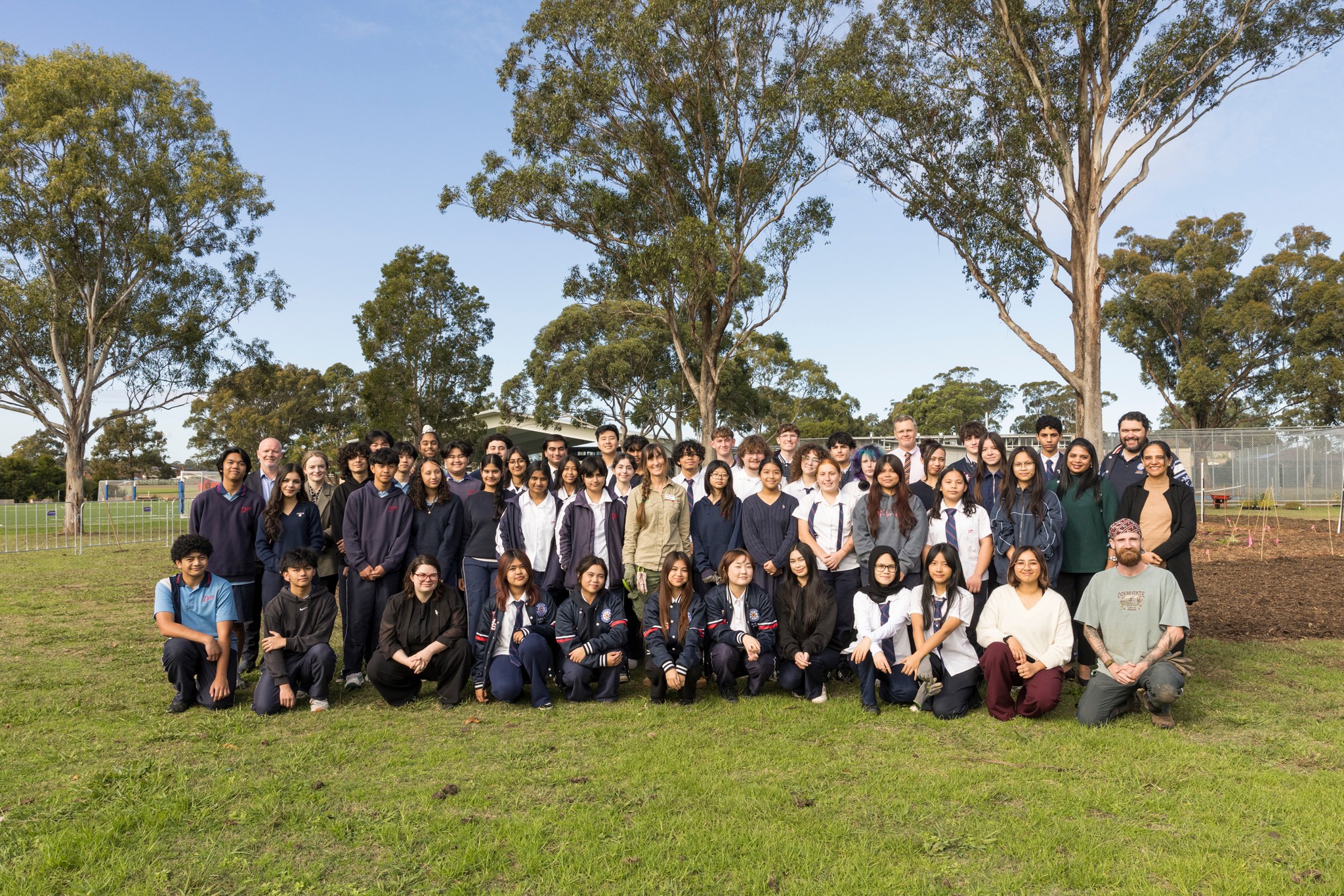
In Western Sydney's red soils, something is taking root. A forest born from curiosity, data, and the determination of young people who looked at their overheating school and decided to take action.
The story began with students. Sixty Grade 10 young people stepped outside their classrooms armed with thermal sensors, measuring temperatures across 10 locations on their school grounds over summer to understand how heat was building through their campus. What they found, they did not keep to themselves. They pitched a five-year plan to their principal to make their campus climate resilient. This forest is their vision, which will take root.

Alexandra Millennium Green
London parks are typically grasslands lacking biodiversity and solutions to the growing environmental issues we all face. Alexandra Millenium Green is one such example - saved from industrial developments by a local community group who has been looking after the park since 1990. Three decades ago, the community wished for woodland to be restored on the park, but public funding constraints made it impossible.


Auchterarder Park Forest
This project in Auchterarder allows us to bring a different aspect of play and Nature into the local community.
The area was once a manicured hard expanse that was to a large extent ignored. Through design, soil preparation and planting we have been able to create an interactive forest area where open areas and paths mingle with the maturing new forest.



José de Alencar Forest
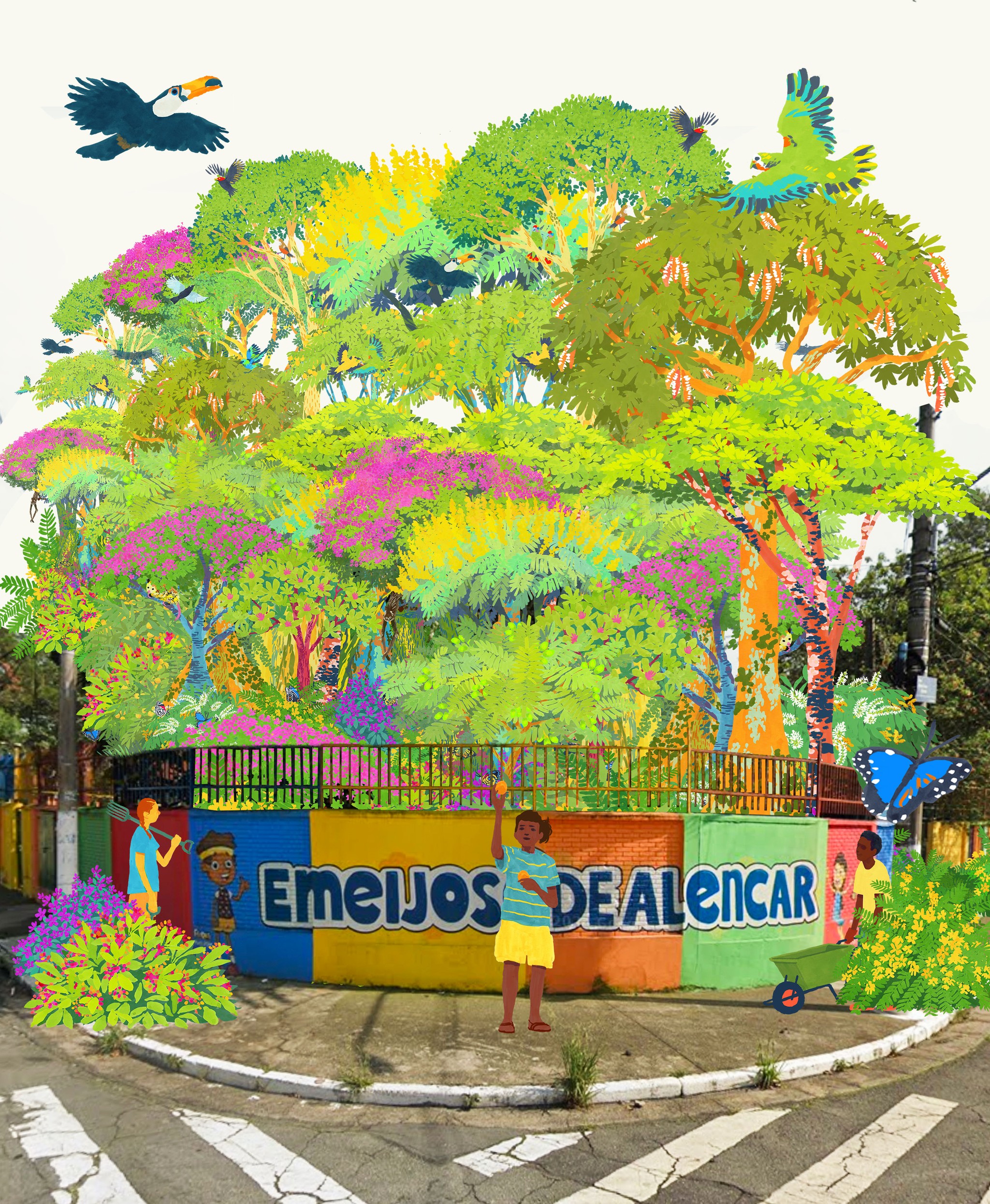
Like much of São Paulo, the far east of the city is increasingly exposed to the impacts of climate change, from prolonged heat waves to drought and flooding that affect both people and ecosystems. Those pressures are intensifying right now: a strong El Niño is developing in the Pacific and is forecast to strengthen through late 2026 and into 2027, which for São Paulo means a higher likelihood of more frequent and prolonged heat waves
In response, formigas-de-embaúba will plant a pocket forest at EMEI José de Alencar, a public early-childhood school in Jardim Silva Teles, a densely populated, low-income neighbourhood where public green space is scarce. As part of an educational programme that turns schoolyards into outdoor classrooms, formigas-de-embaúba will plant 360 trees across roughly 180 m², including many native fruit trees.
Over two semesters, groups of young children will move through six hands-on outdoor classes, together with their families and the wider school community, so that every child can take part in planting, caring for and learning from the forest. By bringing back native Atlantic Forest species, the forest will restore habitat, revive local wildlife such as birds, native bees and small mammals, cool the surrounding area, ease the urban heat island, improve air quality, and build soil health and water retention to strengthen resilience to heat, drought and flooding.
Luiz Gomes Forest
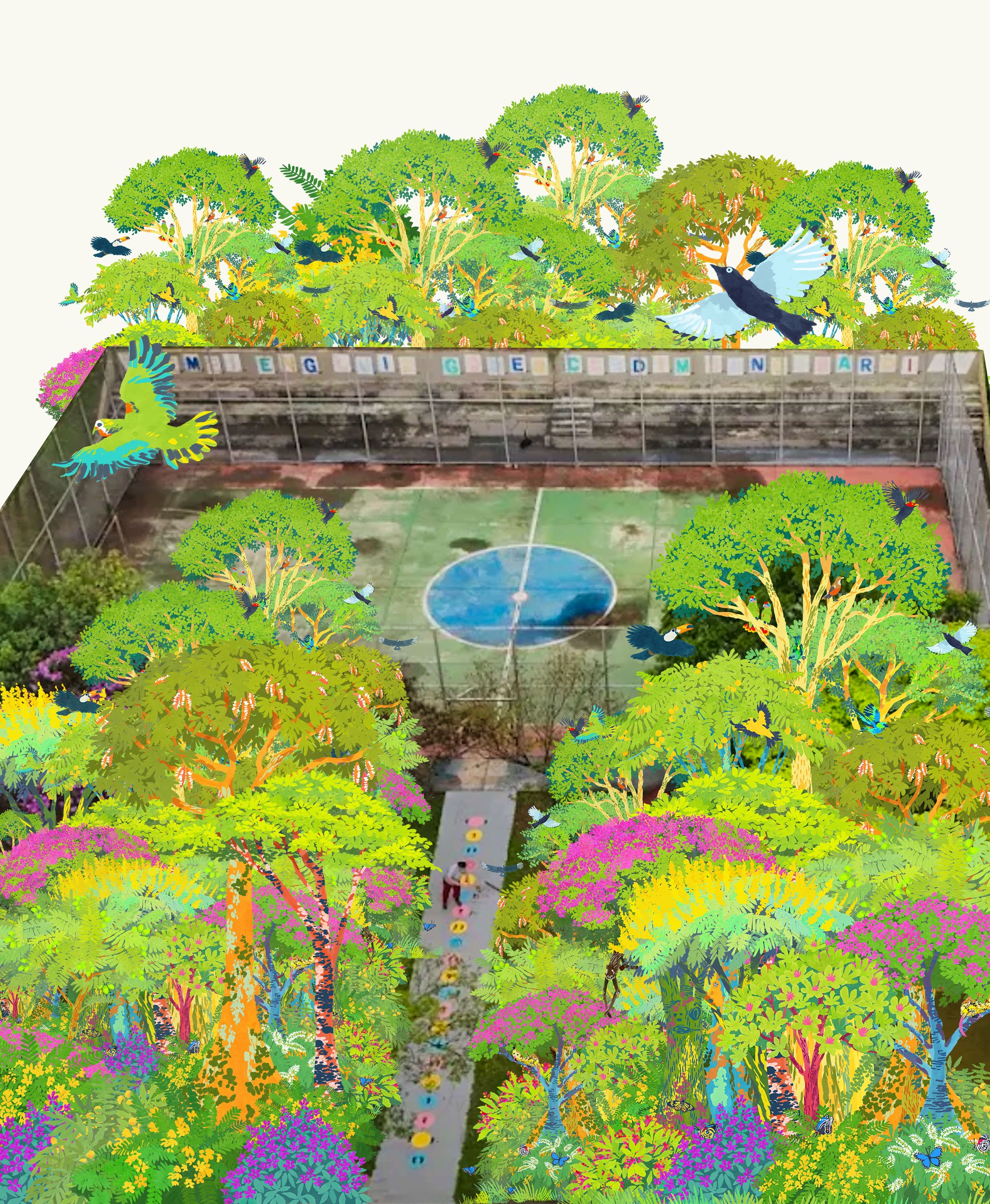
Brazil's Atlantic Forest, which once stretched along most of the coast, has lost around 90% of its original cover, and many of its species are now threatened. In response, formigas-de-embaúba will plant a pocket forest at EMEI Eng. Luiz Gomes Cardim Sangirardi, a public early-childhood school in Jardim Hercília, in the densely built, working-class district of Vila Matilde, where green cover is low and concrete dominates.
As part of an educational programme that turns schoolyards into outdoor classrooms, formigas-de-embaúba will plant 500 trees across roughly 250 m², including many native fruit trees. Over two semesters, groups of young children will move through six hands-on outdoor classes, together with their families and the wider school community, so that every child can take part in planting, caring for and learning from the forest.

Community College Forest
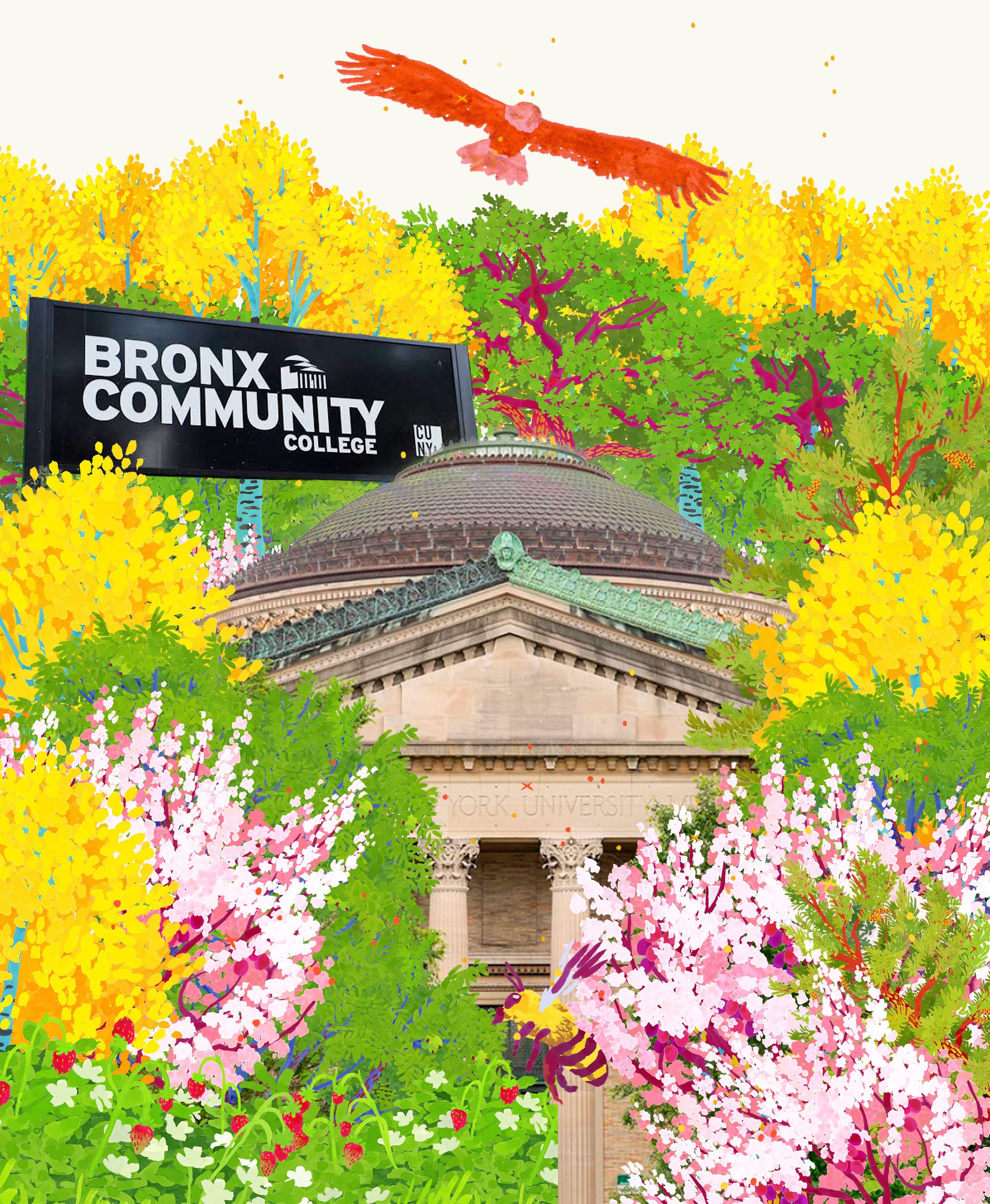
On the campus of Bronx Community College (BCC), in one of New York City's densest urban neighbourhoods, grows a new pocket forest. Planted with native species drawn from the borough's own ecology, the forest serves as a living micro-ecosystem in the heart of the Bronx: a place where over 7,000 students, staff, and local residents can reconnect with the wild nature that once shaped this landscape.
Beyond its ecological value, this pocket forest is a living classroom. BCC students gain hands-on experience with native species, and the forest itself becomes a place to understand how urban nature protects public health: filtering air pollution, absorbing rainwater, offering shade, and supporting a myriad of birds and pollinators. The hope is that this small patch of ground opens a much larger conversation, about the economic and health value of green space in urban communities, and about investing in the people who steward them. Every SUGi Pocket Forest is planted with and for its community. In the Bronx, that community will carry it forward.
Partners in Rewilding
We embrace partners who share our vision of building biodiversity and green infrastructure. Each strategic collaboration is uniquely tailored.
We rewild with visionaries from iconic global brands to sustainable start ups, from city officials to pioneering designers, architects, and artists.
