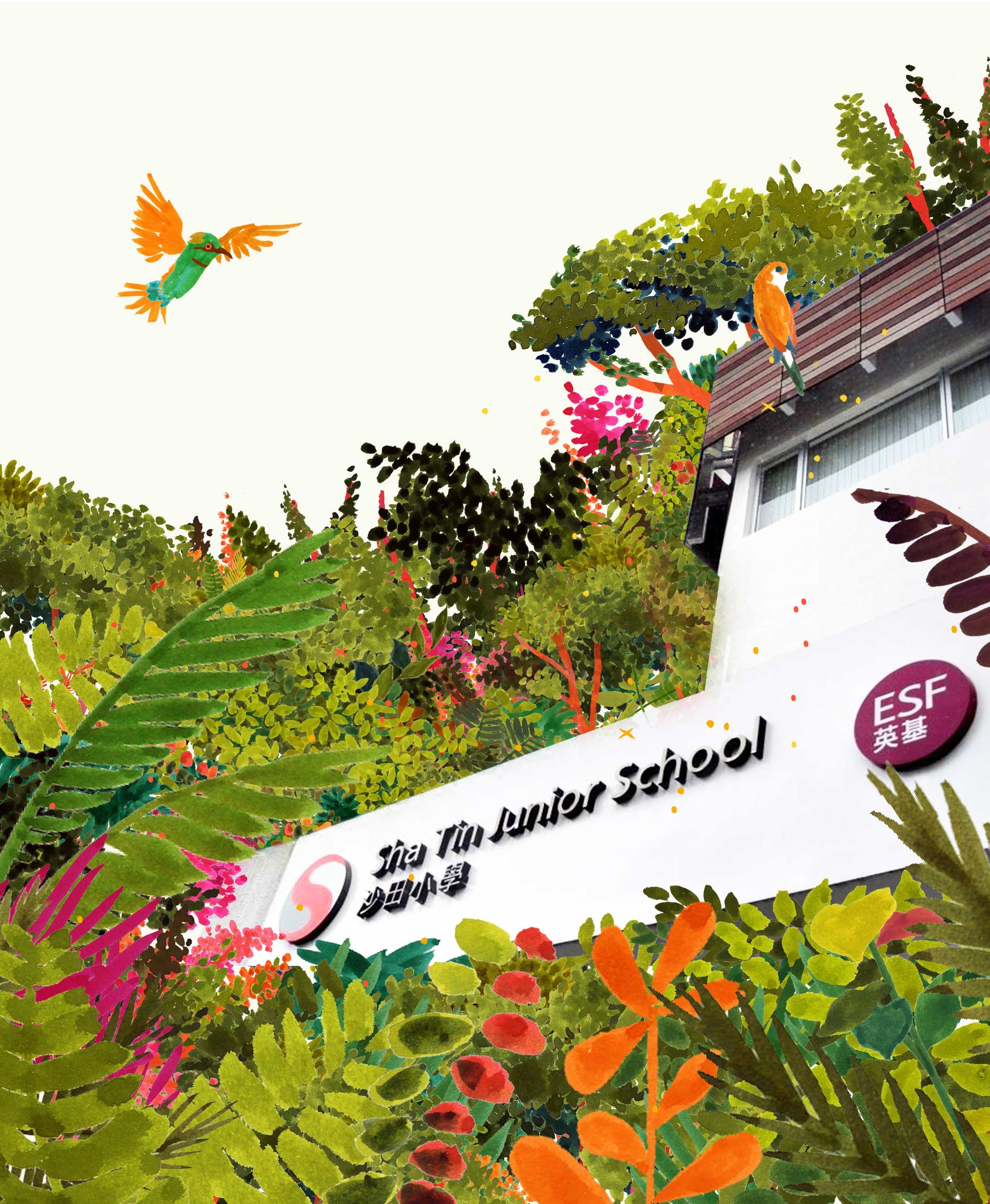
Sha Tin Junior School
Teaching students about native species & biodiversity.

0
Trees
0
Square Meters
0
Native Species
0
Youth Impacted
Self sustaining pocket forest
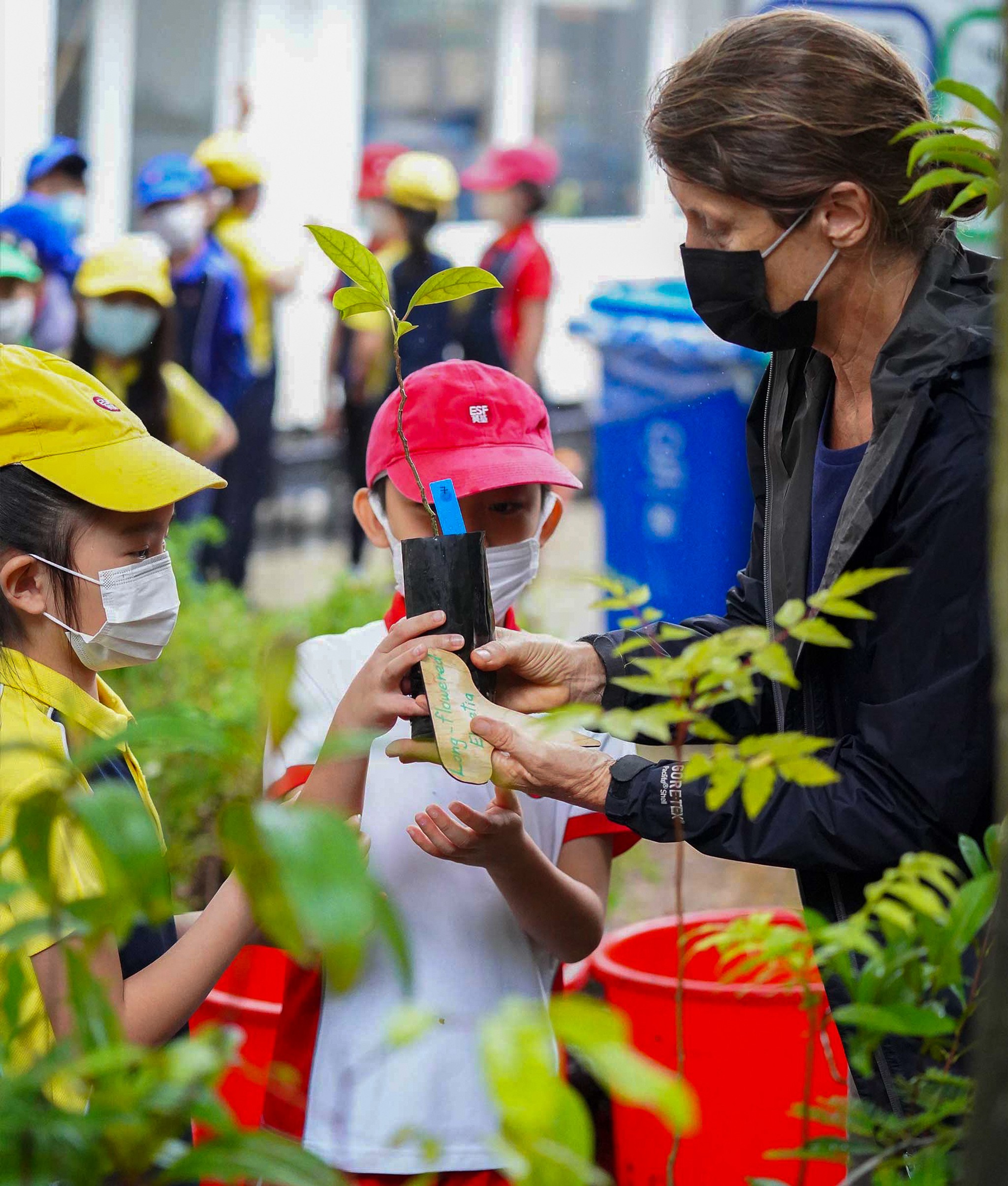
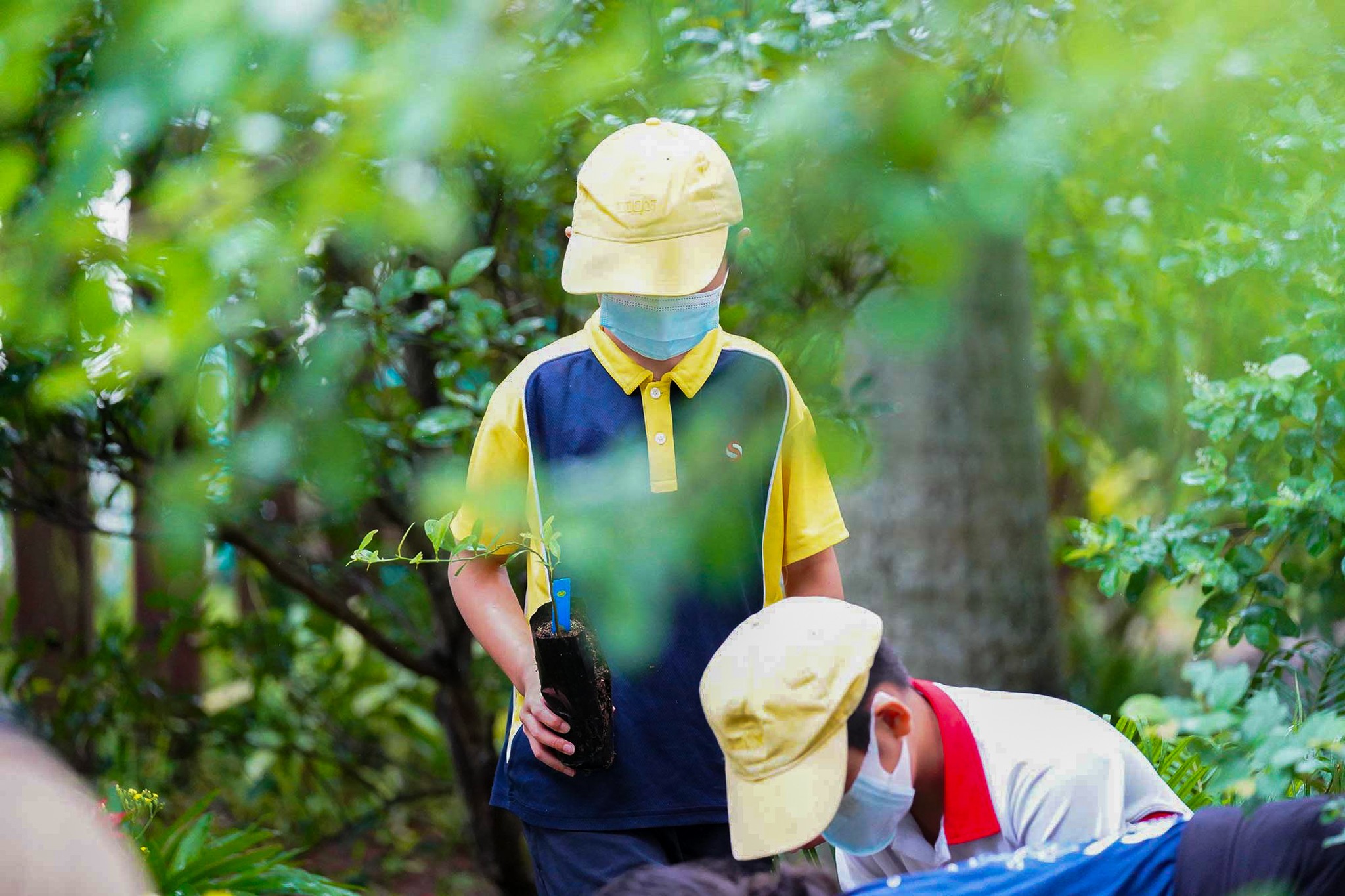
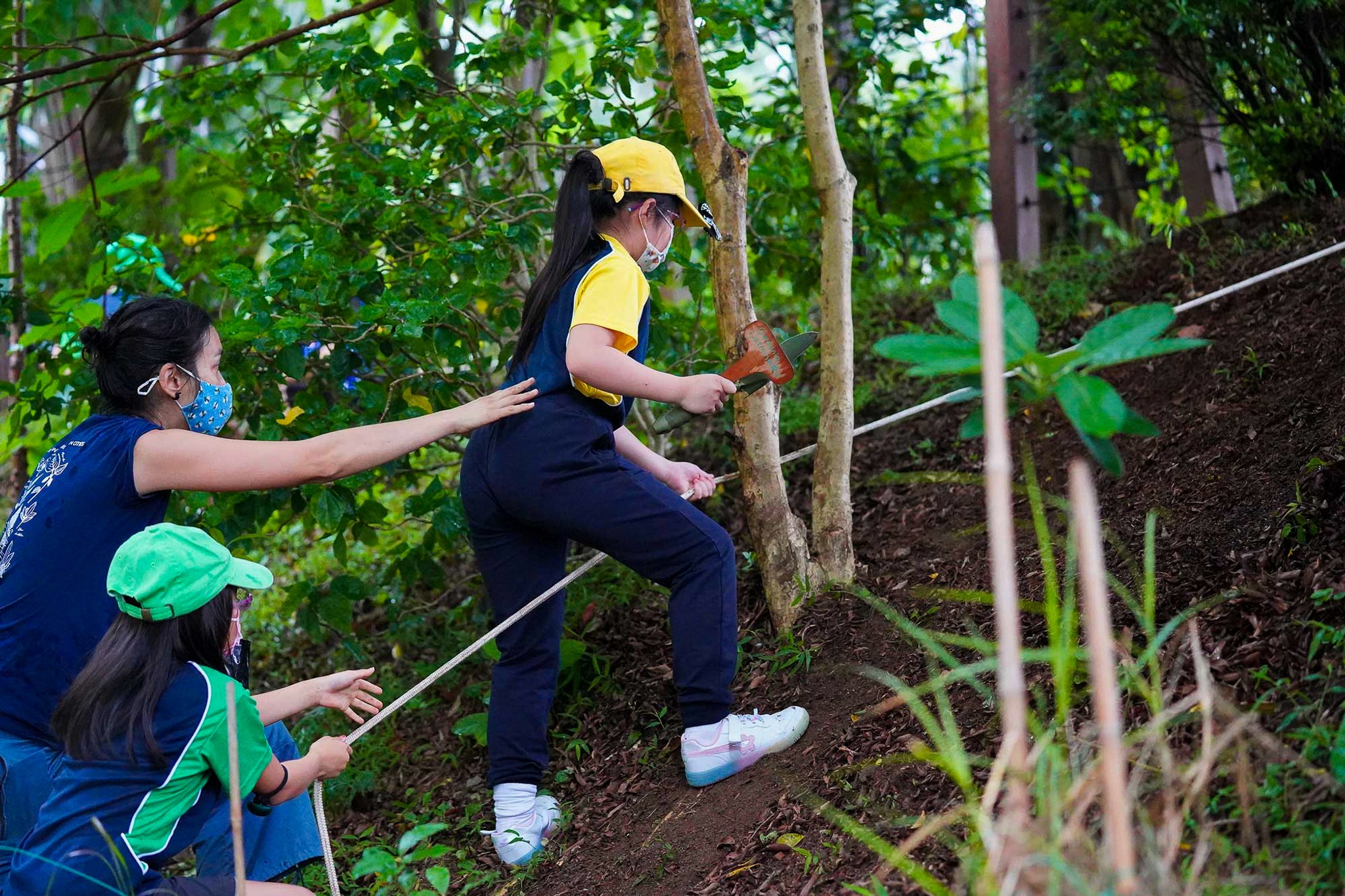
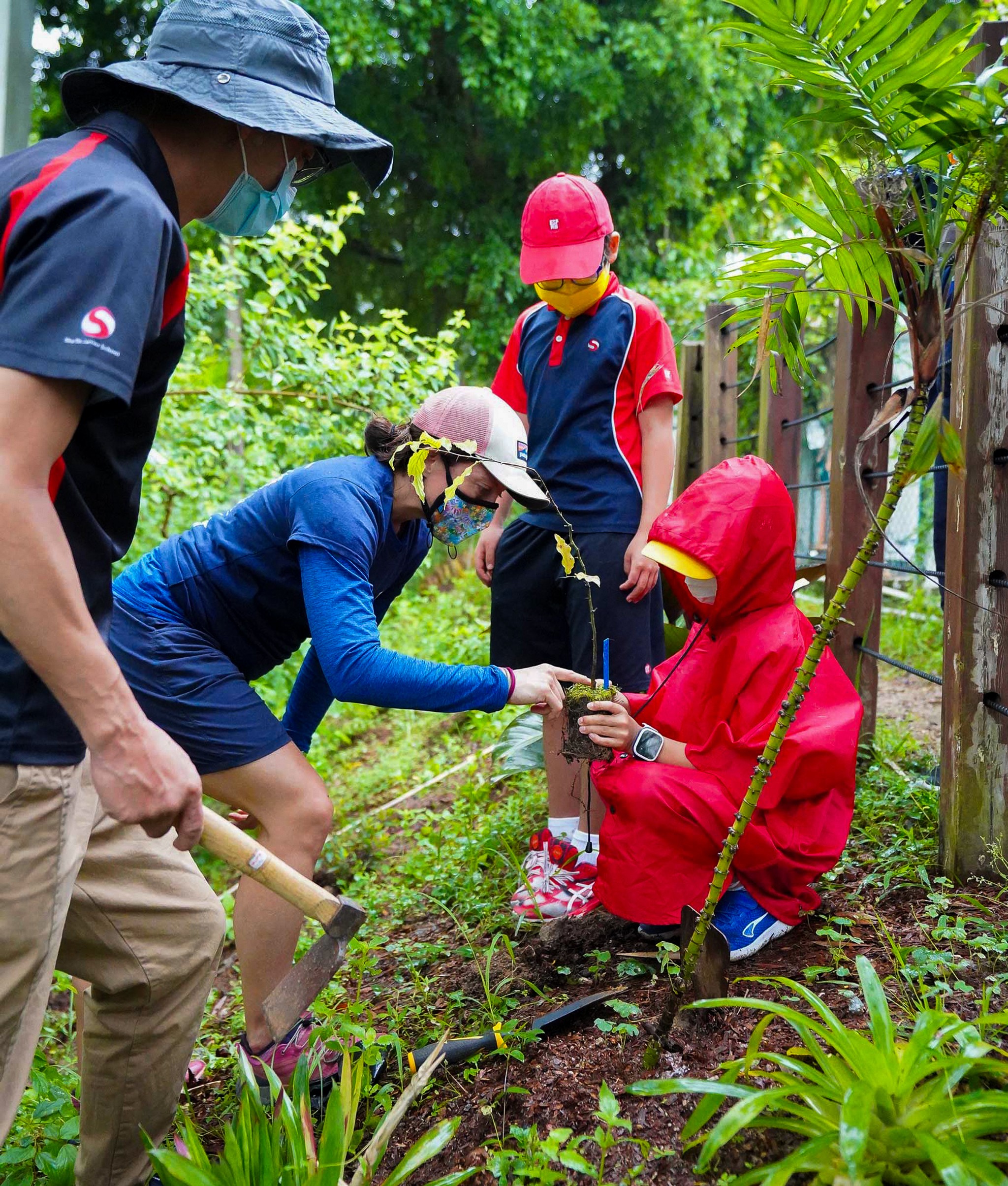
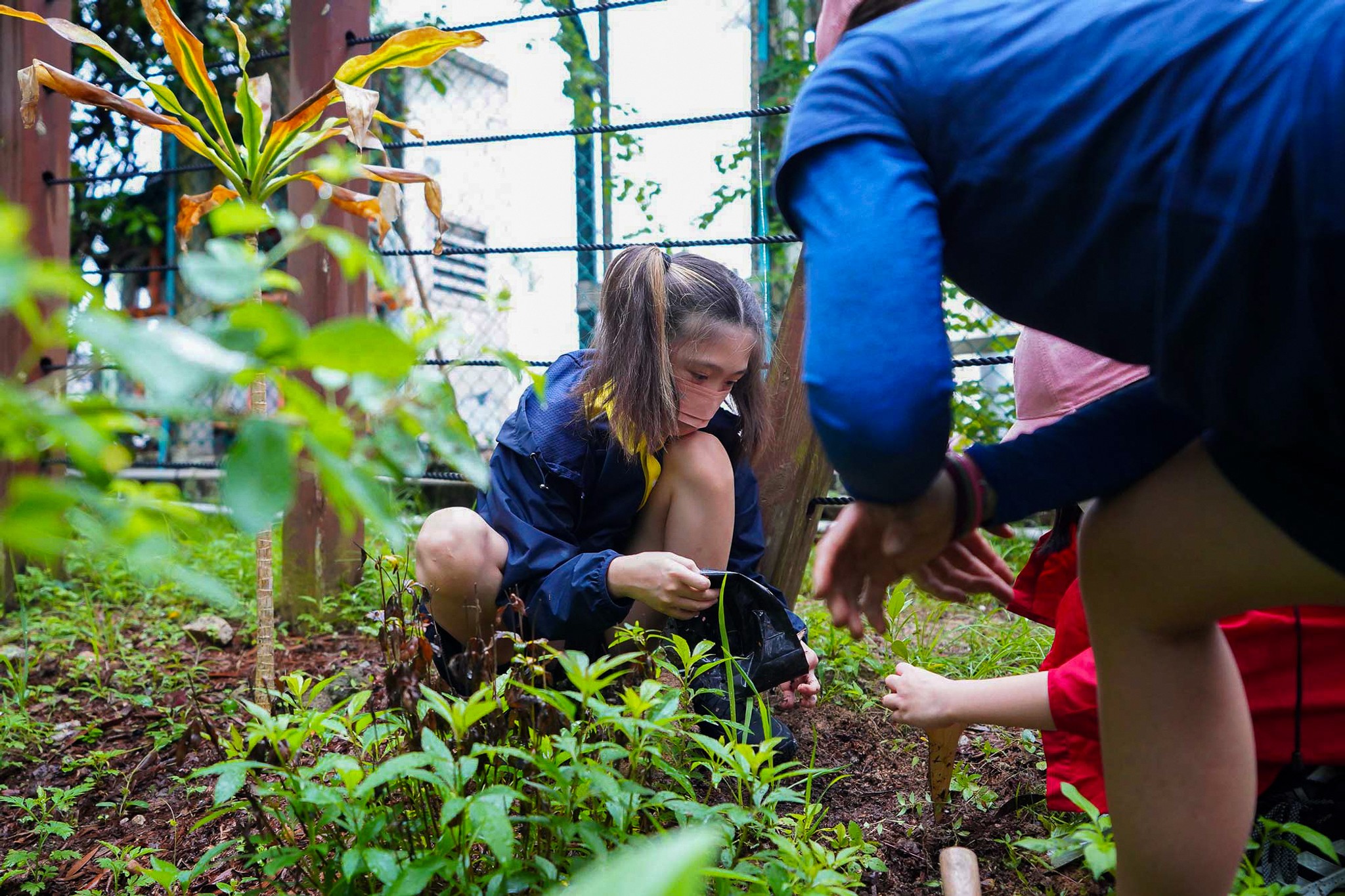
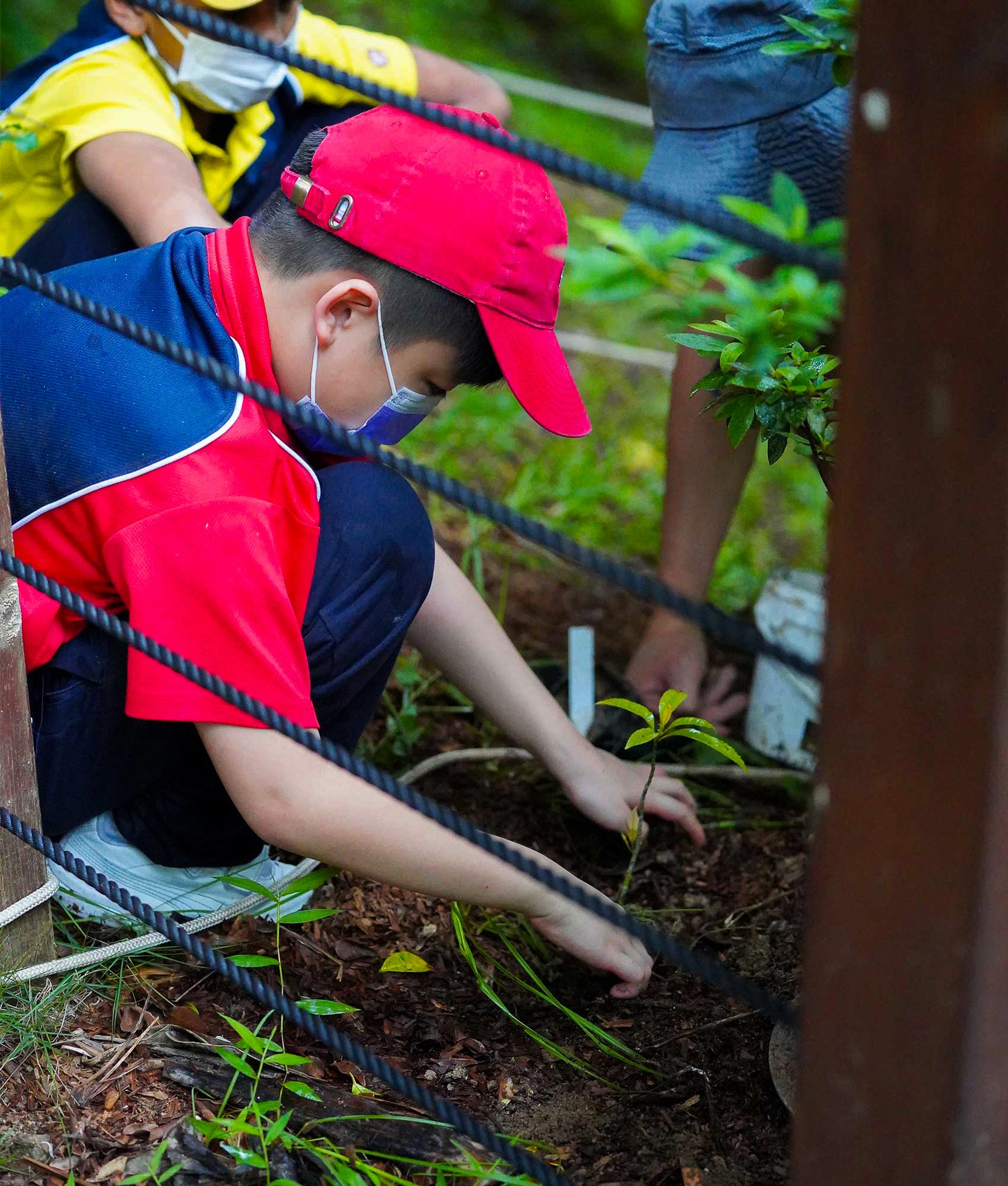
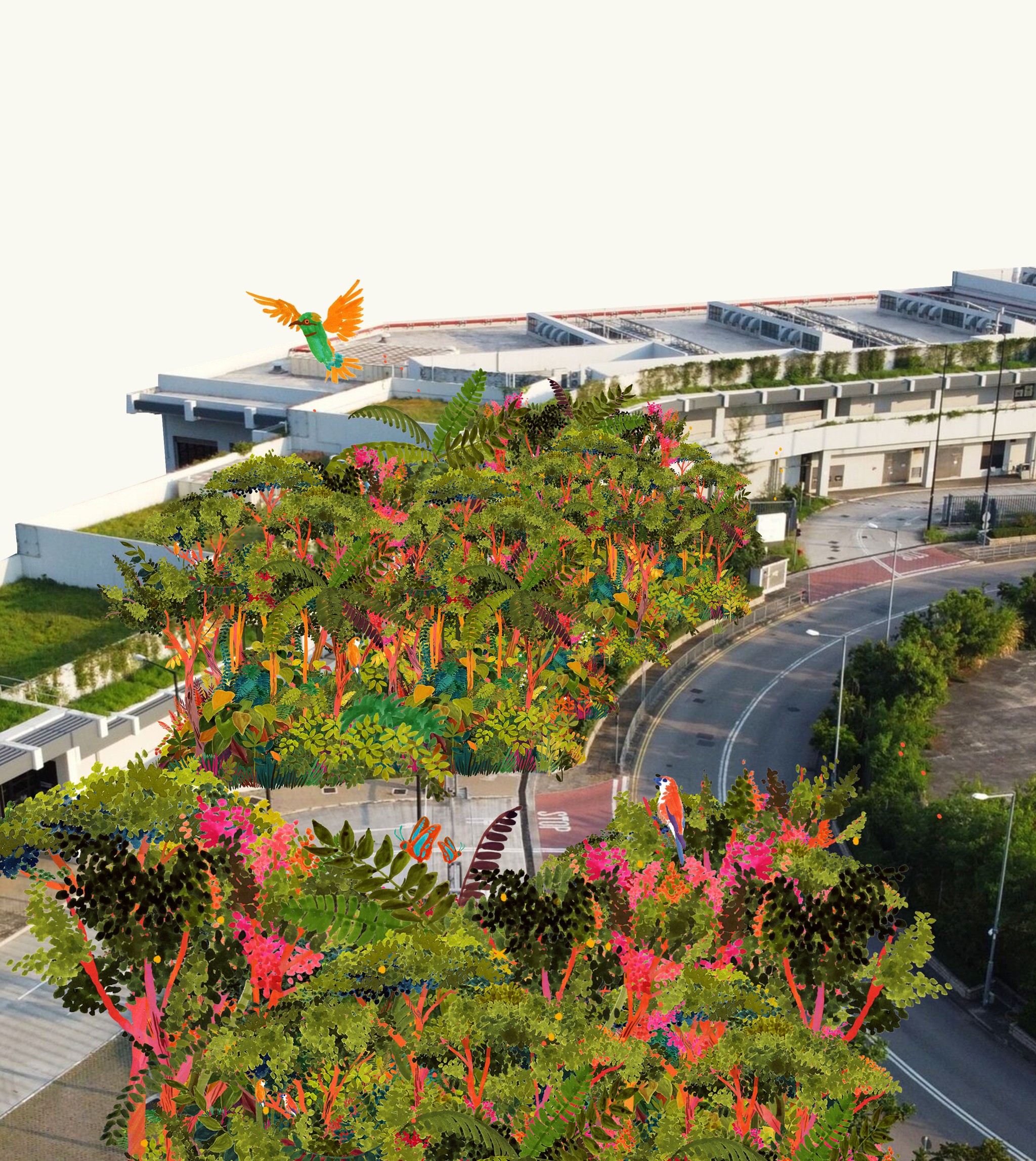
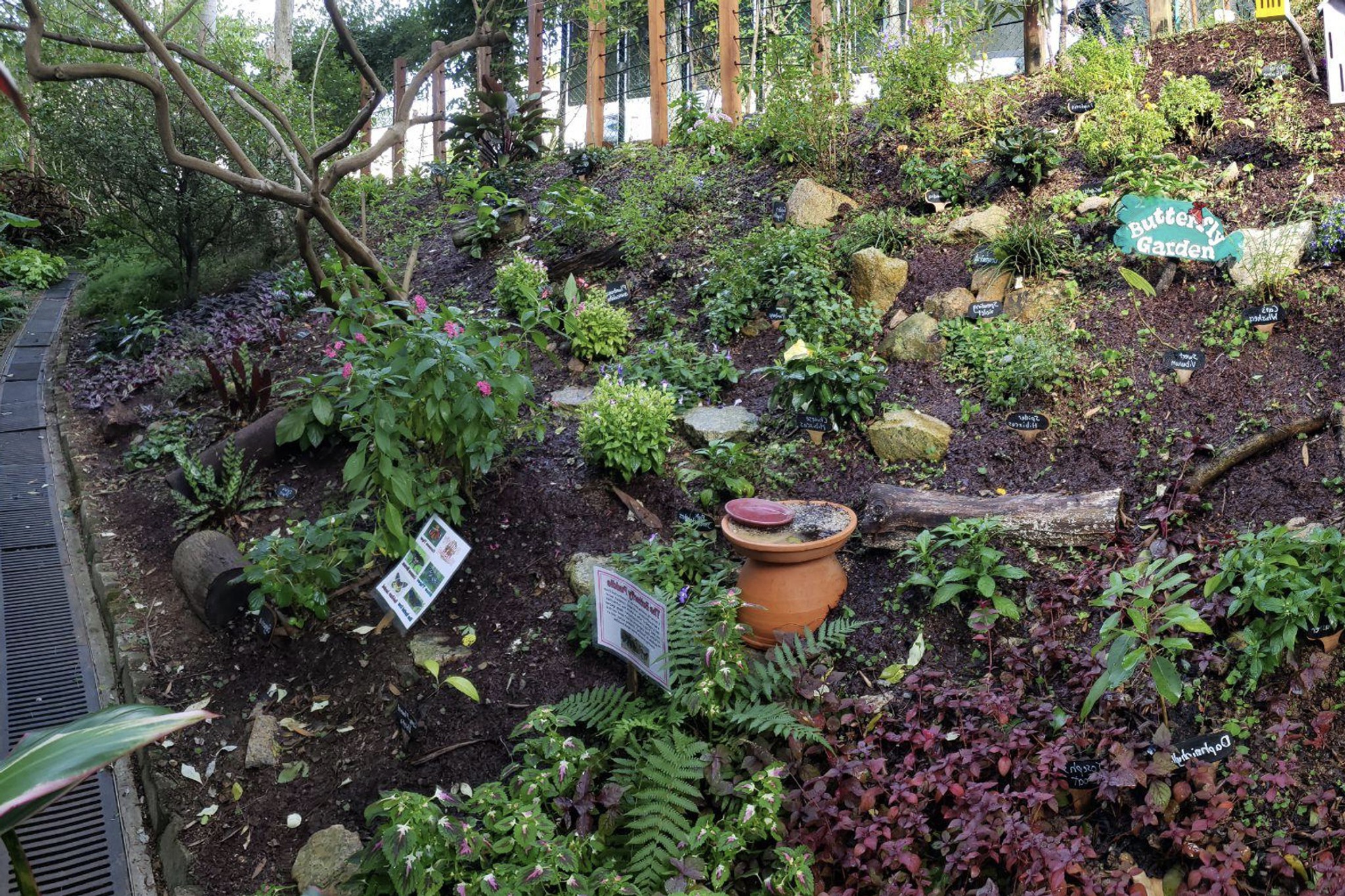
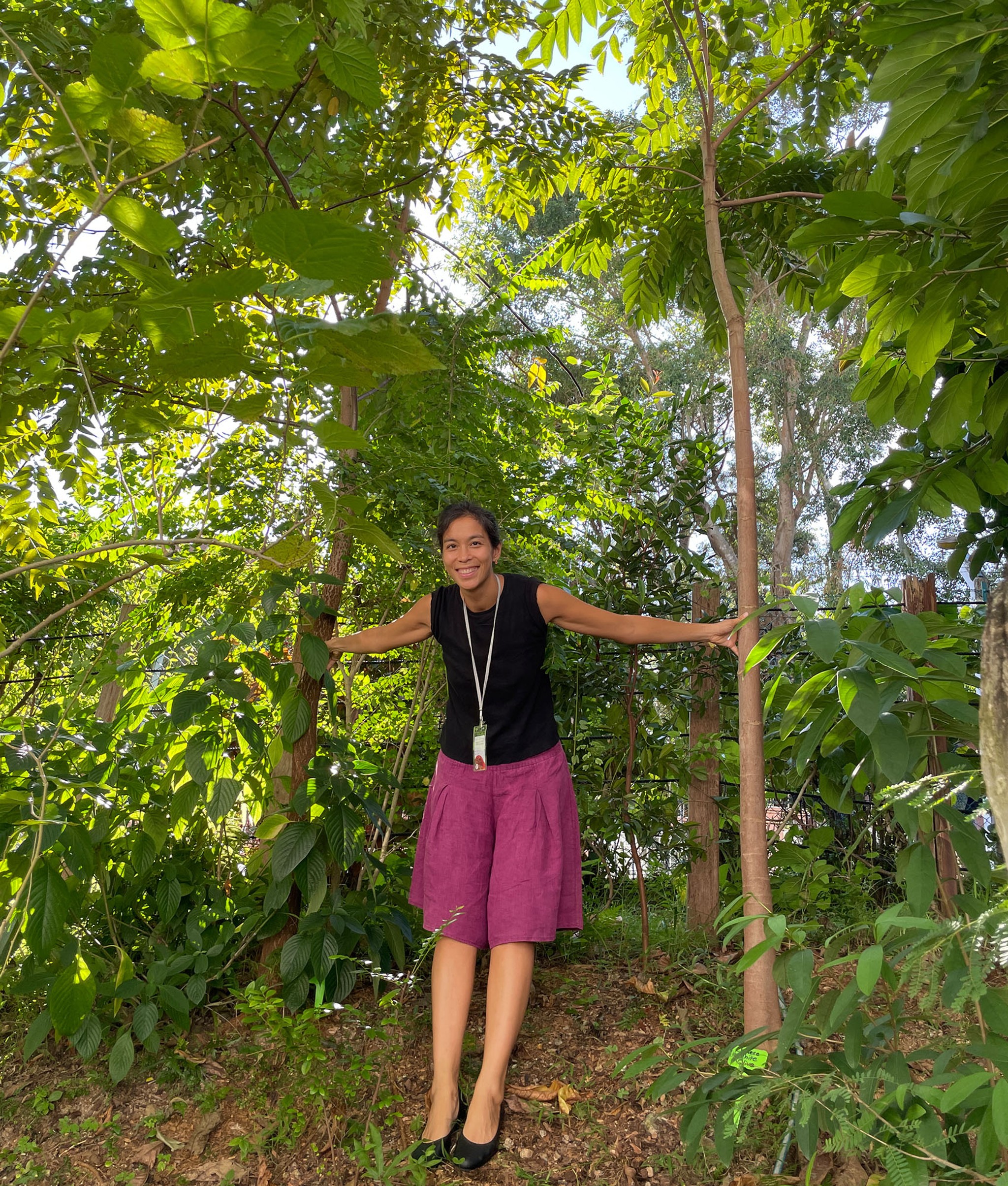
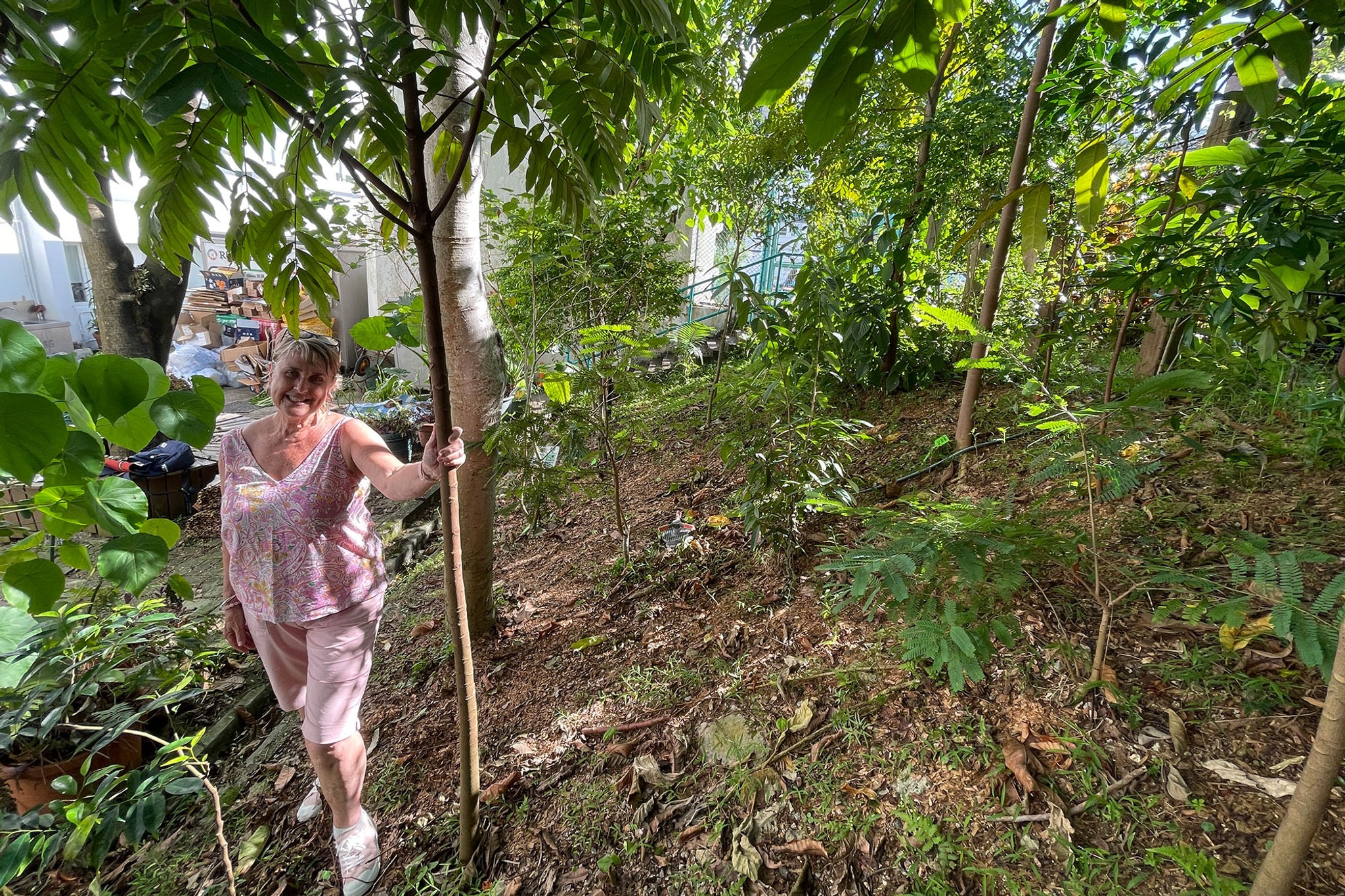
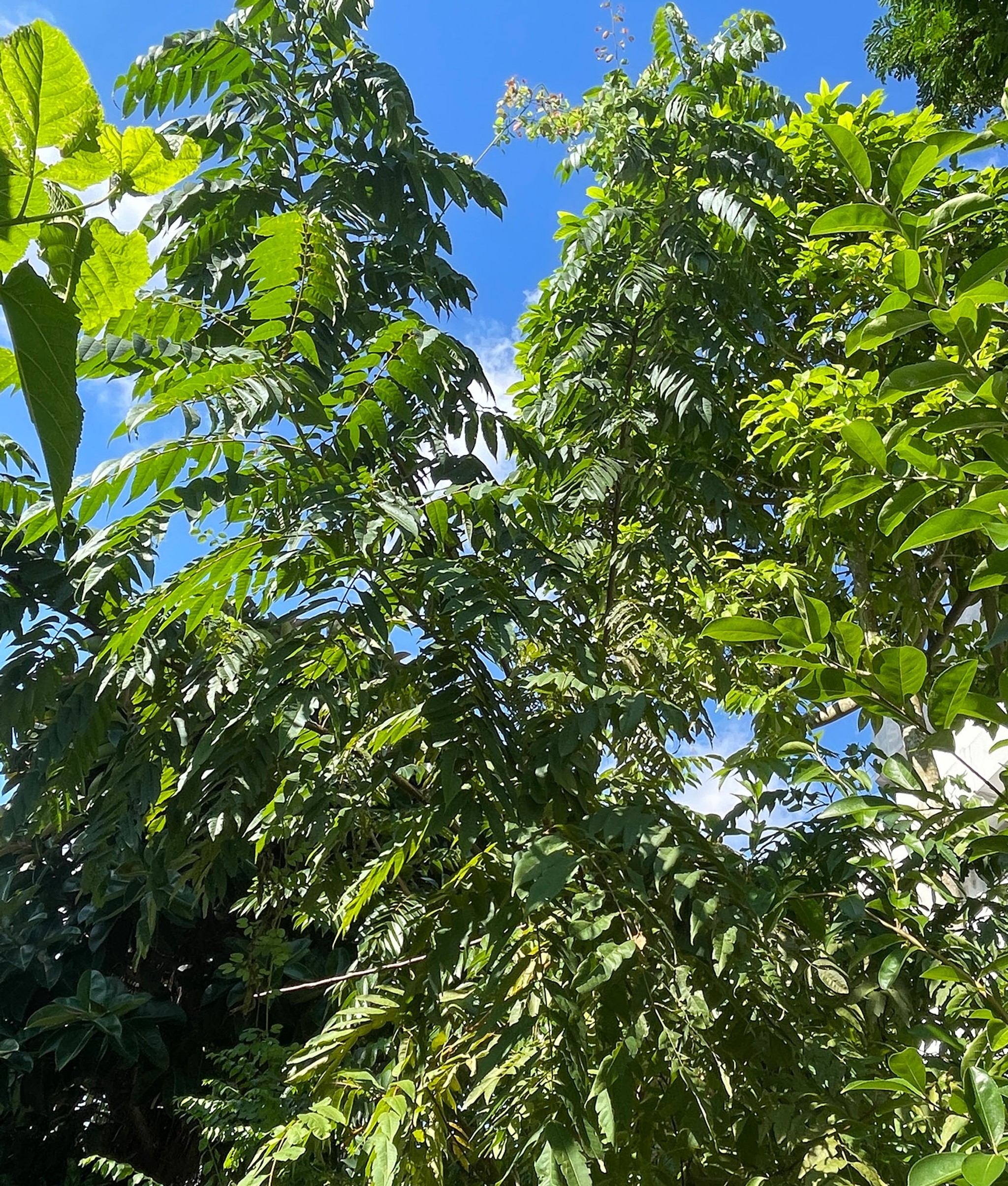
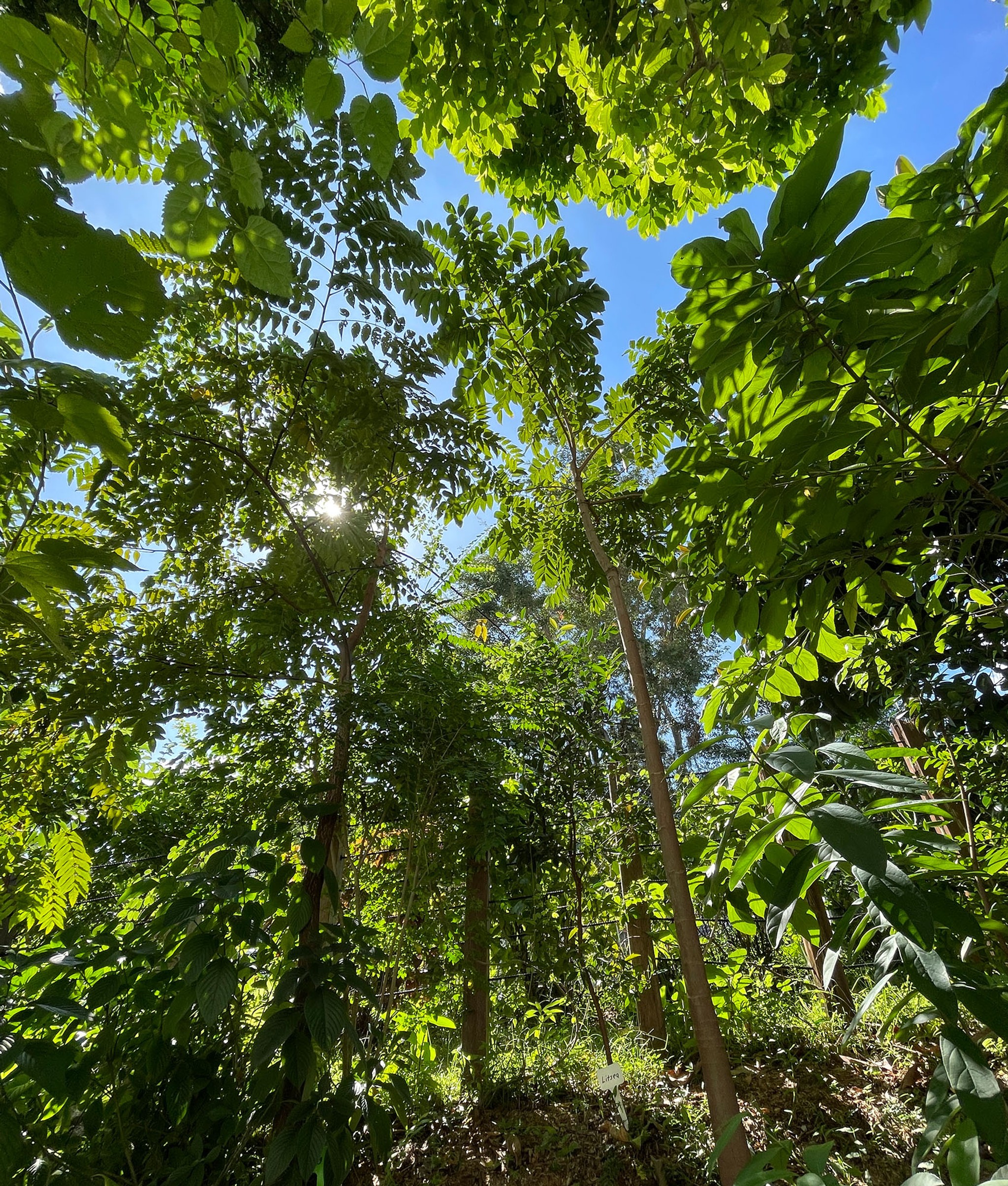
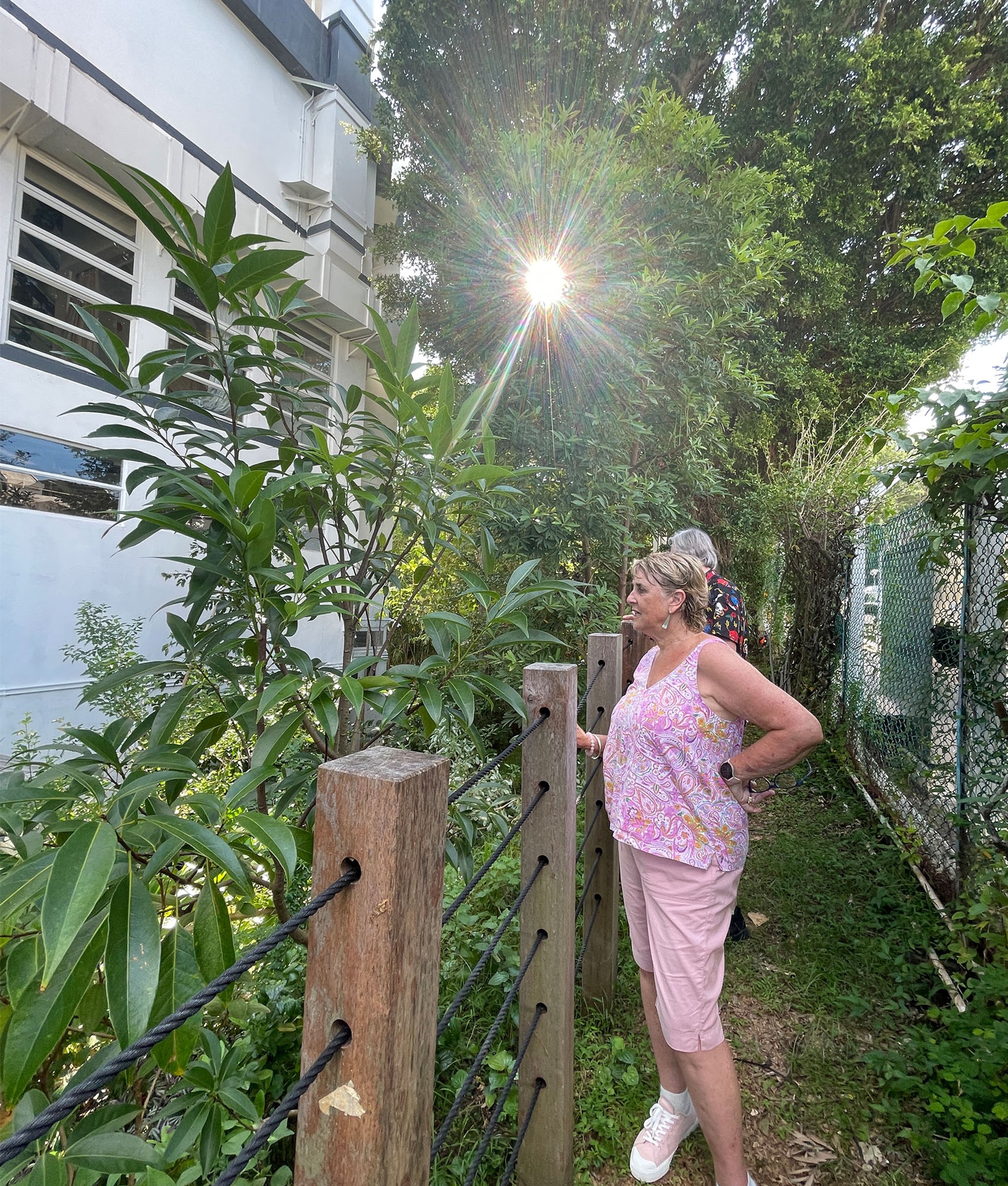
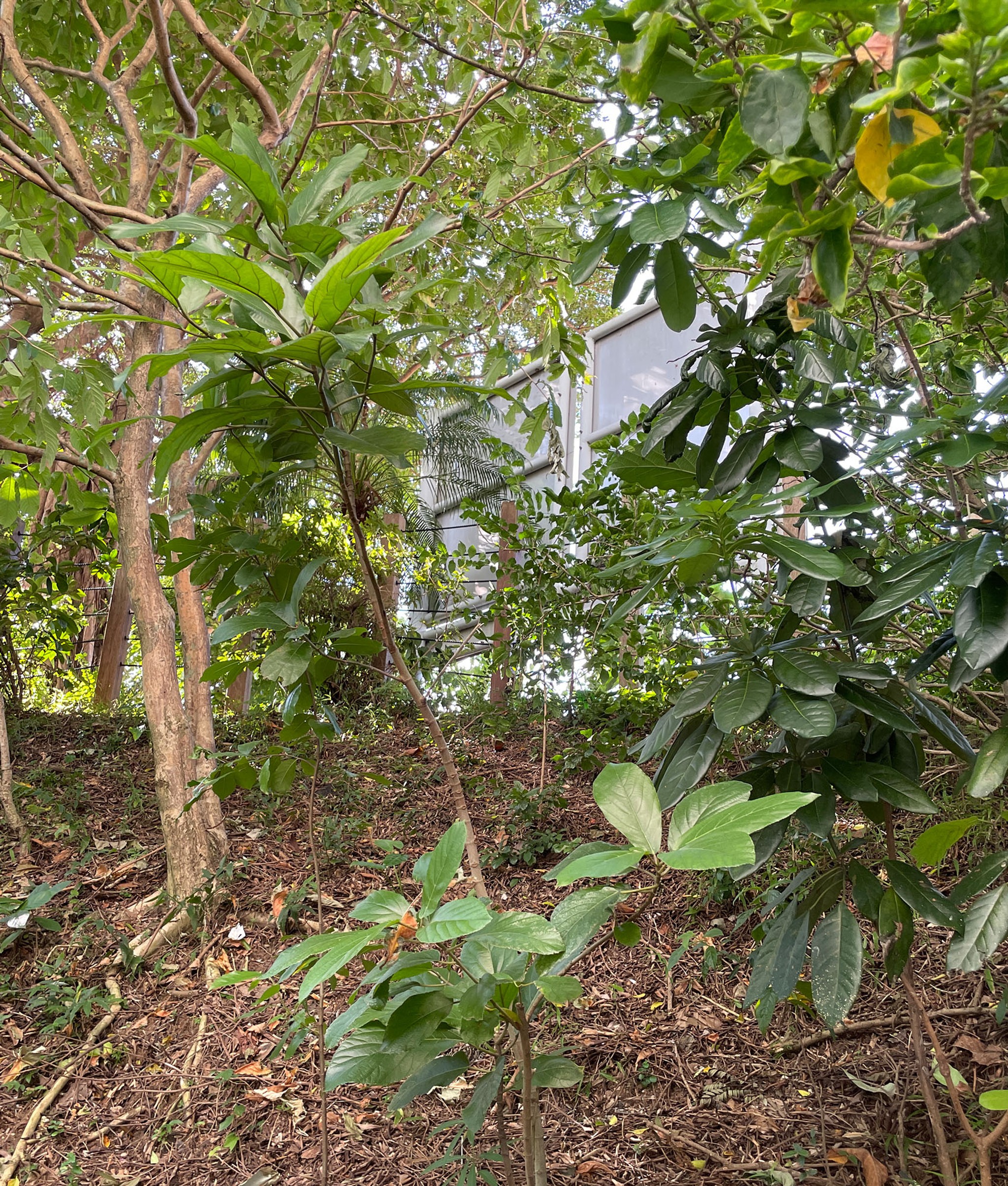
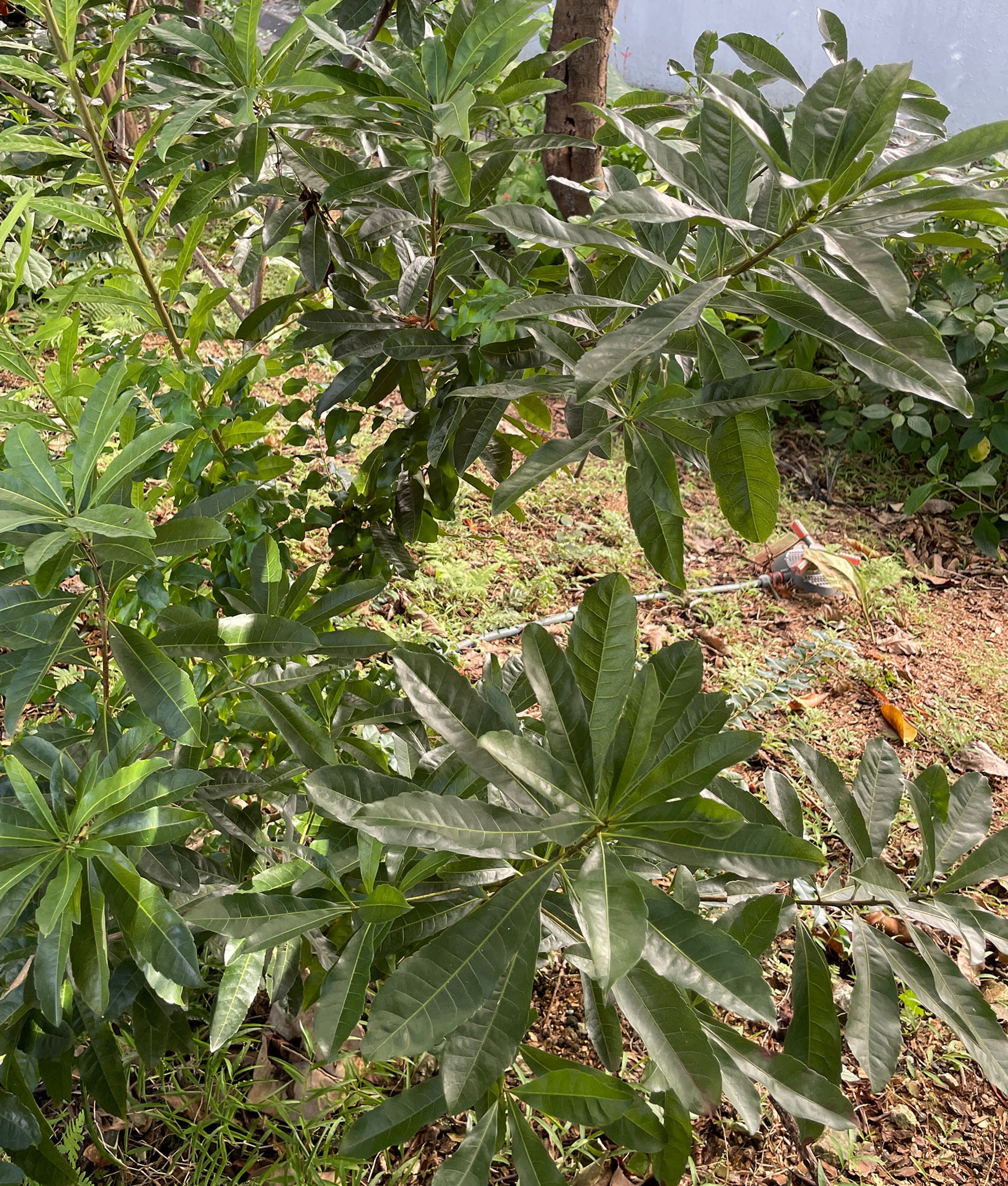
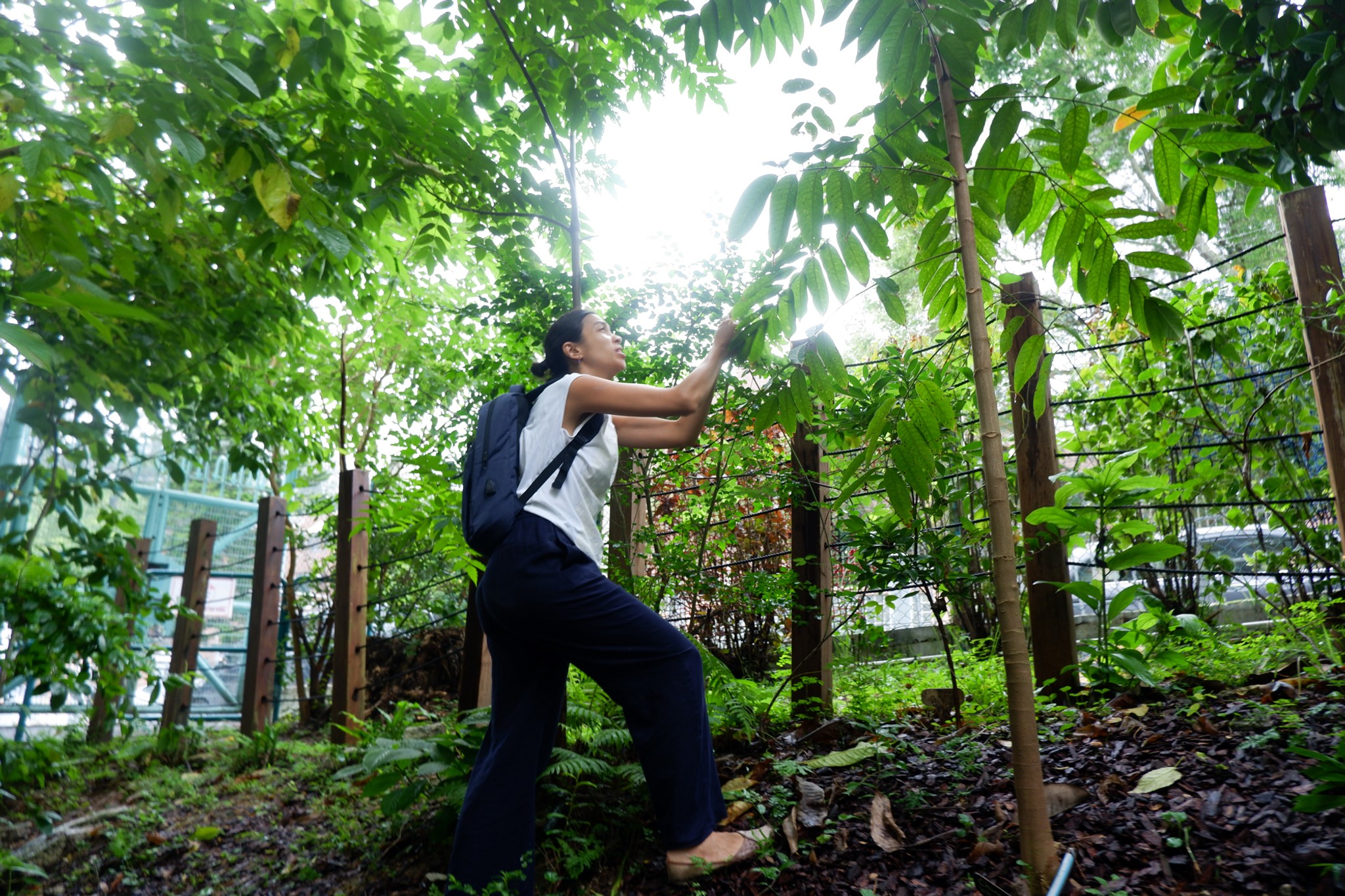
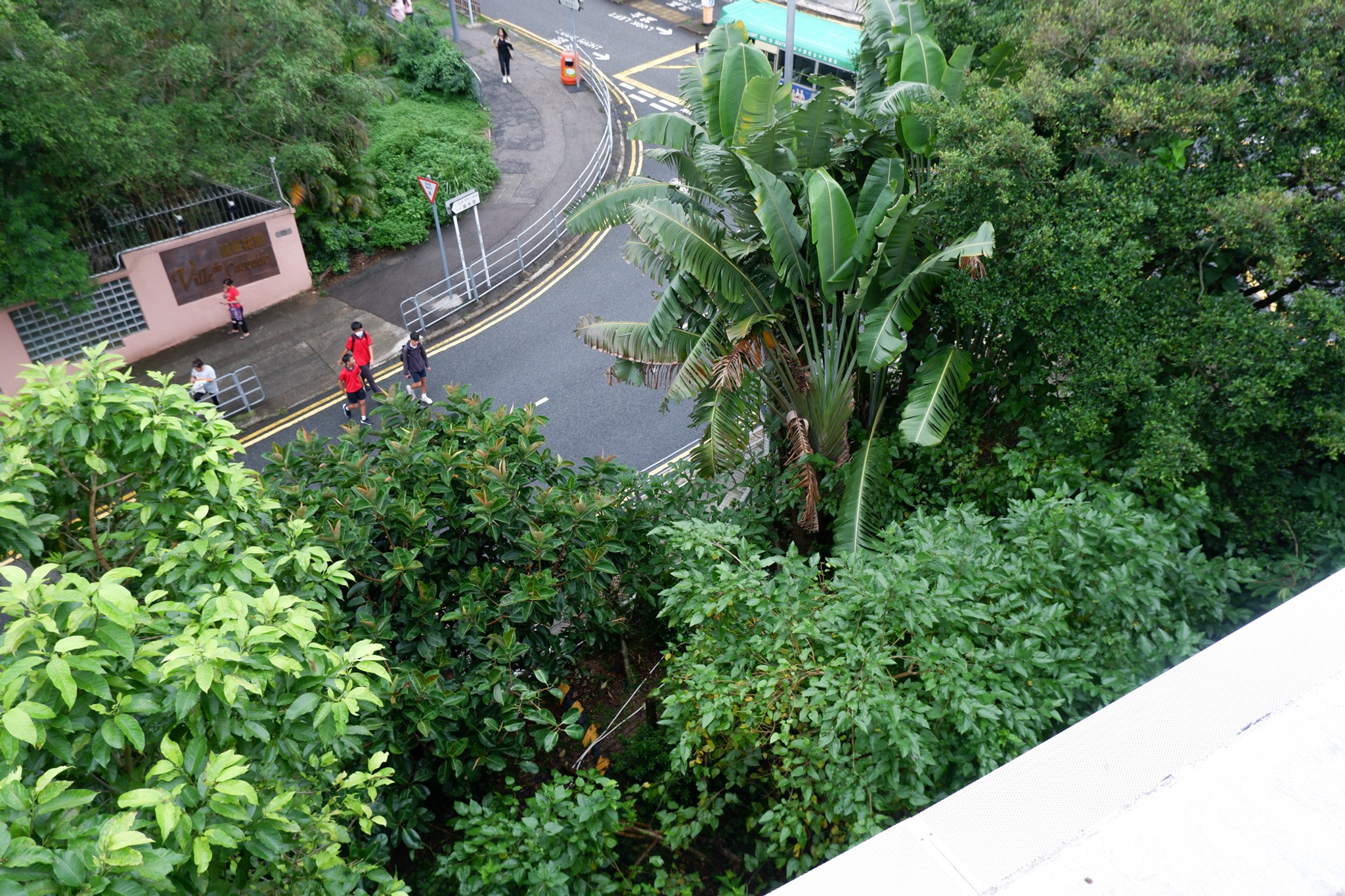
Planted in May 2022, the pocket forest at Sha Tin Junior School has steadily transformed an abandoned slope beside the school into a thriving, increasingly self-sustaining green space. Once characterised by a handful of ageing trees and low-quality soil where little else could grow, the site has been gradually restored through the addition of compost over the past three years, allowing grasses, weeds and a diverse range of planted species to take hold.
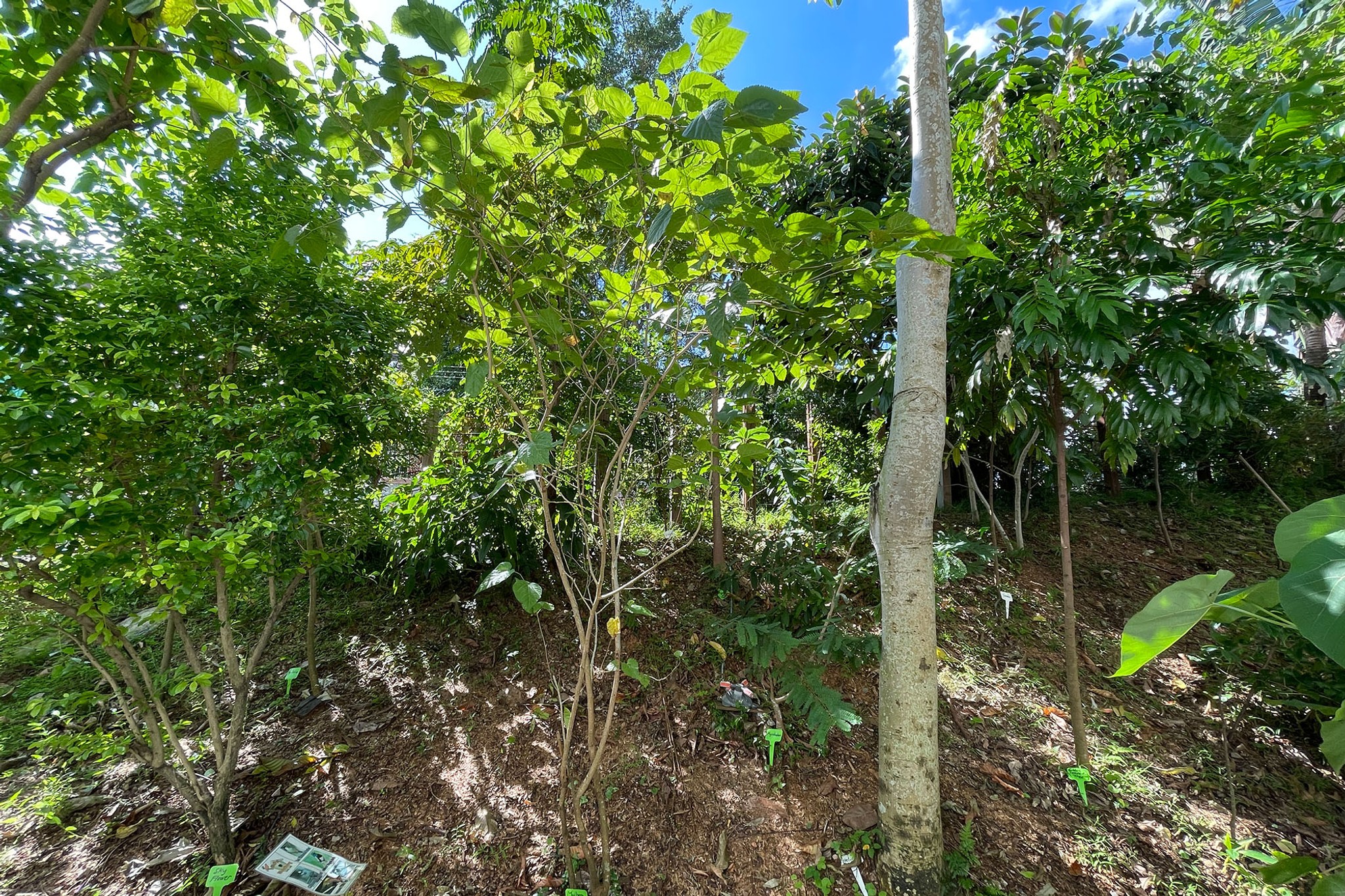
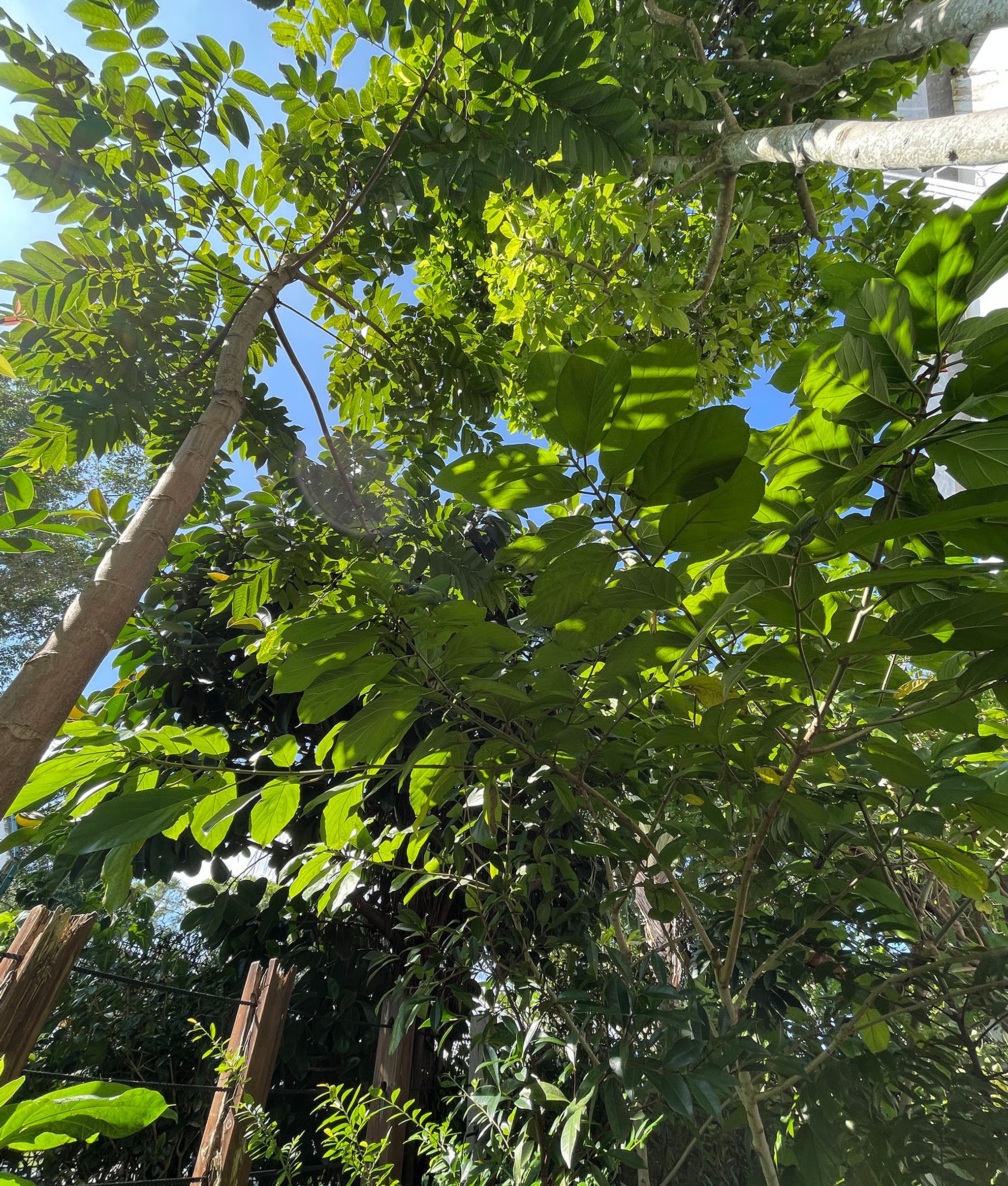
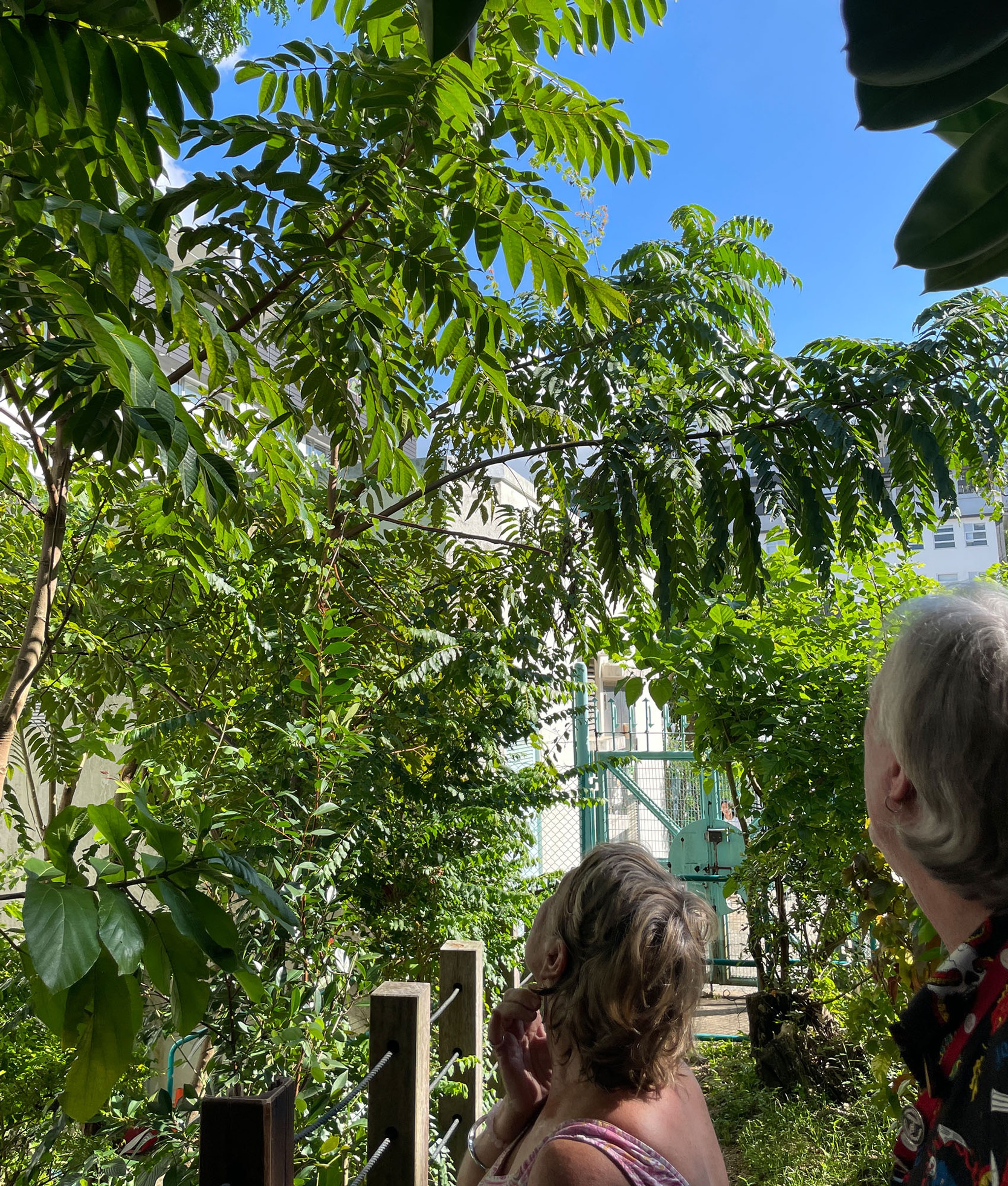
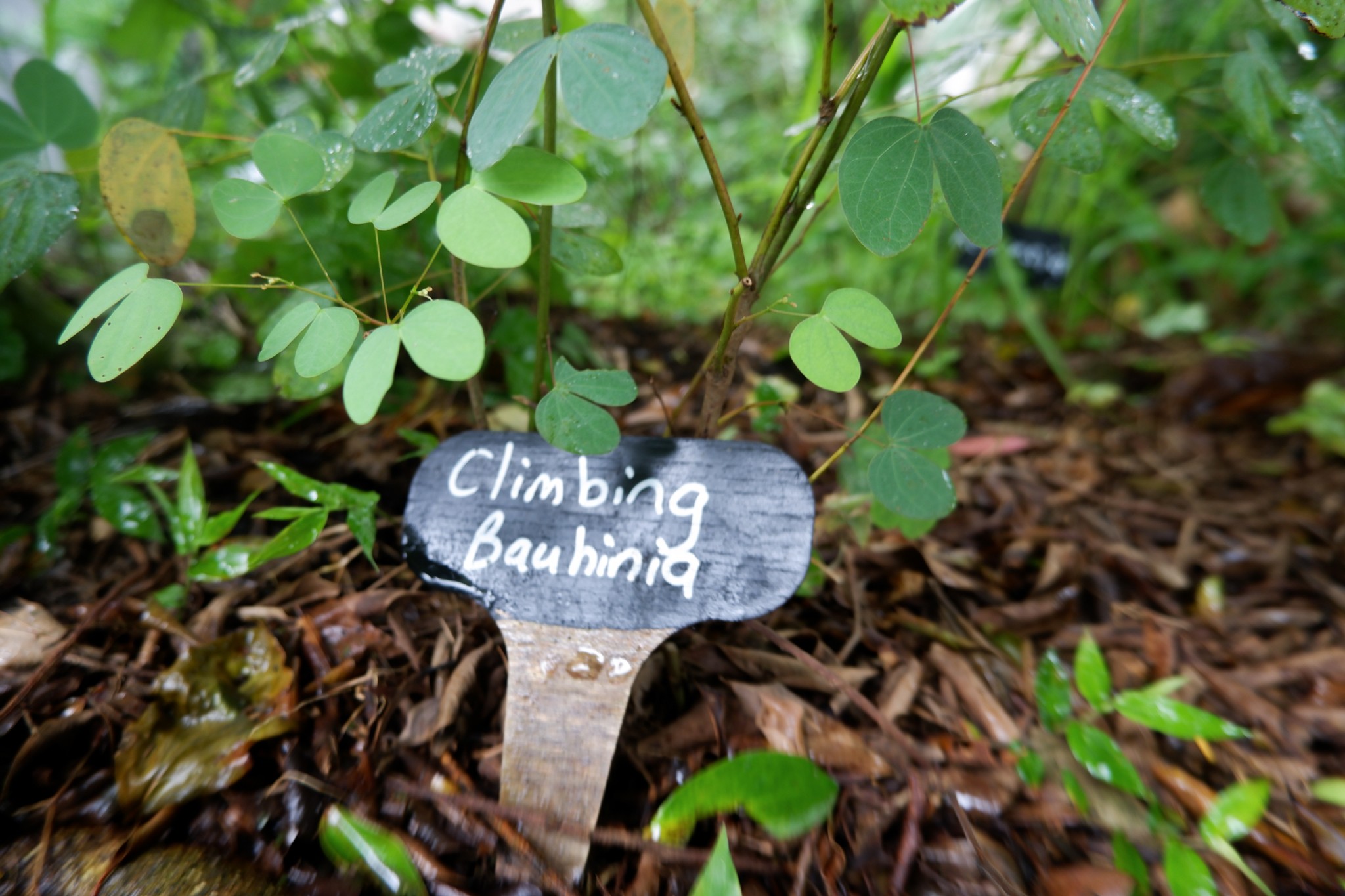
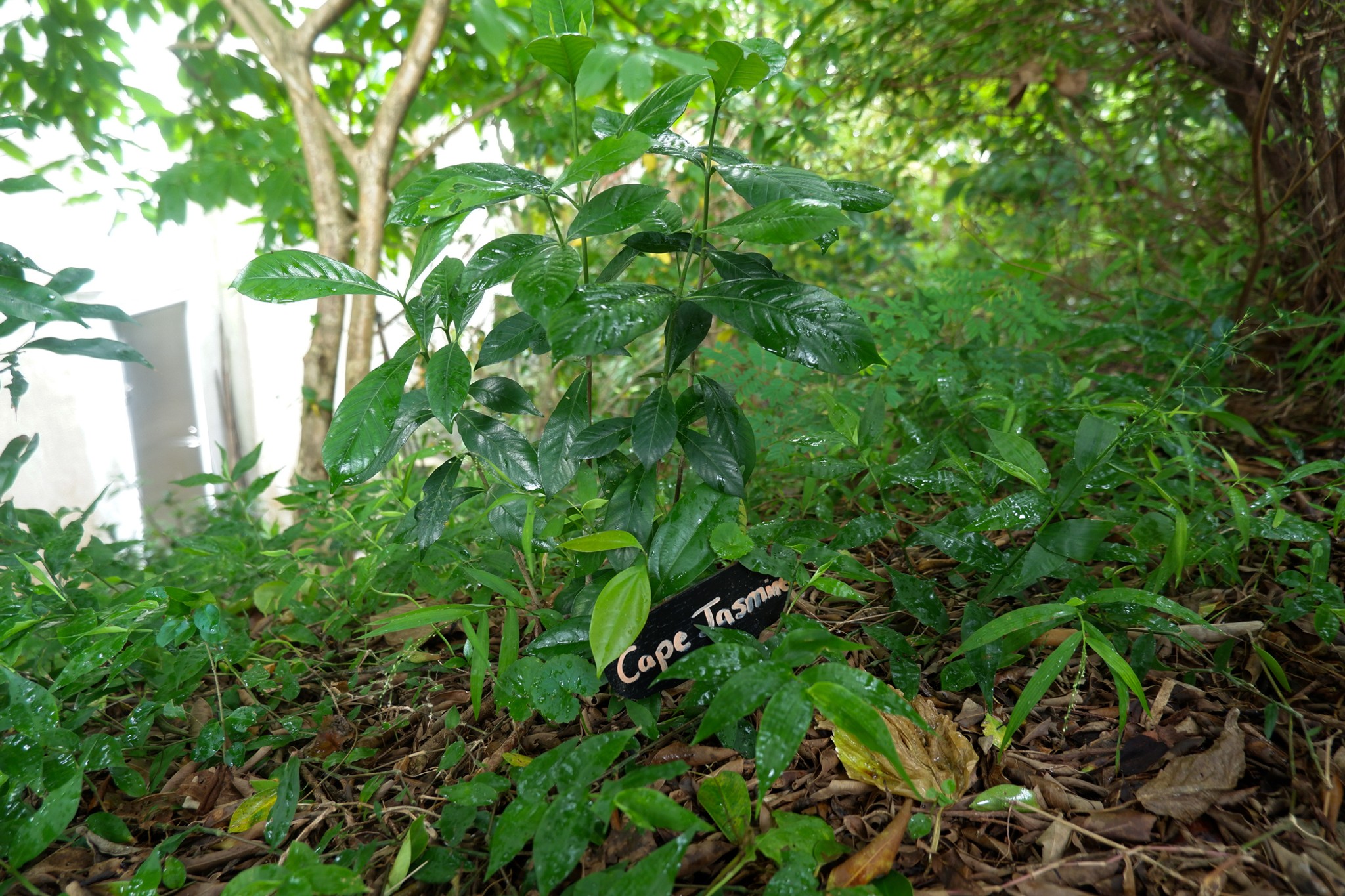
Led by the school’s Sustainability Teacher, the area now includes a rich mix of native plants, a dedicated butterfly zone and a small section left to rewild naturally. Trees in the more exposed, sunlit areas now reach heights of four to six metres. Teachers describe the forest as “a cool, green hug around the school,” a sentiment echoed by the growing biodiversity on site. Morning birdsong has noticeably increased, including regular sightings of Whistling Thrushes and large numbers of Red-whiskered Bulbuls, while the presence of snakes such as the Red-necked Keelback, Chinese Rat Snake and Bamboo Pit Viper points to a healthy, well-balanced ecosystem supporting small mammals, amphibians and reptiles.
Students have learned how to coexist safely with this wildlife, turning encounters into valuable learning experiences. While children have enthusiastically embraced the forest as a space for exploration and connection with nature, the school now aims to extend education and awareness to parents and staff, reinforcing the ecological and wellbeing value of this flourishing, self-sustaining green refuge.
Forest Maker
Camilla Zanzanaini
Forest Partner

Ecosystem Restored
Final report: 09.10.2025
After approximately three years our SUGi Pocket Forests become self-sustaining. They no longer require human maintenance or watering, and can be handed over to Nature for biodiversity and complexity to naturally develop.
0%
Survival Rate
0
People living within 300 meters
0
kg of potential CO2 sequestration
Biodiversity
Biodiversity is all the different kinds of life you'll find in one area—the variety of animals, plants, fungi, and even microorganisms like bacteria that make up our natural world. Each of these species and organisms work together in ecosystems, like an intricate web, to maintain balance and support life.
0
Potential number of mammals
0
Potential number of birds
0
Potential number of amphibians
Forest Report: 2024
0 Years
Forest Age
0%
Survival Rate
0m
Average of Tallest 3 Trees
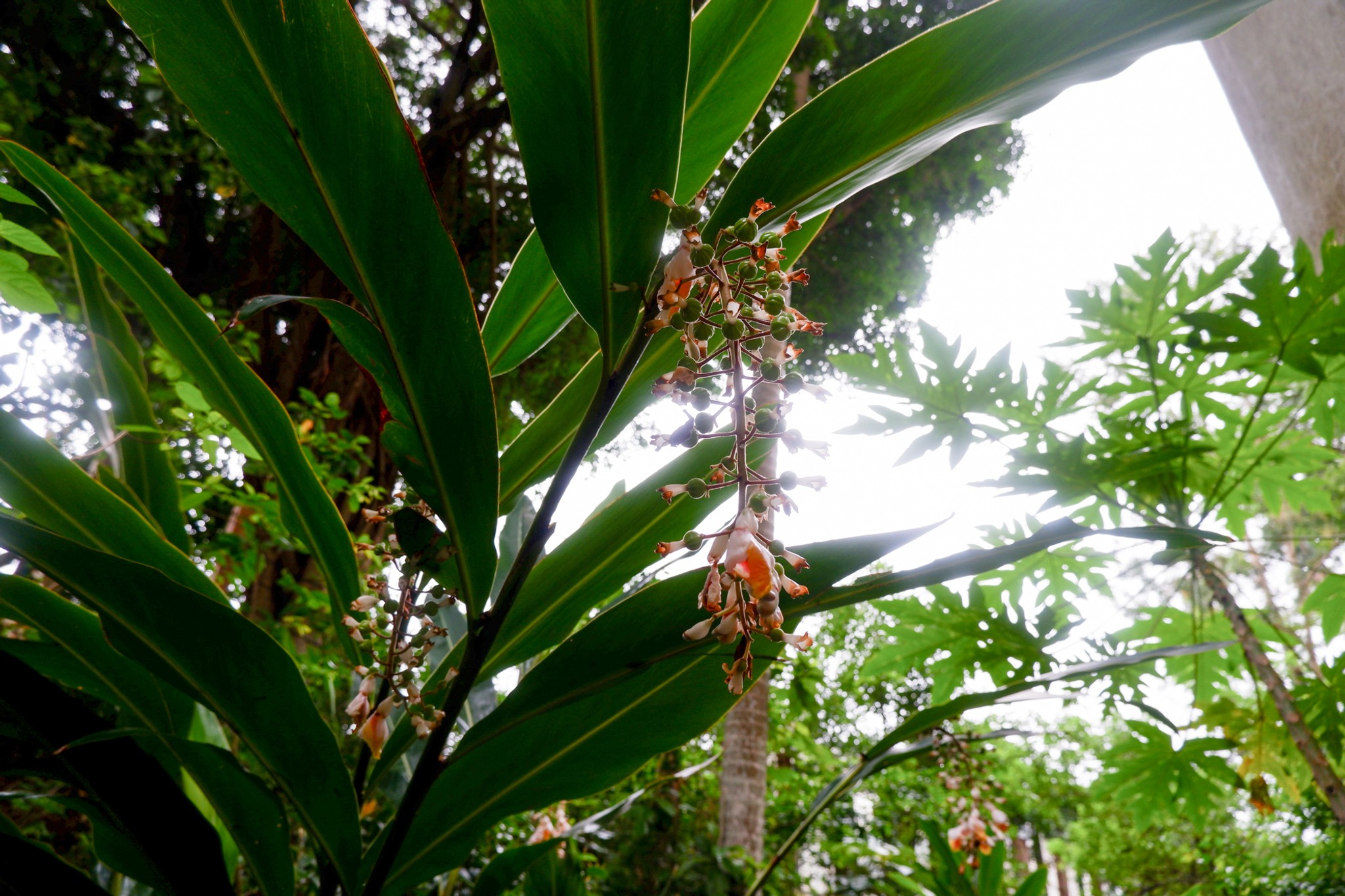
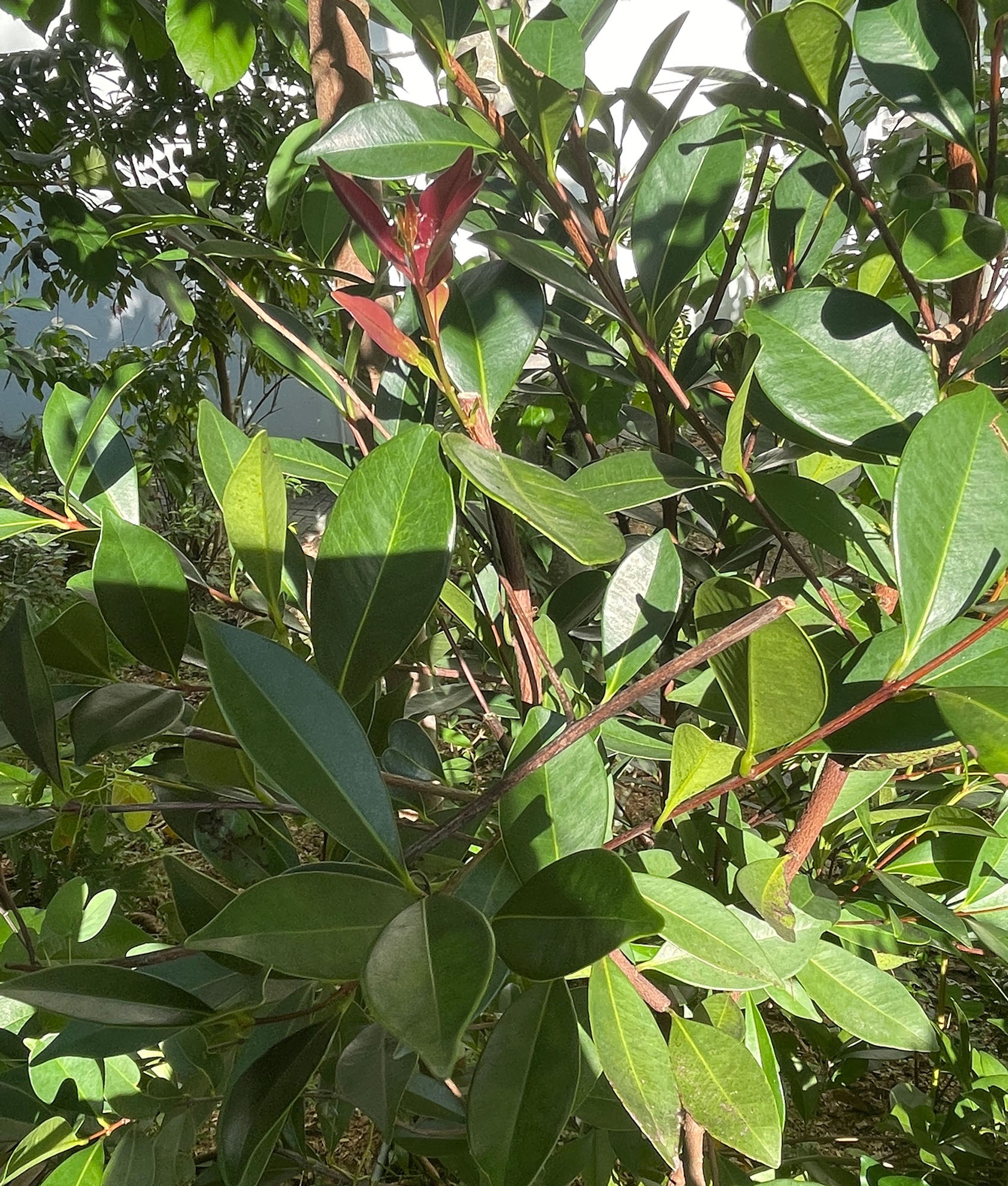
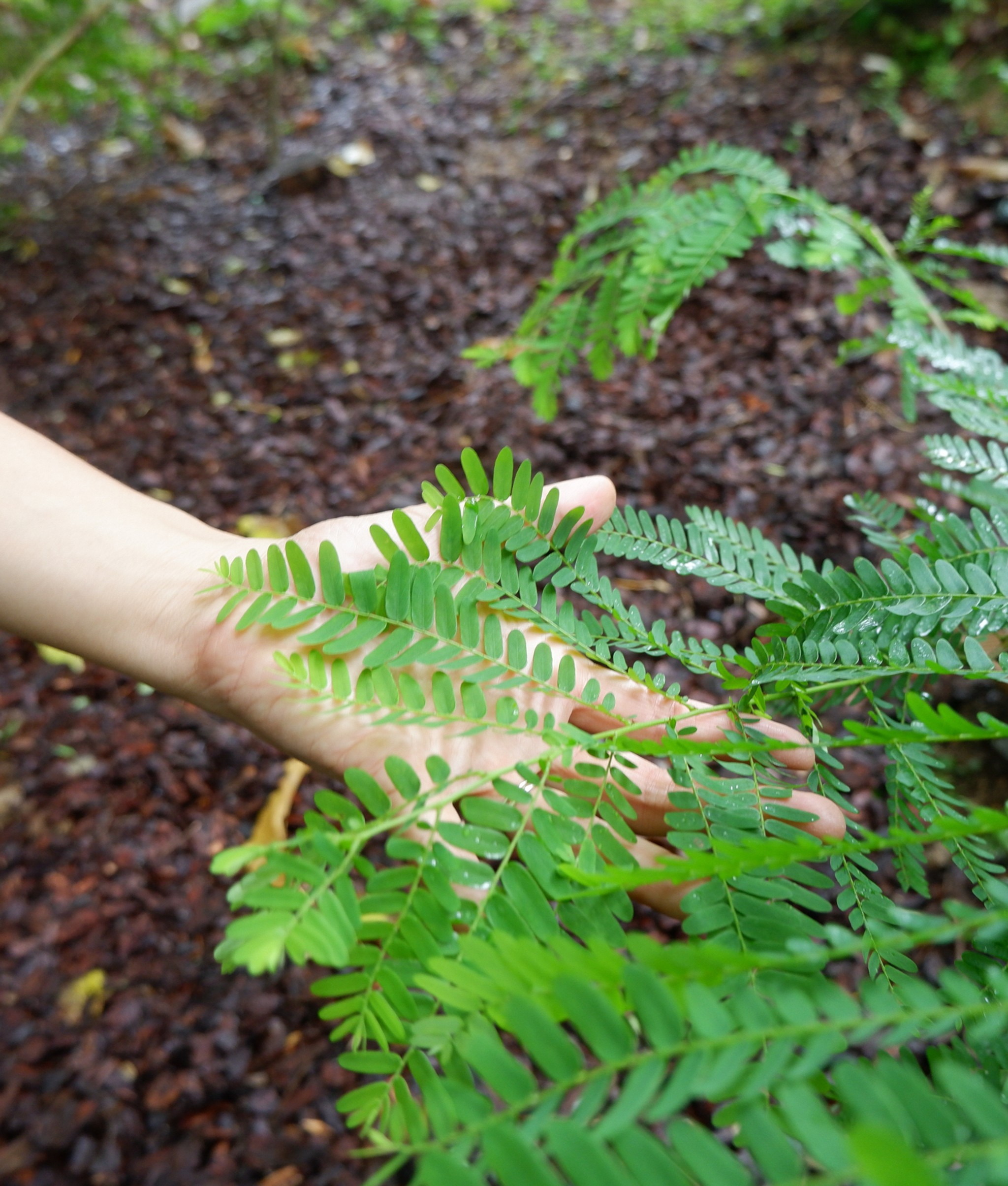
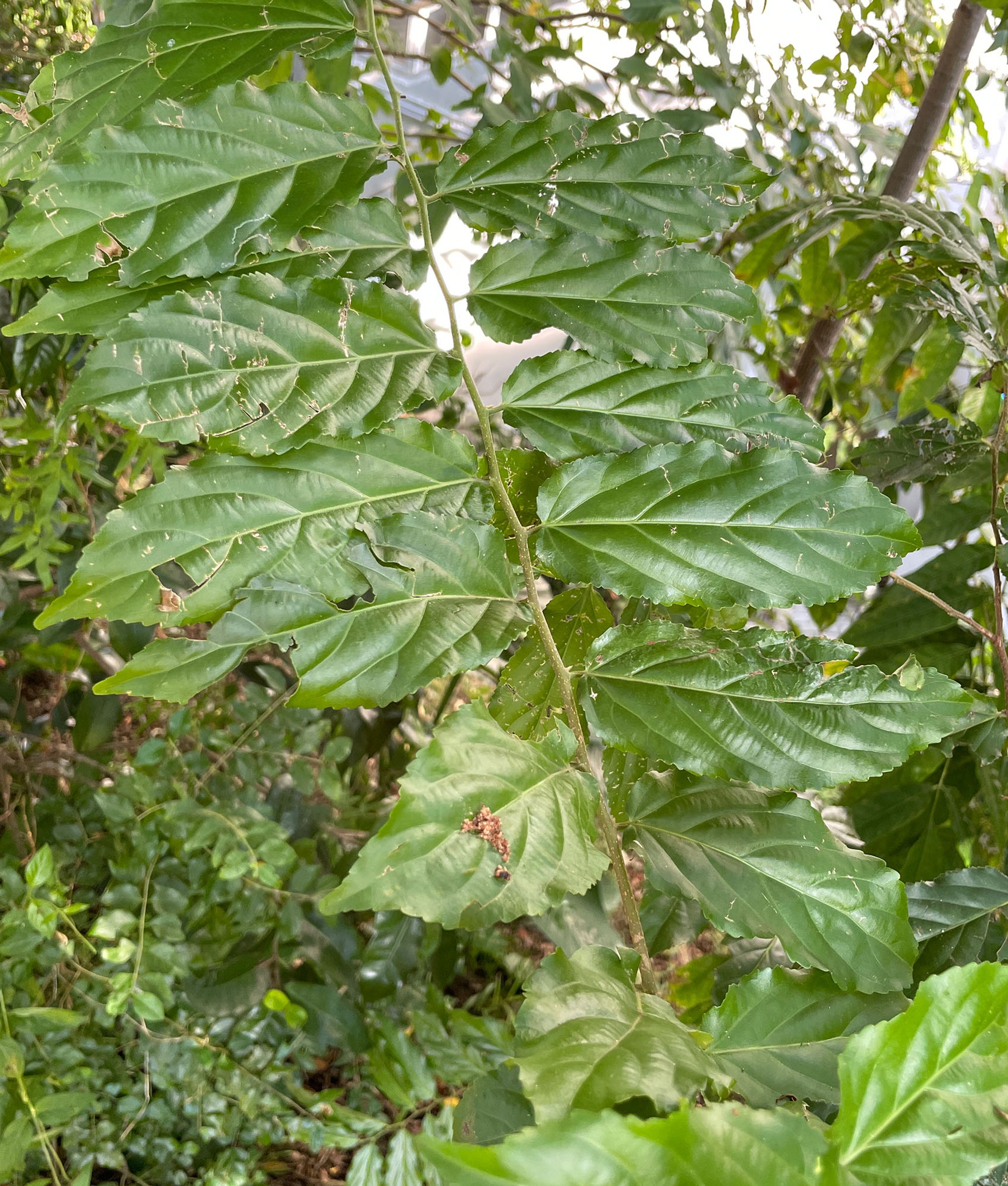
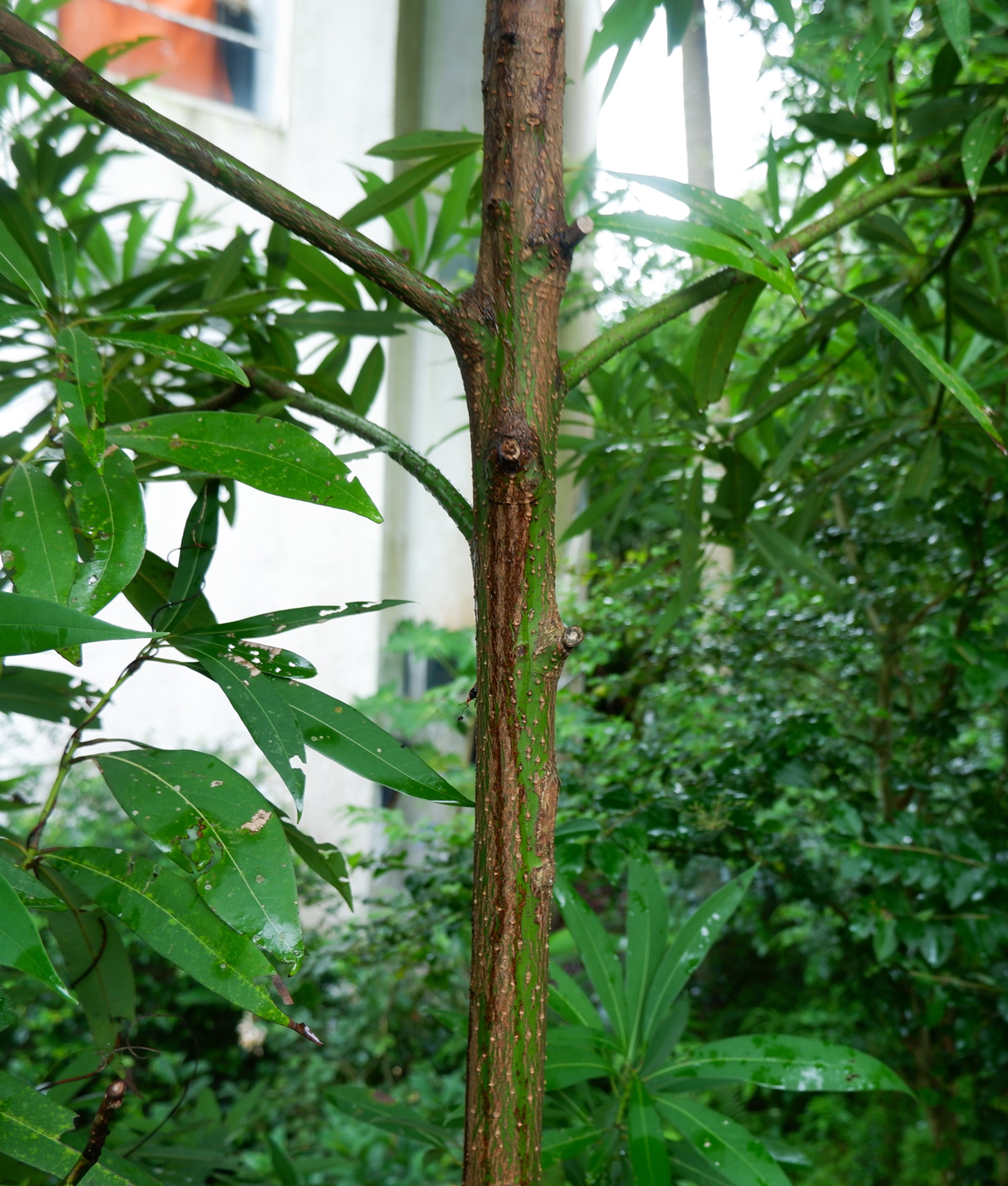
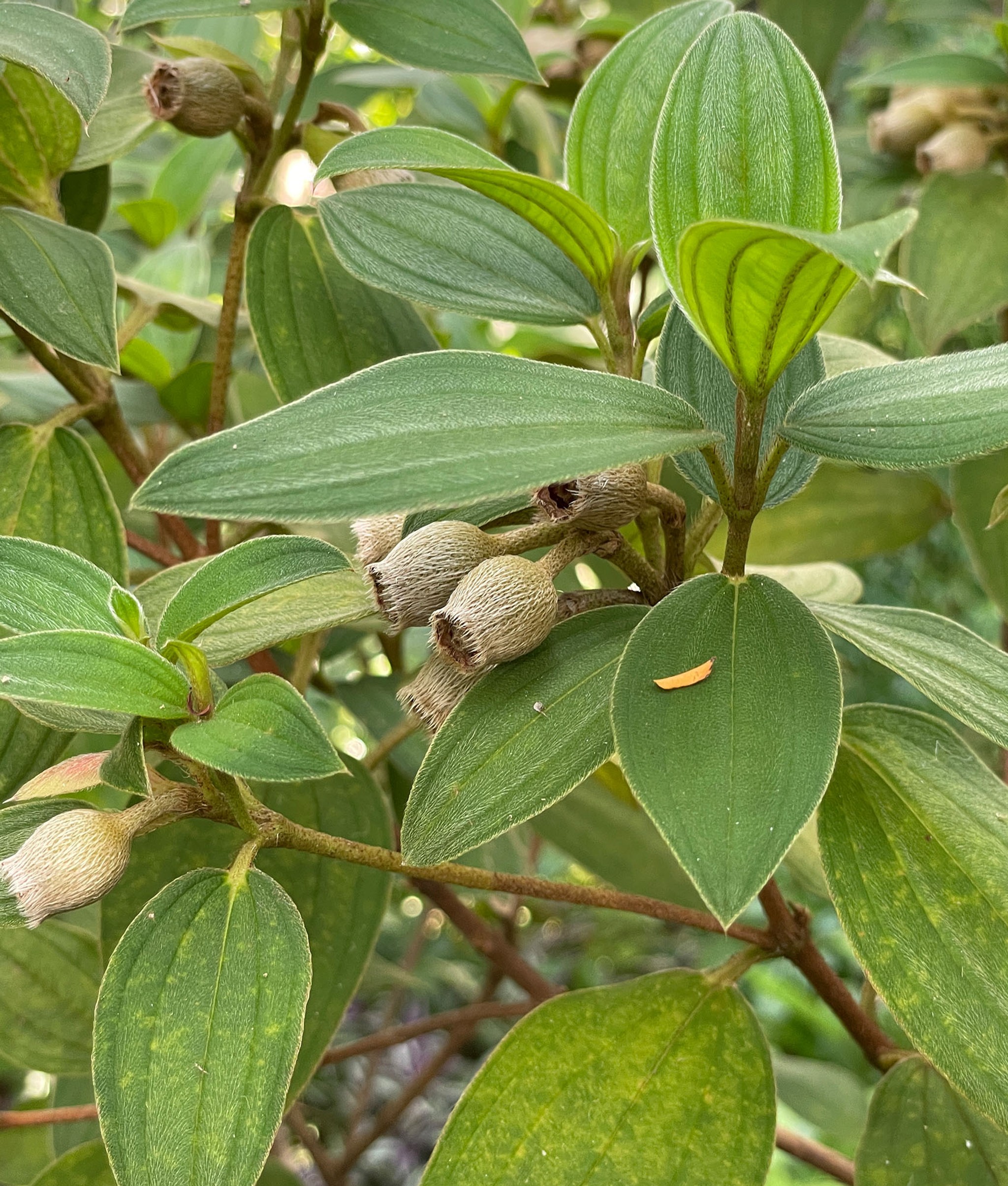
The forest is growing fast - it’s starting to be difficult to tell which trees are planted by us and which trees were already planted or self-seeded.
There has been an increase in birds, butterflies and snakes - the latter not receiving too positive a response from the school because a venomous banded krait (Bungarus) was coiled up near a classroom door not far from the forest, and definitely ate some of the red whiskered bulbul eggs that had been in a nest in one of the trees. These snake species are getting rarer, and are definitely not the only snake living in the forest.
There was also a family of Chinese water dragons (Physignathus cocincinus) living in the fallen log area kept by the school (unclear if native or escaped pets), but unfortunately after the snake incident, the headmaster hired a third party contractor to "tidy up" parts of the forest, and one water dragon was killed by a worker (we believe the rest ran away). Thankfully, the intervention has been stopped, and hopefully the water dragons return once more.

Forest Report: 2023
0 Months
Forest Age
0%
Survival Rate
0m
Average of Tallest 3 Trees
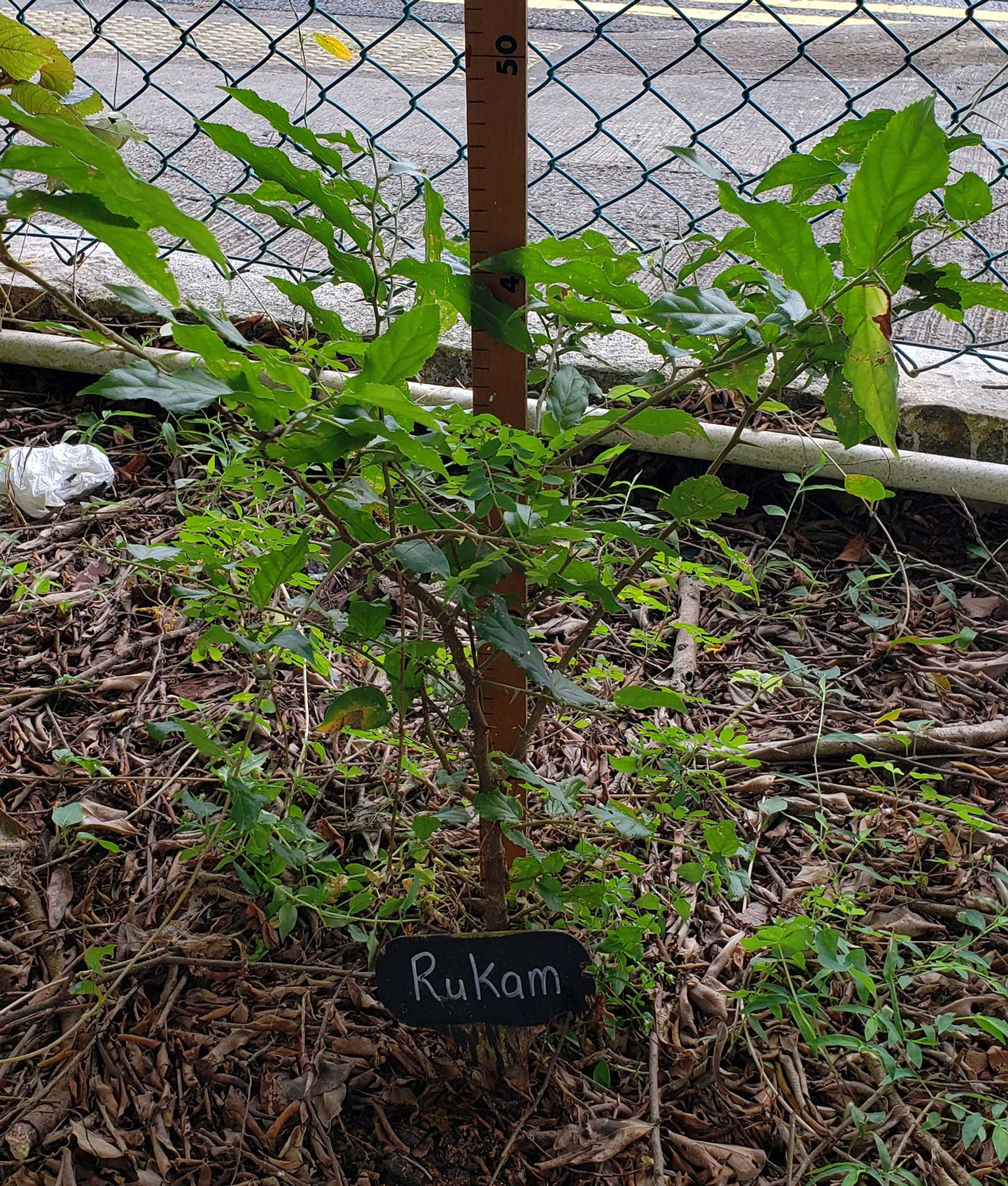
Considering the forest was planted on sloped land, which didn’t receive any initial soil preparation, it has shown incredible growth with a great survival rate of 70%. Out of 78 trees, 55 have survived, and out of the 28 species, 24 are still thriving.
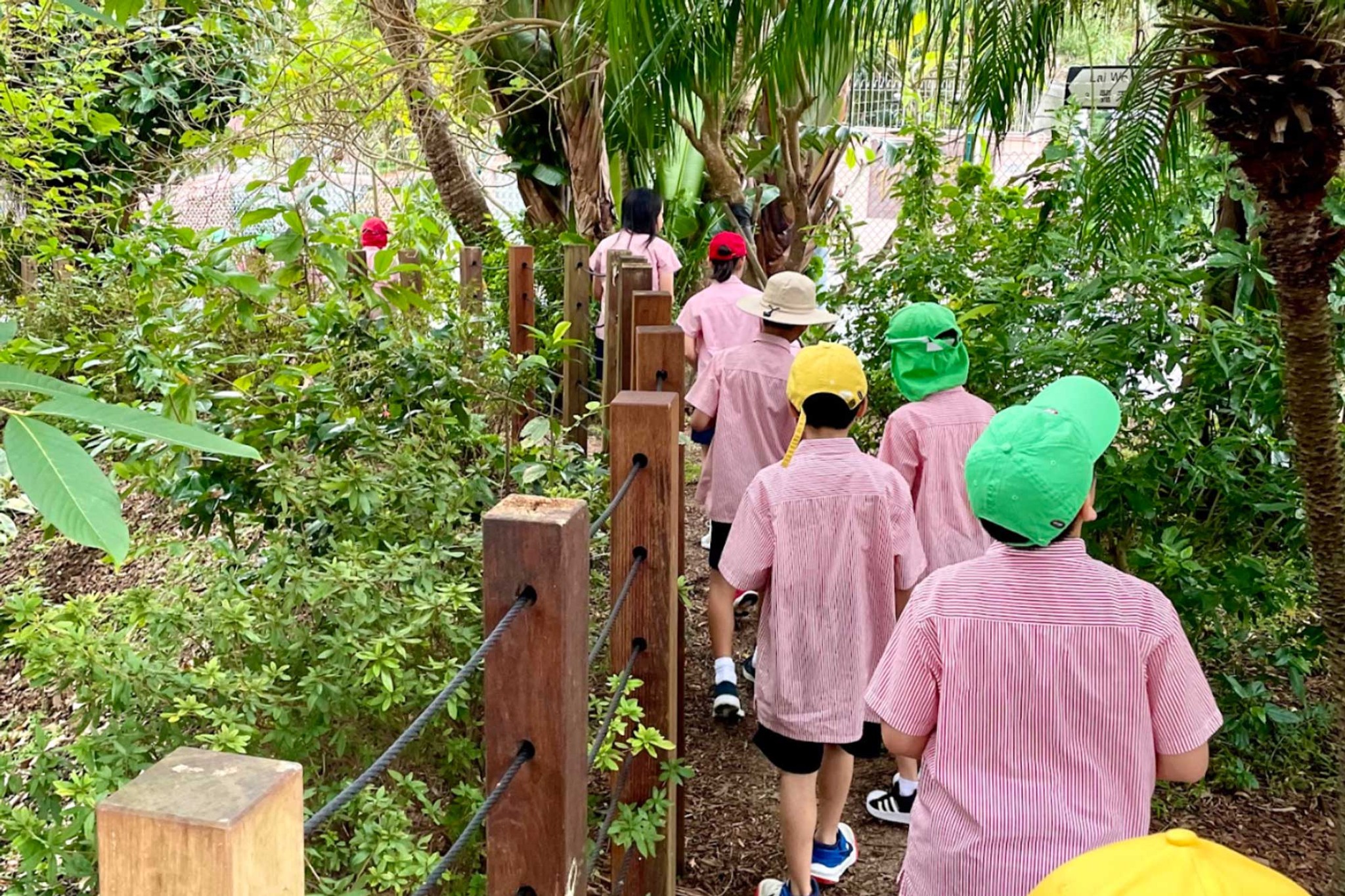
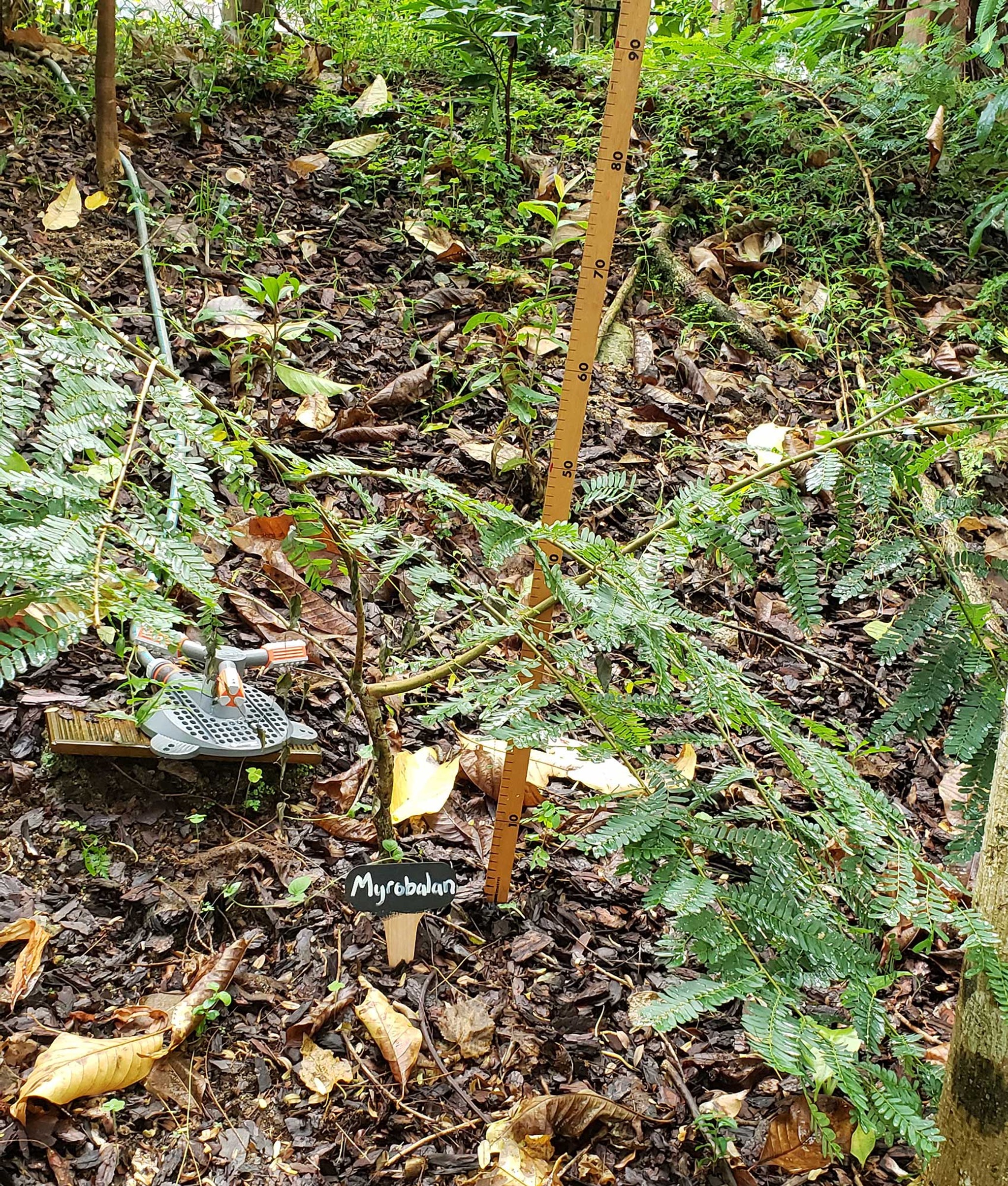
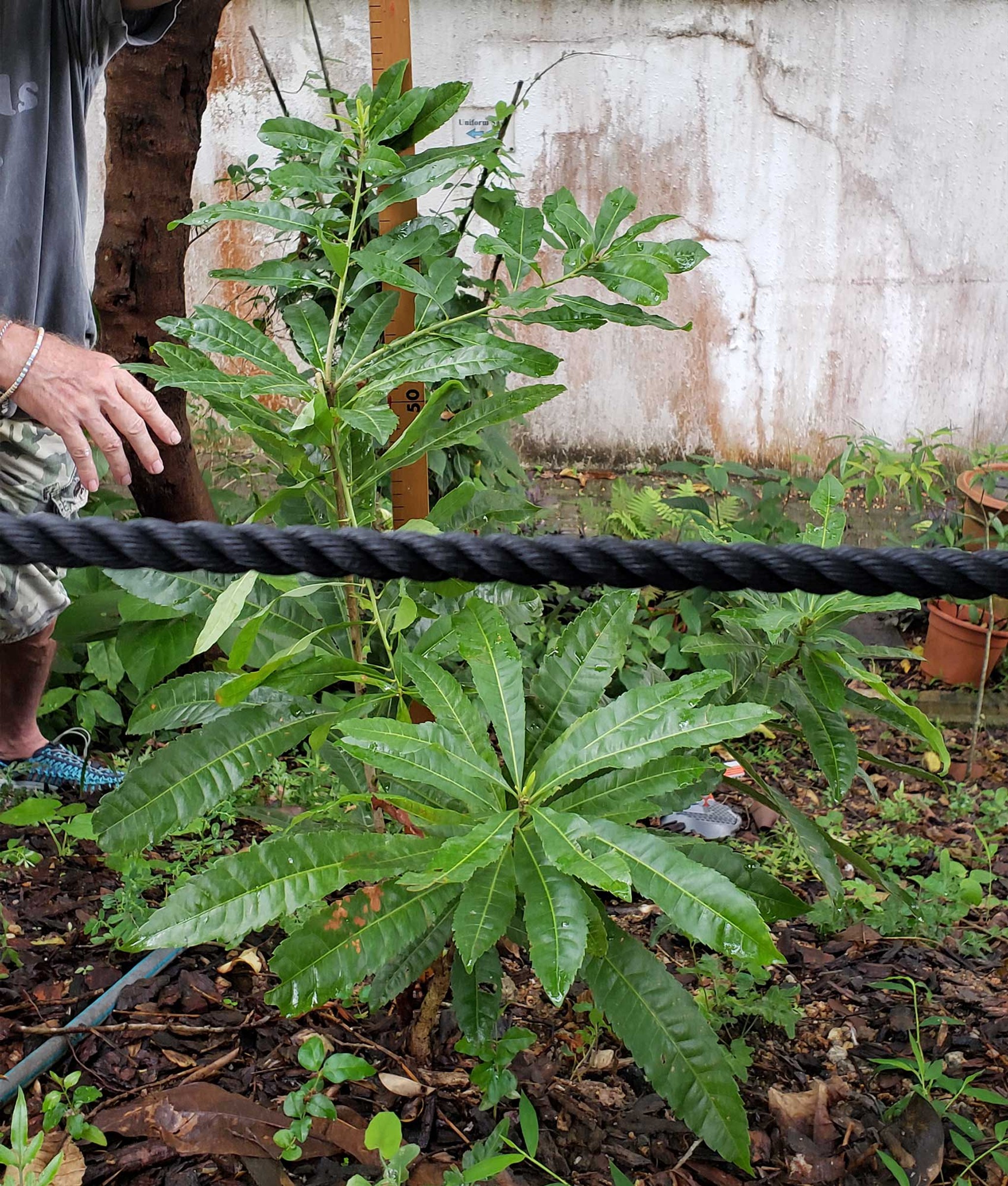
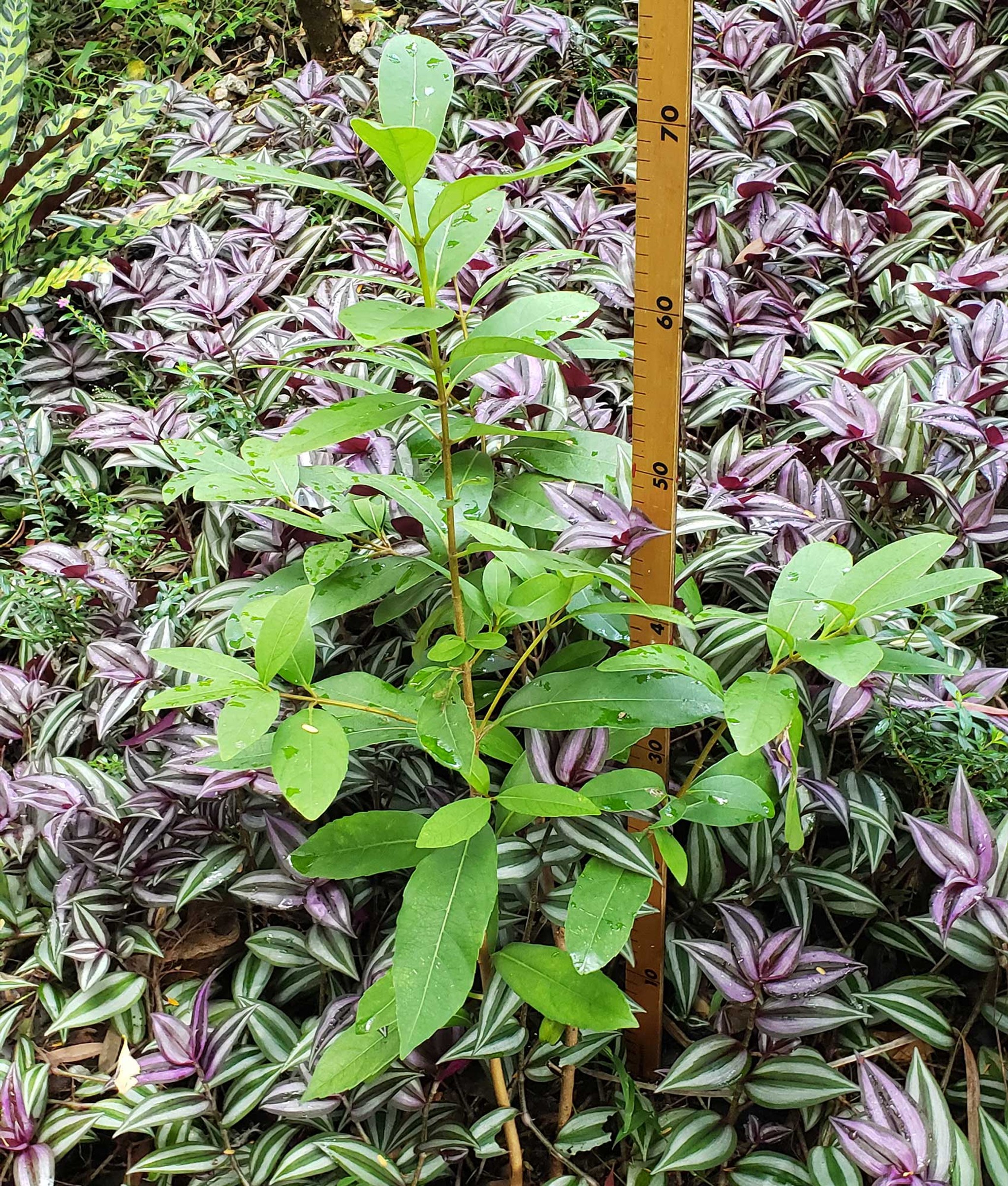
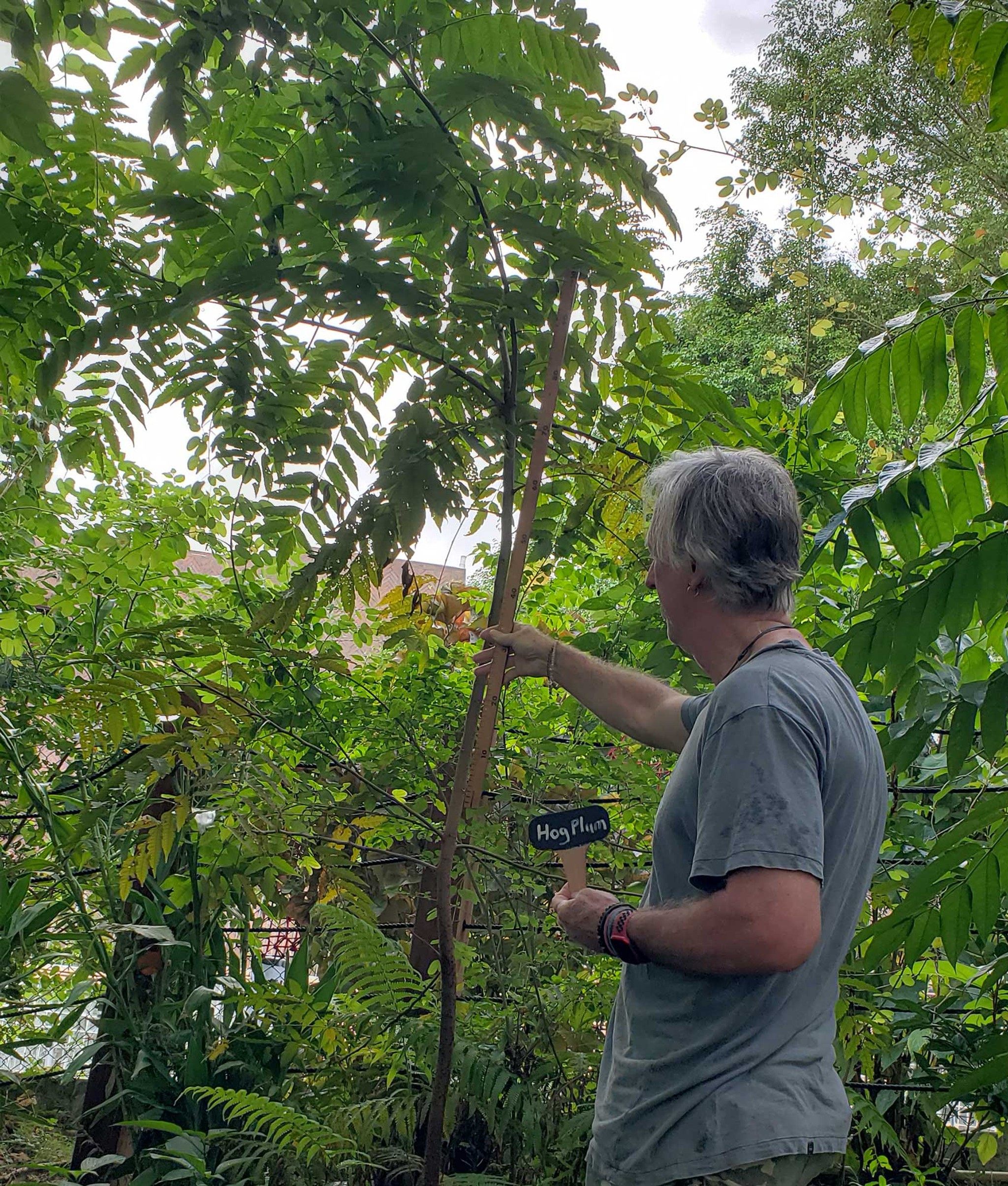
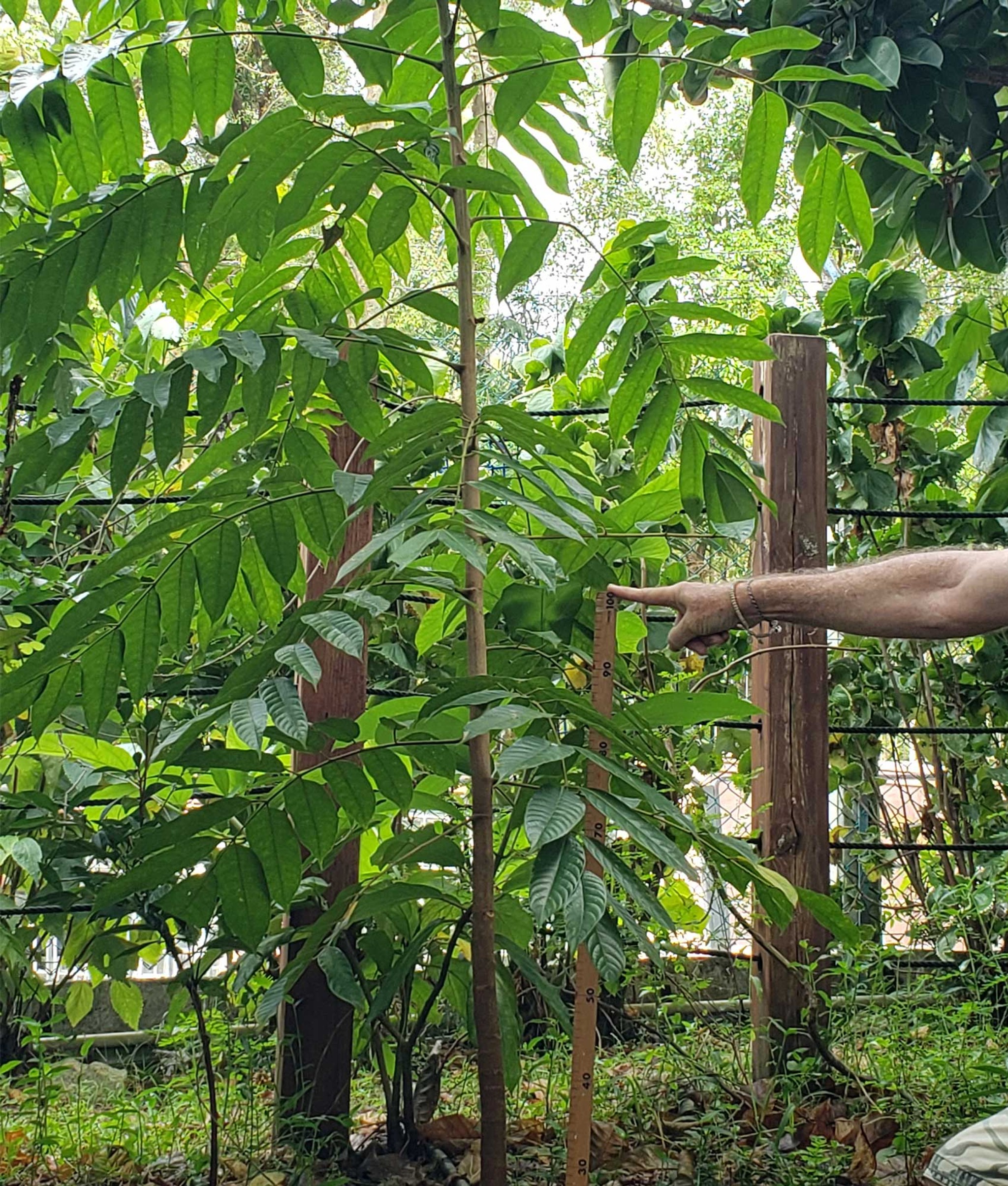
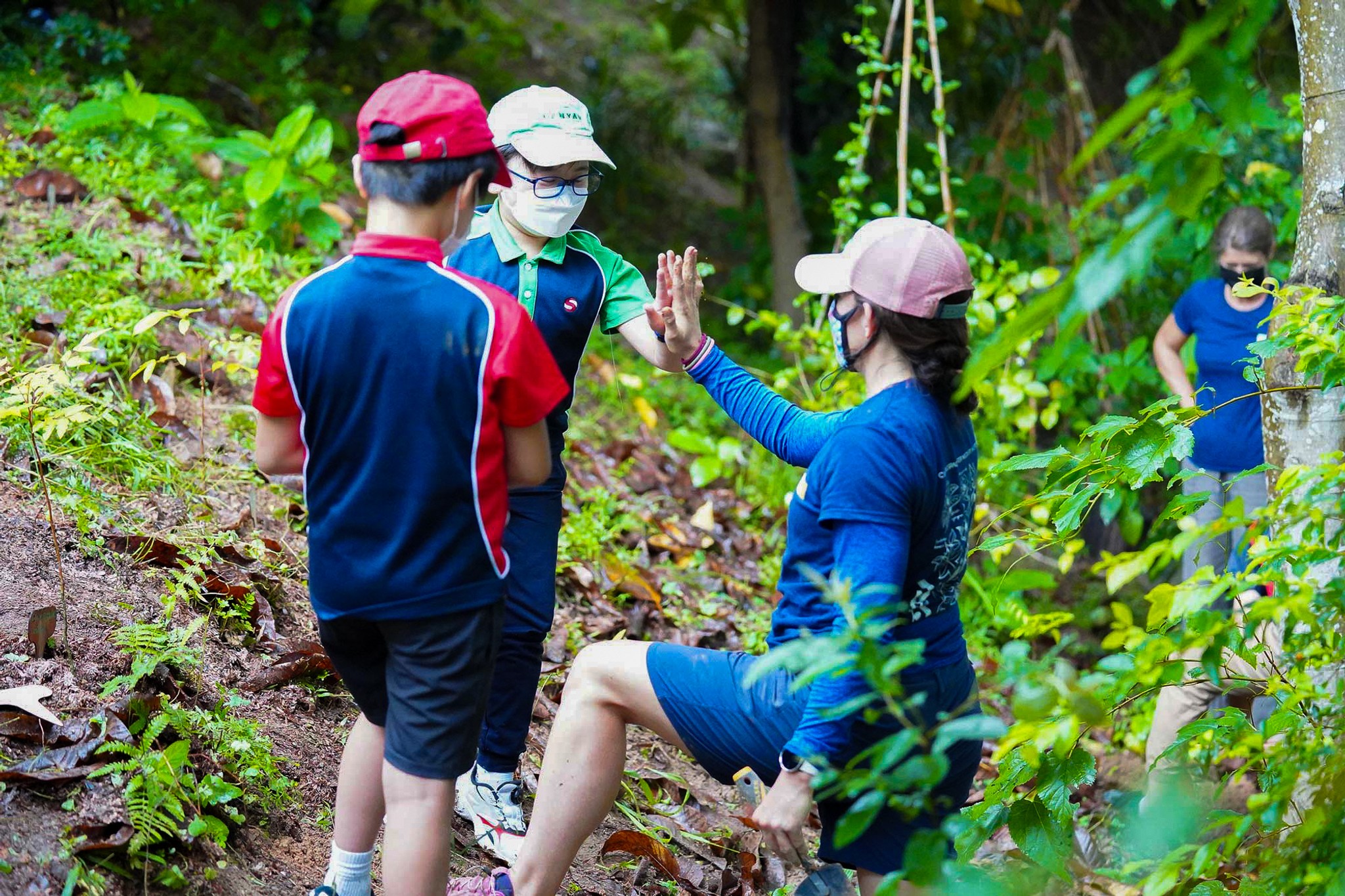
“It’s been lots of fun teaching students to identify trees in their forest garden and learn about different uses.”
- Camilla Zanzanaini, Founder of Nature Makers Lab
Planting: May 2022