Legacy Forest
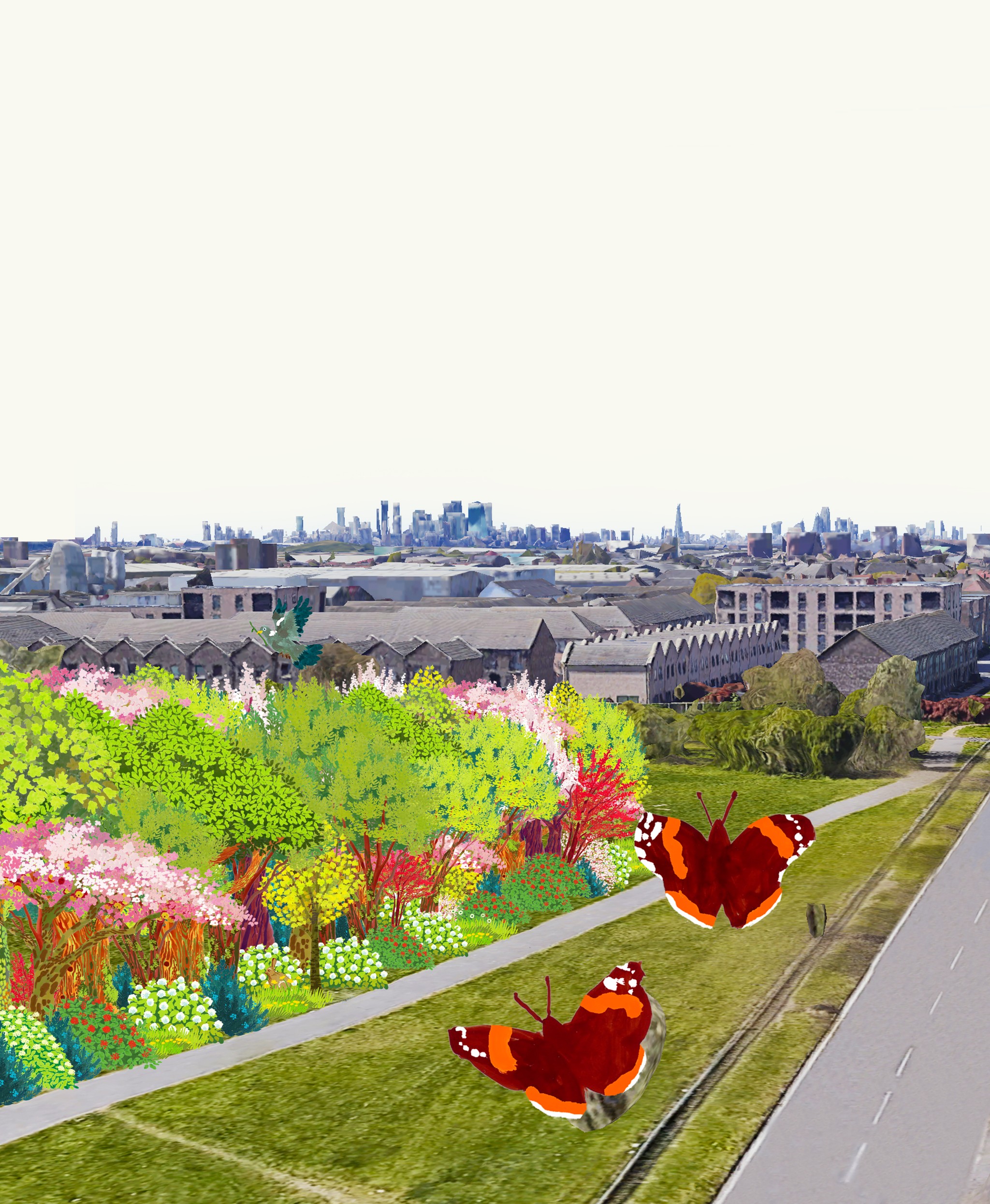
Restoring biodiversity in East London as a living legacy for Queen Elizabeth.

0
Trees
0
Square Meters
0
Native Species
Self sustaining pocket forest
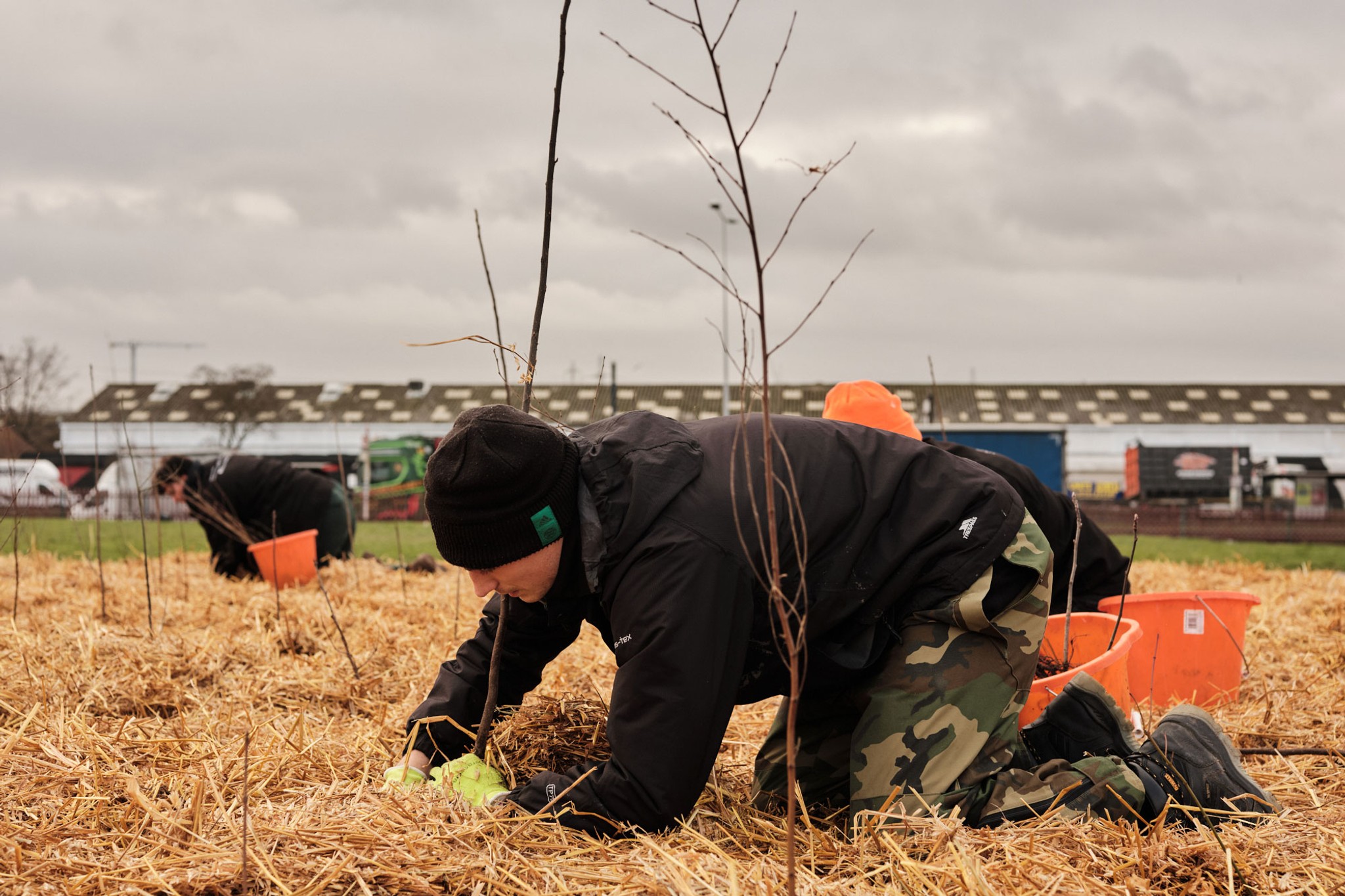
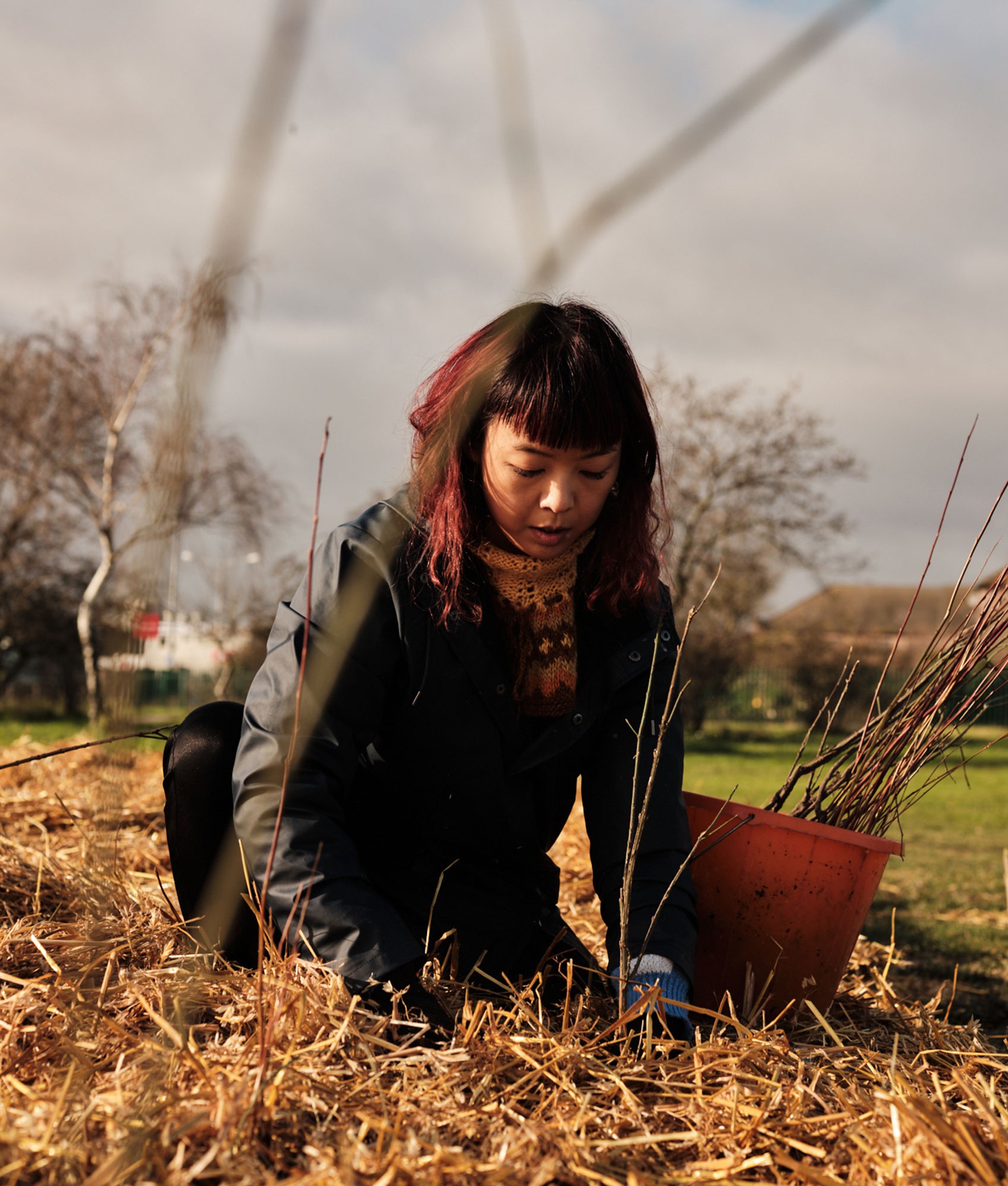
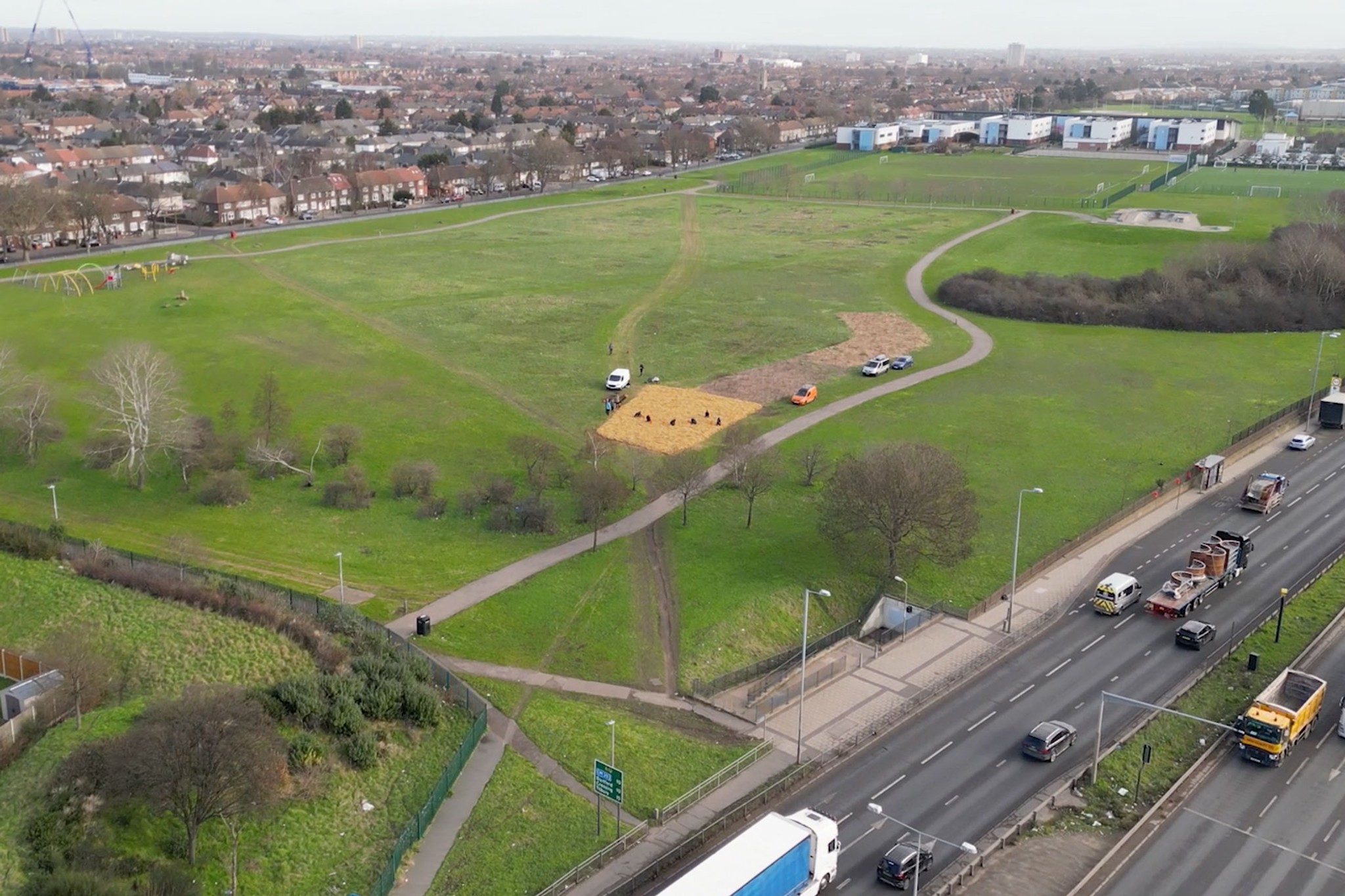
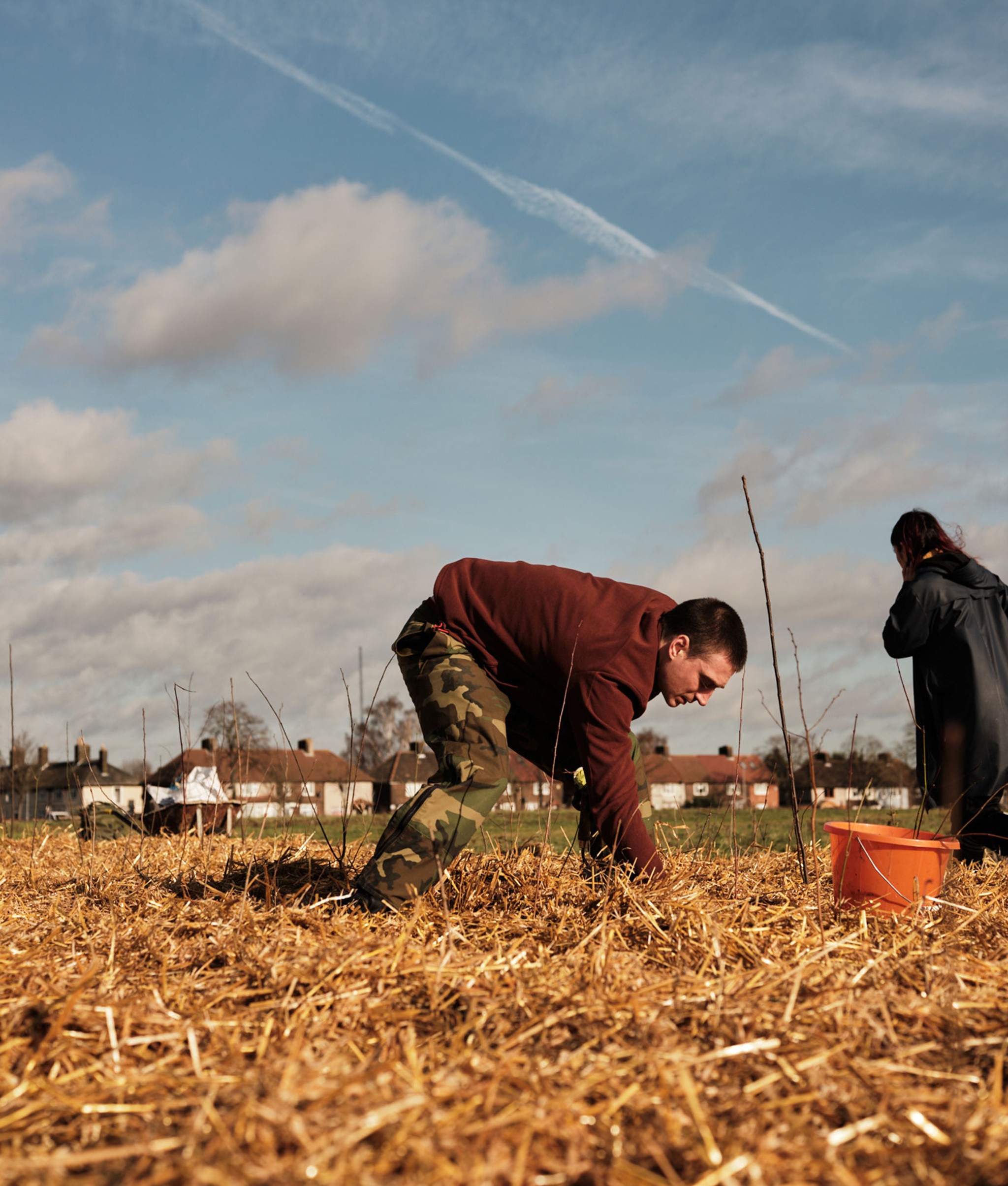
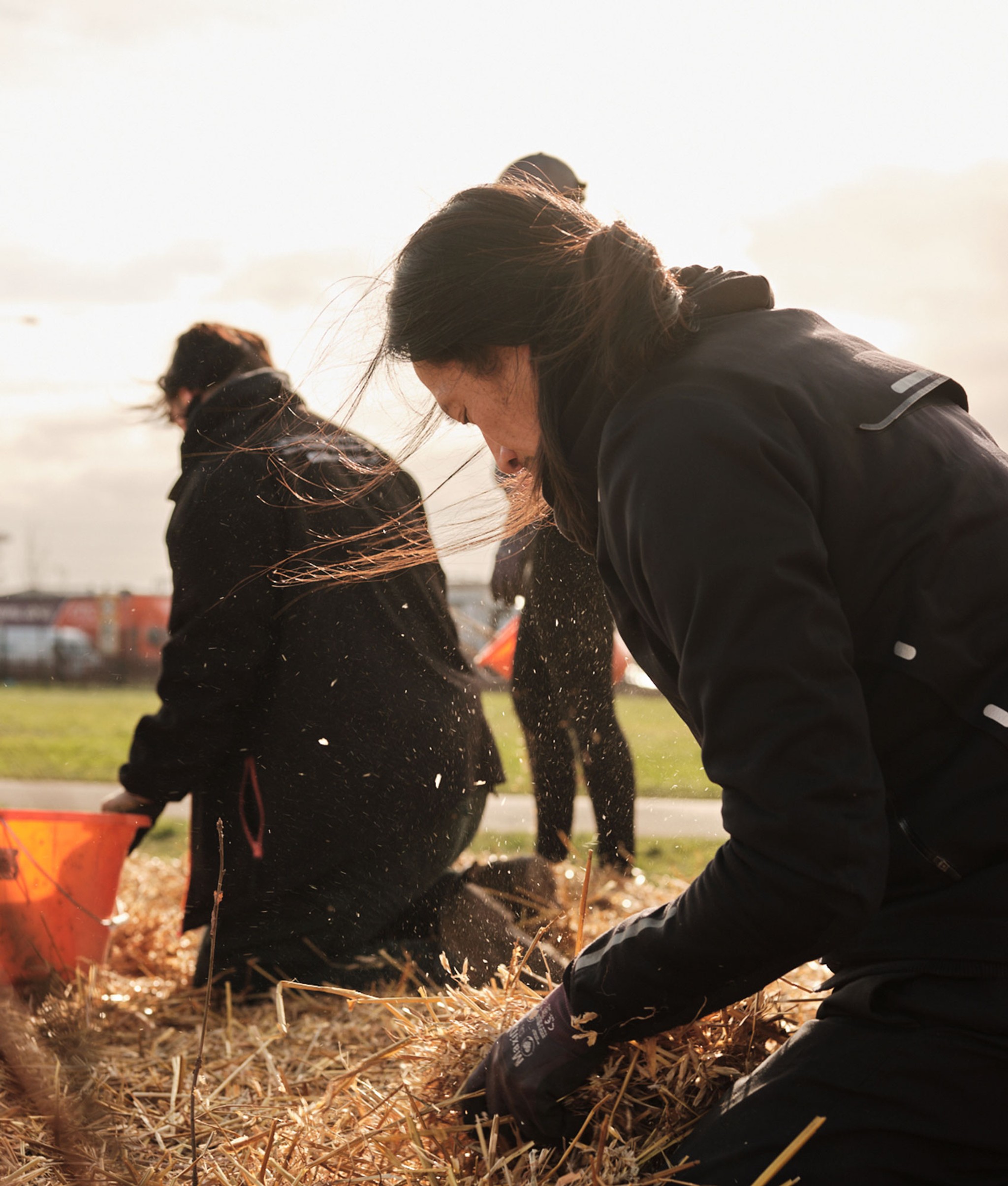
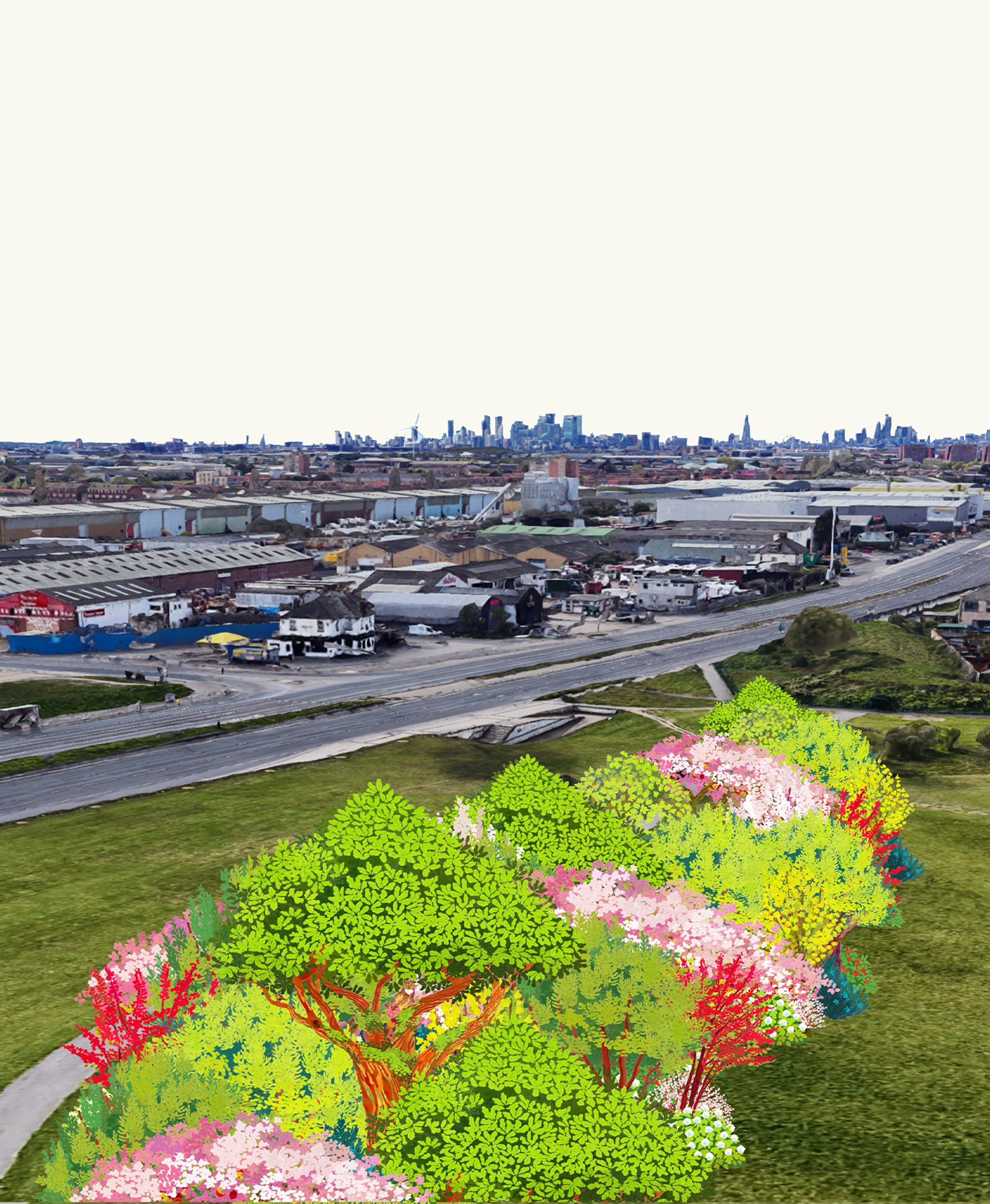
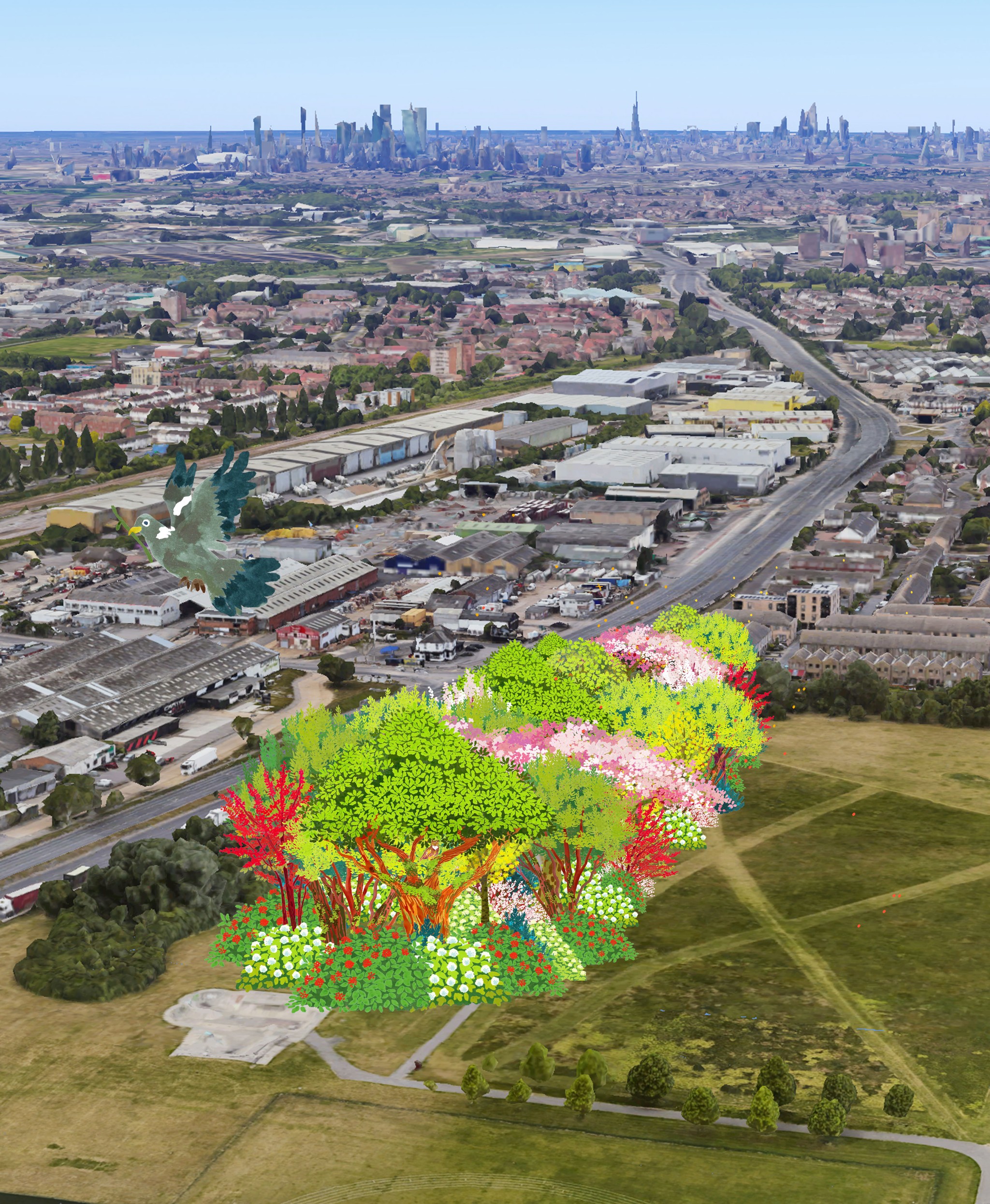
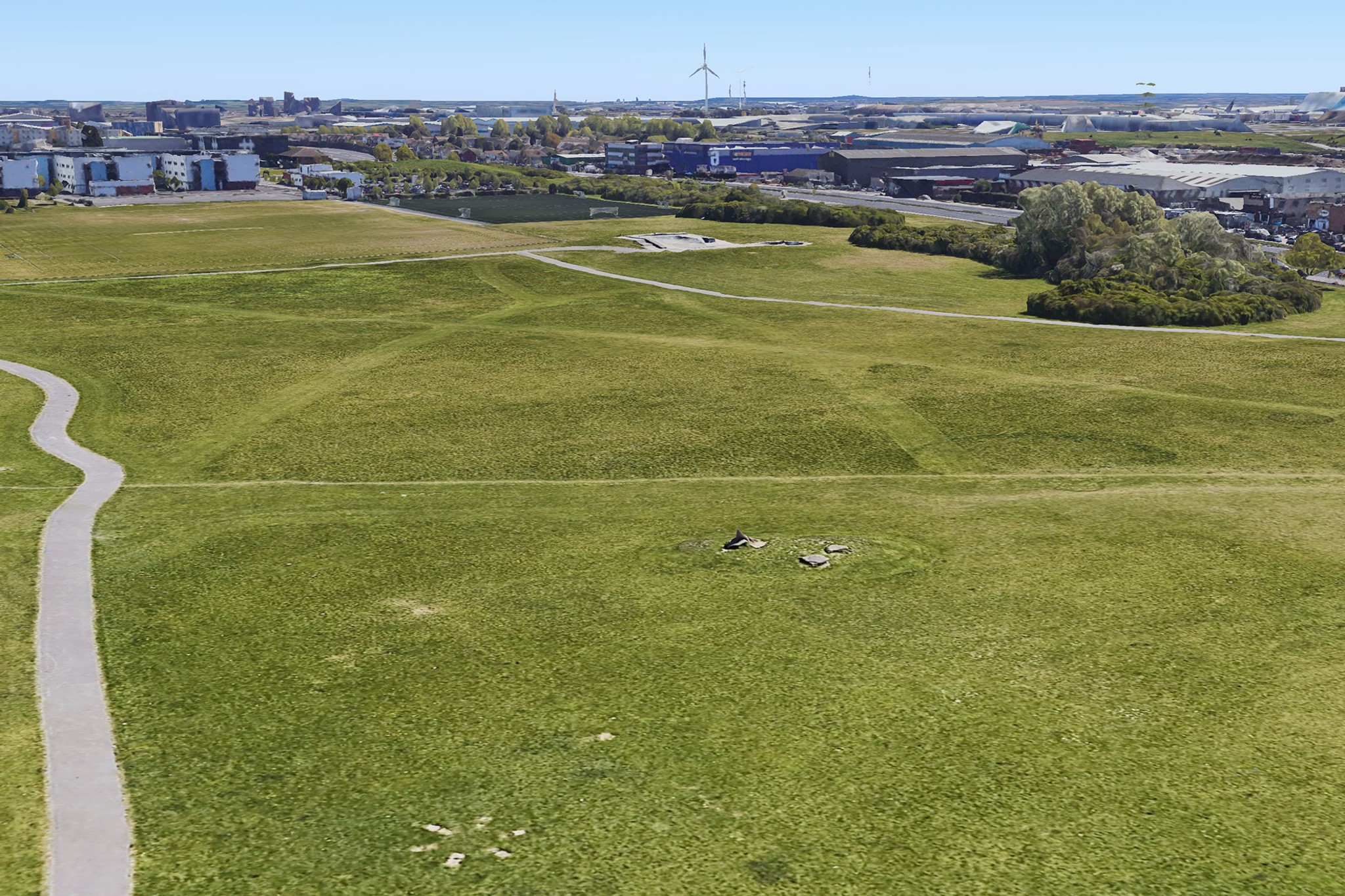
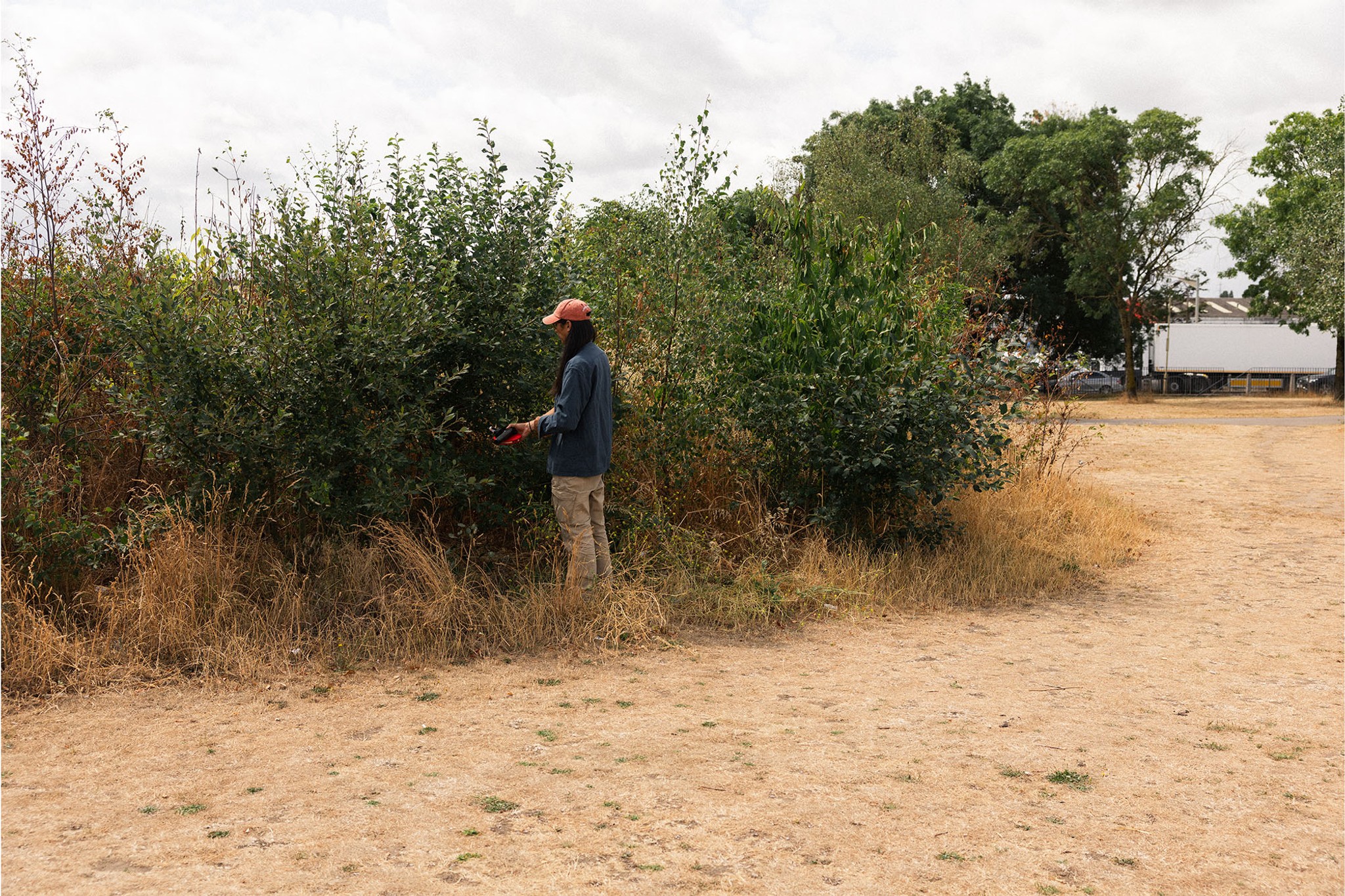
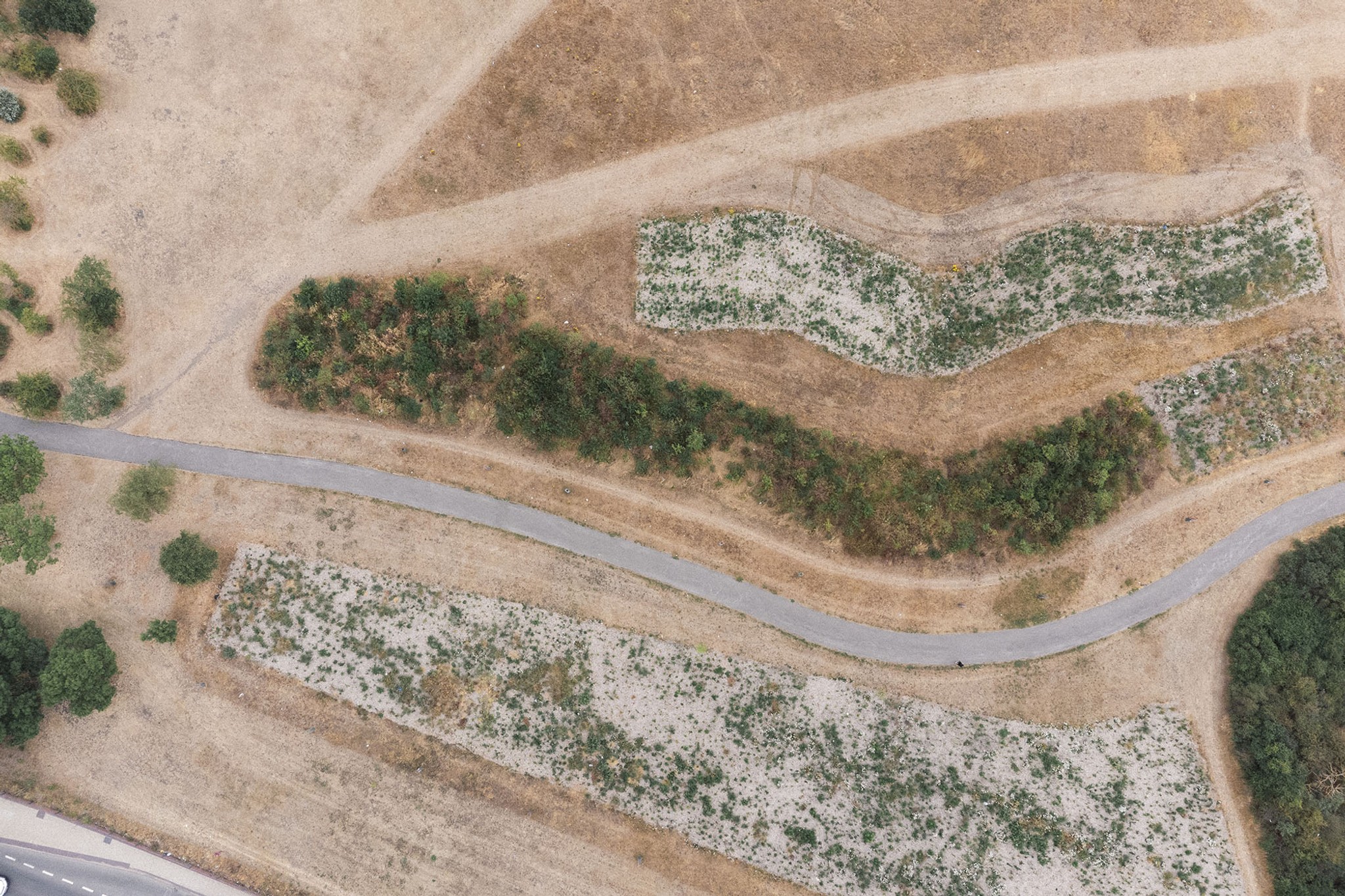
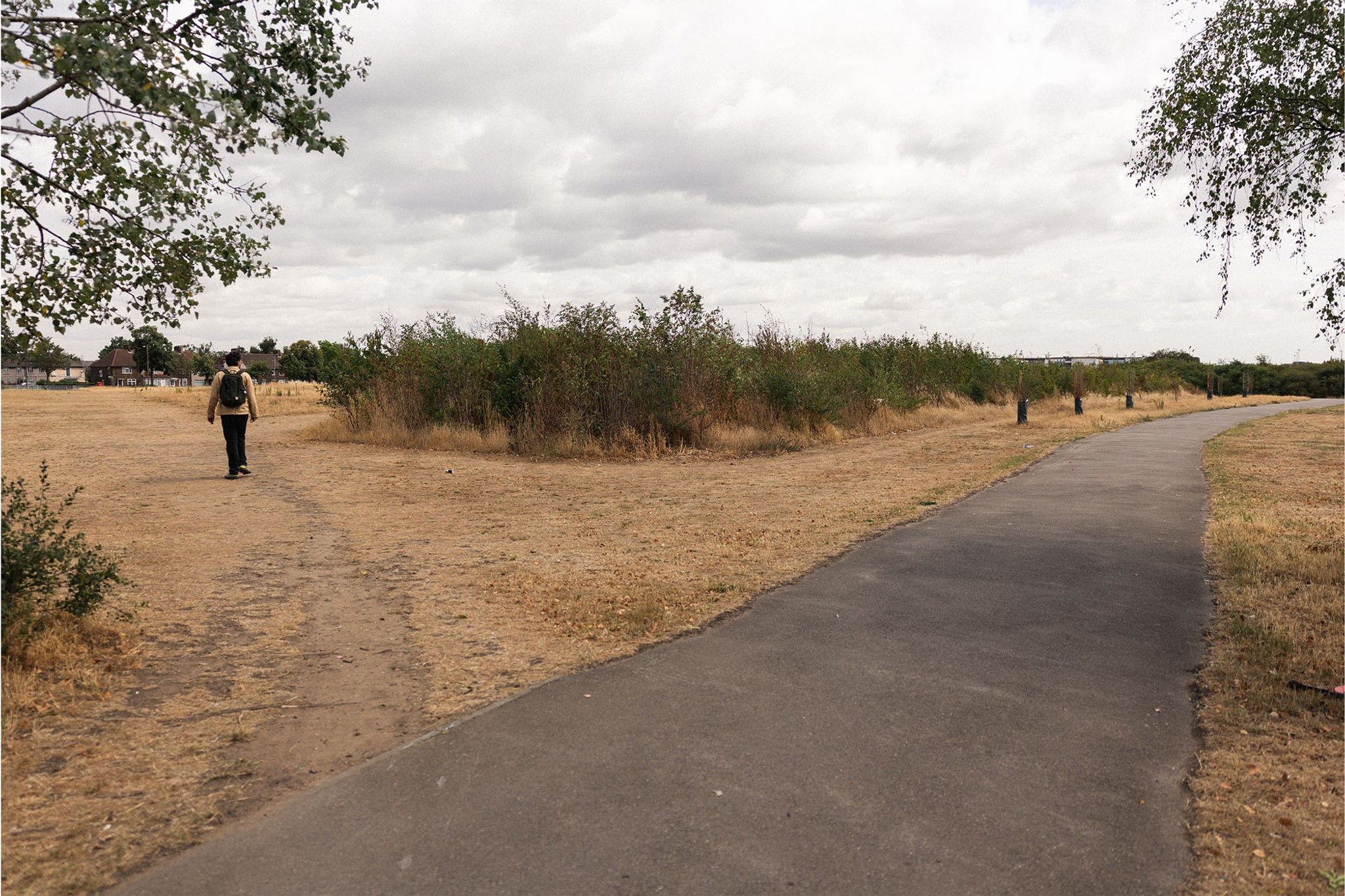
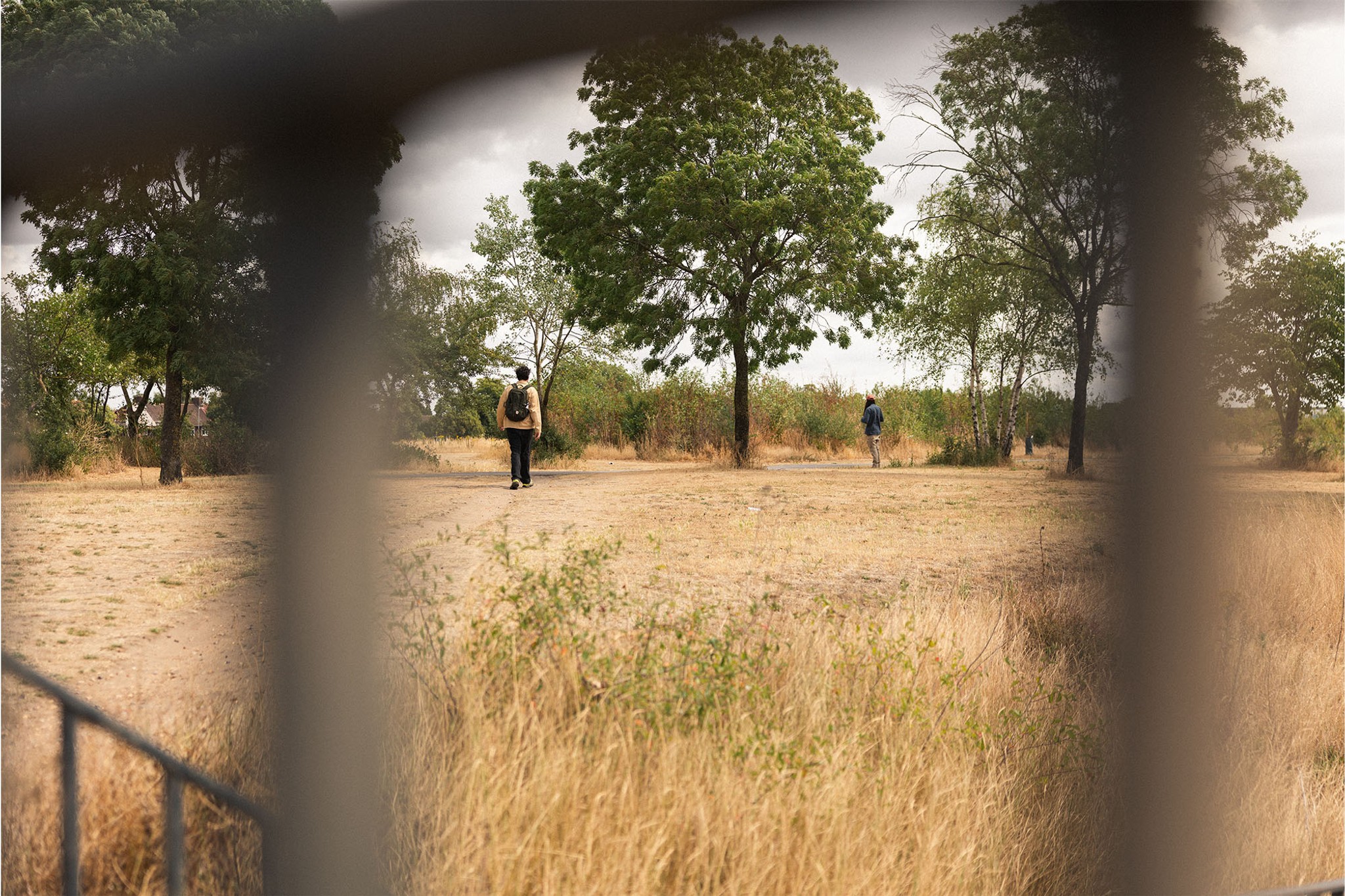
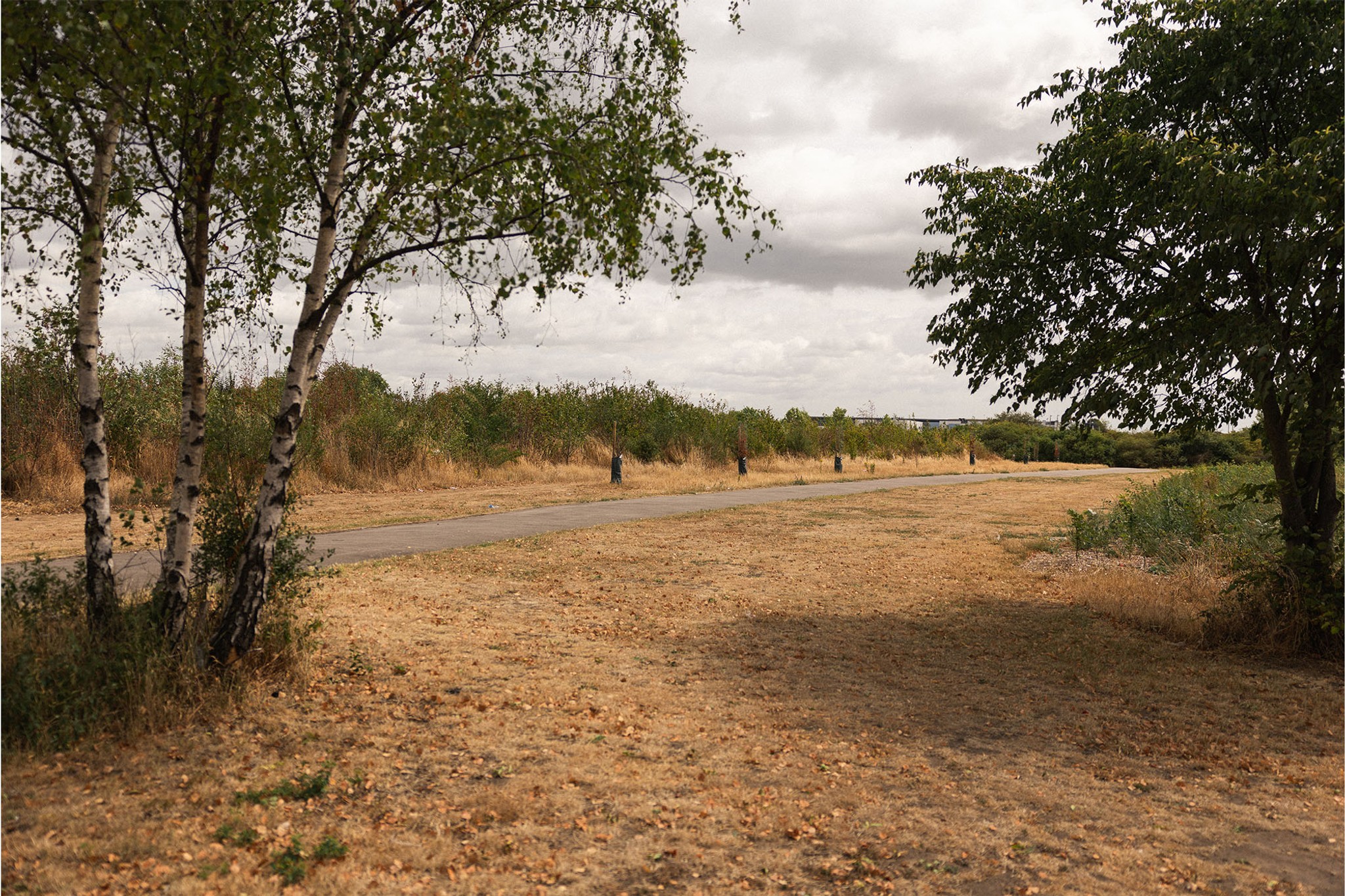
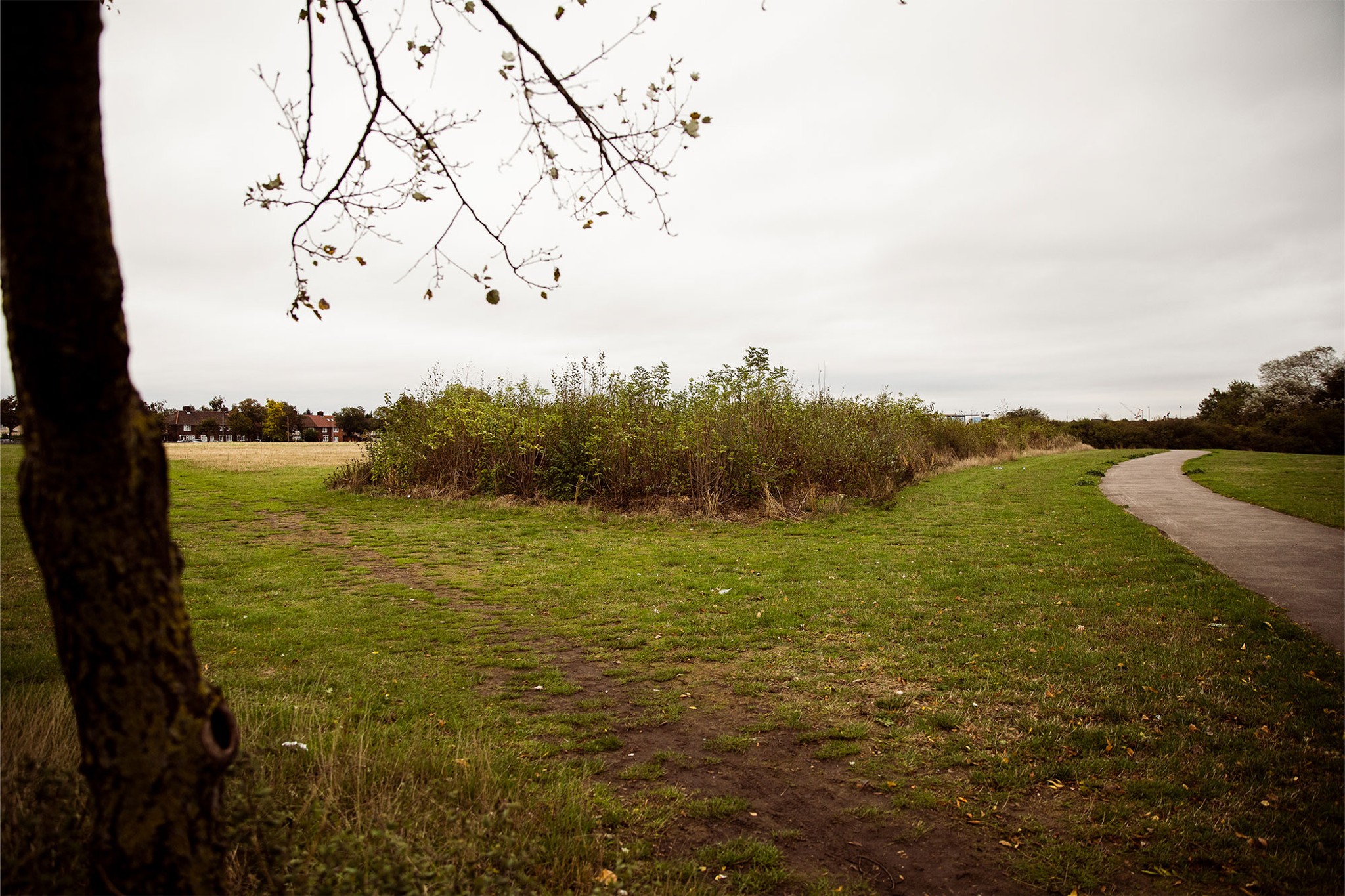
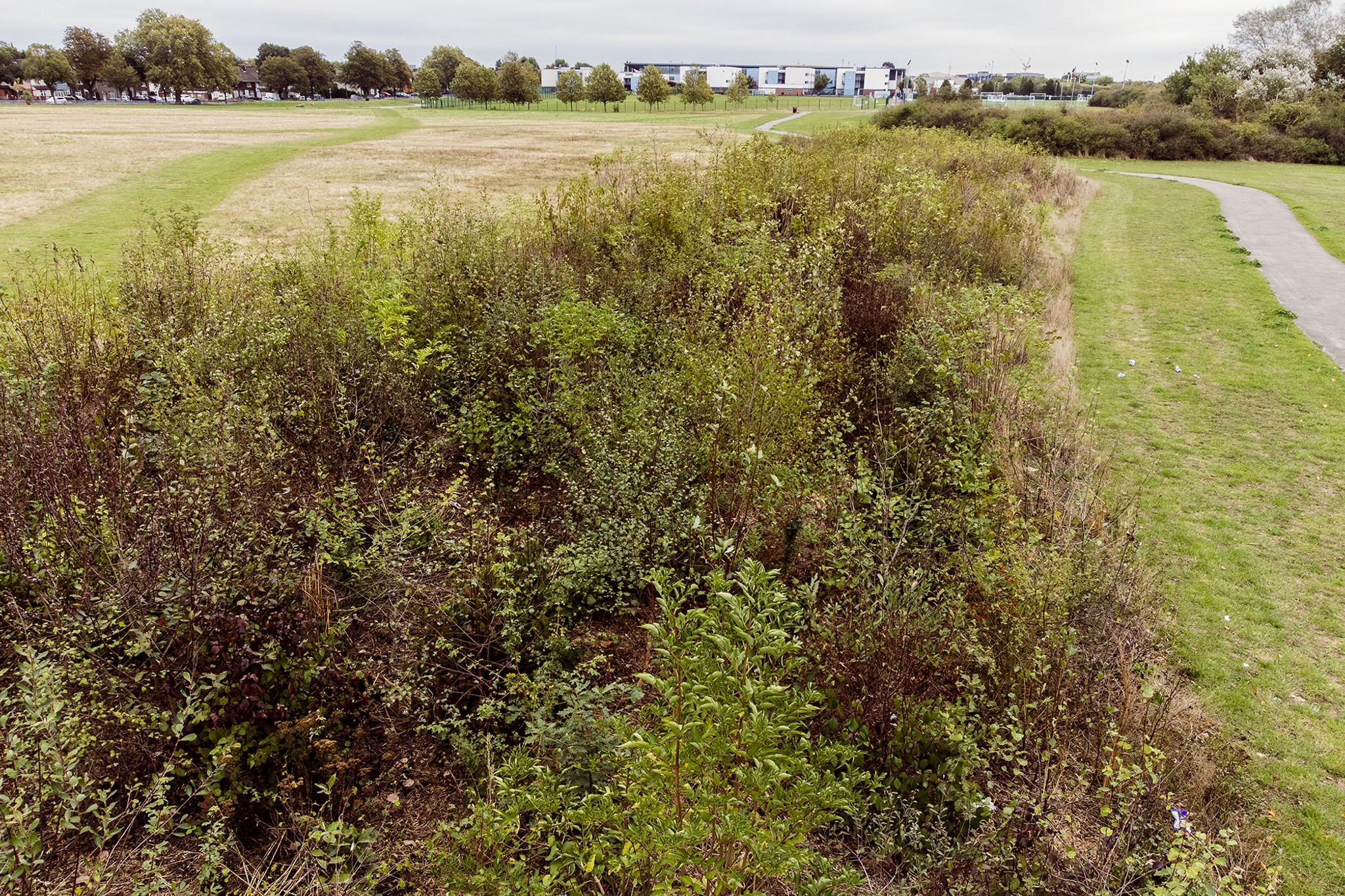
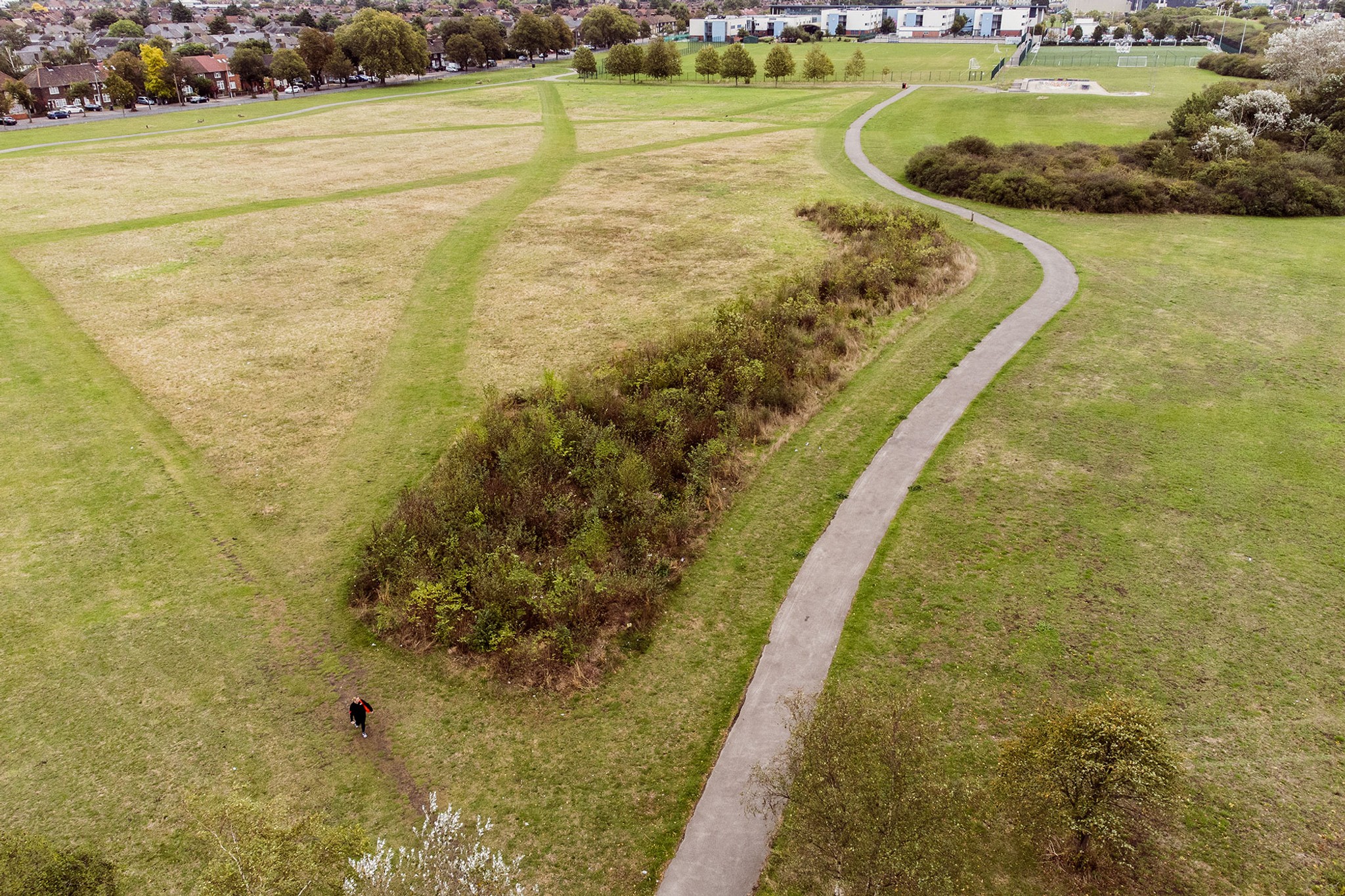
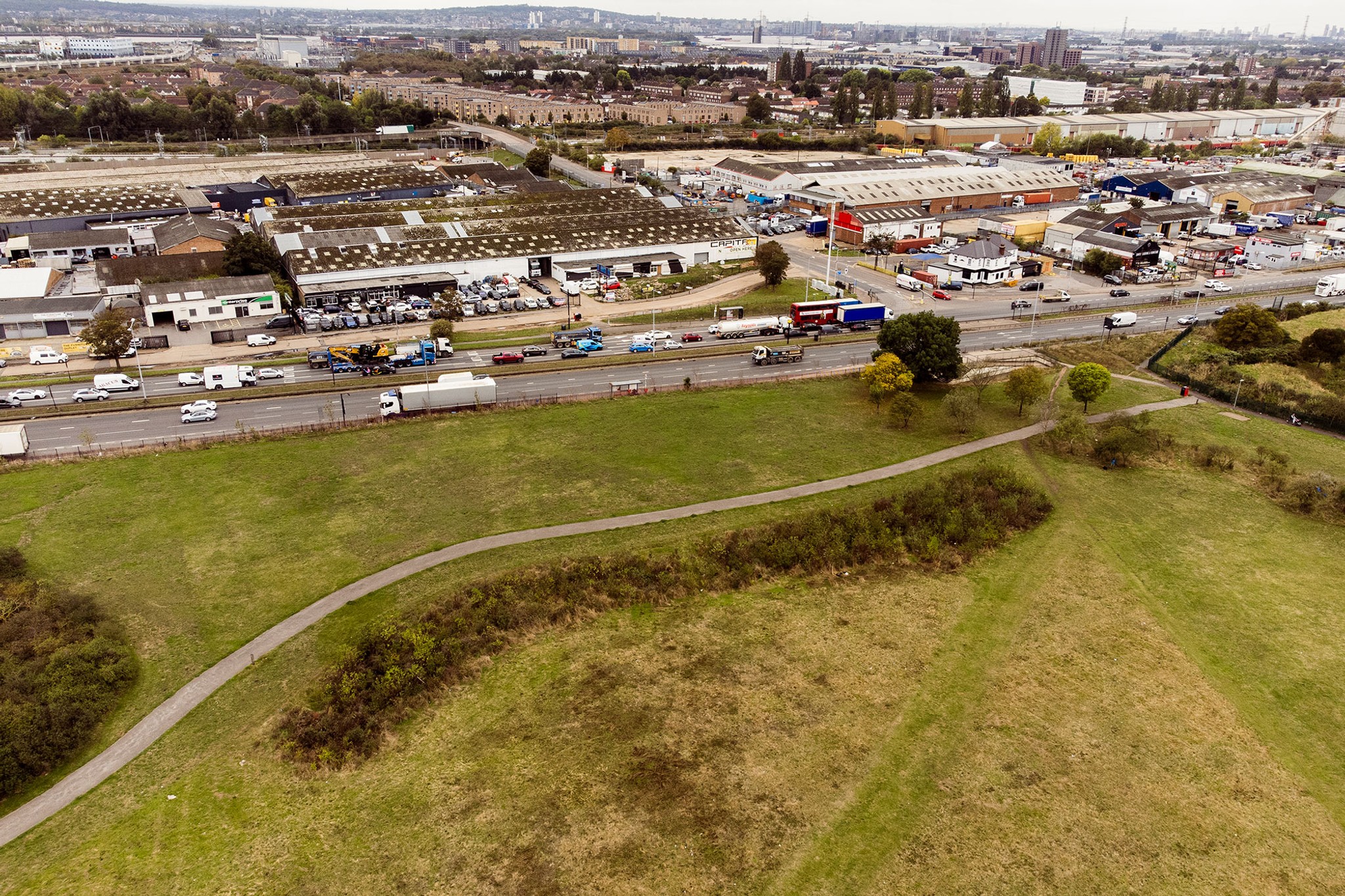
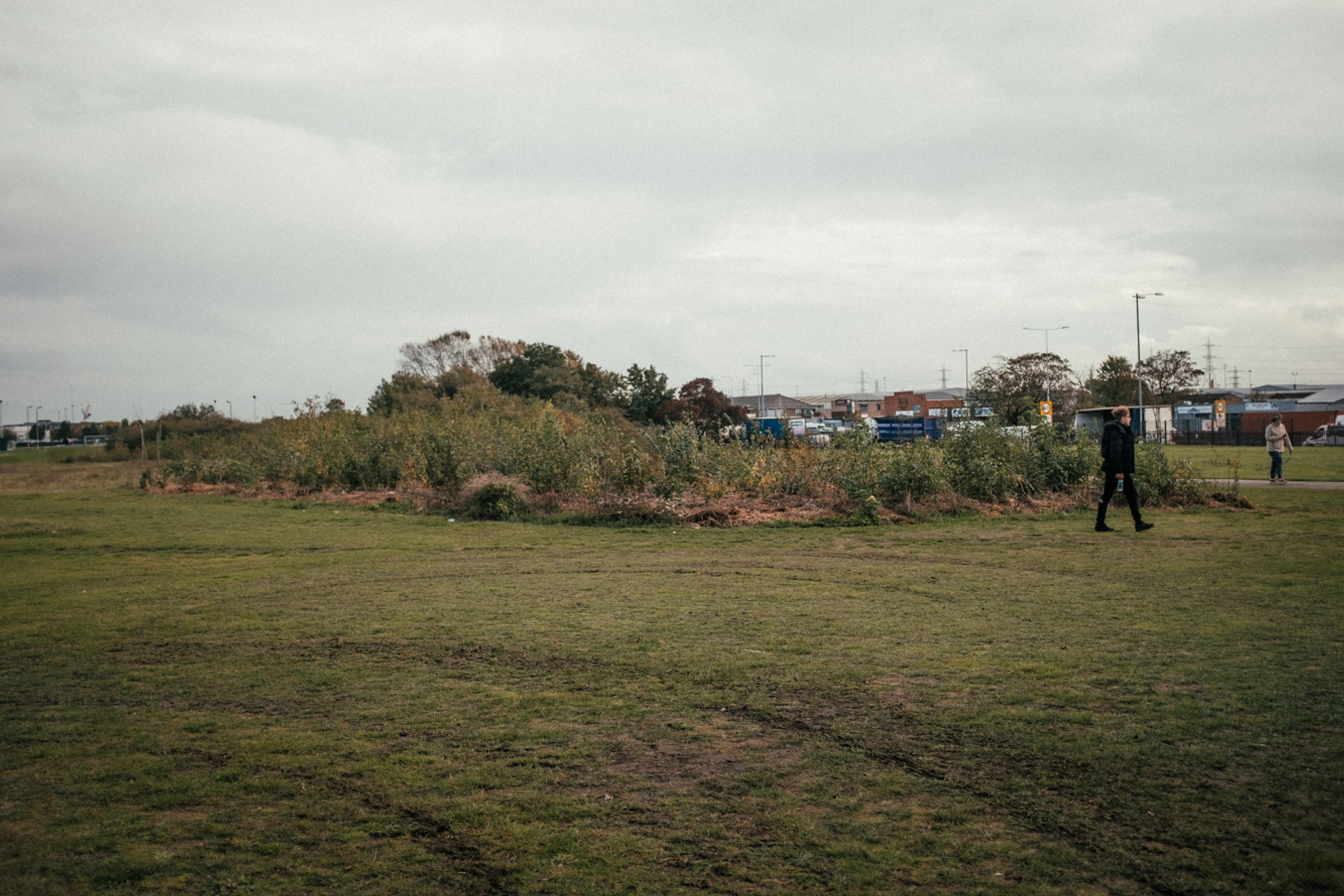
Planted in January 2023 as a living legacy for Queen Elizabeth, this forest is located in an area with a long history of industrial activity and high levels of pollution. The goal of this planting was to restore the soil, reintroduce biodiversity, and establish a resilient ecological corridor in a borough in need of investment in nature.
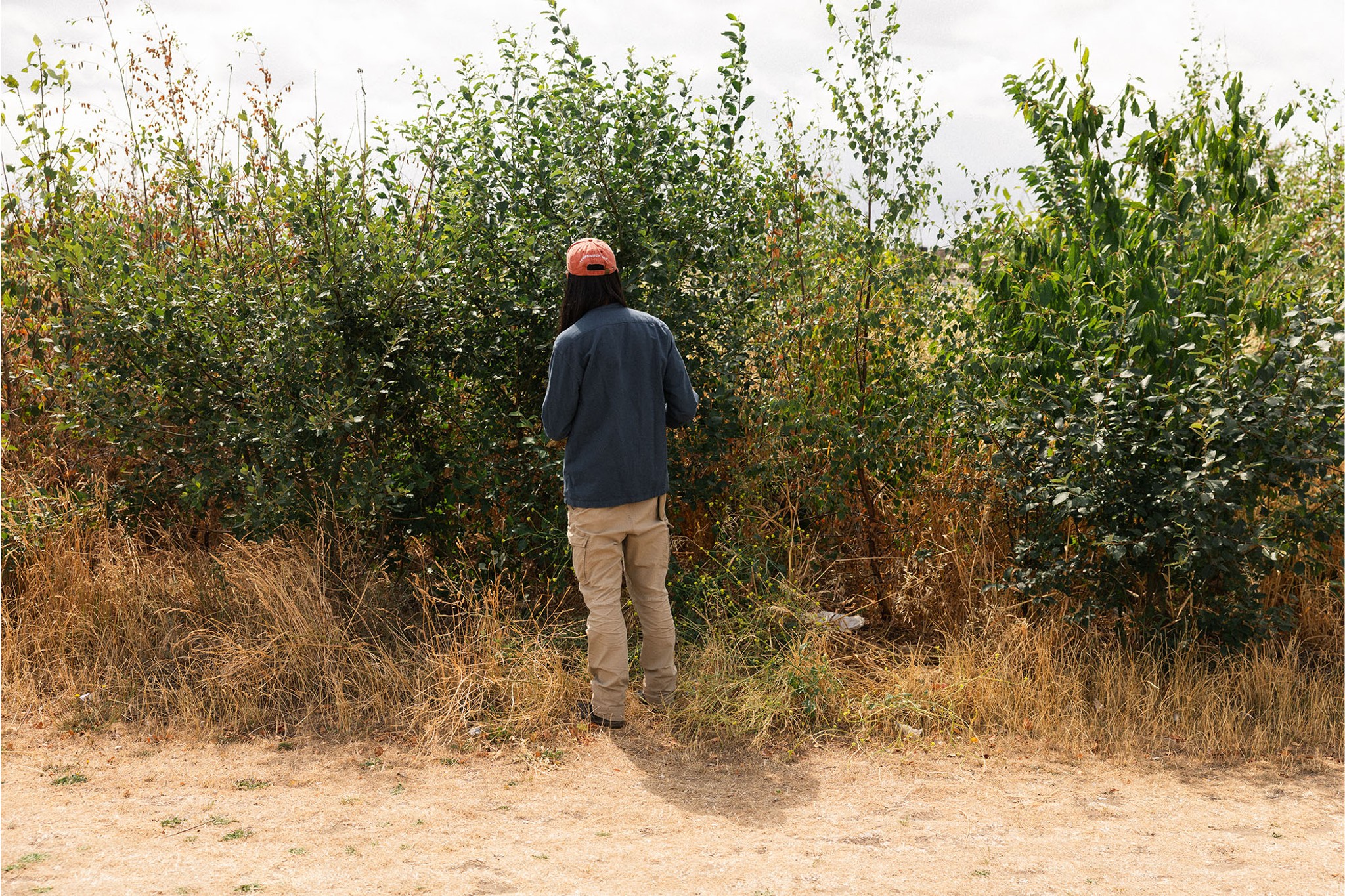
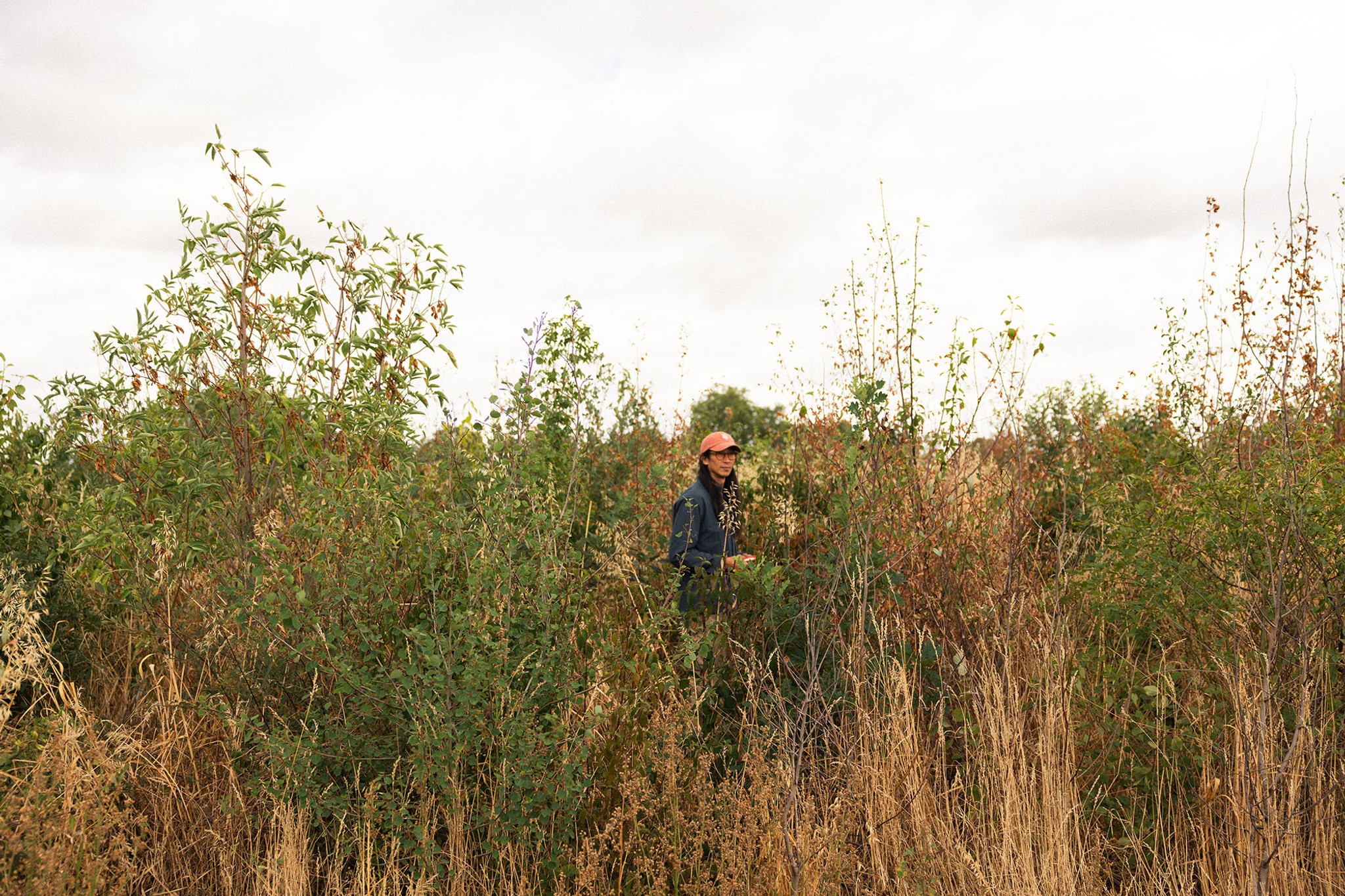
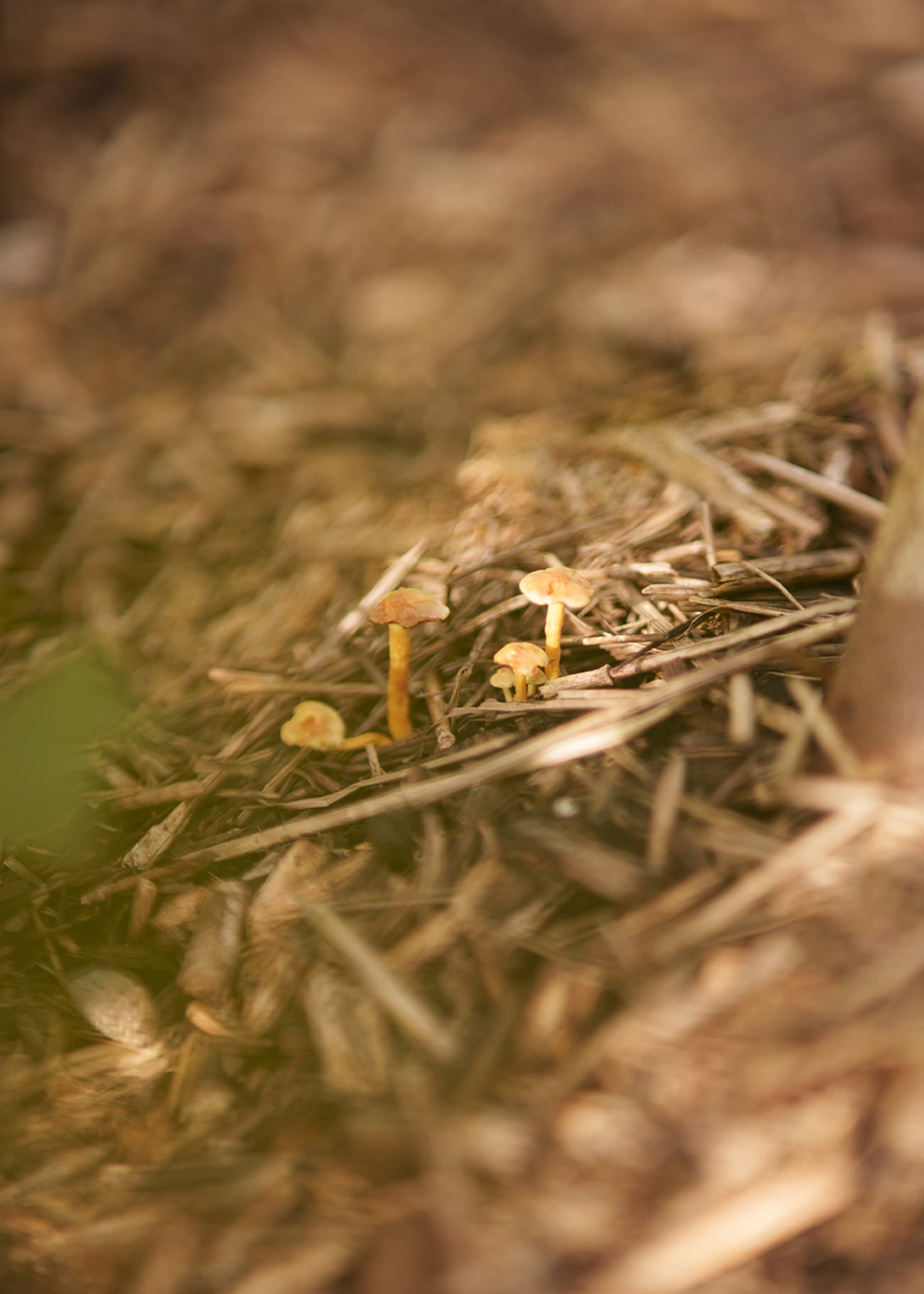
This forest has surpassed expectations - it has grown at a remarkably fast pace, reaching self-sufficiency much sooner than anticipated. A likely reason is its proximity to an already established forest, which enabled biodiversity and fungal networks to spread quickly and accelerate the formation of a thriving ecosystem.
Forest Maker
James Godfrey-Faussett
Forest Partner
Ecosystem Restored
Final report: 15.07.2025
After approximately three years our SUGi Pocket Forests become self-sustaining. They no longer require human maintenance or watering, and can be handed over to Nature for biodiversity and complexity to naturally develop.
0%
Survival Rate
0
People living within 300 meters
0
kg of potential CO2 sequestration
Biodiversity
Biodiversity is all the different kinds of life you'll find in one area—the variety of animals, plants, fungi, and even microorganisms like bacteria that make up our natural world. Each of these species and organisms work together in ecosystems, like an intricate web, to maintain balance and support life.
0
Potential number of mammals
0
Potential number of birds
0
Potential number of amphibians
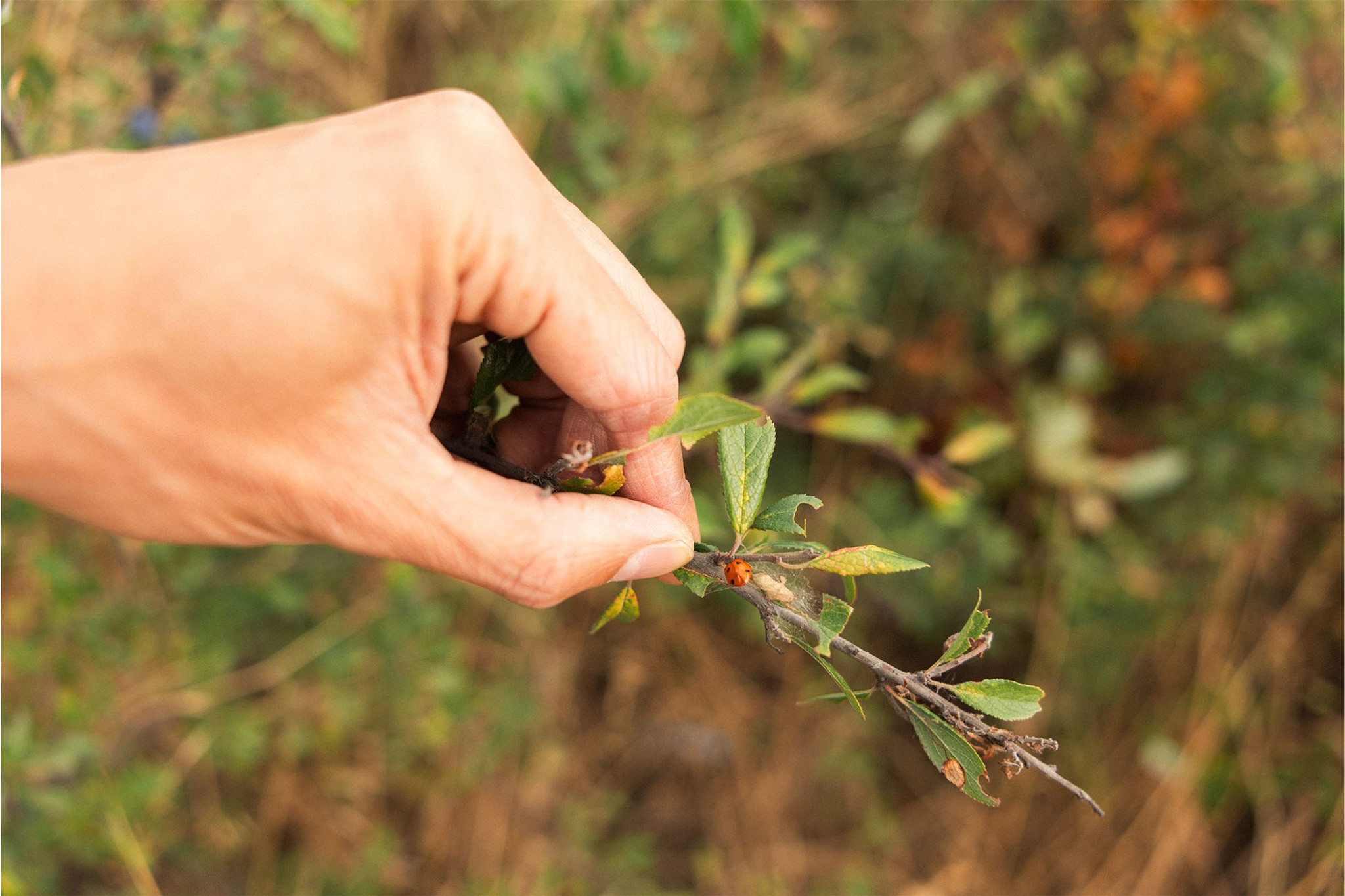
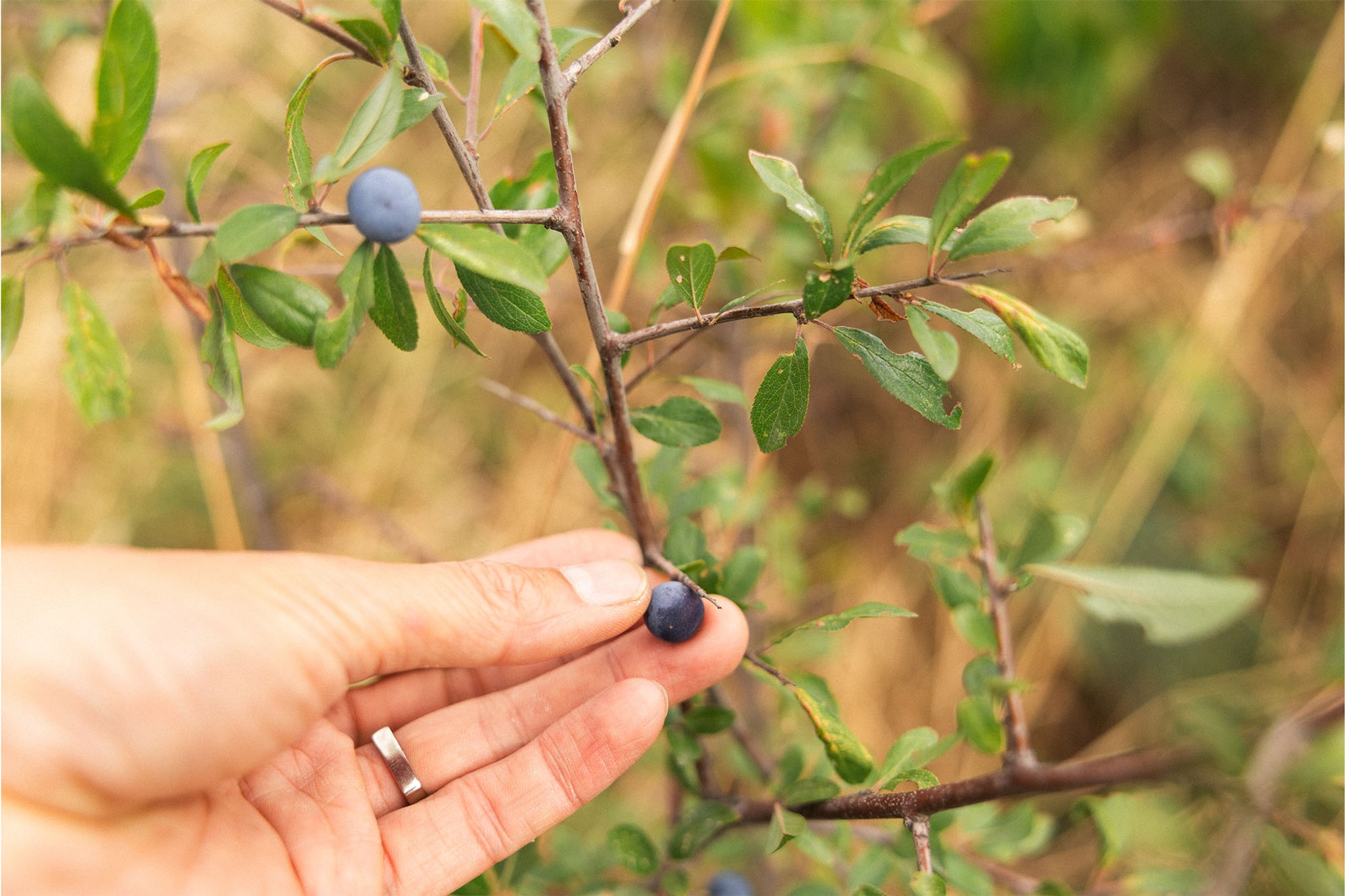
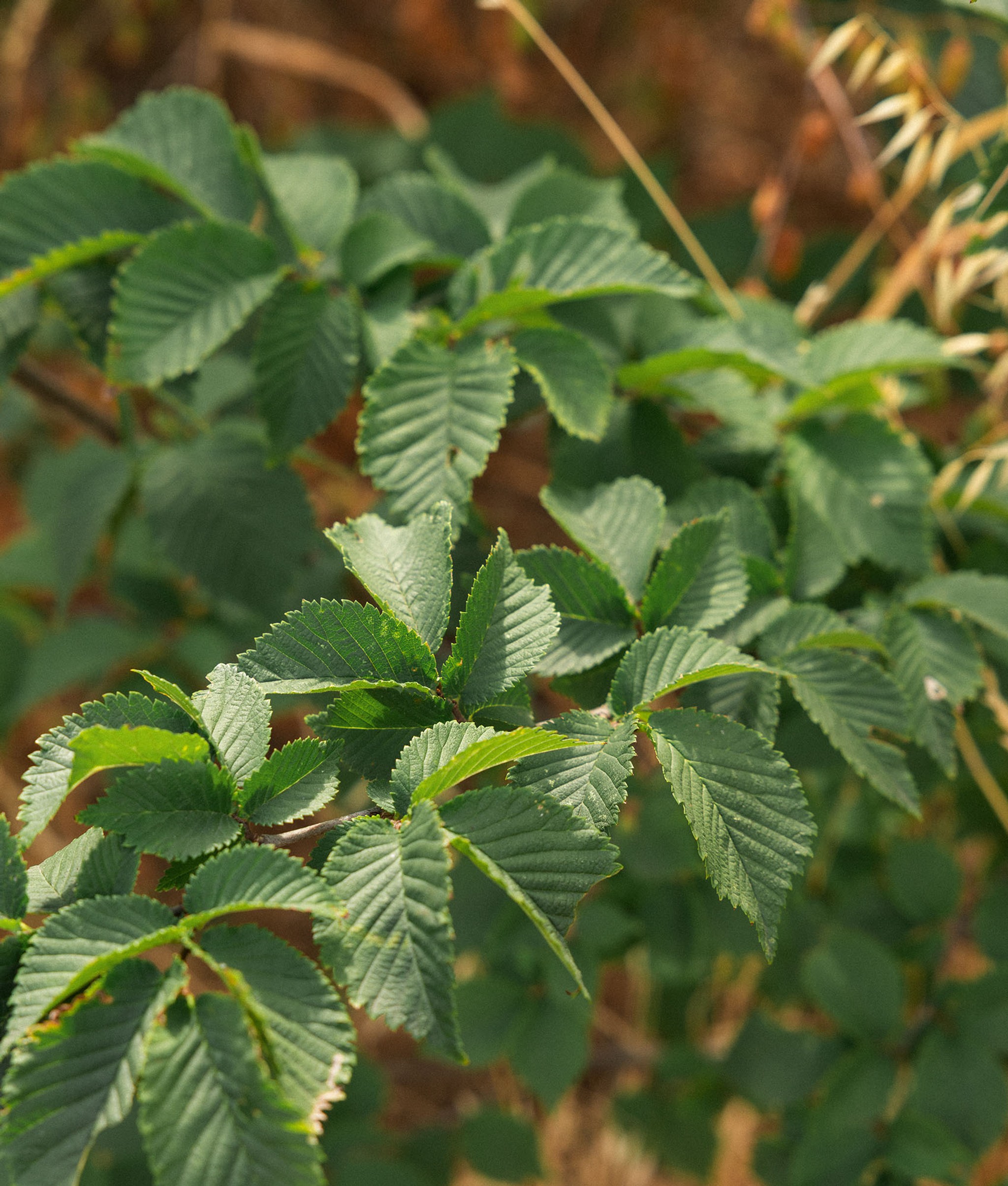
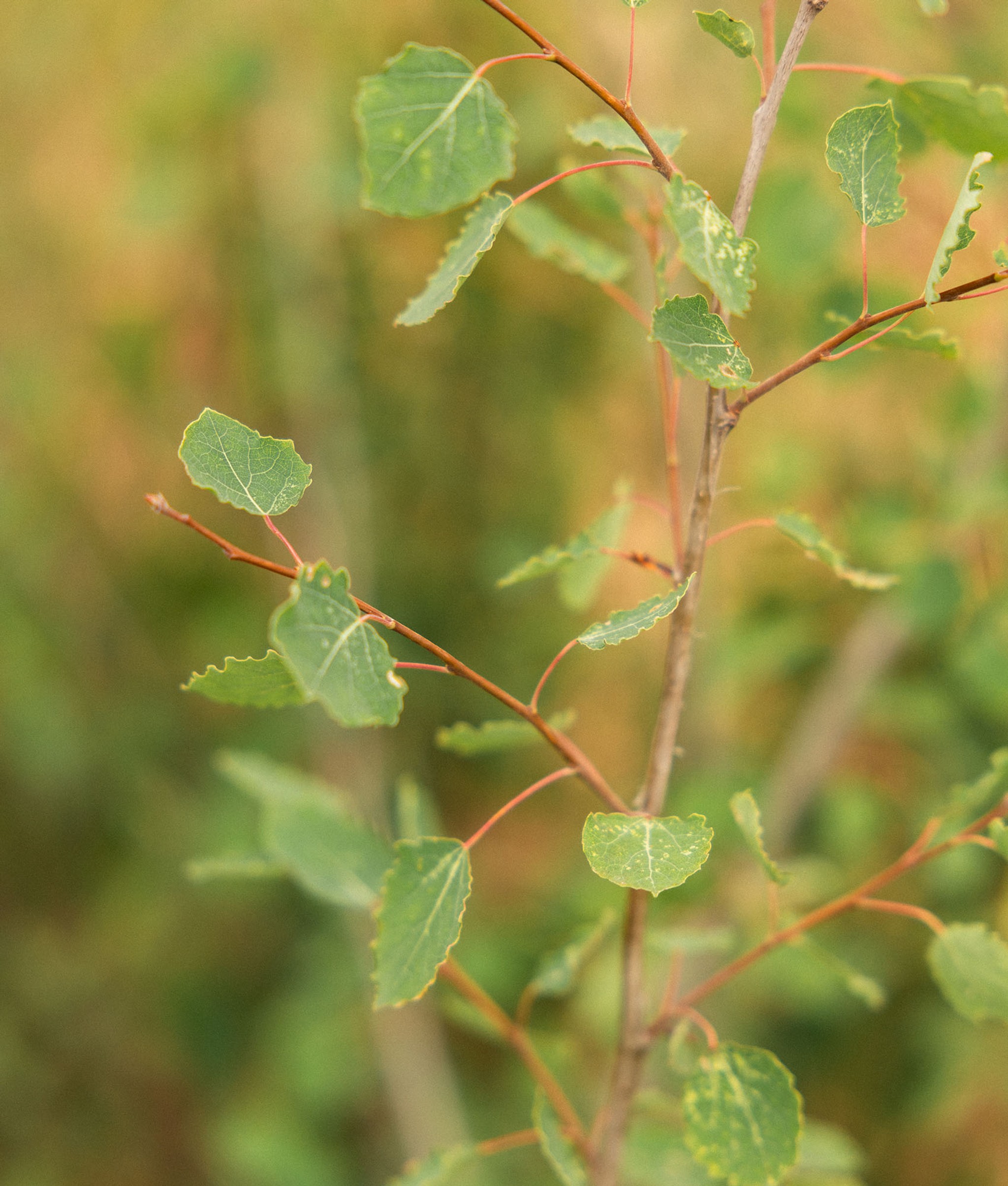
Forest Report: 2024
0 Months
Forest Age
0%
Survival Rate
0m
Average of 3 Tallest Trees
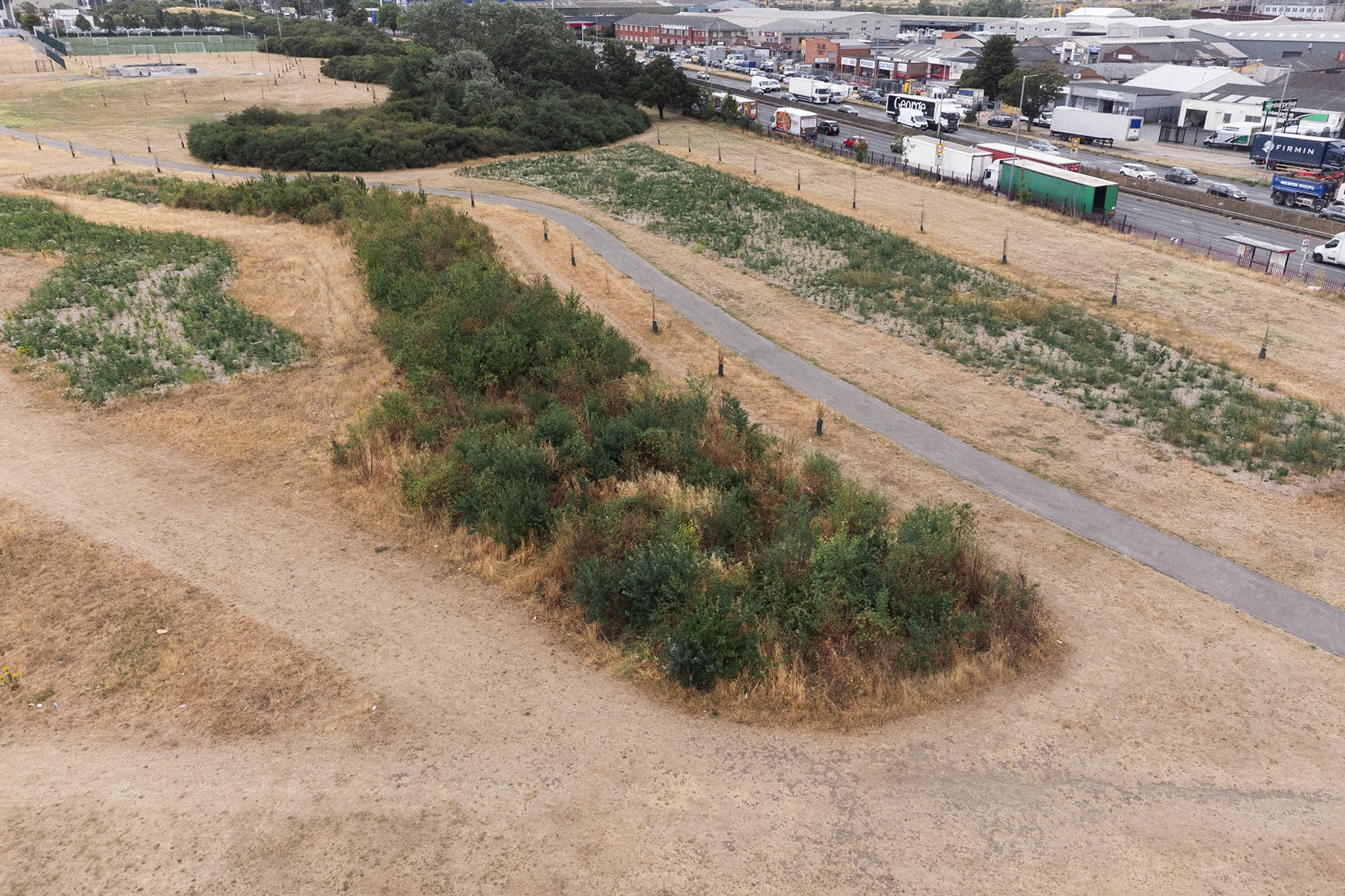
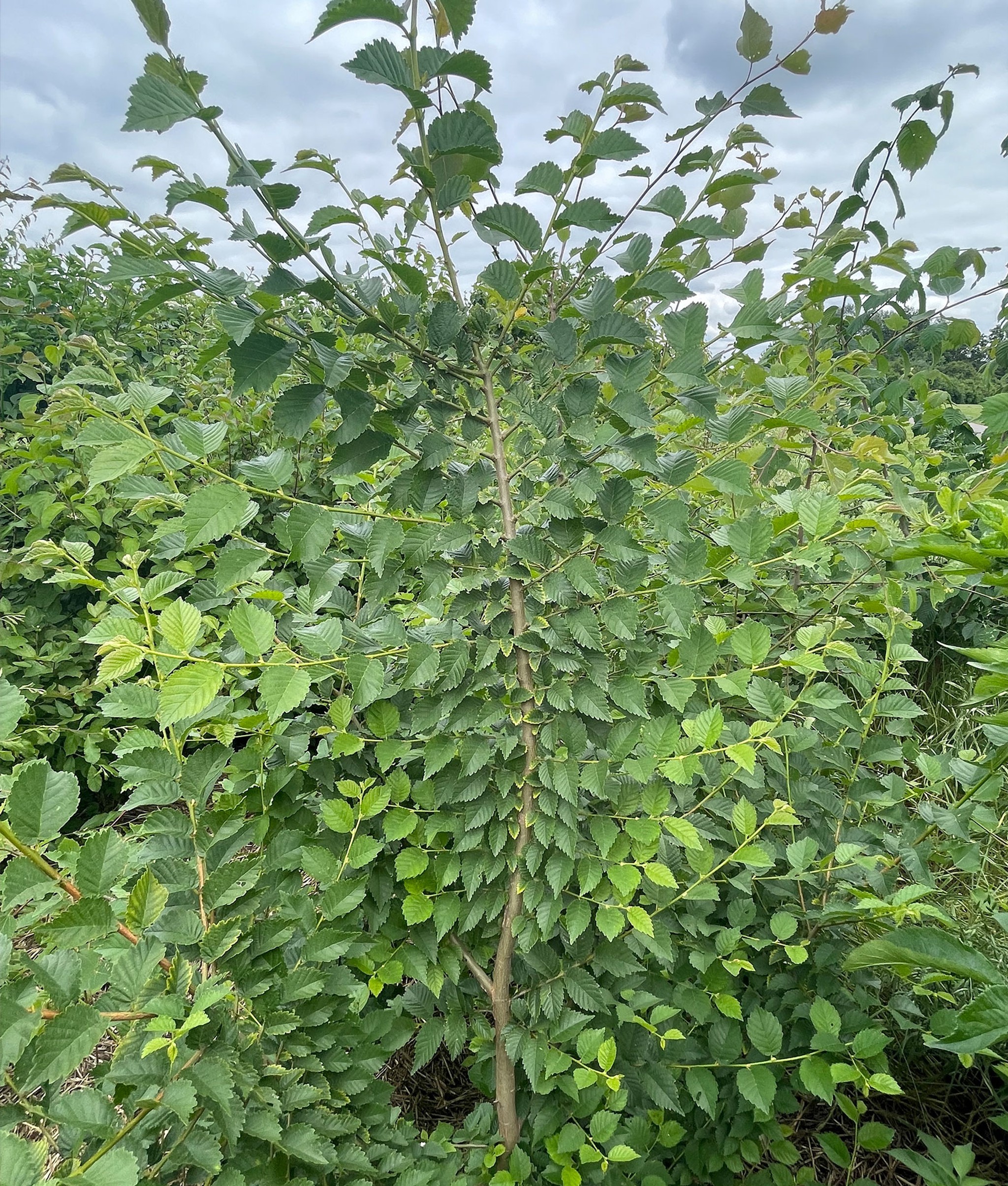
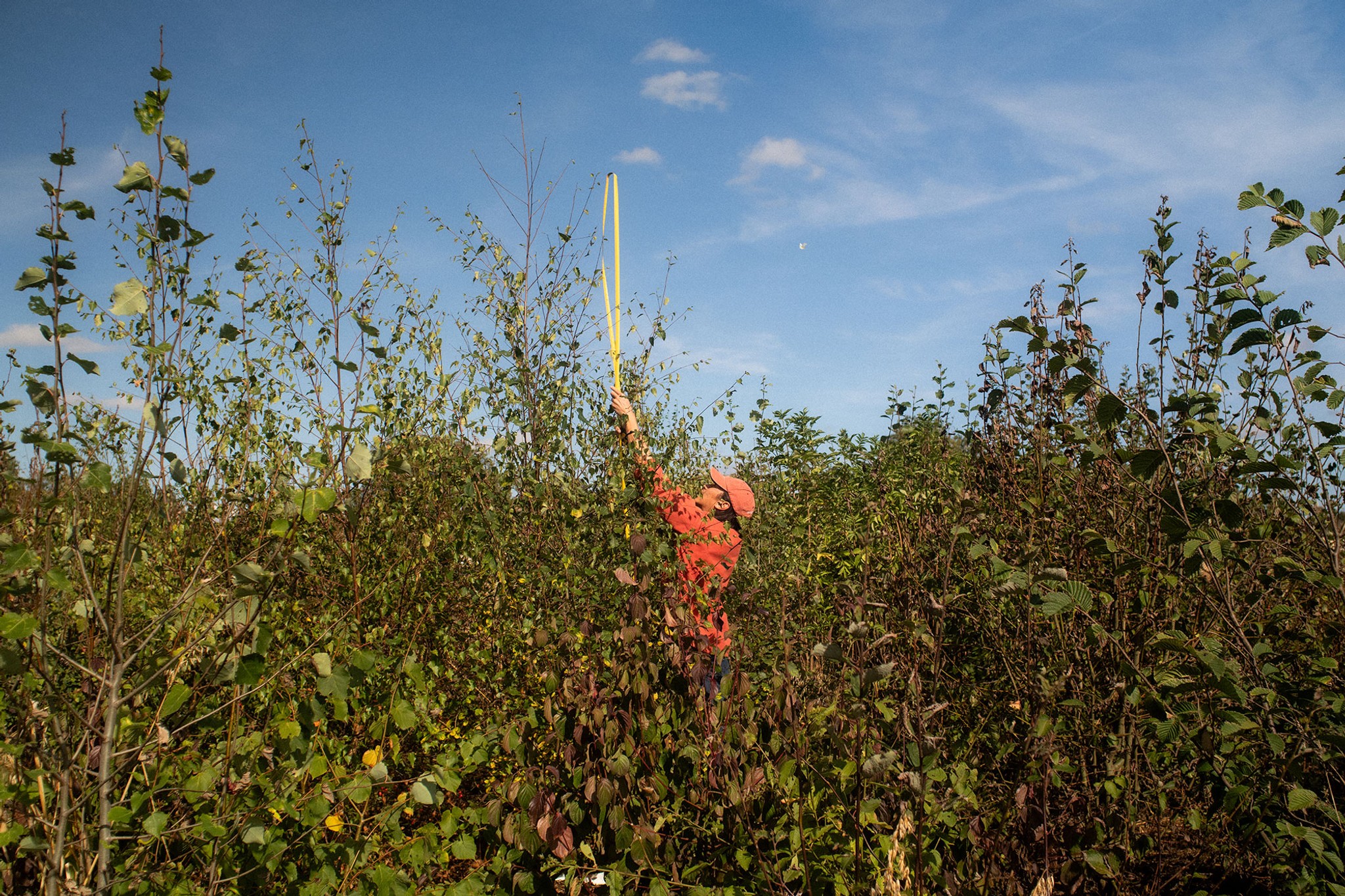
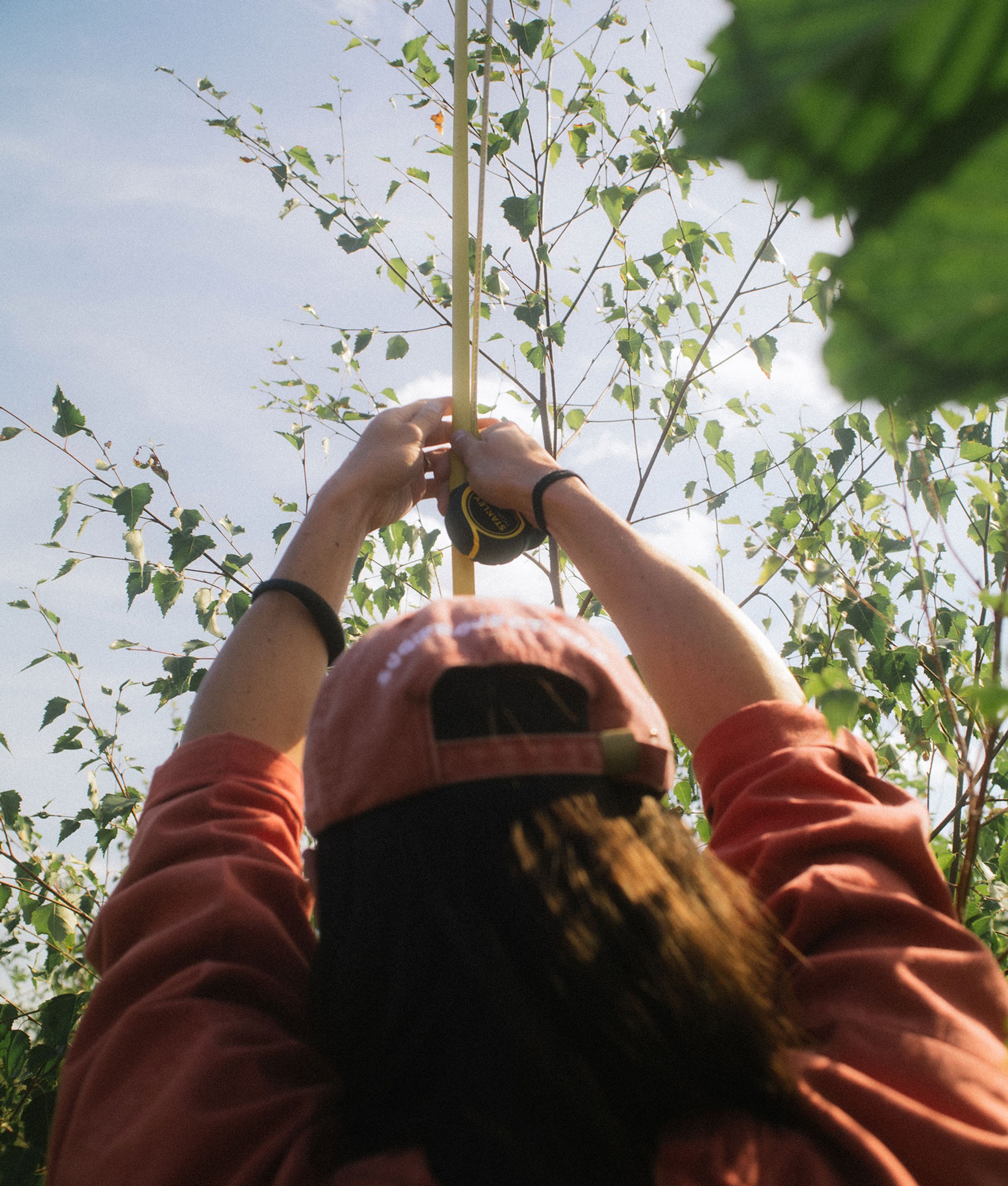
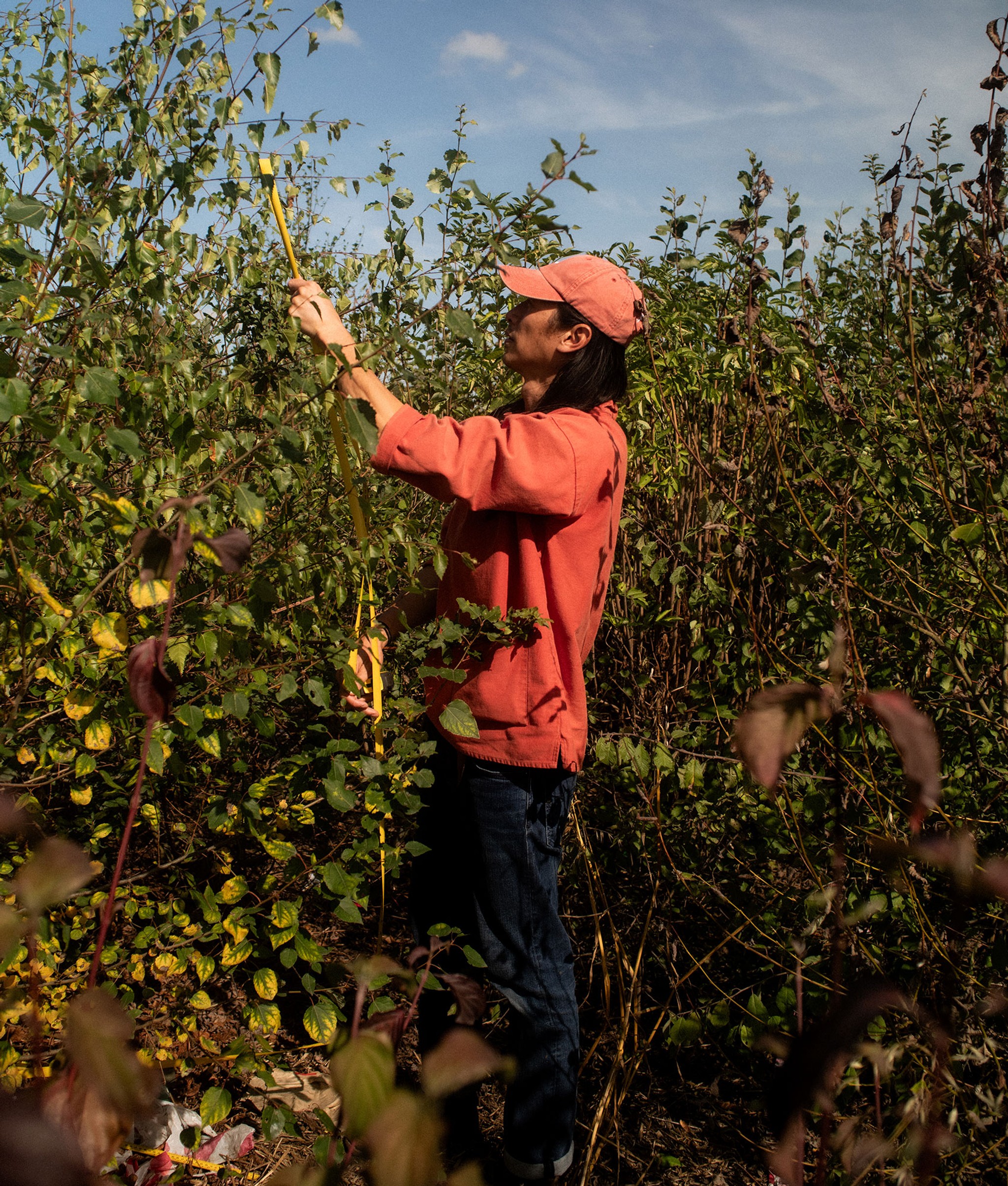
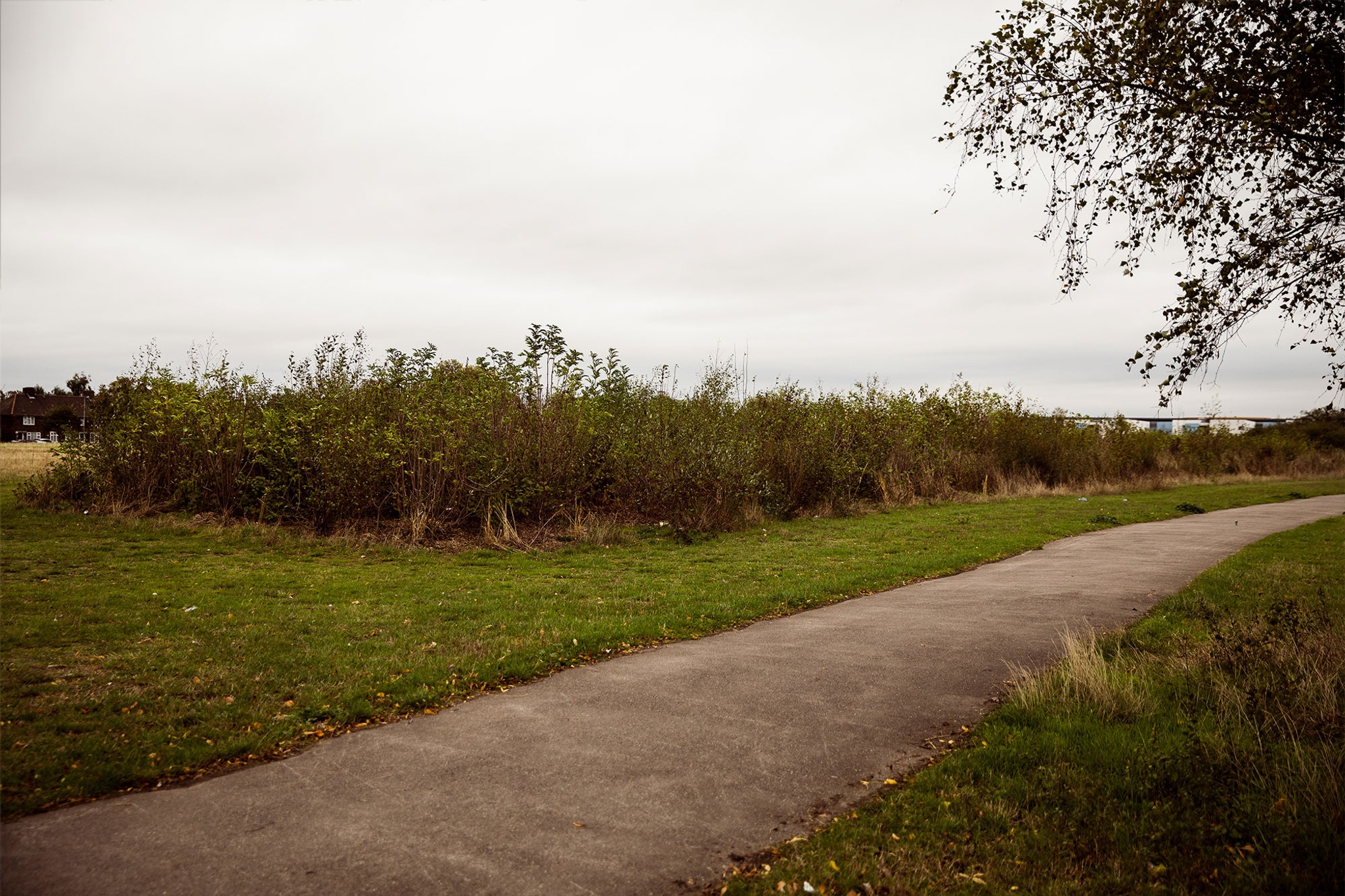
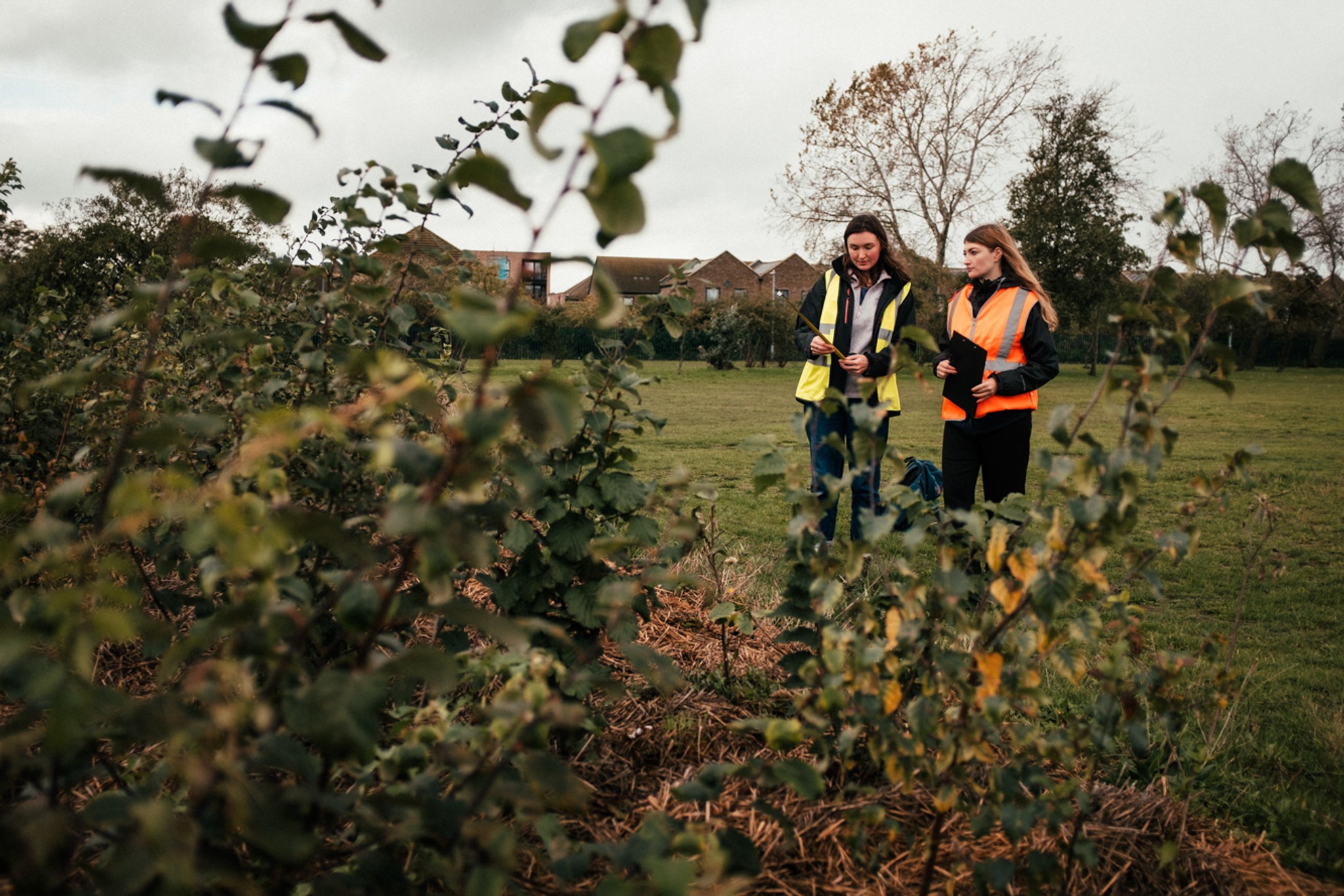
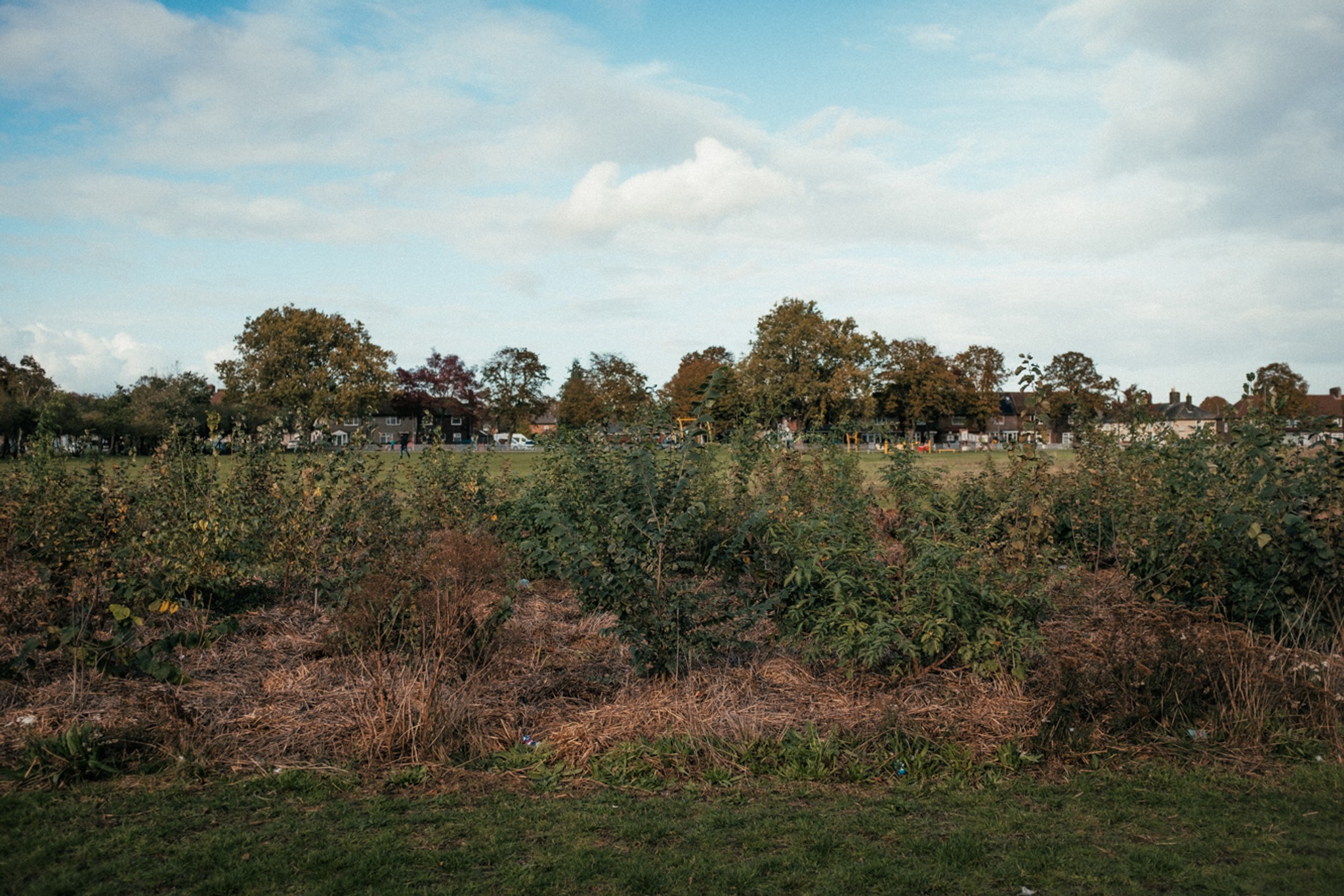
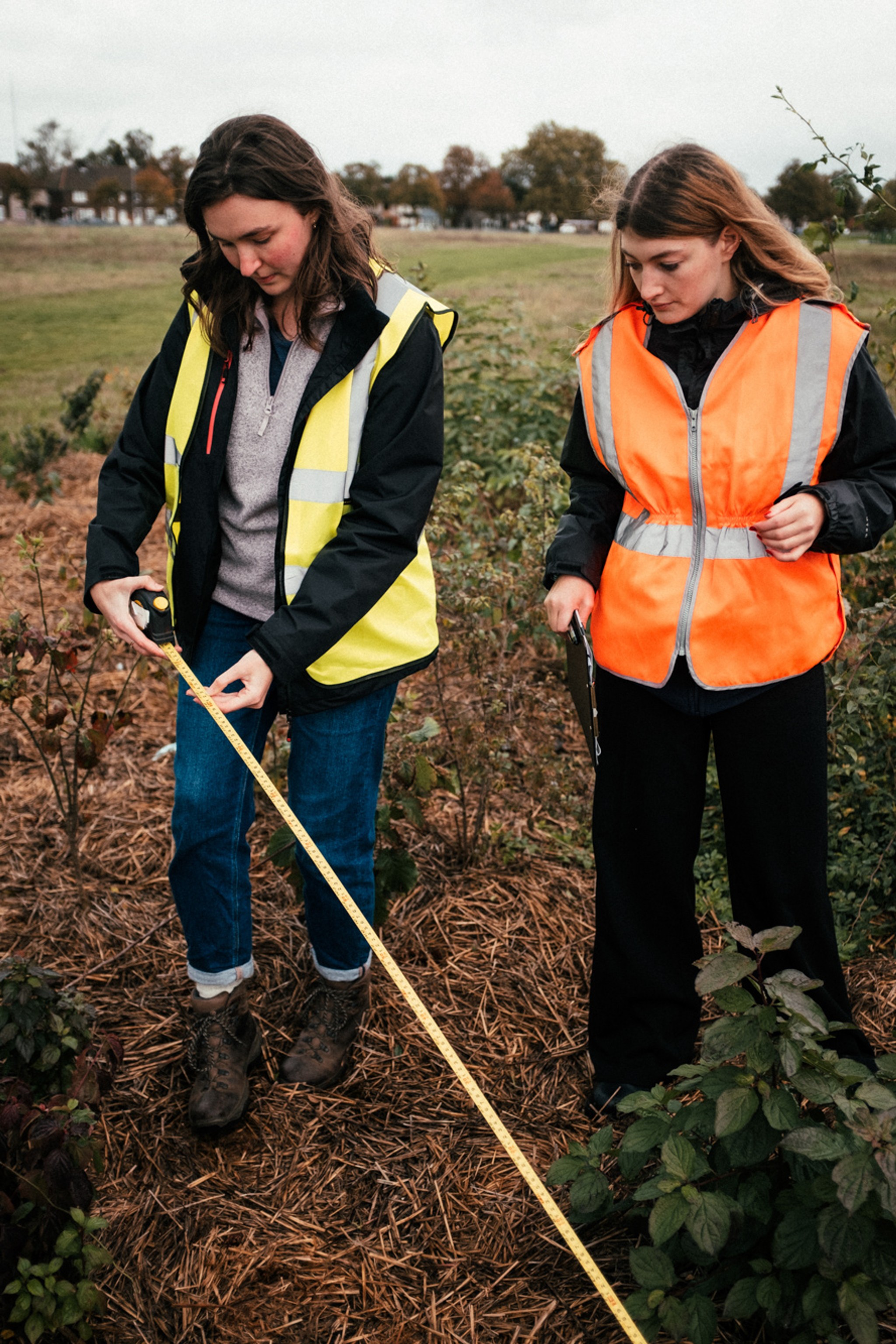
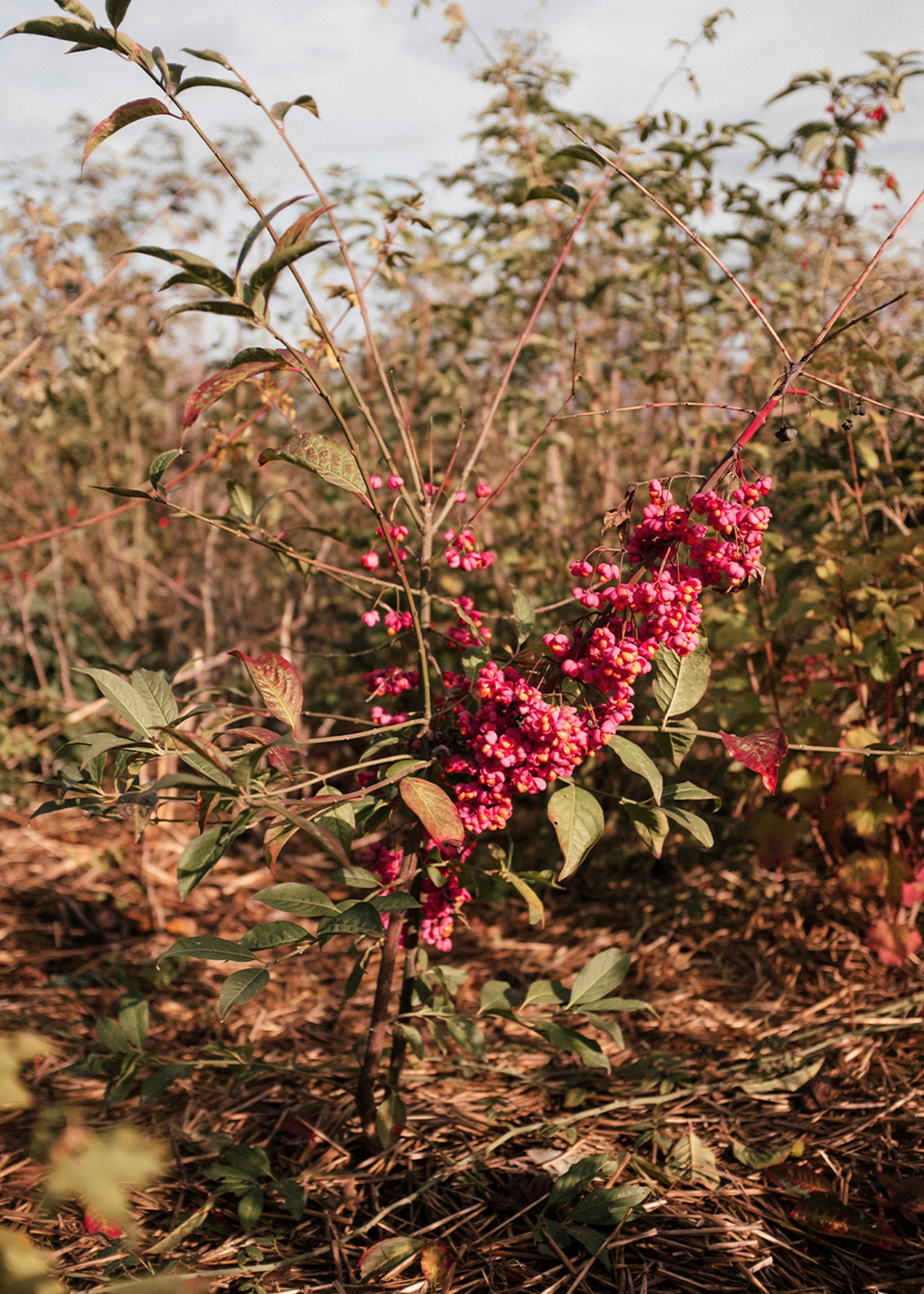
This pocket forest has put an enormous amount of growth this year! Though it is much younger than the two pocket forests neighboring it, this forest has now reached the same heights as the forests flanking it - even though it is 1.5 years younger.
Biodiversity Notes:
Forest Report: 2023
0 Months
Forest Age
0%
Survival Rate
0m
Average of 3 Tallest Trees
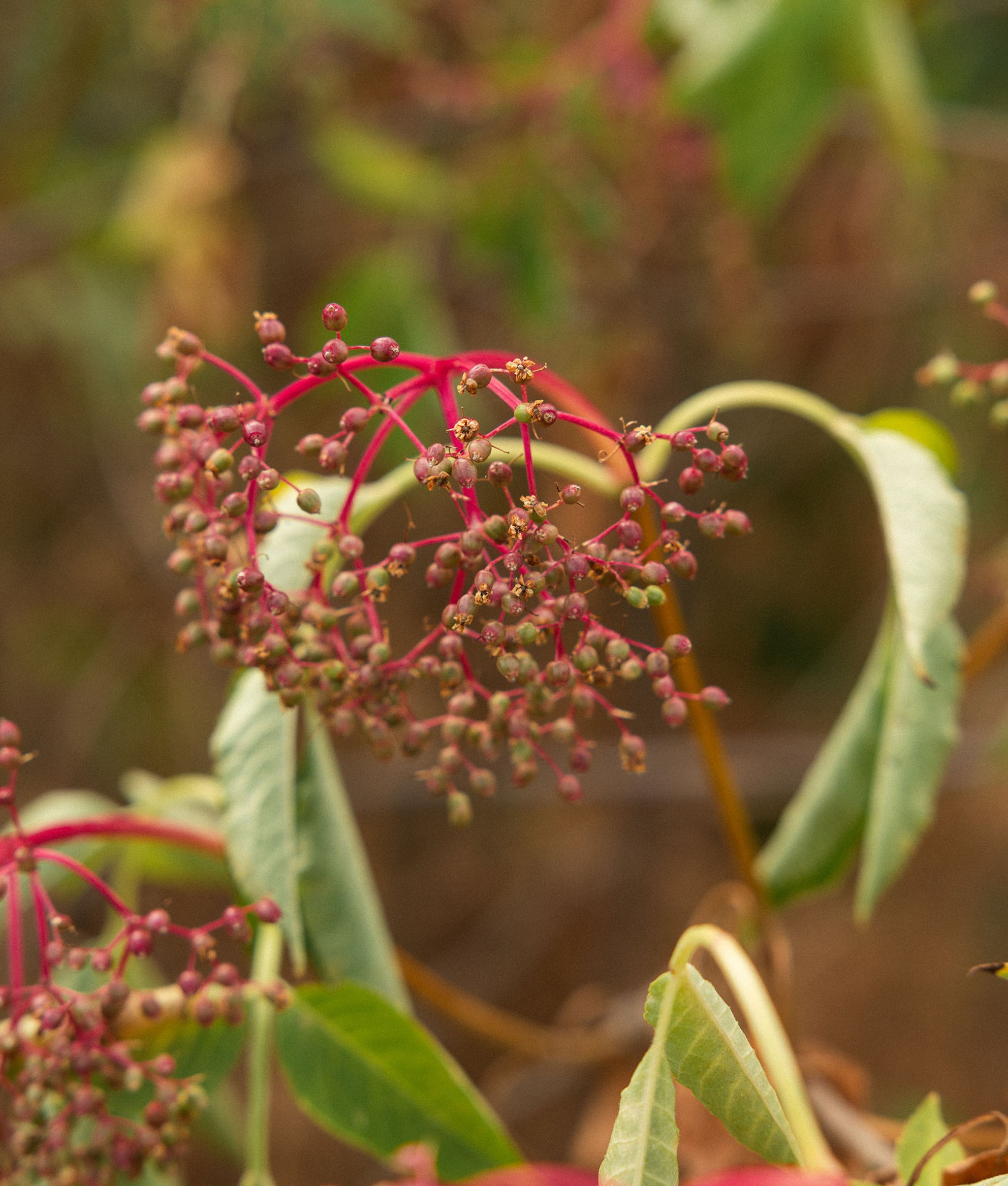
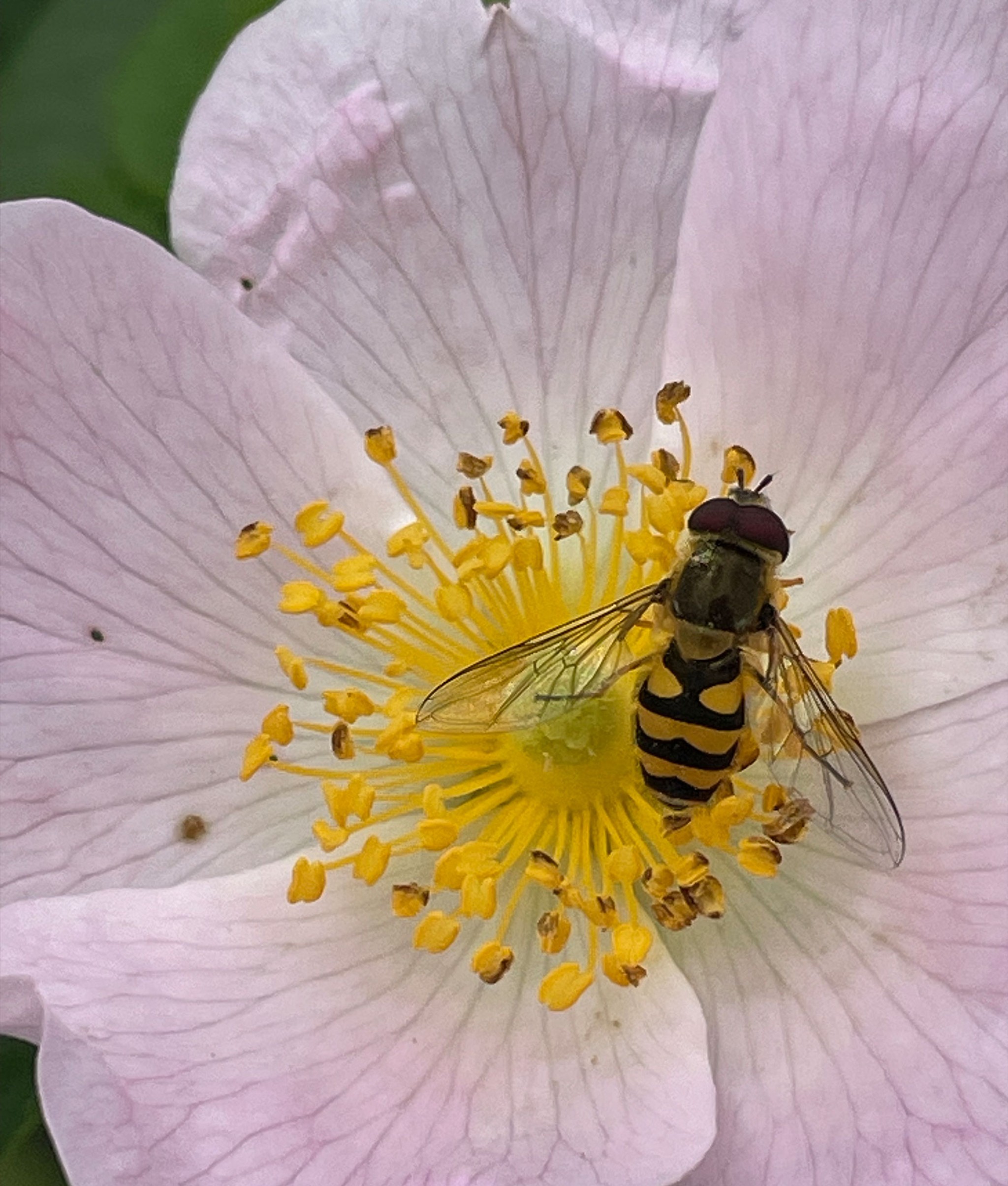
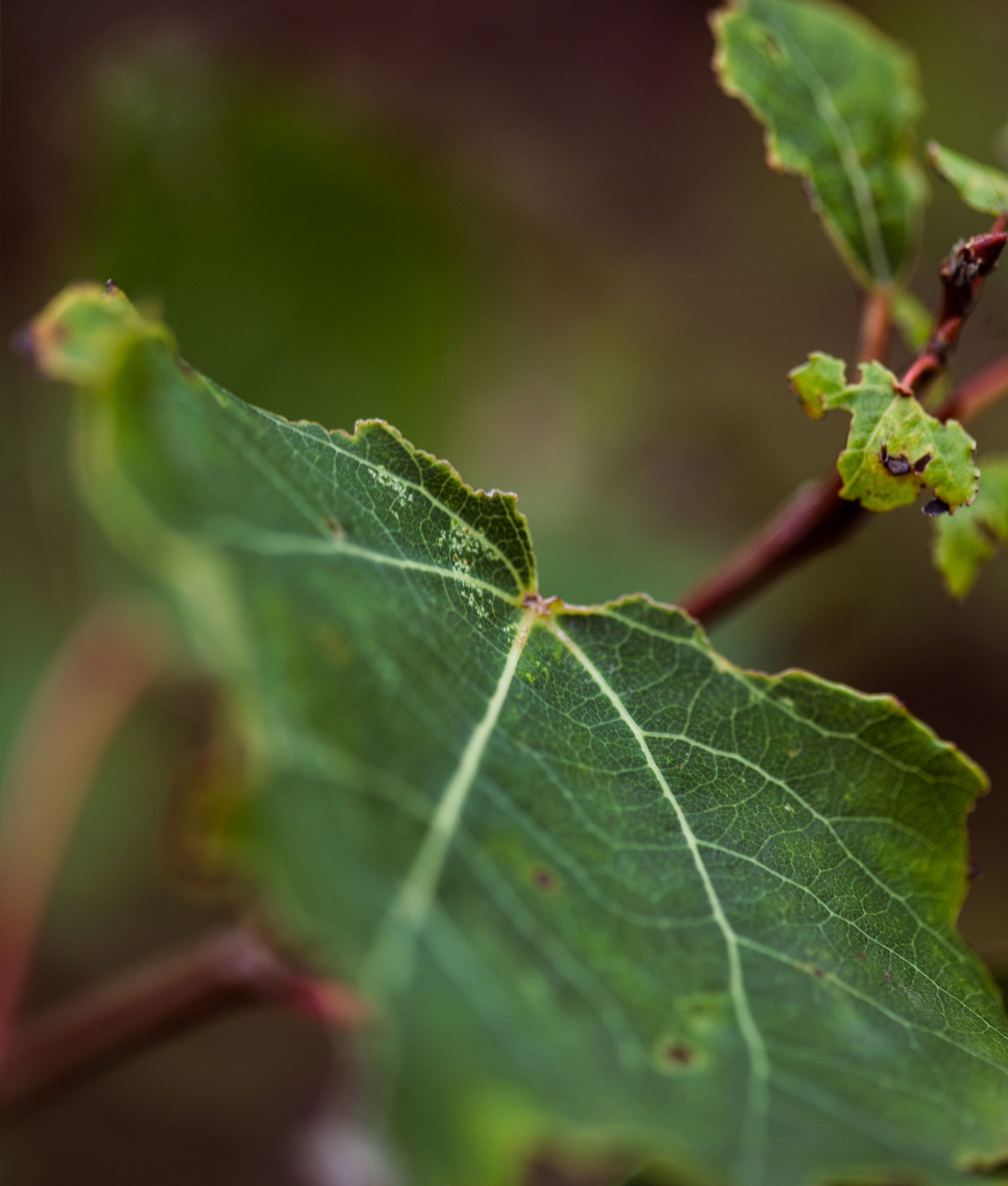
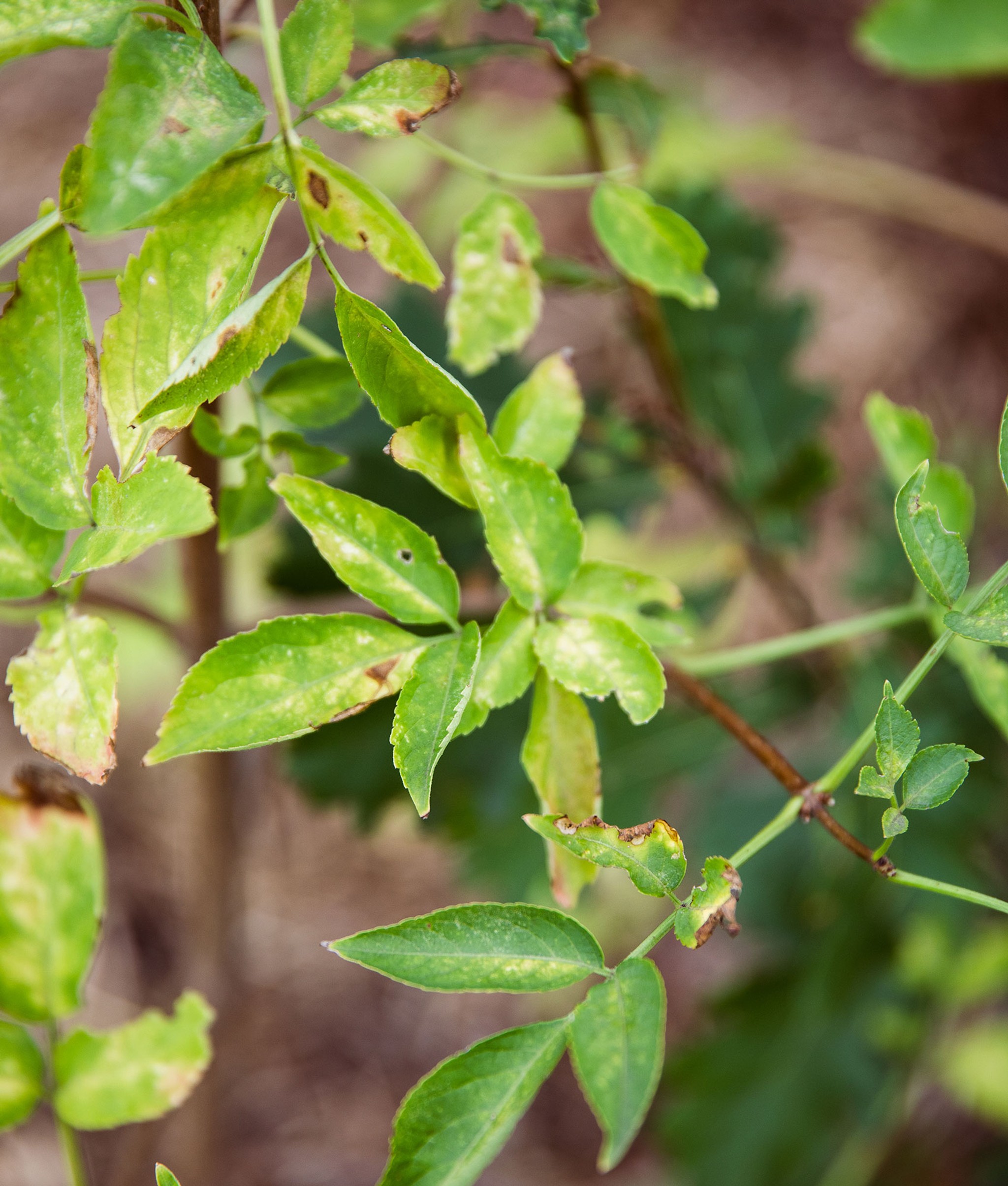
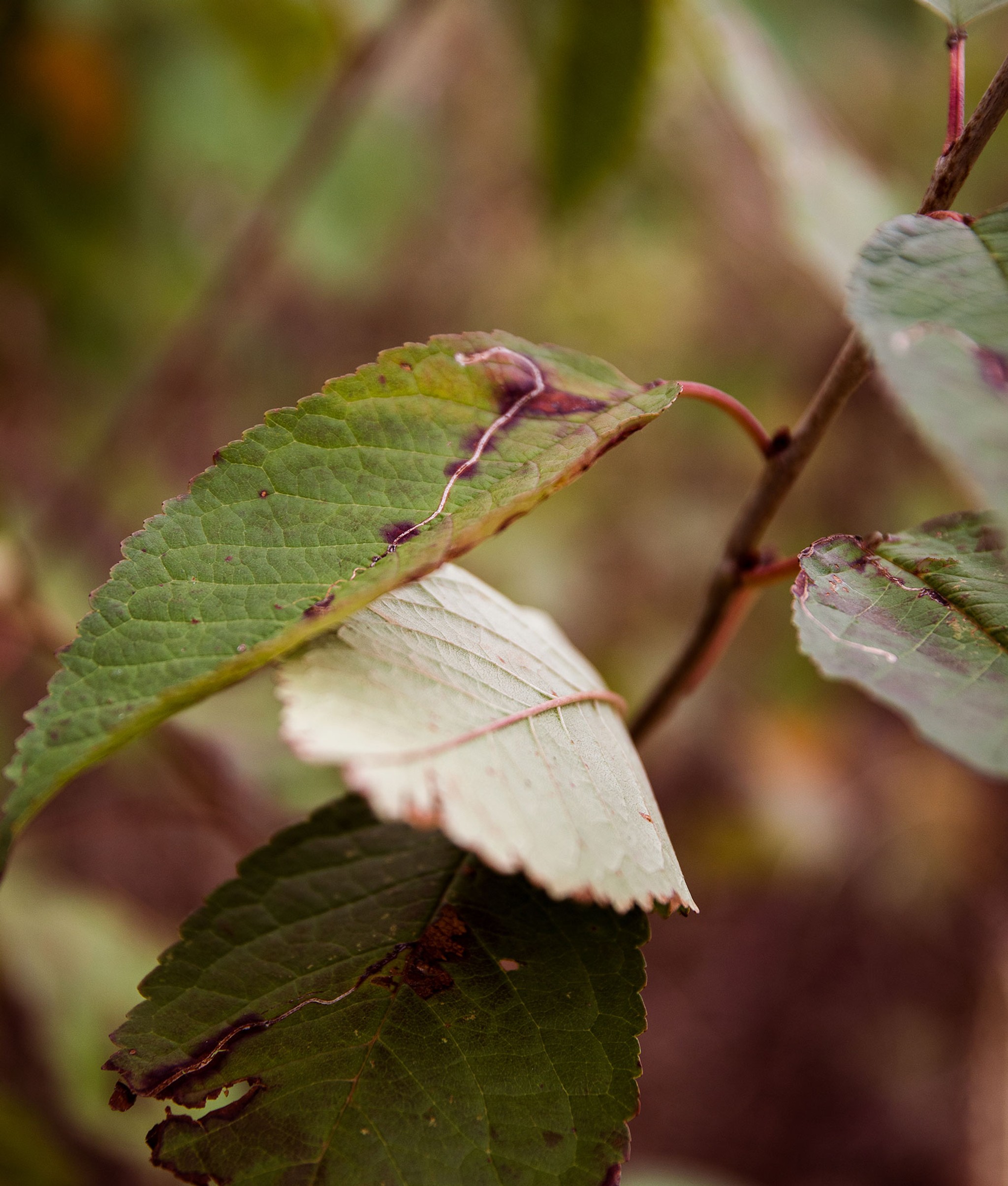
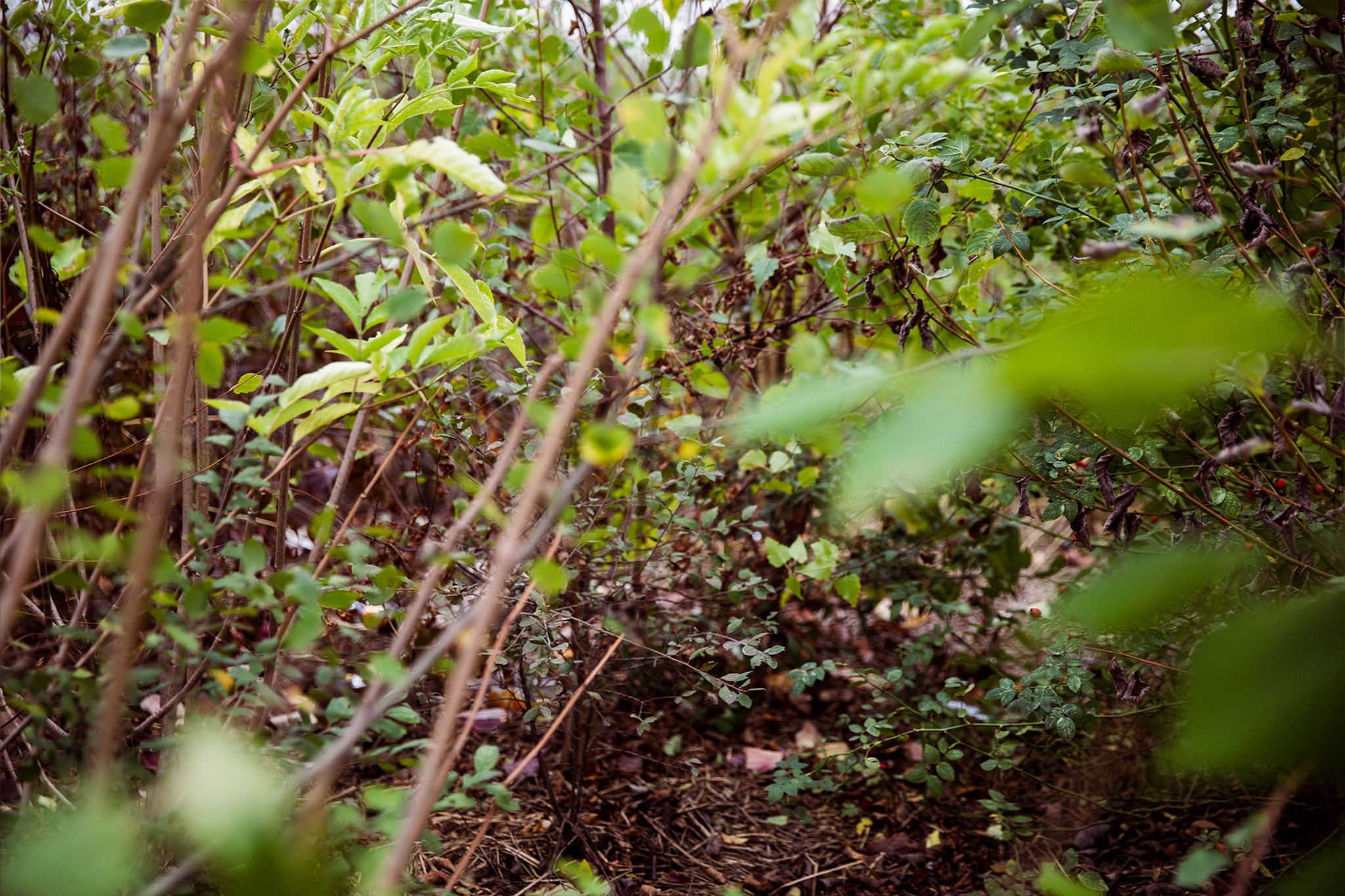
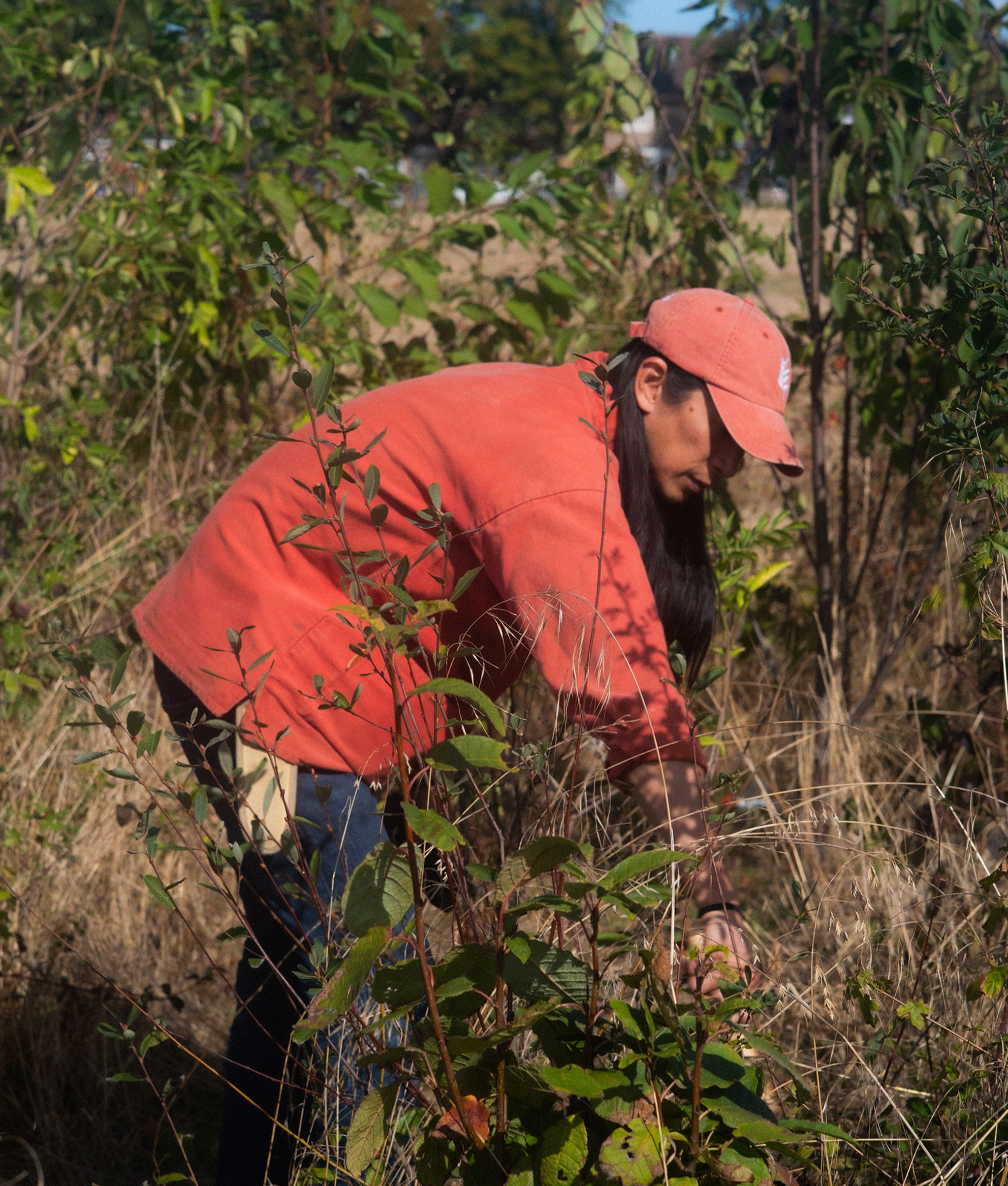
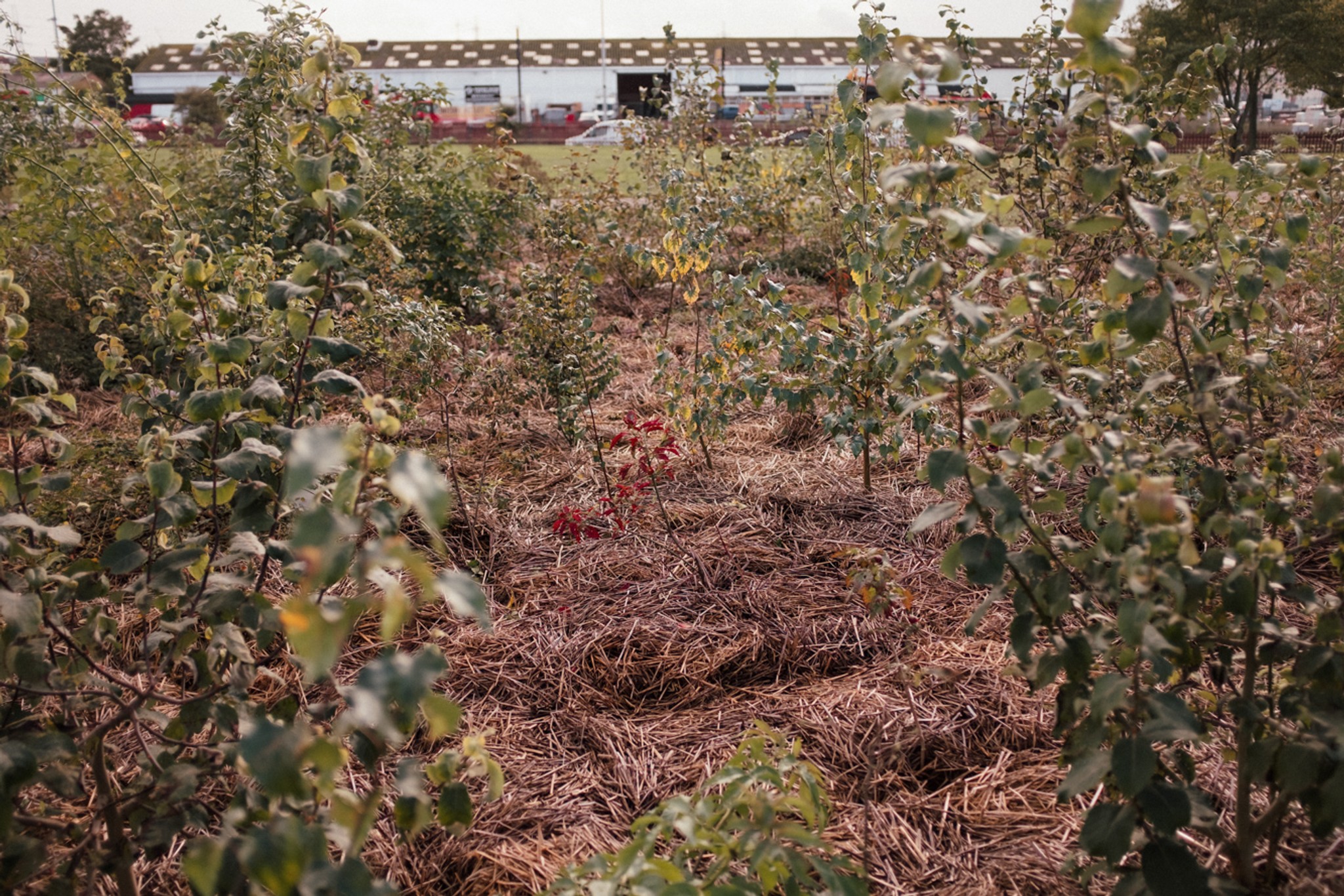
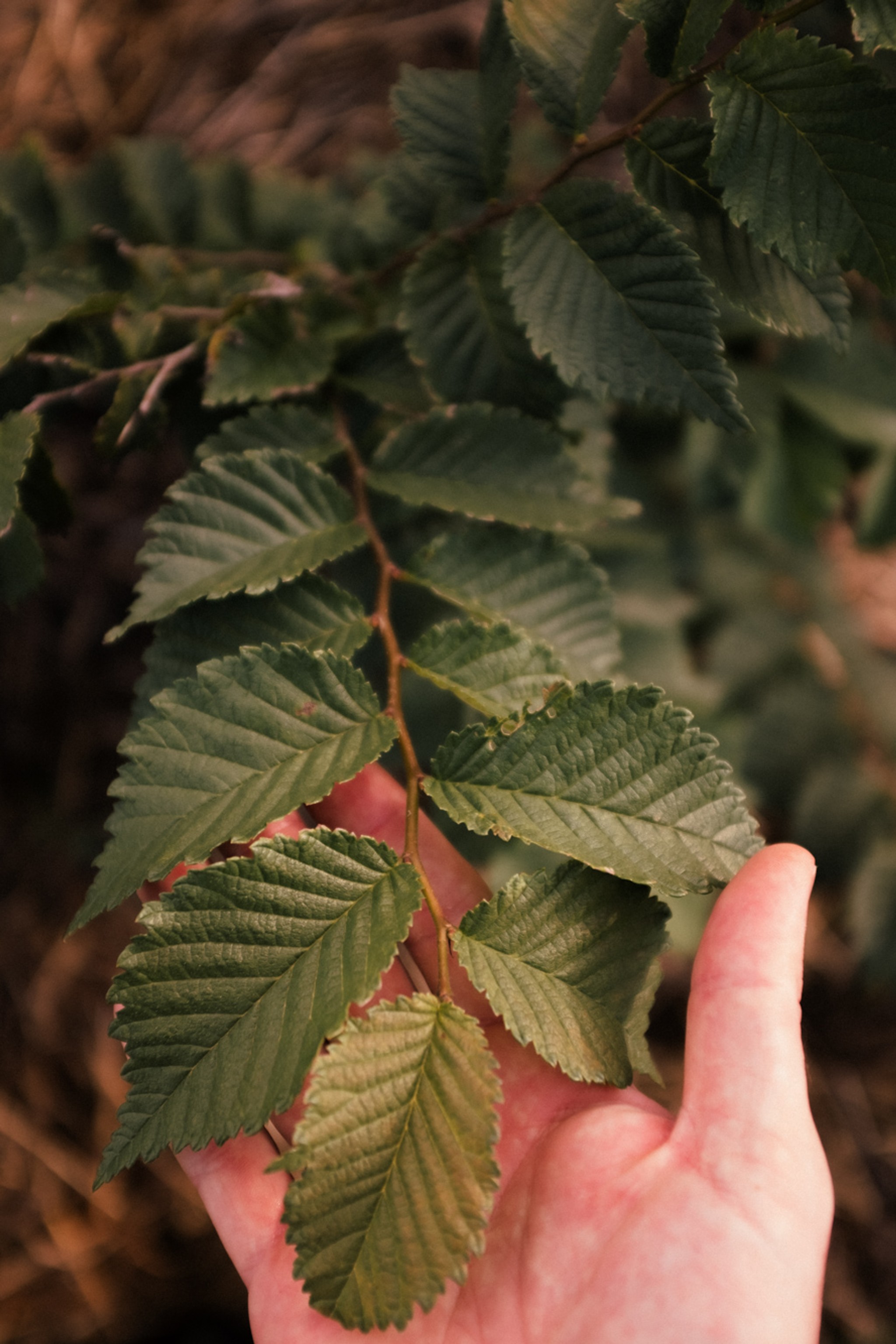
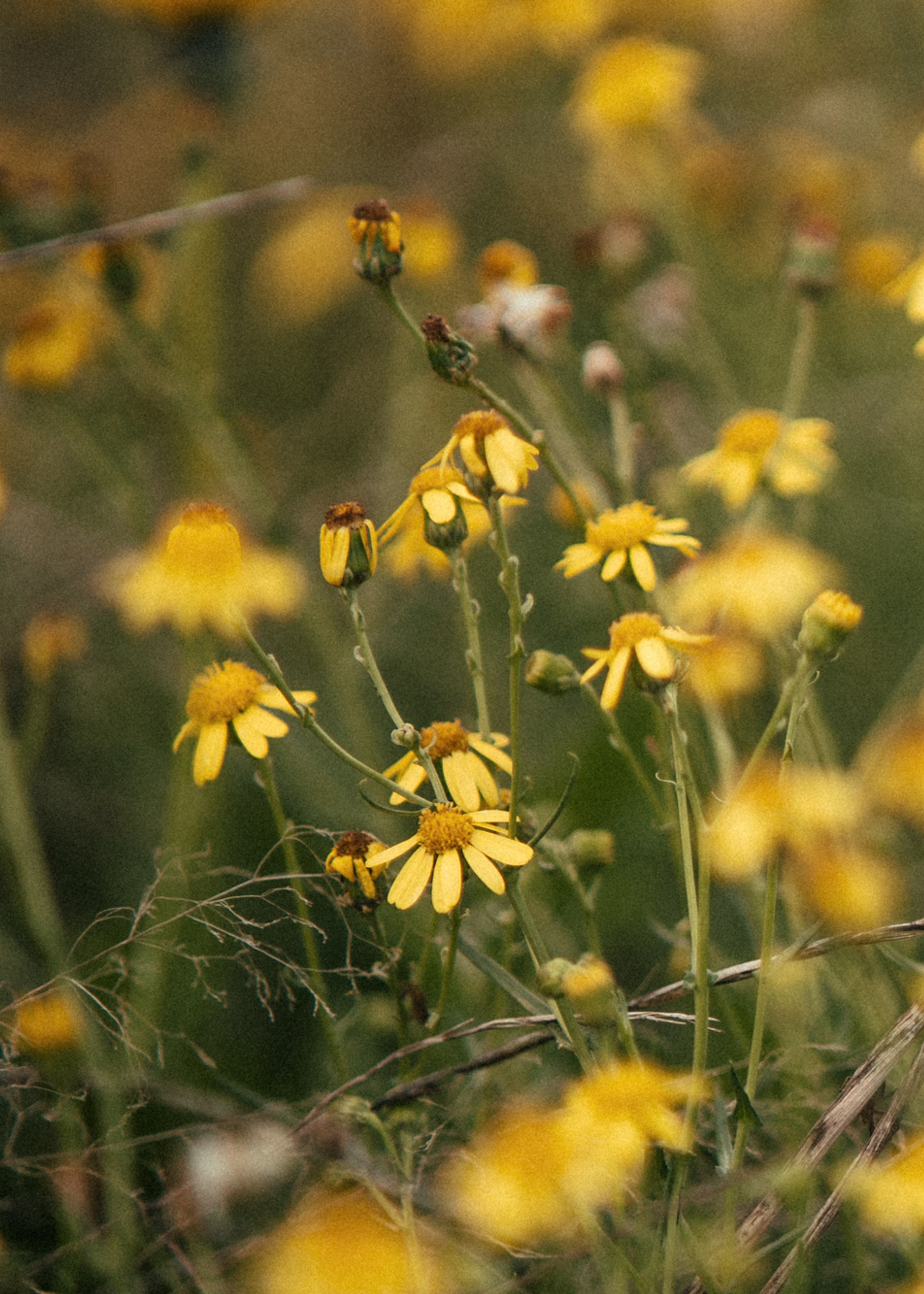
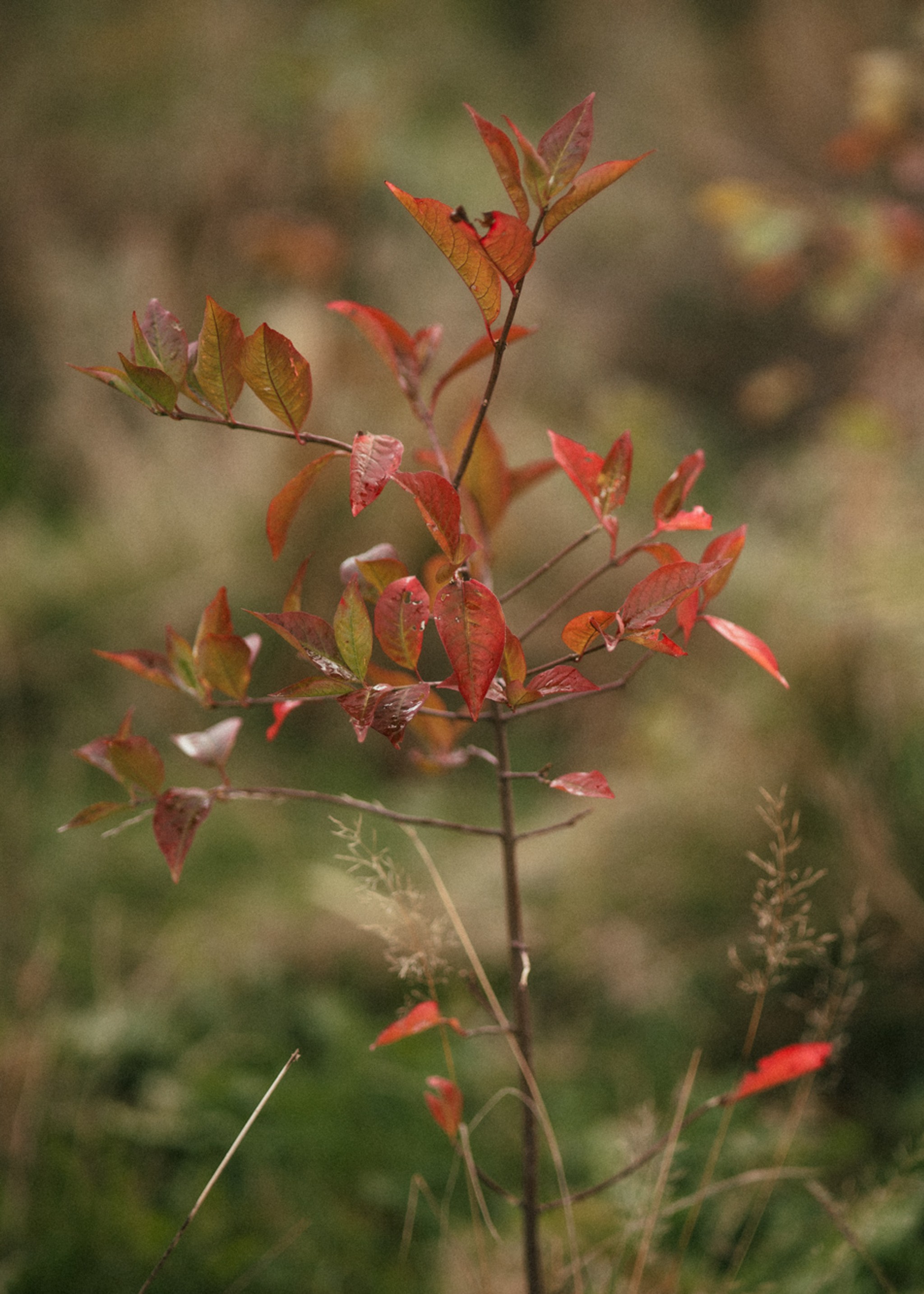
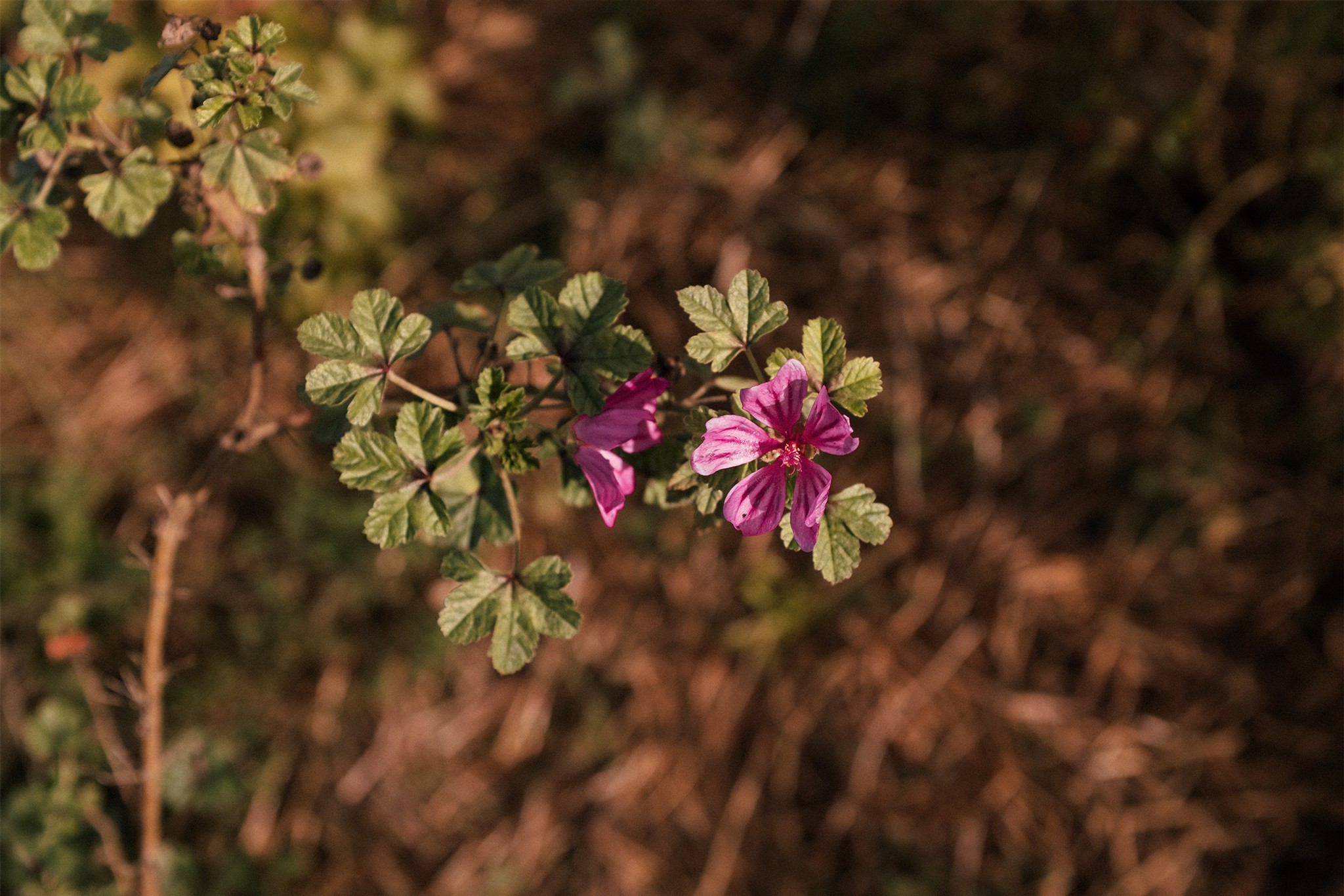
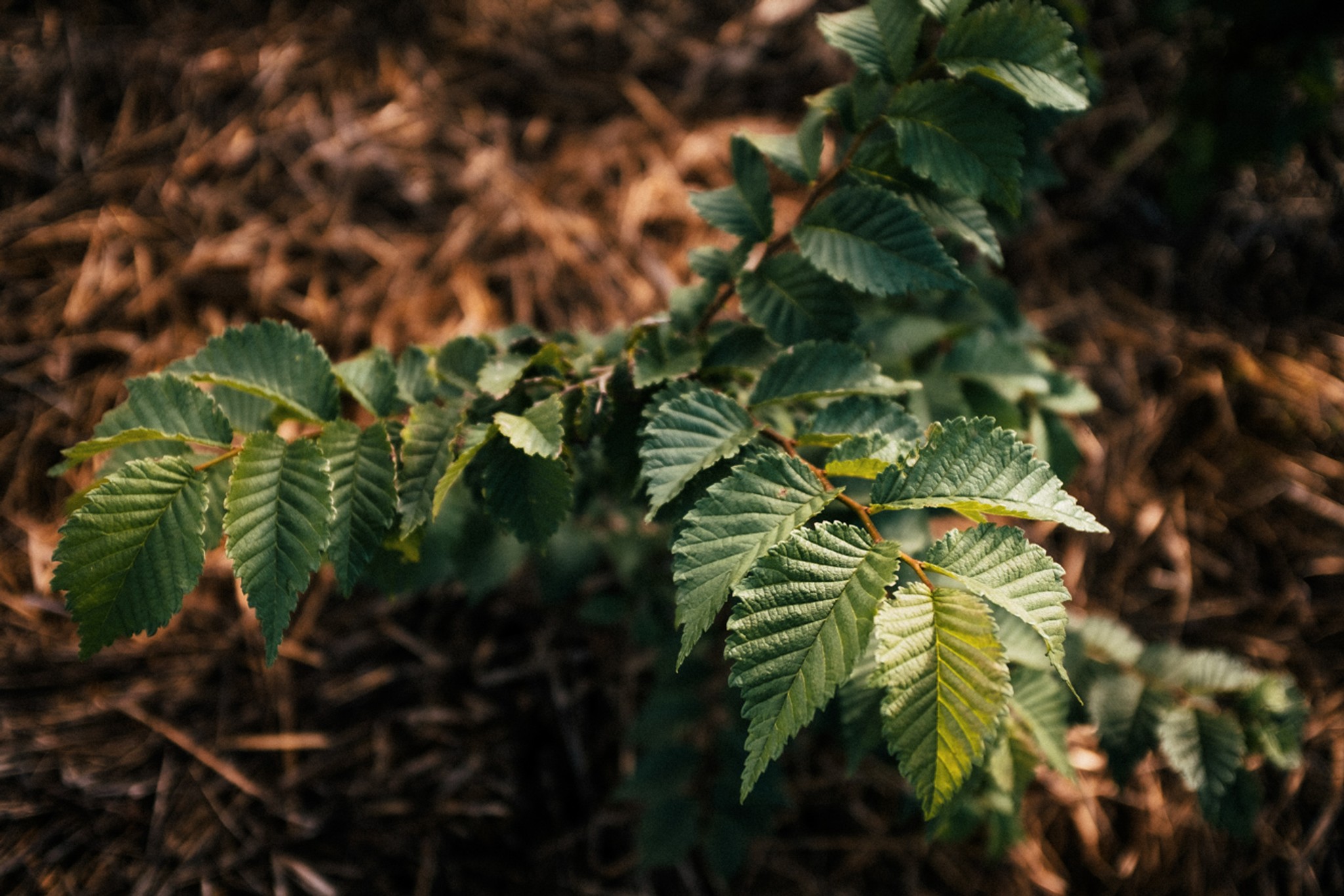
Lime saplings, both tall and small, have black/grey markings on their leaves, which is consistent across the forested area. This could be due to disease or pollutants coming from the main road opposite the forest. White, spotted markings have also been found on various willow saplings across the forested area. The mulch layer is still mainly hay which discourages undergrowth species to self-seed, other than yarrow in certain areas along the forest border. The forest still feels very young and there are many dog rose plants which are equal in height, or taller, than most tree saplings. The smaller species of dogwood and oak saplings are scattered throughout the forest planting area.
Biodiversity Notes:
Planting: January 2023