Why the Forest Floor Matters: The Hidden Foundation of a Healthy Forest
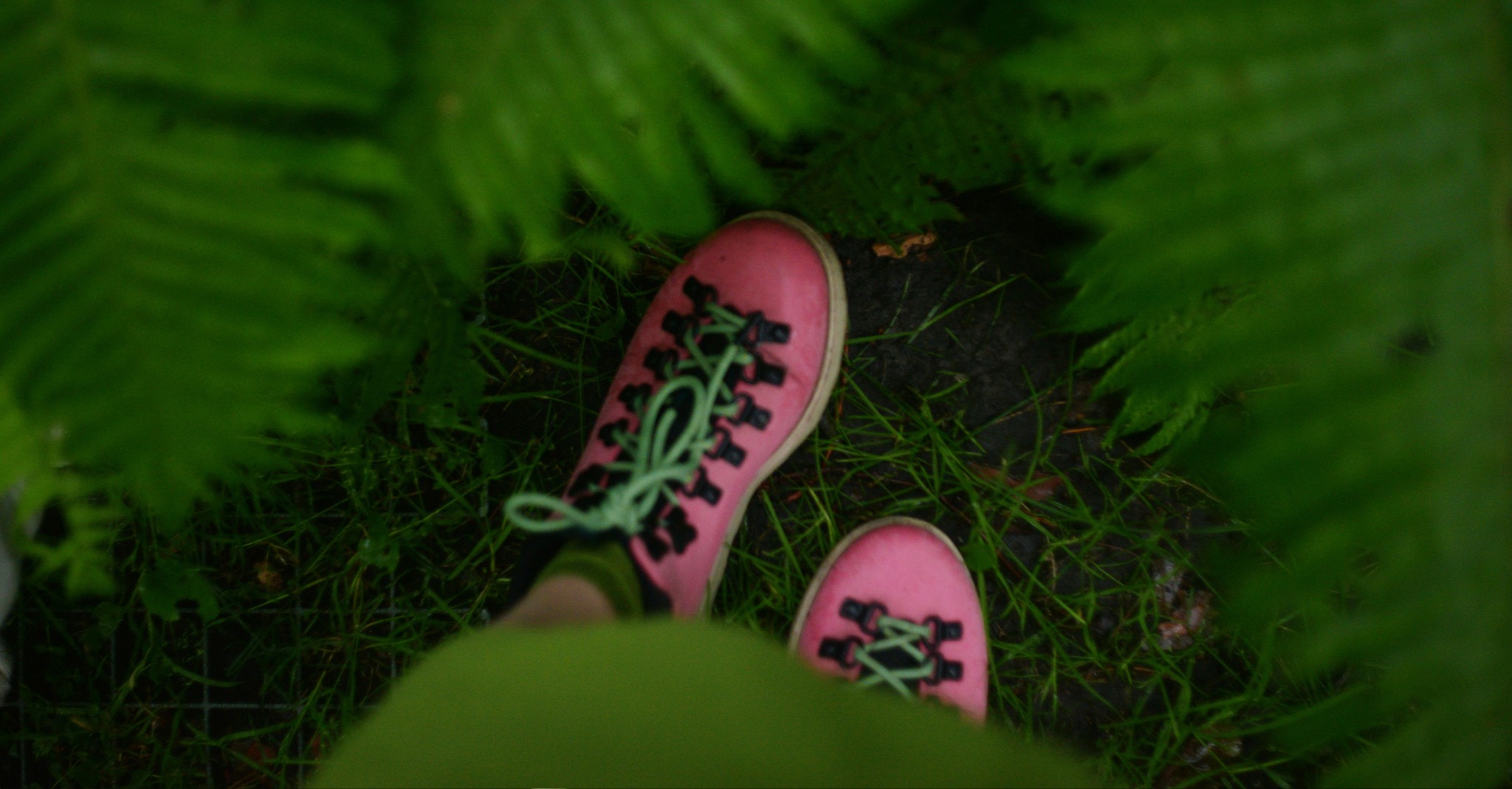
Look down, not up.
The forest floor is the quiet engine of every healthy forest. It is where life begins, where it ends, and where it begins again. In every SUGi Pocket Forest, the ground beneath the trees matters as much as the canopy above. Perhaps more.
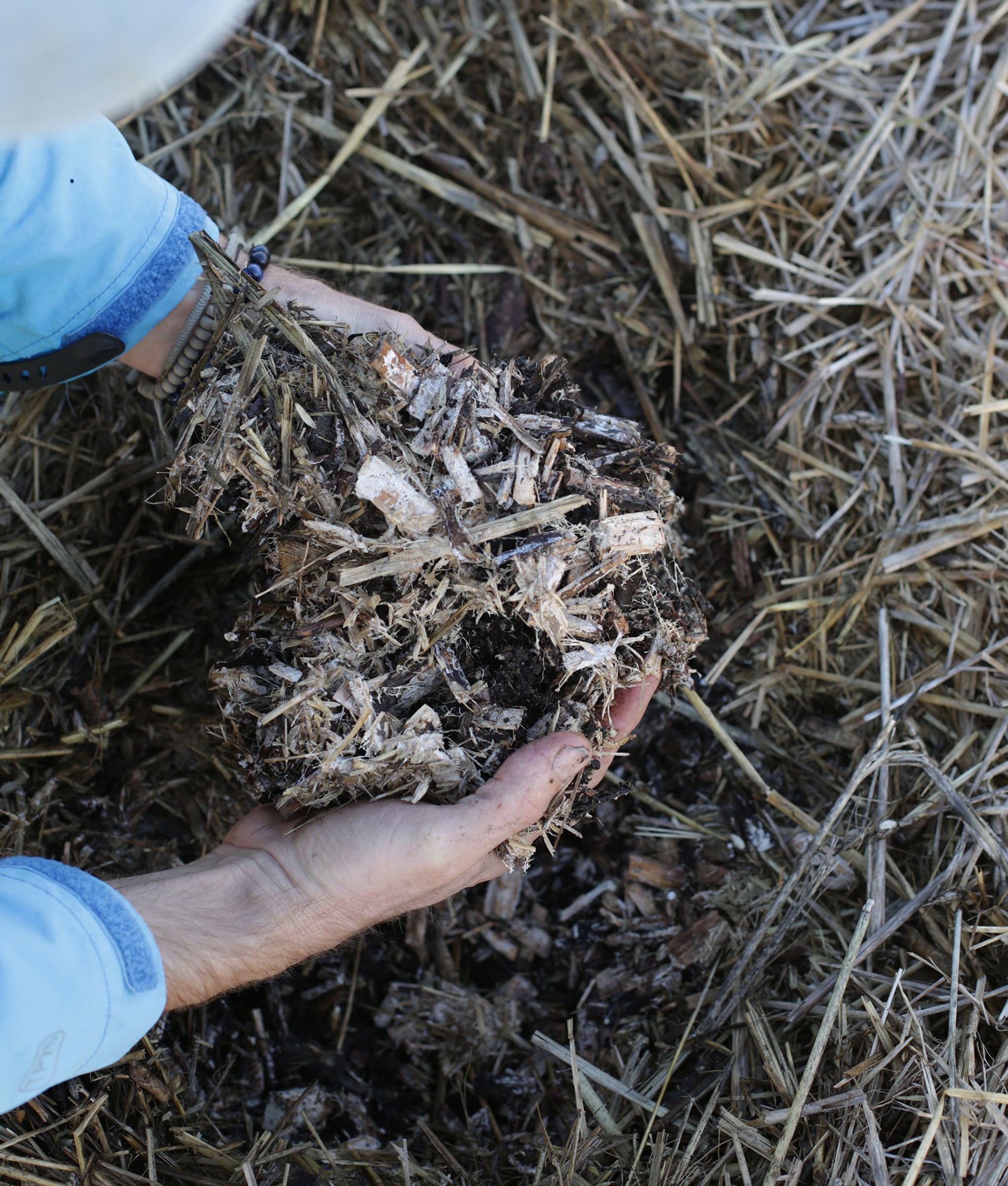
The forest floor is a life-support system.
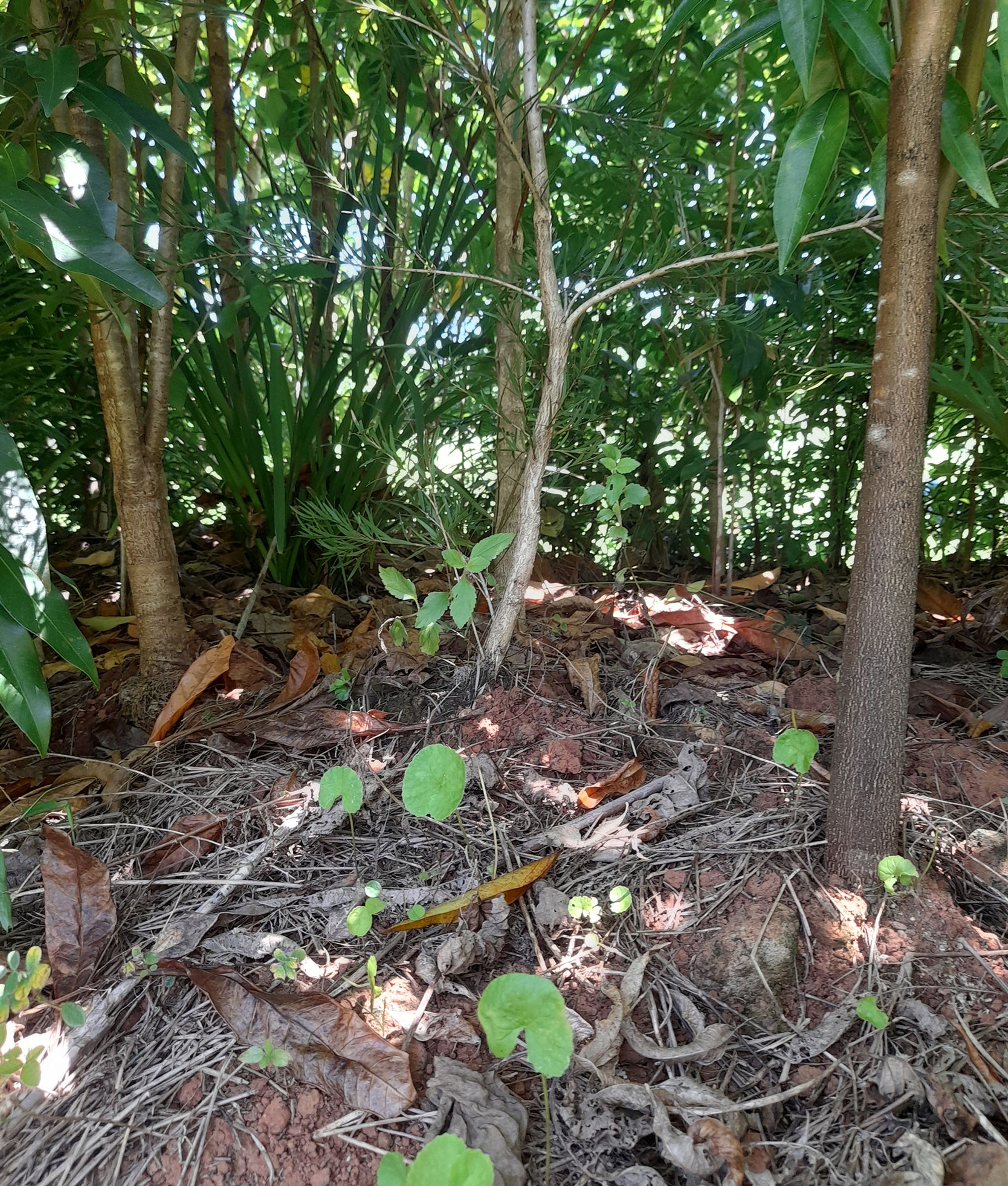
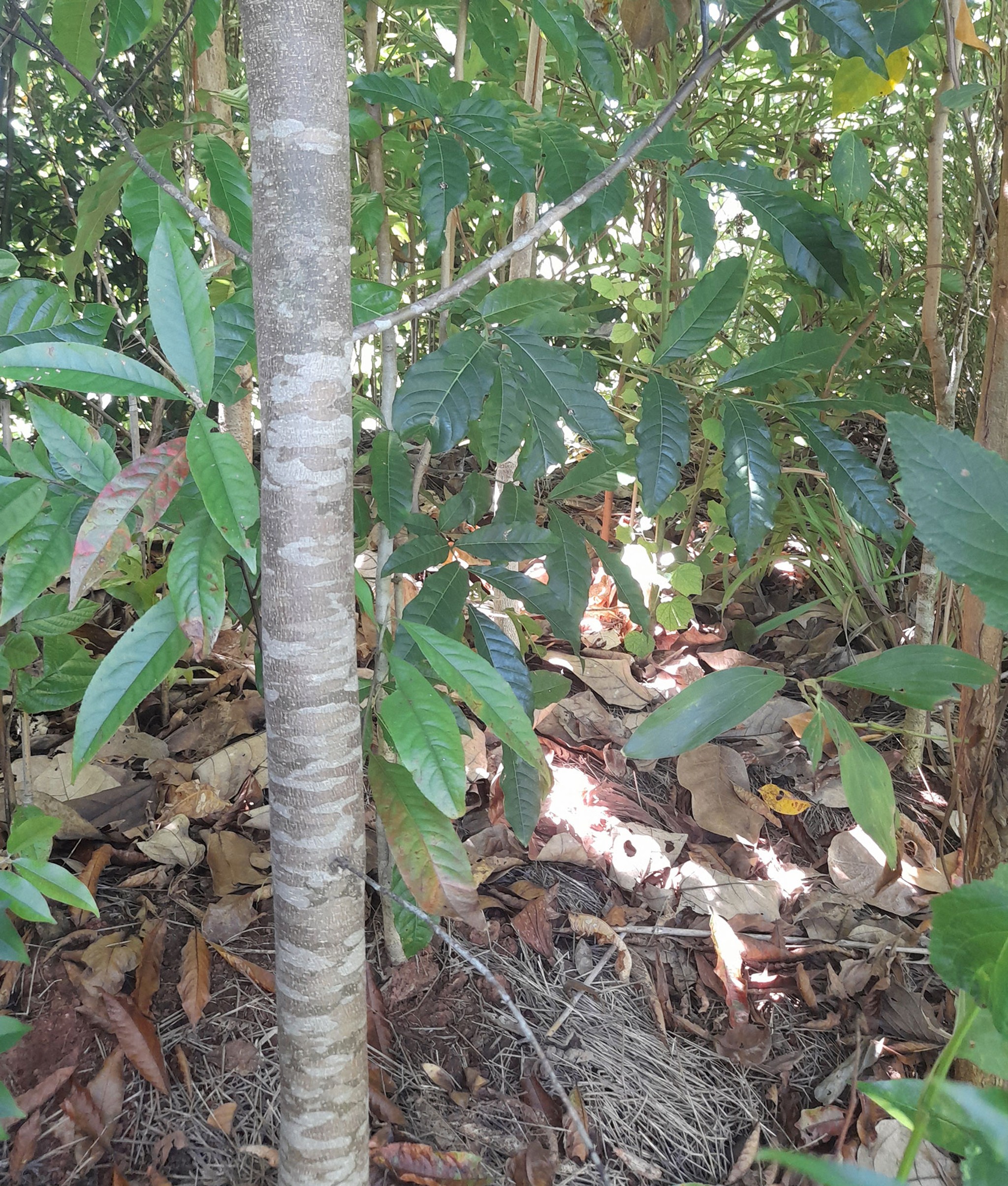
A healthy forest floor is layered. Fallen leaves, twigs, bark, and organic matter break down slowly, feeding the soil below and sheltering the life that keeps the forest alive.
This ground layer is habitat for decomposers, fungi, insects, worms, and small mammals. It is where nitrogen cycles, where carbon is stored, and where rainwater is filtered and held. Without it, a forest cannot sustain itself.
Strip the forest floor away and the trees above lose their foundation. Return it, and life comes back.
The wood wide web
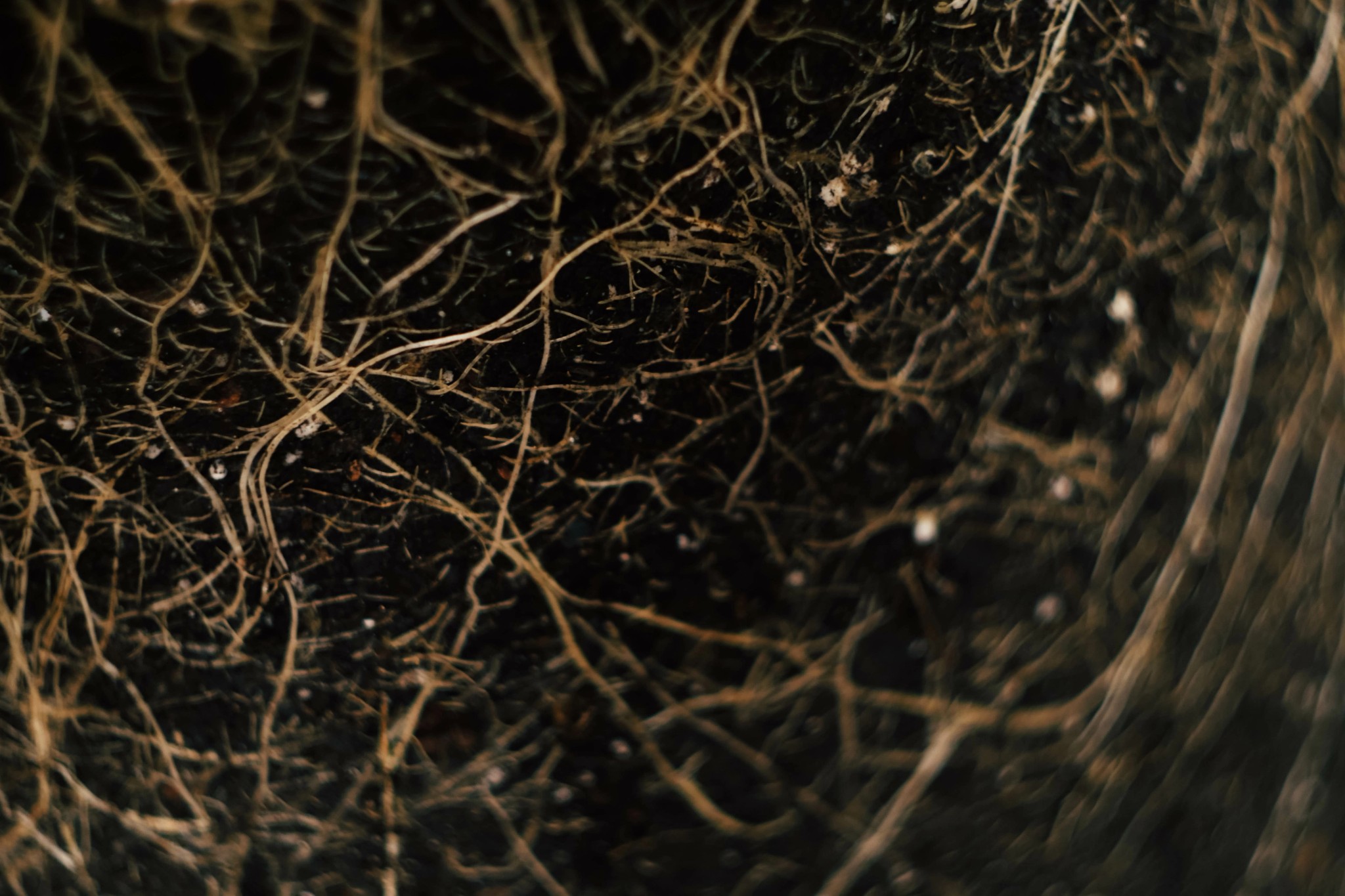
Under every healthy forest floor is a hidden network: fine threads of mycorrhizal fungi that connect the roots of one tree to the next. This network shares water, sugars, and warning signals. Scientists call it the wood wide web. Older trees feed younger ones through it. Trees under attack from pests send chemical alerts along it to their neighbors.
A pocket forest is built to grow this network as fast as possible. Dense planting, native species, and heavy mulching all help the fungi and microbes establish quickly. Within the first year, the soil beneath a SUGi Pocket Forest is already alive in ways most urban soil has not been for decades.
How a pocket forest builds its floor.
A SUGi Pocket Forest is designed from the soil up.
Before planting, every site is tested. Degraded or compacted urban soil is amended with organic matter: compost, straw, wood chips, and leaf mulch. This feeds the soil microbes and the fungal networks that will carry the forest through its first three years.
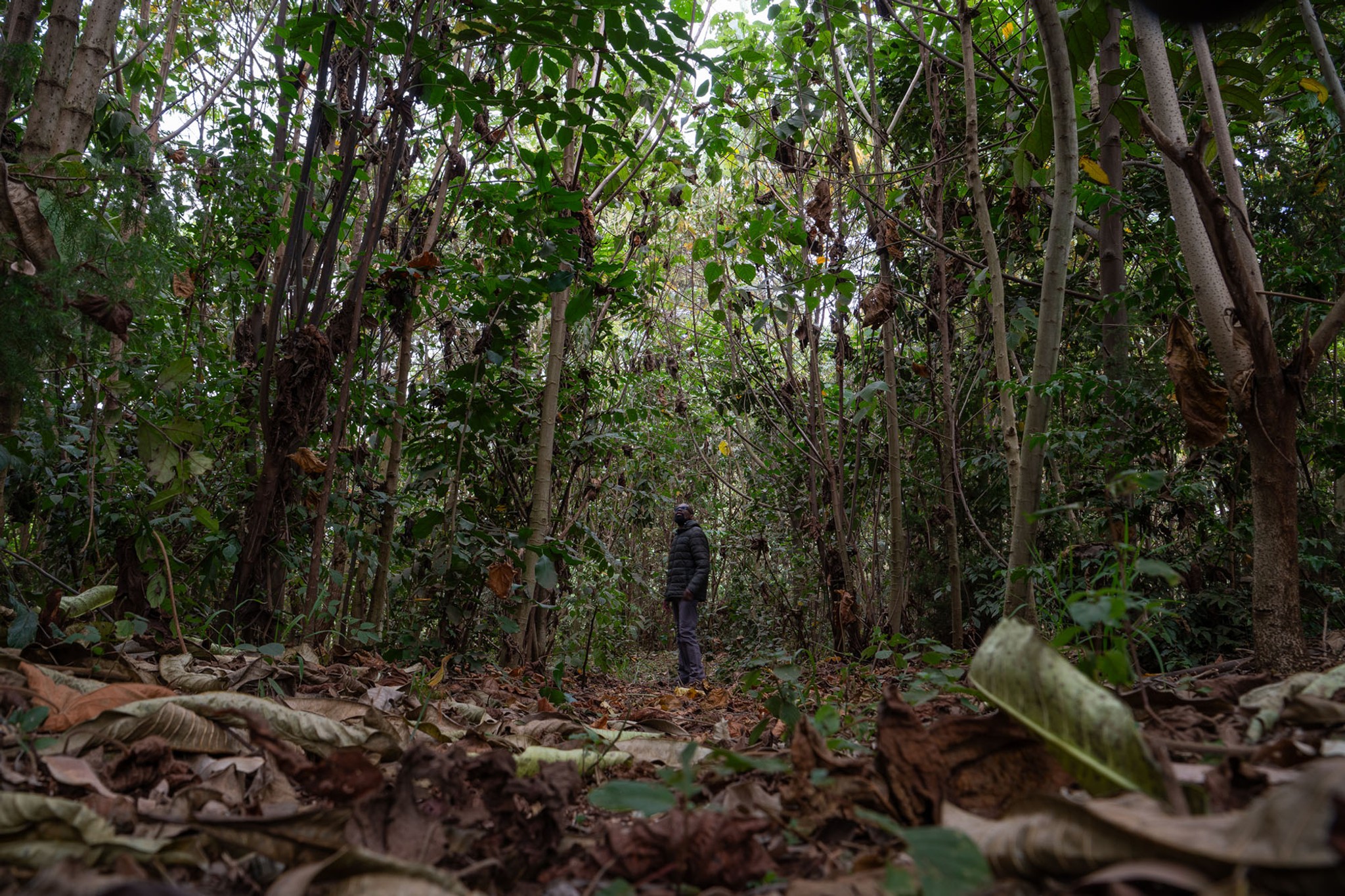
Then the planting itself. Roughly 30 native species, planted densely, mulched heavily. The dense canopy that forms in the first year shades out weeds and traps moisture at ground level. Leaf litter starts to accumulate. Fungi colonize. Decomposers arrive.
By year two, the floor is no longer bare. Native ground cover appears. Insects and birds return. By year three, the forest is self-sustaining. The floor has become a working ecosystem of its own.
Why this matters for cities
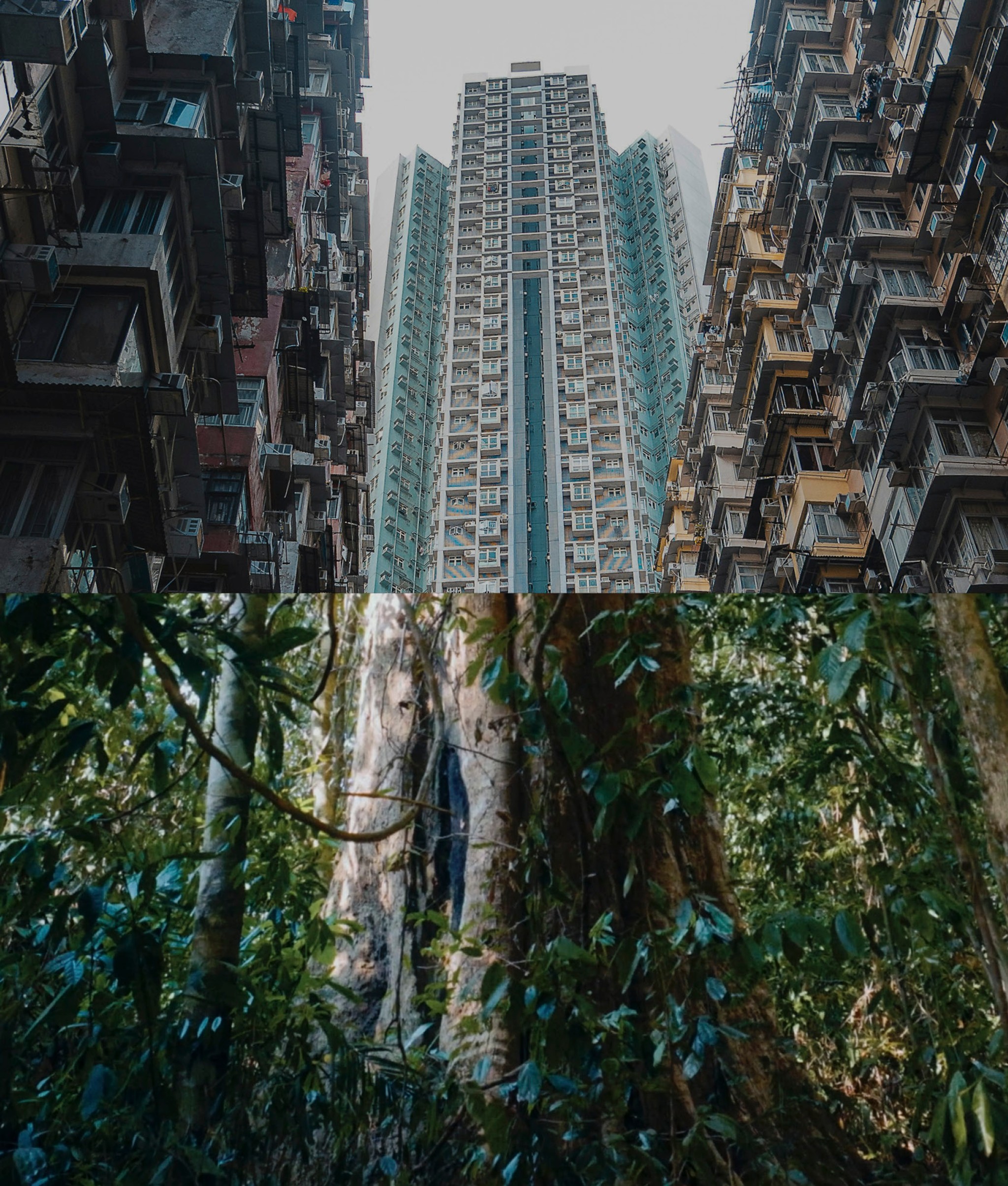
In a city, the ground is almost always the problem. Concrete, compaction, pollution, and decades of landscaping with non-native species leave urban soil close to lifeless.
A SUGi Pocket Forest restarts it. On a site as small as 100 square meters, a living forest floor forms within months. That floor absorbs stormwater. It cools the ground temperature. It stores carbon. It filters air. It becomes habitat for pollinators, birds, and the smaller sentient beings that quietly hold a city together.
Everything the canopy does for the city, the forest floor makes possible.