The Age We Lost Touch with Nature
Connection to nature hits its lowest point at 15. Planting a pocket forest with their own hands brings teenagers back.
At 15, children are the most marketed-to people on the planet. They are also the least connected to nature. Here is what the research says about teenagers and nature, and how planting pocket forests in schools helps bring them back.
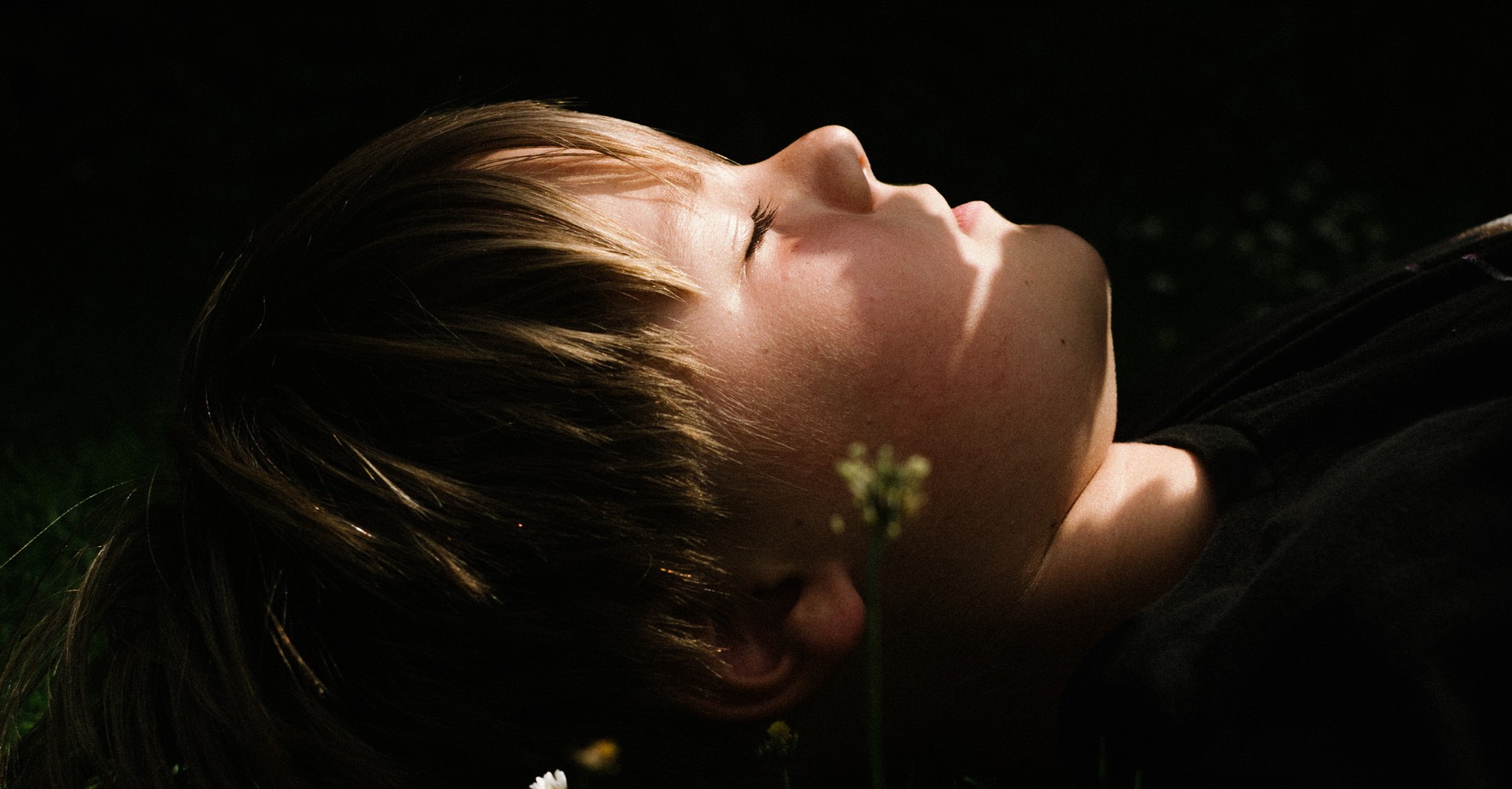
Connection to nature drops in the teenage years
In 2019, researchers at the University of Derby published a study of nature connectedness across a whole lifetime. They surveyed children and adults of every age using the same validated scale, so the results could be compared from one age to the next.
The results were plain. Connection to nature is high in early childhood. It drops sharply at 11. Between the ages of 7 and 15, the average score falls by about a quarter. It reaches its lowest point at 15 and 16. It does not recover until our thirties.
That is a gap of almost twenty years. It opens just as young people start to form their own identities, habits and values. It closes only once most of them have settled into adult life.
The researchers link the drop to the move from primary to secondary school, and to the work of building an identity. It matters because connection to nature goes hand in hand with wellbeing. People with the strongest connection reported being happier, more satisfied with life and less anxious. They were also more likely to act for the environment.

Teenagers, screens and advertising
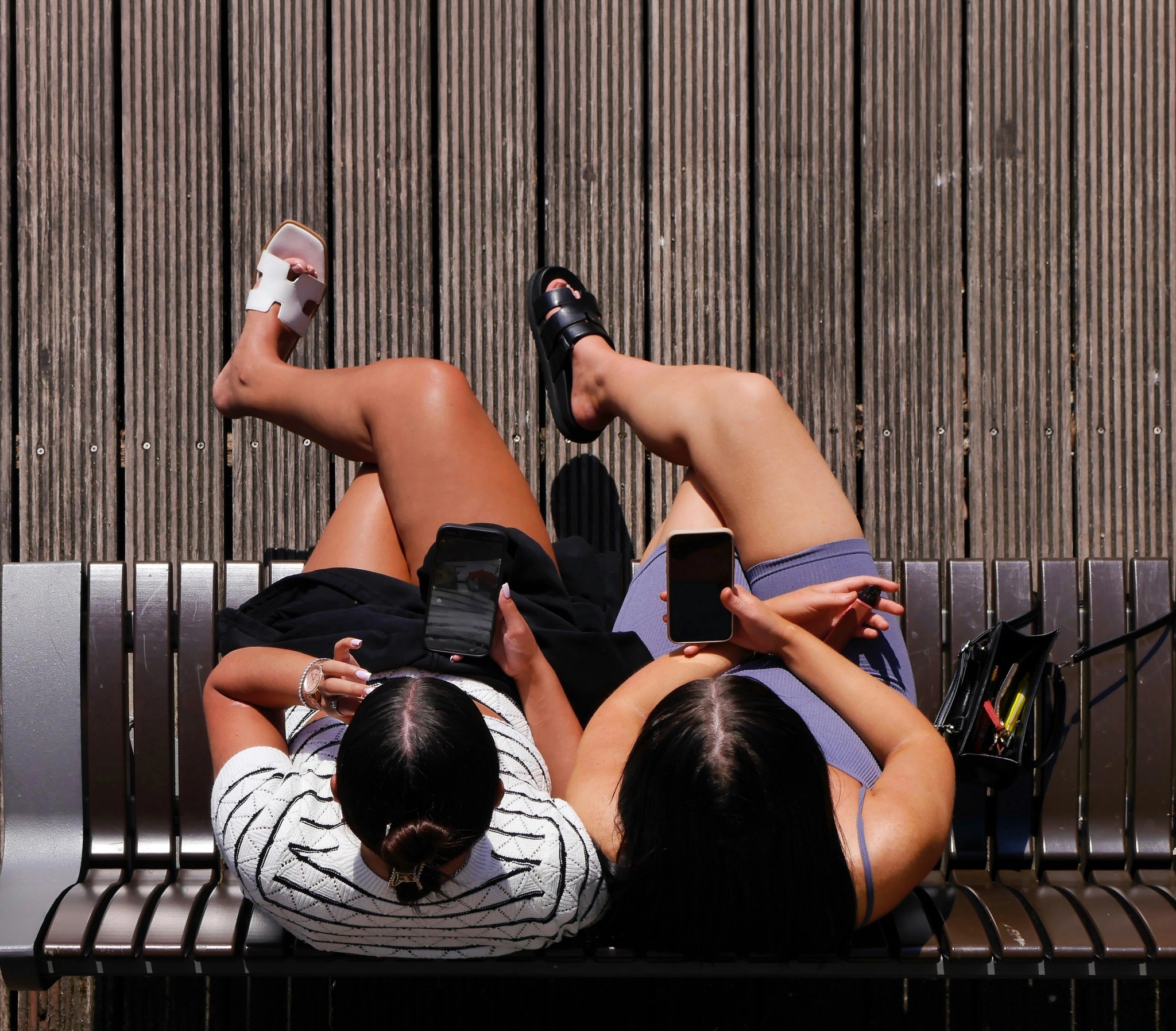
Now consider who advertisers want most. The same teenagers.
Companies spend billions of dollars a year to win their attention, and they are very good at it. Teenagers are forming the preferences they will carry into adulthood, and brands know that loyalty won at 15 can last for decades. The apps, feeds and games they use every day are tested, refined and tested again. The phone in a 15-year-old’s pocket is the product of more research than most medicines.
Nature has no advertising budget. It cannot buy a place in a feed or test a headline. It has to earn attention another way.
How pocket forests reconnect teenagers with nature
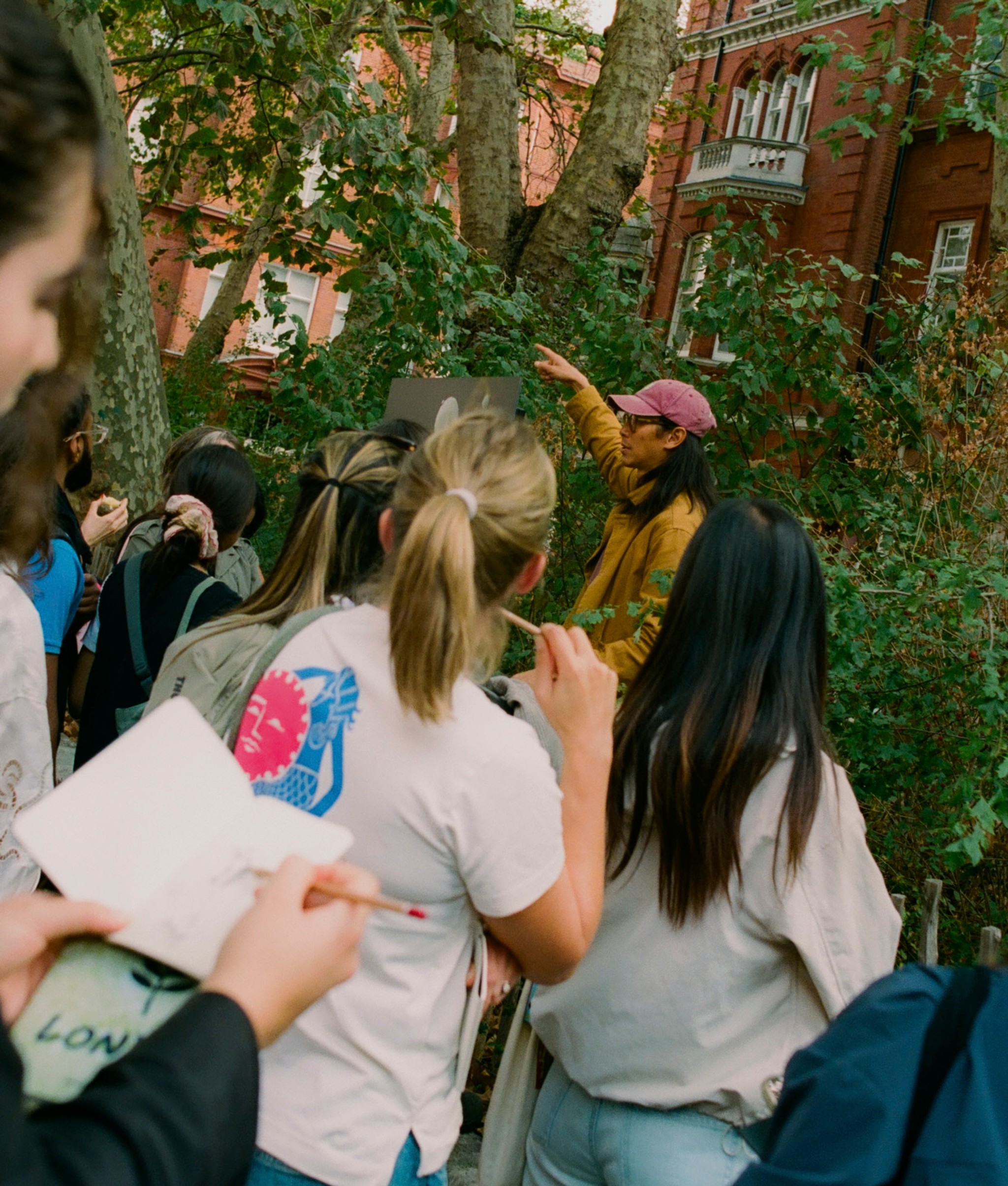
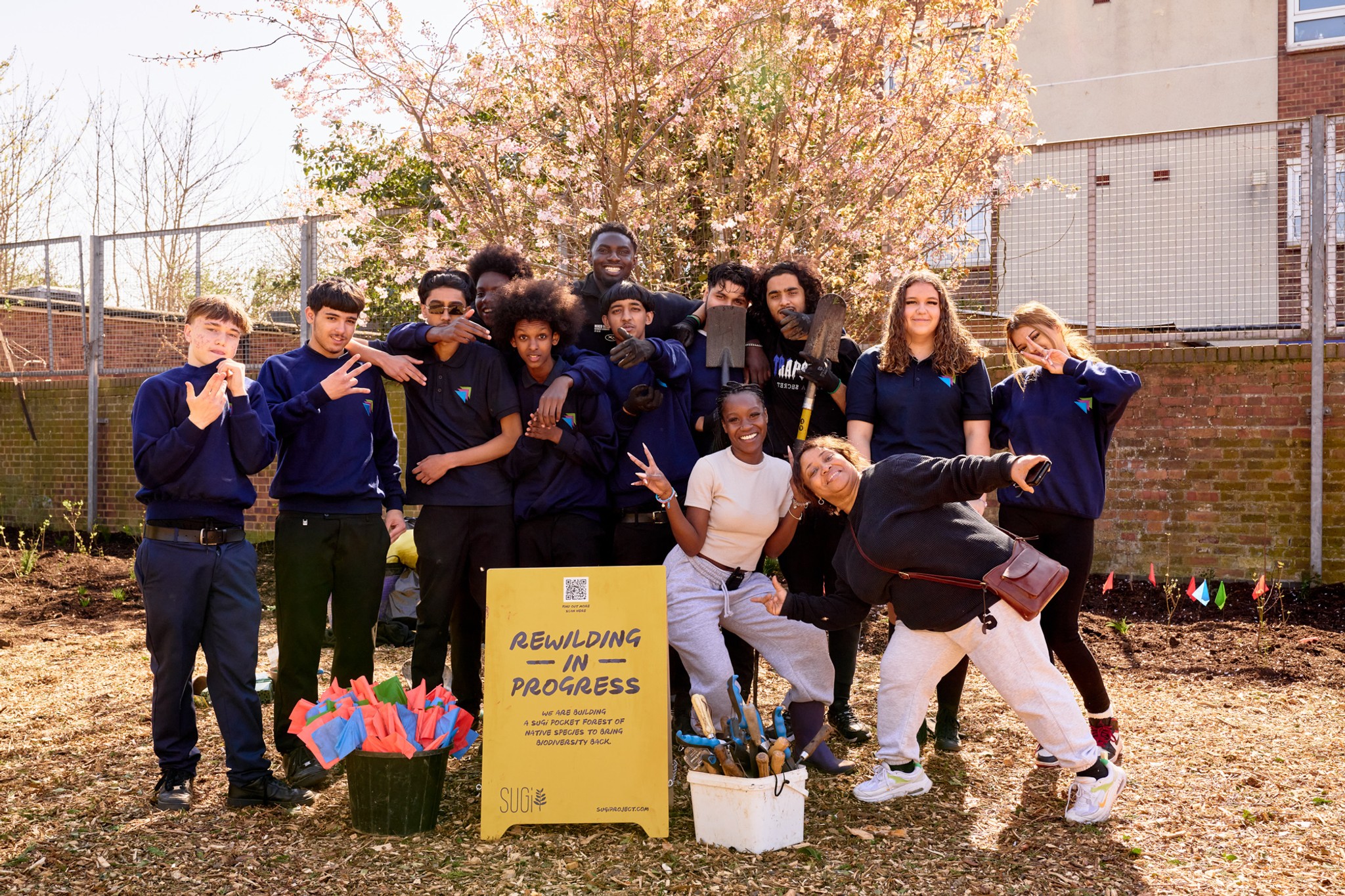
We have found one that works. We plant SUGi Pocket Forests in schools, with students of exactly this age.
They do not watch a presentation about trees. They dig, mulch and plant native saplings with their own hands, three to a square metre, using the Miyawaki Method. Every species is chosen because it belongs to that place. Then the students help maintain the forest as it grows, watering, weeding and mulching through its first years.
The research supports this. Outdoor programmes that engage young people’s feelings raise their connection to nature. A traditional outdoor adventure programme did not. Time outside is not enough on its own. What counts is how the experience makes them feel.
The work is physical, shared and visible. Students learn which trees and shrubs are native to their region, why healthy soil matters, and how a forest builds itself layer by layer. A sapling planted in spring can stand taller than the student who planted it within a few years.
Within three years the forest no longer needs them. It sustains itself. By then, they usually want to come back anyway.
SUGi Pocket Forests in schools worldwide
Our approach is hands-on and collaborative. We work directly with youth groups, educators and grassroots organisations to co-design, plant and maintain pocket forests. To date, we have created outdoor classrooms in 163 schools and reconnected nearly 100,000 children with nature.
Each of these forests is designed for outdoor learning. Research shows that time in nature improves behaviour, strengthens relationships, reduces stress and builds curiosity. Even a view of nature from inside a school supports creative thinking and imagination. Yet children today spend an average of 44 hours a week on screens and less than 10 minutes outdoors. Where they live, their race and their family’s income all shape that gap.

In a SUGi Outdoor Classroom, students learn the Miyawaki Method, take part in the planting and use the growing forest as a resource for years to come. Lessons cover urban sustainability, climate change and ecological restoration.
Aurangabad, India, has the highest concentration of SUGi Pocket Forests in the world. Through the Green Schools programme, we planted 50 forests in 50 schools, reaching more than 6,000 students. We have since extended the programme to 12 more schools, in a region where drought and the loss of green cover have pushed groundwater down to 70 metres.
“By involving children, we teach them that nurturing forests builds healthier, more biodiverse environments,” says Natasha Zarine, SUGi Forest Maker and Co-Founder of EcoSattva, who works with us in Aurangabad. “It’s a lesson in coexistence and resilience, empowering them for a sustainable future.”
London has the second highest concentration. There, the Borough of Newham is working with us to plant pocket forests in 15 local schools. In Berkeley, California, more than 1,000 schoolchildren helped plant three forests and 3,300 saplings in six weeks. Across Belgium, we are growing a network of outdoor classrooms in schools from Bruges to Brussels.
The forests build a habit of care that lasts. Each one becomes a living classroom and a source of pride for its community. It gives young people something no campaign can: a place they made themselves, and a reason to return to it.
A teenager will forget most of what they are sold. They do not forget a pocket forest they planted.