SUGi Tree Guide: How to identify trees by their shapes

Have you ever wondered why some trees weep and others grow like cones?
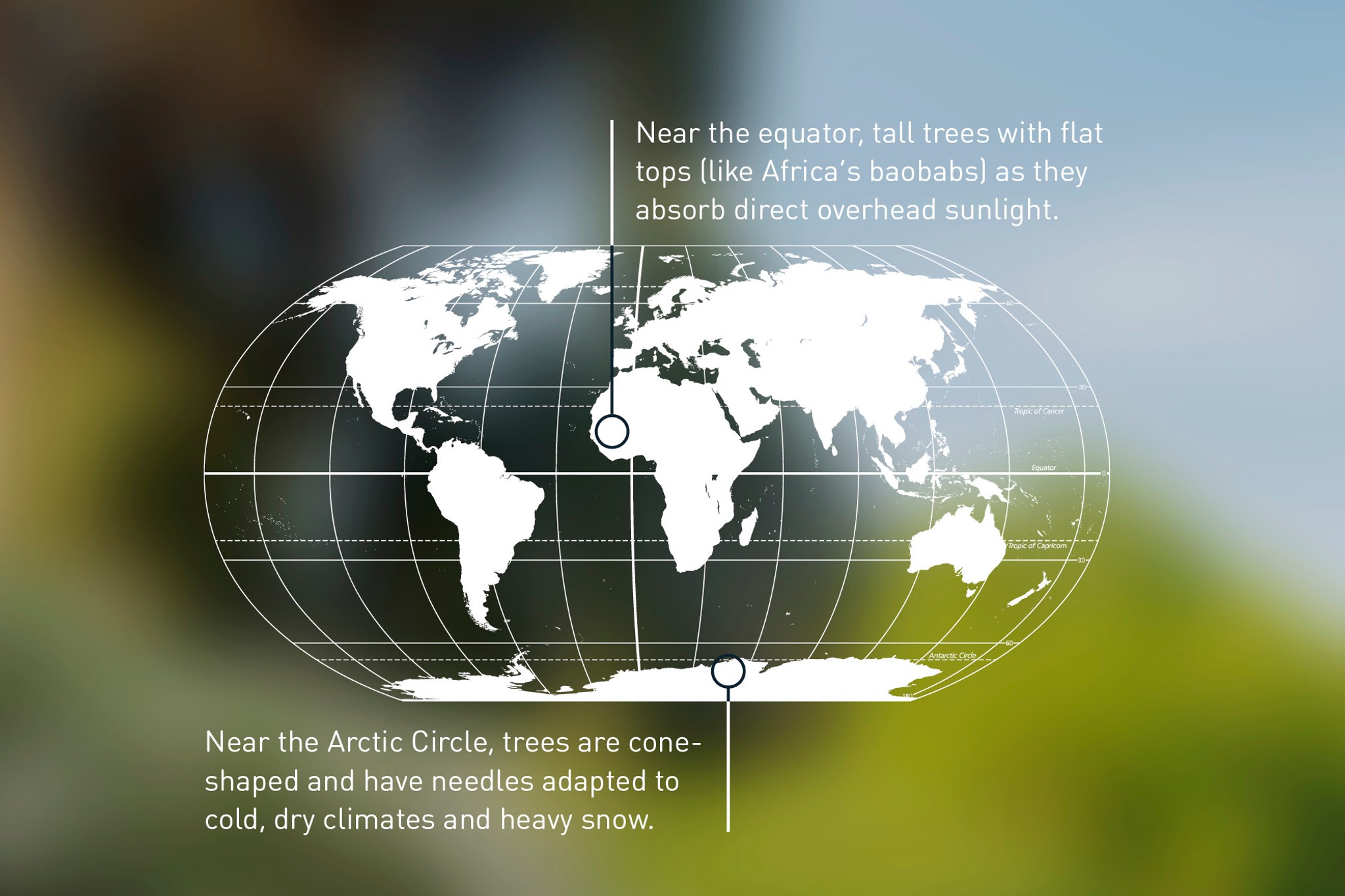
The shape and size of a particular tree is largely influenced by its specific requirements for growth, alongside environmental factors and evolutionary adaptations. Water and light are essential for trees, both elements impact the tree height, crown shape, and the form of leaves.
Some trees grow tall and receive bright direct light, while understory trees with rounded canopies capture filtered indirect light.
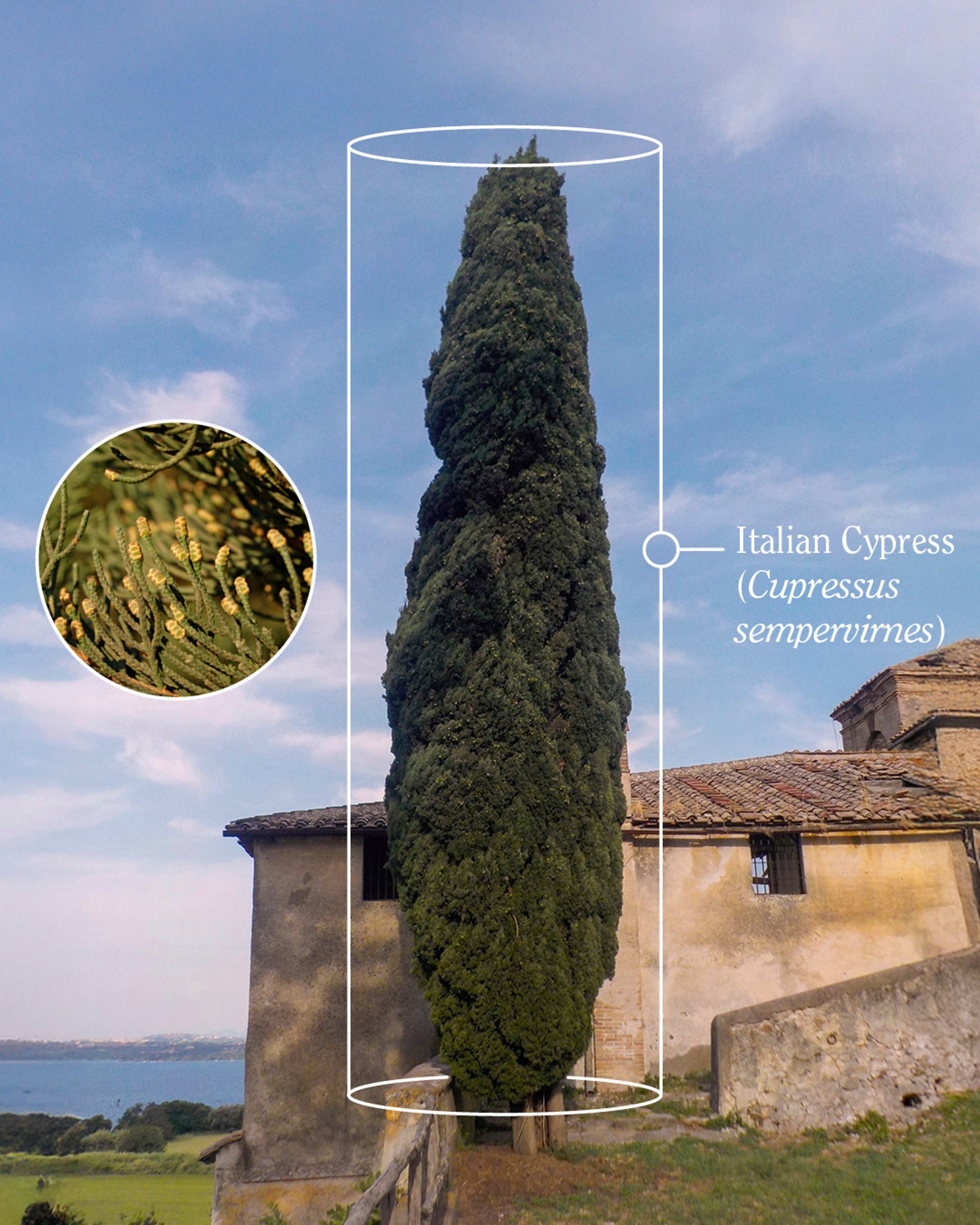
Columnar / Upright Shape
Tall, slender trees with a narrow, columnar crown. Resistant to wind, thrives in Mediterranean climates. Often used for their elegant appearance and vertical accents in landscapes.
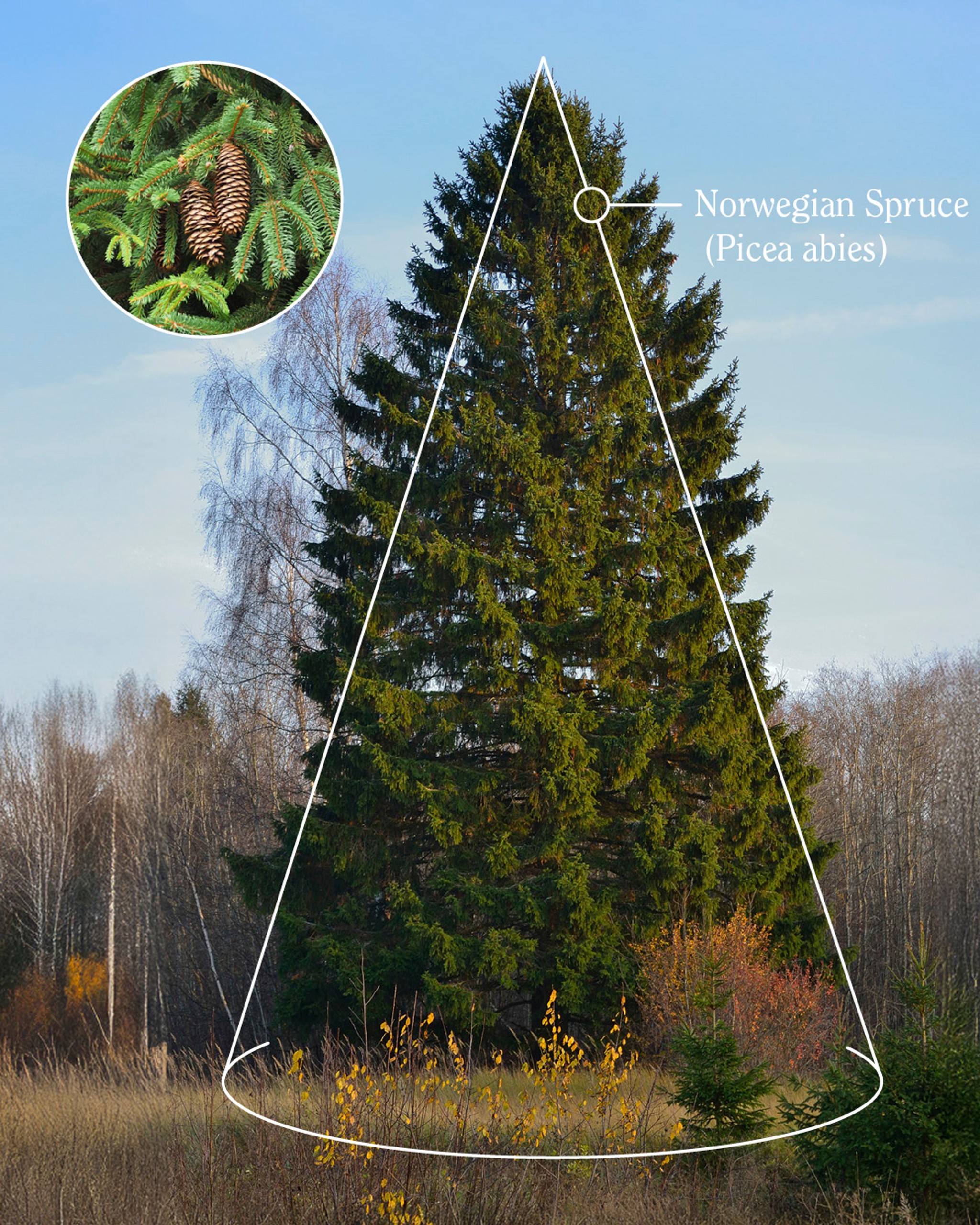
Conical Shape
These trees have a pyramidal shape with dense, horizontally spreading branches.They are adapted to cold climates and can withstand heavy snow loads. Their shape helps it shed snow and prevents branches from breaking.
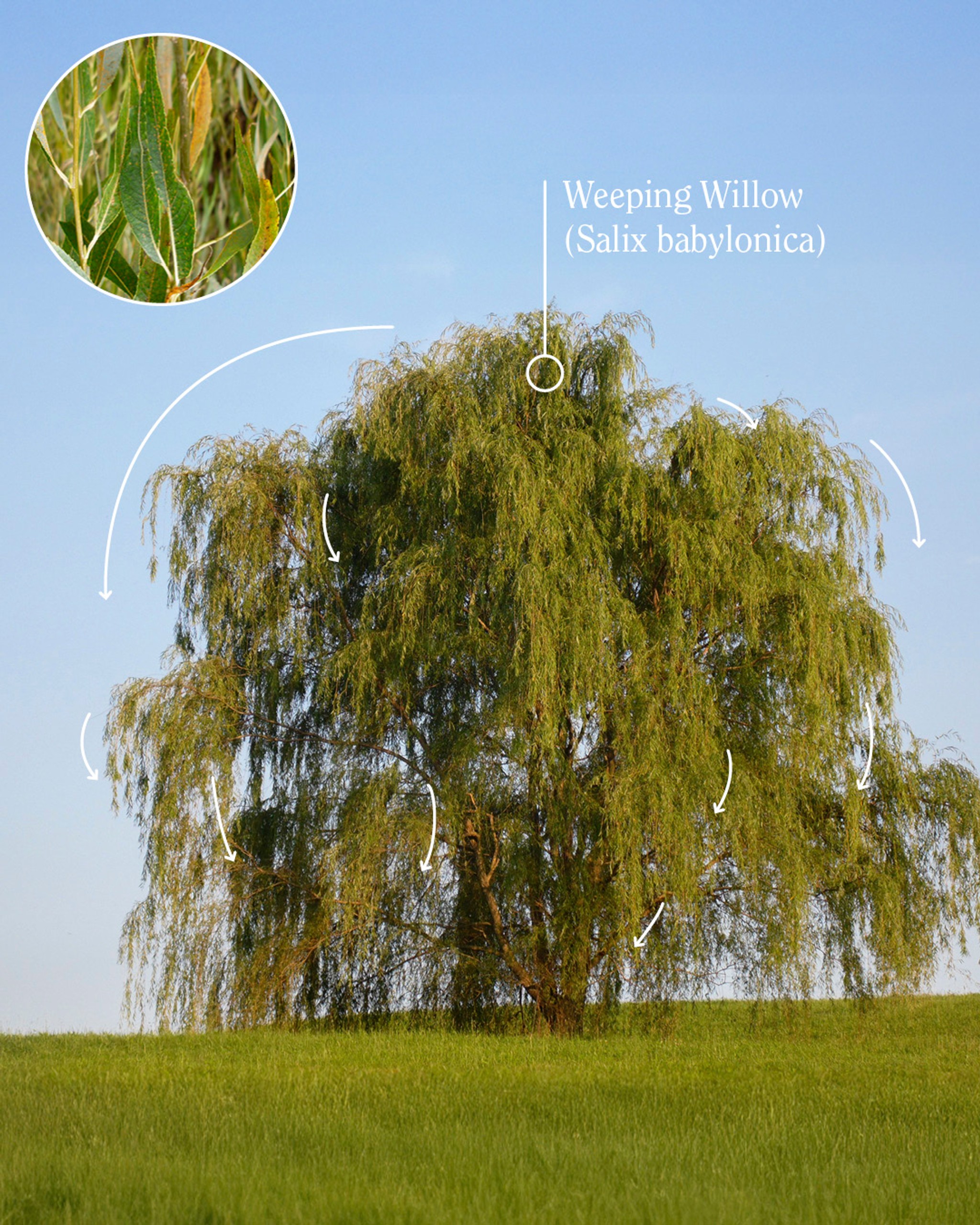
Weeping Shape
These trees have a distinctive weeping shape with long, drooping branches that cascade downward. Weeping Willow are native to China trees are often found near water bodies and their long, pendulous branches create a curtain-like effect, providing shade.
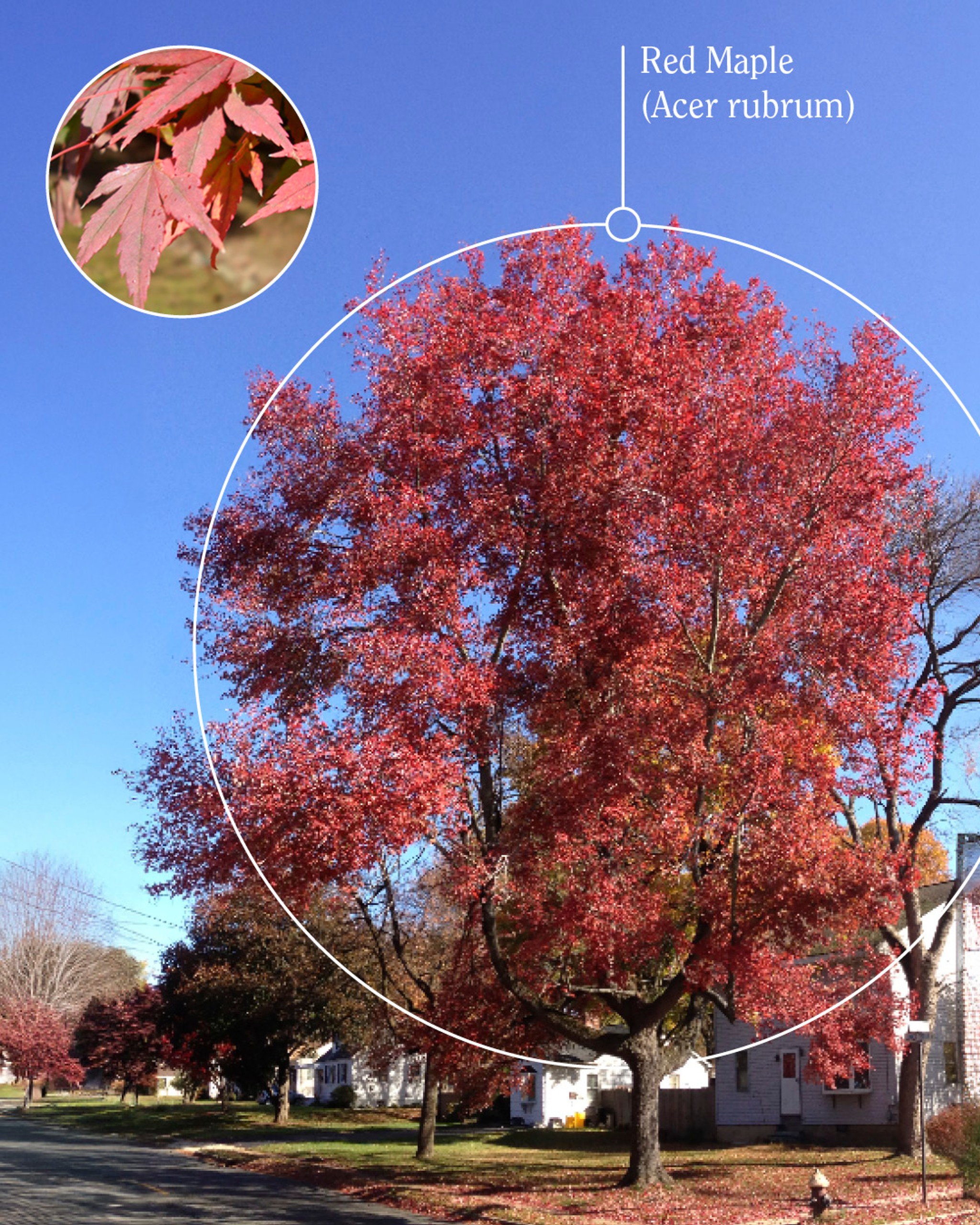
Oval / Round Shape
These trees have a rounded shape with a spreading crown. Known for their vibrant red foliage in autumn, Red Maple trees are adaptable to various climatic conditions are native to eastern North America.
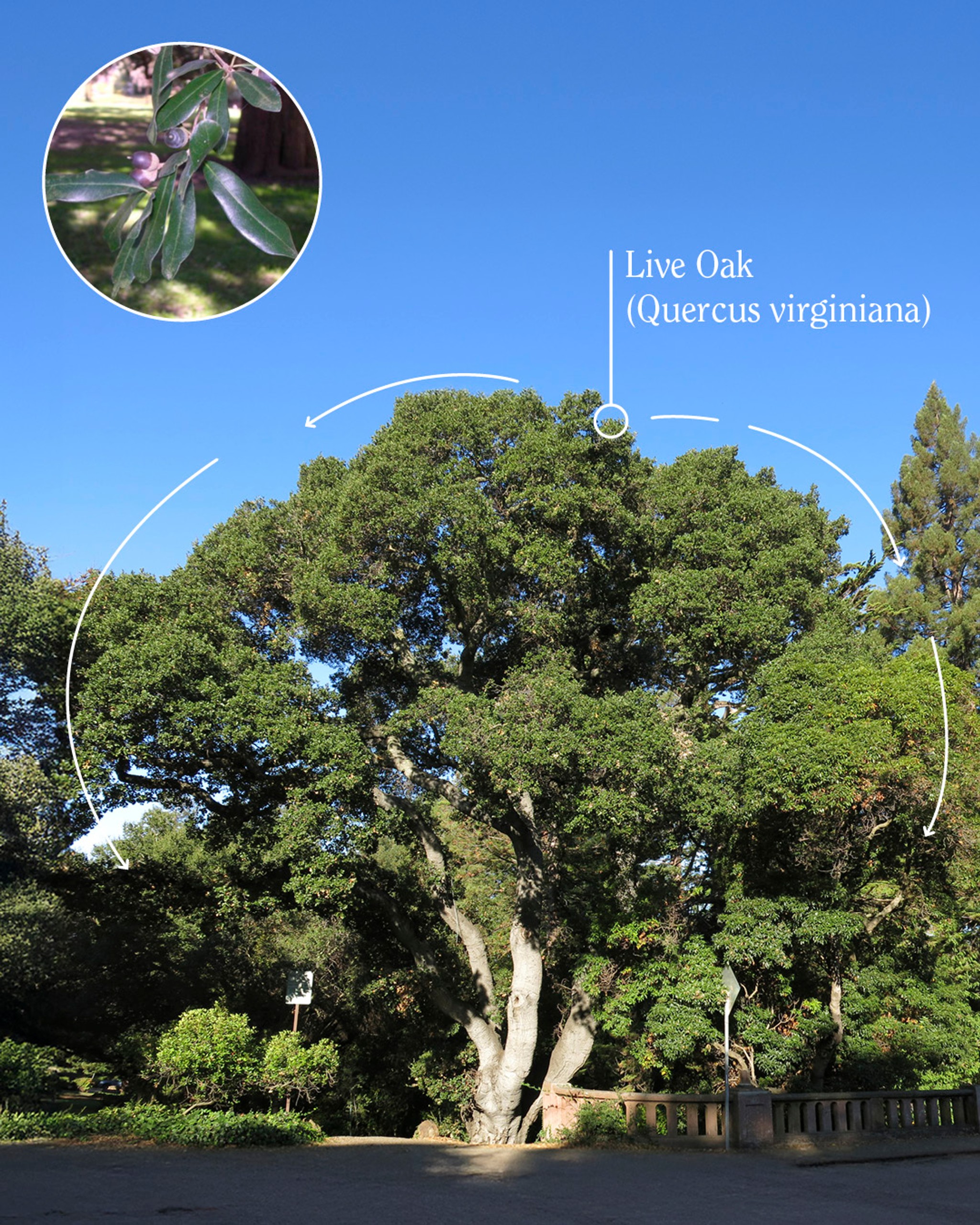
Spreading Shape
These trees have a broad, spreading canopy and a low, wide shape. Live Oaks are known for their large size and long, horizontal branches that extend outward. They are well-adapted to warm and humid climates, are commonly found in coastal regions and are native to the southeastern United States.