Resilient Landscapes
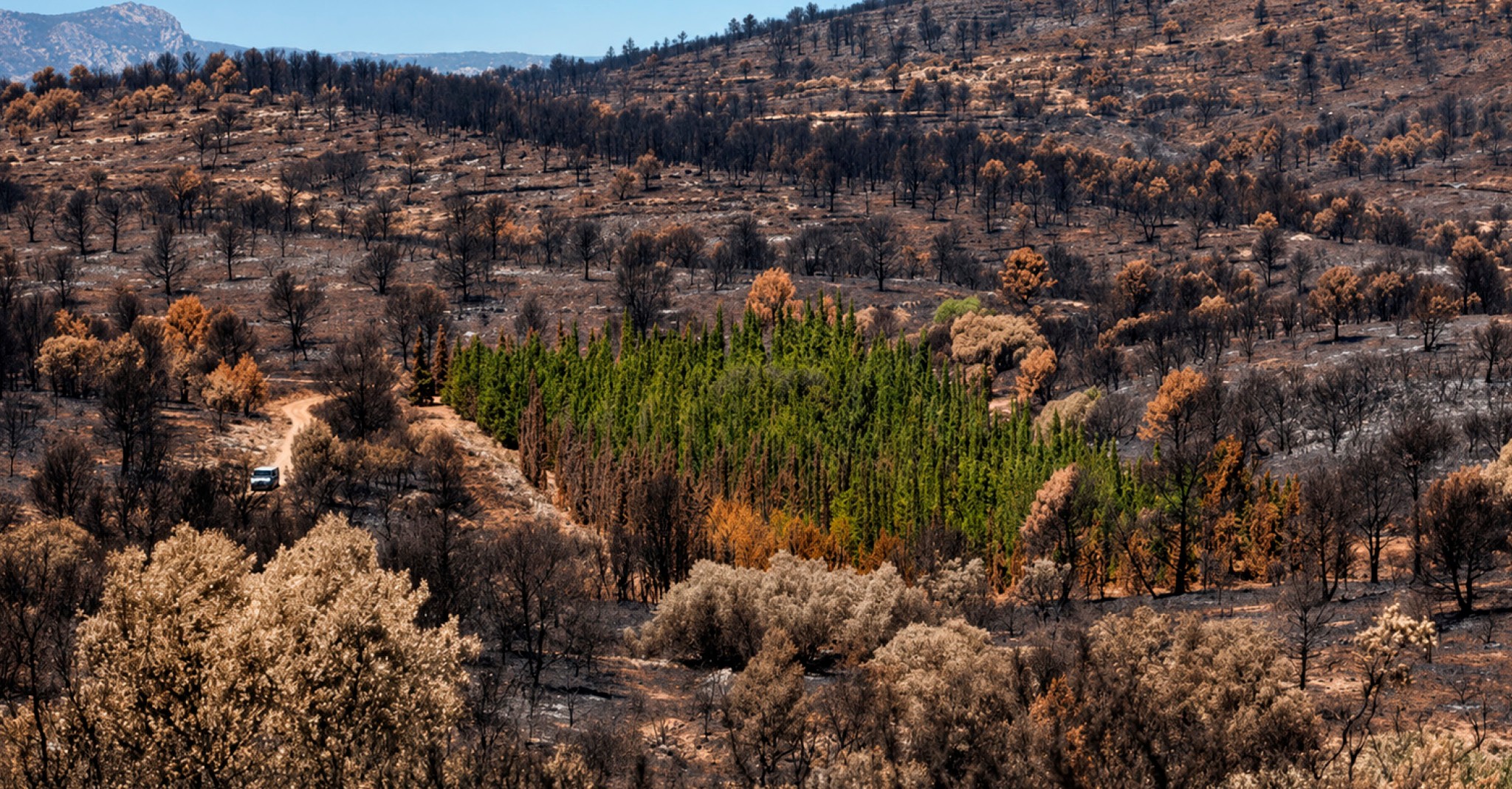
From droughts and fires to floods and landslides, nature often holds the solution to these pressing environmental challenges.
In other words, the best way to create more resilient landscapes is to heed the lessons that nature has learned and perfected over millennia. As fires in particular become an increasingly big threat, we can learn from the environments, forests, and trees that withstand them.
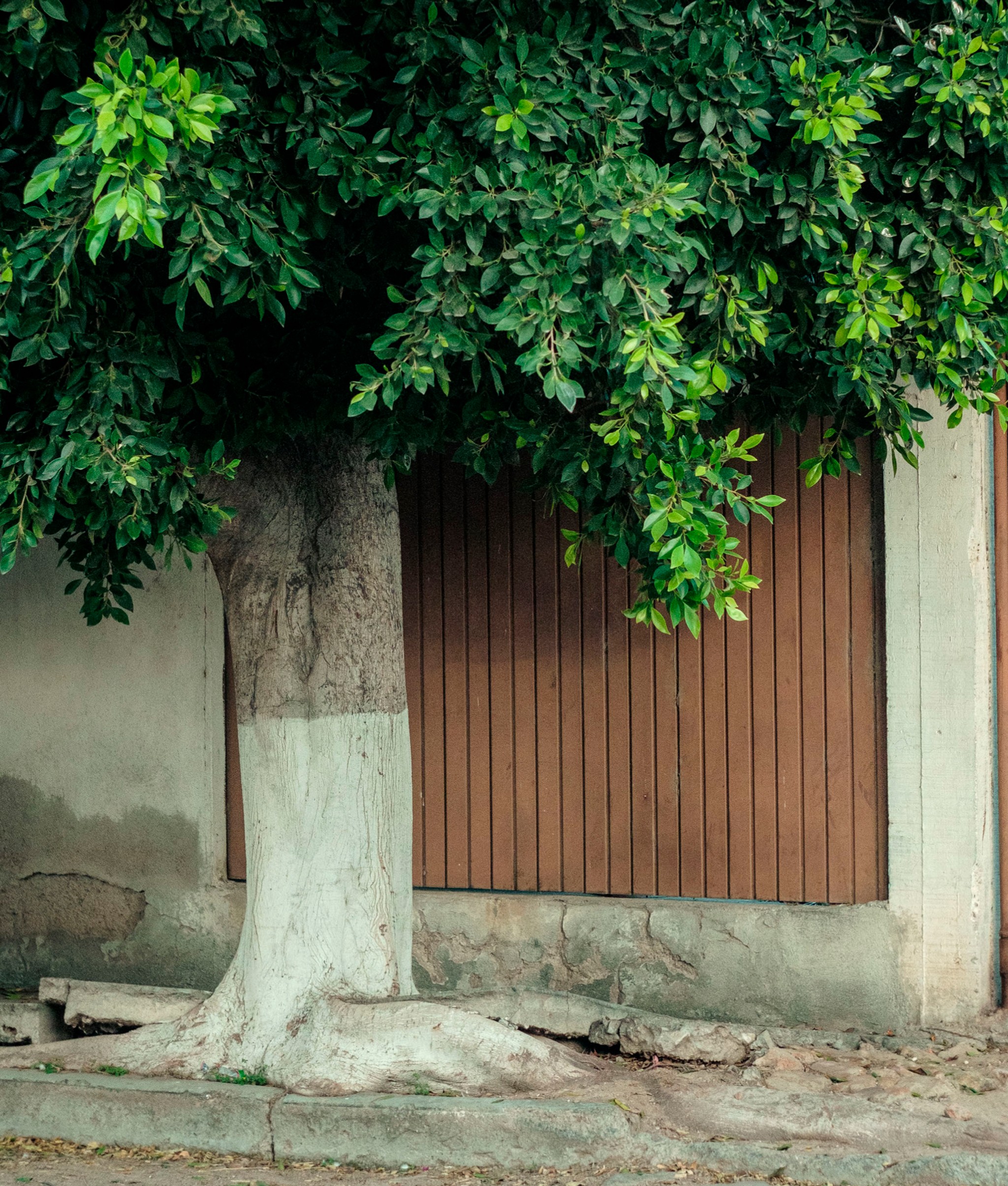
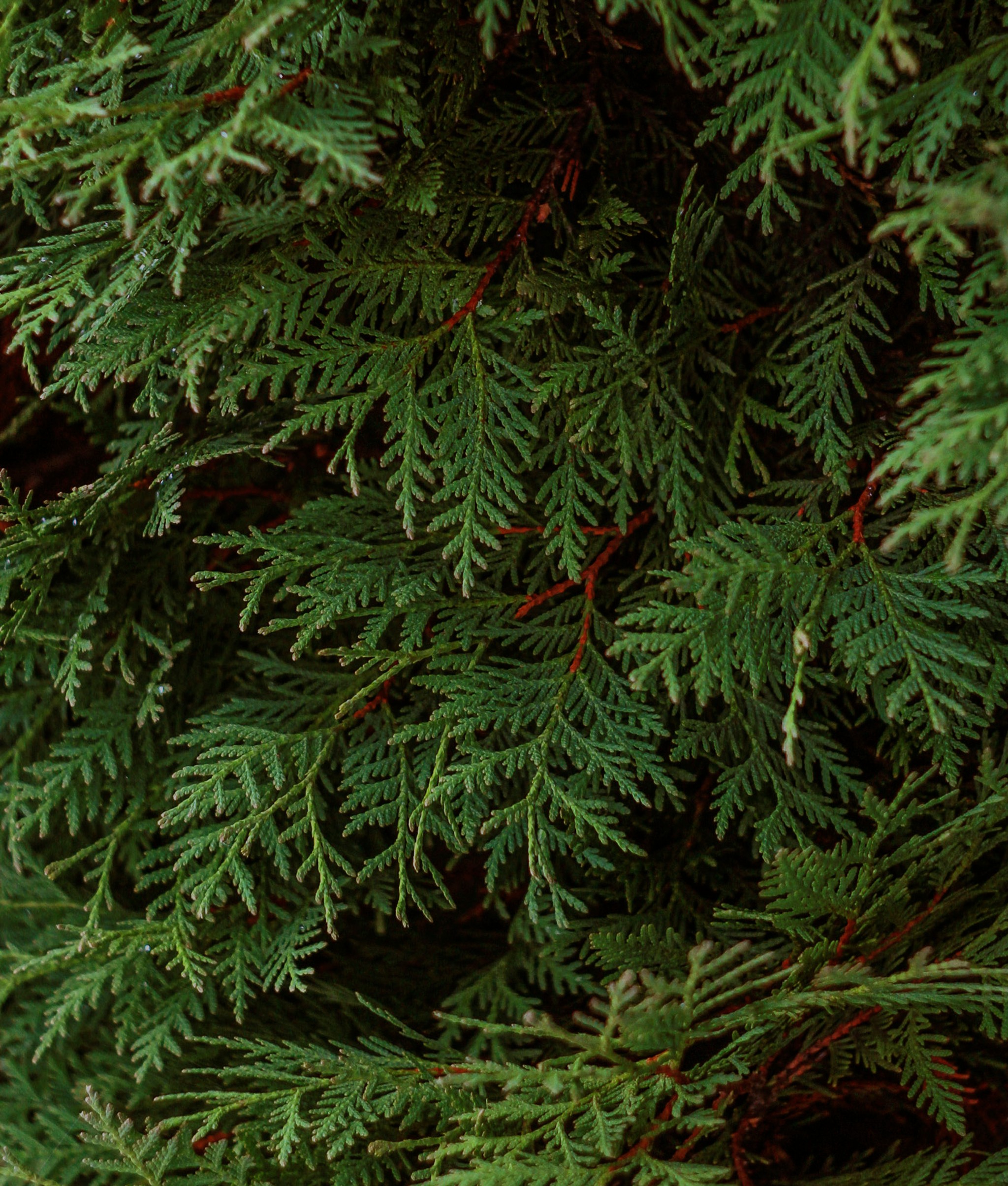
Certain acacias and Mediterranean cypresses hold moisture in their leaves, helping to slow the spread of fire. This is particularly important in situations of extreme heat or drought.
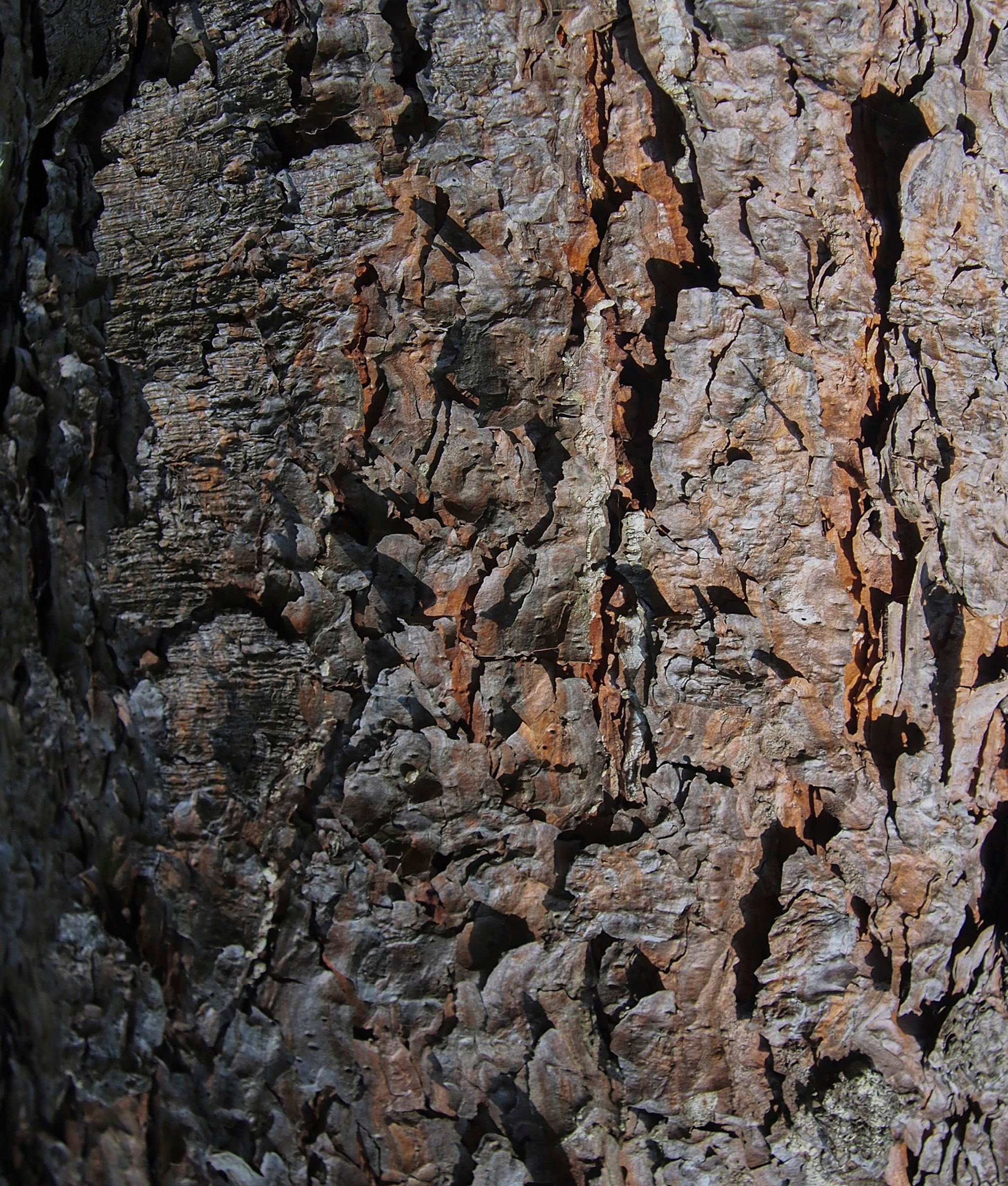
Trees, like Coast live oaks (Quercus agrifolia) and Ponderosa pines (Pinus ponderosa), have thick bark that is less likely to ignite.
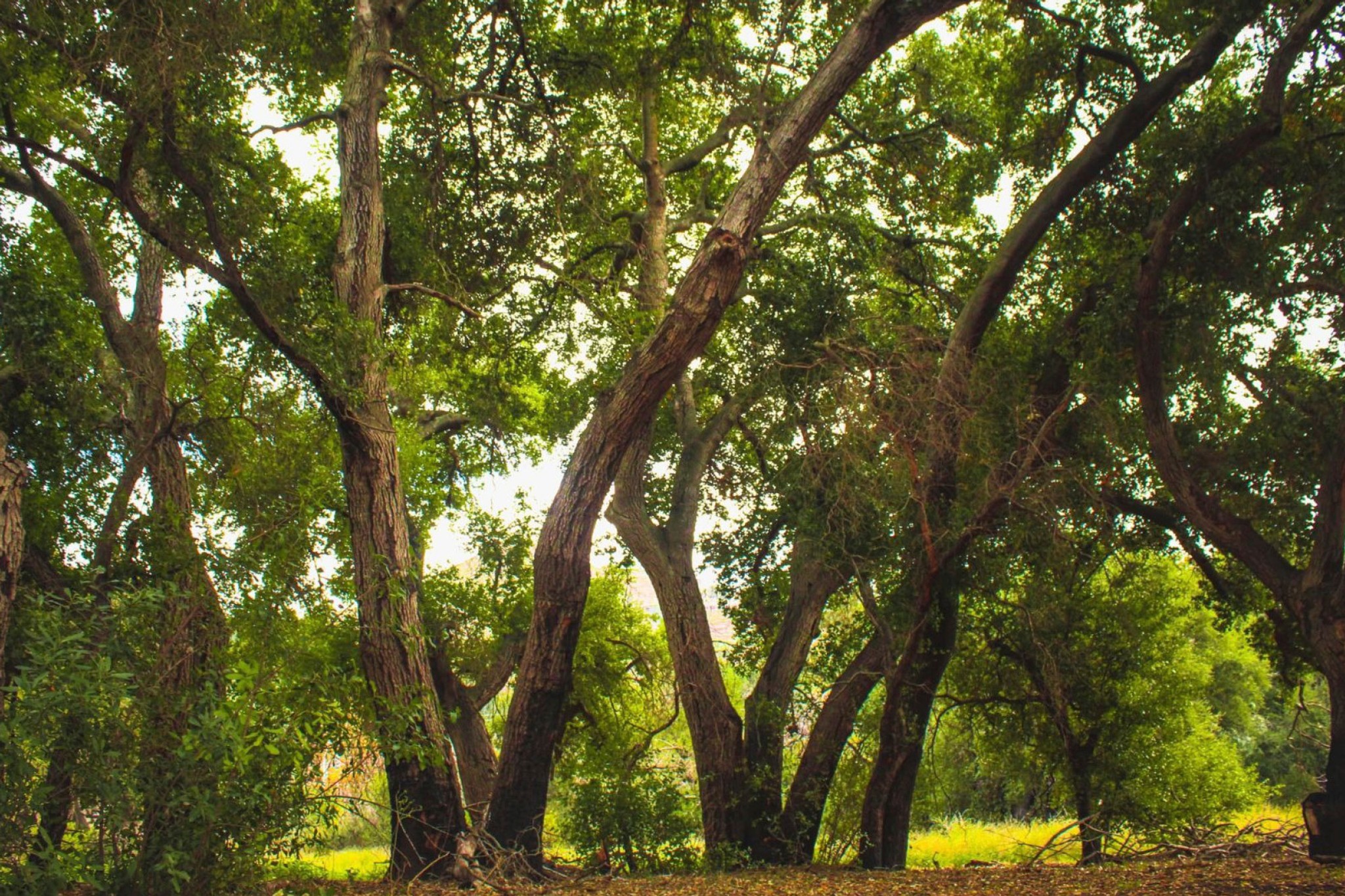
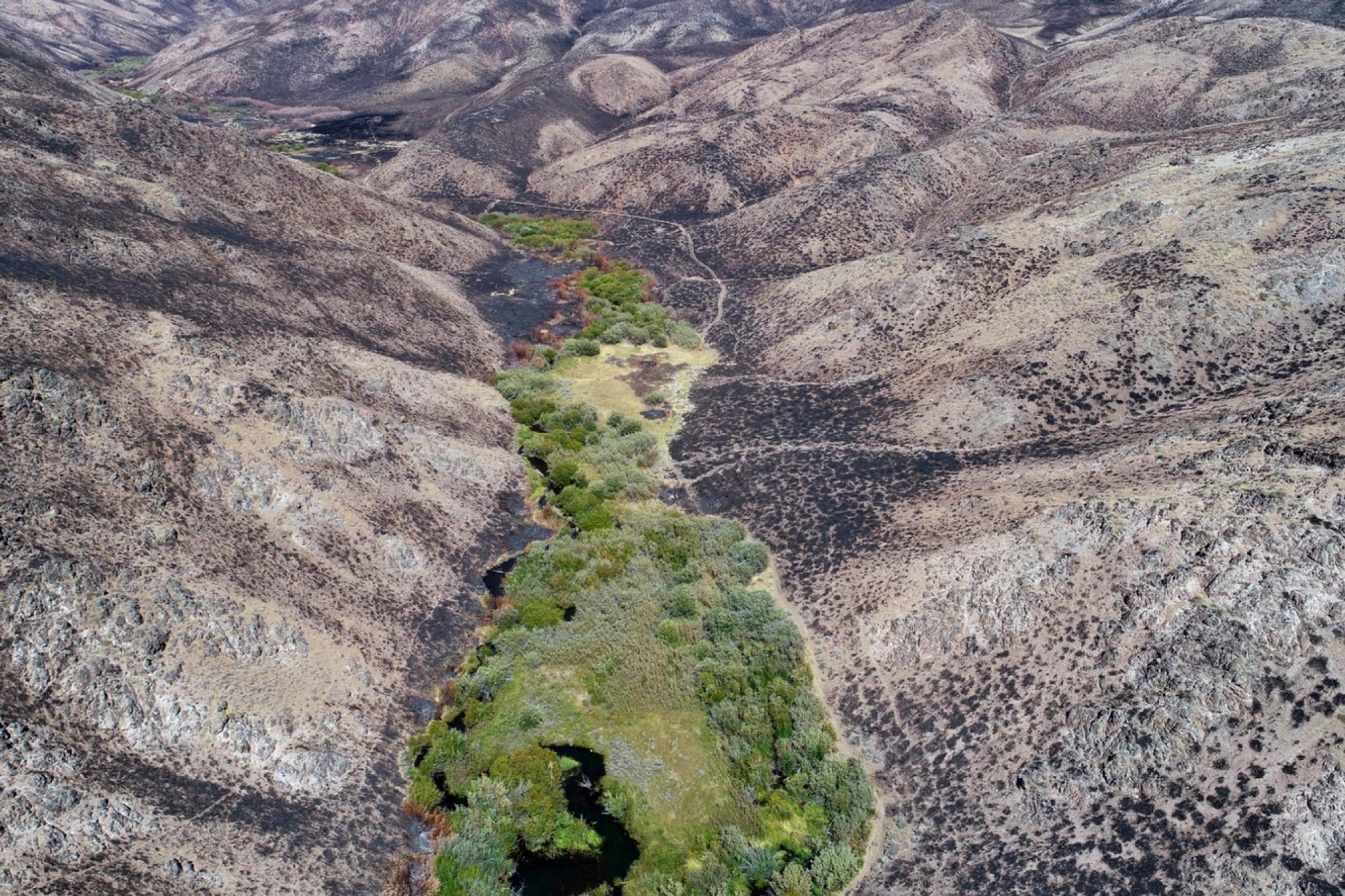
Beaver dams and the wetlands they create act as natural firebreaks, slowing and containing wildfires by increasing soil moisture and creating lush, wet areas that are harder to burn. Forests with multi-layered structures increase moisture retention and reduces airflow, which can help slow the spread of fires. The shady understory of healthy forest floors holds moisture reducing potential fuel for fires.
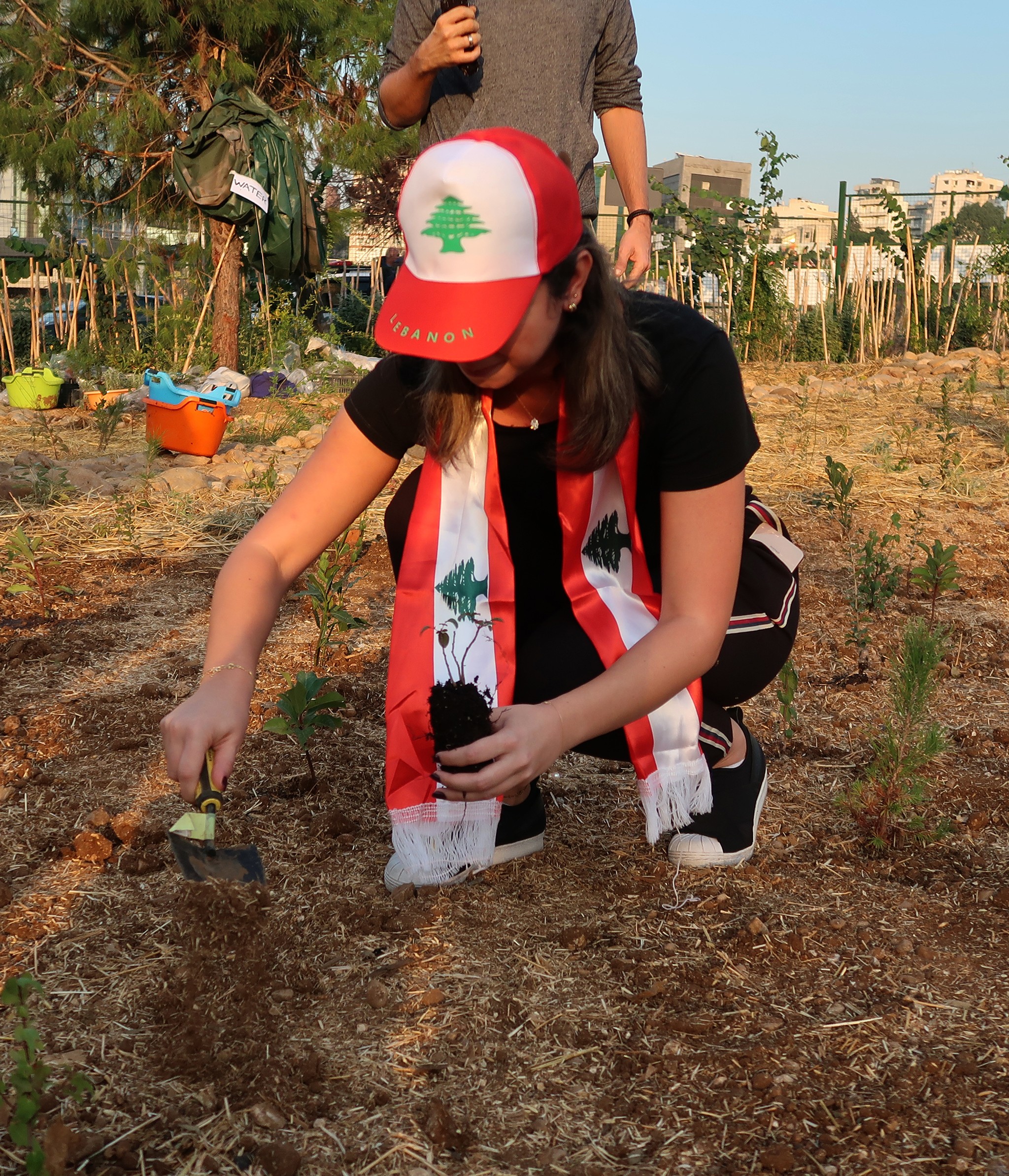
By carefully selecting native species and considering local environmental conditions, pocket forests can mimic these natural patterns. They can create environments that are more resistant to wildfires, helping us build resilience against and mitigate the impact of extreme weather patterns.