Biomimicry and Pocket Forests
How Pocket Forests Are Redefining the Urban Forest
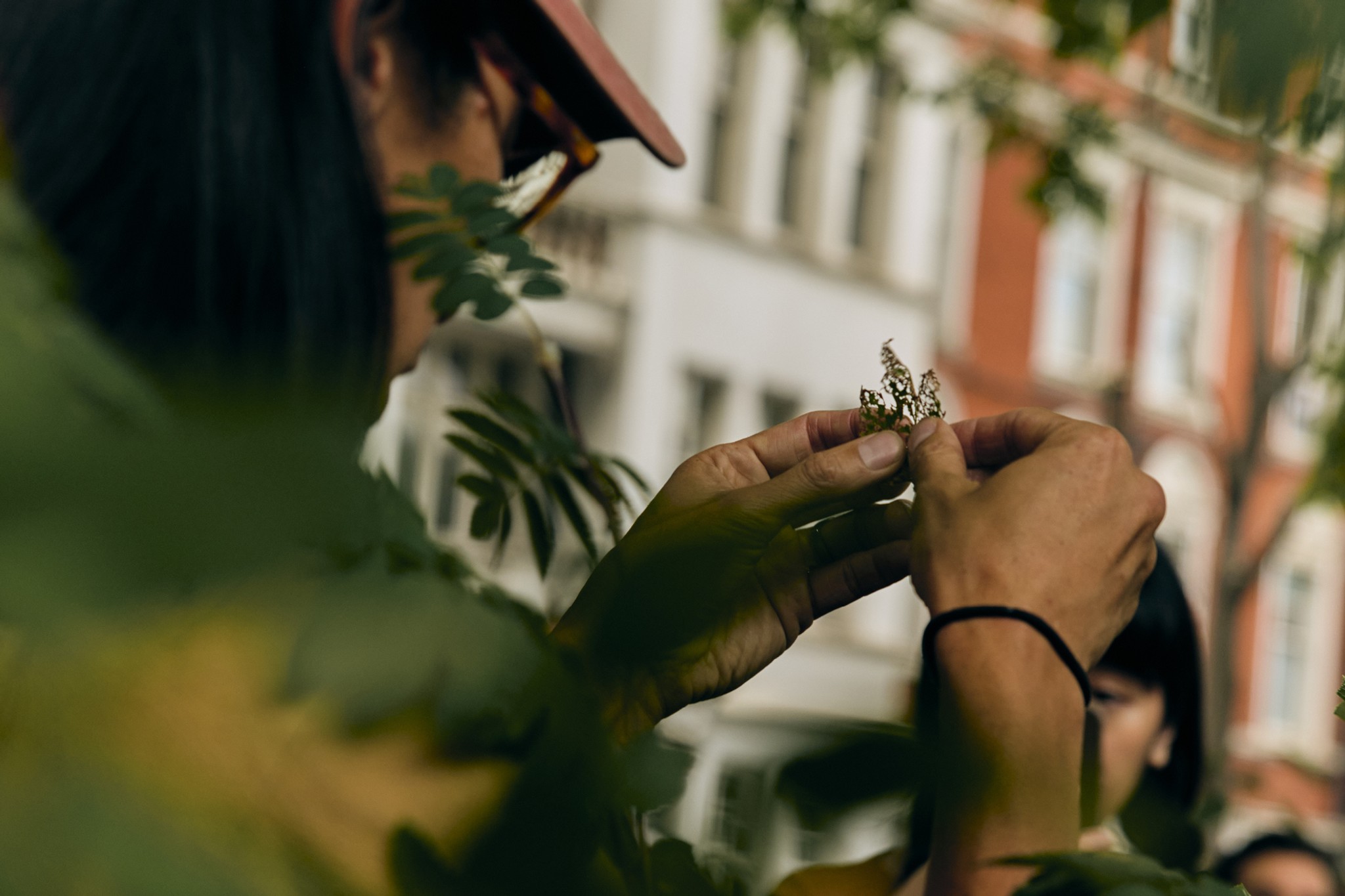
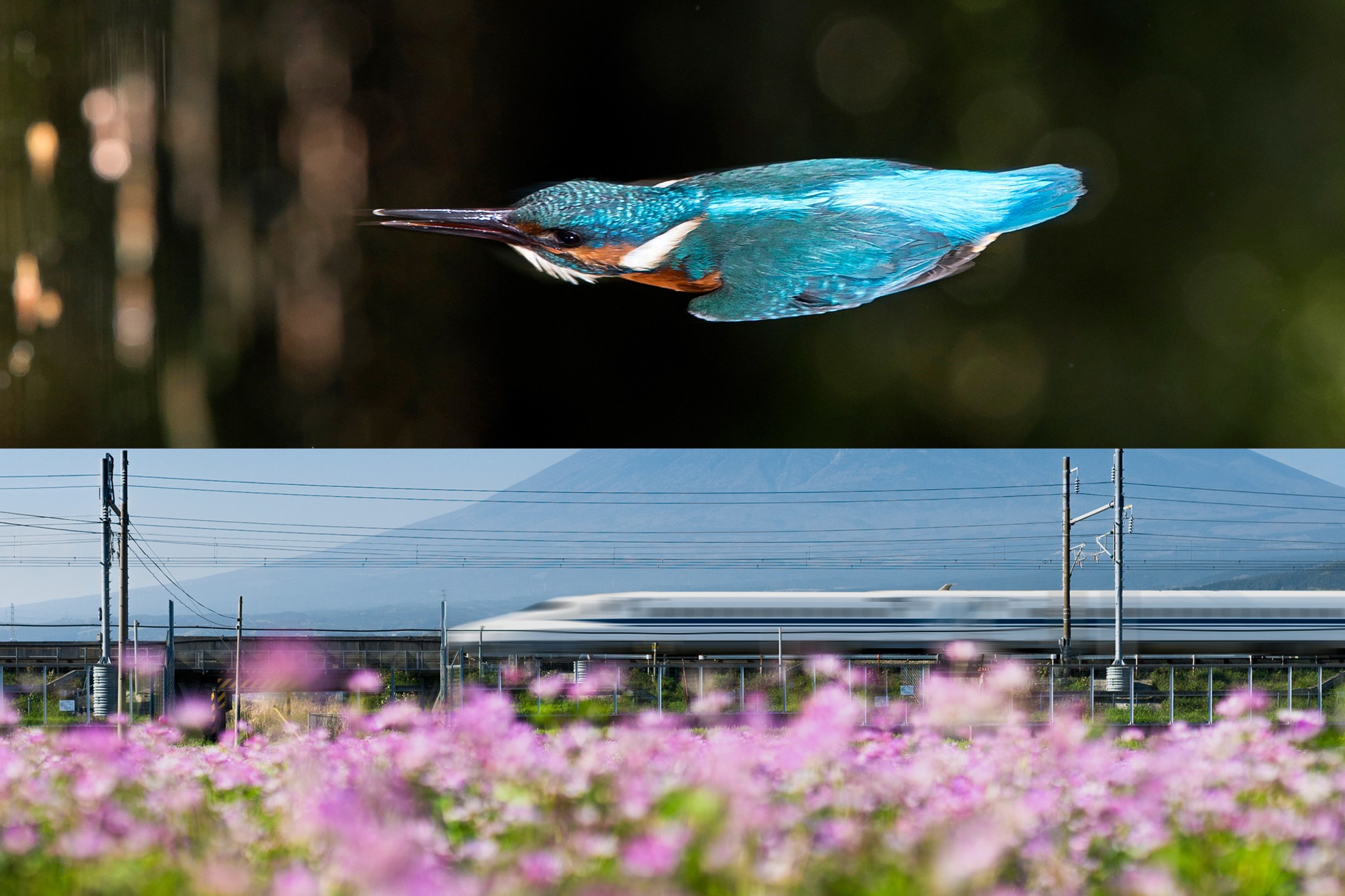
From the burrs that inspired Velcro to the kingfisher whose beak reshaped Japan’s bullet trains, nature has long served as an uncredited engineer.
For billions of years, evolution has refined systems that are efficient, resilient, and adaptive. At SUGi, we start with a simple conviction: if nature has already solved many of the challenges we face, the most effective response may be to observe more closely.
This way of thinking is known as biomimicry, a term popularized by biologist Janine Benyus. Biomimicry is not about replicating nature’s appearance, but understanding its underlying logic—how ecosystems organize themselves, respond to stress, and regenerate over time. In an era defined by climate volatility and rapid urban growth, these lessons feel less theoretical and more essential.
Why Cities Need a New Model for the Urban Forest
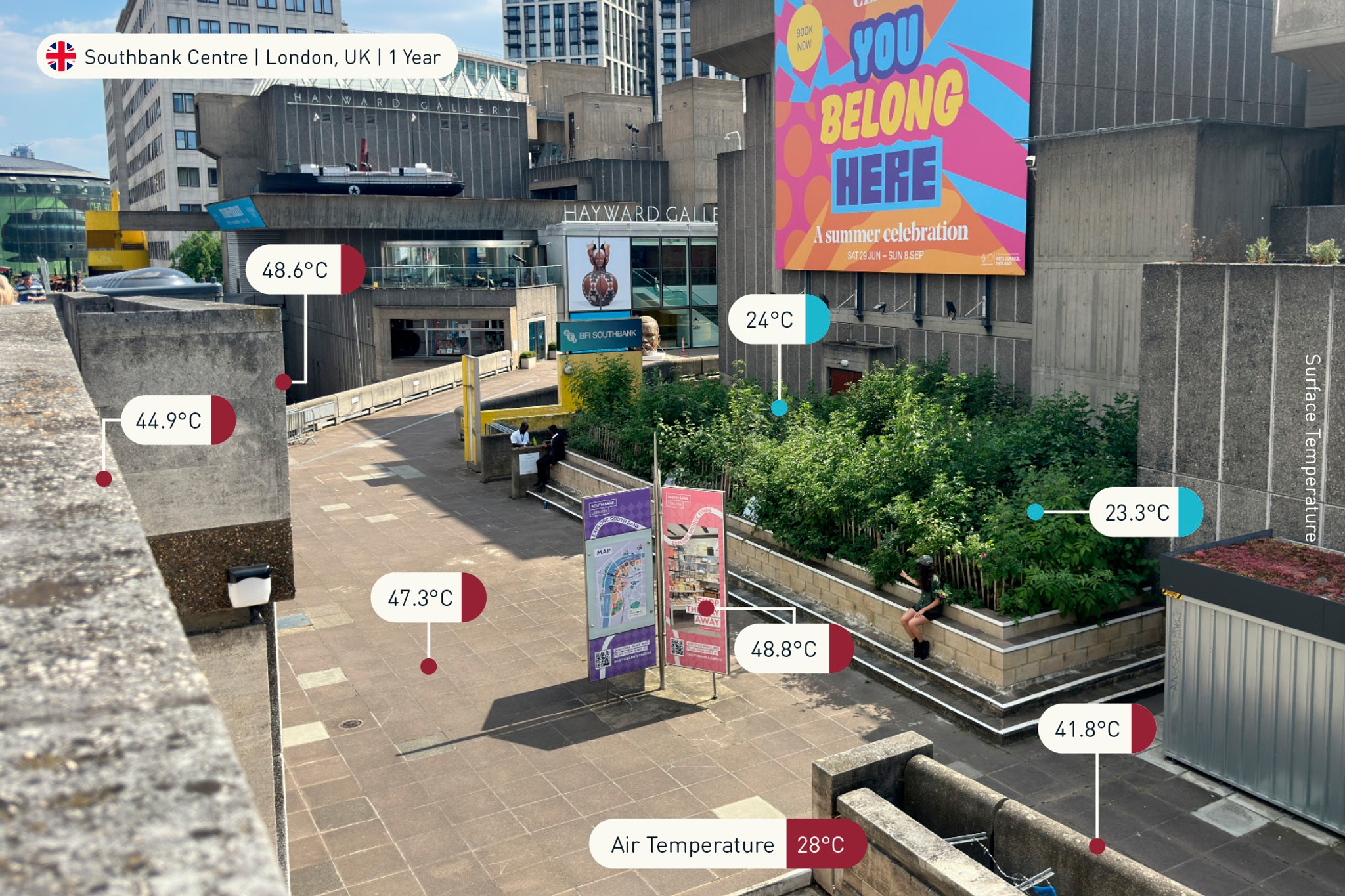
Modern cities have largely been designed in opposition to natural systems. Soil is compacted or removed altogether, biodiversity replaced with uniform plantings that prioritize order over resilience. Urban forests, where they exist, are often fragmented and heavily managed. Yet cities are also where environmental pressures—heat, flooding, air pollution—are most acutely experienced.
At SUGi, we believe the urban forest must be reimagined not as decoration, but as living infrastructure. Healthy ecosystems do not require constant intervention; they require the right conditions to establish themselves. This insight has guided our approach to rewilding cities, informed by decades of ecological research.
Pocket Forests and the Miyawaki Method
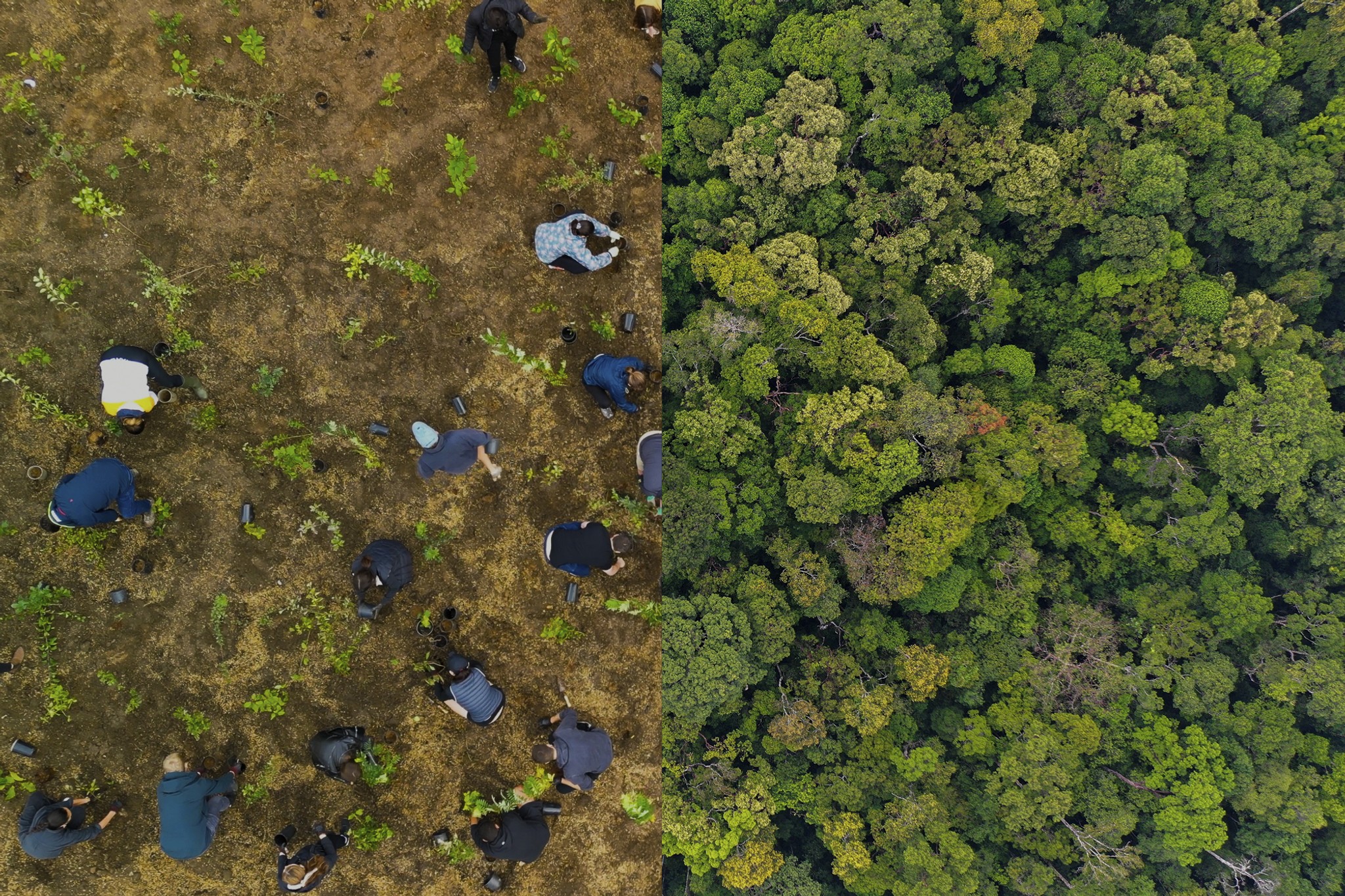
We apply biomimicry through the Miyawaki Method, developed by the late Japanese ecologist Professor Akira Miyawaki. After studying primary forests around the world, Miyawaki identified a consistent pattern: forests thrive when native species are planted densely, allowing natural competition and cooperation to accelerate growth and resilience.
The result is the pocket forest—a small but complex urban forest that can establish itself in just a few years. These forests restore soil health, support biodiversity, sequester carbon, and cool surrounding neighborhoods. Though modest in size, their ecological impact is significant.
As cities confront the realities of climate change and biodiversity loss, pocket forests offer a pragmatic response. They do not attempt to recreate wilderness, but to work within urban constraints while following nature’s own blueprint. In doing so, they remind us that the future of the urban forest may depend less on invention, and more on imitation—done thoughtfully, and with humility.
Nature knows what it’s doing. We’re just here to listen.