
Growing Proof: Testing the Miyawaki Method for Urban Tree Success in the UK
New UK research shows that the Miyawaki method, the dense native planting technique behind many thriving pocket forests, significantly improves tree survival, ecosystem resilience, and cost‑effectiveness in urban environments compared to conventional planting methods.
Since October 2020, the Trees Outside Woodlands project, a £4.8 million, five-year initiative funded by the UK Government, has been testing innovative approaches to urban tree planting. Delivered in partnership with The Tree Council, Natural England, Defra, and five local authorities, the project aims to expand tree cover and rewild civic spaces, even in the most challenging urban environments.
Urban tree planting faces many obstacles: vandalism, poor soil quality, extreme weather, and limited maintenance budgets all reduce survival rates. The Miyawaki method, used to create SUGi Pocket Forests, became central to their exploration due to its success in restoring urban ecosystems.
What Is the Miyawaki Method?
Originating in Japan, the Miyawaki method involves planting a dense mix of native trees and shrubs to create pocket forests that establish quickly and grow resiliently. SUGi has successfully planted 245 pocket forests across 52 cities on six continents, demonstrating how even small urban spaces can host thriving ecosystems.
Unlike conventional tree planting, which often relies on widely spaced monocultures, Miyawaki pocket forests foster biodiversity, improve soil health, and support long-term ecological resilience. These dense, community-led forests create not just trees, but living ecosystems.

Testing Pocket Forests in the UK
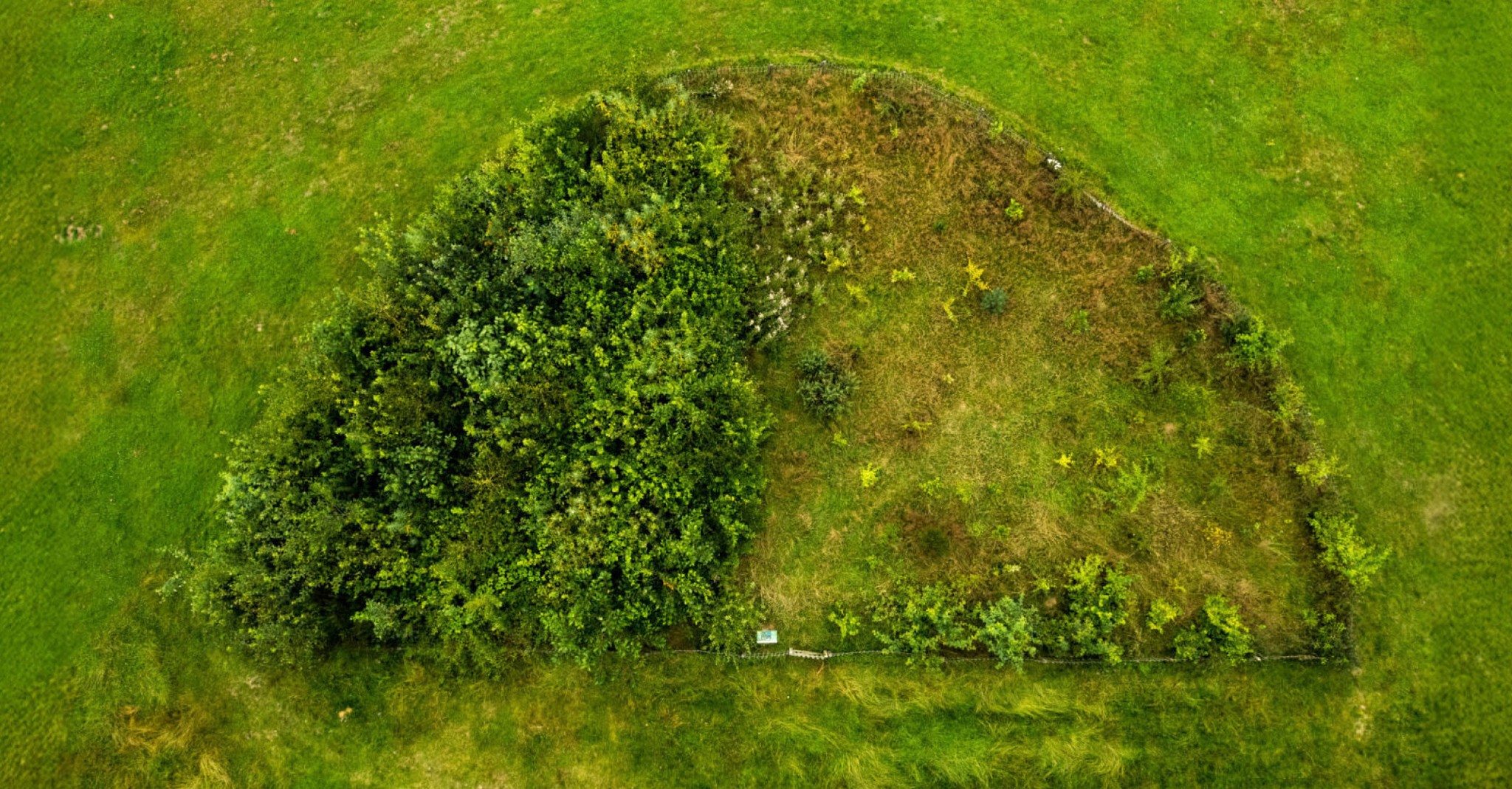
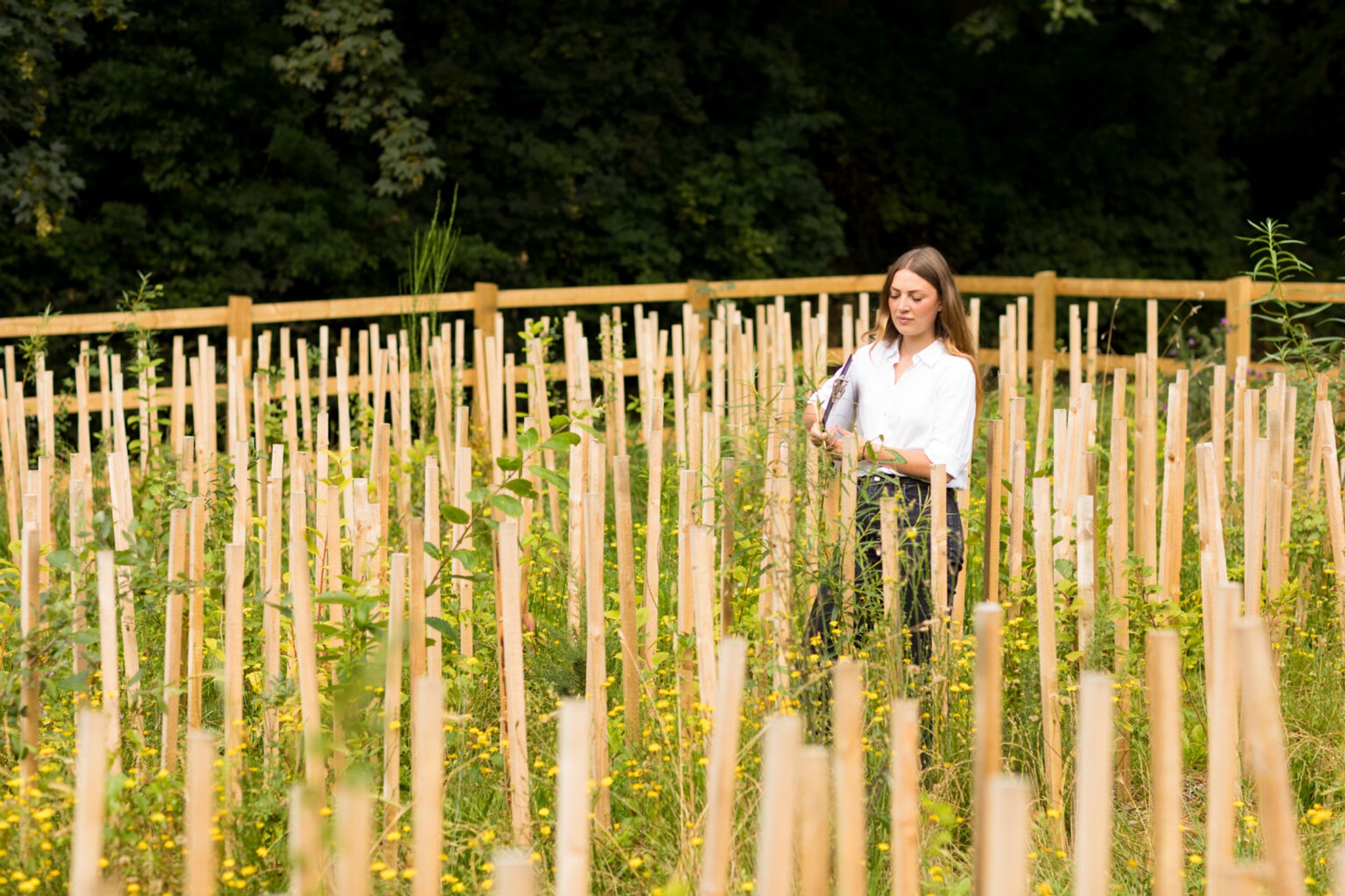
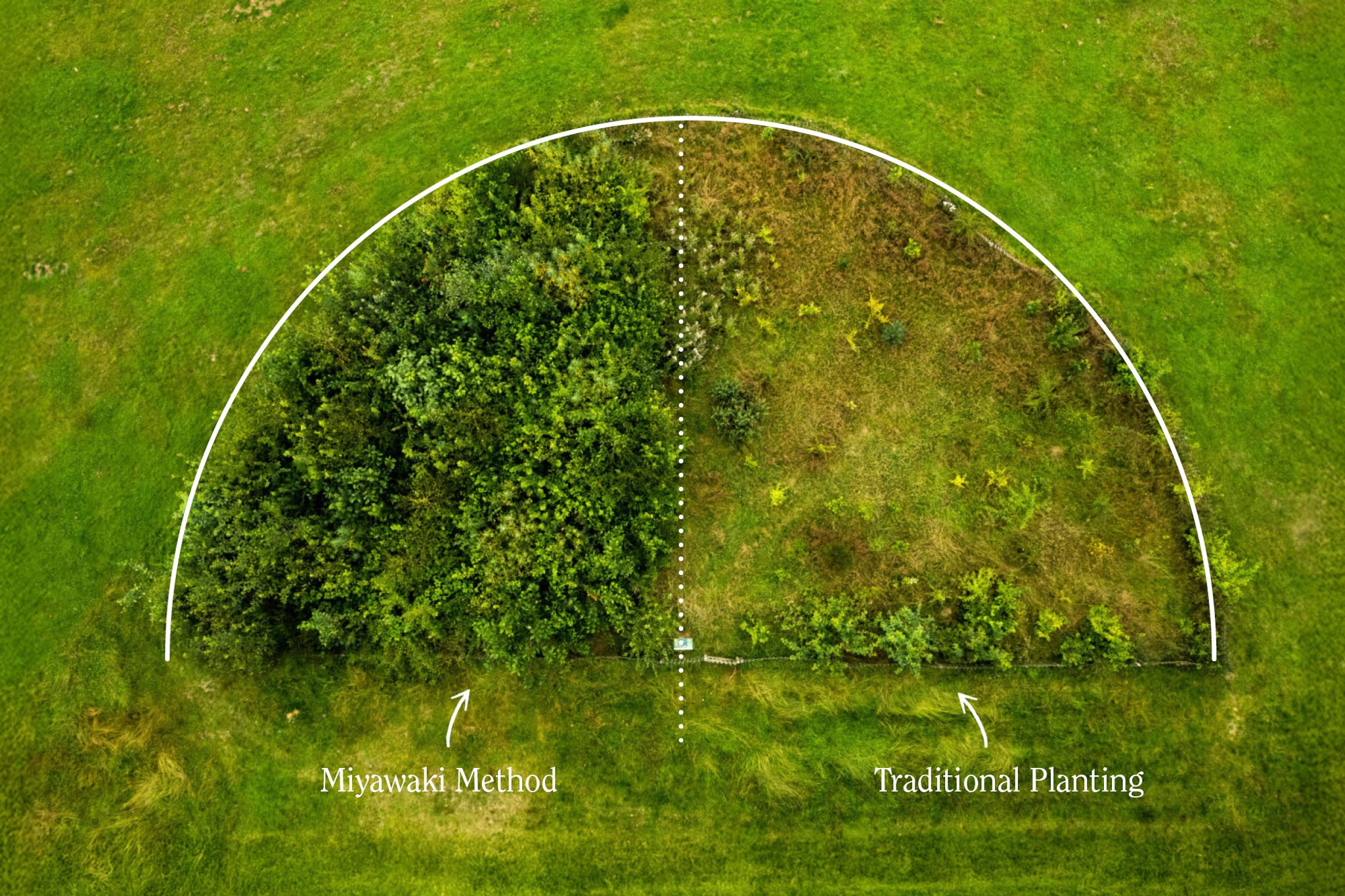
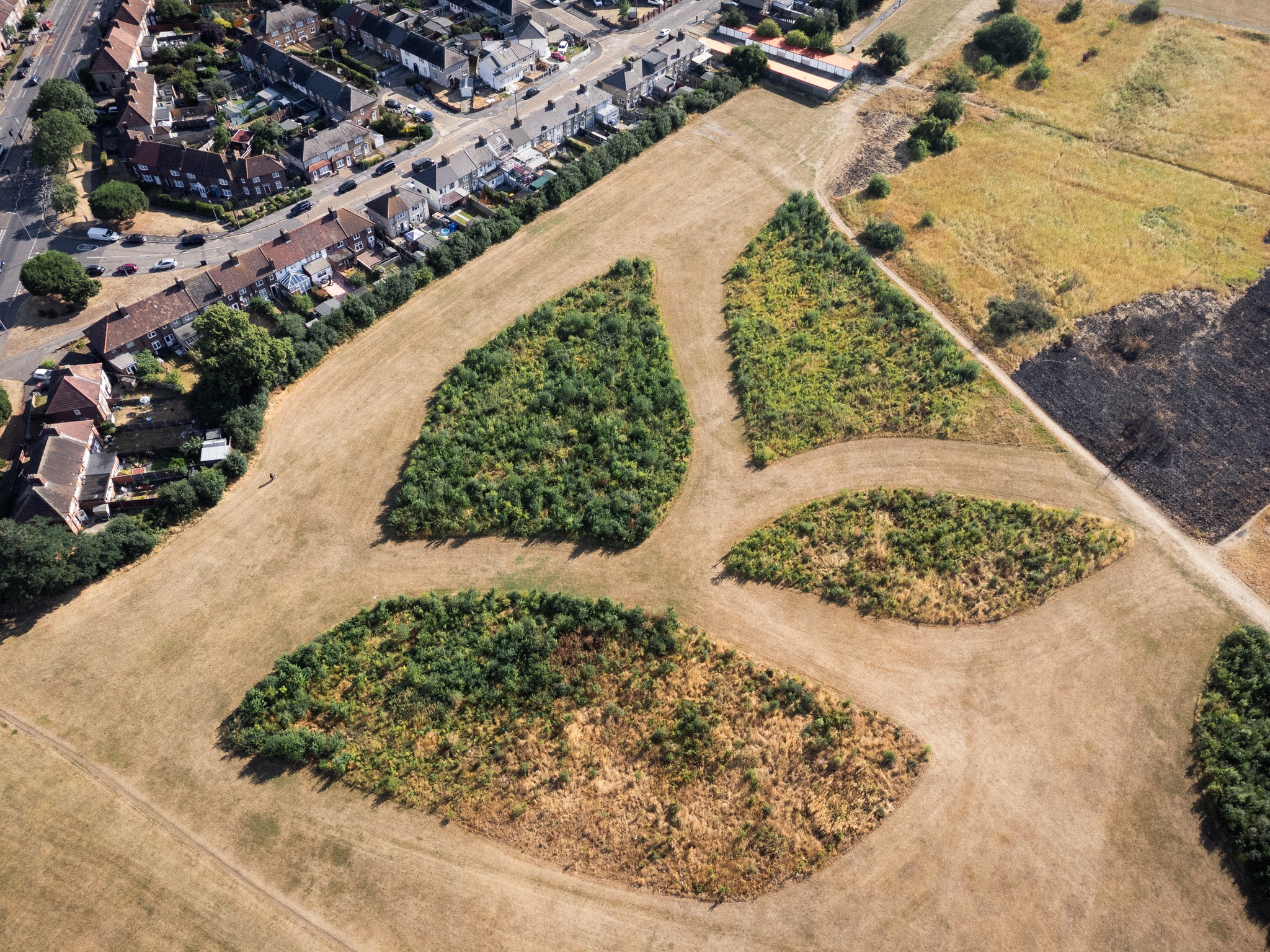
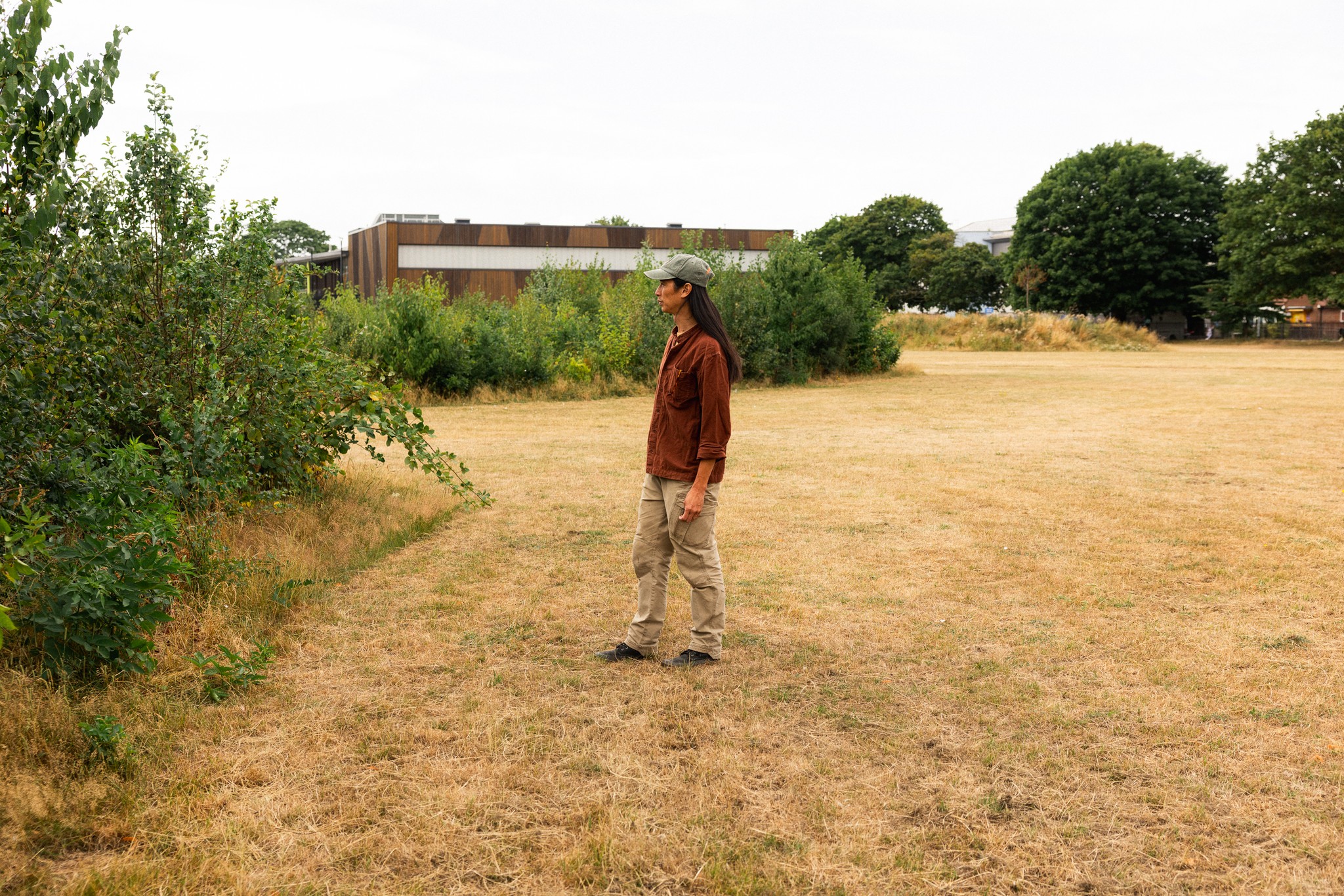
The Trees Outside Woodlands project piloted the Miyawaki method in 16 experimental plots across four local authorities, paired with standard tree-planting controls. After three and a half years, the results were striking: Miyawaki plots had an average survival rate of 79%, compared to just 47% in control plots, even during the 2022 drought.
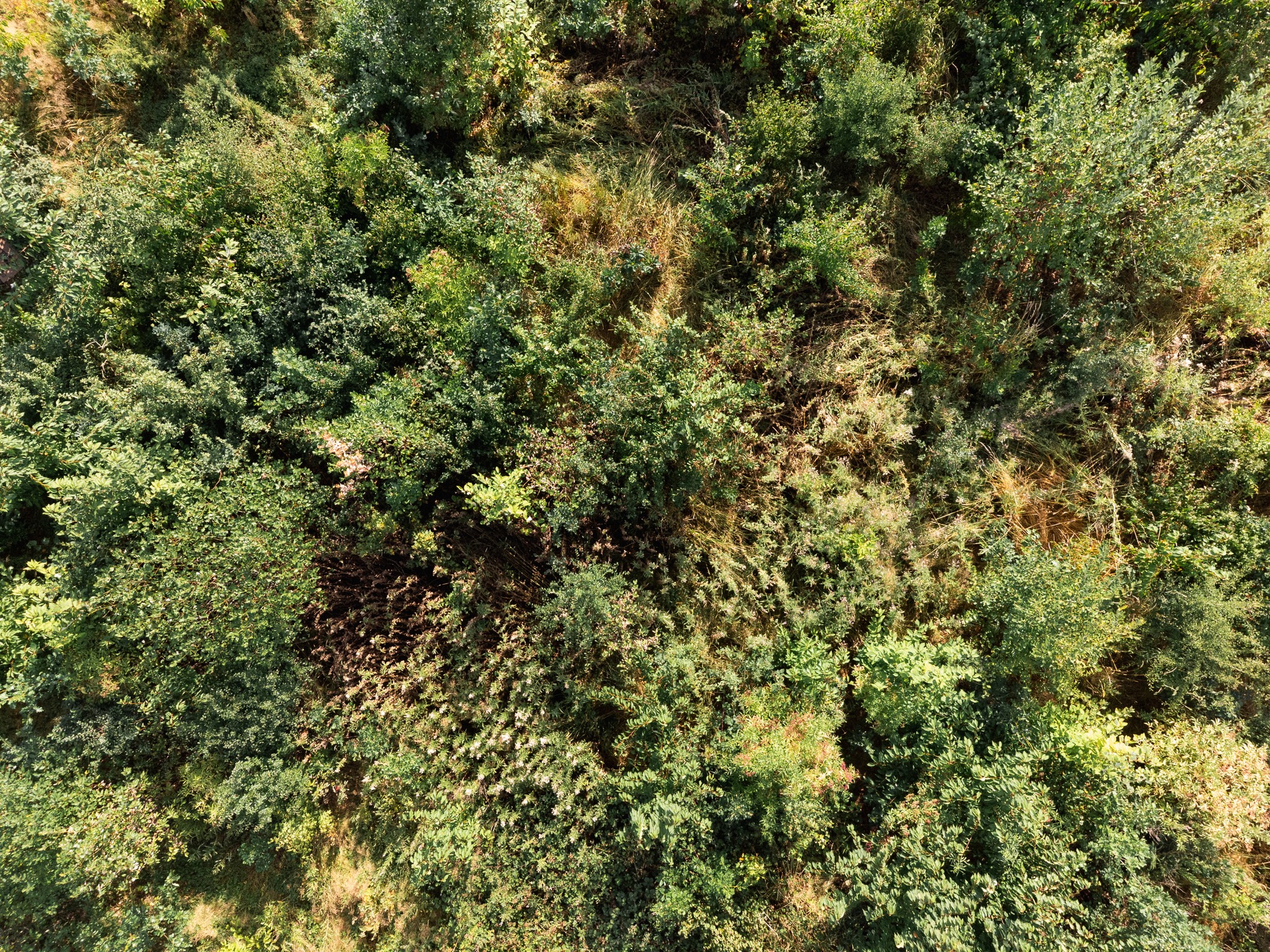
While initial costs are higher due to denser planting, the method proved far more cost-effective on a per-surviving-tree basis: roughly £10 per surviving tree versus £50 with standard planting. Surviving trees quickly formed dense thickets, with some reaching nearly 15 feet tall, delivering early successional woodland benefits and vibrant habitats for wildlife.
Benefits of Urban Pocket Forests
This impact is consistent with SUGi’s own science-based assessment of an 87.4% survival rate. It also aligns with SUGi’s experience in the UK, with 26 thriving pocket forests across London and others in Bristol, Wiltshire, and Cornwall. The evidence demonstrates that Miyawaki pocket forests are a scalable, resilient strategy for urban green infrastructure, enabling meaningful ecosystem restoration right within communities.
Urban pocket forests offer multiple advantages beyond survival rates:
- Carbon sequestration: Dense plantings act as mini carbon sinks.
- Cooling urban areas: Shade and transpiration reduce heat island effects.
- Biodiversity hotspots: Supporting insects, birds, fungi, and mammals.
- Community engagement: Citizens reconnect with nature, supporting wellbeing and civic rewilding.
Bringing Nature Back to Cities
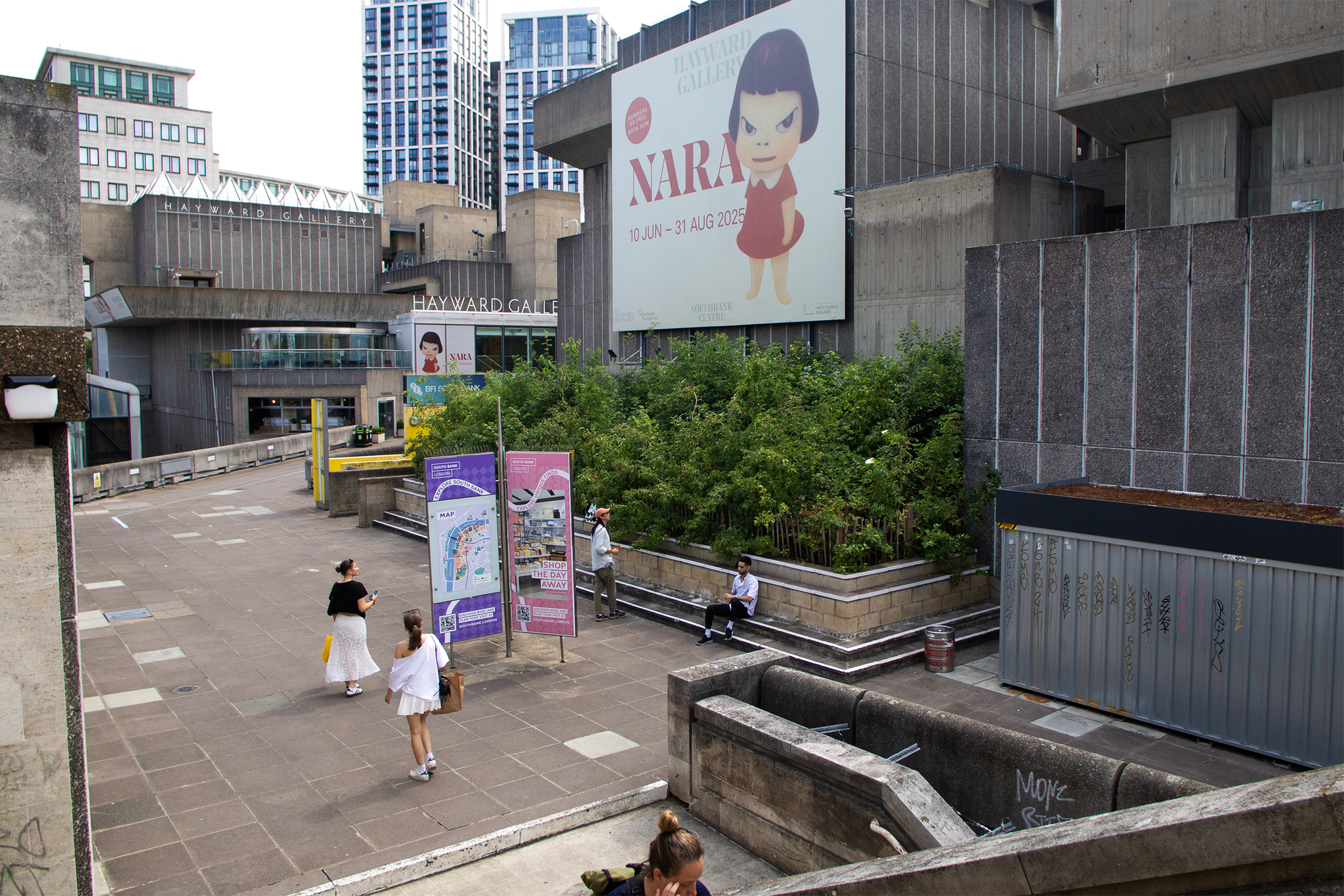
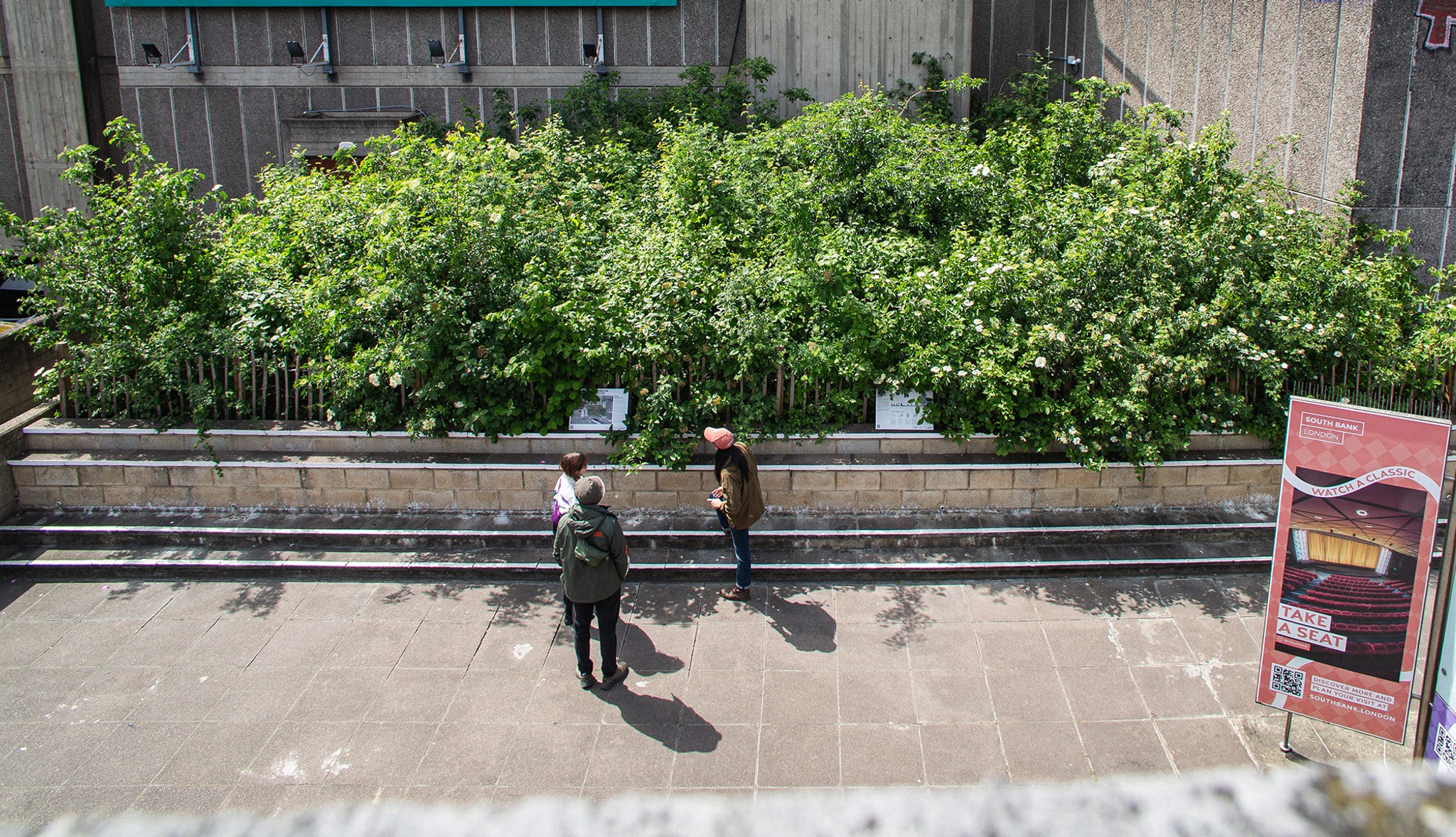
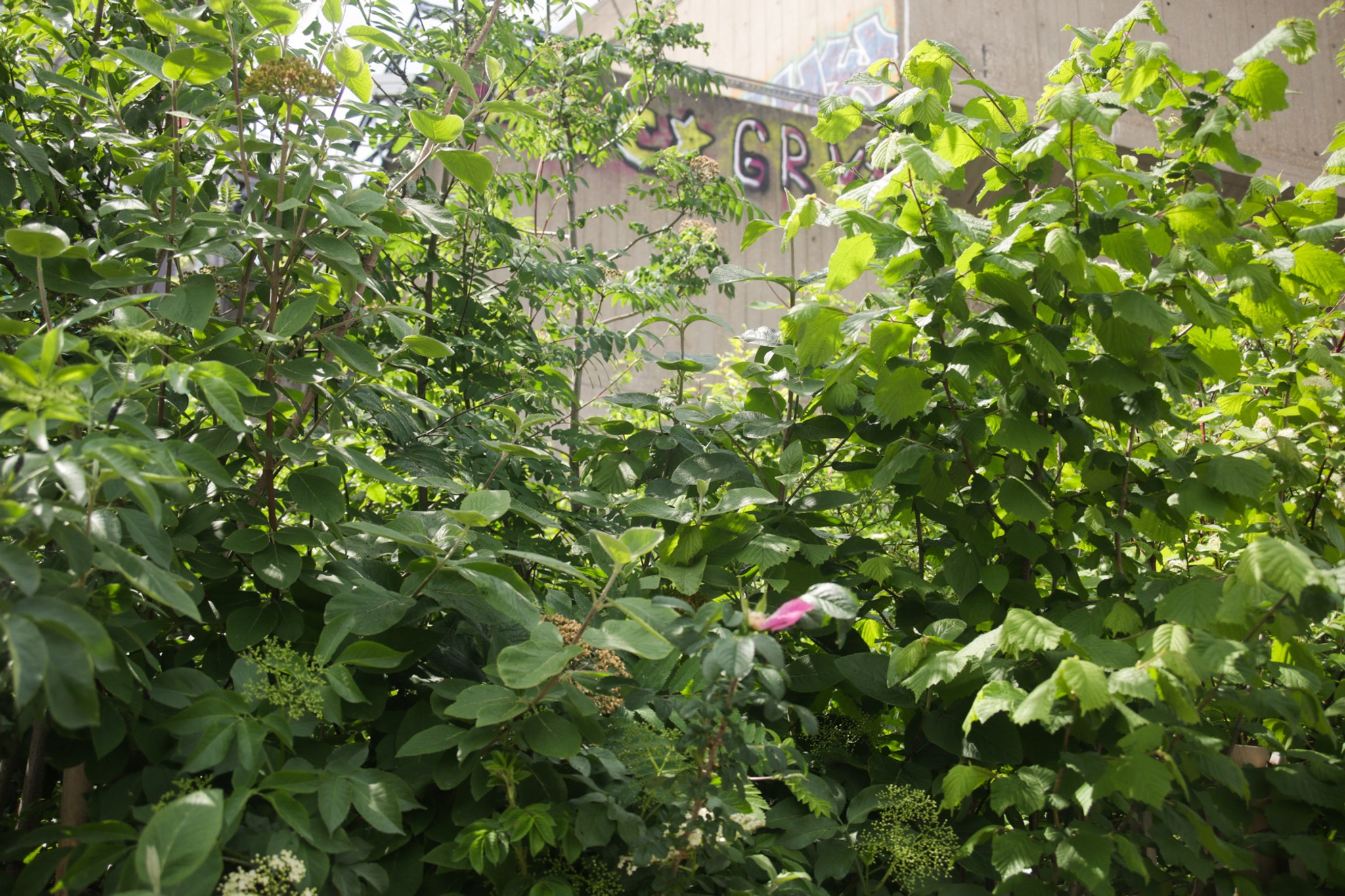
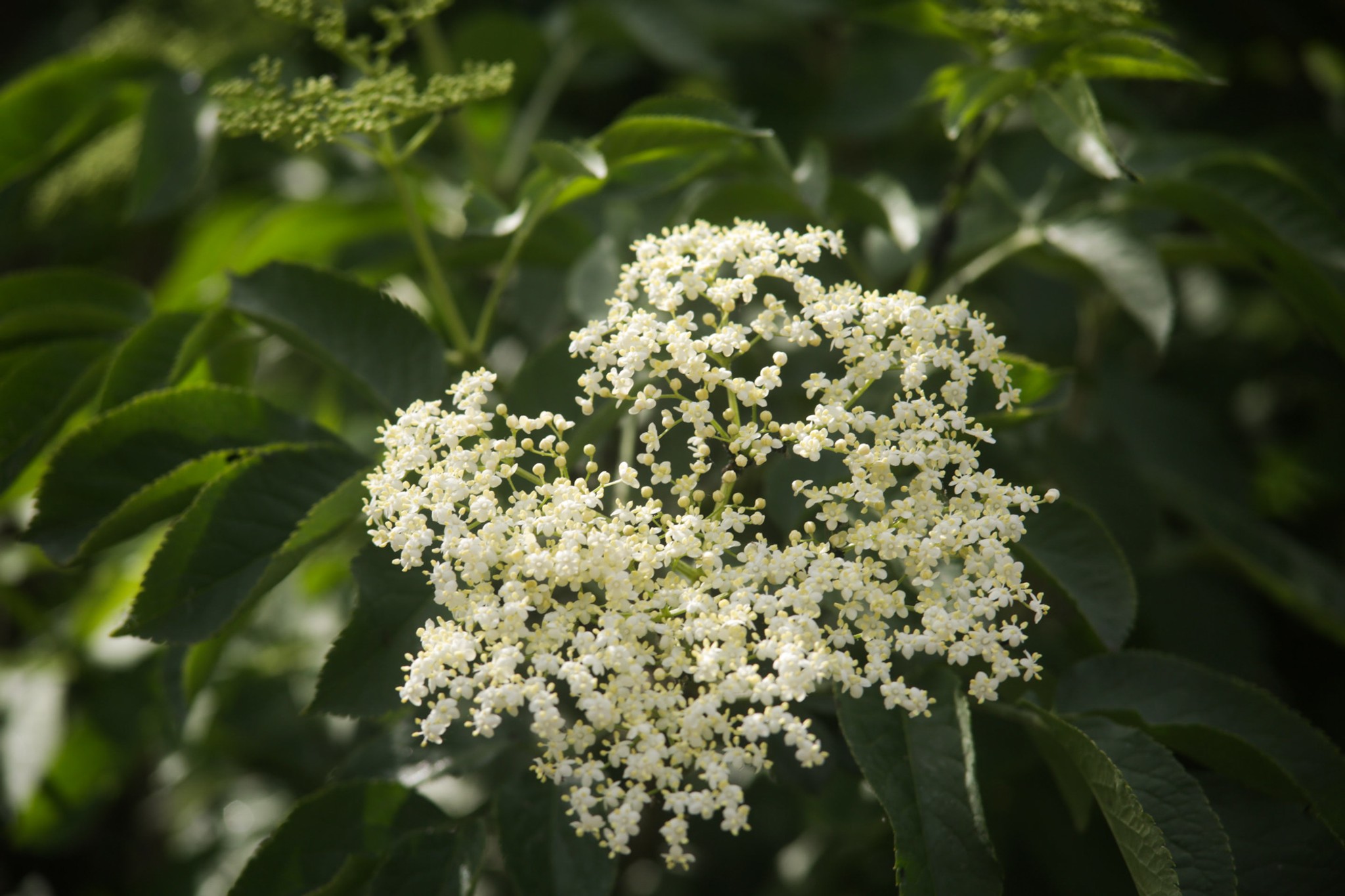
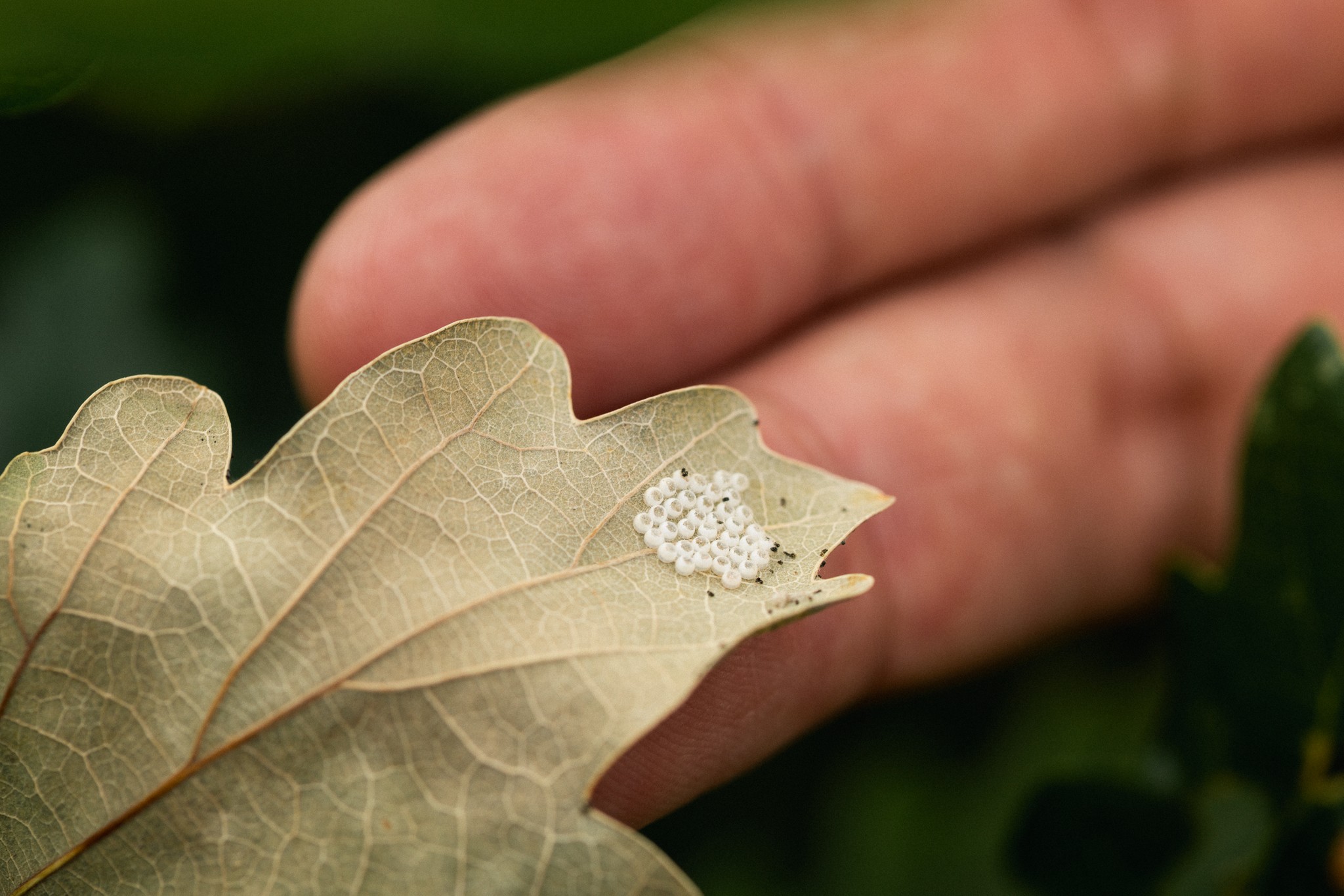
Visitors to SUGi’s forests witness urban biodiversity in action: queen bees, hoverflies, foxes, caterpillars, seedlings, fungi, squirrels, and birds all flourish together. These dense forests move beyond single-tree planting schemes, which often fail to support ecosystems, showing that small-scale, densely planted forests yield outsized ecological benefits.
This UK study confirms that pocket forests are not only survivable but cost-effective, adaptable, and highly beneficial even in difficult conditions. The results provide compelling evidence for integrating the Miyawaki method into urban planning, biodiversity initiatives, and climate-resilient strategies.
Here’s a link to the full report: Urban Tree Establishment: A Trees Outside Woodlands project report, July 2024
The Future of Urban Forestry
Urban pocket forests show that even small spaces can host thriving ecosystems when designed with science-based, nature-focused techniques. By shifting from traditional tree planting to dense, biodiverse pocket forests, cities can combat biodiversity loss, reduce urban heat, and reconnect communities with nature, one pocket forest at a time.
Nature doesn’t need more space. It needs smarter, denser planting. And the Miyawaki method is proving exactly how that can work in the UK and beyond.
