The Miyawaki Method for Creating Forests
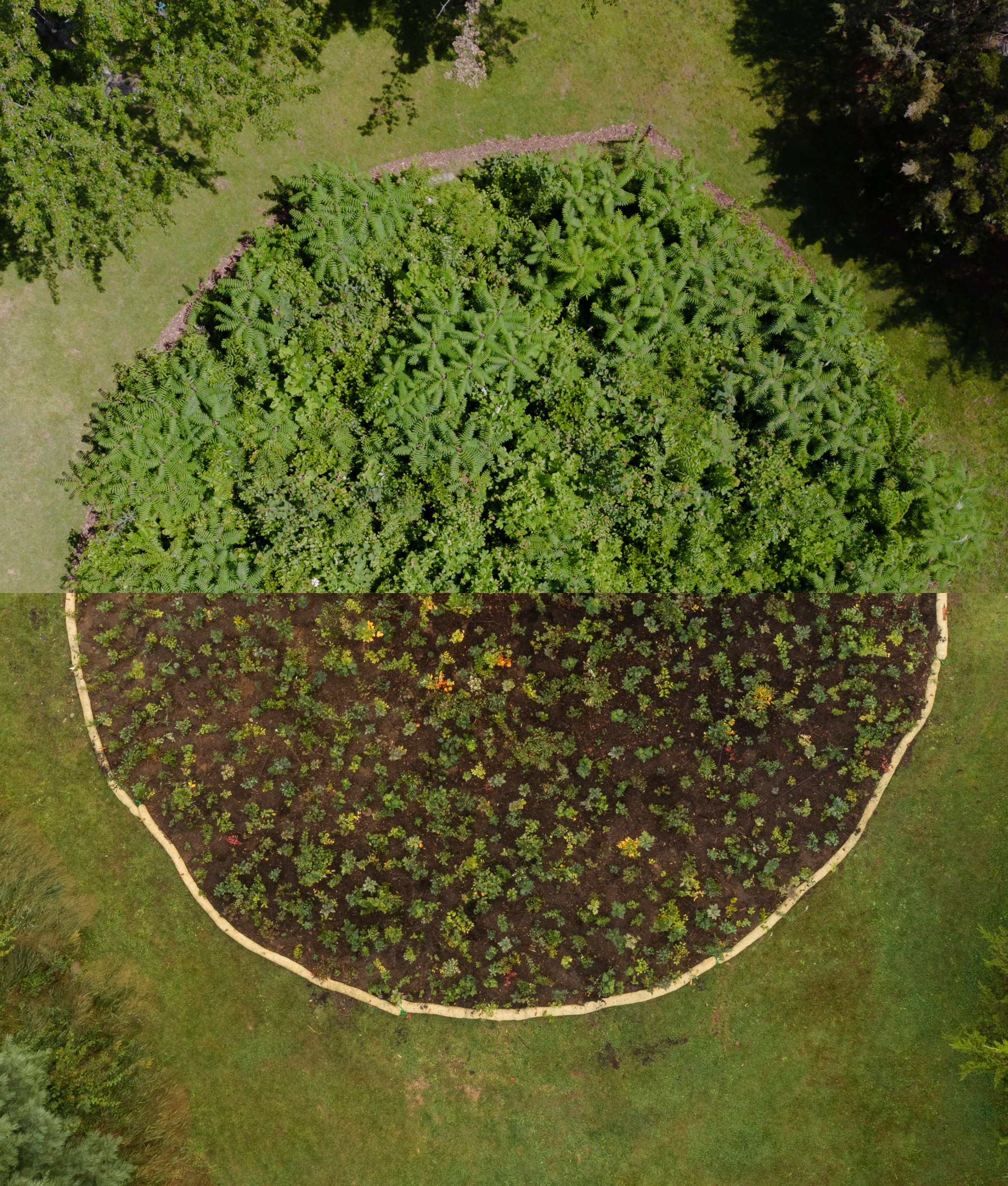
Laguna Legacy Forest | Phuket, Thailand - 1 year old SUGi Pocket Forest

What is the Miyawaki Forest Technique?
SUGi collaborates with a global network of forest makers to build biodiversity and regenerate urban areas by planting pocket forests using the acclaimed Miyawaki method.
This method of afforestation was developed by the Japanese botanist and plant ecology expert Professor Akira Miyawaki, and draws inspiration from nature’s ecosystems to create 100% organic, dense, and diverse pioneer forests in as little as 20-30 years.
Miyawaki forests can grow up 10x faster than monoculture forests, are much denser, and house much more biodiversity — just like ancient, primordial forests. Since they’re quick to establish, maintenance-free after the first two-to-three years, and can be created on sites as small as 9 sq m, Miyawaki forests are viable solutions for cities looking to rapidly build climate resilience.

But what makes Miyawaki forests unique?
The Miyawaki method mimics the way a forest would recolonize itself if humans stepped away. Only native species that would occur naturally in that area without humans, given the specific climate condition, are planted. Indigenous plant species have spent thousands of years adapting to their local environment to create a supporting ecosystem, so planting them doesn’t just reinstate this biodiversity – it builds a site that’s more responsive to climate change.
The Miyawaki method isn’t just unique because it restores native habitats using native trees; the afforestation principles are based on an understanding of how these species would interact in a natural forest. The idea is to plant a diverse mixture of trees close together to maximize density and create balance. Nature doesn’t thrive in grids of 1.5m; seeds drop from trees randomly to stimulate growth, or fallen trees open up clearings to the sun. As the closely planted saplings have to compete for light, which only shines on them from above, they shoot upwards very fast instead of sideways.
Sometimes less is more, but in this instance, planting a huge variety of native trees close together means an increase in biodiversity. The denseness of growth provides a greater amount of forage for pollinators and refuge for birds. More canopy cover shades out weeds and creates a cool home for insects, plus the increased leaf litter builds fertility and life in the soil. Also, if you have a variety of tree species, you have others to step in if one succumbs to disease.
“Within a forest, biodiversity means balance. Birds control pests, insects pollinate plants, and beneficial fungi keep the trees healthy. Every organism has a role to play, and all these roles interact. And if you build a healthy, biodiverse habitat that can look after itself, it becomes self-sustaining. You can step away and let nature get to work."
Lead SUGi Forest Maker - James Godfrey-Faussett

The SUGi Method: Six steps to a pocket forest.

1. Secure Your Site
Every SUGi Pocket Forest starts with finding the right site. We focus on nature-deprived areas where a forest can bring biodiversity back into the landscape and create lasting value for the community.
The site needs to be secured for the long term, with local people involved in its future. A site chosen with care becomes more than a place to plant trees. It becomes a forest of hope, rooted in community and growing for generations.
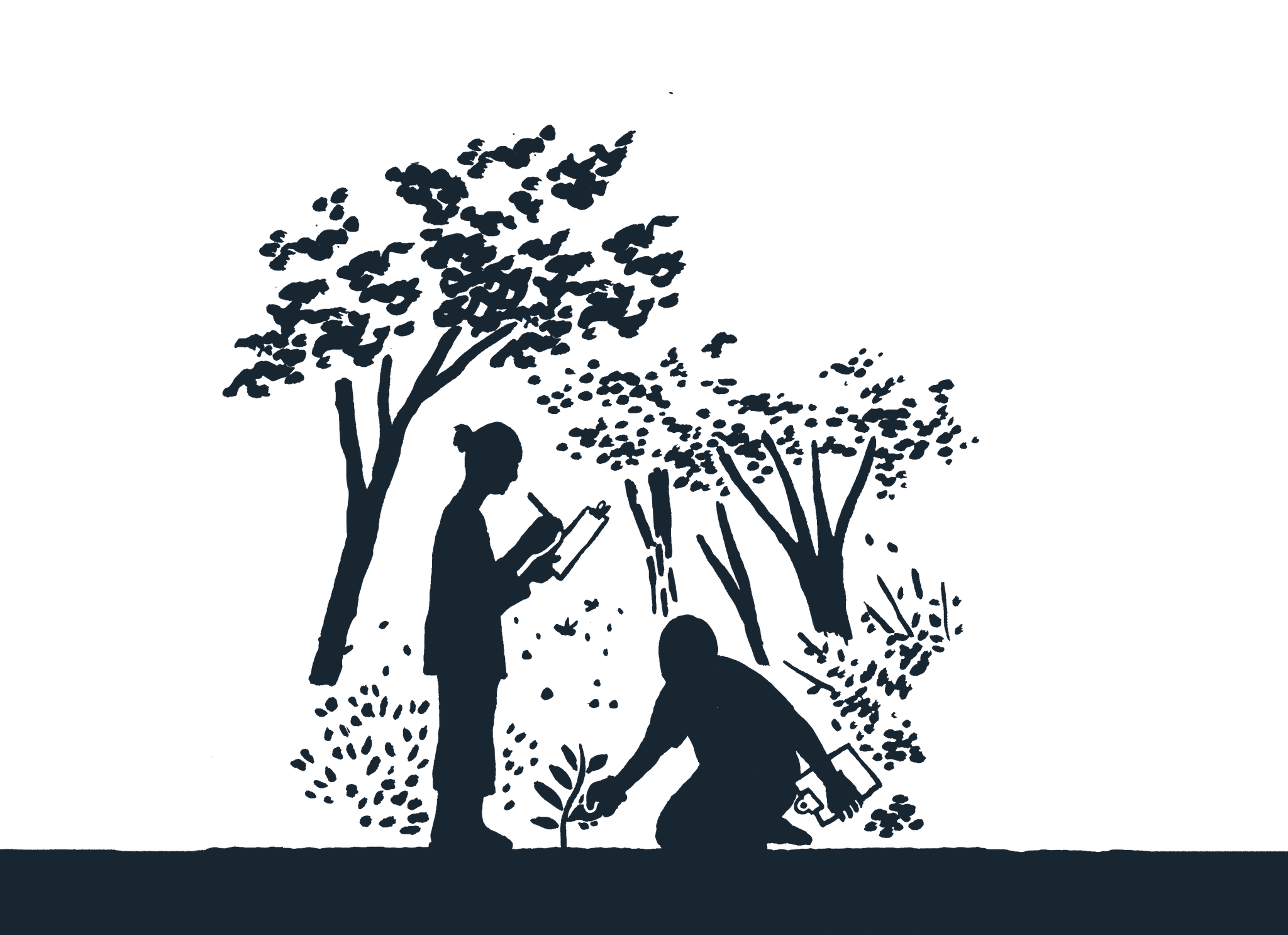
2. Species Survey
The first step is to identify the native vegetation best suited to the area, known as Potential Natural Vegetation. We research what grows locally, looking to protected areas, ancient forests, and Indigenous knowledge (learning from those who have stewarded the land longest).
As natural forests are multi-layered, we identify species across four layers: canopy trees, trees, sub-trees and shrubs. Indigenous species are selected to create a diverse, balanced forest that mirrors nature and is adapted to the local environment.

3. Forest Planning
Once the species list is complete, we begin planning the pocket forest. Young saplings are sourced from local nurseries, with quantities defined by the size of the site and a planting density of three to four saplings per square metre.
Availability of each species is confirmed and the final planting mix is balanced across the different forest layers. Careful planning ensures the right trees are in the right place, ready for planting day.

4. Soil Preparation
Many SUGi Pocket Forests begin on degraded, compacted or bacteria-dominant soil. Trees need soft, crumbly and fungi-dominant soil so their roots can establish quickly and access nutrients. Our forest makers decompact and amend the soil once, putting it on the path to becoming oxygenated, fertile and self-sustaining. Compost tea can also be added, introducing beneficial fungi and microorganisms that interact with tree roots and help restore the living biology of the soil.
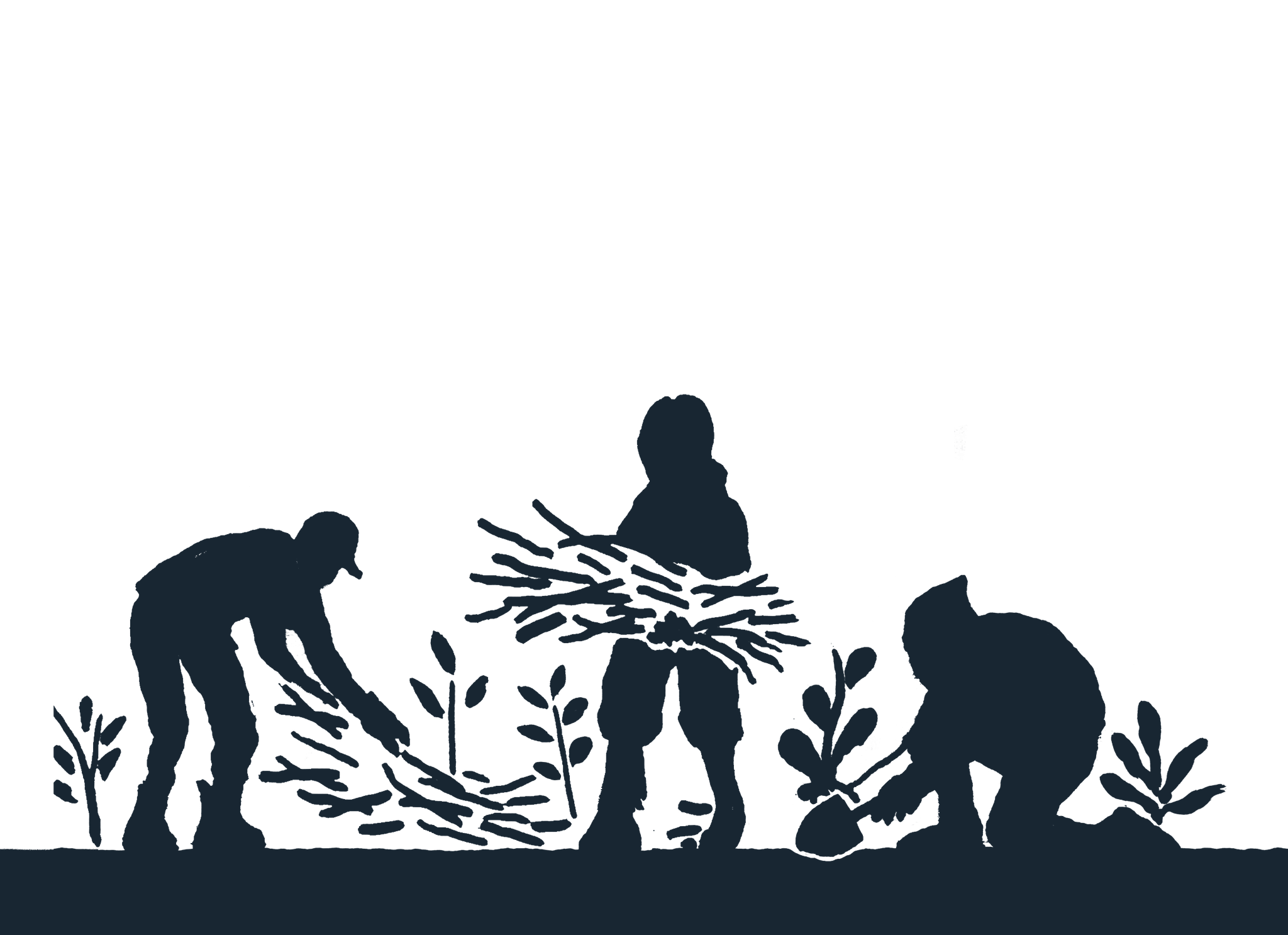
5. Planting & Mulching
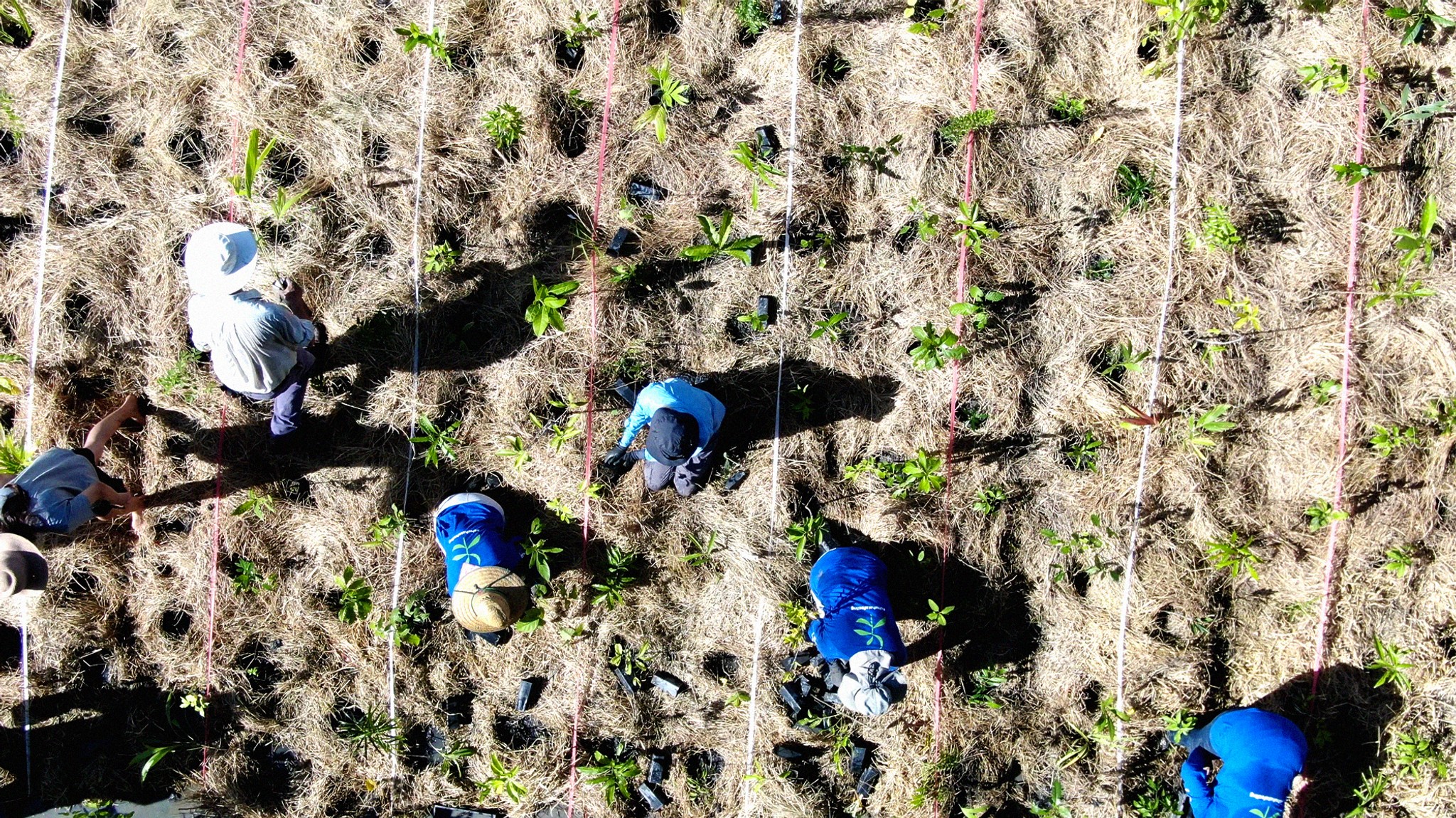
Young saplings are planted randomly at a density of three to four per square metre, mirroring how a natural forest grows. Young trees adapt quickly and form relationships with mycorrhizal fungi in the soil. Once planted, an inoculant or compost tea can be added before the forest is heavily mulched with straw or wood chips. Mulch protects the soil, retains moisture, suppresses weeds and provides organic matter that is gradually broken down by fungi, insects and microorganisms.
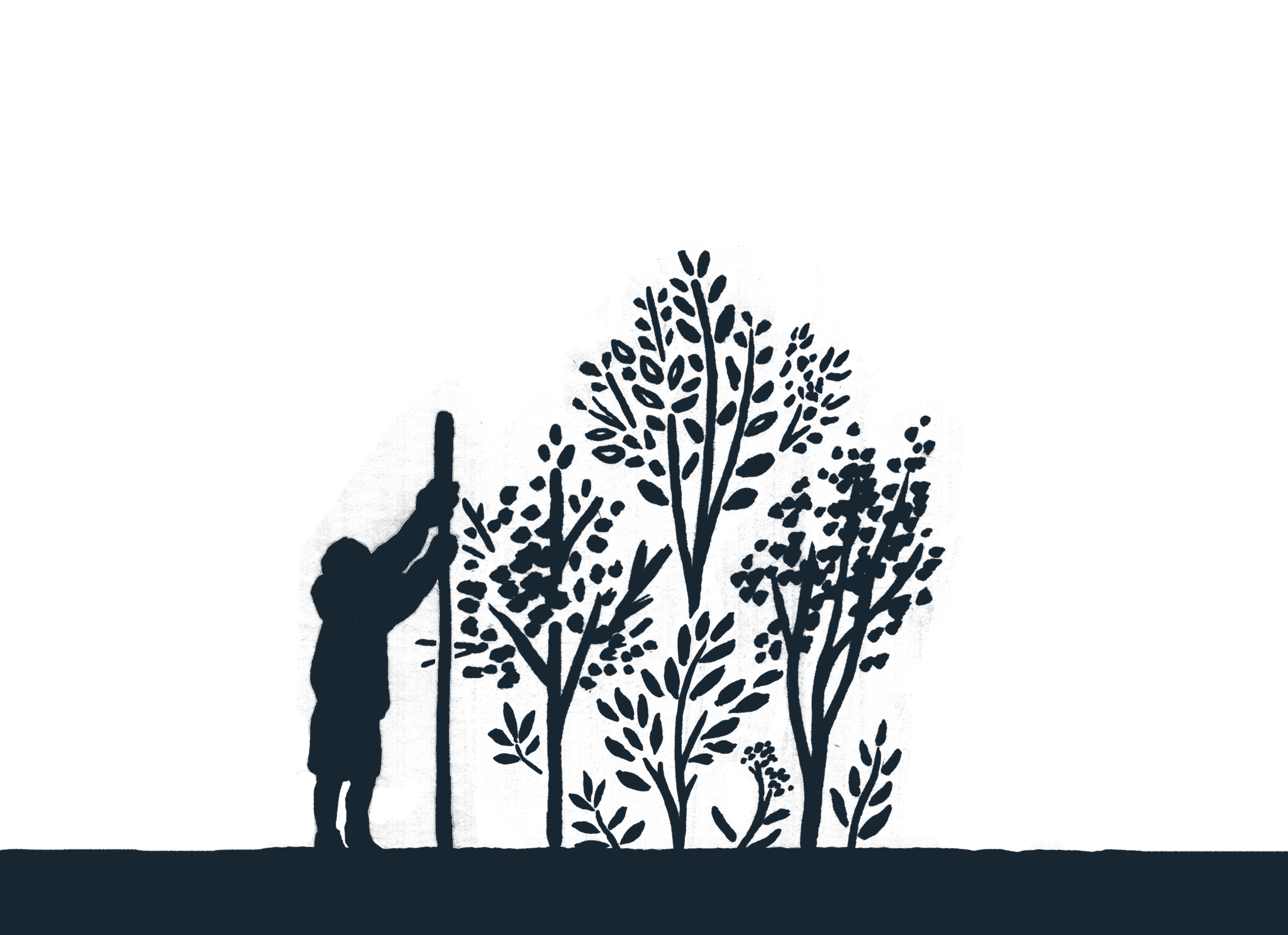
6. Maintenance
SUGi Pocket Forests are maintained during their first two to three years while the trees establish. Weeding can be carried out quarterly or bi-annually (depending on the bioregion) until the growing canopy blocks light from reaching the soil and naturally suppresses weeds.
Depending on the climate and site, watering may be needed during establishment or severe droughts. As the pocket forest develops, intervention decreases. The trees create shade, leaf litter builds soil fertility and the ecosystem increasingly takes care of itself, becoming resilient and self-sustaining.
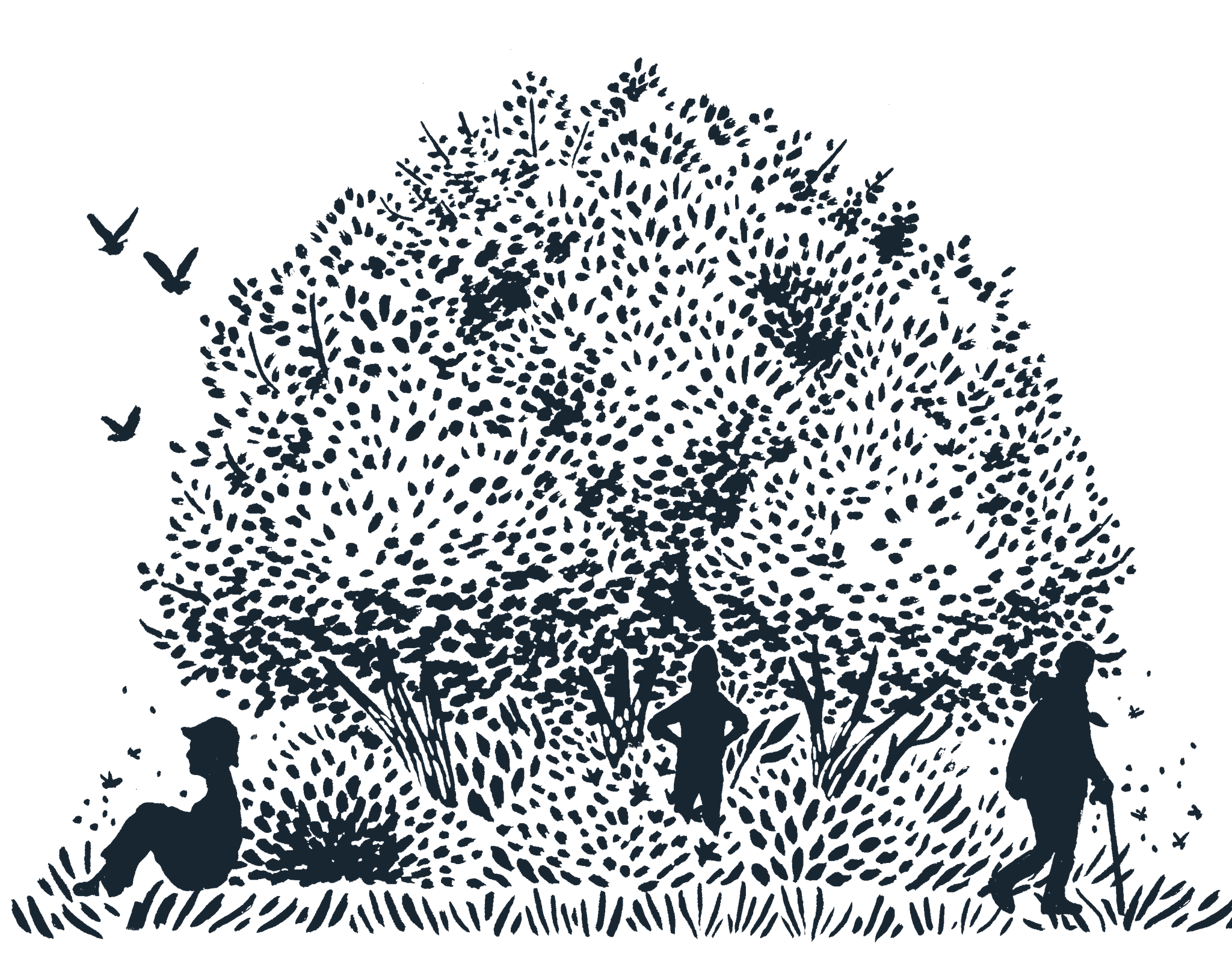
As the forest grows, it becomes more than a collection of trees. It becomes a third space for people to slow down, gather and reconnect with nature. A place for performance and play, foraging for medicinal plants, fruits and berries, and observing and studying how nature returns. Each forest can take on a life of its own, shaped by its community. Ultimately, these spaces offer a glimpse of a different urban future, where our cities are wilder, more alive and support our health and well-being.
Where can you plant a Miyawaki forest?
Miyawaki forests do not require a huge amount of space; you can plant them almost anywhere, in sites as small as three square meters. Even at this size, they fast become a habitat for countless species and offer multiple ecosystem services all at once. These pocket forests are perfect for the fast regeneration of urban areas, and SUGi’s forest makers have transformed school playgrounds, city parks, and urban rivers from grey to green.
We need the forest around us wherever we are, and instead of going out into the wilderness, the Miyawaki method brings the wild to you. SUGi Pocket Forests can be created at the front door of a community, and the social benefits of this to mental and physical health are as important as the ecological and environmental.
The Miyawaki method is community-based and people-centerd and can be used to reclaim and reimagine public space for the benefit of people and the planet. For SUGi founder Elise Van Middelem, it’s all about creating “pockets of hope.”
Why do SUGi plant pocket forests using the Miyawaki method?
SUGi aims to restore ecosystems and build biodiversity. The Miyawaki method enables us to do precisely that, creating a flourishing forest habitat that provides a range of social, environmental, and ecological benefits beyond just capturing carbon.
Miyawaki forests purify the air, manage water, regulate the climate, create oxygen, build soil and biodiversity, and provide food, medicine, shelter, and joy to all those connected to it.