Block by block tree by tree Cities becoming habitats again.
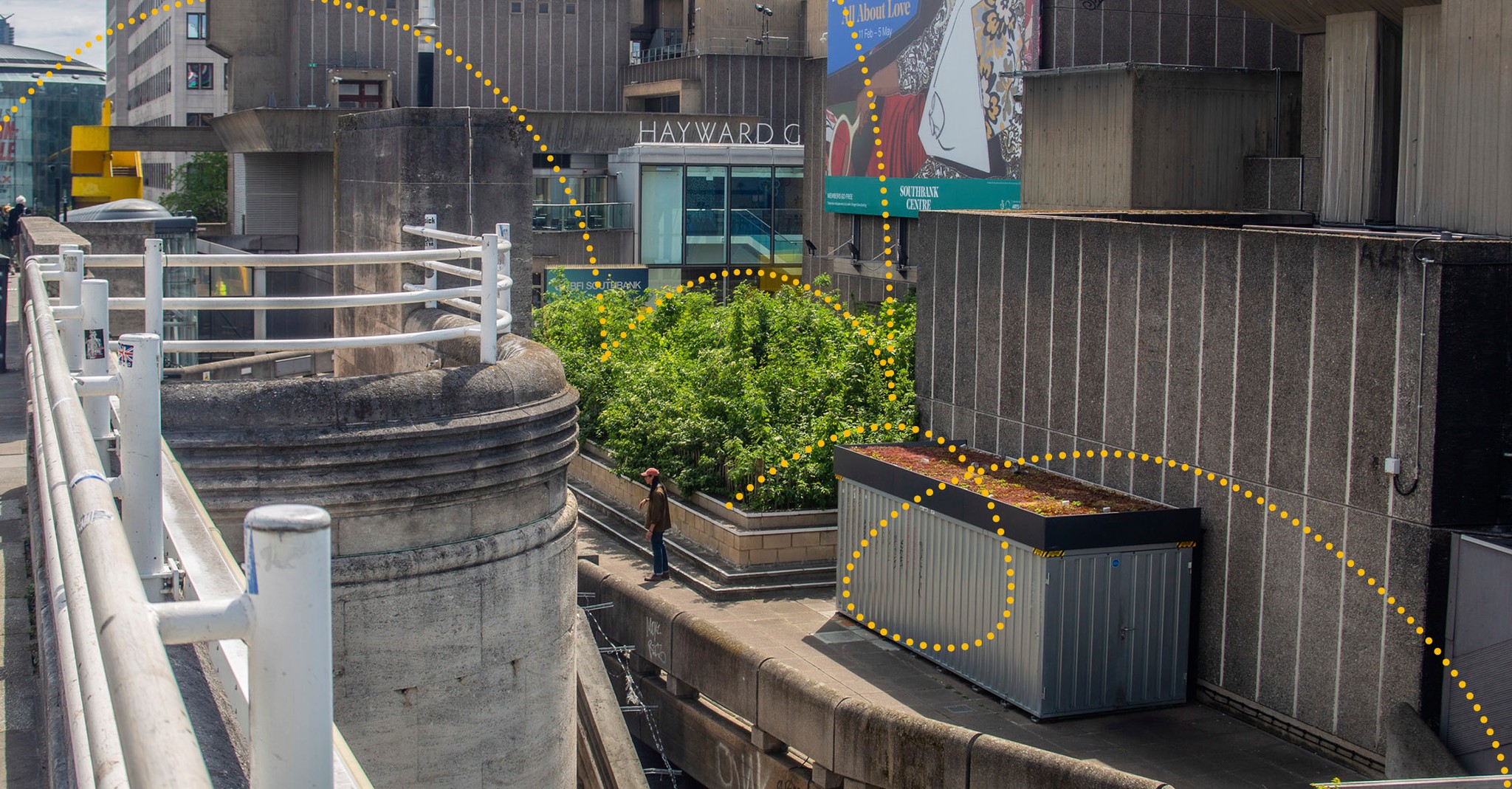
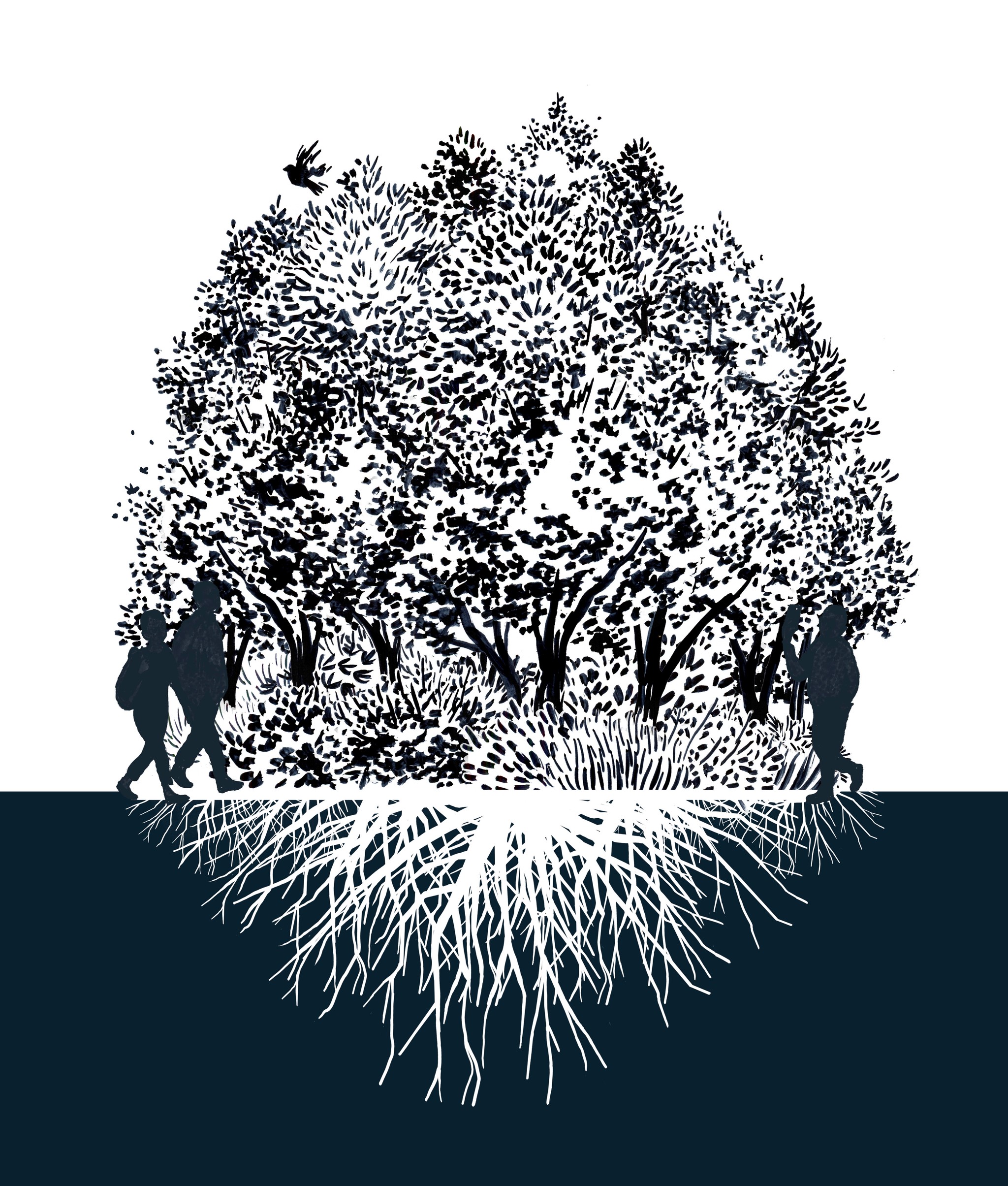
Honey bees can travel 2 to 5 kilometers from their hives in search of pollen. Solitary bees may remain within a few hundred meters of their nests. Butterflies drift across neighborhoods. Hoverflies and beetles follow flowering corridors. In cities, this daily migration unfolds largely unseen, a complex choreography that depends on one essential condition: connection.
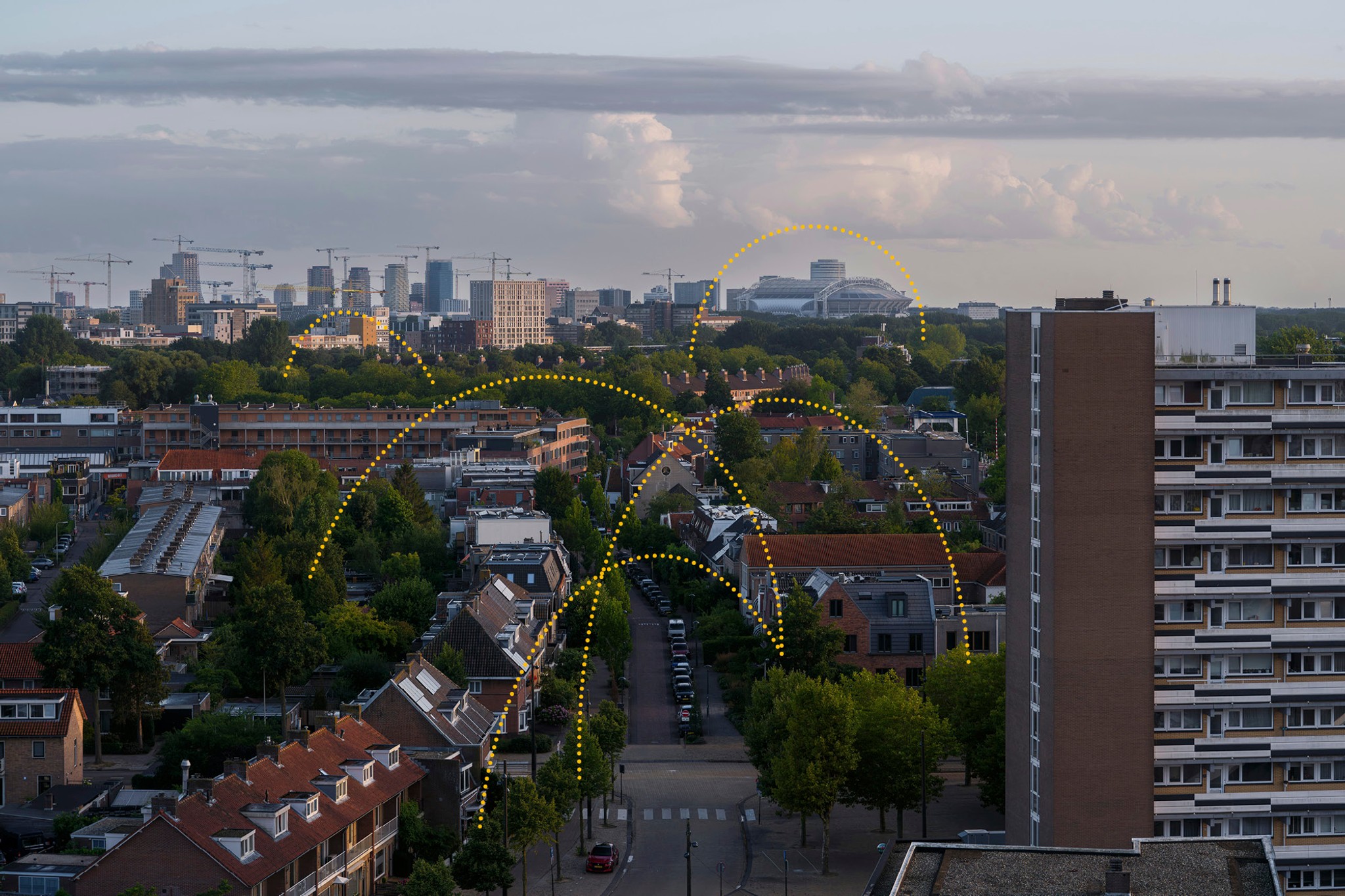
SUGi Pocket Forests are built for that purpose.
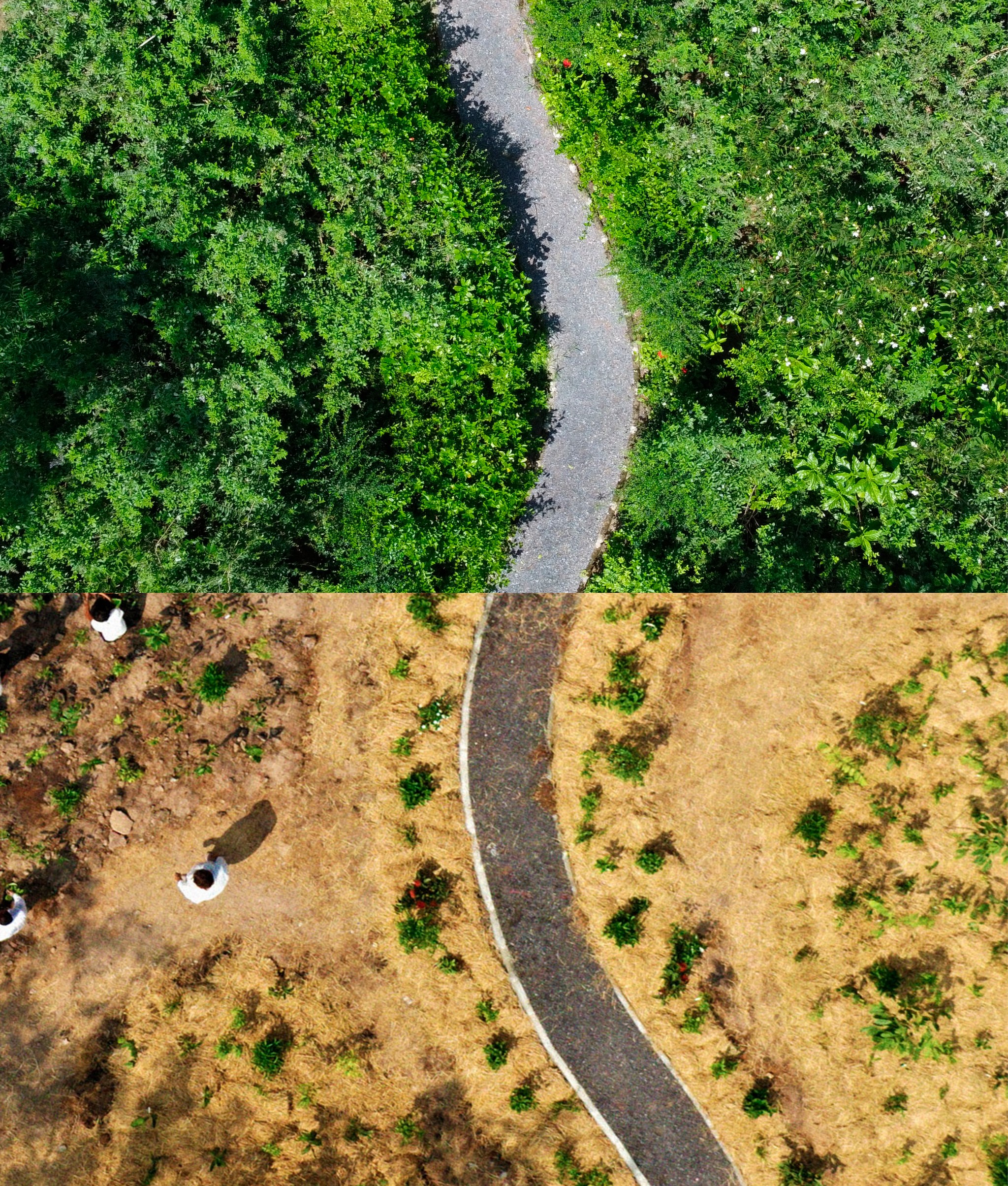
Planted densely with native trees and shrubs, these compact forests function as pollinator pathways, stitching together fragmented green spaces into living networks.
A single site may be small, but in sequence they become corridors, sheltering insects from wind, guiding movement through built environments and supplying reliable sources of nectar and pollen along the way. What looks like a pocket becomes infrastructure.
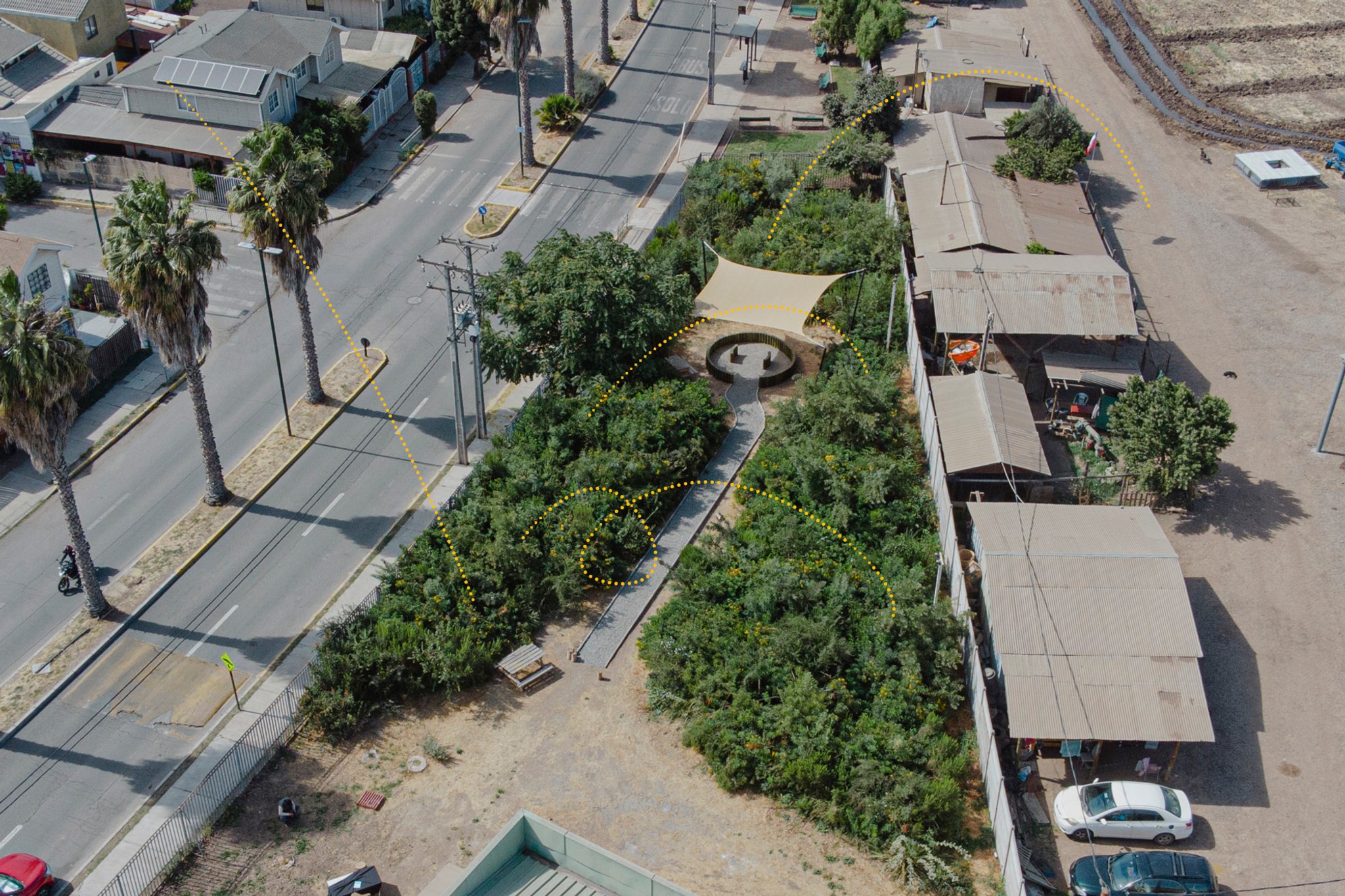
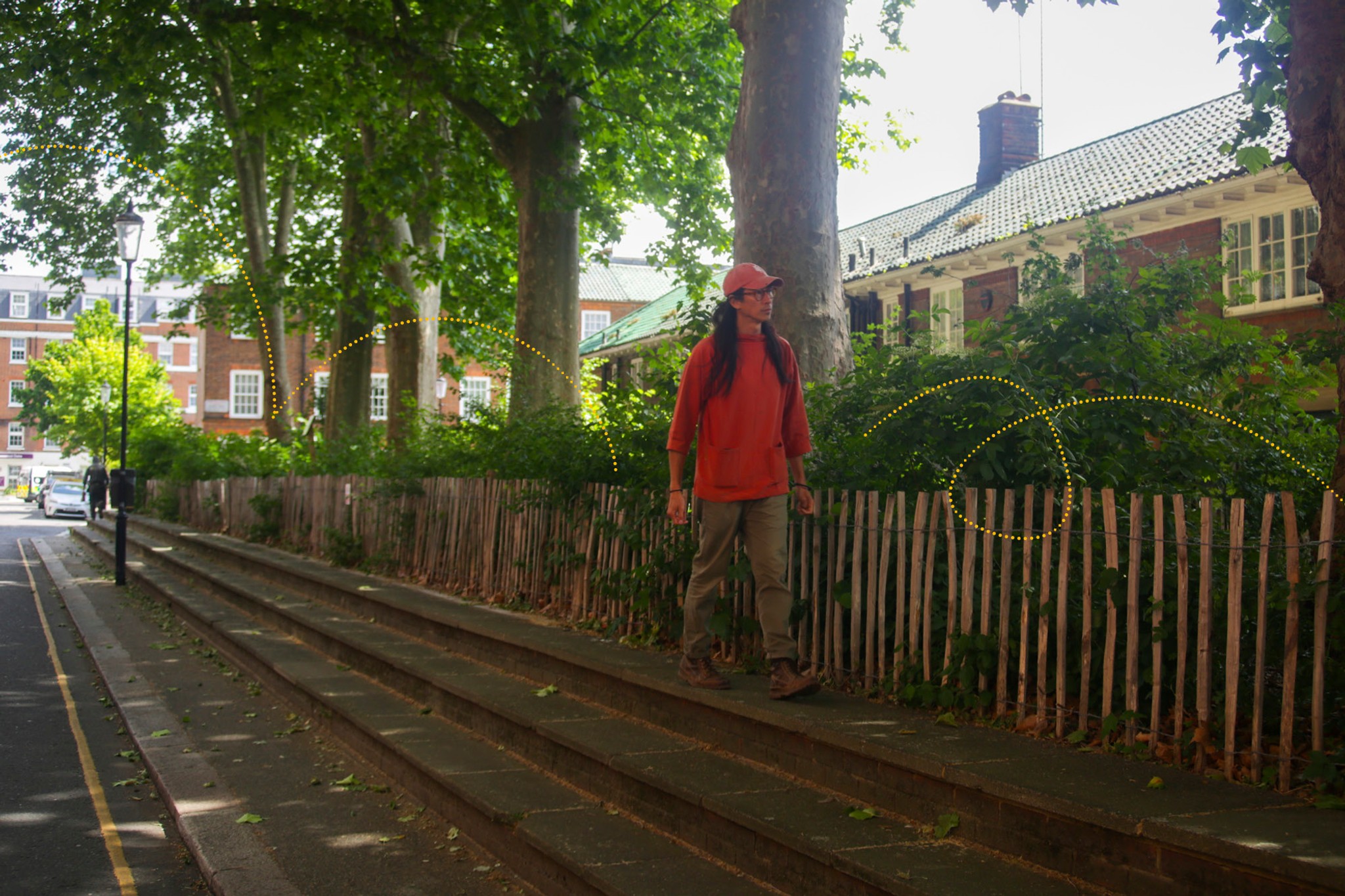
The relationship between native trees and pollinators is more consequential than many urban plans account for. Trees produce vast quantities of nectar and pollen, often at pivotal seasonal moments. Their canopies, understories and root systems create layered habitats that support feeding, nesting and reproduction. Designed with ecological precision, pocket forests operate as self-reinforcing systems.
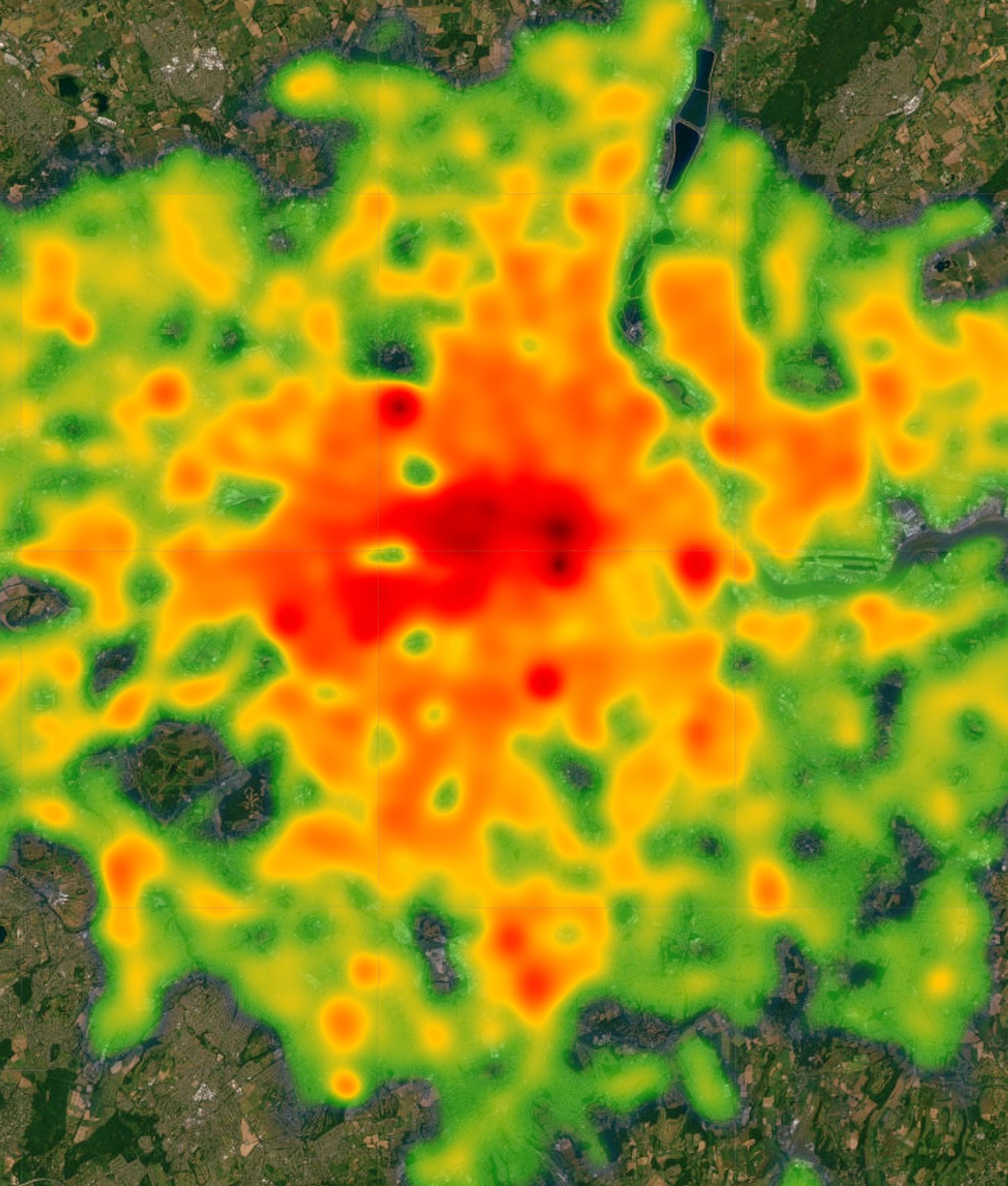
The broader effects ripple outward. These forests cool surrounding streets, filter polluted air and soften the urban heat island effect. They create habitat for birds and small mammals and transform overlooked parcels into thriving ecosystems.
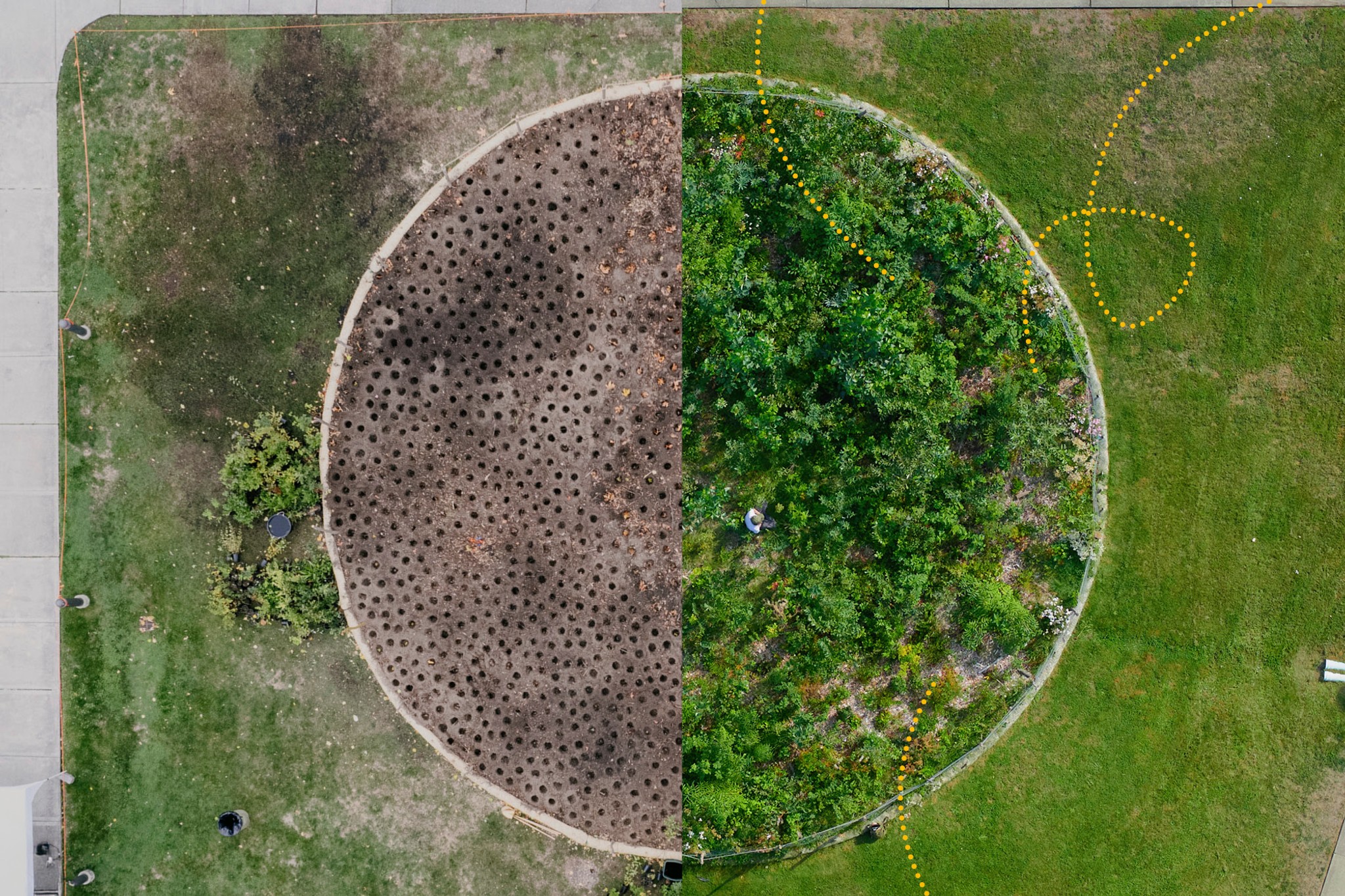
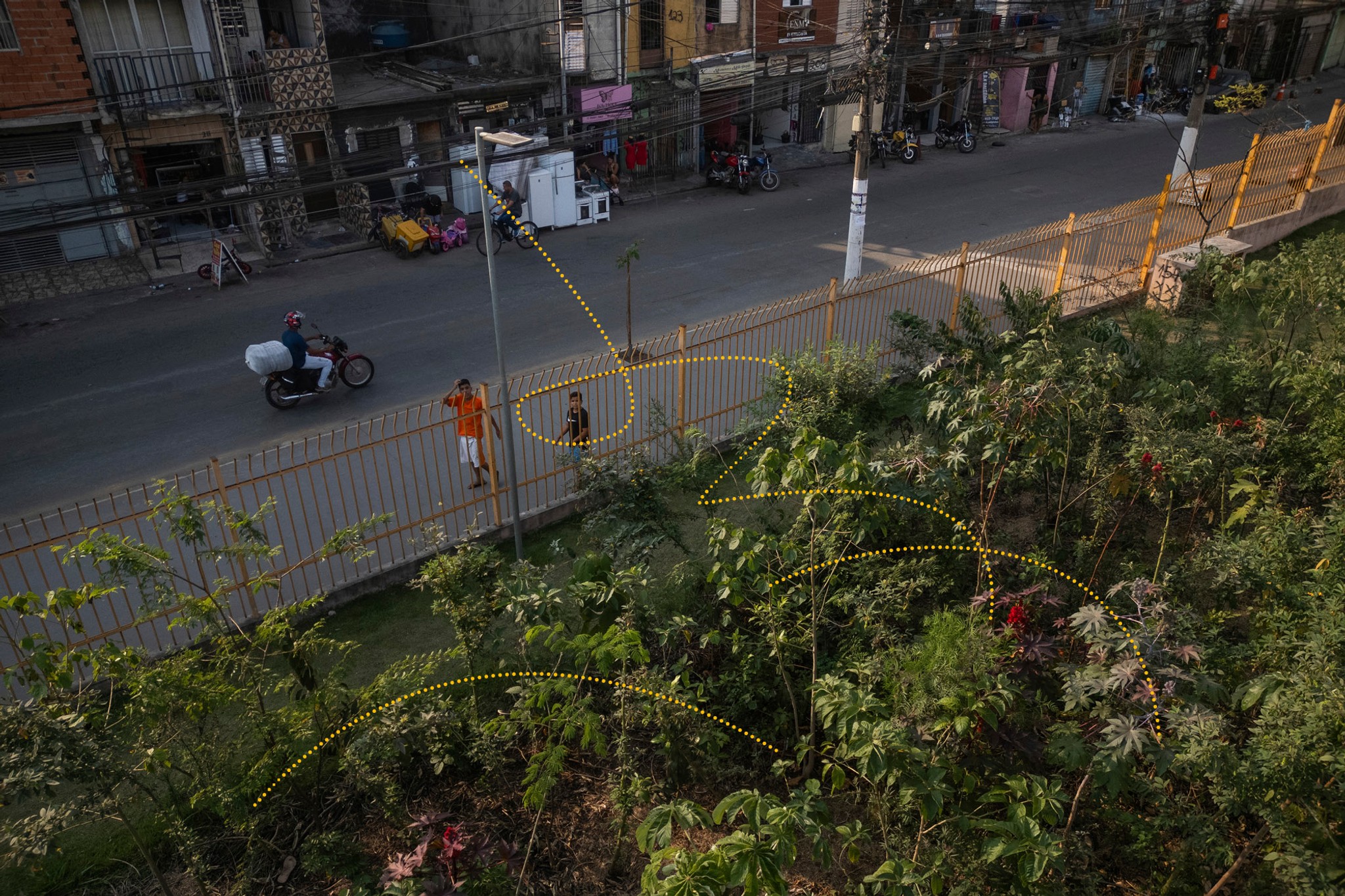
This is not decorative greening. It is ecological strategy. With thoughtful design, native planting and sustained community stewardship, cities can function as habitat. Biodiversity need not retreat beyond the urban edge; it can move block by block, tree by tree, reshaping the future of city life. Biodiversity need not retreat beyond the urban edge; it can move block by block, tree by tree, reshaping the future of city life.
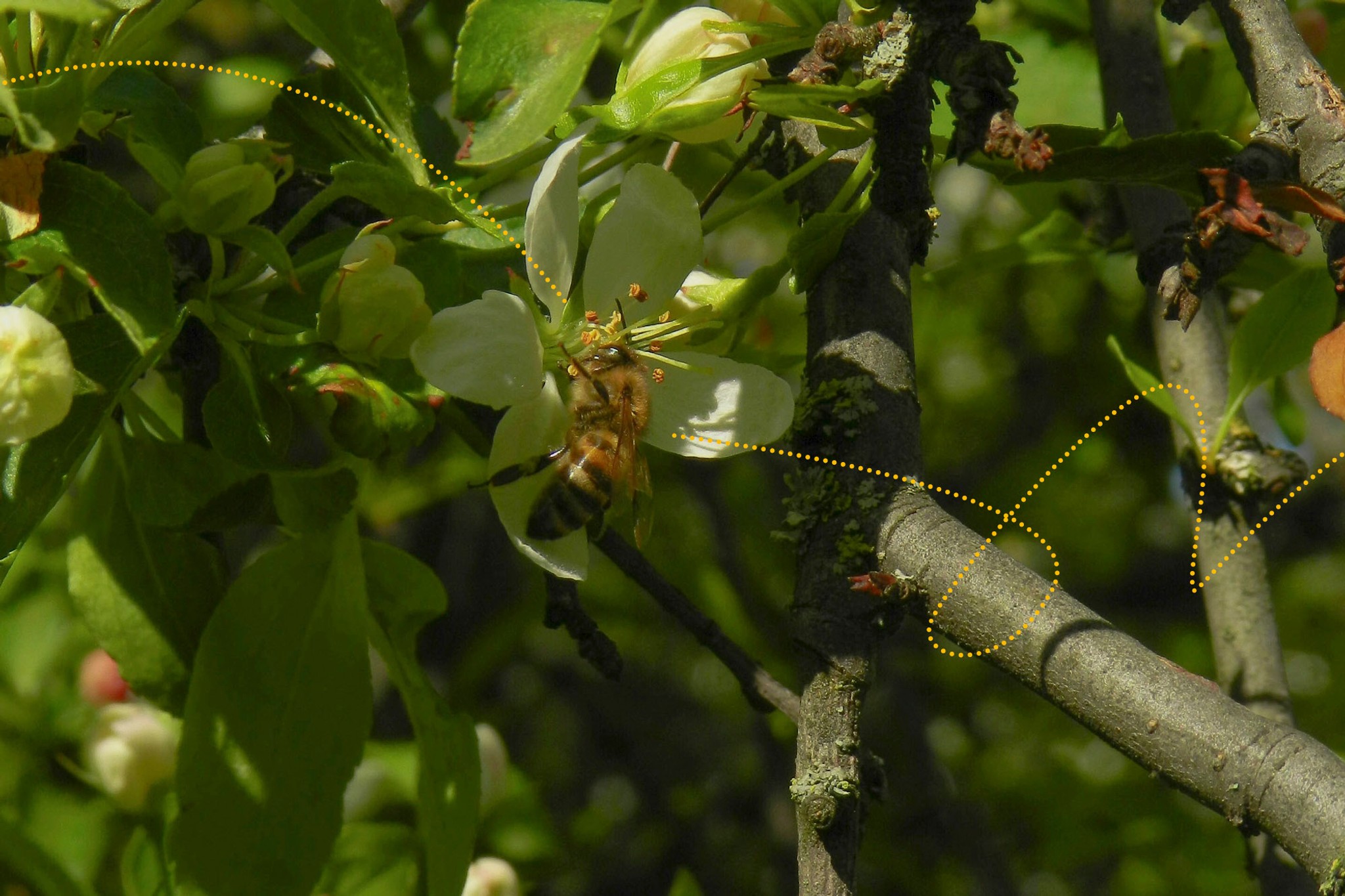
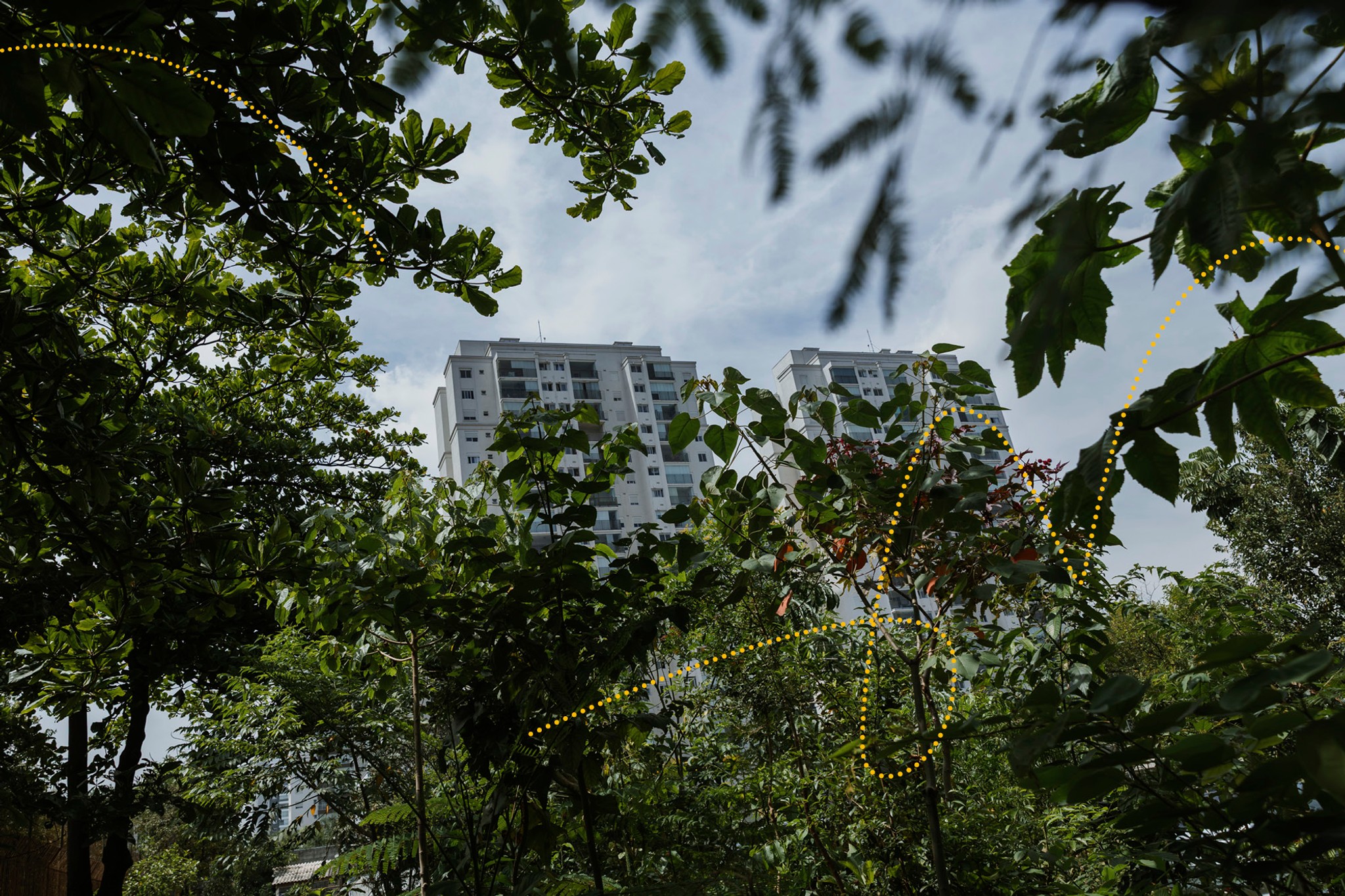
“Bees use trees for forage and shelter even within urban areas. This is why biodiversity corridors can work within built up areas. In general, bees will travel up to 2.5 km searching for the right pollen.”
— James Godfrey-Faussett, Lead SUGi Forest Maker