St Paul’s Unity Forest
Bringing students together to restore endangered wilderness.

0
Trees
0
Square Meters
0
Native Species
0
Youth Impacted
Self sustaining pocket forest
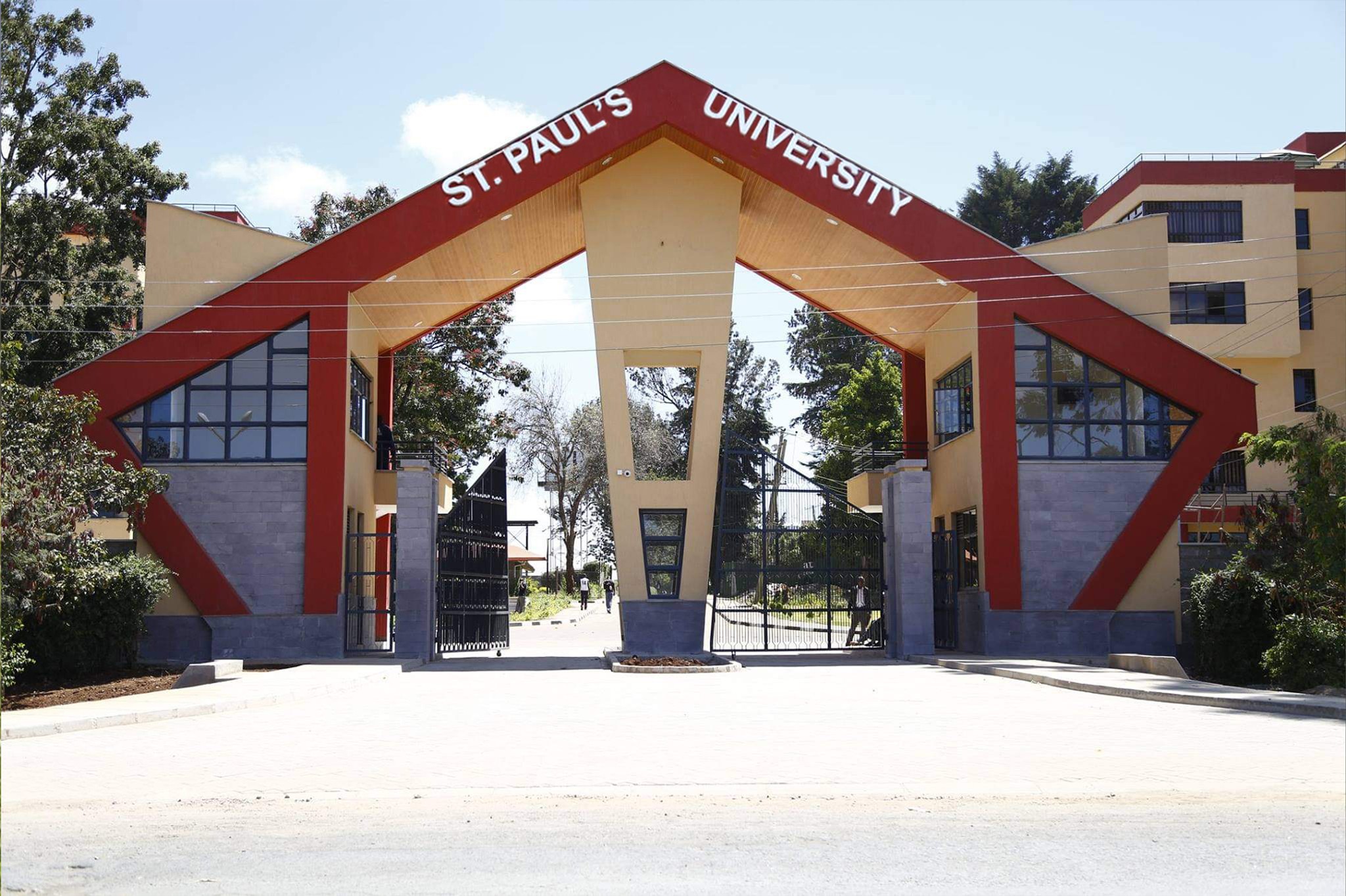
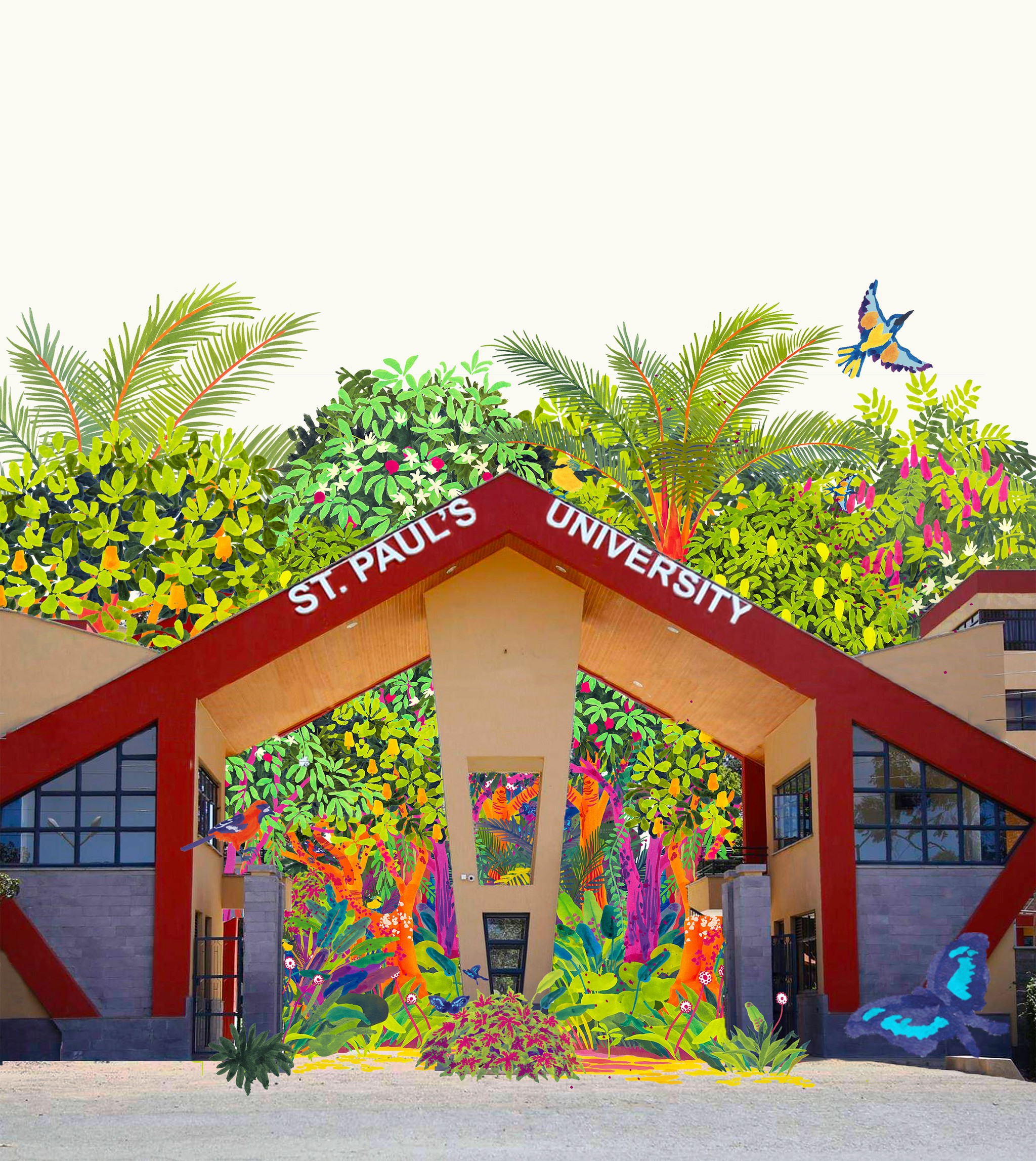
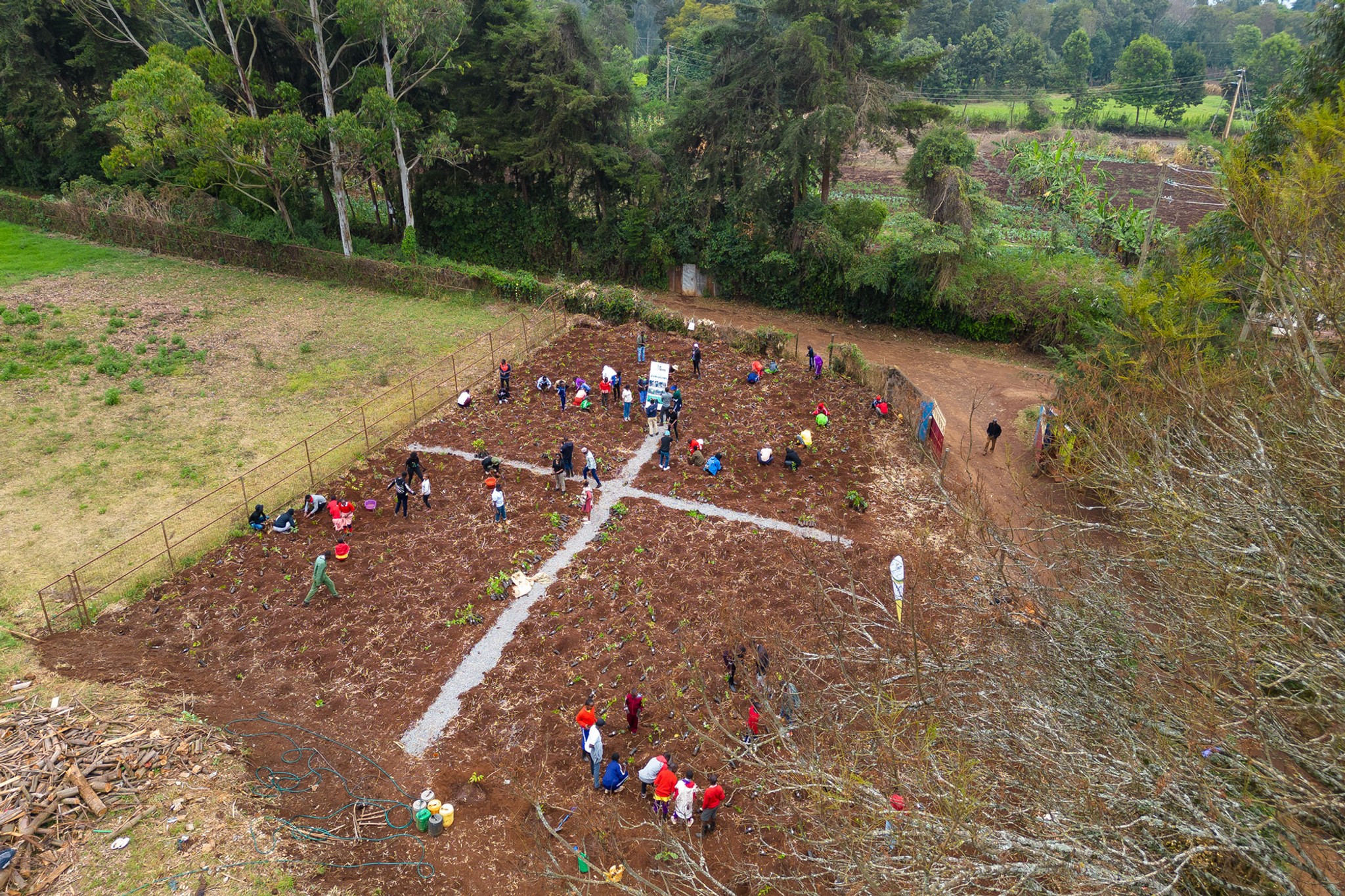
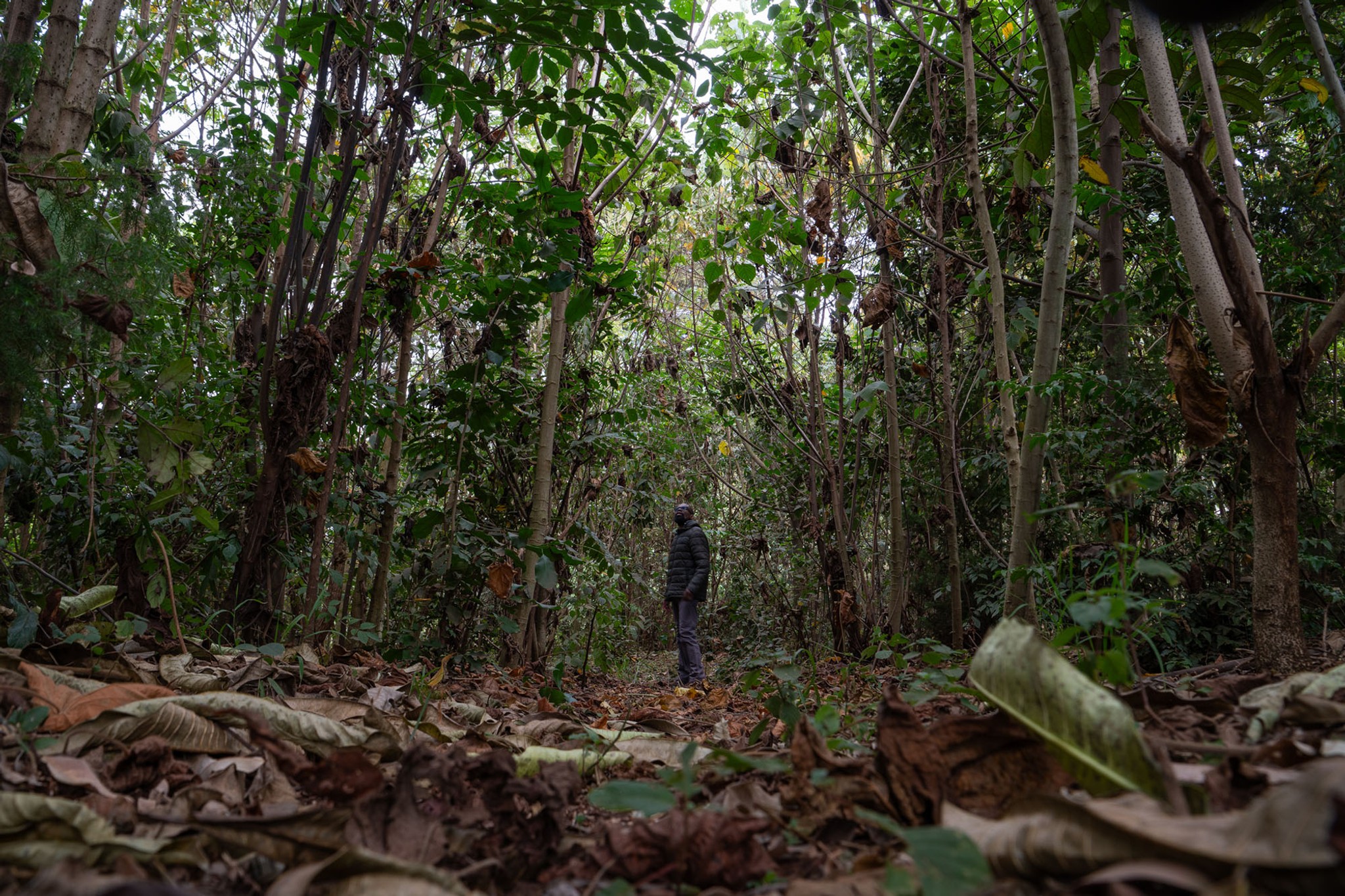
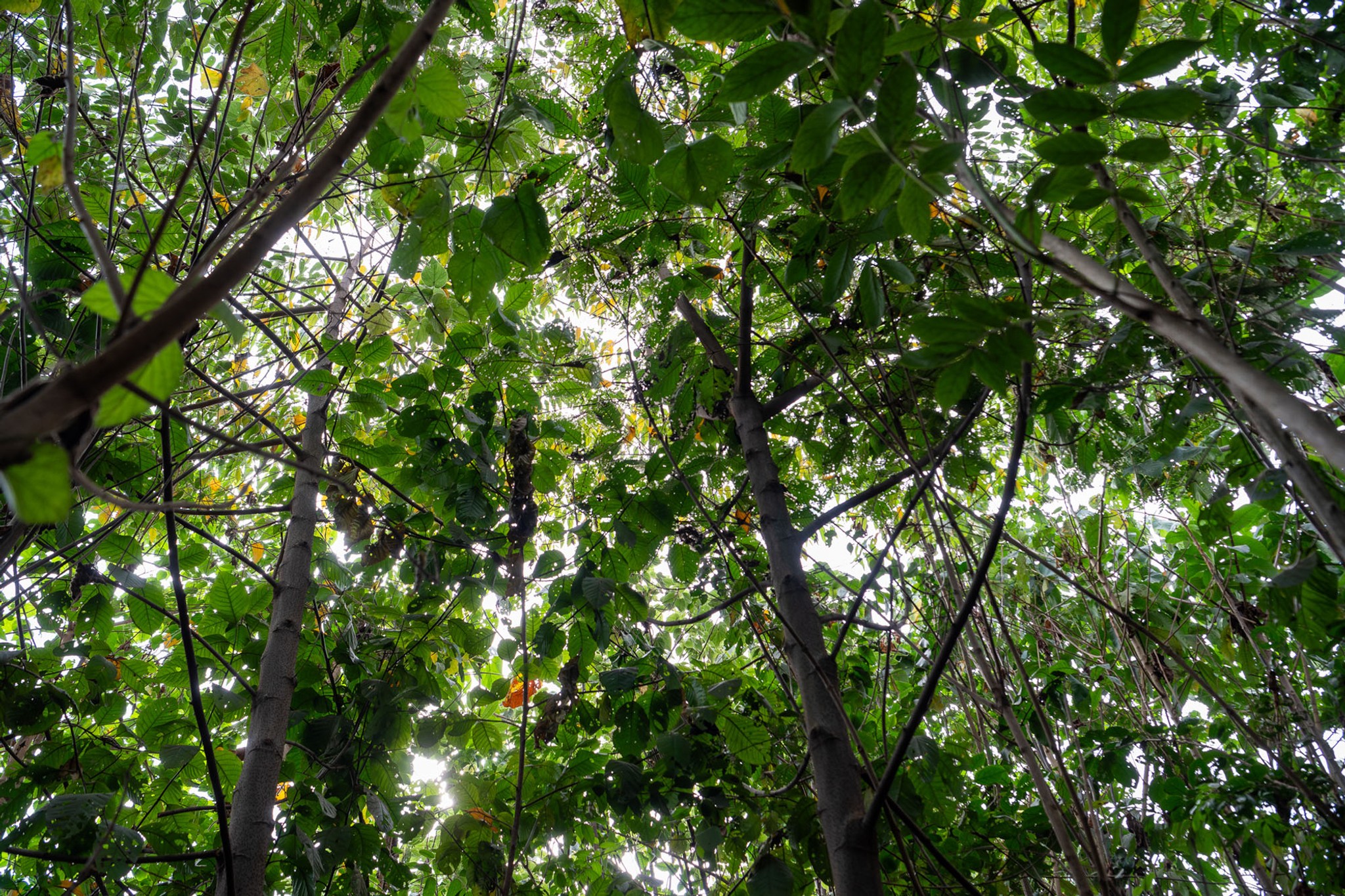
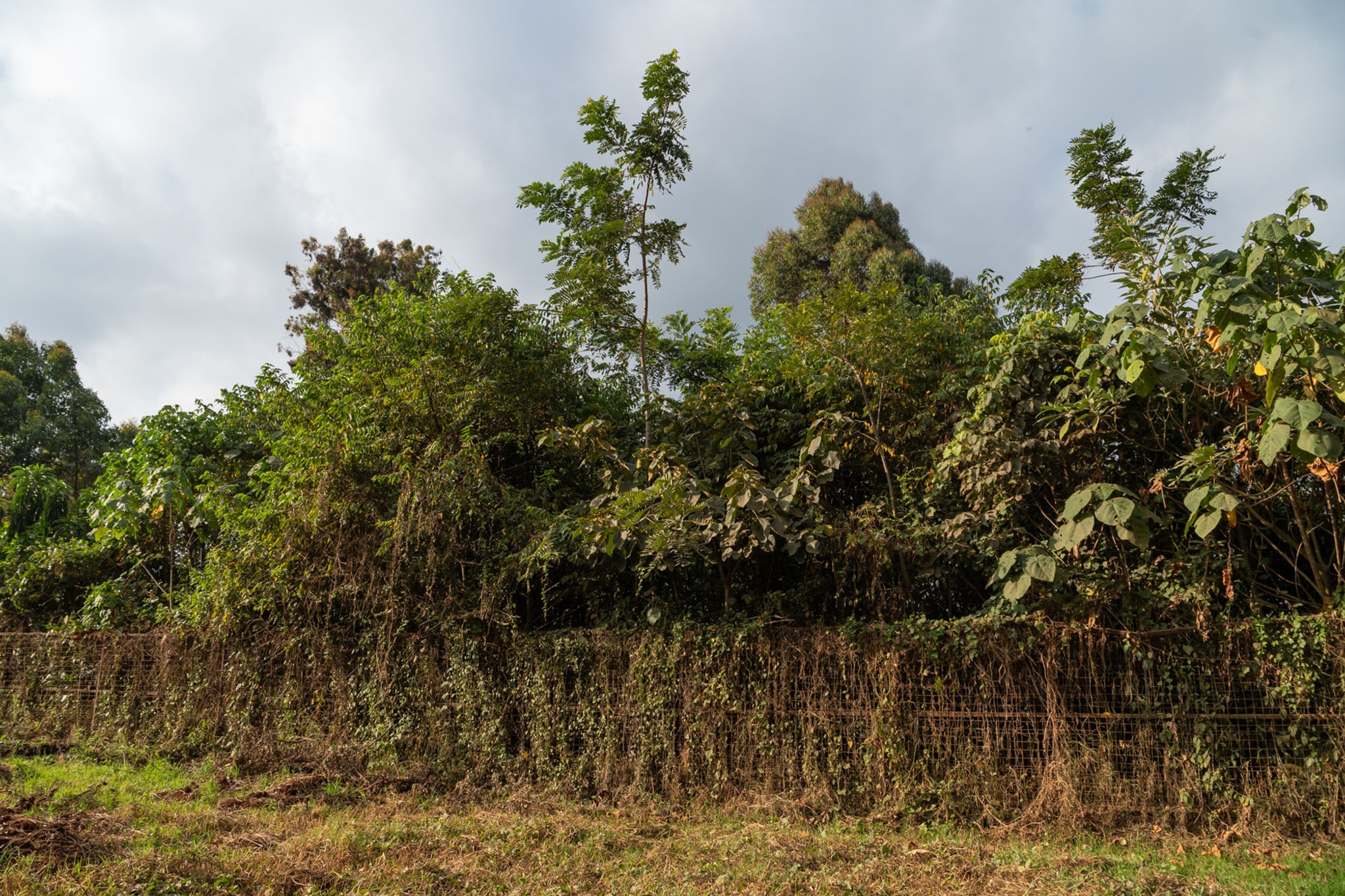
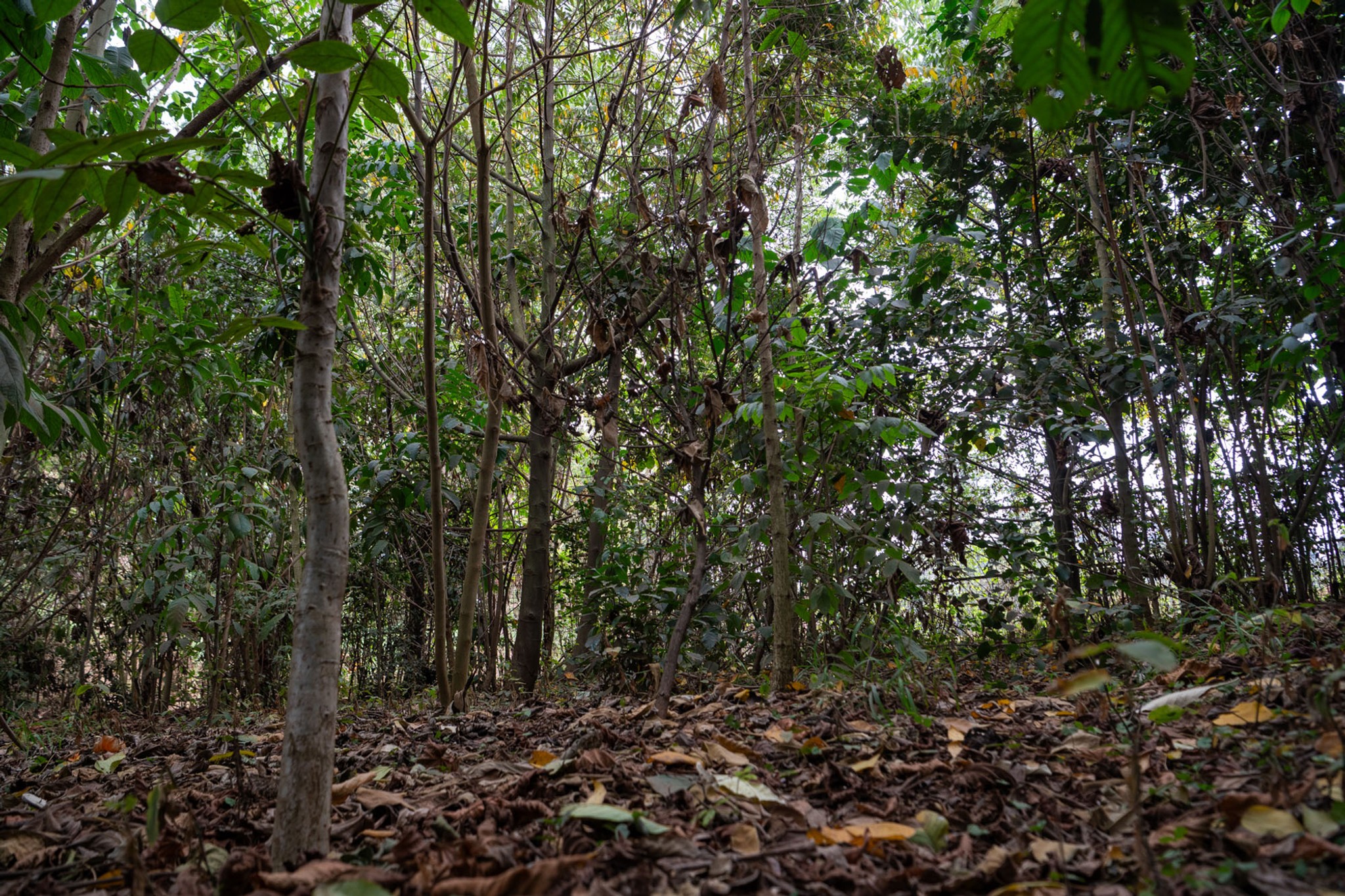
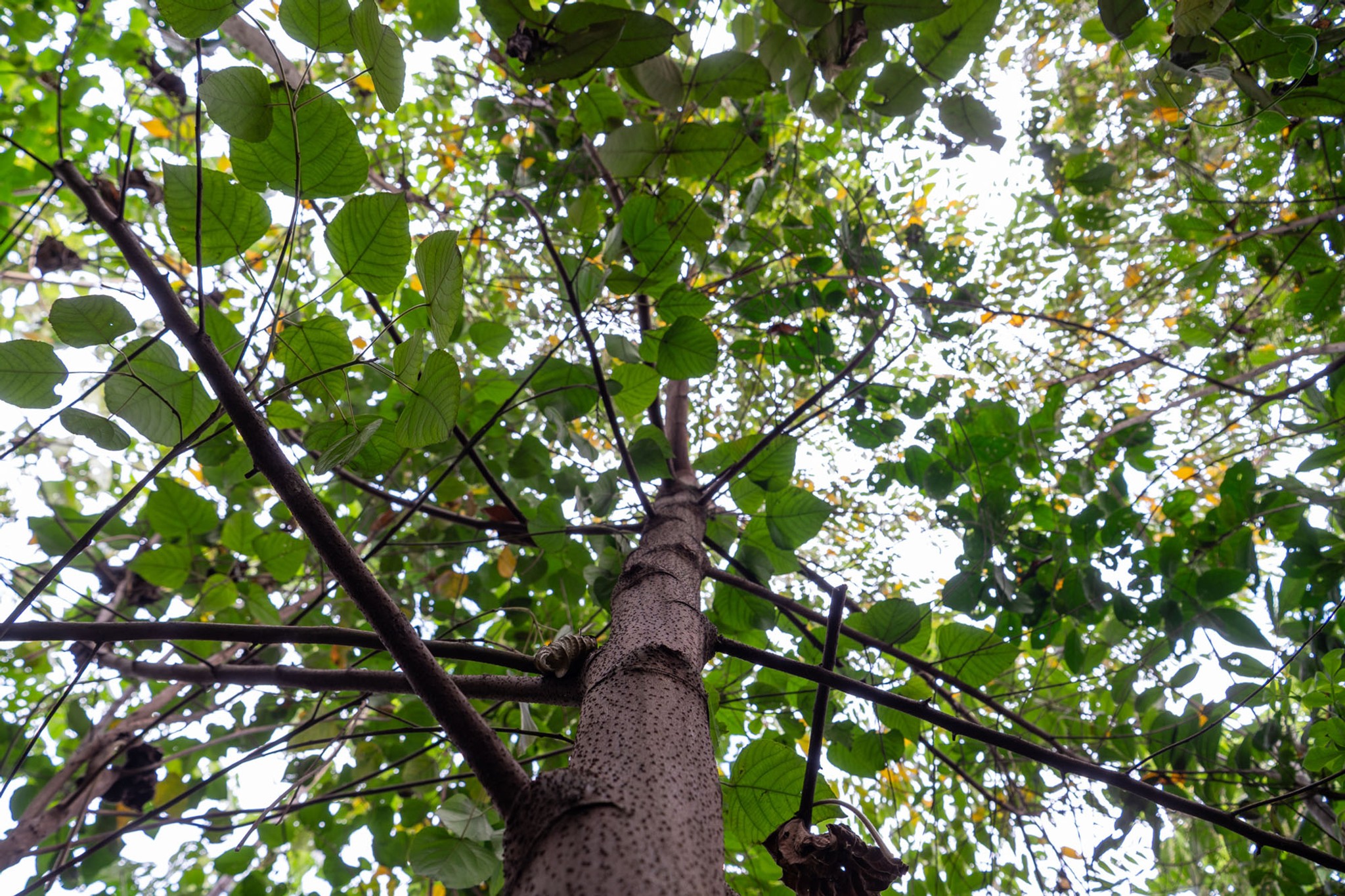
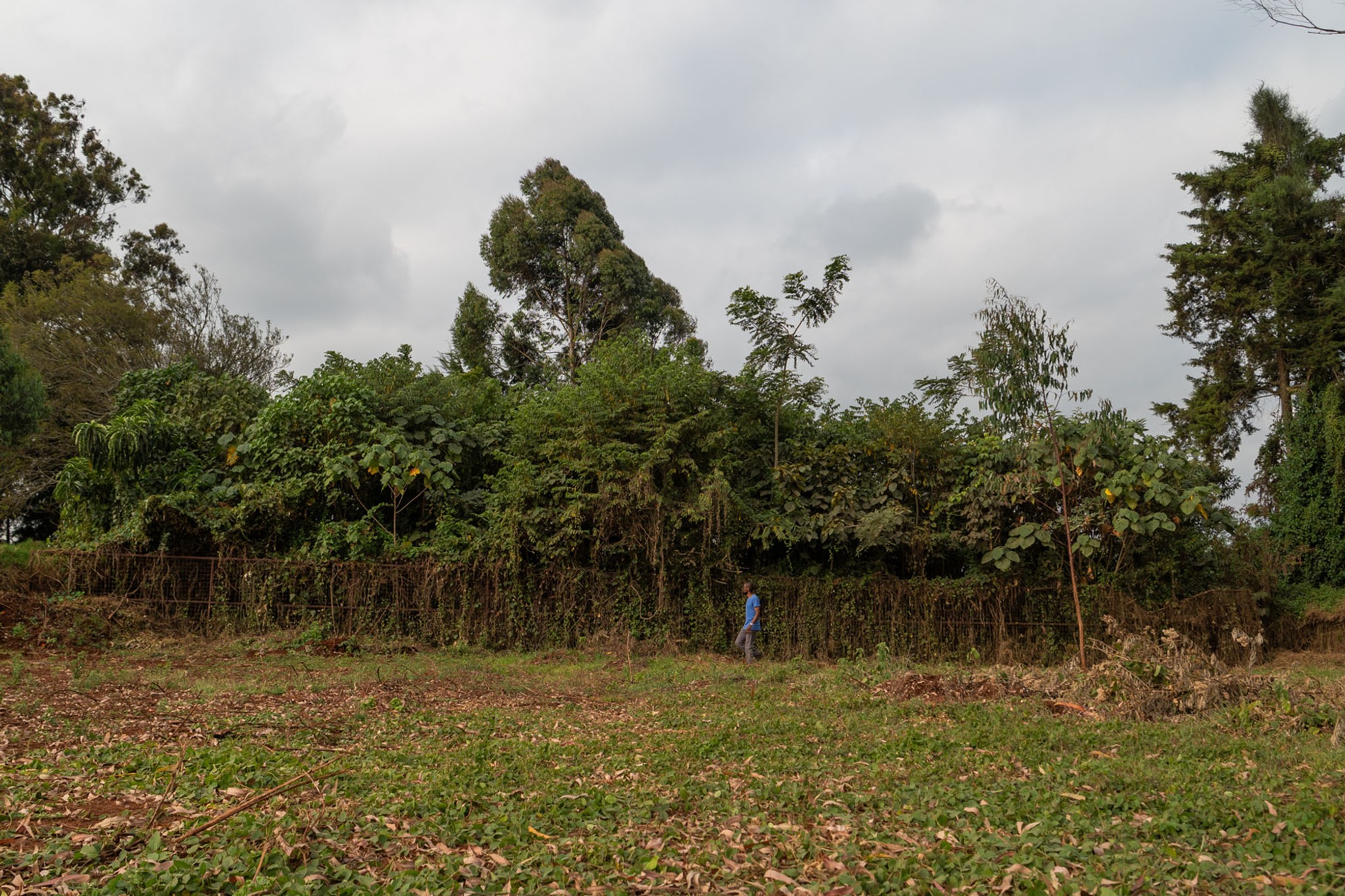
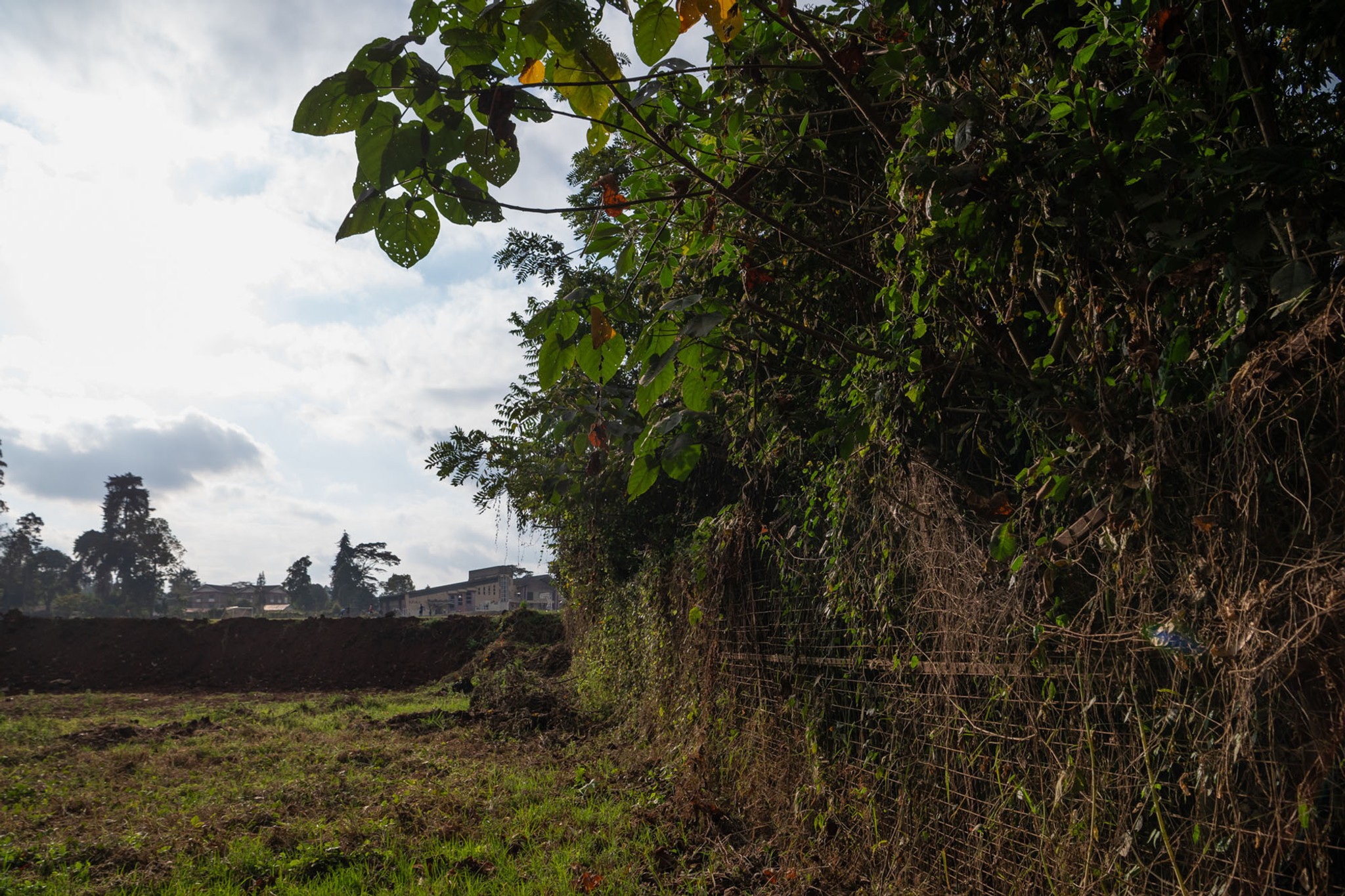
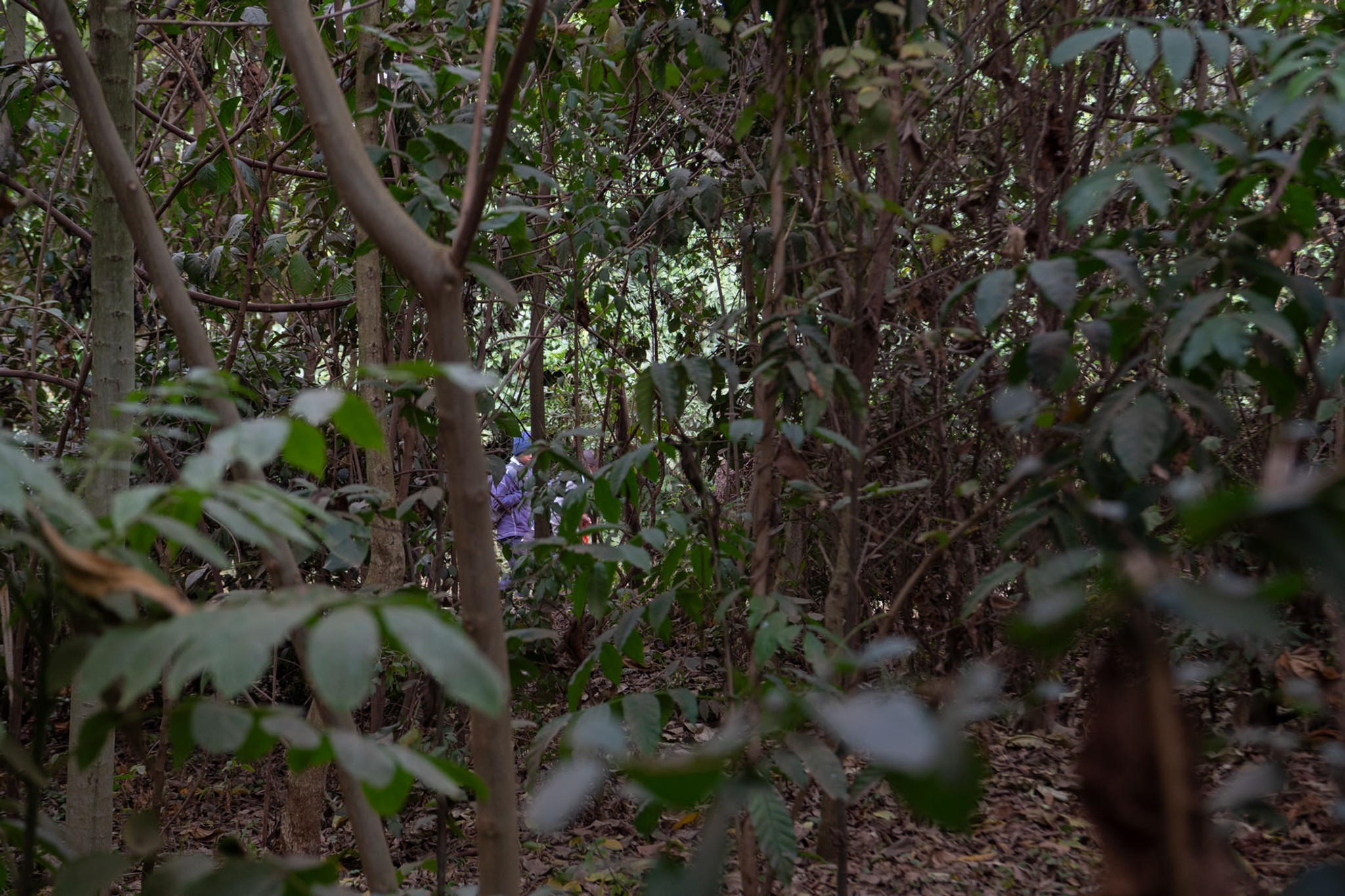
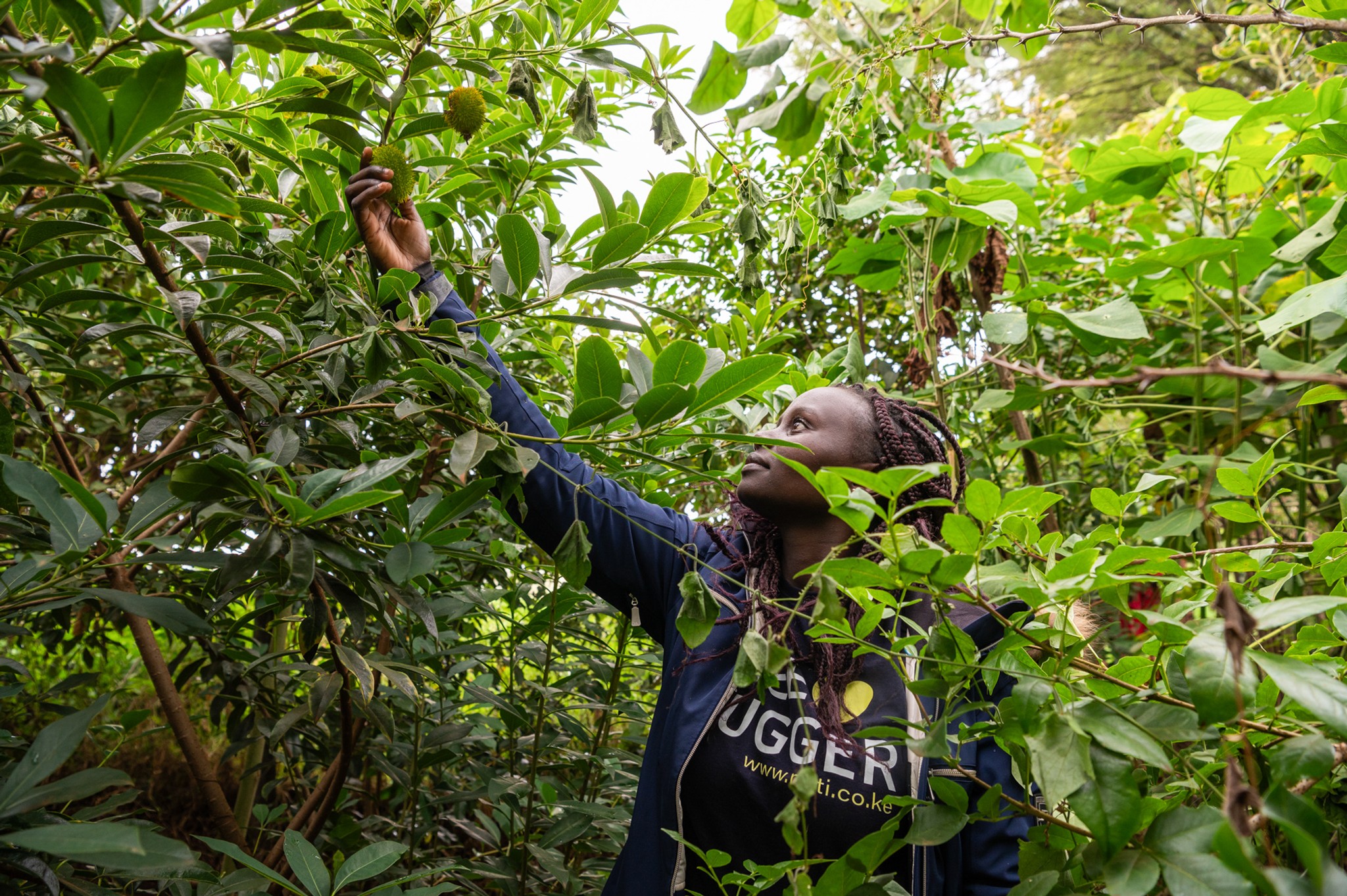
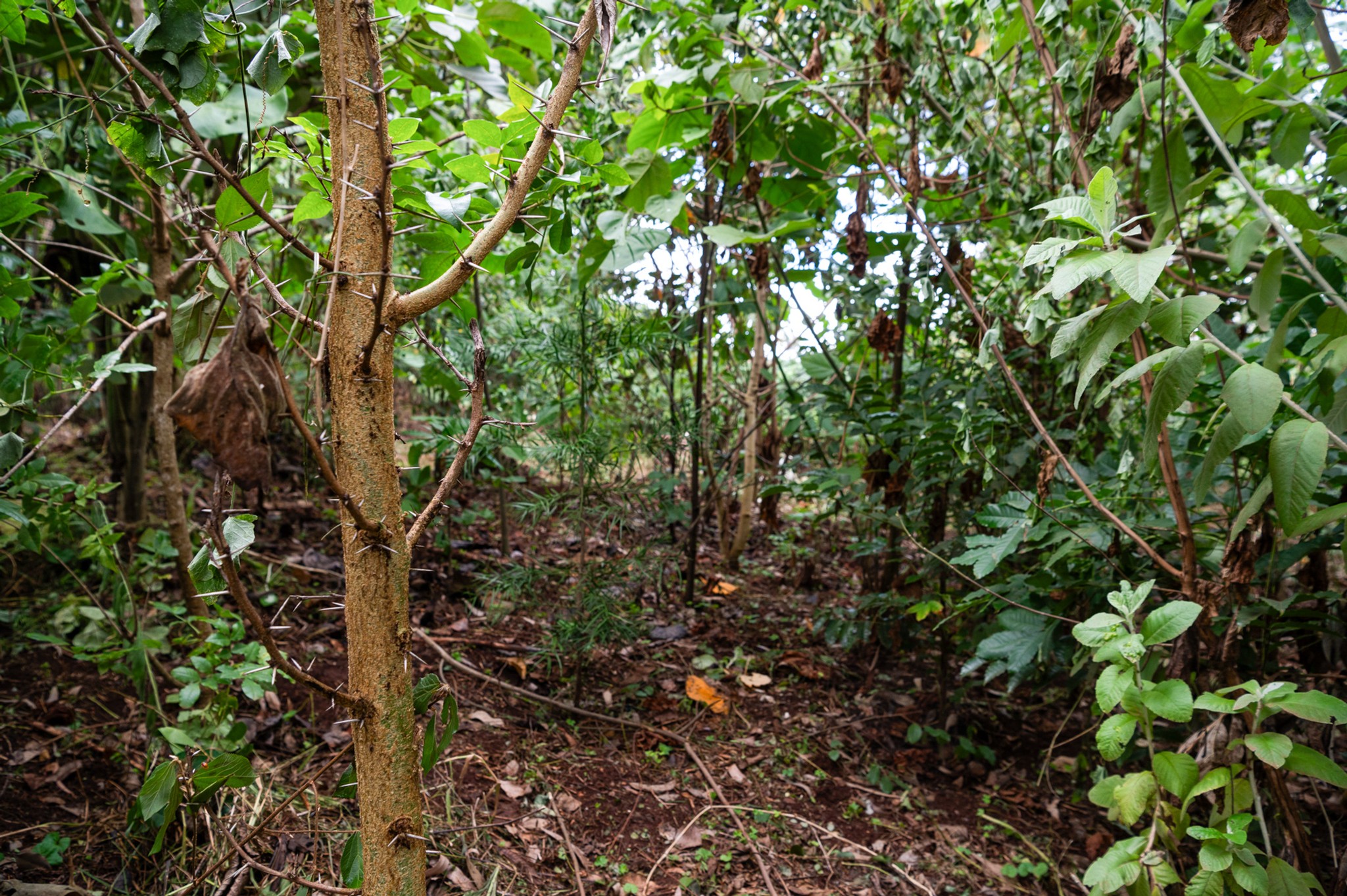
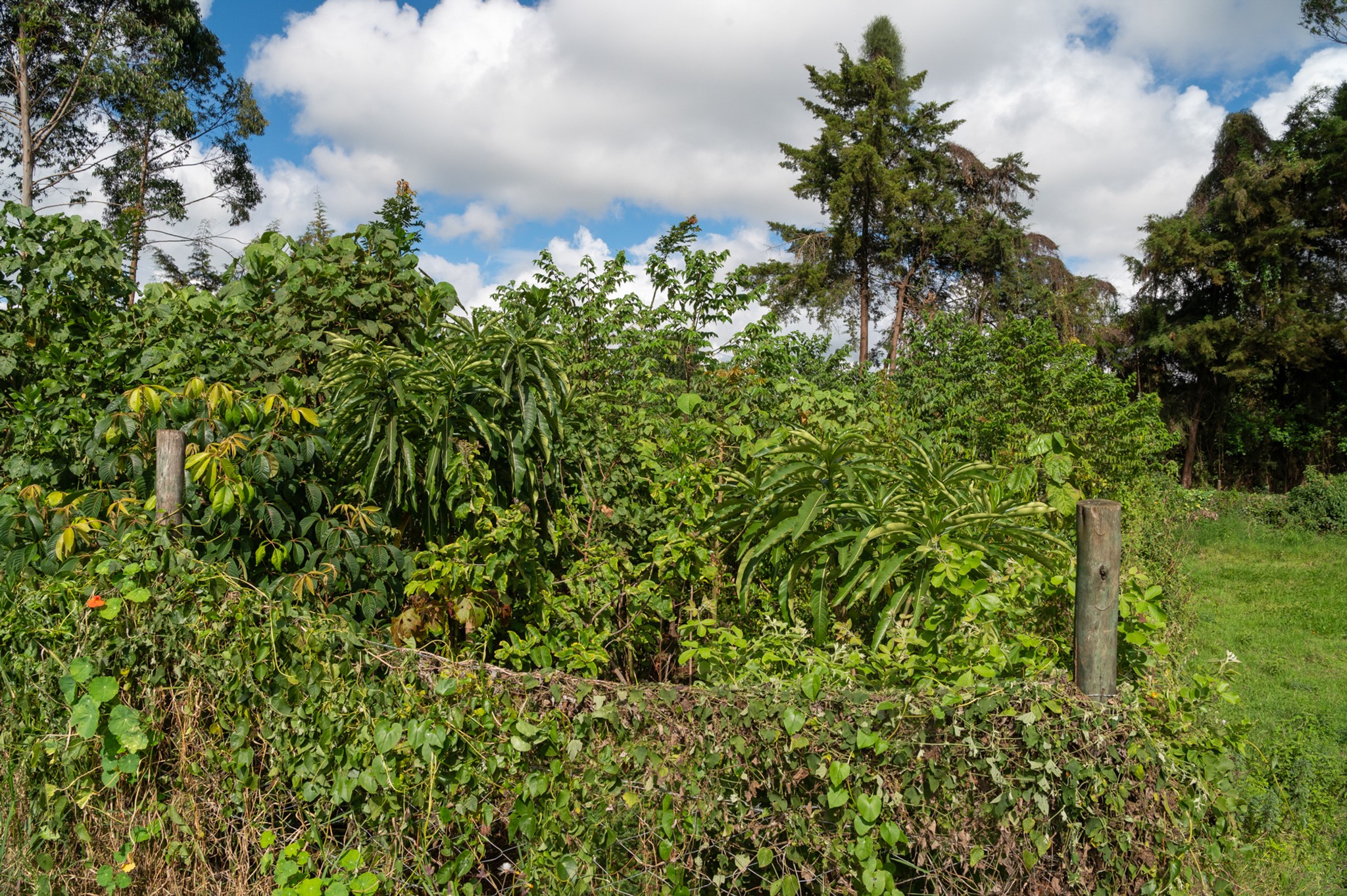
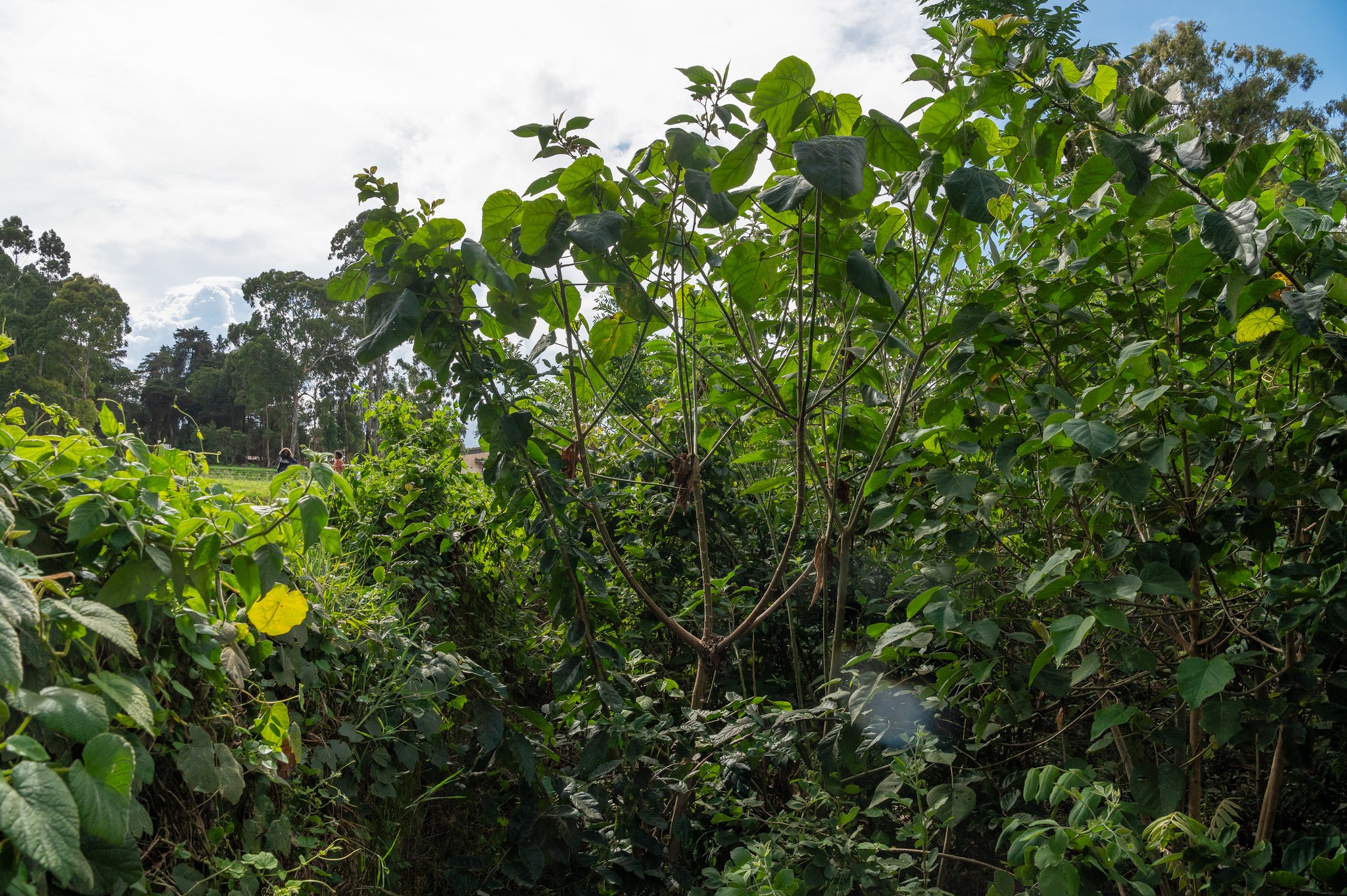
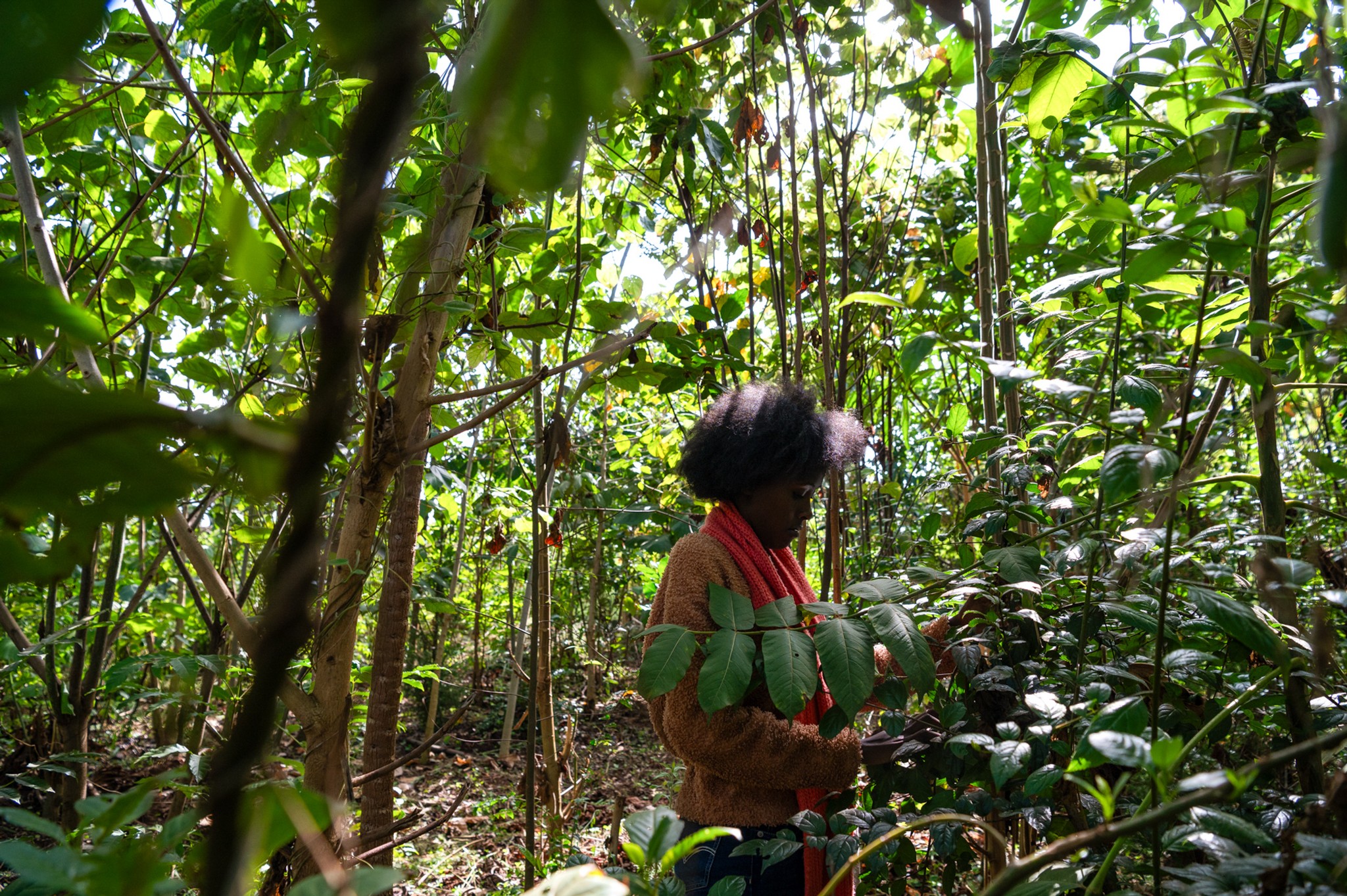
Planted in September 2023, St Paul’s Unity Forest has established remarkably quickly, surprising and delighting the St Paul’s community. Created within the university grounds, the forest has become a source of pride for the university and a rare example of a forest growing within a learning environment in Kenya. Today, it has reached its self-sustaining stage, with a dense canopy and thick layer of natural mulch developing across the forest floor as the trees shed their leaves and regenerate. The forest has also become a valued space for students to relax, take mental health breaks and enjoy being surrounded by nature.
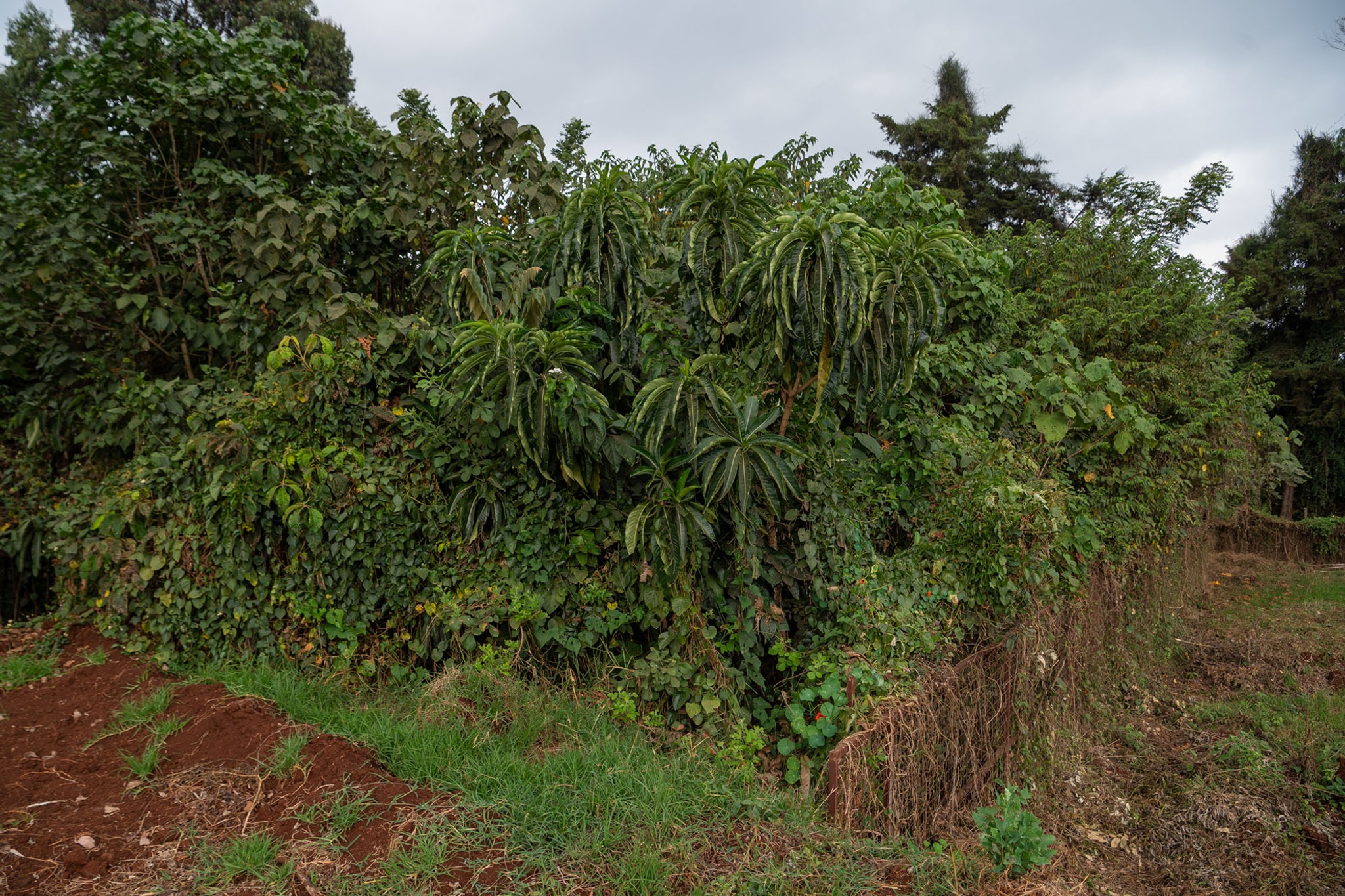
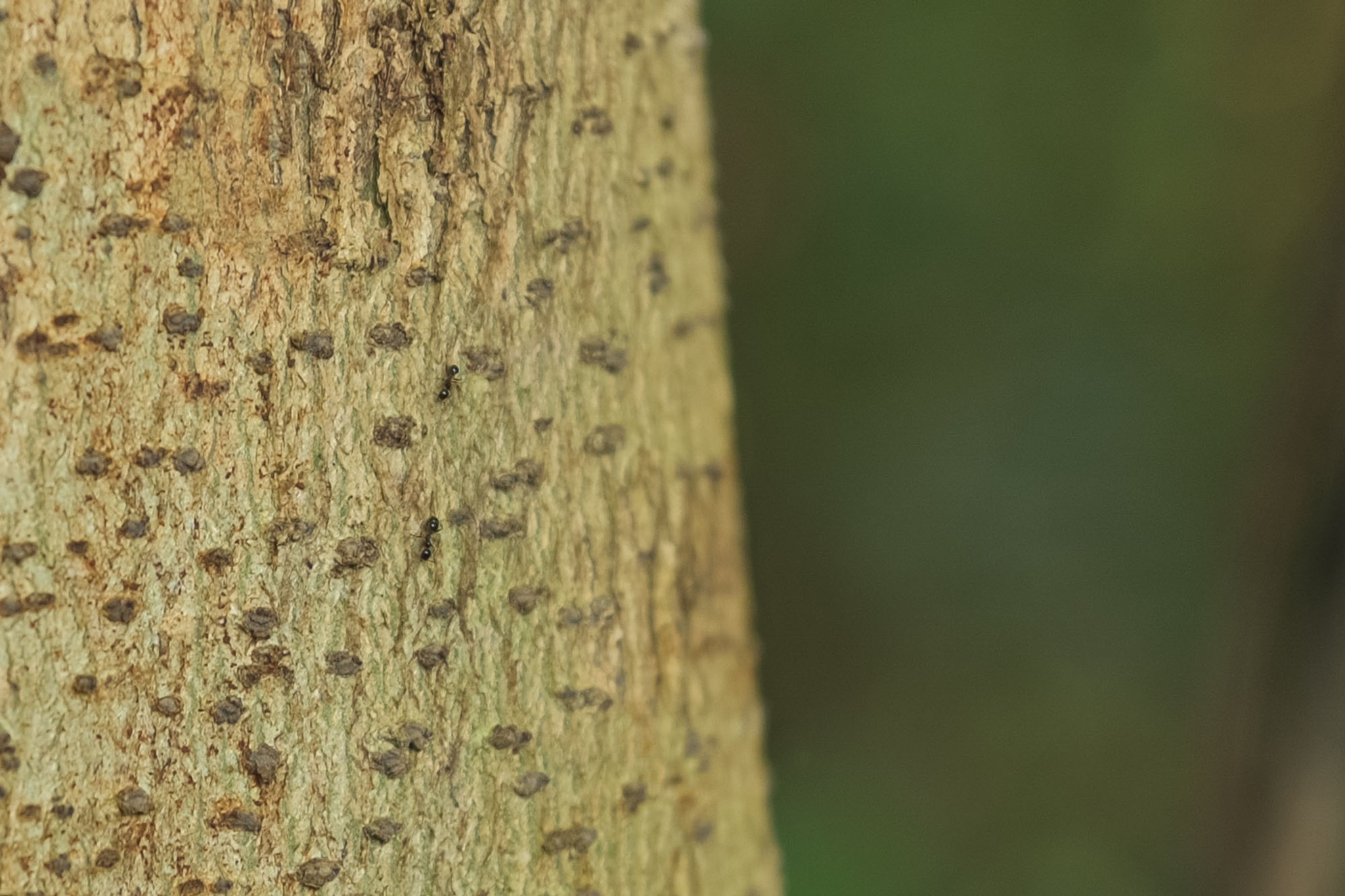
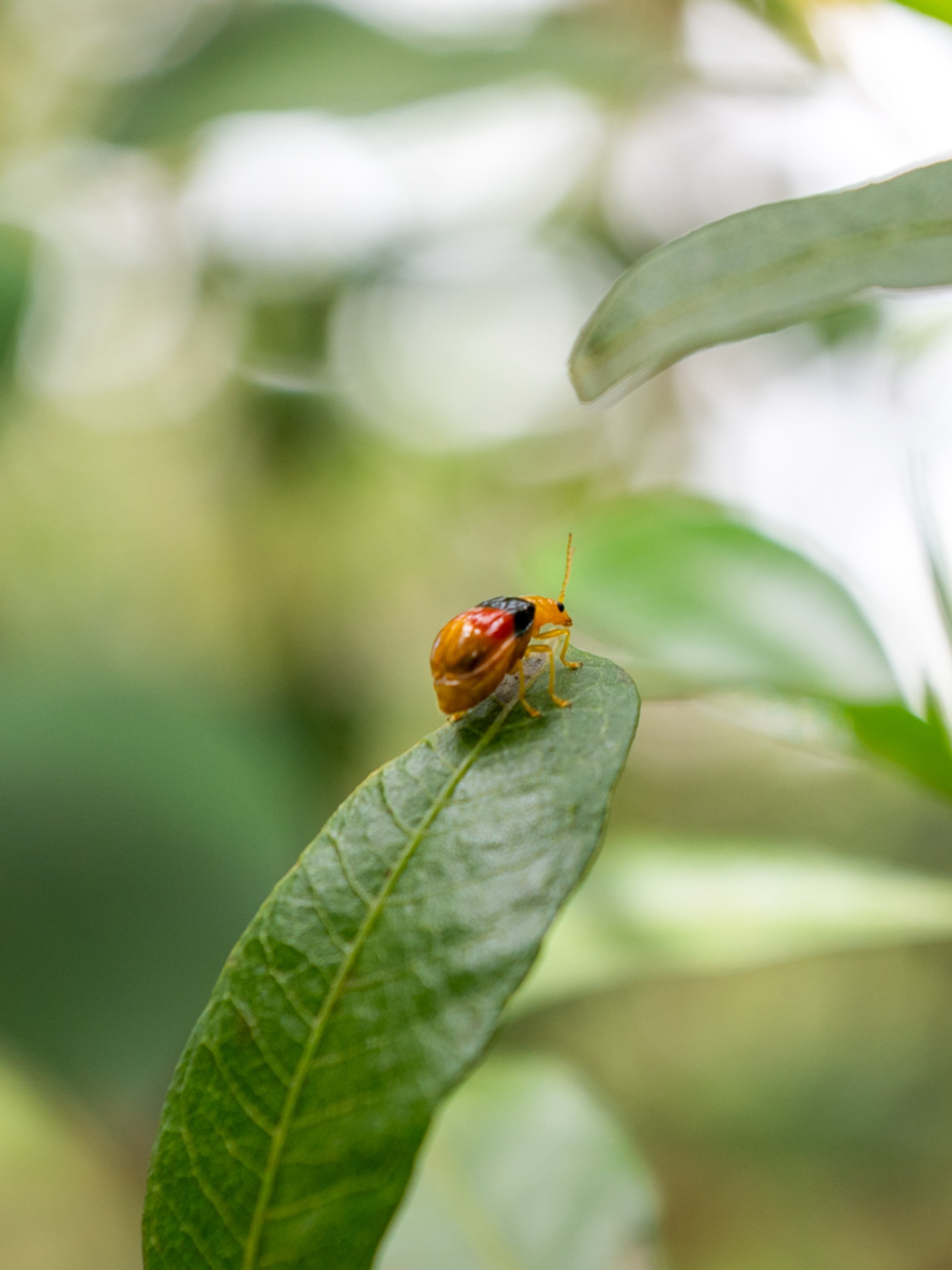
The entire local area was once the southern tip of the Aberdare ecosystem, though 99.9% of these native forests have been destroyed. In collaboration with local conservation experts at Brackenhurst Botanic Garden & Forest, St Paul’s Unity Forest has become home to several endangered species grown in the Brackenhurst nursery, helping to revive elements of the precious ecosystem that once flourished here. The rapid transformation has created a thriving habitat for birds, ants, butterflies and many other small insects, which have found a new home within the forest. Most of the planted species are growing at a similar rate, with the pencil cedar standing out as a particularly vigorous grower, while a smaller number of understory species are beginning to establish beneath the developing canopy.
Forest Maker
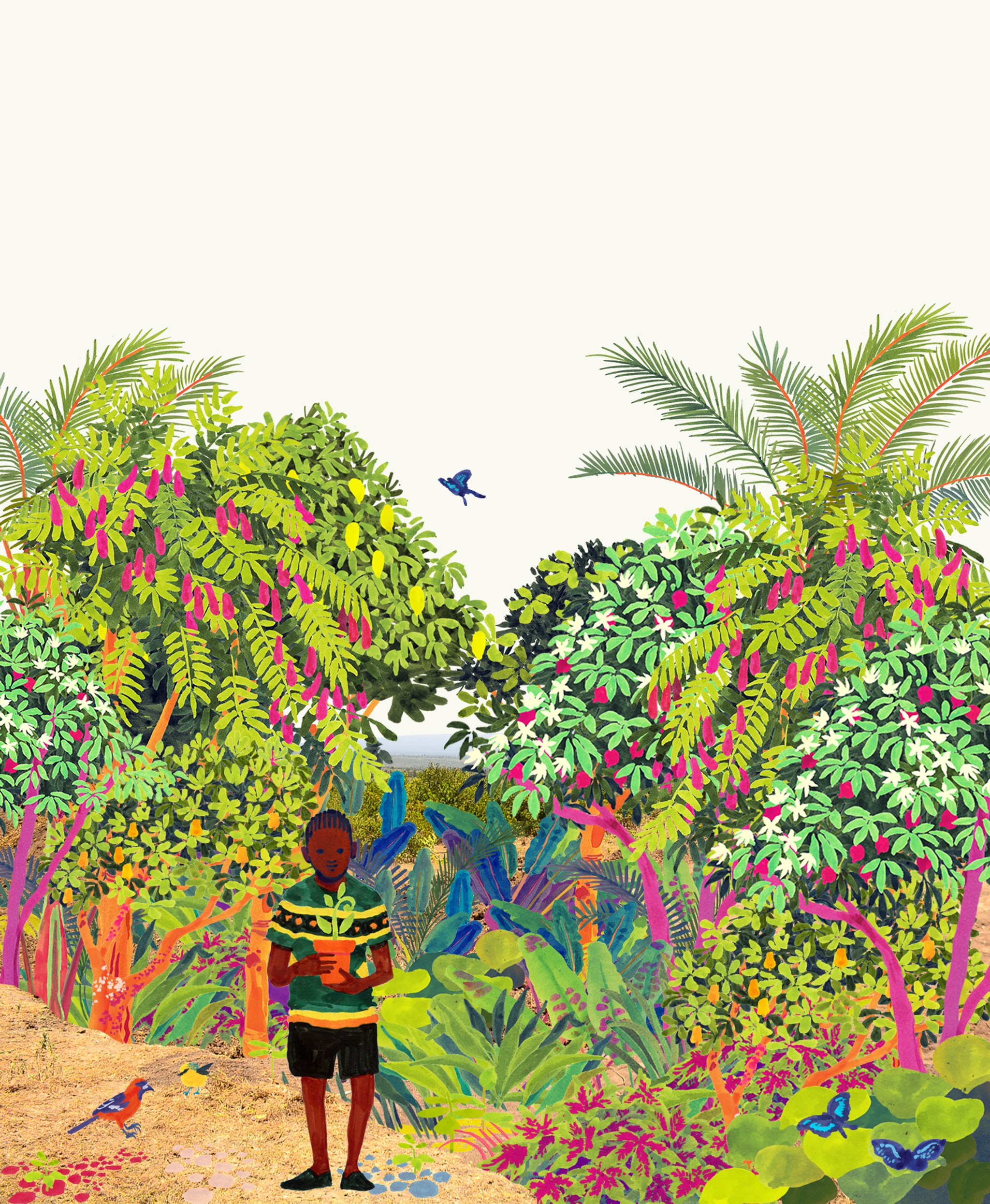
Michael Waiyaki
Ecosystem Restored
After approximately three years our SUGi Pocket Forests become self-sustaining. They no longer require human maintenance or watering, and can be handed over to Nature for biodiversity and complexity to naturally develop.
0%
Survival Rate
0
kg of potential CO2 sequestration
Biodiversity
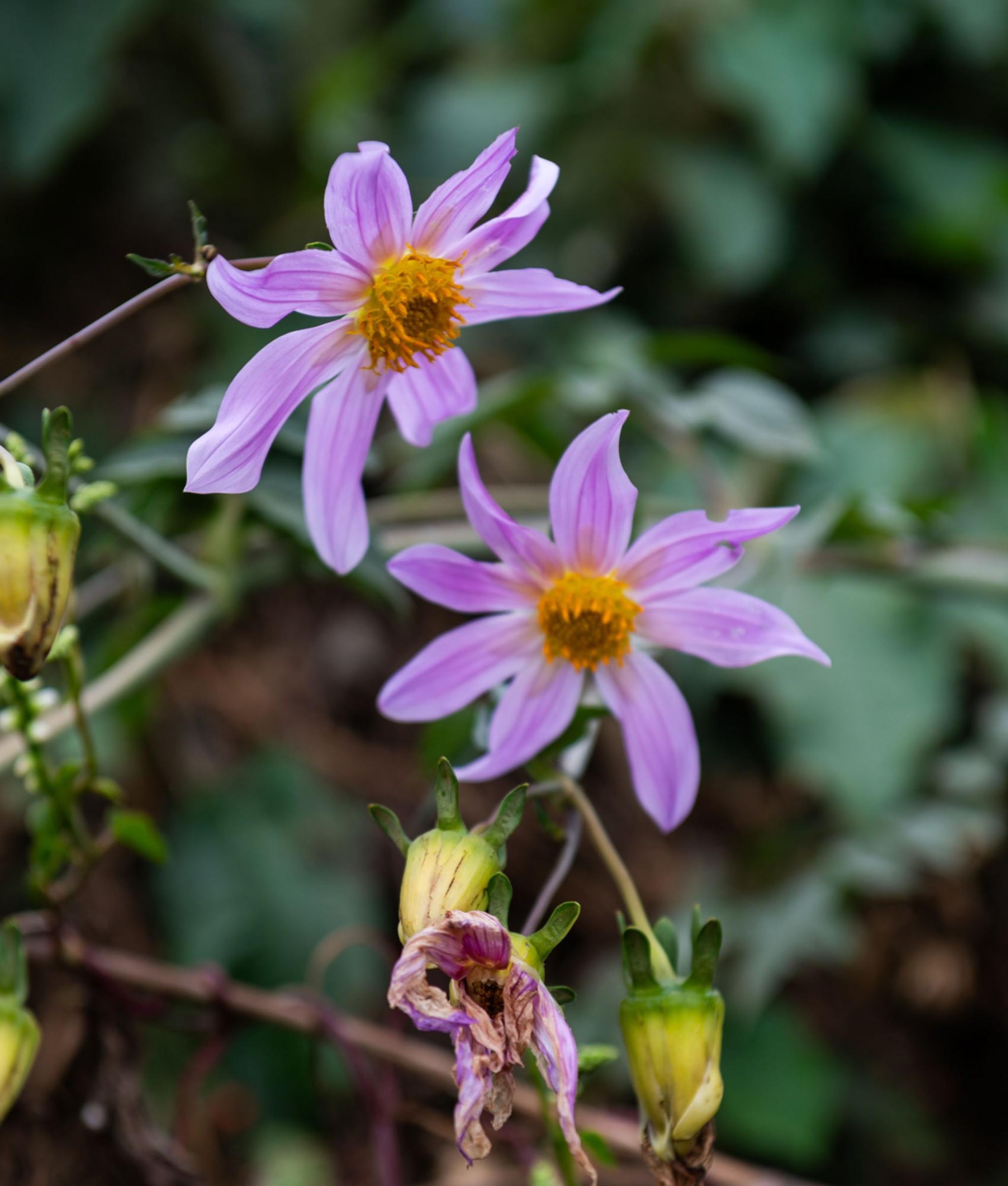
Biodiversity is all the different kinds of life you'll find in one area—the variety of animals, plants, fungi, and even microorganisms like bacteria that make up our natural world. Each of these species and organisms work together in ecosystems, like an intricate web, to maintain balance and support life.
0
Potential number of mammals
0
Potential number of birds
0
Potential number of amphibians
Forest Report: 2025
0 Months
Forest Age
0%
Survival Rate
0m
Average of Tallest 3 Trees
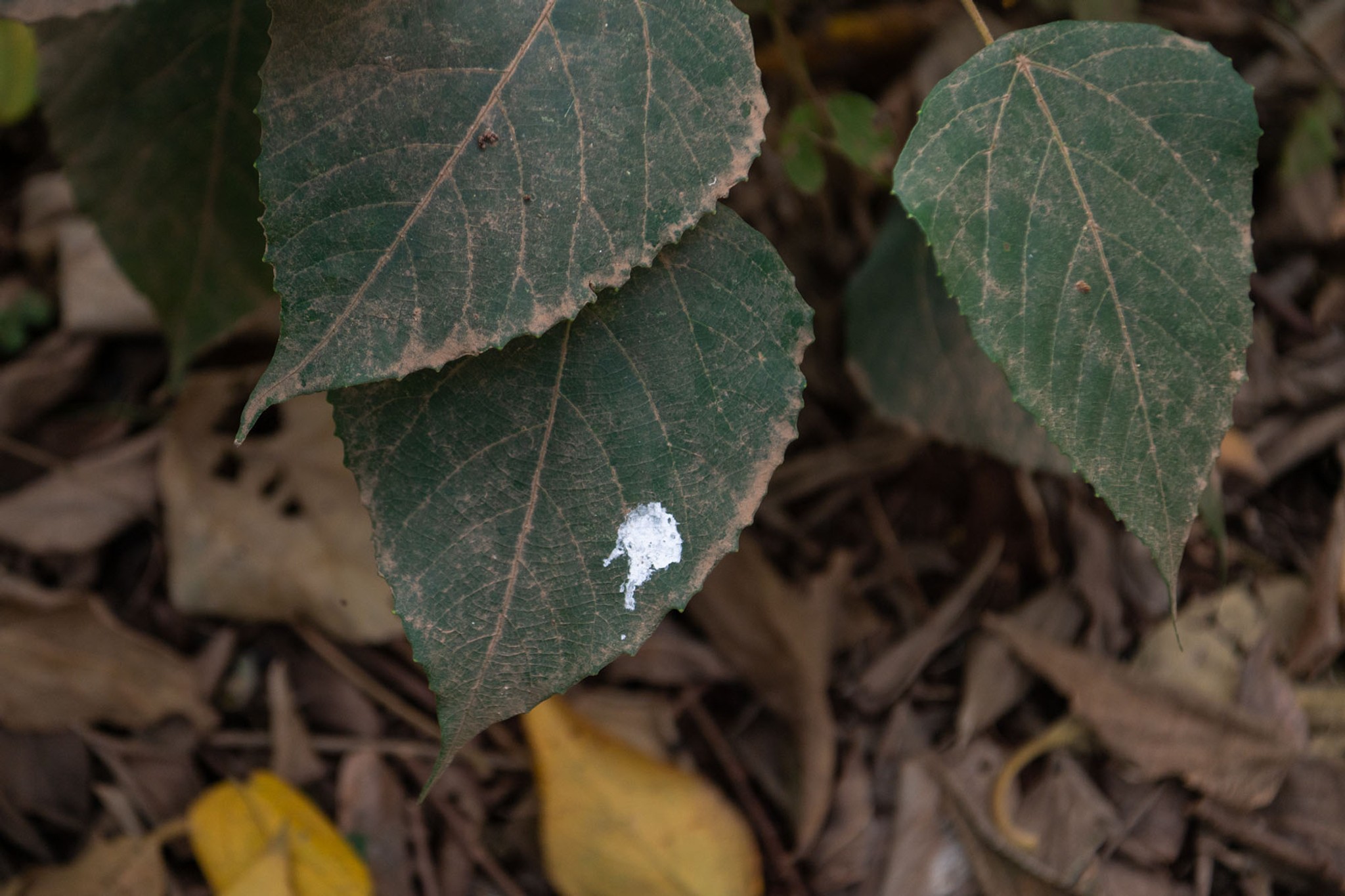
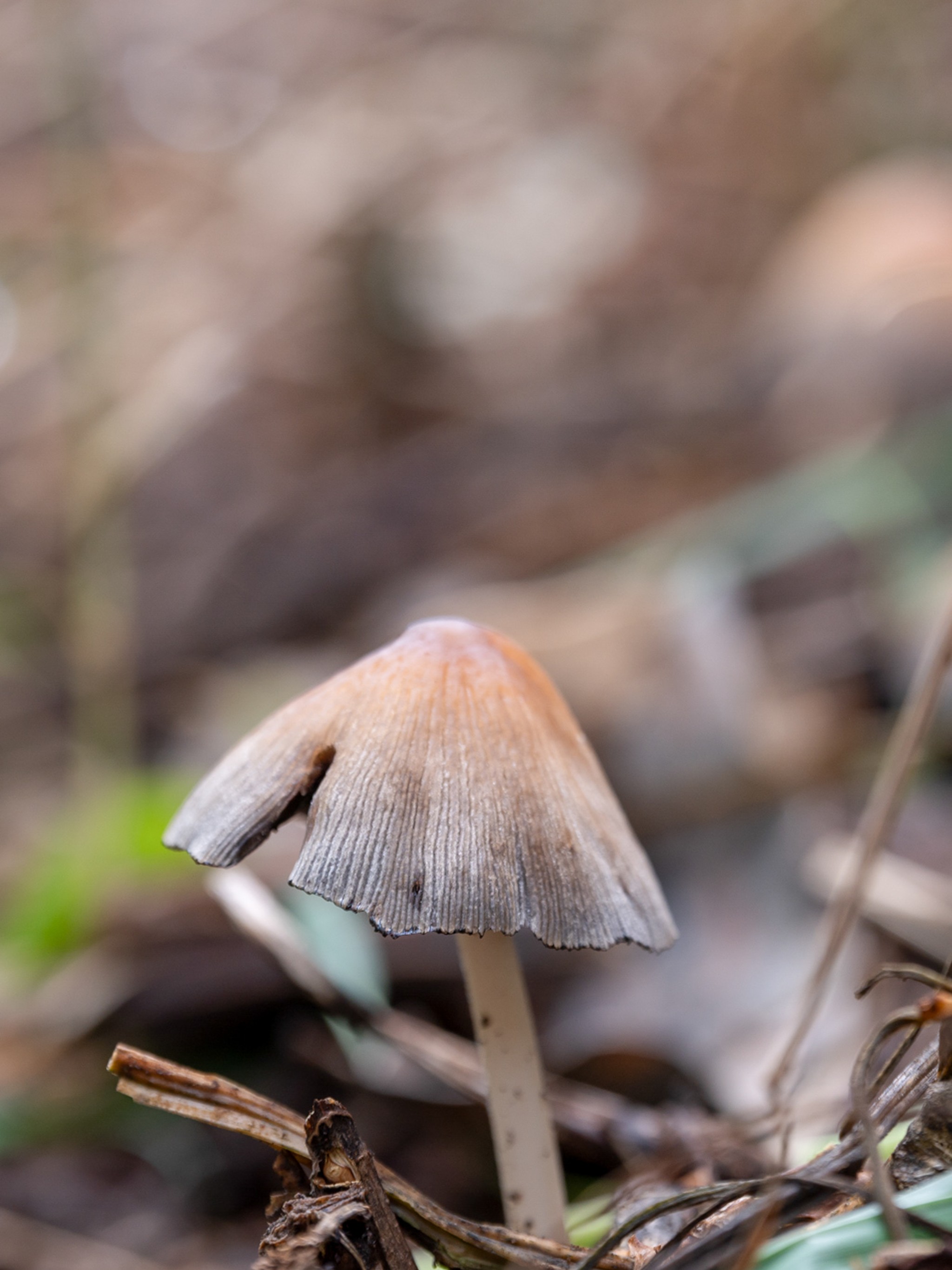
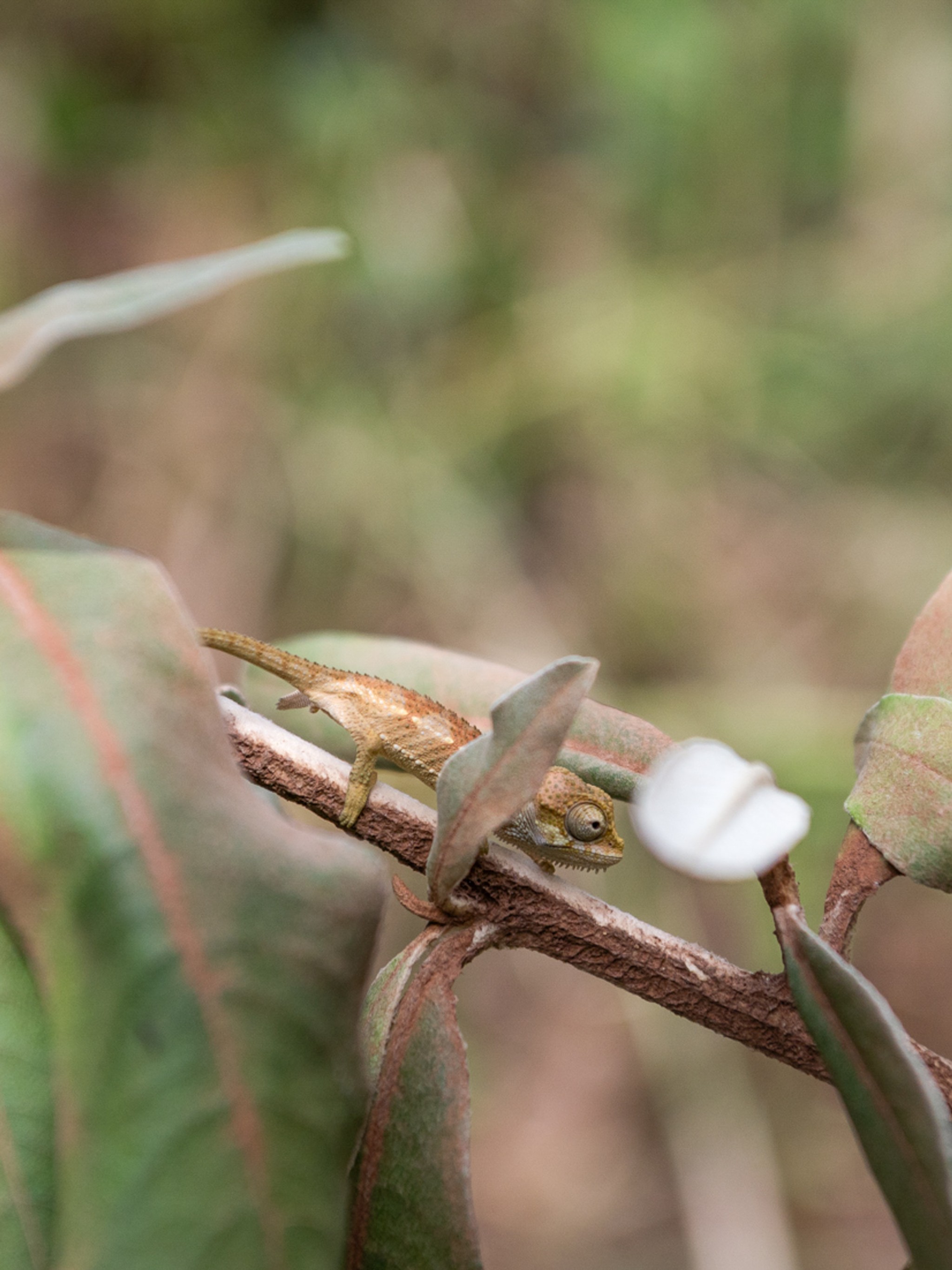
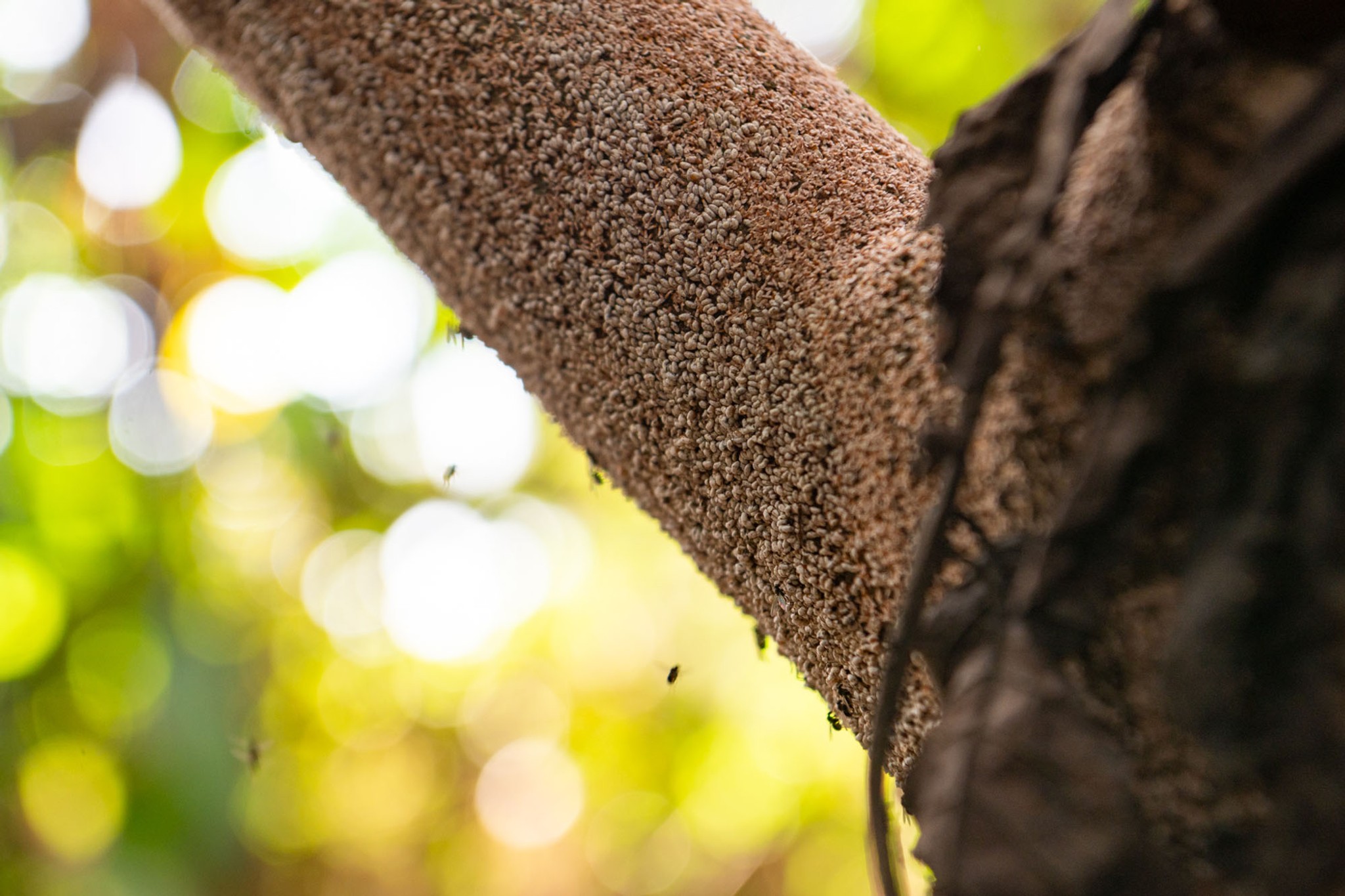
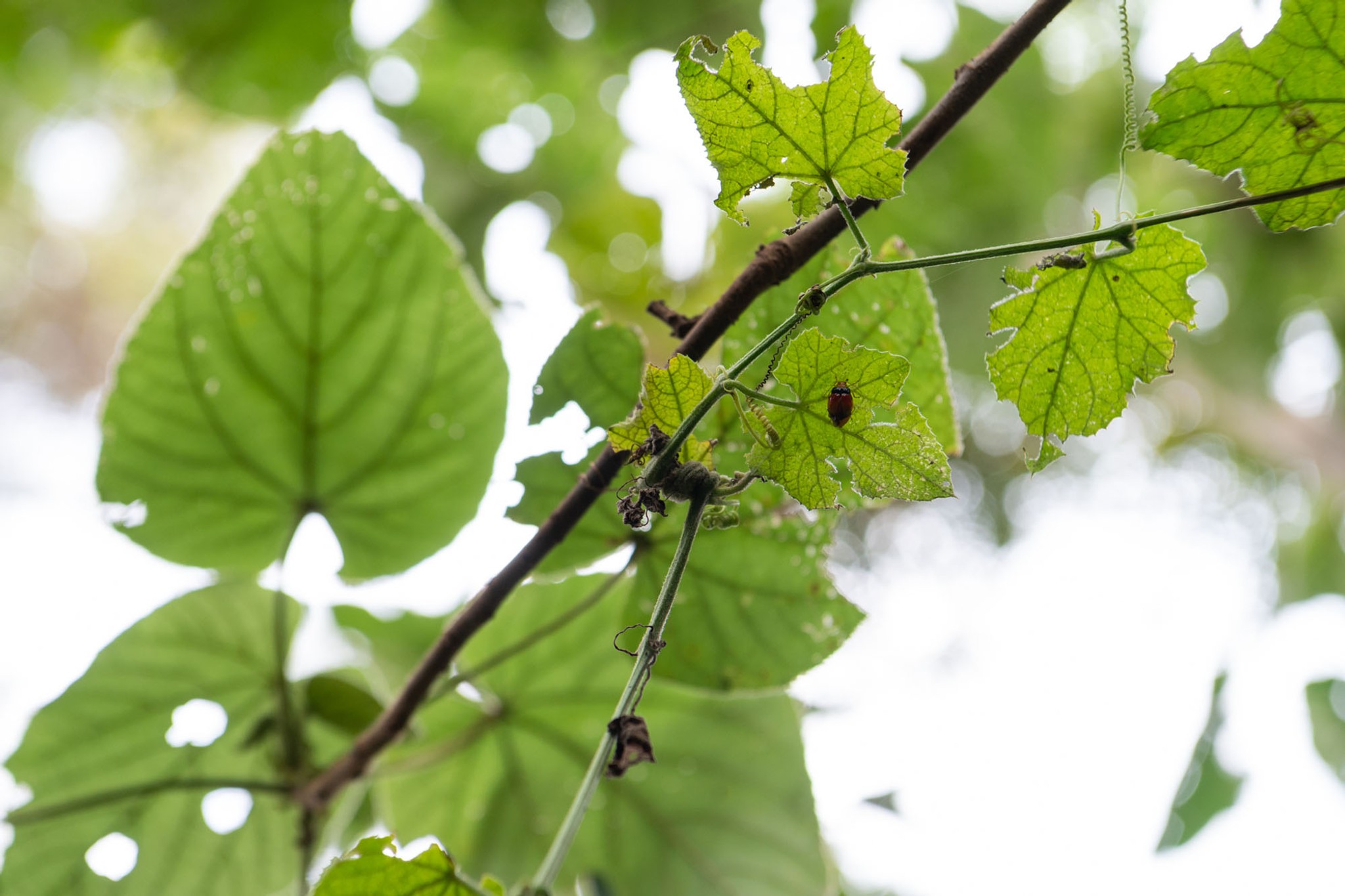
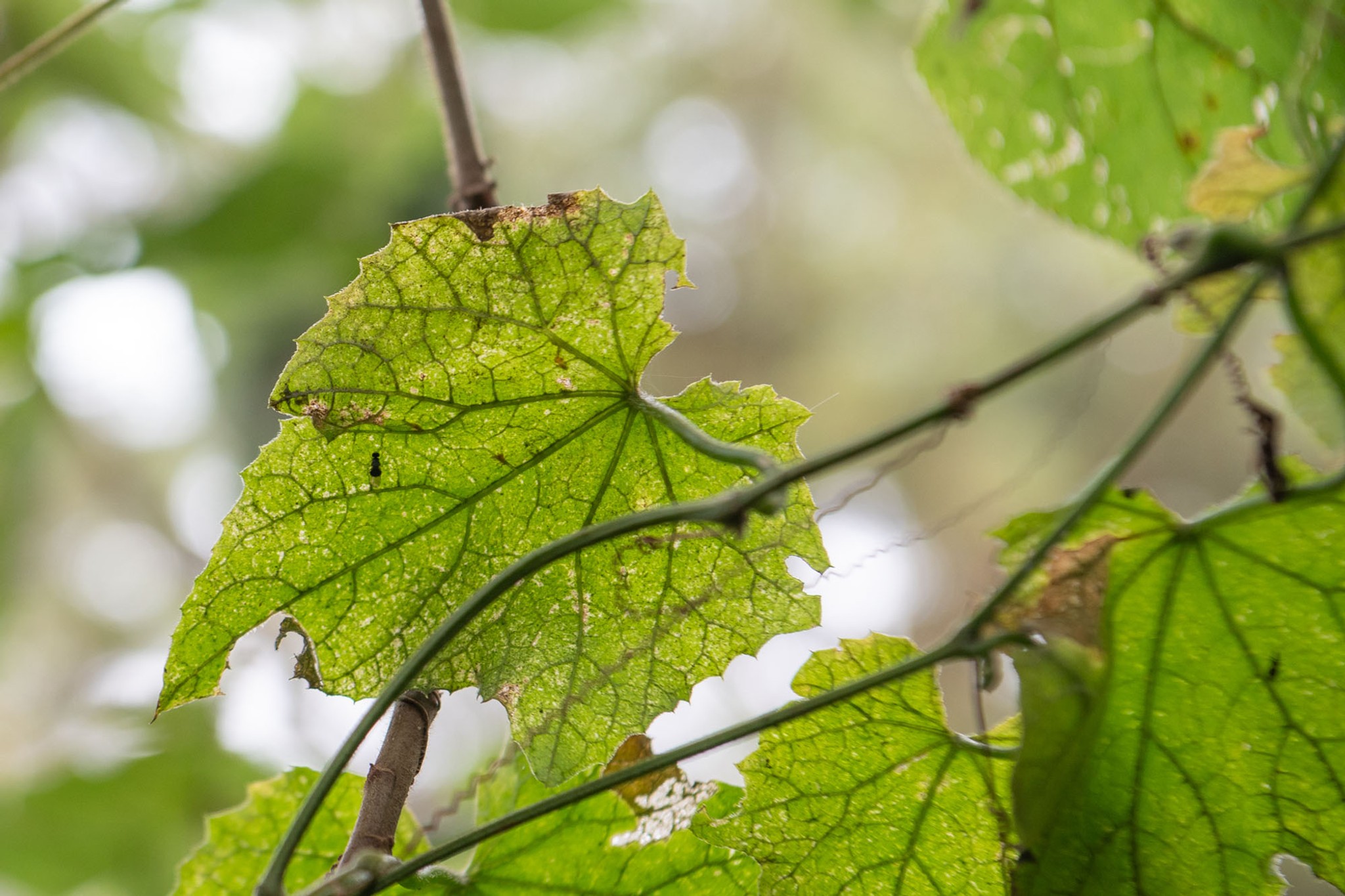
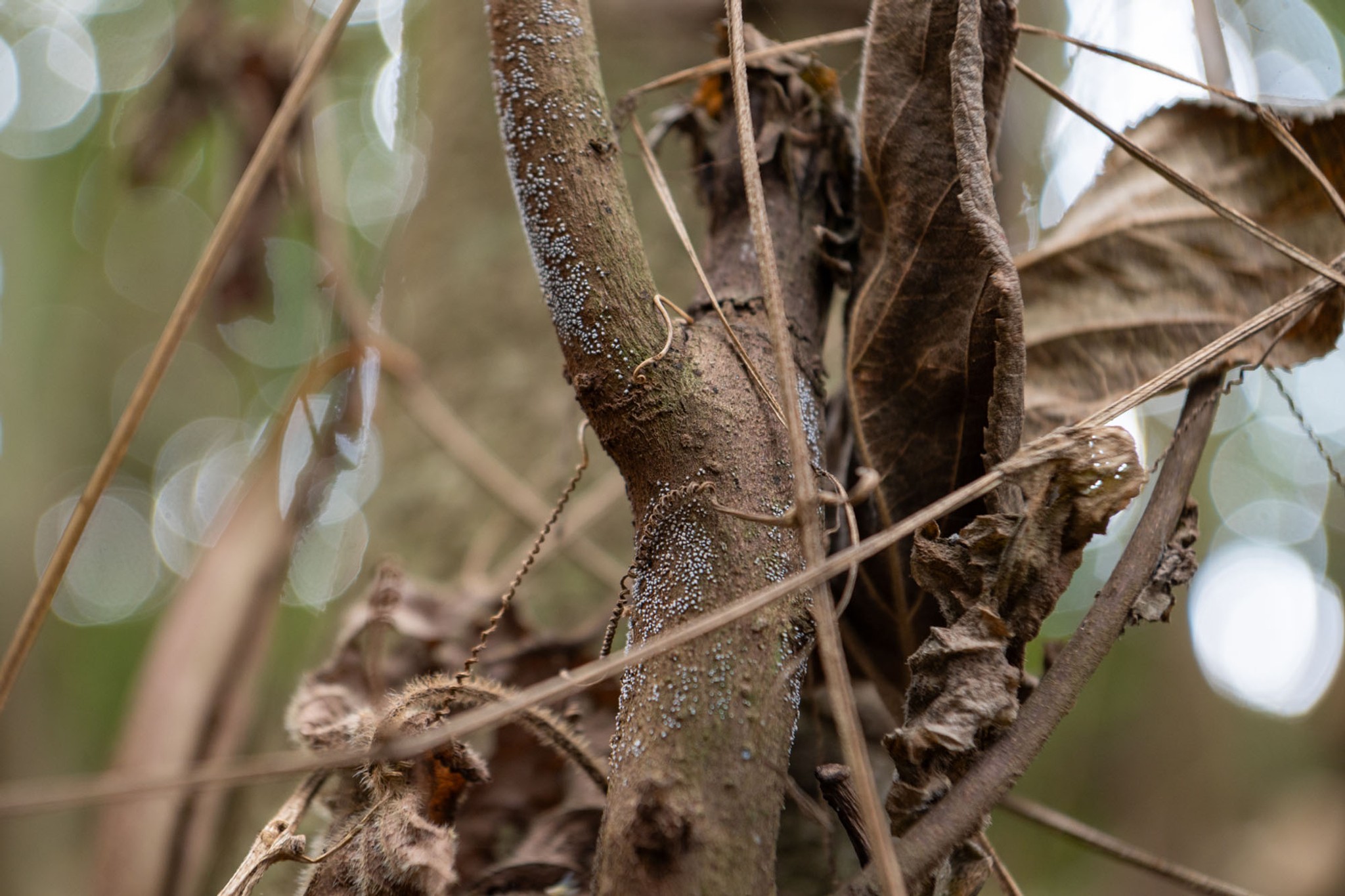
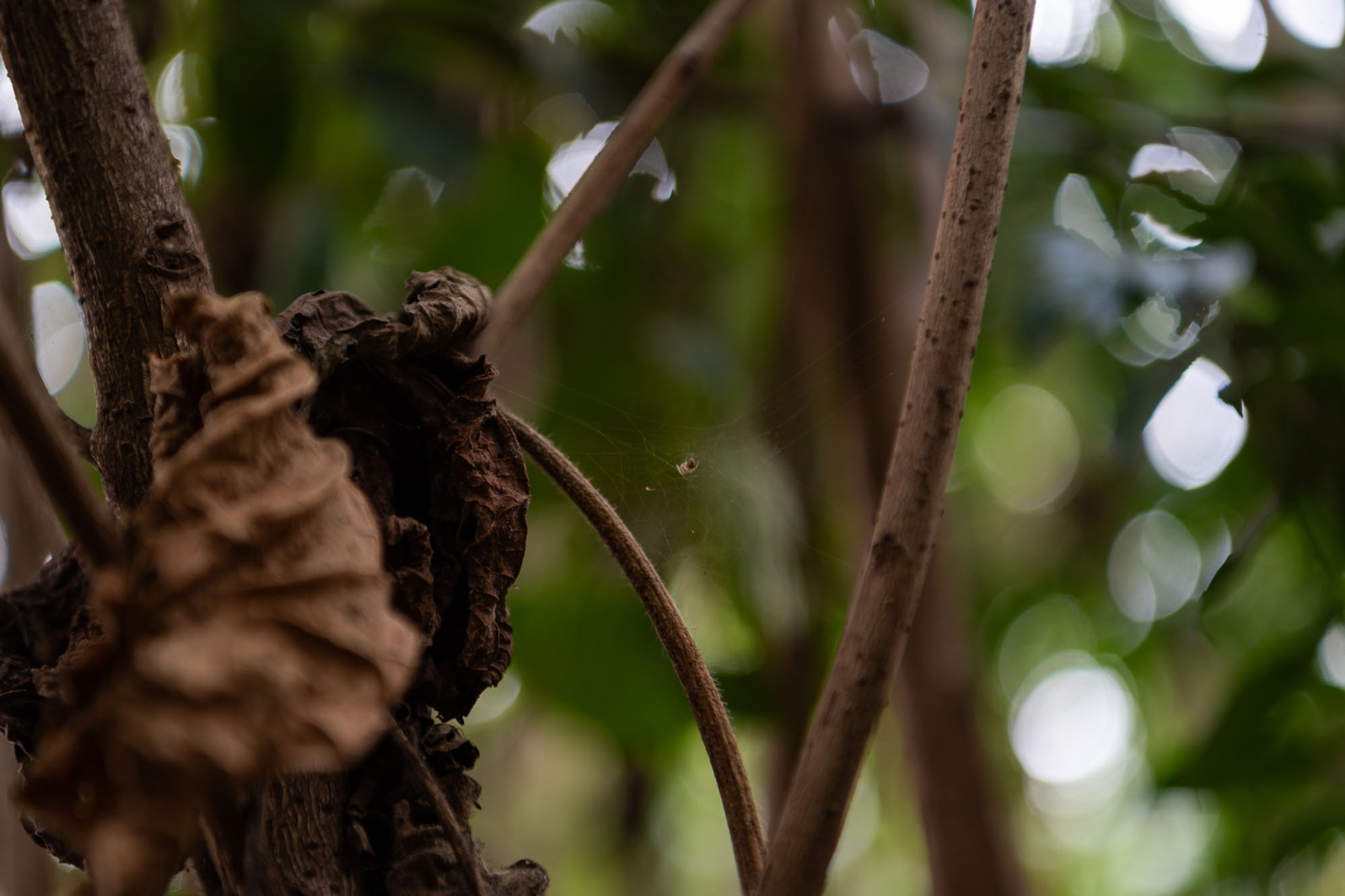
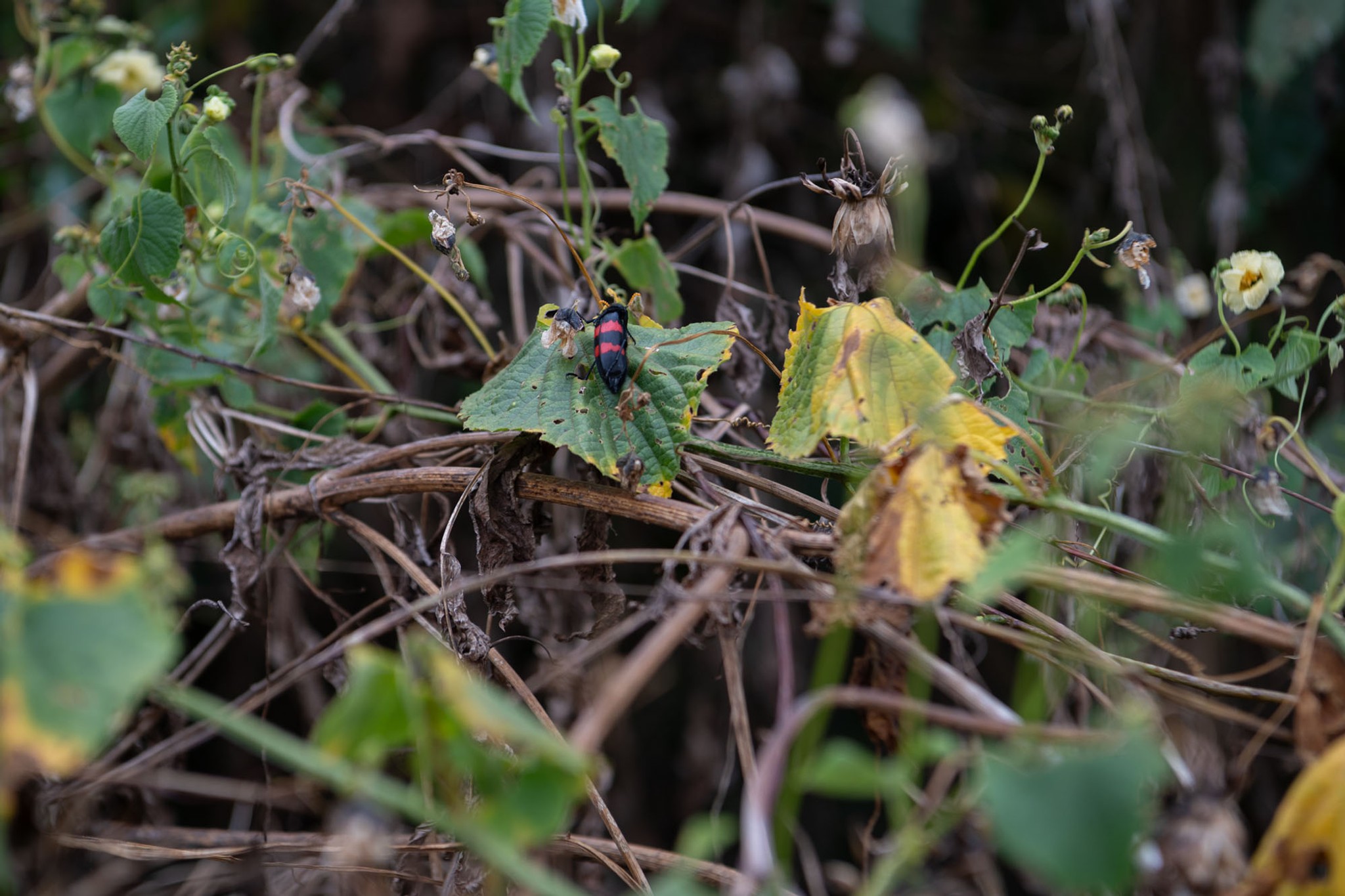
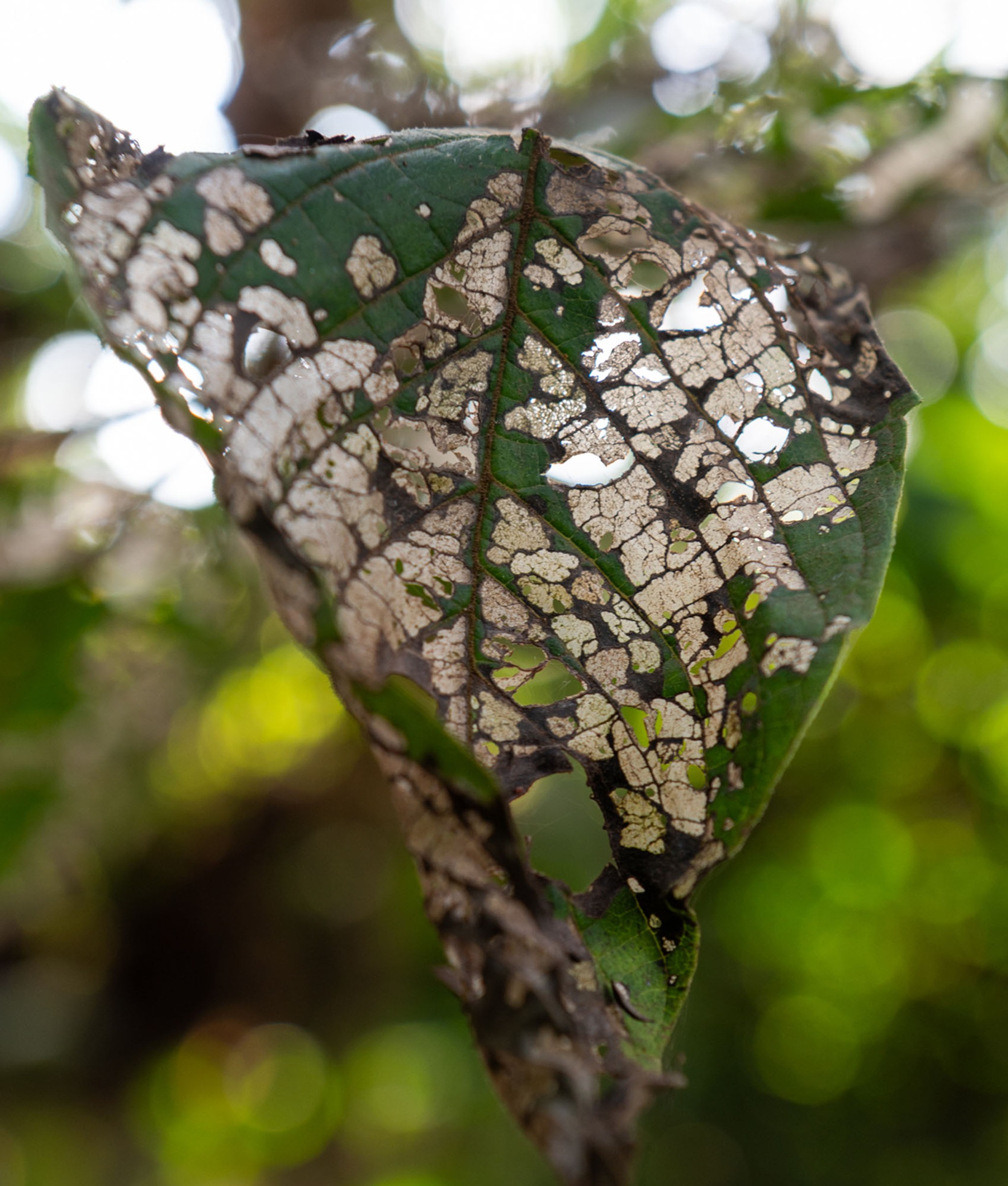
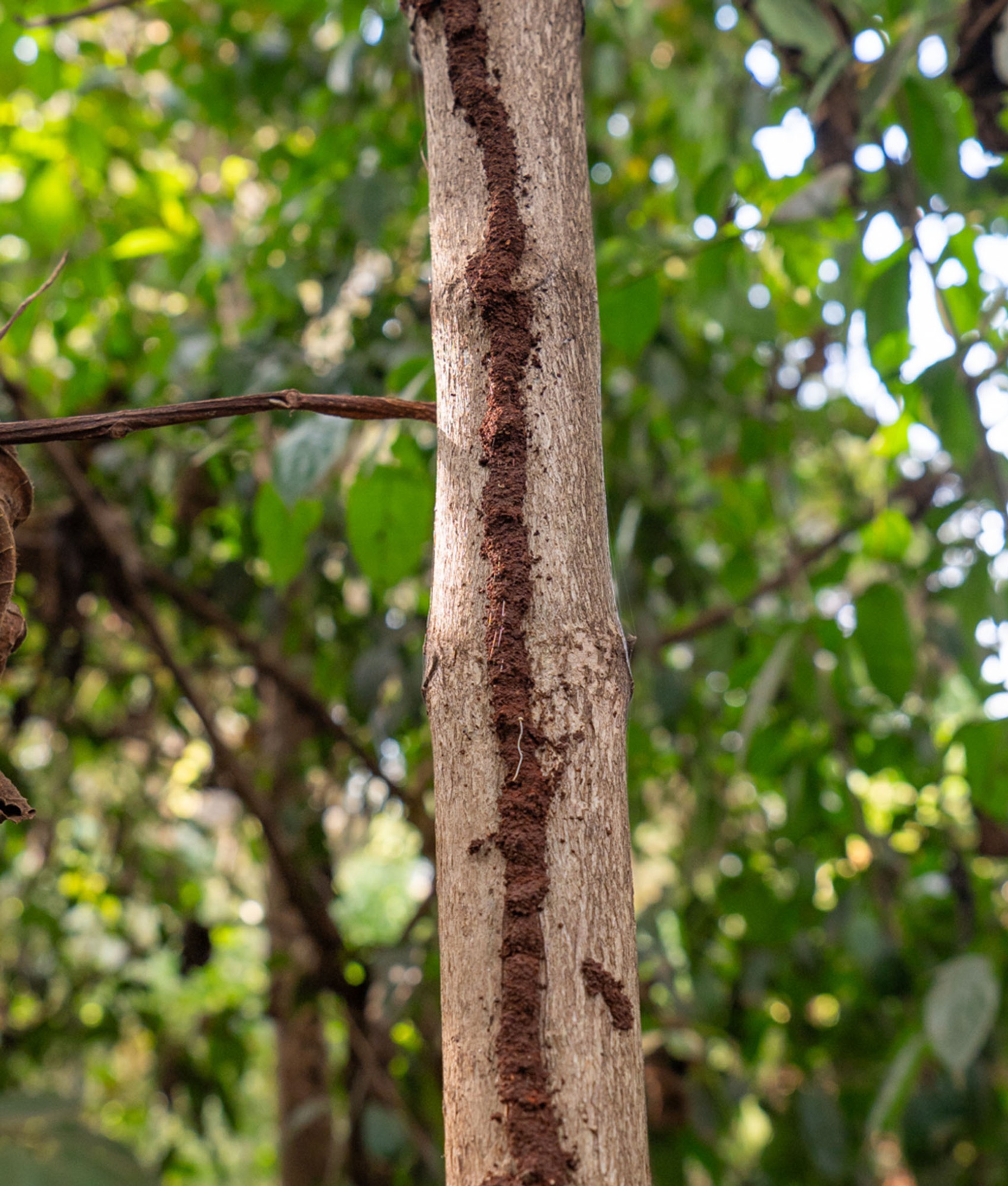
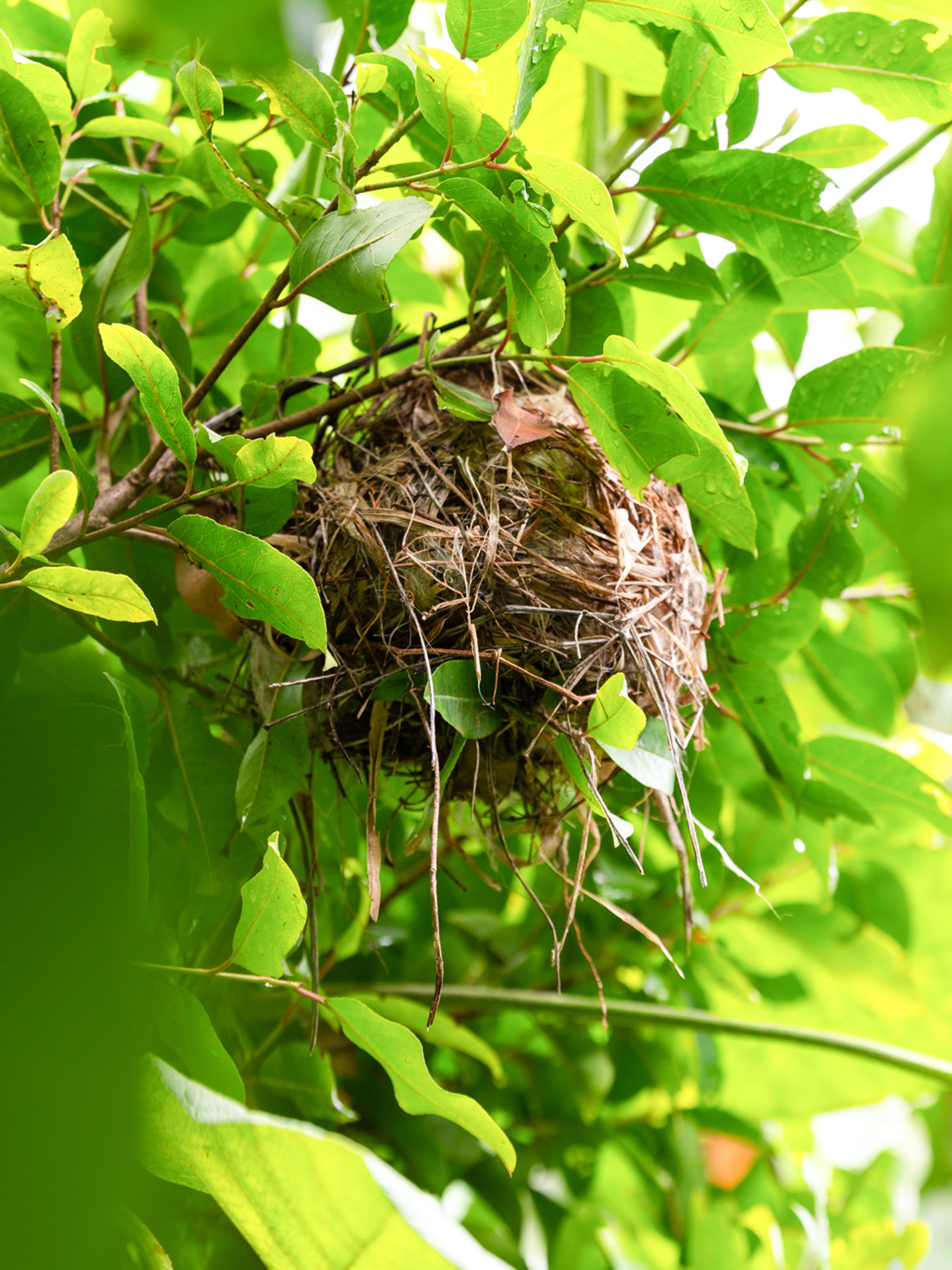
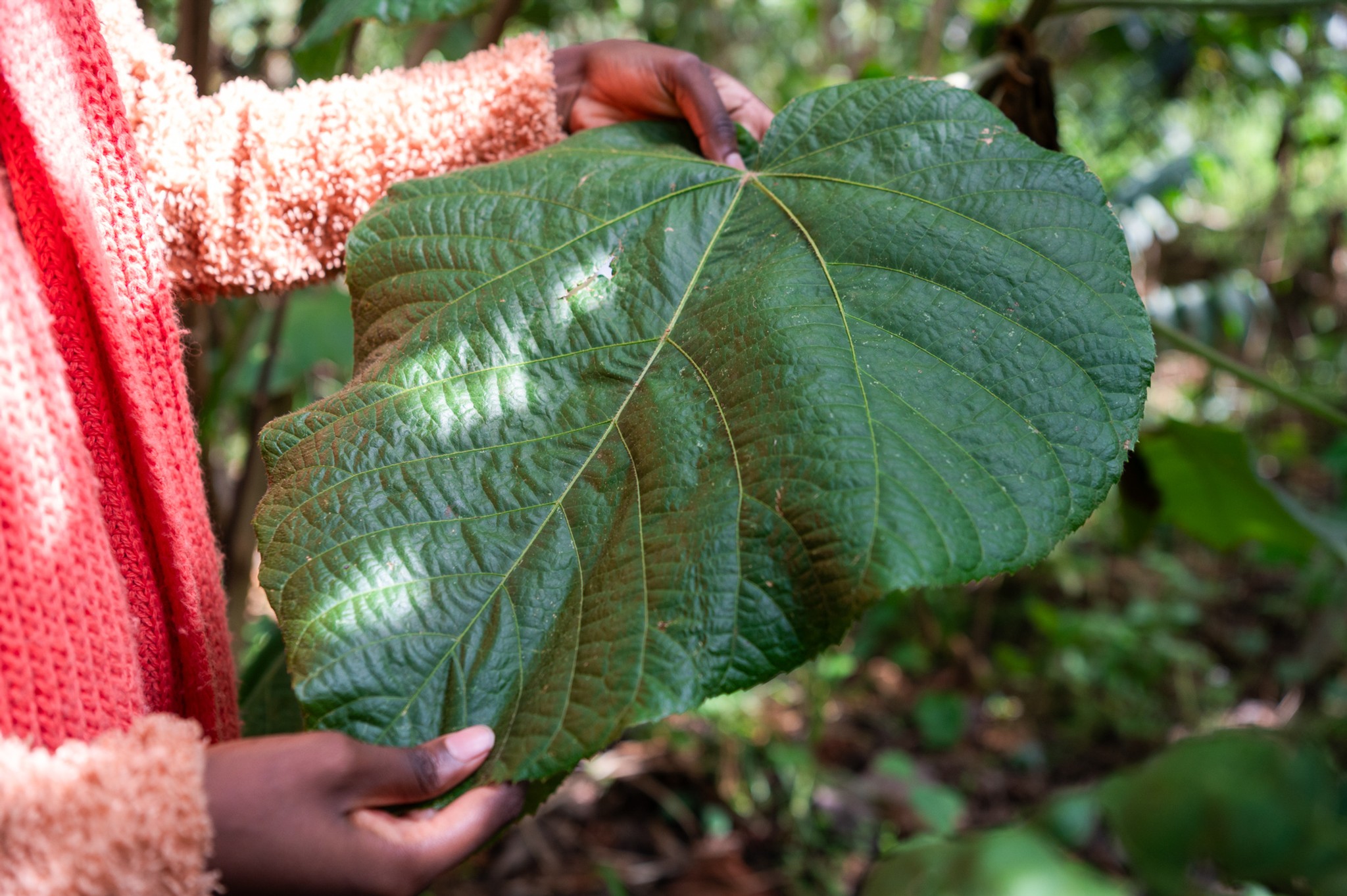
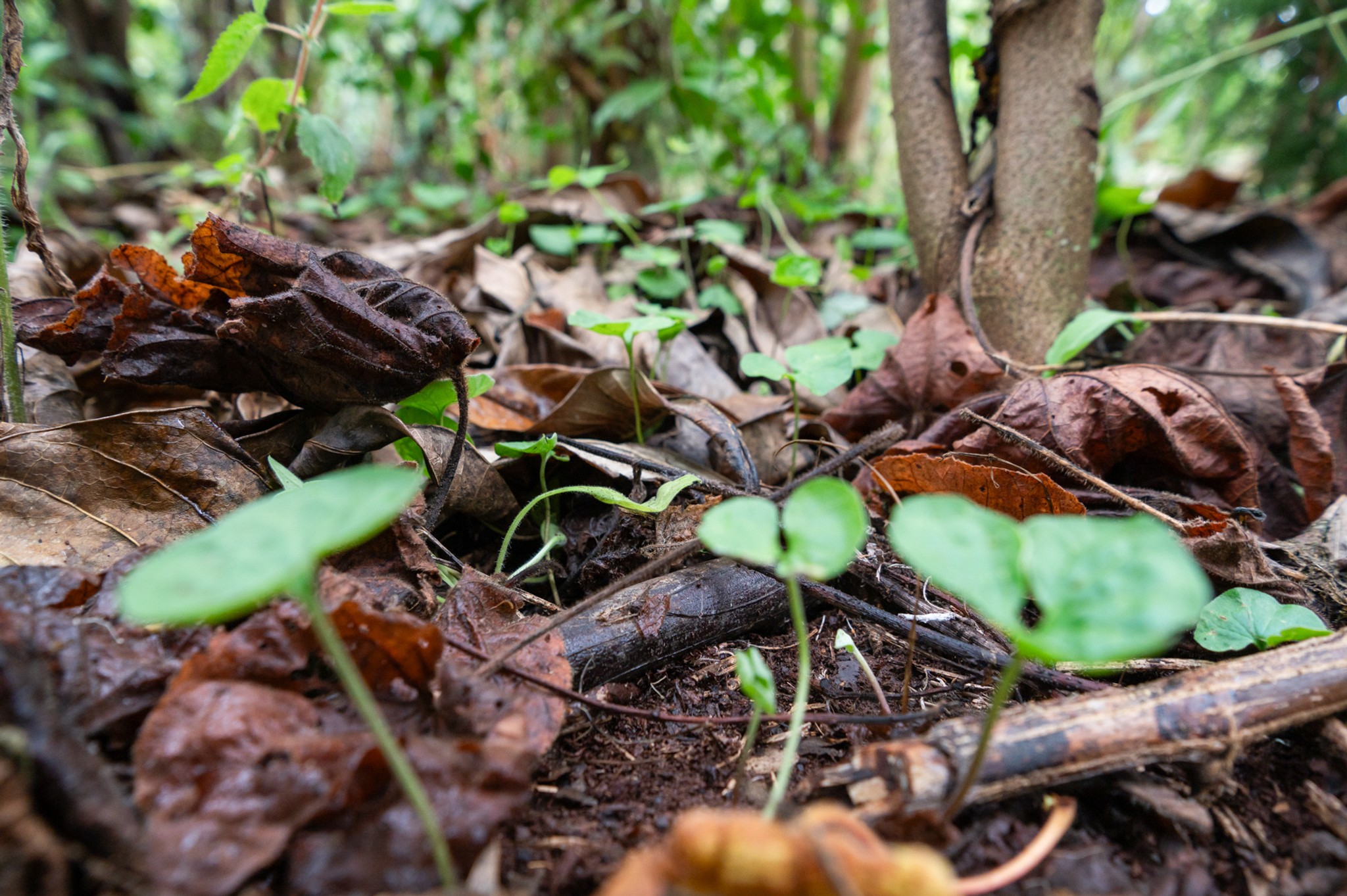
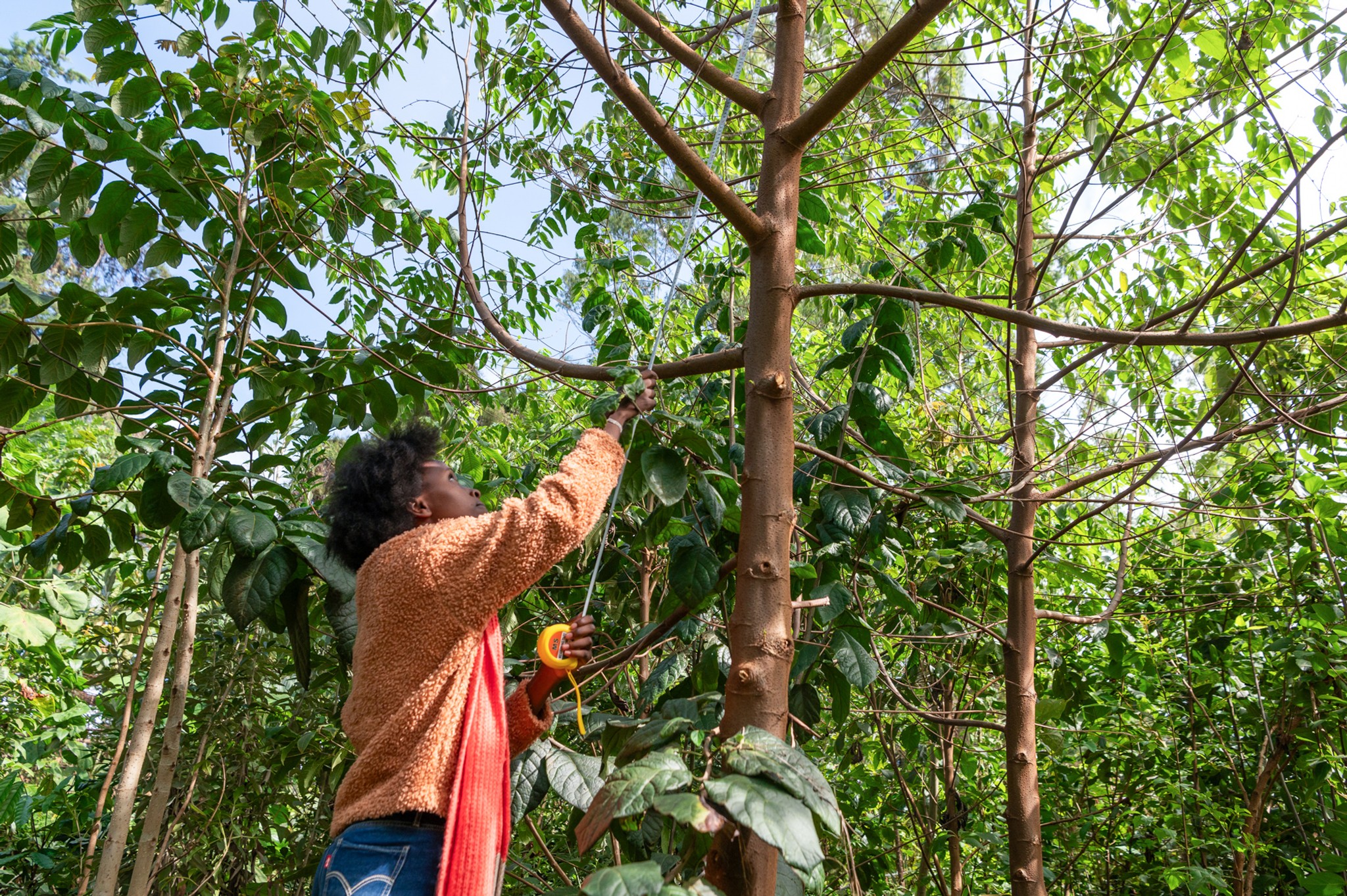
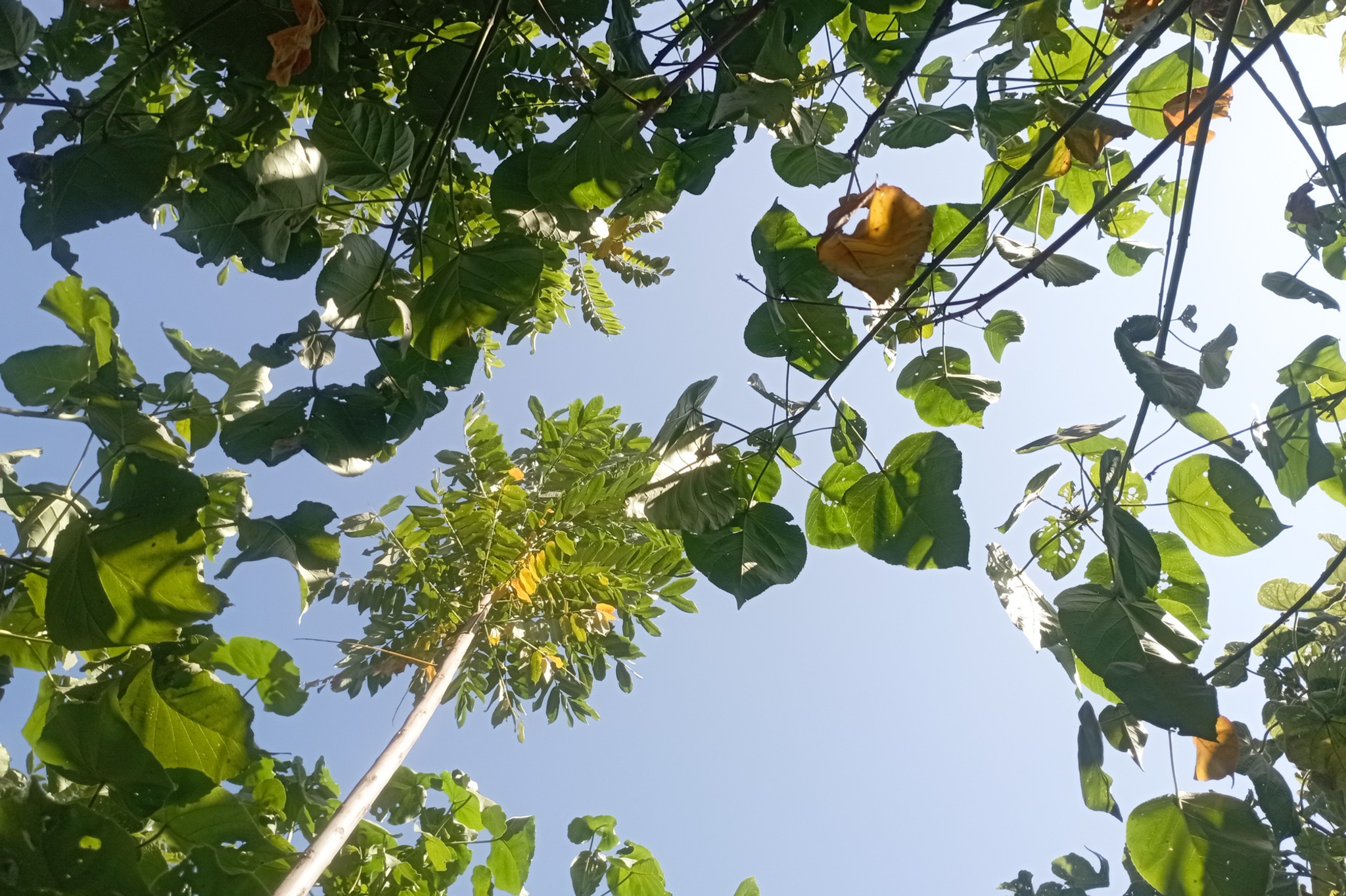
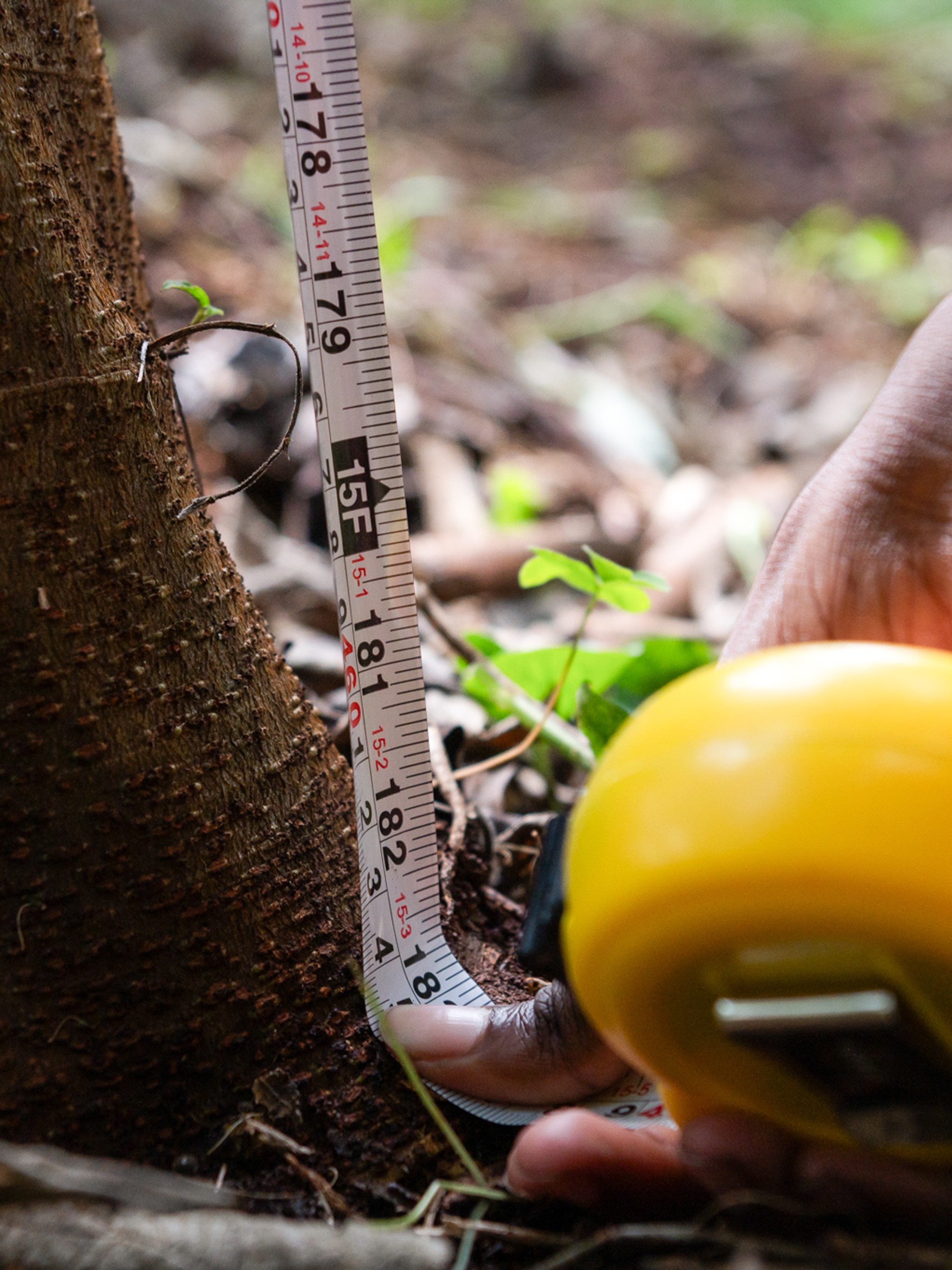
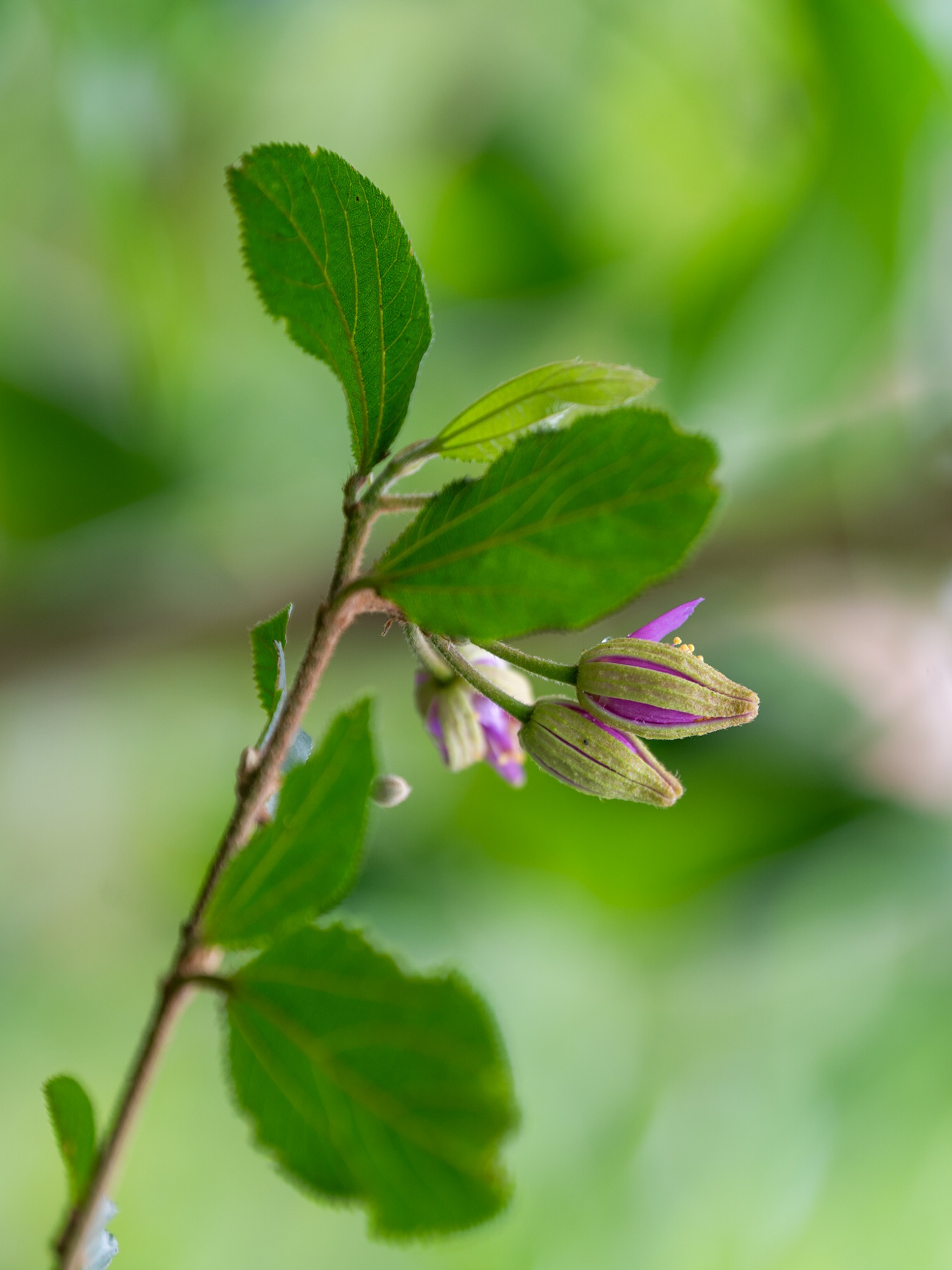
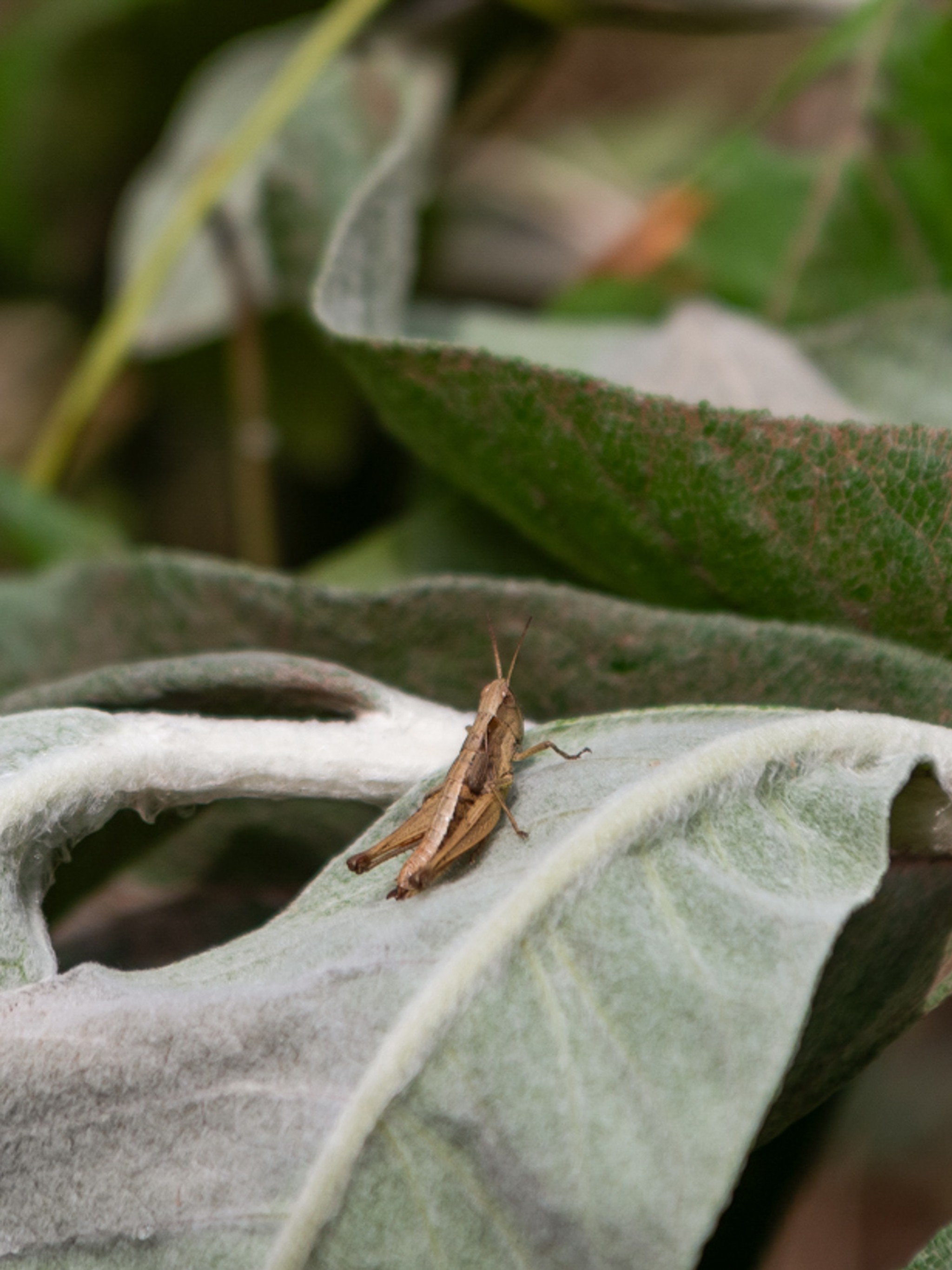
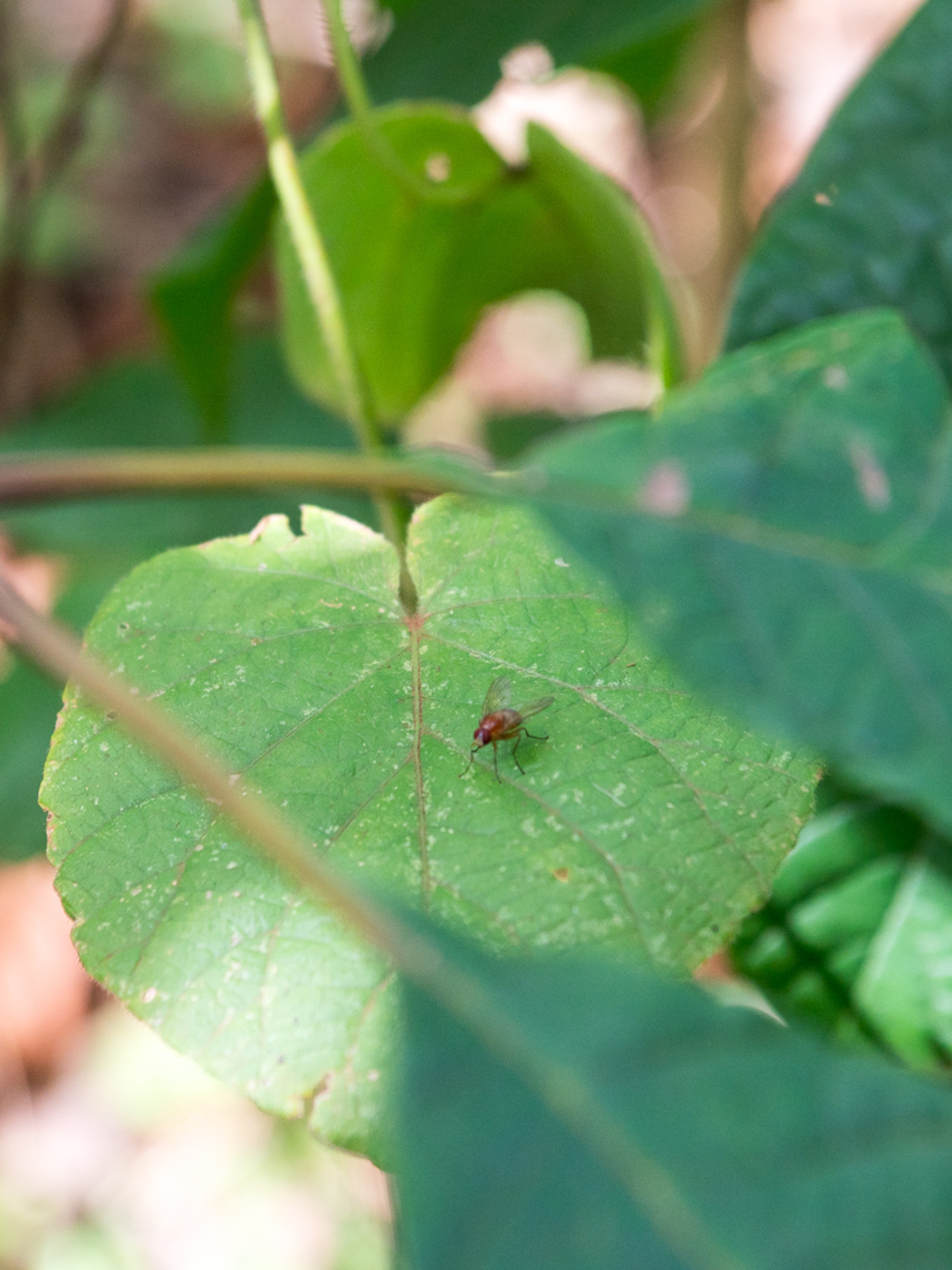
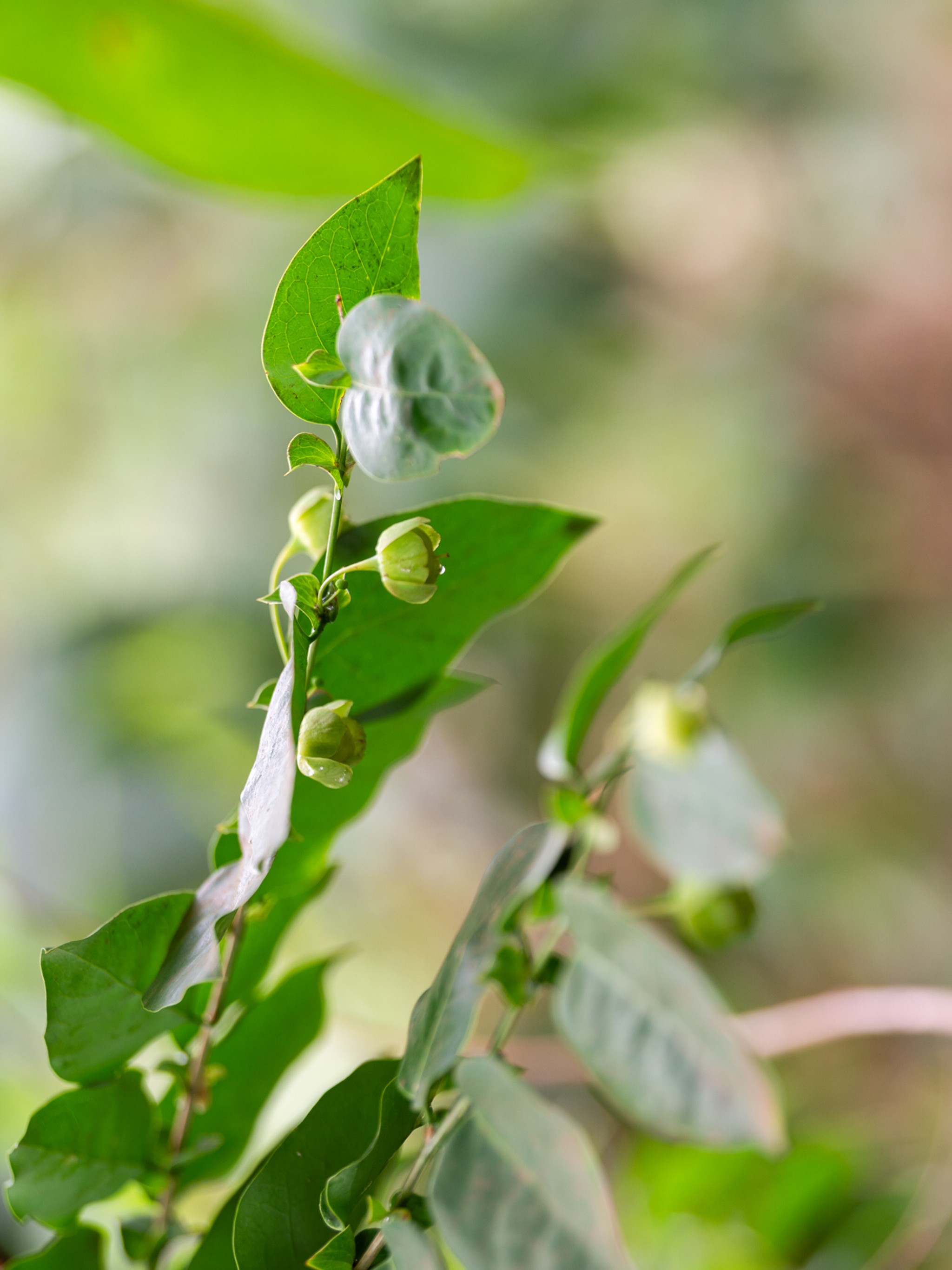
The forest is doing exceptionally well - its tallest trees now nearly three meters tall, and a fantastic survival rate of over 90%. Besides the healthy plant life, we’ve seen lots of microscopic bugs in the forest - contributing to the return of birdsong to the forest, which has previously been absent, highlighting how the pocket forest is causing bird species to return to the area.
Biodiversity Notes:
Planting: September 2023
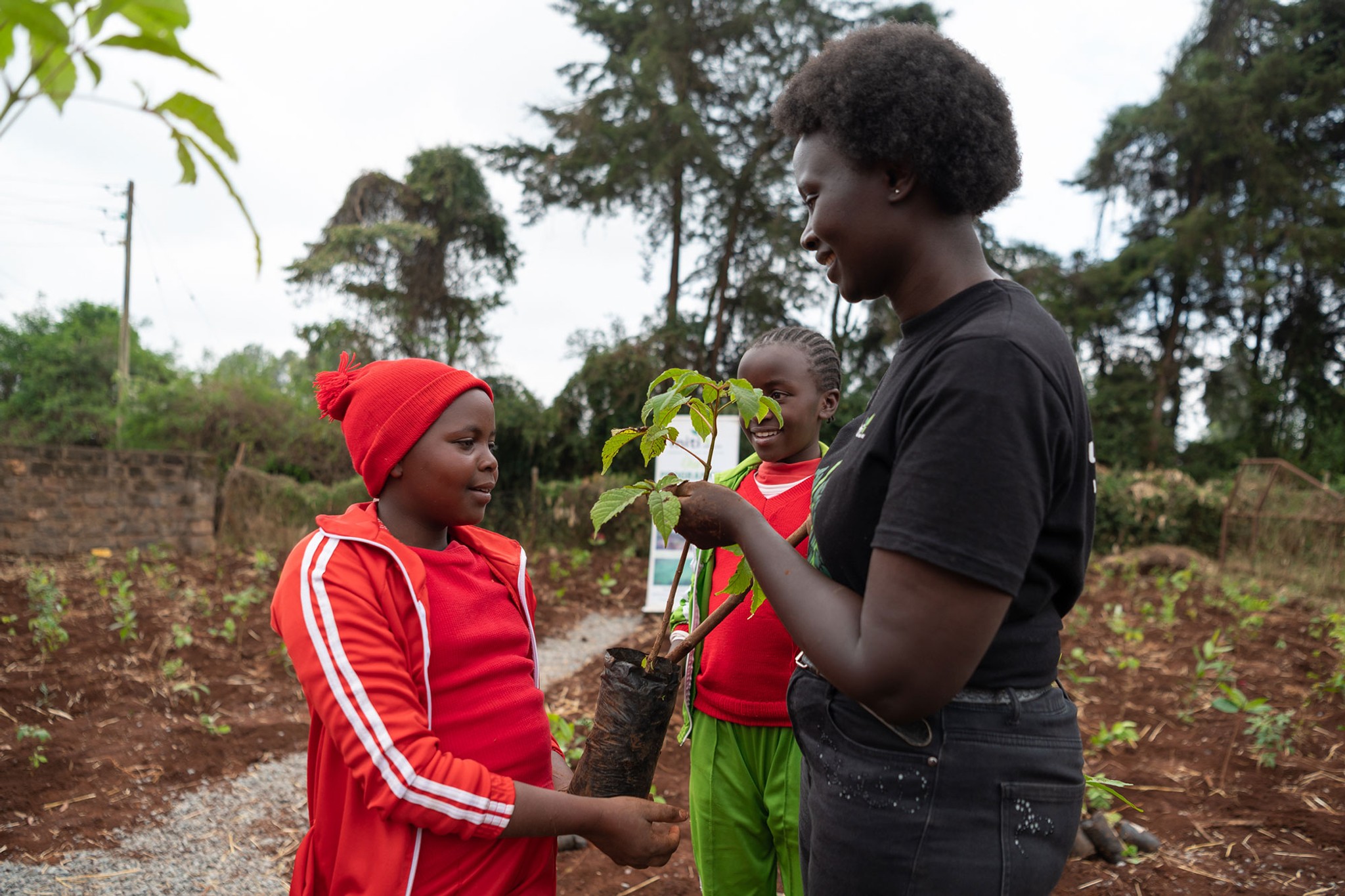
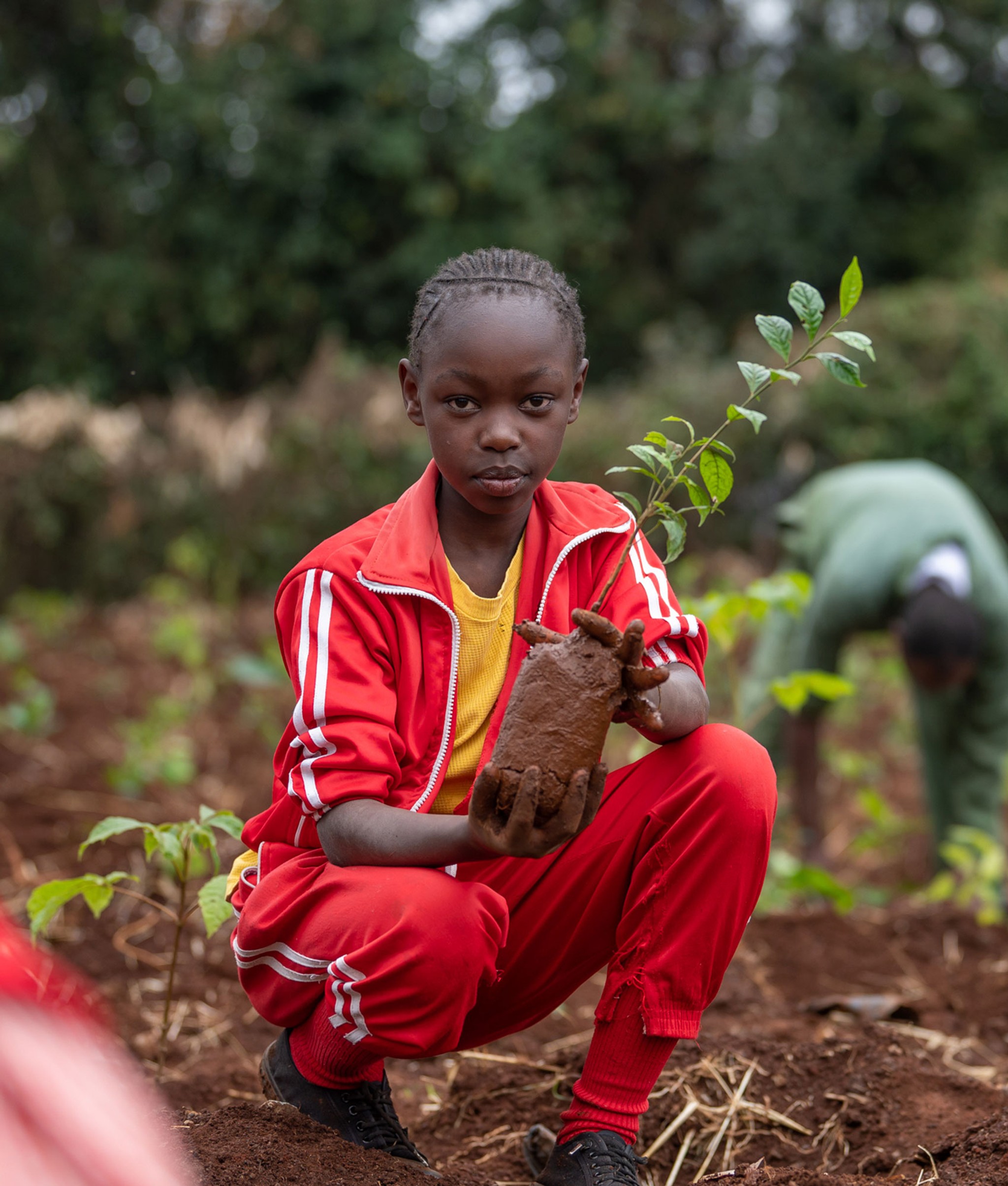
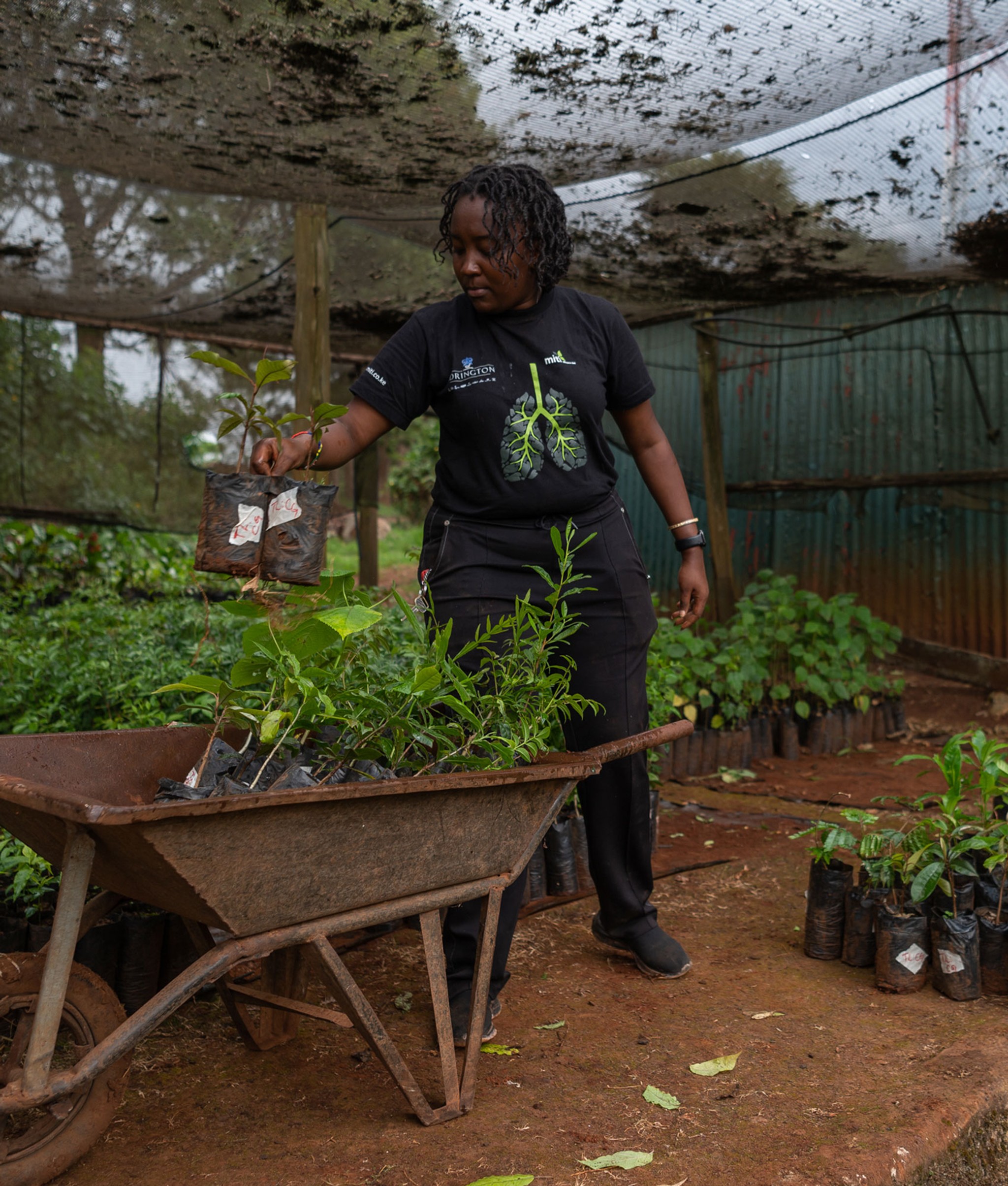
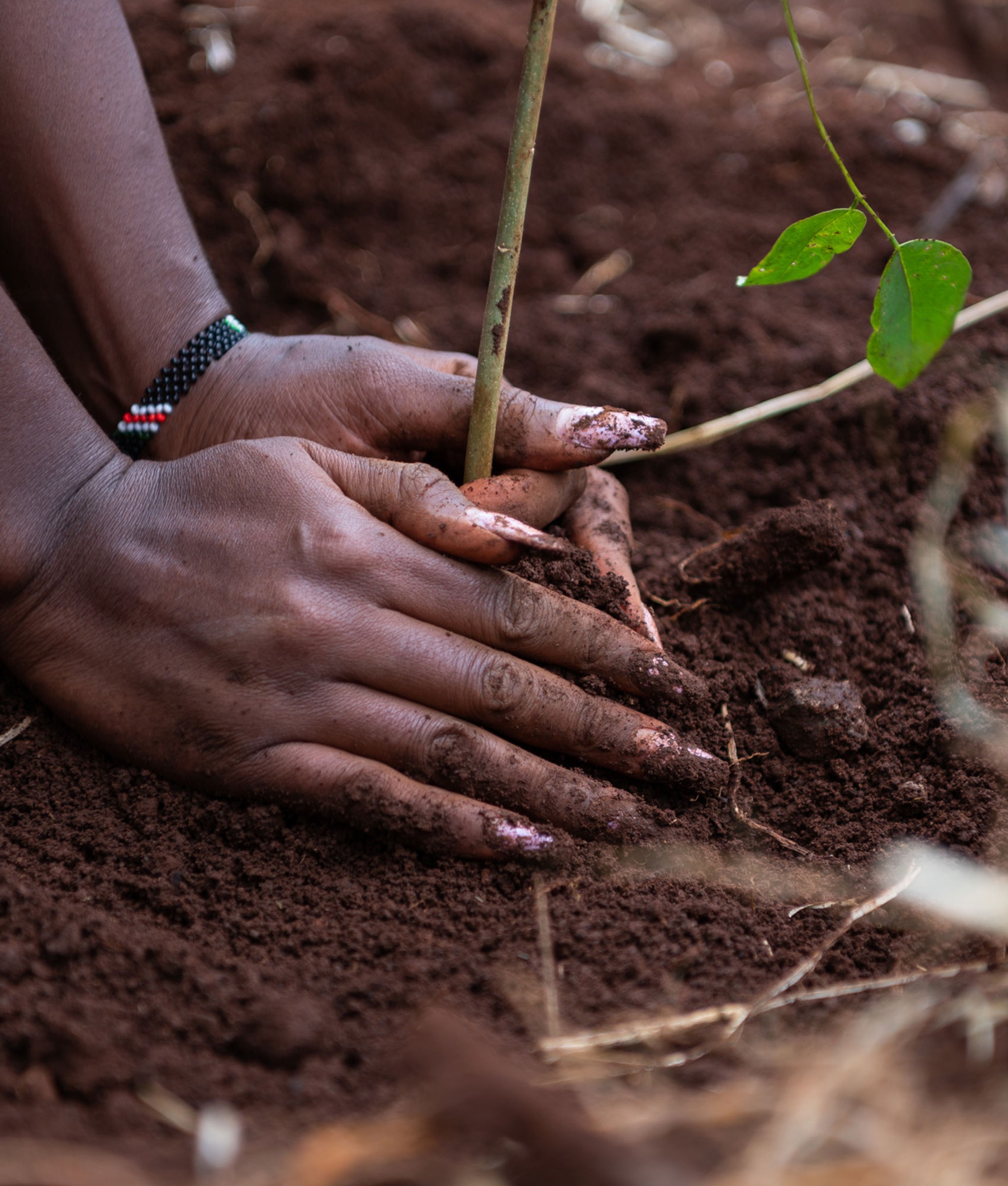
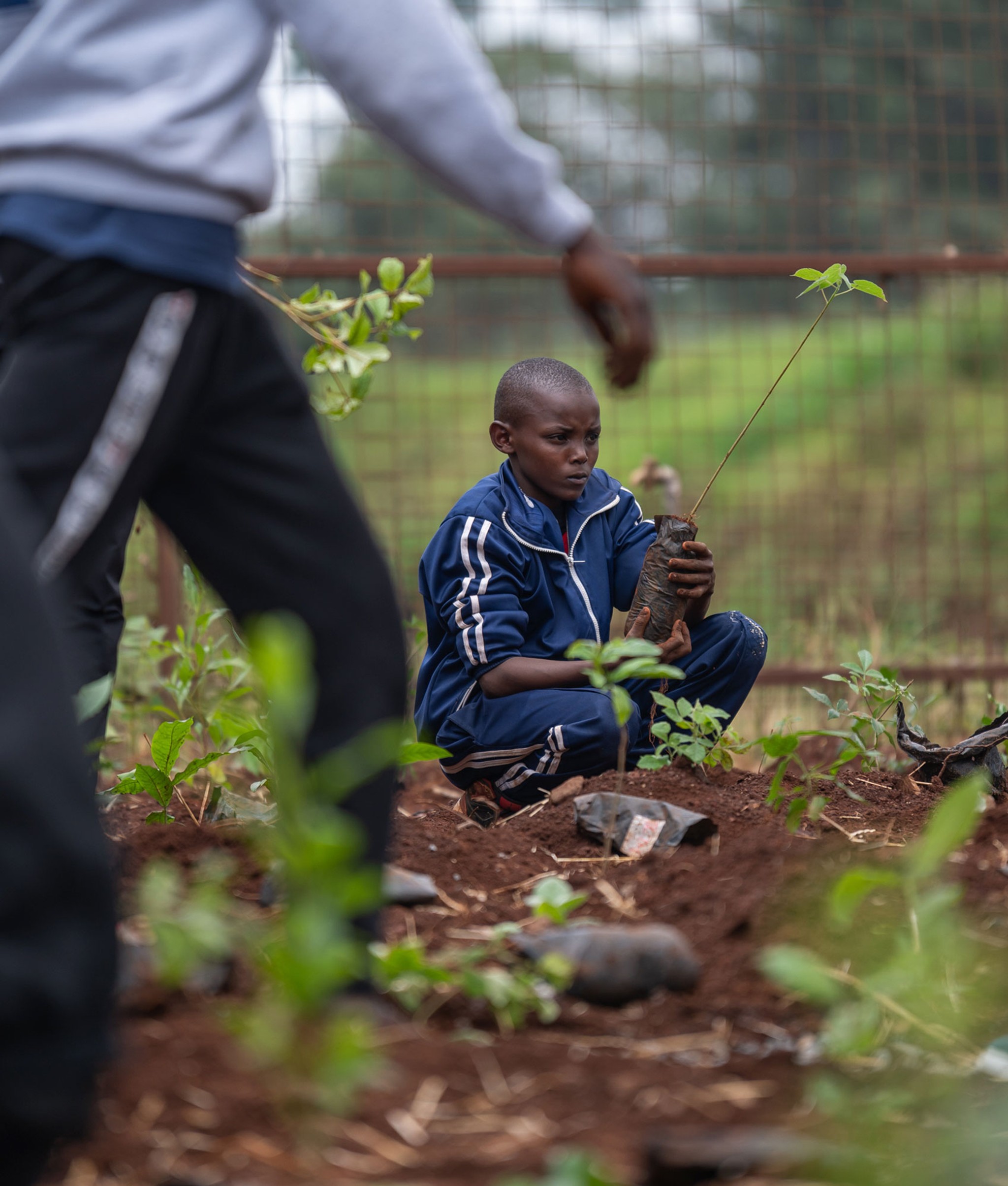
Bringing communities together
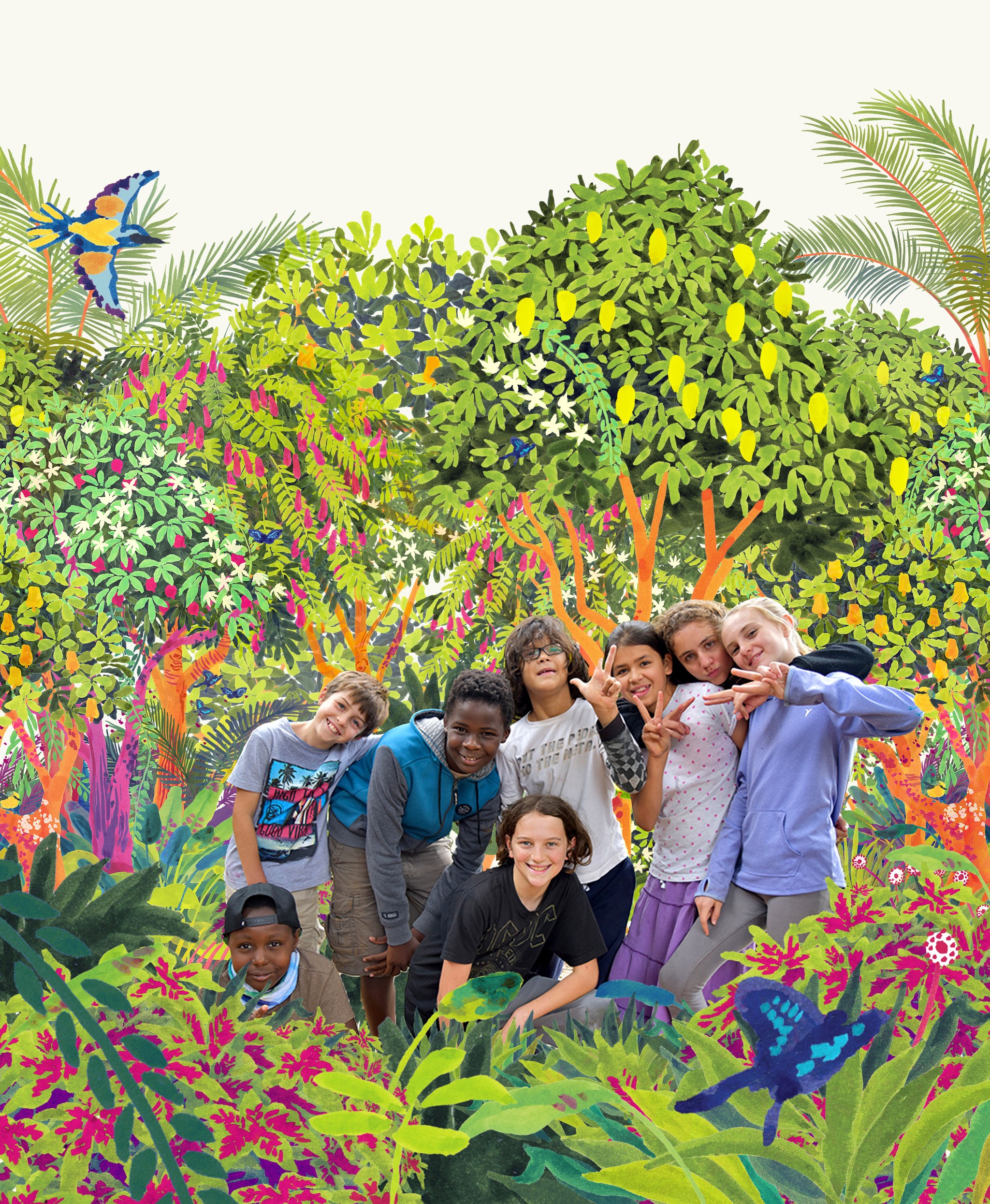
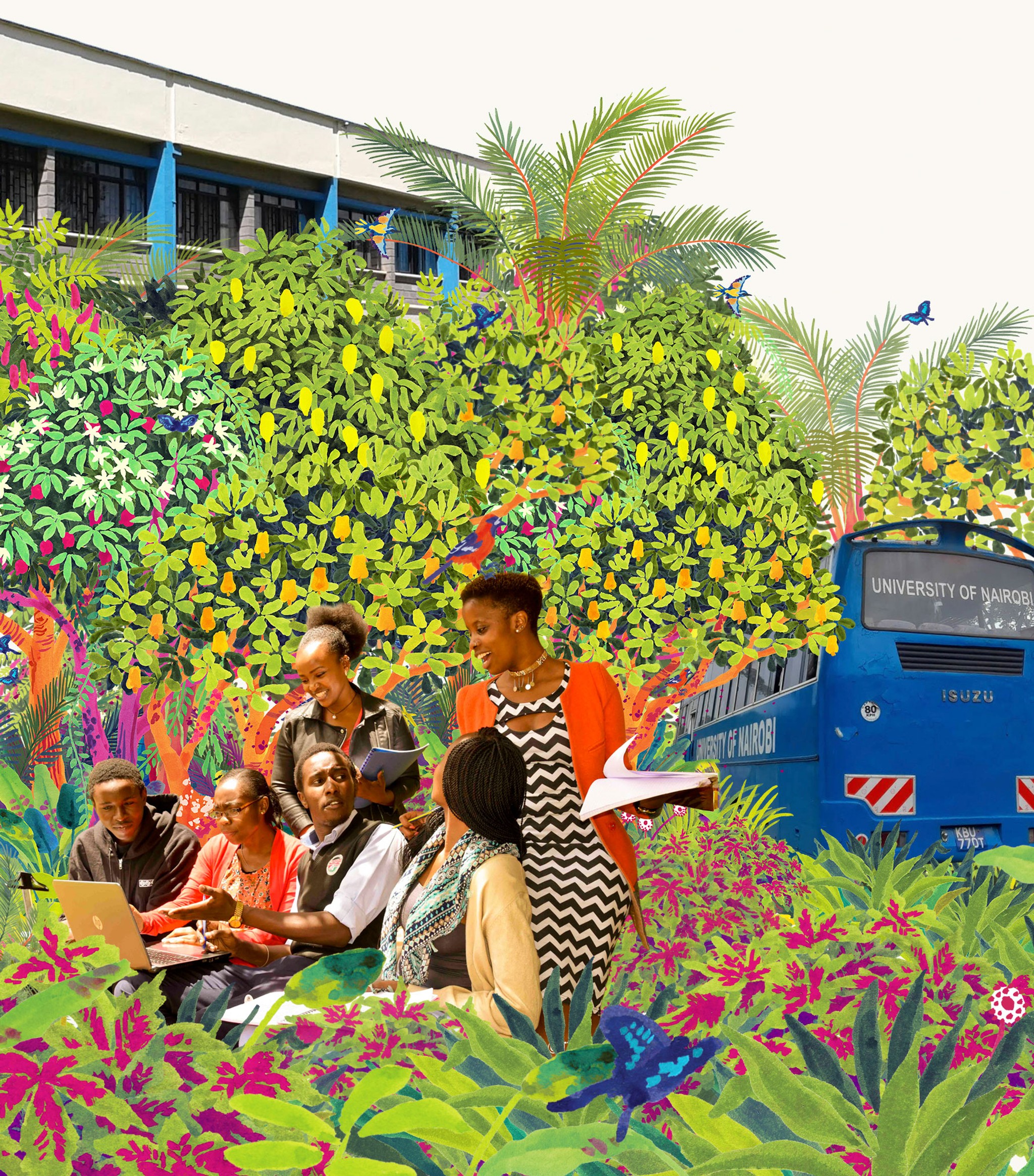
Thanks to the engagement of two educational communities, the forest has an impact on over 3,000 students during any one academic year. Educators and students of all ages were brought together in the planting of this project; the creation of this forest has been a shared experience that will only strengthen community bonds.