Falmouth Primary Forest
Restoring endangered temperate rainforests.

0
Trees
0
Square Meters
0
Native Species
0
Youth Impacted
Self sustaining pocket forest
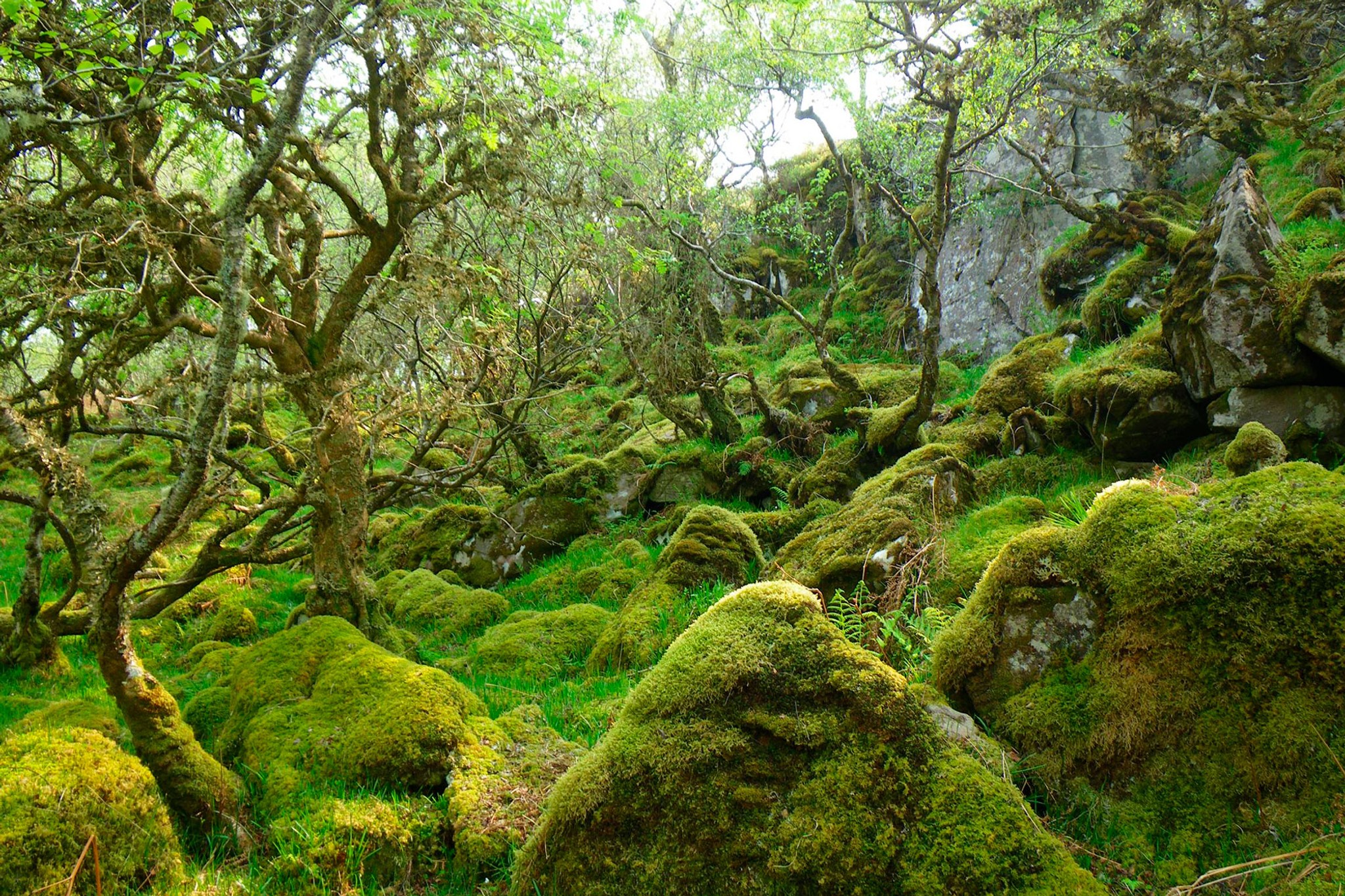
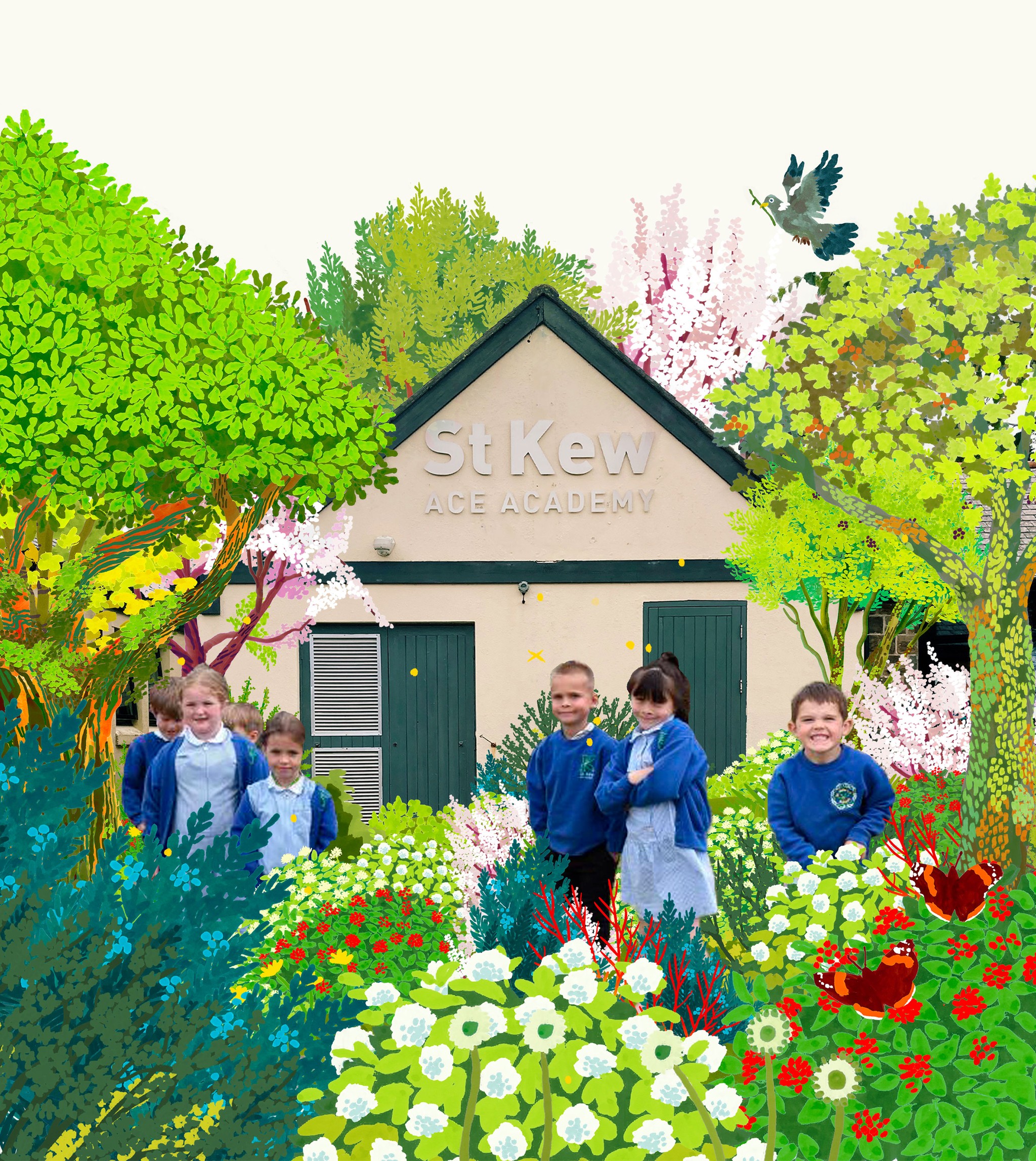
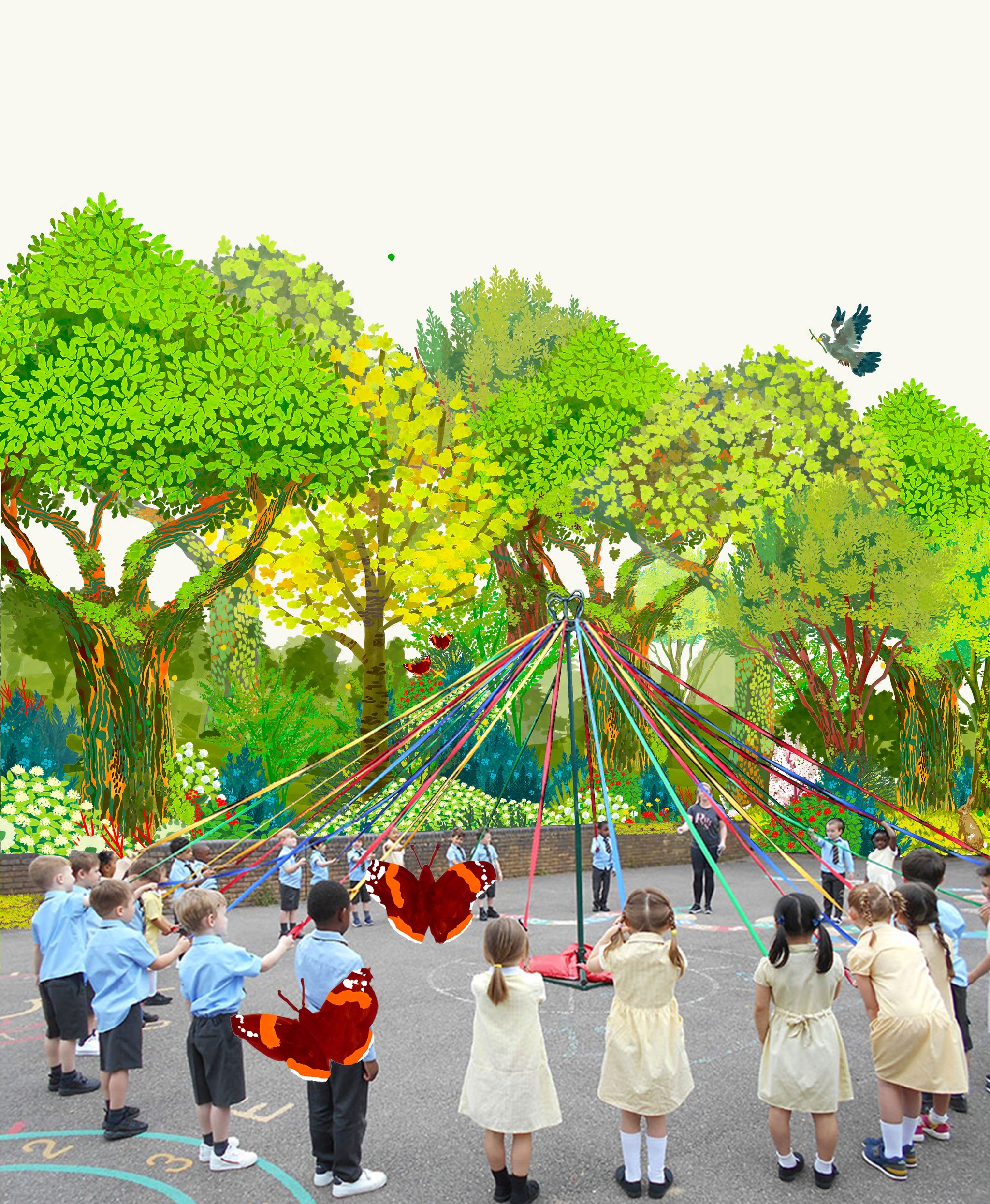
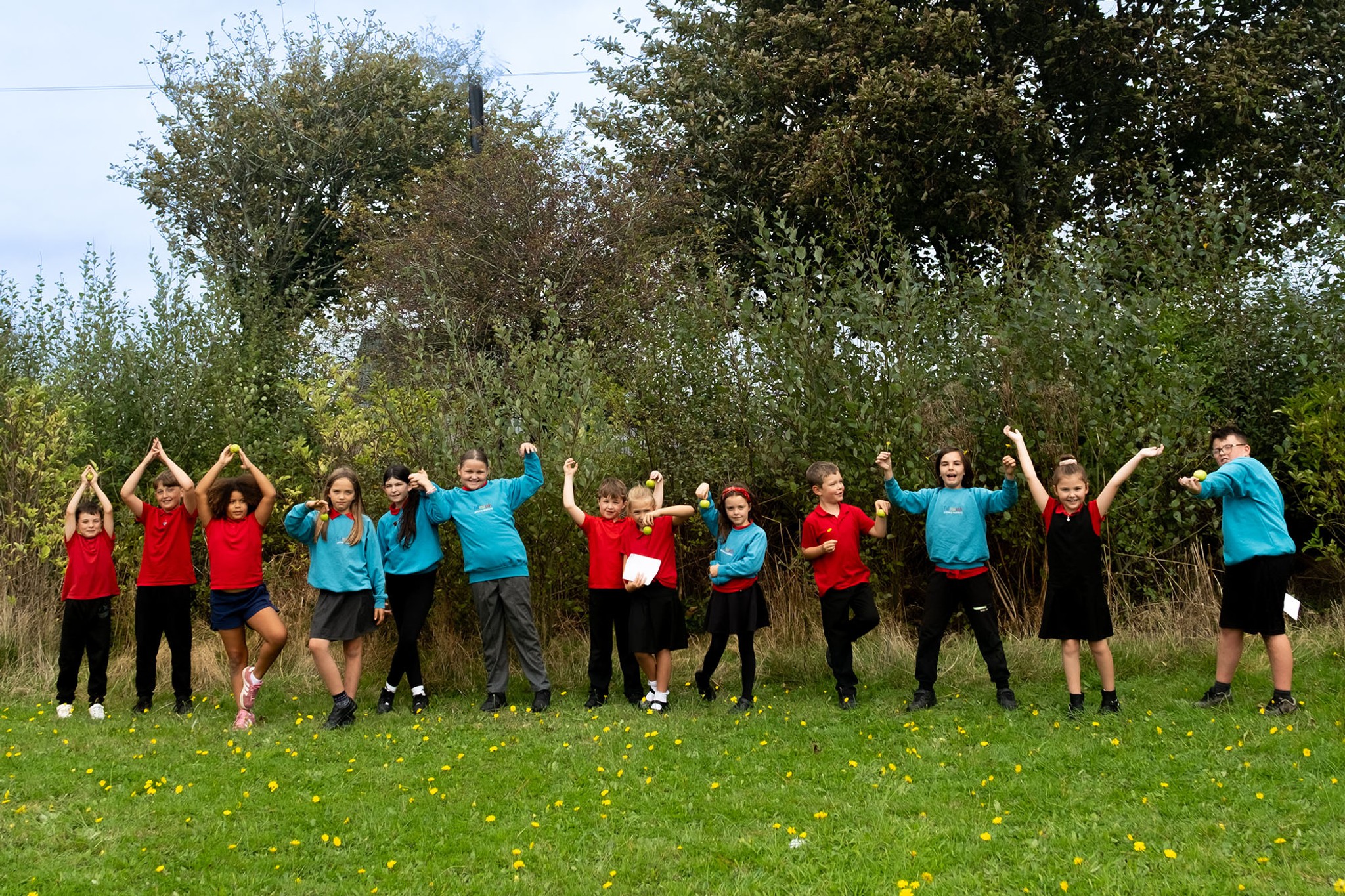
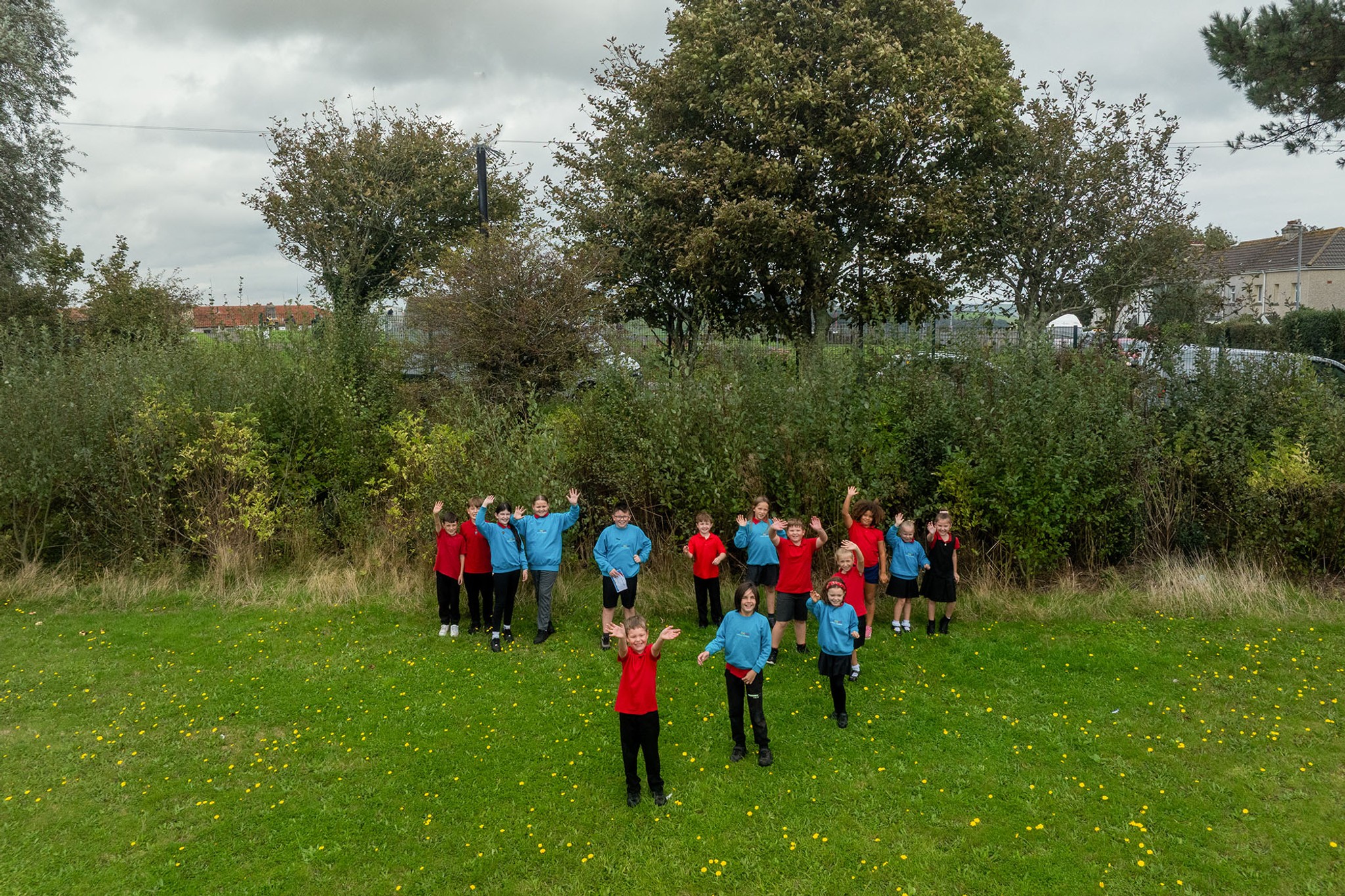
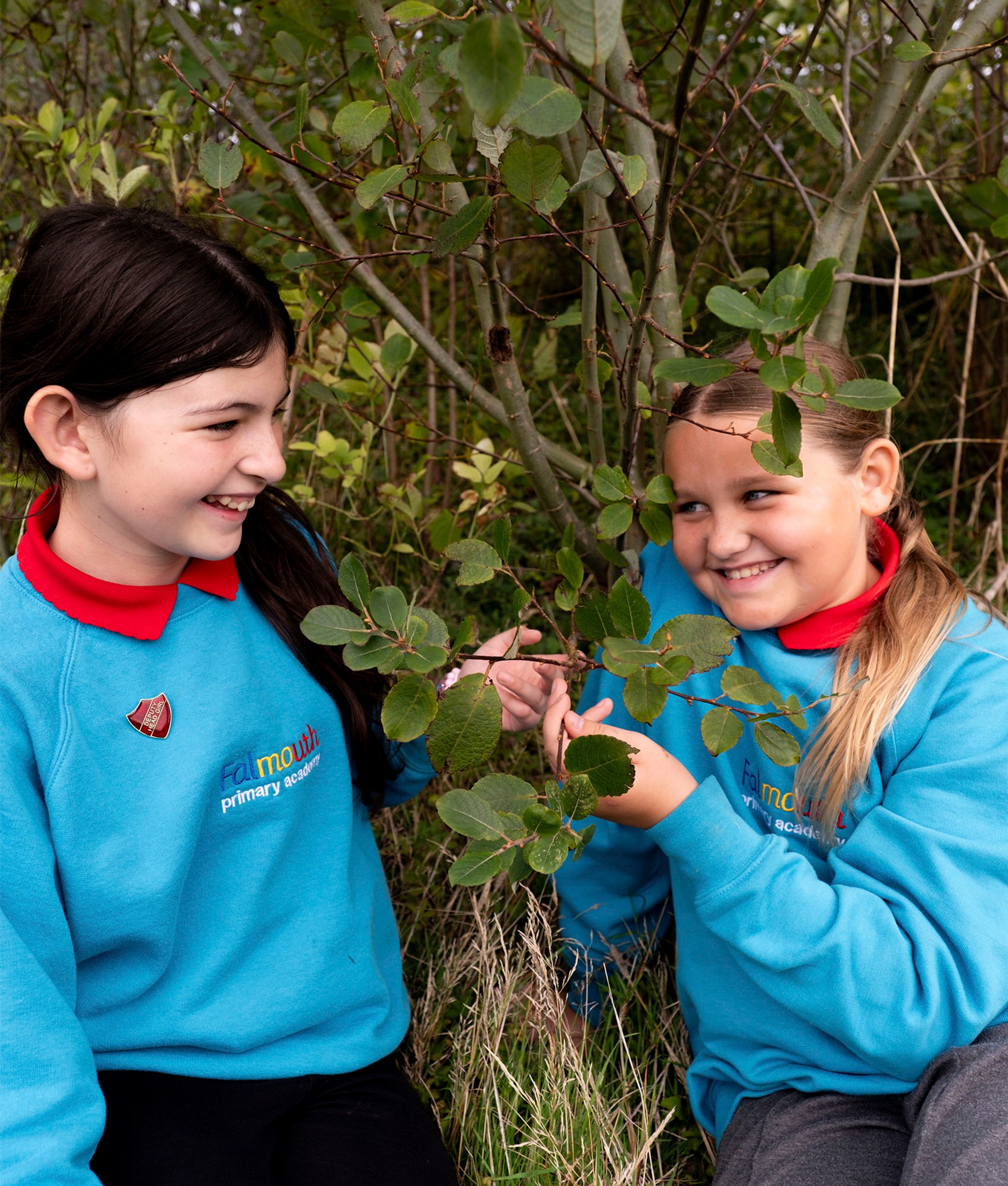
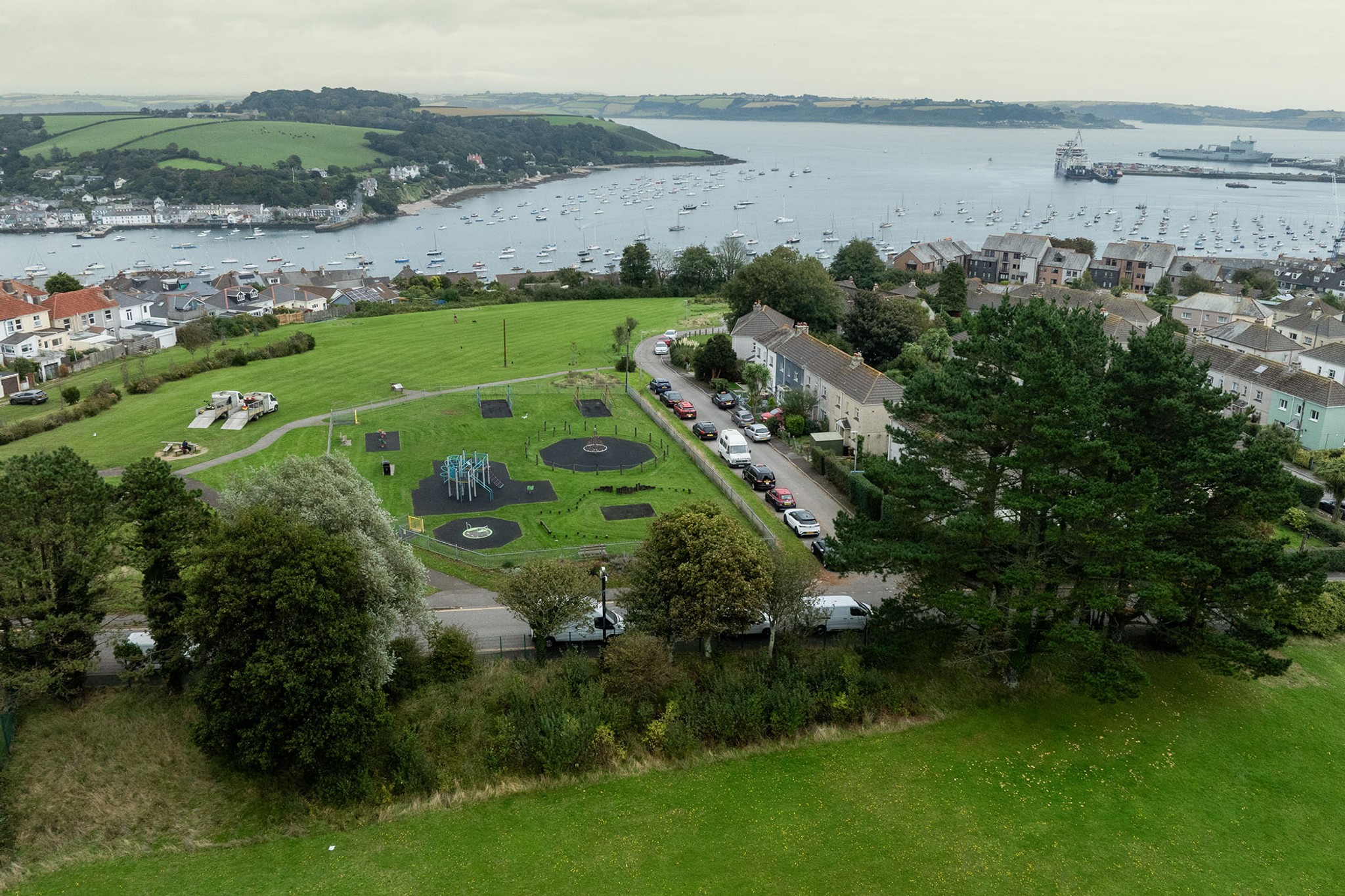
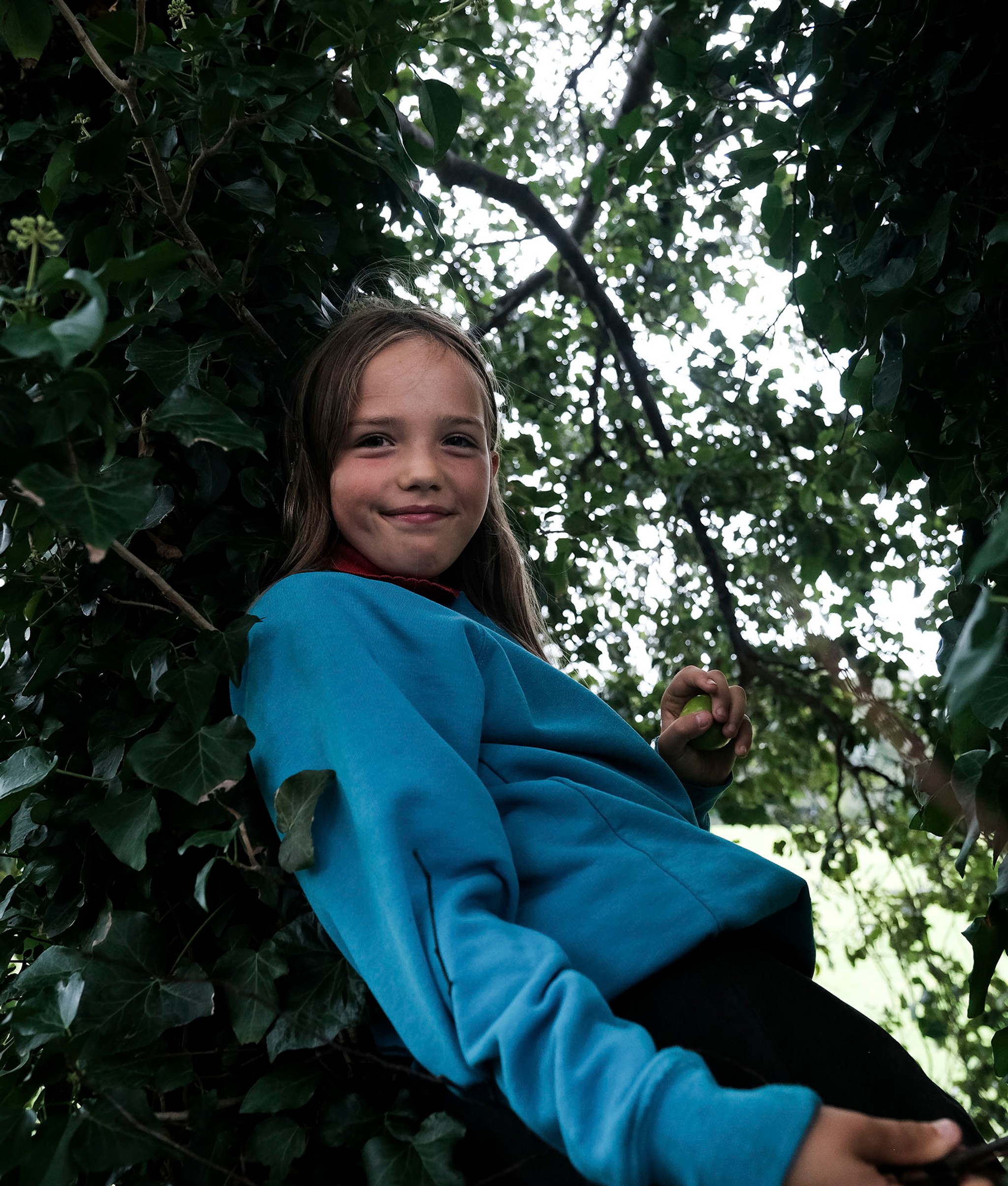
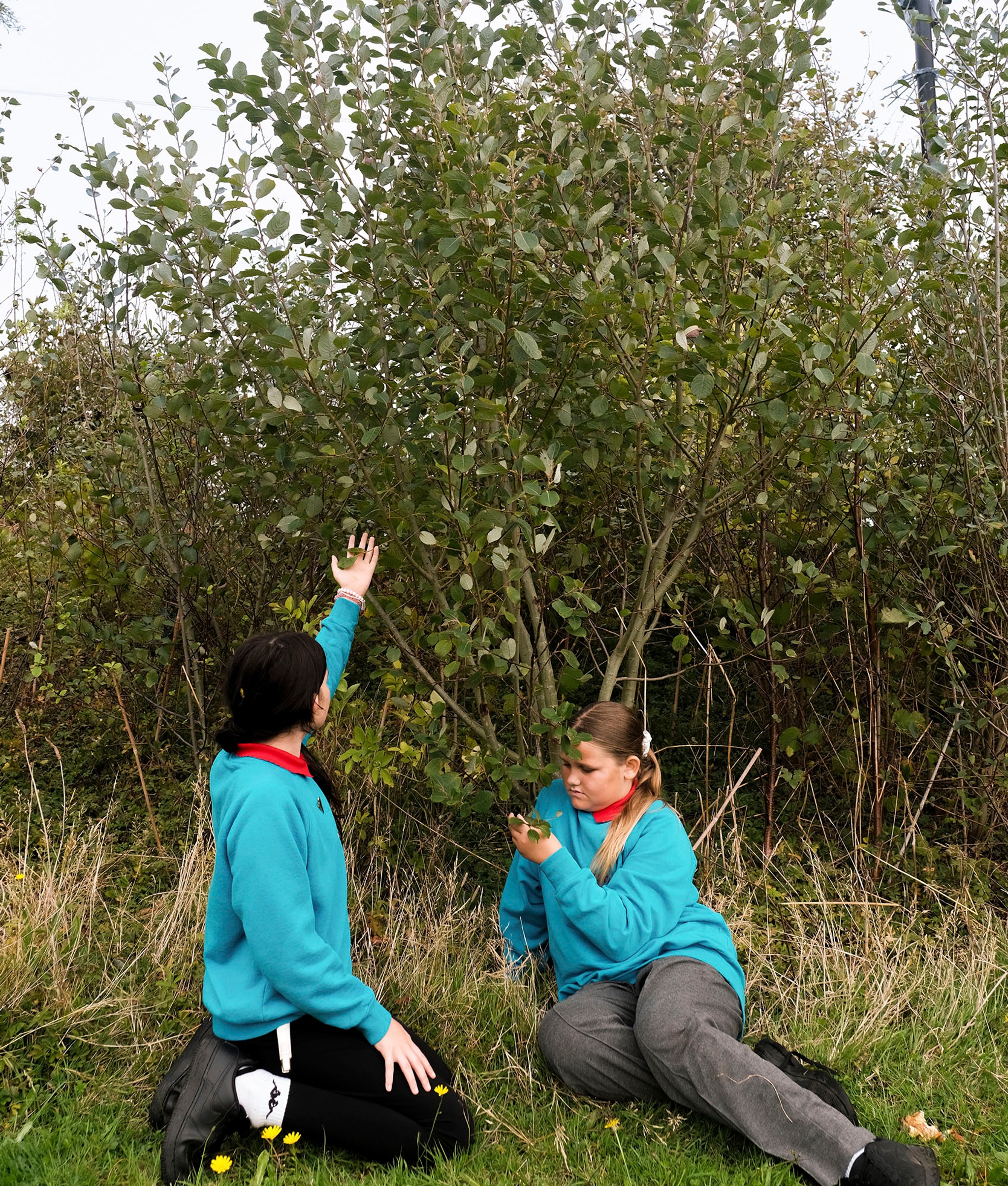
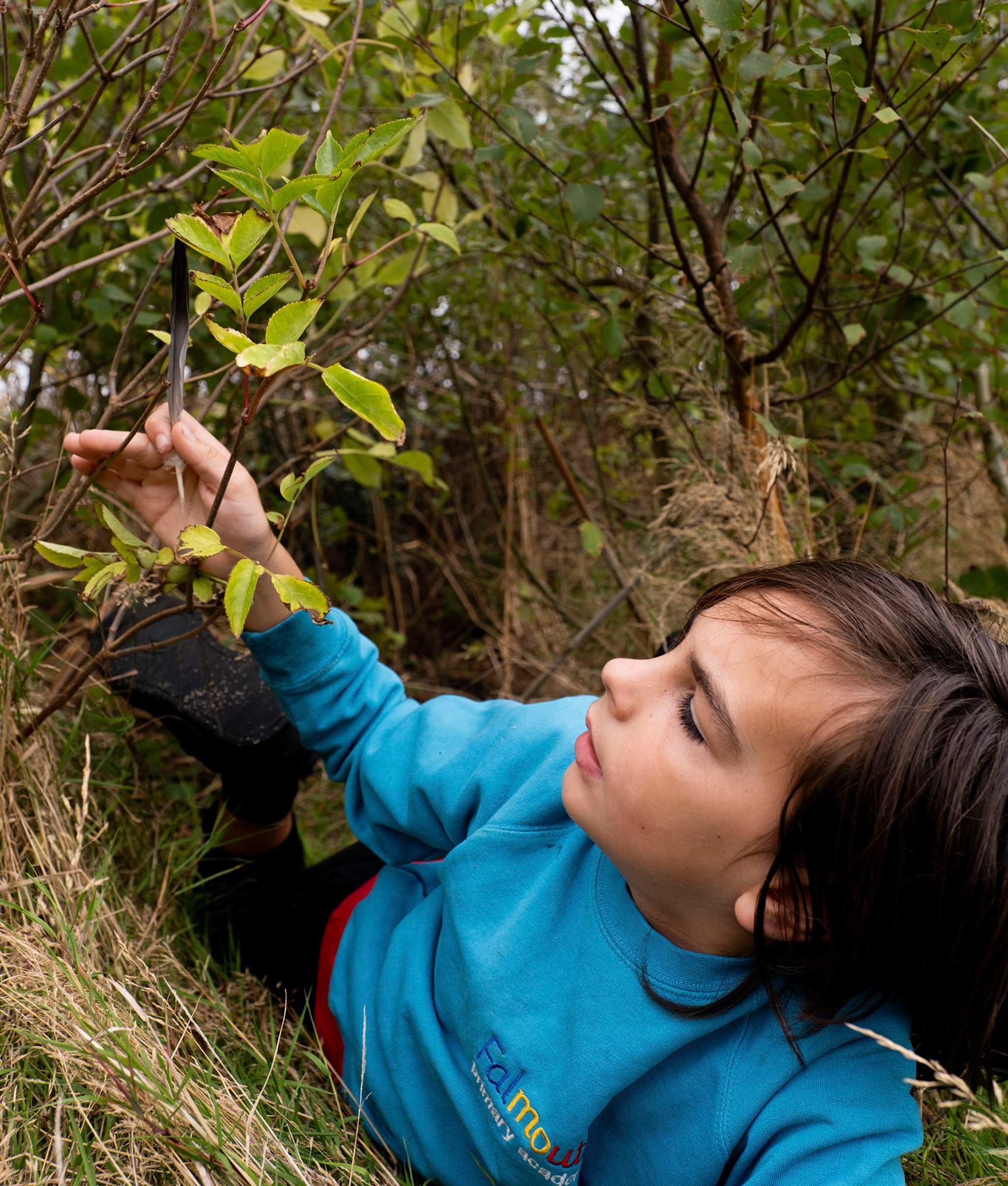
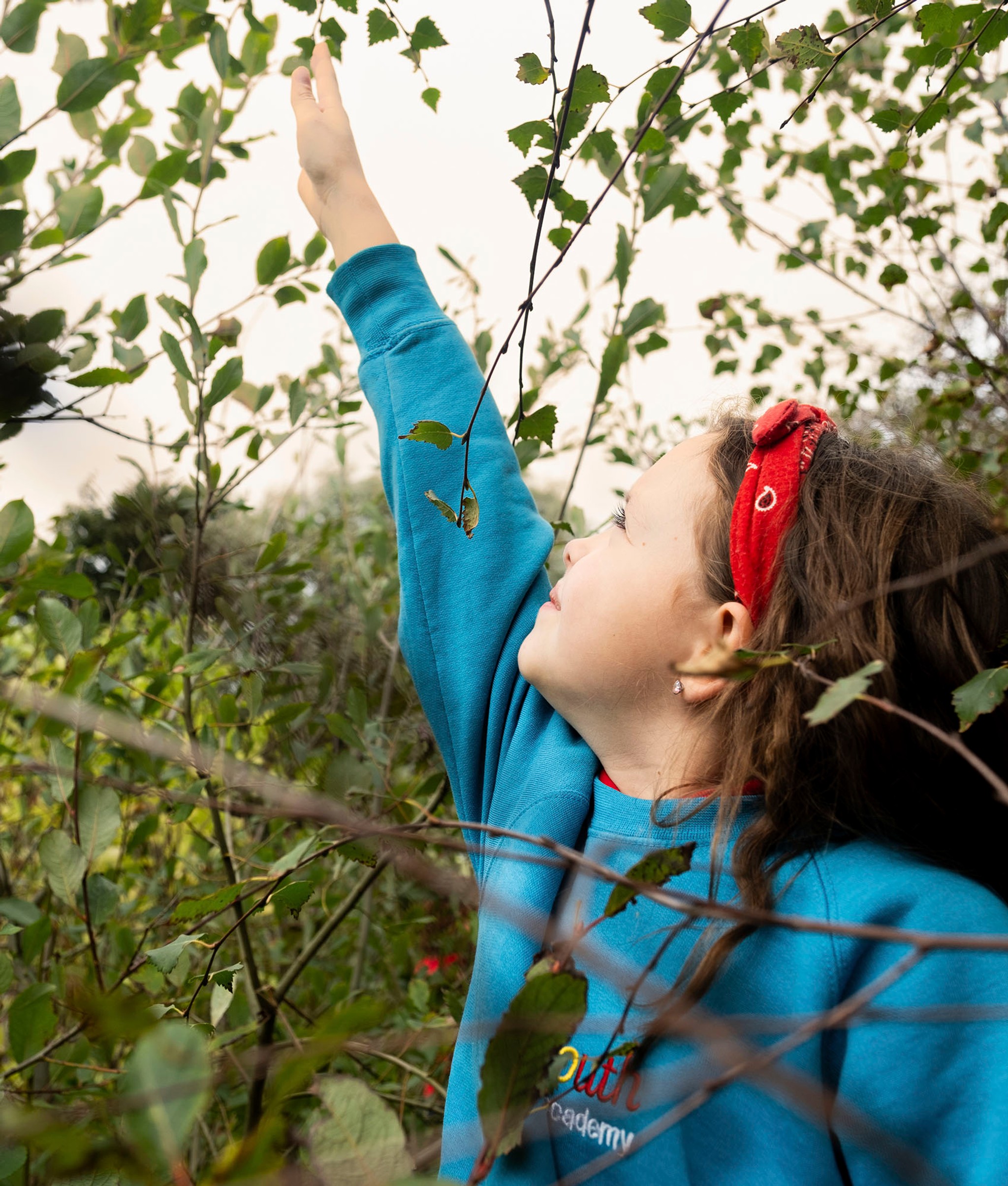
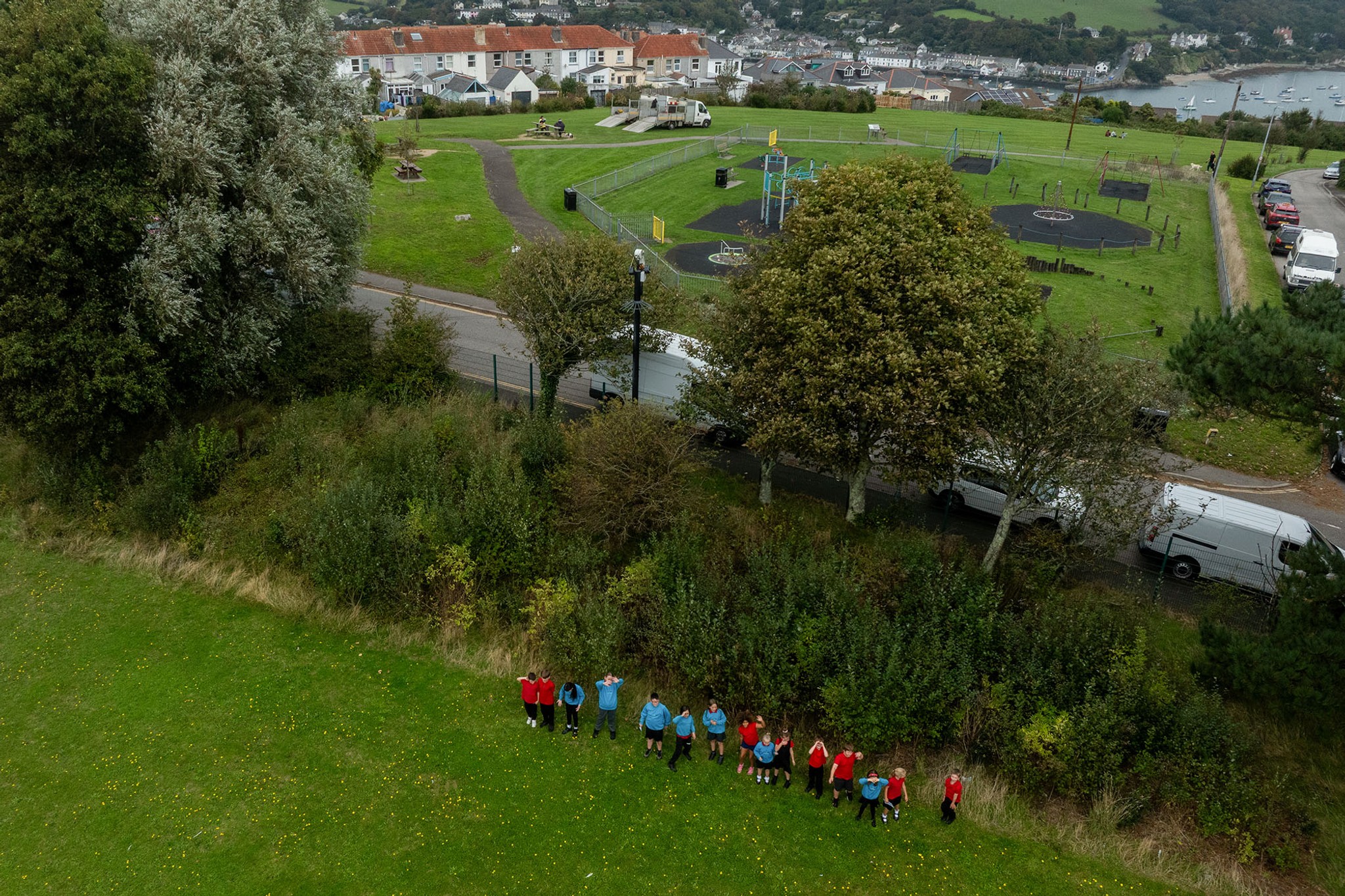
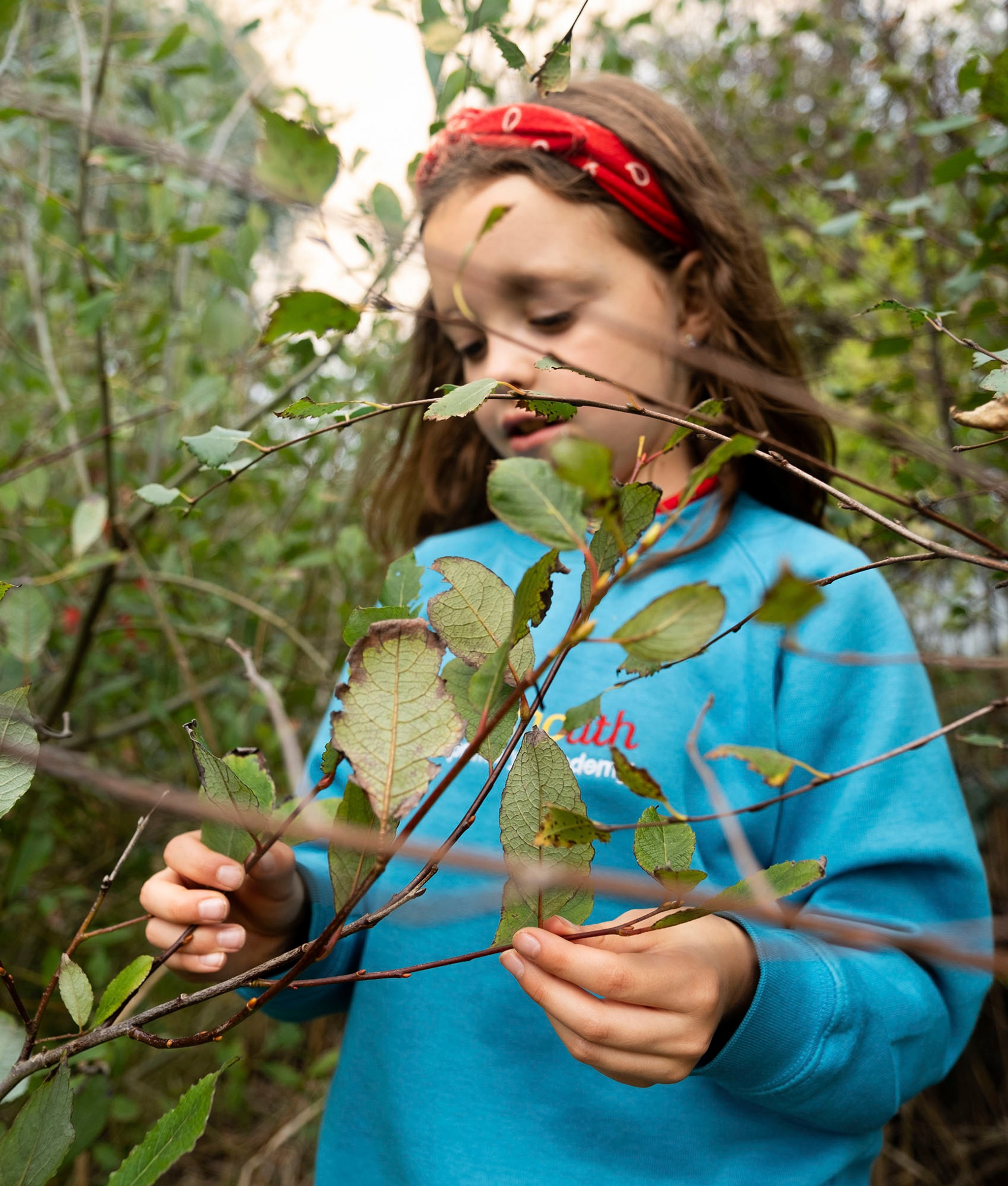
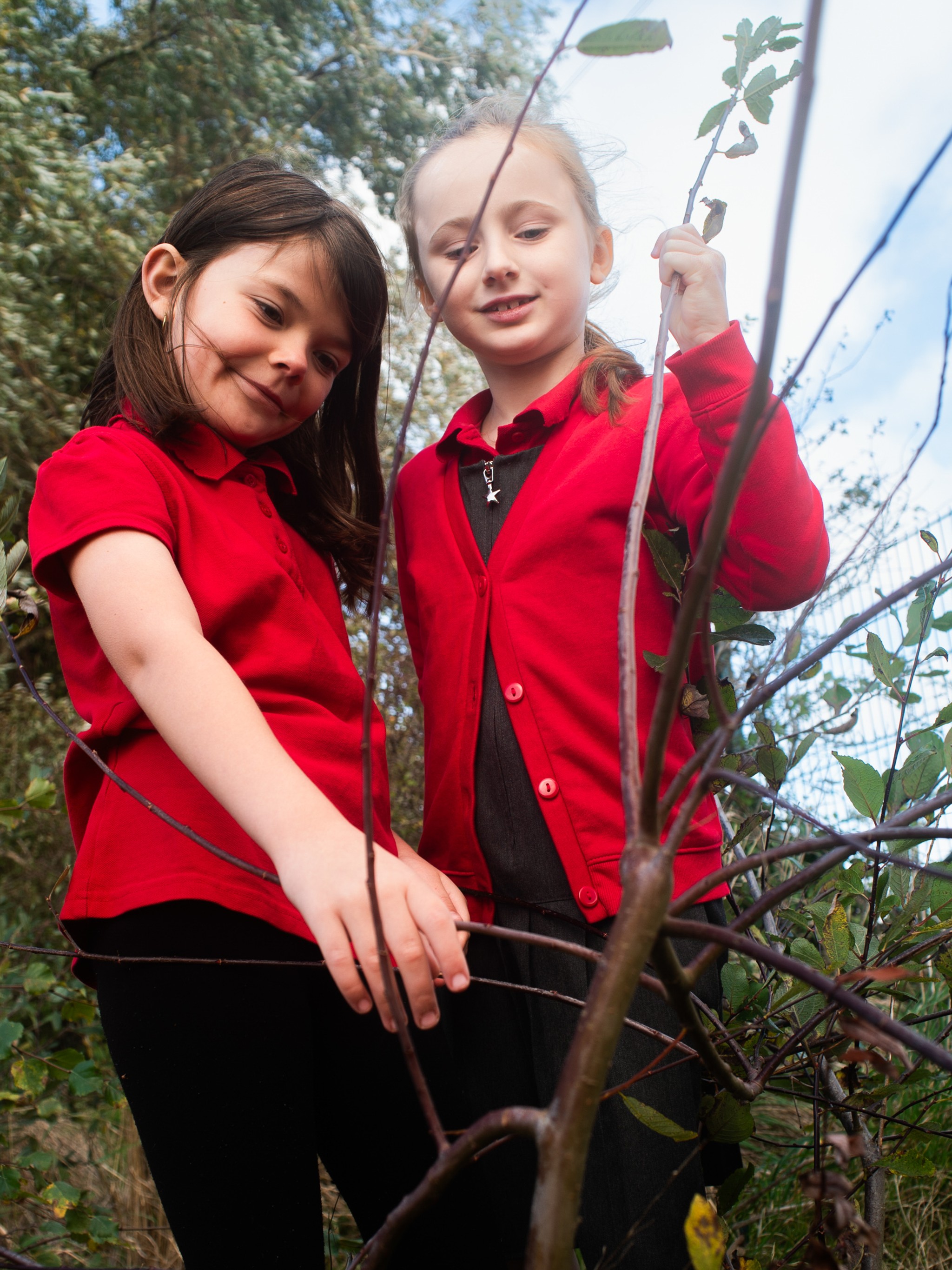
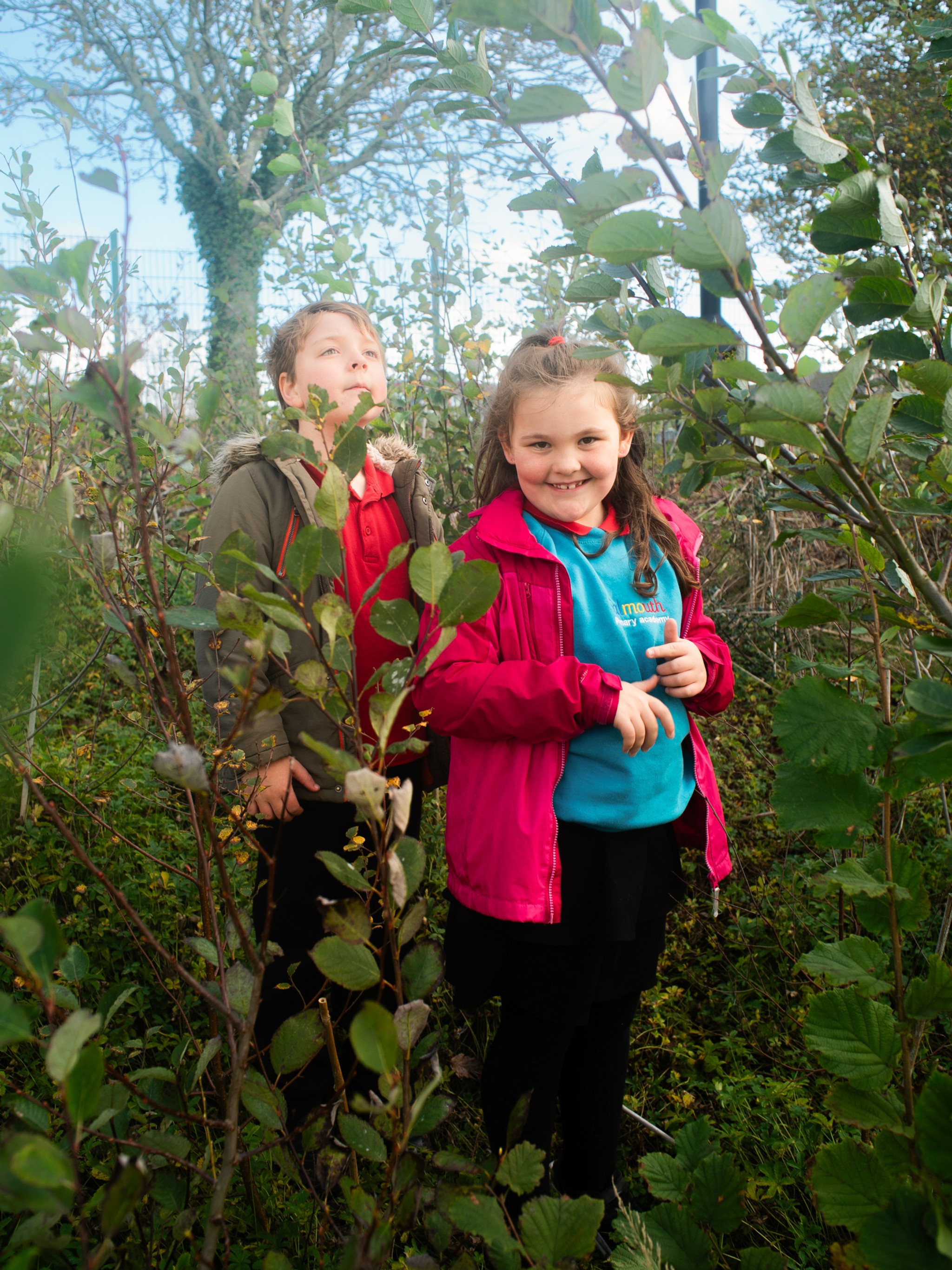
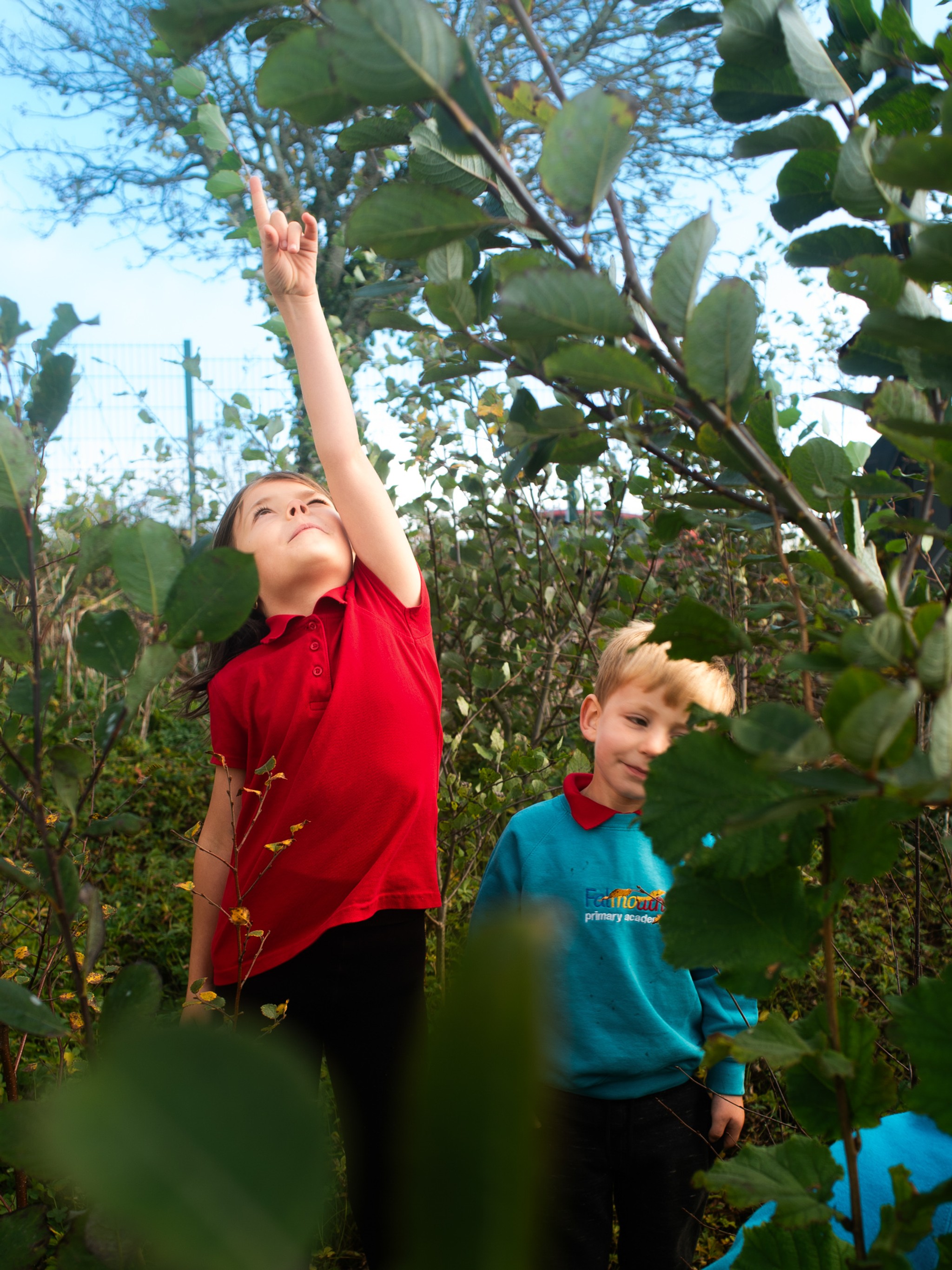
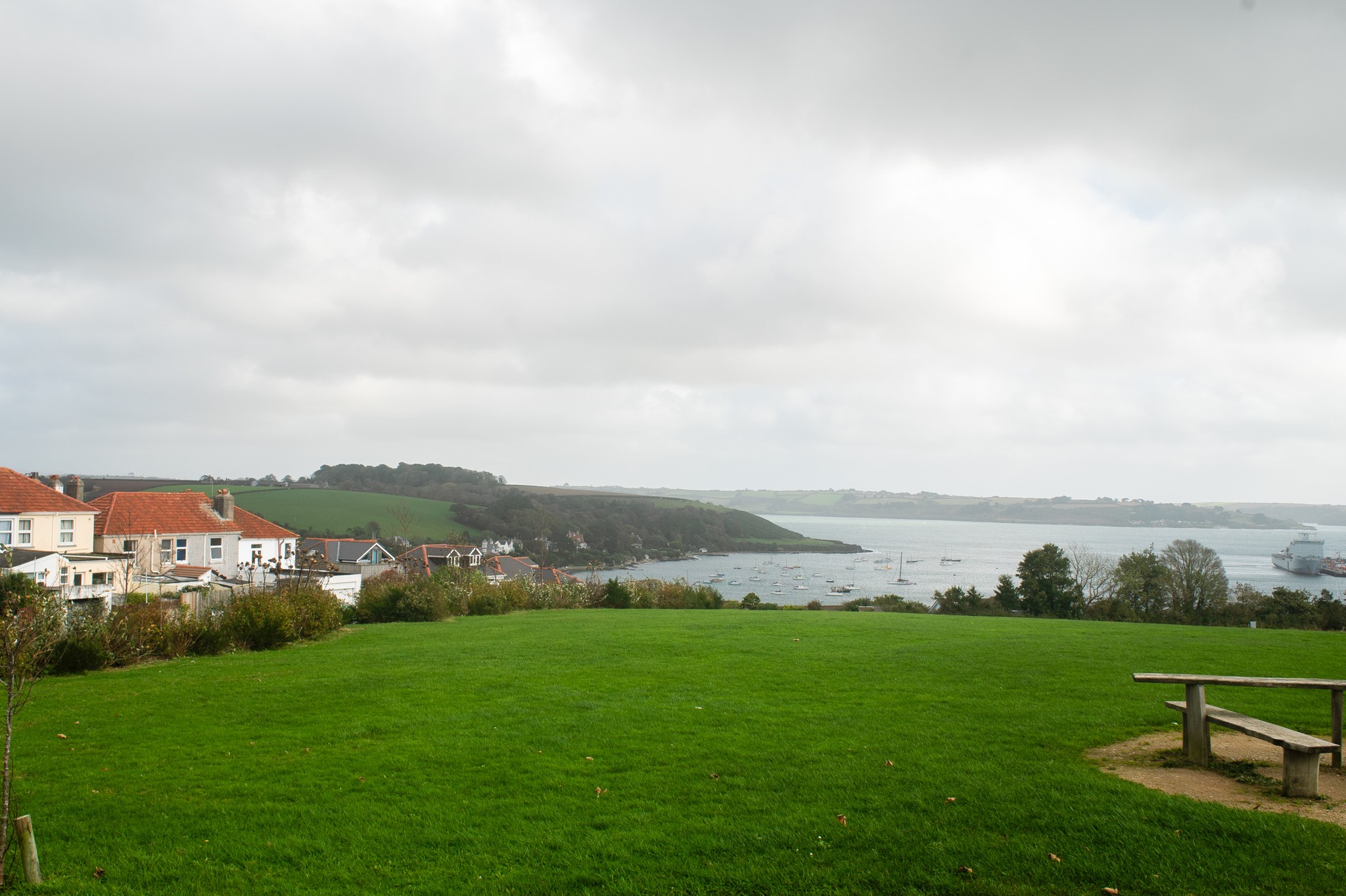
Falmouth Primary Forest provides an outdoor classroom for the children of Falmouth Primary Academy, a small school in the heart of a Cornish town, as a living legacy for Queen Elizabeth. Funded by the Queen’s Green Canopy initiative, the project has created a critical pocket of temperate rainforest, a now fragmented and rare ecosystem that once predominated along the west coast of the UK. It thrived thanks to the Gulf Stream, which provides mild, damp conditions that are ideal for rainforest biodiversity to flourish.
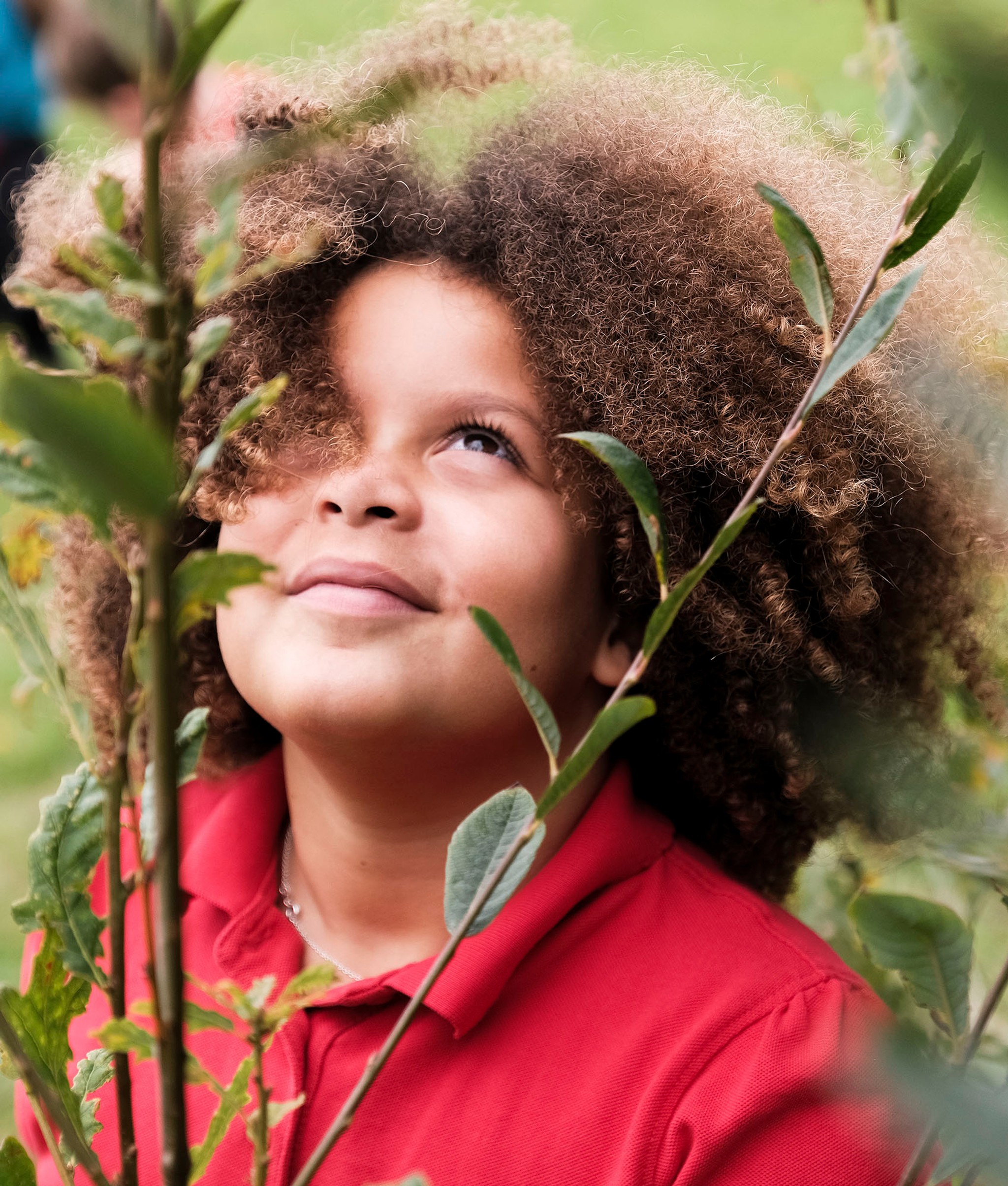
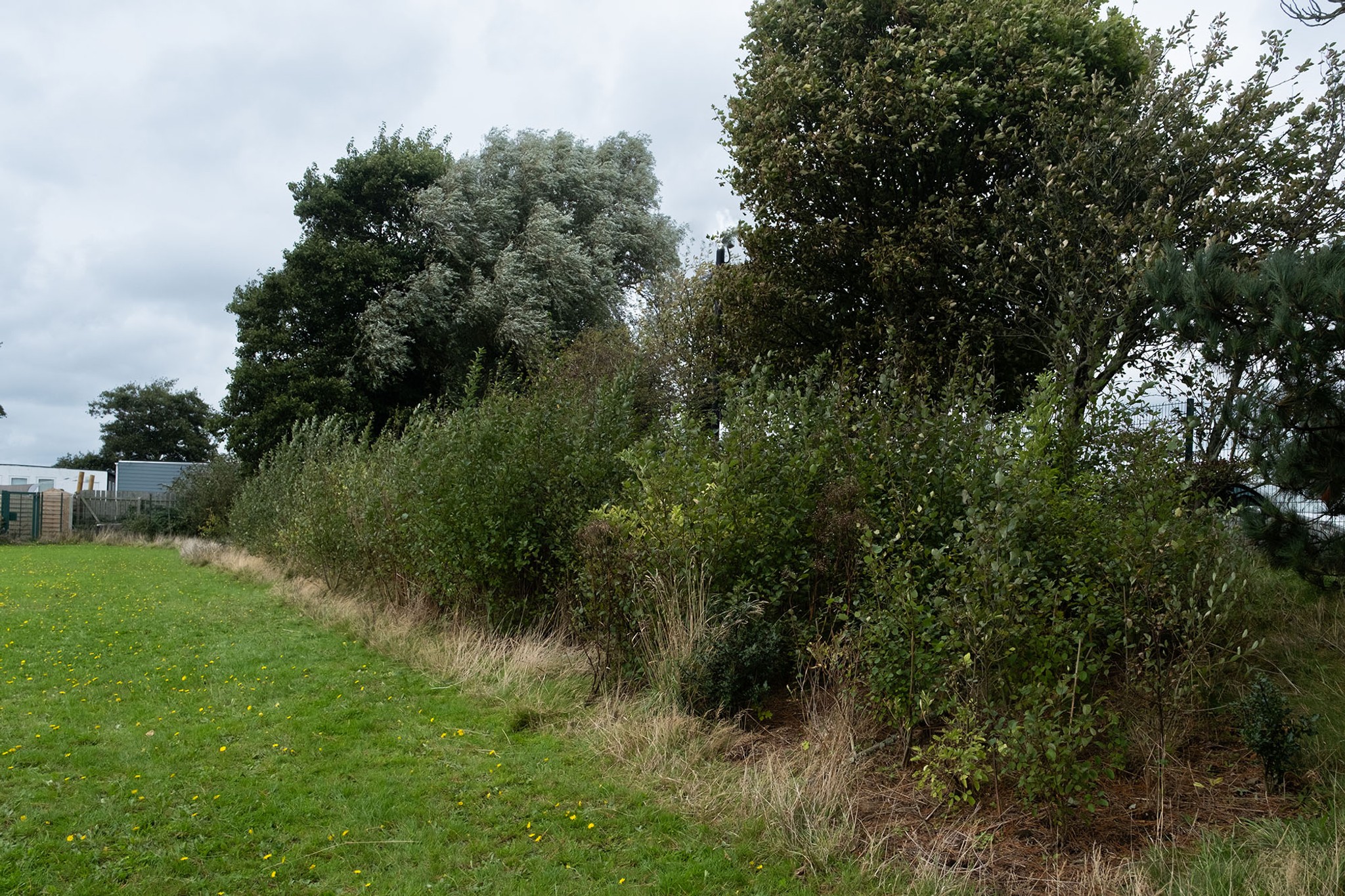
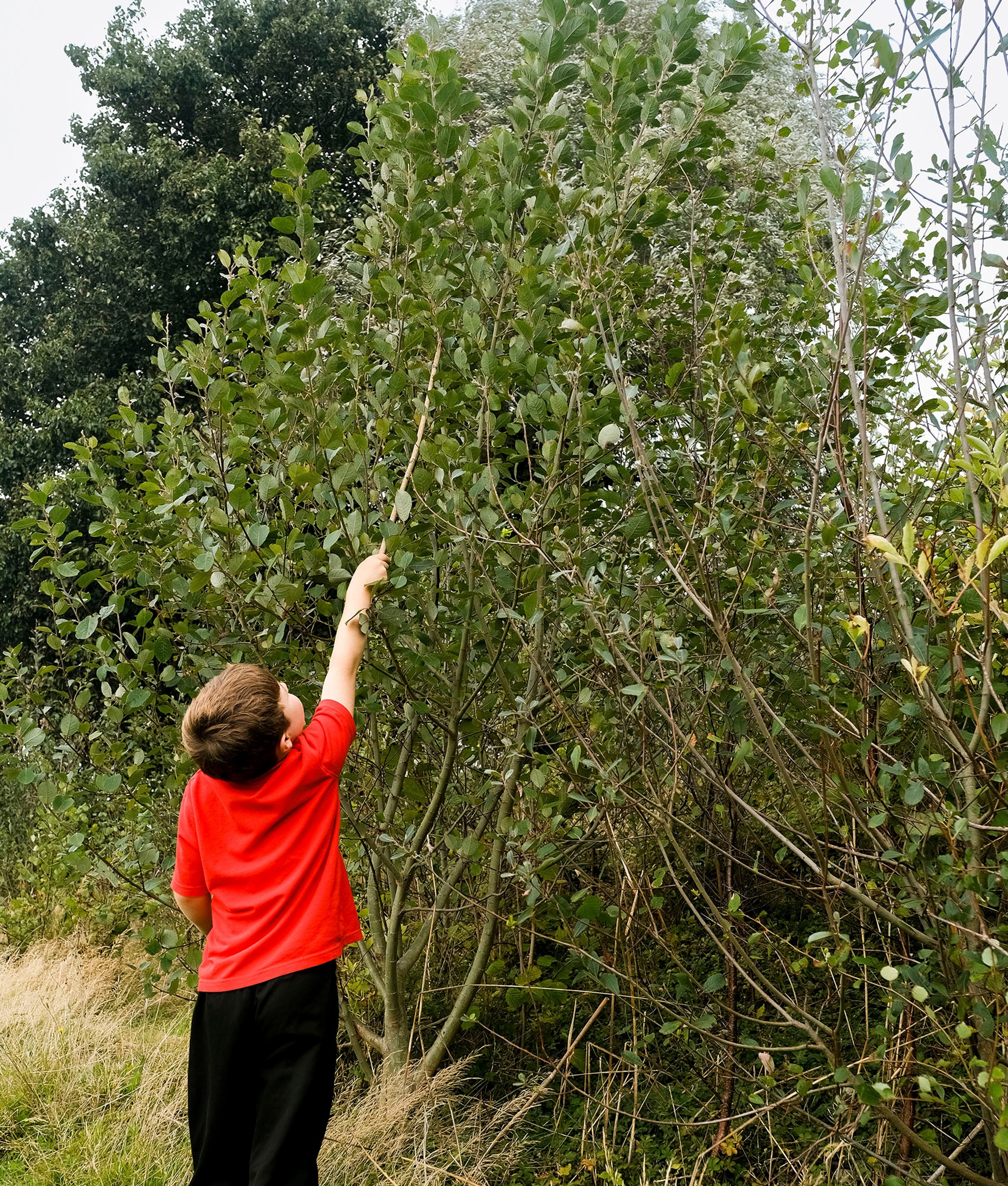
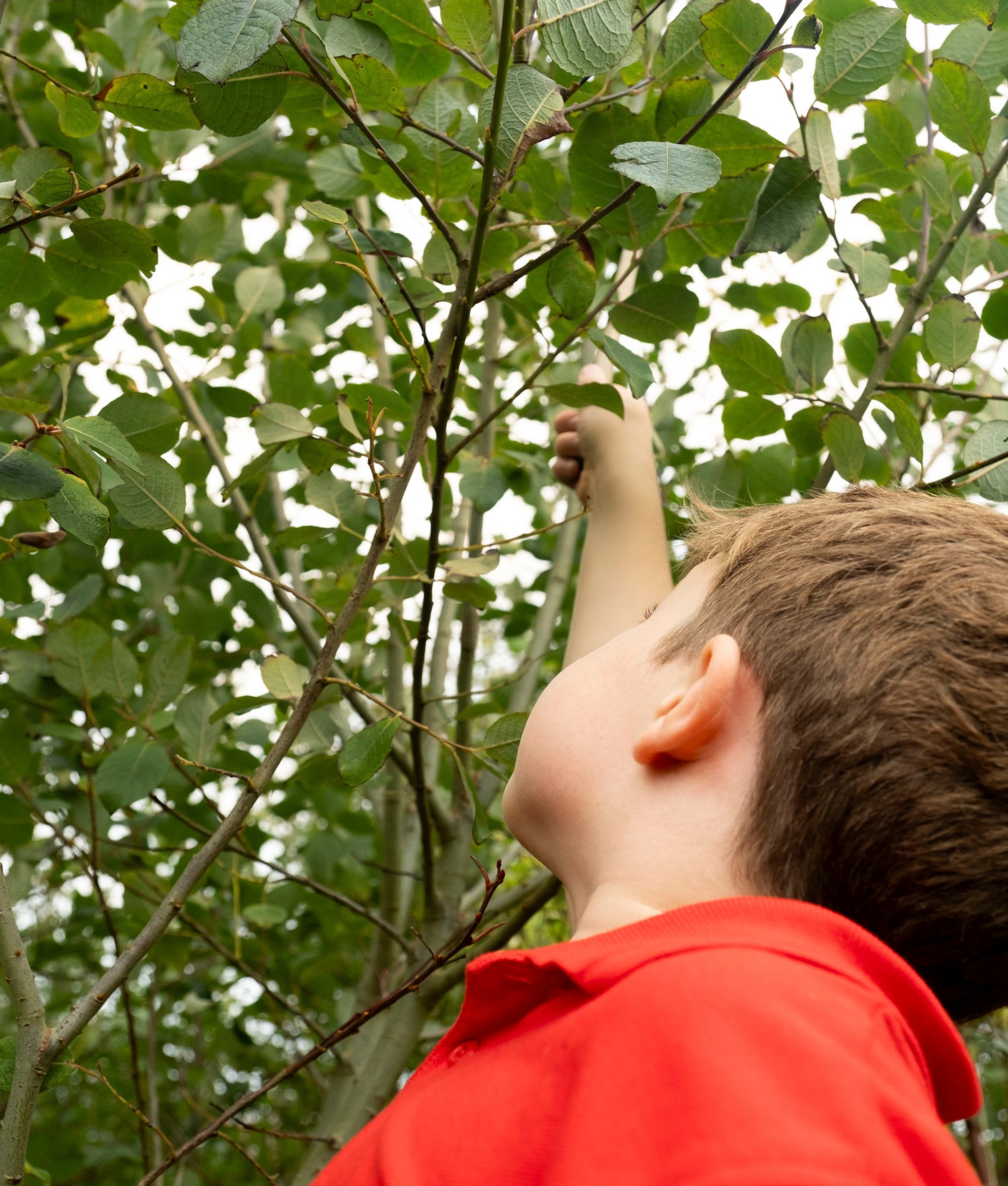
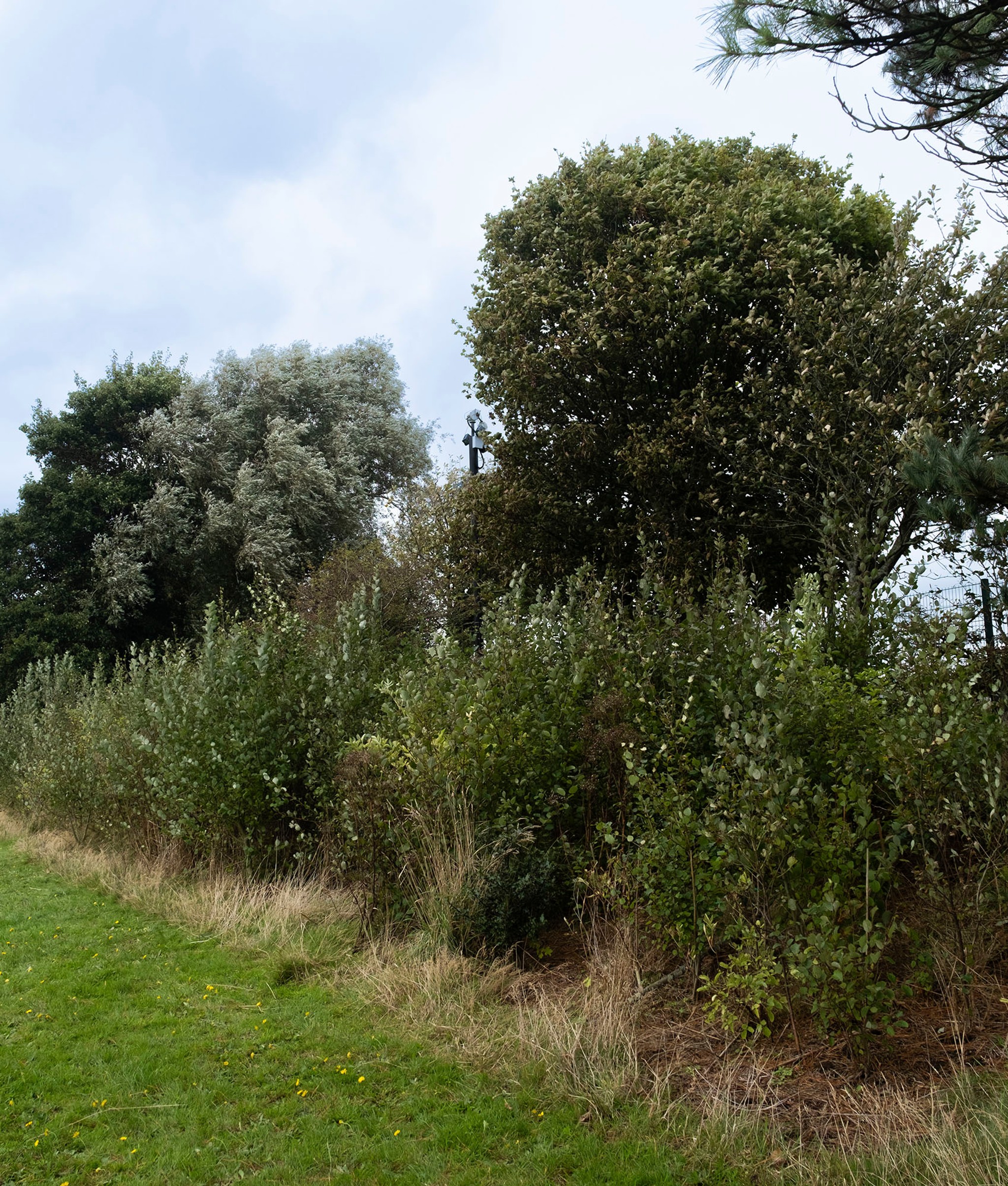
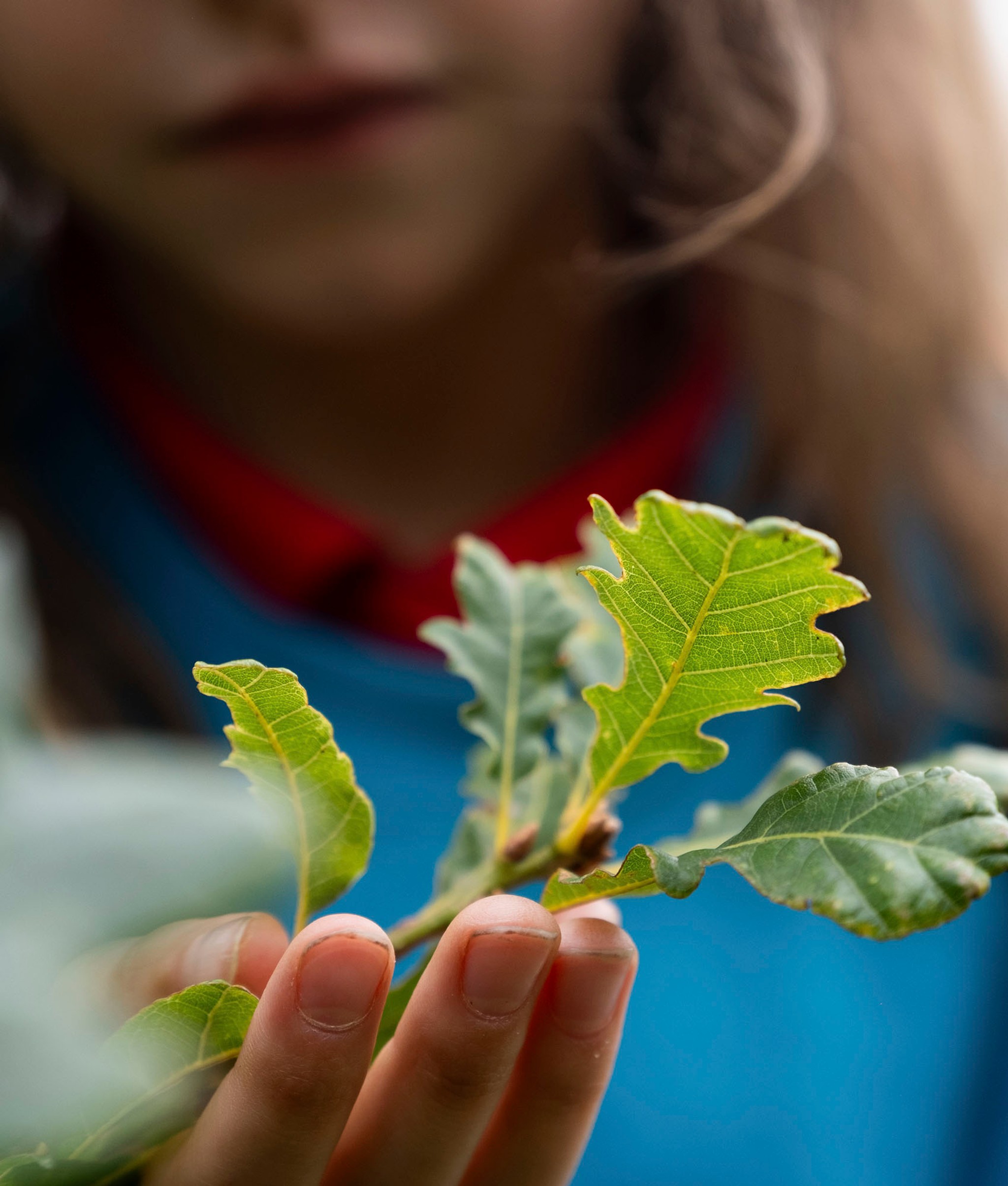
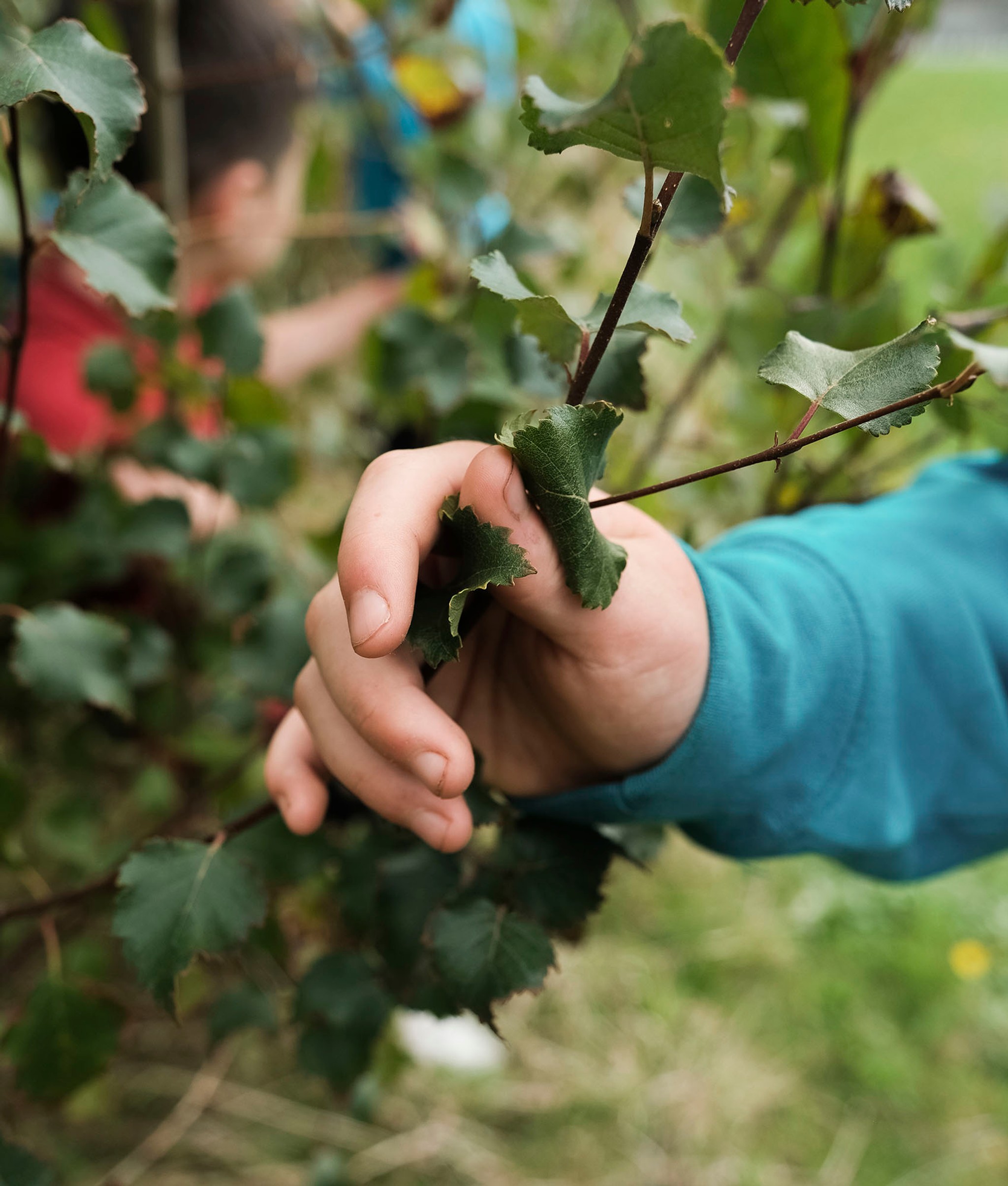
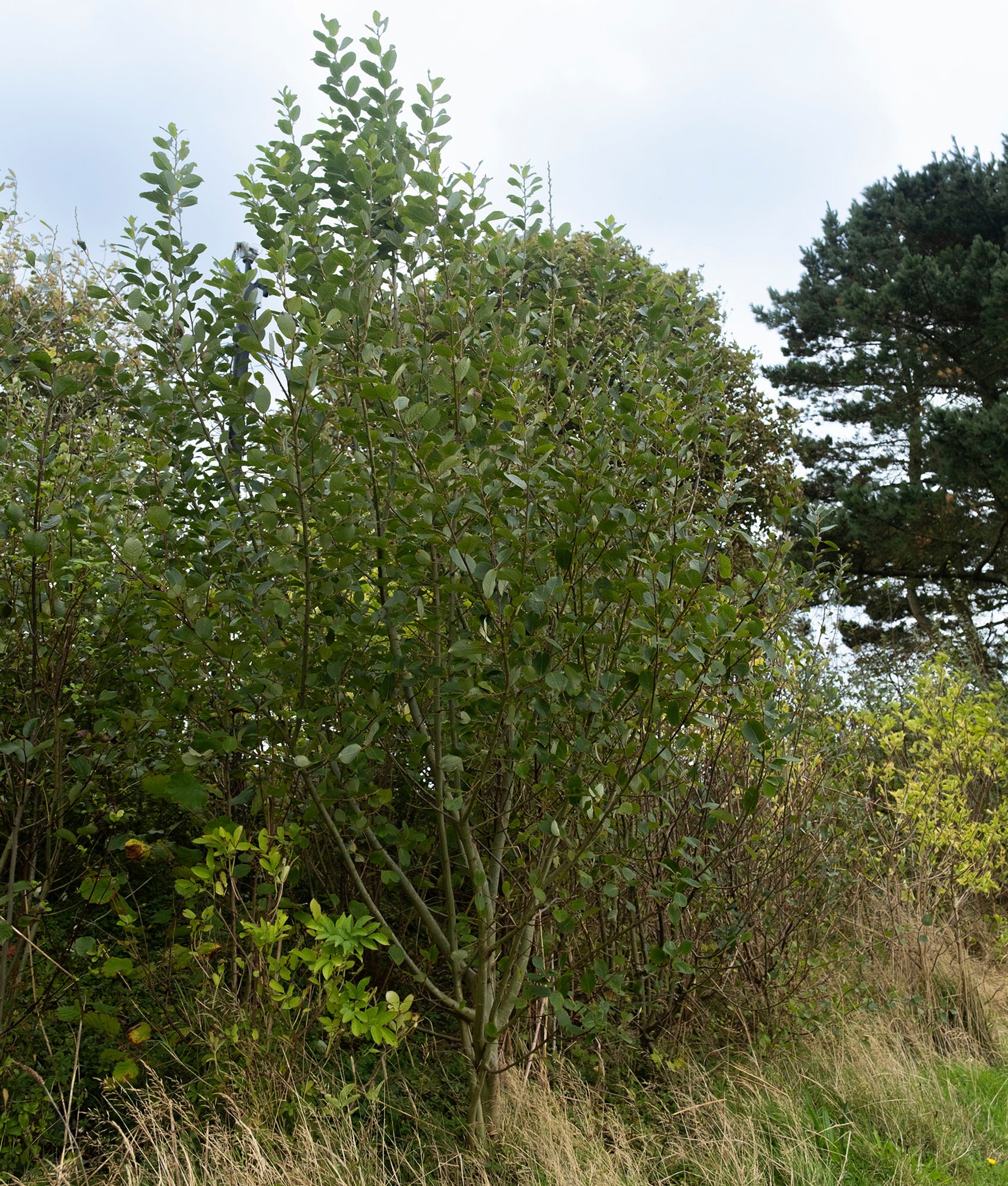
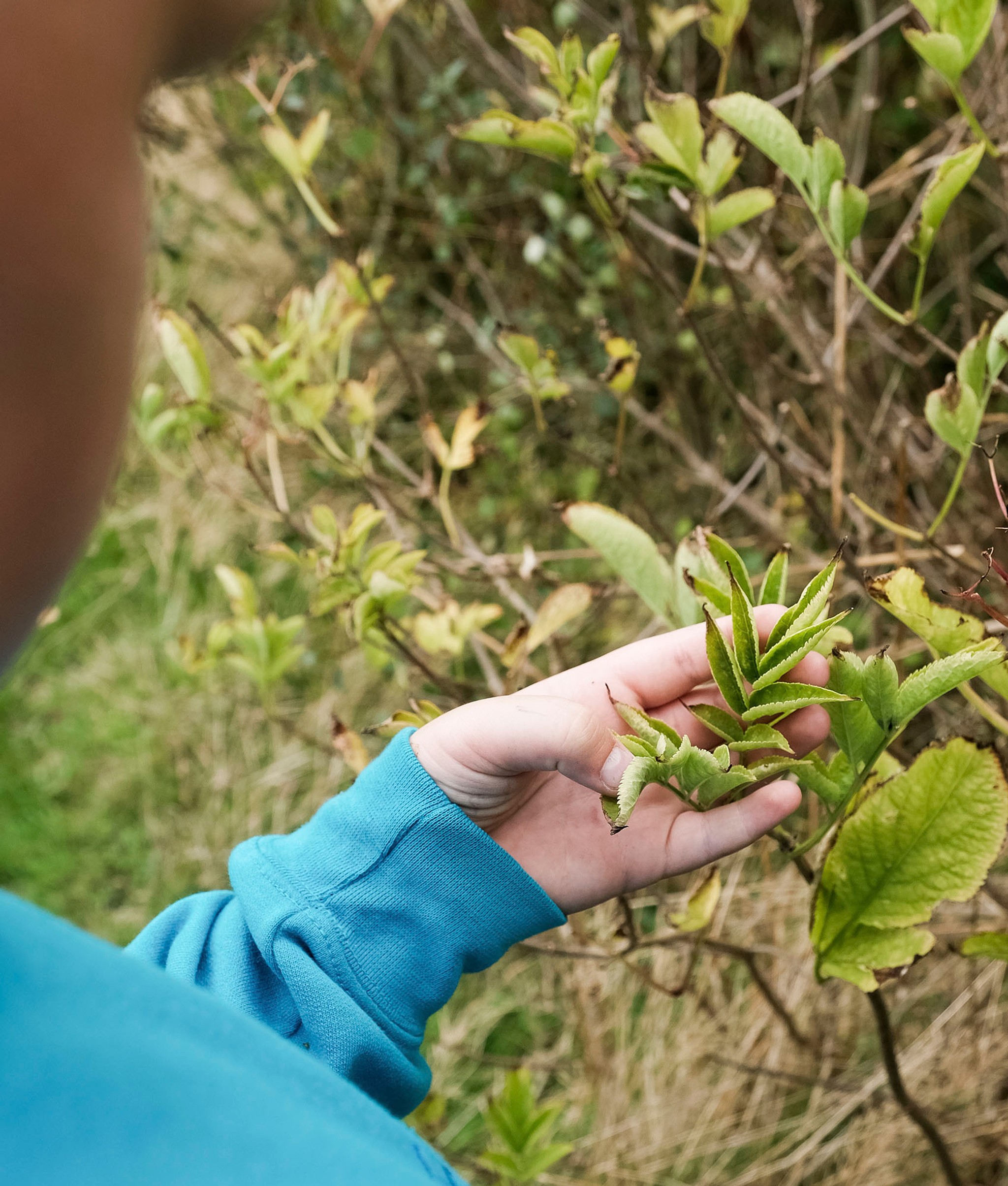
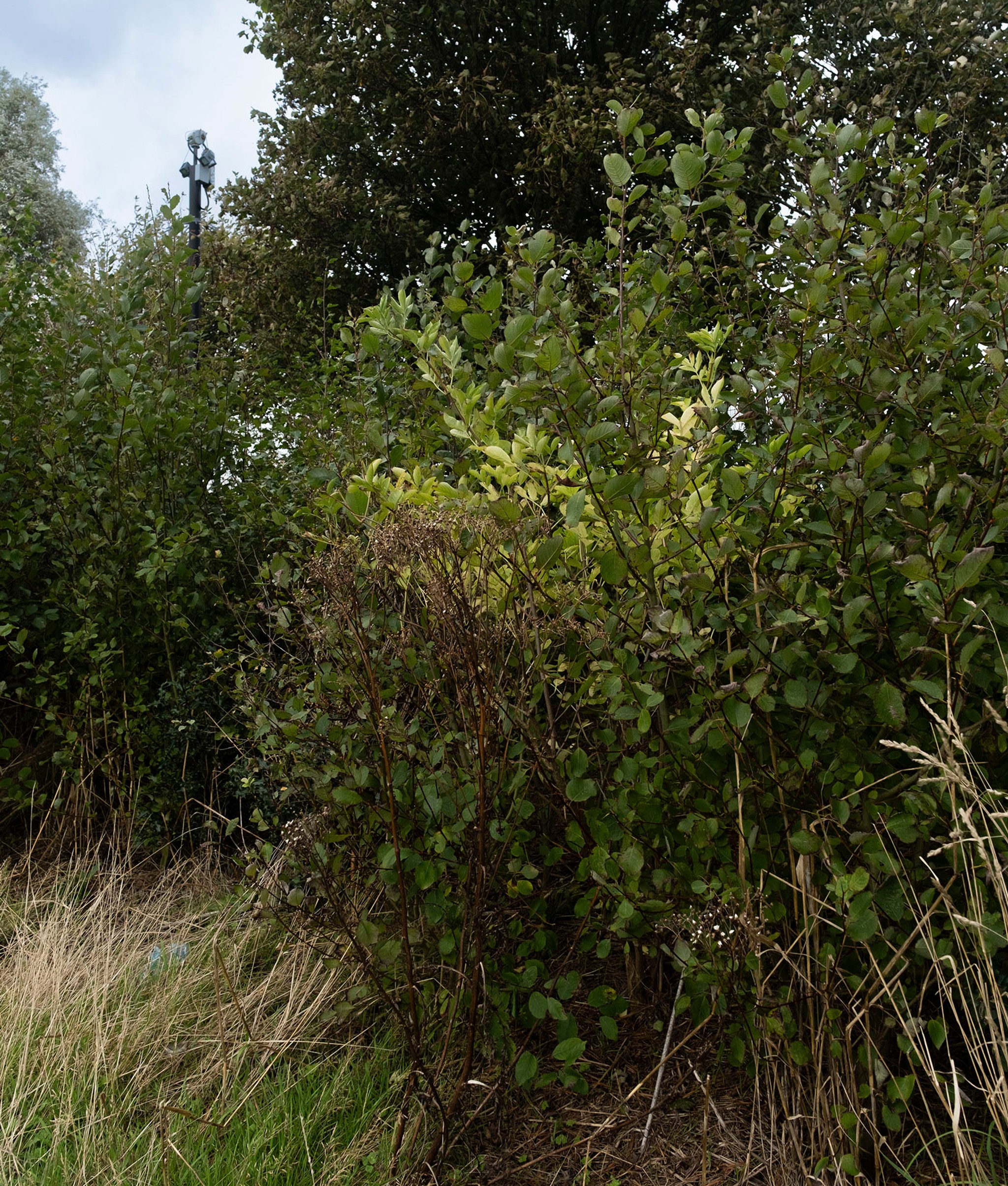
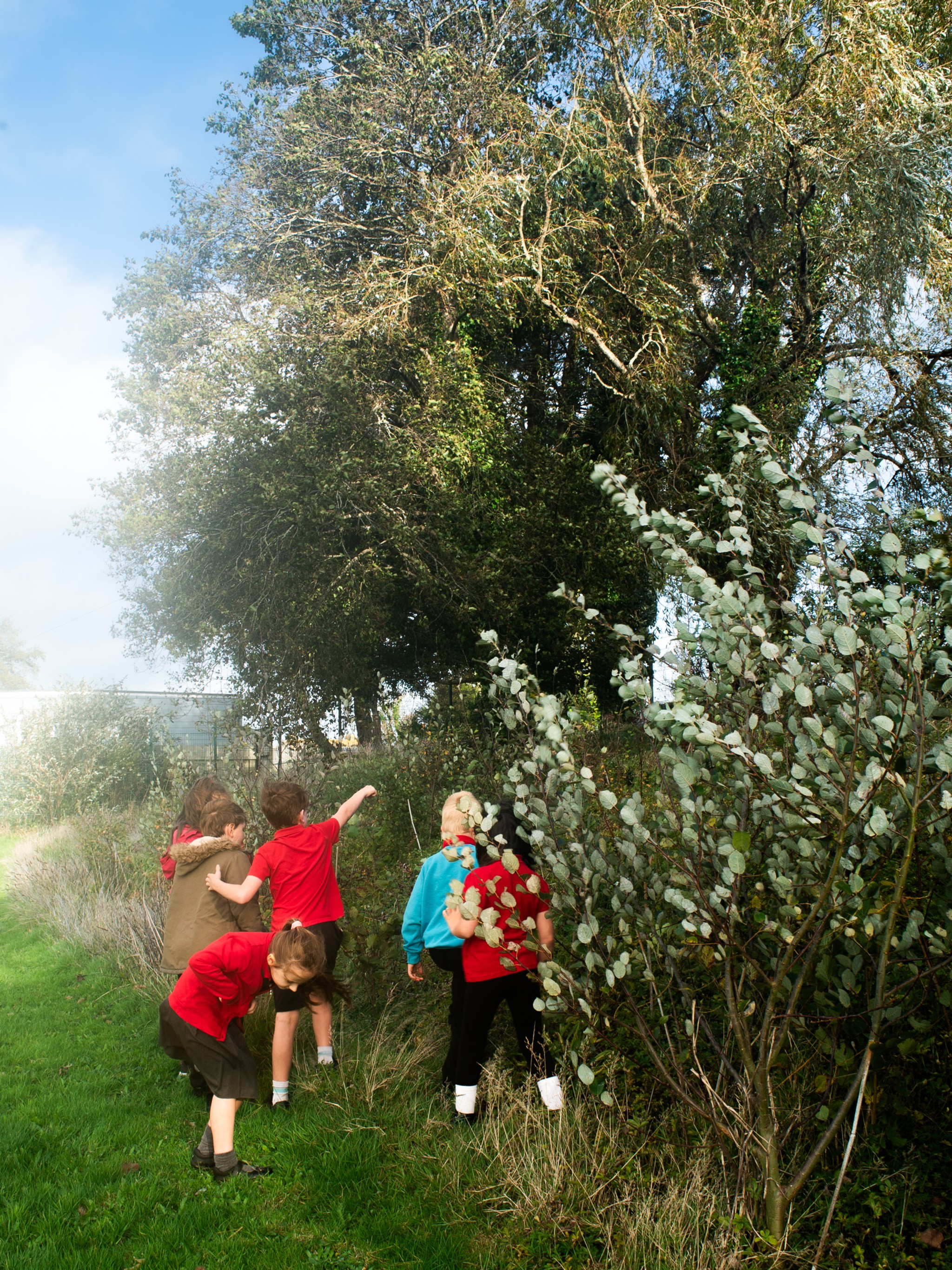
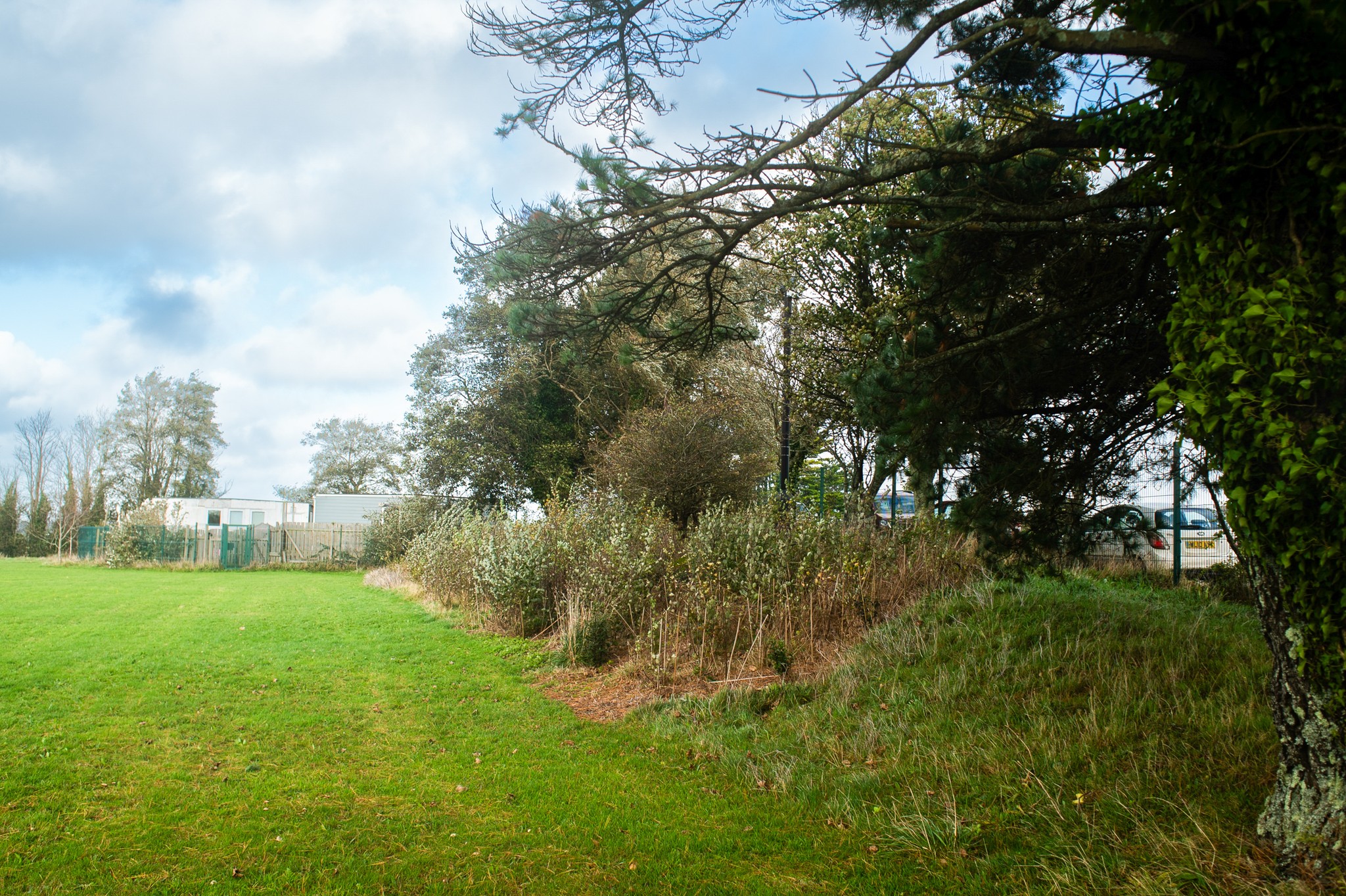
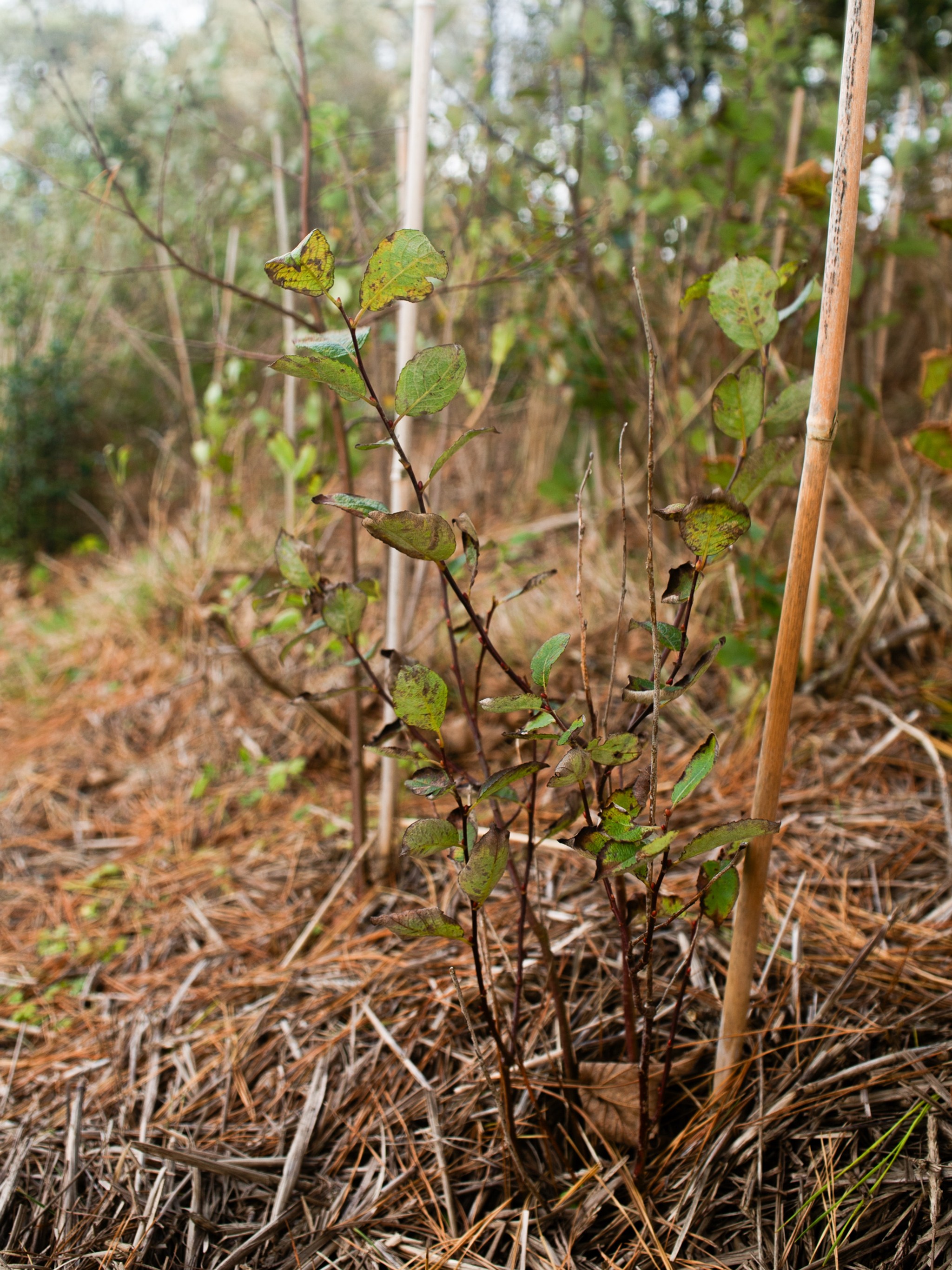
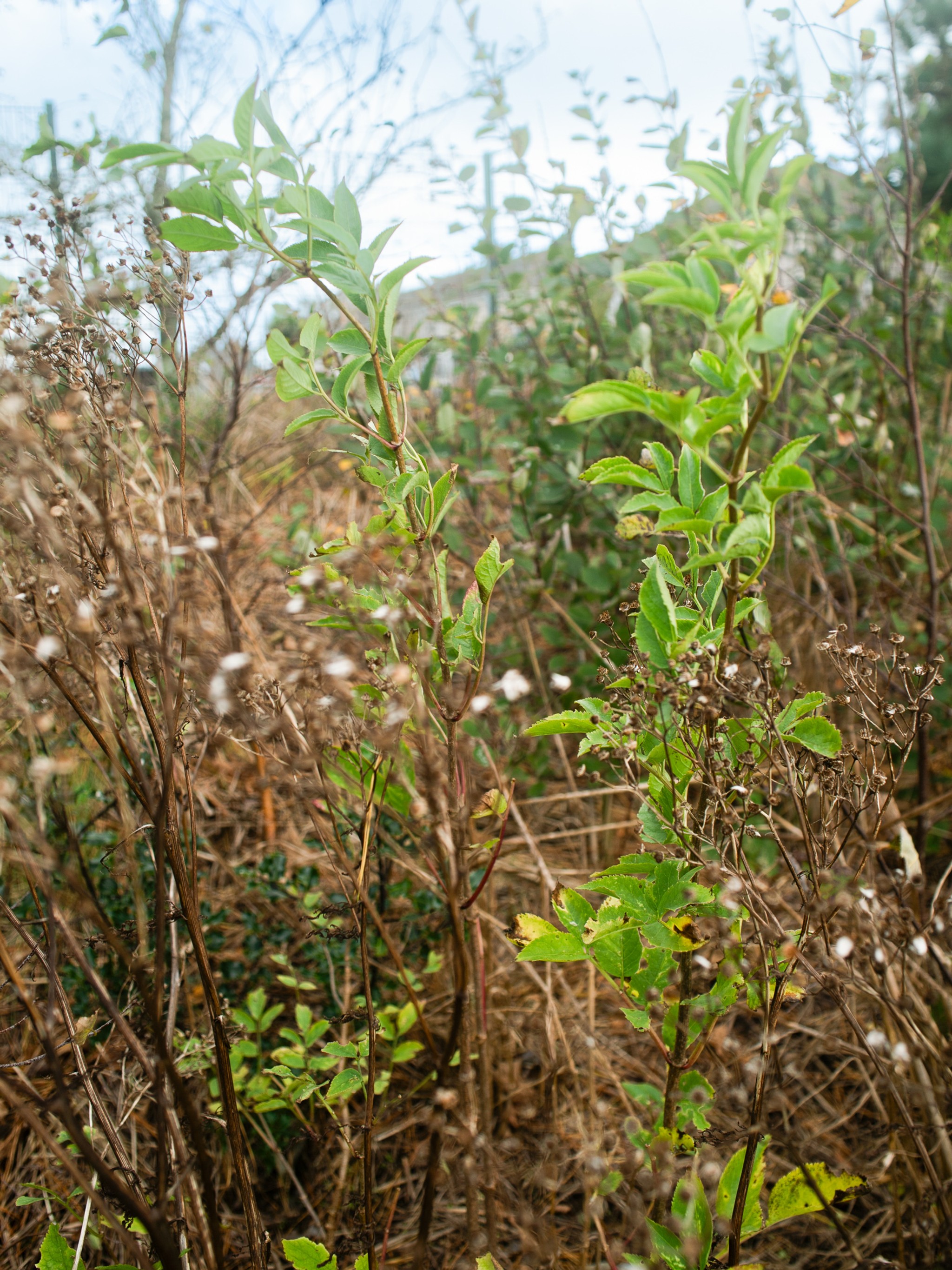
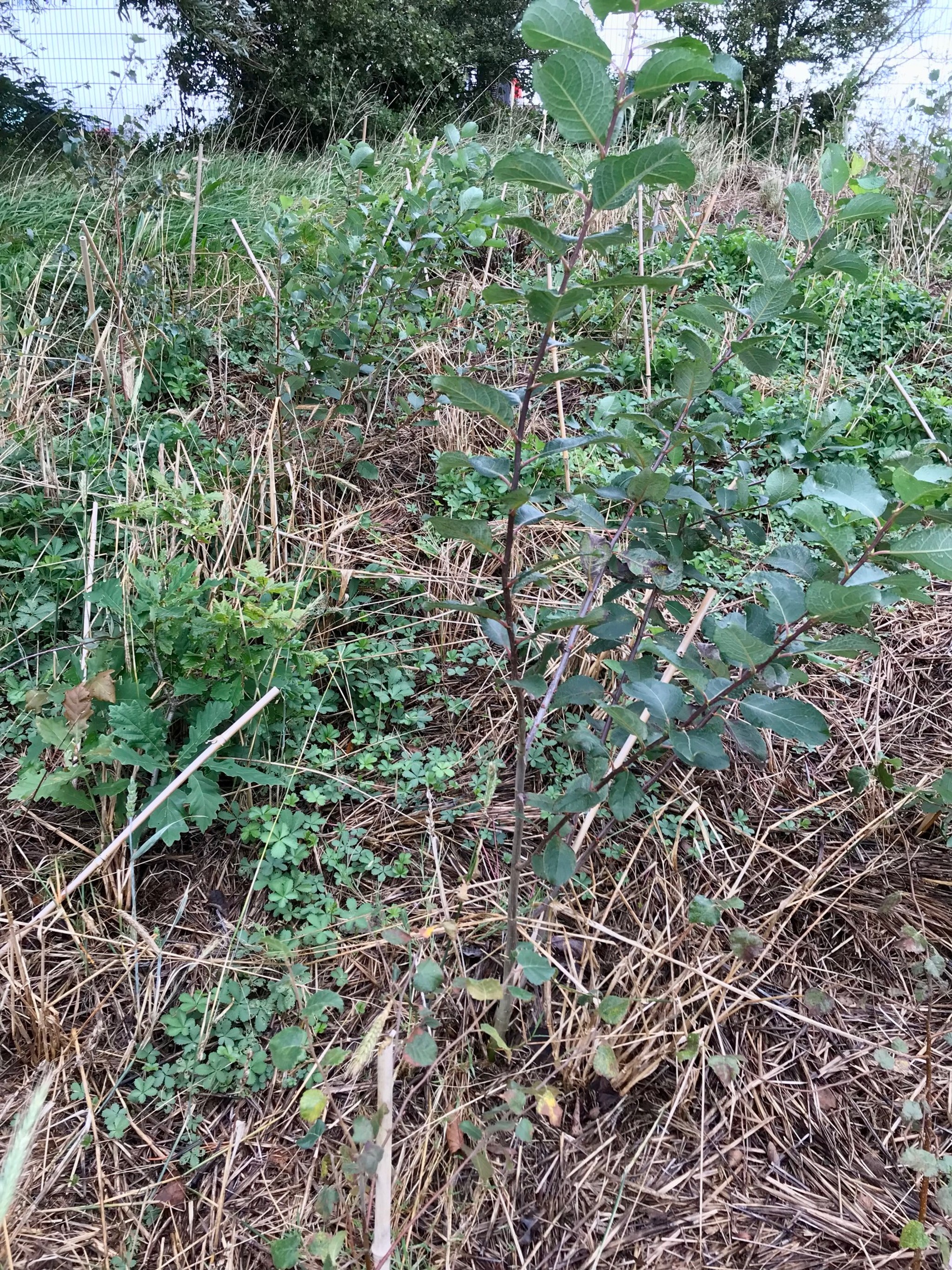
Now reaching a thriving height of 3 metres, the forest has entered an exciting new phase of development. The pioneer species, including Grey Willow (Salix cinerea), Silver Birch (Betula pendula), and Elder (Sambucus nigra), have successfully established a leafy canopy that is now assisting in the natural suppression of invasive plants. Beneath this protective layer, climax species like the English Oak (Quercus robur) are firmly establishing themselves, remaining smaller for now as they await the perfect environmental conditions to ascend and take on their long-term role in the forest structure.
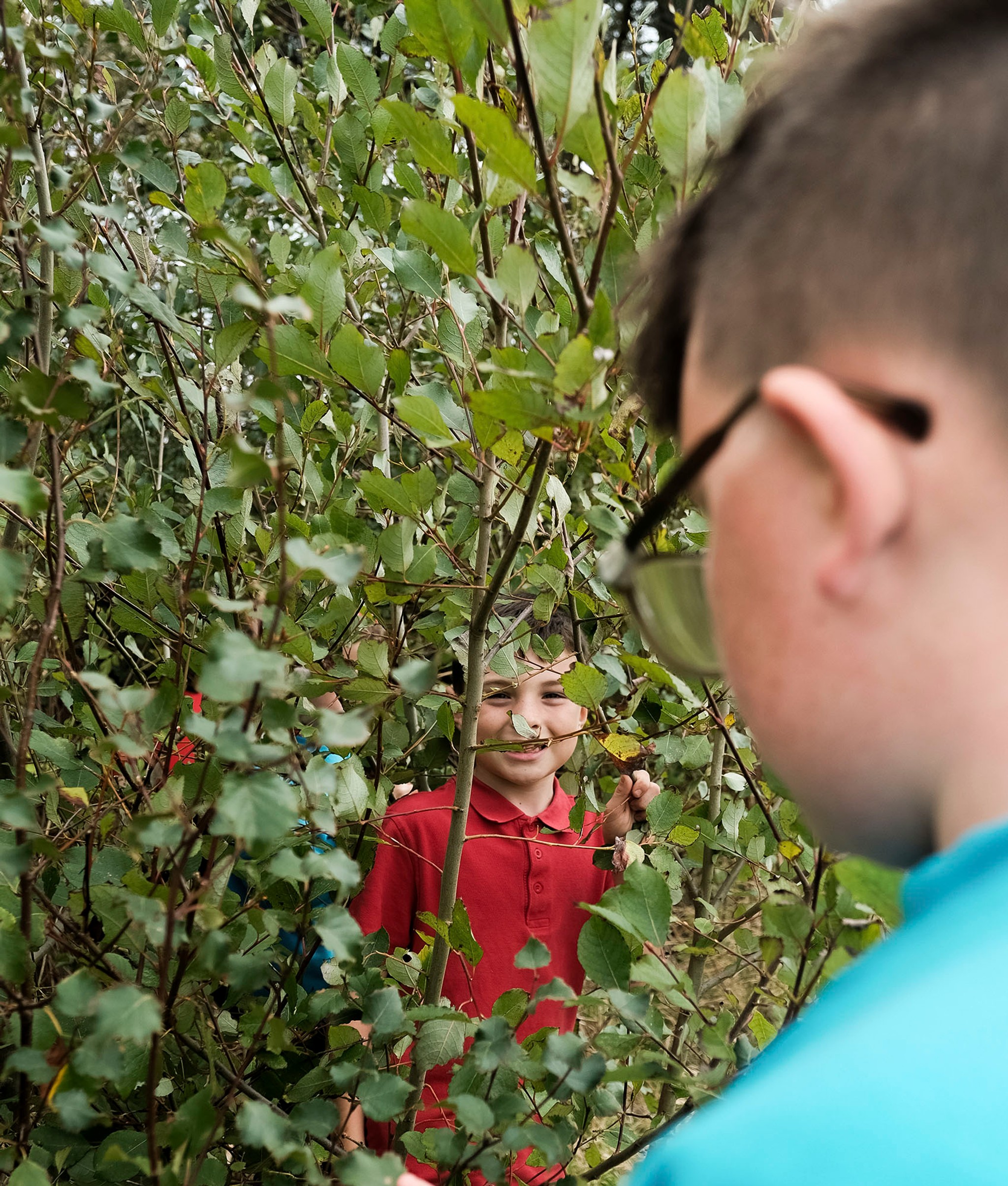
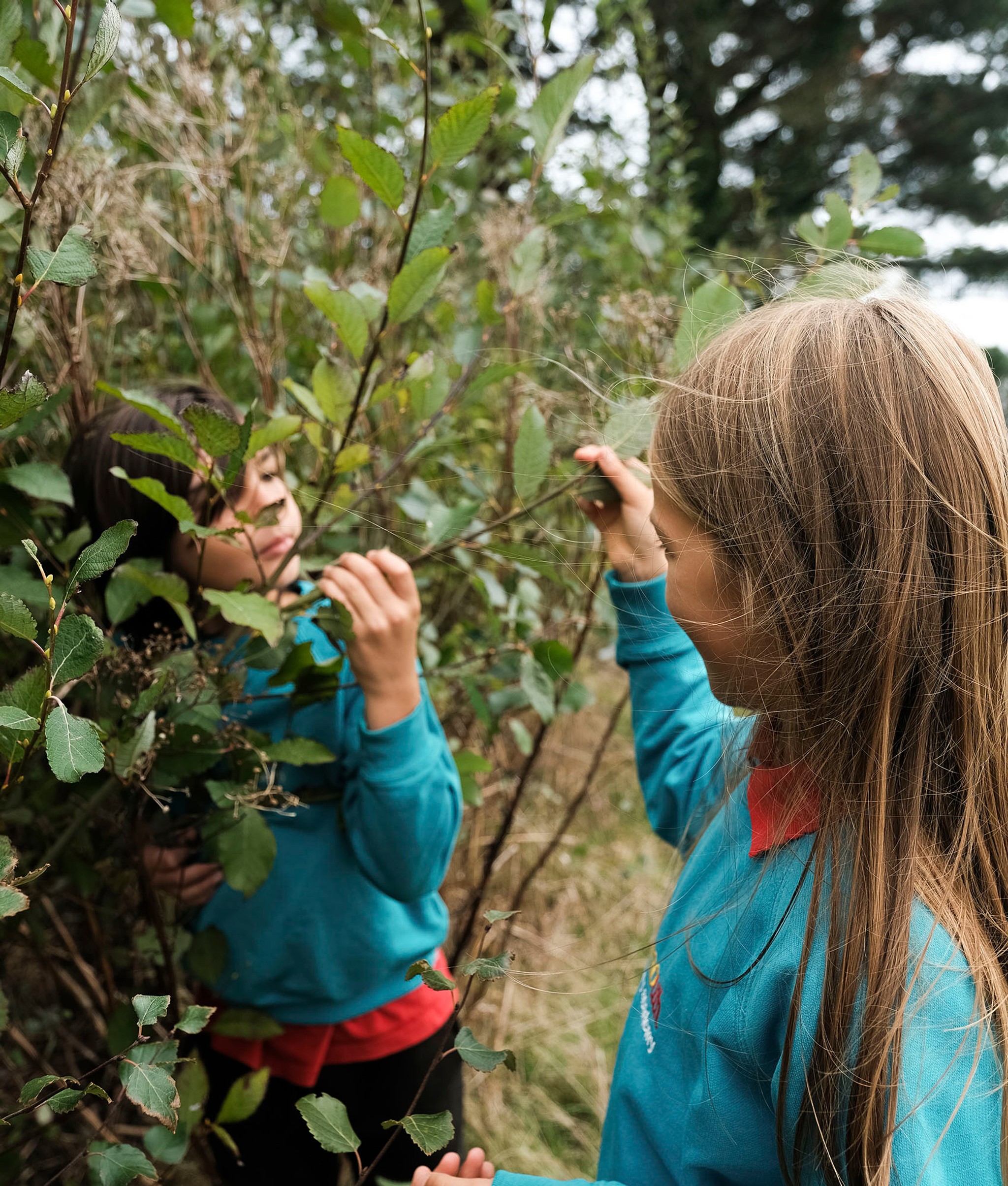
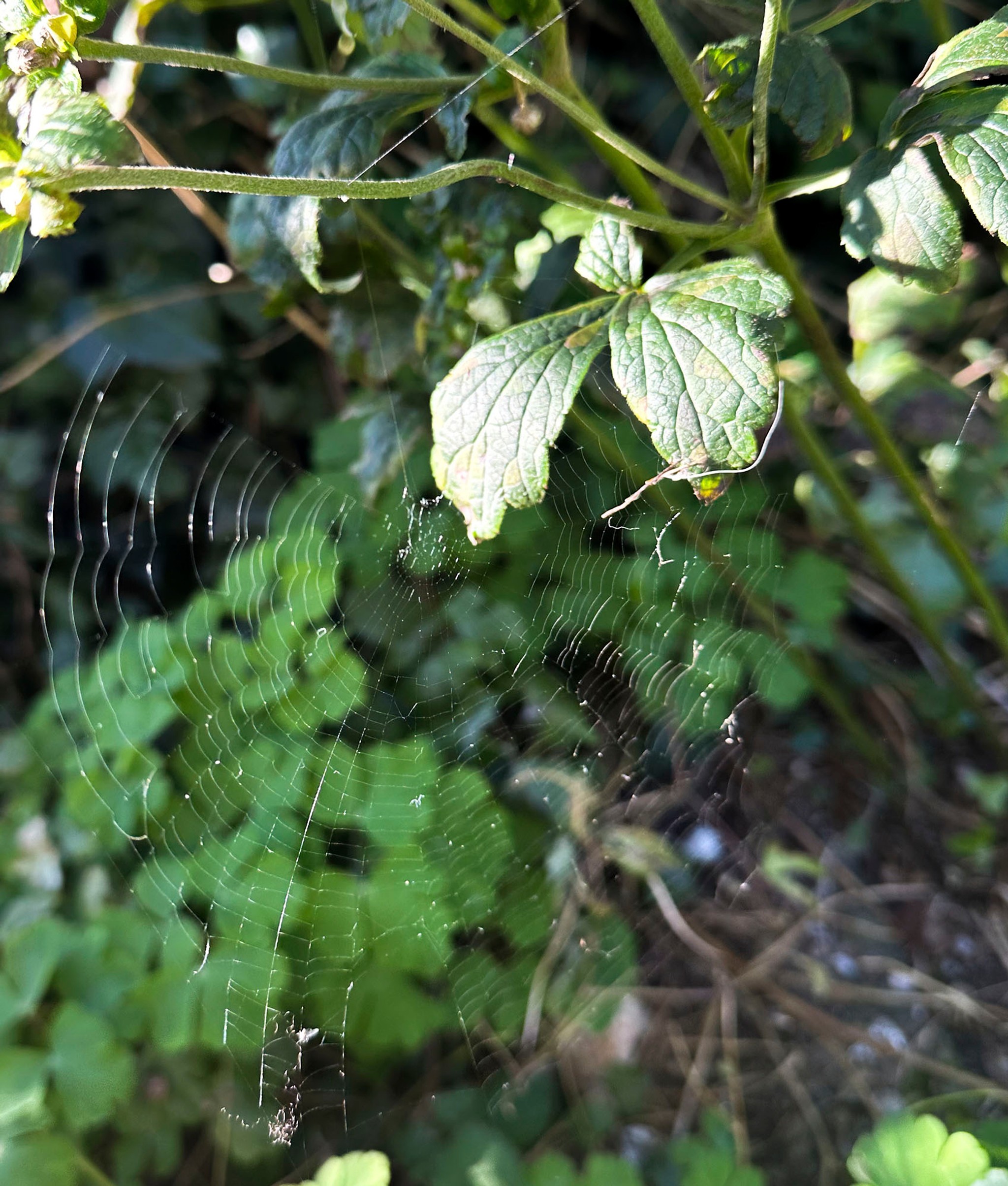
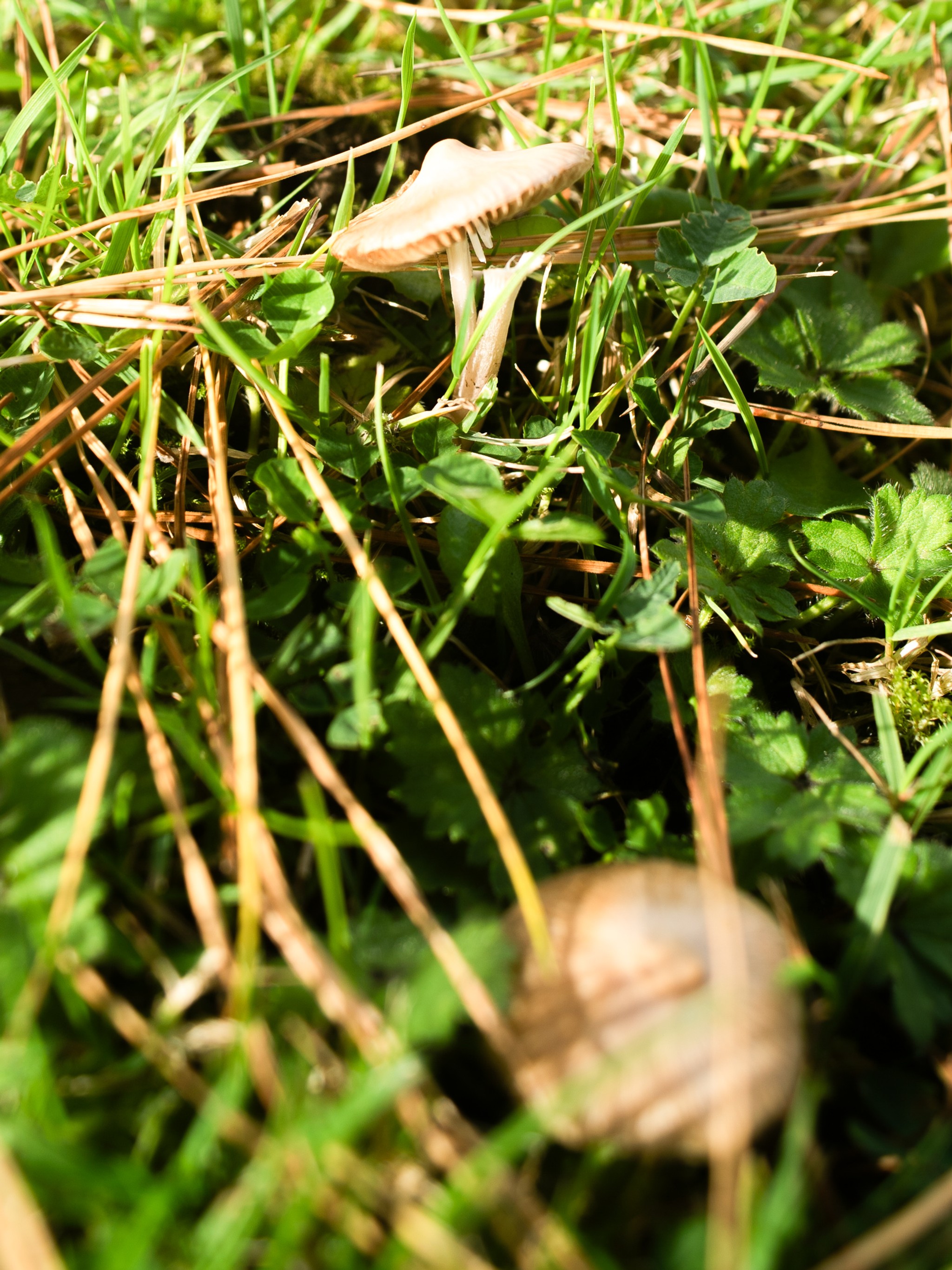
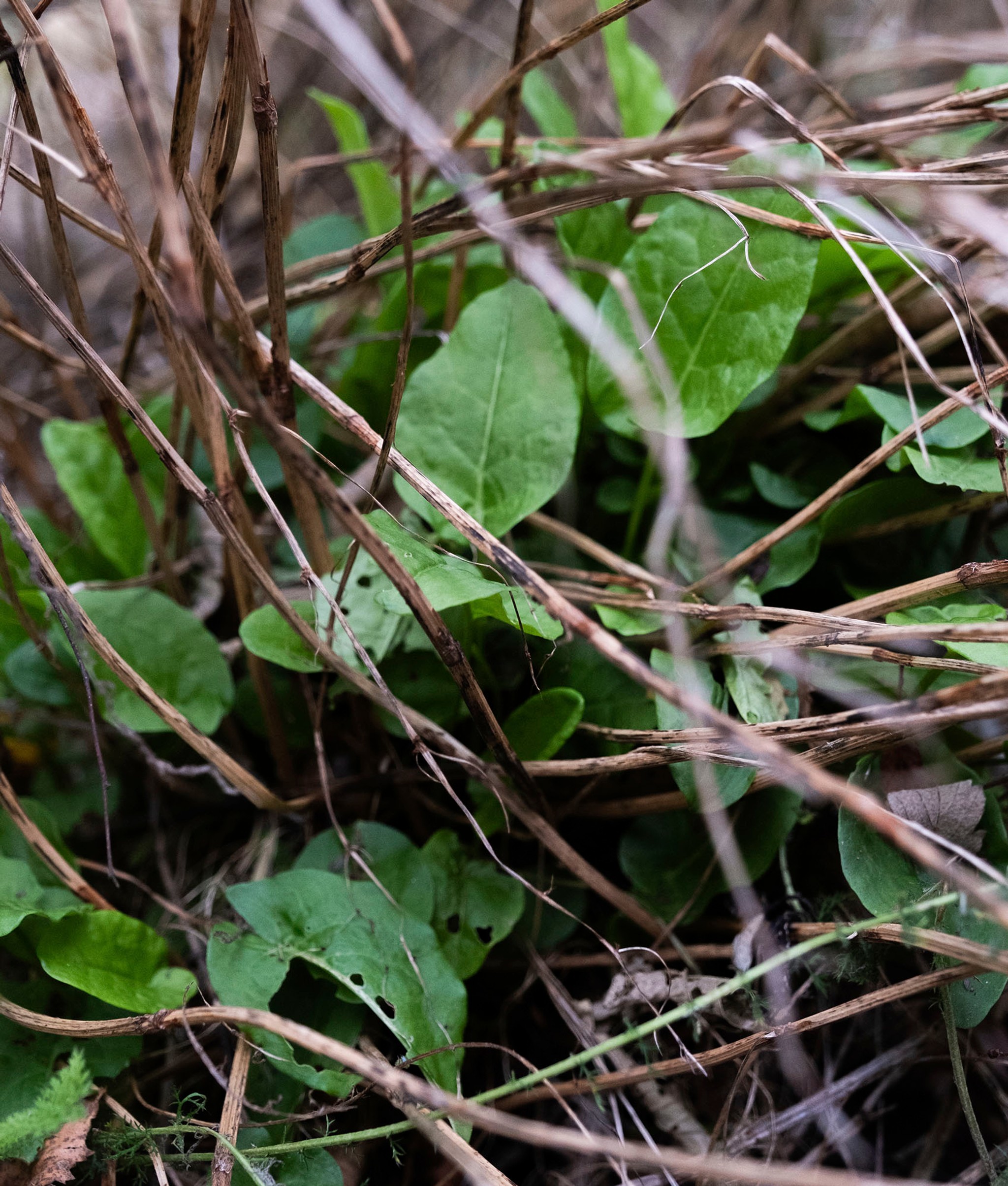
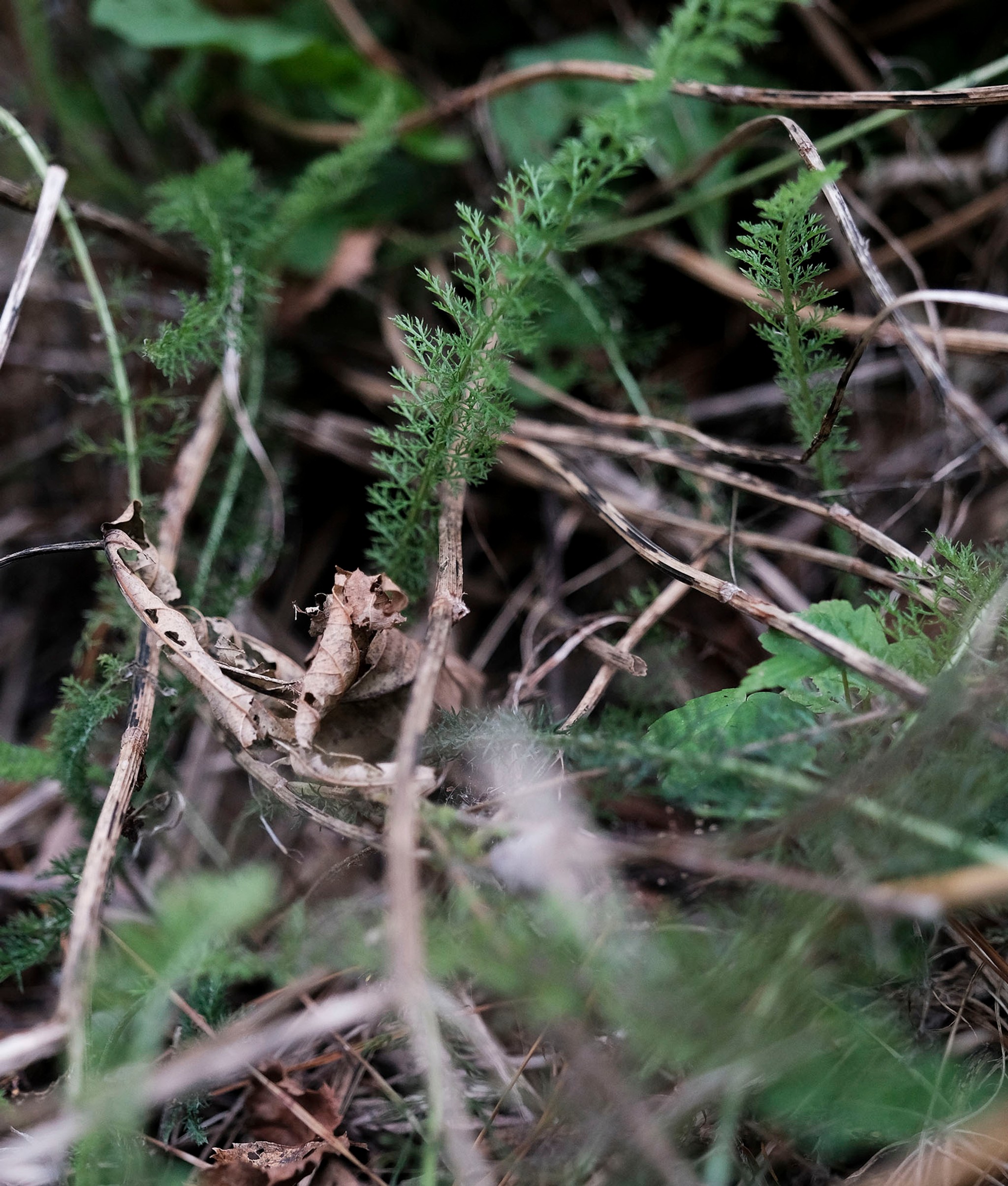
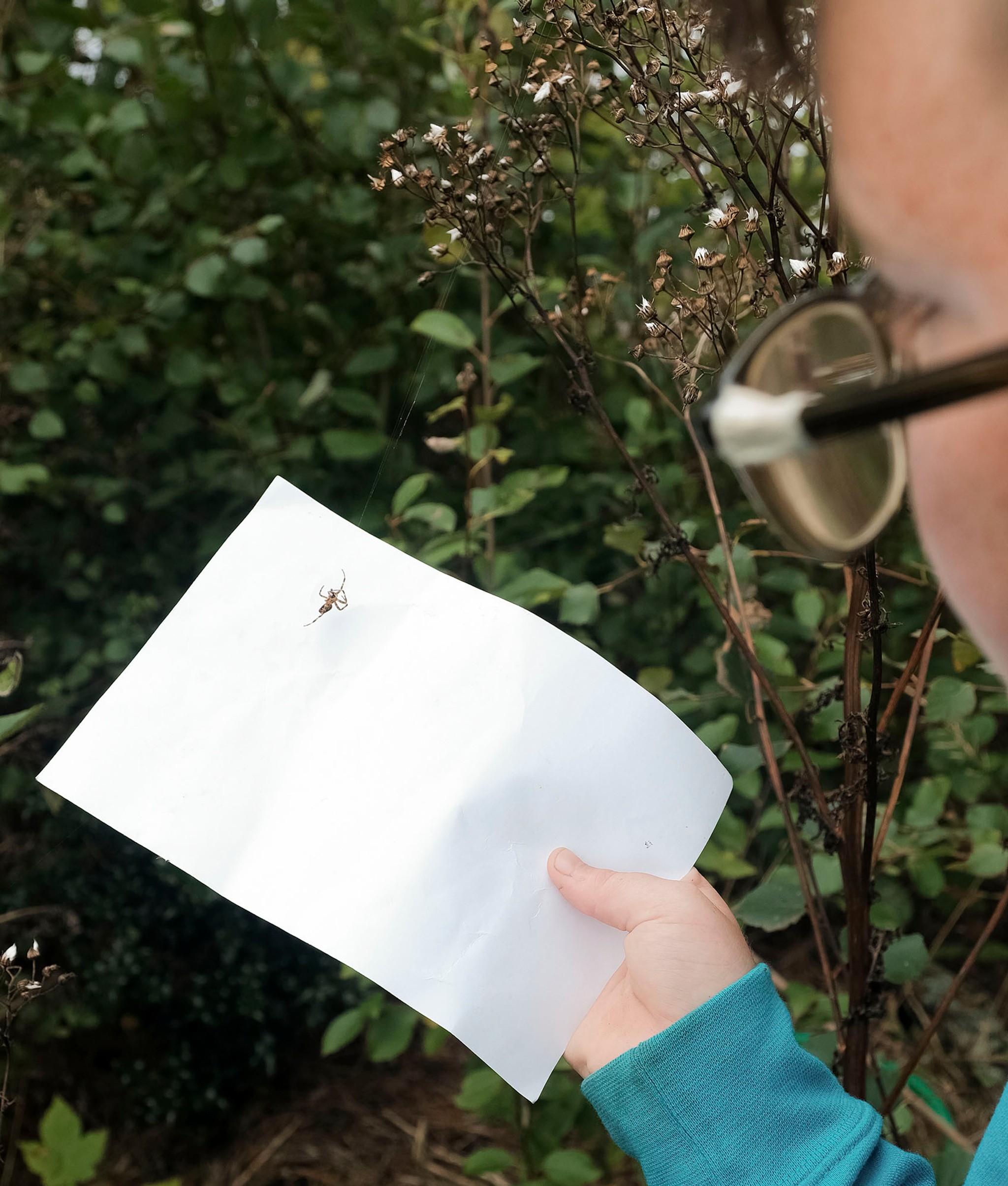
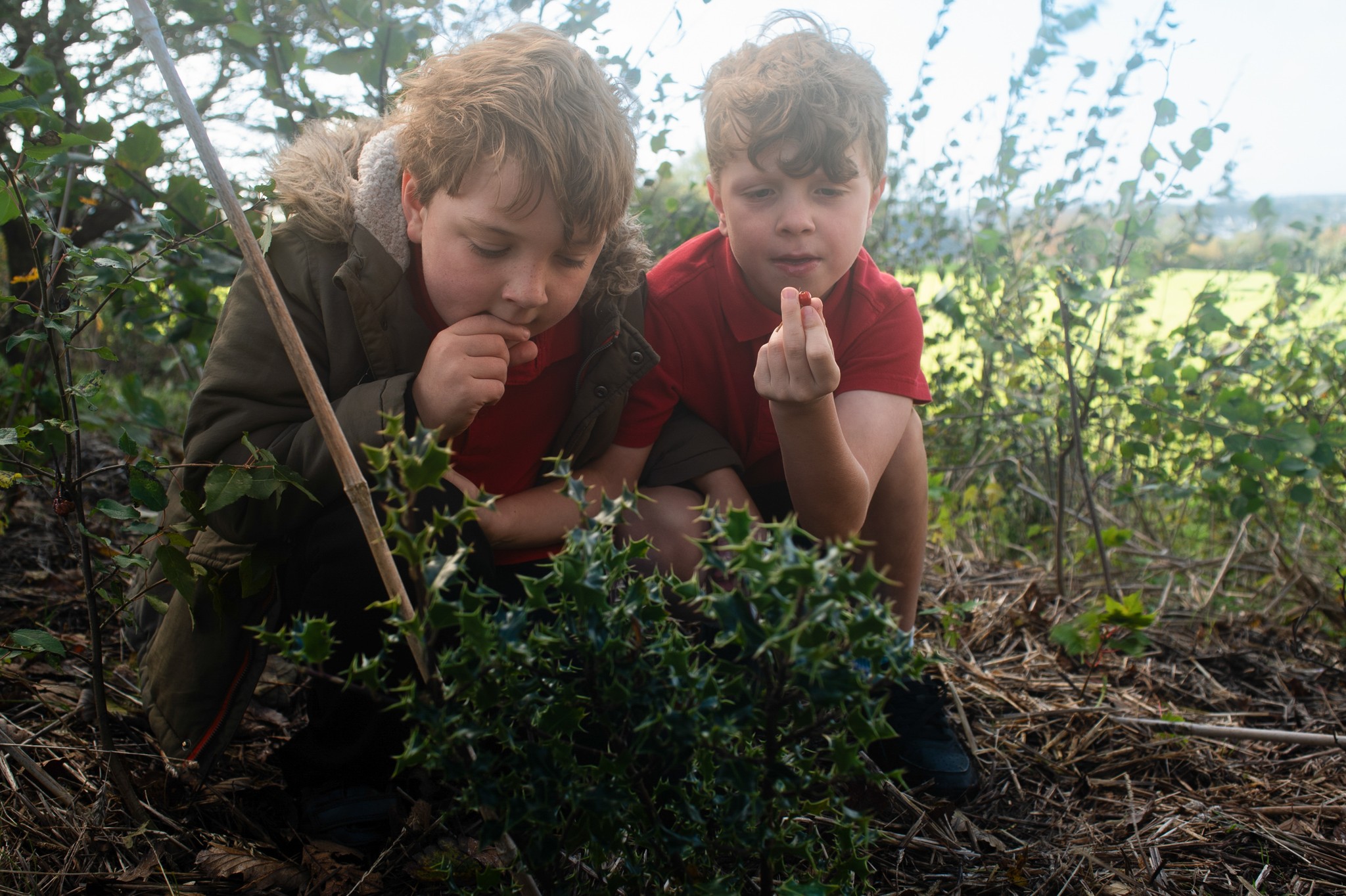
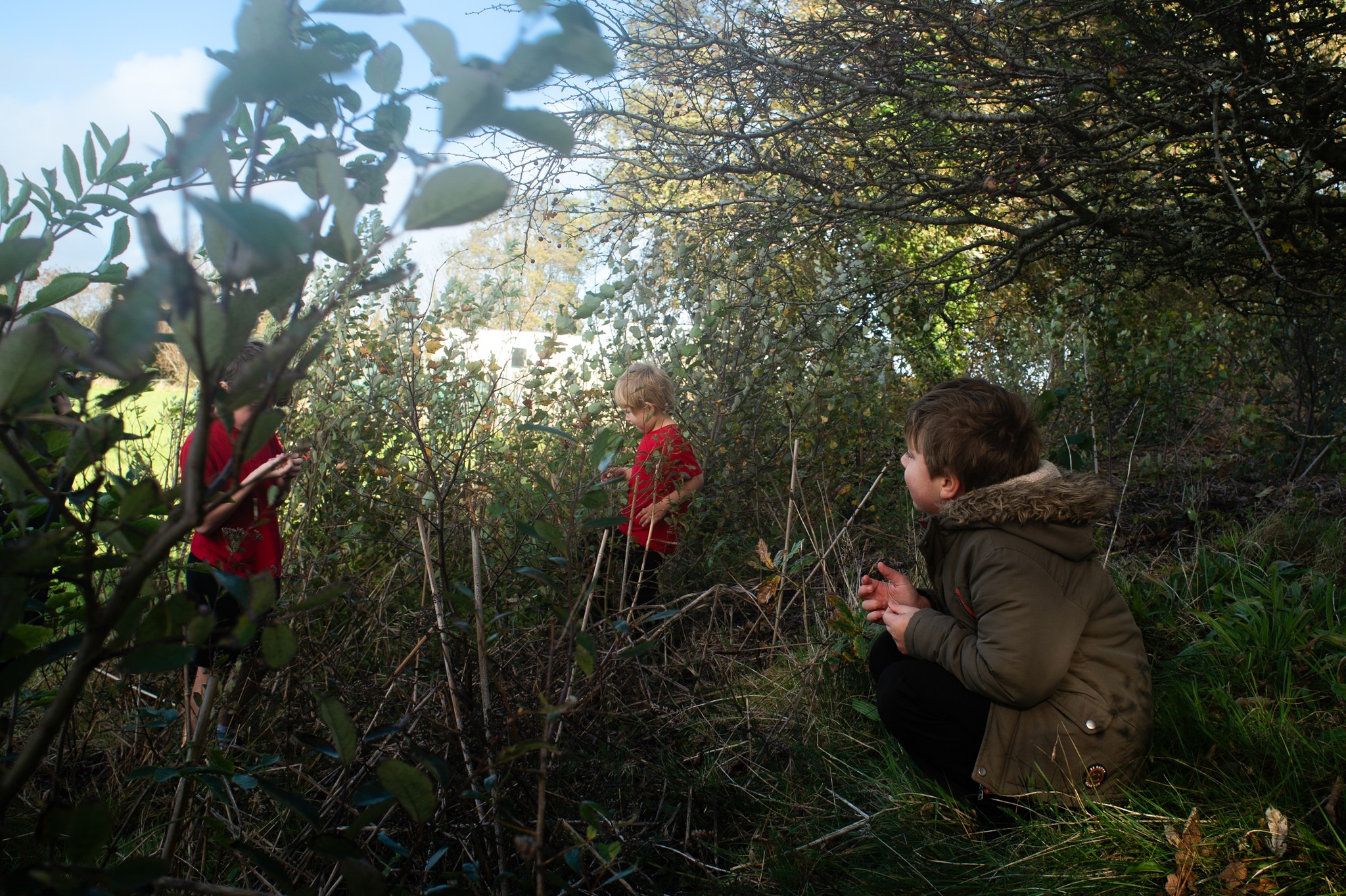
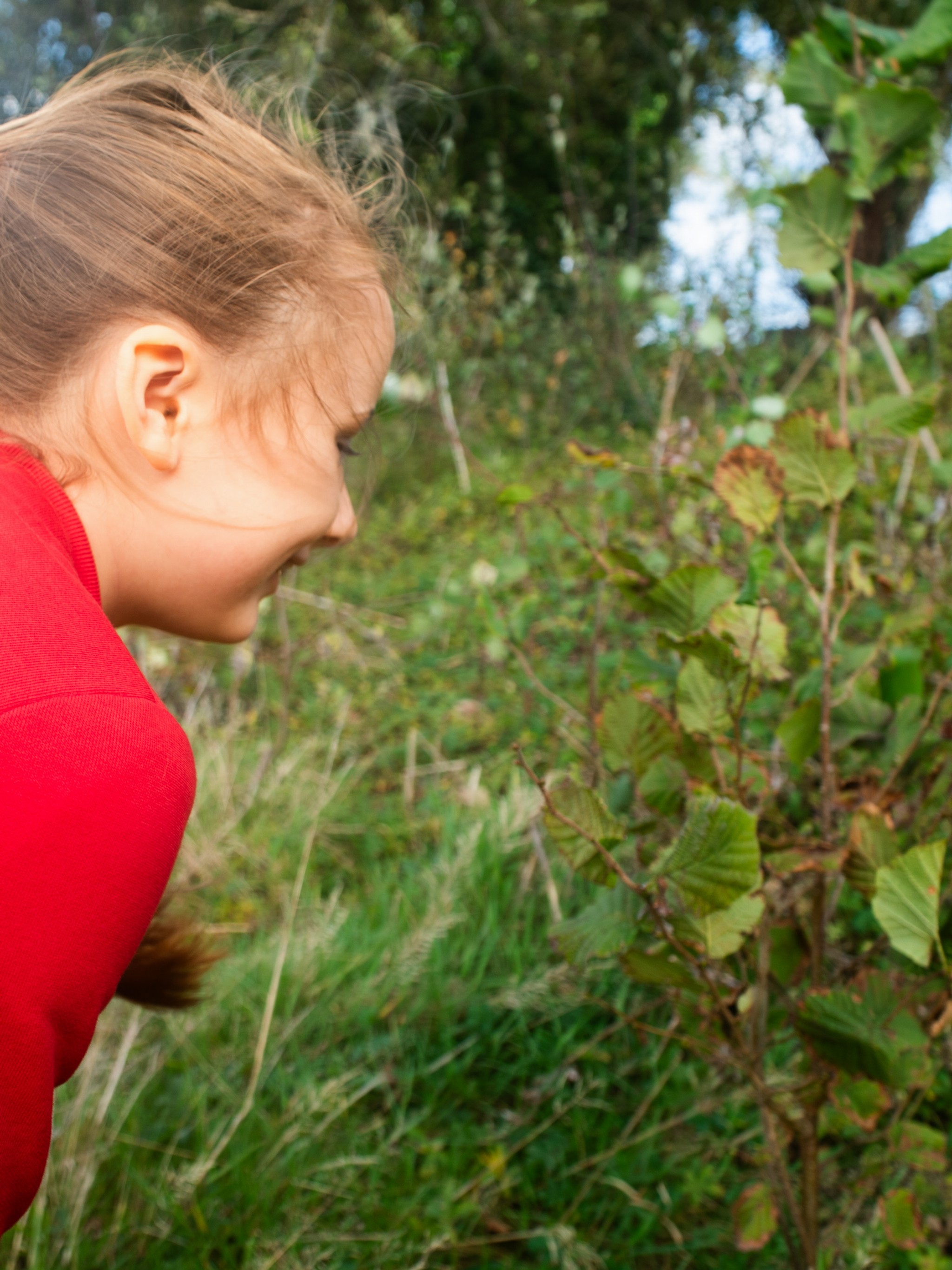
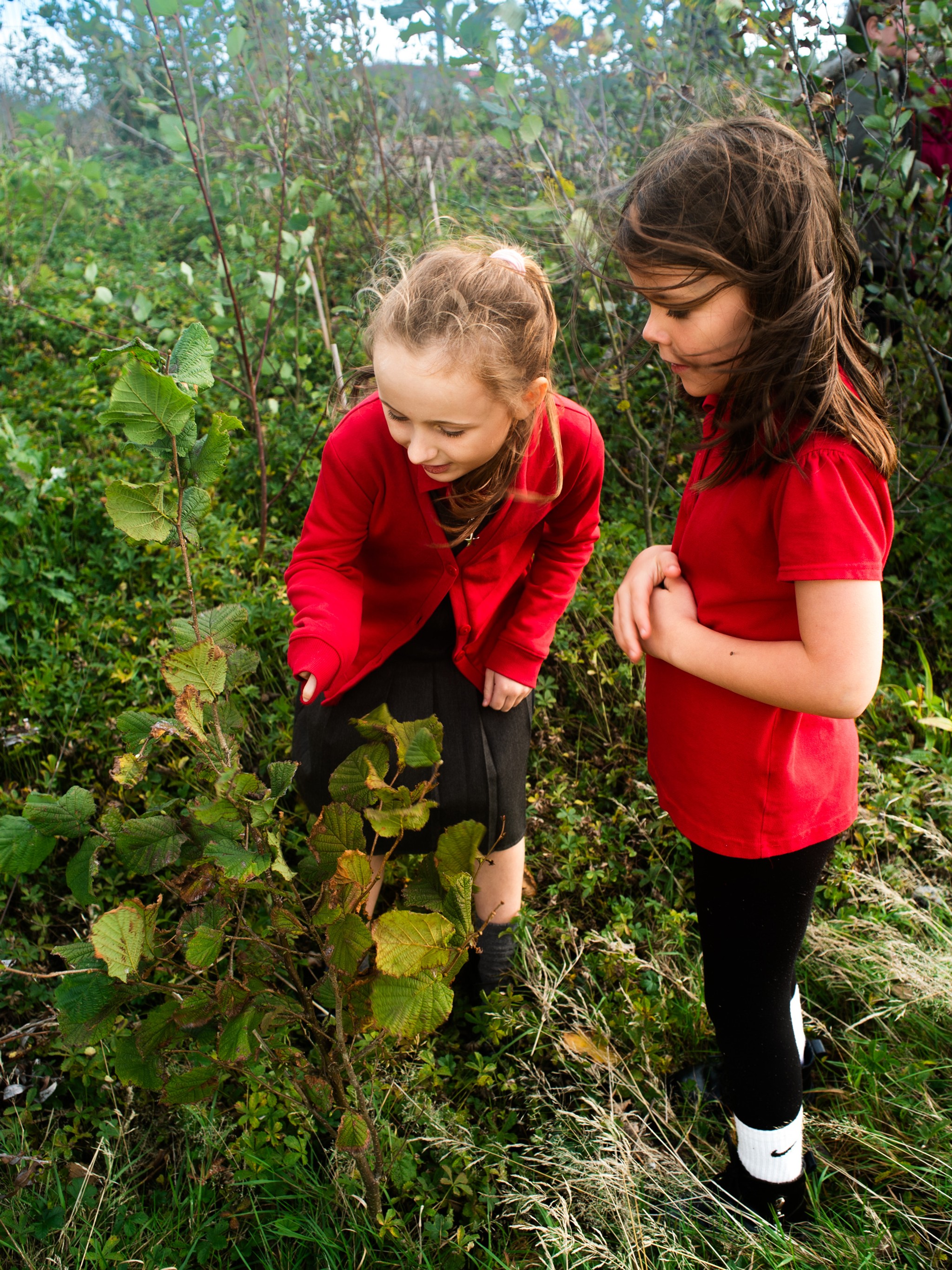
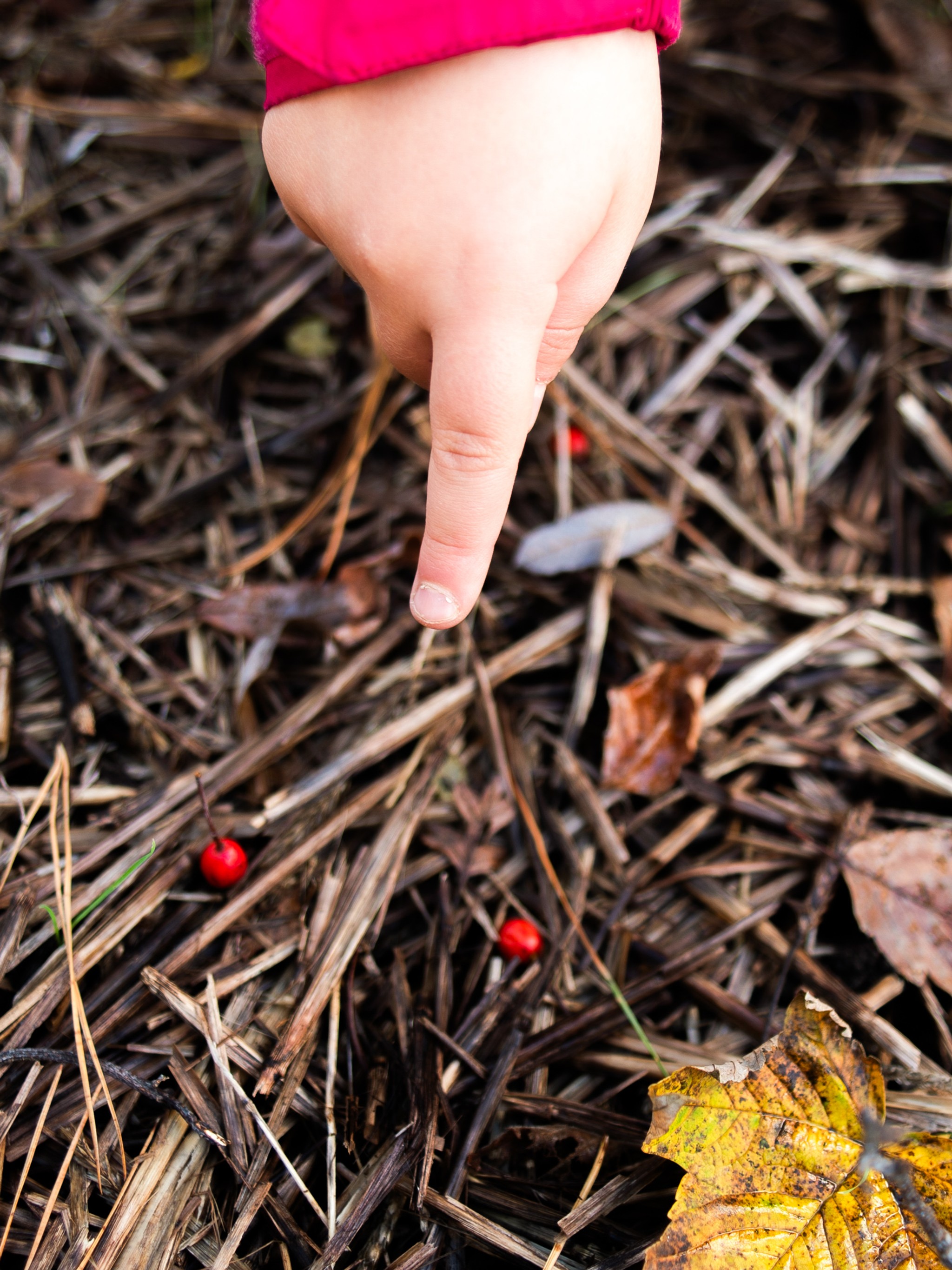
The transformation from a cleared, grassy patch into a complex ecosystem is evidenced by the rapid return of biodiversity; spiders have moved in, and there is clear evidence of various pollinating insects inhabiting the undergrowth. This burgeoning life cycle is further highlighted by the first signs of a forest harvest, with the Elders (Sambucus nigra) developing rich berries and the Apple trees (Malus domestica) producing fruit for students to collect.
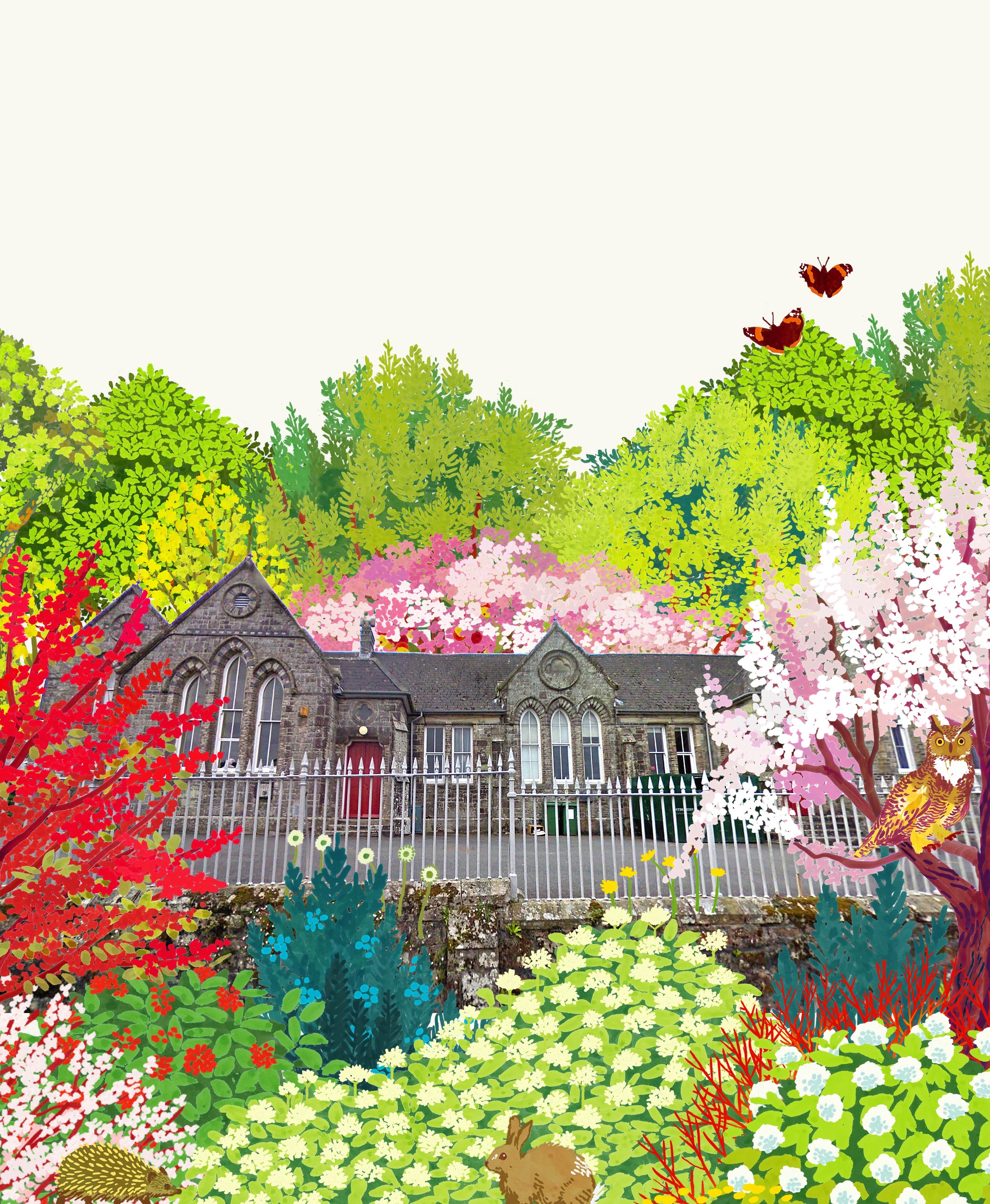
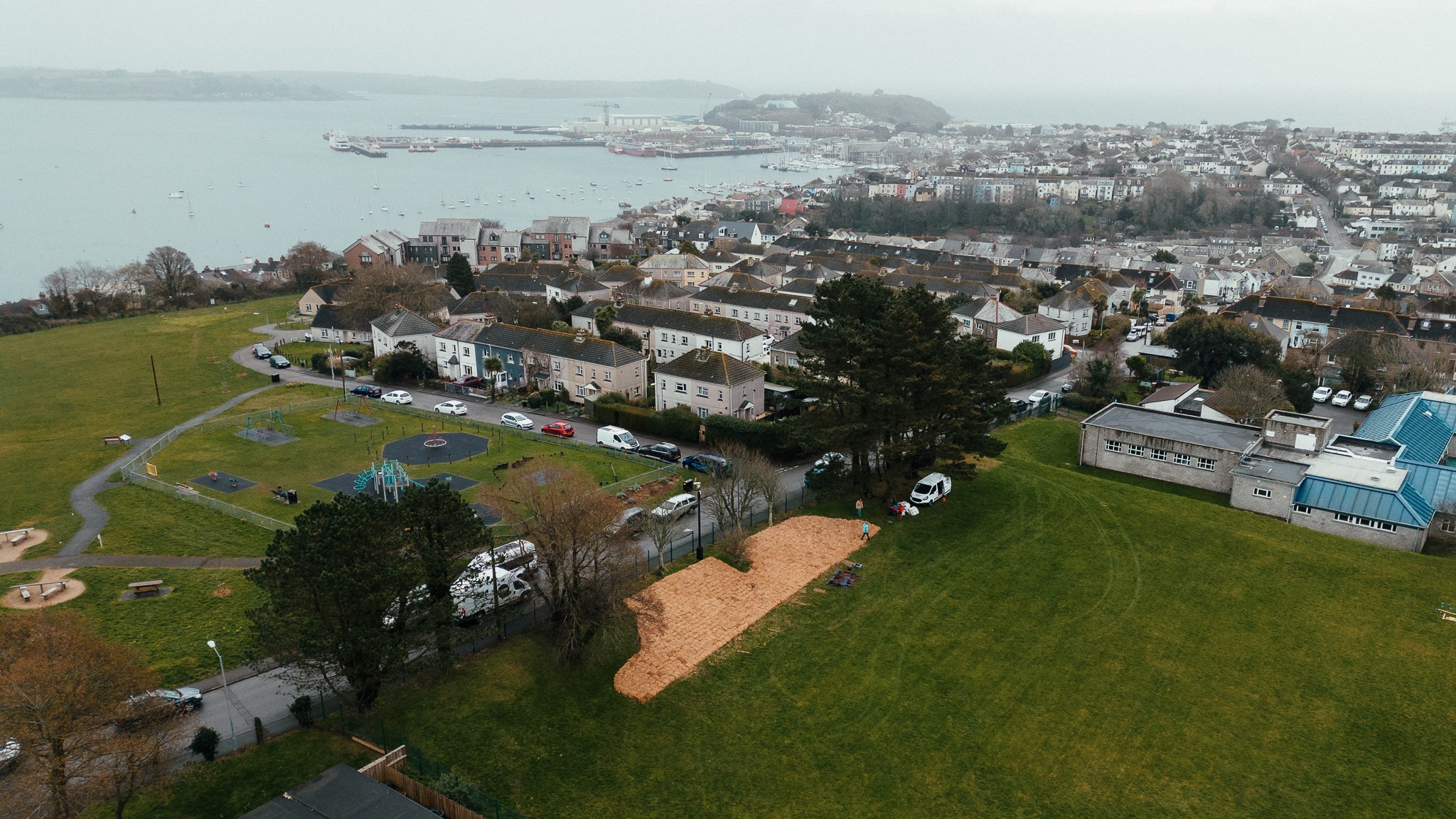
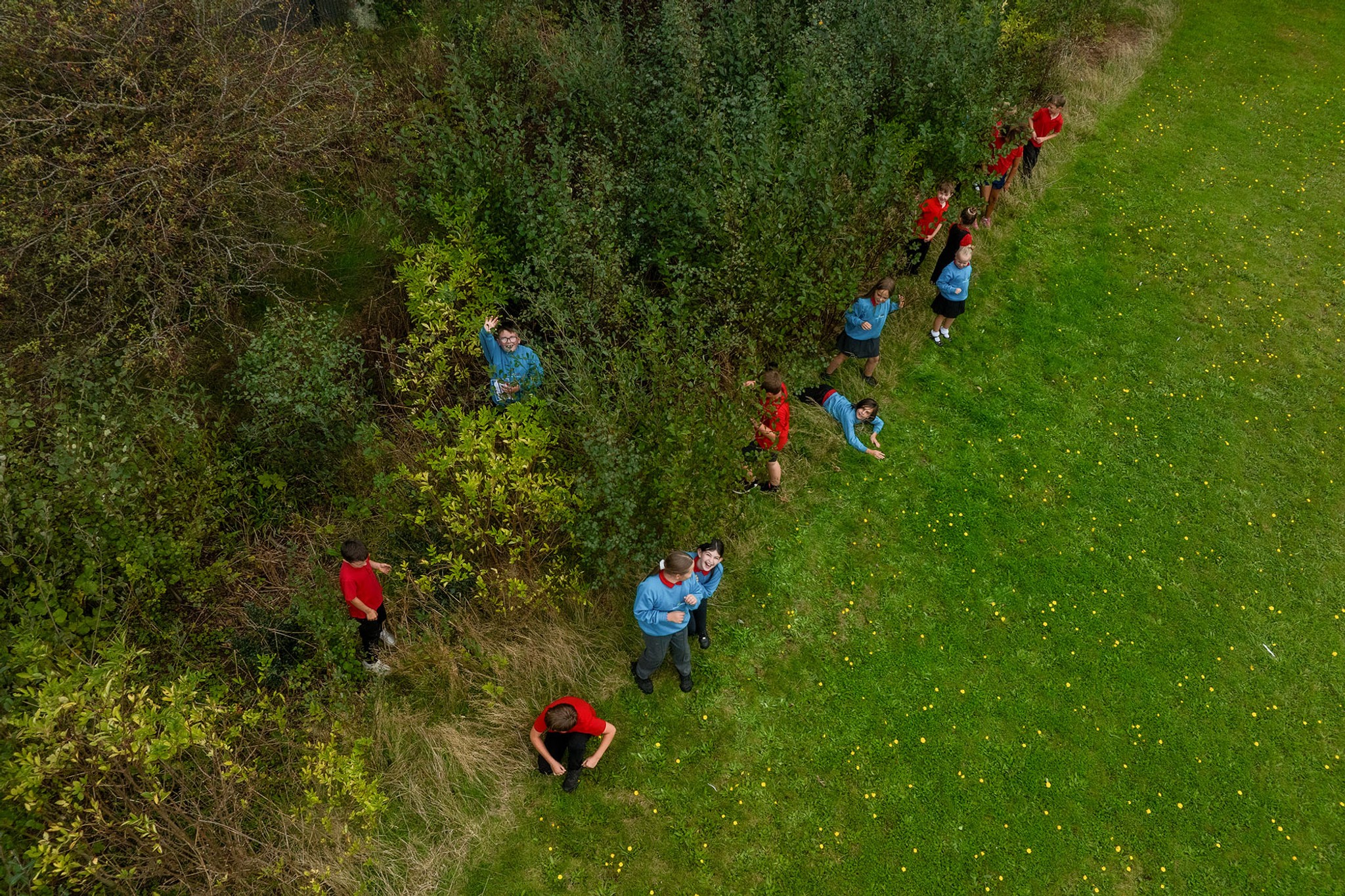
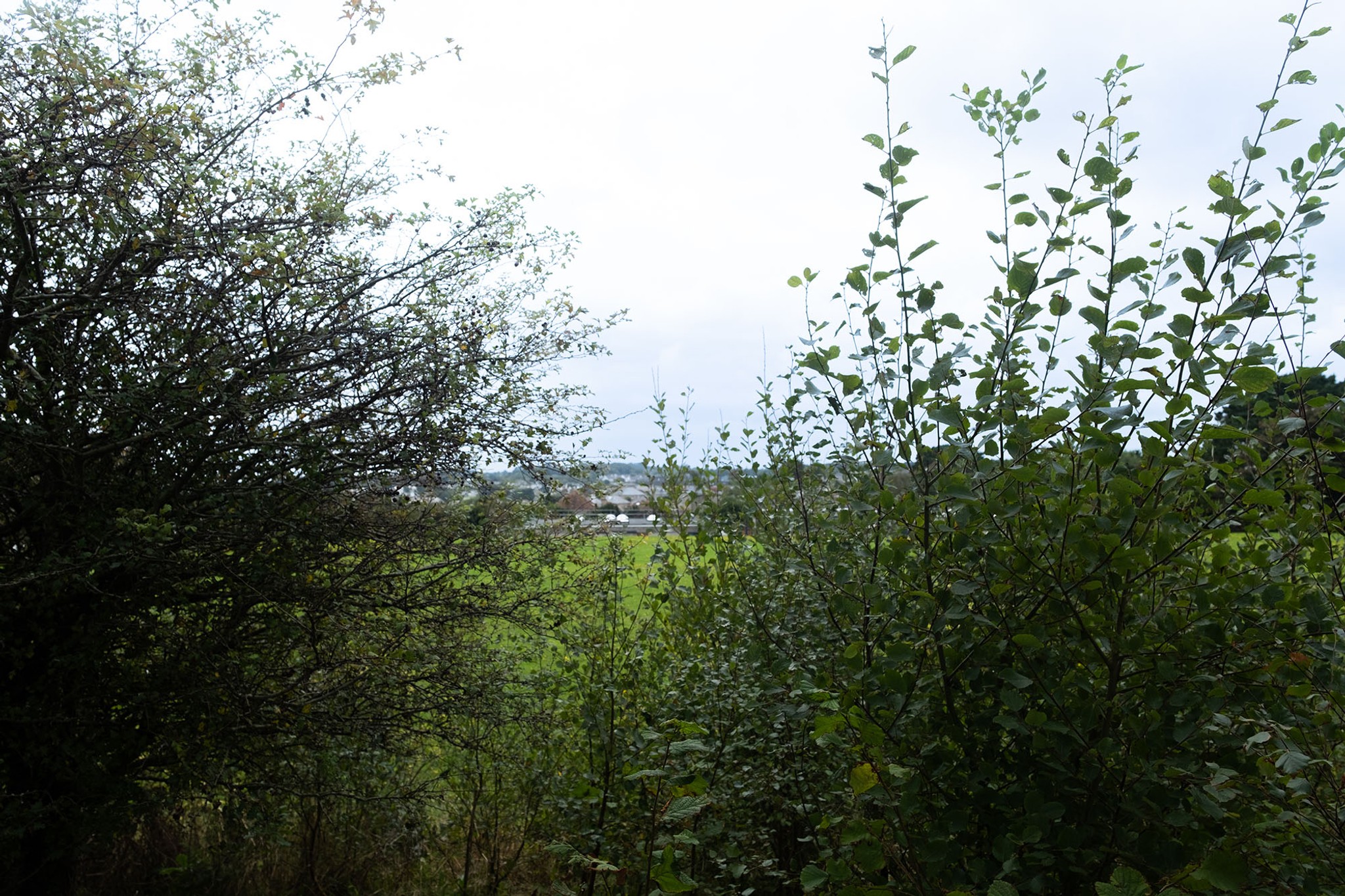
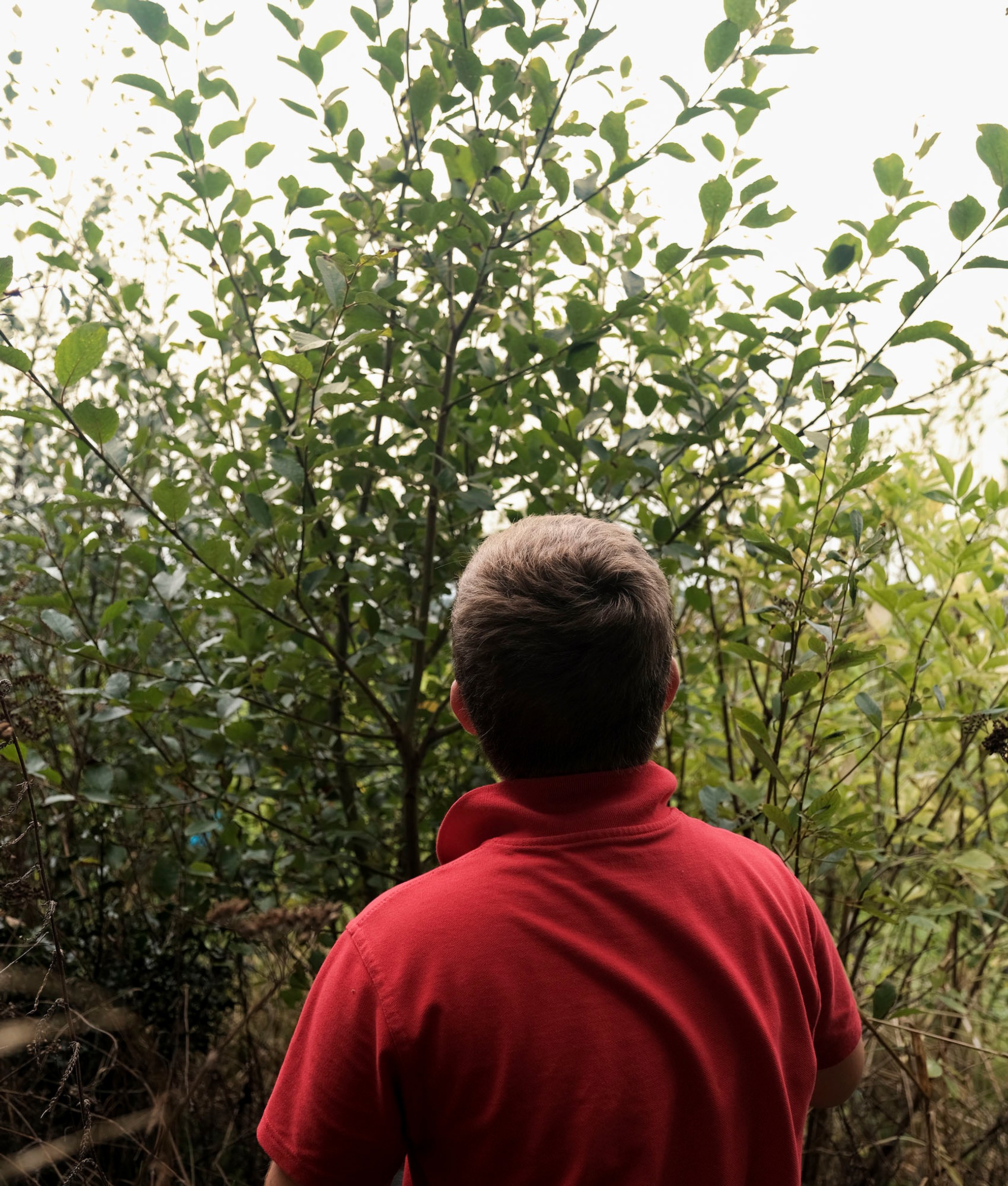
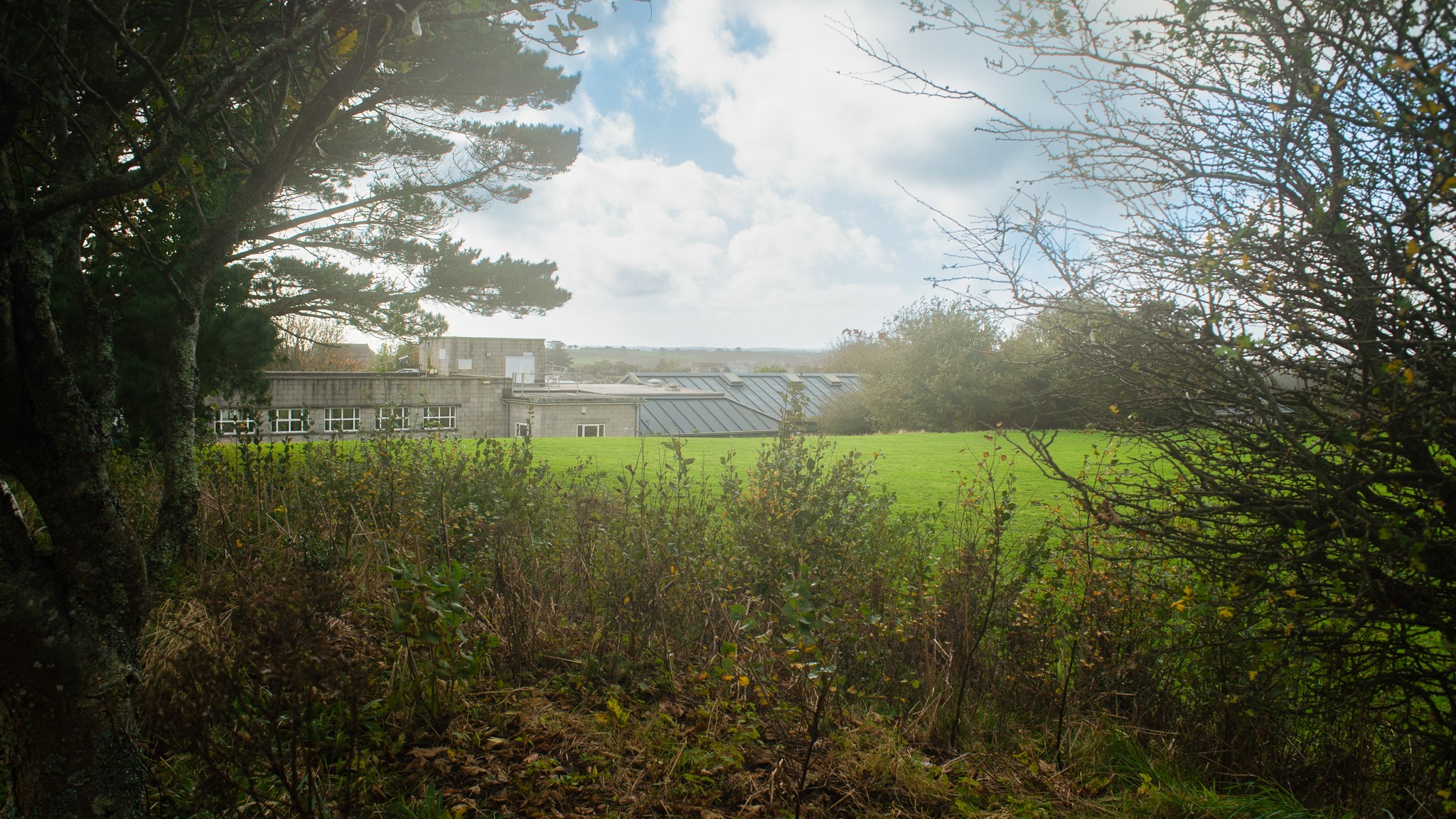
Strategically positioned to fill a gap in the school’s perimeter fence line, the forest now serves a dual purpose by providing shelter, privacy, and protection from the prevailing winds coming off the ocean. It has evolved into a vital haven where wildlife can forage and find sanctuary, while simultaneously acting as an immersive outdoor classroom for the students. As the forest continues to grow, its ecological complexity will deepen, offering even greater value to the school community and the local environment for years to come.
Forest Maker
James Godfrey-Faussett
Forest Partner
Ecosystem Restored
Final report: 20.09.2025
After approximately three years our SUGi Pocket Forests become self-sustaining. They no longer require human maintenance or watering, and can be handed over to Nature for biodiversity and complexity to naturally develop.
0%
Survival Rate
0
People living within 300 meters
0
kg of potential CO2 sequestration
Biodiversity
Biodiversity is all the different kinds of life you'll find in one area—the variety of animals, plants, fungi, and even microorganisms like bacteria that make up our natural world. Each of these species and organisms work together in ecosystems, like an intricate web, to maintain balance and support life.
0
Potential number of mammals
0
Potential number of birds
0
Potential number of amphibians
Forest Report: 2024
0 Months
Forest Age
0%
Survival Rate
0m
Average of Tallest 3 Trees
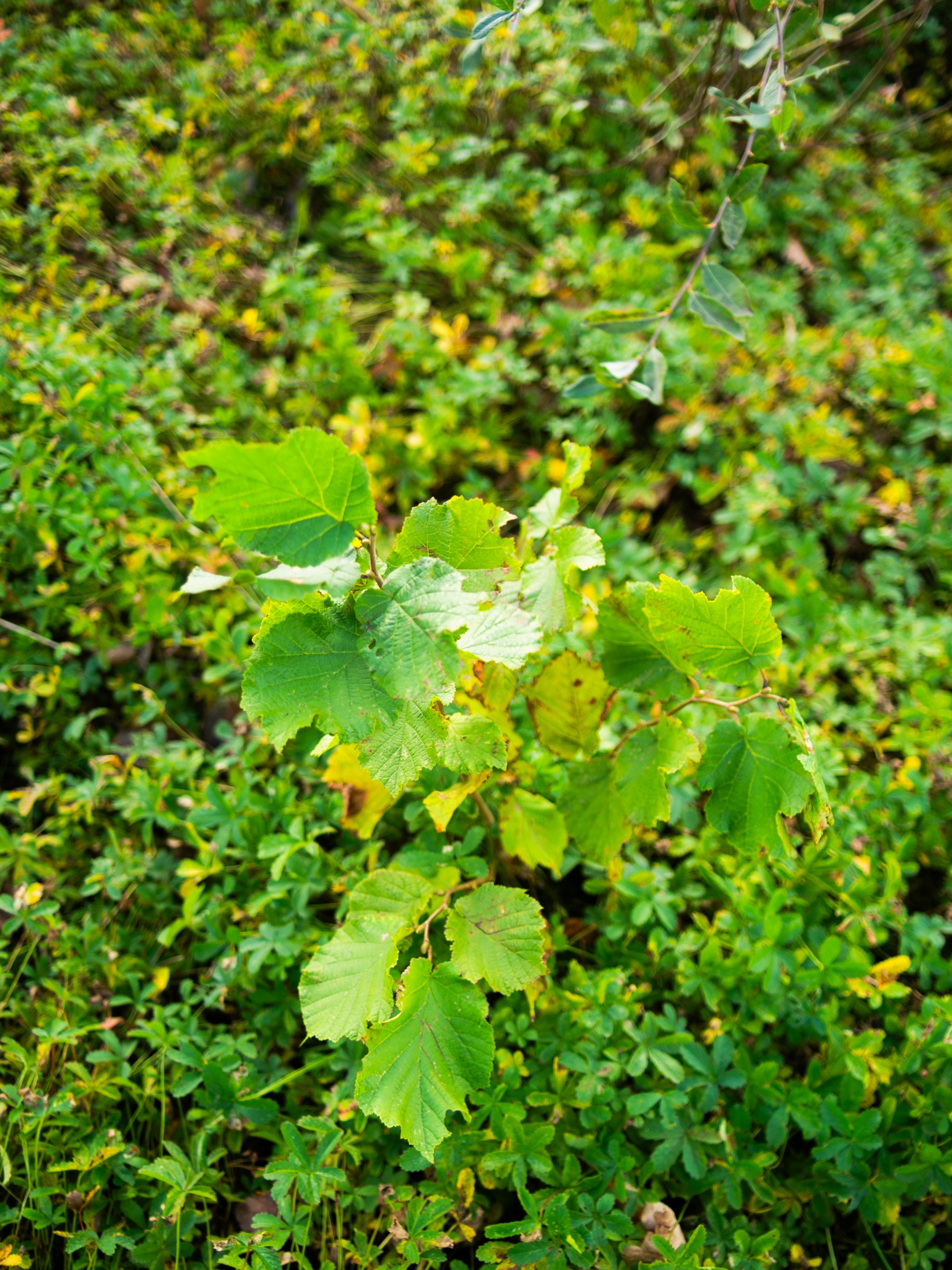
The forest has grown excellently, with almost all of the plants having survived. The growth might have been slower than for other forests in more shielded conditions, however considering that the forest is exposed to strong, coastal winds, we’re very satisfied with its progress.
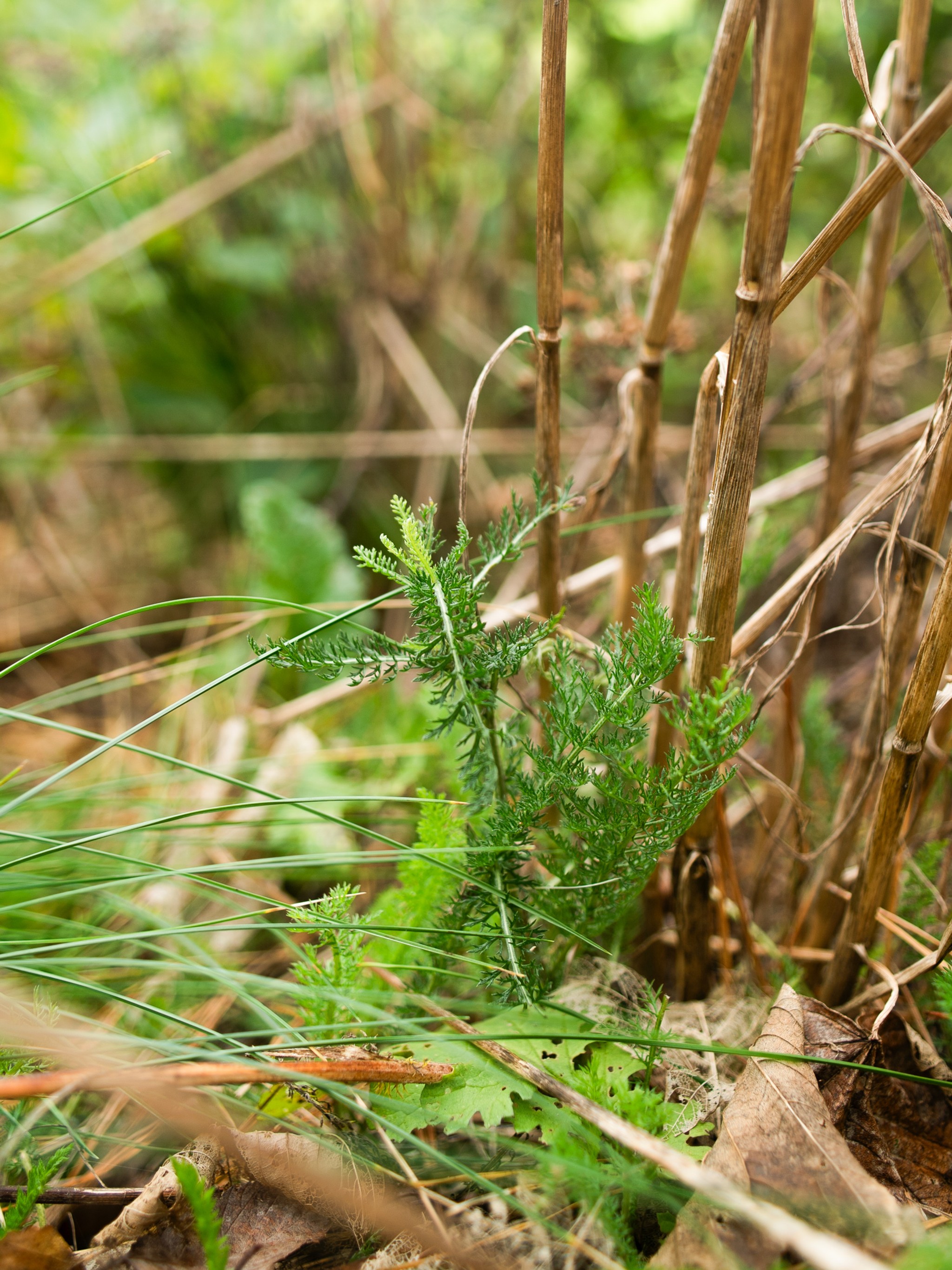
Biodiversity Notes:
Forest Report: 2023
0 Months
Forest Age
0%
Survival Rate
0m
Average of Tallest 3 Trees
This forest is located in an exposed site, buffered by the coastal winds. This can lead to a slower growth rate and overall height.
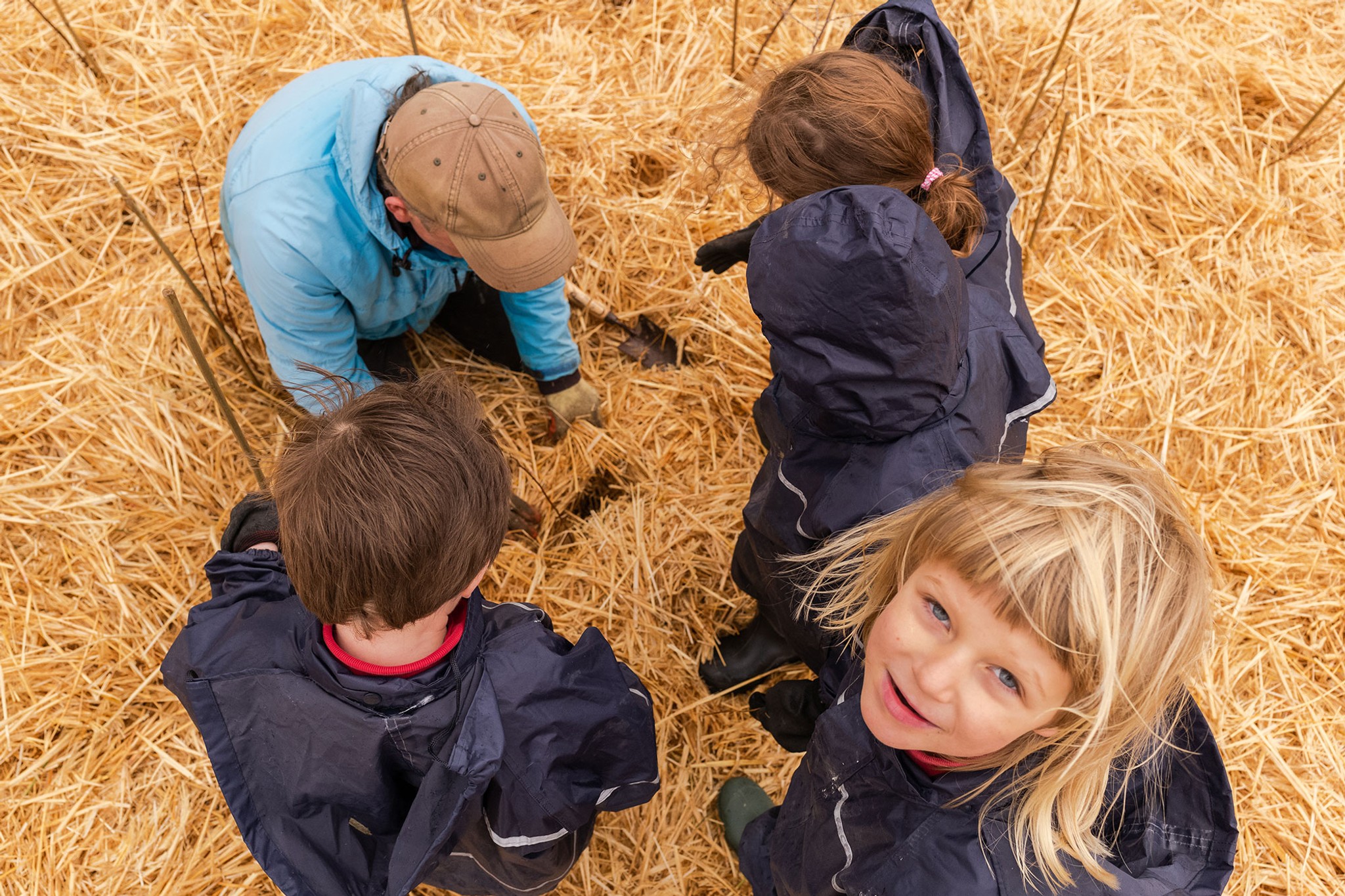
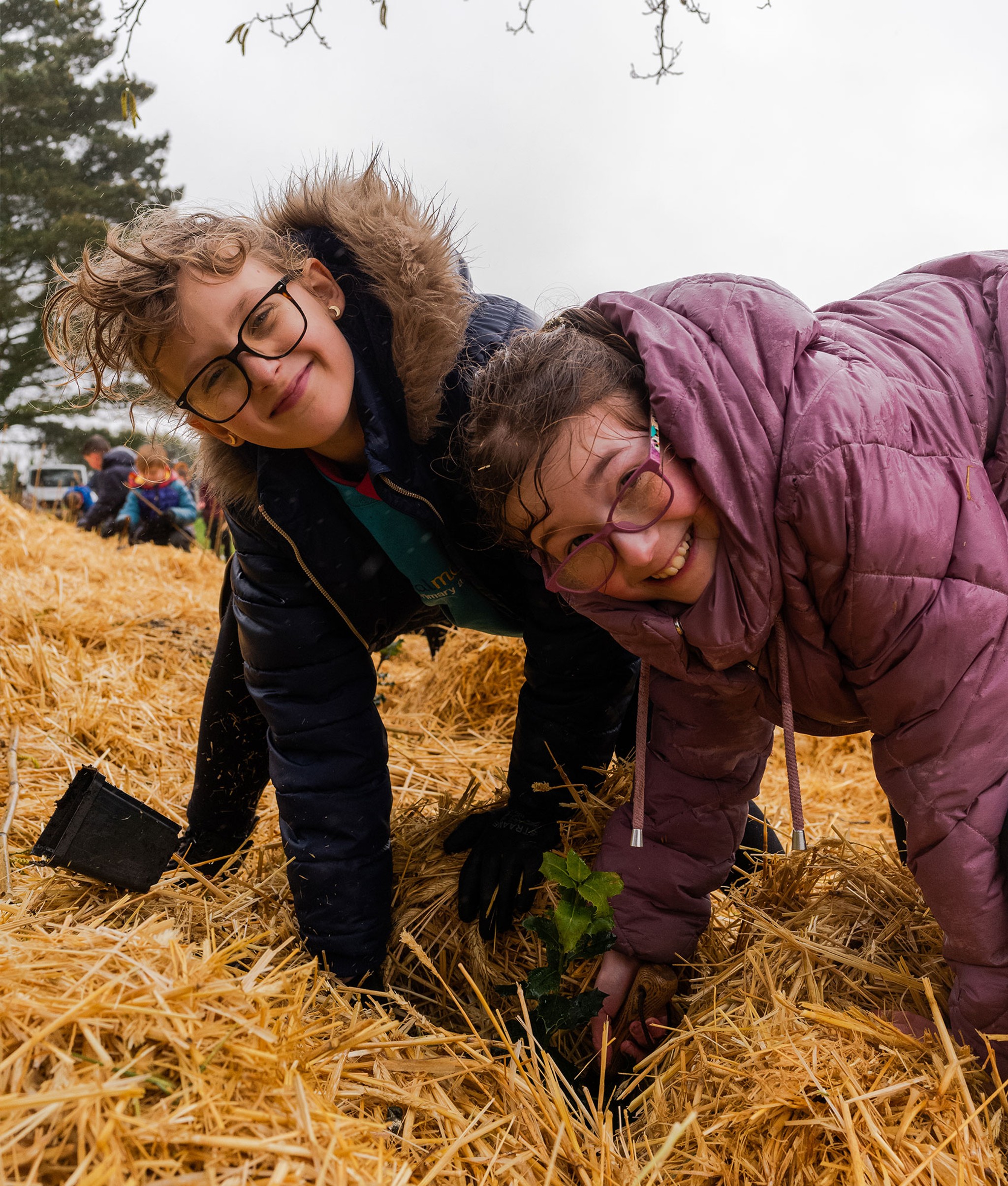
By mulching extremely heavily (30cm) the aim is for this forest to require zero irrigation as it grows.
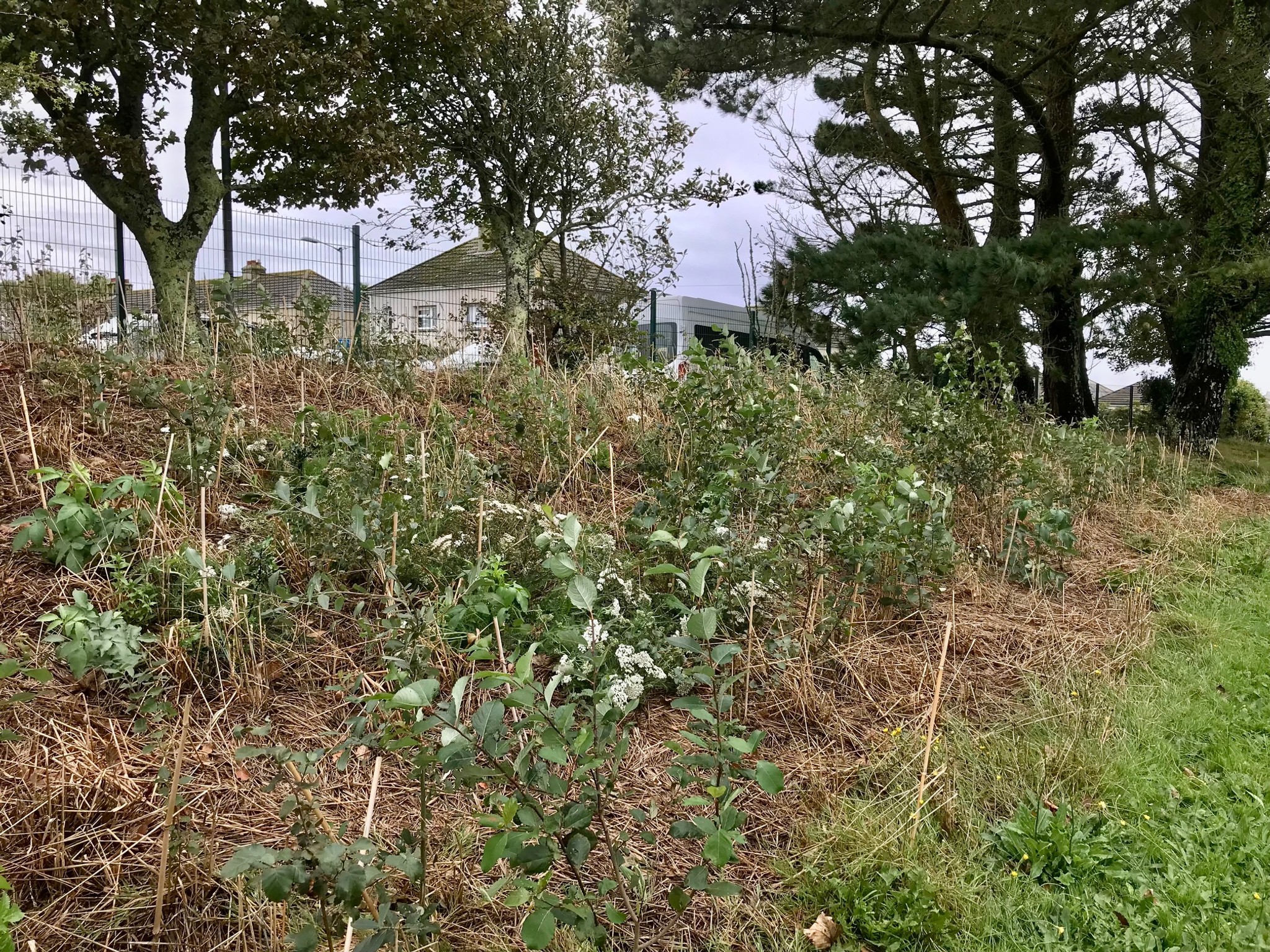
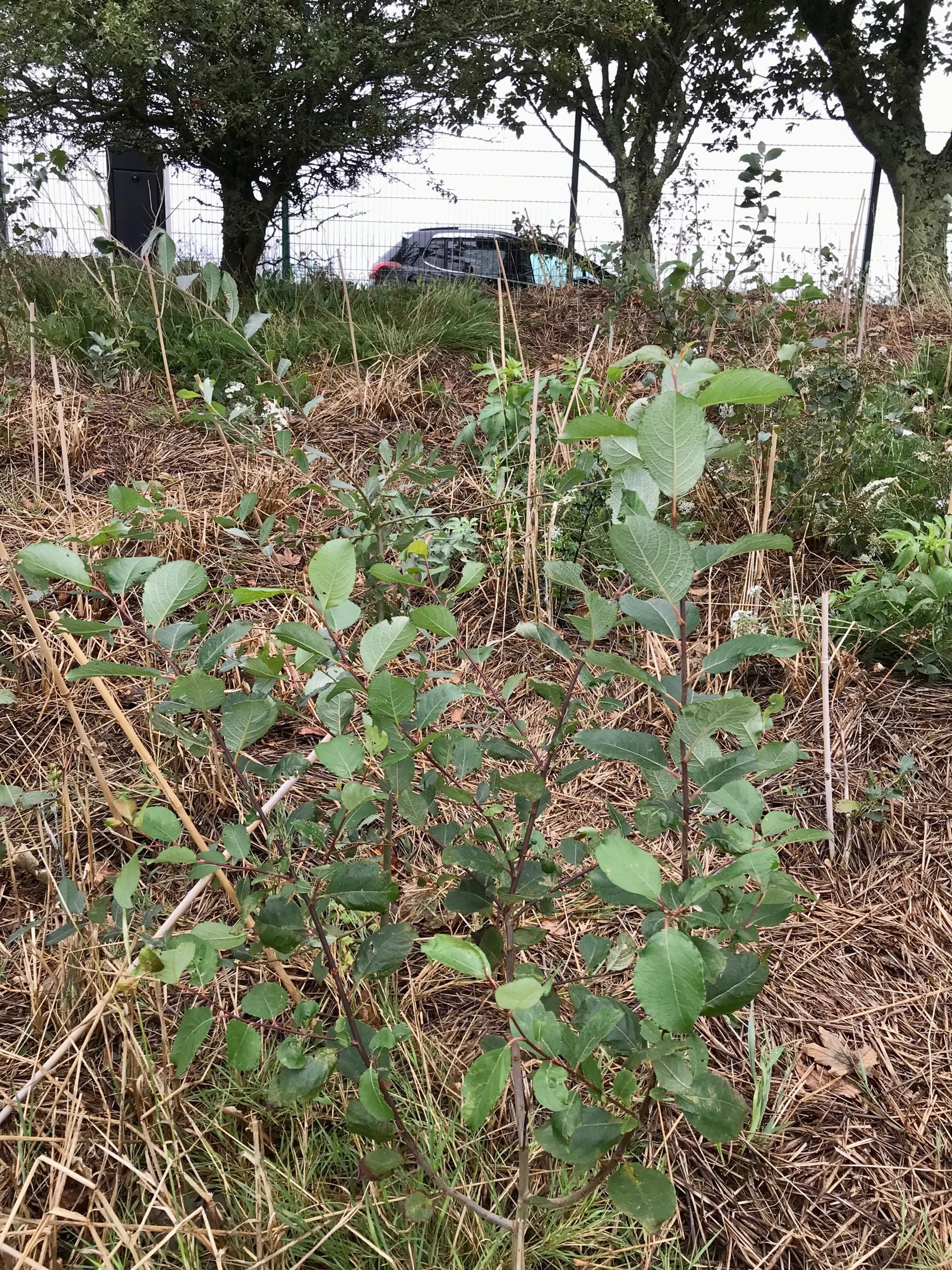
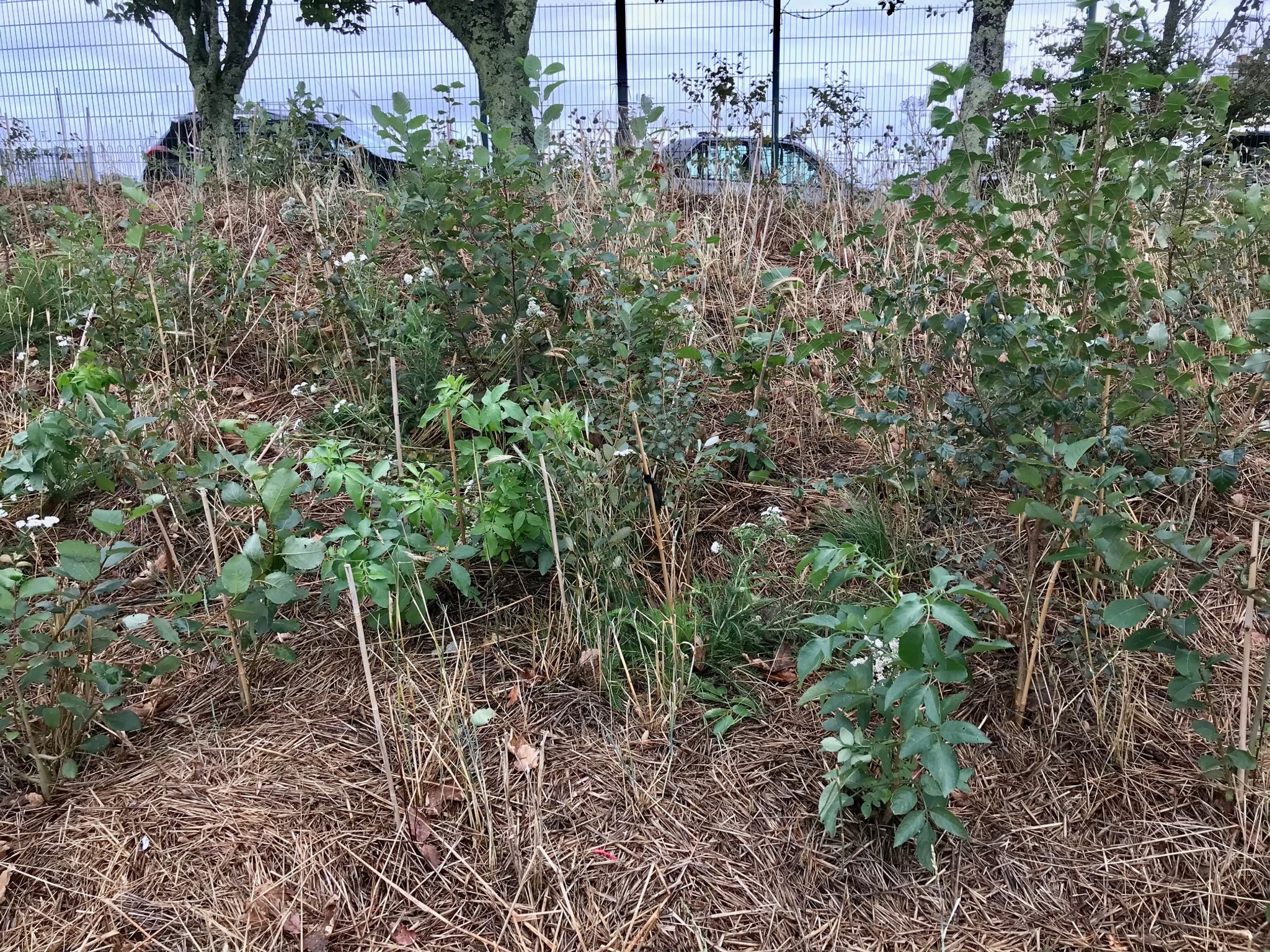
Planting: March 2023
Why Falmouth Primary Forest?
Once abundant, there are only 1% of the temperate rainforests ecosystems left due to generations of deforestation and felling. These rainforests are now classified as one of the most endangered ecosystems in the world.
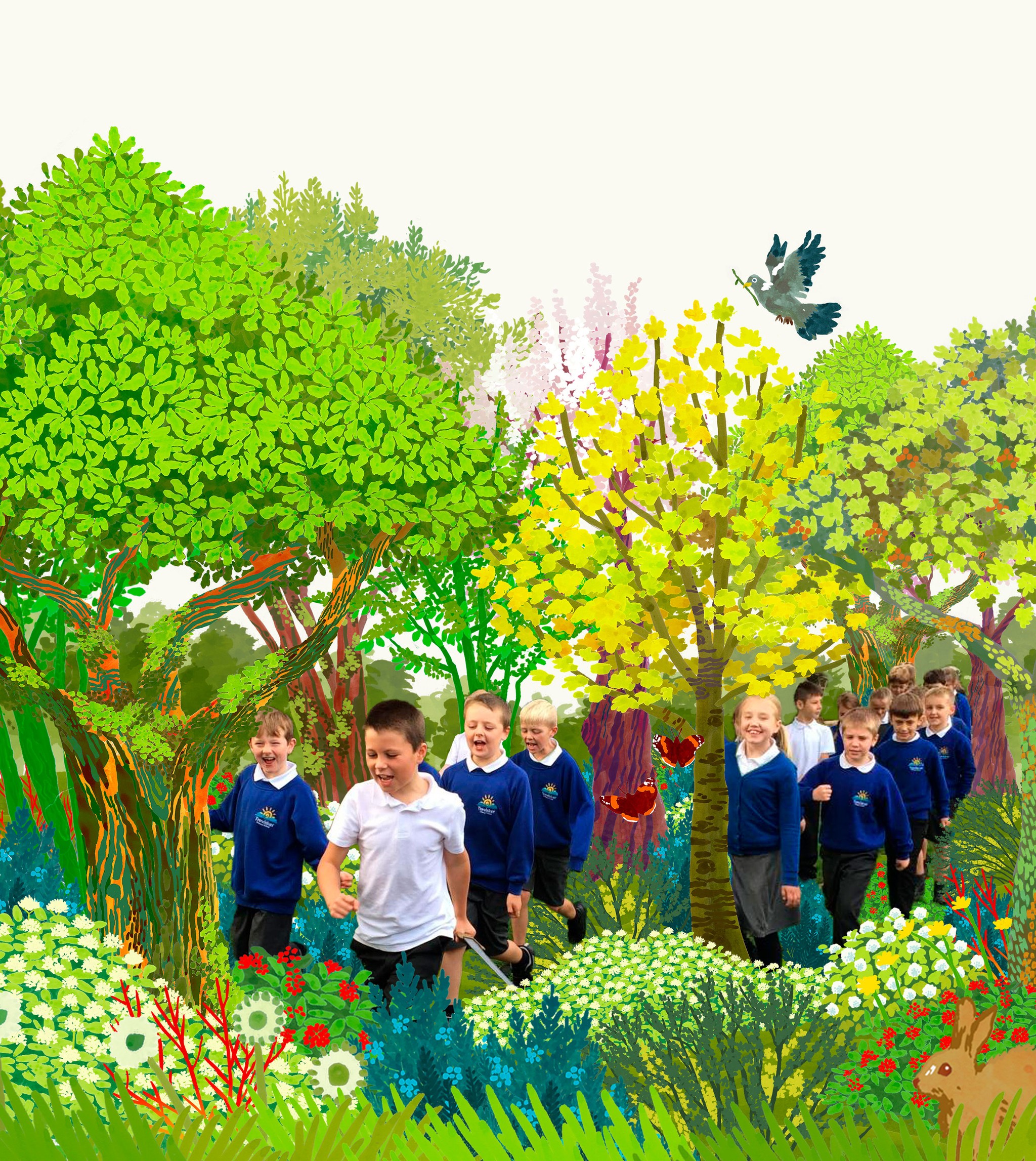
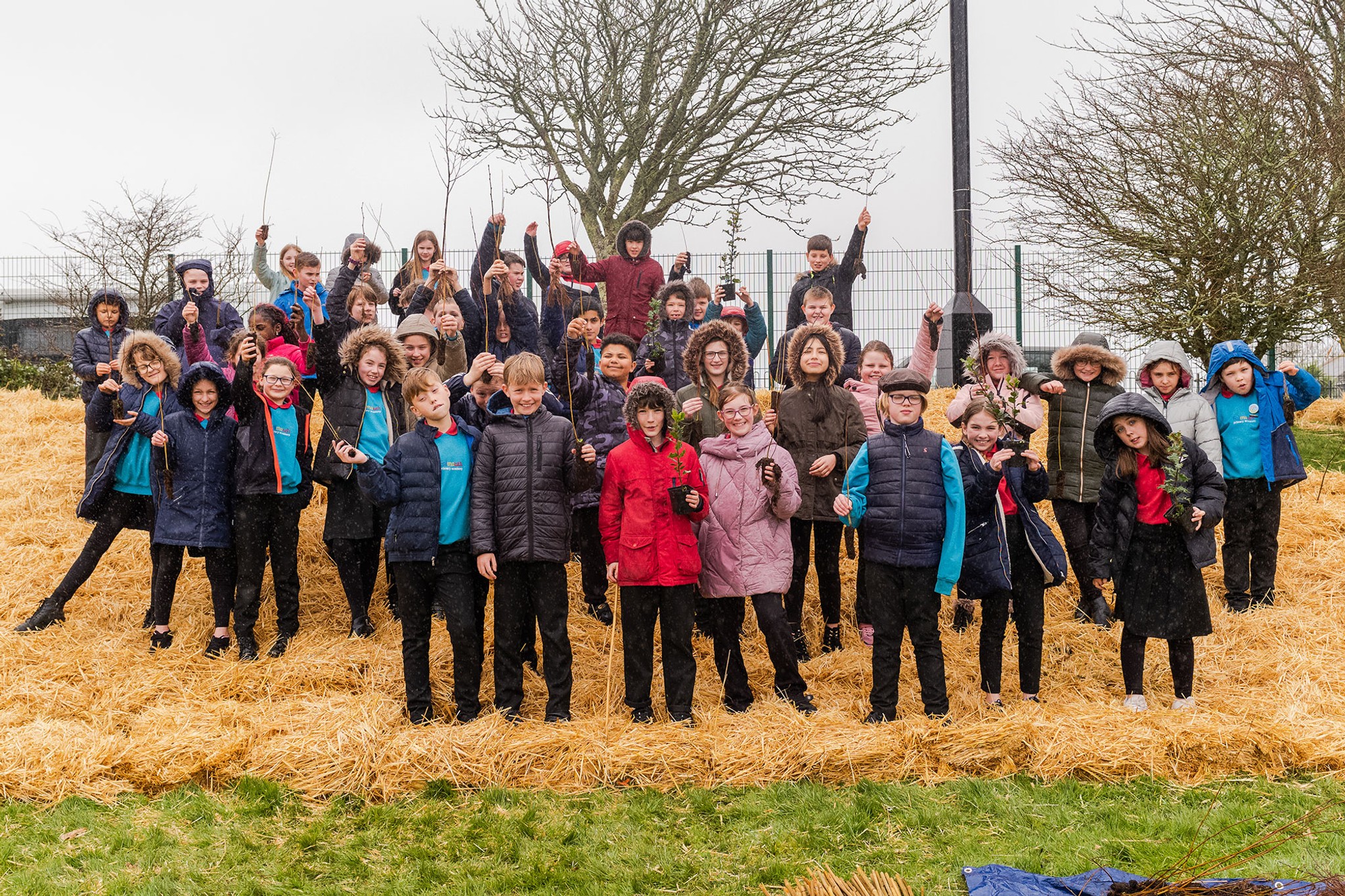
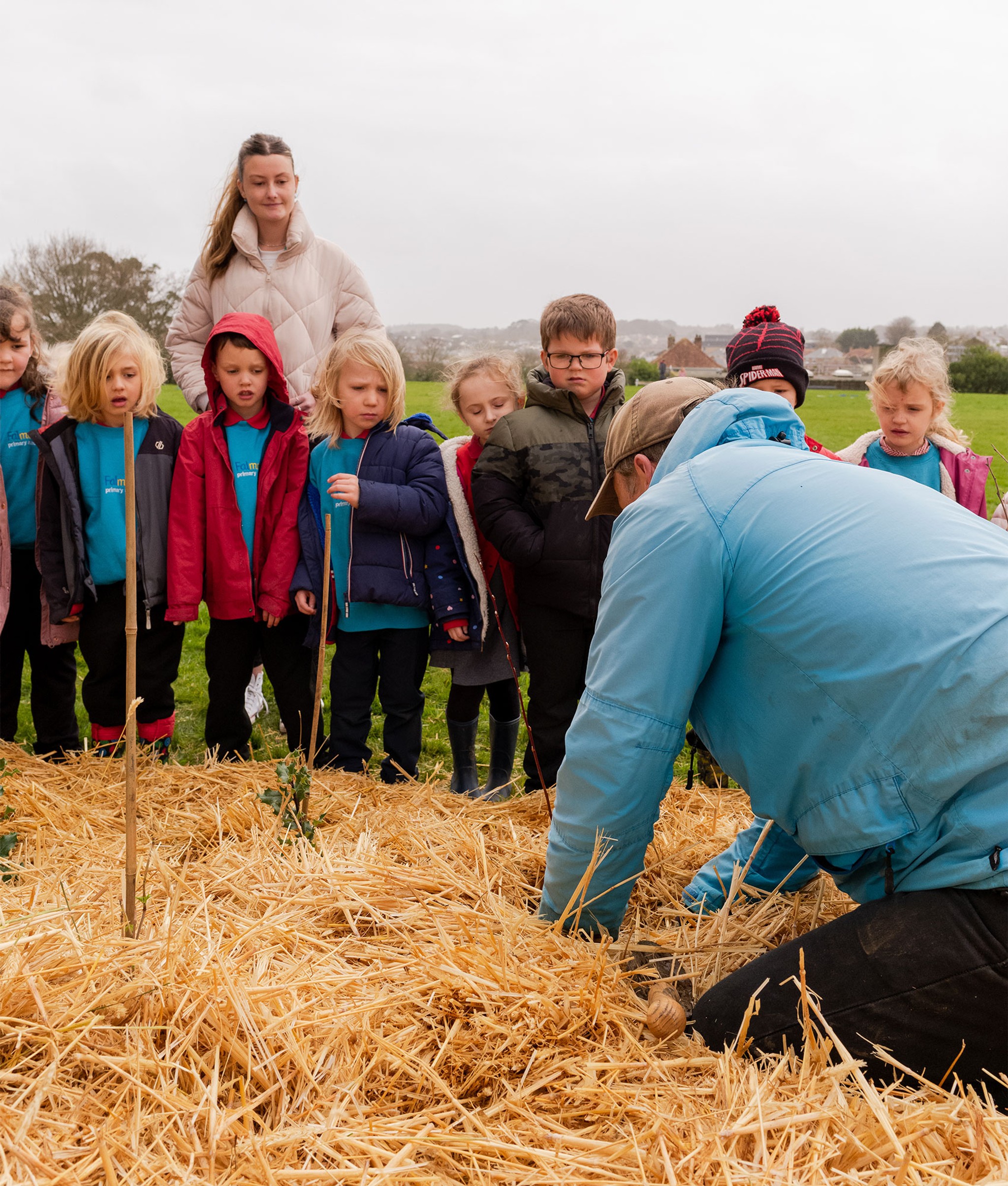
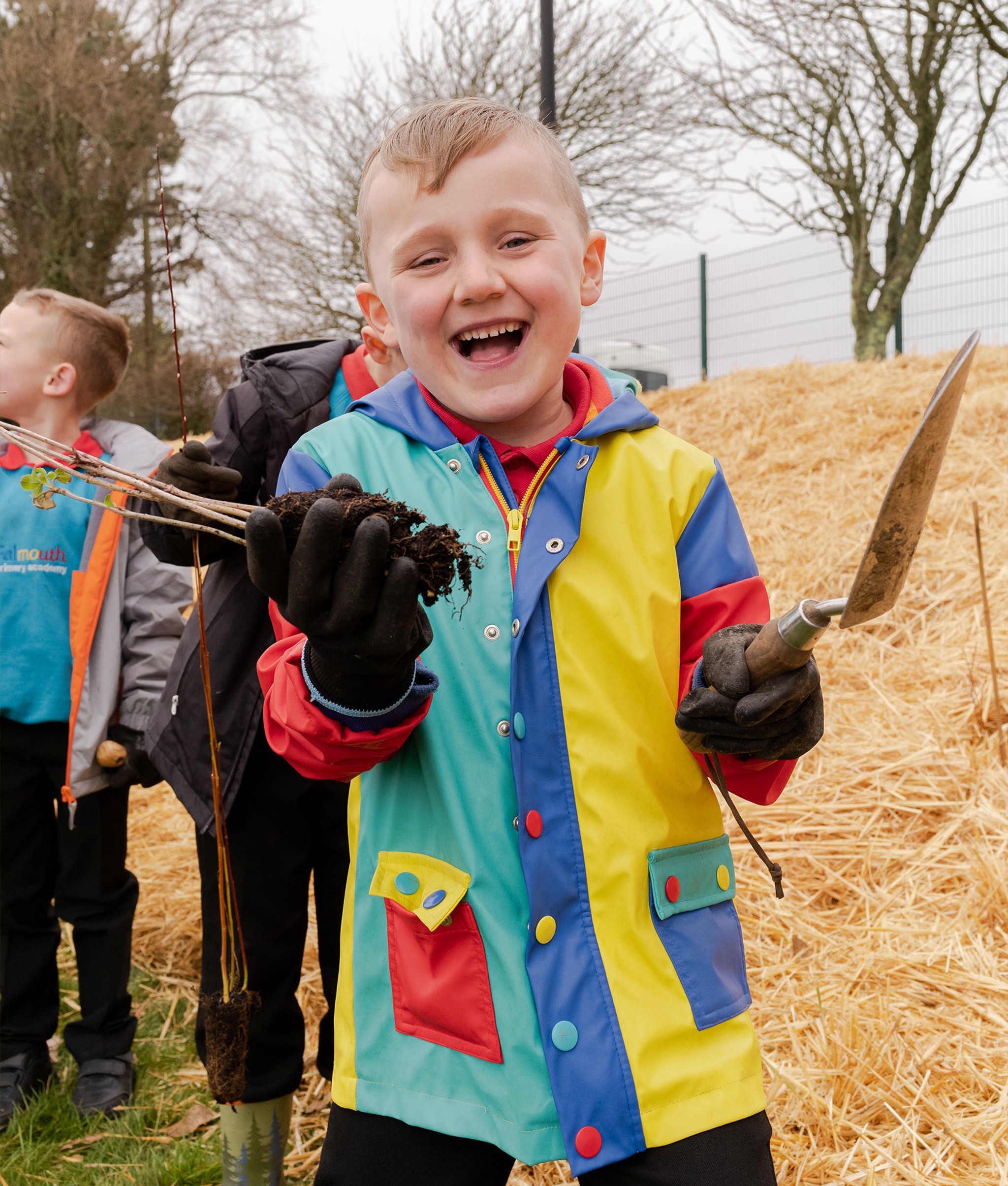
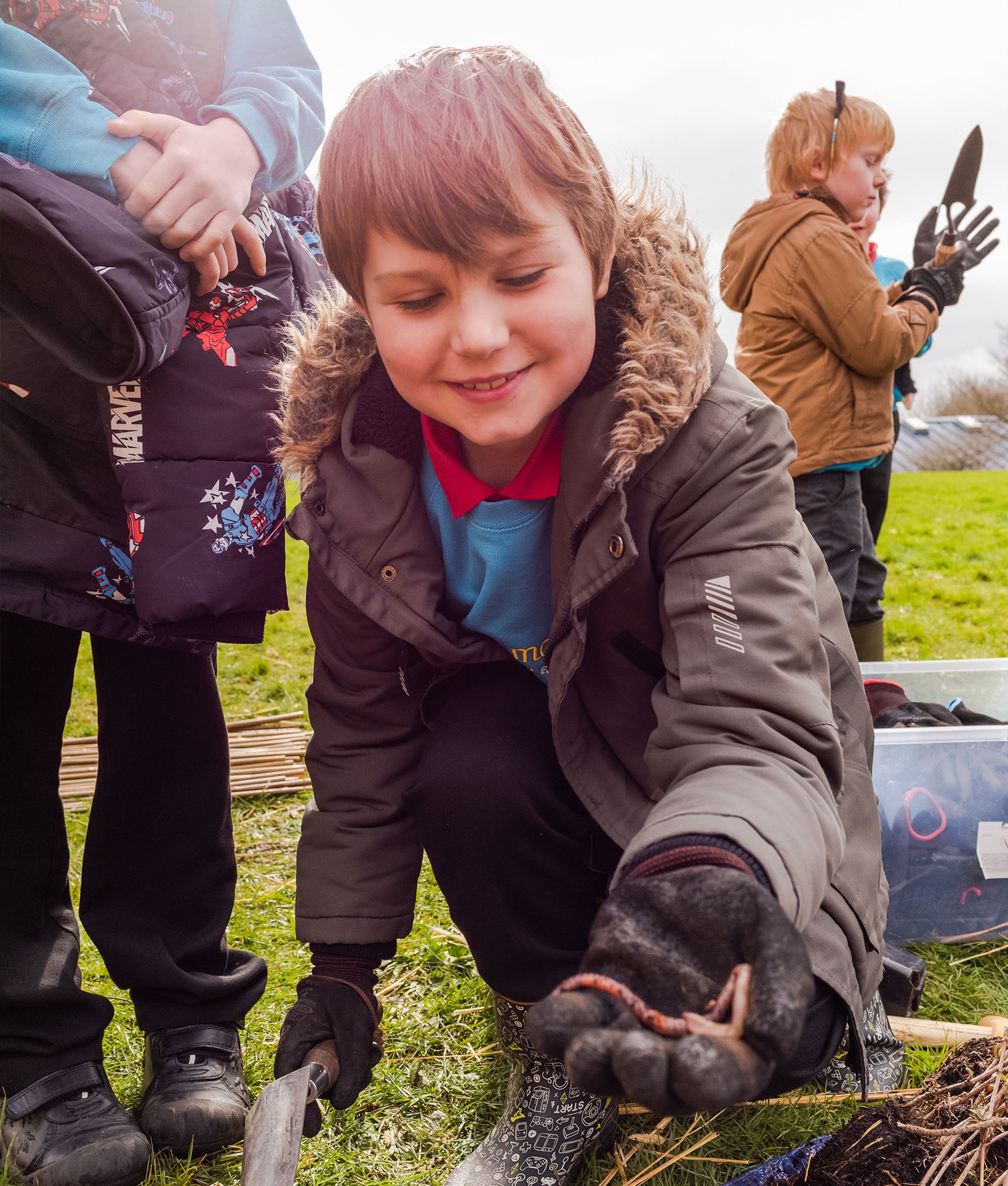
Together with the creation of other pockets of temperate forest in schools across Cornwall, not only will this project provide a much needed boost to the ecosystem’s survival but it will also show school communities across the region how rainforest biodiversity can thrive on their doorstep. The children will have hands-on experience during the planting and the forest itself will become a living resource that grows up alongside the children.