Tacaco Forest
A forest with a growing legacy.
0
Trees
0
Square Meters
0
Native Species
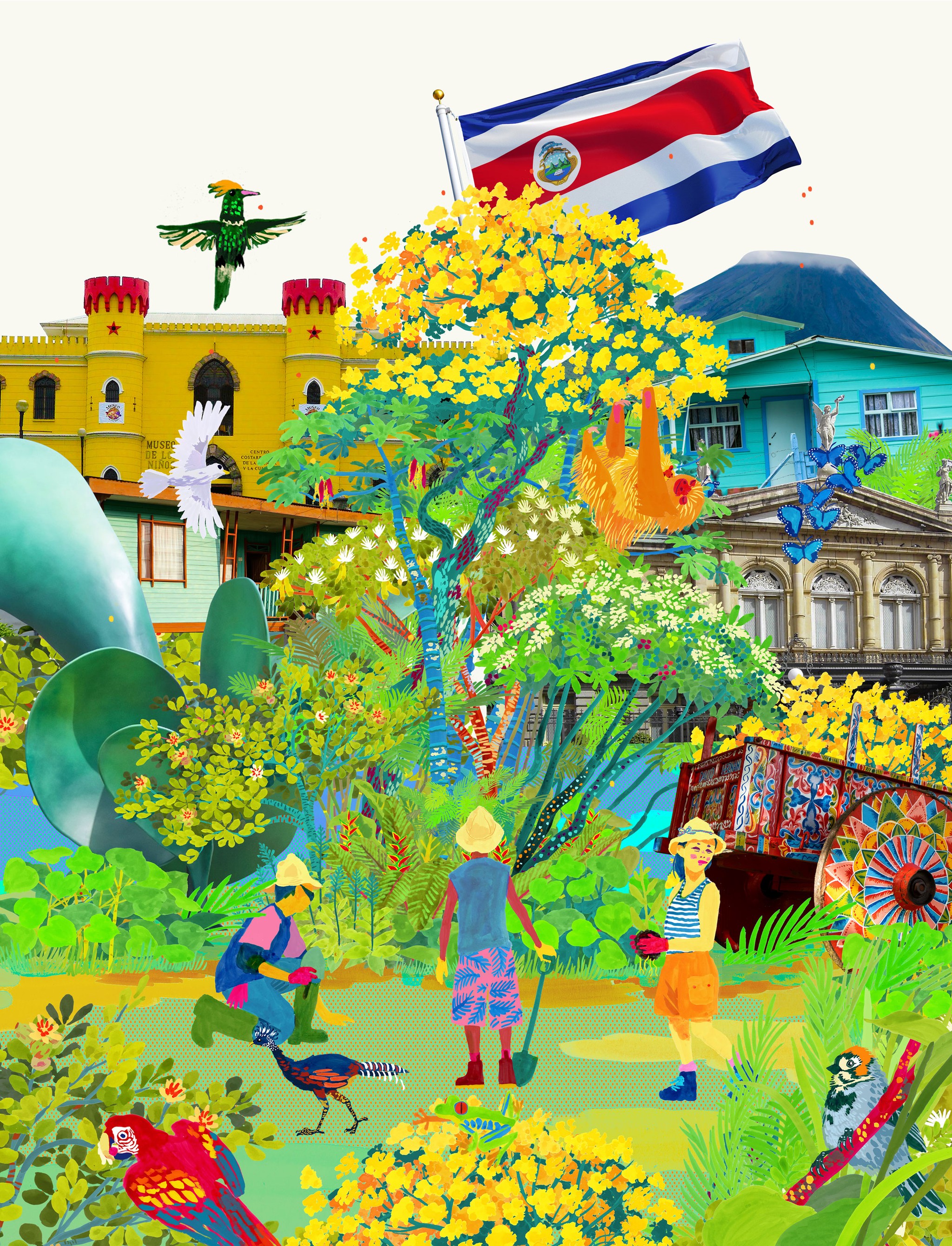
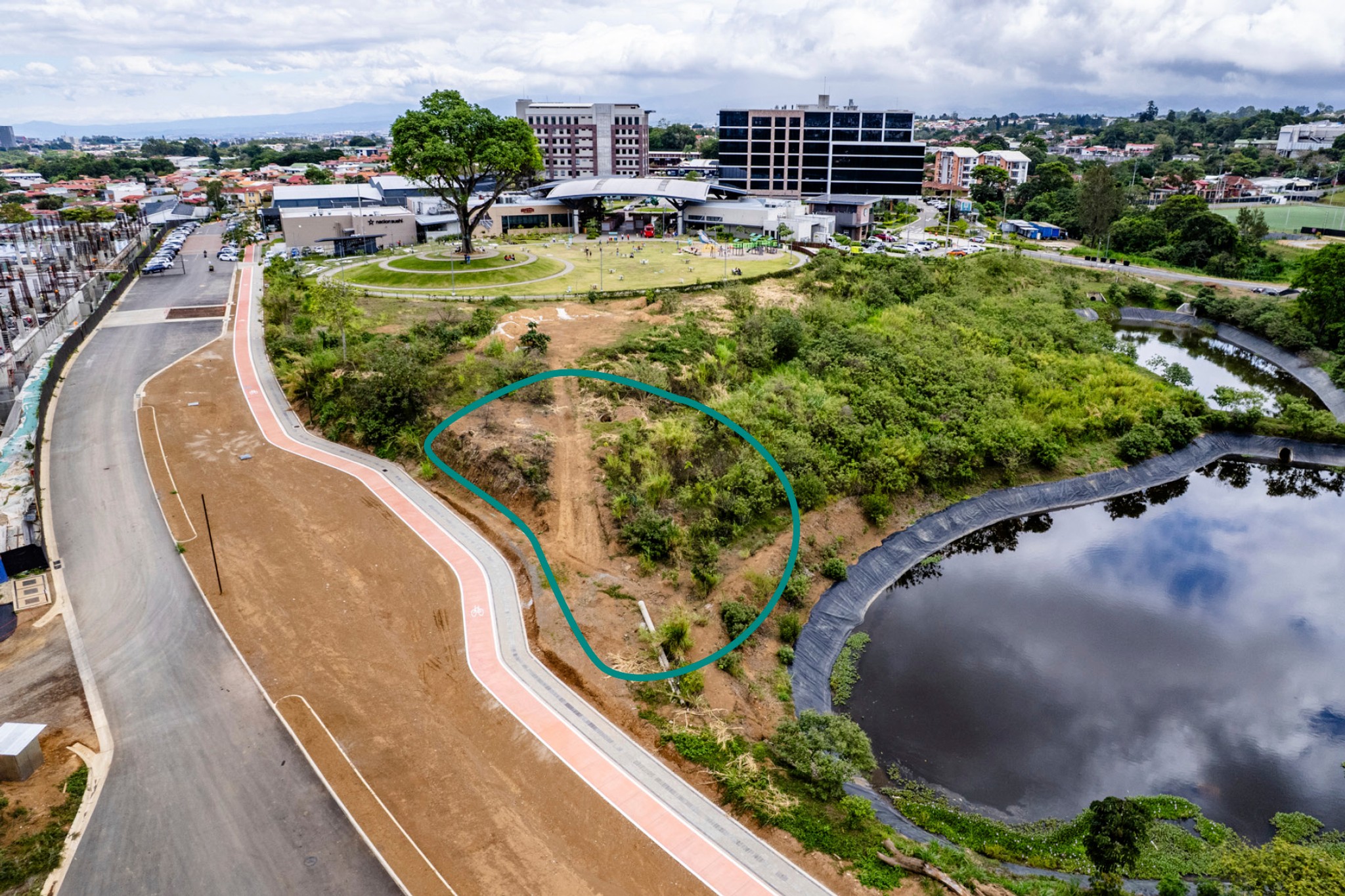
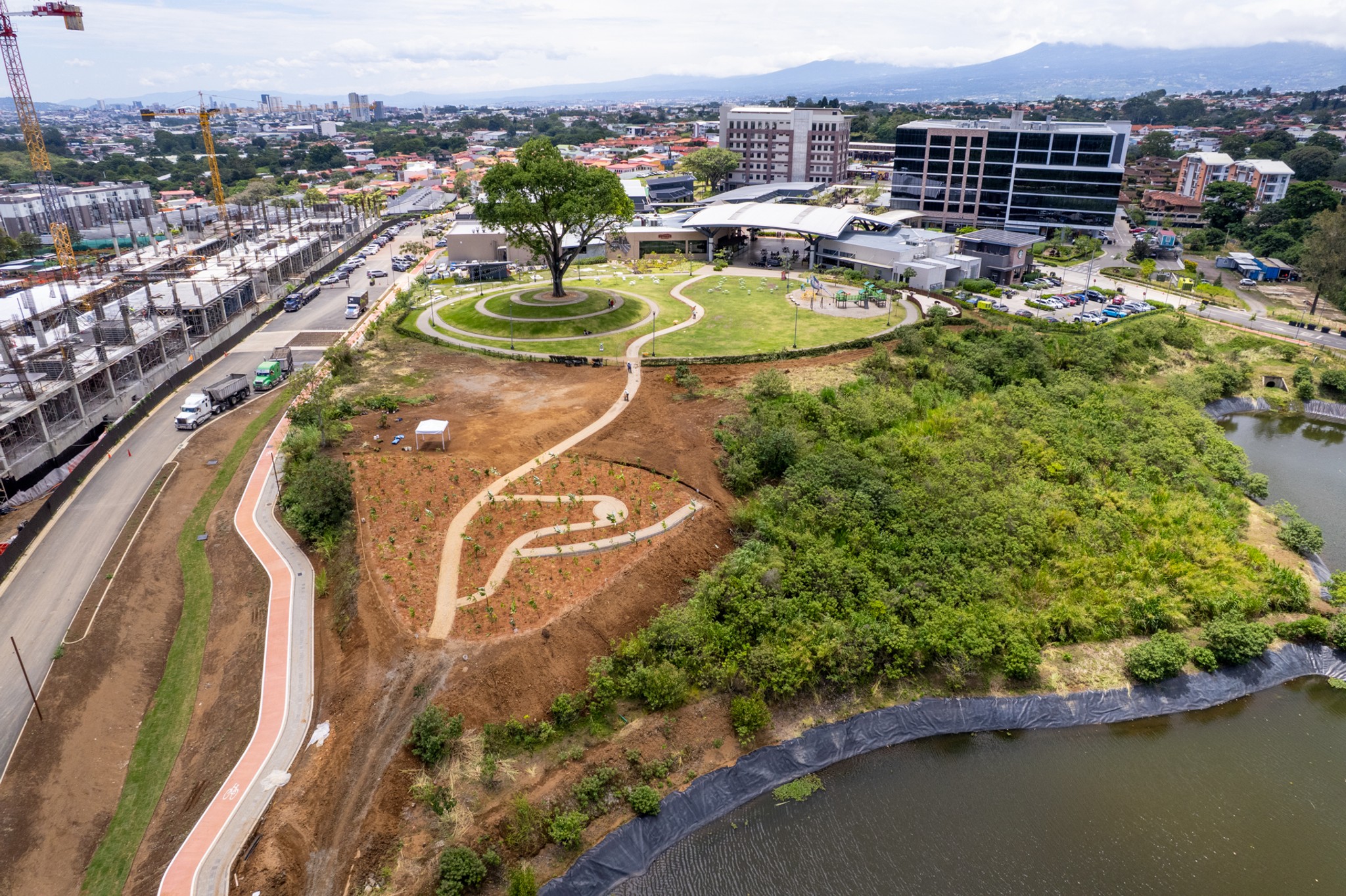
This SUGi Pocket Forest is strategically positioned to reconnect people with Costa Rica's ecological heritage in the city, inviting biodiversity back.
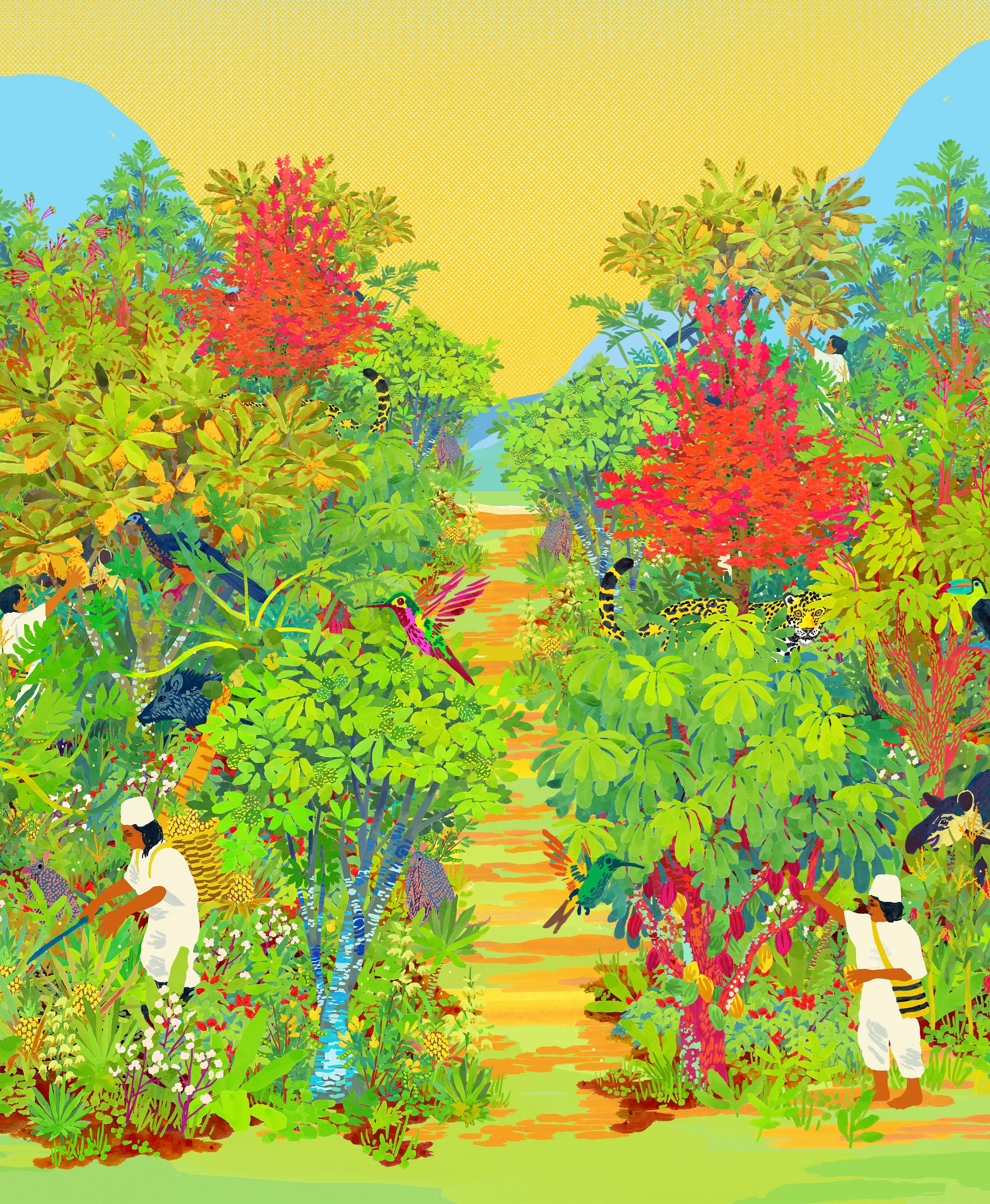
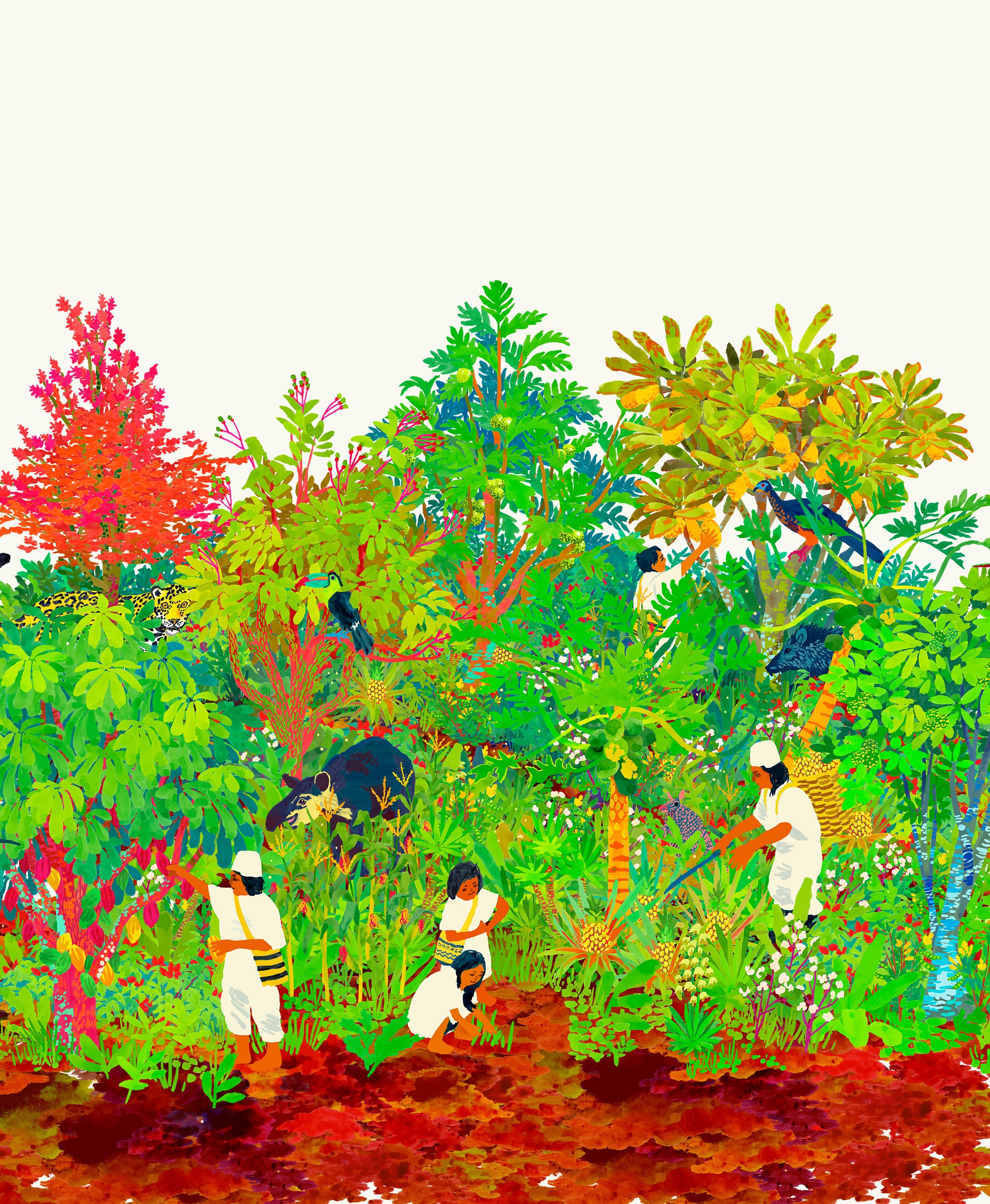
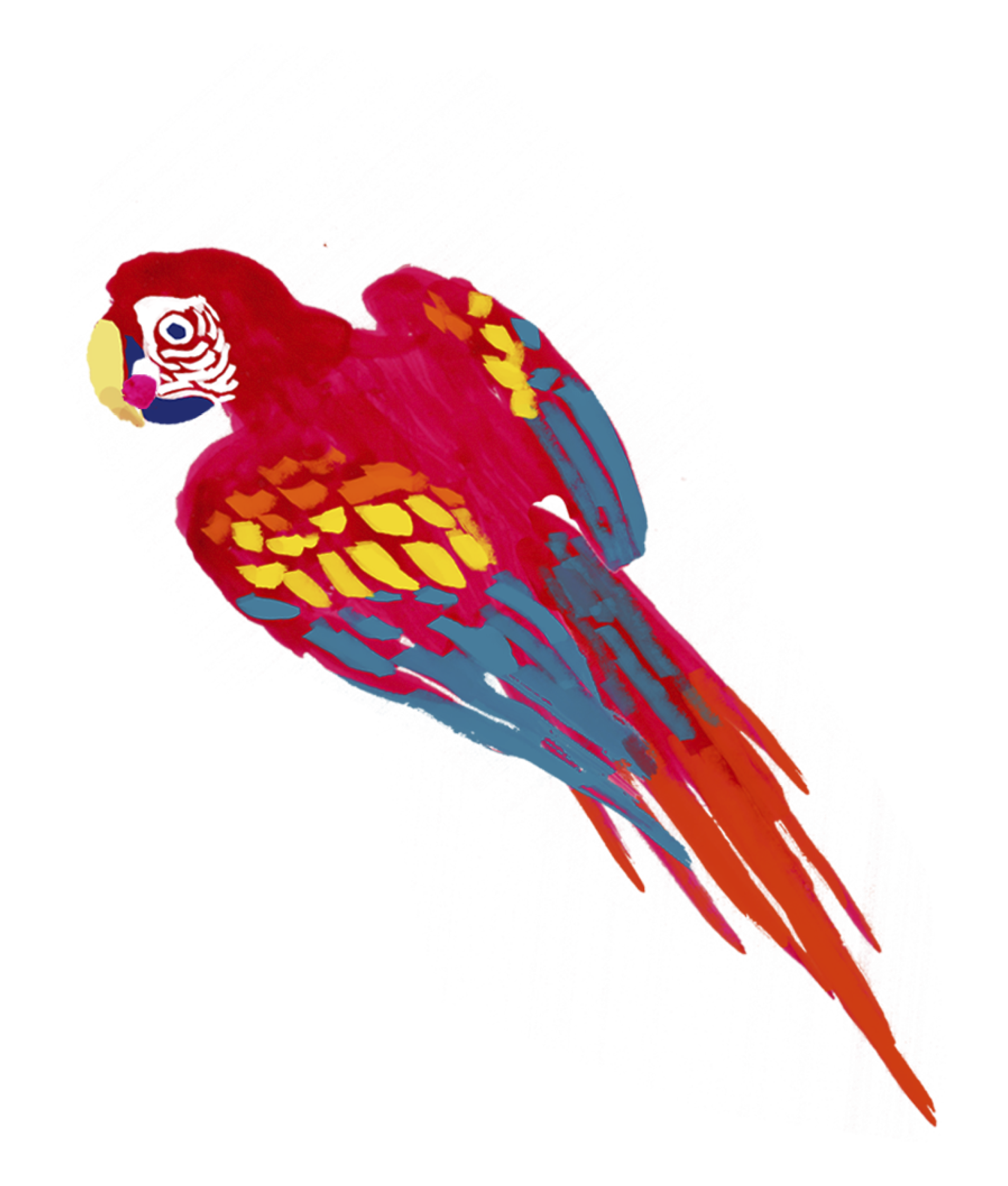
Costa Rica holds some of the richest biodiversity on earth, and this forest brings a piece of it back into the city. Roots reach through volcanic soil to hold rain through the dry months, while the canopy calls back species like the mariola bee, the fiery-throated hummingbird, and Cabanis's ground-sparrow.
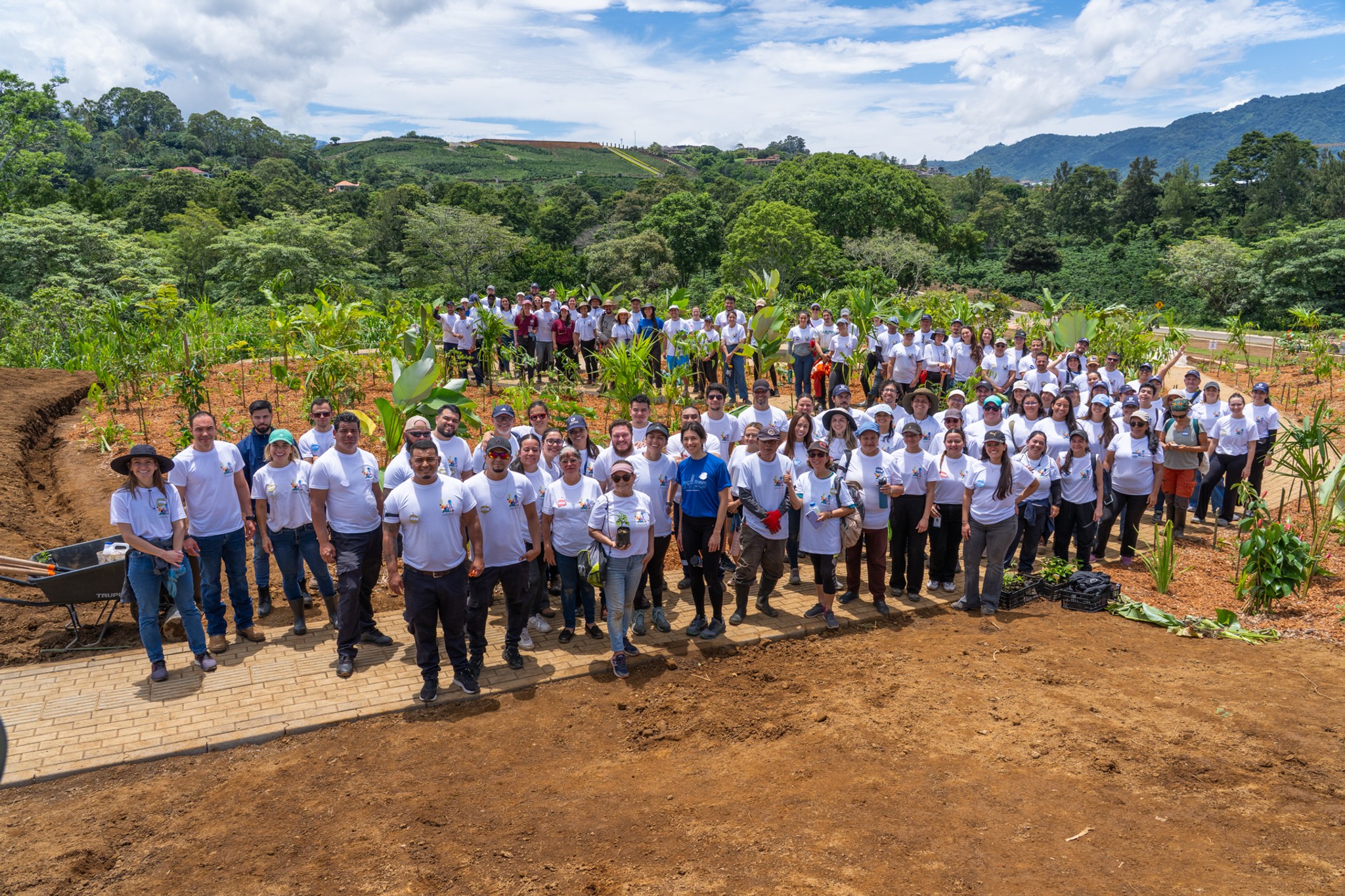
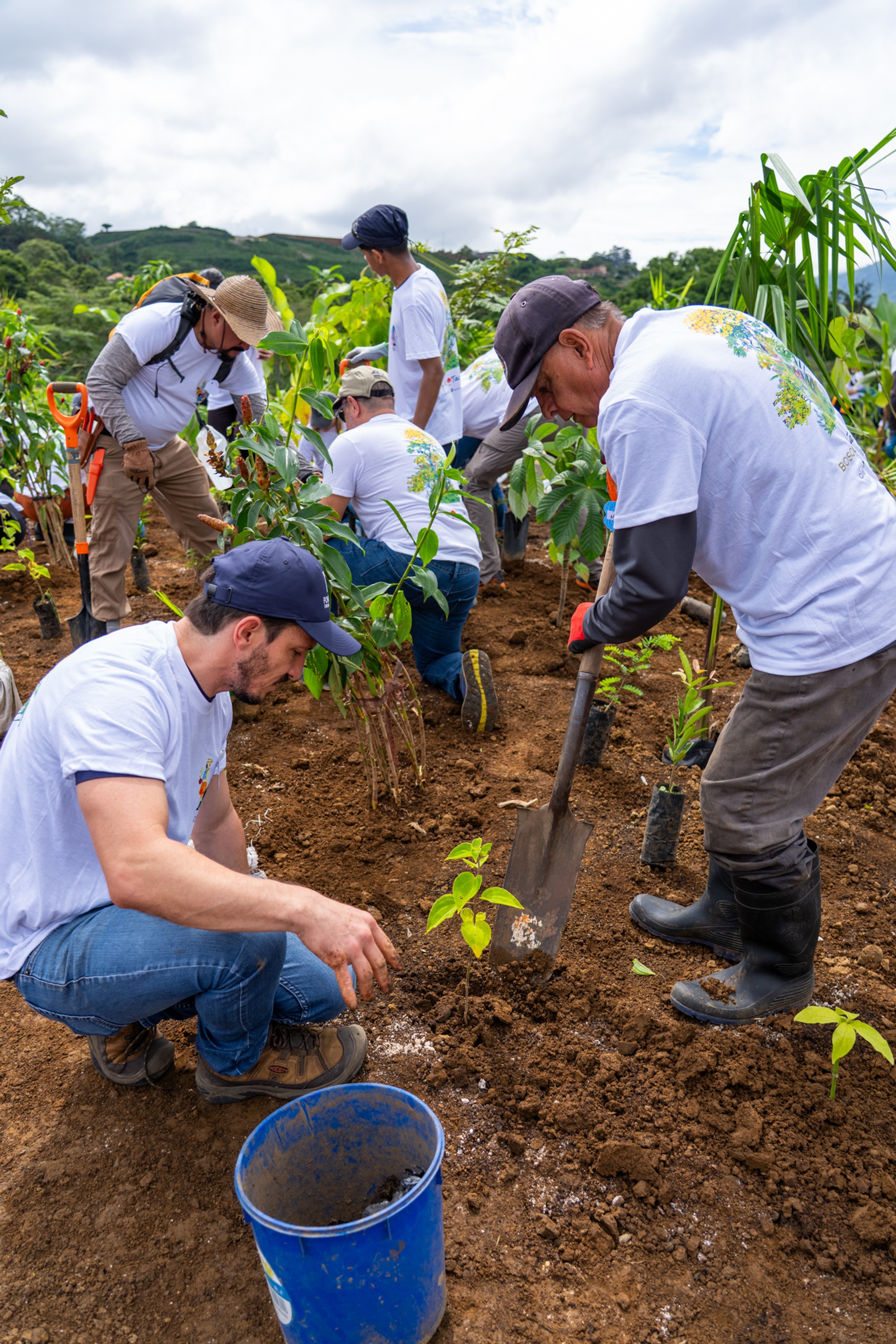
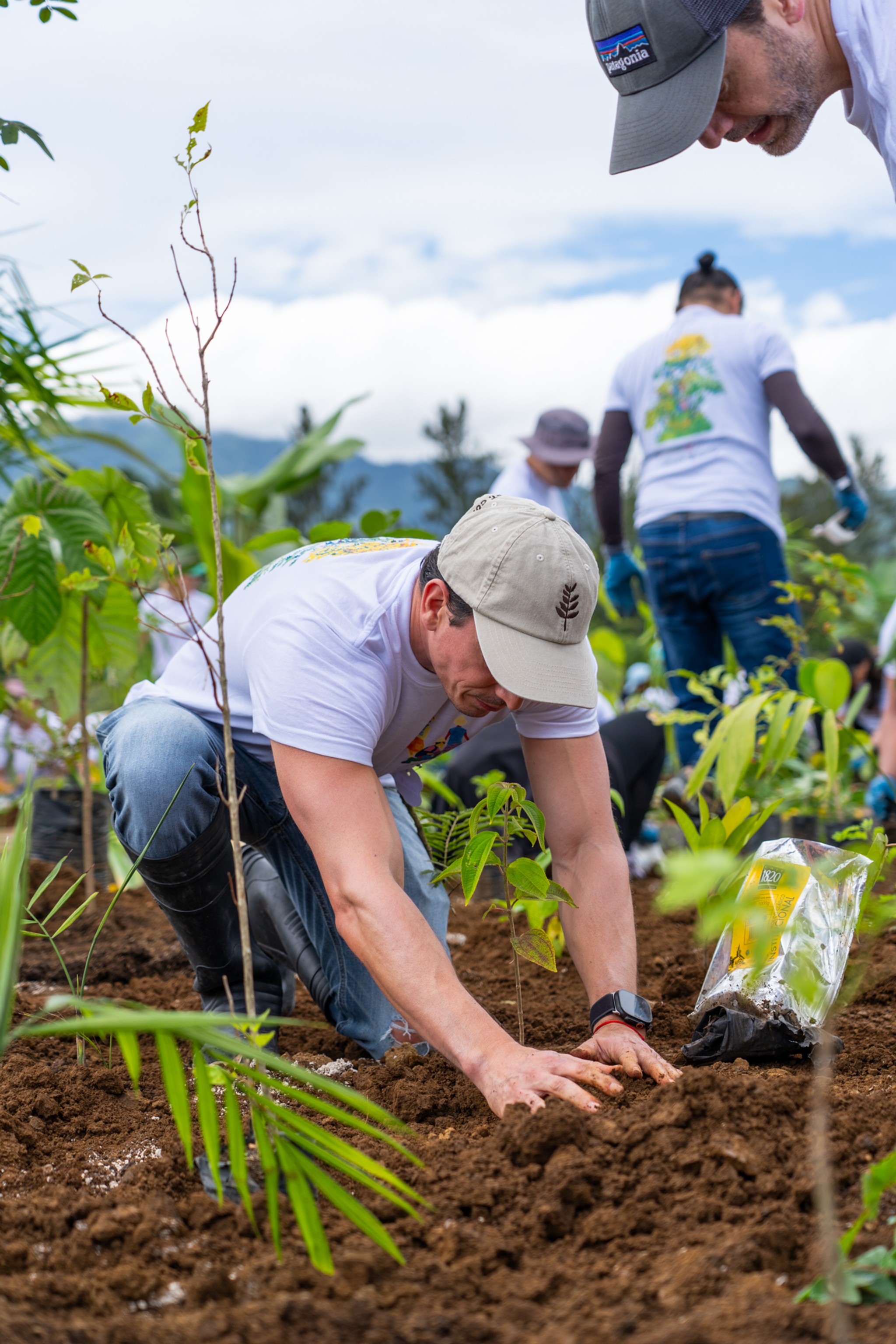
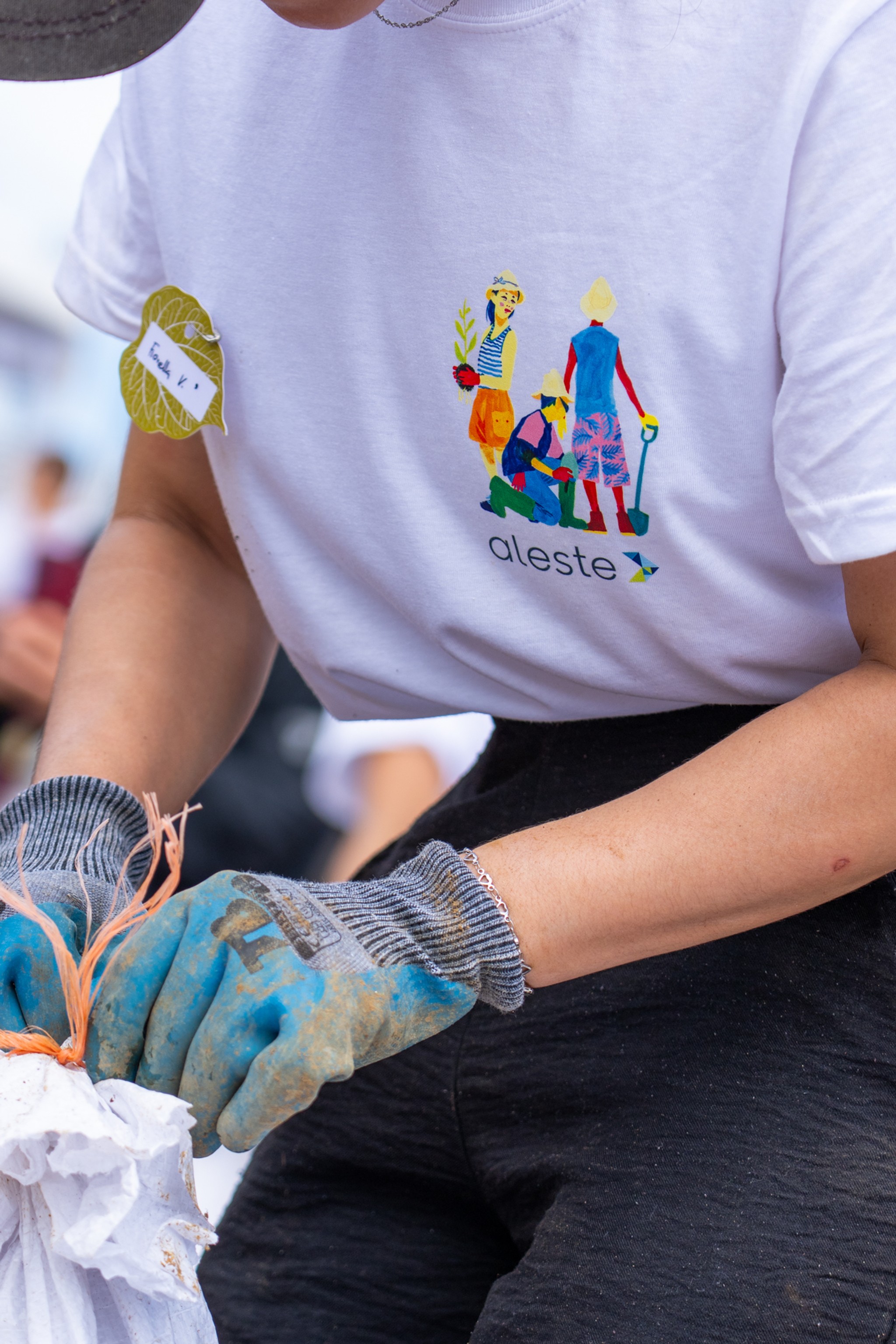
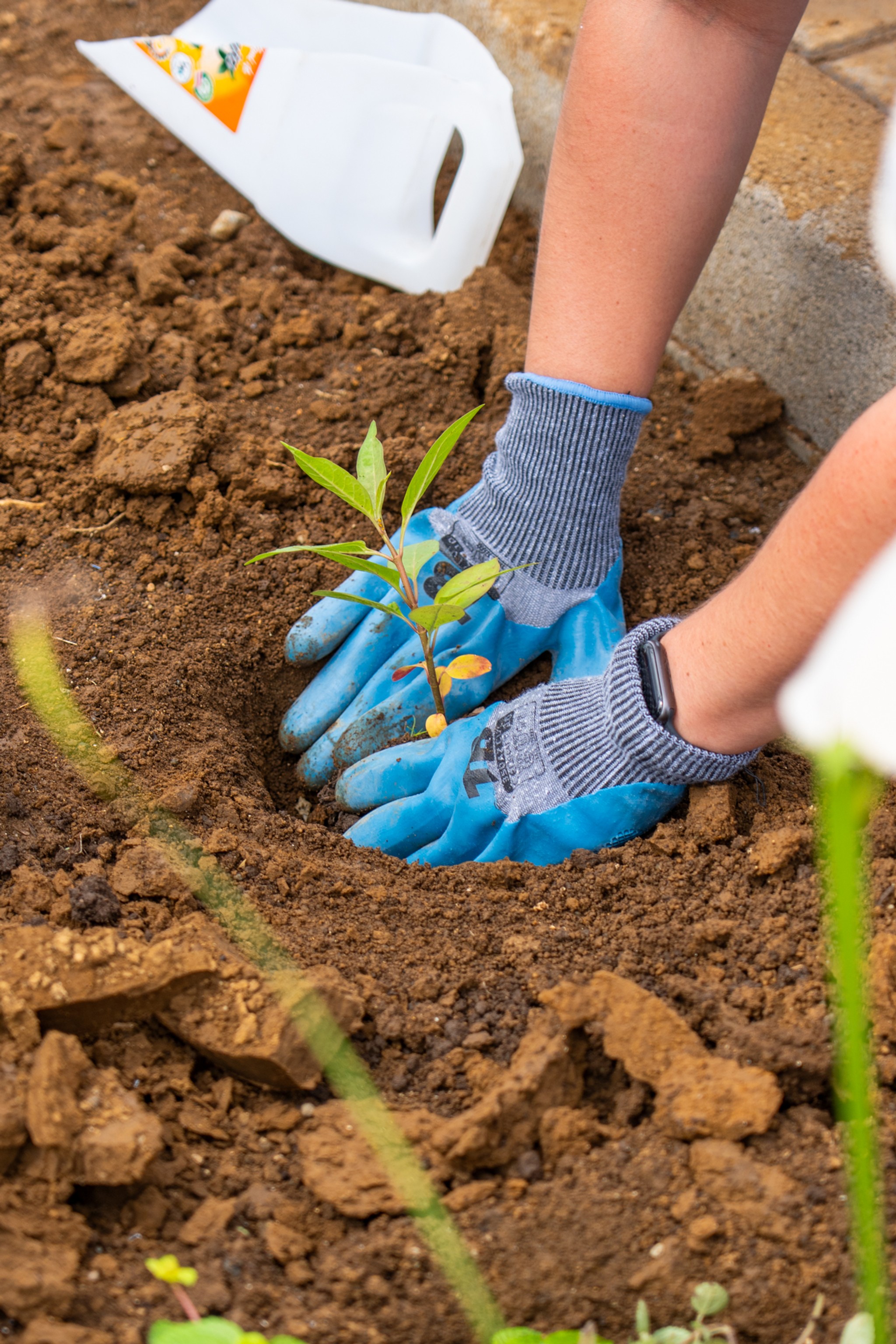
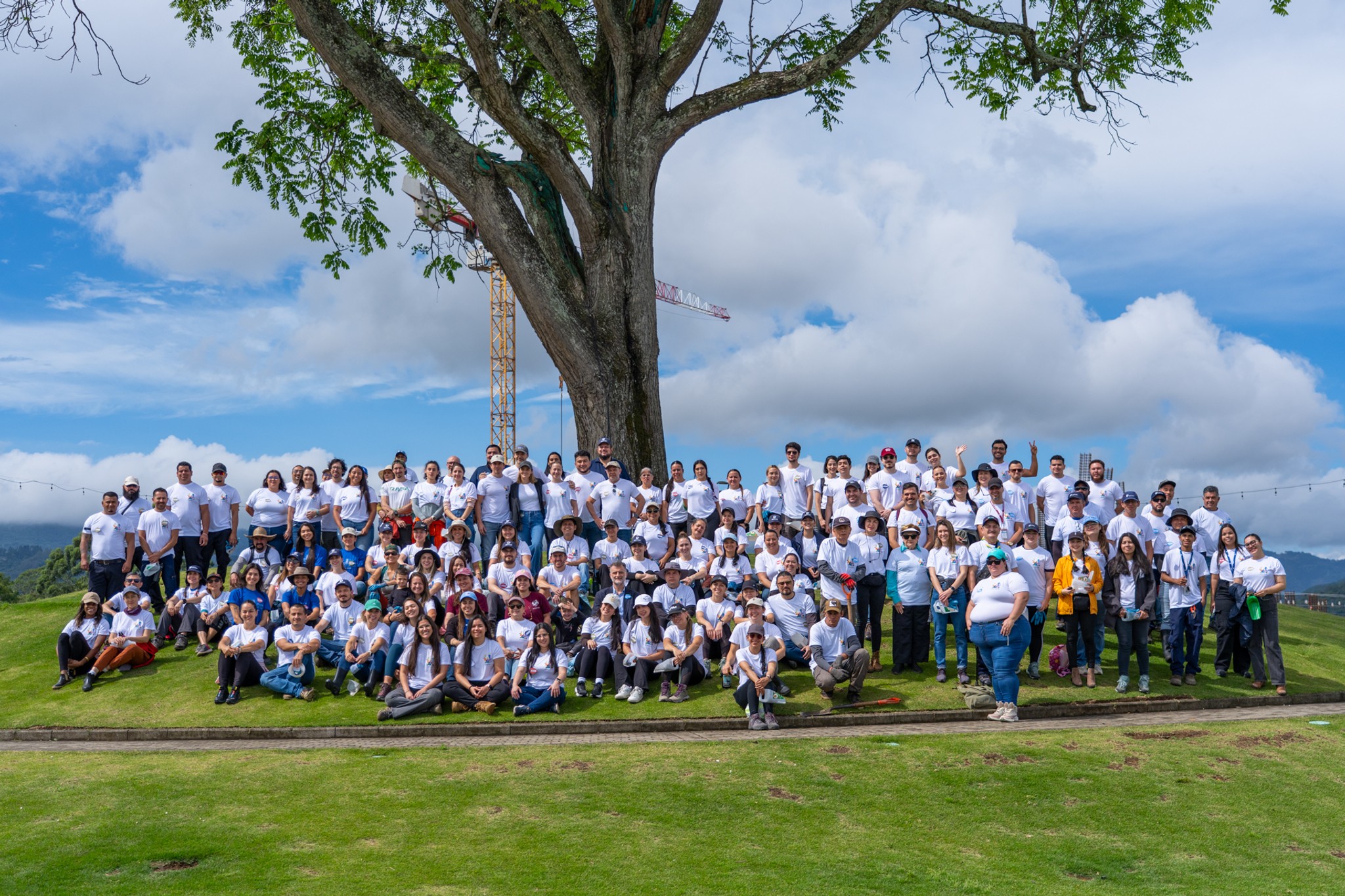
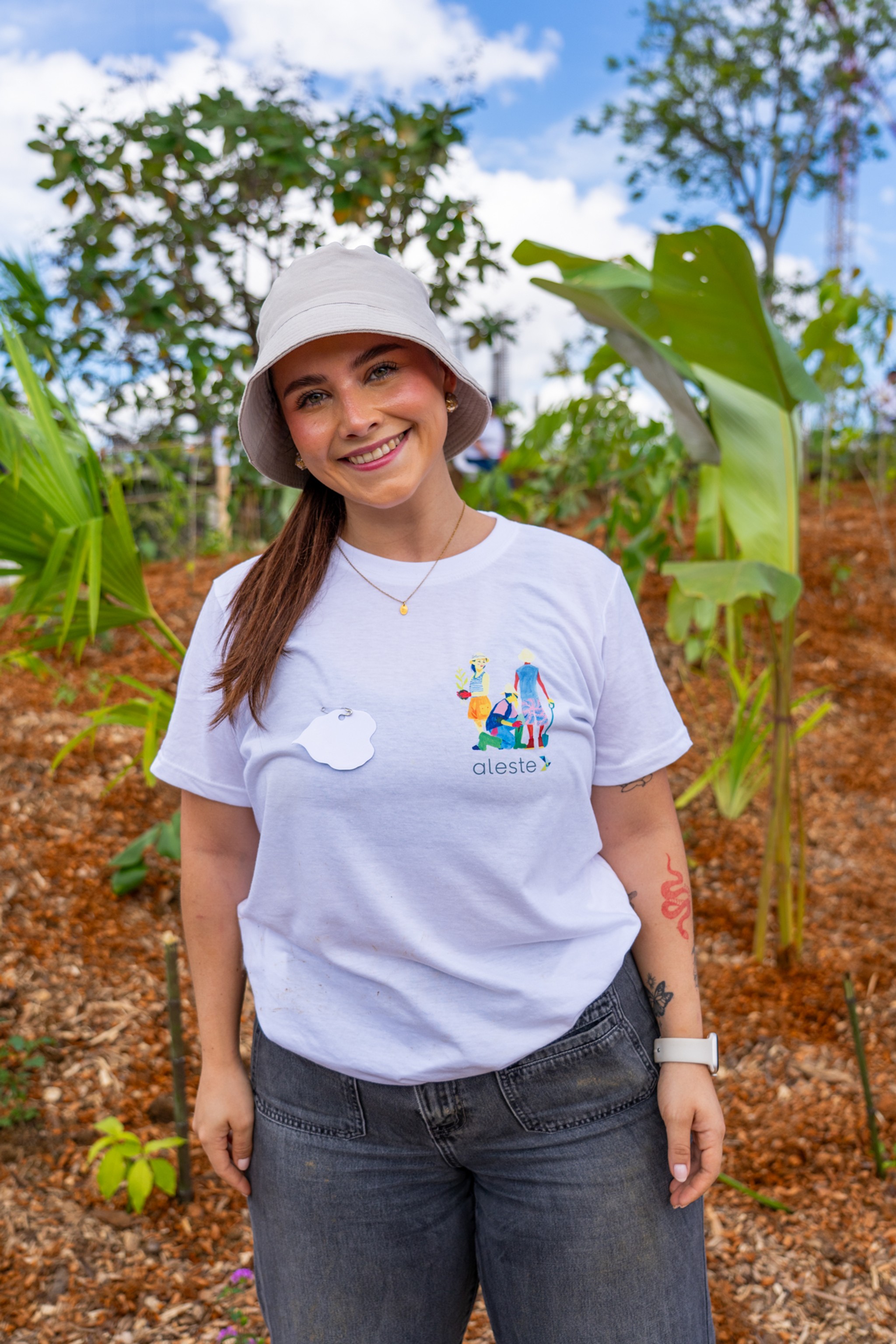
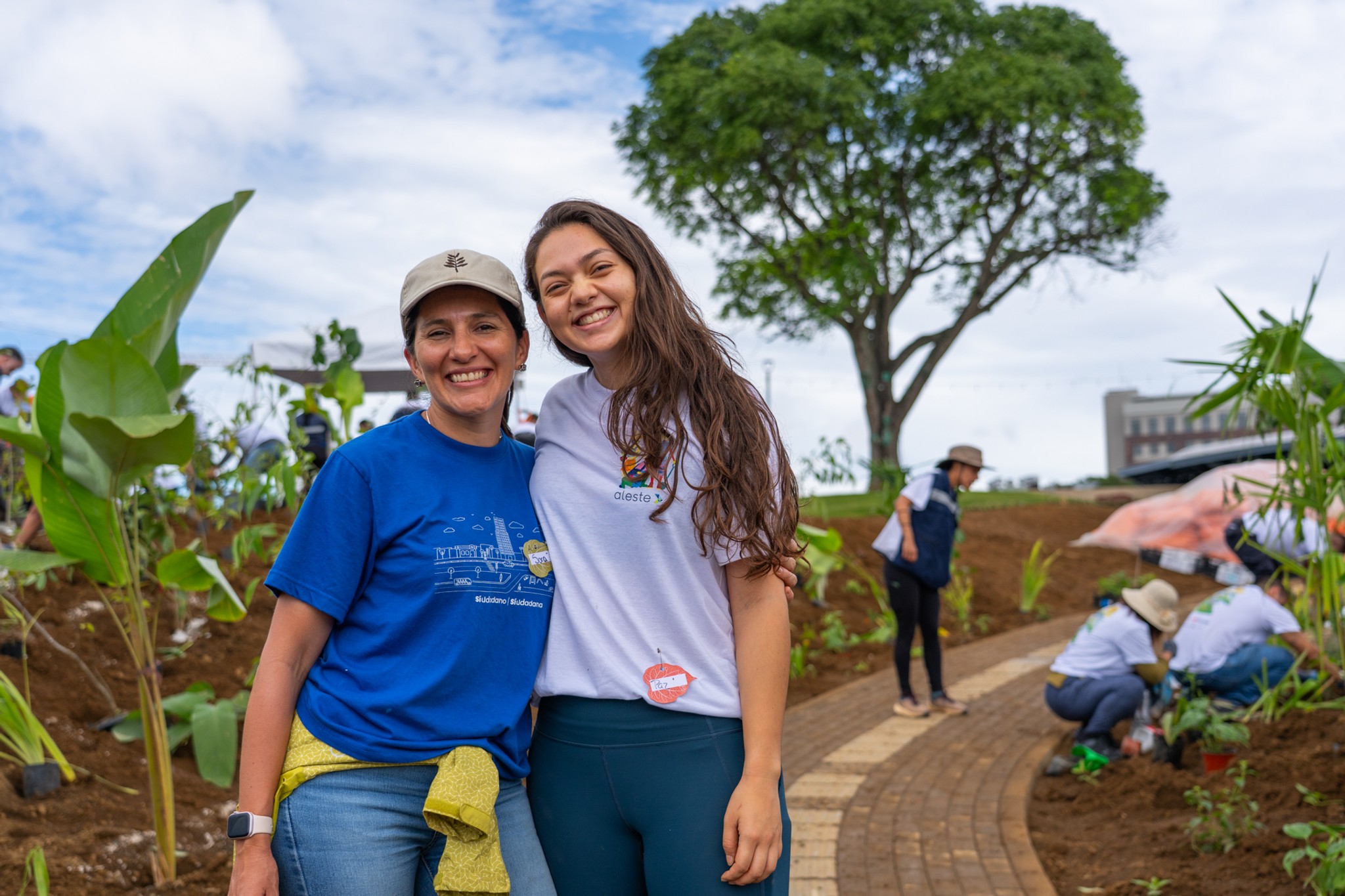
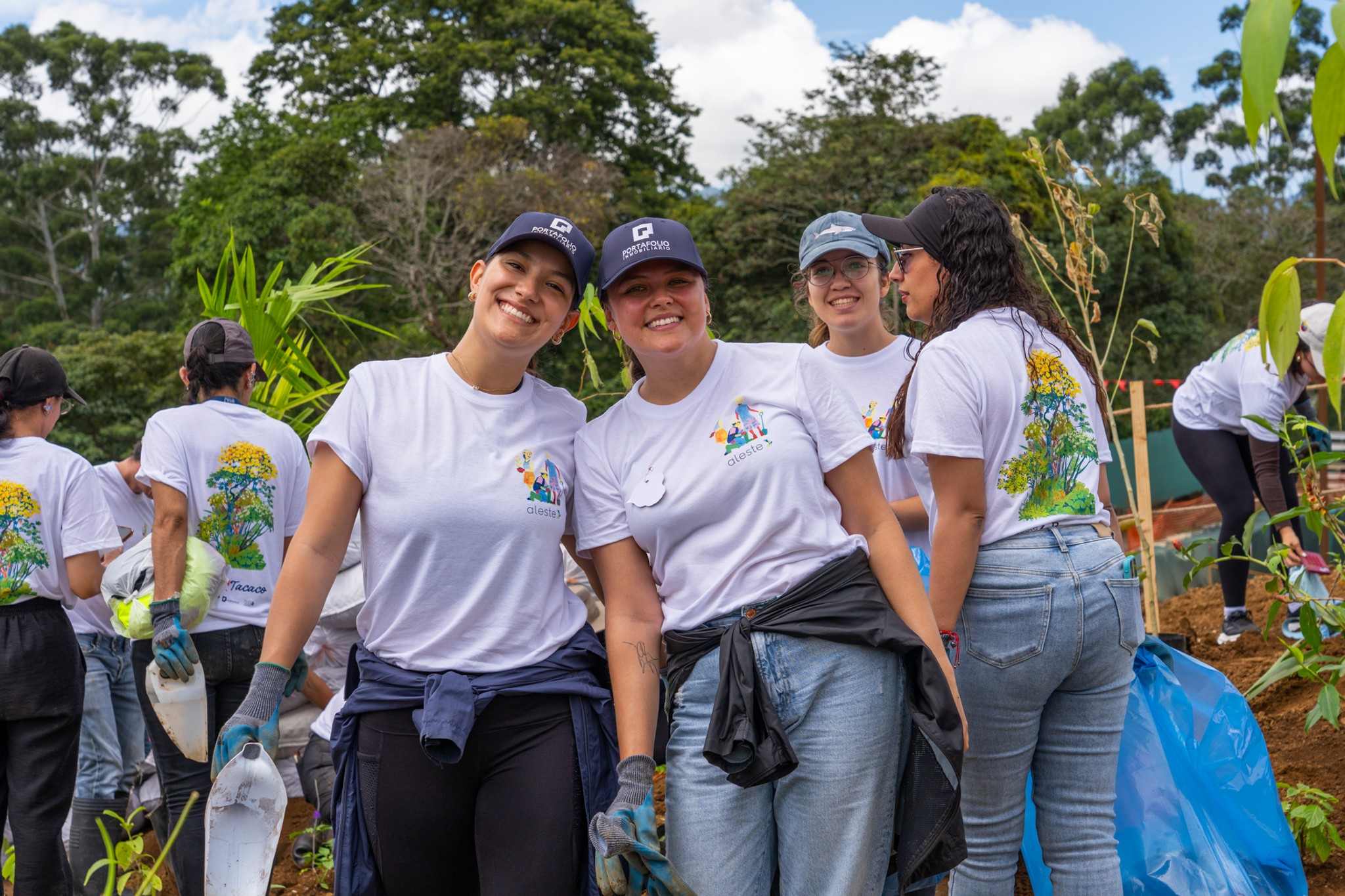
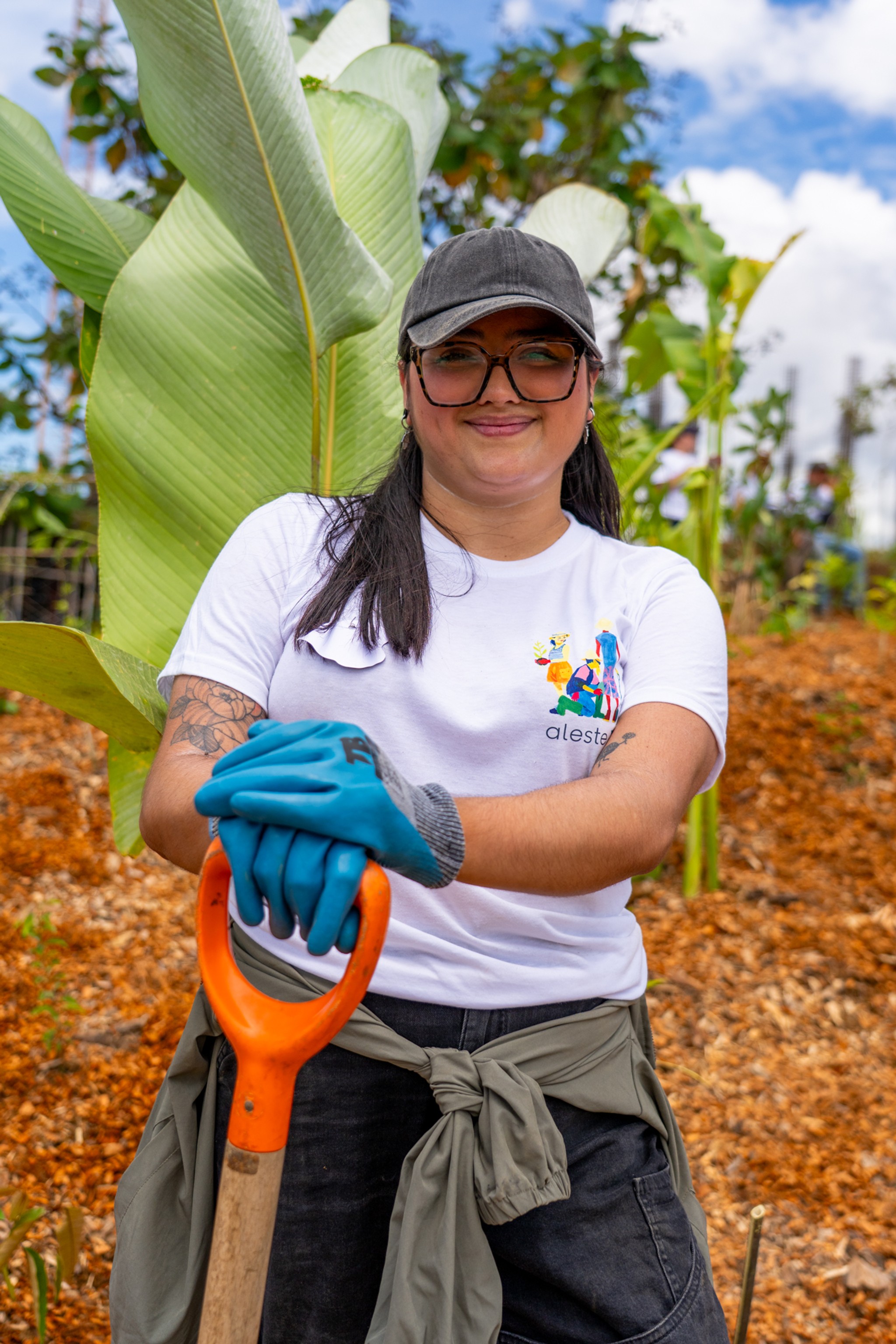
The Tacaco Forest Community Stewardship Program keeps the forest growing: students track its progress, families walk its paths, and volunteers maintain its beds season after season. What was once coffee land becomes shared ground again.
Forest Maker
Bosko Chile
Forest Partners


Planting: August 2026
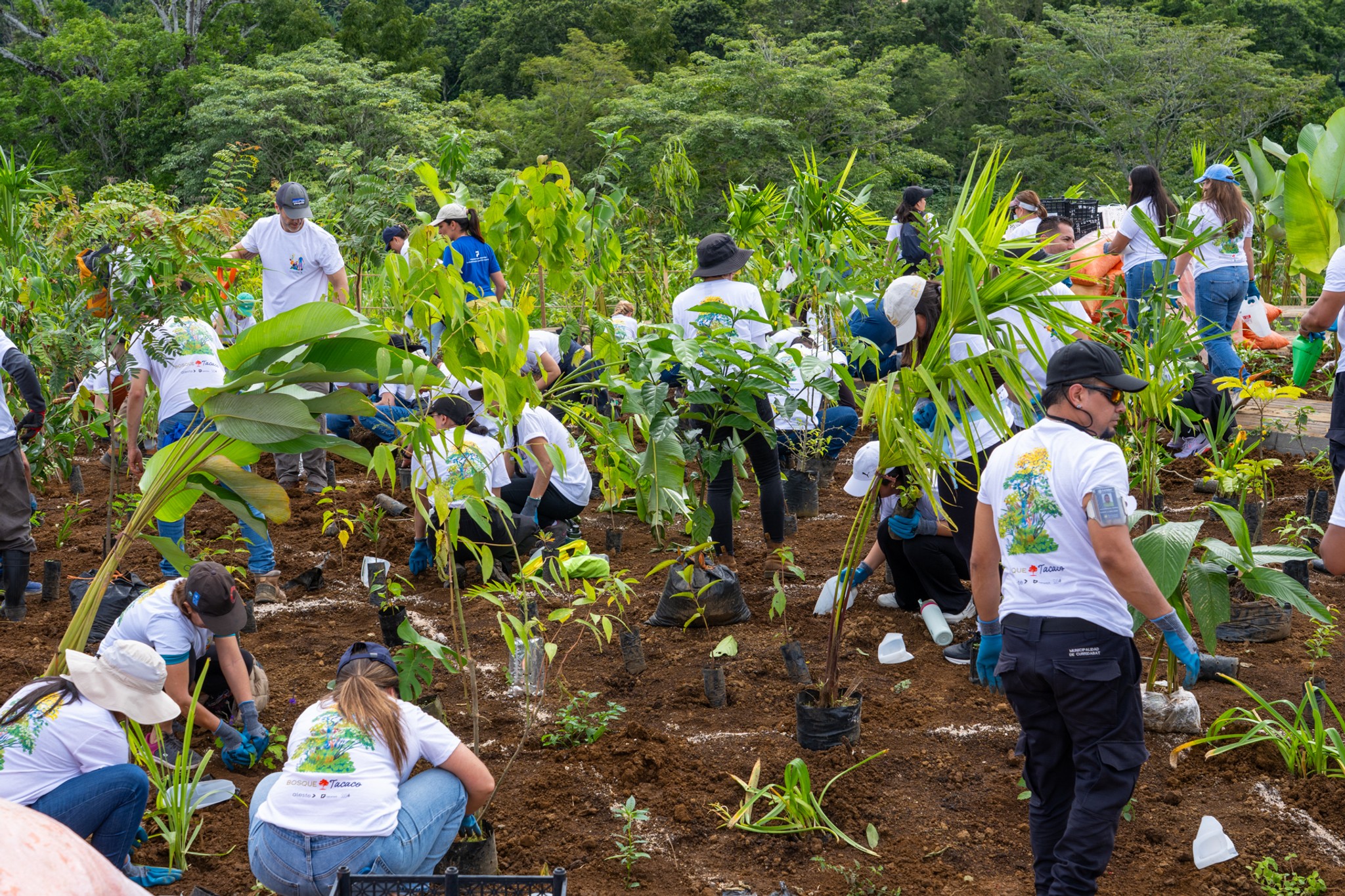
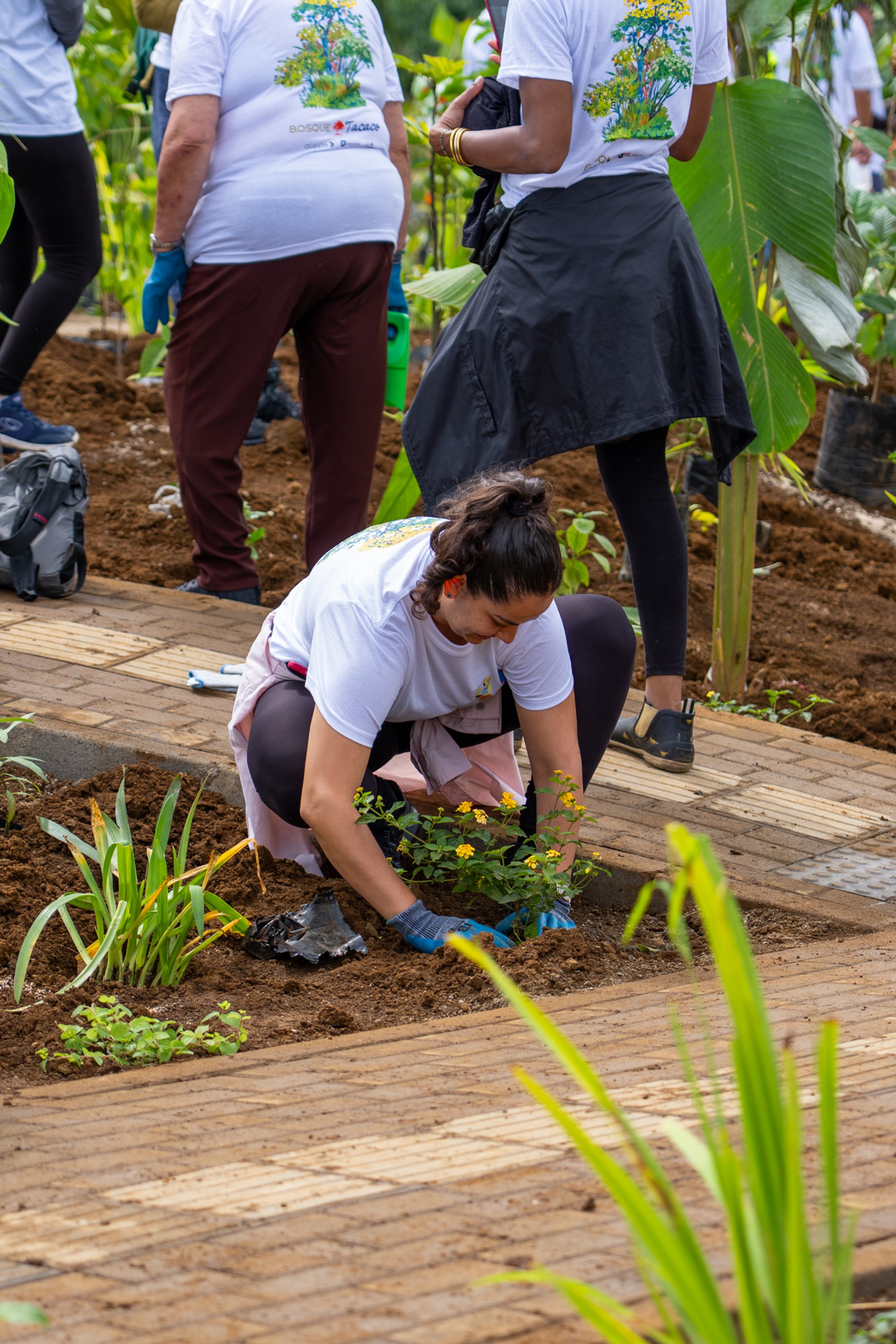
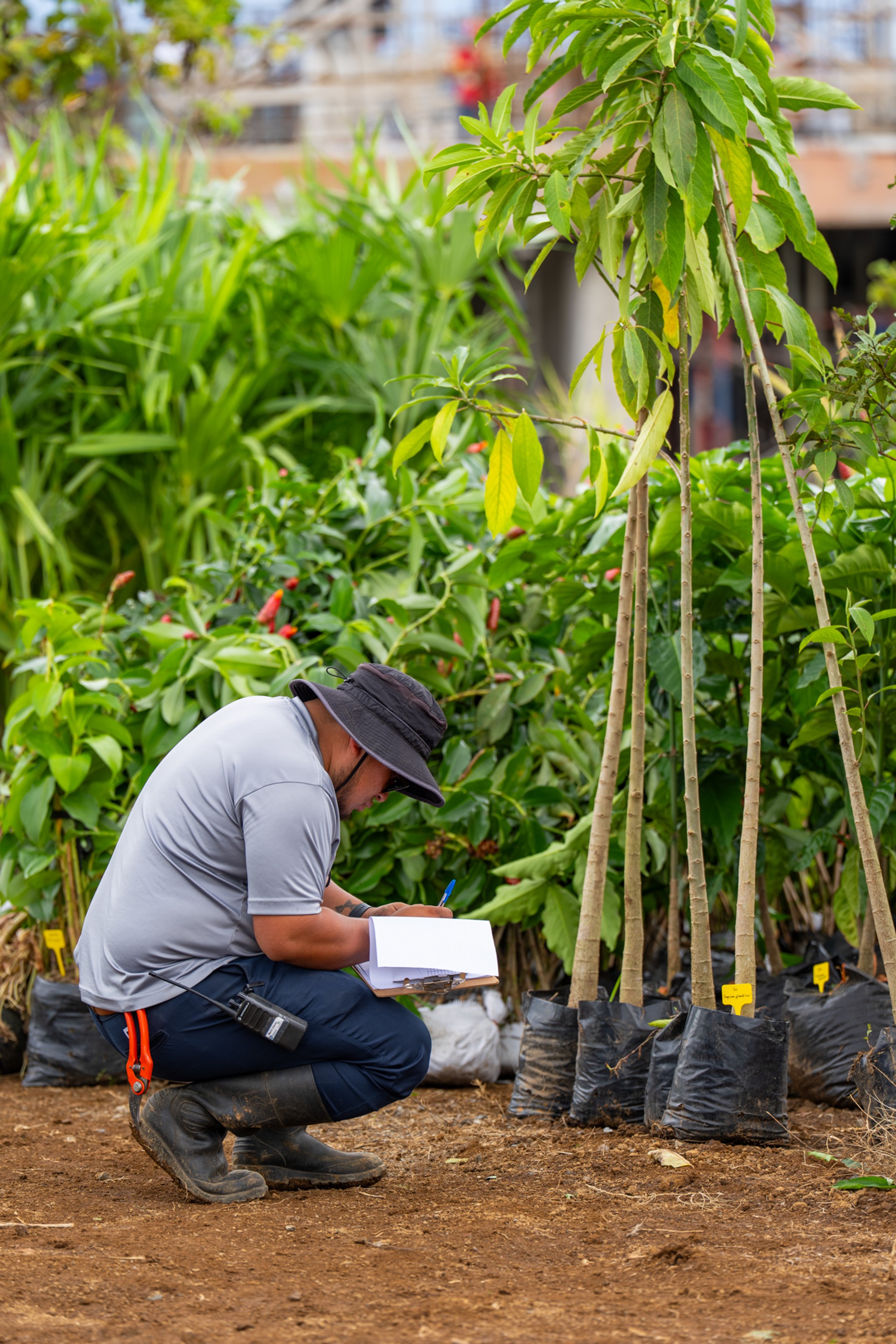
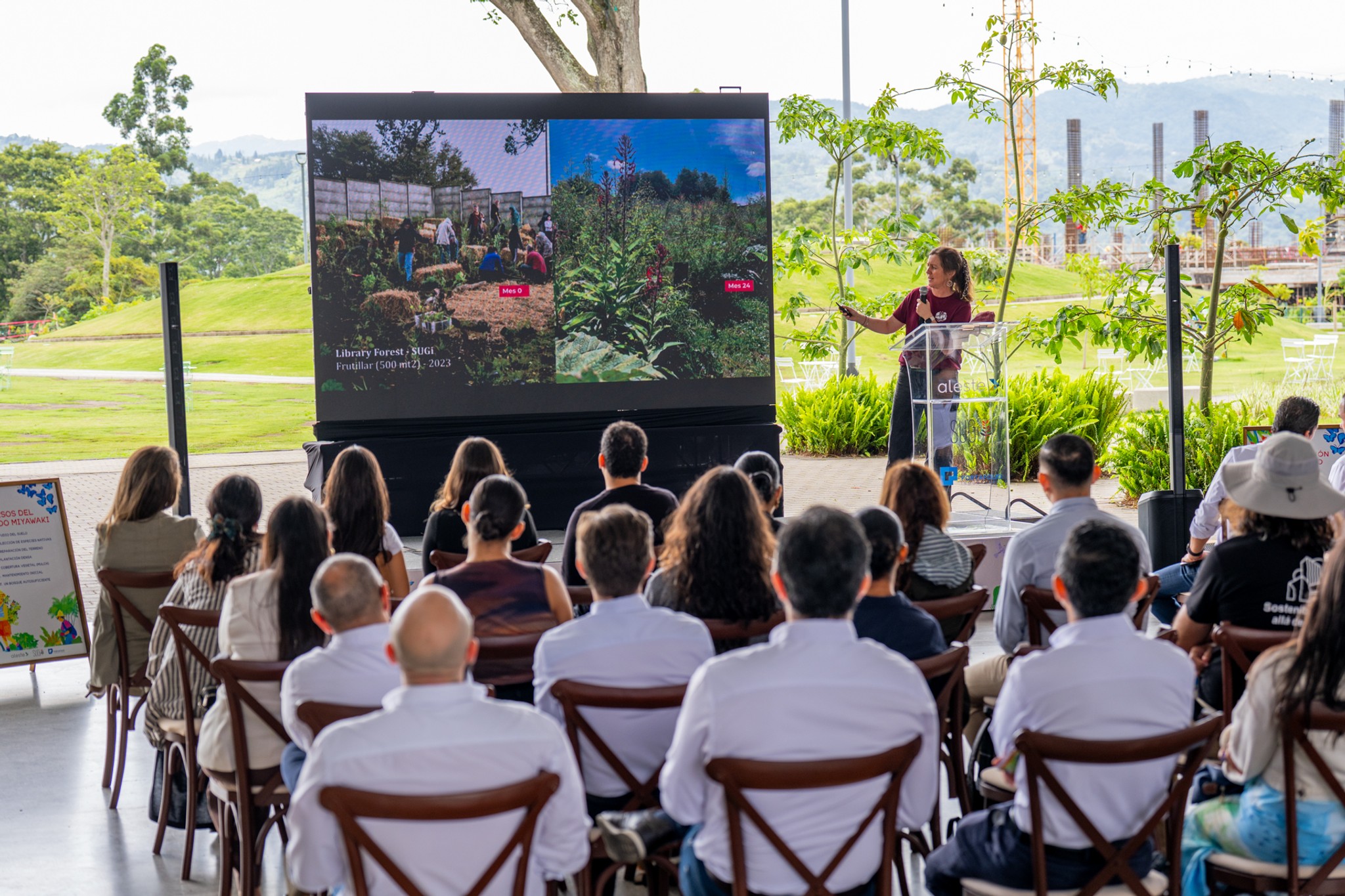
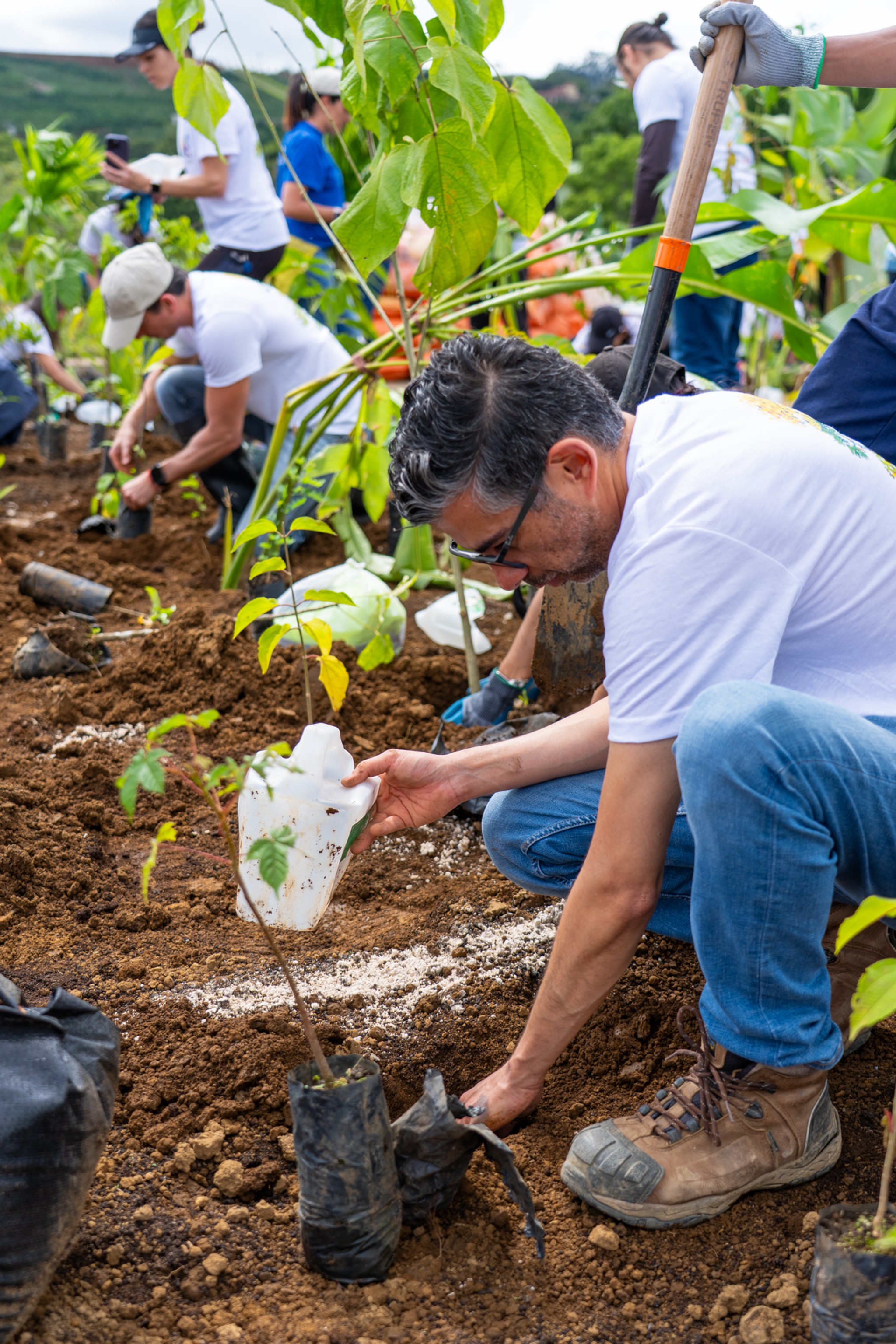
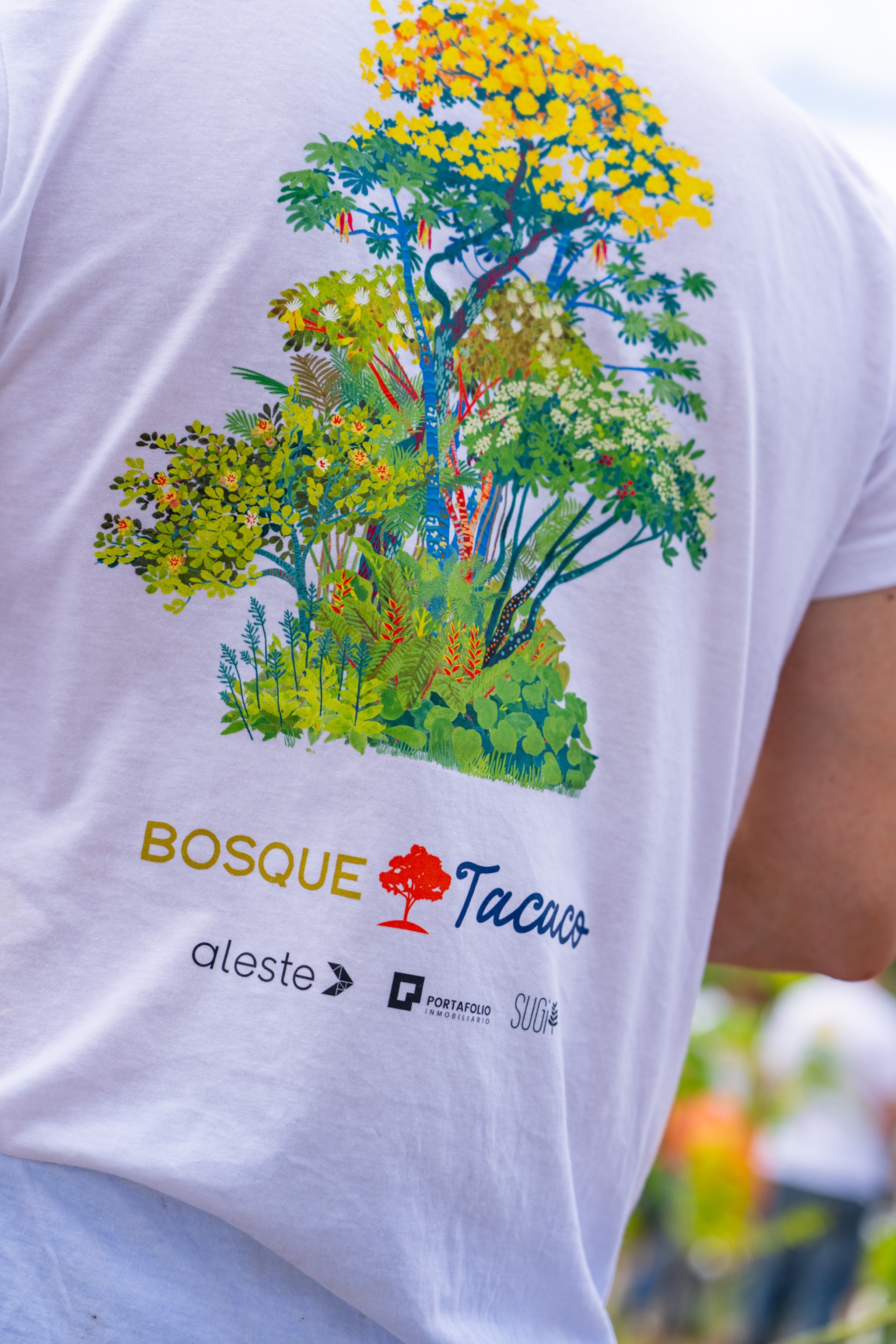
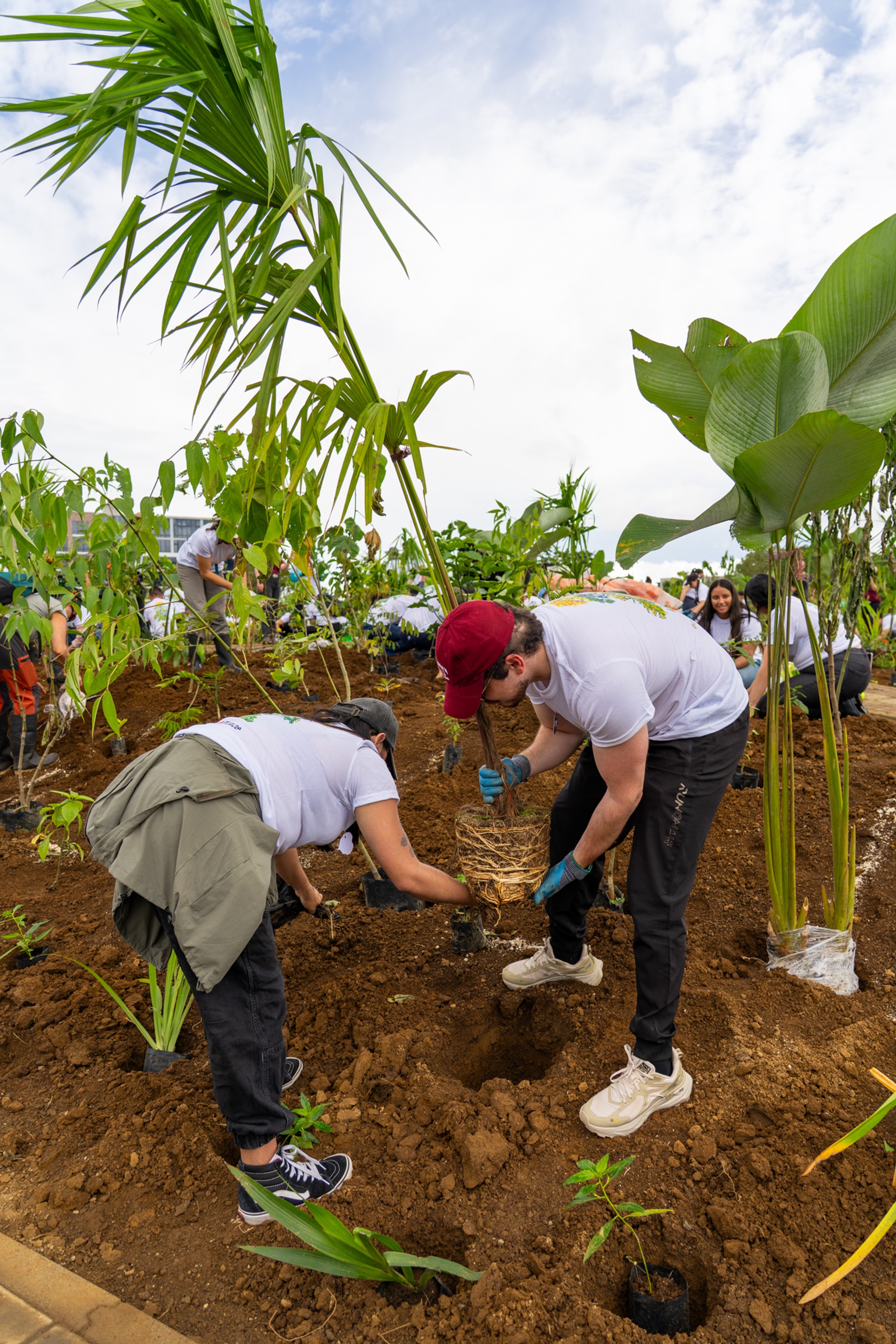
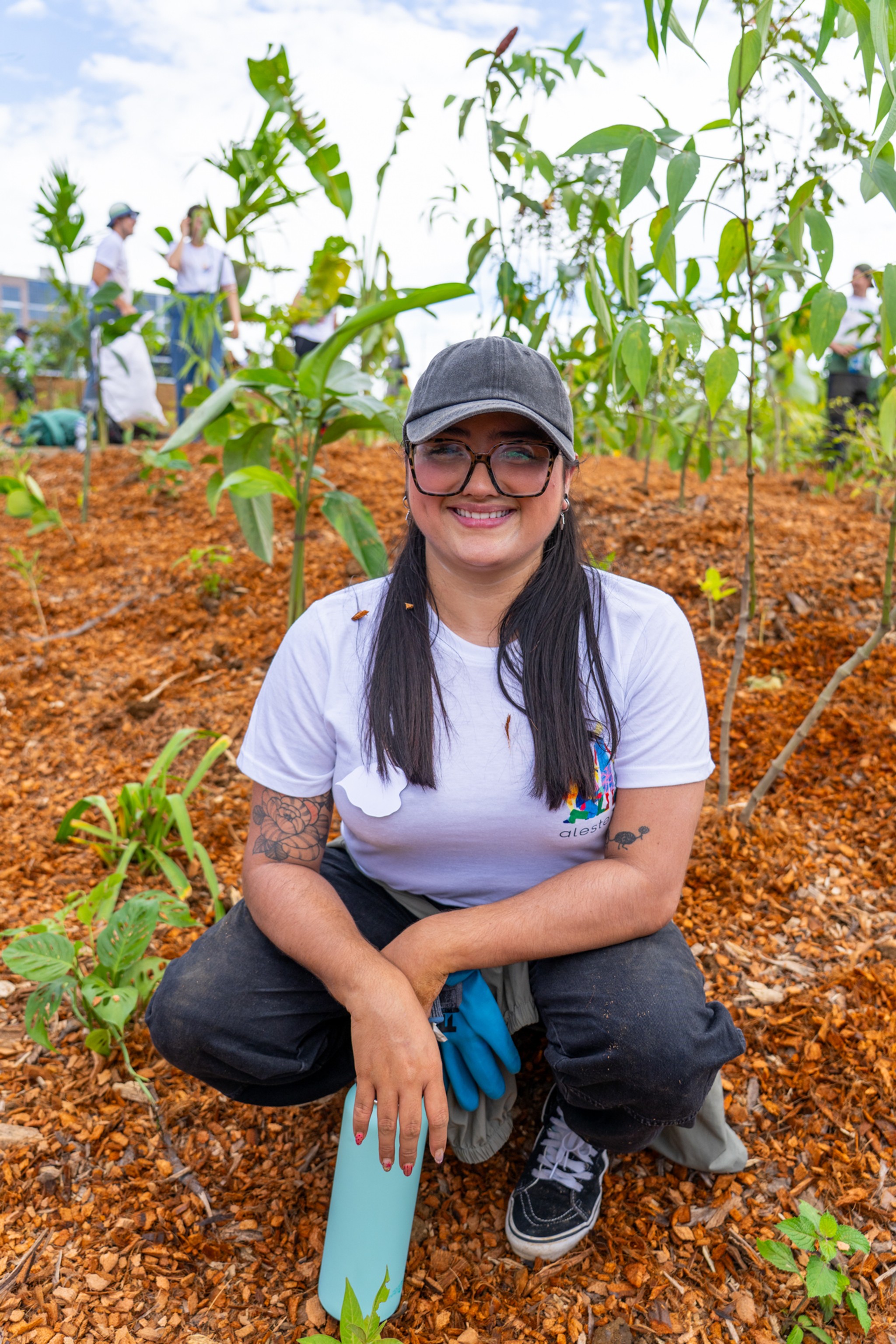
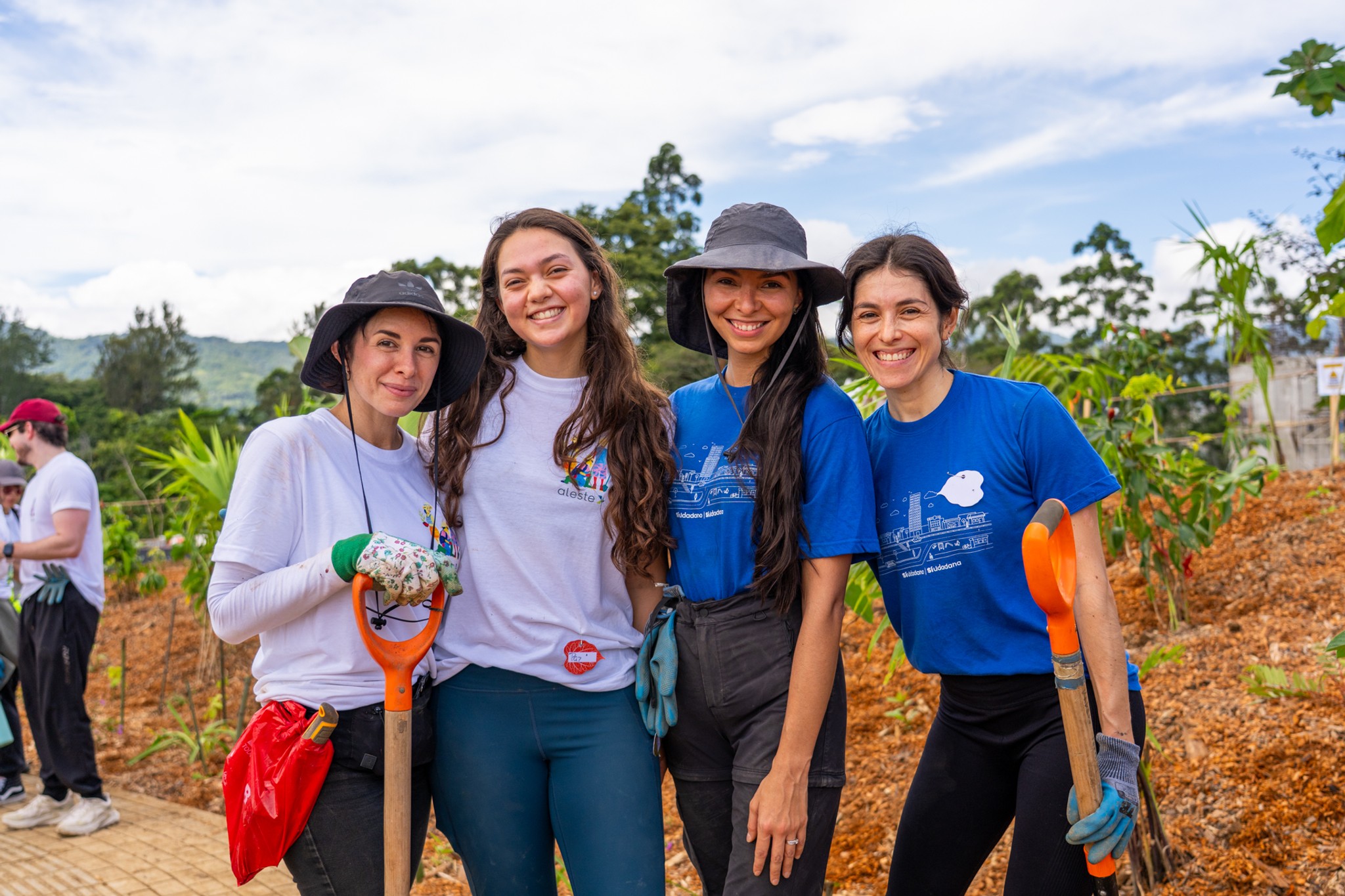
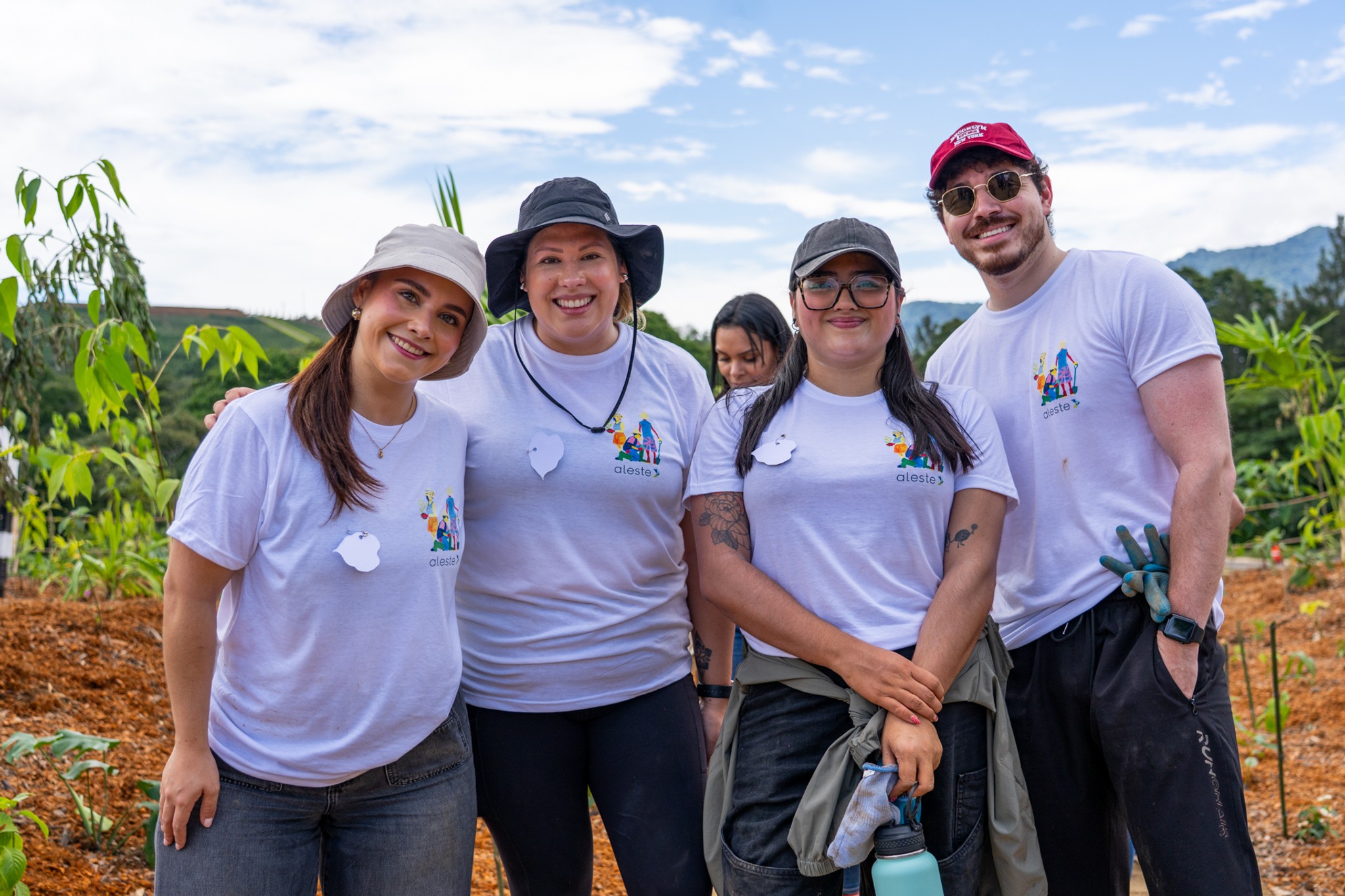
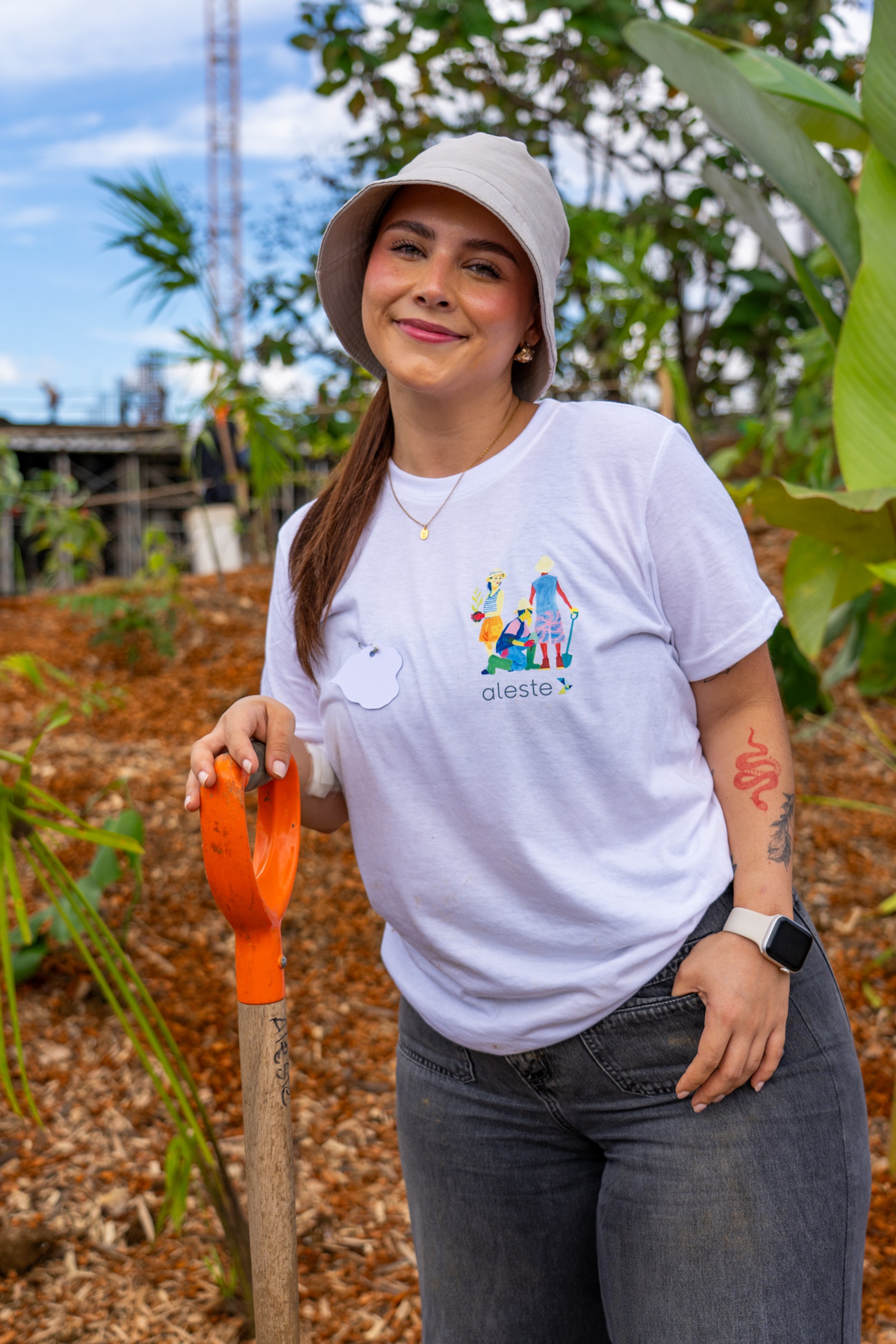
Native Species
Selection
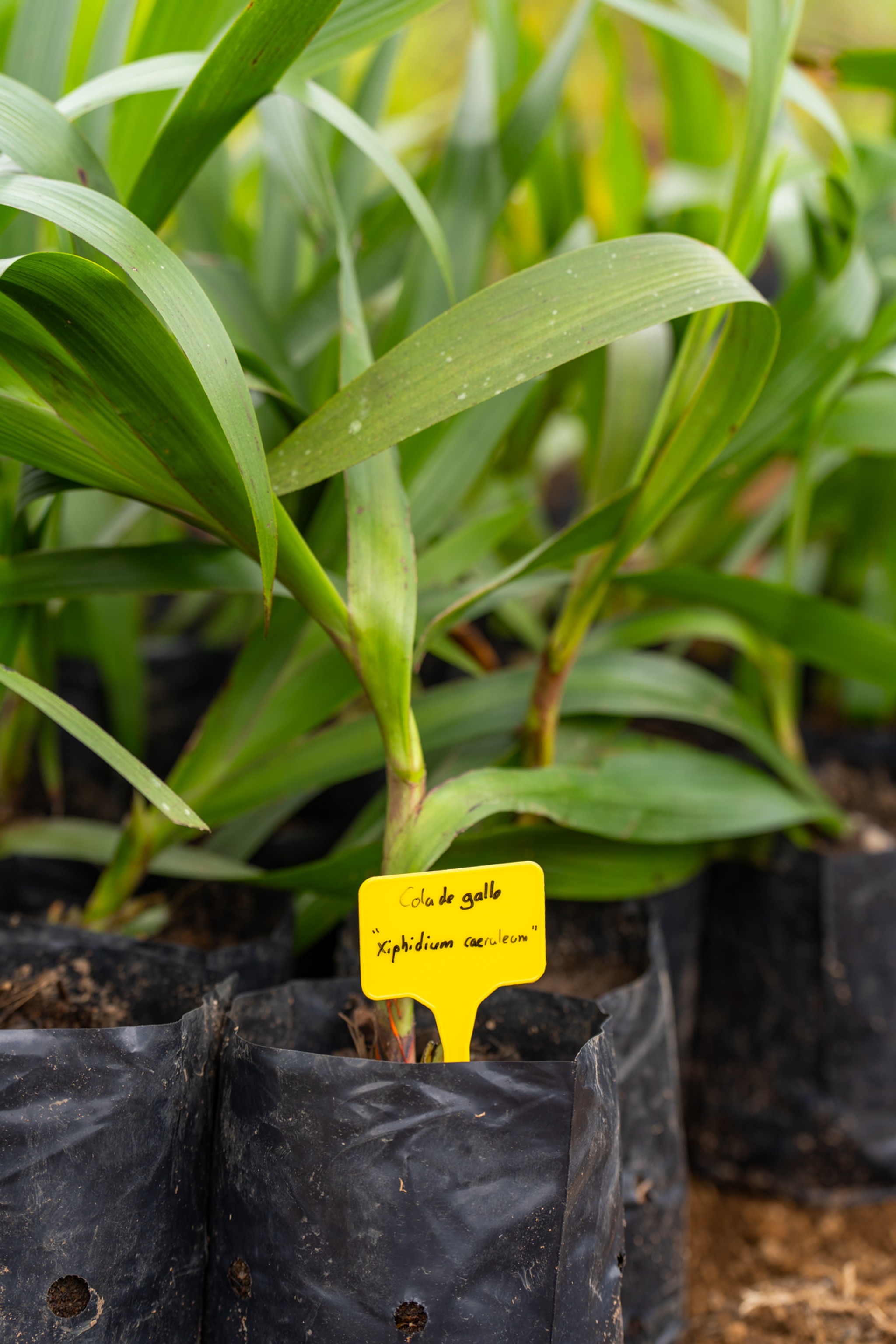
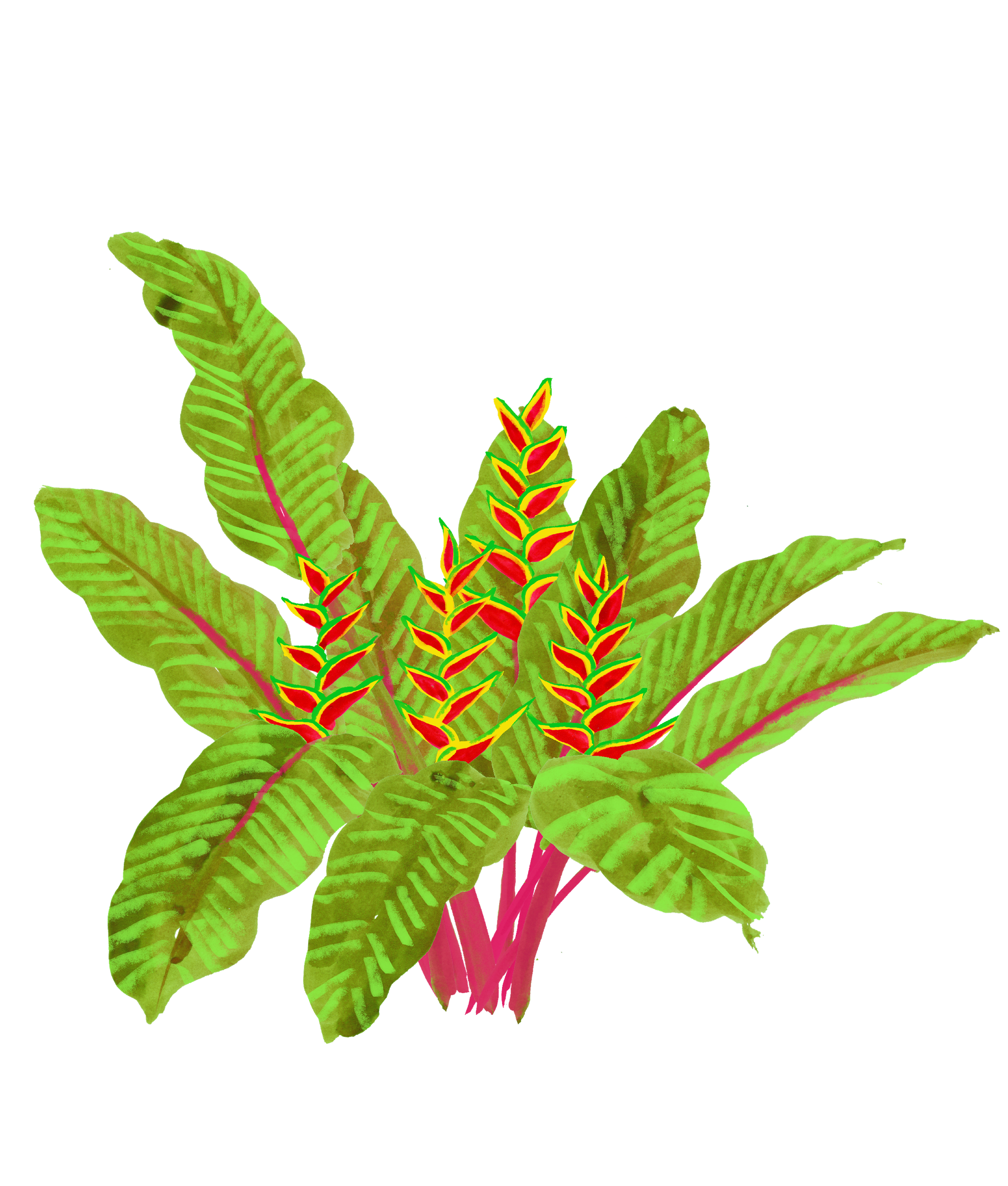
The project has been developed through a multi-step process. First, the target ecosystem was defined using Costa Rica's Life Zones classification, selecting a native forest community representative of the ecological conditions of the region. This provided the initial ecological framework and a preliminary palette of potential species.
The species list was then refined by assessing the availability of native plants currently propagated by local nurseries in Costa Rica. Since not all suitable native species are commercially available, the final palette was developed by balancing ecological integrity with practical feasibility.
Finally, the planting composition is adjusted to achieve both ecological performance and the intended landscape experience. The proportions of canopy, sub-canopy, shrubs, and groundcover have been designed to emulate the structure of a natural forest, while specific adaptations were made along forest edges, pathways, gathering spaces, and other programmed areas to support visibility, circulation and long-term forest interest.
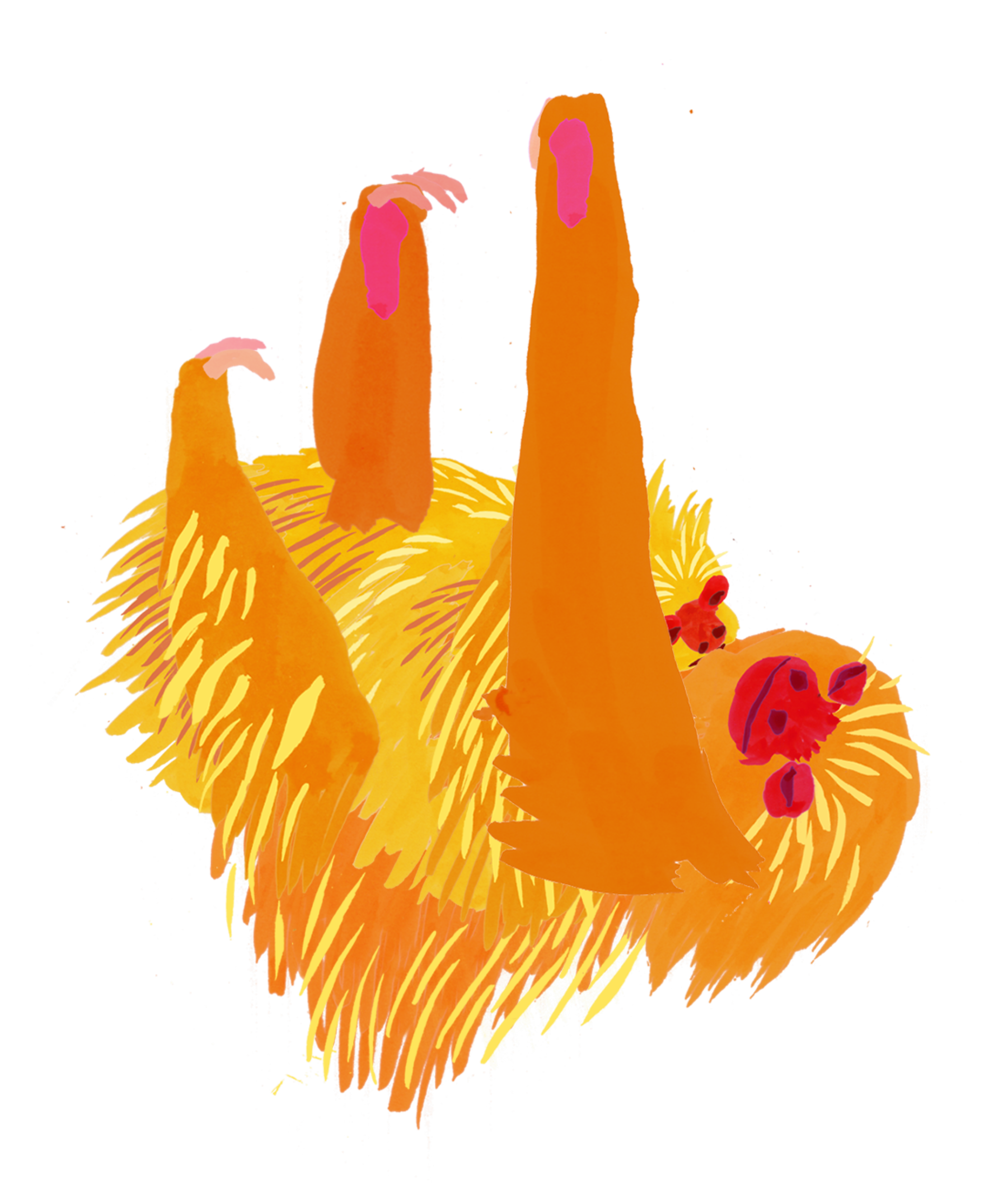
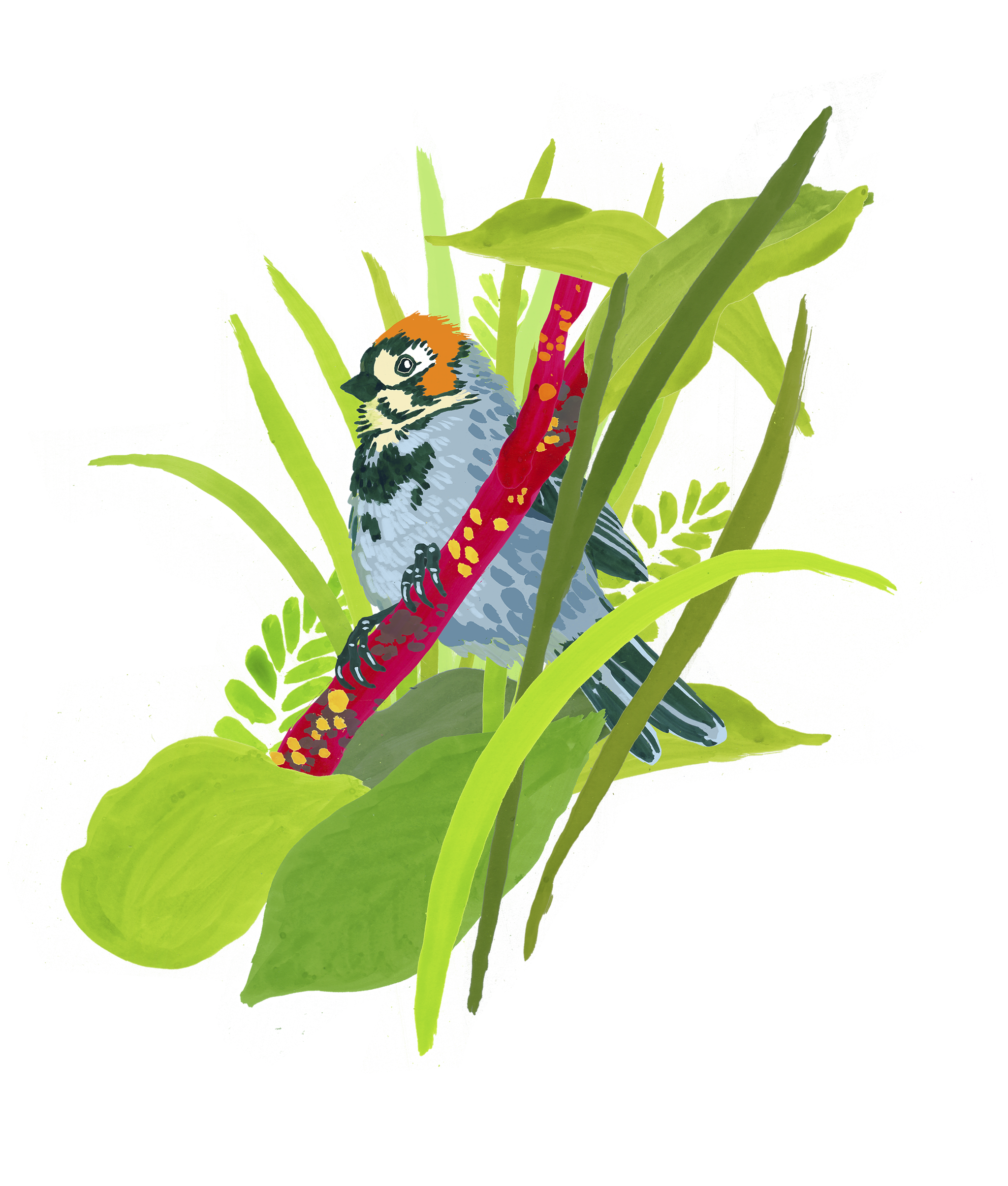
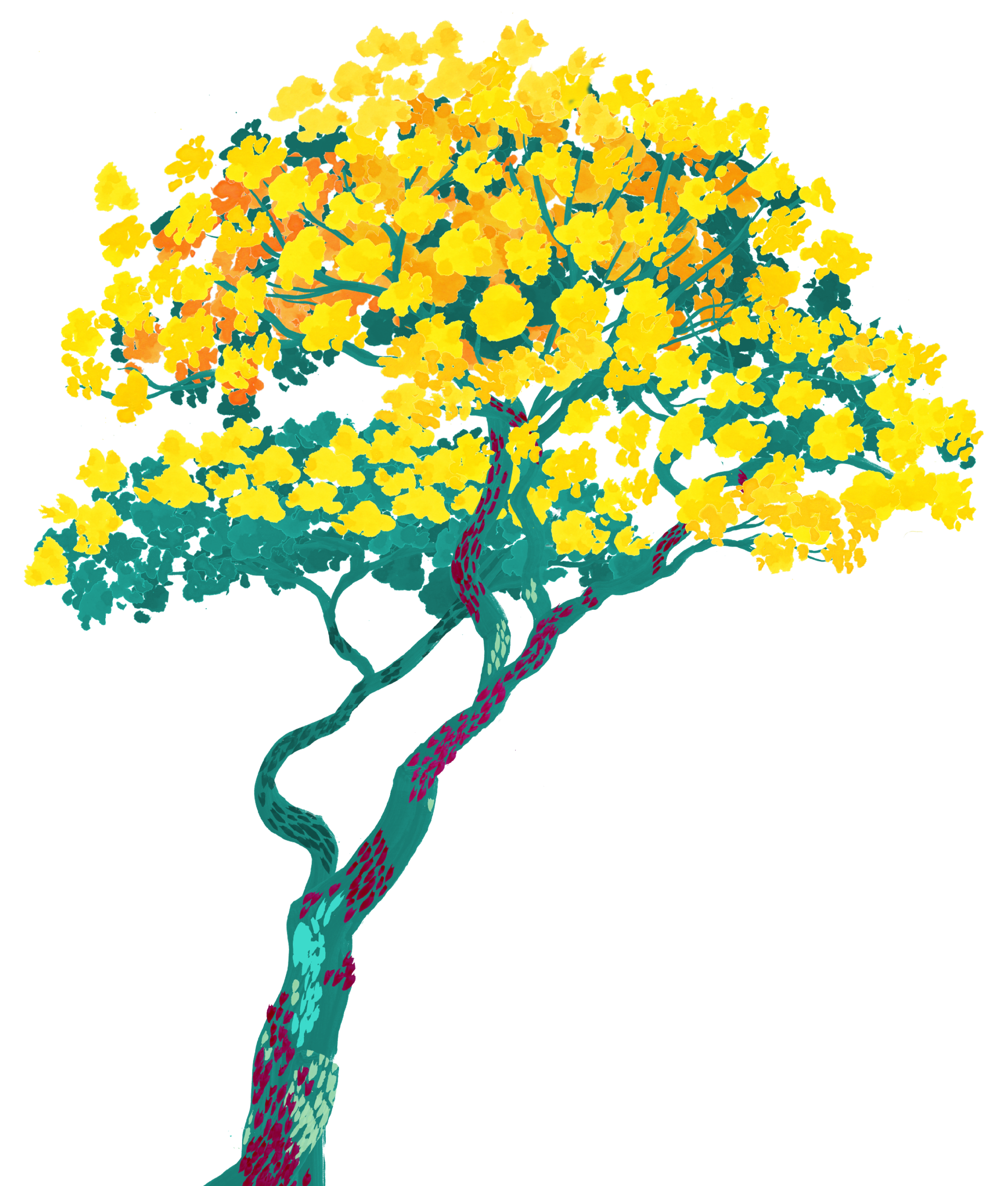
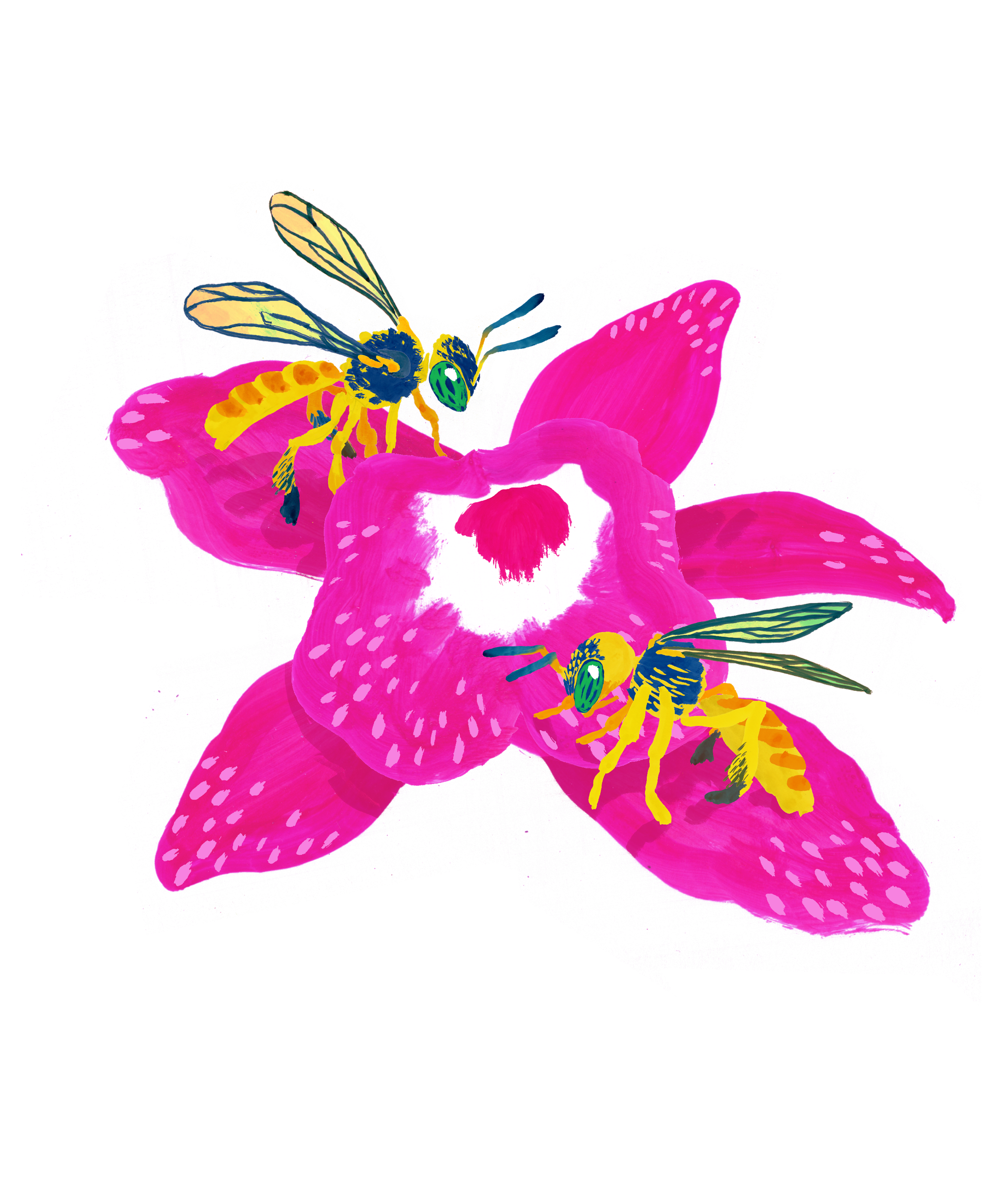
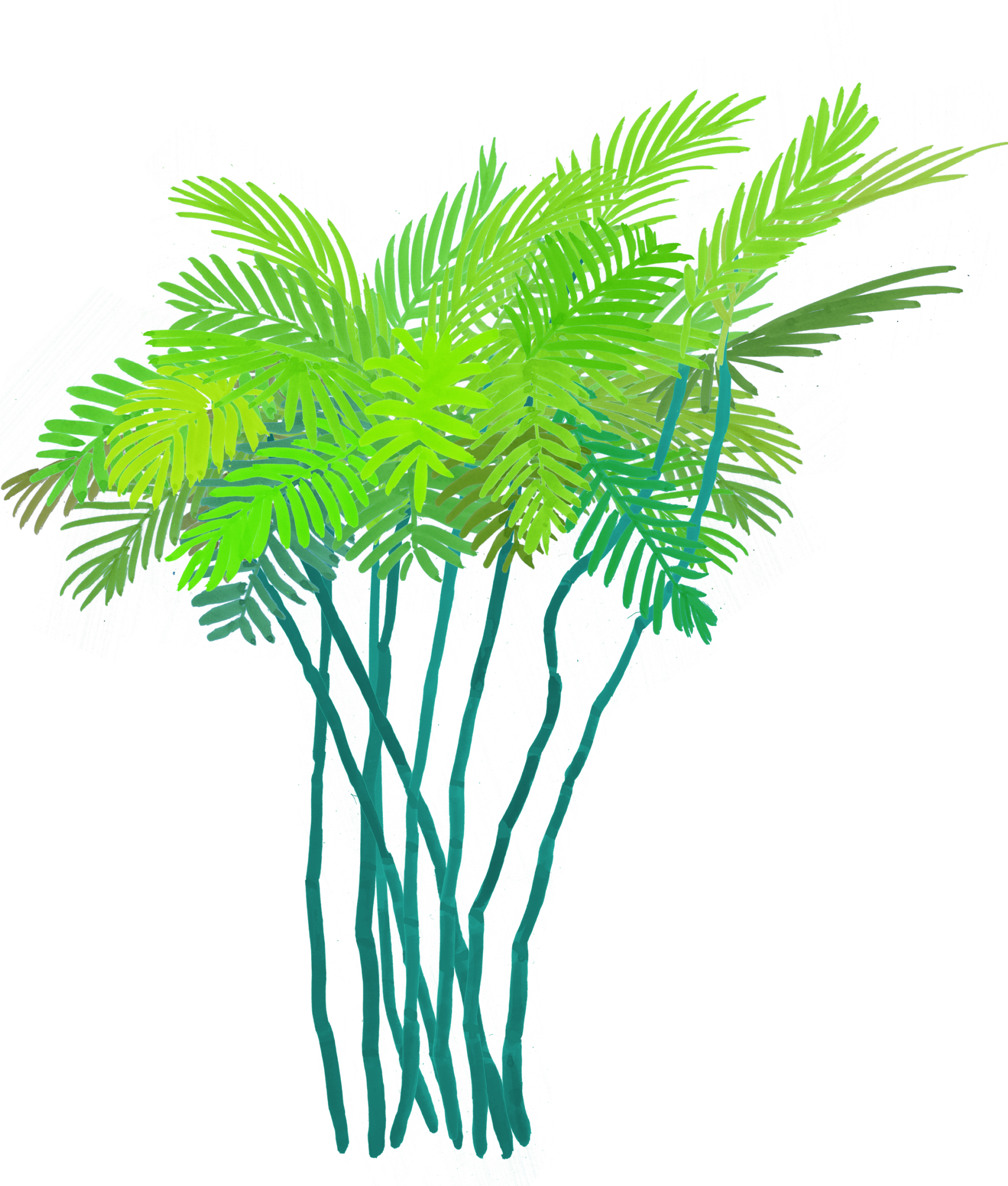
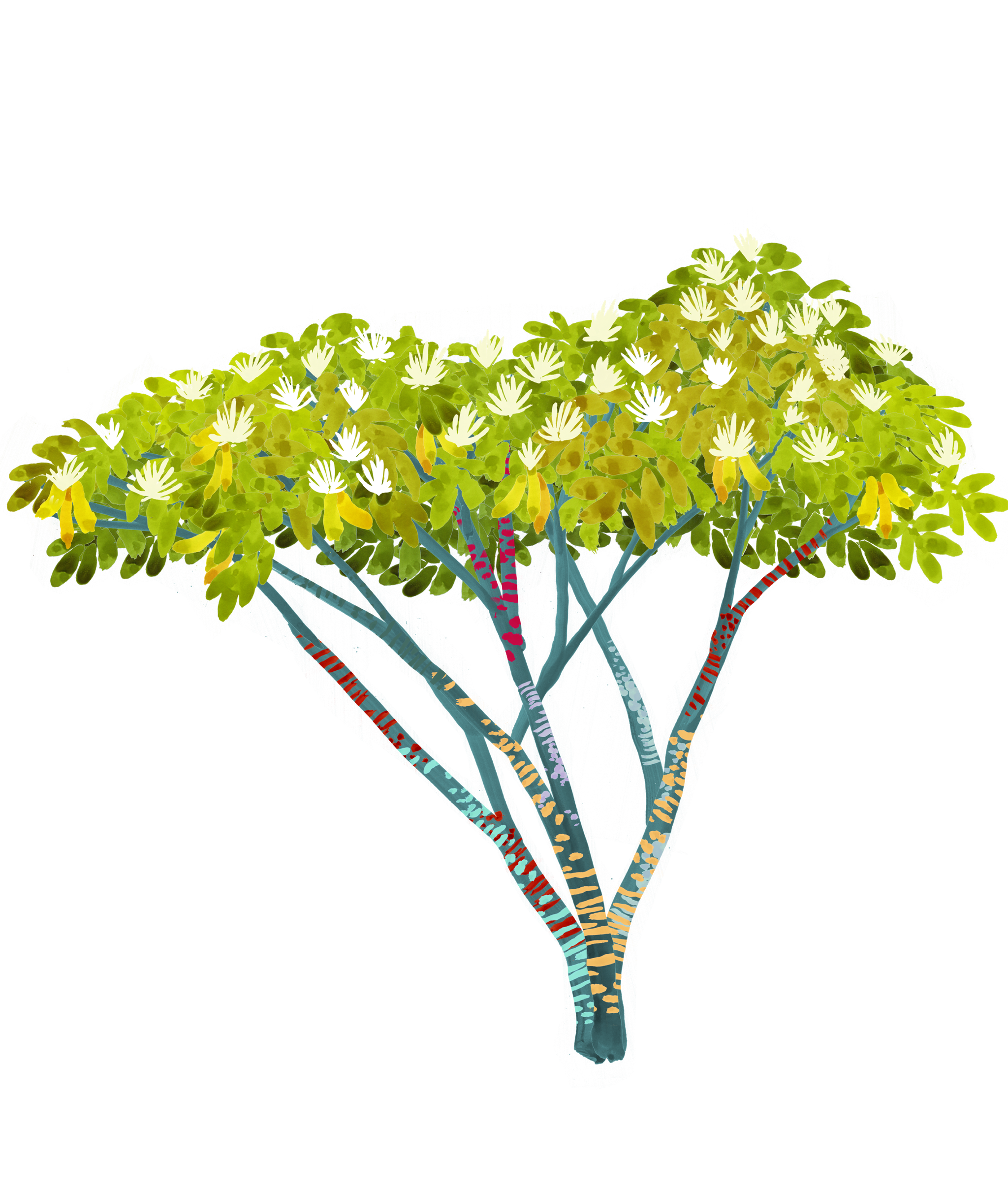
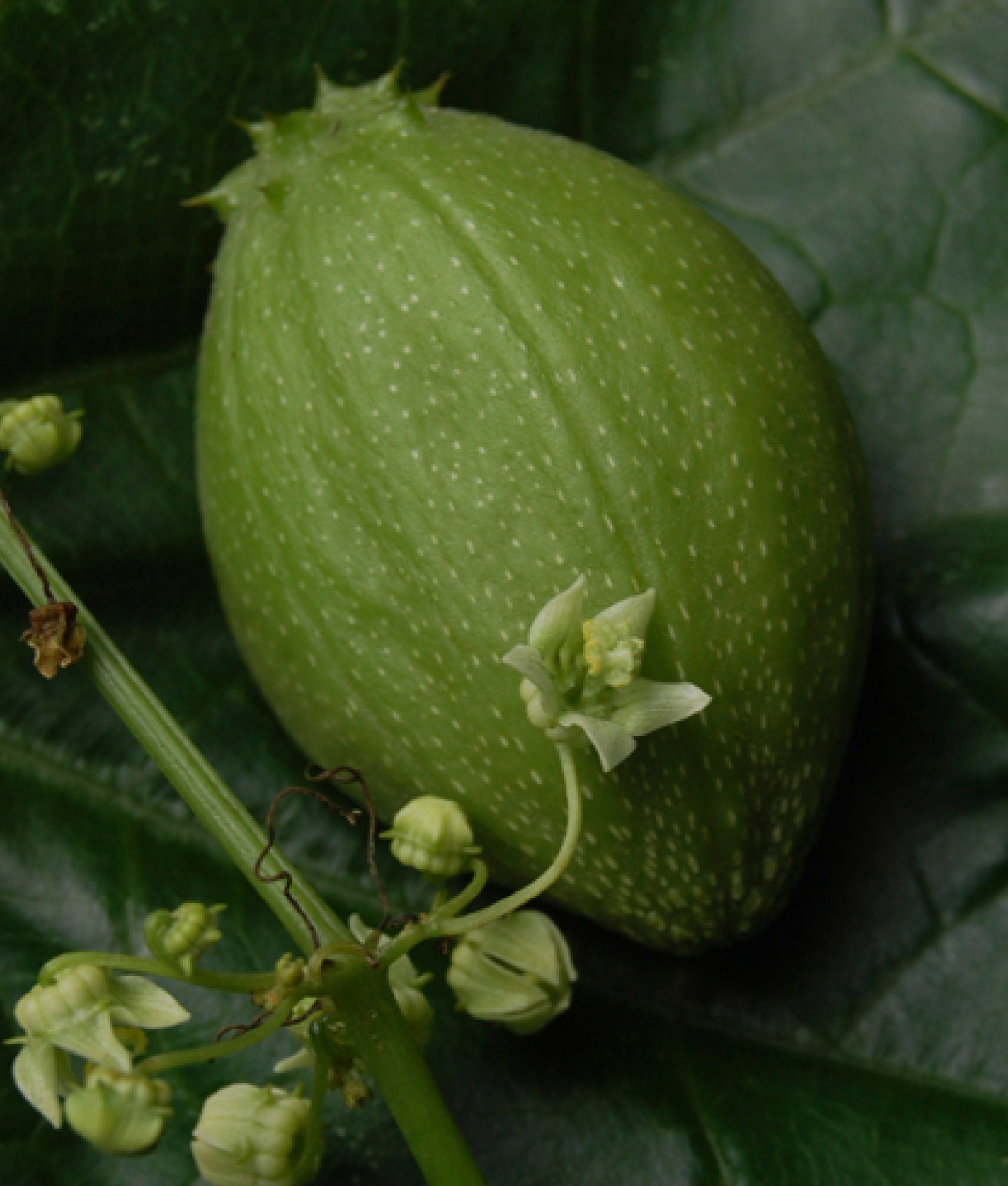
Tacaco forest – Named after a fruit found only in Costa Rica, once harvested from these very hills for the family stew 'olla de carne' and the nearby river.
Forest Design
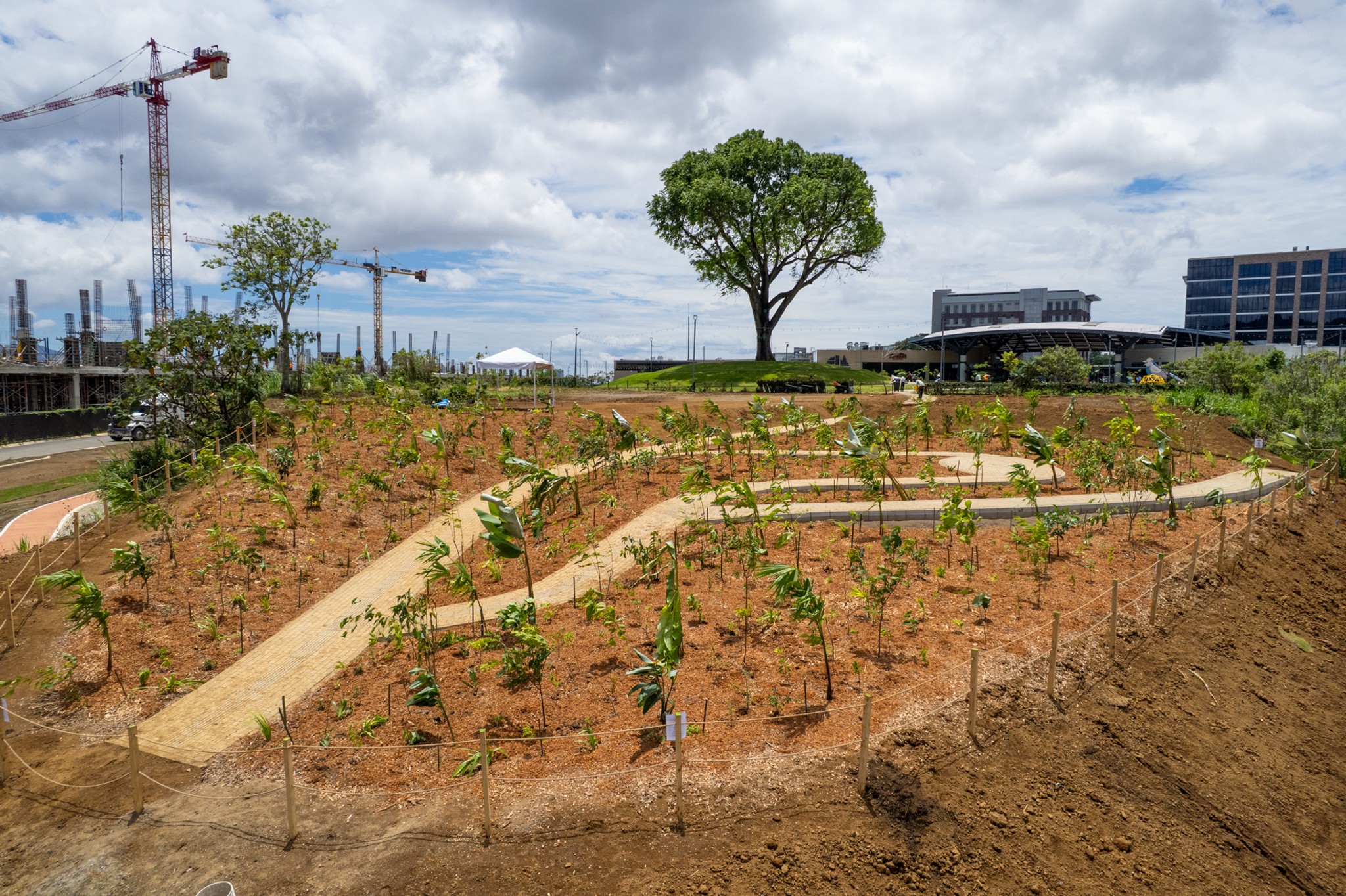
The Tacaco Forest is conceived as a landscape intervention that introduces a new layer of nature into the urban environment. Rather than simply creating a green space, the project aims to provide an immersive experience where visitors transition from the everyday city into a more intimate and restorative natural setting while delivering ecological value and creating opportunities for contemplation, recreation, and connection with nature.
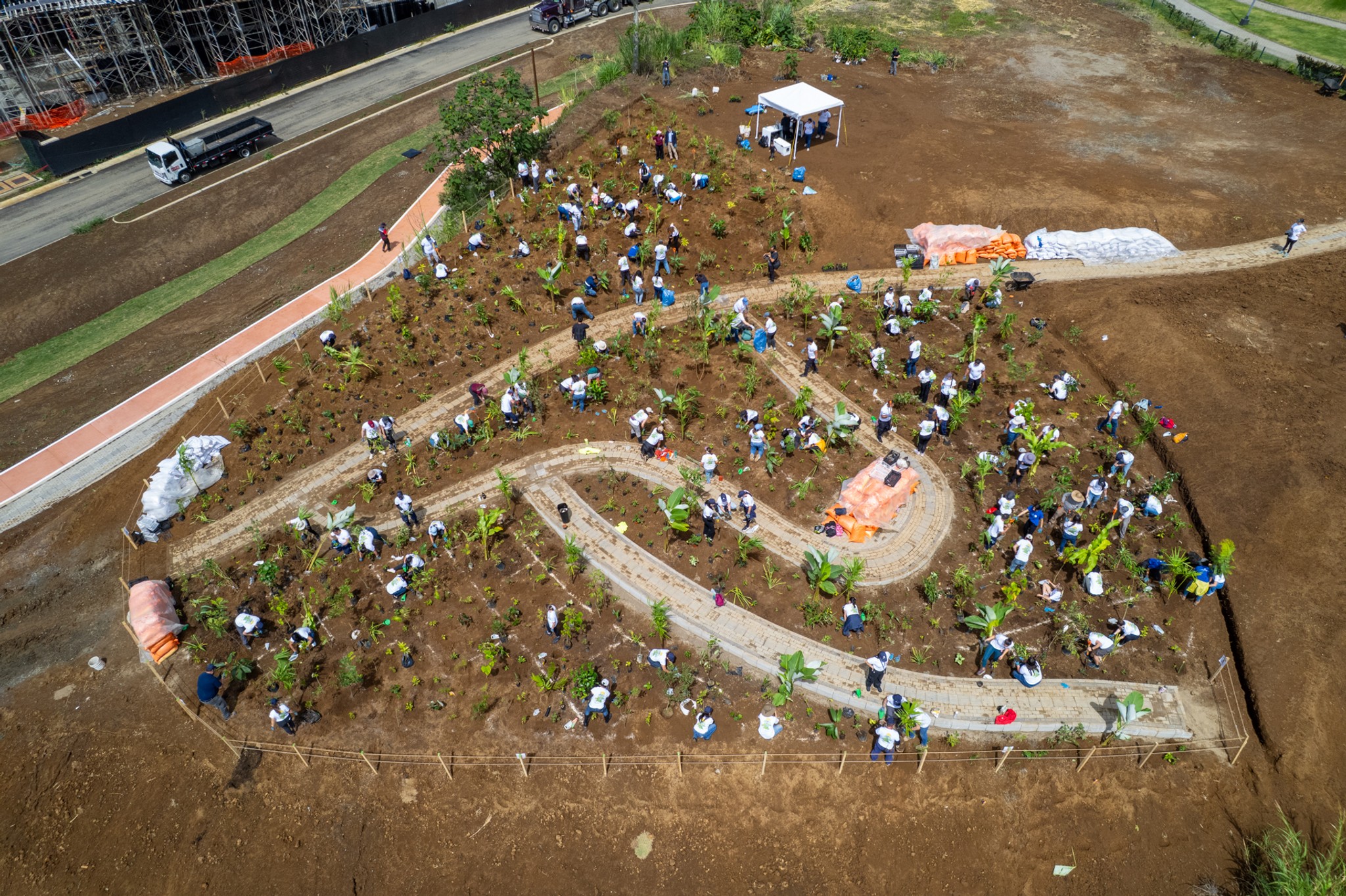
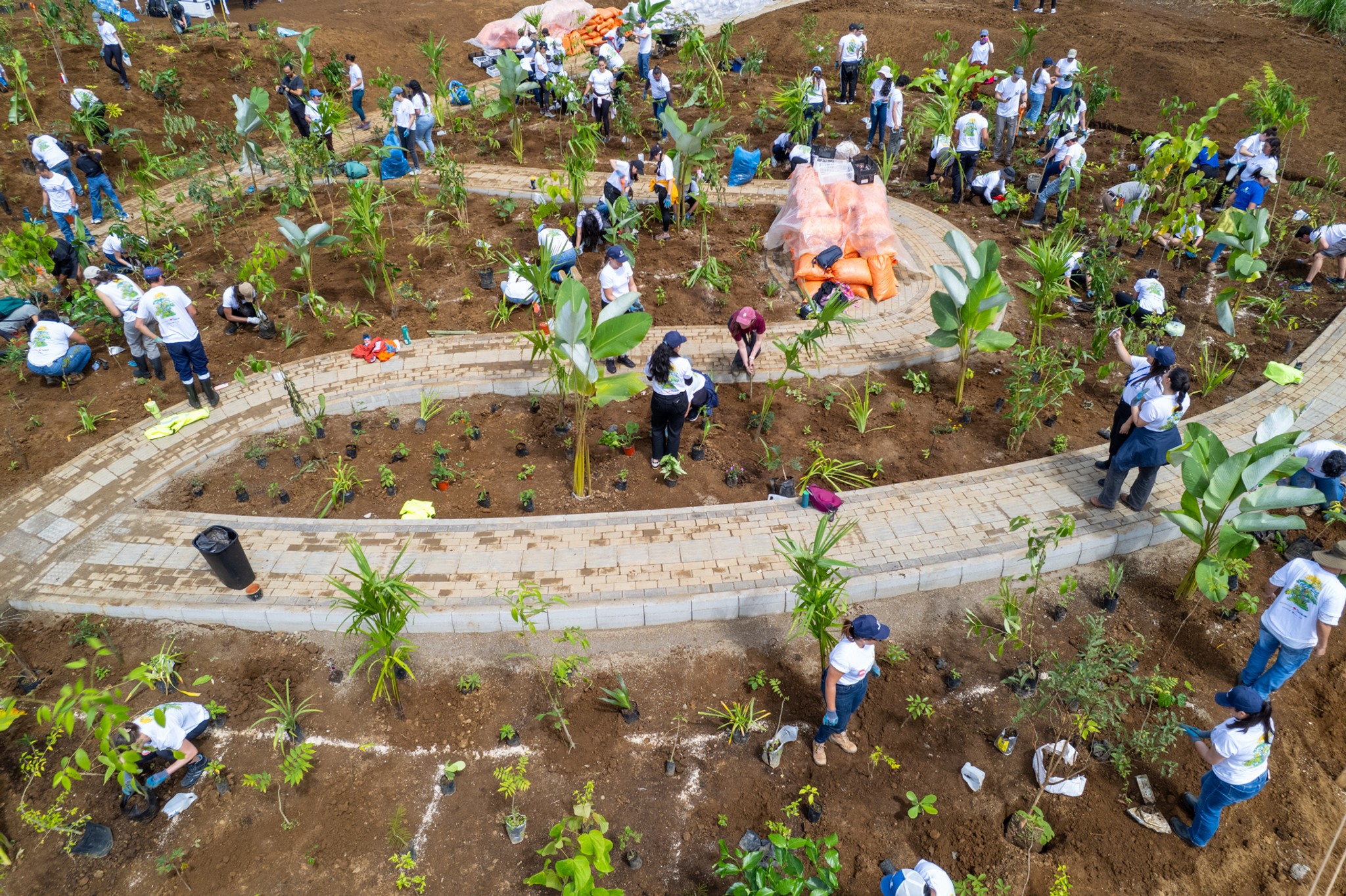
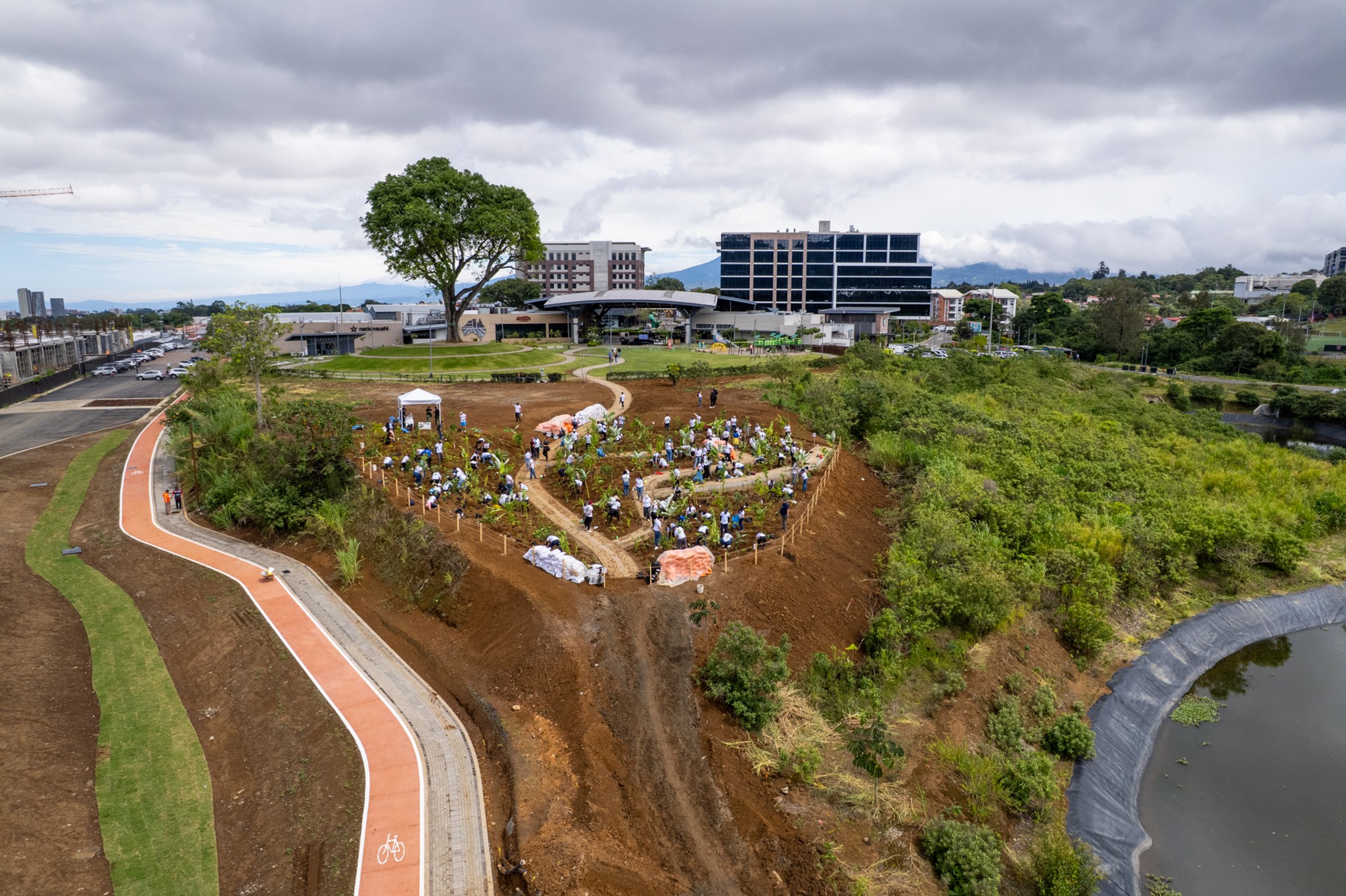
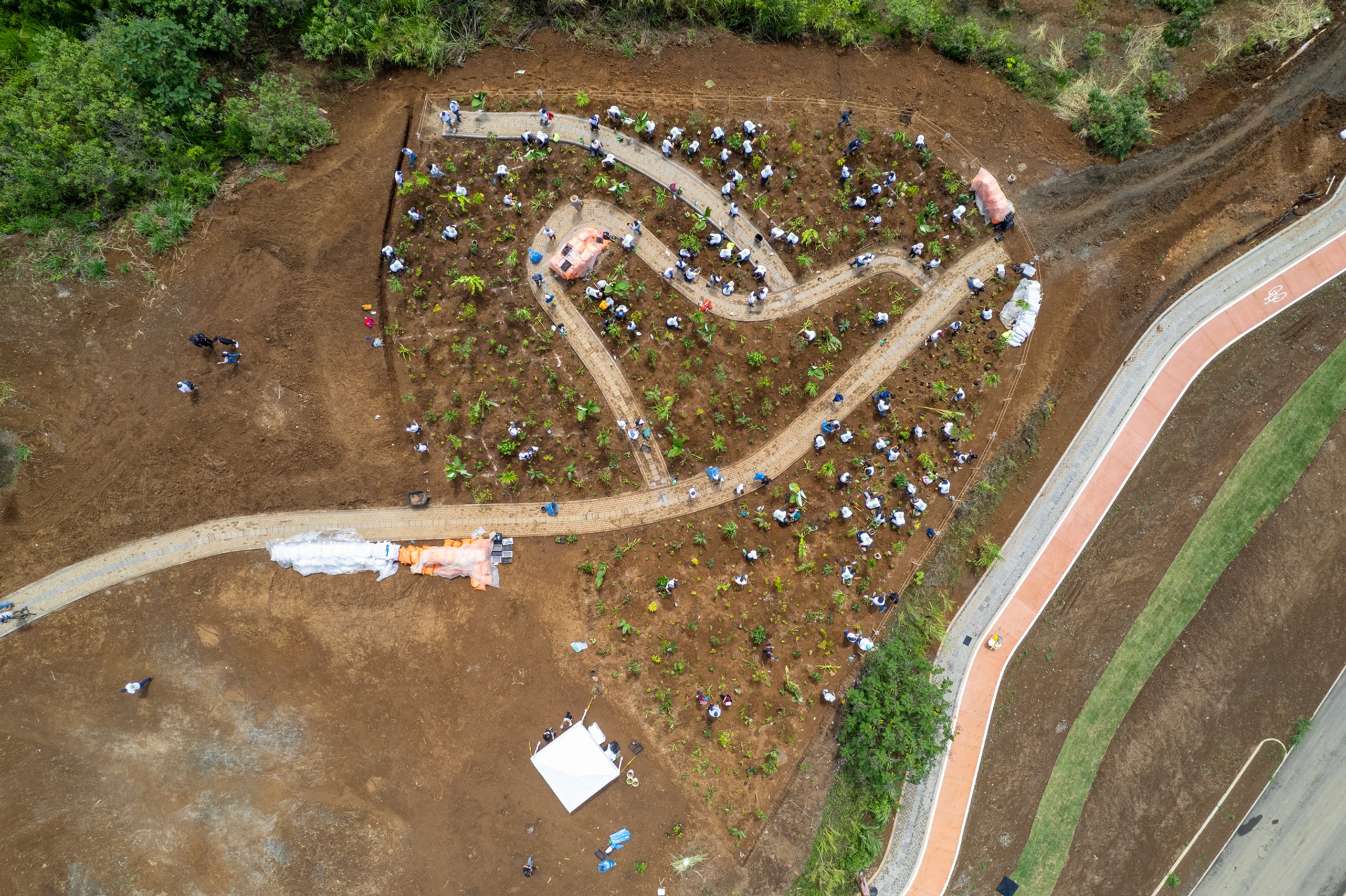
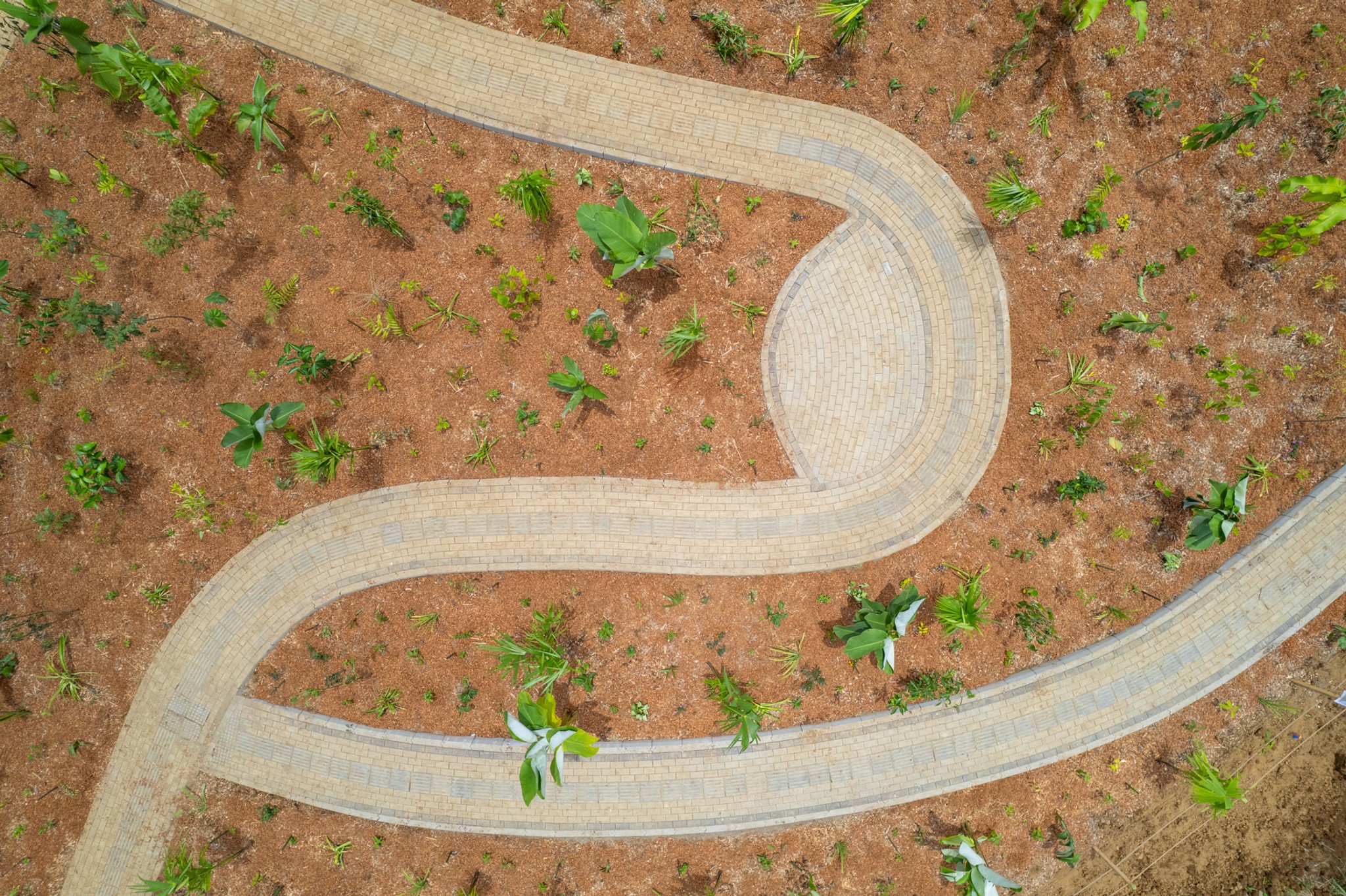
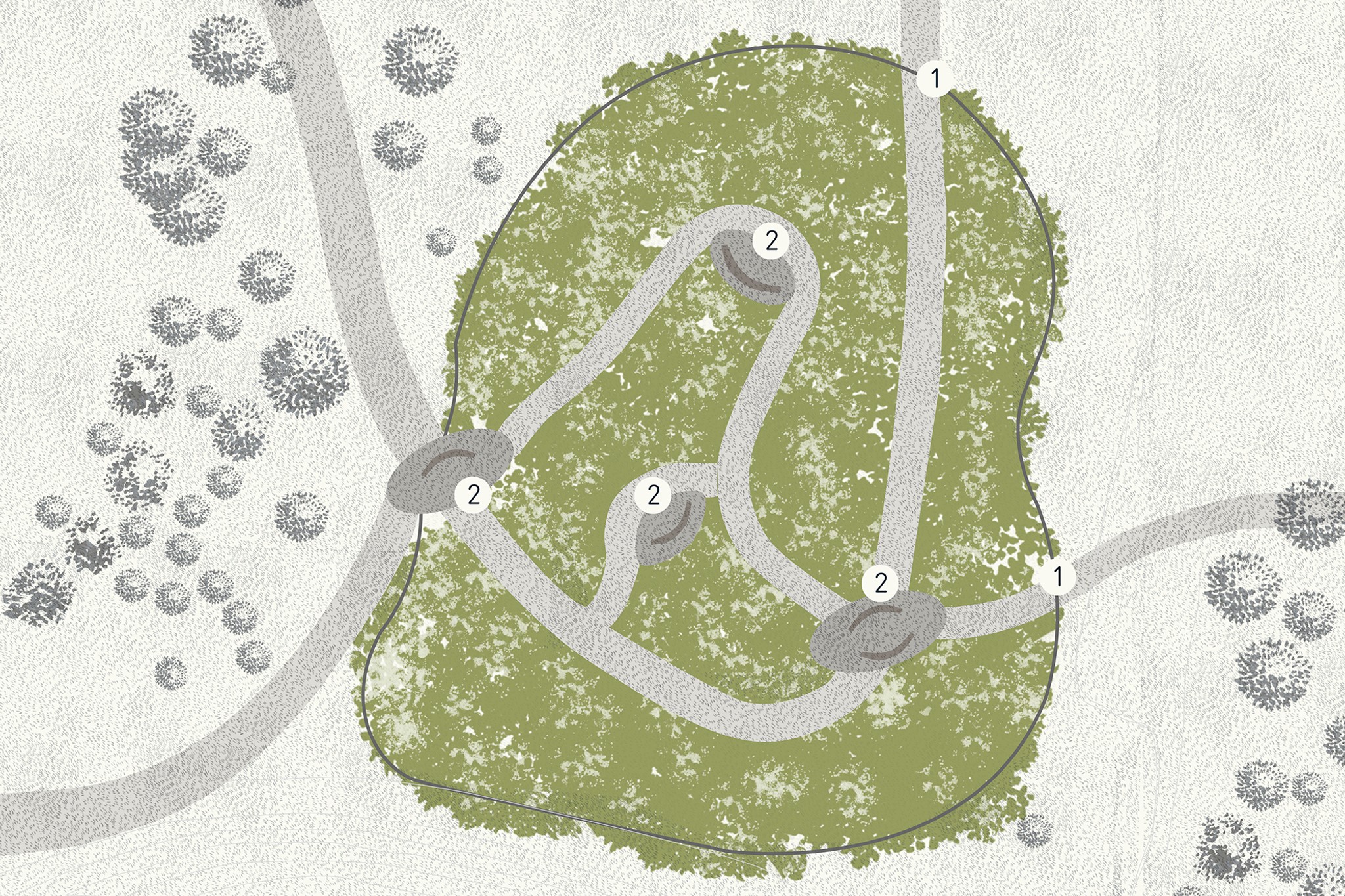
The design is organized around four gathering spaces connected by immersive forest paths. These areas incorporate seating and low-level lighting, and their geometry is inspired by the shape and arrangement of coffee beans—a tribute to the site's agricultural history and its connection to Costa Rica's coffee-growing heritage.
Three pedestrian connections integrate the forest with the surrounding masterplan, ensuring that the pocket forest becomes an active part of the public realm rather than an isolated landscape feature. In this way, the Tacaco Forest Pocket acts as a transition between the urban environment and nature, where vegetation not only shapes space but also reinforces local identity and memory.
Why Tacaco Forest?
The pocket forest carries the name of the tacaco, a fruit found only in Costa Rica, once picked from these same hills. Tacaco is the fruit of a plant that is endemic to Costa Rica’s mountainous regions.
For generations, it has been grown in family gardens and shared around the dinner table, becoming woven into the country's culinary traditions and cultural identity. Hidden among climbing vines in the misty highlands, its delicate flowers attract bees and other pollinators, while its dense foliage provides shelter for small wildlife.
The name Tacaco also comes from the nearby river that flows alongside the forest, a reminder that rivers are lifelines for wildlife, connecting habitats and allowing countless species to thrive.
More than just a fruit, tacaco is a living reminder of Costa Rica's unique biodiversity and the deep connection between its people and the land.