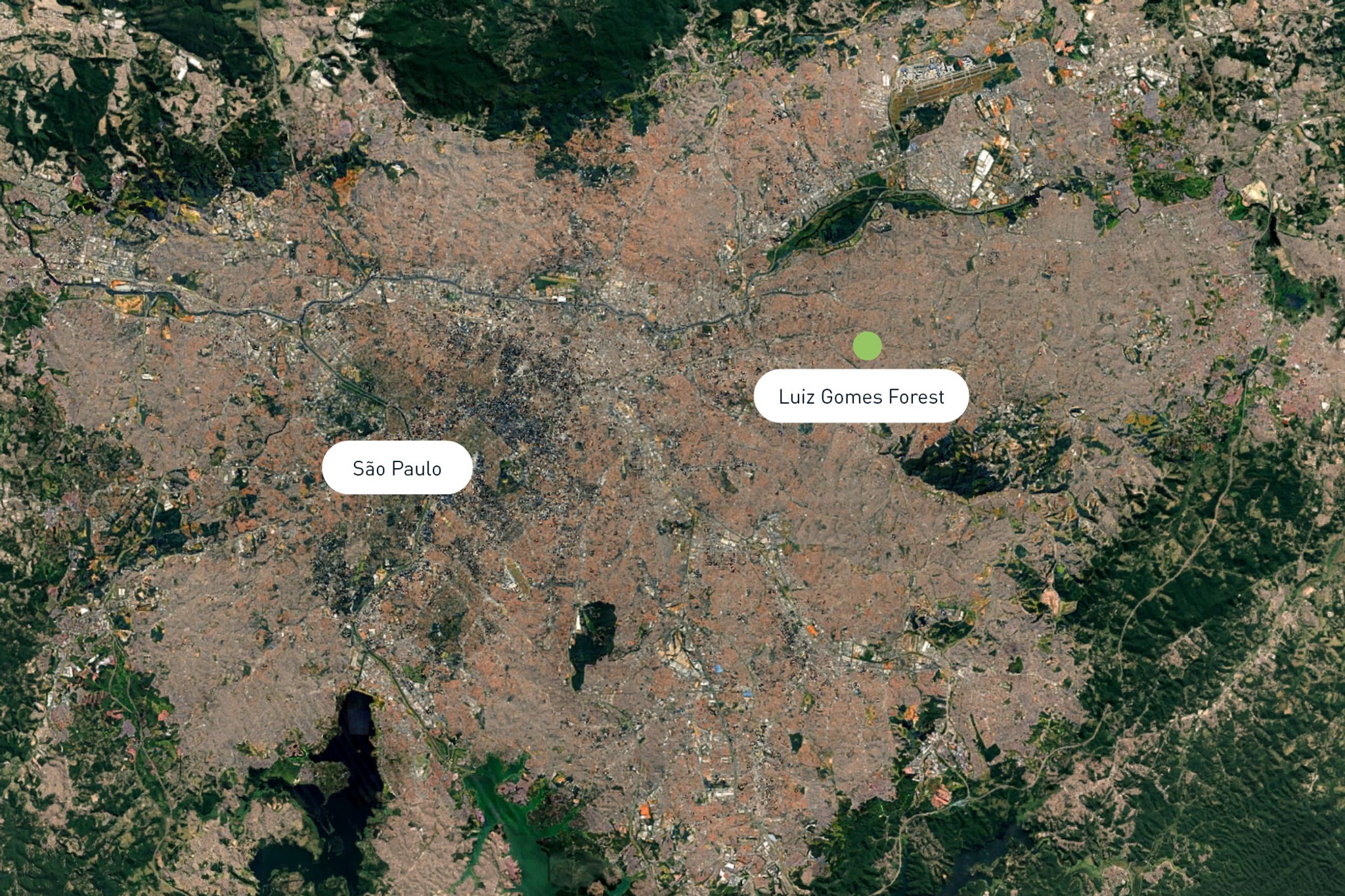
Luiz Gomes Forest
Greening a Concrete Neighbourhood.

0
Trees
0
Square Meters
0
Native Species
0
Youth Impacted
Like much of São Paulo, the city's east zone is increasingly exposed to the impacts of climate change, from prolonged heat waves to drought and flooding that affect both people and ecosystems. Those pressures are intensifying right now: a strong El Niño is developing in the Pacific and is forecast to strengthen through late 2026 and into 2027, which for São Paulo means a higher likelihood of more frequent and prolonged heat waves.
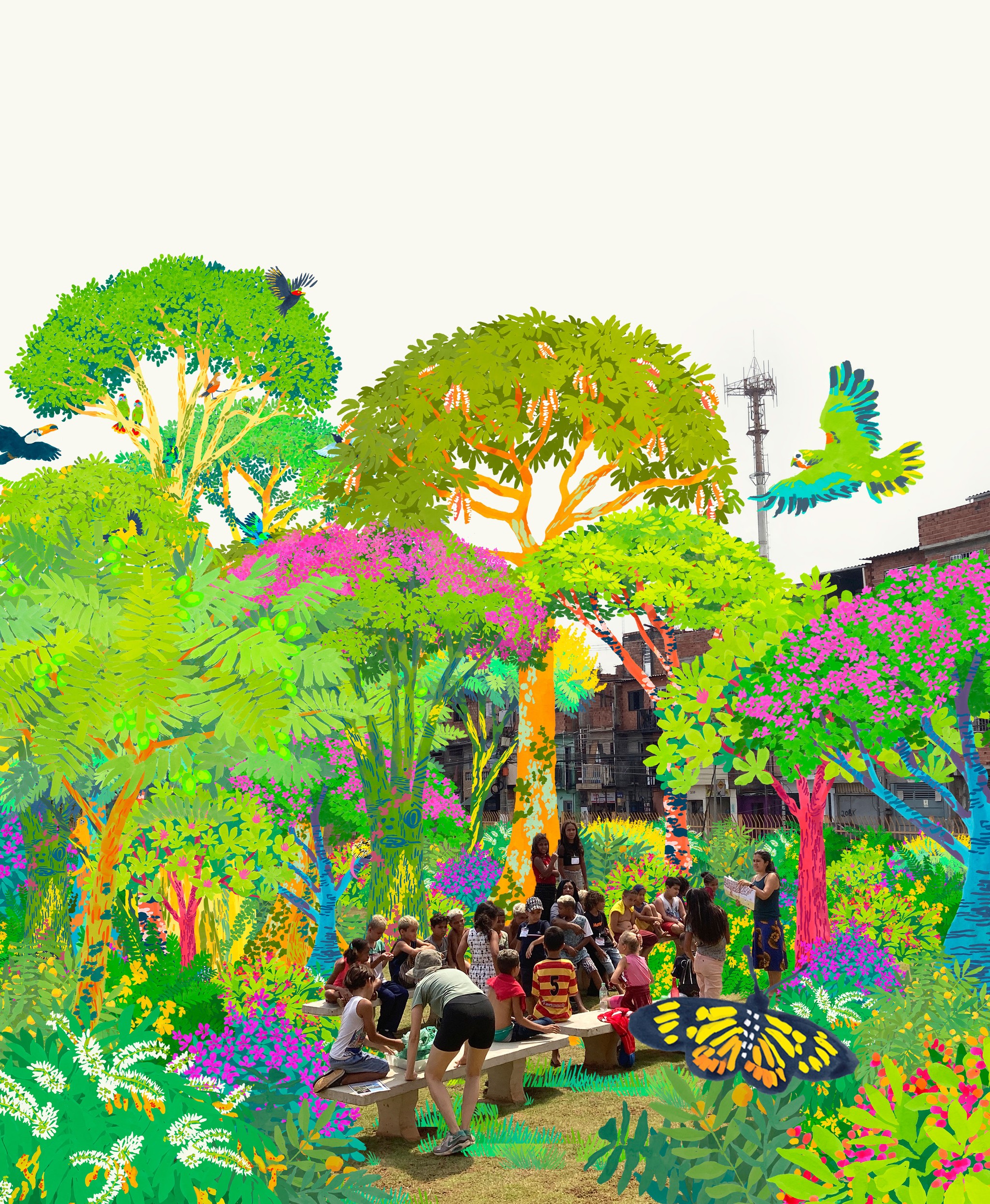
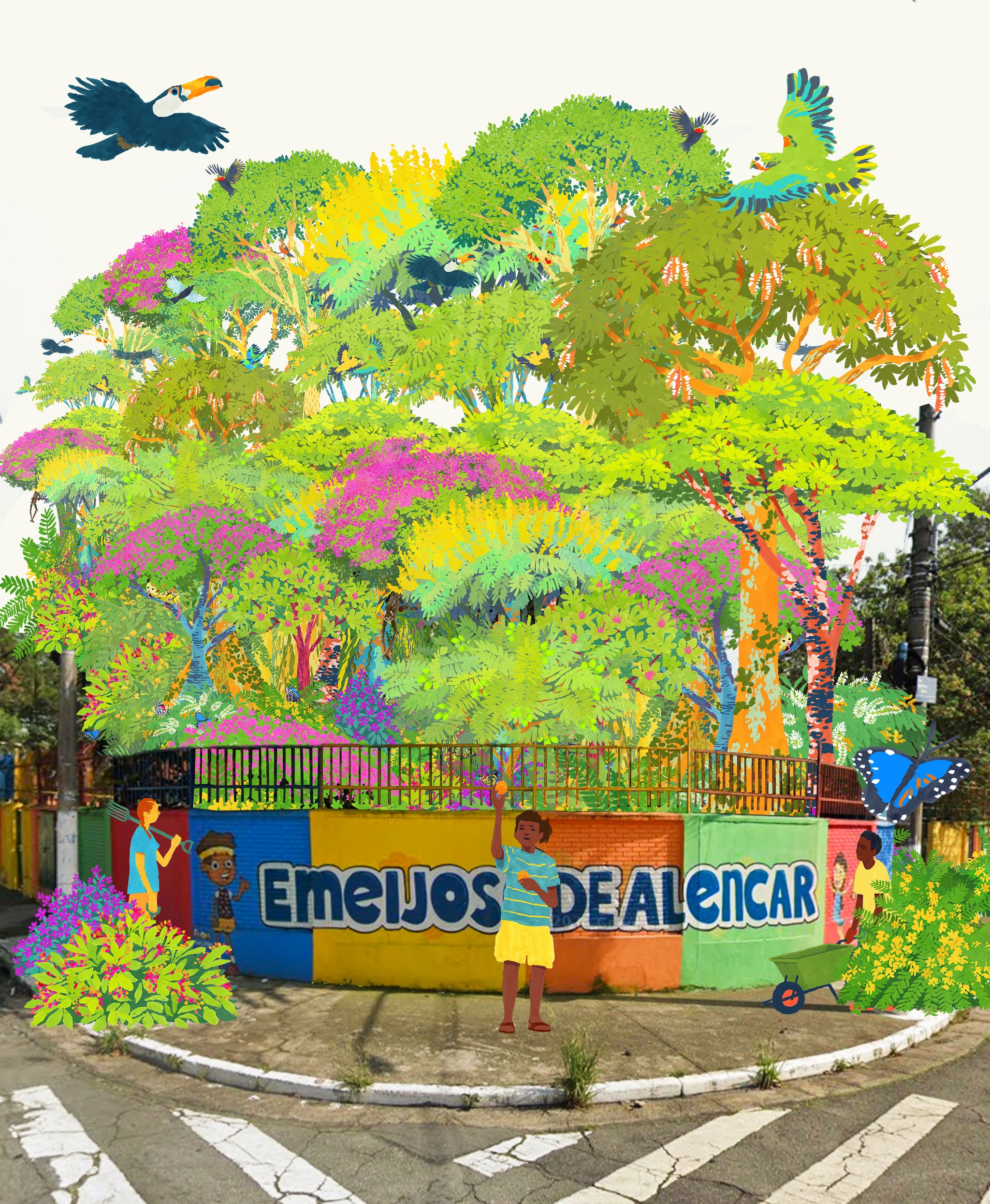
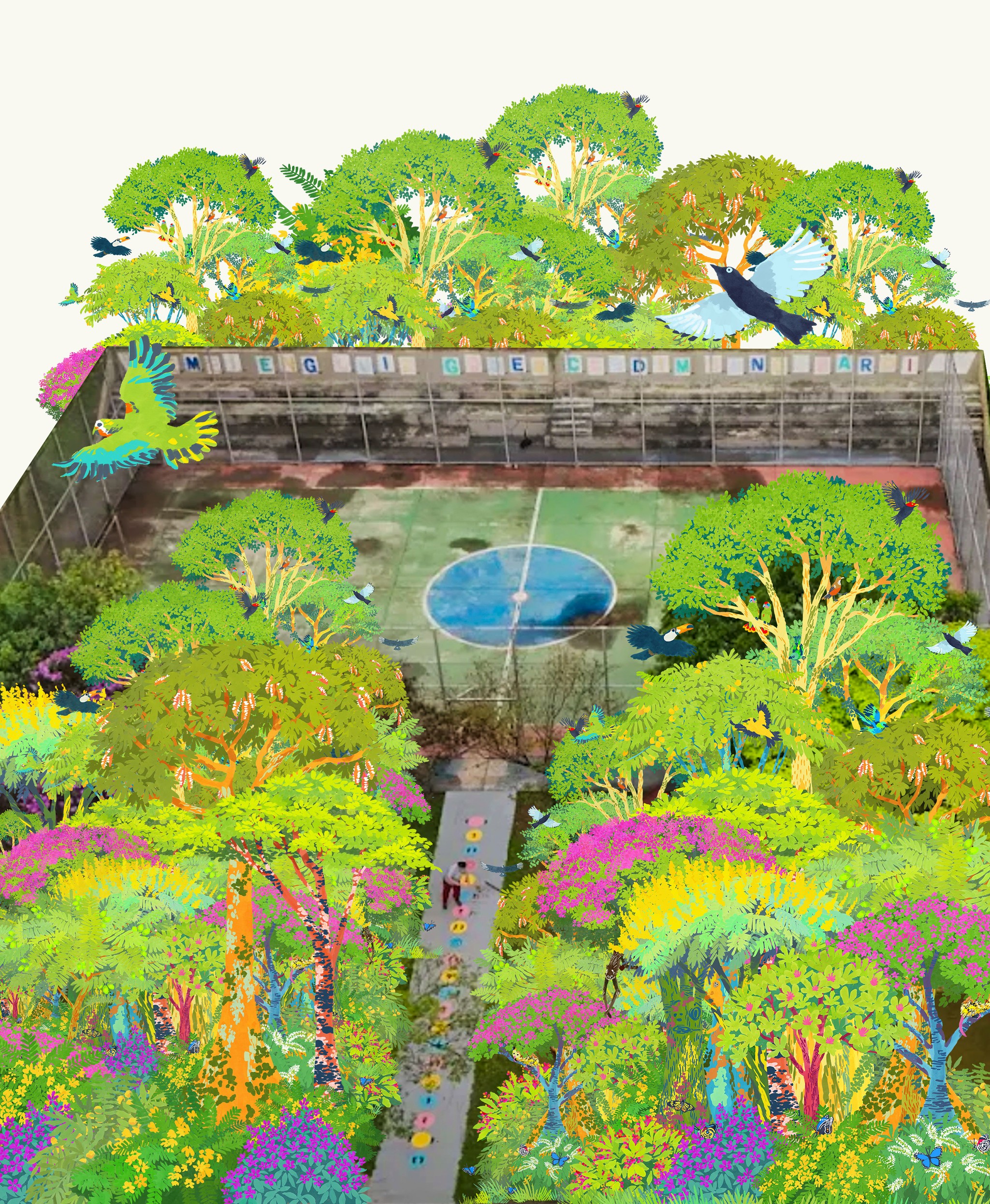
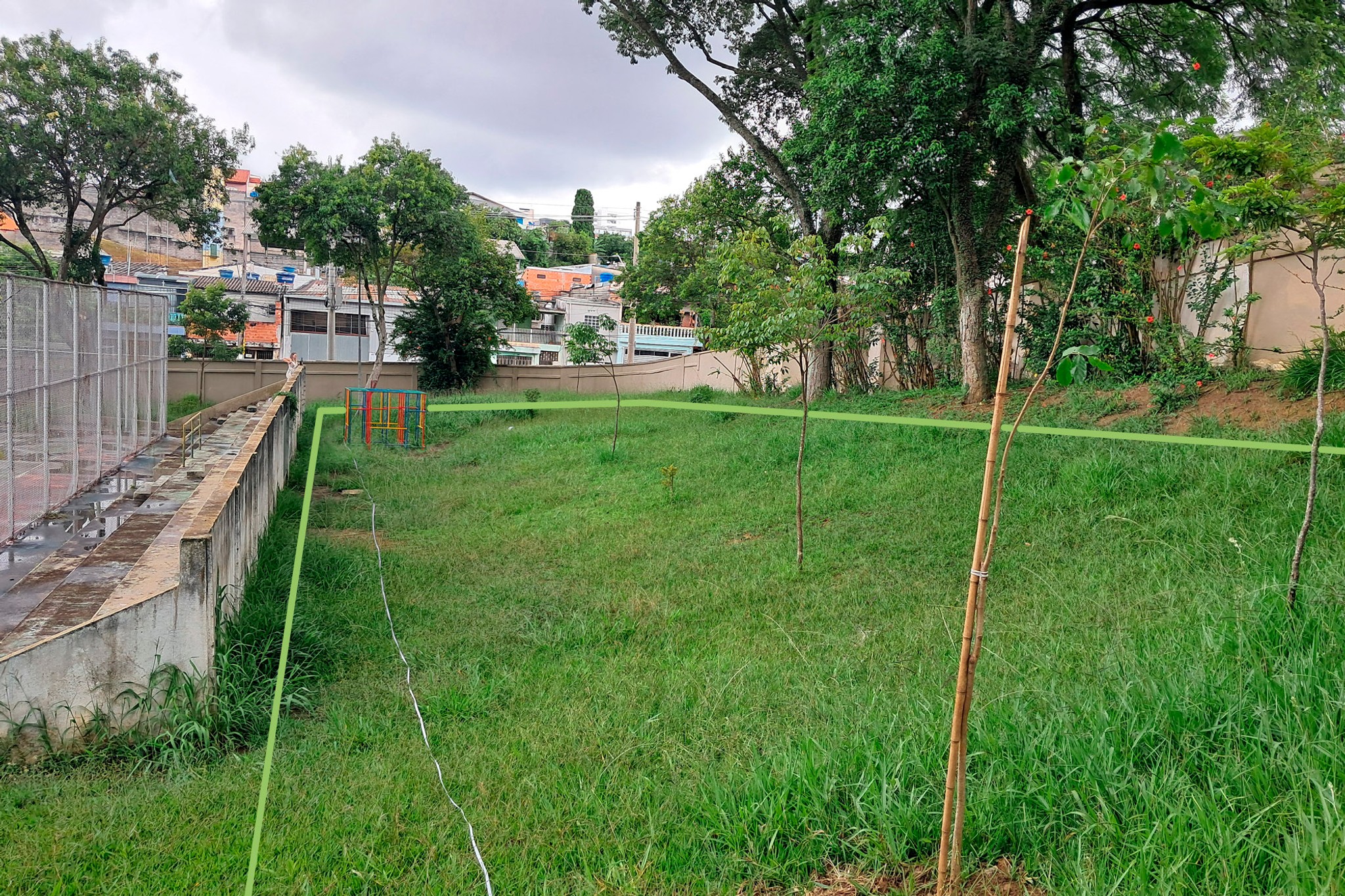
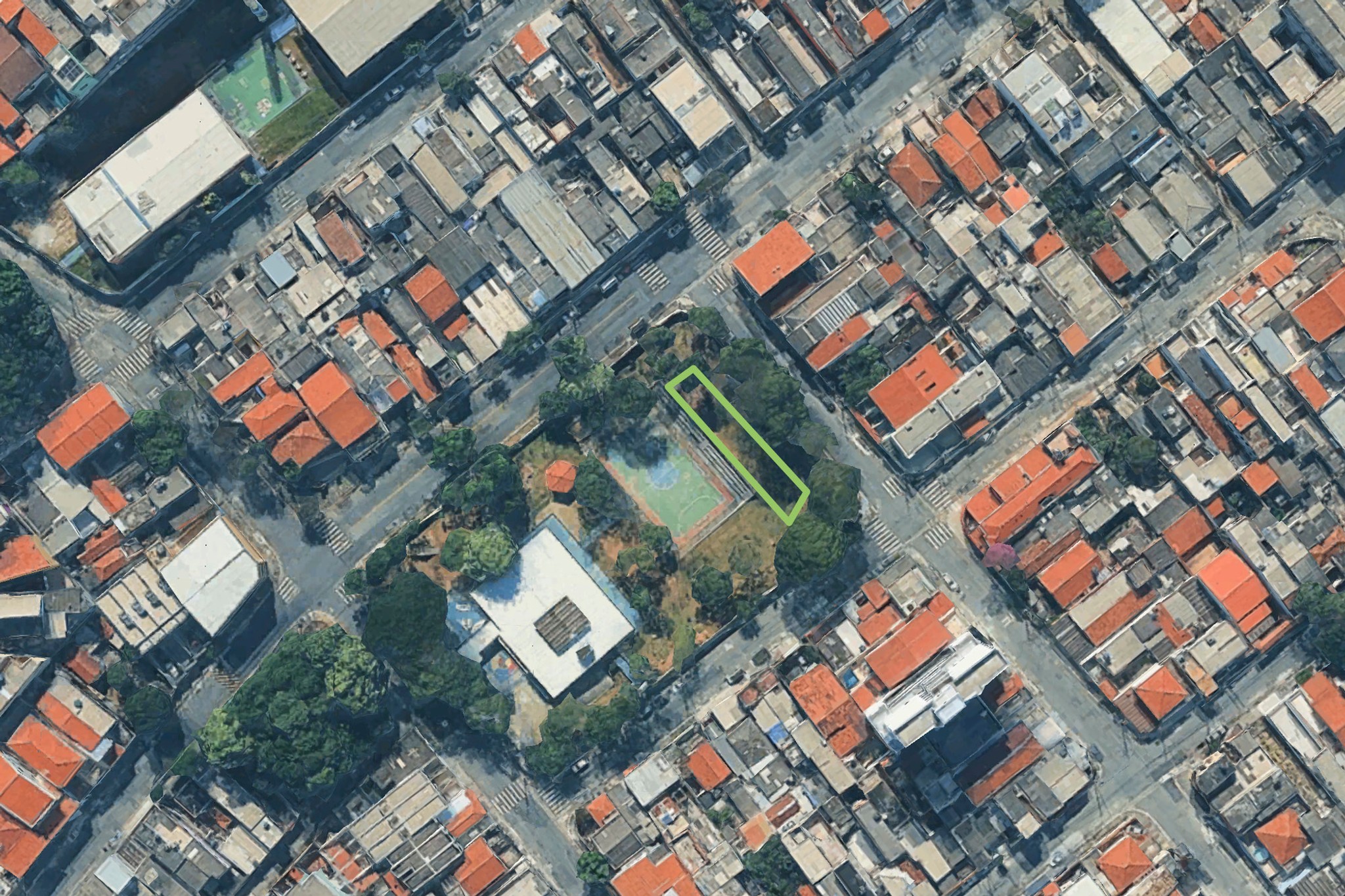
Brazil's Atlantic Forest, which once stretched along most of the coast, has lost around 90% of its original cover, and many of its species are now threatened. In response, formigas-de-embaúba will plant a pocket forest at EMEI Eng. Luiz Gomes Cardim Sangirardi, a public early-childhood school in Jardim Hercília, in the densely built, working-class district of Vila Matilde, where green cover is low and concrete dominates.
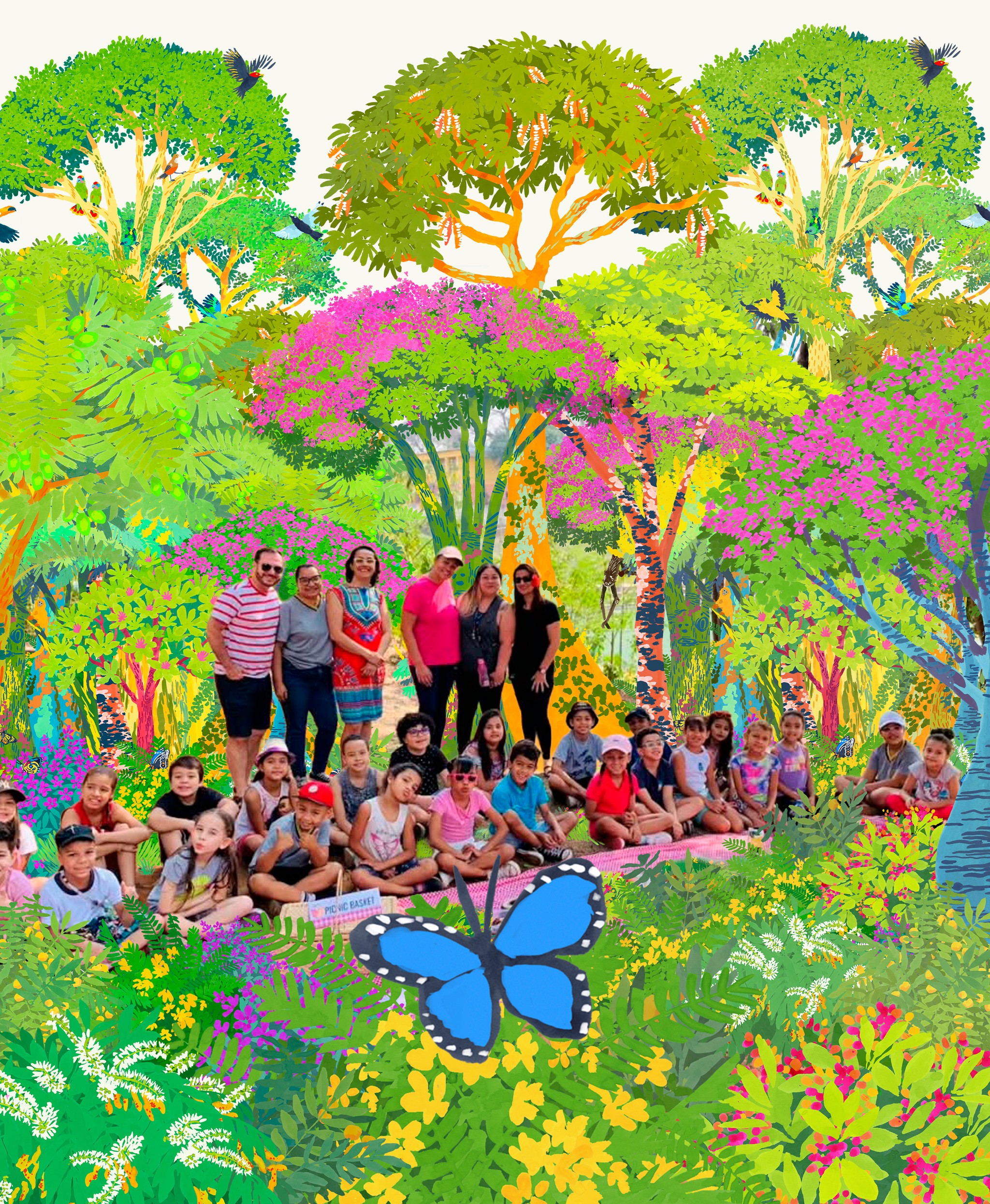
As part of an educational programme that turns schoolyards into outdoor classrooms, formigas-de-embaúba will plant 500 trees across roughly 250 m², including many native fruit trees. Over two semesters, groups of young children will move through six hands-on outdoor classes, together with their families and the wider school community, so that every child can take part in planting, caring for and learning from the forest.
By bringing back native Atlantic Forest species, the forest will restore habitat, revive local wildlife such as birds, native bees and small mammals, cool the surrounding area, ease the urban heat island, improve air quality, and build soil health and water retention to strengthen resilience to heat, drought and flooding. As the youngest residents plant and tend it, they will reconnect with their region's flora and fauna and with their own neighbourhood, linking this community intervention to the global effort for ecological restoration and climate resilience.
Forest Maker
formigas-de-embaúba
Forest Partner

"As a family, what moves us is the prospect of seeing the school fill with green and life in the middle of so much concrete. Soon our children will be planting trees and watching small creatures arrive where there were none. It will give them, and us, a place worth caring for and time to spend in it together."
— A family member from the EMEI Luiz Gomes Cardim Sangirardi community
Forest Design
"Bringing a miniforest to early childhood in a low-income area means giving the city back a piece of the Atlantic Forest in the very place where it is most missed. Very young children will plant this forest themselves and return to it as it grows alongside them, building an affective bond with their territory and a sense that this green space belongs to them."
— Rafael Ribeiro, Founder of formigas-de-embaúba