Green Mission Aurangabad
Cultivating havens of biodiversity across Aurangabad.

0
Trees
0
Square Meters
0
Native Species
0
Youth Impacted
Self sustaining pocket forests
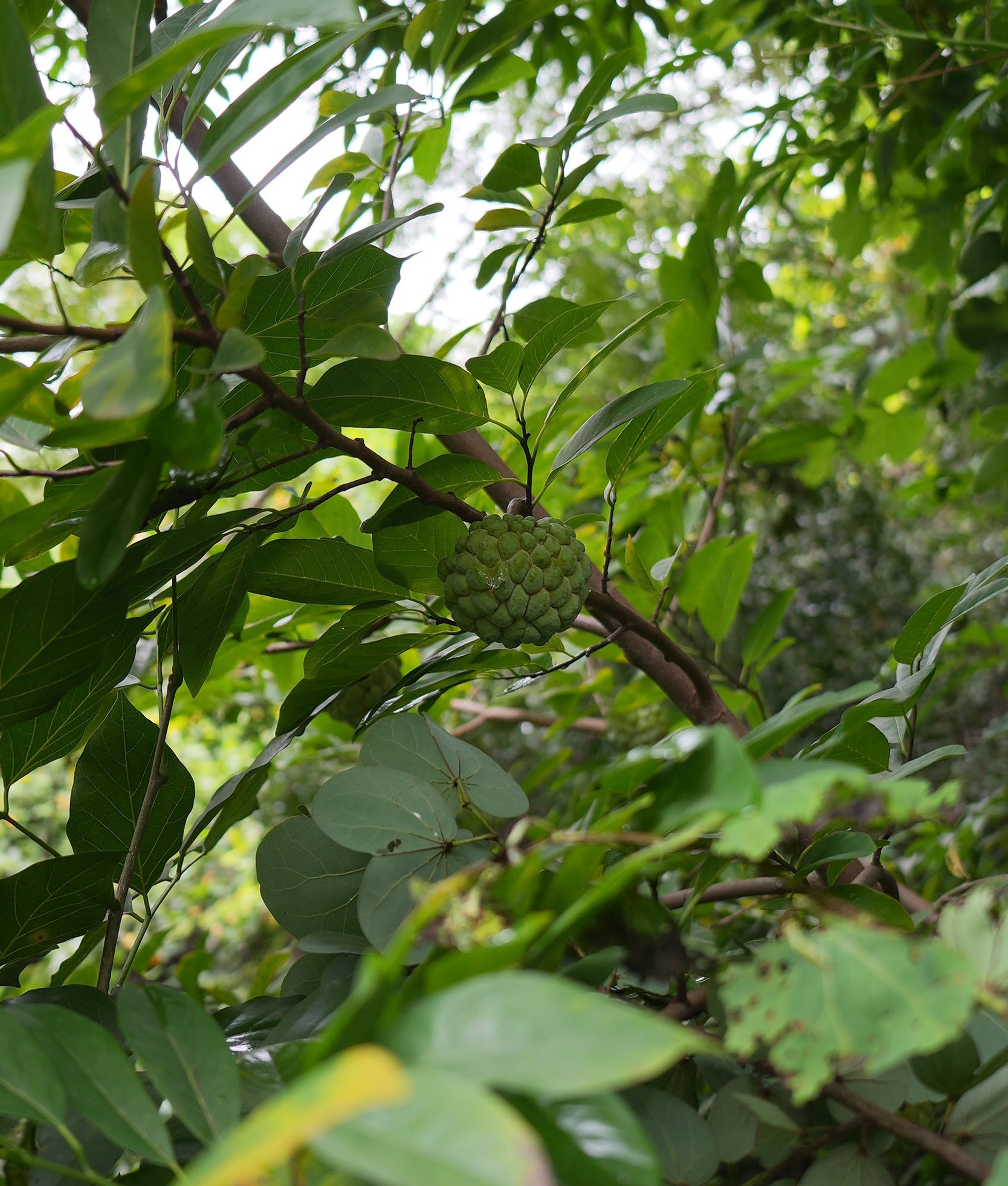
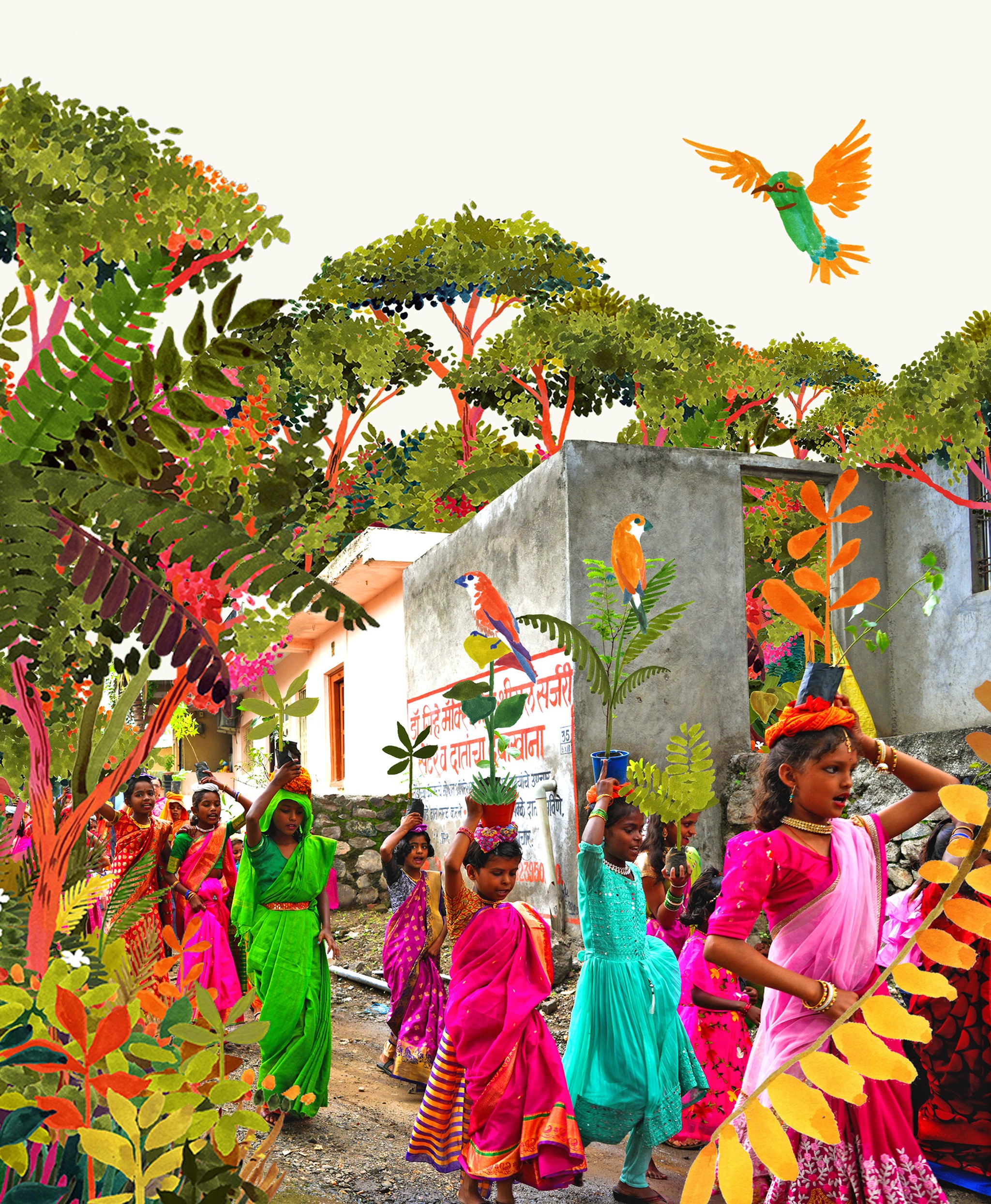
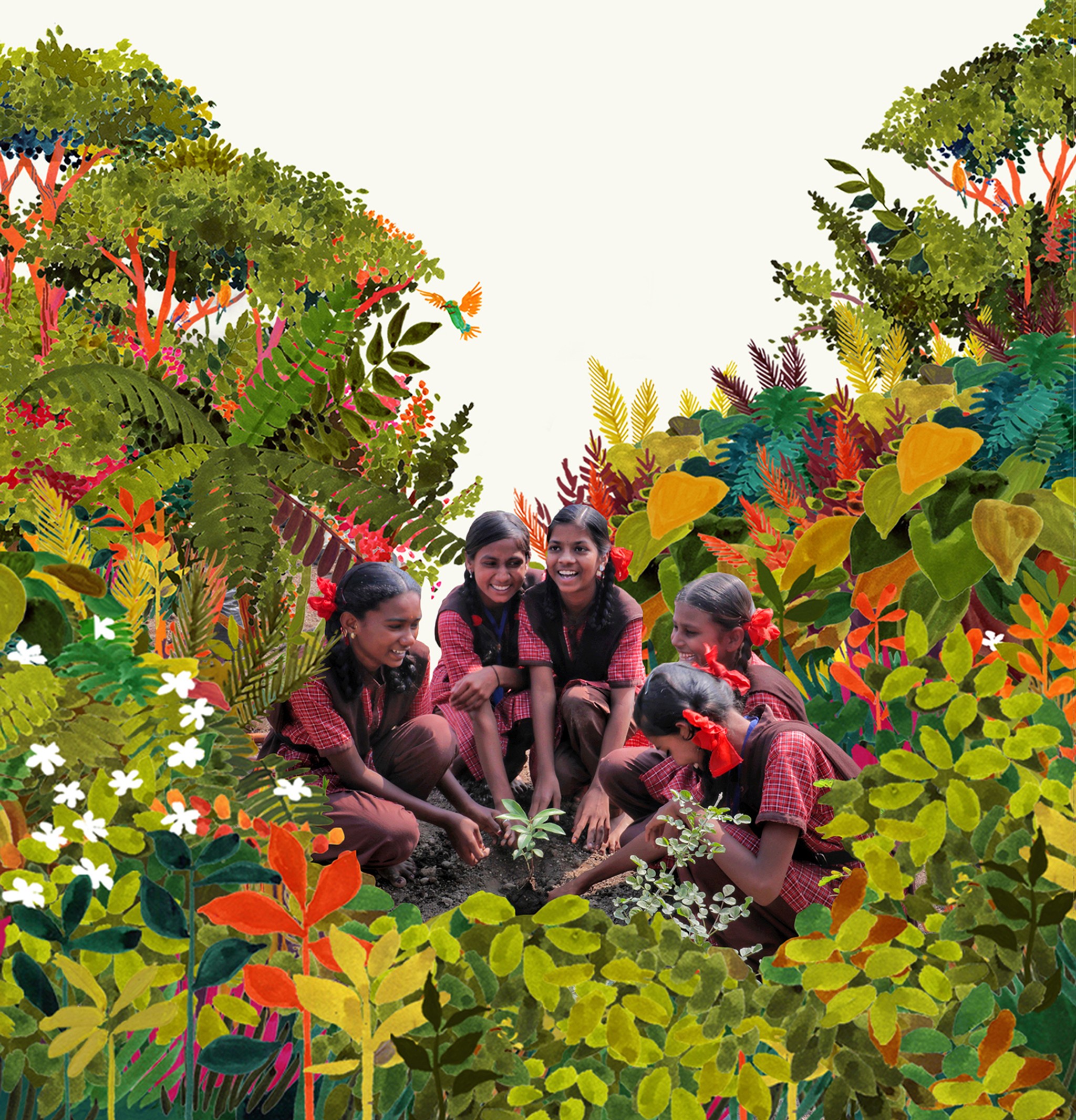
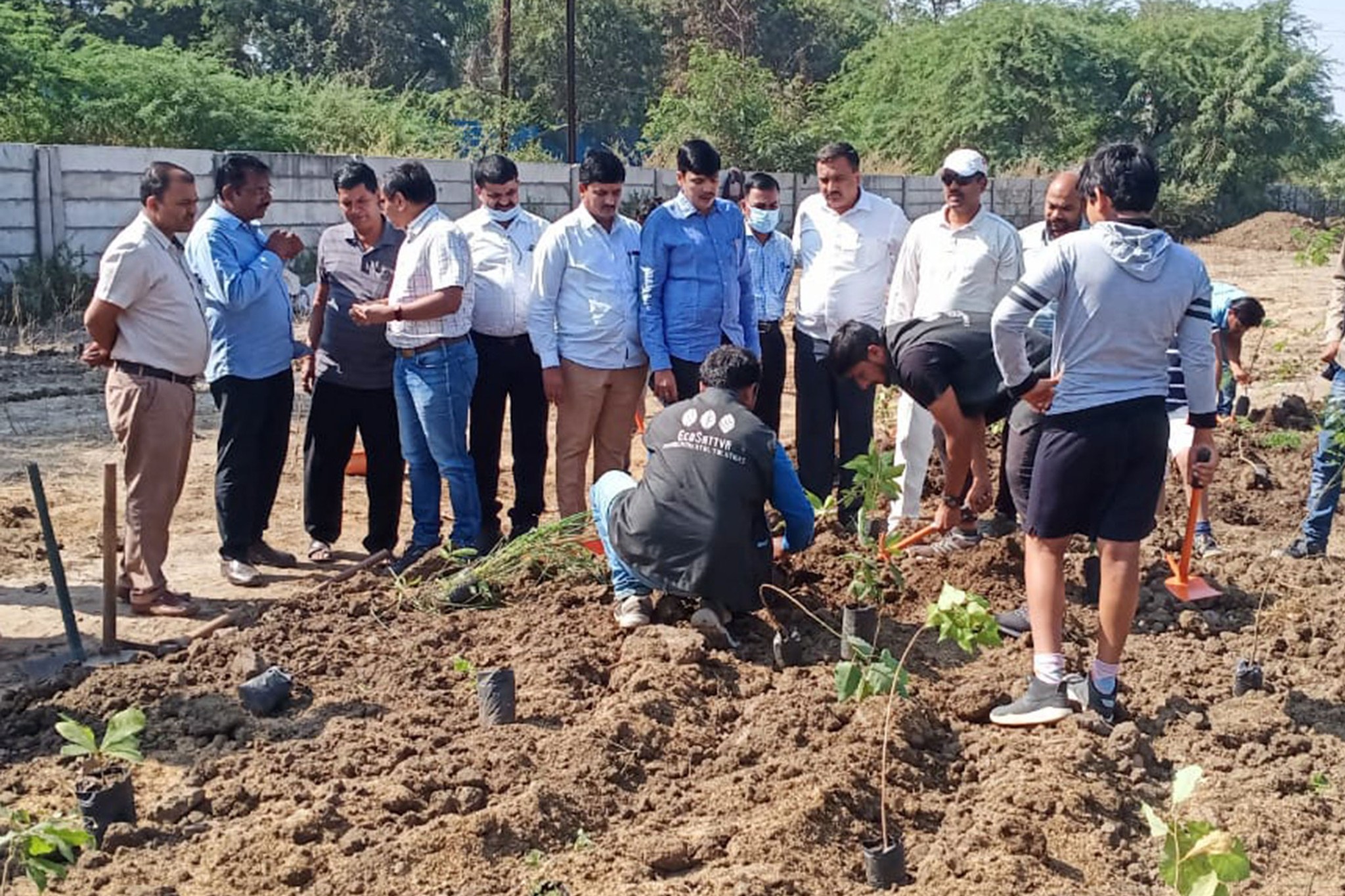
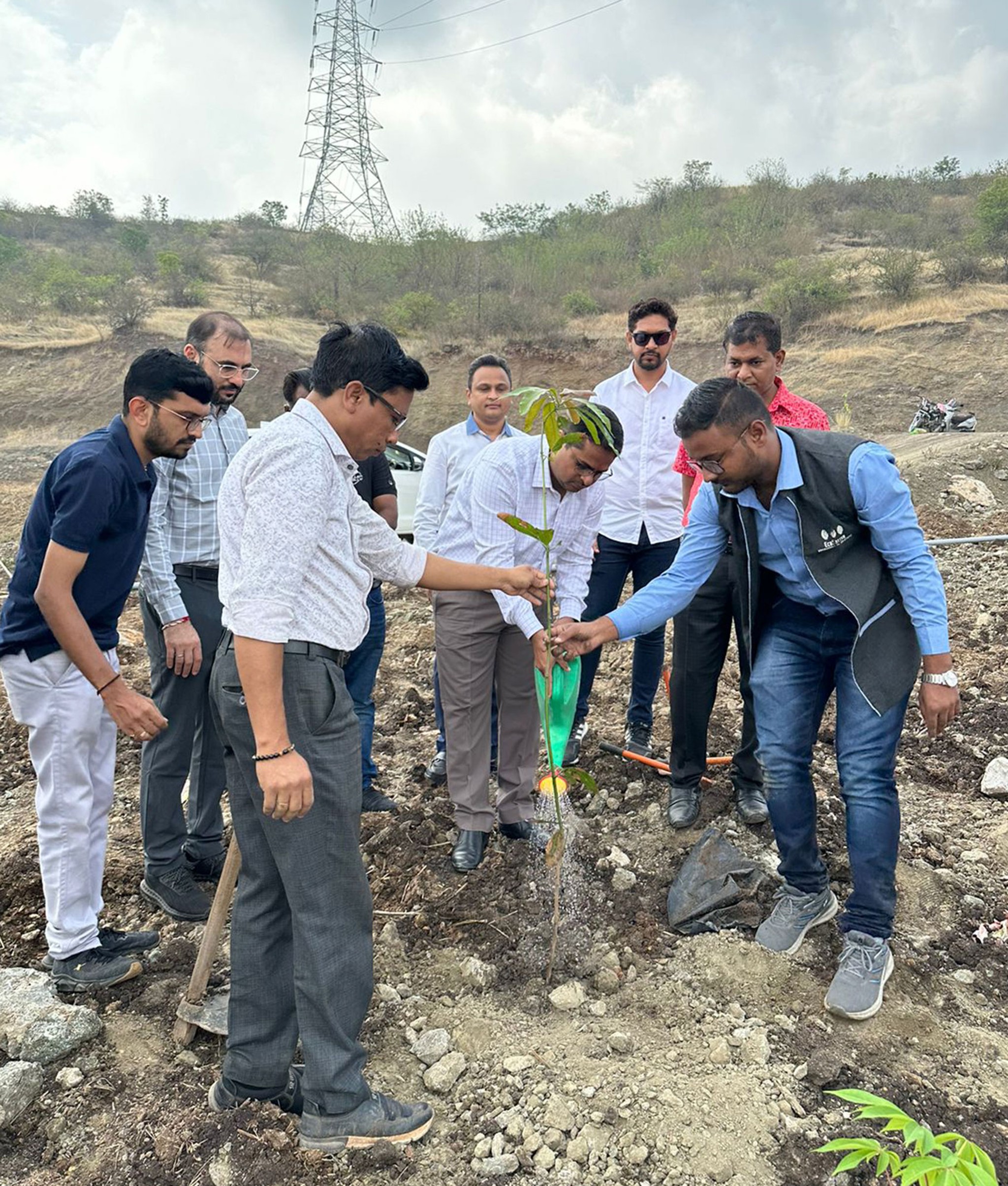
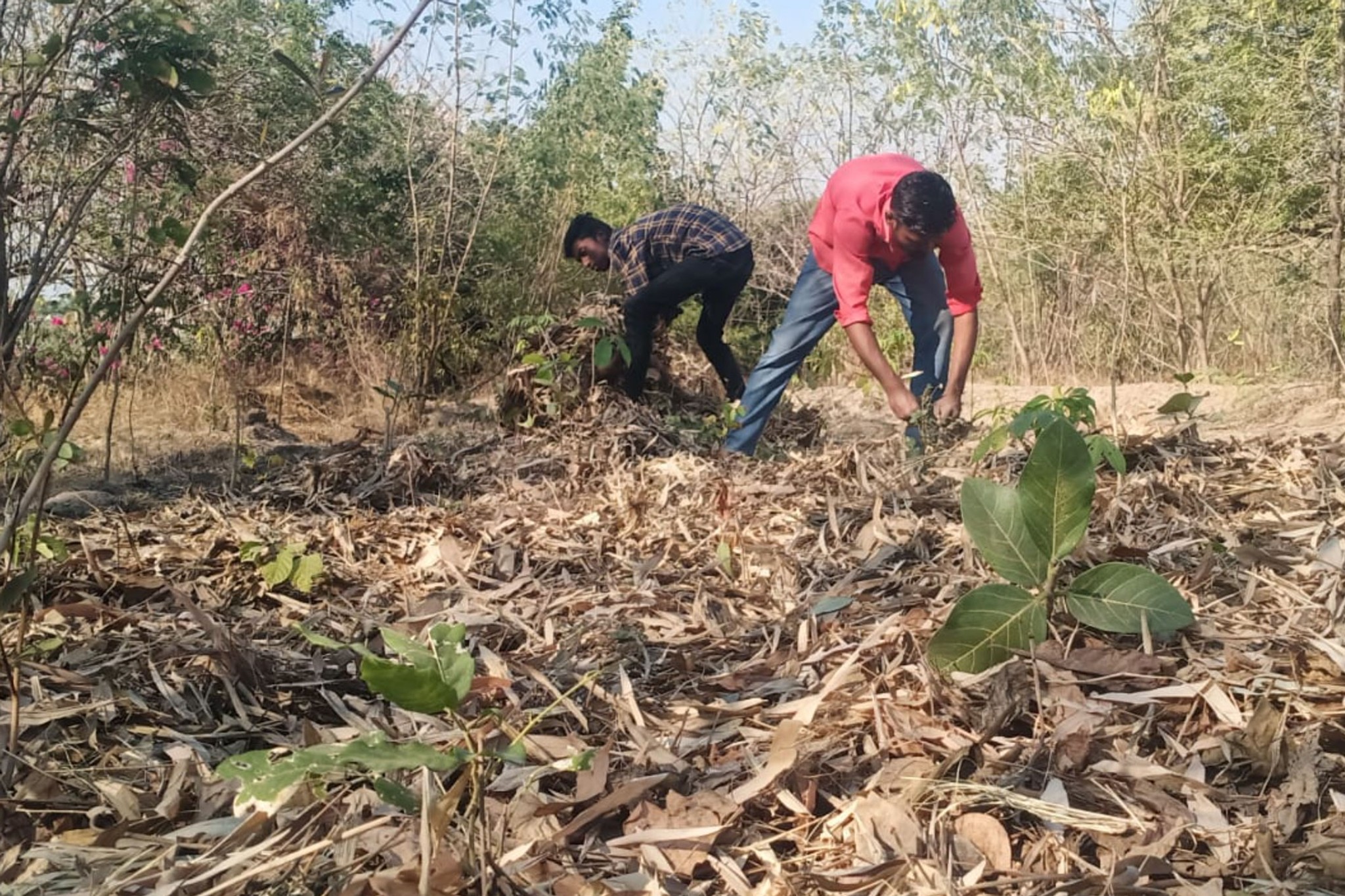
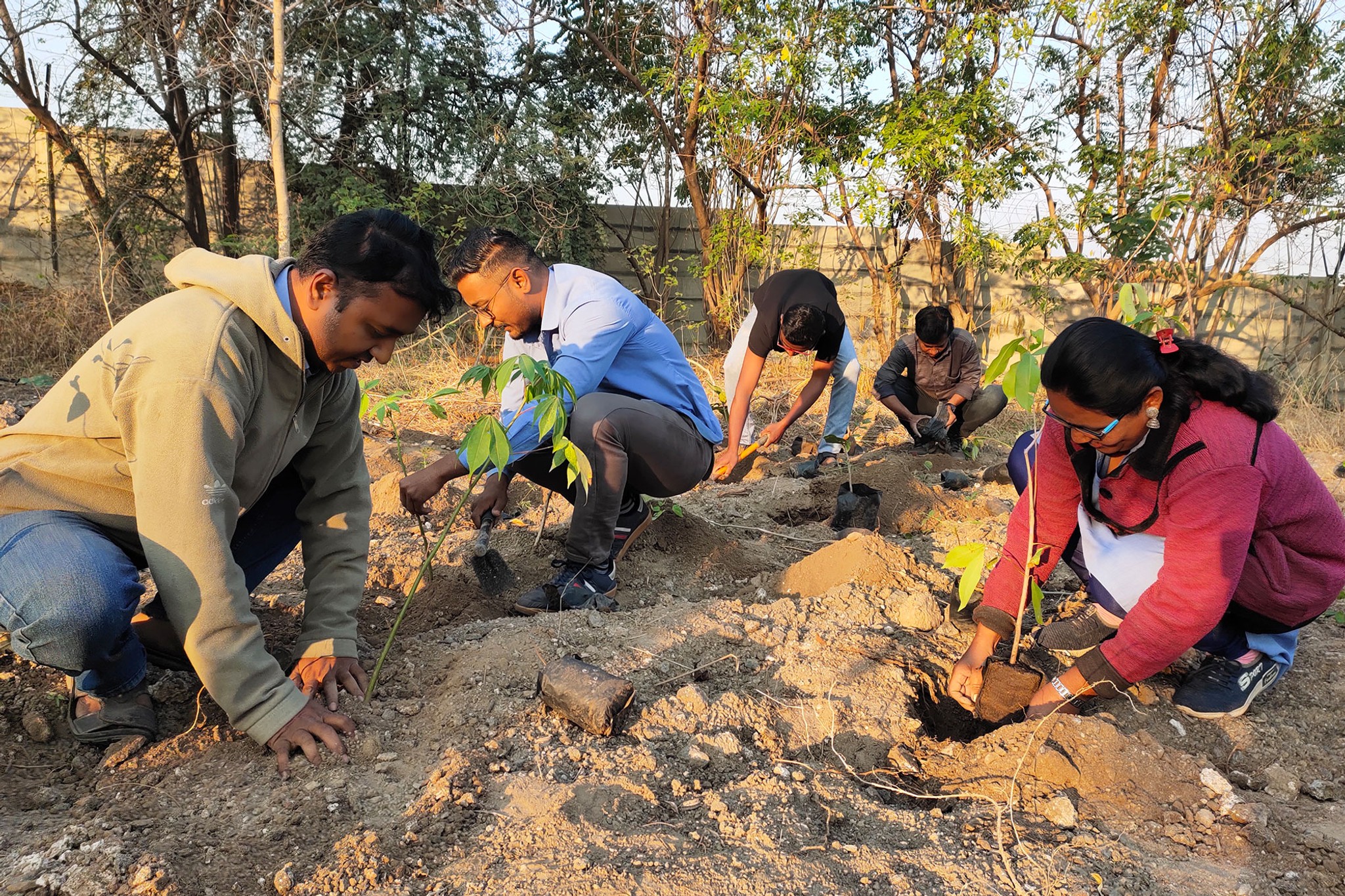
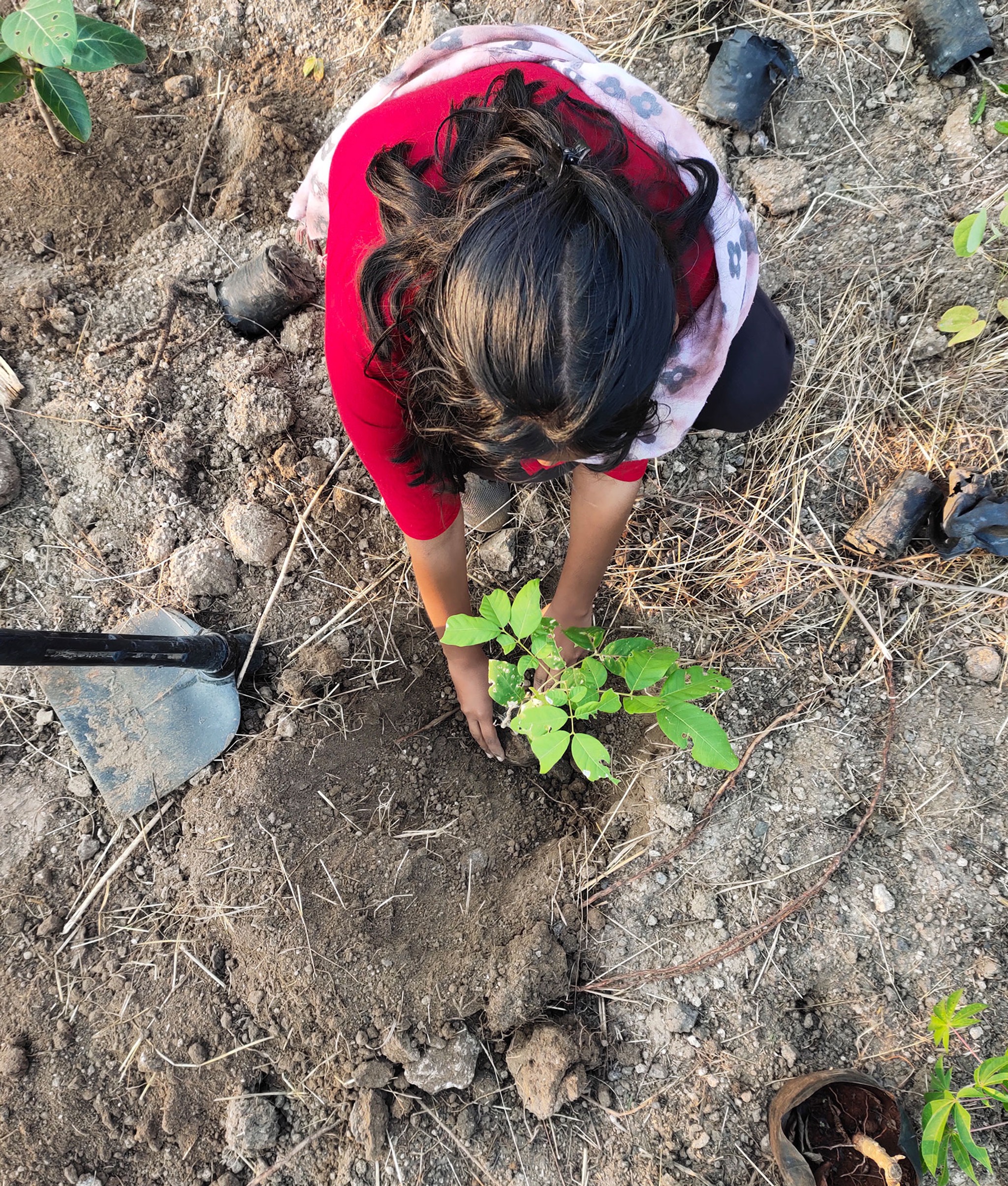
The Green Aurangabad Mission is one of our most ambitious projects - planting over 20,000 trees at six sites across Aurangabad, including at two schools and two public health centers.
As these SUGi Pocket Forests are self sustaining, they are areas of rich biodiversity that support wildlife and become hubs for environmental education in their respective communities. These green spaces offer a peaceful place for local people to shelter from heat and reap the benefits of nature from better air quality to peace of mind.
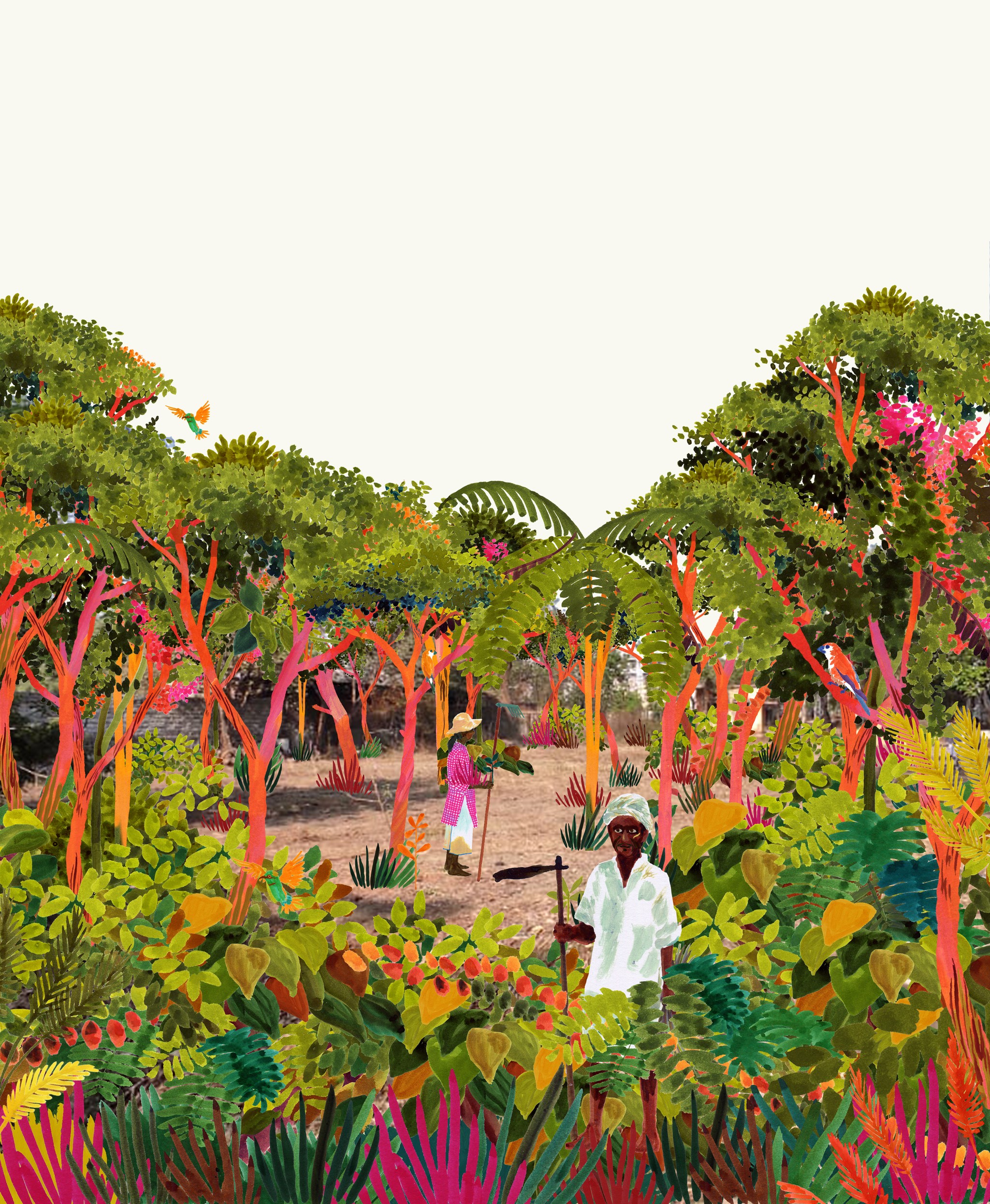
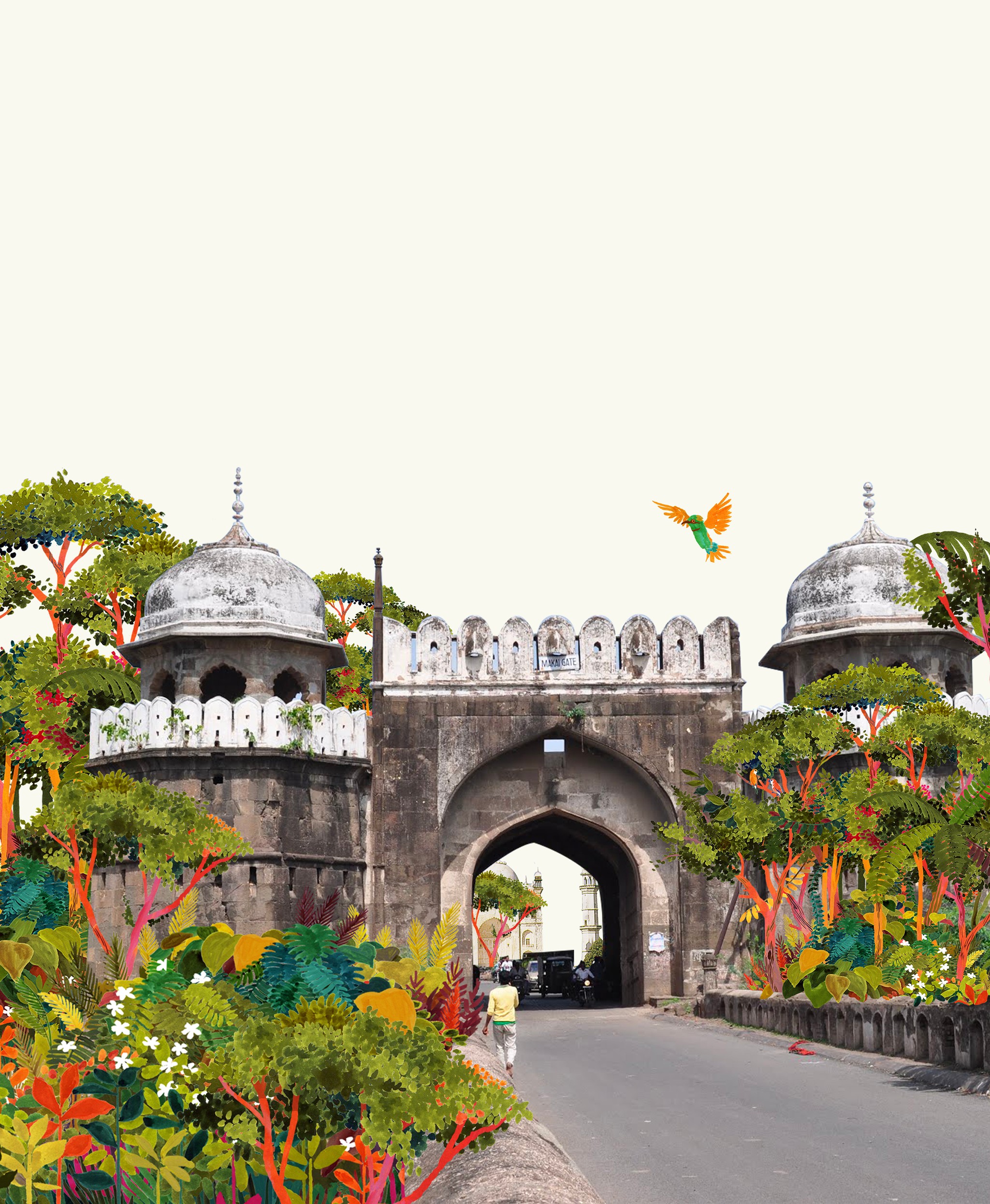
The project is an example of ‘urban acupuncture’ in action - a term coined by the Spanish architect and urbanist, Marco Casagrande - meaning an array of small, considered interventions across a city. Forests and green spaces serve as the acupuncture needles, helping the city to heal and rebalance itself.
Forest Maker
EcoSattva
Forest Partner

Ecosystem Restored
Final report: 12.10.2025
After approximately three years our SUGi Pocket Forests become self-sustaining. They no longer require human maintenance or watering, and can be handed over to Nature for biodiversity and complexity to naturally develop.
0%
Average Survival Rate
0
People living within 50 kilometers
0
kg of potential CO2 sequestration
Biodiversity
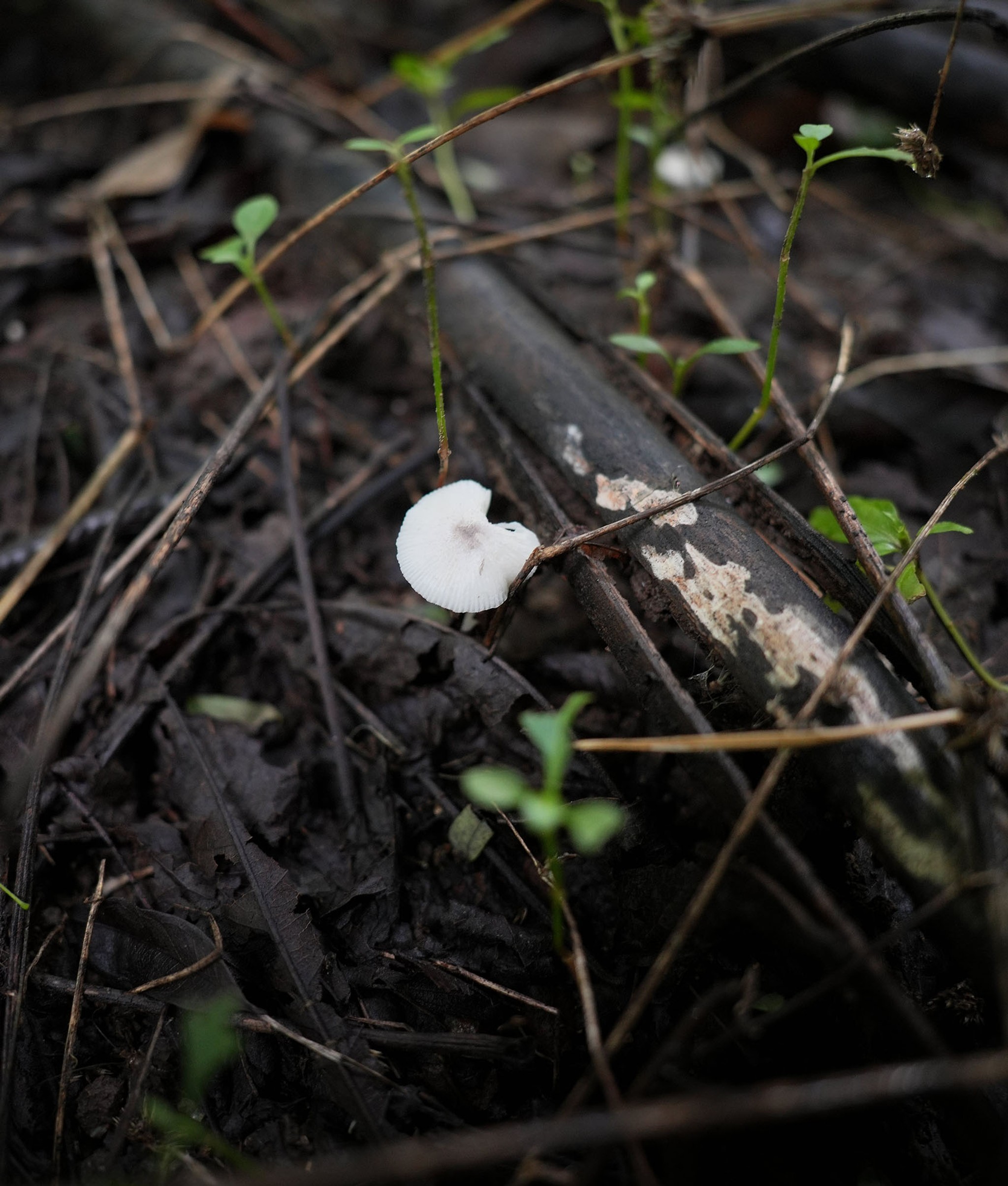
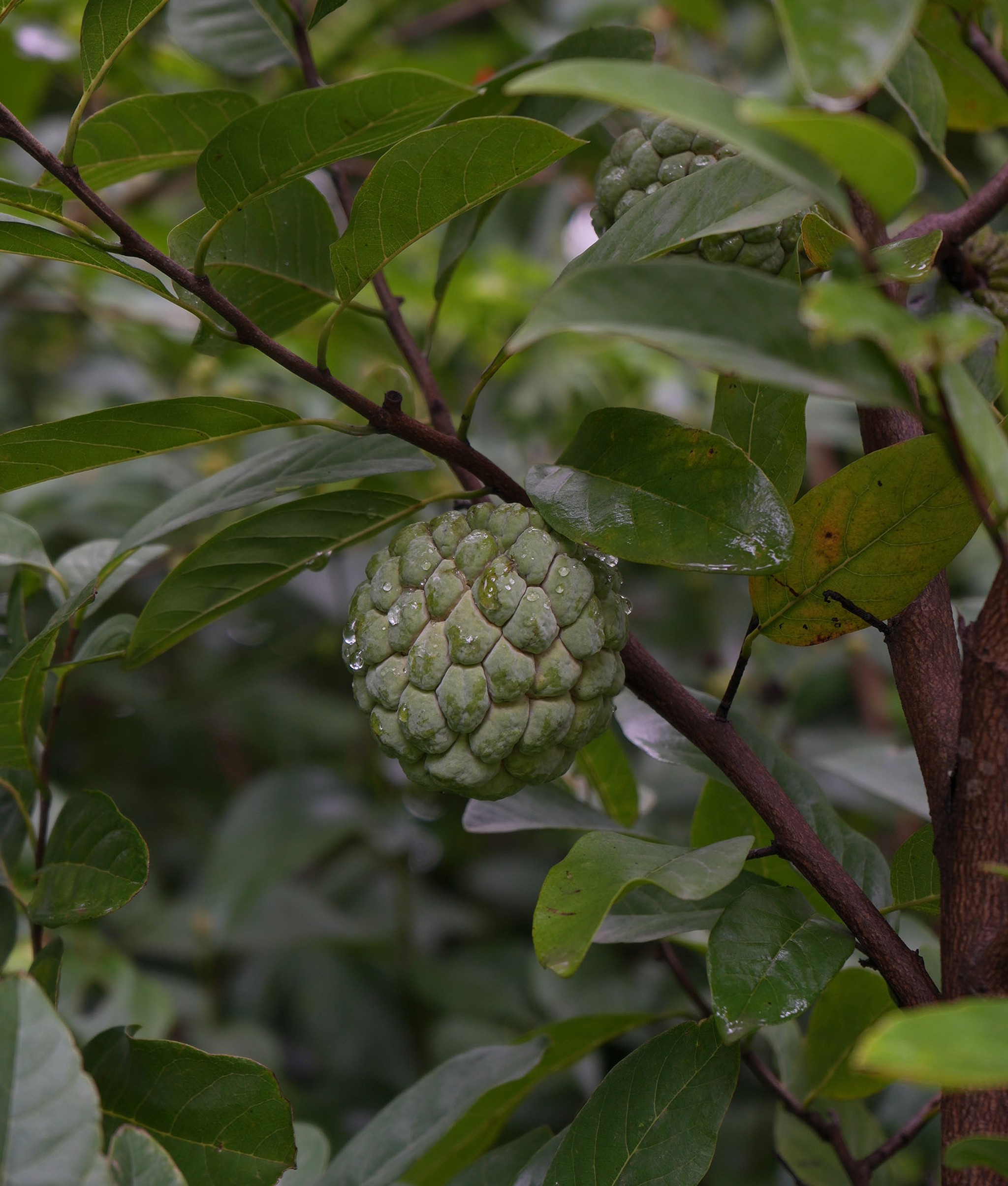
Biodiversity is all the different kinds of life you'll find in one area—the variety of animals, plants, fungi, and even microorganisms like bacteria that make up our natural world. Each of these species and organisms work together in ecosystems, like an intricate web, to maintain balance and support life.
0
Potential number of mammals
0
Potential number of birds
0
Potential number of amphibians
Khemka Community
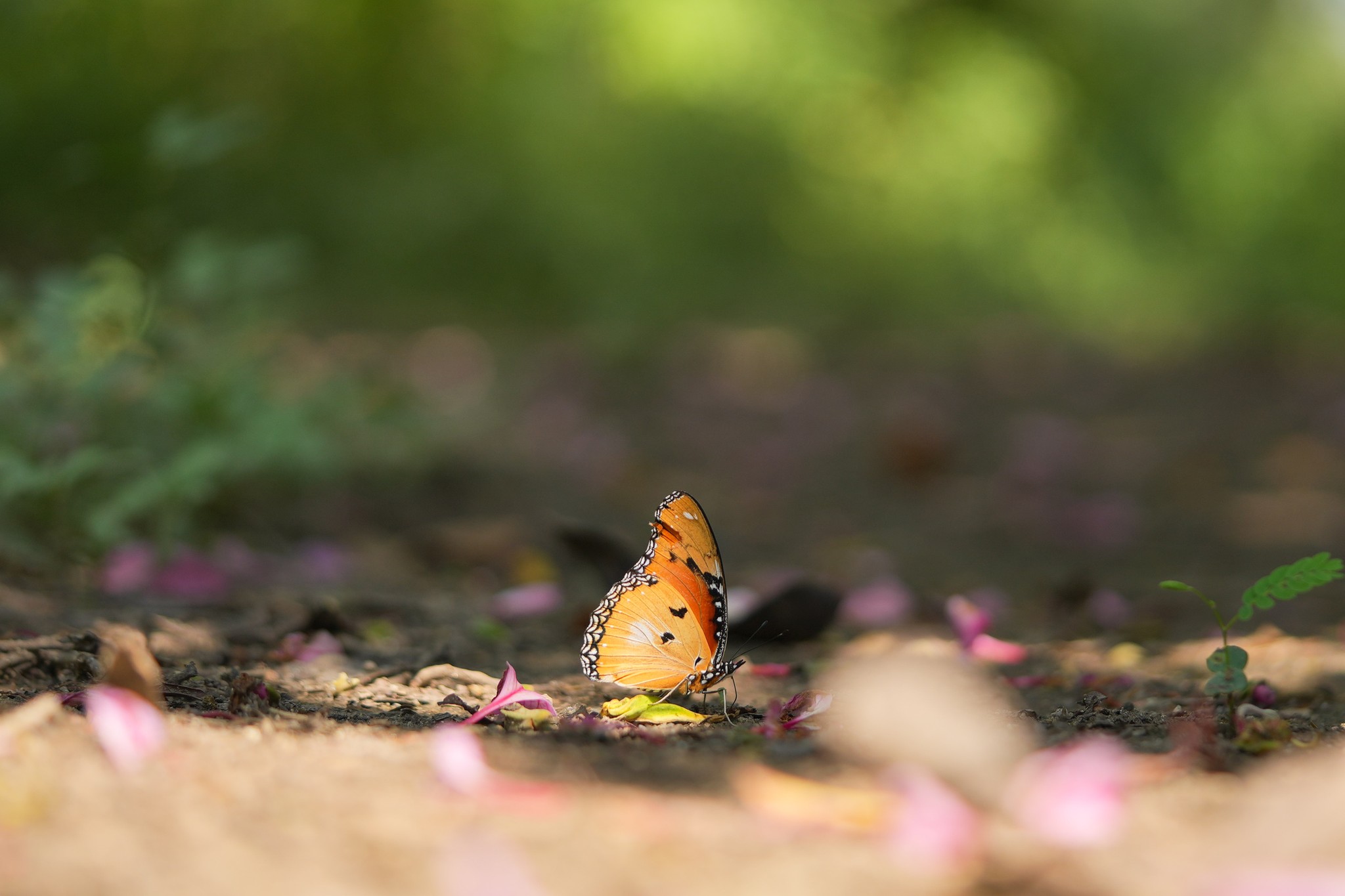
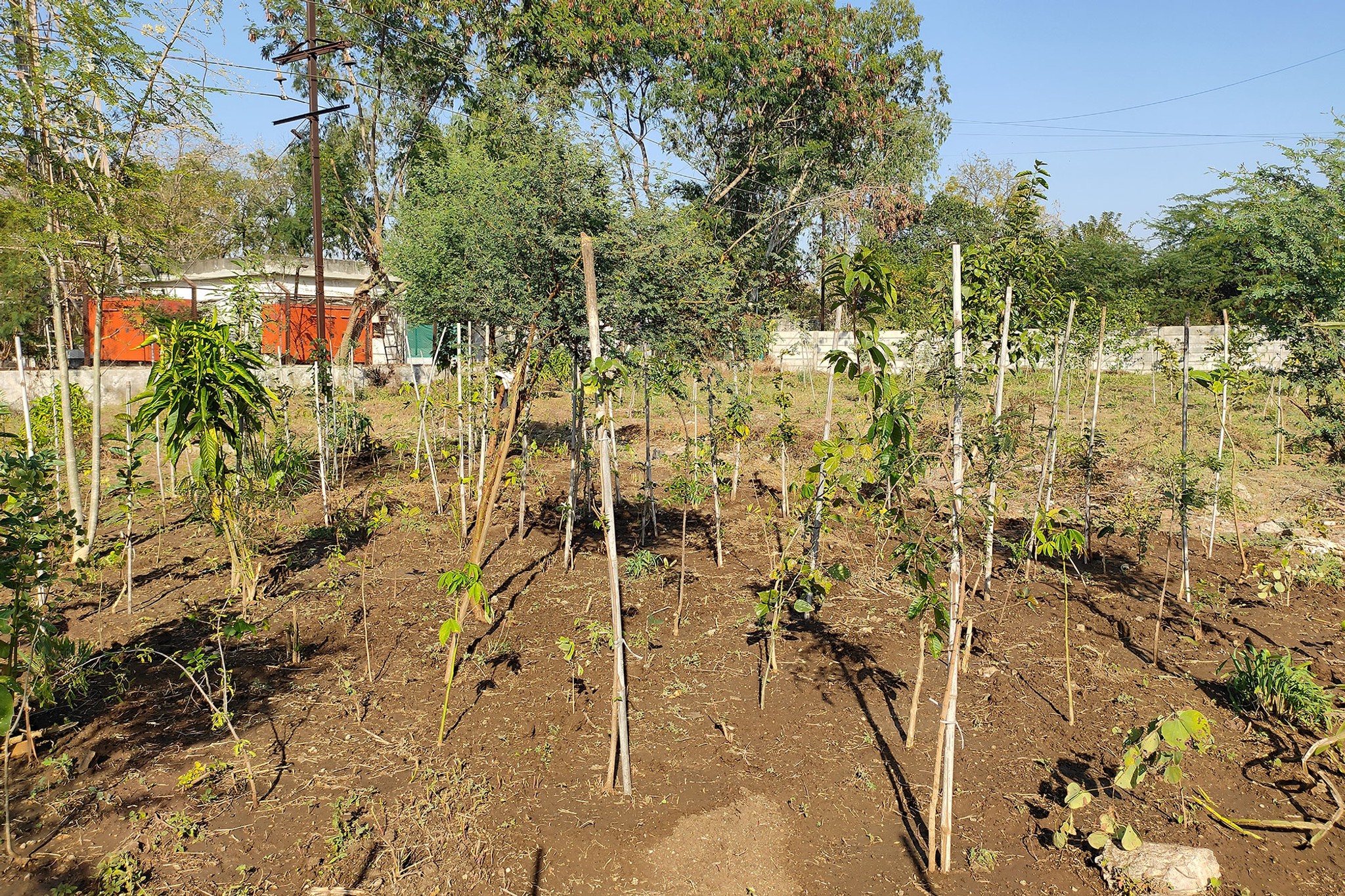
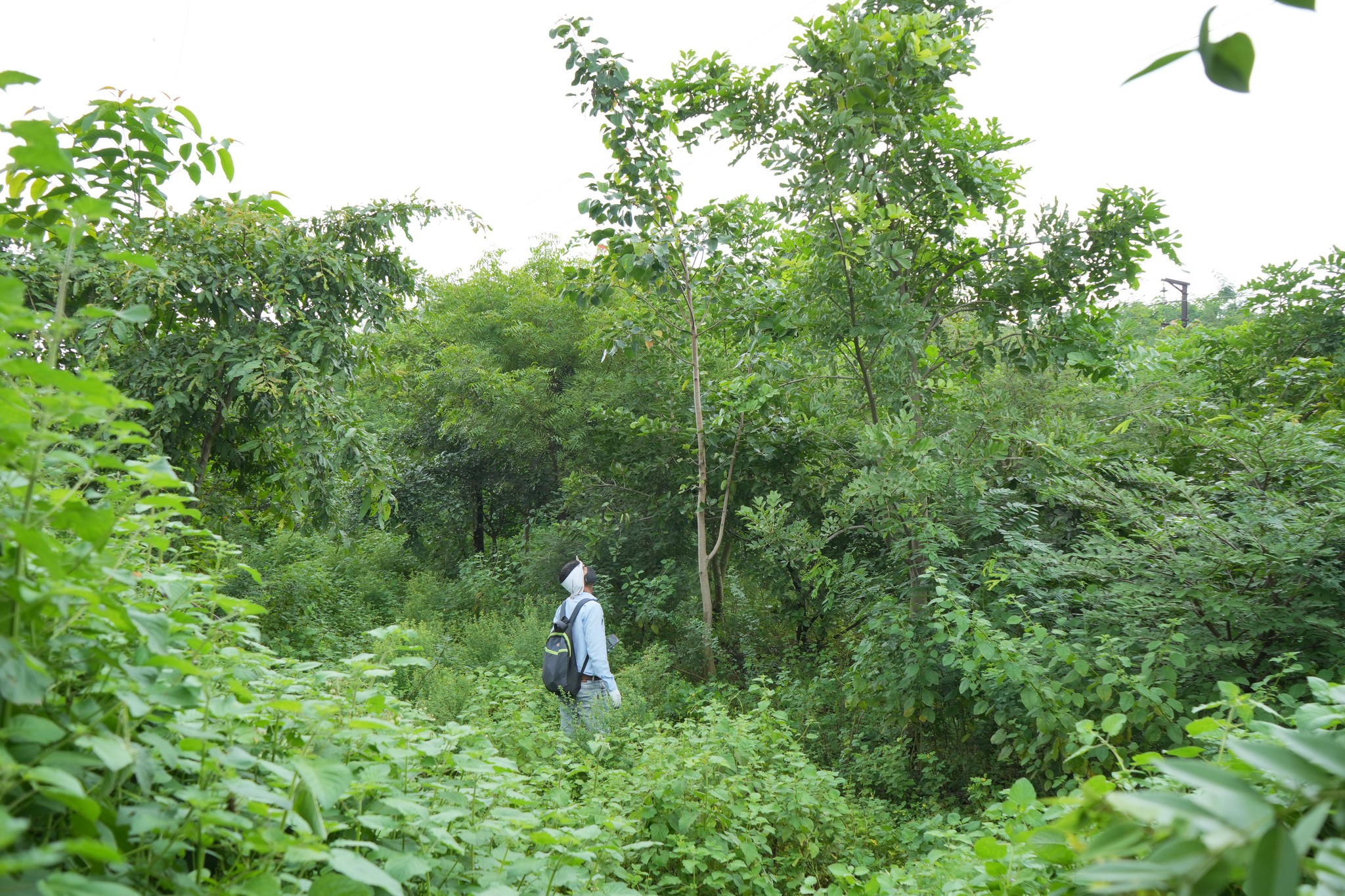
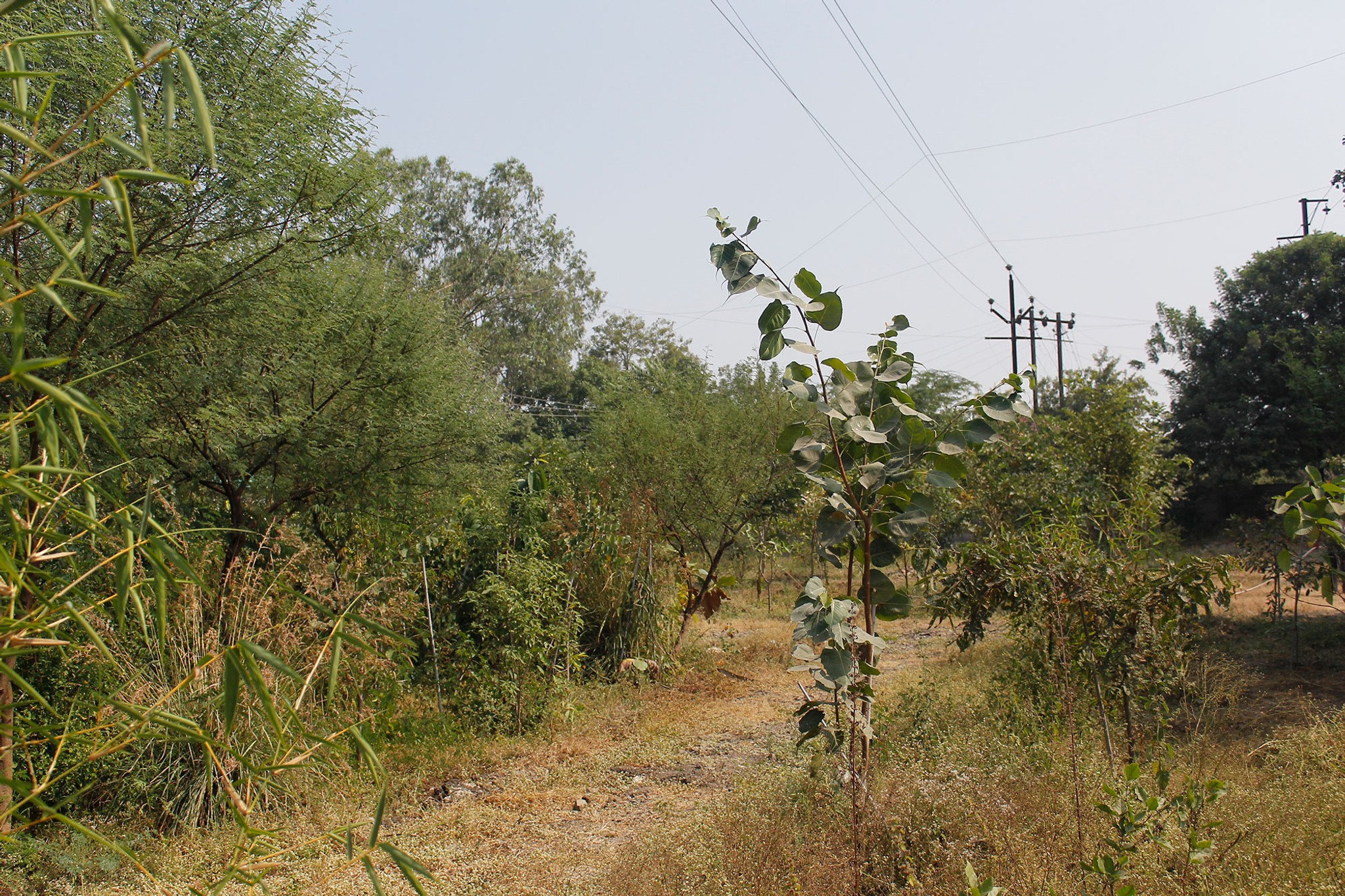
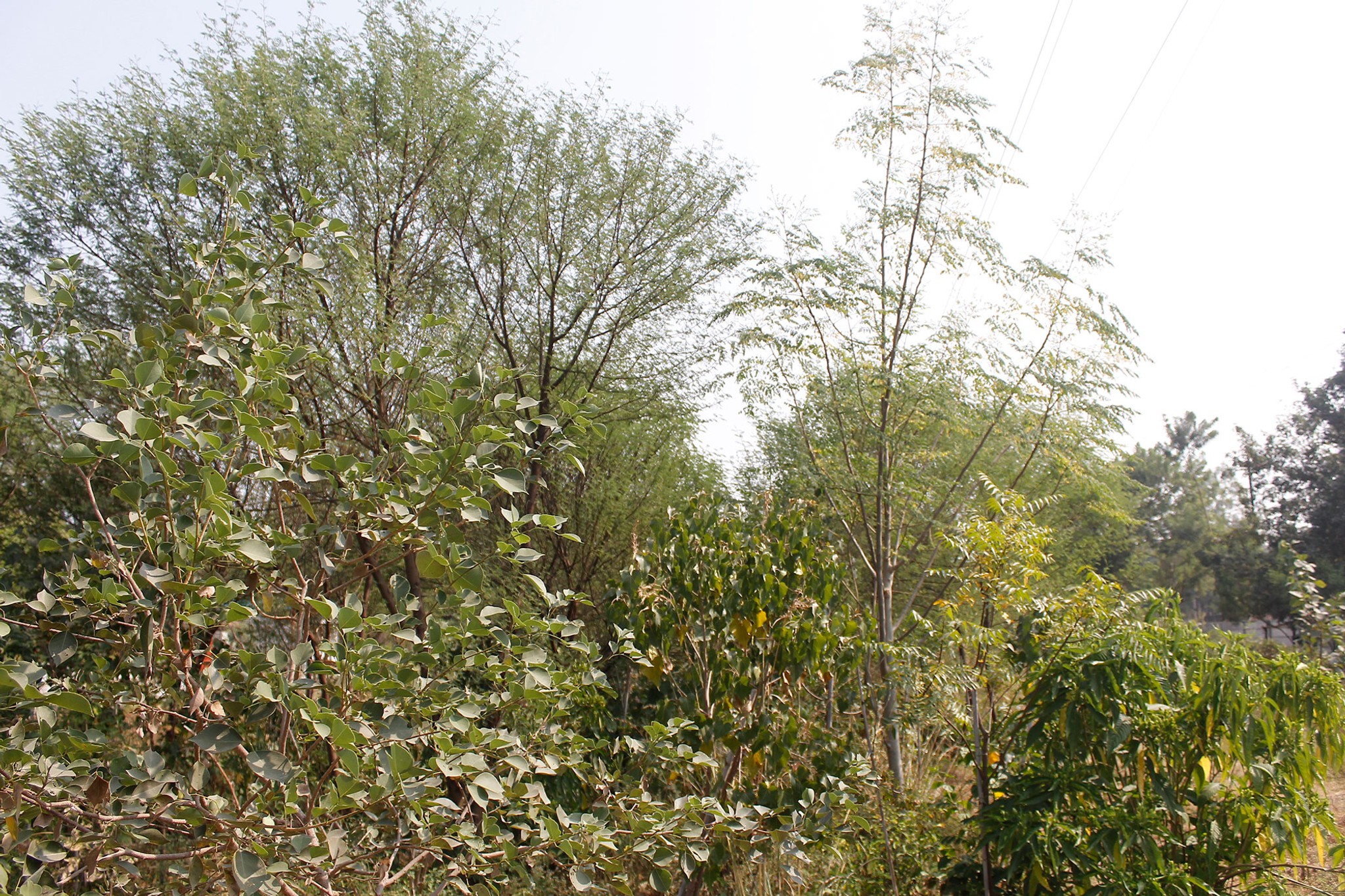
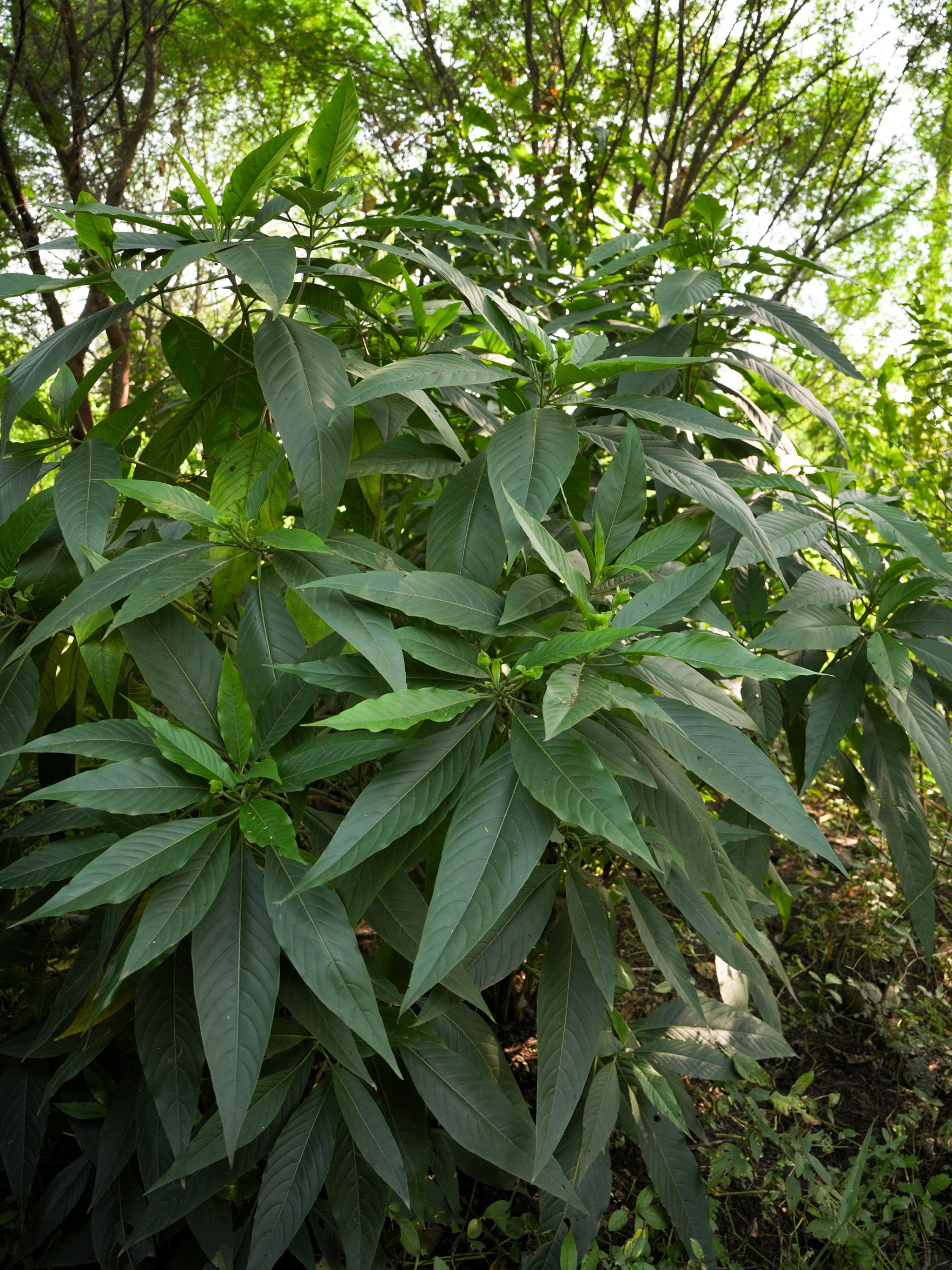
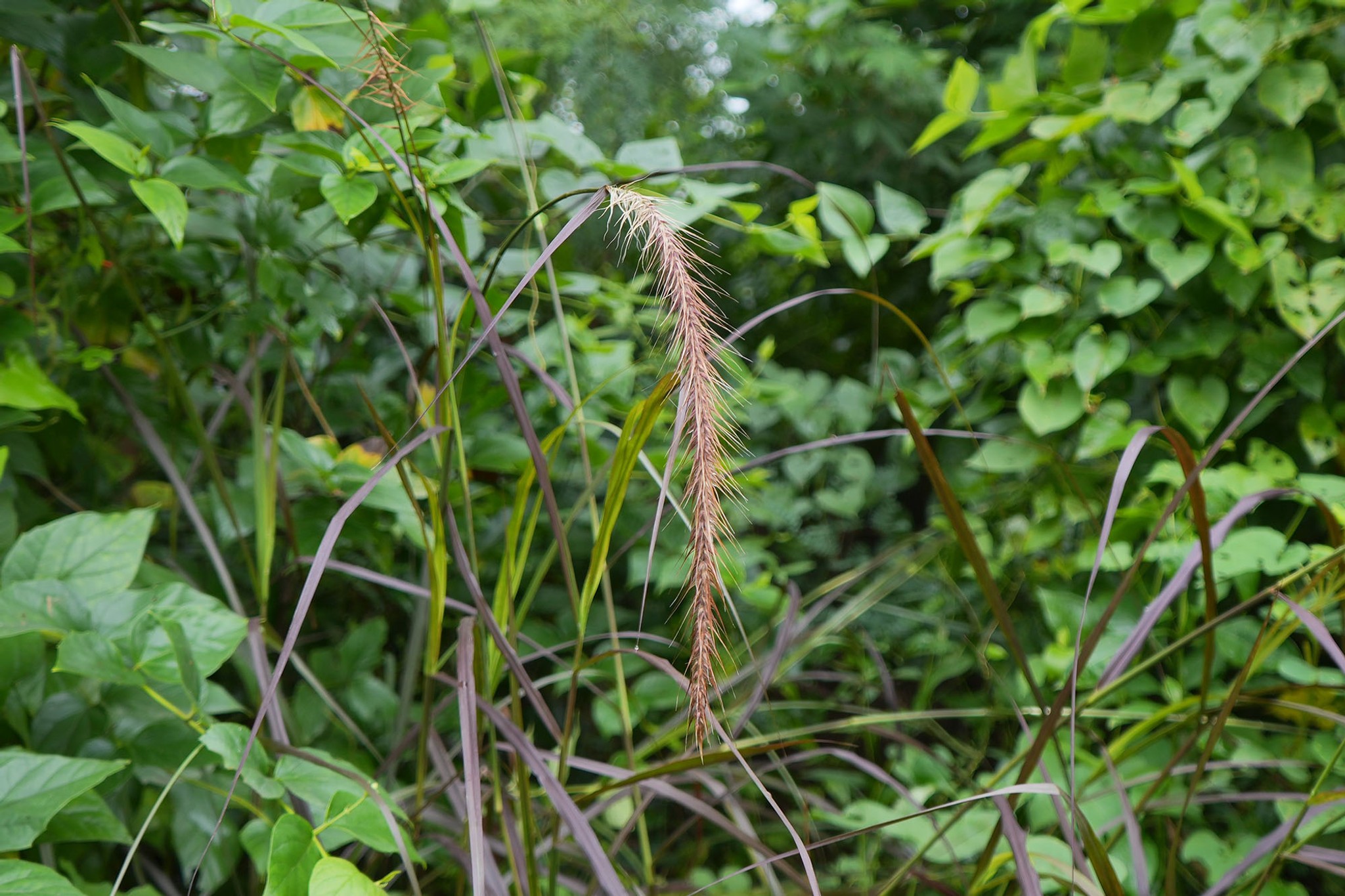
The forest is becoming greener with new native trees growing, and more birds and butterflies are appearing each season. The soil looks healthier with fresh undergrowth, and overall the forest is slowly recovering its natural beauty. A beehive has also been observed in the area.
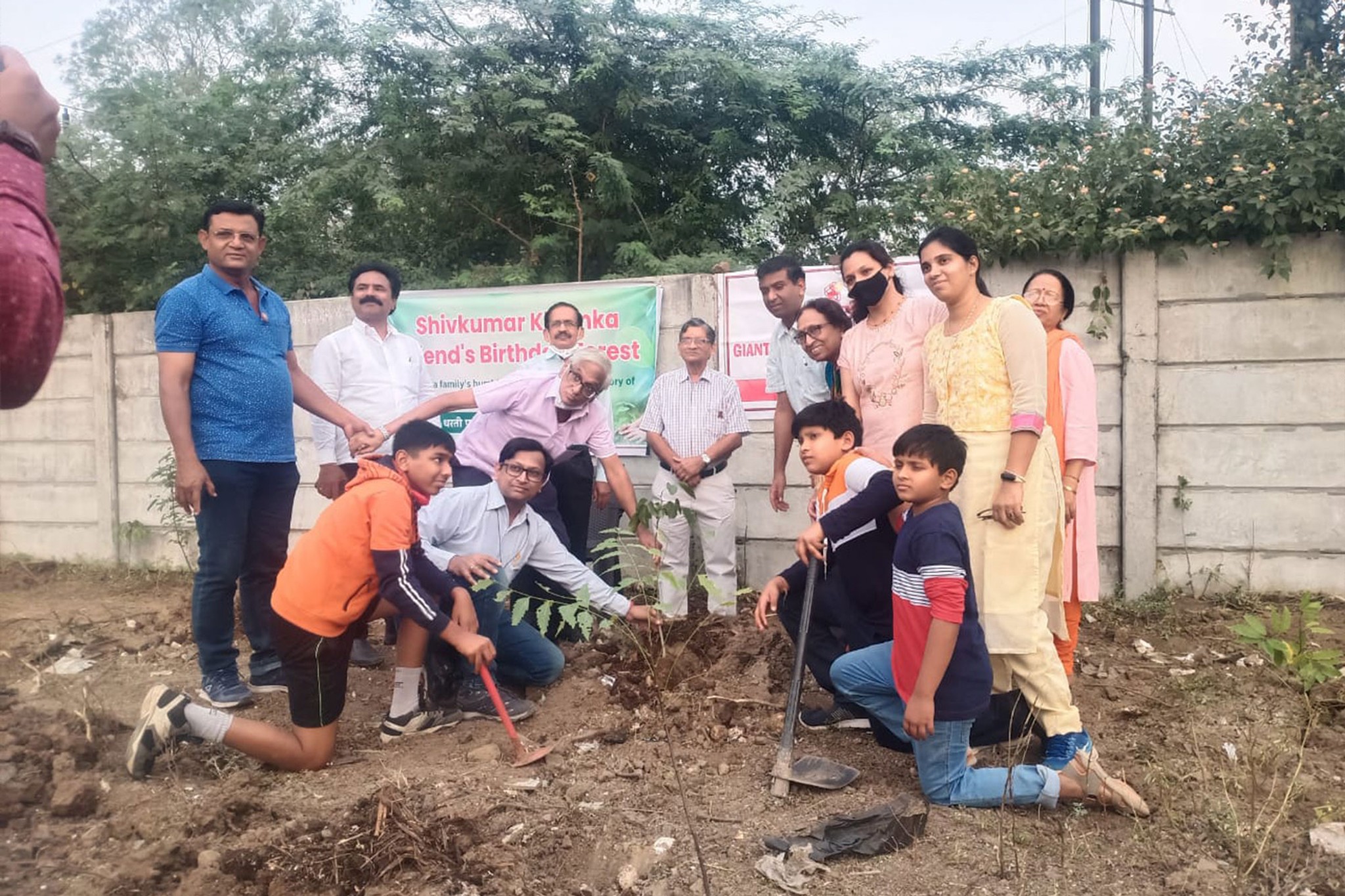
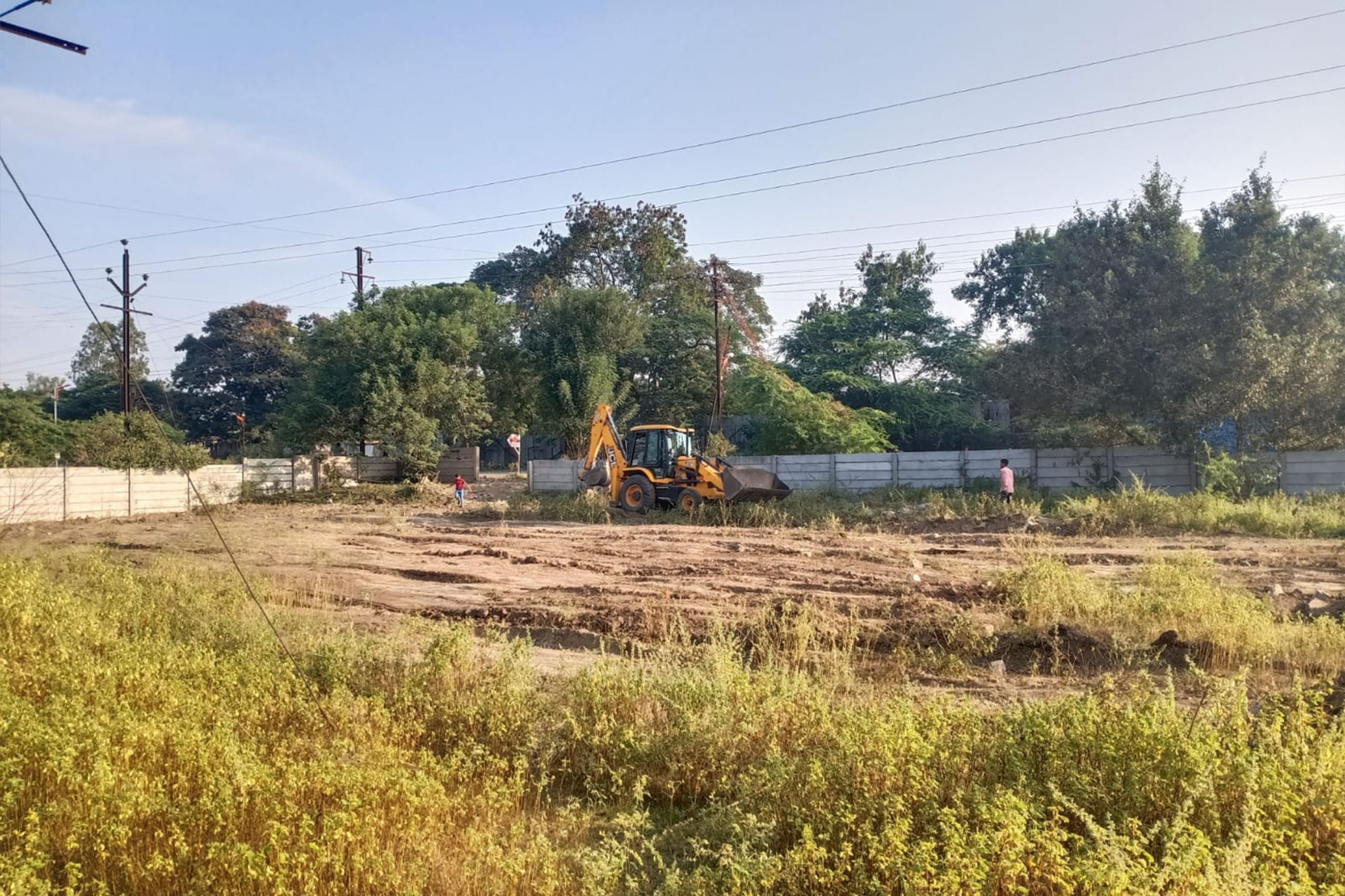
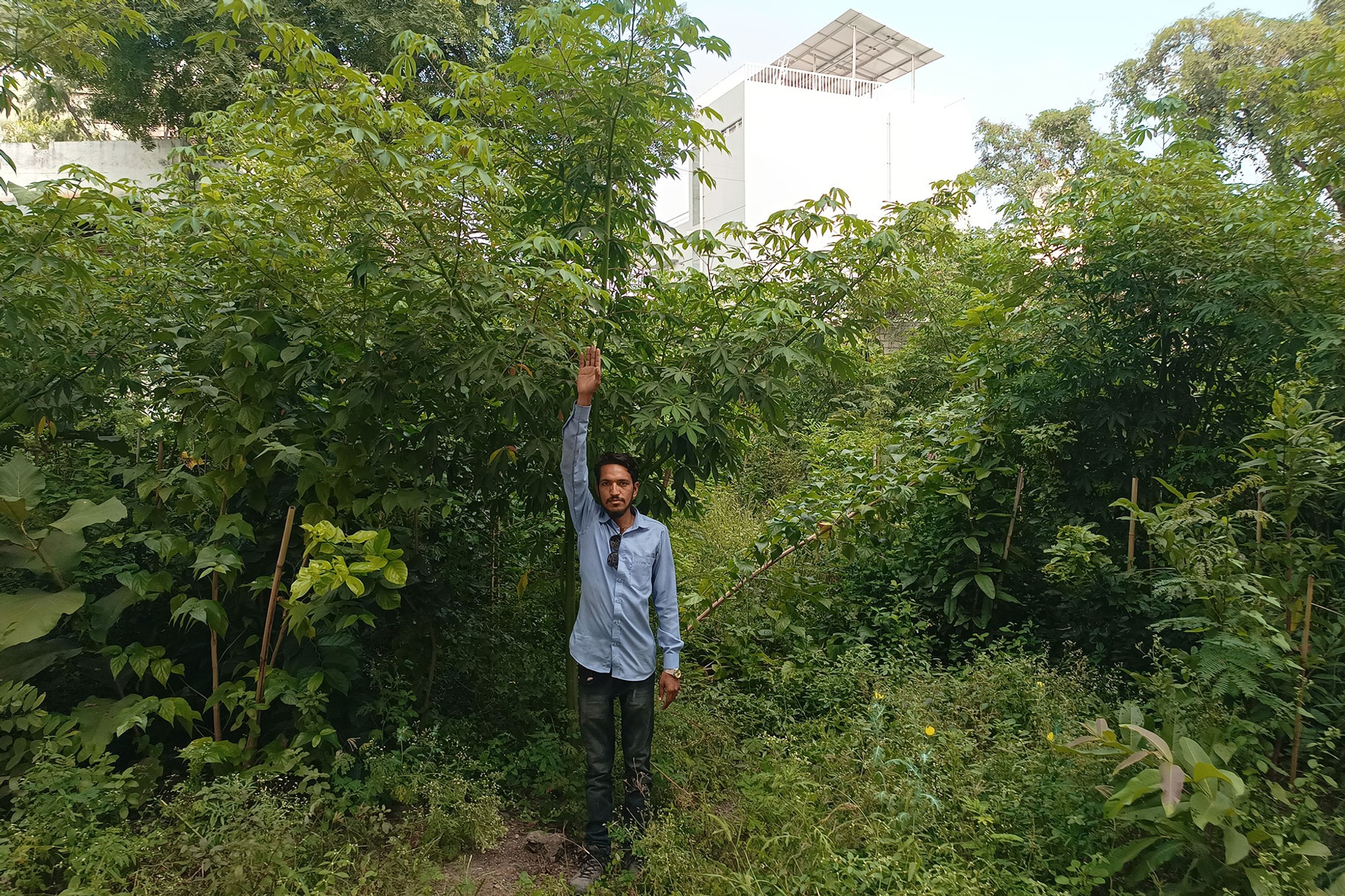
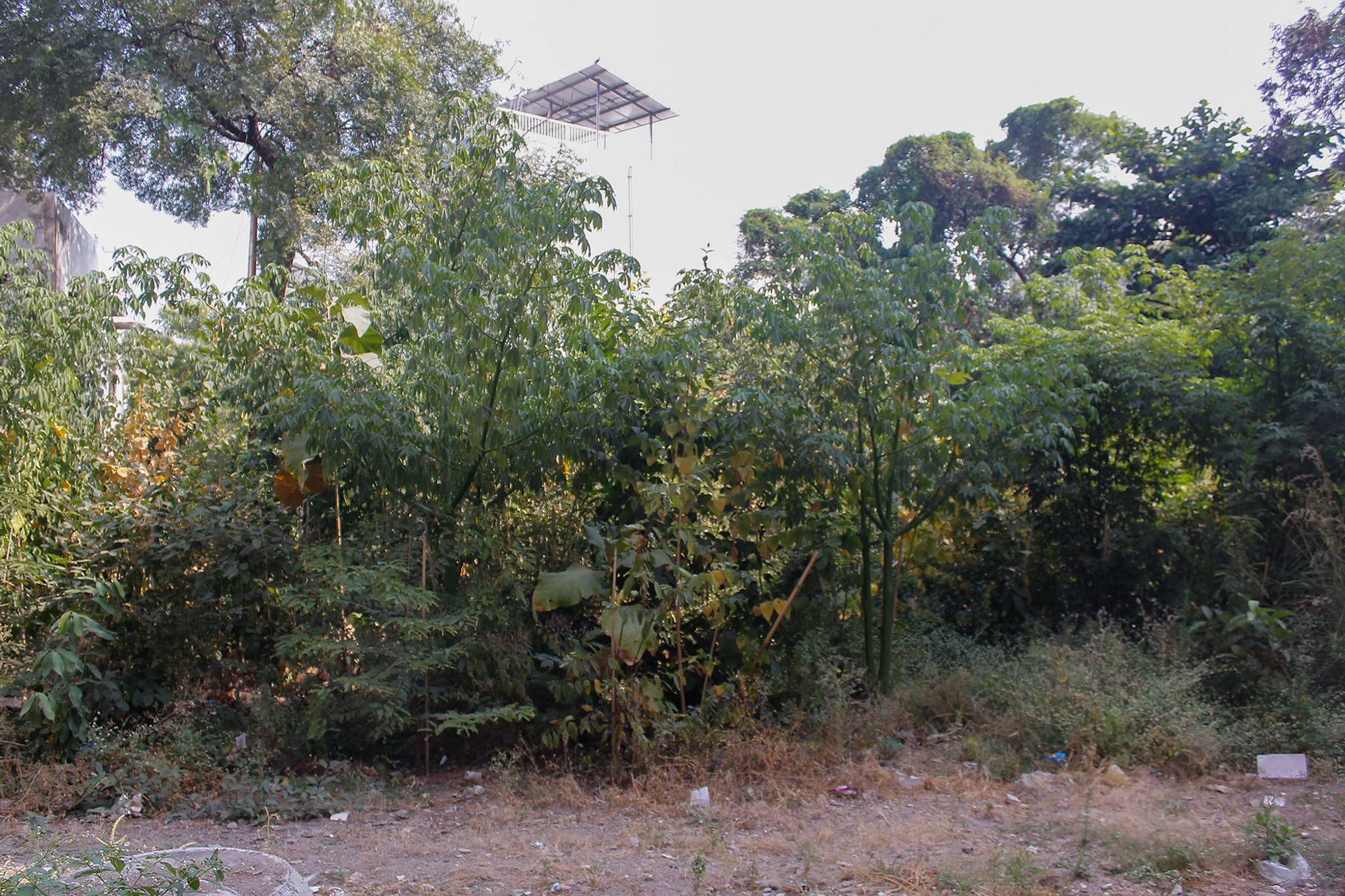
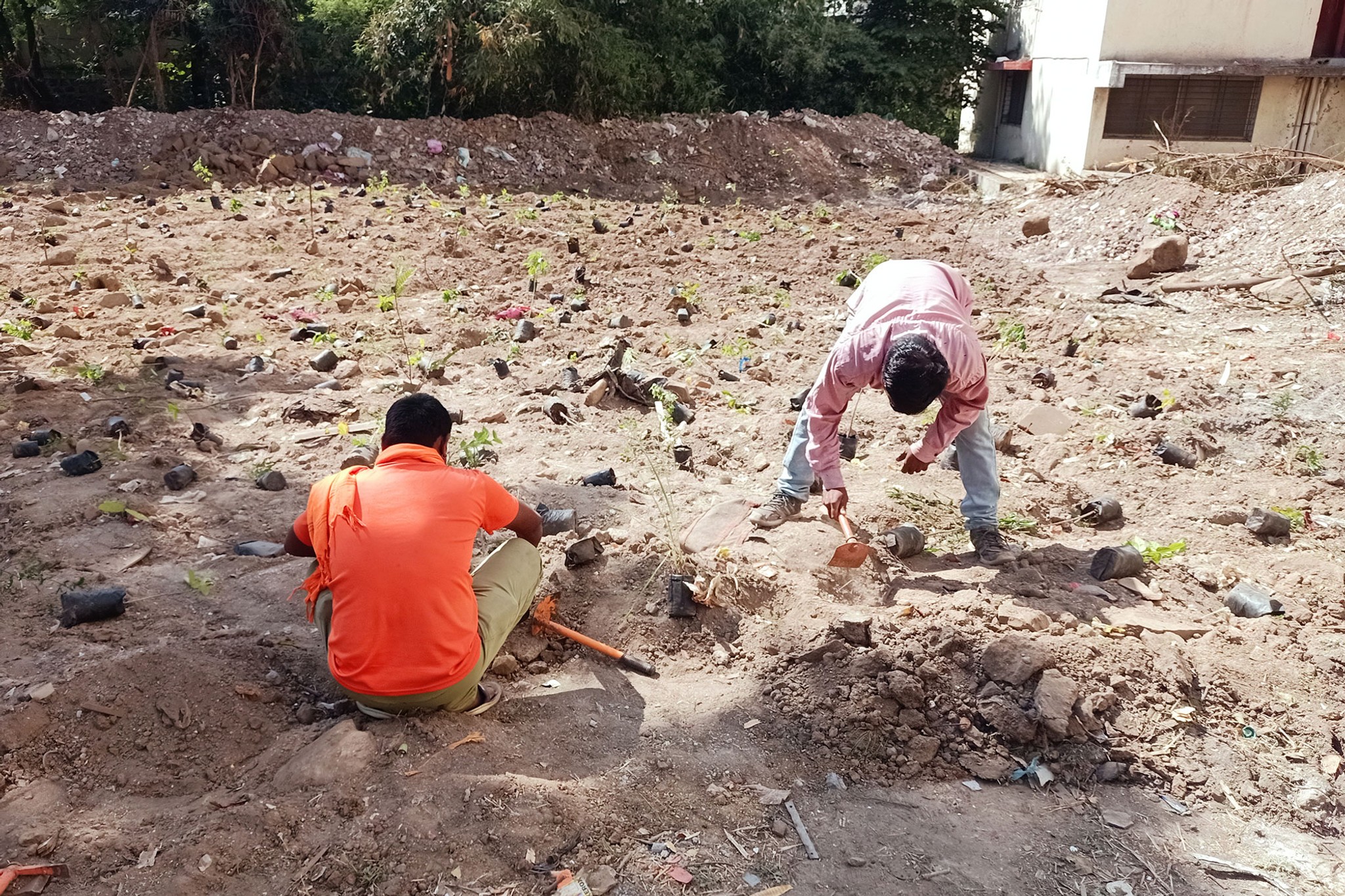
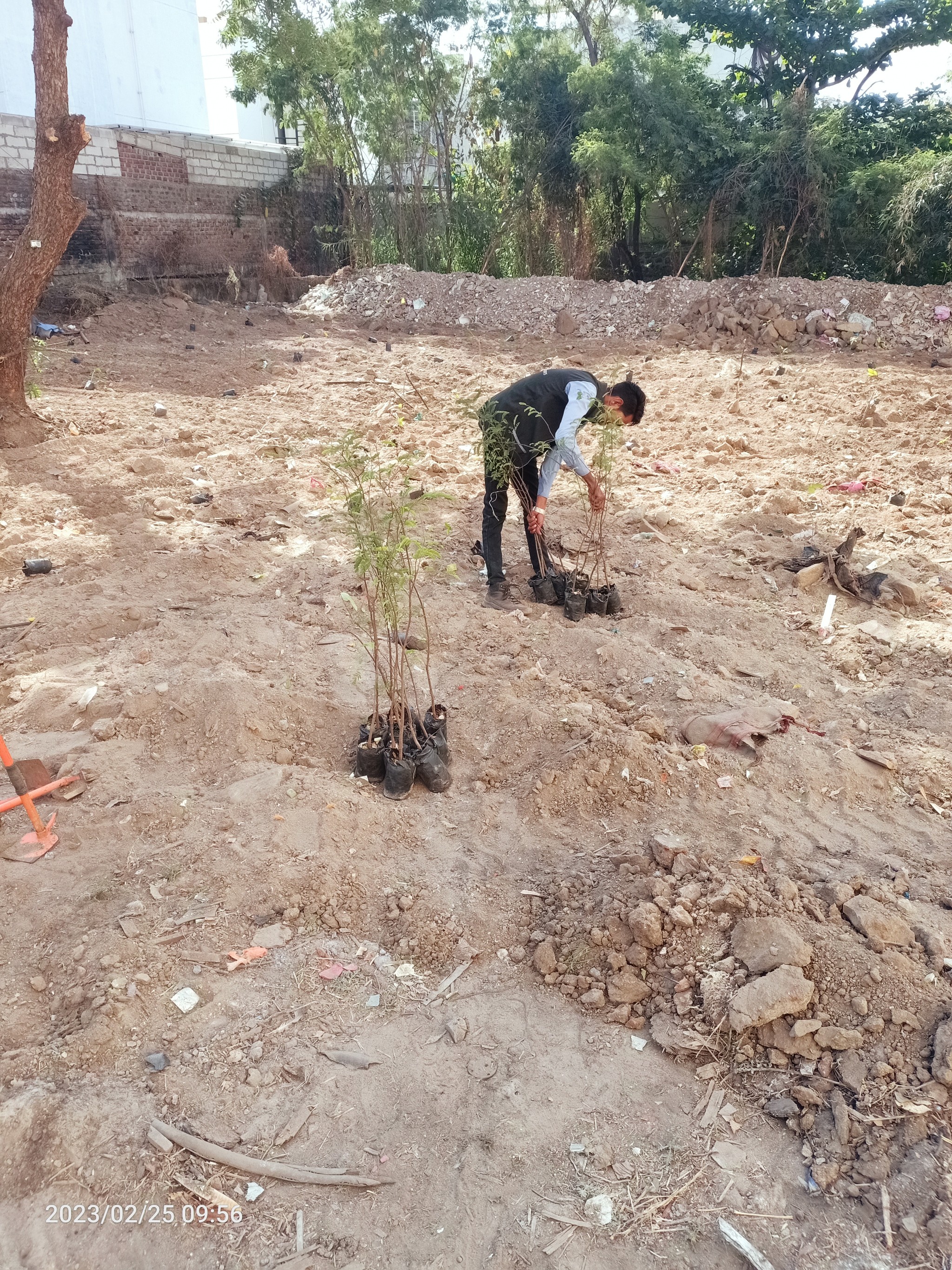
Planted in 2023, the Khemka Community forest has become one of the most vibrant sites within the Green Mission Aurangabad initiative. Strong community stewardship has supported high sapling survival, while the forest now attracts butterflies, birds, and other small fauna despite its industrial surroundings. The site highlights the power of community-led ecological restoration.
0%
Survival Rate
0
kg of potential CO2 sequestration
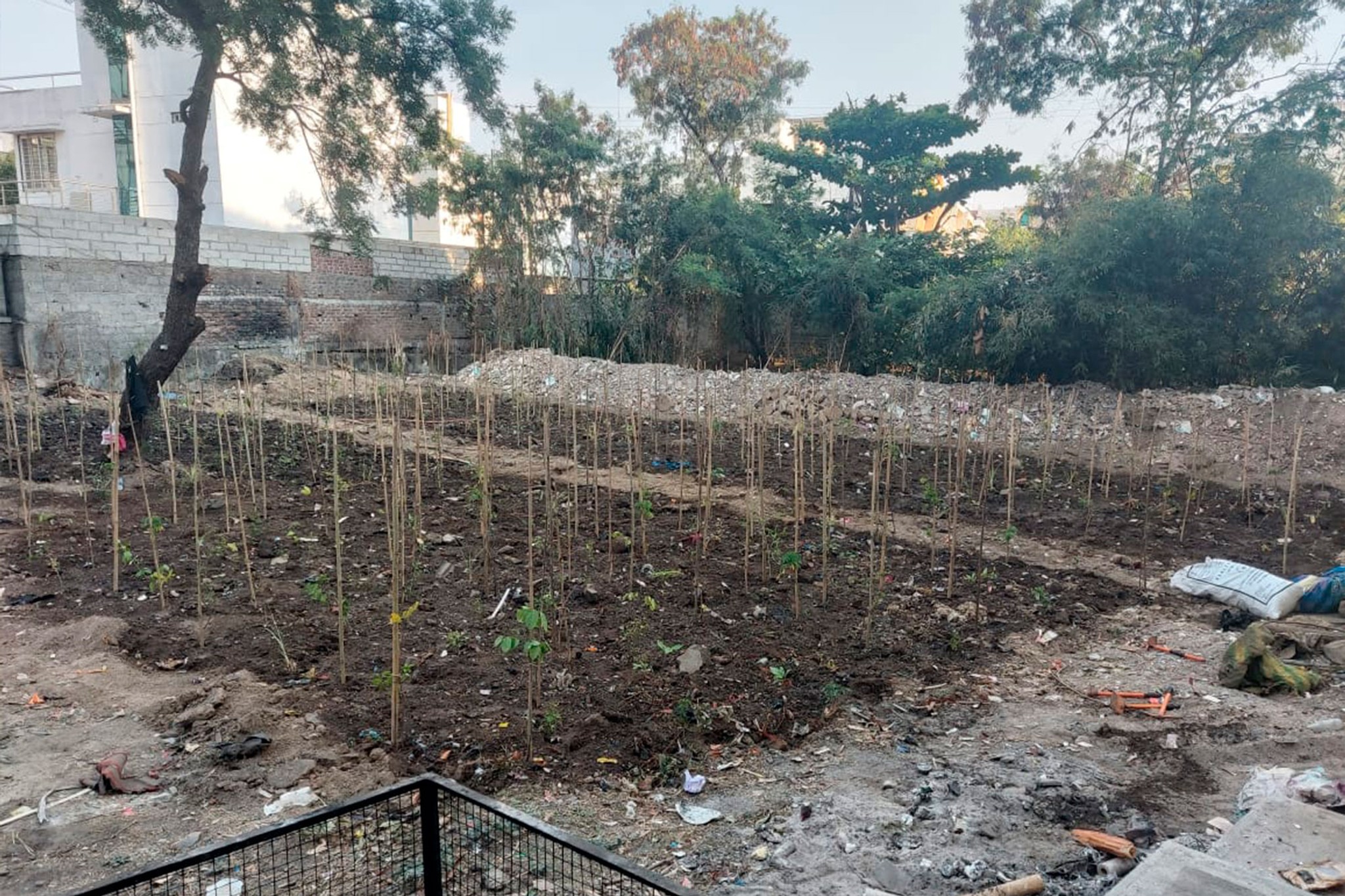
Planted: February 2023
Forest Report: 2023
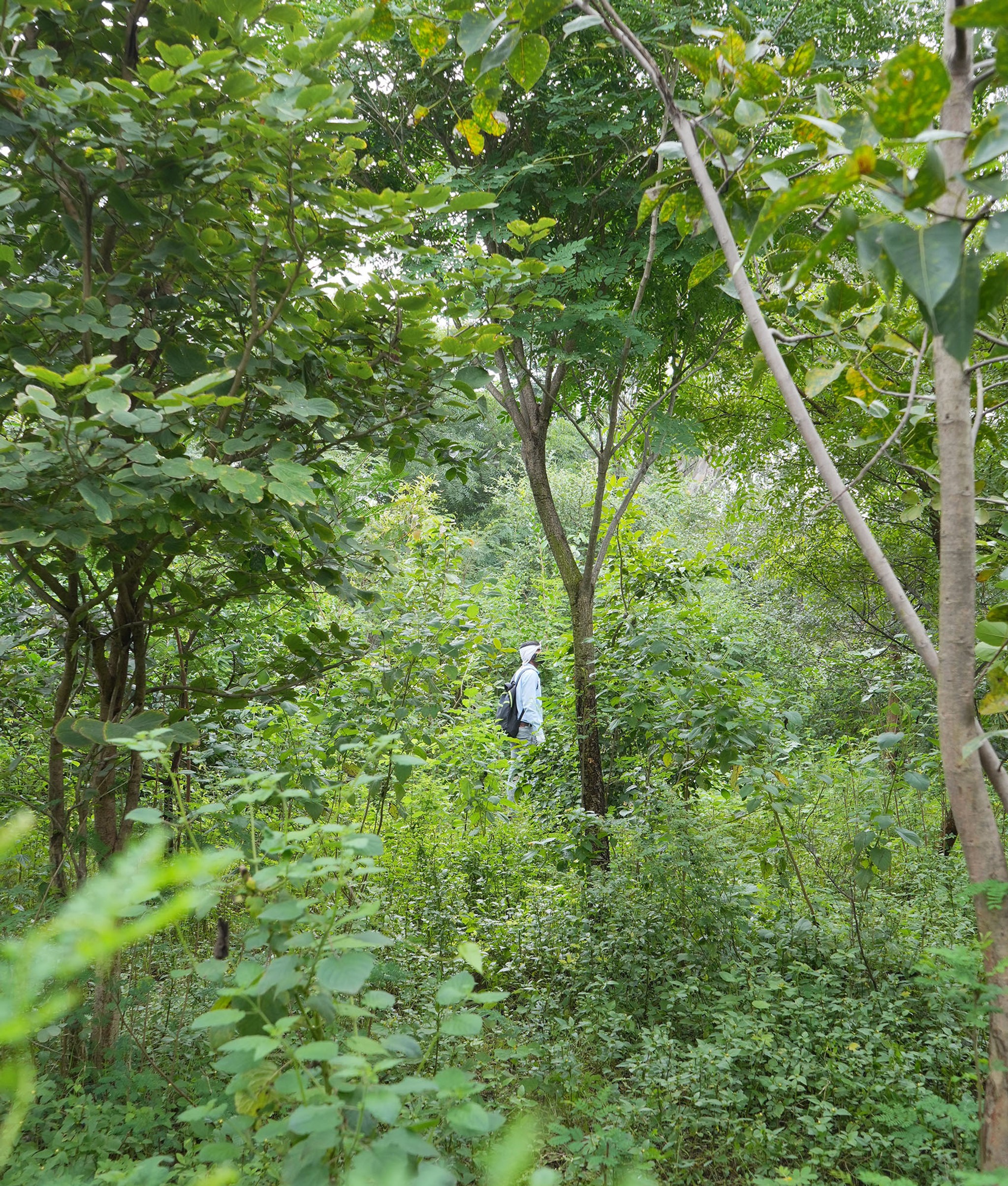
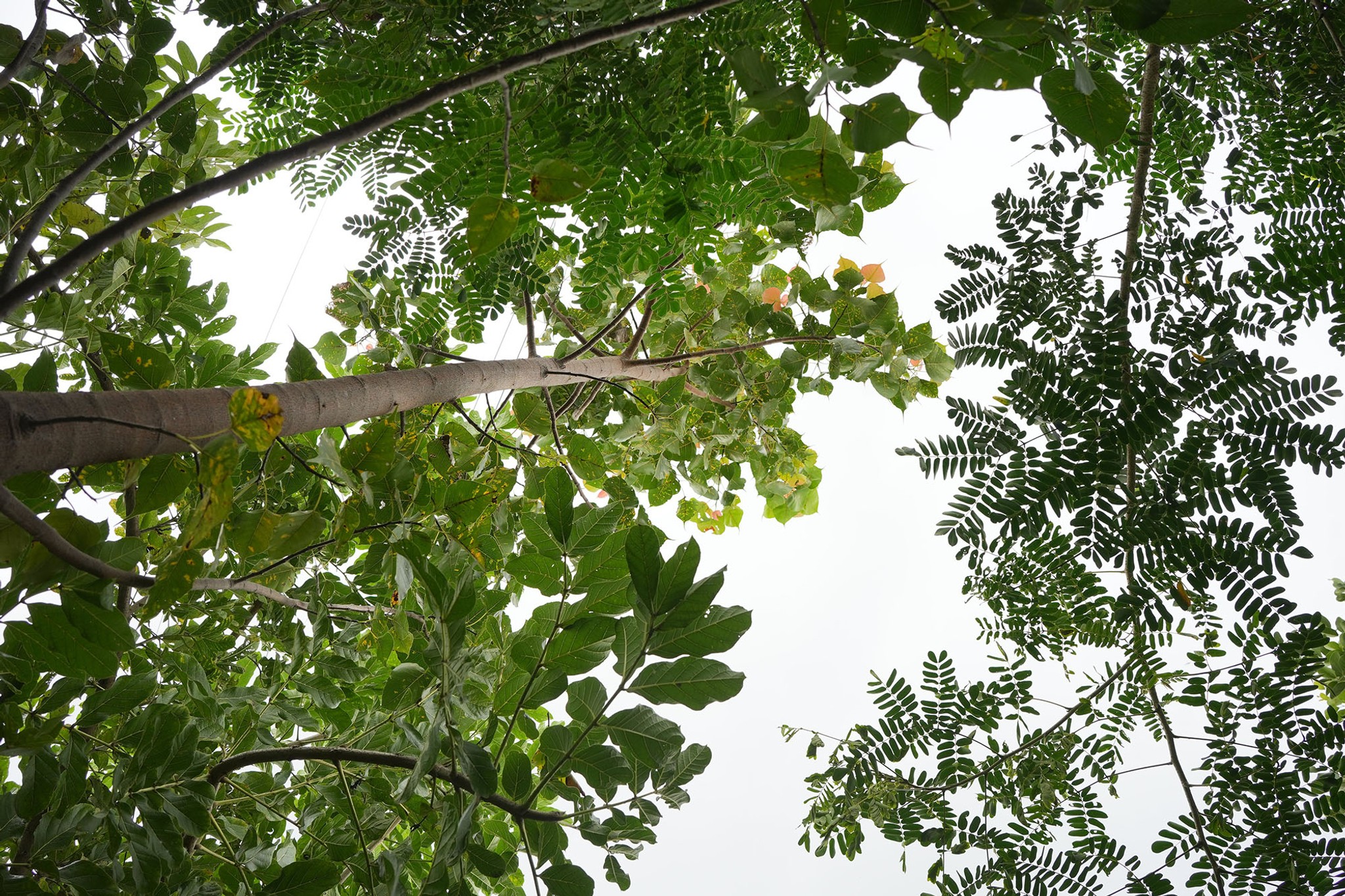
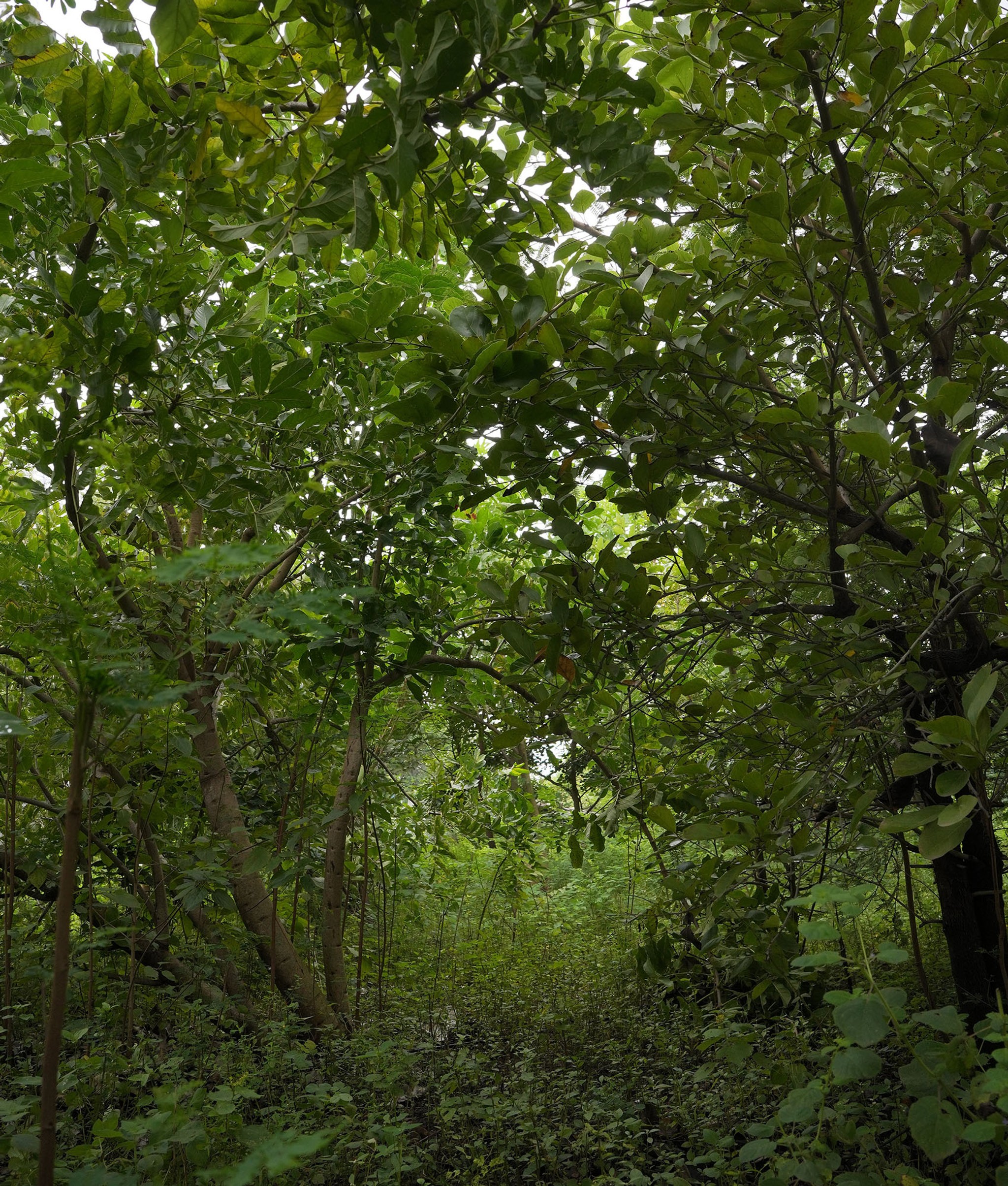
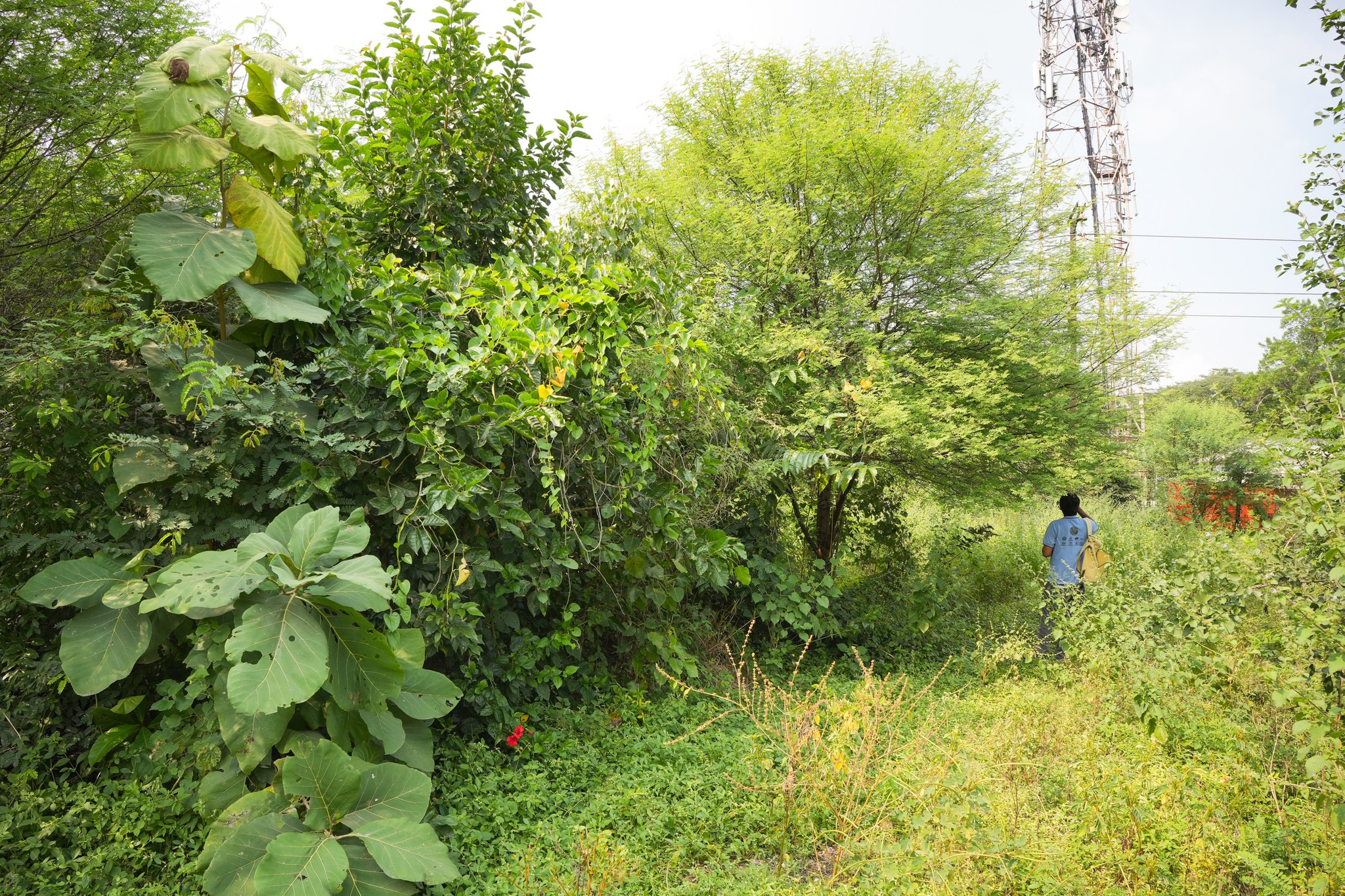
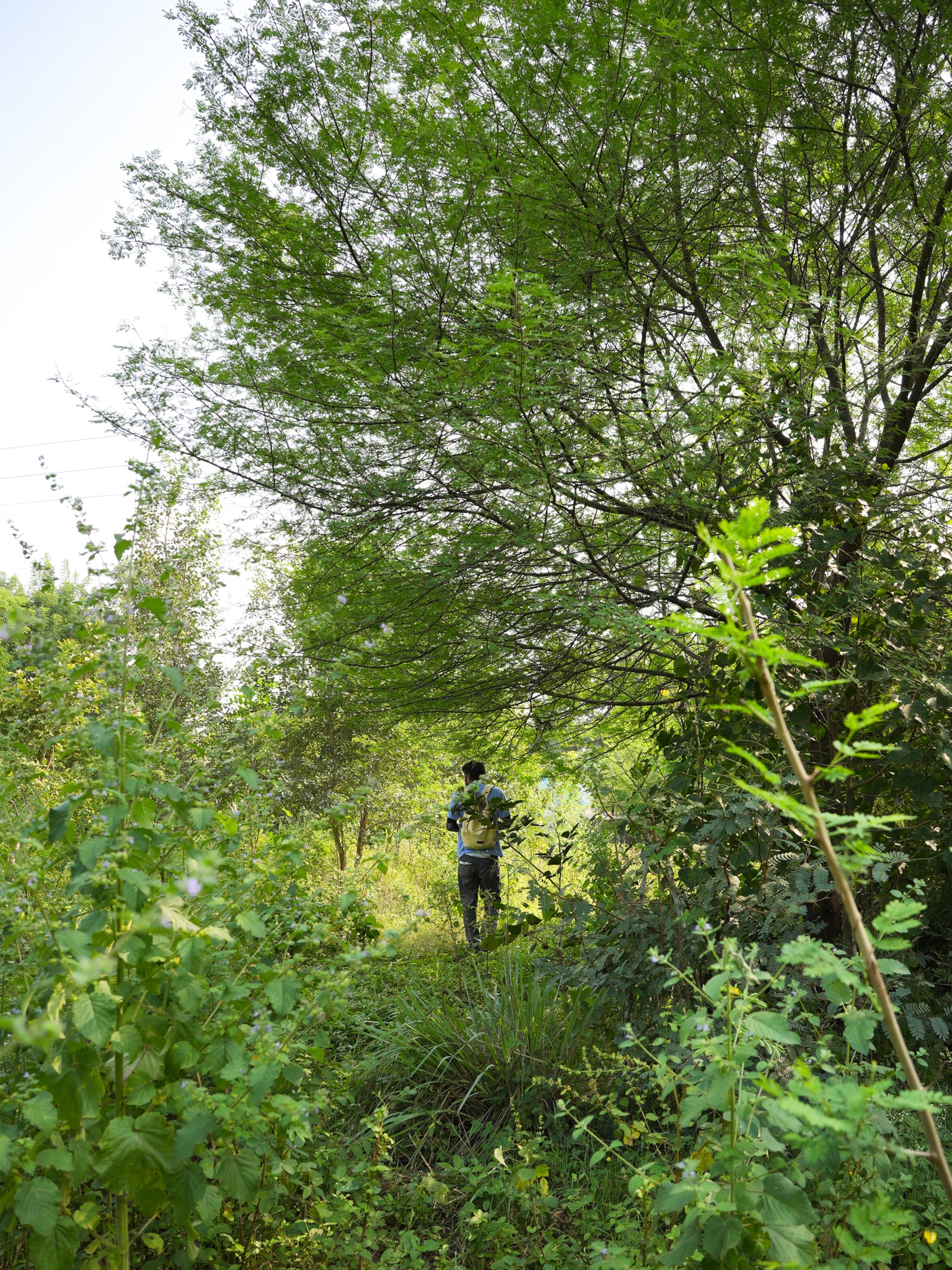
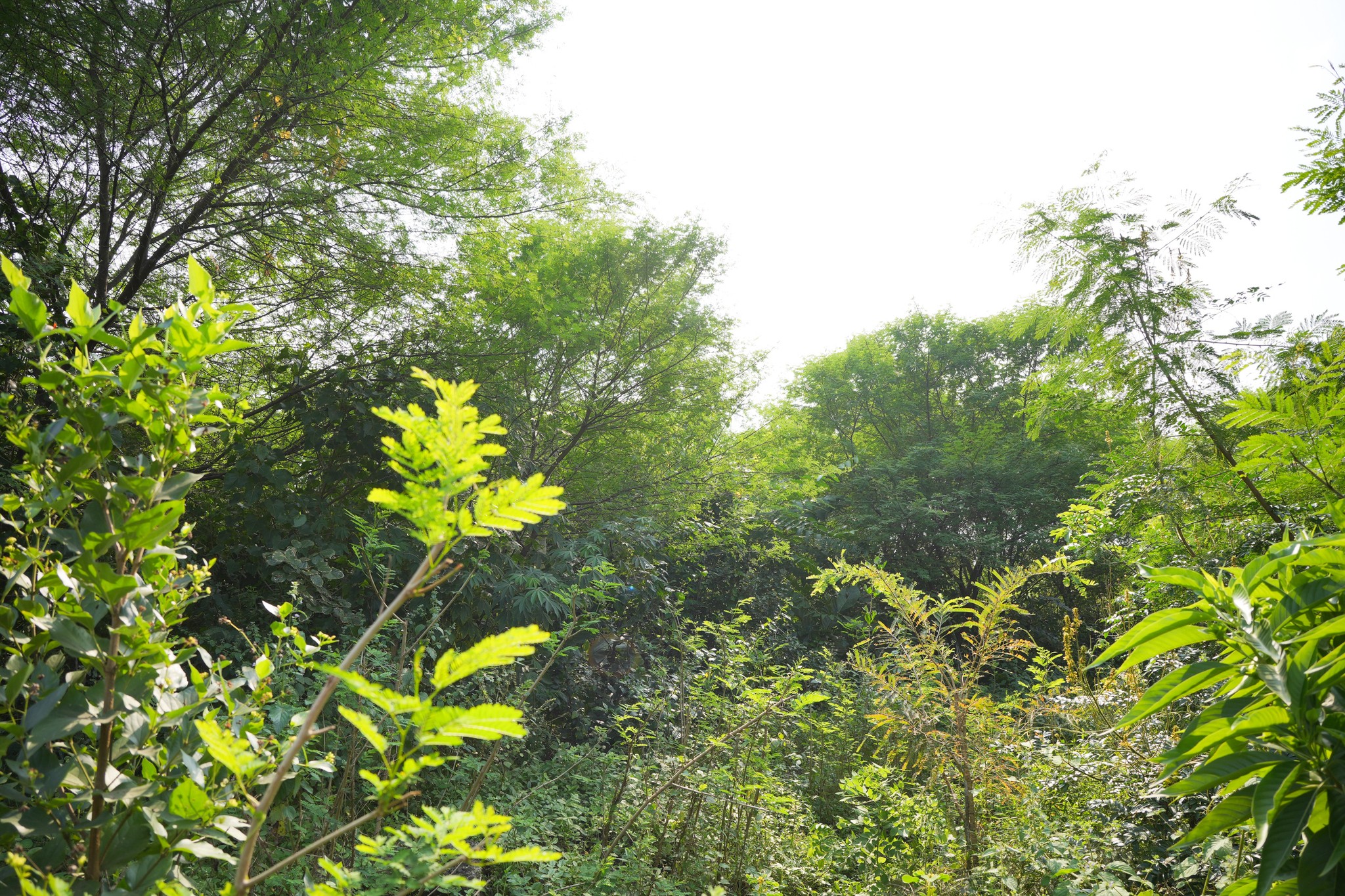
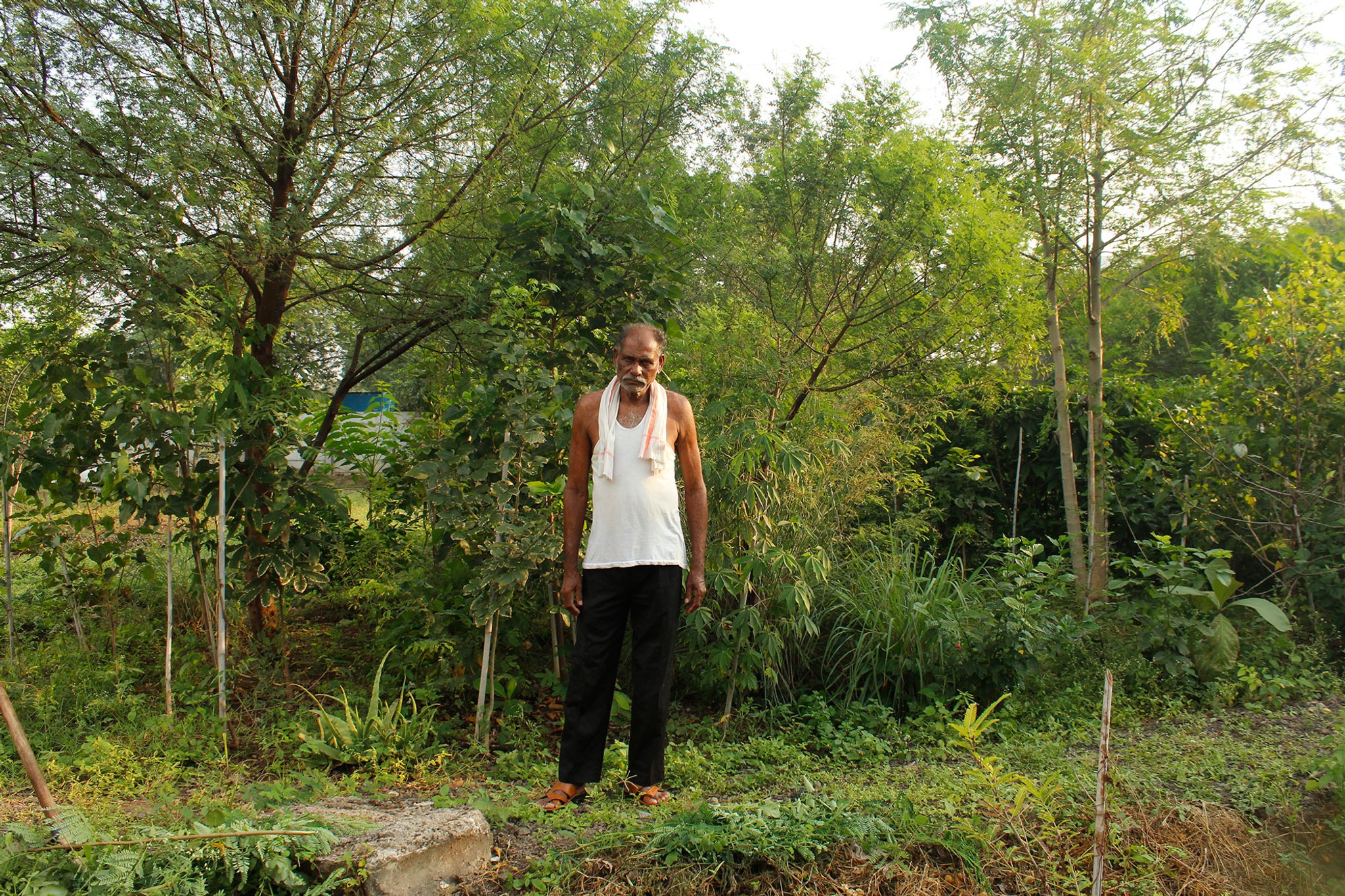
The forest is the most well-maintained out of all green mission projects, regular watering and de-weeding is being carried out, and consequently, the survival rate is almost 100%. The caretaker has a personal interest in gardening and a love for plants - his utmost care shows off in the health of the forest. Despite being amidst an industrial area it is covered with big trees and vegetation around the vicinity. Birds and other animals venture into the forest. We even heard that a monitor lizard is often spotted by the caretaker in the forest.
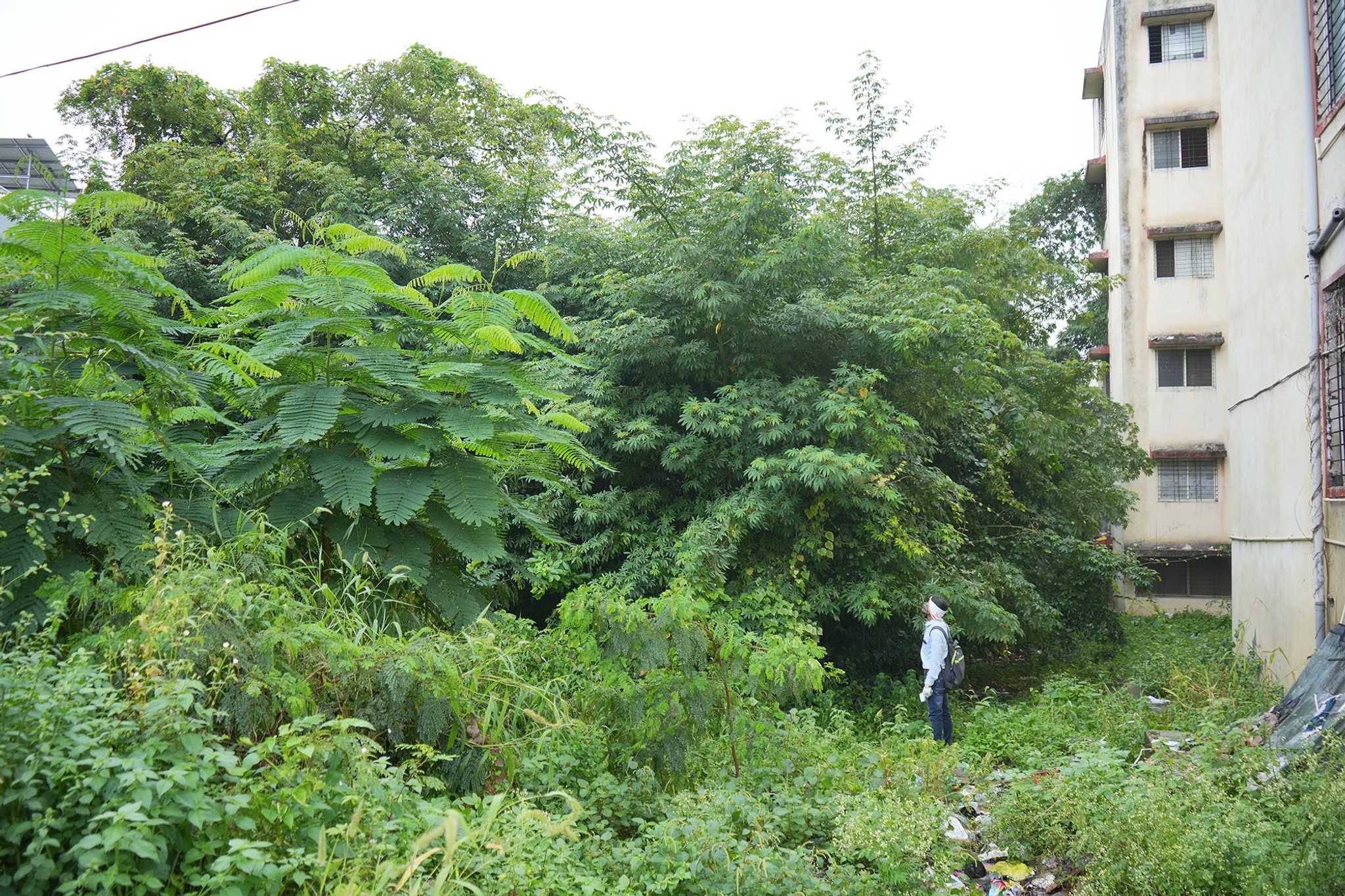
Forest Report: 2024
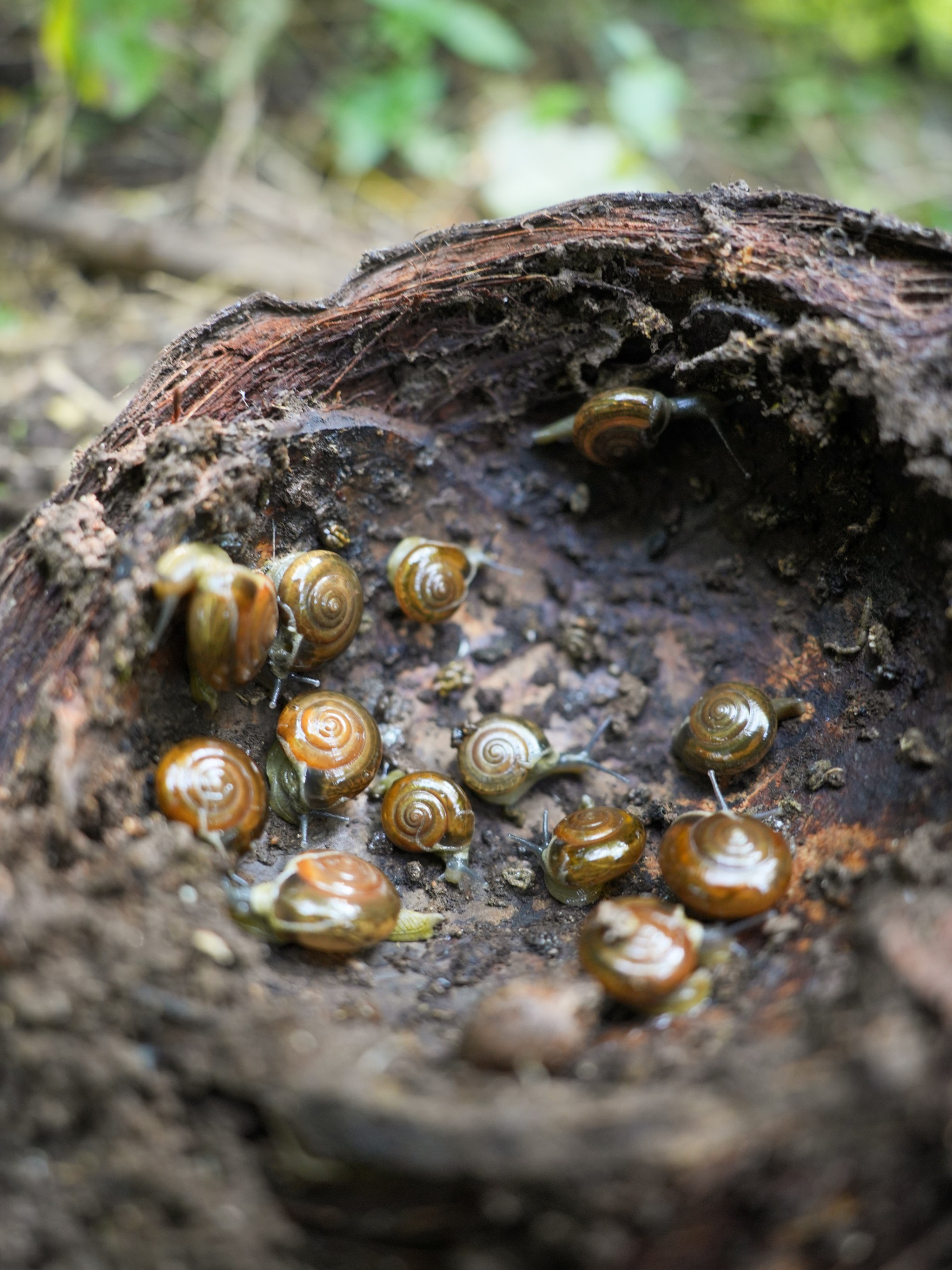
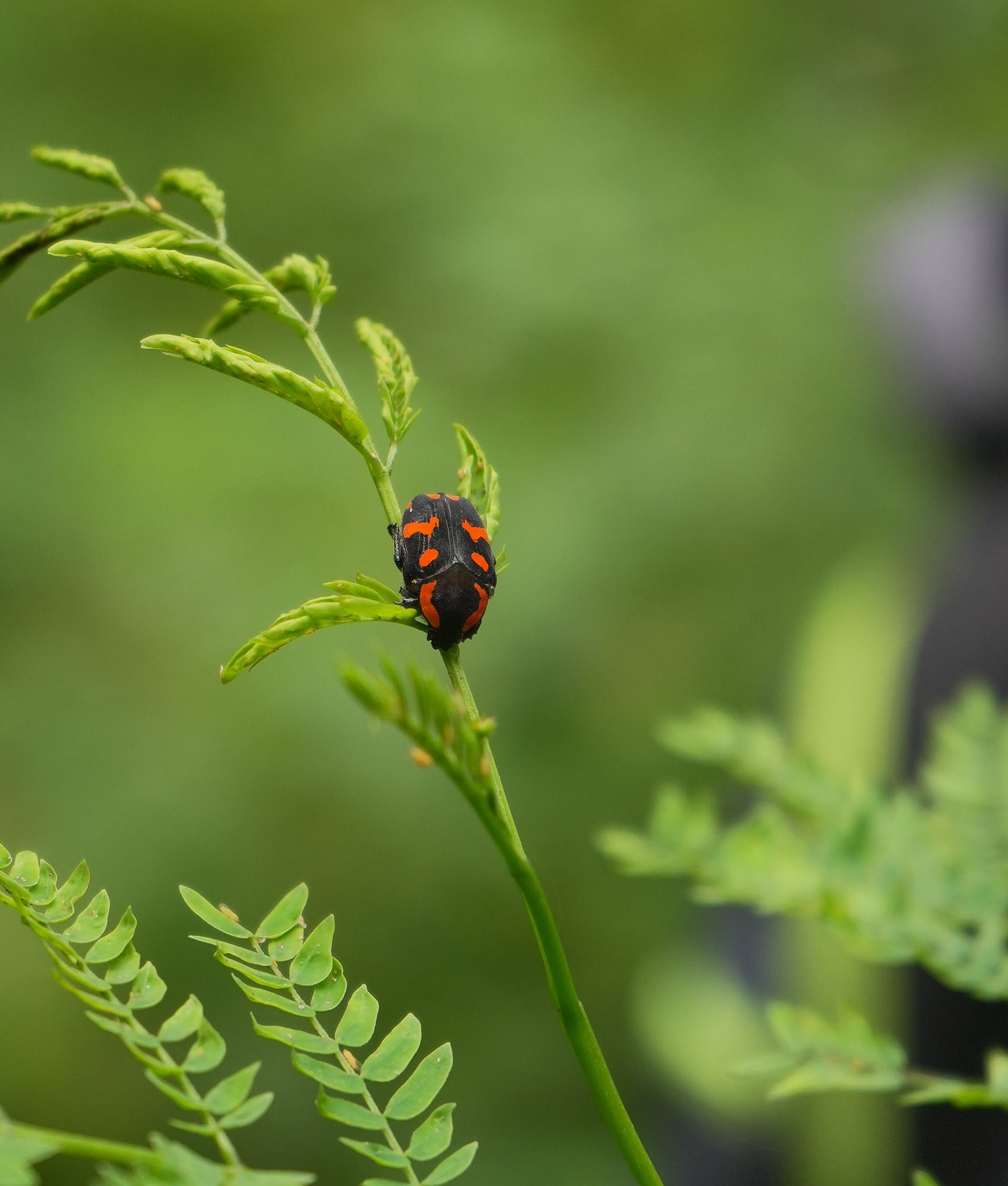
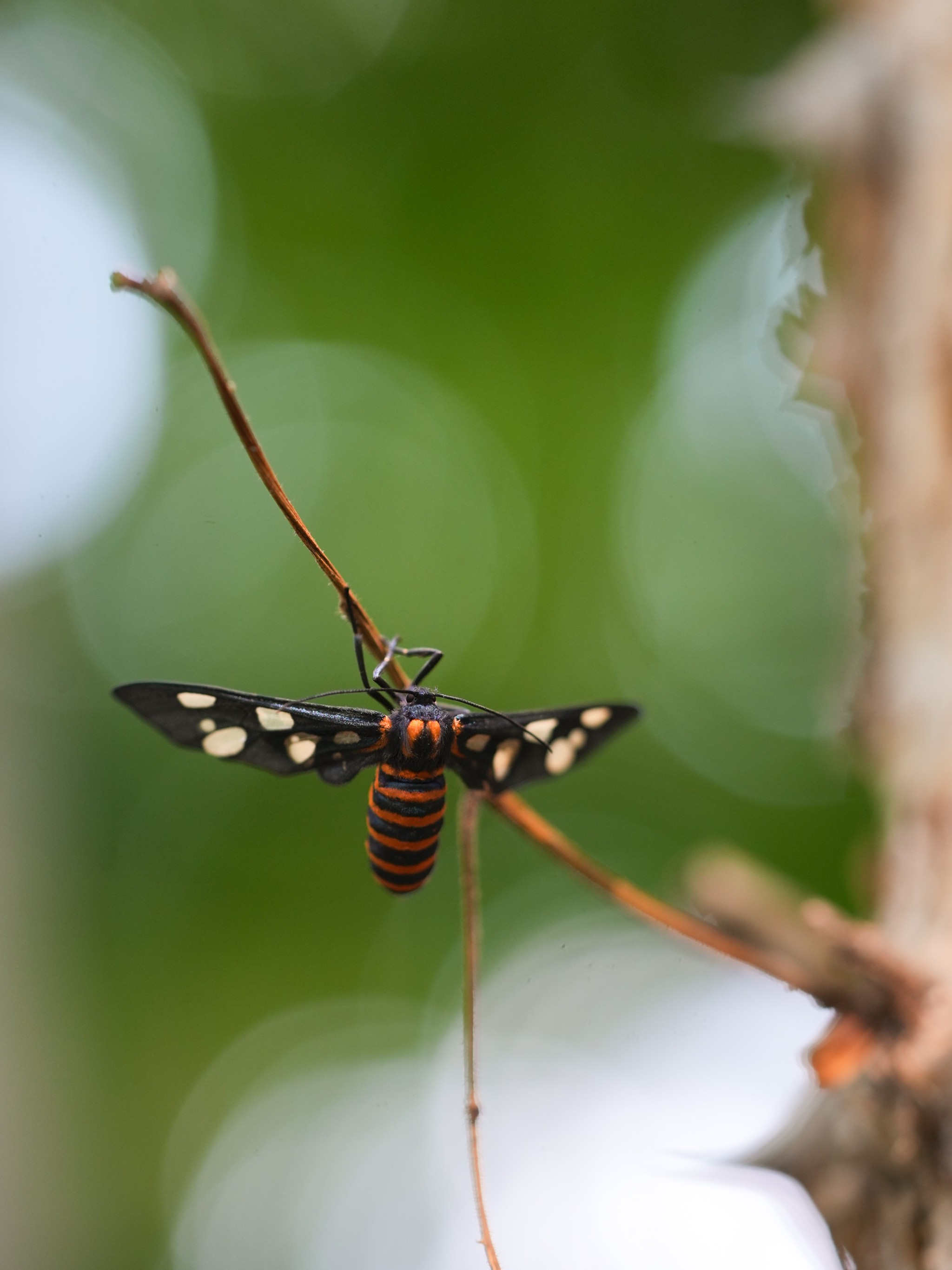
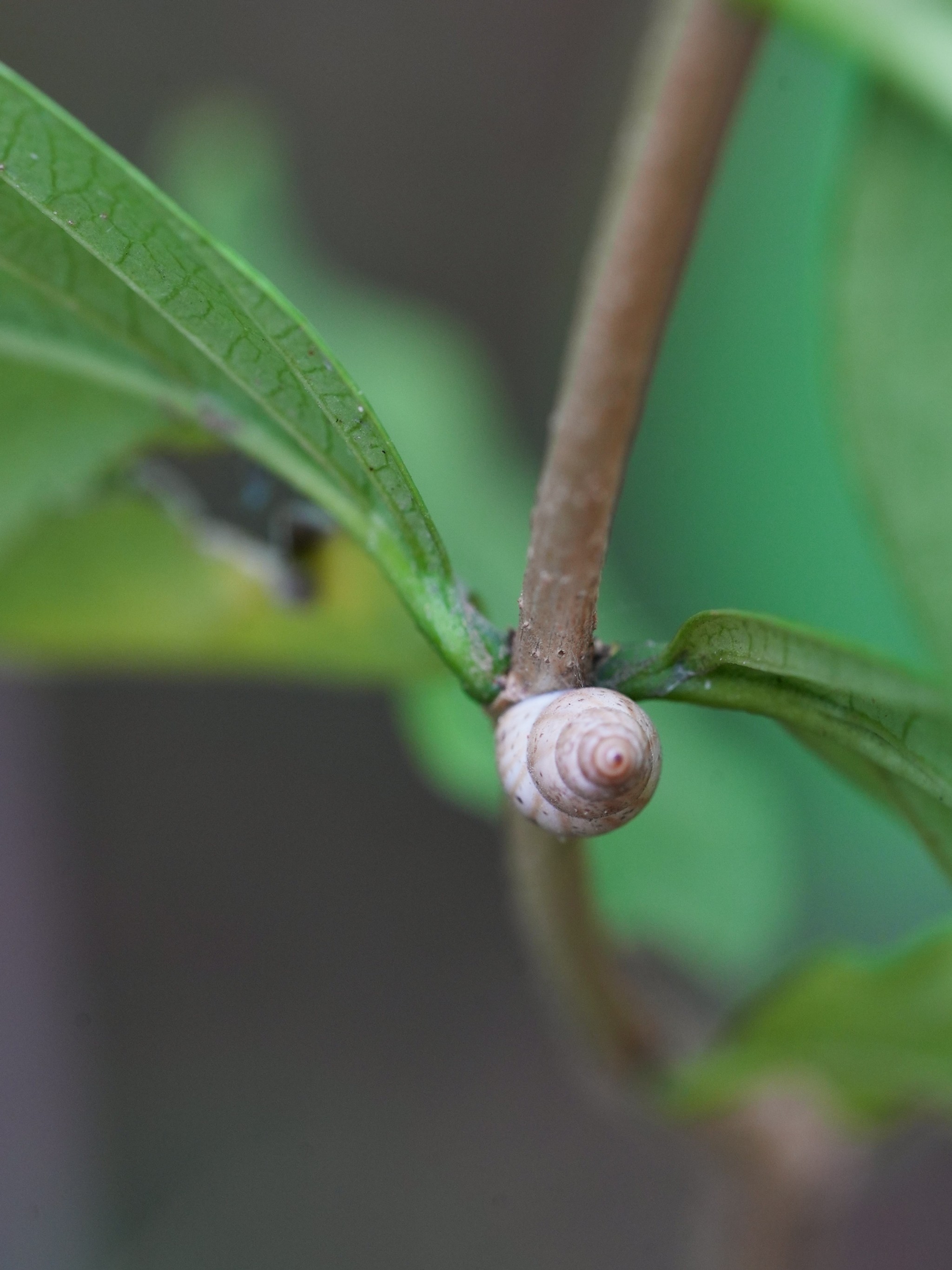
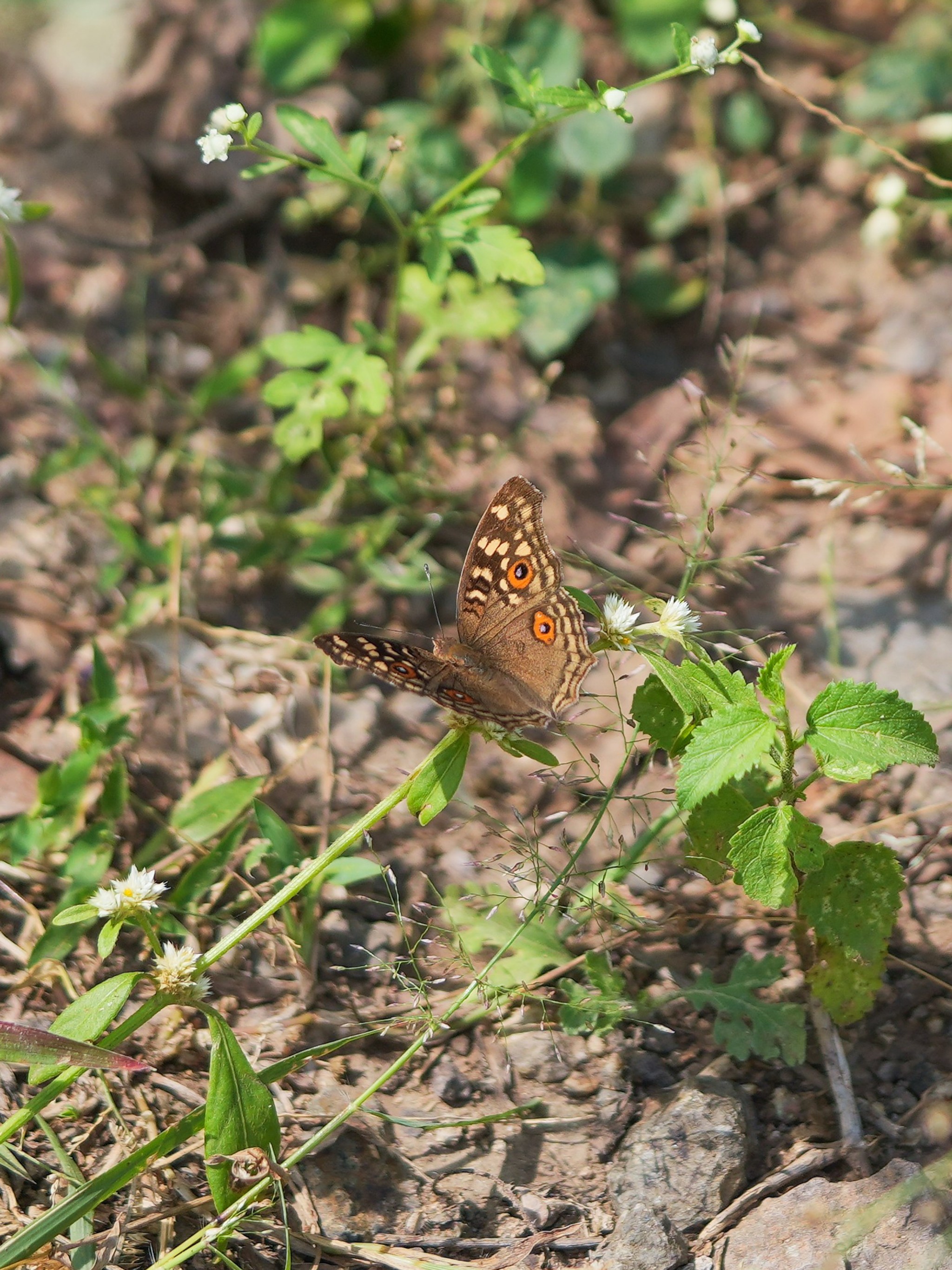
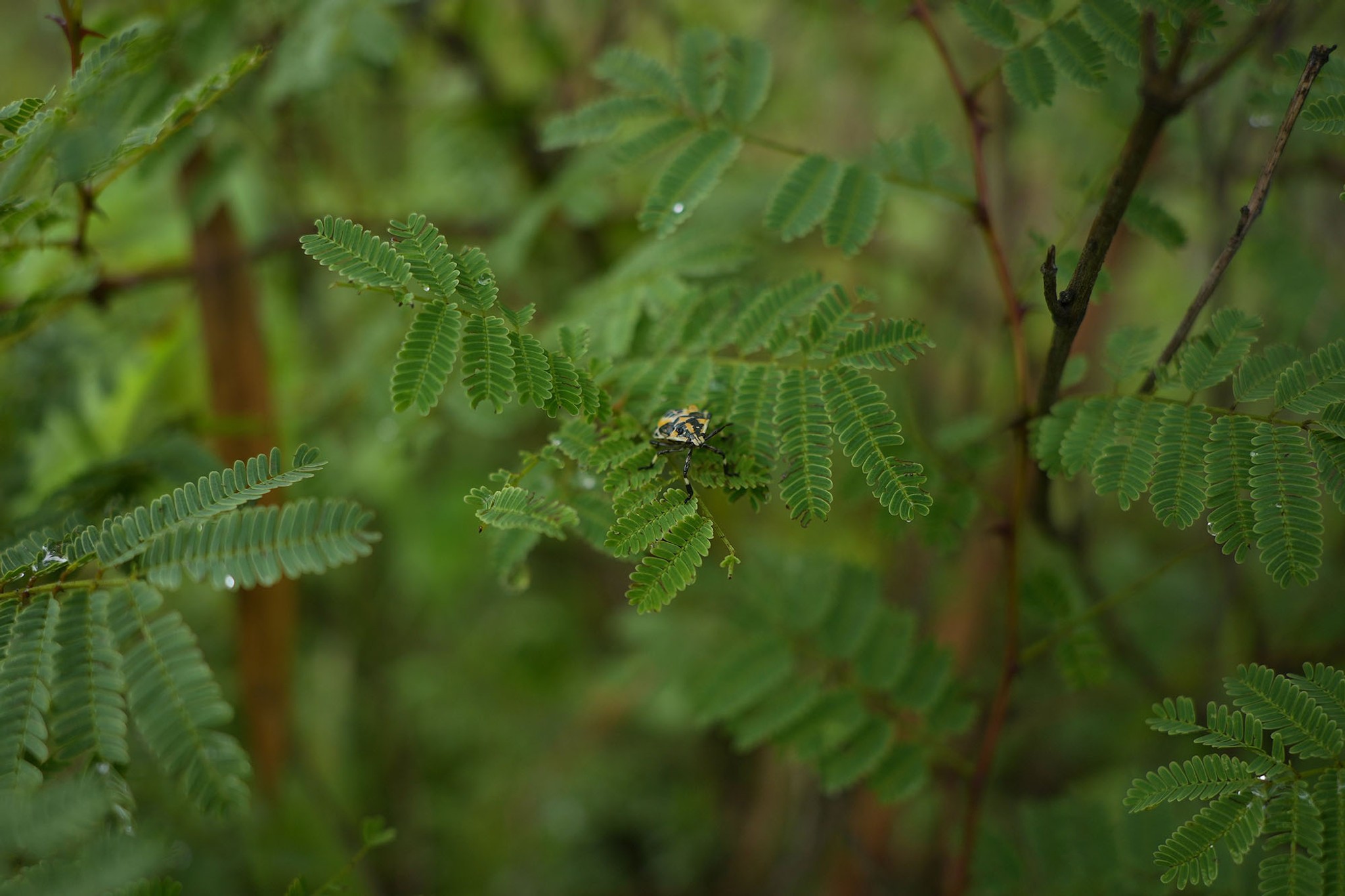
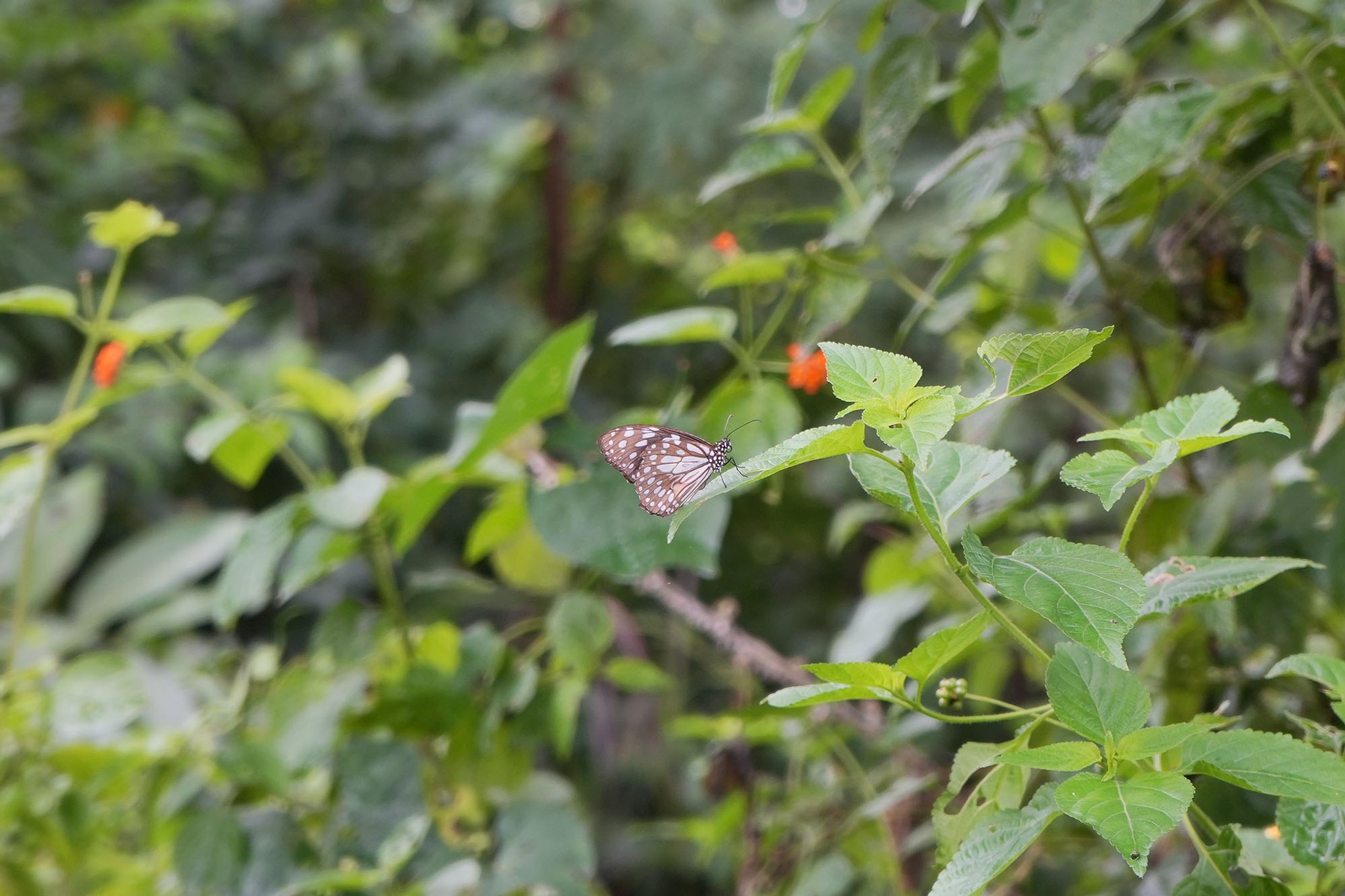
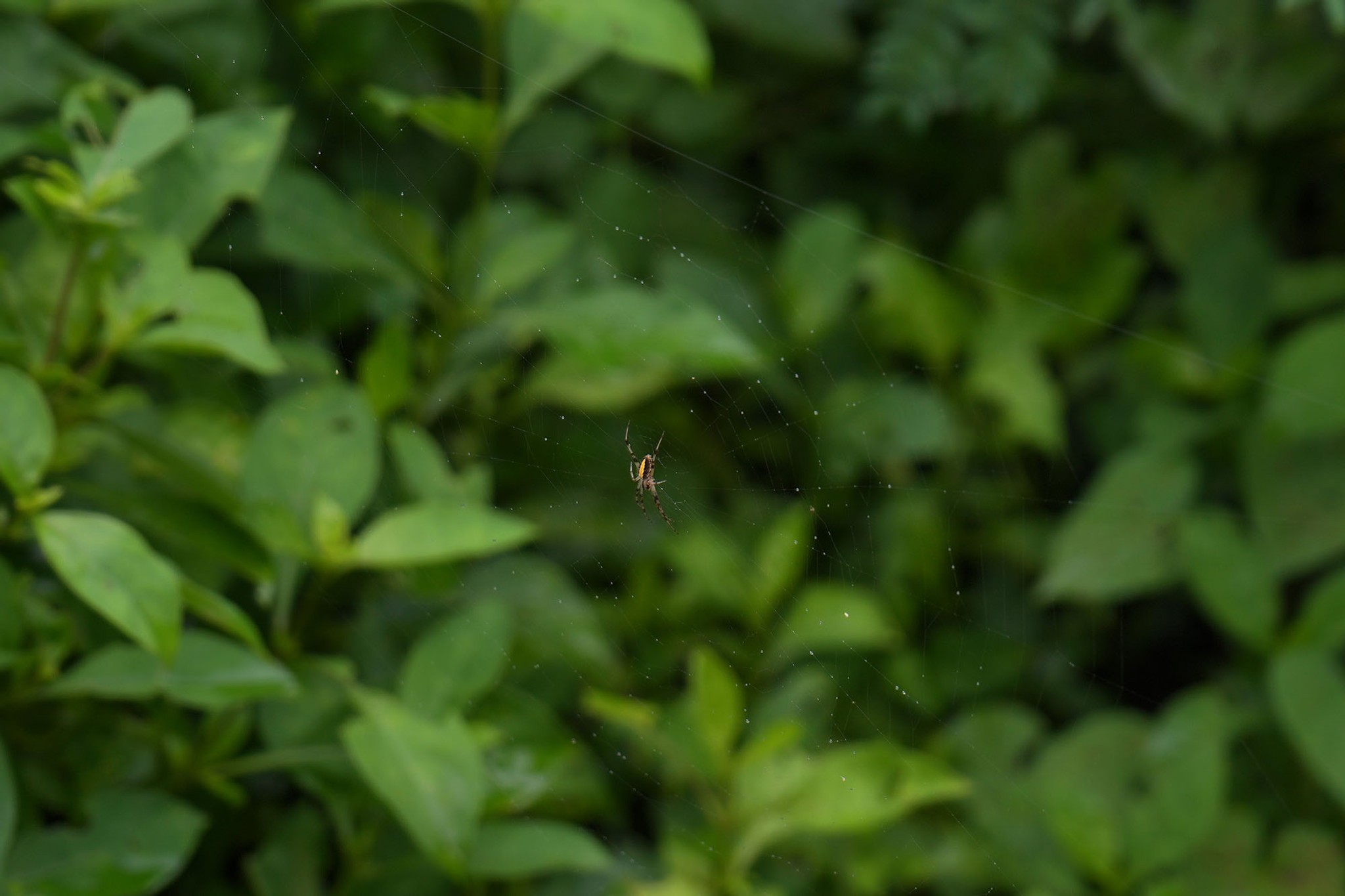
Nearly all of the trees have survived in the forest. We’ve spotted a good number of snails, butterflies, and dragonflies flying around the trees and bushes.
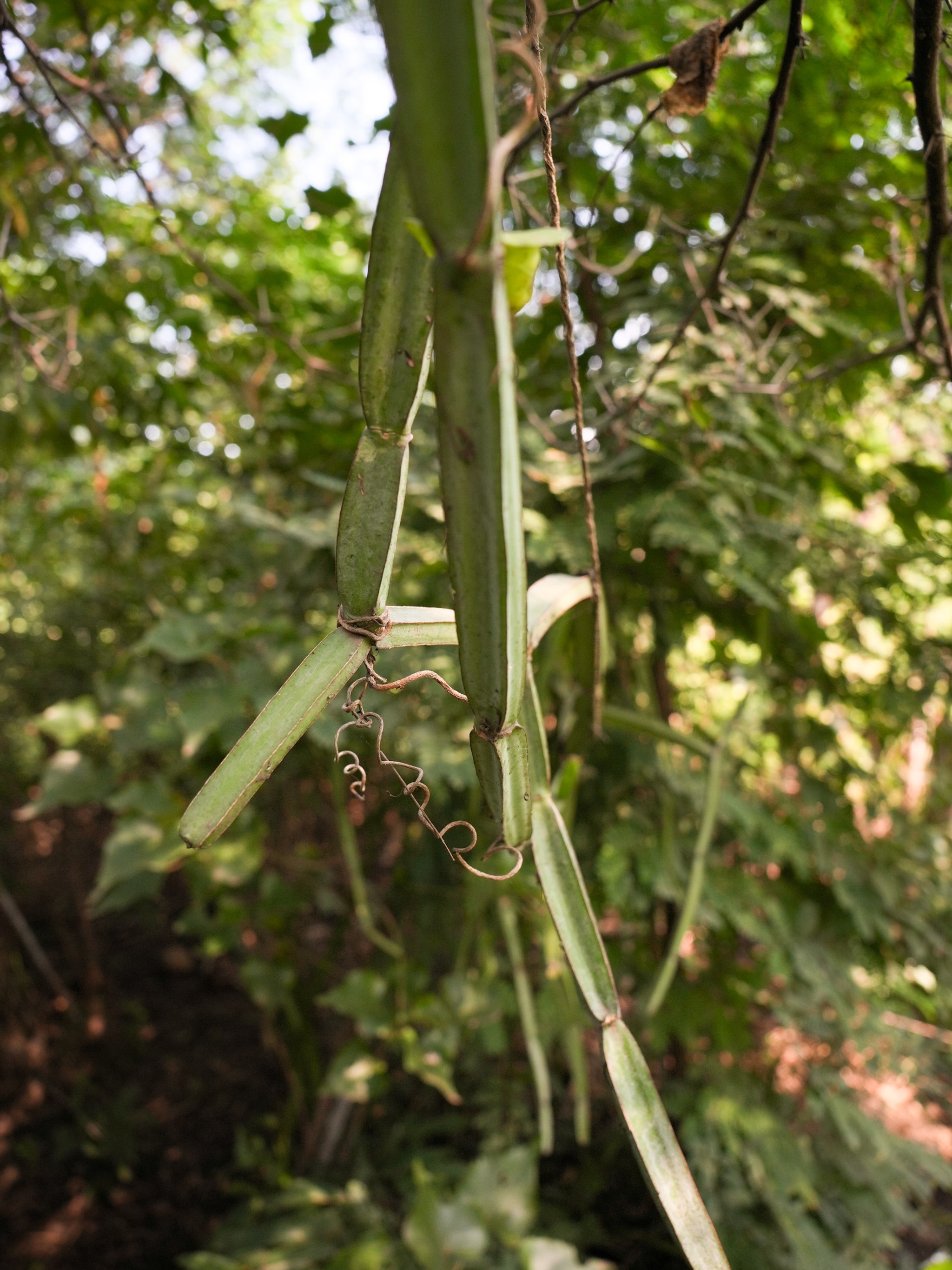
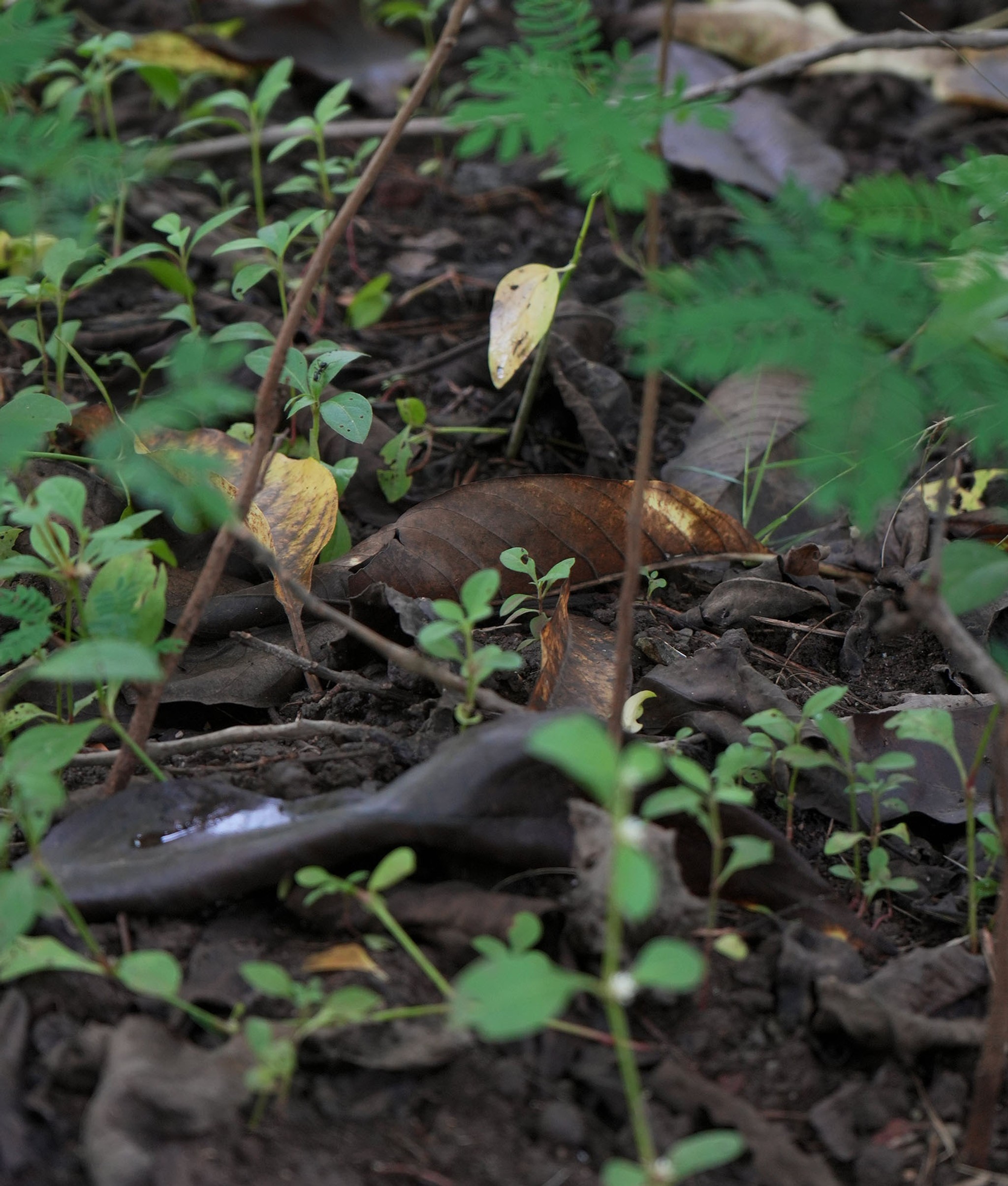
Biodiversity Notes:


MIT College
The greenery is slowly increasing with new saplings sprouting, and birds, butterflies, and honeybees are becoming more common. The soil looks richer, with small wildflowers appearing across the ground. Overall, the forest is regaining its natural balance and biodiversity.
Established in 2023, the MIT College forest serves as both a biodiversity hub and an outdoor learning space for students. Native species are establishing healthy growth, supporting pollinators and birdlife while fostering environmental awareness across the campus community. Continued care will help the forest mature into an important ecological and educational asset.
0%
Survival Rate
0
kg of potential CO2 sequestration
Planted: February 2023
Forest Report: 2023
This college site has grown well, but there have been some challenges around maintenance and as a result, the survival rate is a little low (75%) compared to the other sites. No wildlife has been observed yet, but the forest is still very young at this point. We can hope and expect to see wildlife in the forest as it continues to grow and mature.
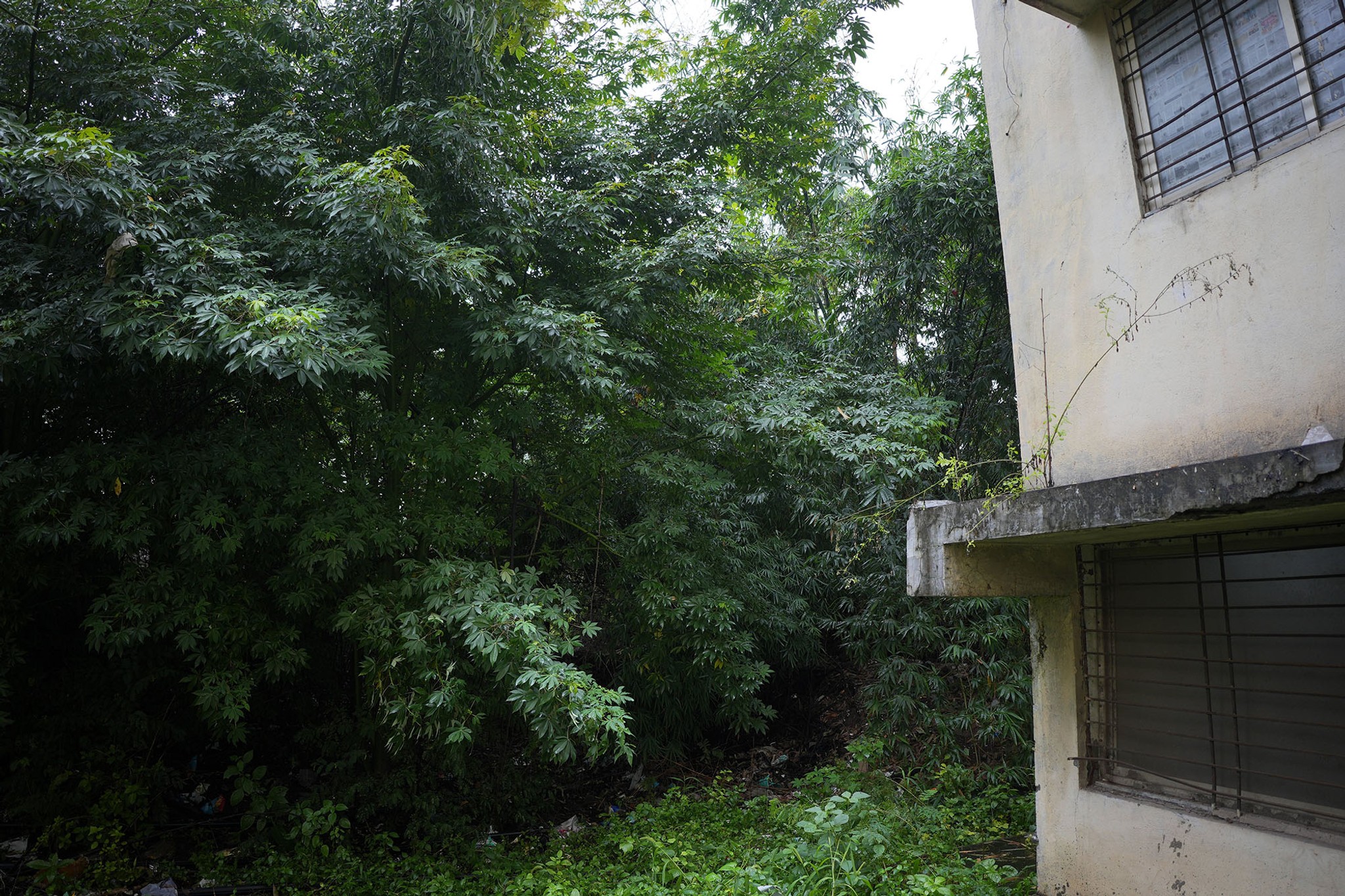
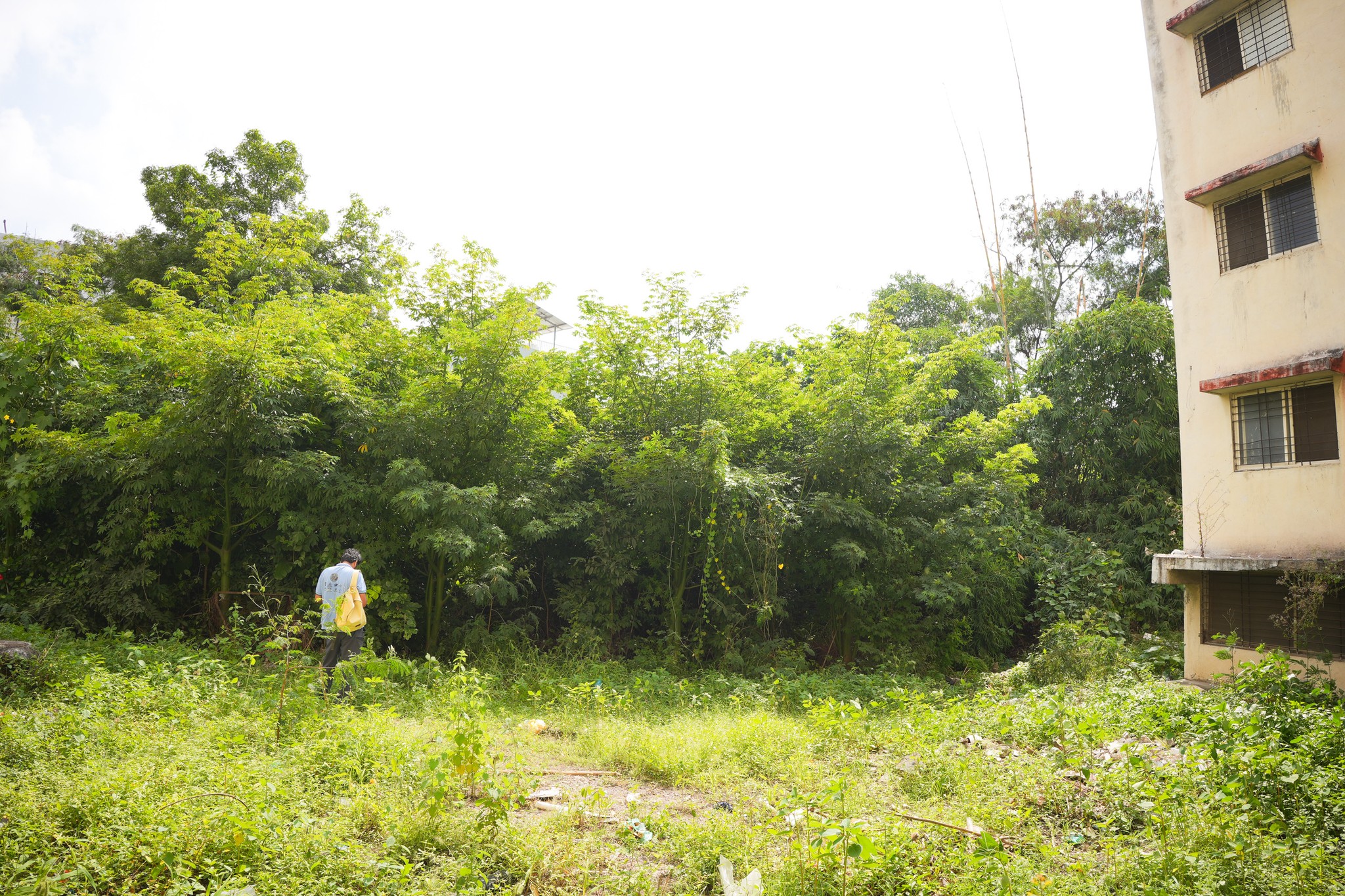
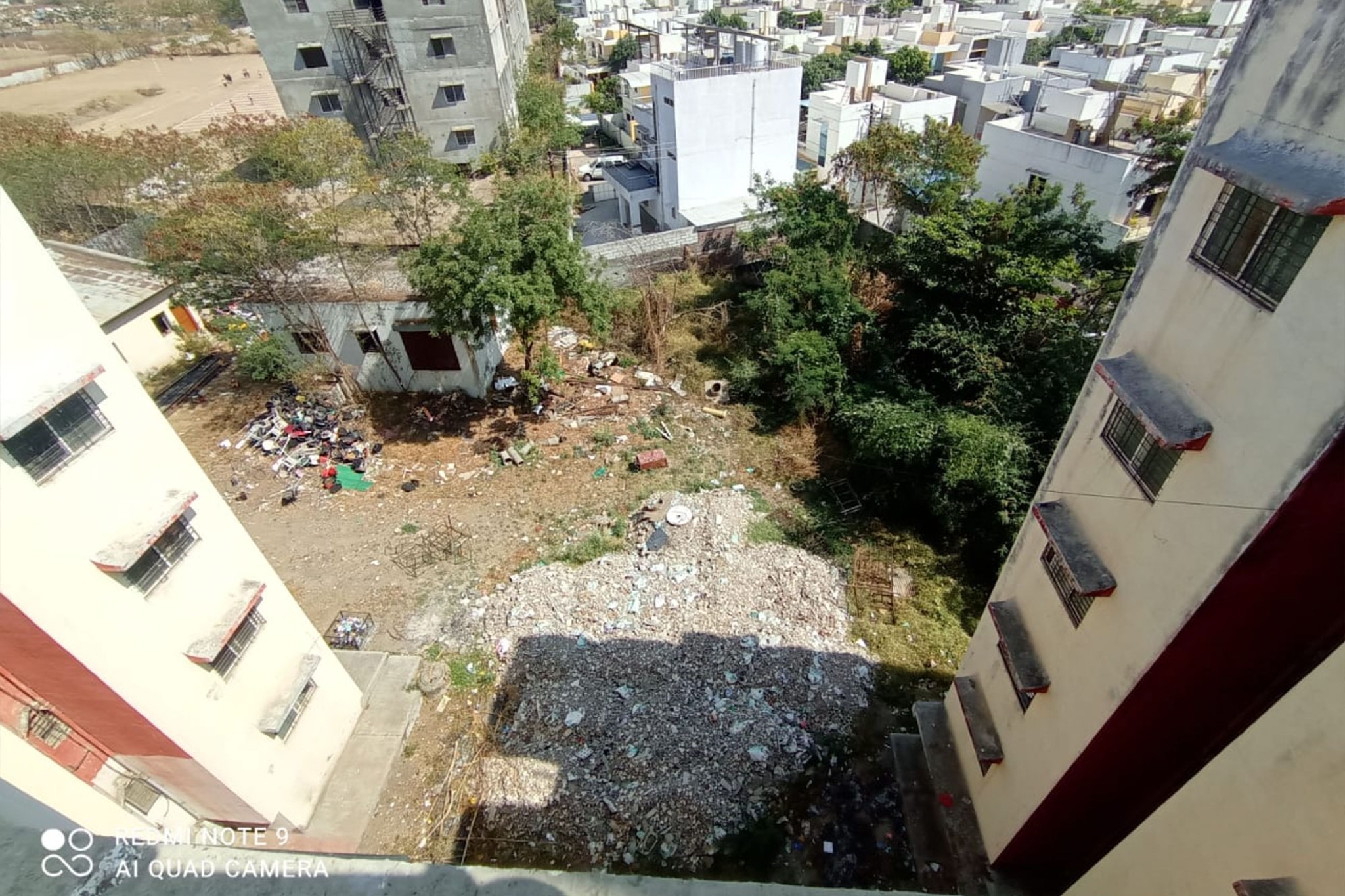
MIT is a leading college in the Marathwada Region with students coming in from far away towns and villages to get an IT education in the city of Aurangabad. This corner of the campus was full of debris and scrap and the students staying at the boys' hostel were disturbed by it. They requested us to suggest what they could plant and do there without following up with the administration.
Forest Report: 2024
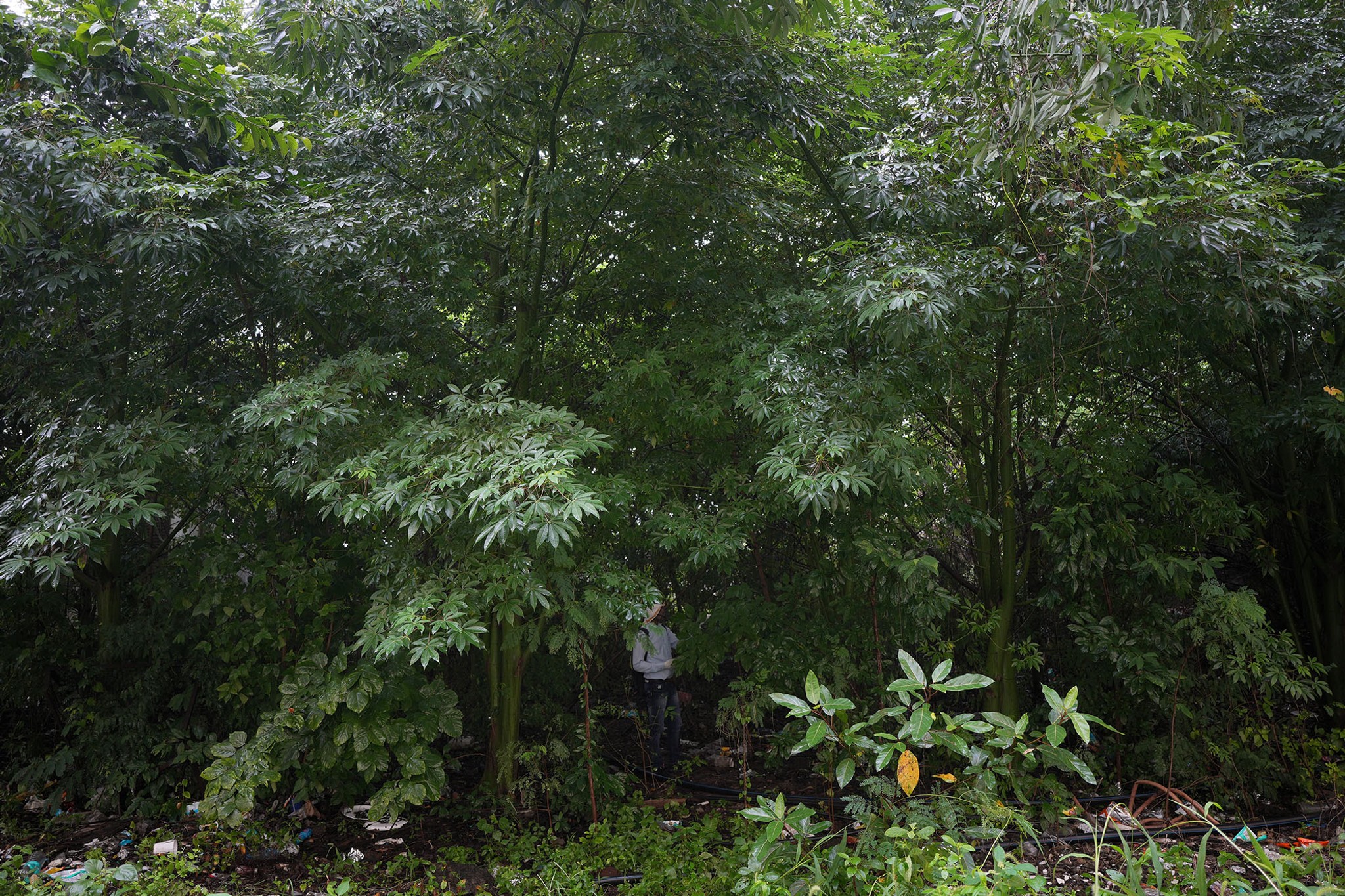
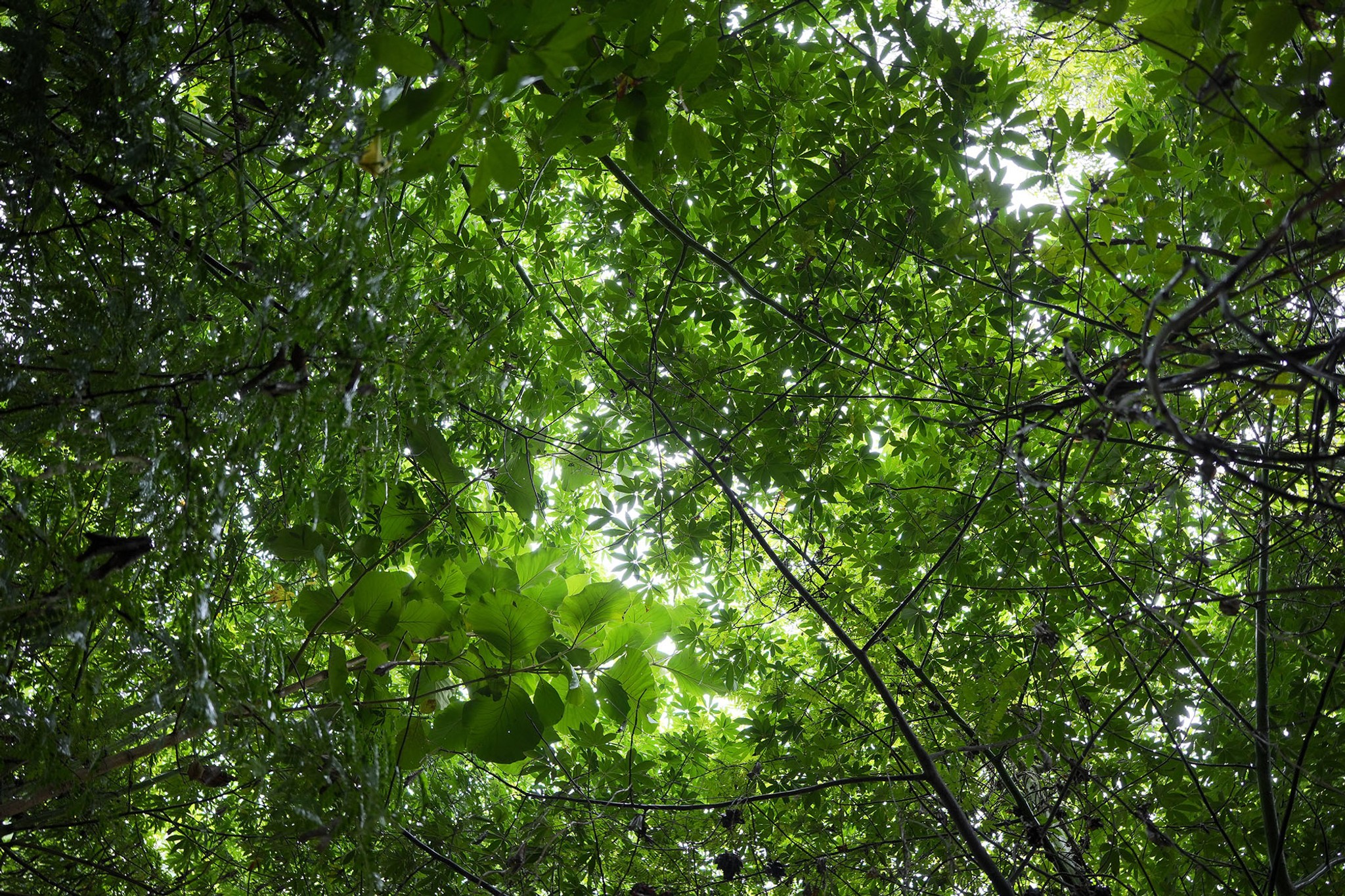
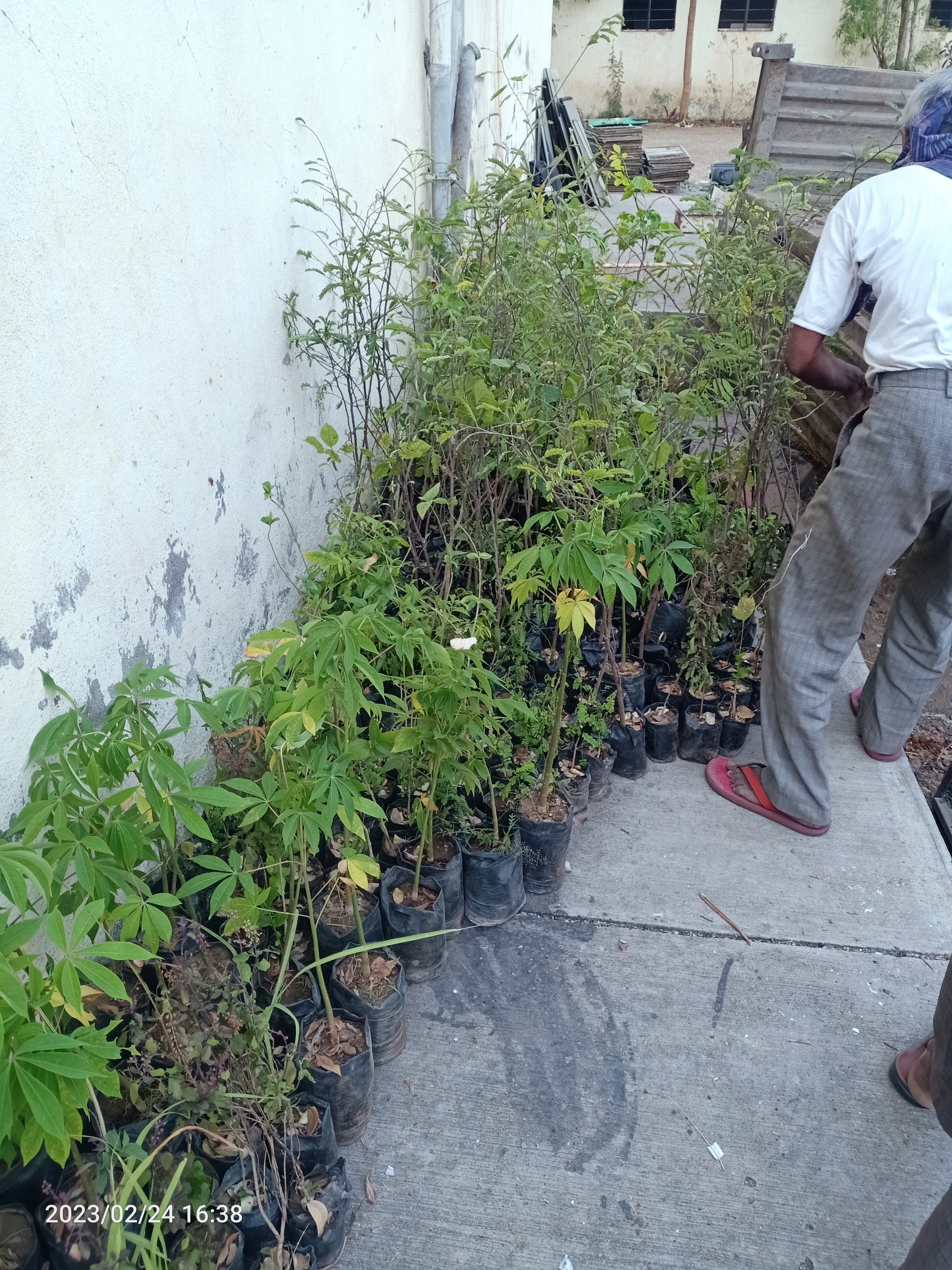
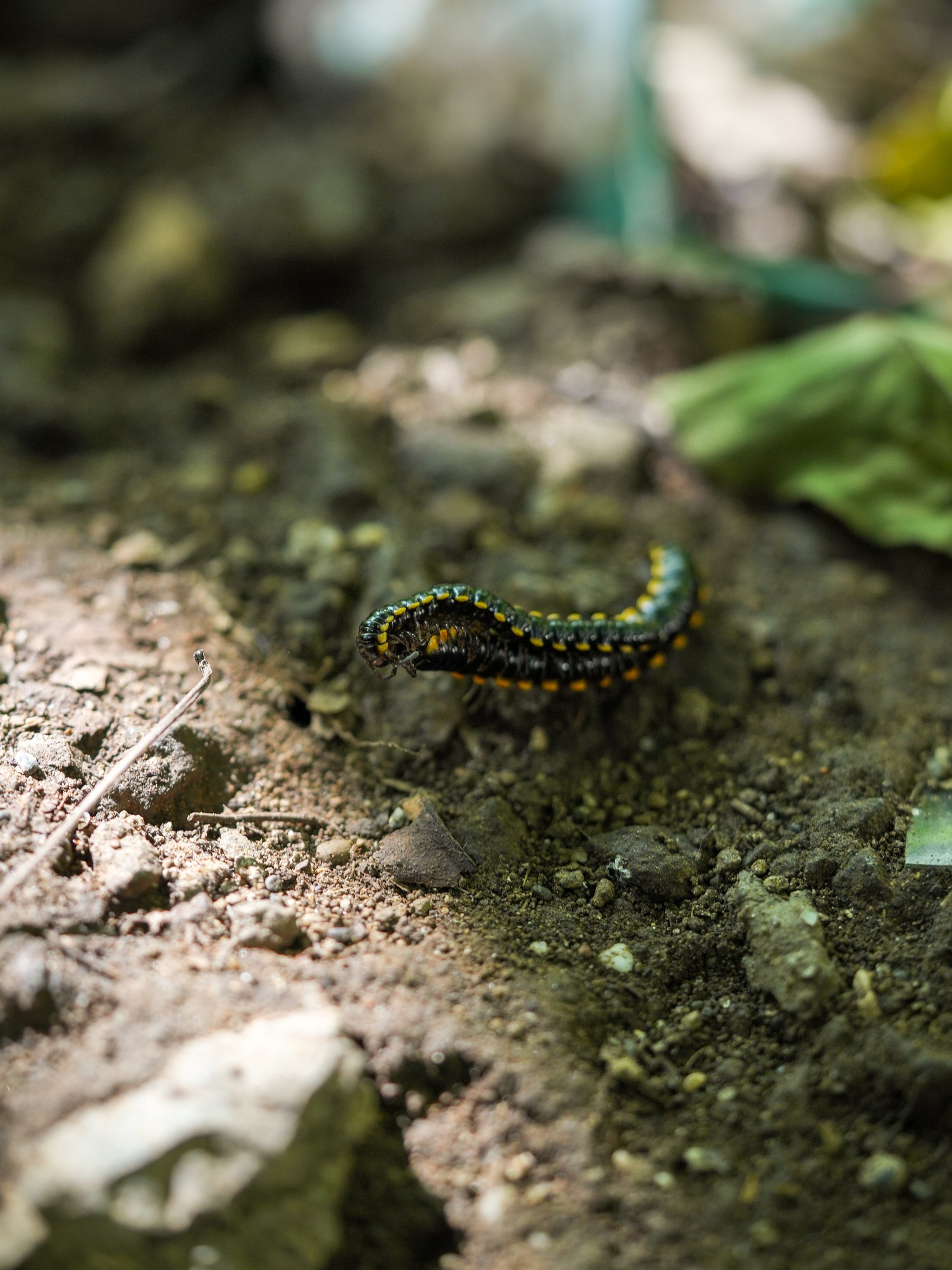
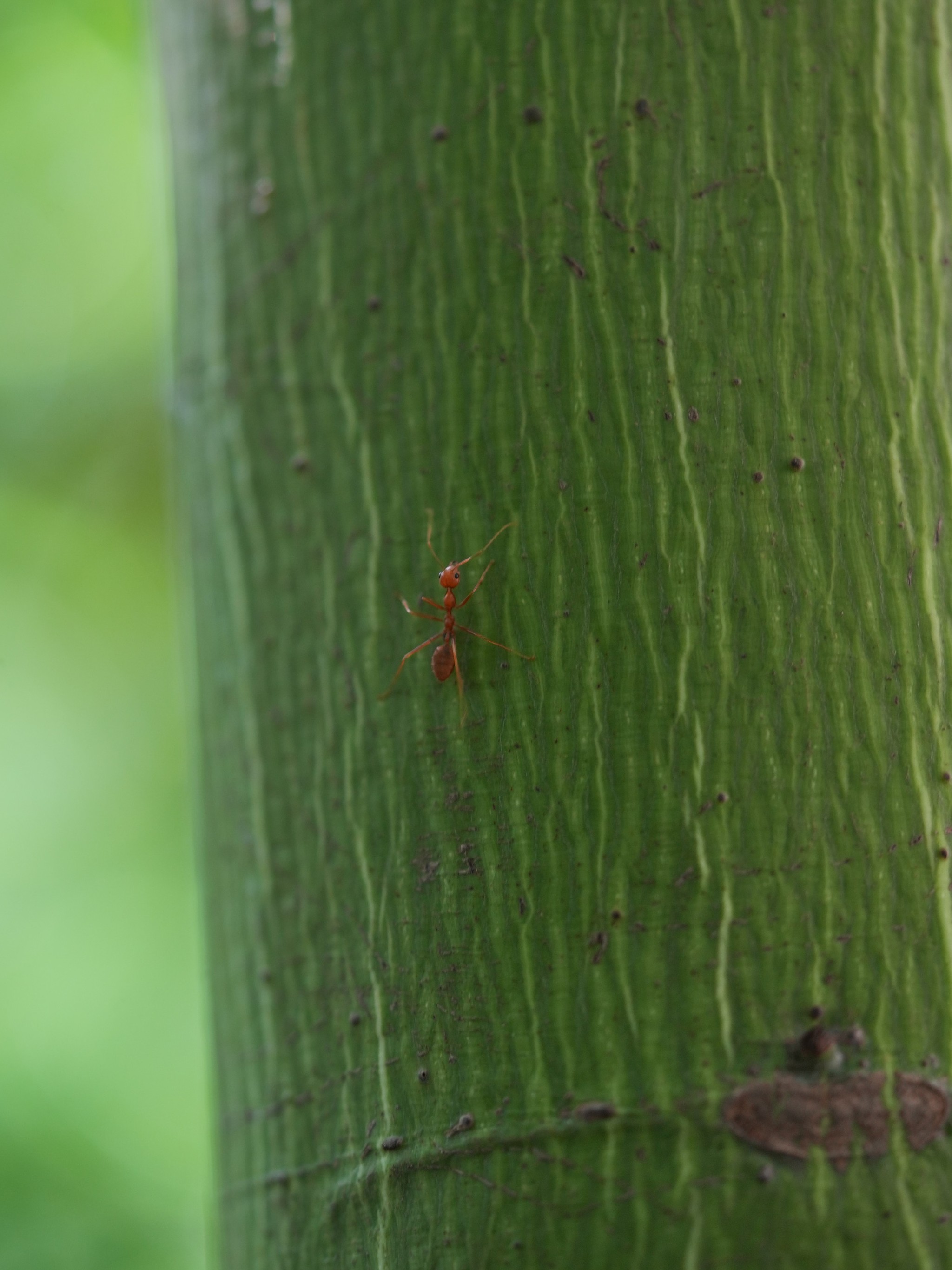
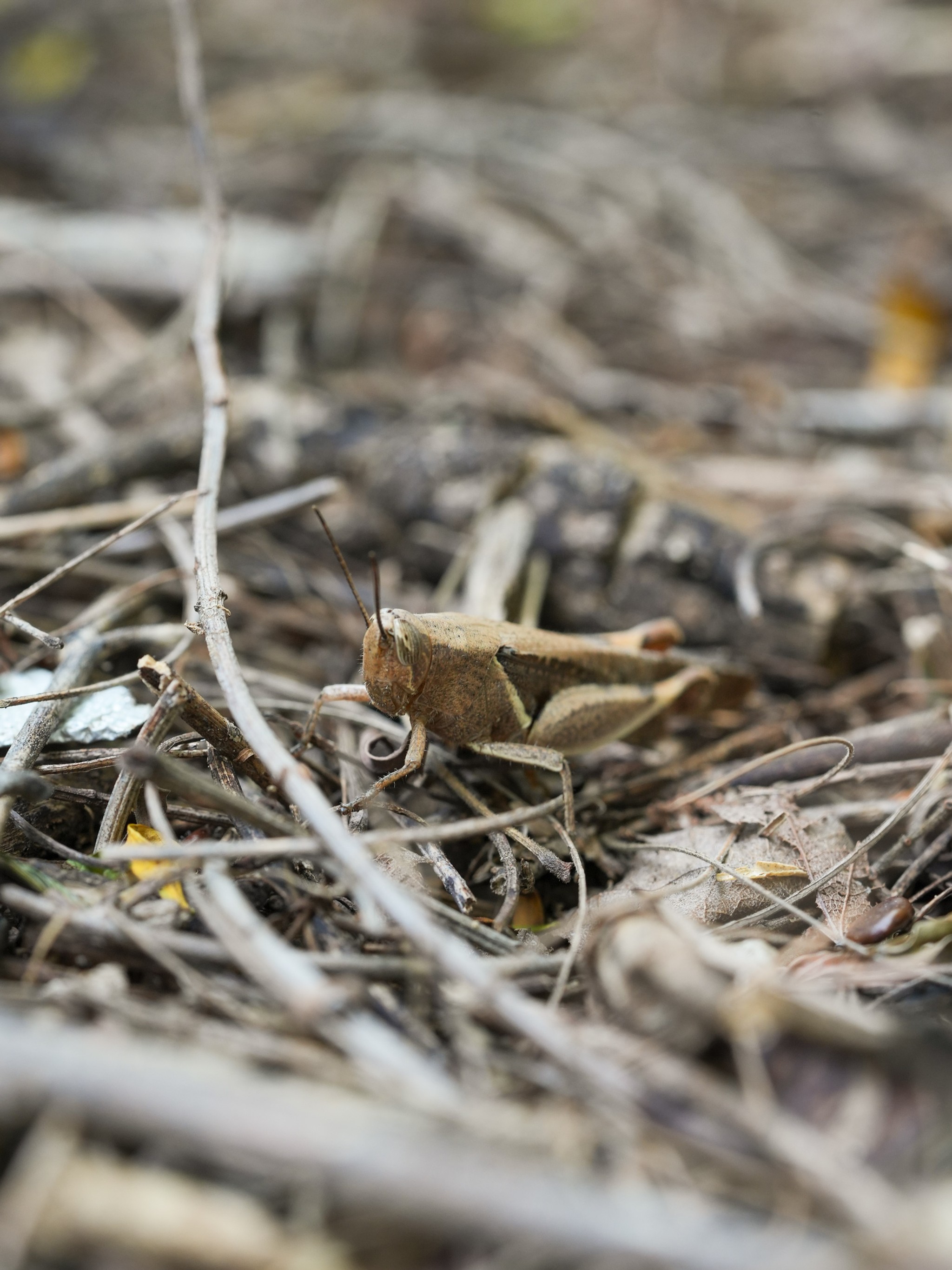
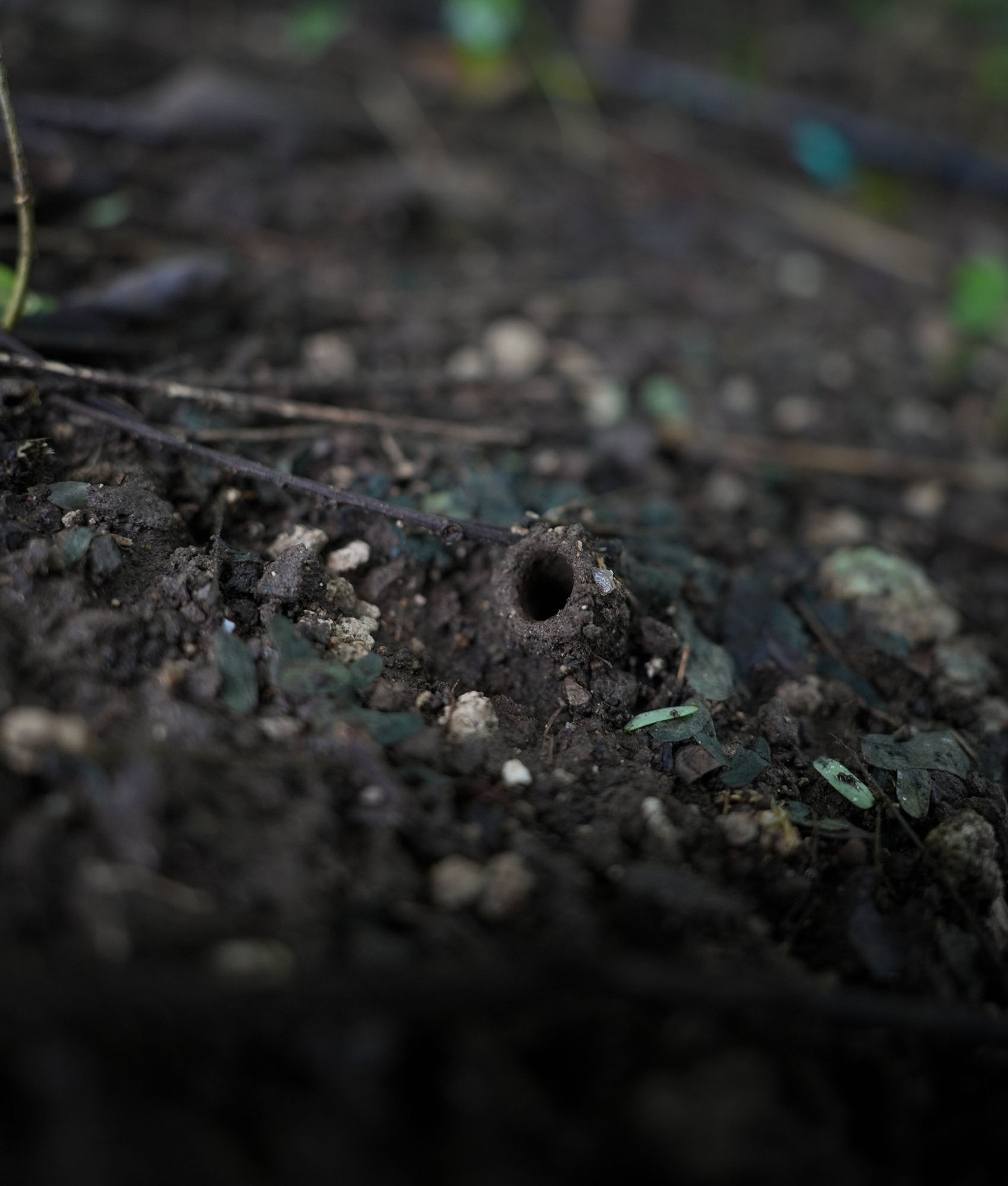
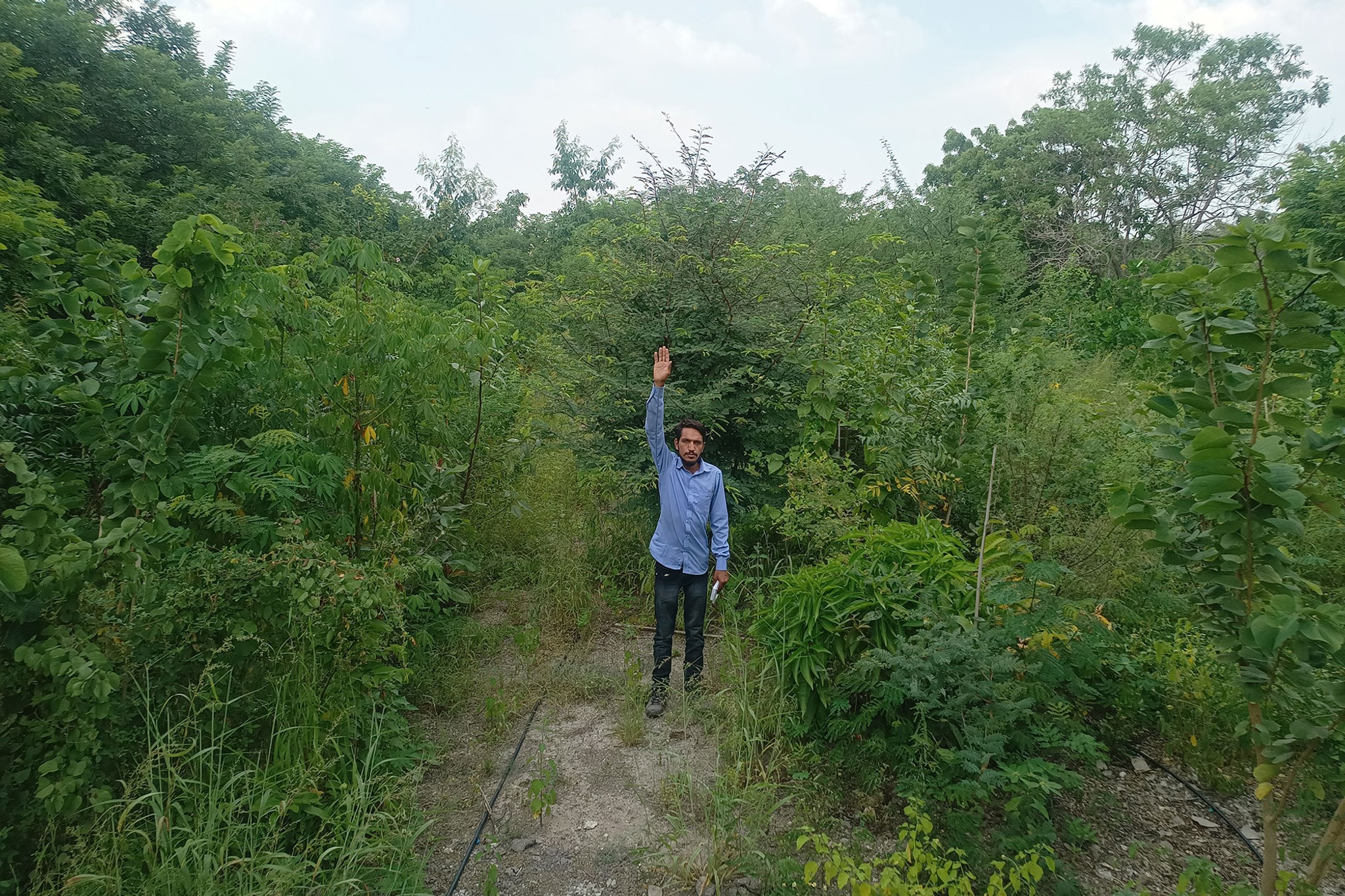
The forest is thriving well, with its tallest plants now measuring over six meters. We’ve seen lots of burrows in the forest, indicating many animals have moved into the forest - the burrows were most likely left by large mice or rodent species, or snakes.
Biodiversity Notes:
Jalna Labyrinth
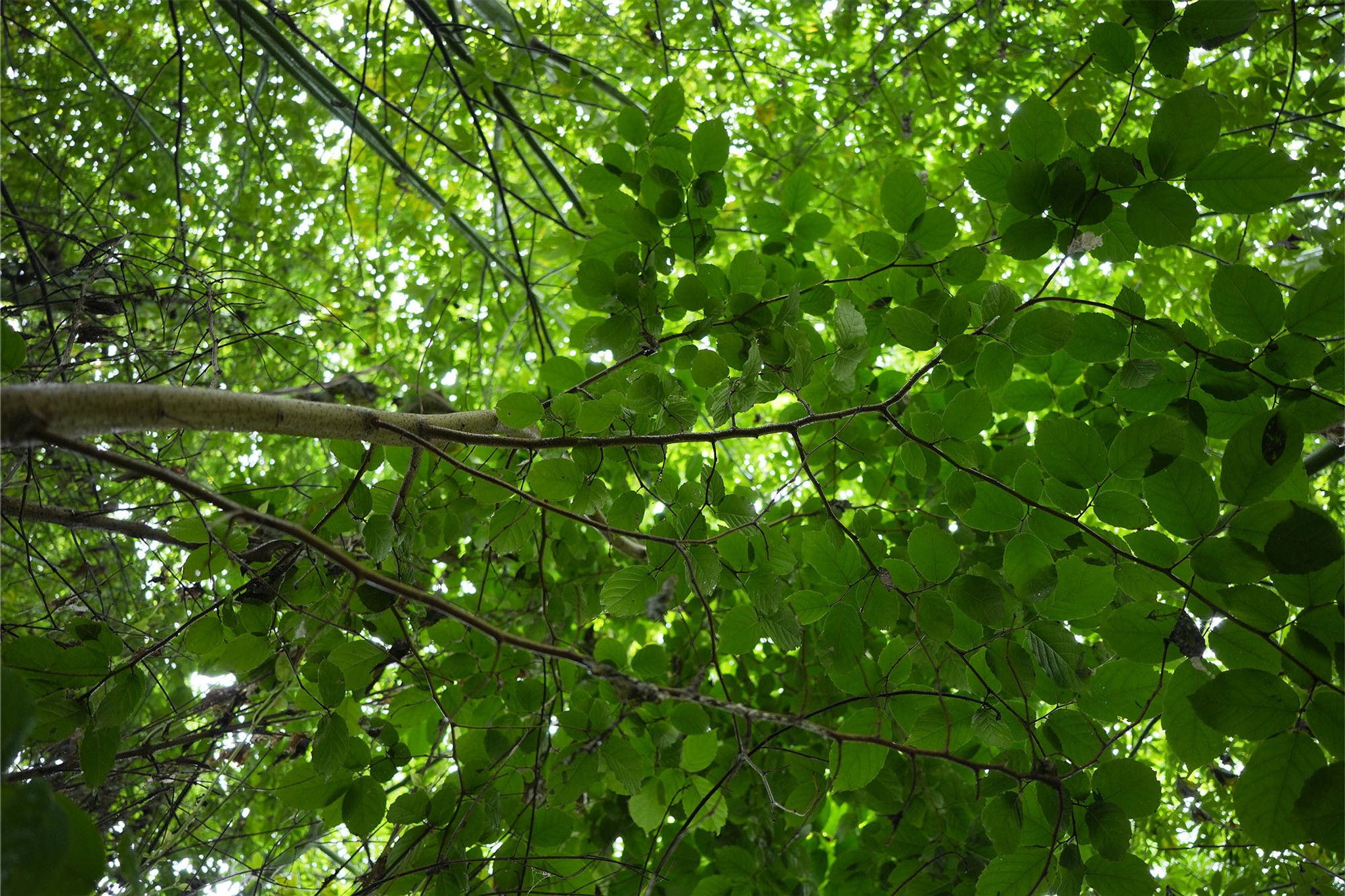
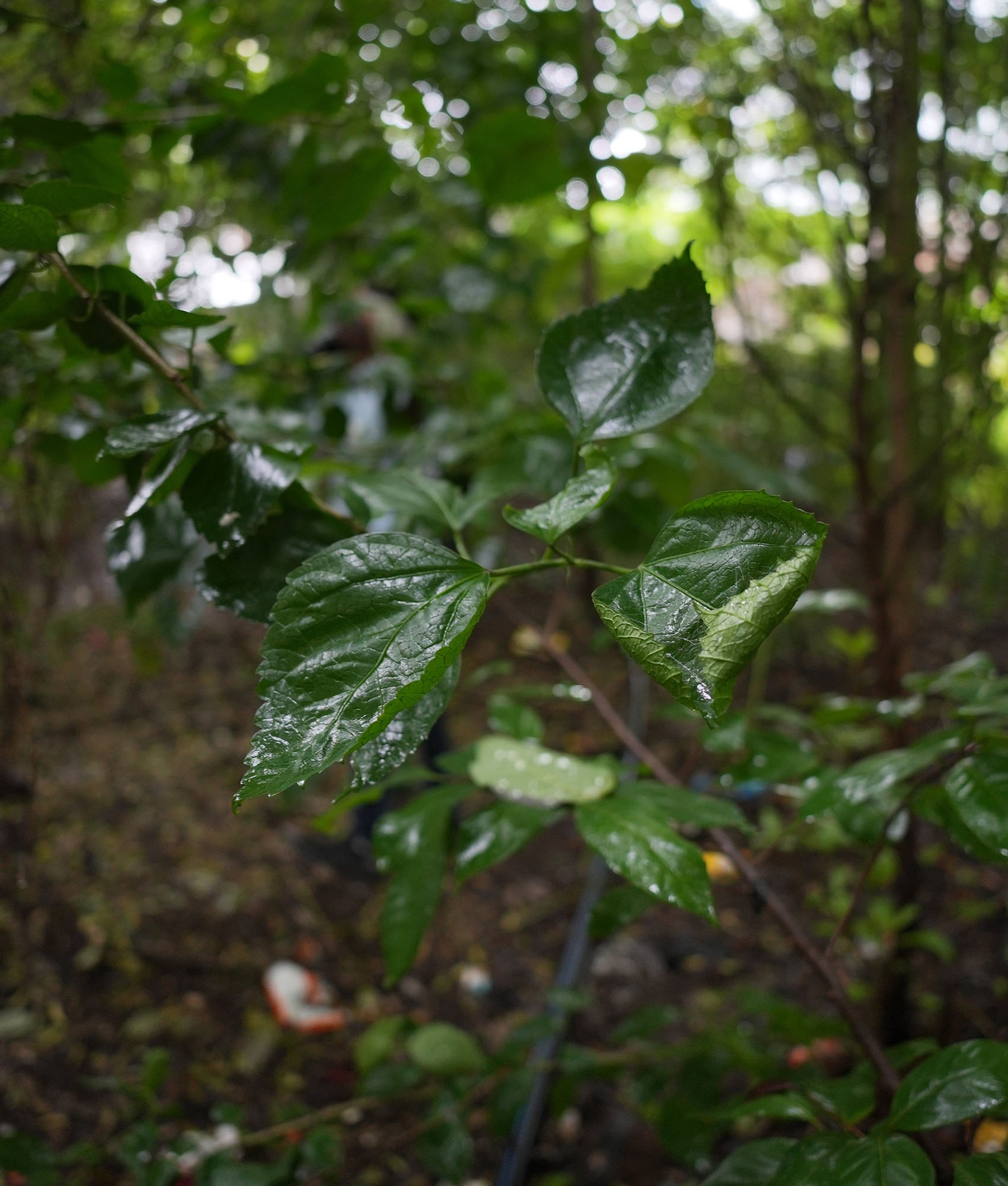
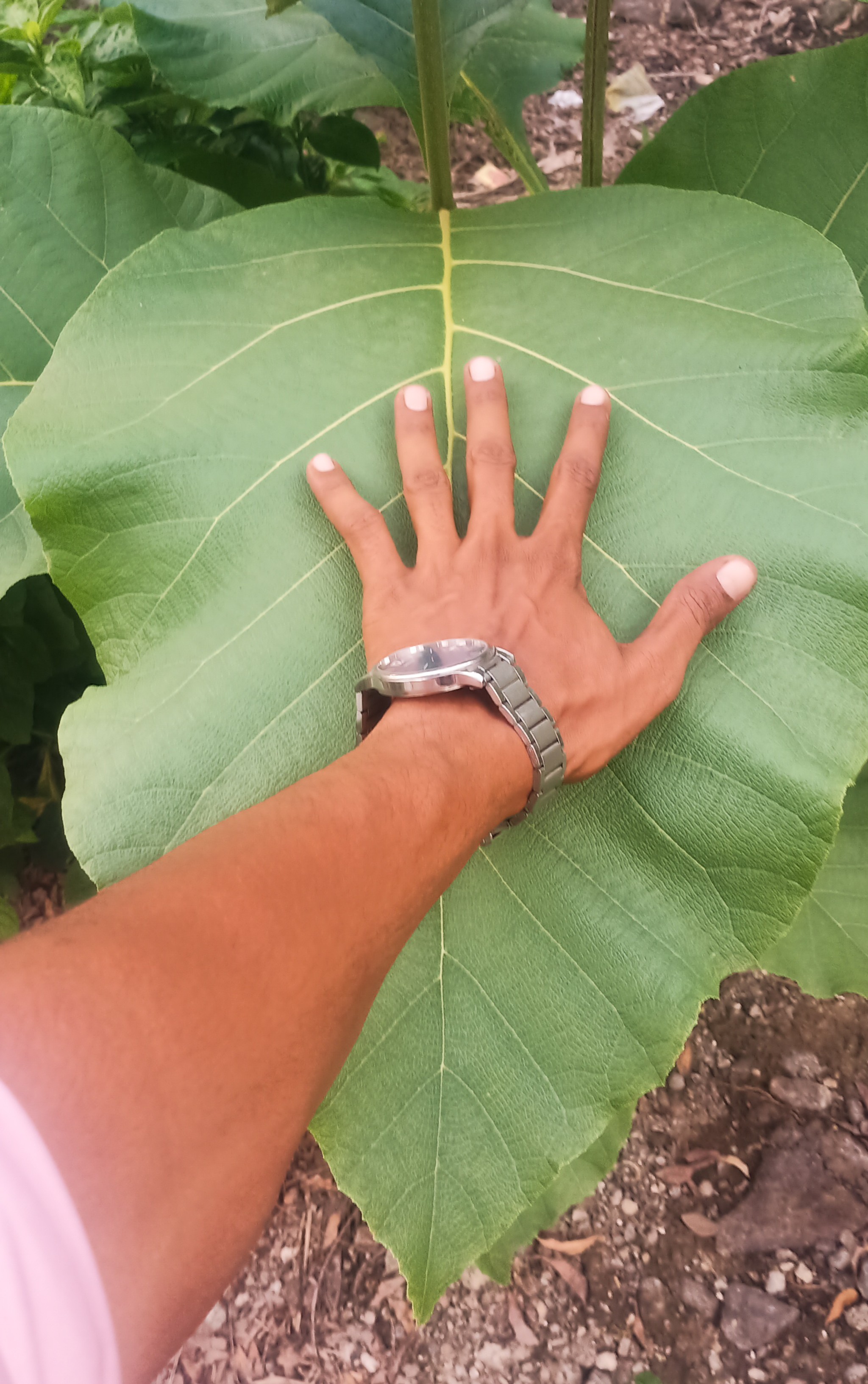
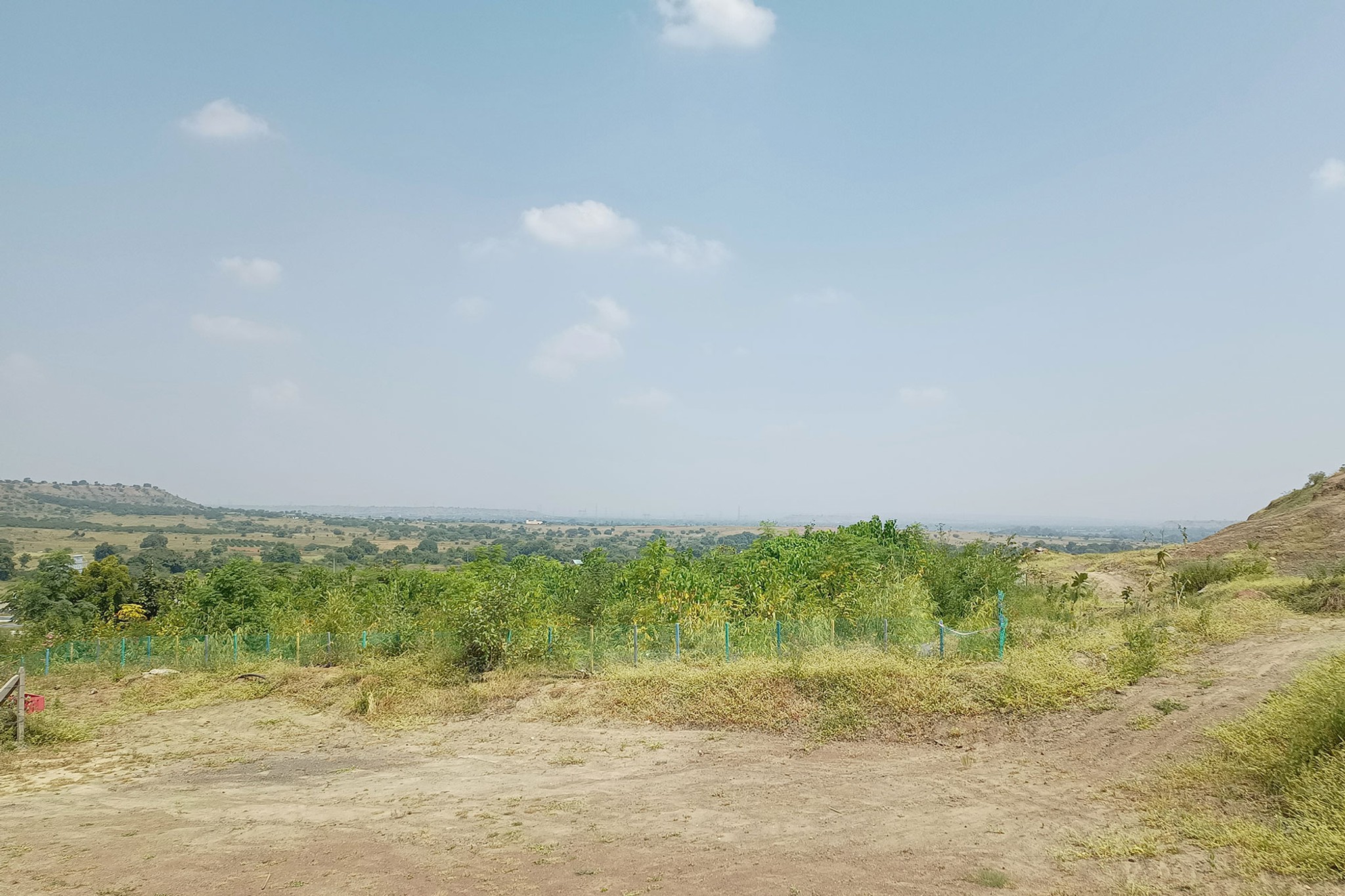
The forest is becoming greener with new native trees growing, and more birds and butterflies are appearing each season. The soil looks healthier with fresh undergrowth, and overall the forest is slowly recovering its natural beauty. There is anticipation for working together on more such projects in the future.
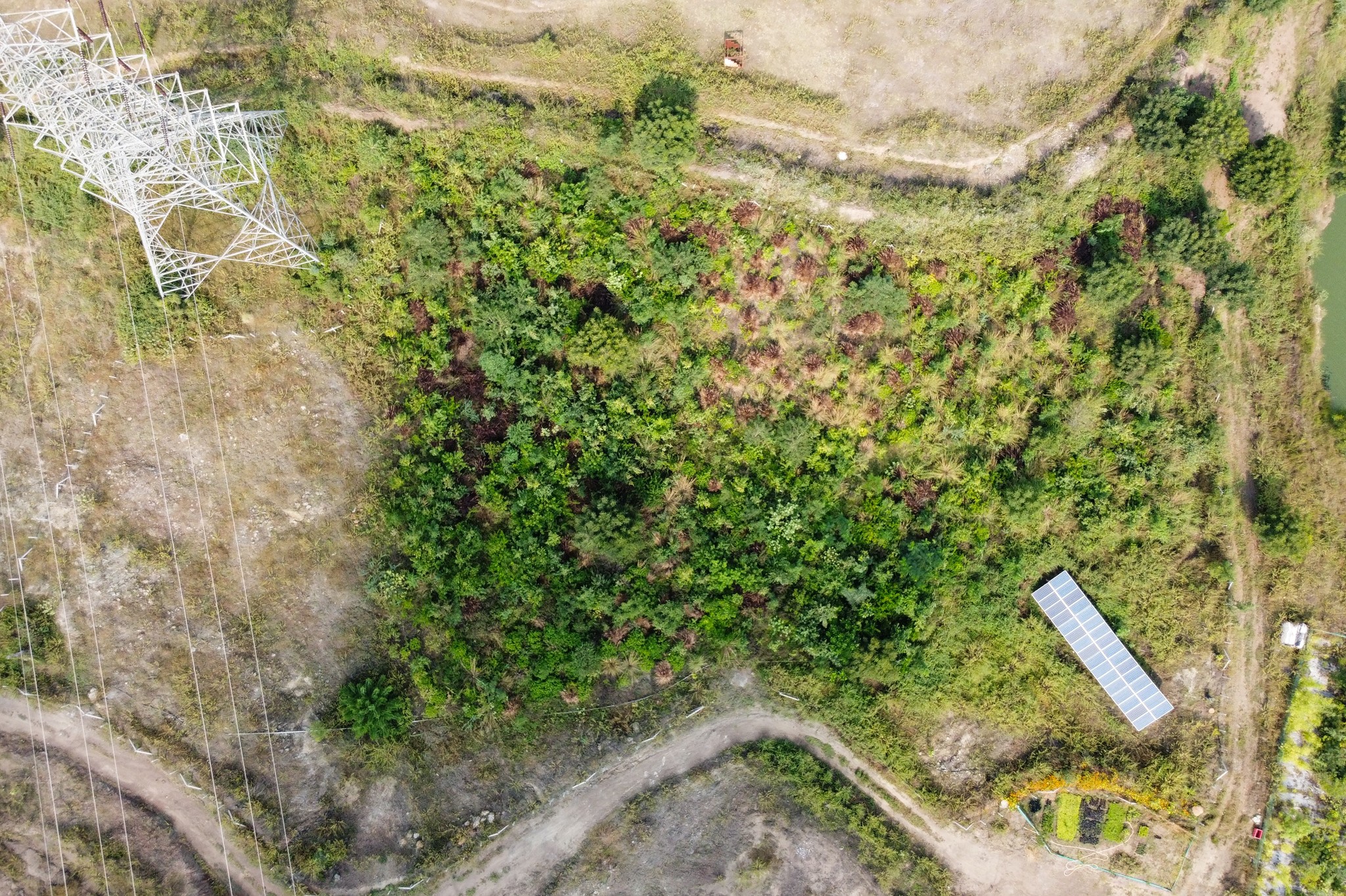
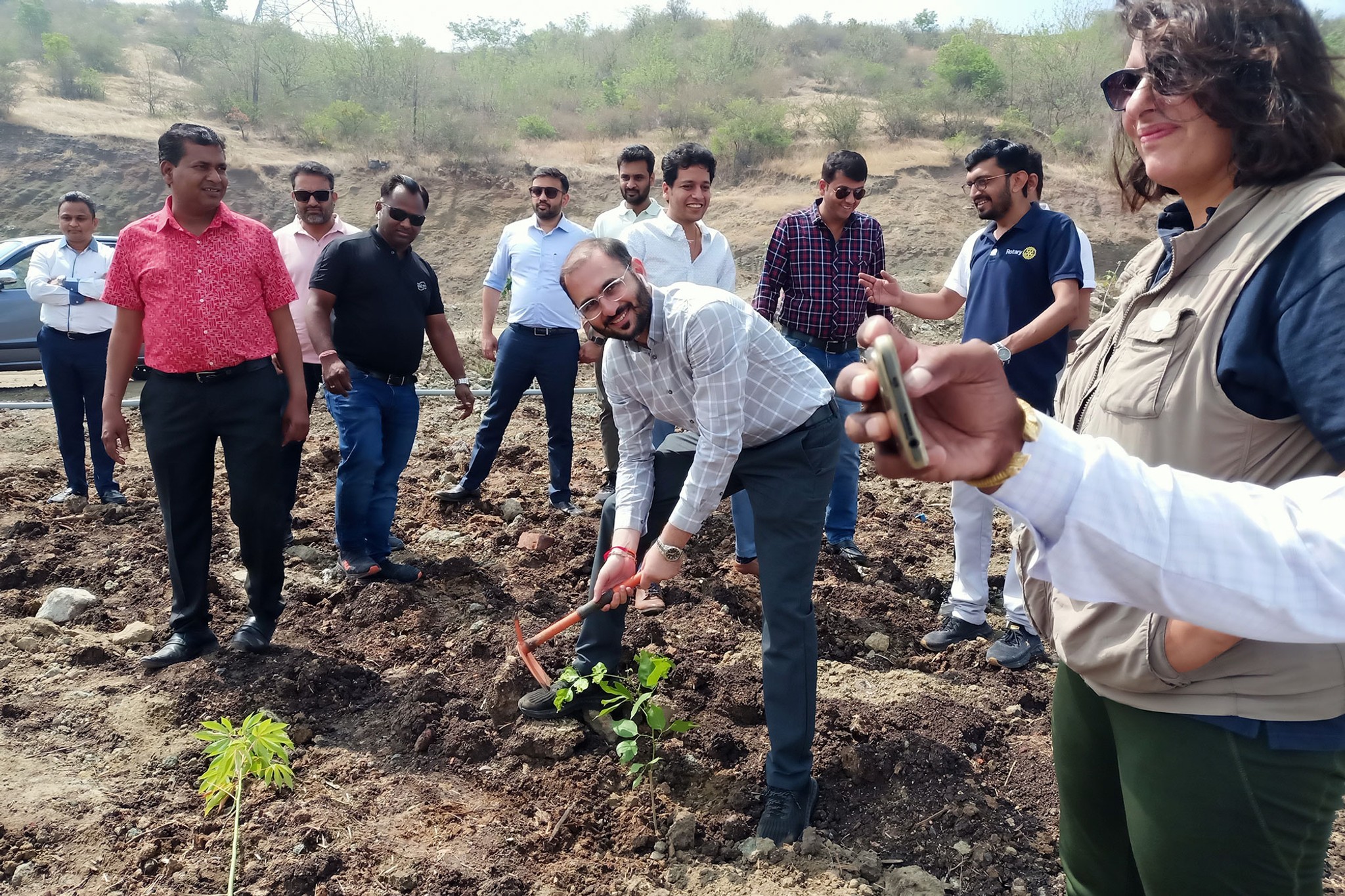
Planted in 2023, Jalna Labyrinth was envisioned as a restorative green space supporting both biodiversity and community wellbeing. Native species are adapting well to the dry climate, gradually creating a cooler and more biodiverse habitat for urban wildlife. Long-term stewardship will be key to ensuring the forest continues to thrive.
0%
Survival Rate
0
kg of potential CO2 sequestration
Planted: March 2023
Forest Report: 2023
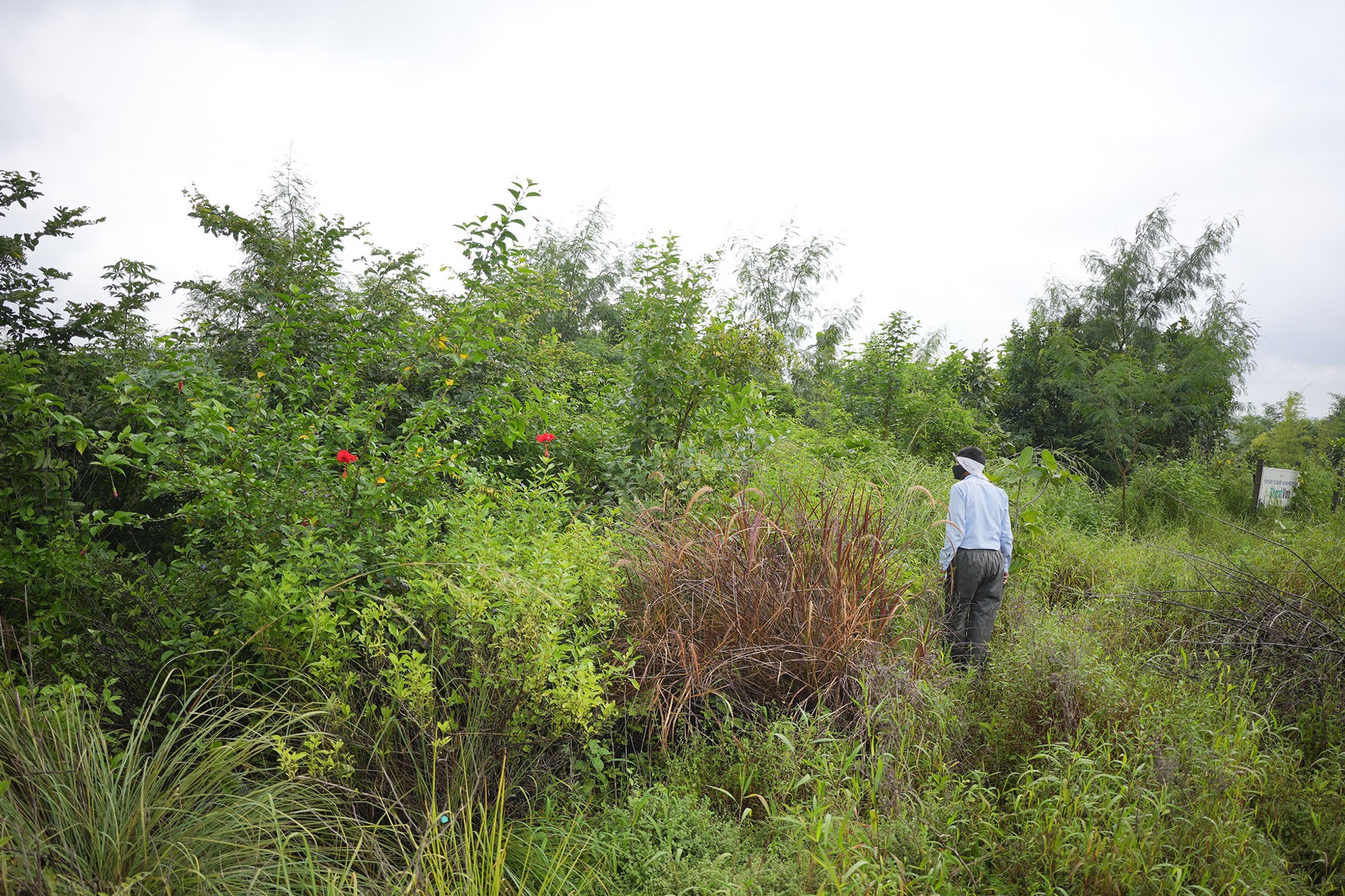
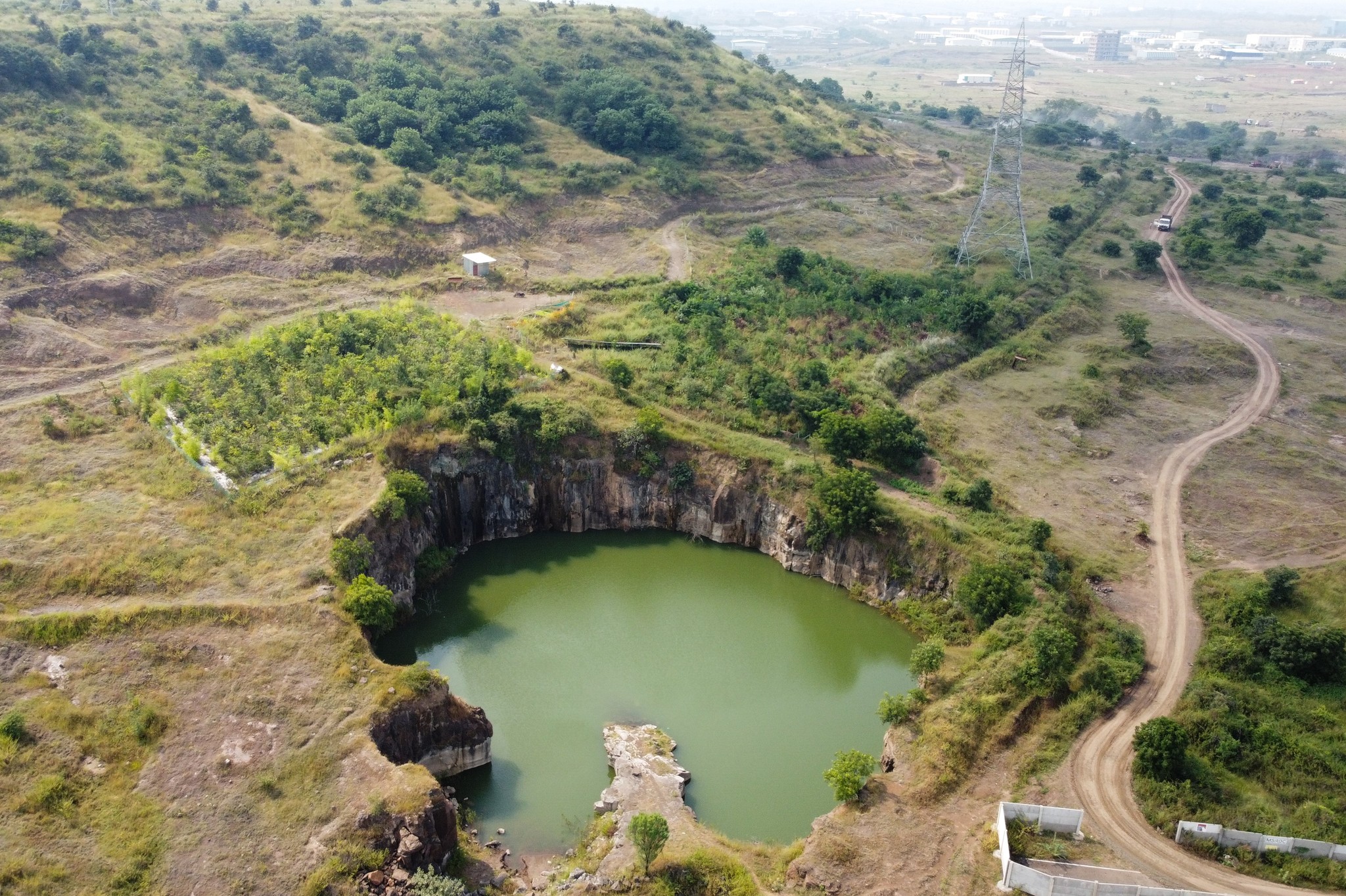
This is another young forest that is in the watering phase and still requires continuous maintenance. It is growing very well, however, some weeds have had to be removed. There is also a stone quarry in the vicinity, and there we have observed quite a number of birds and insects using the forest for nectar and feeding.
Forest Report: 2024
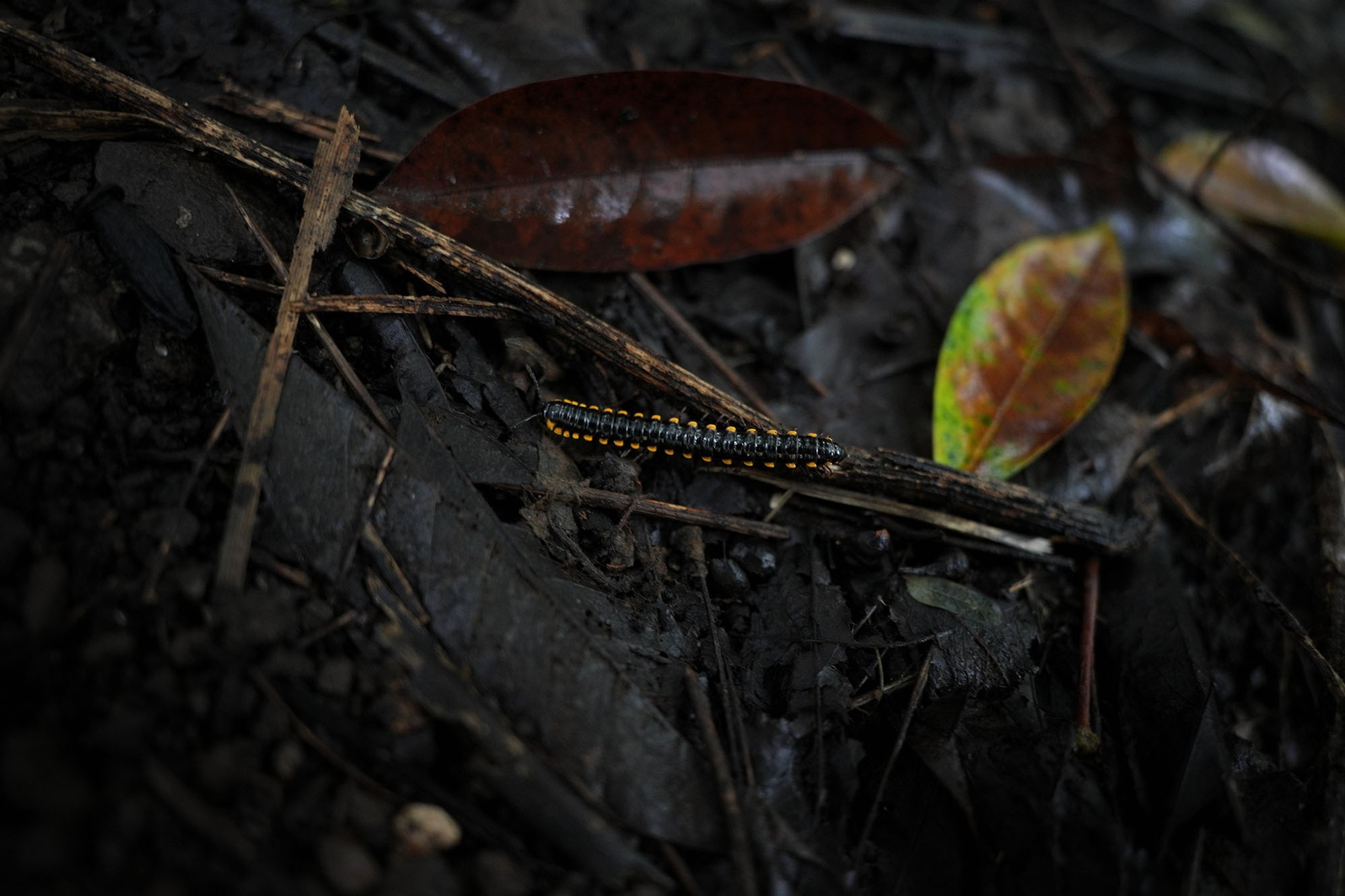
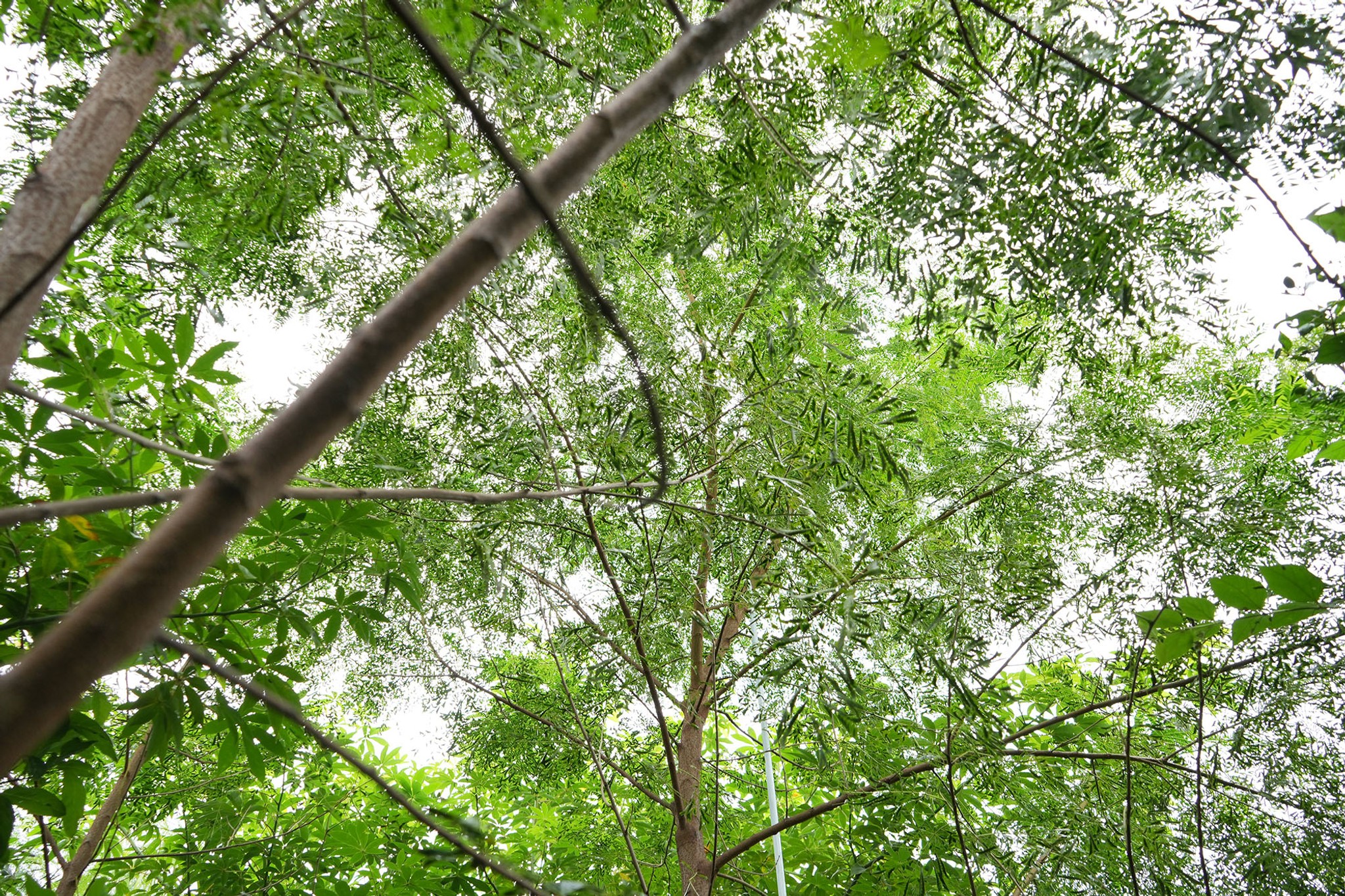
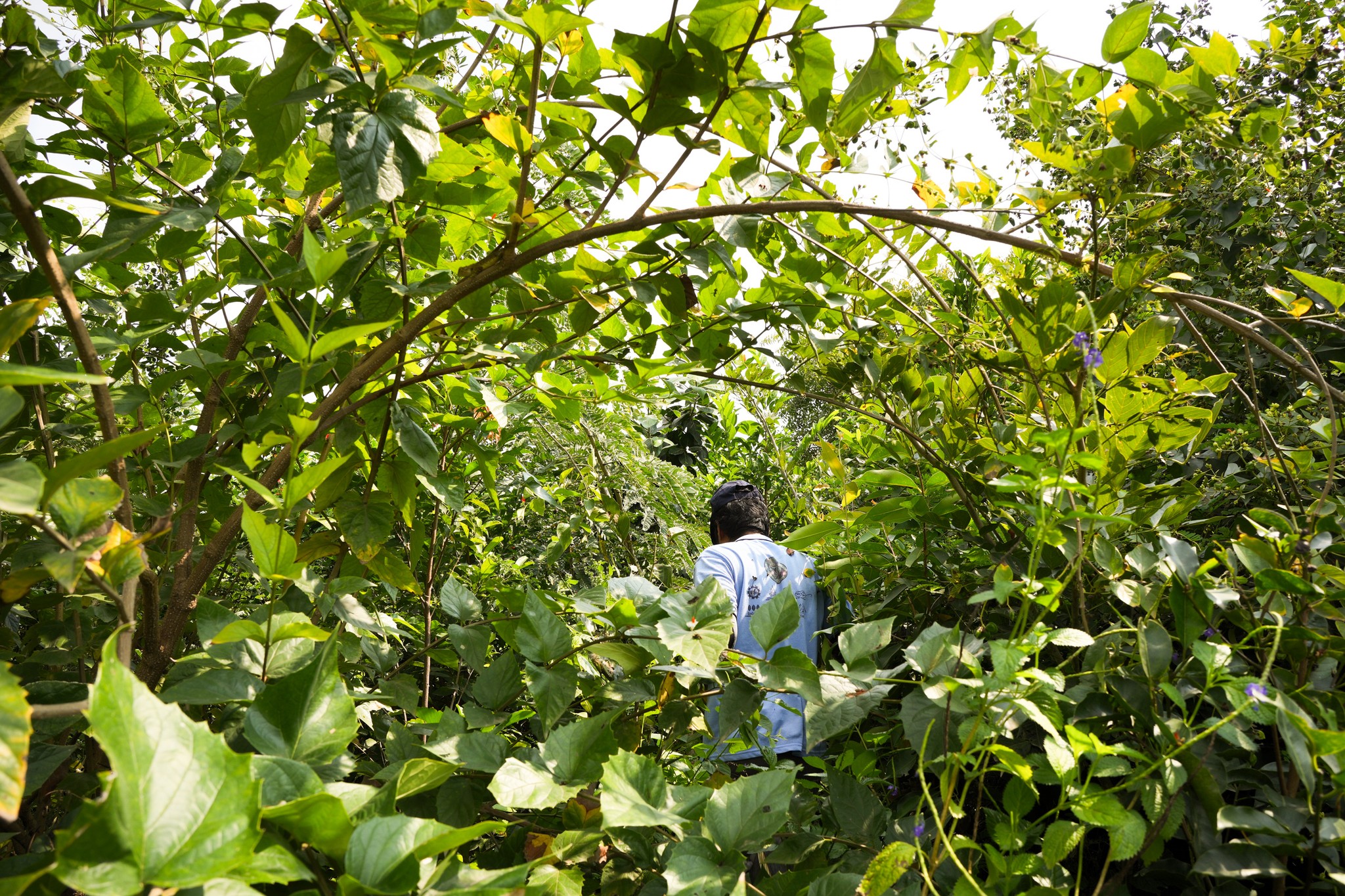
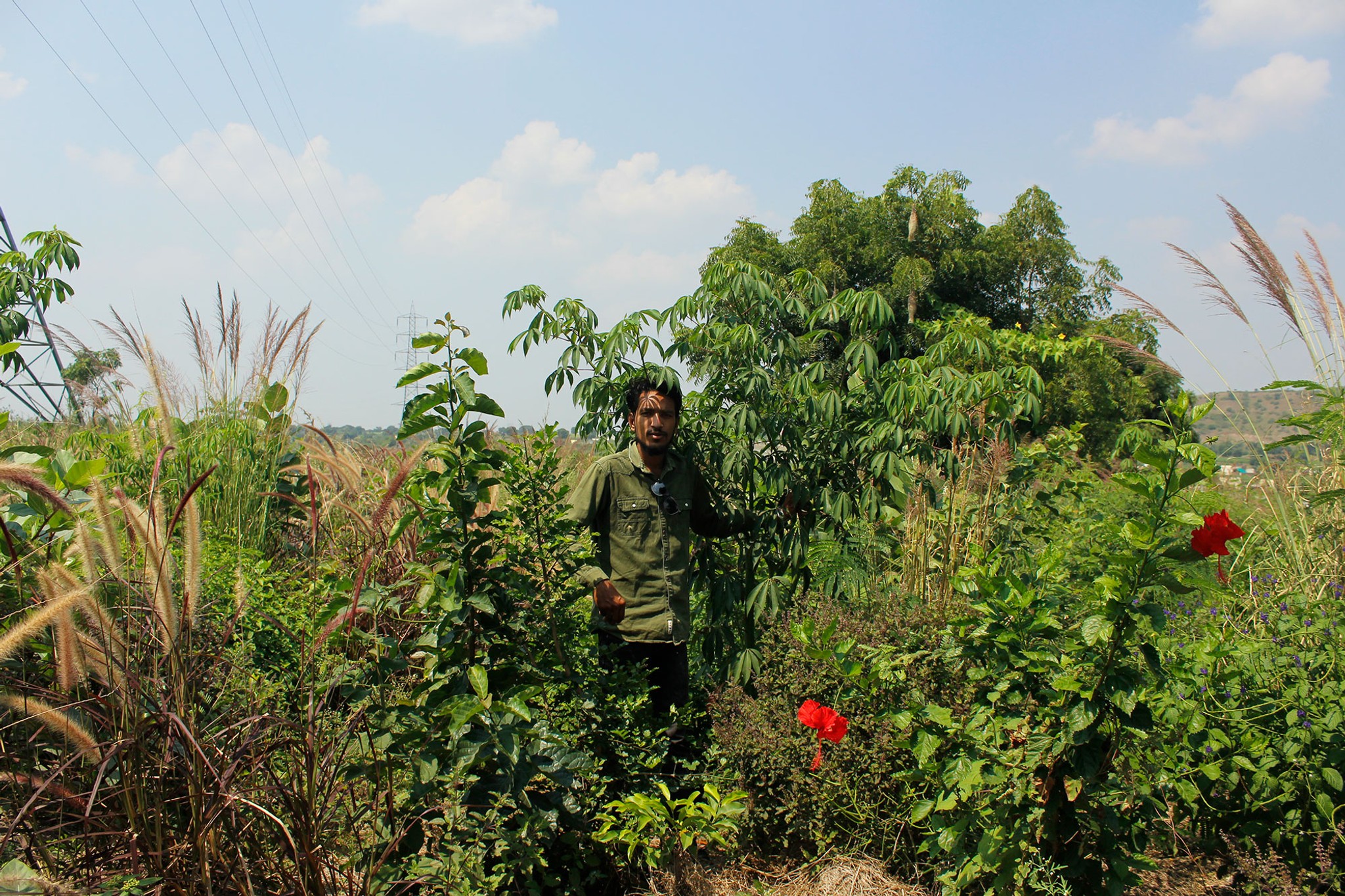
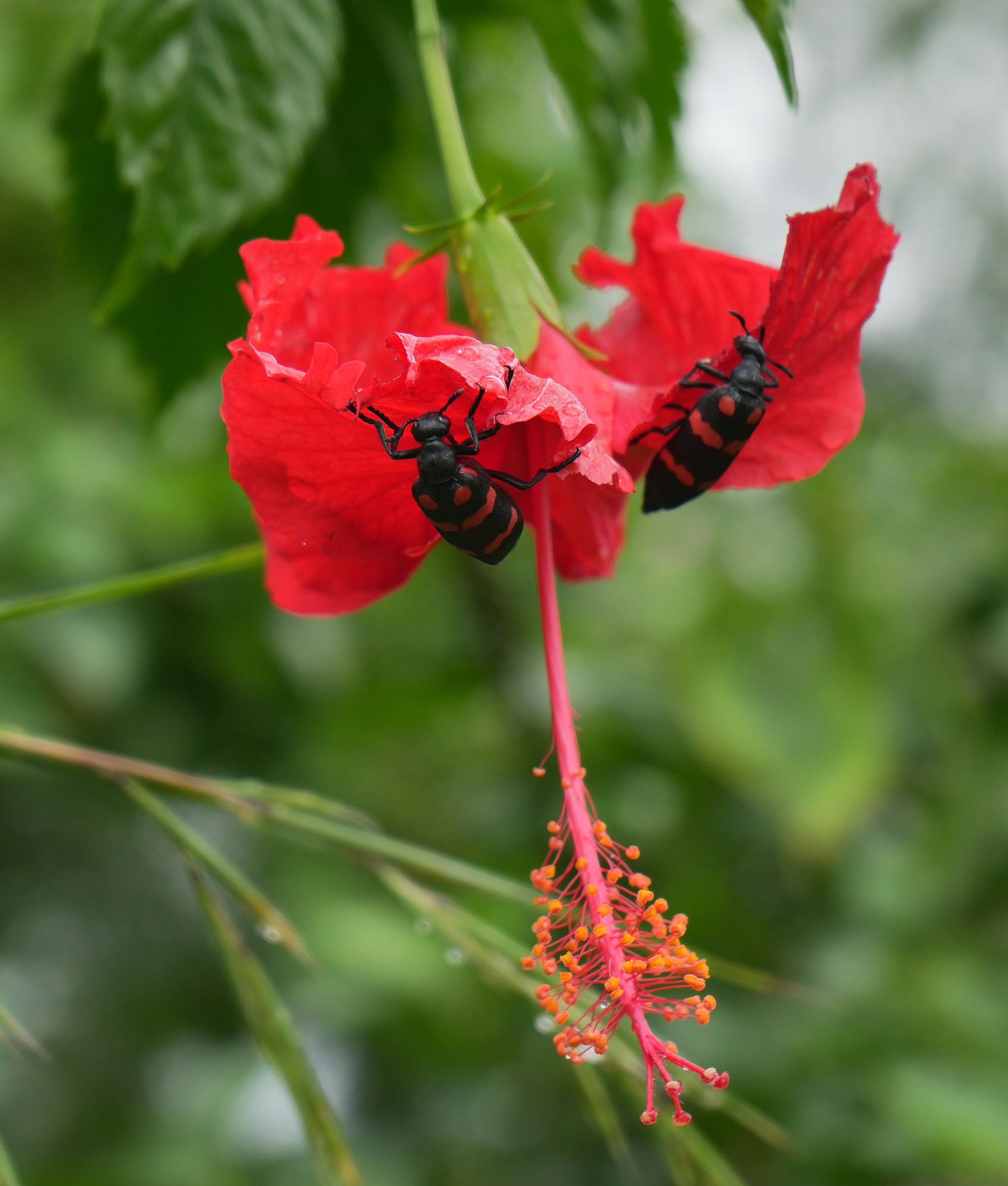
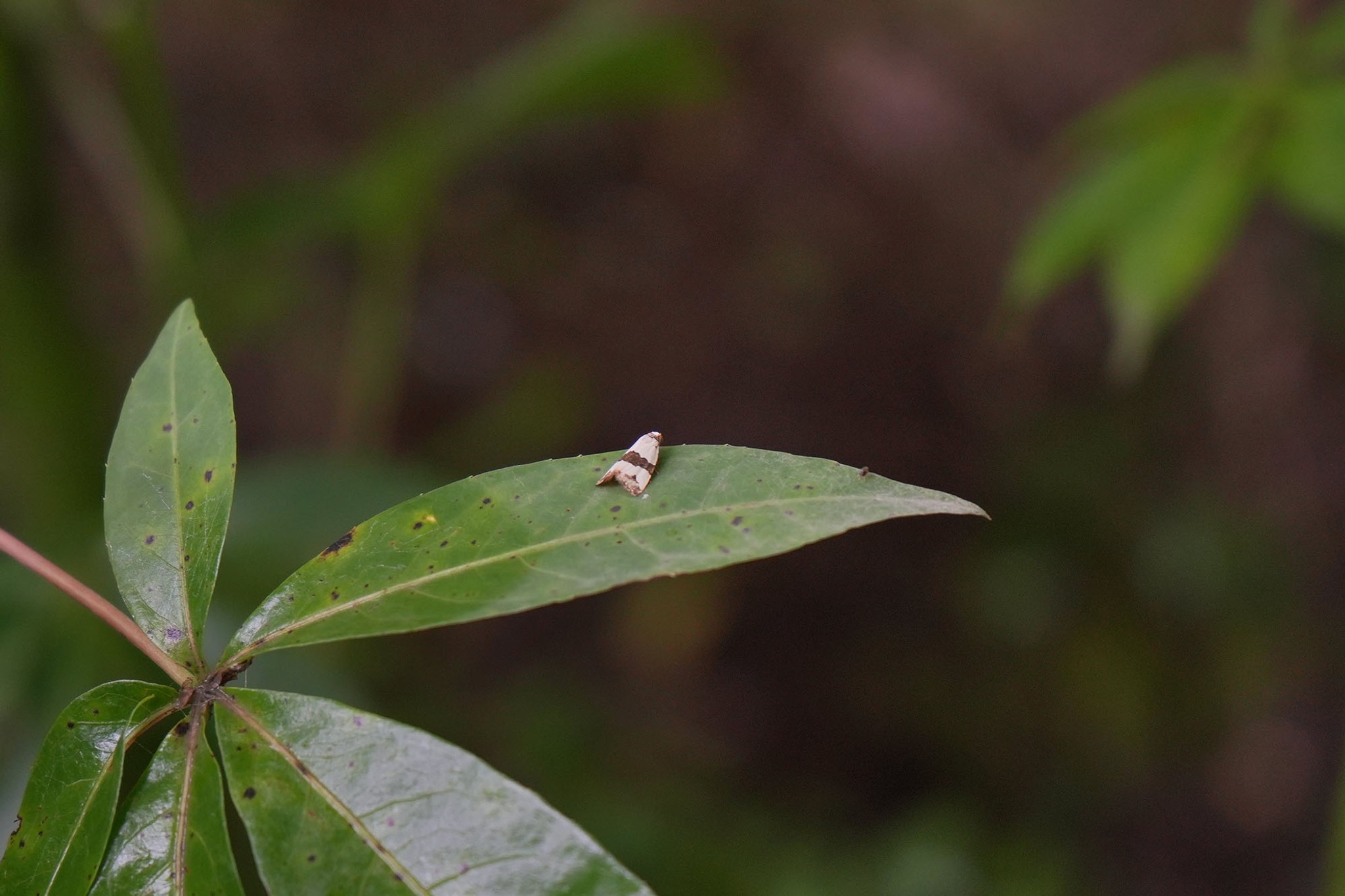
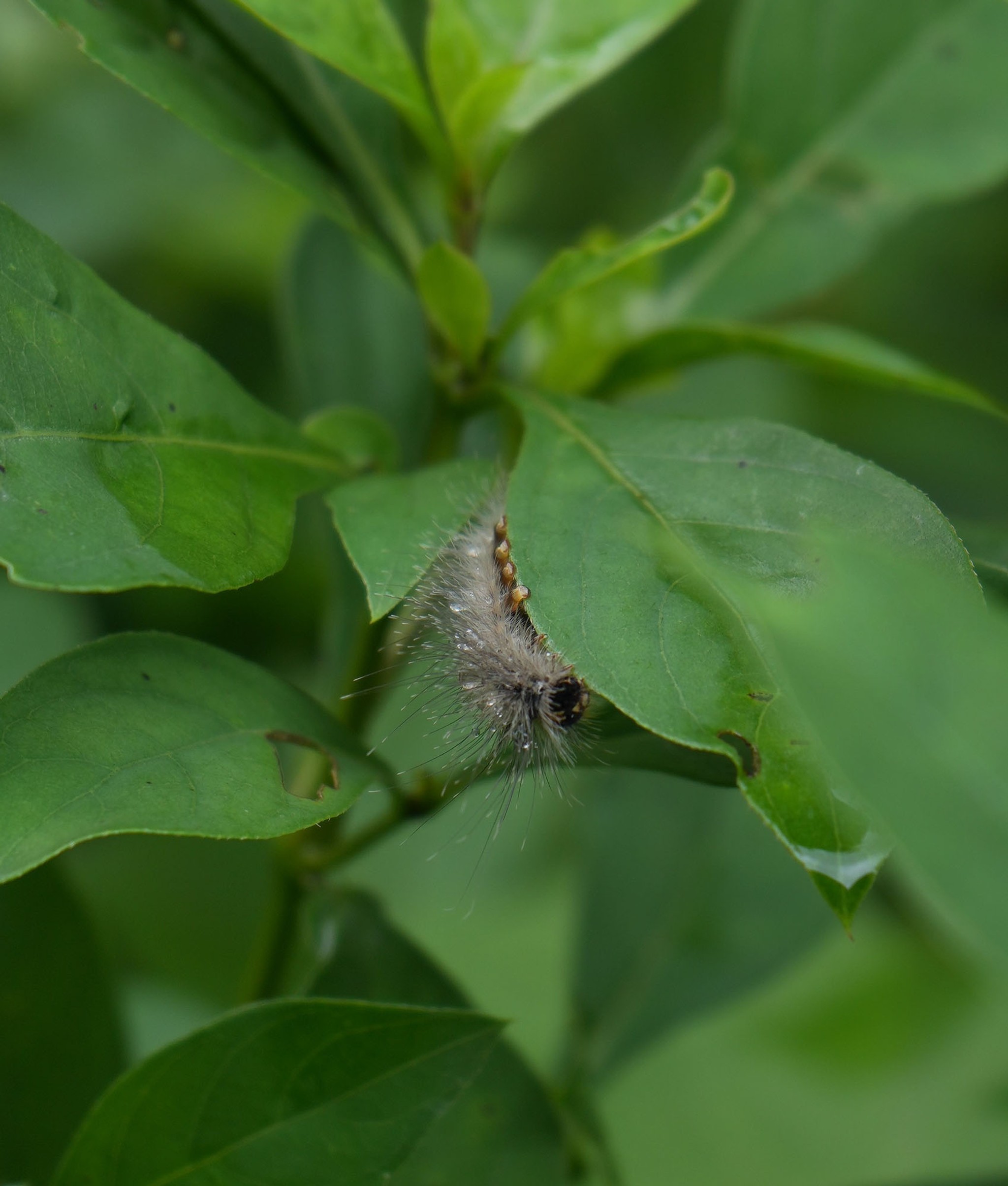
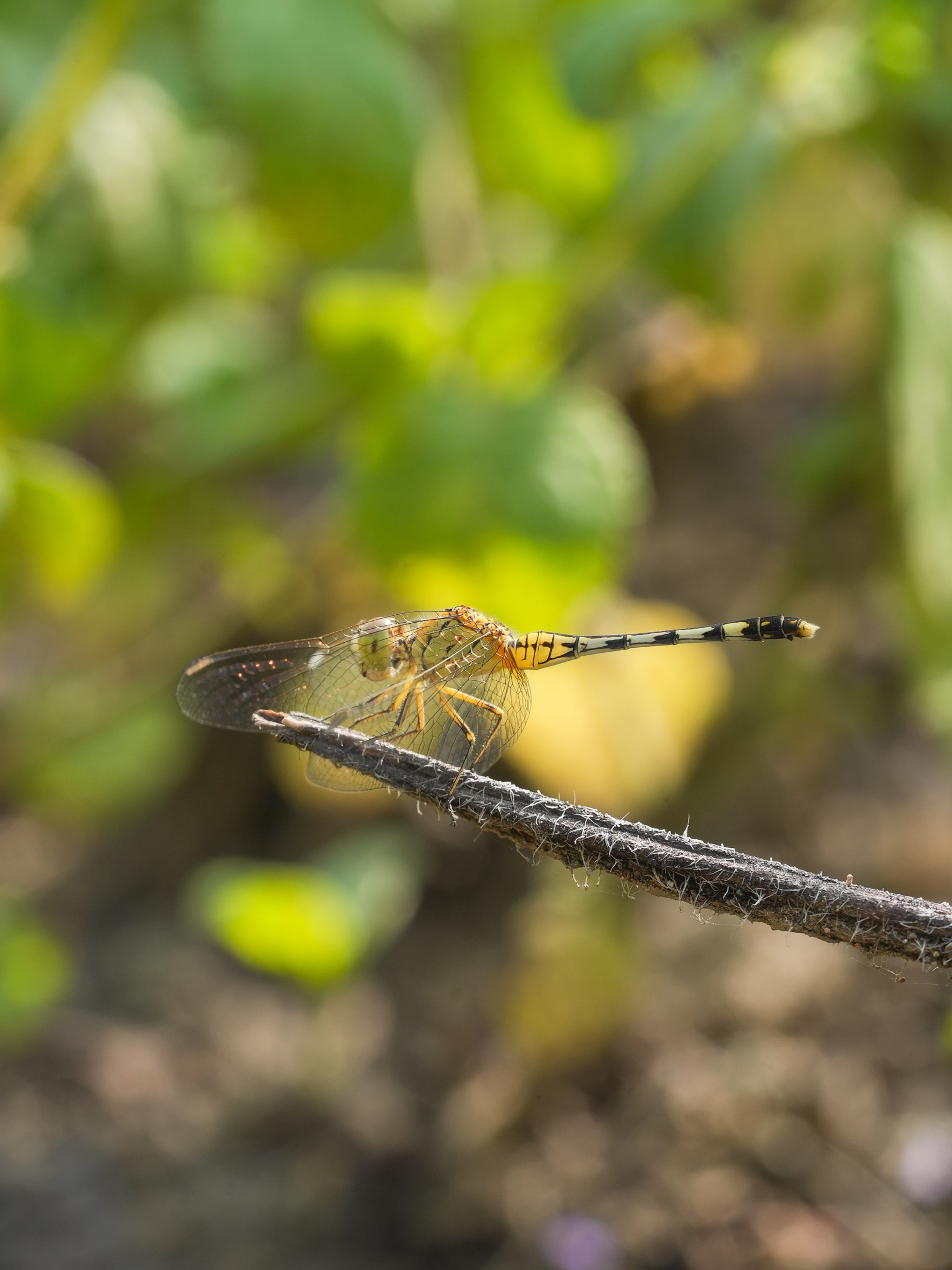
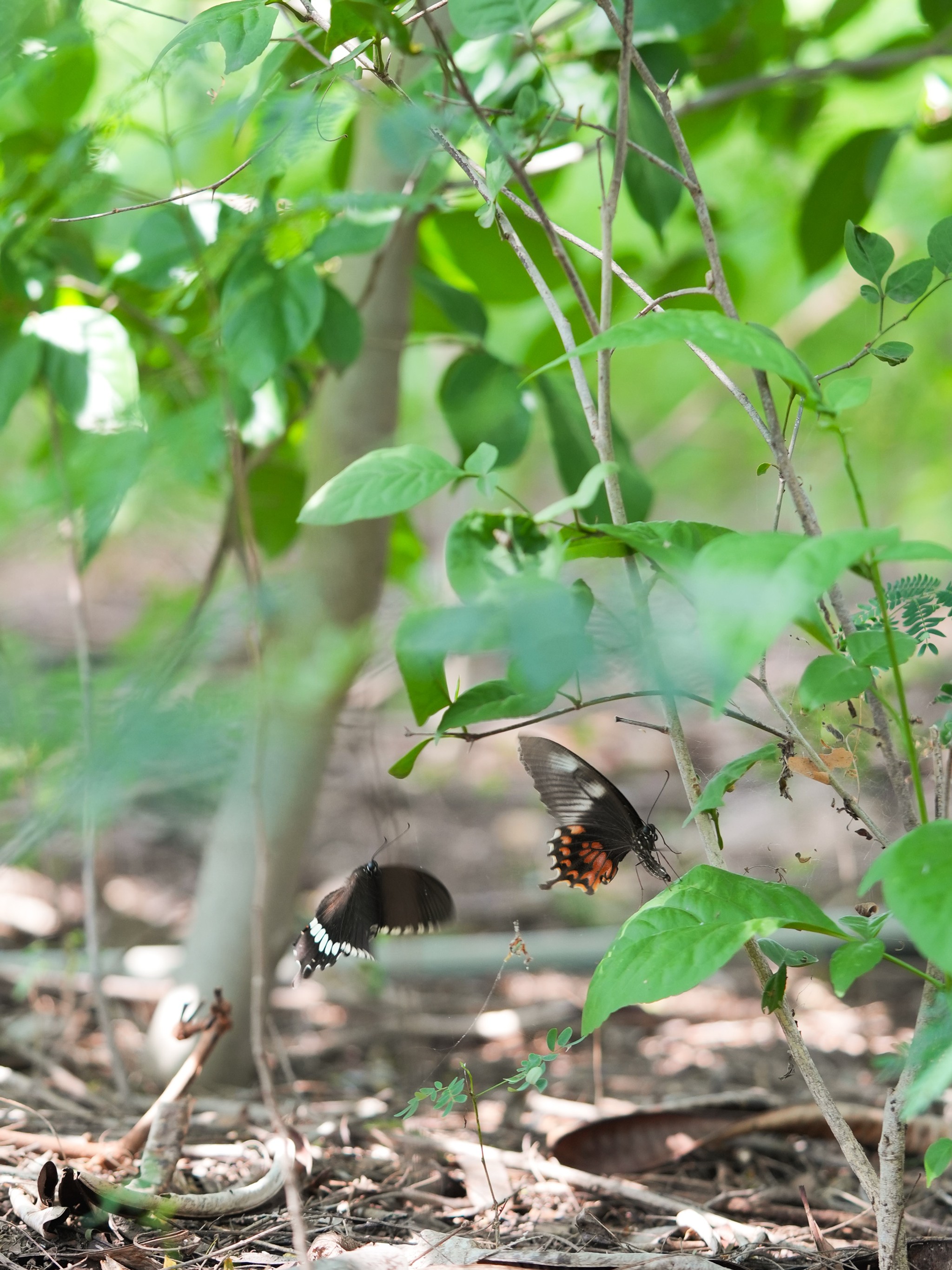
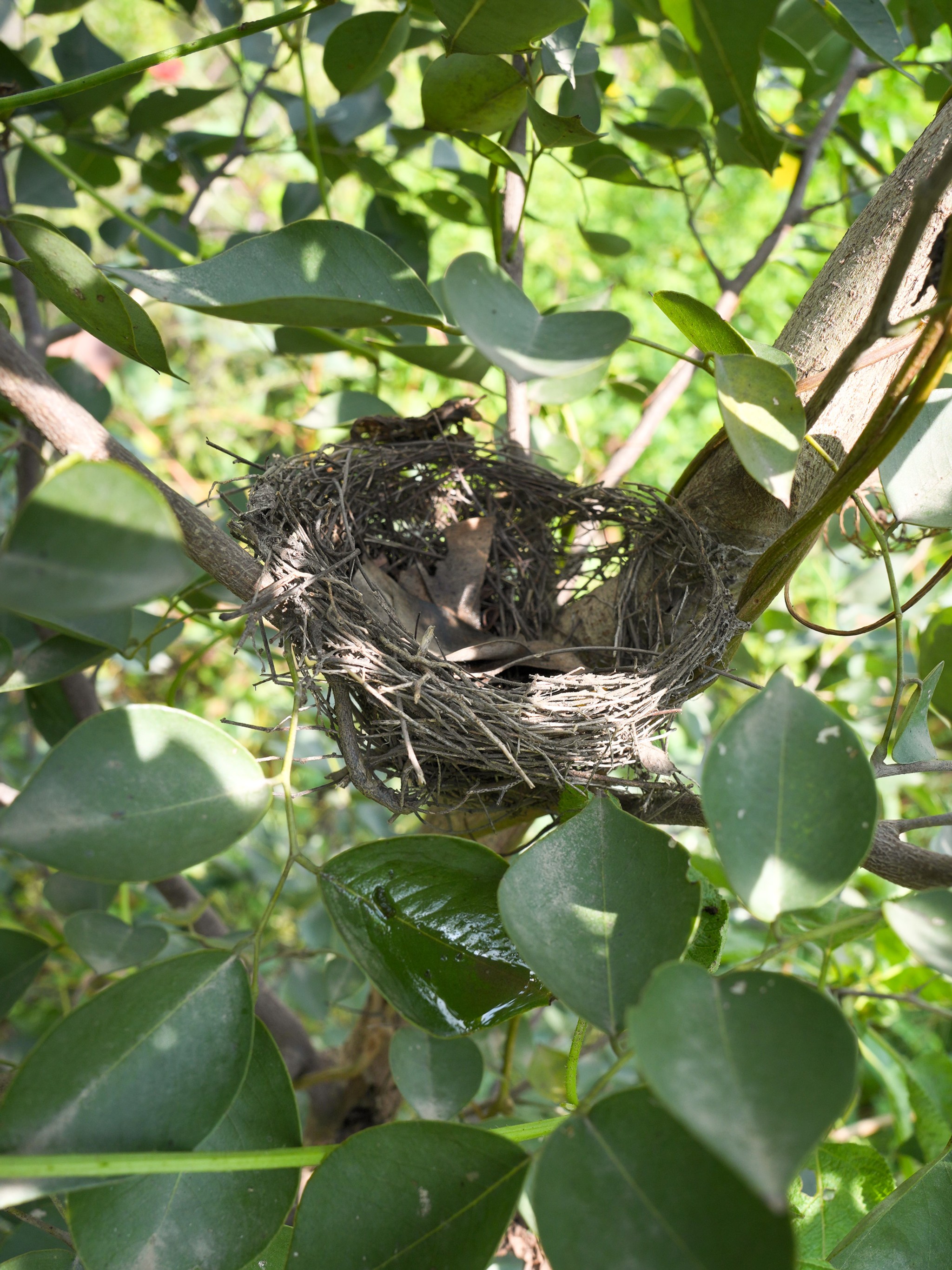
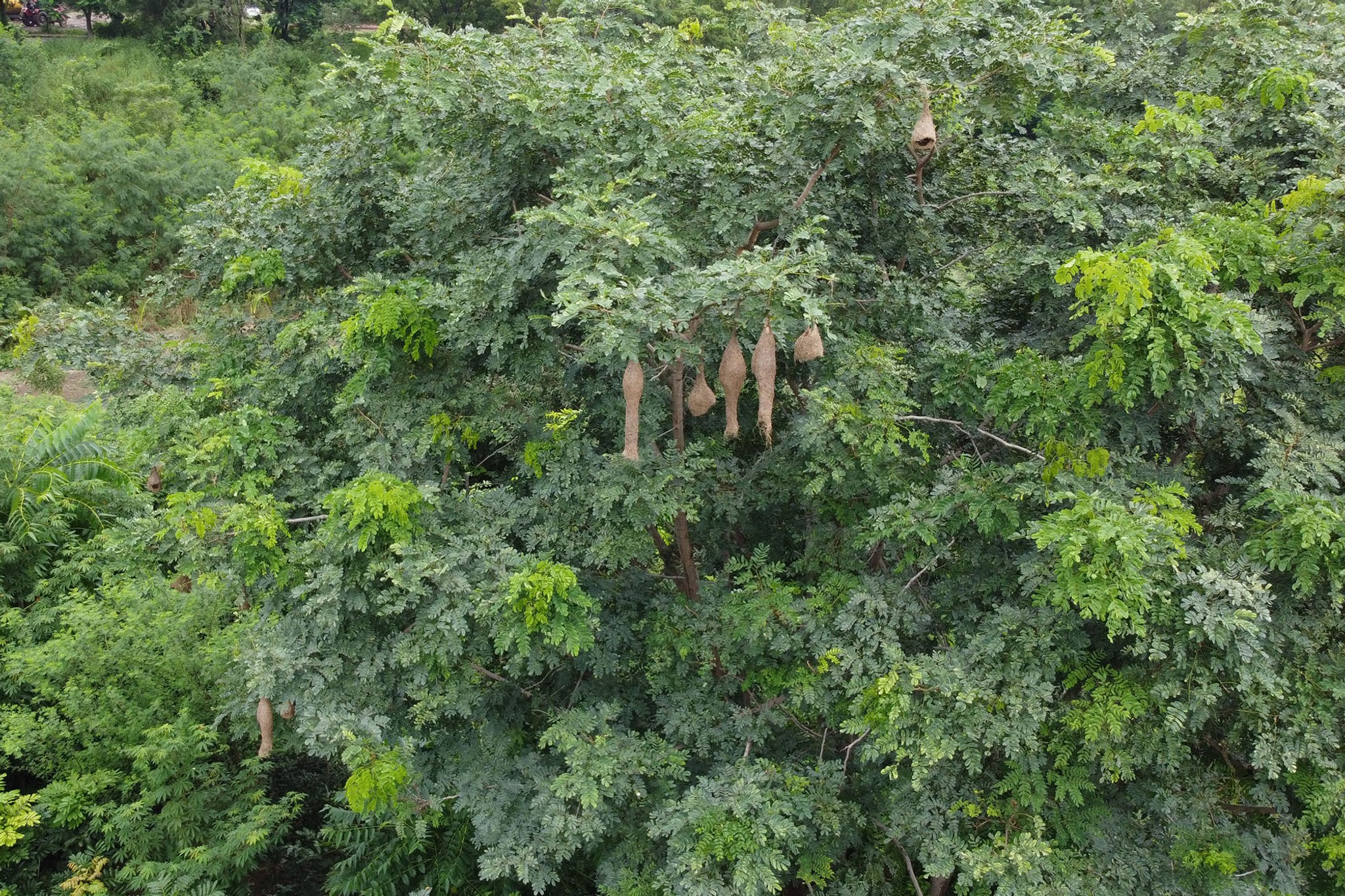
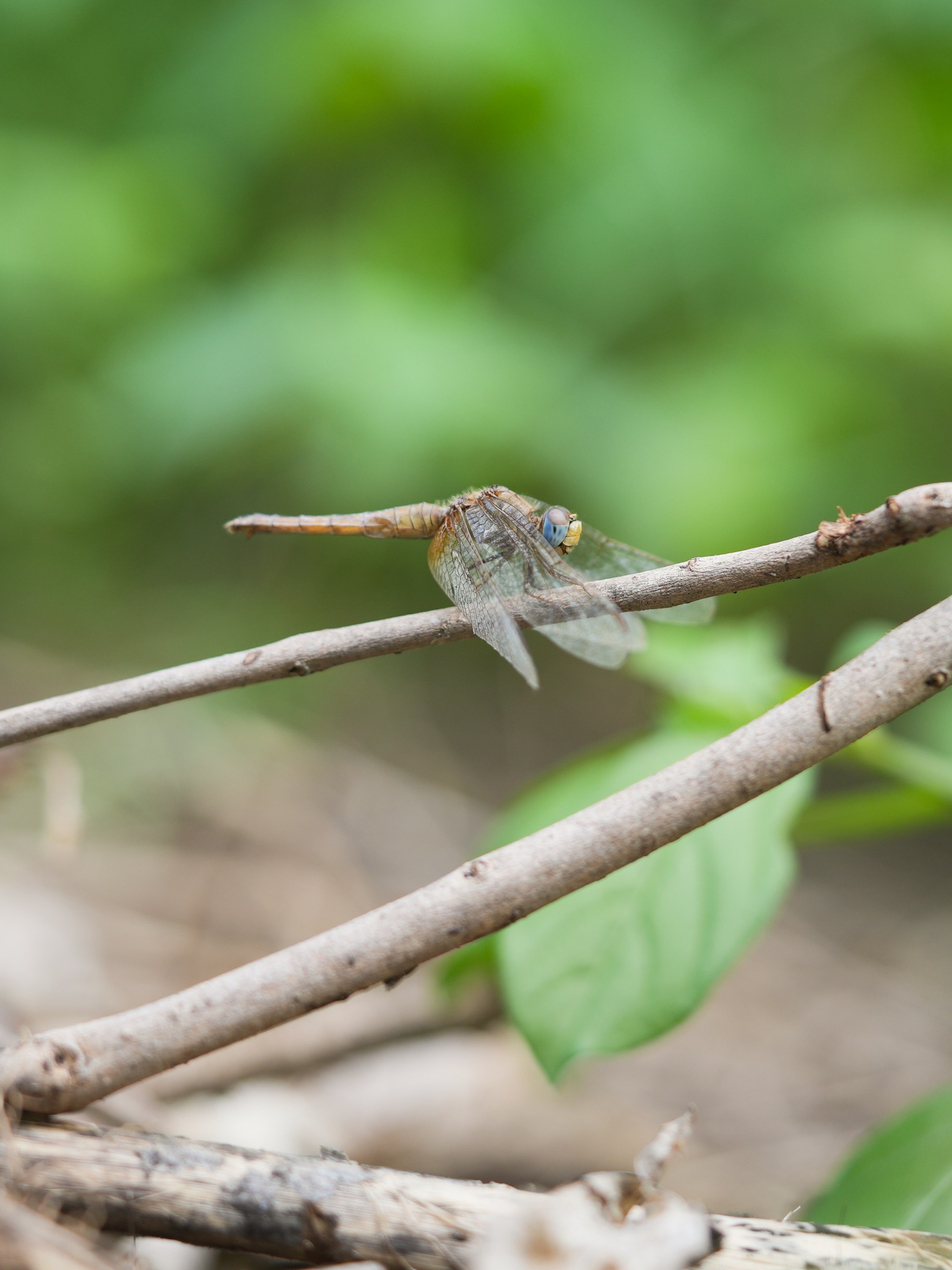
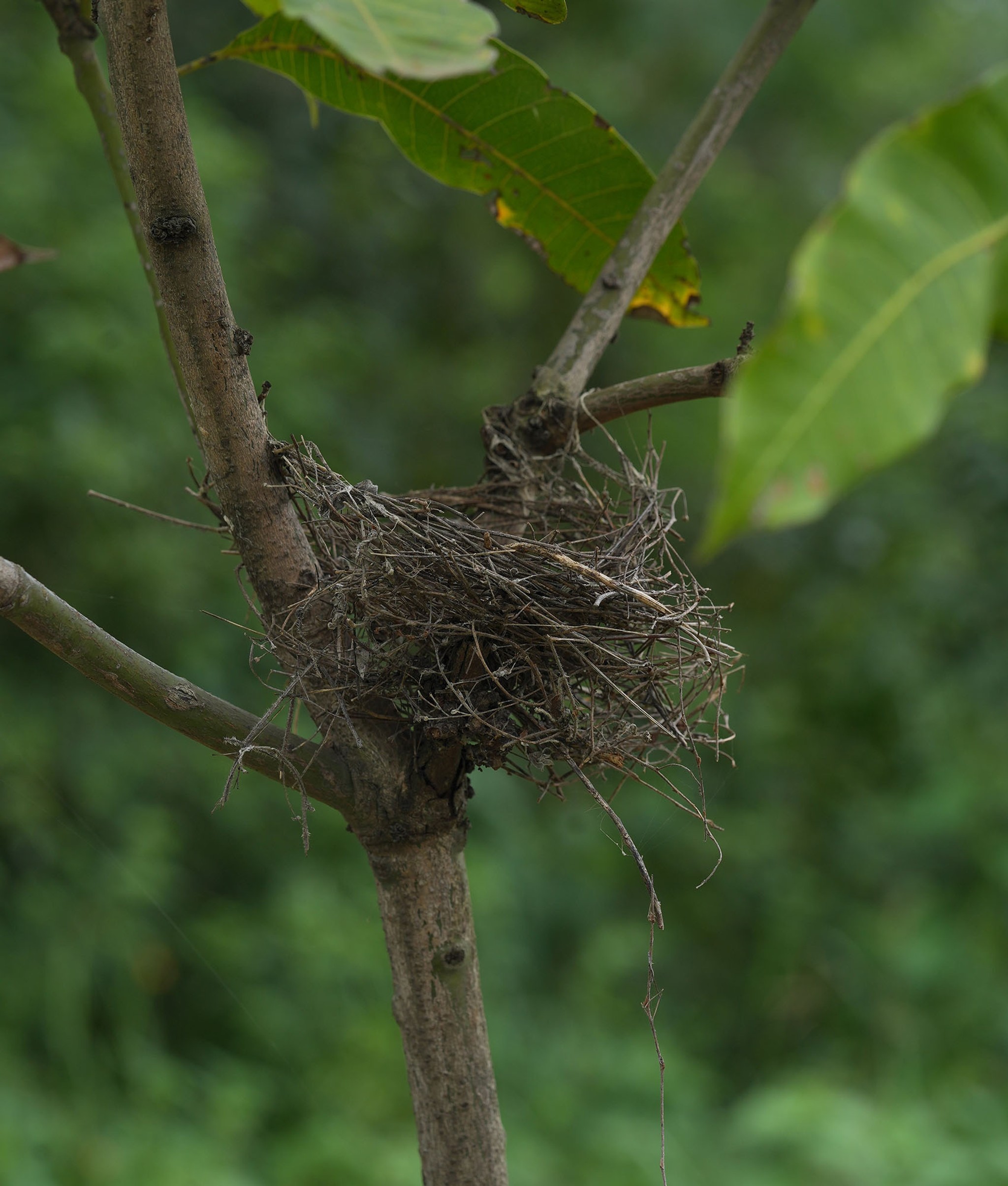
The forest has become a refuge for animal life - we’ve seen nets of the baya weaver, as well as some empty nets of small birds like prinias - indicating the young have now grown up and left their home. We’ve also seen lots of dragonflies and butterflies in the forest.
Biodiversity Notes:


“We are interested to plant a Miyawaki forest on our college campus to increase biodiversity and support the local ecology. This forest will help us to teach our students about biodiversity, the importance of native species and ecological restoration.”
Mr Sonawane, Goraksh College, Phulambri, Aurangabad
SRPF Moon Phase
Many positive changes have been observed in this forest. New native trees are growing well, and the forest floor is covered with fresh green plants. Birds, butterflies, and bees have become more active, highlighting improving biodiversity. Overall, the forest is becoming healthier and more vibrant each season.
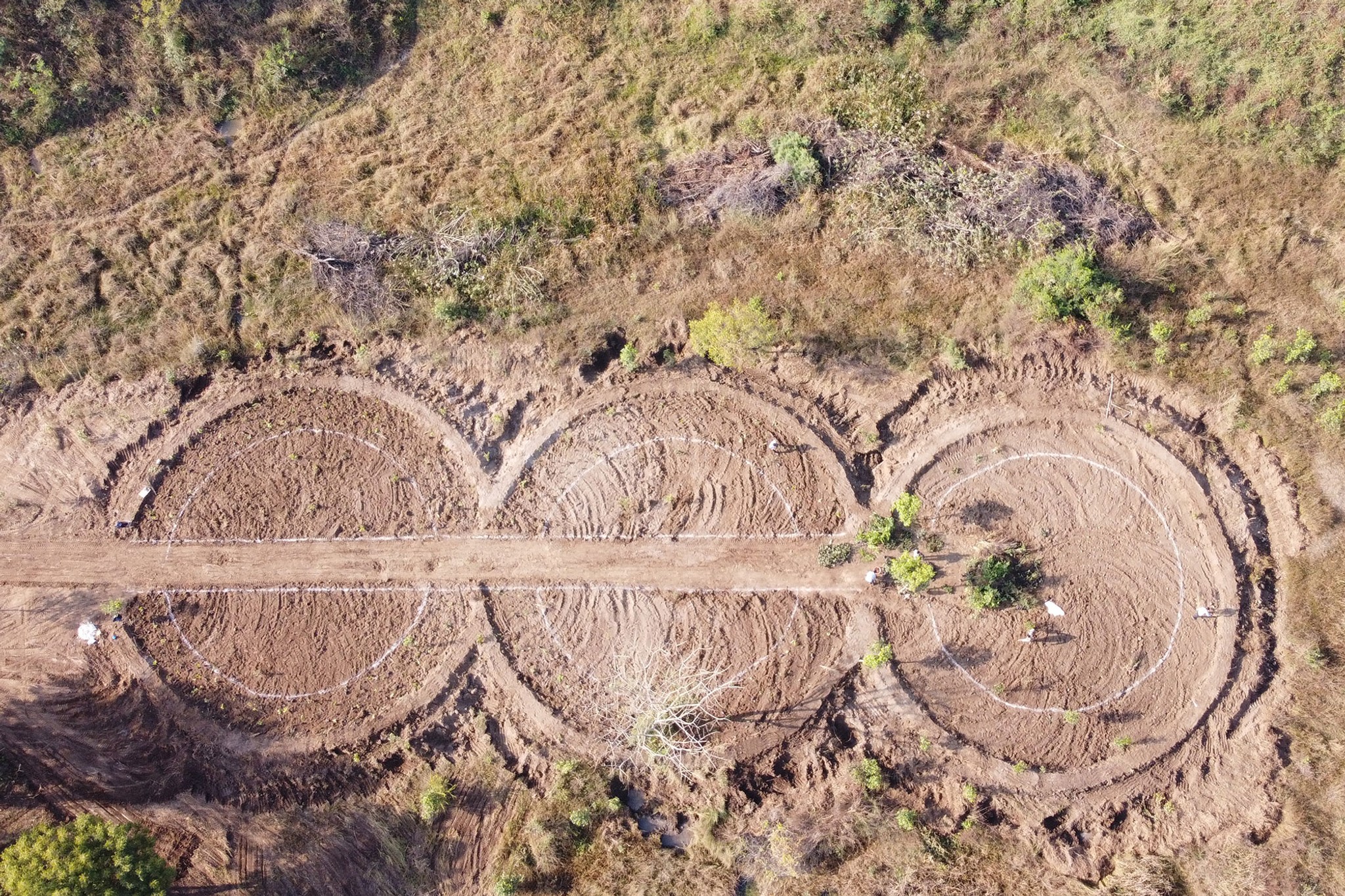
Planted in 2022, the SRPF Moon Phase forest is gradually transforming a highly built urban site into a thriving native ecosystem. Dense vegetation is helping improve local microclimatic conditions while attracting butterflies, insects, and birdlife. Ongoing care and protection will be important to support the forest’s long-term ecological value.
0%
Survival Rate
0
kg of potential CO2 sequestration
Planting: December 2022
Forest Report: 2023
This forest is an isolated place, ideal for small mammals, reptiles and all types of fauna. It is located on private land, but people do still come to visit the forest for morning walks and jogging.
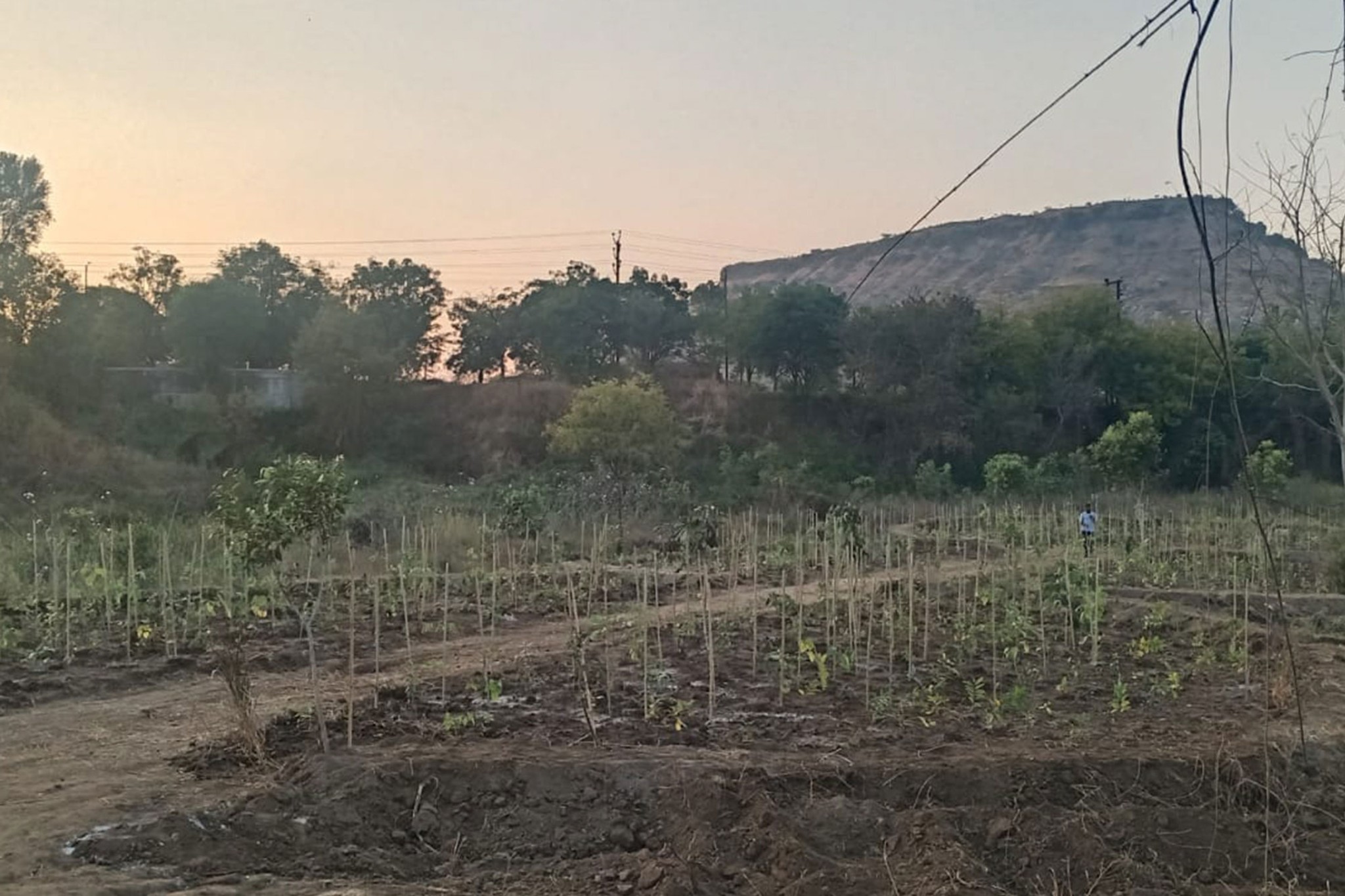
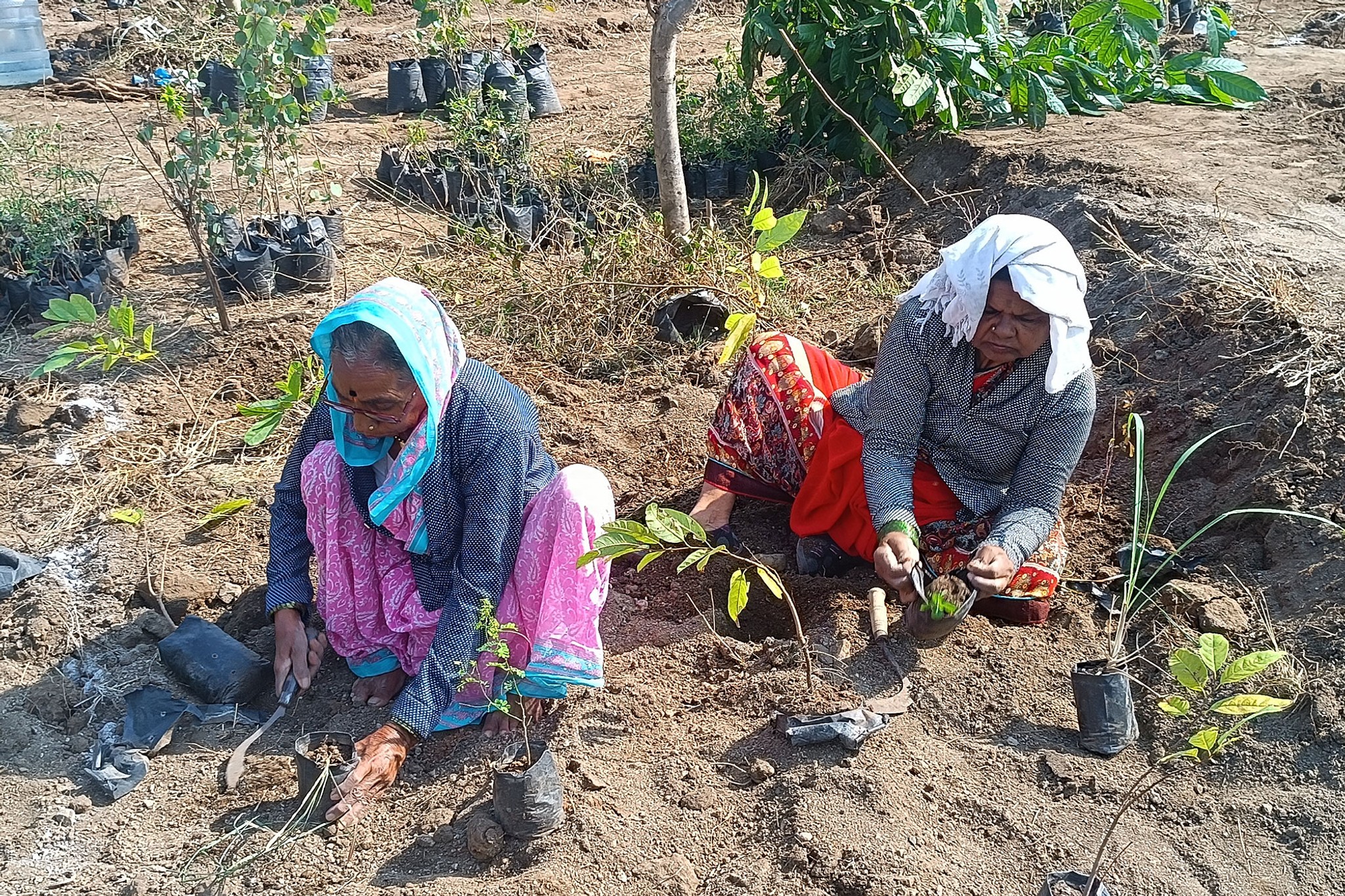
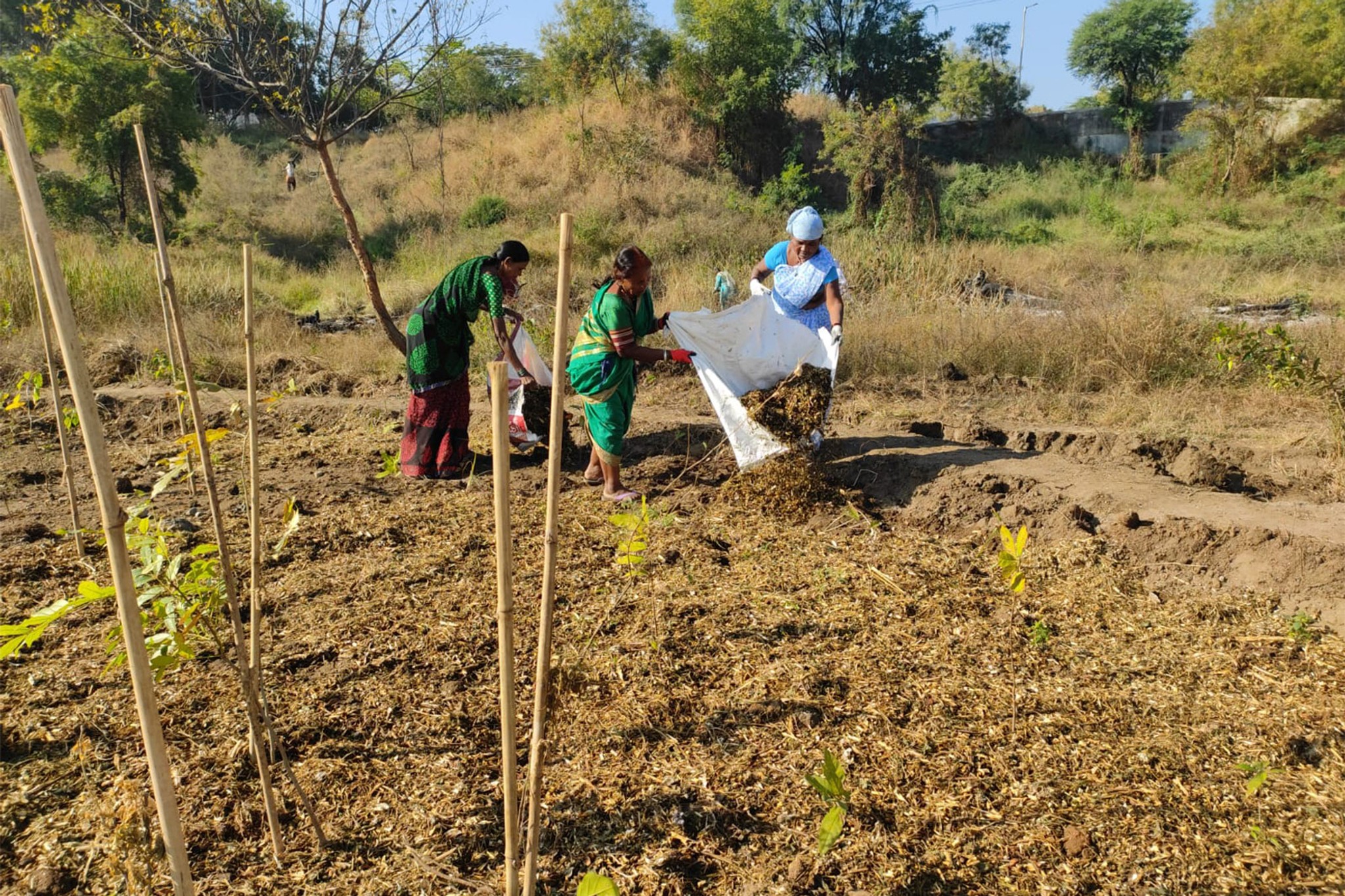
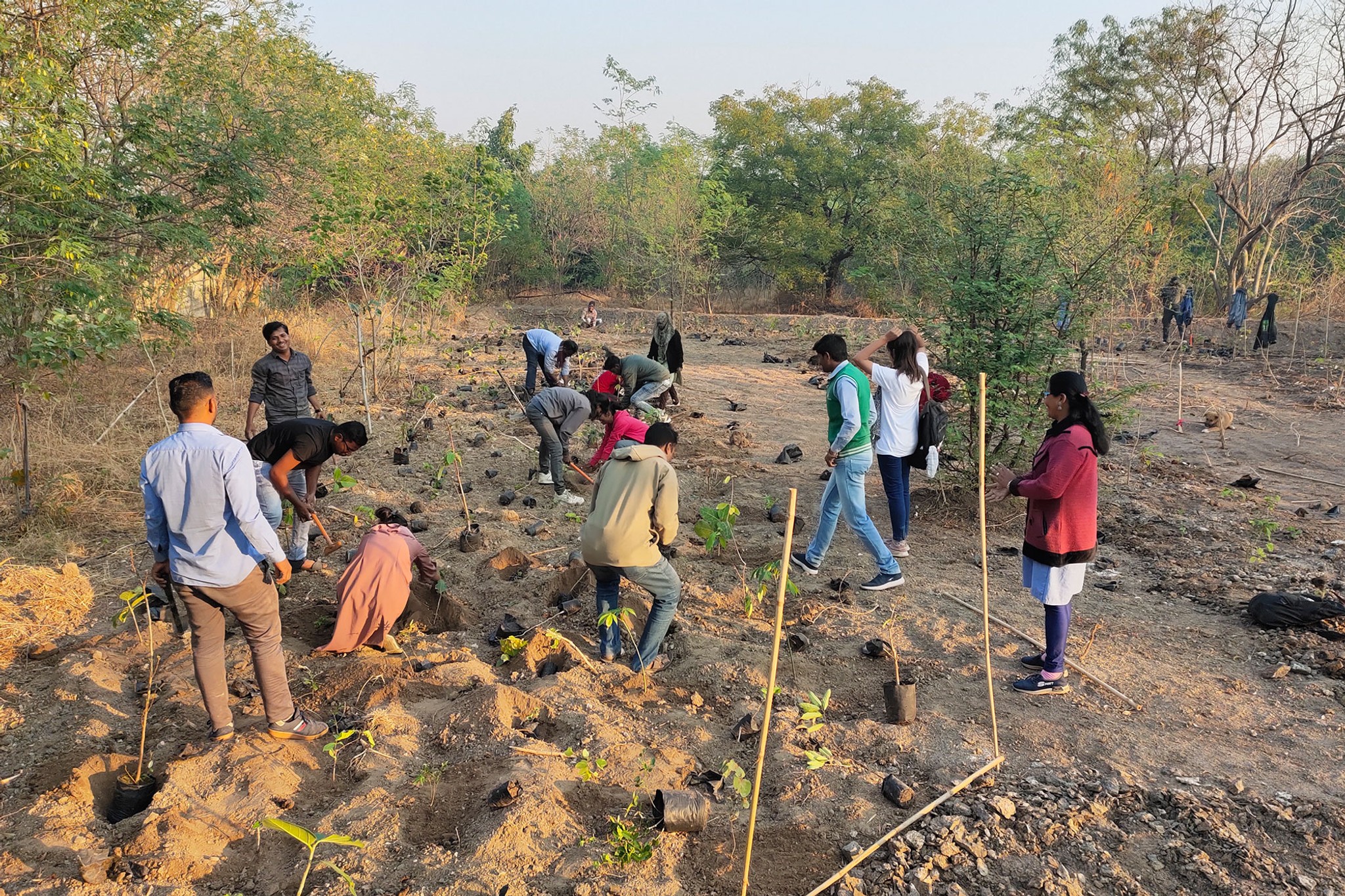
The State Reserve Police Force has a vast campus with over 1,200 families living on-site and 1,500 trainees. This site has enabled the families to experience planting, nurturing and growing of a native forest onsite! The watering, weeding & general maintenance has become a routine process for the trainees.
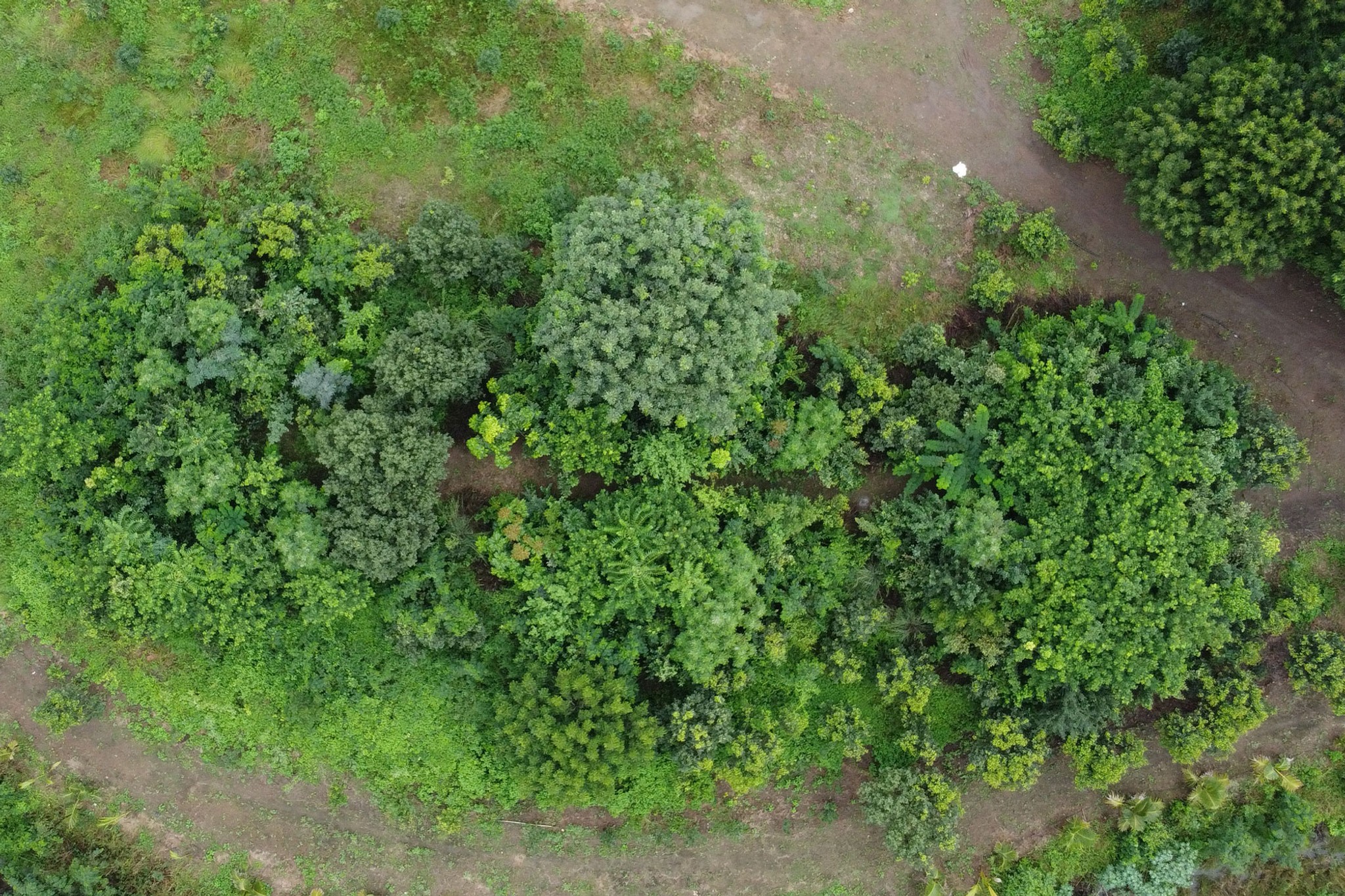
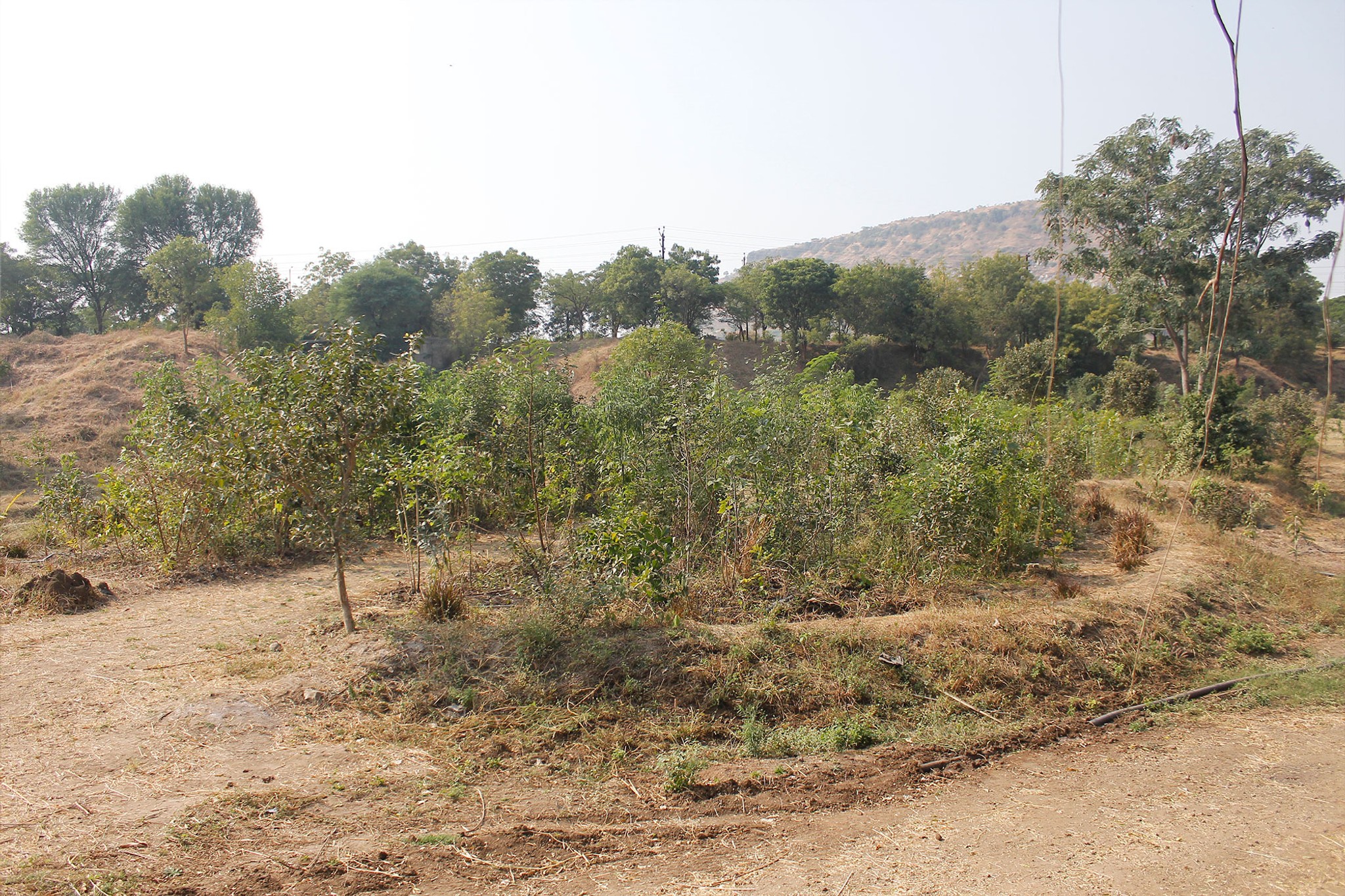
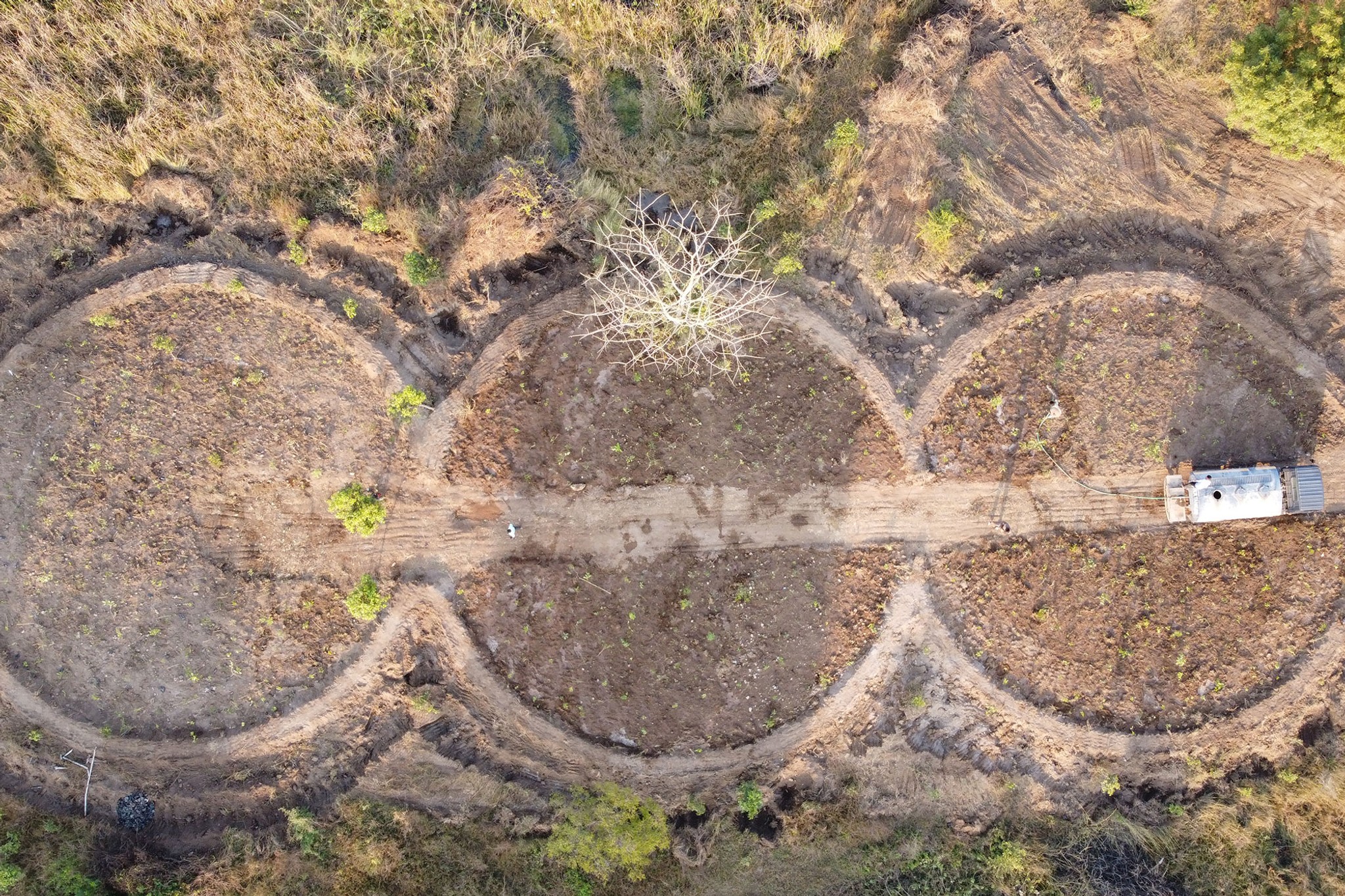
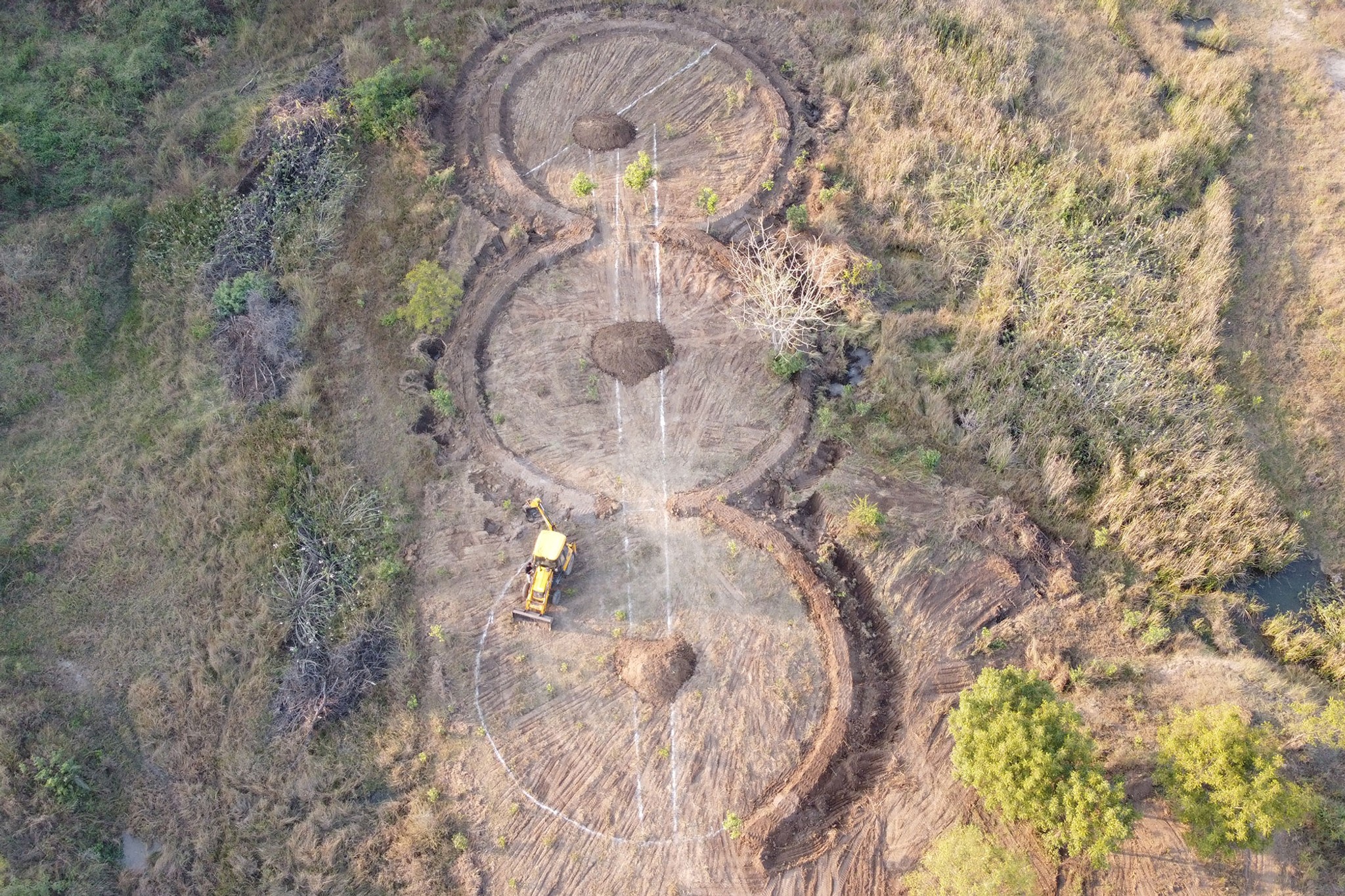
The plantation has been made in the phases of the moon, to make optimal use of the space available, interspersed between shrubs that were already standing. Water harvesting techniques of Bunding were also instituted.
Forest Report: 2024
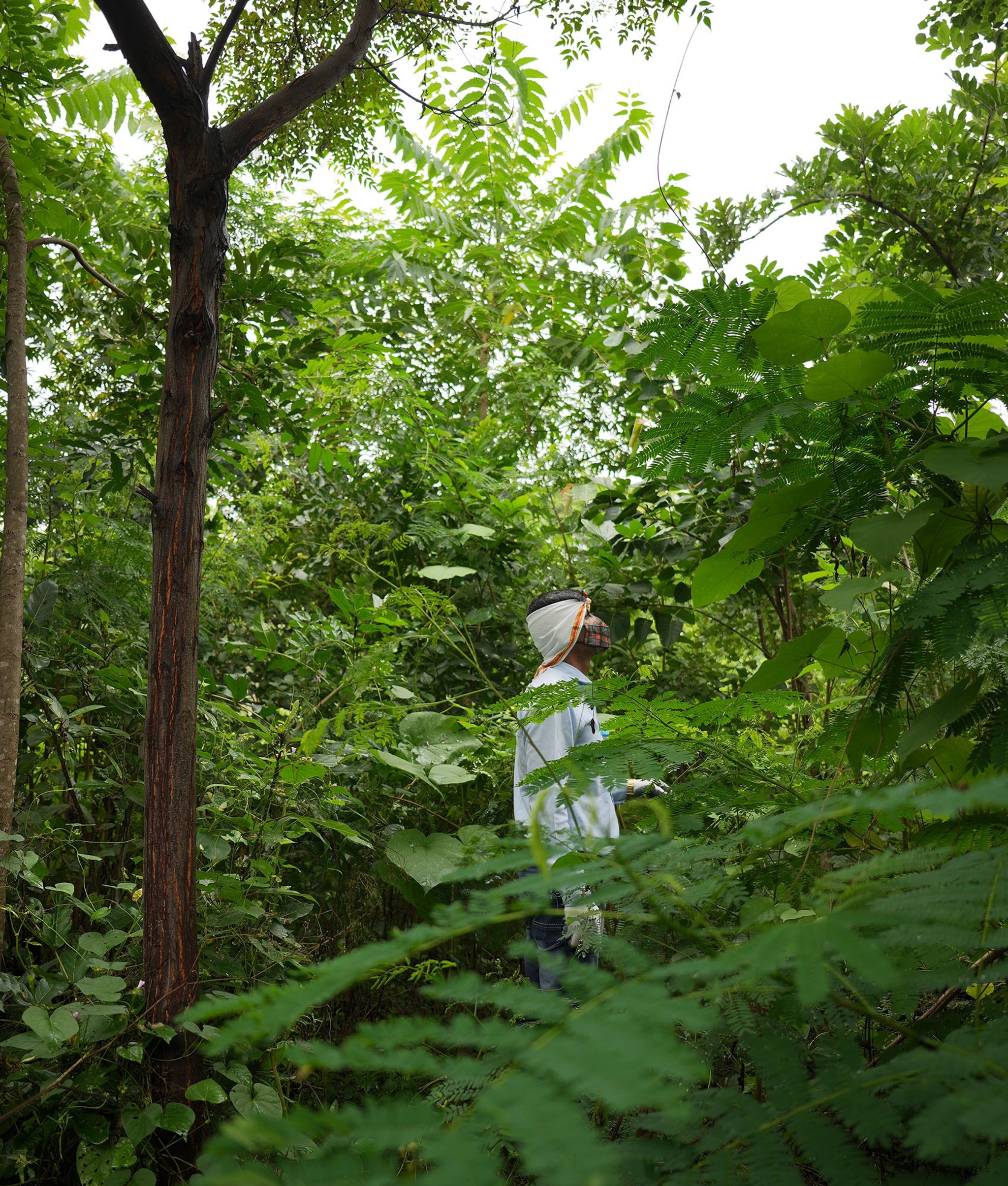
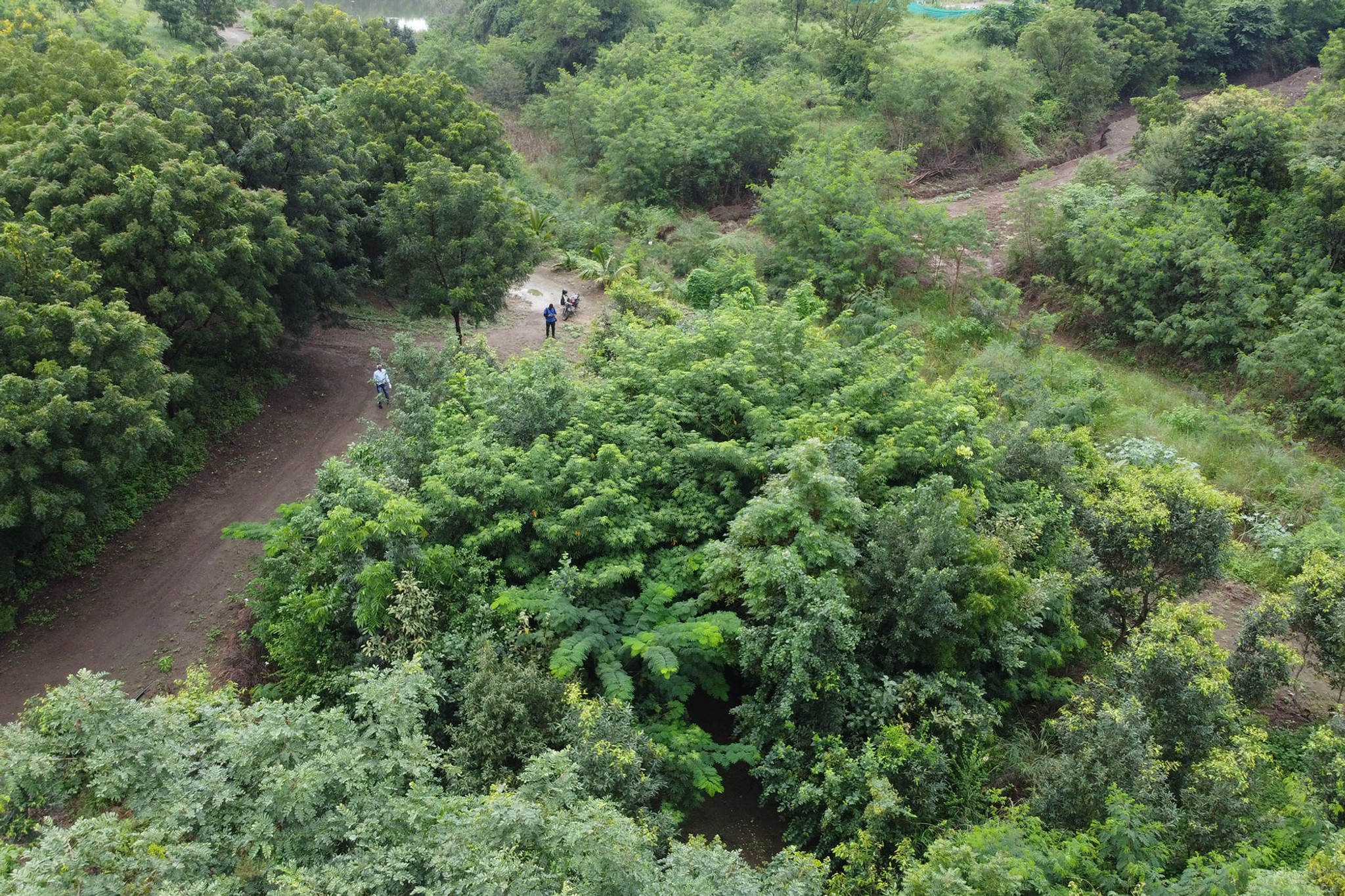
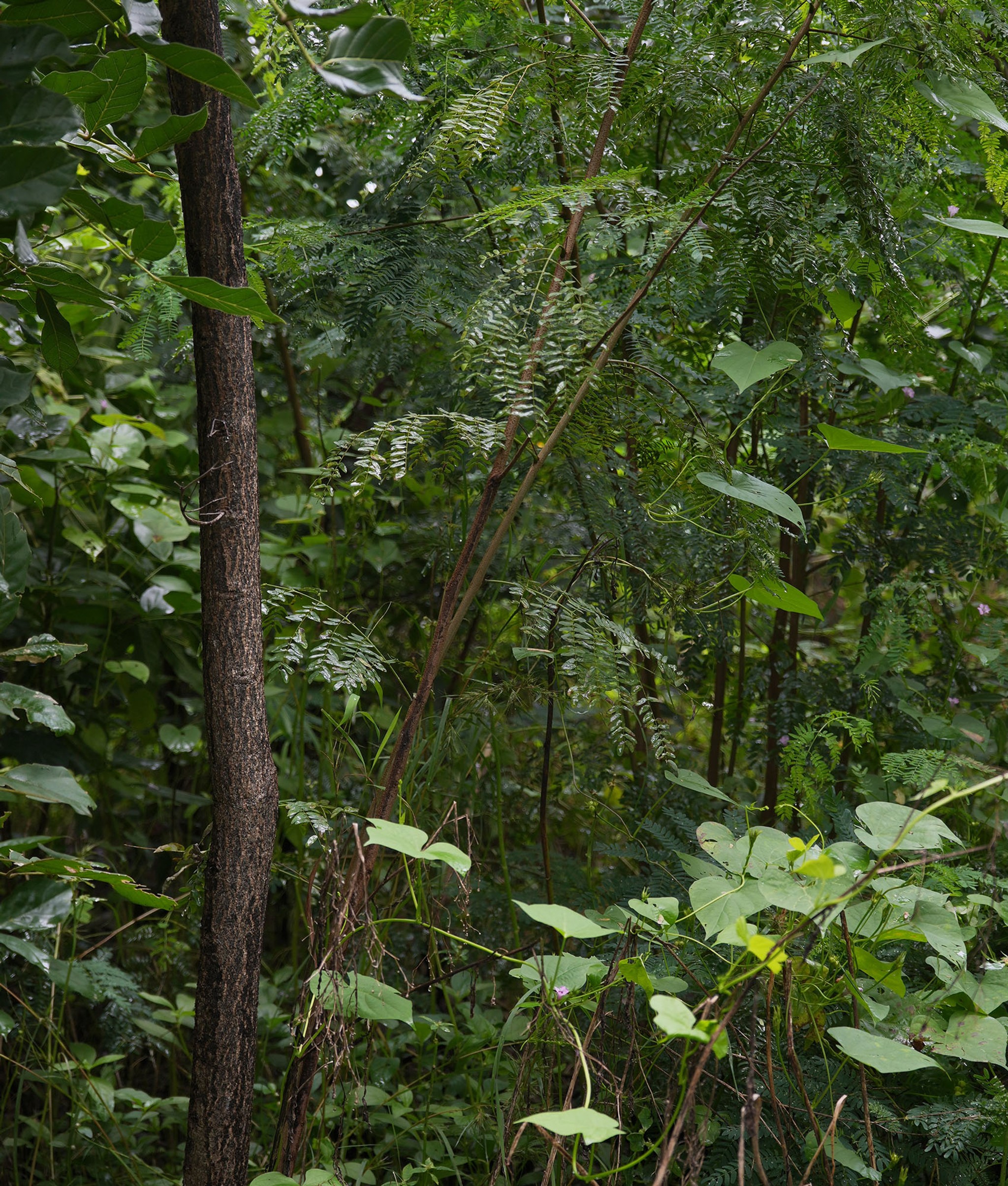
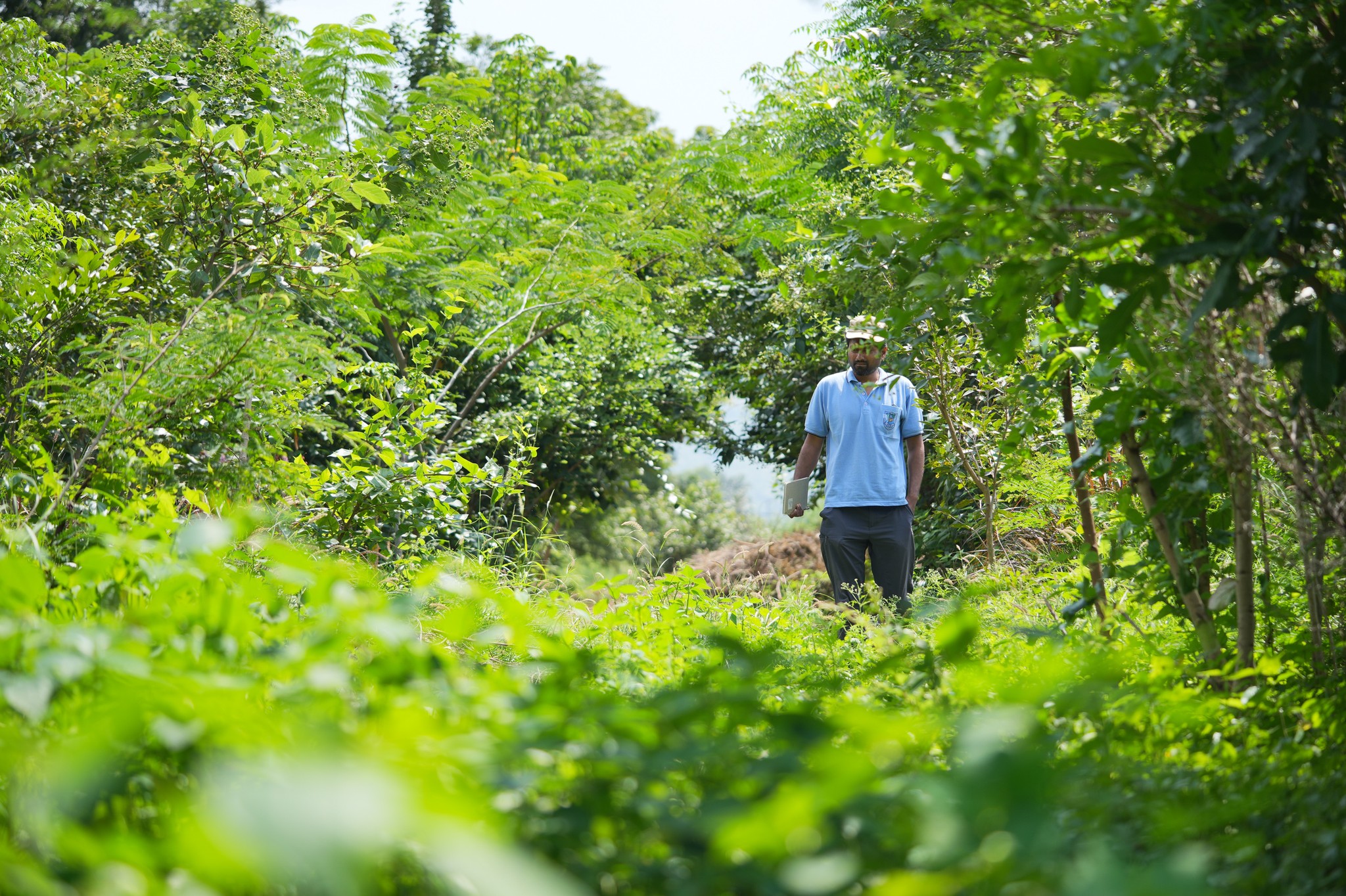
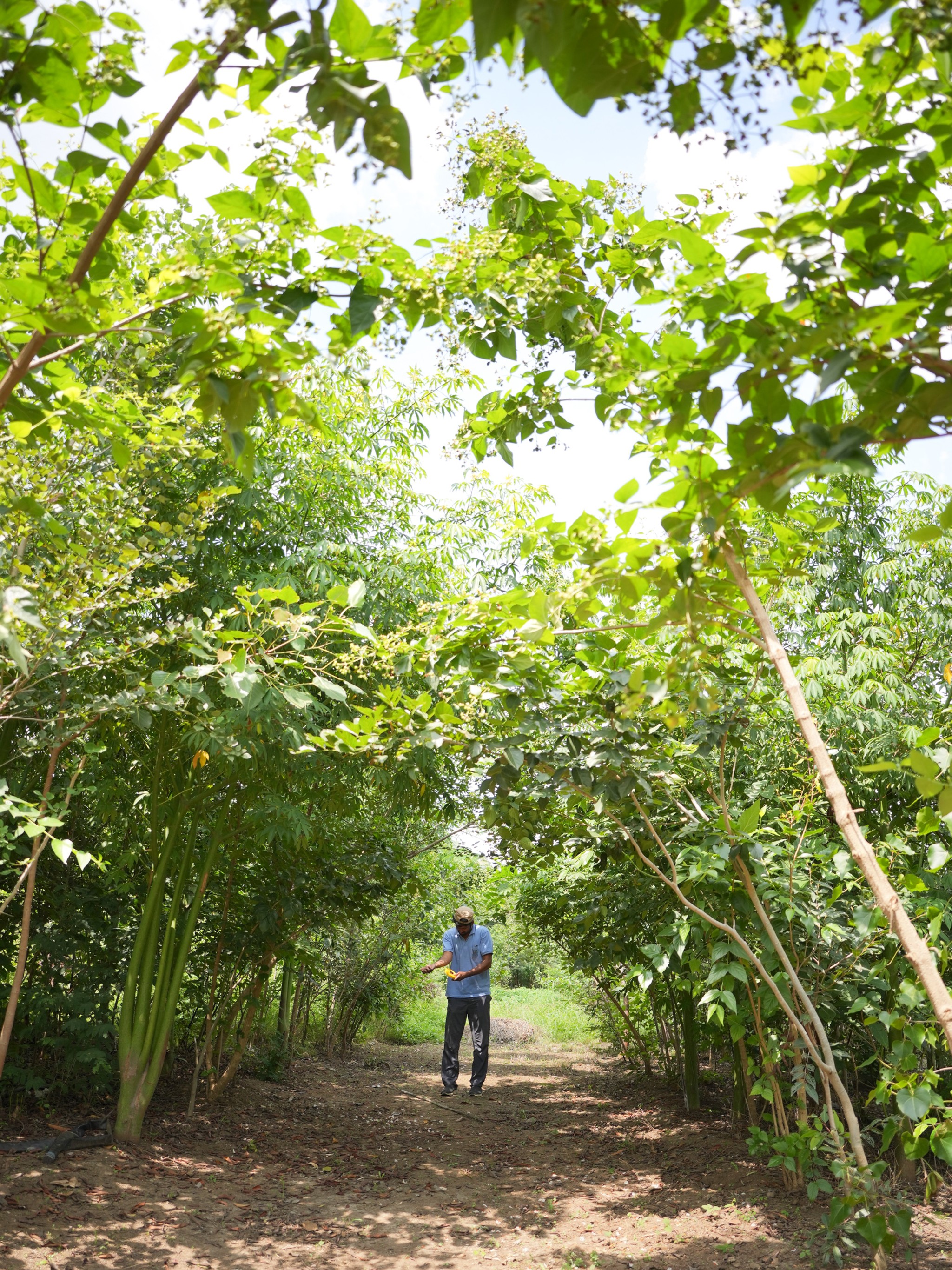
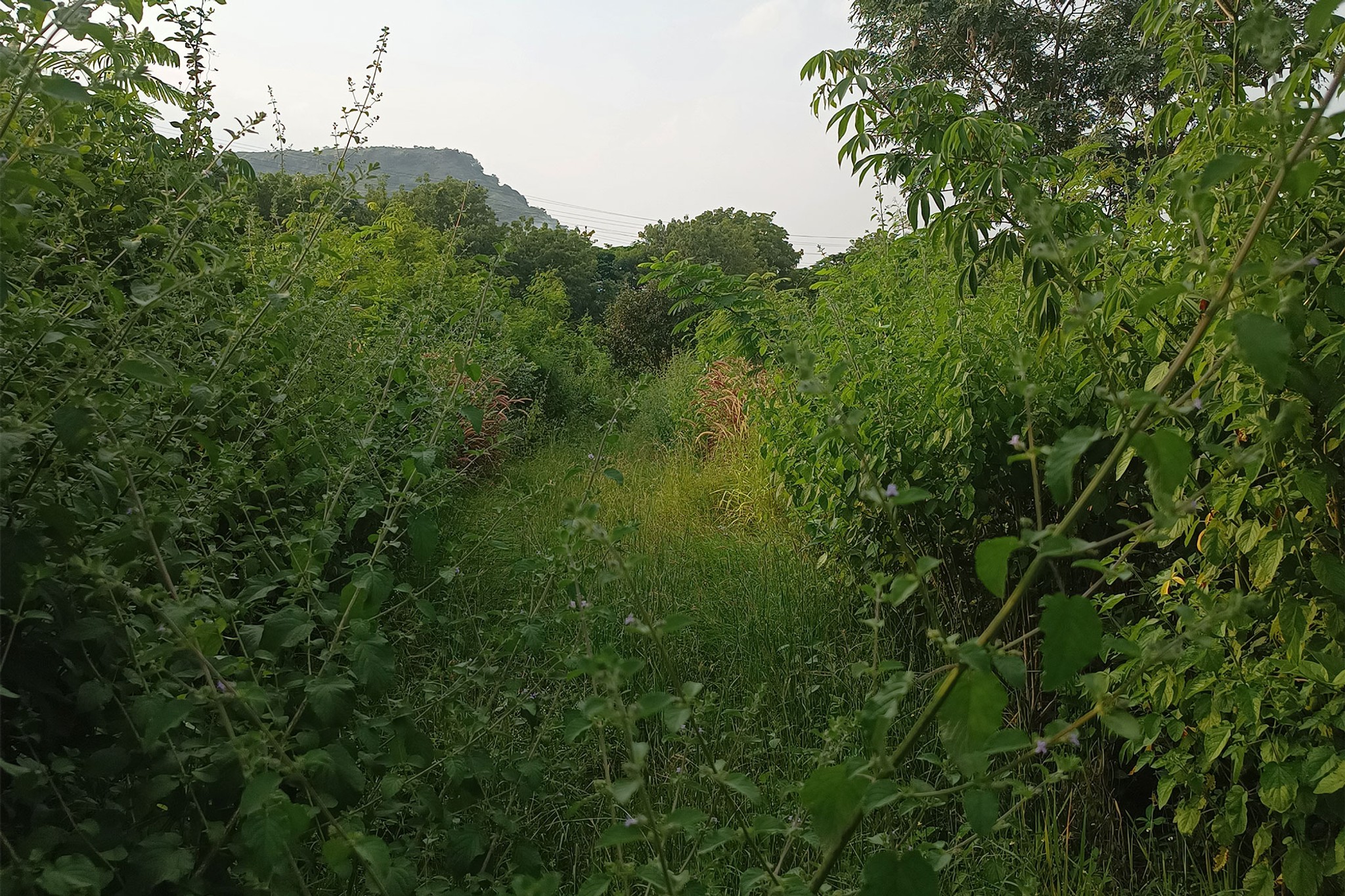
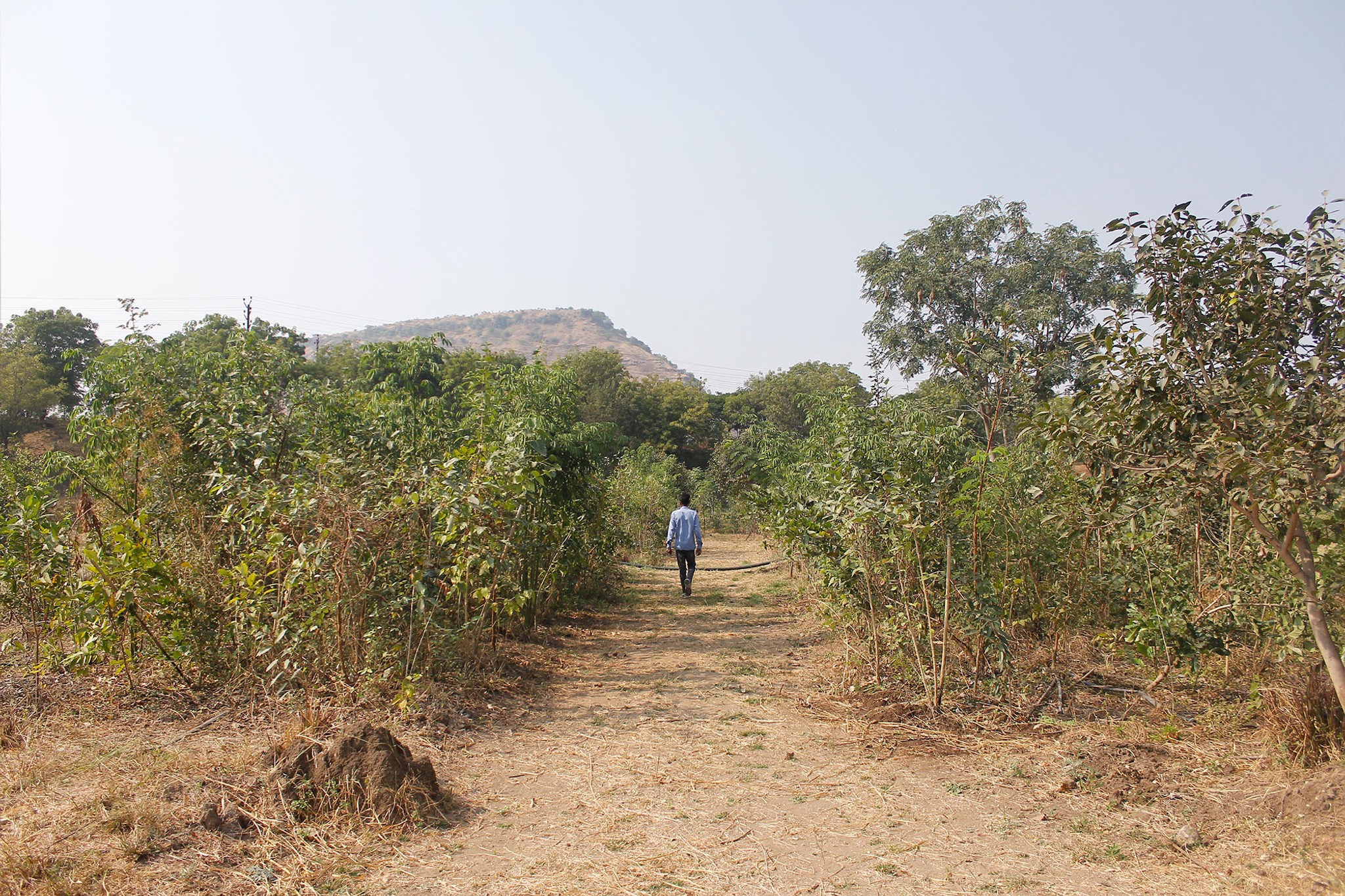
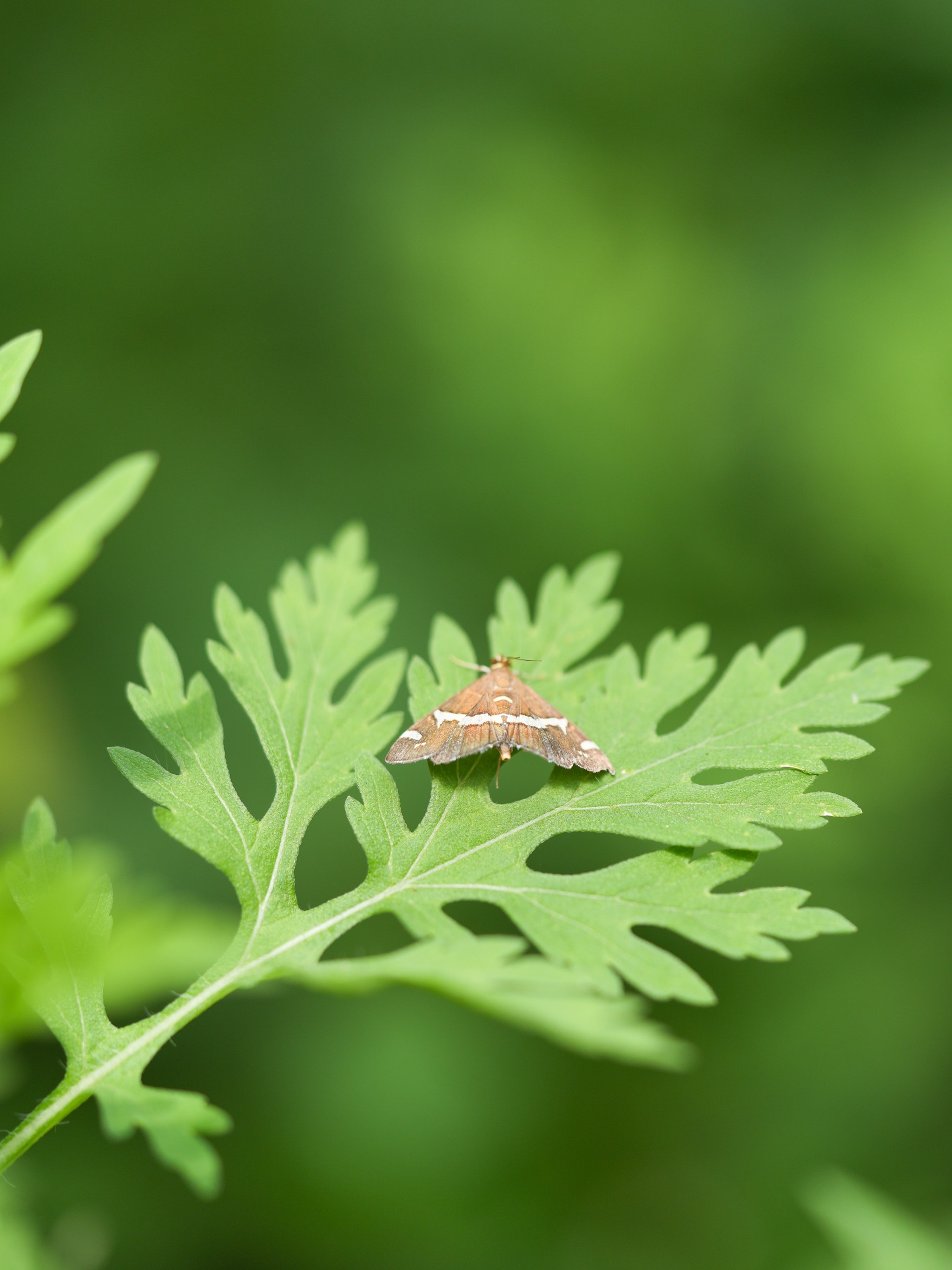
The forest is doing great - all of the trees we planted have so far survived. We’ve found many butterflies in the forests, as well as some tiny birds like the red-breasted flycatcher.
Biodiversity Notes:


Bandajai Ban Biodiversity Park
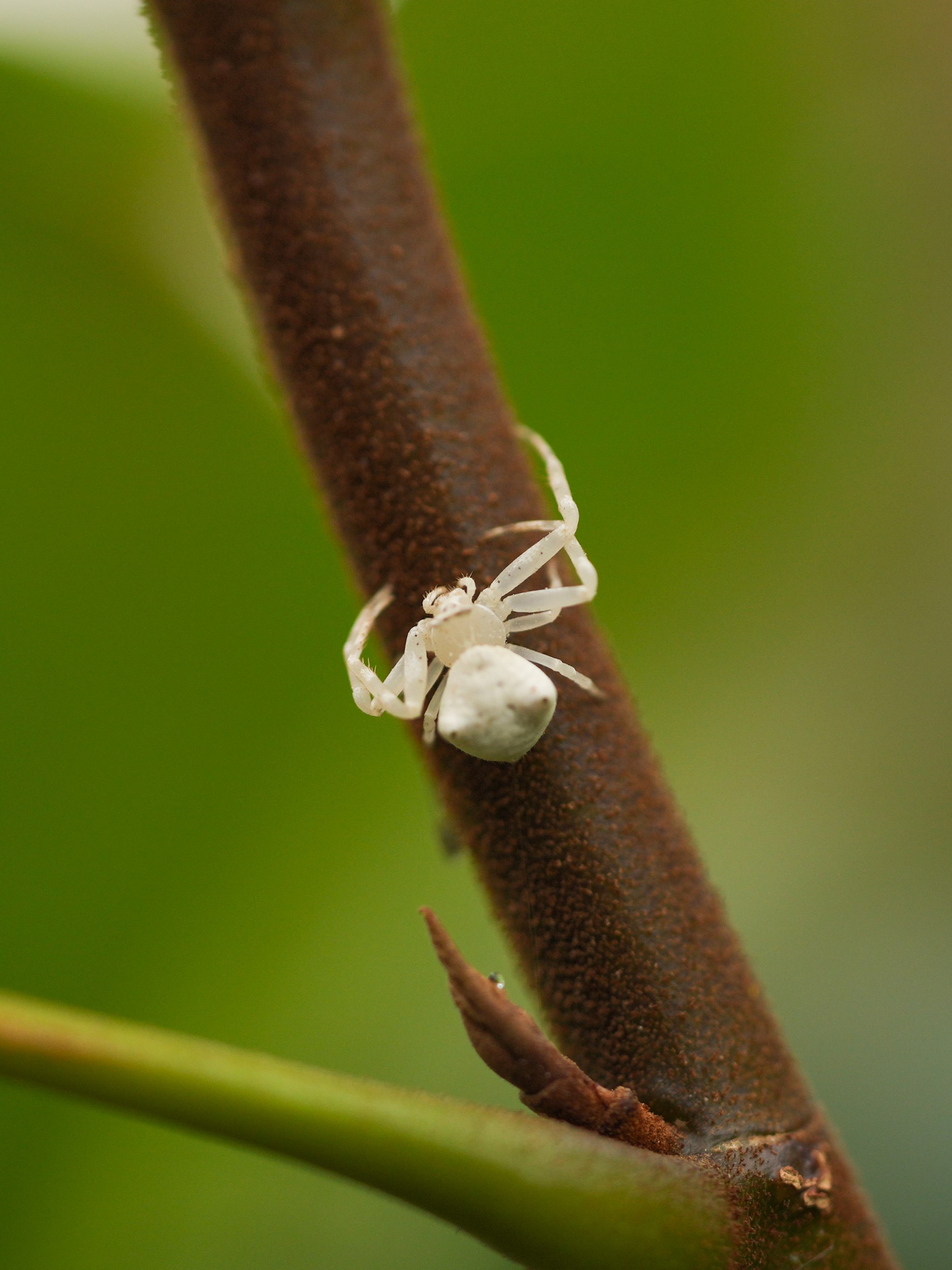
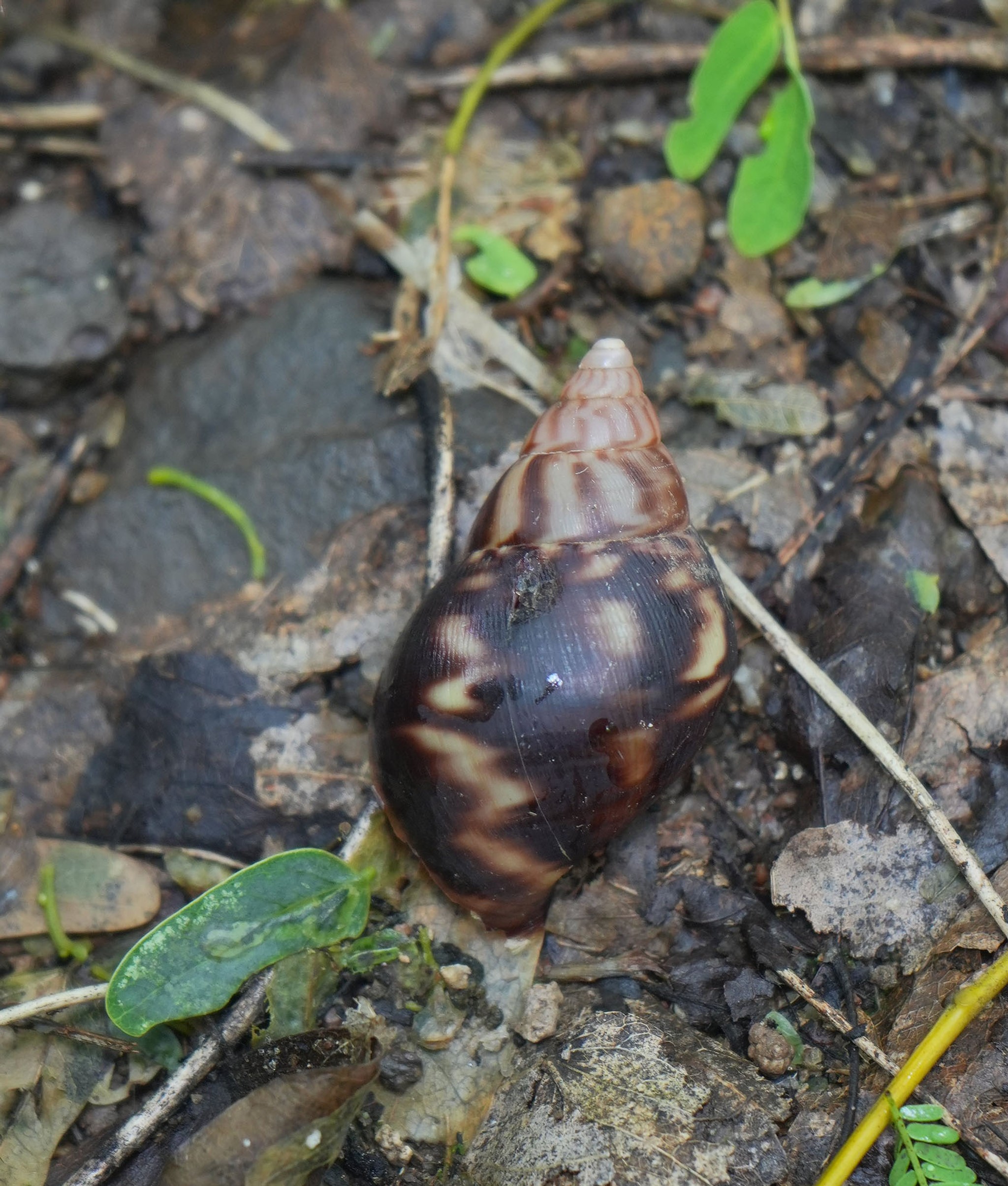
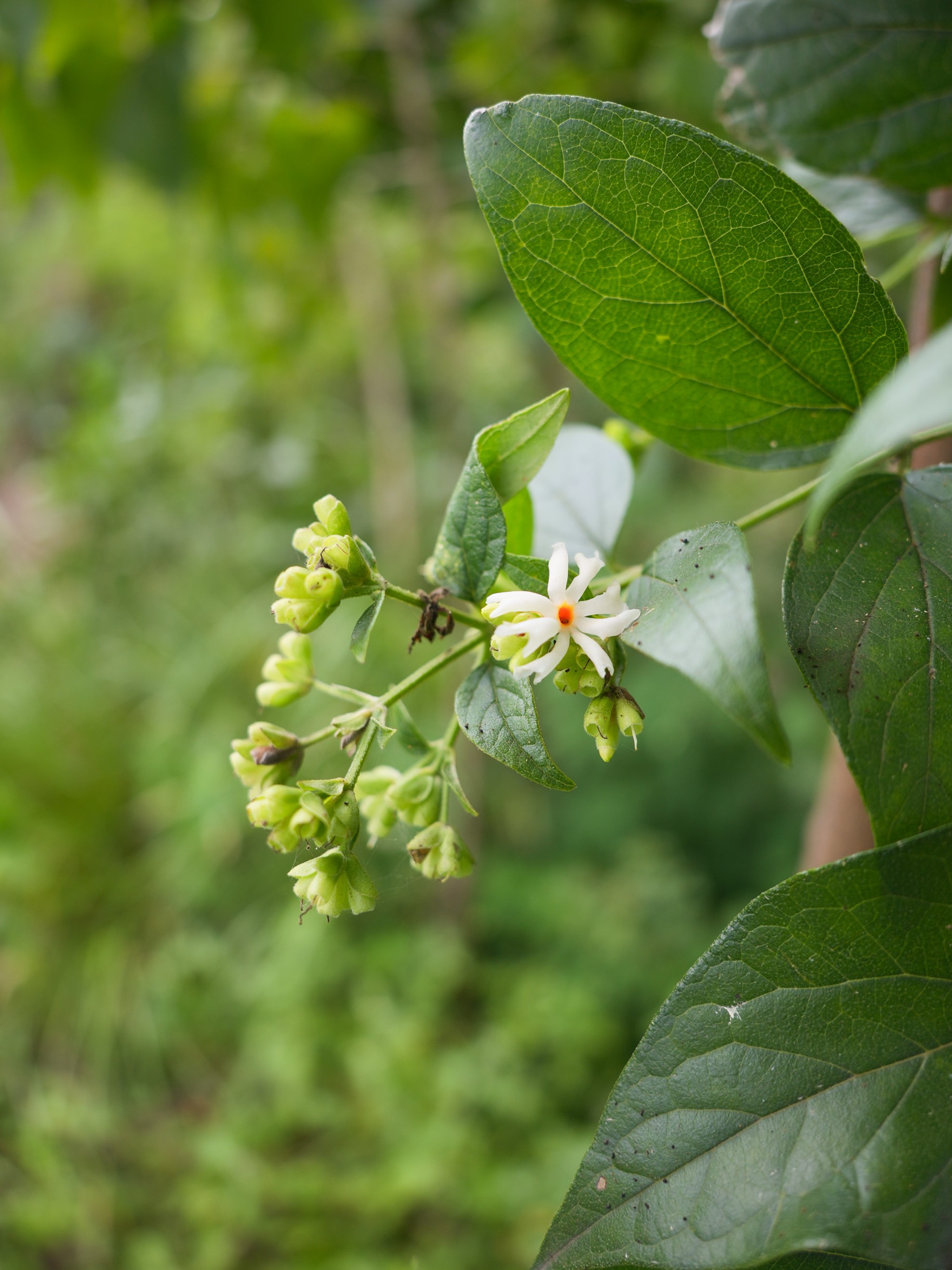
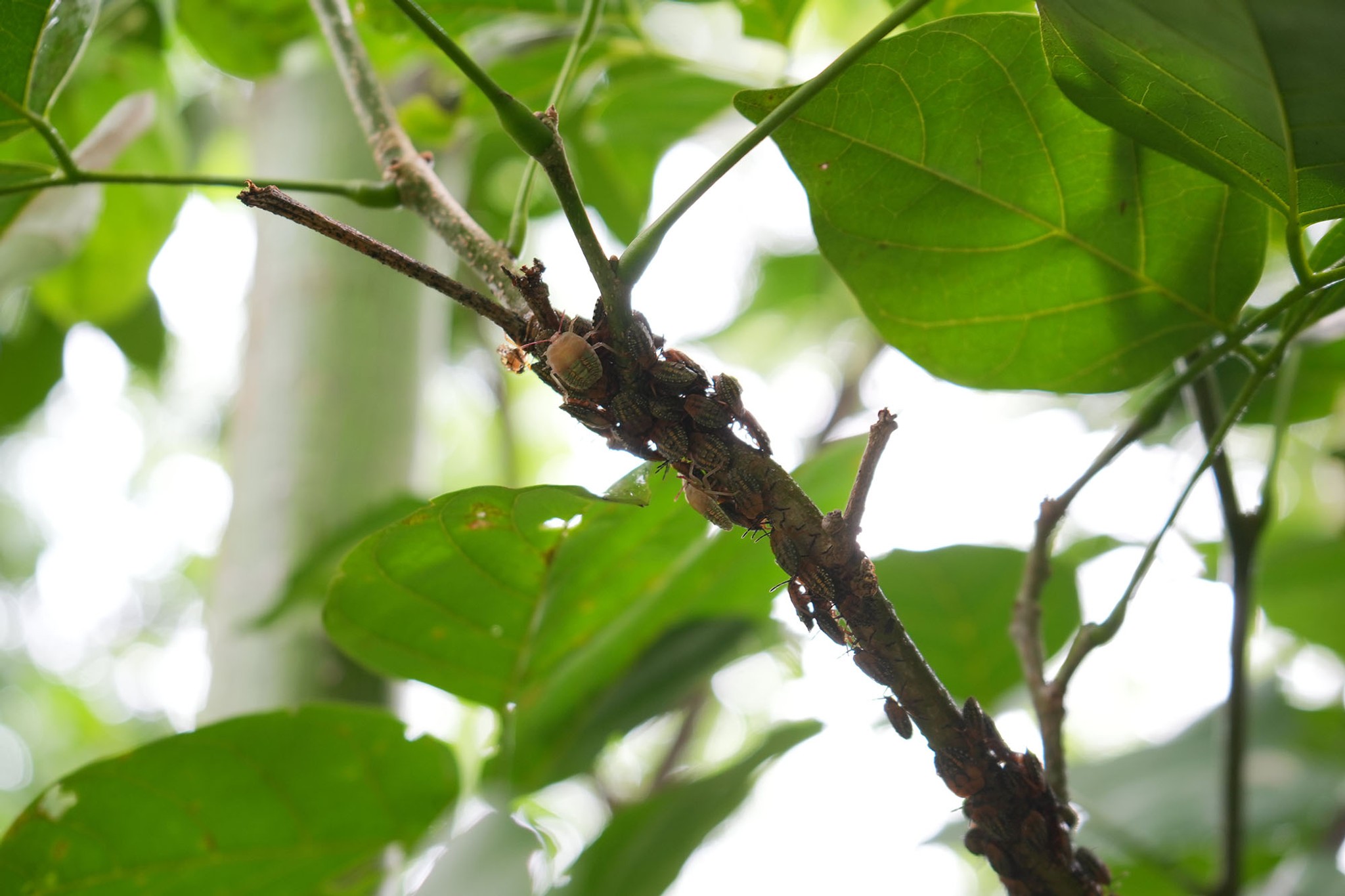
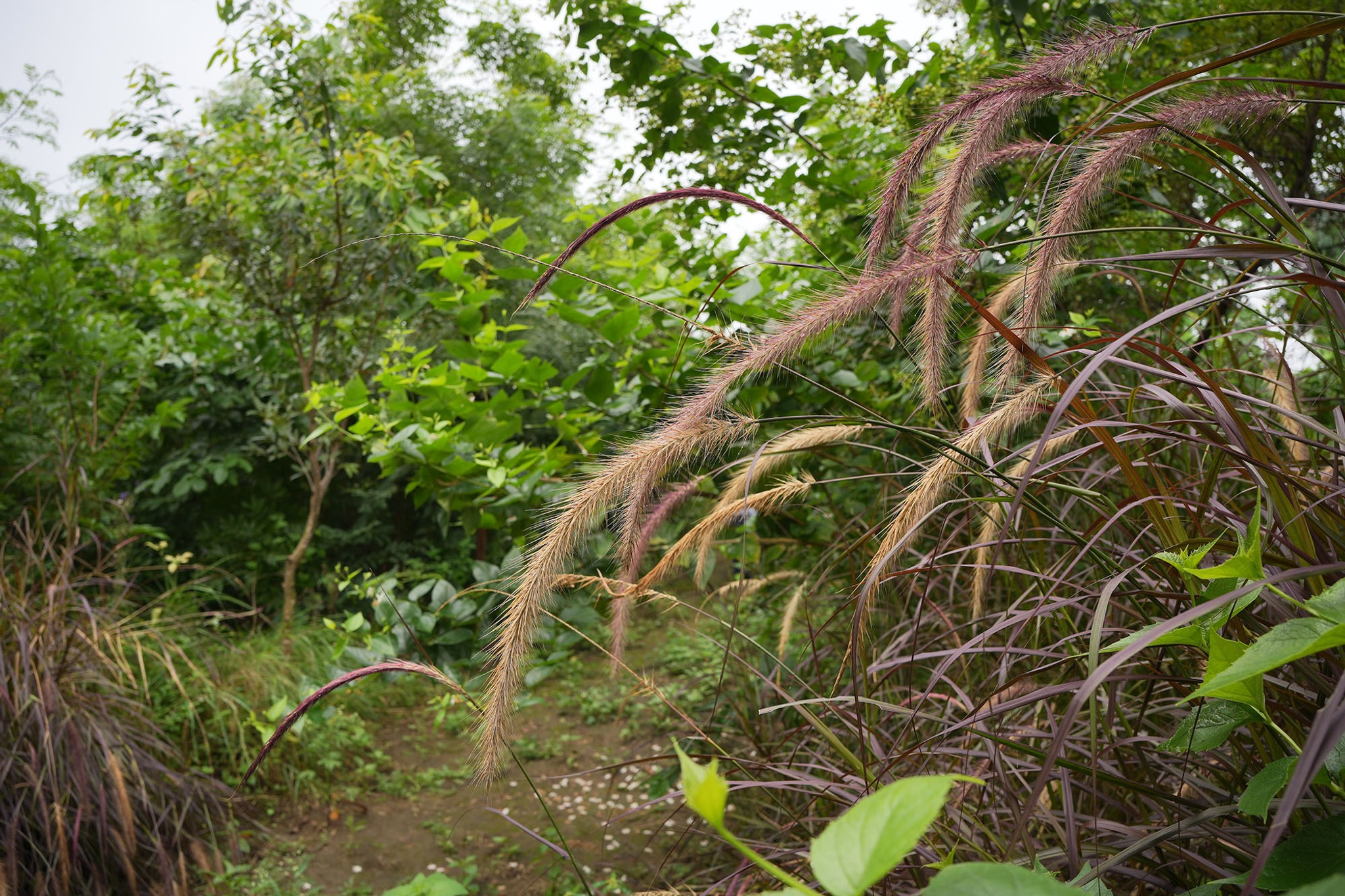
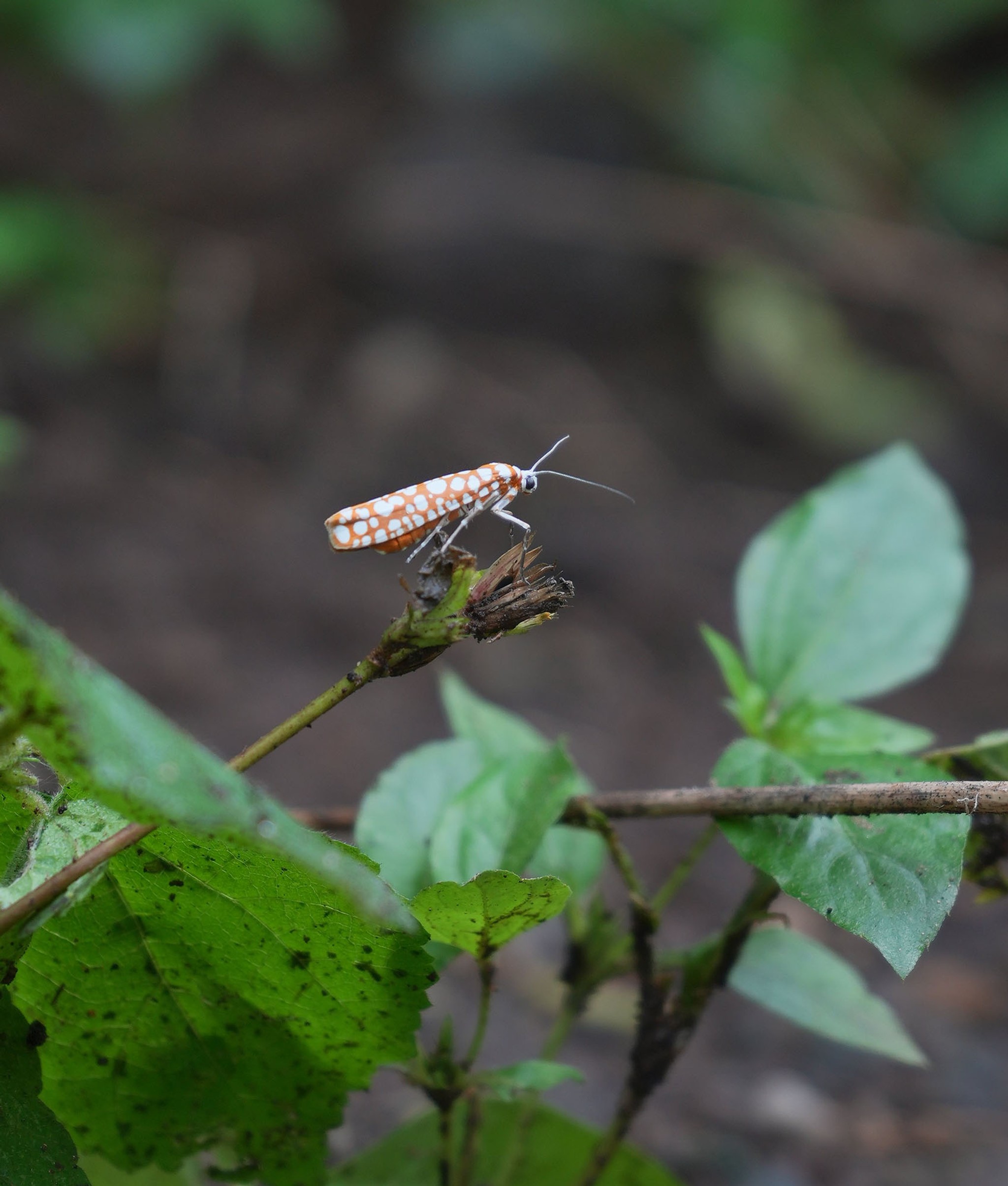
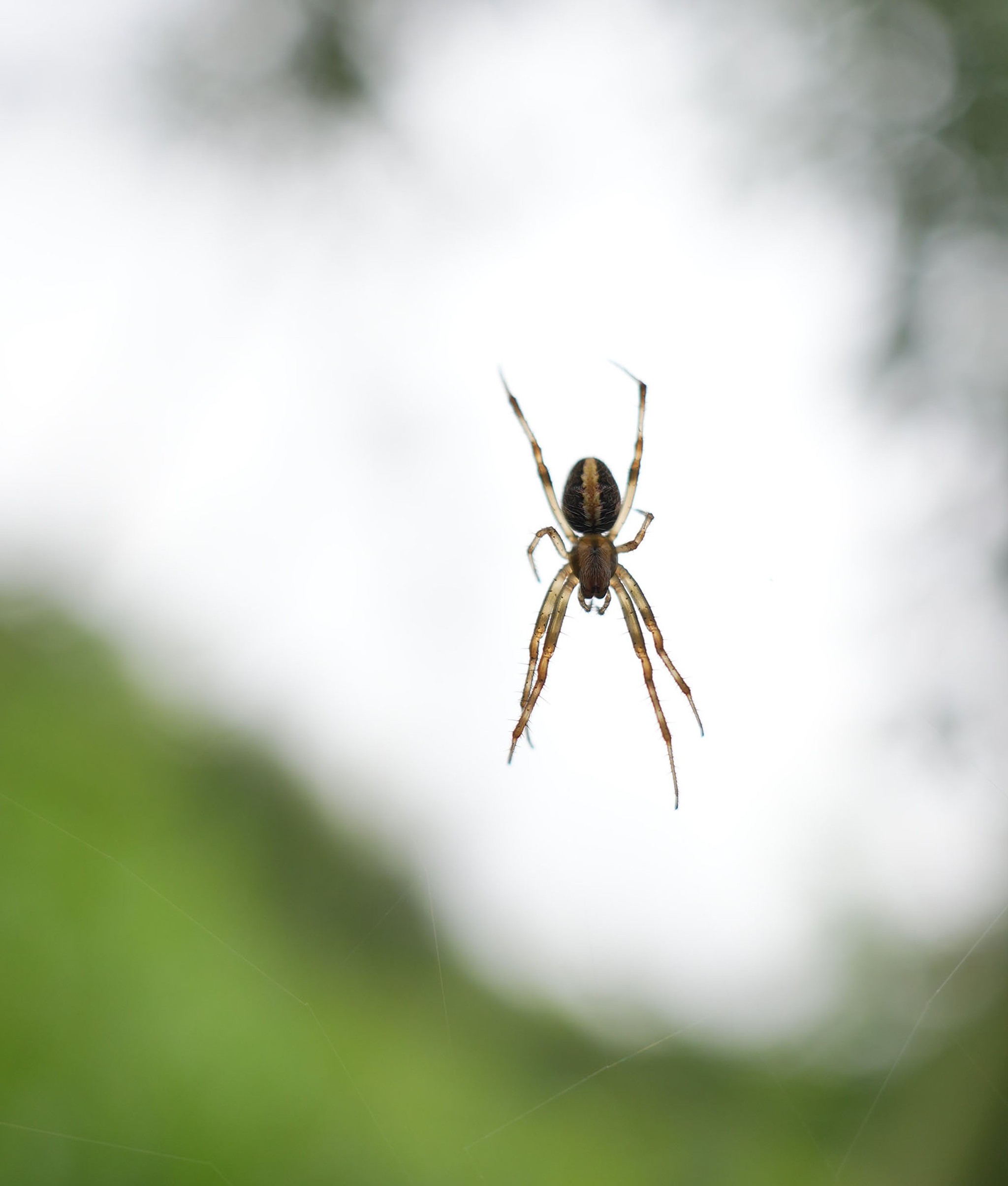
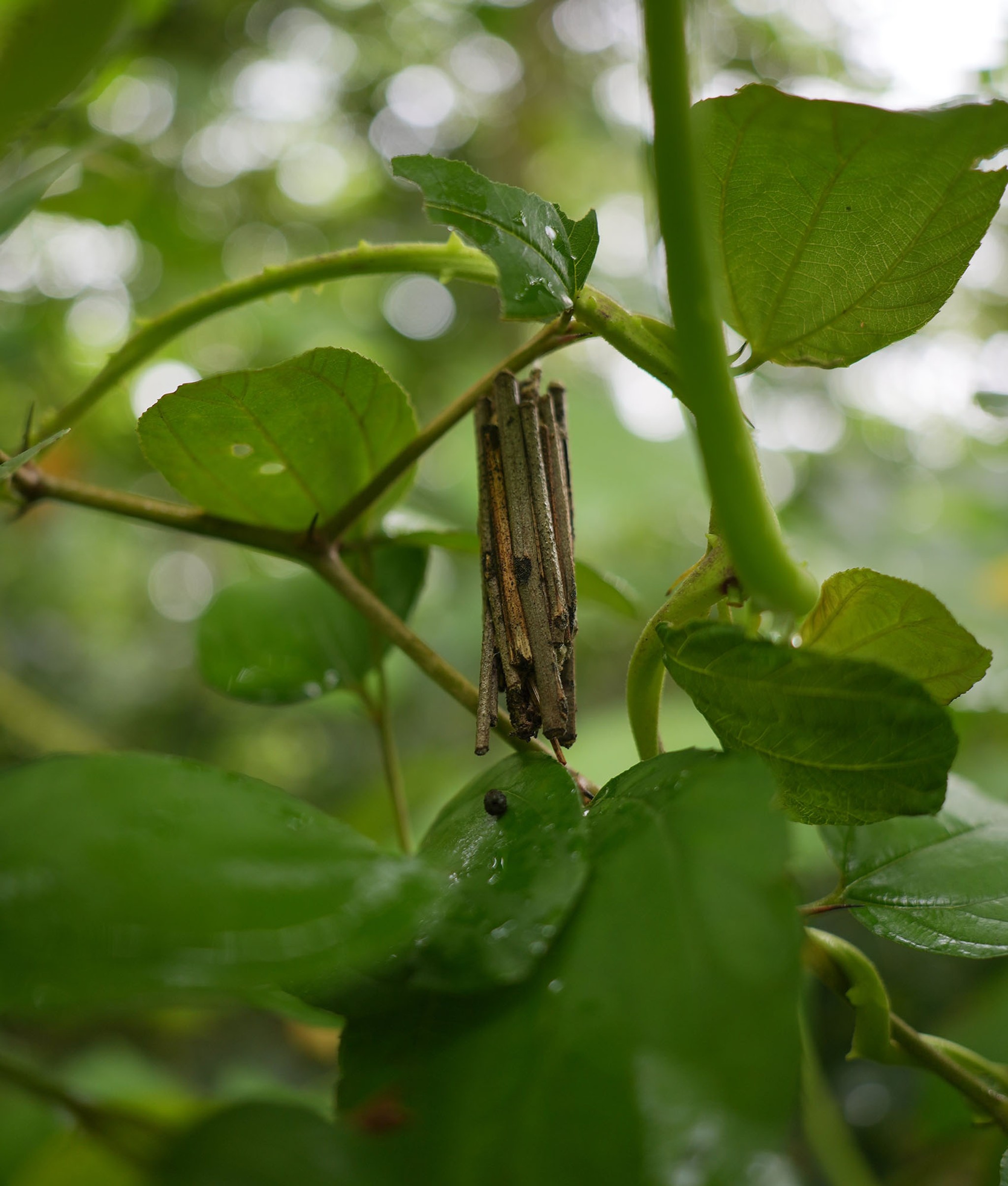
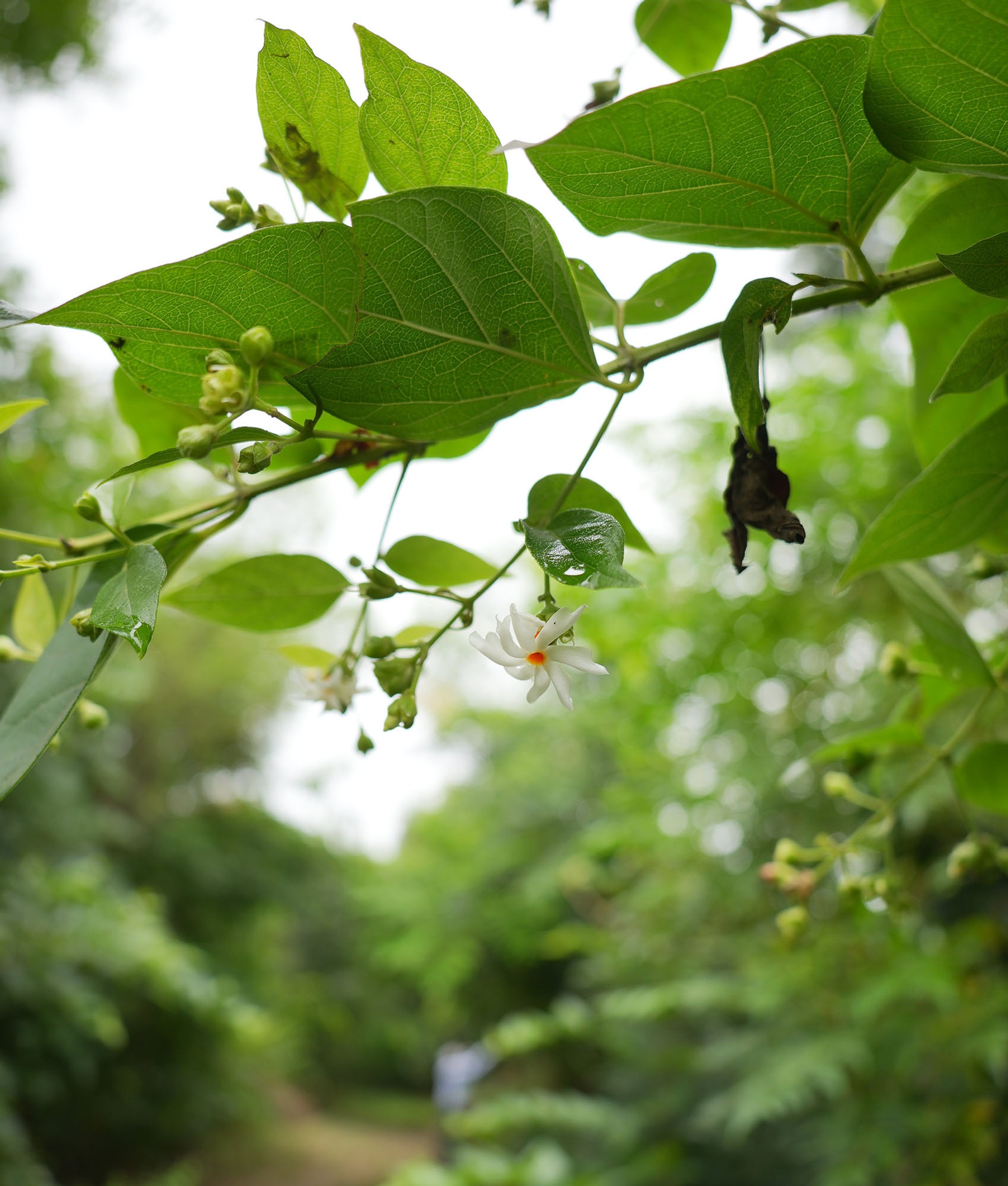
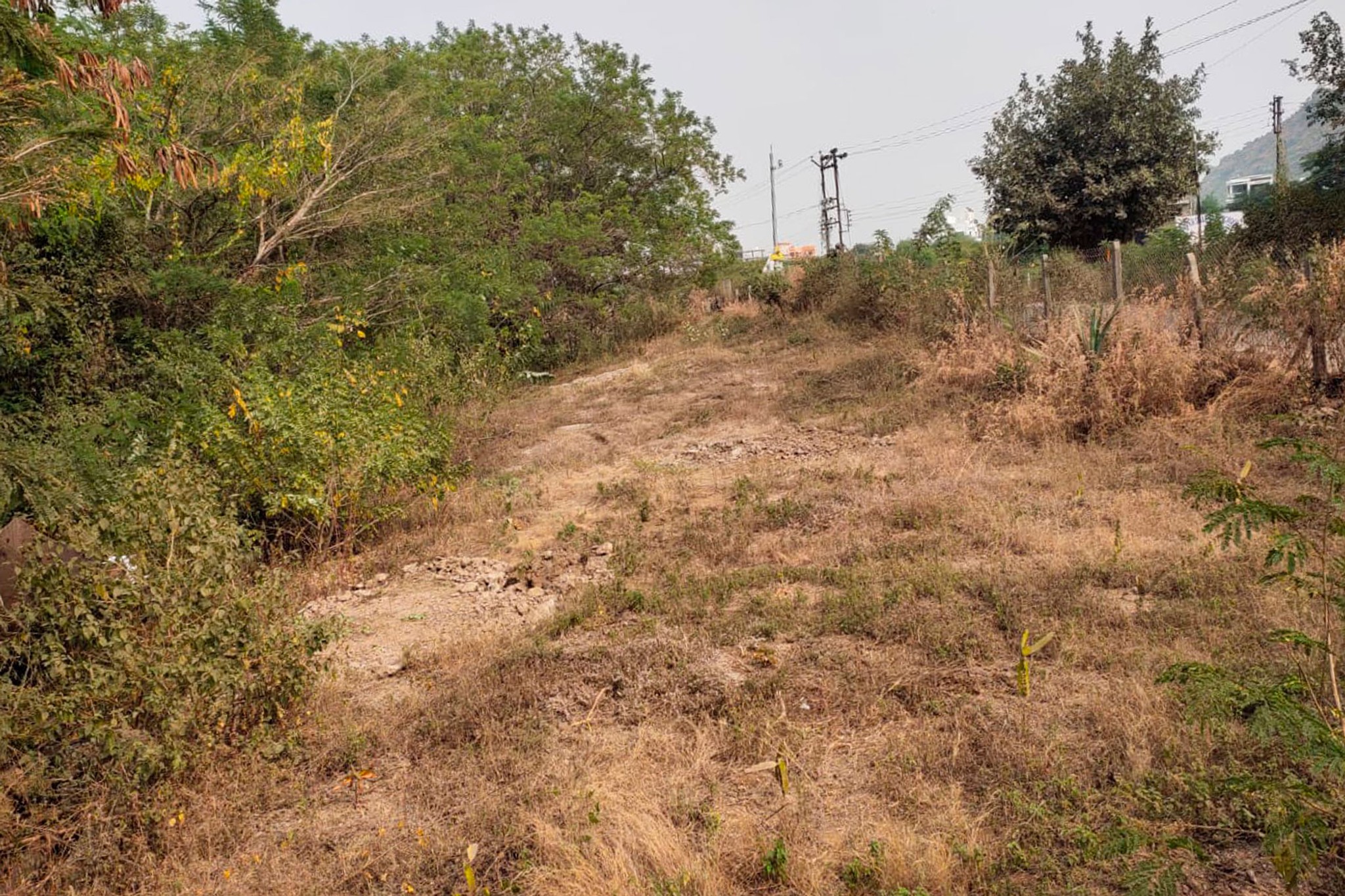
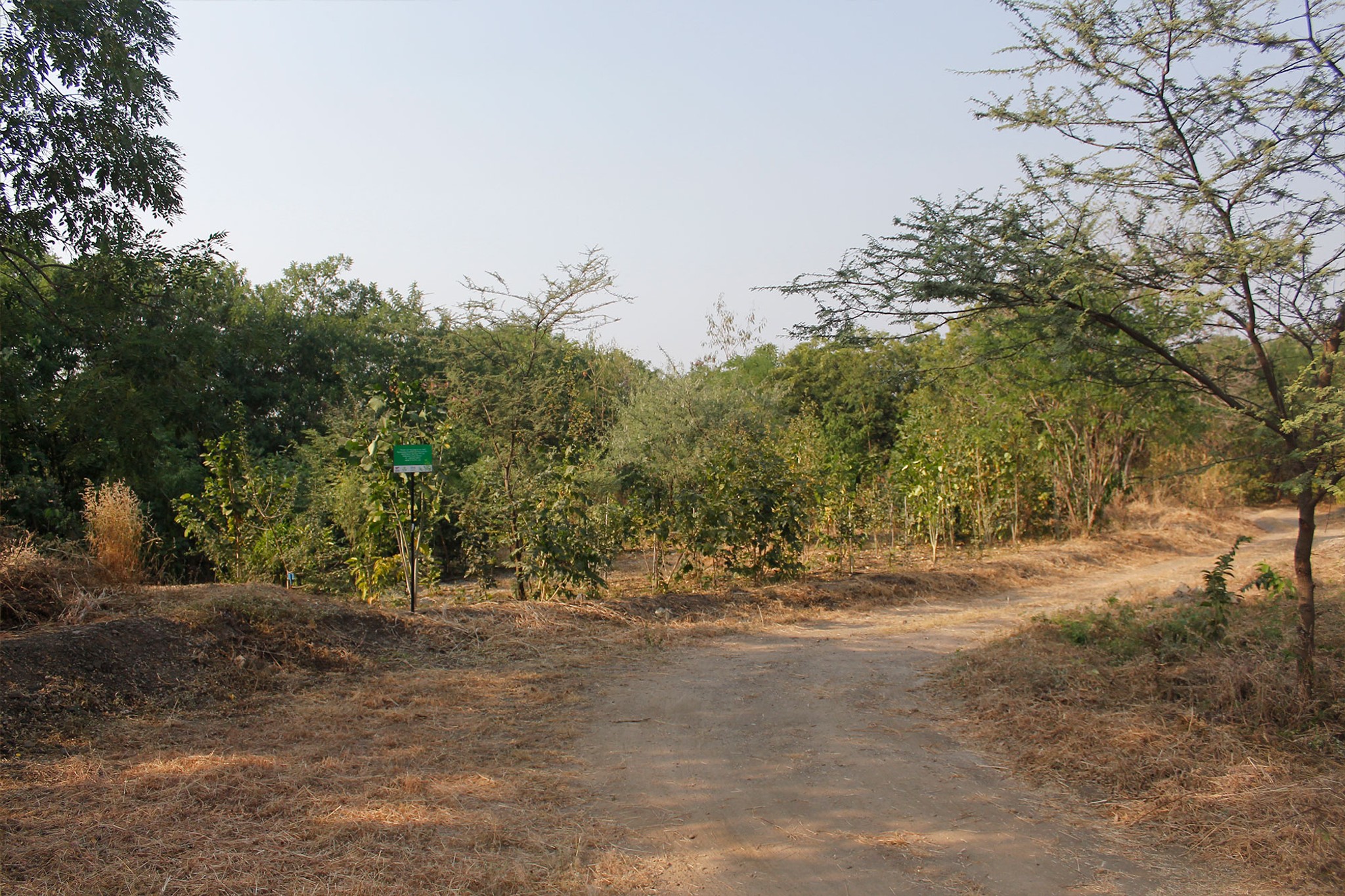
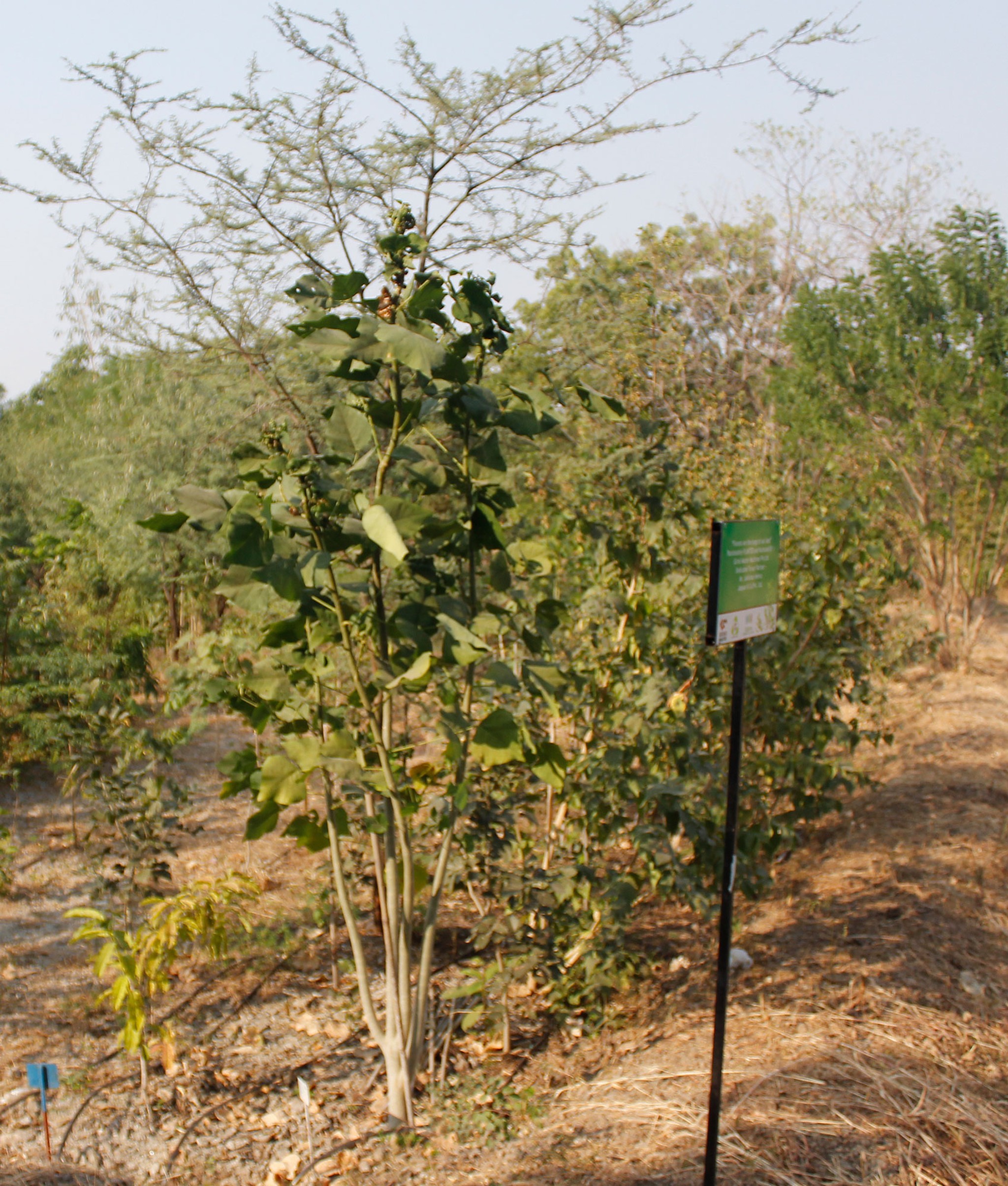
This forest has suffered greatly from the dry spring and summer this year, with many trees losing their leaves to conserve moisture. There has not been much growth in most of the trees, leaving the forest looking very young and bare in some spots.
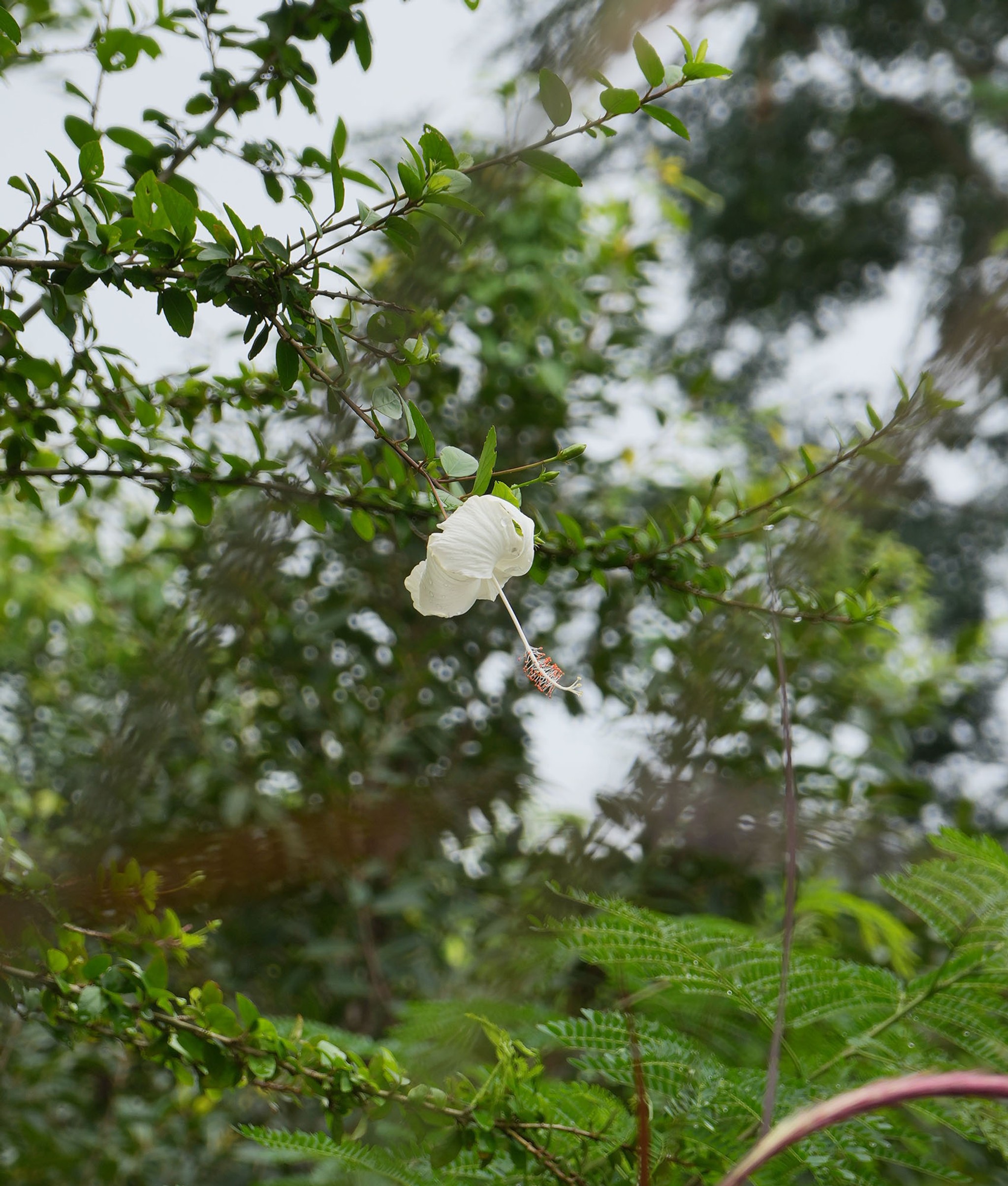
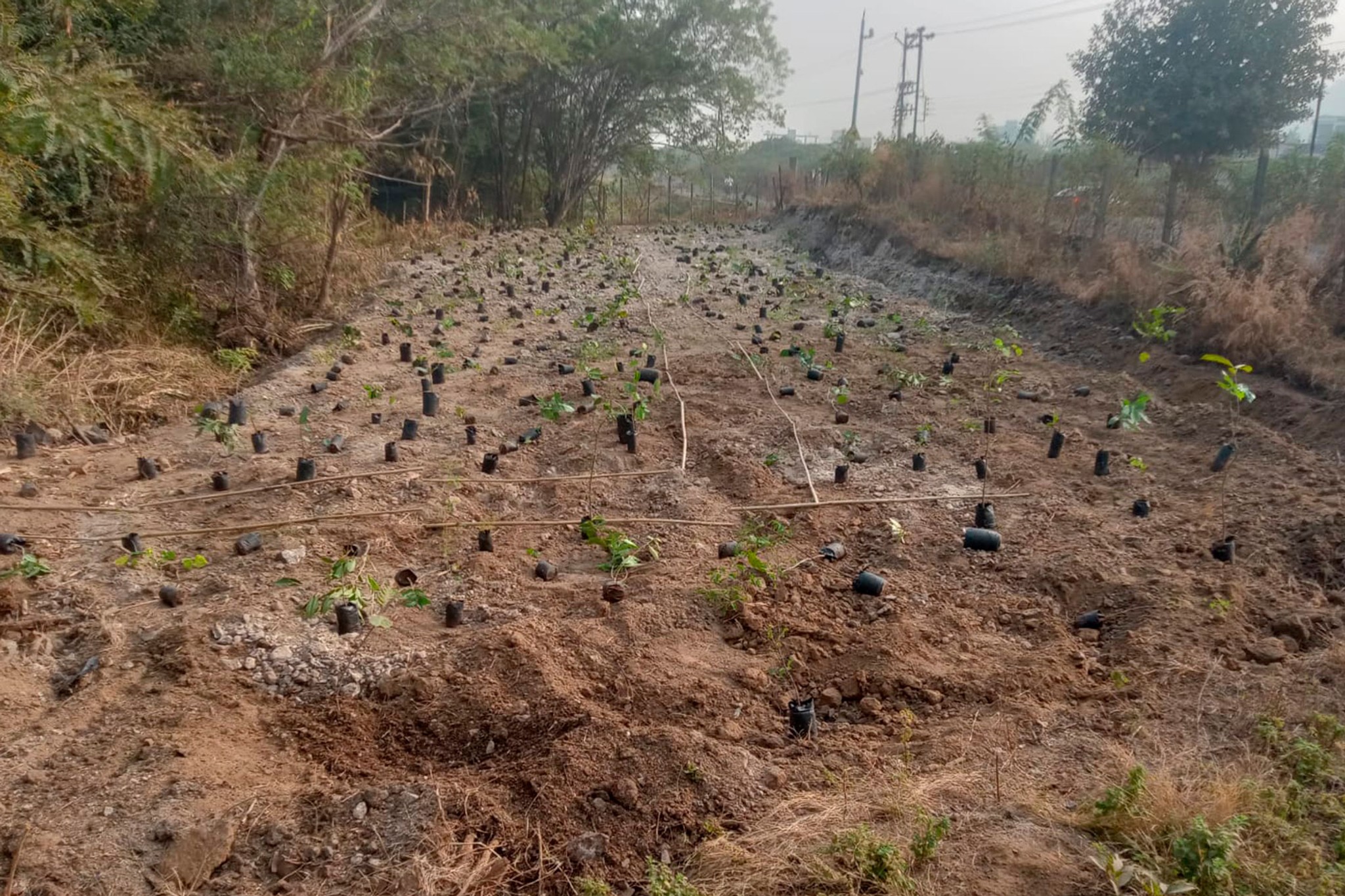
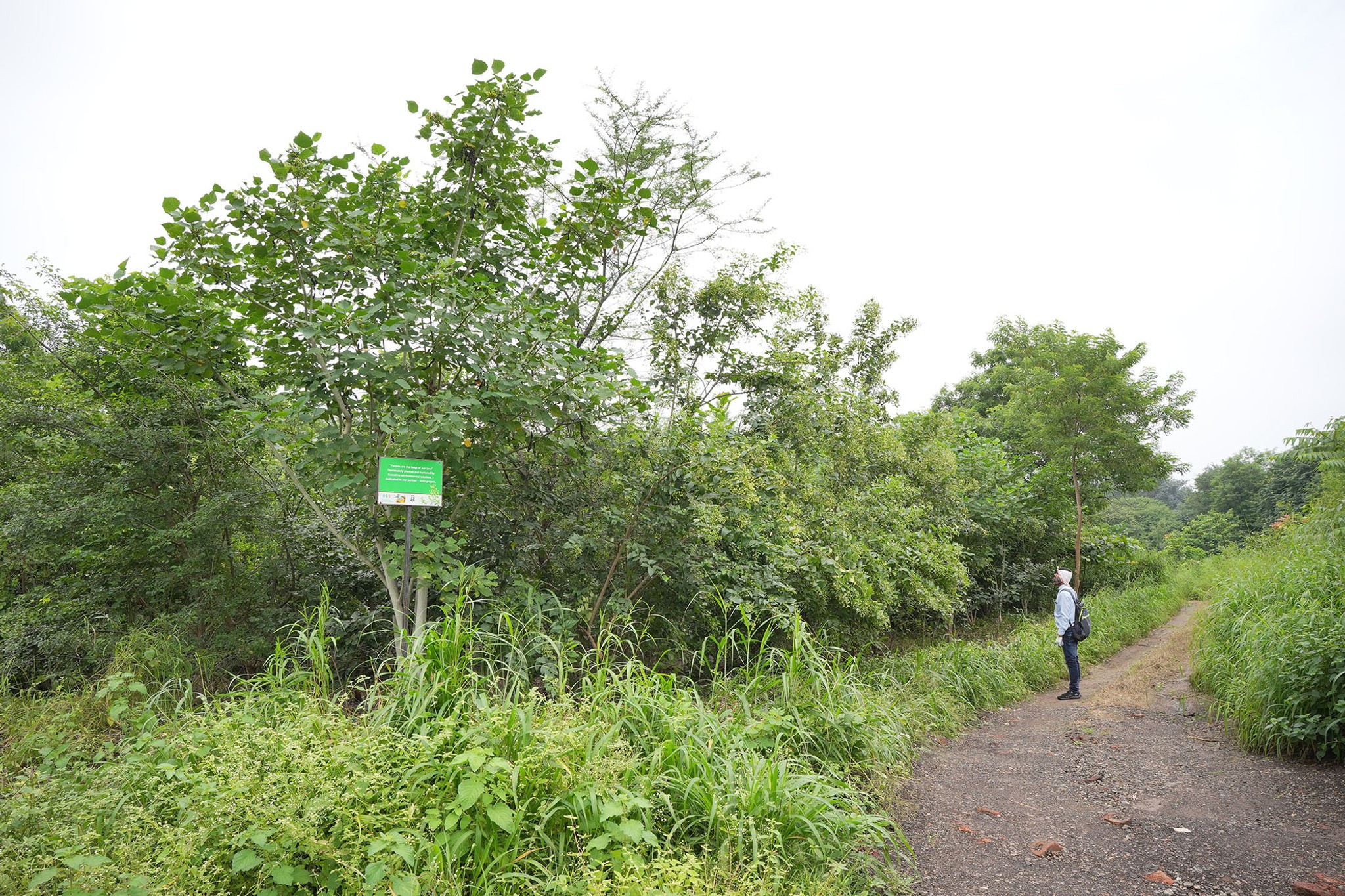
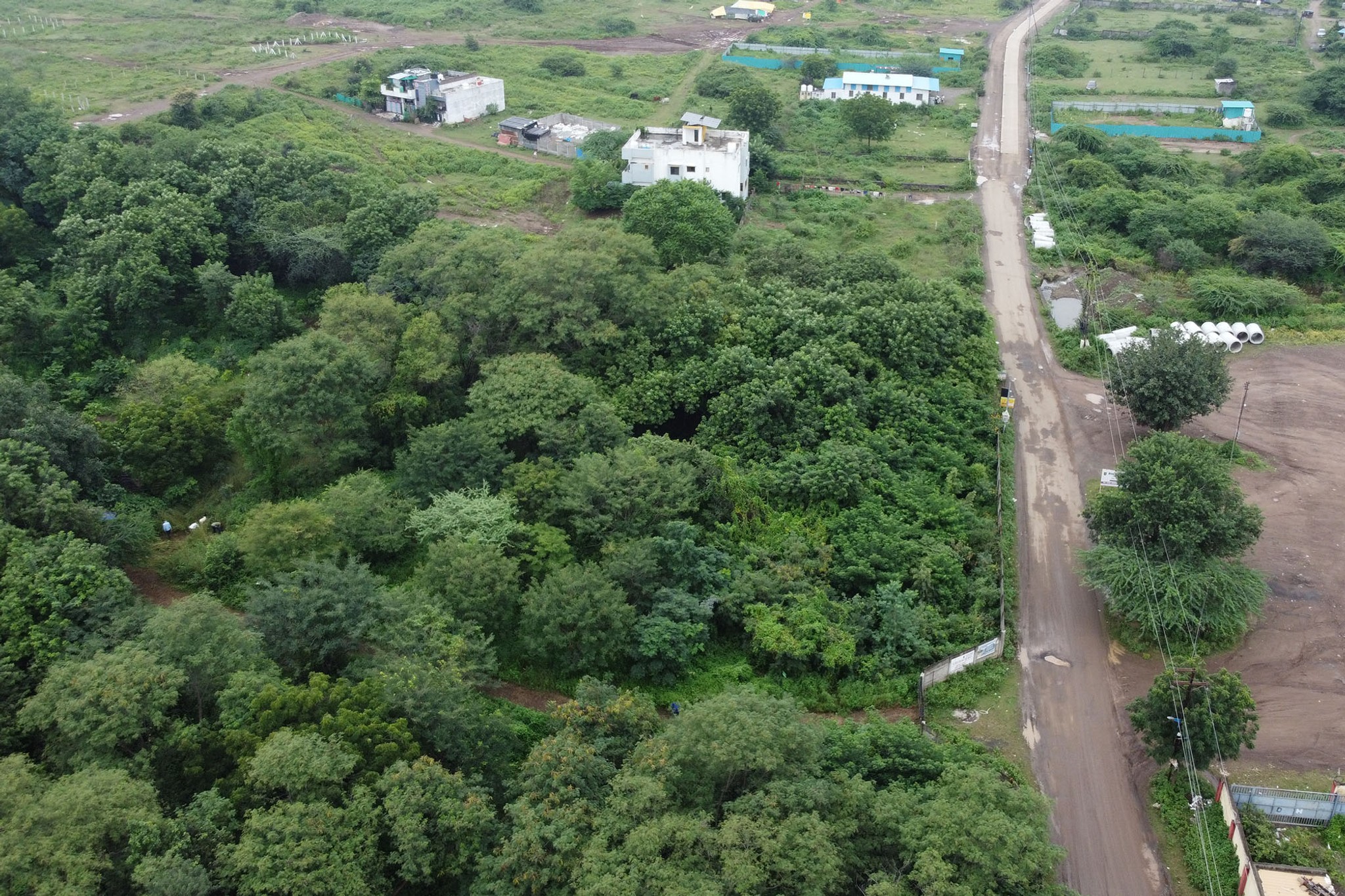
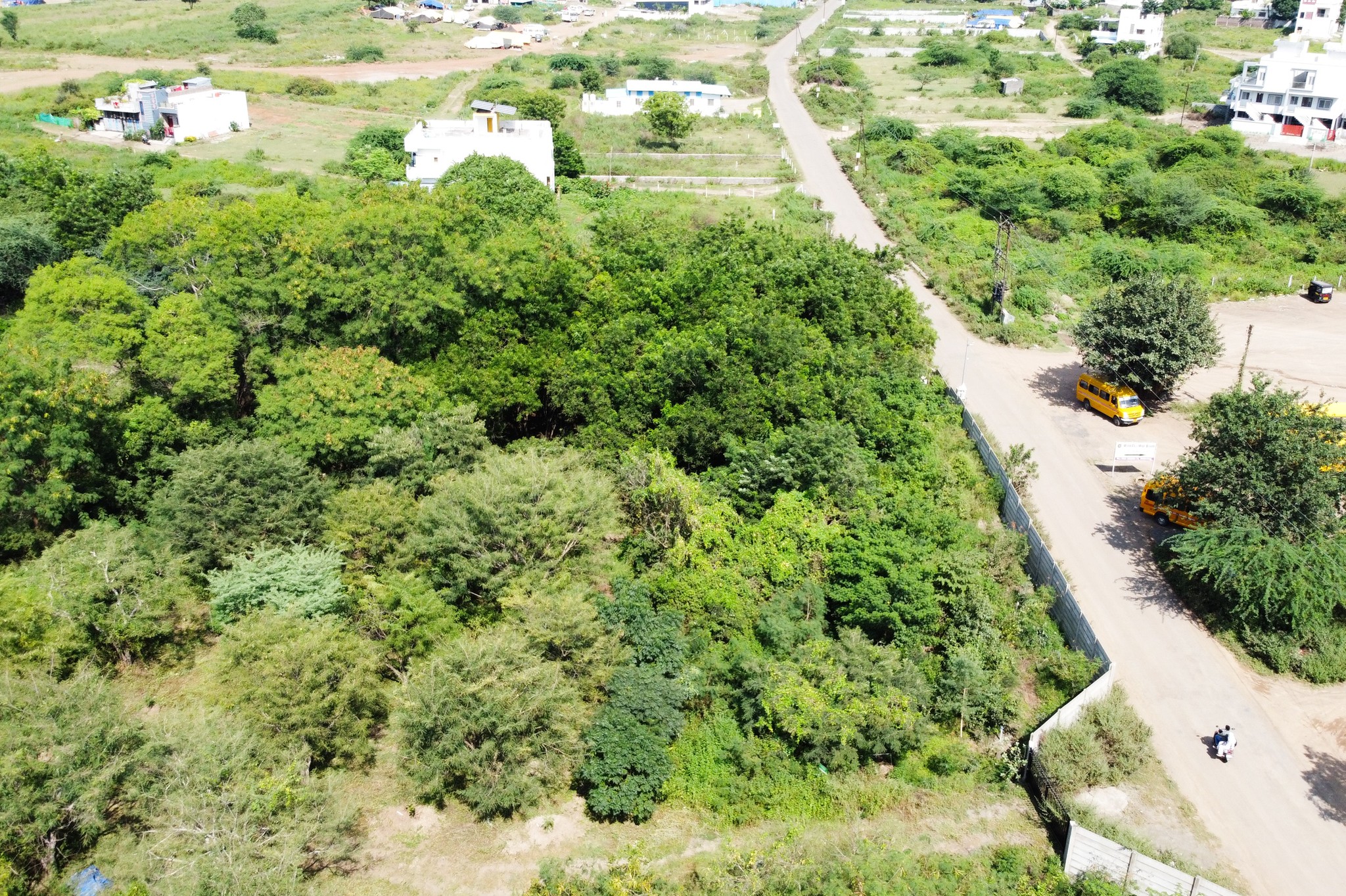
Planted in 2022, Bandajai Ban is steadily developing into a resilient pocket of native biodiversity within Aurangabad’s heat-stressed urban landscape. Native species are establishing well despite the arid climate, supporting pollinators and urban birdlife while improving local microclimatic conditions. Continued protection and stewardship will be essential to ensure the forest matures into a lasting ecological asset.
0%
Survival Rate
0
kg of potential CO2 sequestration
Planted: December 2022
Forest Report: 2023
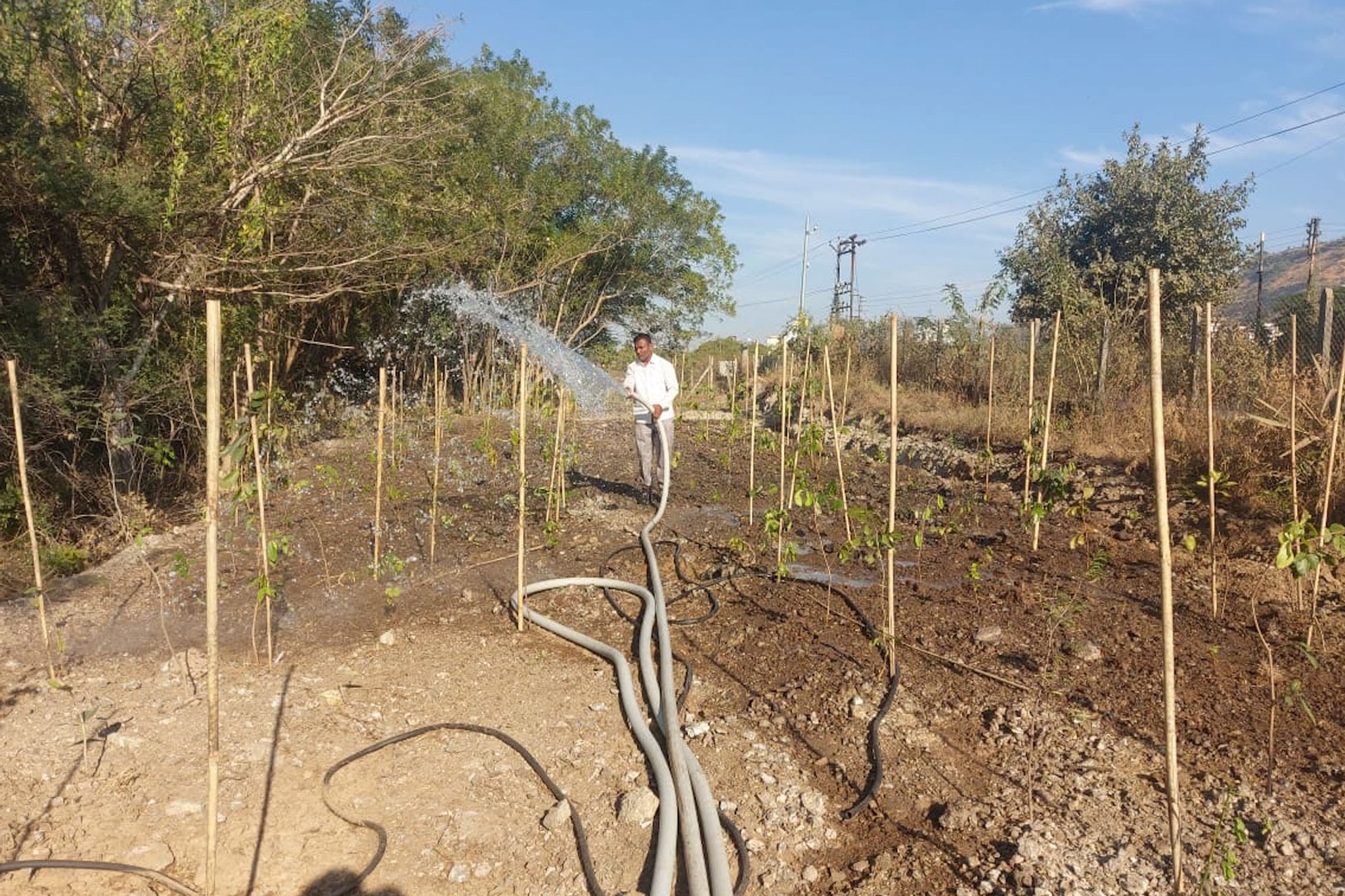
There is a strong presence of wildlife due to this isolated campus. Sometimes, dead wood is being used by the local community for firewood and fuel.
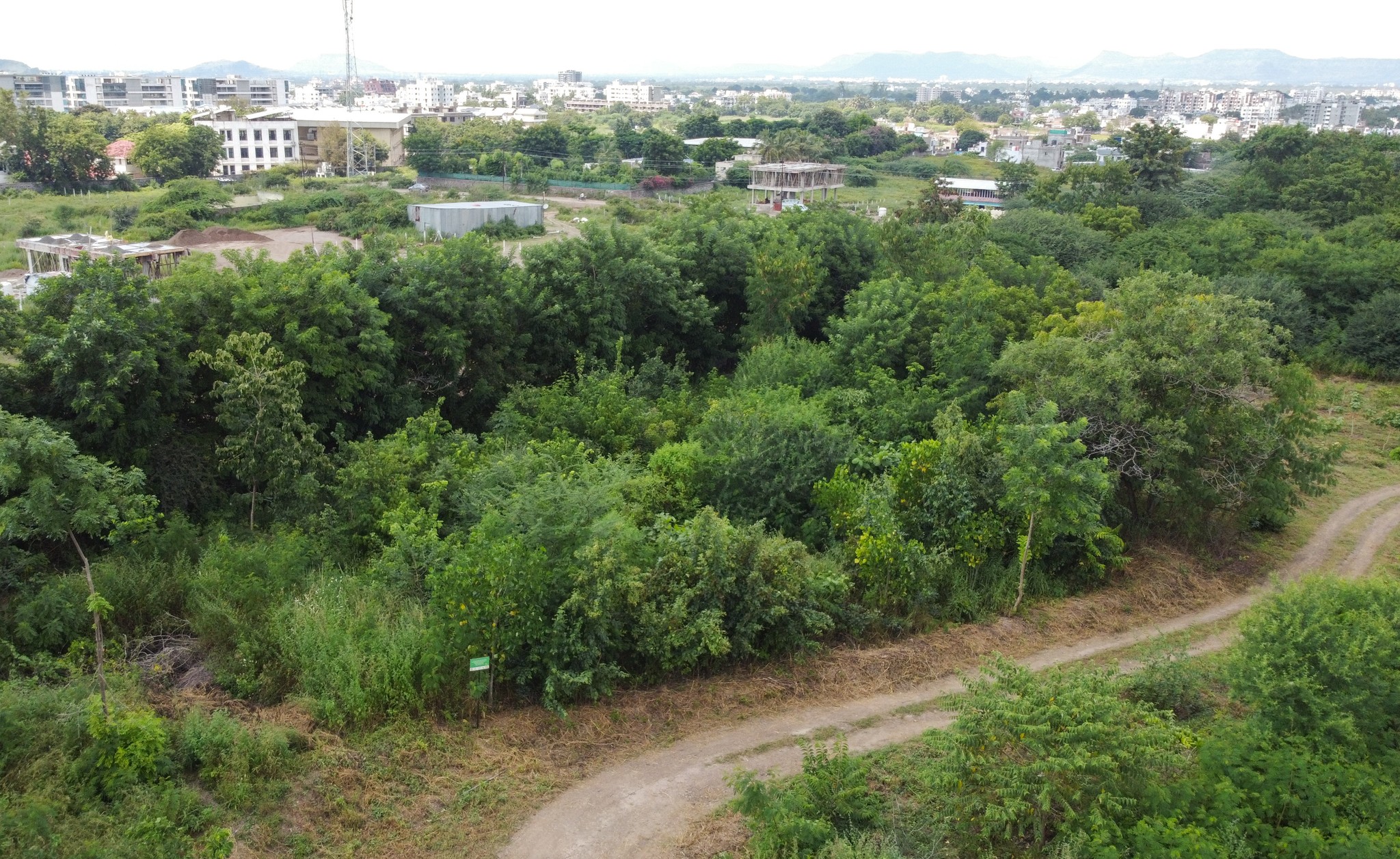
This is a family-owned space that is now developing into a biodiversity park, for the community, over a 10-acre area. This space is dedicated to research and trials of different methods of plantation, restoration and water management, such a Butterfly gardens, efforts for removal of invasive species like lantana, gliricidia, subabul, and replacement with native indigenous species.
Forest Report: 2024
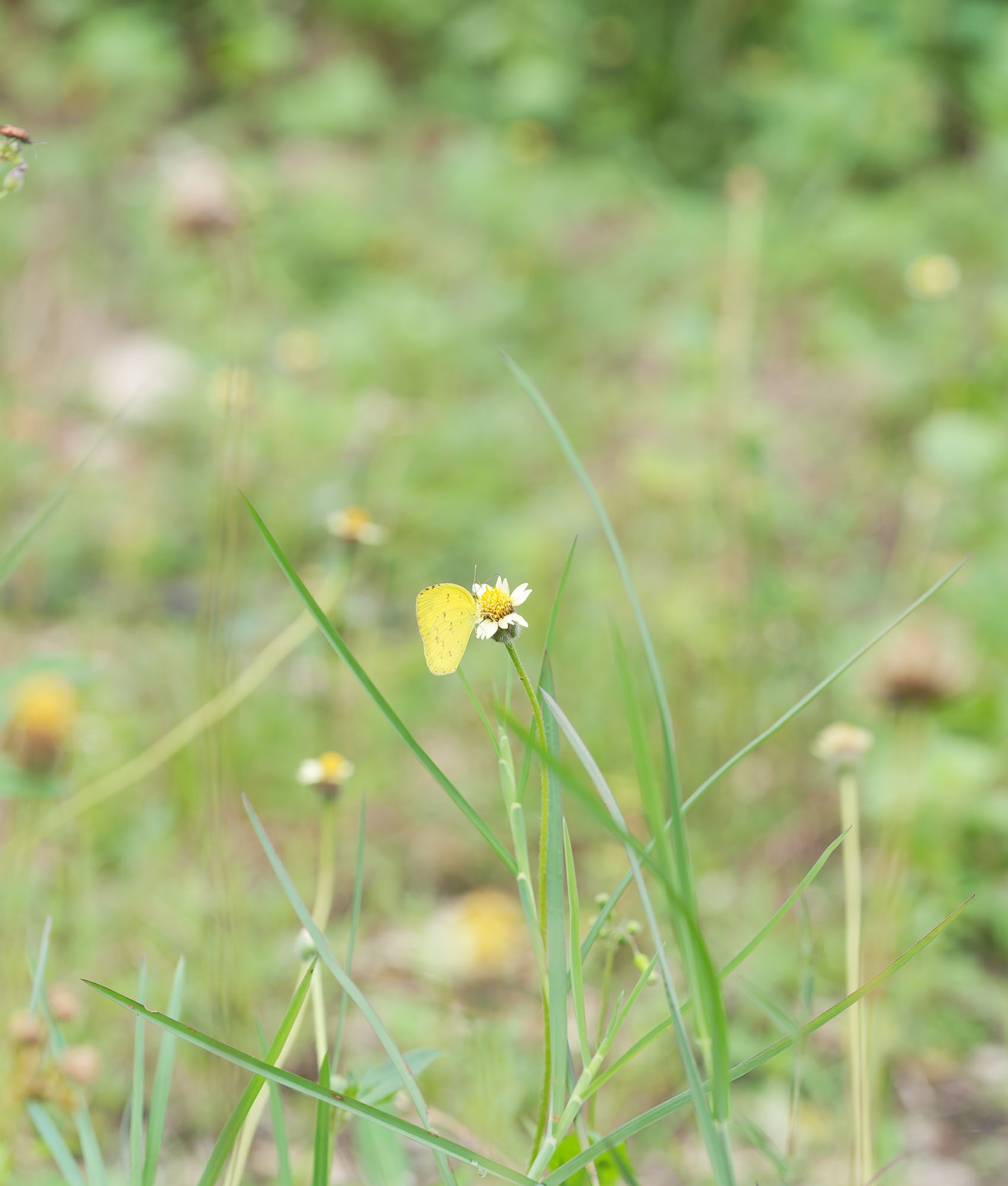
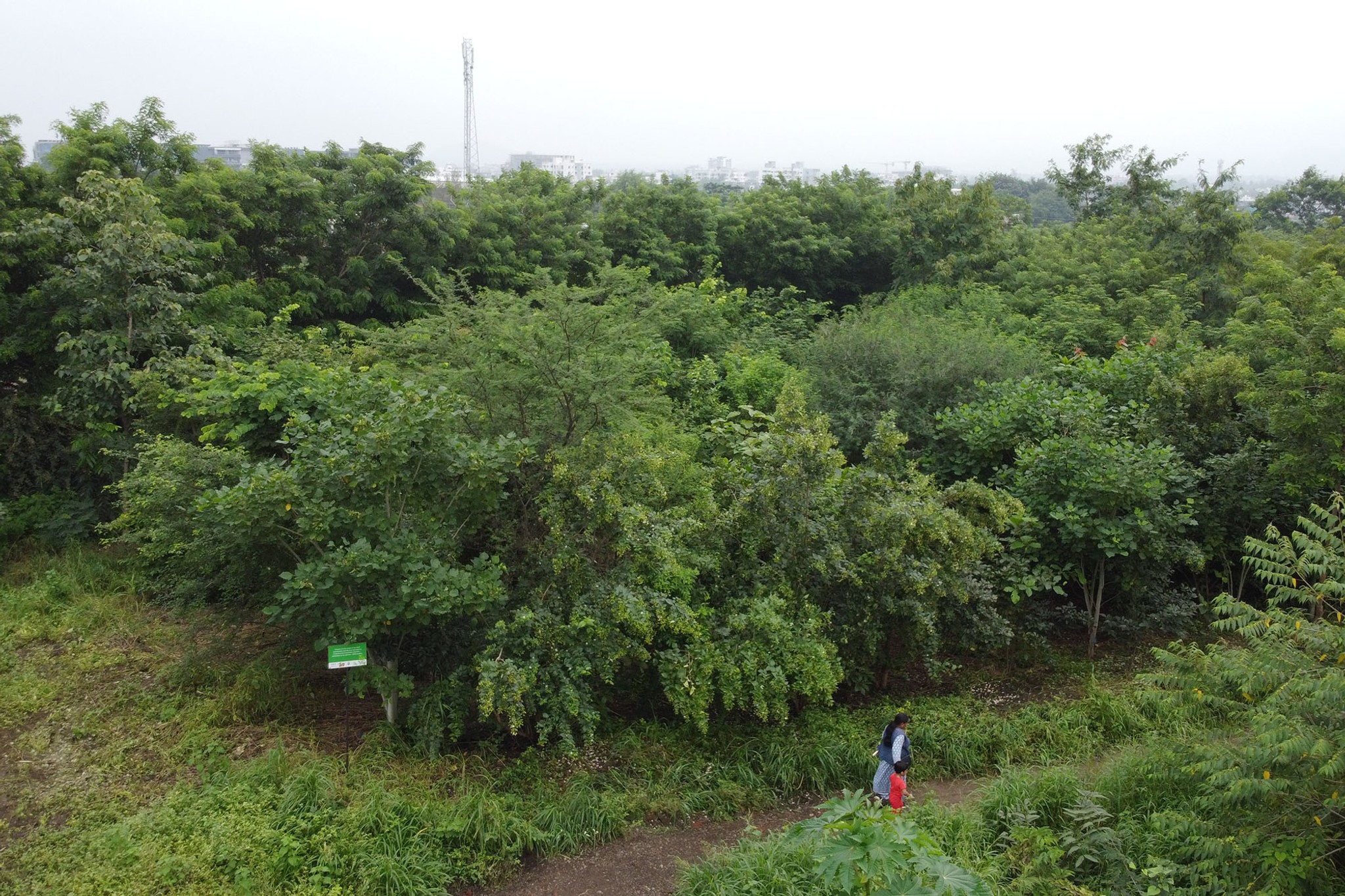
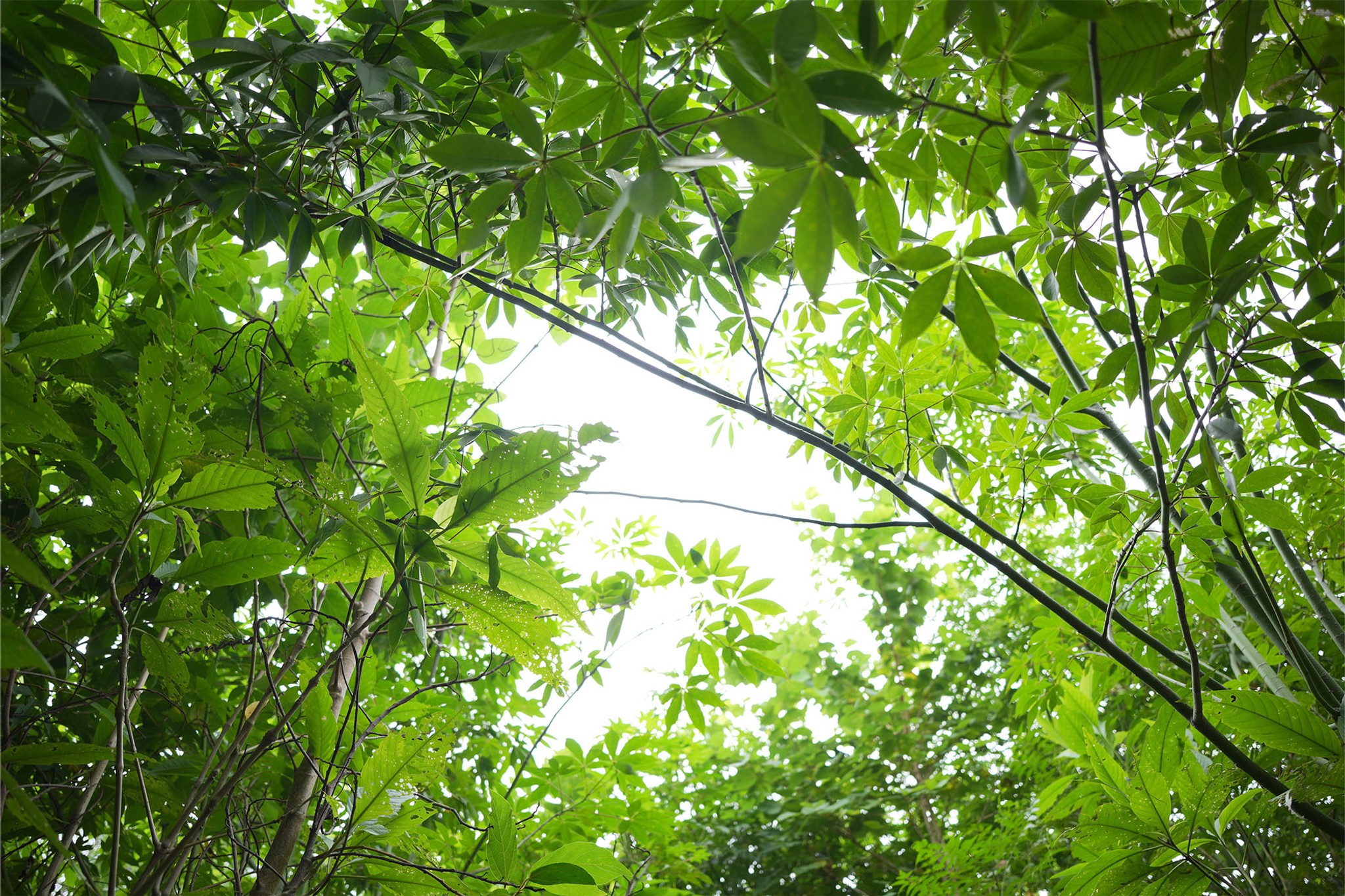
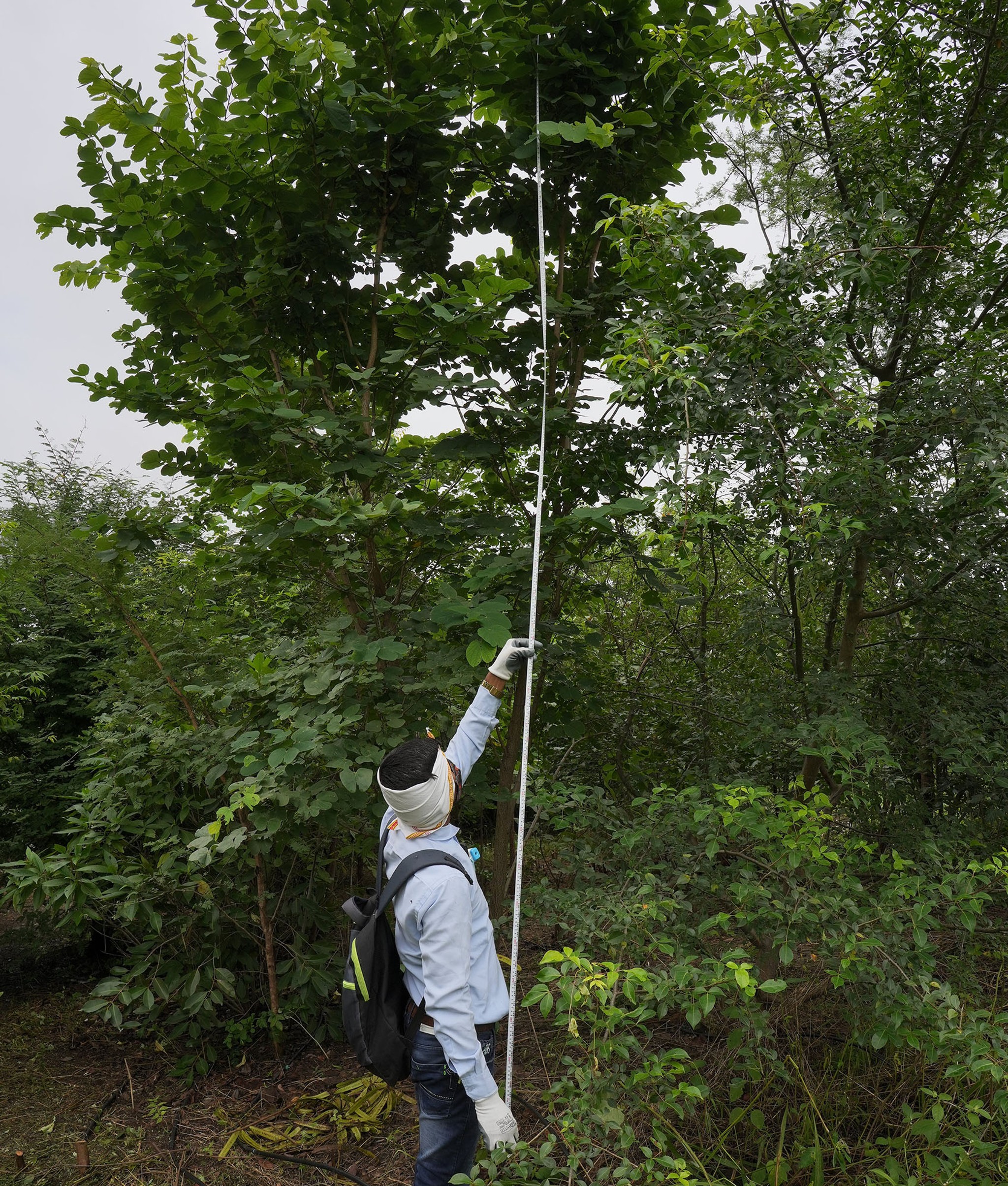
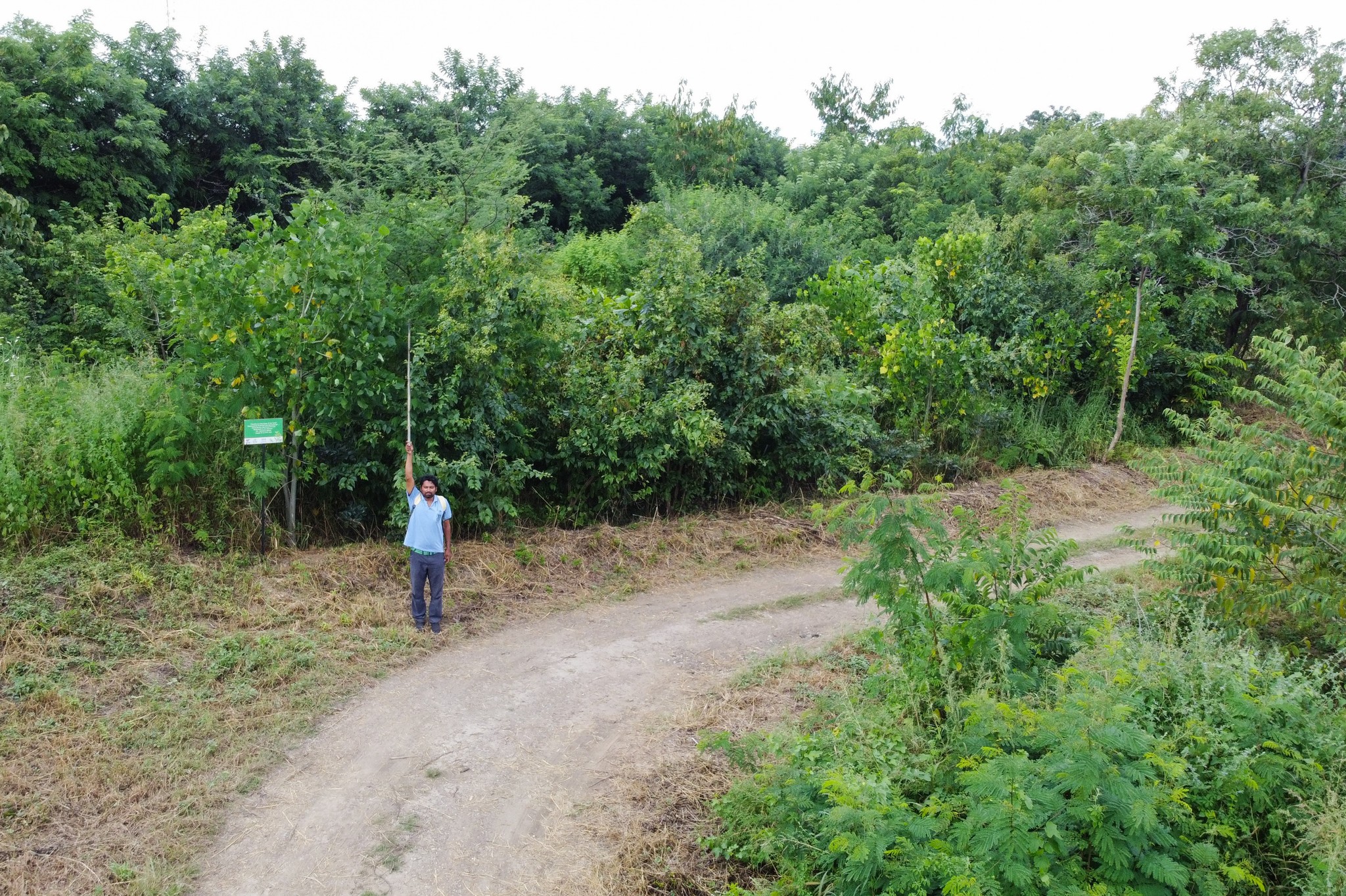
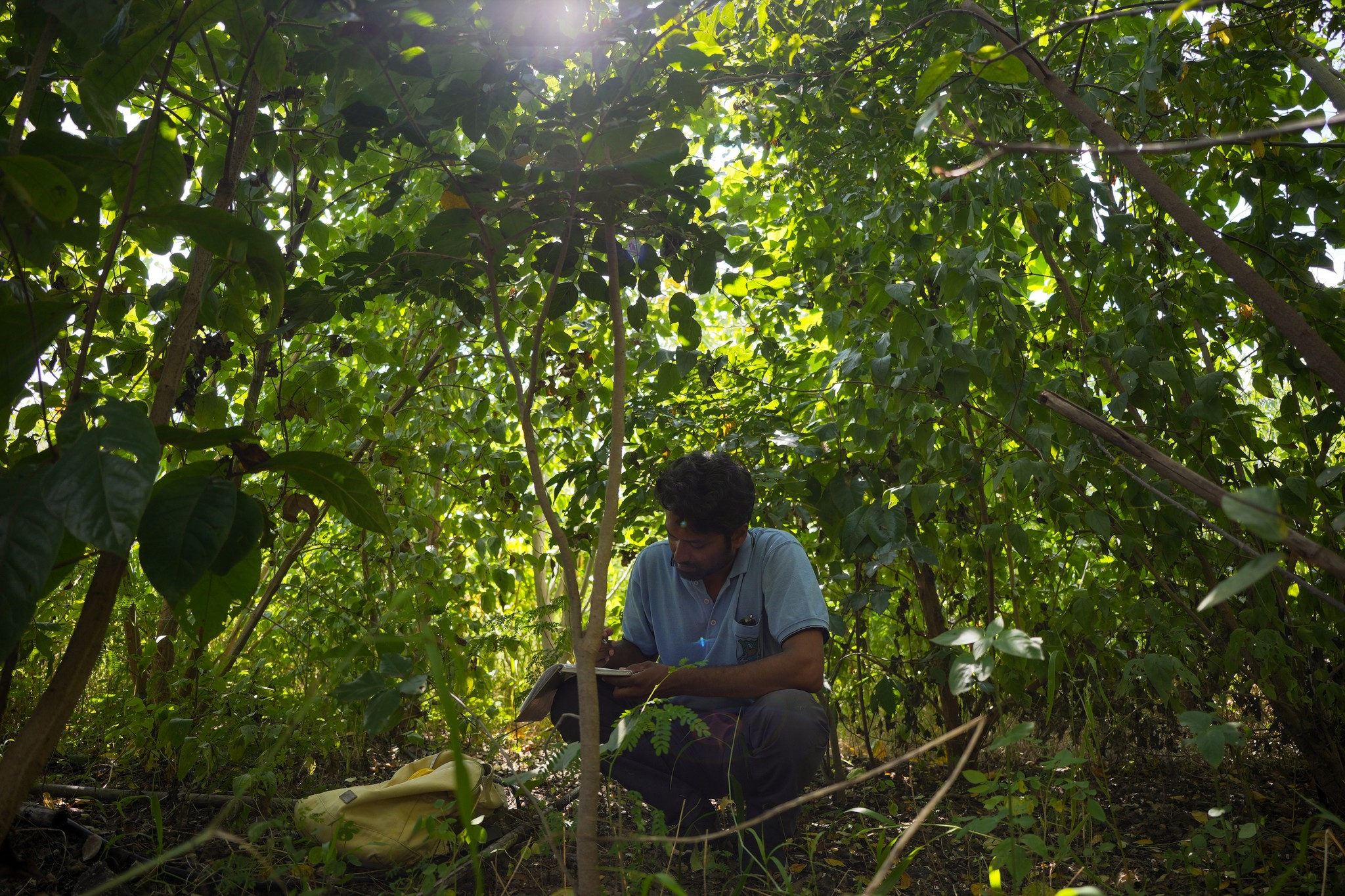
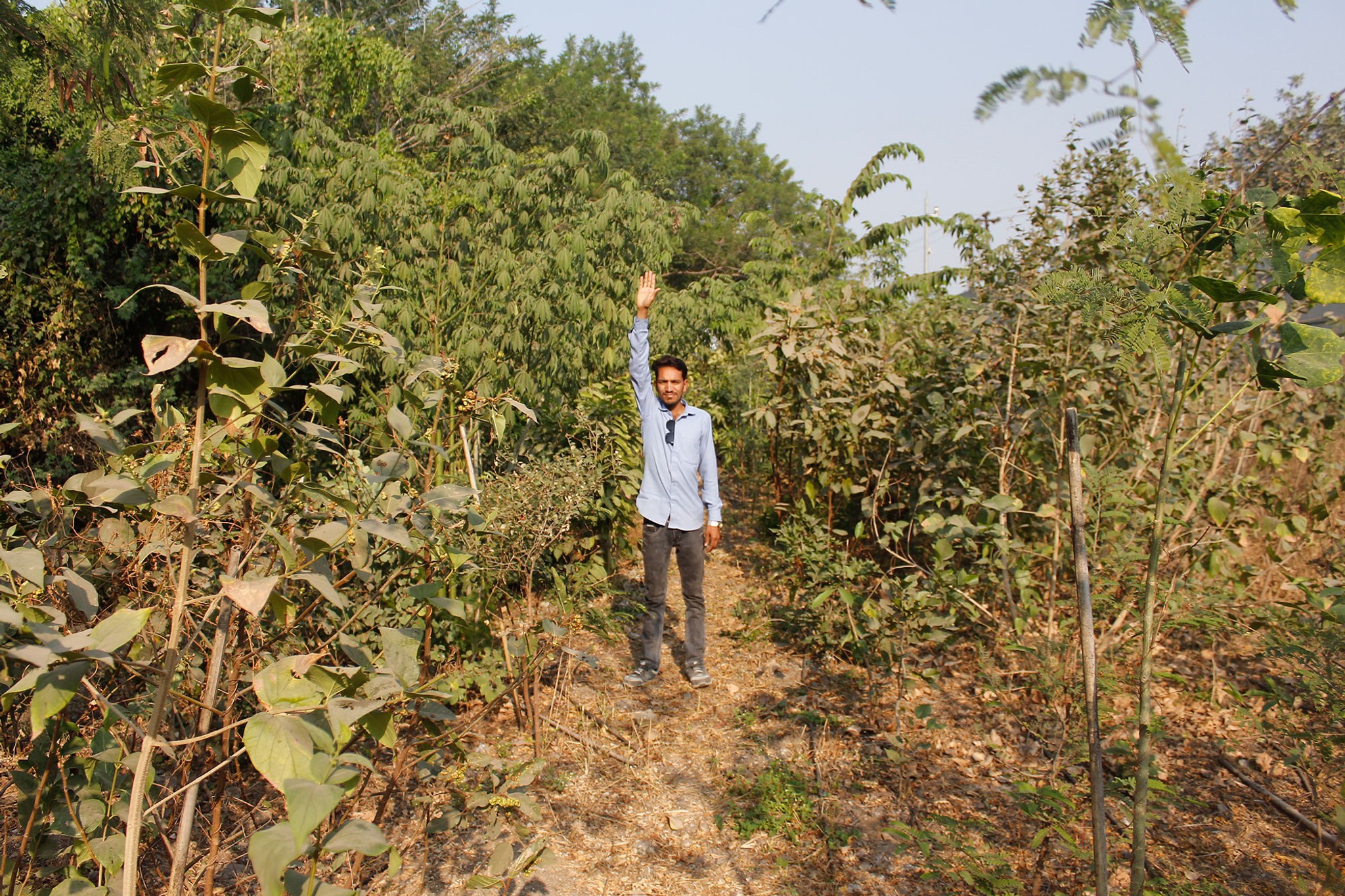
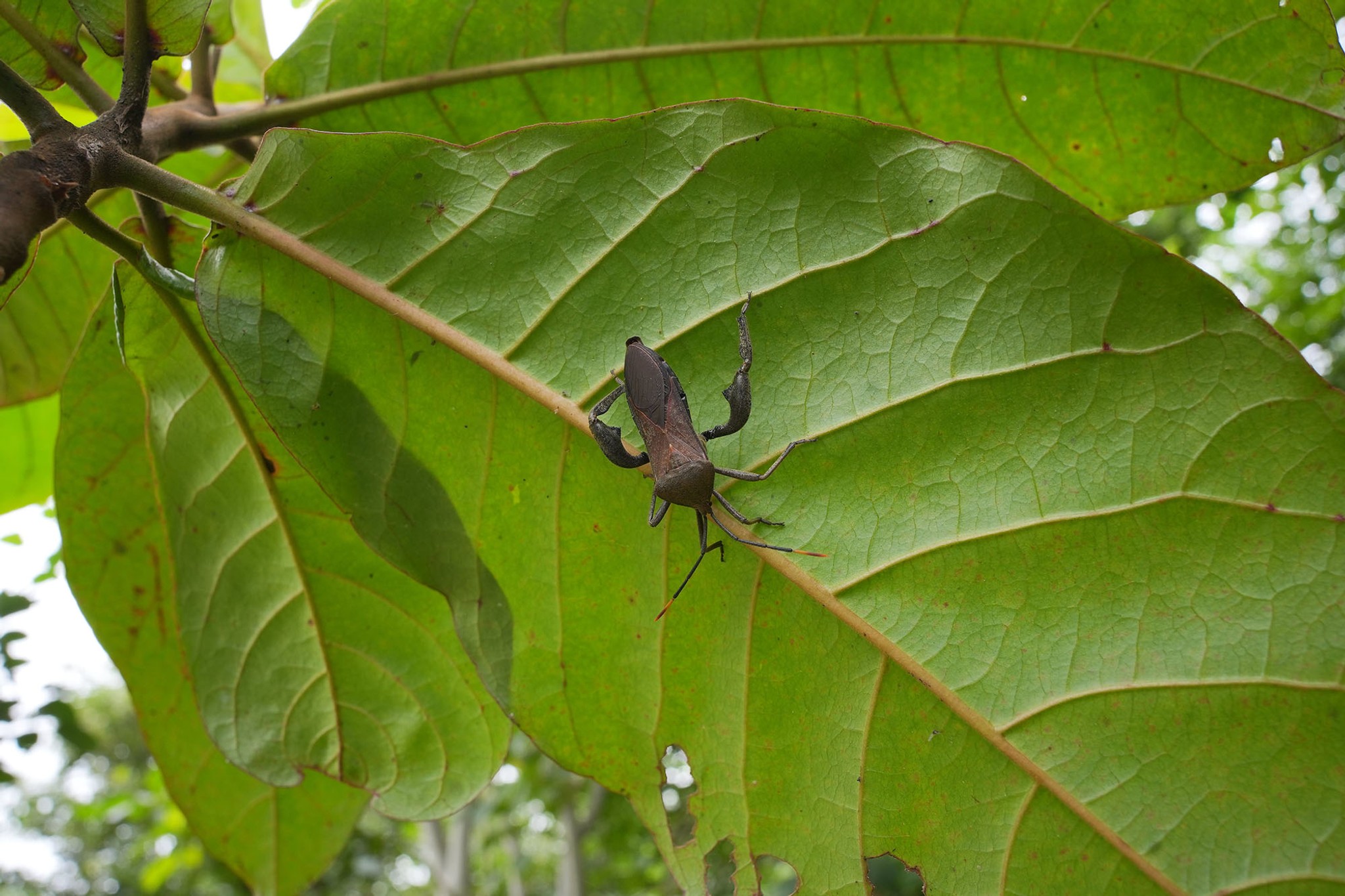
The forest is teeming with life among its many tall trees. We encountered many bee-eater birds in the forest, as well as monitor lizards.
Biodiversity Notes:
Prithvi Forest
Small green plants are spreading quickly across the ground, making the forest look fresh and alive. Birds, butterflies, and tiny insects are appearing more often, indicating growing biodiversity. The soil feels softer and richer than before, and overall the forest is slowly recovering and becoming healthy again.
Established in 2022, Prithvi Forest was created to restore ecological balance and reconnect the surrounding community with native ecosystems. The forest has shown encouraging growth, with native species adapting well to the harsh climate and supporting insects, birds, and pollinators. Long-term safeguarding of the site will help ensure the continued success of the forest.
0%
Survival Rate
0
kg of potential CO2 sequestration
Planted: December 2022
Forest Report: 2023
There is much scope for wildlife to adapt here, with plenty of space and a suitable environment to nurture indigenous species.
This forest has been planted to increase the green cover of the Satara-Kanchanwadi ward of Aurangabad City. The forest will be watered through harvested rainwater and mulched using materials from the farm itself. It is being cared for lovingly by the family that resides on this farm. A family of Spotted Owlets have begun to make their home in a tree neighbouring the forest.
Forest Report: 2024
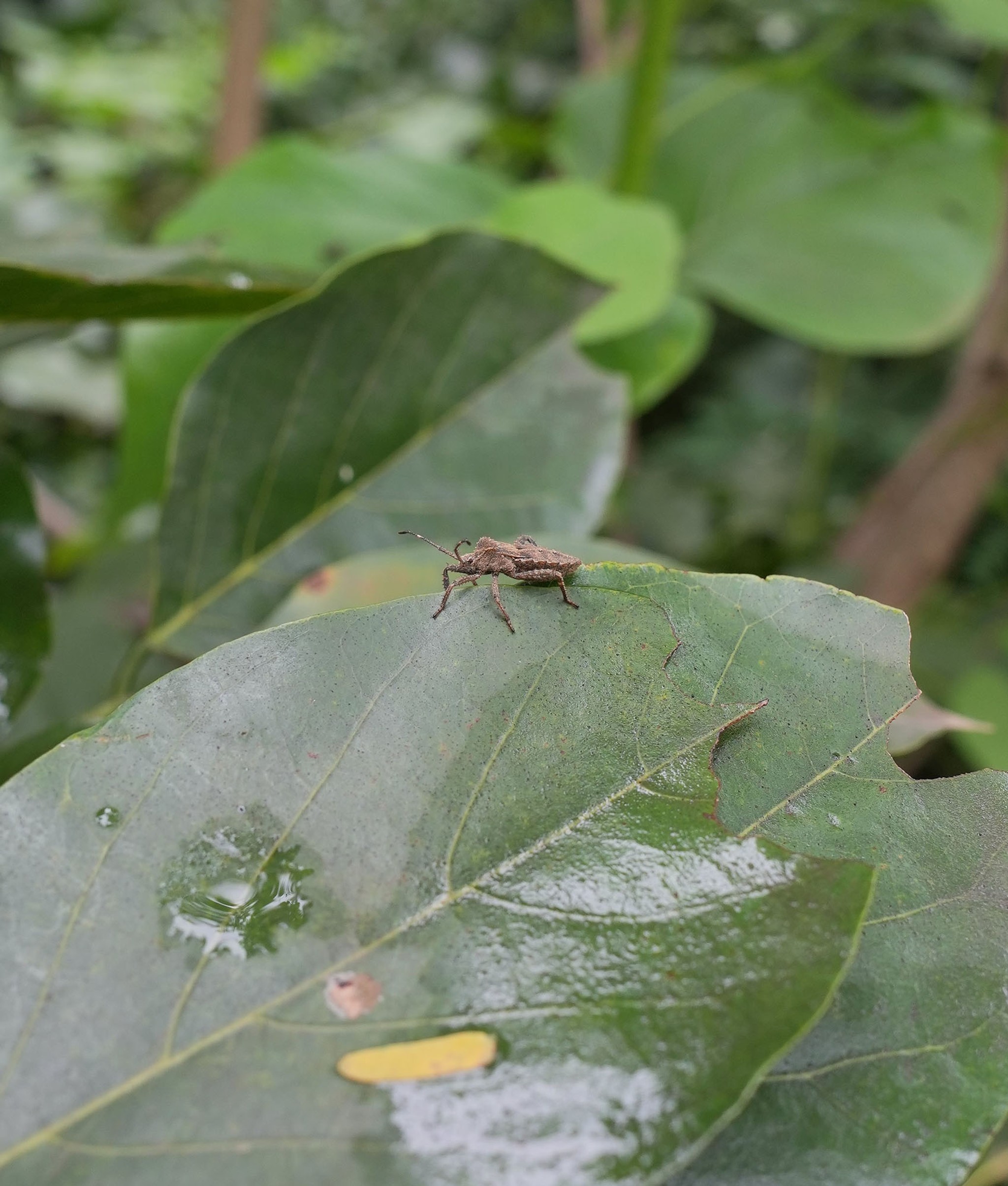
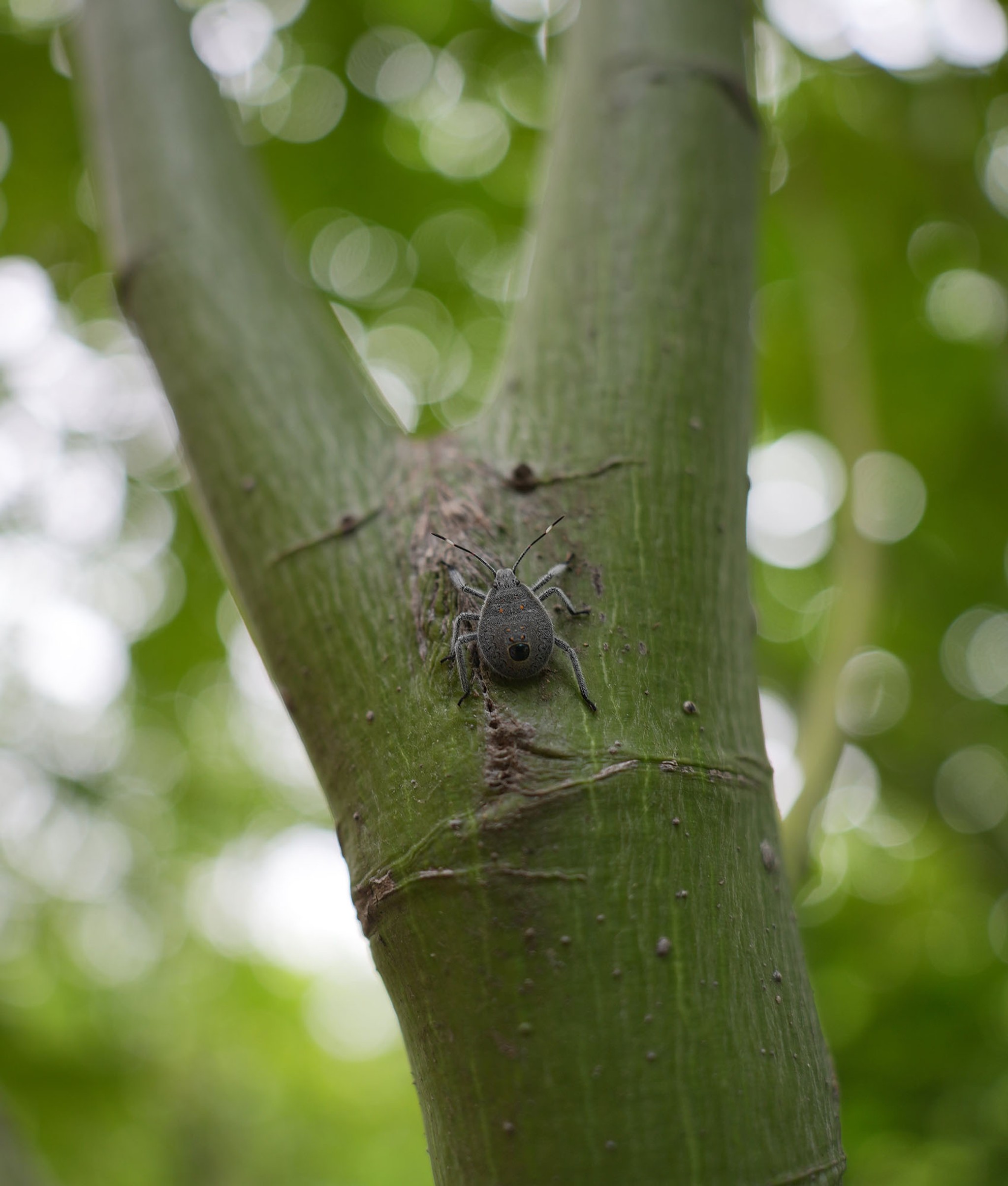
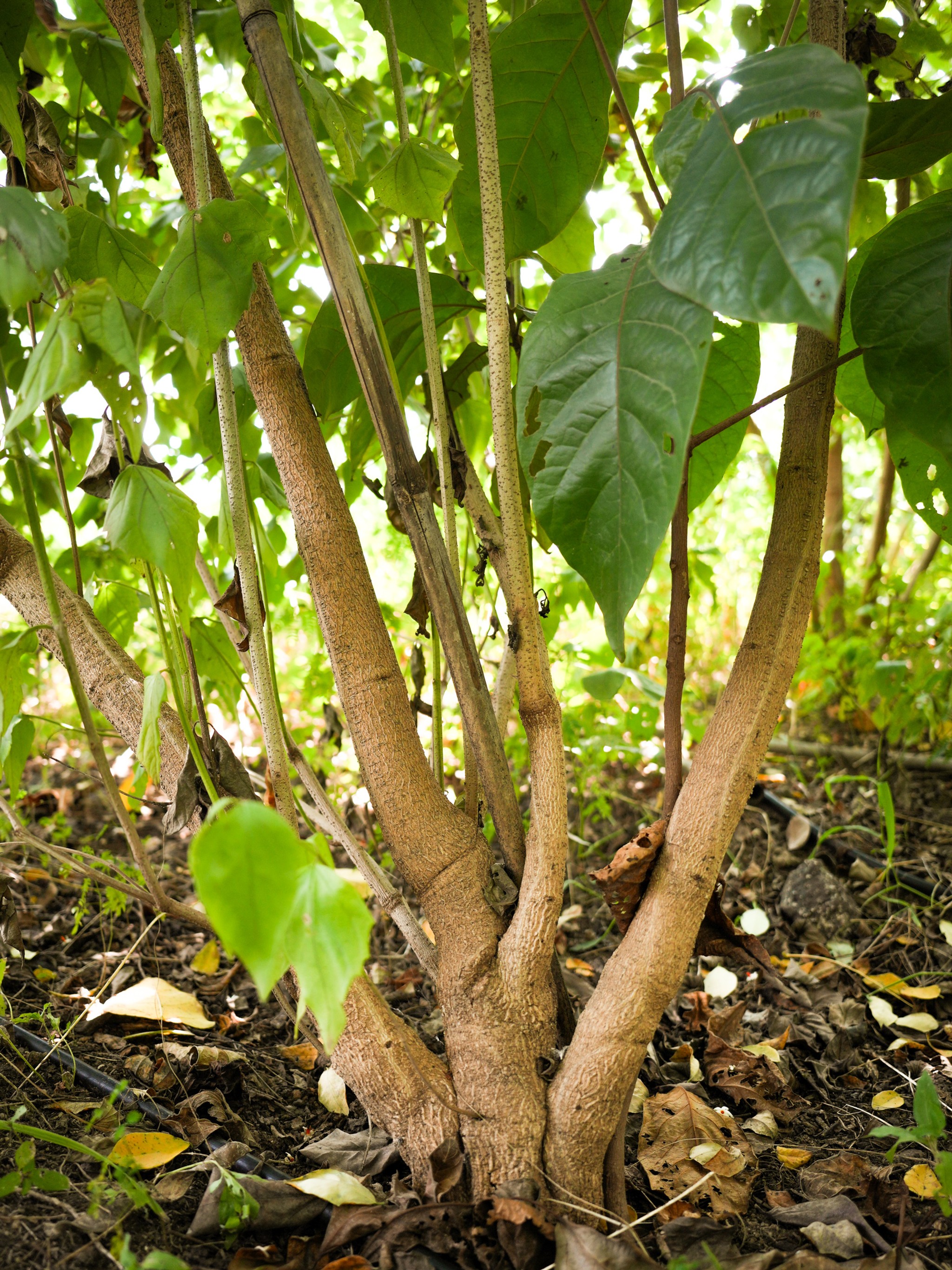
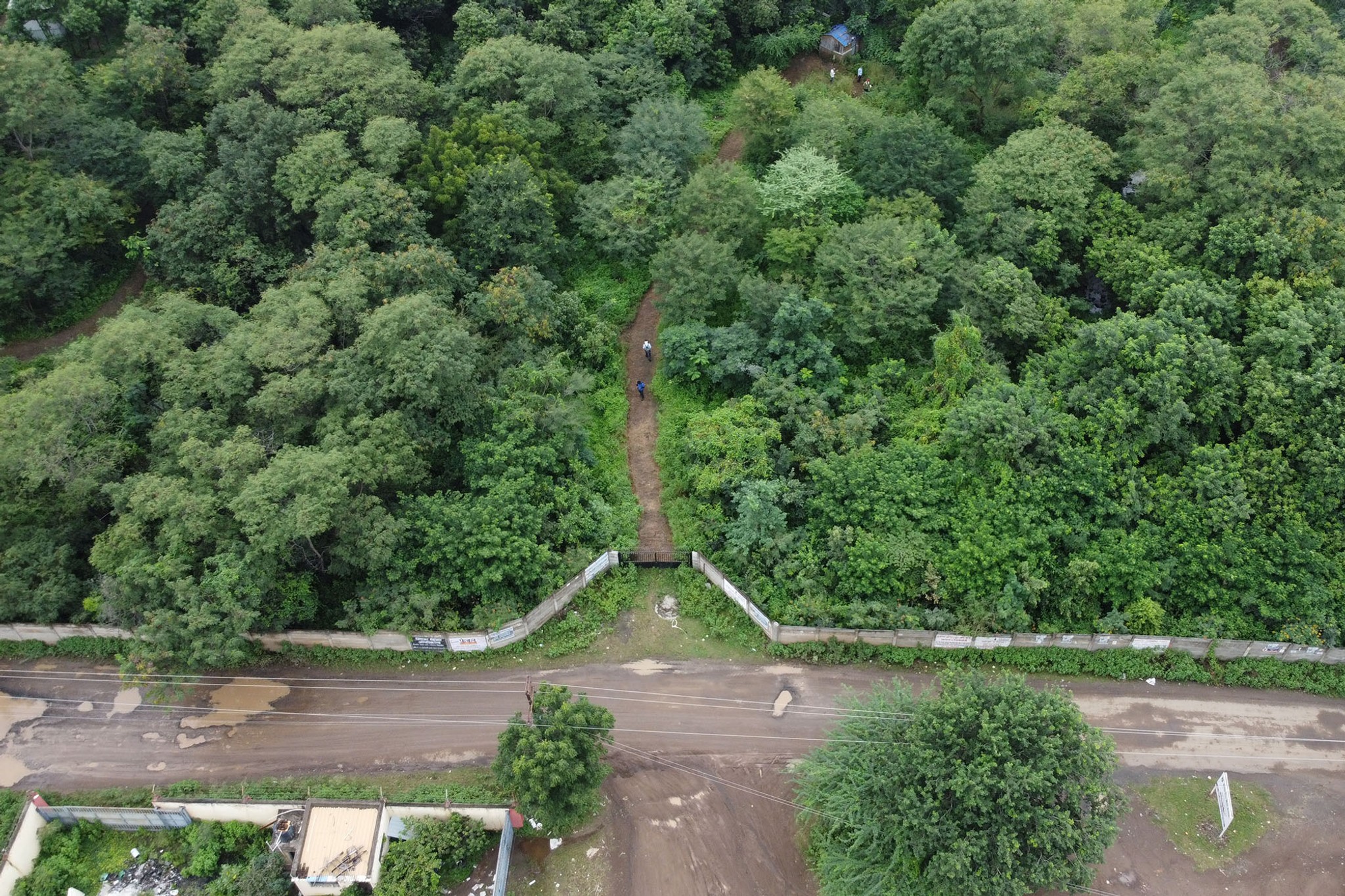
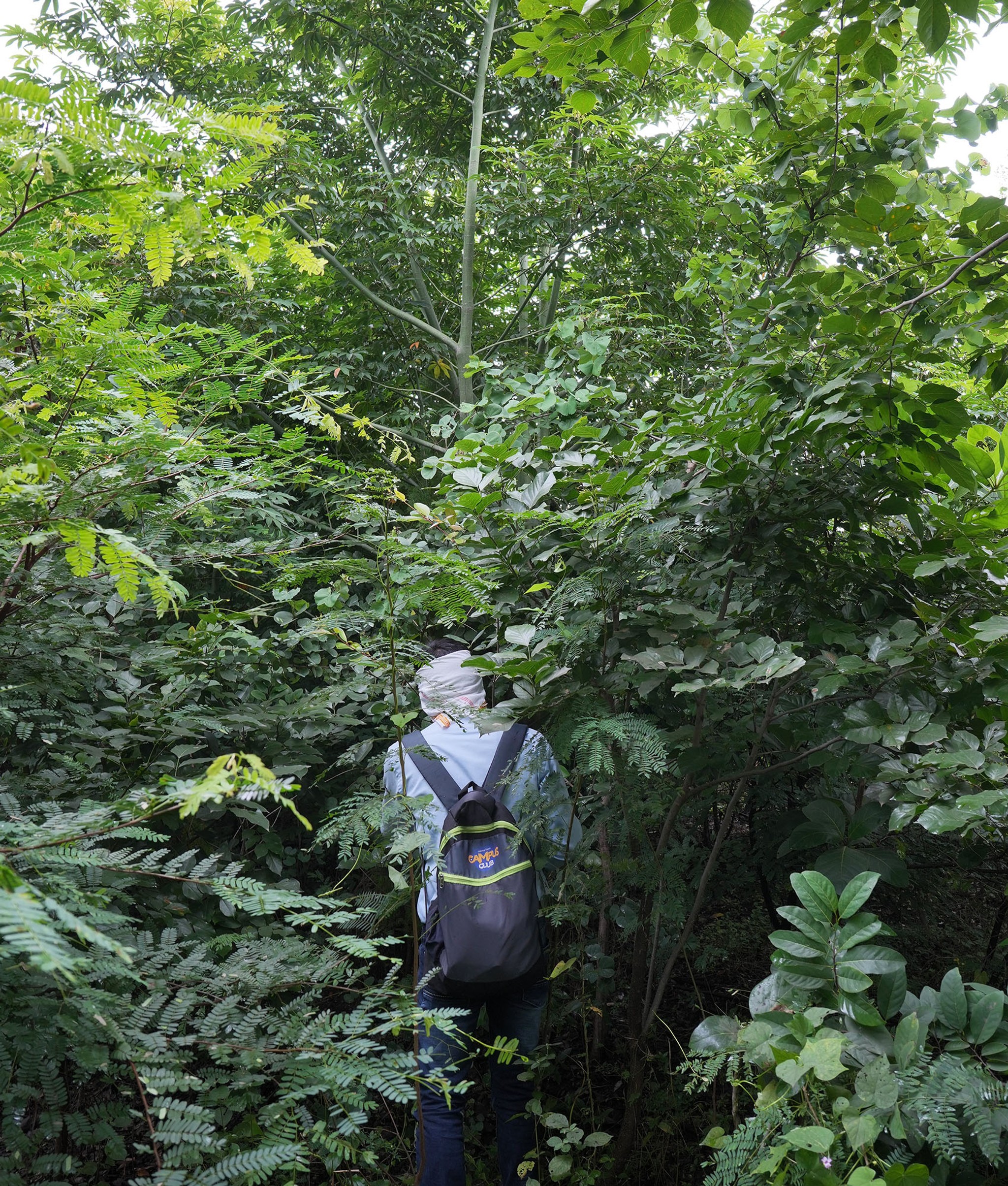
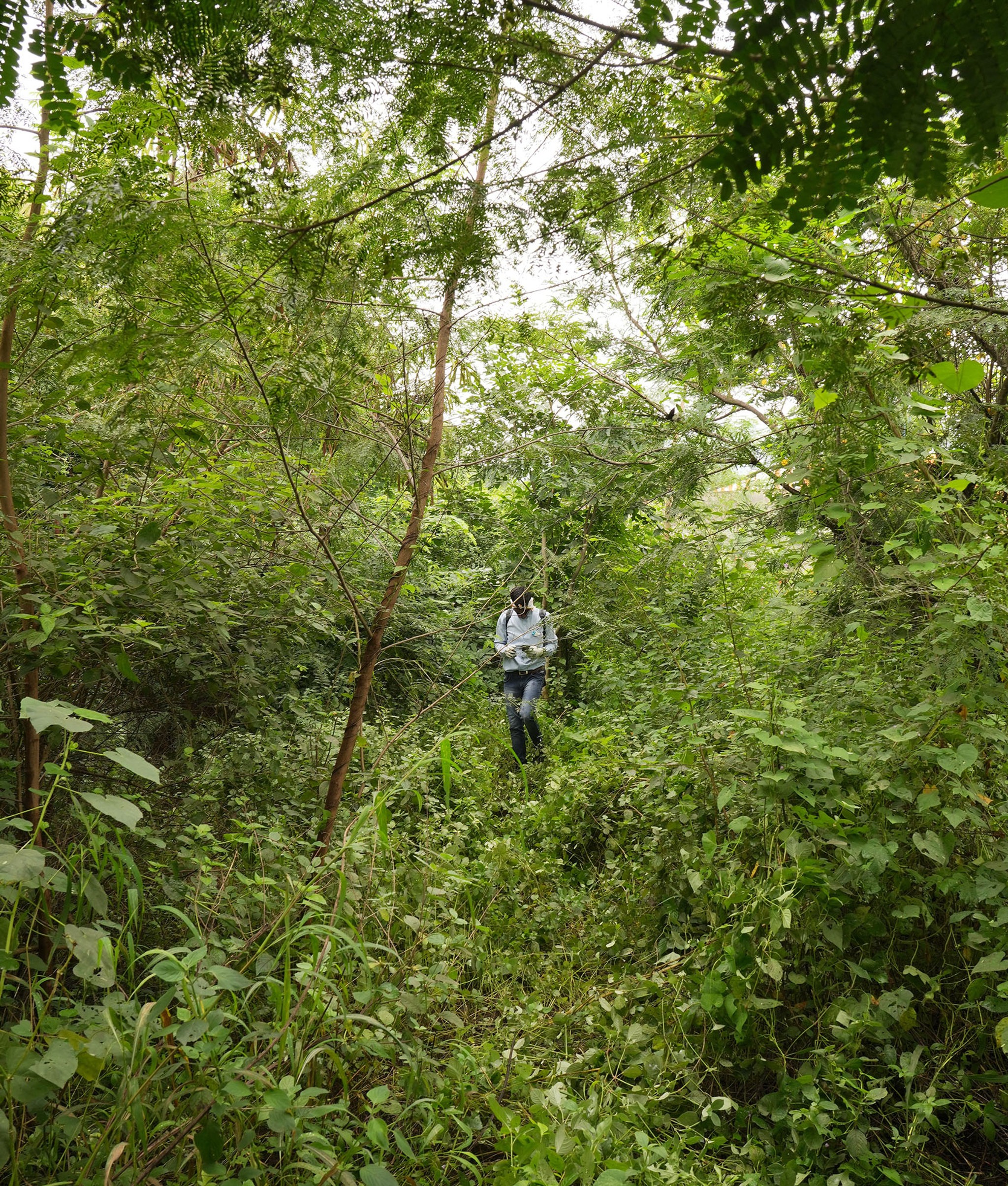
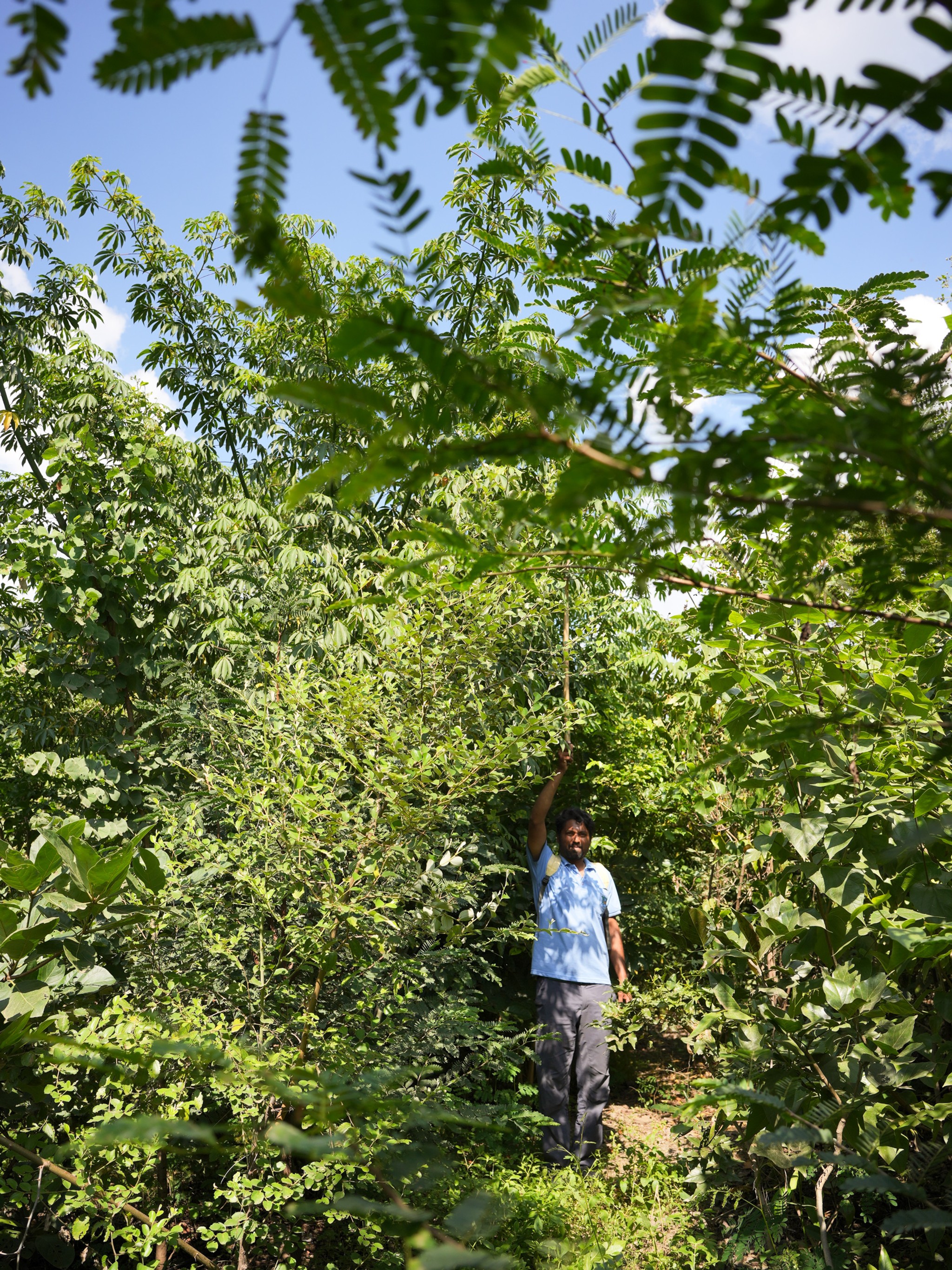
The forest is looking incredibly lush, with trees now at over six meters tall. Closer to the ground, we spotted an abundance of insect life, with many butterflies flying around the forest.
Biodiversity Notes: