Forest Schools Aurangabad
Enhancing green cover and combatting drought in 12 schools

0
Trees
0
Square Meters
0
Native Species
0
Youth Impacted
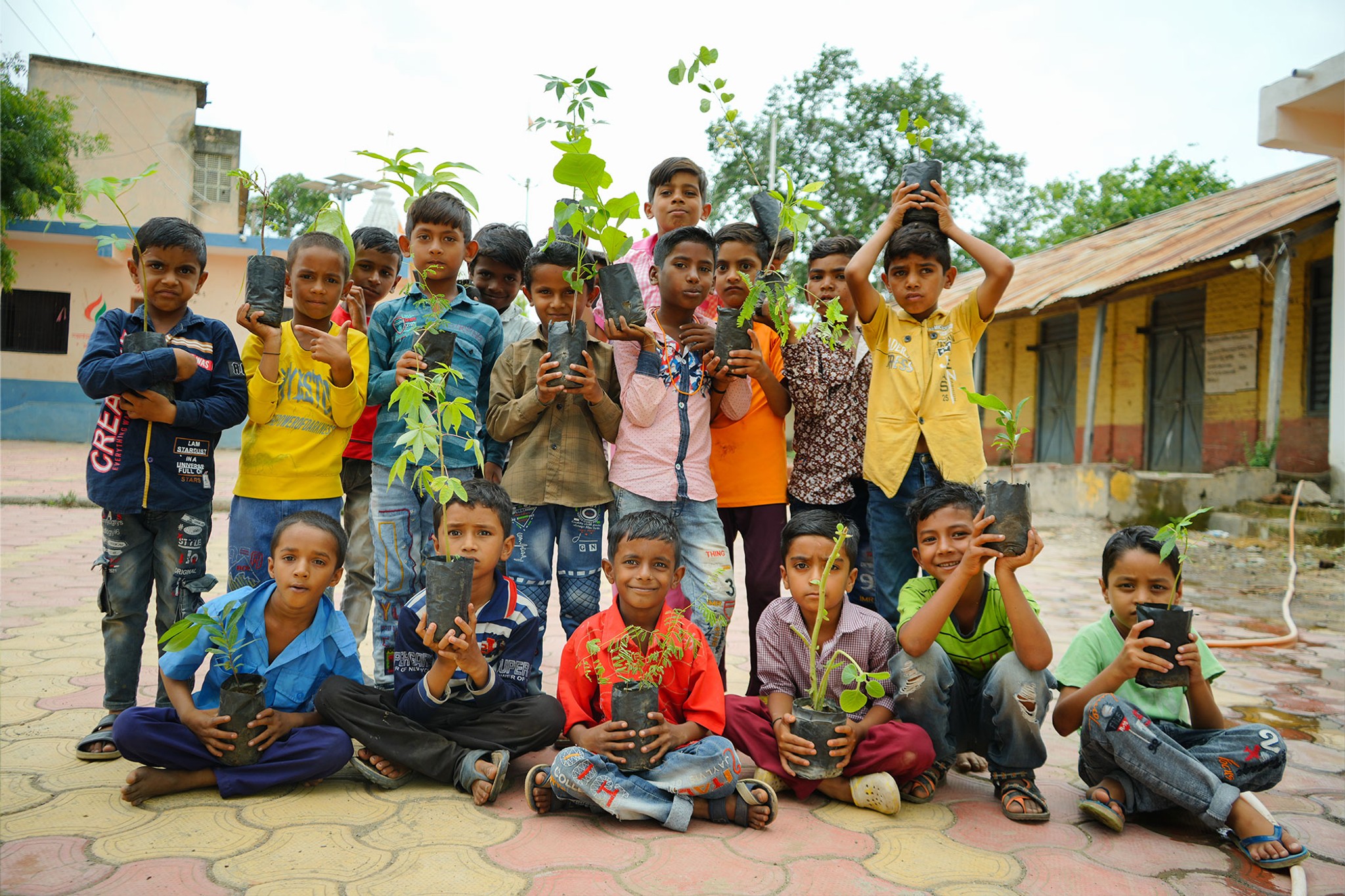
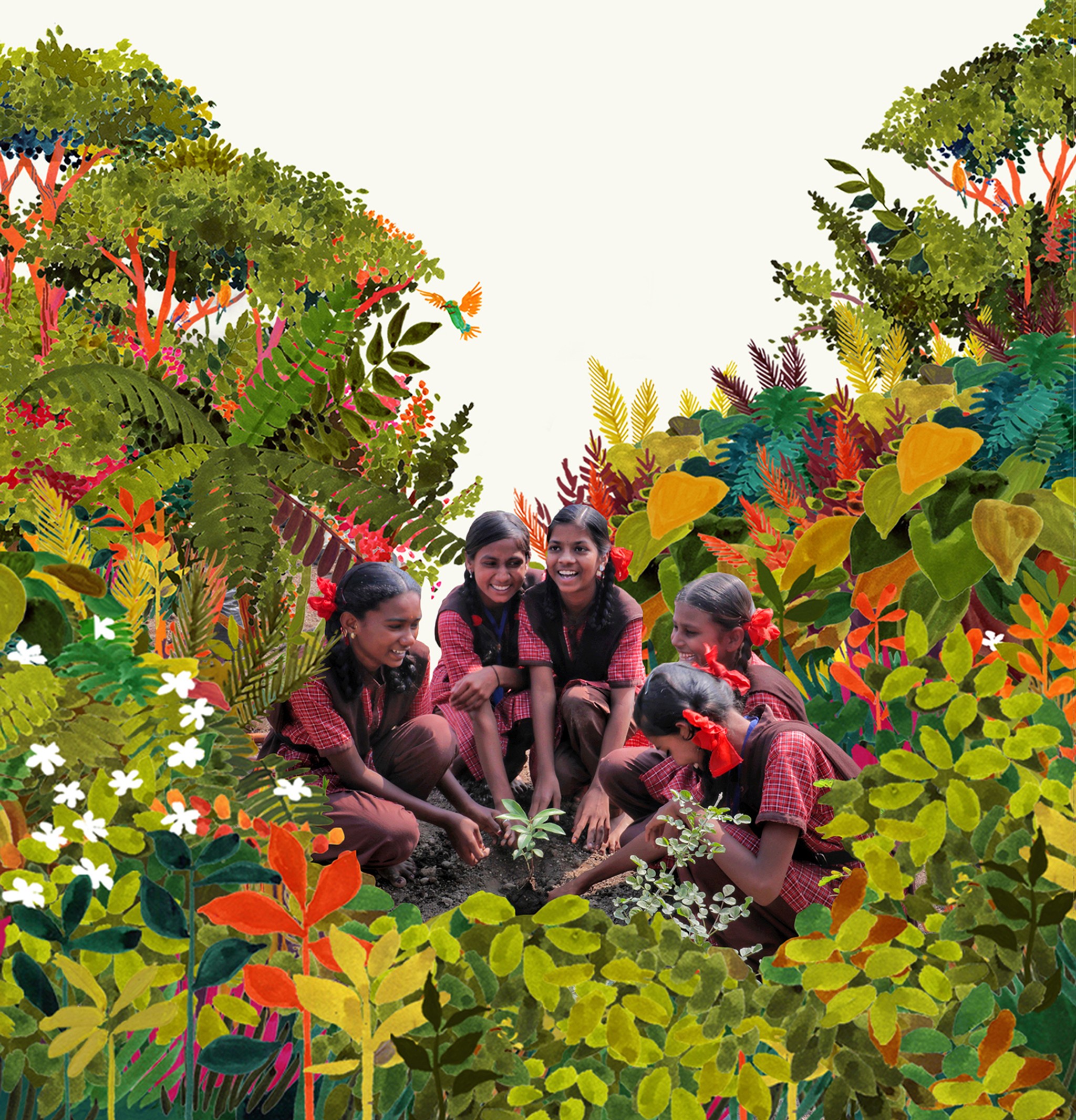
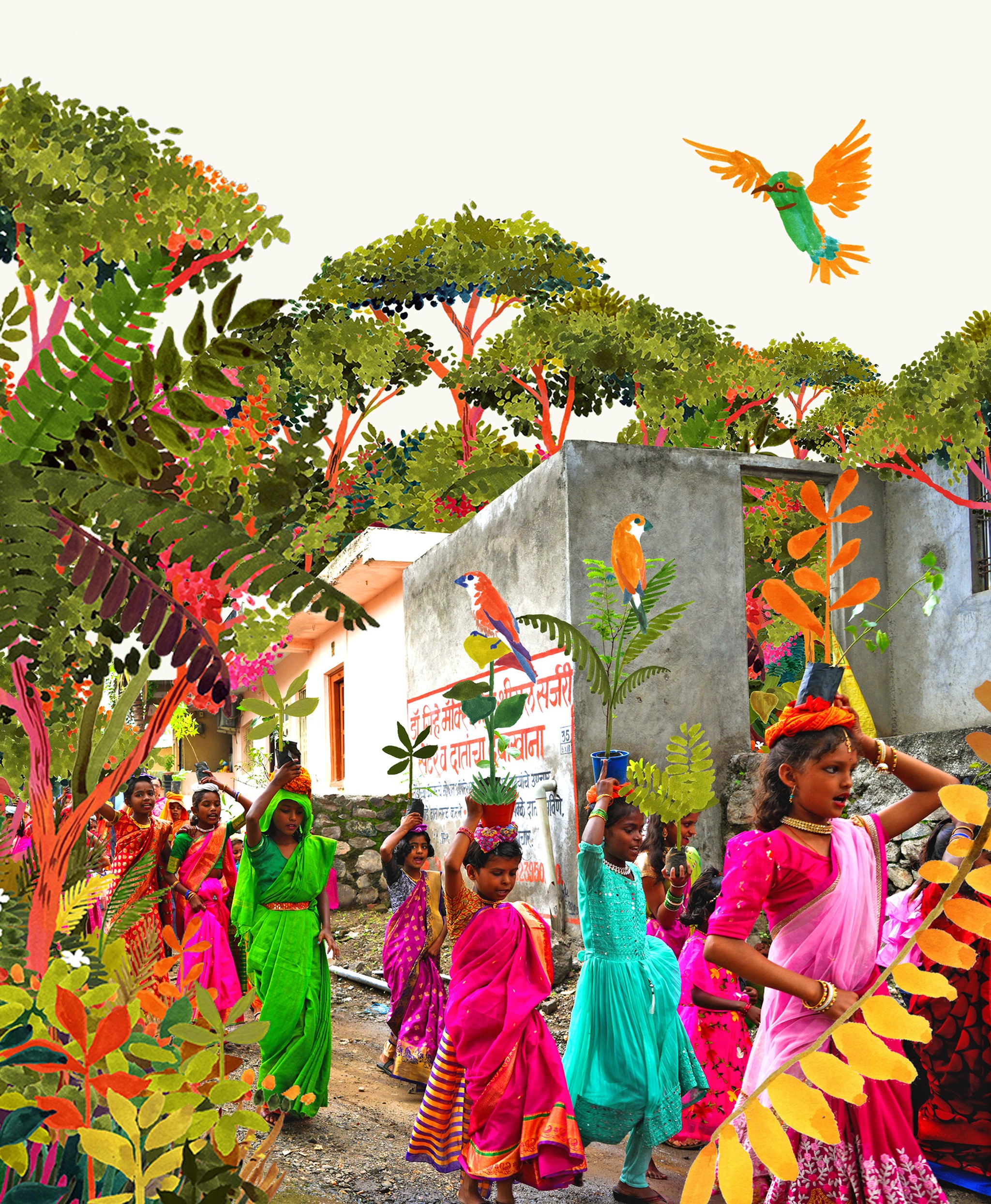
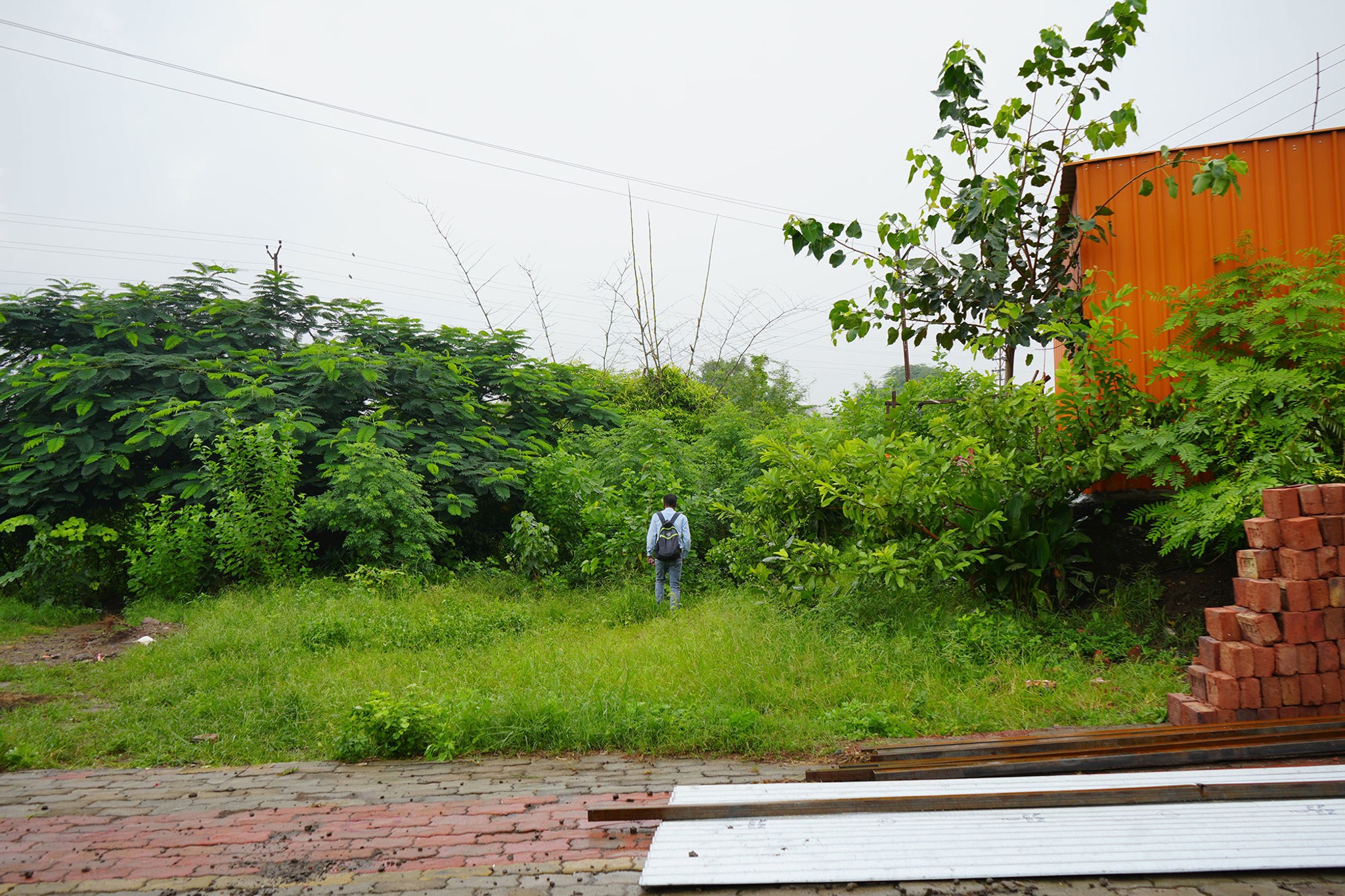
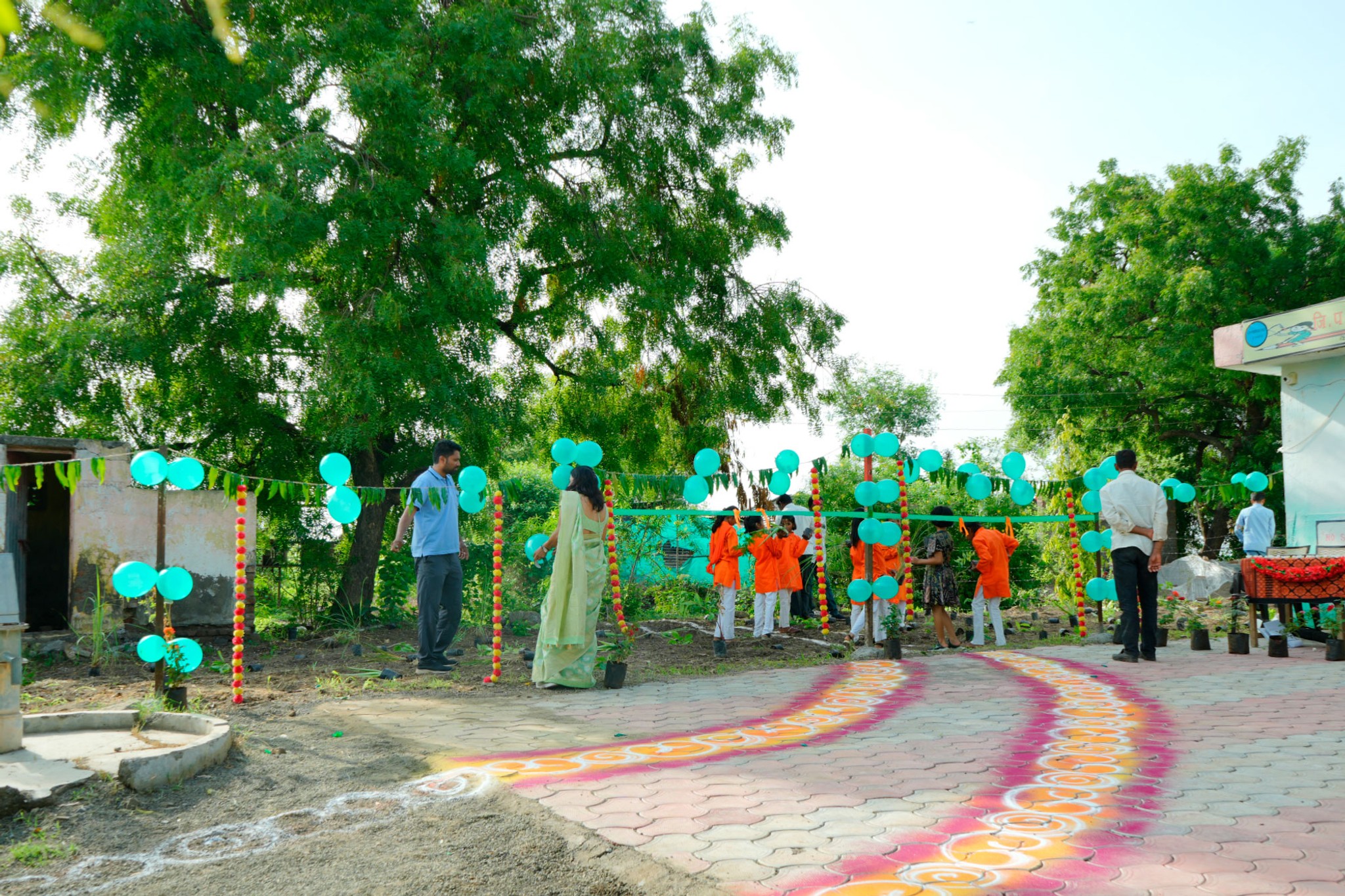
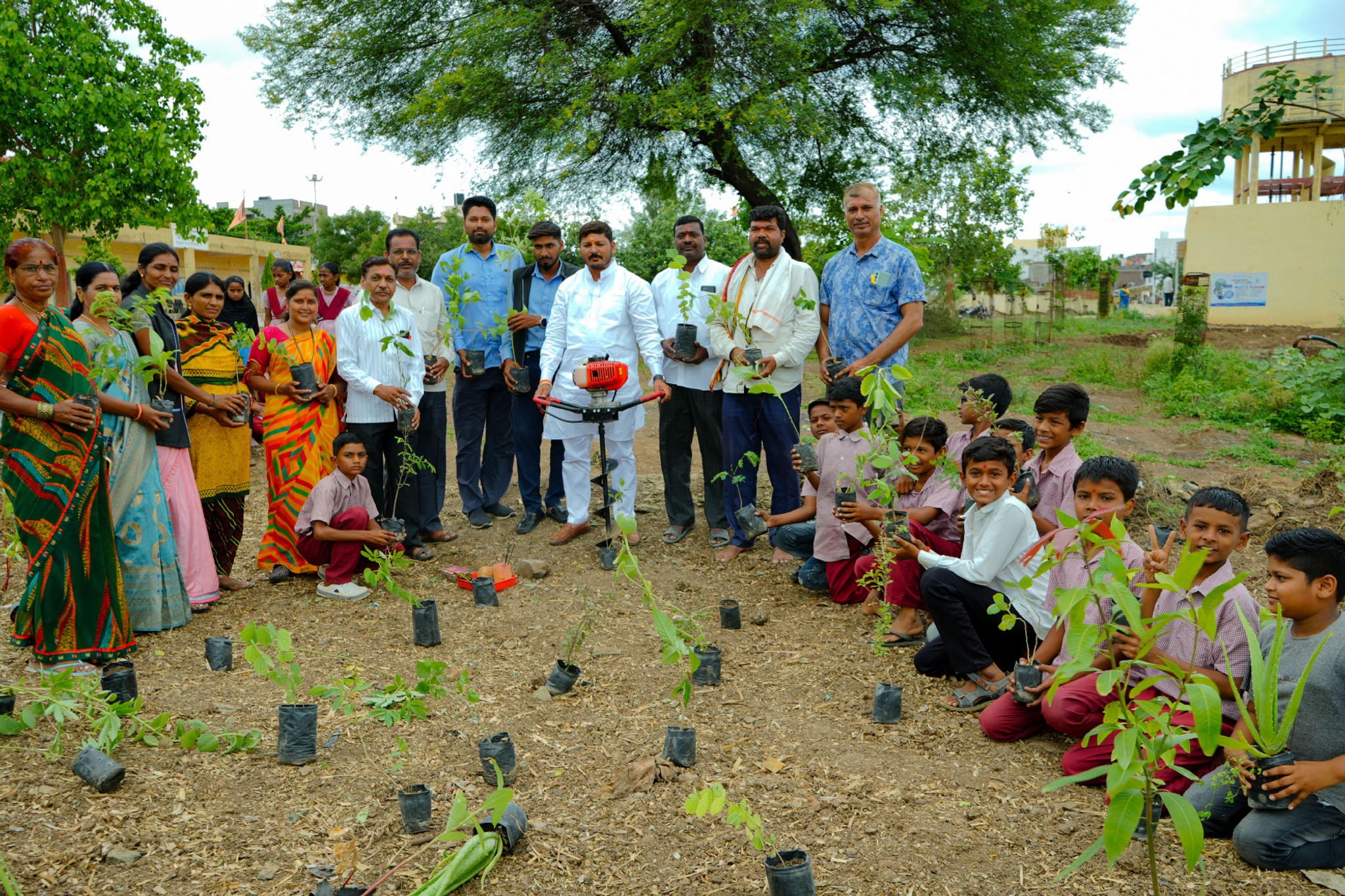
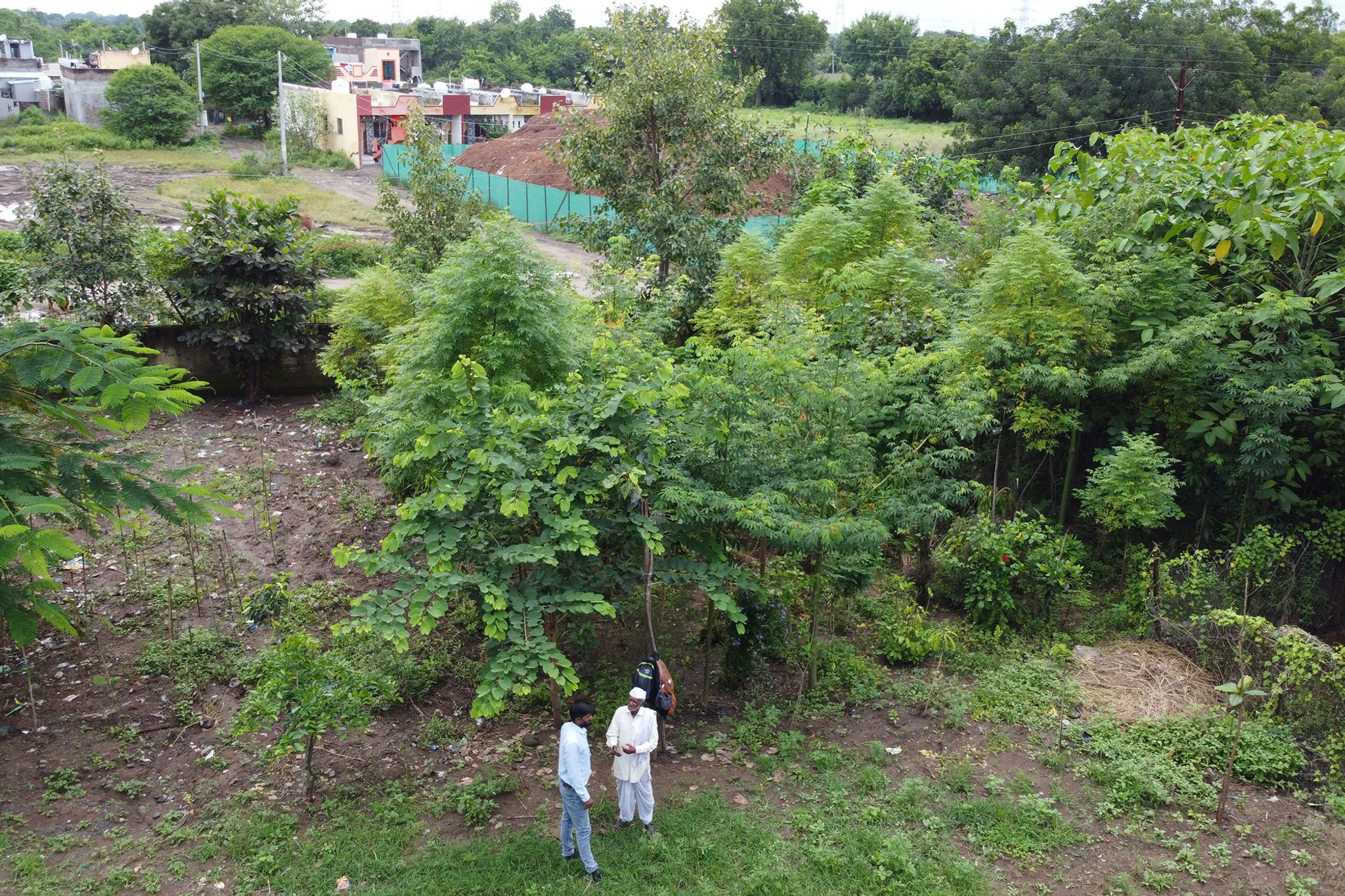
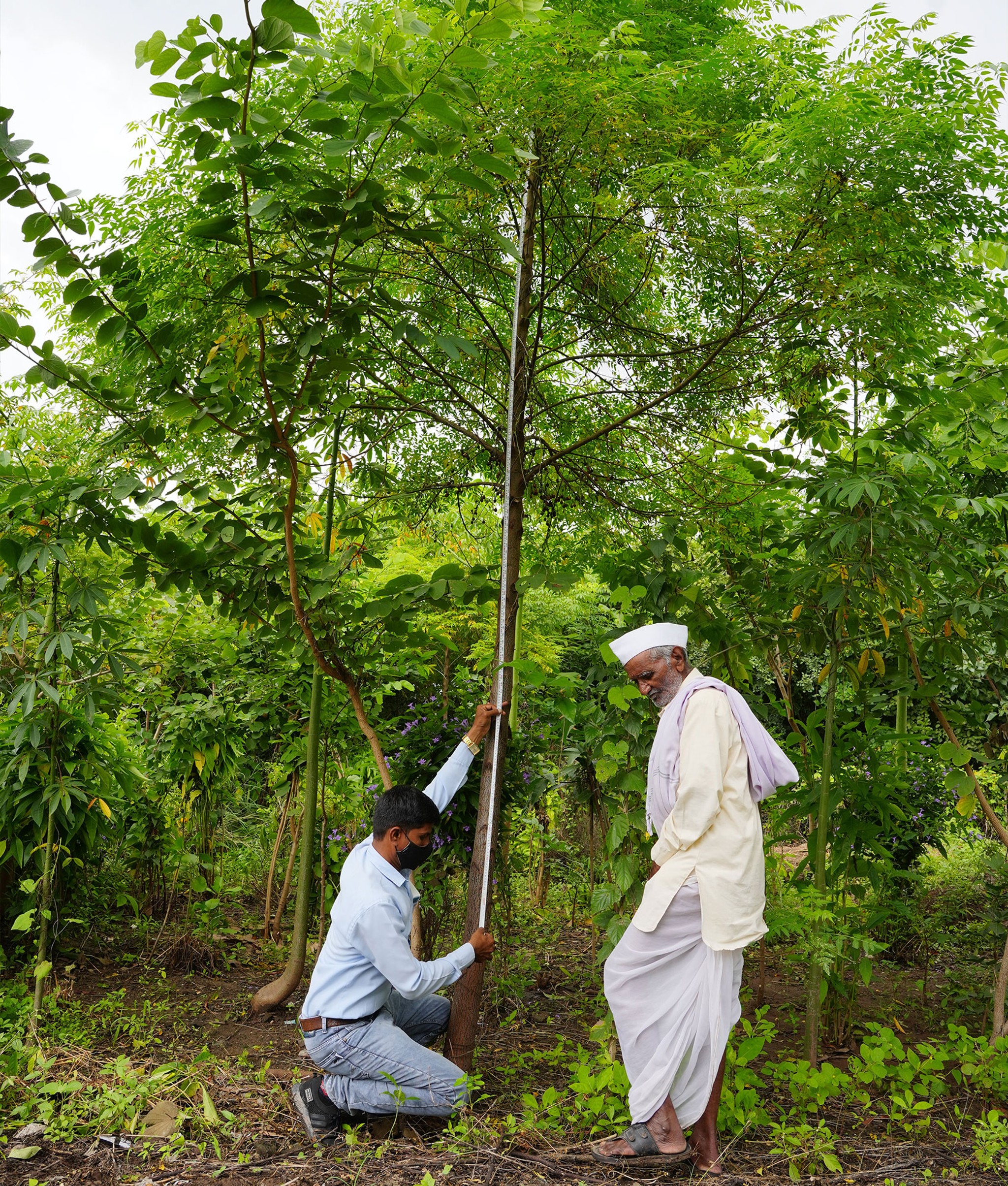
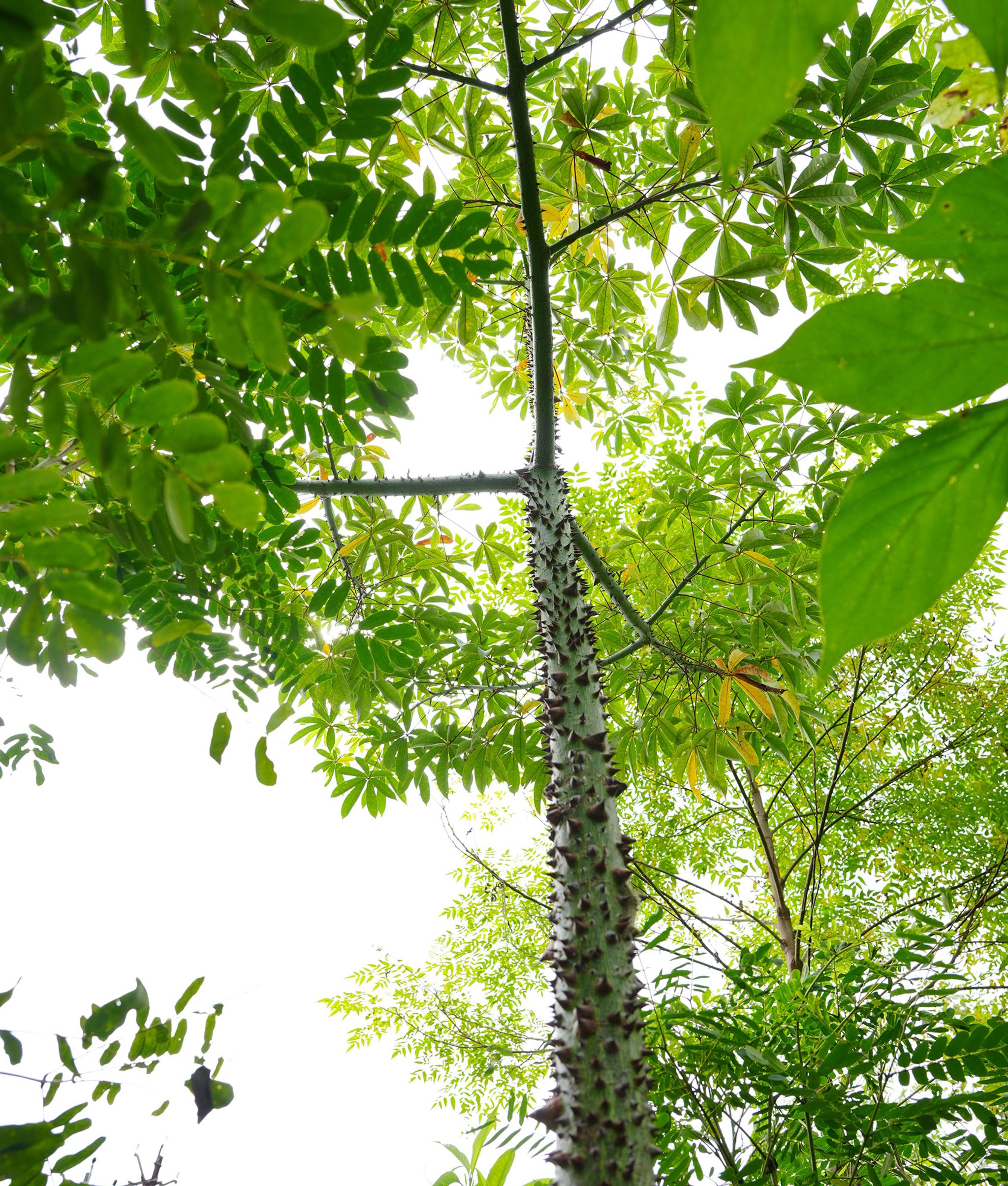
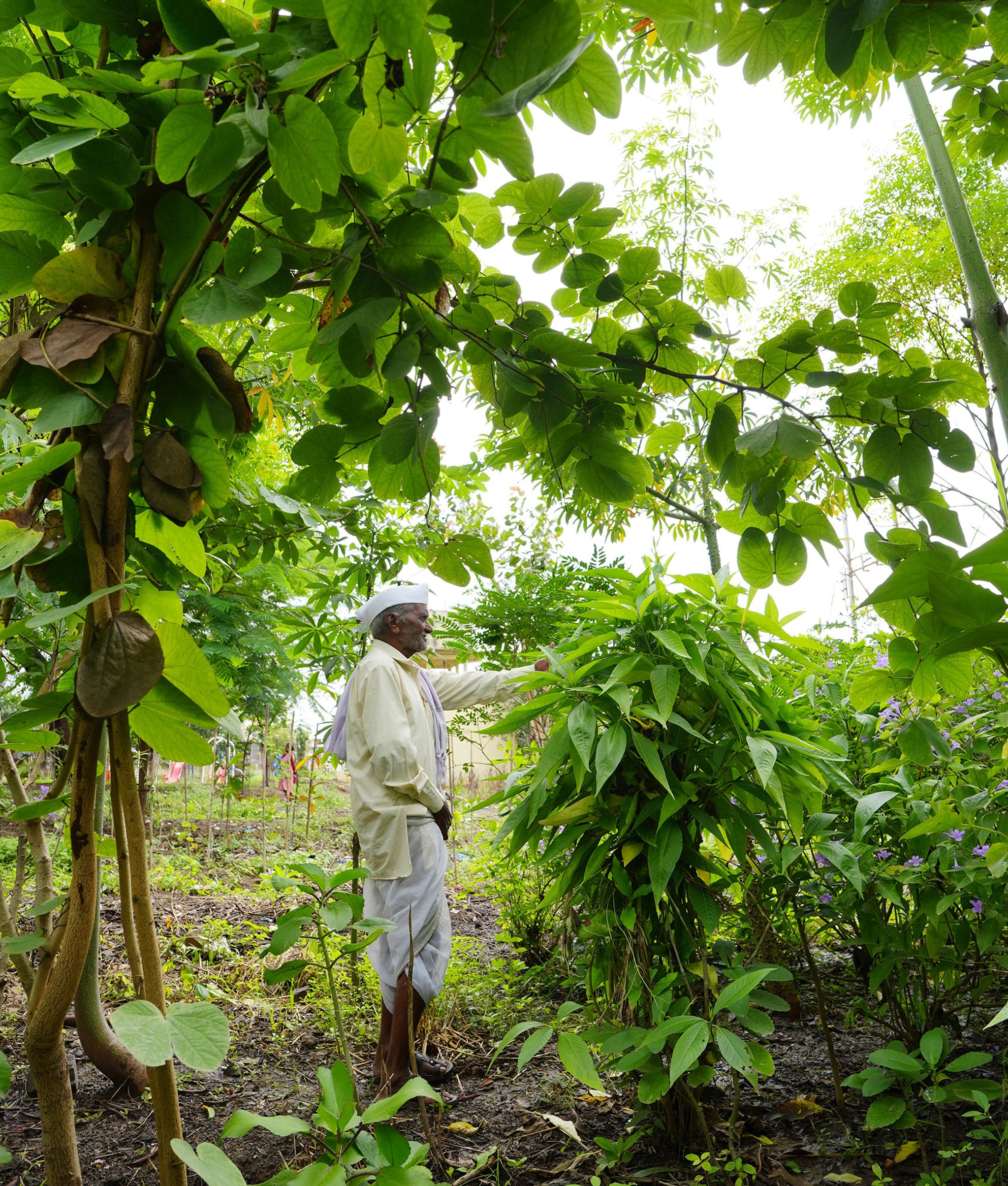
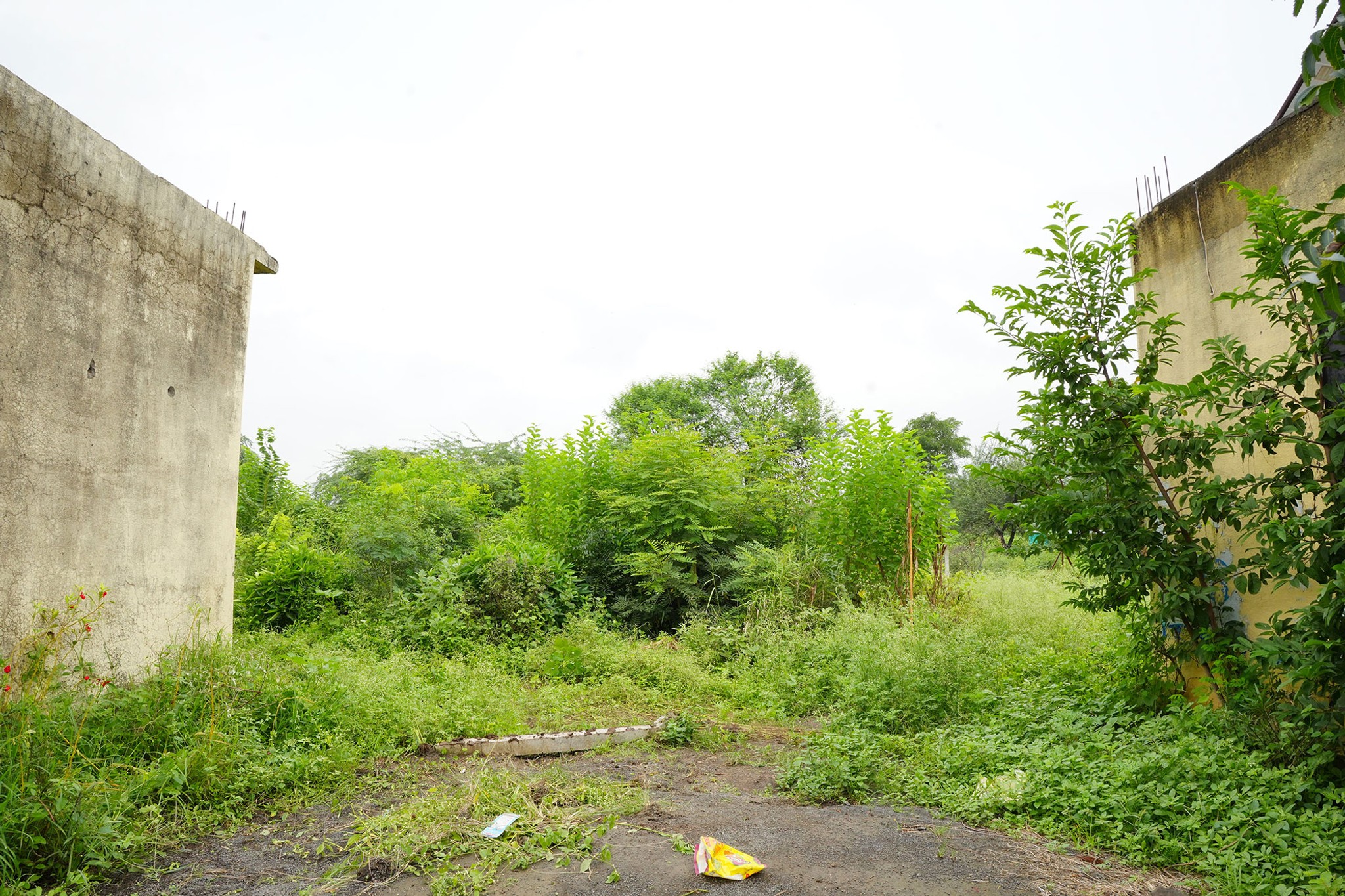
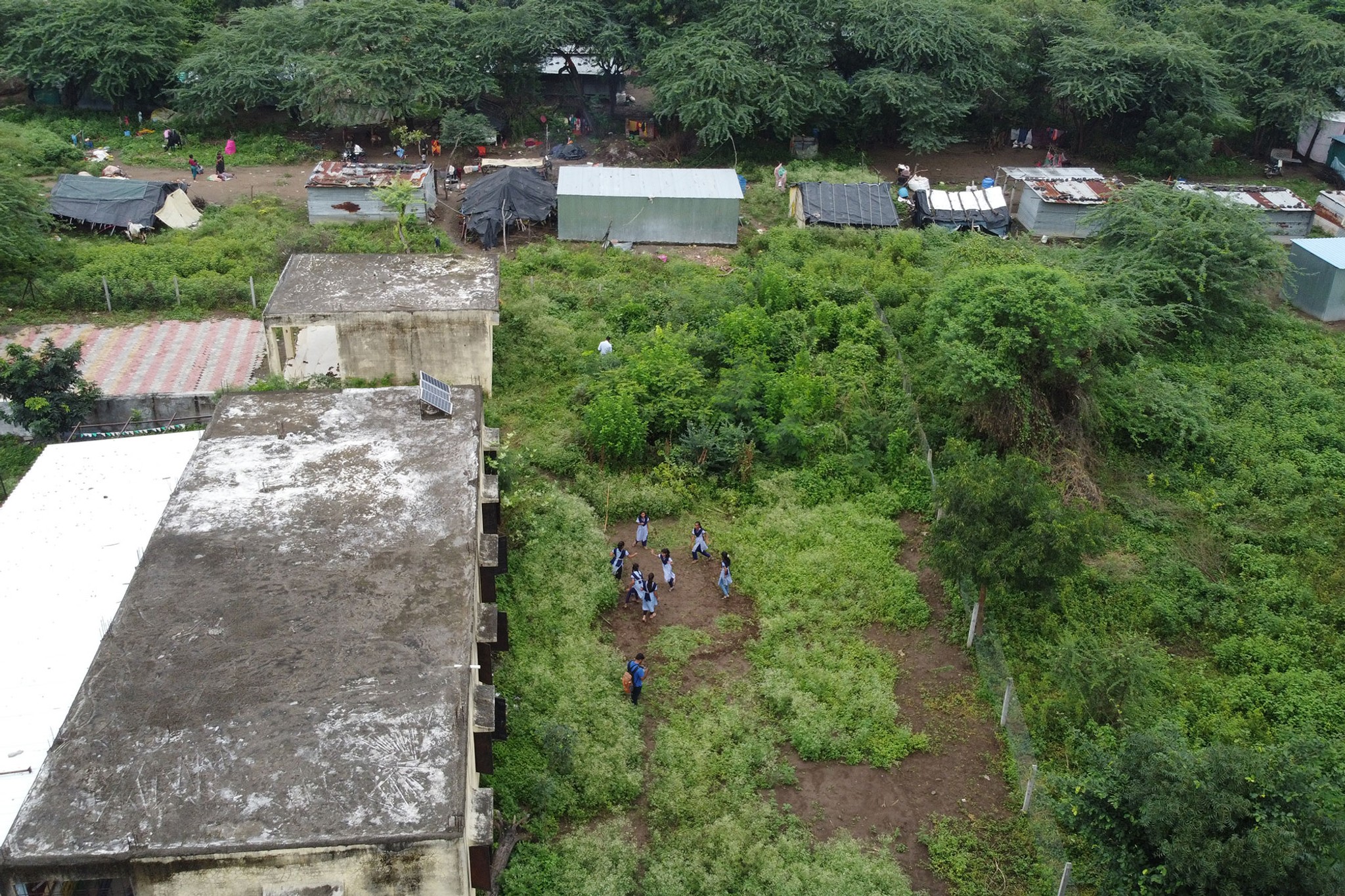
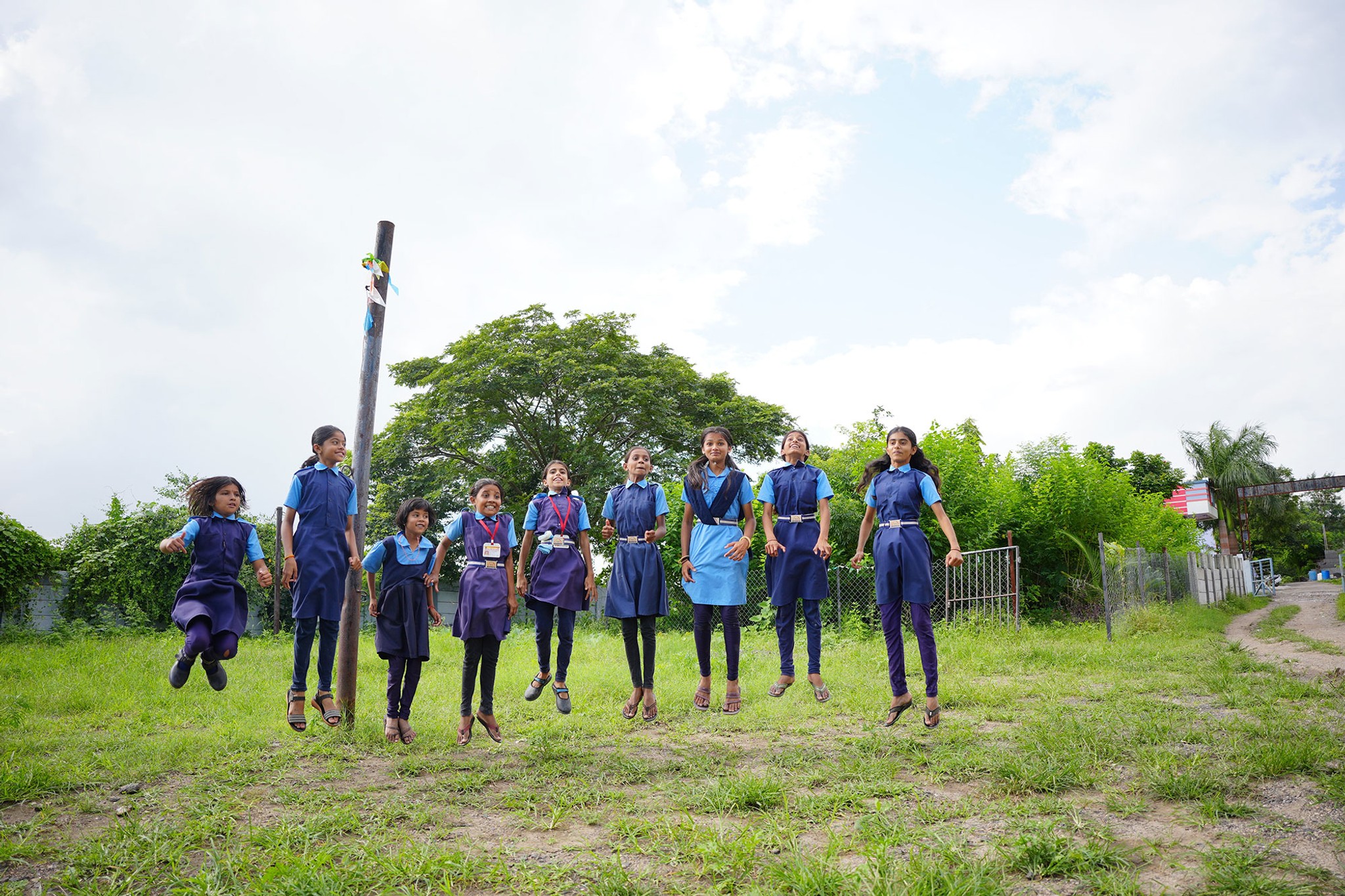
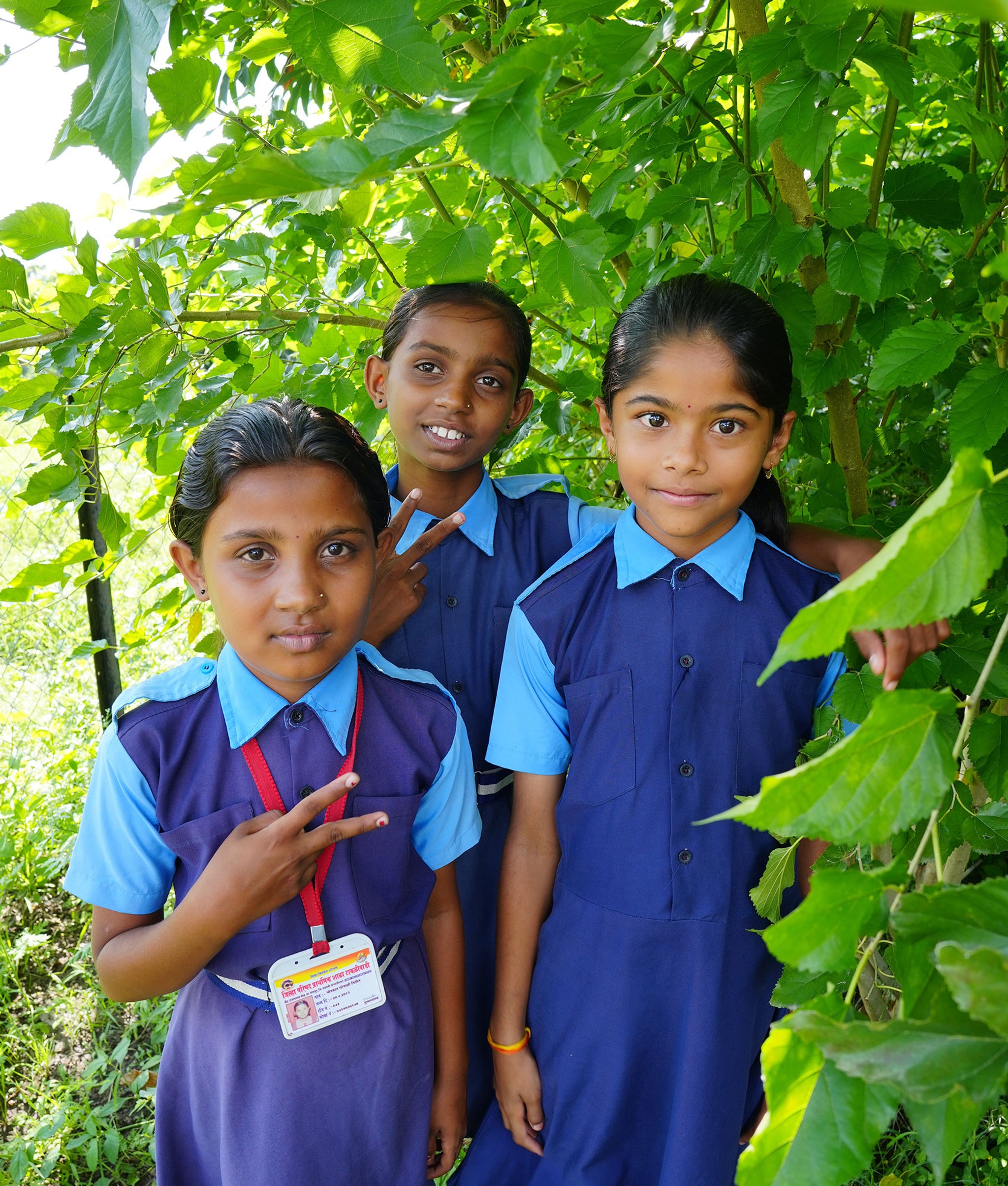
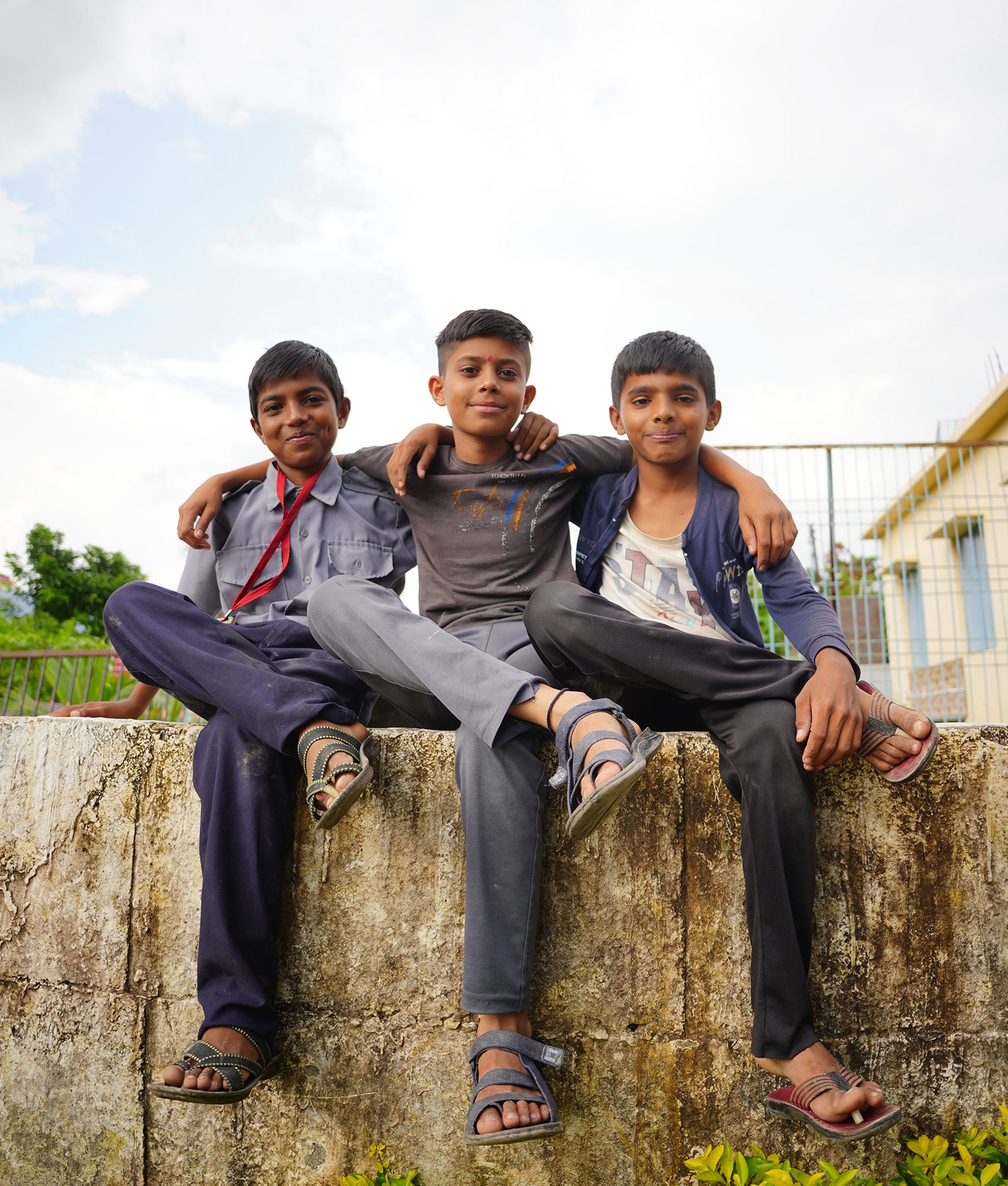
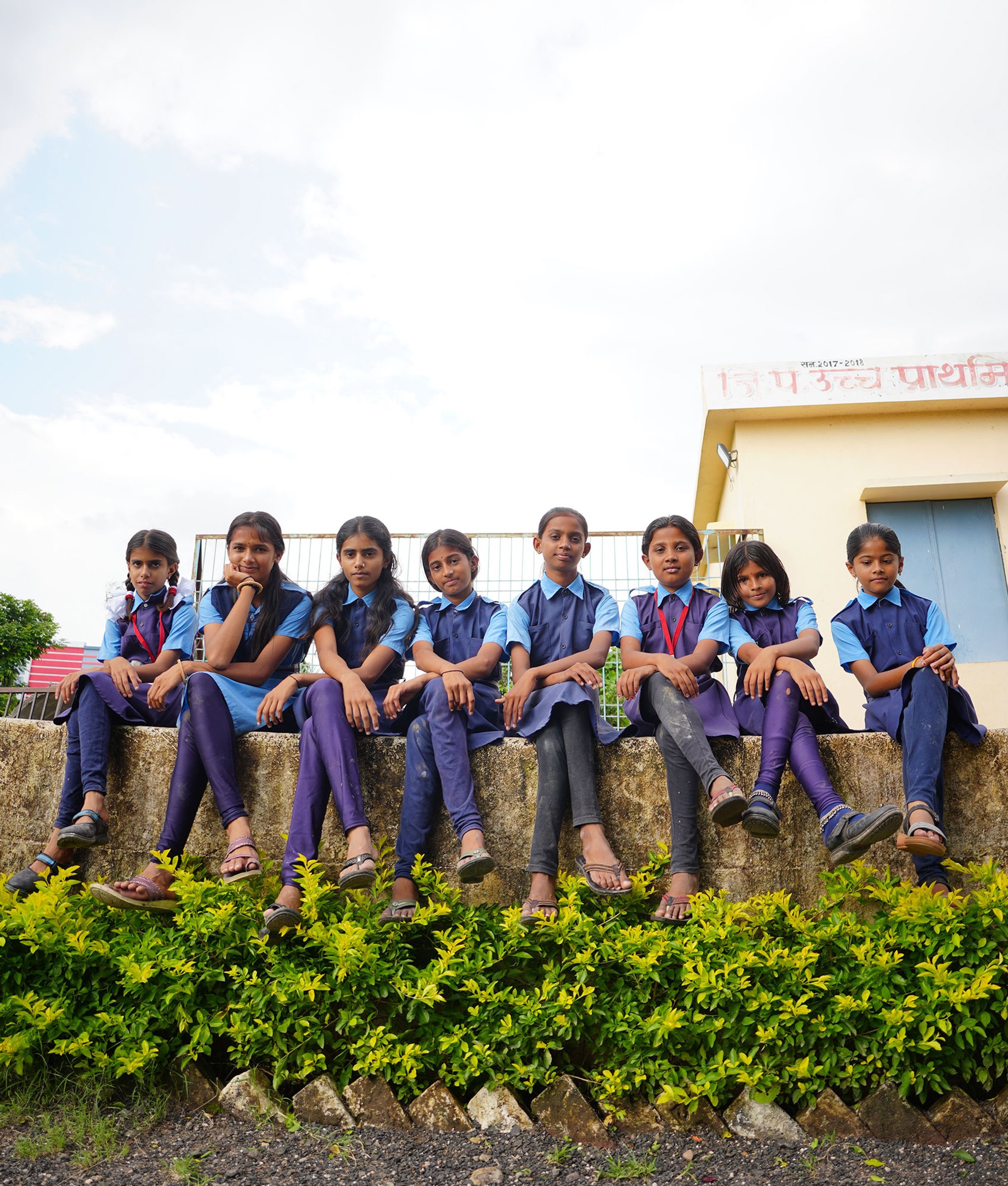
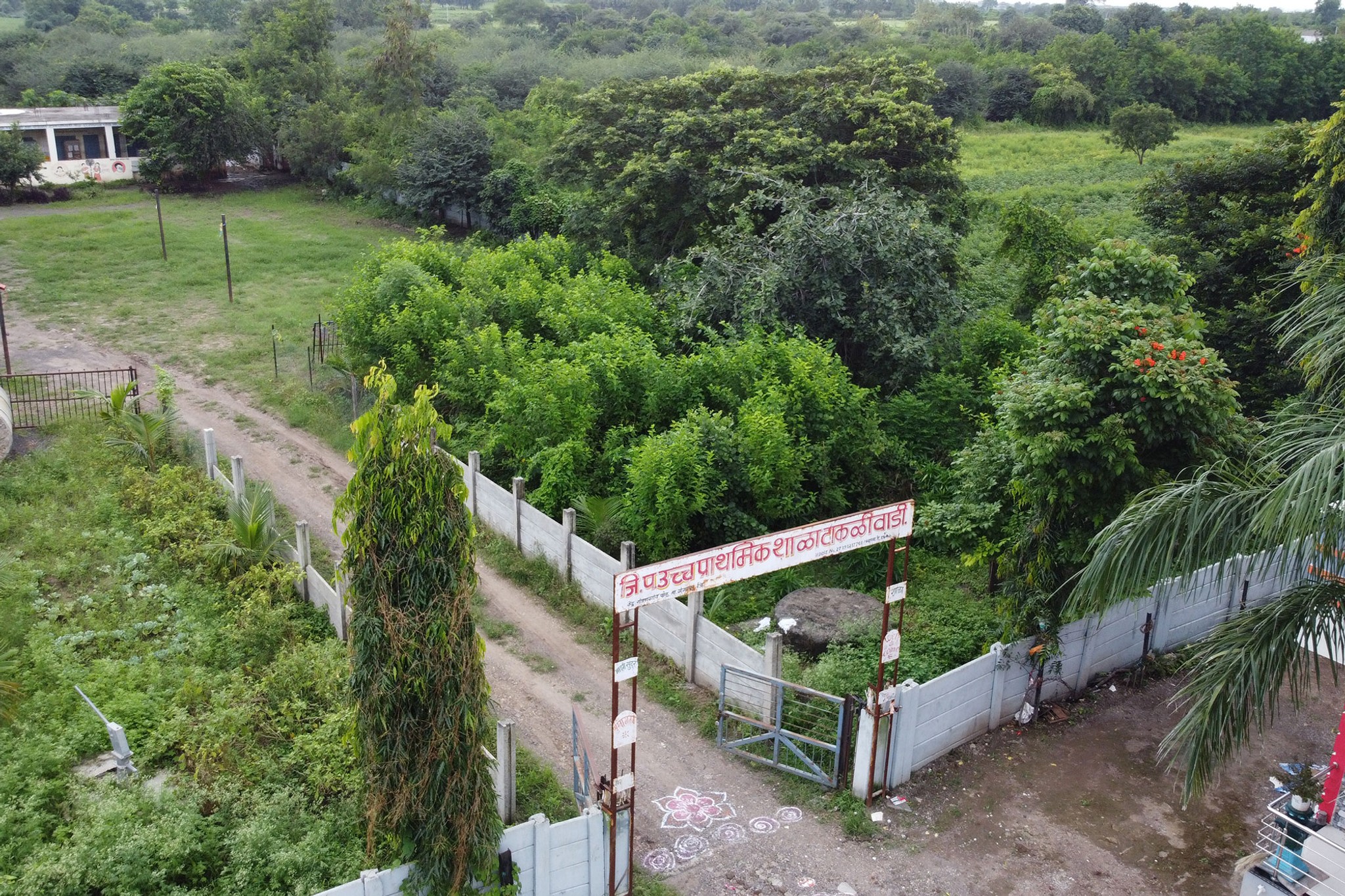
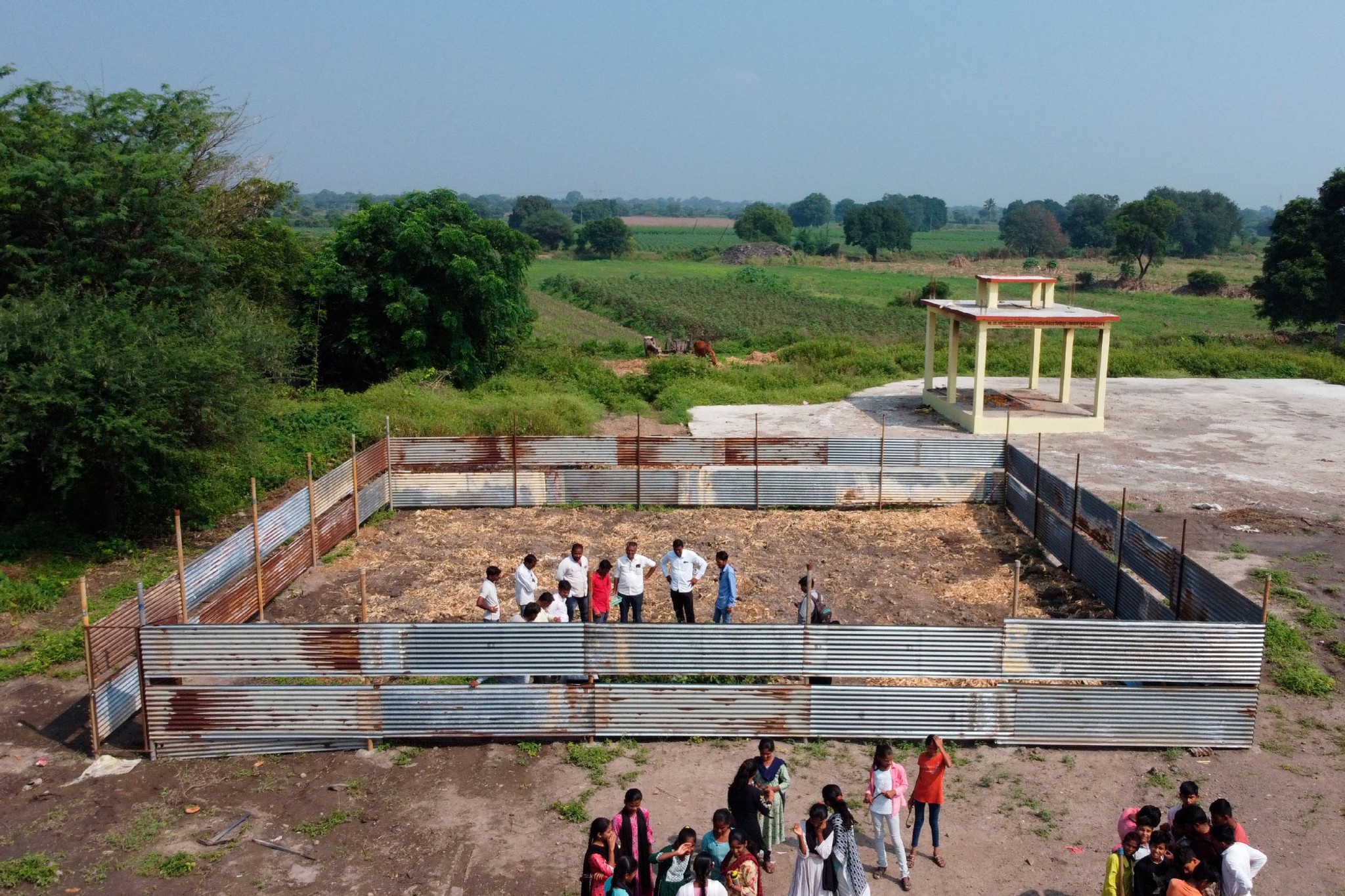
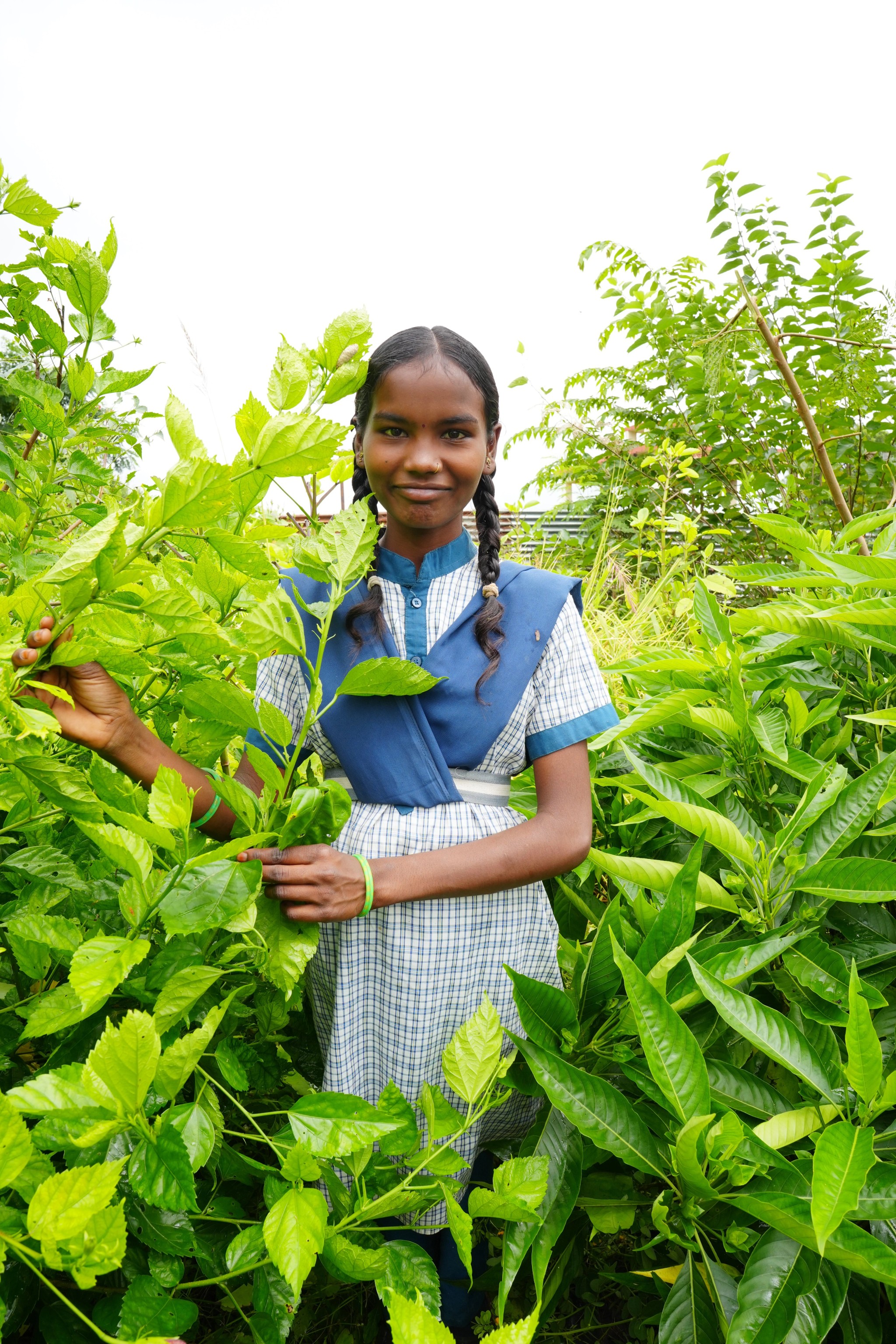
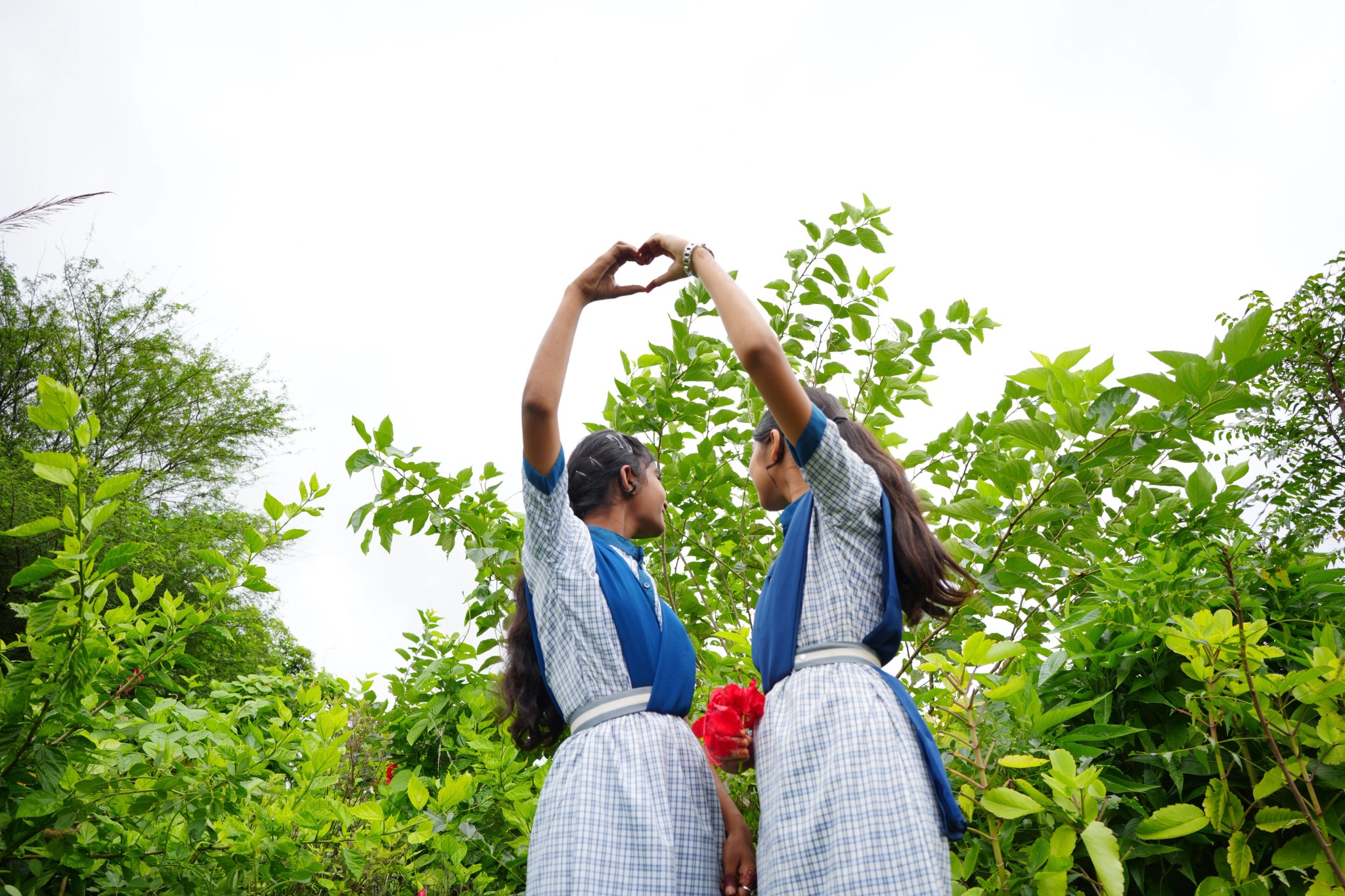
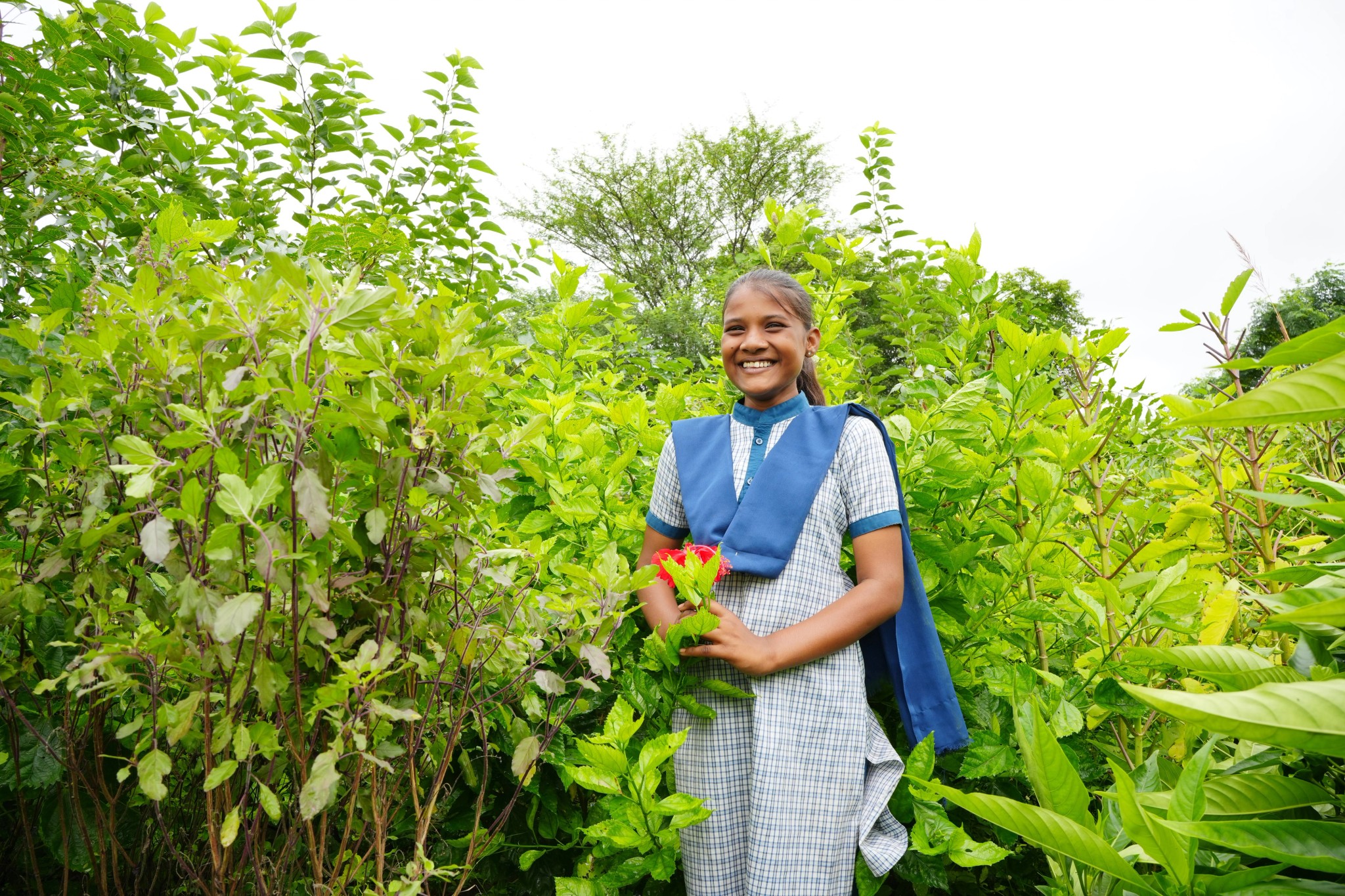
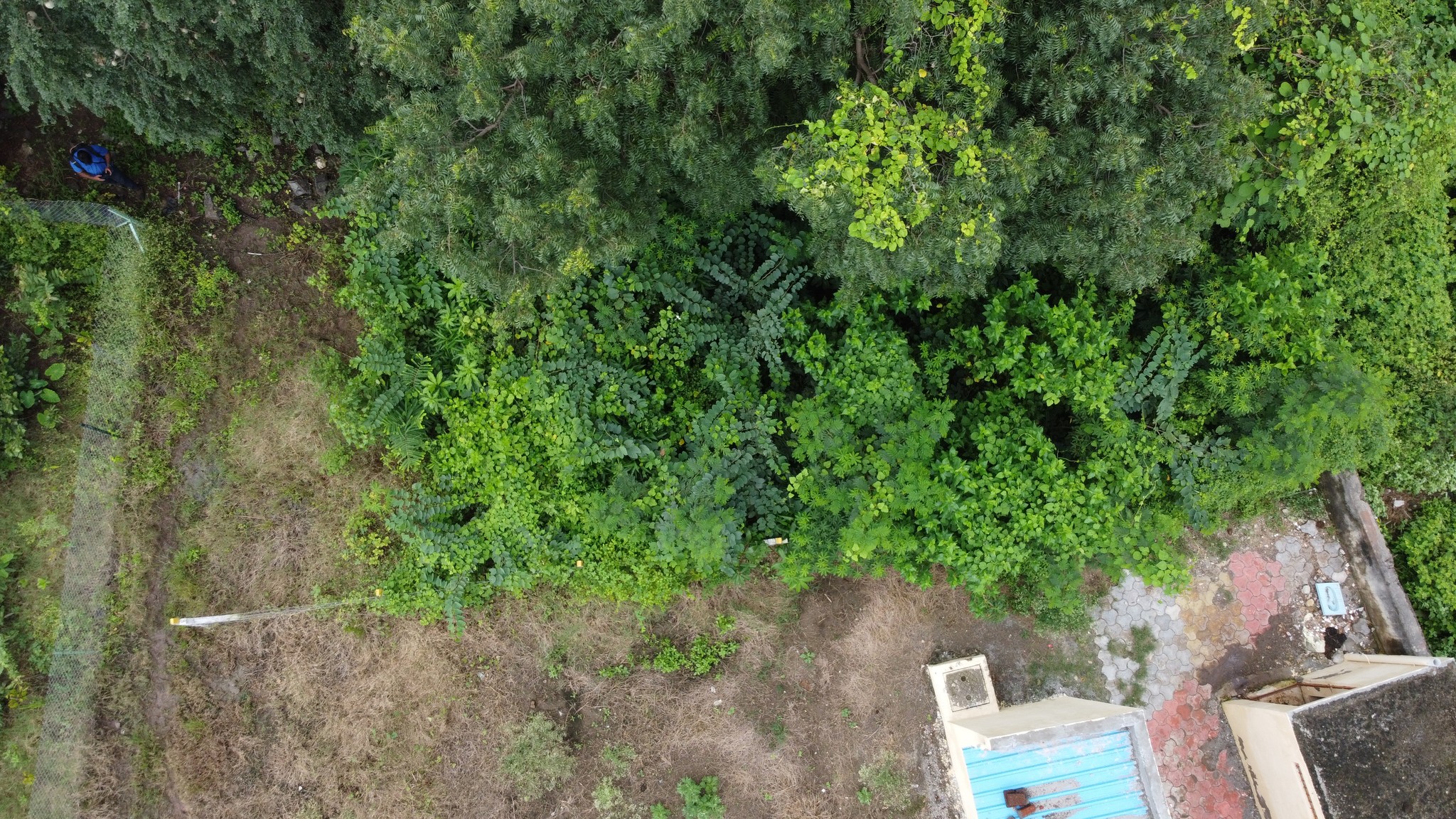
This project extends the Green Schools mission to 12 more schools in Aurangabad, a region severely affected by loss of green cover and drought, where groundwater now runs as deep as 70 metres, driven deeper by the loss of forests that play a crucial role in balancing the water cycle. These forests together help to build sustainable, inclusive, and climate-resilient schools throughout the district and expose the children of these schools to knowledge of plants and their ecological, cultural, and health benefits on which ancient Ayurveda is based.
Through this project, we aim to inspire the inhabitants of surrounding towns, who are the rightful custodians of these forests. The answer to the water scarcity issue lies in the effective conservation of forests, rivers, and lakes. These Miyawaki forests, conserved with love, play a valuable role in creating an ecological balance which this region direly needs.
Forest Maker
EcoSattva
“The project breathes life into barren landscapes, cultivating biodiversity and environmental consciousness.”
- Natasha Zarine, SUGi Forest Maker and Co-Founder of EcoSattva
Forest Update: 2025
Adul Khurd
0 Months
Forest Age
0%
Survival Rate
0m
Average of Tallest 3 Trees
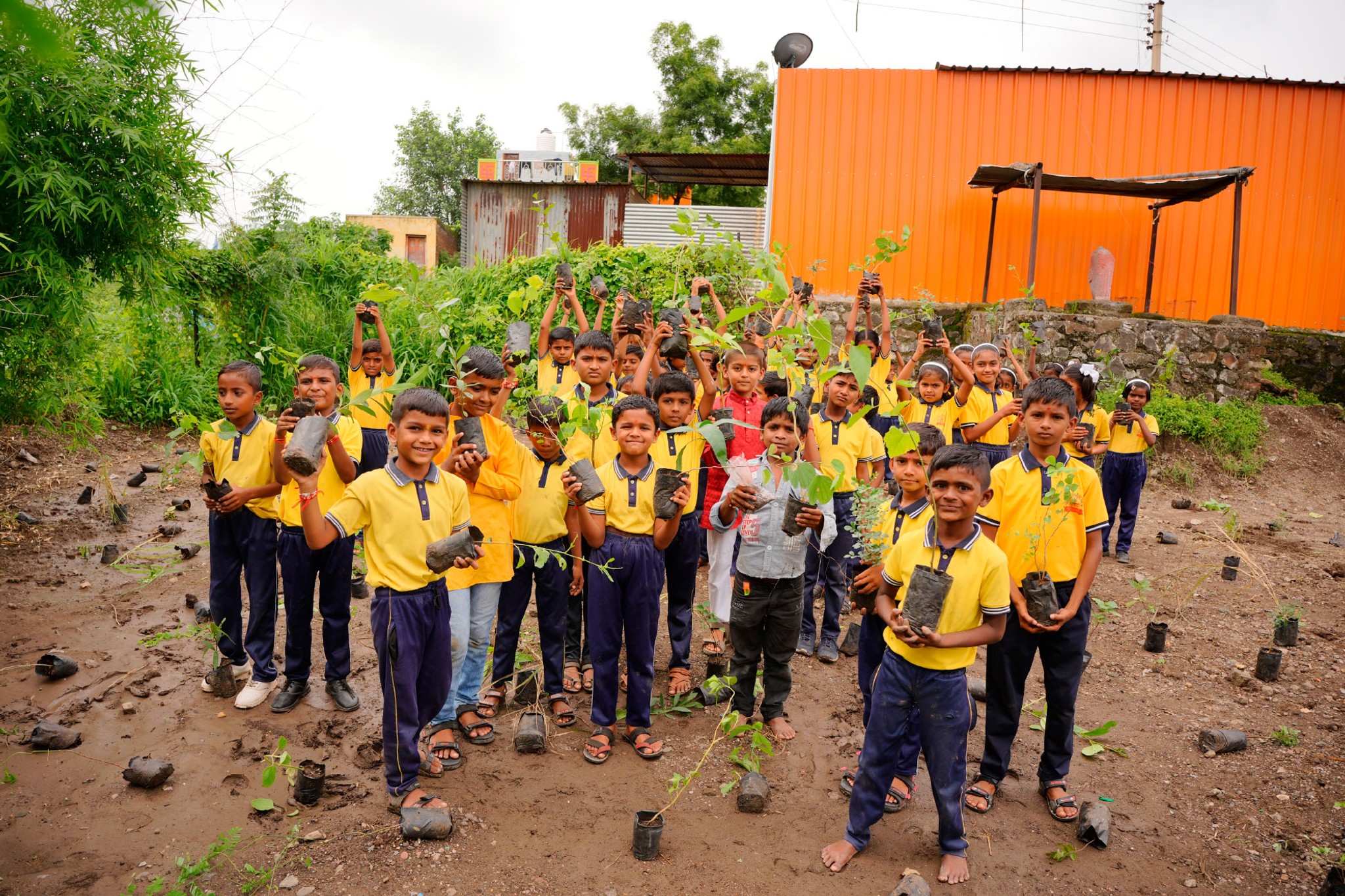
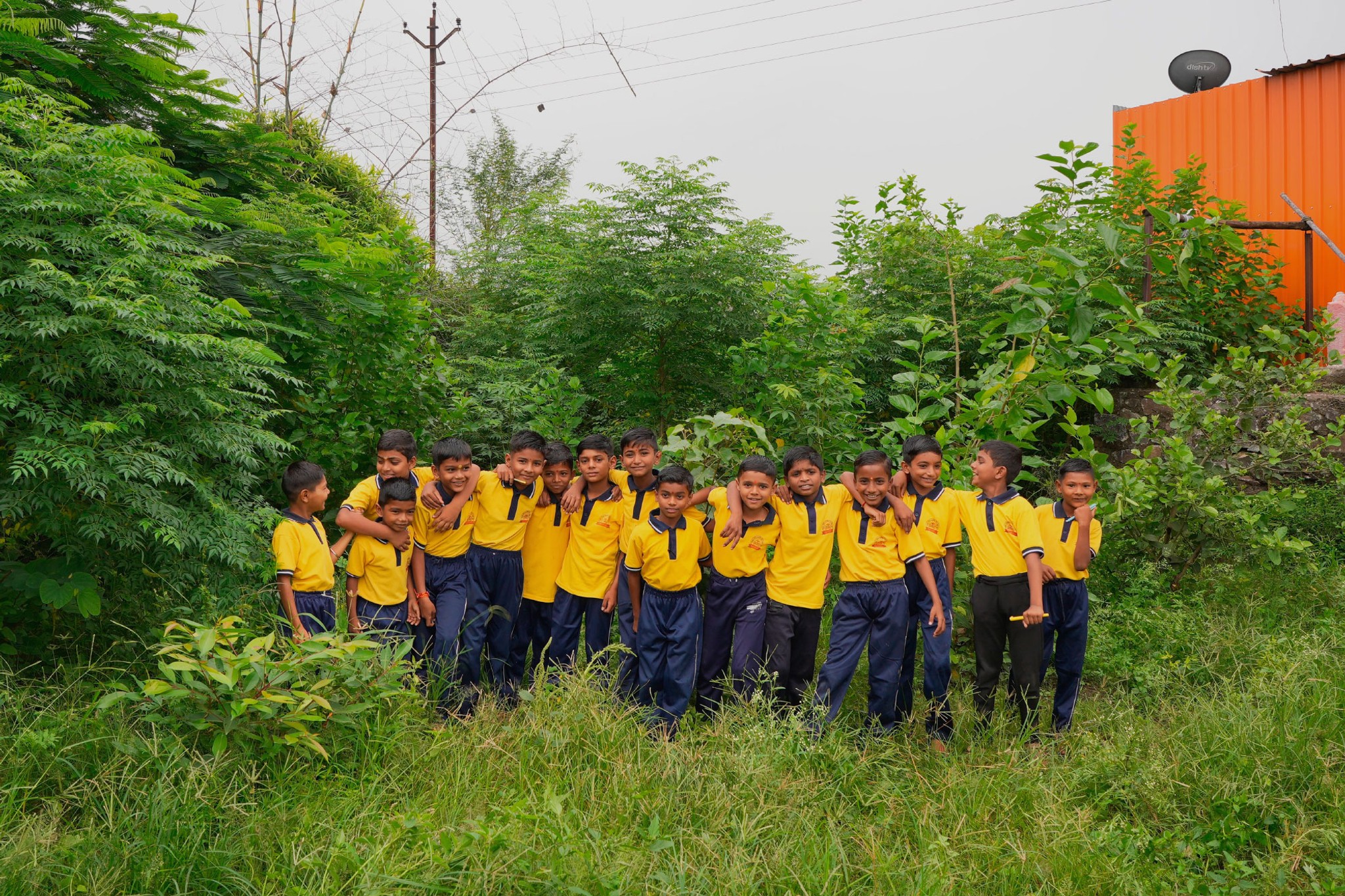
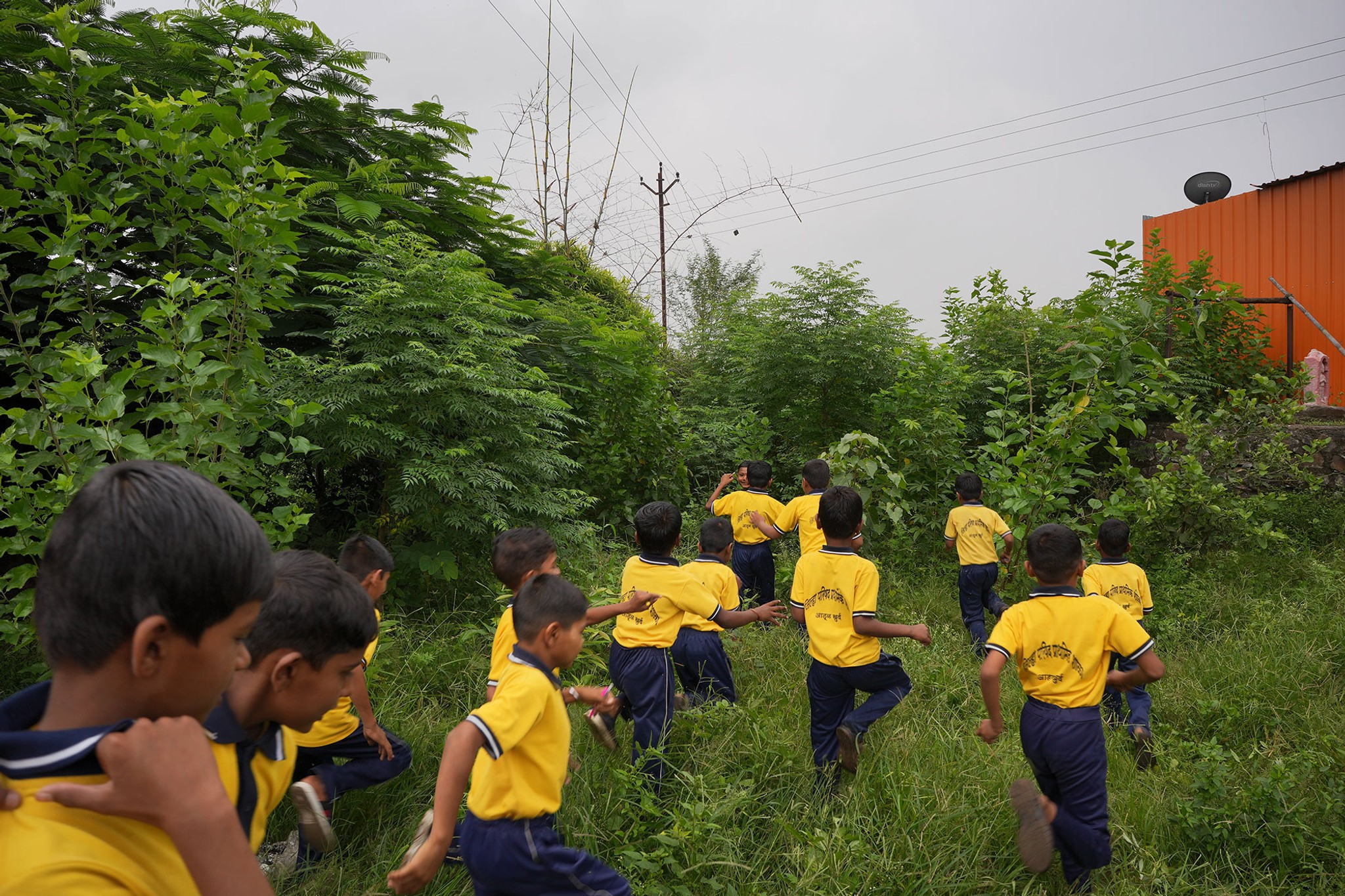
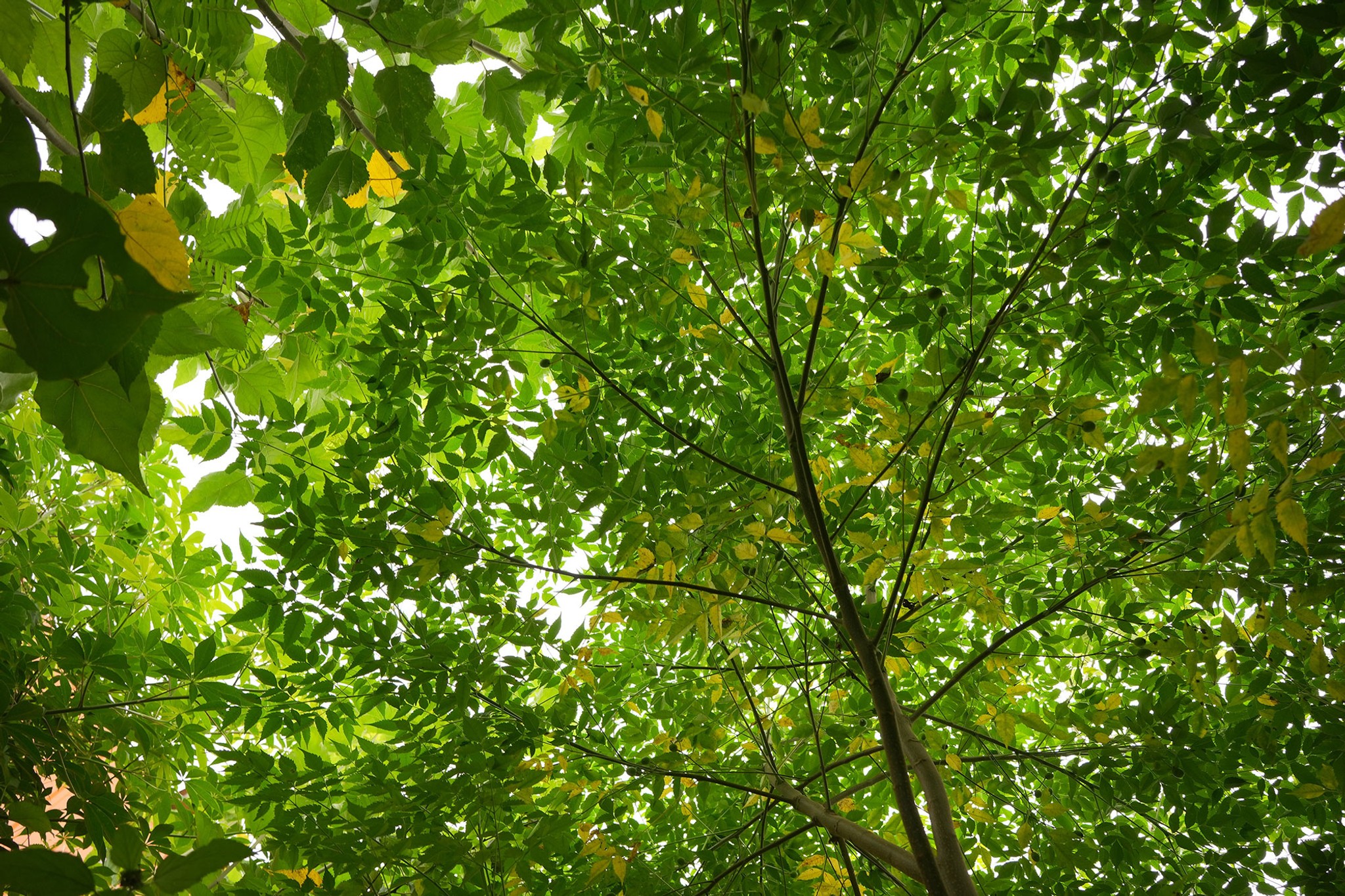
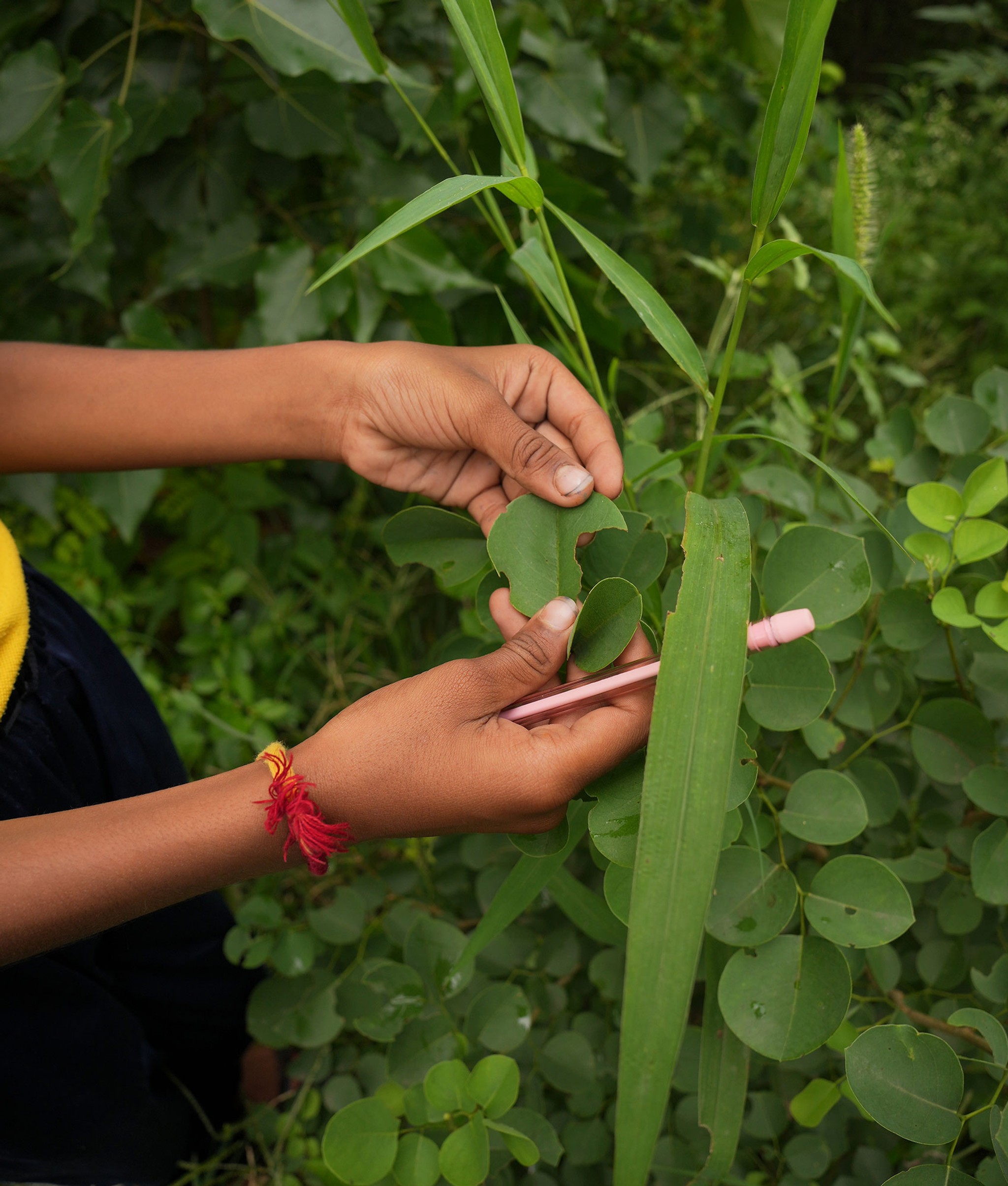
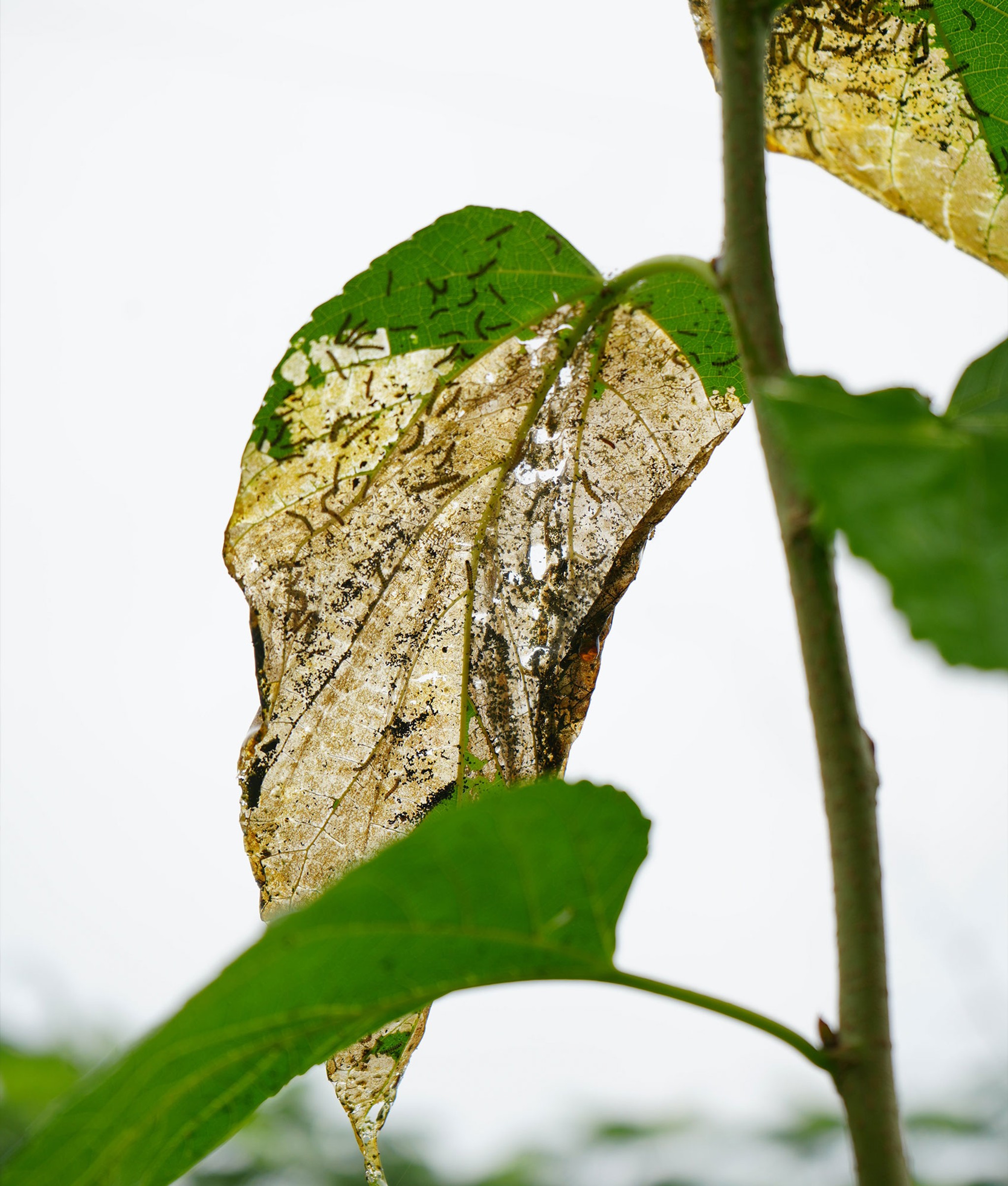
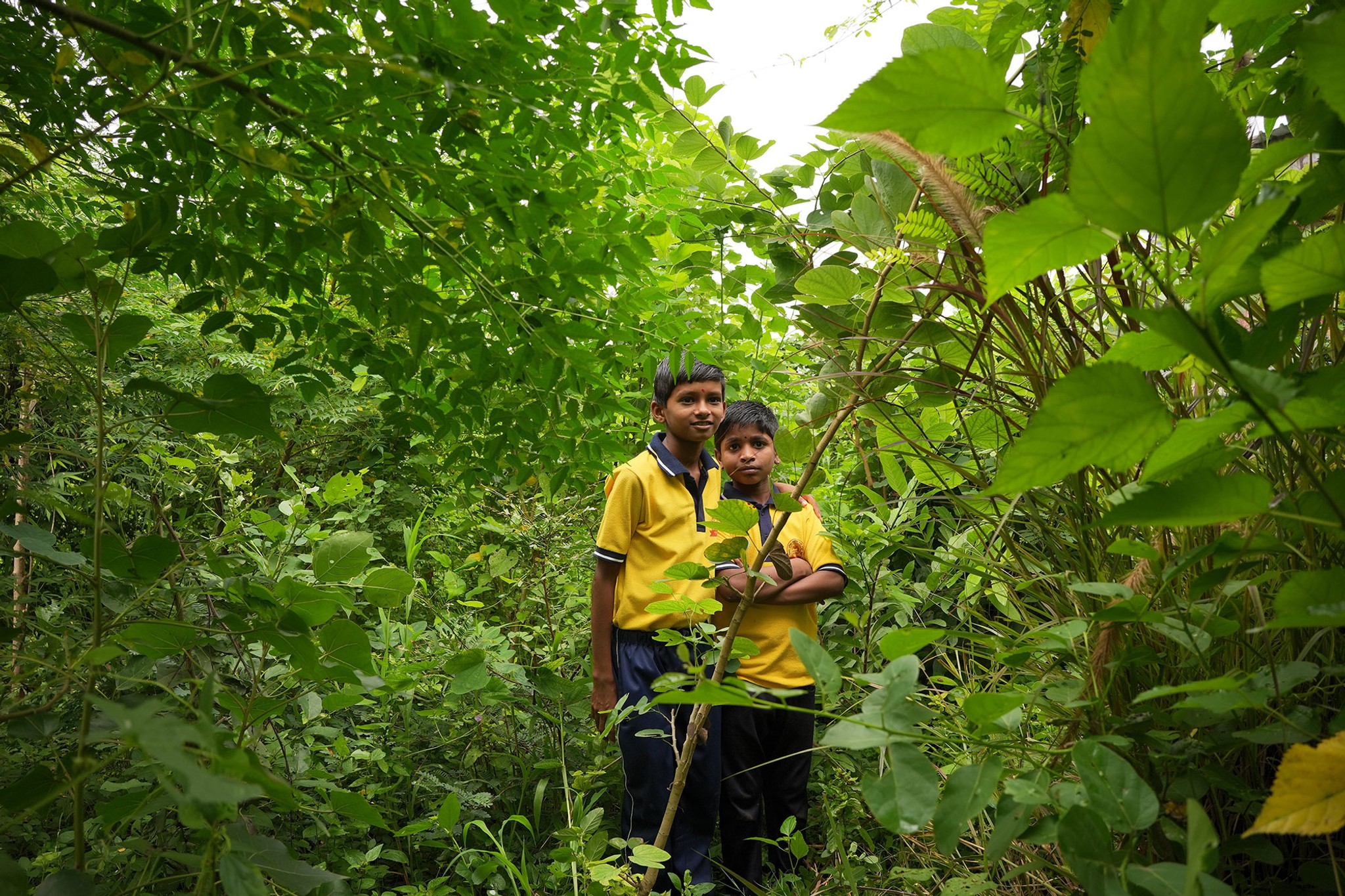
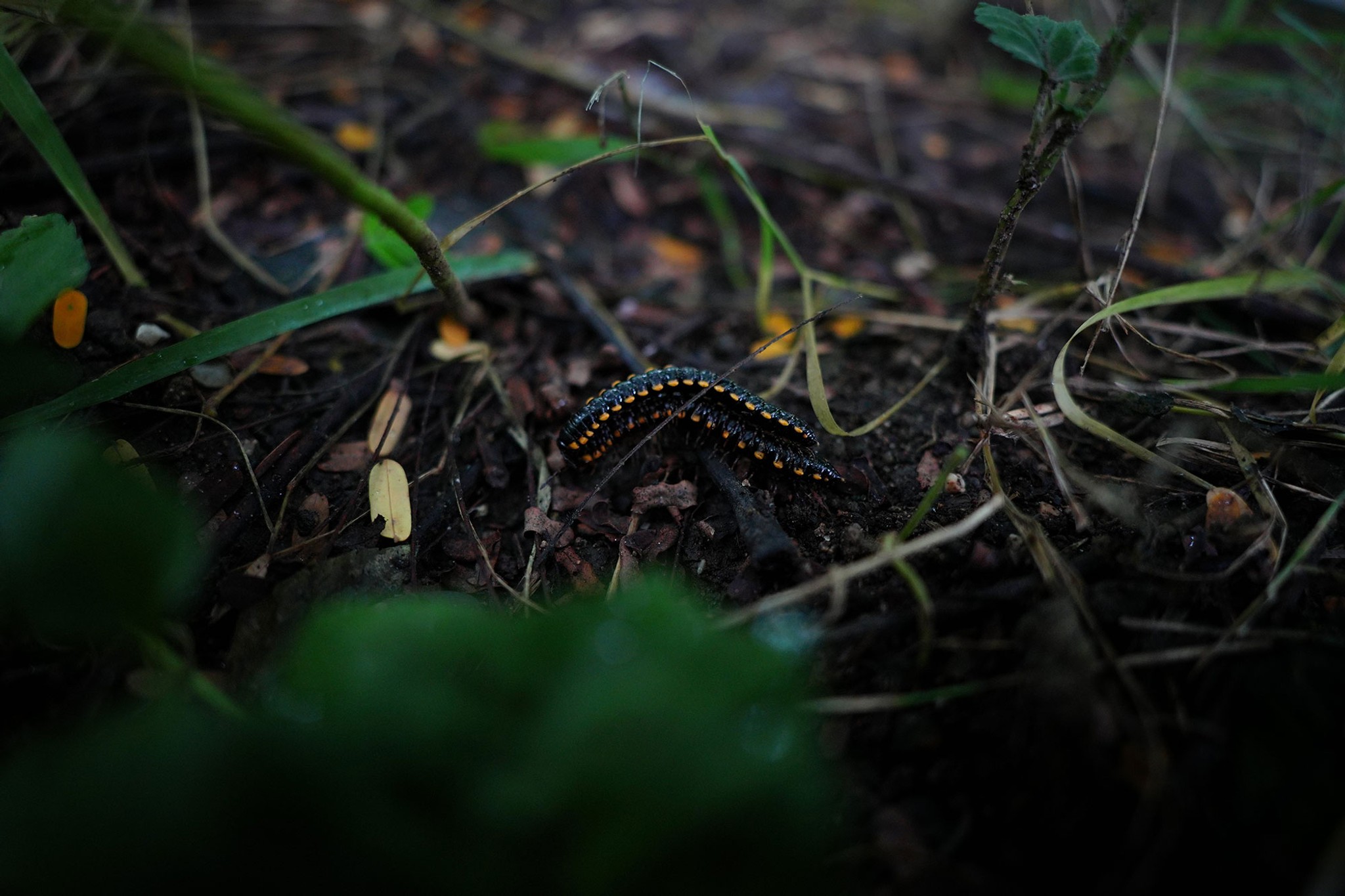
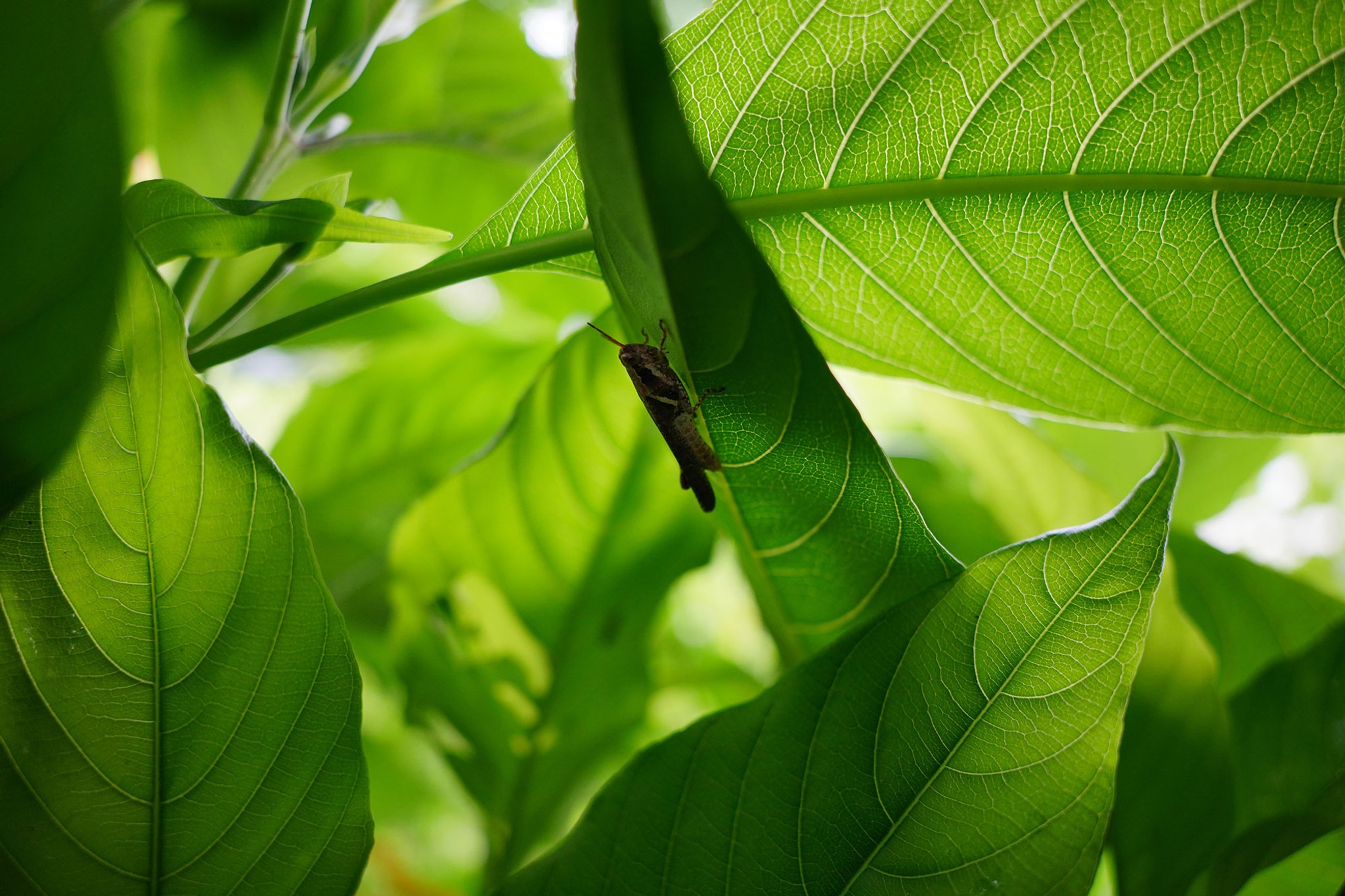
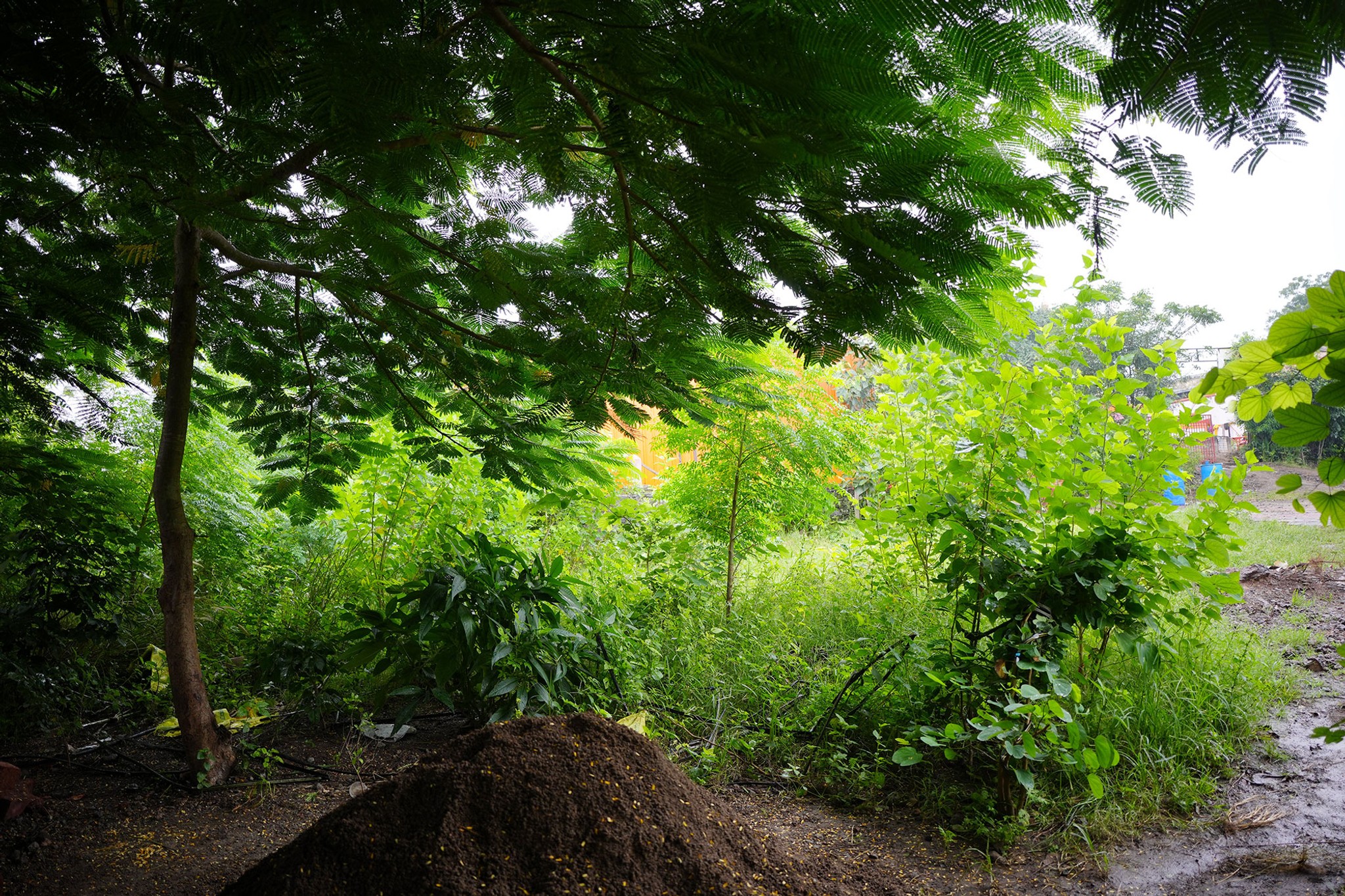
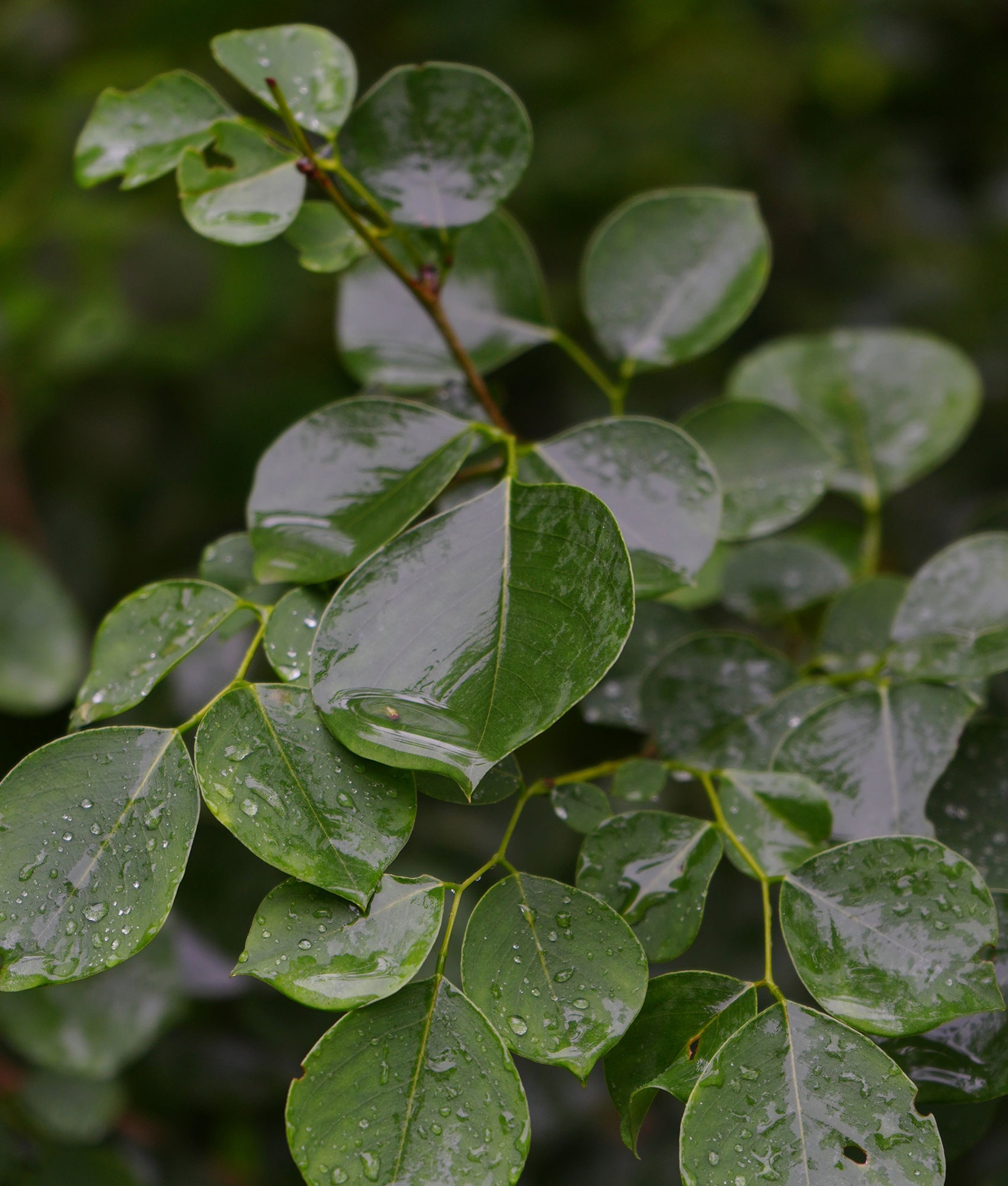
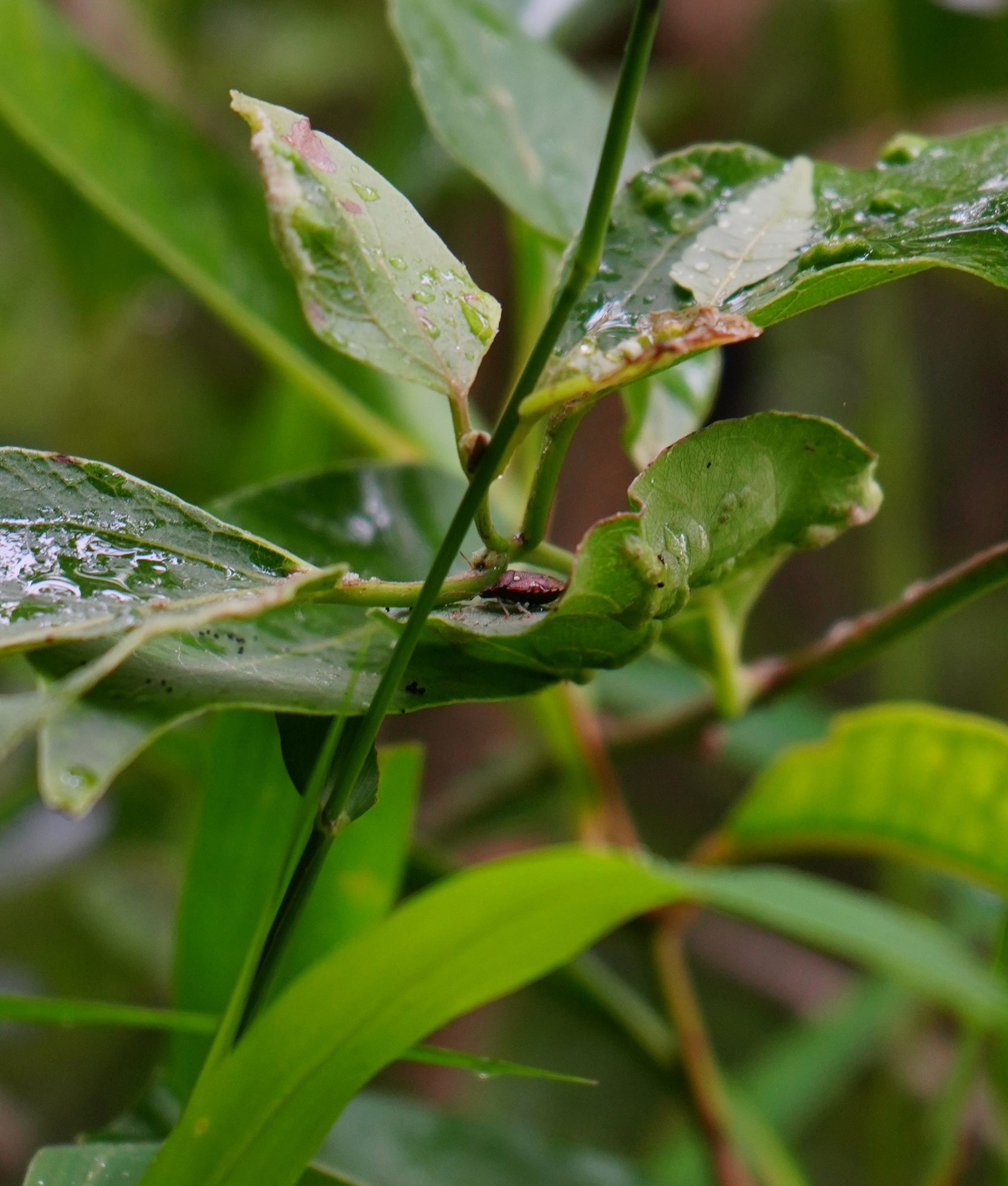
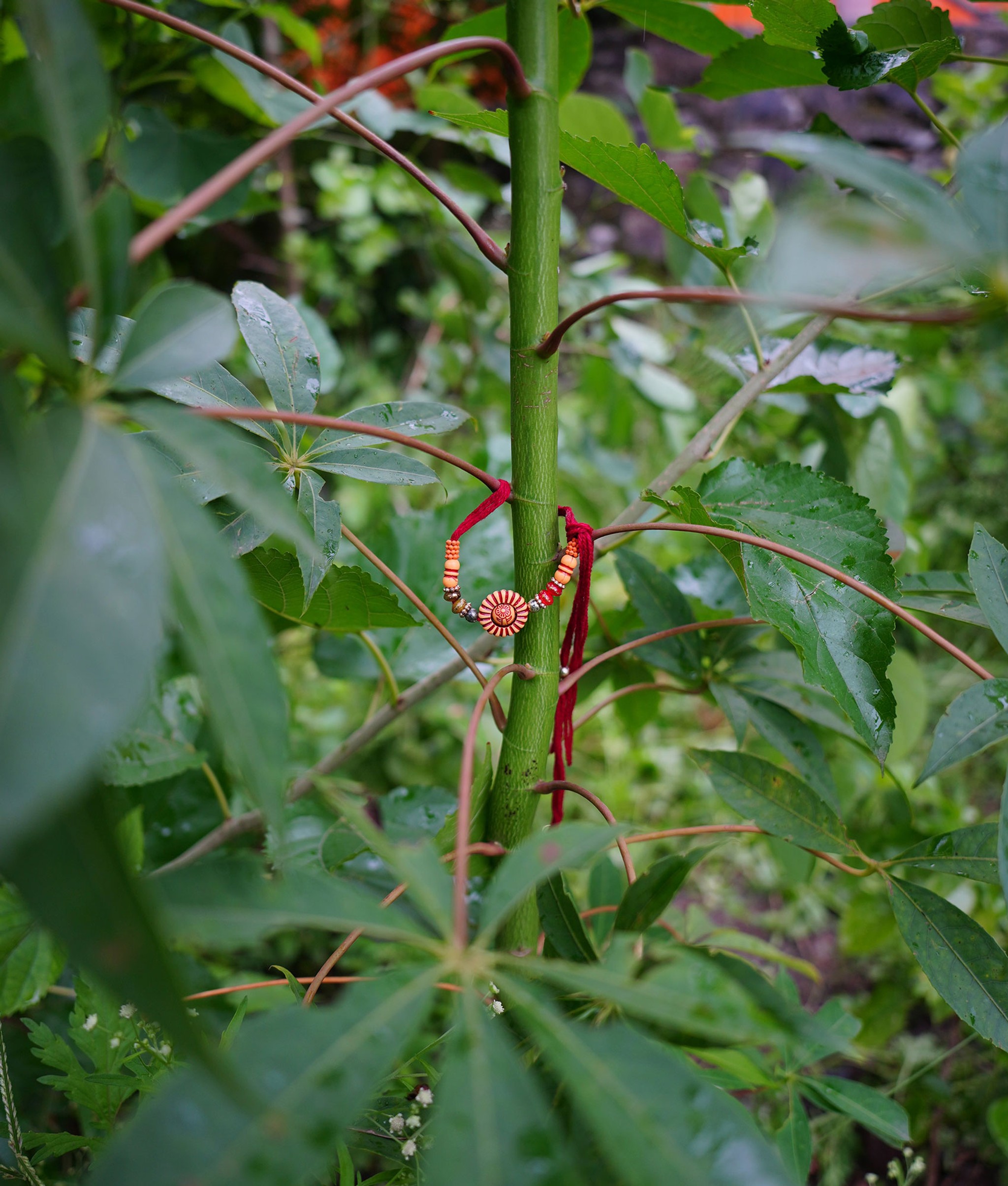
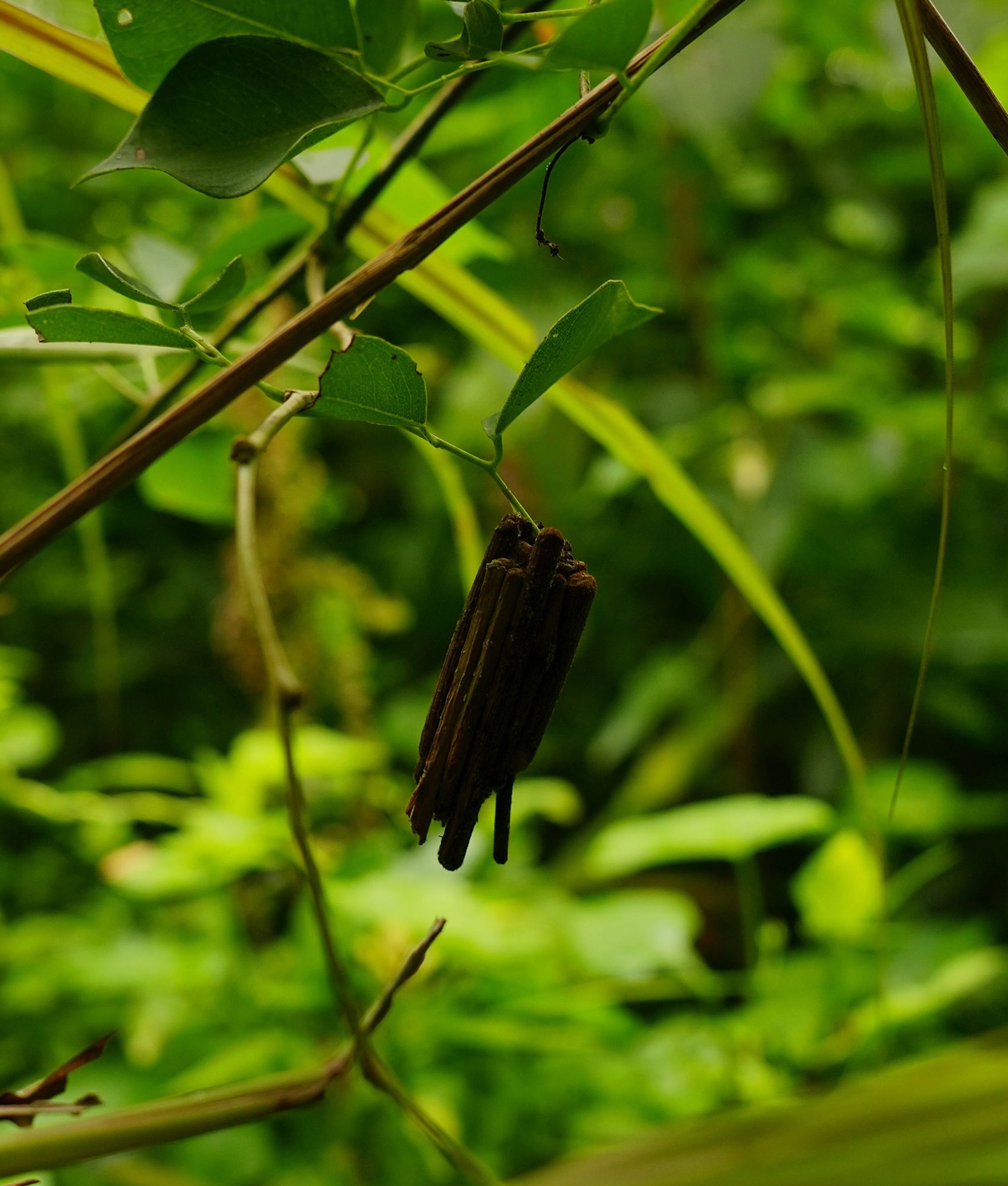
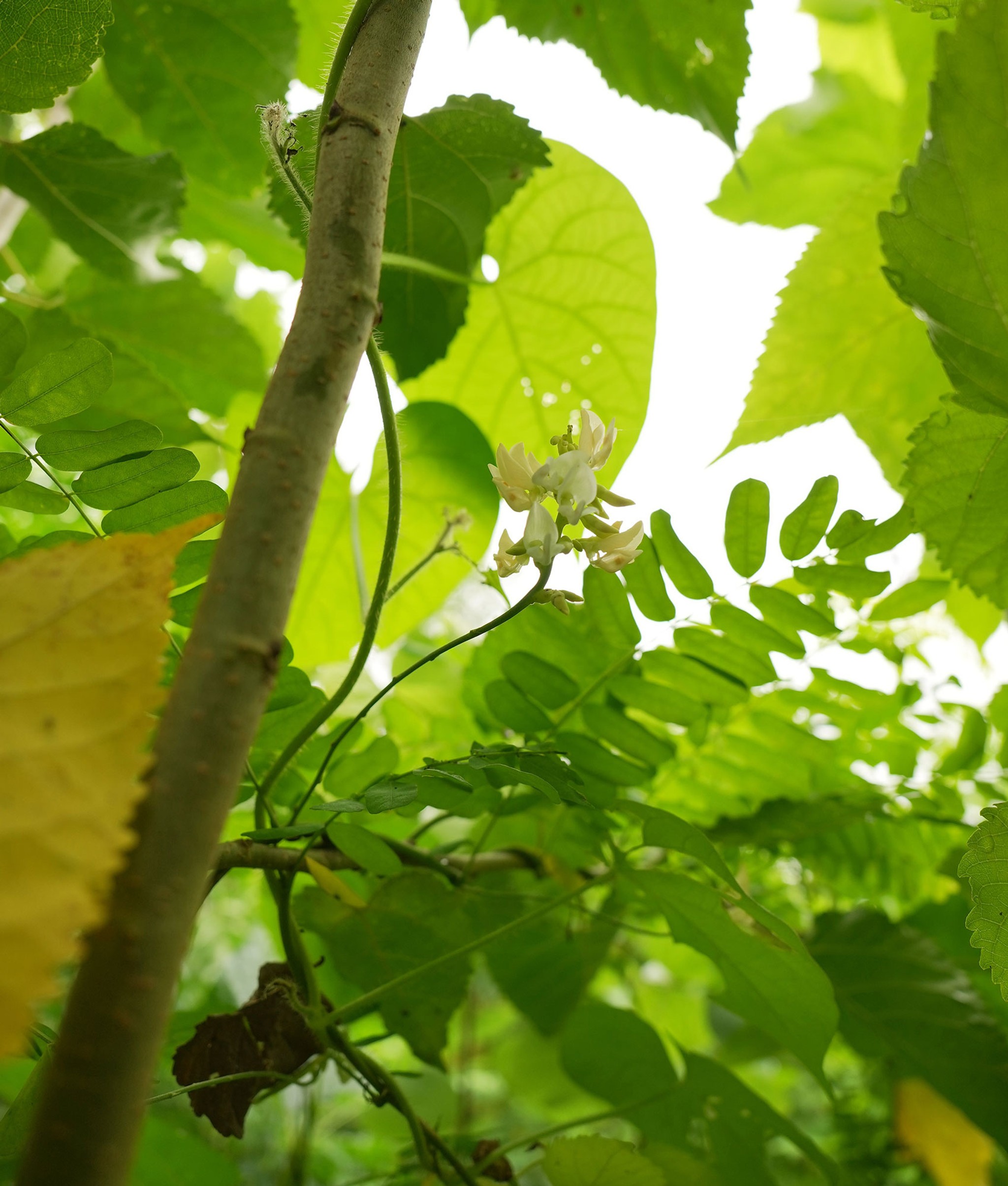
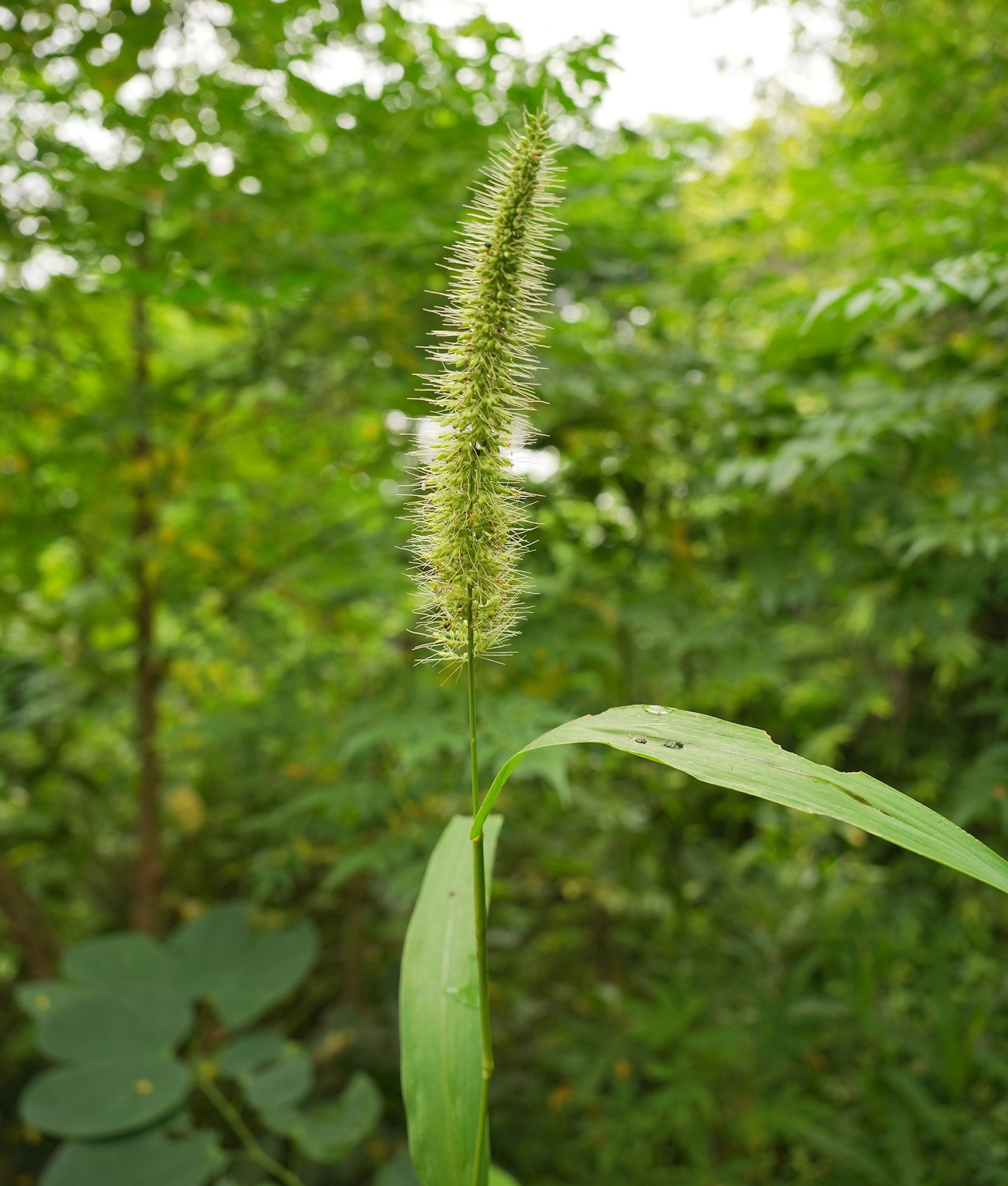
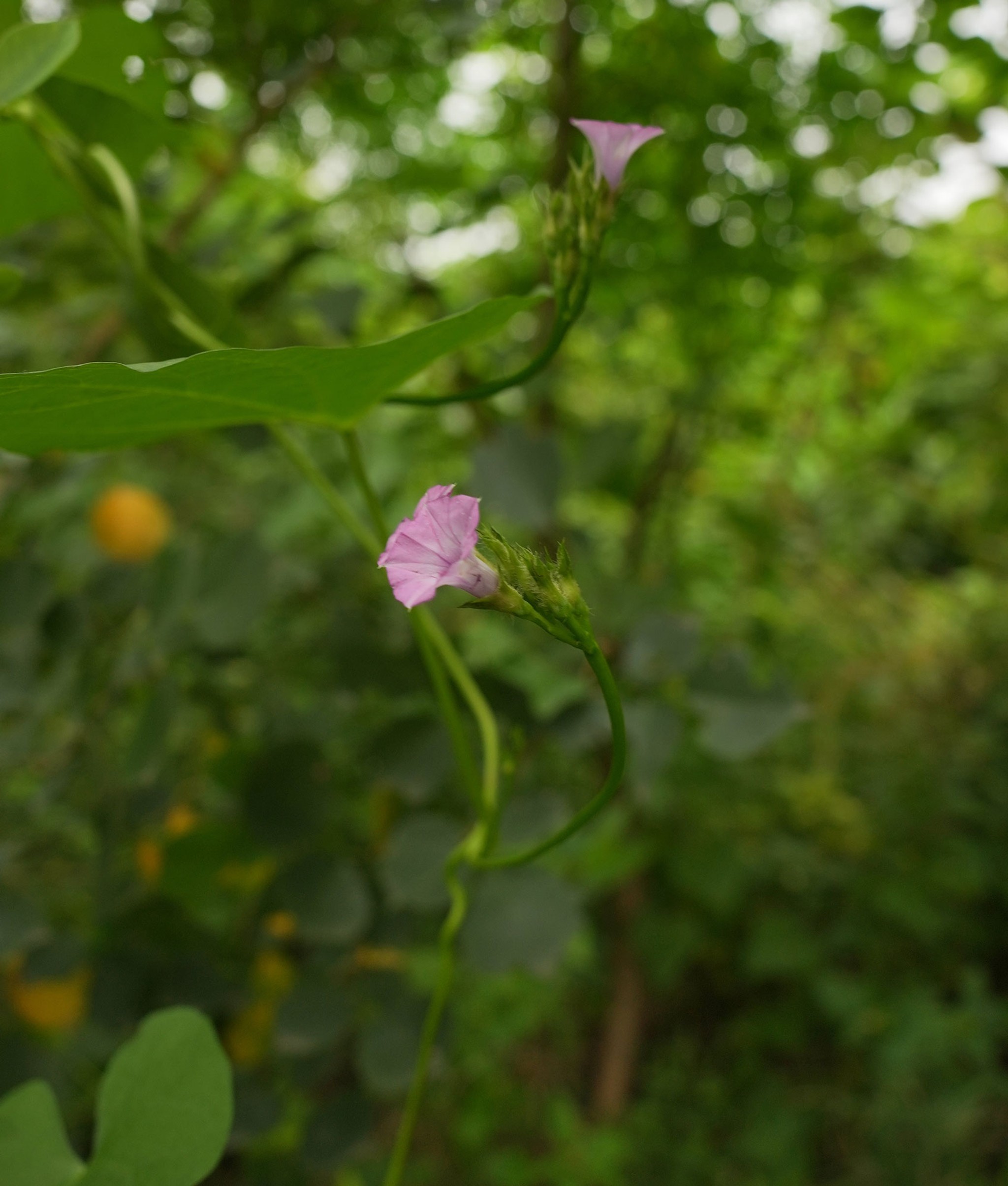
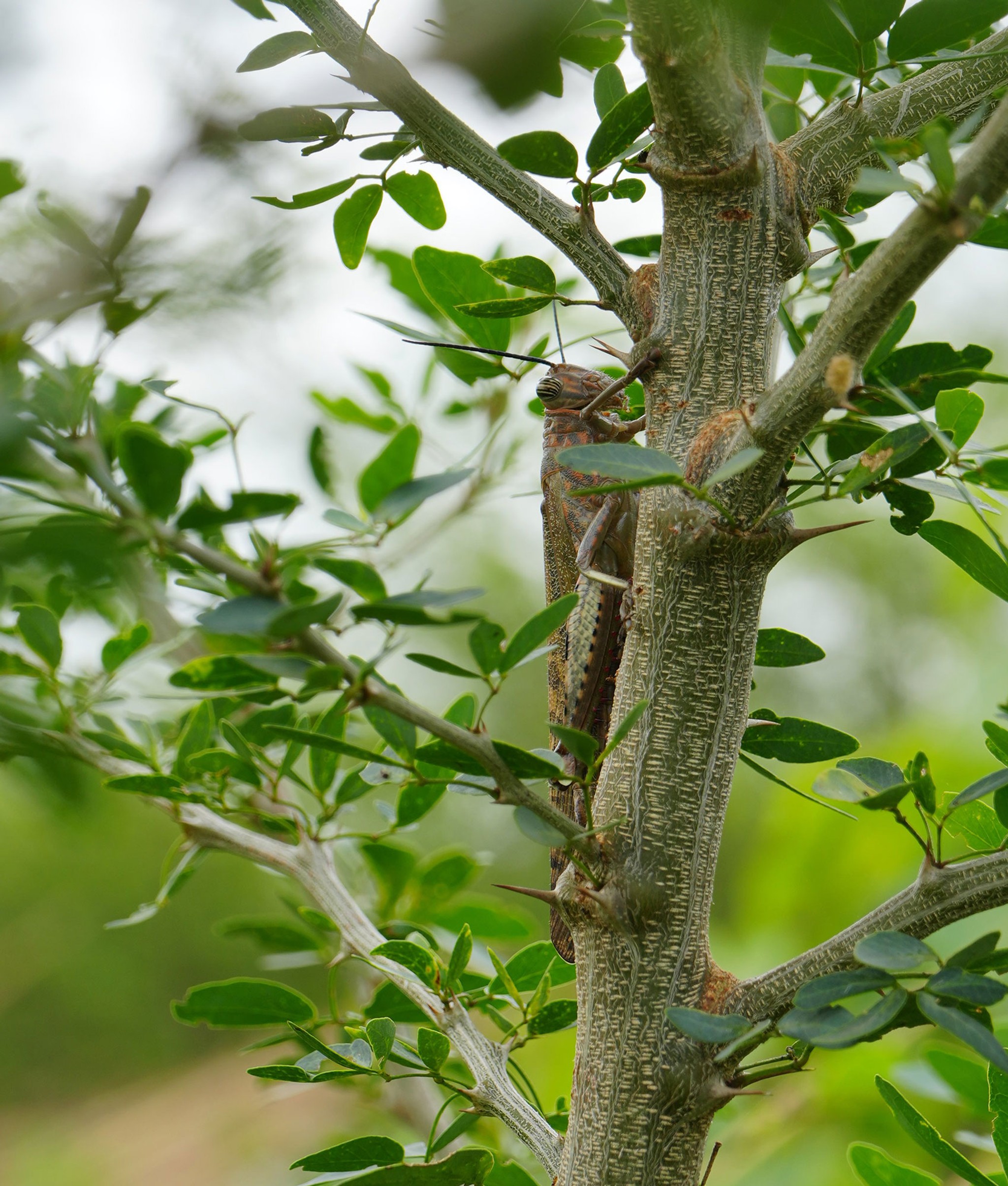
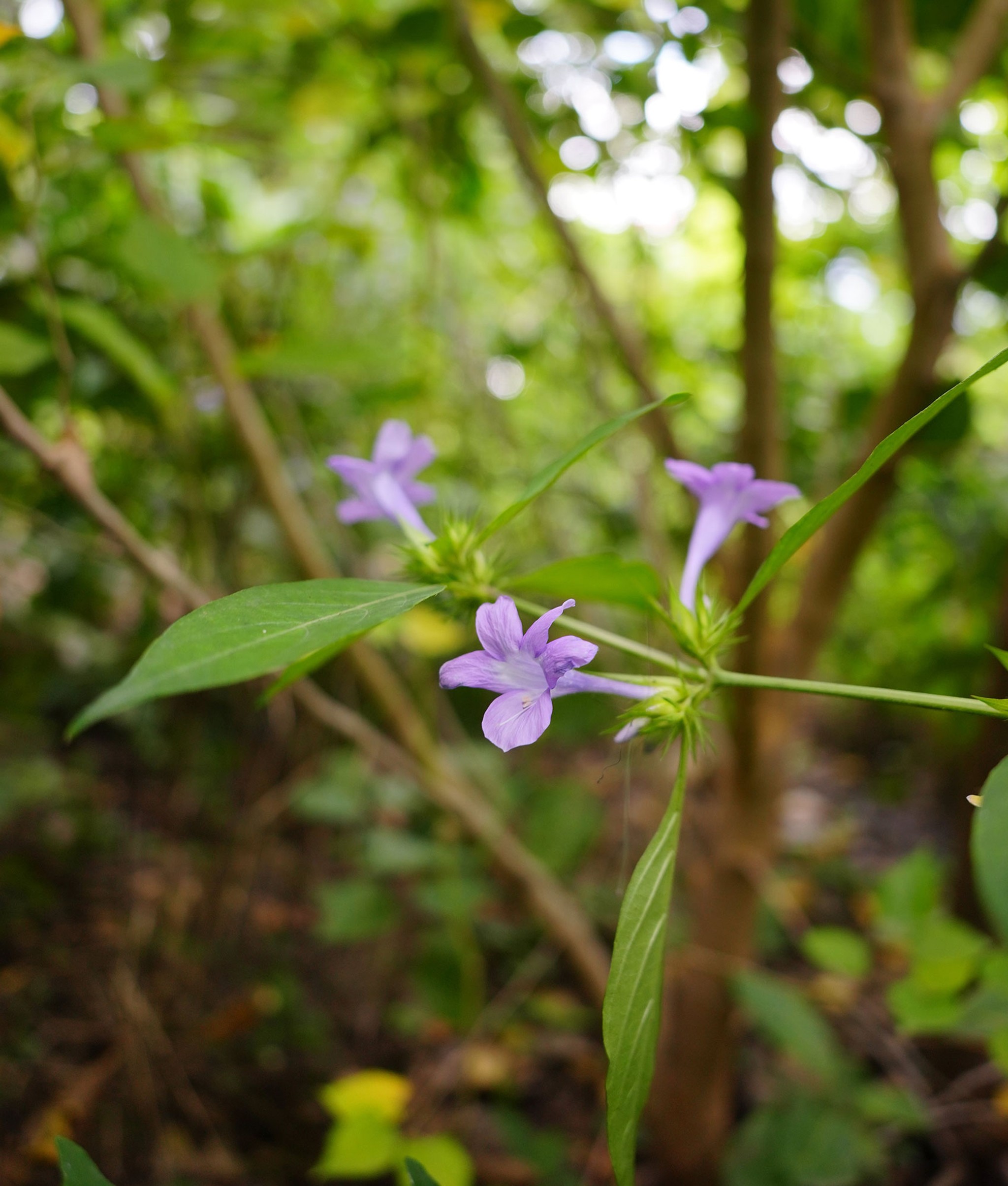
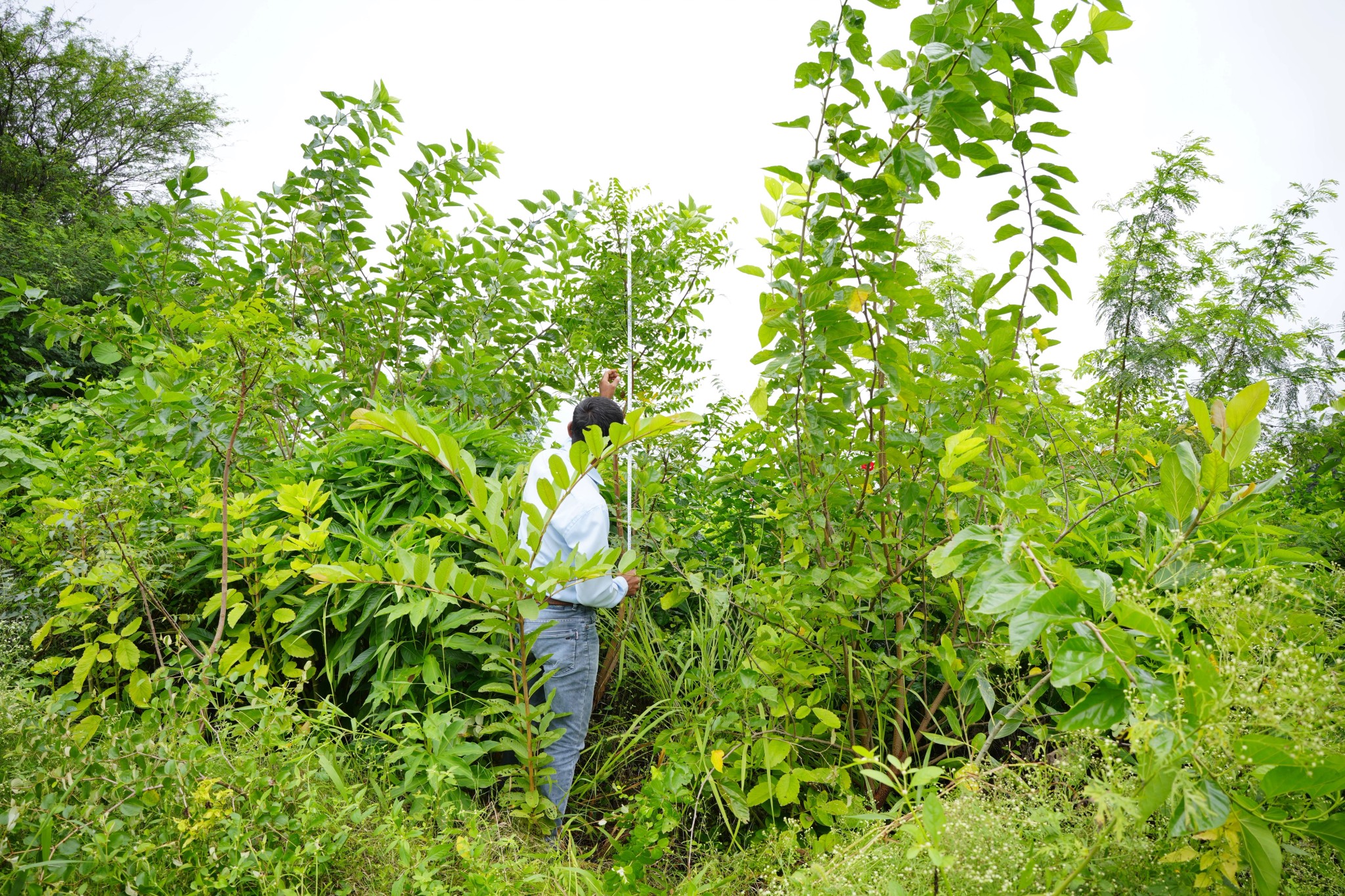
More native trees are growing and providing food for birds and insects like butterflies. The forest canopy looks healthier with more flowers and fruits. Overall, the forest’s biodiversity is slowly improving.
Bhaur
0 Months
Forest Age
0%
Survival Rate
0m
Average of Tallest 3 Trees
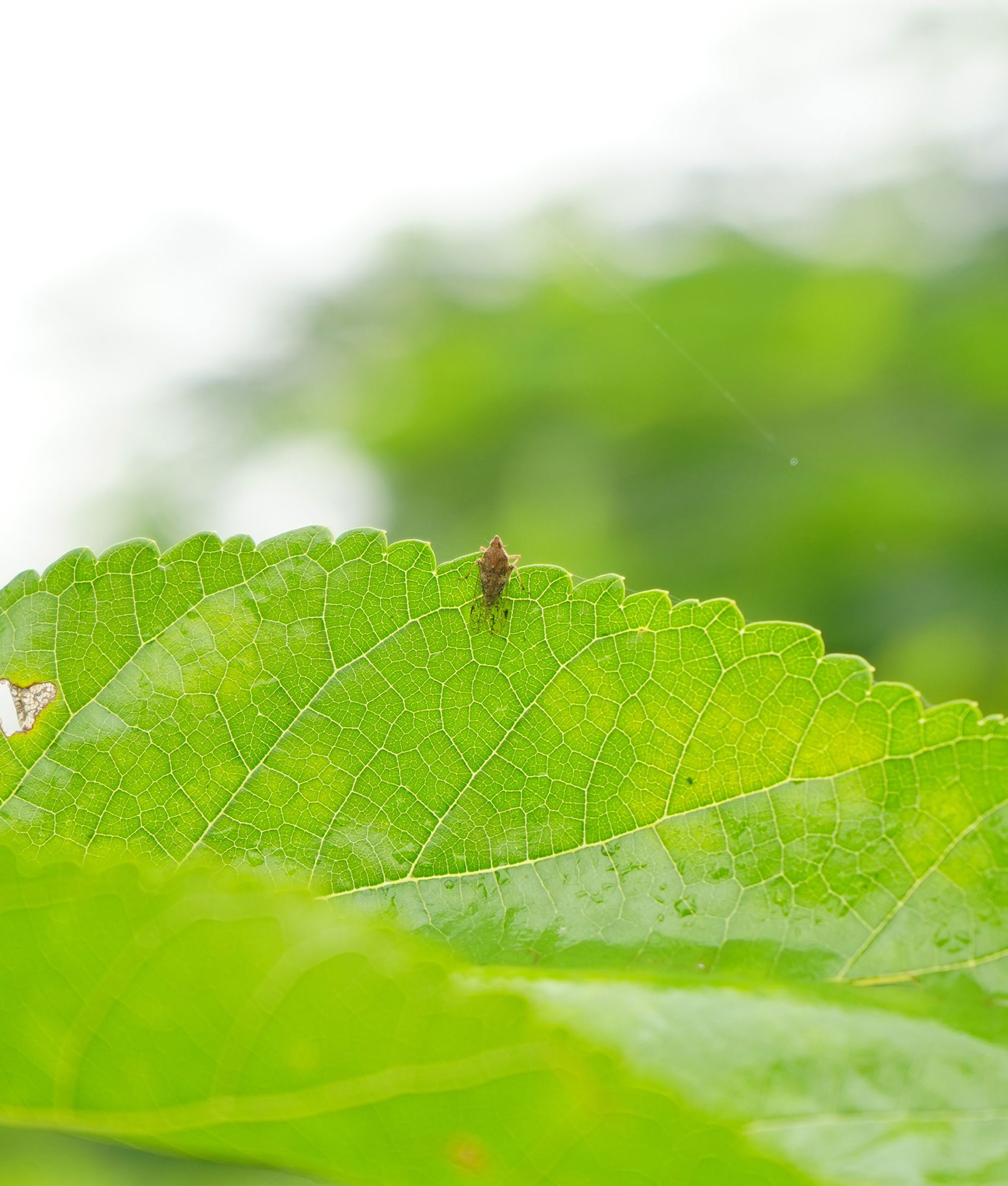
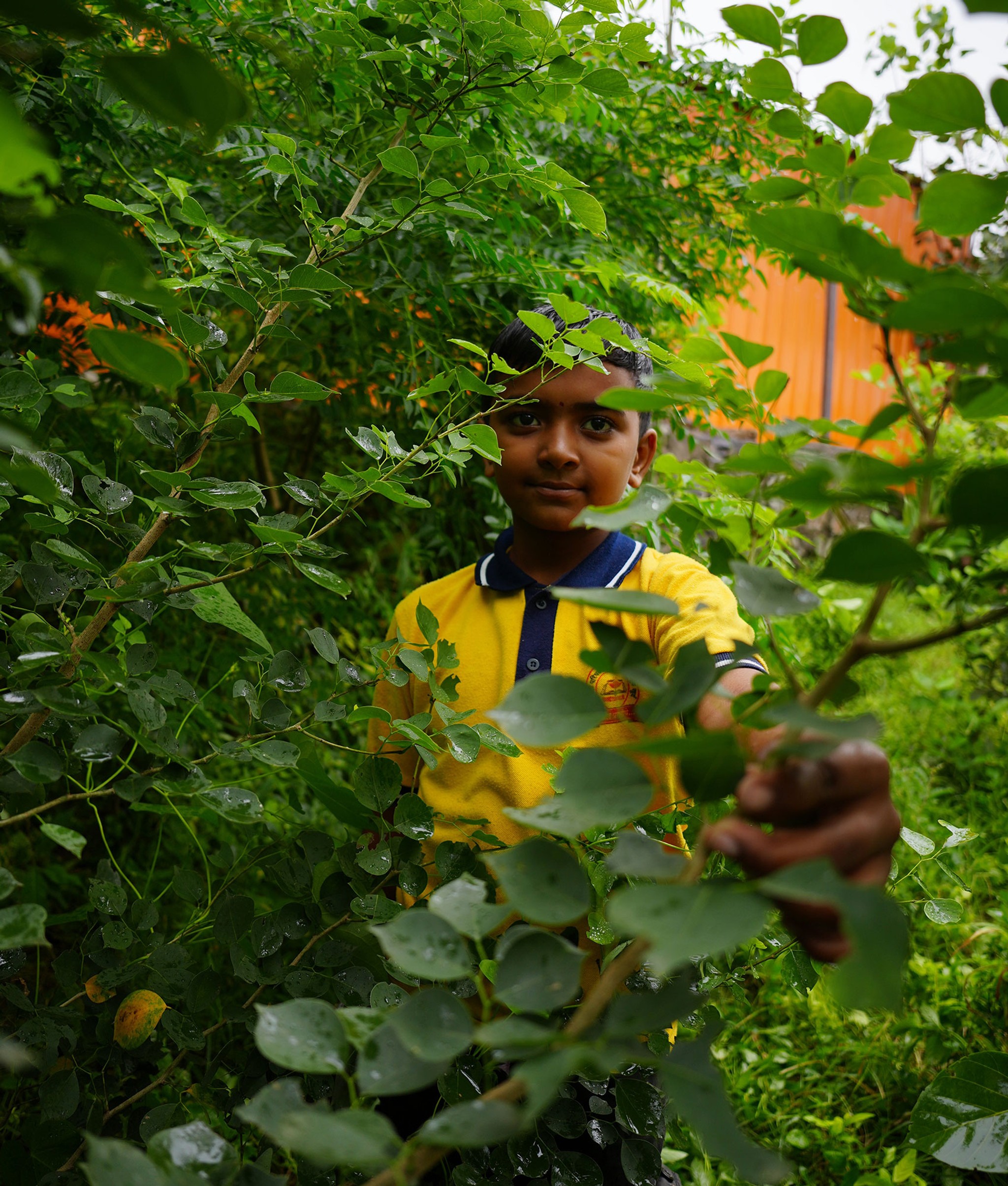
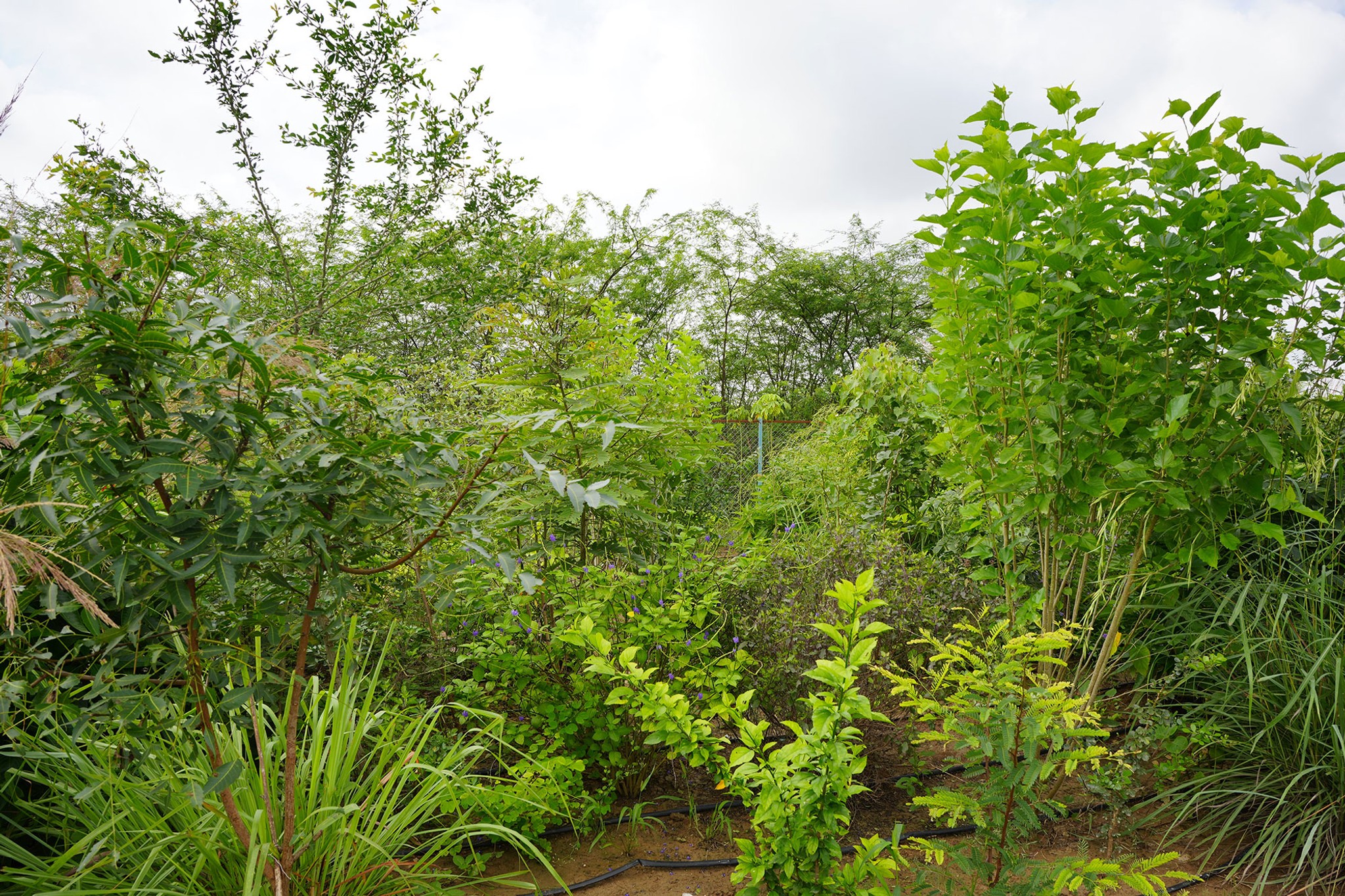
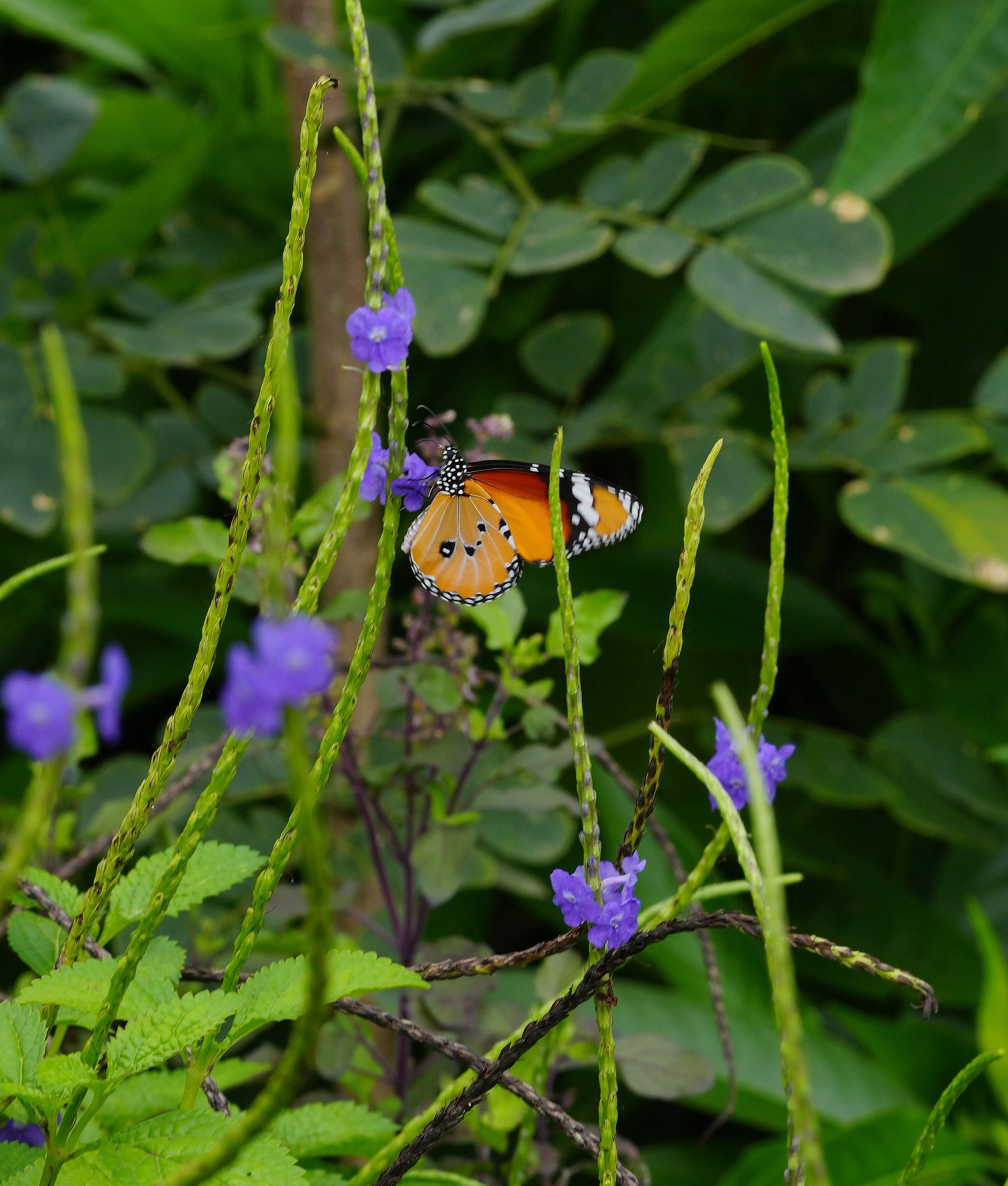
In our forest, native trees and plants are flourishing, and the canopy looks greener, fuller, and full of life. Birds, butterflies, insects, and nests are appearing in greater numbers, bringing energy and movement back to the area. Seasonal flowering and fruiting are also more vibrant, showing the forest’s natural strength. Overall, the forest is thriving step by step, and its biodiversity is shining with new hope.
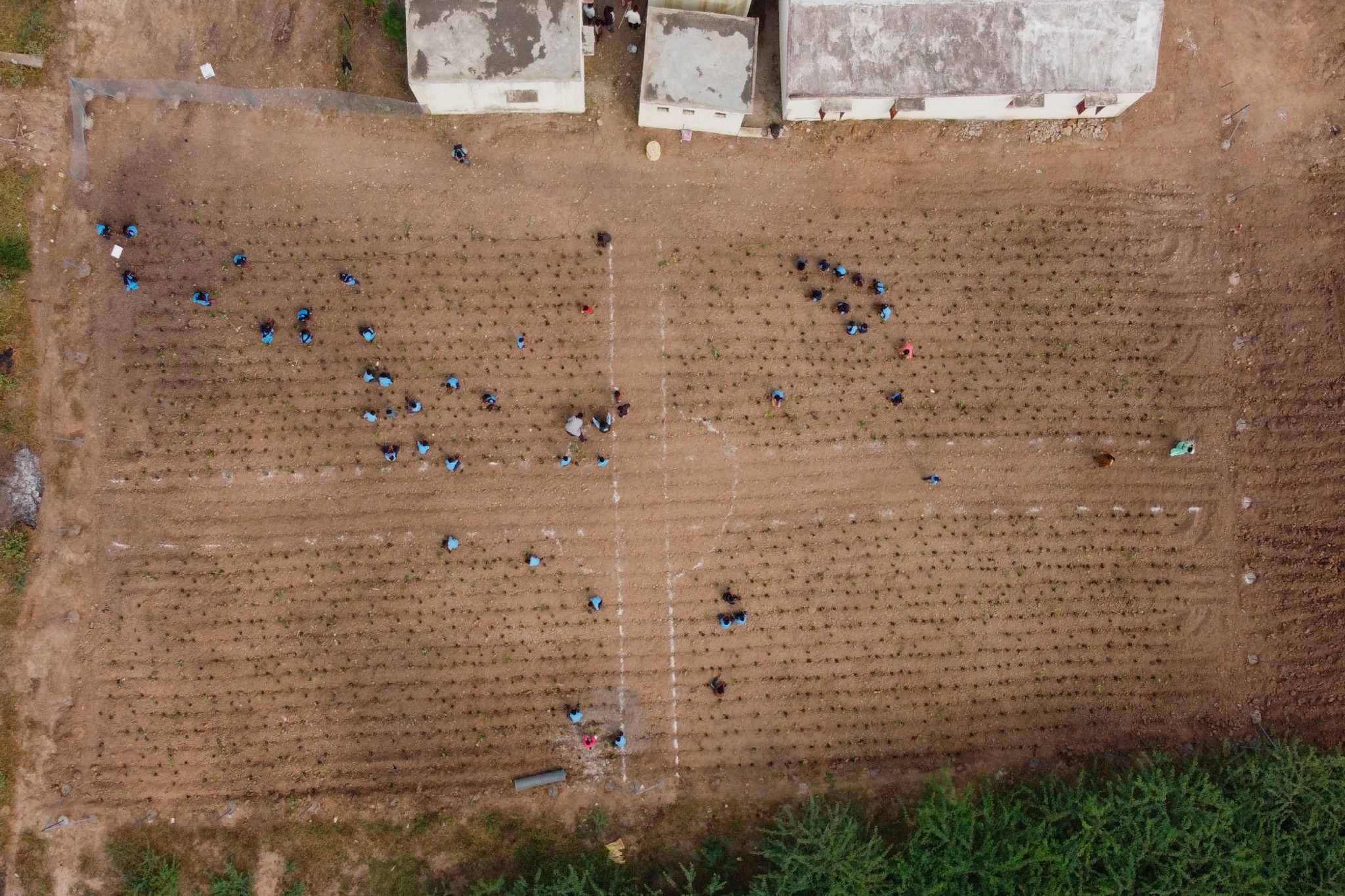
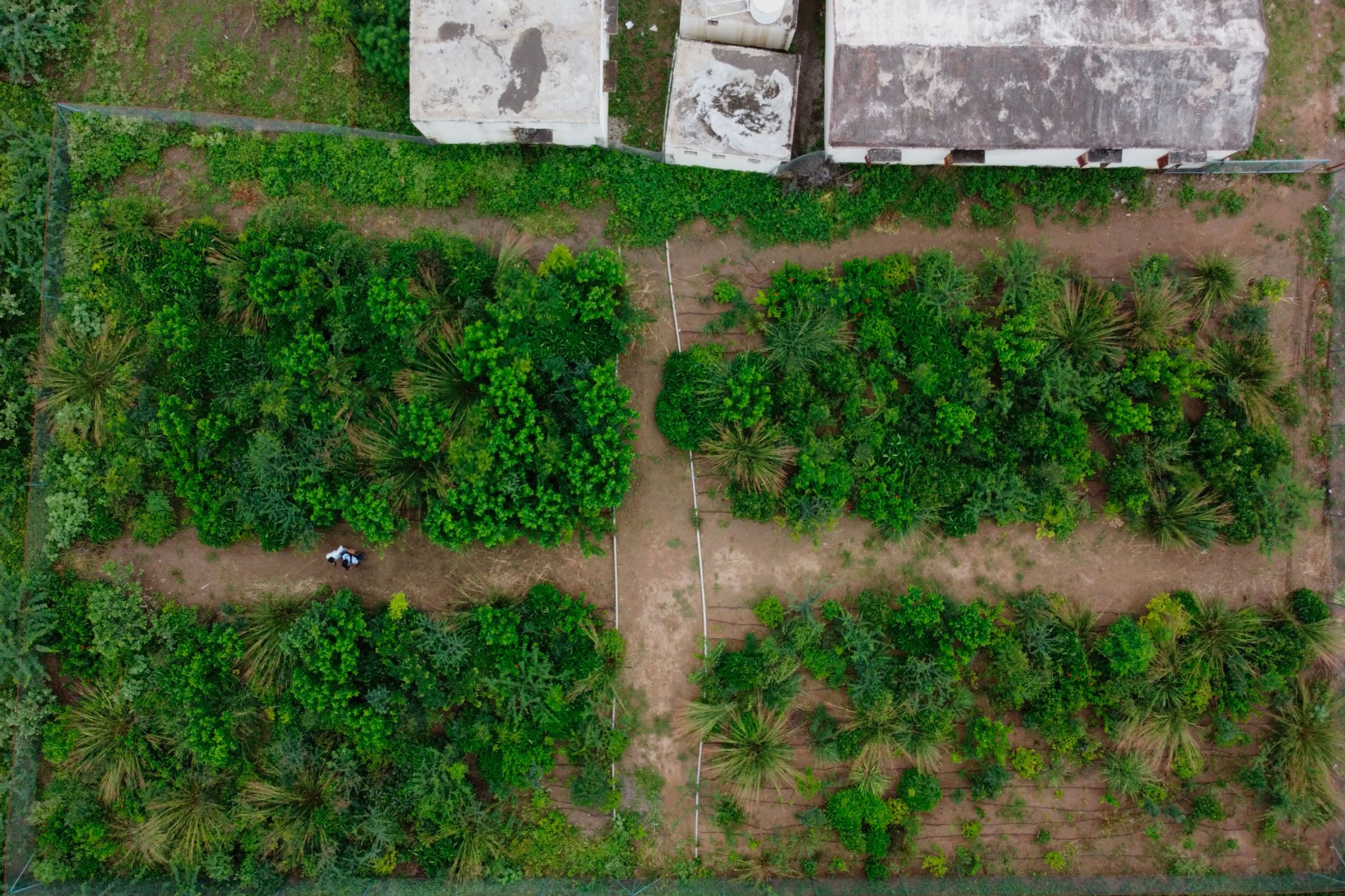
Urban Heat Profile
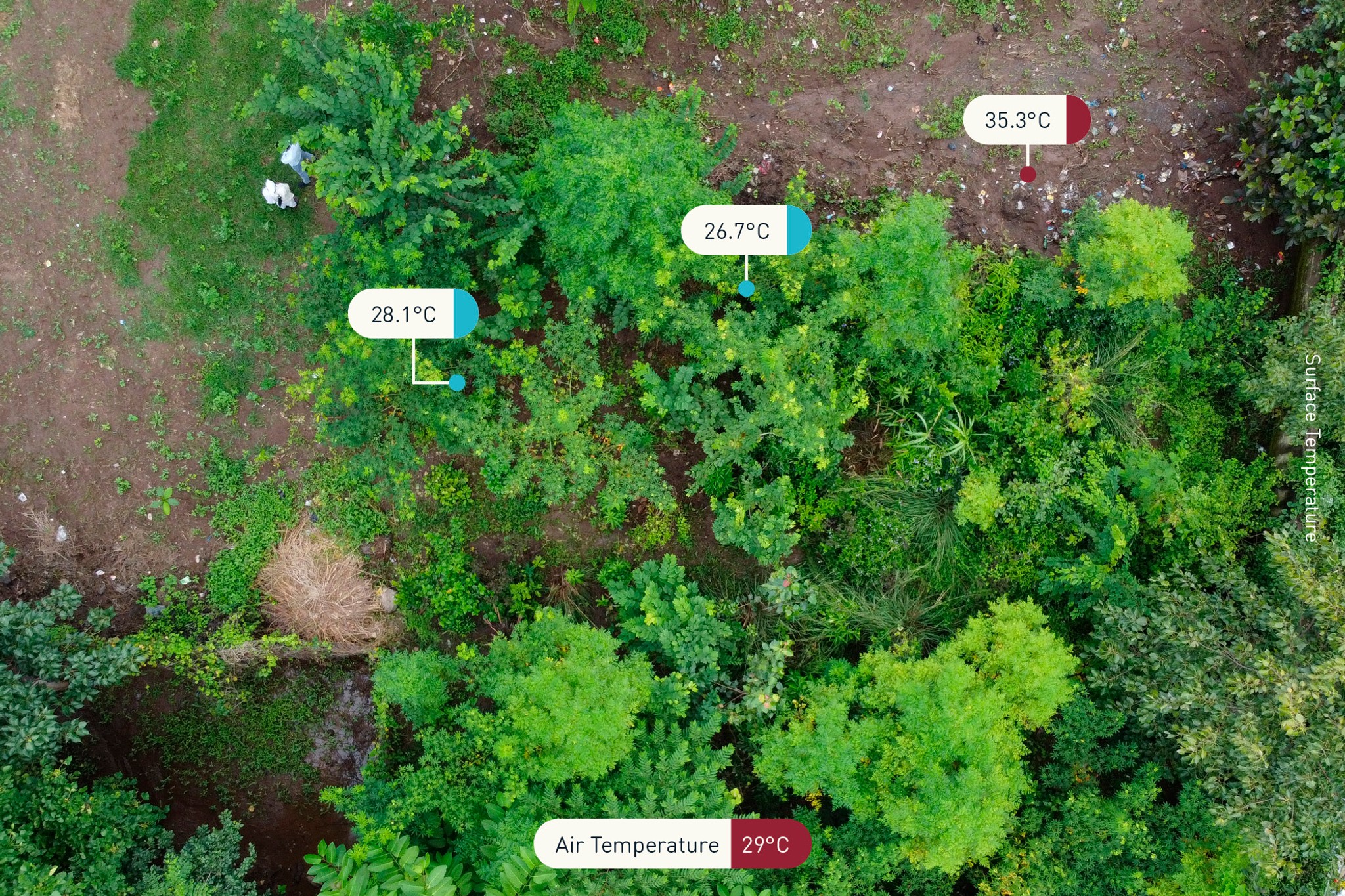
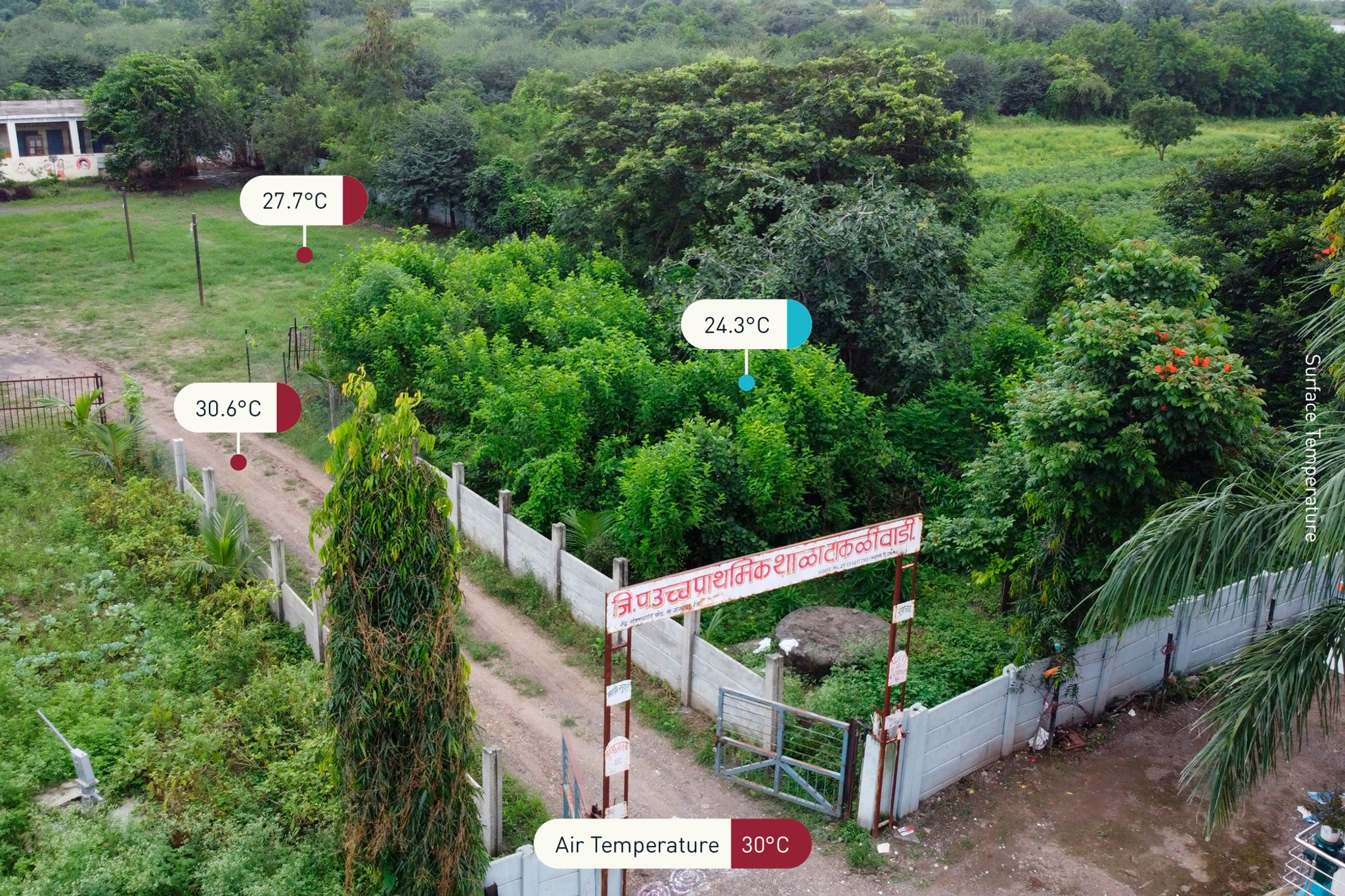
The Urban Heat Island Effect is affecting cities more and more each year and temperatures in urban areas can go up to 12 degrees hotter. This can be reduced and prevented by planting urban forests like this. We collected the air temperatures on an unusually hot day in September and saw amazing results.
0°C
Surface Temperature Difference
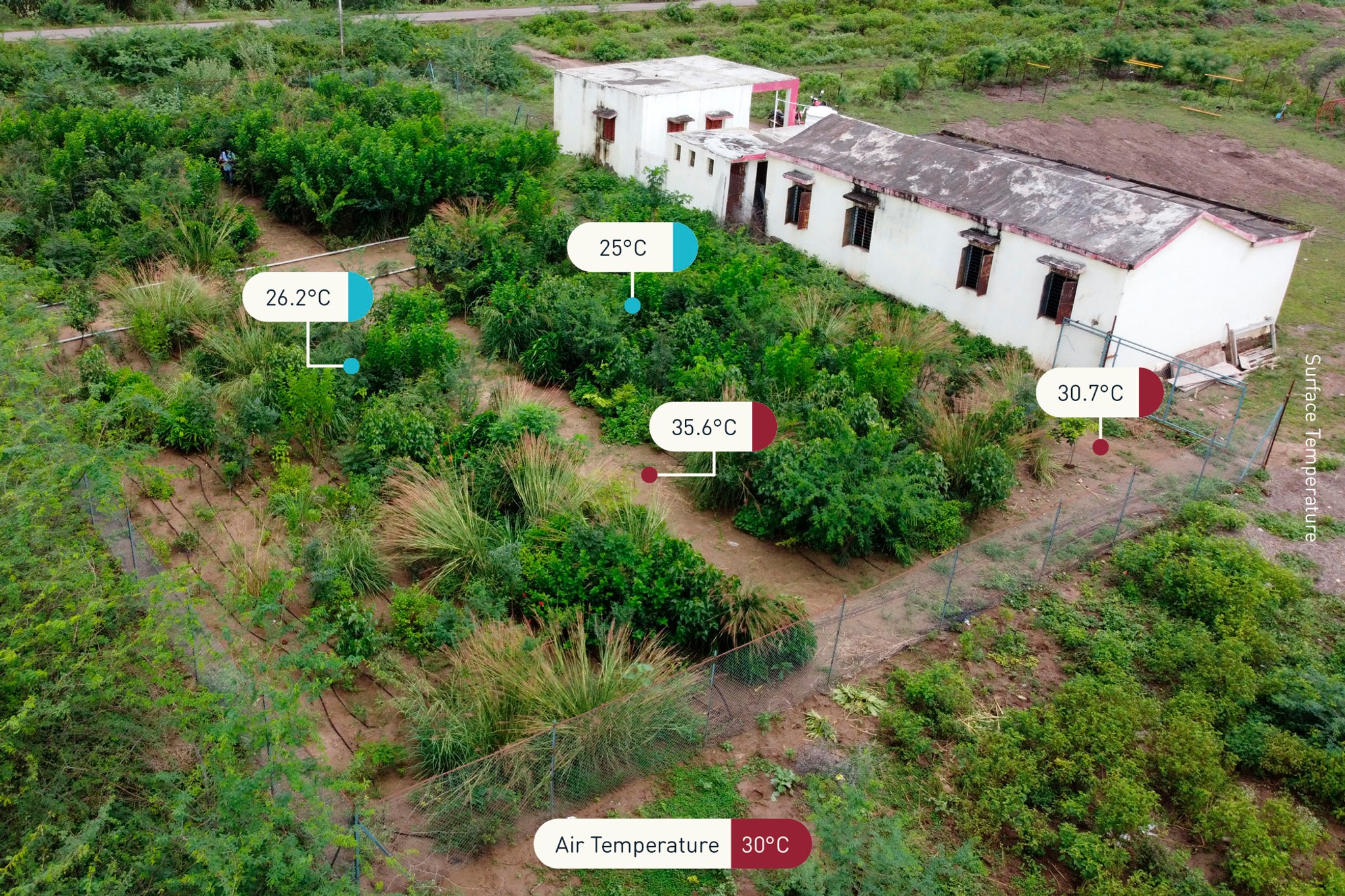
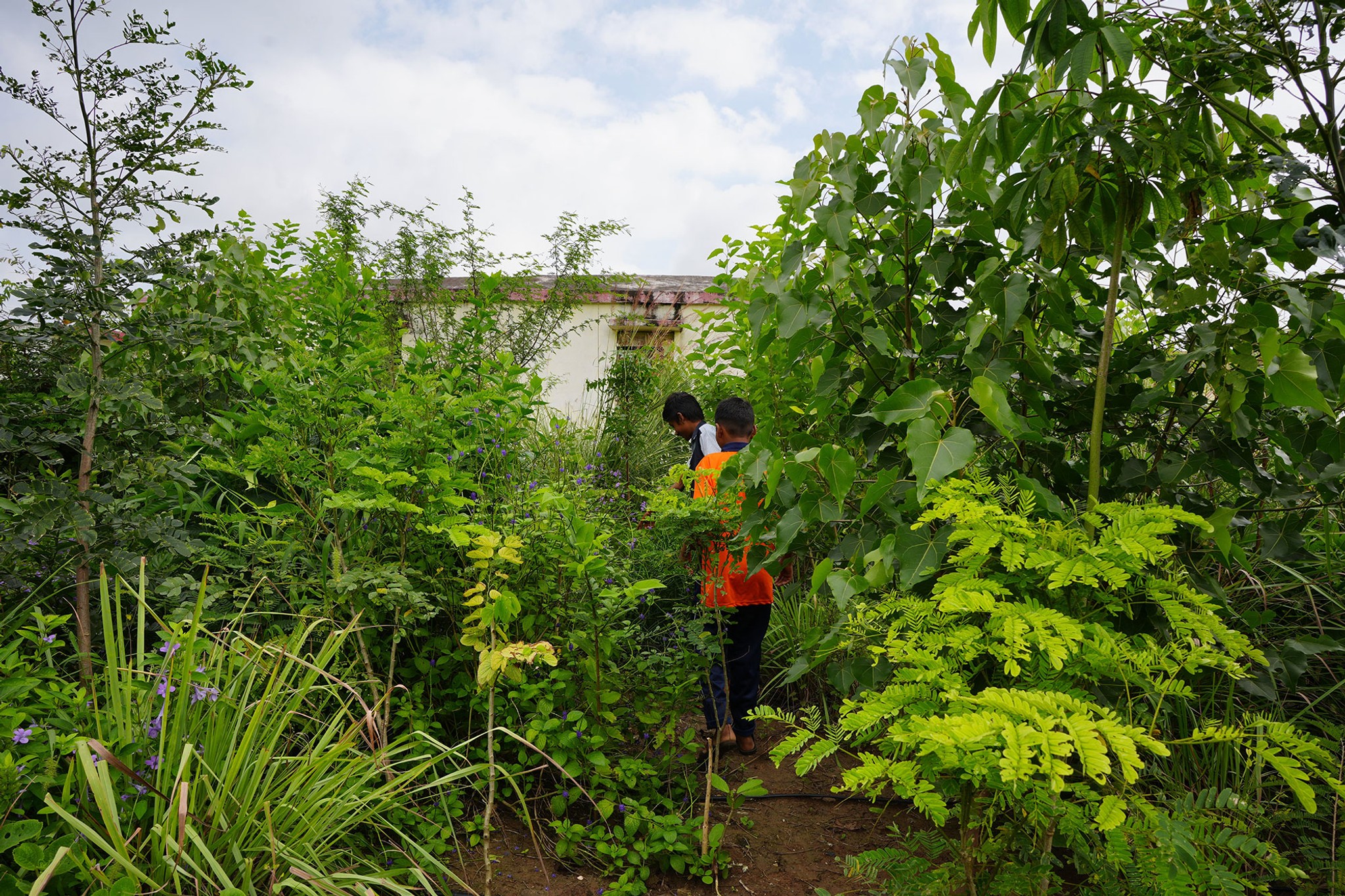
Dinwada Juna
0 Months
Forest Age
0%
Survival Rate
0m
Average of Tallest 3 Trees
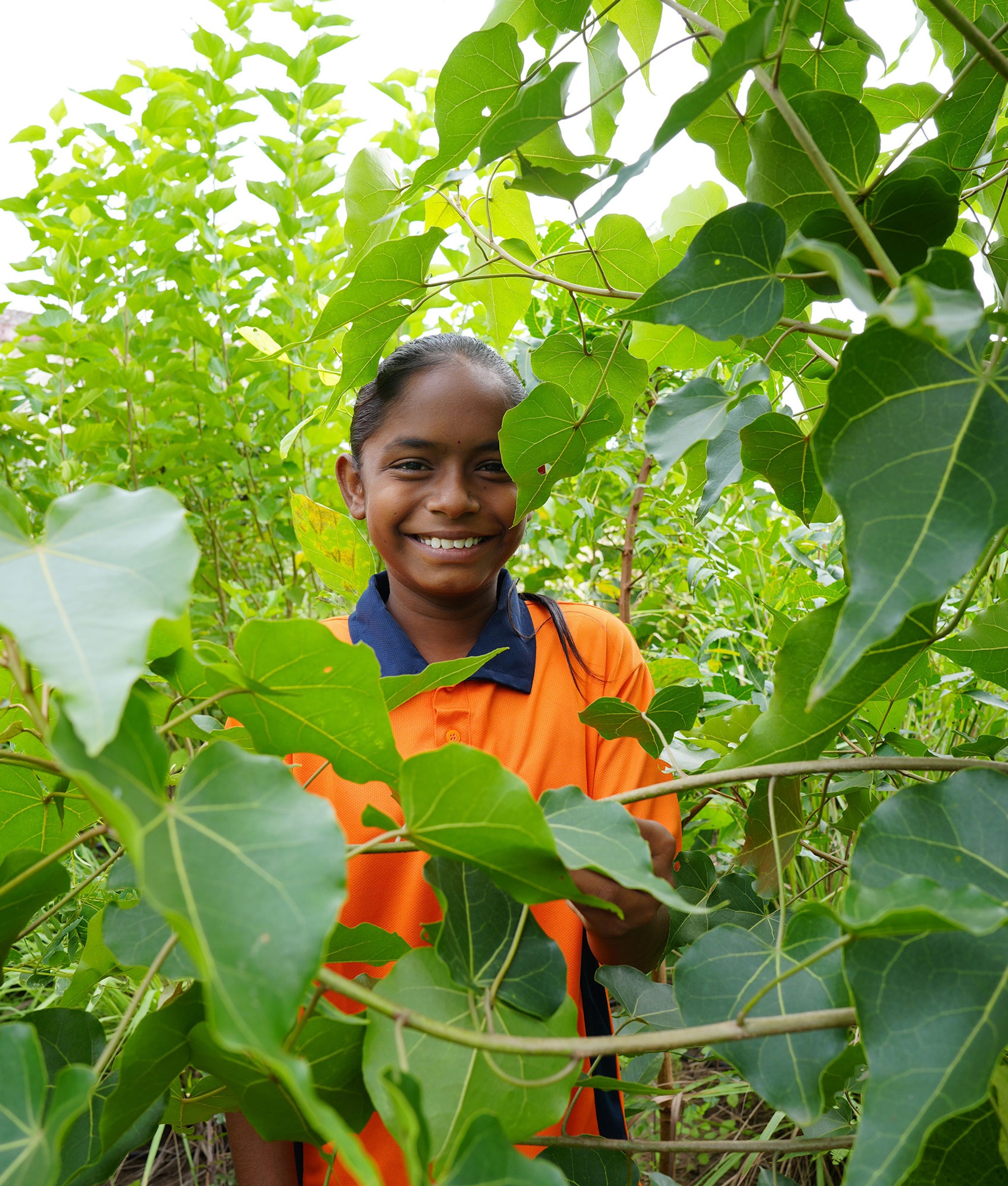
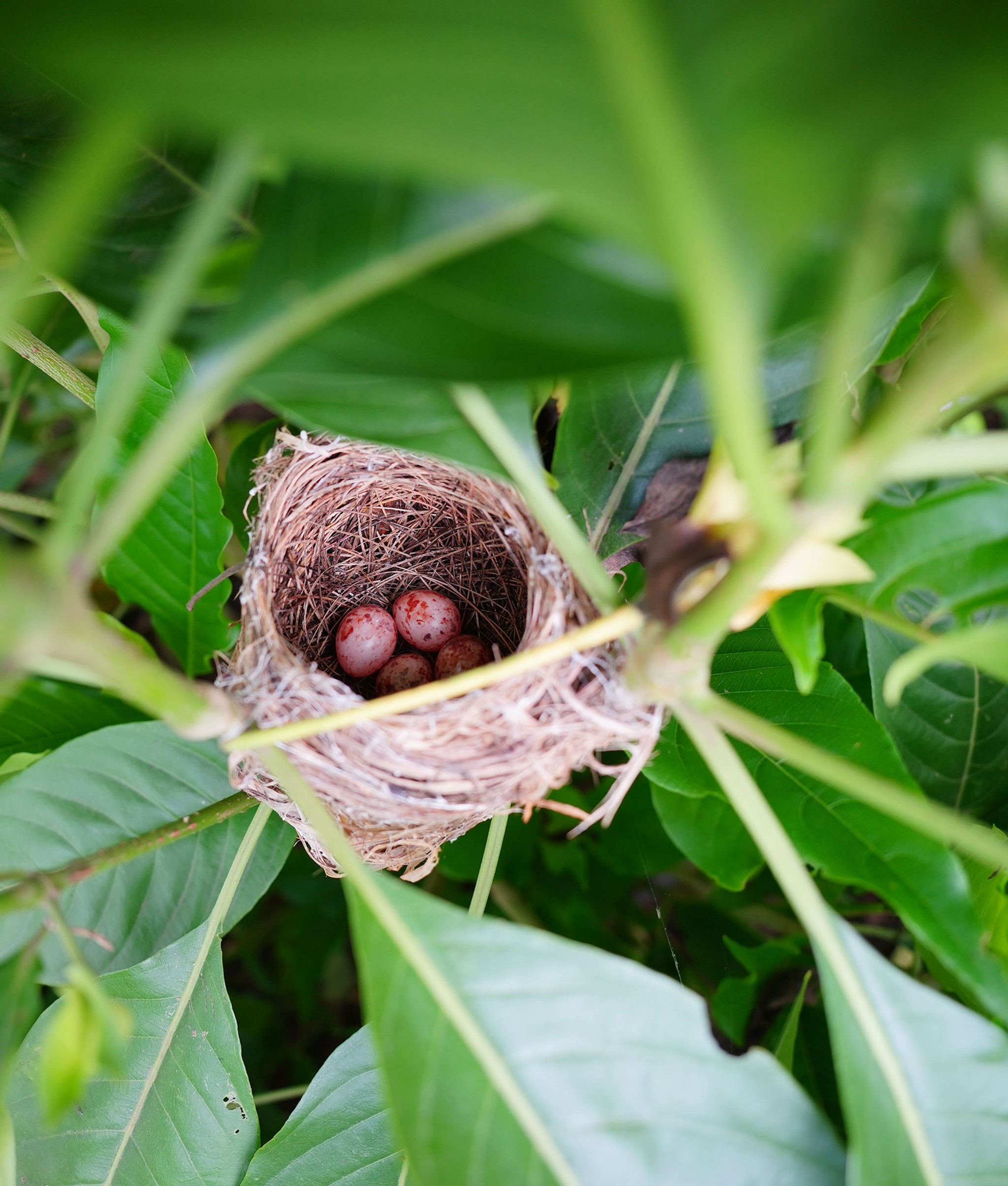
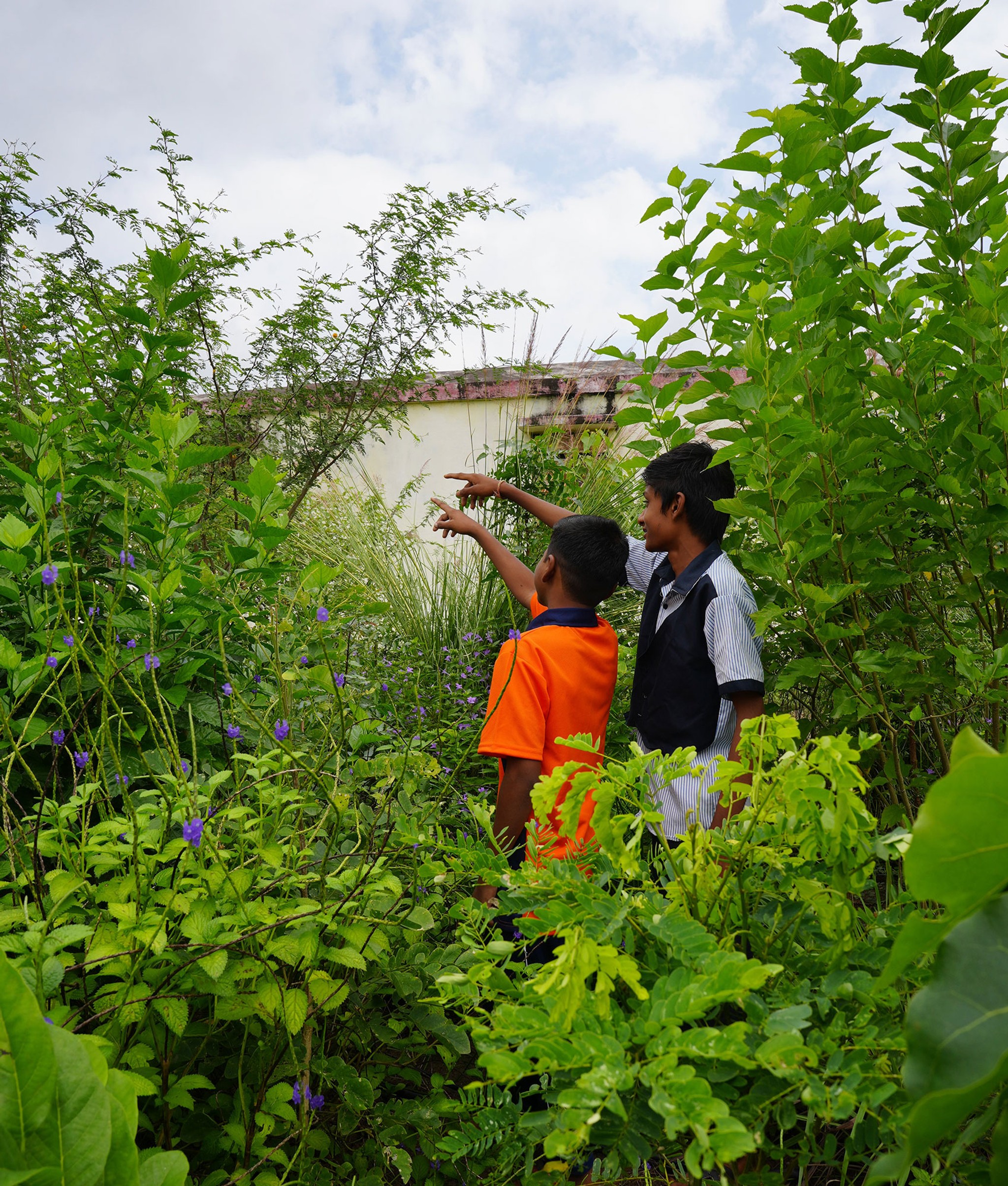
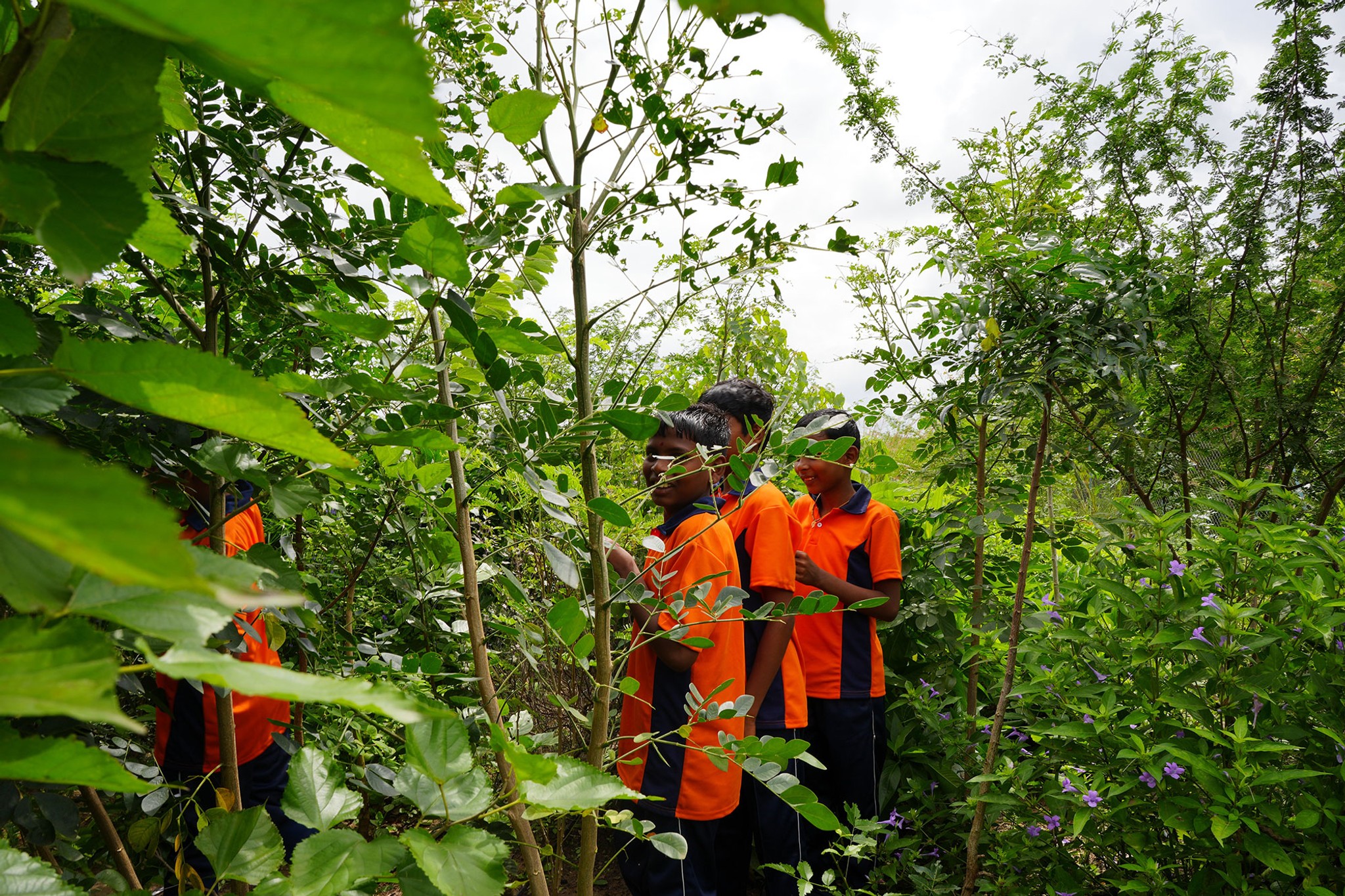
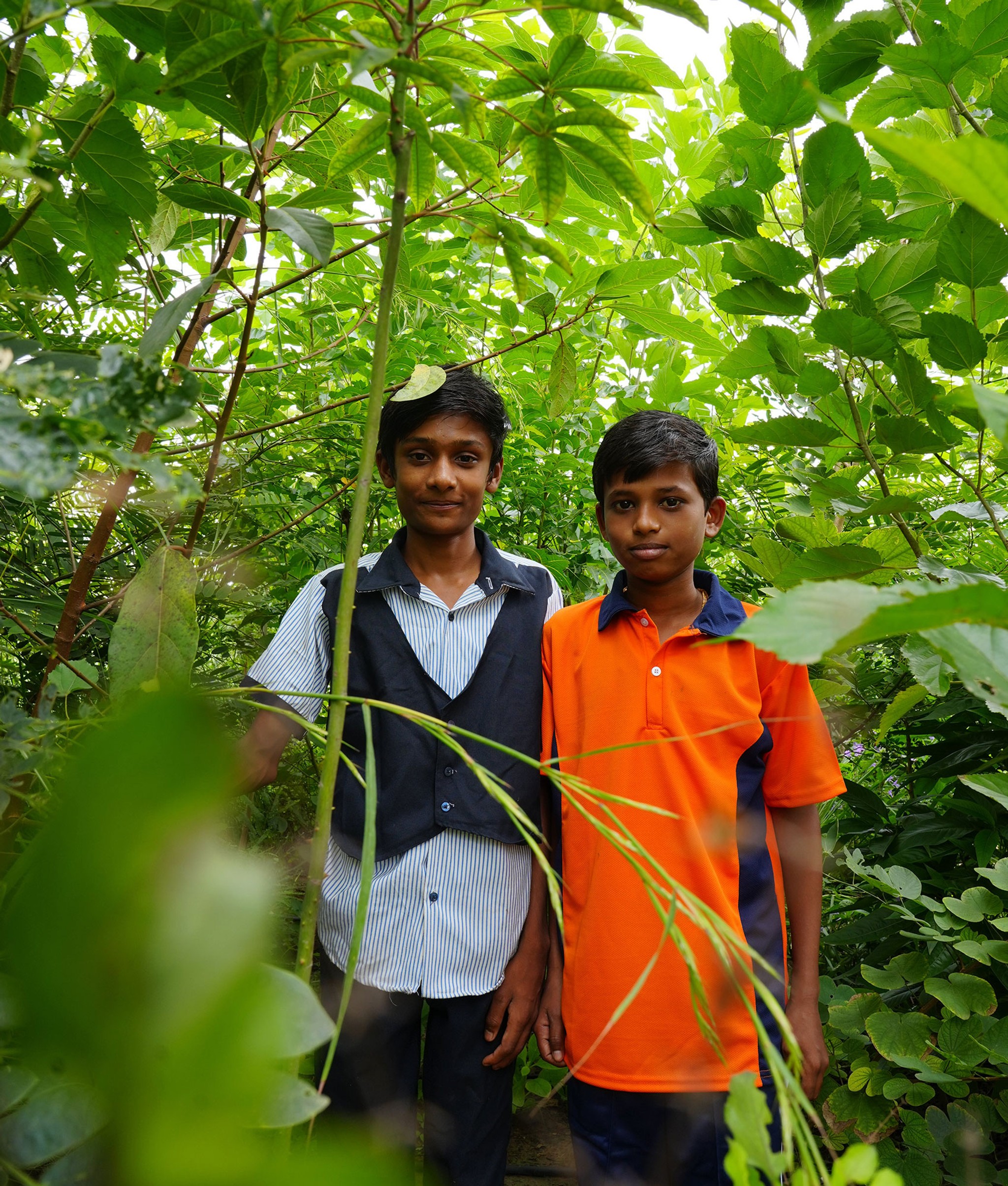
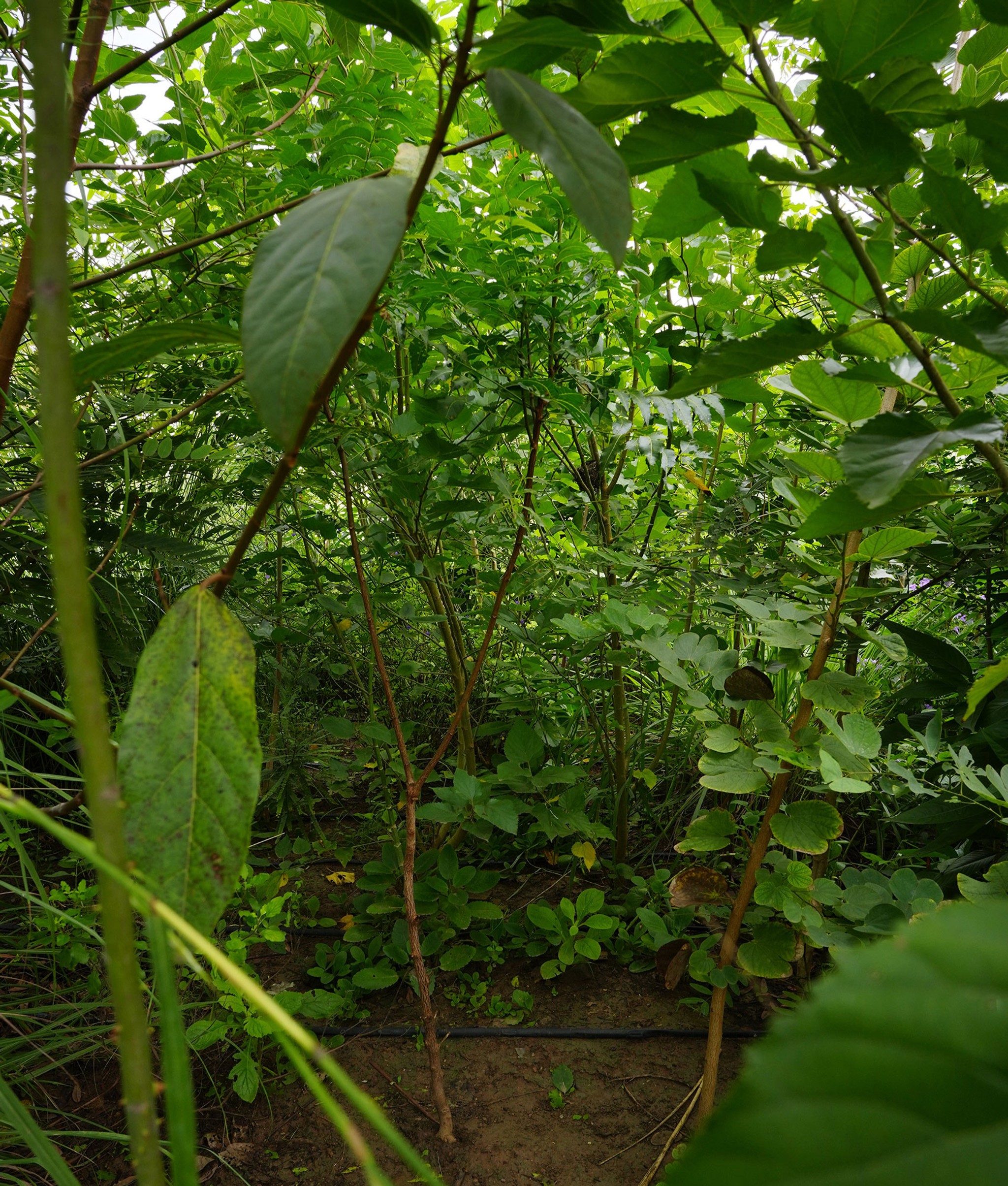
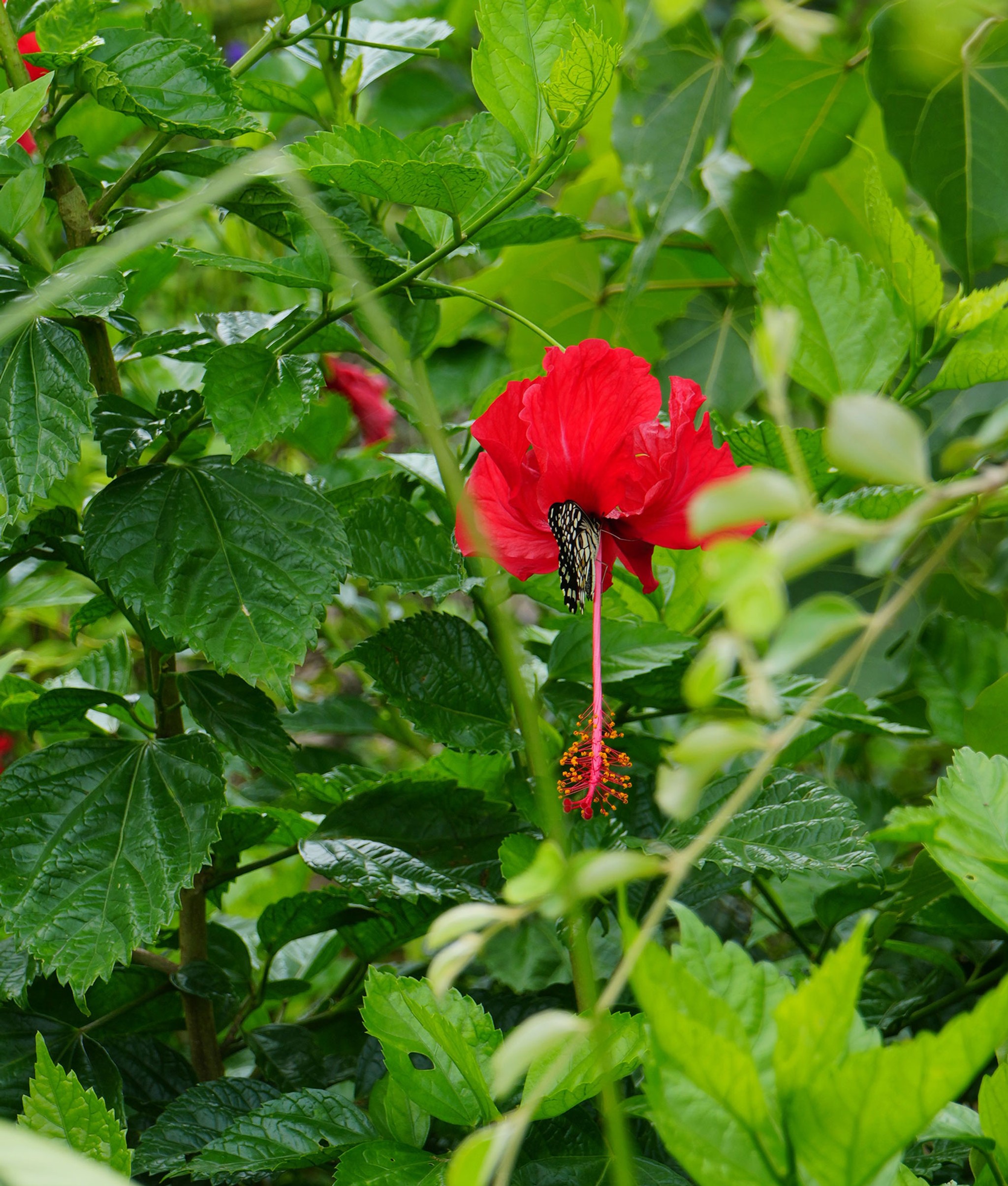
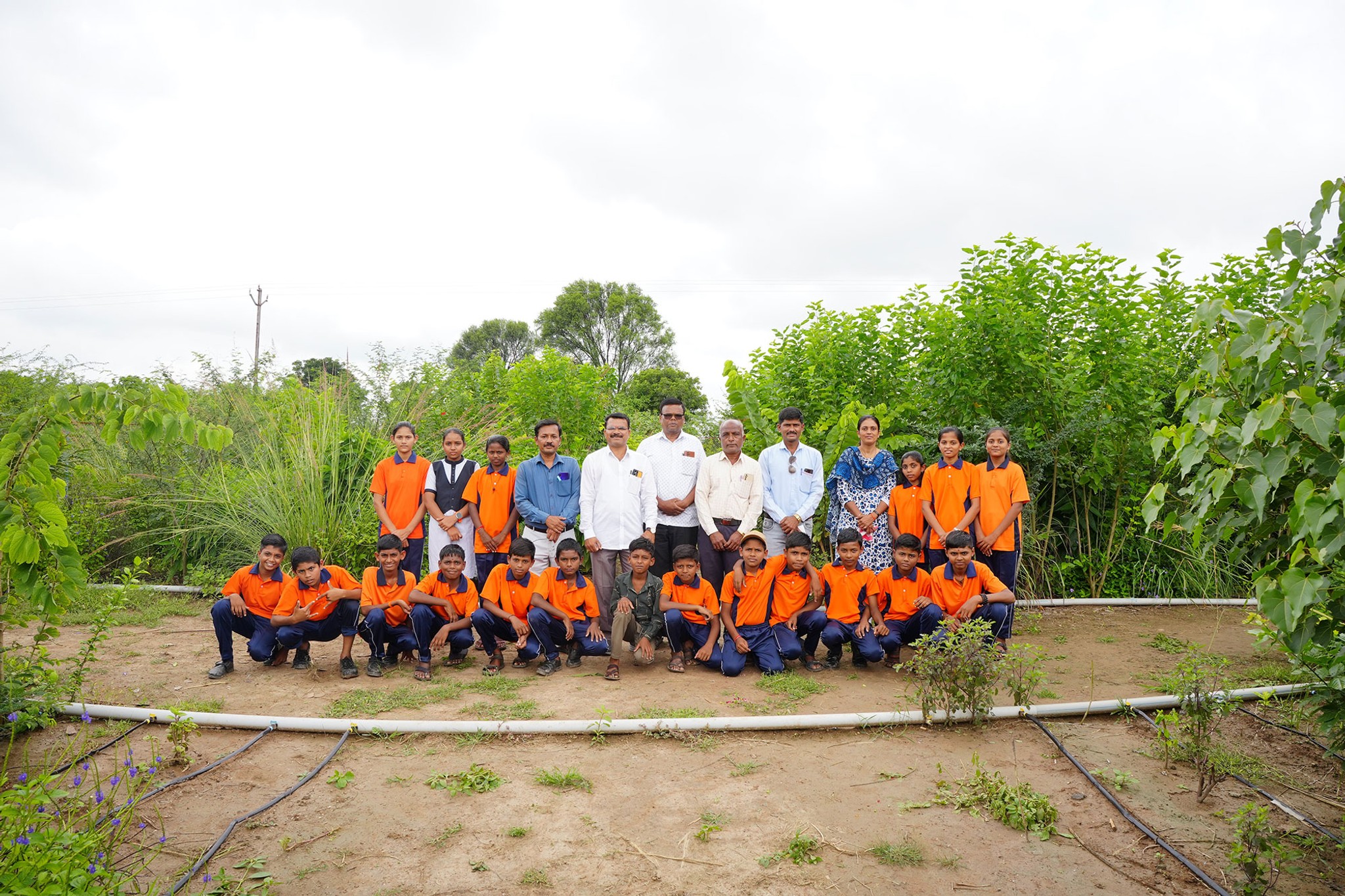
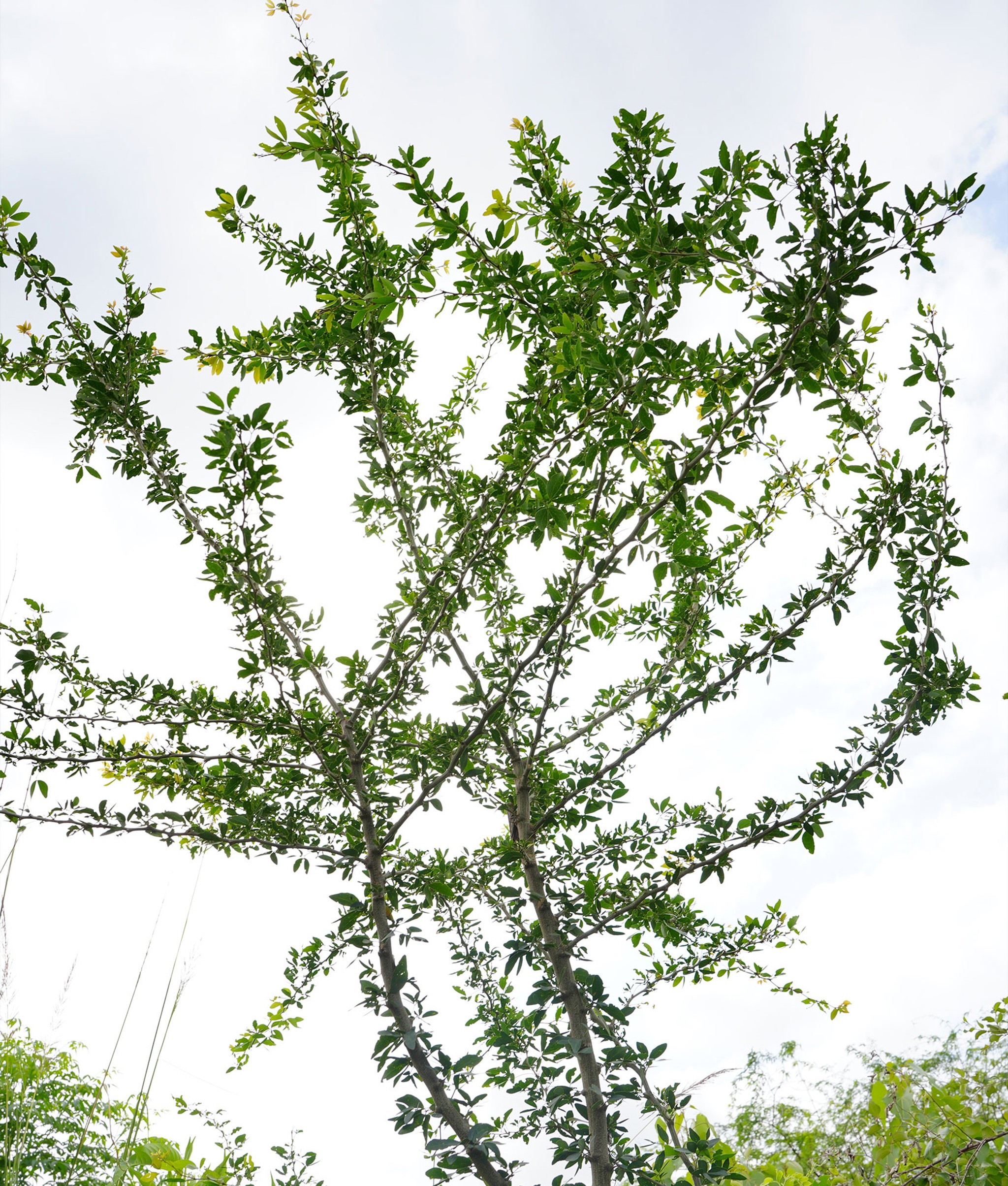
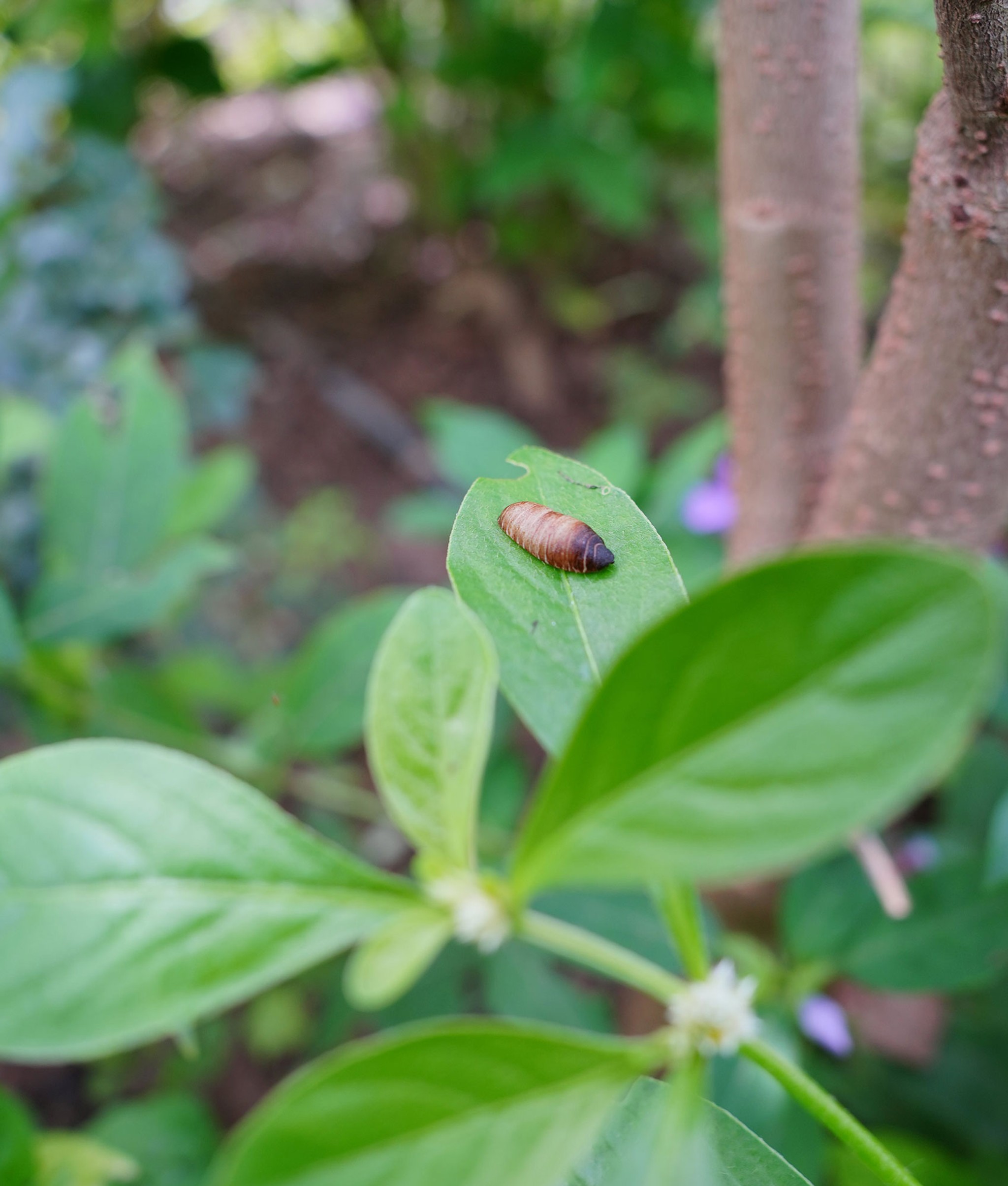
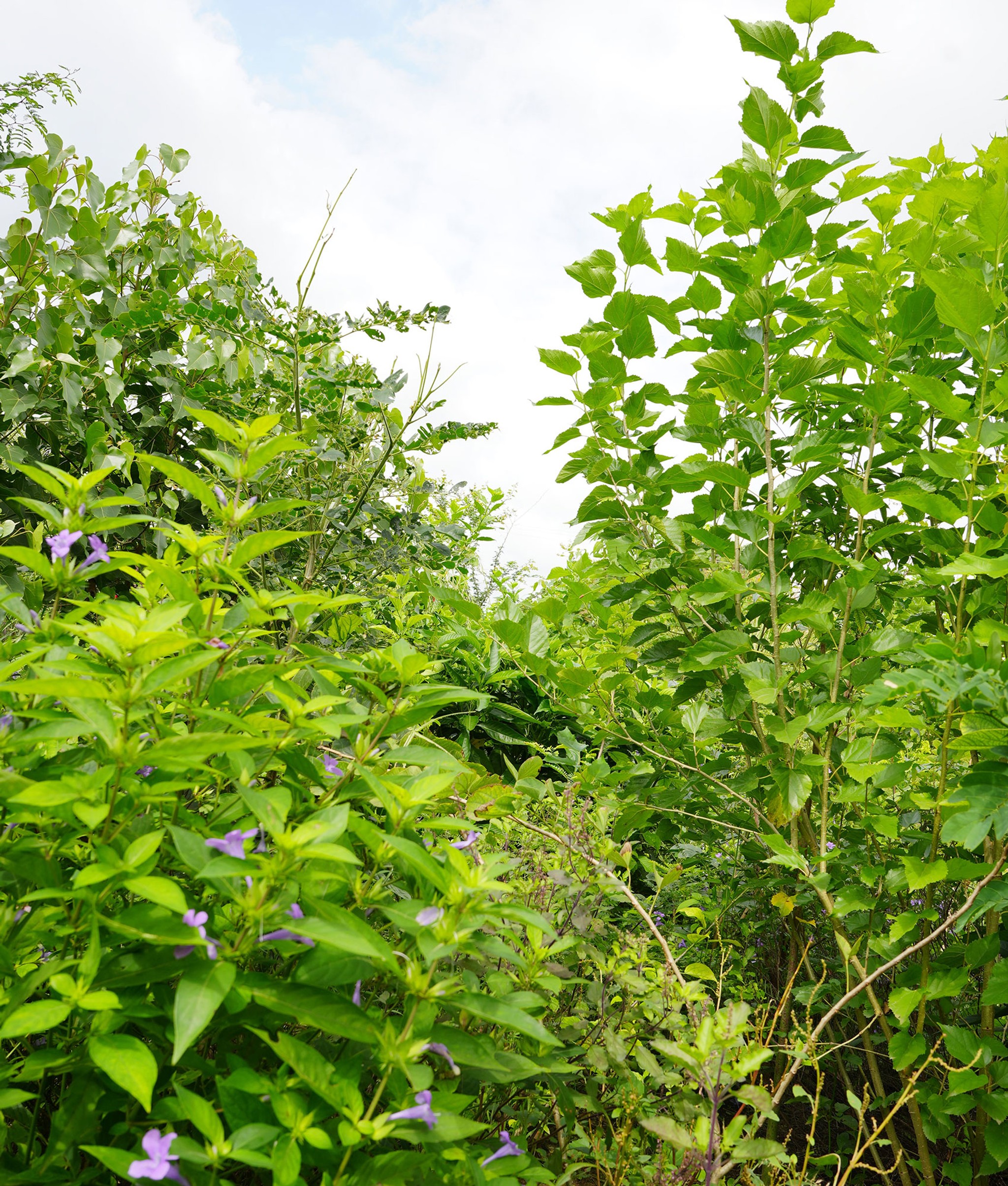
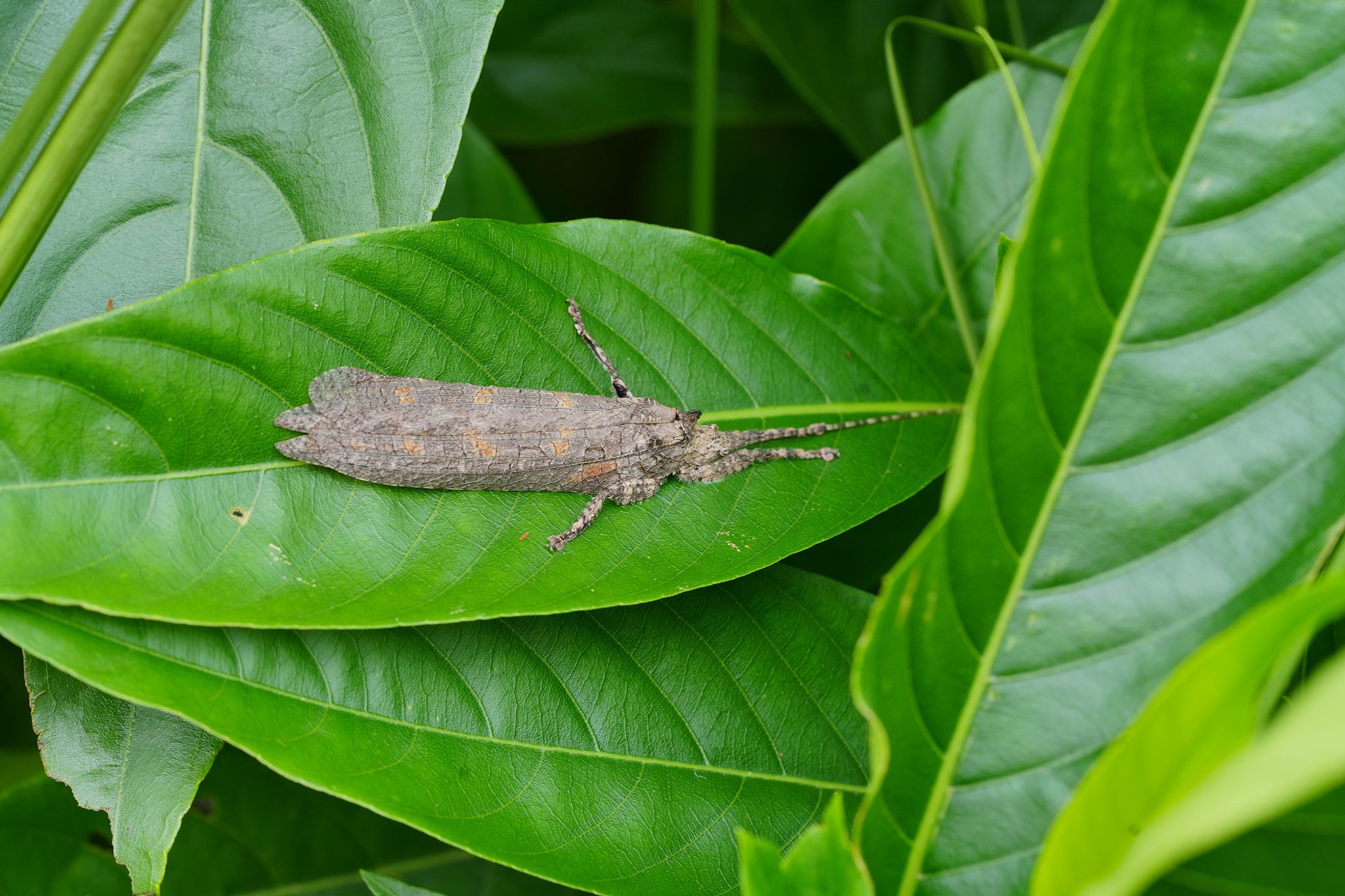
In our forest, native trees and plants are growing well, and the canopy looks greener and healthier. Birds, butterflies, insects, and nests are increasing, showing that wildlife is returning. Seasonal flowers and fruits are also more visible, adding beauty and life to the forest. Overall, the forest is recovering strongly, and biodiversity is improving with hope for the future.
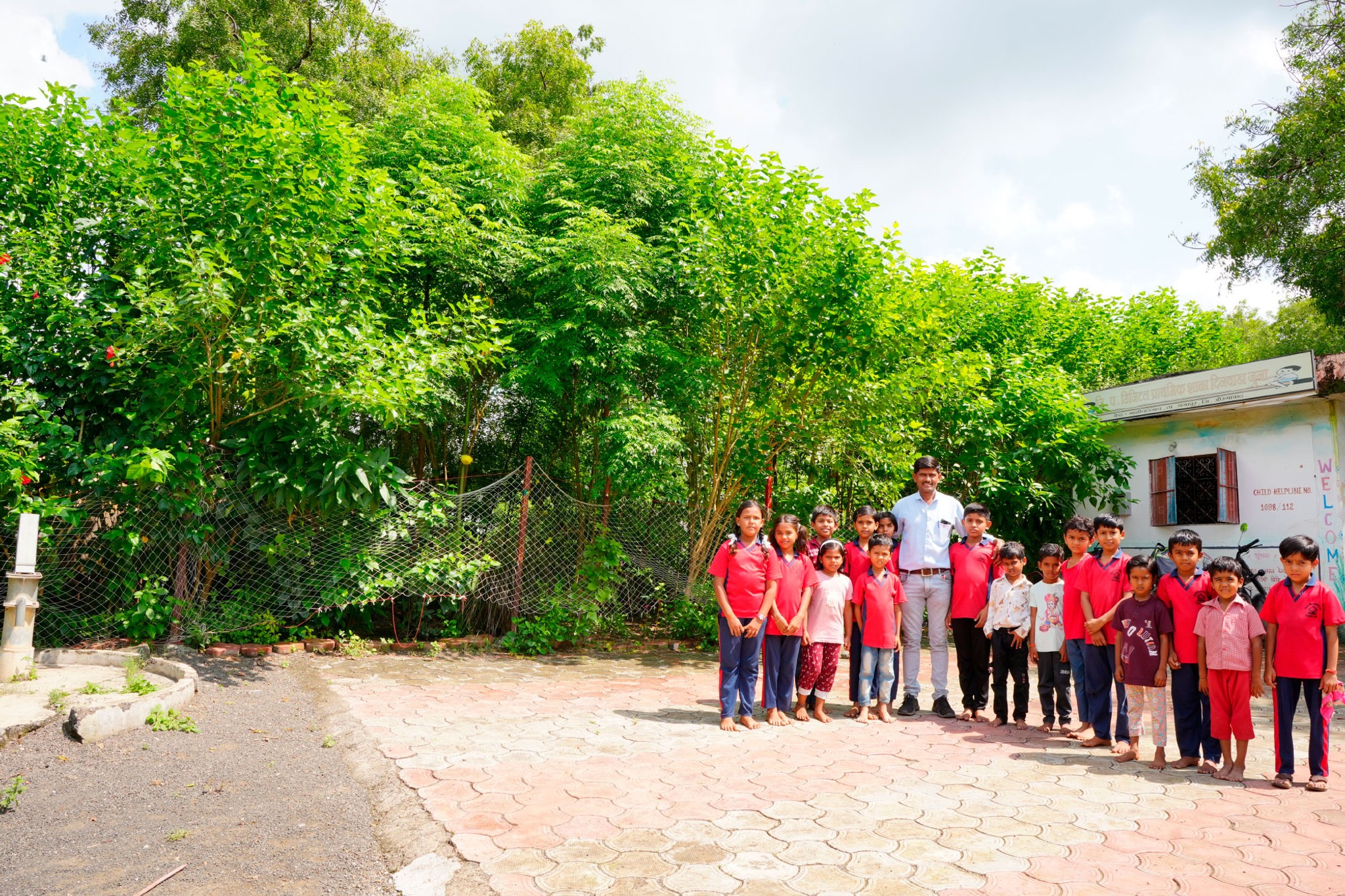
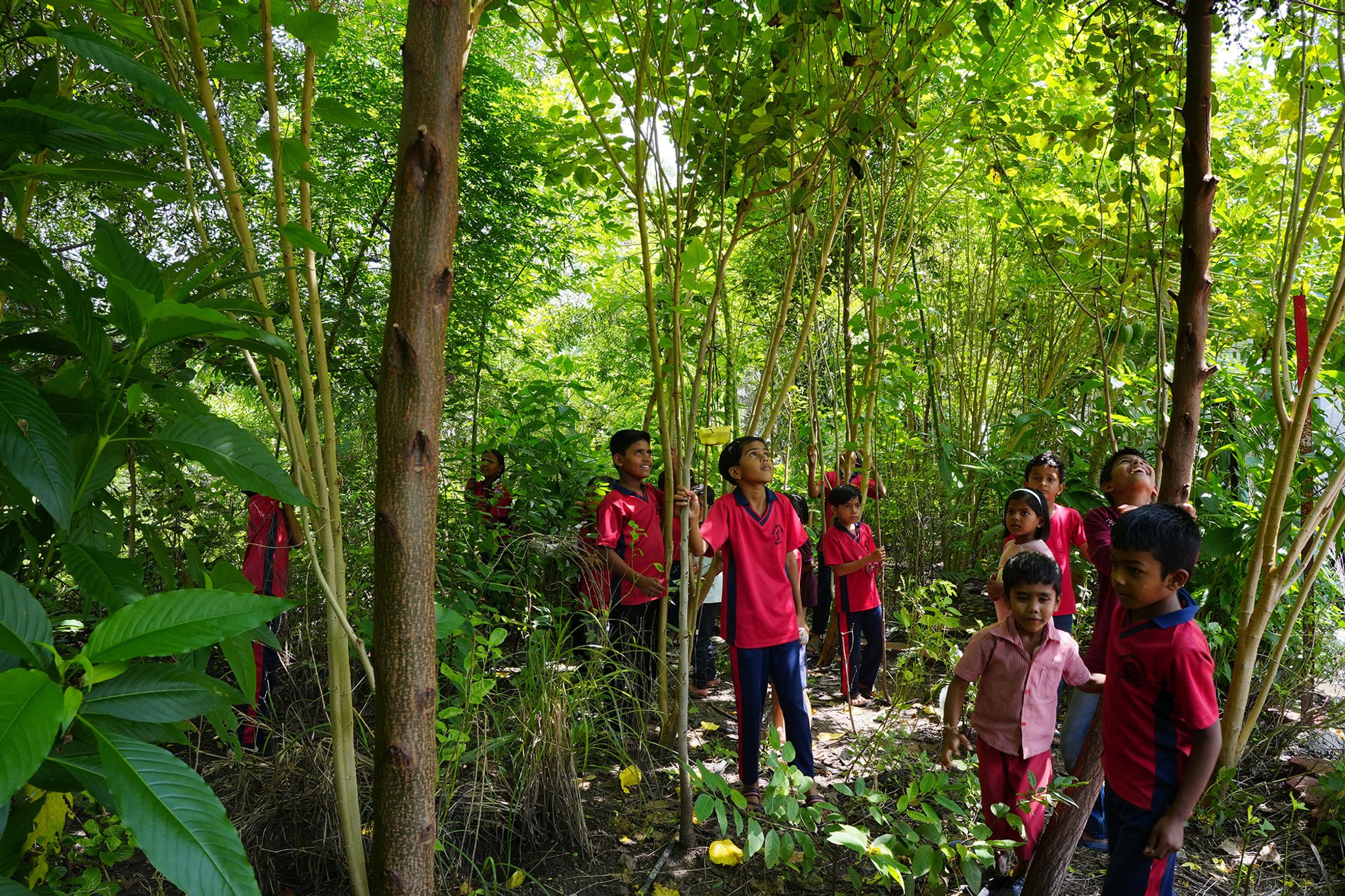
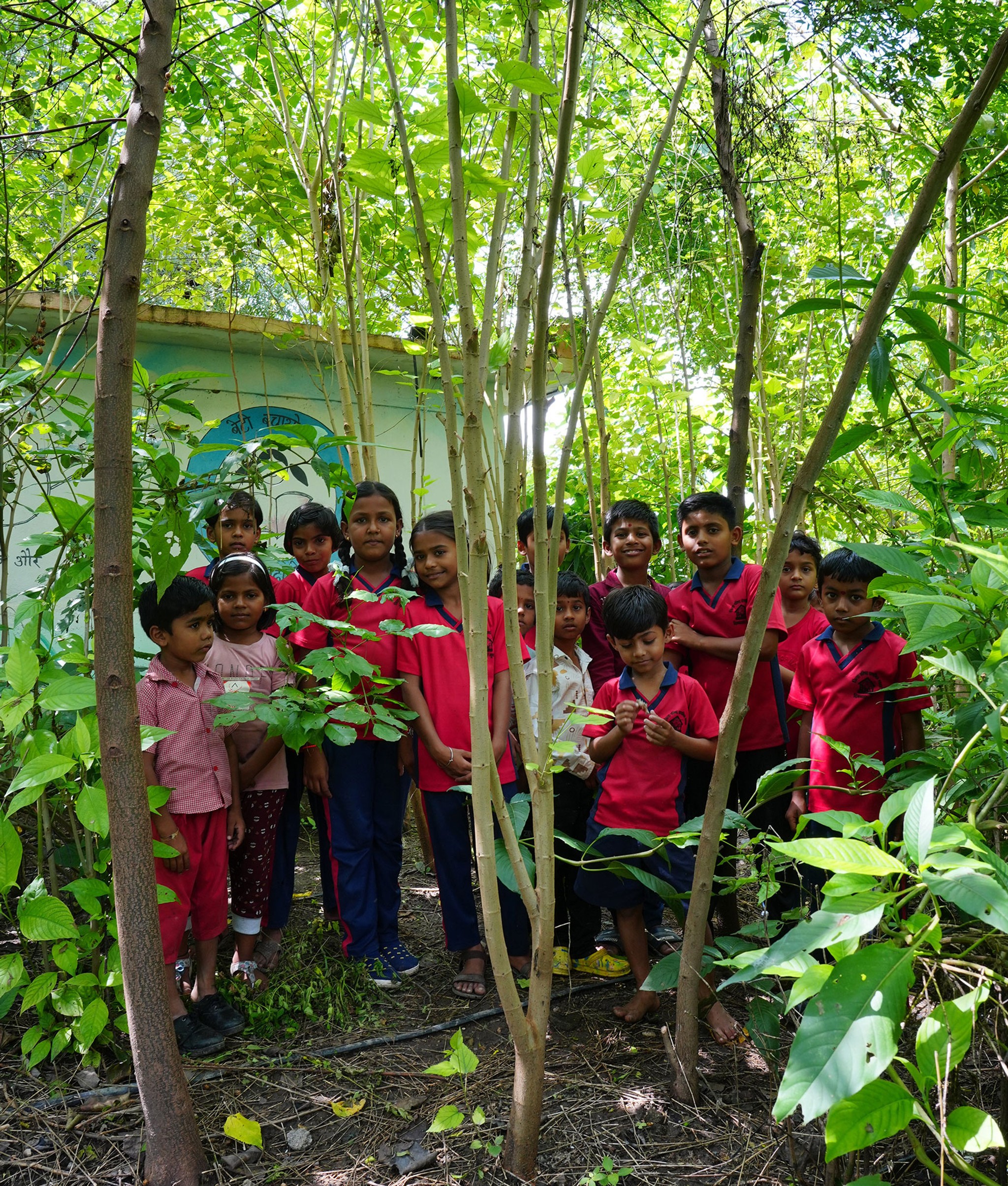
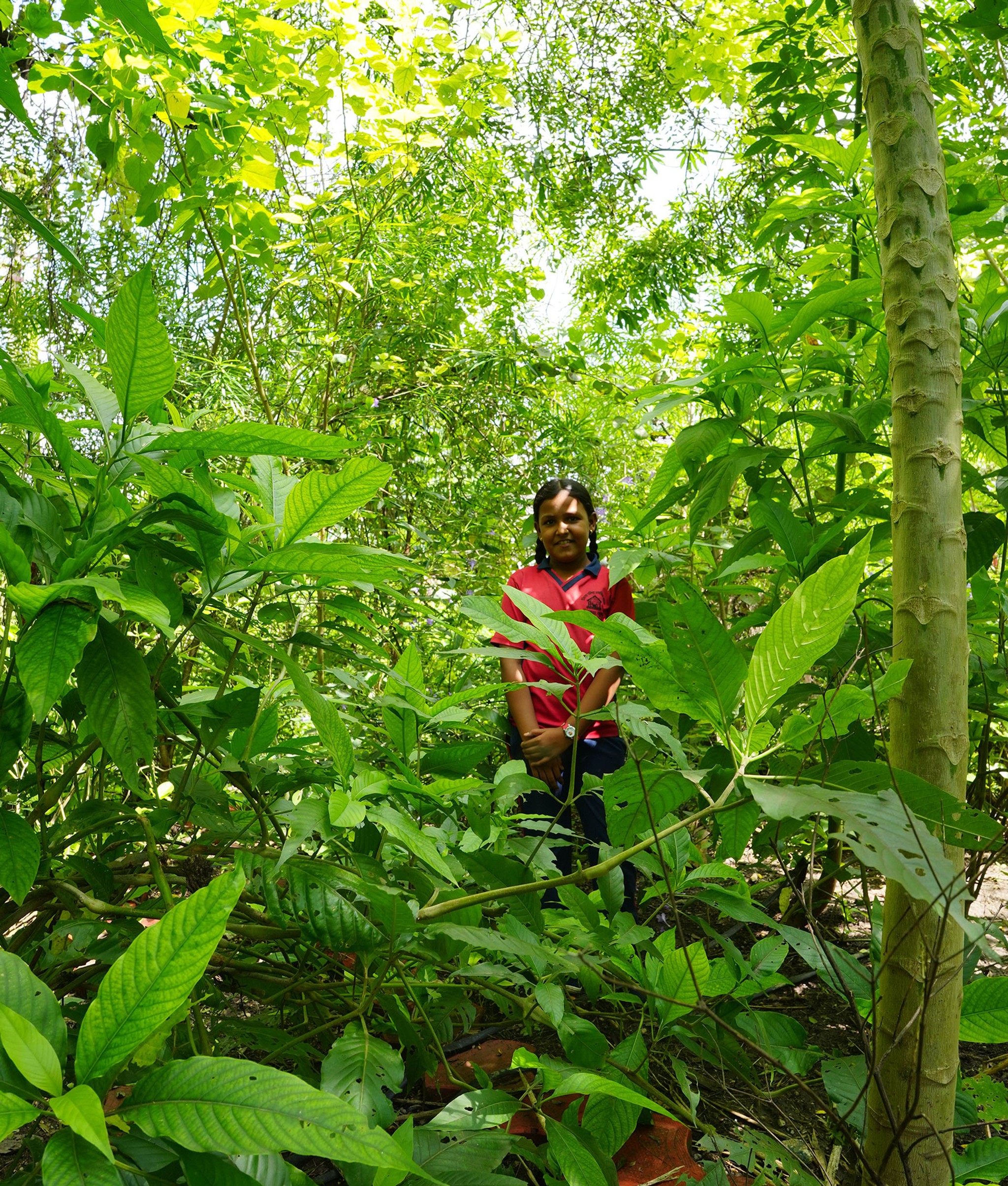
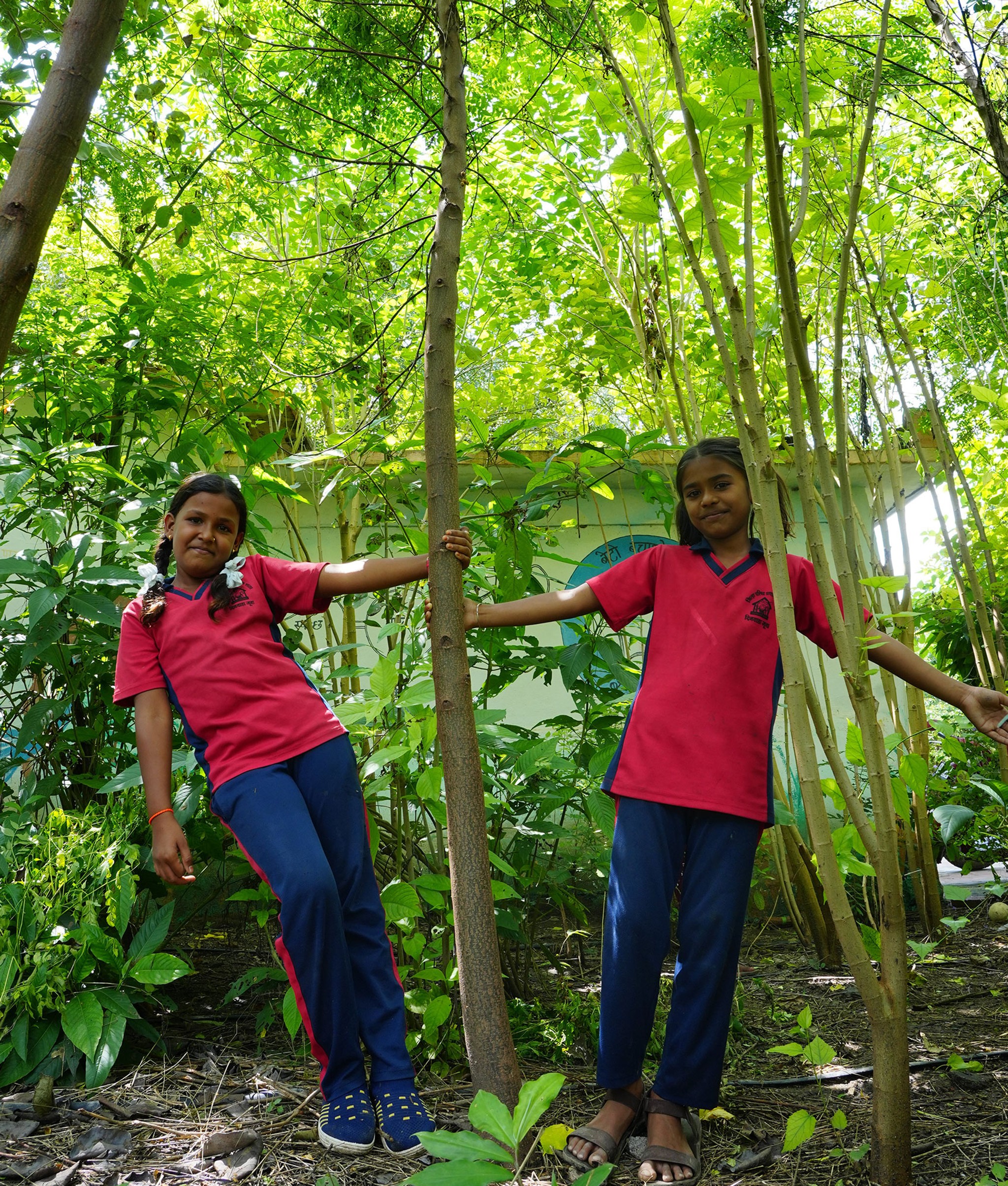
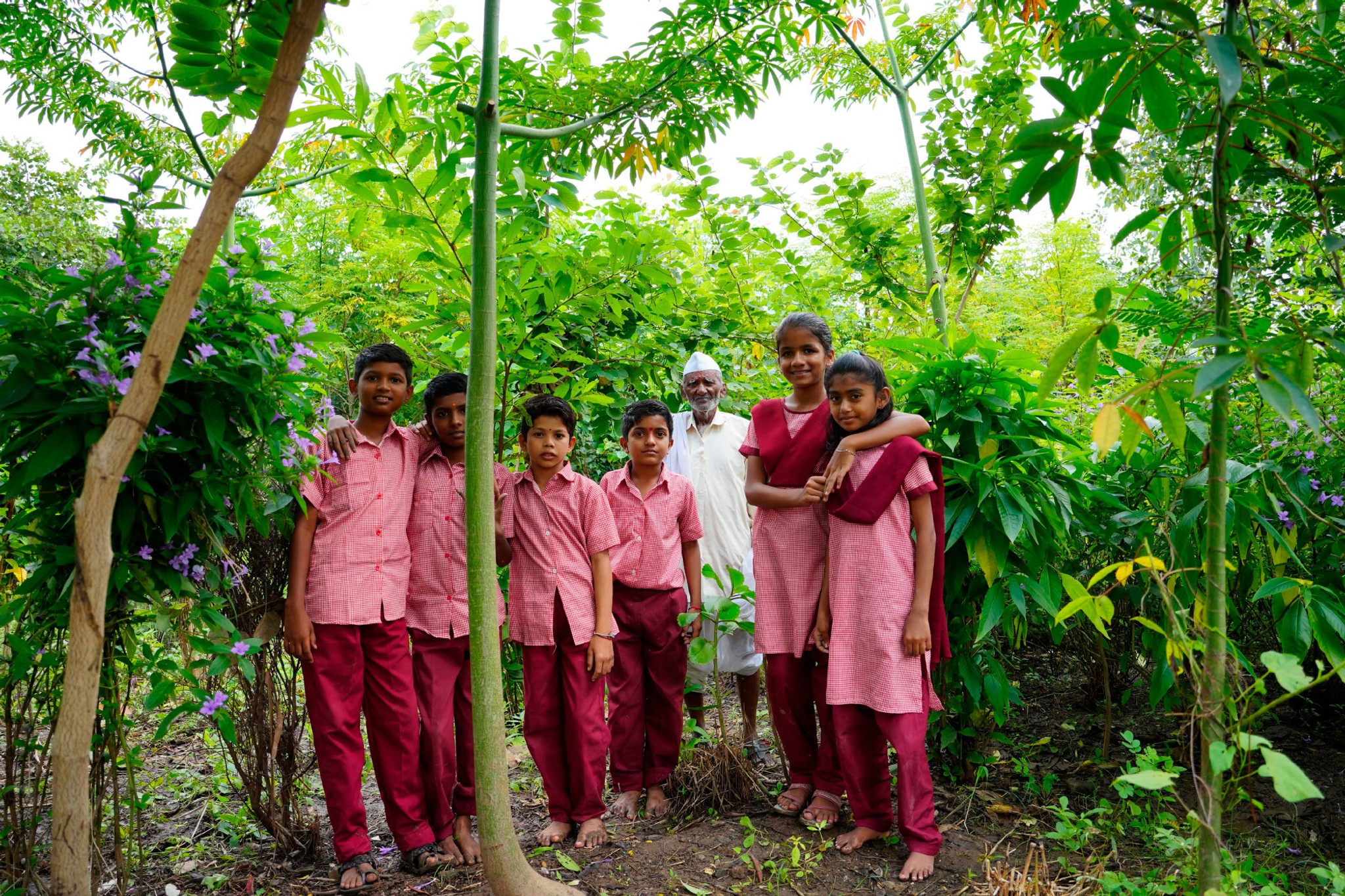
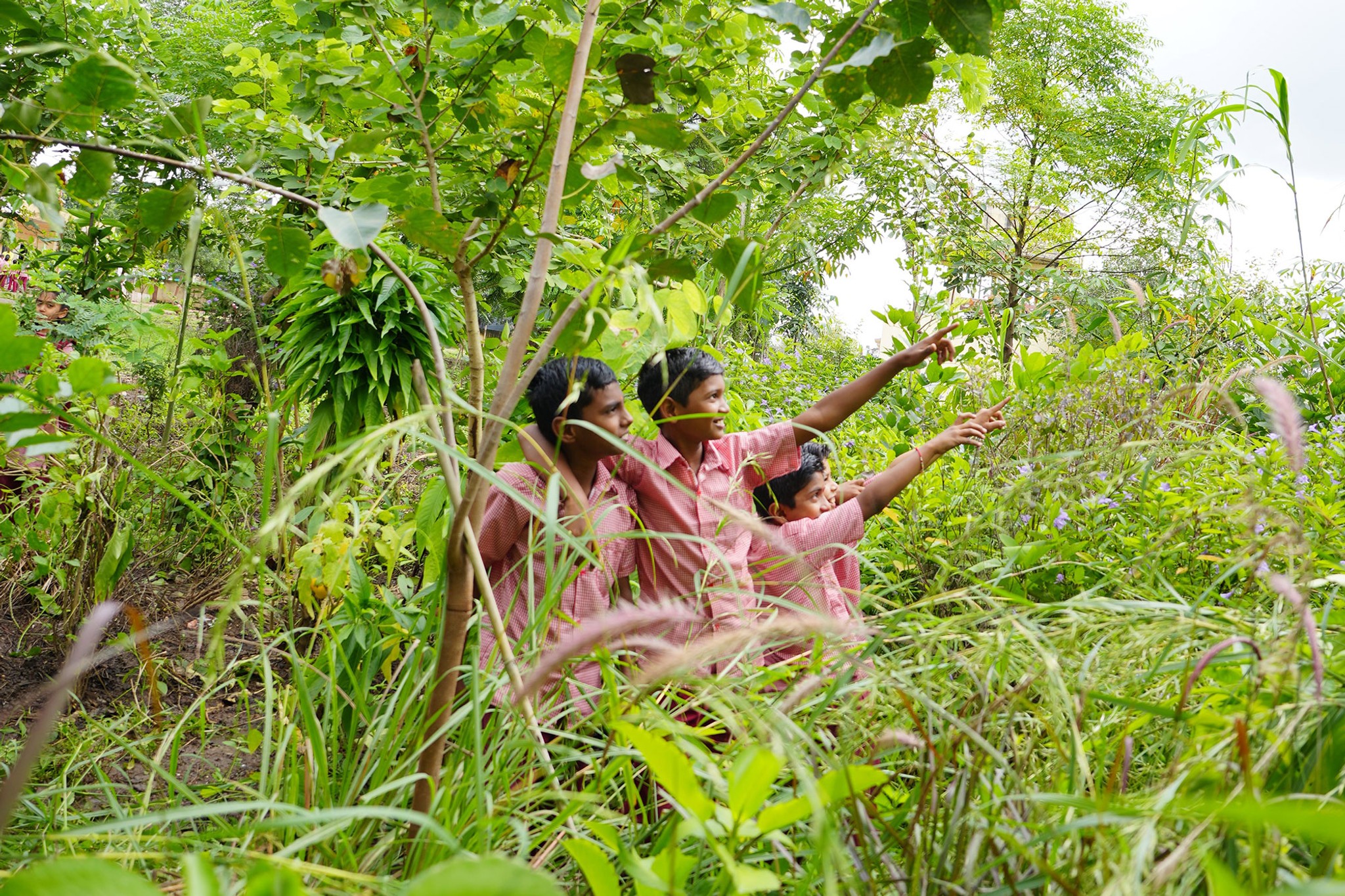
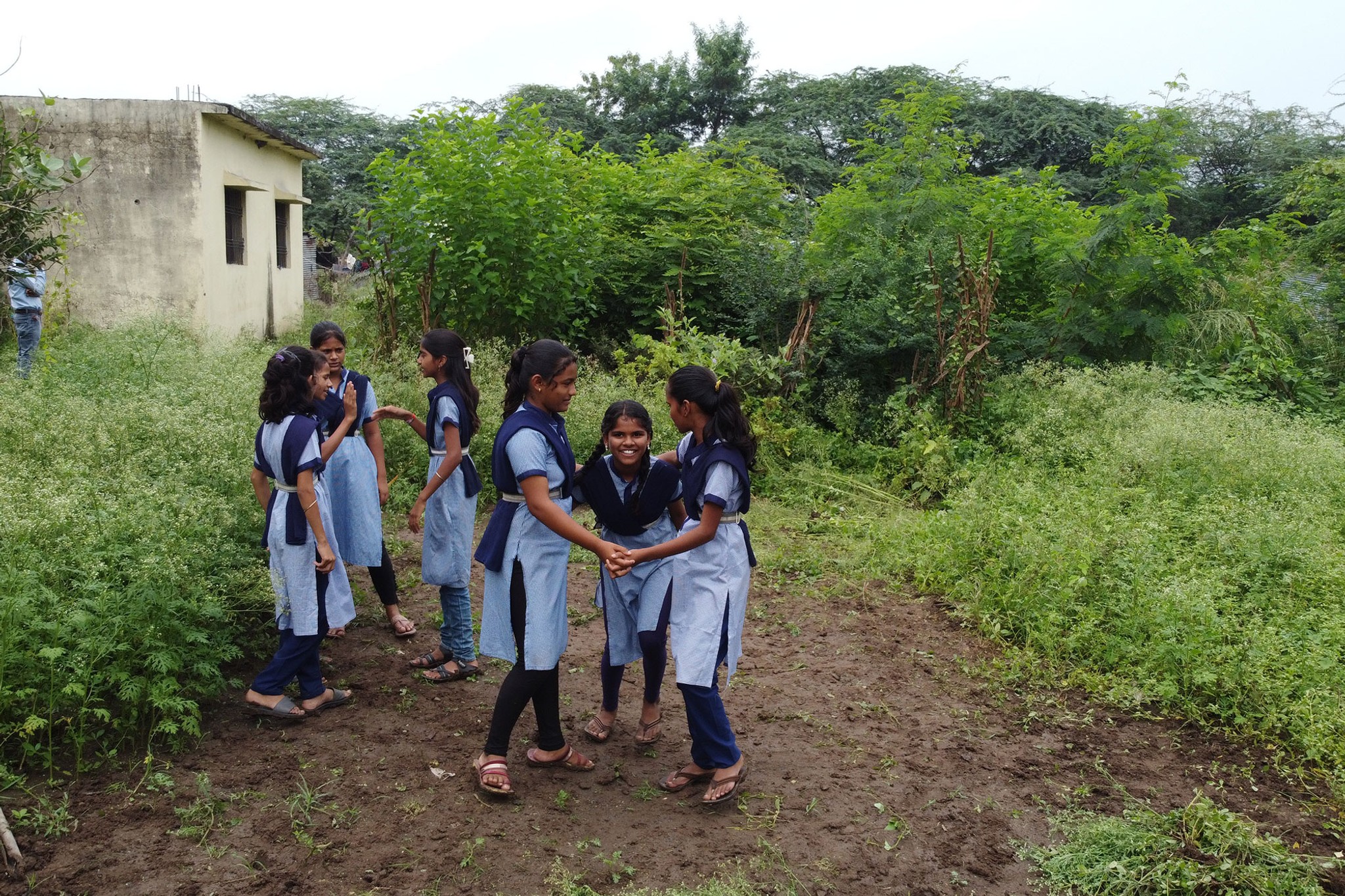
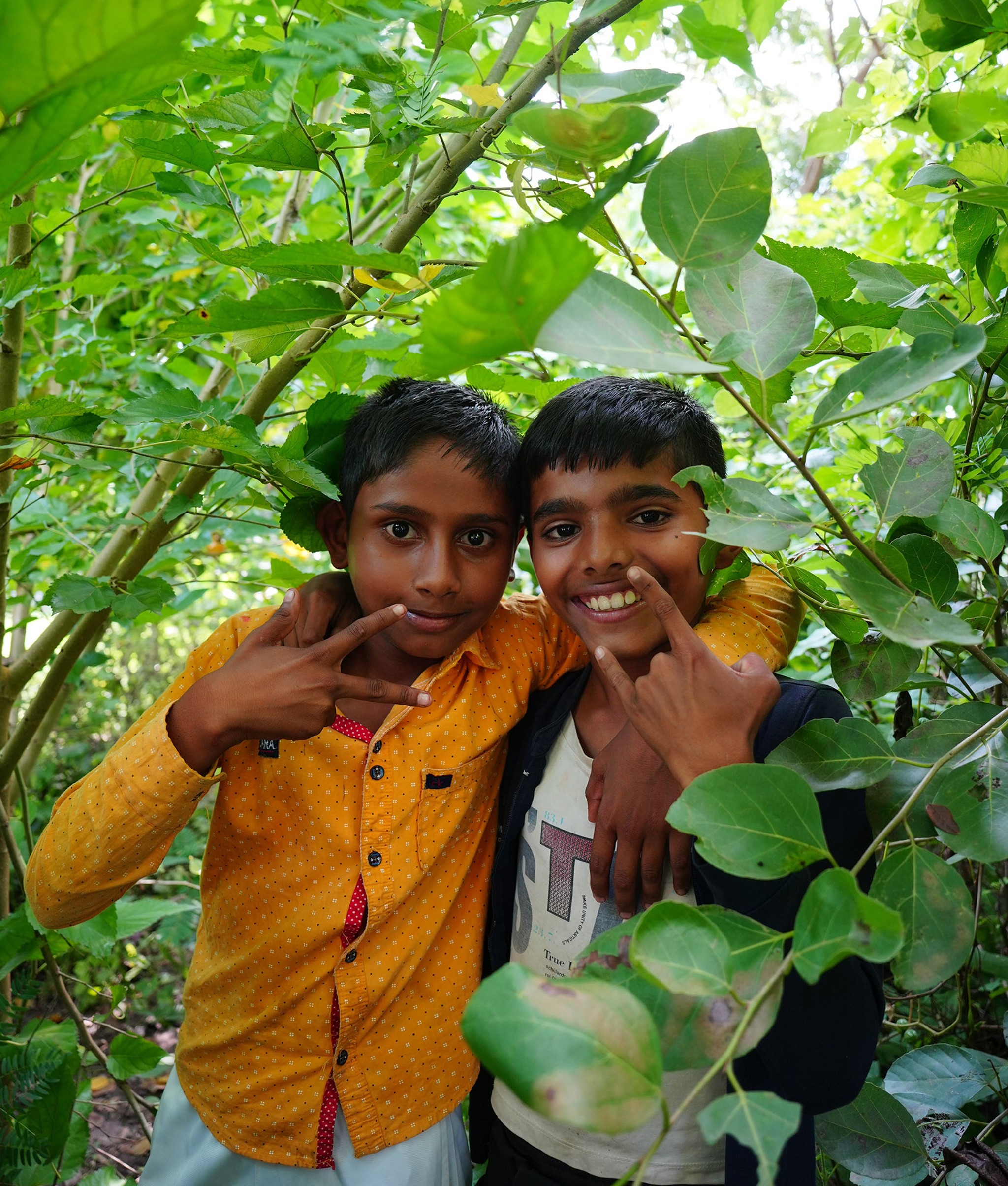
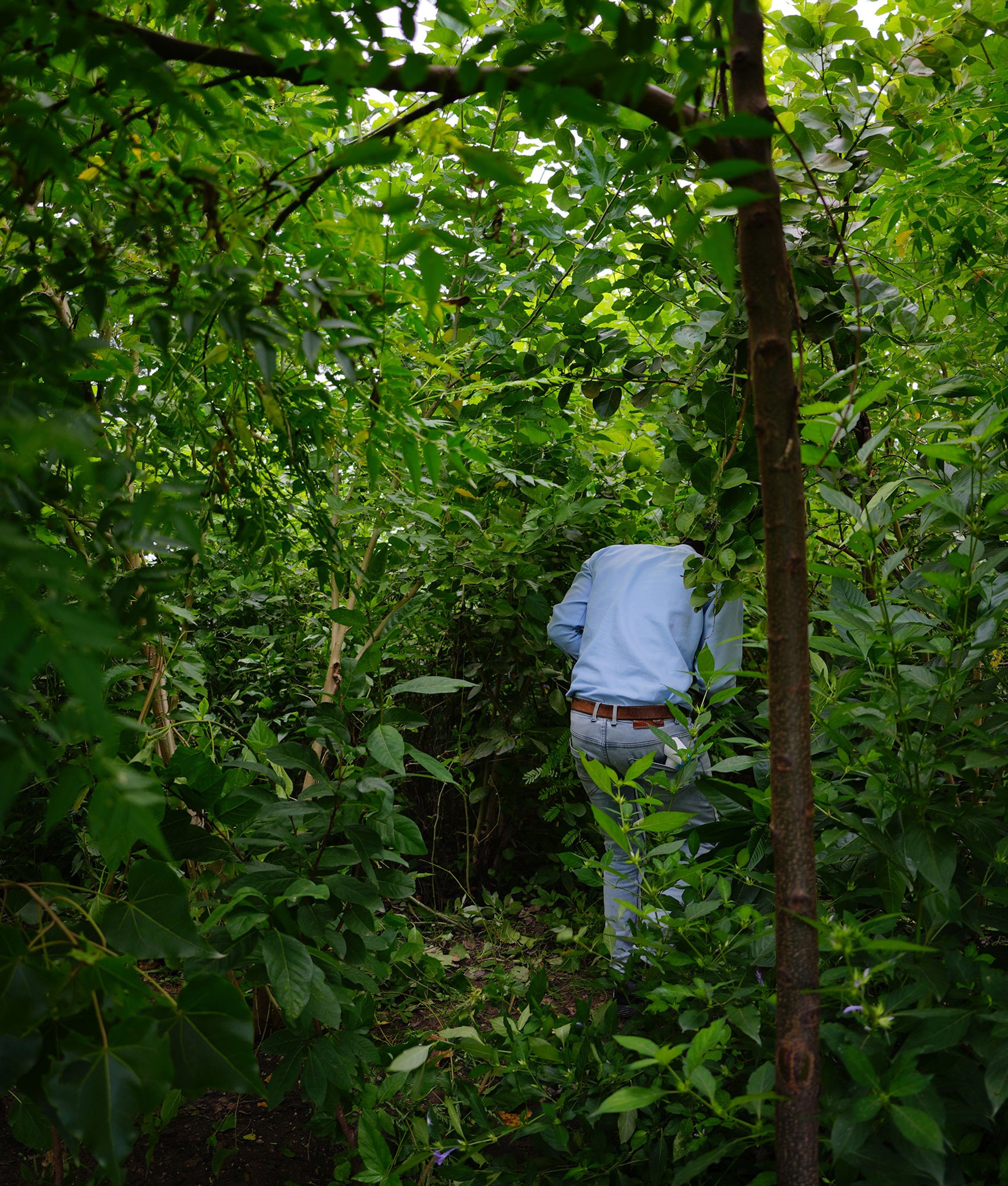
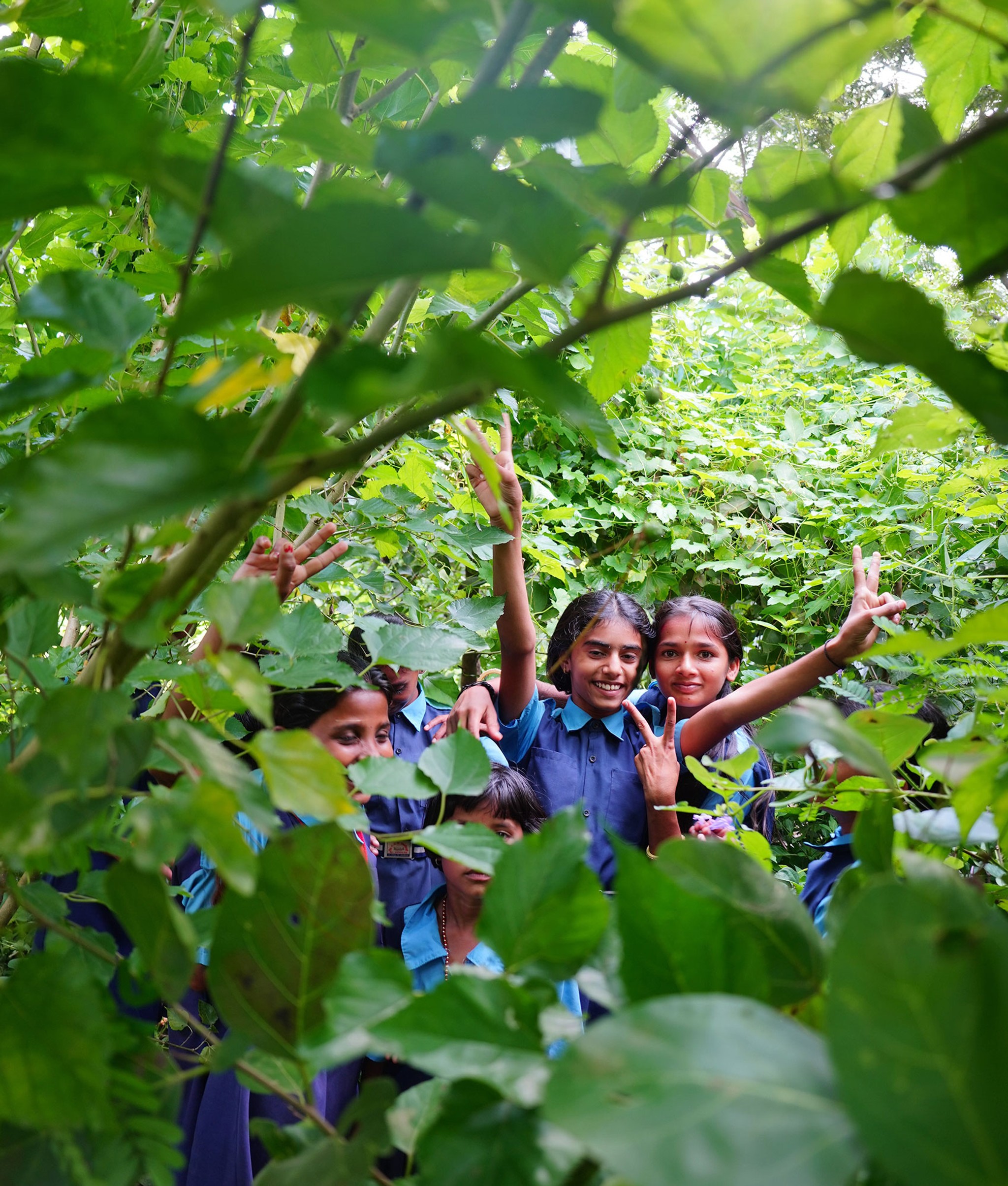
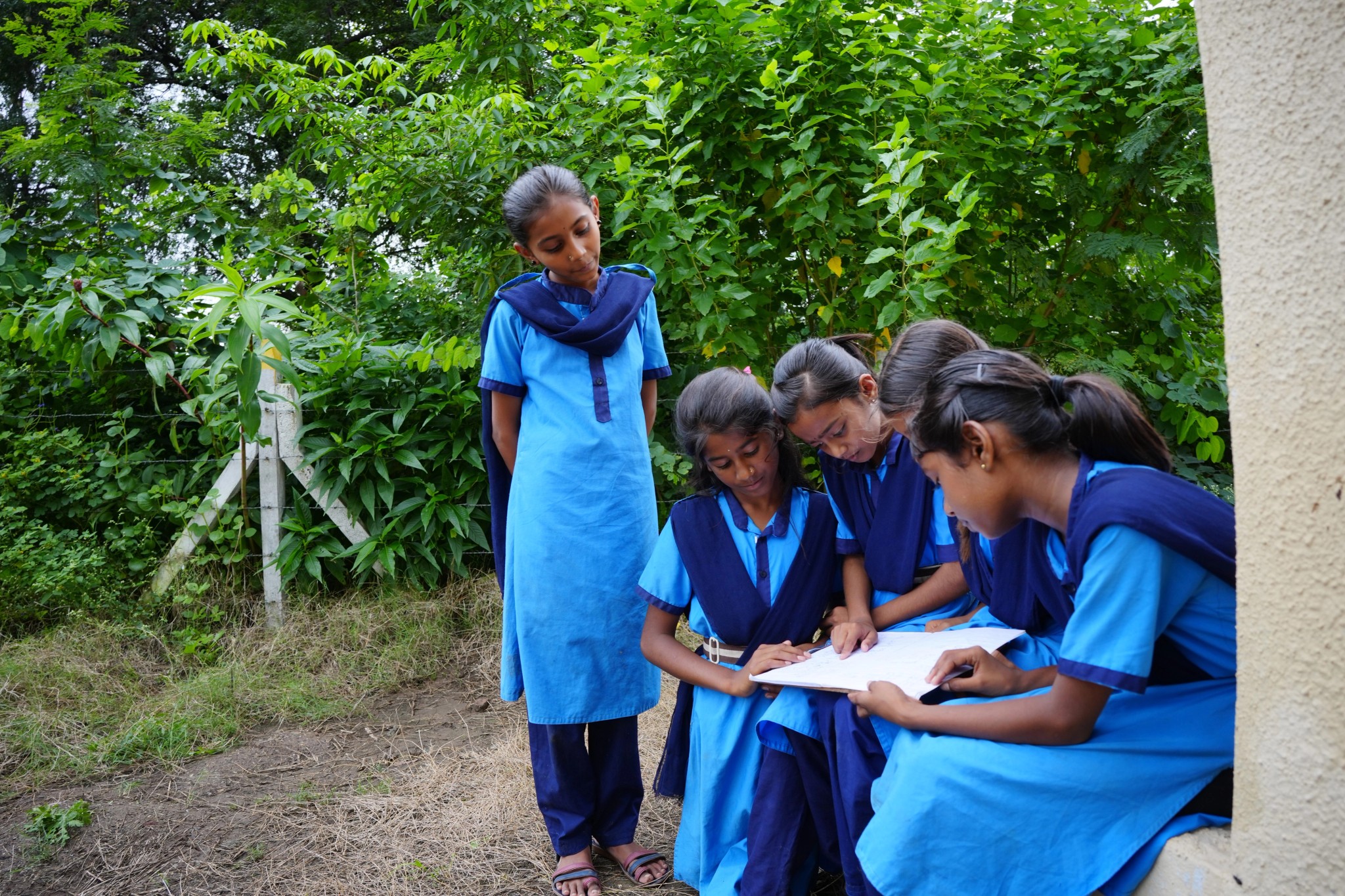
"In this dense forest, we had created a hanging library for the students. In which, during the summer, the children would come to the forest, they would eat their meal here, sitting in the forest and read while having fun.
When the forest completed one year, we were wondering how to celebrate forest's birthday. The students came up with an innovative idea and made a cake of tree sap and earthworms, and gave it to the trees.
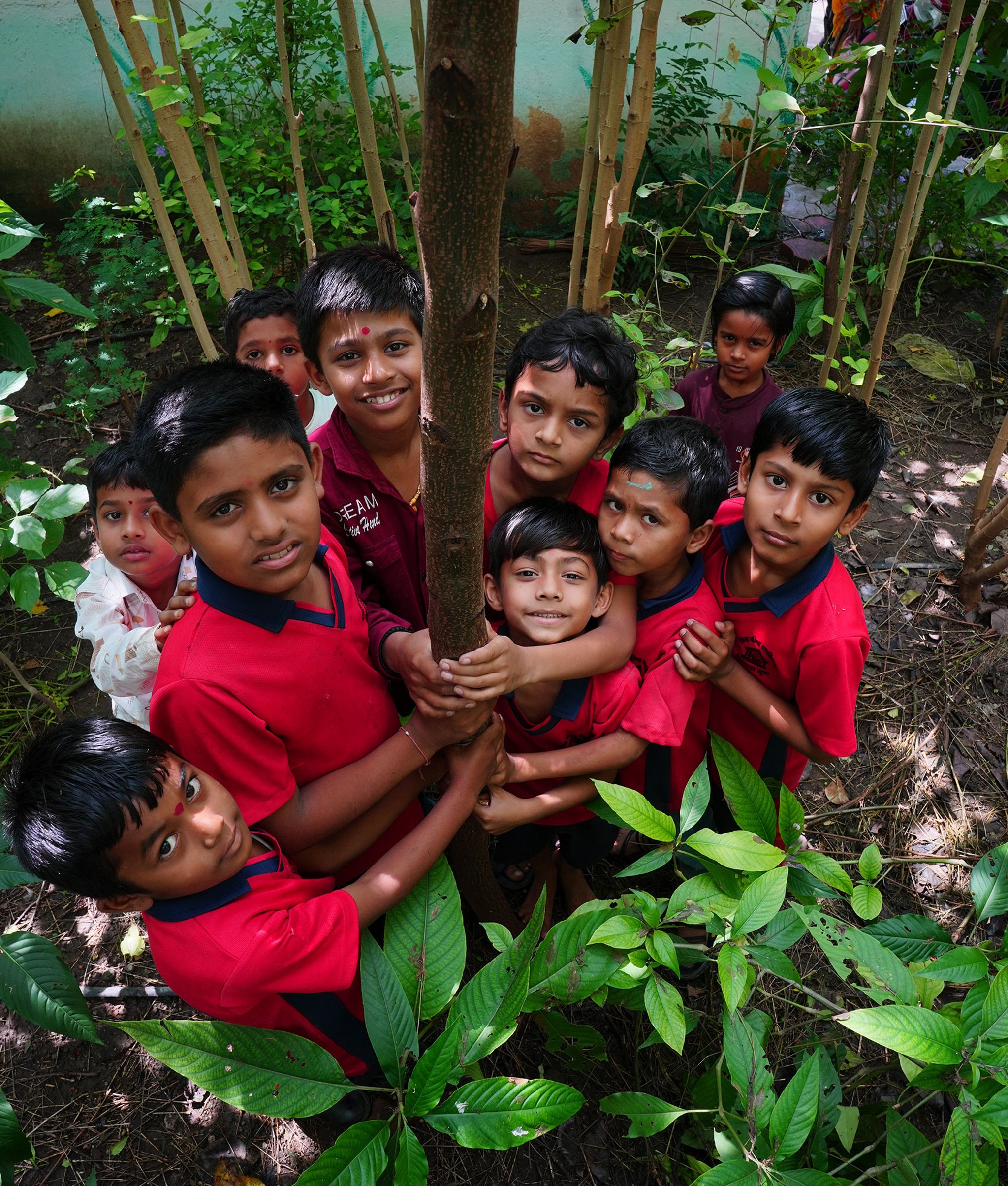
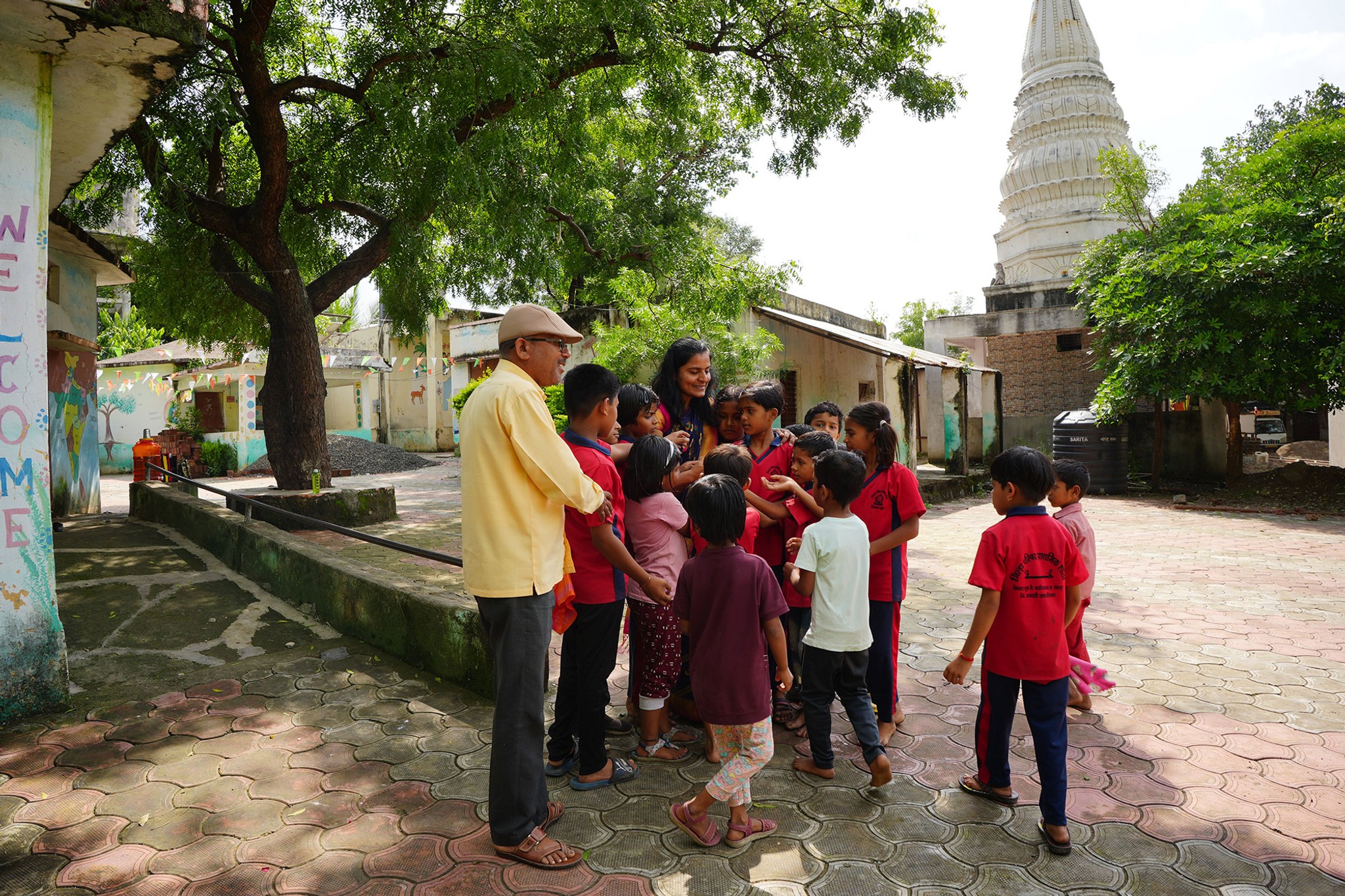
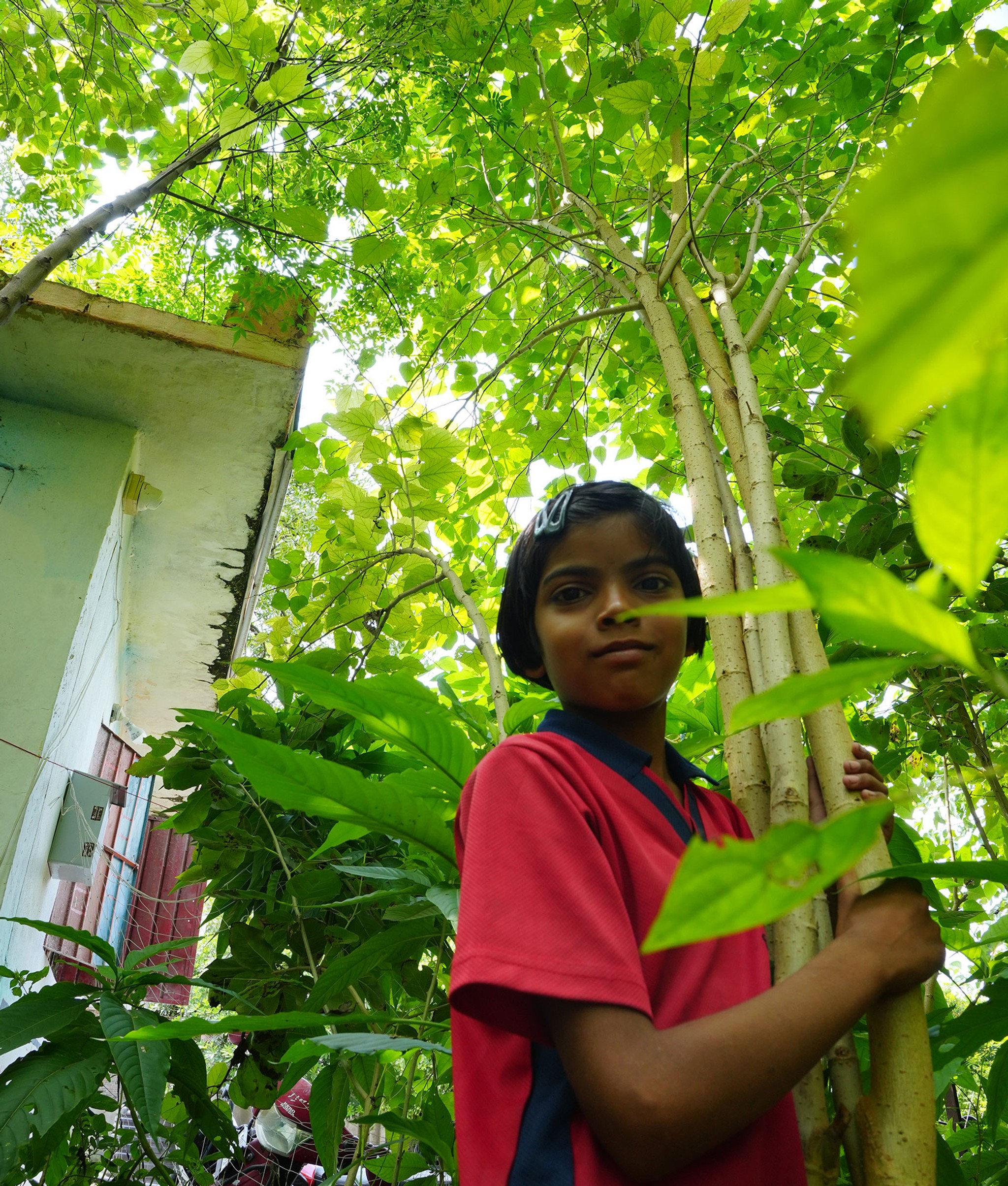
The students have been taught about love for nature and concern for the environment, all of which are part of this great experience. They understood the importance of trees and took care of this plantation themselves, with teachers, students and villagers all working together."
– Ujjwala Tulshiram Thombre, Headmistress, Zilla Parishad Primary School, Dinwada Juna, Taluka Gangapur, District Chhatrapati Sambhajinagar.
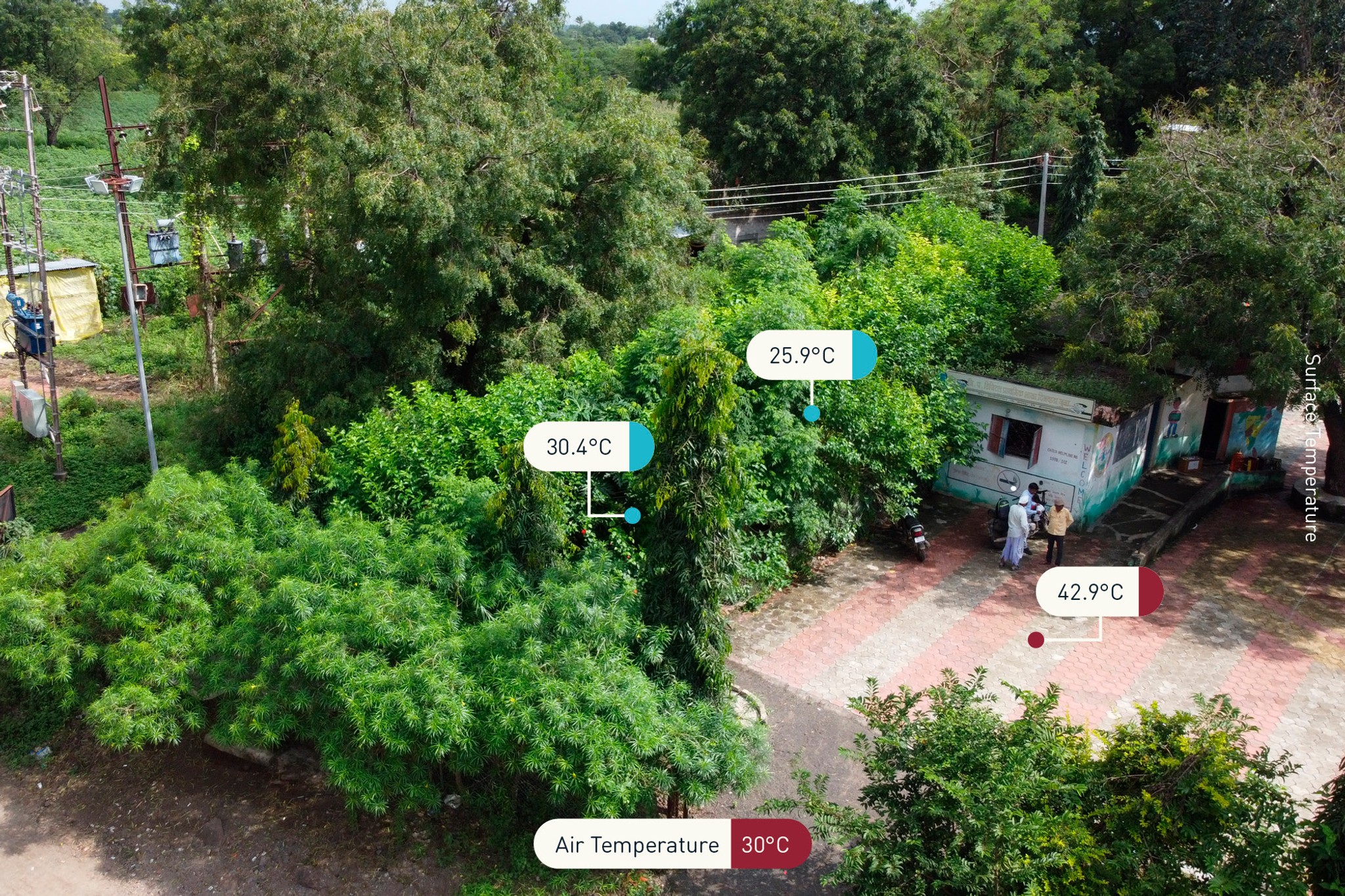
Urban Heat Profile
The Urban Heat Island Effect is affecting cities more and more each year and temperatures in urban areas can go up to 12 degrees hotter. This can be reduced and prevented by planting urban forests like this. We collected the air temperatures on an unusually hot day in September and saw amazing results.
0°C
Surface Temperature Difference
ZPPS Shafepoor
0 Months
Forest Age
0%
Survival Rate
0m
Average of Tallest 3 Trees
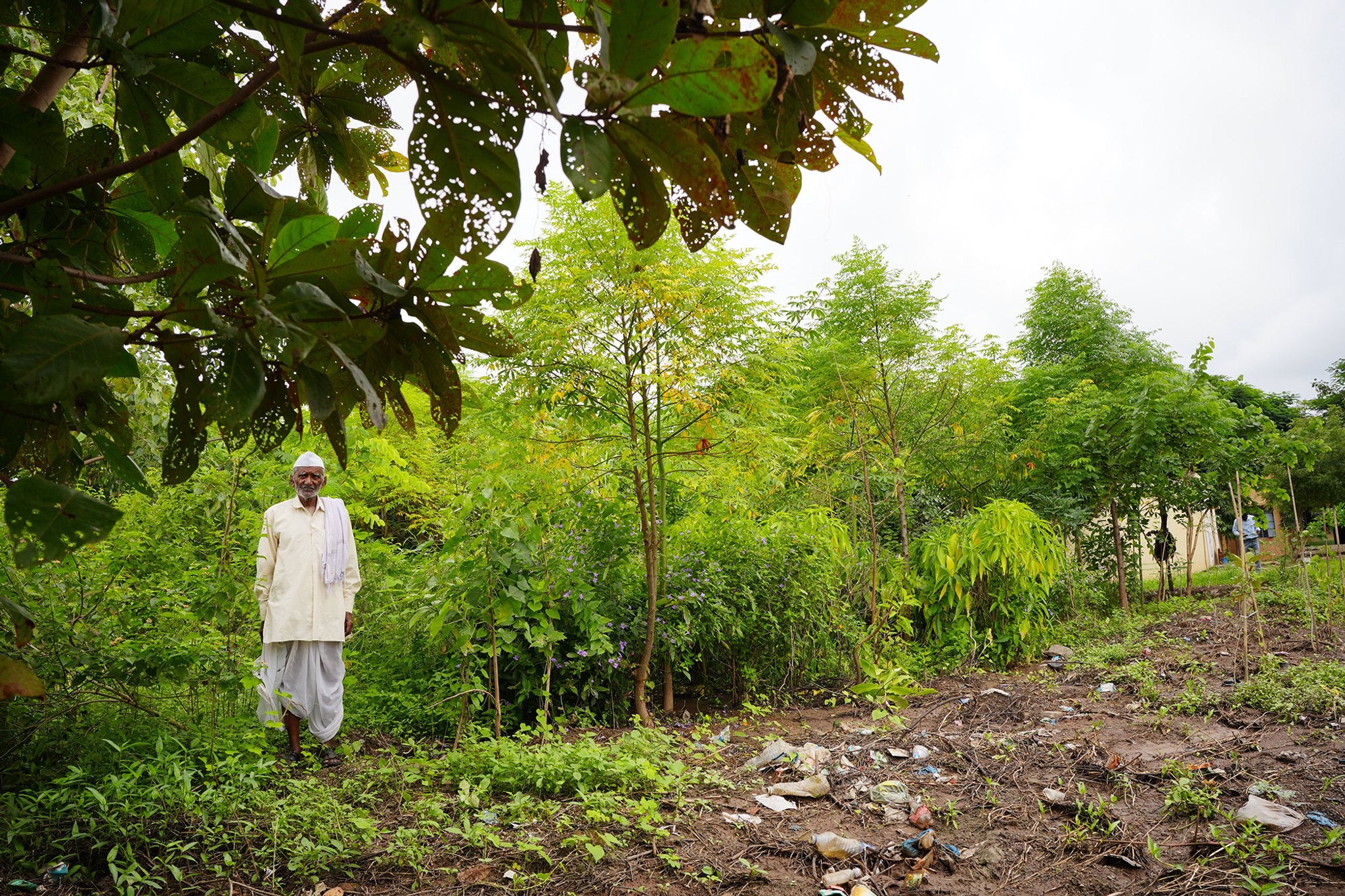
Some old trees in the forest are still surviving. New trees, plants, birds, butterflies, and insects are appearing. The leaves look greener and healthier. Invasive plants are decreasing, and native grasses are growing. The forest is slowly recovering and biodiversity is improving.

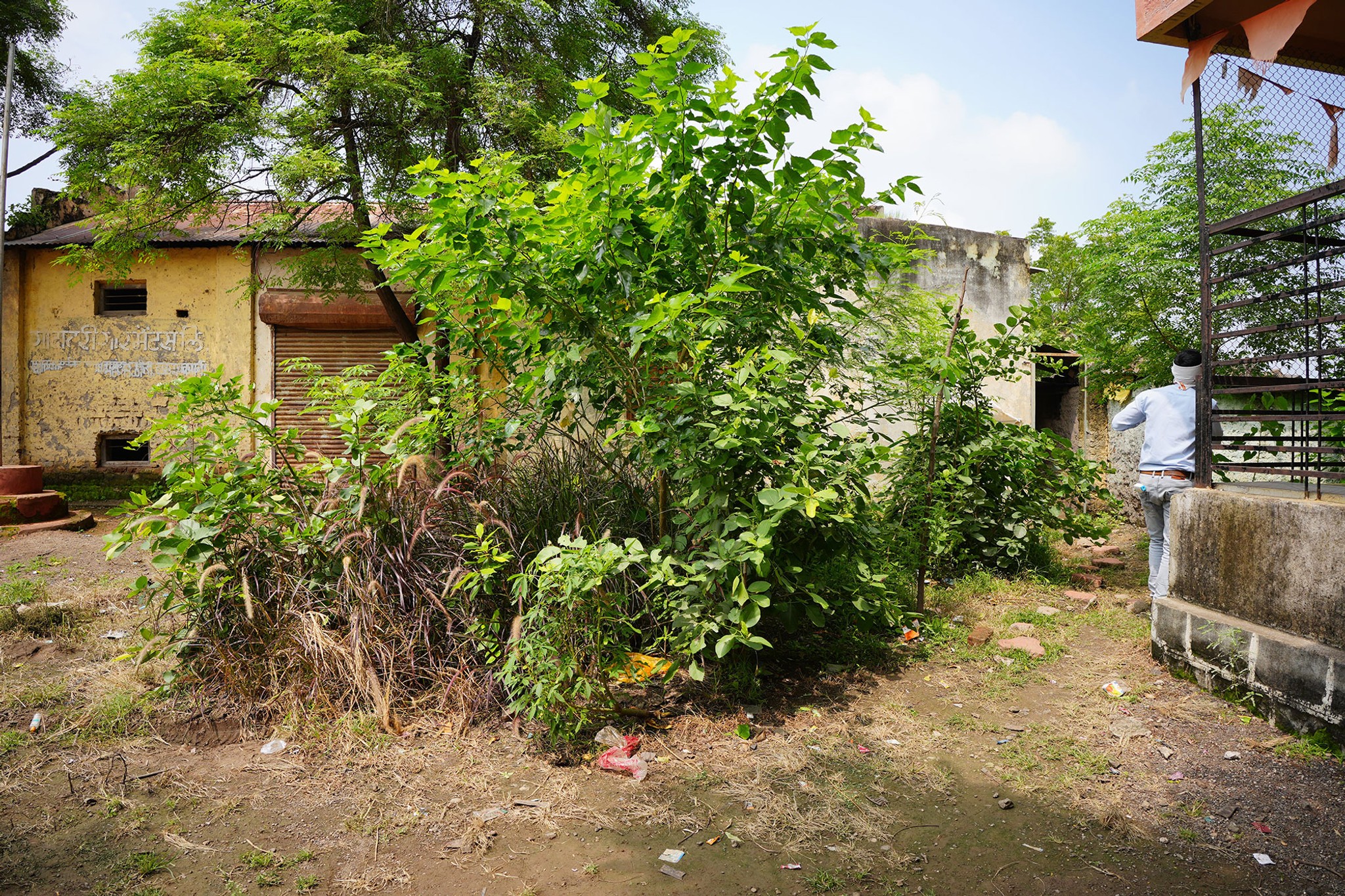
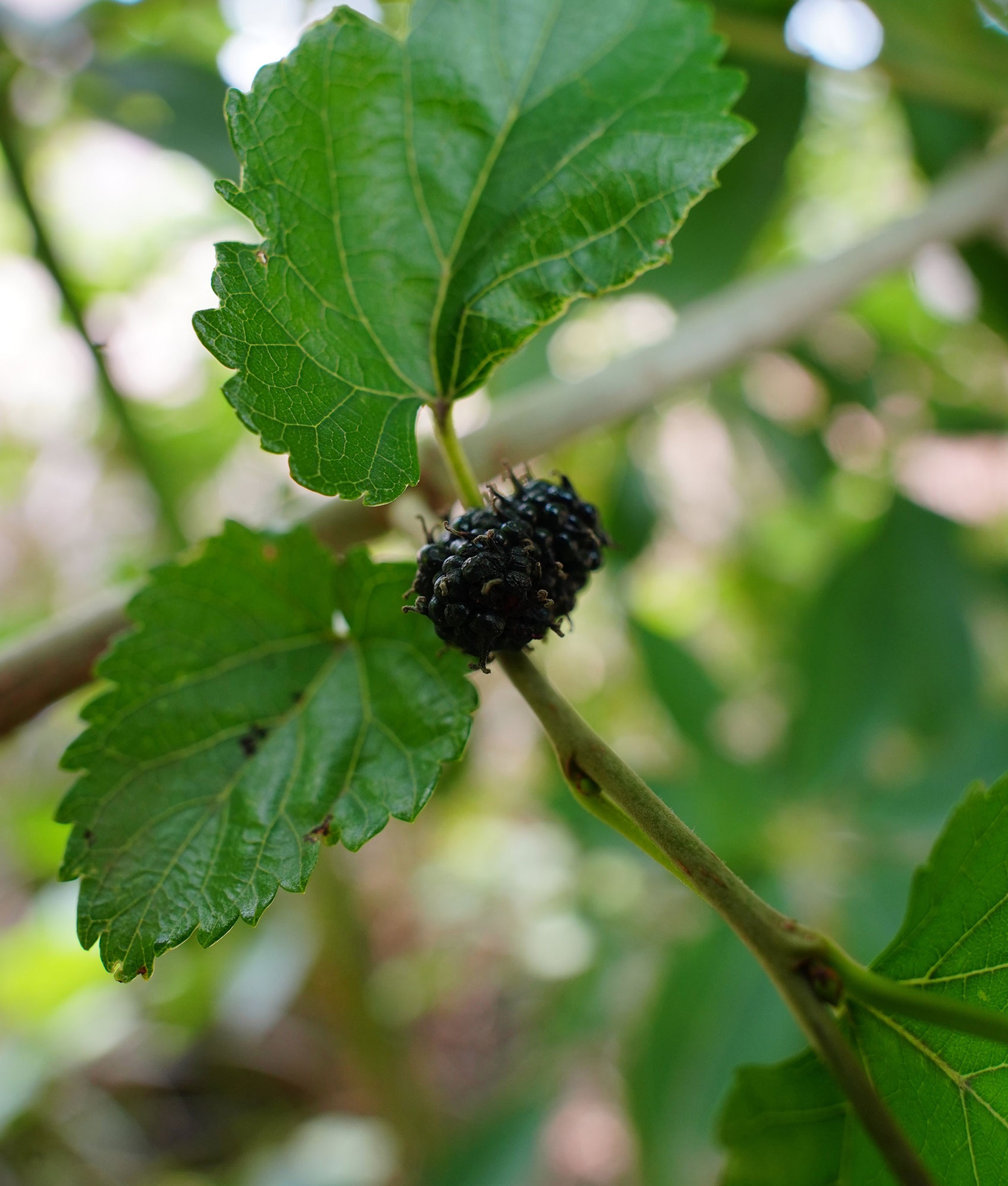
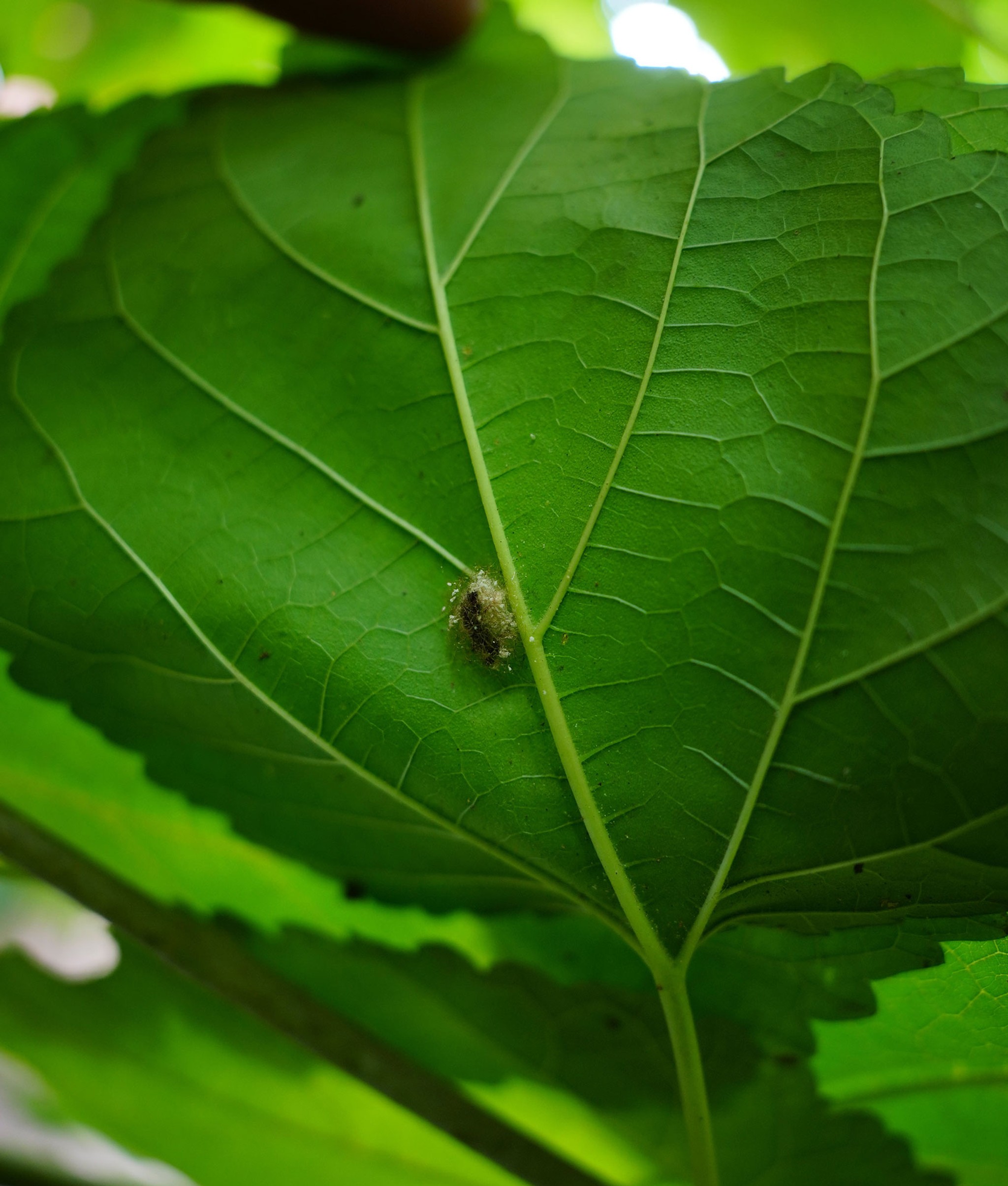
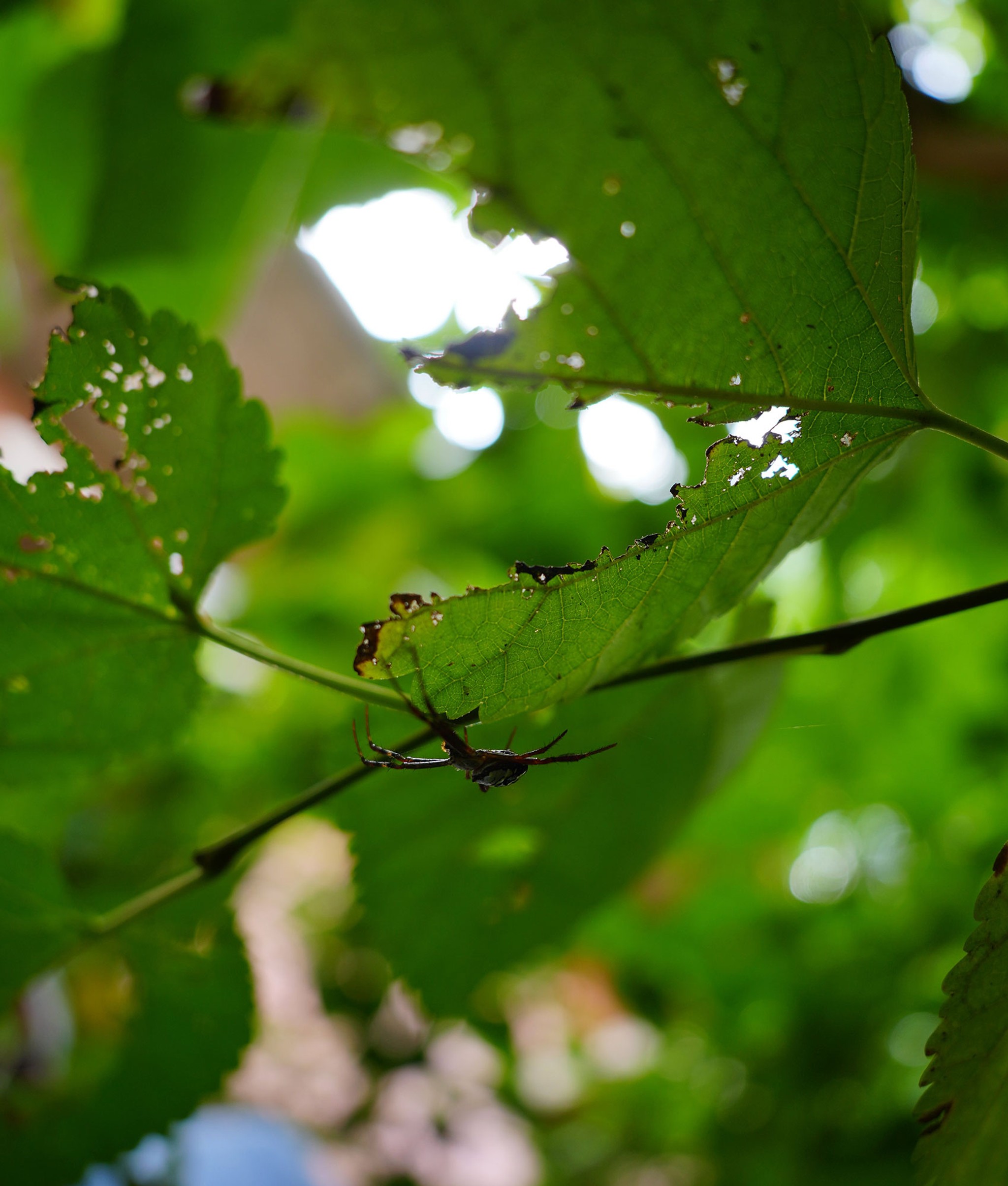
Vitava
0 Months
Forest Age
0%
Survival Rate
0m
Average of Tallest 3 Trees
Birds, butterflies, and insects are appearing. The canopy looks greener and healthier, and flowering is more regular. Overall, the forest is showing signs of recovery, and its biodiversity is improving.
Urban Heat Profile
The Urban Heat Island Effect is affecting cities more and more each year and temperatures in urban areas can go up to 12 degrees hotter. This can be reduced and prevented by planting urban forests like this. We collected the air temperatures on an unusually hot day in September and saw amazing results.
0°C
Surface Temperature Difference
Chincholi
0 Months
Forest Age
0%
Survival Rate
0m
Average of Tallest 3 Trees
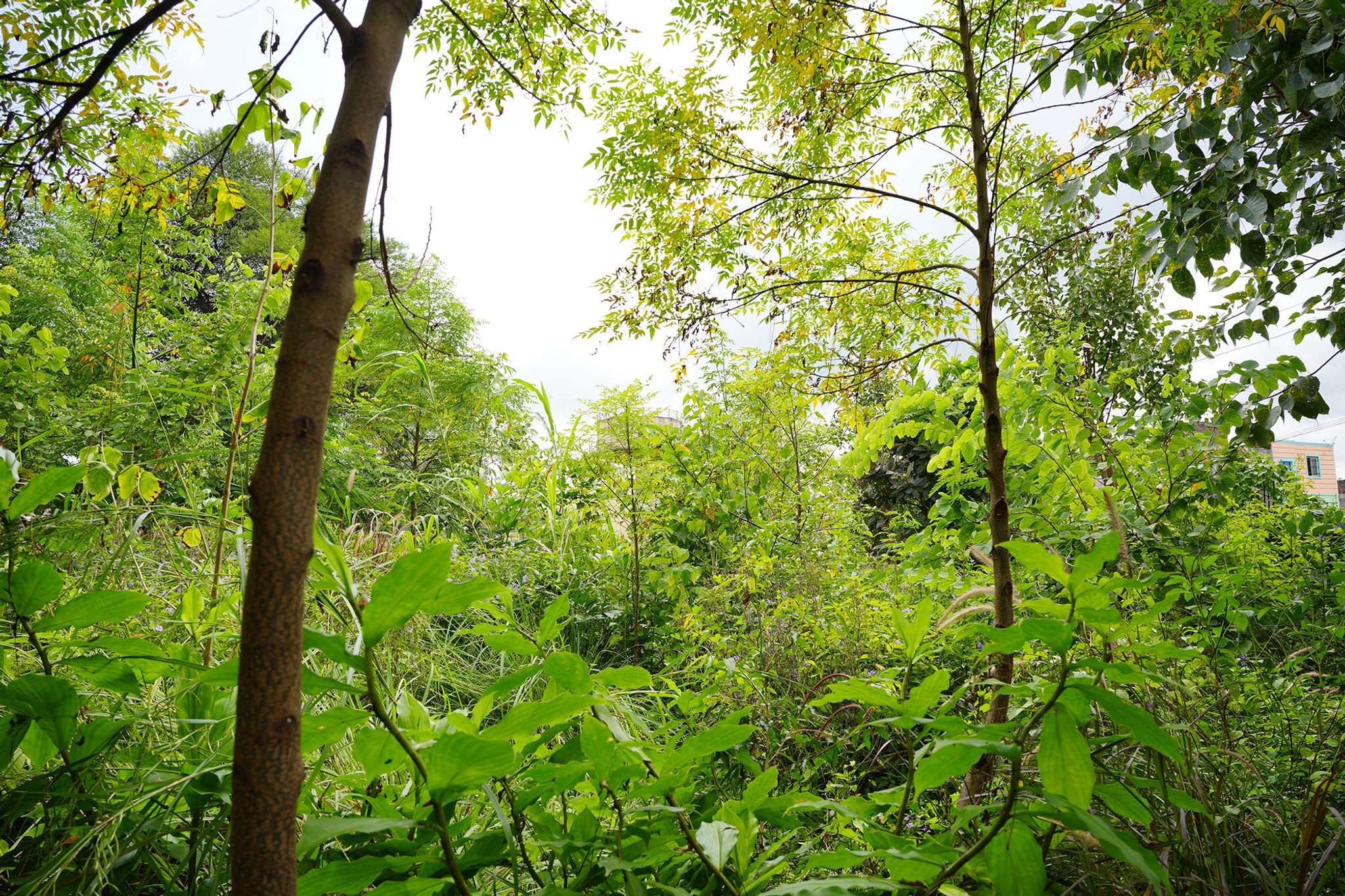
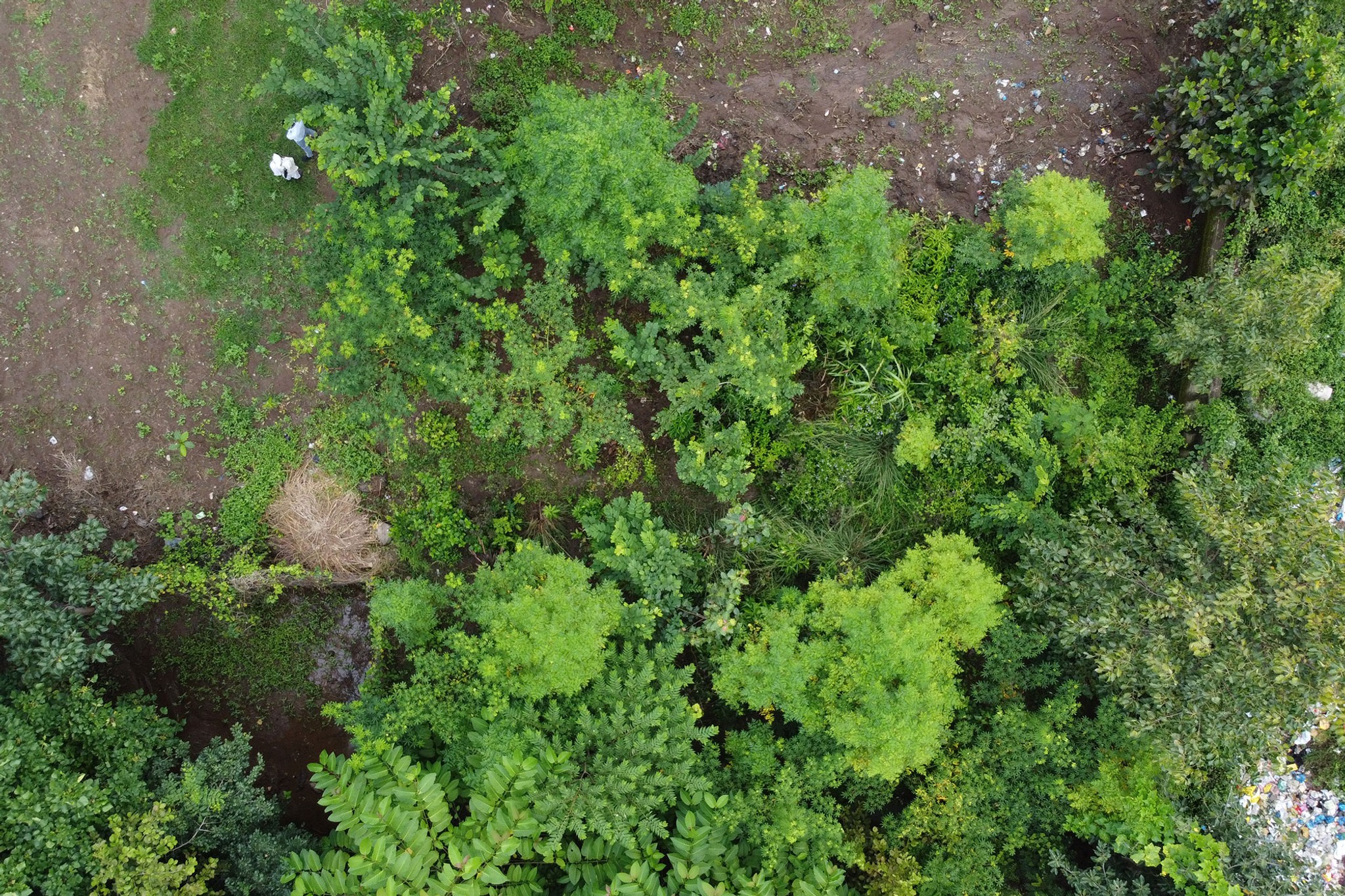
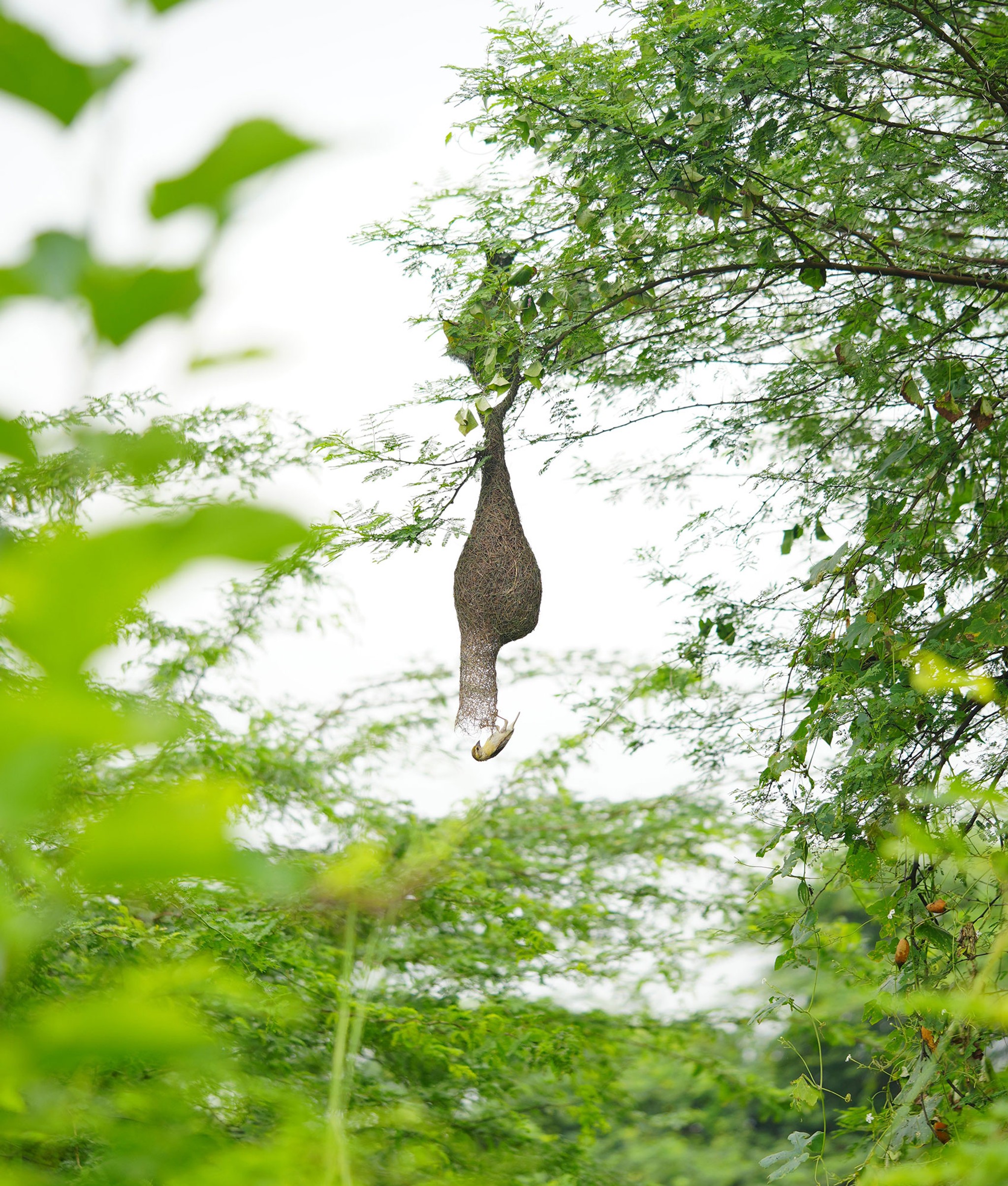
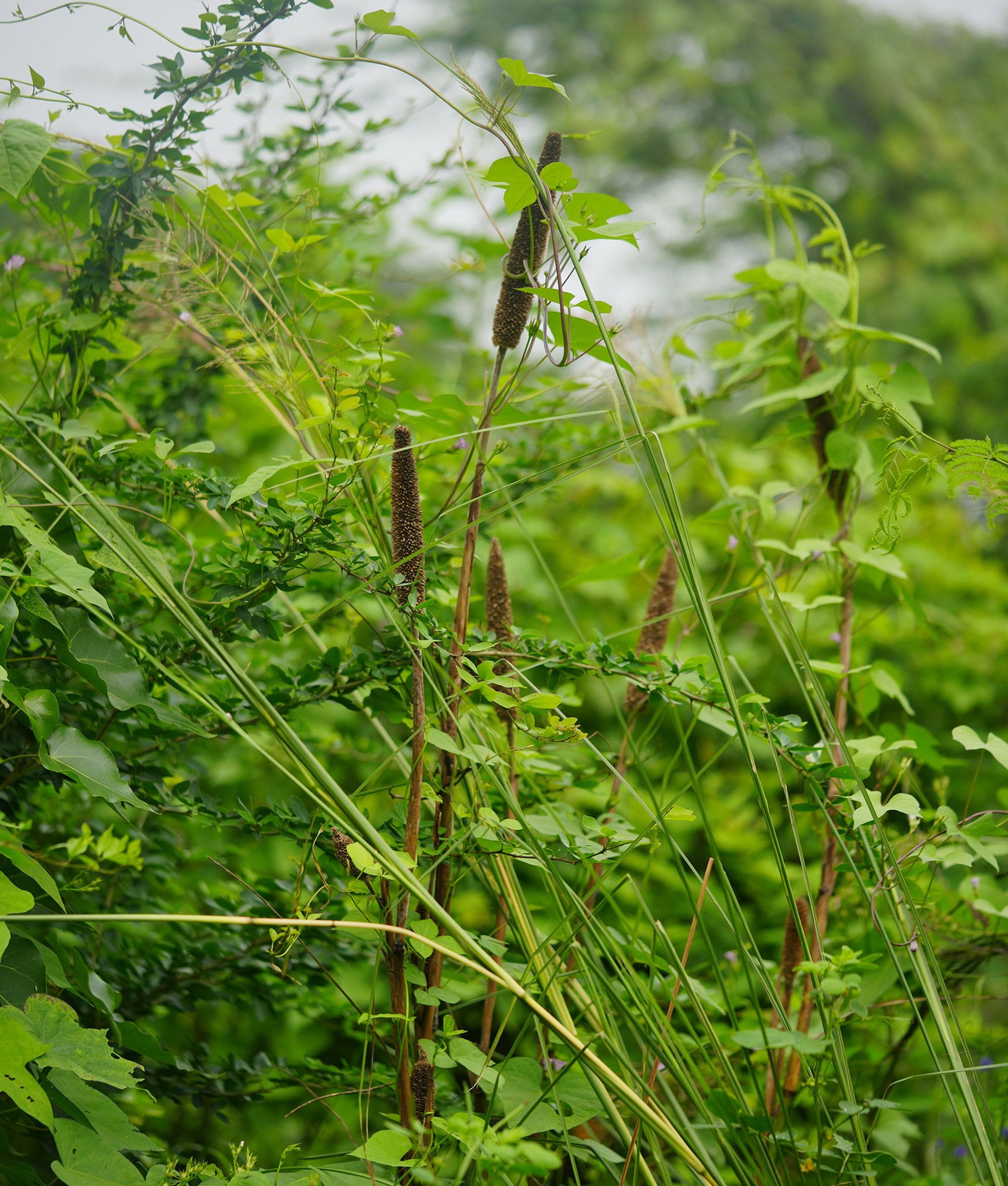
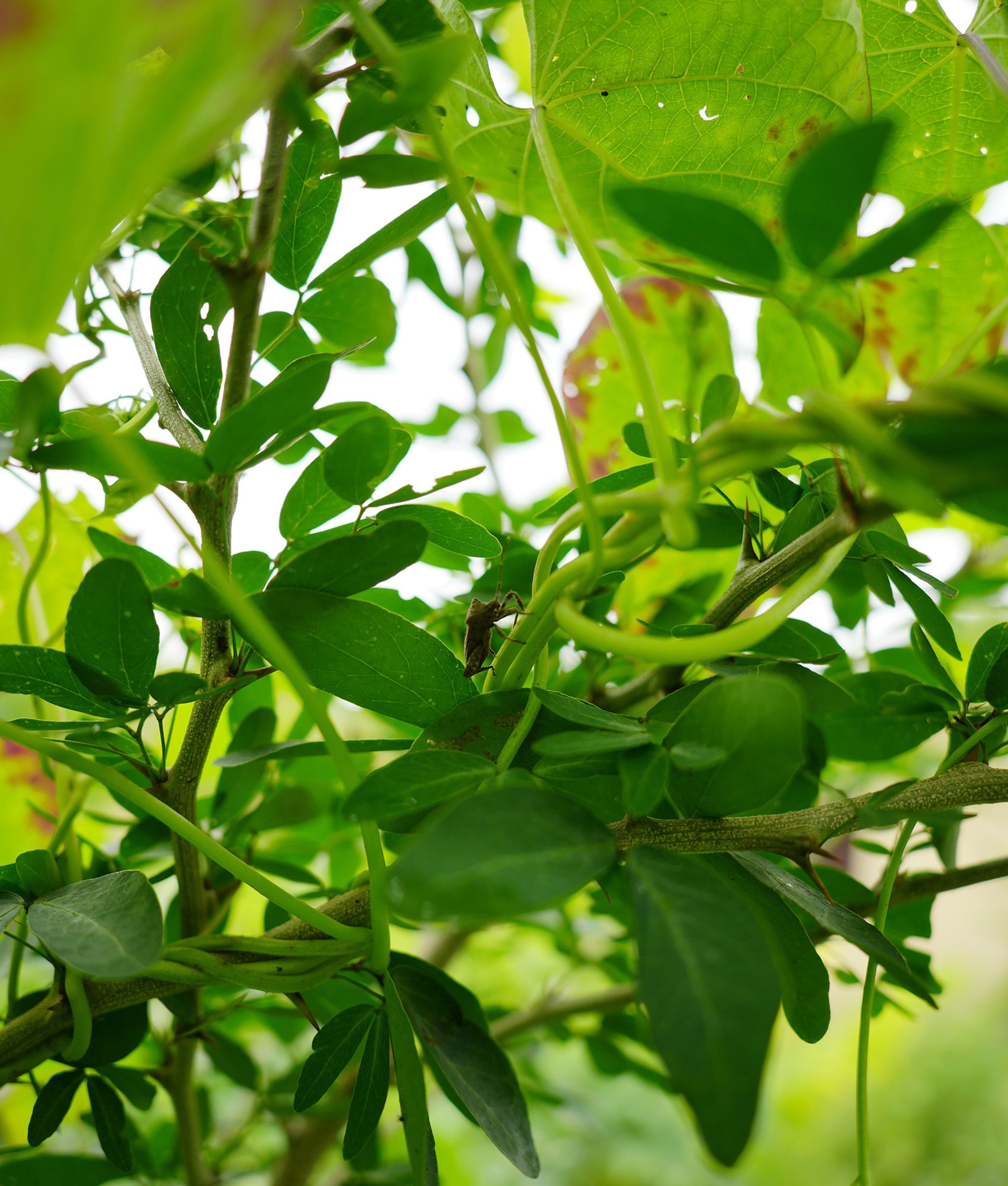
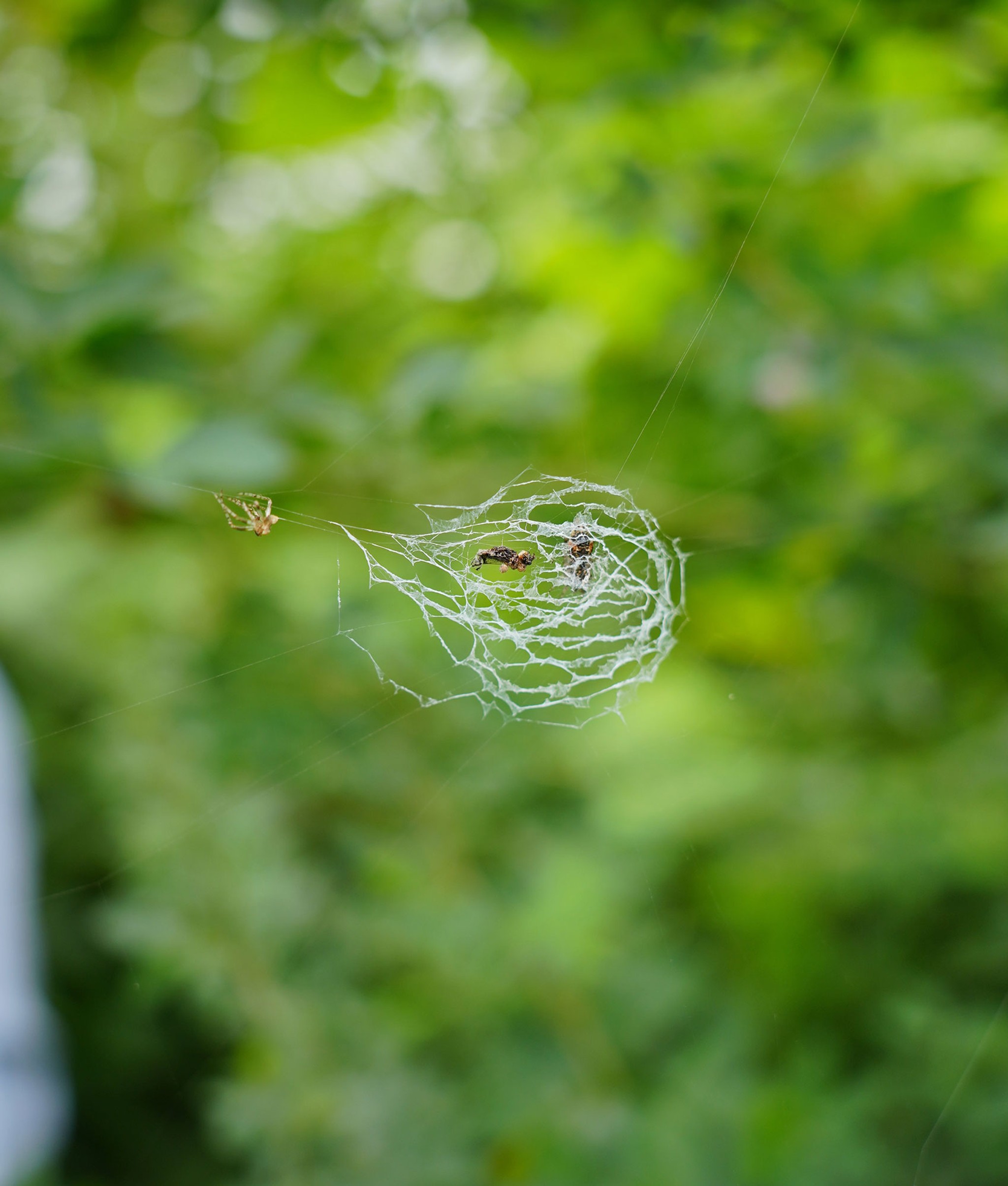
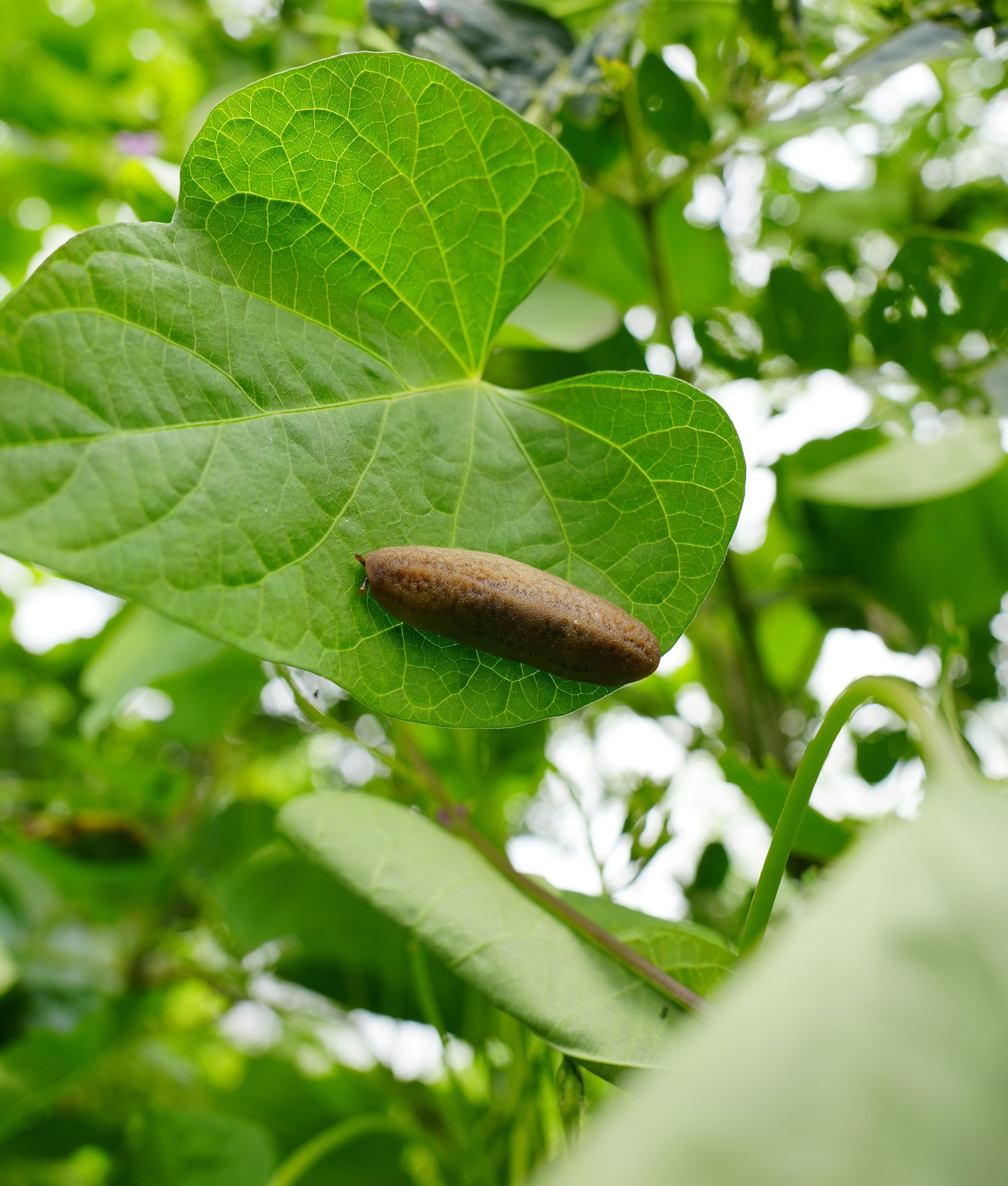
In our forest, native trees and plants are returning, bringing back more birds, insects, and butterflies.
The canopy looks greener and healthier than before.We see fewer invasive plants, and native grasses are growing again. Overall, the forest is showing signs of recovery and improving biodiversity.
Takliwadi
0 Months
Forest Age
0%
Survival Rate
0m
Average of Tallest 3 Trees
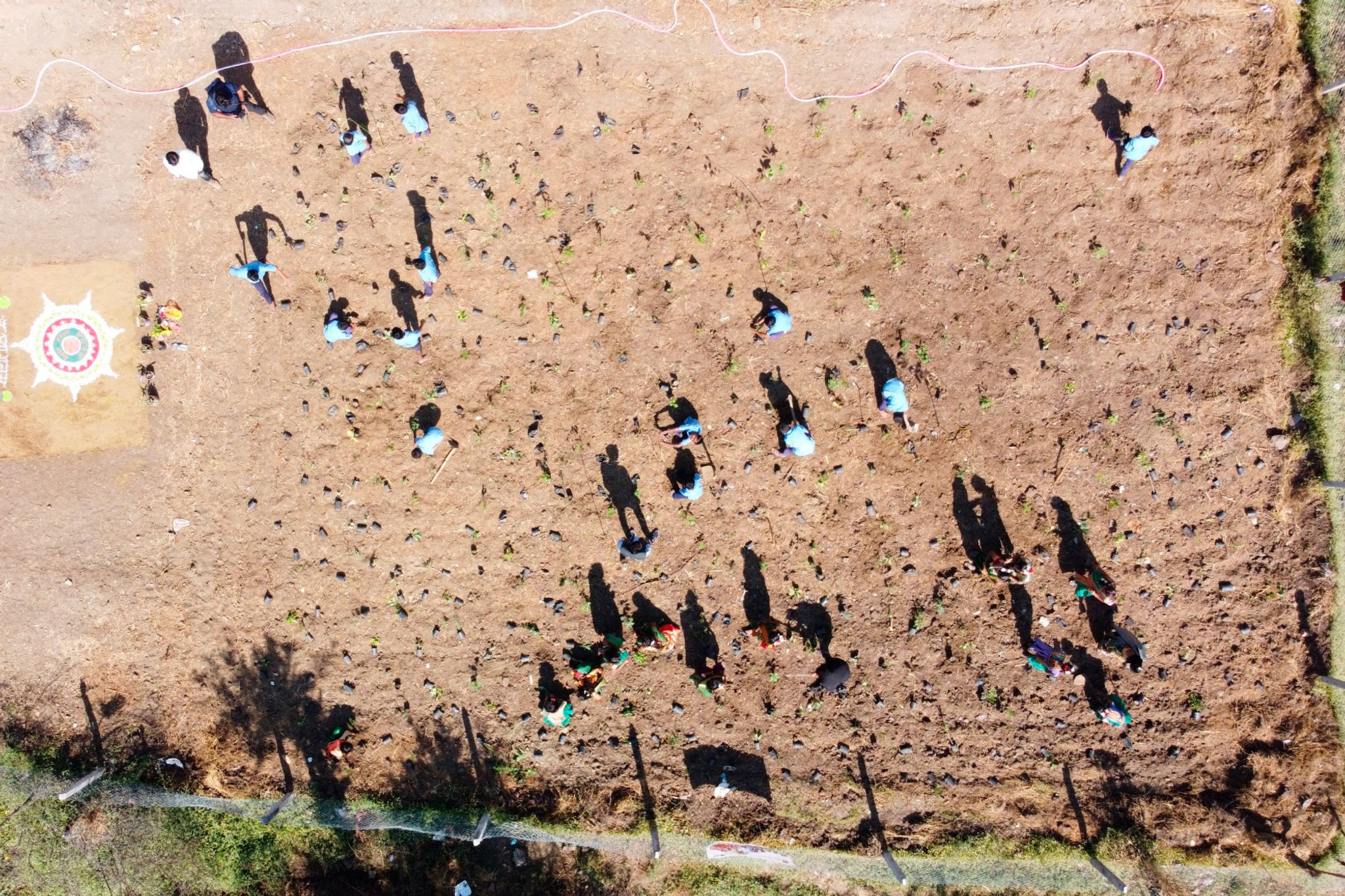
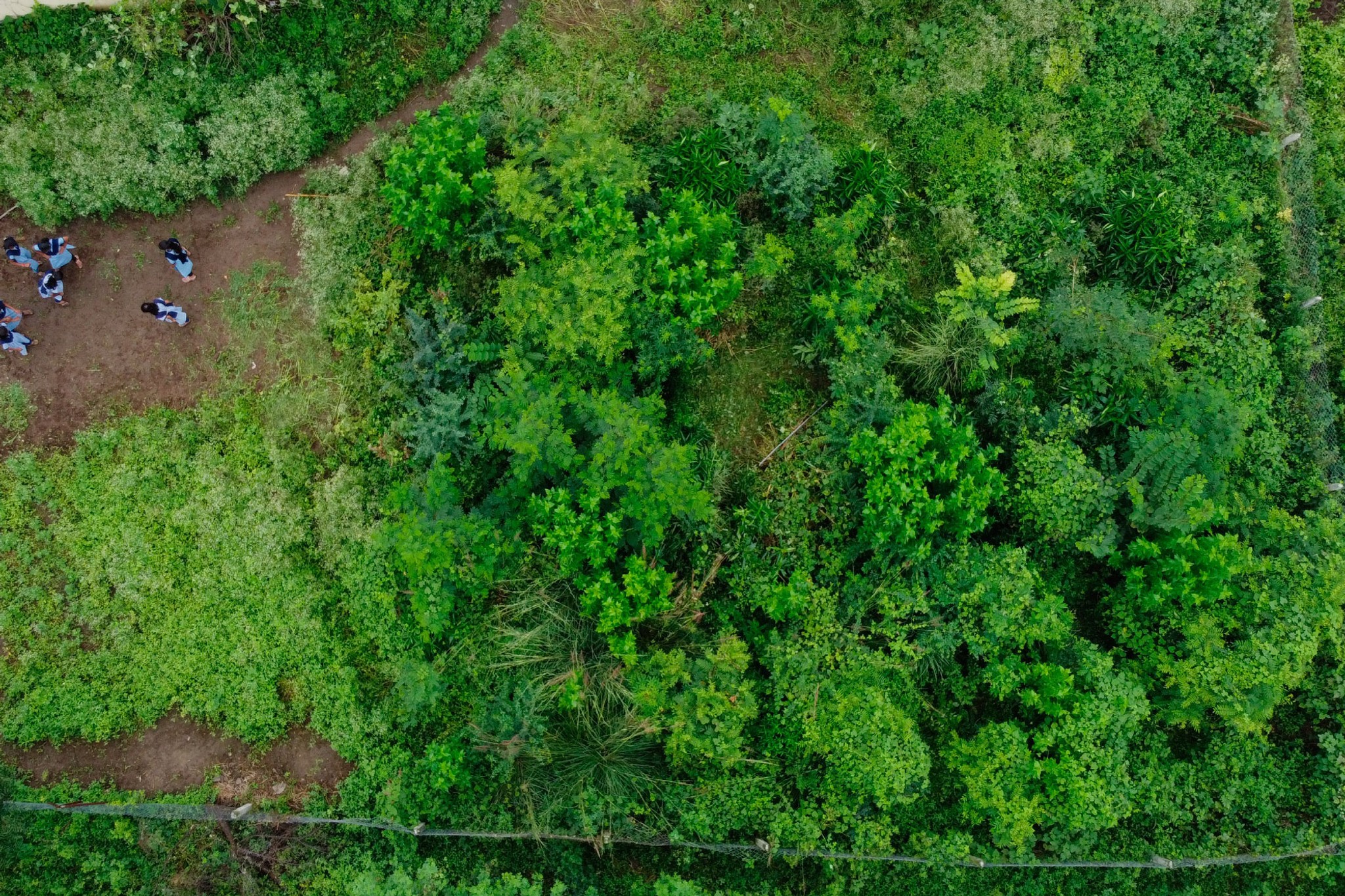
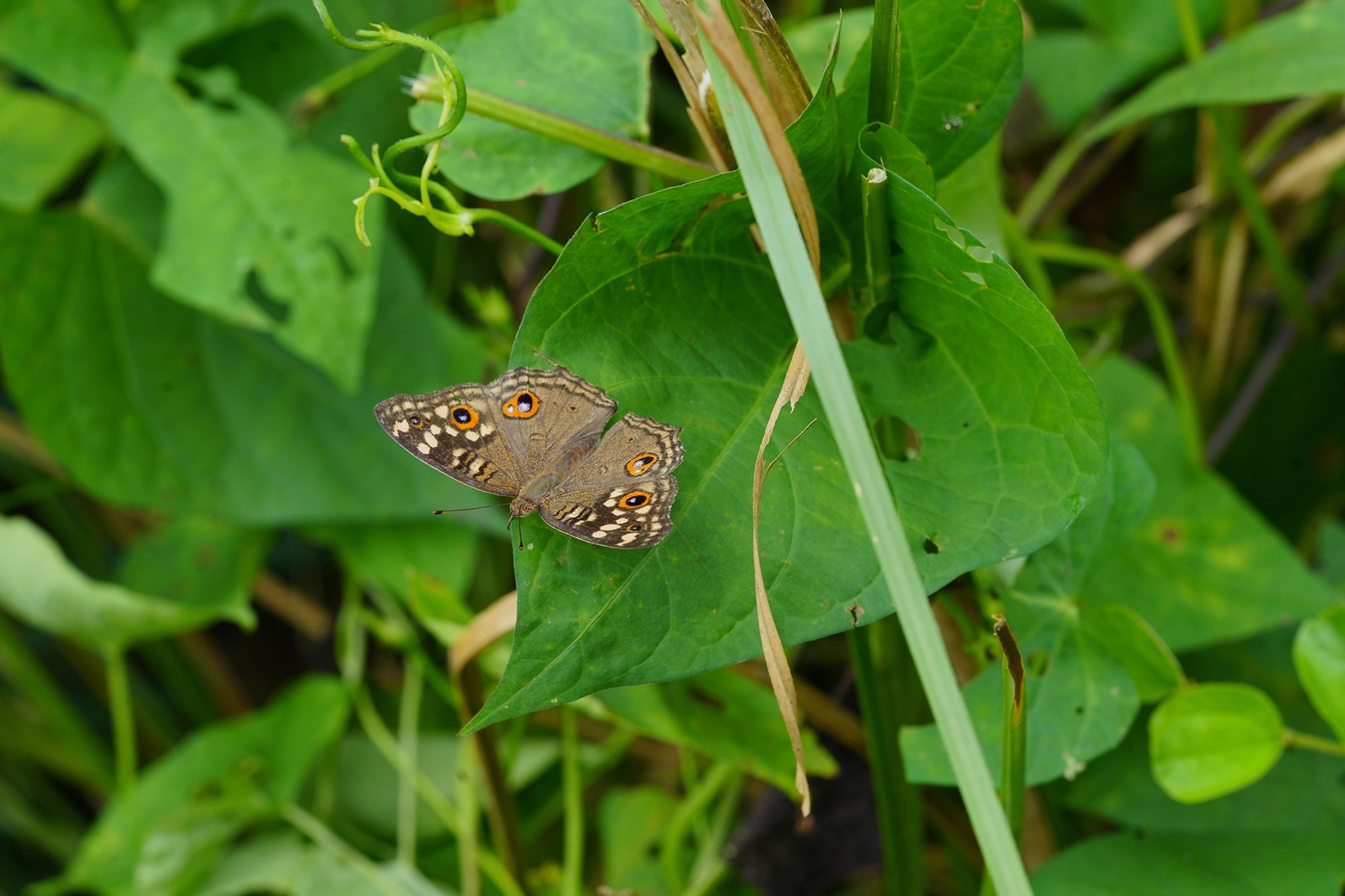
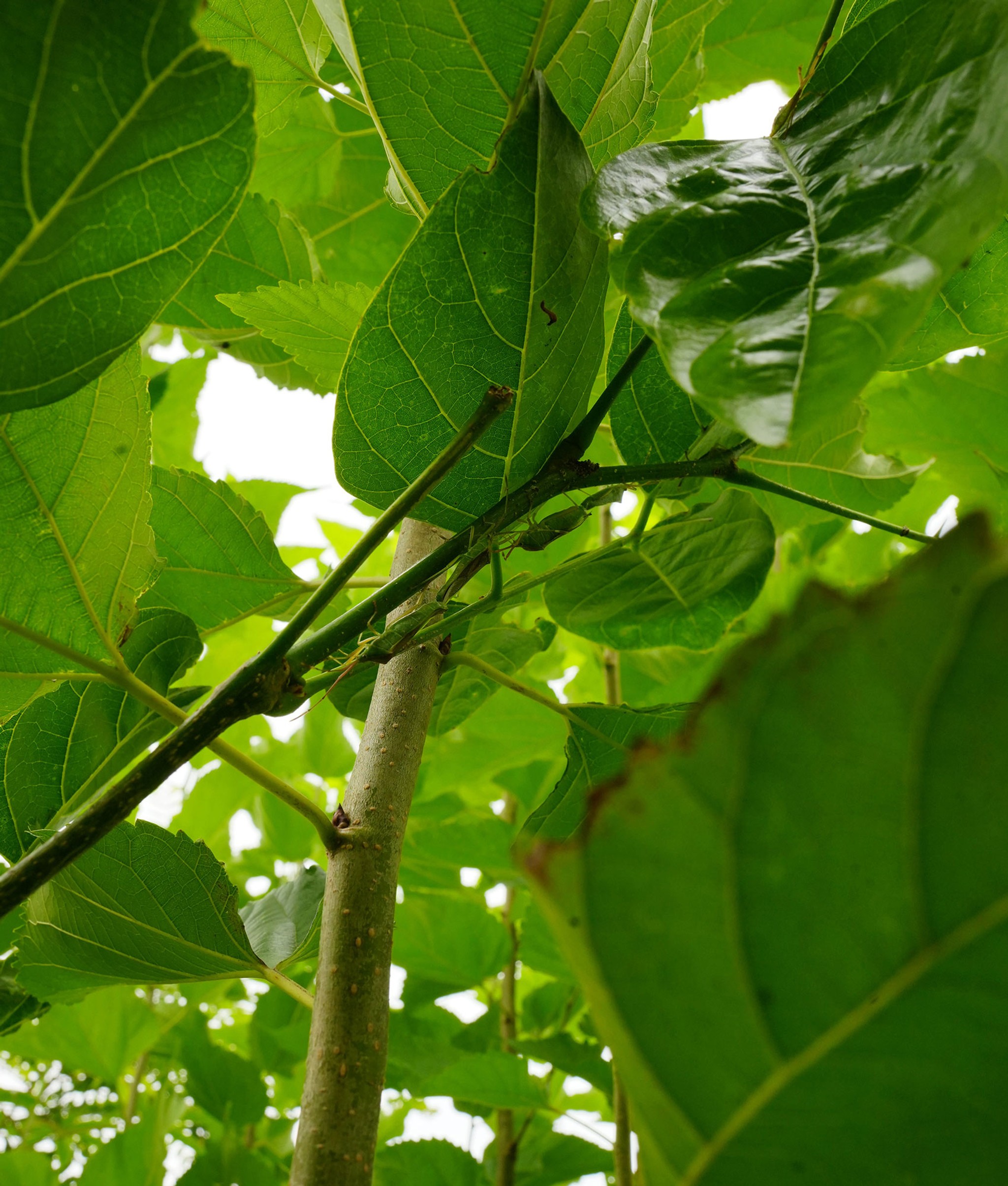
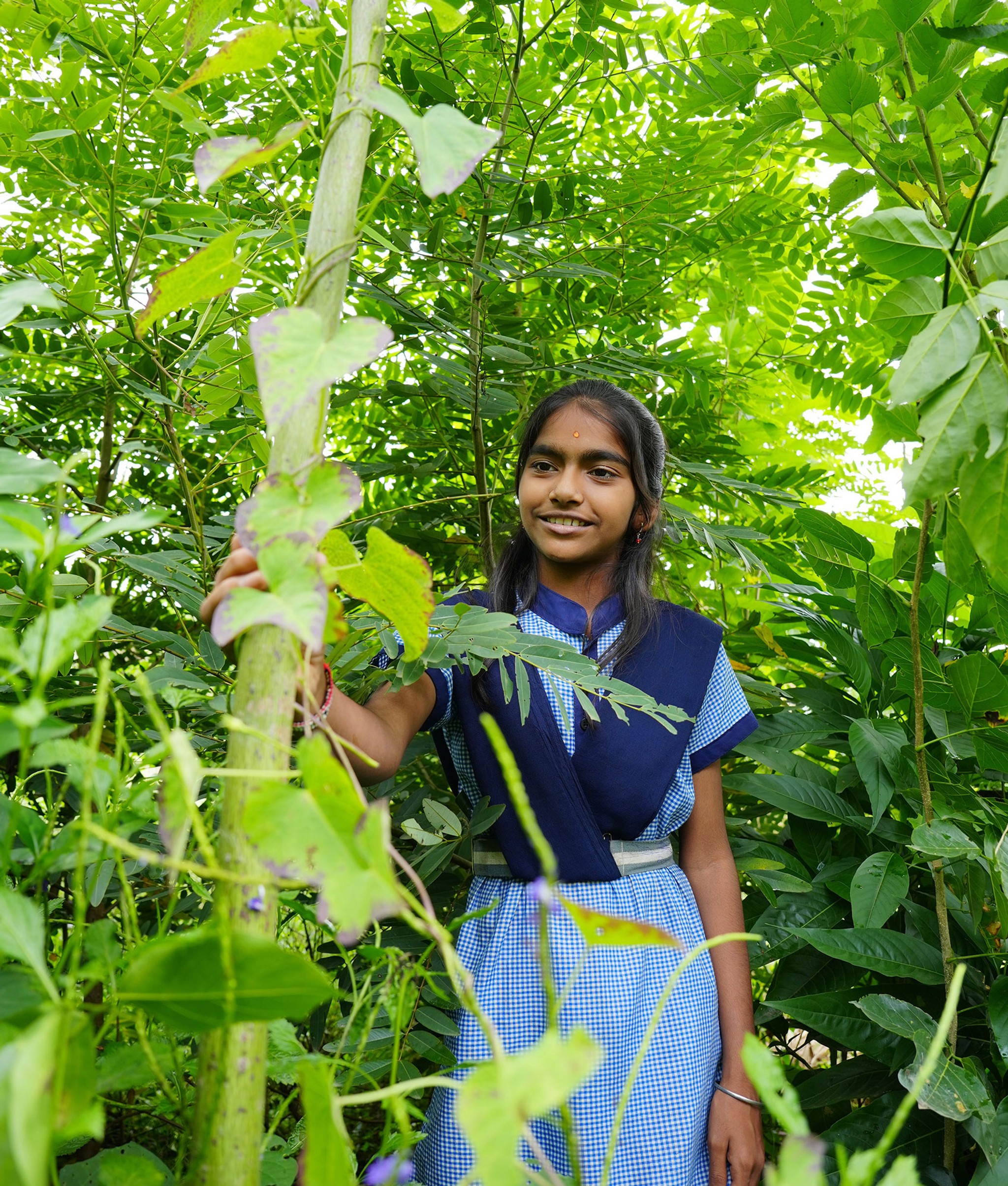
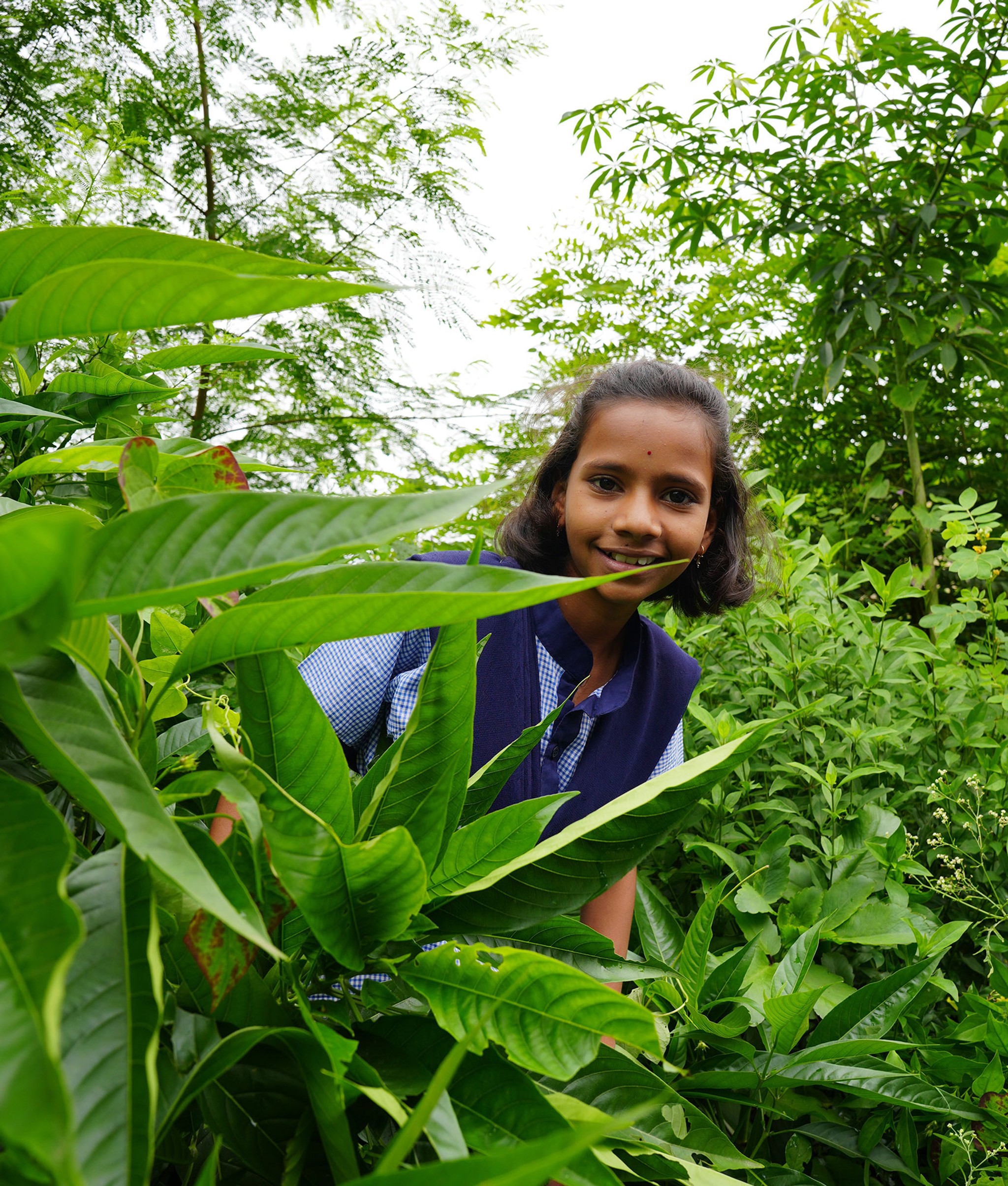
In our forest , plants are taking root, and the greenery looks fresher and healthier than before. Birds, butterflies, insects, and nests are appearing in greater numbers, showing the return of vibrant wildlife. Seasonal flowering and fruiting have also increased, bringing more color and life. Overall, the forest is slowly but surely recovering, and its biodiversity is becoming stronger day by day.
Urban Heat Profile
The Urban Heat Island Effect is affecting cities more and more each year and temperatures in urban areas can go up to 12 degrees hotter. This can be reduced and prevented by planting urban forests like this. We collected the air temperatures on an unusually hot day in September and saw amazing results.
0°C
Surface Temperature Difference
Gavli Dhanora
0 Months
Forest Age
0%
Survival Rate
0m
Average of Tallest 3 Trees
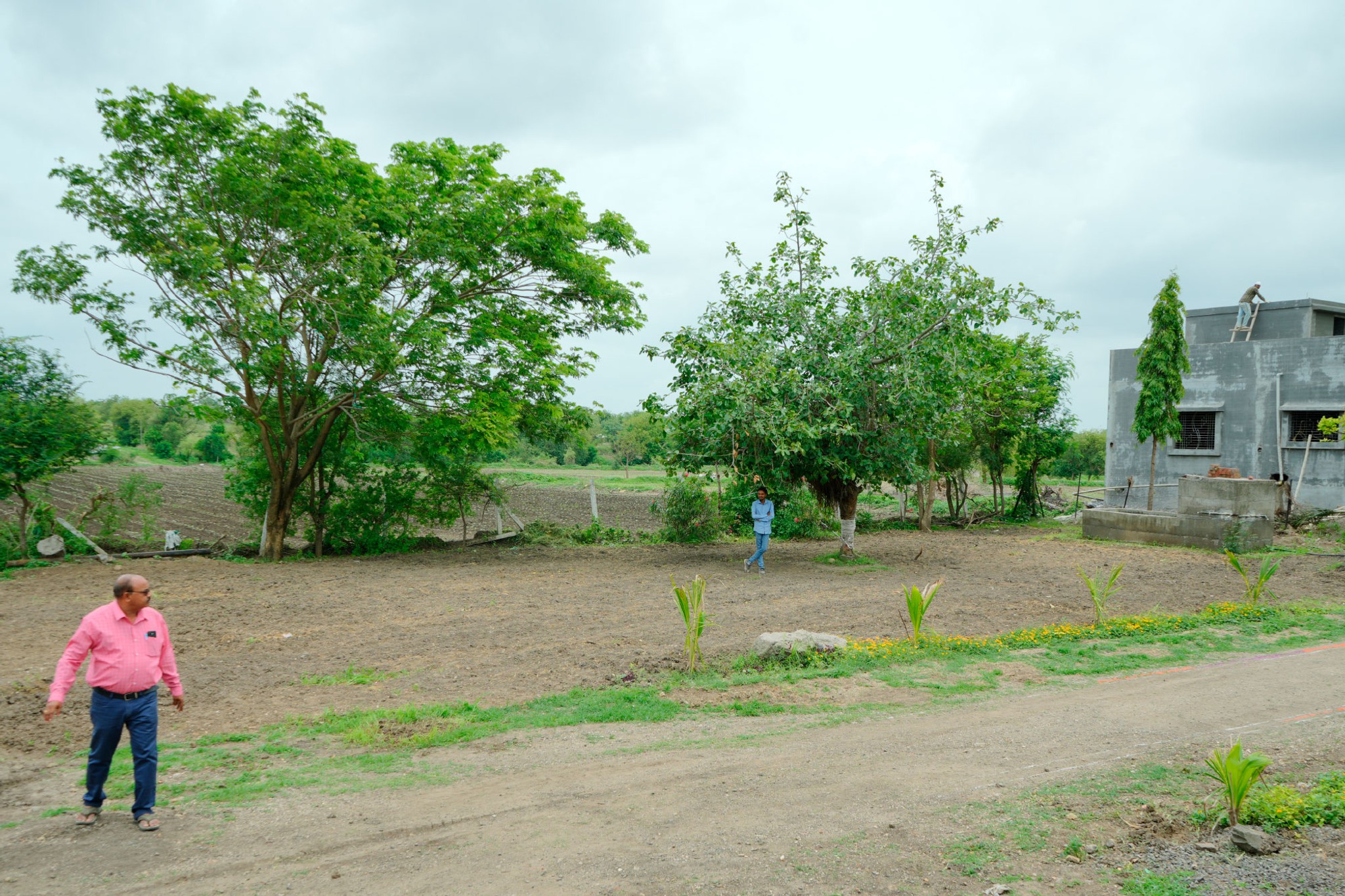
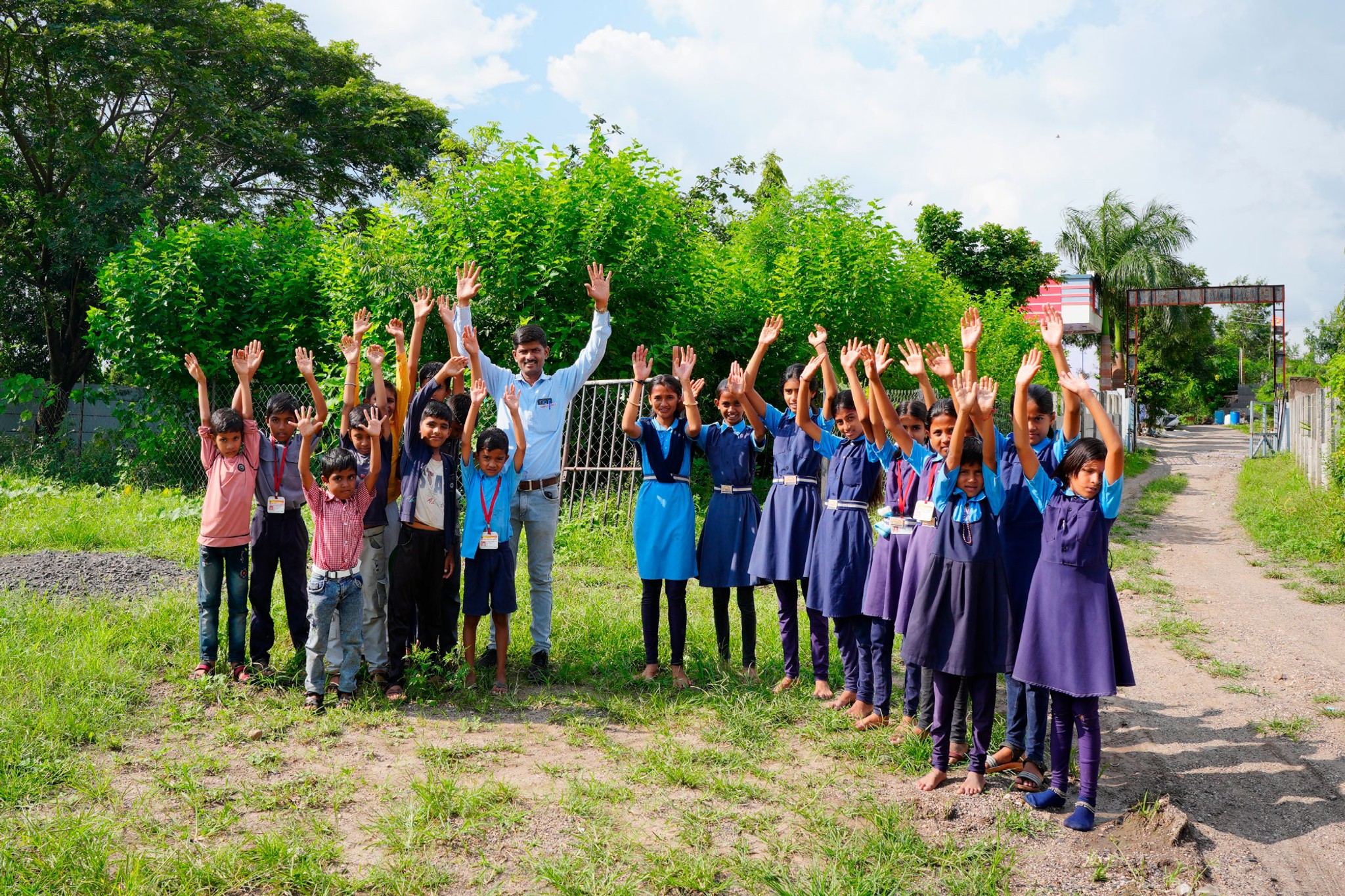
Native trees and plants are steadily increasing, and the canopy appears greener and stronger. Birds, butterflies, insects, and nests are becoming more common, showing positive signs of wildlife.
Overall, the forest is slowly restoring itself, and biodiversity is improving.
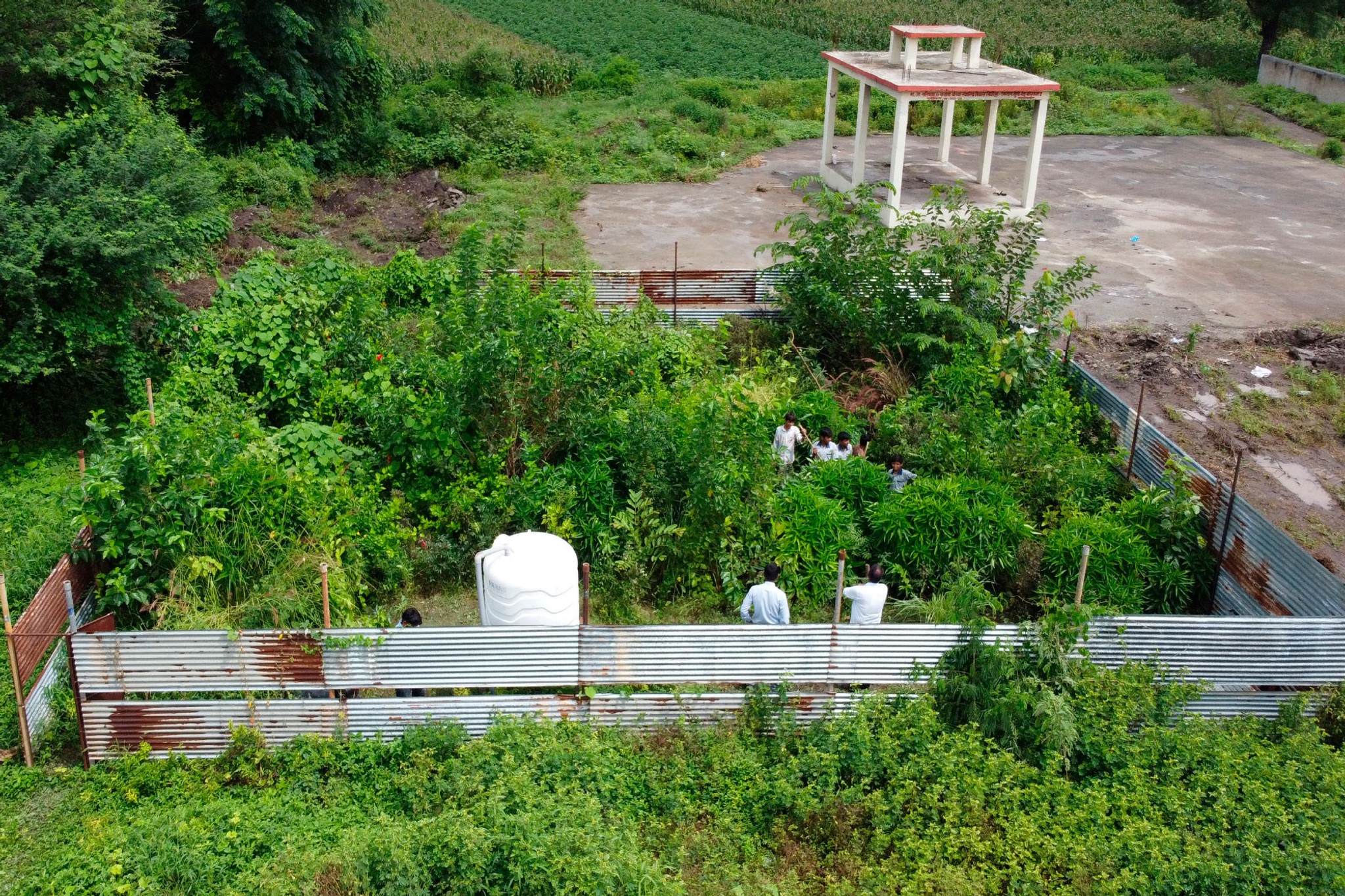
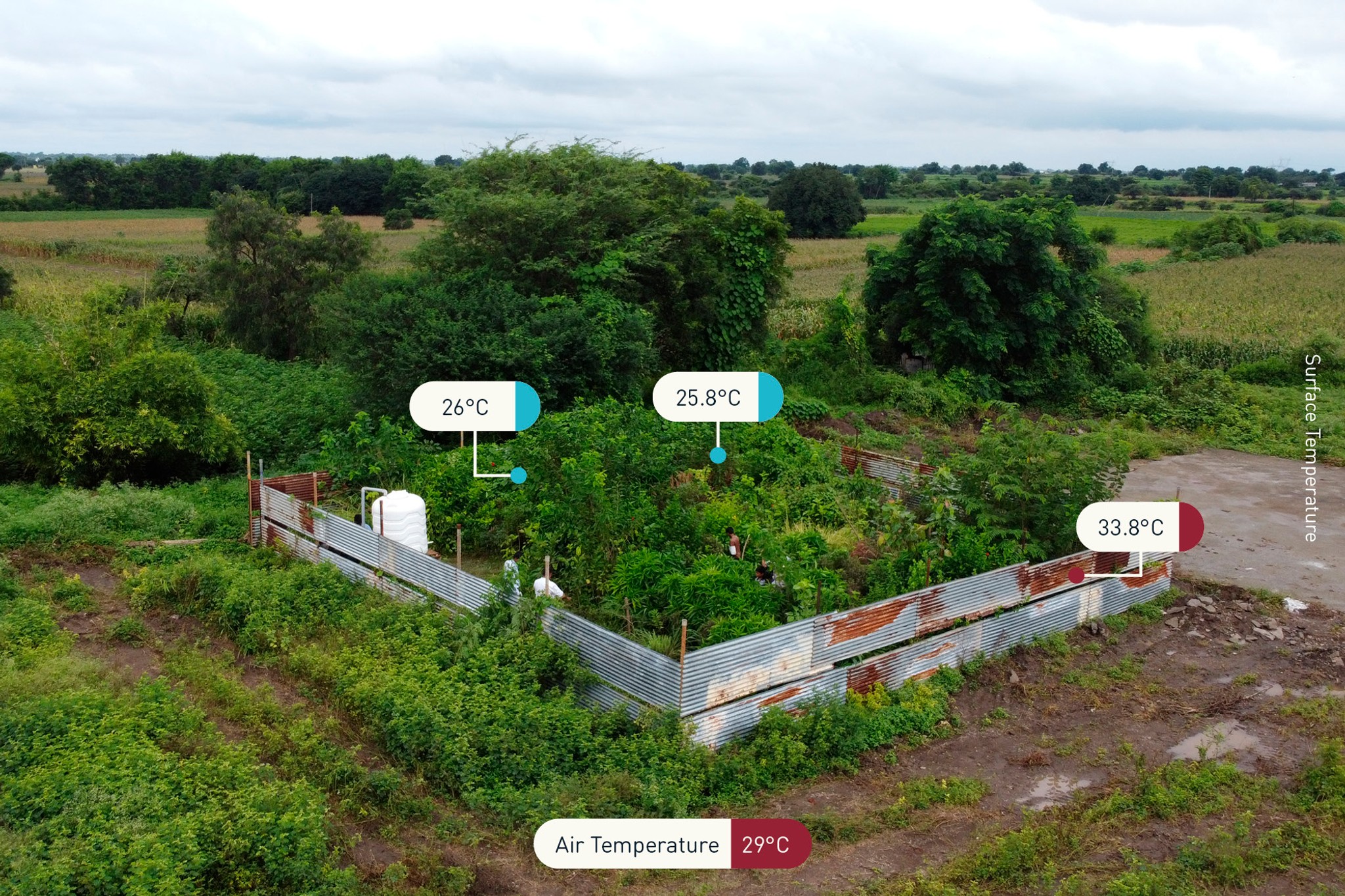
Urban Heat Profile
The Urban Heat Island Effect is affecting cities more and more each year and temperatures in urban areas can go up to 12 degrees hotter. This can be reduced and prevented by planting urban forests like this. We collected the air temperatures on an unusually hot day in September and saw amazing results.
0°C
Surface Temperature Difference
Pangra
0 Months
Forest Age
0%
Survival Rate
0m
Average of Tallest 3 Trees
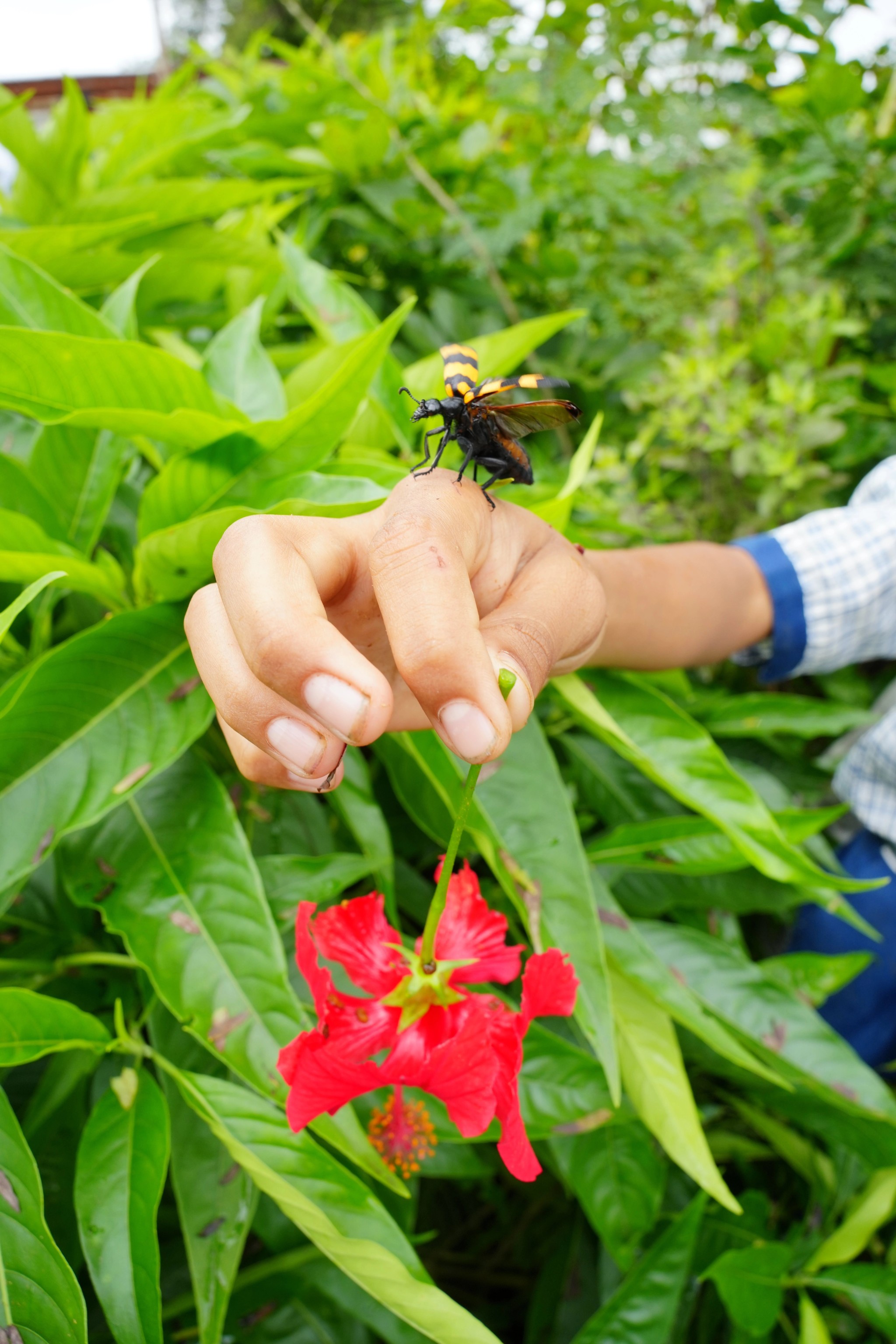
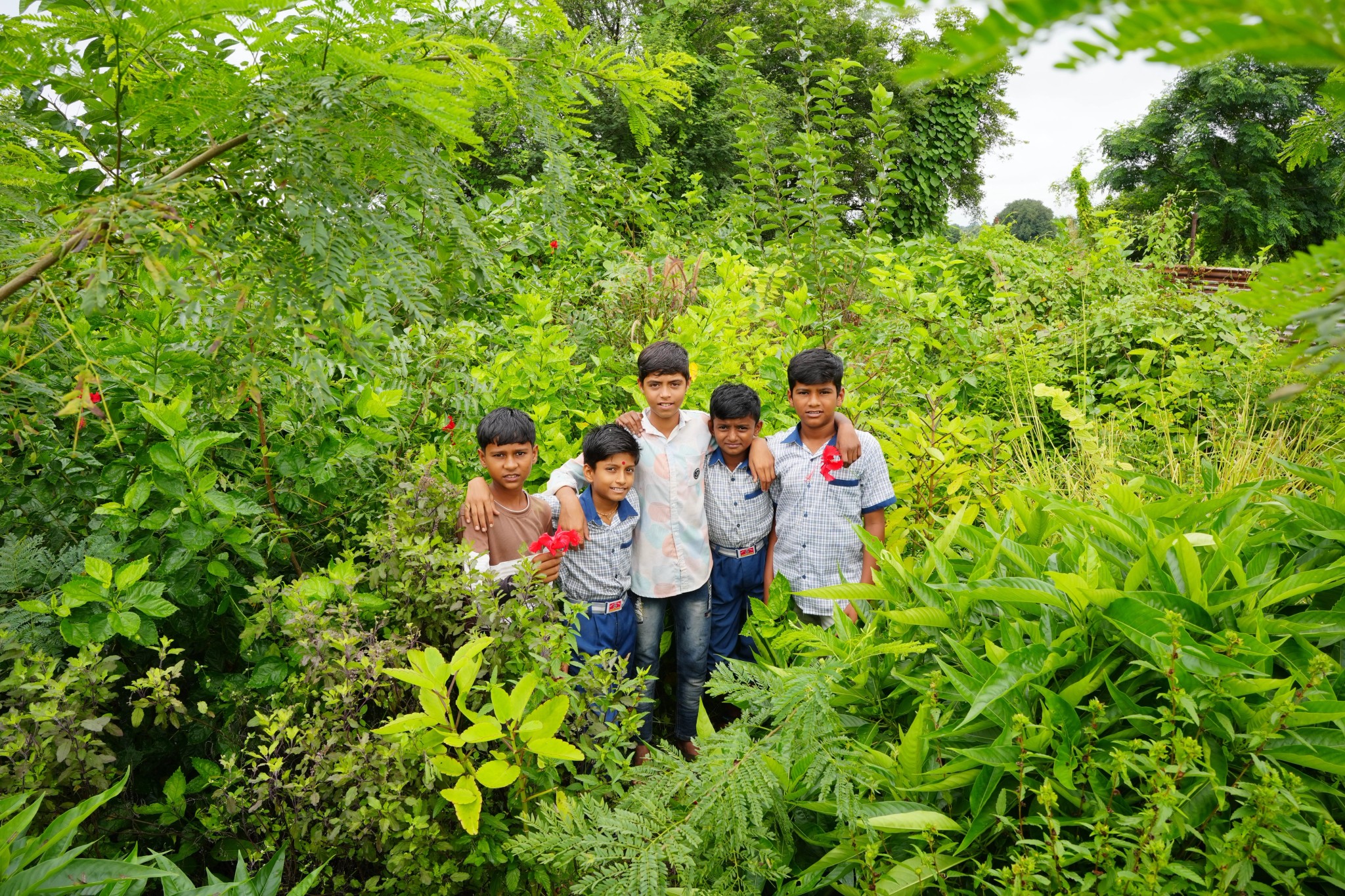
Native trees and flowering plants are steadily increasing, which has brought back more birds, butterflies, and insects. The canopy looks greener and healthier, with regular flowering and fruiting seasons. We also see fewer invasive plants now, allowing native grasses and shrubs to grow again.
Overall, the forest is slowly recovering, and its biodiversity is improving year by year.
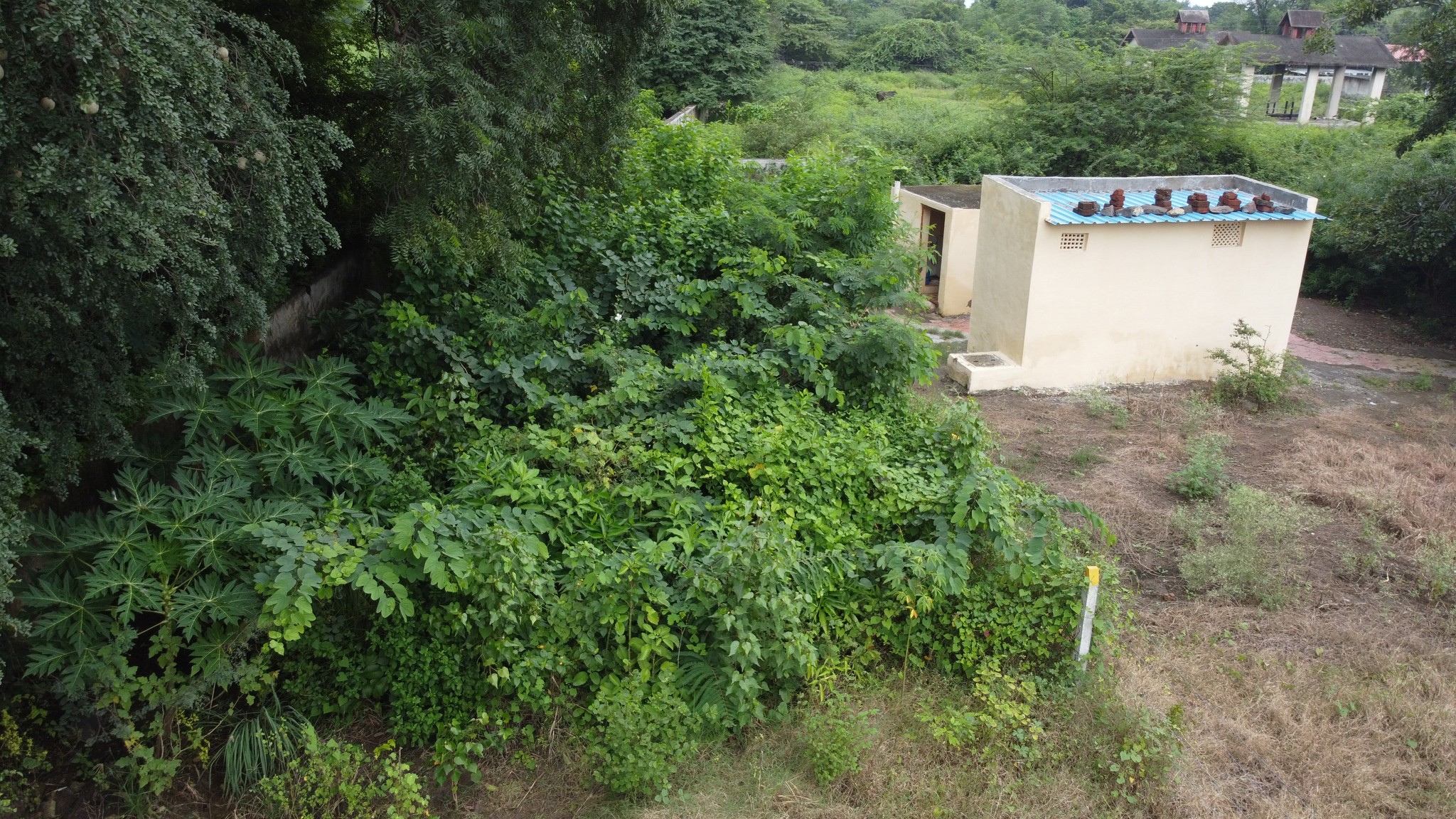
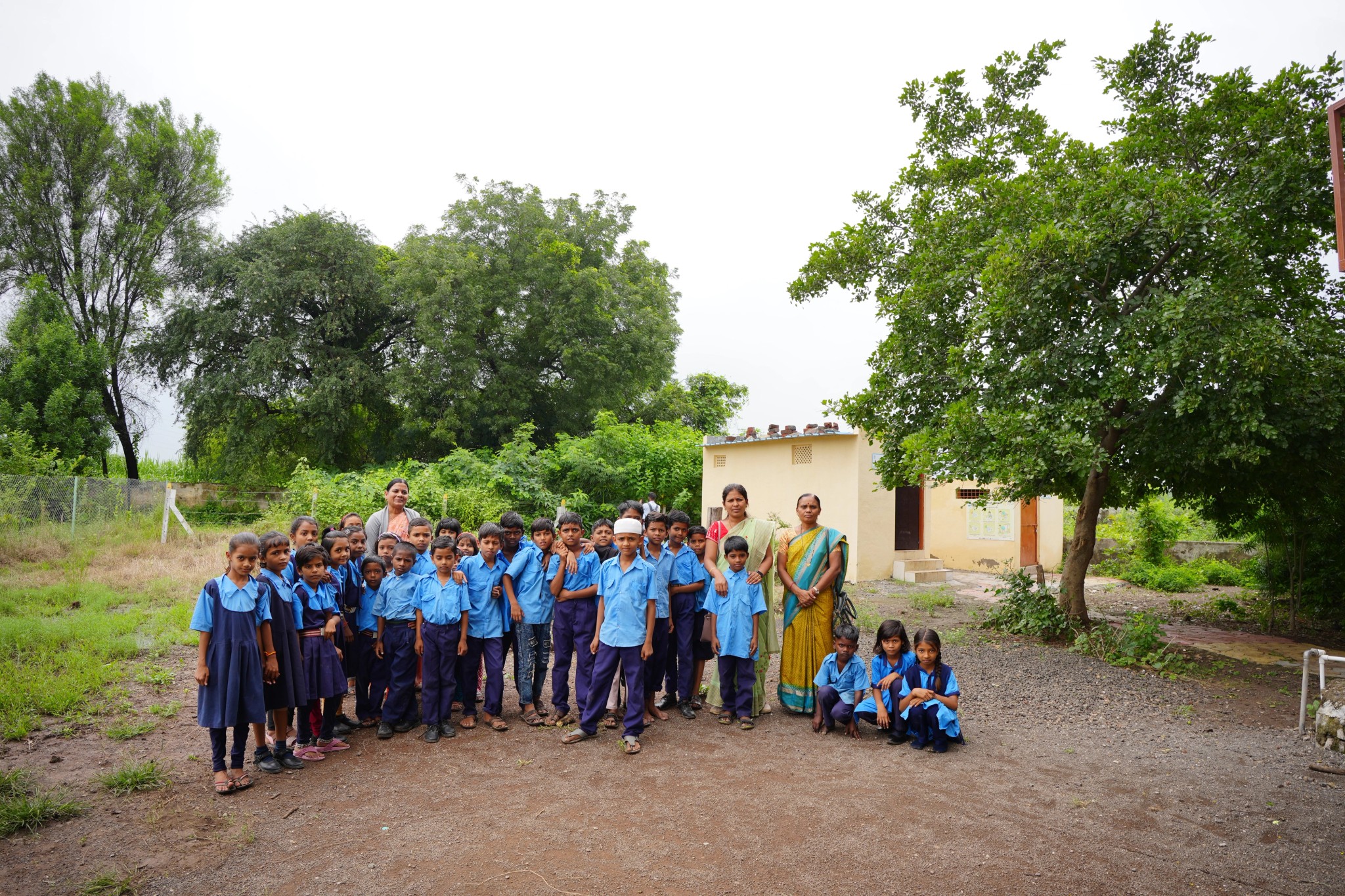
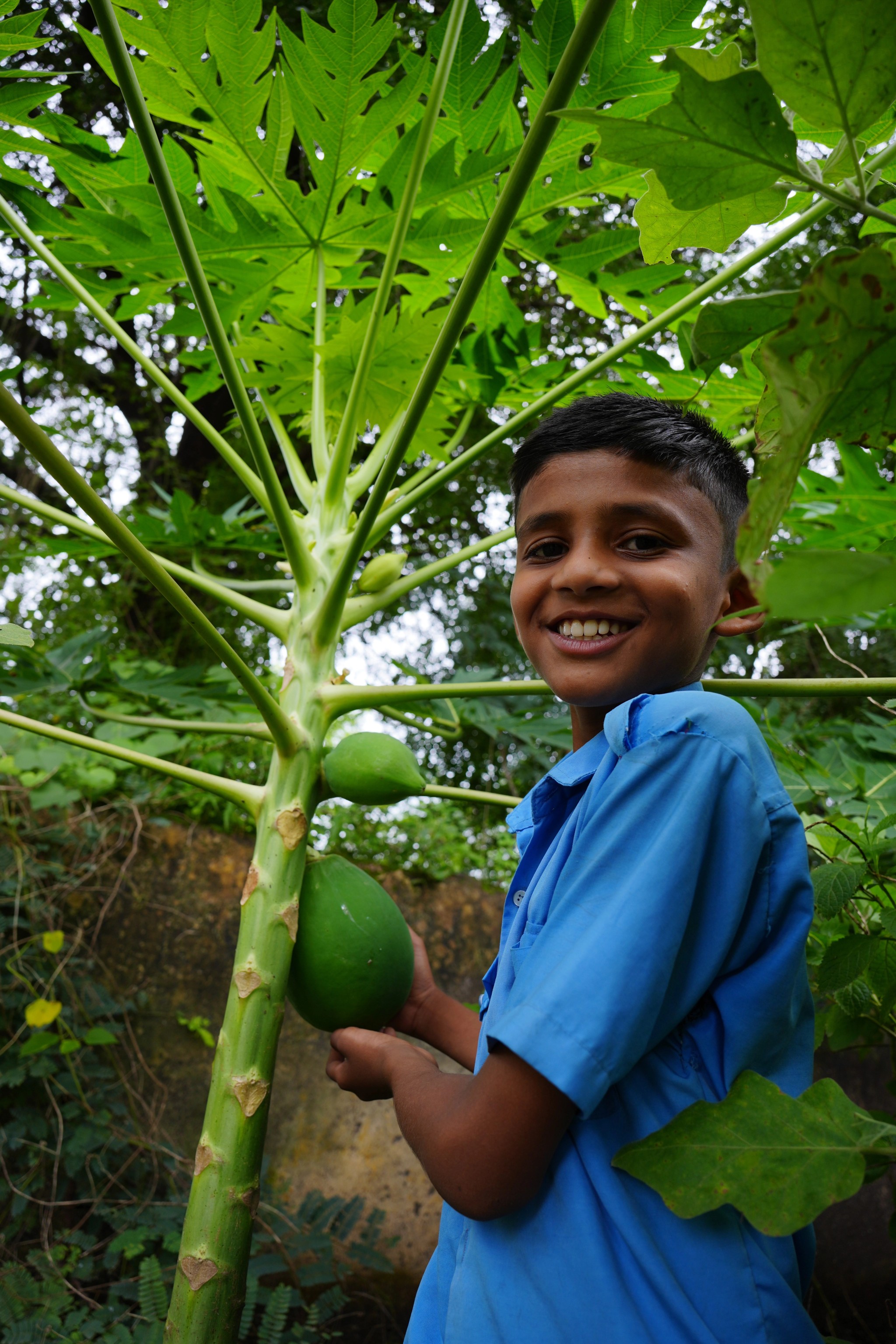
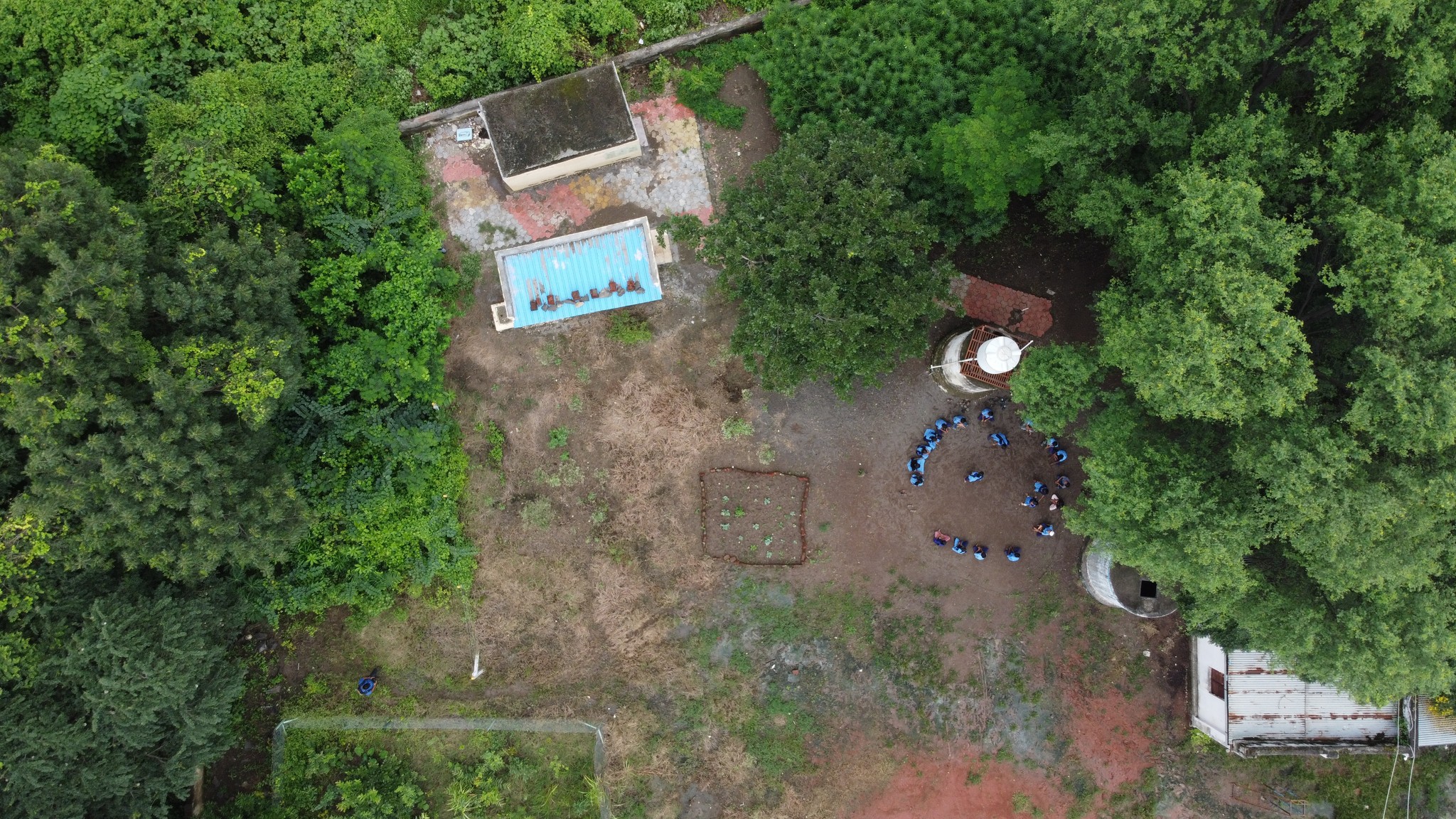
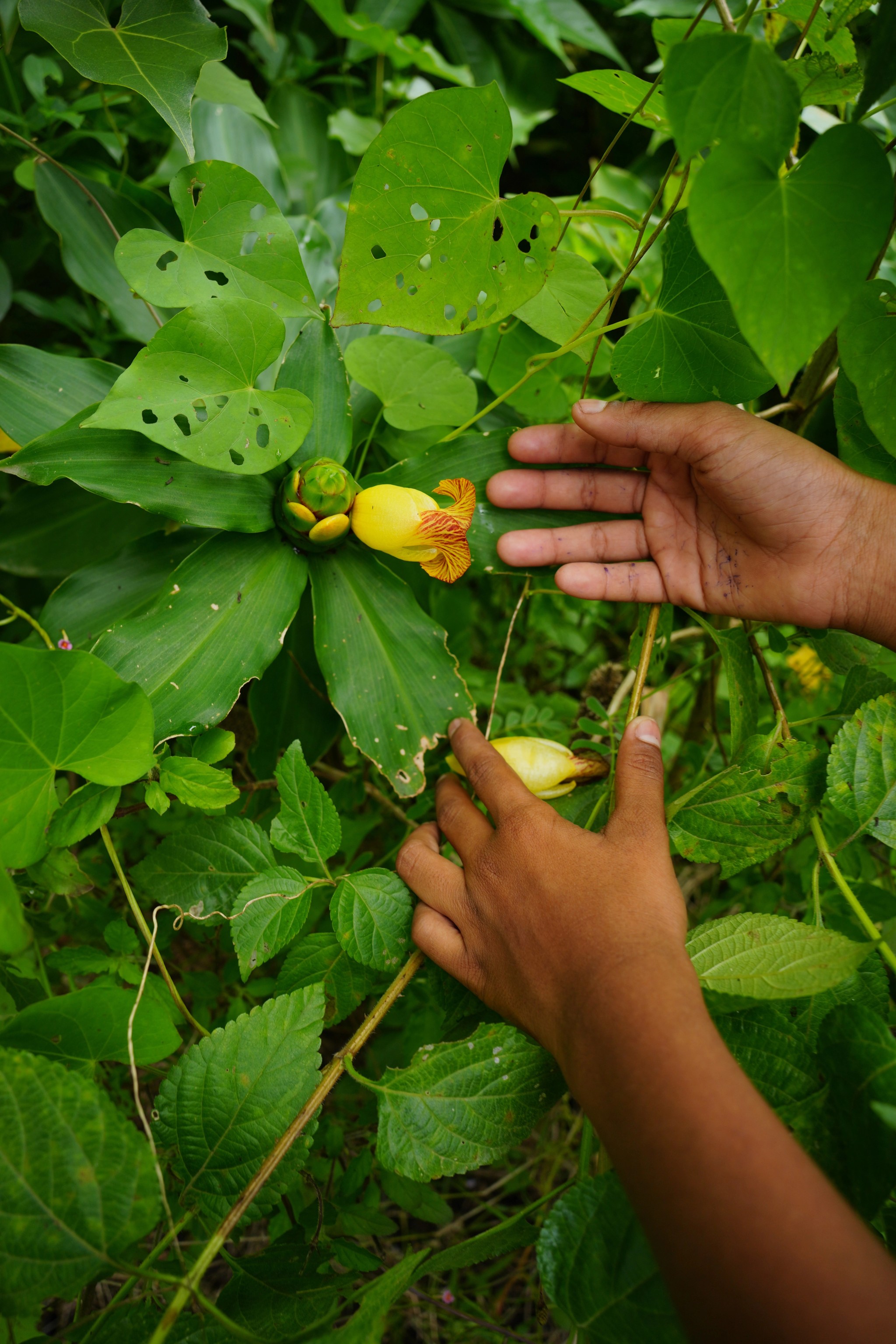
Dinwada Juna
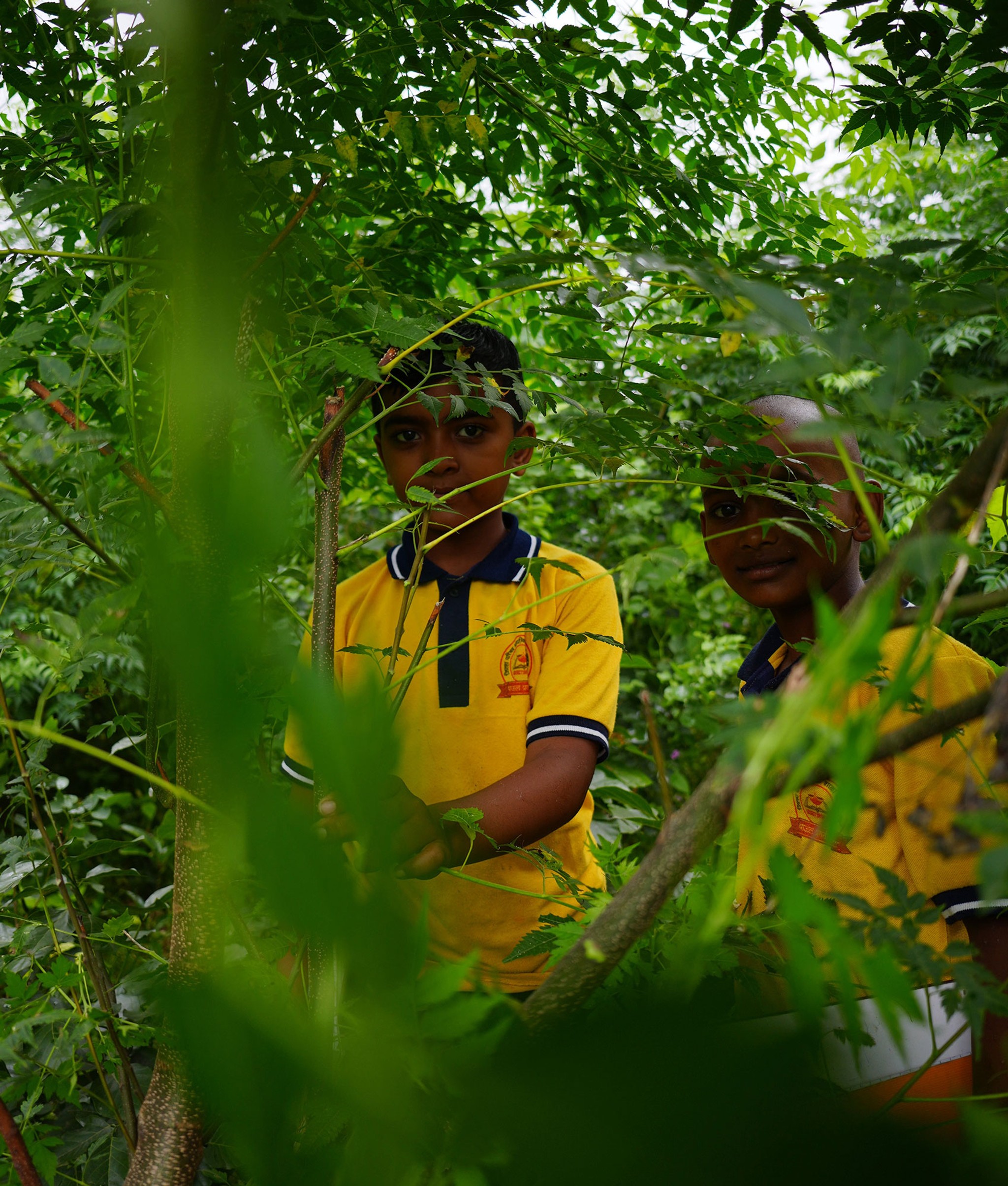
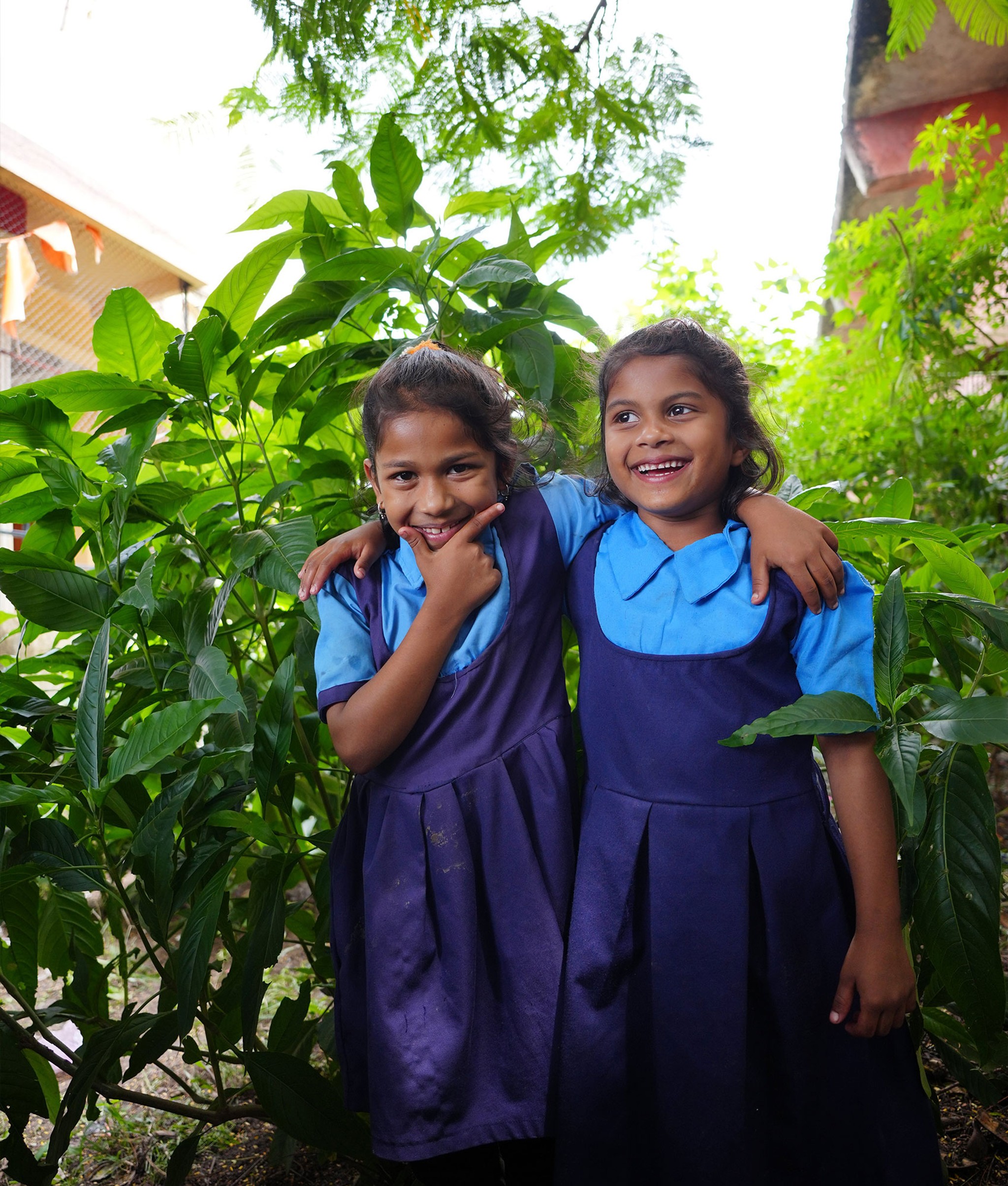
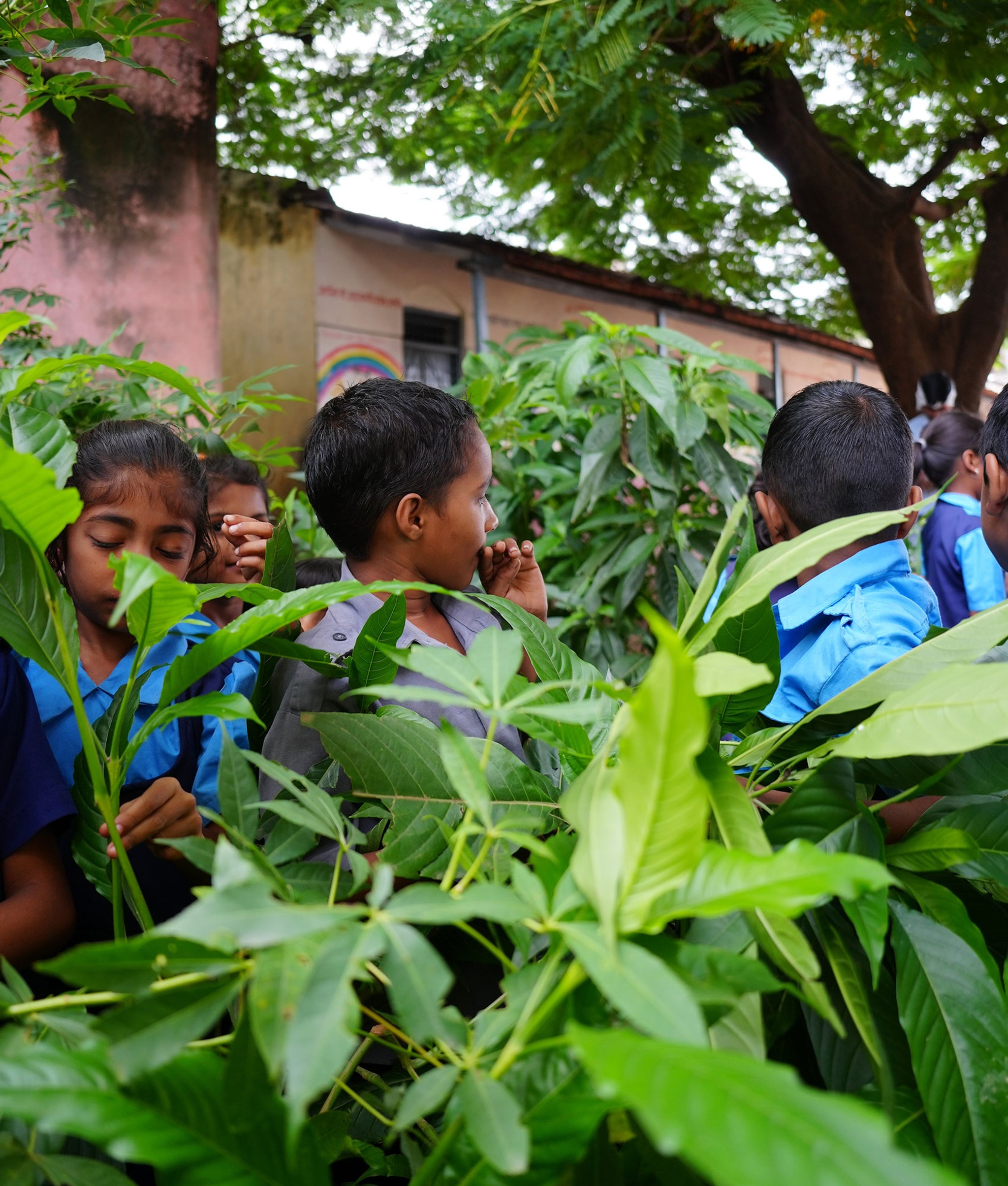
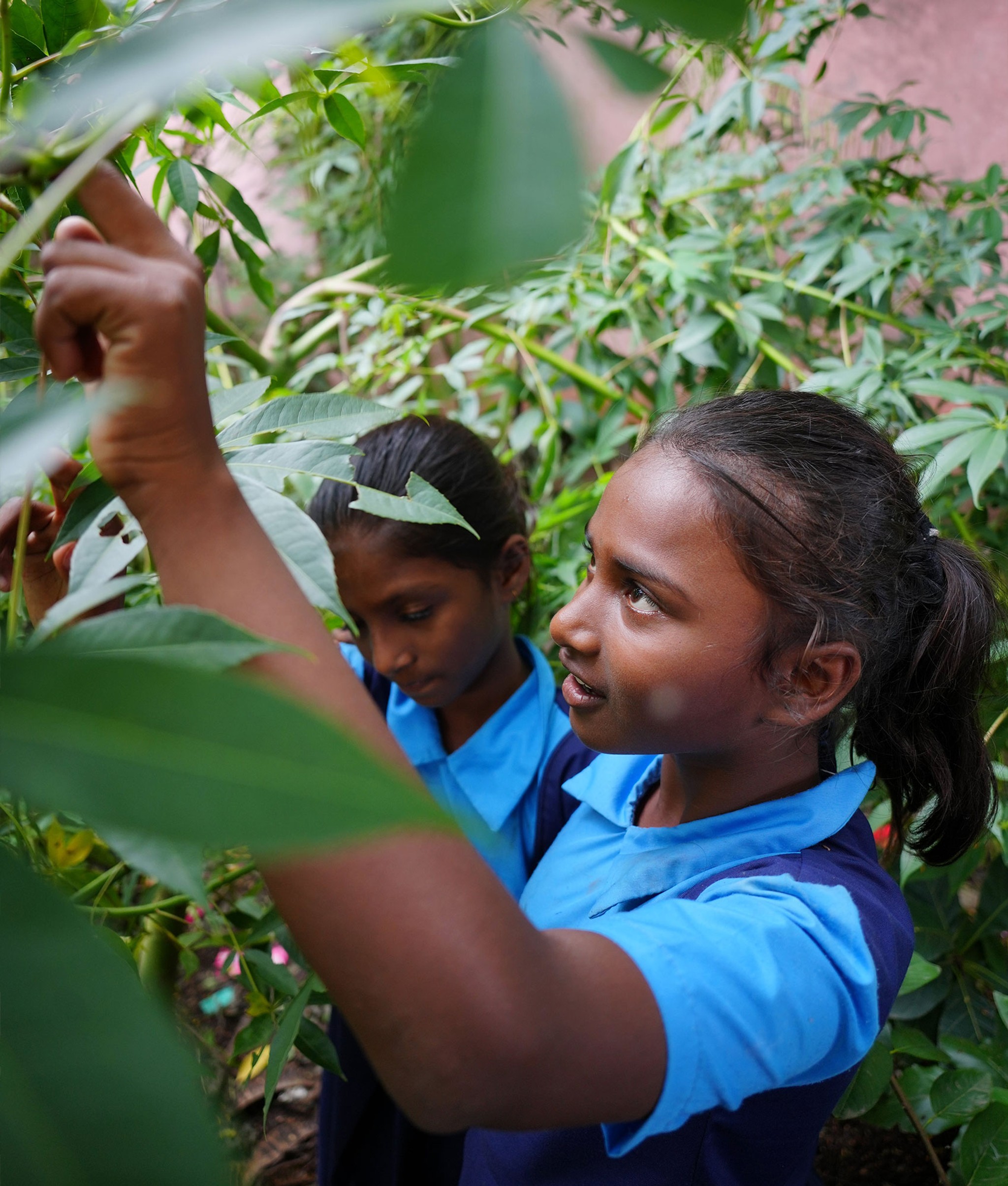
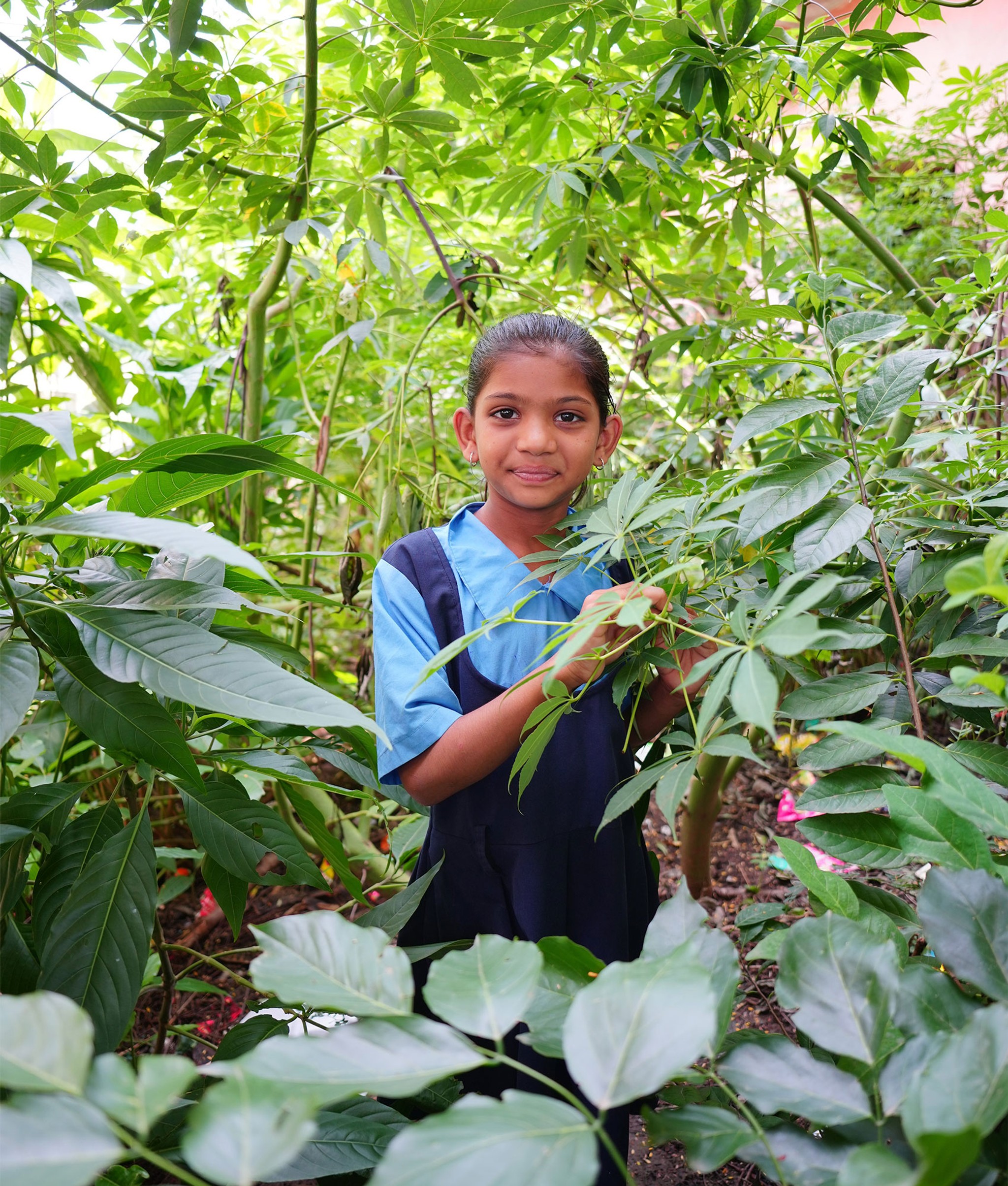
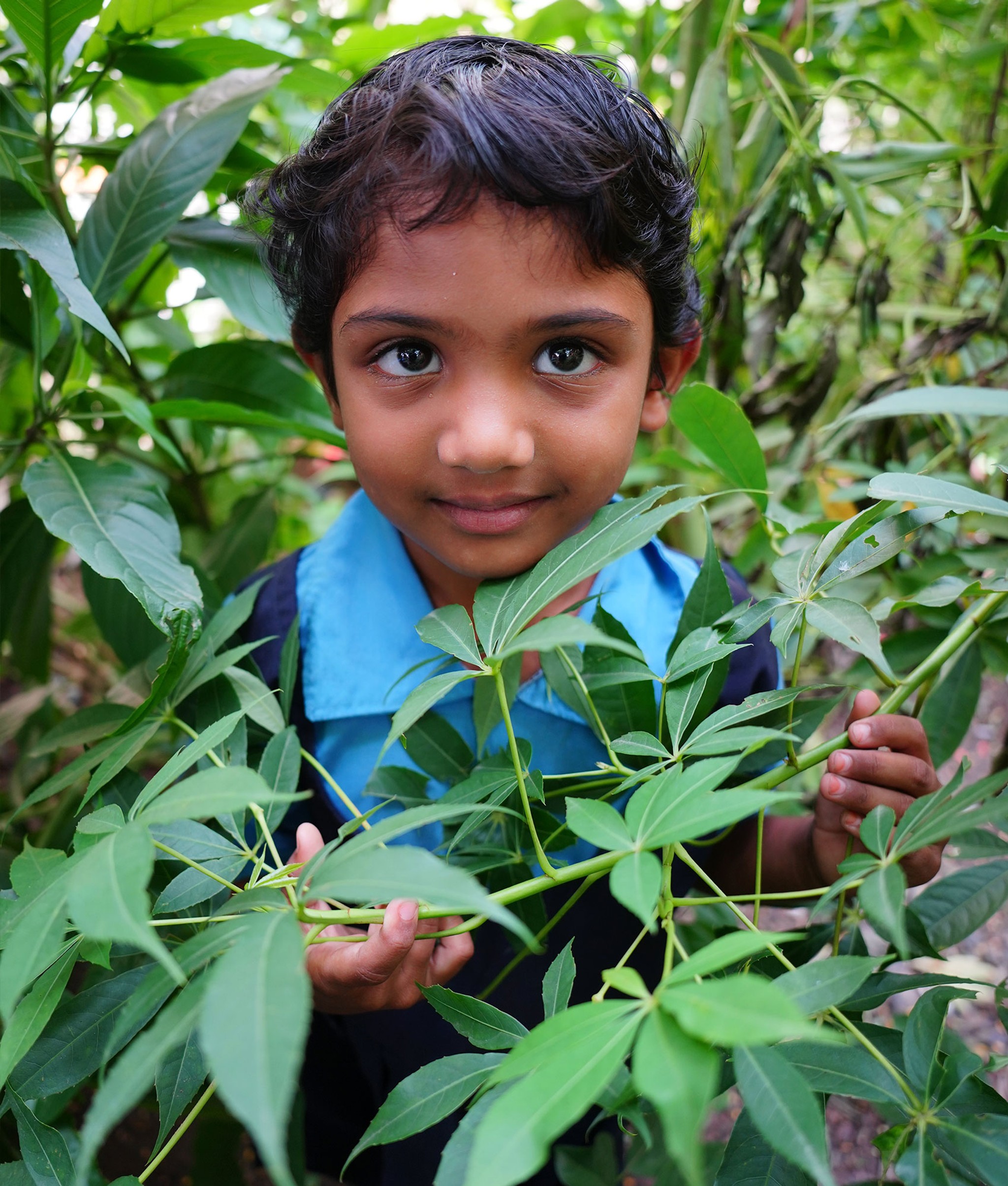
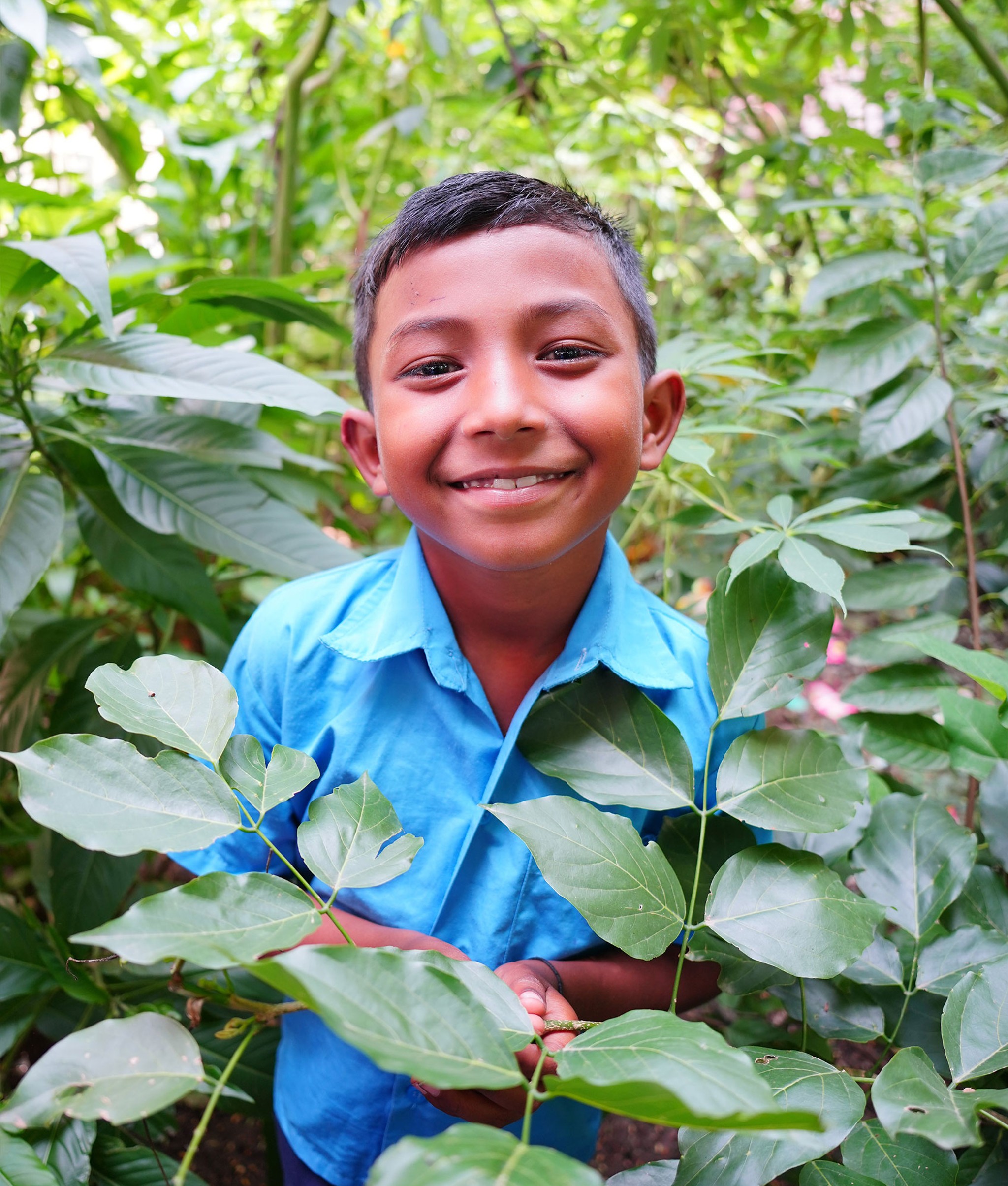
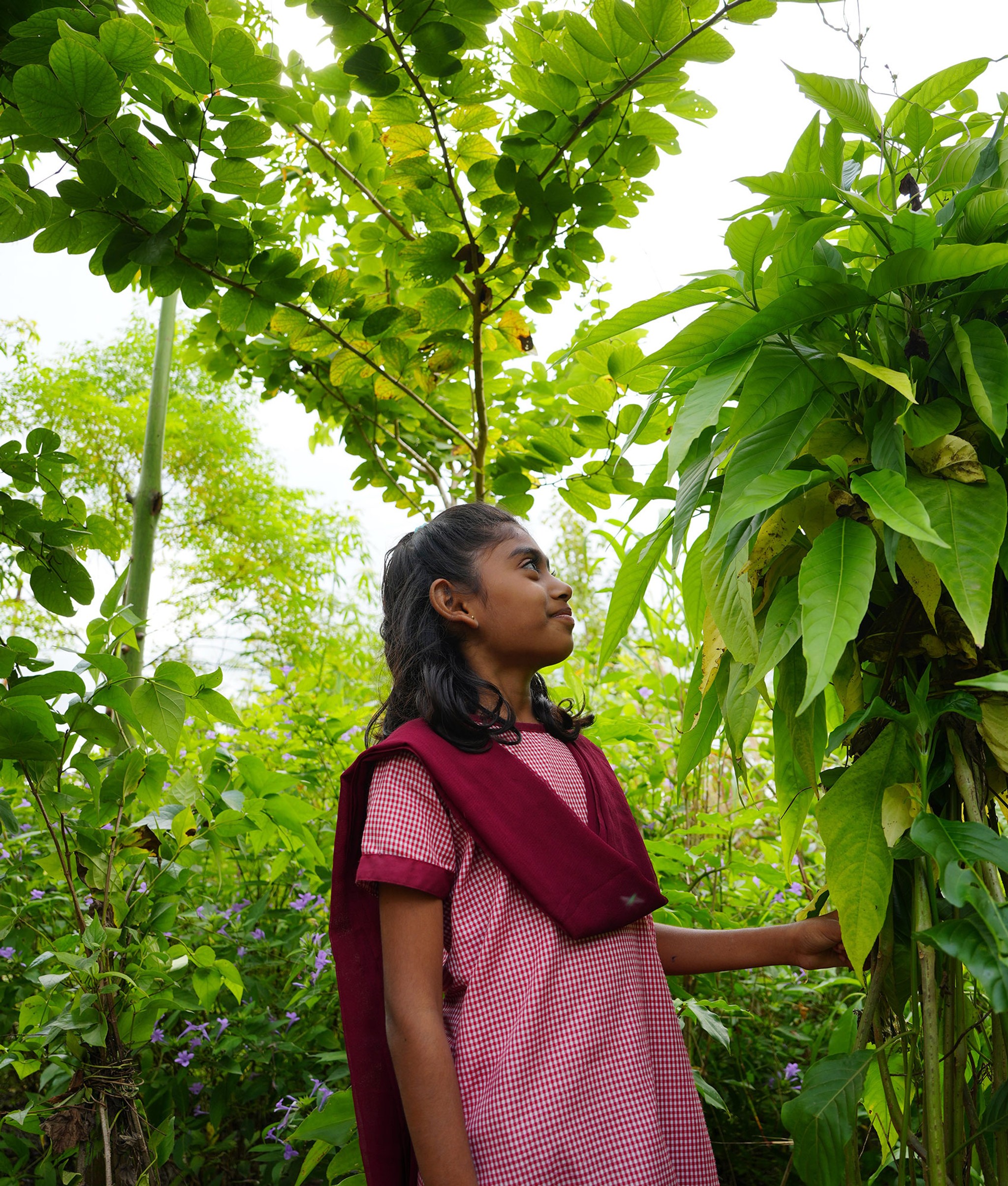
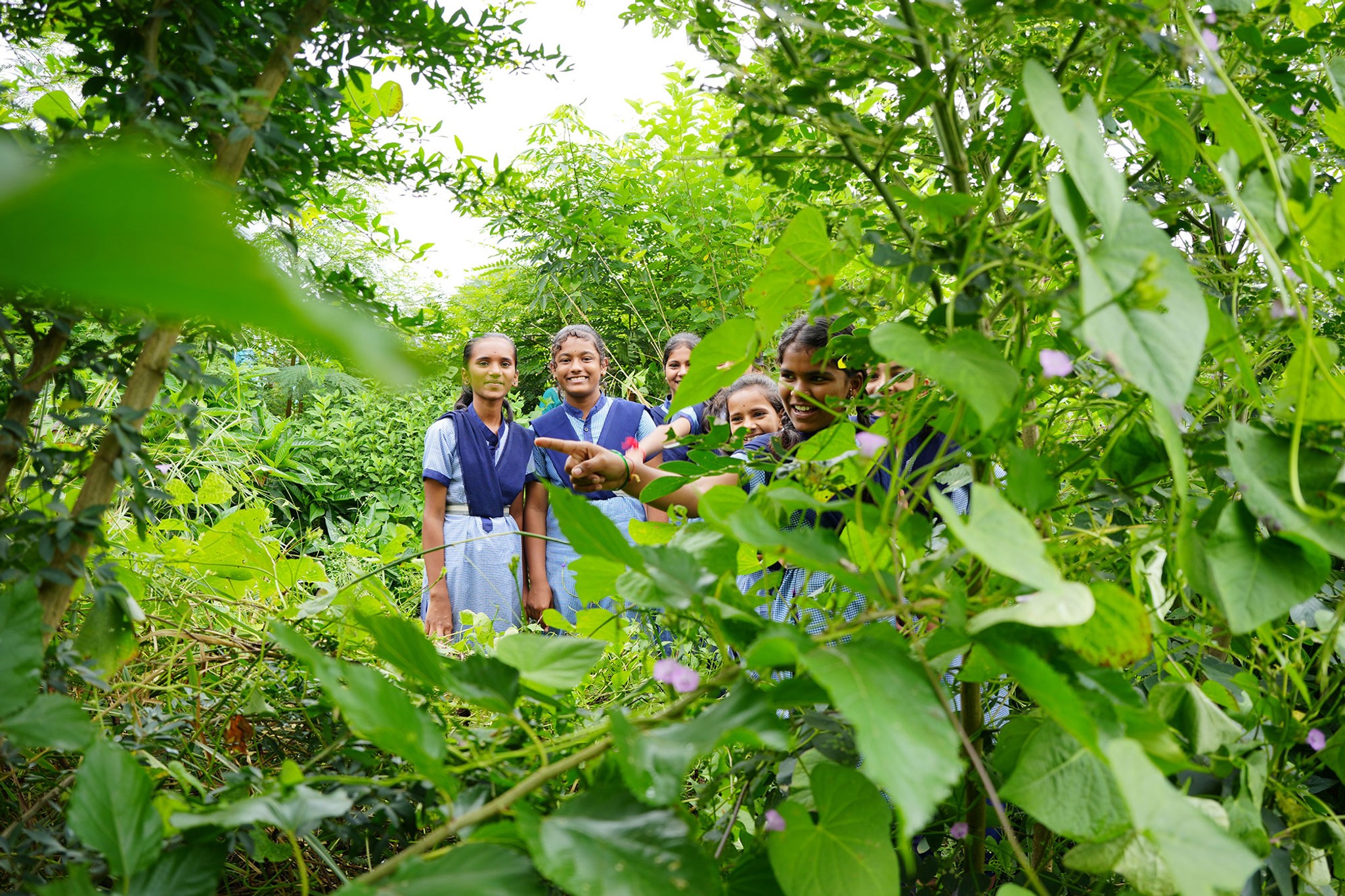
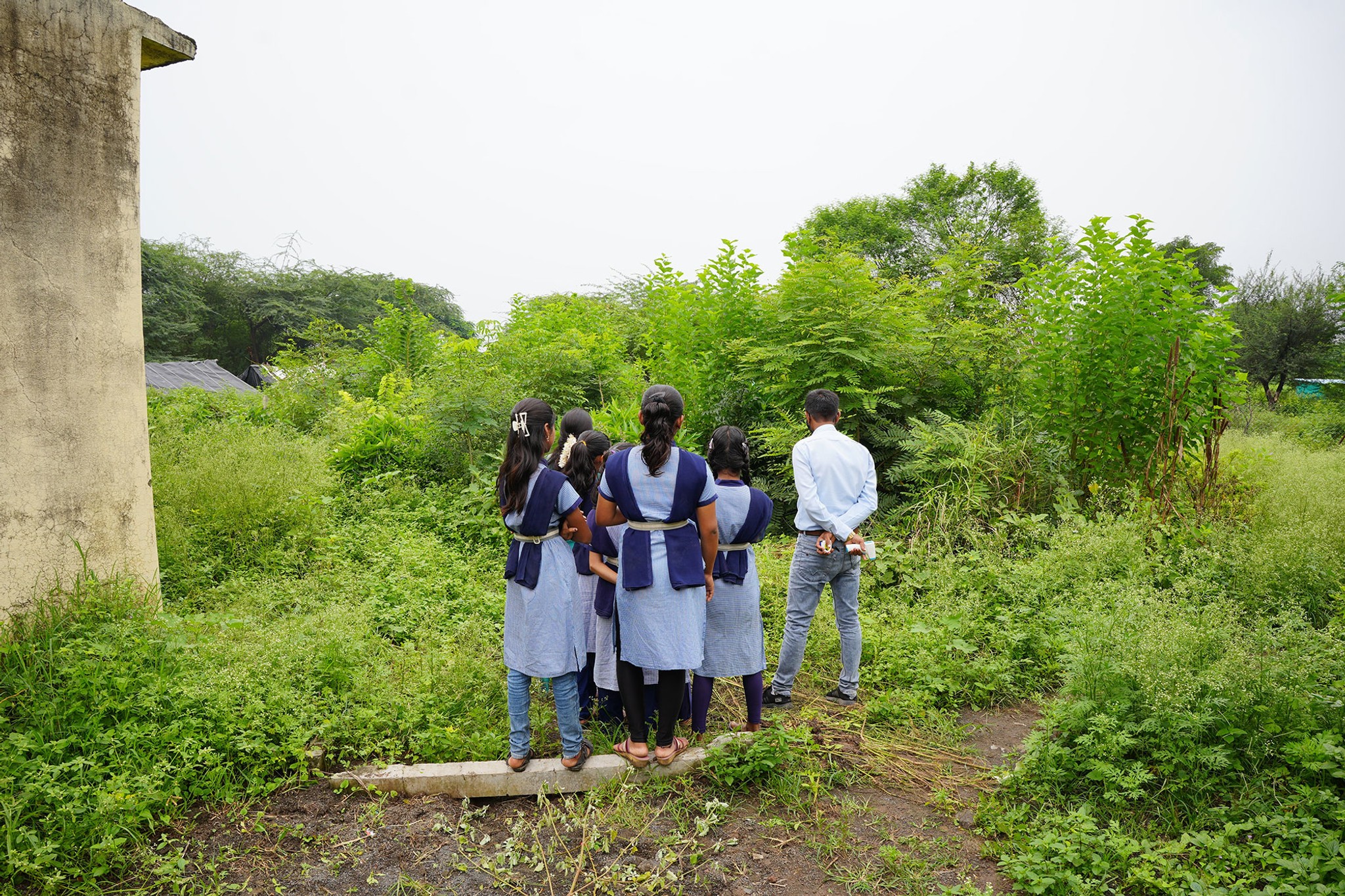
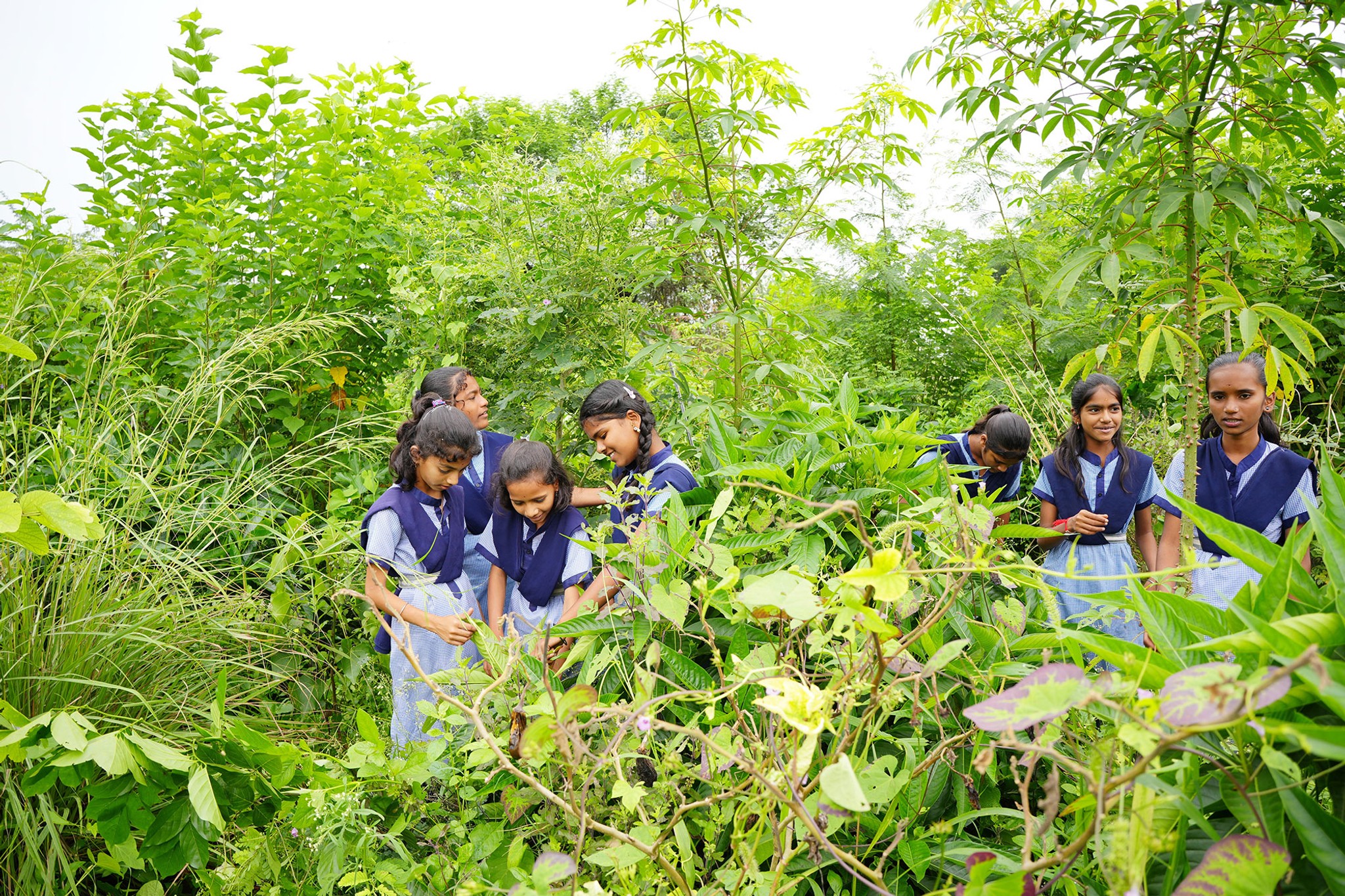
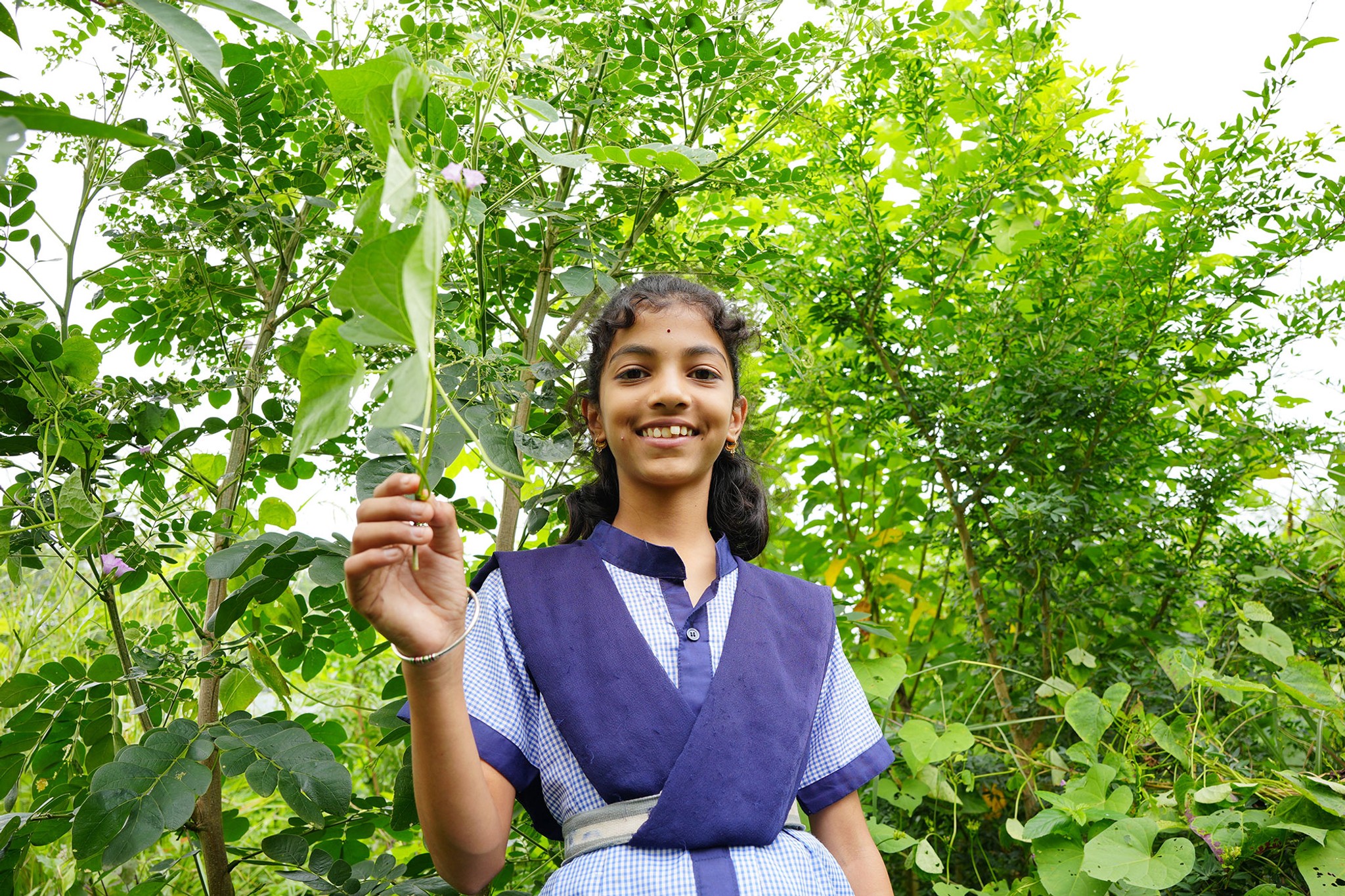
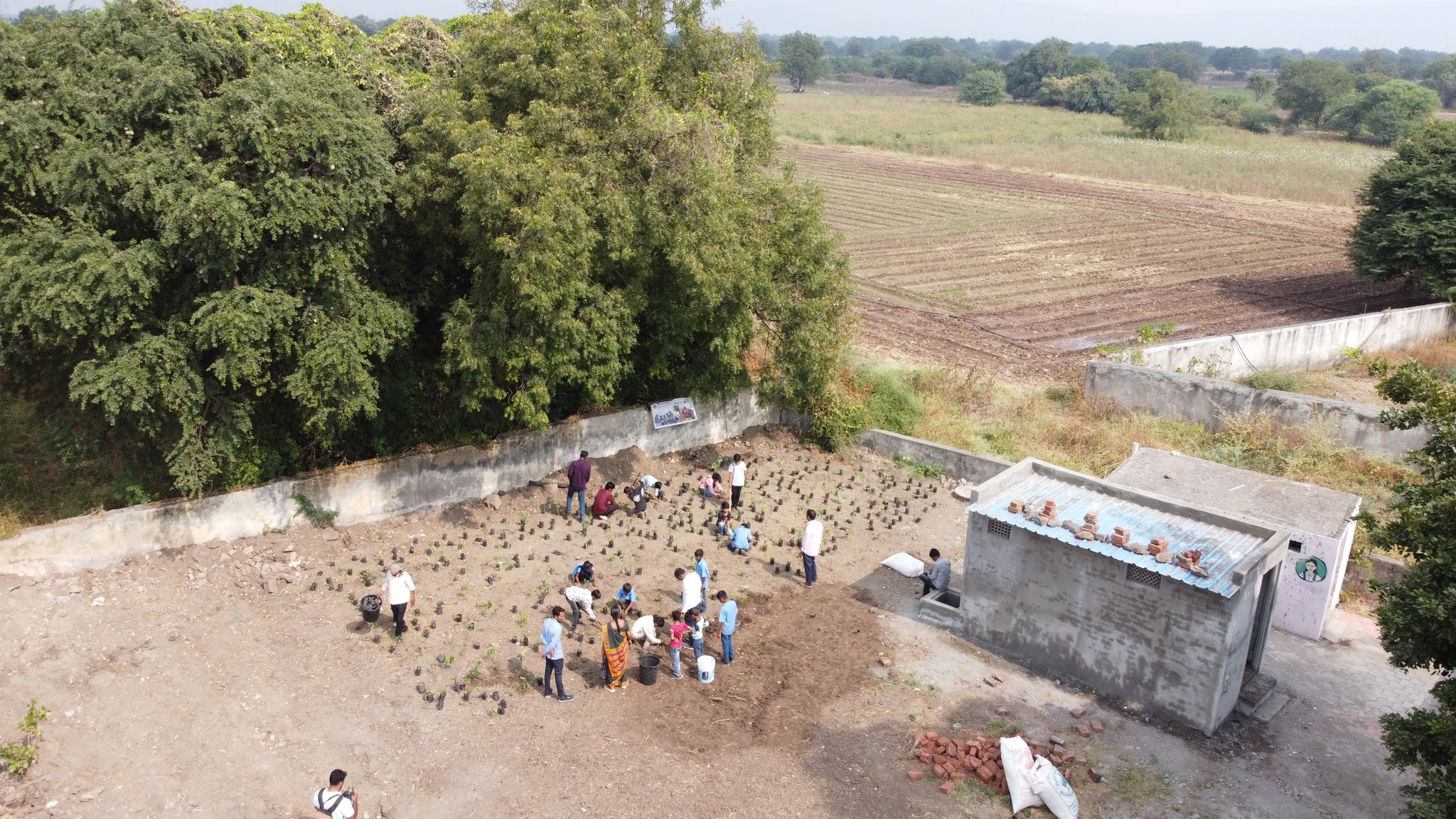
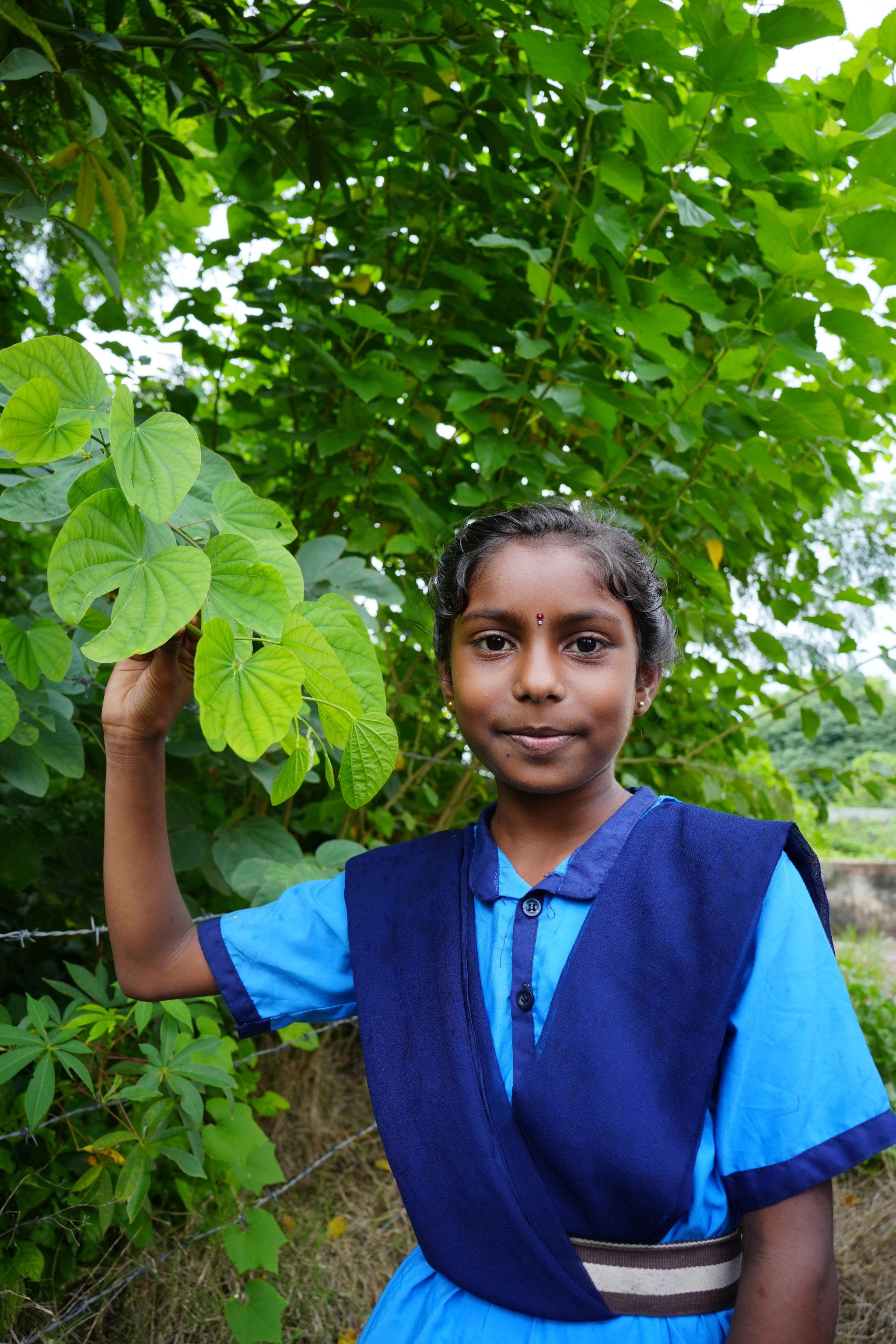
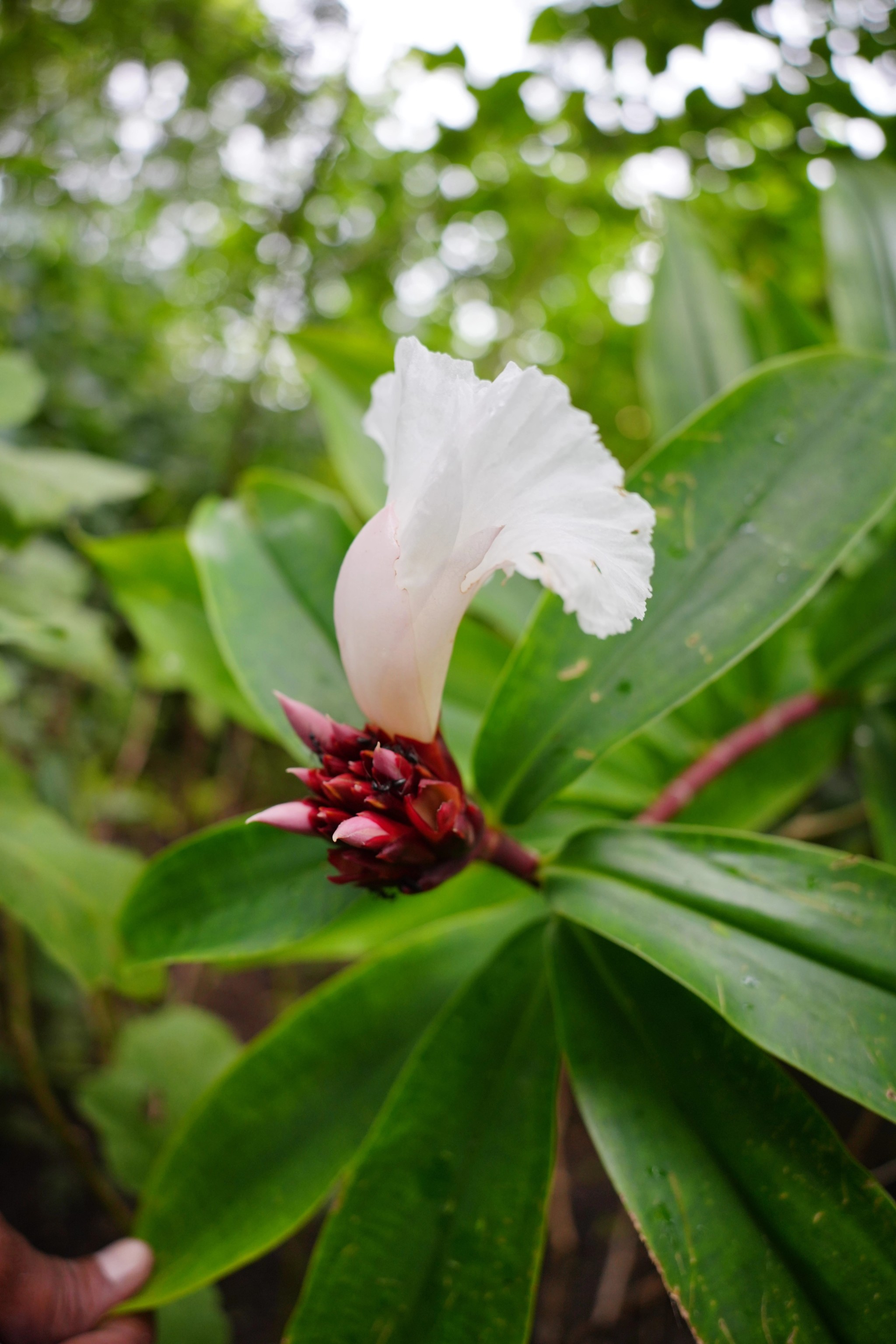
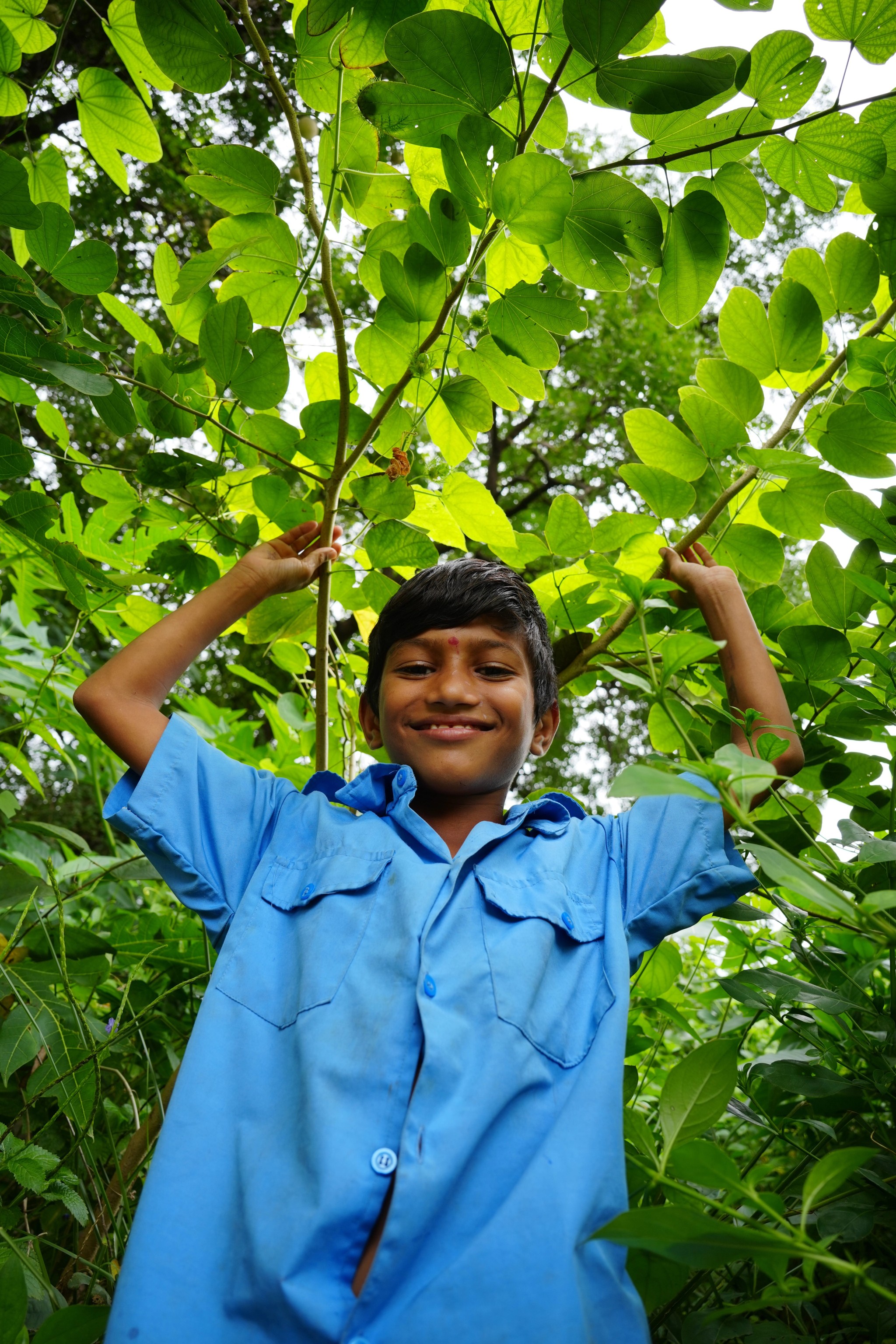
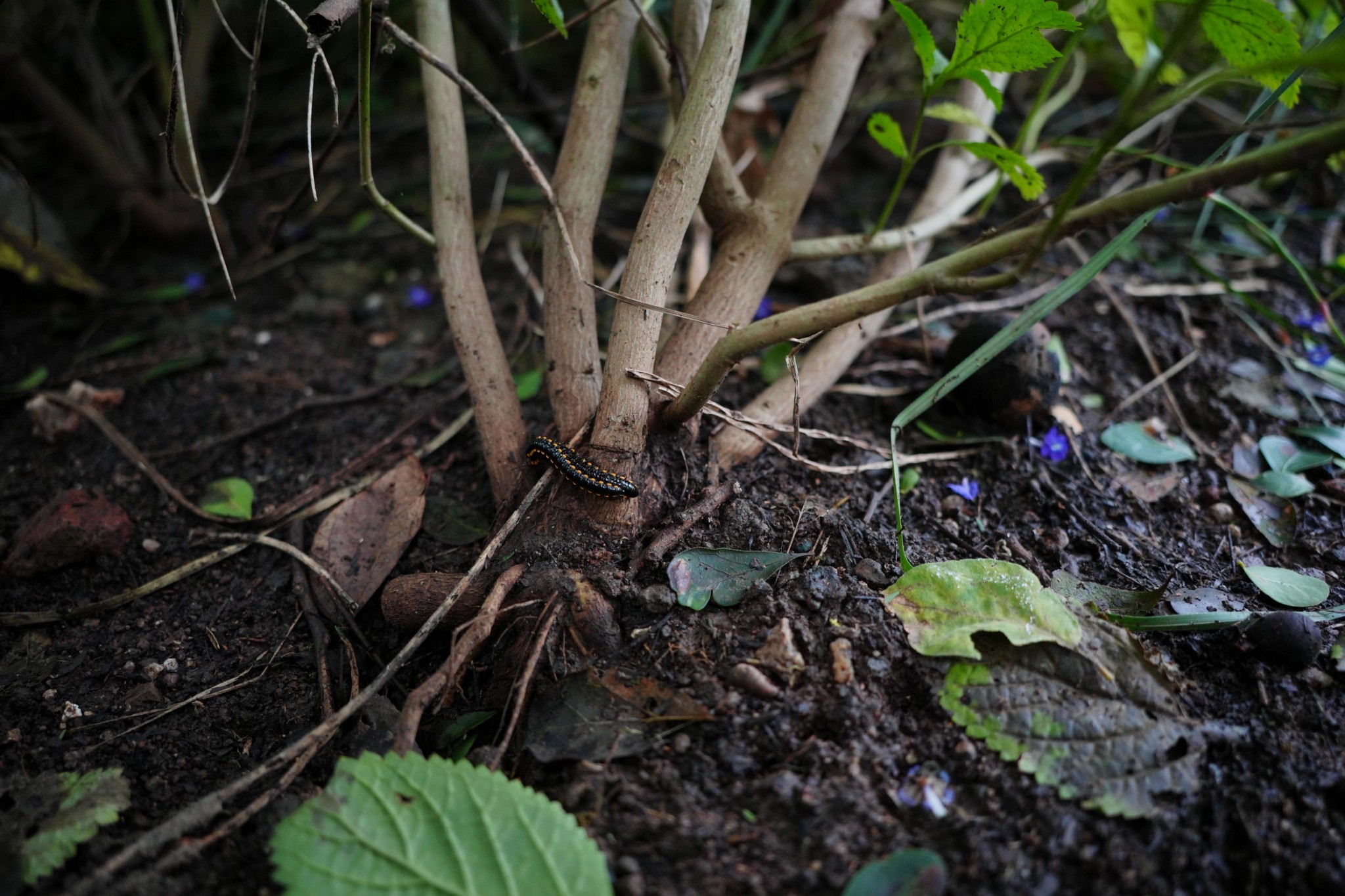
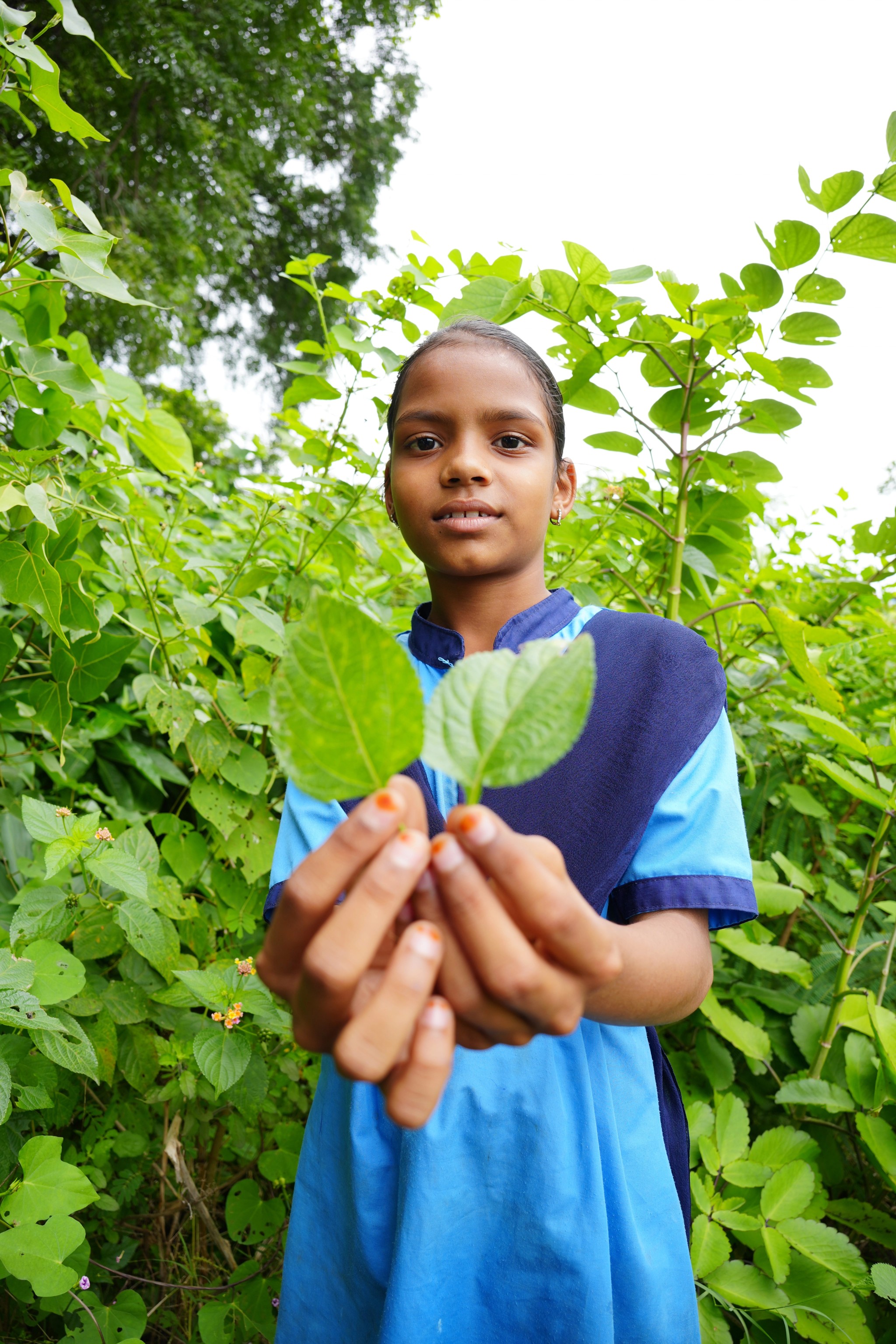
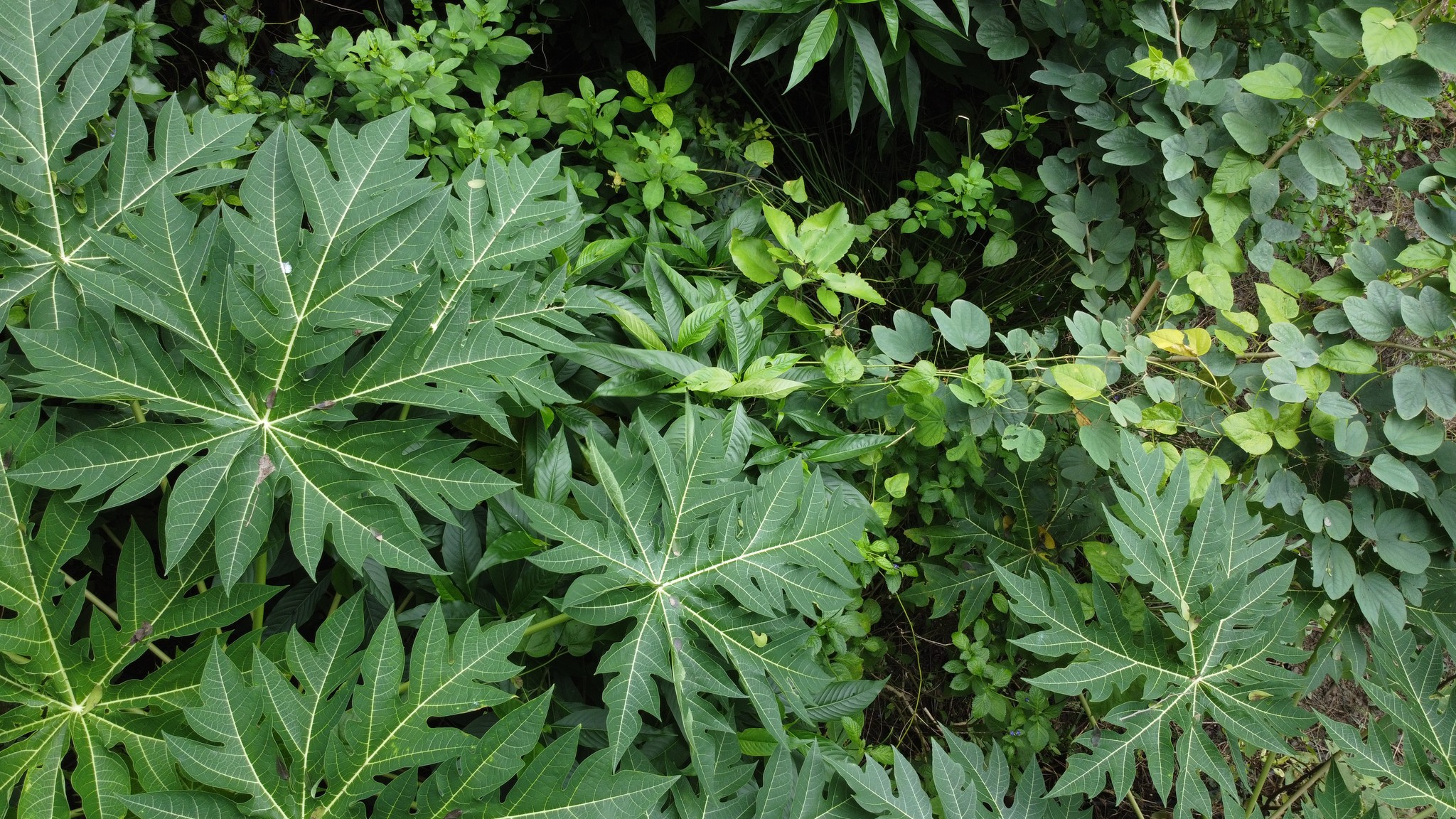
Among the many schools that have been positively impacted under the wider ‘Green Schools Mission’ program, some schools like ZPPS Dinwada Juna shine bright through their excellent practice of adopting the forest and sustainable use, even bringing the concept of ‘farm to table’ to rural Maharashtra in their unique way - ‘forest to table’! 30 students of the ZPPS Dinwada enjoy their mid-day meal spiced with the produce that has been sought from the plants in their campus grown in their Miyawaki forest that has been planted recently - spices like ‘Ajwain’ known as the ‘cleansing spice' for its digestive properties, ayurvedic benefits, and traditional medicinal uses.
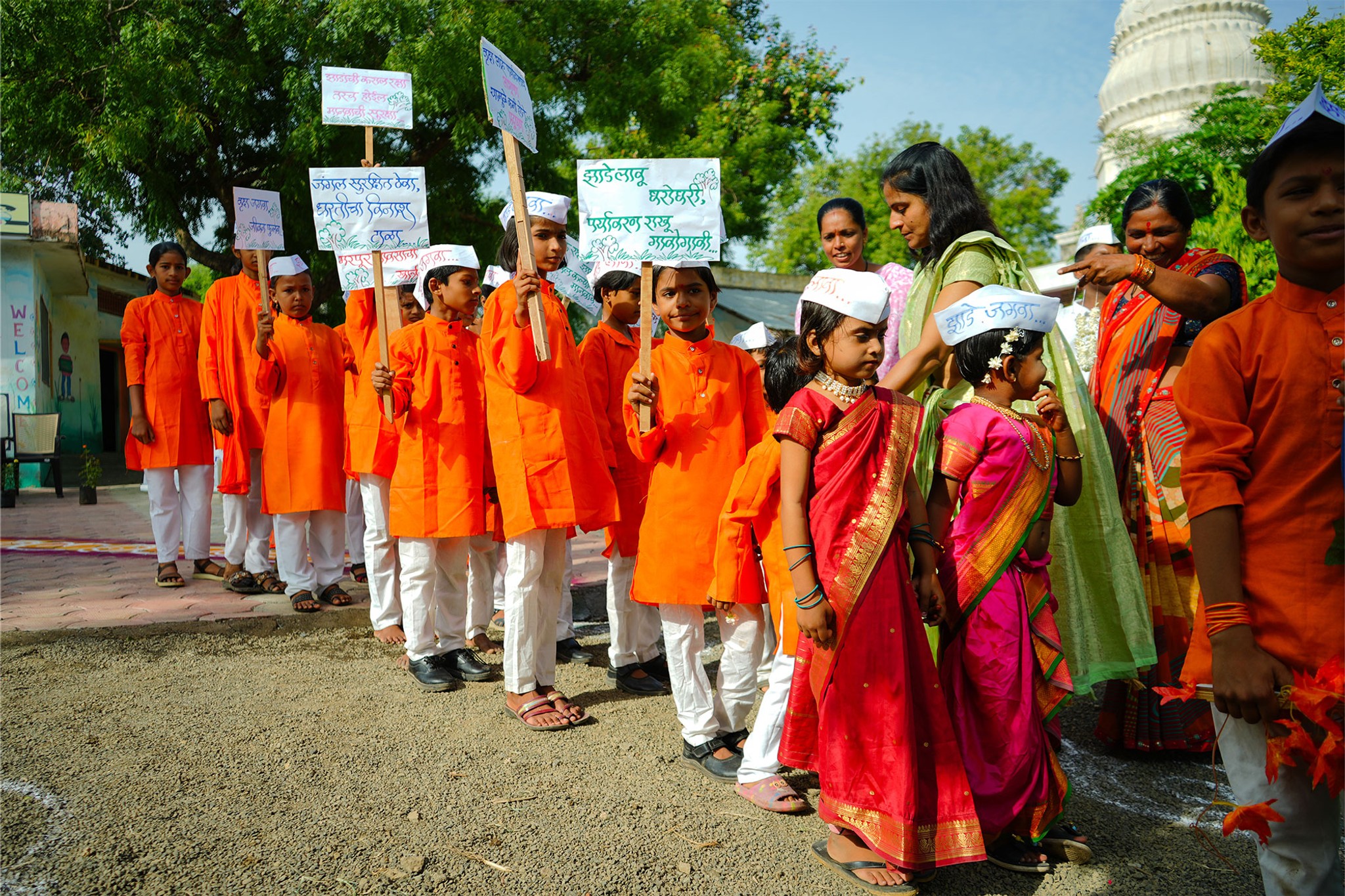


Nandeda
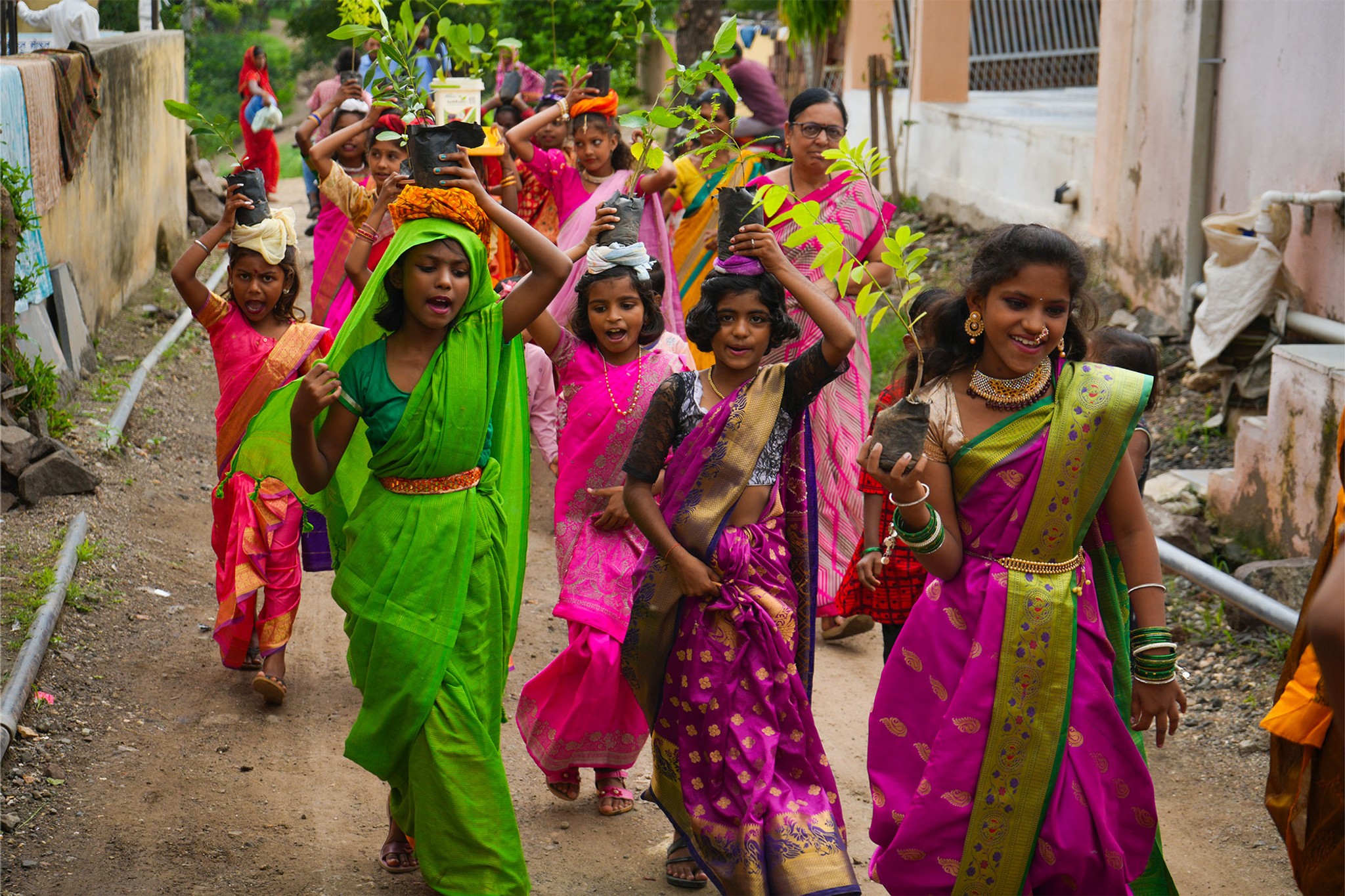


Takliwadi
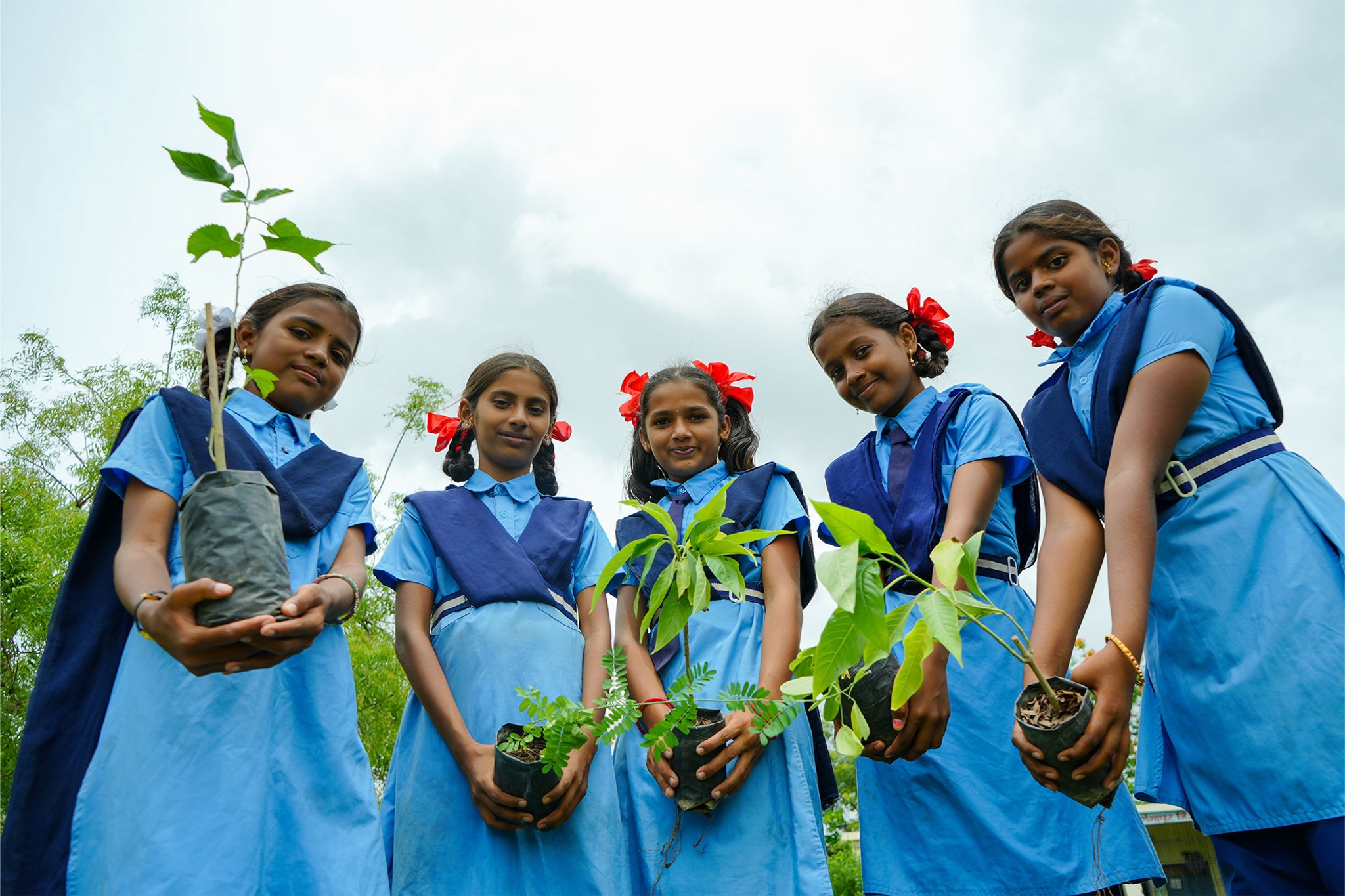


Vitava
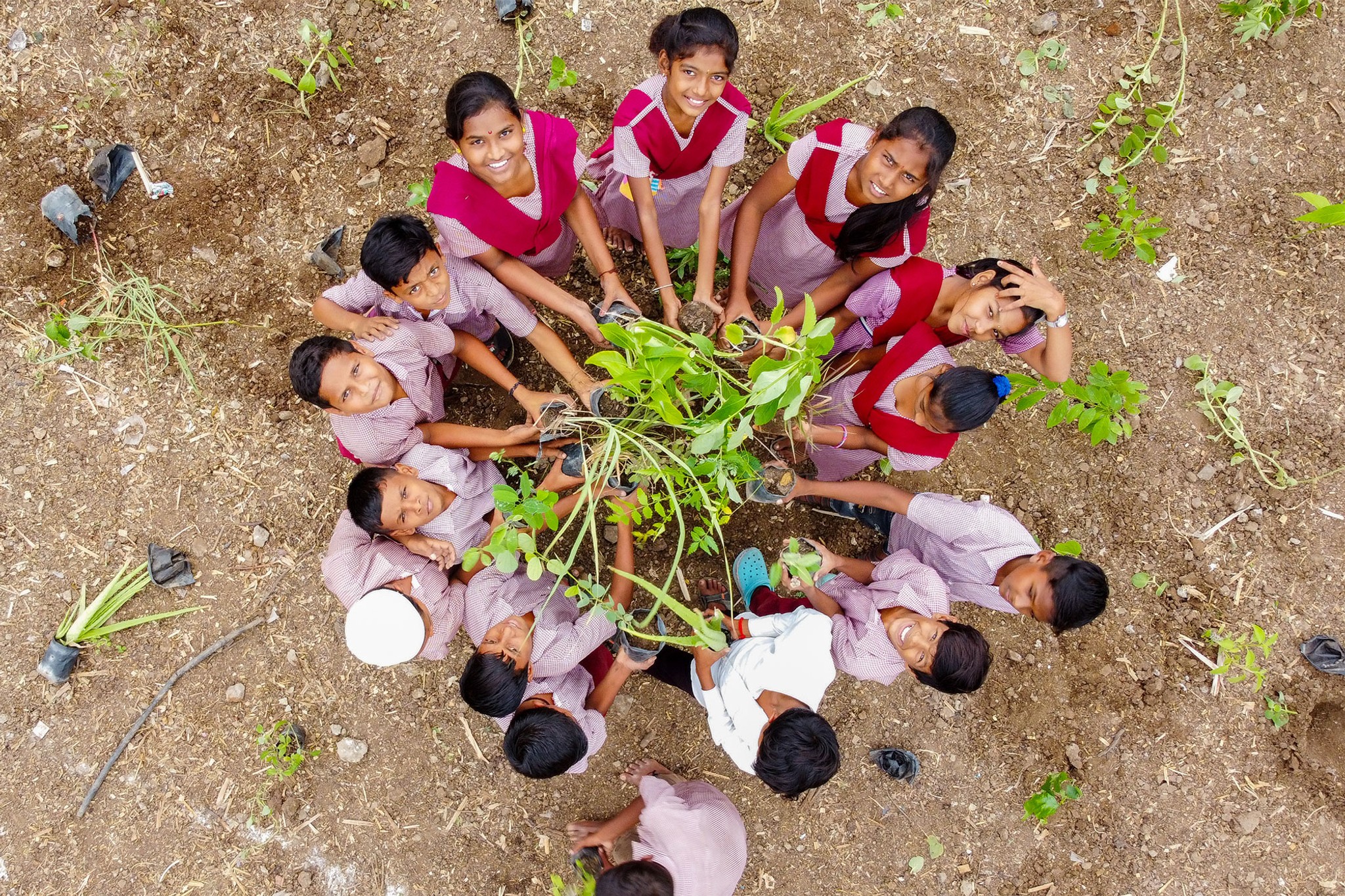


ZPPS Shafepoor.