Doonside Forest
Growing a cooler, wilder school ground in Western Sydney

0
Trees
0
Square Meters
0
Native Species
0
Youth Impacted
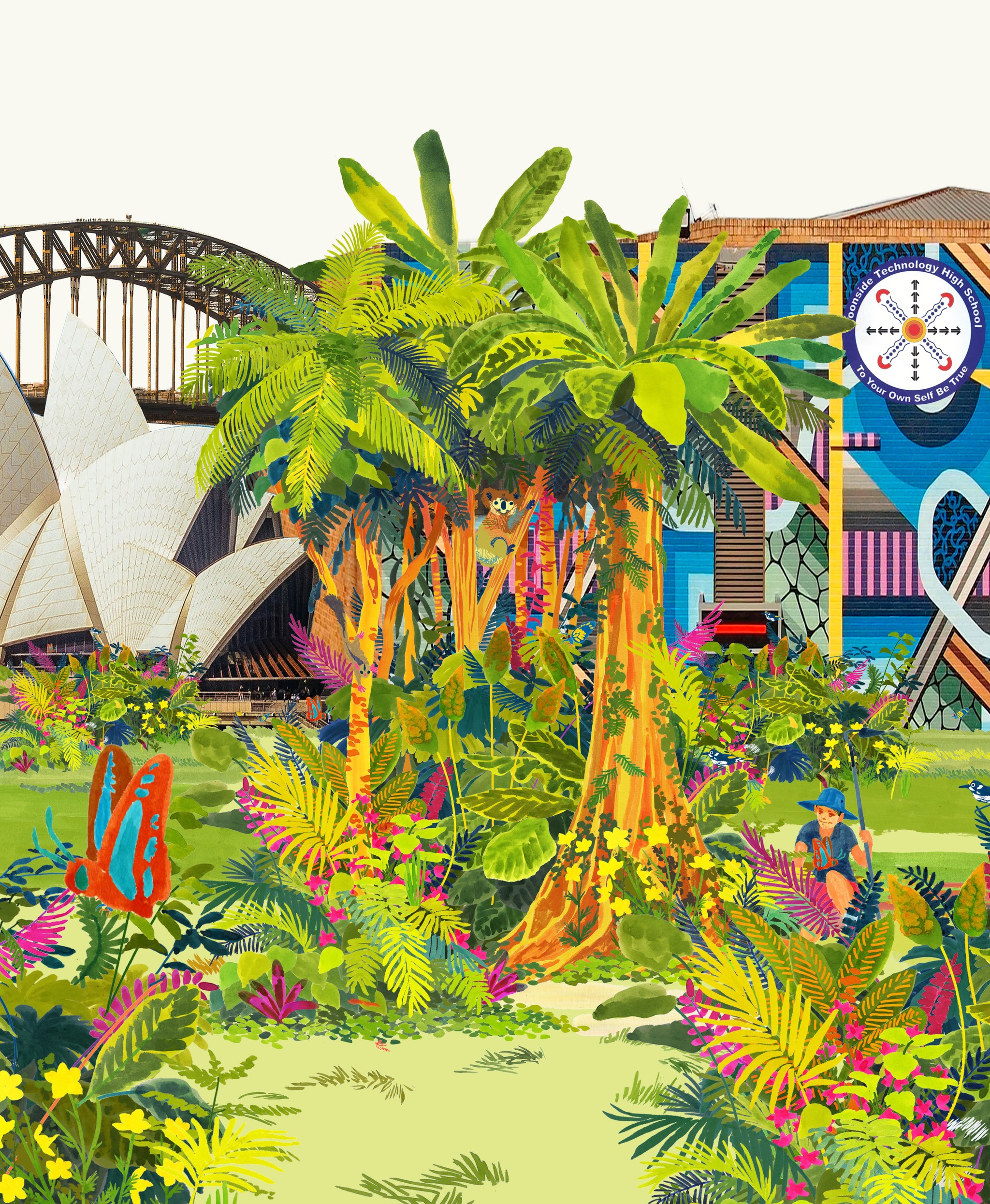
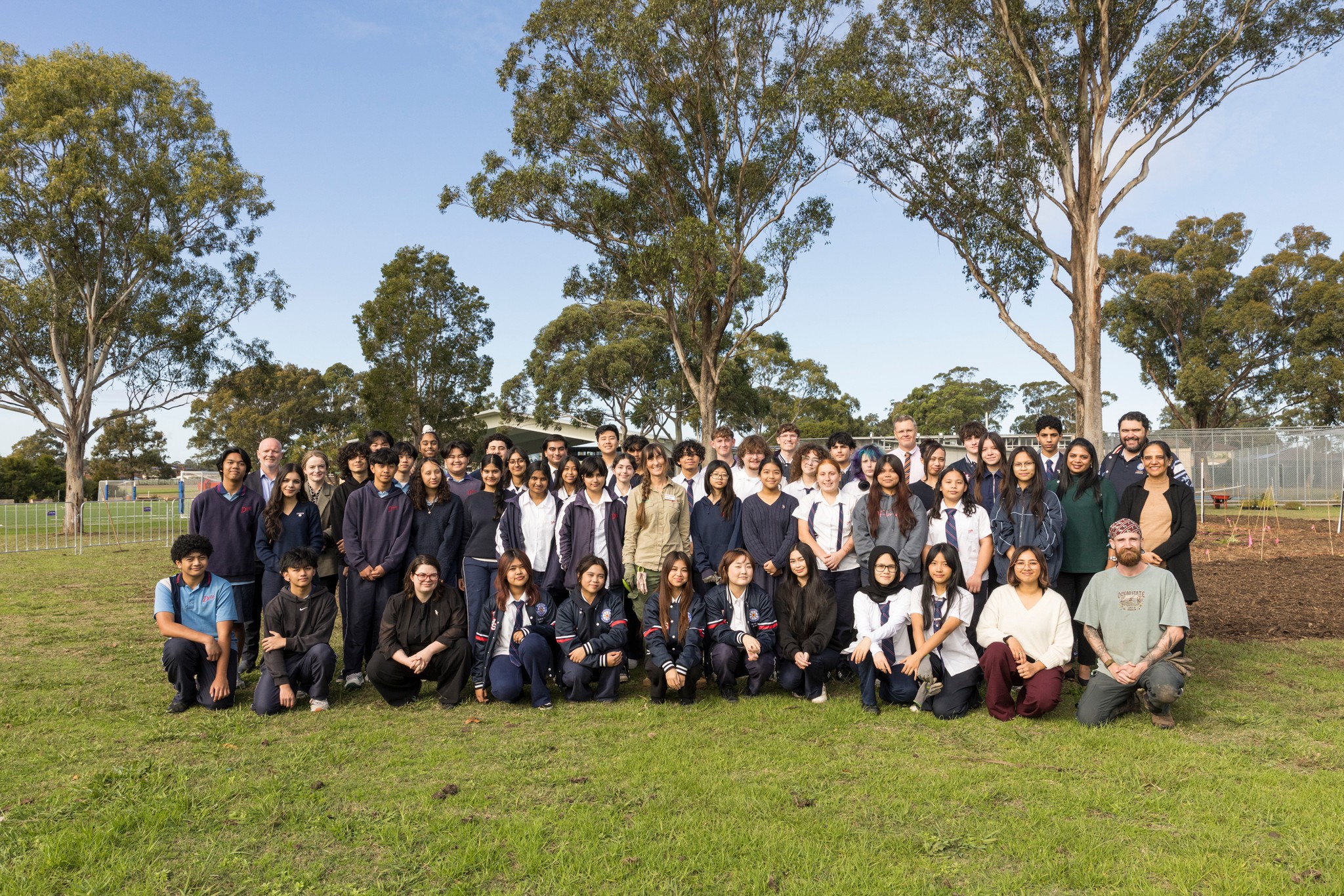
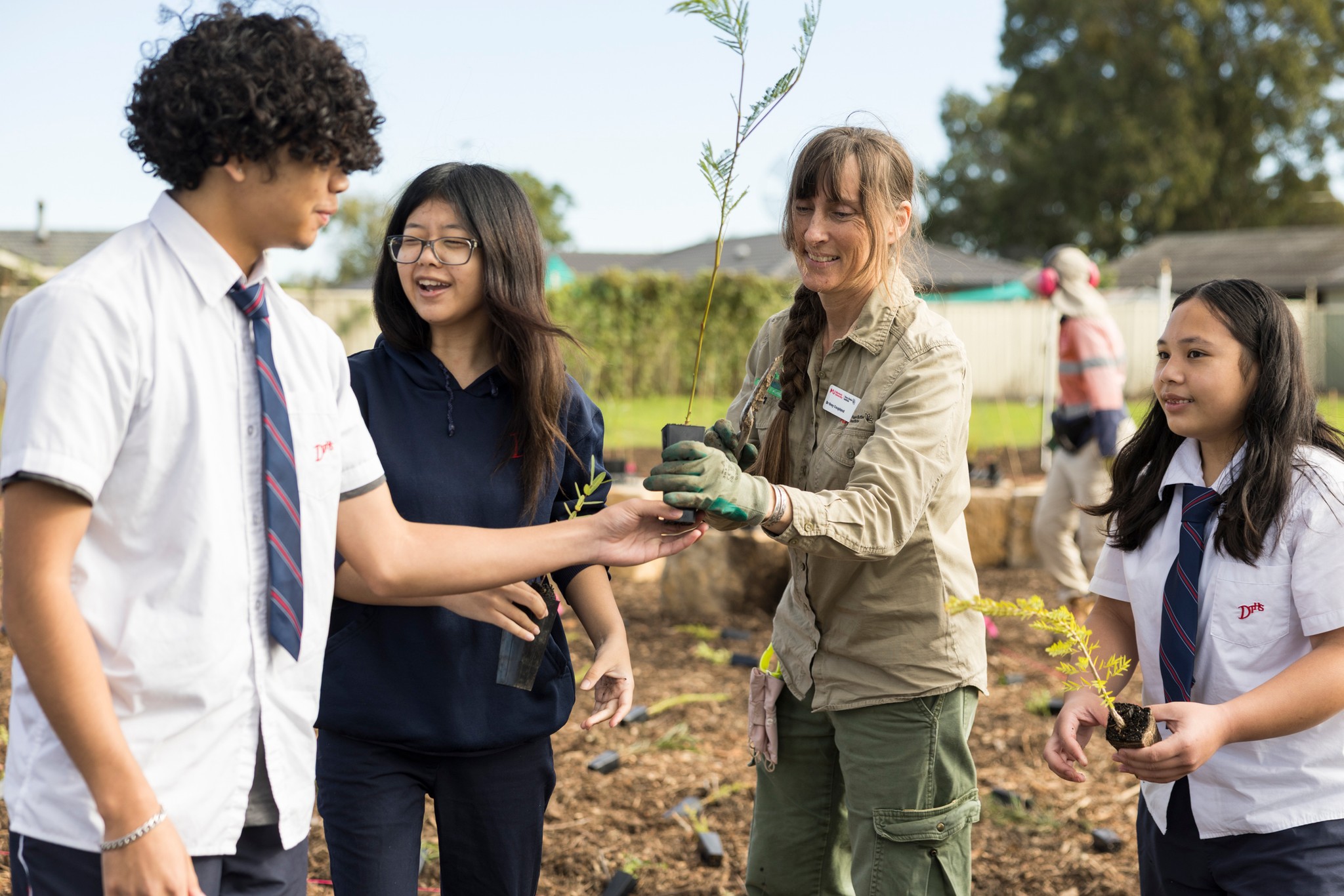
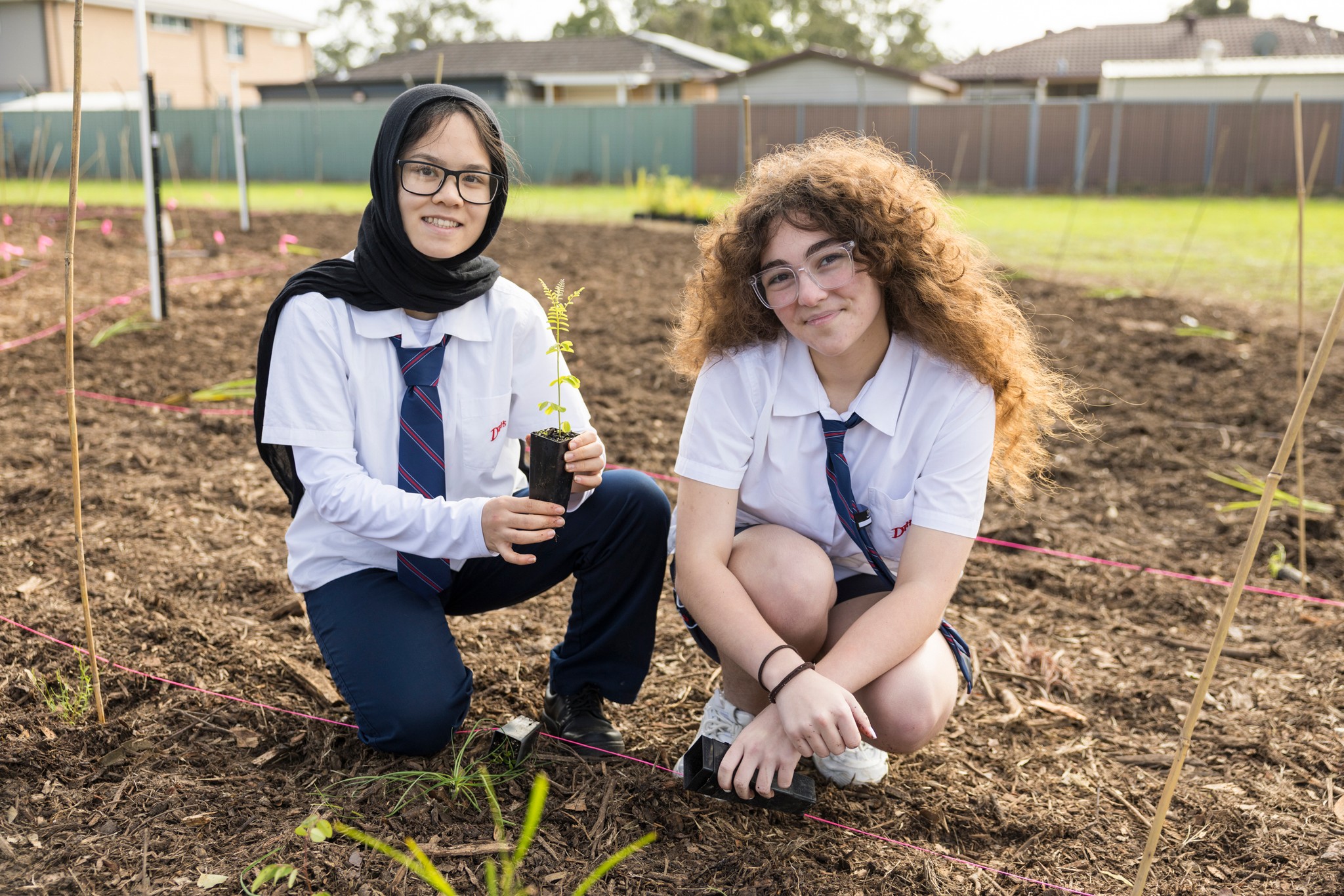
In Western Sydney's red soils, something is taking root. A forest born from curiosity, data, and the determination of young people who looked at their overheating school and decided to take action.
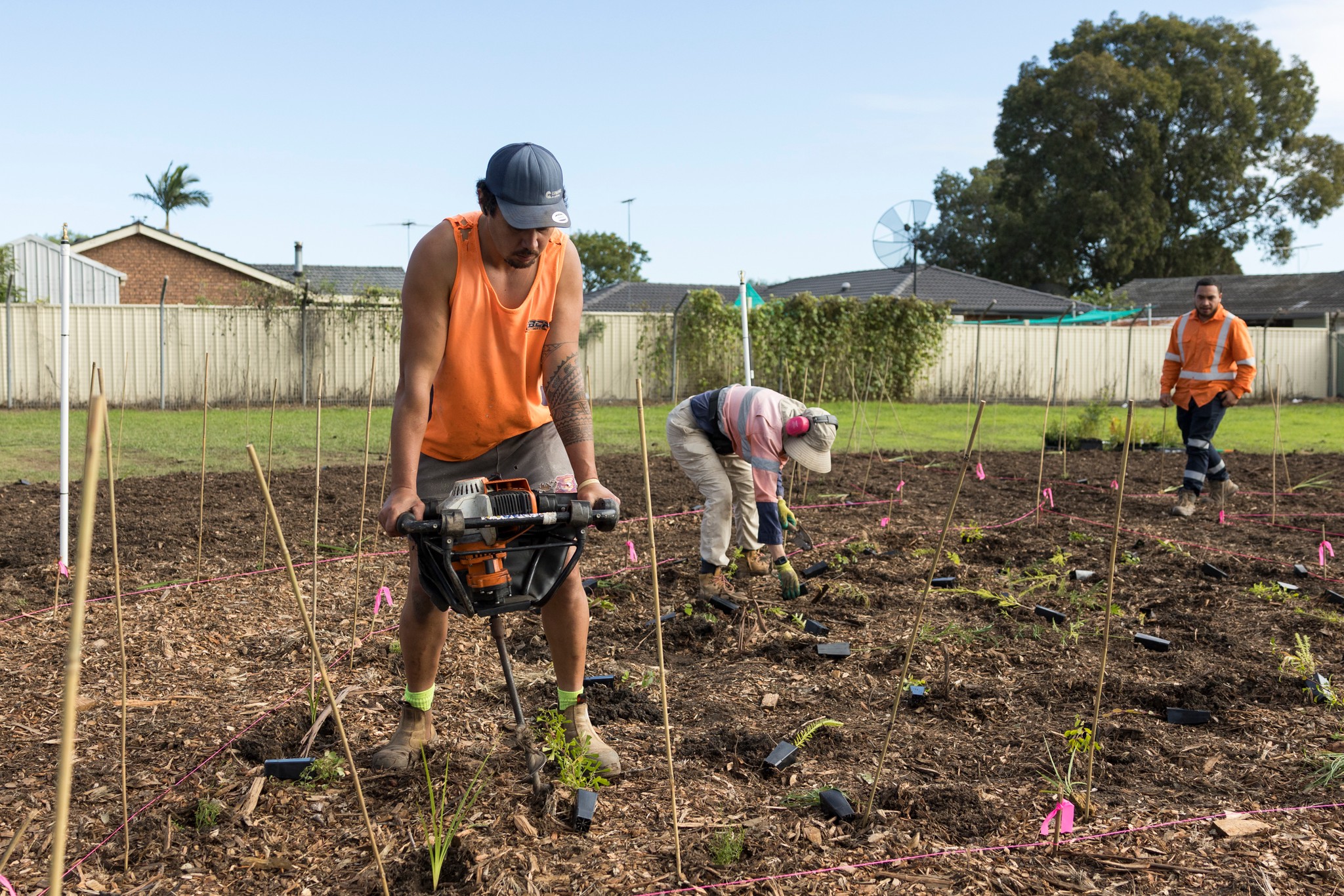
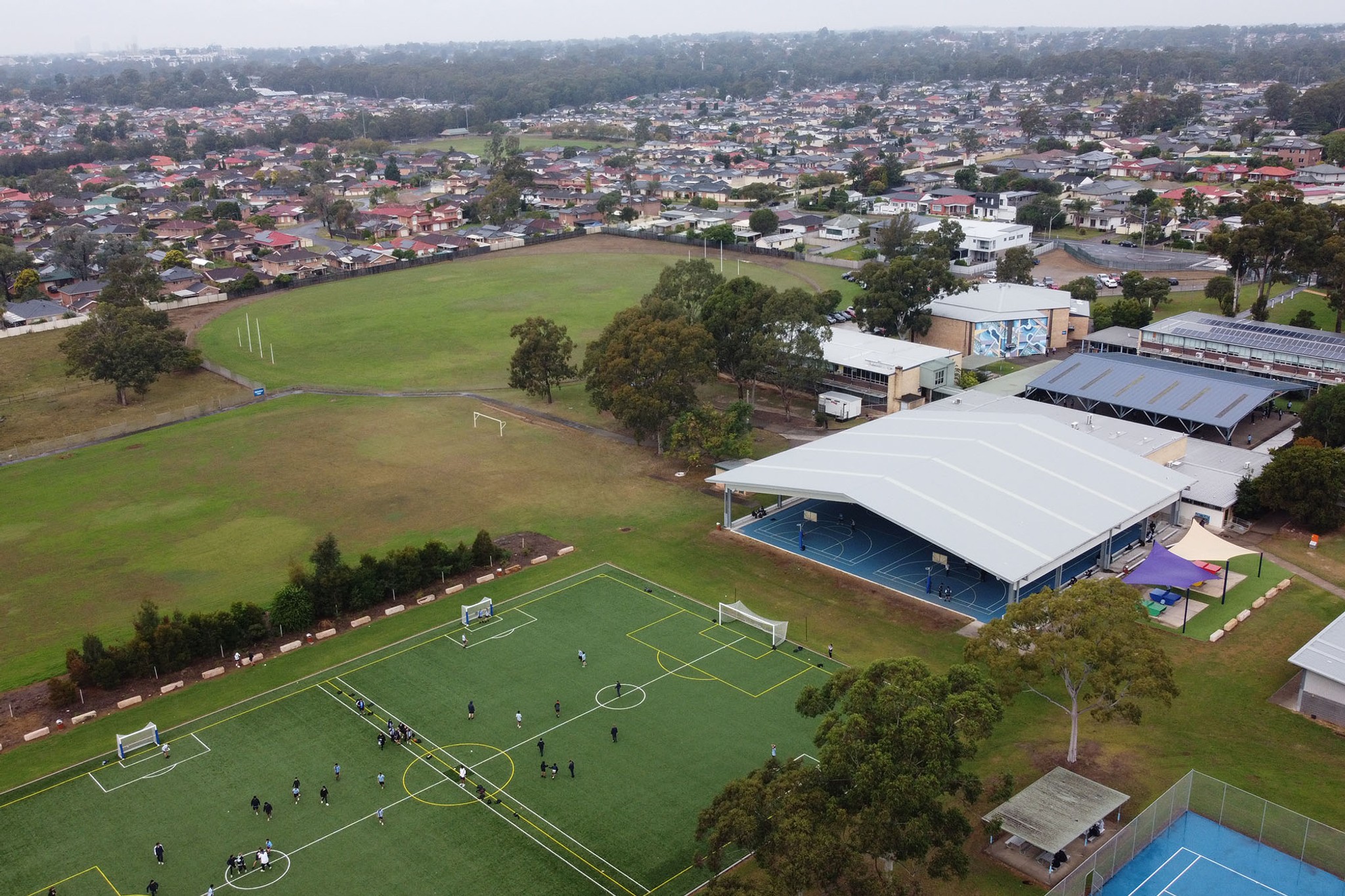
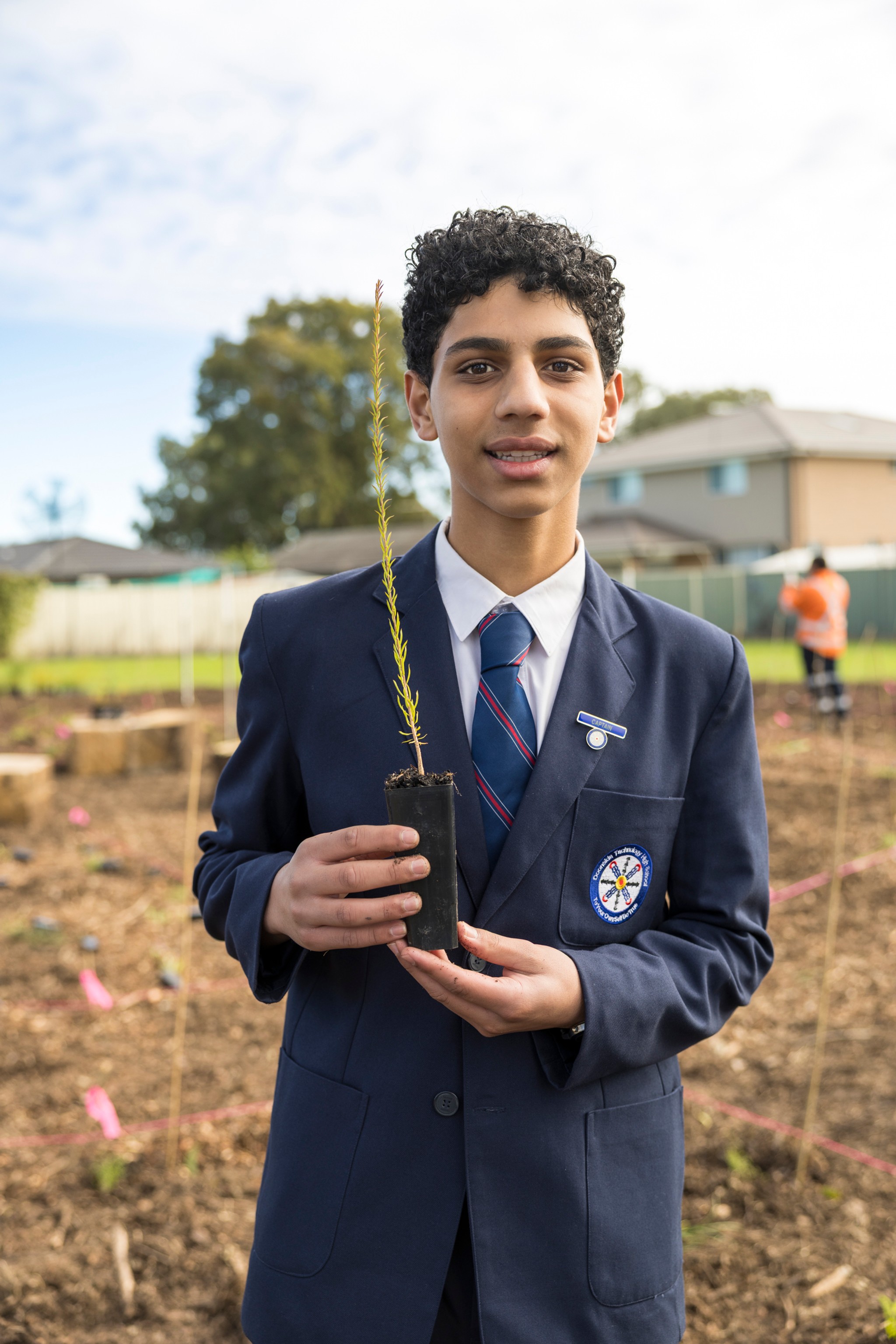
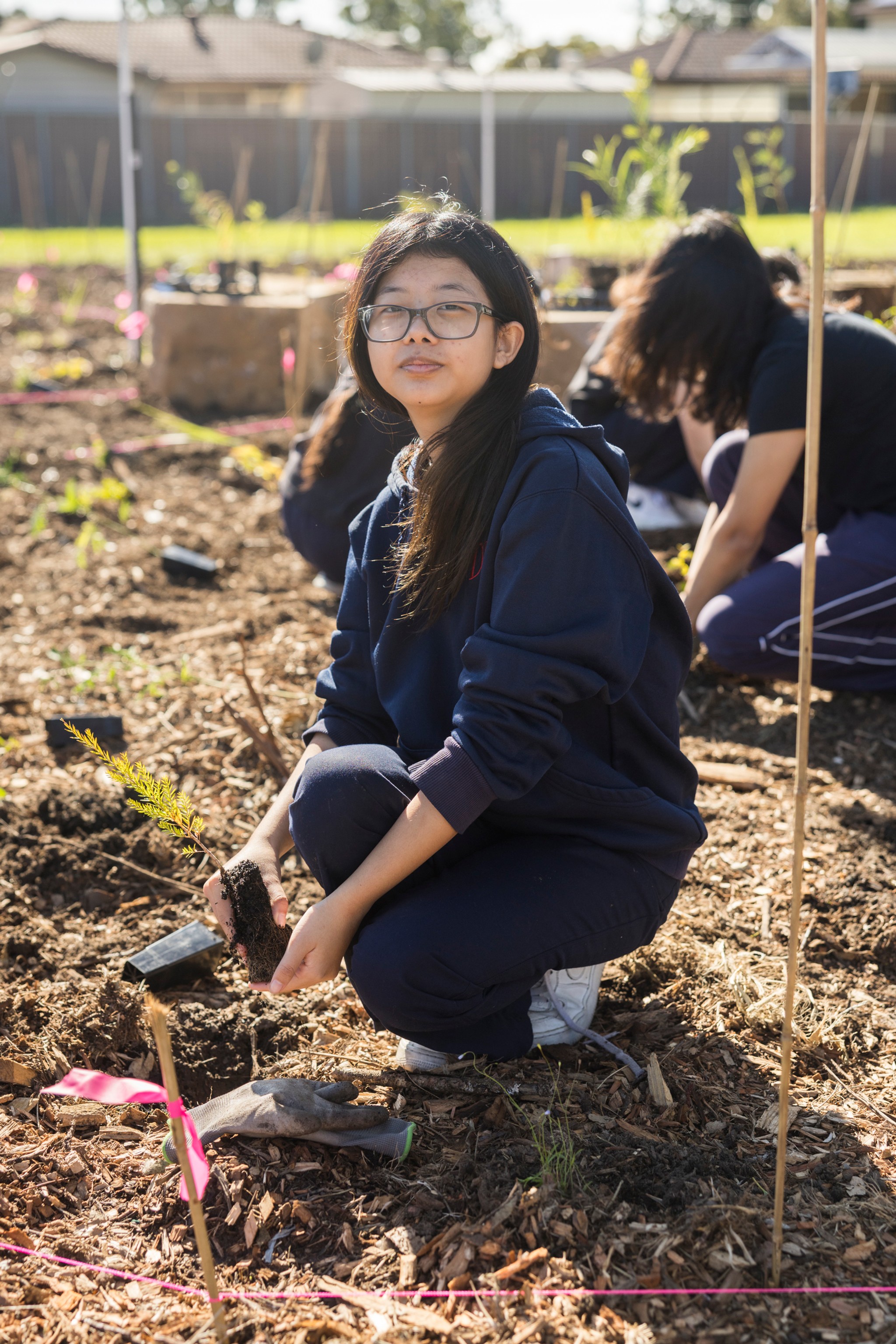
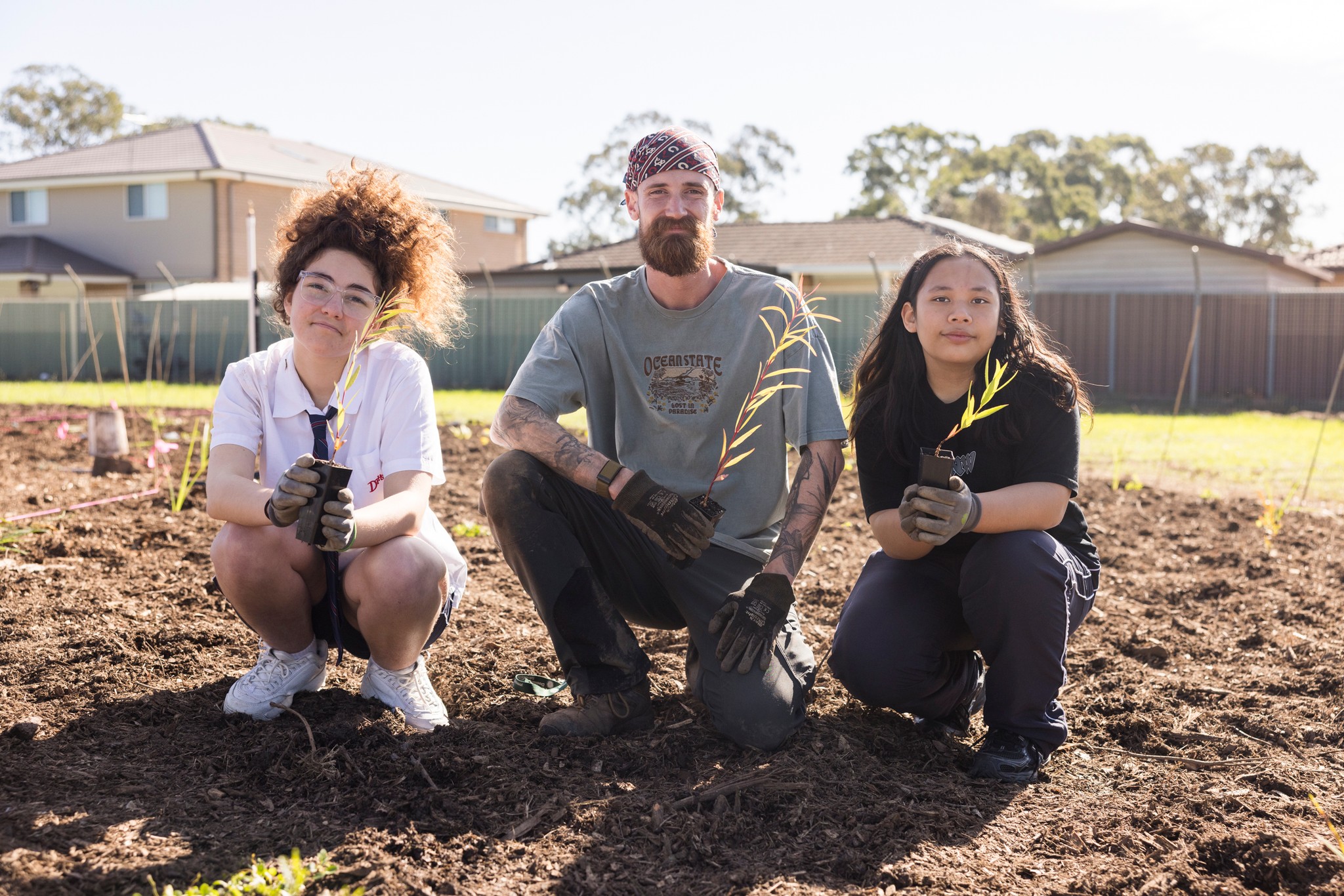
The story began with students. Sixty Grade 10 young people stepped outside their classrooms armed with thermal sensors, measuring temperatures across 8 locations on their school grounds over summer to understand how heat was building through their campus. What they found, they did not keep to themselves. They pitched a five-year plan to their principal to make their campus climate resilient. This forest is their vision, which will take root.
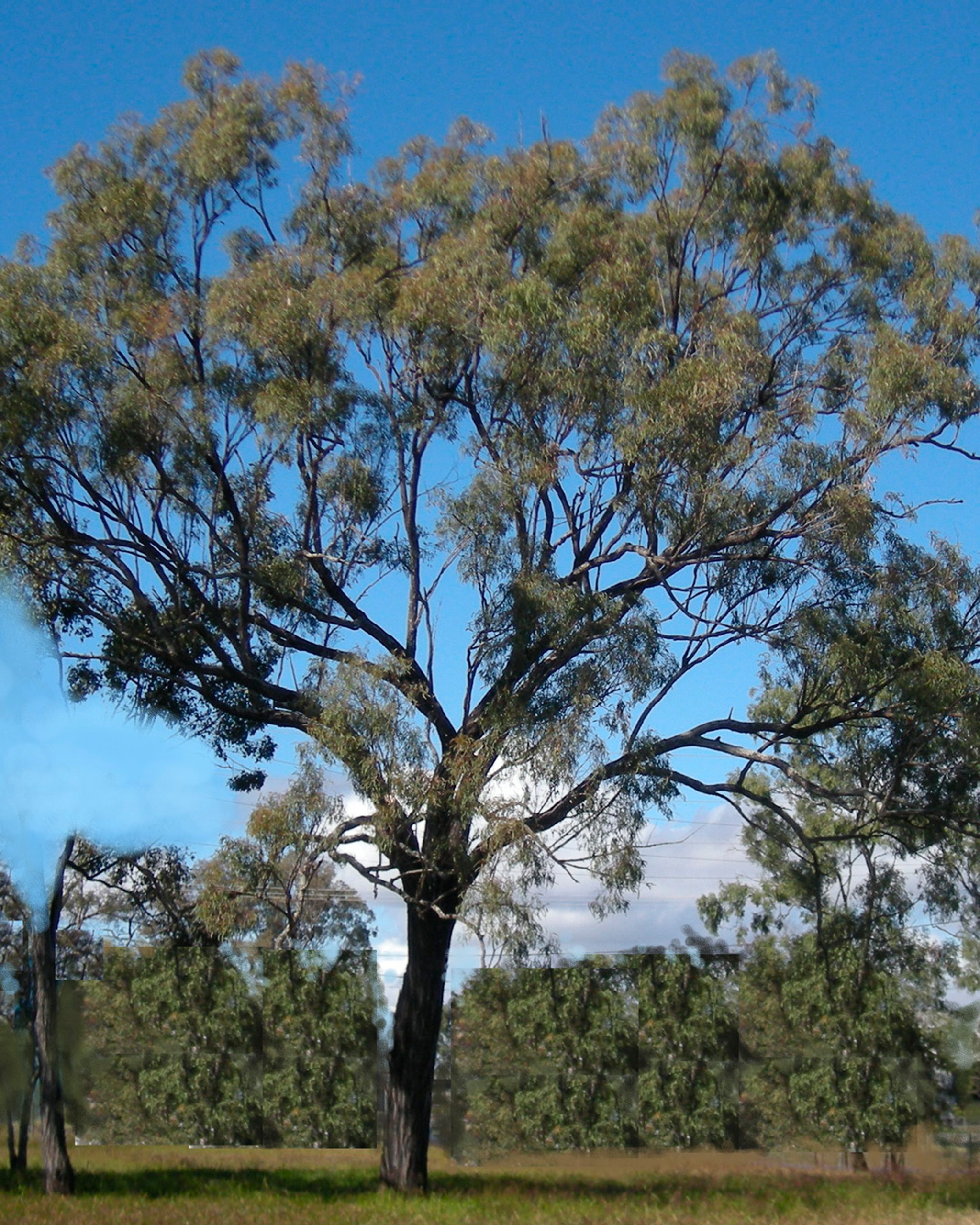
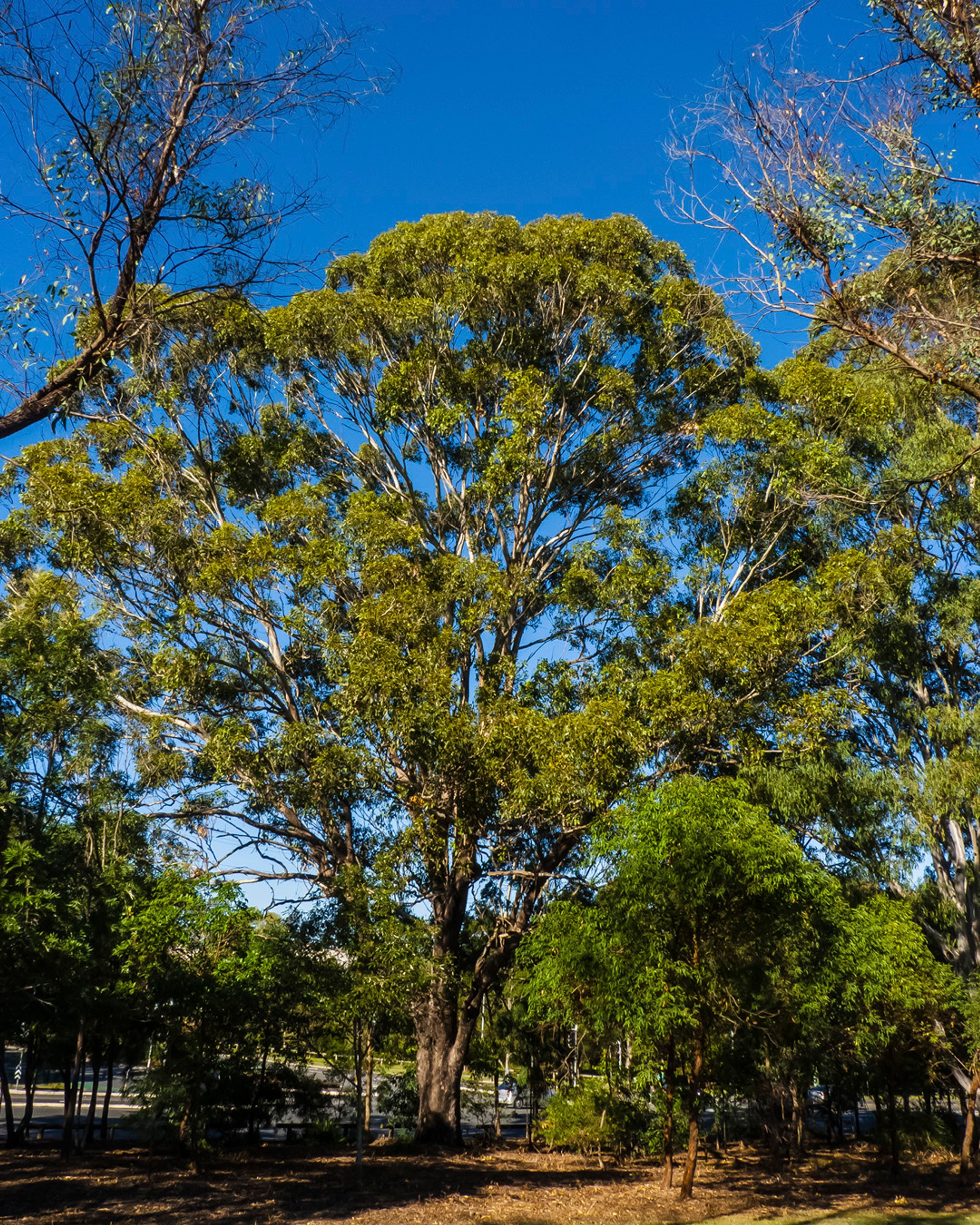
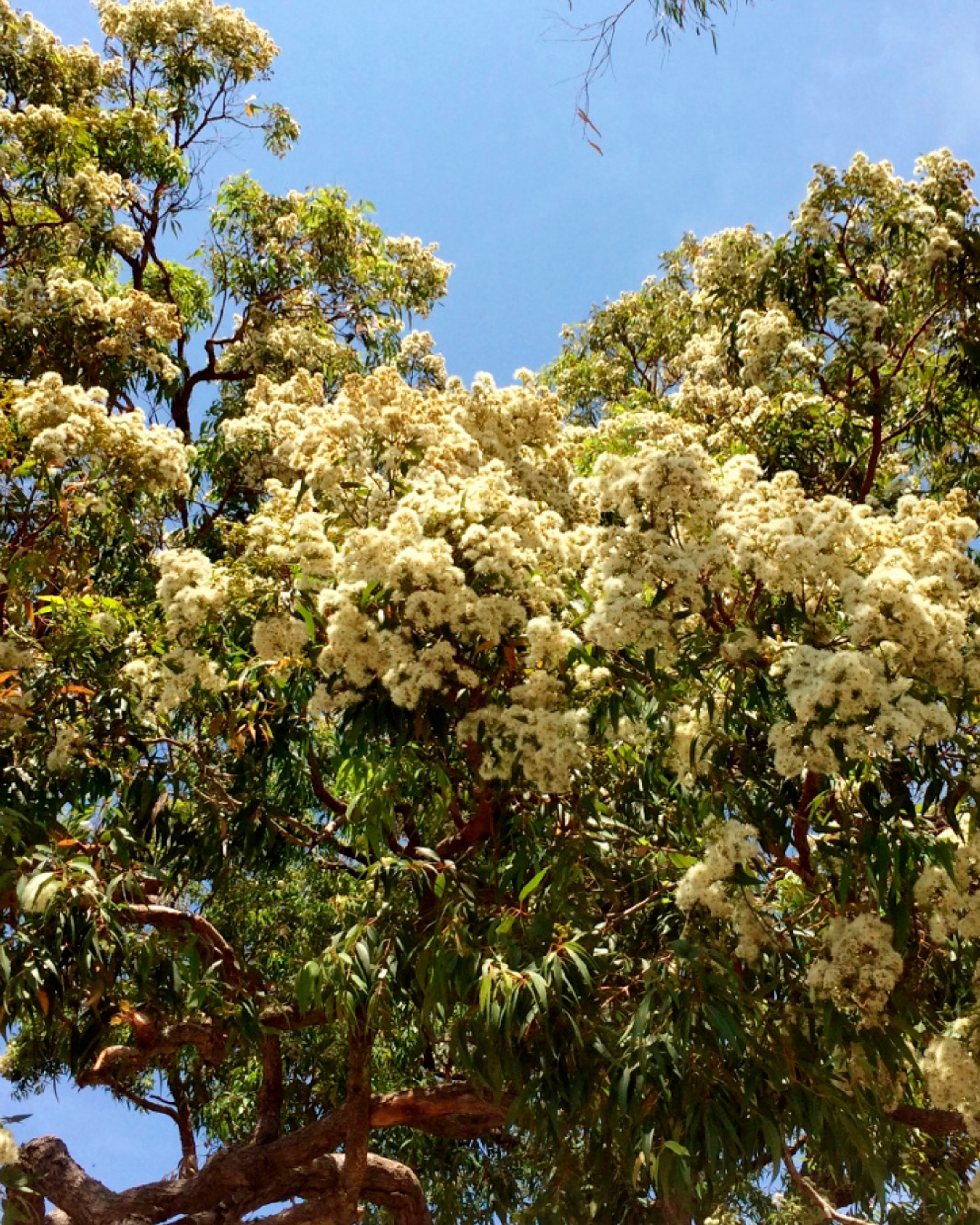
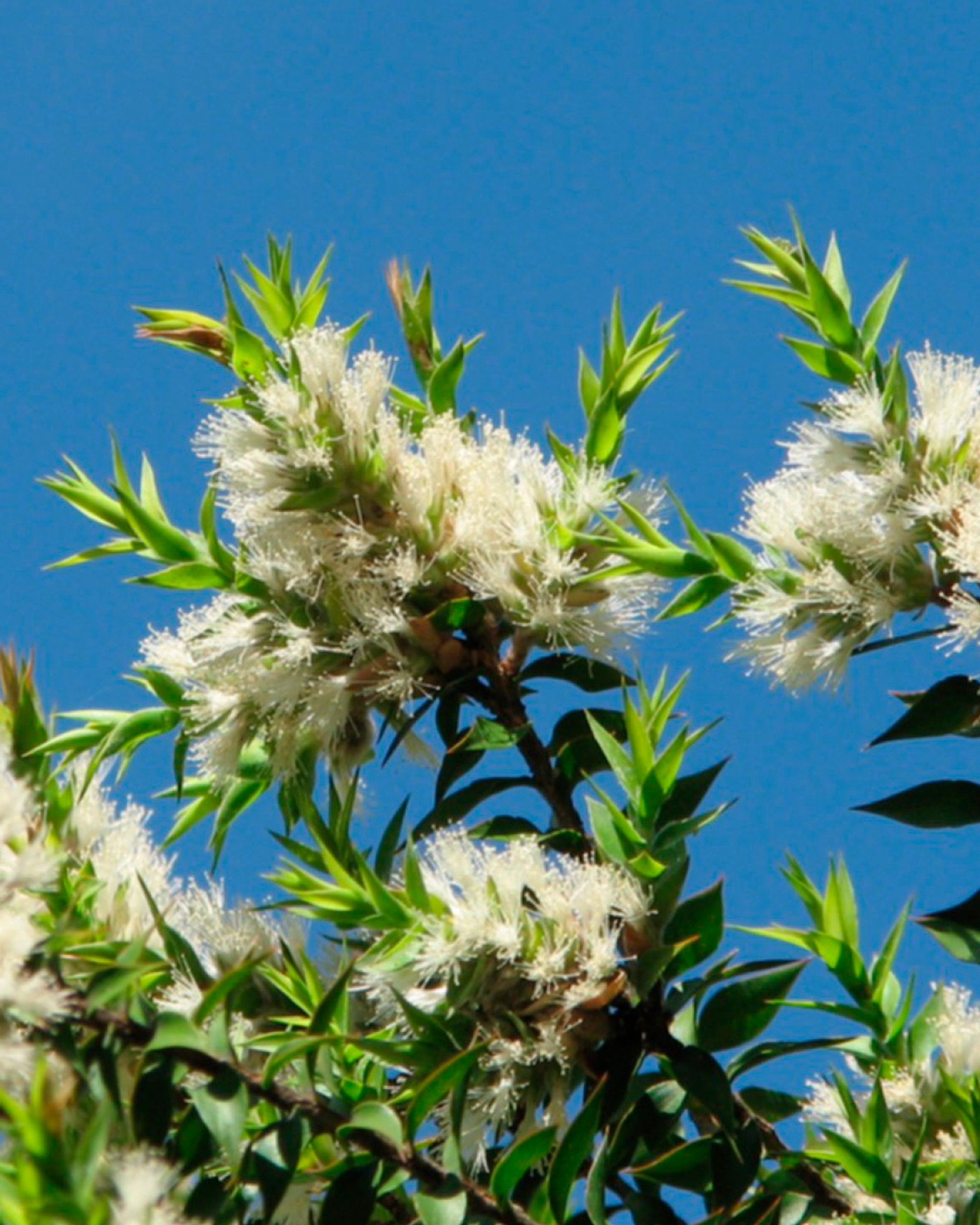
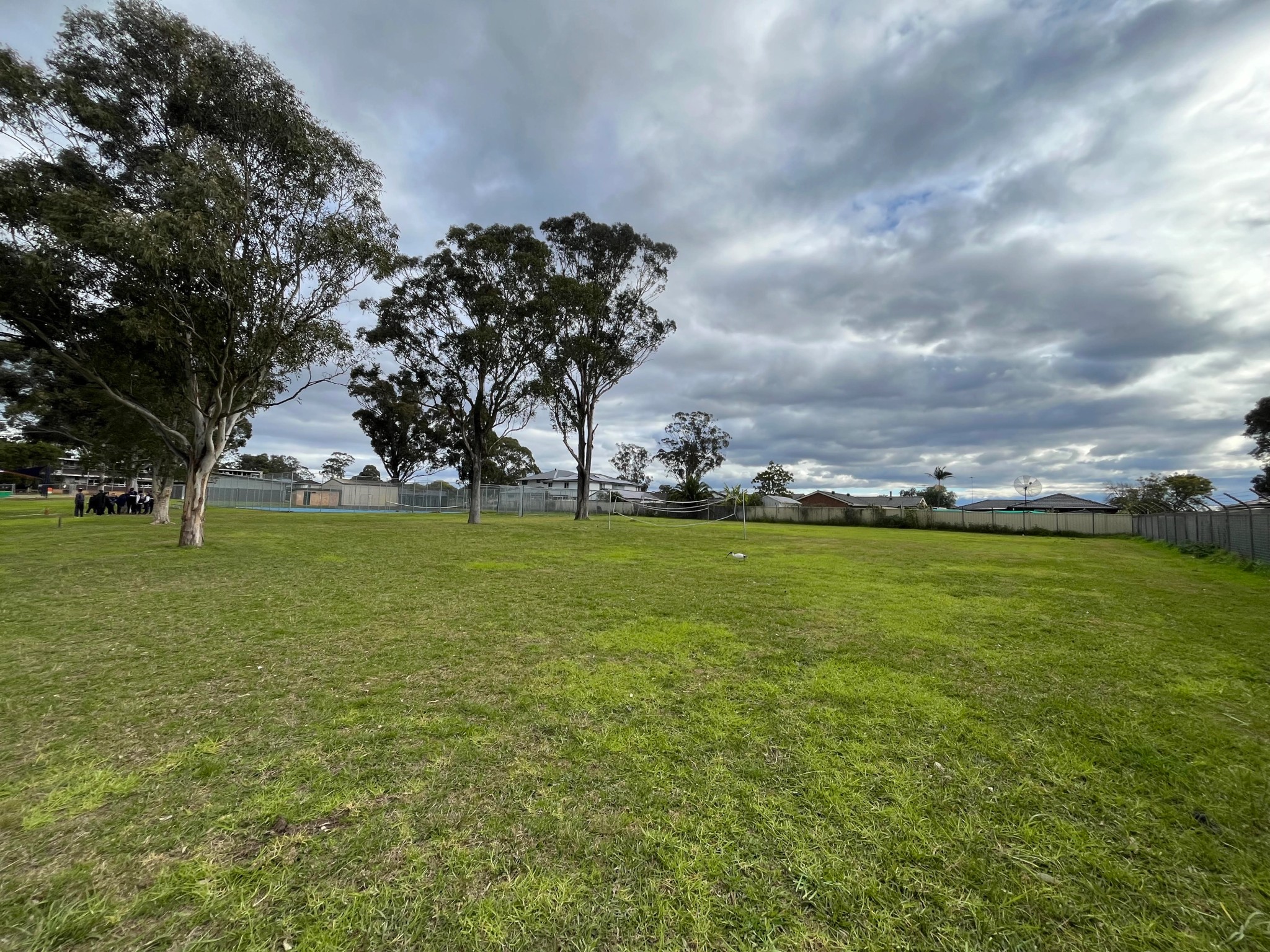
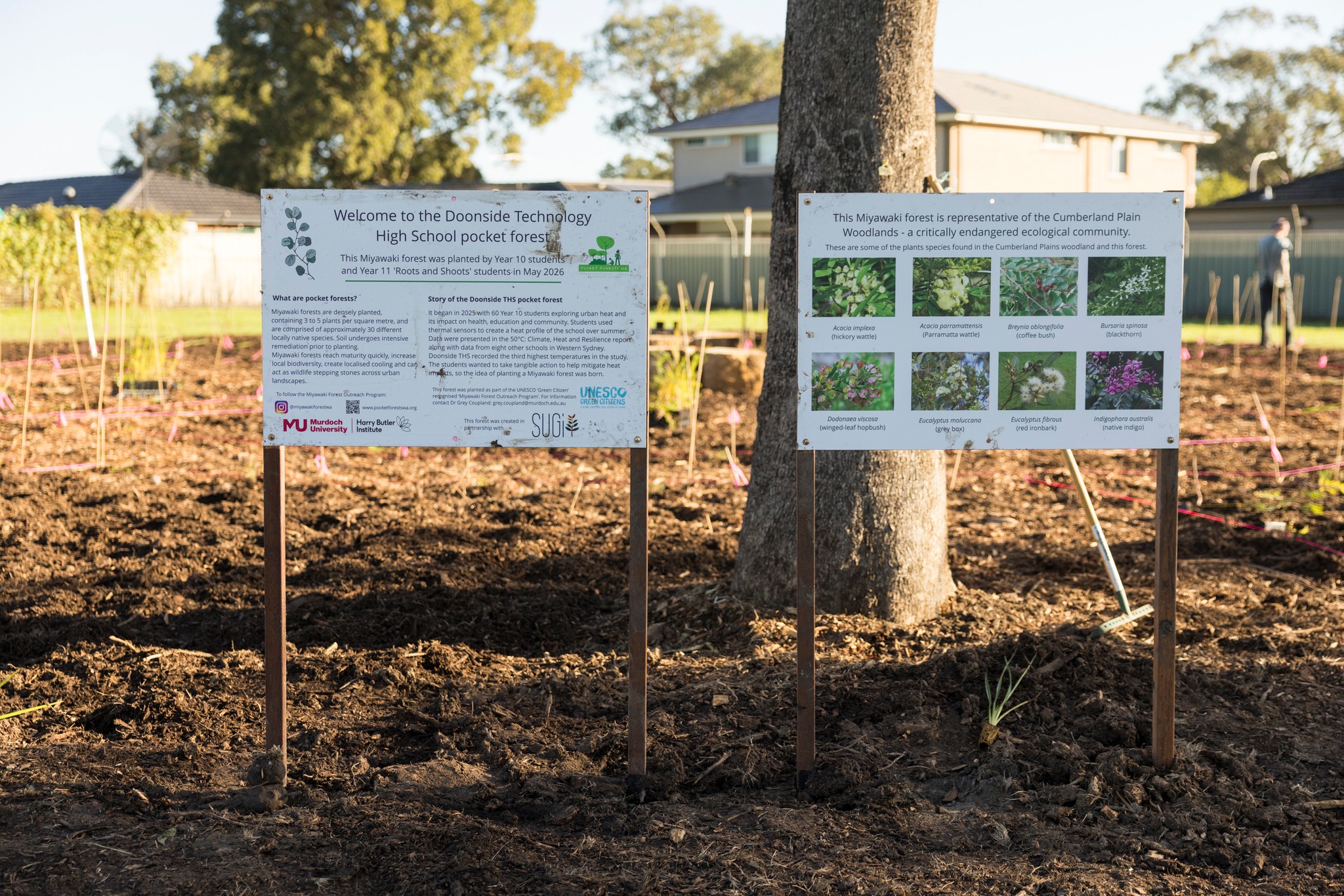
Doonside Technology High School sits at the crossroads of two critically endangered plant communities, the Shale Plains Woodland and the Alluvial Woodland, landscapes that once stretched across the Cumberland Plain before roads, rooftops and artificial turf reshaped what was once a wild landscape.
The pocket forest will serve as a thermal buffer, a water management tool, a biodiversity corridor and a long-term data collection site for future students.
This is a school that listened to its land, and a community of young people who chose to heal it.
Forest Maker
Dr Grey Coupland
Forest Partner

Forest Design
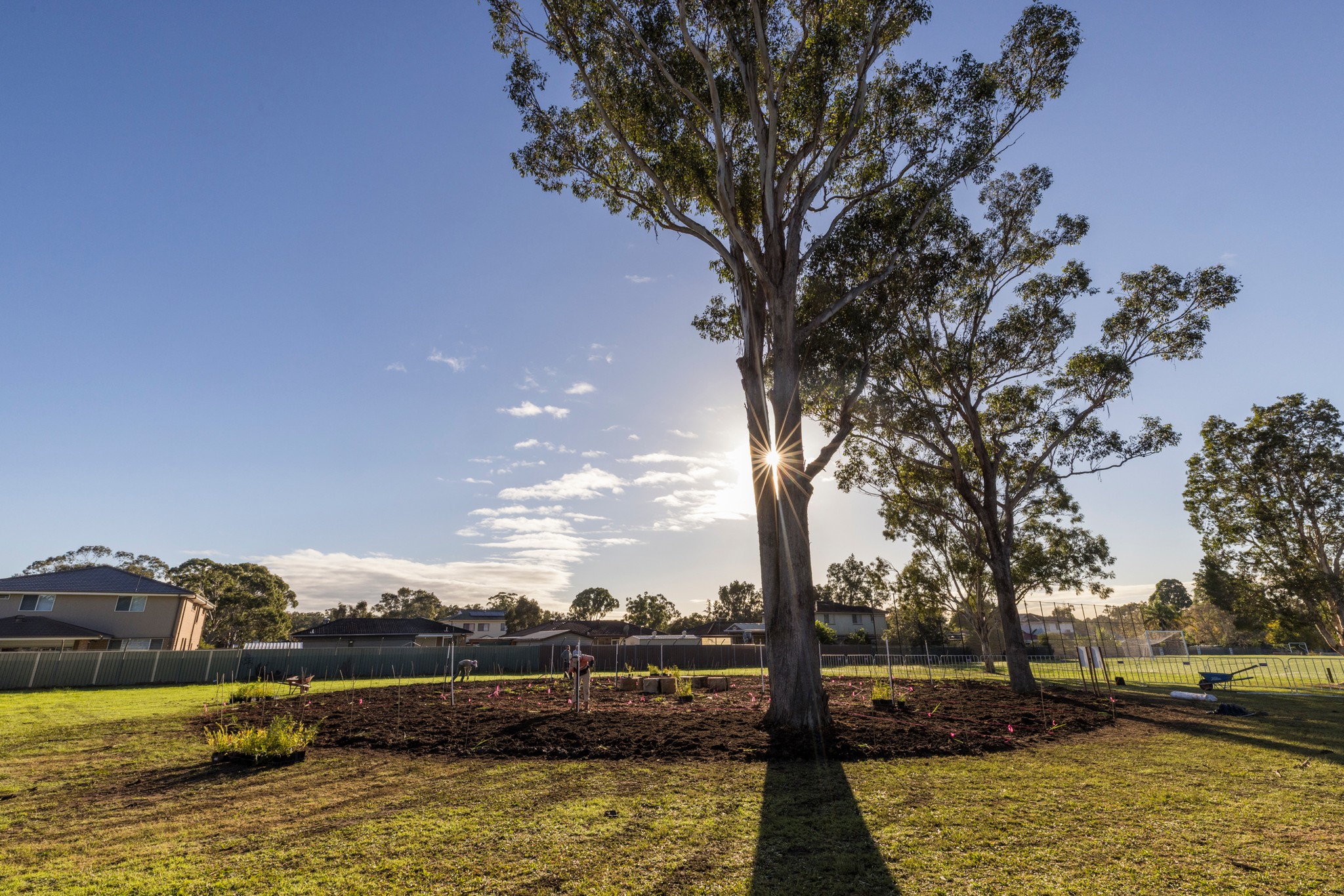
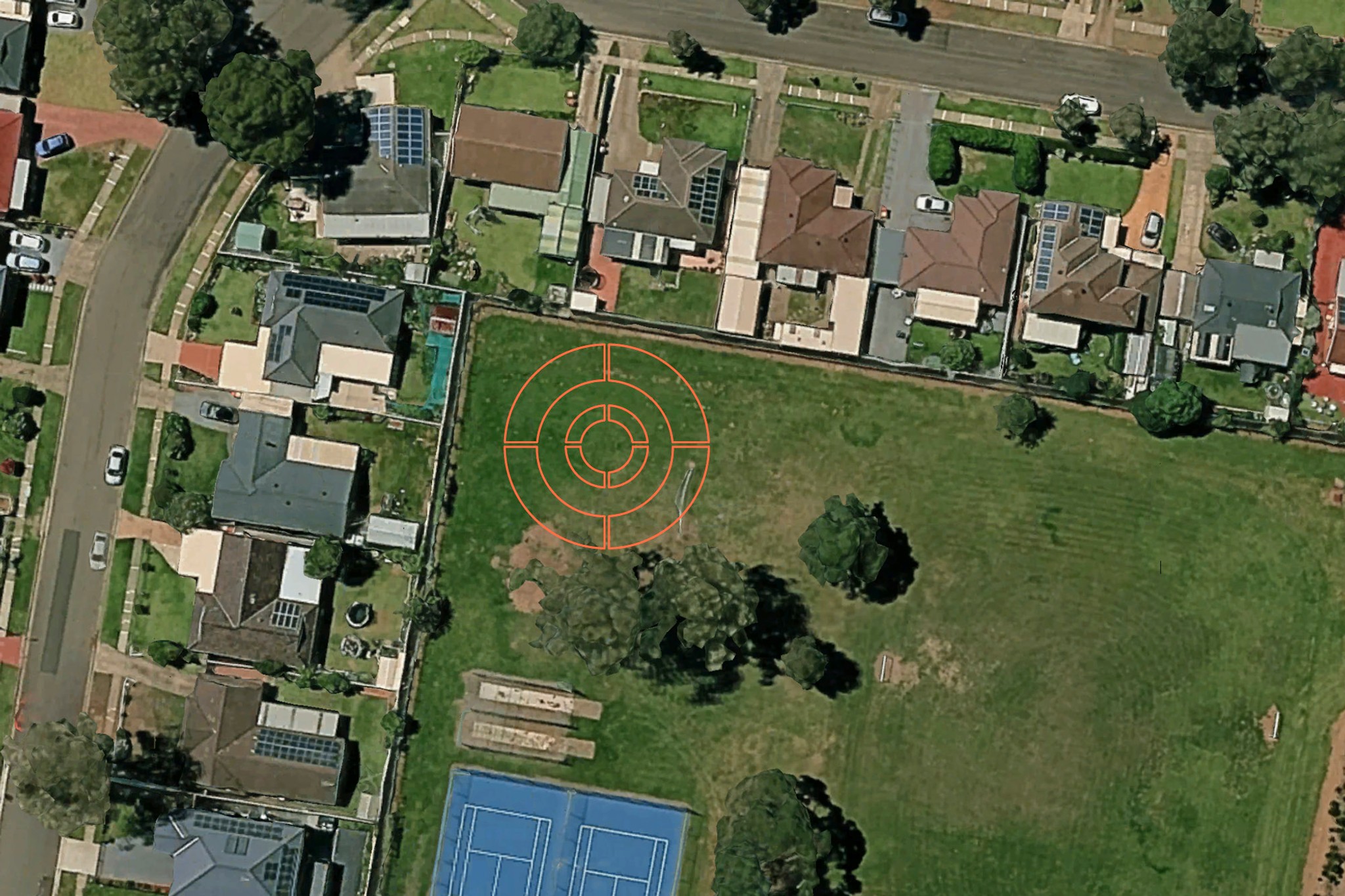
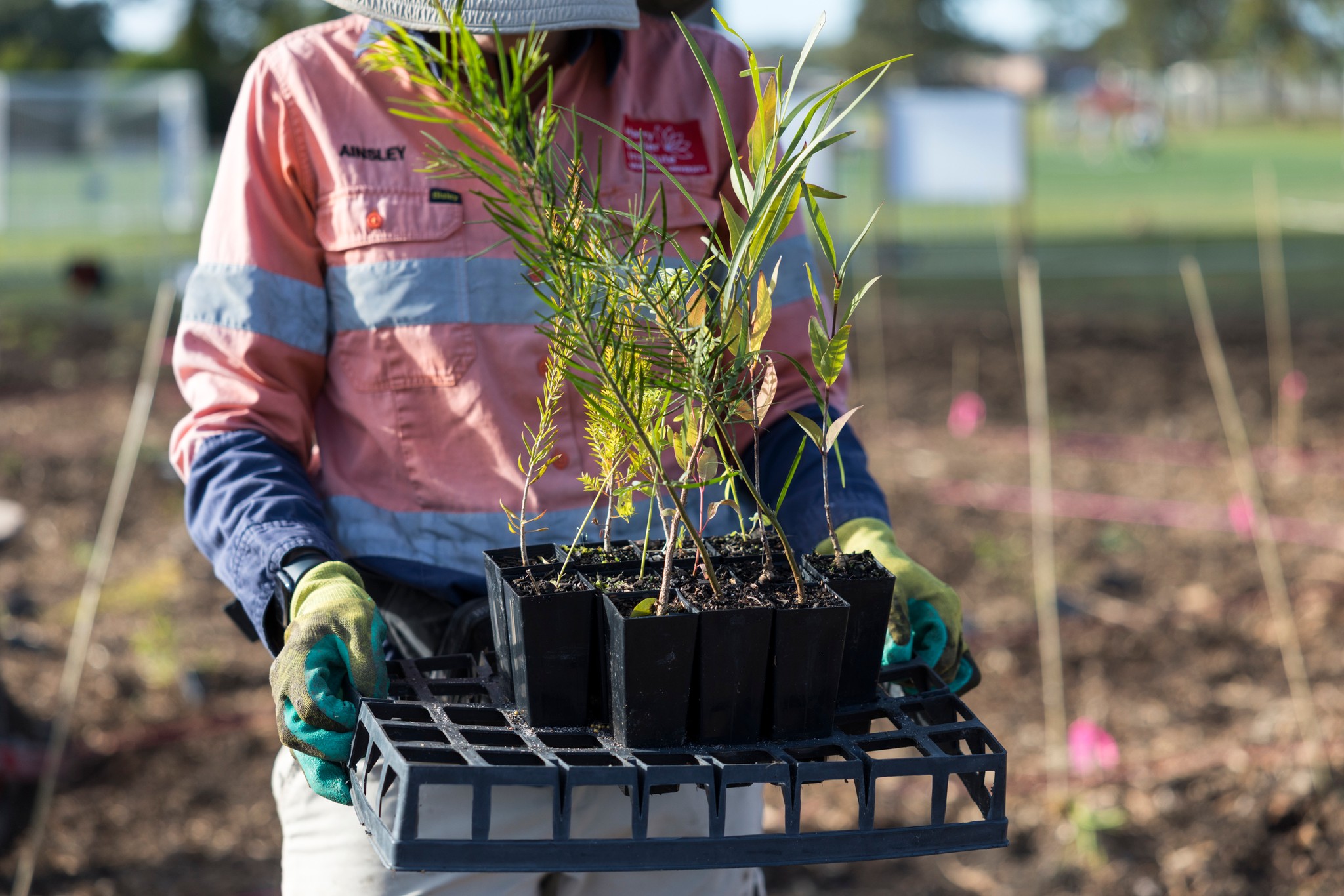
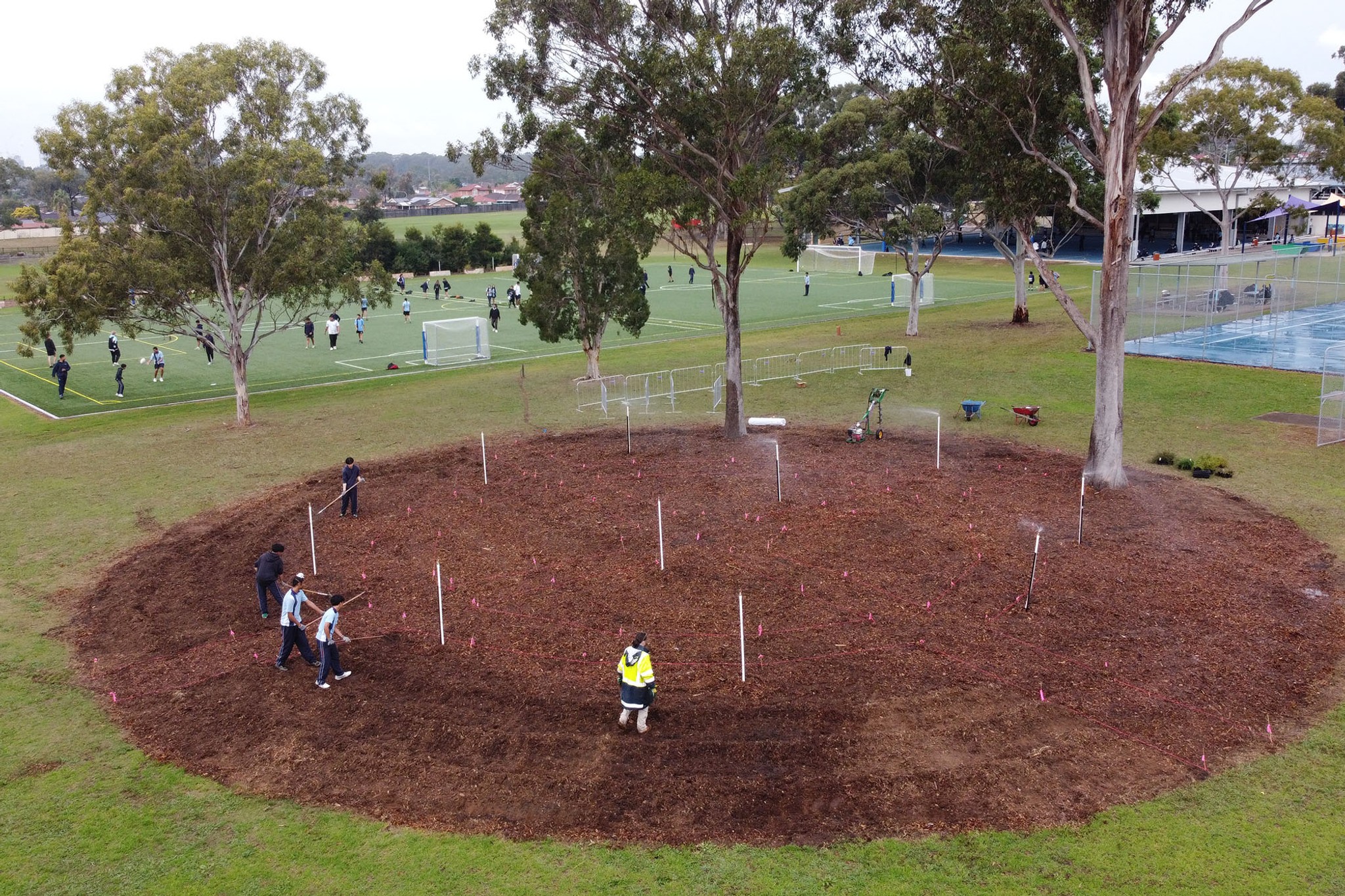
The land area is 400Sq m and the design includes a combination of a Miyawaki forest and a pollinator/grass habitat at one edge. The pollinator area includes grasses and groundcovers which are not part of a standard Miyawaki forest. However, we are replicating a Cumberland Plain Woodland plant community, which contains a high number of grasses in the understorey.
These are an important part of the community make up. So rather than including them in the Miyawaki forest – which is not appropriate – we are planting them on one side of the forest to attract biodiversity and mimic the natural system.
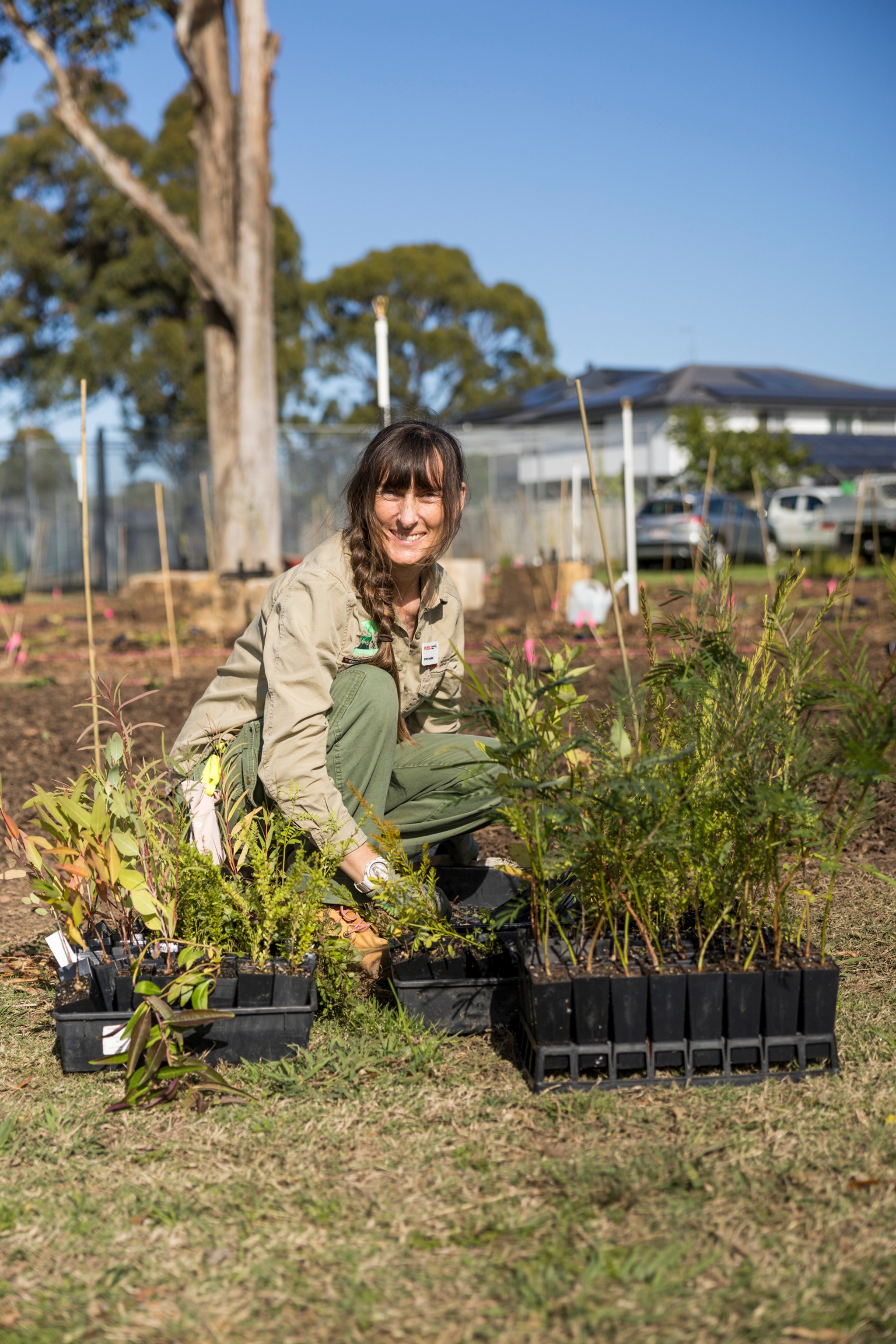
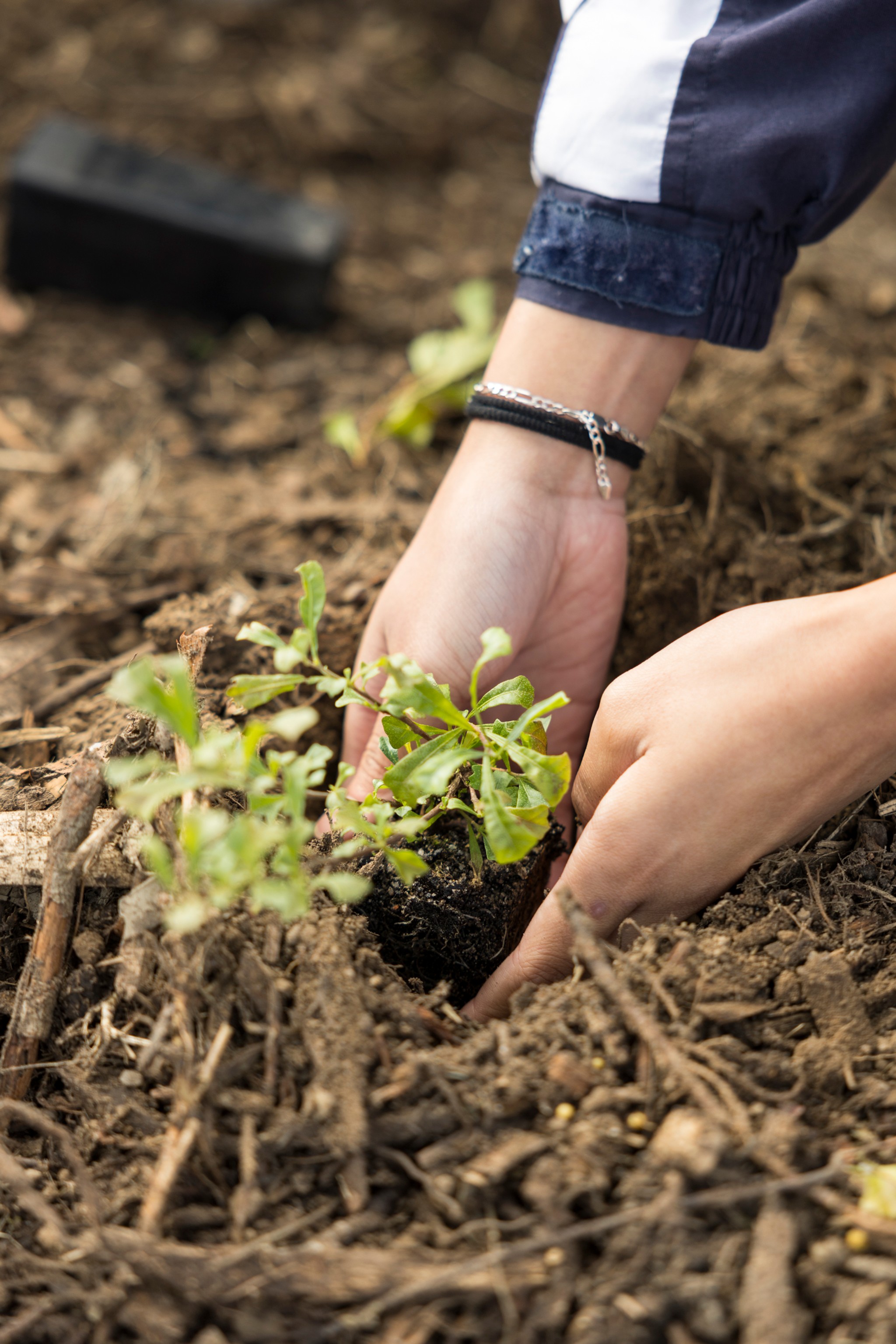
Planting: May 2026
Urban Heat Profile
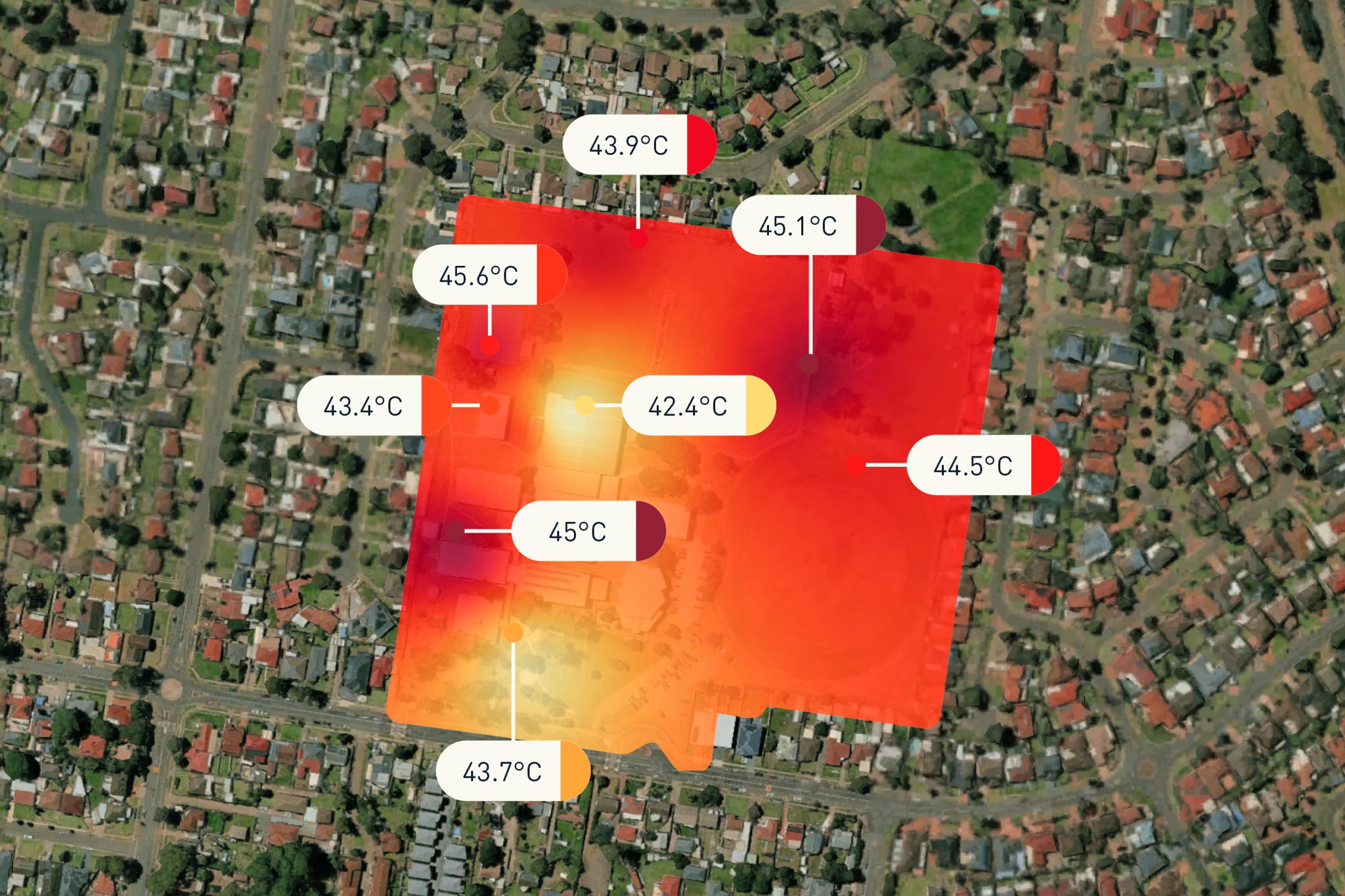
The students of Doonside Forest have taken 81,792 individual measurements at the 8 locations on the school grounds from December 2024 to February 2025.
The 8 locations are: the hockey field, soccer field, the Quad Astroturf, tennis court, the Trade Training Centre, the AFL Field, the Senior Yarning Circle, Basketball Court COLA.
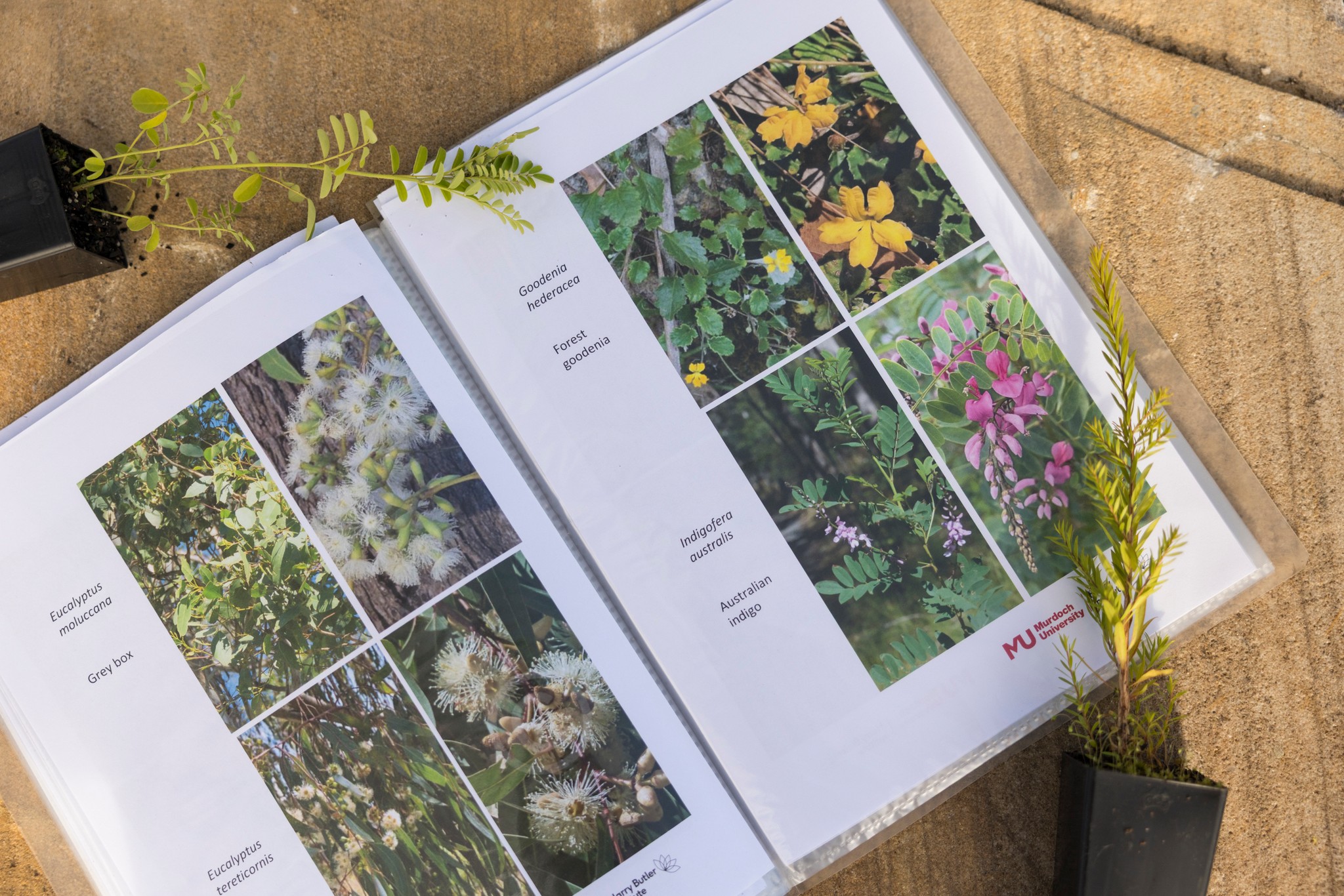
Native Species
Selection
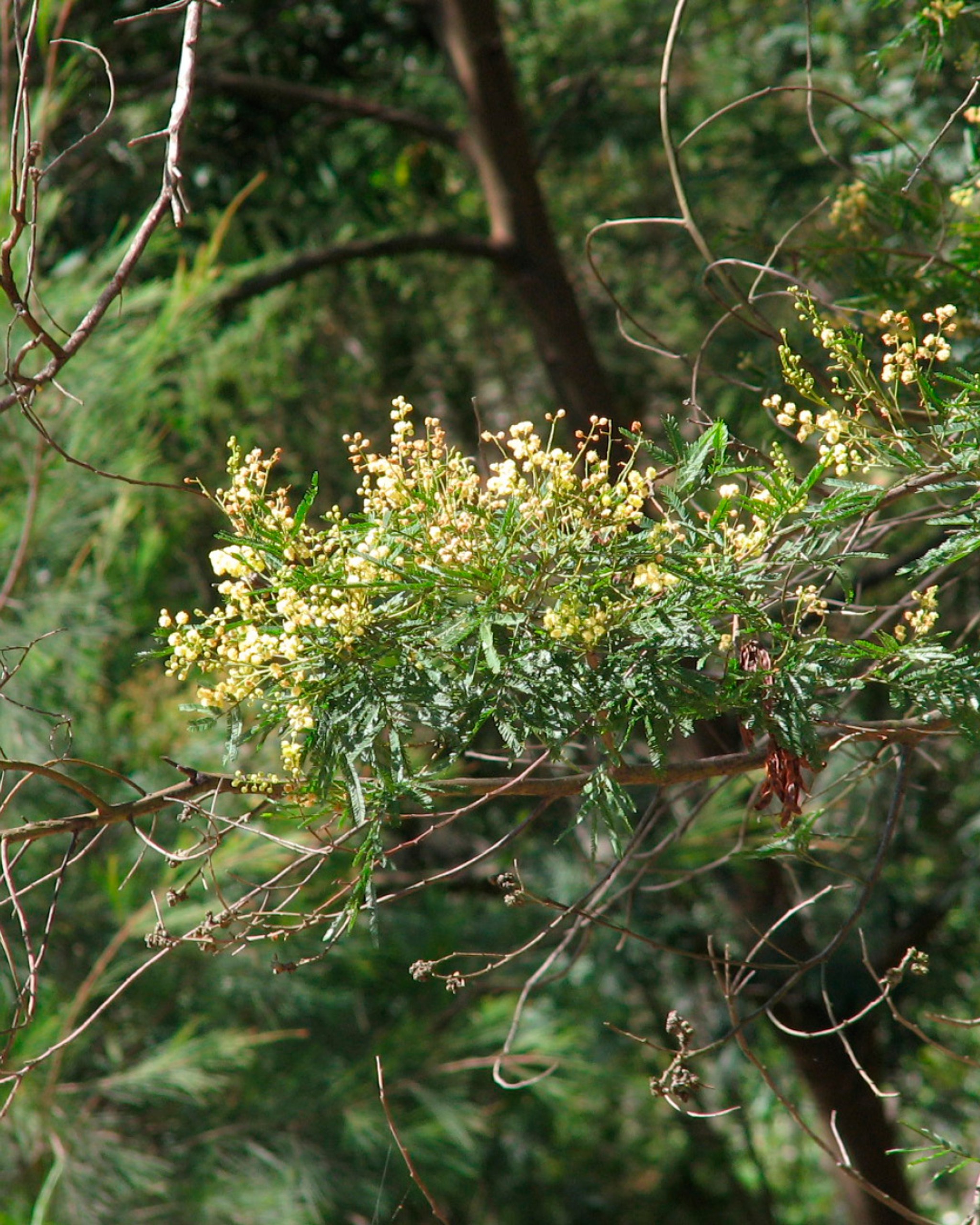
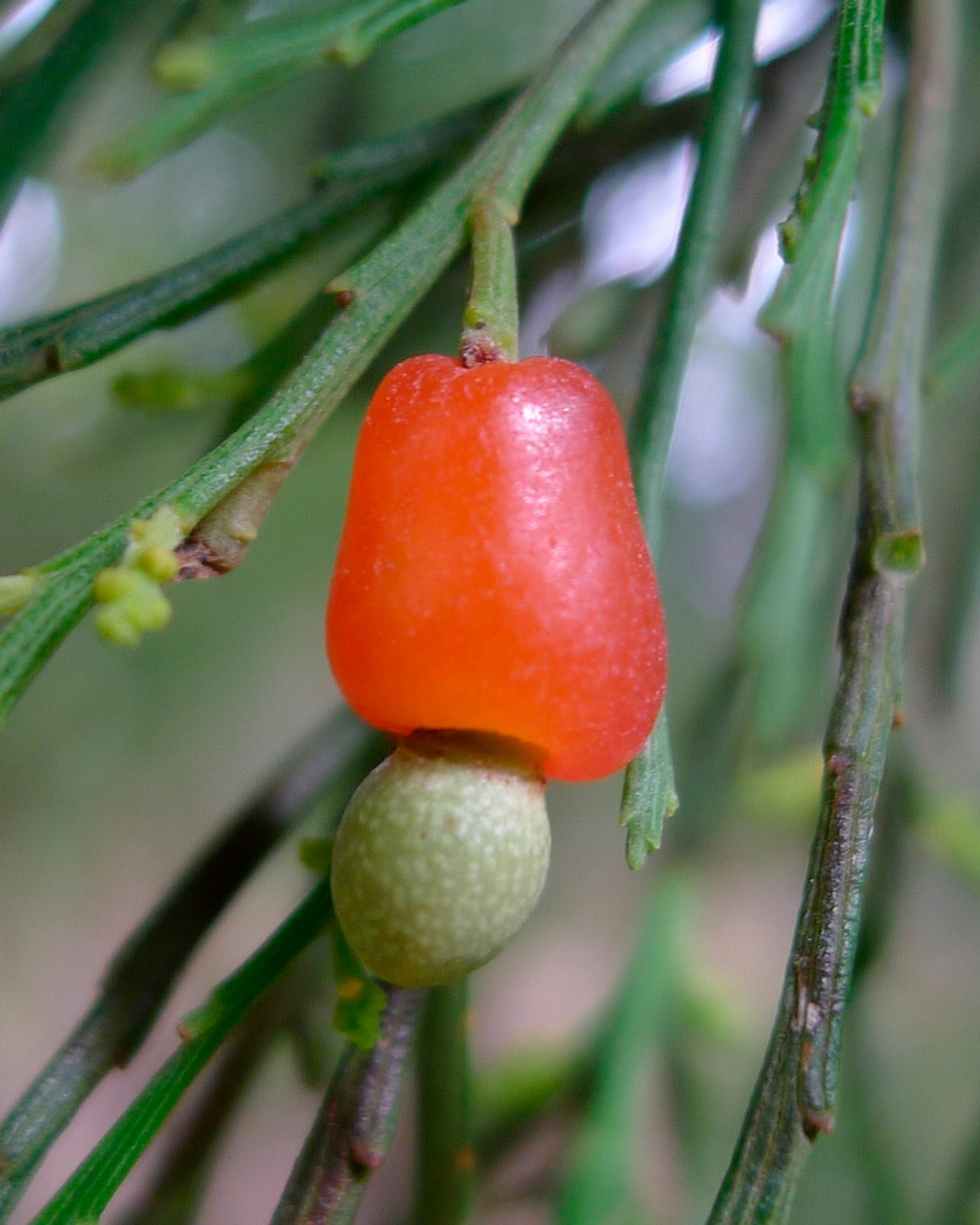
Doonside Technology High School sits at the crossroads of two critically endangered plant communities, the Shale Plains Woodland and the Alluvial Woodland.
These landscapes once stretched across the Cumberland Plain before roads, rooftops and artificial turf reshaped what was once a wild landscape.