
Atlantic Forest Classrooms
Restoring Joy and Nature to Schoolyards.

0
Trees
0
Square Meters
0
Native Species
0
Youth Impacted
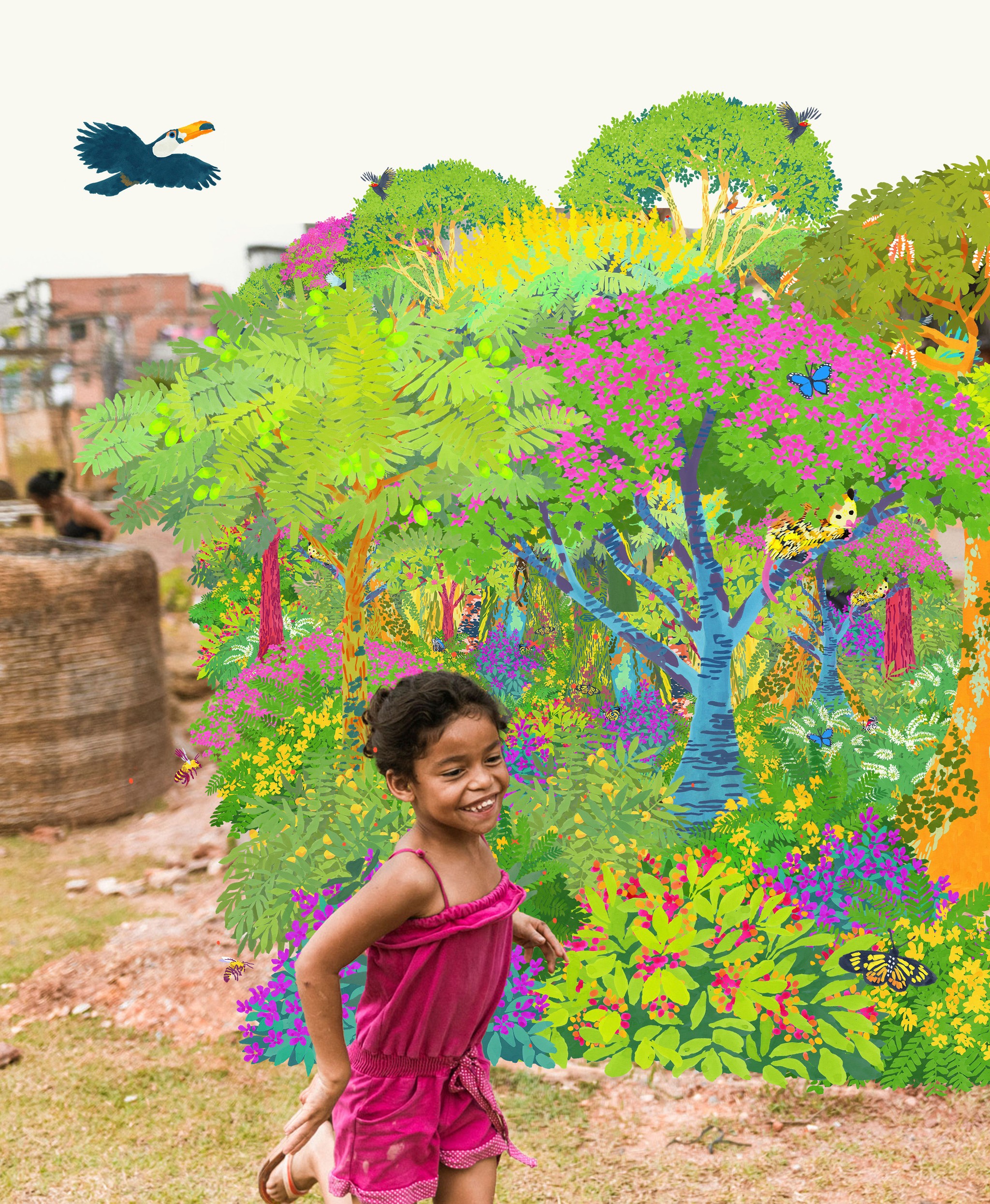
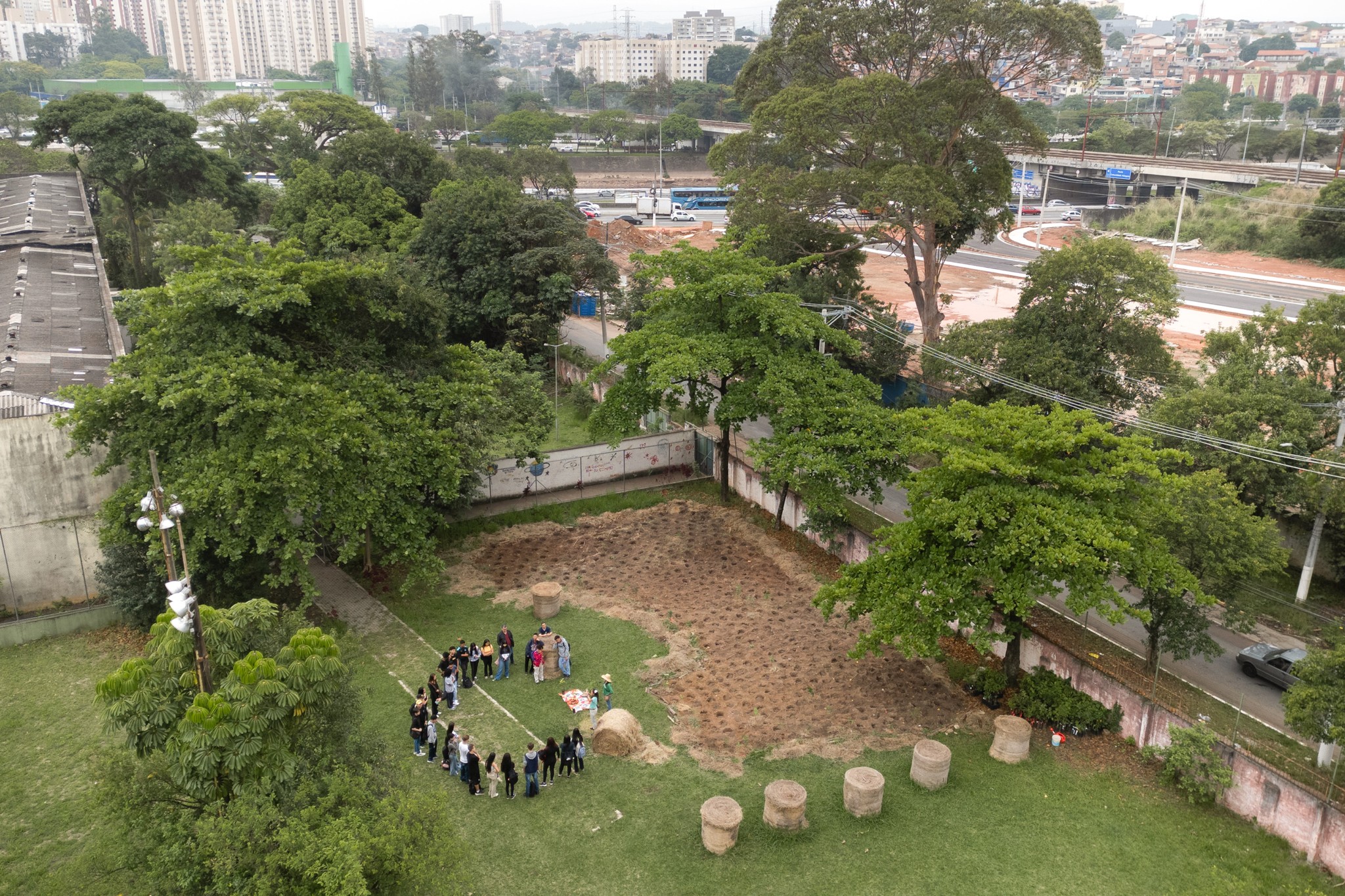
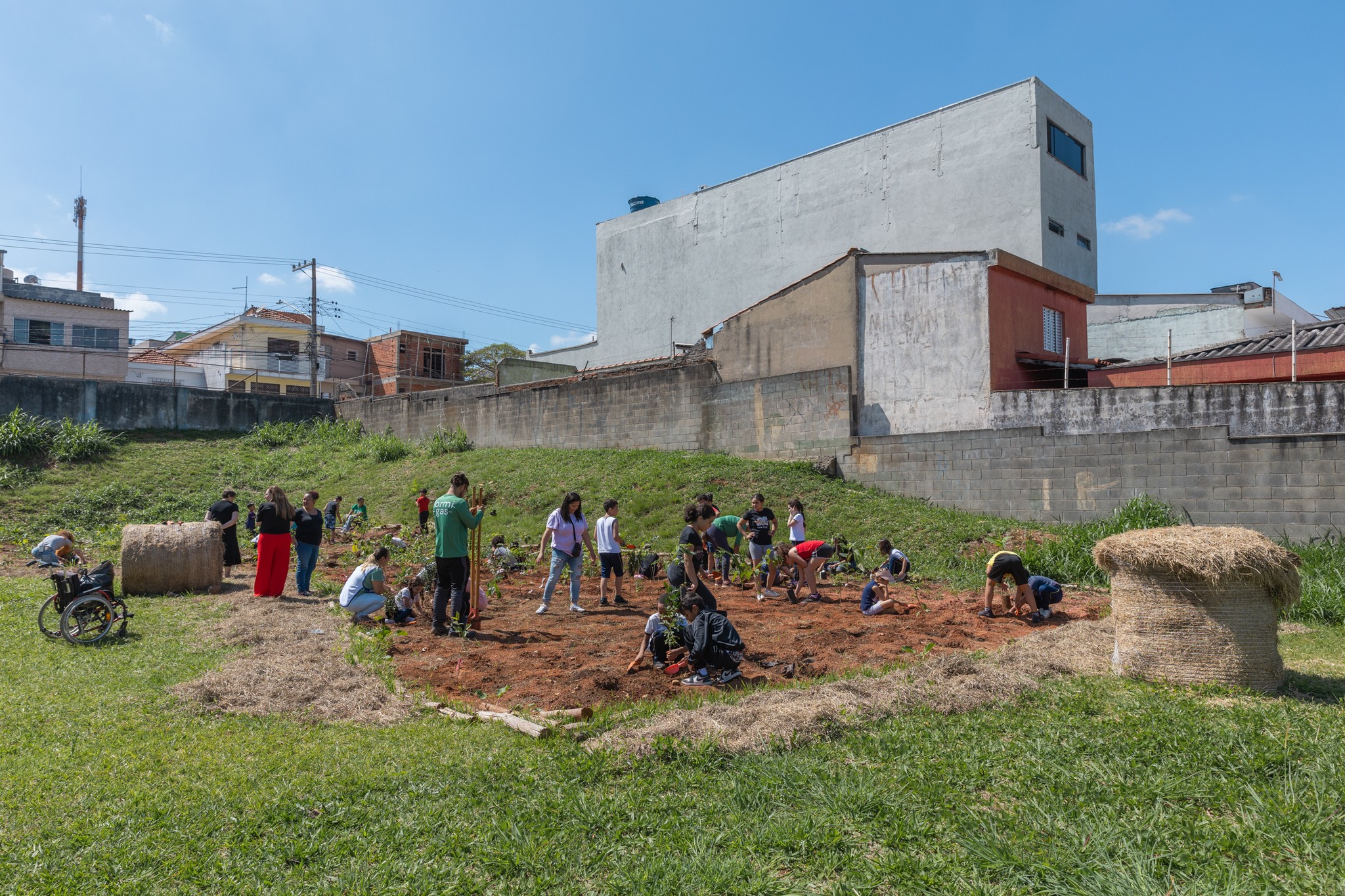
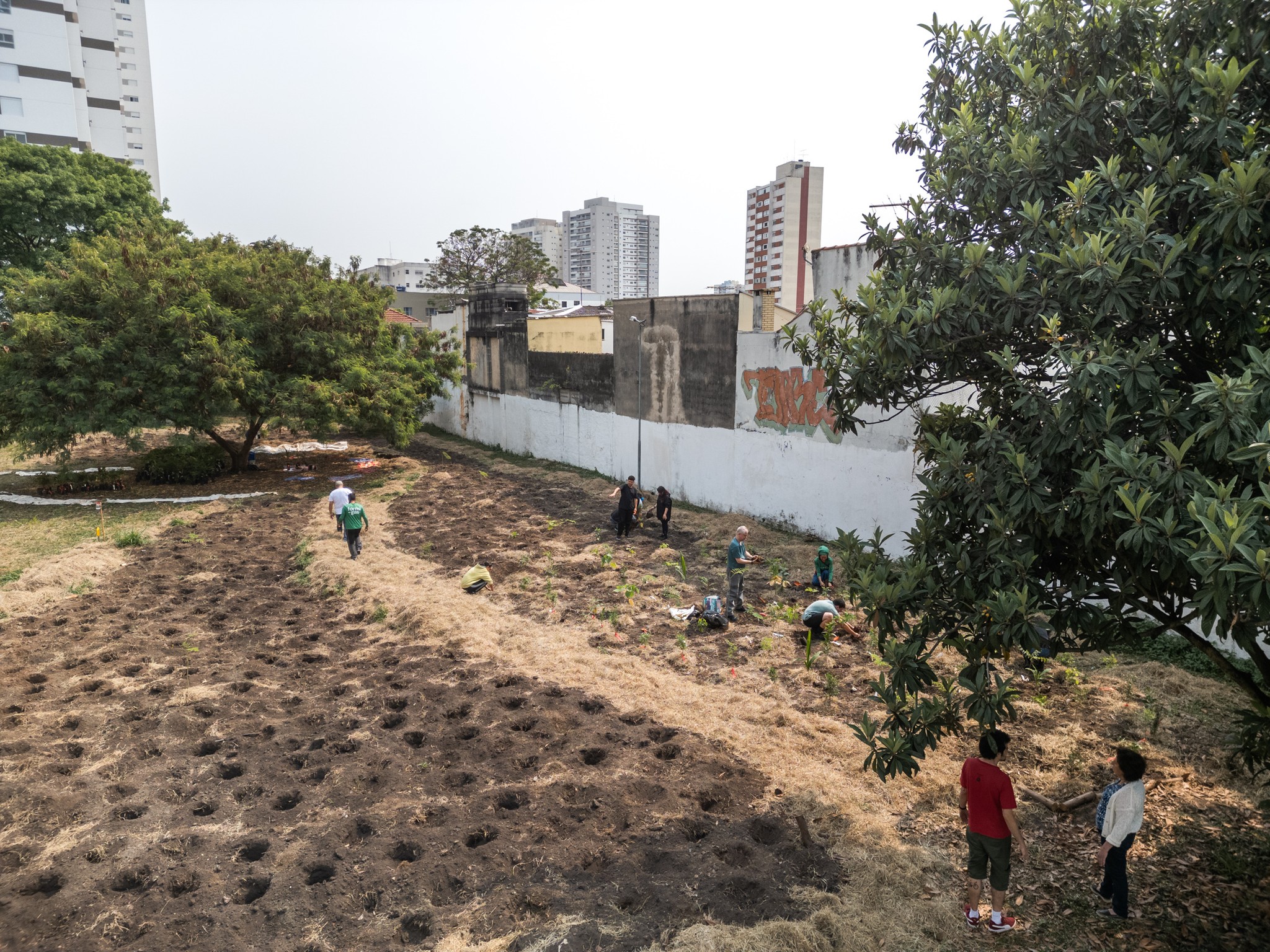
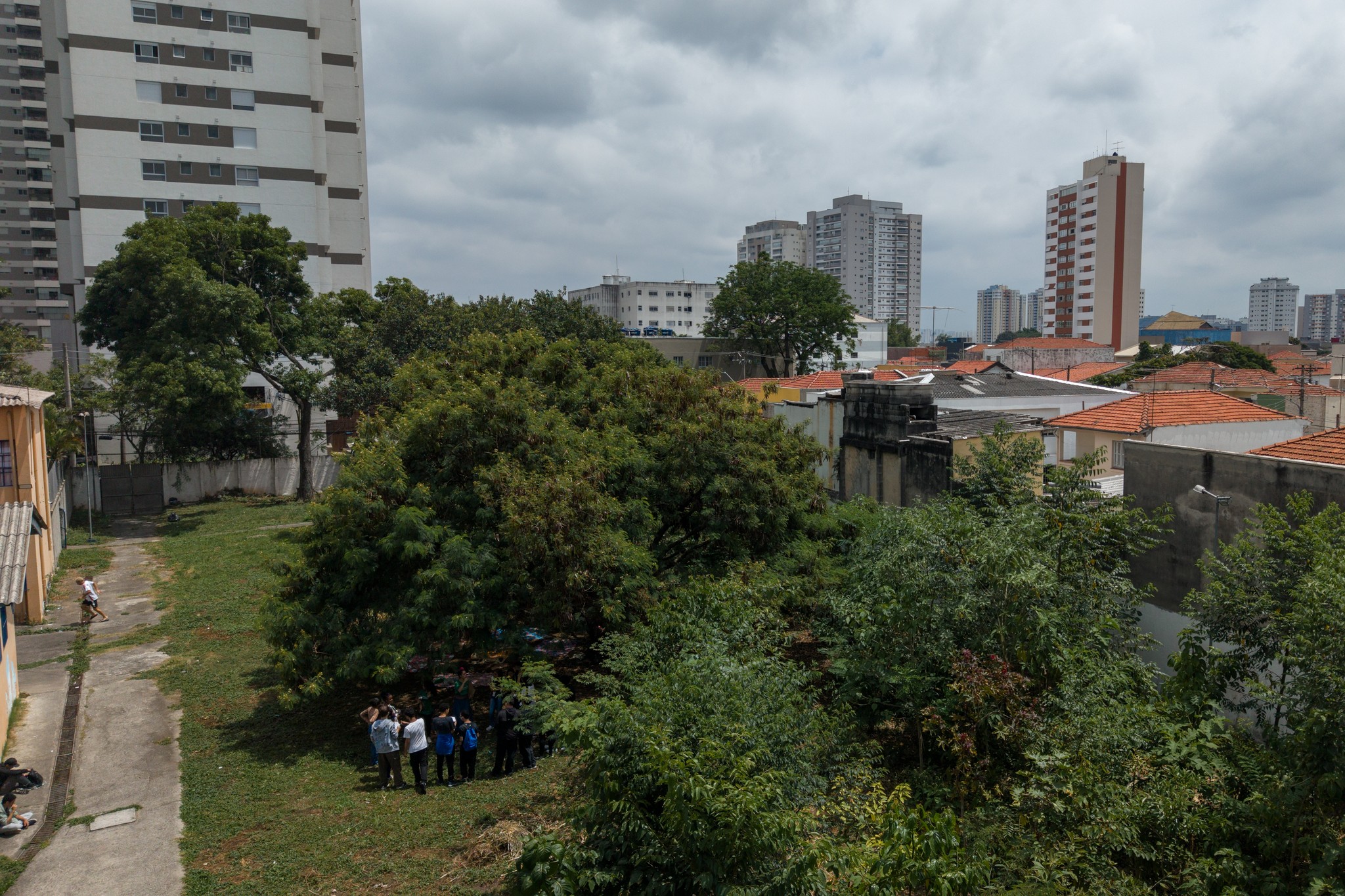
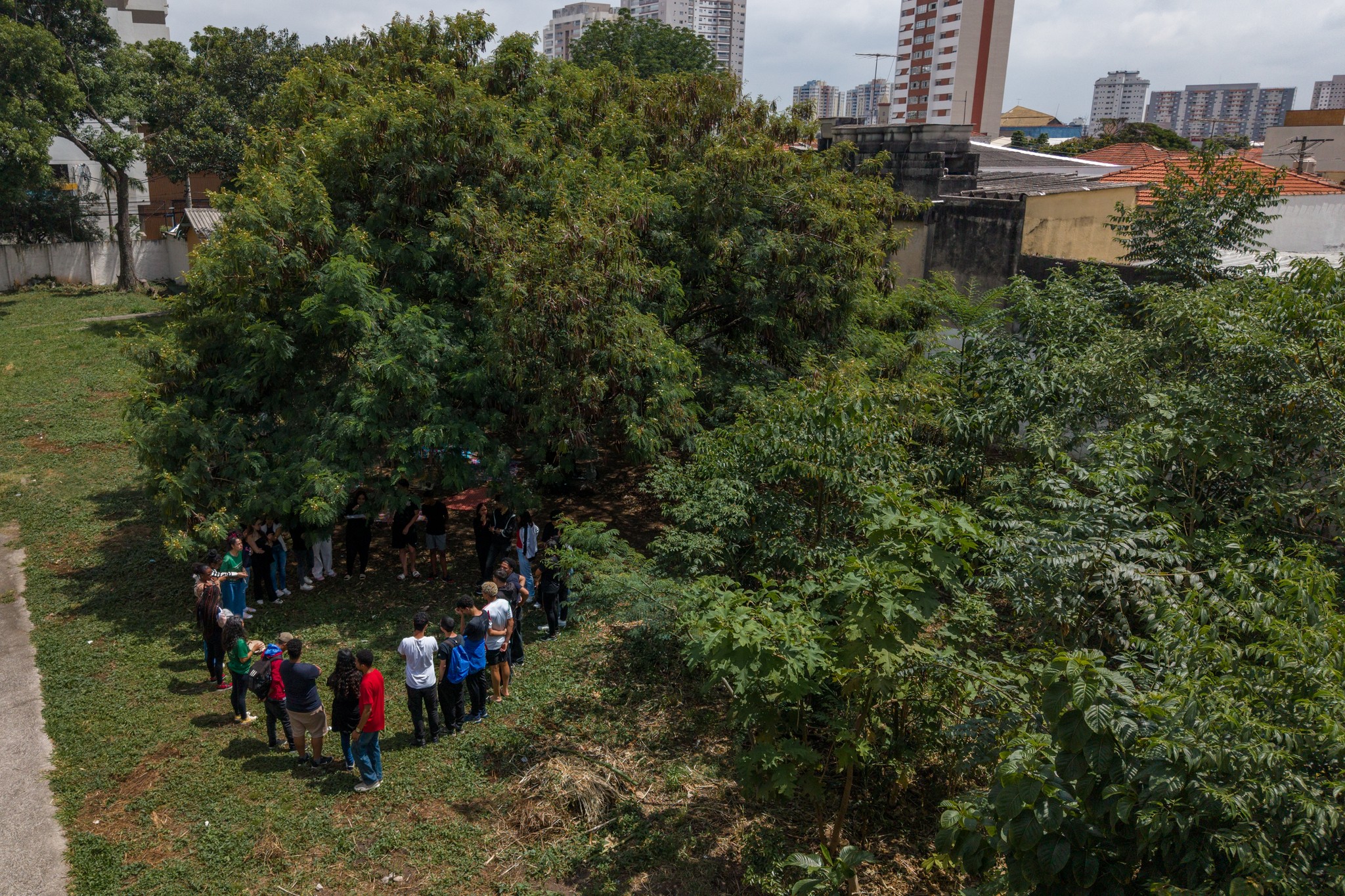
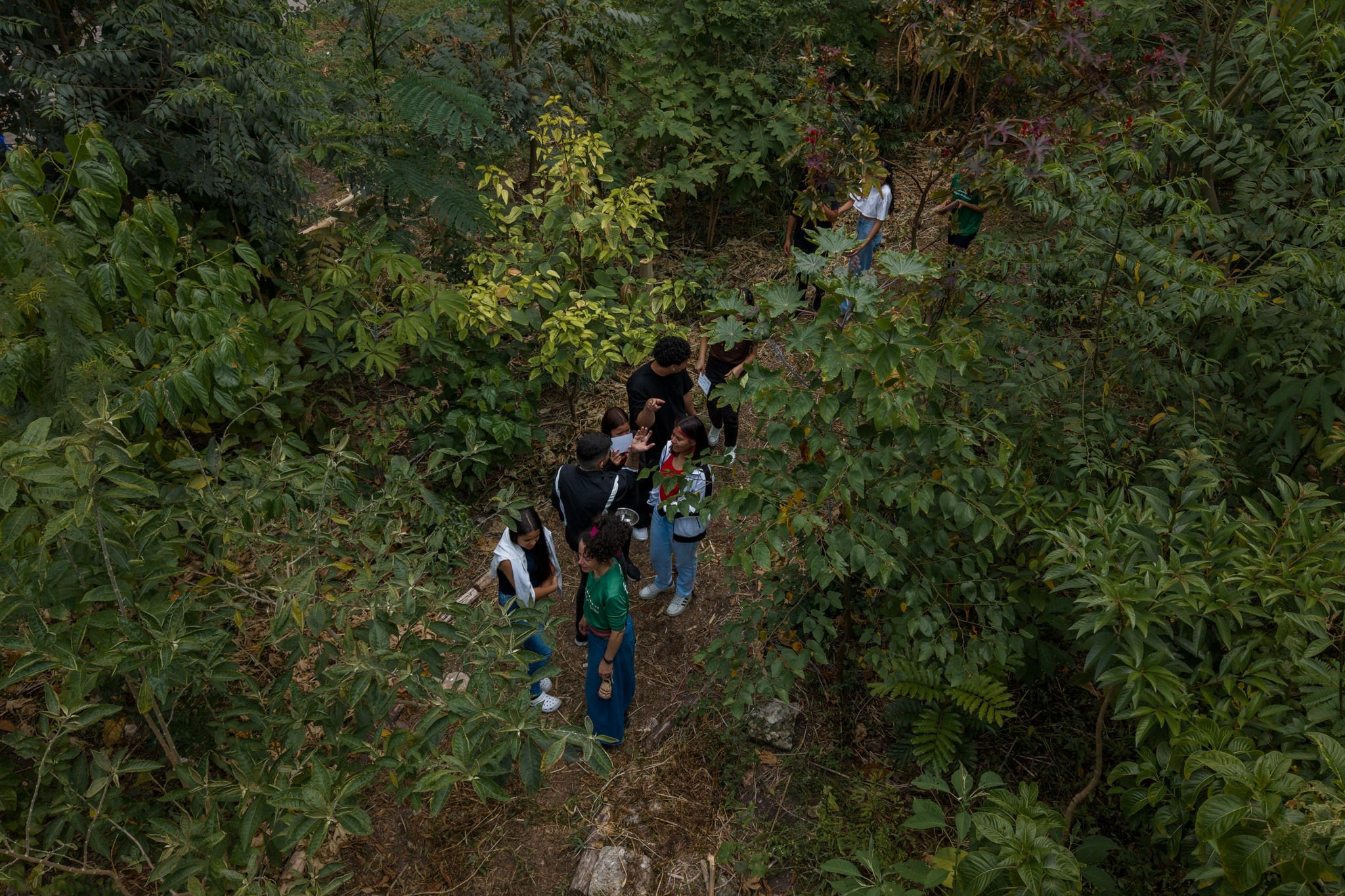
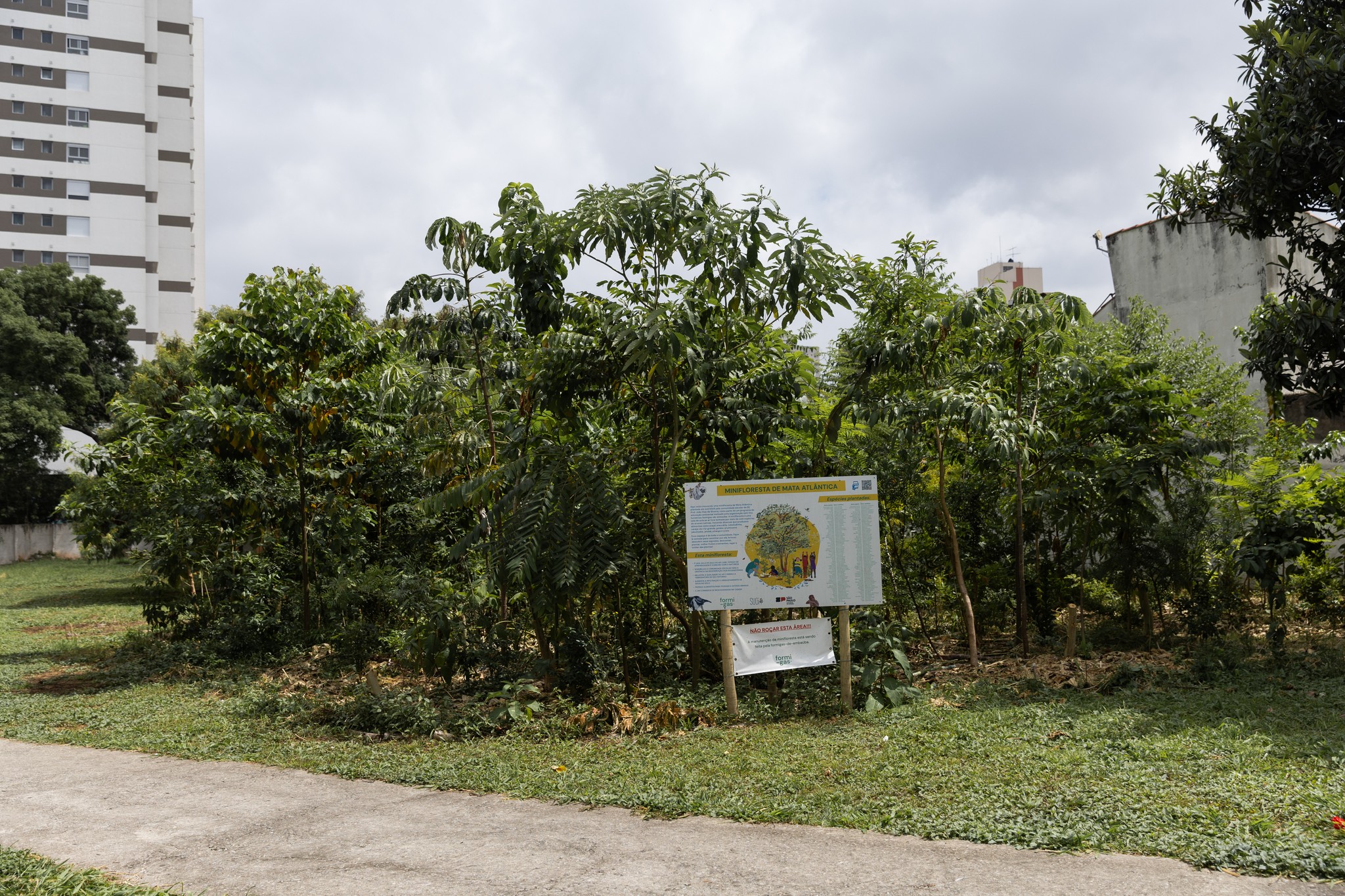
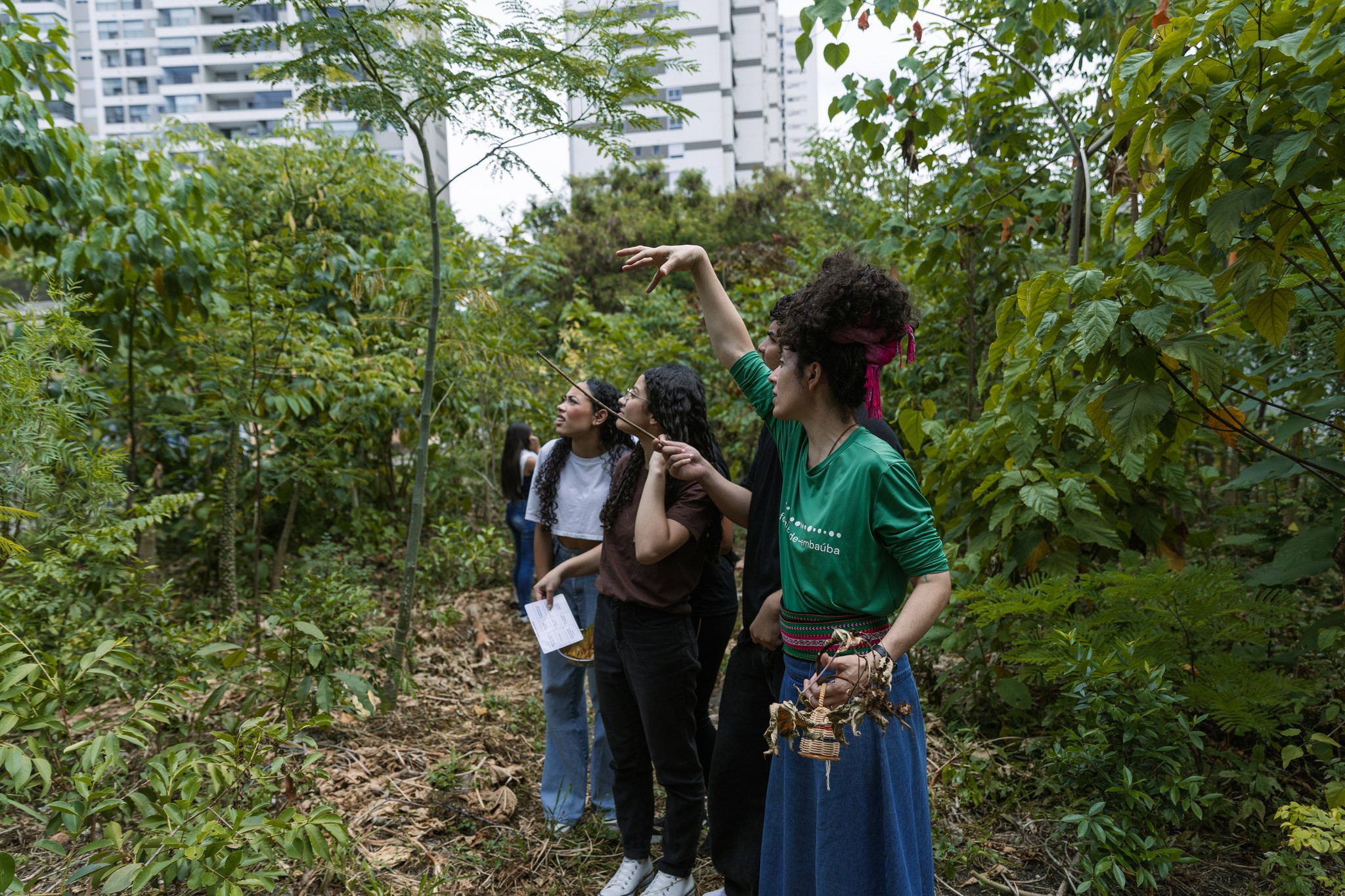
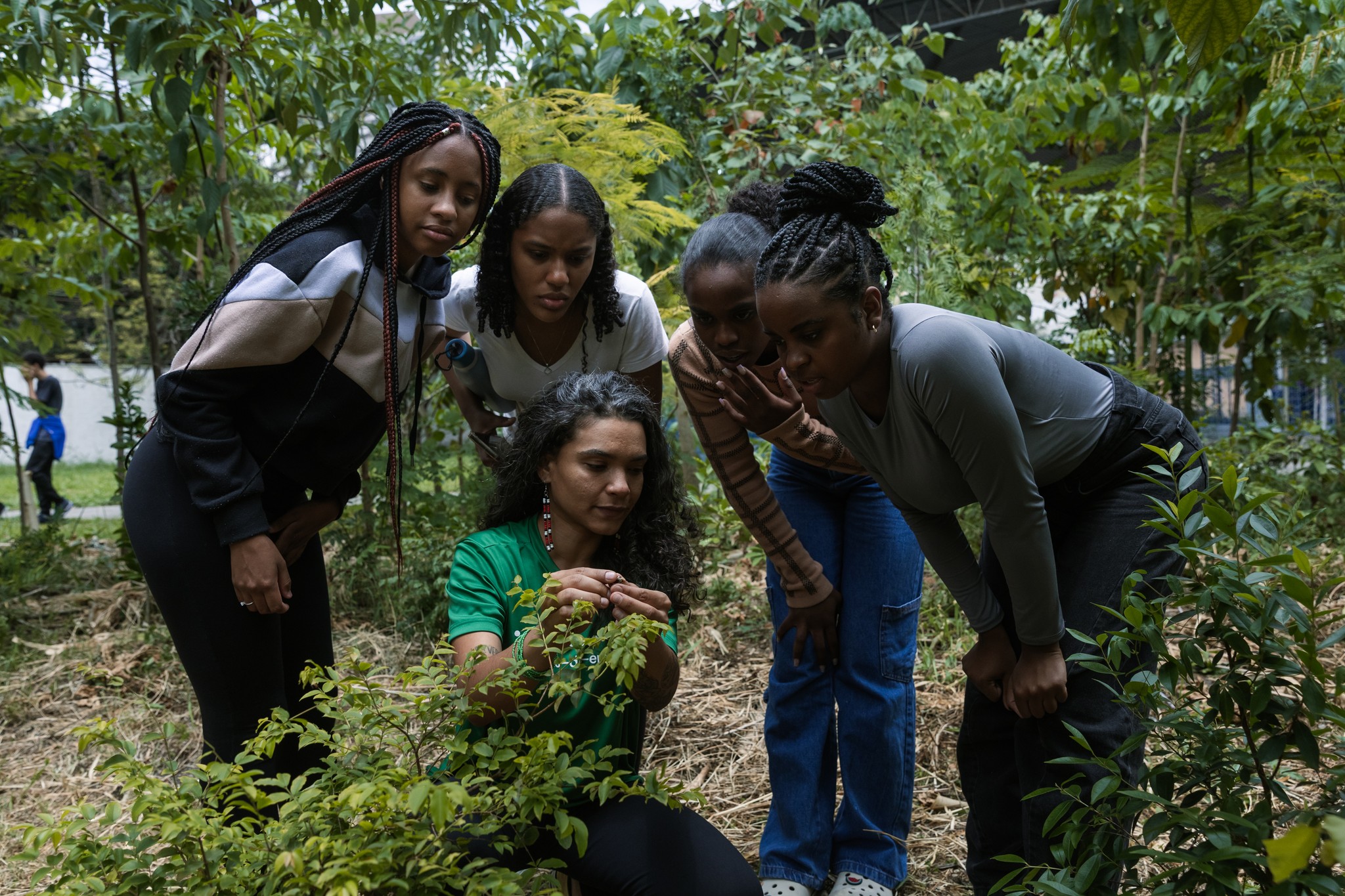
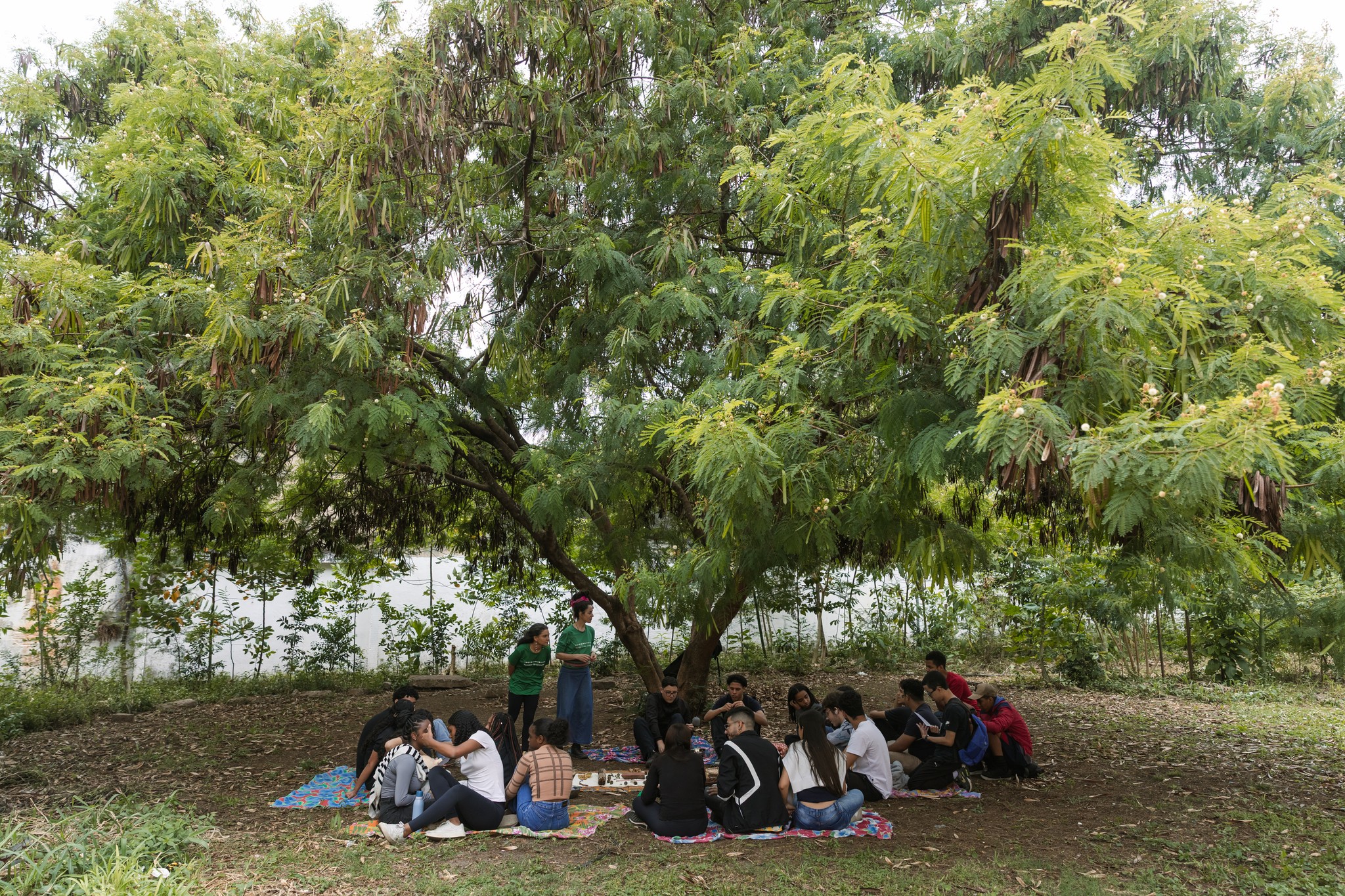
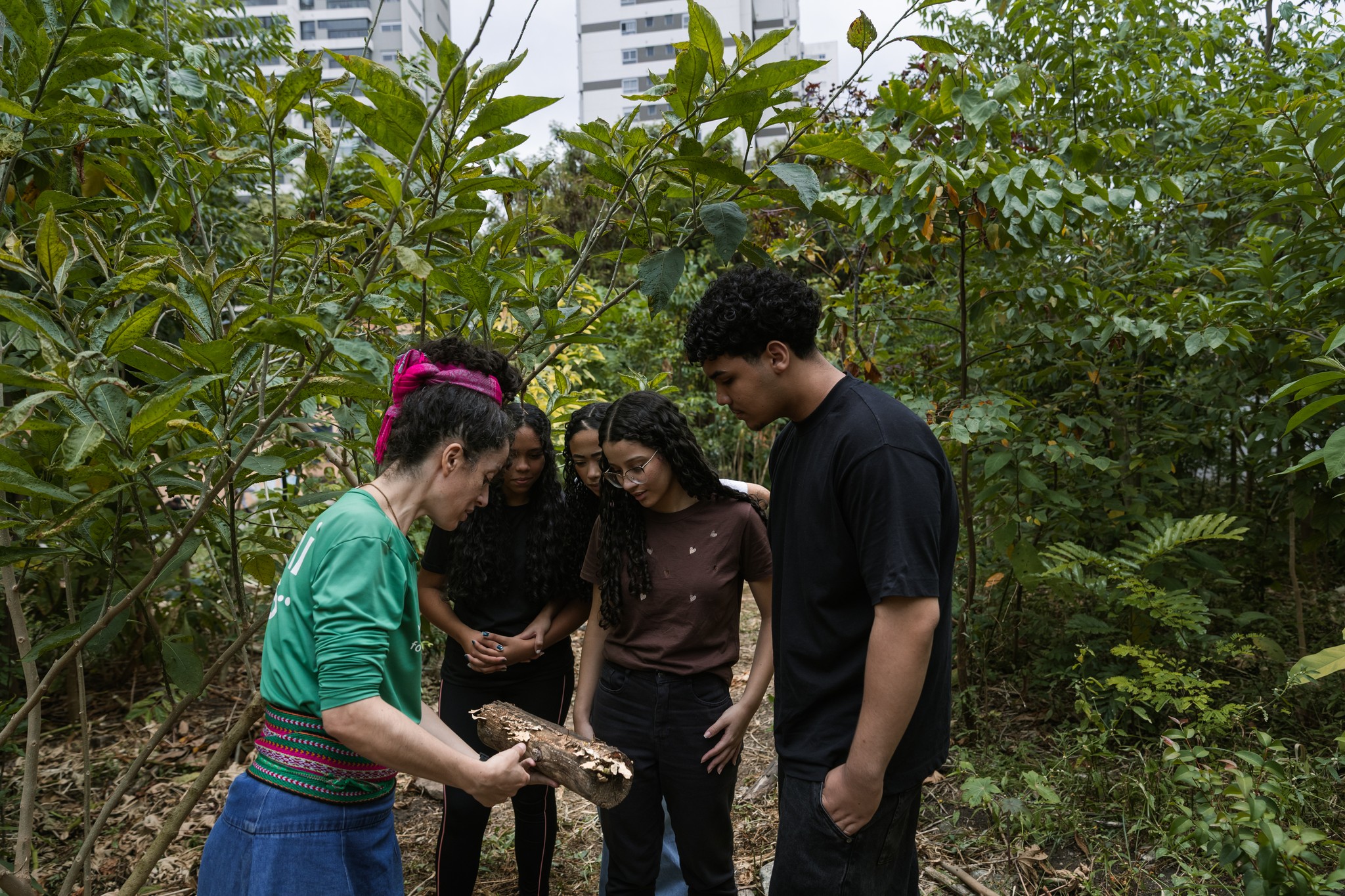
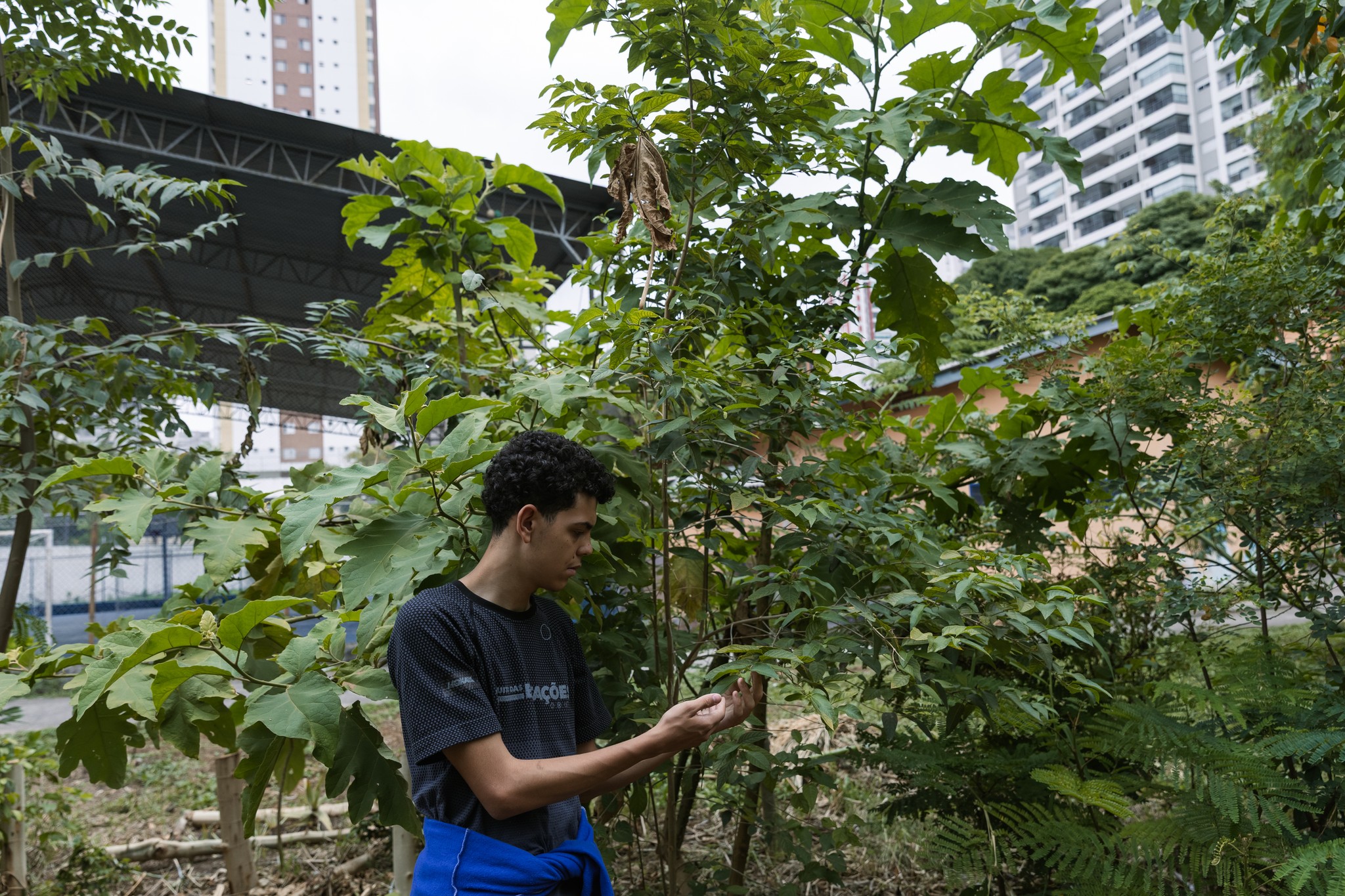
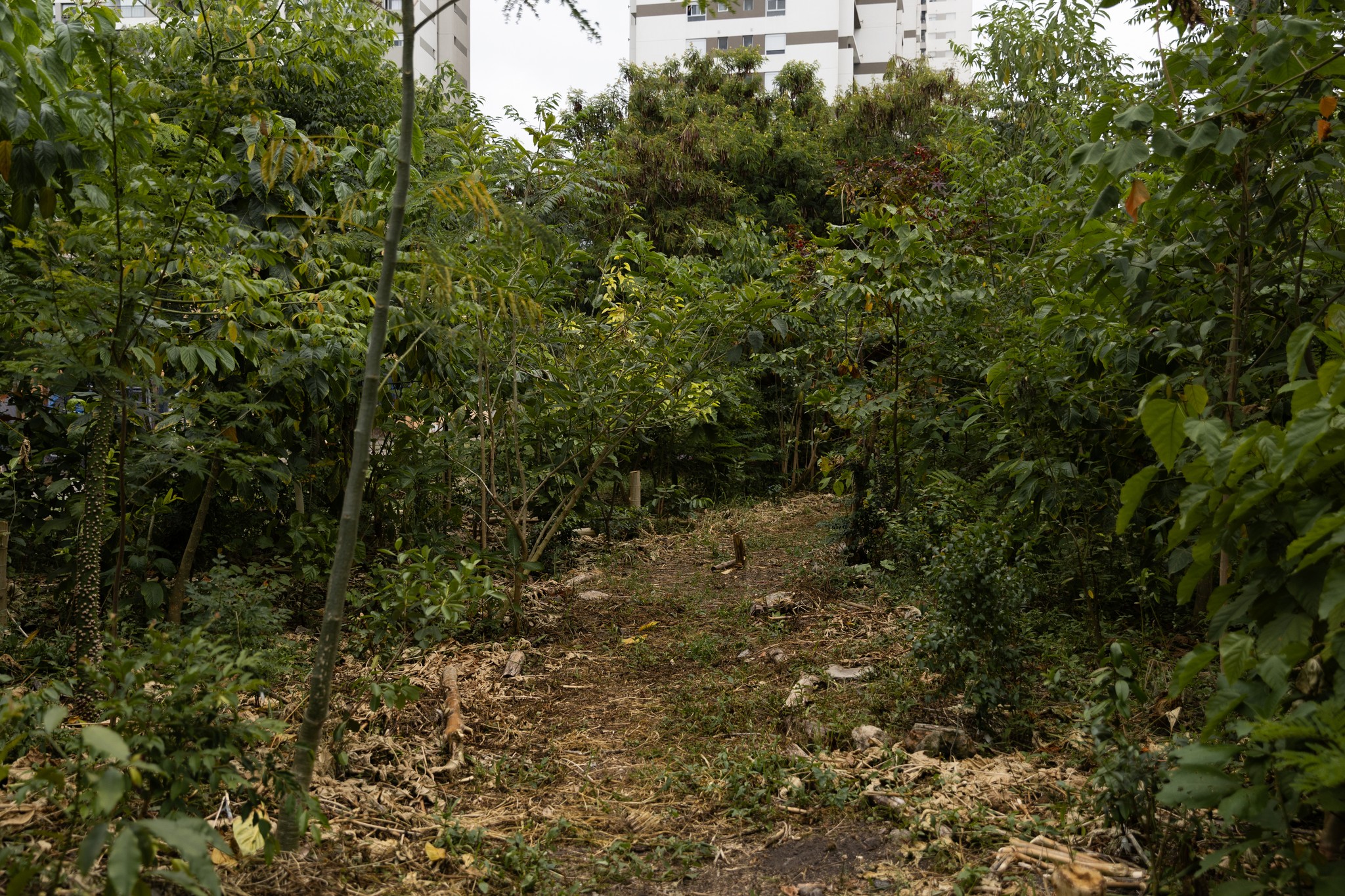
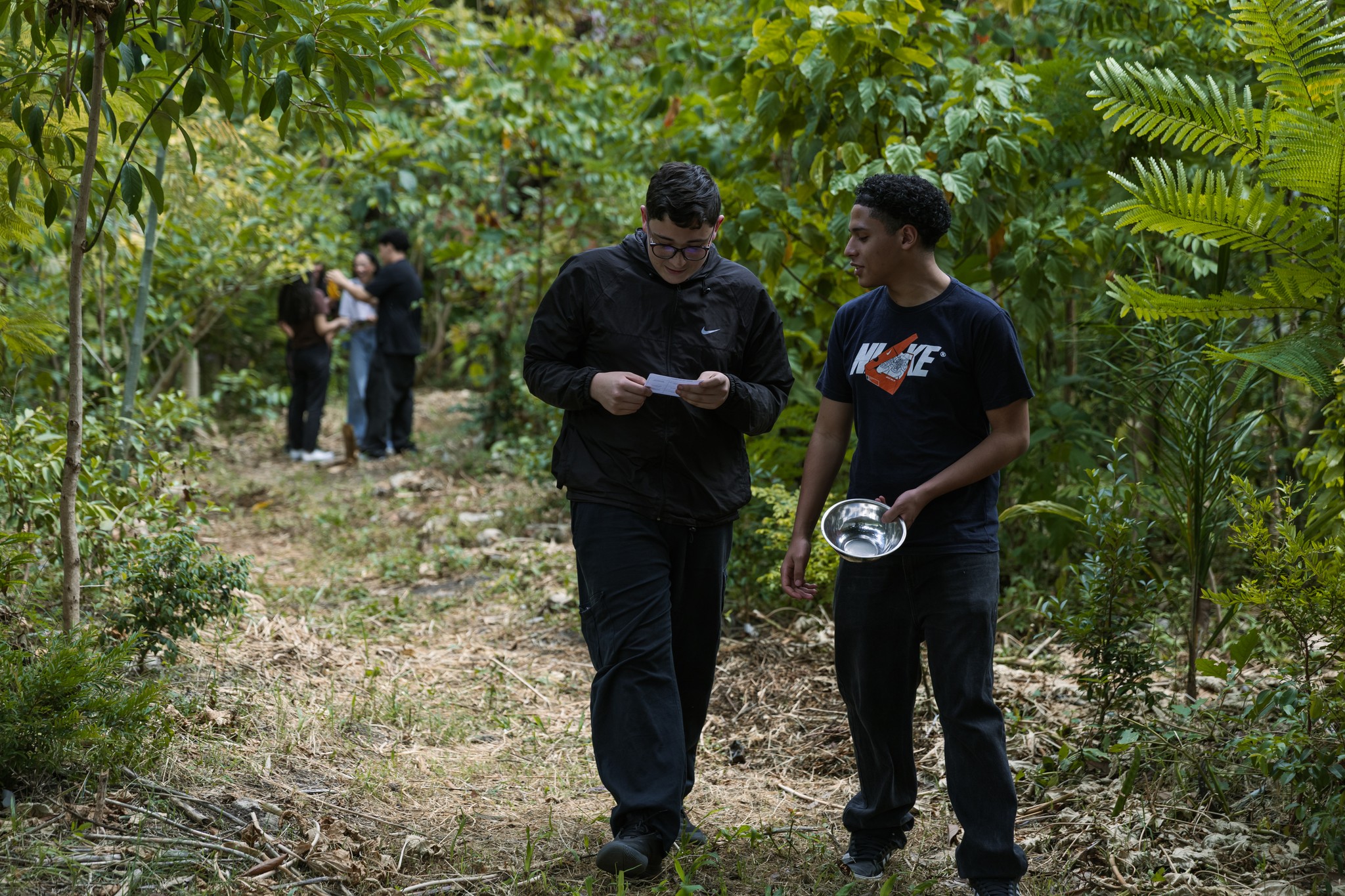
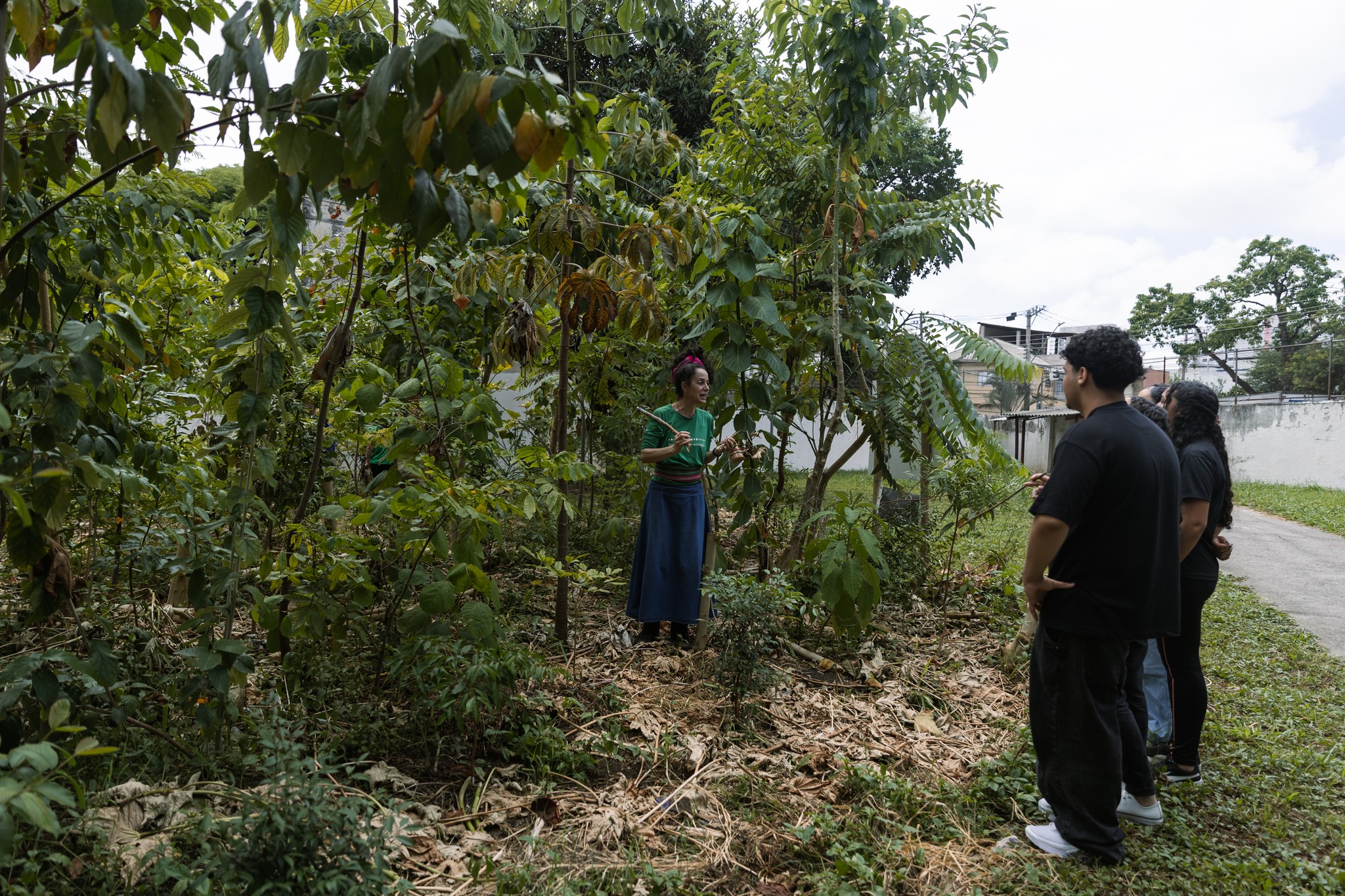
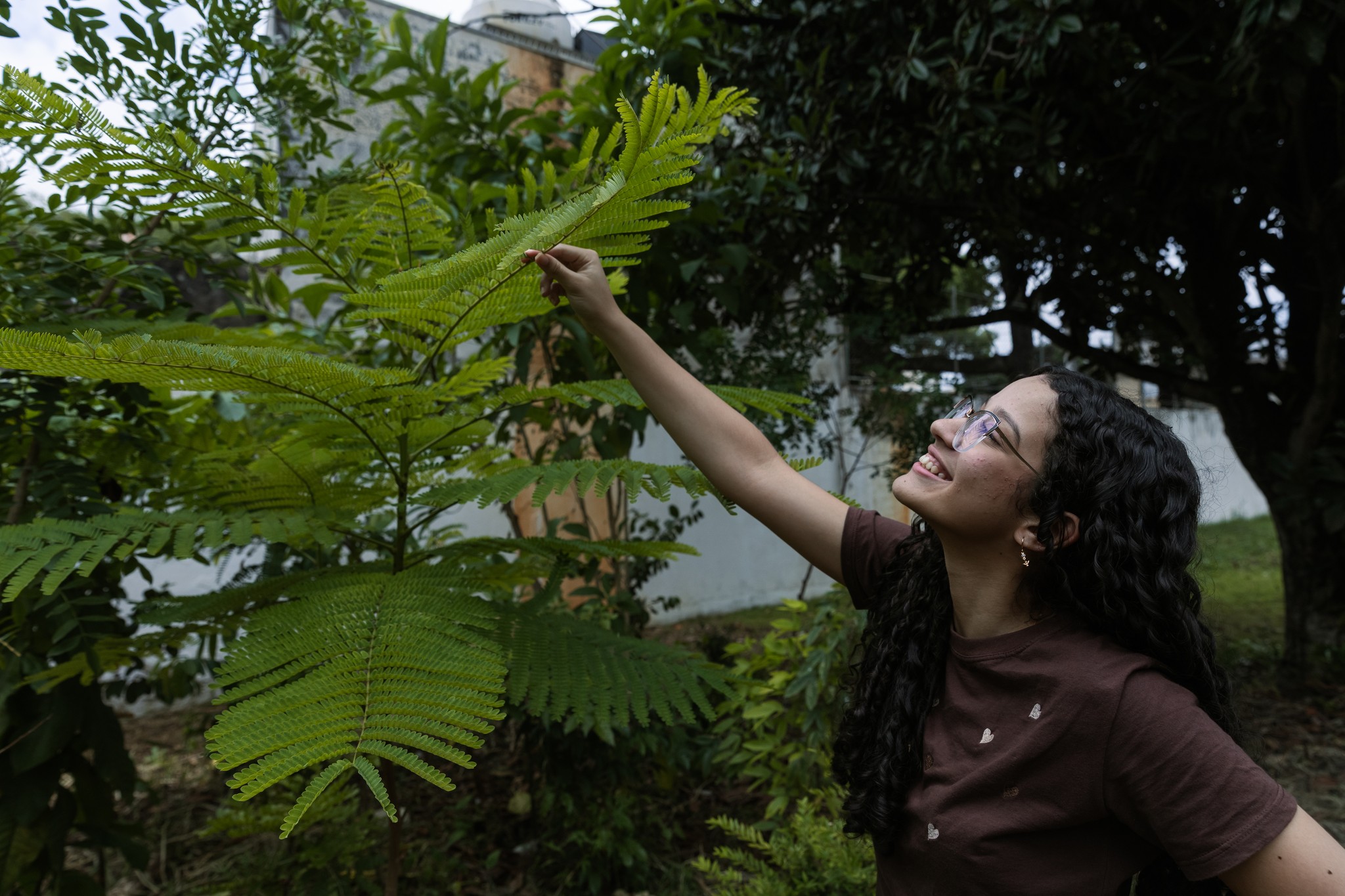
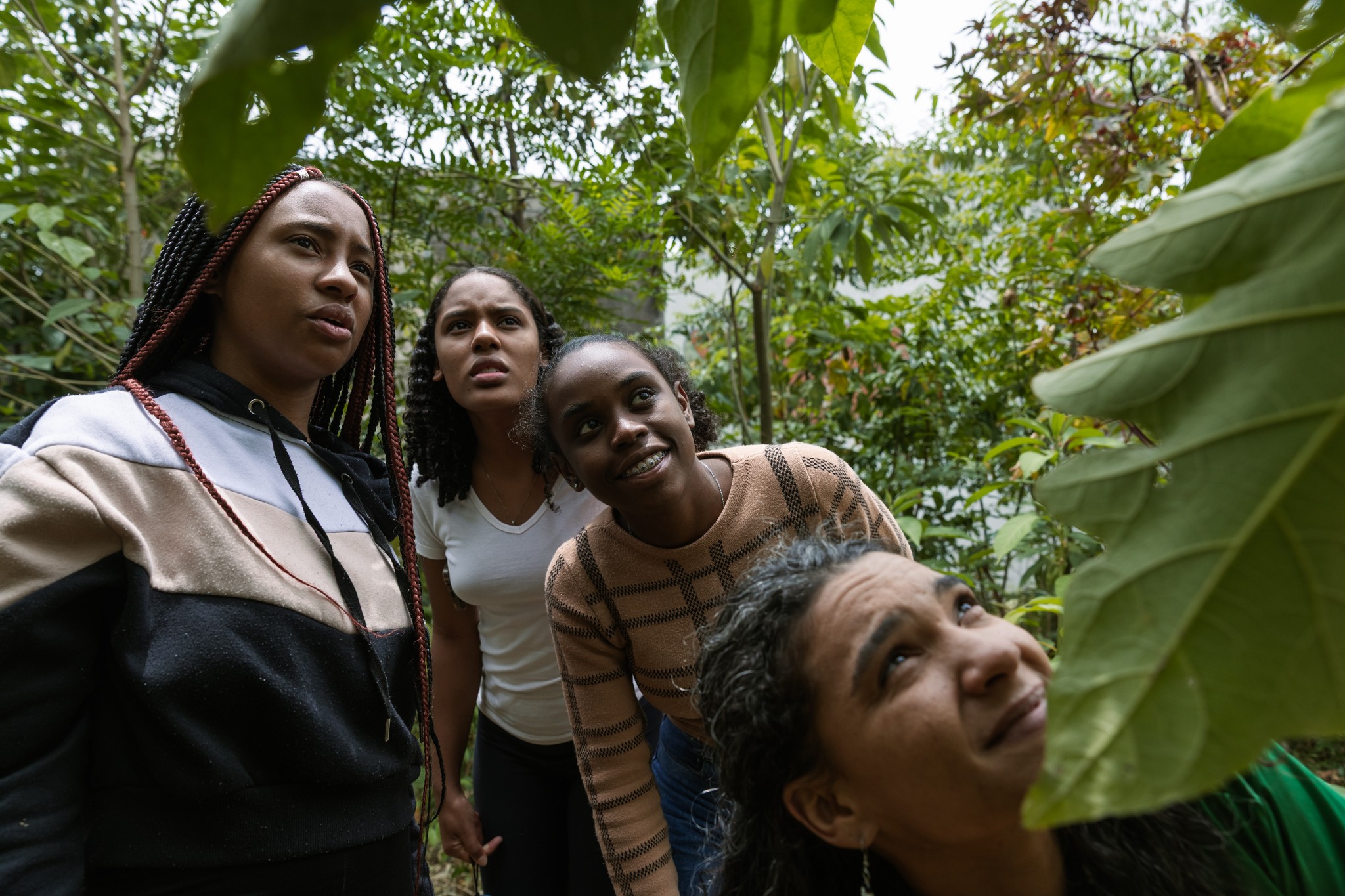
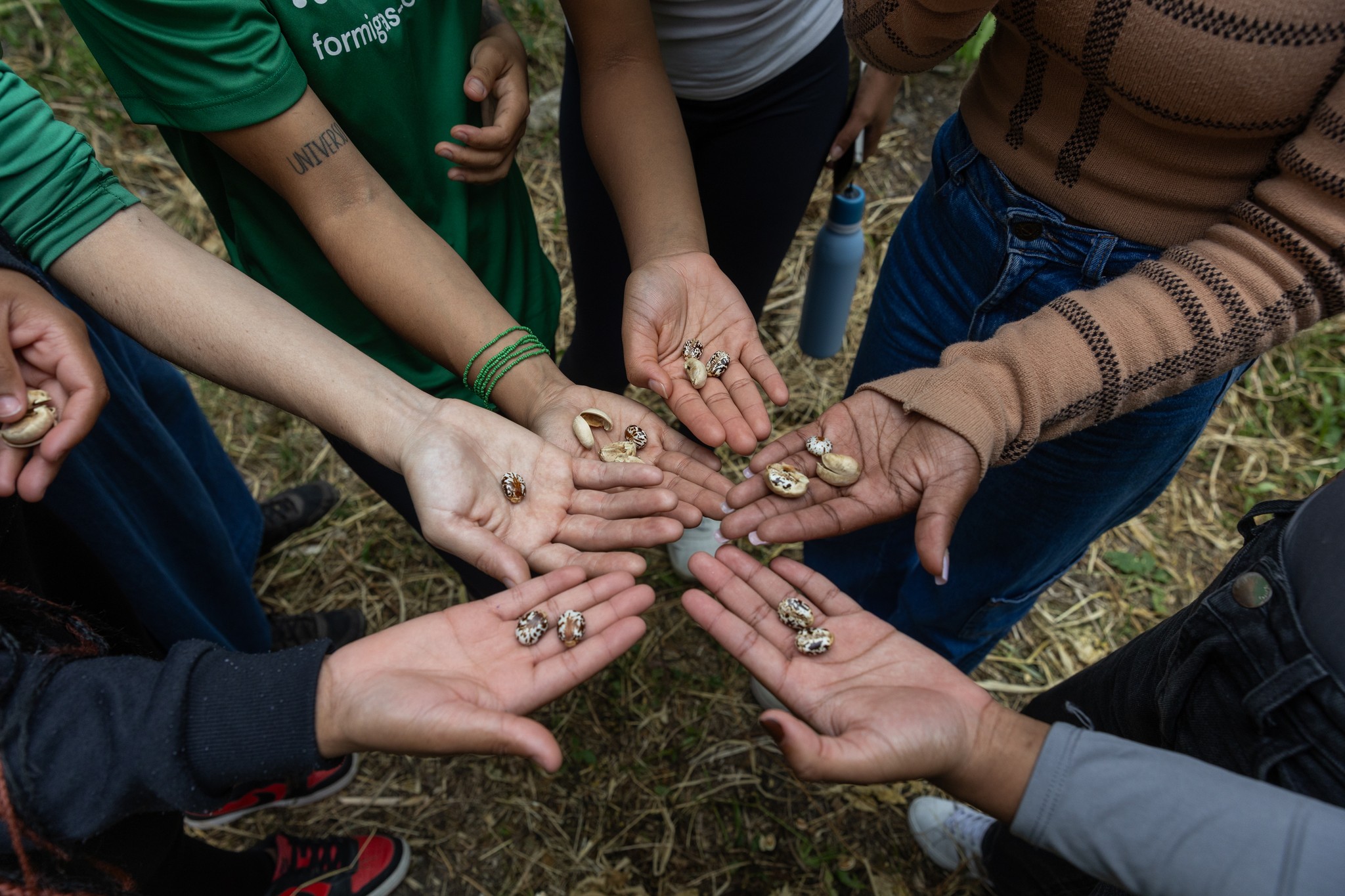
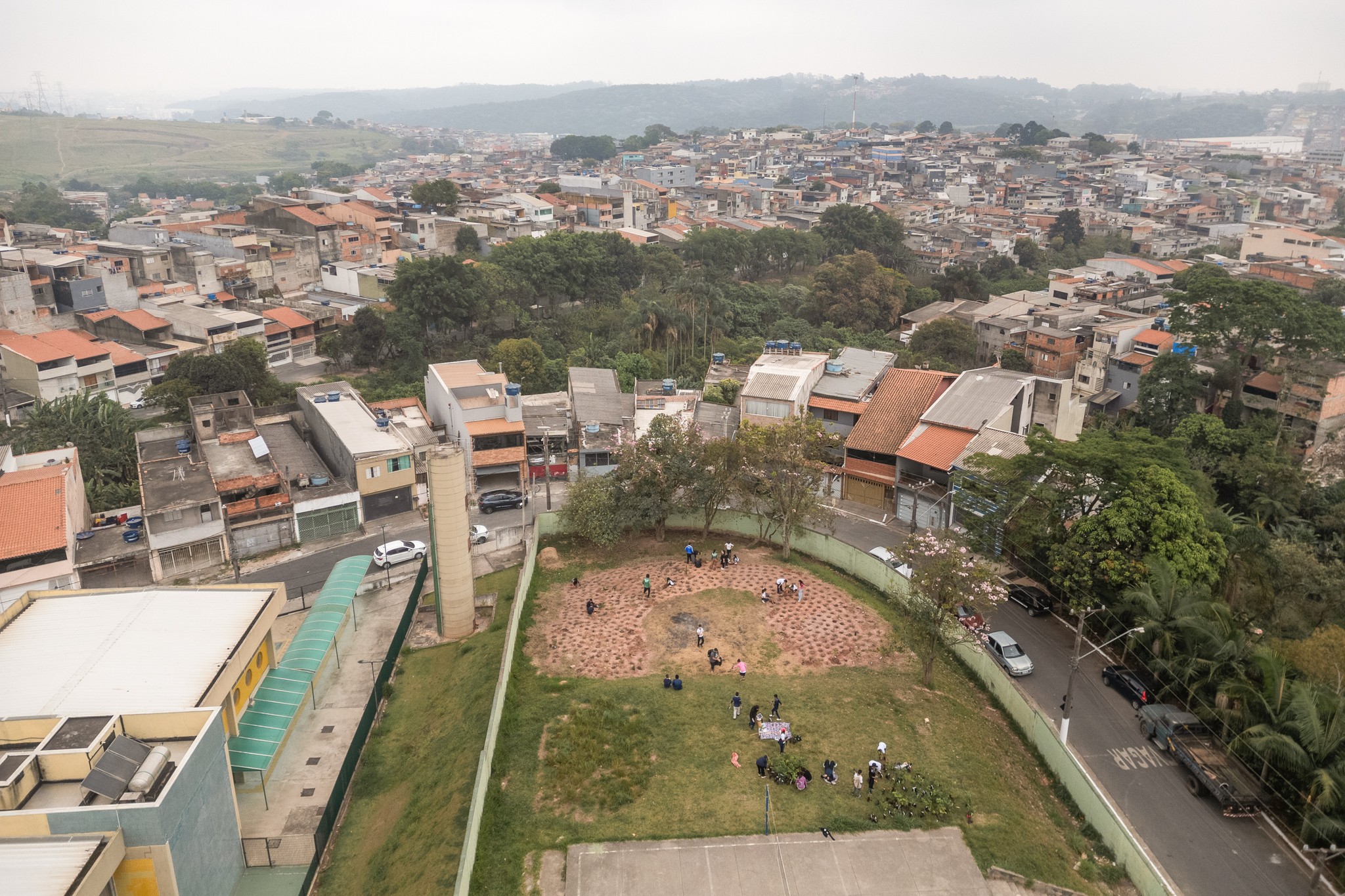
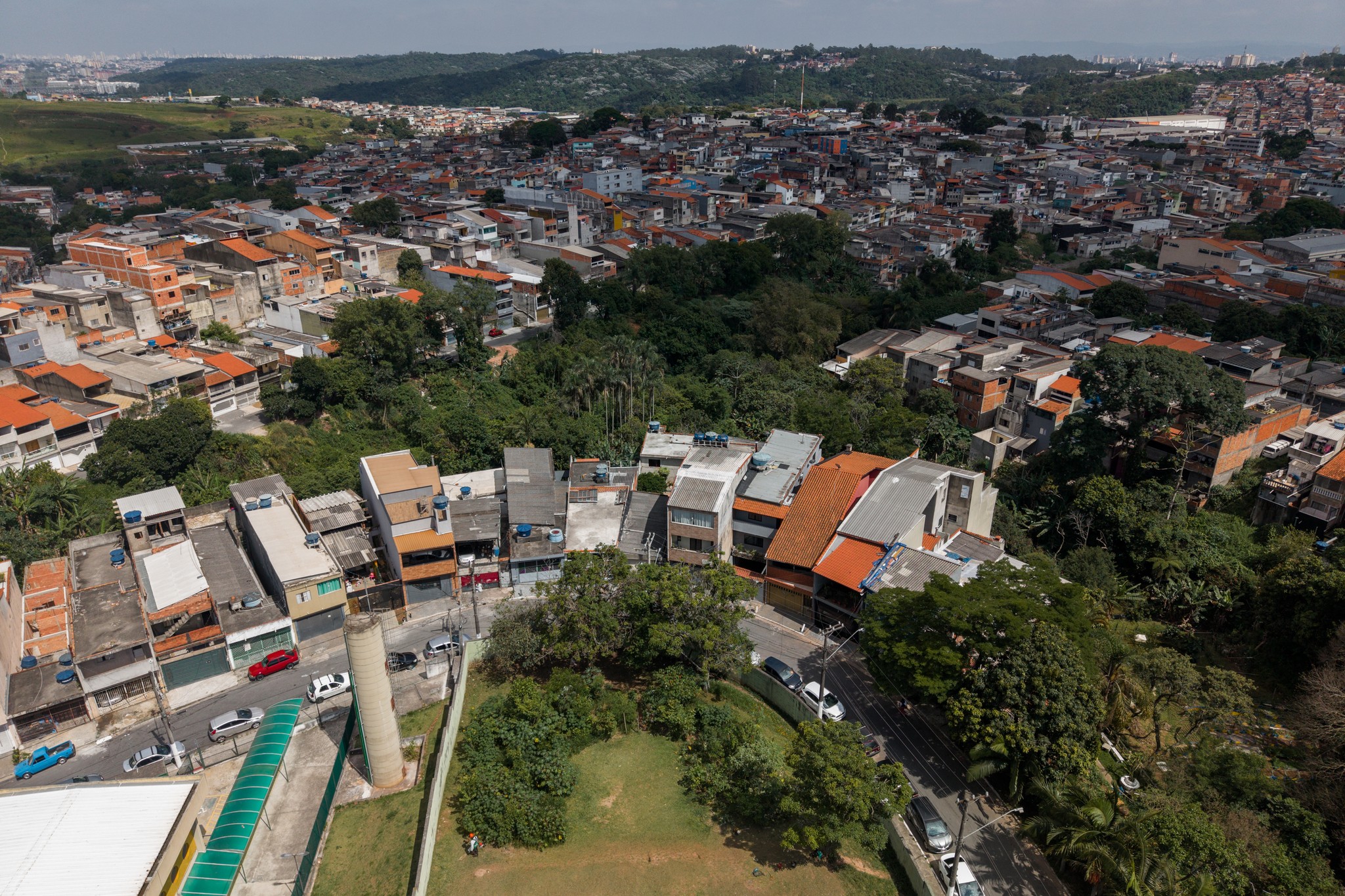
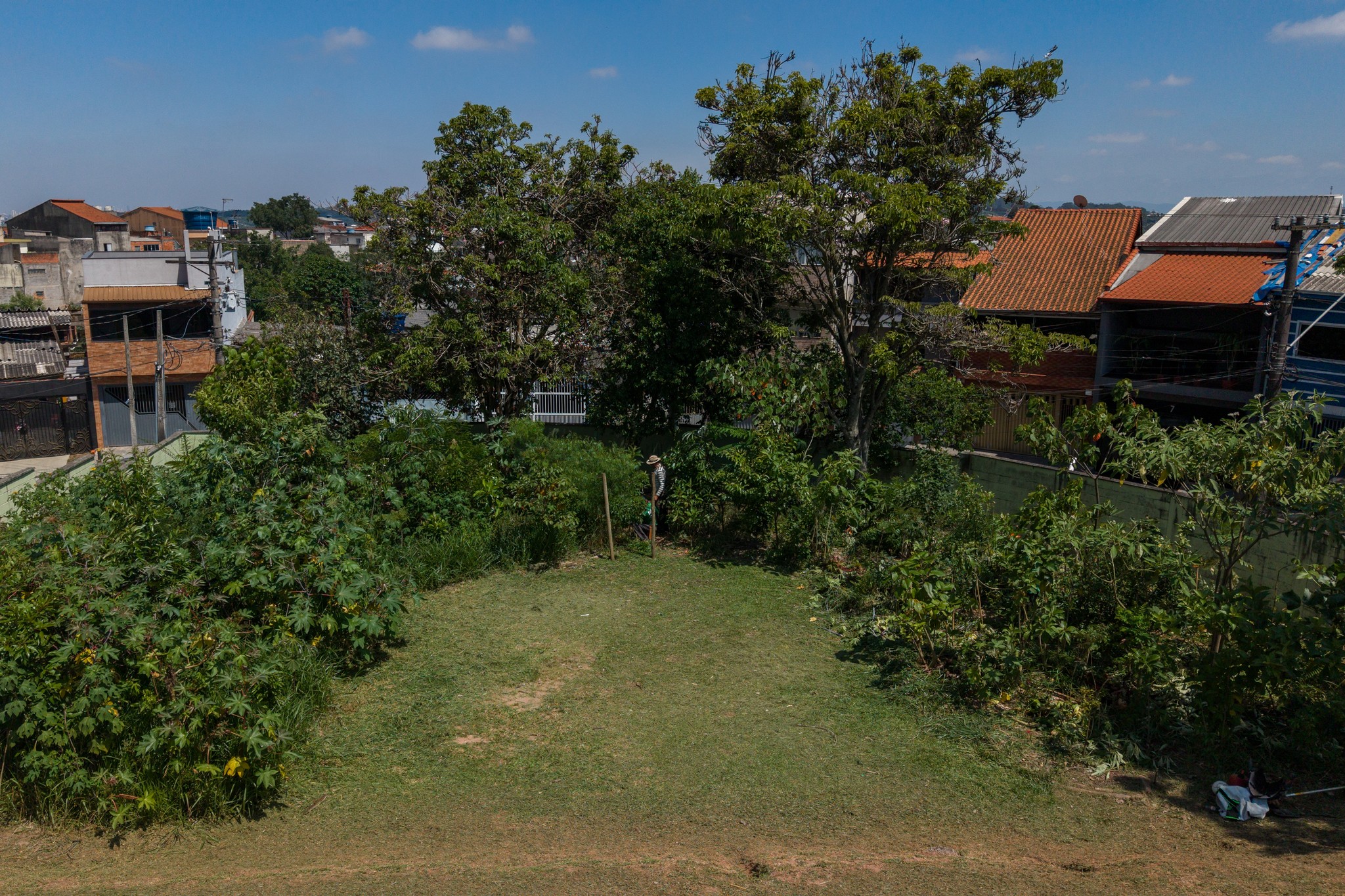
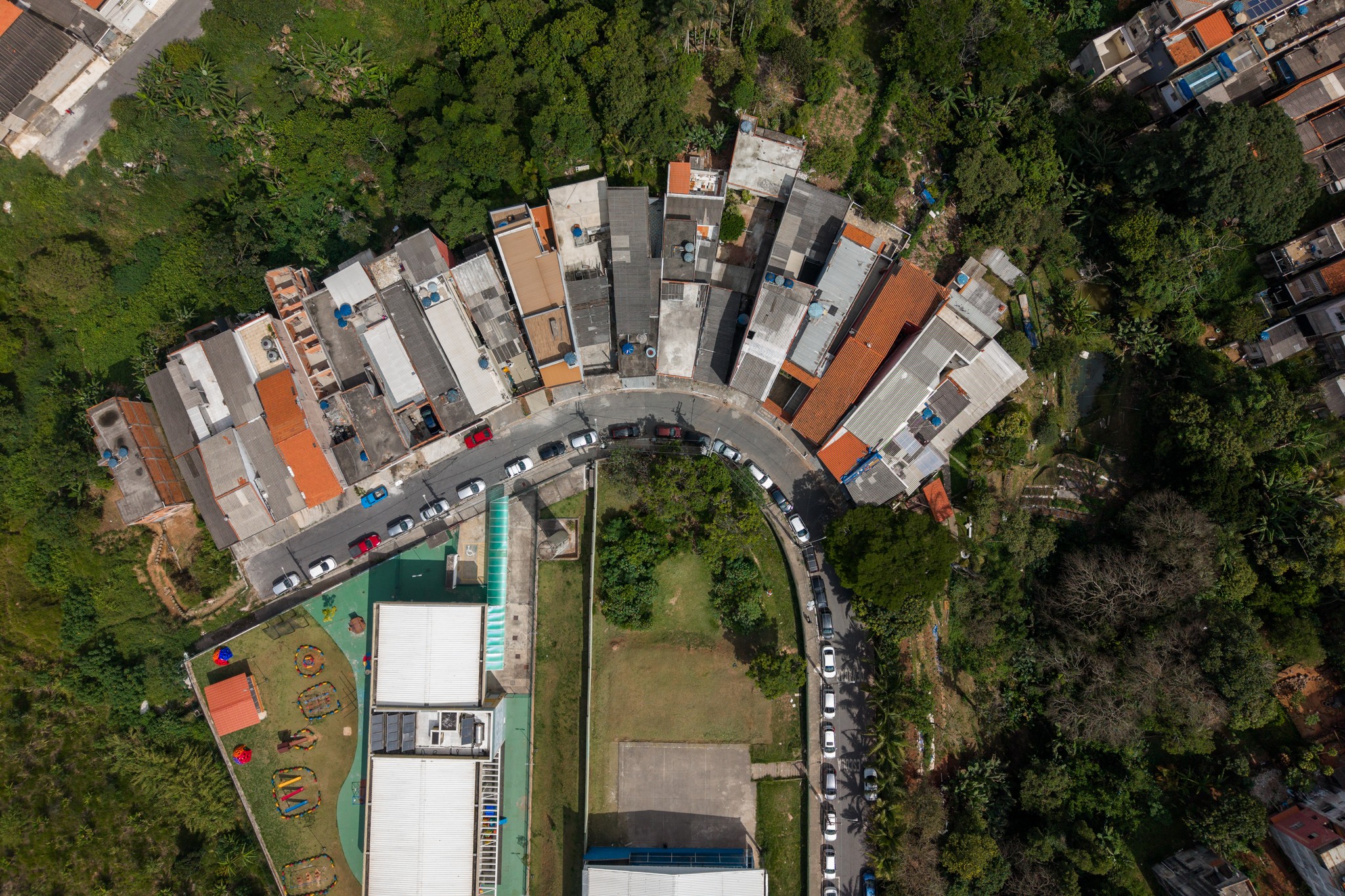
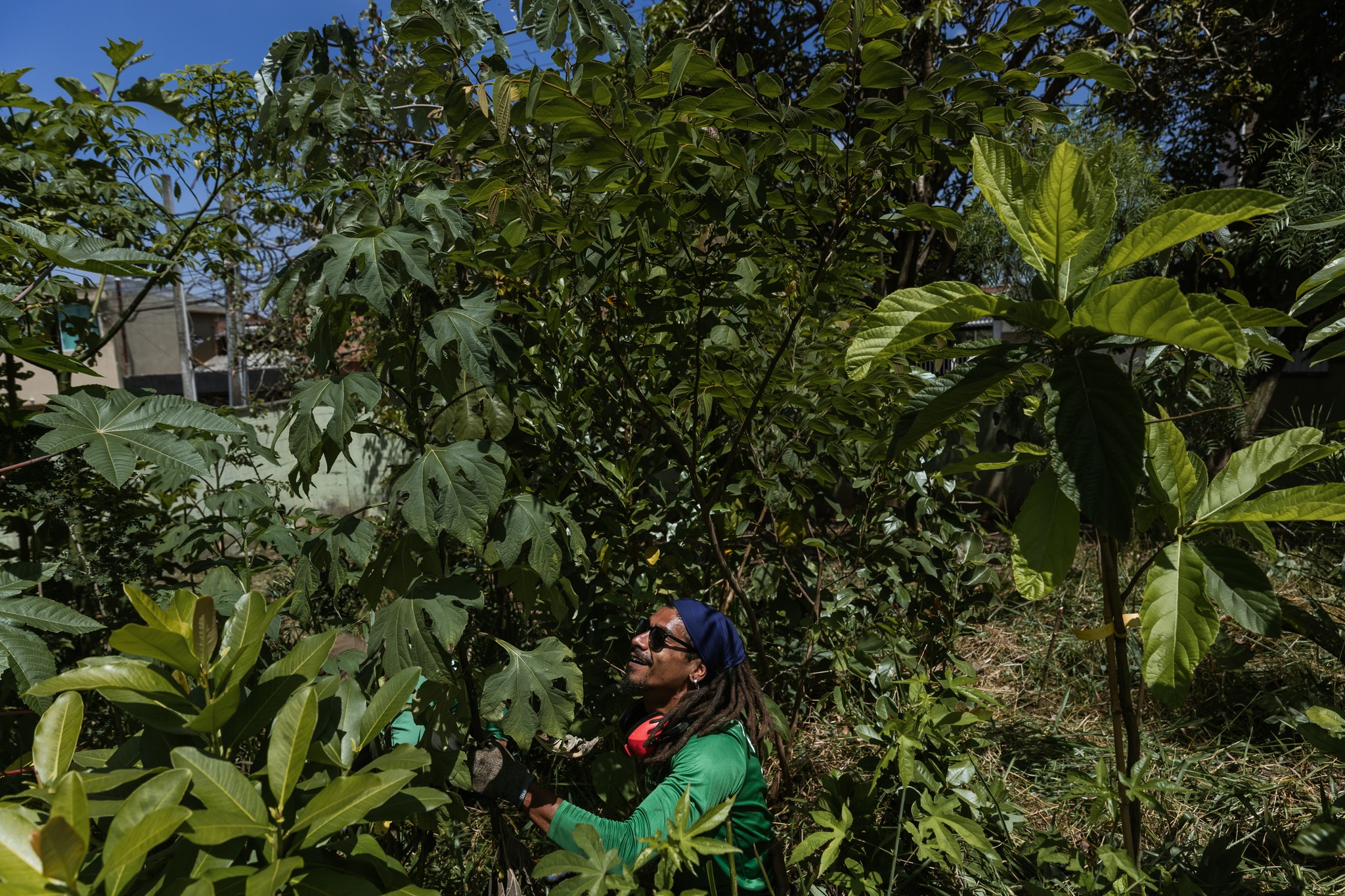
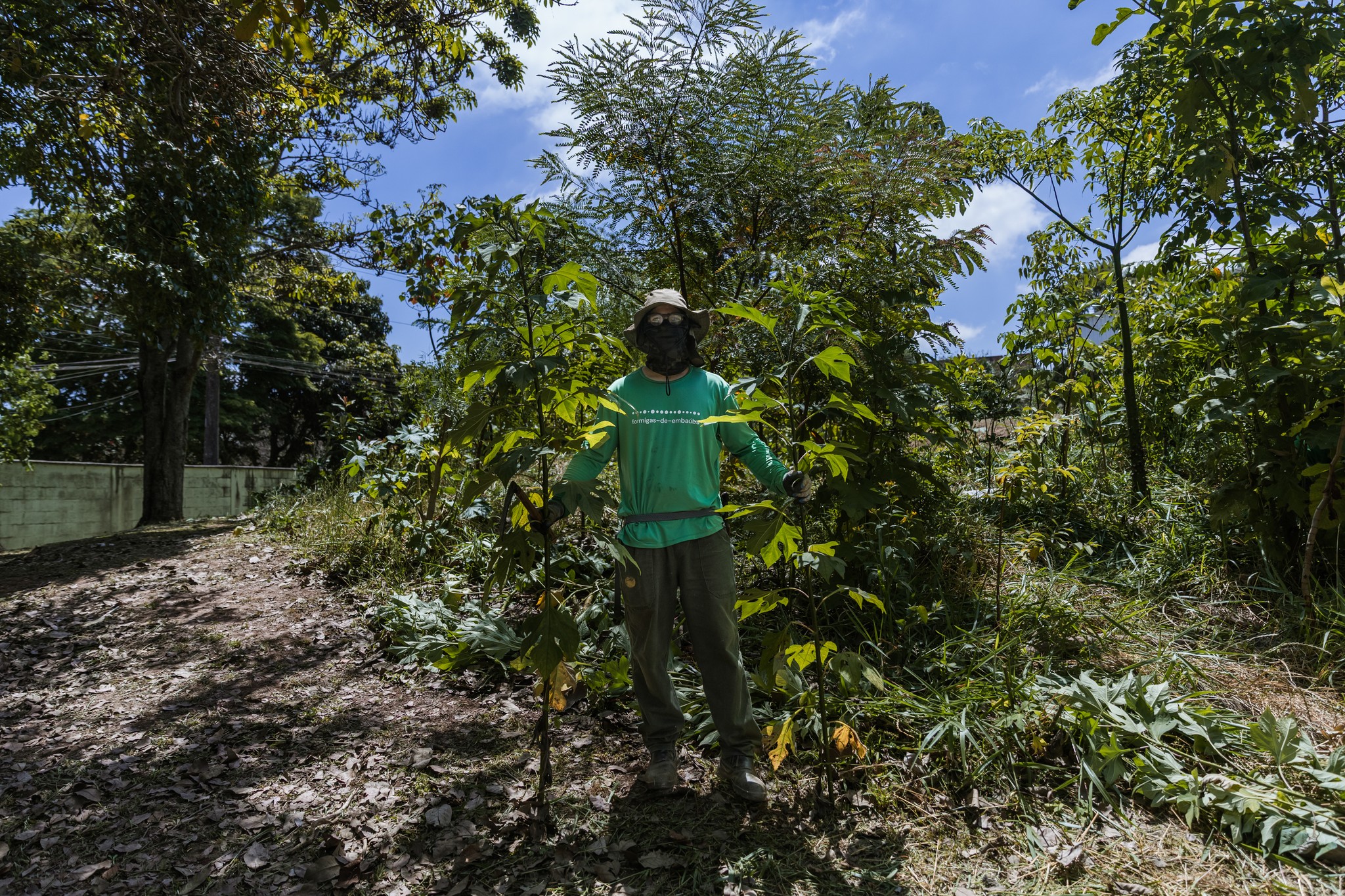
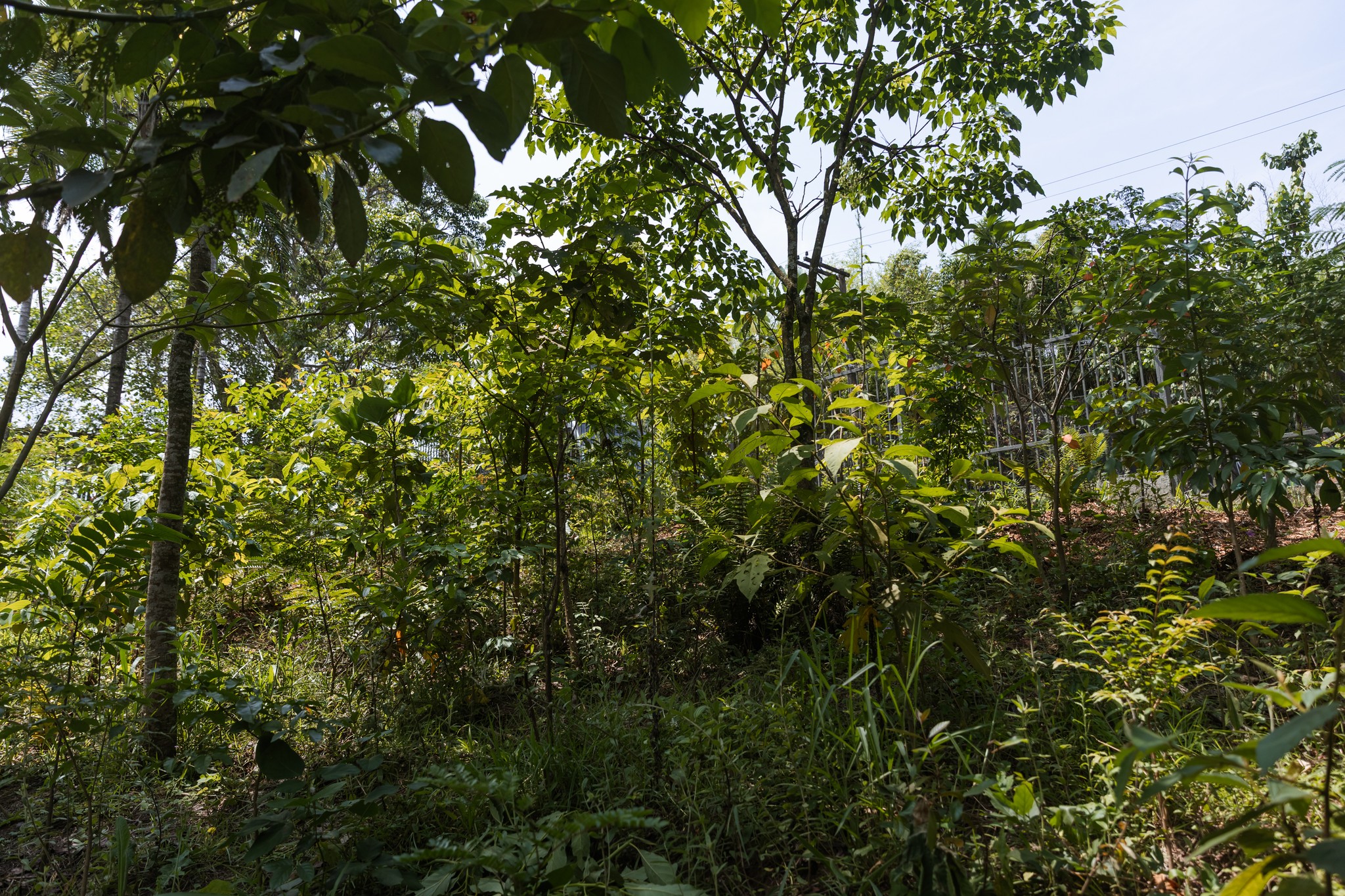
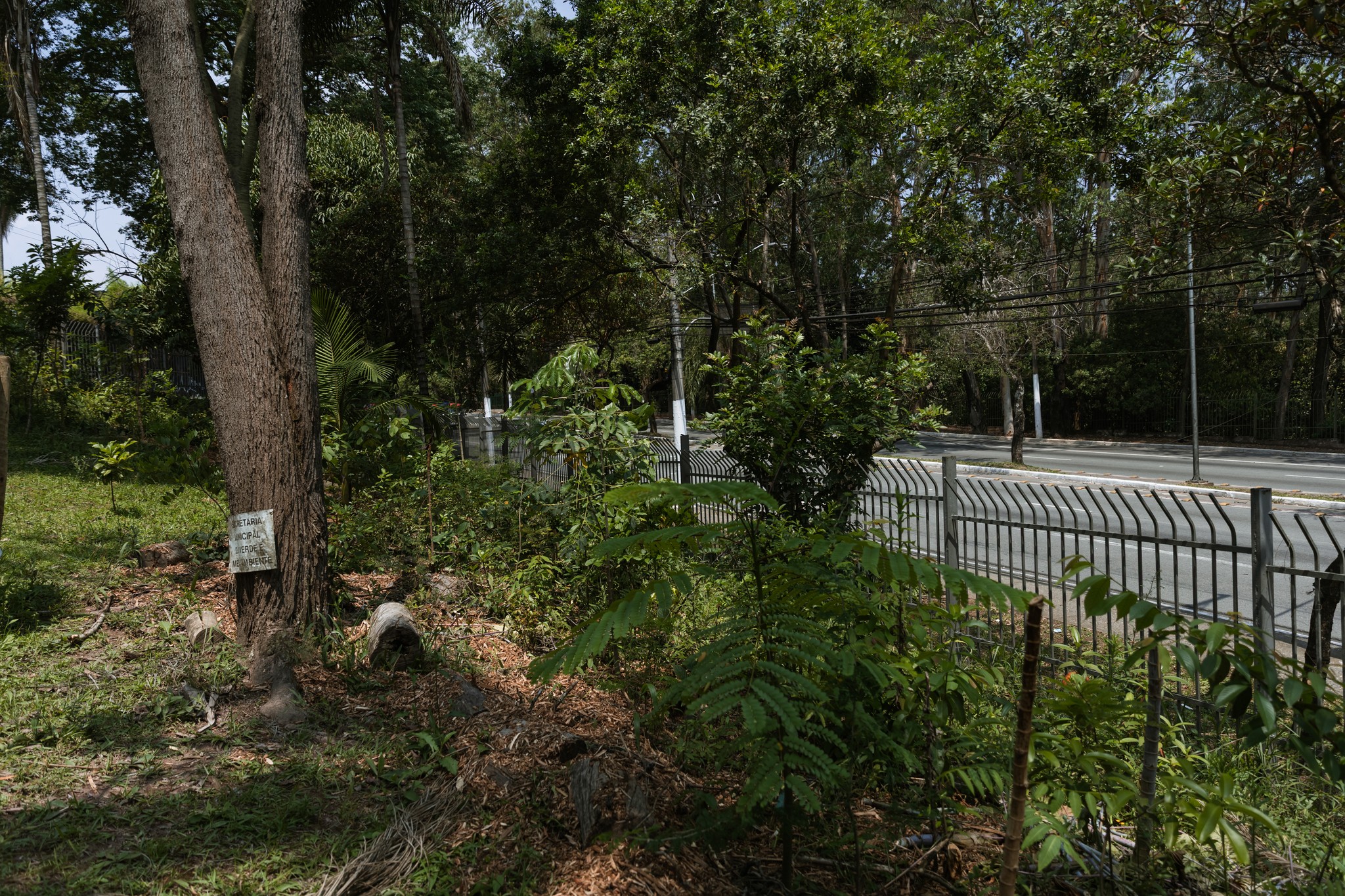
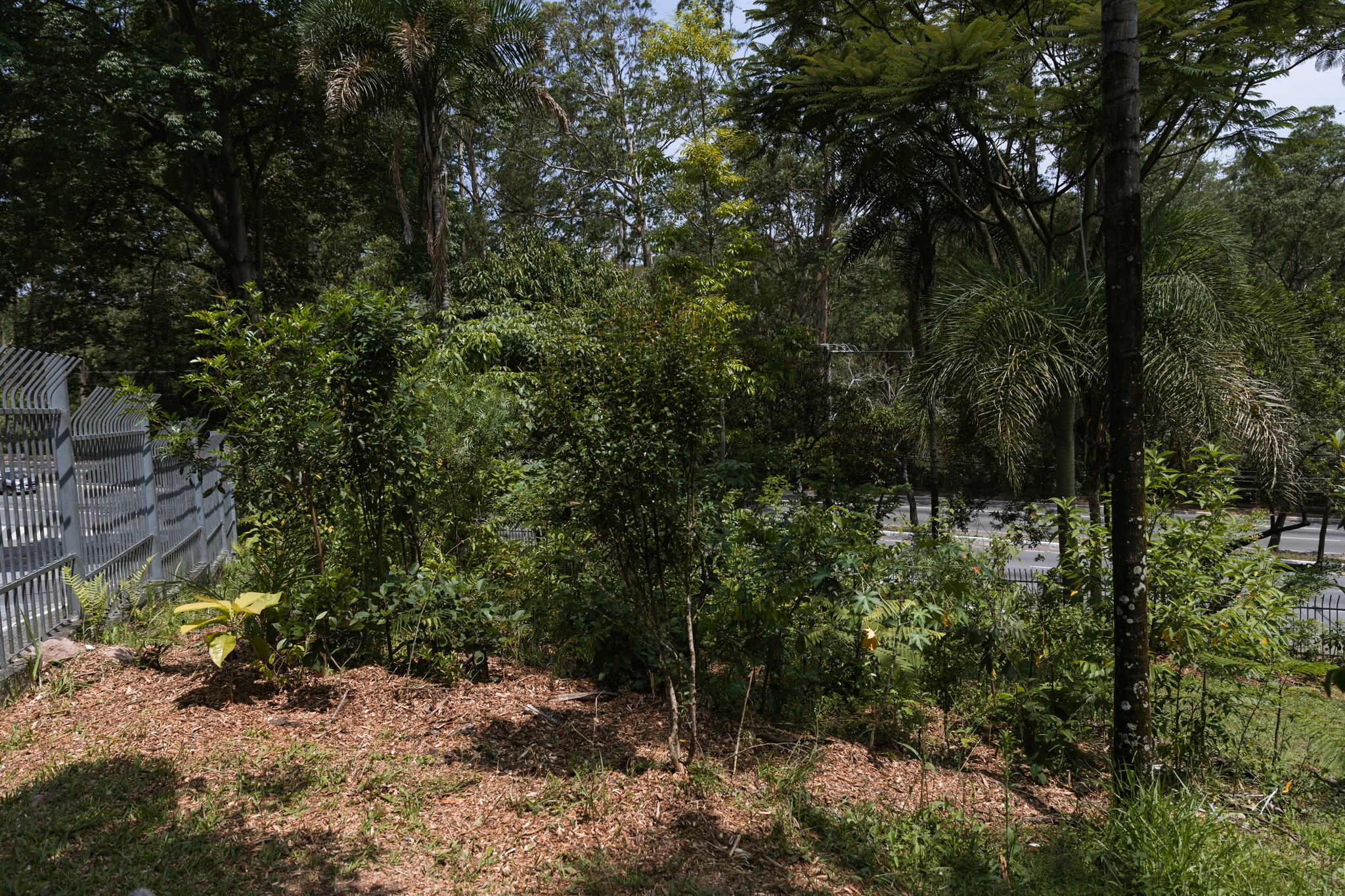
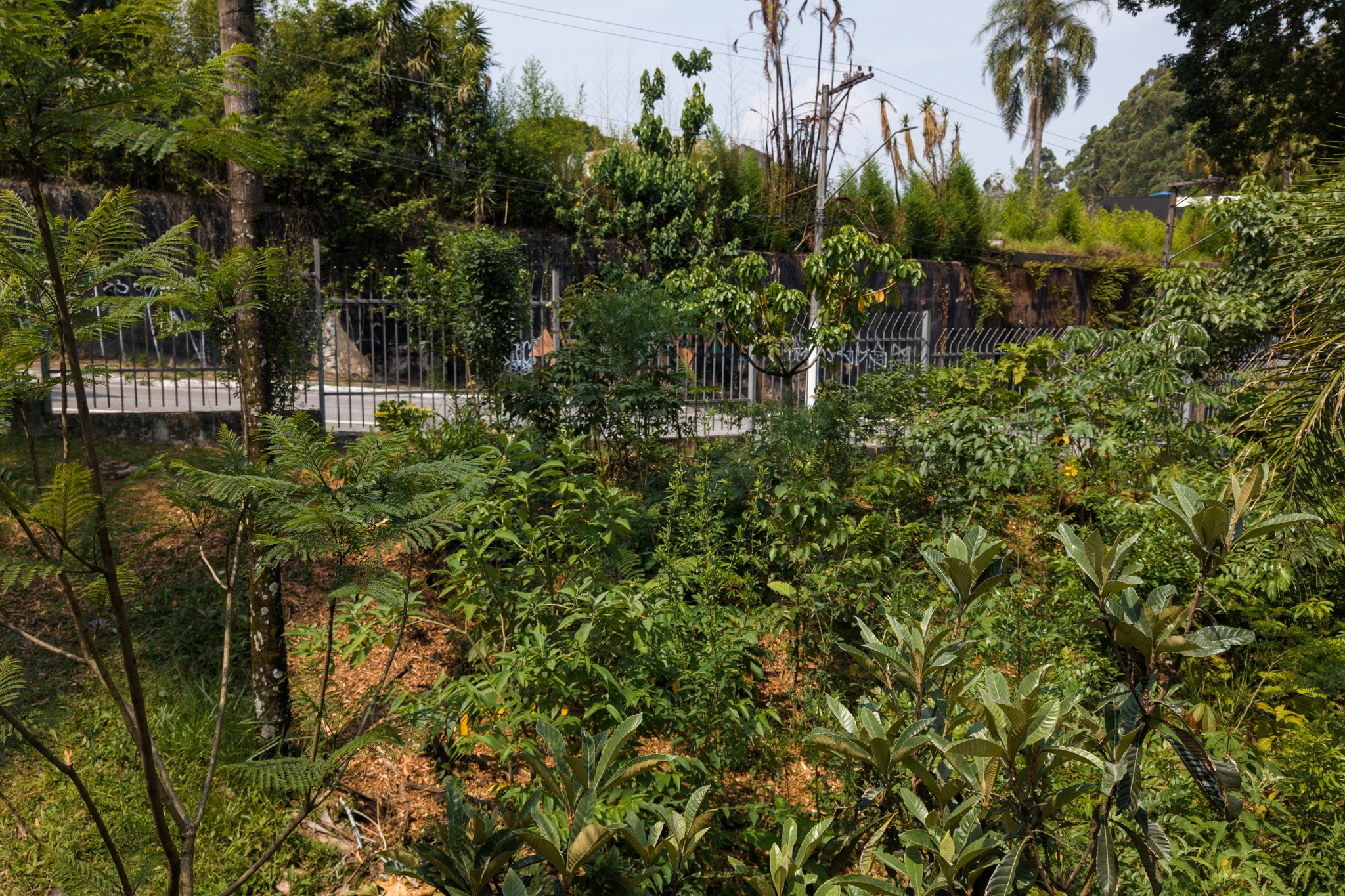
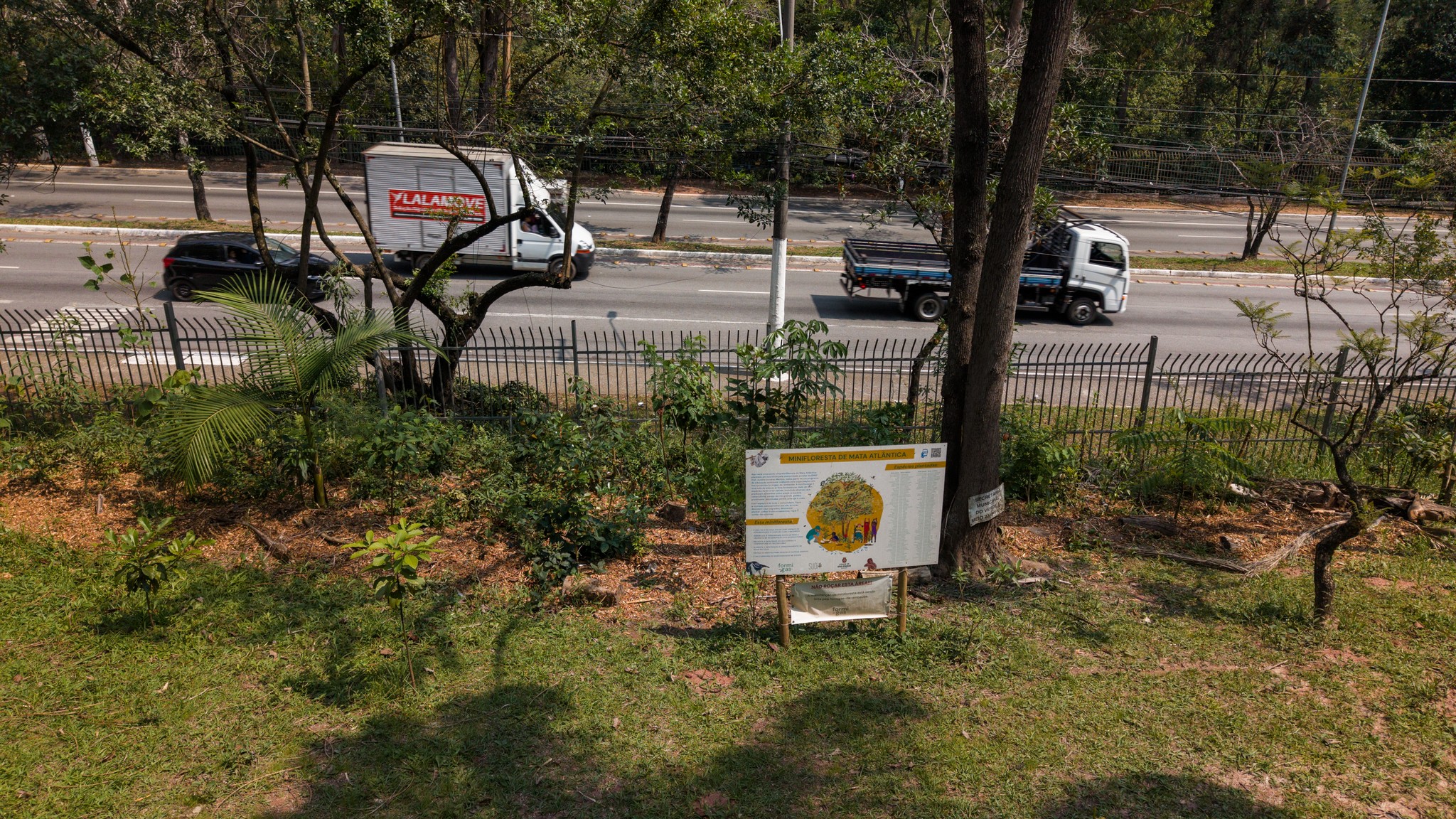
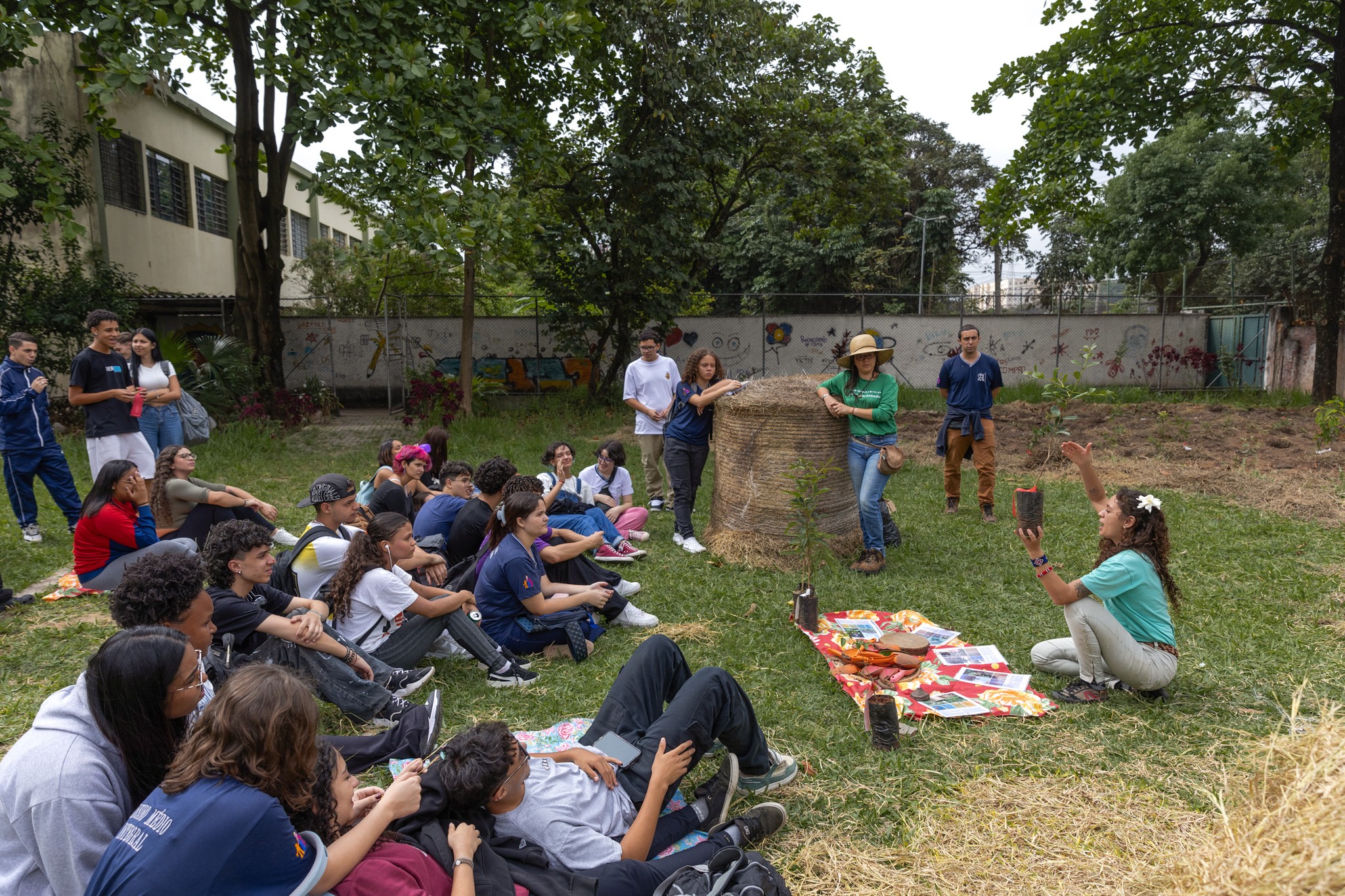
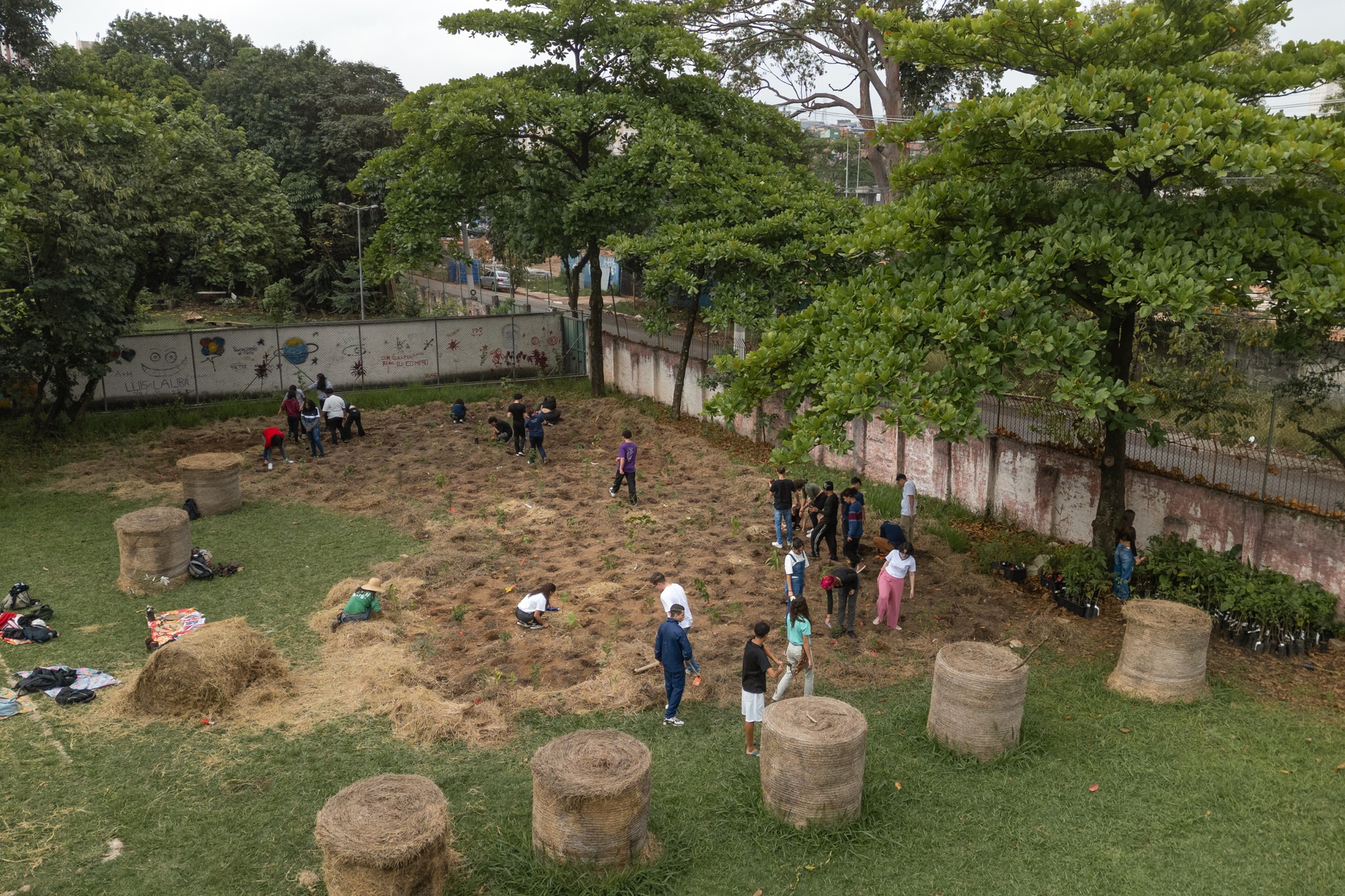
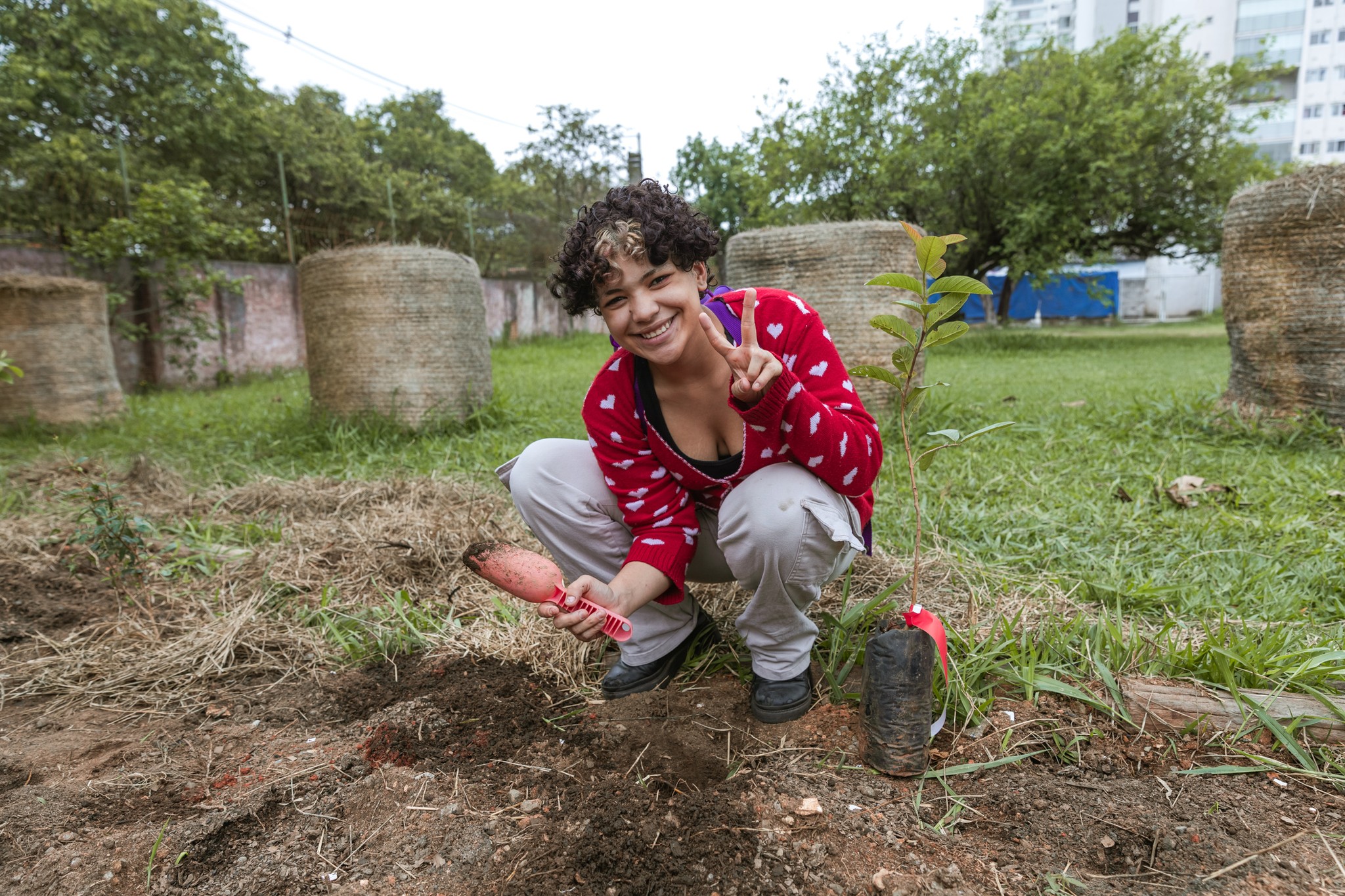
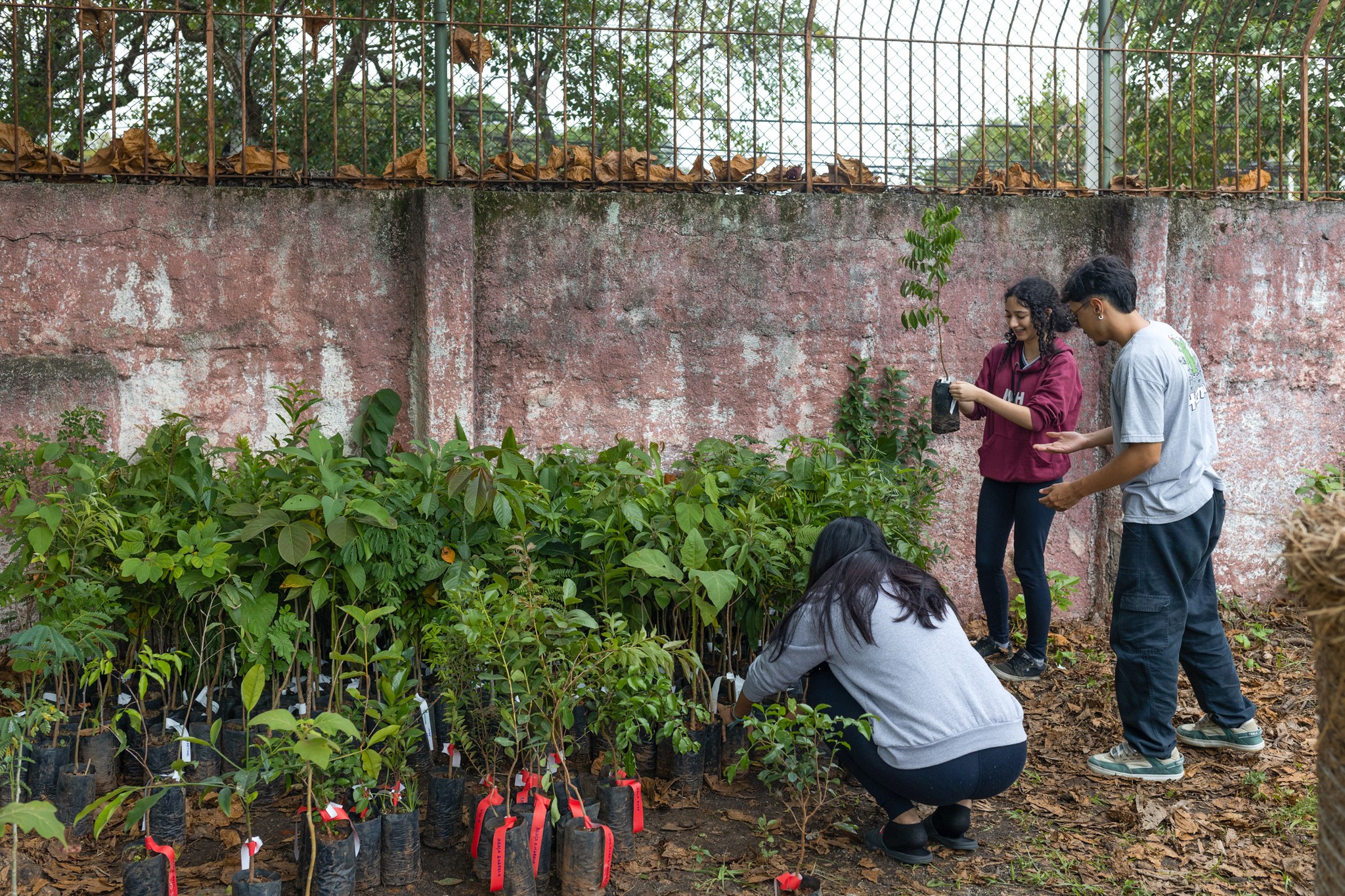
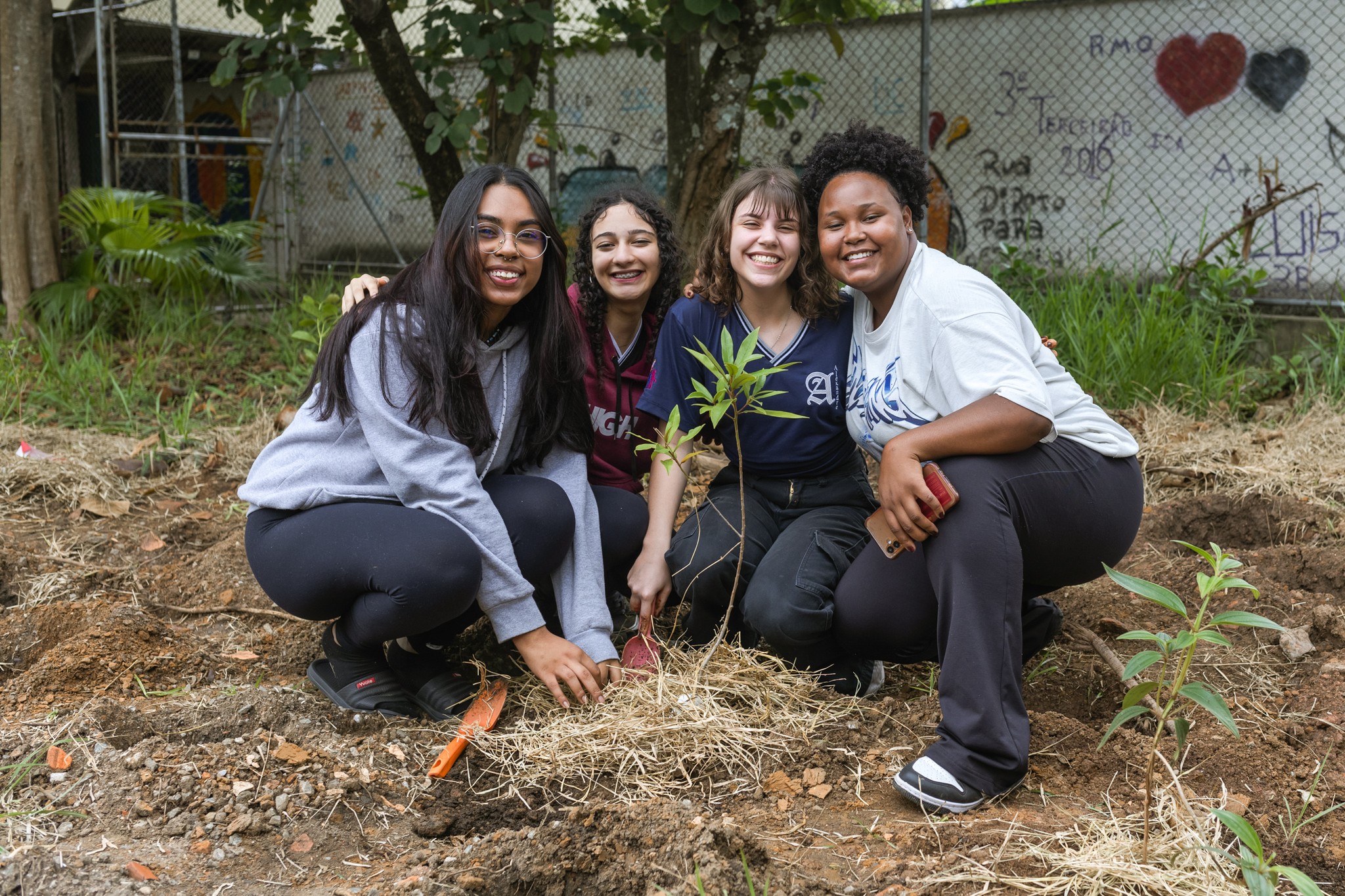
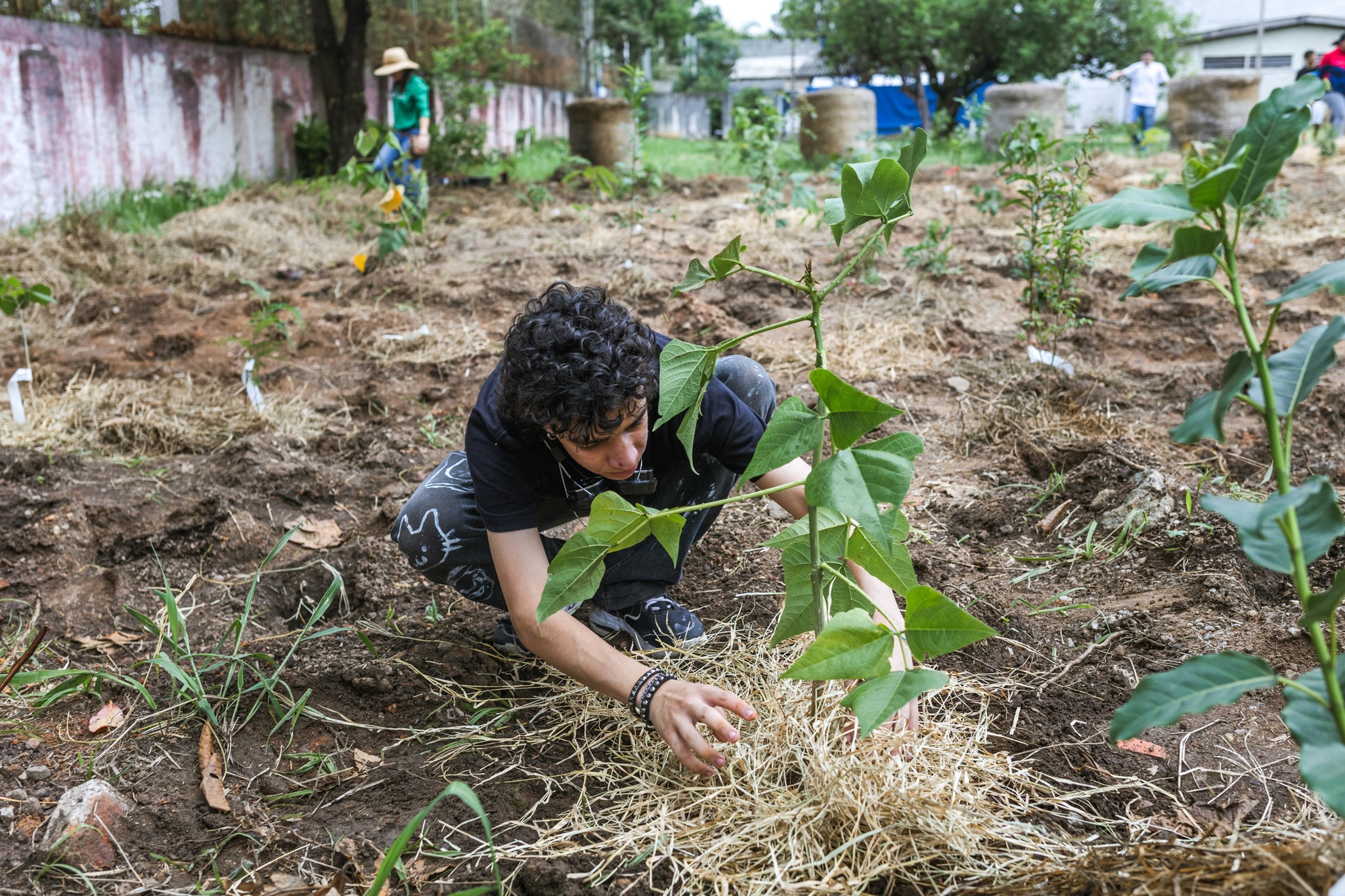
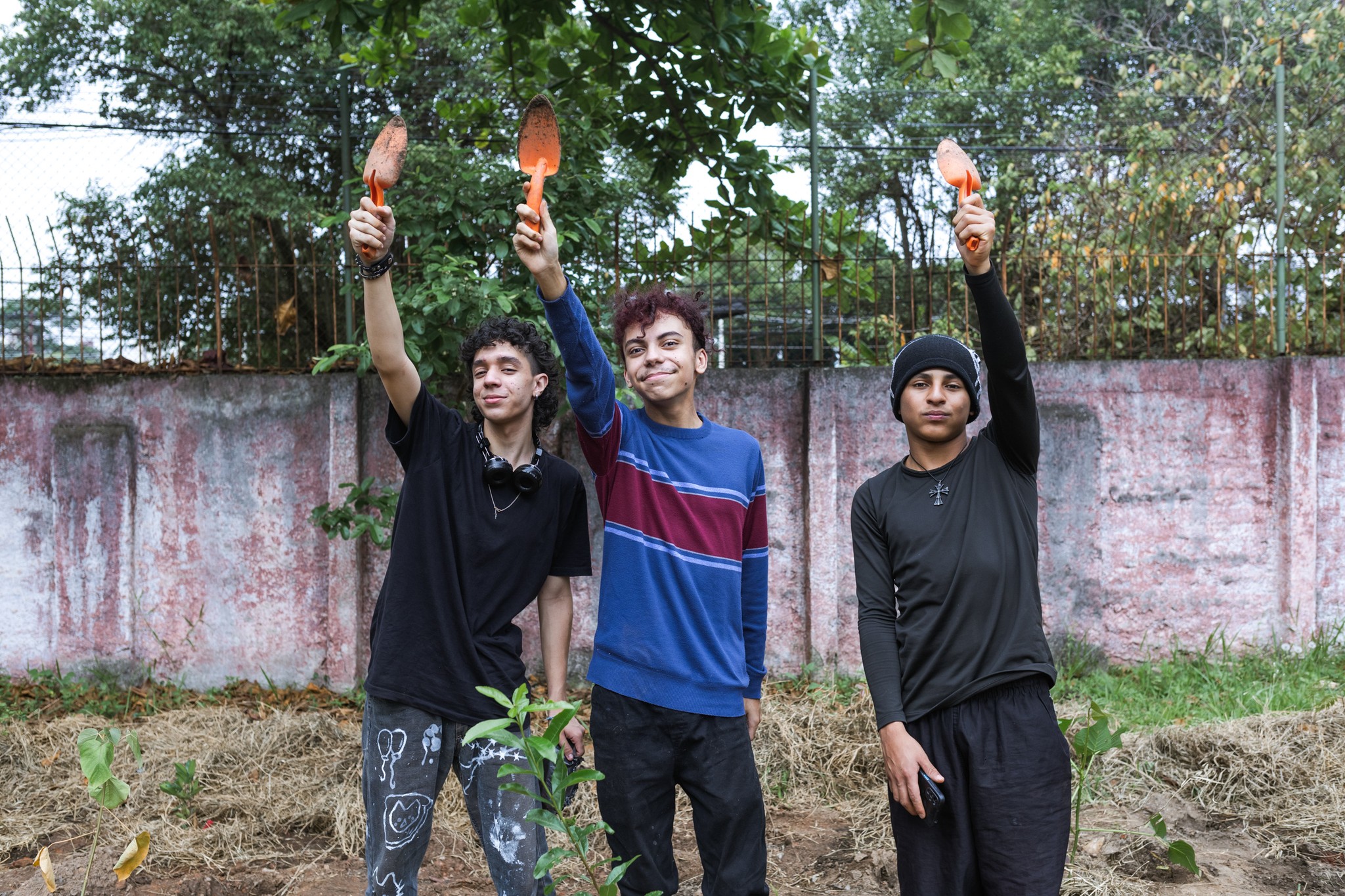
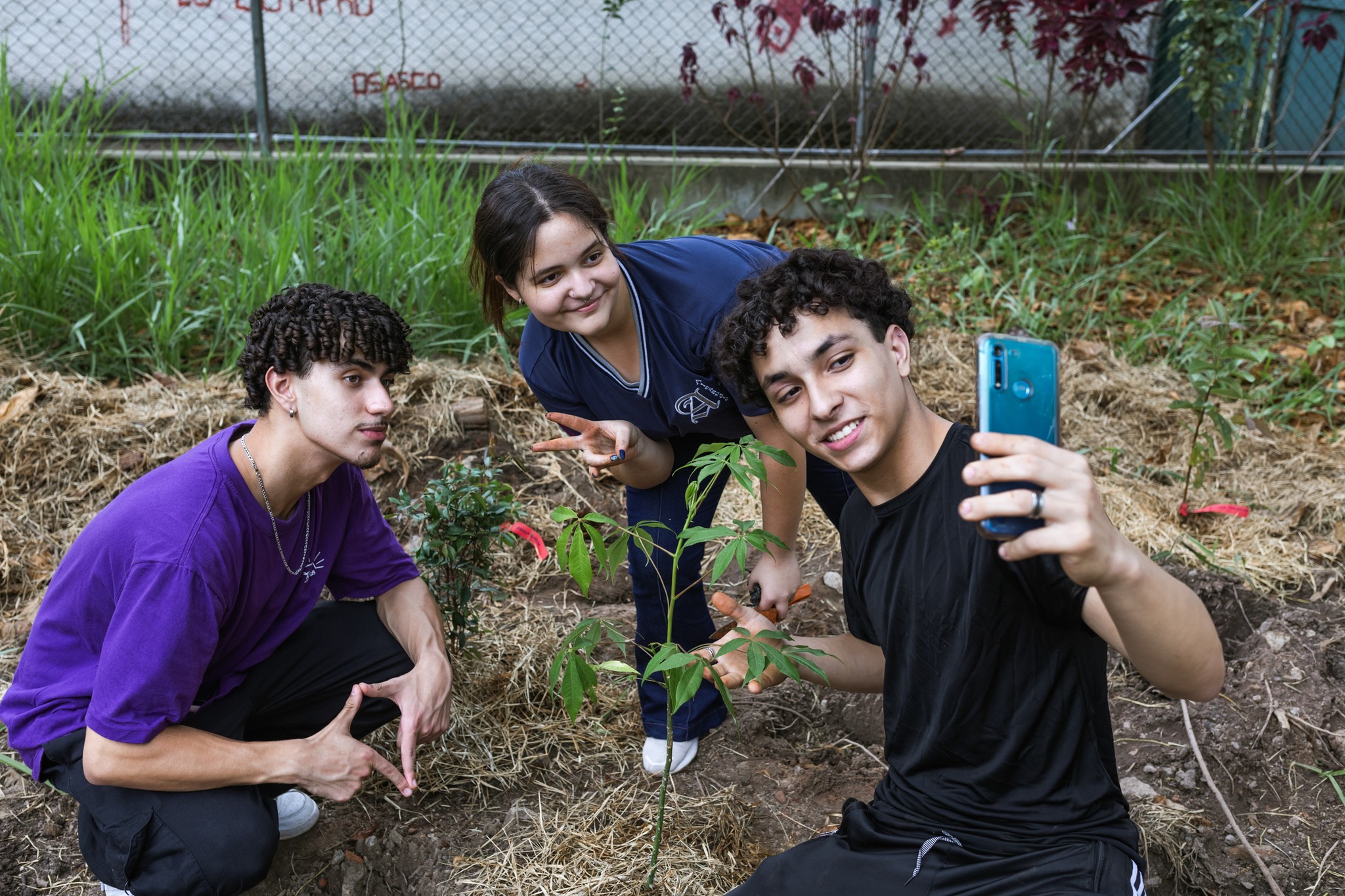
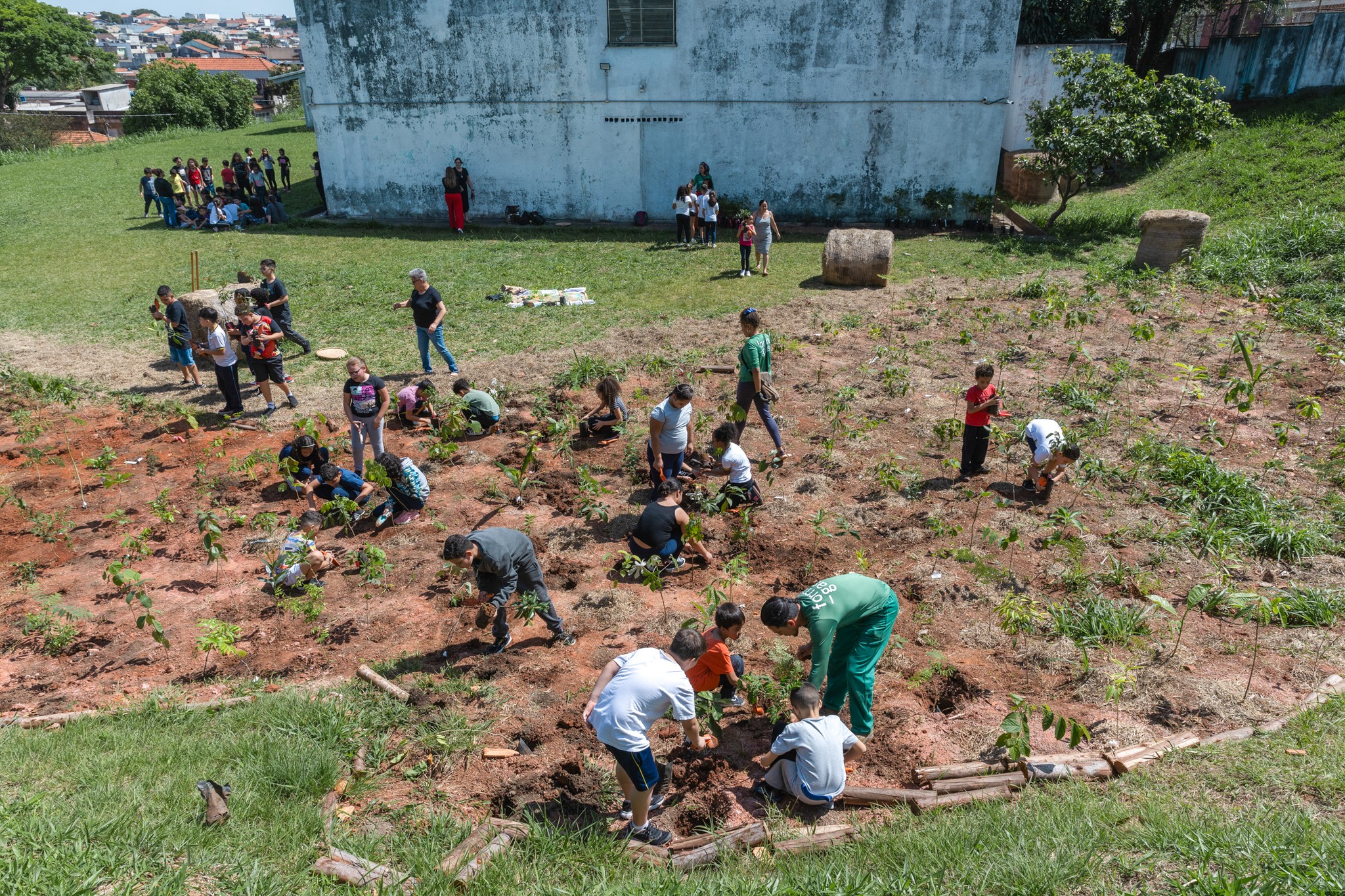
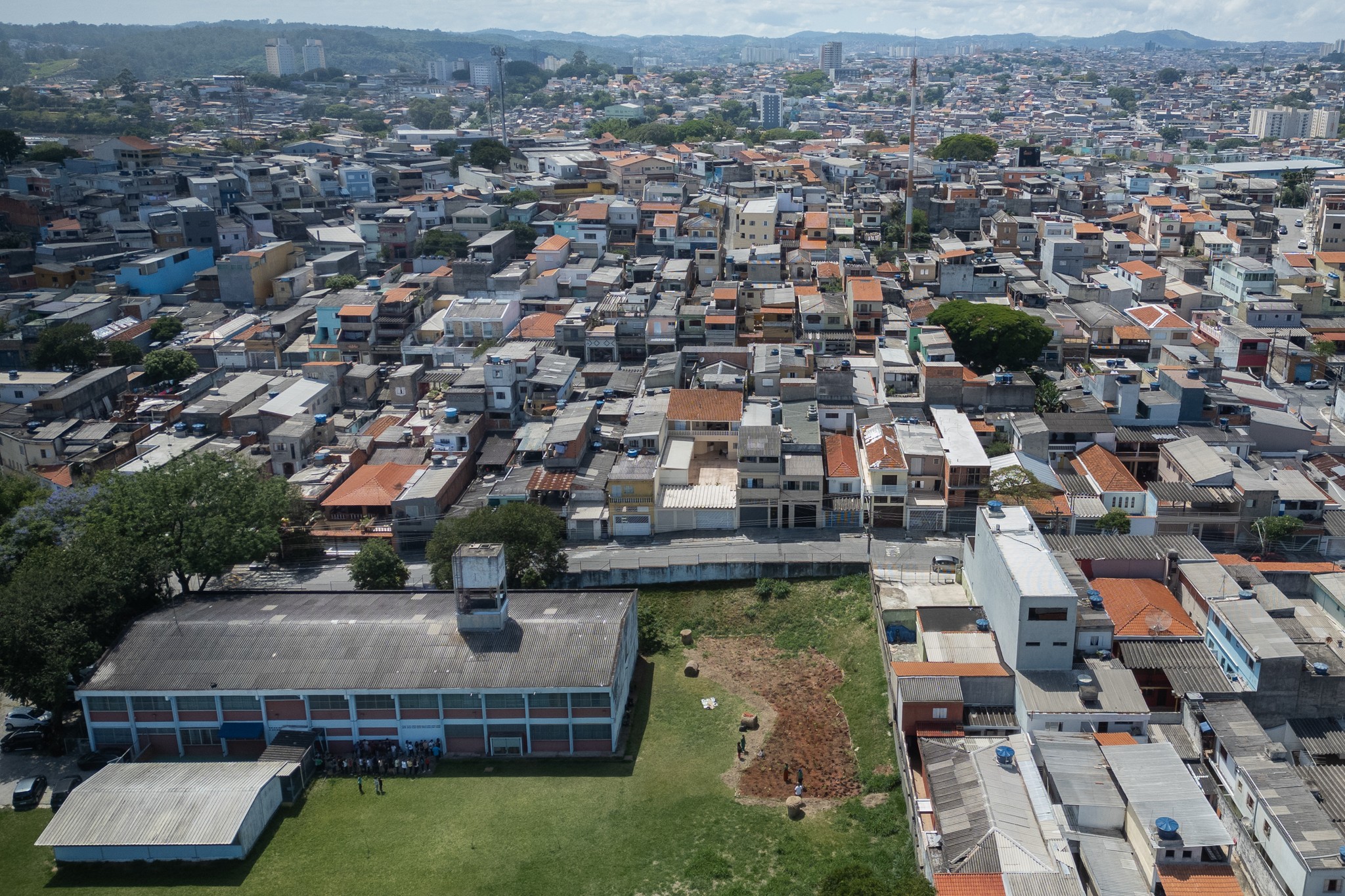
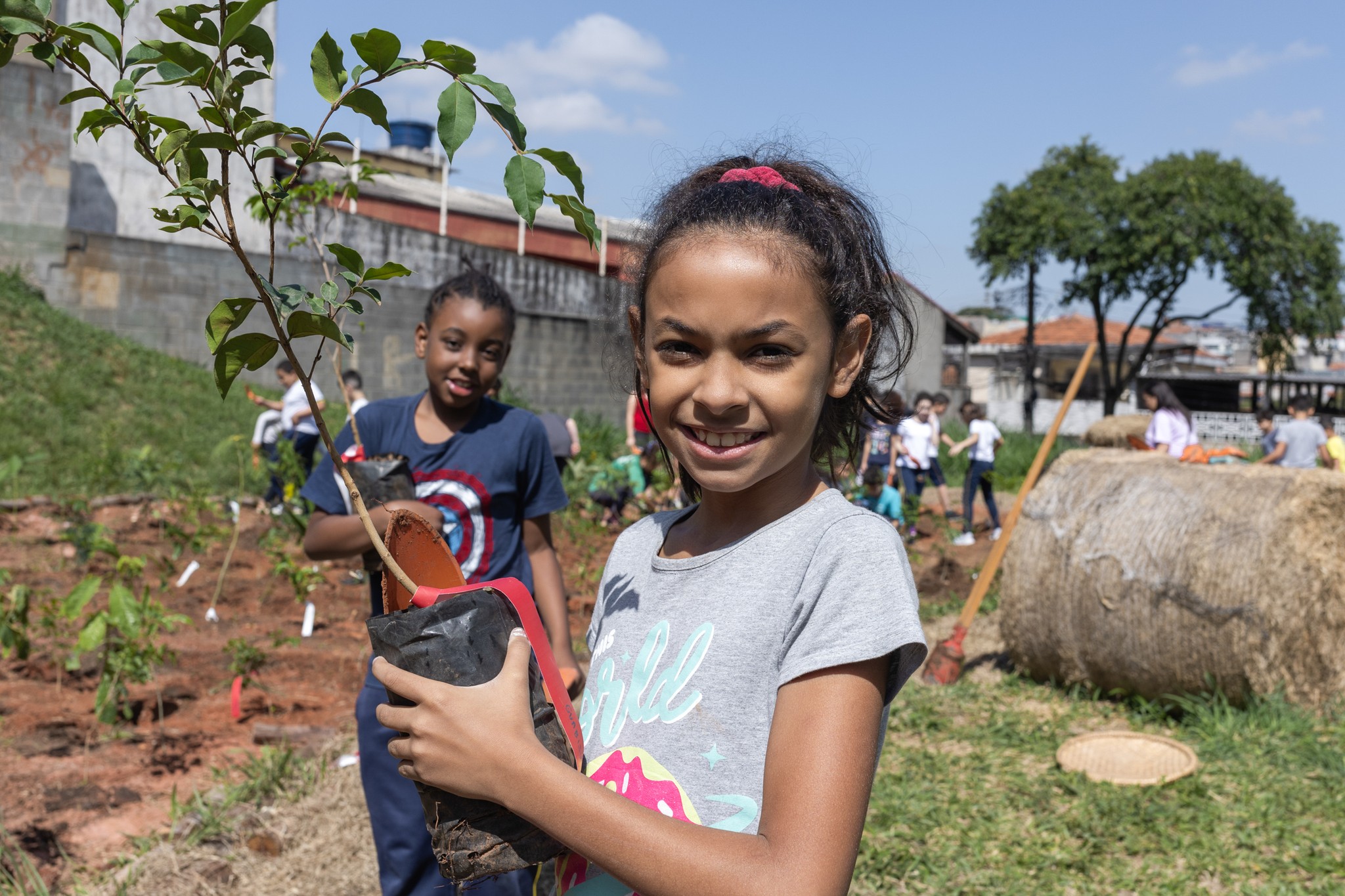
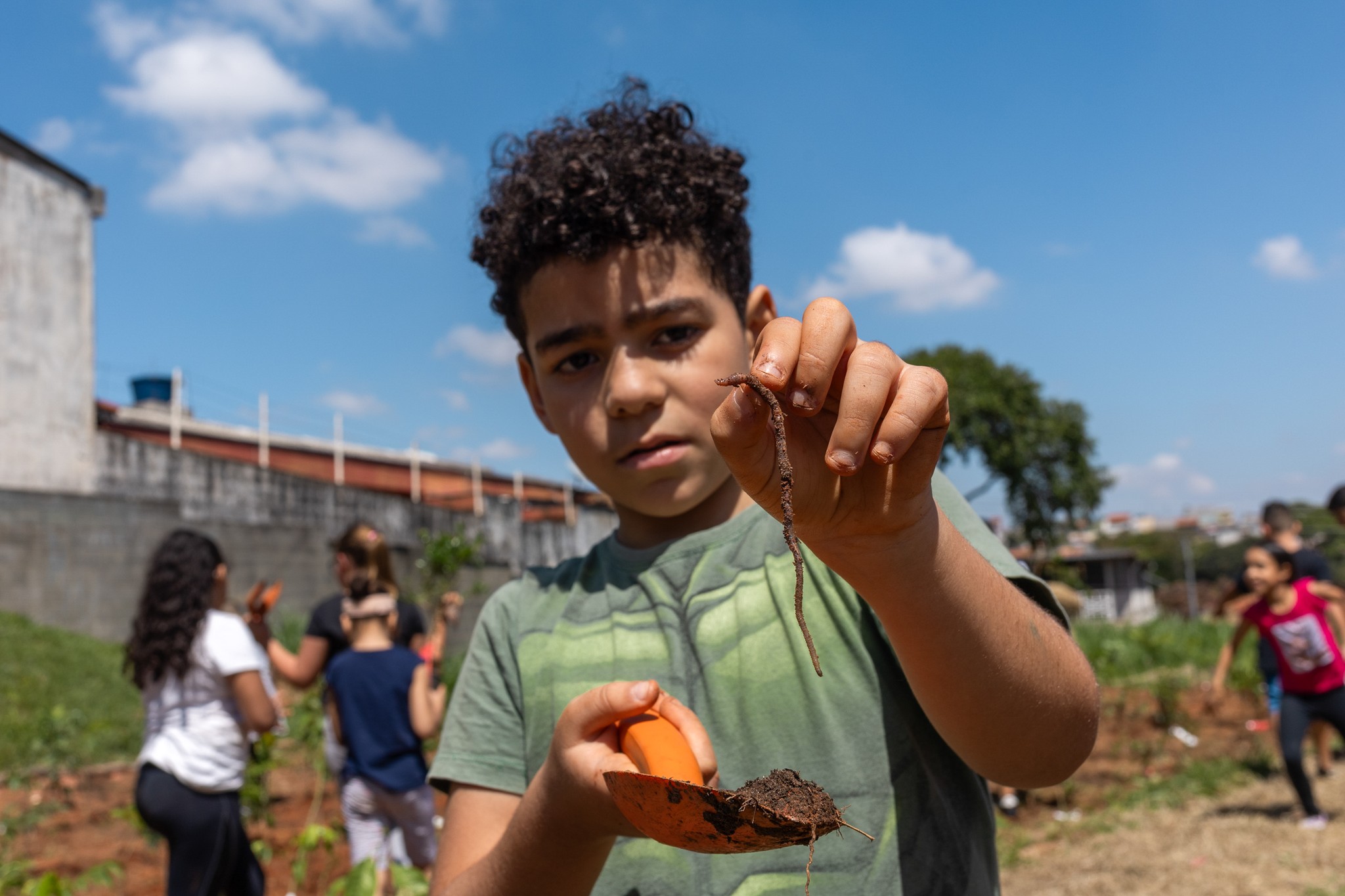
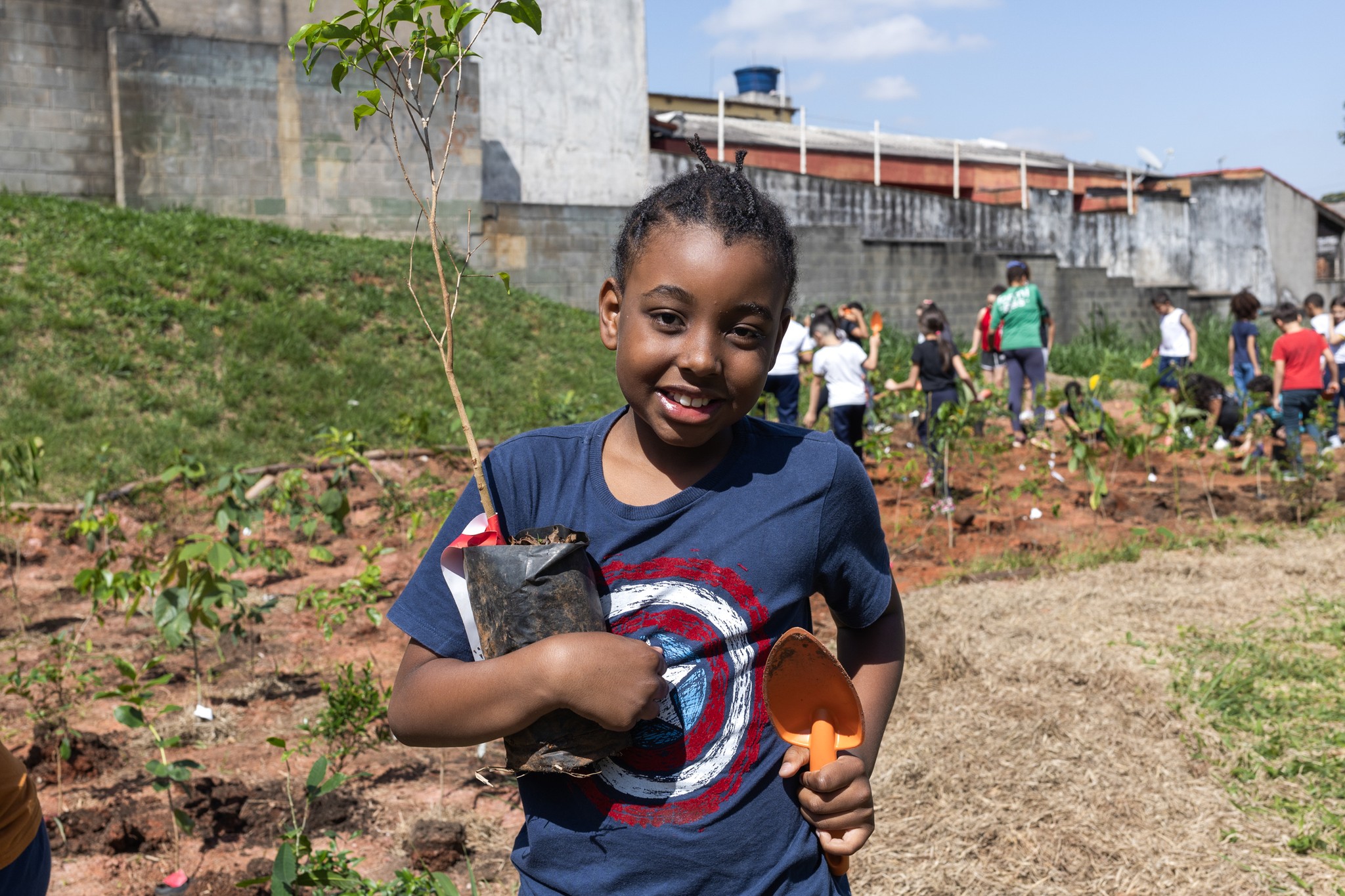
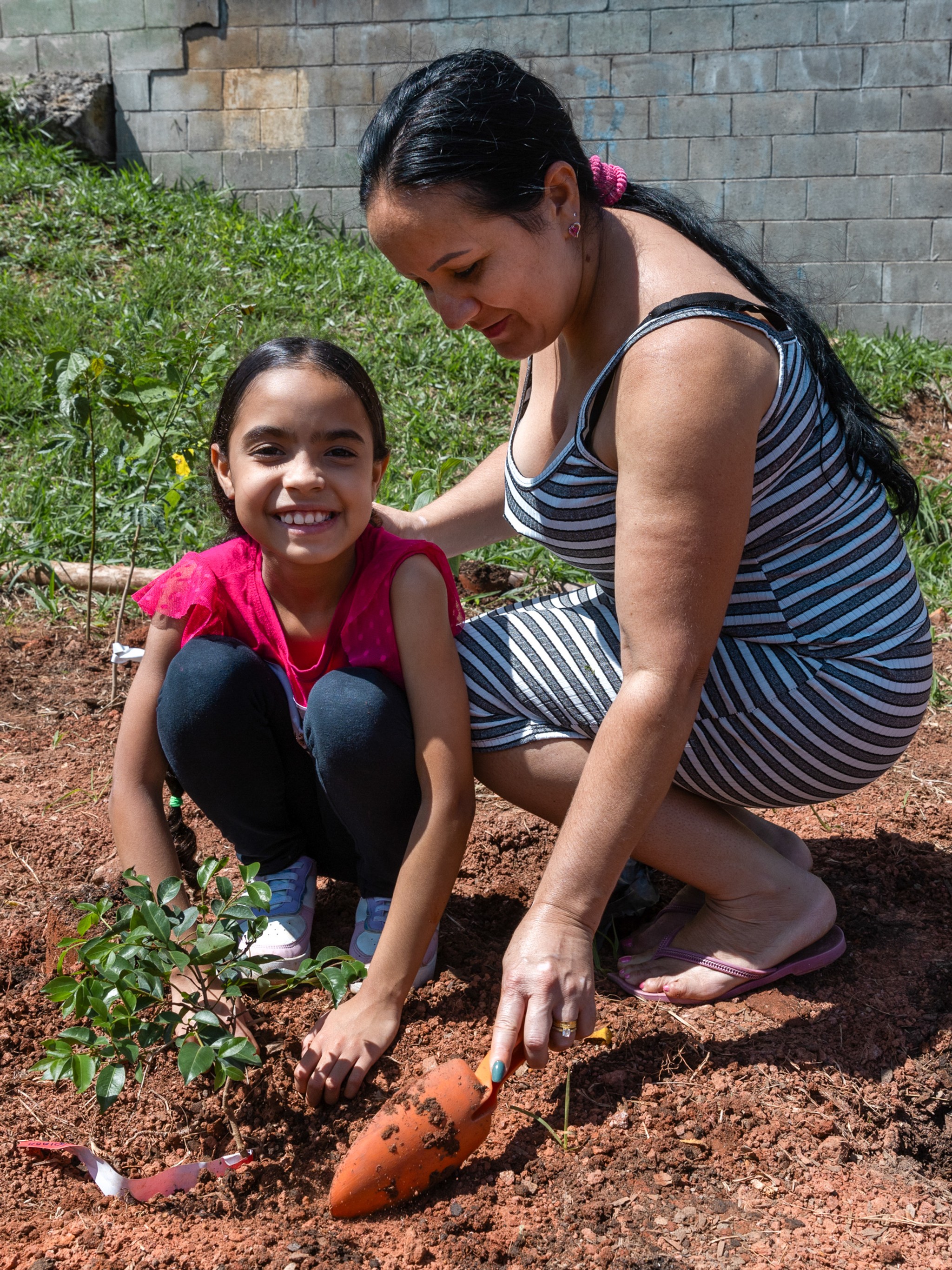
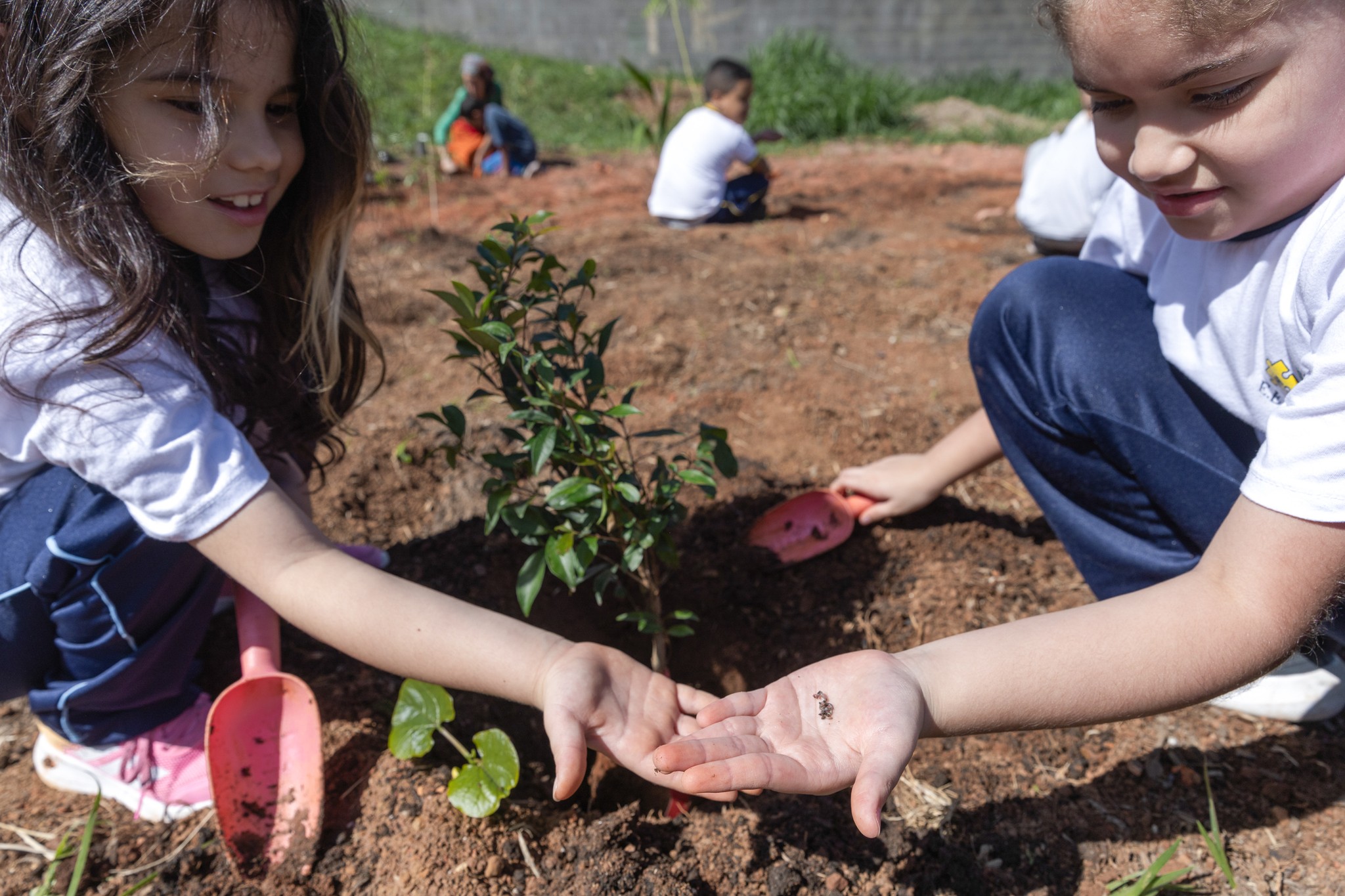
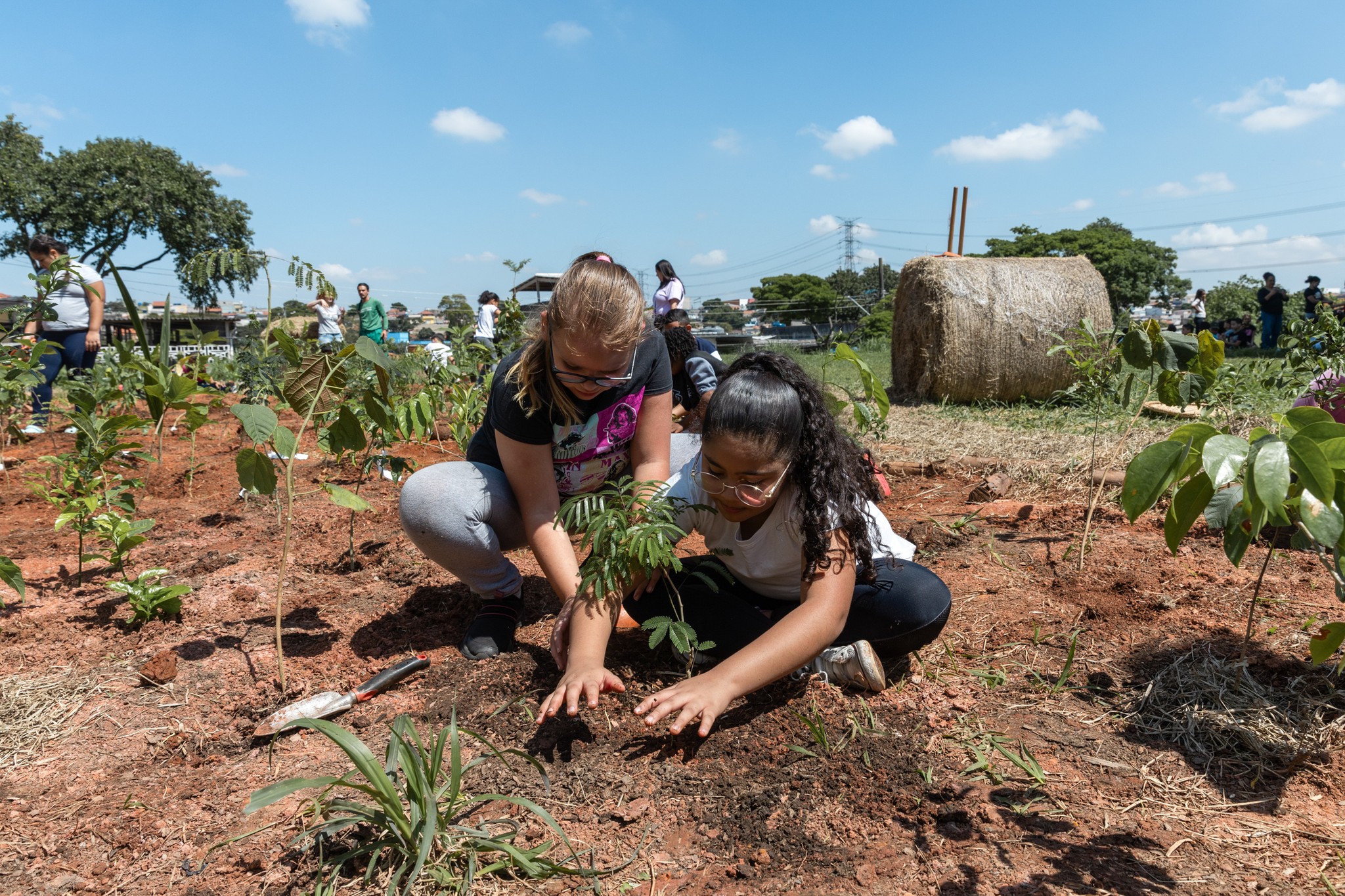
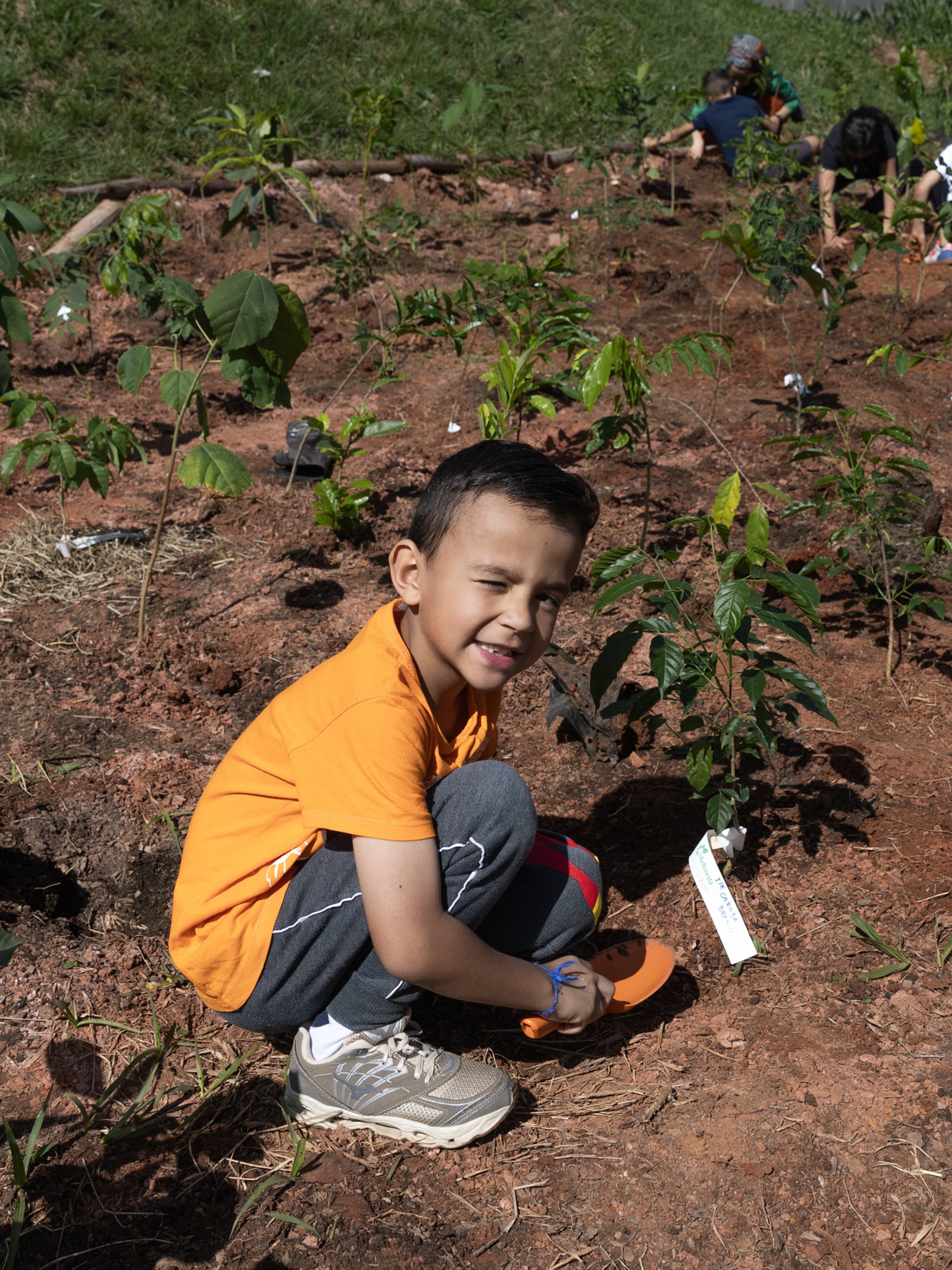
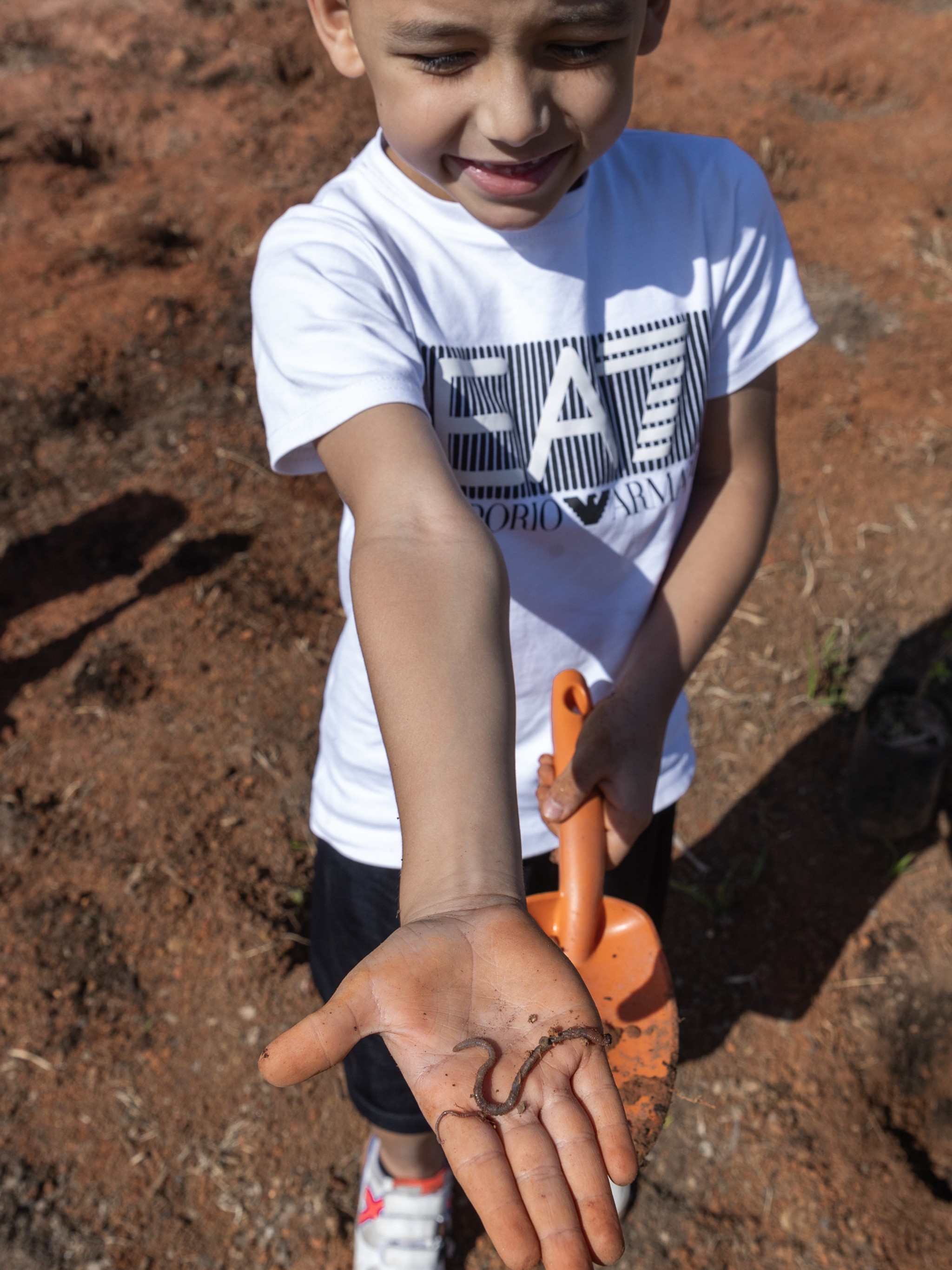
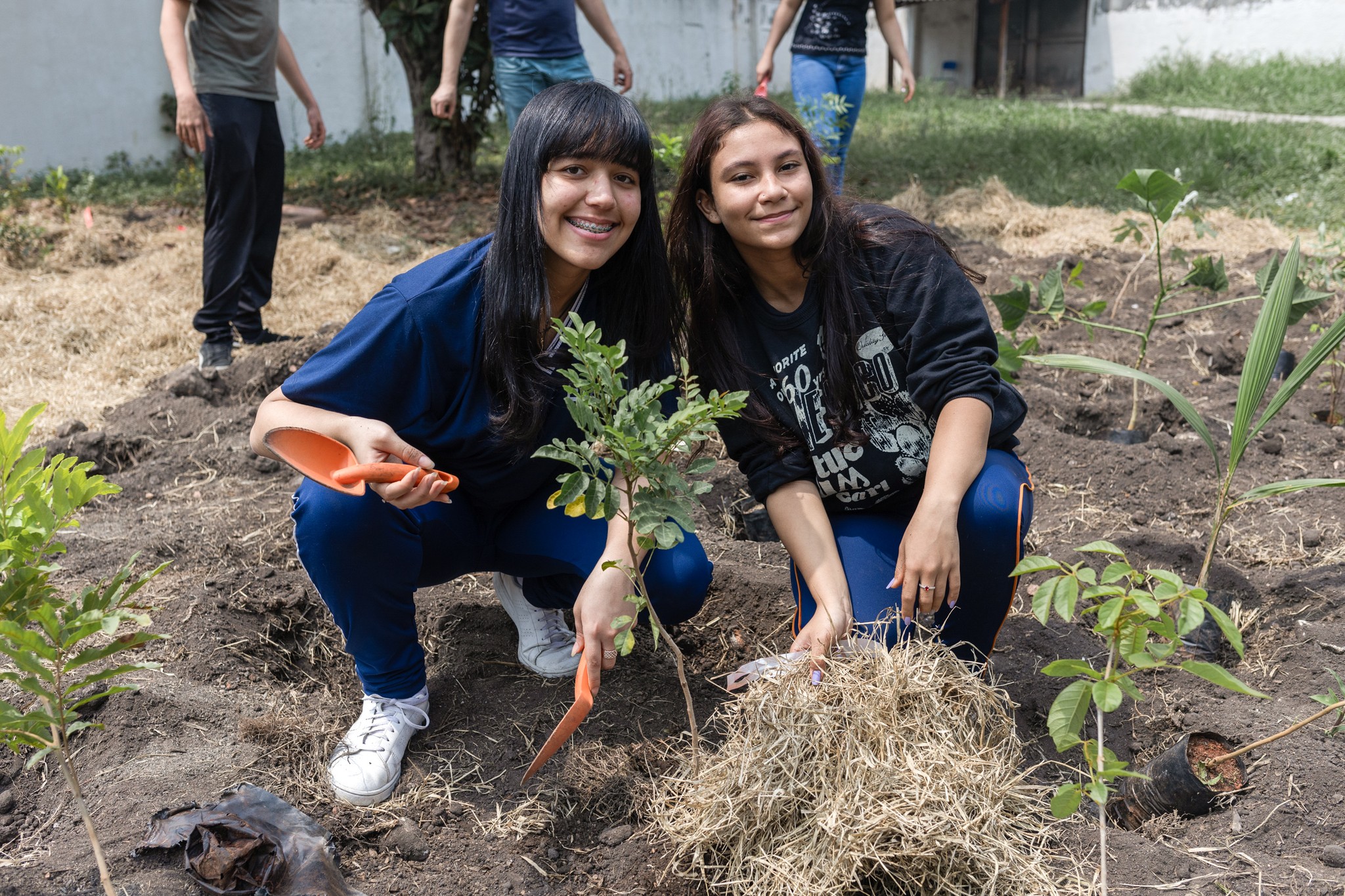
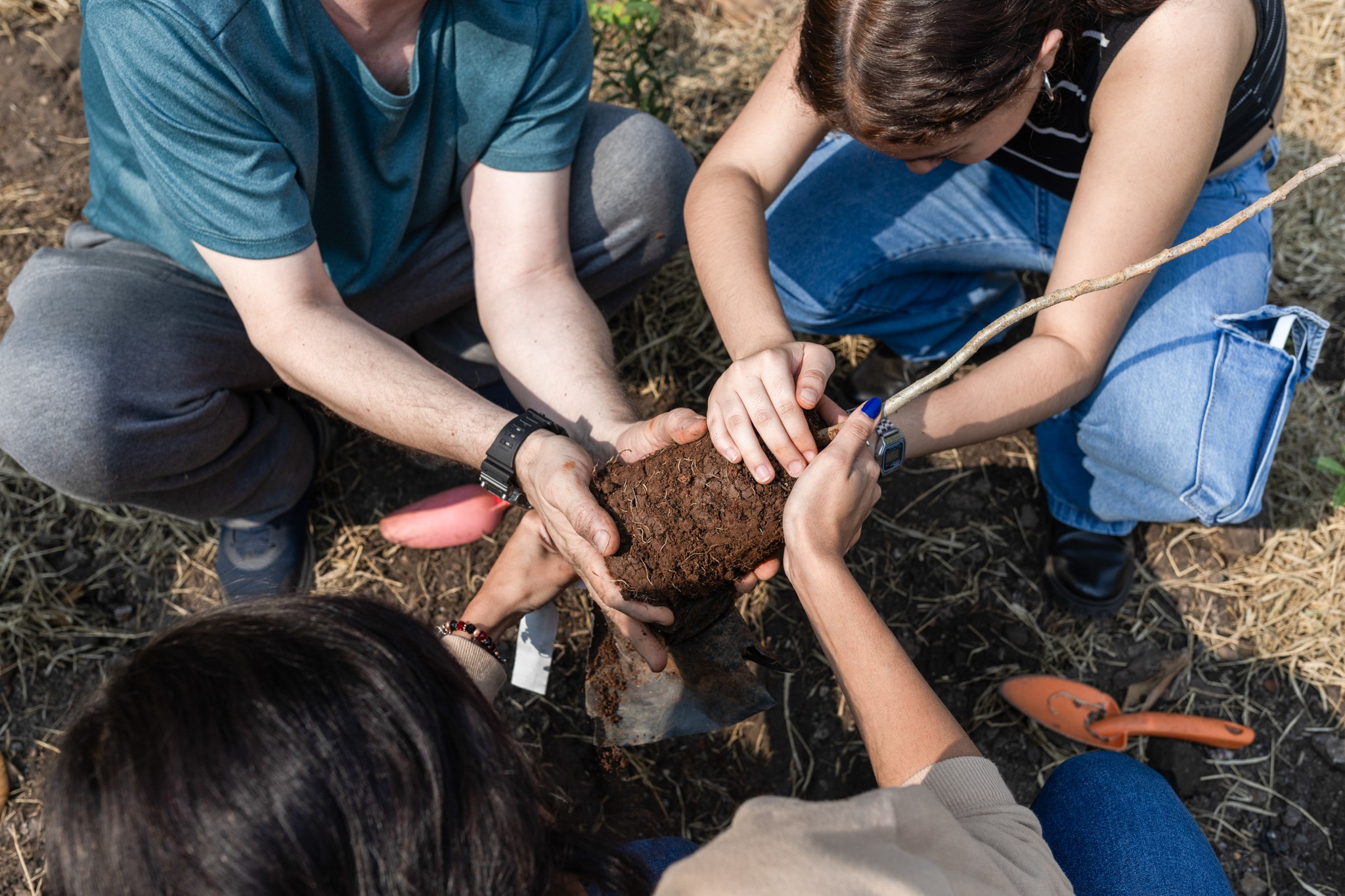
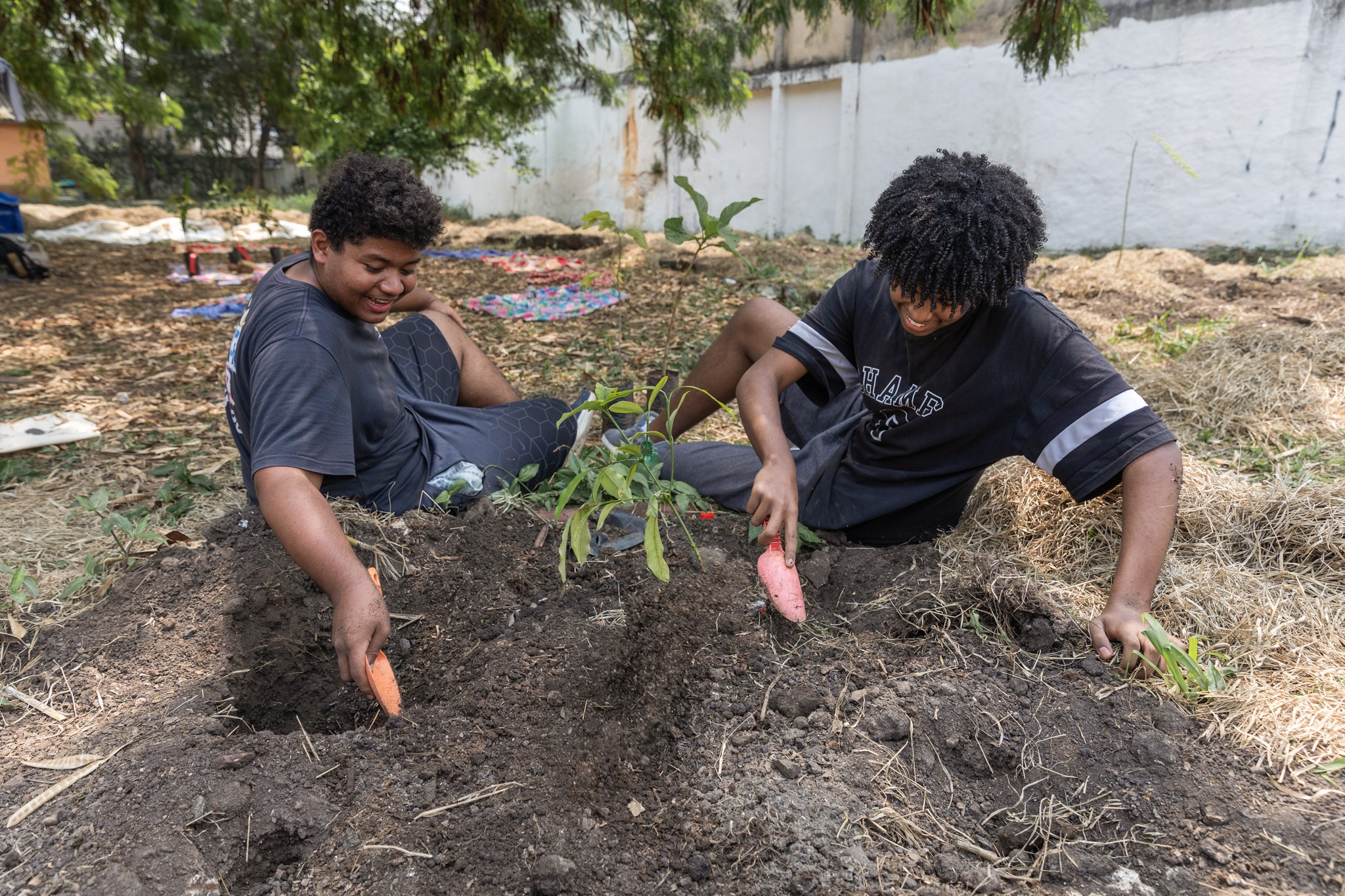
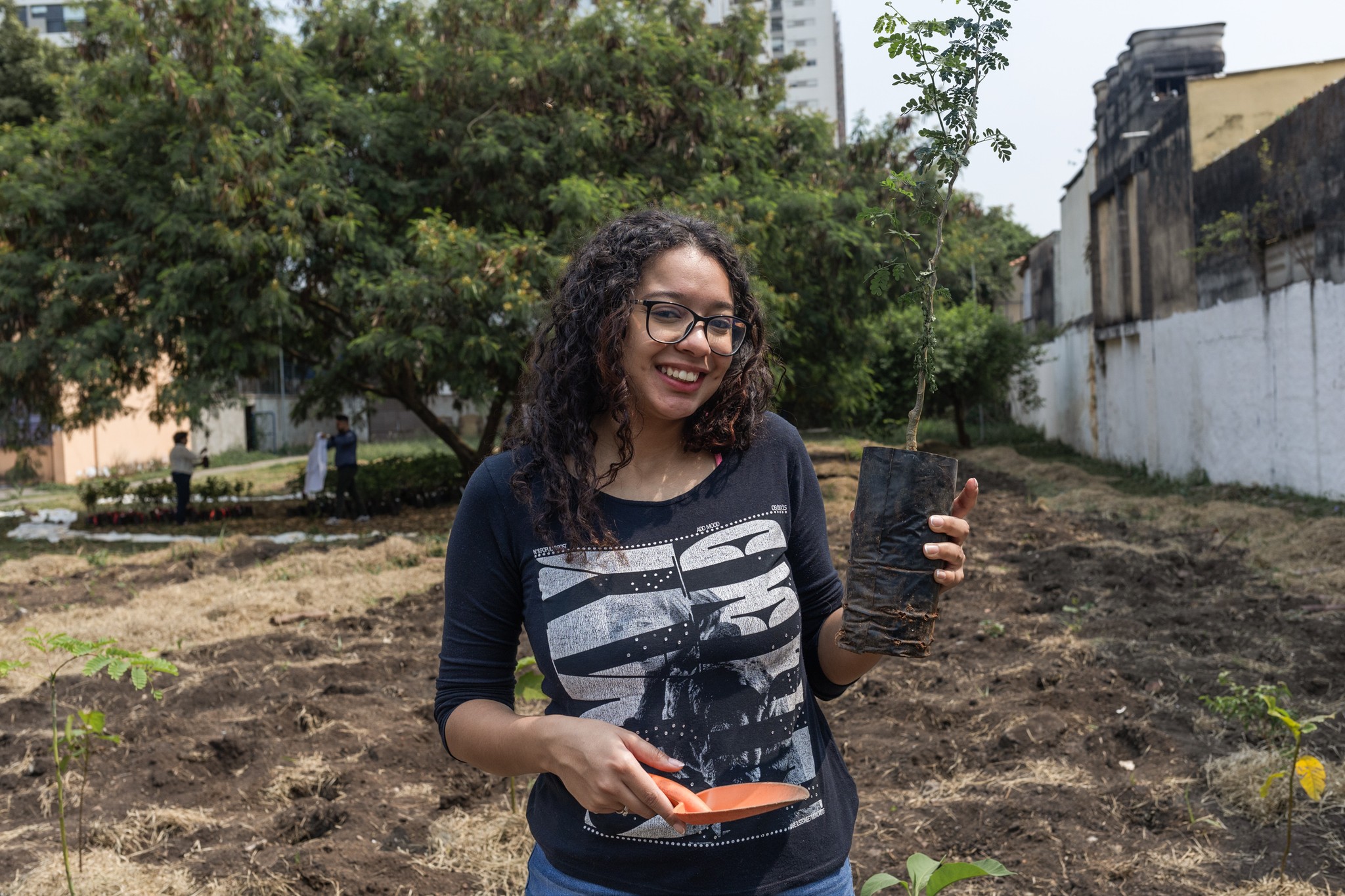
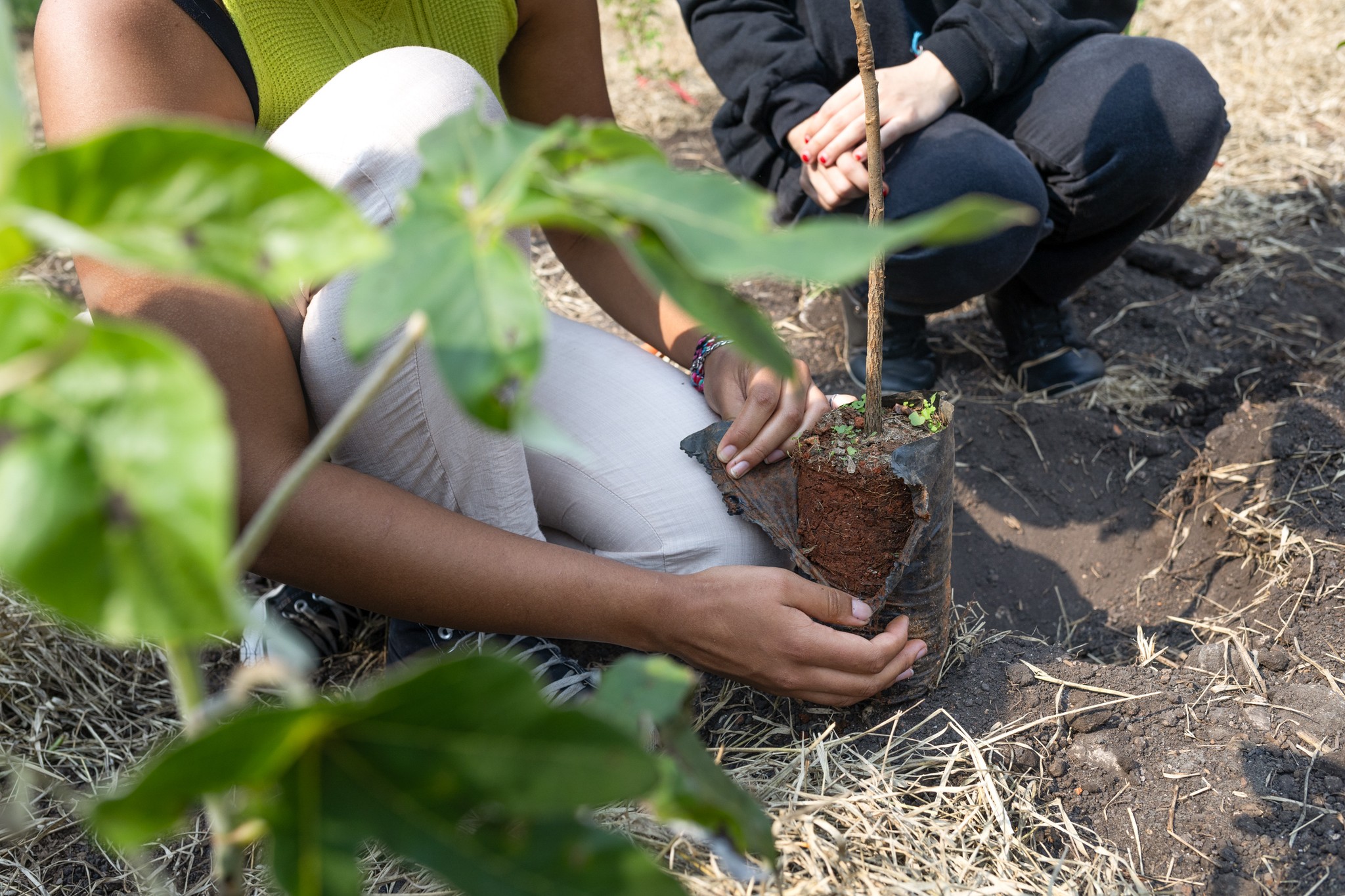
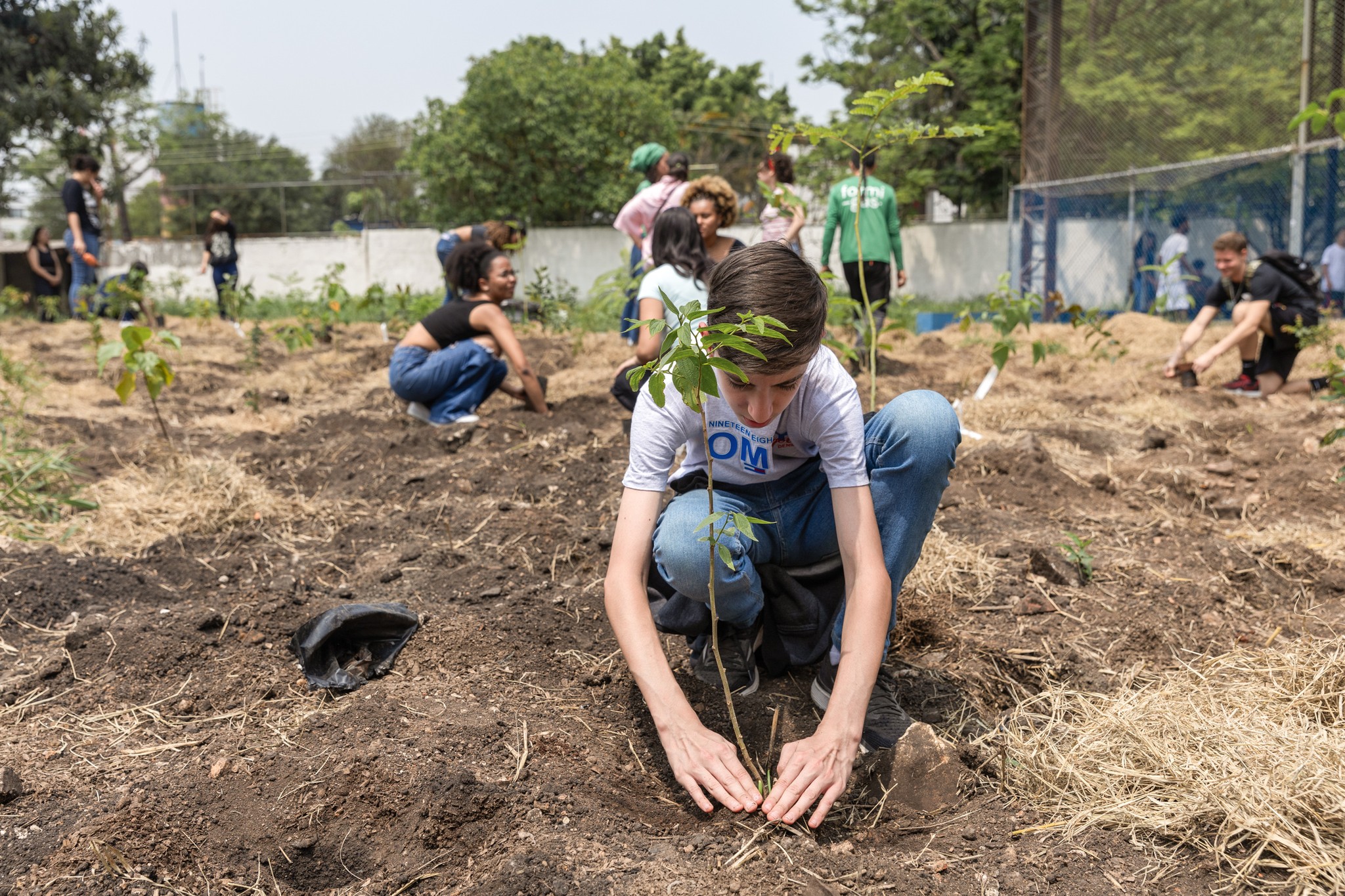
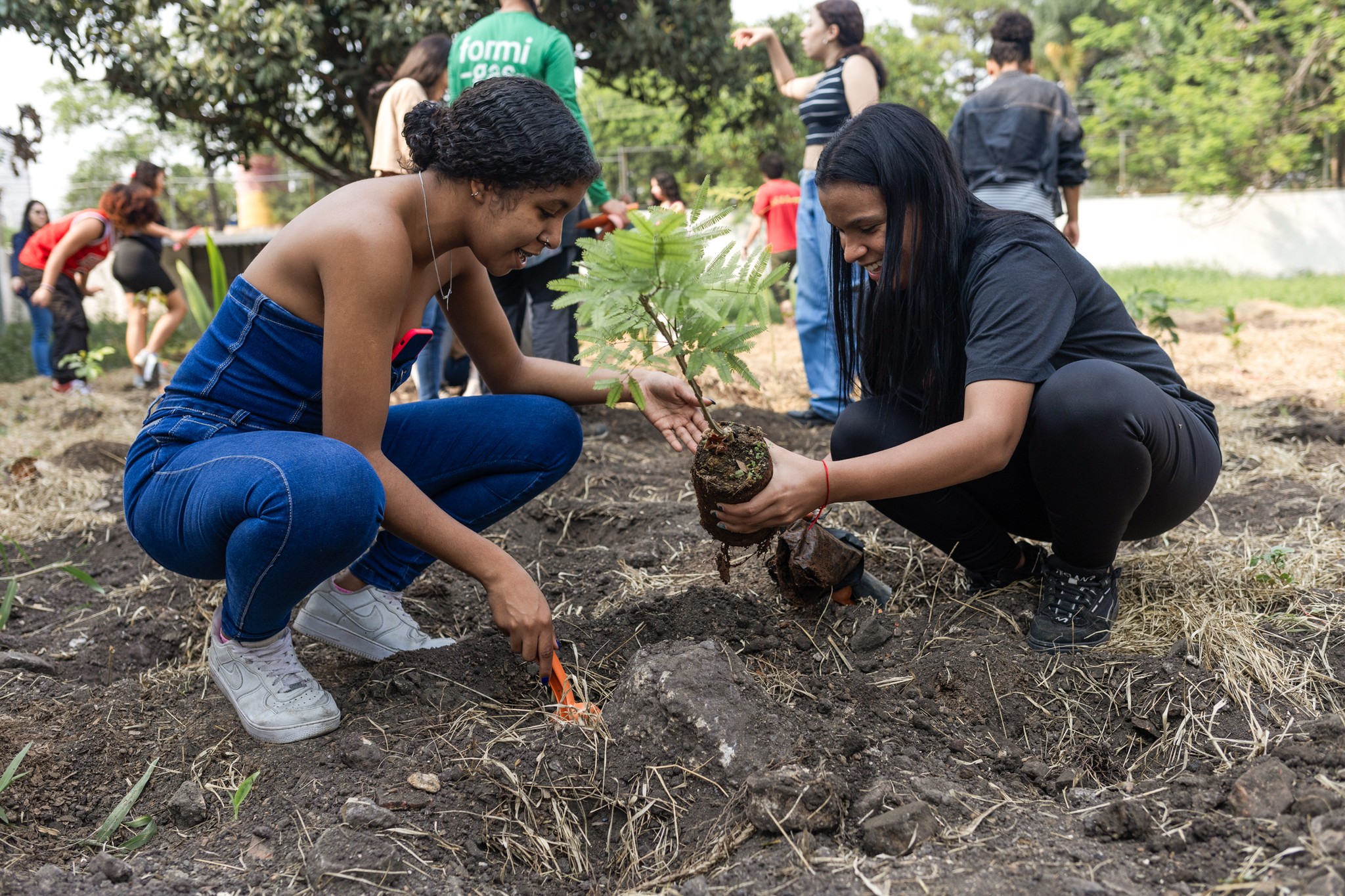
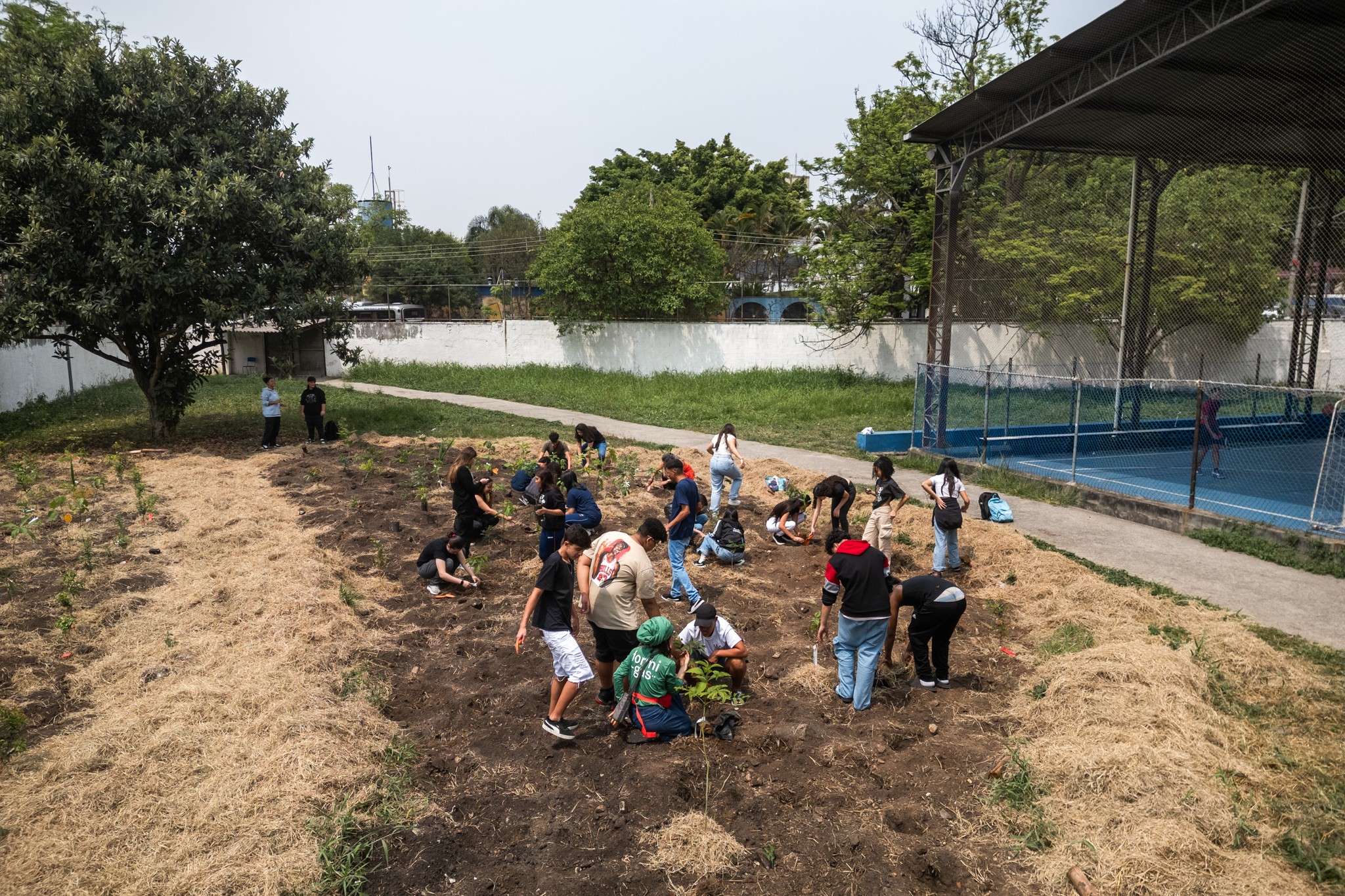
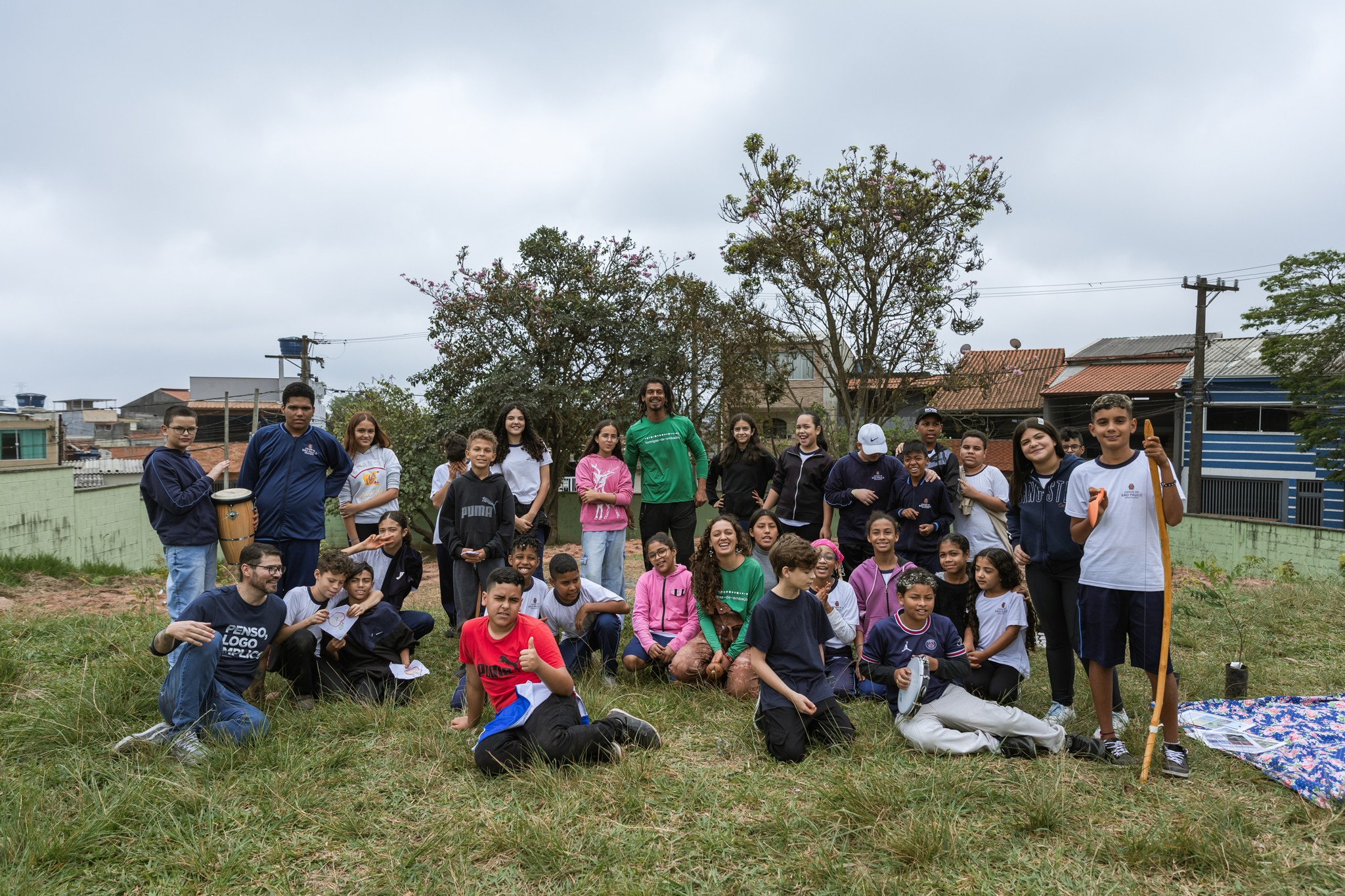
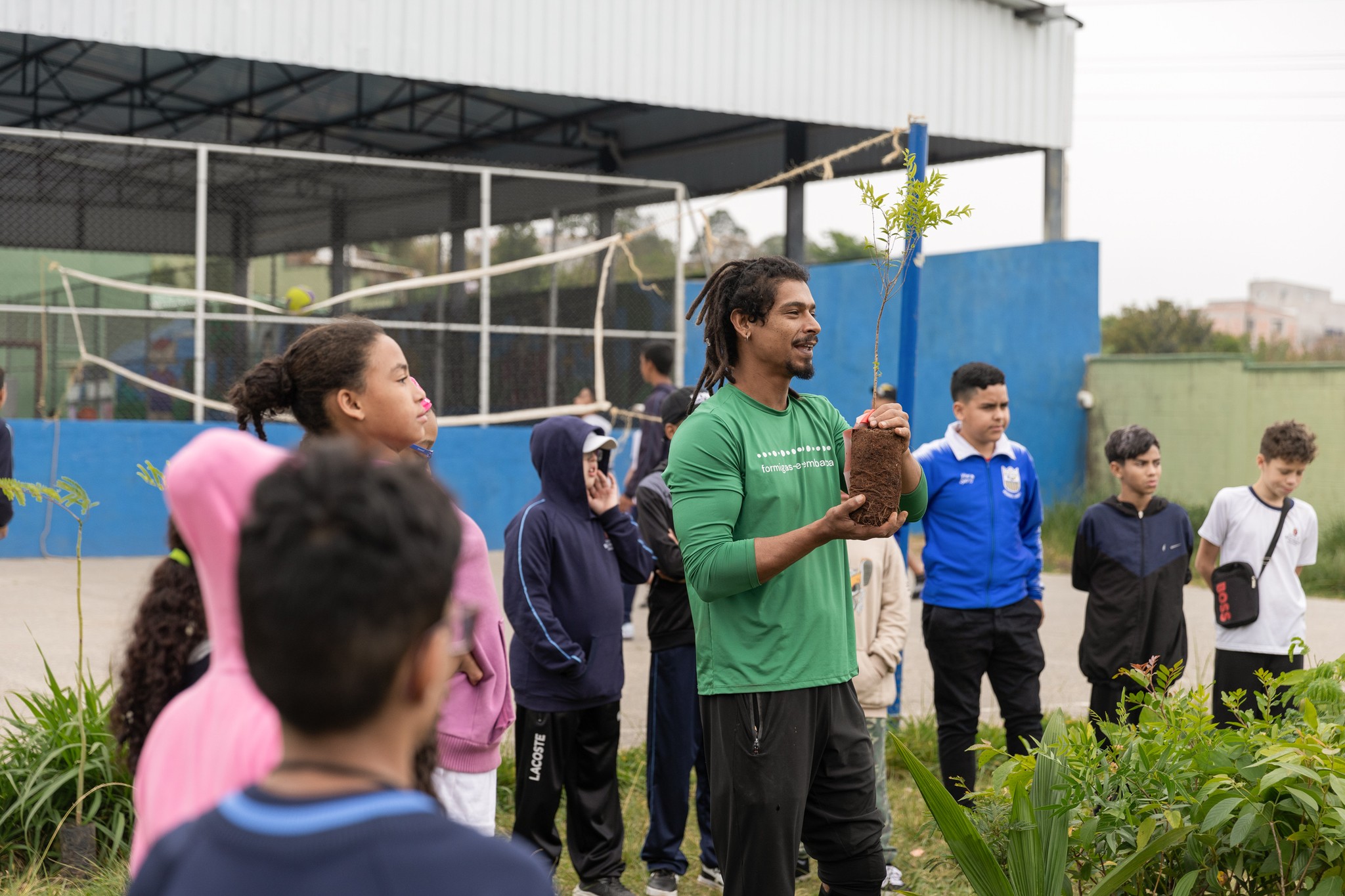
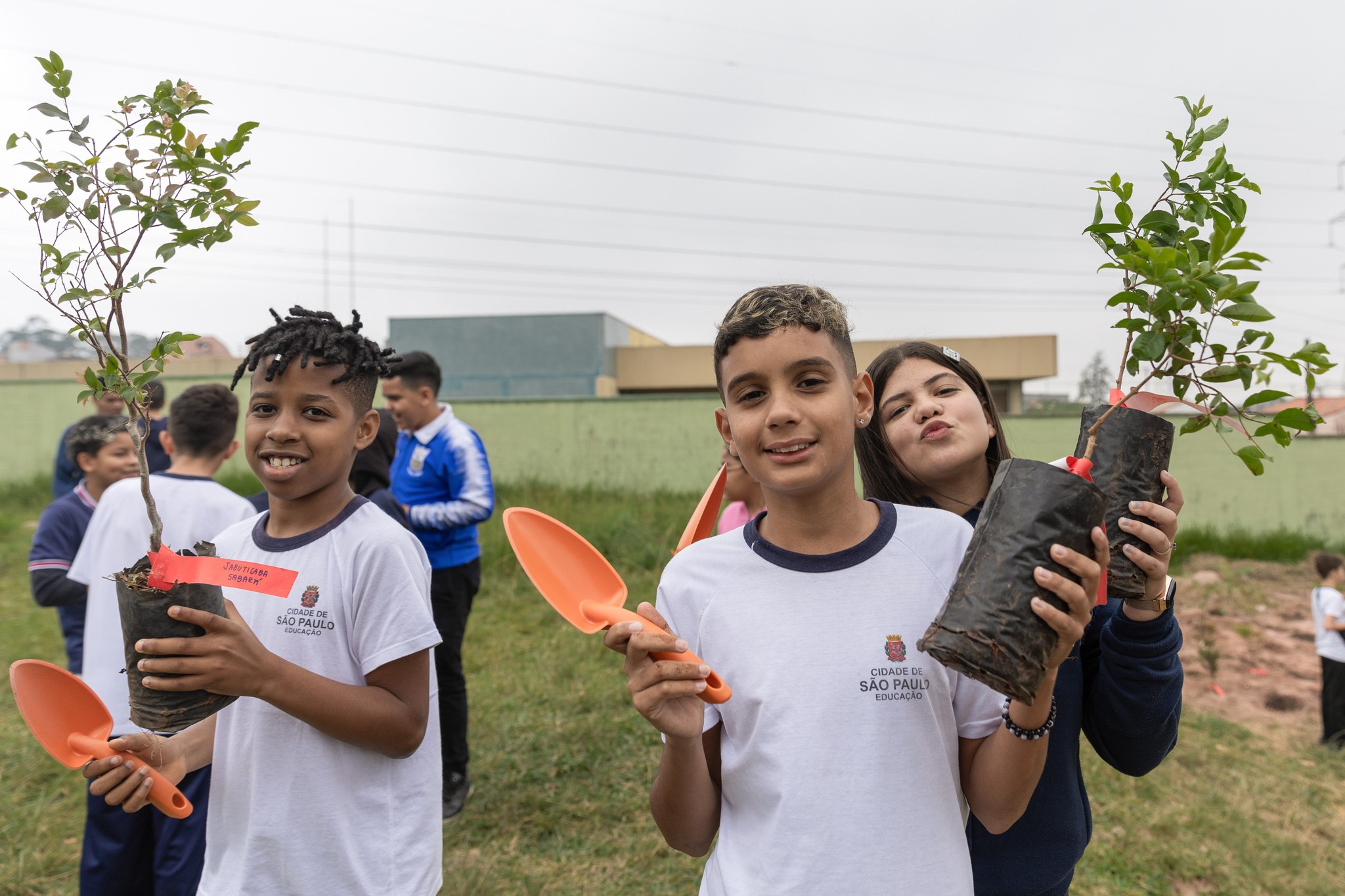
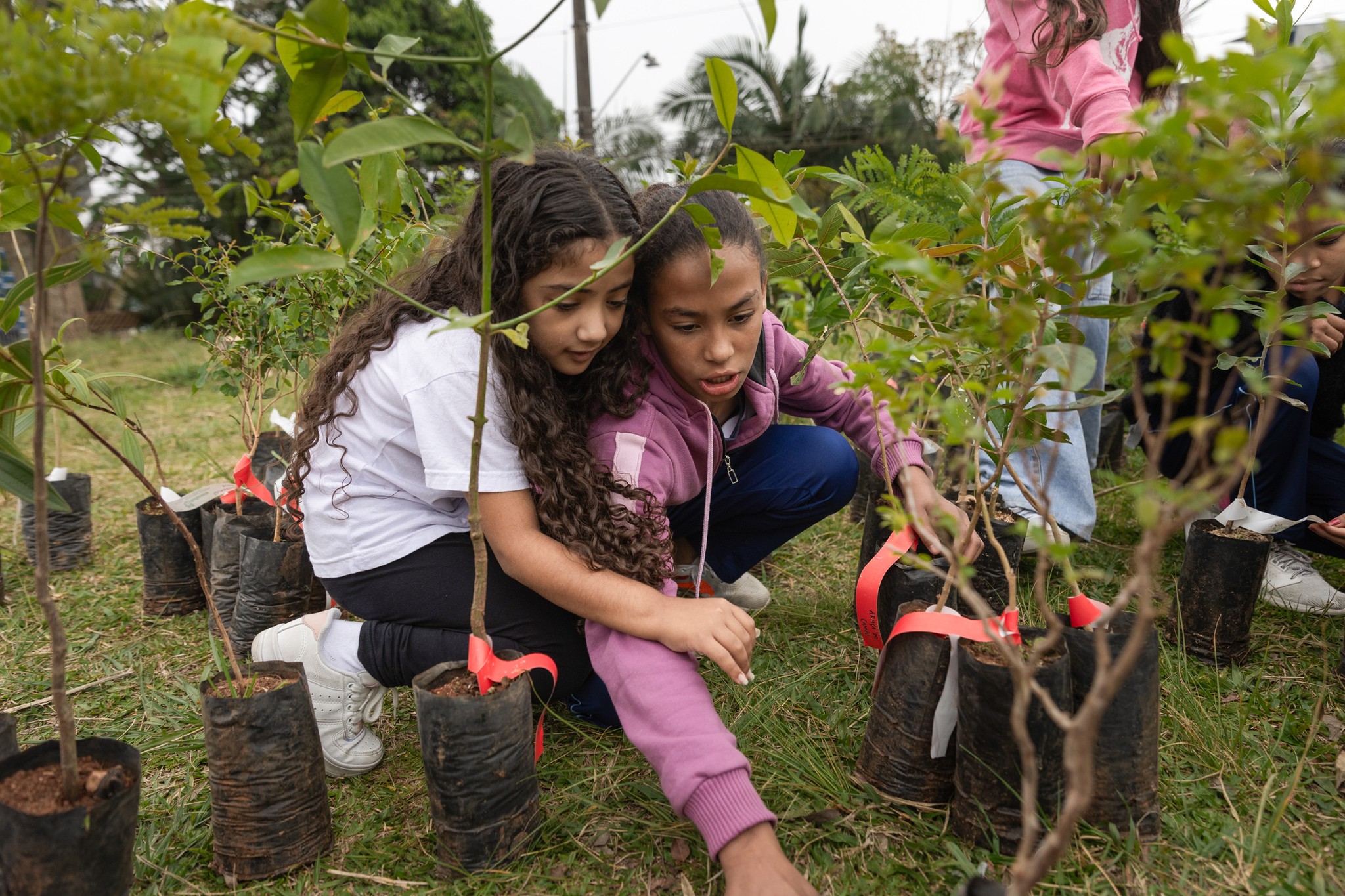
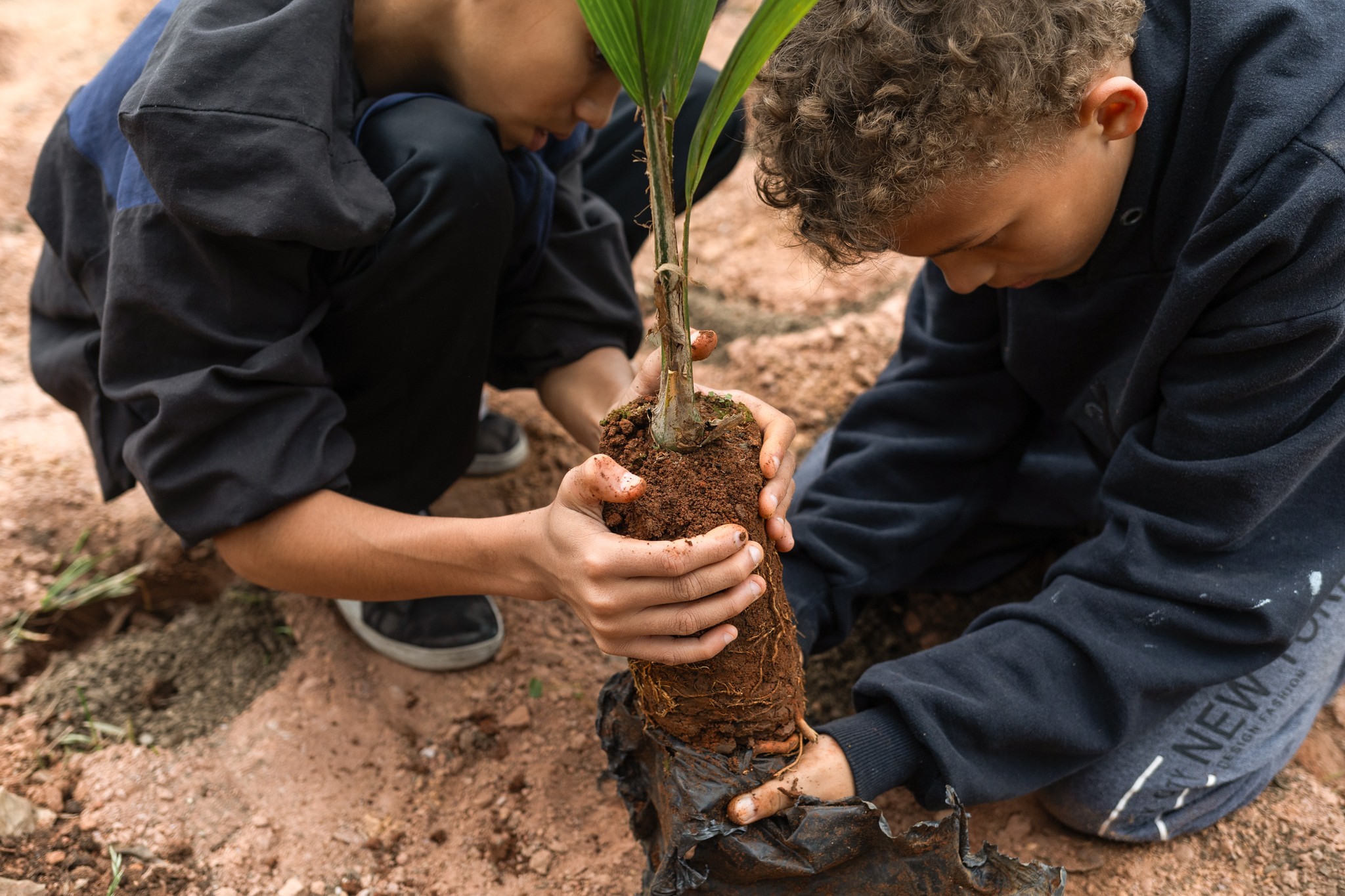
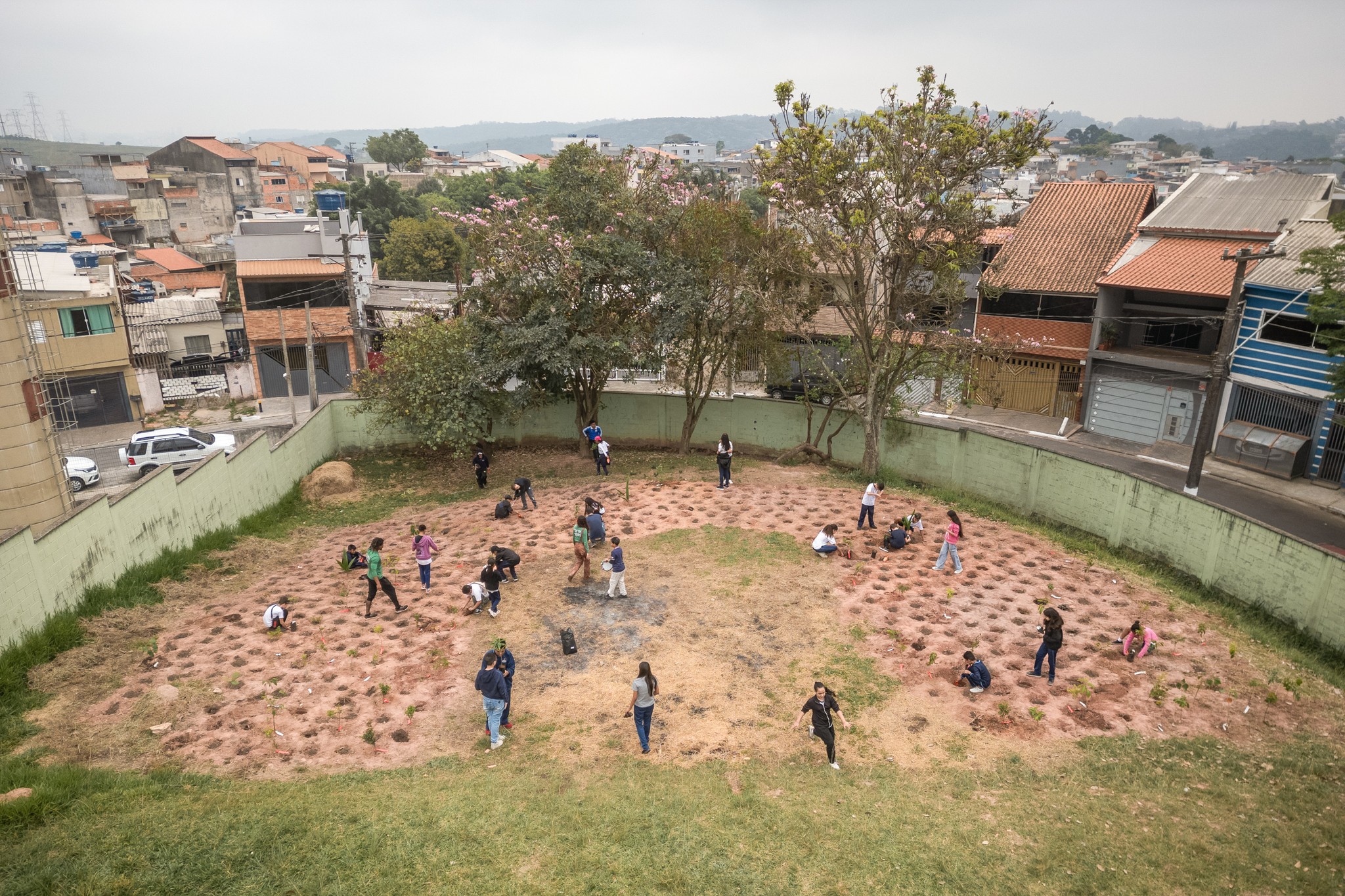
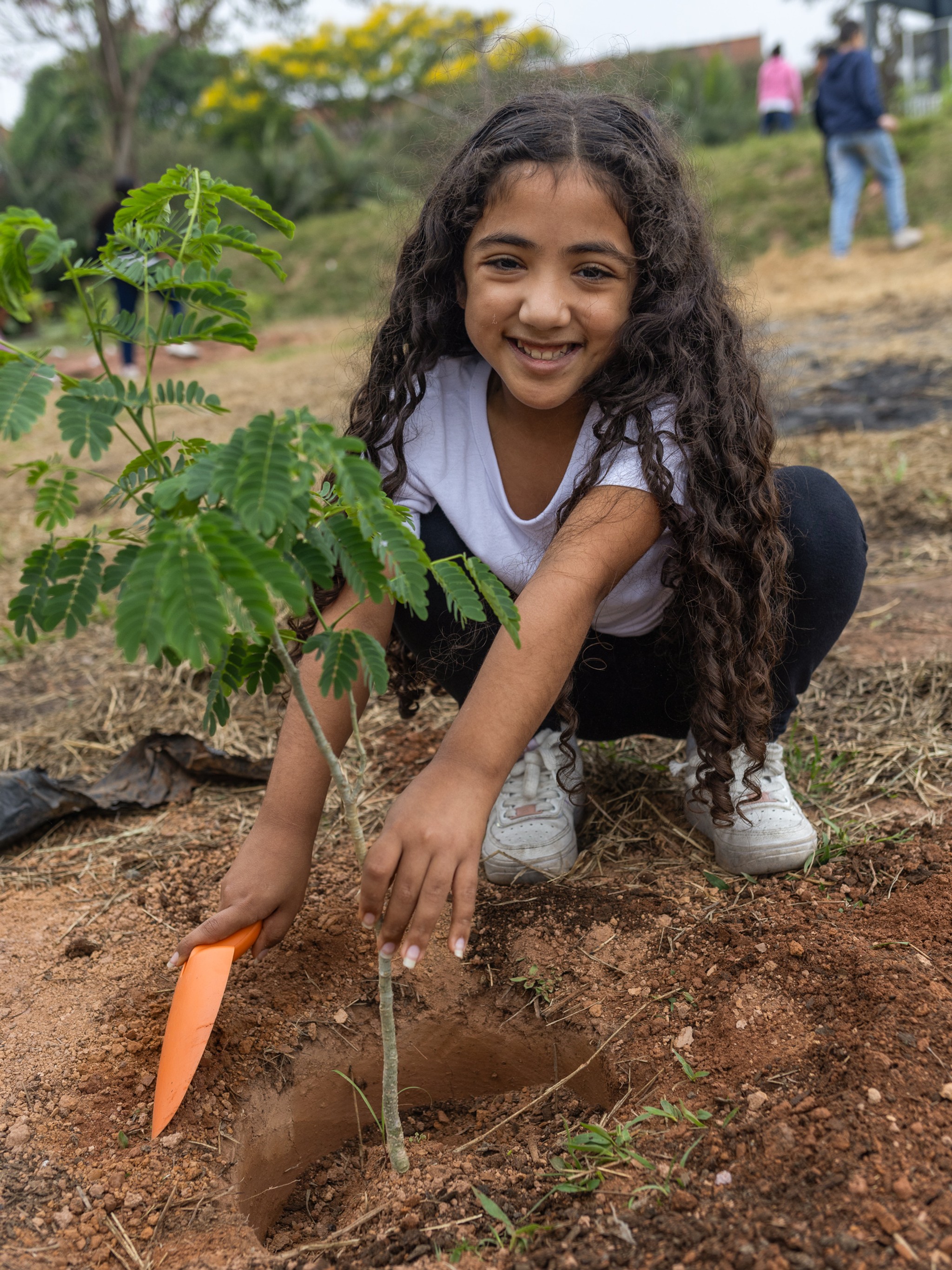
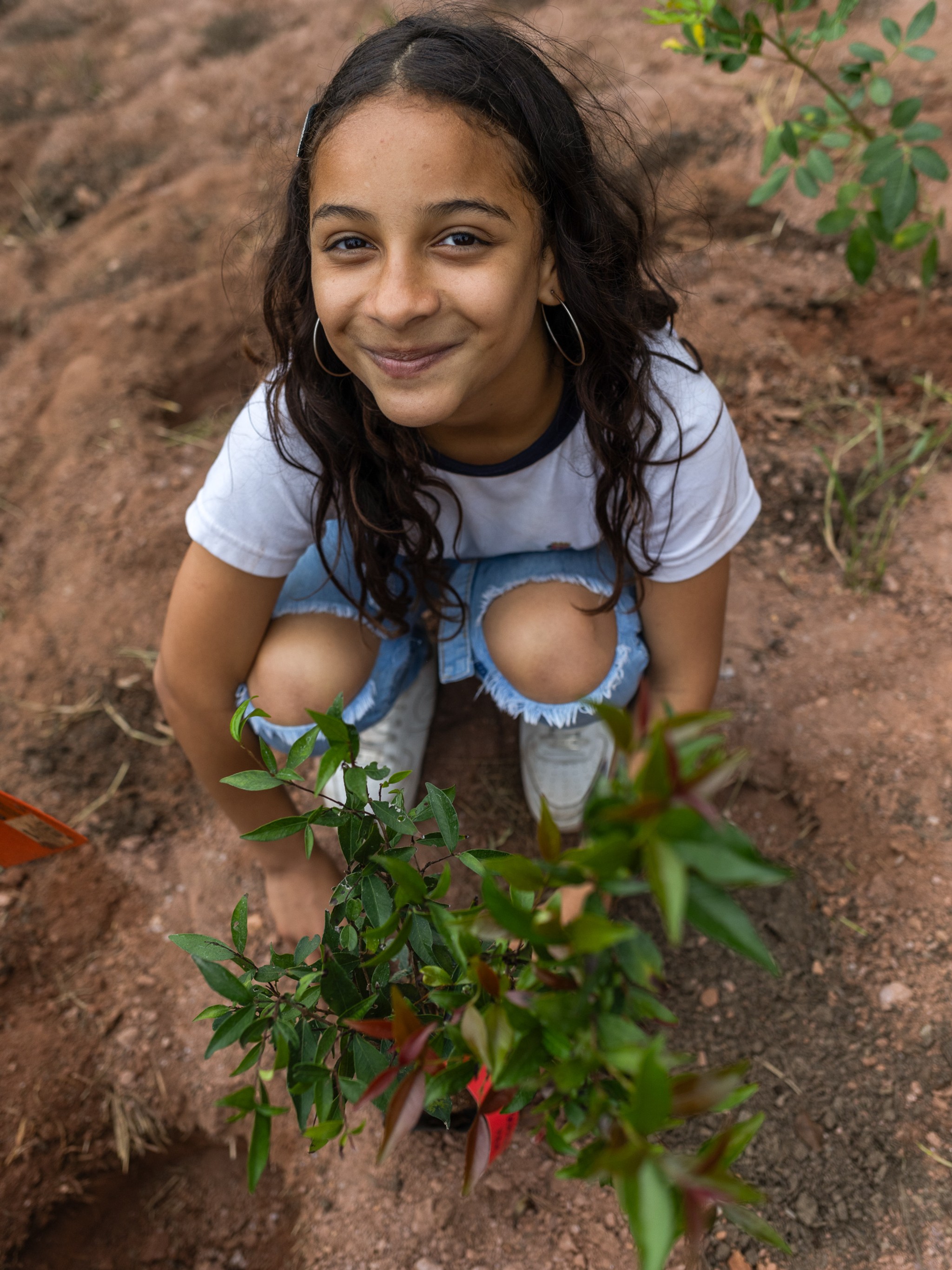
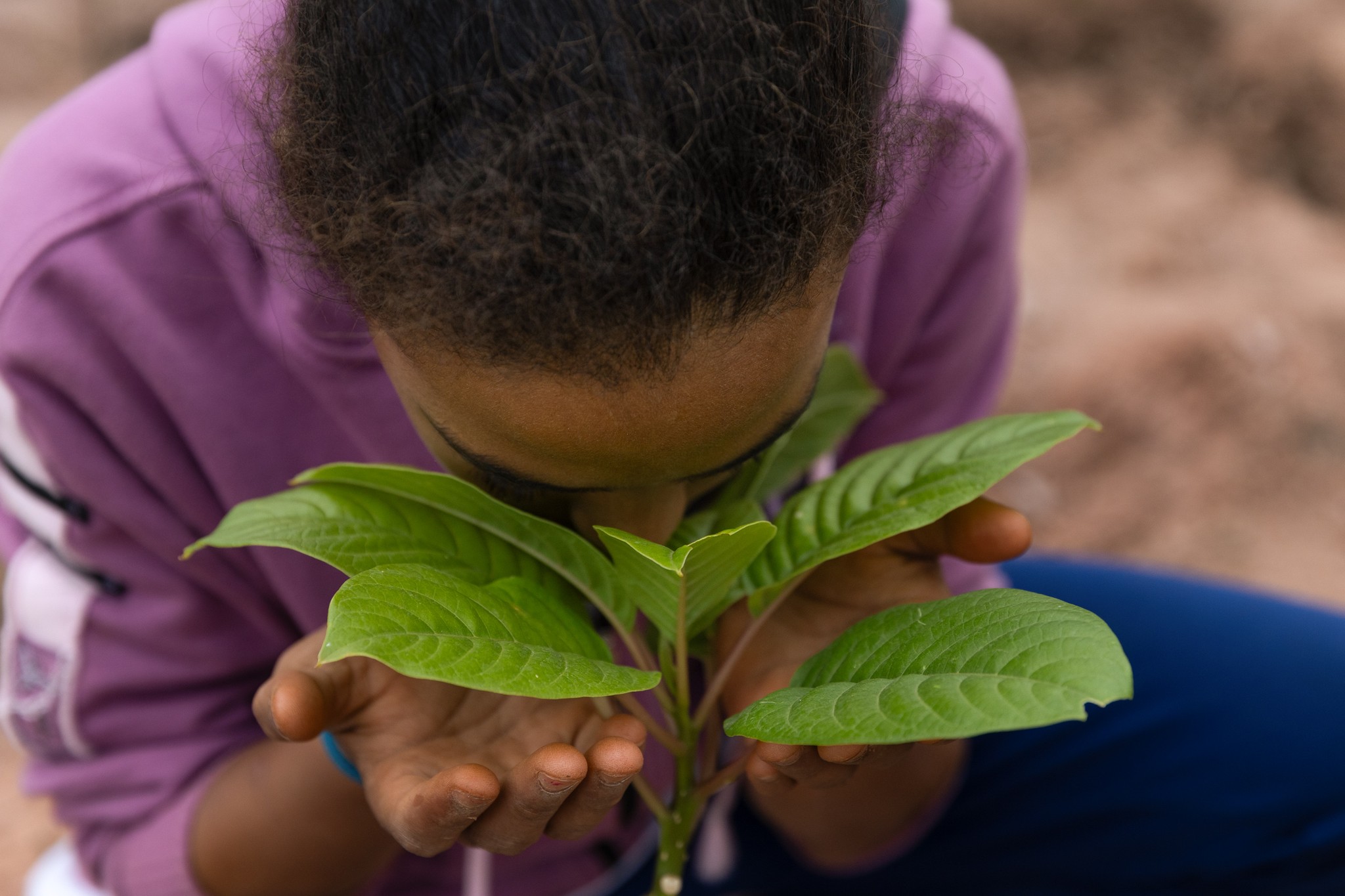
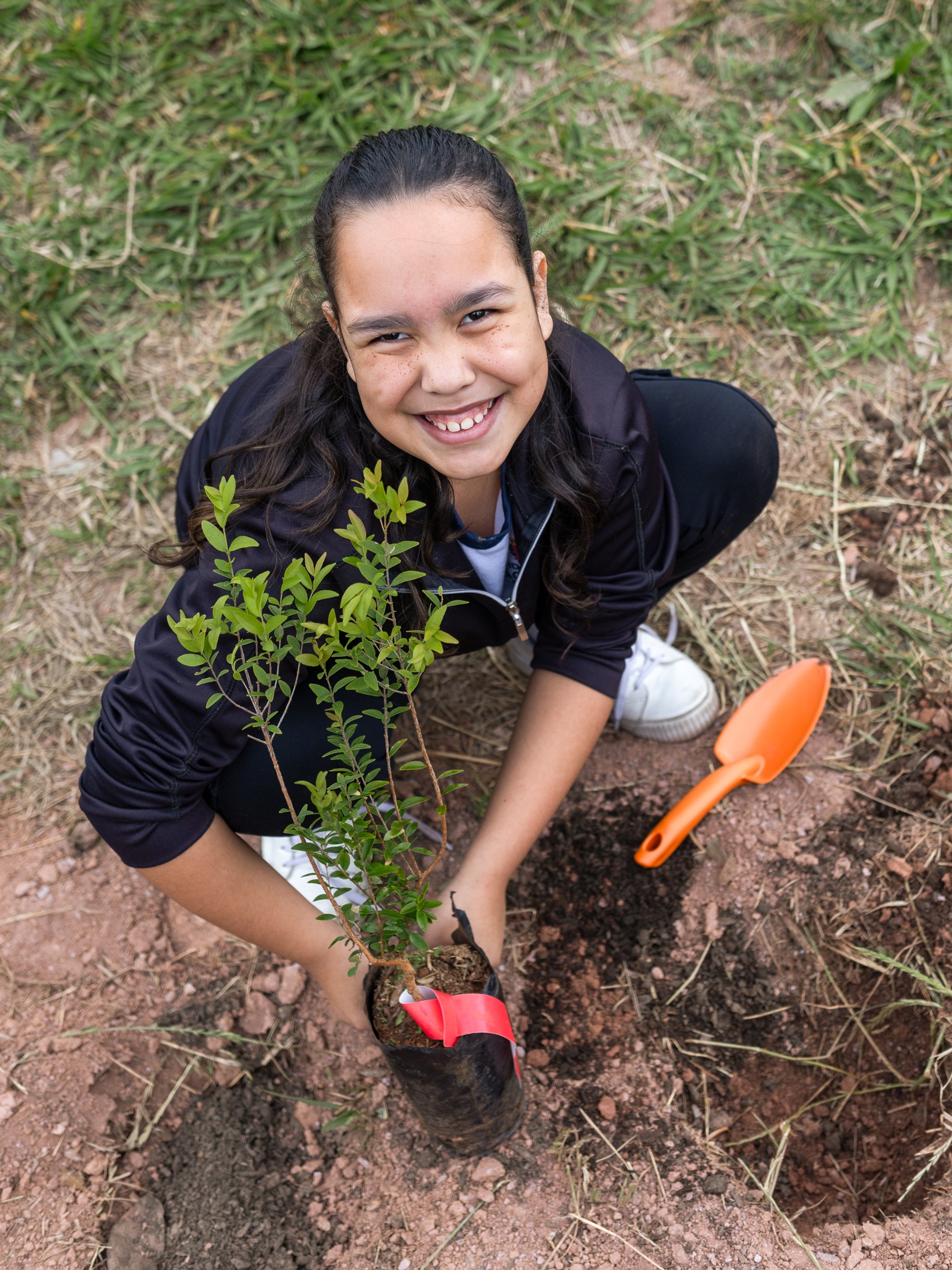
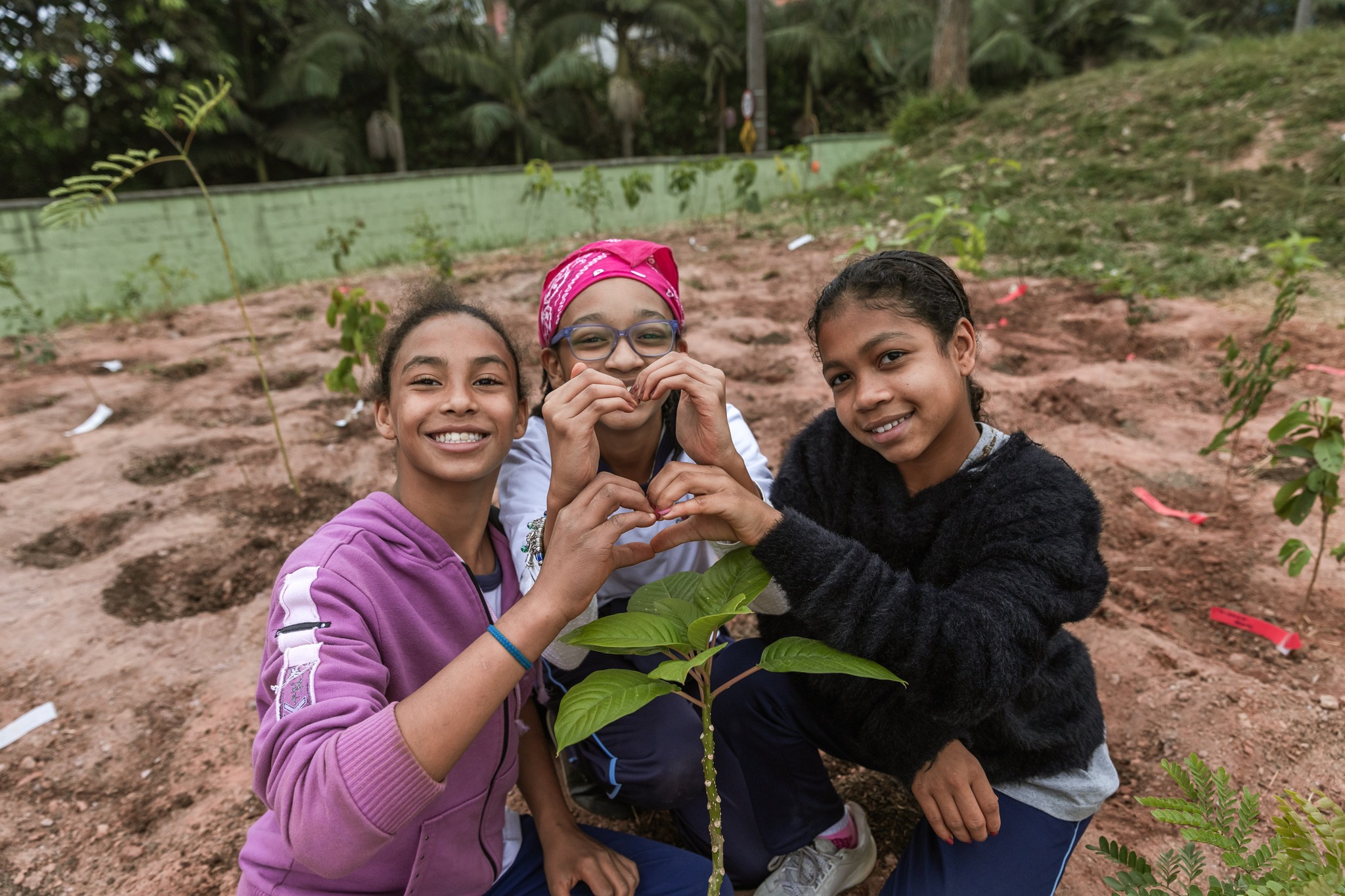
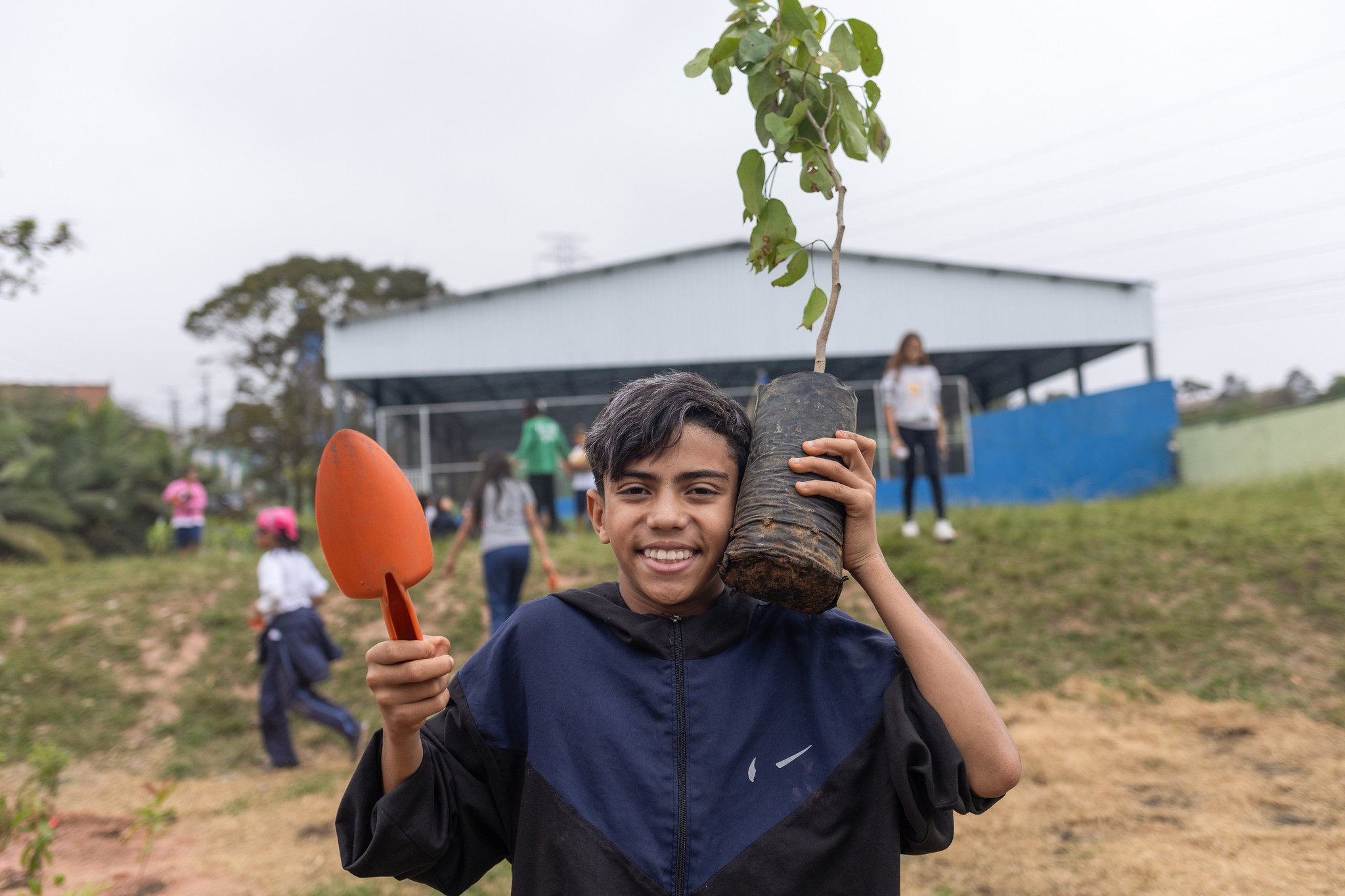
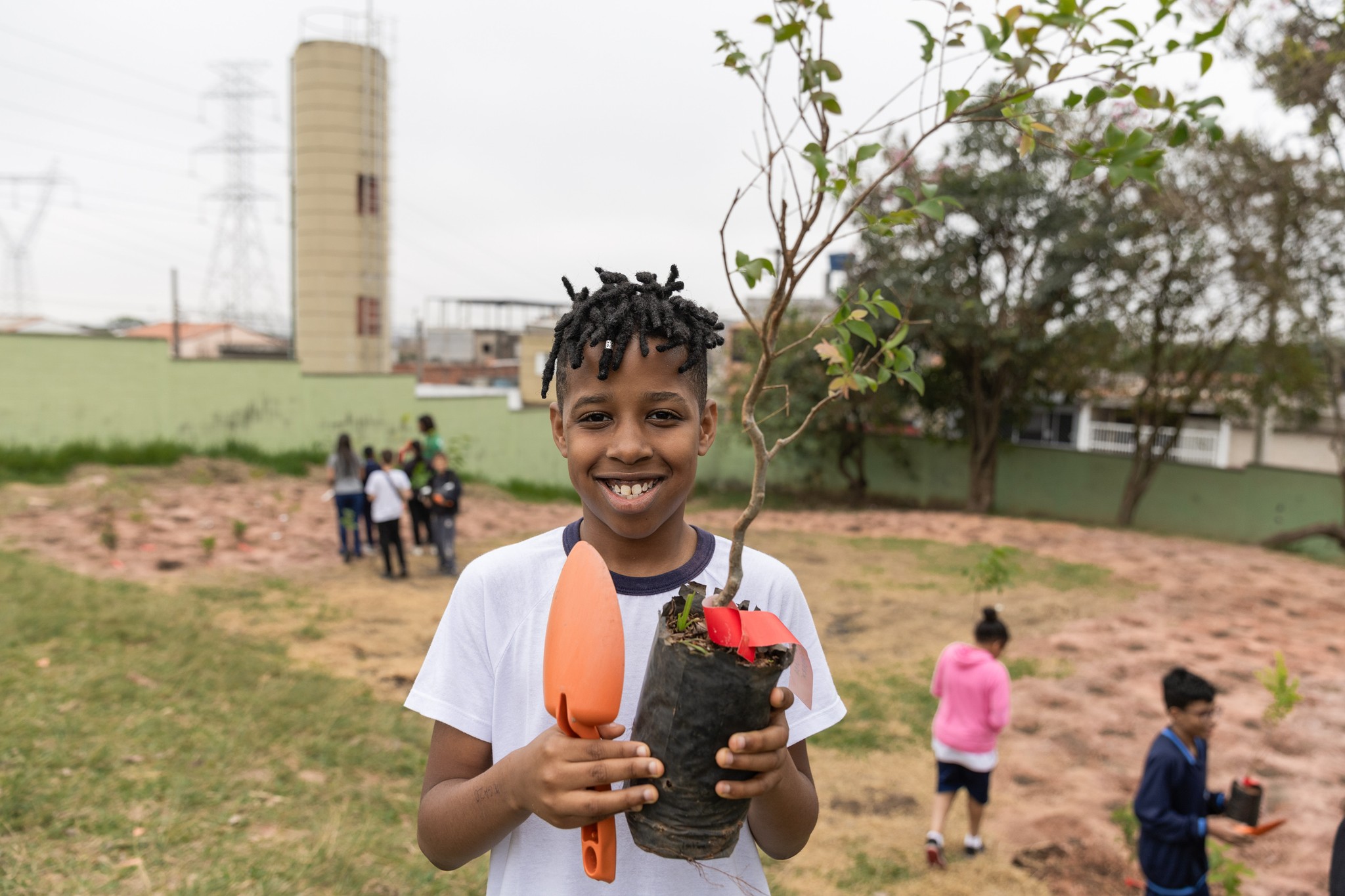
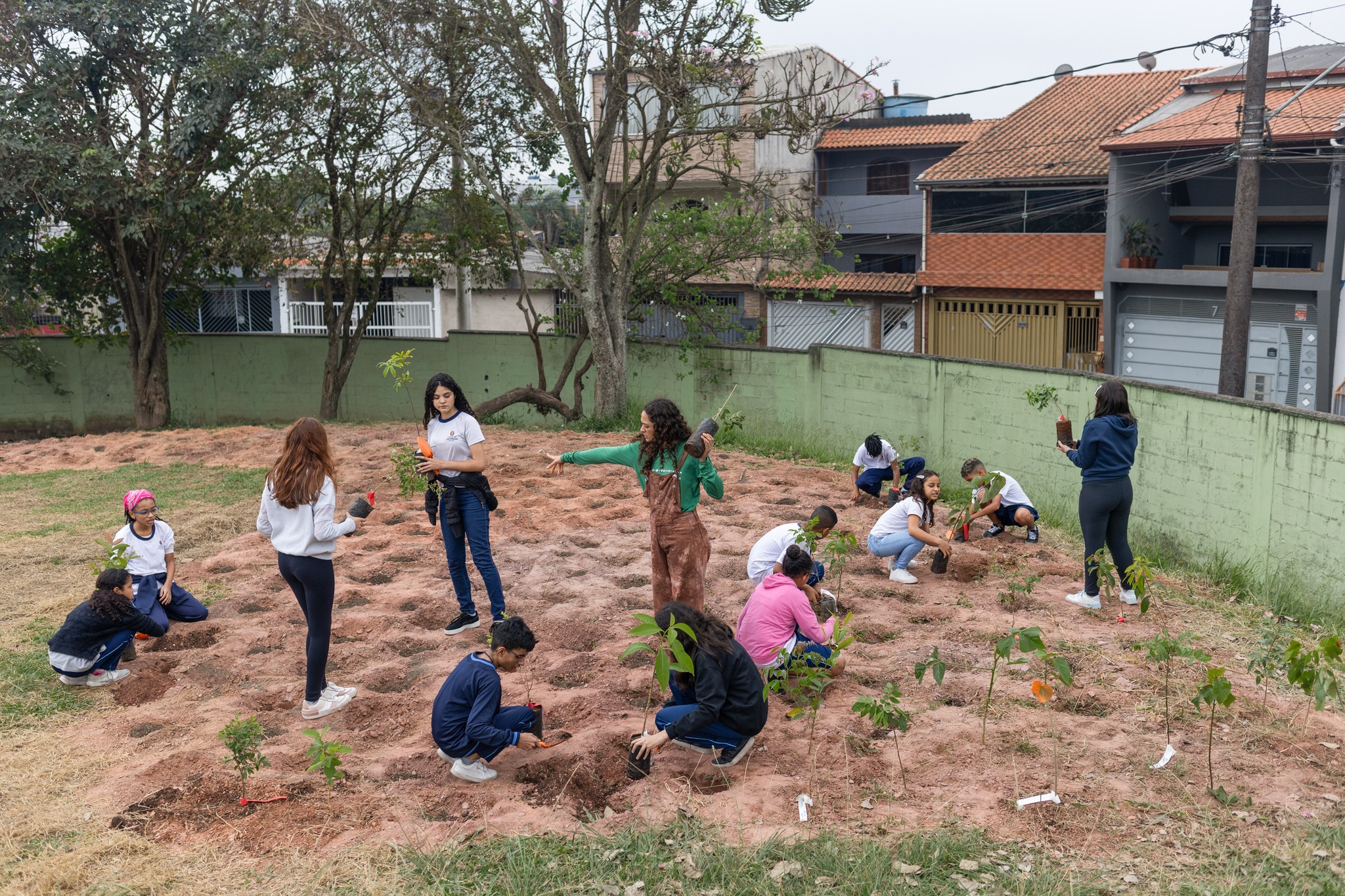
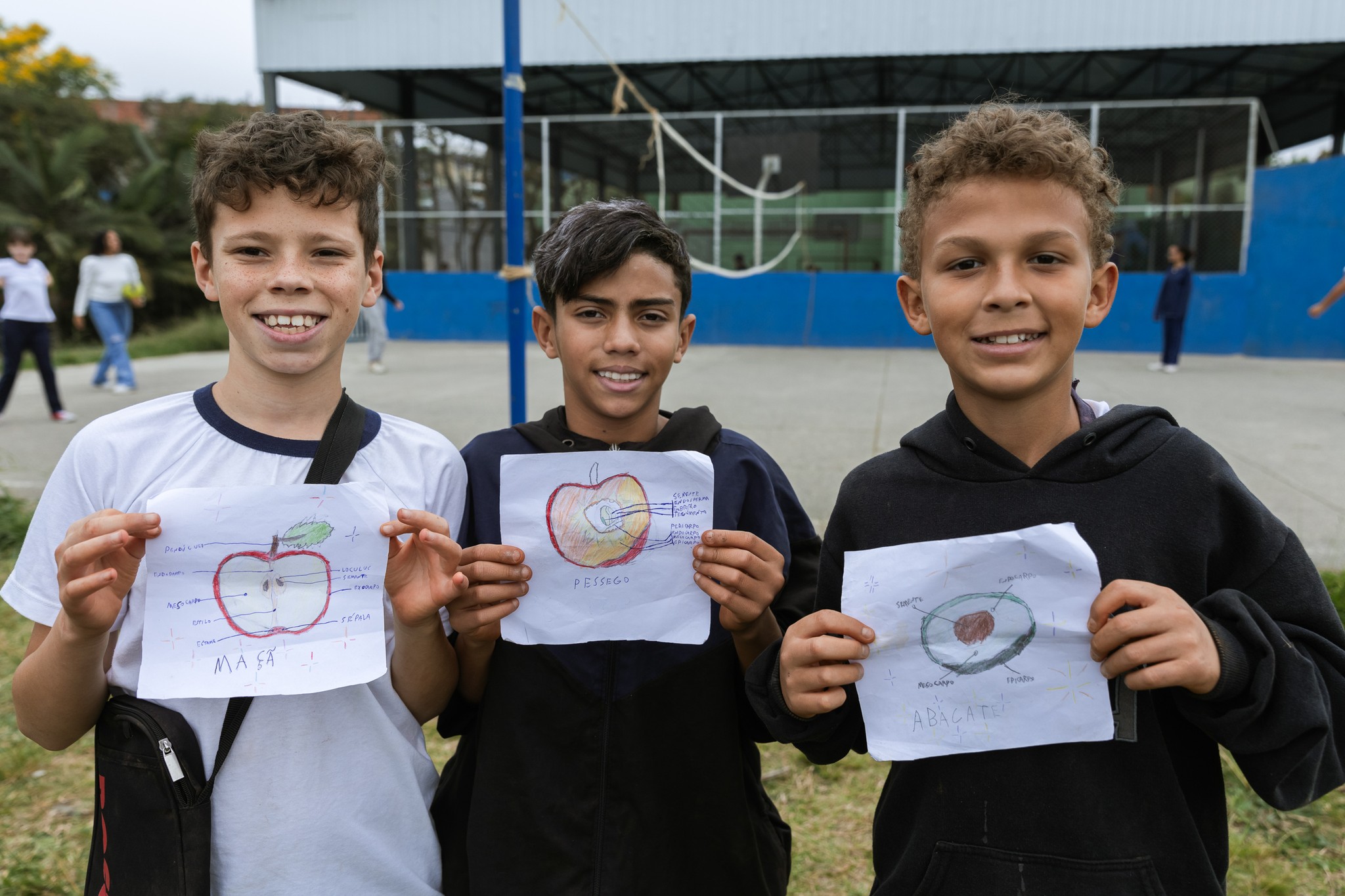
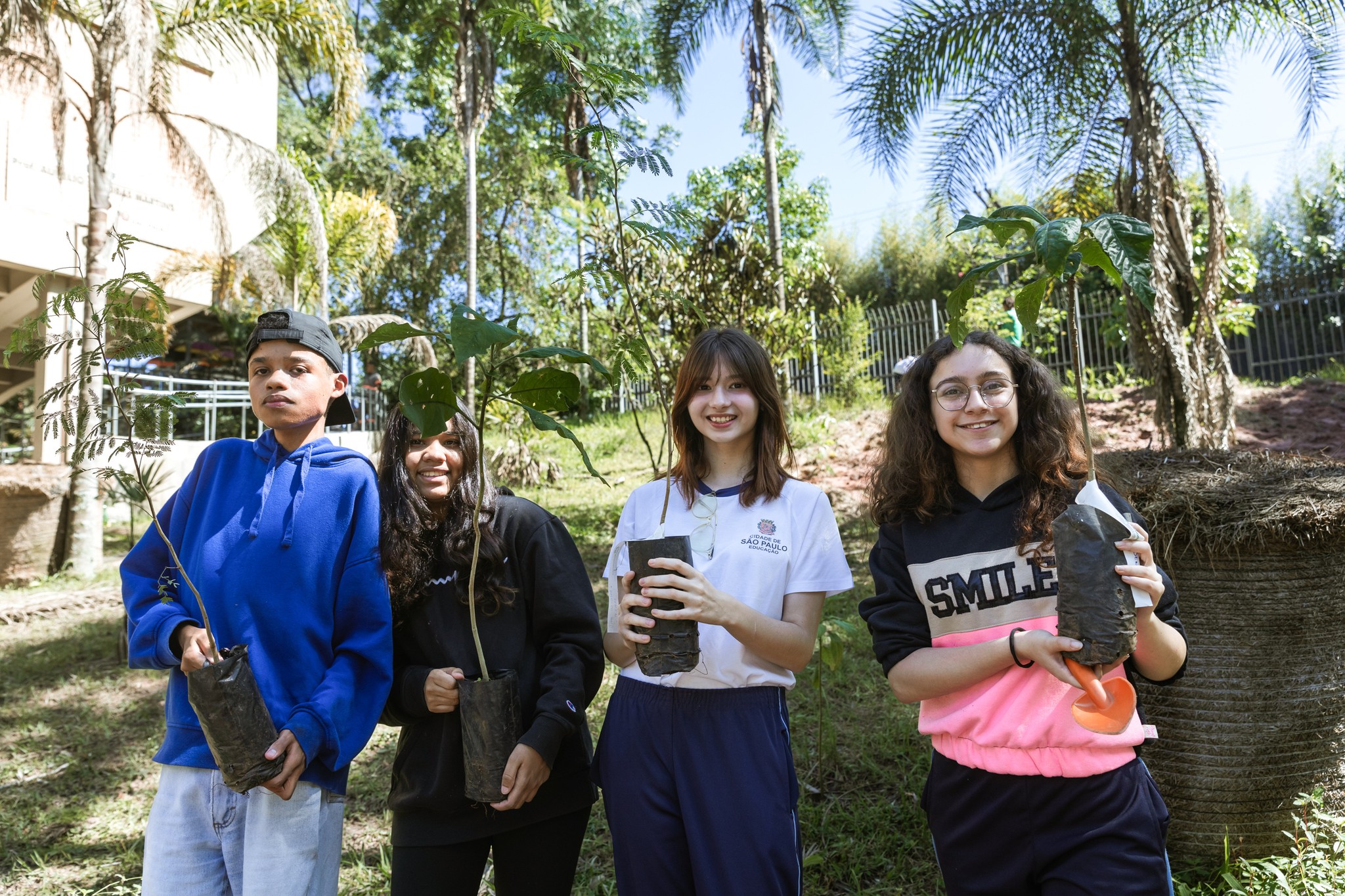
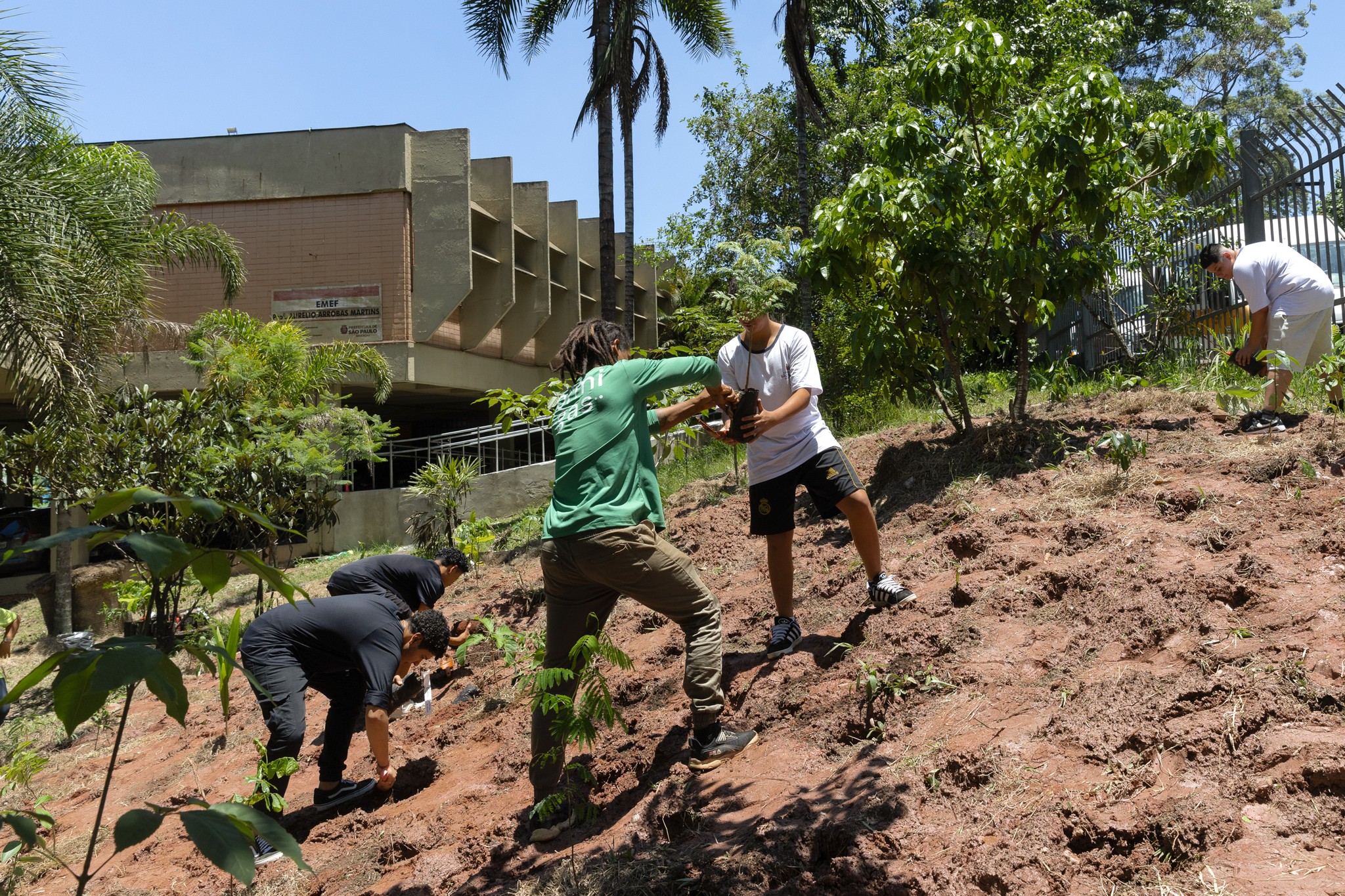
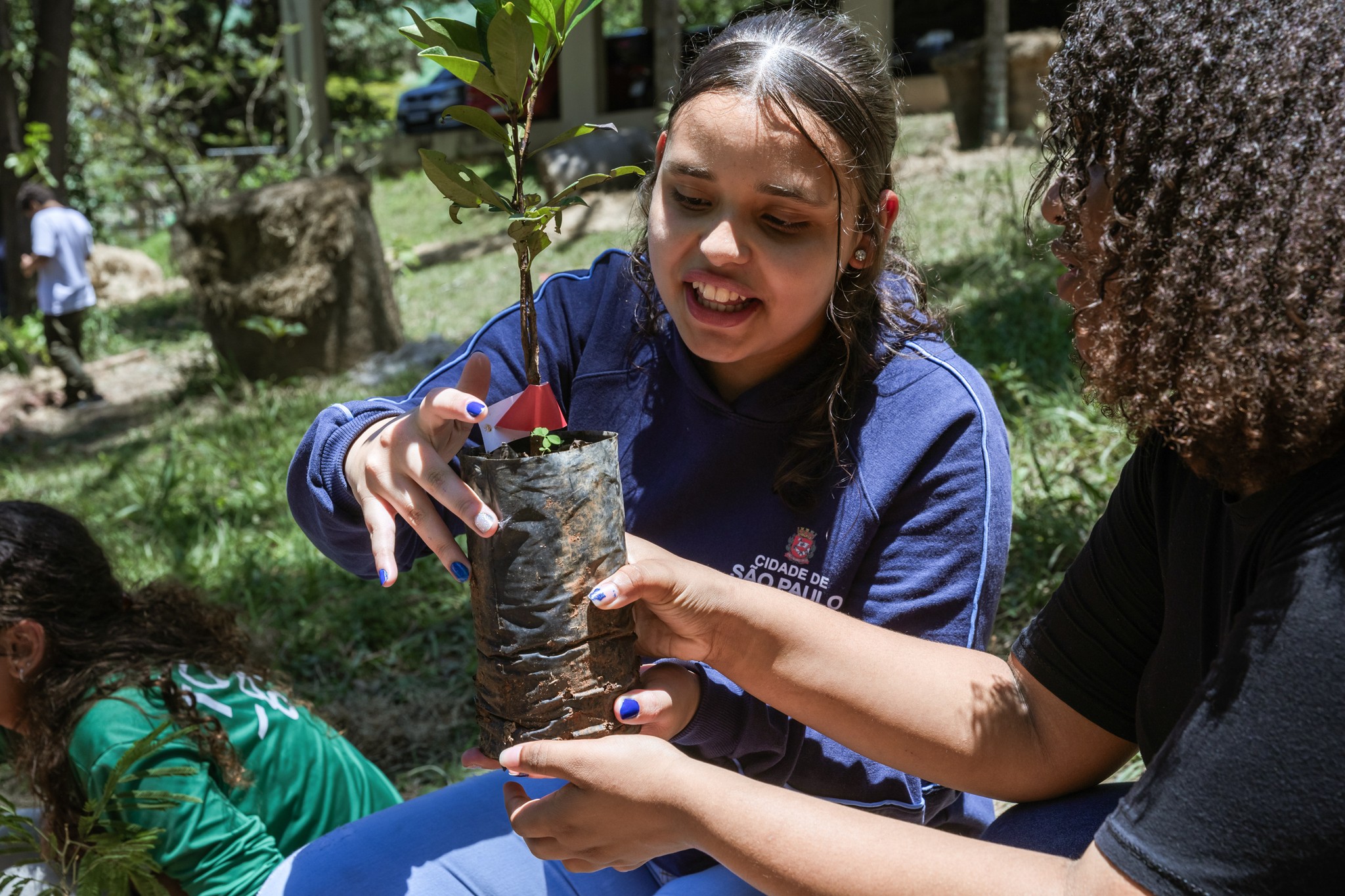
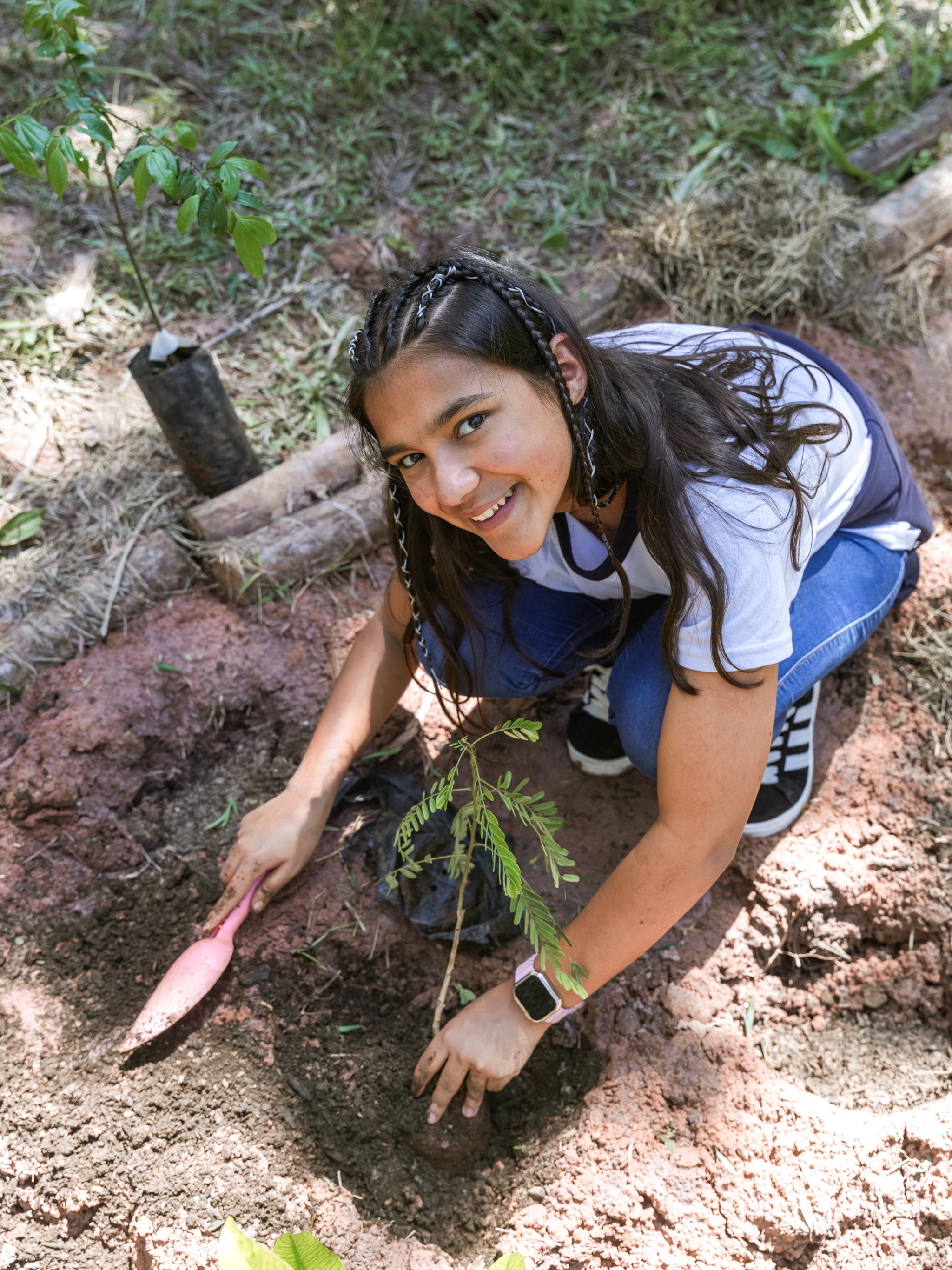
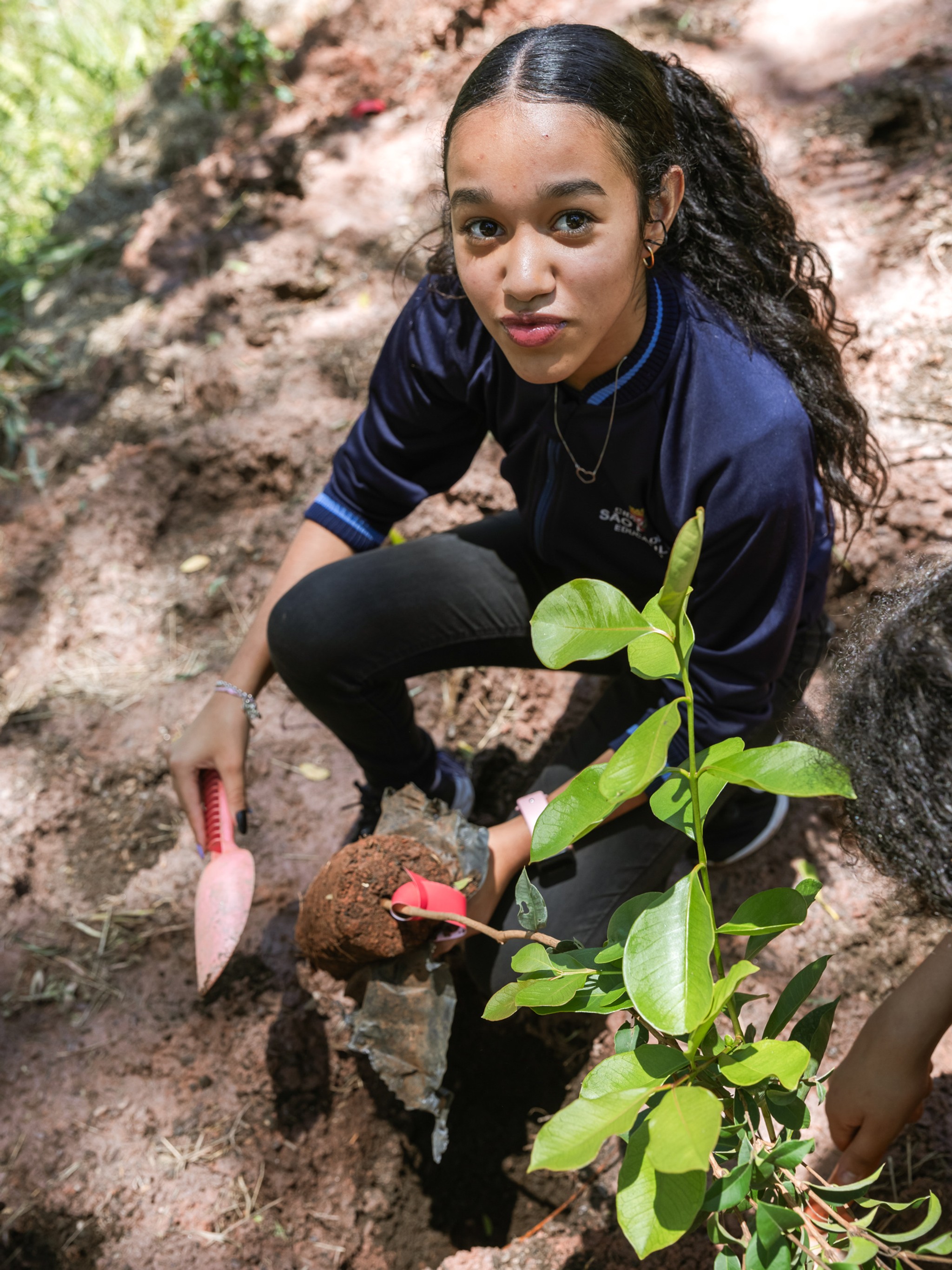
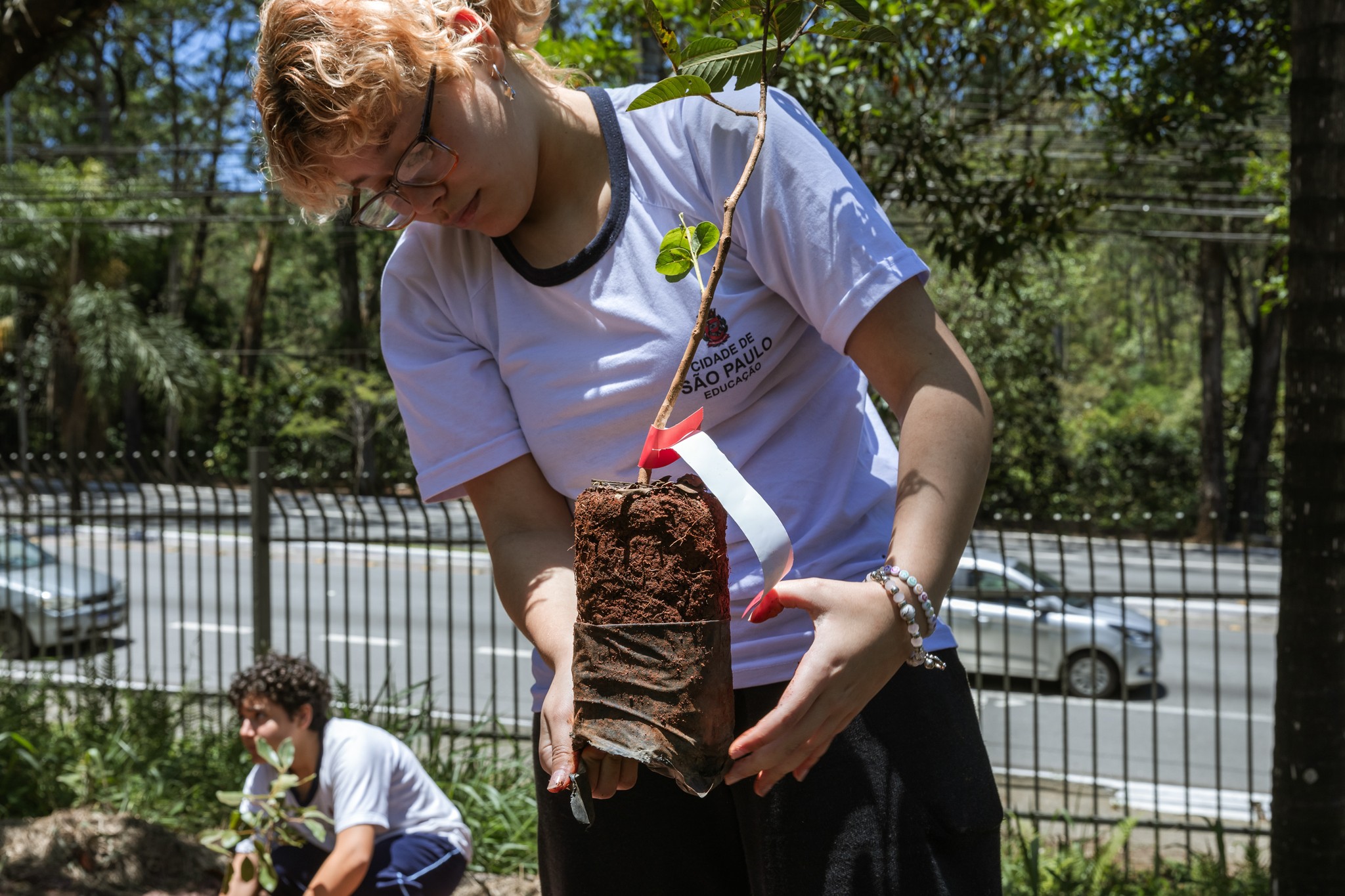
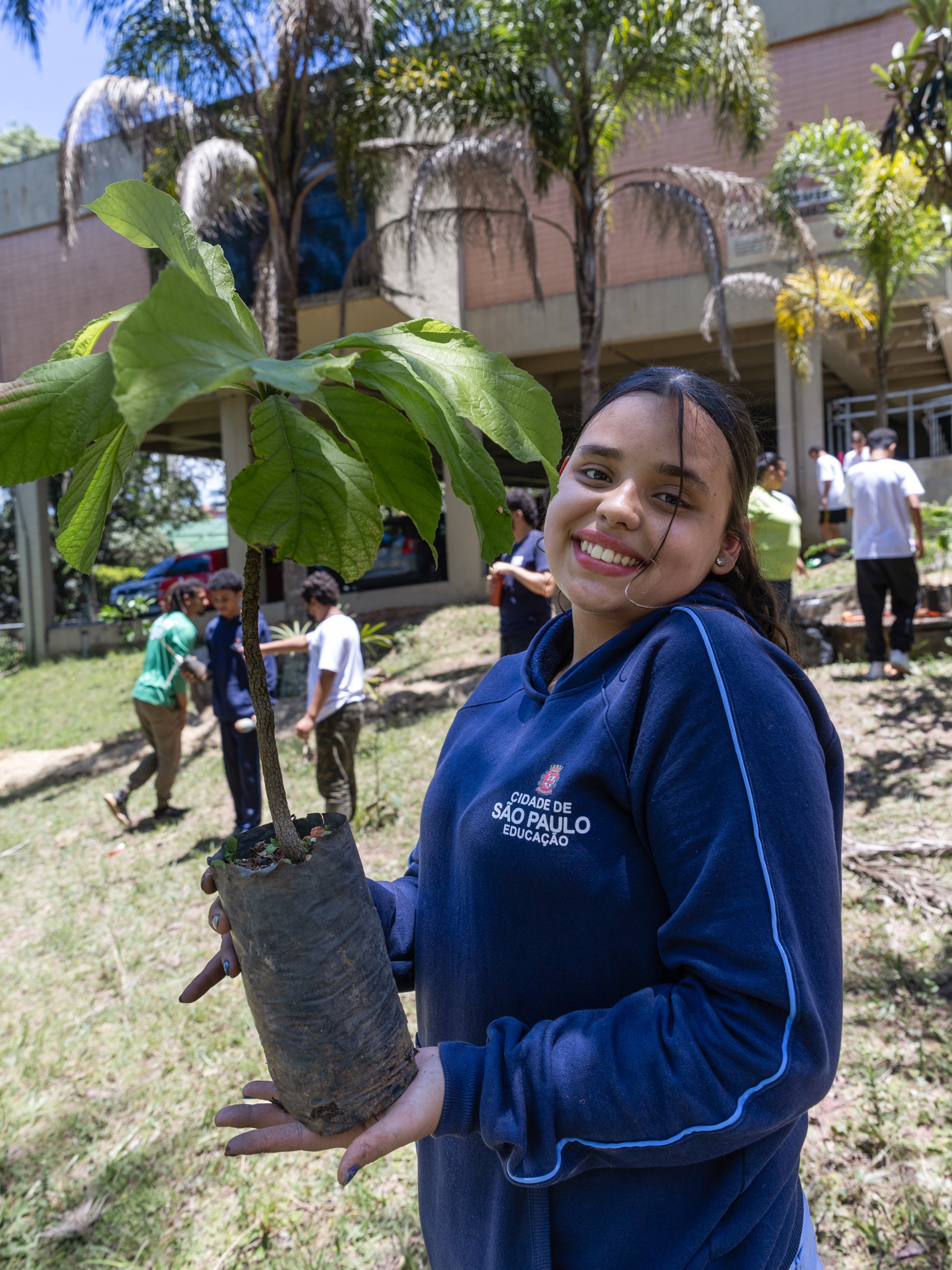
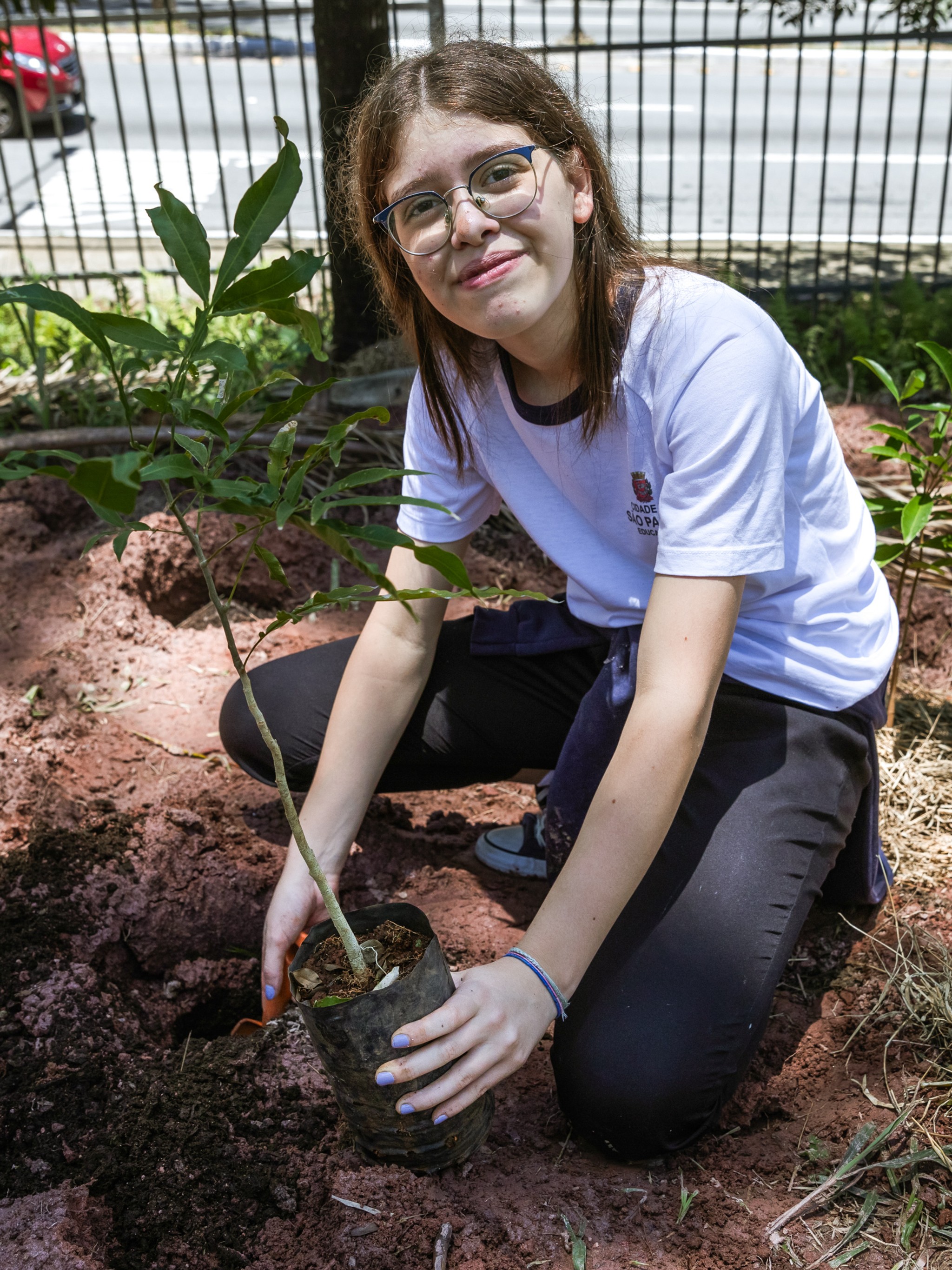
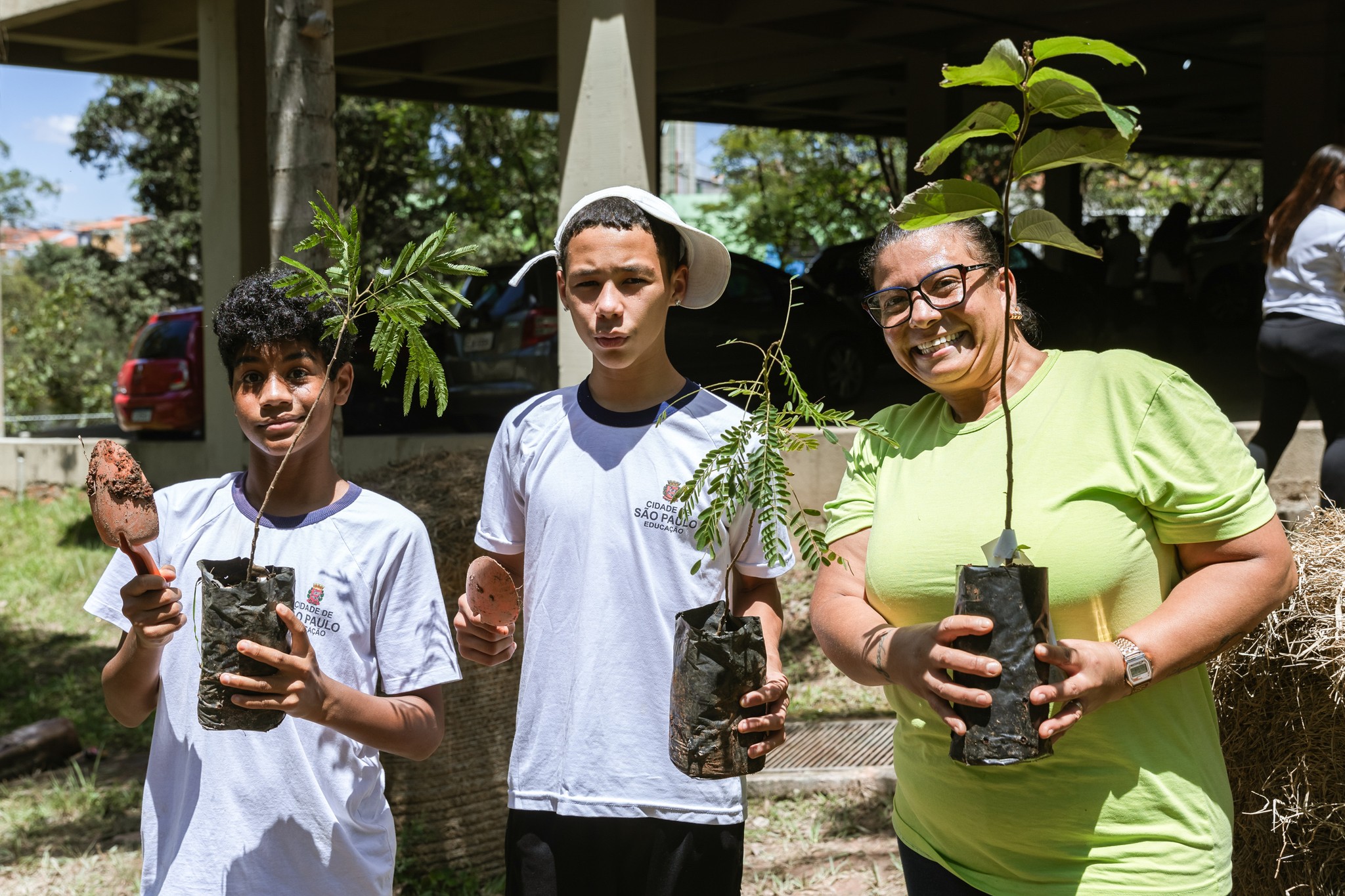
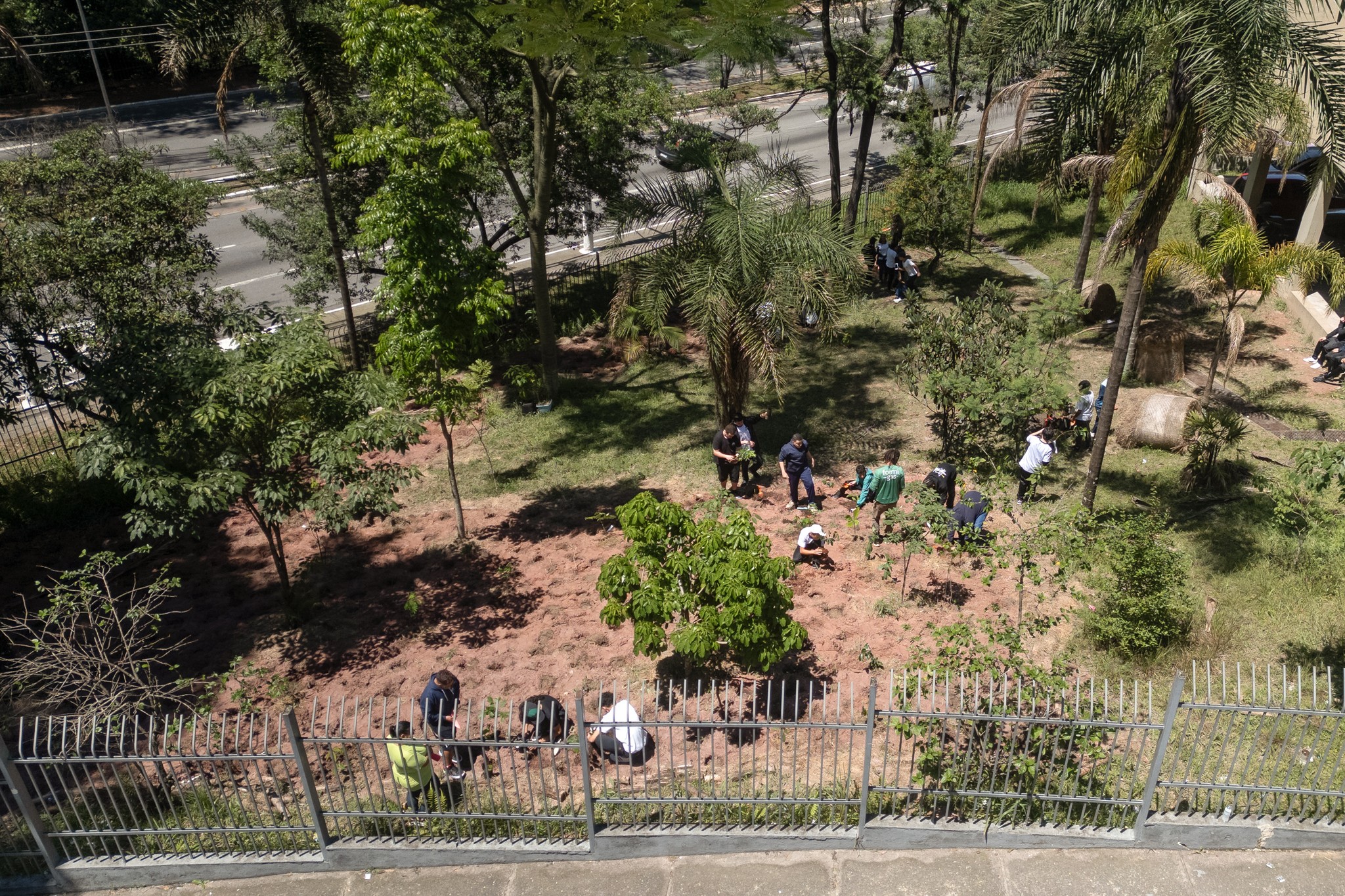
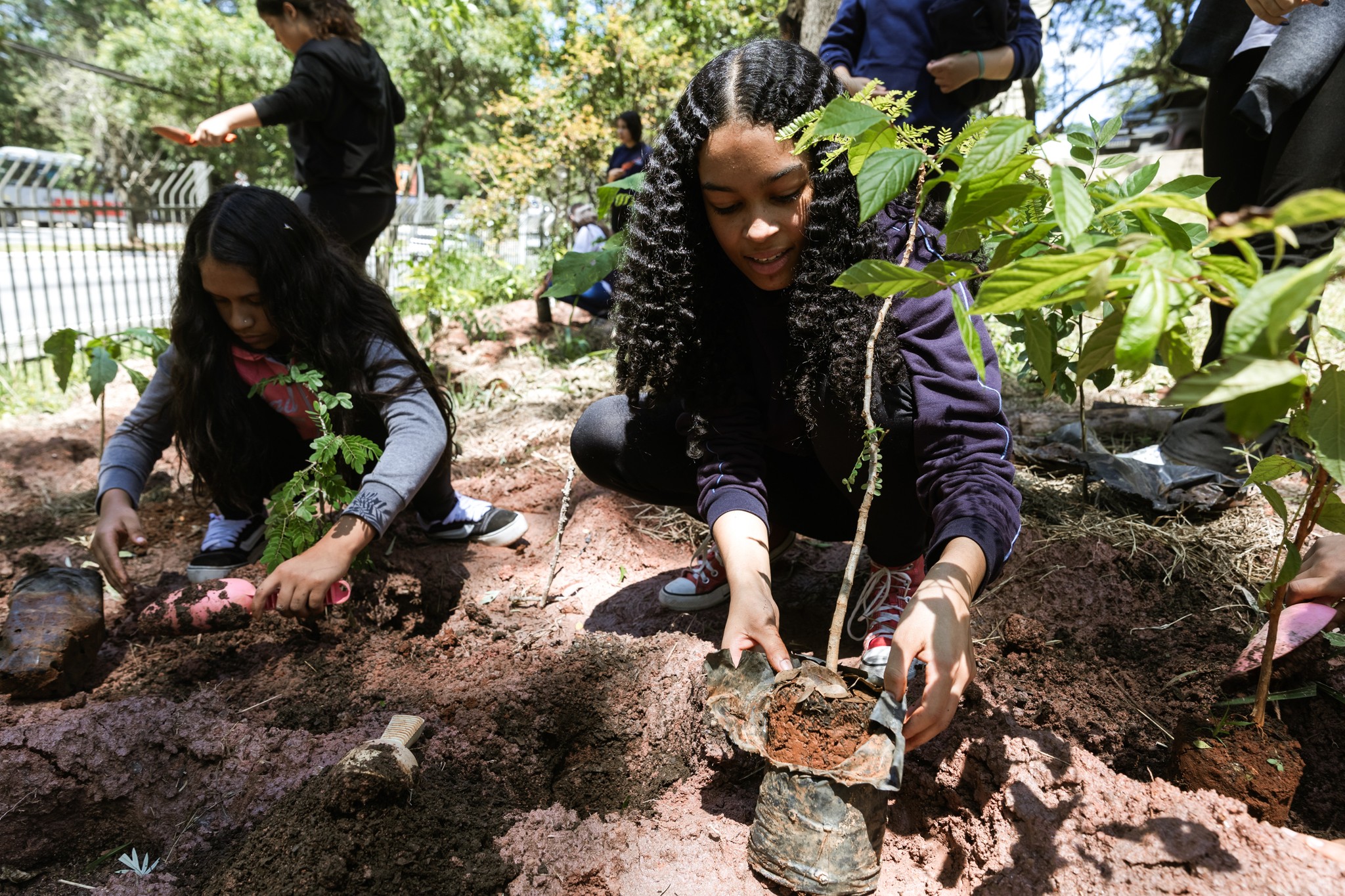
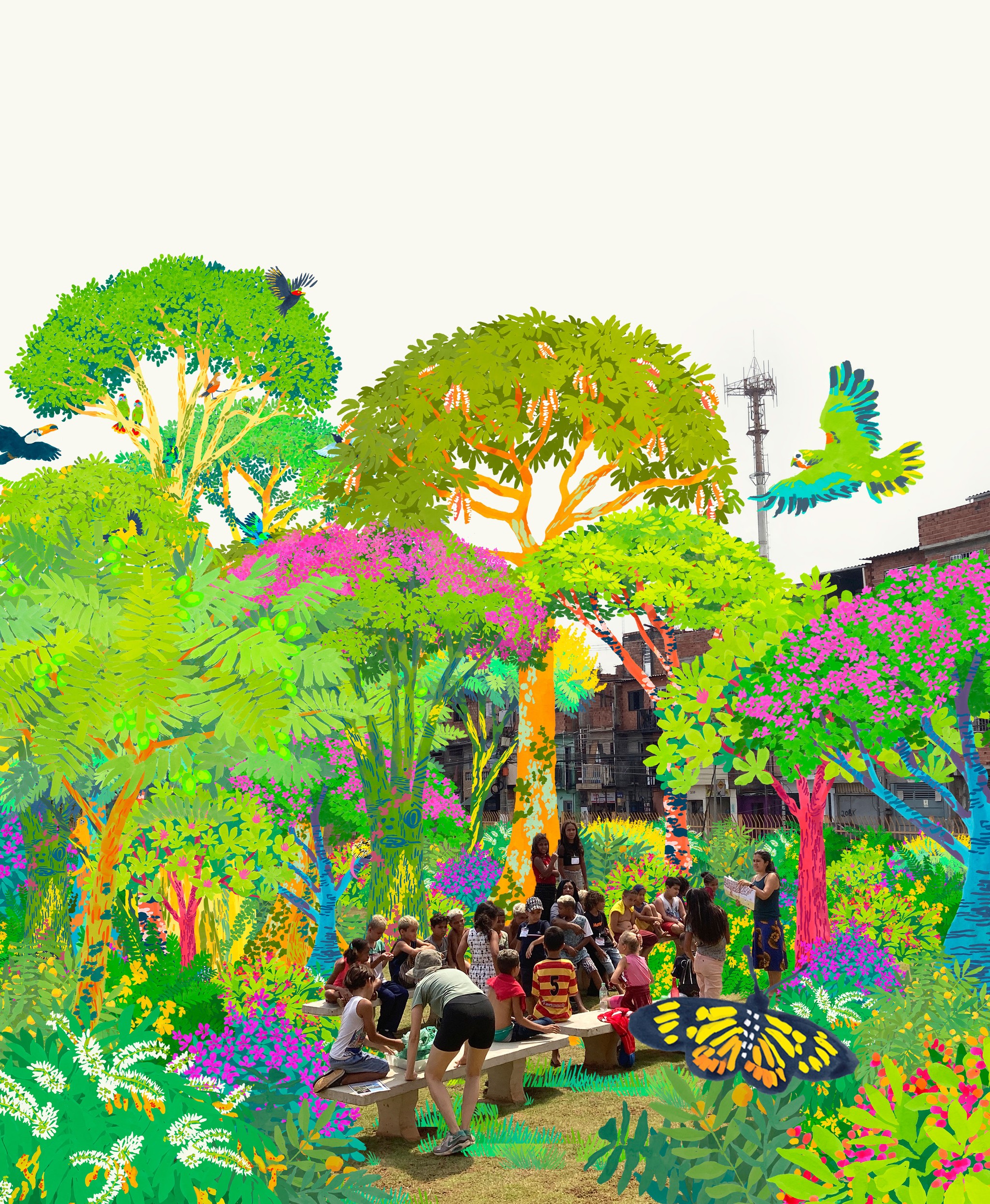
São Paulo faces significant challenges from climate change, including prolonged heat waves, droughts, and flooding that impact human and environmental health. The Atlantic Forest, once covering much of Brazil’s coast, has been reduced by 90%, leaving many plant species endangered. To address this, we have planted pocket forests in five state schools across densely populated low-income areas of the city of São Paulo, that are in desperate need of more green spaces. This project is part of an educational programme to create outdoor classrooms that engage students, aged 7 to 17, along with the broader school communities. Over two semesters, student groups rotated through the programme, with each group of students going through six hands-on classes held in each forest, ensuring that every student could experience, plant and learn from the forest.
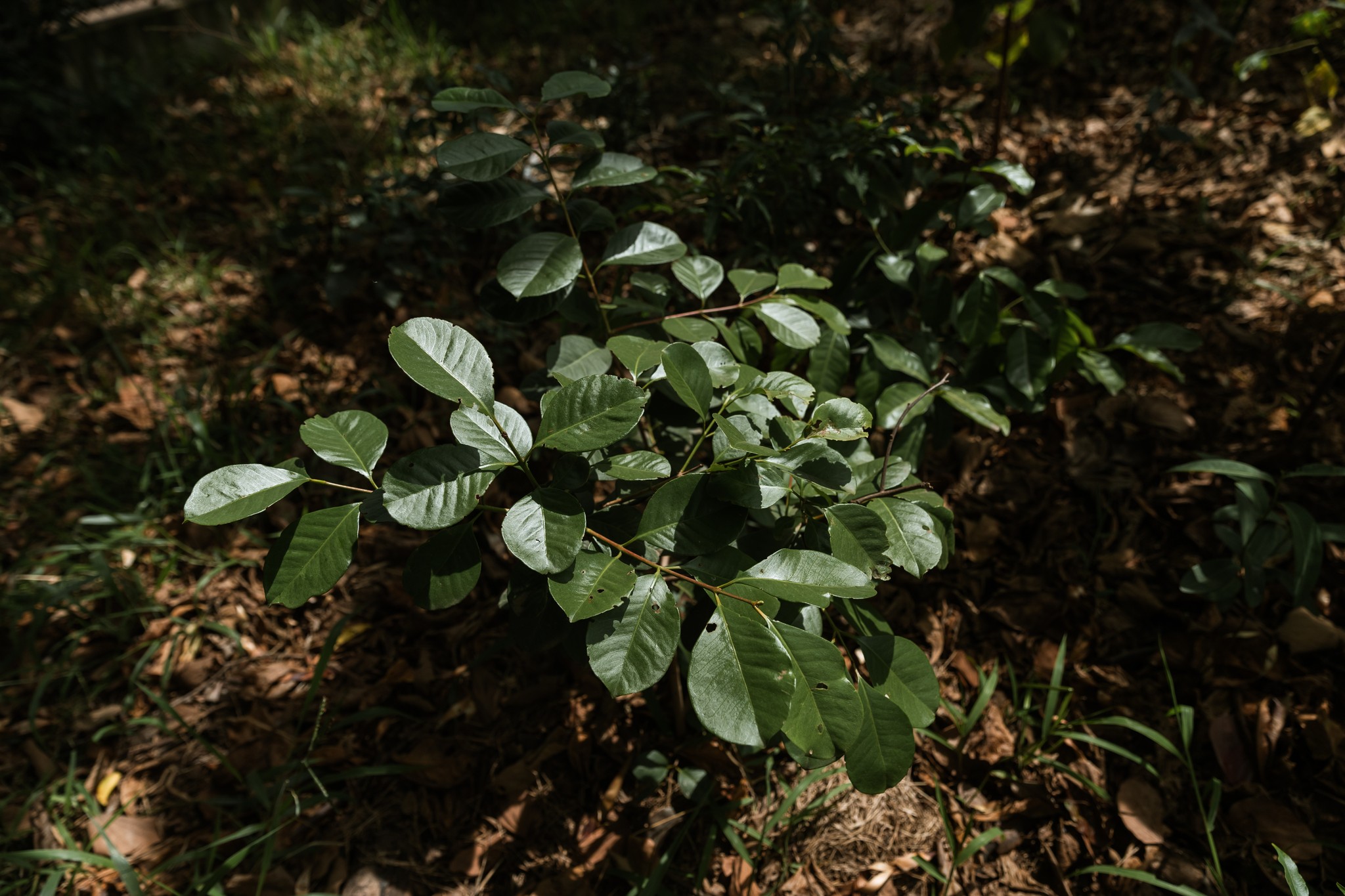
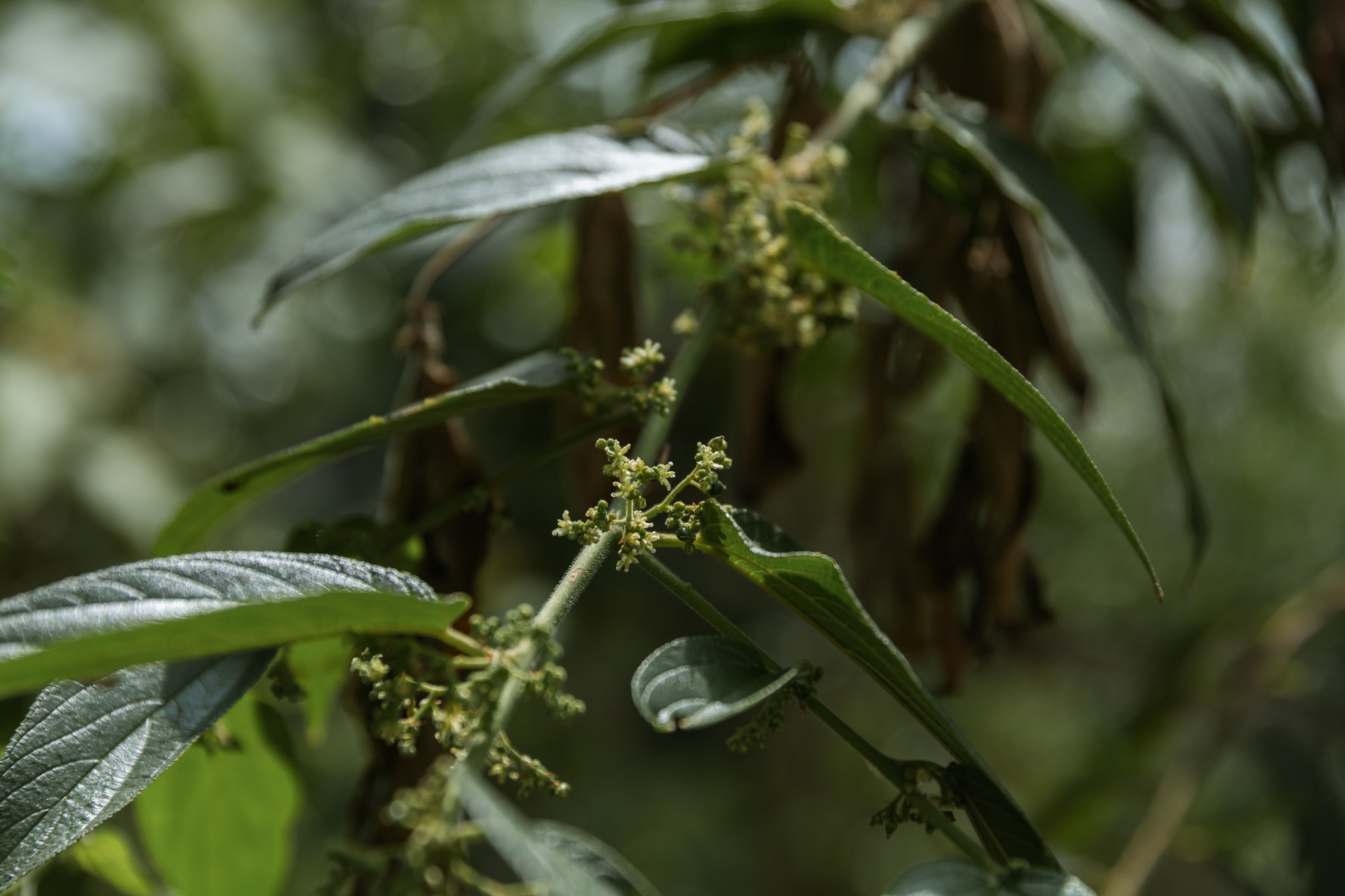
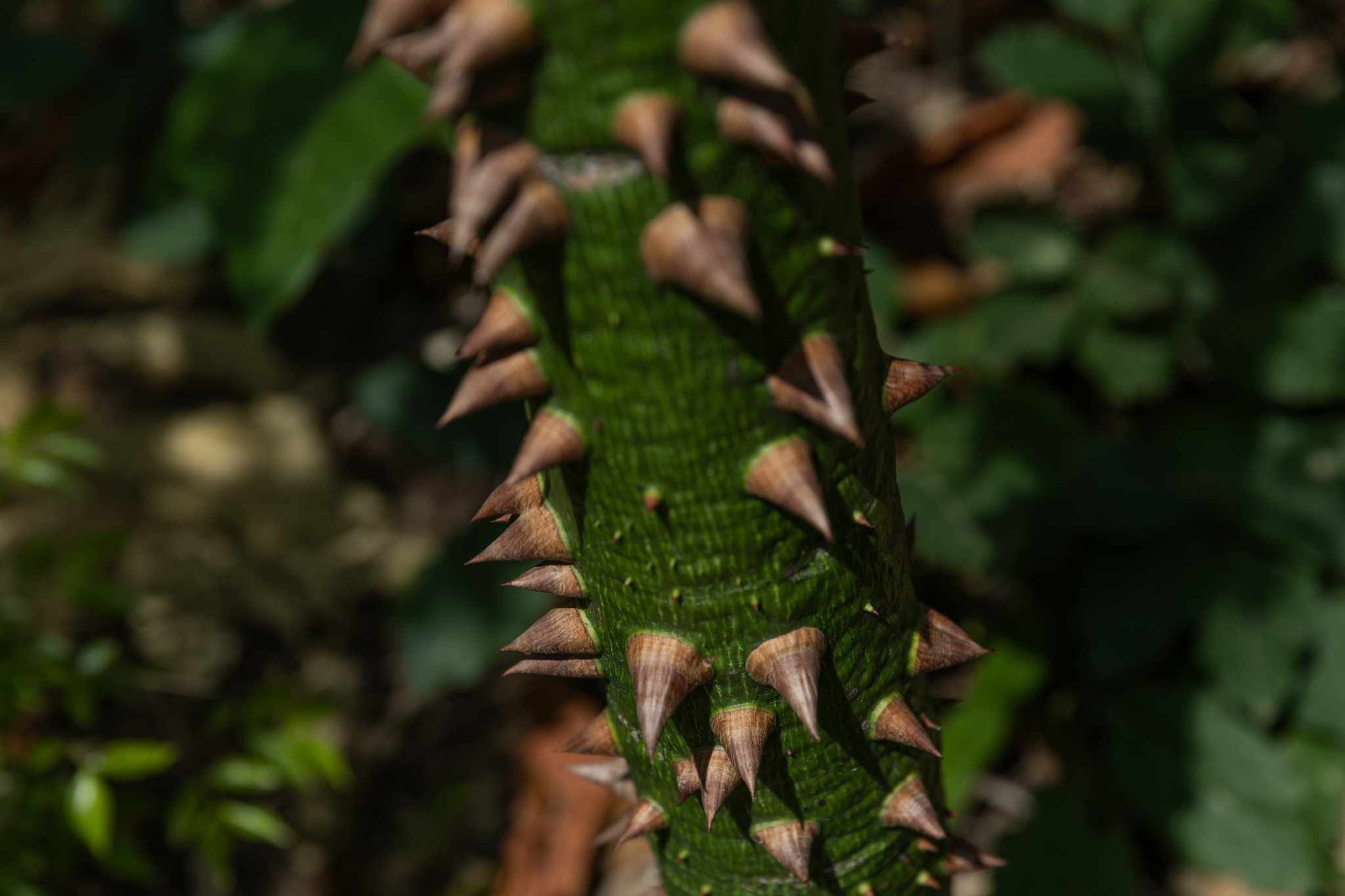
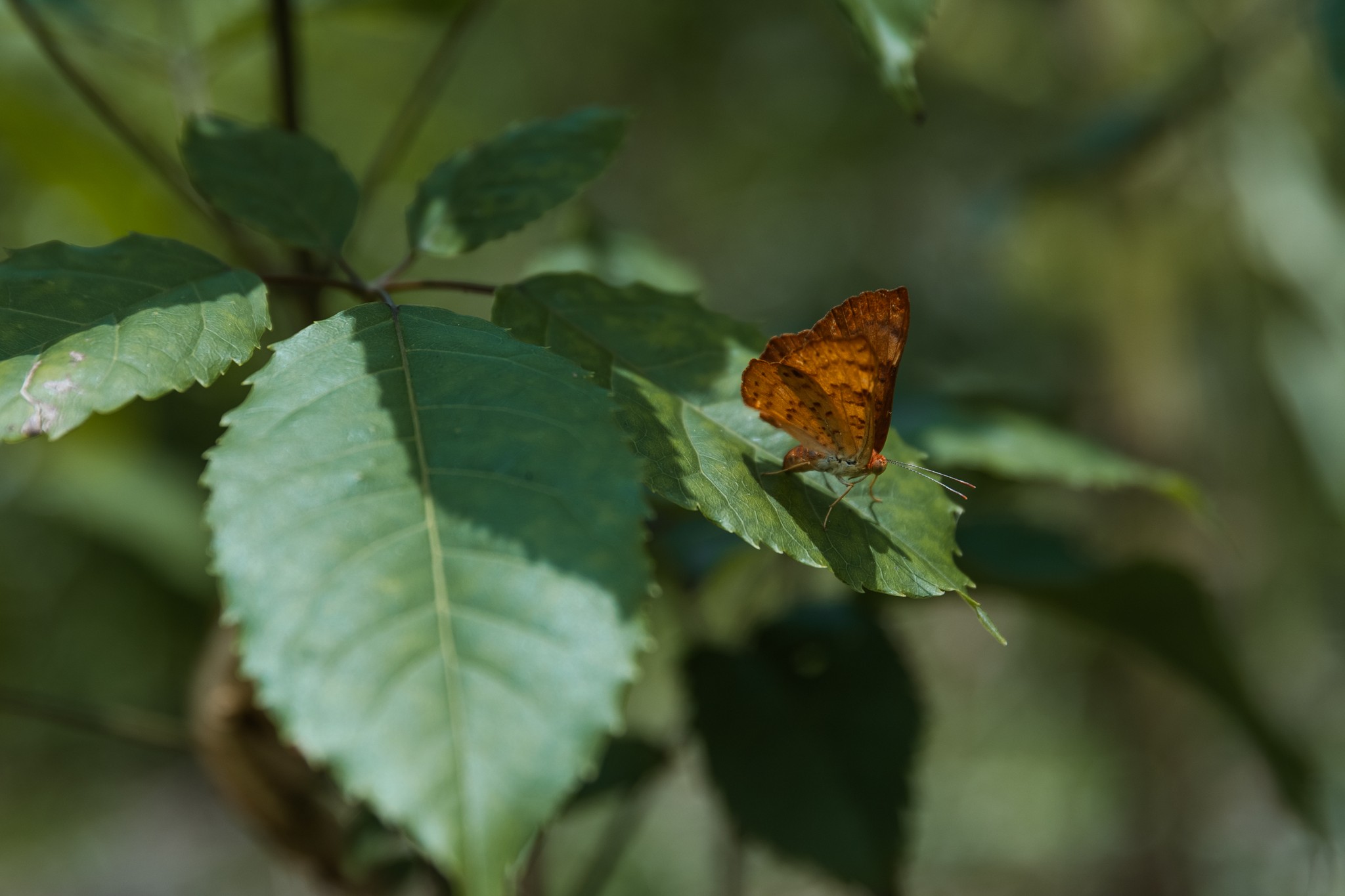
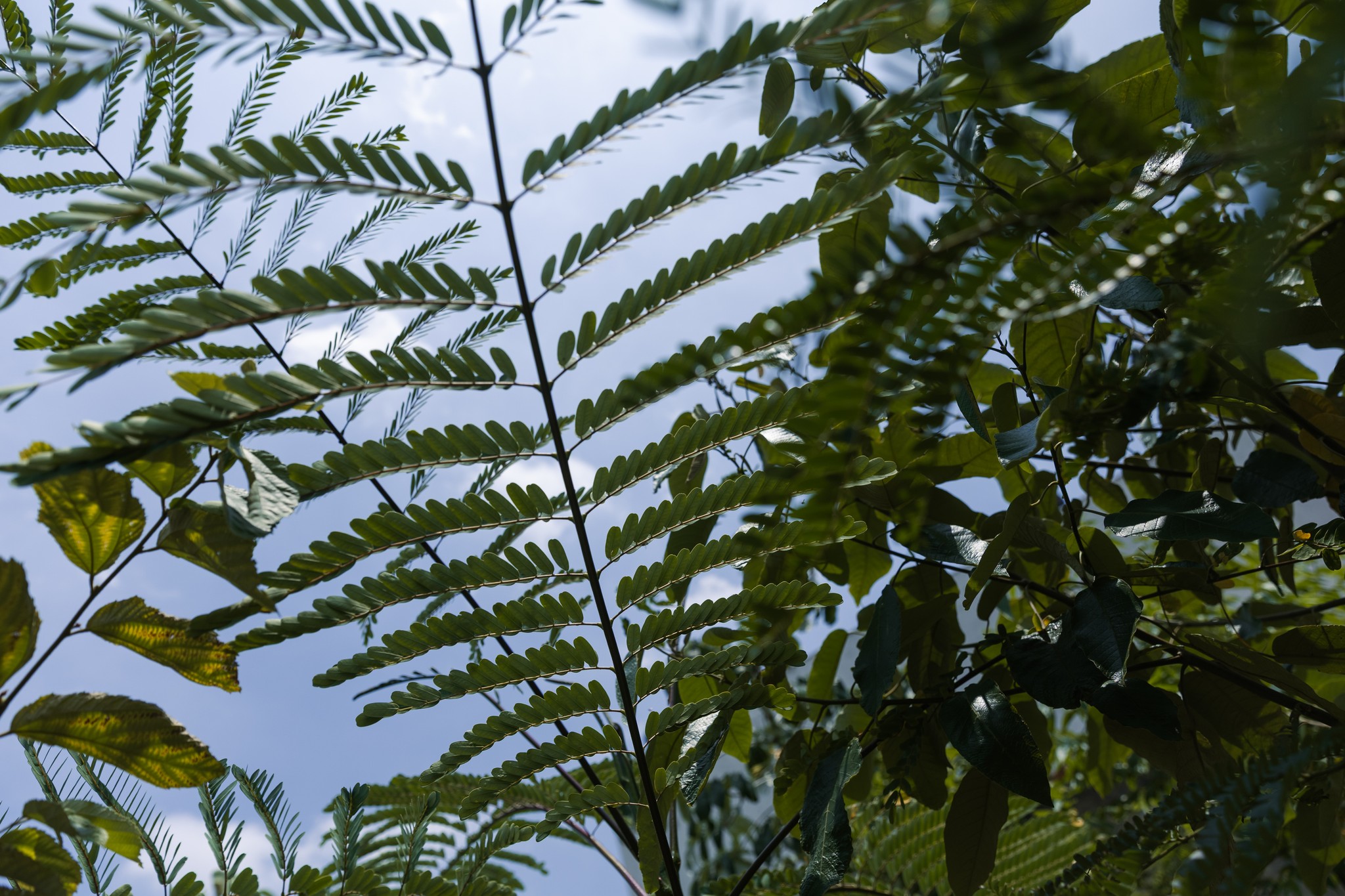
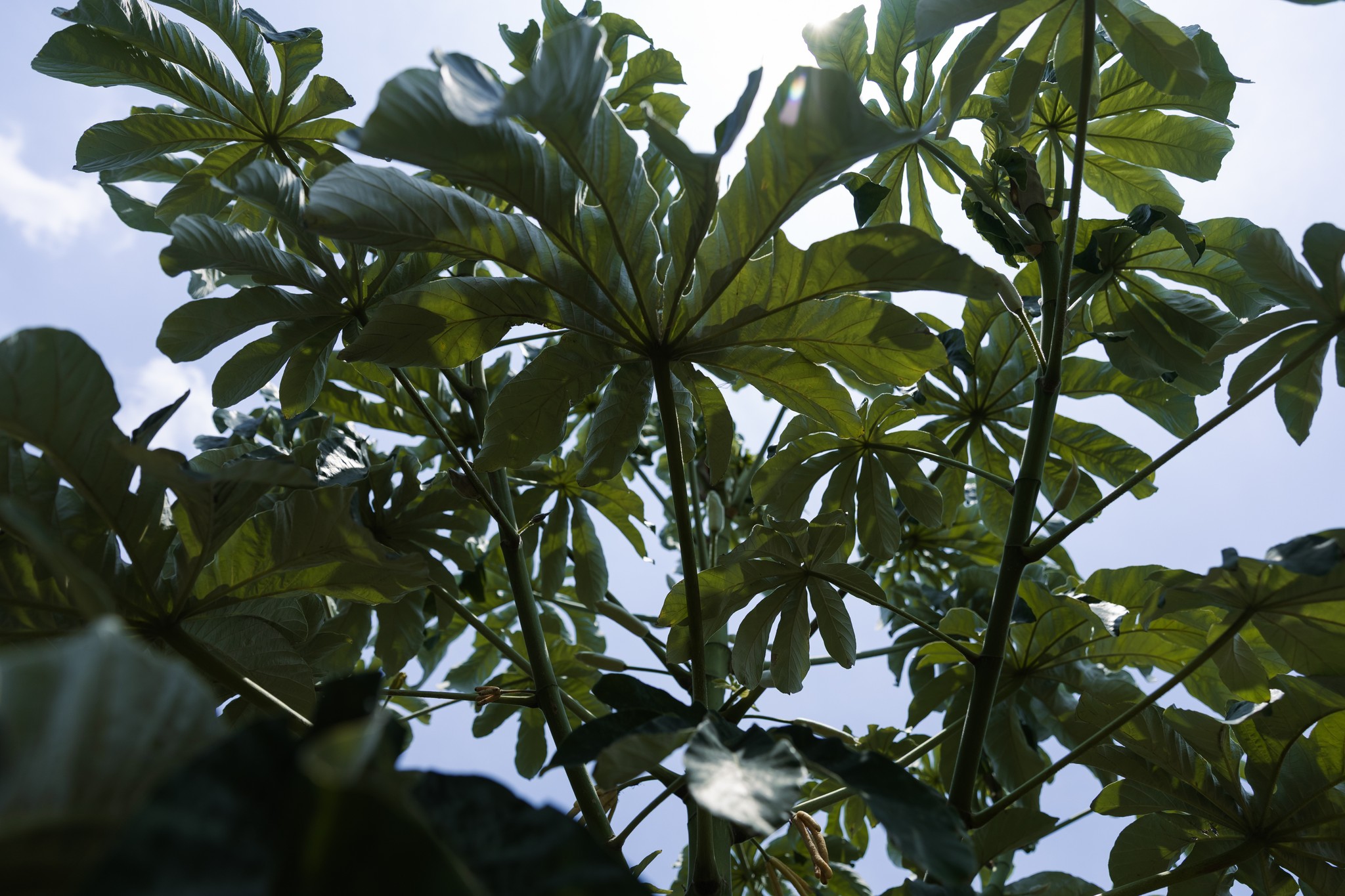
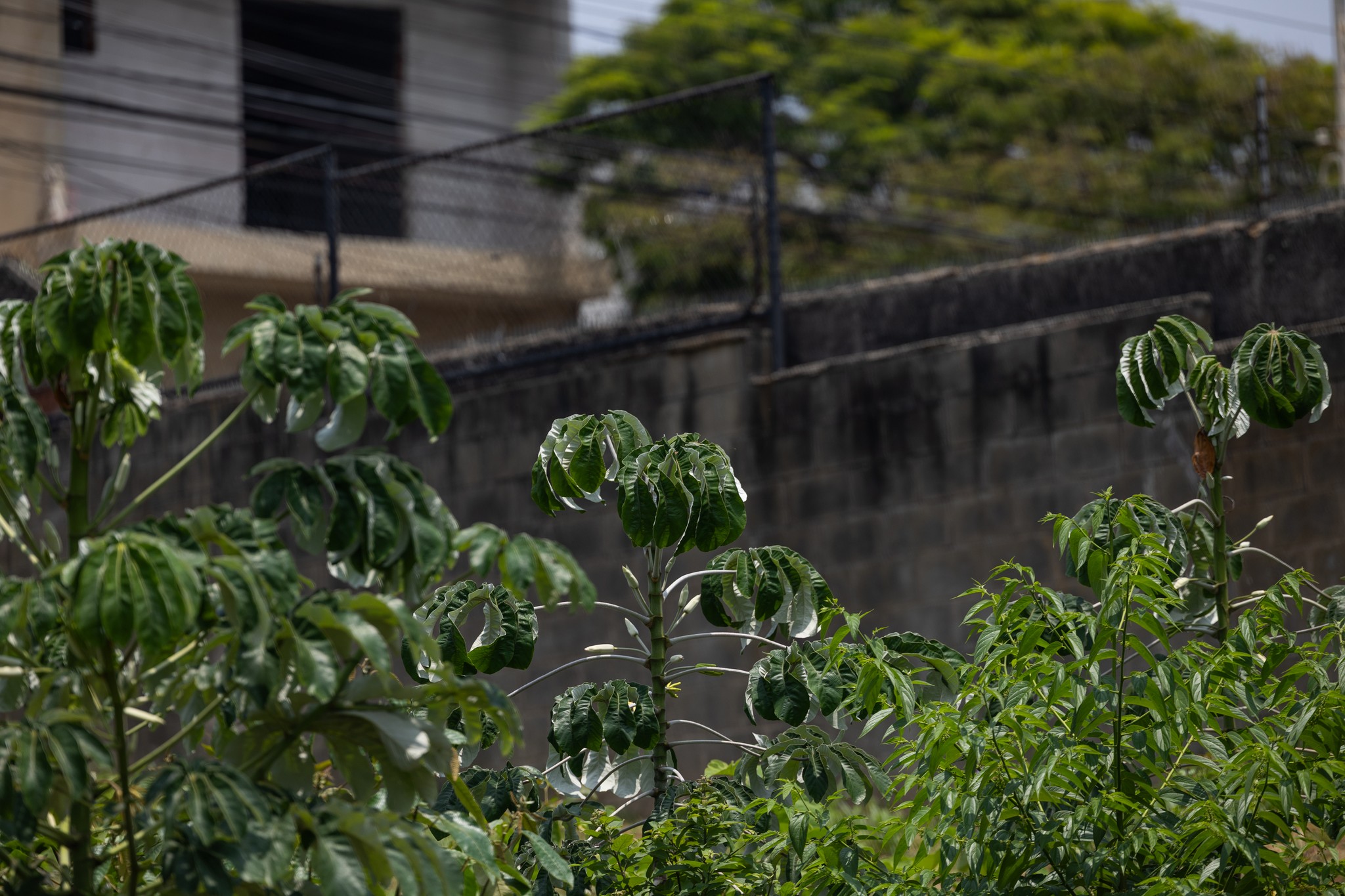
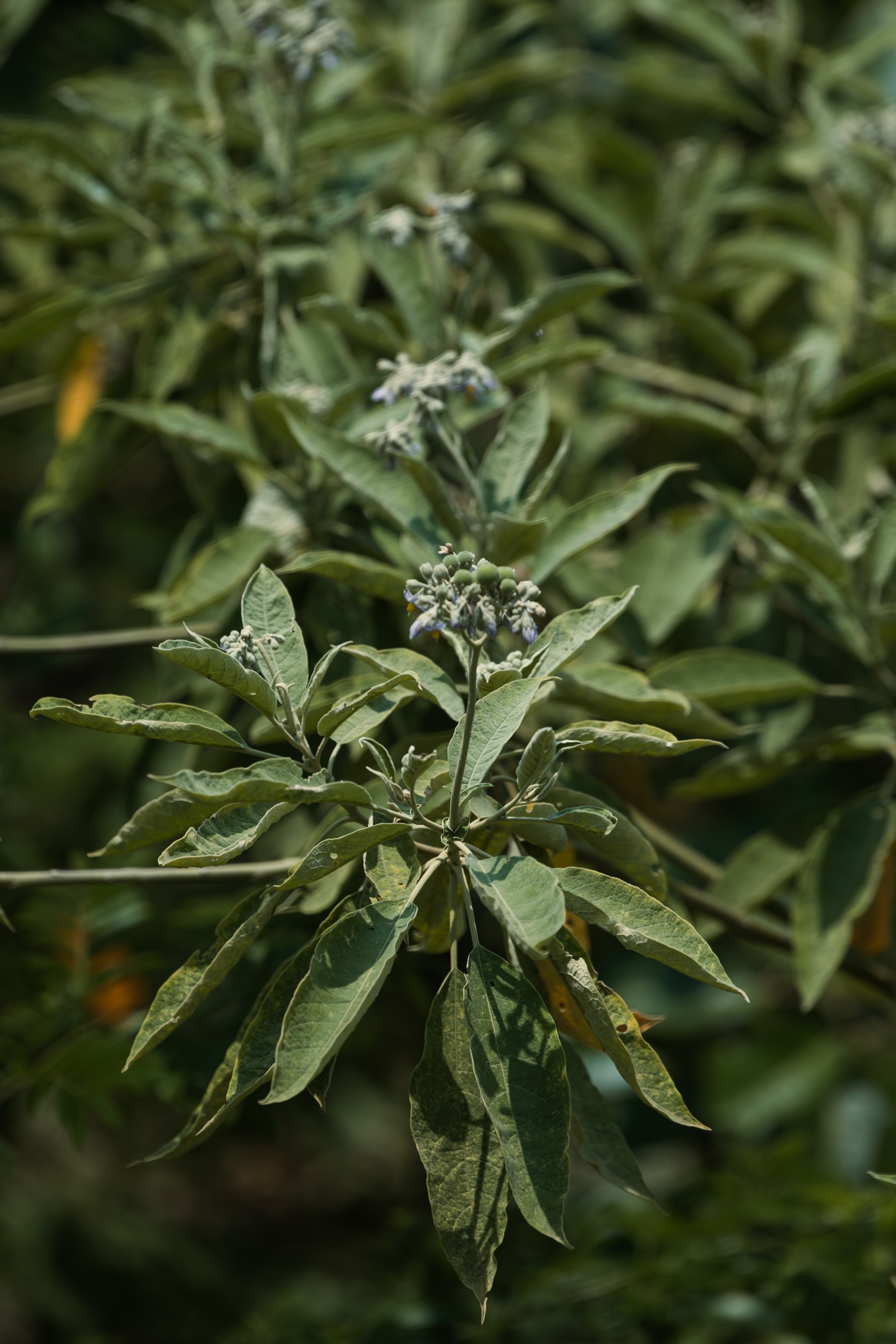
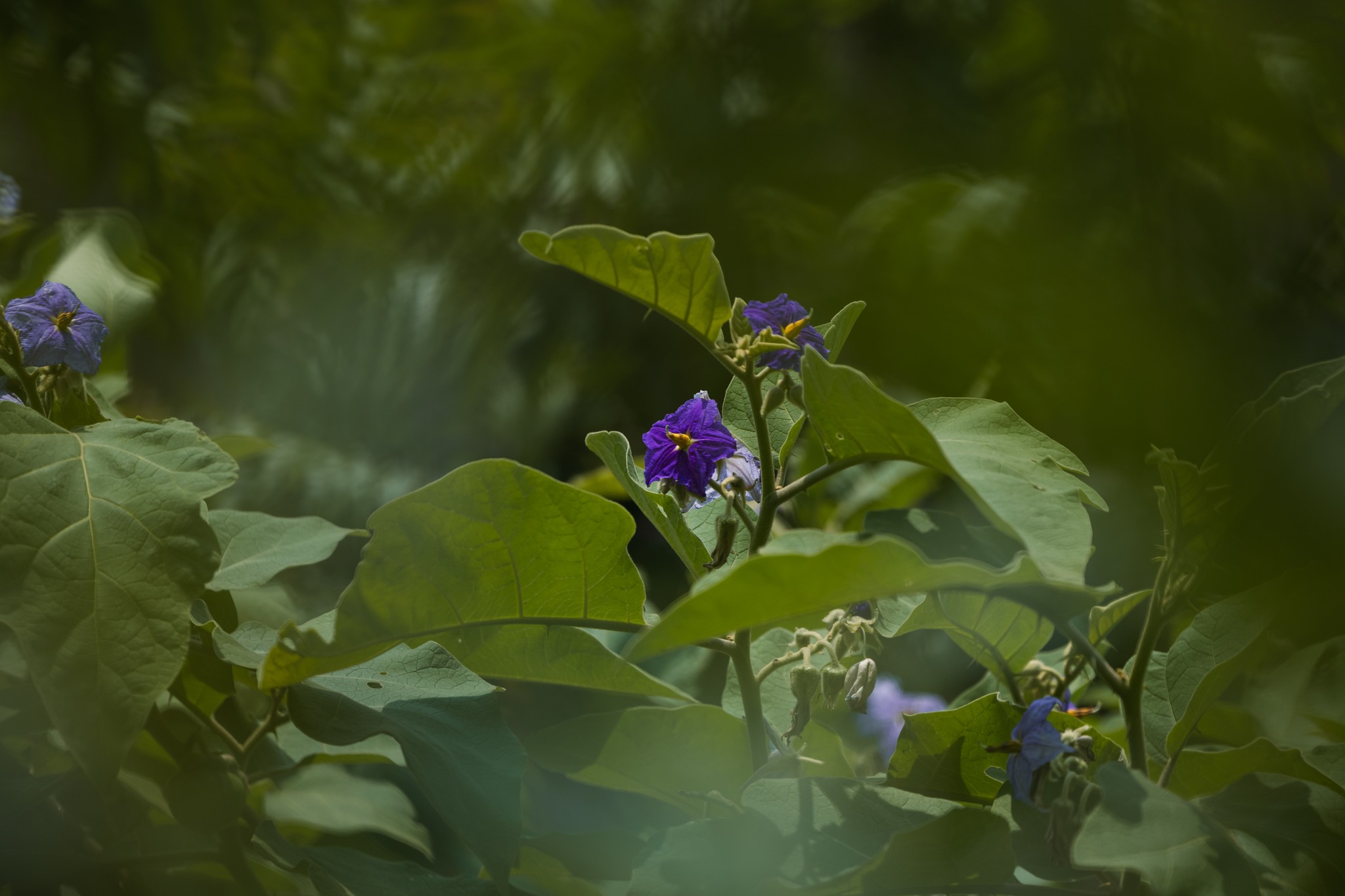
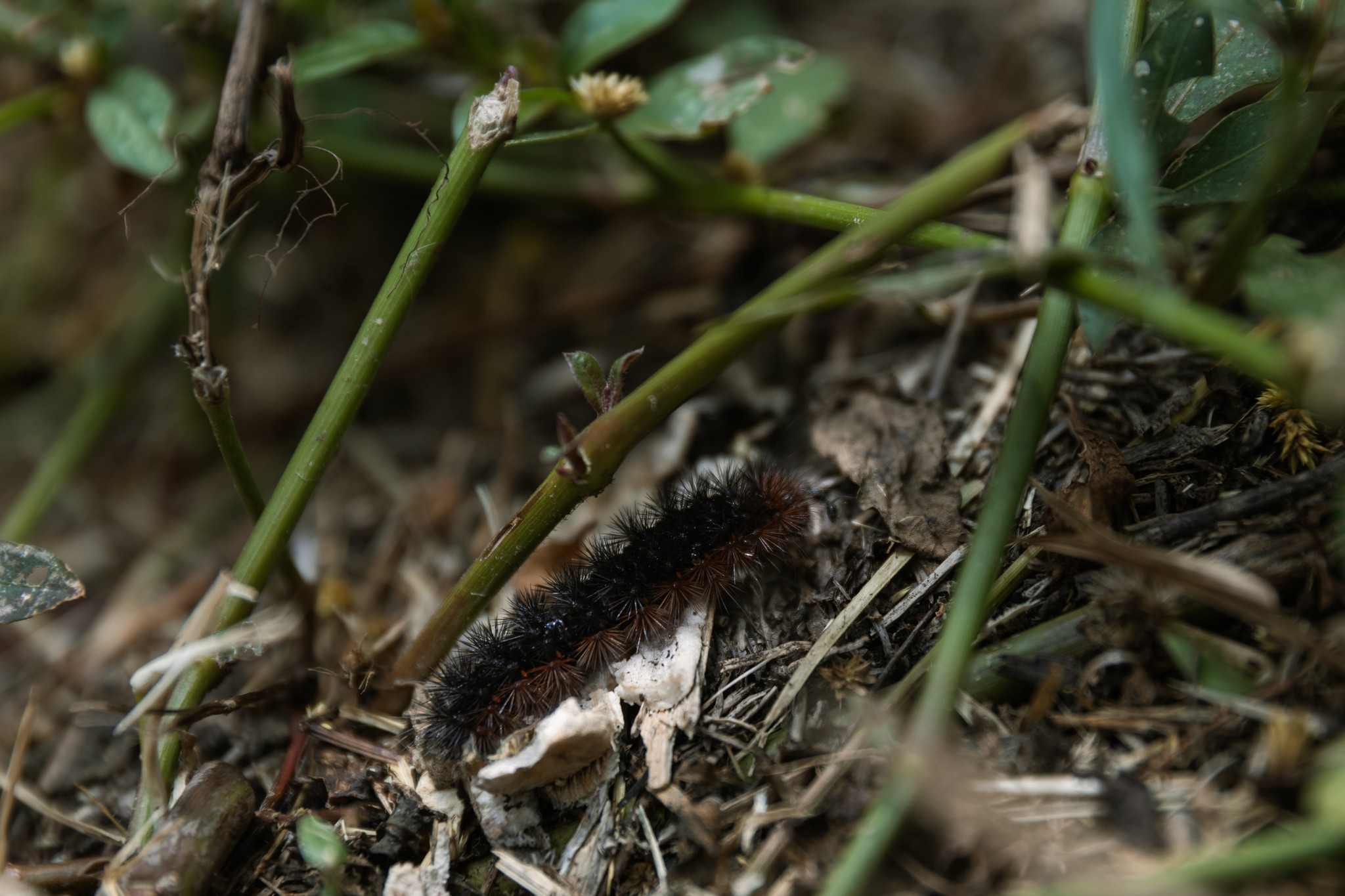
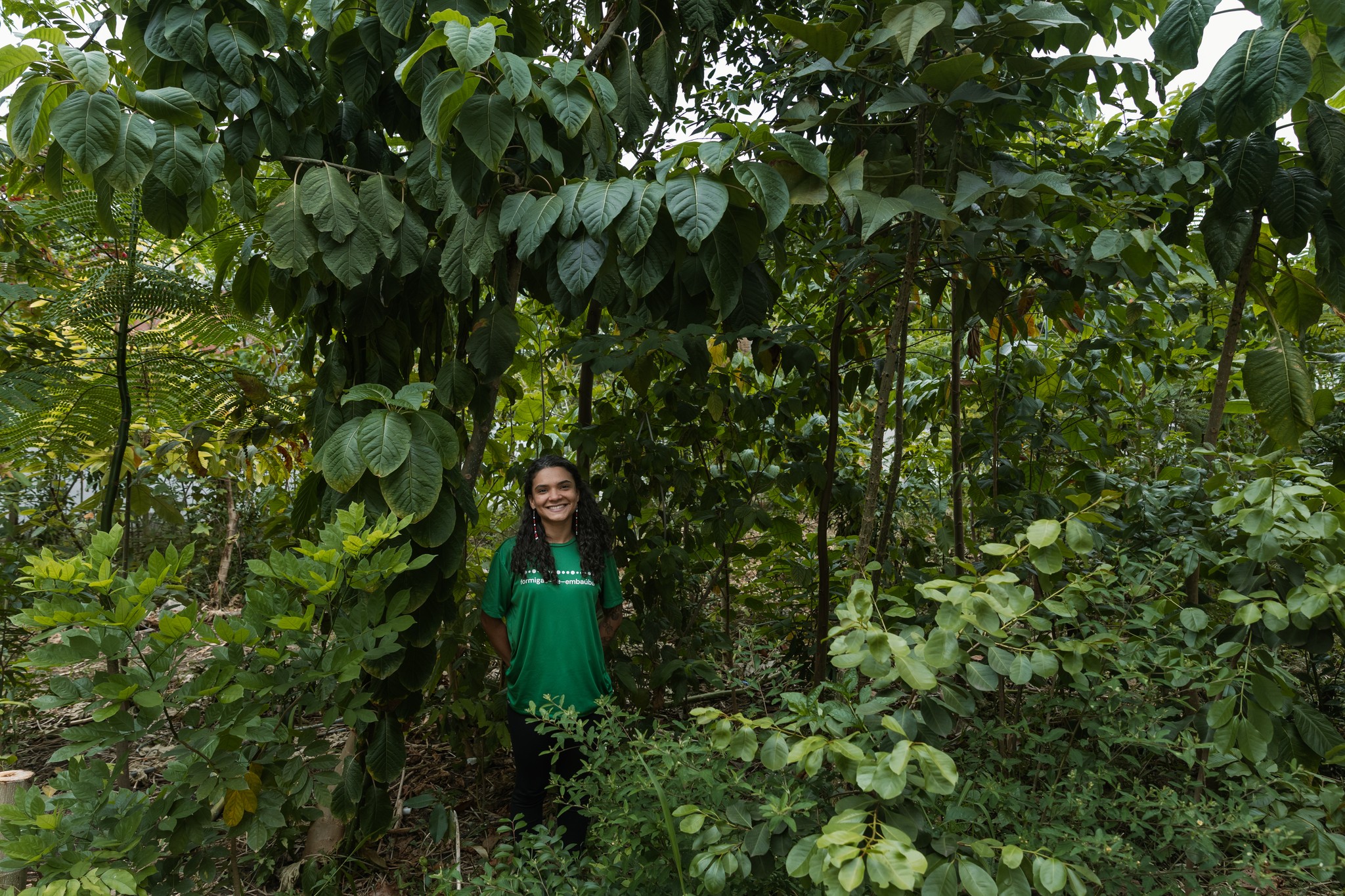
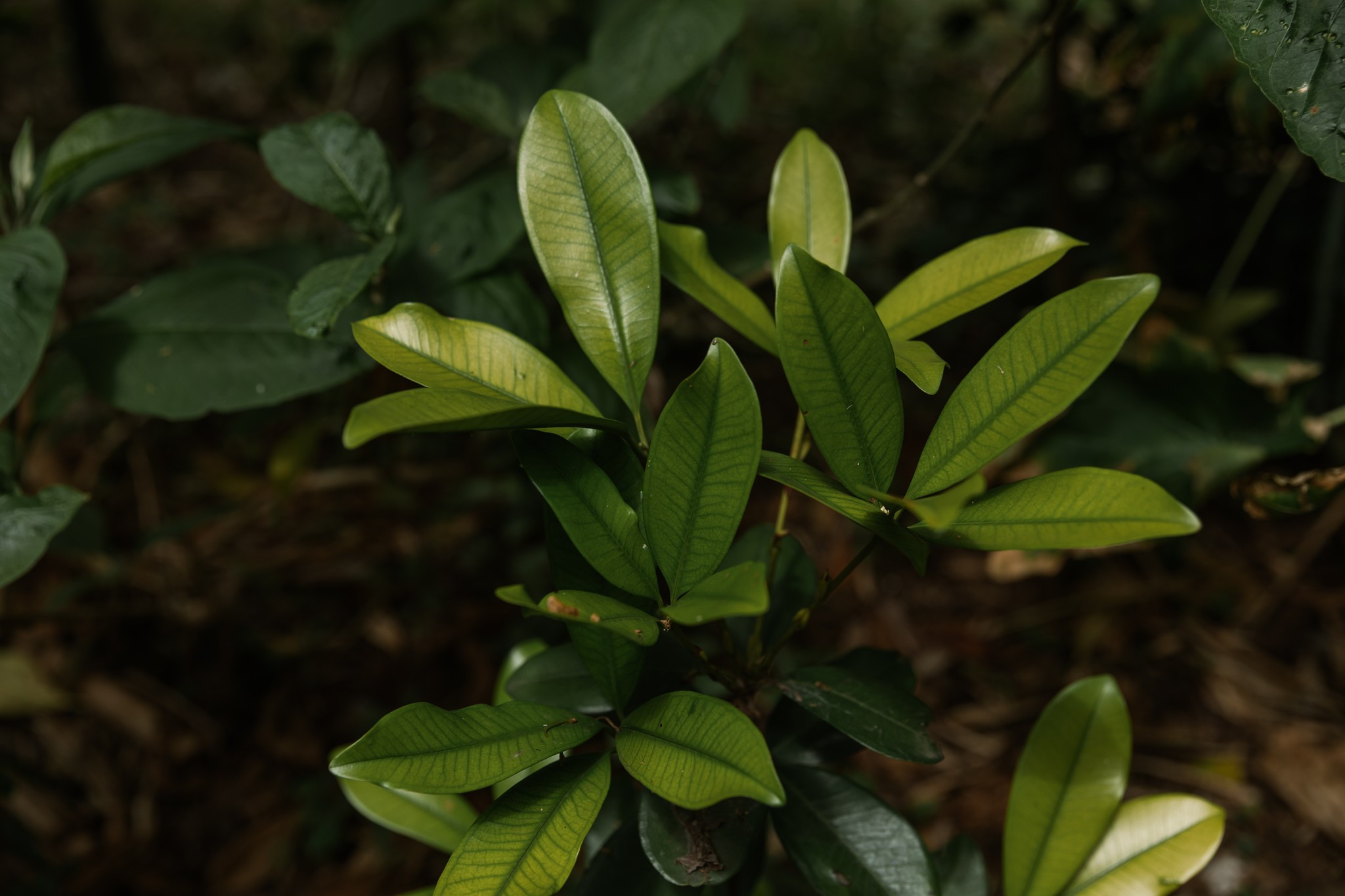
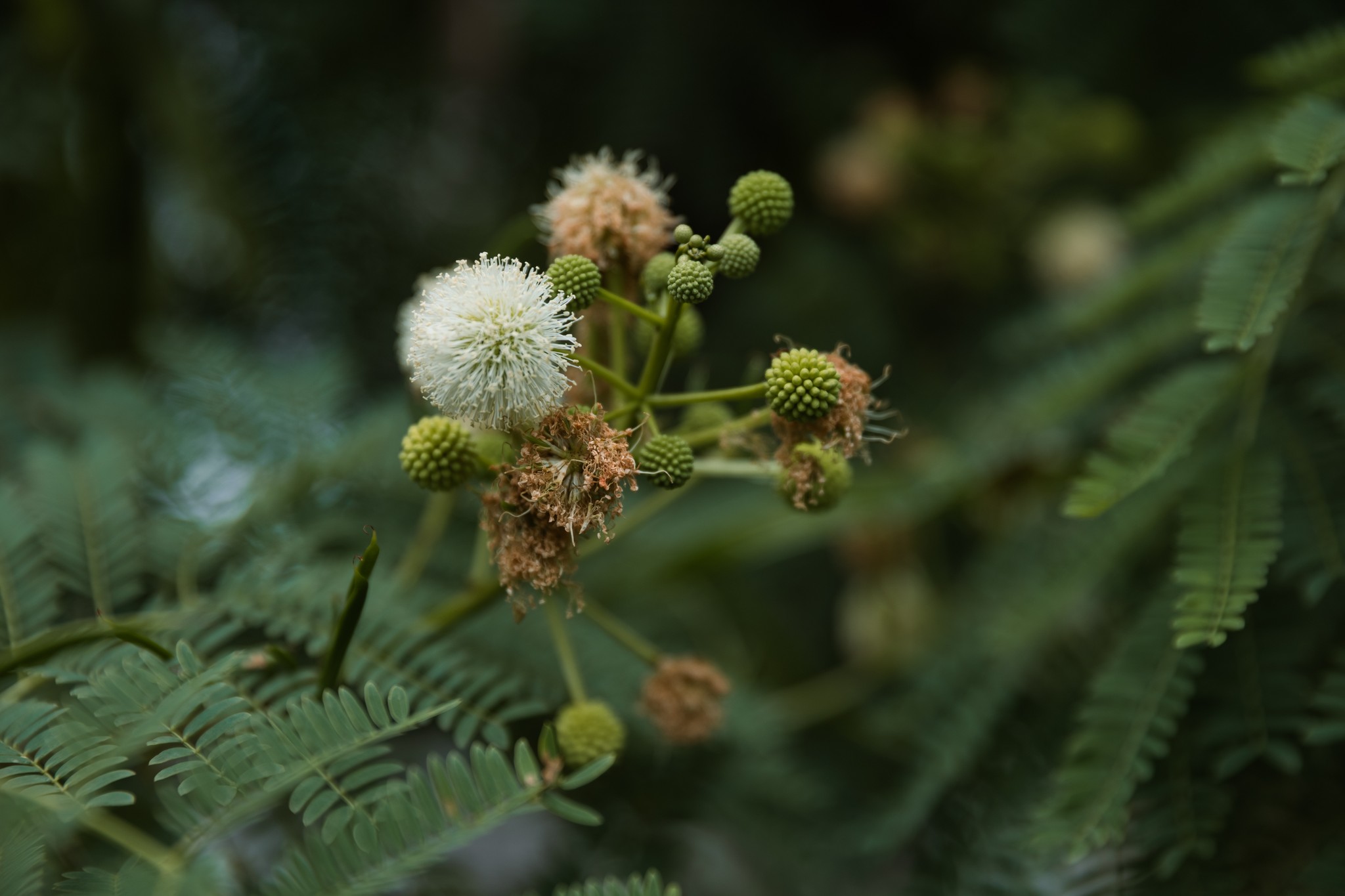
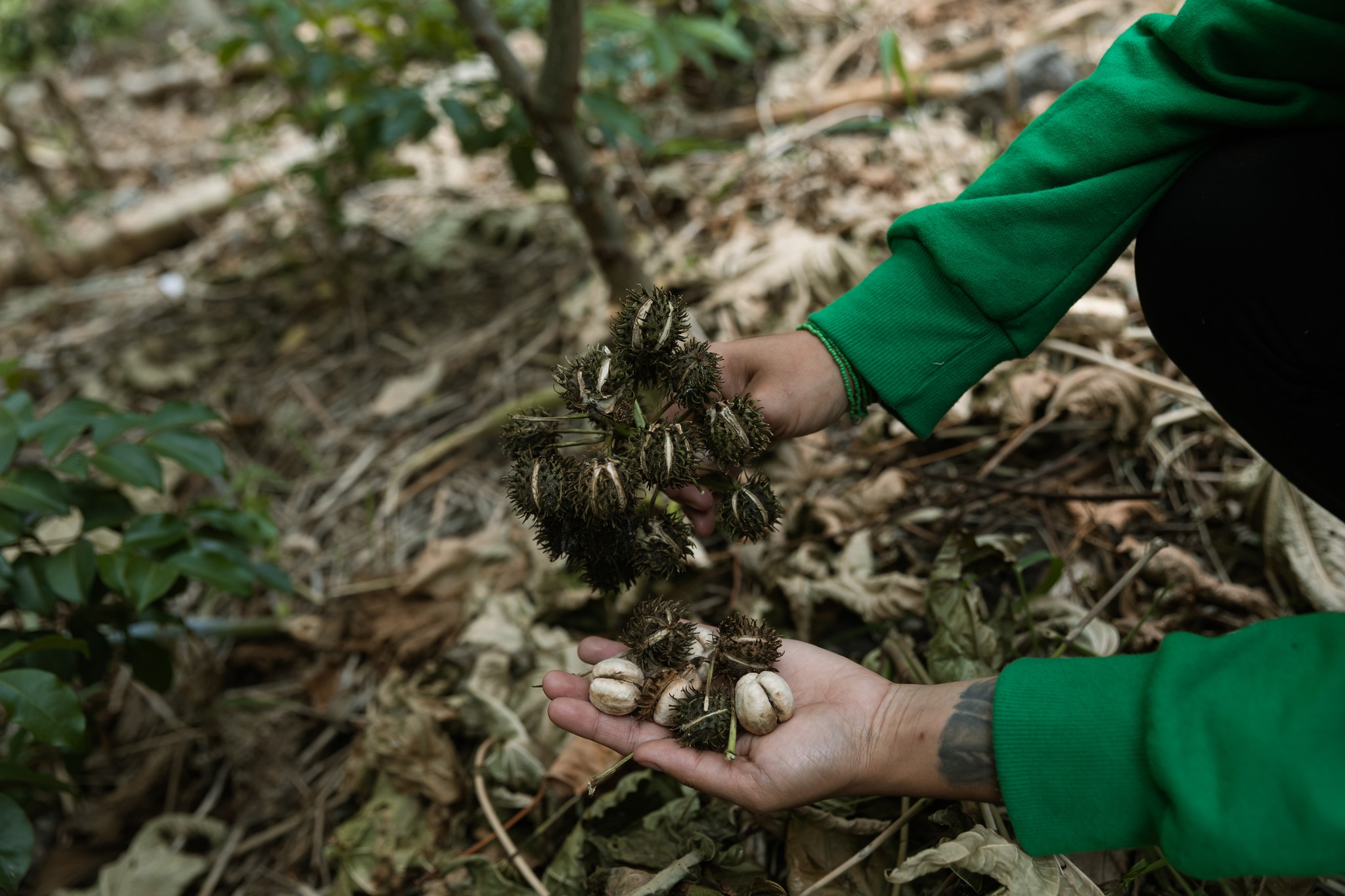
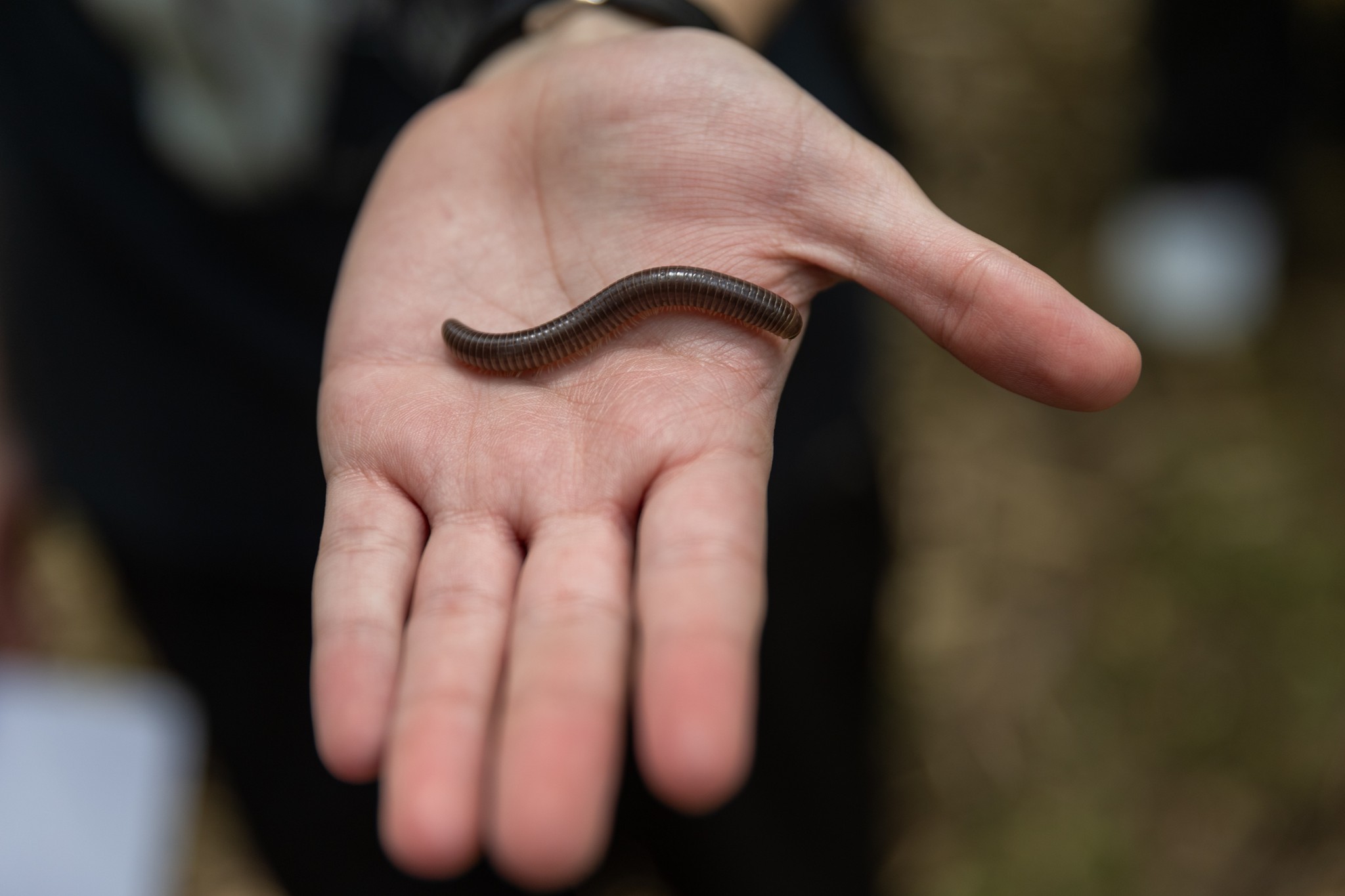
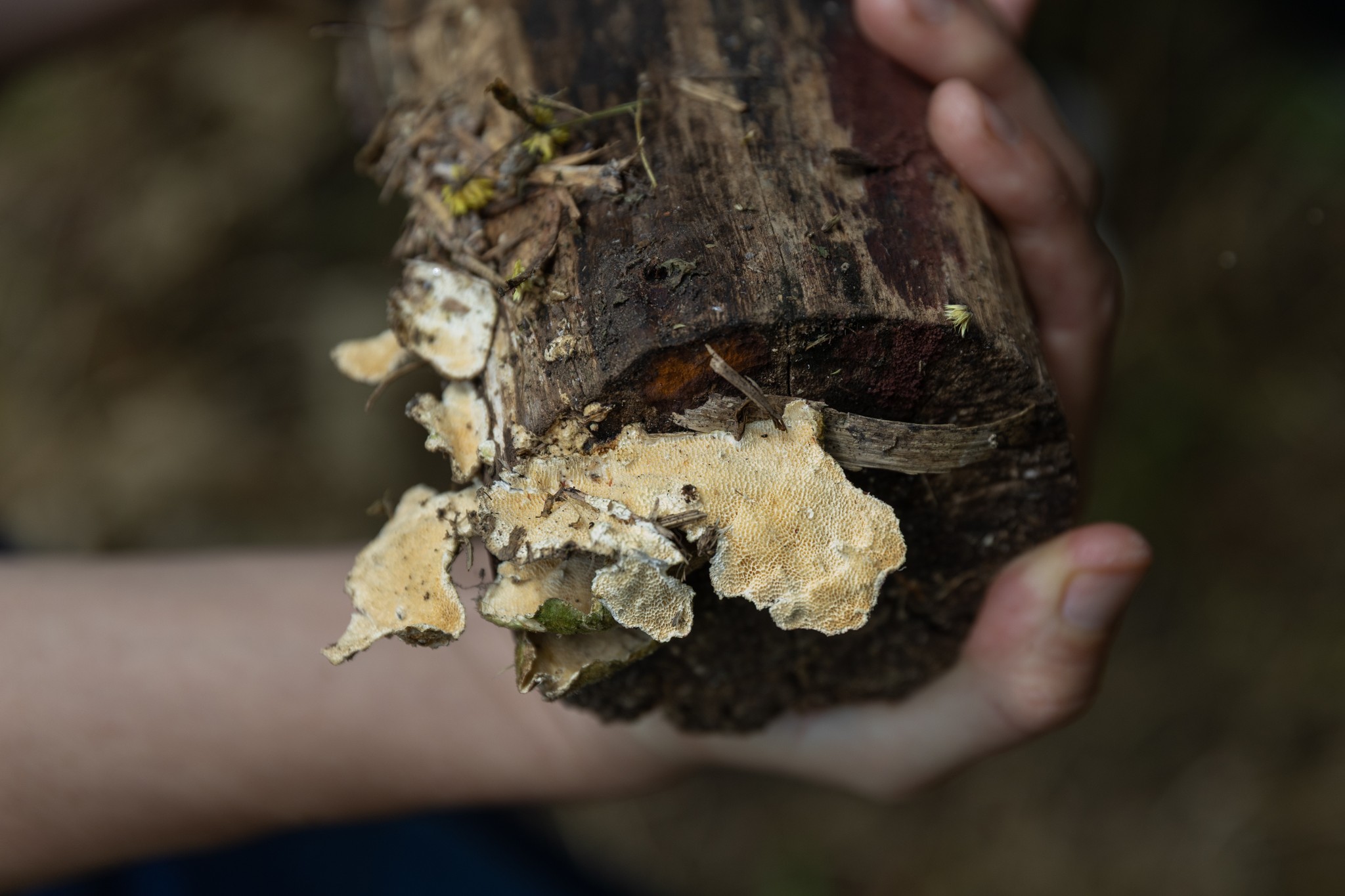
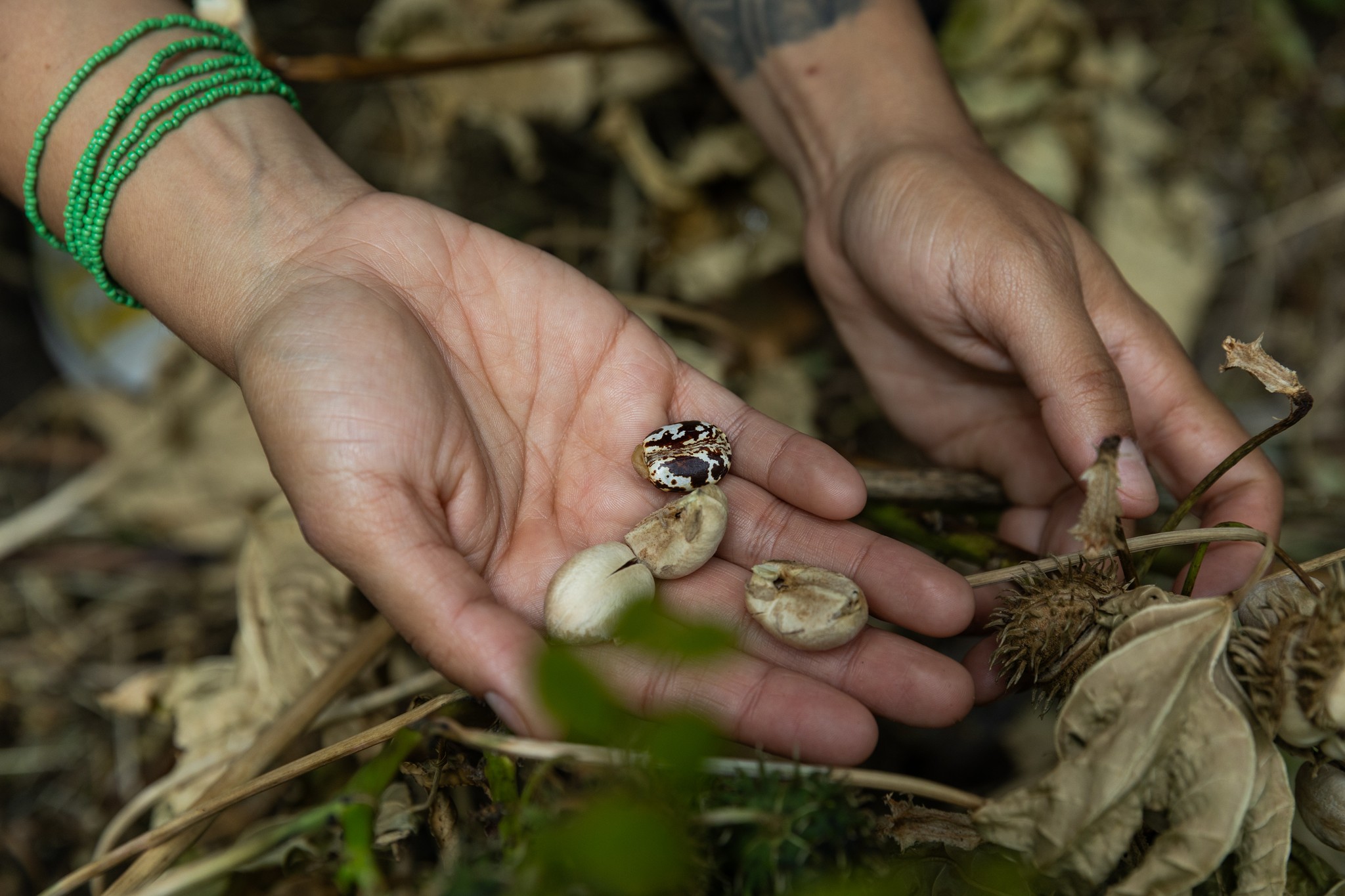
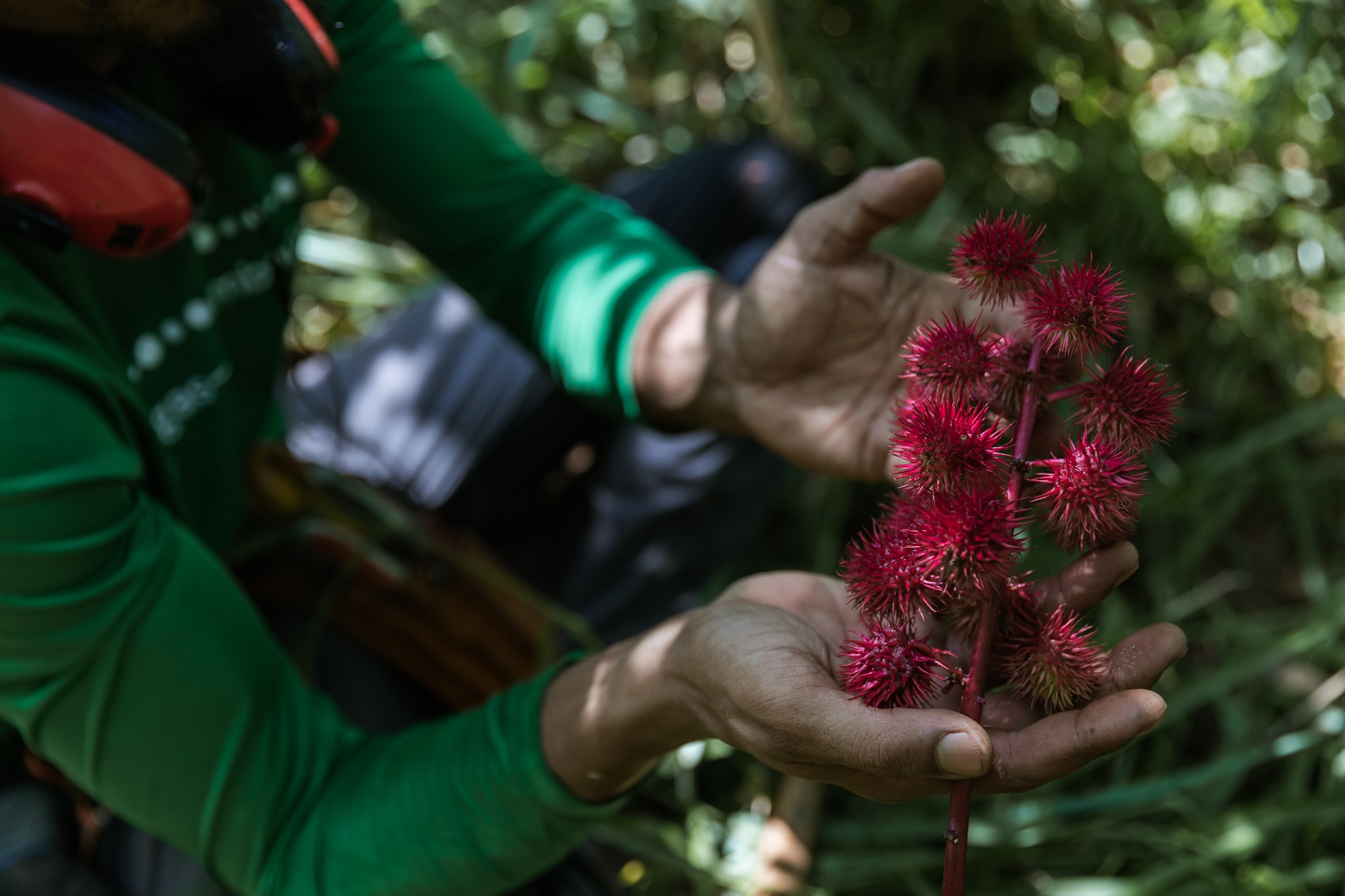
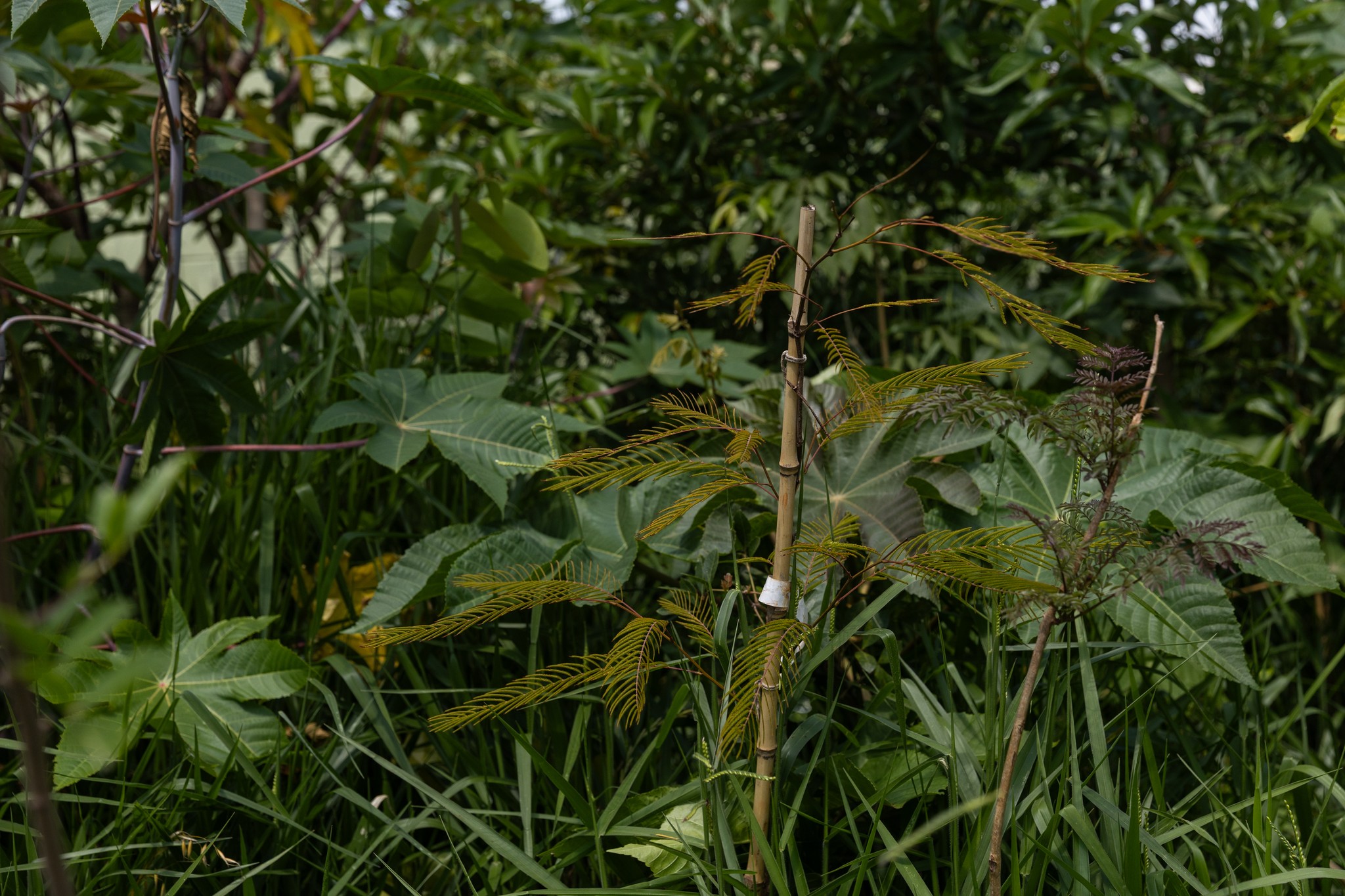
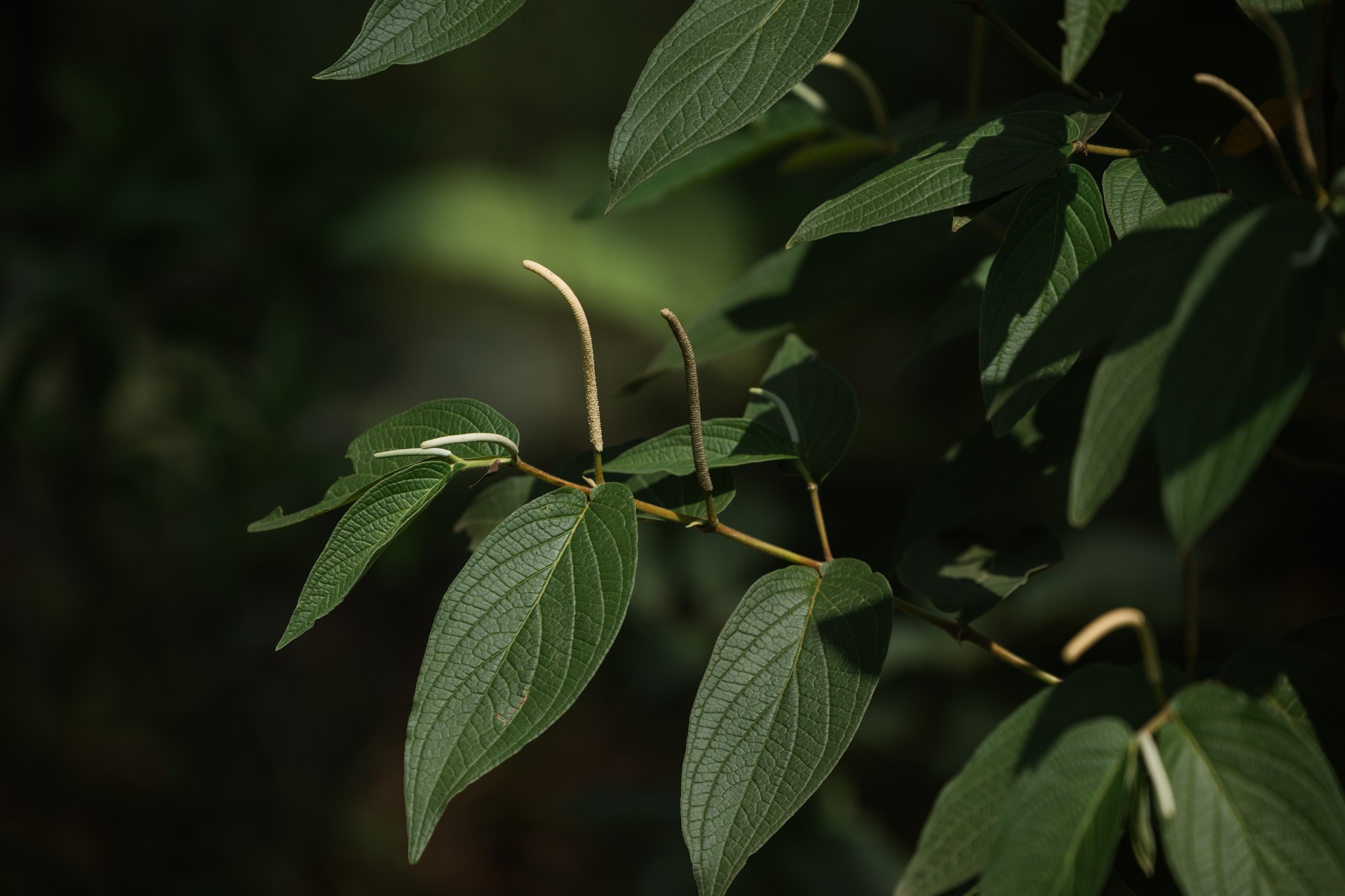
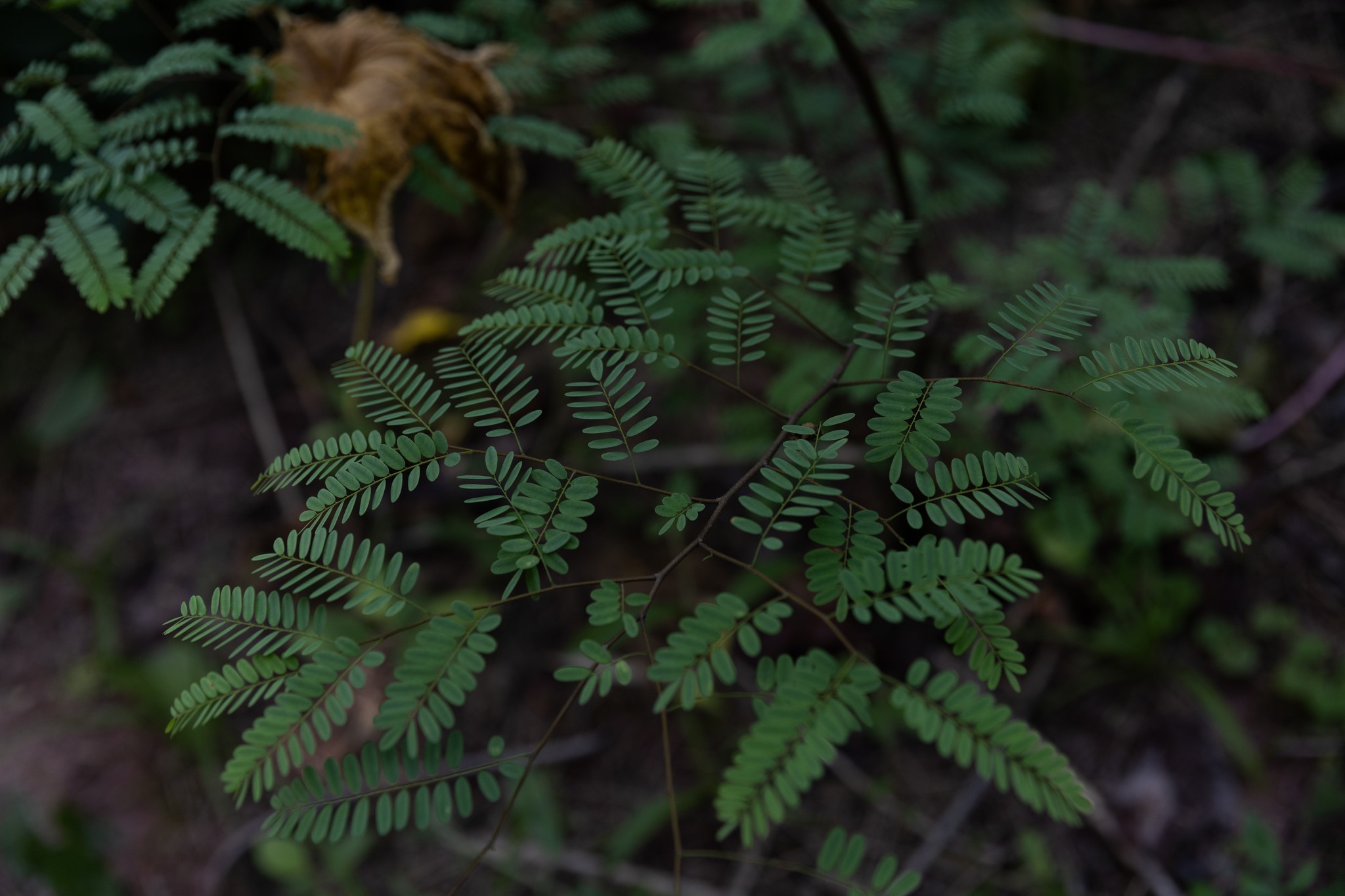
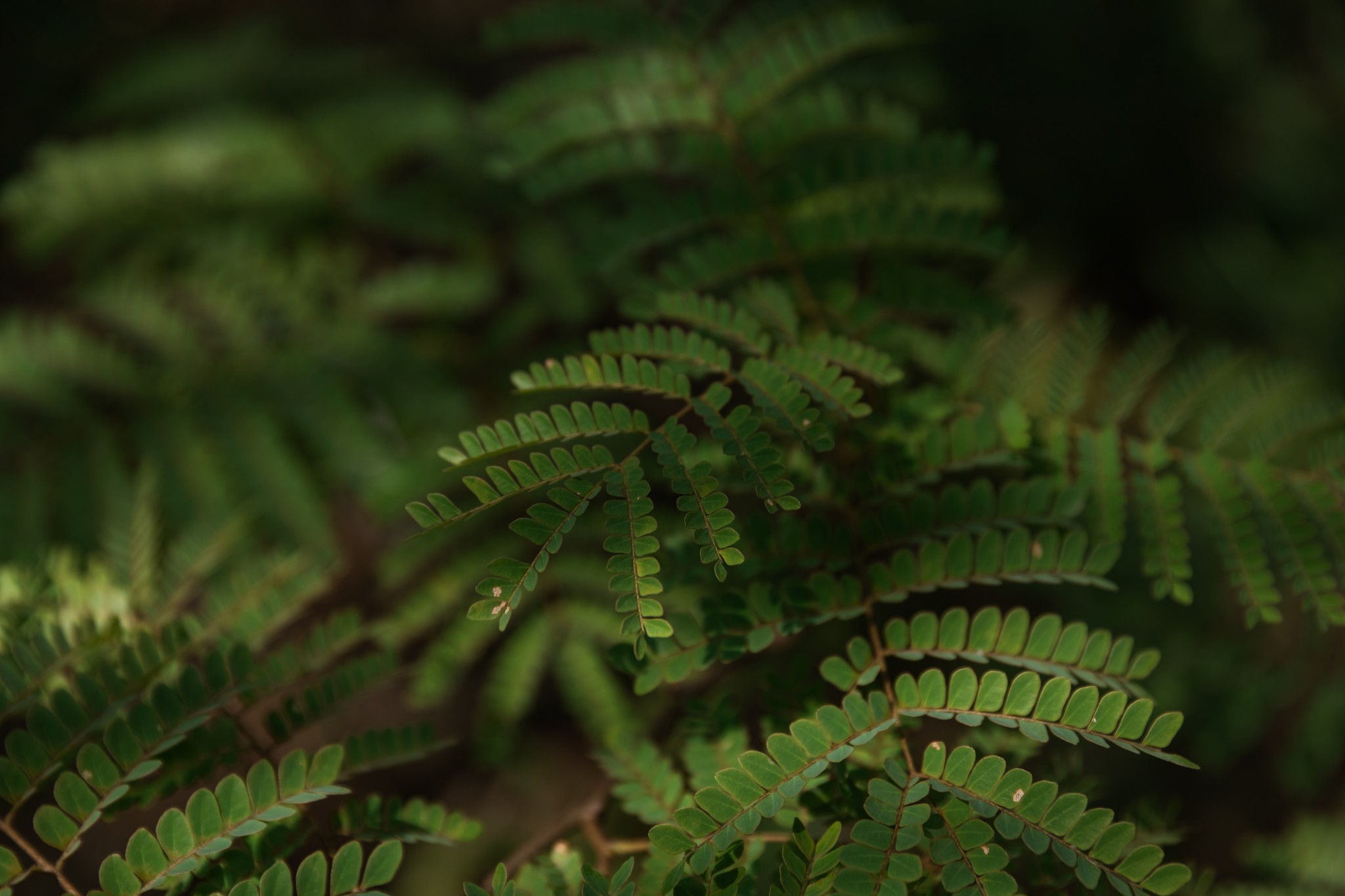
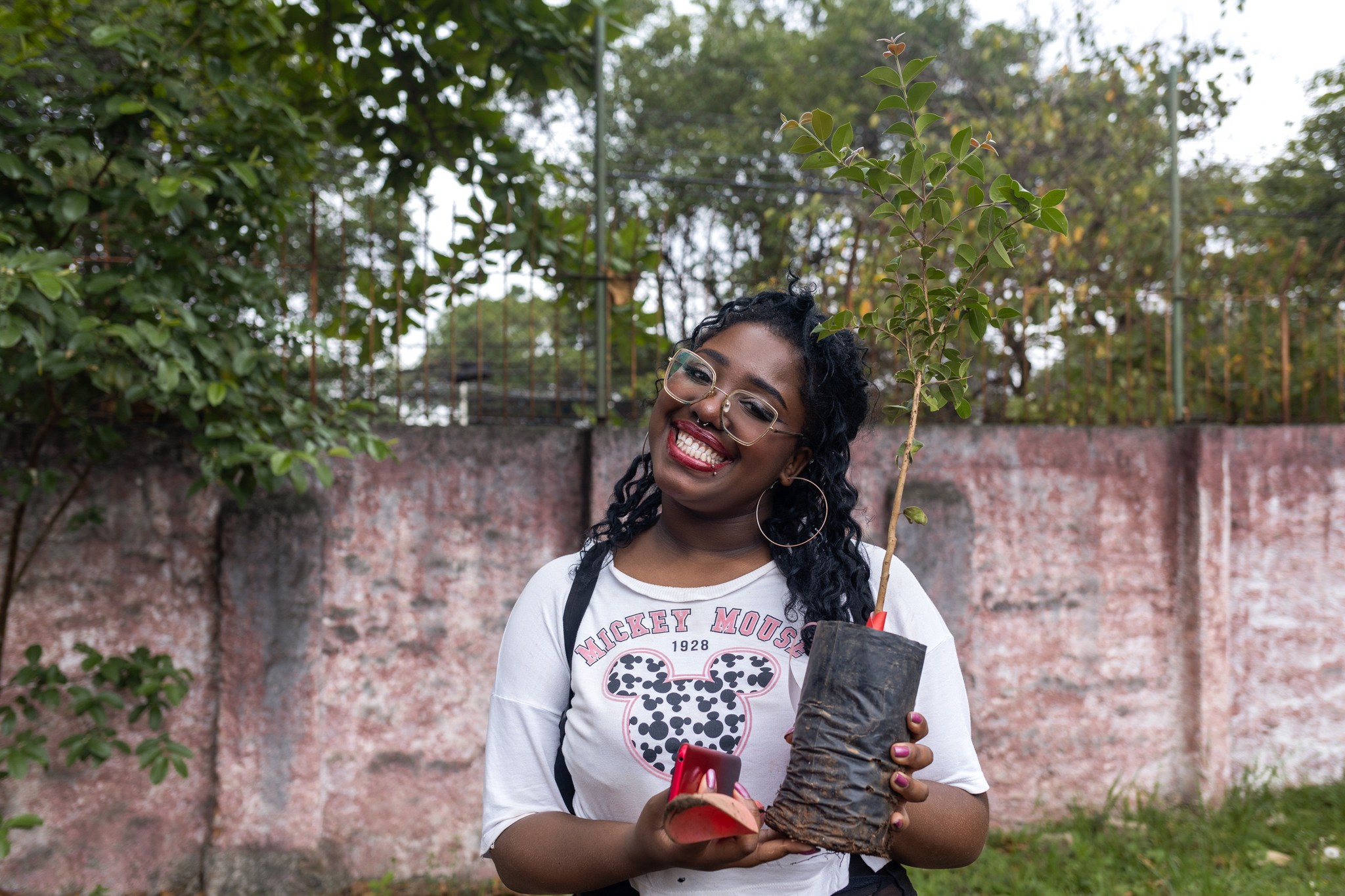
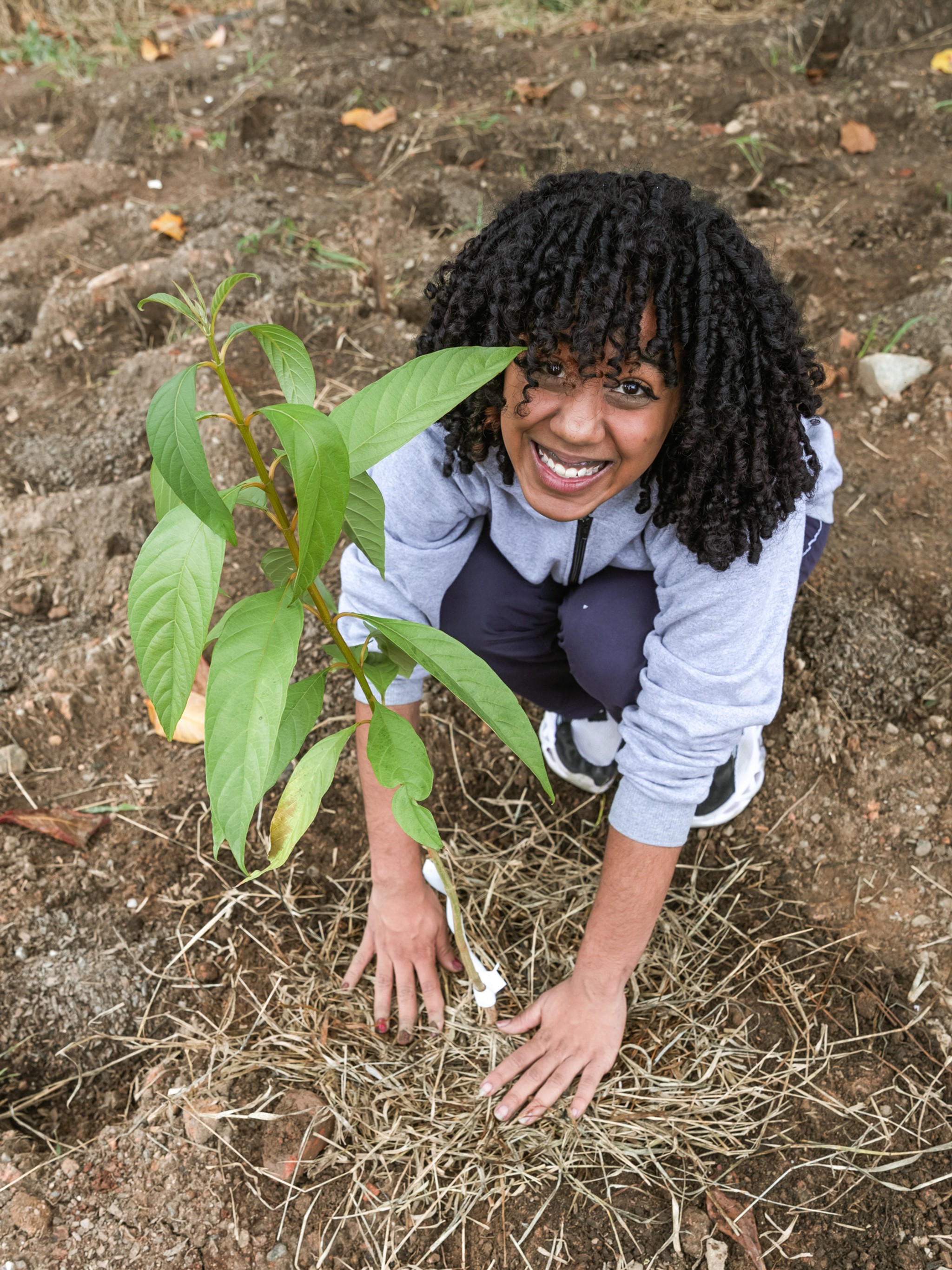
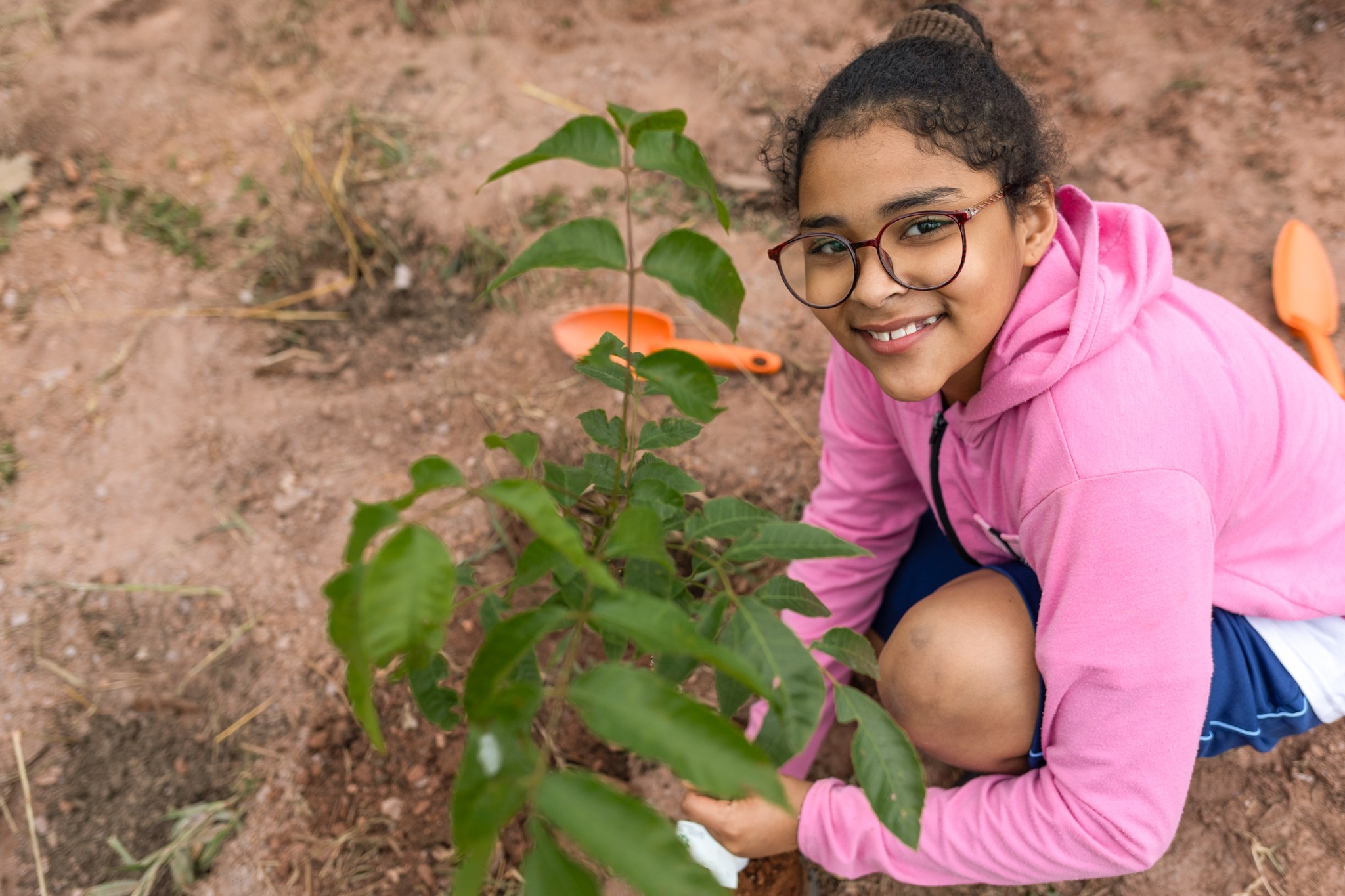
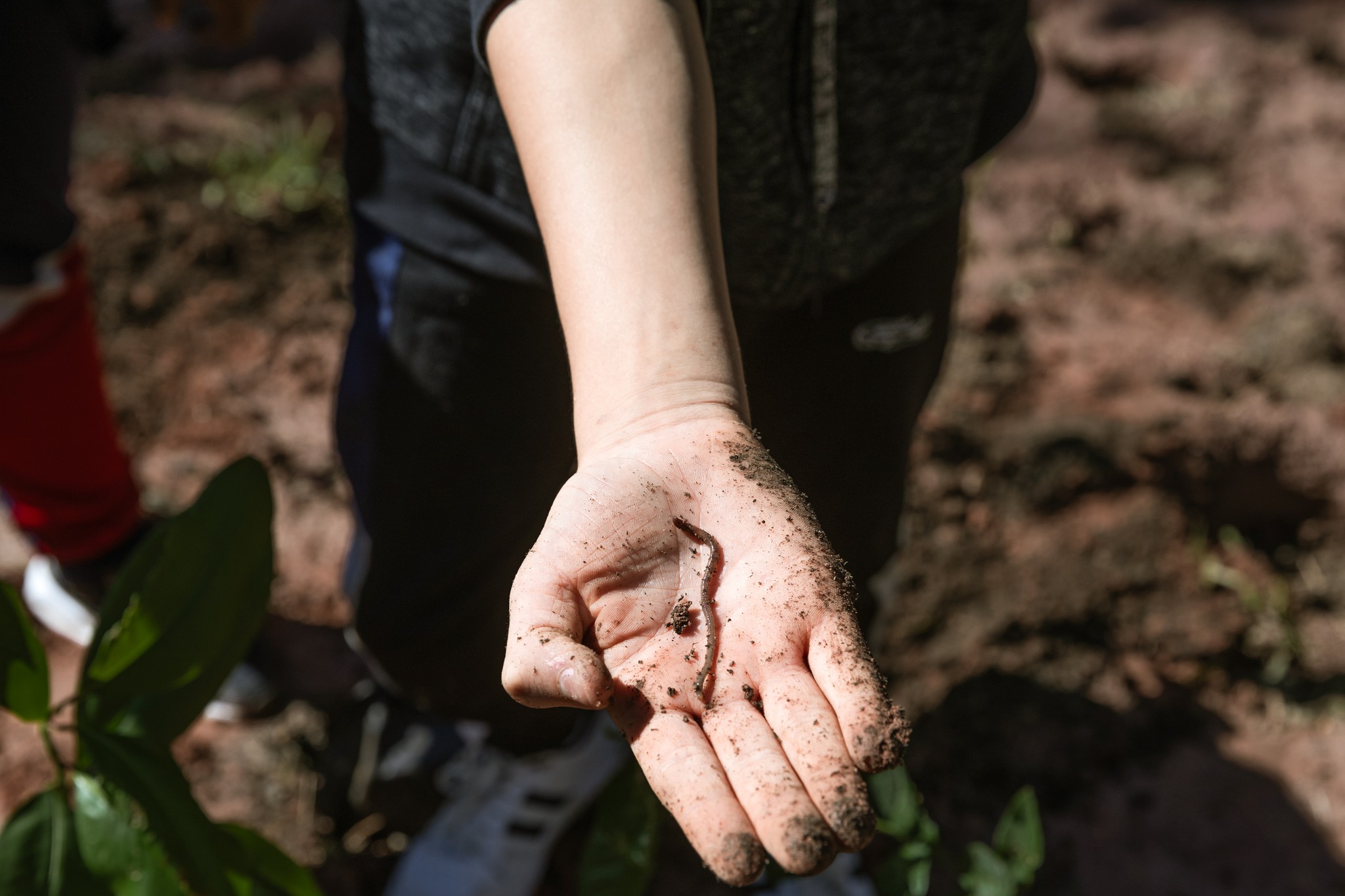
We planted native species including the Brazilian Pine (Araucaria angustifolia), and Embaúba (Cecropia pachystachya), amongst almost one hundred species, including numerous native fruit trees. By planting native flora, we aim to restore the Atlantic Forest in urban areas, creating habitats and reviving local wildlife populations, including birds, insects like native bees, and small mammals that have become scarce due to habitat loss. These forests improve air quality, reduce urban heat islands by cooling the surrounding area, and enhance soil health by adding organic matter and increasing water retention capacity to enhance resilience to drought and flooding. Socially, they transform school environments, adding green spaces that were previously lacking, bringing joy to students. This hands-on experience reconnects students and communities with the region’s local flora and fauna and empowers them to engage in environmental conservation. This project has also created valuable job opportunities for the local community, prioritising employment and training for Black and Indigenous women, like the Guarani Mbya people.
Forest Maker
formigas-de-embaúba
Forest Partner

Forest Update: 2025
EE Alexandre Von Humboldt
0 Months
Forest Age
0%
Survival Rate
0m
Average of Tallest 3 Trees
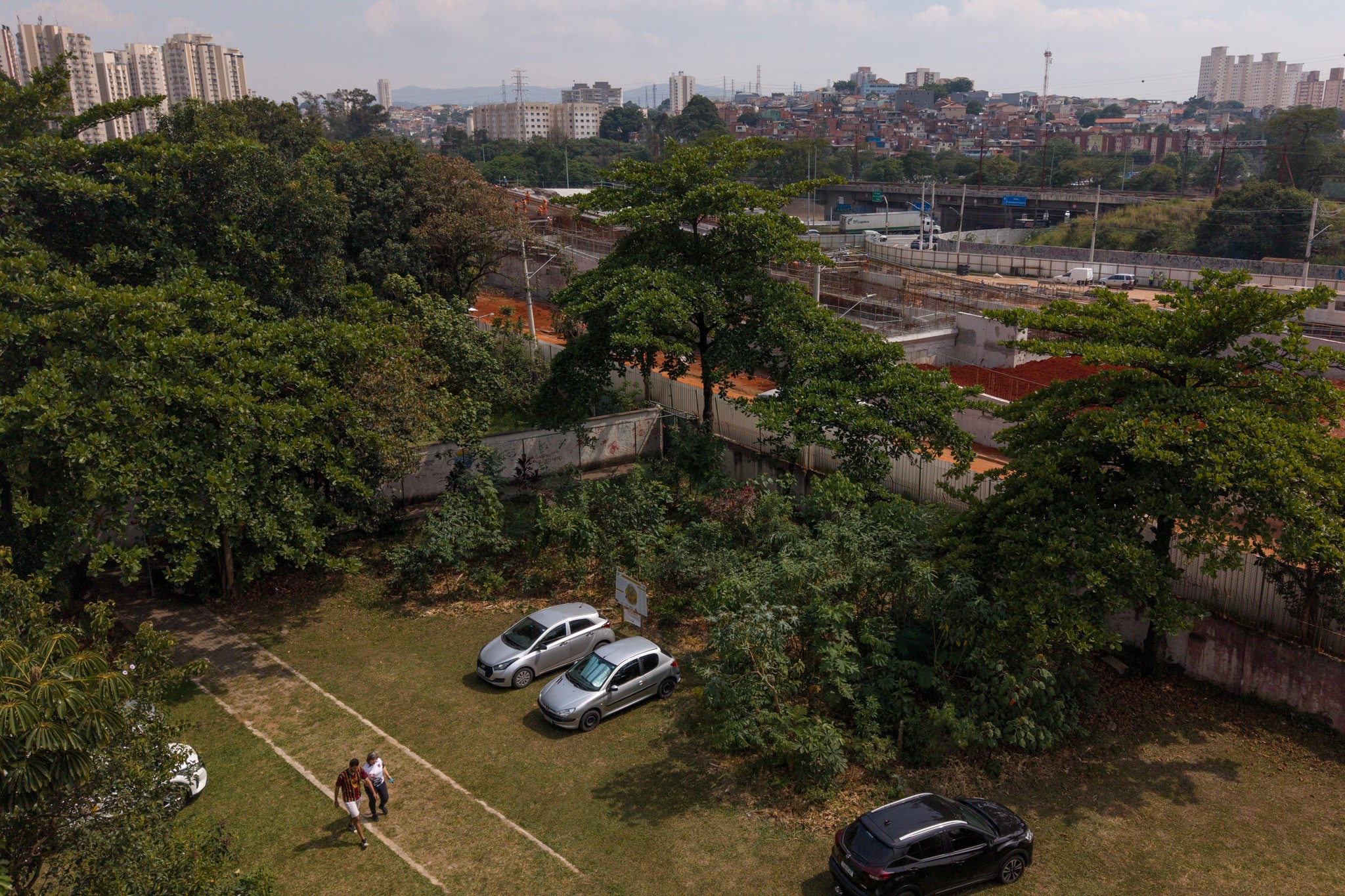
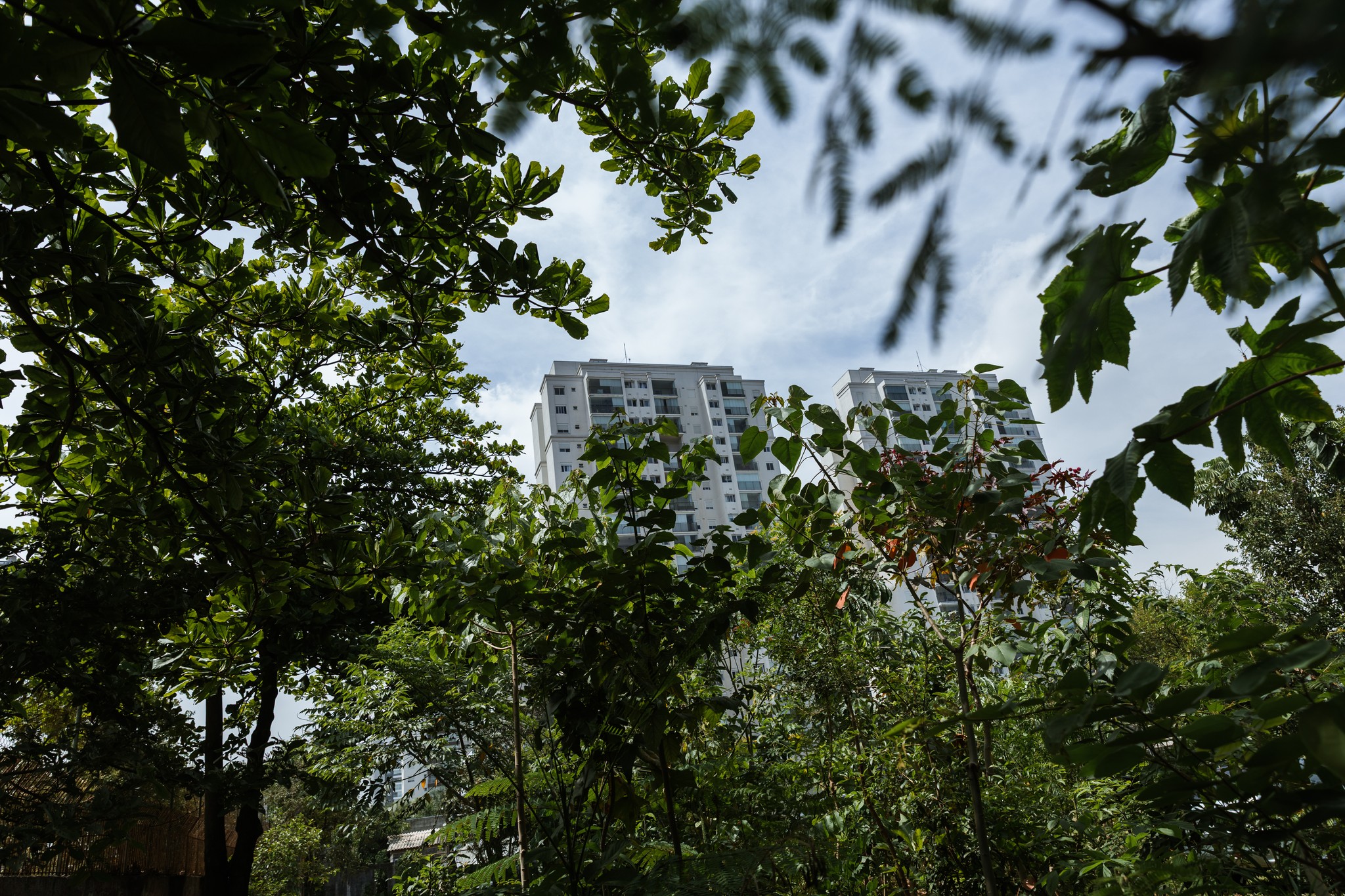
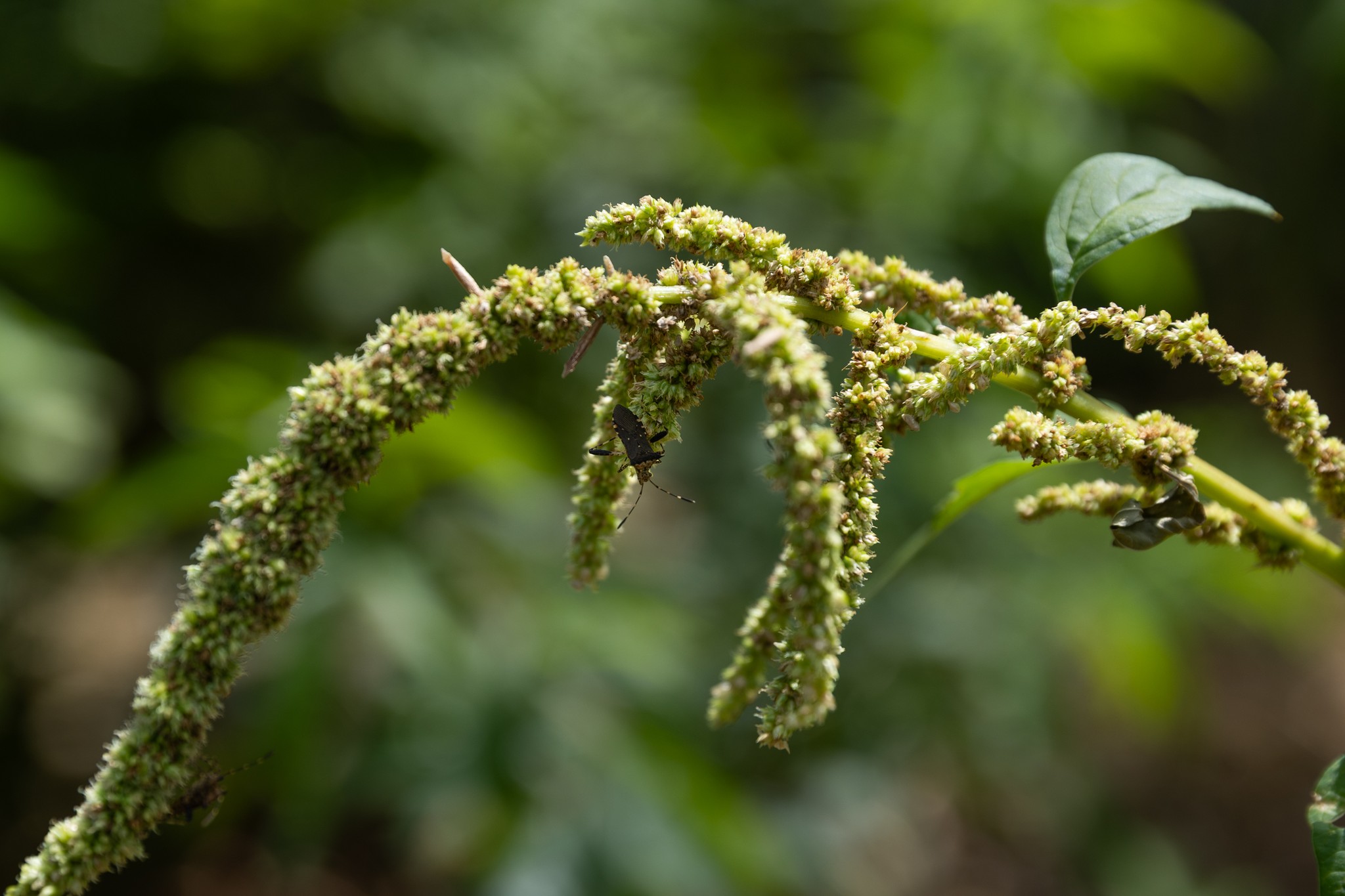
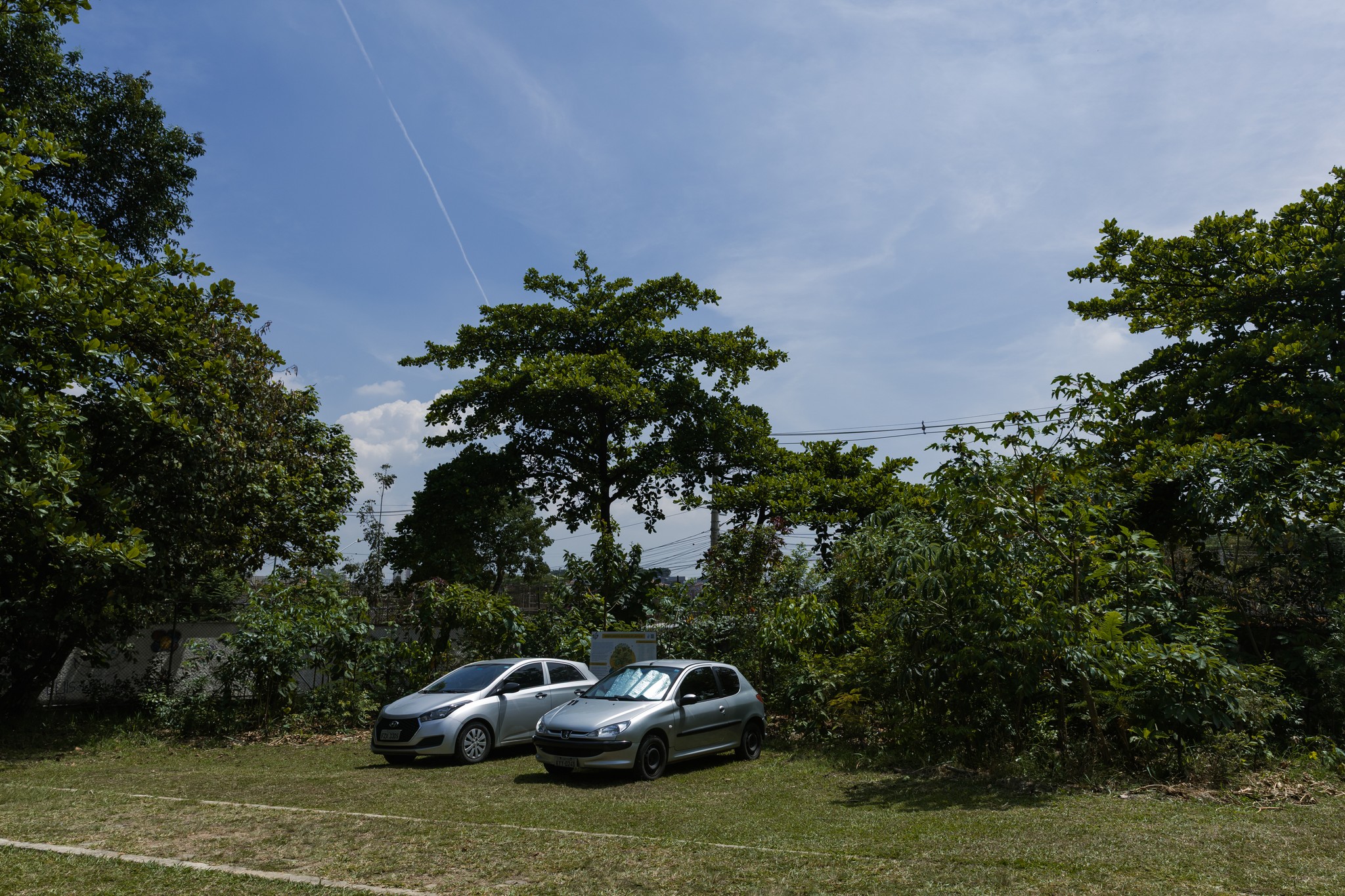
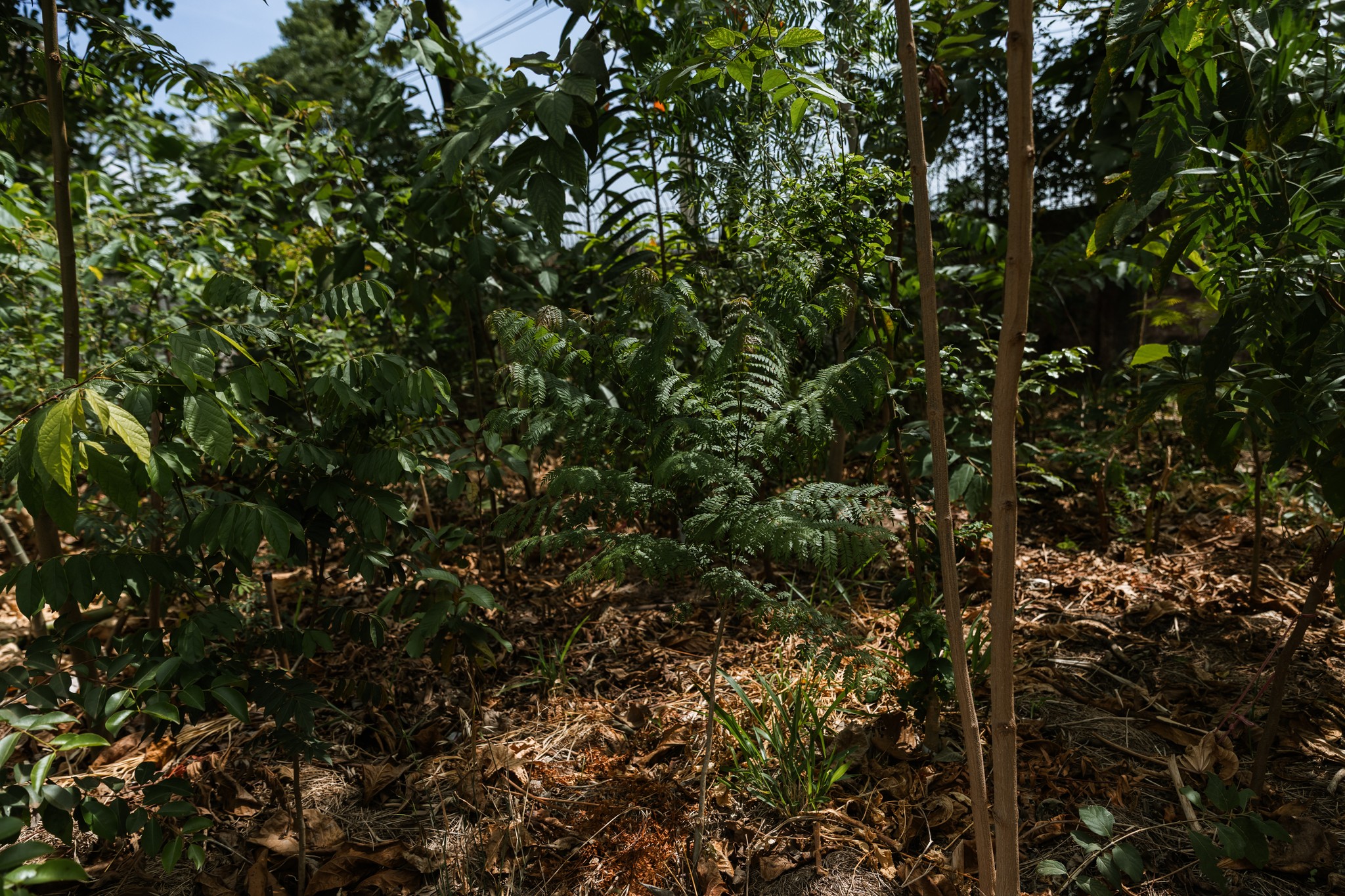
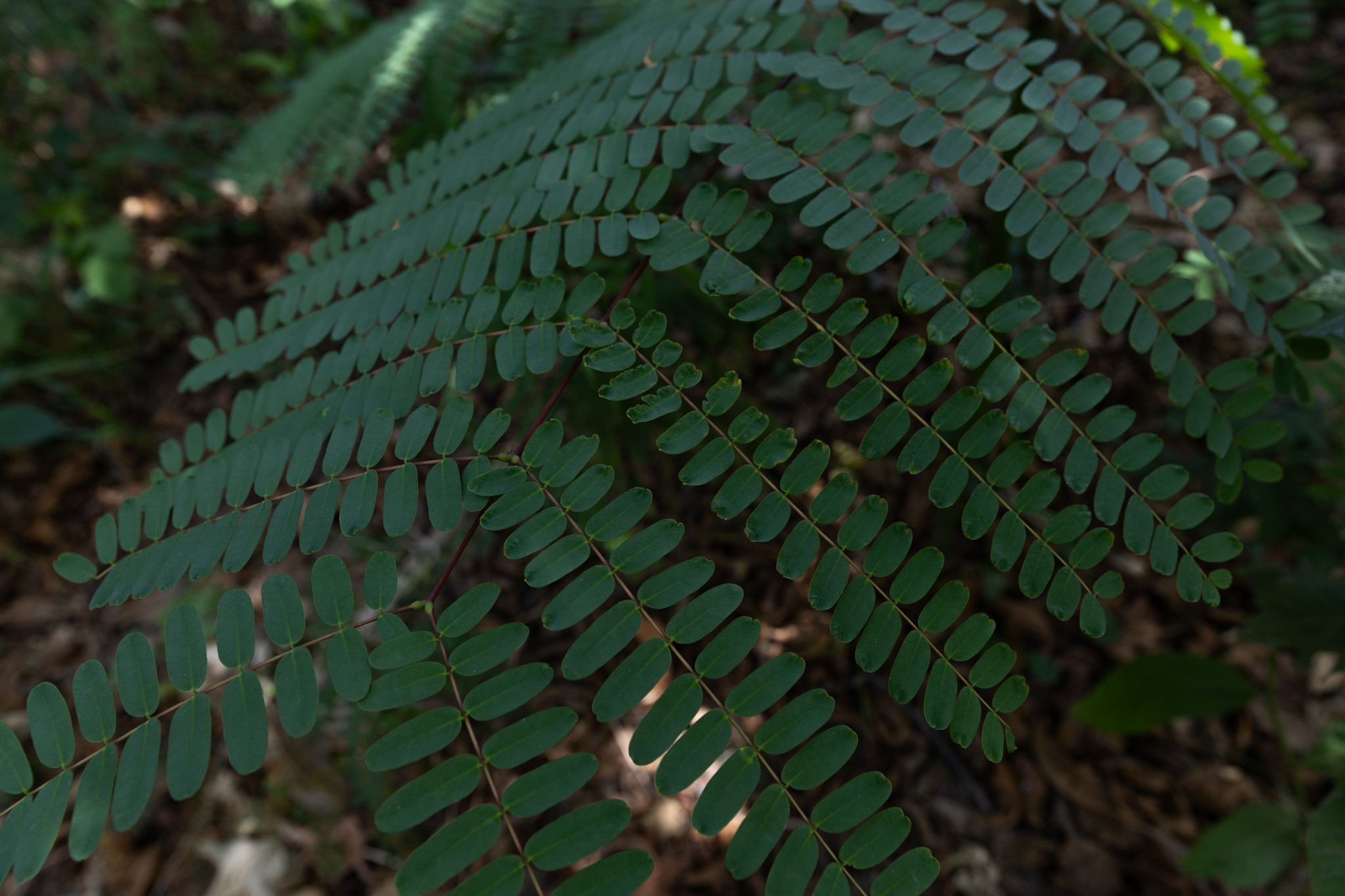
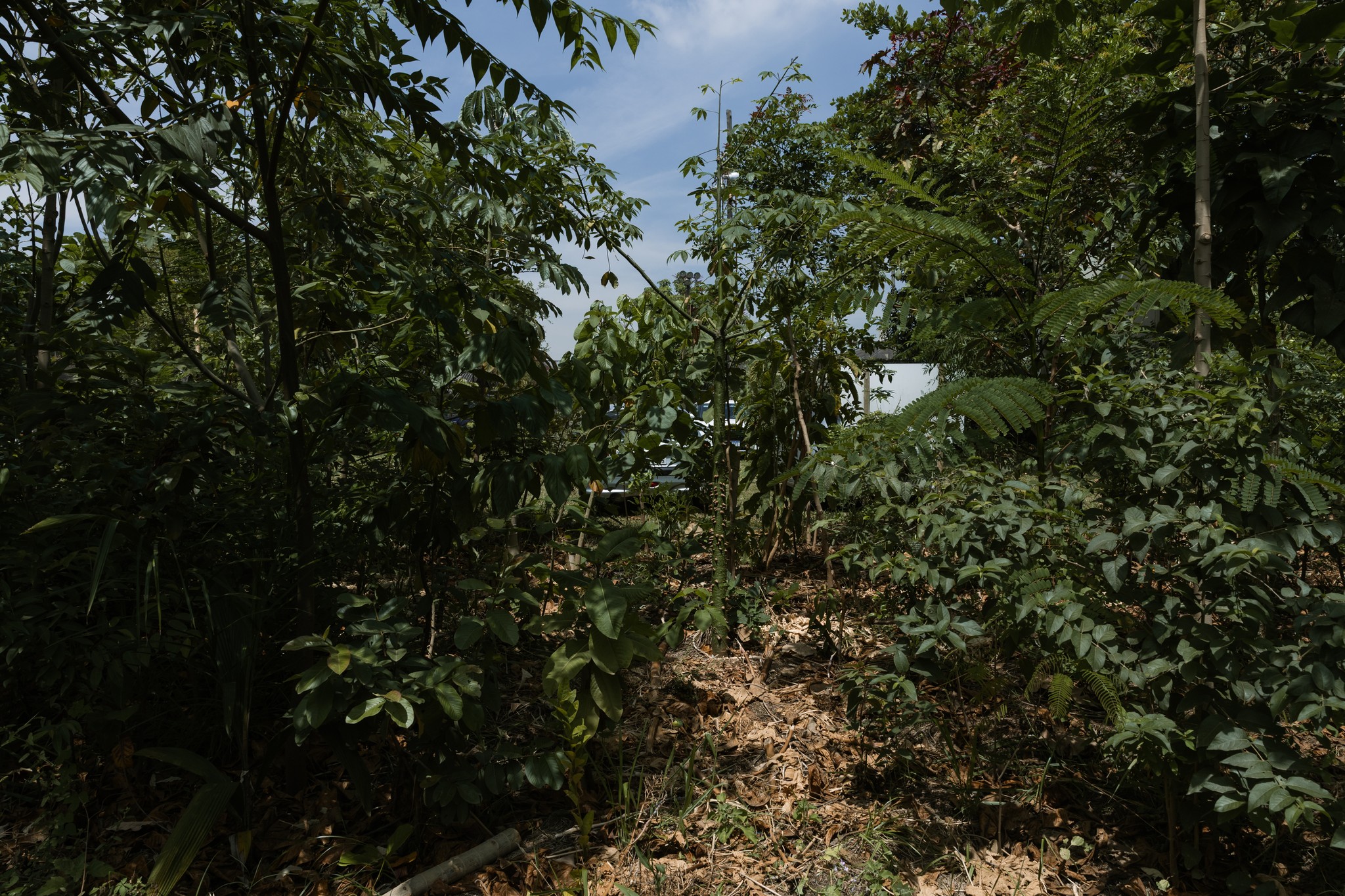
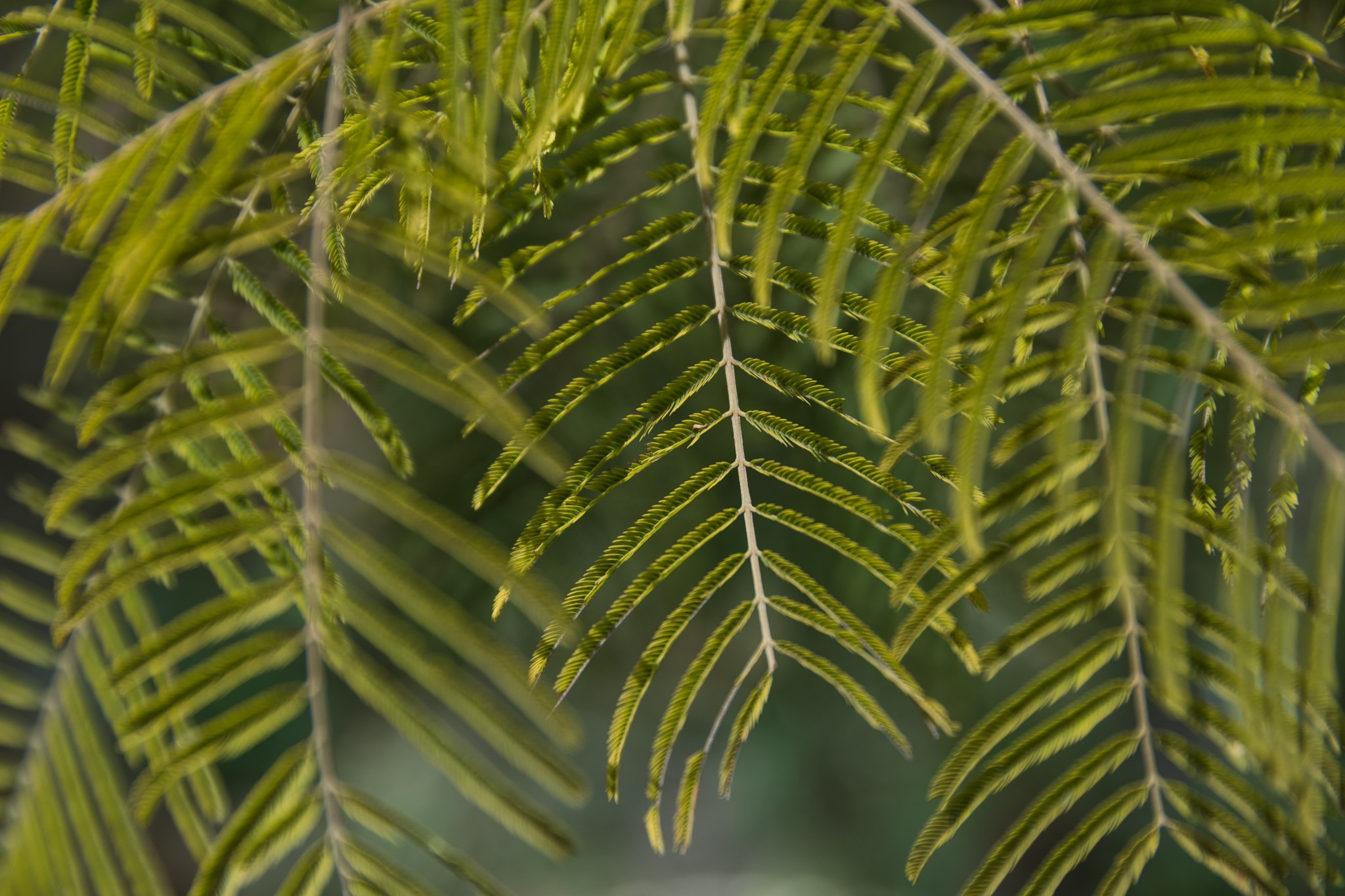
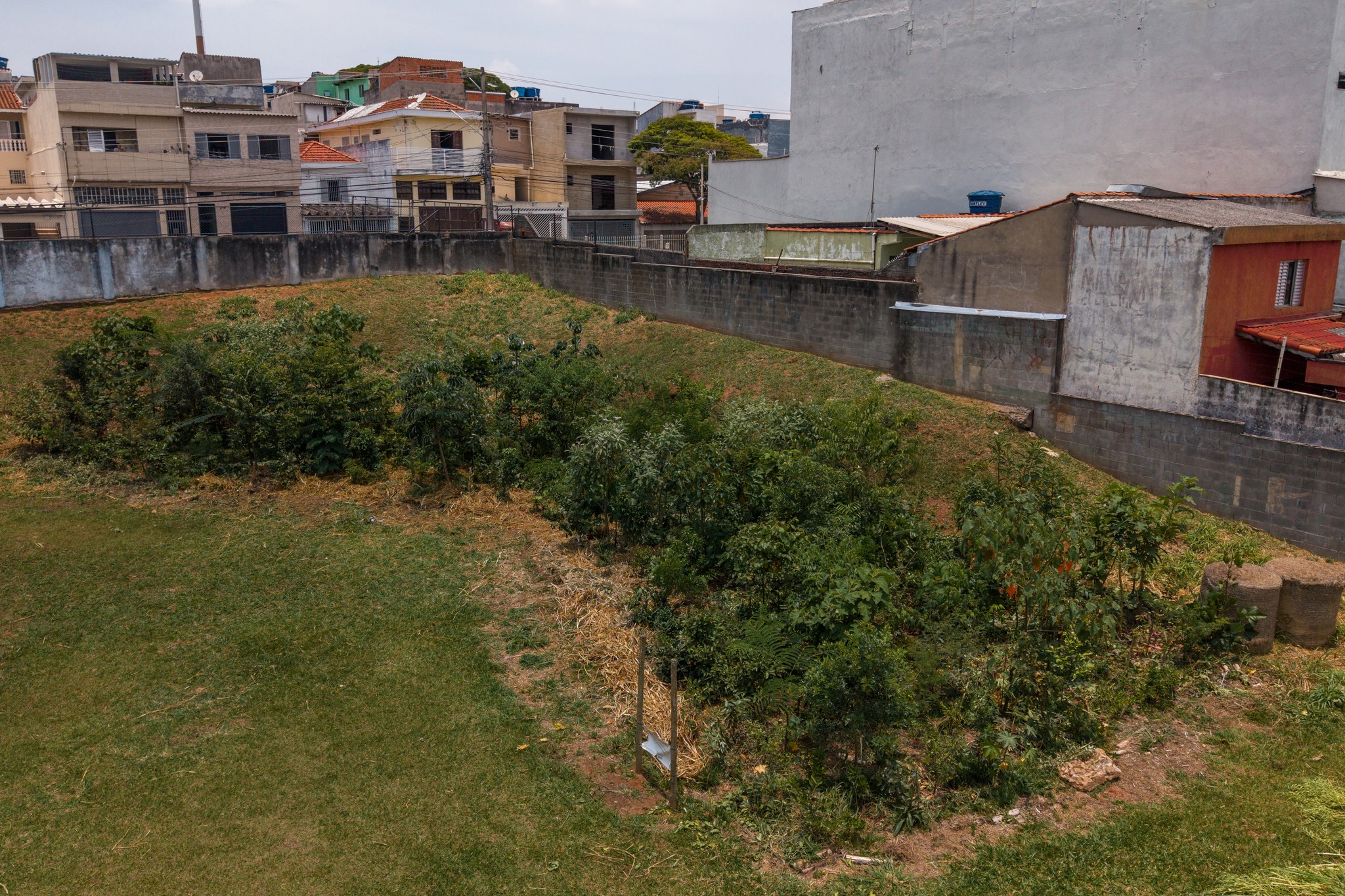
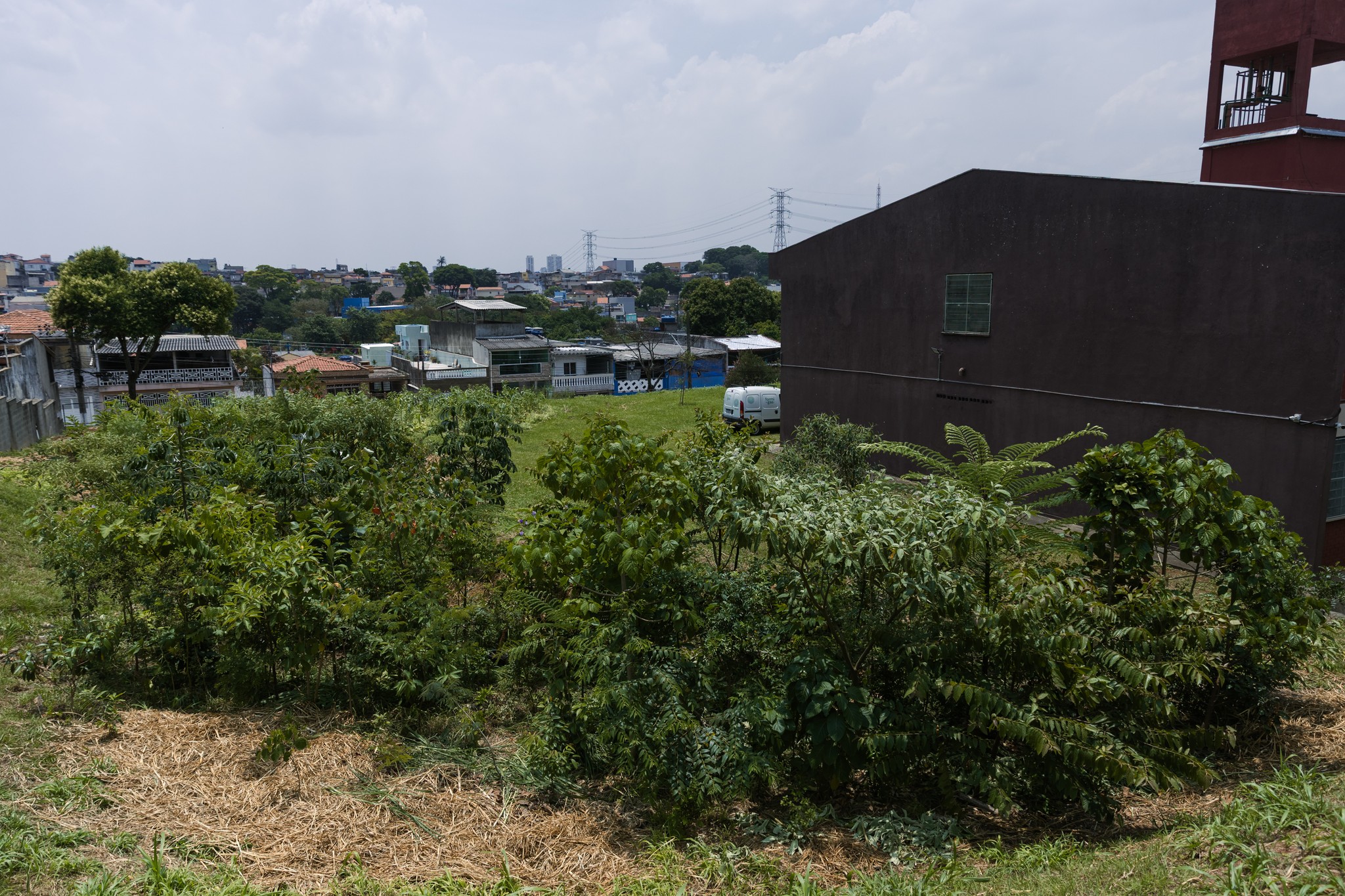
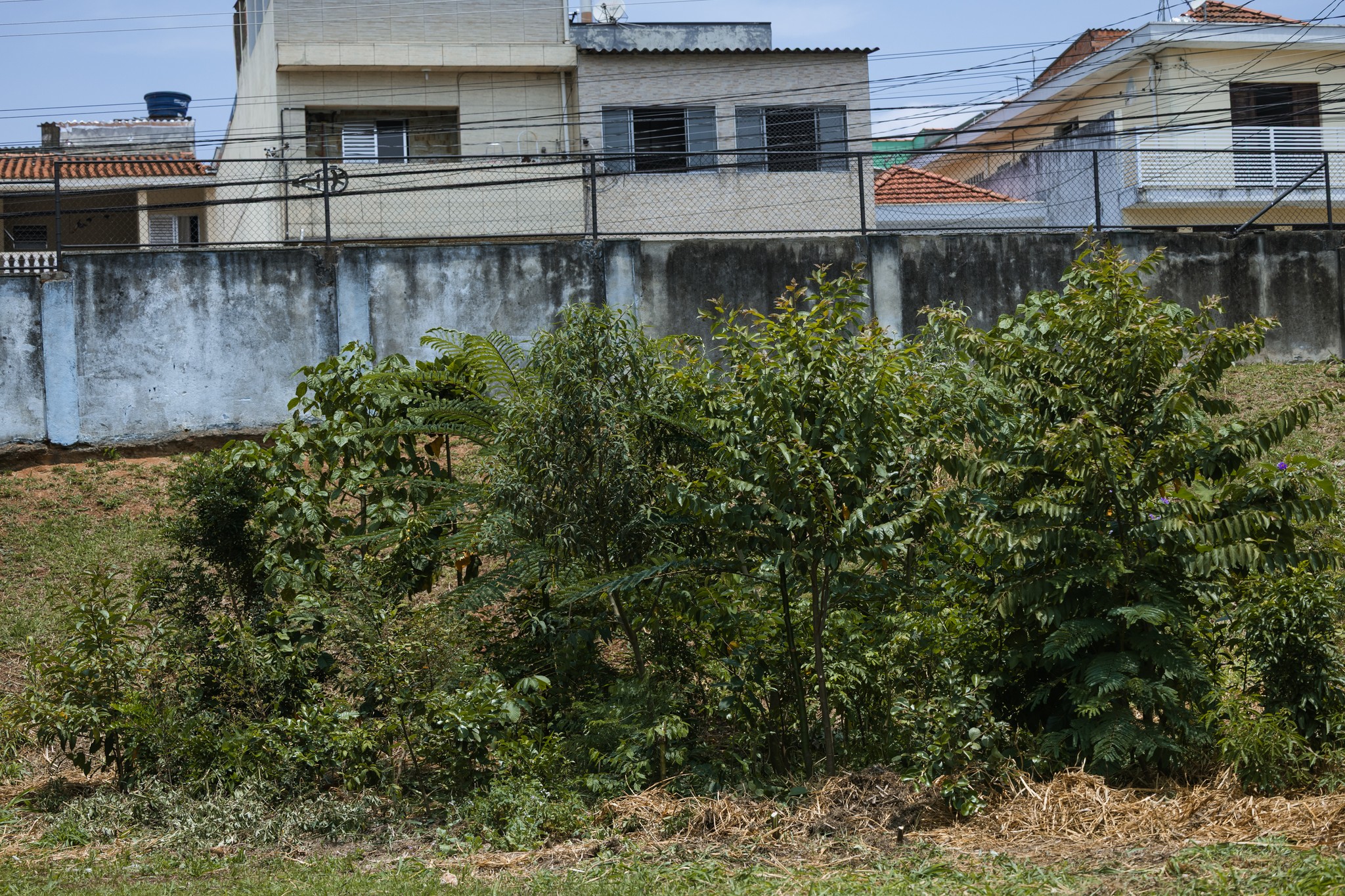
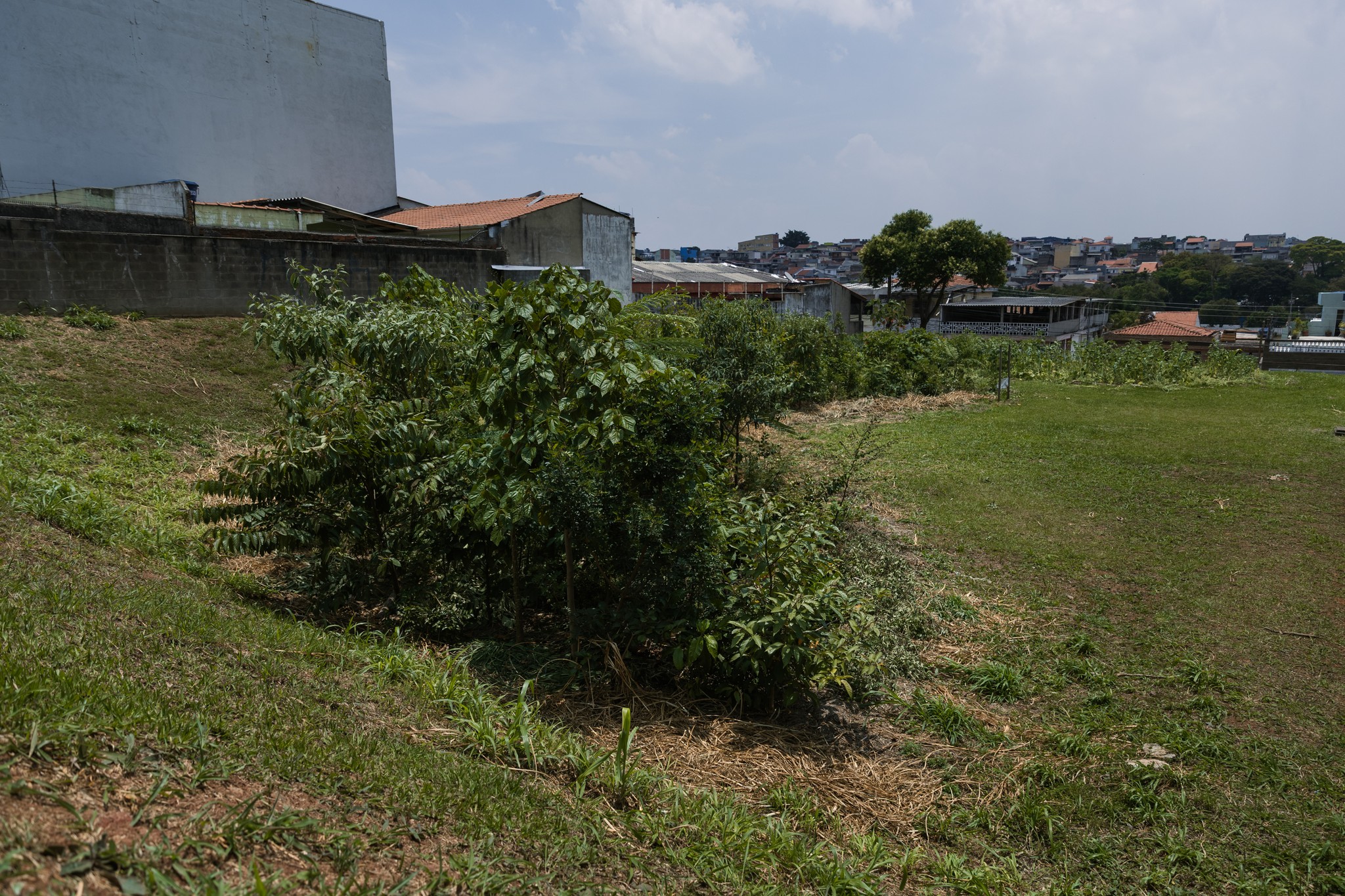
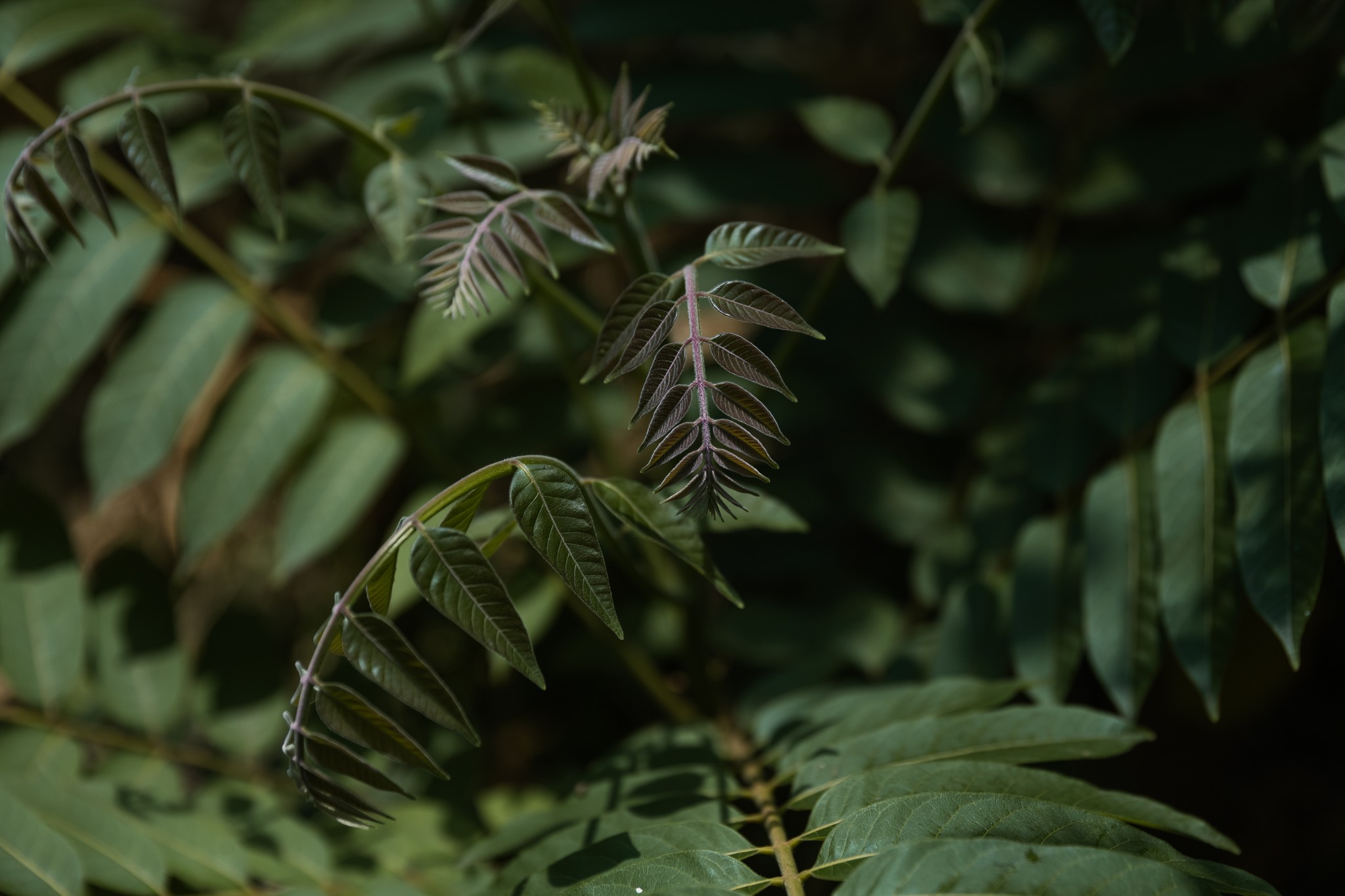
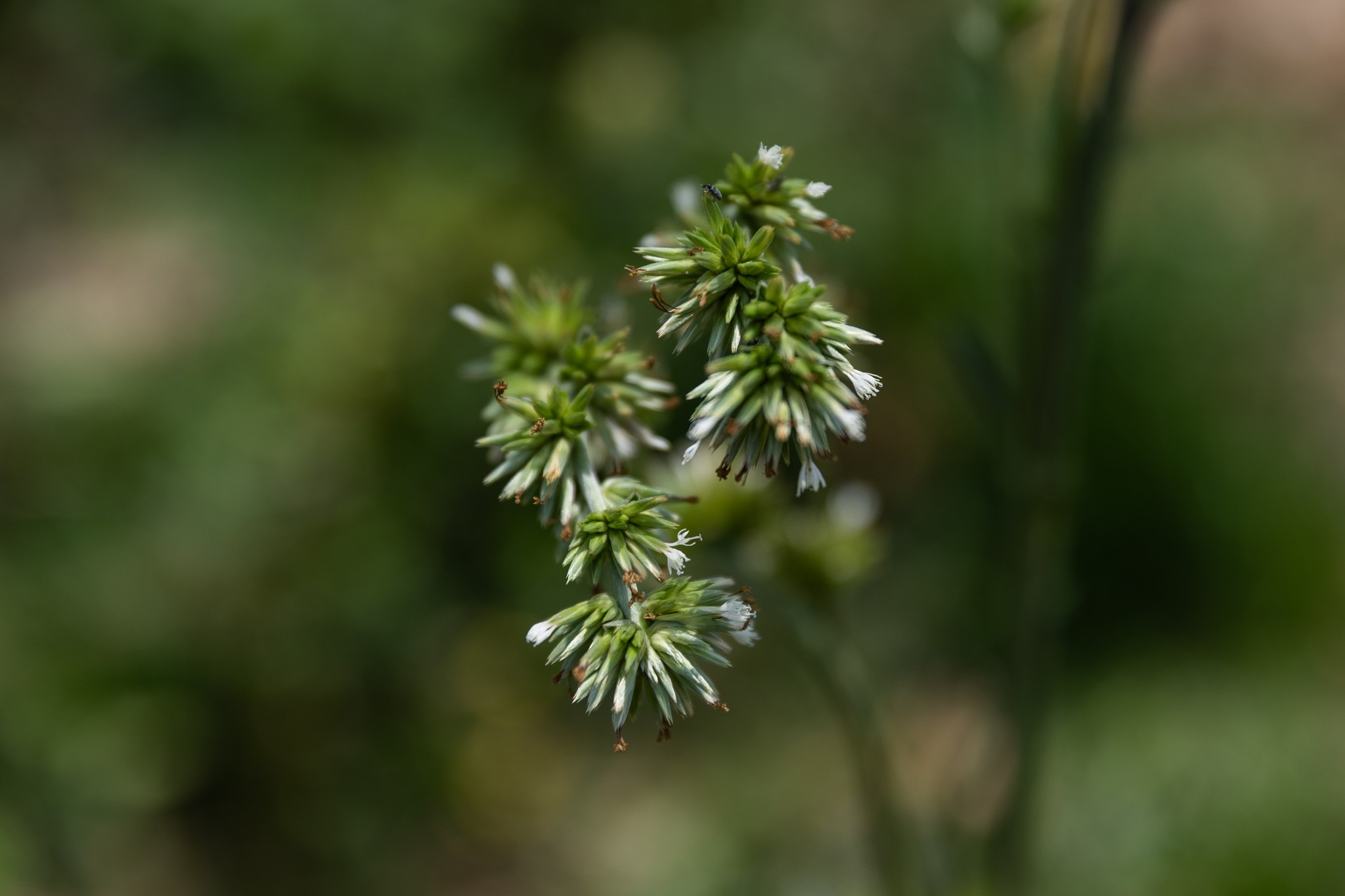
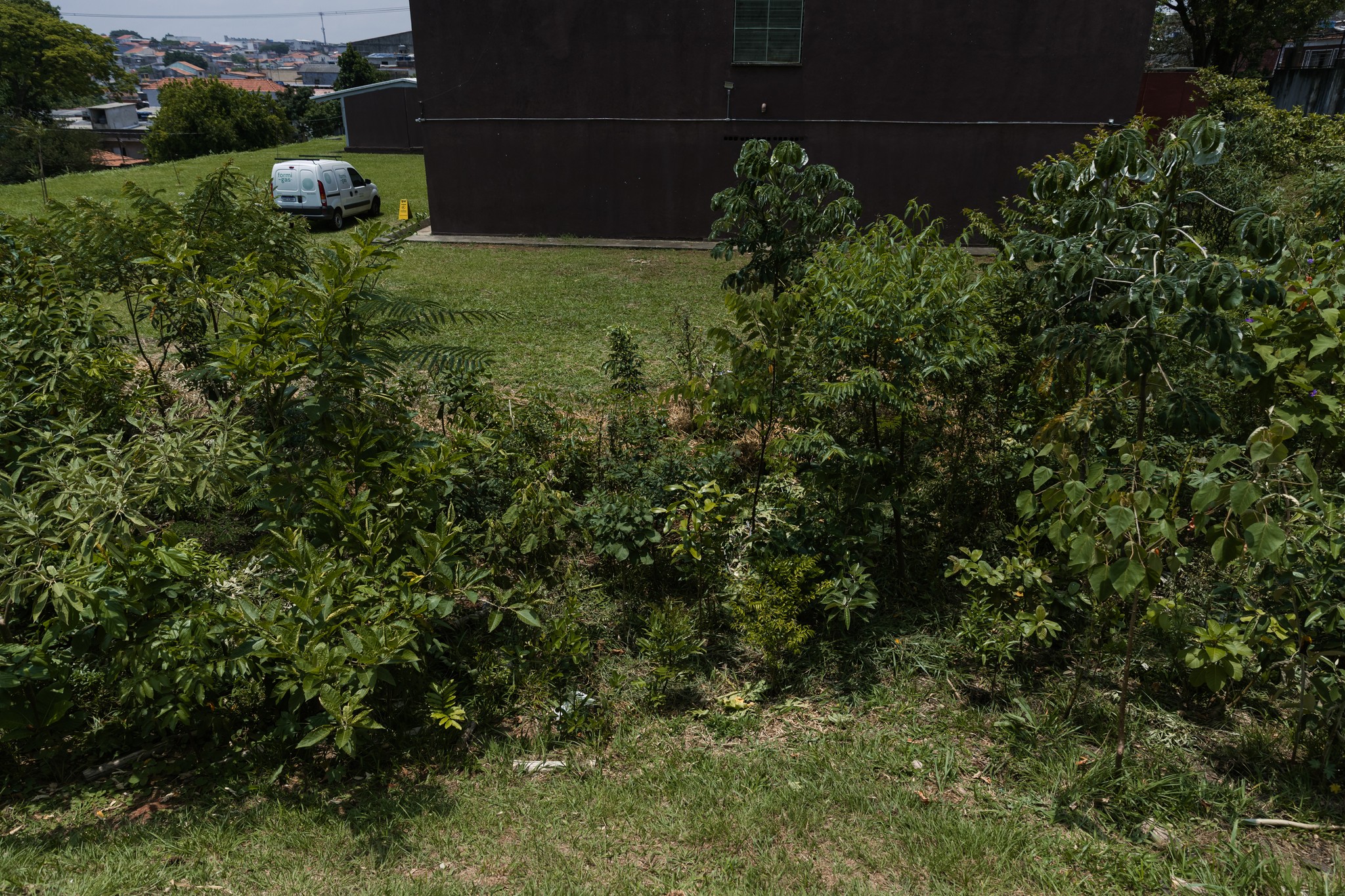
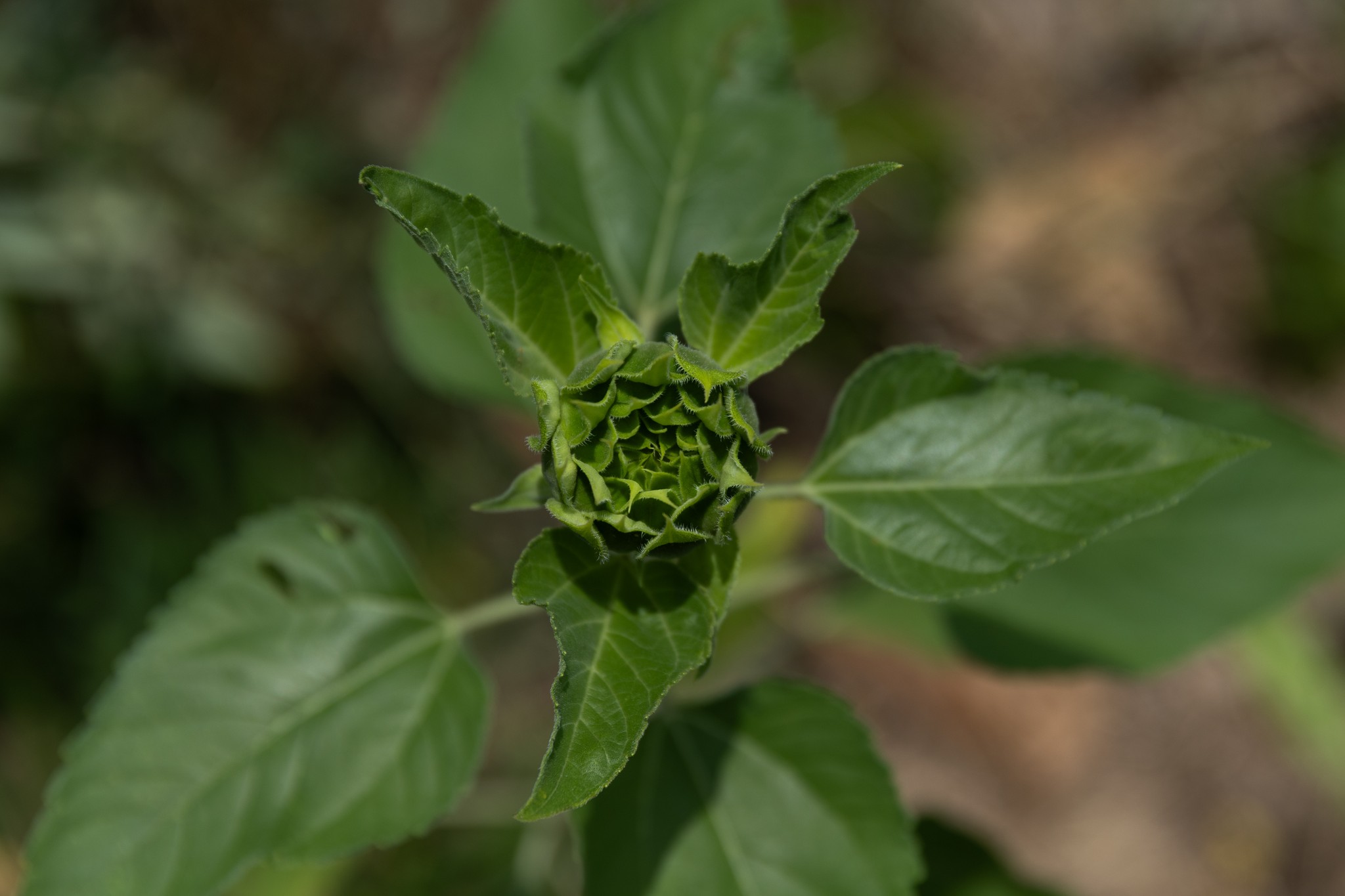
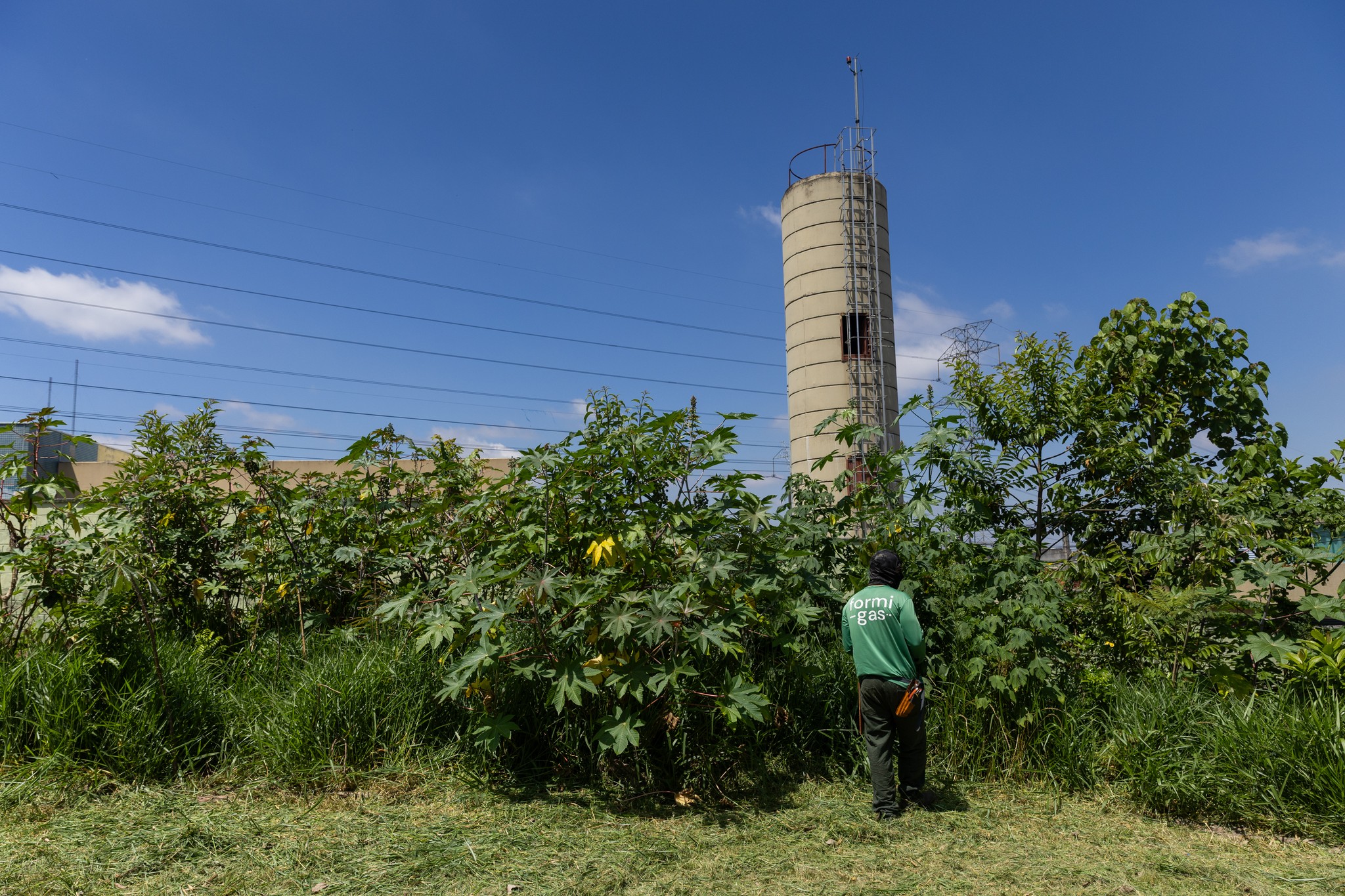
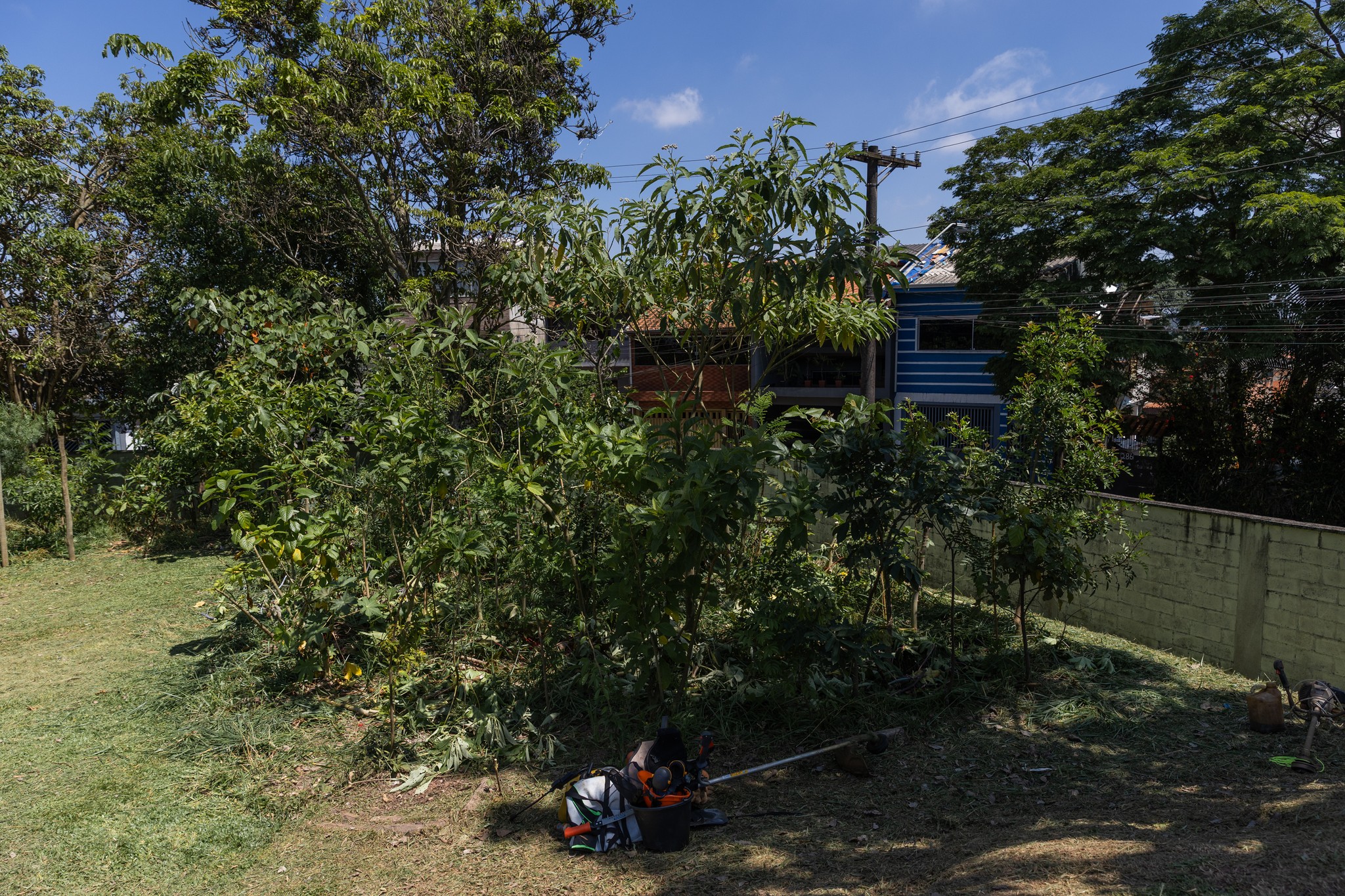
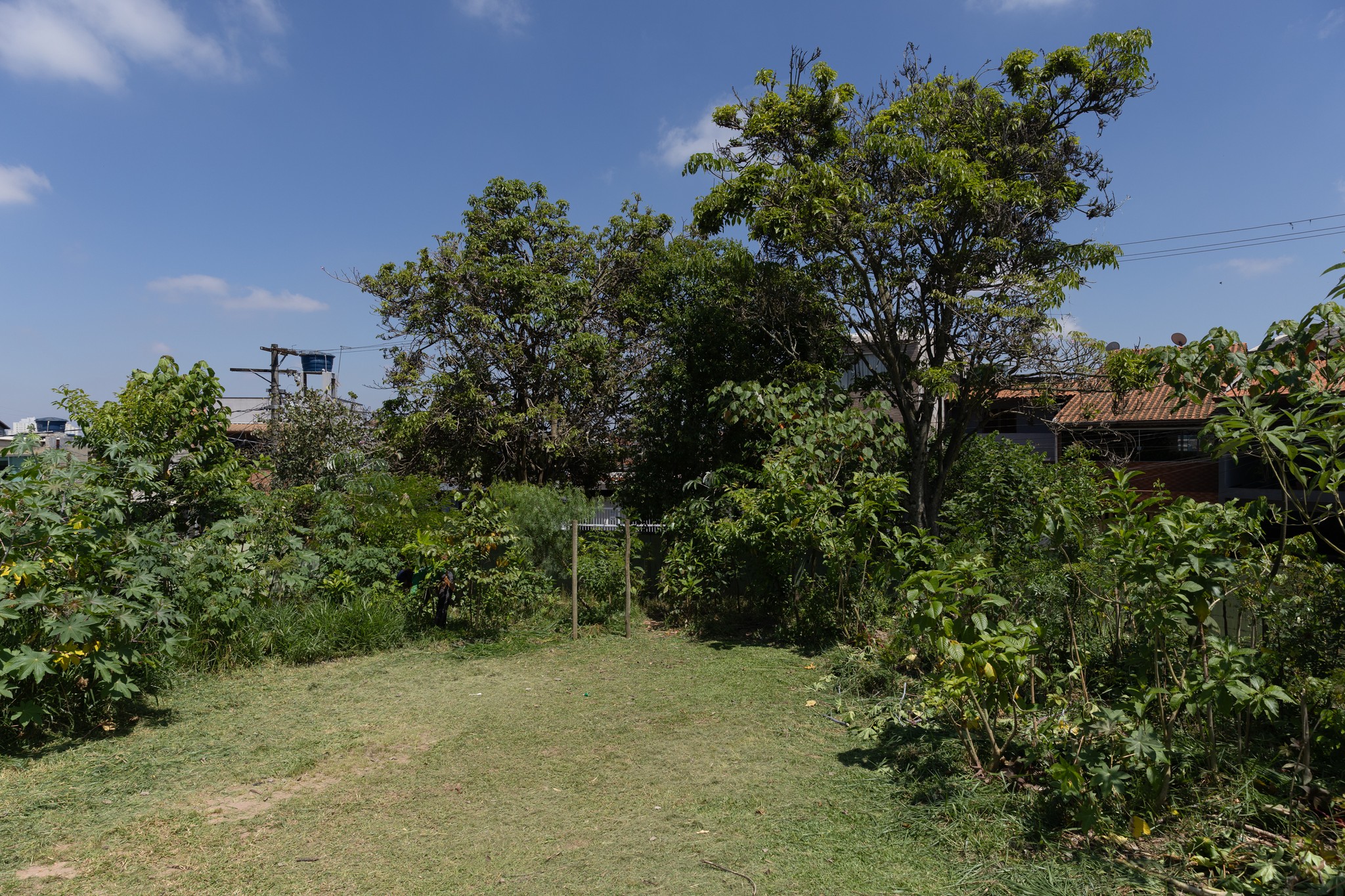
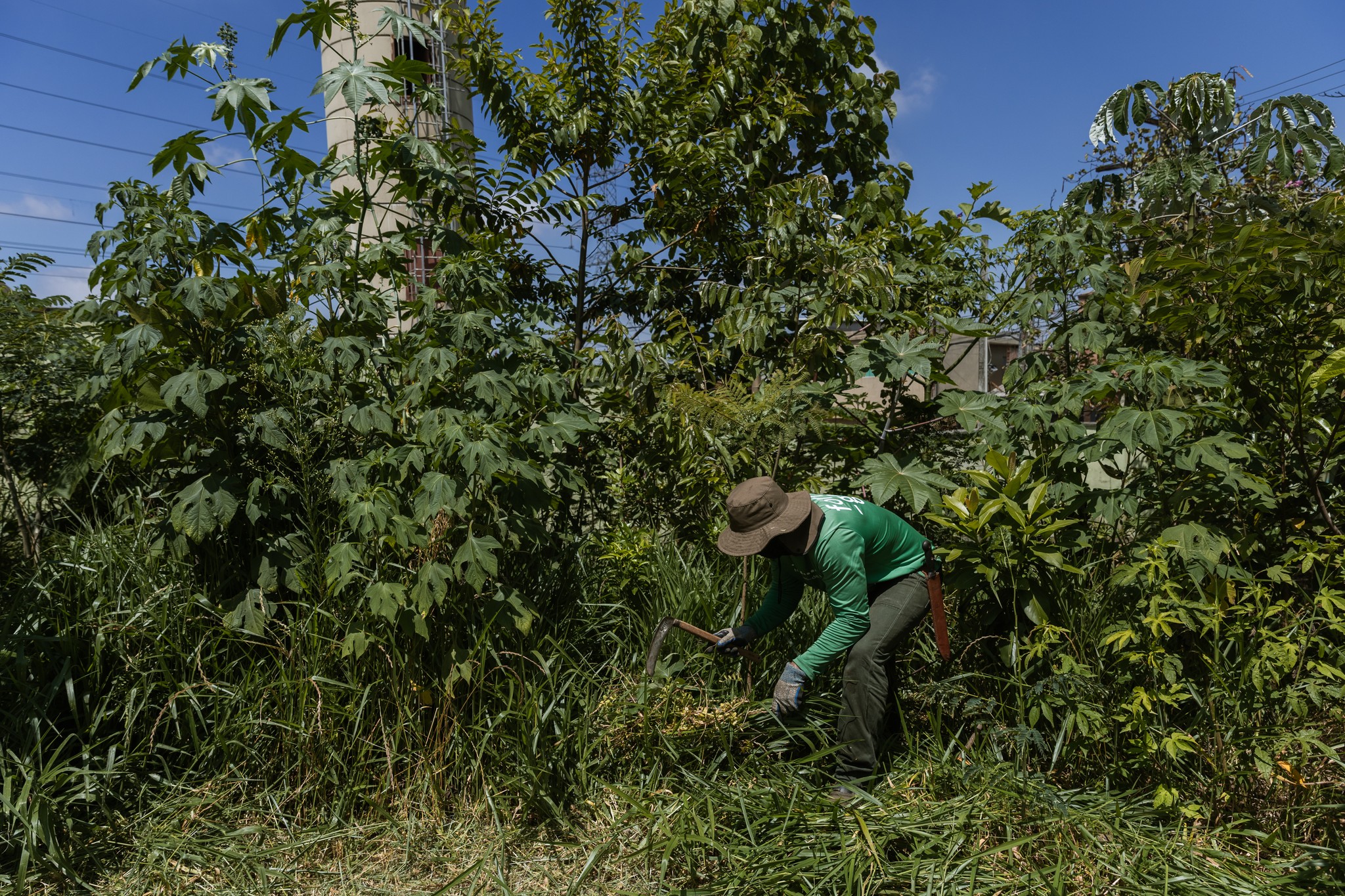
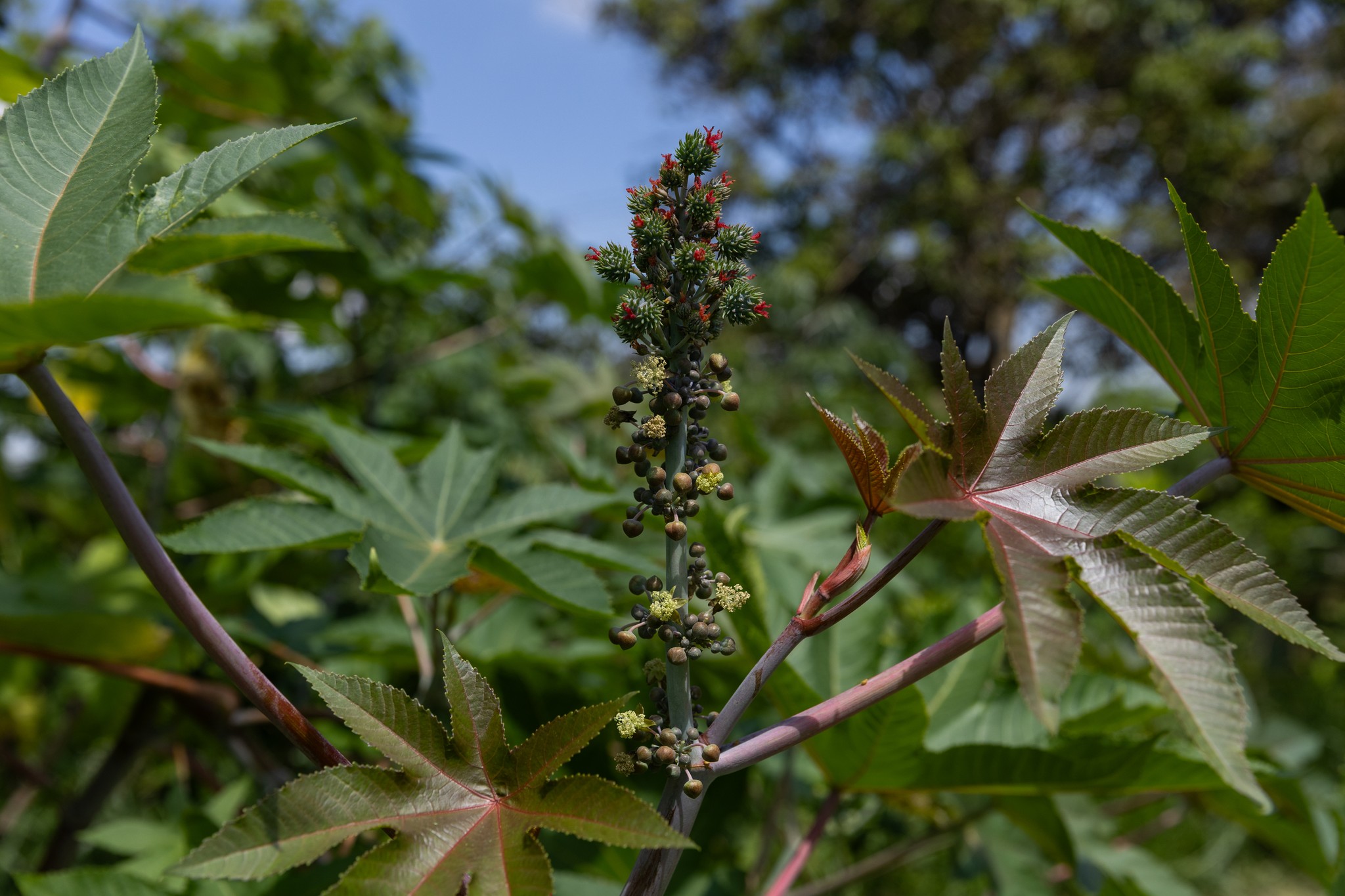
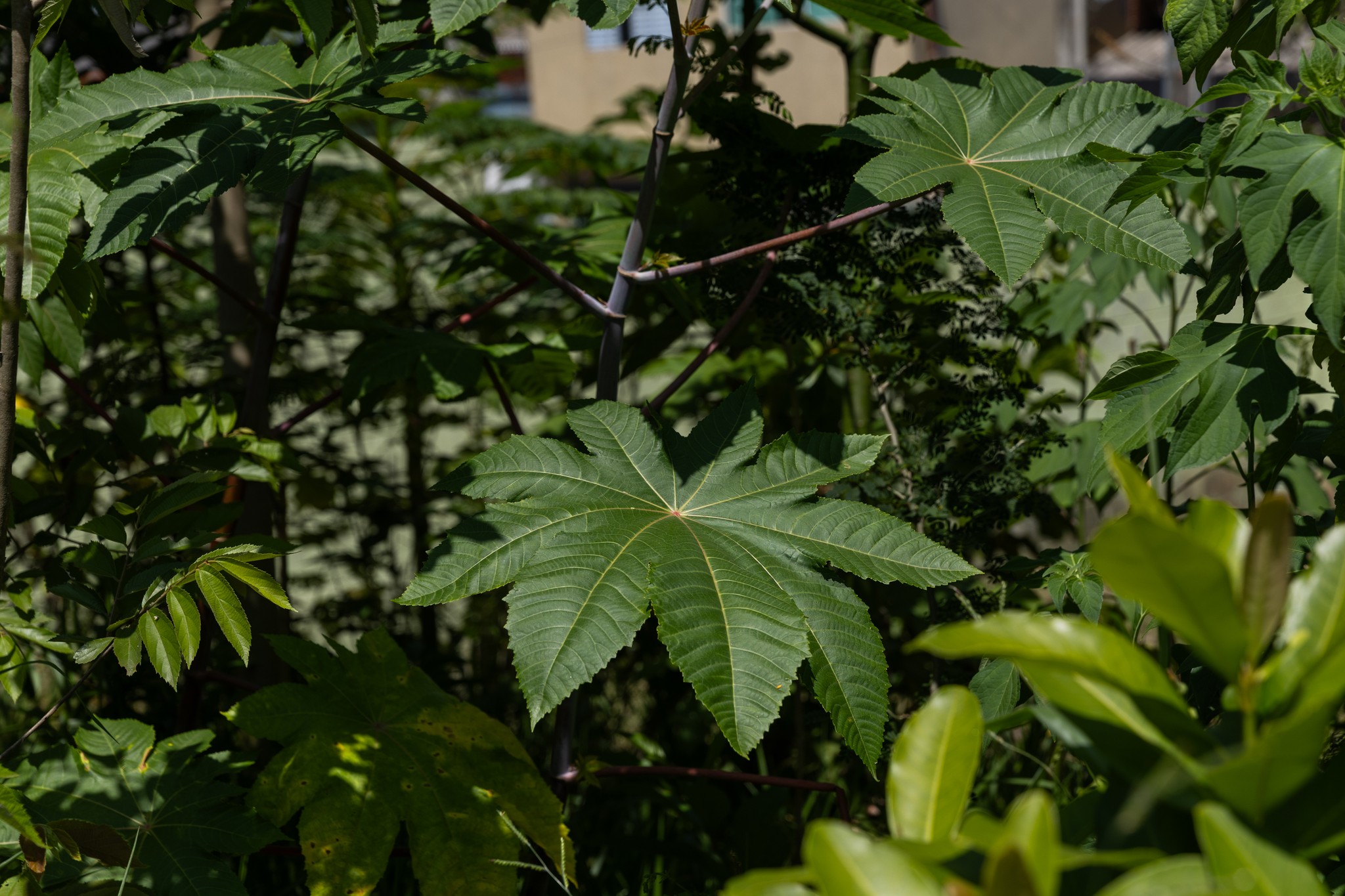
At 13 months old, the pocket forest is looking beautiful and establishing quickly. We carry out bimonthly maintenance, which has supported high planting density, good biomass cycling, and solid soil cover even through the dry season. With rains returning in late September, we expect rapid canopy development and continued gains in biodiversity.
EE Maria Prestes Maia
0 Months
Forest Age
0%
Survival Rate
0m
Average of Tallest 3 Trees
EE Professor Joao Dias Da Silveira
0 Months
Forest Age
0%
Survival Rate
0m
Average of Tallest 3 Trees
EMEF Jardim das Laranjeiras
0 Months
Forest Age
0%
Survival Rate
0m
Average of Tallest 3 Trees
EMEF Professor Aurélio Arrobas Martins
0 Months
Forest Age
0%
Survival Rate
0m
Average of Tallest 3 Trees
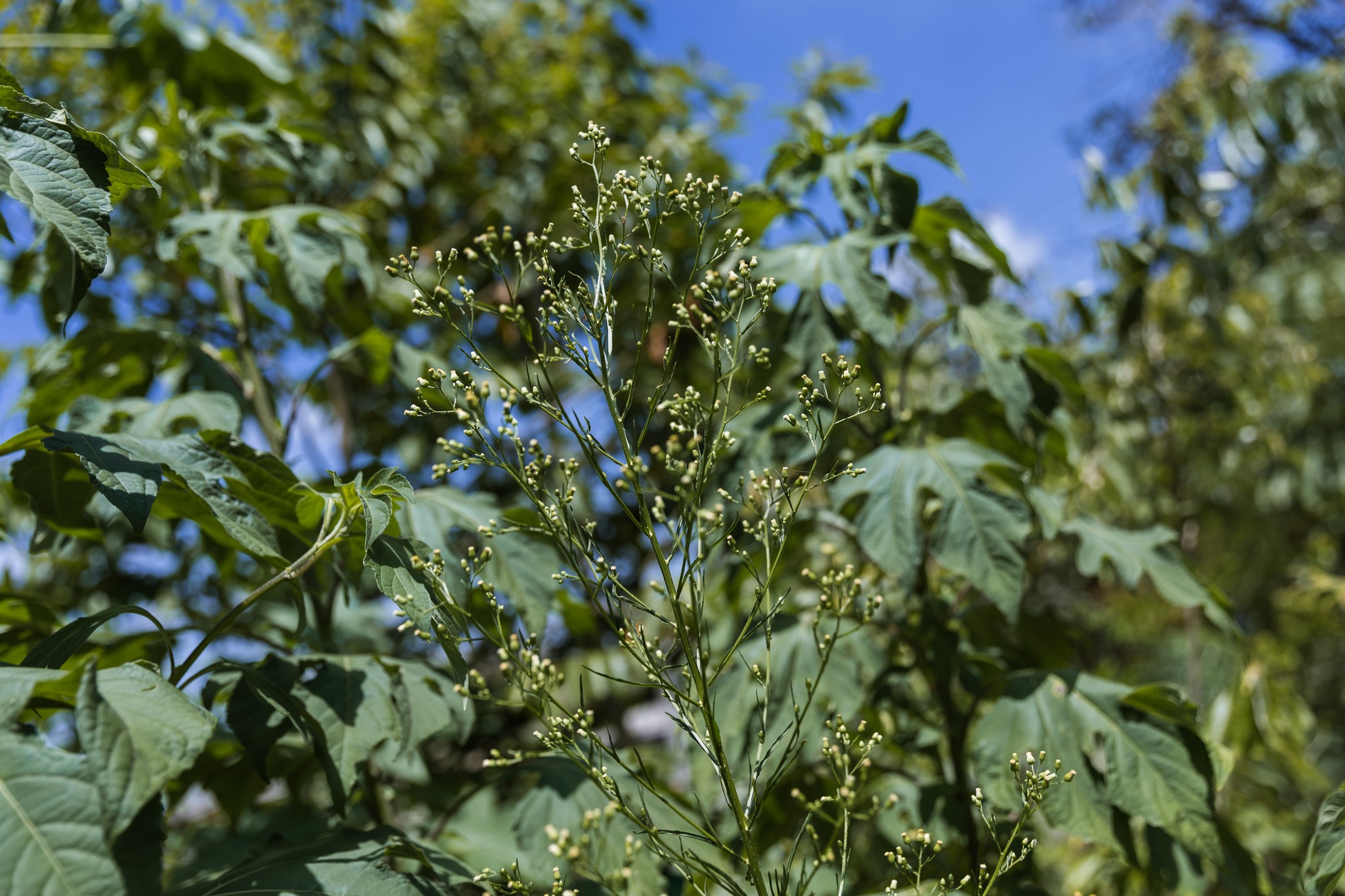
At 12 months, the pocket forest is doing well with good density and steady establishment. Our bimonthly maintenance focuses on increasing organic matter and addressing signs of soil acidity indicated by spontaneous plants. With improved mulch and the onset of spring rains, we expect stronger growth and better ground cover.
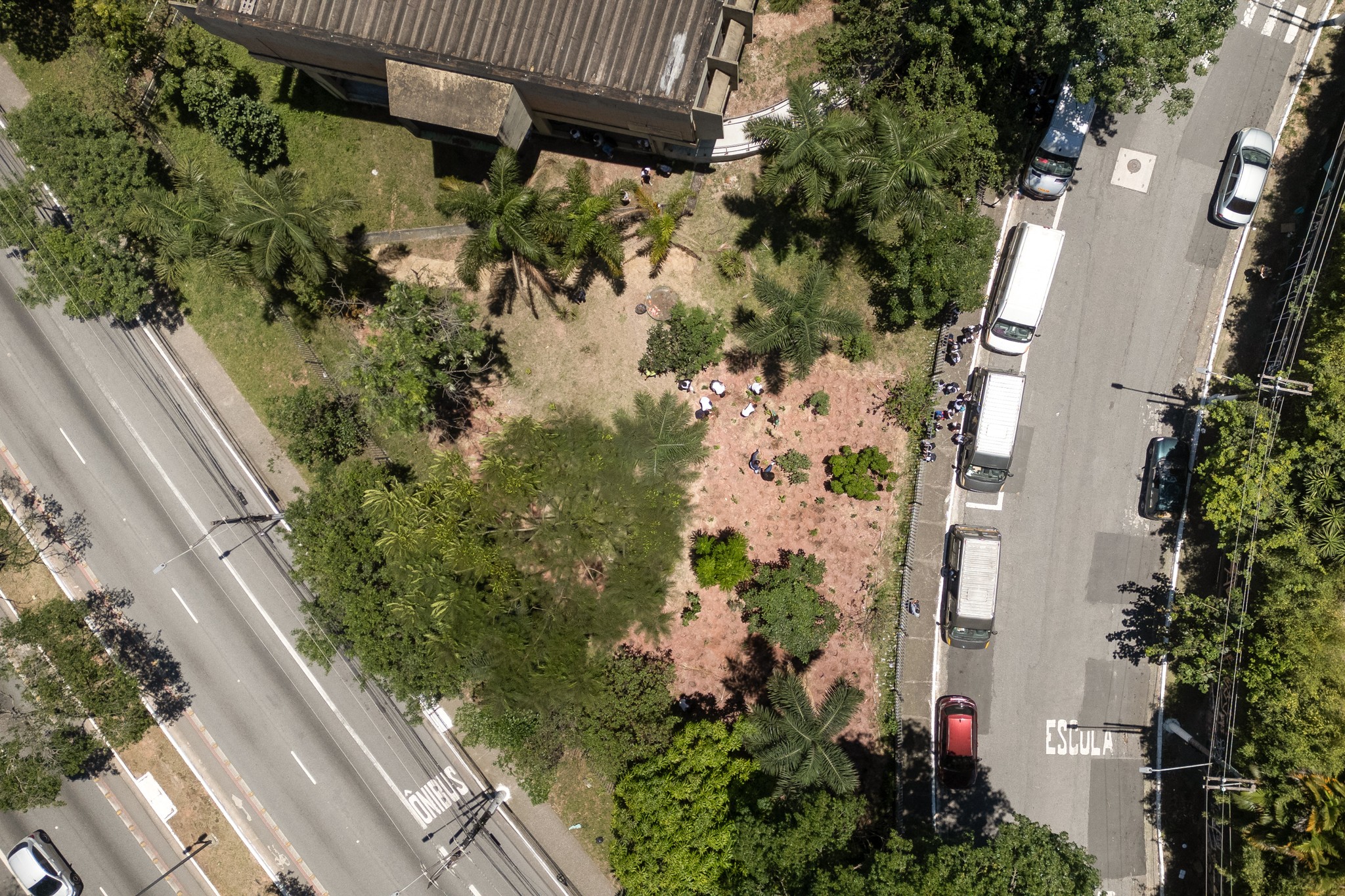
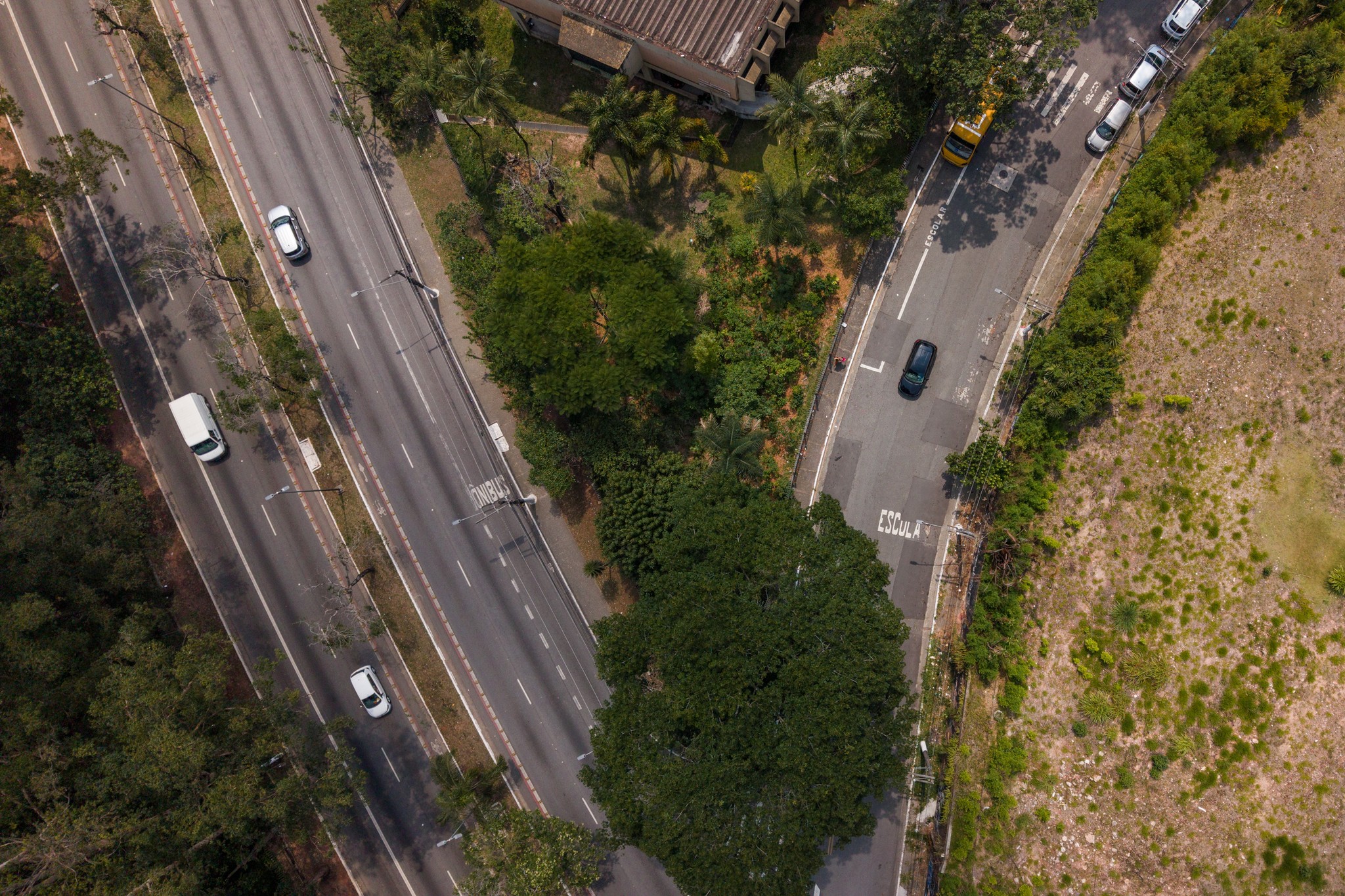
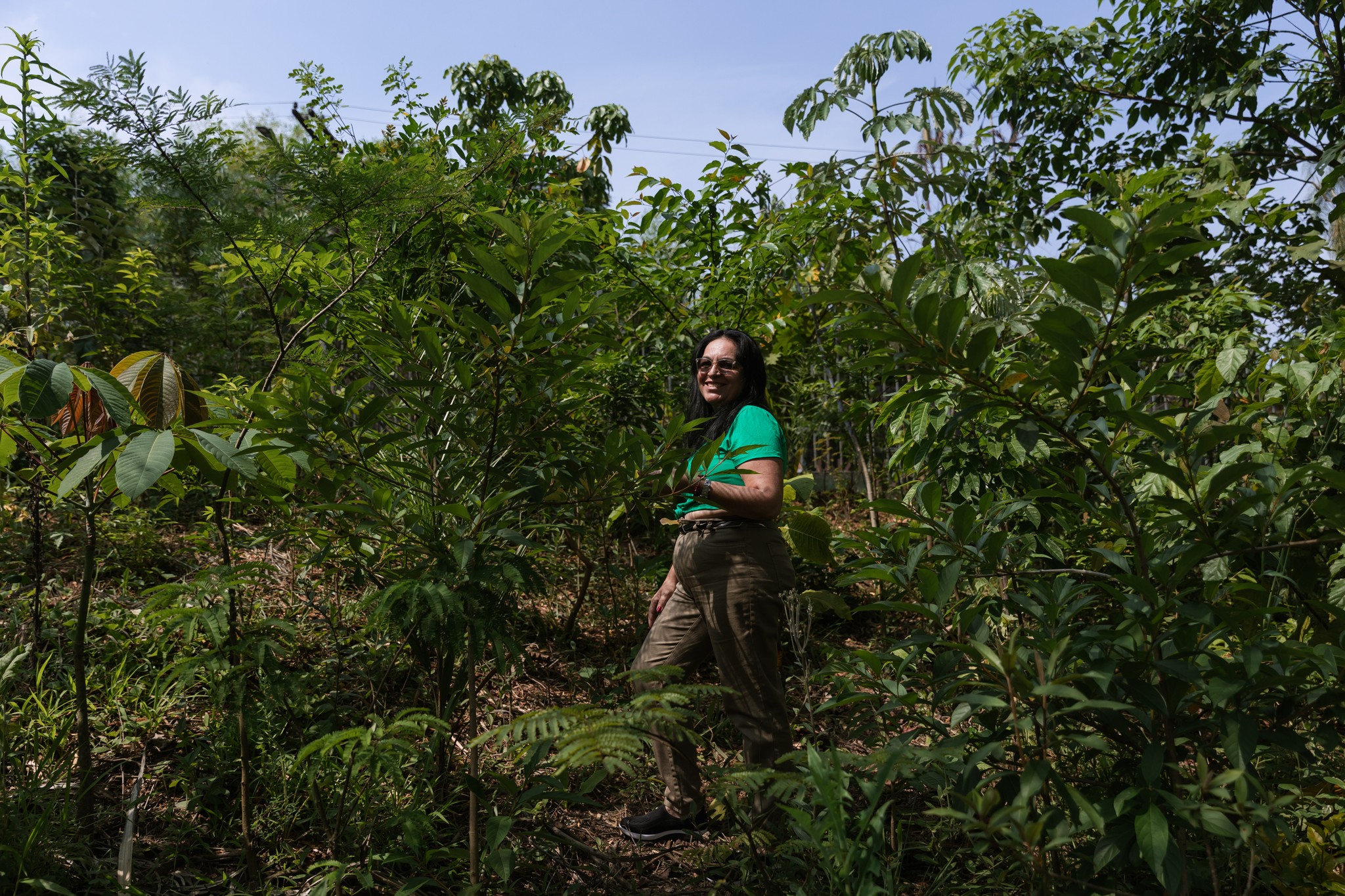
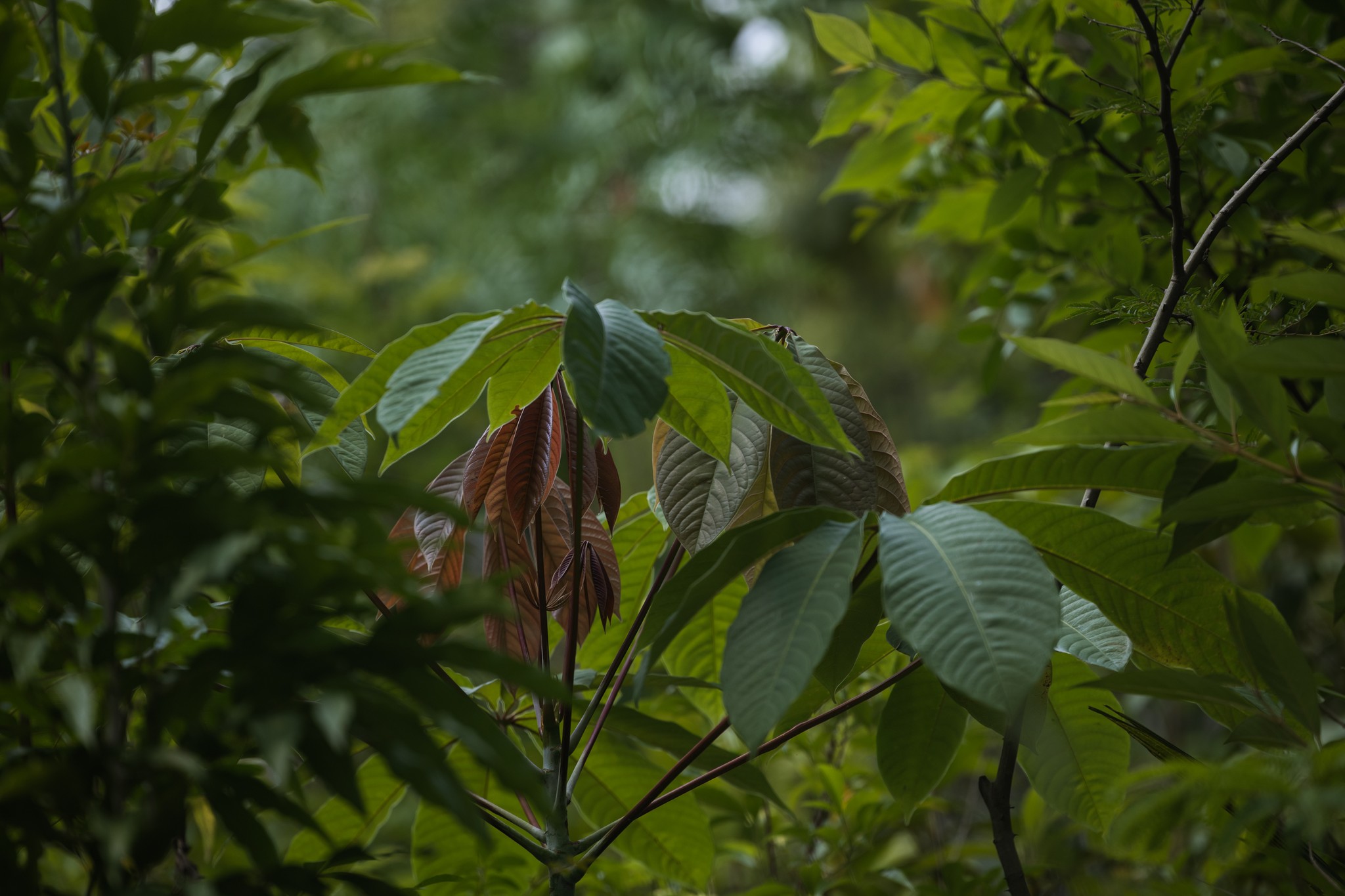
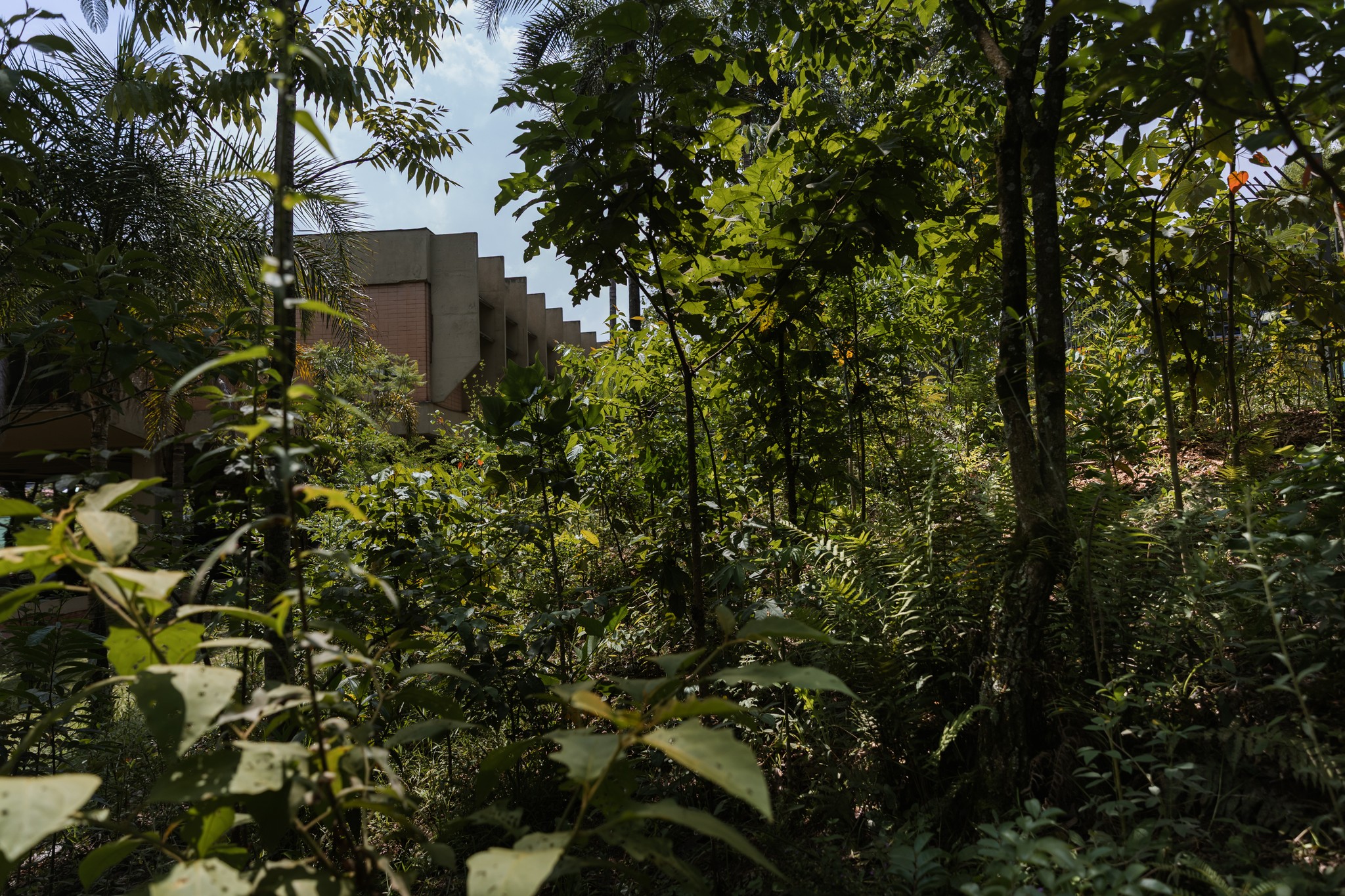
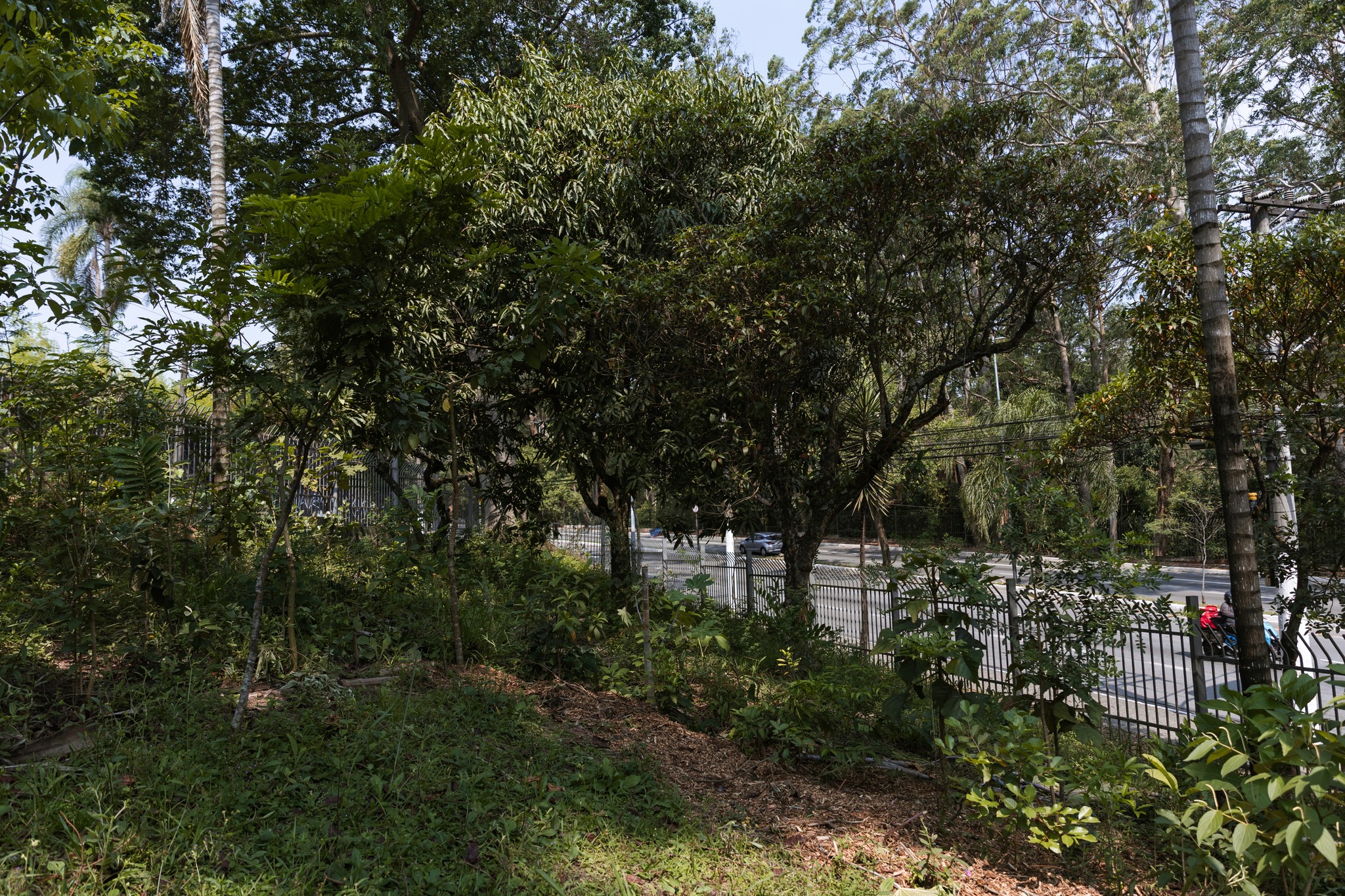
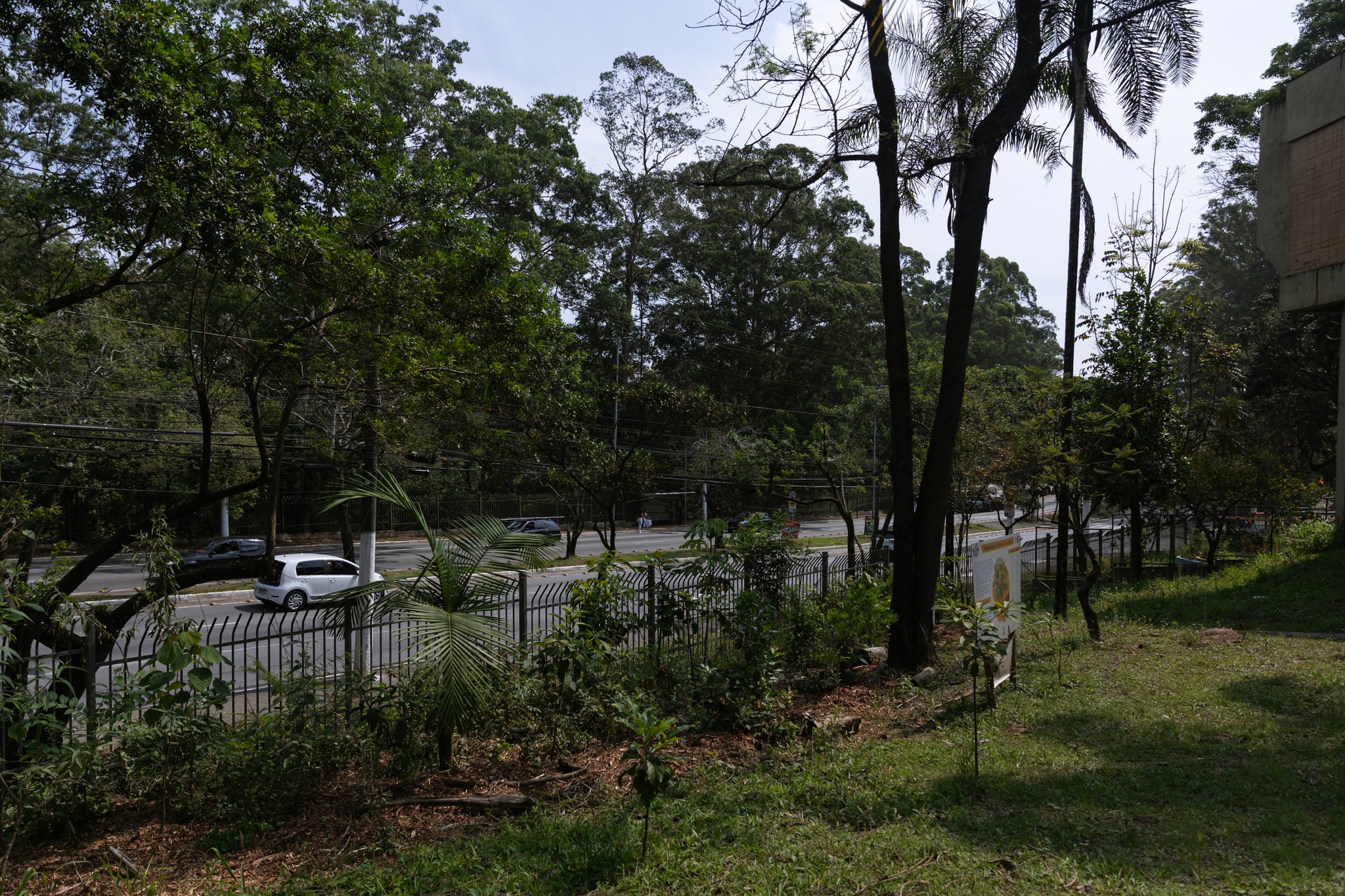
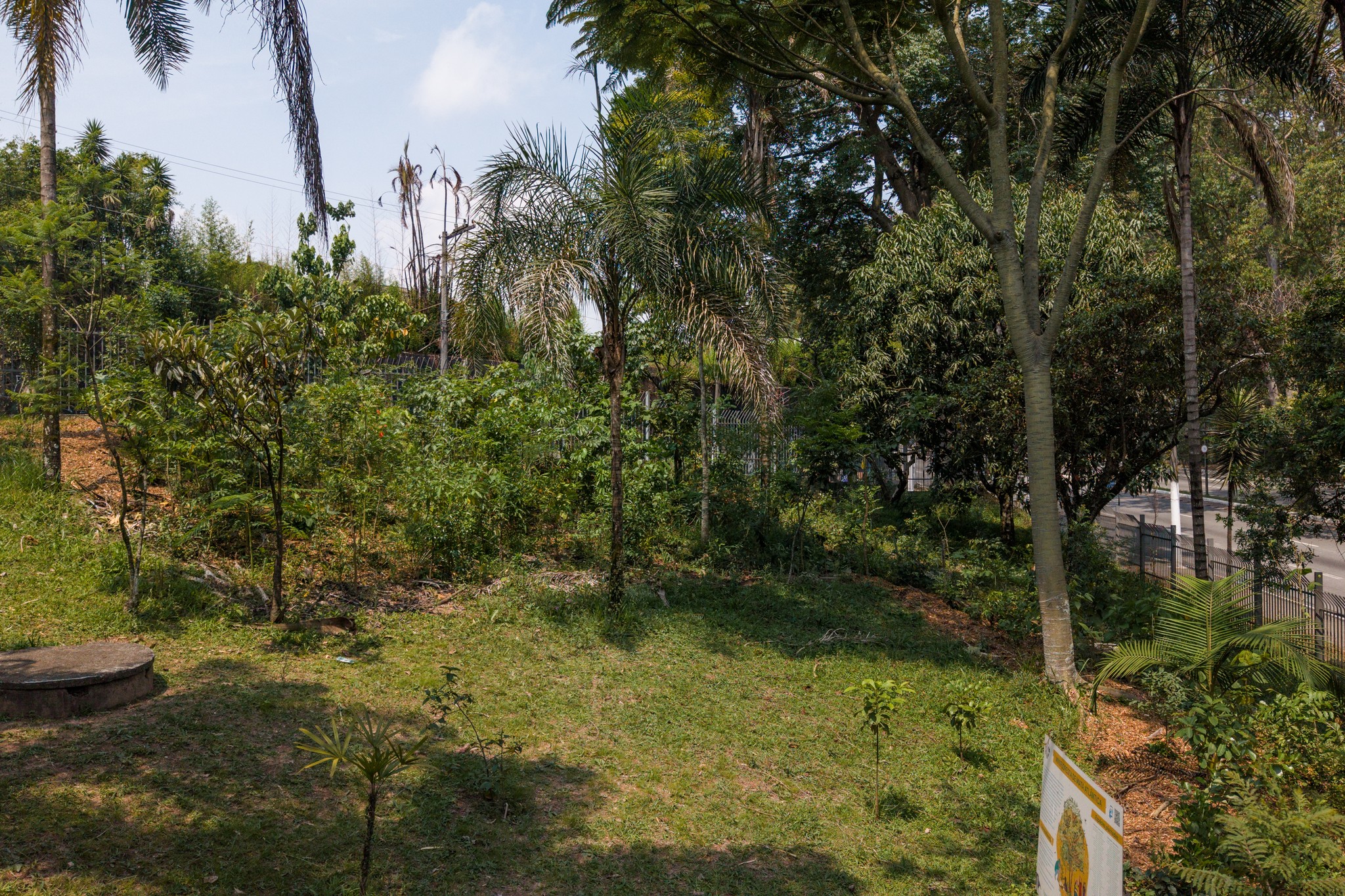
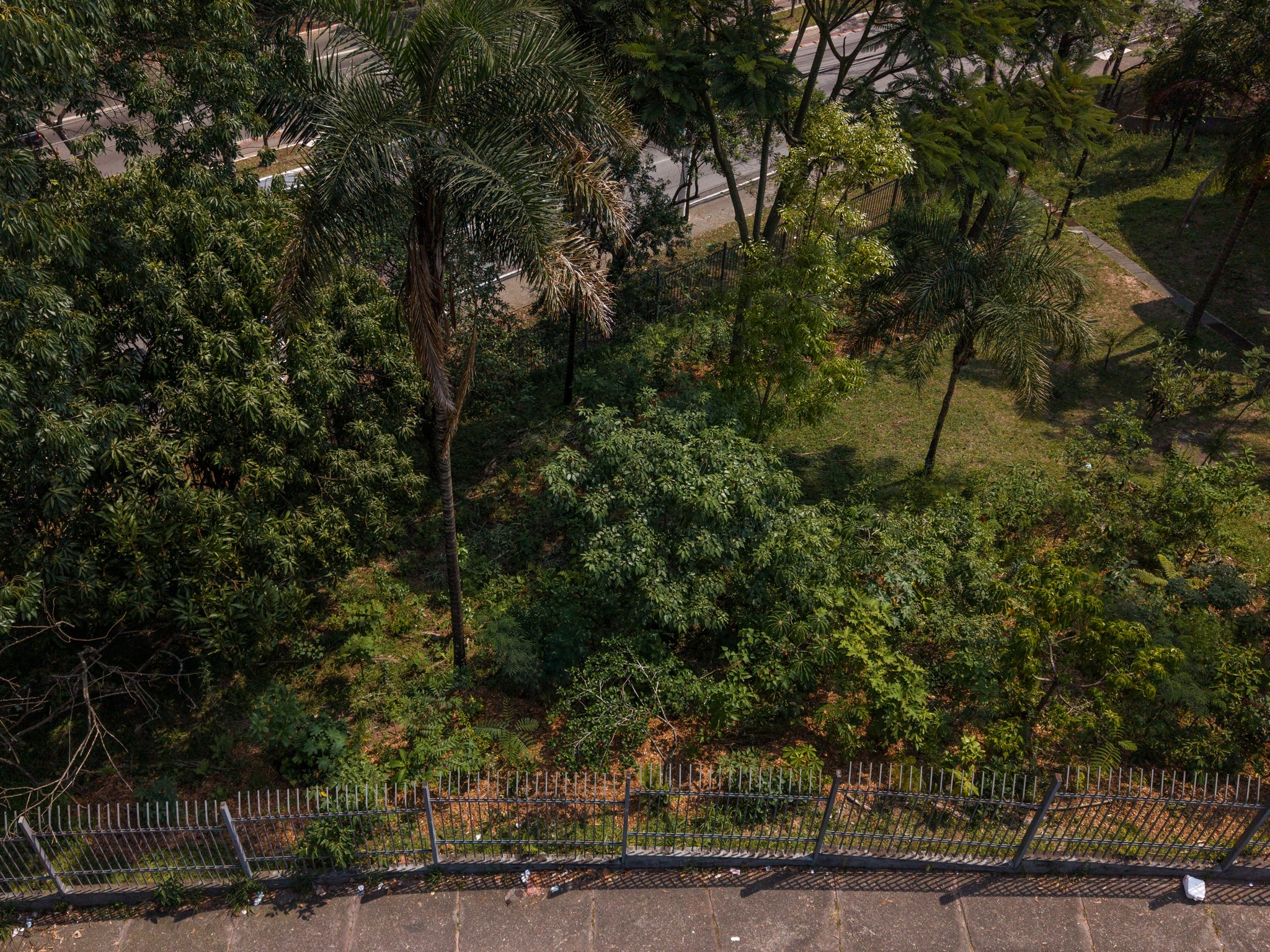
“This project brings back knowledge about the native Atlantic Forest, its microclimate, soil life, fruits, and species of flora and fauna and connects this community intervention with global socio-environmental issues such as ecological restoration and climate change.”
- Team formigas-de-embaúba
Planting: 2024
EE Alexandre Von Humboldt
EE Maria Prestes Maia
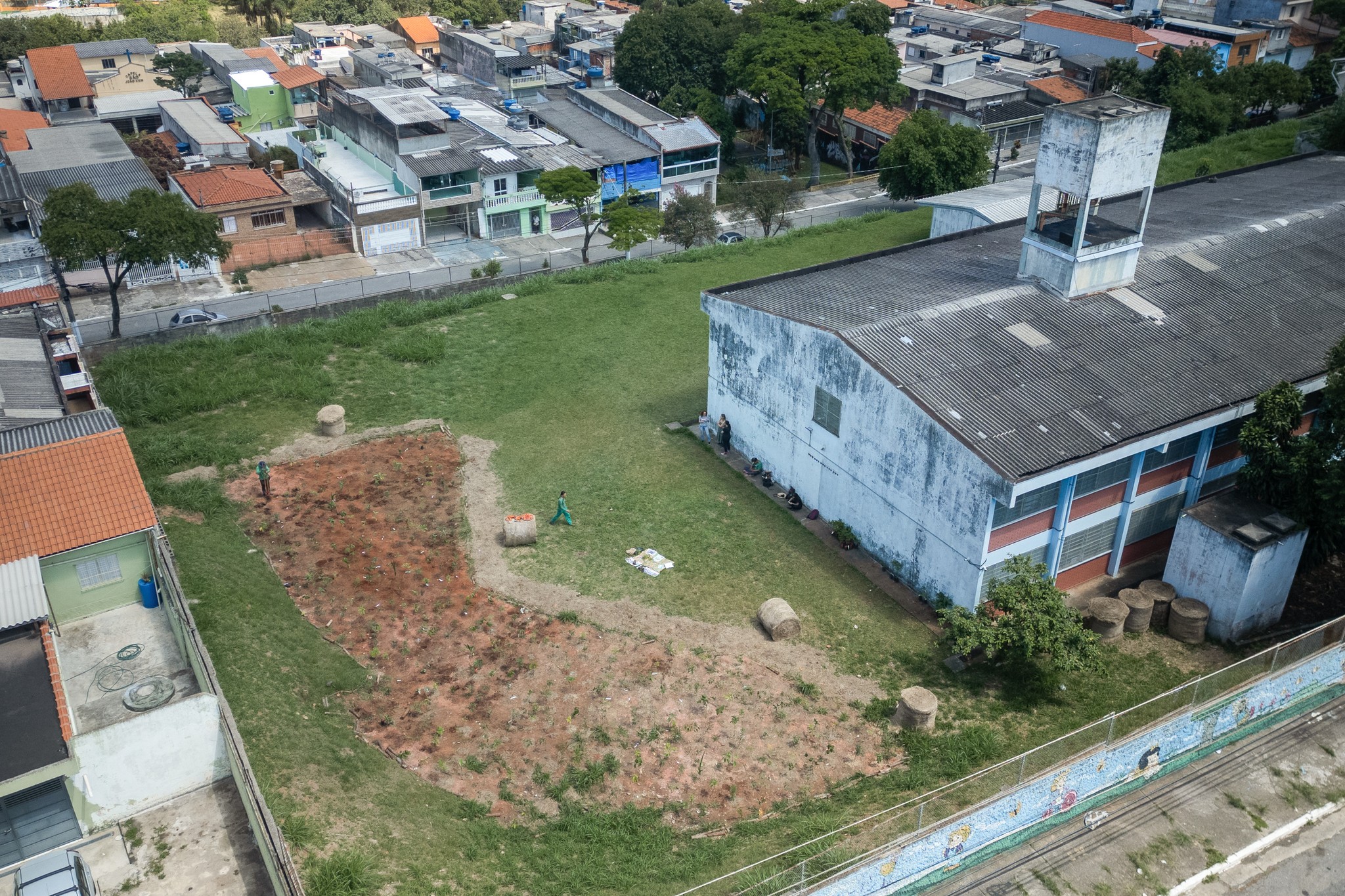
EE Professor Joao Dias Da Silveira
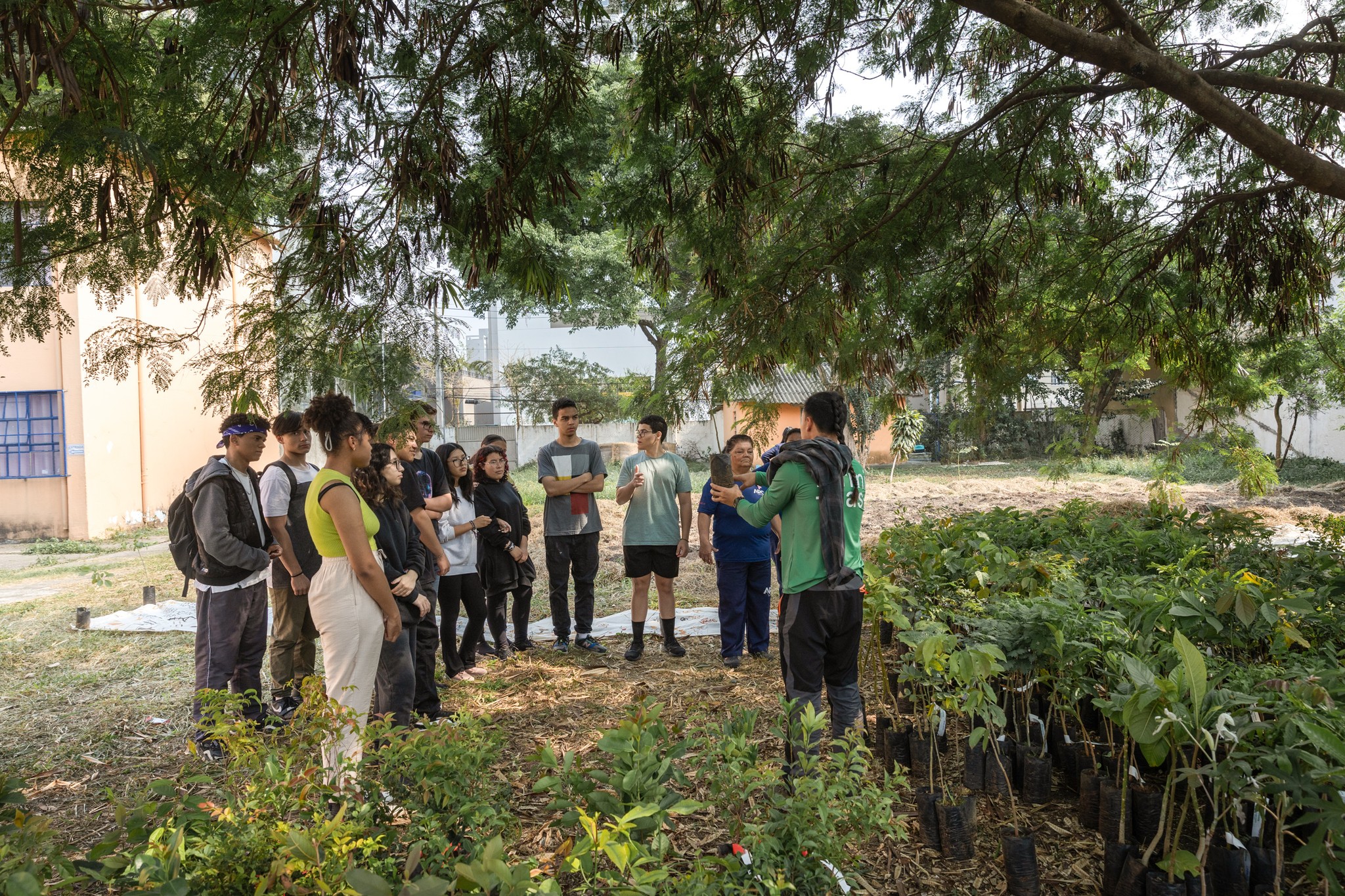
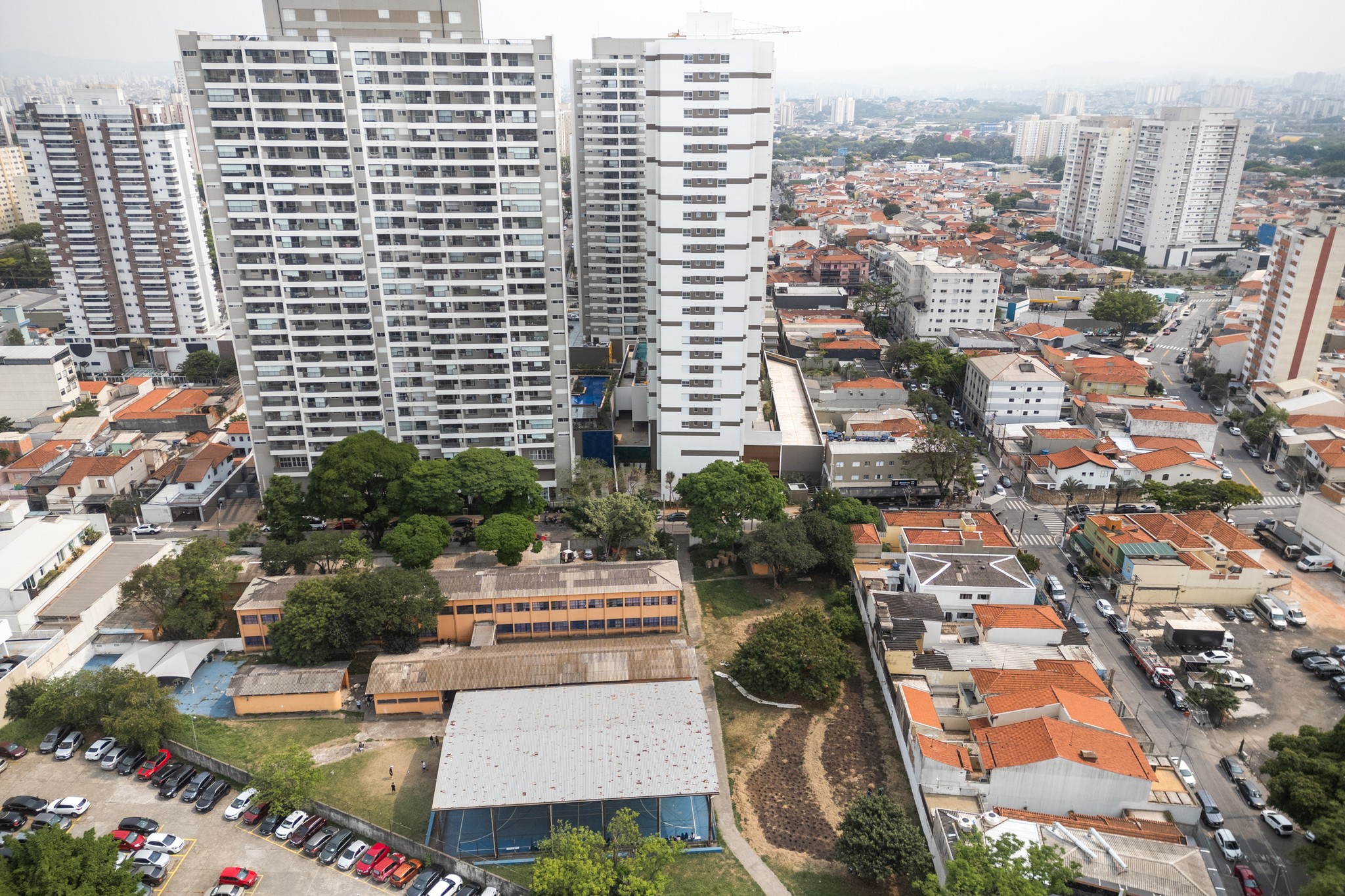
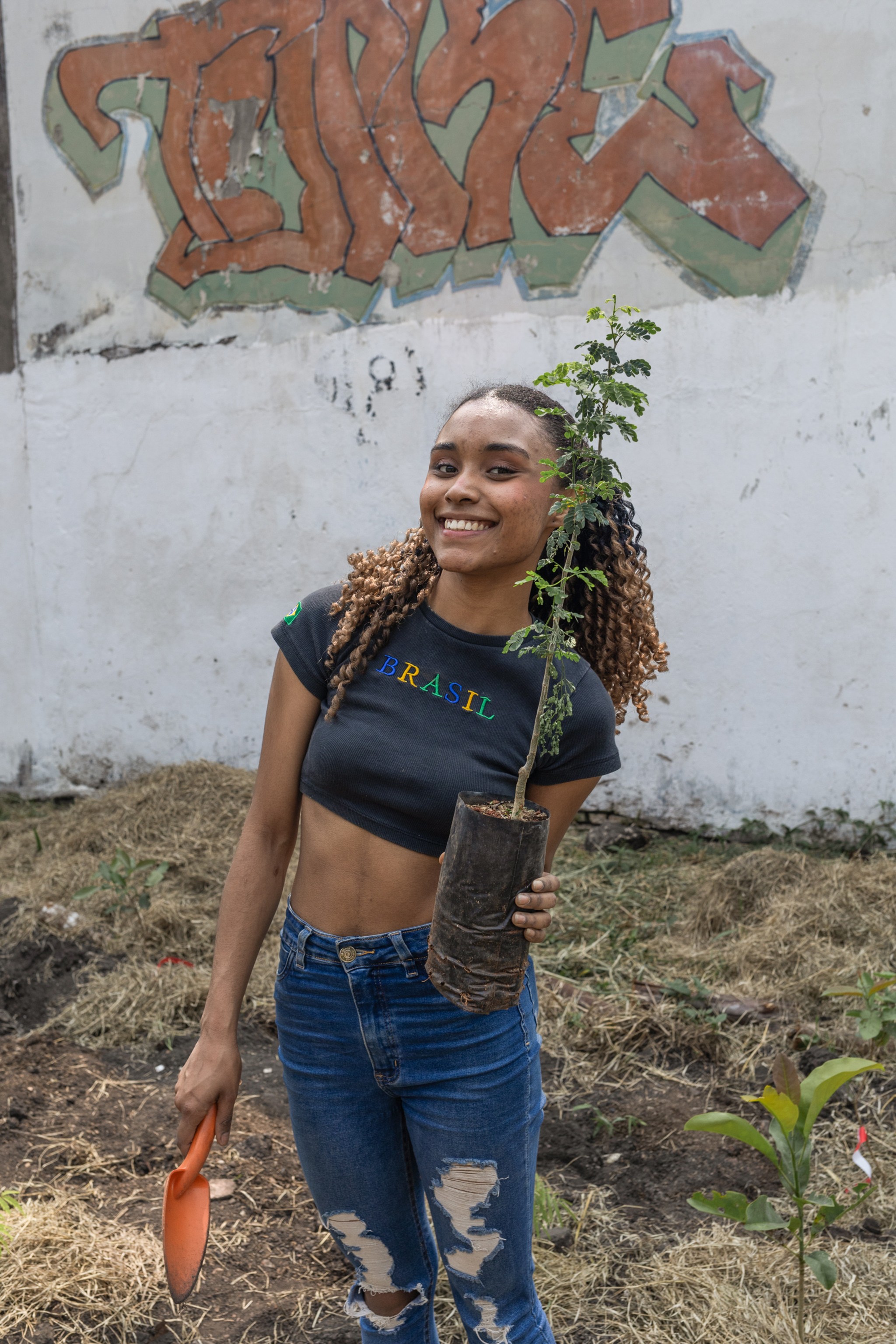
EMEF Jardim das Laranjeiras
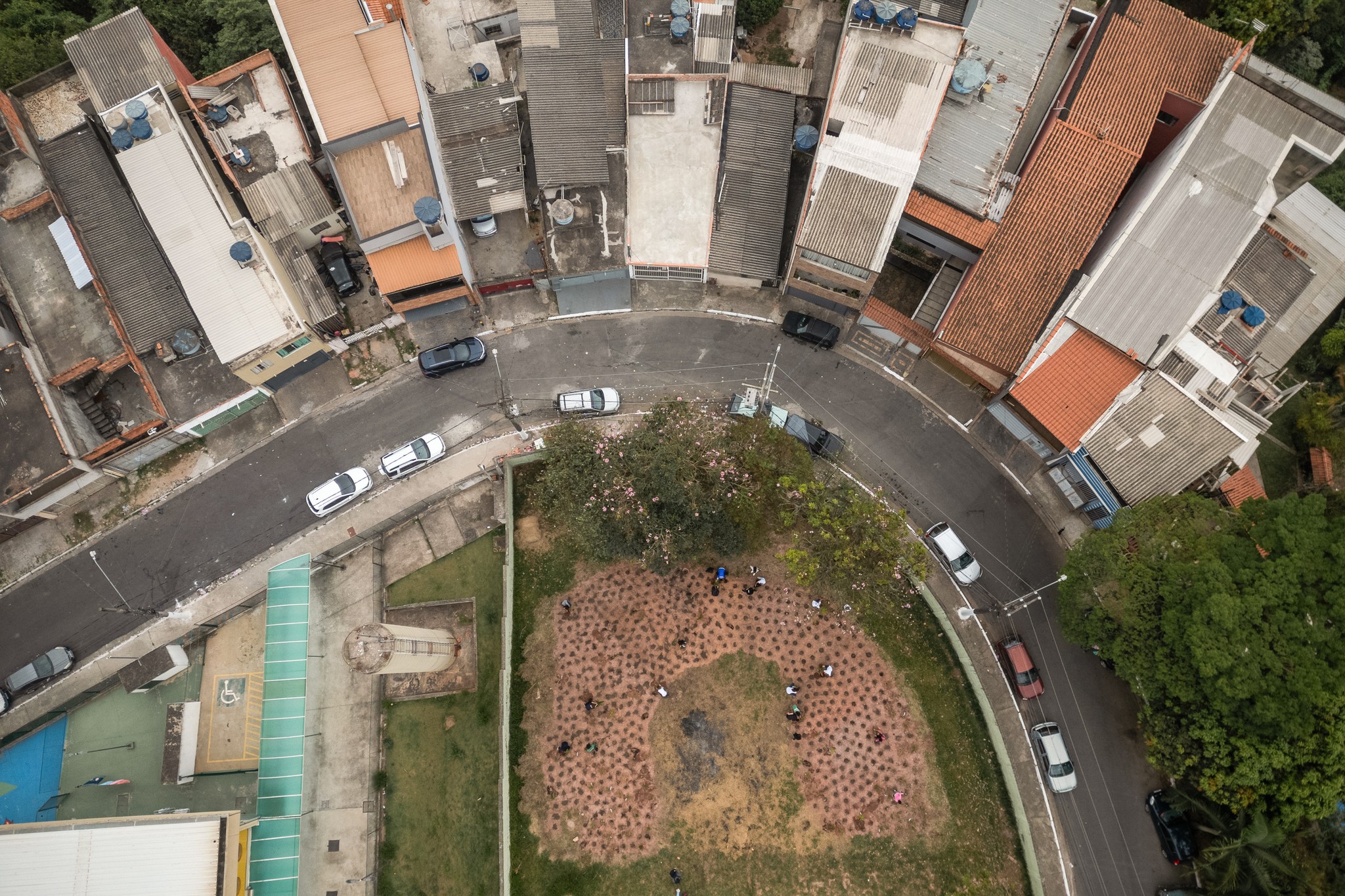
EMEF Professor Aurélio Arrobas Martins
Other Forests Nearby
Salas de Aula Mata Atlântica II
Reconnecting schoolchildren to Brazil’s native Atlantic Forest.
School Forest Gardens
Nourishing communities with three Food Forests.
Salas de Aula Mata Atlântica I
Reconnecting schoolchildren to Brazil’s native Atlantic Forest.
