Langalibalele Forest
Cultivating a green oasis for community wellness and education.

0
Trees
0
Square Meters
0
Native Species
0
Youth Impacted
Self sustaining pocket forest
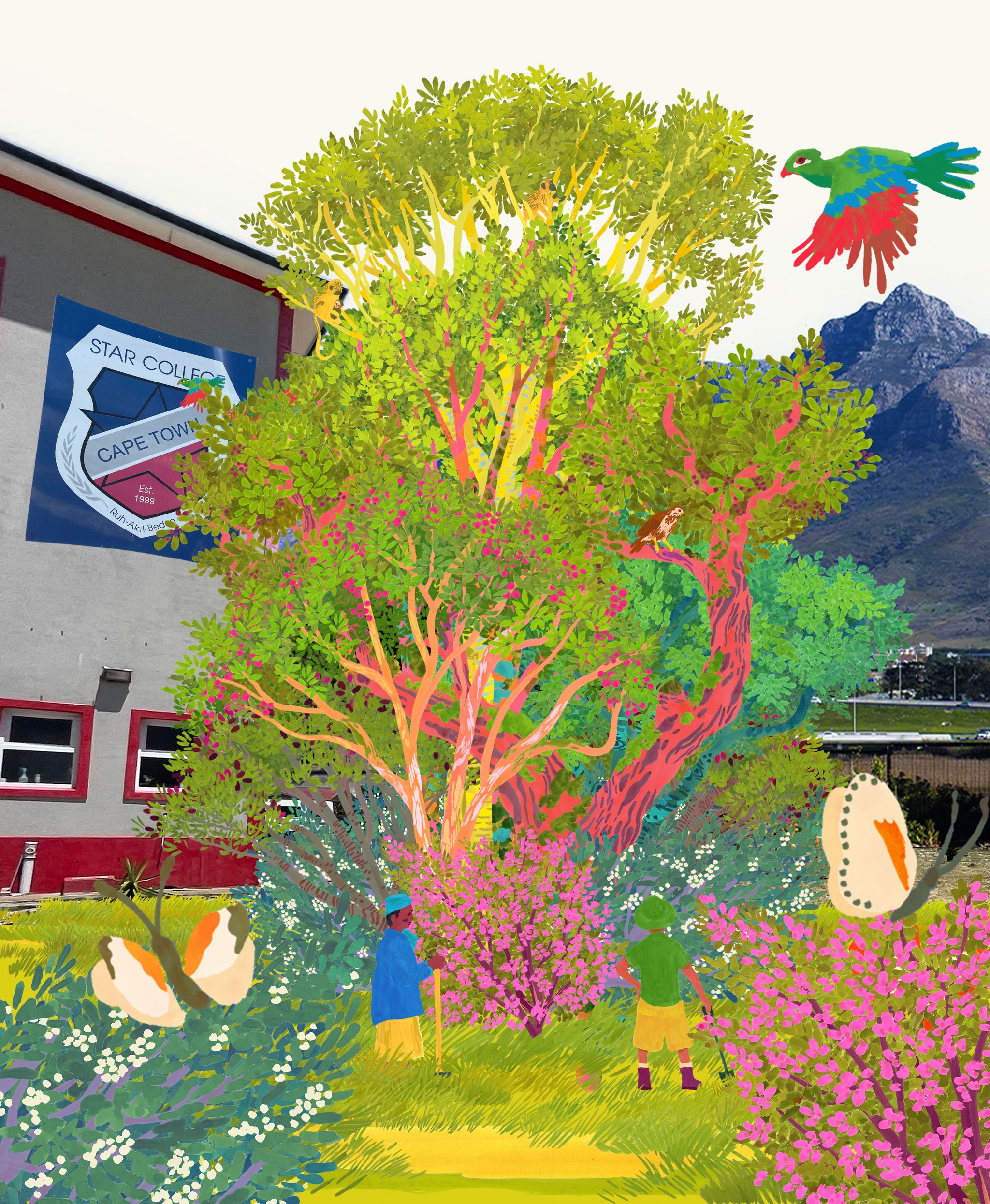
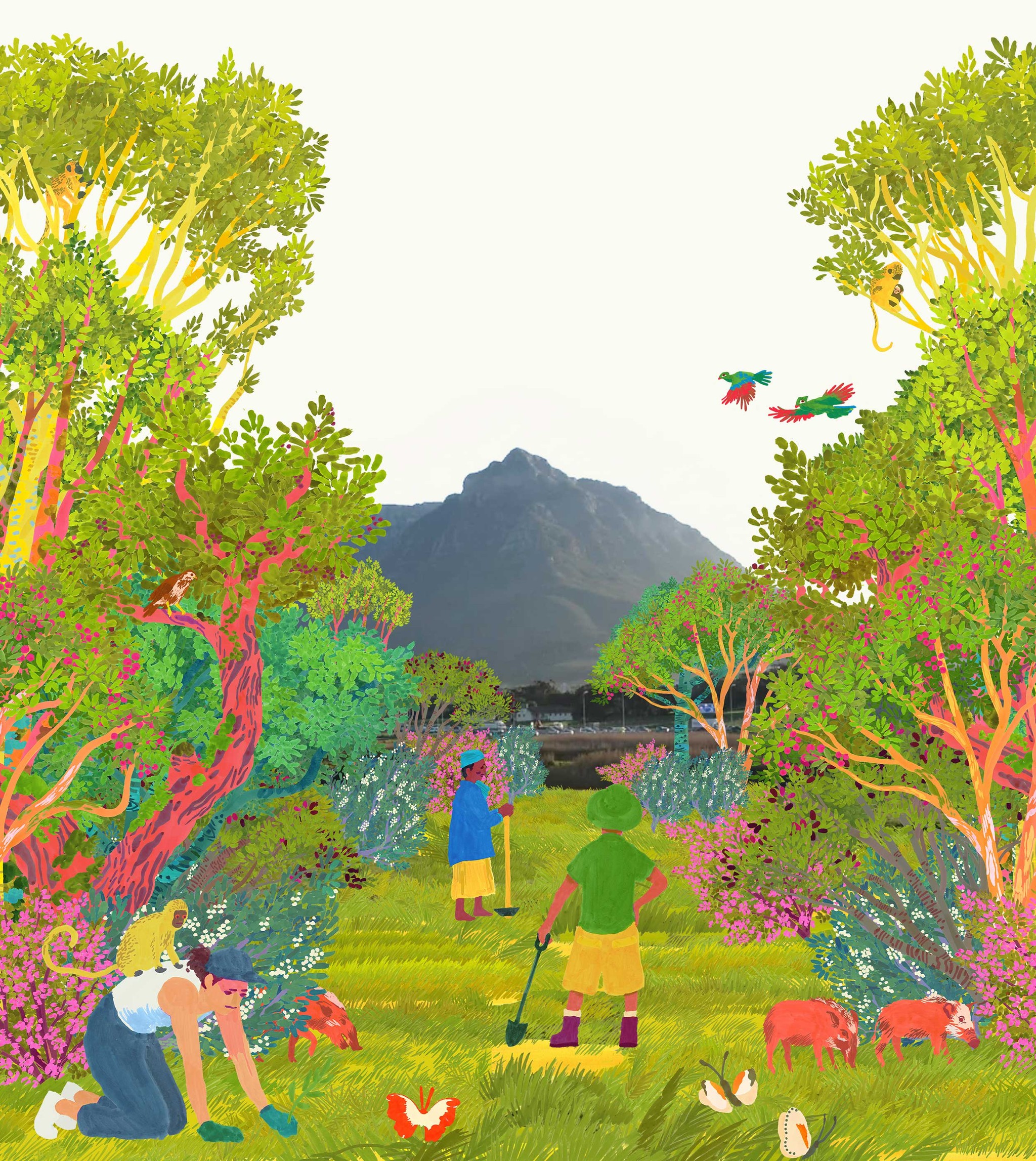
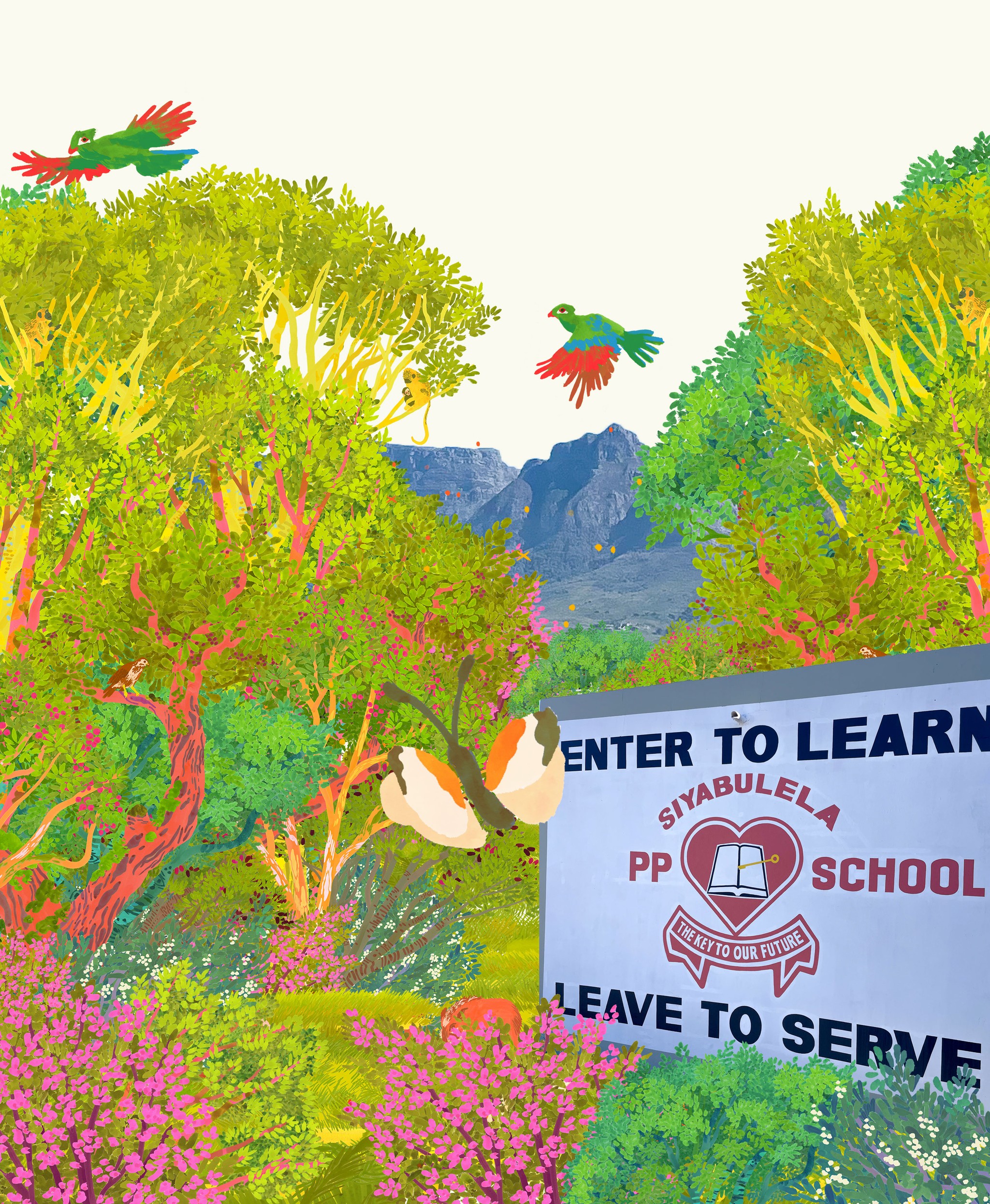
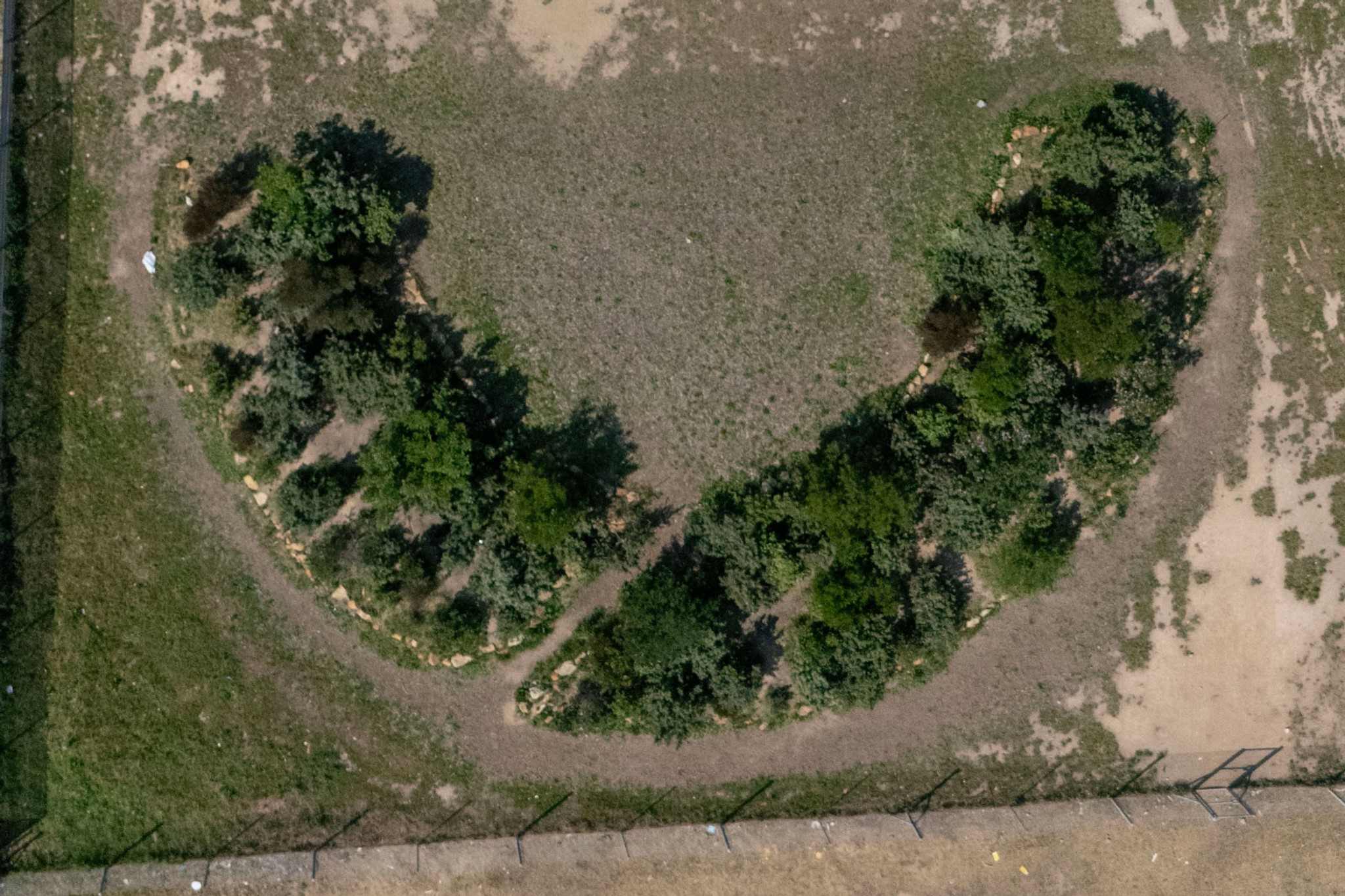
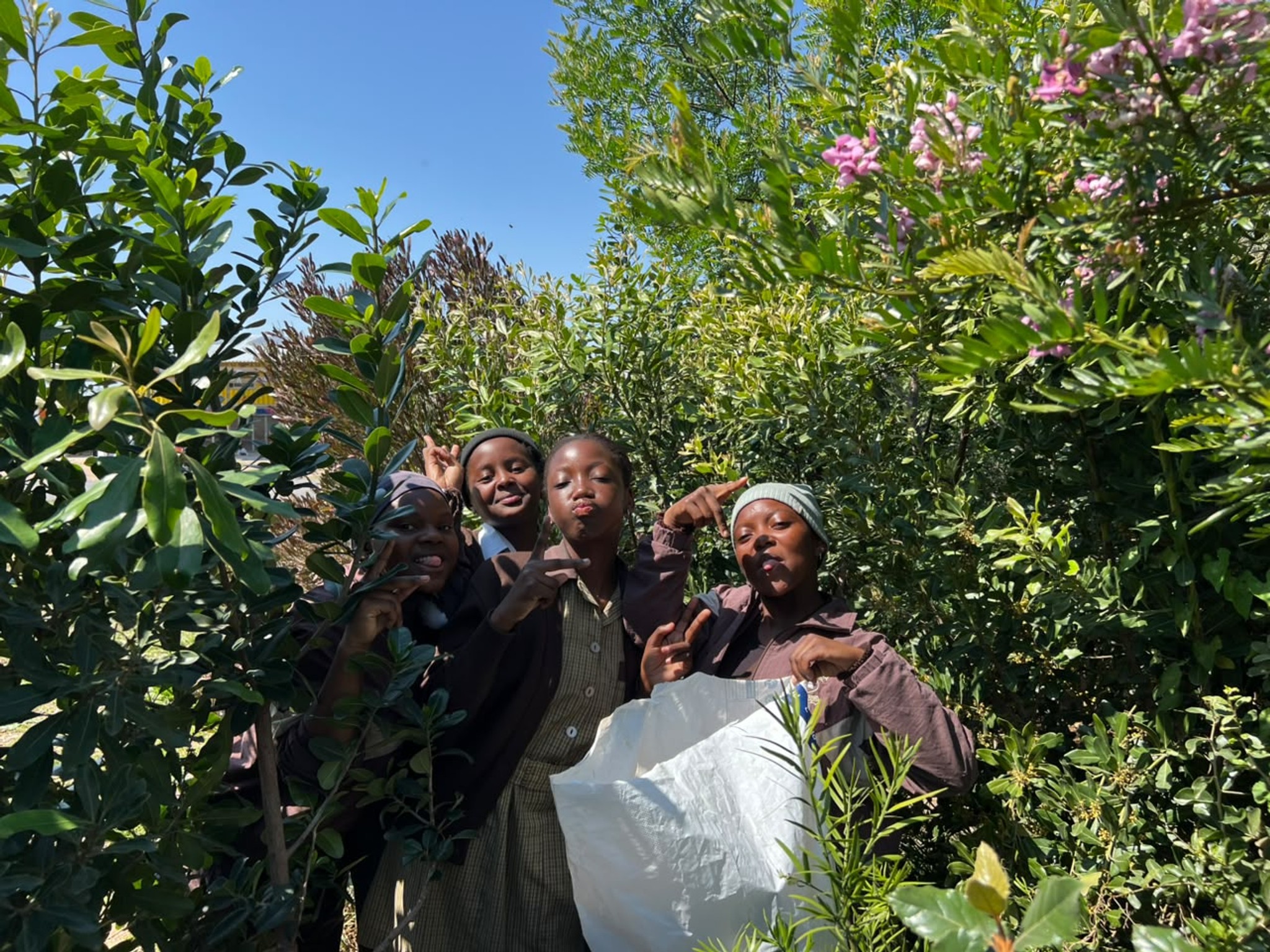
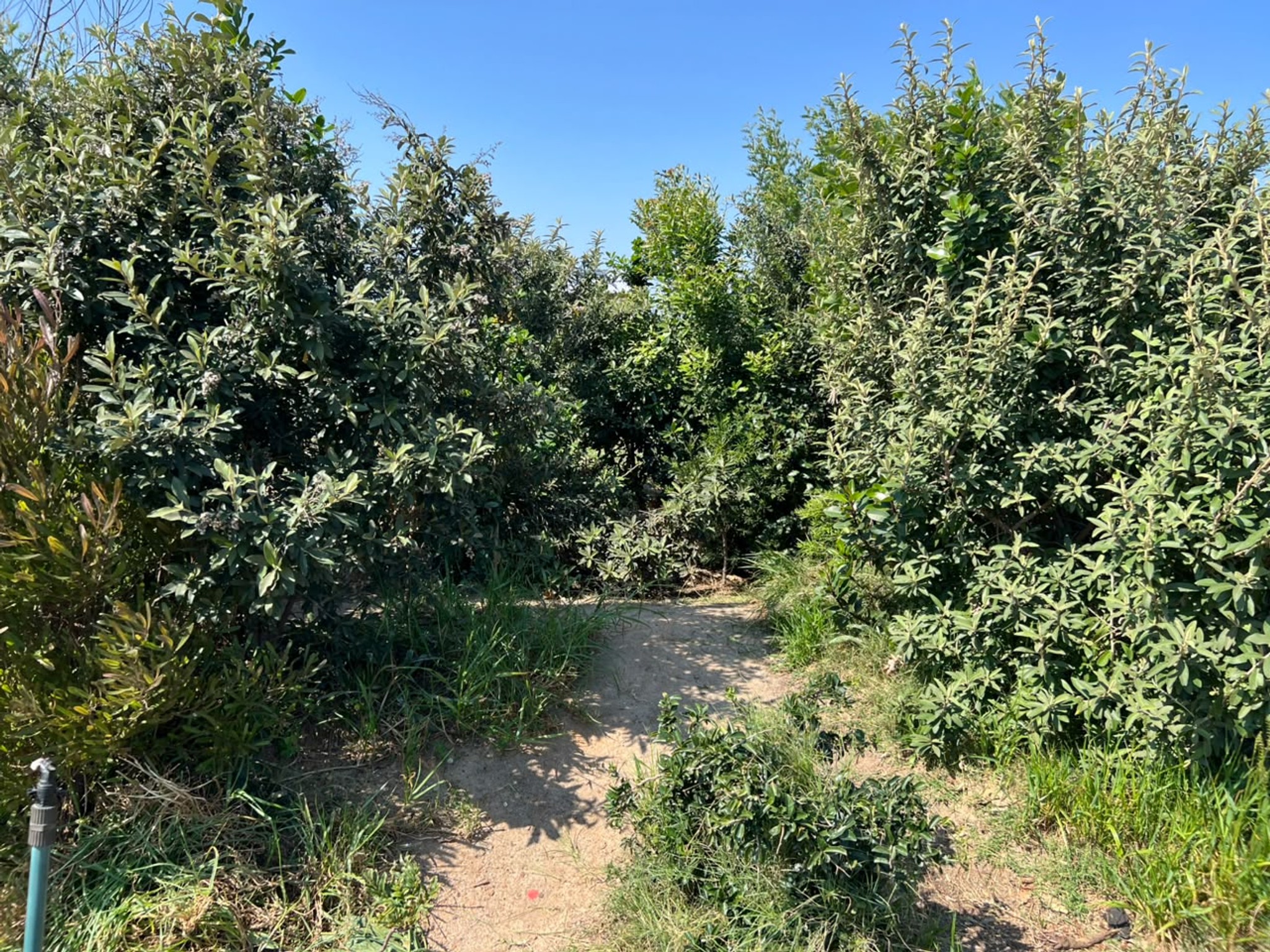
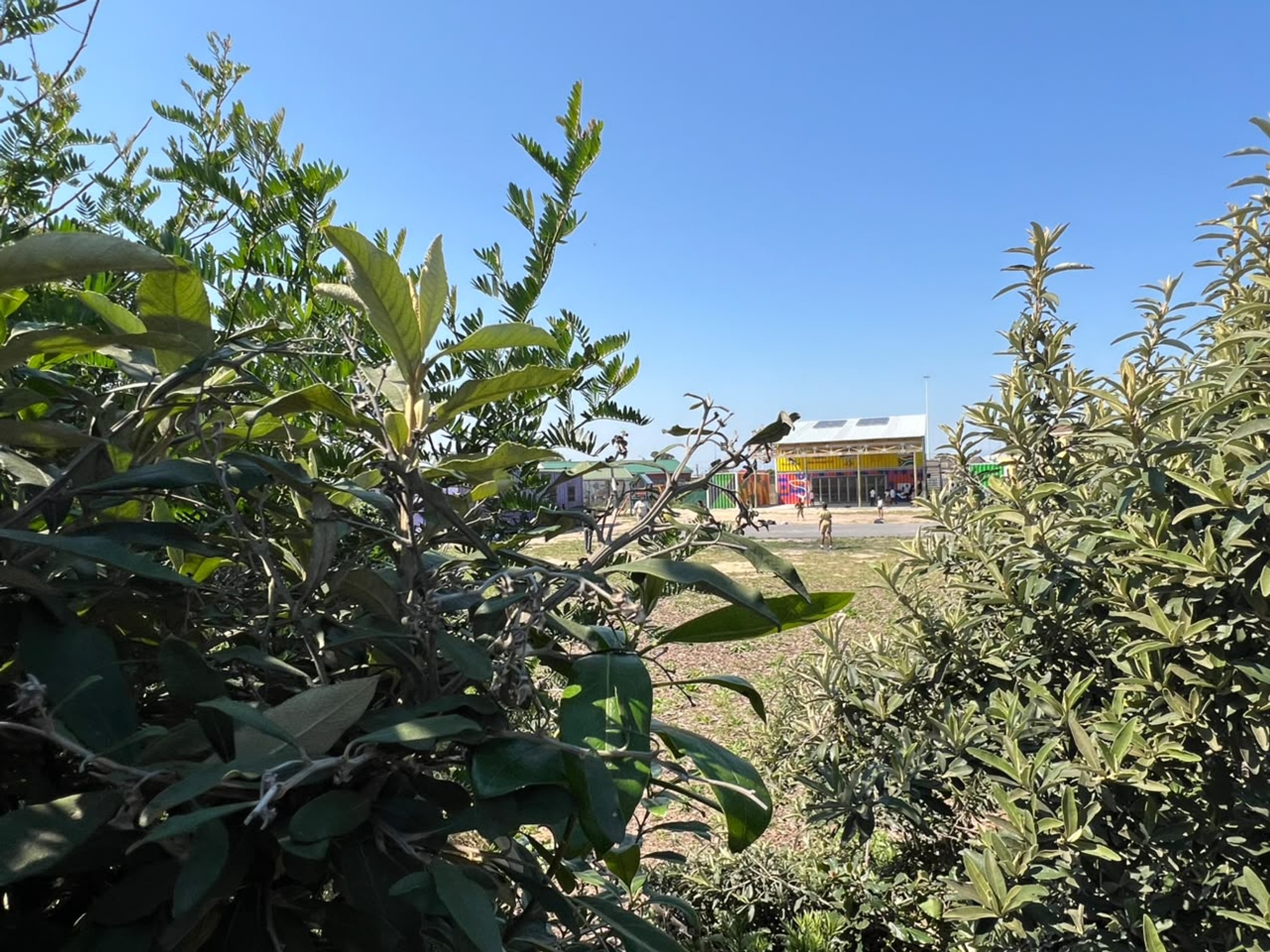
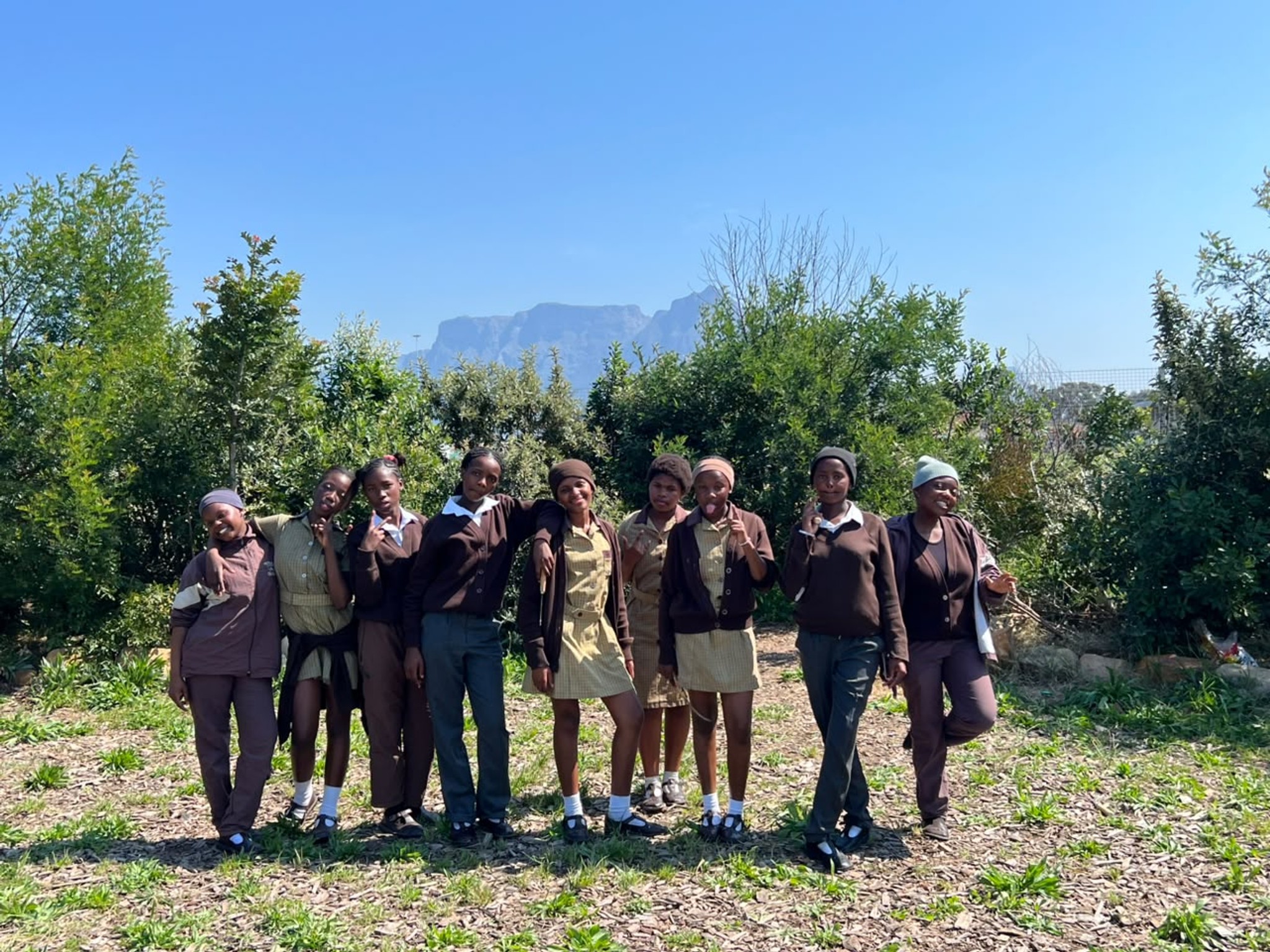
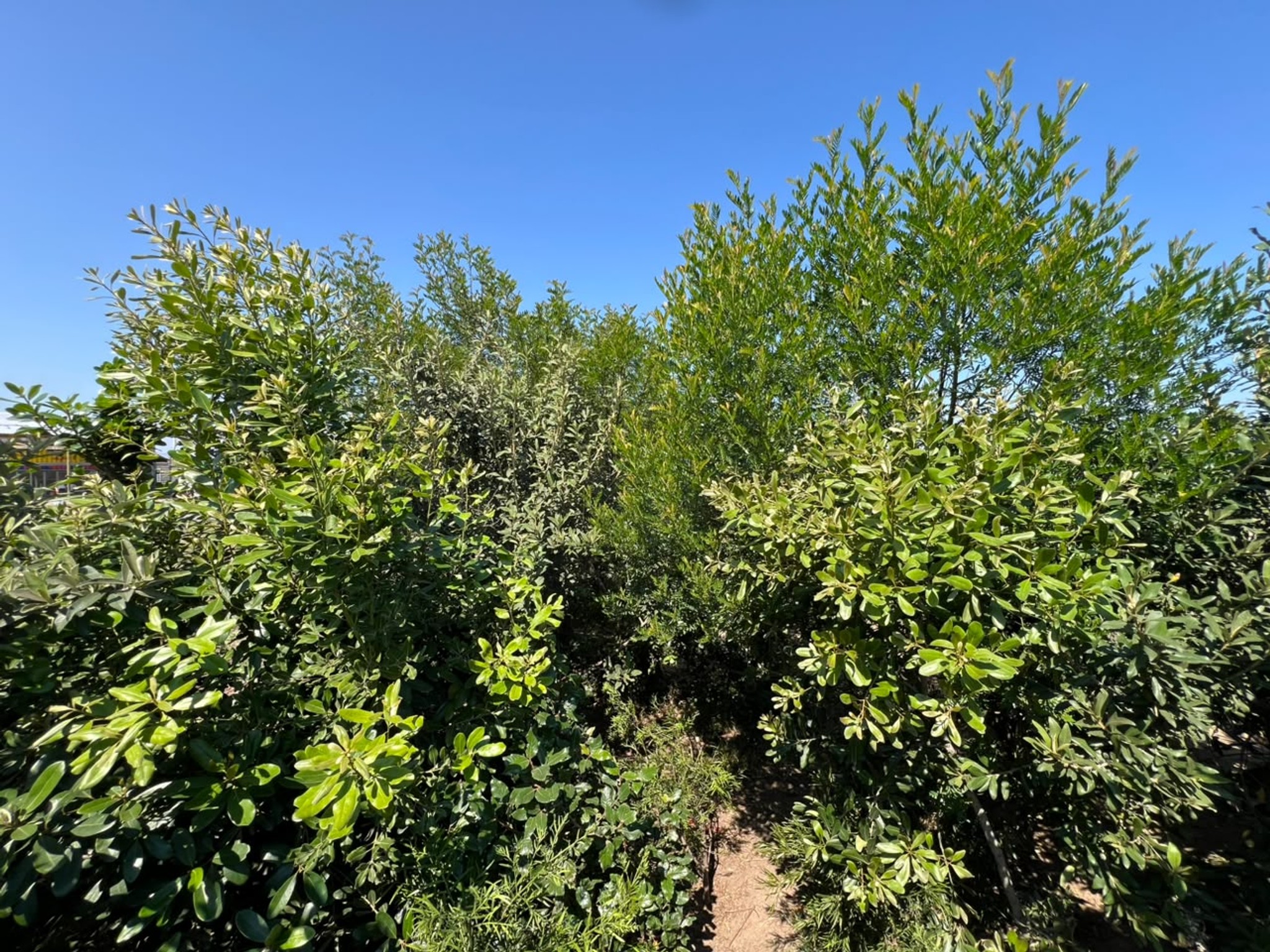
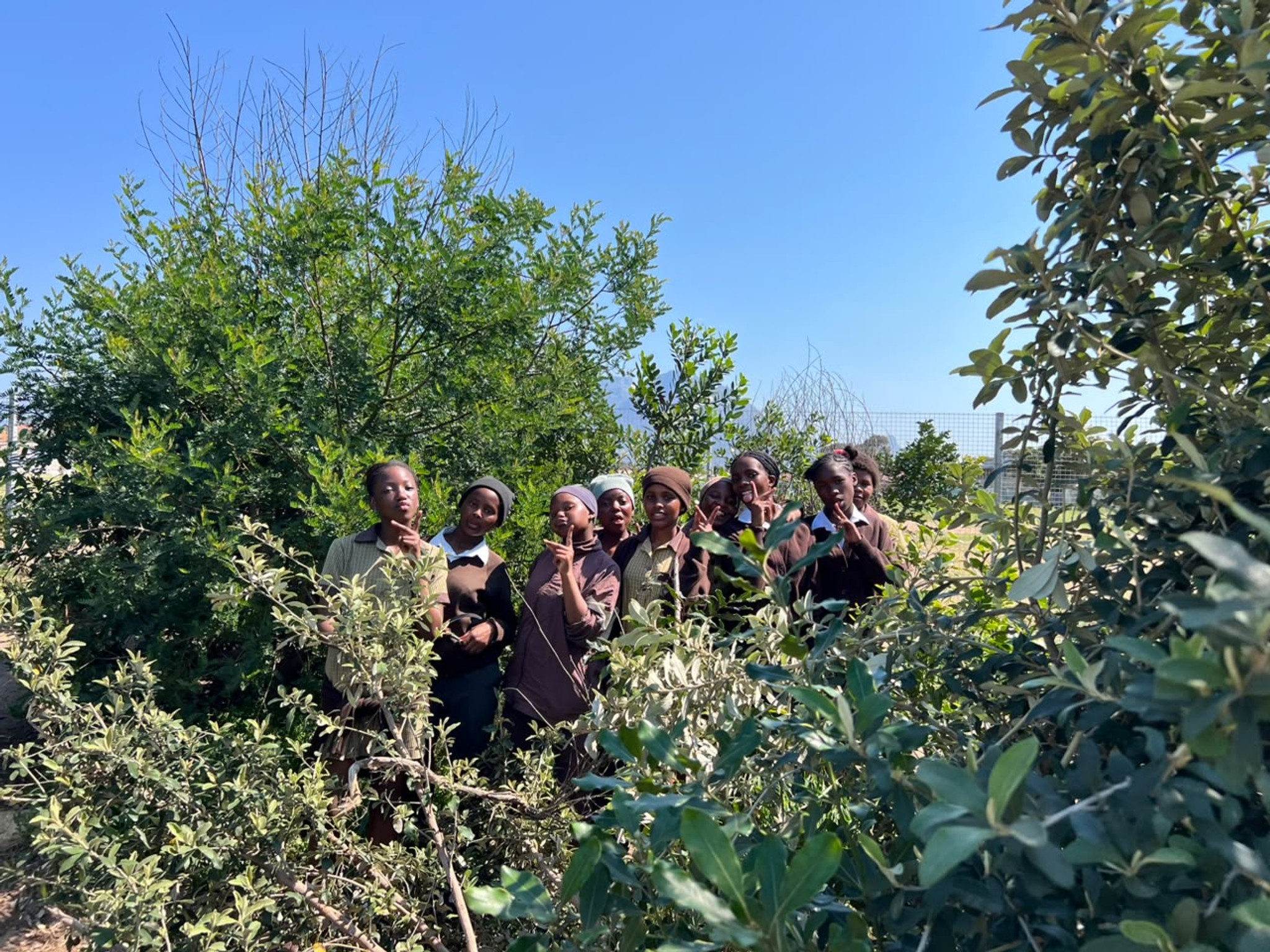
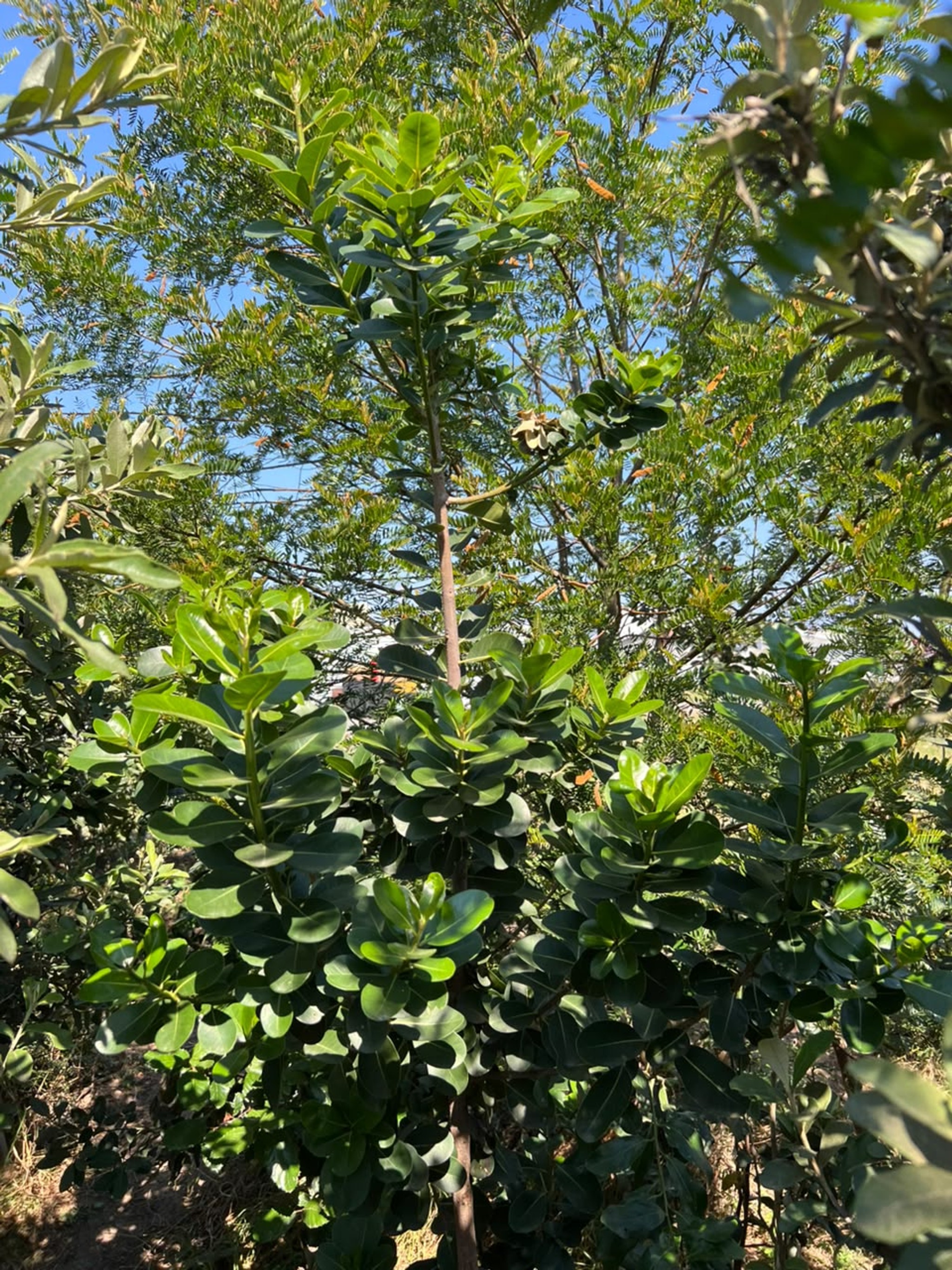
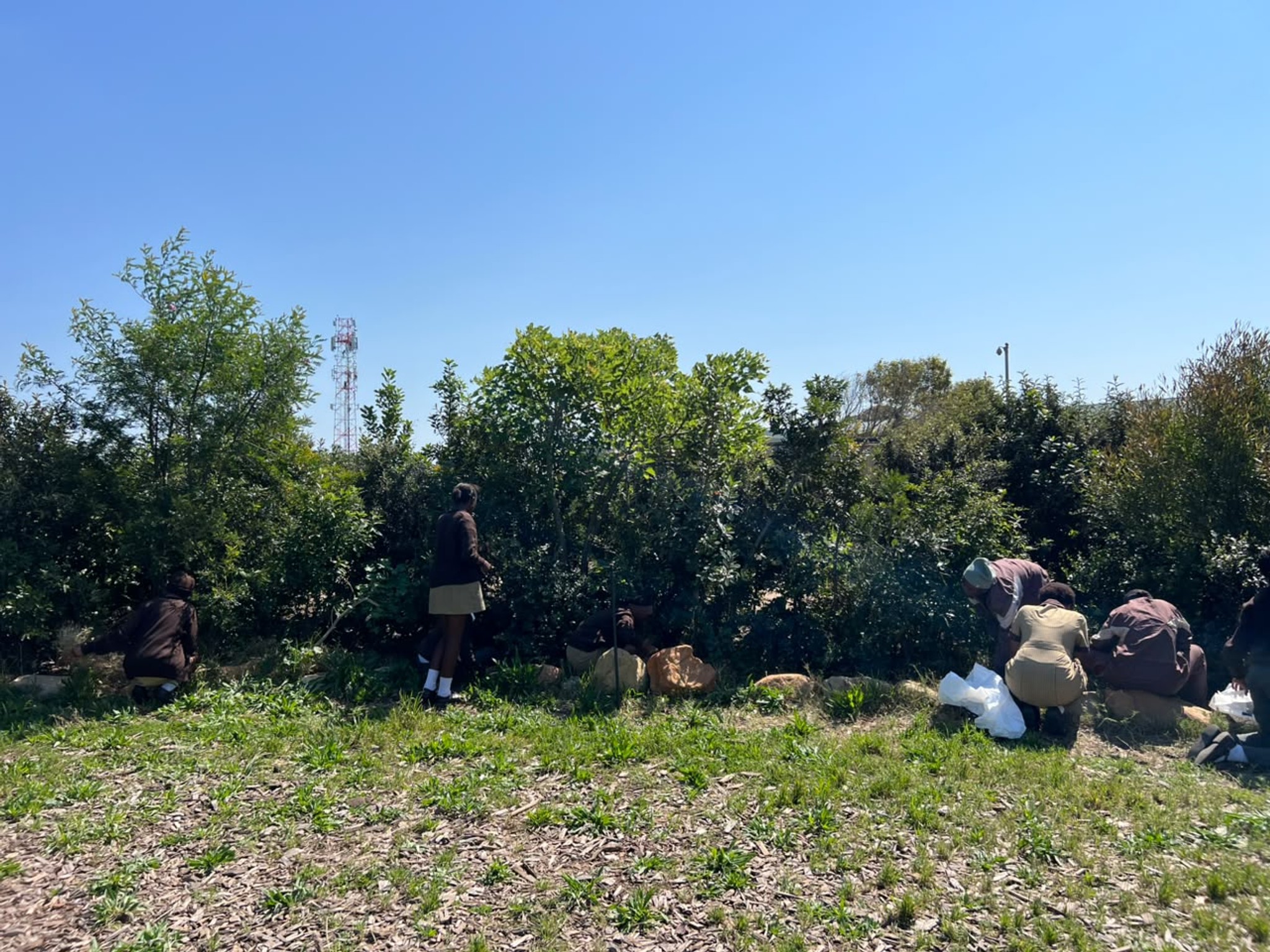
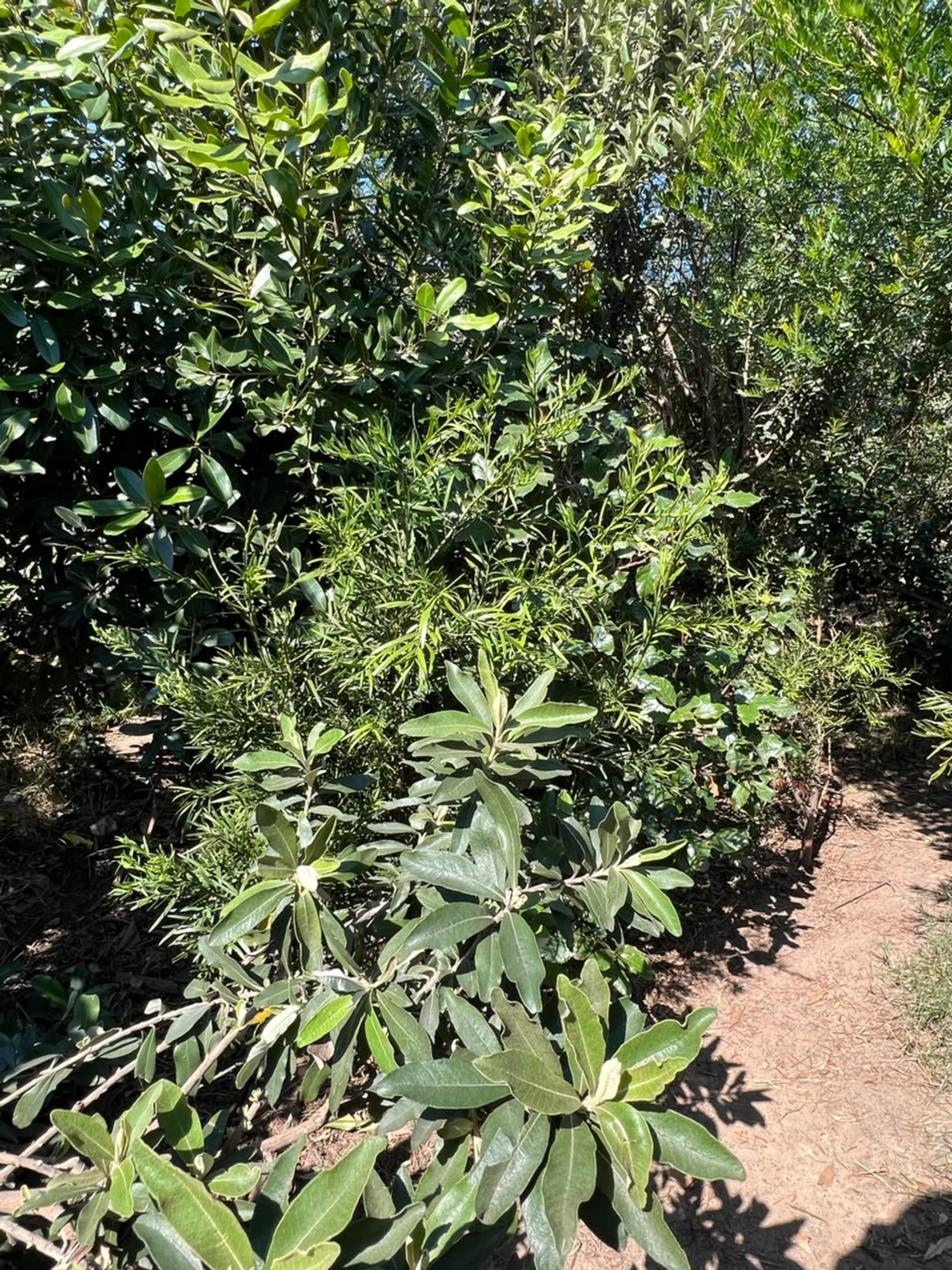
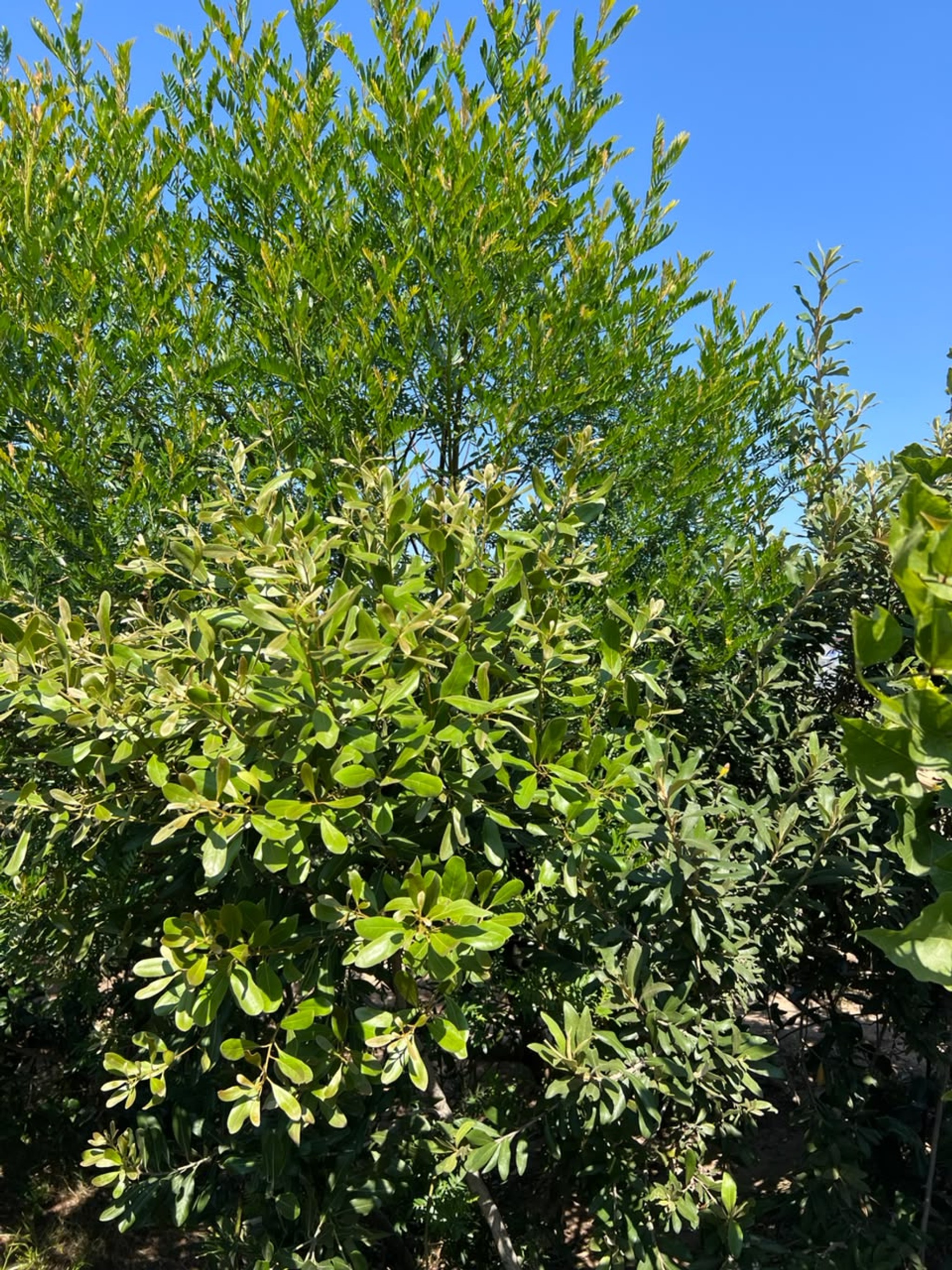
Planted in March 2024 on the shared sports field of Siyabulela Primary and Langa High School, Langalibalele Forest is entering its third spring, and its canopy is beginning to gently close. What was once an open field is now a place children seek out. Natural pathways, worn in by the school children, wind through the forest, and it is visited regularly during break times and physical education lessons.
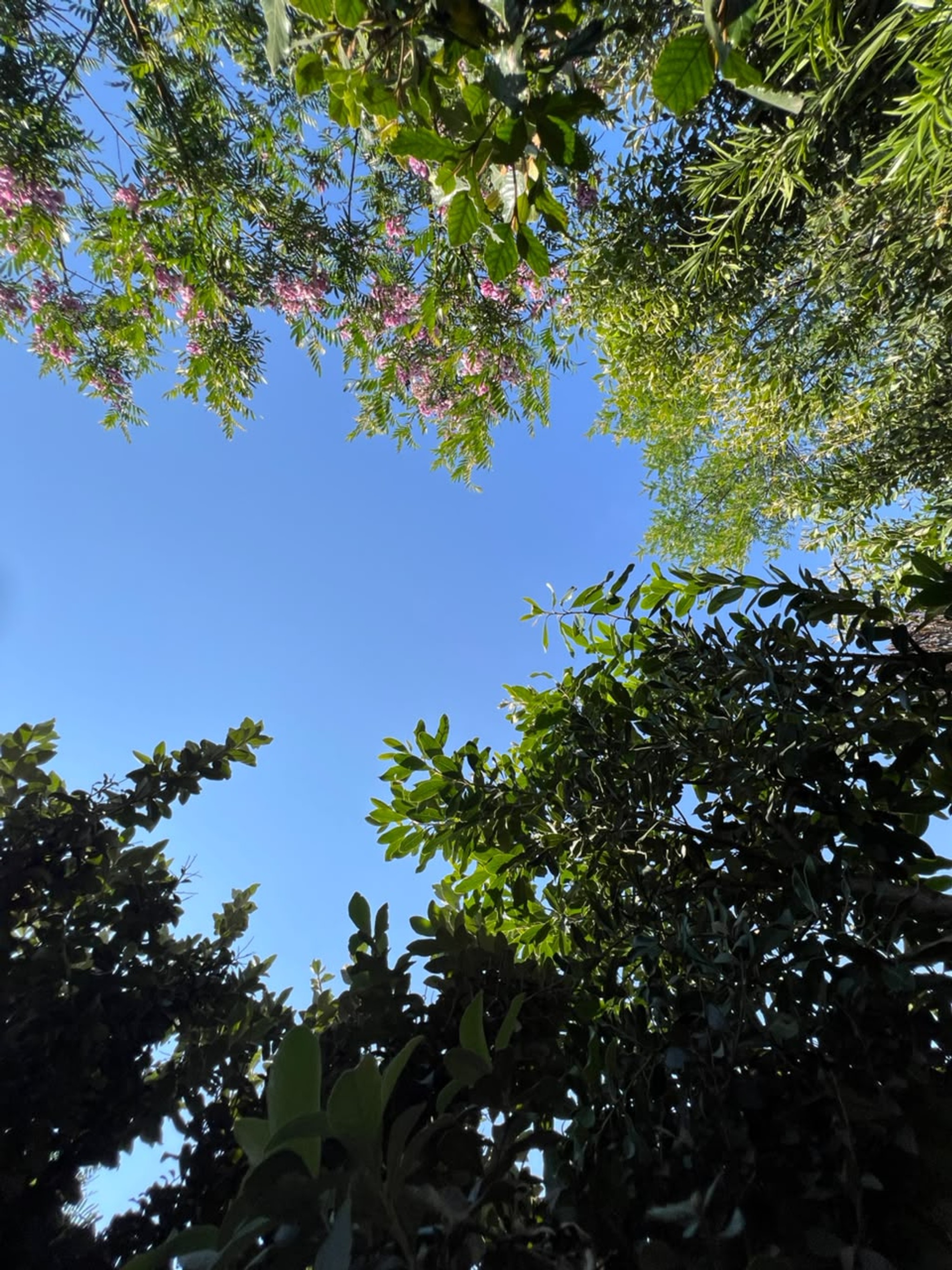
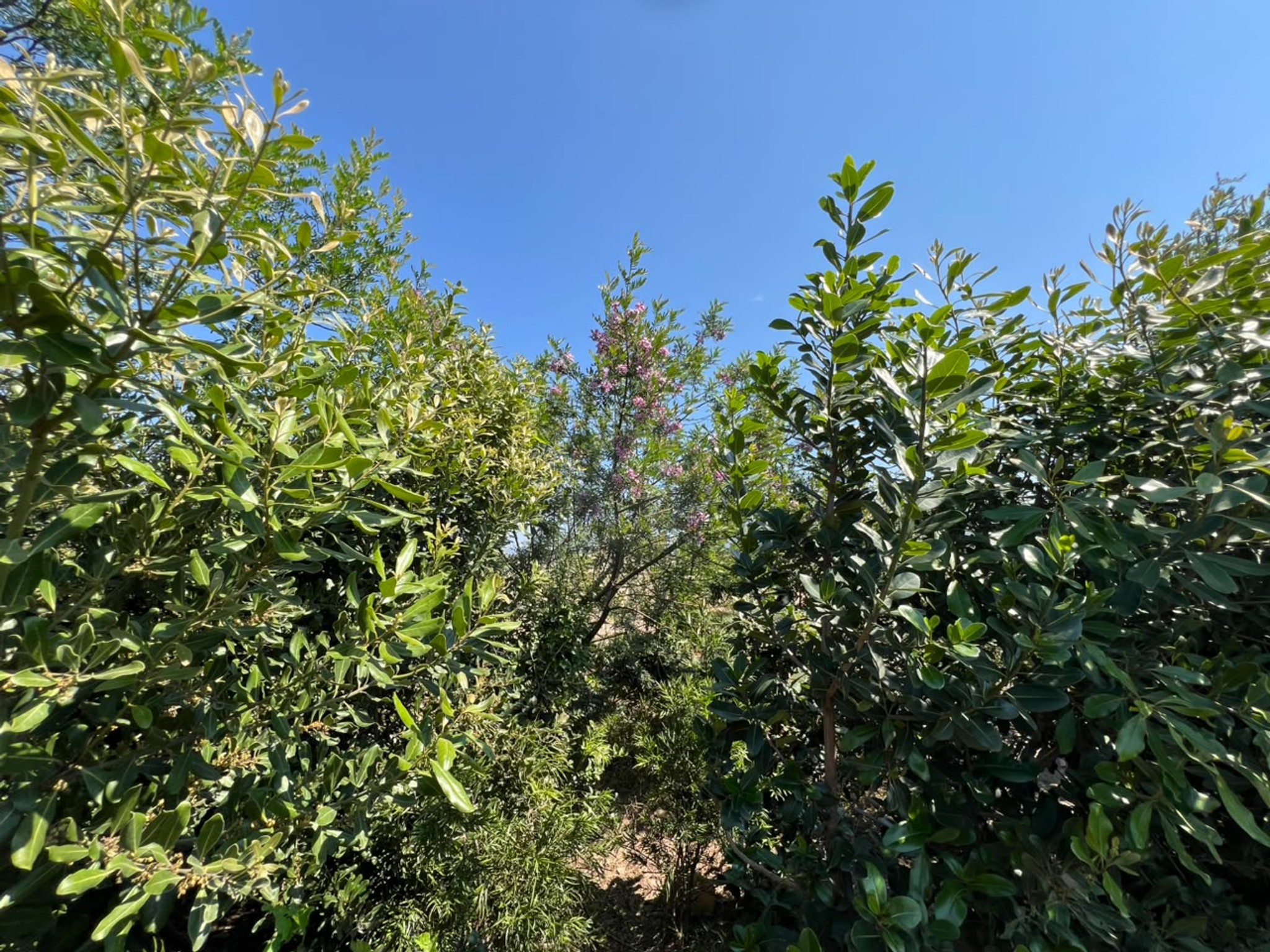
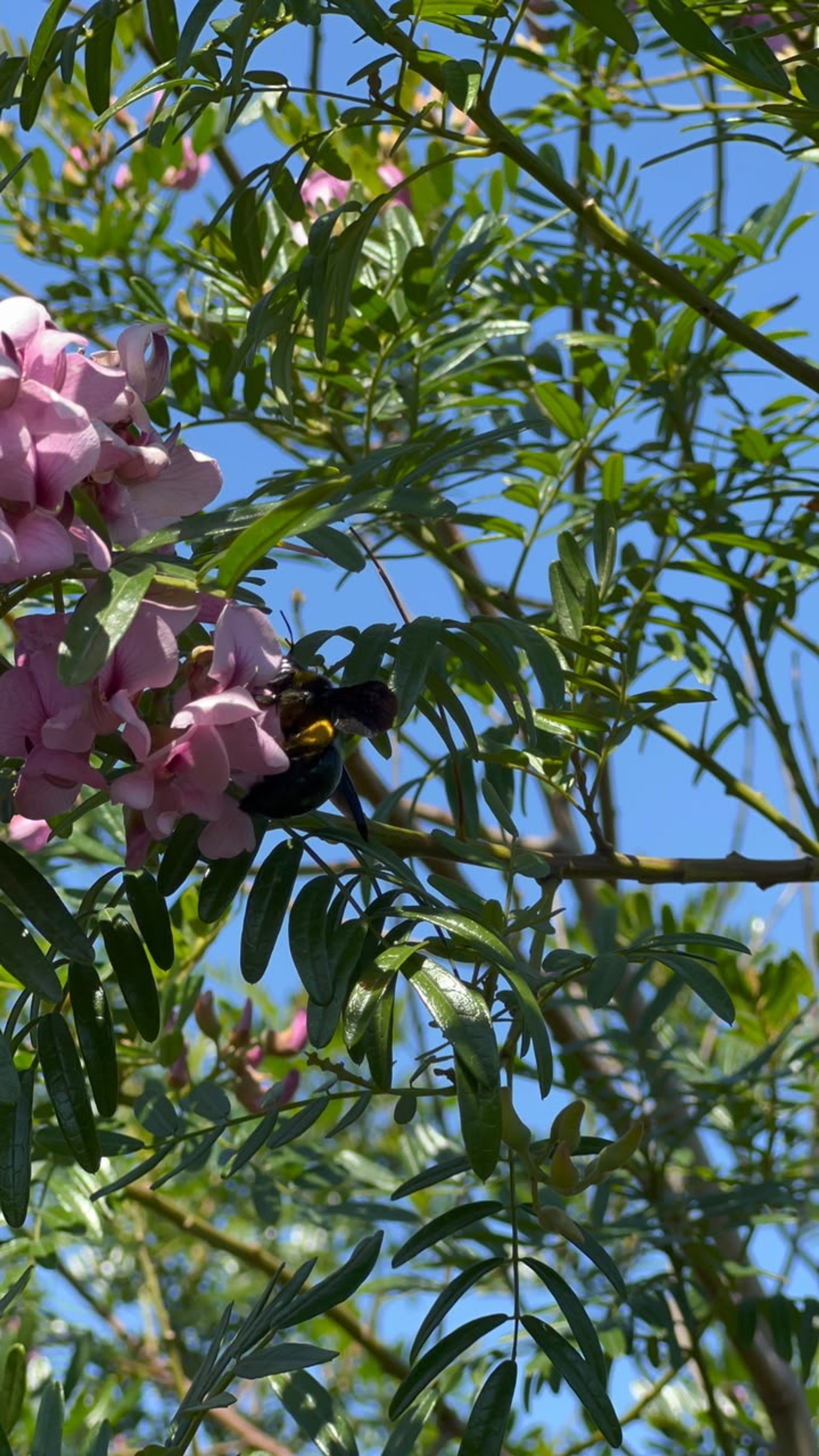
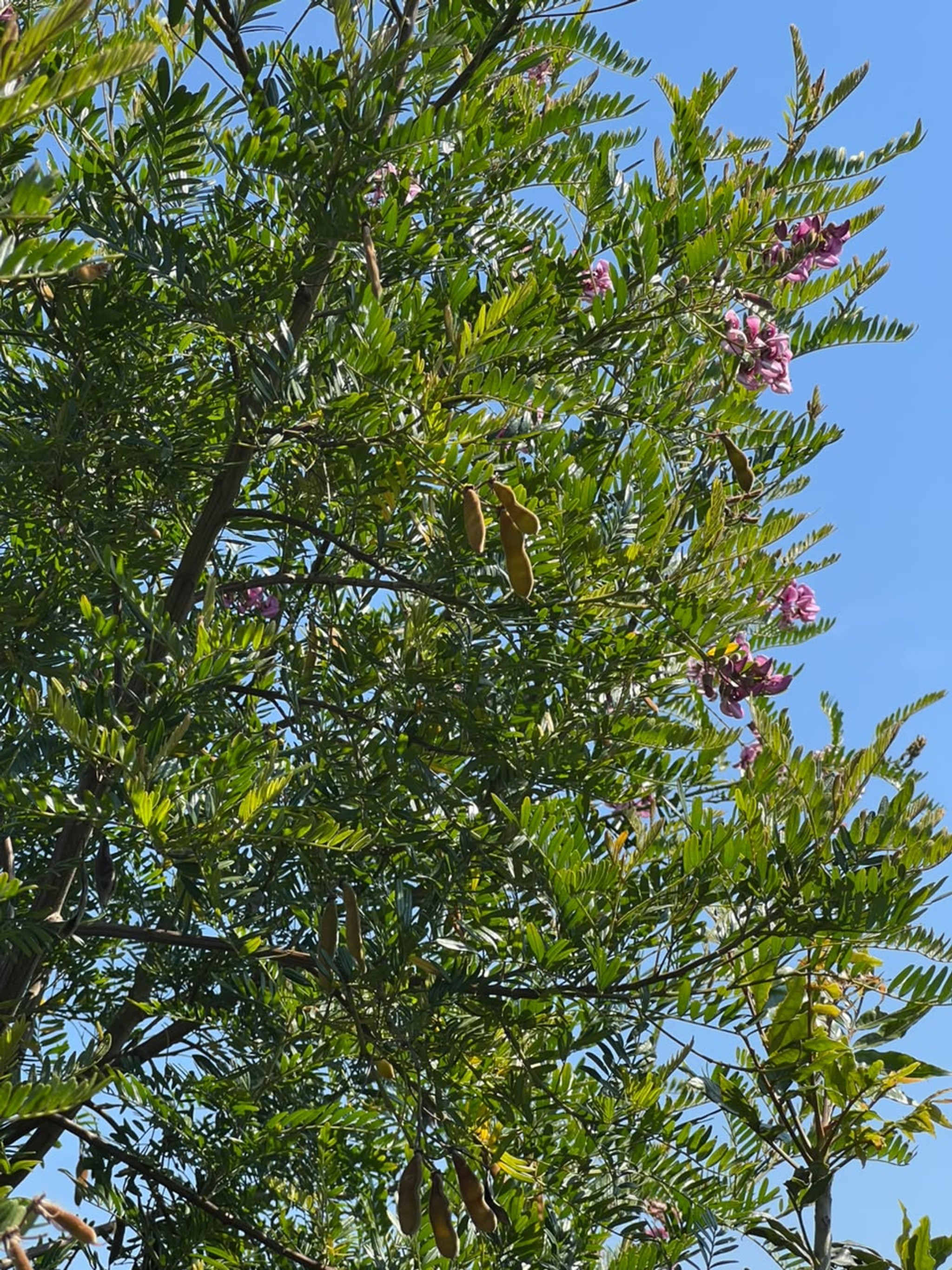
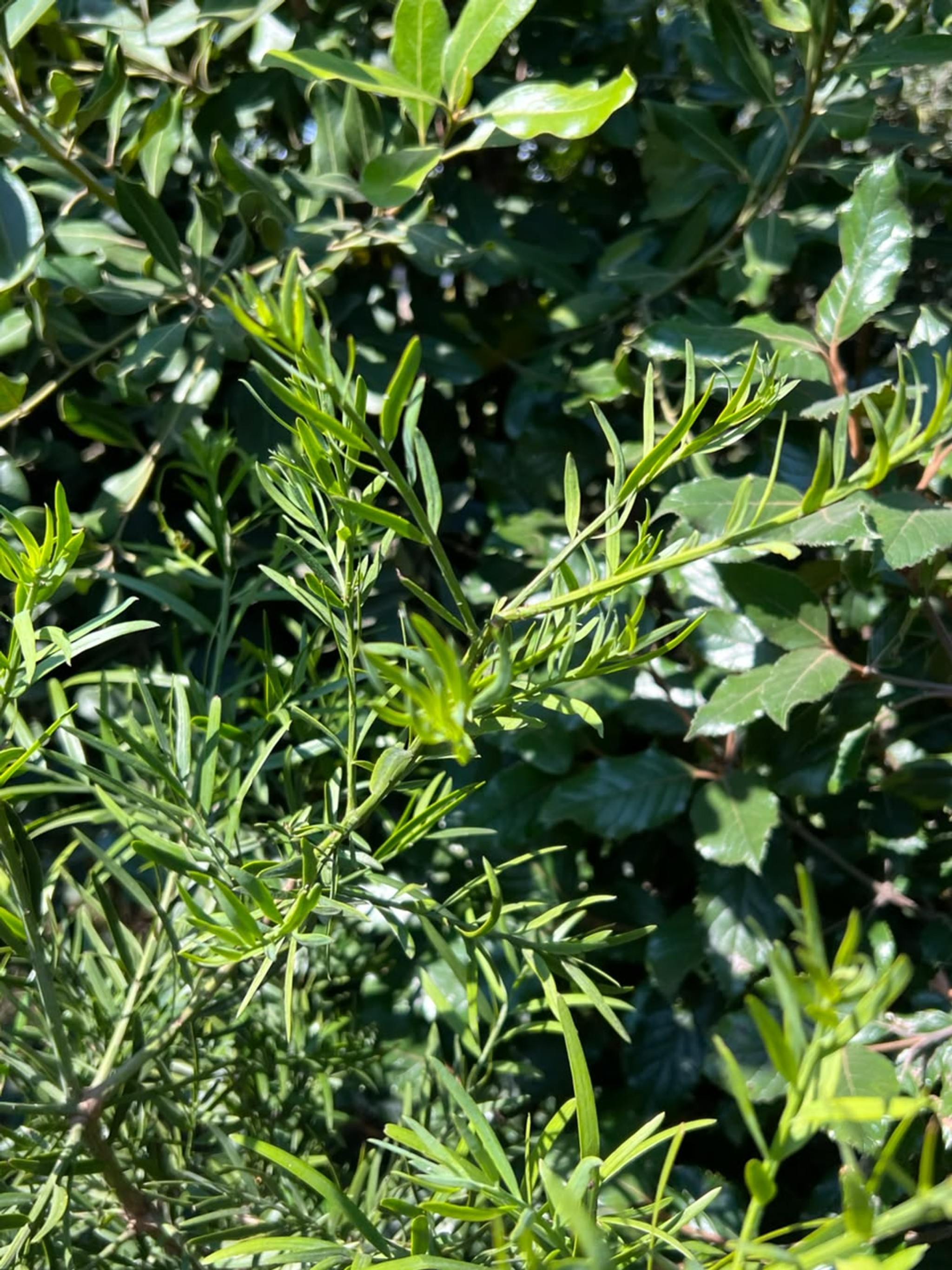
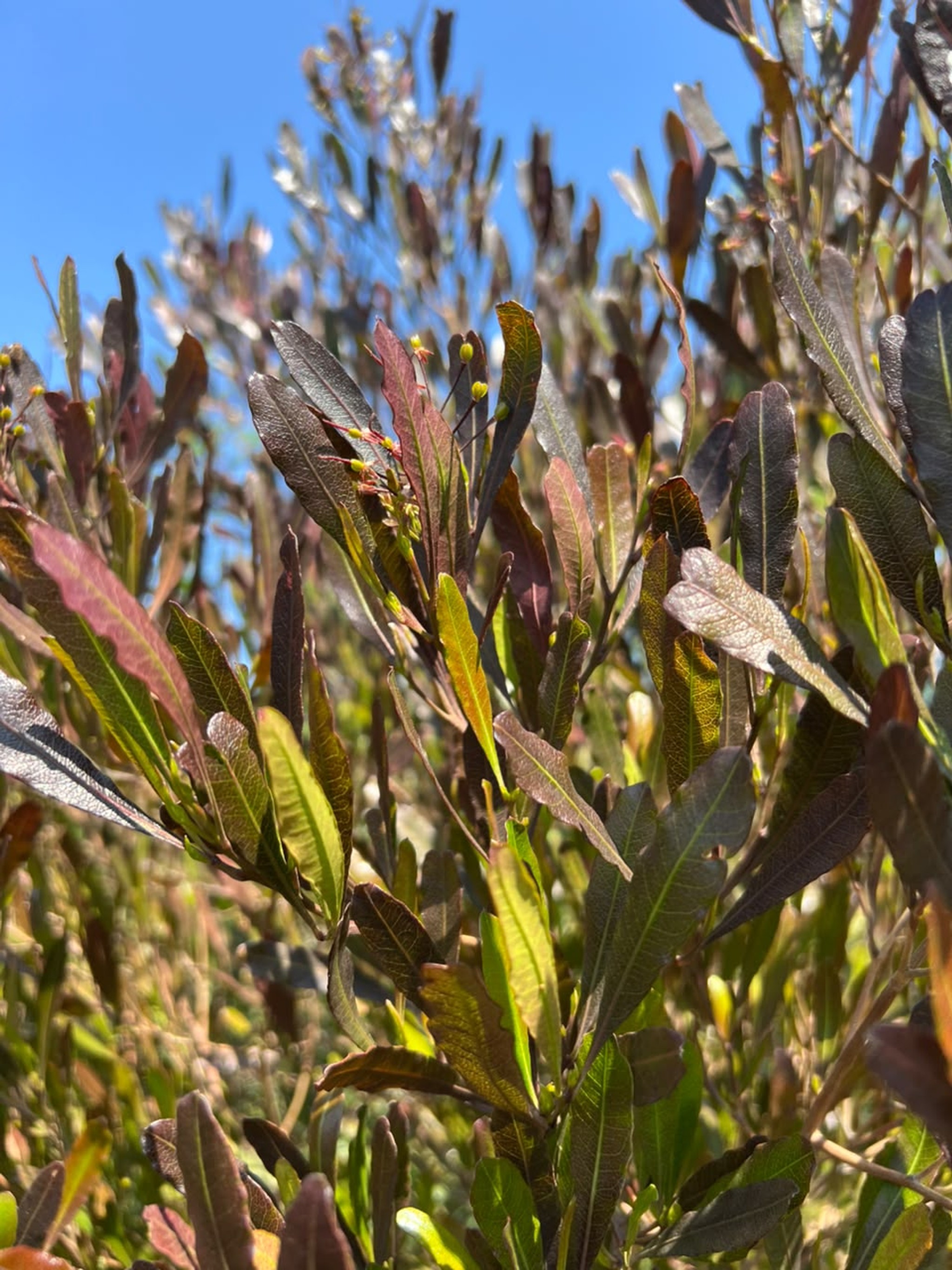
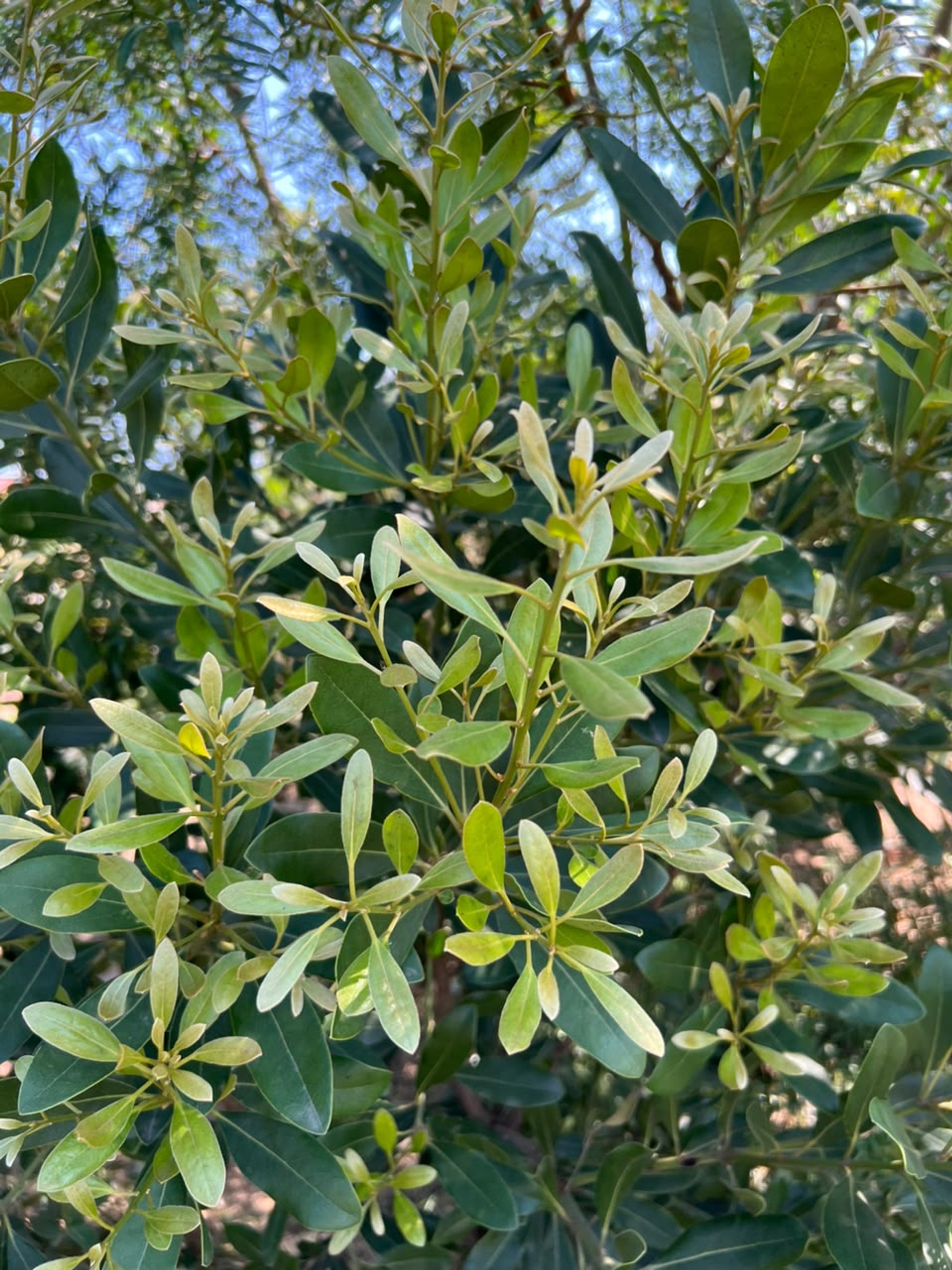
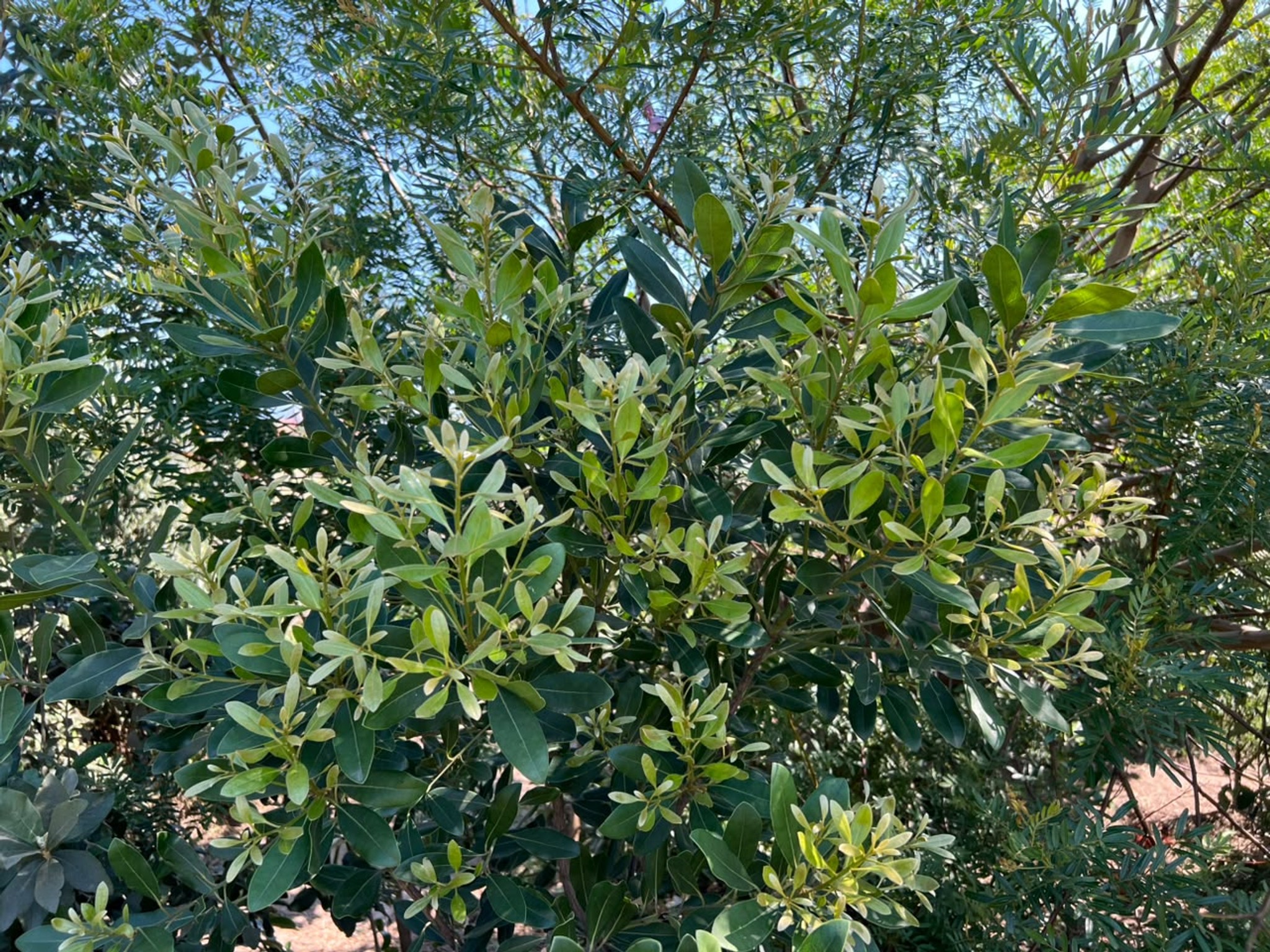
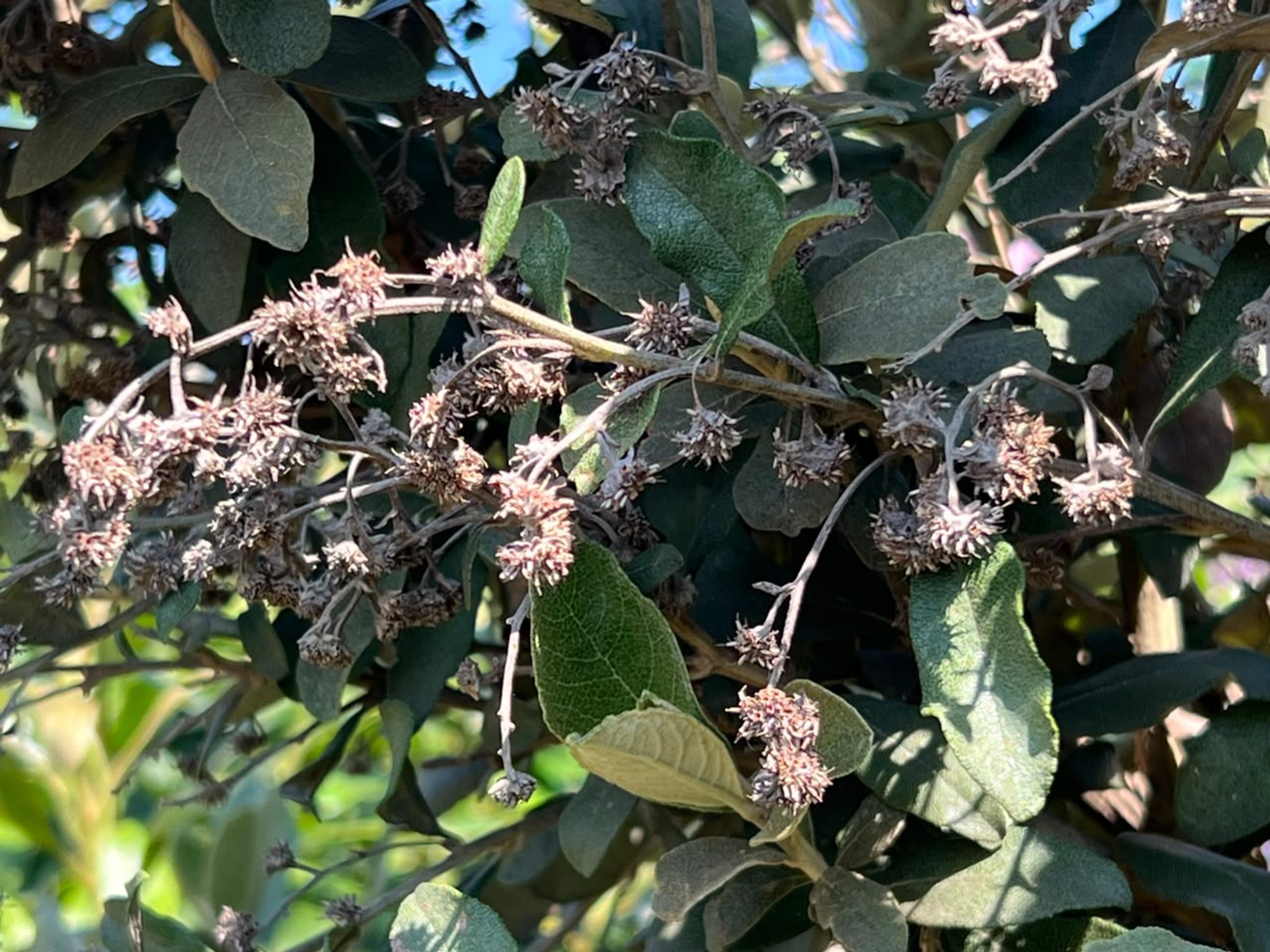
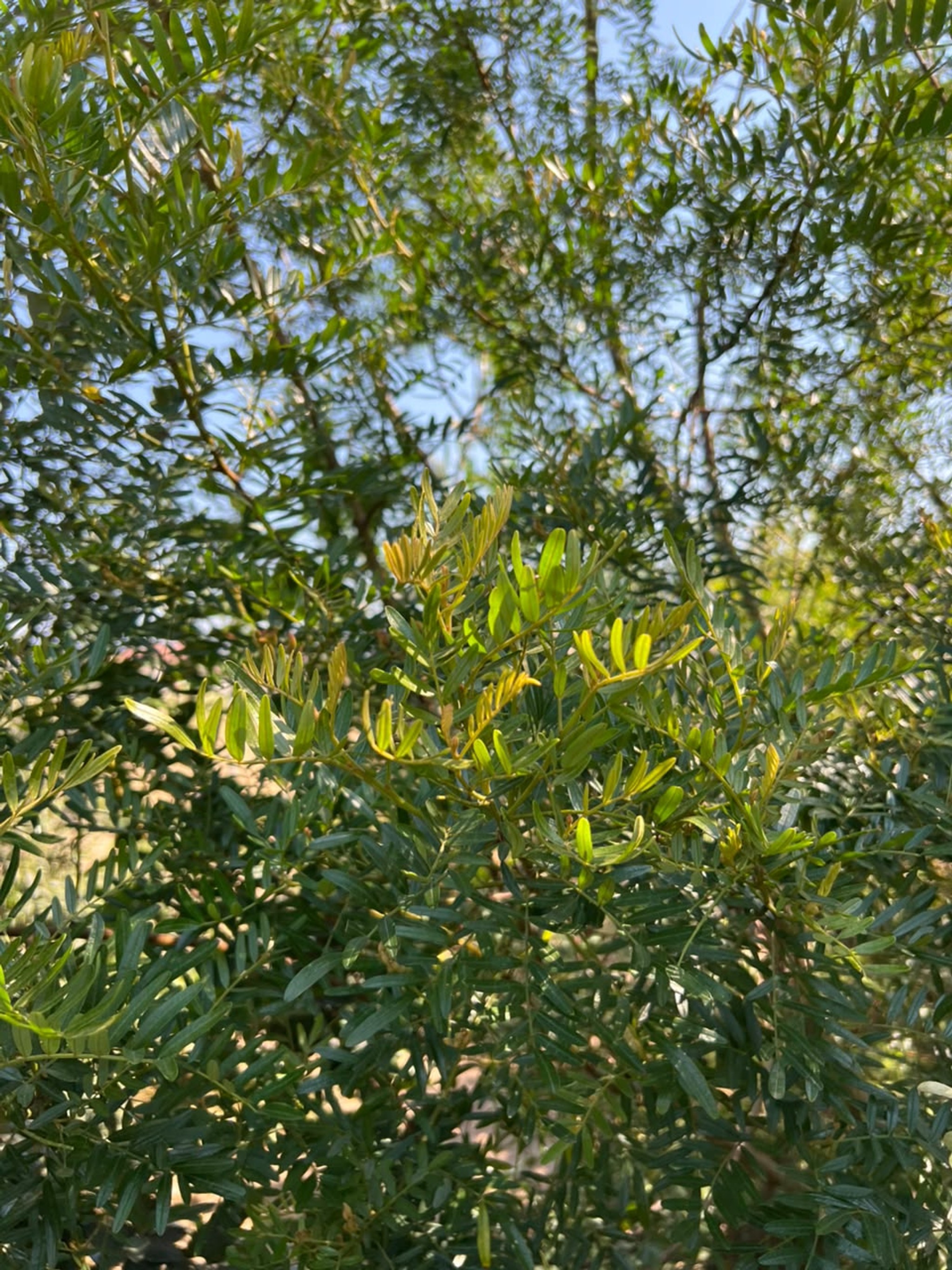
The Keurboom (Virgilia divaricata) and Wild Camphor (Tarchonanthus camphoratus) have each flowered twice since planting and are already producing seeds, a sign the forest is beginning to renew itself. Students have noticed more birdsong, and an increase in insects such as beetles and butterflies, along with geckos that have made the forest their home.
Since September 2026, the sprinklers are no longer working, and the trees now rely on rainfall alone.
Forest Maker
Aghmad Gamieldien

Ecosystem Restored
Final report: 21.09.2026
After approximately three years our SUGi Pocket Forests become self-sustaining. They no longer require human maintenance or watering, and can be handed over to Nature for biodiversity and complexity to naturally develop.
0%
Survival Rate
0
People living within 10 kilometers
Biodiversity
Biodiversity is all the different kinds of life you'll find in one area—the variety of animals, plants, fungi, and even microorganisms like bacteria that make up our natural world. Each of these species and organisms work together in ecosystems, like an intricate web, to maintain balance and support life.
0
Potential number of mammals
0
Potential number of birds
0
Potential number of amphibians
Urban Heat Profile
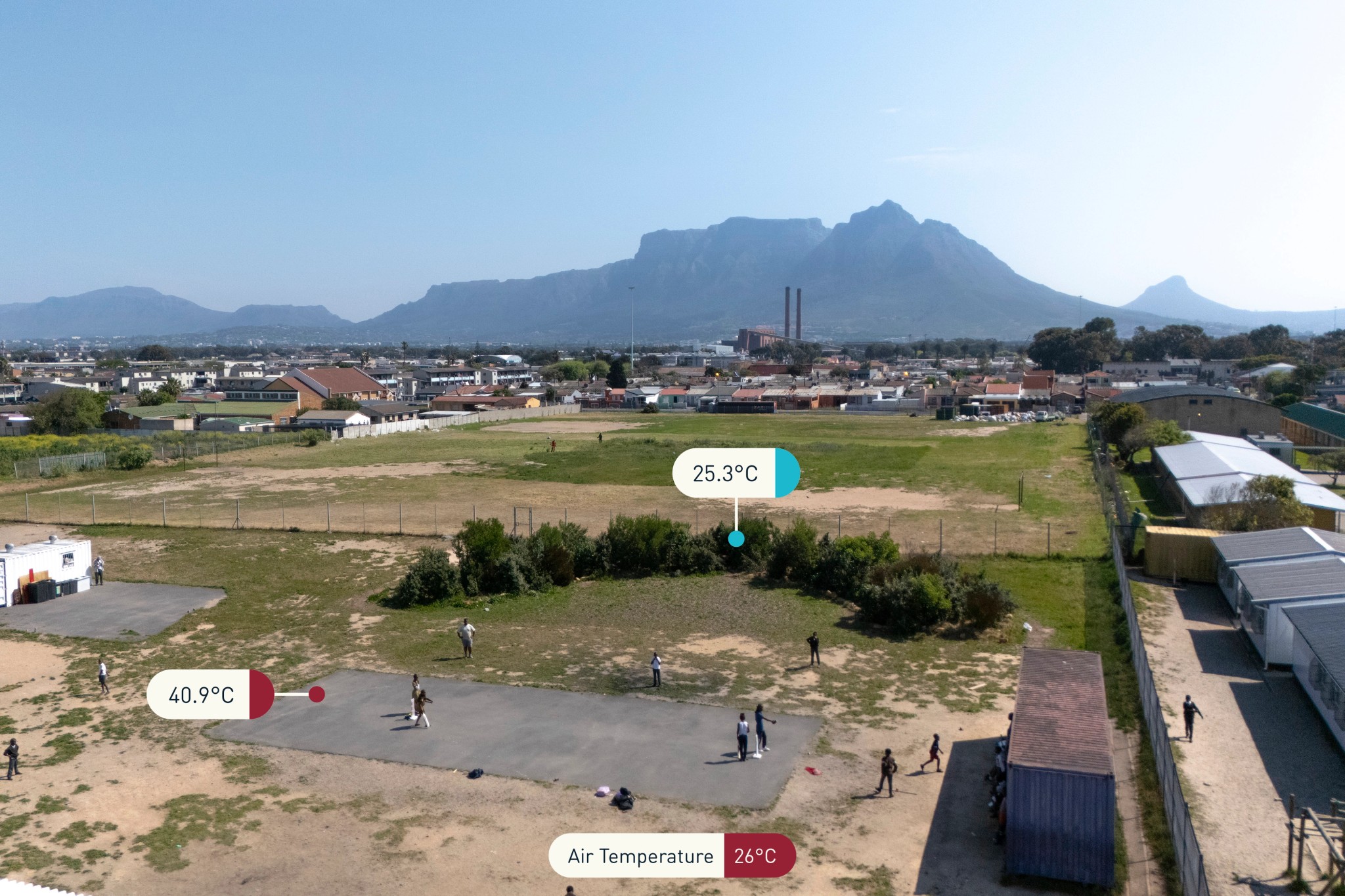
The Urban Heat Island Effect is affecting cities more and more each year and temperetures in urban areas can go up to 12 degrees hotter. This can be reduced and prevented by planting urban forests like this. We collected the air temperatures on a hot day in September at Langalibalele Forest and saw amazing results.
0C°
Surface Temperature Difference
Forest Report: 2025
0 Months
Forest Age
0%
Survival Rate
0m
Average of Tallest 3 Trees
A generous amount of rainfall was received during winter 2025, leading to strong new growth and increased bird visitation in spring. No nests have yet been identified. Pathways have been created by schoolchildren, making the forest a special space for play and imagination. Some trees were damaged by play but remain alive, with only a few in critical condition. Sprinkler heads have occasionally been disturbed and replaced. The forest is not yet producing its own mulch and still requires watering during the dry summer months.


Biodiversity Notes:


Forest Report: 2024
0 Months
Forest Age
0%
Survival Rate
0m
Average of Tallest 3 Trees
The forest has not yet grown much since being planted. Now that spring has started we expect much growth in the summer. We have sent in a 3 person team to weed the forest out as the school struggled with it. We started our Art in the Forest initiative in this forest, by bringing musicians and art closer to the school community. The forest is enjoyed by the school kids and school community. The kids do run through the forest regularly that sometimes damages the trees. The school is very proud of their tiny forest on their school grounds.


Biodiversity Notes:


Planting: March 2024


Why The Langalibalele Forest?
This project is named The Langalibalele Forest in honor of a chief and renowned rainmaker.
Who in 1873 was imprisoned on Robben Island for rebelling against the Natal government/English imperialism.