40 Million Acres of Lawn: Why the USA Needs Pocket Forests
From Lawns to Life: The Power of Pocket Forests
The U.S. has 40 million acres of lawn, most of it ecological dead zones. Imagine transforming even a fraction of that into pocket forests — dense, native mini-forests that support wildlife, save water, and bring nature back to our communities.
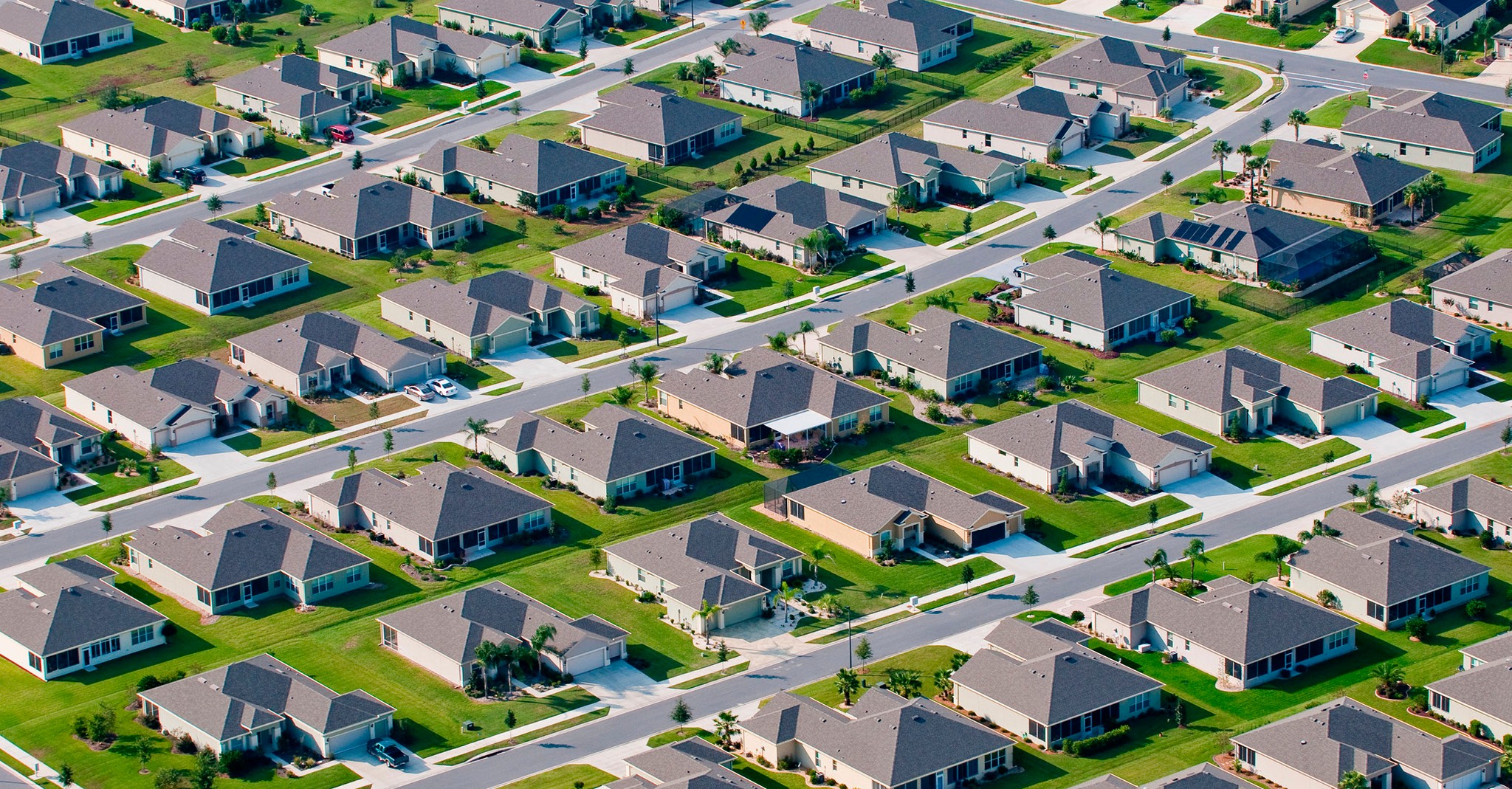
The U.S. has 40 million acres of lawn, but imagine replacing a significant portion of that with pocket forests.
That’s almost as much as all the country’s national parks combined and most of it does almost nothing for nature. If you replaced just half of those lawns with native plants, you could create a park 9 times bigger than Yellowstone (already 2.2 million acres!) in size.
Lawns may look neat, but they are ecological deserts. They rarely support native wildlife, and their maintenance comes at a steep environmental cost. Conventional lawns require frequent mowing, fertilization, and chemical treatment, releasing greenhouse gases and polluting waterways. They demand far more water than native plants (up to 9 billion gallons of water each day, that’s about a third of all residential water use in the US) and contribute almost nothing to carbon sequestration. In short, lawns take up space without giving back to the environment.
What are Pocket Forests?
Pocket forests are a small but complex urban forest that can establish itself in just a few years. These forests restore soil health, support biodiversity, sequester carbon, and cool surrounding neighborhoods. Though modest in size, their ecological impact is significant. Often planted using the Miyawaki Method, pocket forests can be created in spaces as small as a tennis court, or even smaller.
Native plants don’t just look good, they do good. When planted together in a pocket forest, native species can support up to 15 times more local caterpillar species than conventional lawns or ornamental planting. This surge in caterpillars means more food for birds, more pollinators, and ultimately, far more life.
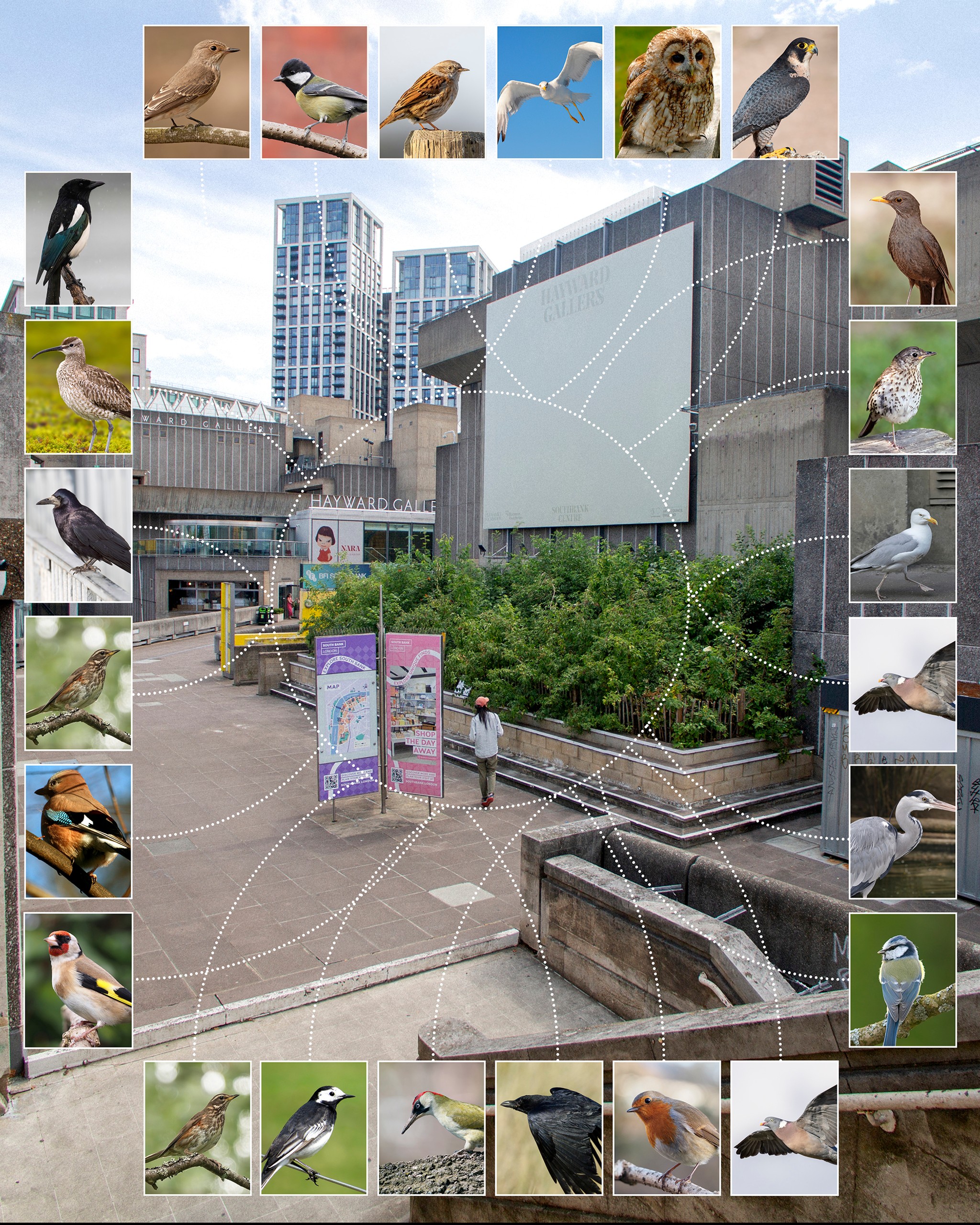
We’ve seen this impact firsthand in our pocket forests around the world. In our 33 pocket forests in London alone, our community has already recorded 192 species, including mammals, birds, invertebrates, and fungi, clear evidence that even small forests can deliver extraordinary biodiversity gains.
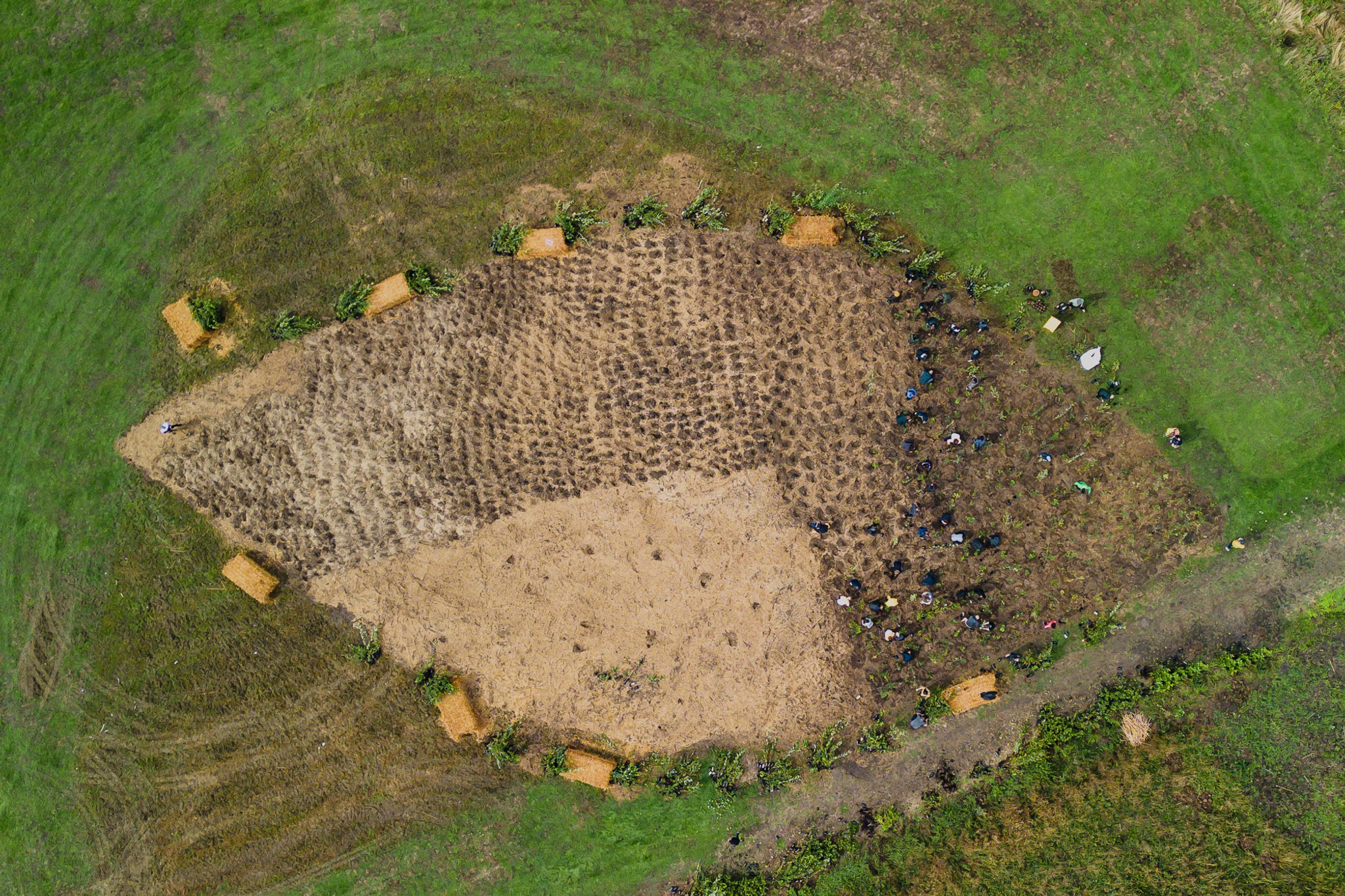
Pocket Forests in a Warming World
Pocket forests also make sense in a warming world. Dense planting helps cool surrounding areas, improve air quality, and retain water in the soil. Once established, they require little to no irrigation or chemical input, making them far more resilient than turf grass.
Perhaps most importantly, pocket forests reconnect people with nature. Whether planted in schoolyards, neighbourhoods, or former lawns, they create spaces for learning, reflection, and community care. They remind us that restoring nature doesn’t require vast wilderness — it can begin wherever we choose to plant differently.
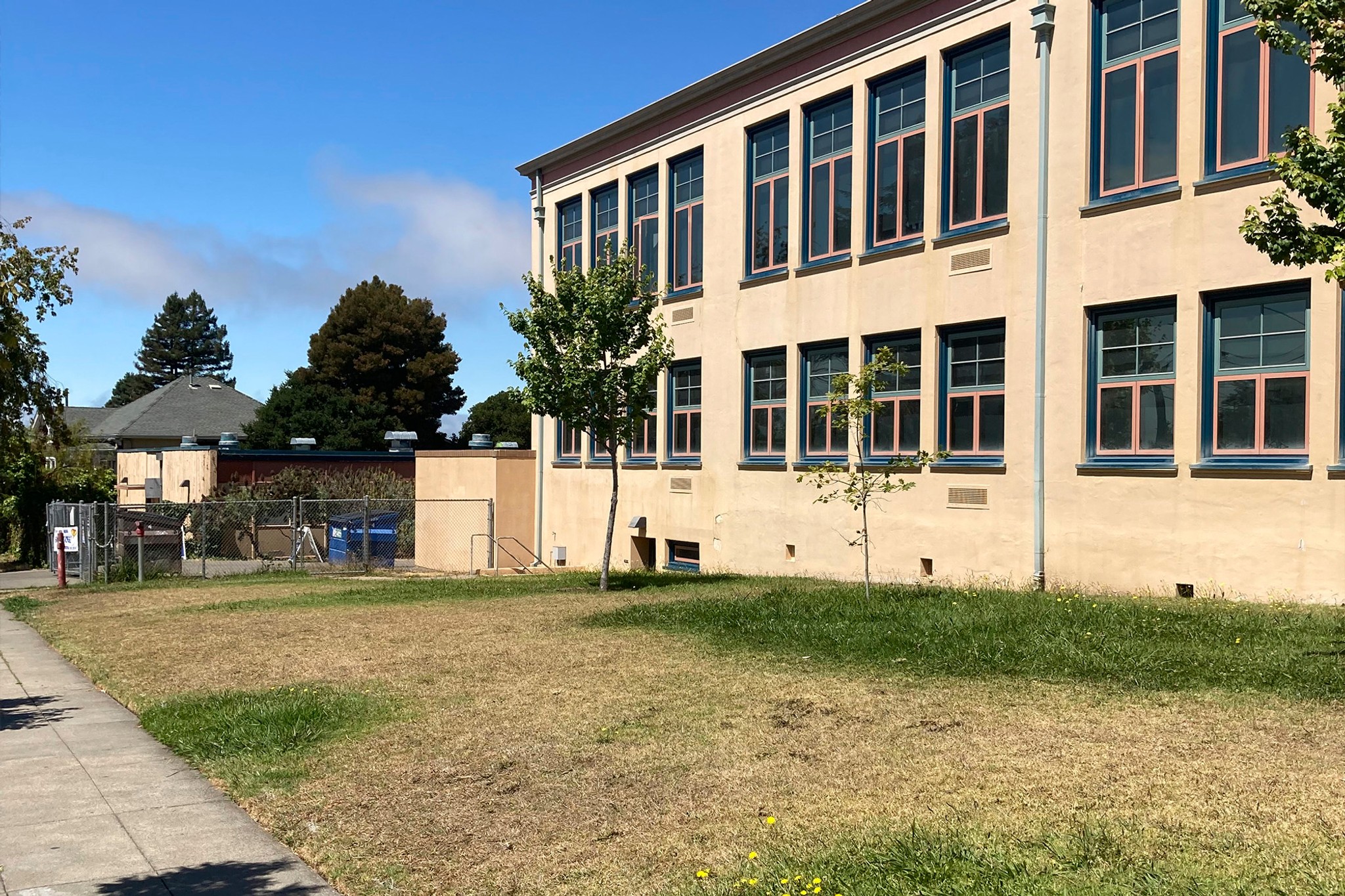
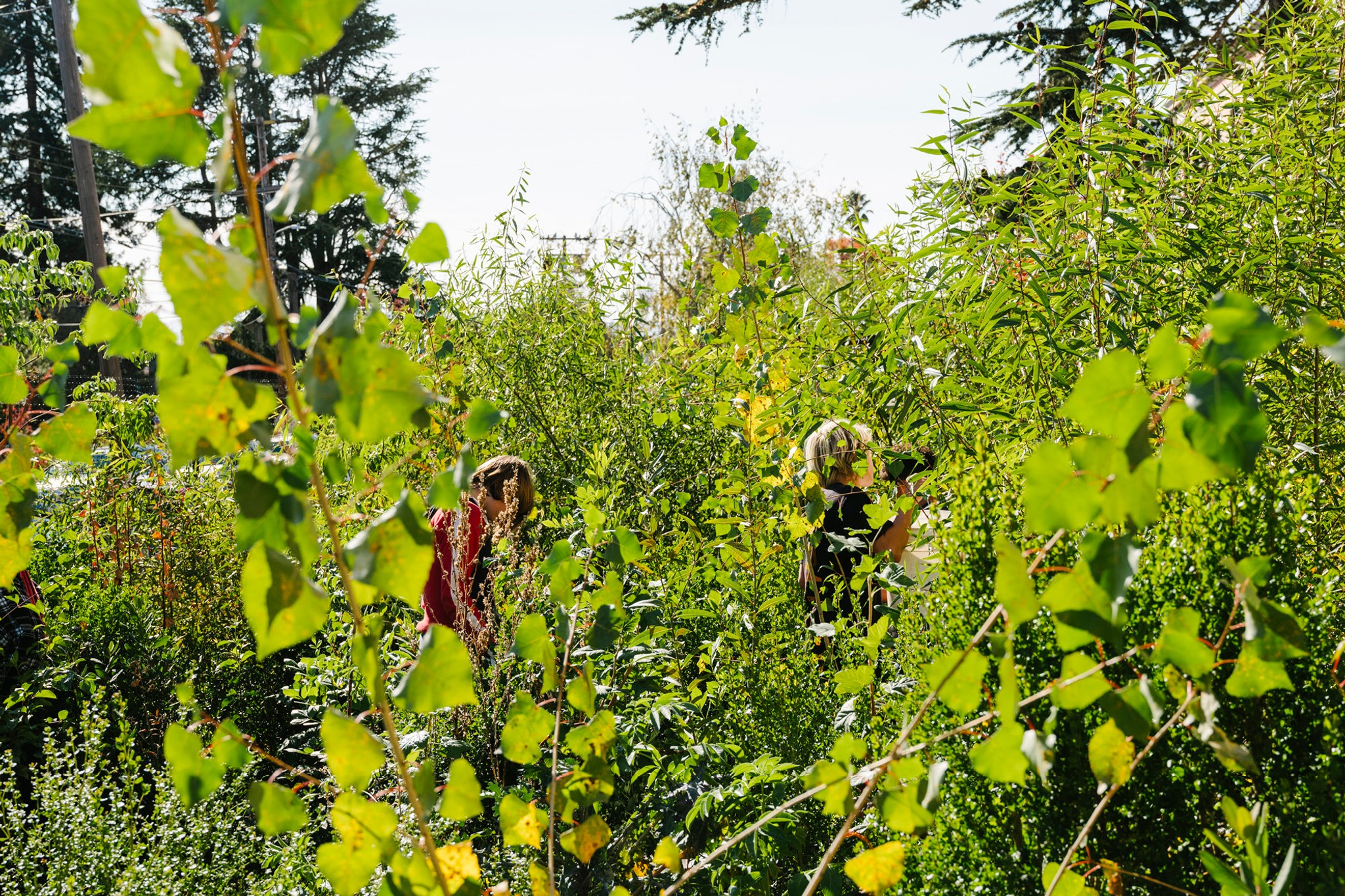
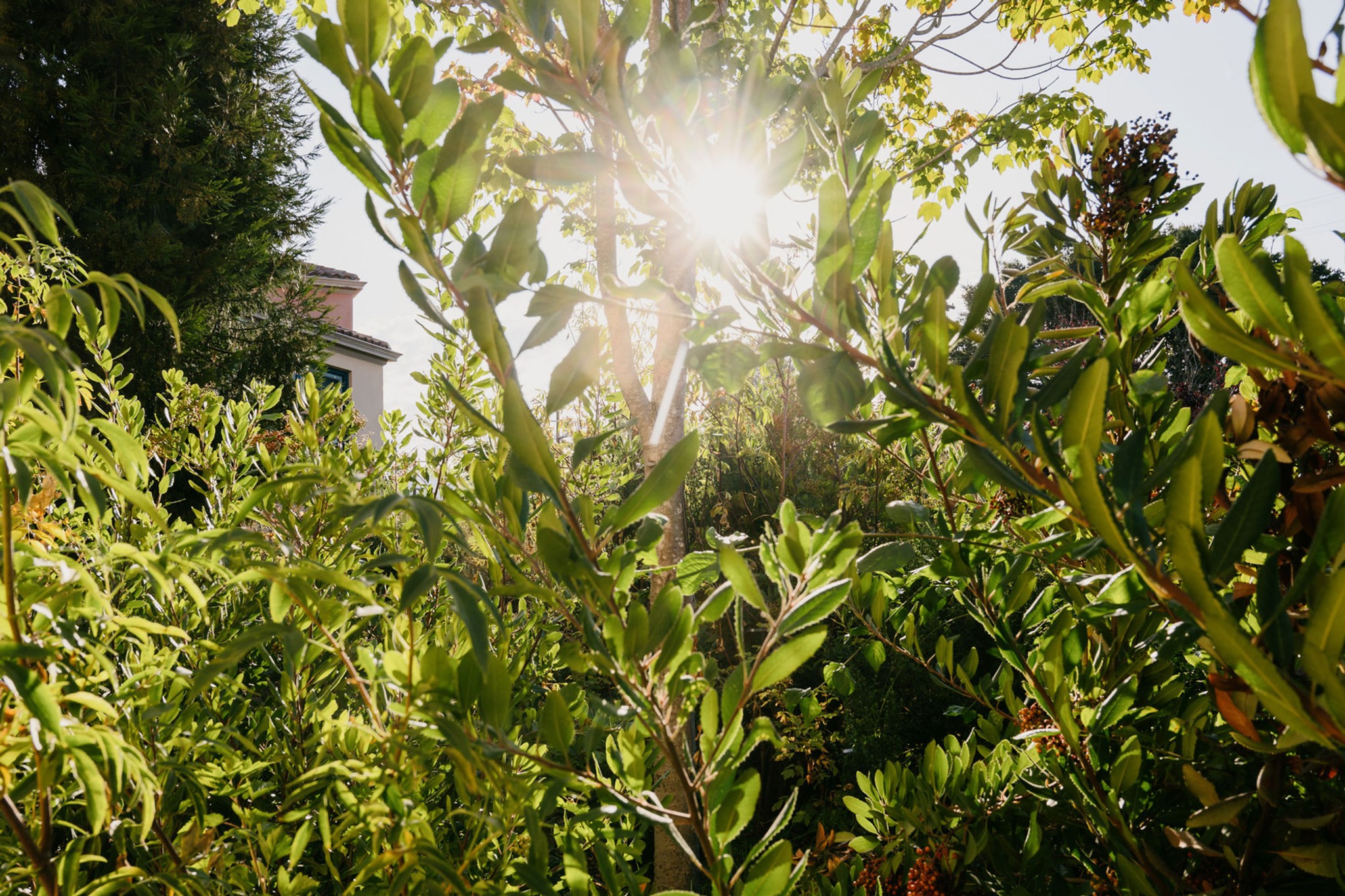


If even a fraction of America’s lawns were transformed into pocket forests, the impact would be profound. Millions of small forests could form a living network across cities and suburbs, supporting biodiversity at scale.
The future of land stewardship isn’t about maintaining green deserts. It’s about choosing living landscapes. One lawn at a time, a pocket forest offers a simple but powerful way forward.