Cape Flats Forest
Seeding a youth-led regeneration movement.

0
Trees
0
Square Meters
0
Native Species
0
Youth Impacted
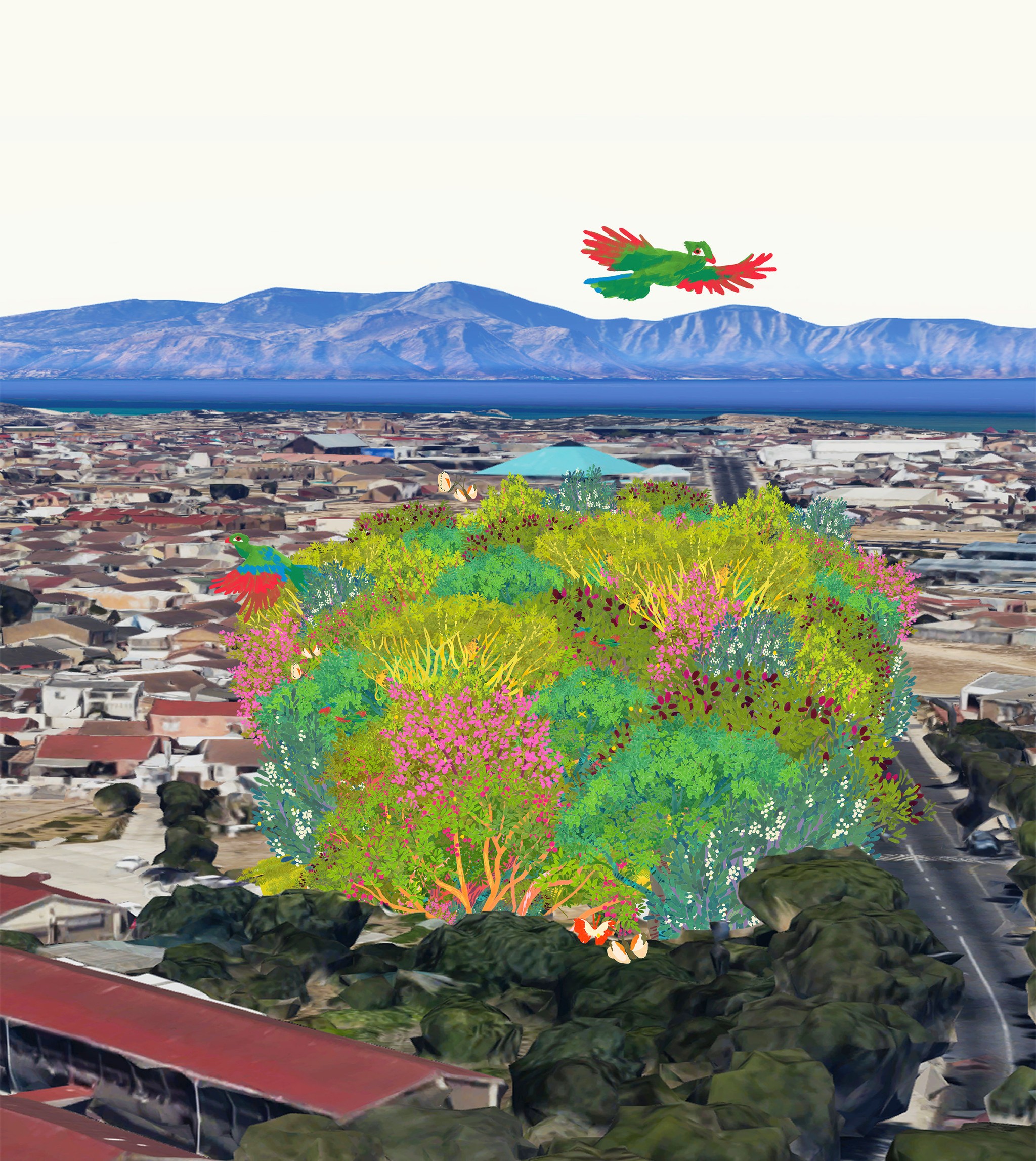
Self sustaining pocket forest
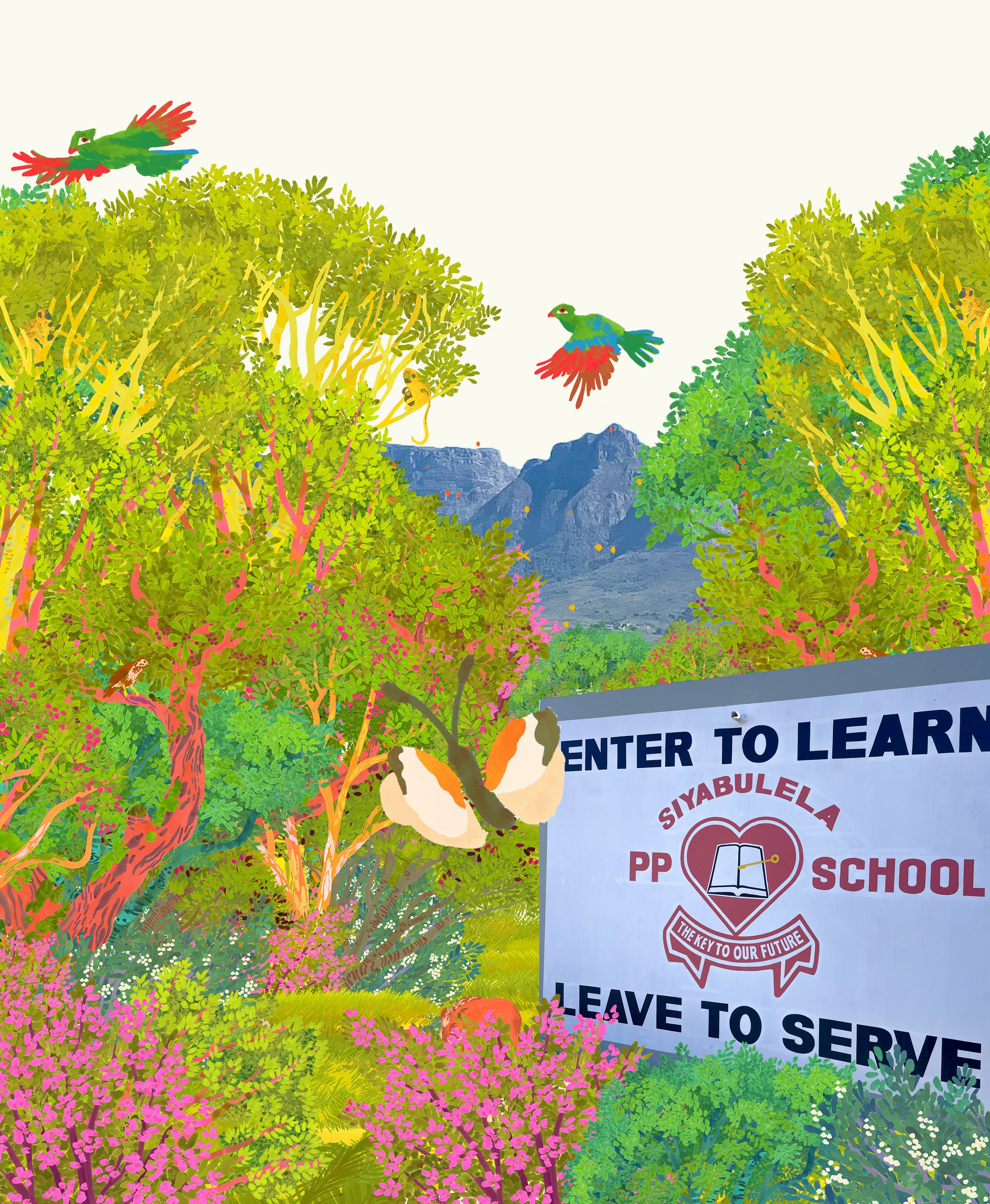
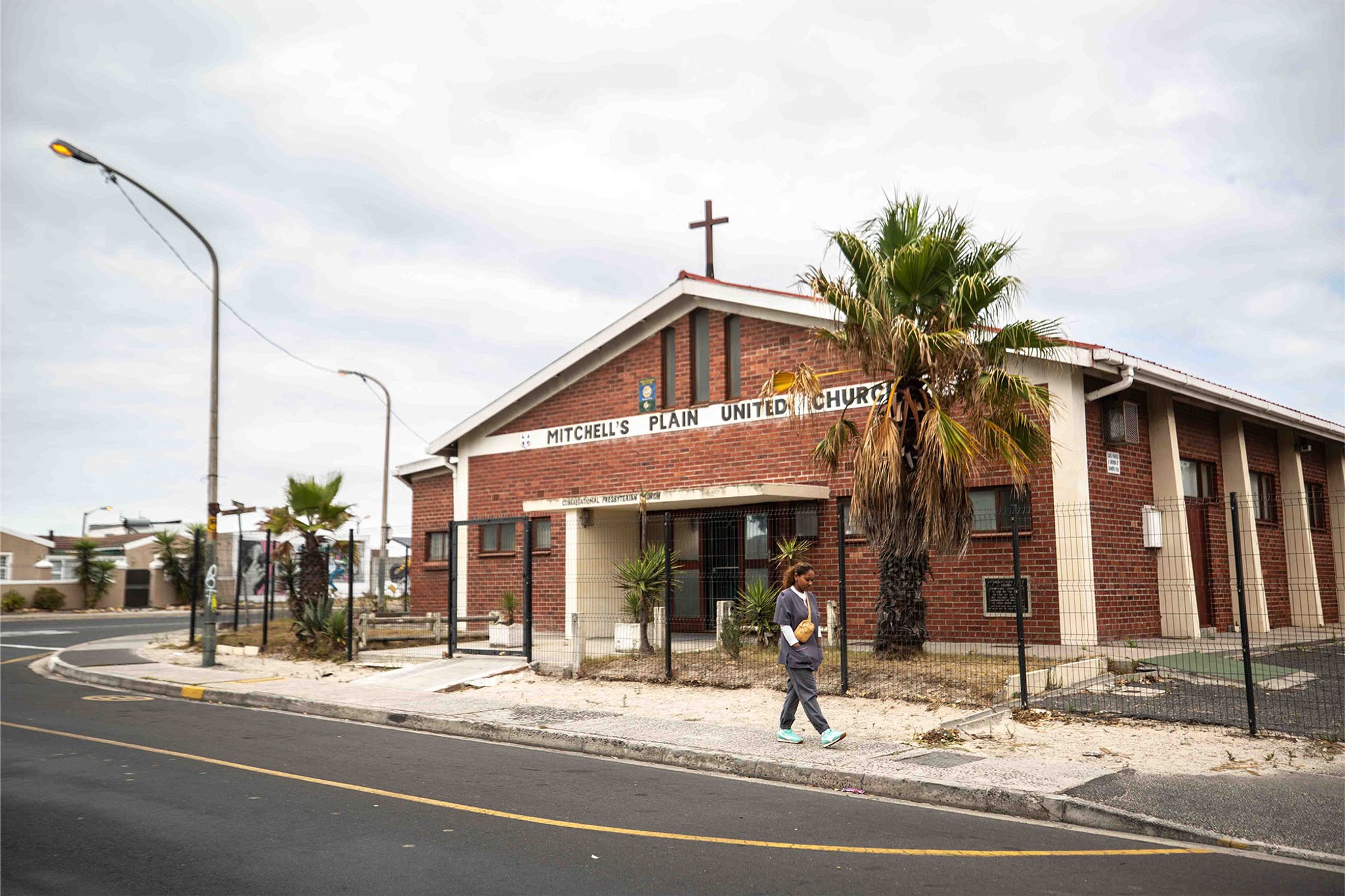
Cape Flats Forest is an ambitious, education-led project developed through a collaboration between SUGi and SEED, a Permaculture Design School based in Mitchell’s Plain on the outskirts of Cape Town.
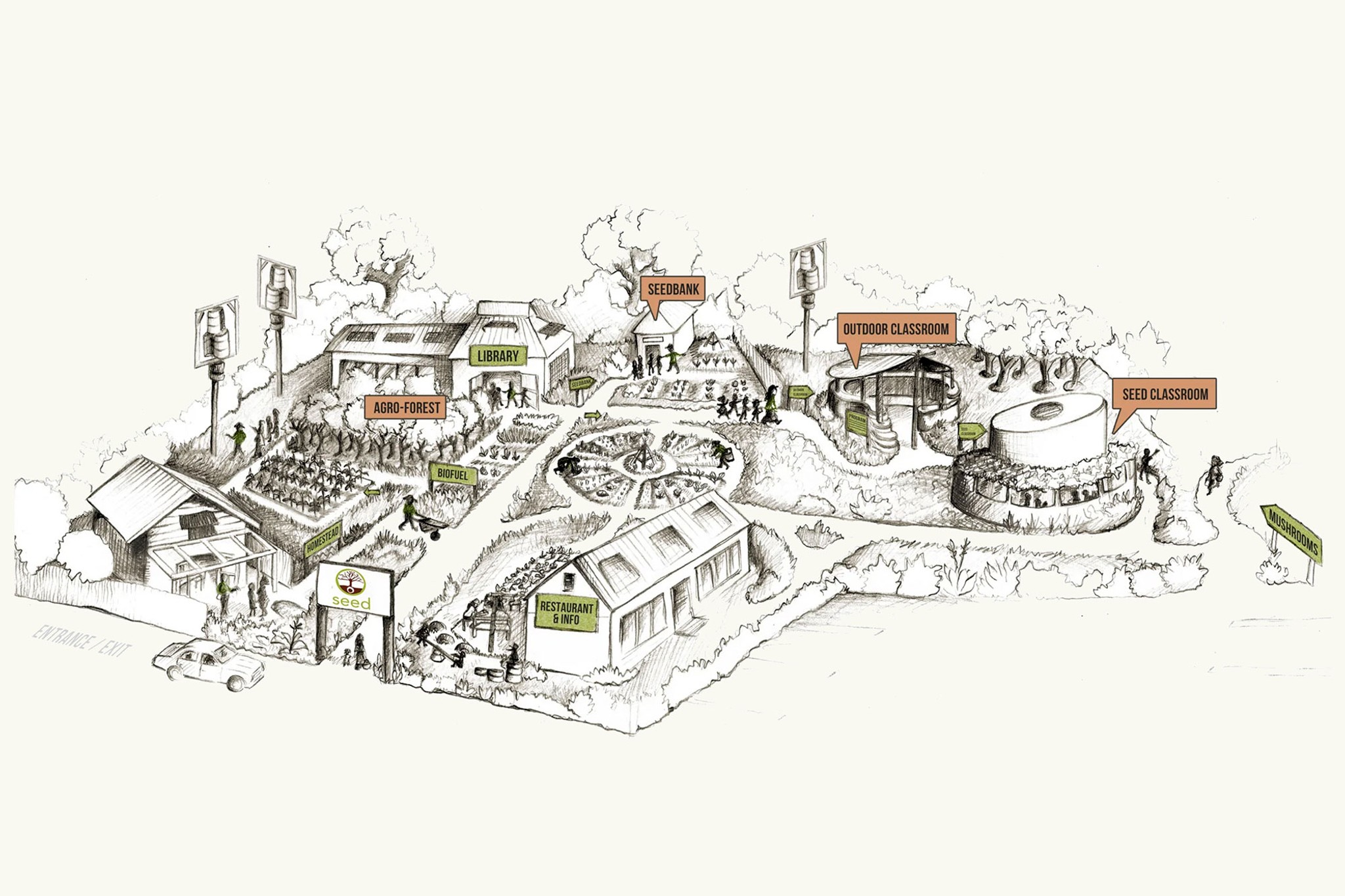
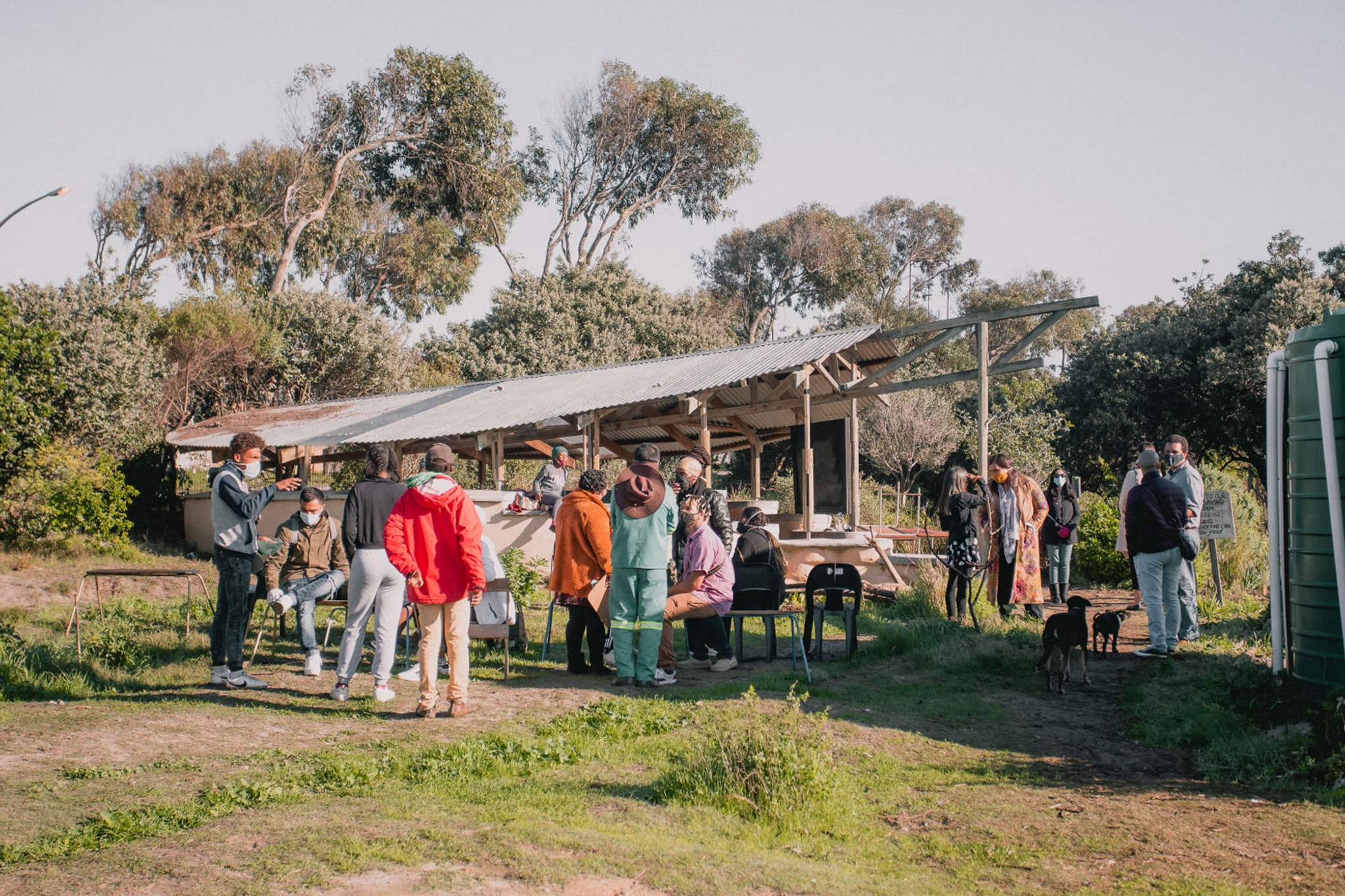
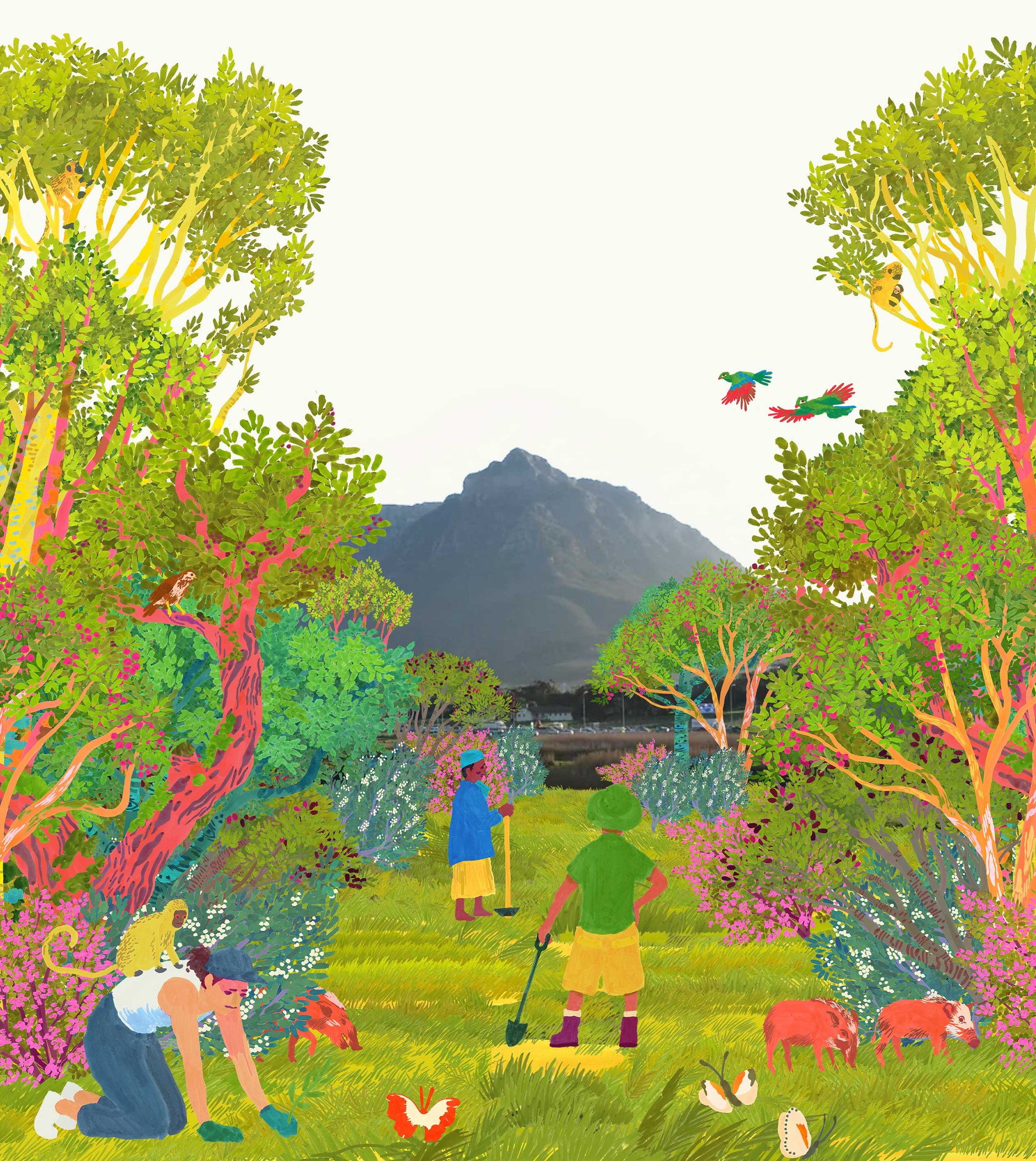
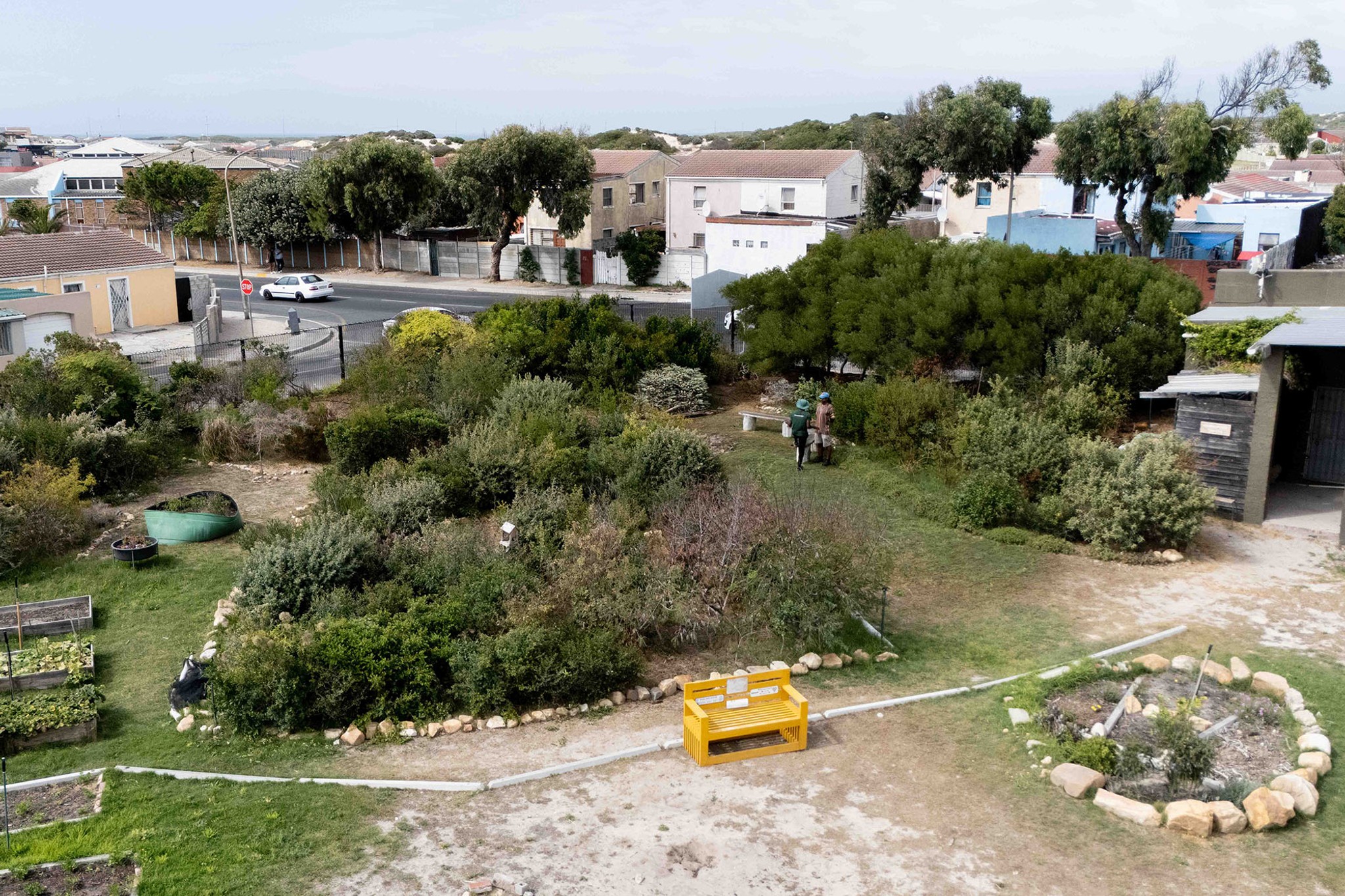
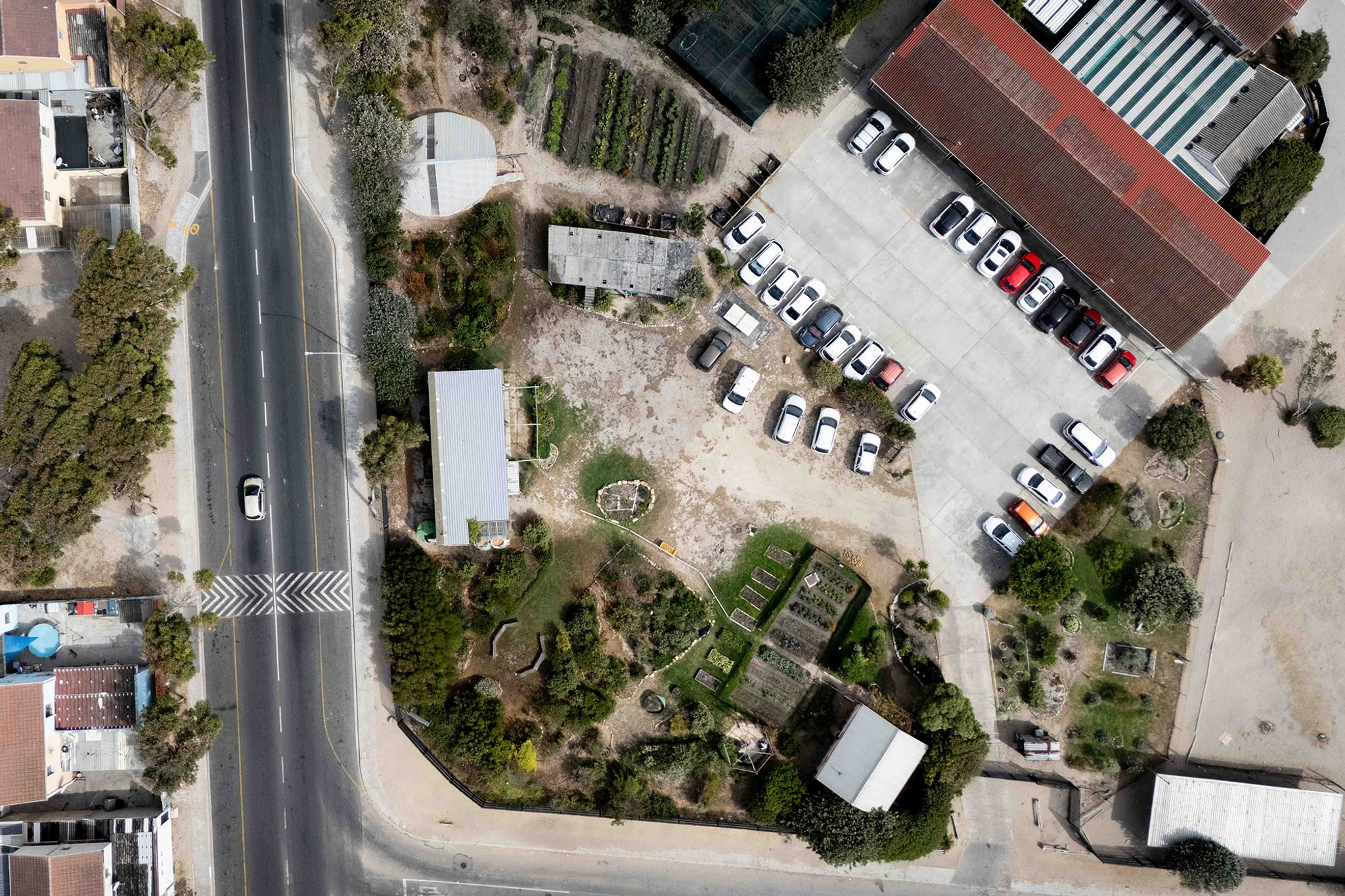
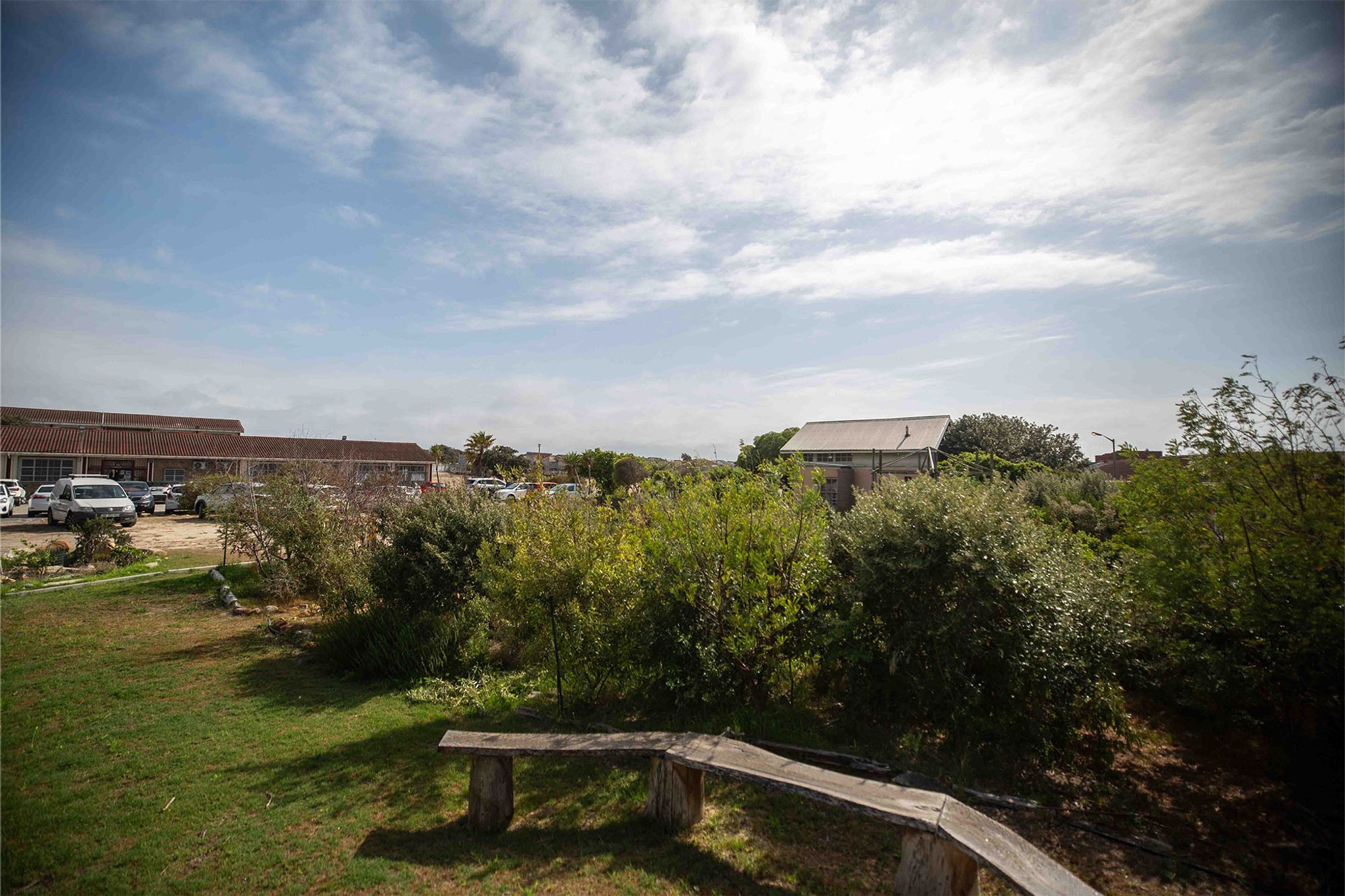
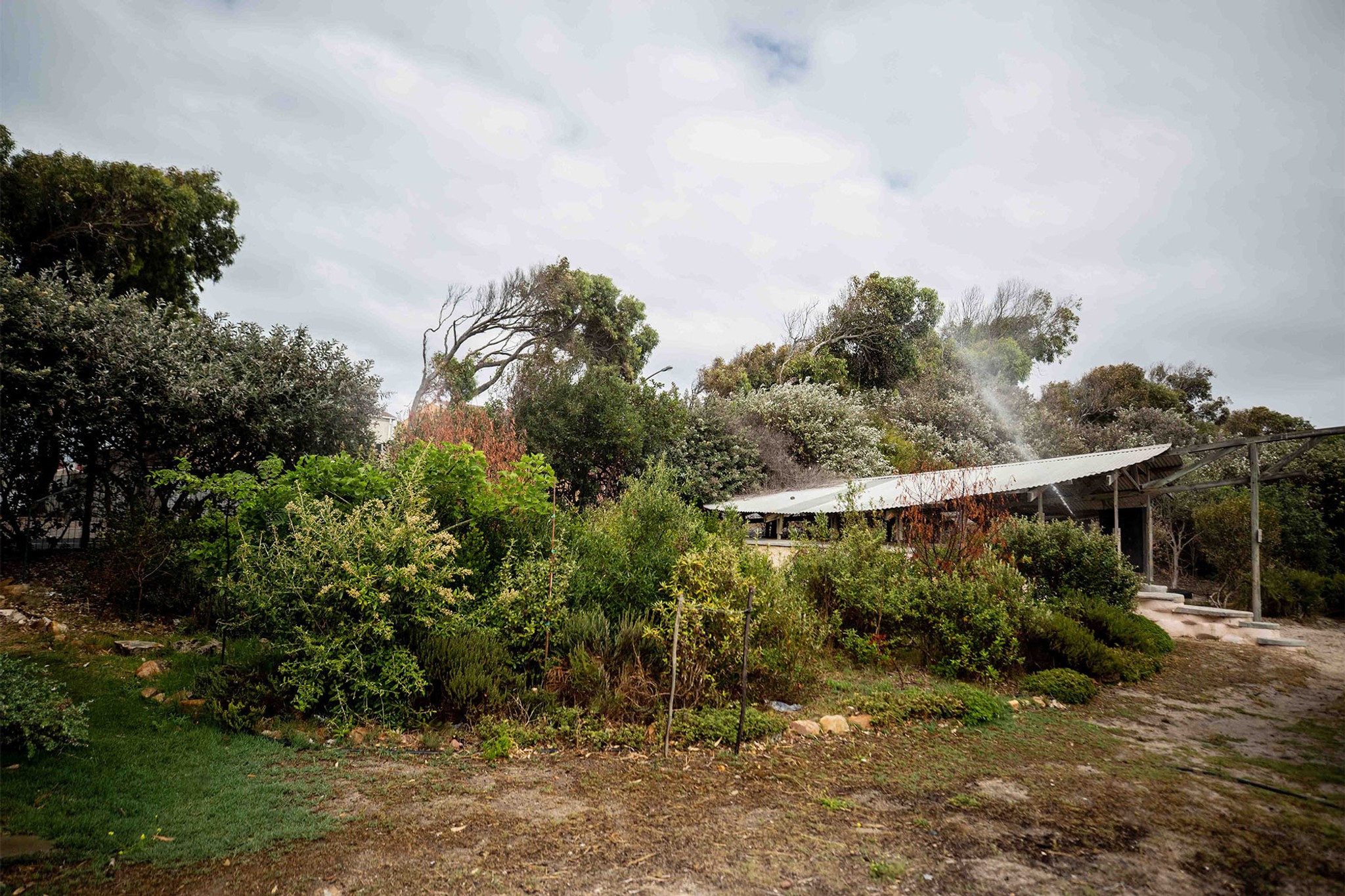
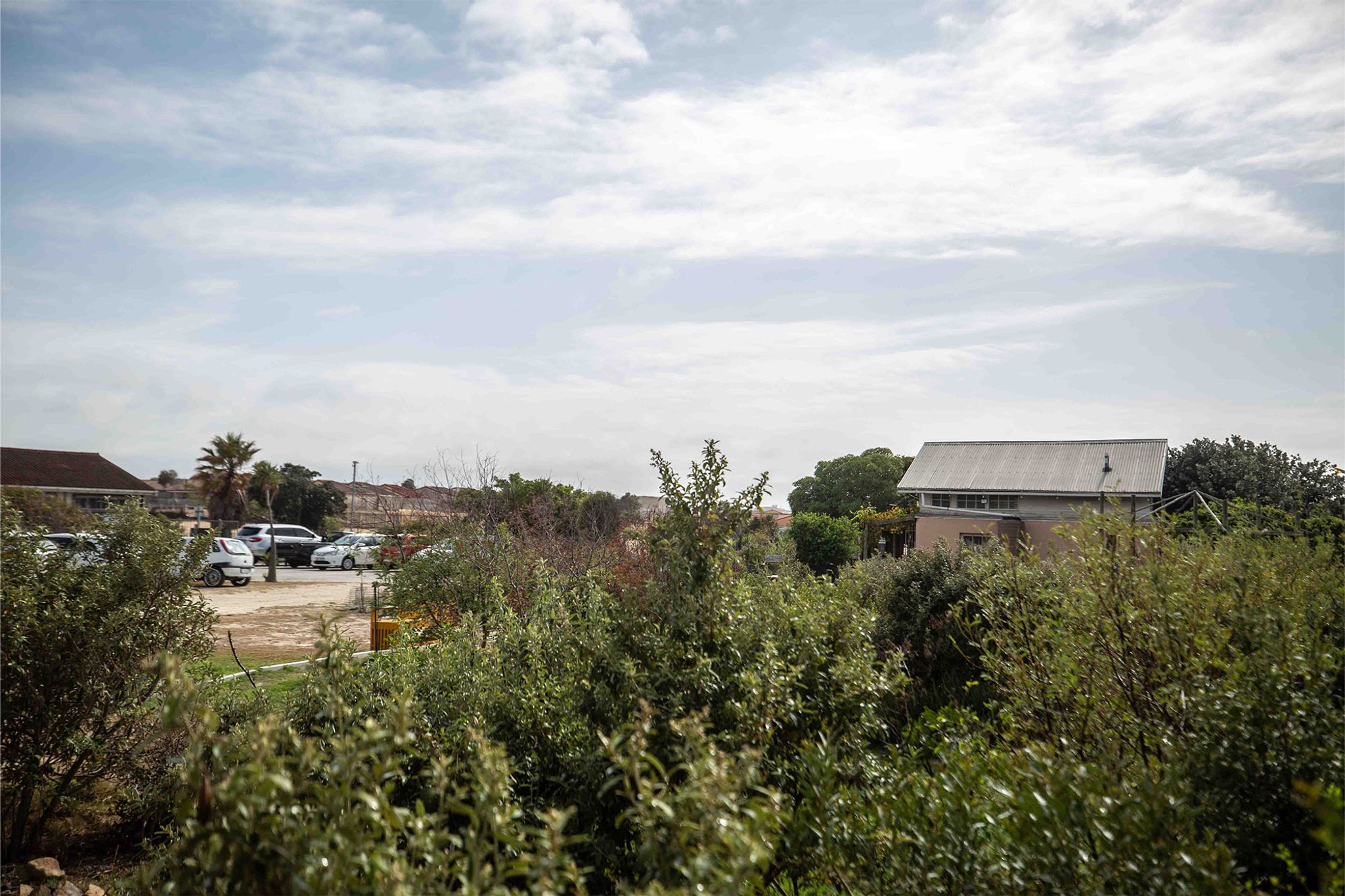
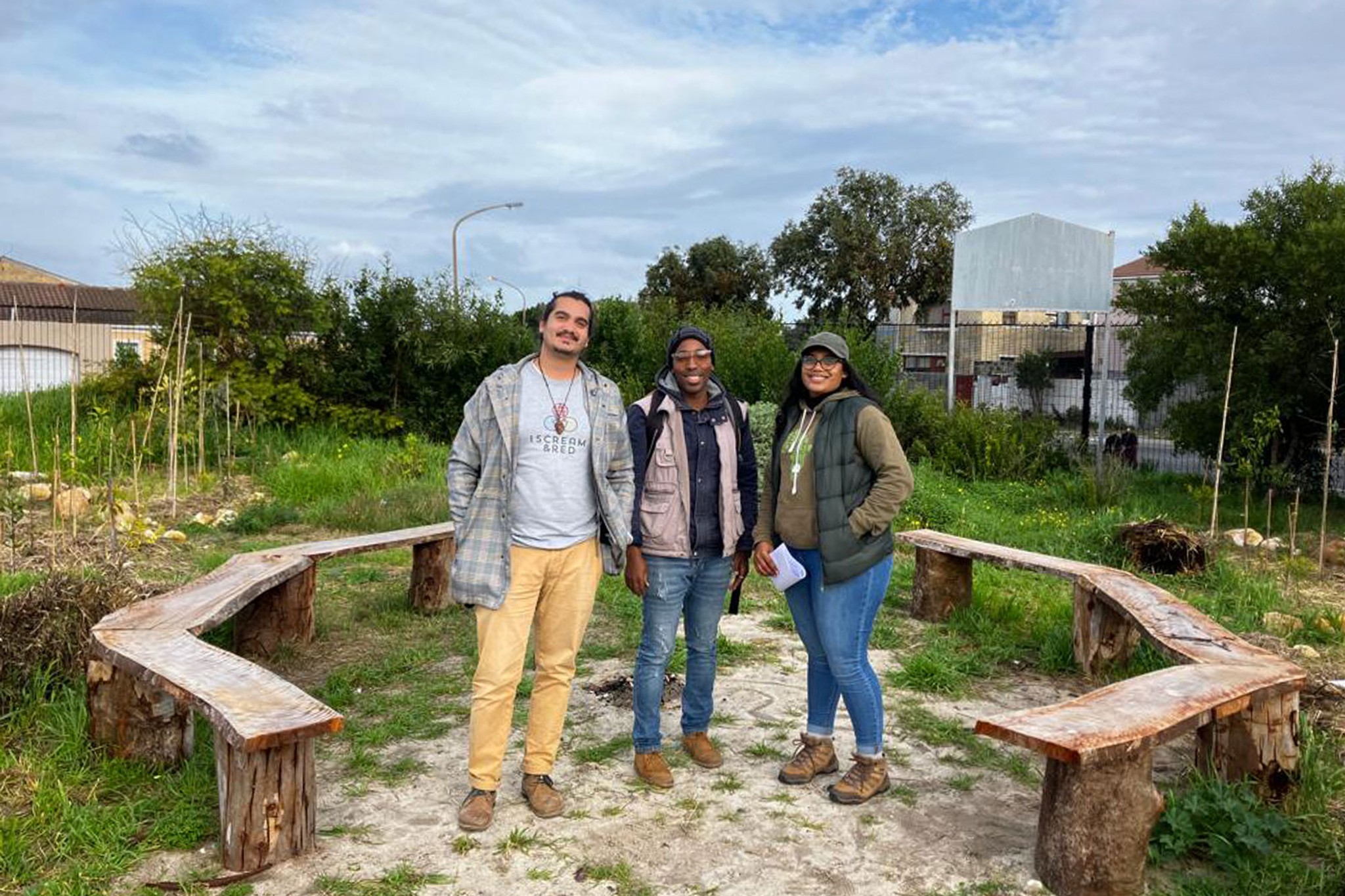
Designed to complement SEED’s existing green campus, which includes outdoor classrooms, compost toilets, food gardens and seed gardens, the SUGi Pocket Forest strengthens the site’s role as a living classroom and creates an opportunity for the school to become a future hub for Miyawaki Forest Makers in the region.
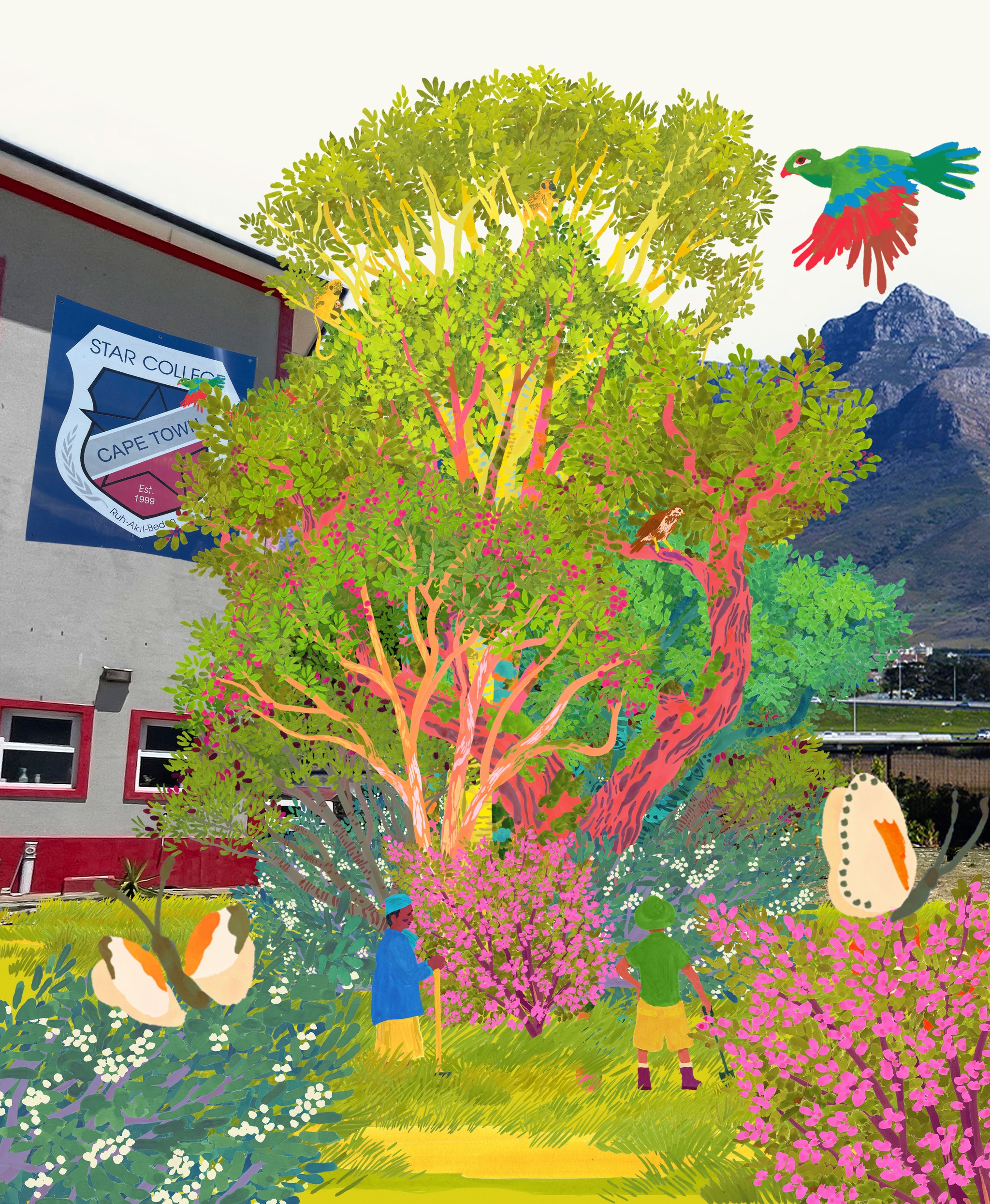
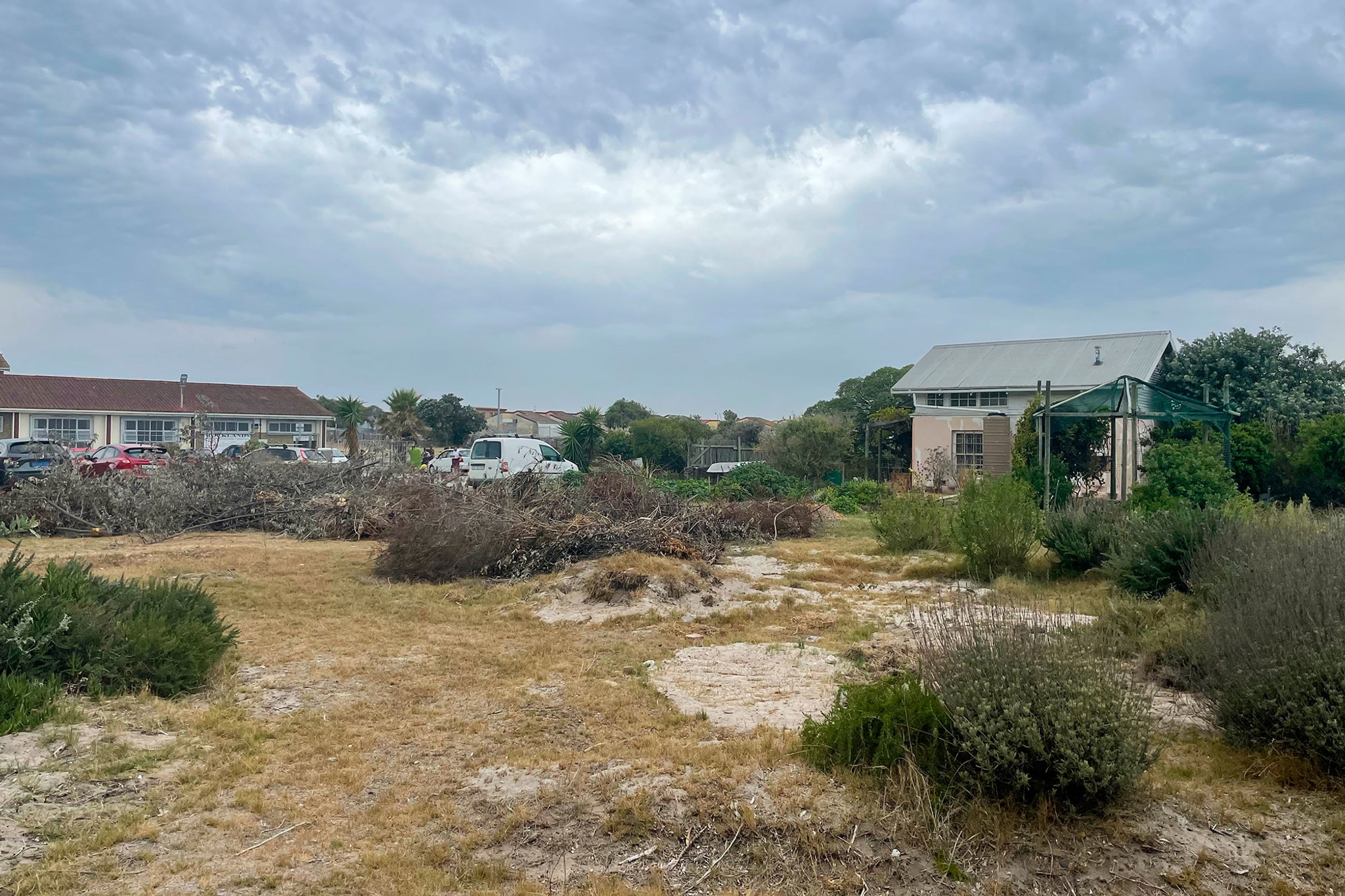
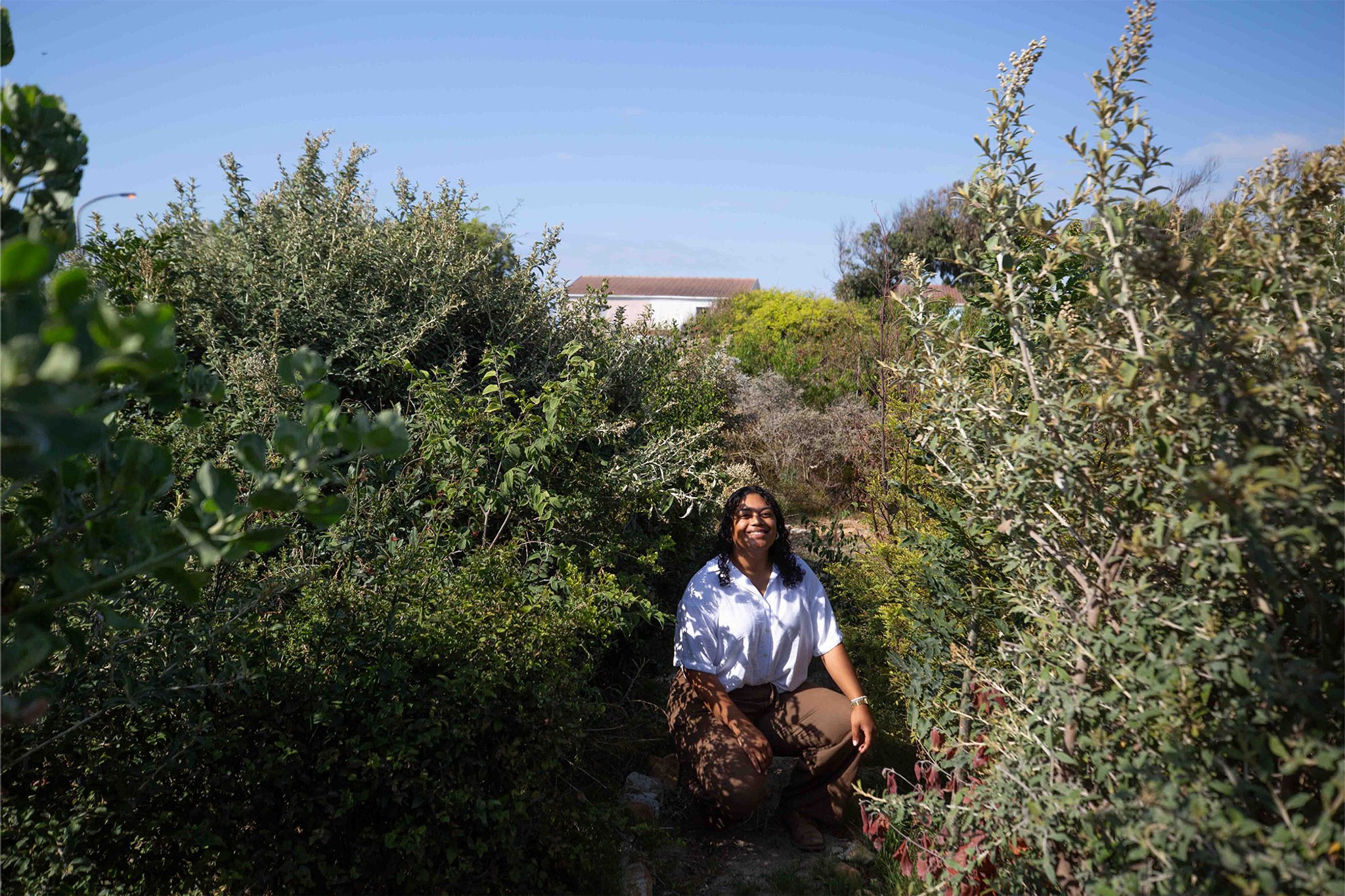
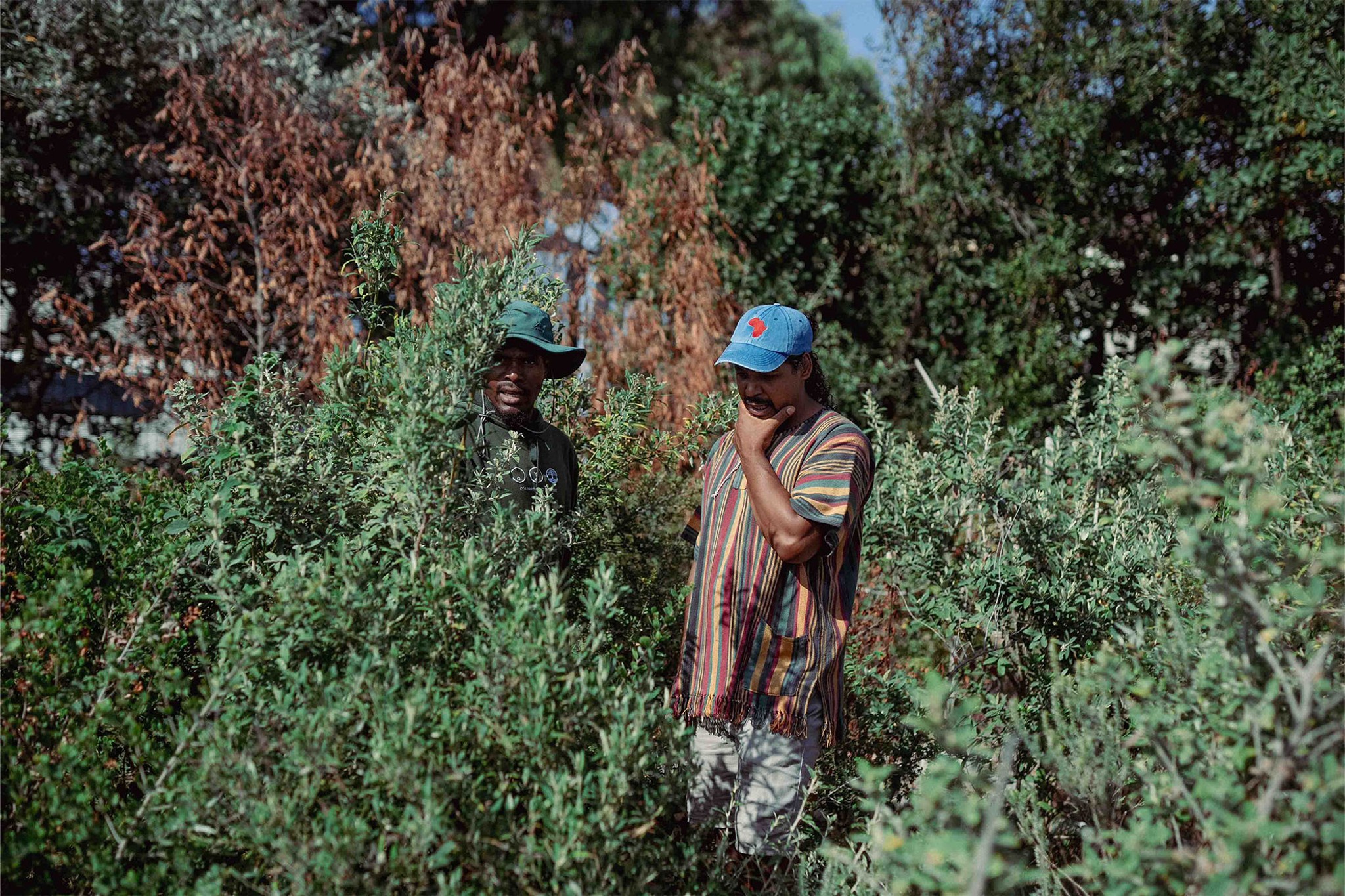
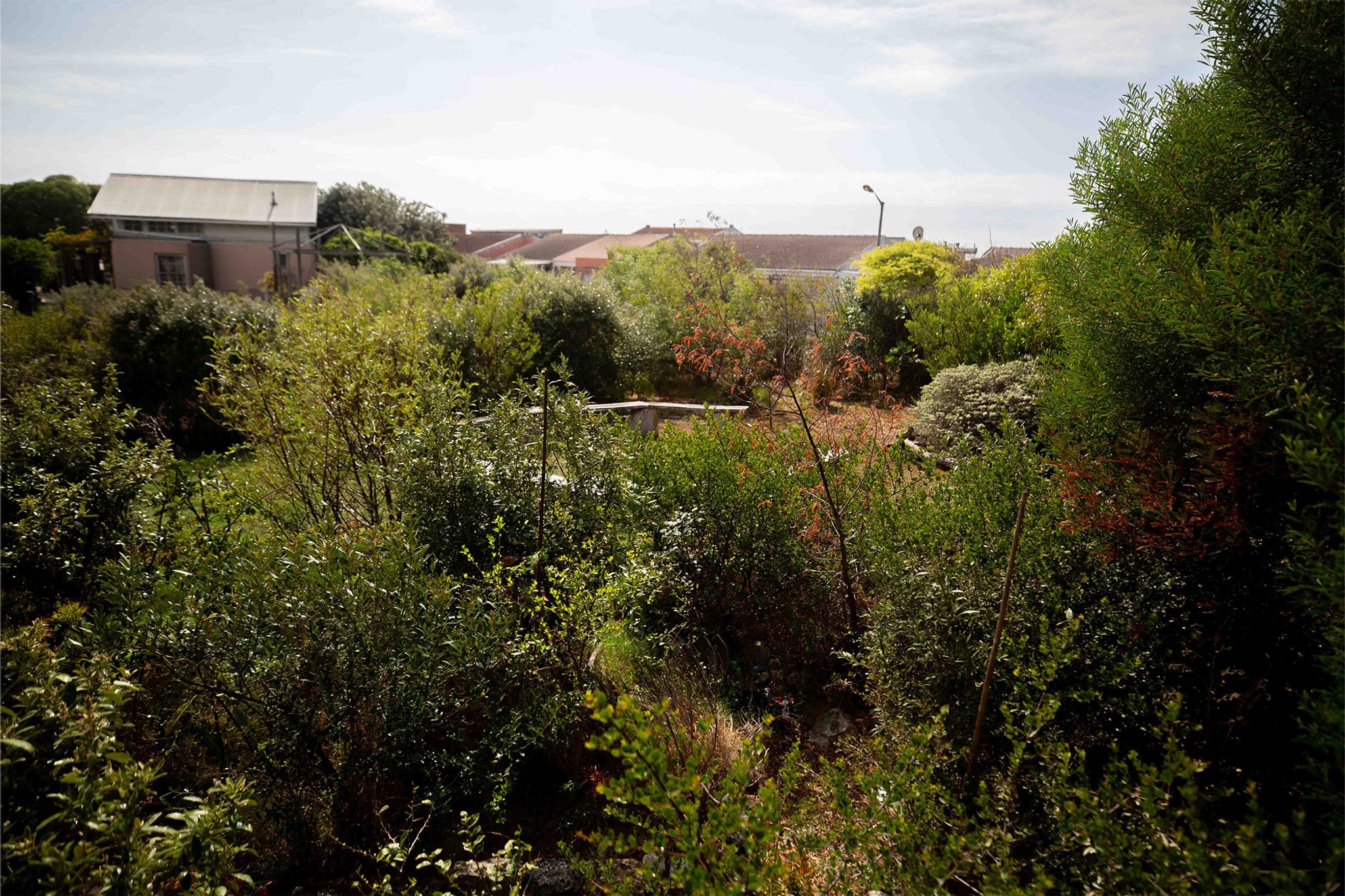
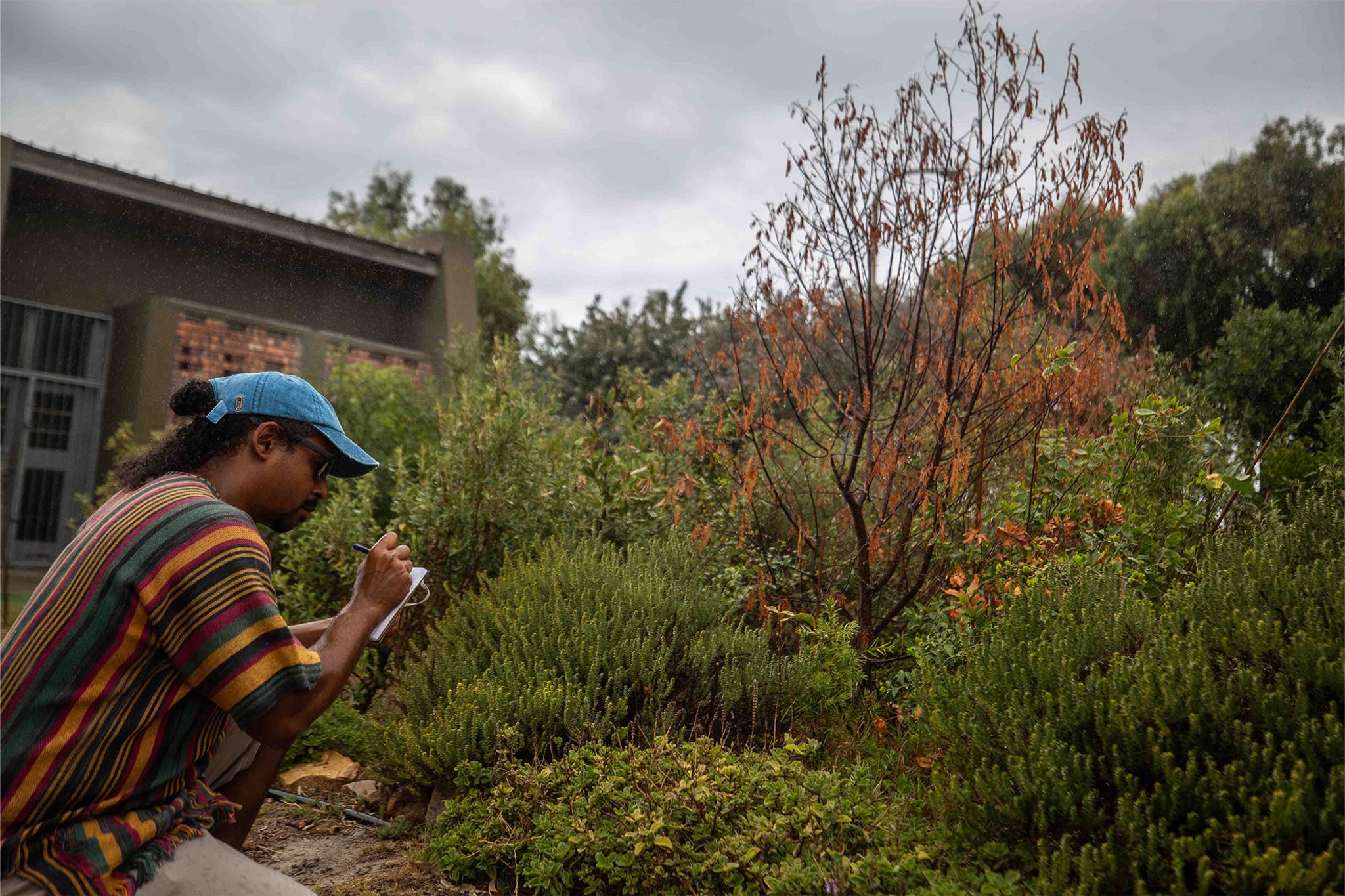
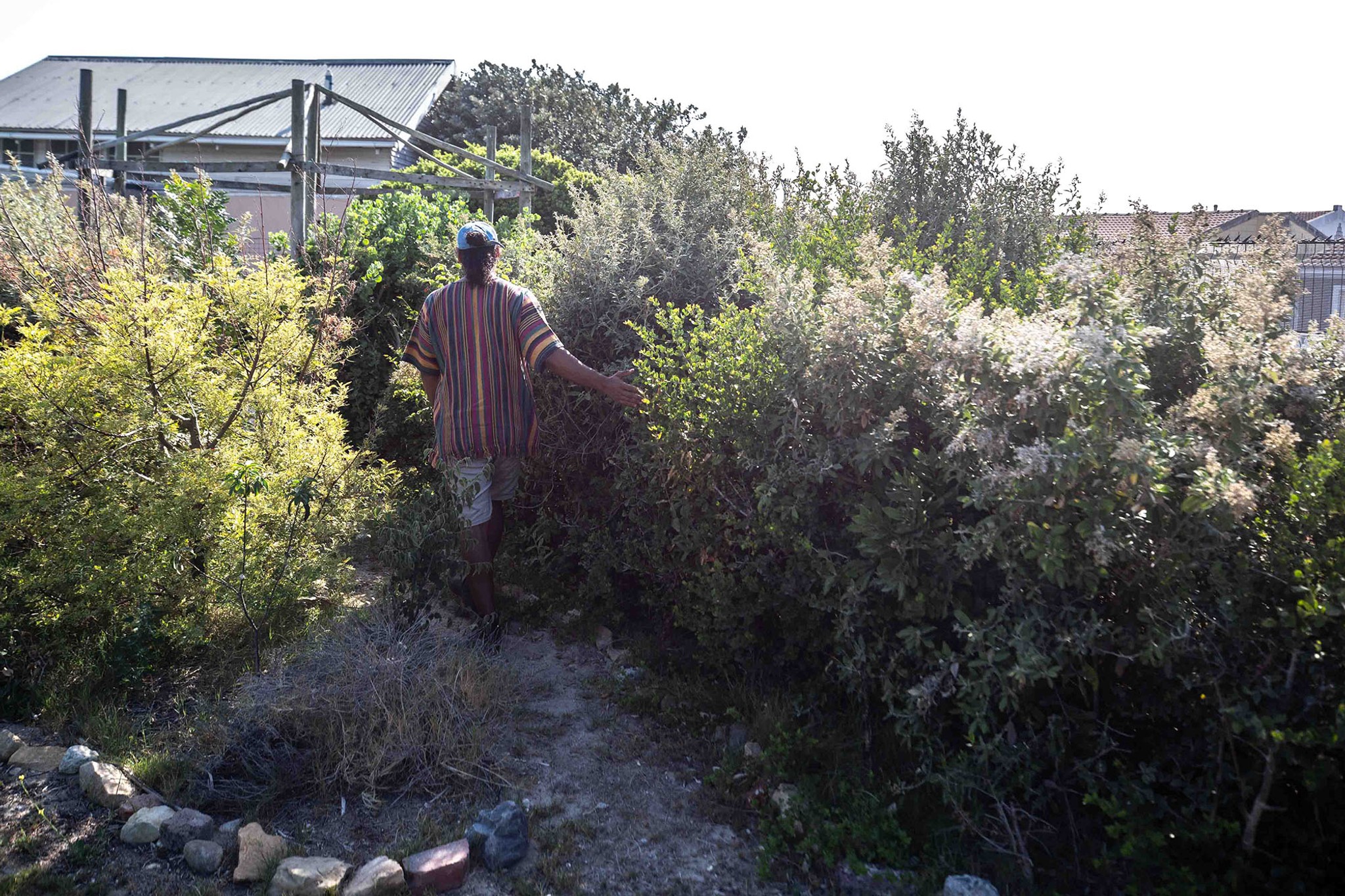
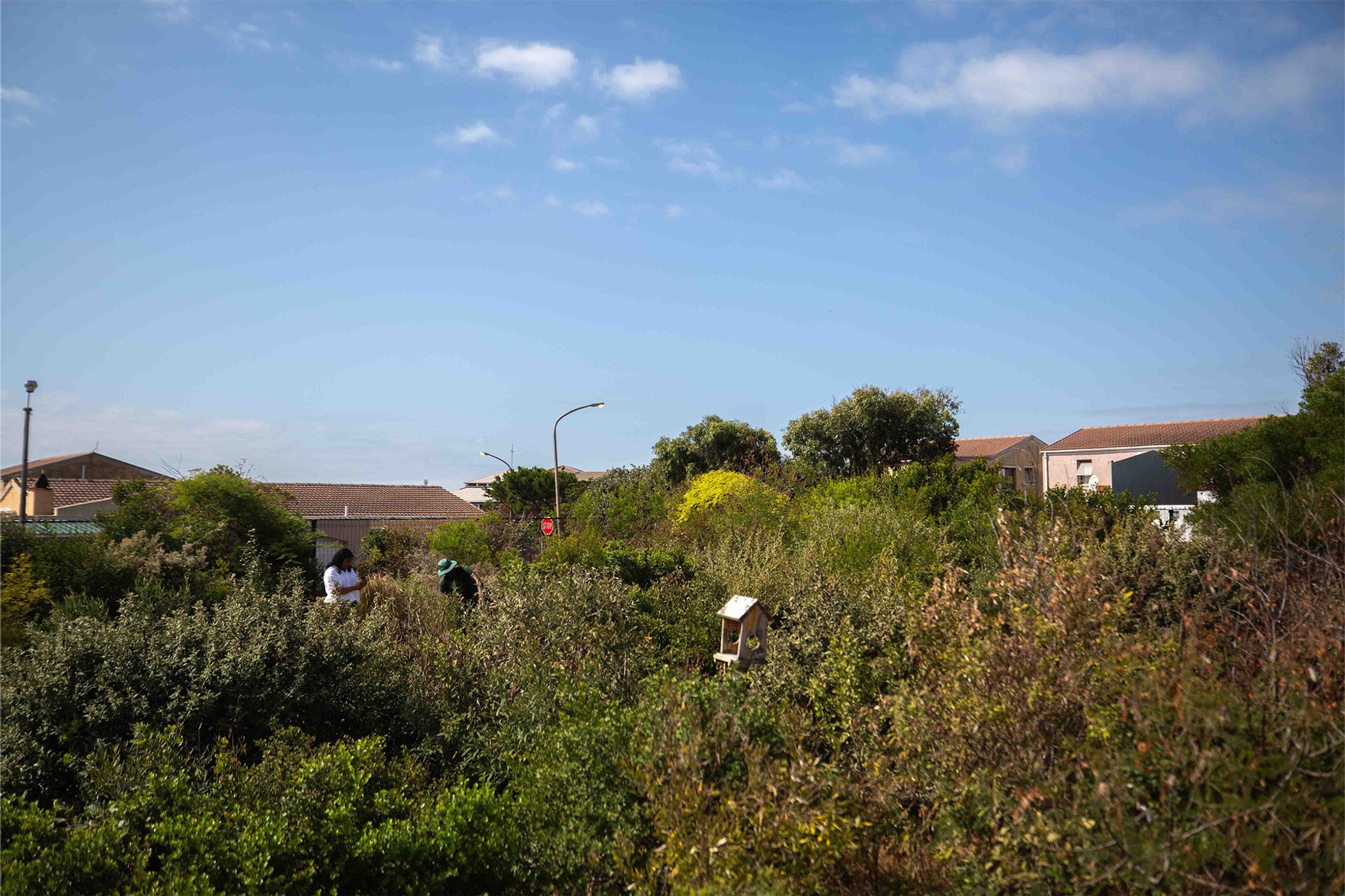
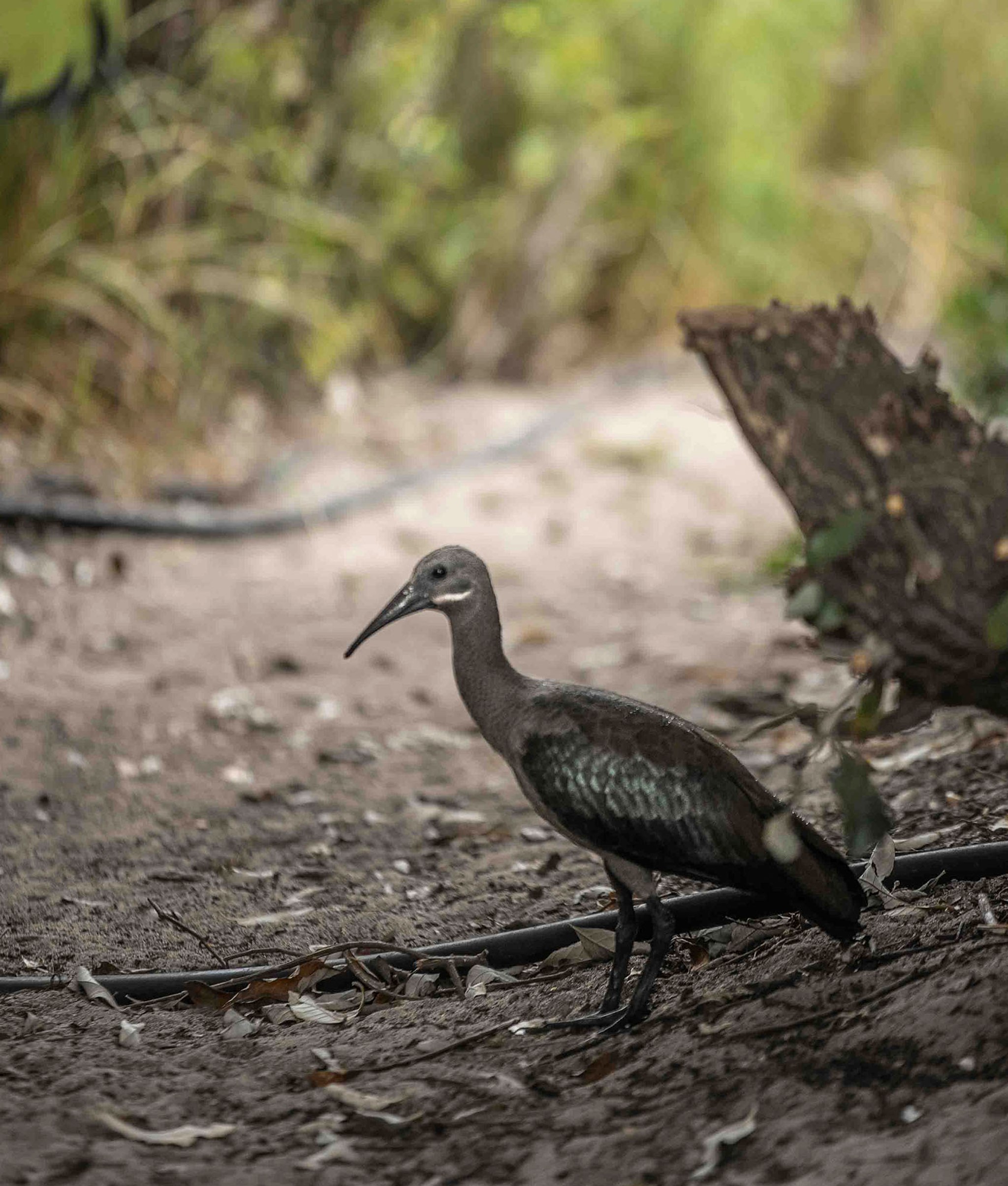
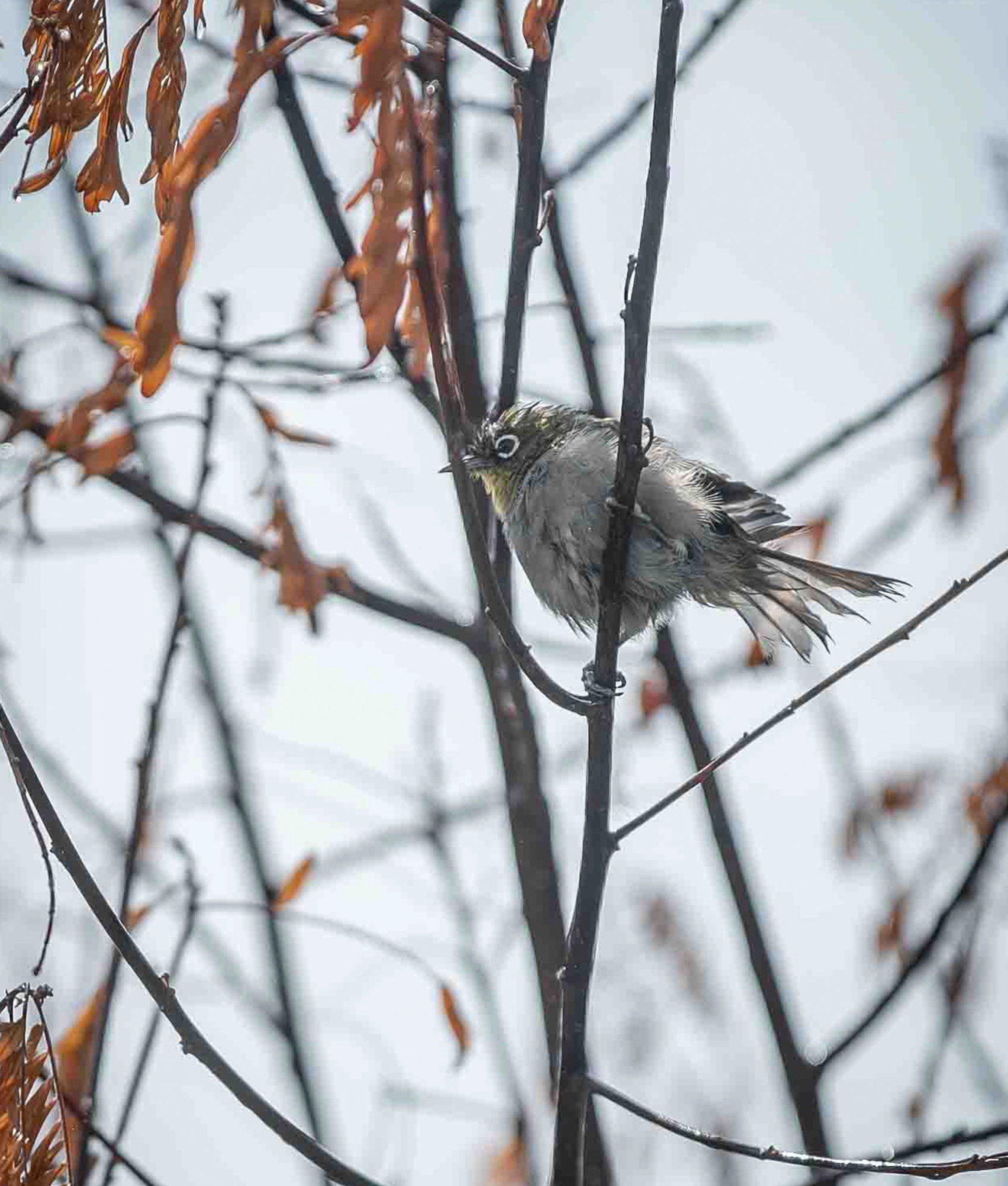
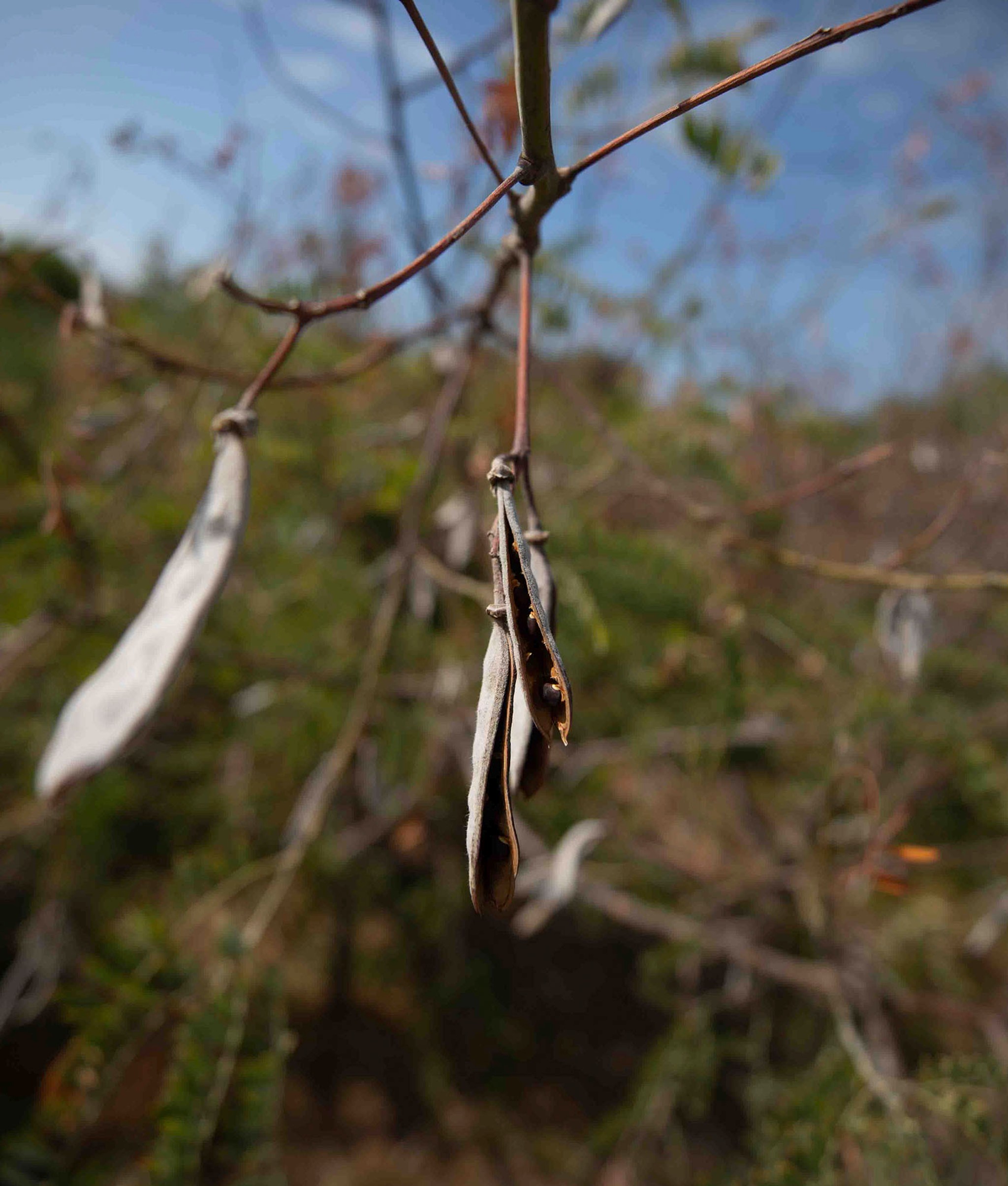
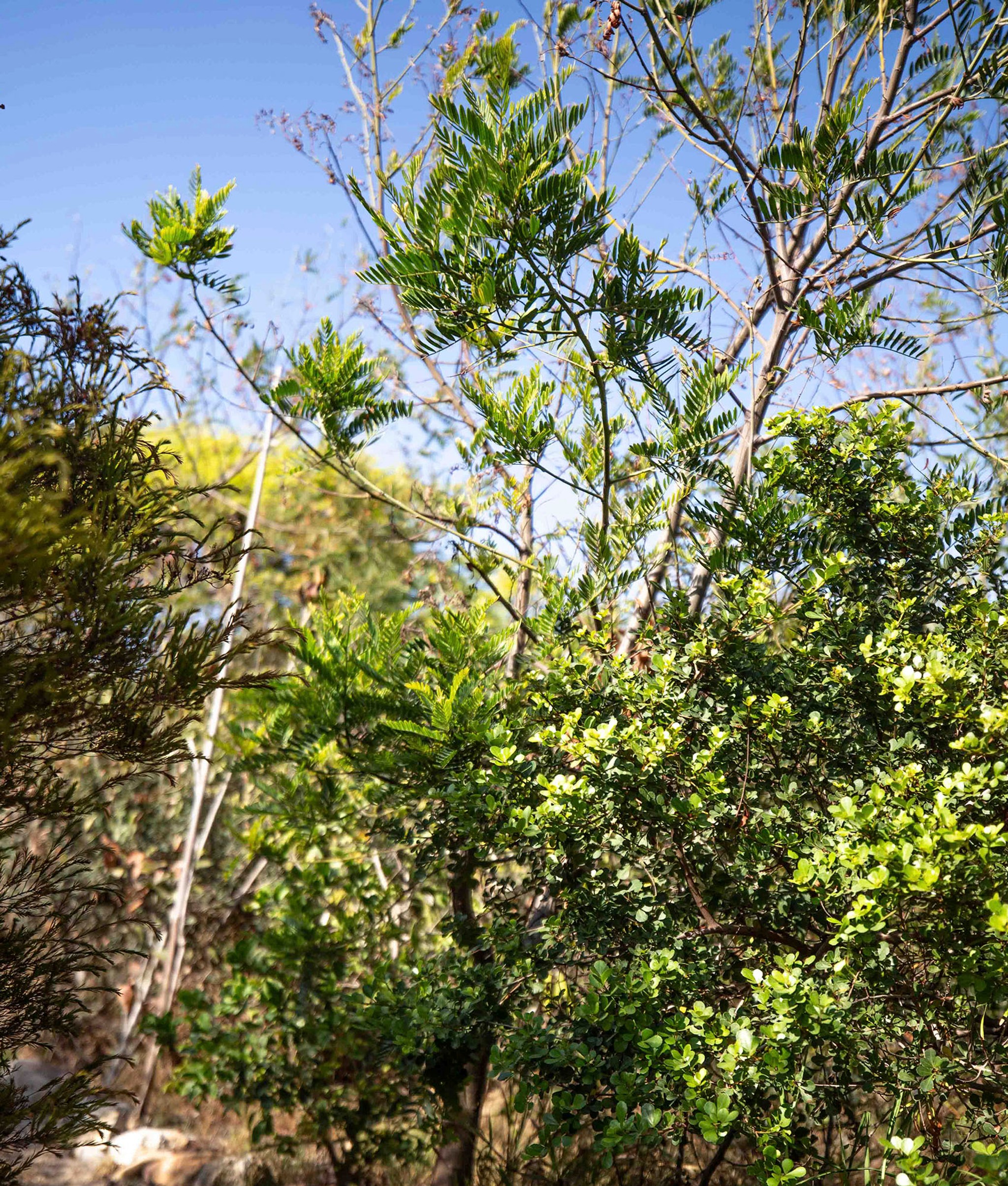
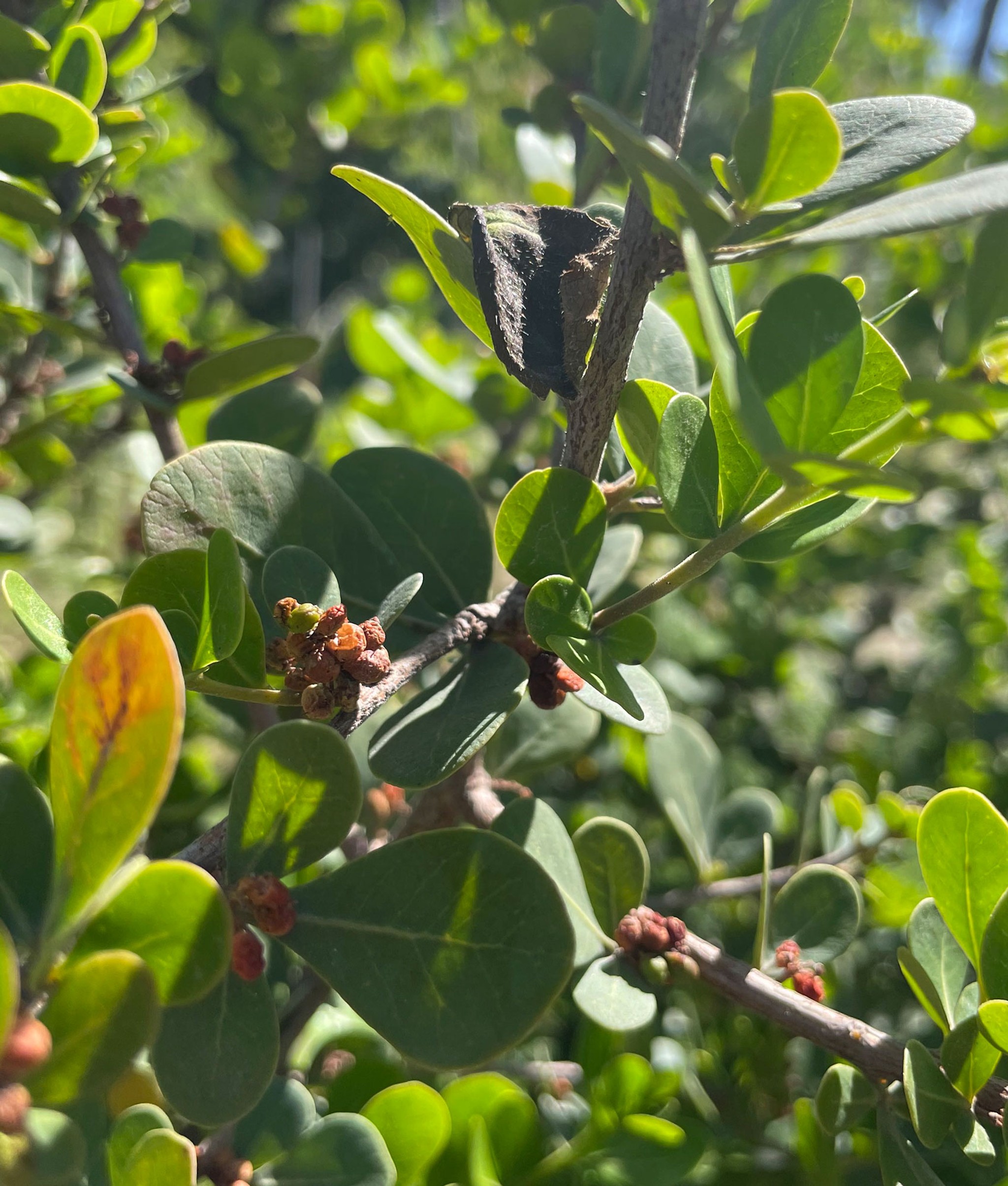
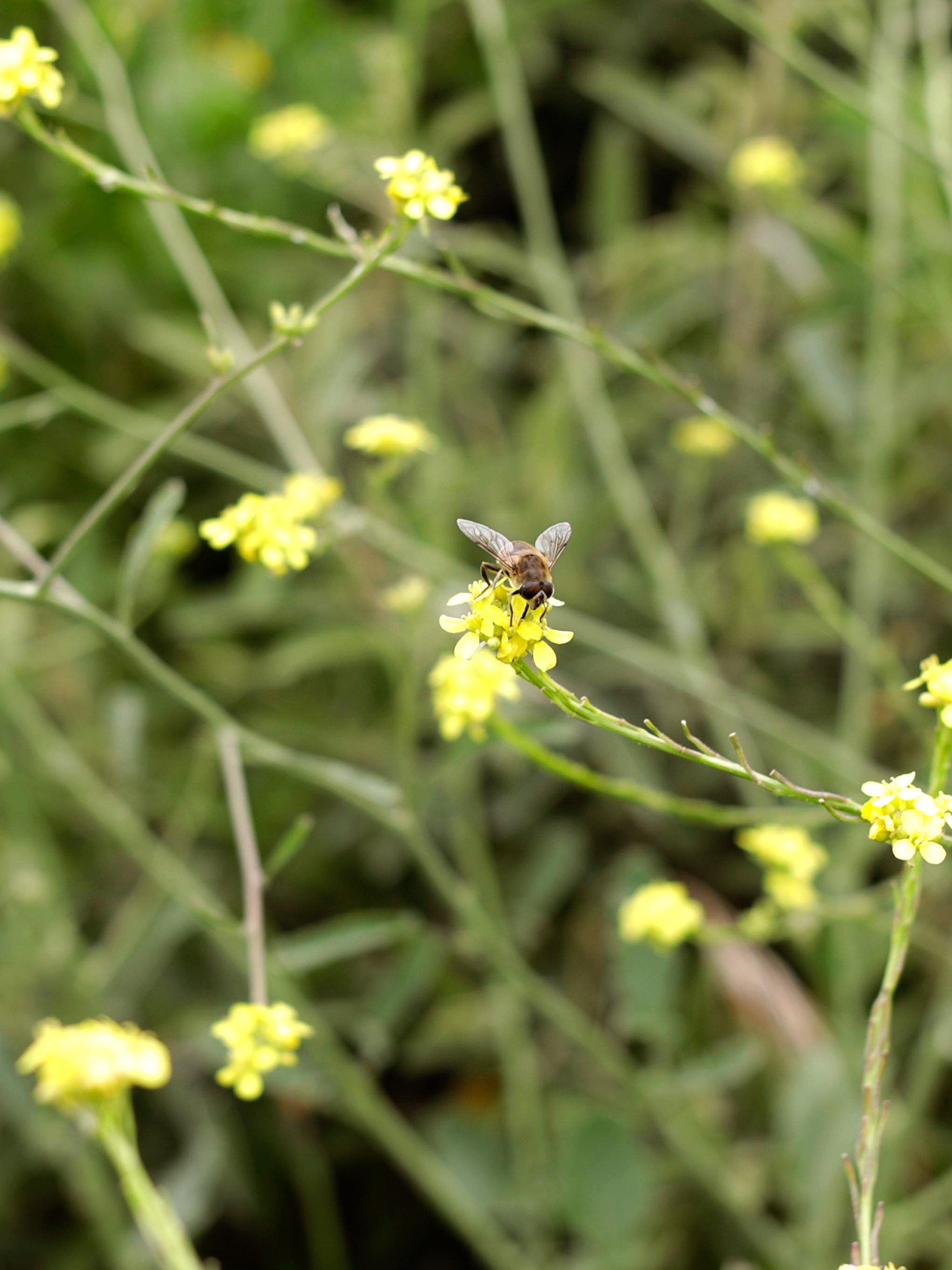
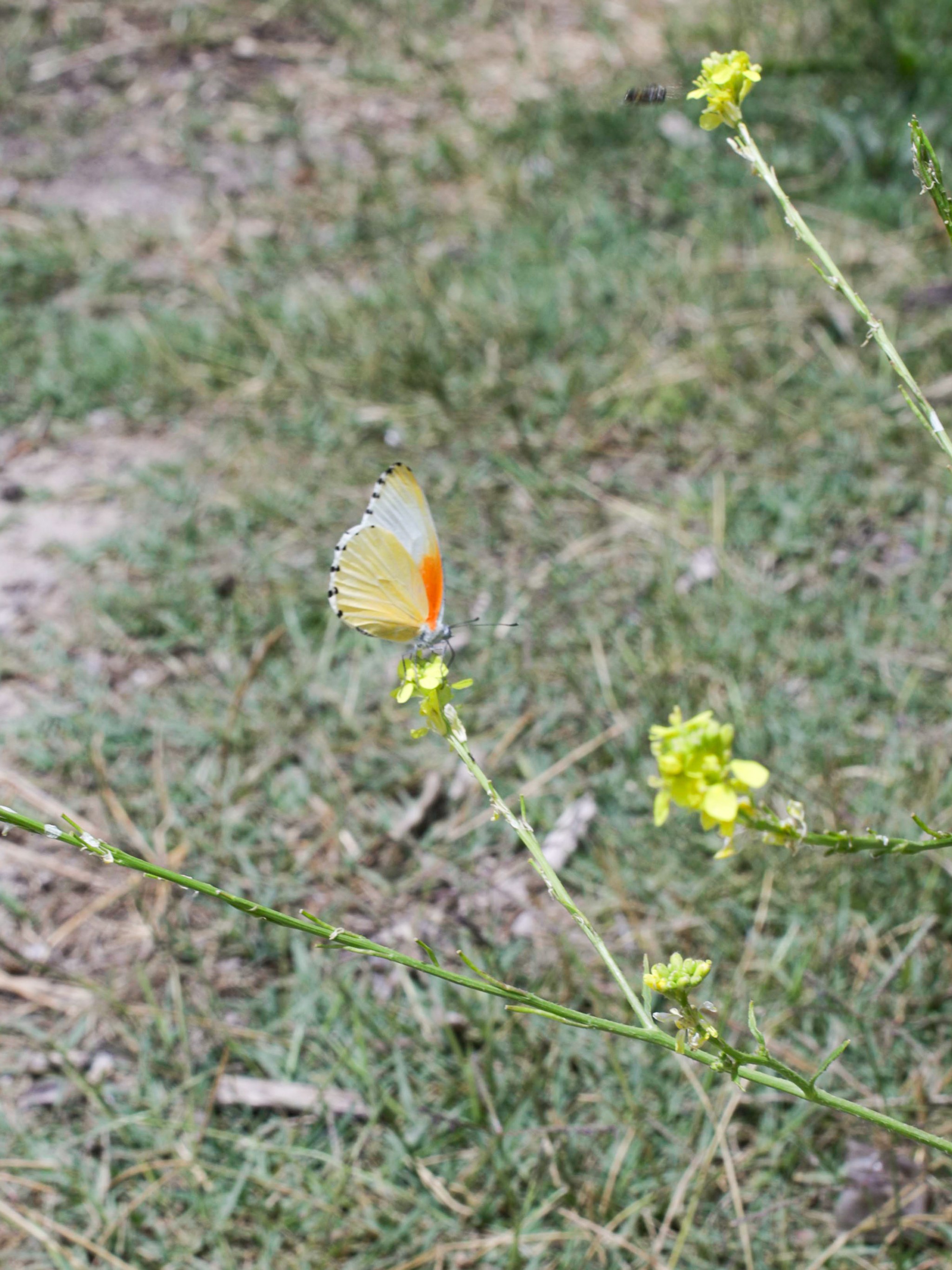
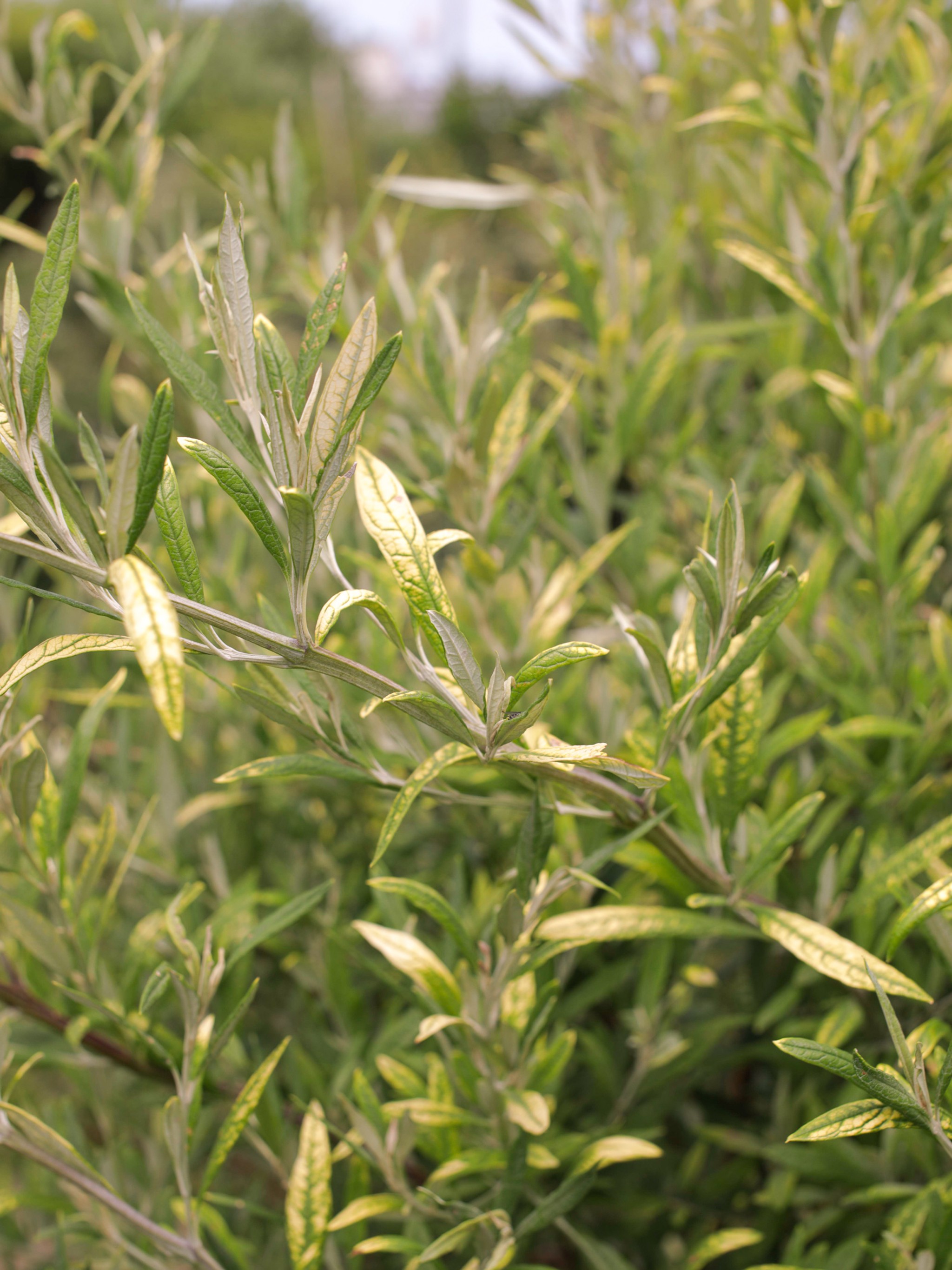
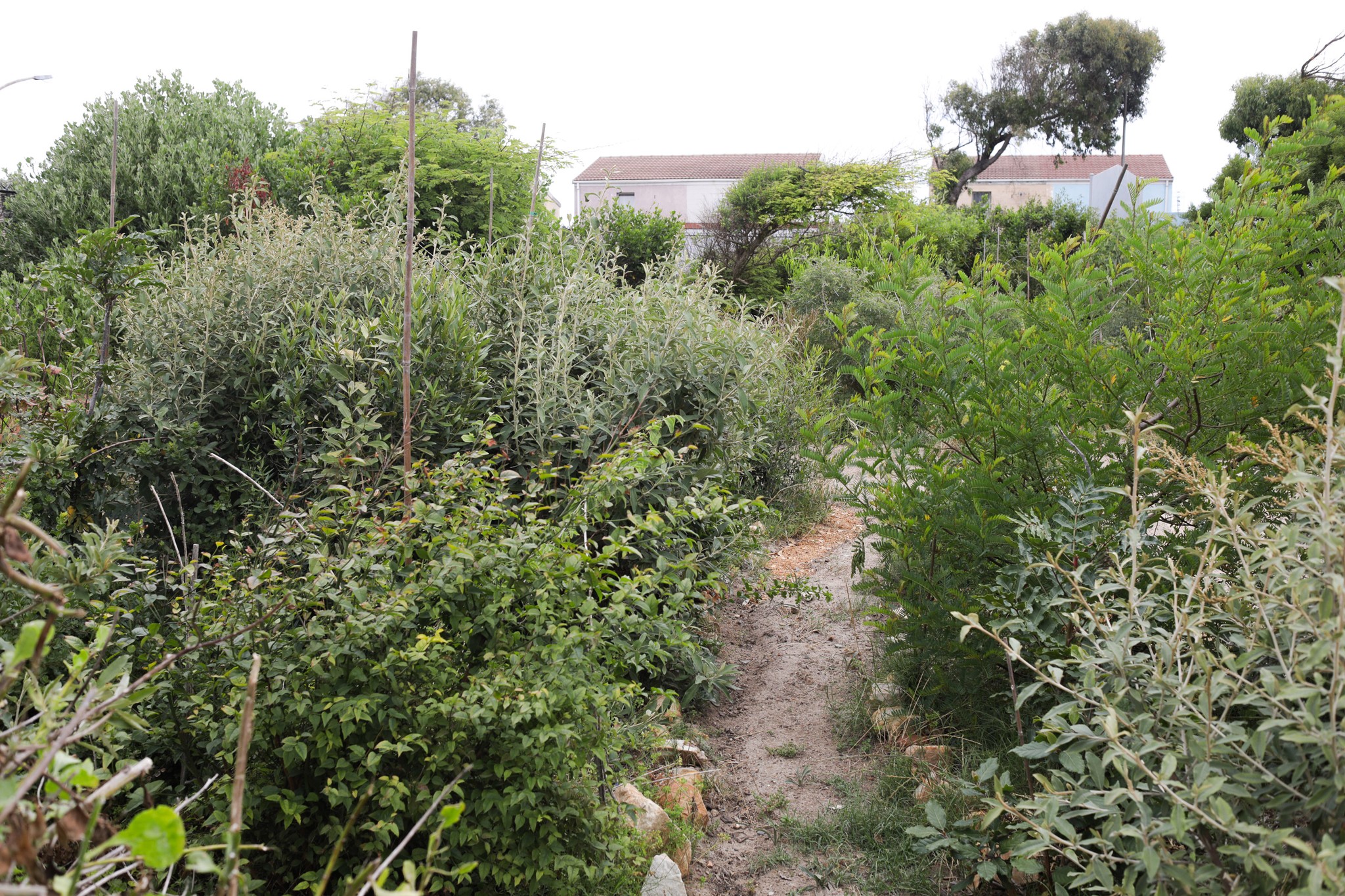
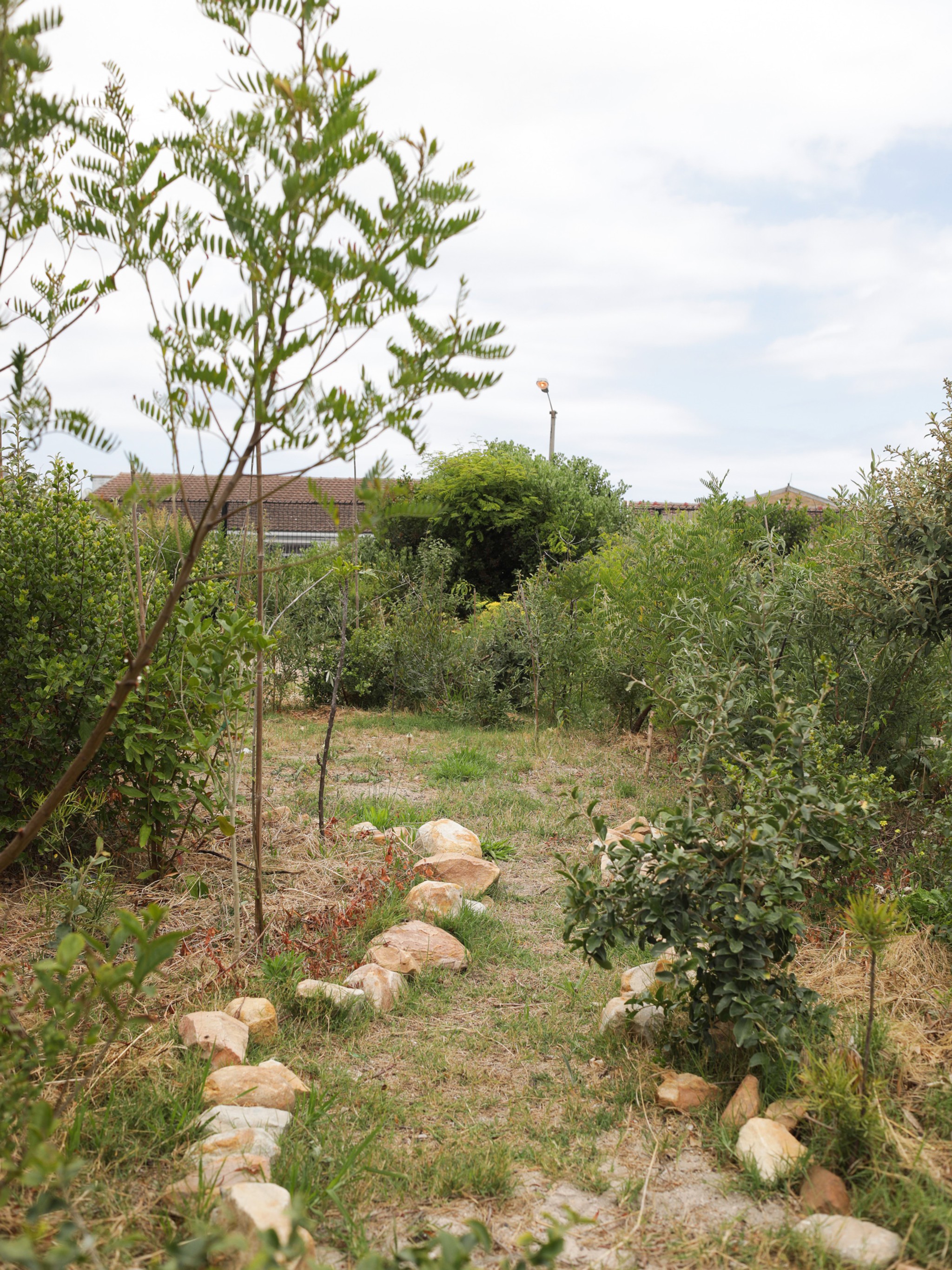
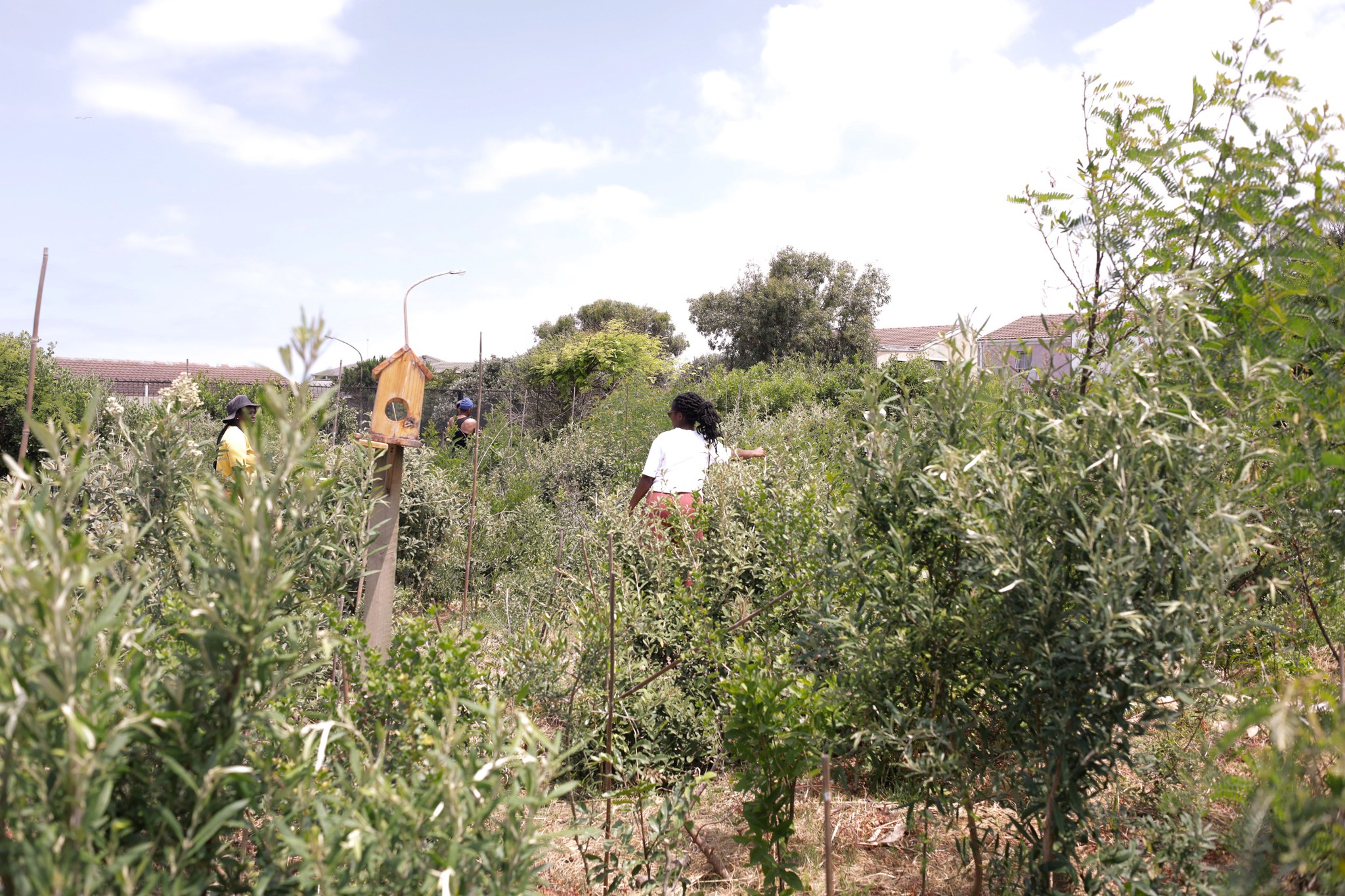
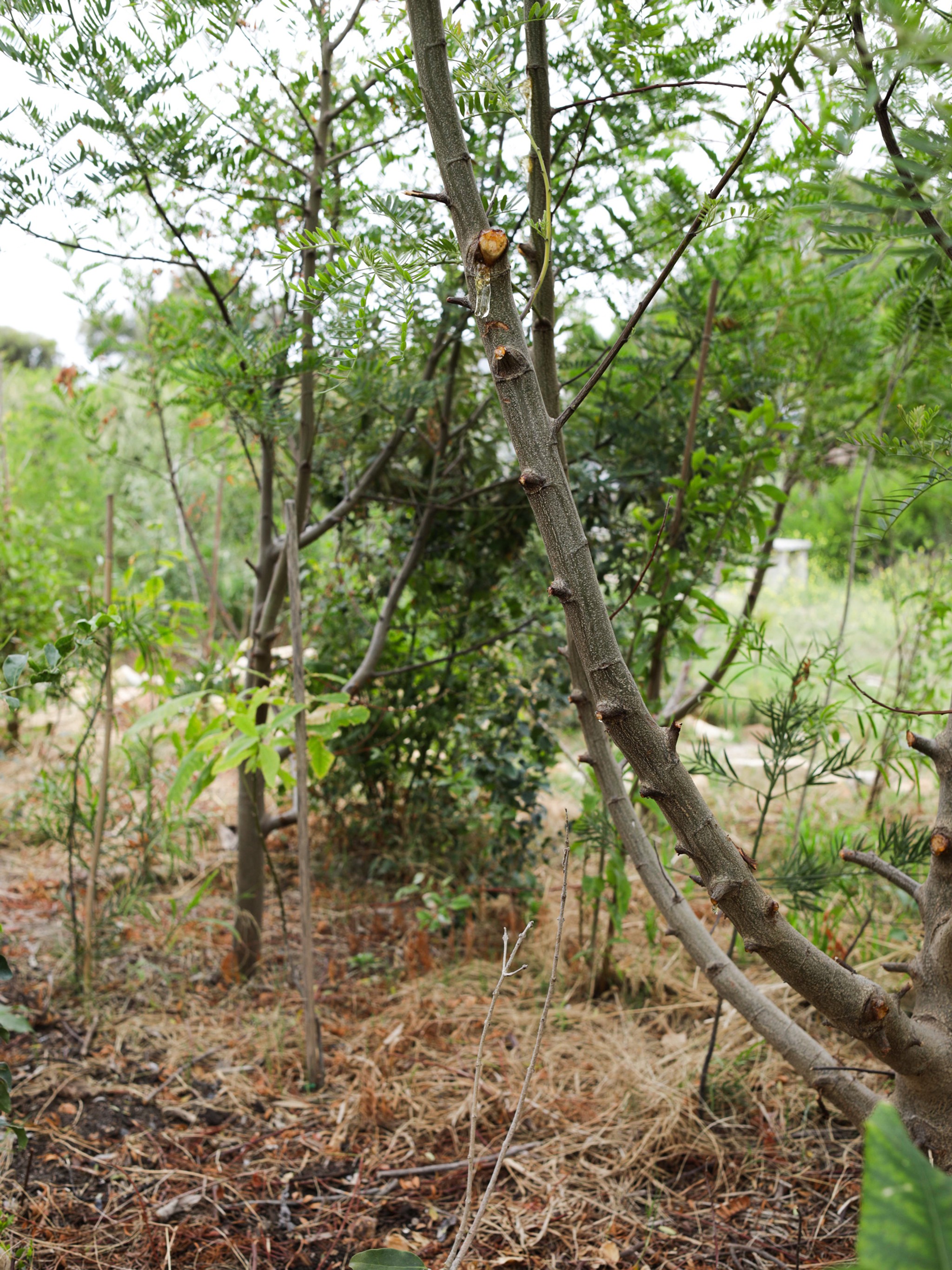
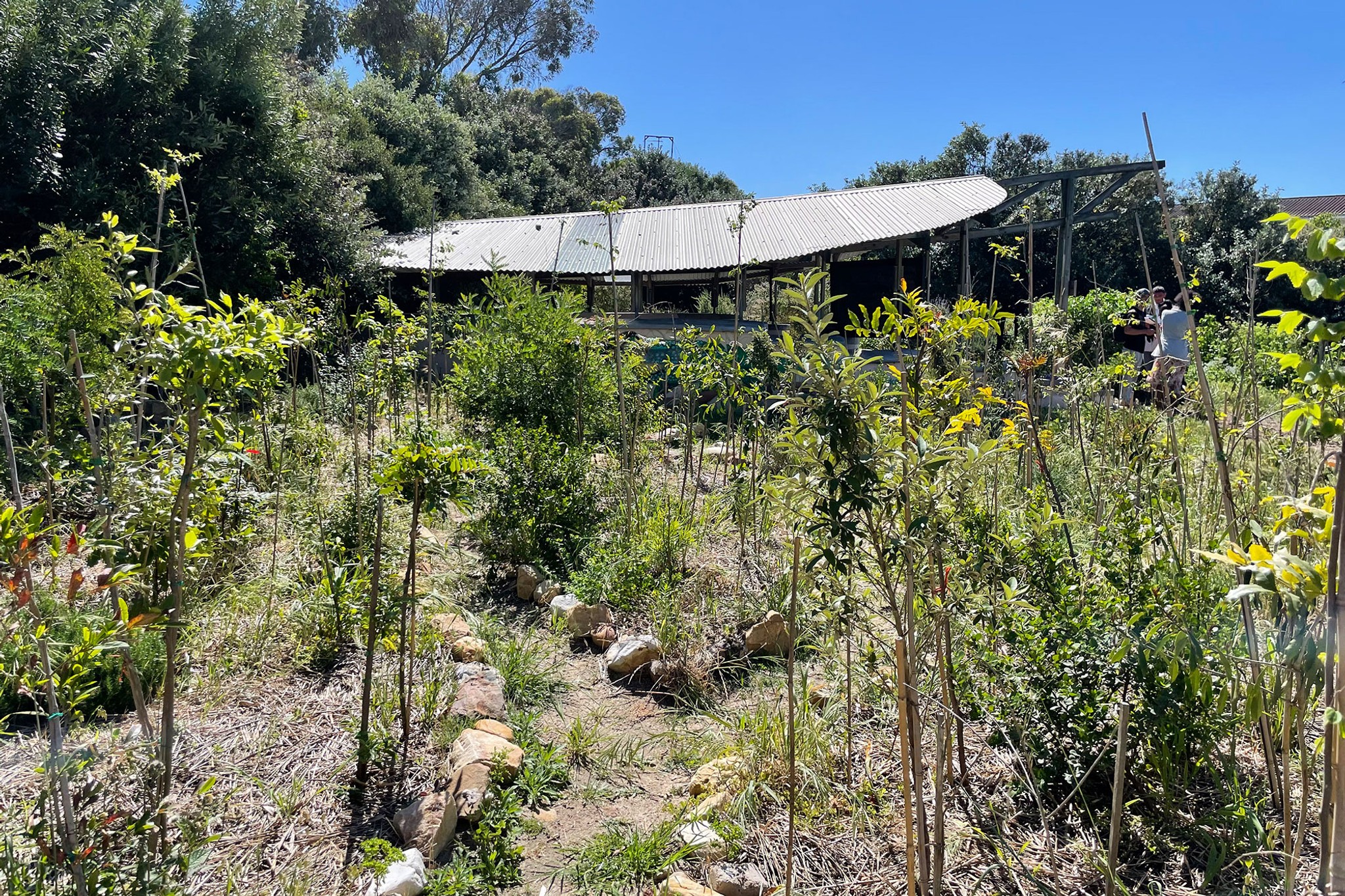
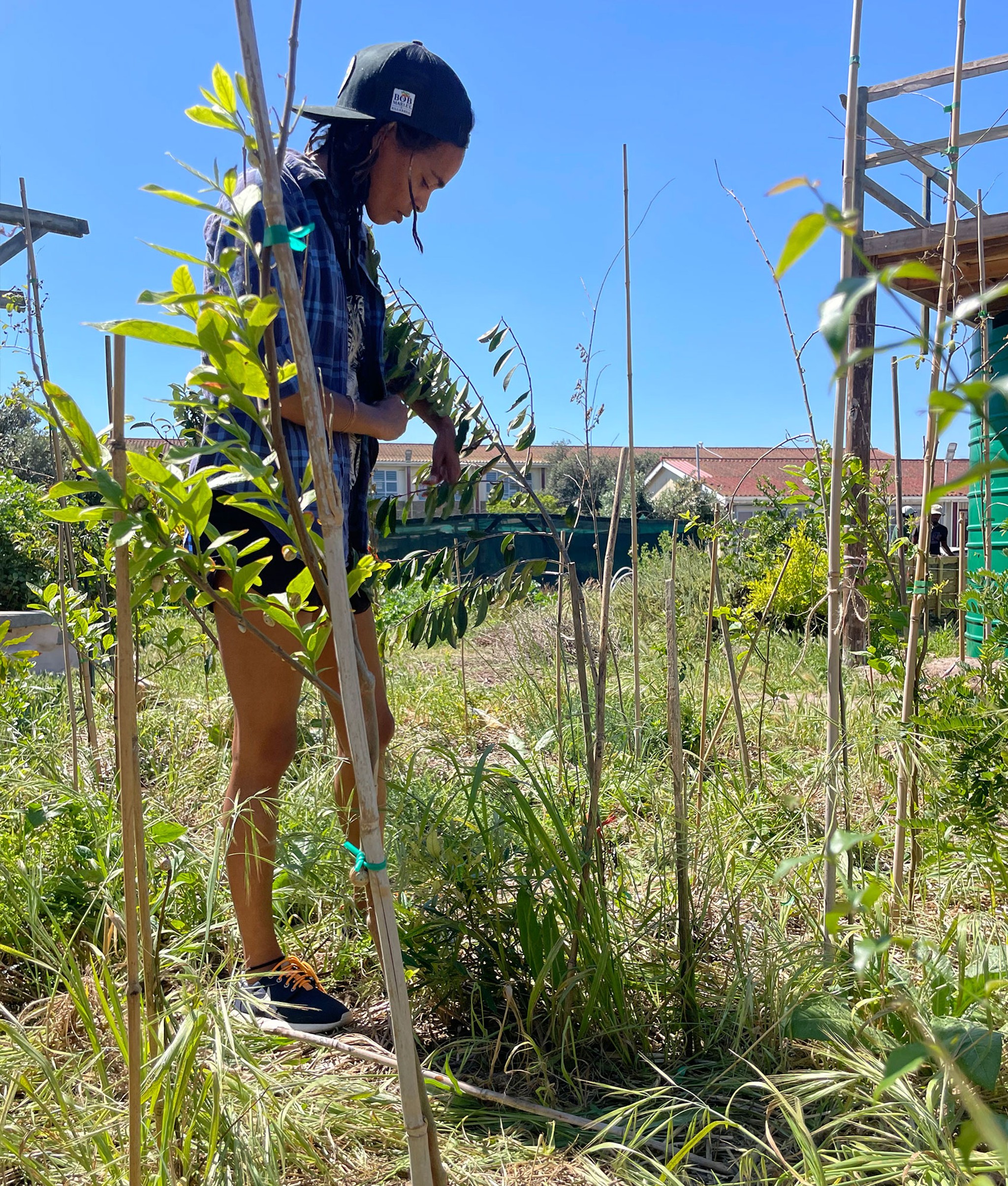
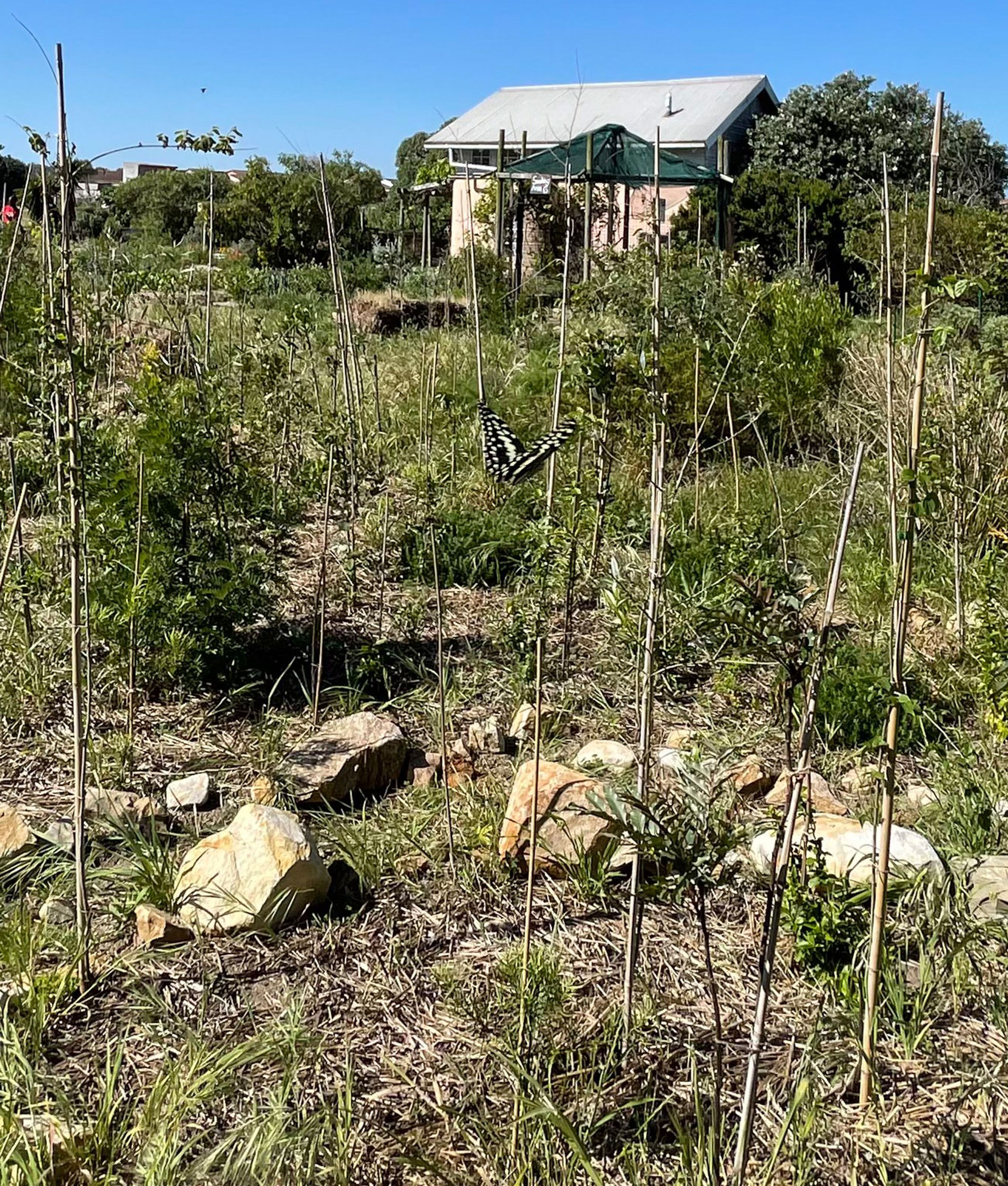
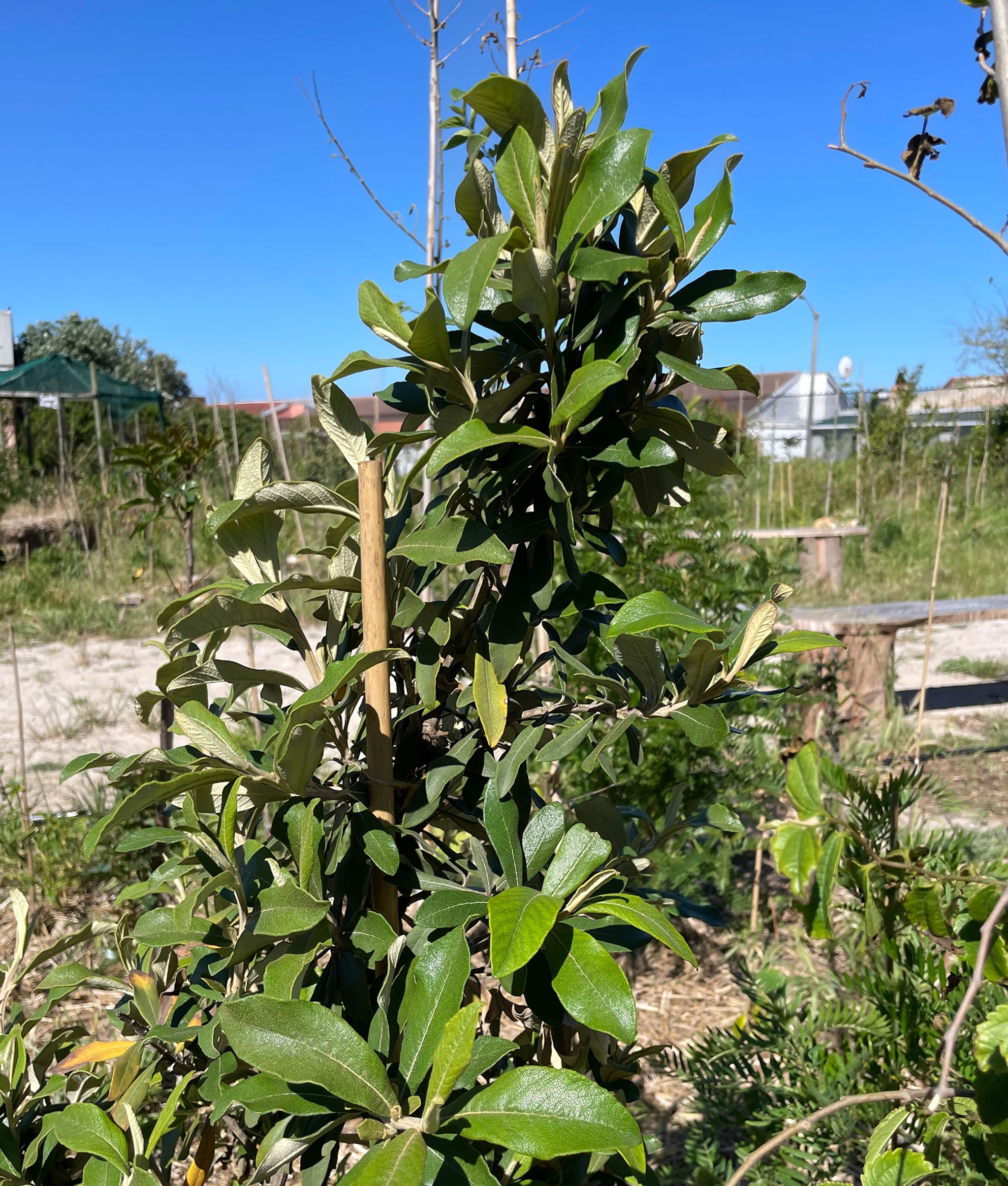
Despite early challenges around securing sufficient water during the first two years of establishment, the forest has continued to develop resilience, with the abundant rains of winter 2025 providing a crucial boost. Since then, there has been visible new growth, accompanied by a noticeable increase in insects and butterflies, signalling a strengthening ecosystem. Biodiversity at Cape Flats Forest is steadily increasing, with various bird species regularly moving through the forest in the early mornings, and Keurboom trees not only flowering but also producing seed pods that provide food for insects and birds alike. As the forest continues to mature, it is emerging as an increasingly self-sustaining ecosystem and an inspiring example of how education, community and rewilding can come together to regenerate both land and knowledge for future seasons to come.
Forest Maker
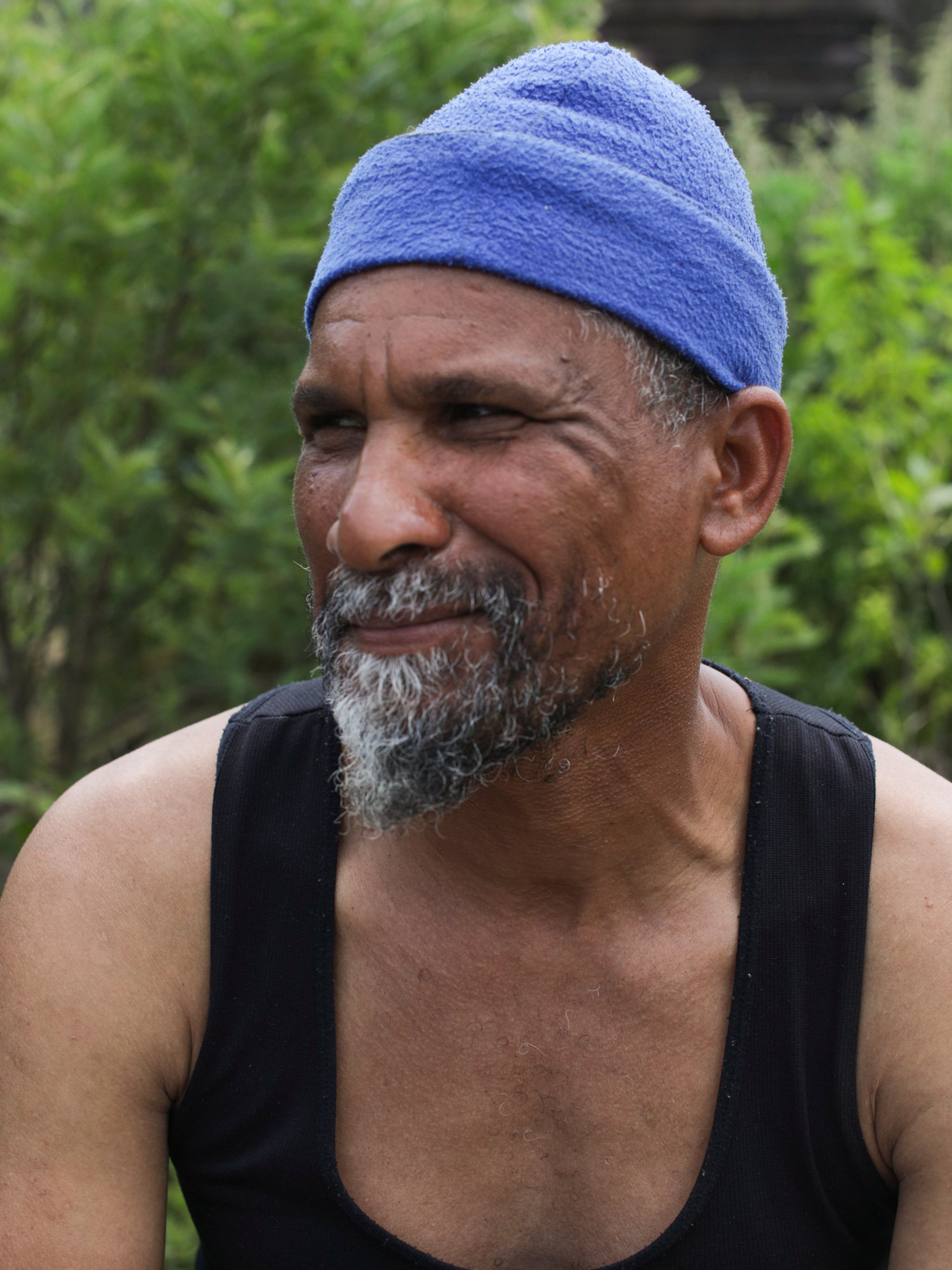
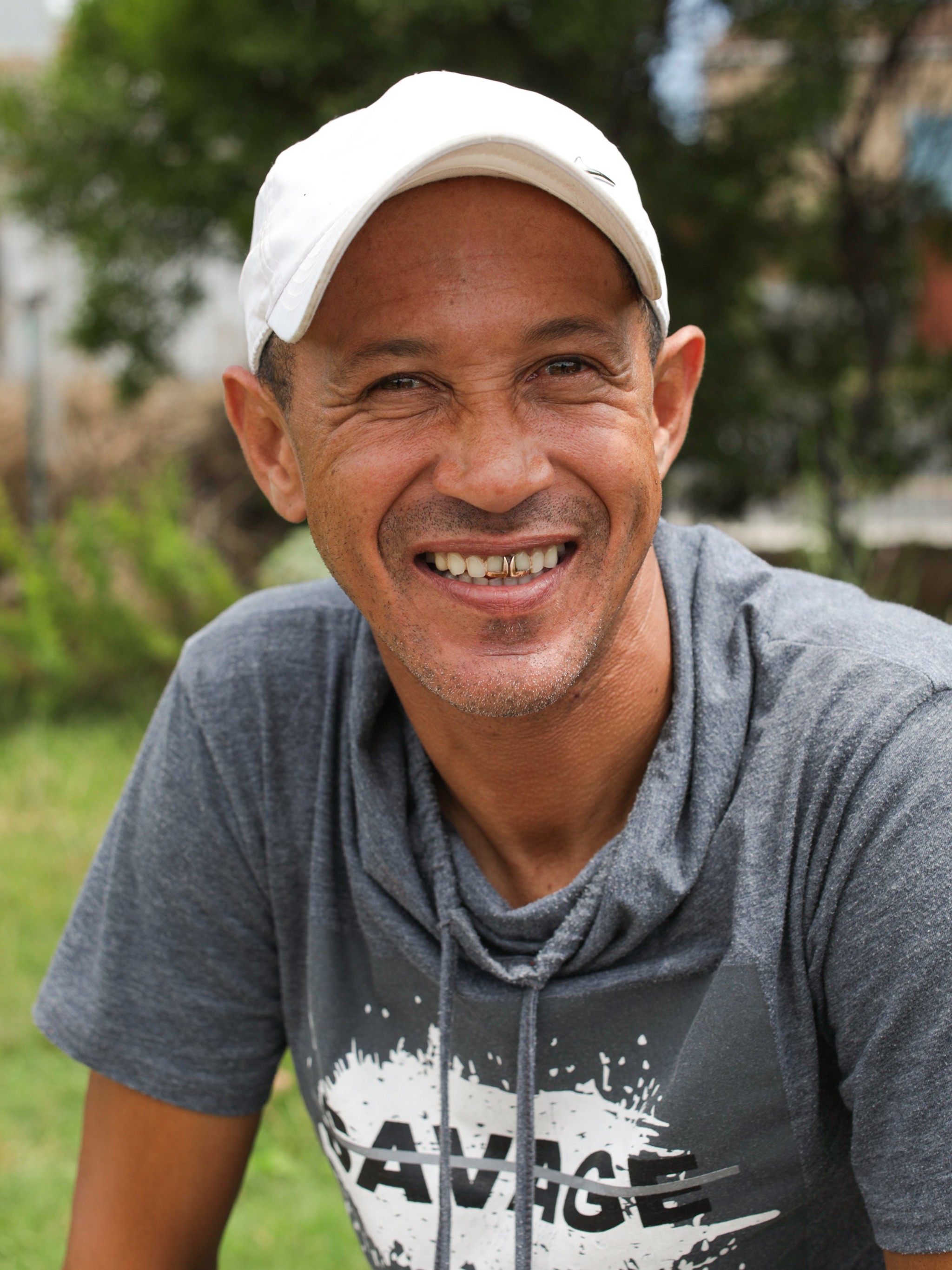
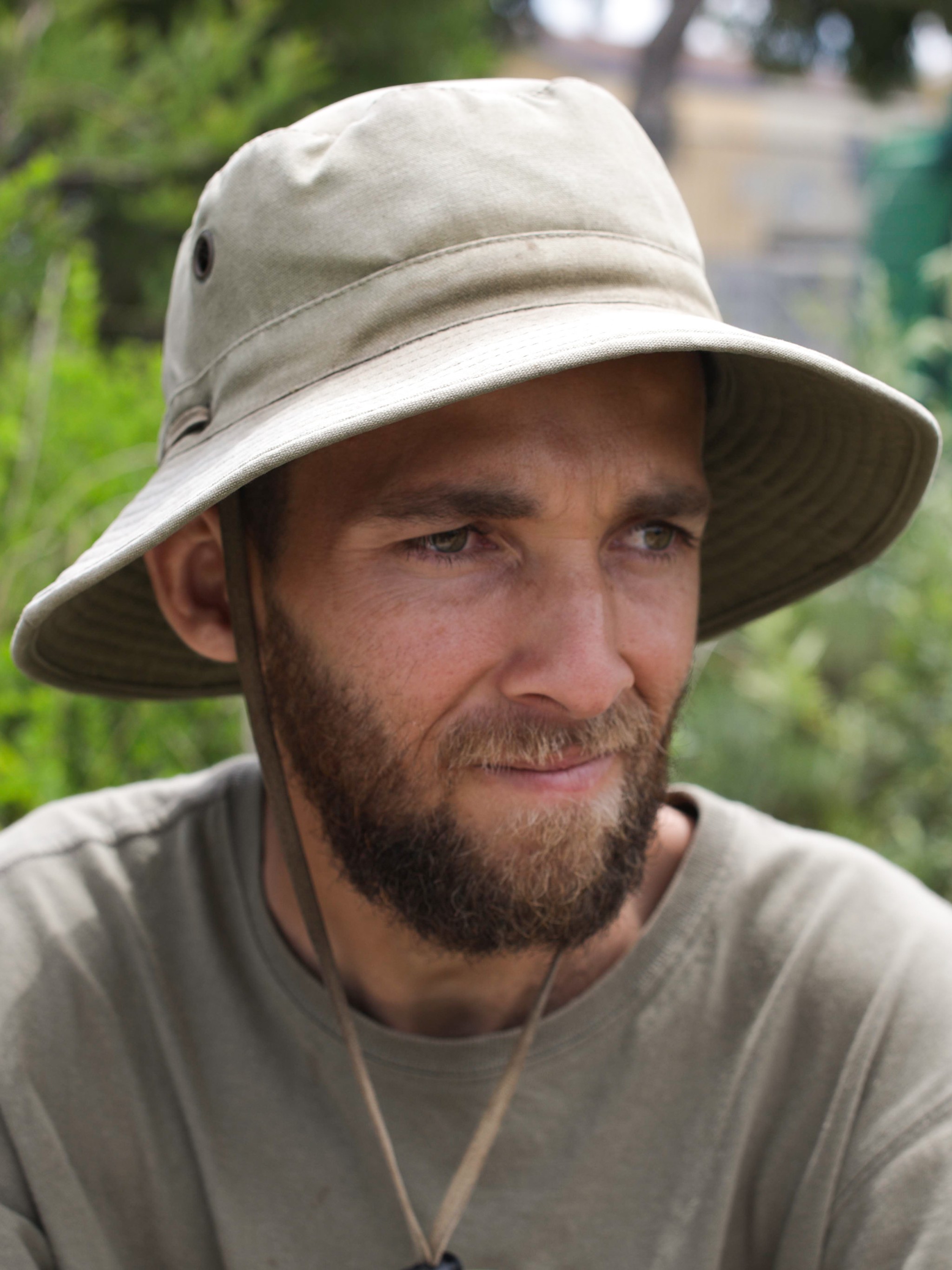
Aghmad Gamieldien
Forest Partner

Ecosystem Restored
Final report: 11.07.2025
After approximately three years our SUGi Pocket Forests become self-sustaining. They no longer require human maintenance or watering, and can be handed over to Nature for biodiversity and complexity to naturally develop.
0%
Survival Rate
0
People living within 300 meters
0
kg of potential CO2 sequestration
Biodiversity
Biodiversity is all the different kinds of life you'll find in one area—the variety of animals, plants, fungi, and even microorganisms like bacteria that make up our natural world. Each of these species and organisms work together in ecosystems, like an intricate web, to maintain balance and support life.
0
Potential number of mammals
0
Potential number of birds
0
Potential number of amphibians
Forest Report: 2024
0 Months
Forest Age
0%
Survival Rate
0m
Average of 3 Tallest Trees
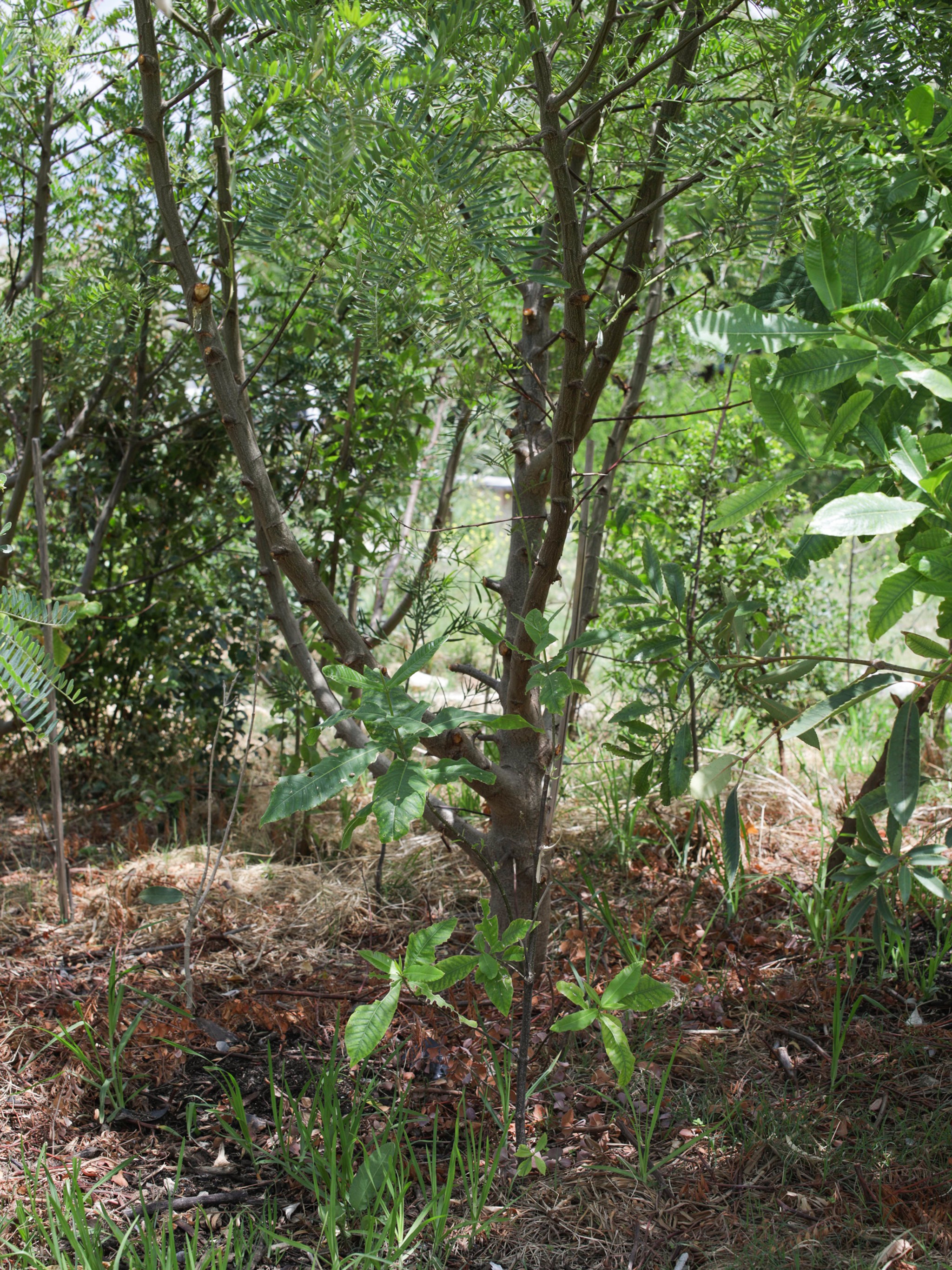
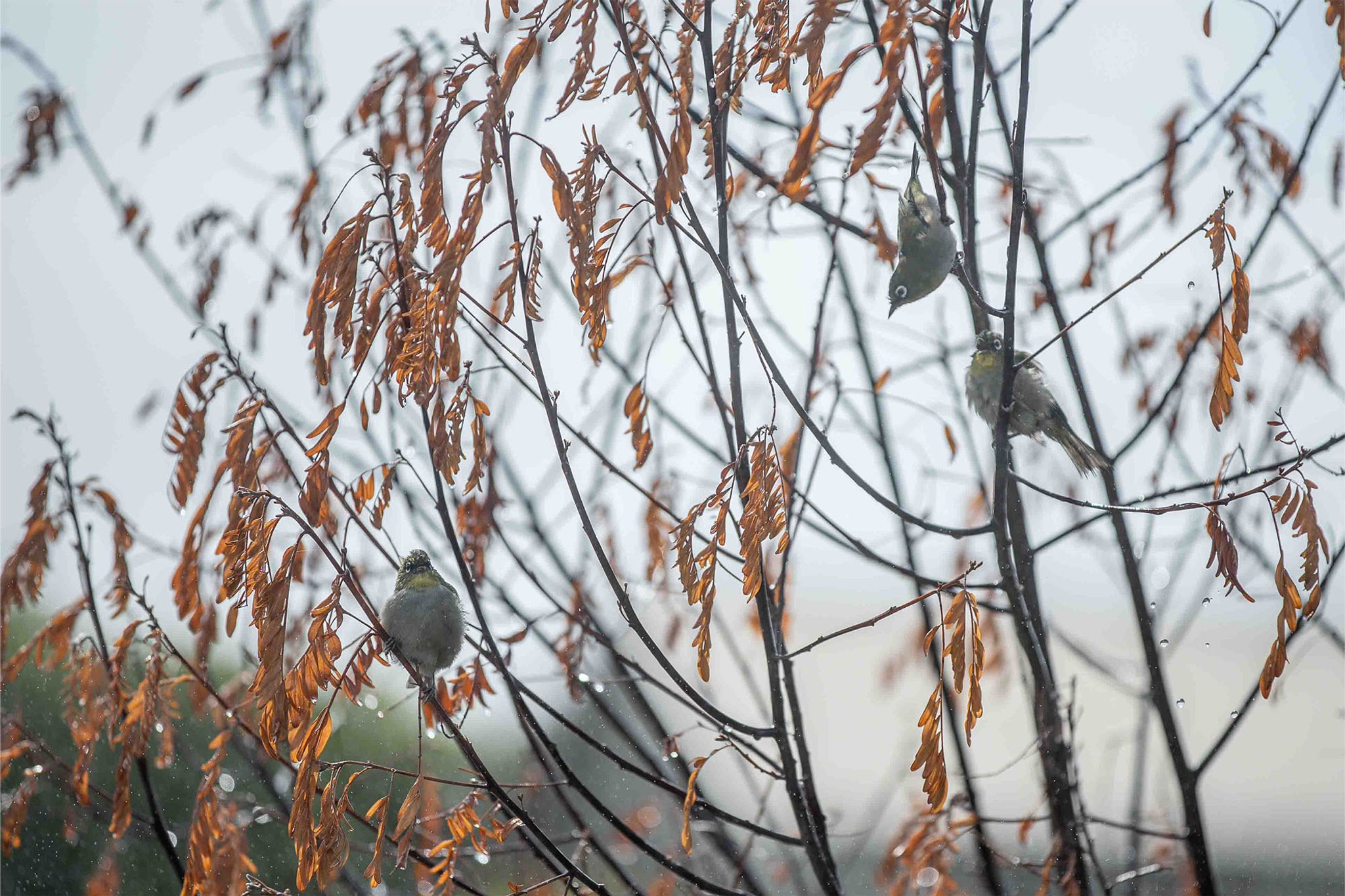
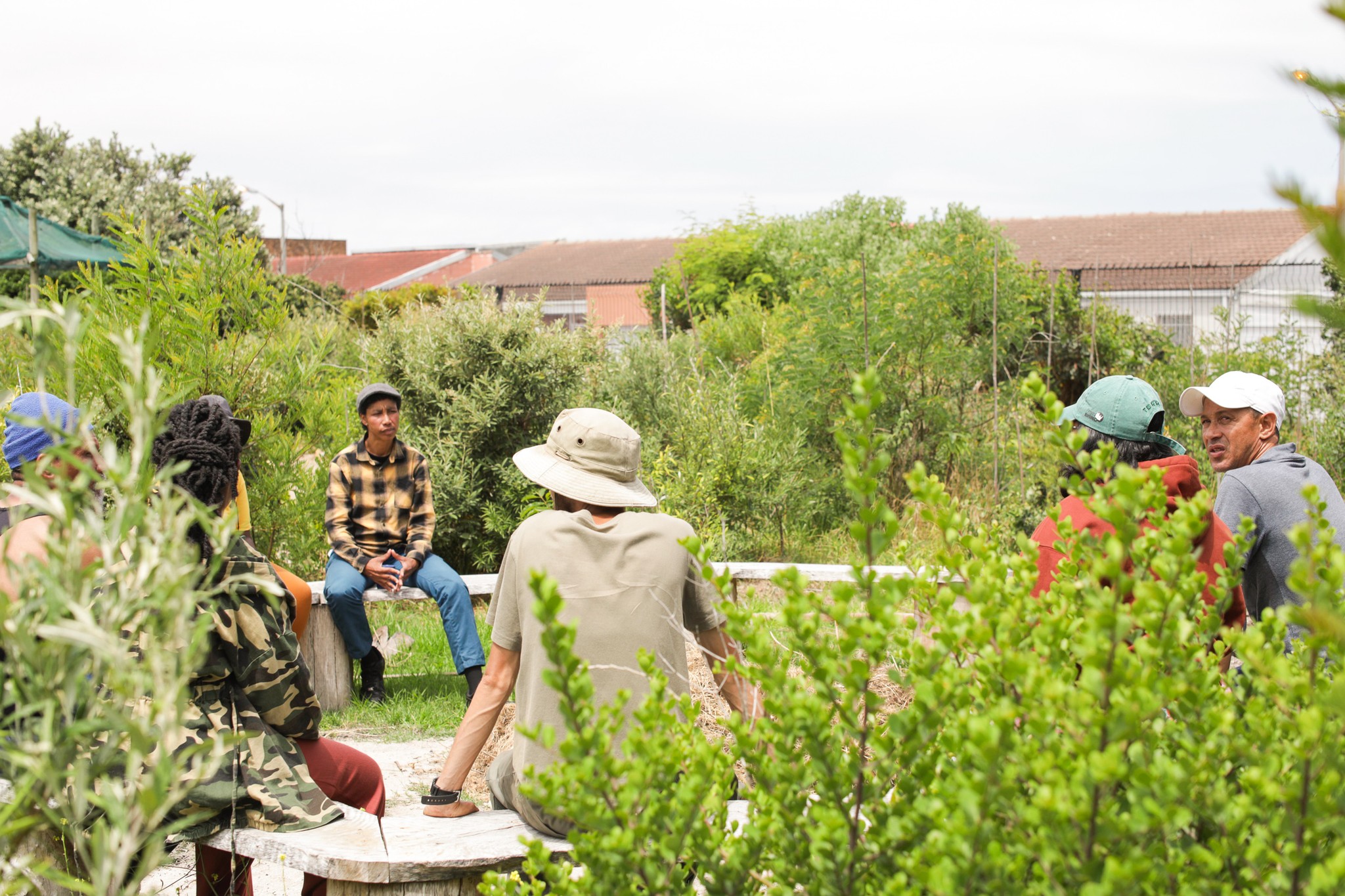
Some patches in the forest need to be replaced to assist in forming the canopy as the forest suffered a bit from a lack of water and weeding. Overall, the forest is adding value to the permaculture school and its campus. The outdoor classroom is frequently used by community members. Over the last year, all our incoming volunteers and interns have been sent to this forest as it needs the most help. Various bird species frequent the forest daily - as well as butterflies.

Biodiversity Notes:
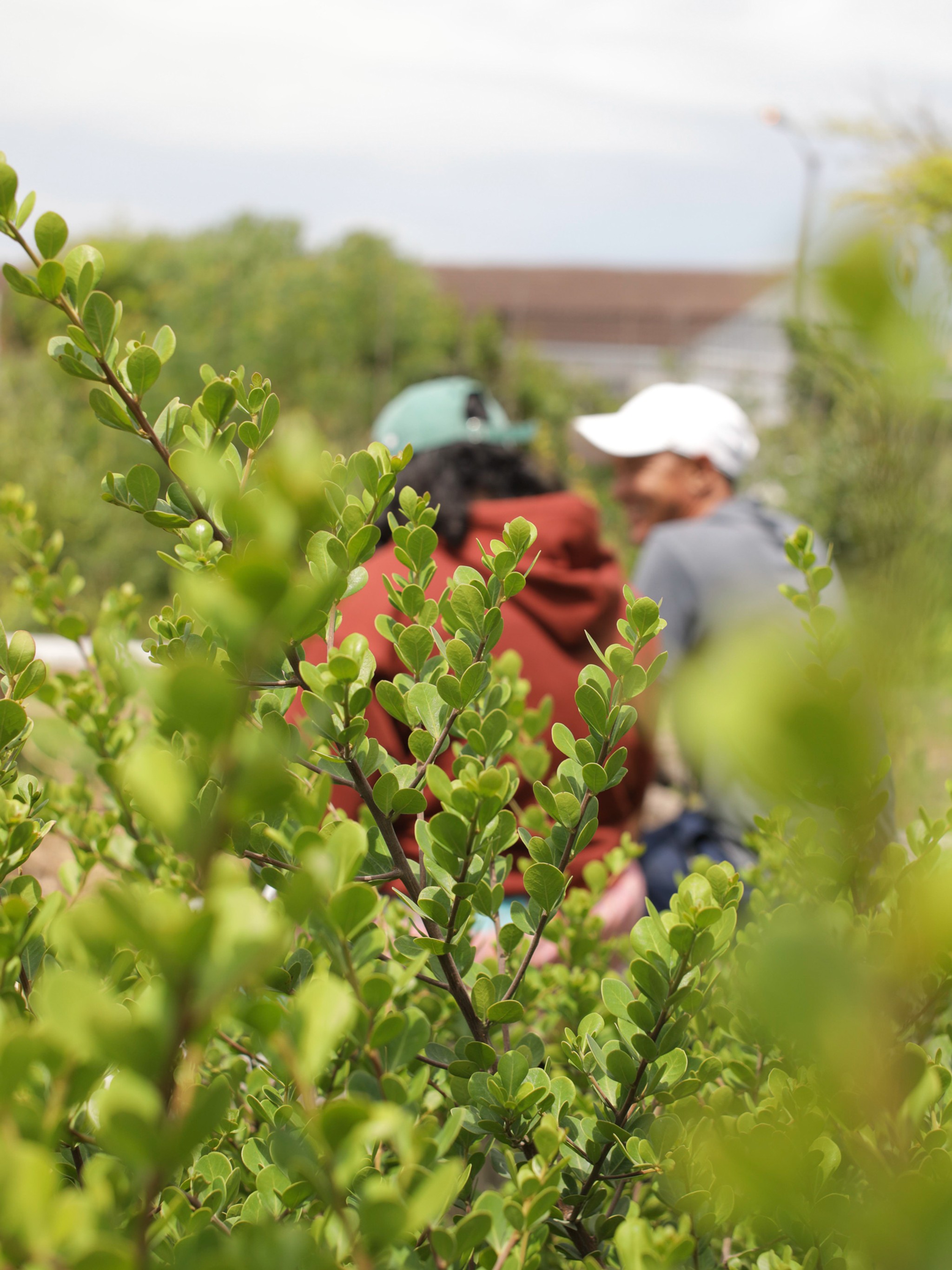
Forest Report: 2023
0 Months
Forest Age
0%
Survival Rate
0m
Average of Tallest 3 Trees
Robins, dirk kops, sparrows and yellow weavers have all been spotted in the forest over the past few months, especially in the early mornings.
They have said the following about the social and environmental impact so far:
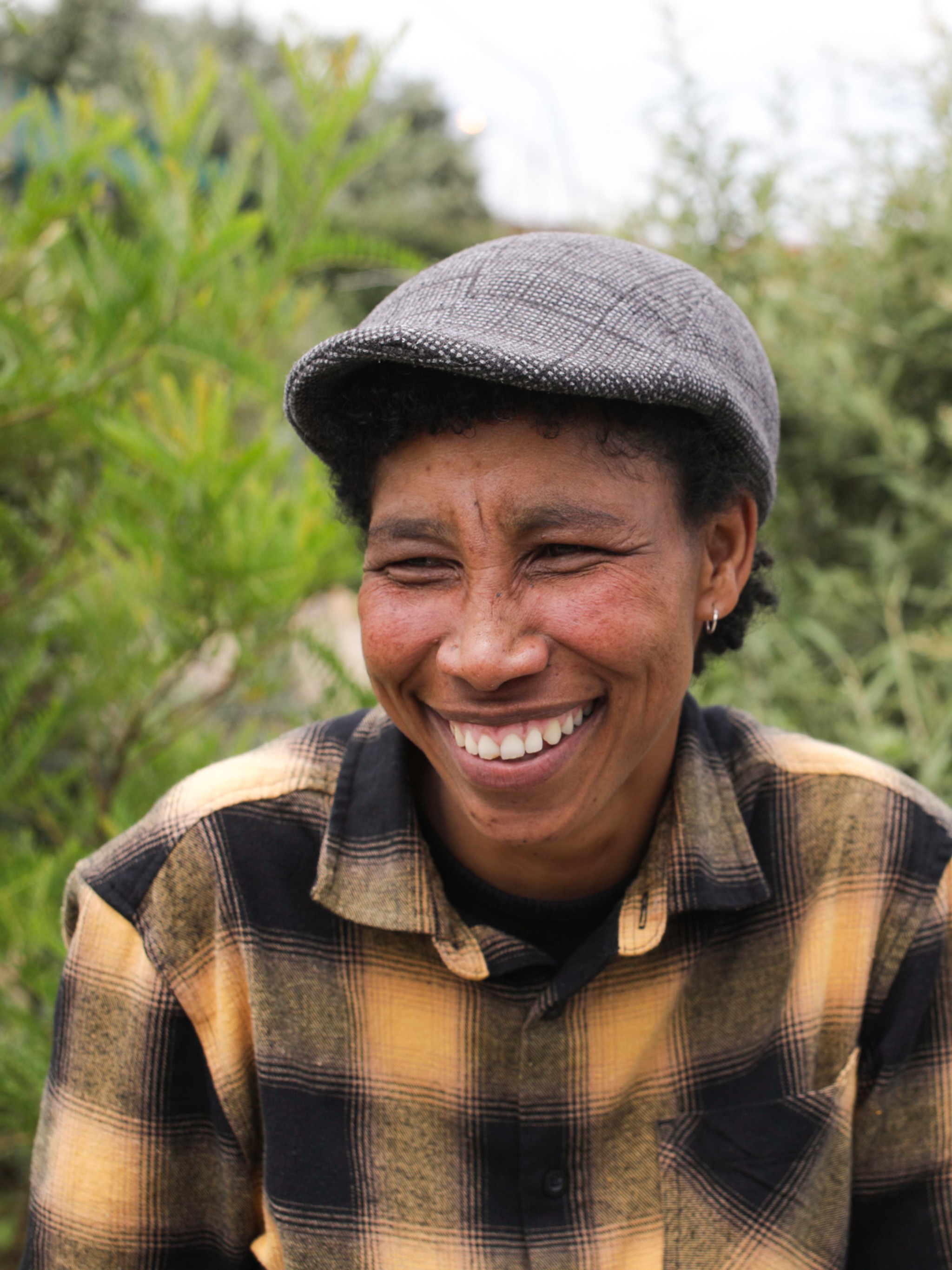
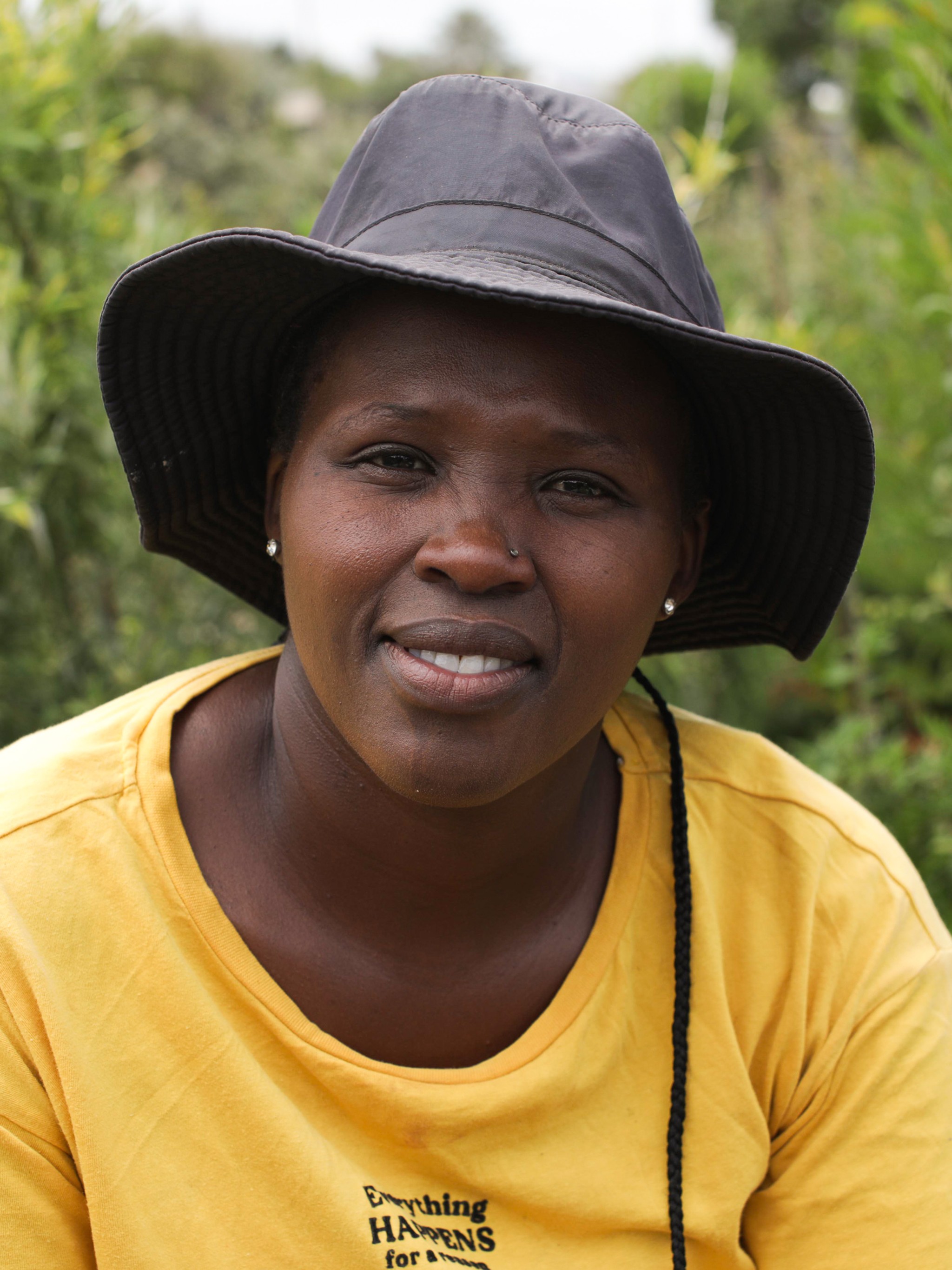
"It has definitely changed the scenery. We are happy to have this Biome" - Ashraf (Garden Team Leader).
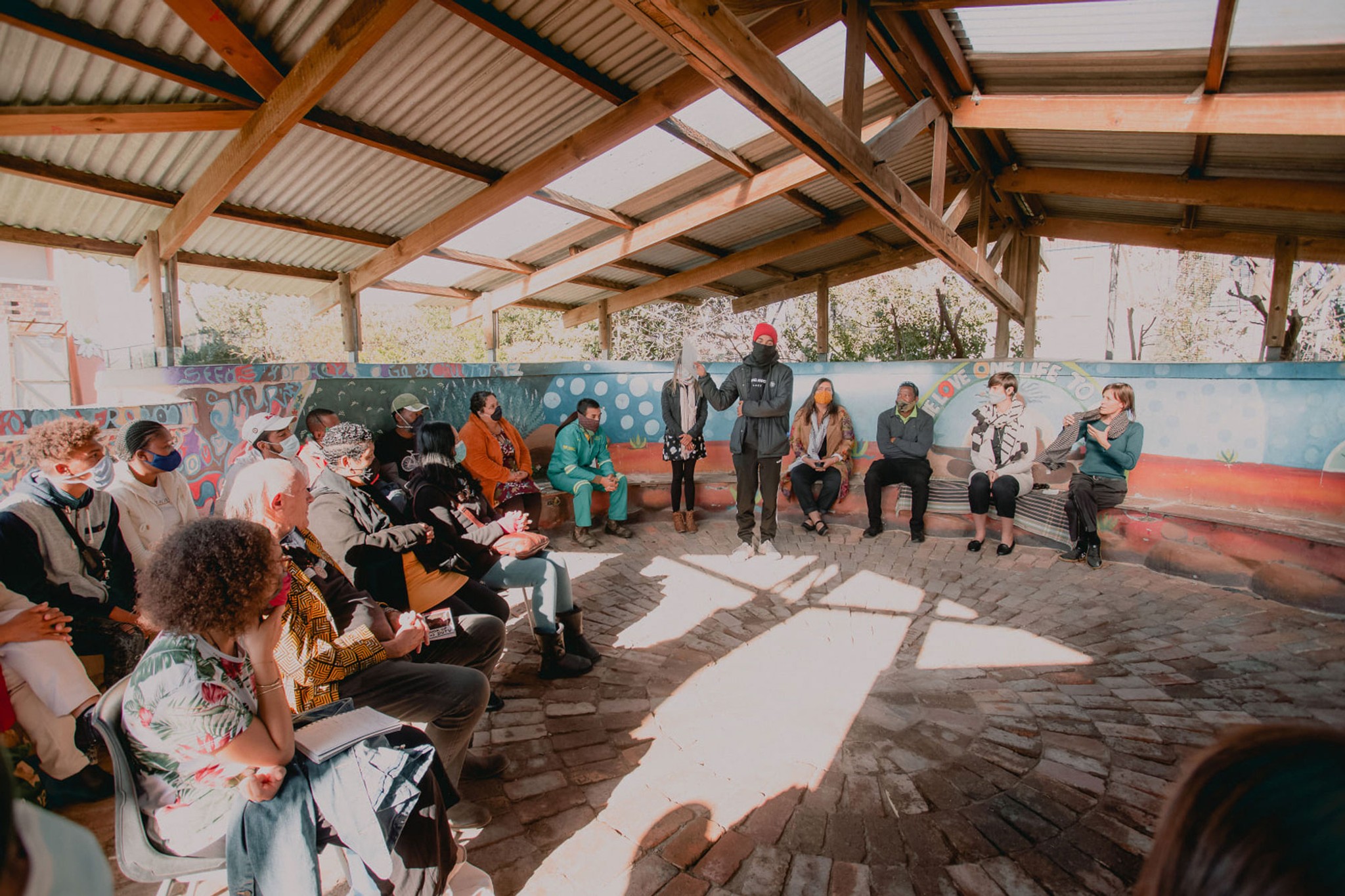
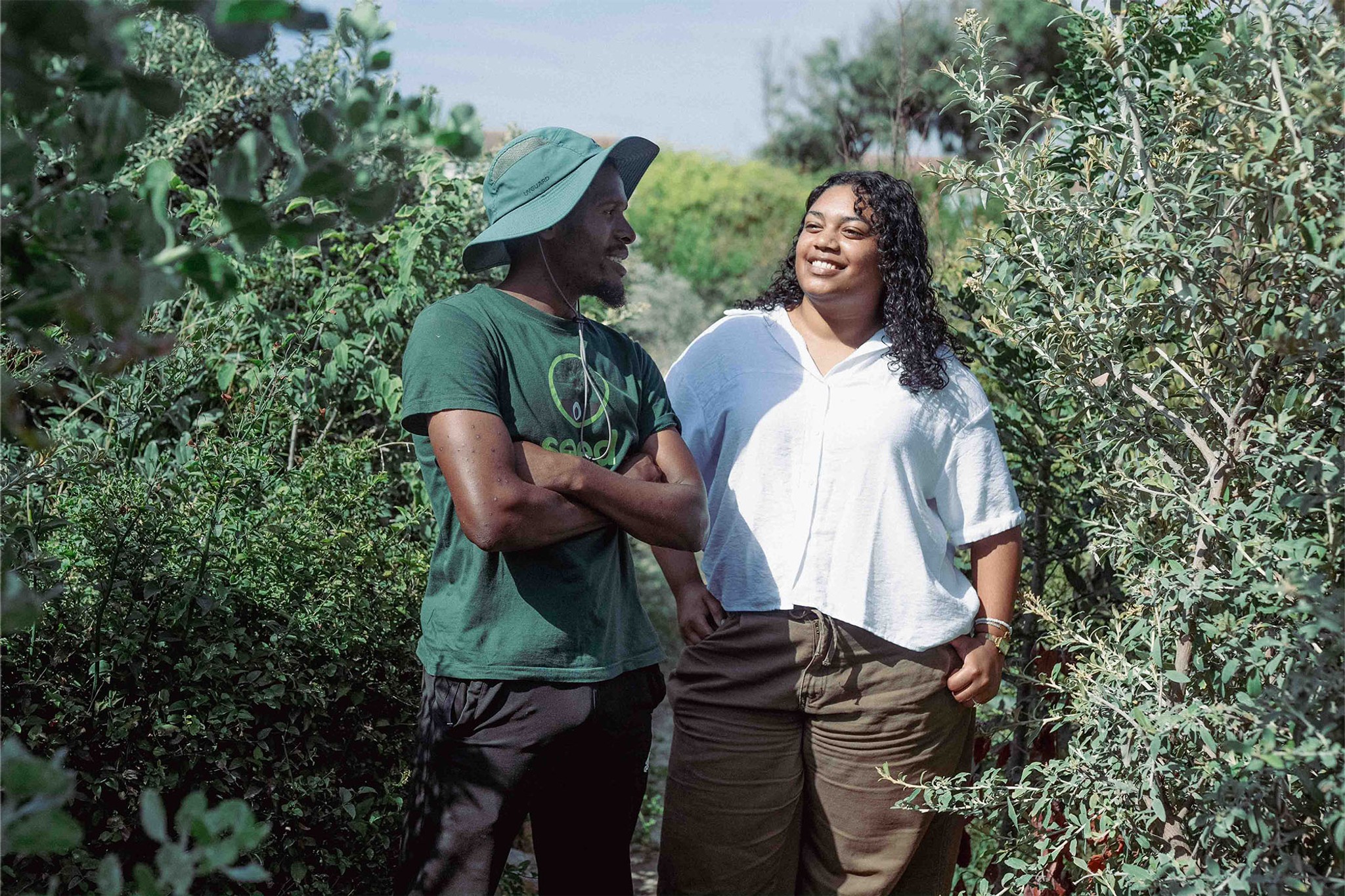
“We have seen new insects, butterflies and you can hear that there are more birds chirping. Socially, we use the Miyawaki Class Room for our meetings, dancing, and staff check-ins. I find it therapeutic when taking phone calls in the forest while walking and sending voice notes. I noticed many other people doing that too. We have also used the outdoor classroom for braais (bbq), making fires, for graduation and especially for taking photos and videos!" - Mila (Seed Permaculture Facilitator).
"The Miyawaki Forest Outdoor classroom is used for morning check-ins and debriefs of all our Permaculture Training , Resilience Training and Outdoor classroom lessons." - Lauren Dreyer (Permaculture Facilitator).
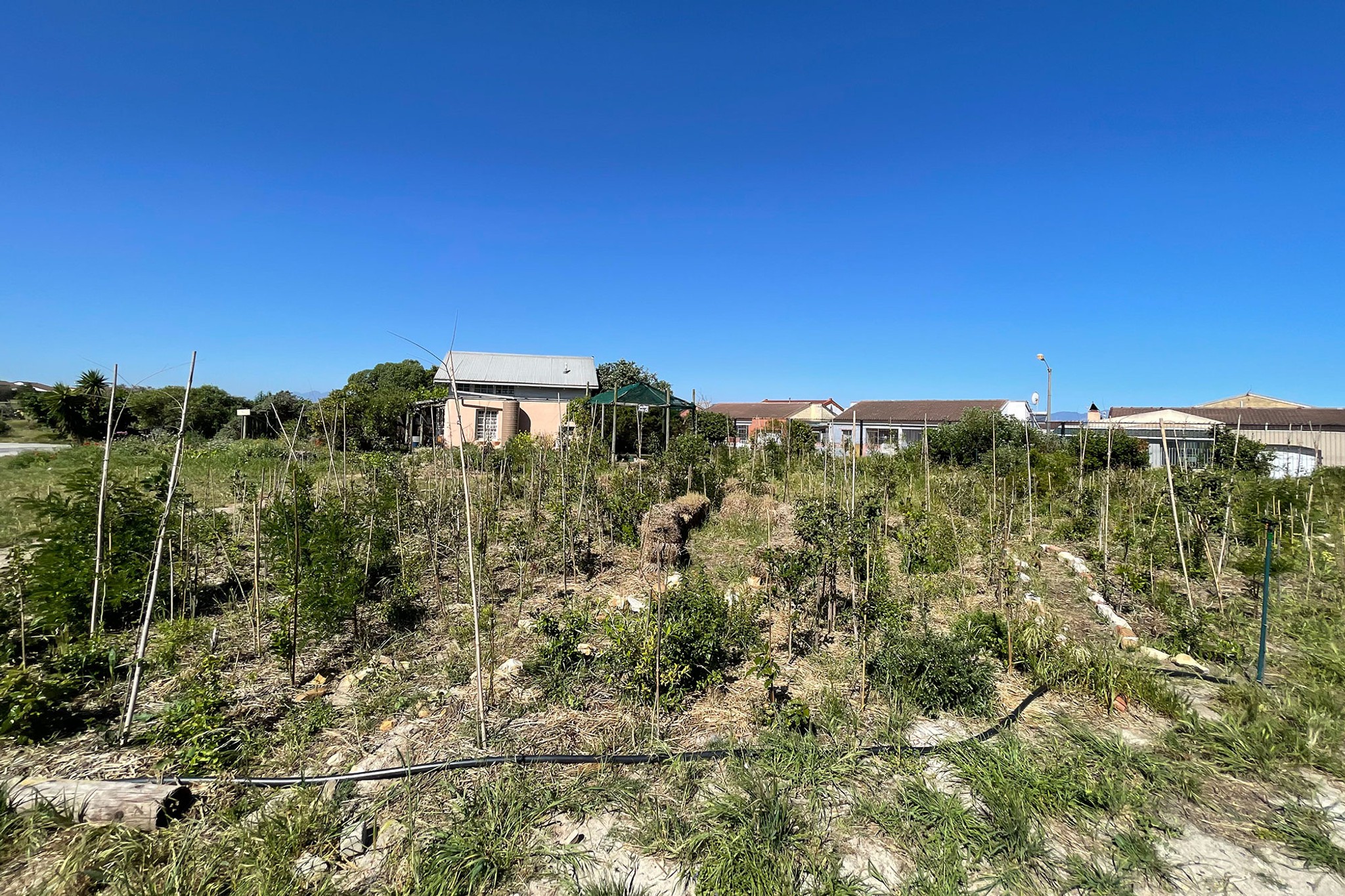
Biodiversity Notes:
Planting: March 2023

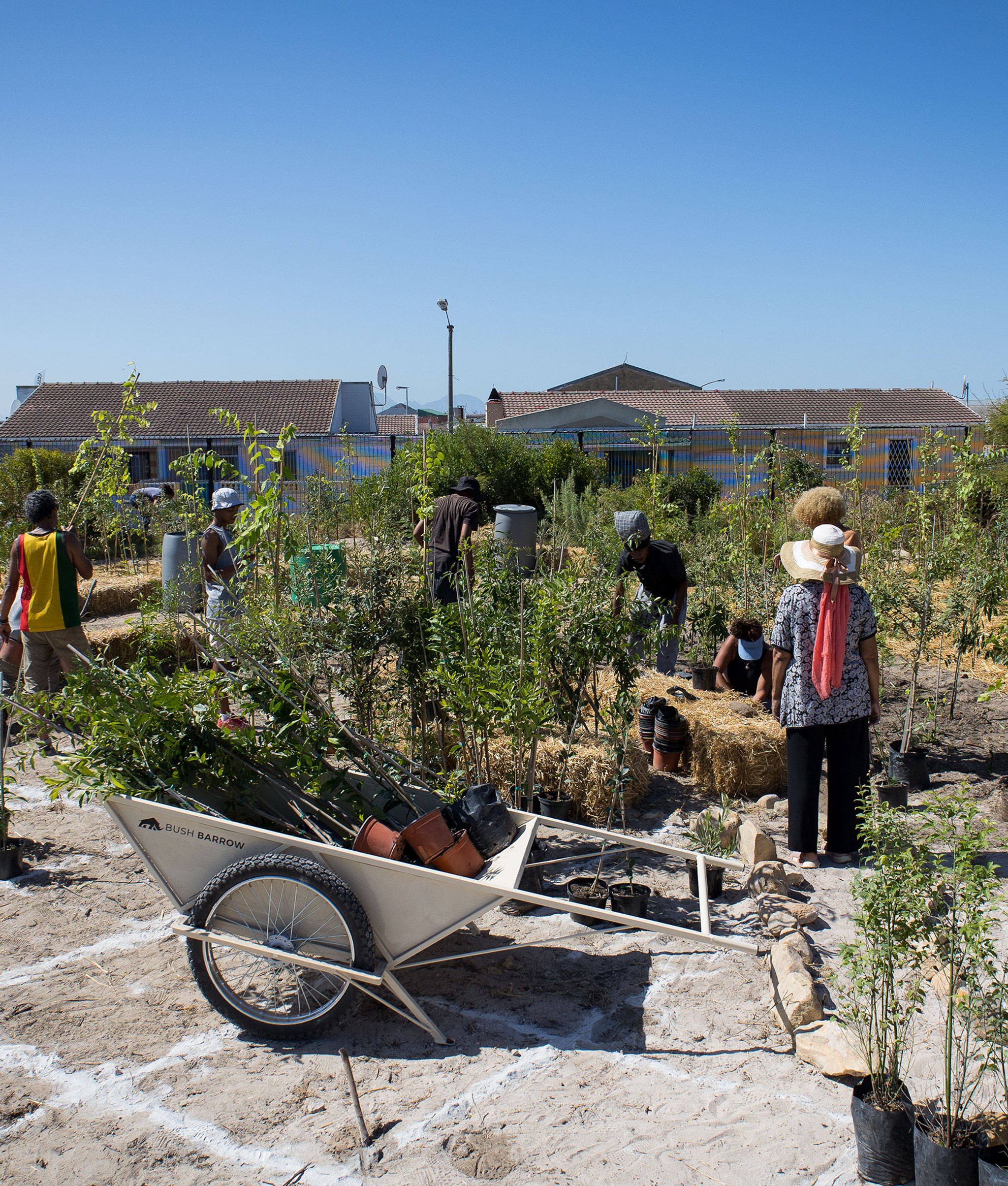
Why the Cape Flats Forest?
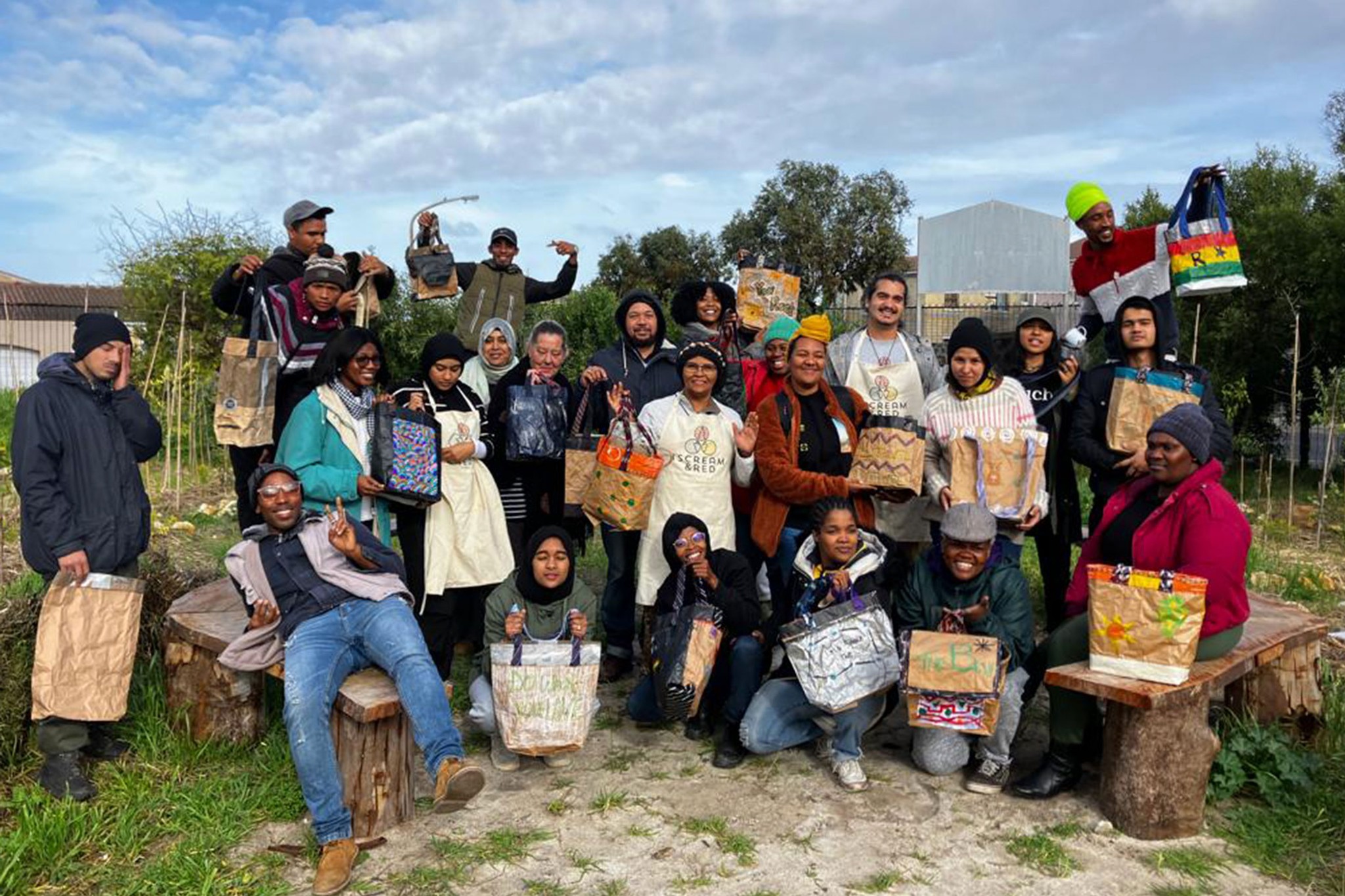
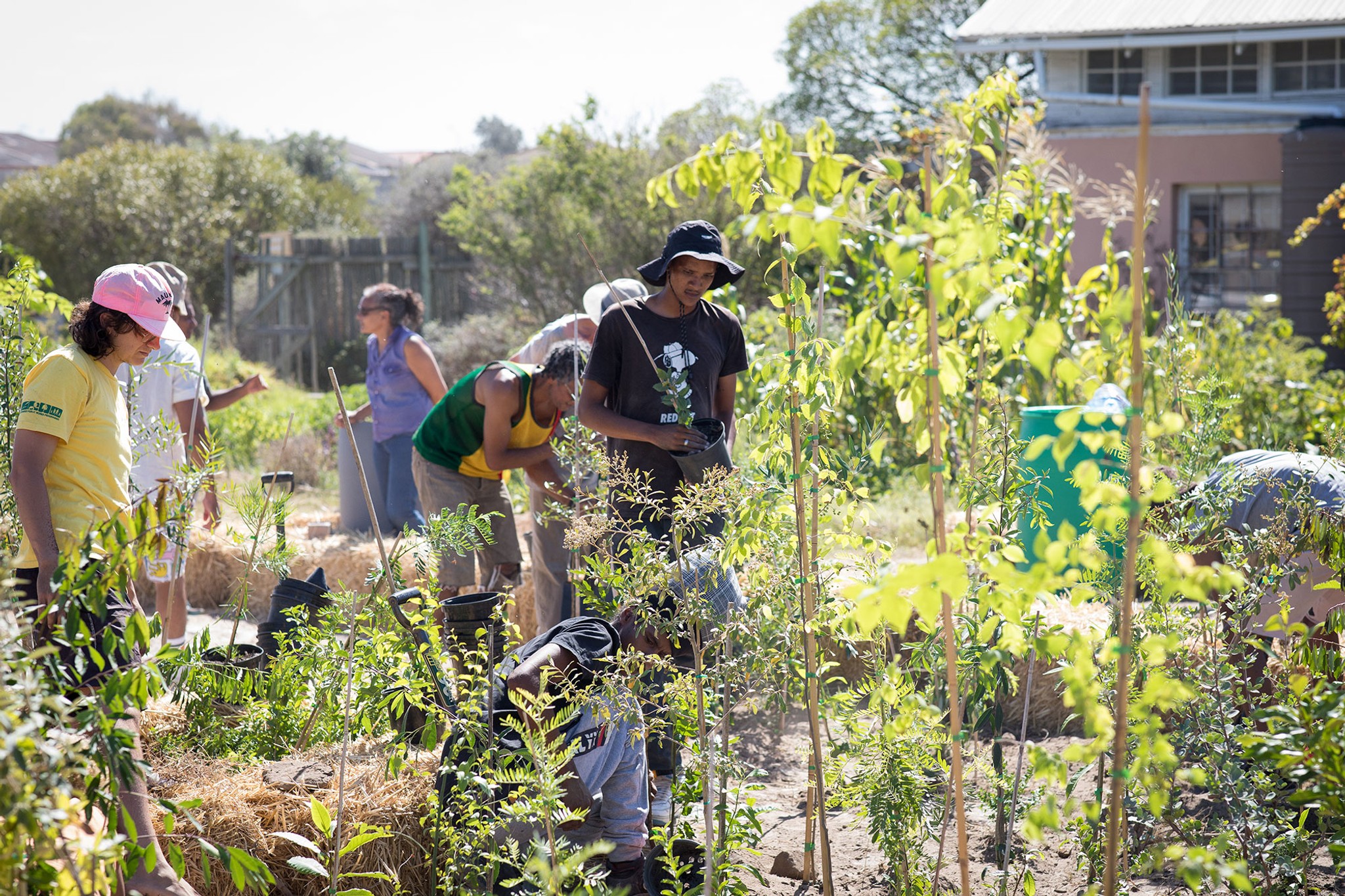
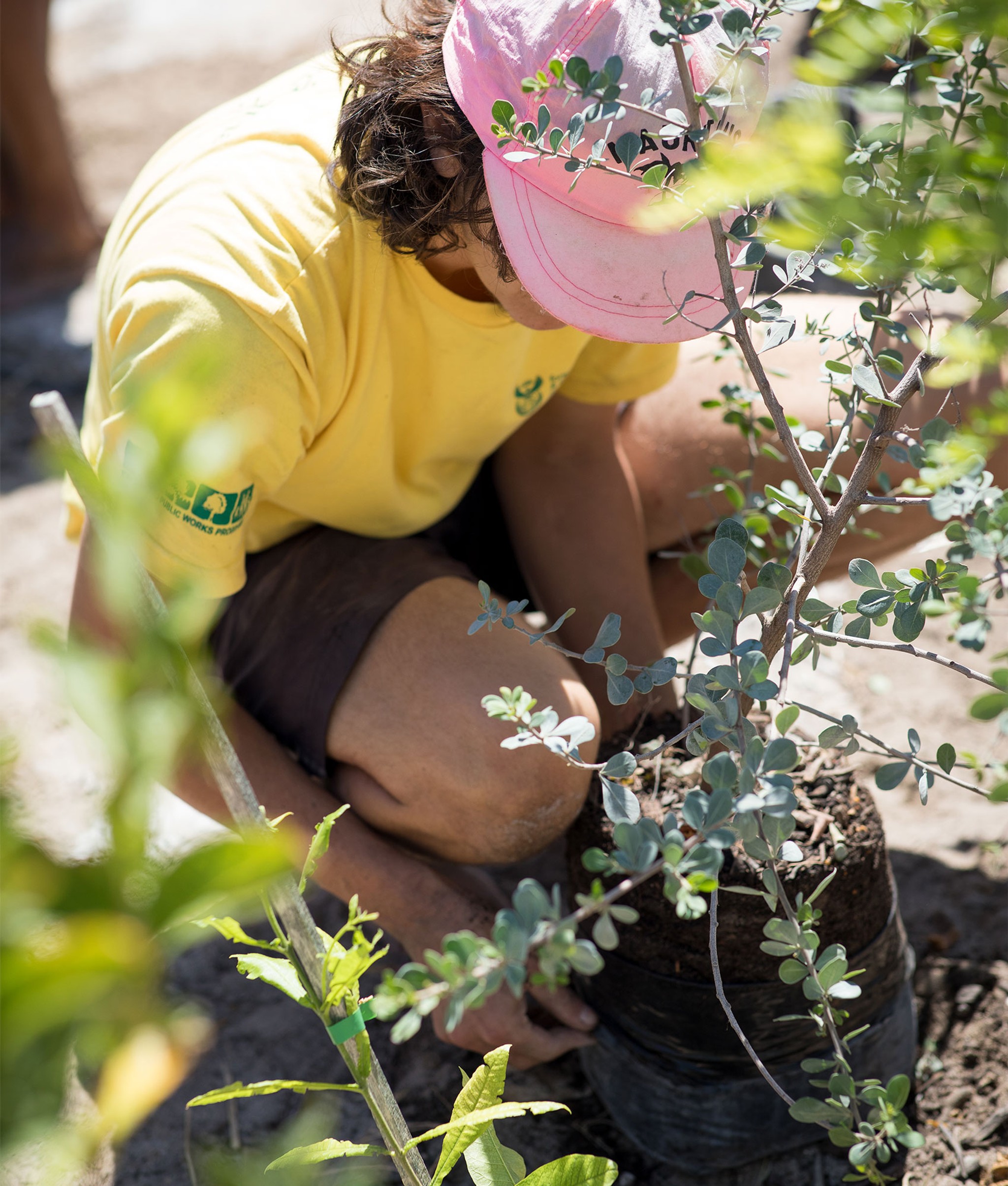
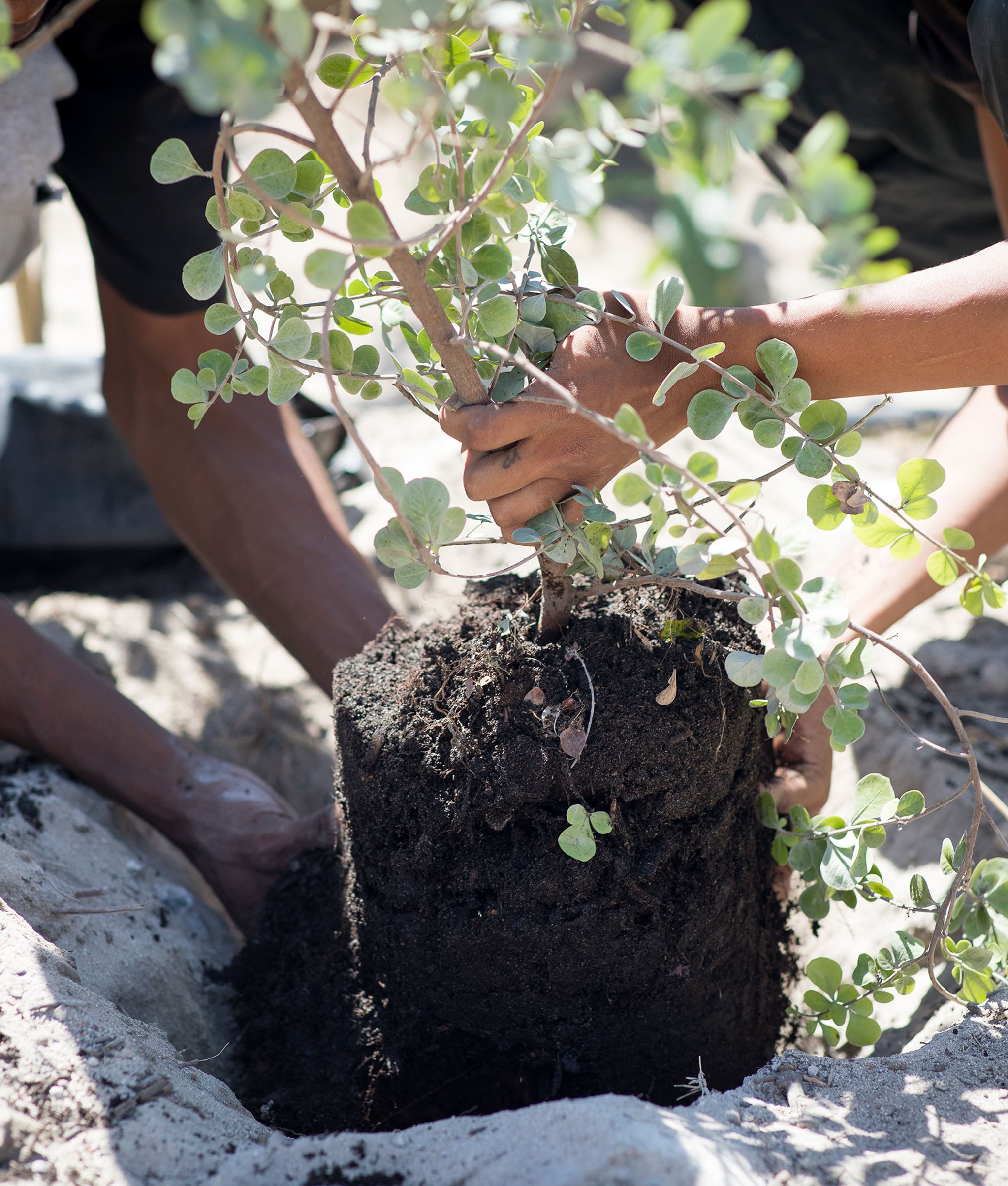
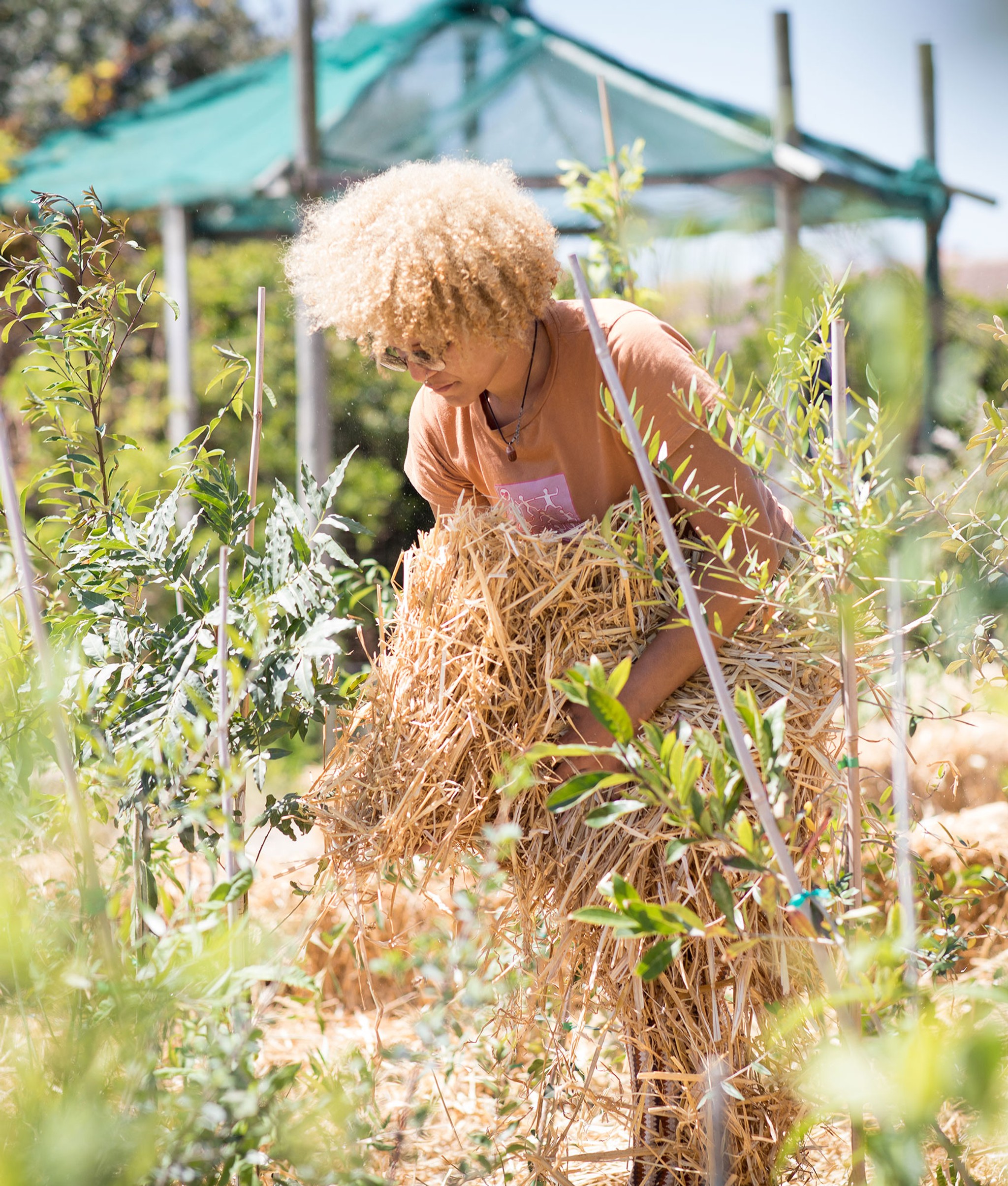
The forest is located in the grounds of the school and will continue to bolster efforts to address high youth unemployment in the local area. SEED offers free permaculture training to inspire and empower youth, helping them in turn to shape thriving and resilient communities. SEED’s programme focuses on abundant food systems, appropriate technologies, social innovation, supporting local entrepreneurship and transformative education.
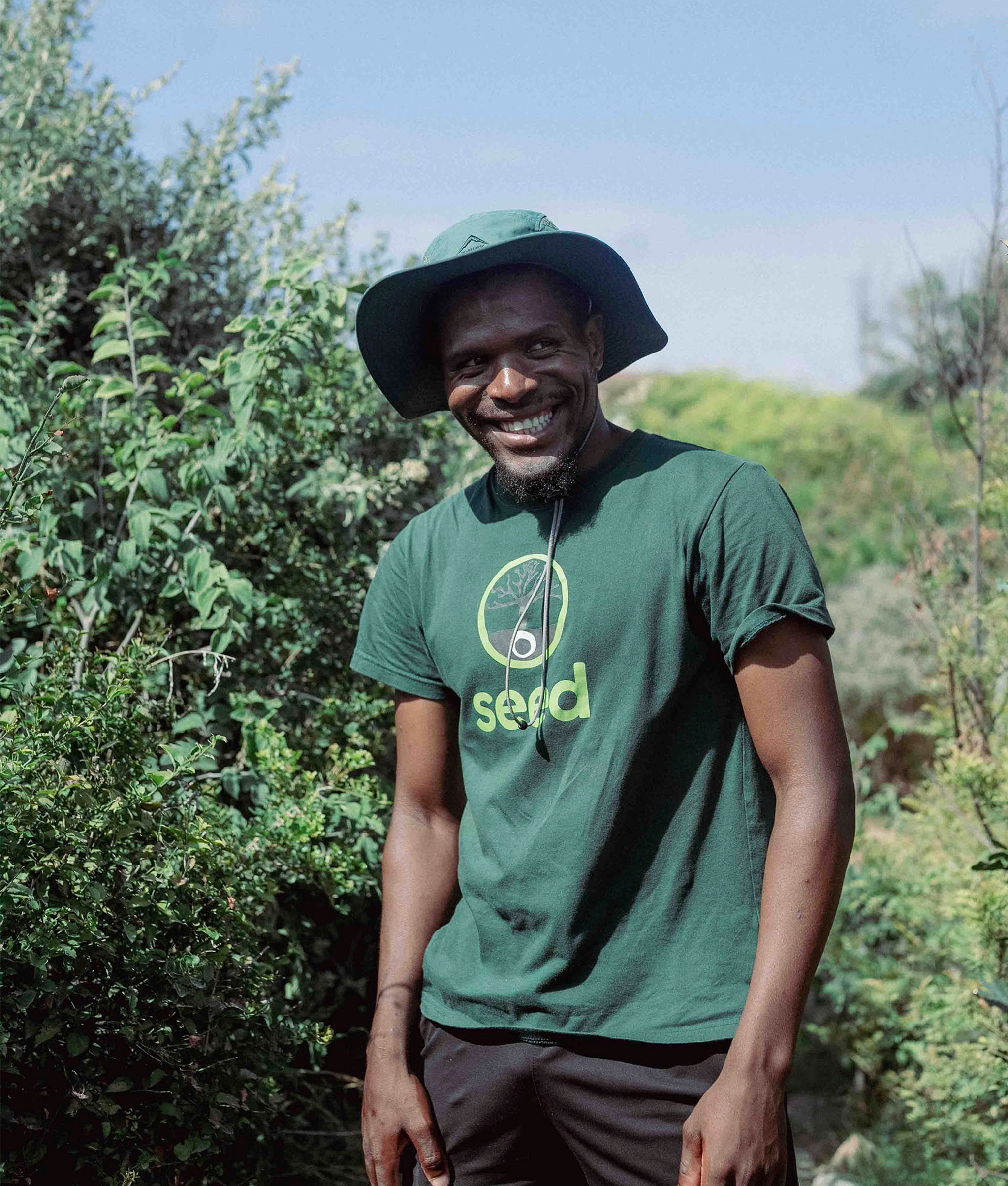
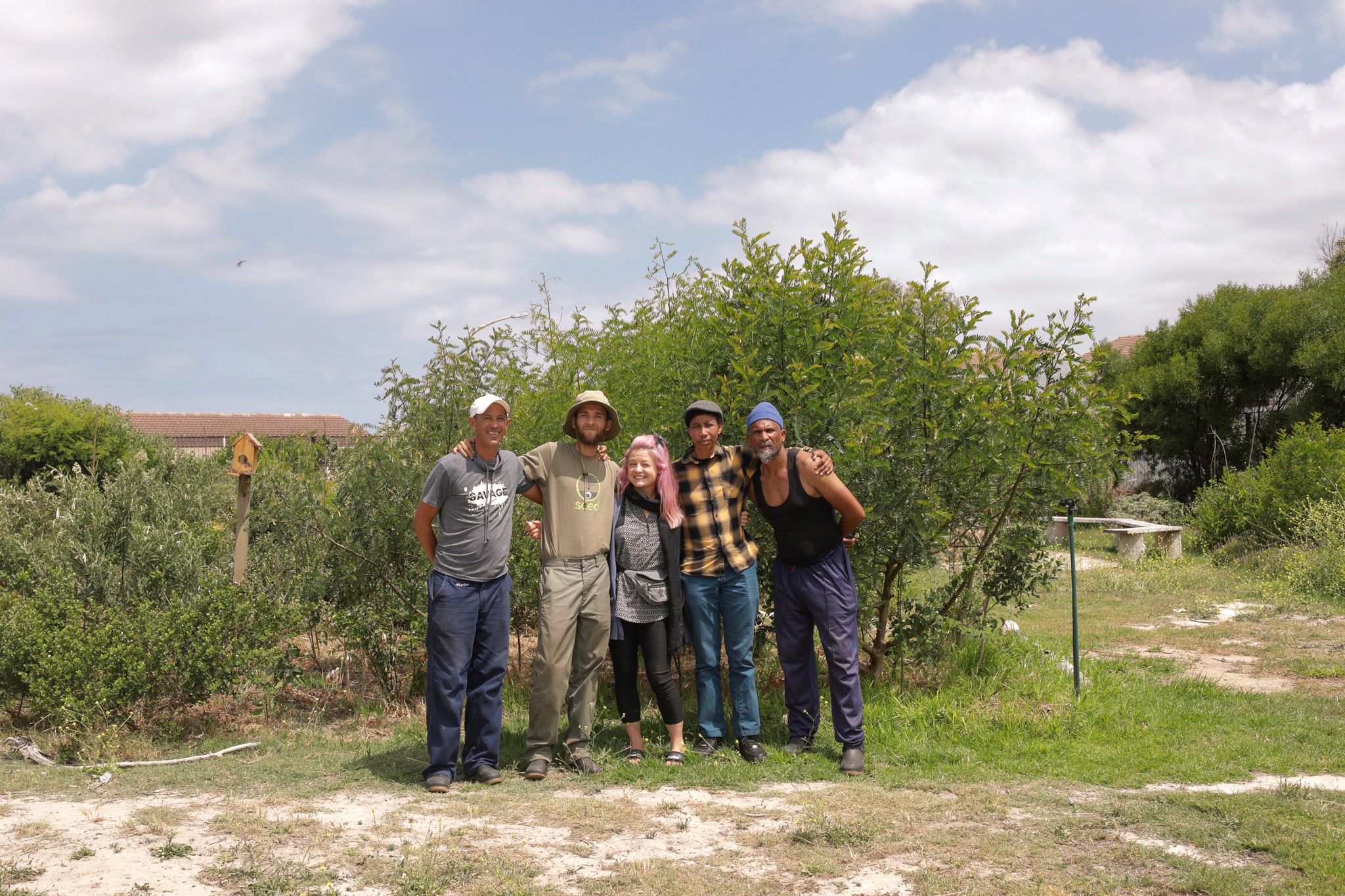
Our Forest Maker, Aghmad, already has a close partnership with the school. His social enterprise, Mzanzi Organics, offers SEED students a one-month practical internship as part of the broader permaculture programme.