

Growing Healthier Communities with Life Time Foundation
0
Forests
0
Trees
0
Square Feet
0
Native Species
Life Time Foundation is driven by a vision to create healthier people, communities, and planet; a mission deeply aligned with SUGi’s commitment to ecological restoration and biodiversity.
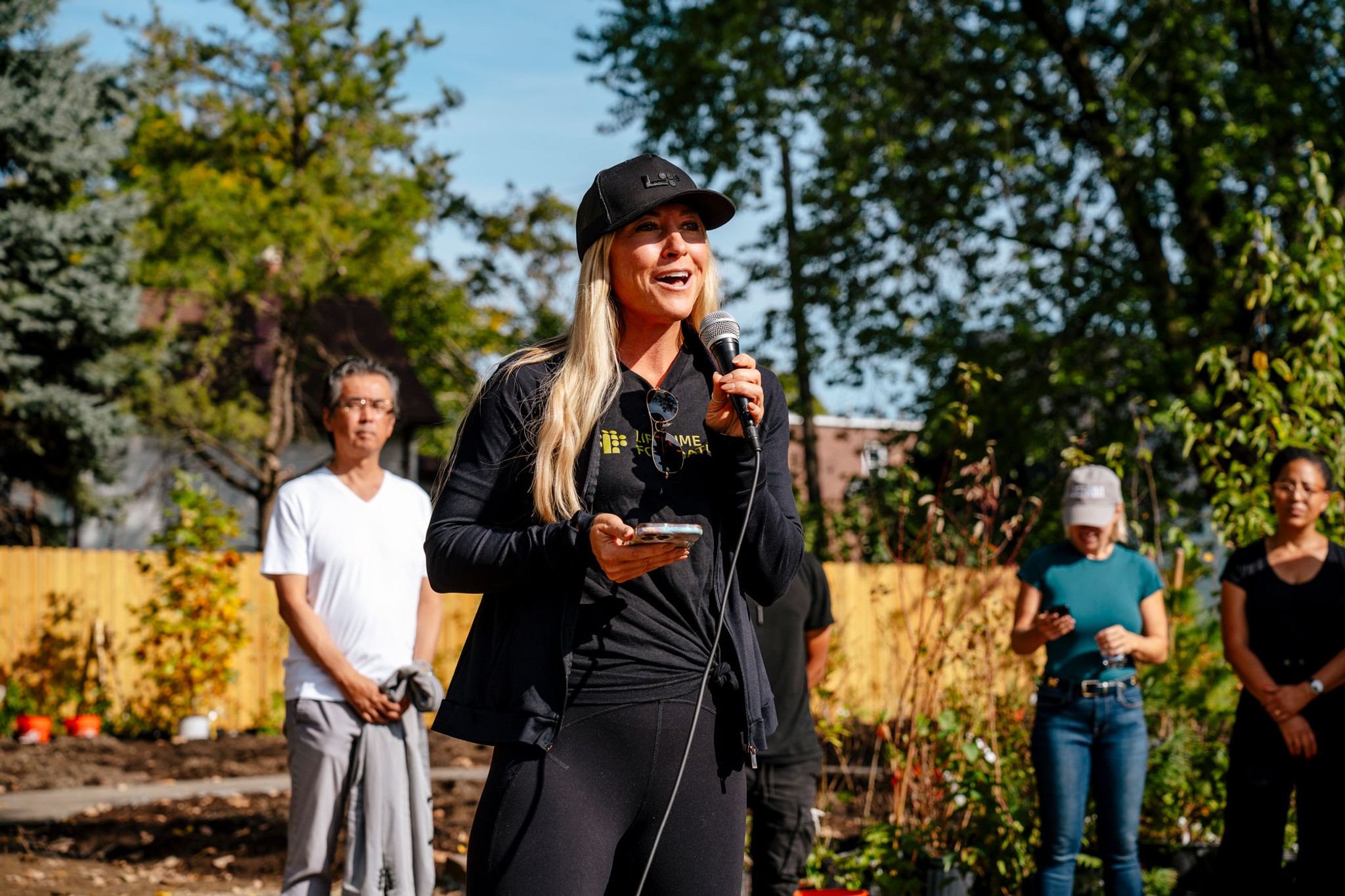
Together, we are bringing this vision to life through the creation of deeply rooted, community-centered forests. Located in the vicinity of Life Time’s health clubs, these forests extend the Foundation’s mission beyond the walls of wellness centers and into the heart of the communities they serve. From the Northside Healing Forest in Minneapolis, offering space for reflection and wildlife habitat in a historically underserved neighborhood; to Kintsugi Forest in Detroit, honoring Indigenous ecological knowledge and supporting early childhood education — each project reflects a shared belief in the power of nature to heal, connect, and inspire.
"Our partnership with SUGi is rooted in a shared belief that healing the planet starts with people—families, schools, and communities coming together to restore nature. Through this collaboration, Life Time Foundation is helping grow not just forests, but a movement of environmental stewardship and hope."
Valeria La Rosa, Foundation Program Director

Kintsugi Village Forest
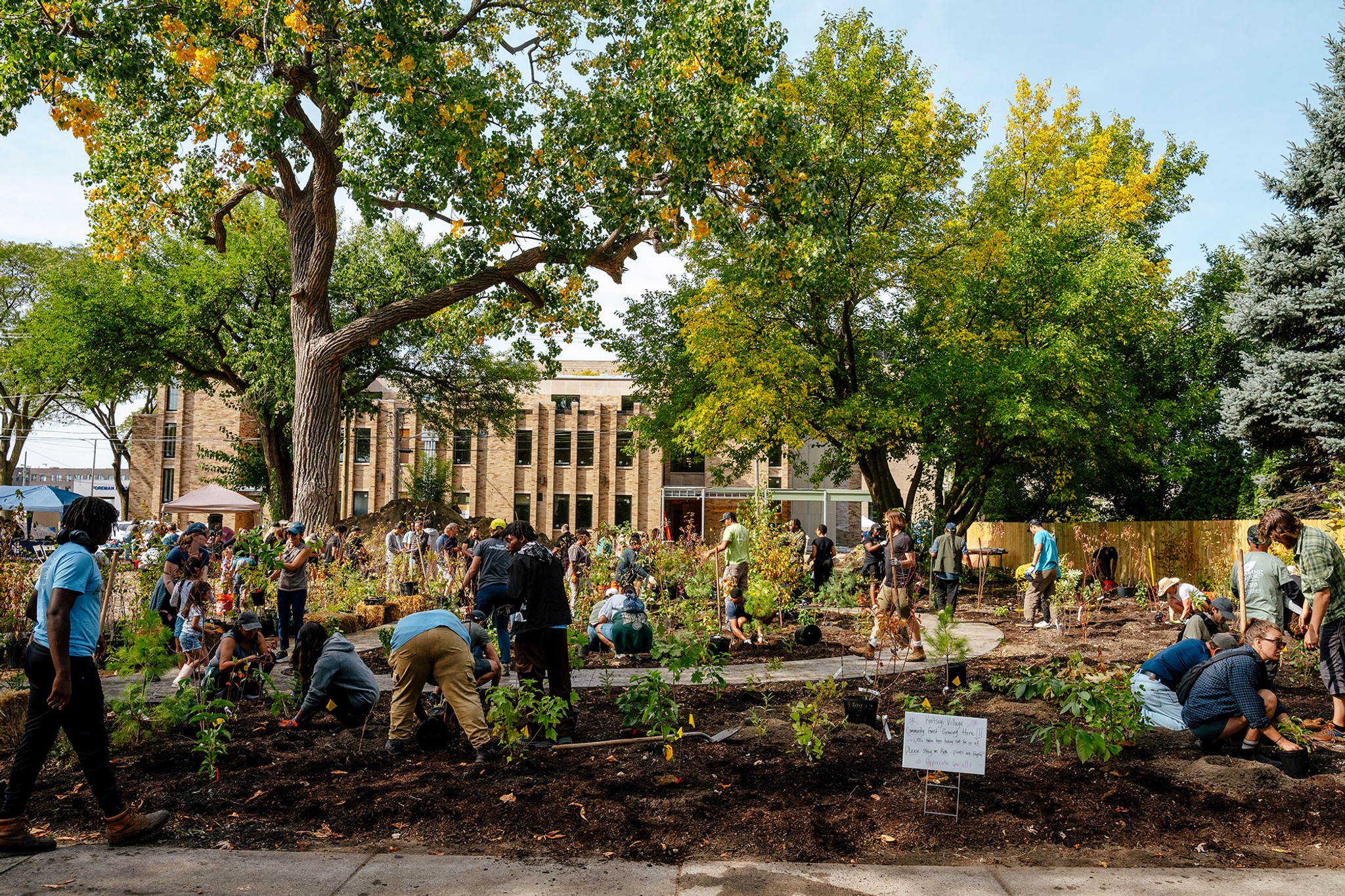
Detroit, or Waawiiyaataanong, meaning "where the river bends" in the Anishinaabe language, has historically been a significant gathering place for the Odawa, Ojibwe, and Potawatomi peoples. Once covered by expansive old-growth forests, this land played a central role in shaping the region’s ecological and cultural identity. The rich diversity of wetland flora and fauna that flourished here was integral to the industrial boom that Detroit is known for today.
By planting Kintsugi Forest, we aim to regenerate and celebrate the native plant species that once thrived in the area, including the American Elm and Sugar Maple. Creating a densely populated and diverse native forest near the Kintsugi Village campus will honor both the ecological heritage of the land and the cultural traditions of the Indigenous peoples who have long cared for it. Kintsugi Village is an early childhood education center (ages 3–5) located in Detroit’s mobility innovation district. Their curriculum emphasizes holistic development, focusing on food, nature, and the arts, with environmental connection at the core of their programme.
Robert Eagle Staff Forest
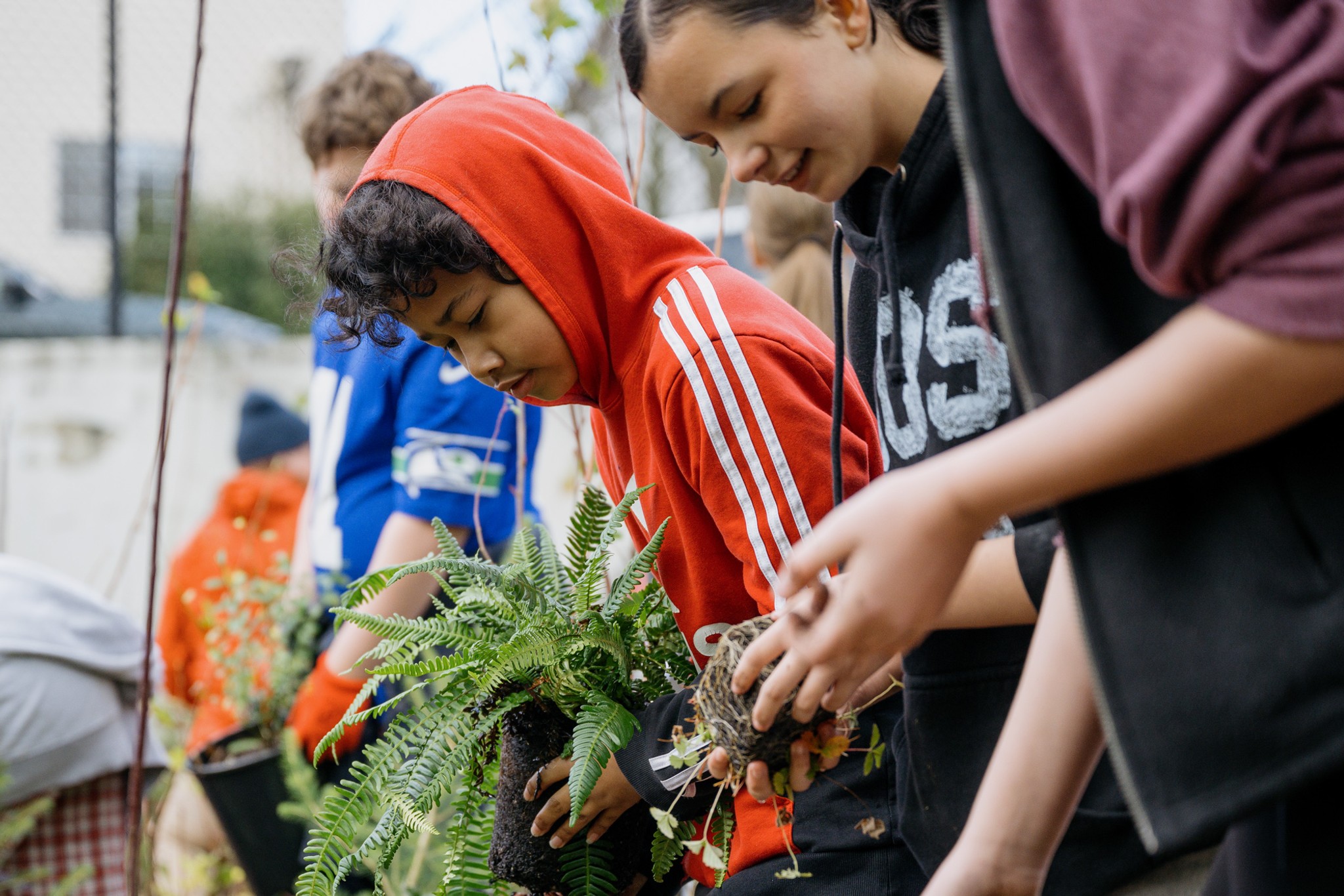
Within the grounds of Robert Eagle Staff Middle School, we have planted a 3,000 square foot forest containing 1,000 native plants representing 40 species of trees, shrubs, and groundcover. Students, volunteers, and members of the local Coast Salish community all took part in the planting, creating a shared sense of stewardship from the very beginning.
With 790 students on campus, this new forest - located in an outdoor classroom known as the Raven’s Nest, in honor of the school’s raven mascot - will serve as both a learning space and a living laboratory. Here, students will engage directly with the local ecology, studying soil moisture, microbiome health, biodiversity and climate interactions, matter and energy flow in ecosystems, and natural selection. These studies align with SPS Science Teaching and Learning outcomes and support a phenomena-based approach, while also creating natural opportunities for ELA, Social Studies, and Math projects.
Montecito School Forest
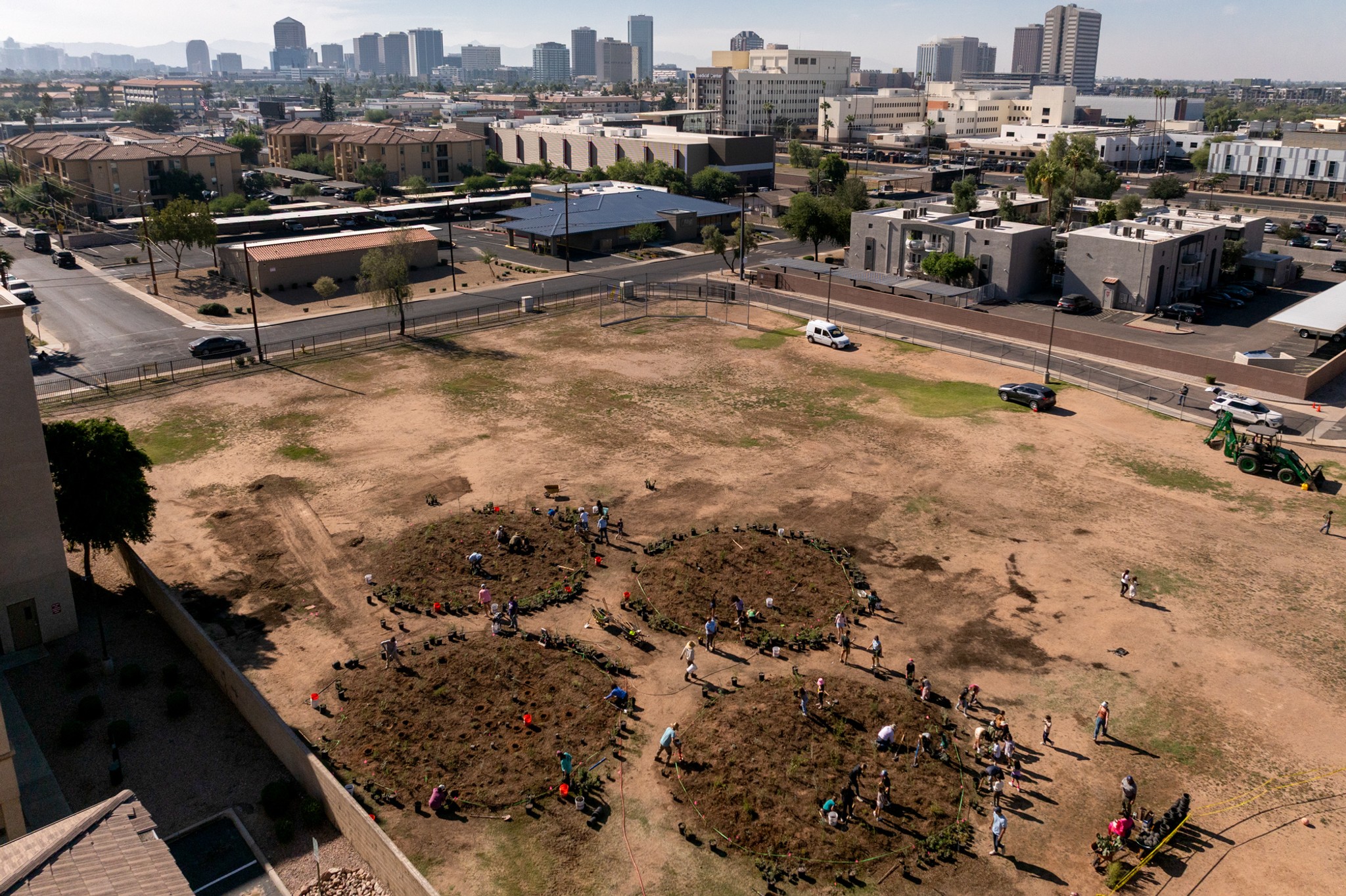
In a quiet corner of Montecito Community School, a pocket forest is transforming a once dry, overlooked strip of land. Designed to restore biodiversity on campus, the forest will offer habitat for native birds like the California towhee, bushtit, and Anna’s hummingbird, as well as pollinators including monarch butterflies and native bees.
The forest will also act as a living outdoor classroom, fully integrated into the school’s Montessori-based learning. Students will take on regular responsibilities - watering, weeding, and monitoring the plants as they grow - building a sense of ownership and connection through meaningful, hands-on work. Older students will help lead these efforts, supporting younger peers and developing leadership through mentorship. It will be a space for practical learning: scientific observation, journaling, and exploring ecosystems and life cycles. Through these experiences, students will build ecological literacy and a stronger sense of their relationship to the natural world.
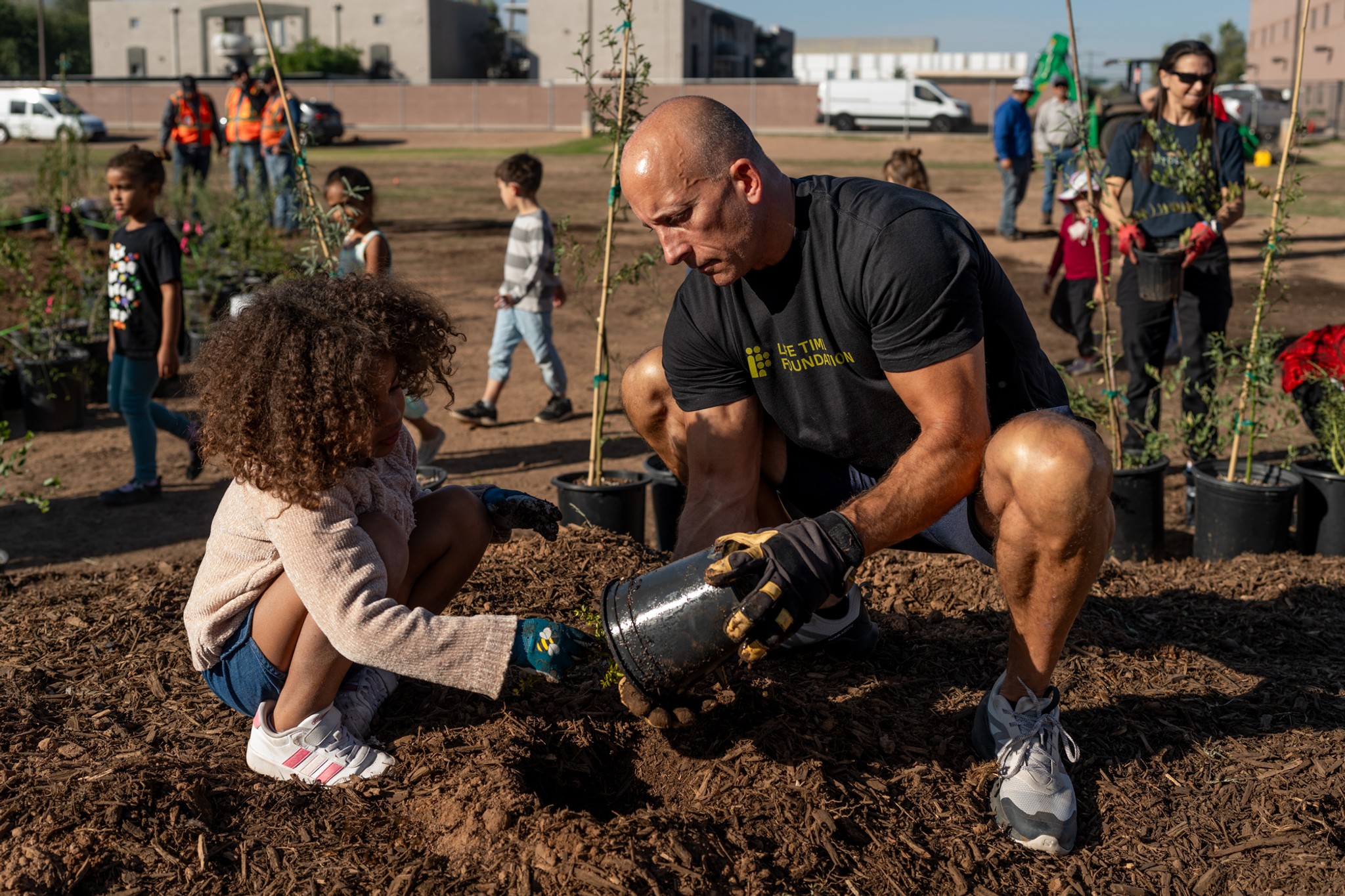
Northside Healing Forest
Alongside Life Time Foundation, WE WIN Institute and McKinley Neighborhood Association, Northside Healing Forest was planted in the heart of North Minneapolis, creating a natural oasis that offers a sanctuary for reflection, meditation, and communal connection. This pocket forest also supports the local wildlife, providing habitat and tree cover for birds like the loggerhead shrike.
Amongst the 1,400 plants and trees planted, many are healing plants with medicinal qualities. This project focuses on healing the Earth, and the people within the community, providing medicine for body, spirit, and soul.
This forest forms part of a series of ‘Healing Forests’, which SUGi is planting across the USA to create spaces of healing and peace within communities.
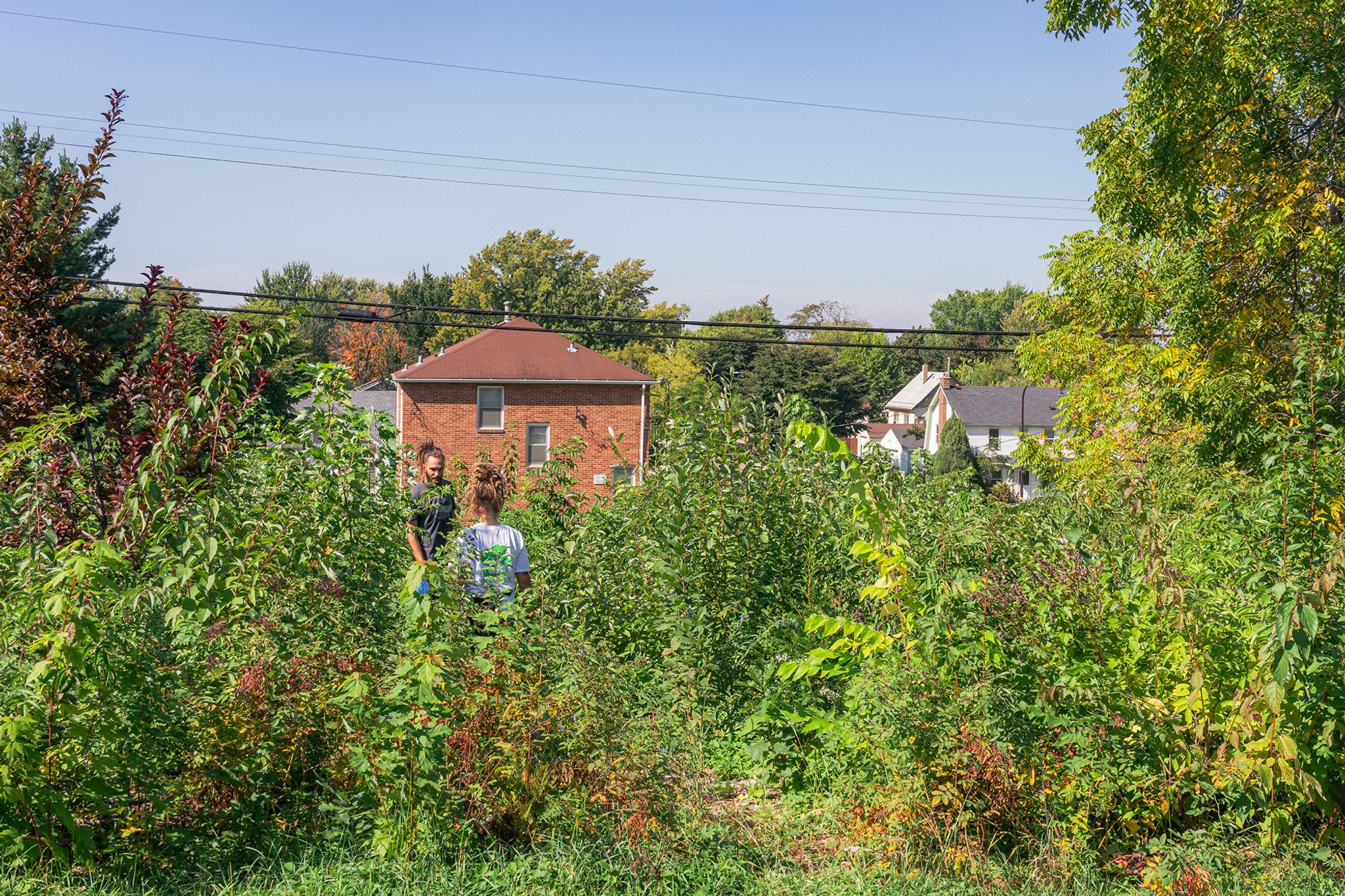
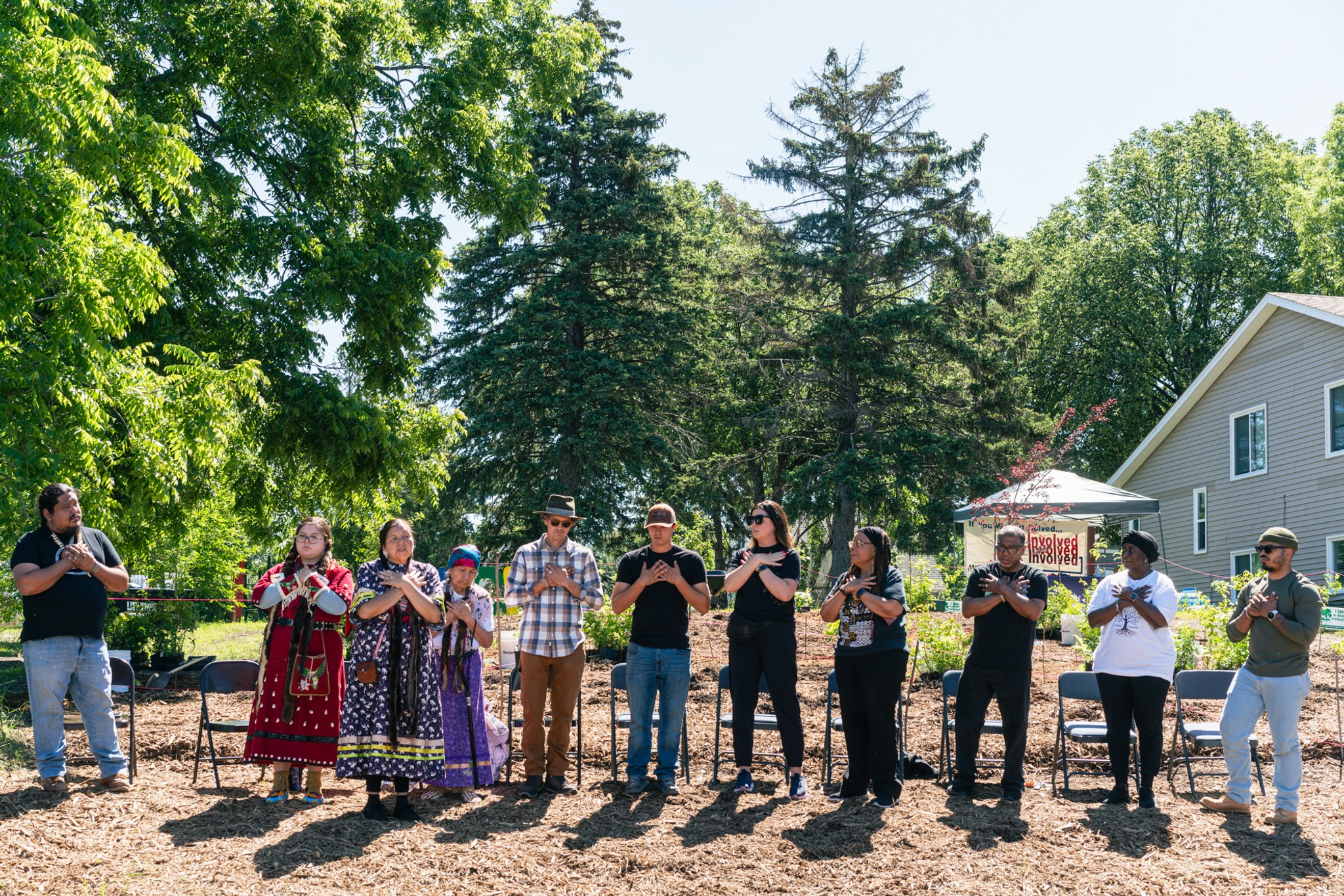
Mount St. Michael Forest
Mount St. Michael Forest, a coastal Oak-Hickory pocket forest, will be planted on the campus of Mount Saint Michael Academy in the Bronx, New York City. The project will feature 30 native tree and plant species, transforming the school’s lawn into a vibrant, biodiverse ecosystem.
Mount Saint Michael Academy — an all-boys school serving over 800 students in grades 6 through 12 — is committed to environmental stewardship. In 2018, it became one of the first schools in New York City to install a solar electric system, demonstrating its dedication to sustainability. With the creation of this forest, the school deepens that commitment, aiming to become “The Lungs of the Bronx,” a living model for urban greening and community well-being.
This land also carries deep historical significance — it lies on territory once inhabited by the Siwanoy, a Munsee-speaking band of the Lenape people. Honoring this legacy, the forest will stand as both a symbol of ecological renewal and cultural remembrance.


"Together with SUGi, Life Time Foundation is empowering communities to reconnect with nature and take part in healing the planet—one forest at a time."
Sarah Emola, Director of ESG Programs & Life Time Foundation
Partners in Rewilding
We embrace partners who share our vision of building biodiversity and green infrastructure. Each strategic collaboration is uniquely tailored.
We rewild with visionaries from iconic global brands to sustainable start ups, from city officials to pioneering designers, architects, and artists.
