
Petit Prince Forest
Learning to “look with the heart” through Nature and literature.

0
Trees
0
Square Meters
0
Native Species
0
Youth Impacted
Self sustaining pocket forest
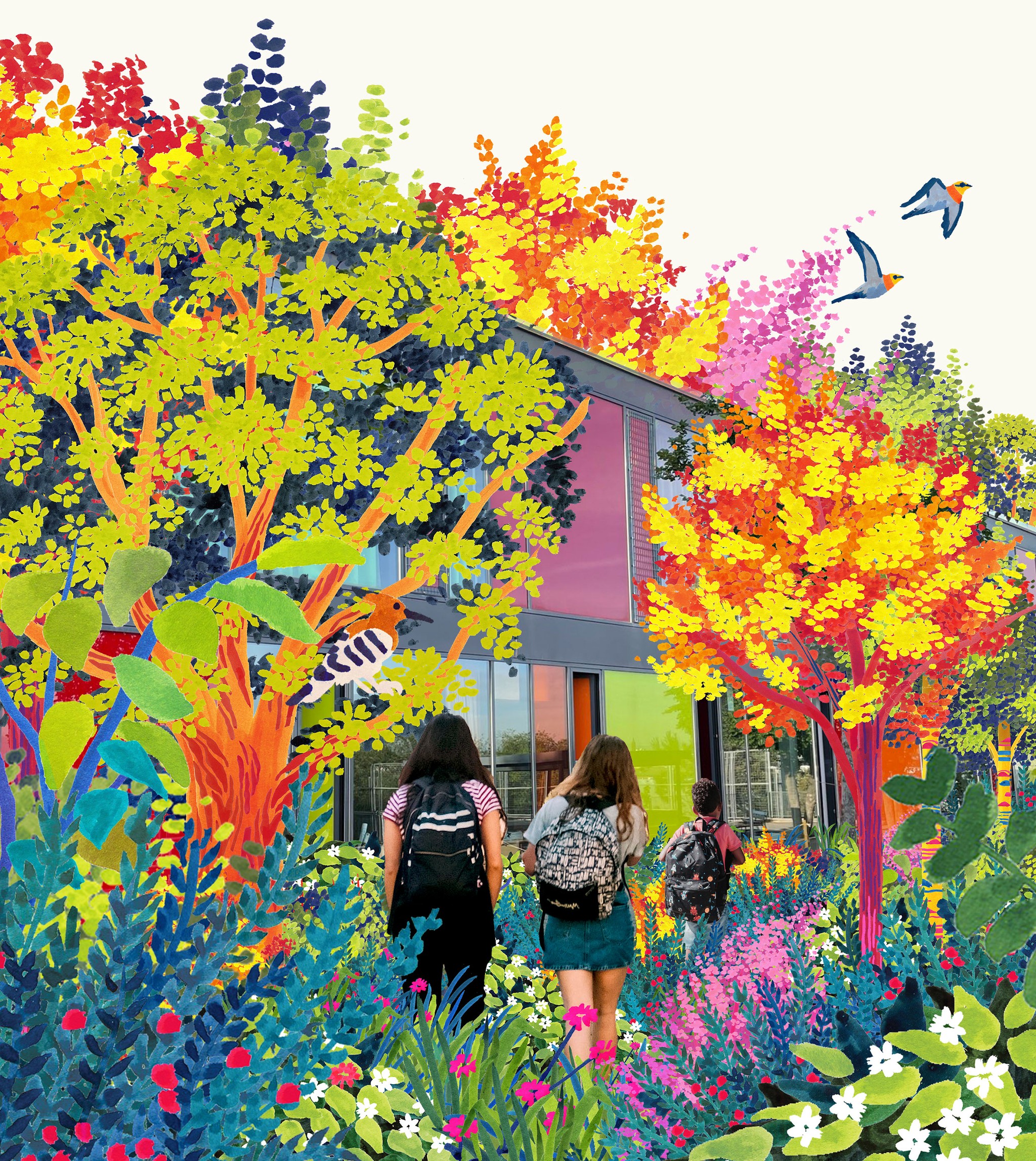
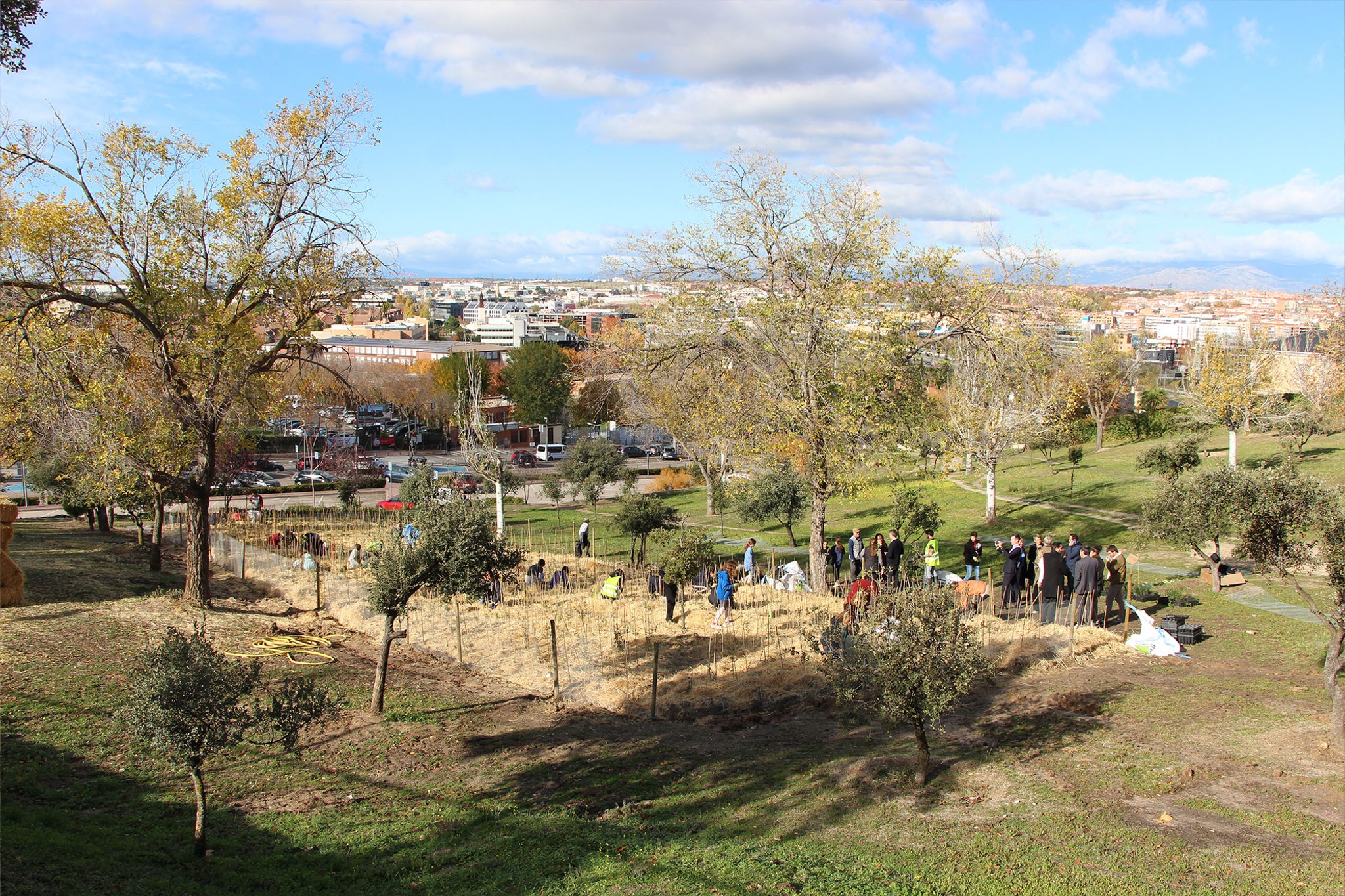
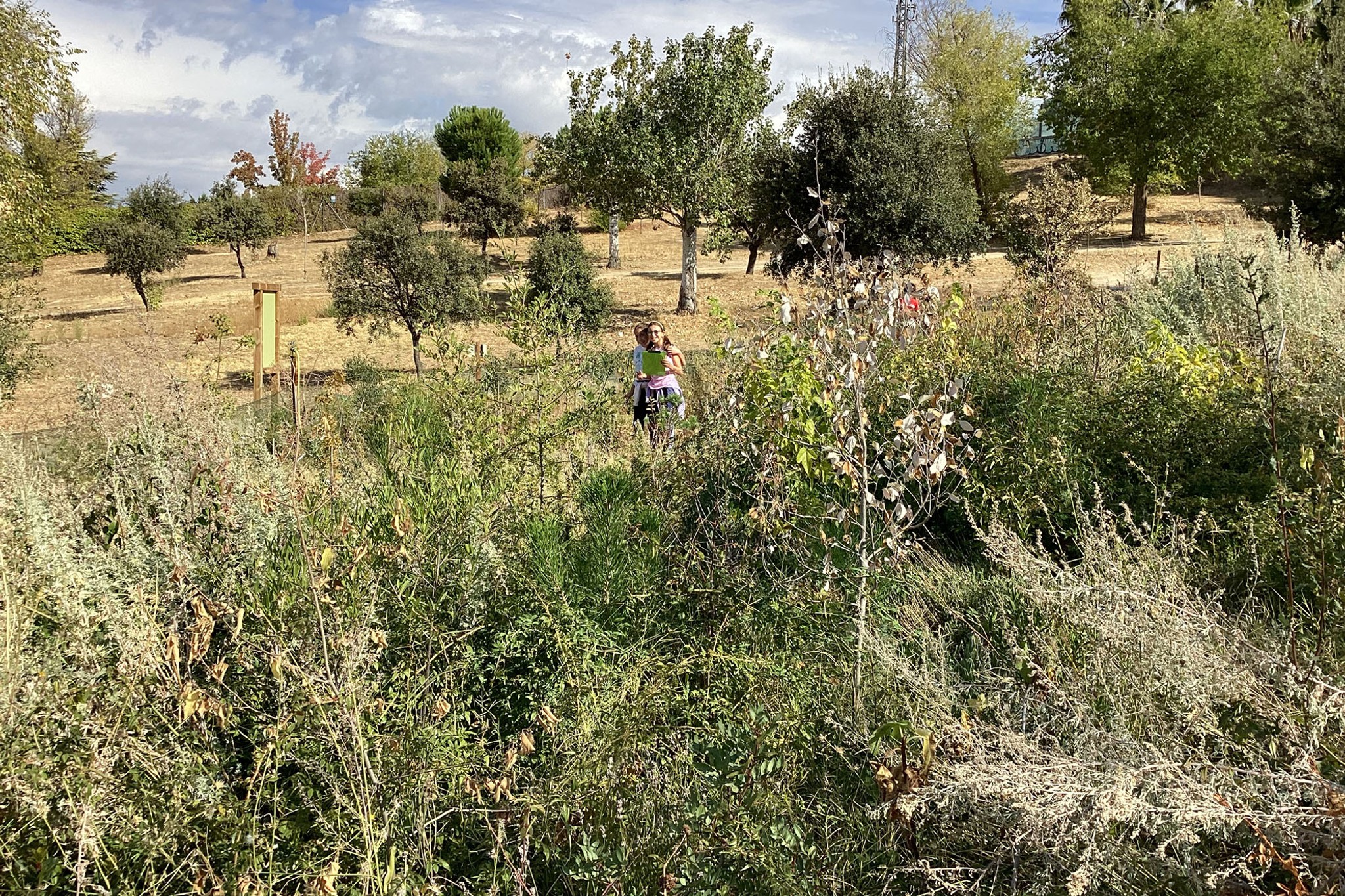
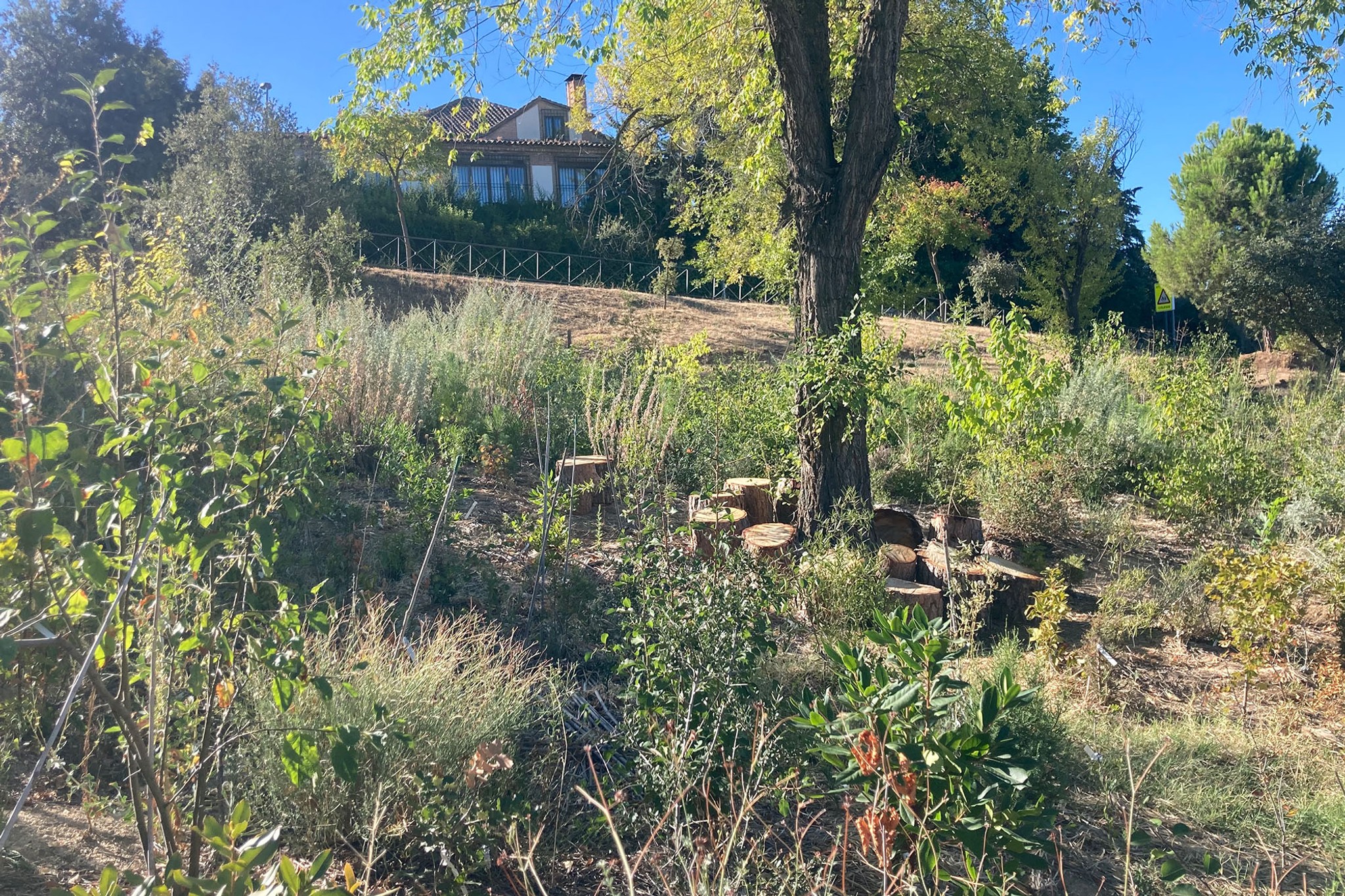
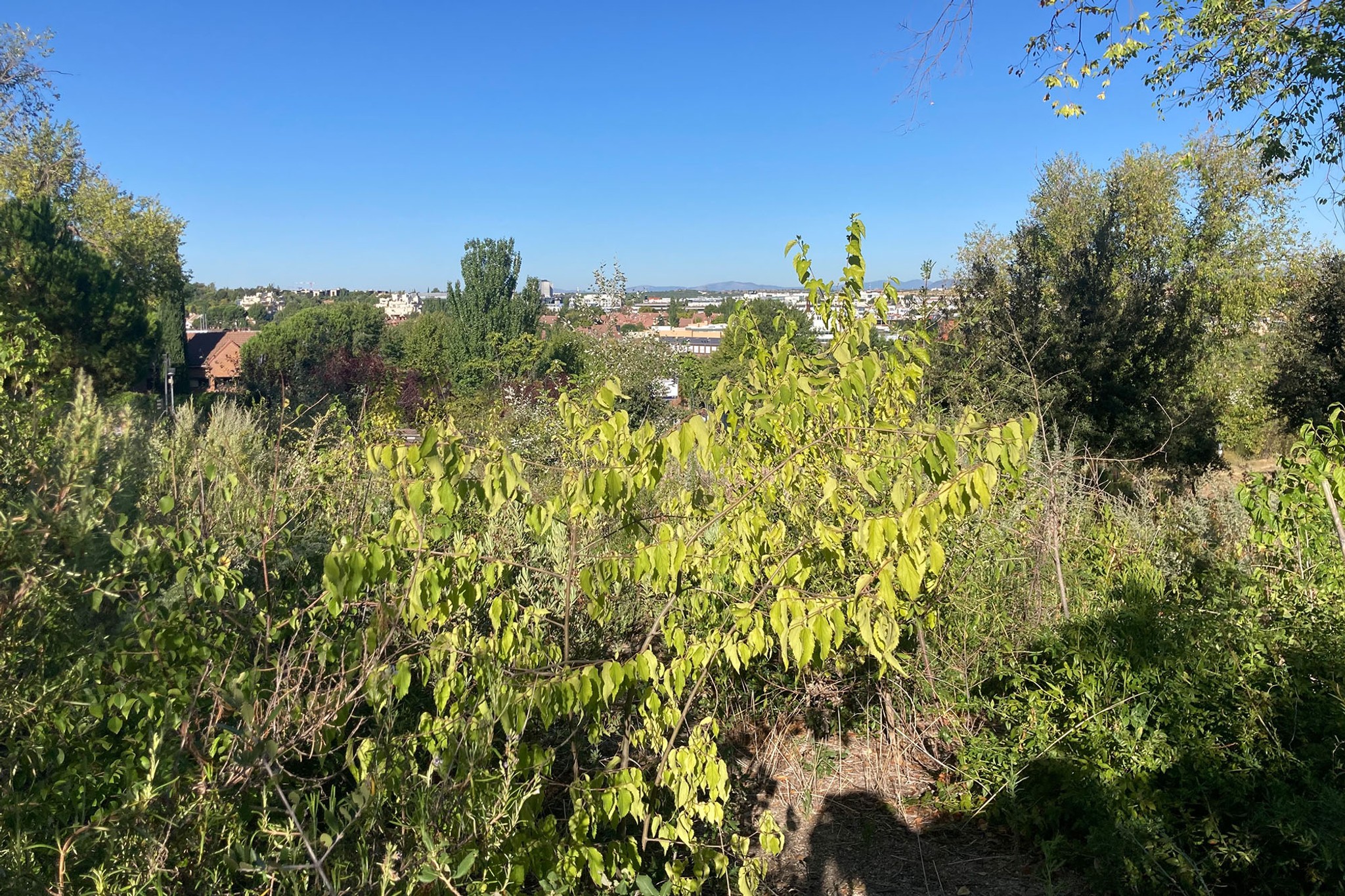
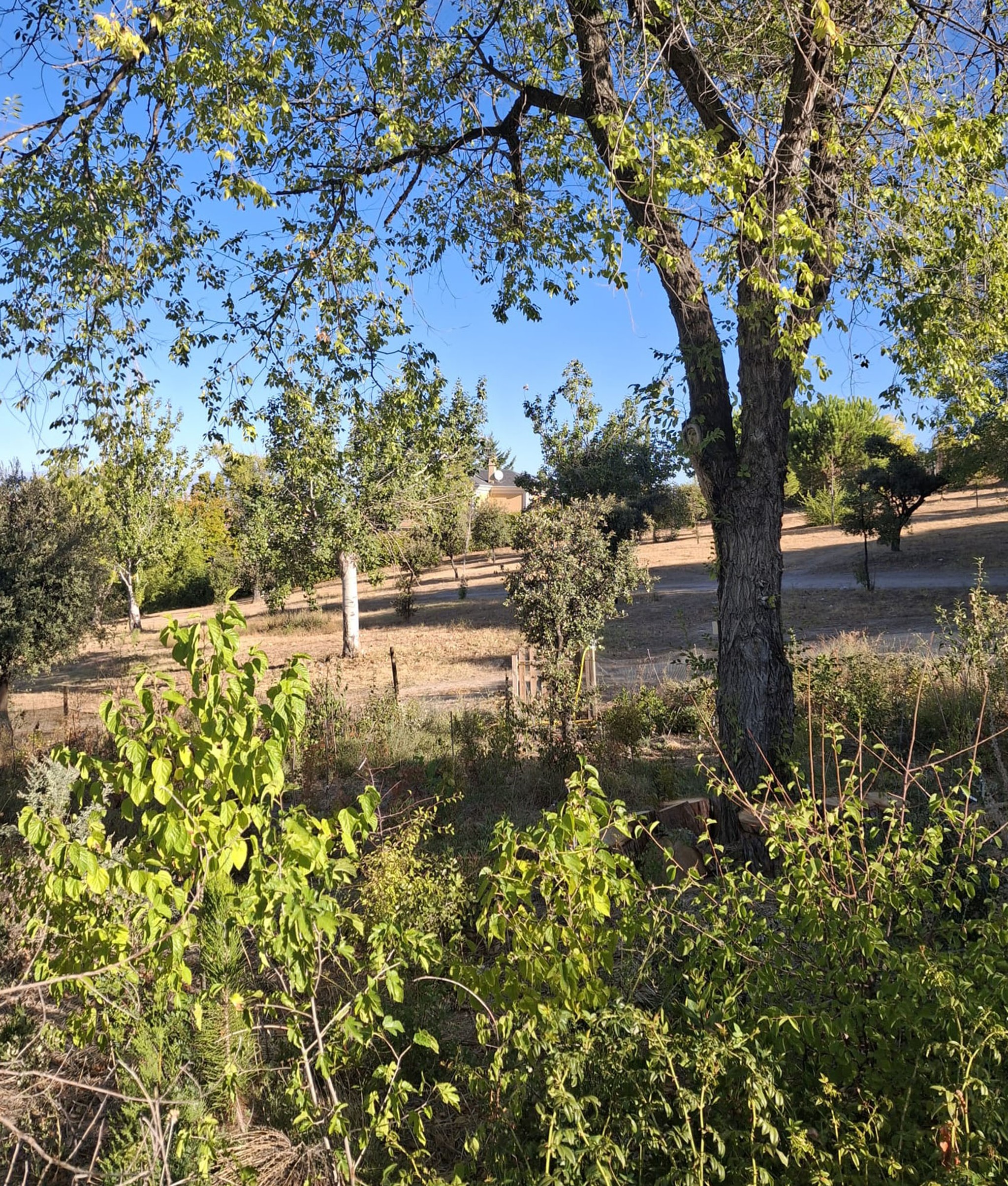
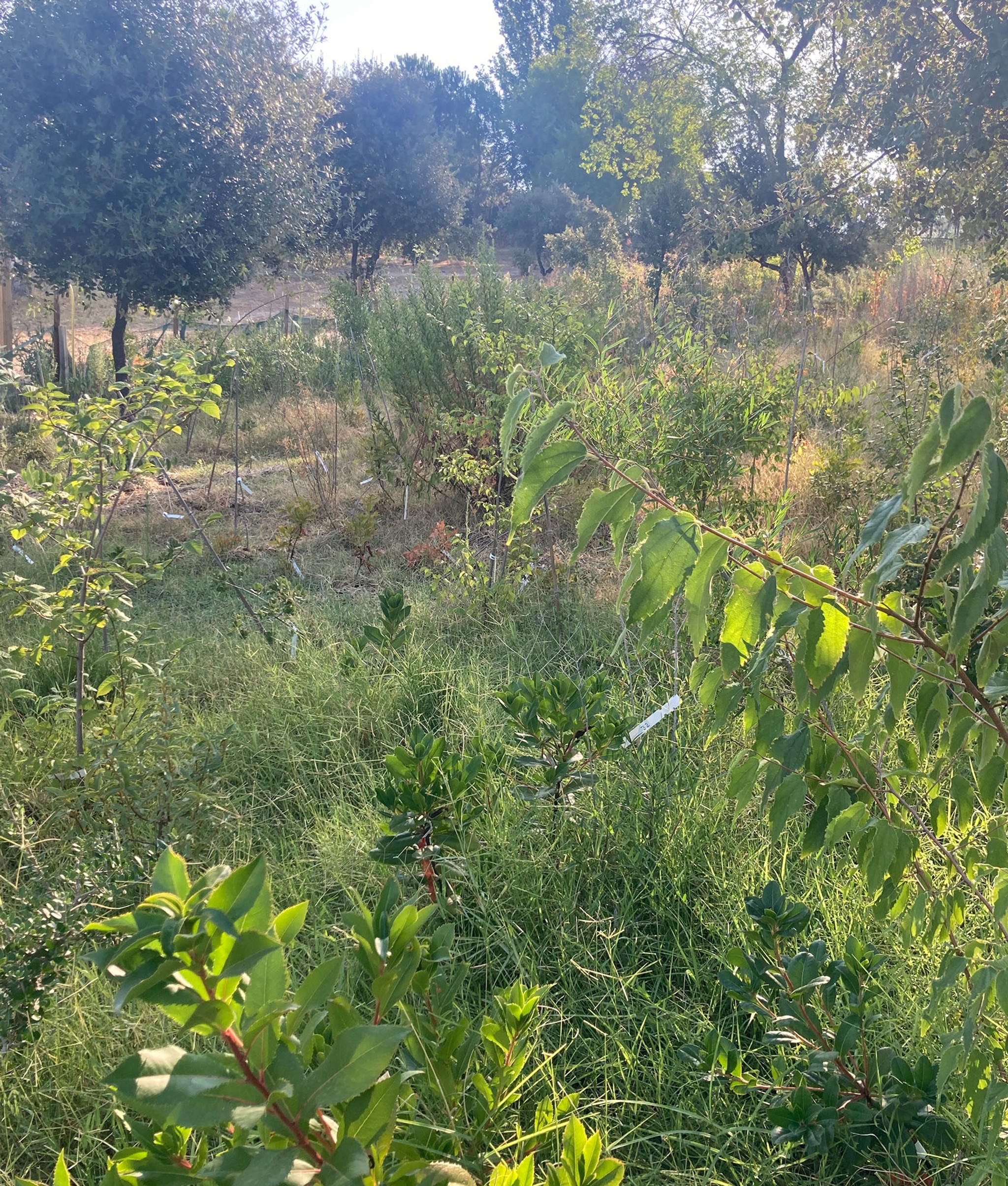
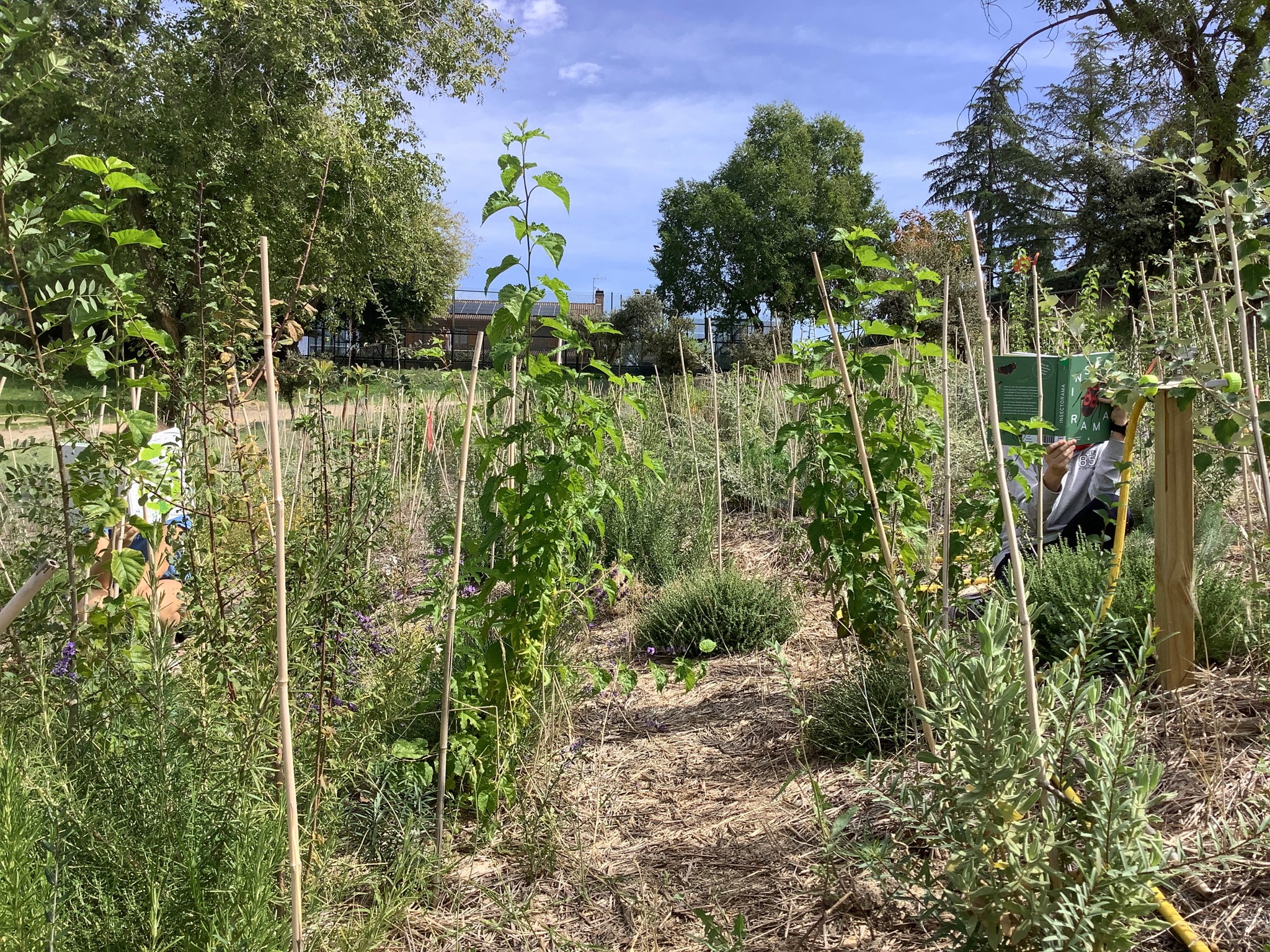
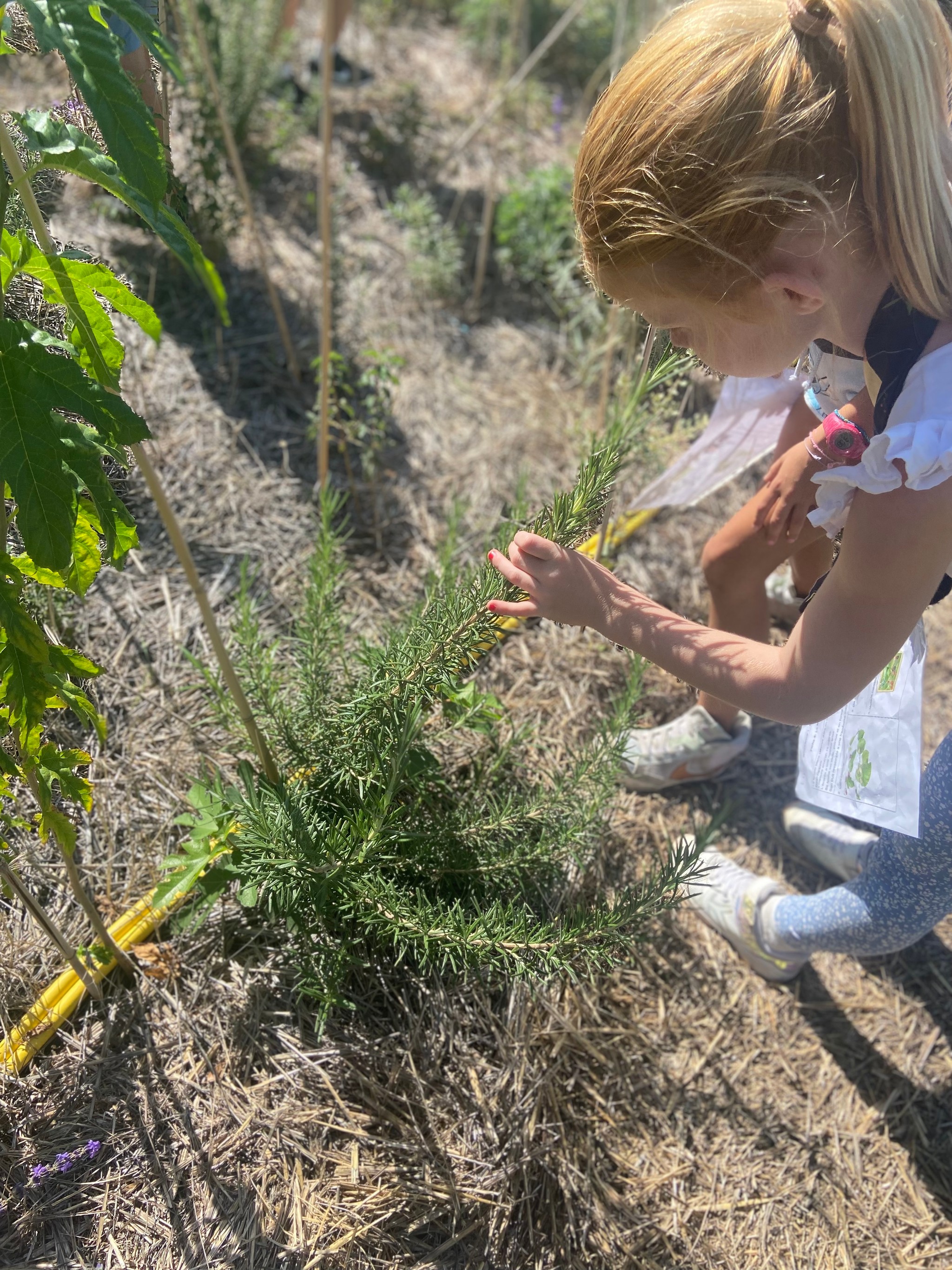
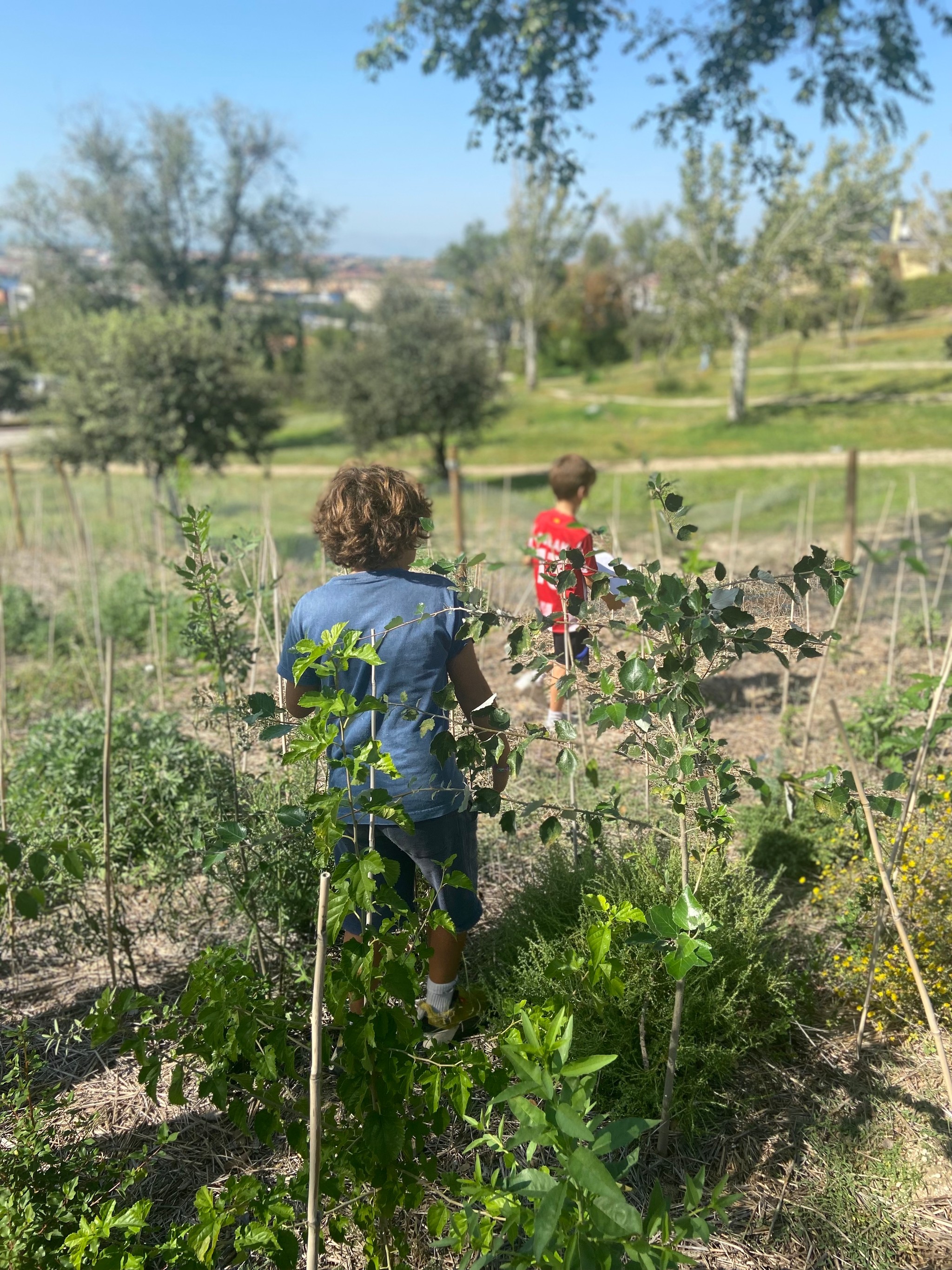
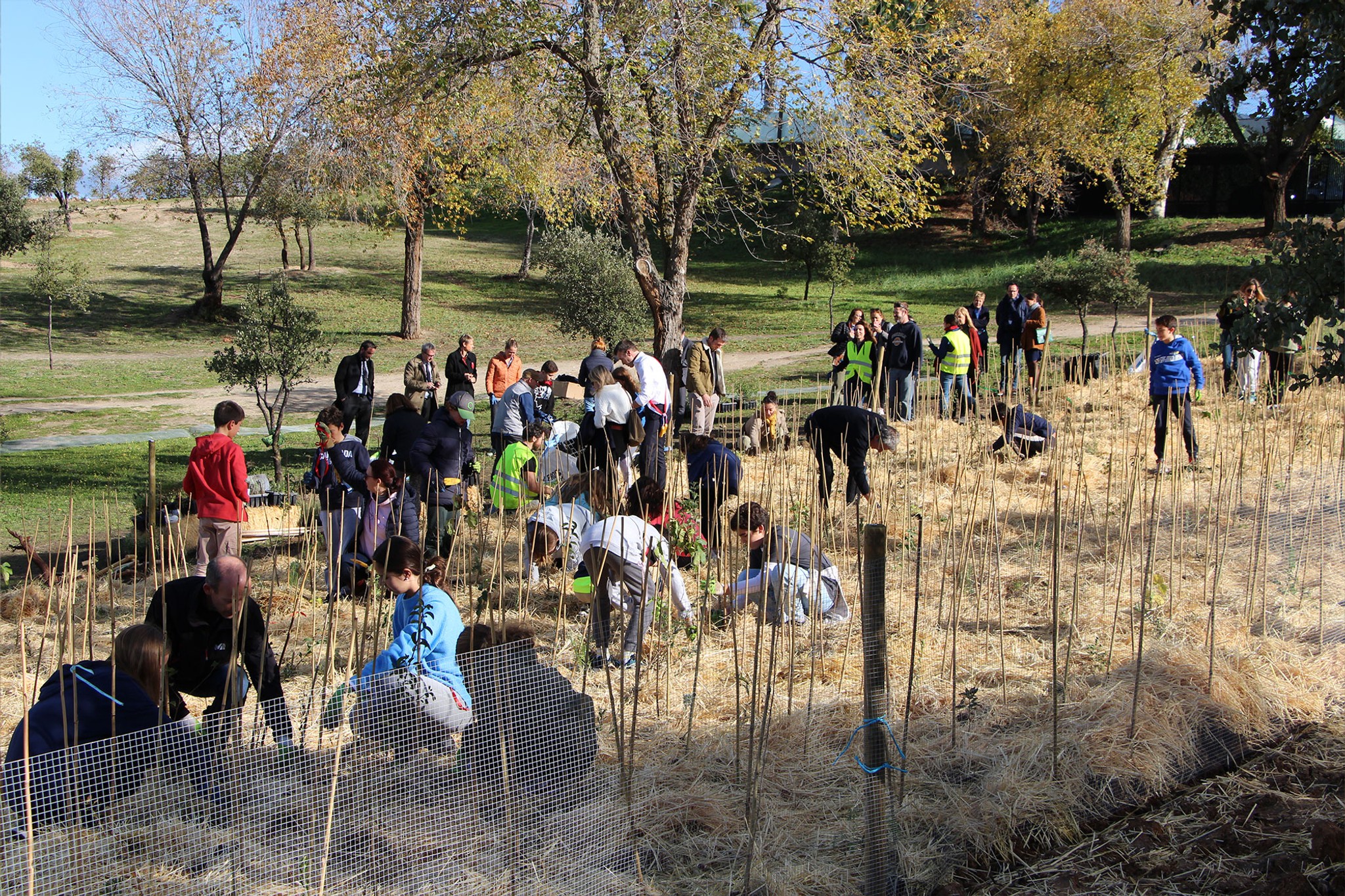
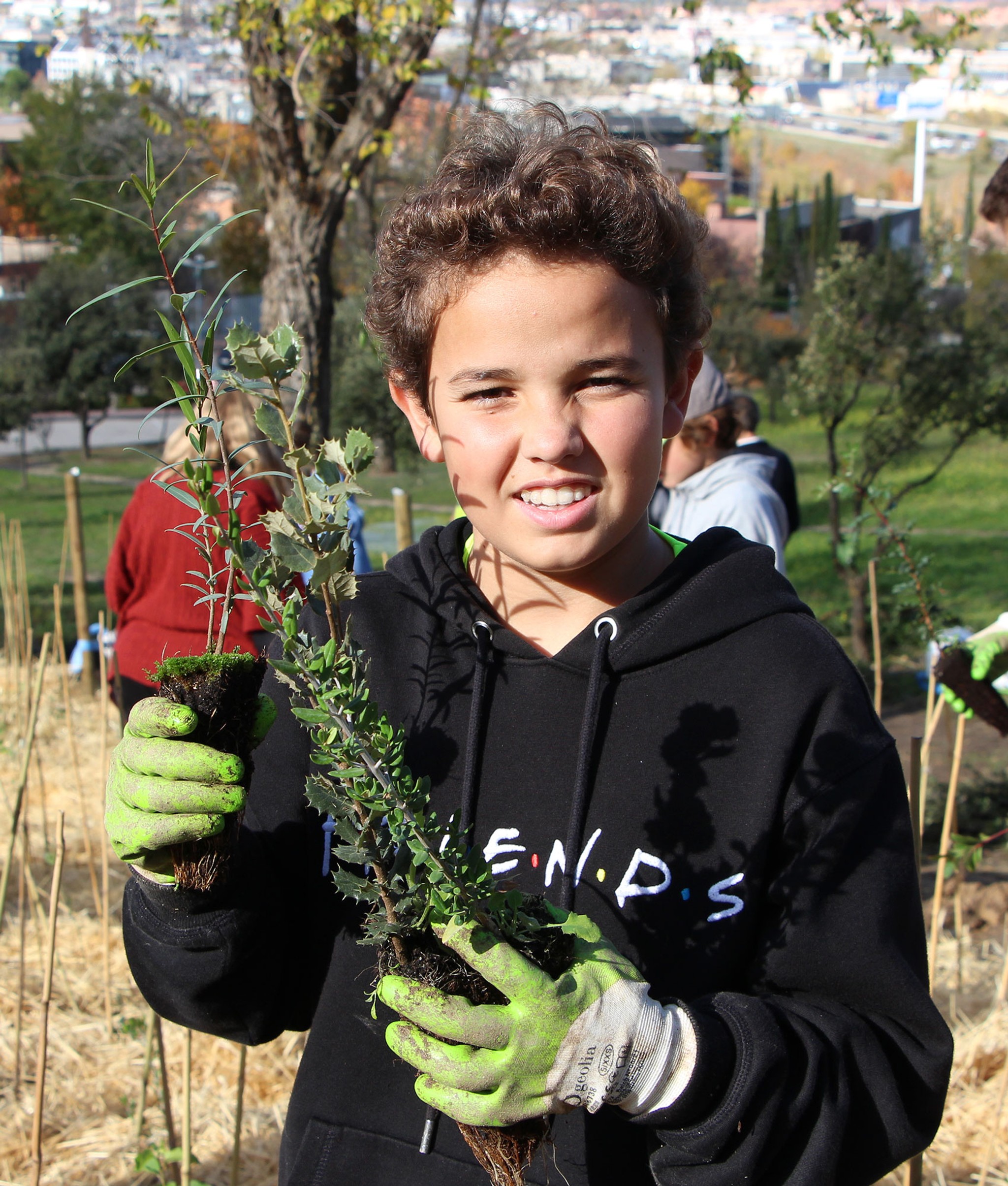
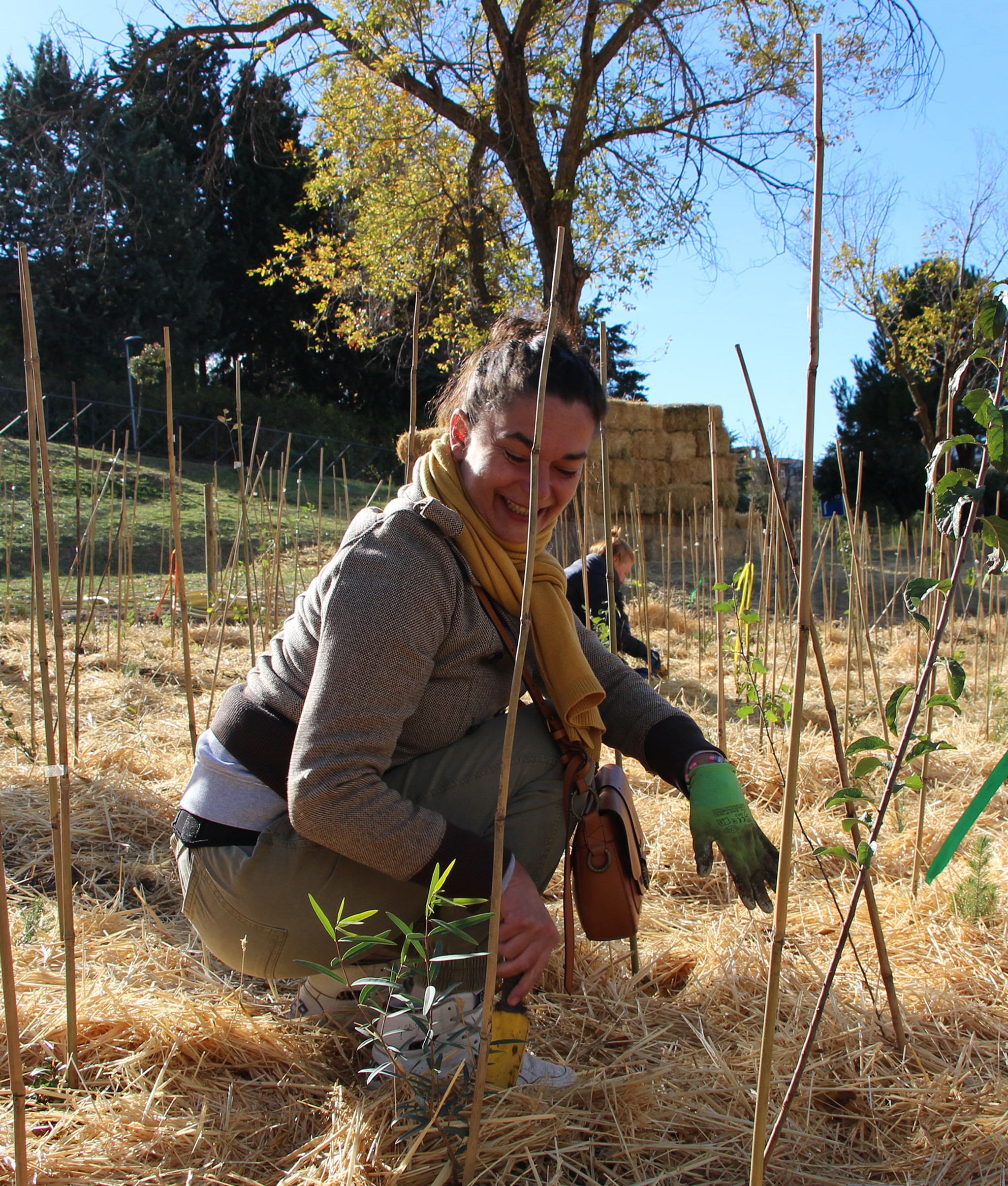
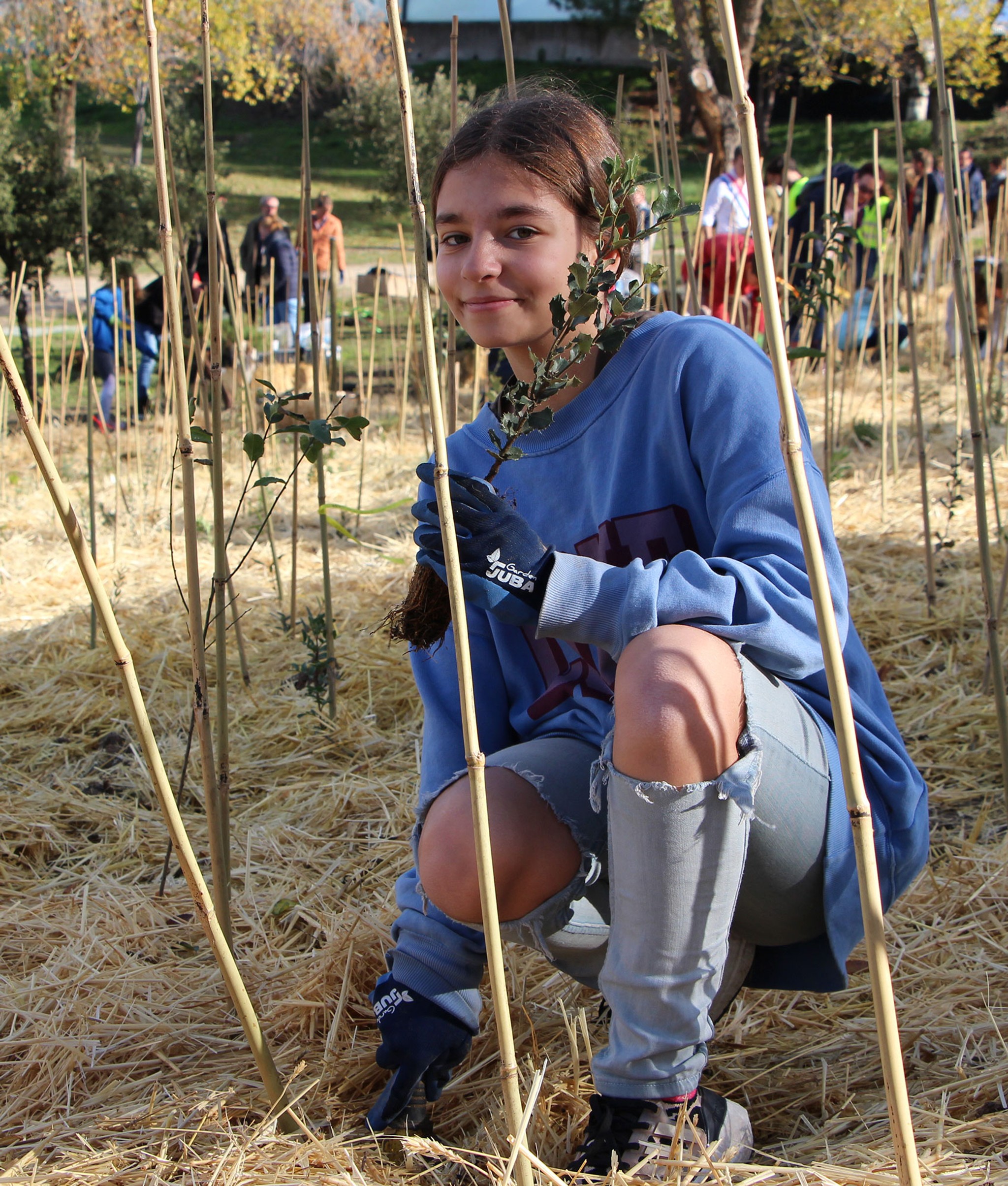
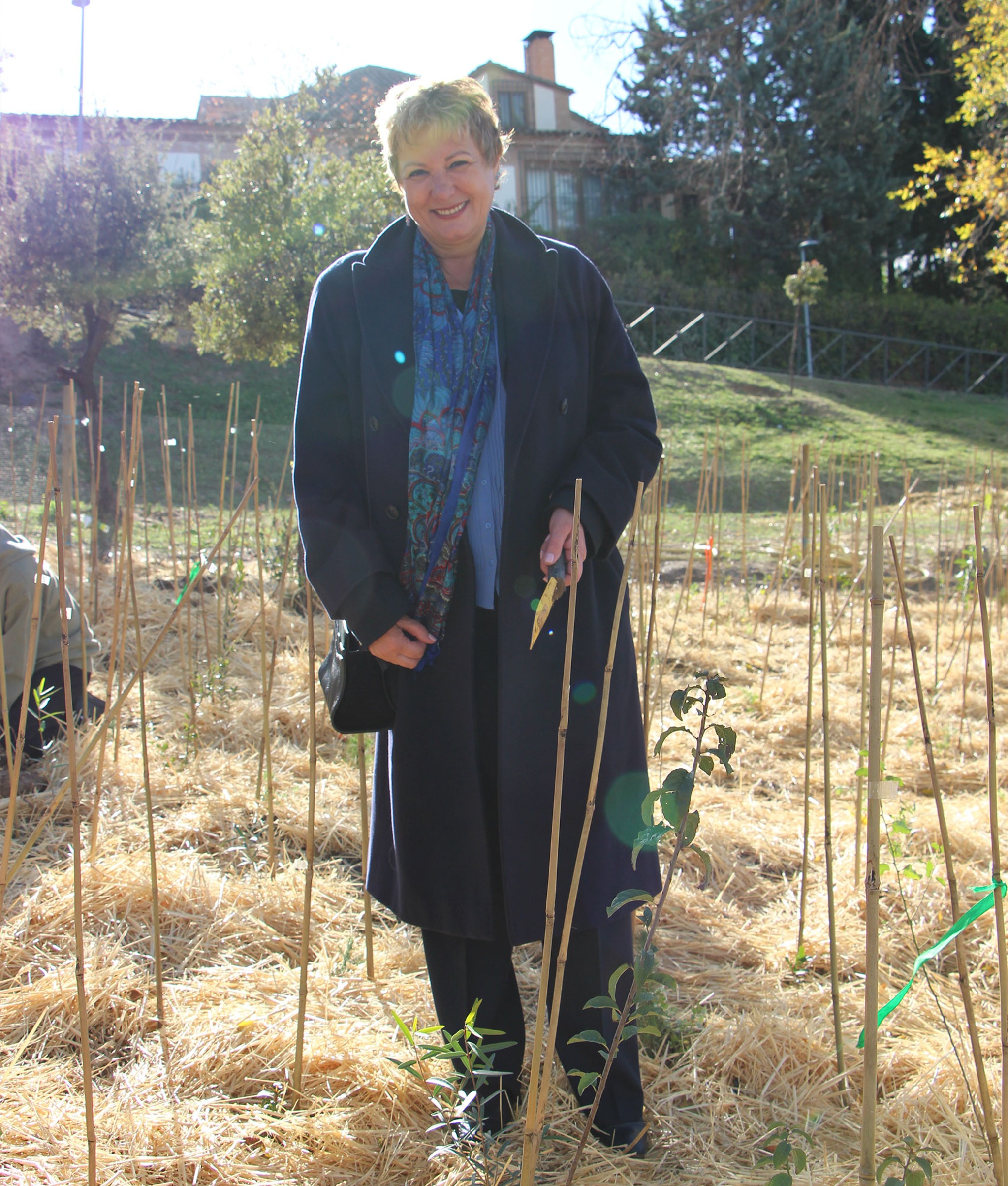
Planted in November 2023, Petit Prince Forest was created in collaboration with the Lycée Français de Madrid Saint Exupéry, inspired by Antoine de Saint-Exupéry’s beloved 1943 novel The Little Prince. Located directly in front of the school buildings, the forest has transformed an underused space beside the school parking area into a thriving pocket of biodiversity and a living educational resource. Today, the forest has reached its self-sustaining stage, with a developing canopy and dense undergrowth creating shelter and habitat for a growing range of species.
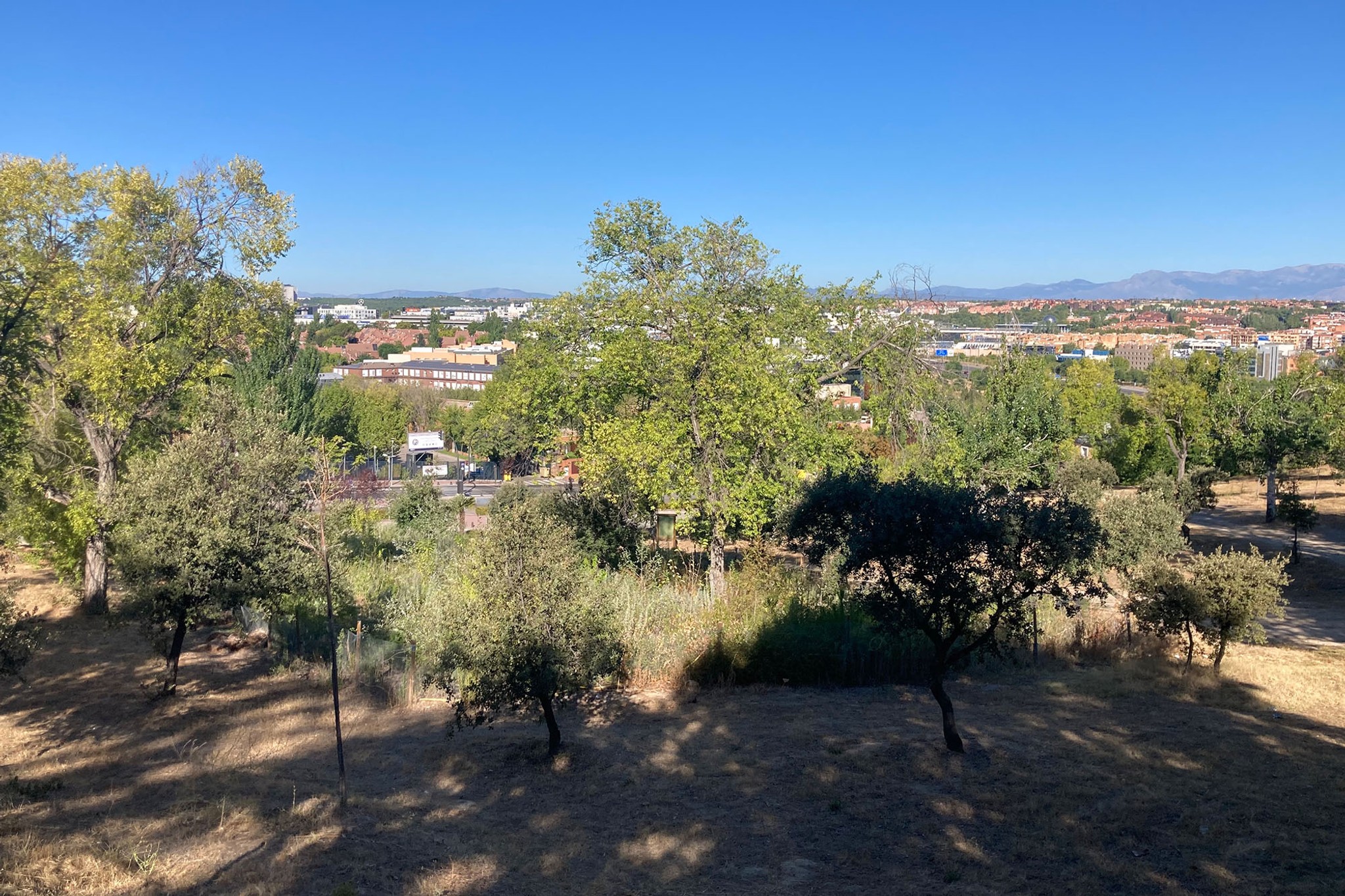
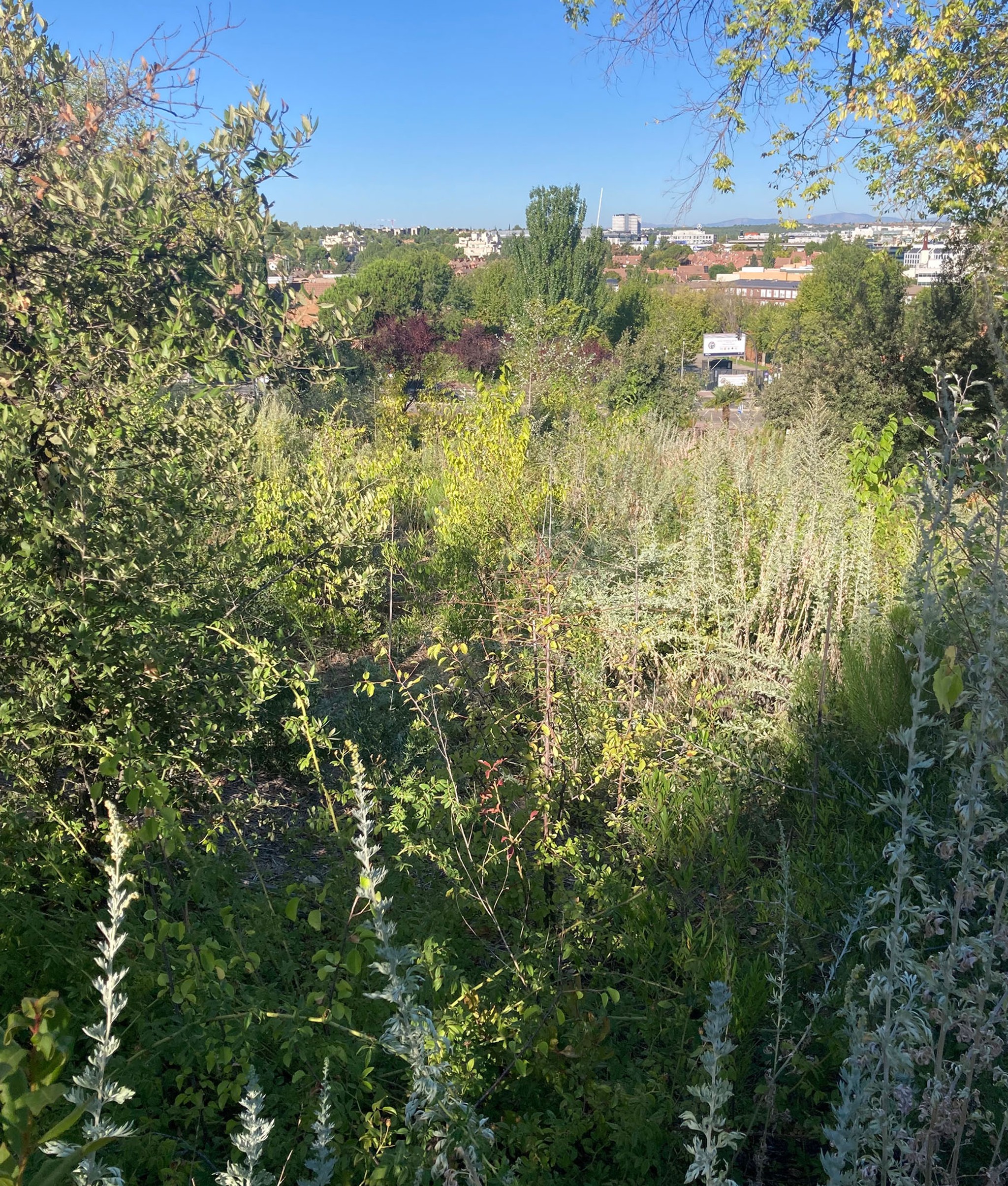
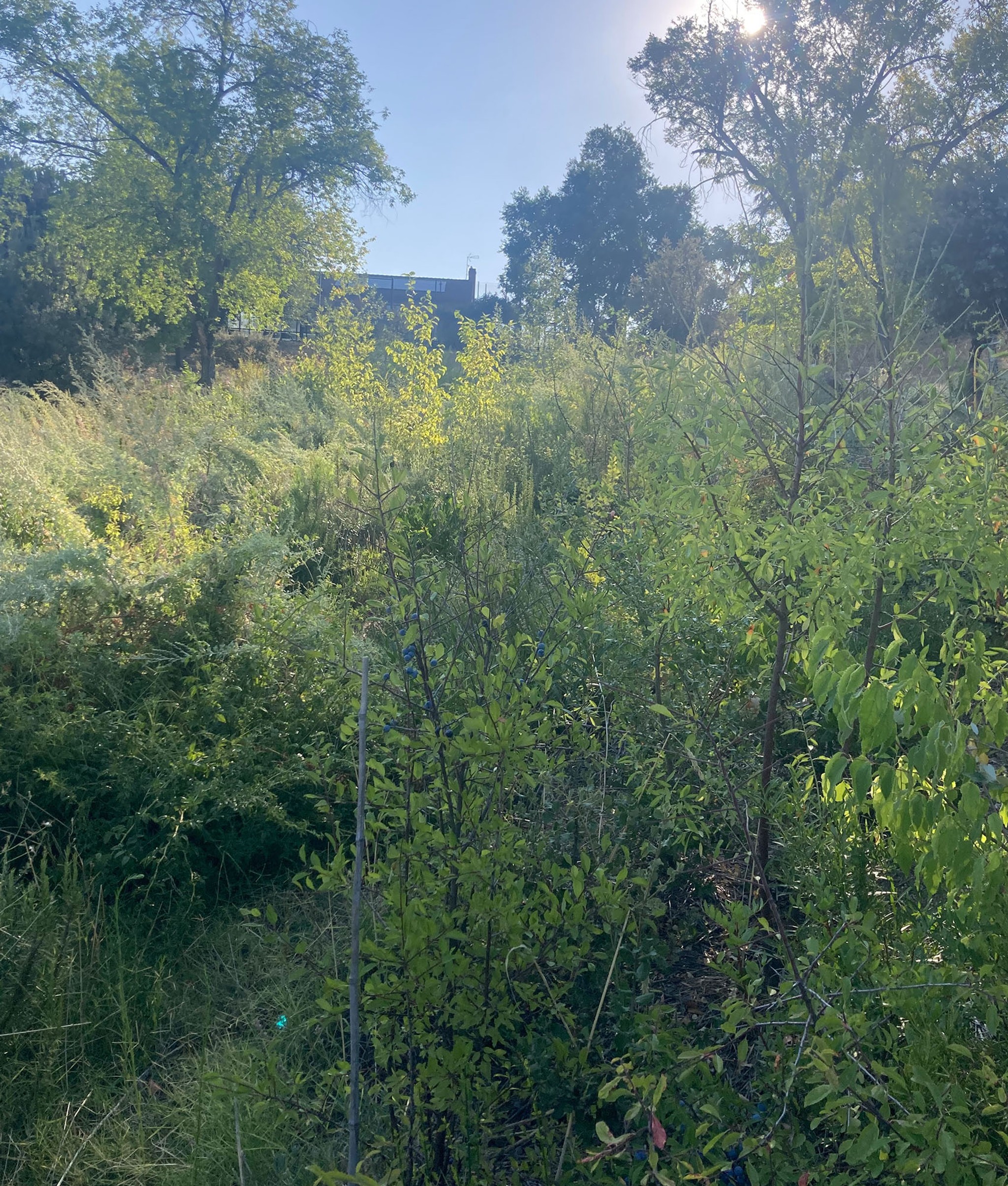
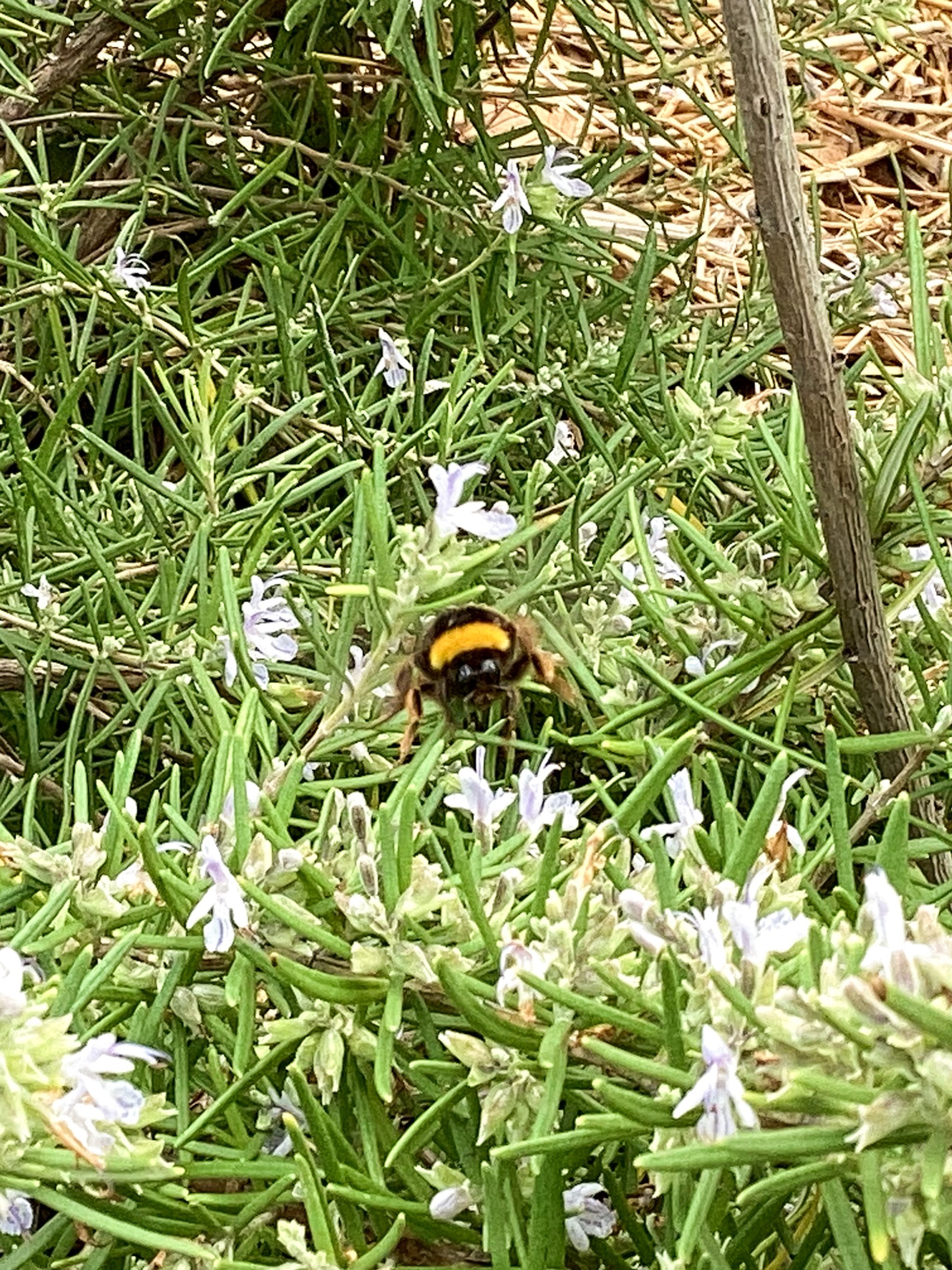
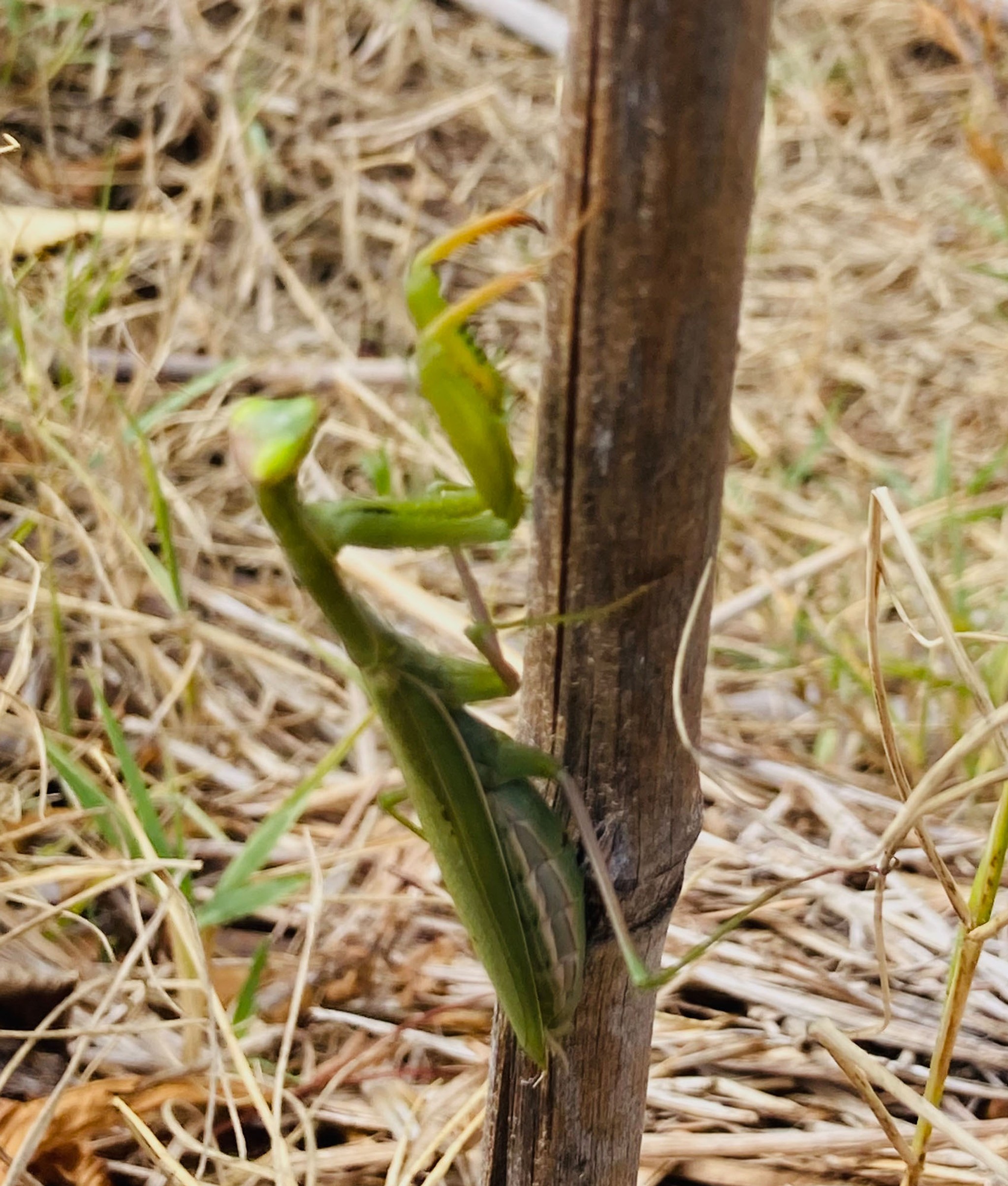
The forest is already attracting an encouraging diversity of wildlife. We have observed several lizards and many types of butterflies, while a family of hares appears to have settled in the upper part of the forest, protected by a thick layer of wild vegetation. The trees are also beginning to regenerate naturally: within the monitored area, spontaneous young holm oaks (Quercus ilex) and elm trees (Ulmus minor) have emerged alongside the species originally planted, reflecting the forest’s growing connection with the surrounding ecosystem.
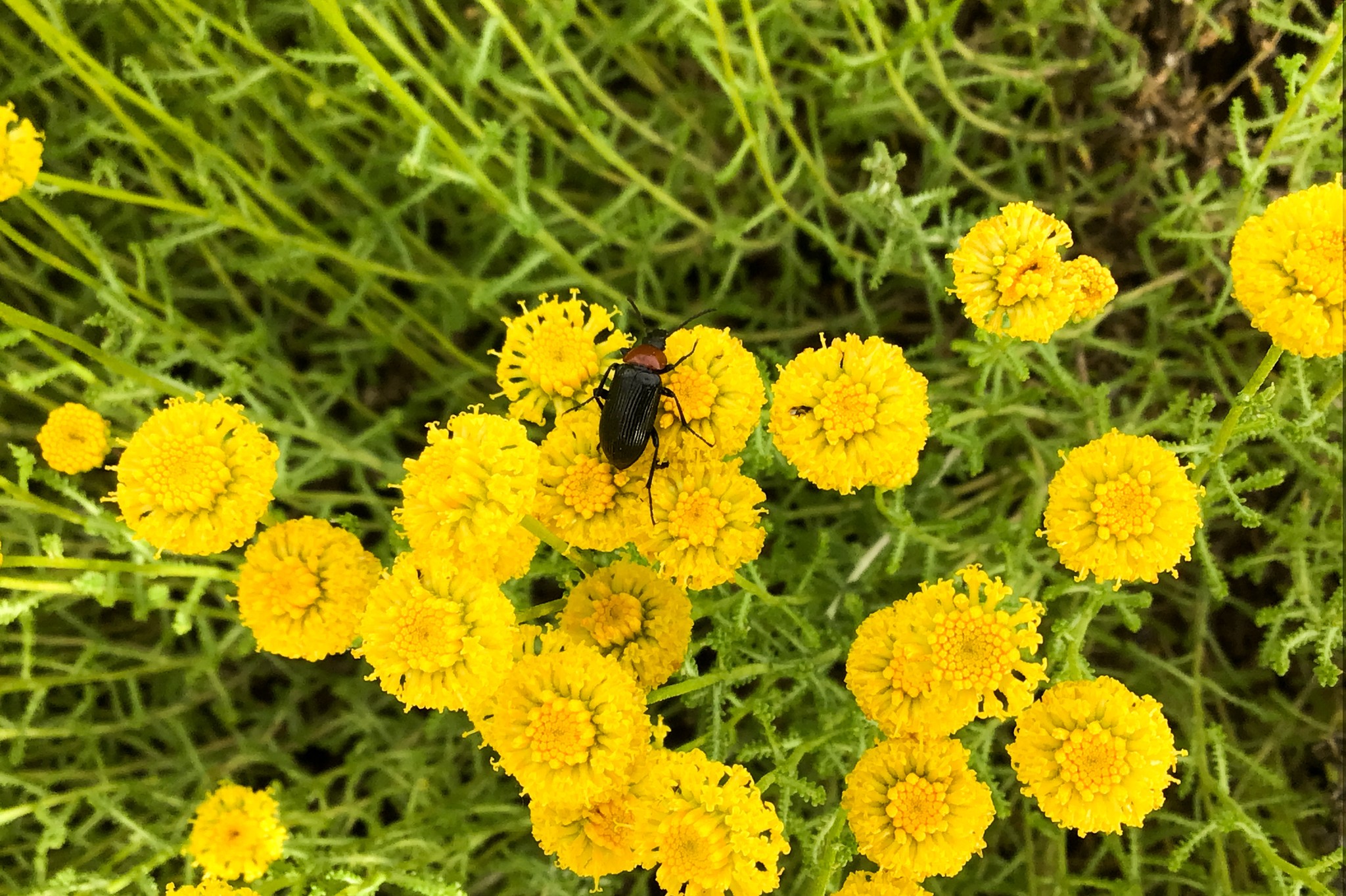
The forest has also demonstrated its resilience in the face of challenges. Following an issue with the wood-boring beetle Capnodis tenebrionis on one side of the forest, nematodes were applied in May 2025 as a biological treatment. By September, only two beetles were observed, both in the upper, now largely inaccessible part of the forest. With its canopy taking shape, natural regeneration underway and wildlife returning, Petit Prince Forest is now developing as a self-sustaining ecosystem – a living expression of the curiosity, care and imagination at the heart of The Little Prince.
Forest Maker
MiniBig Forest España
Ecosystem Restored
Final report: 09.09.2025
After approximately three years our SUGi Pocket Forests become self-sustaining. They no longer require human maintenance or watering, and can be handed over to Nature for biodiversity and complexity to naturally develop.
0%
Survival Rate
0
kg of potential CO2 sequestration
Biodiversity
Biodiversity is all the different kinds of life you'll find in one area—the variety of animals, plants, fungi, and even microorganisms like bacteria that make up our natural world. Each of these species and organisms work together in ecosystems, like an intricate web, to maintain balance and support life.
0
Potential number of mammals
0
Potential number of birds
0
Potential number of amphibians
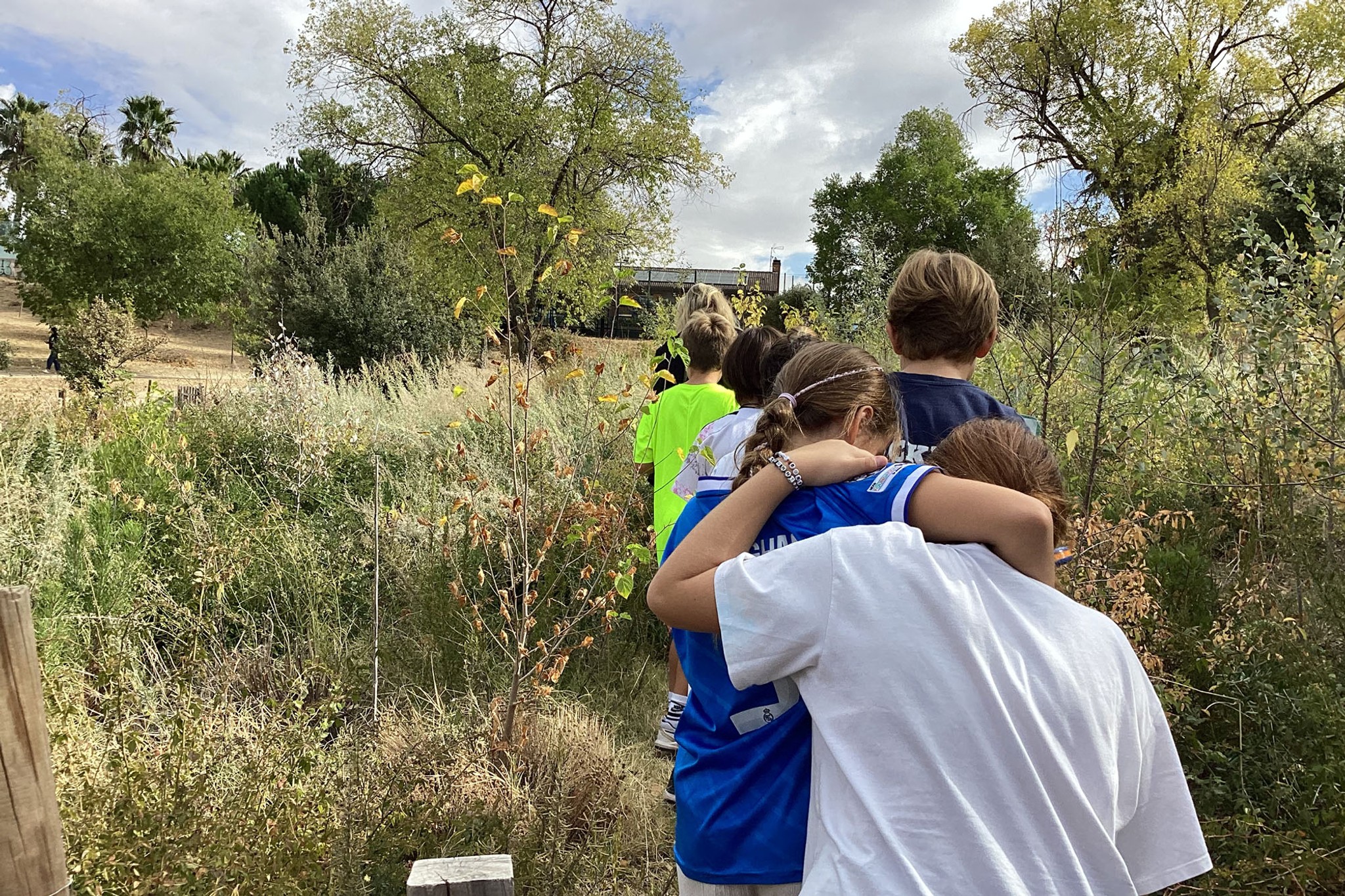
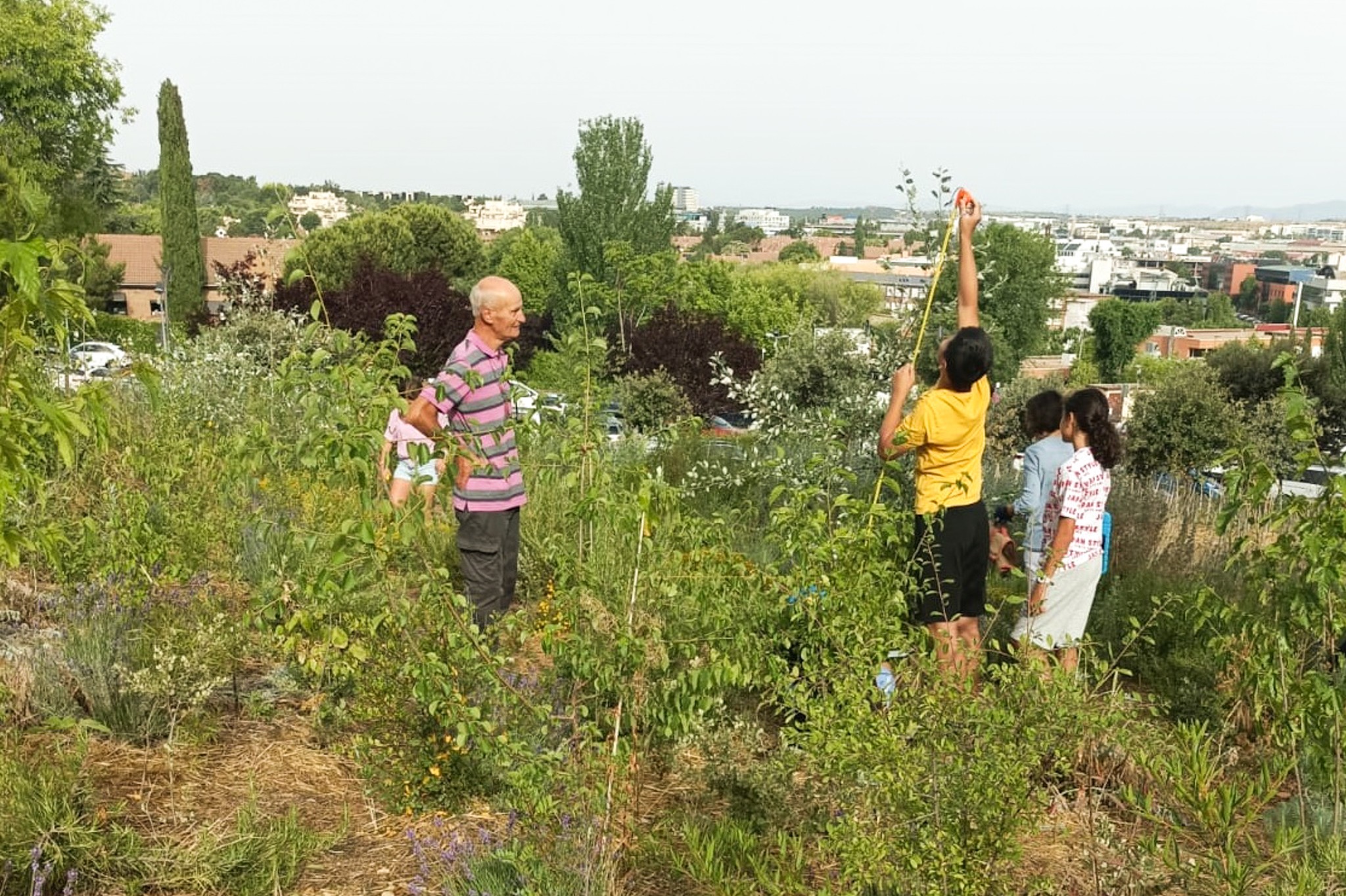
“The project flows from sustainability targets at the Lycée Français. The goal is for children to understand the issues of biodiversity and climate change, and to feel empowered to act now to save their planet. Students and teachers will play an active part in the project and will be able to see the forest flourish right outside.”
Emilie Jezequel, Deputy Head Teacher, Lycée Français de Madrid Saint Exupéry
Forest Report: 2024
0 Months
Forest Age
0%
Survival Rate
0m
Average of Tallest 3 Trees
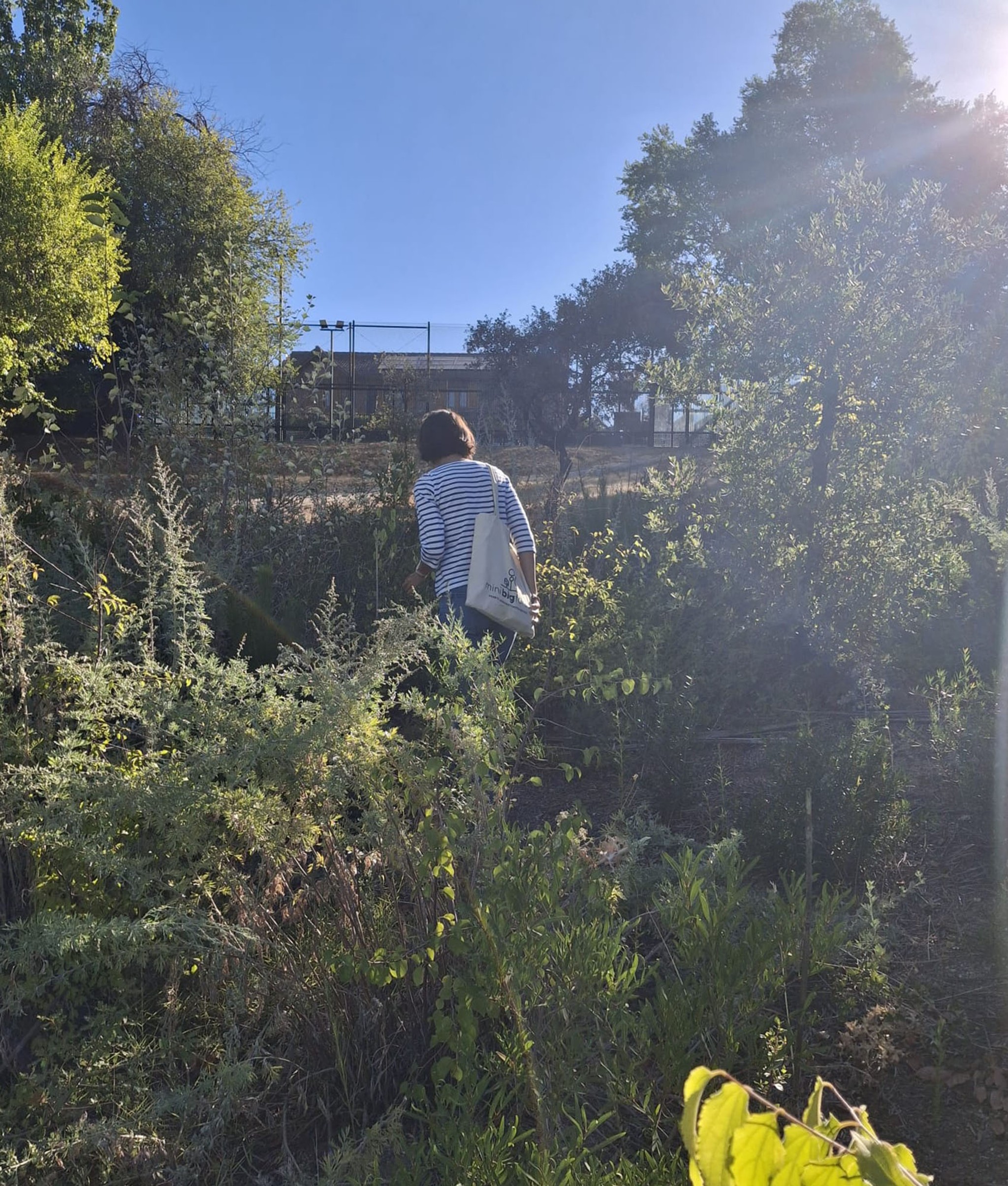
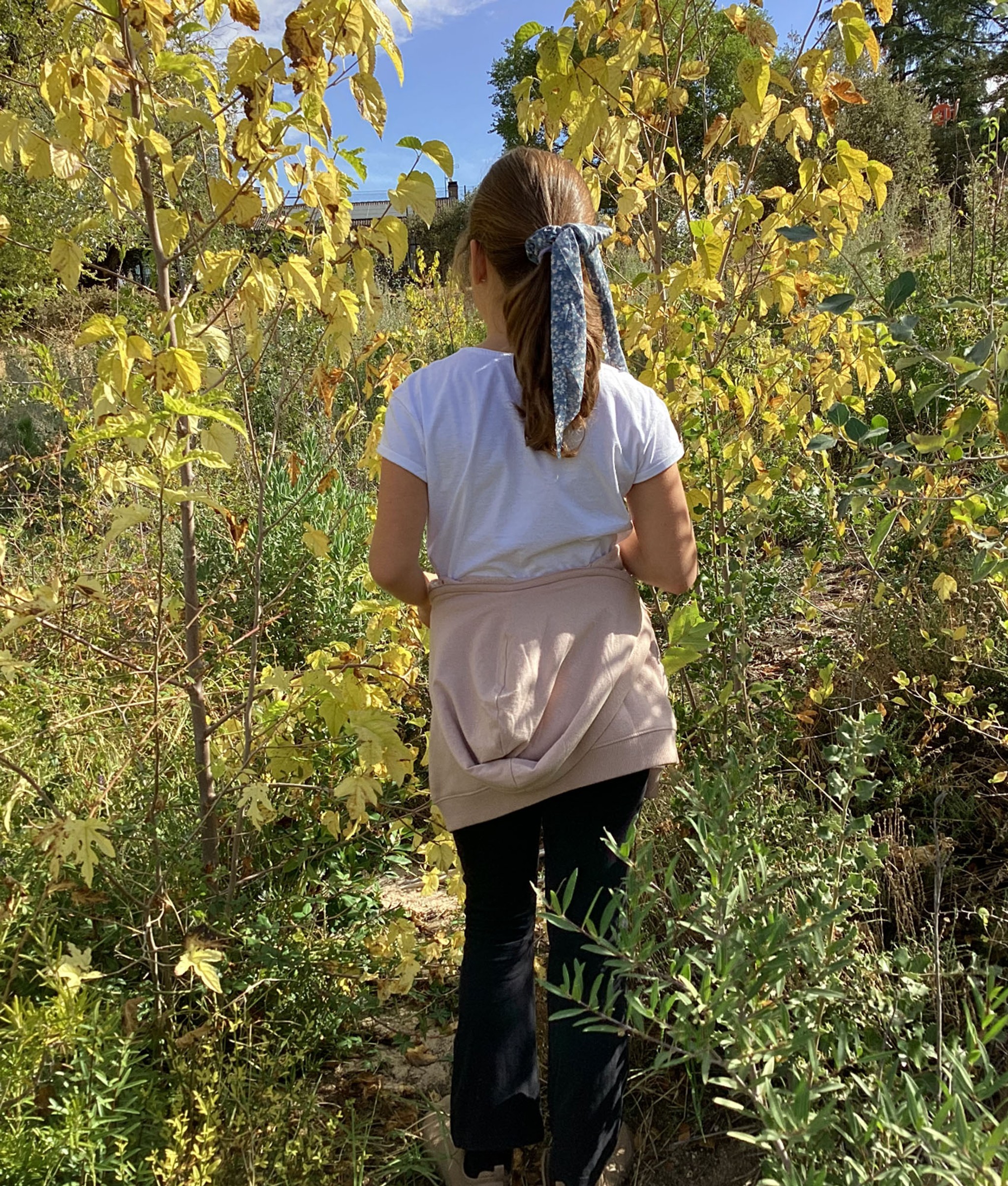
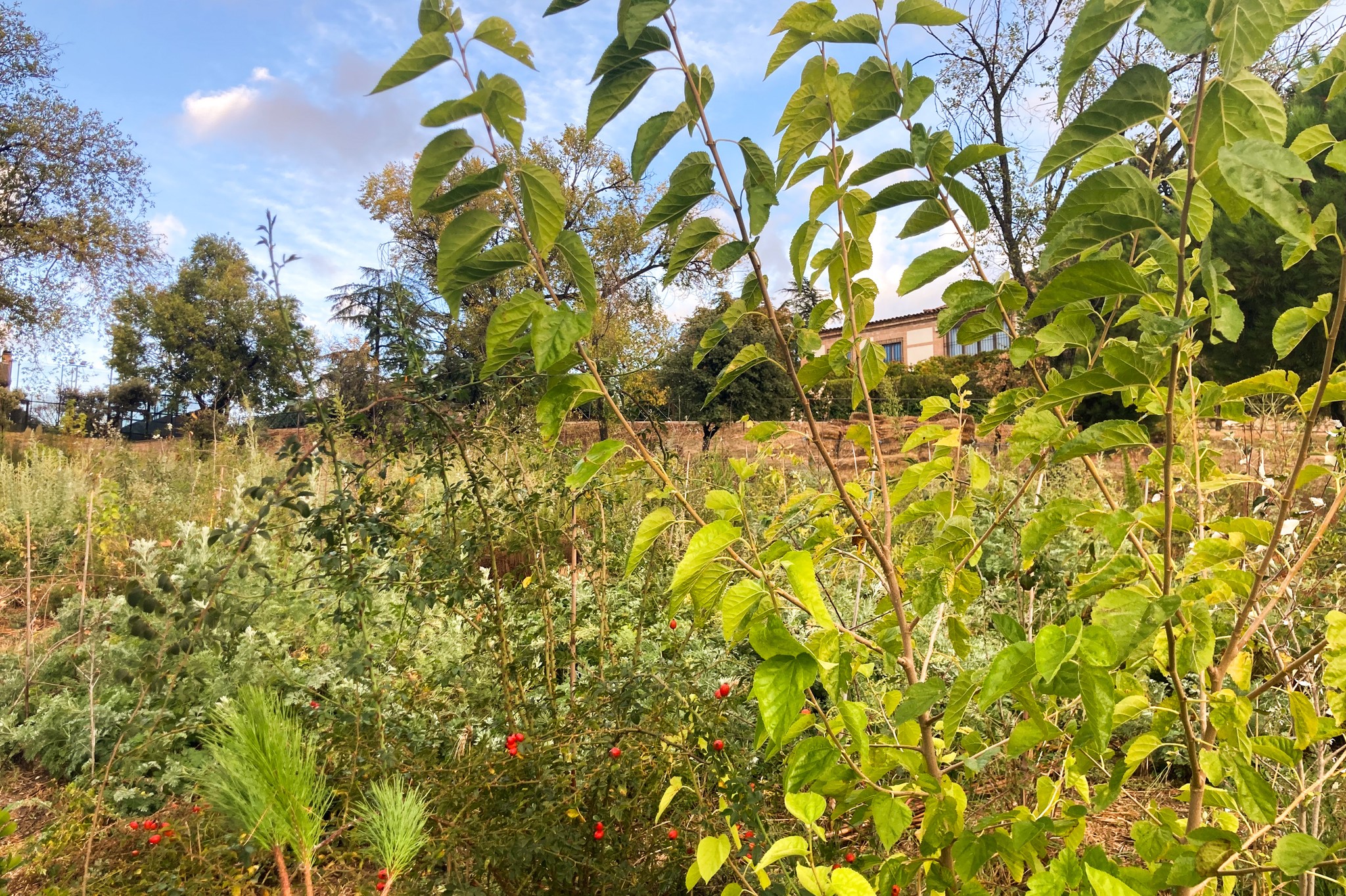
The forest is visibly thriving: offspring of green oaks (Quercus ilex) and elm trees (Ulmus minor) are many. It is getting very thick and dense in some areas and we have to squirm into the forest.
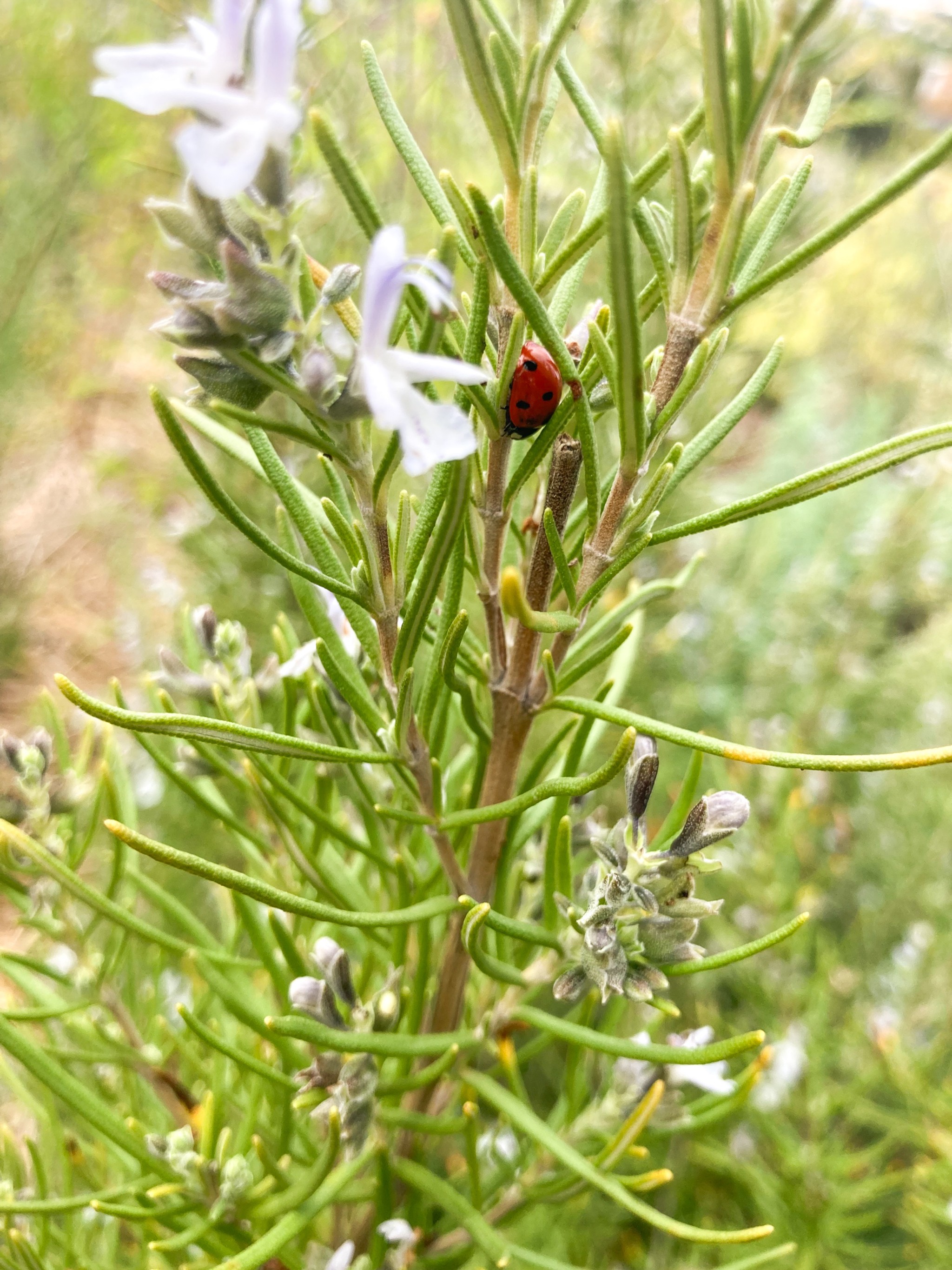
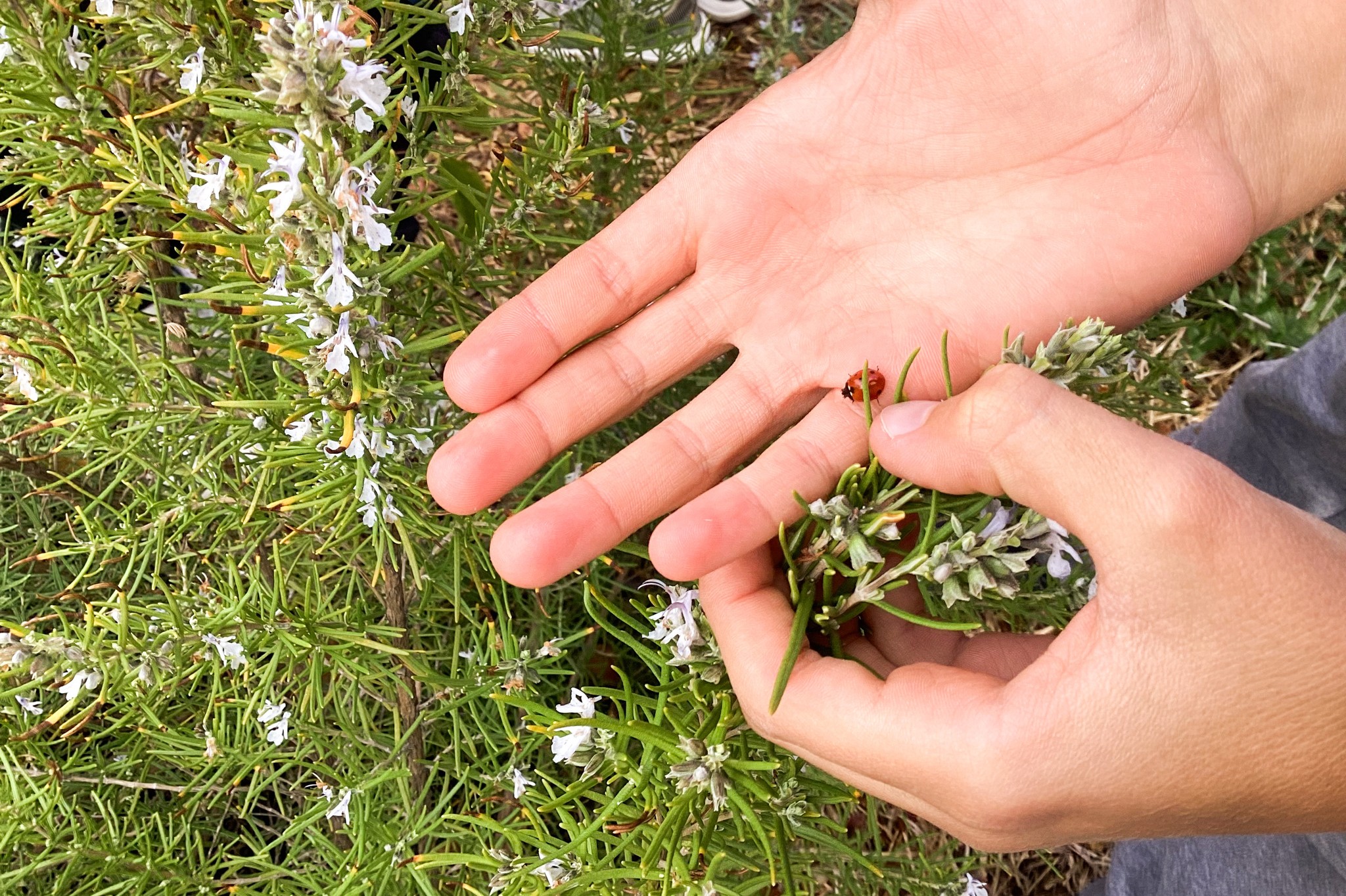
Autumn is drawing close and lots of insects are back. Butterflies, spiders, crickets, ladybirds are among those we saw last week, but we have unfortunately been dealing with a pest too: Capnodis tenebrionis, a beetle that eats and kills shell fruit trees like Prunus amygadlus.
We have done our best to catch and kill them and have sprayed some organic neem oil along with potassic soap. It seems that some of the trees have died but some are growing new shoots. It is not a major species of the forest so the impact should be limited.
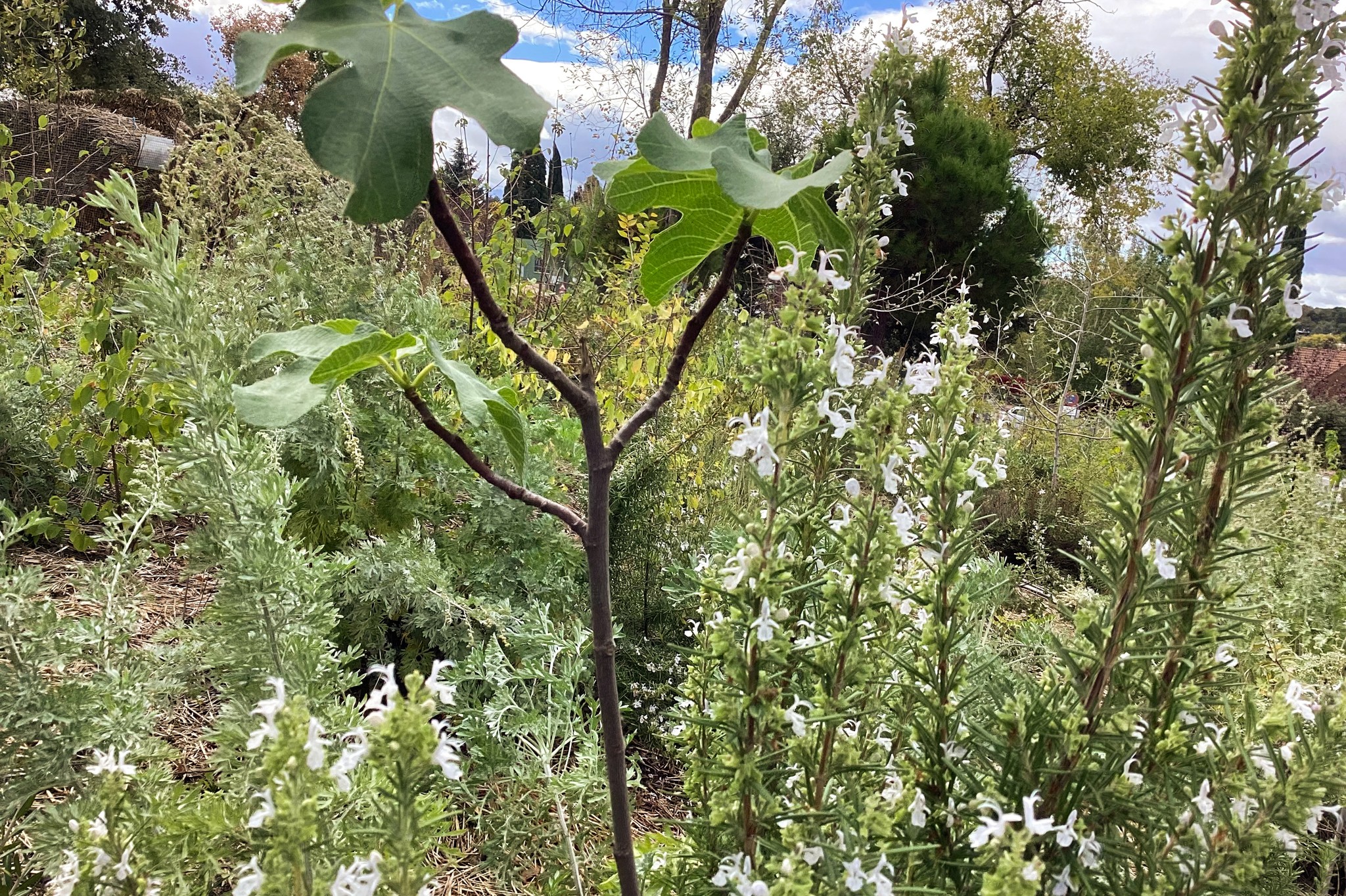
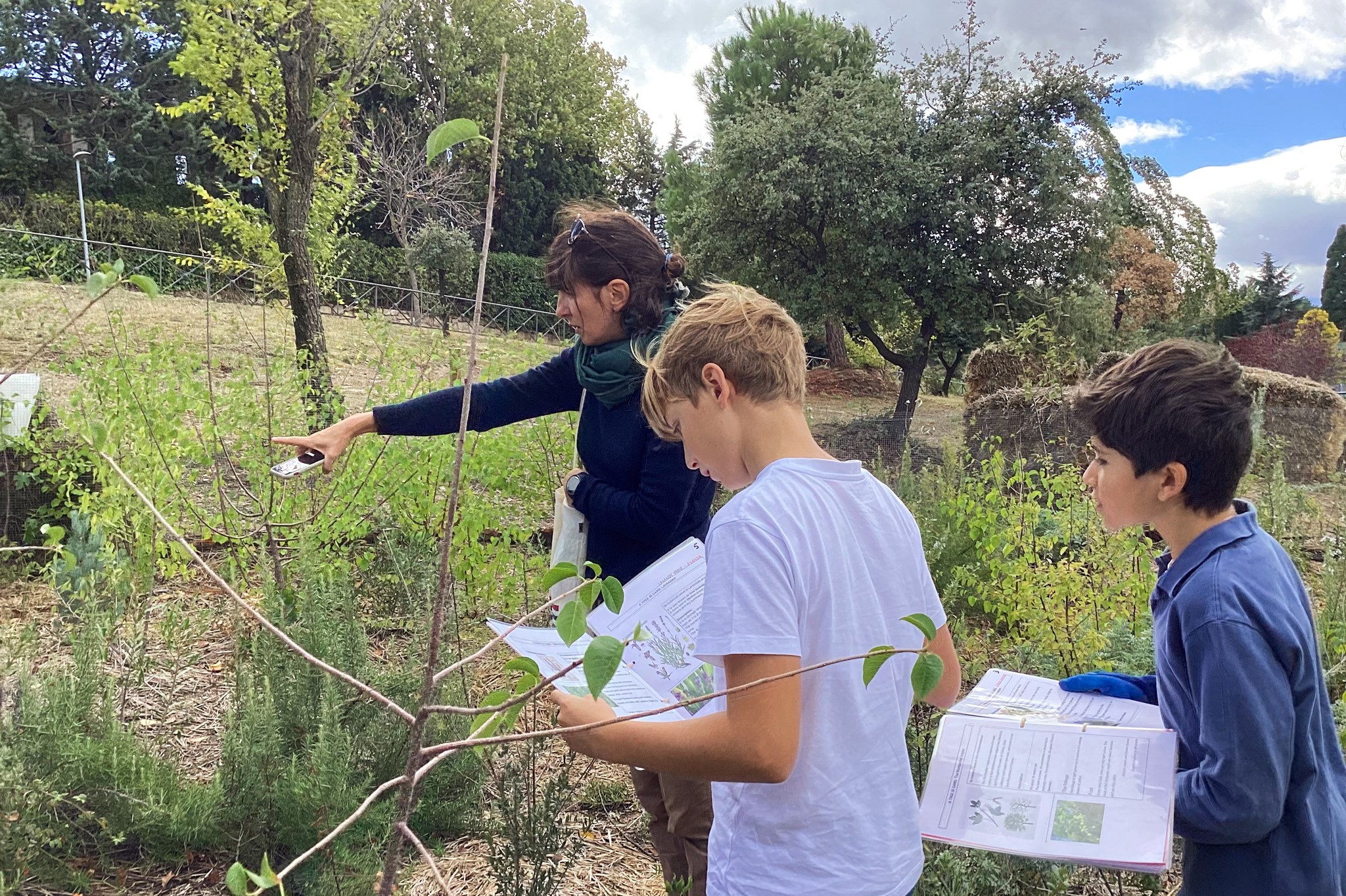
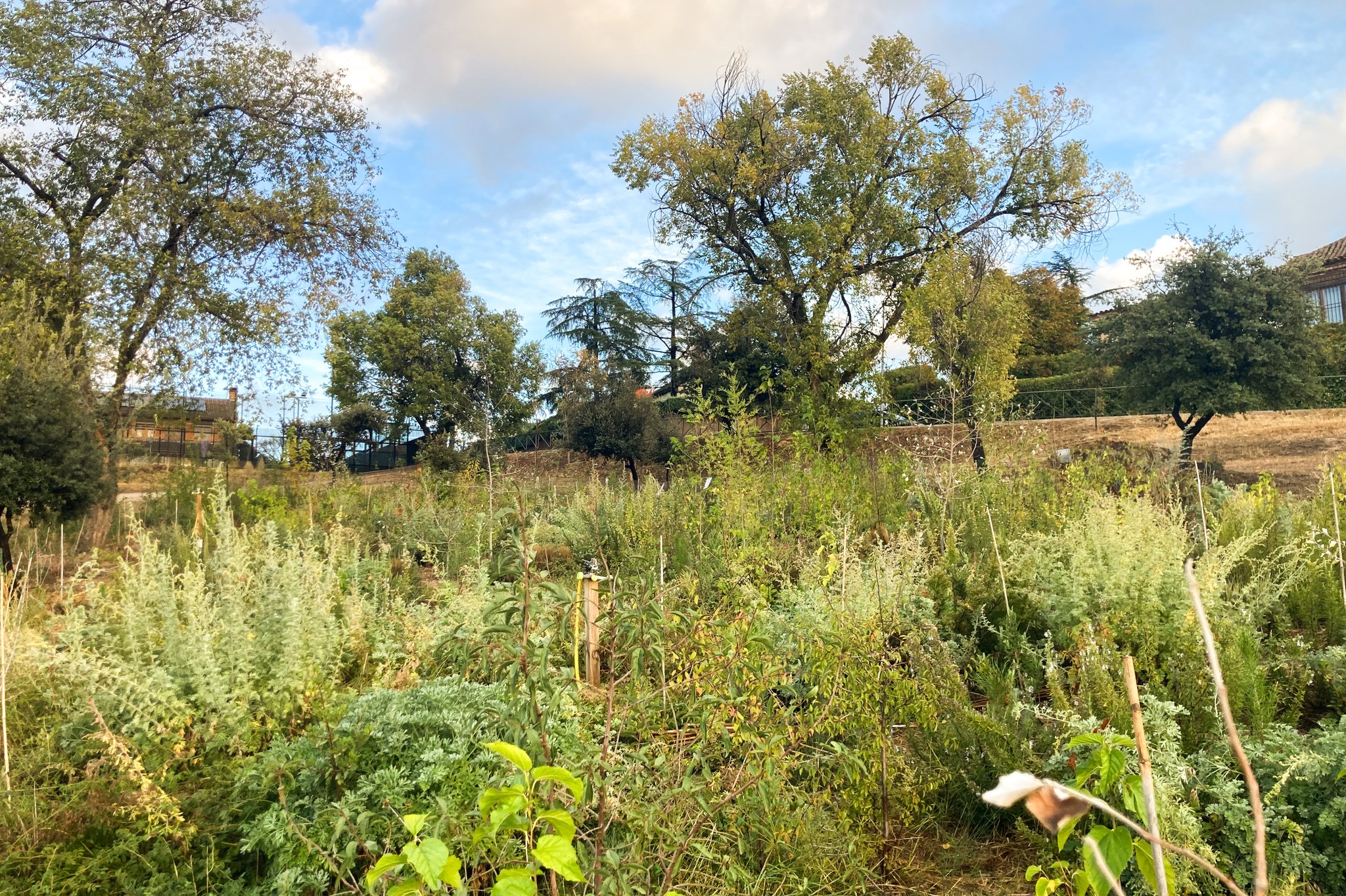
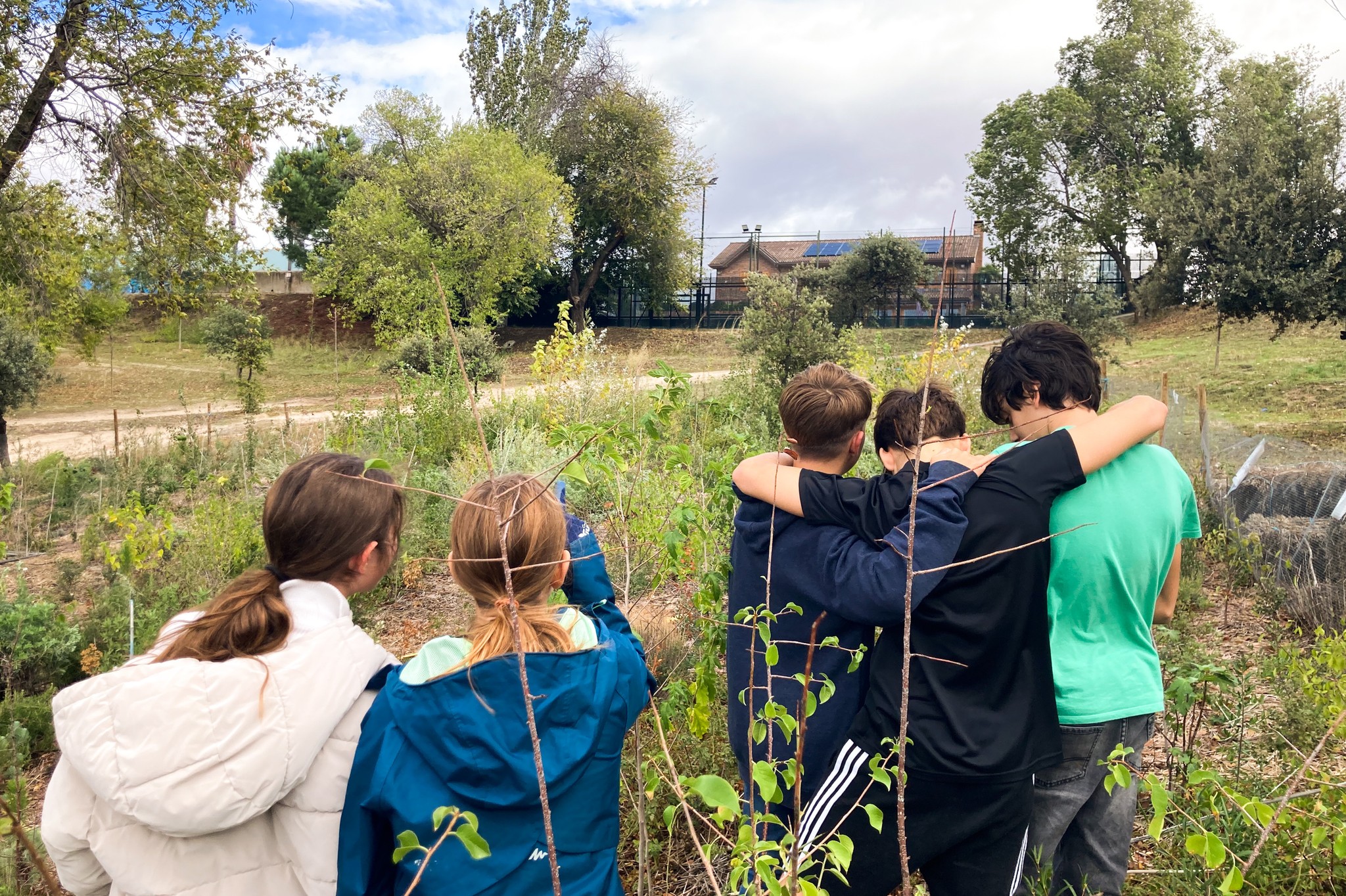
Biodiversity Notes:
Forest Report: 2023
0 Months
Forest Age
0%
Survival Rate
0m
Average of Tallest 3 Trees
Bumblebees, butterflies, and bees were countless throughout September. Earthworms, ladybirds, butterflies, and many spiders could be observed in the area but since we collected the data the day after heavy rains, there were fewer insects.
The September showers have greatly helped the forest grow after the summer heat. The upper and middle parts of the forest are thriving slightly more than the bottom part of the slope, probably due to the shady zones provided by some nearby trees.
The forest overall looks healthy and promising. The main tree species - Quercus iles, Arbustus unedo and Philirea angustifolia - are growing well.
Planting: November 2022
Why the Petit Prince Forest?
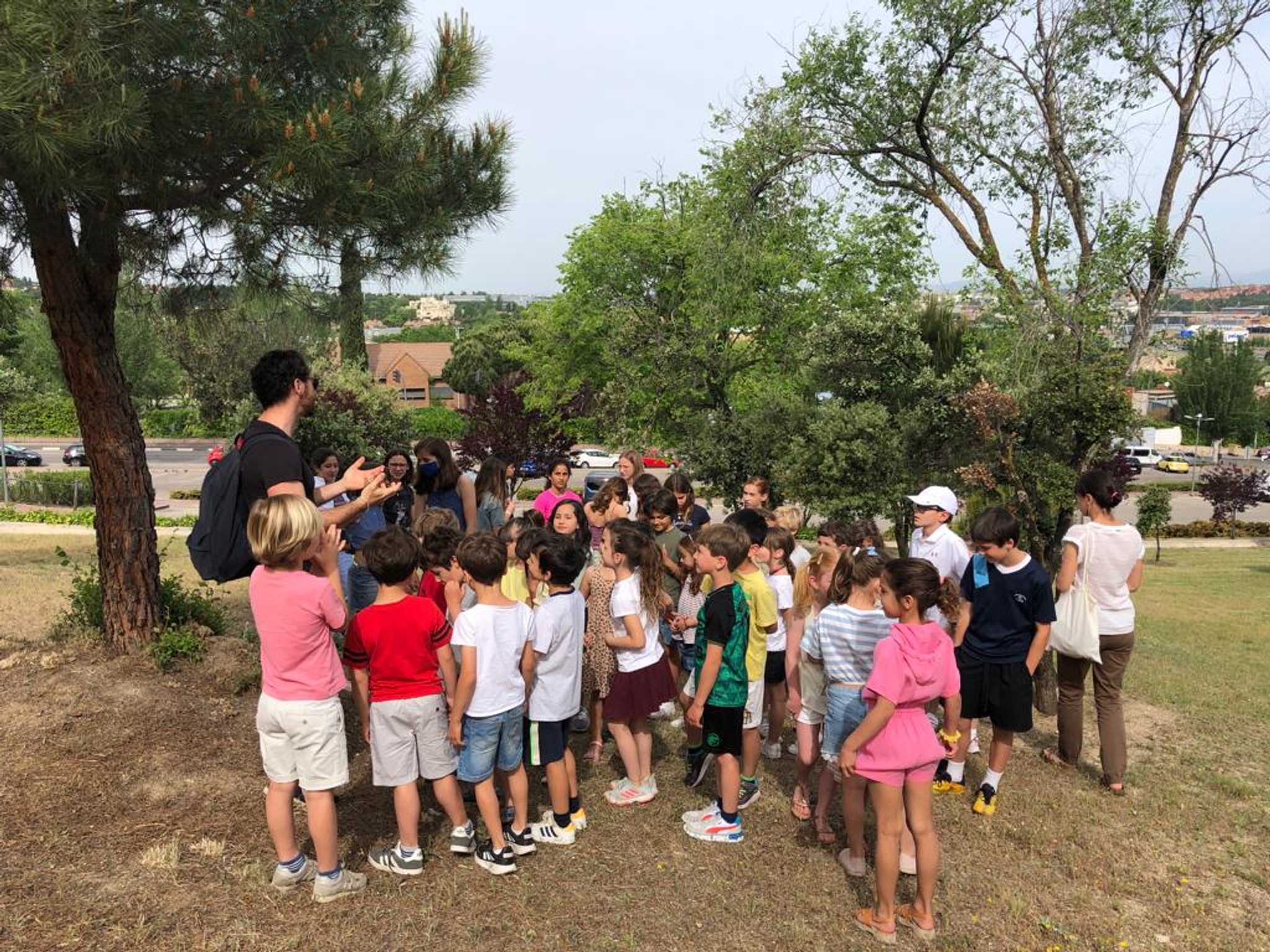
Petit Prince Forest is a critical addition in this highly urbanised area, as it helps to restore the degraded state of the land - that was and without any soil coverage - and improve air quality in the immediate vicinity. This is be a forest supporting the wellbeing (and dreams) of the land, as well as that of the pupils.
The location means it will become an important landmark for the school community and a key example of green infrastructure. Its creation will be complemented by a programme of teaching, with topics including the technicalities behind forest creation, soil, the impact of trees on our environment, along with the tree as a theme in literature and art.
Other Forests Nearby

Rion Des Landes College
Cultivating greenery and tranquility for children in a treeless environment.

Astaffort School Forest
Creating an Outdoor Classroom in Astaffort, France.
Jolimont Primary Forest
A green lung for 'The Pink City'.
