Maipú Student Forest
An urban forest for students in Maipú.

0
Trees
0
Square Meters
0
Native Species
0
Youth Impacted
Self sustaining pocket forest
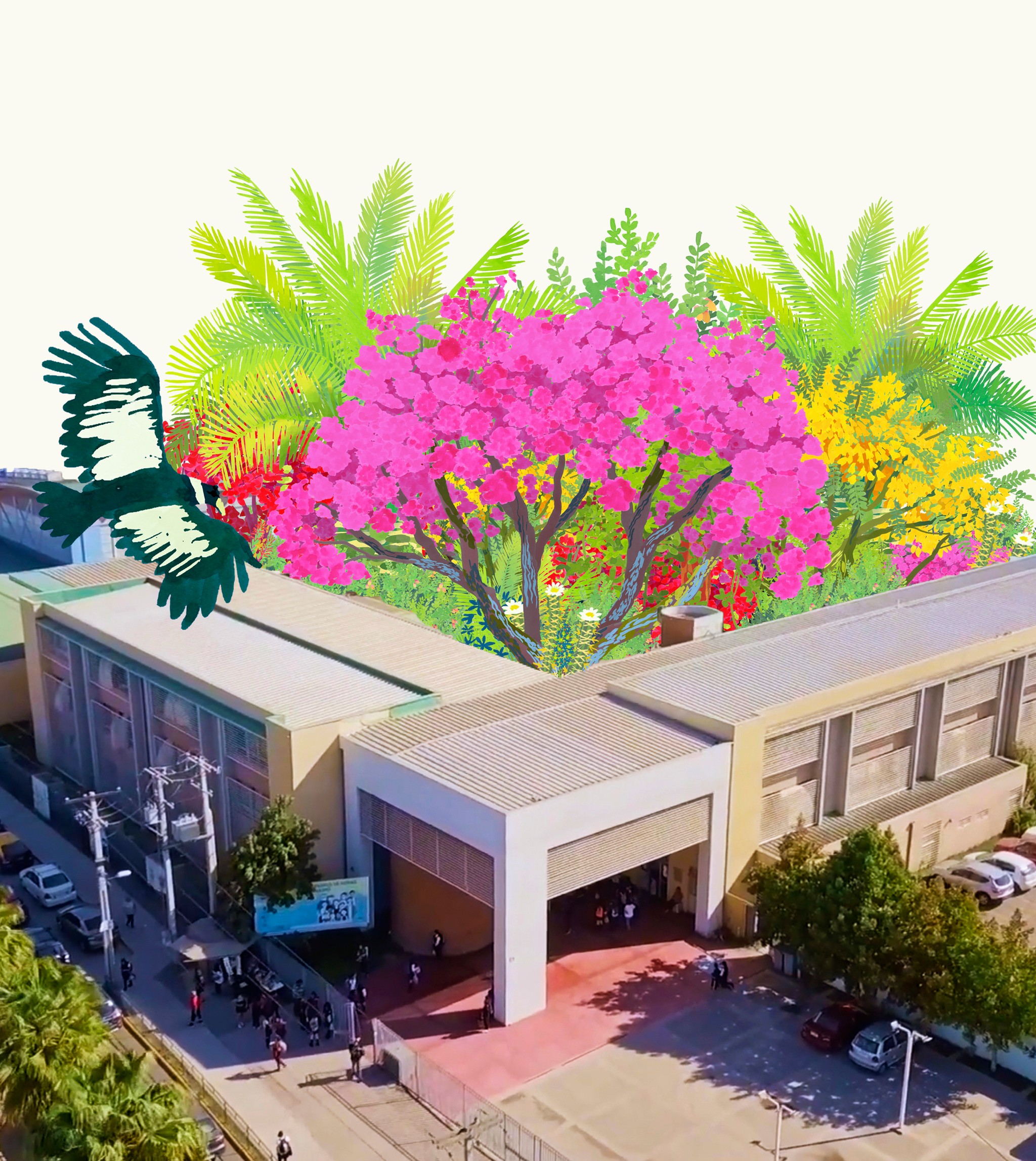
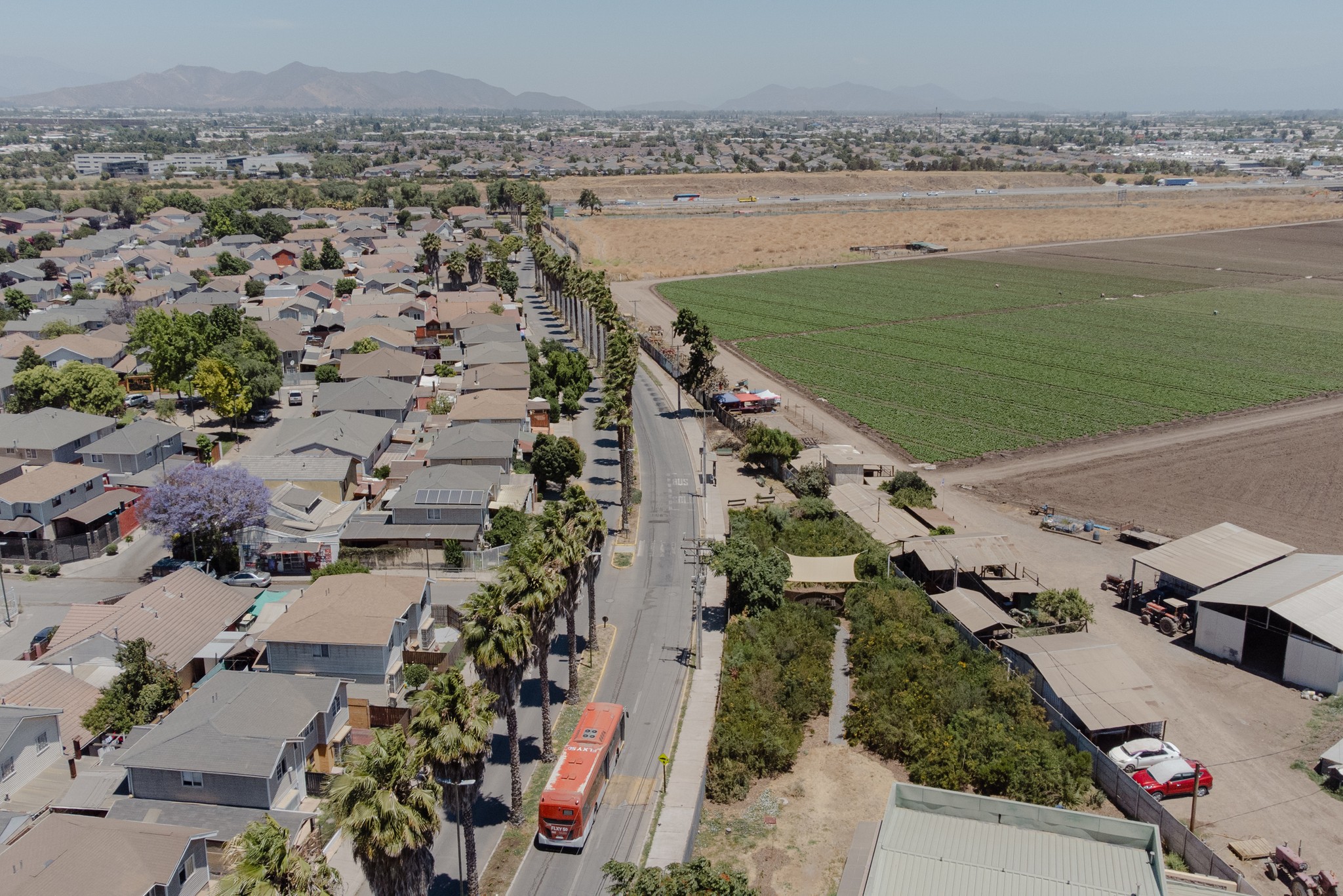
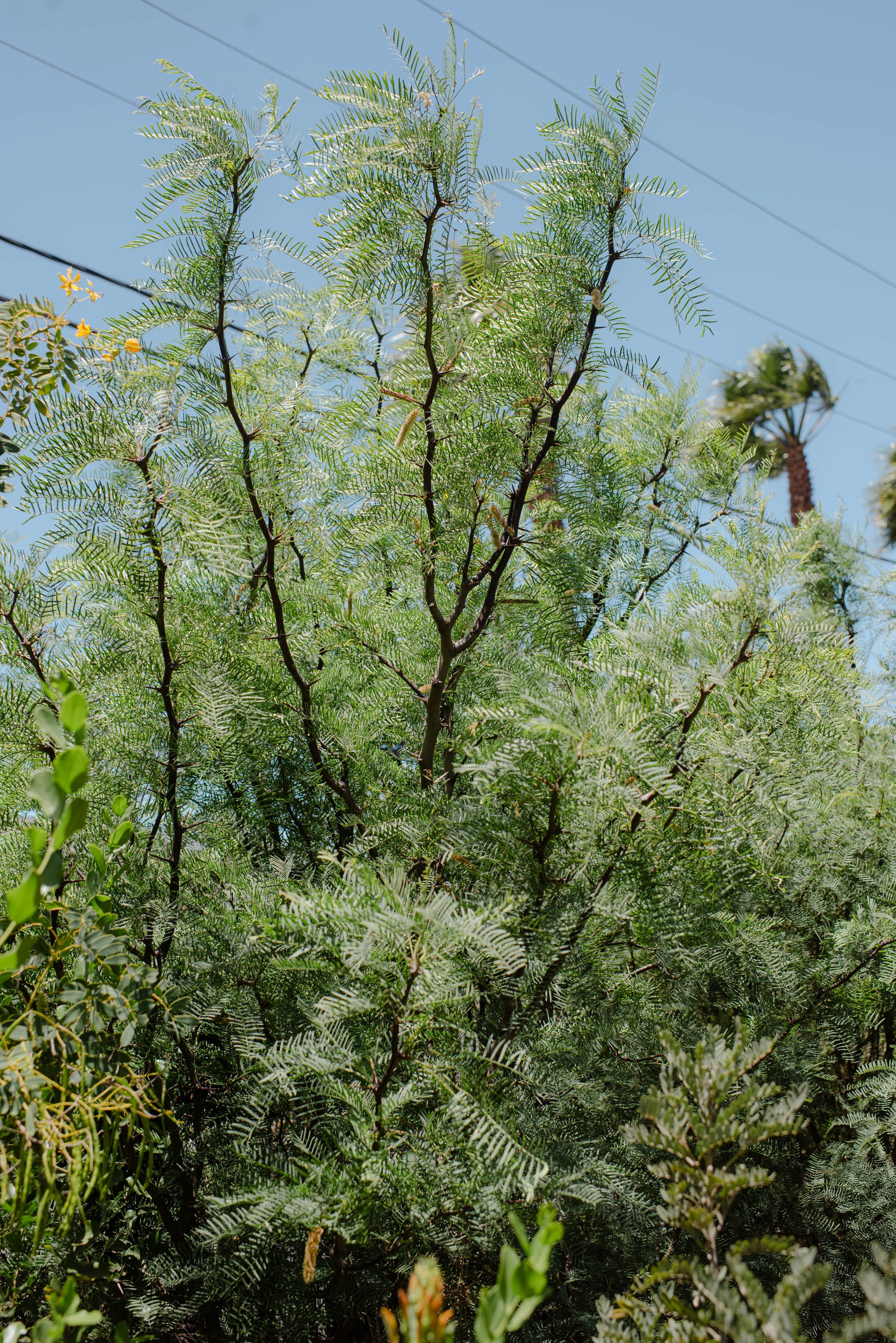
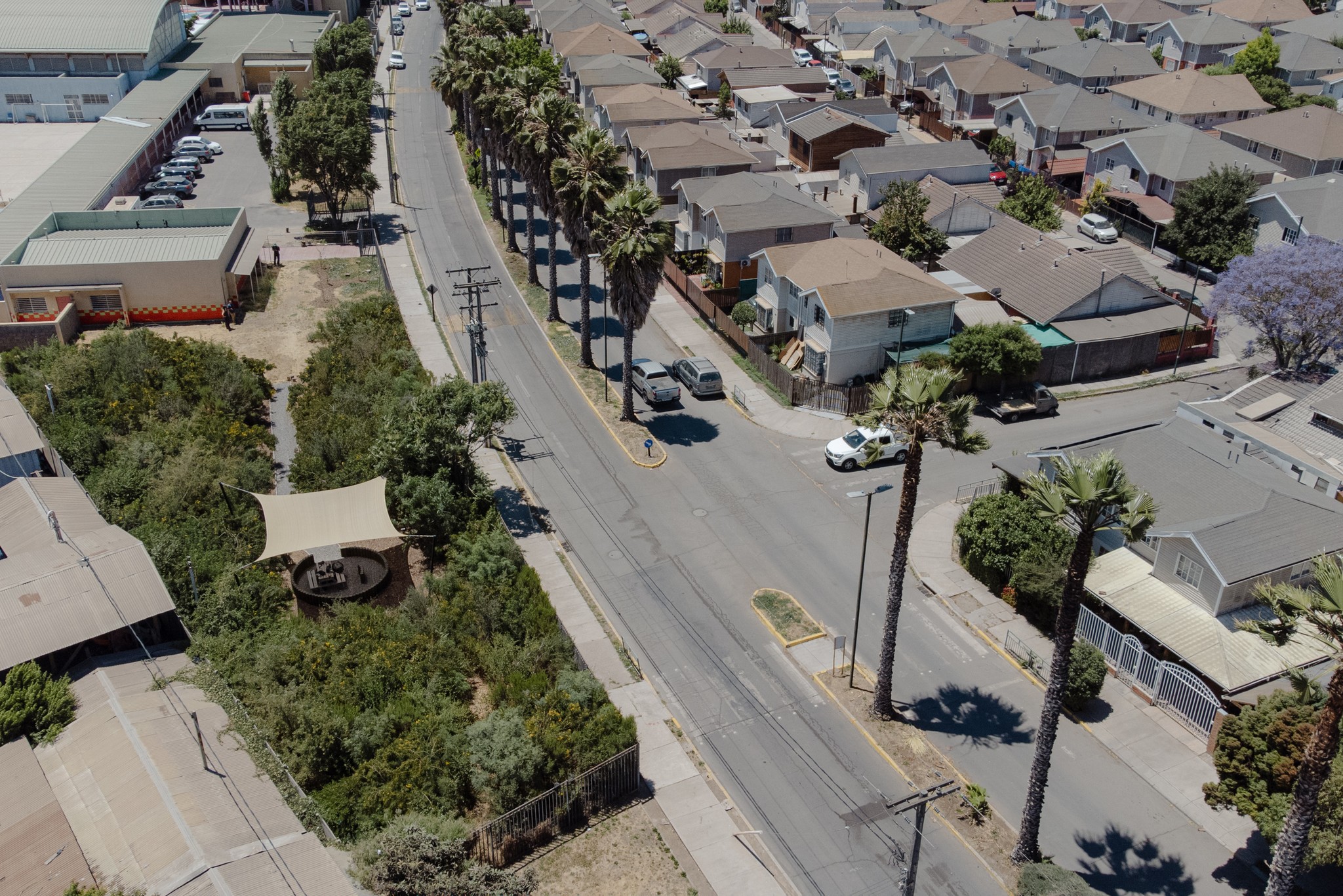
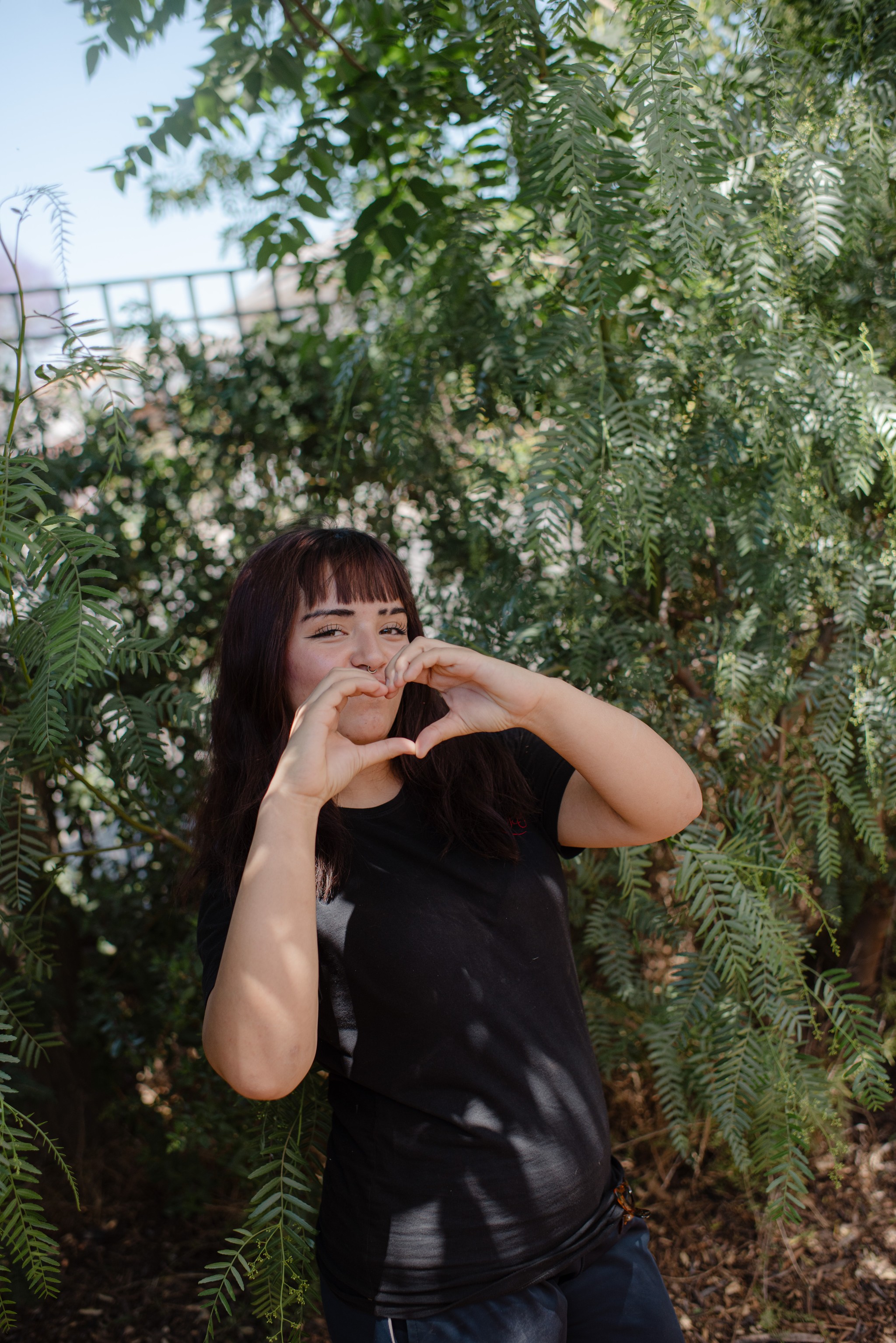
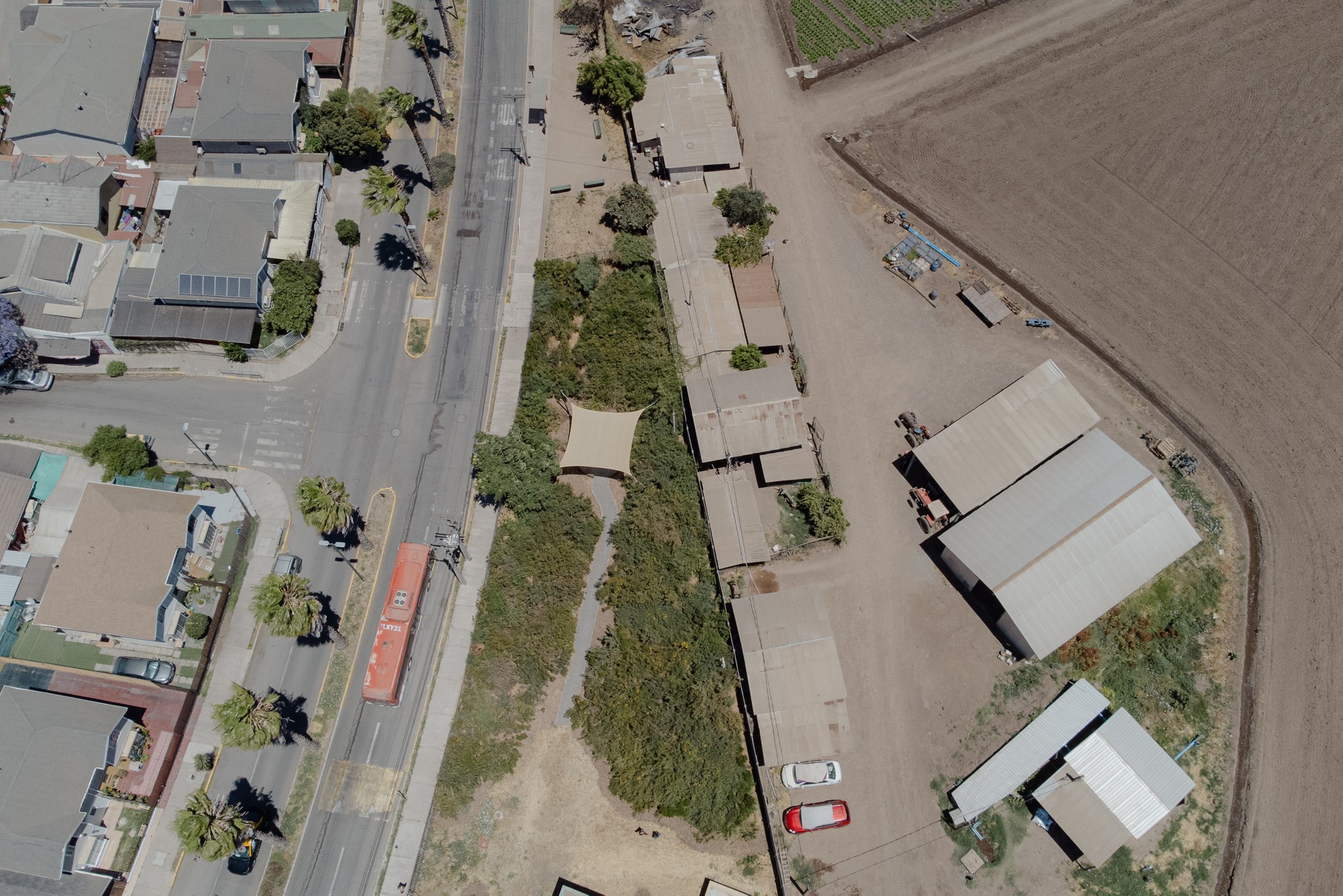
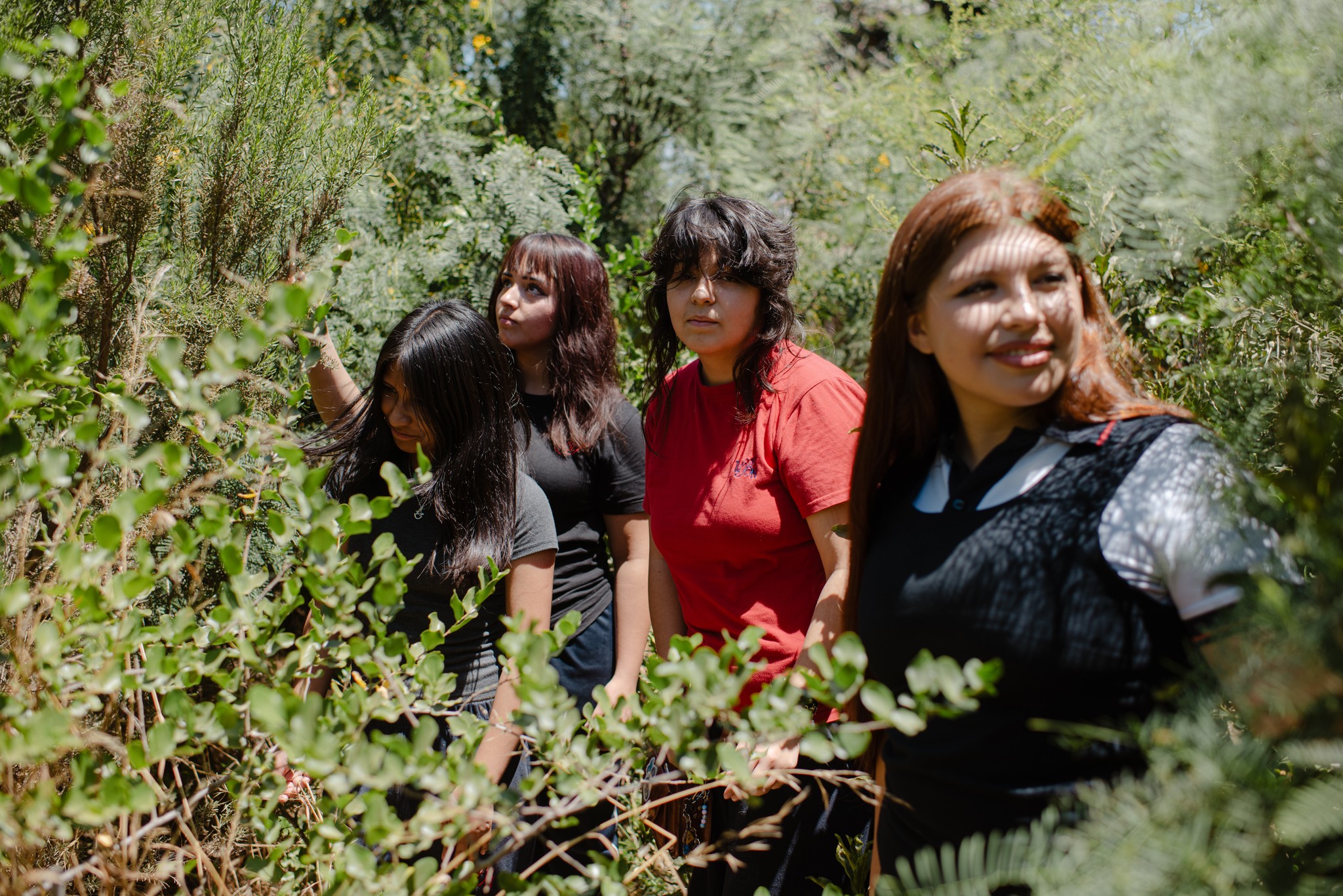
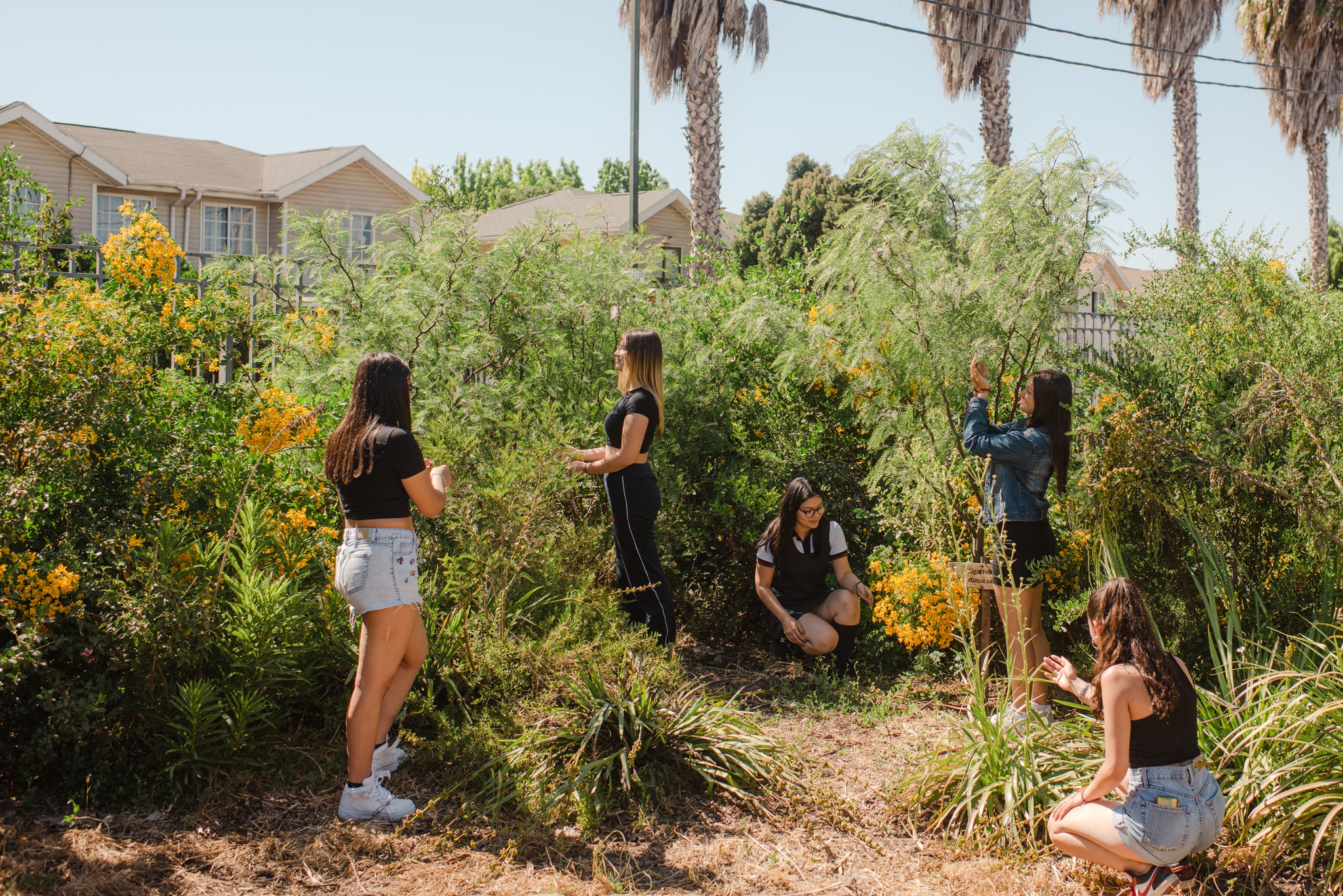
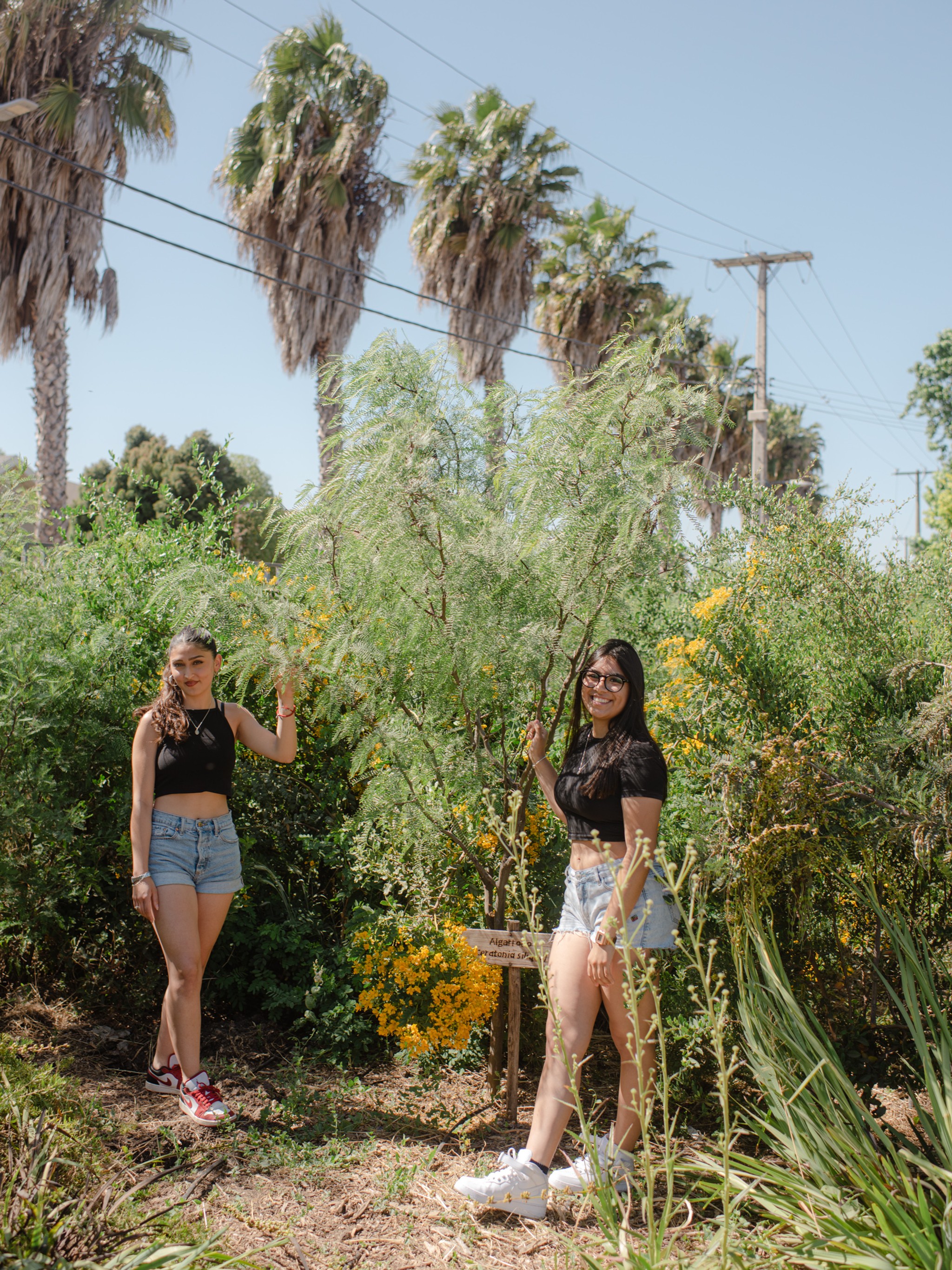
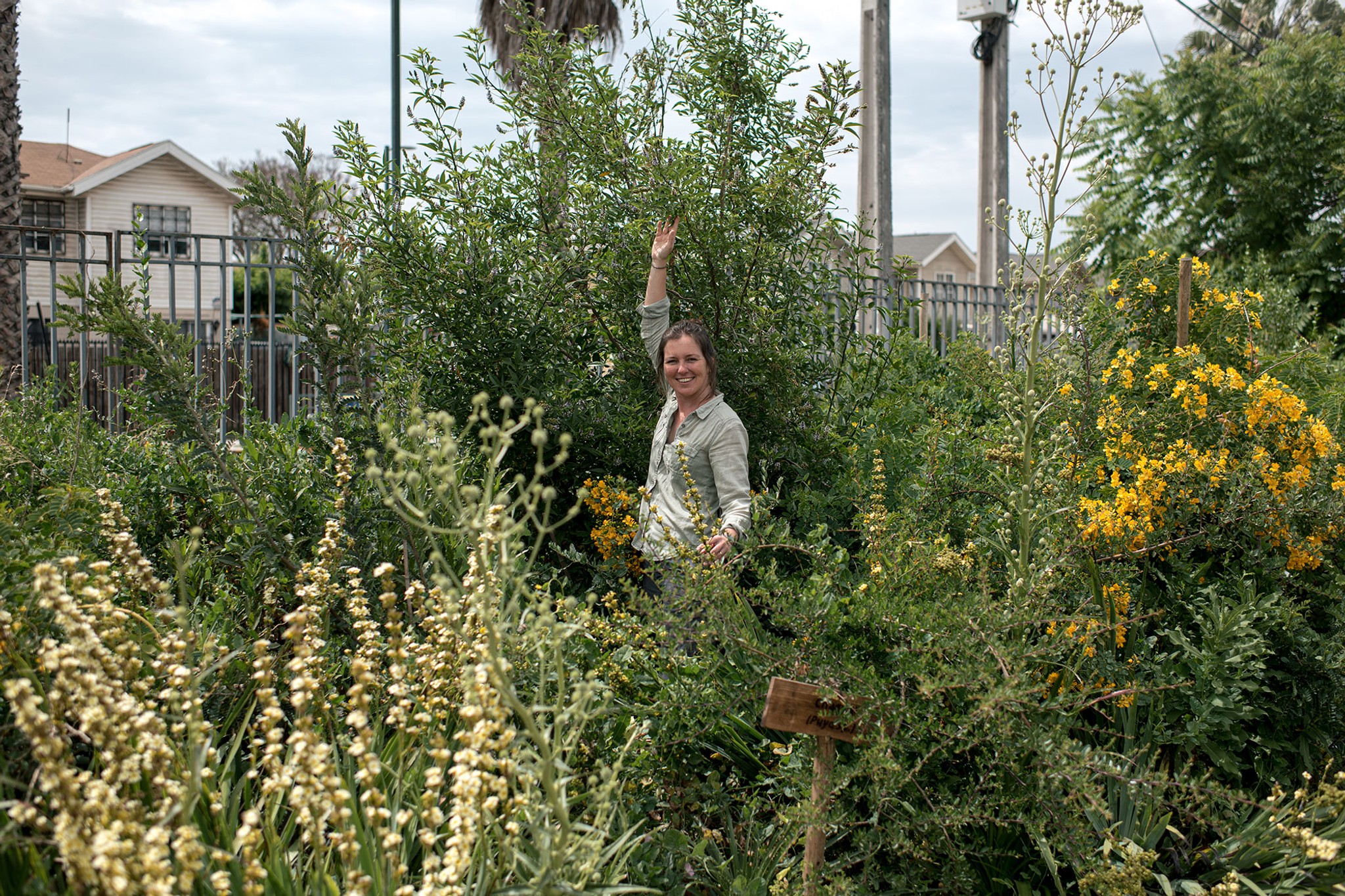
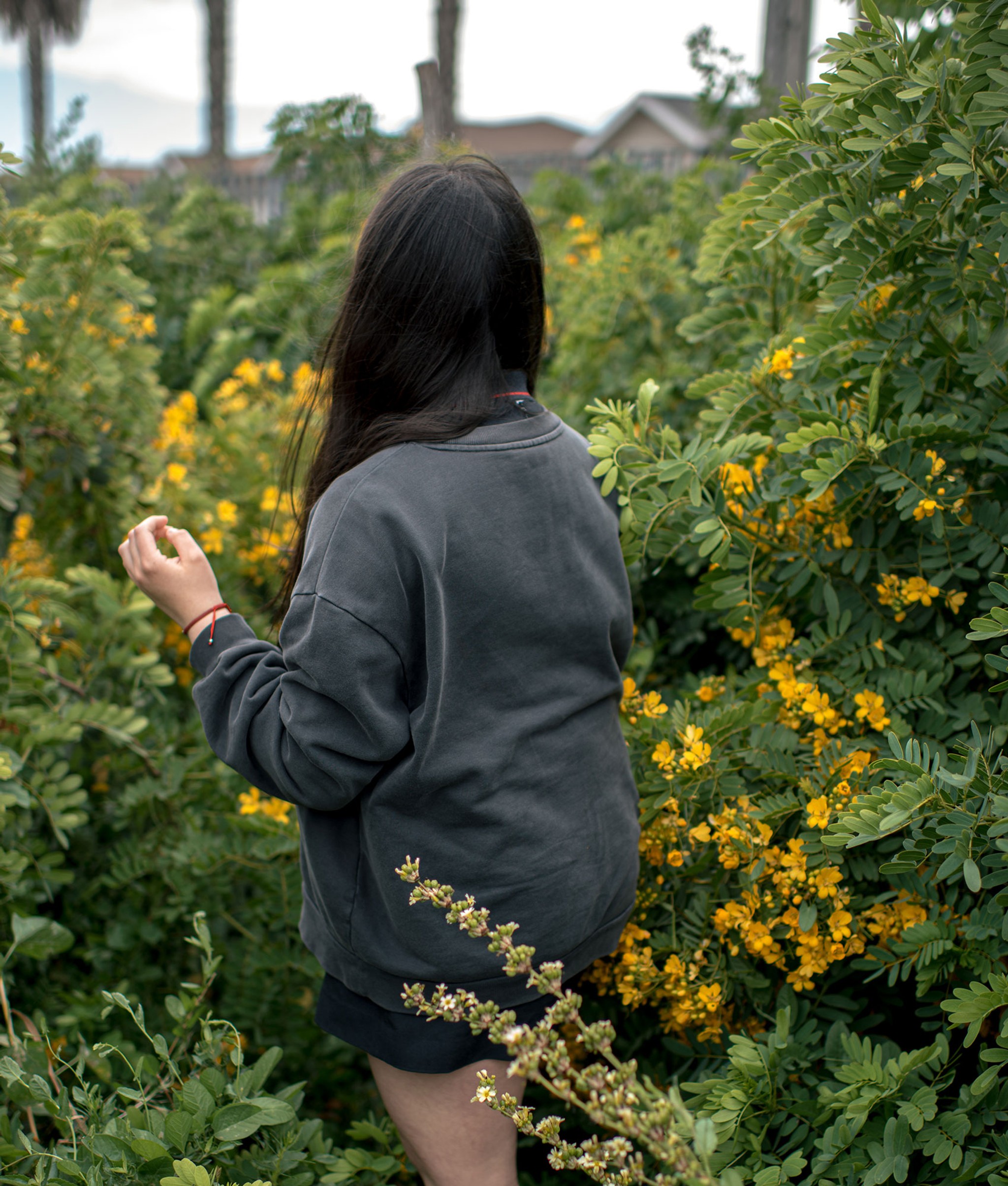
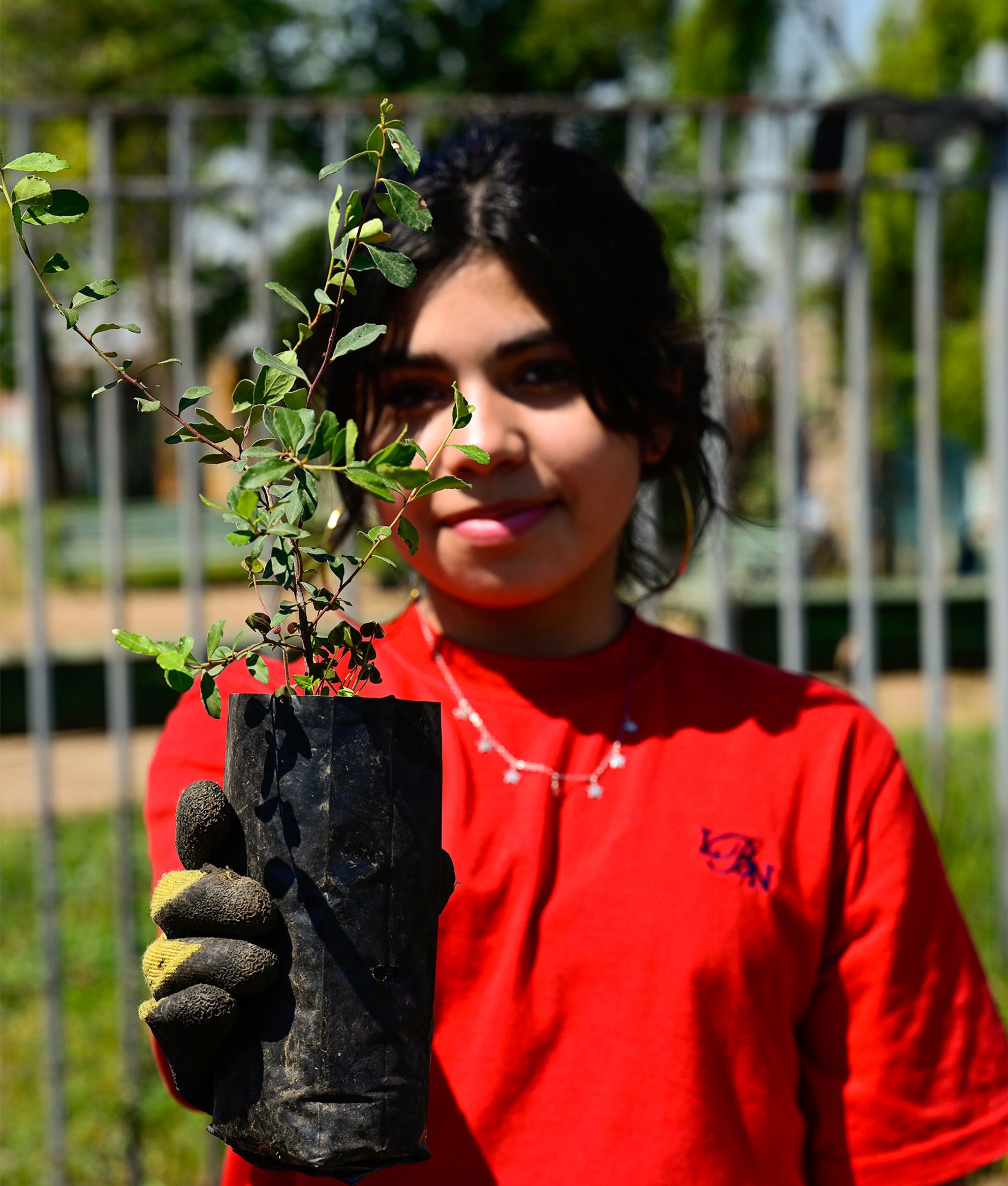
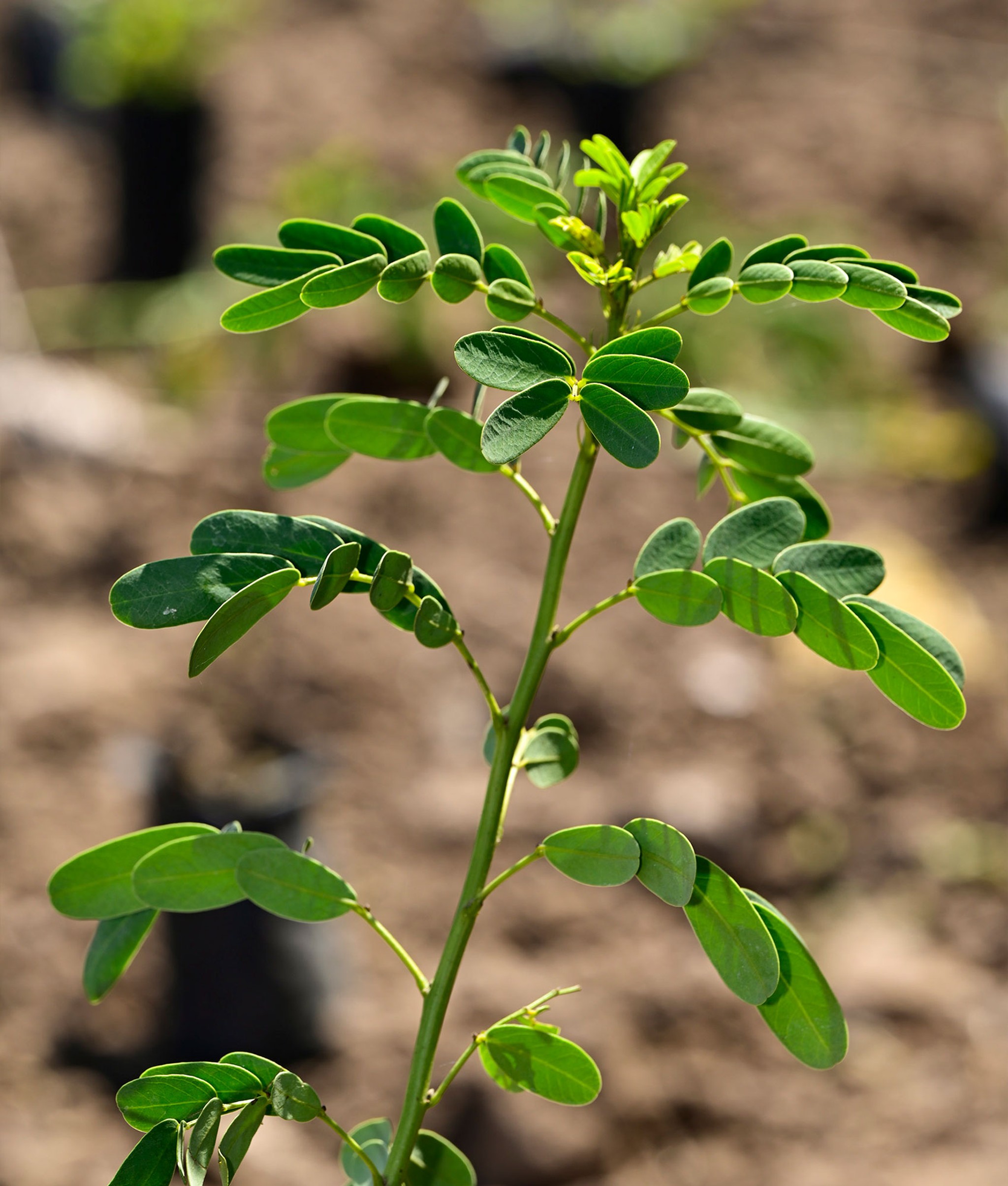
Planted at the Liceo Bicentenario de Niñas de Maipú in October 2022, this forest has shown remarkable vitality and is now functioning as a dense, self-sustaining ecosystem. A recent sampling across a 10-square-metre area recorded between 35 and 40 plants, reflecting the high density and species diversity typical of an actively regenerating forest. ‘
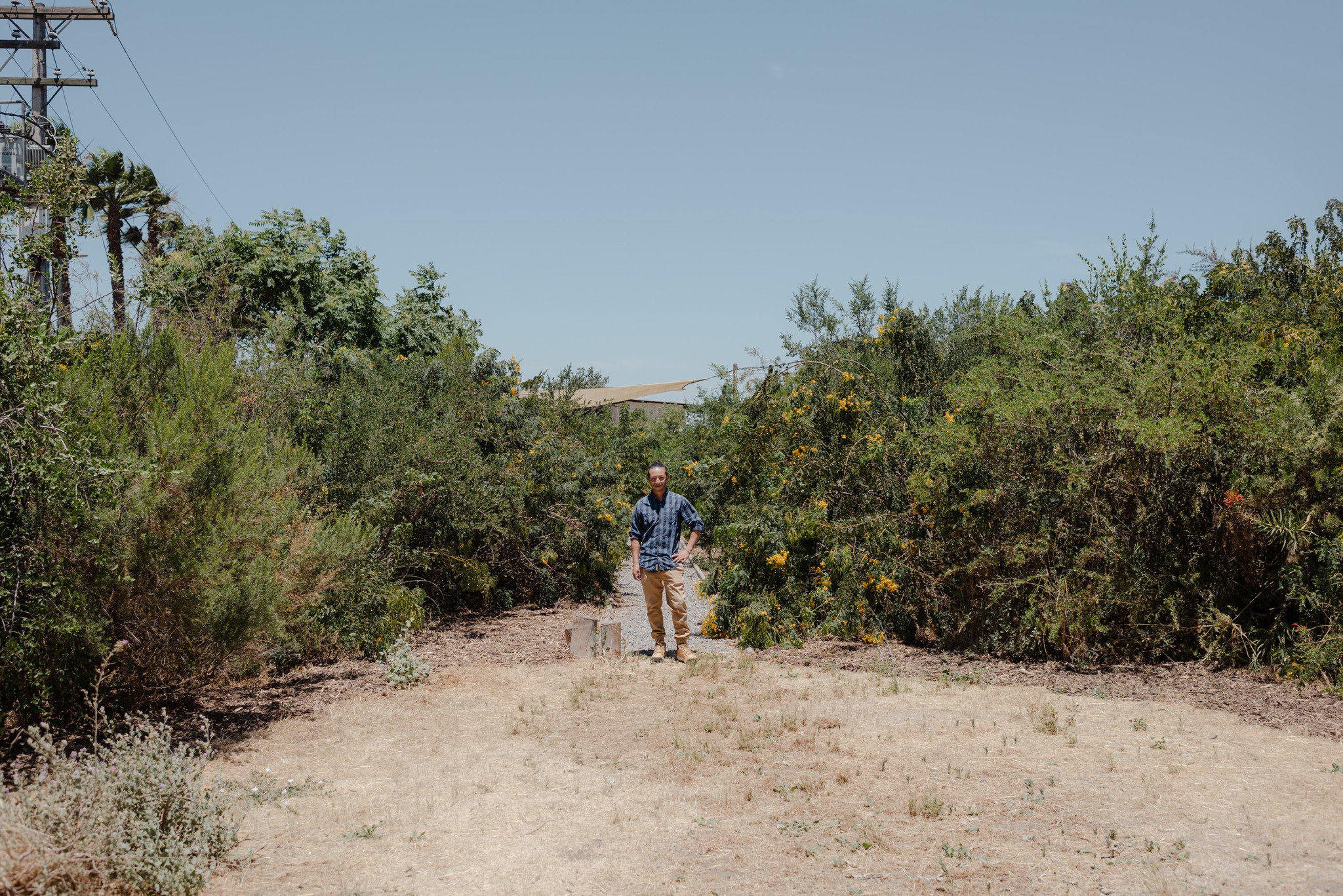
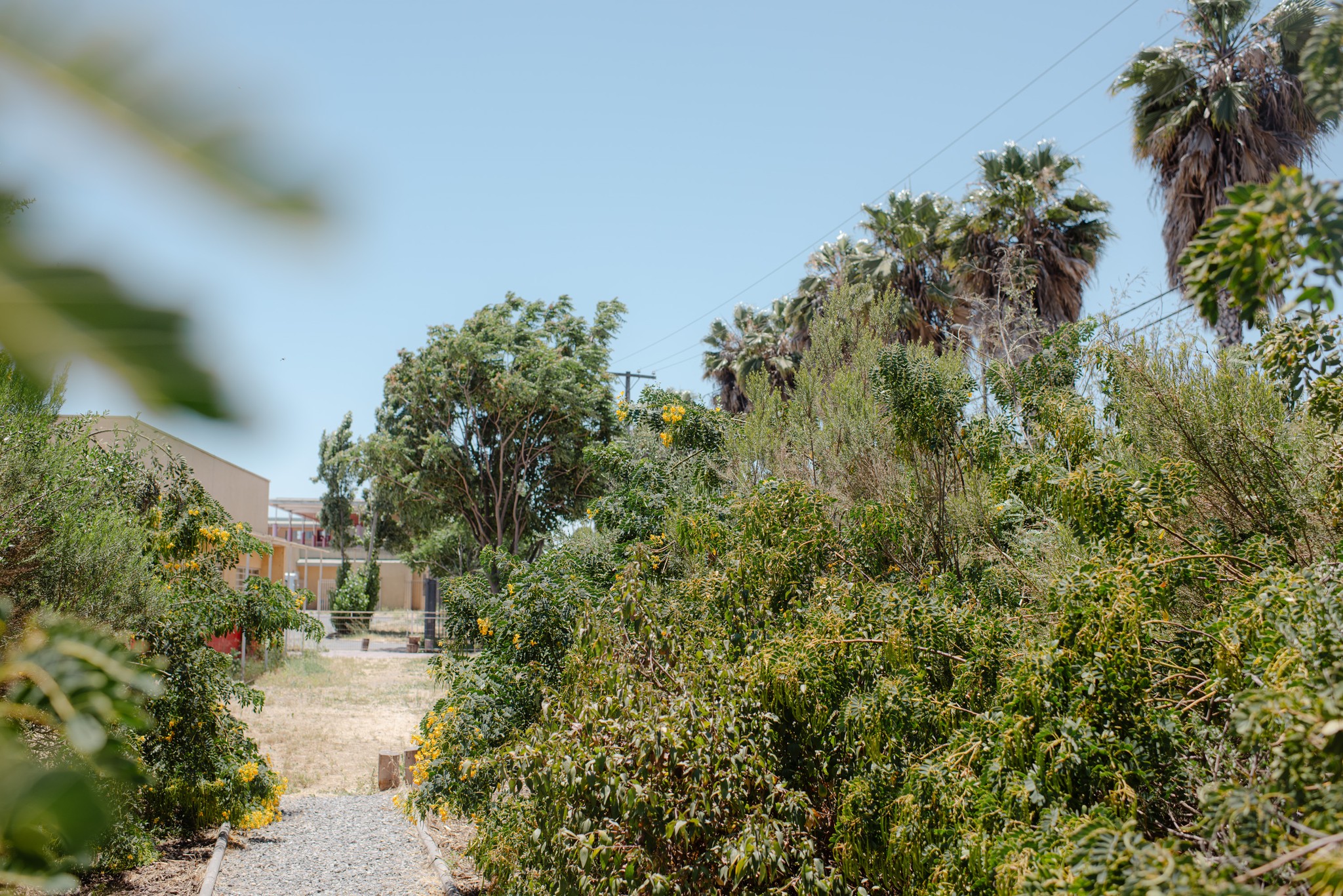
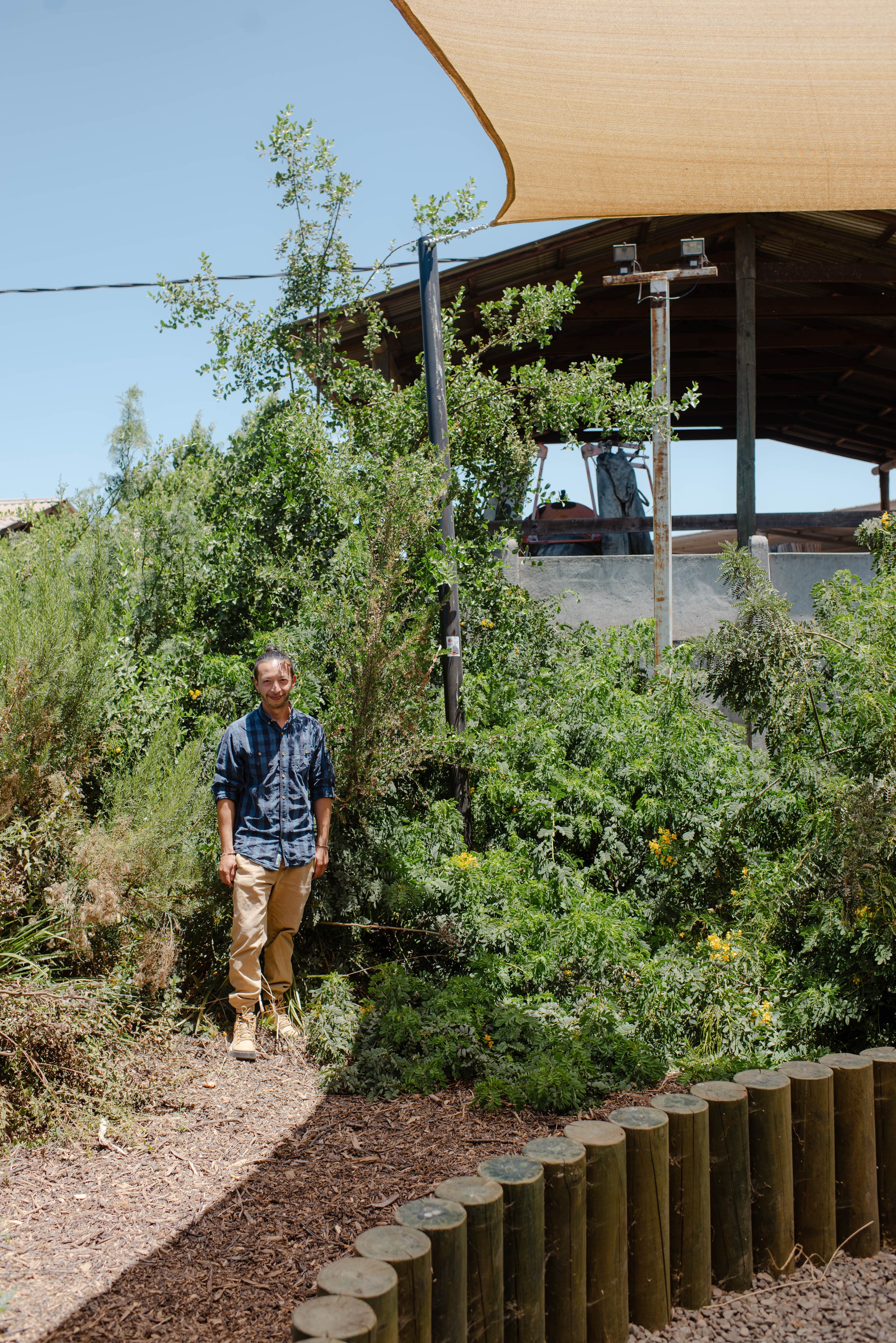
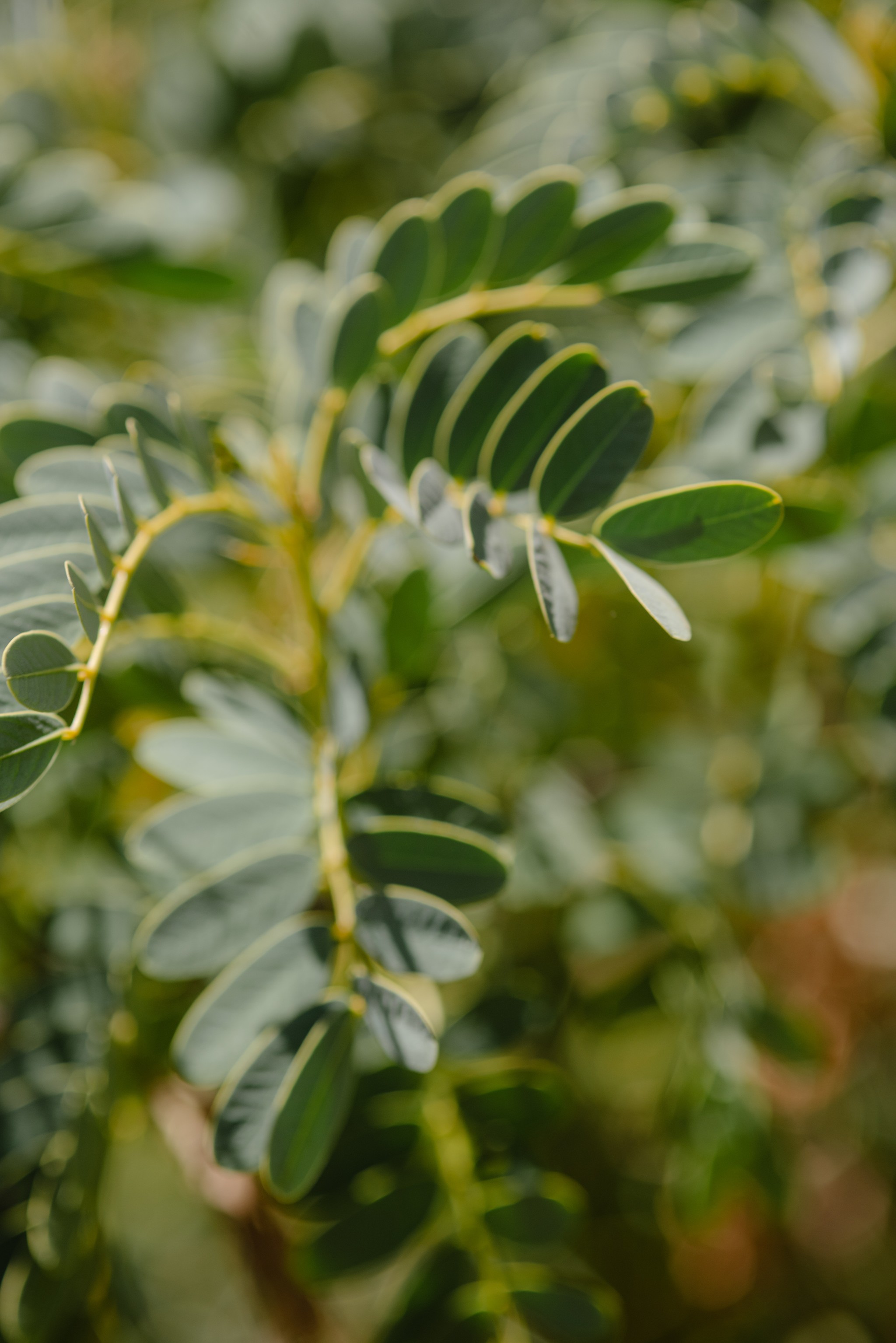
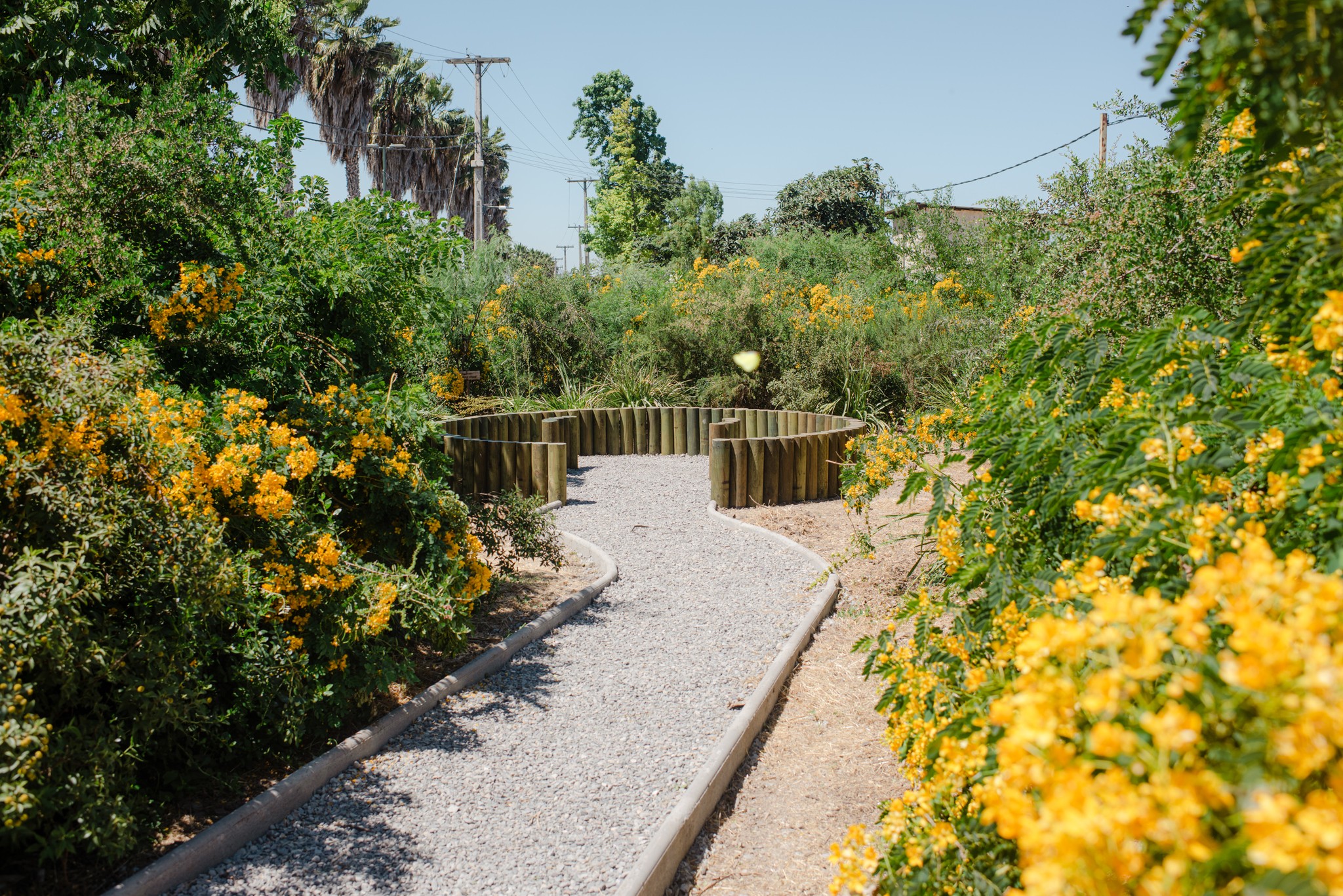
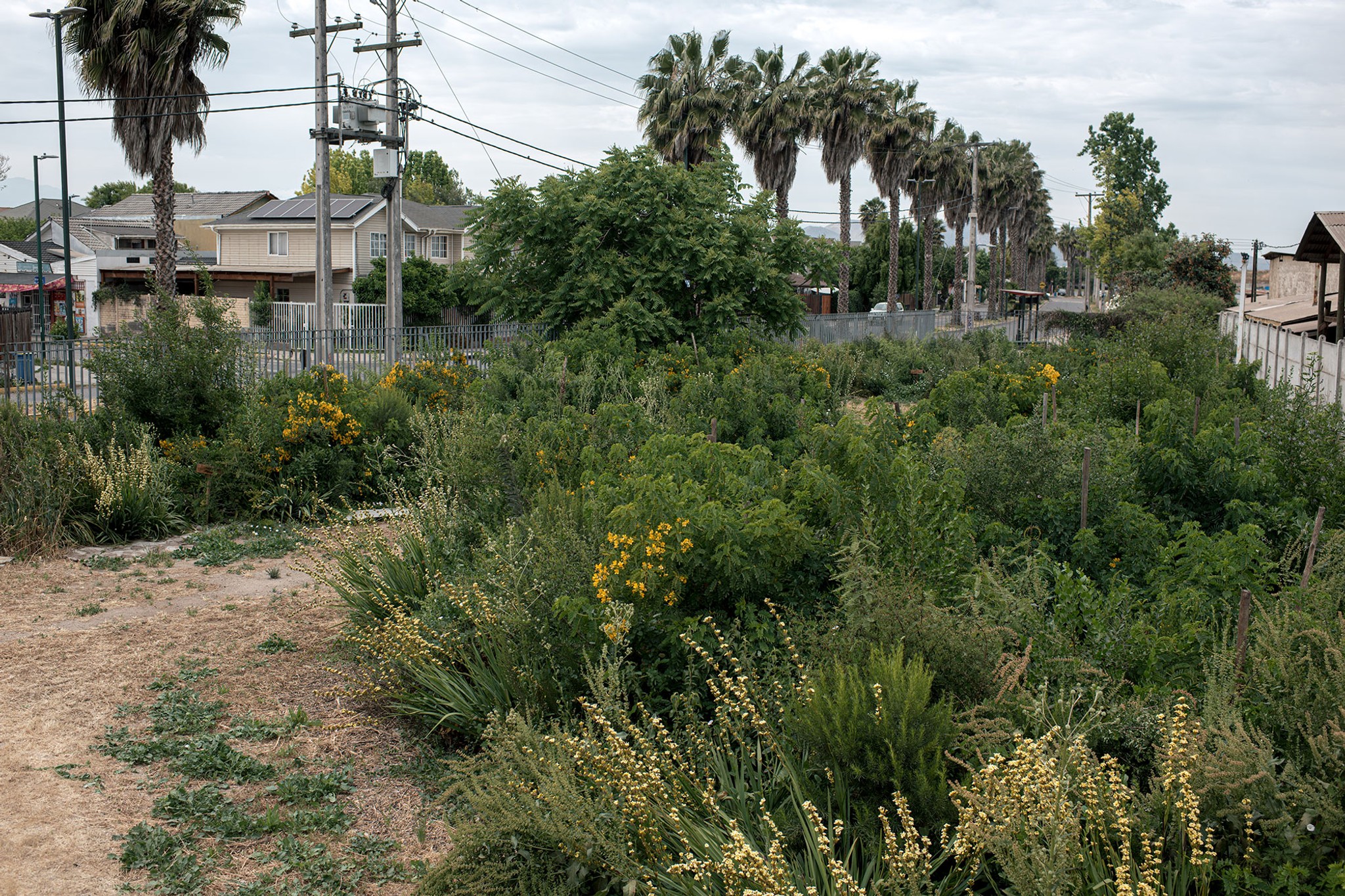
One of the most striking aspects of the site is the speed and richness of its development; vegetation now densely covers the ground, forming a continuous green network that provides shade, retains moisture and supports the creation of multiple microhabitats. This living cover protects the soil while clearly demonstrating the effectiveness of the Miyawaki method in establishing a resilient forest structure within just a few years.
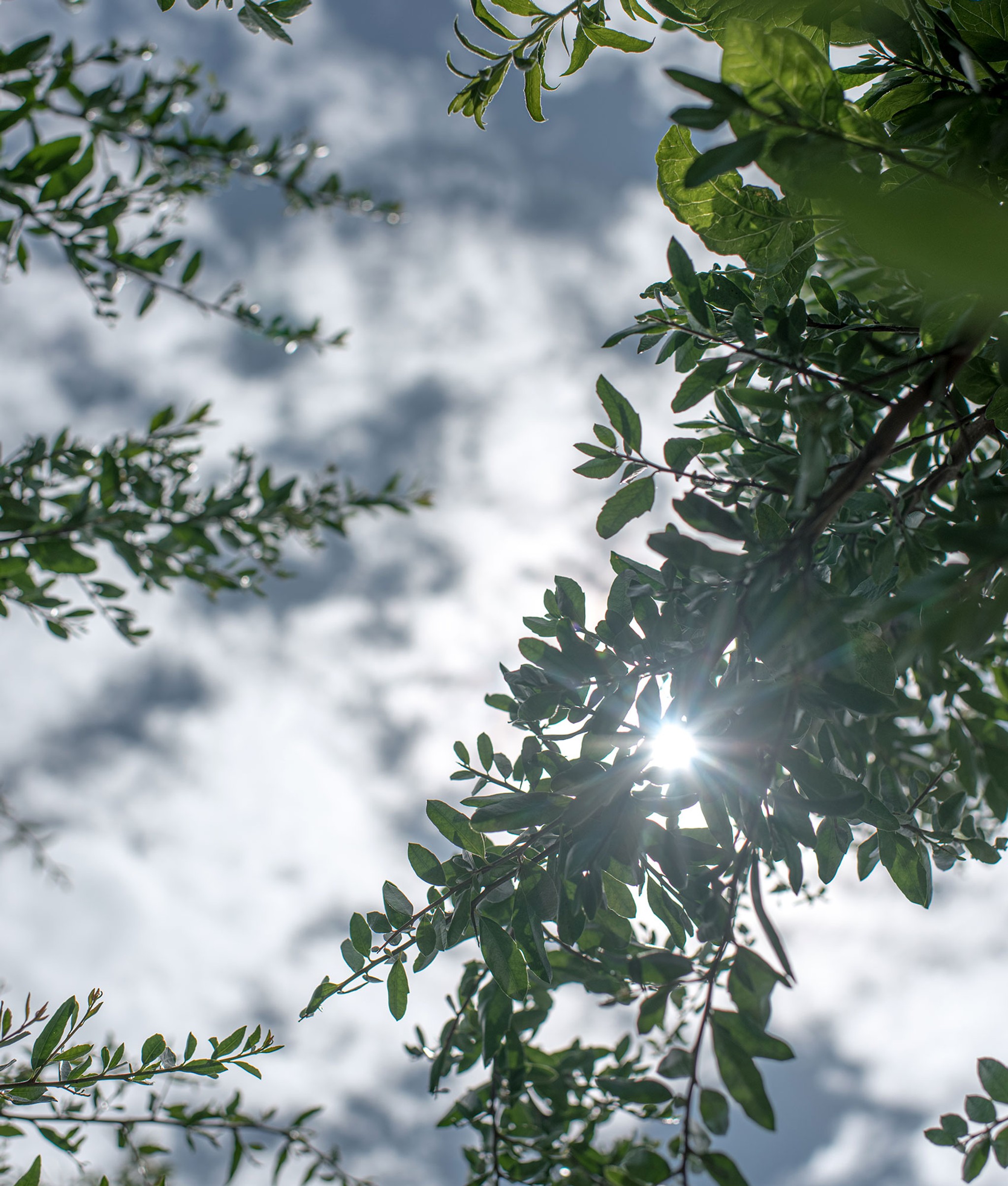
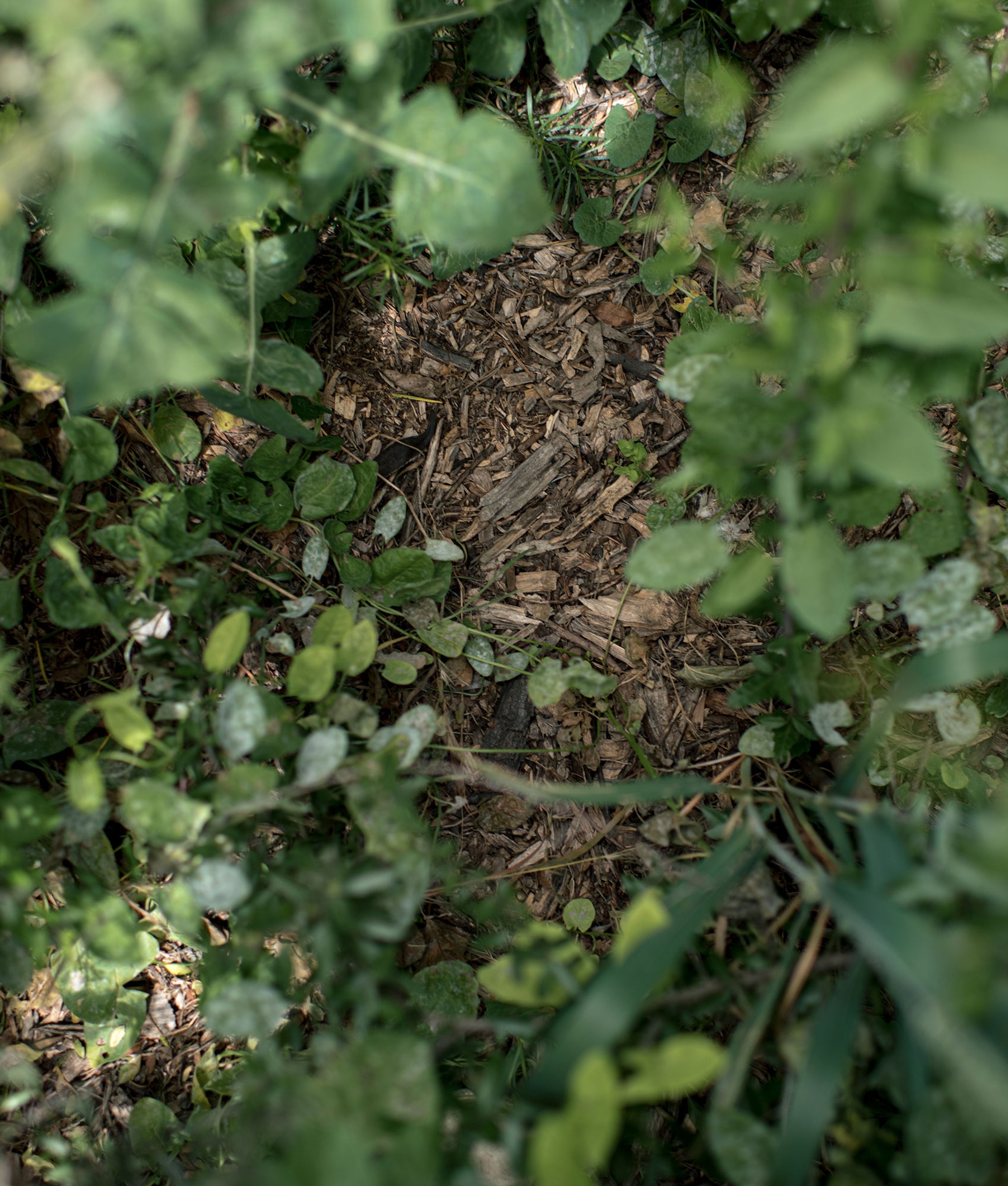
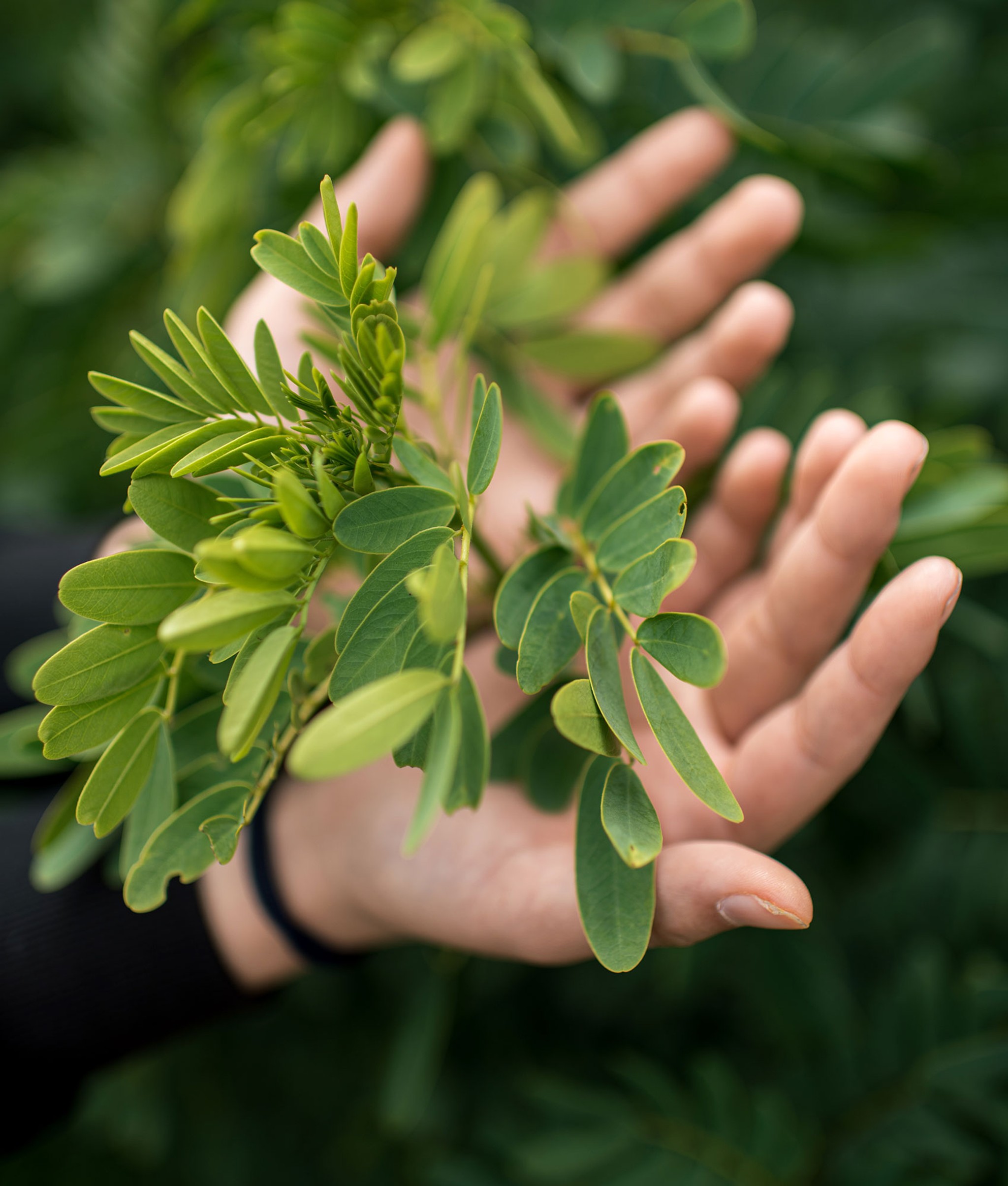
Surveys observed a compact vegetative canopy above, while the forest floor is layered with dry leaves produced by the forest itself, forming a natural mulch that is gradually decomposing and enriching the soil with organic matter. This process is strengthening soil fertility and supporting long-term ecological balance.
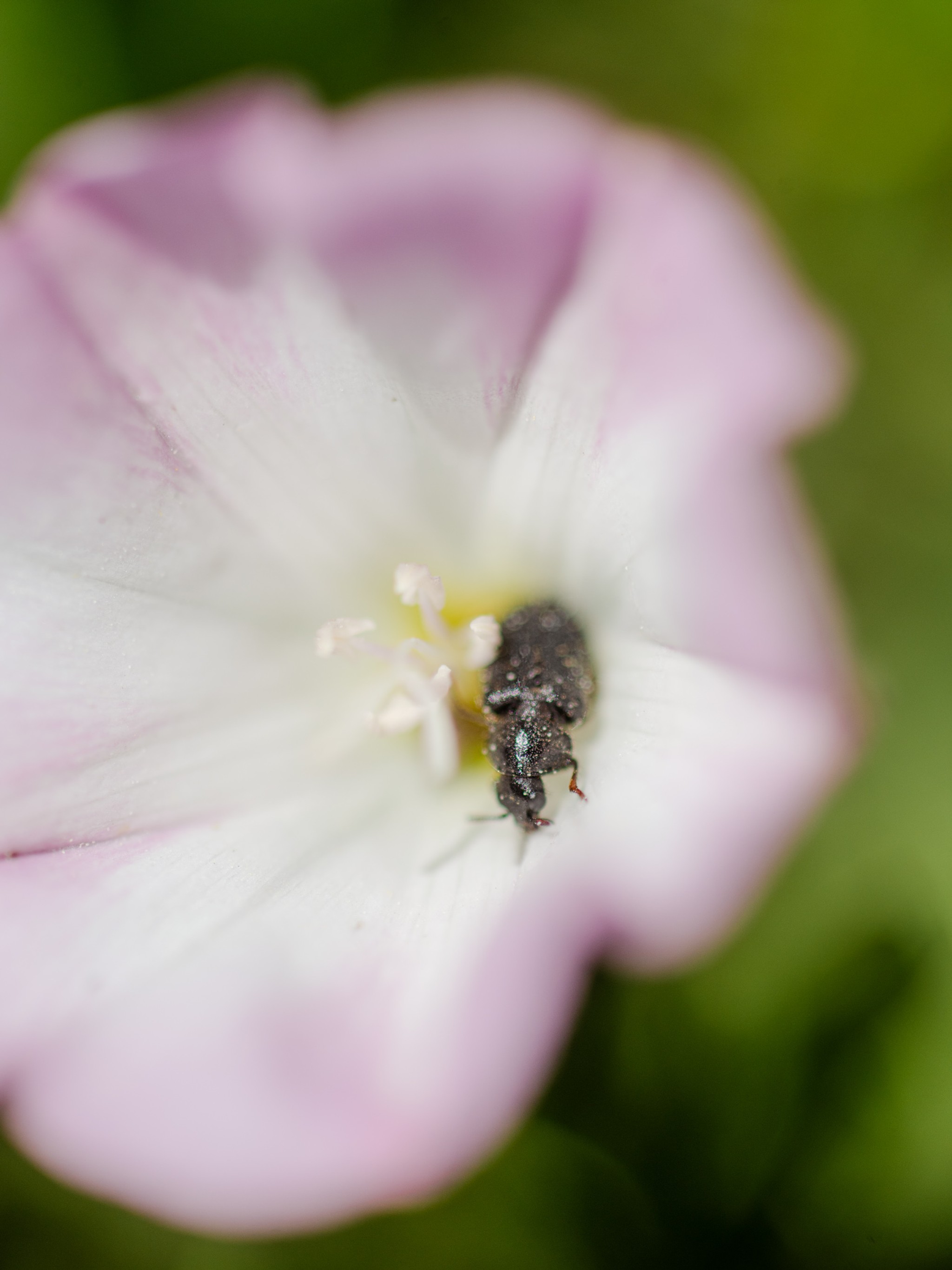
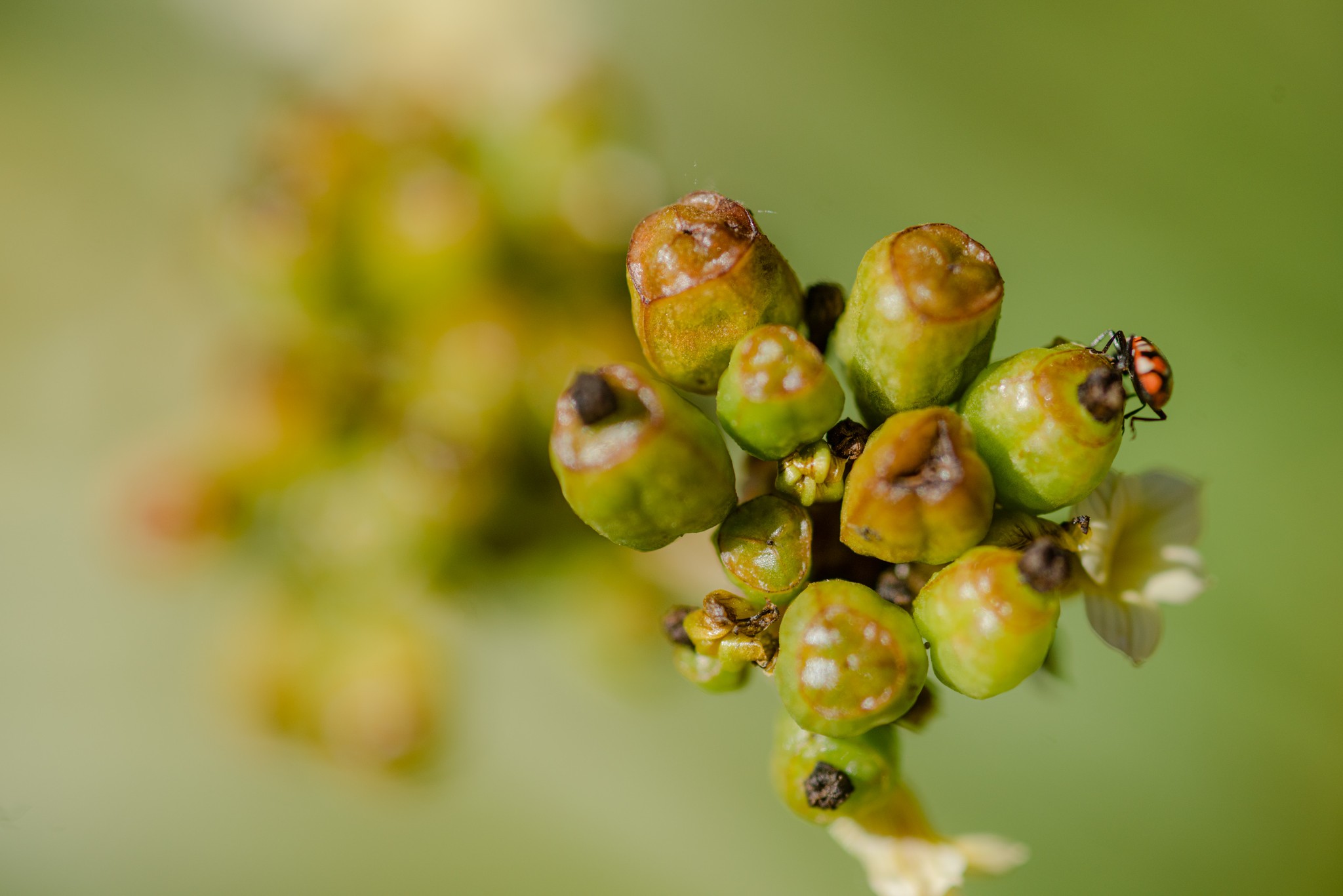
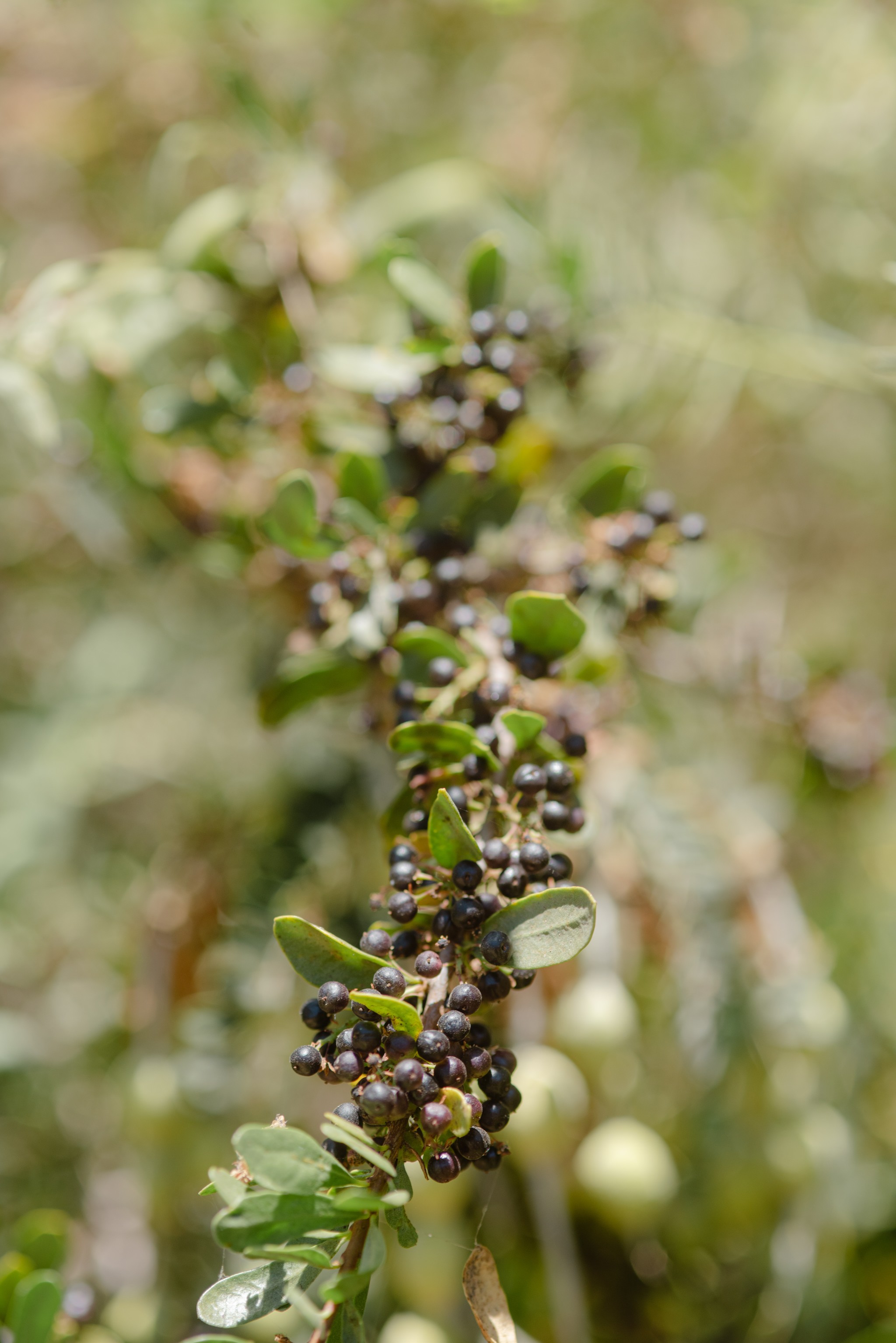
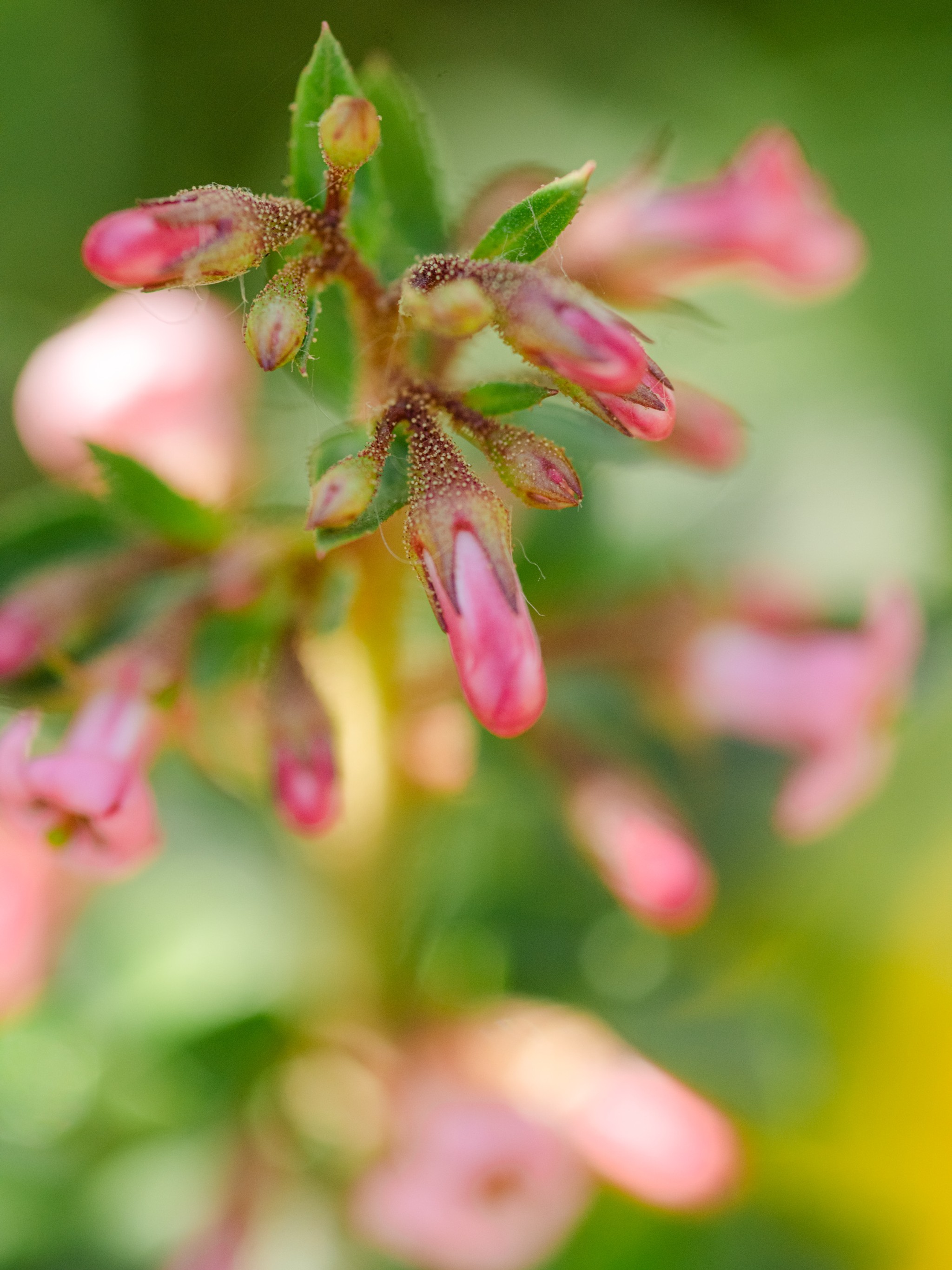
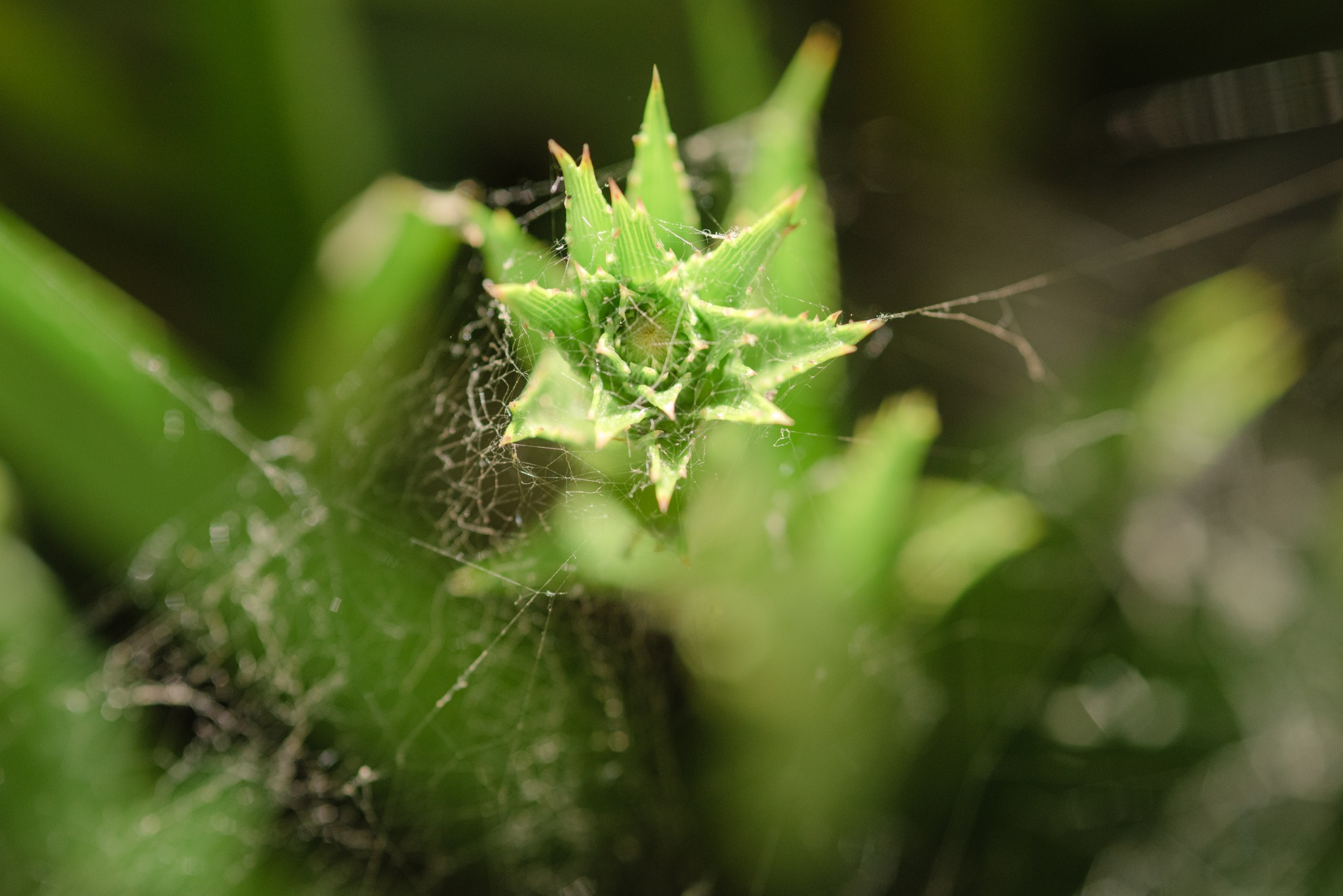
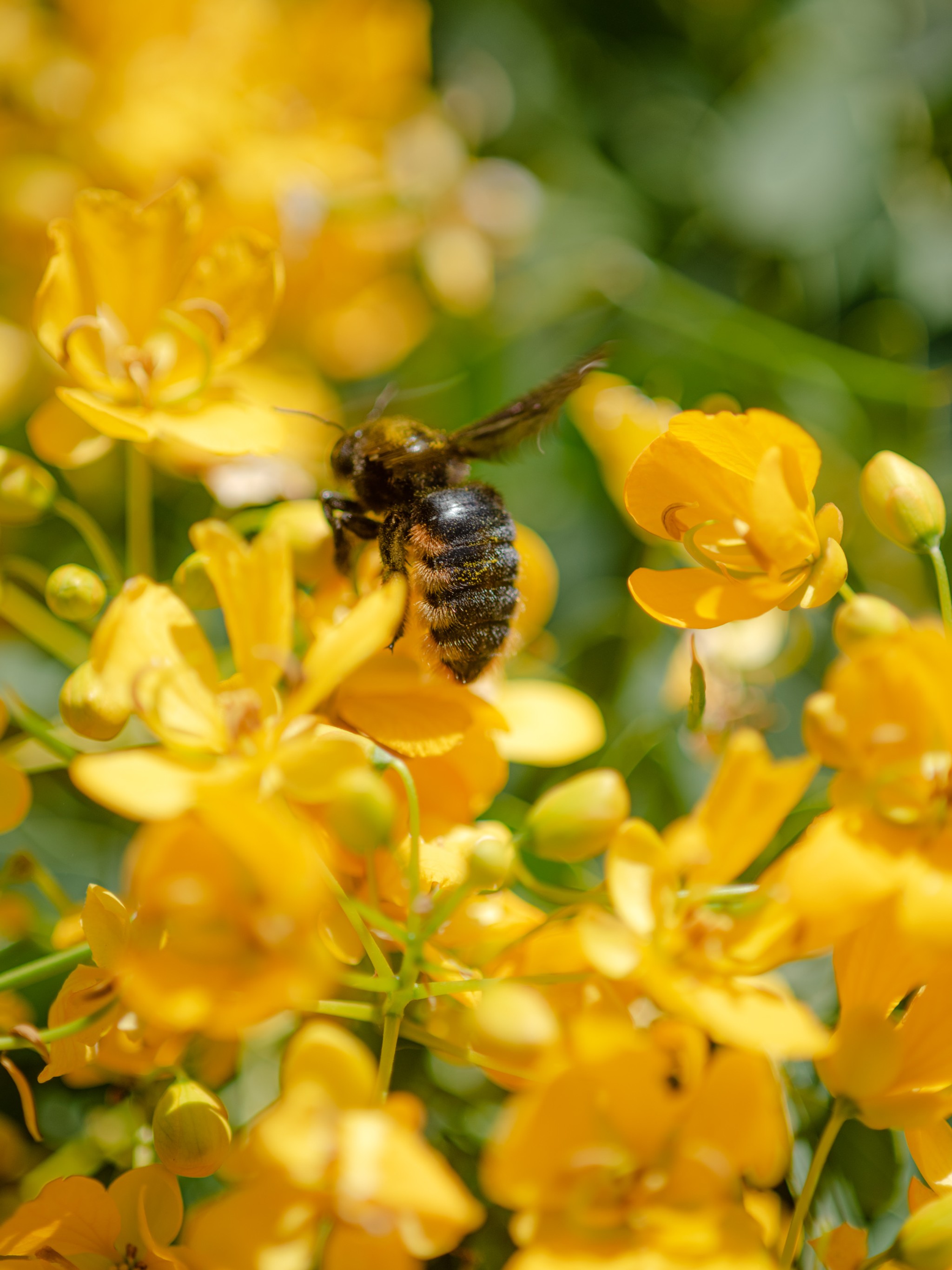
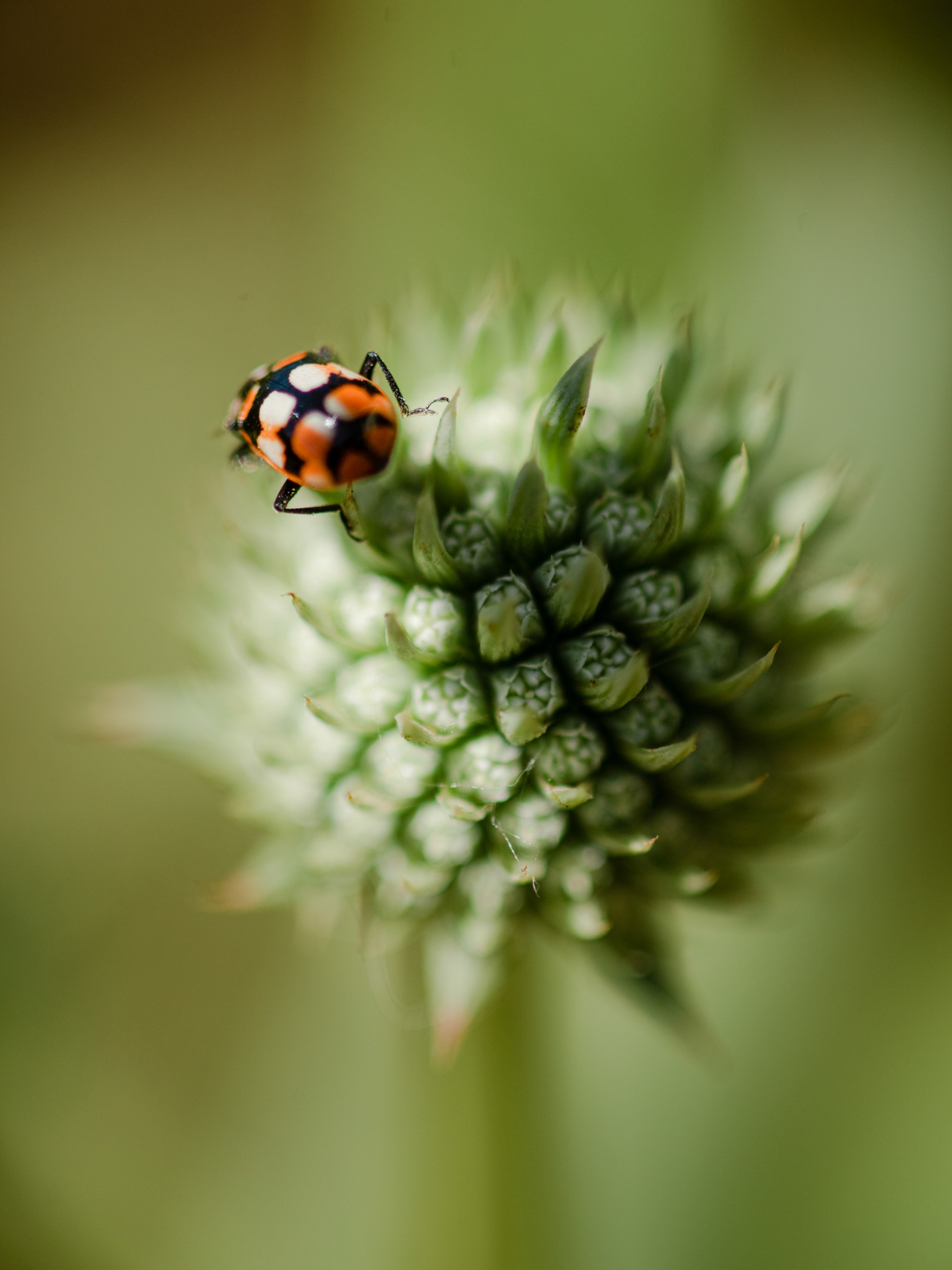
The forest has also become an important refuge for urban wildlife, with the presence of thrushes, rufous-collared sparrows, sparrows, house wrens, fork-tailed flycatchers and hummingbirds recorded during monitoring, alongside fungal species identified in other parts of the site. The interwoven layers of herbaceous, shrub and tree species underline the ecological richness of this space, which now brings cooling, beauty and a vibrant sense of life to the school community and its surrounding urban environment.
Forest Maker
Bosko Chile
Forest Partner

Ecosystem Restored
Final report: 30.09.2025
After approximately three years our SUGi Pocket Forests become self-sustaining. They no longer require human maintenance or watering, and can be handed over to Nature for biodiversity and complexity to naturally develop.
0%
Survival Rate
0
People living within 300 meters
0
kg of potential CO2 sequestration
Biodiversity
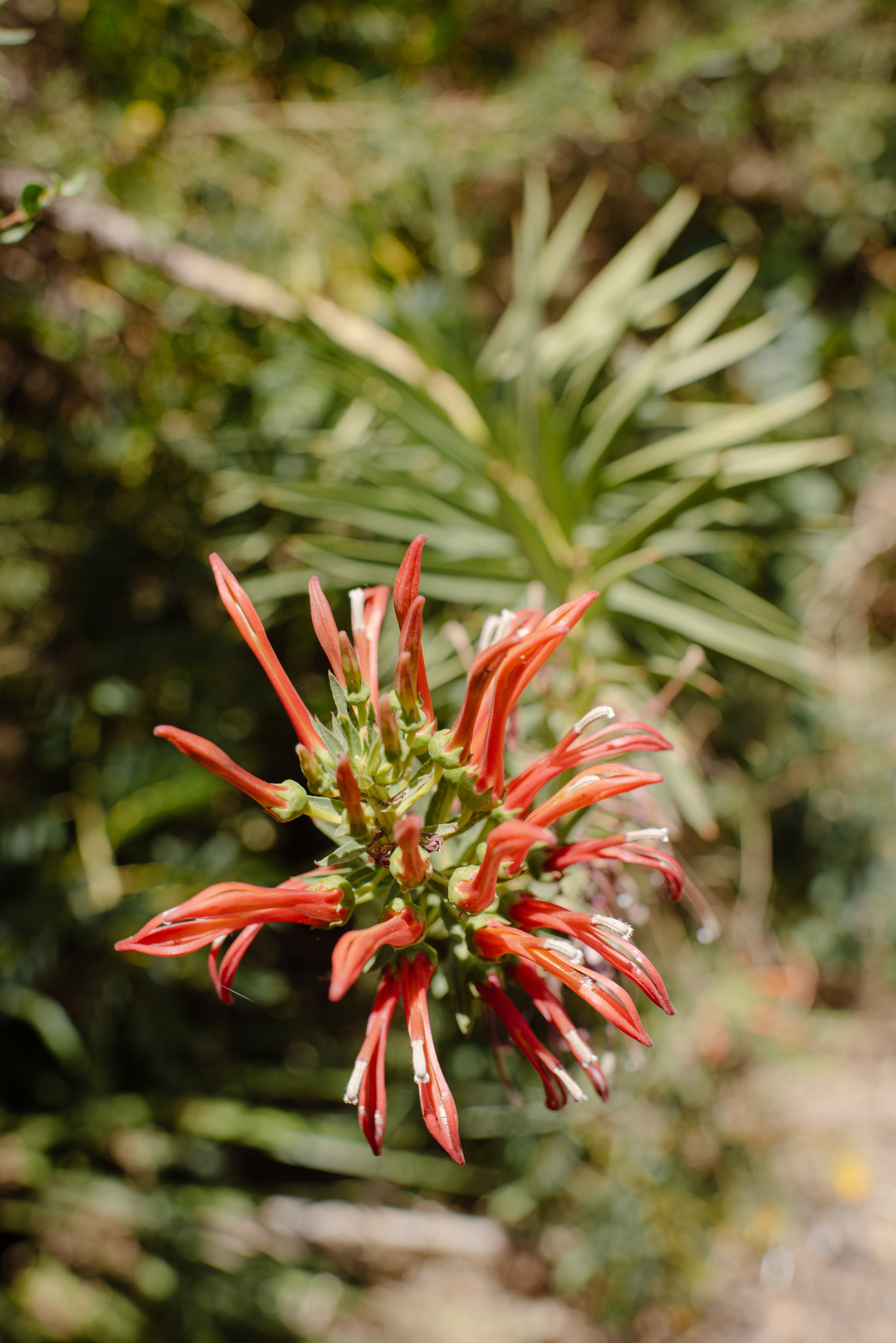
Biodiversity is all the different kinds of life you'll find in one area—the variety of animals, plants, fungi, and even microorganisms like bacteria that make up our natural world. Each of these species and organisms work together in ecosystems, like an intricate web, to maintain balance and support life.
0
Potential number of mammals
0
Potential number of birds
0
Potential number of amphibians
Urban Heat Profile
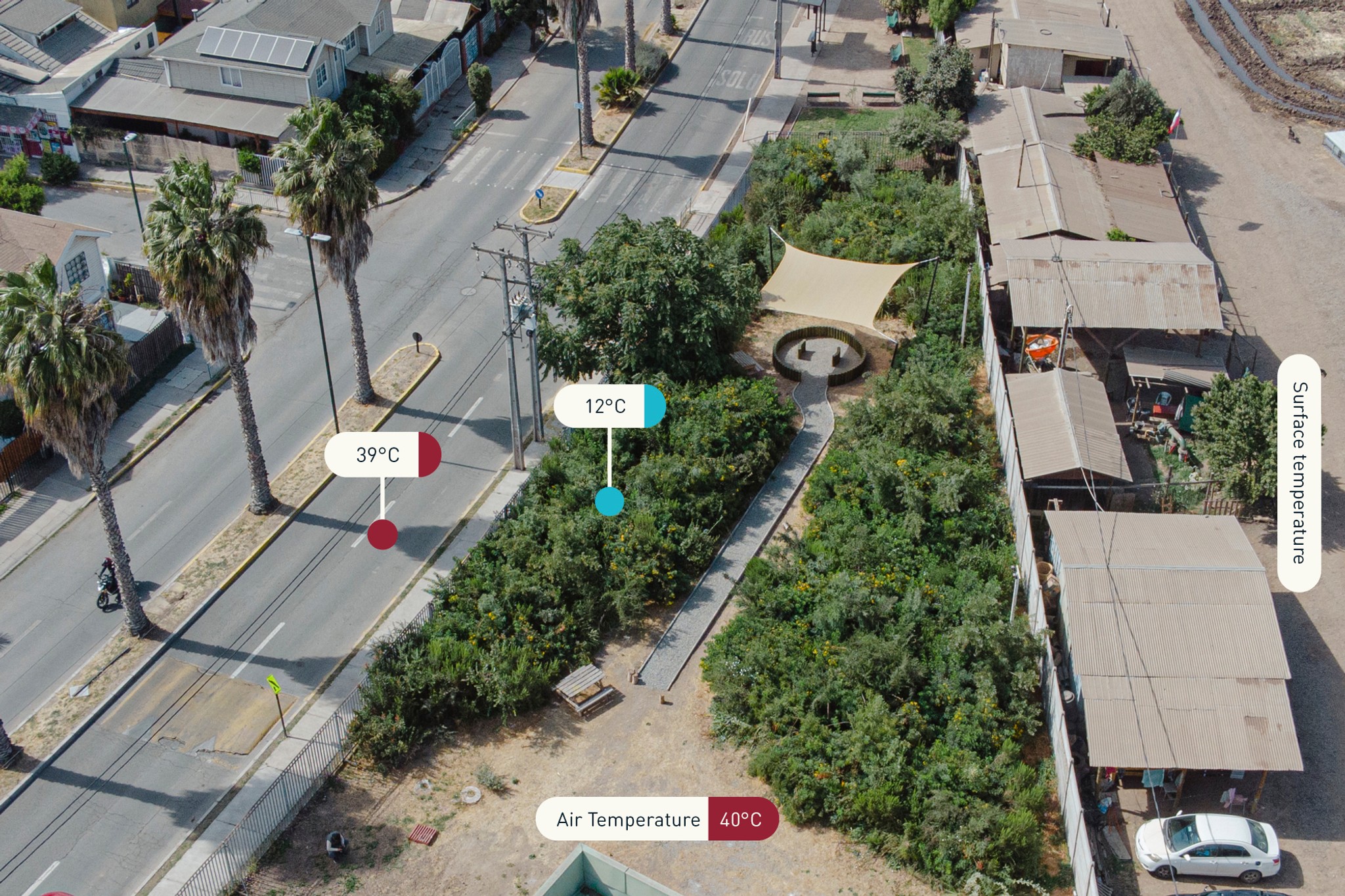
The Urban Heat Island Effect is affecting cities more and more each year and temperetures in urban areas can go up to 12 degrees hotter. This can be reduced and prevented by planting urban forests like this. We collected the air temperatures on a hot day in November at Maipú Student Forest and saw amazing results.
0°C
Air Temperature Difference
0°C
Surface Temperature Difference
“The Miyawaki forests are not only an ecological experience, but also an ethical one, as they bring us closer to nature even in the city, awakening curiosity, recognition, attachment and, finally, an ethic of care. We hope that more and more people, especially children and young people, will be able to live this experience, developing a sense of belonging and care for our natural heritage.”
Team Bosko, SUGi Forest Maker
Forest Report: 2024
0 Years
Forest Age
0%
Survival Rate
0m
Average of Tallest 3 Trees
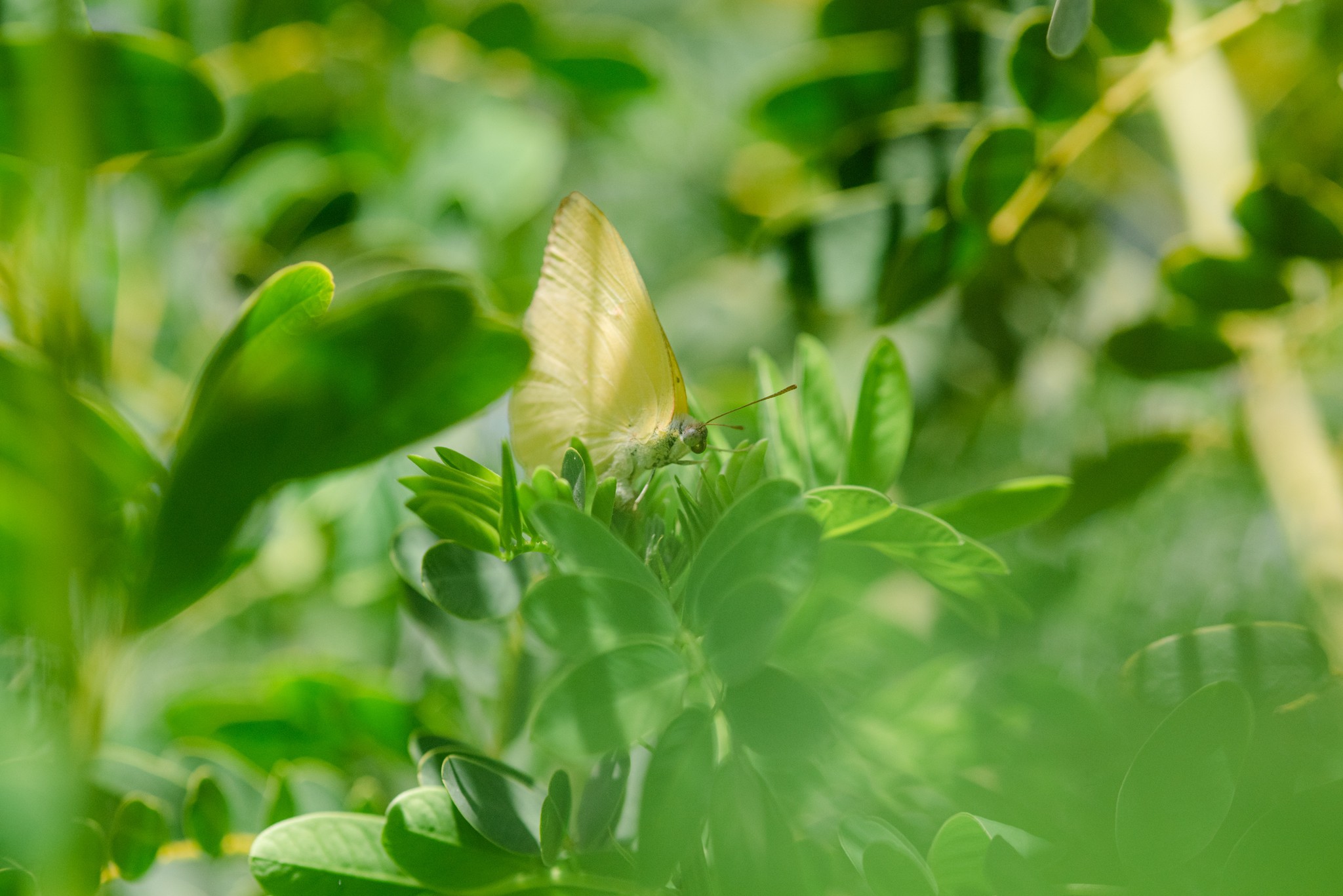
The forest looks healthy in general, with good growth and survival across the planted area - though we observed the presence of many invasive weeds. The forest is teeming with animal life - birds, insects, and gorgeous butterflies can be seen in good numbers, both in the air and on the ground, indicating that these species are making the forest their home.
The forest has also exhibited an extraordinarily powerful cooling effect - with surface temperatures in the forest up to 30 degrees Celsius lower than the surrounding areas.
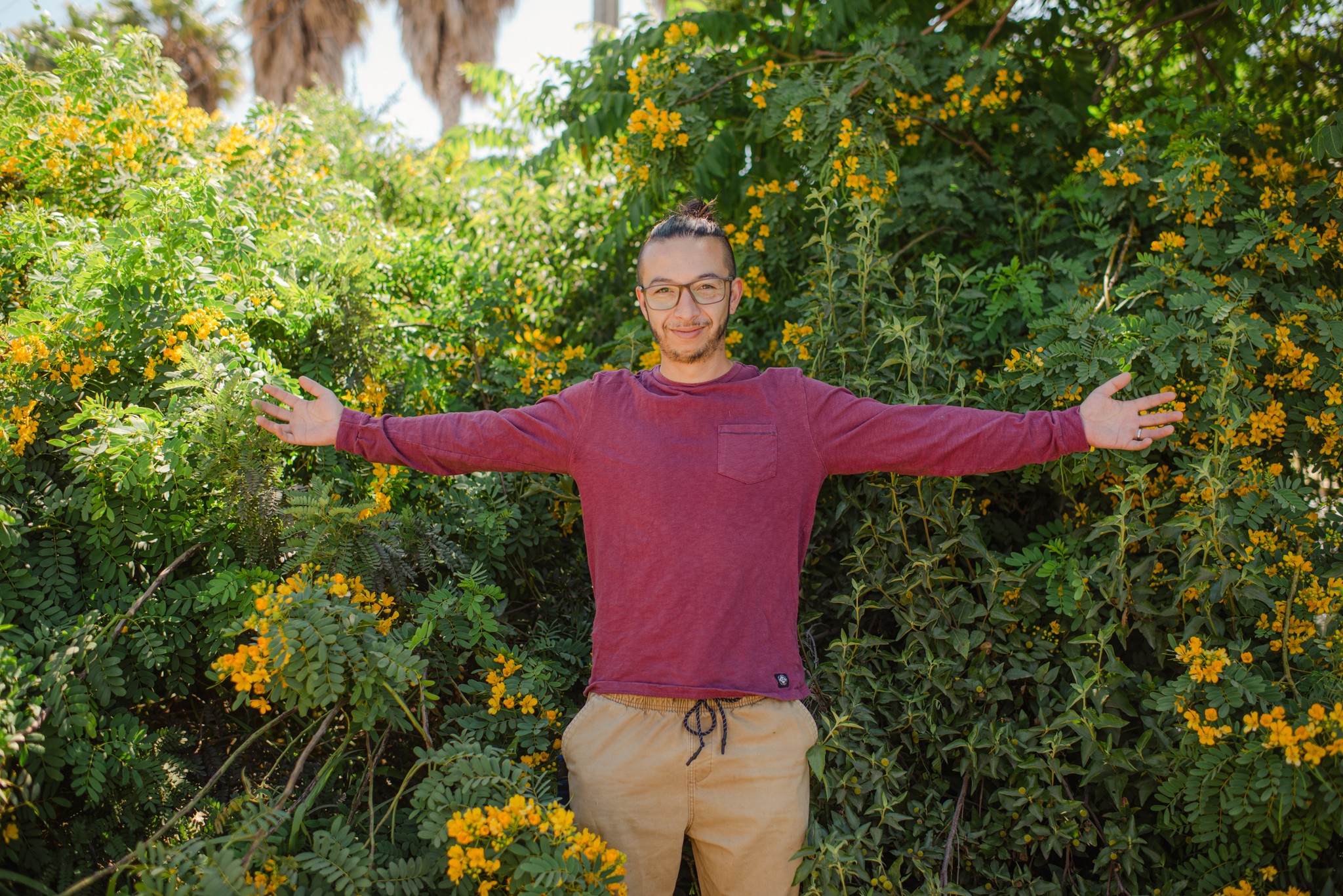

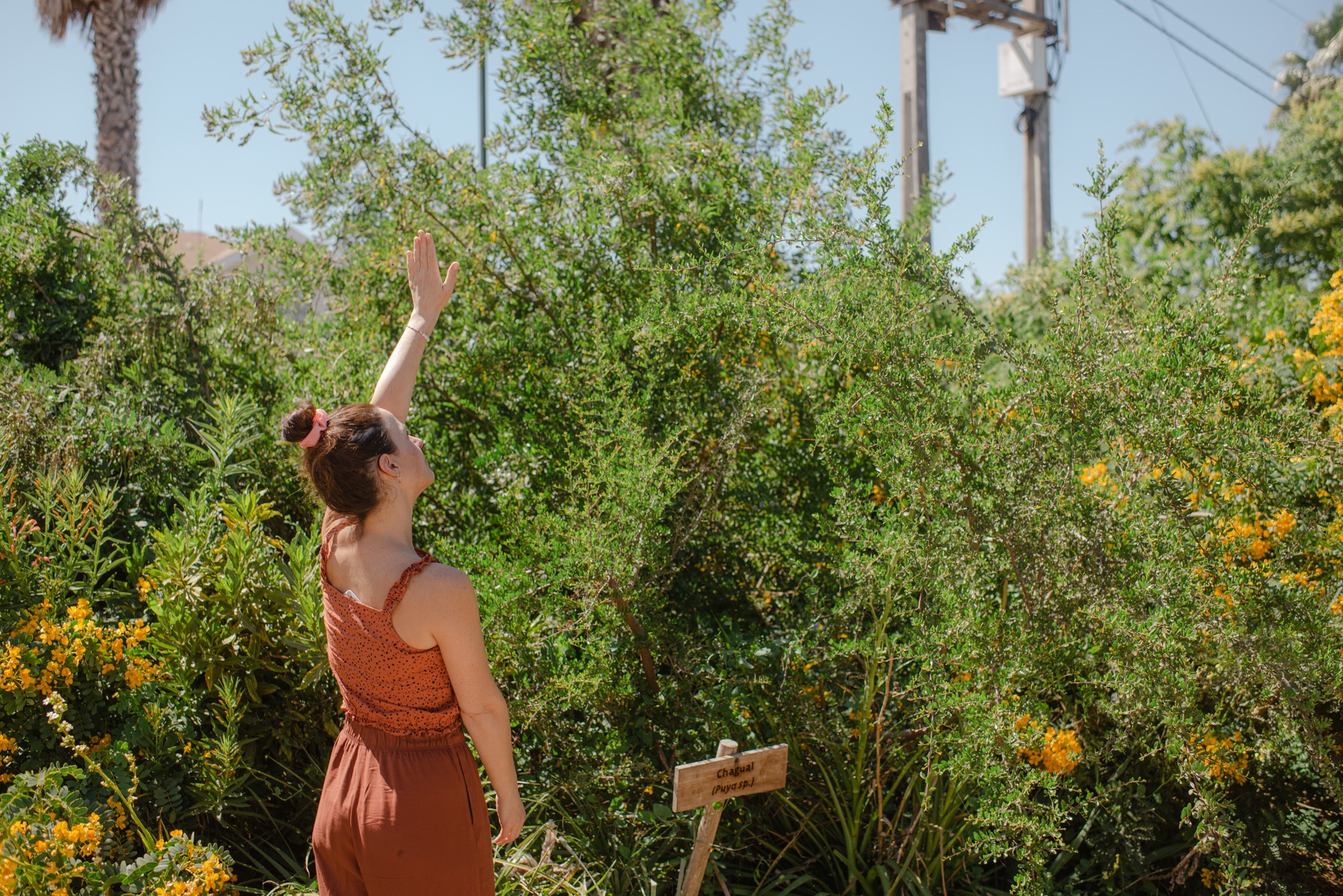
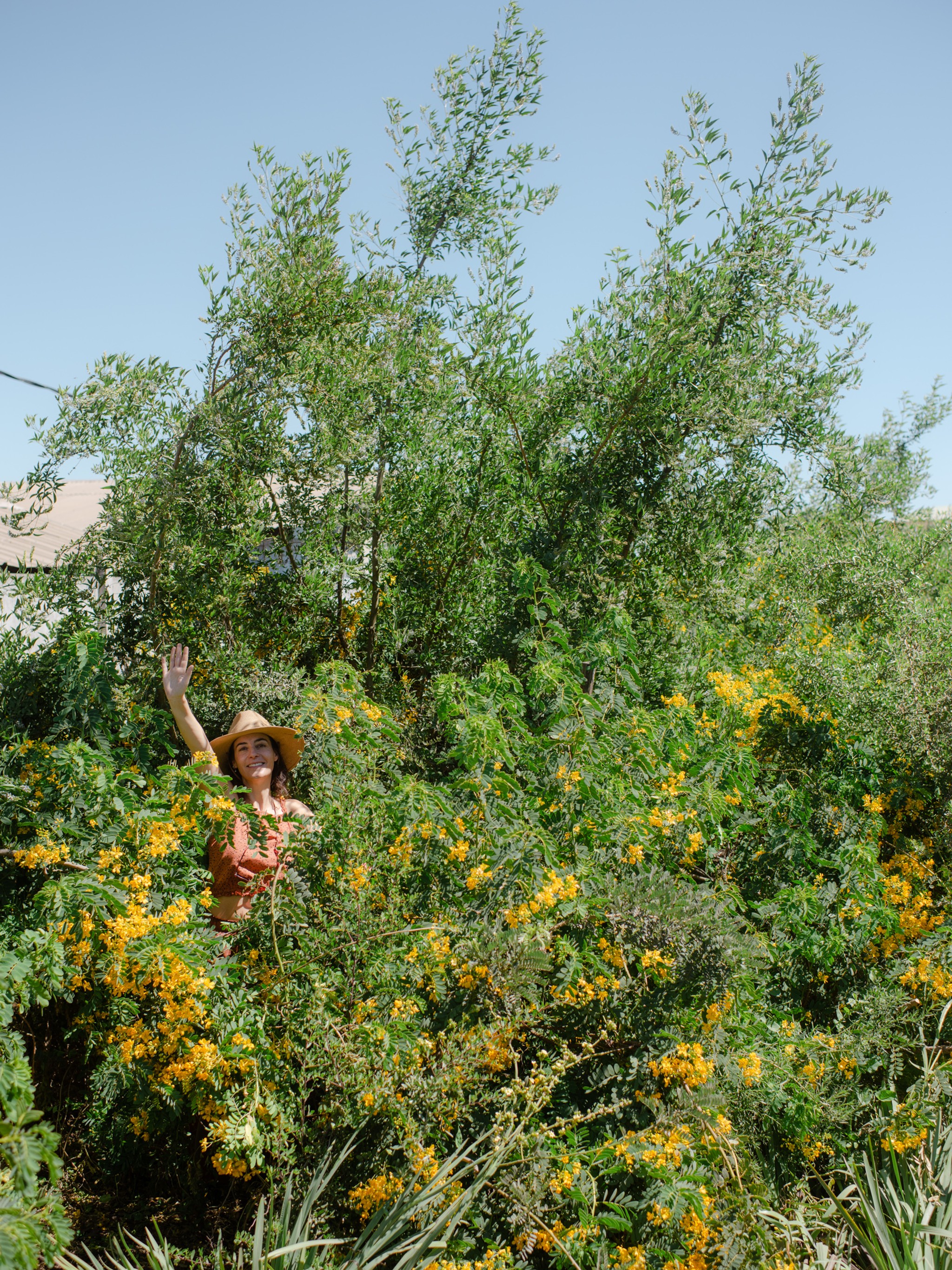
Biodiversity Notes:
Forest Report: 2023
0 Months
Forest Age
0%
Survival Rate
0m
Average Tallest 3 Trees
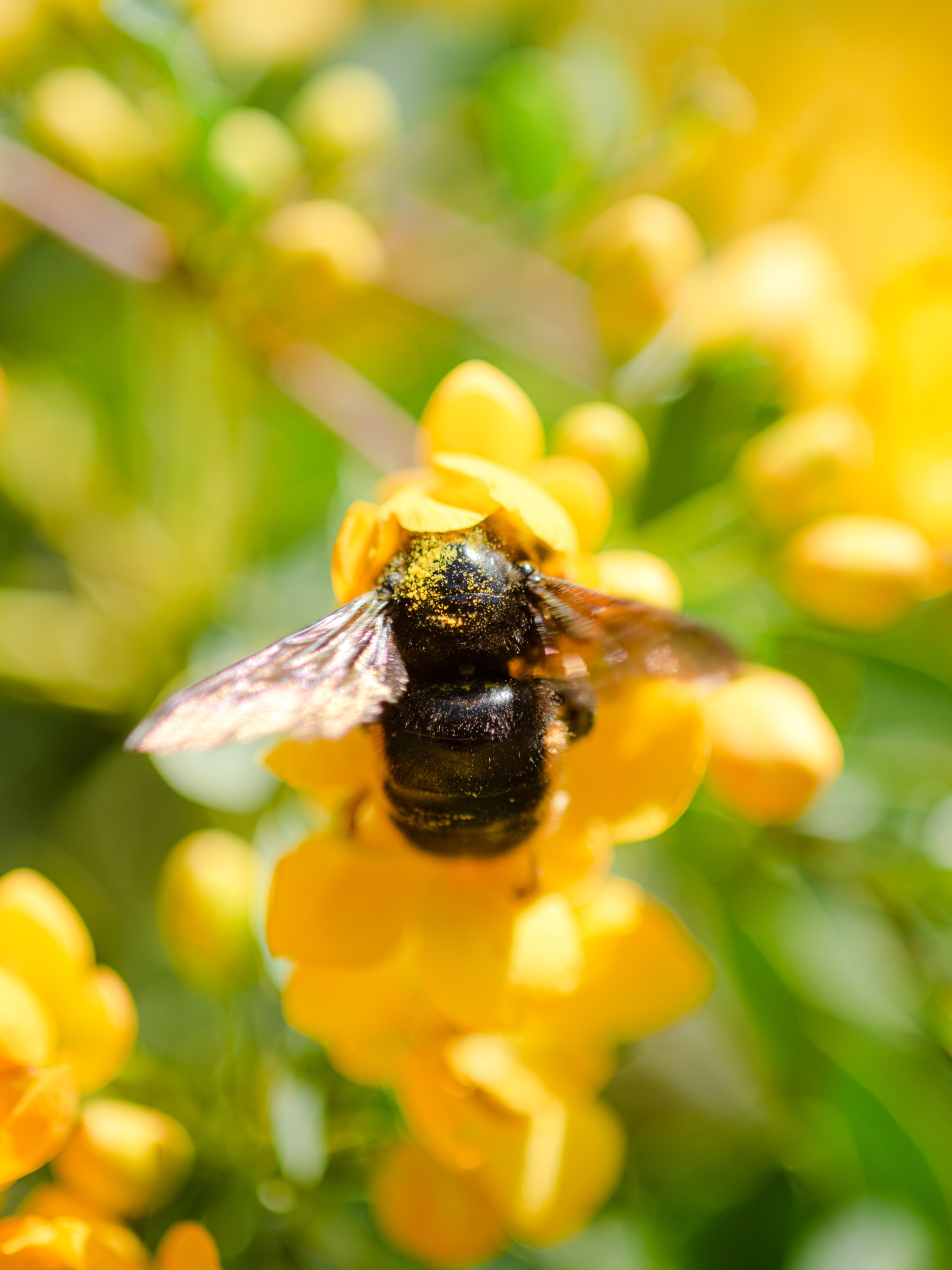
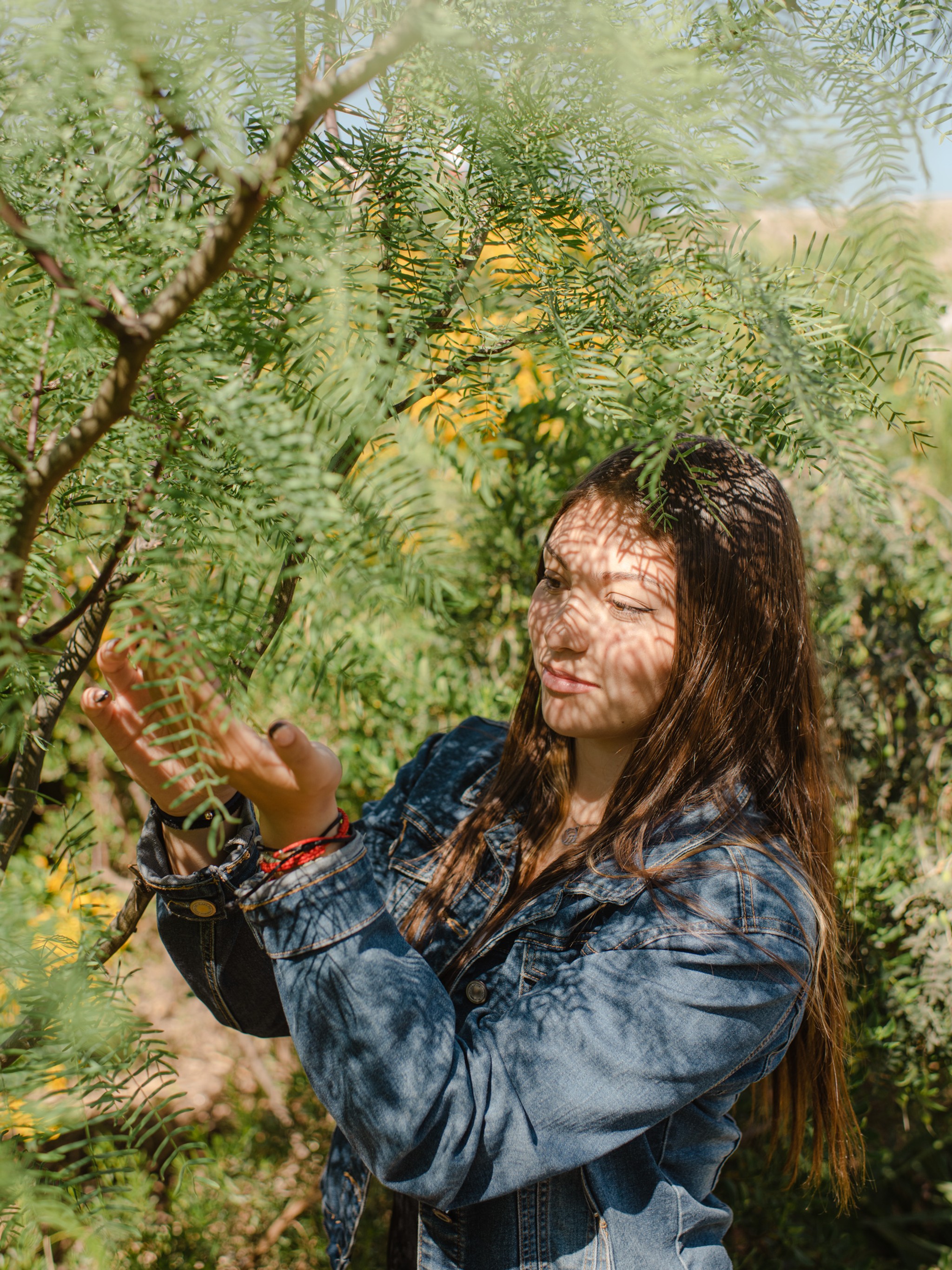
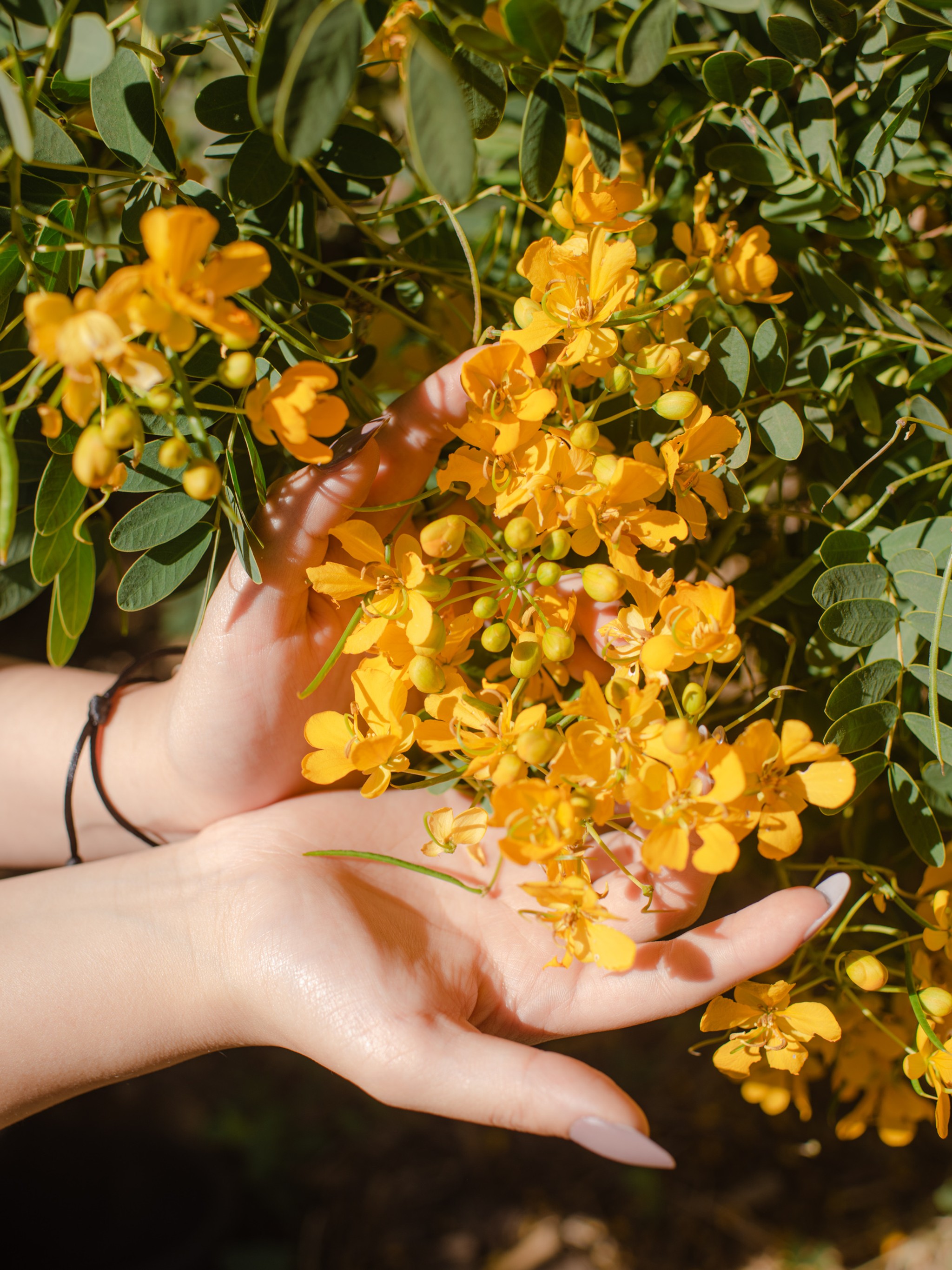
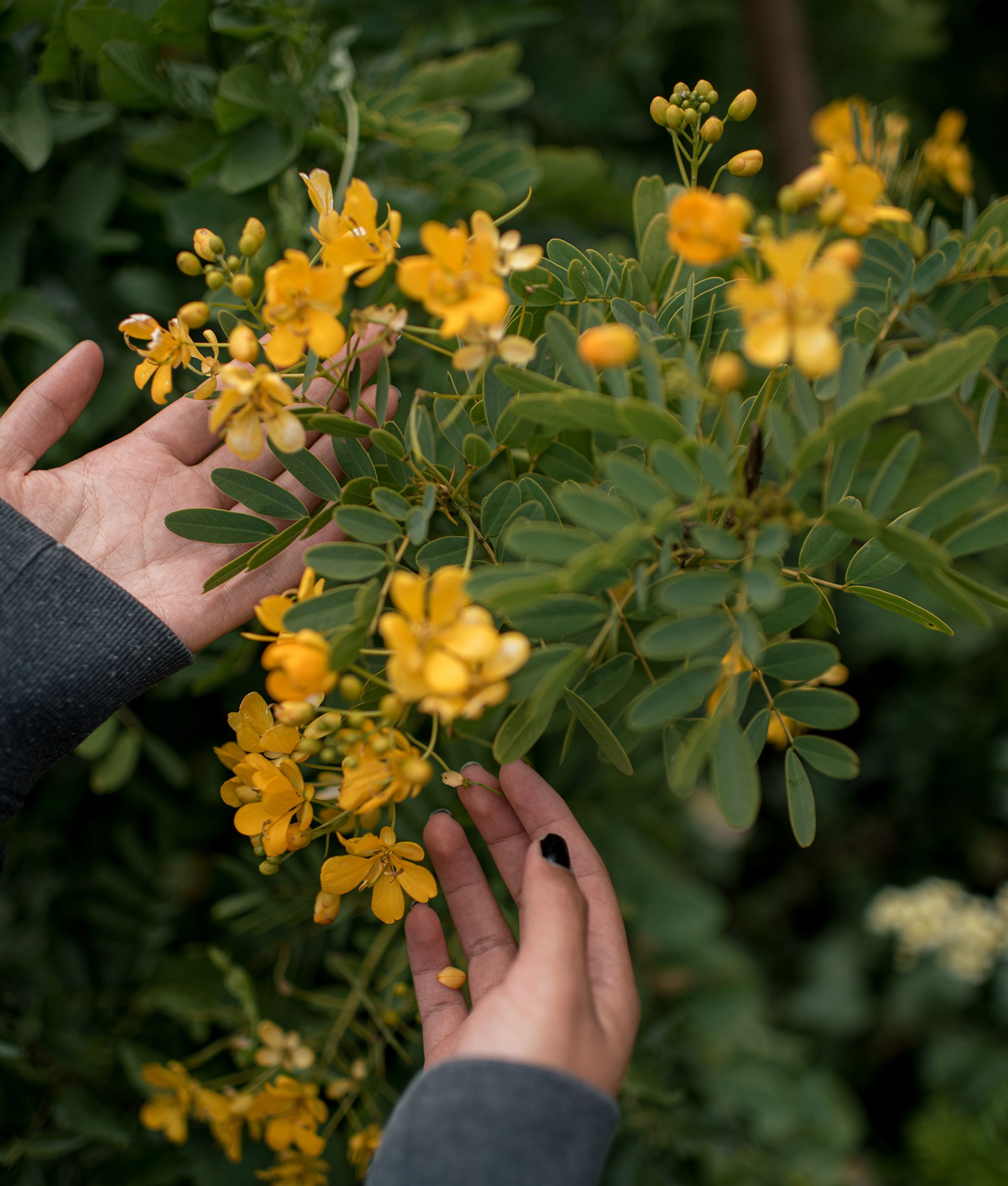
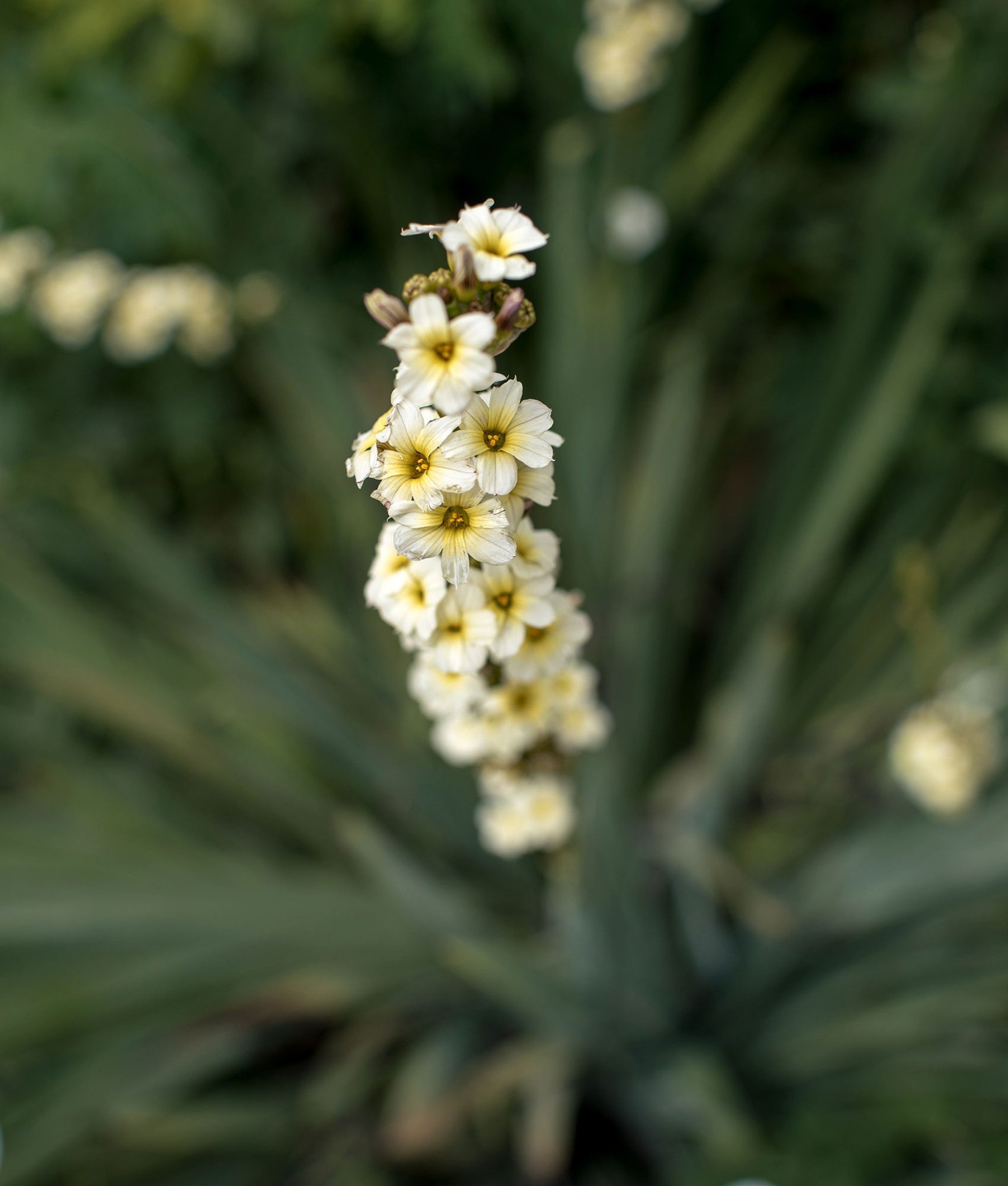
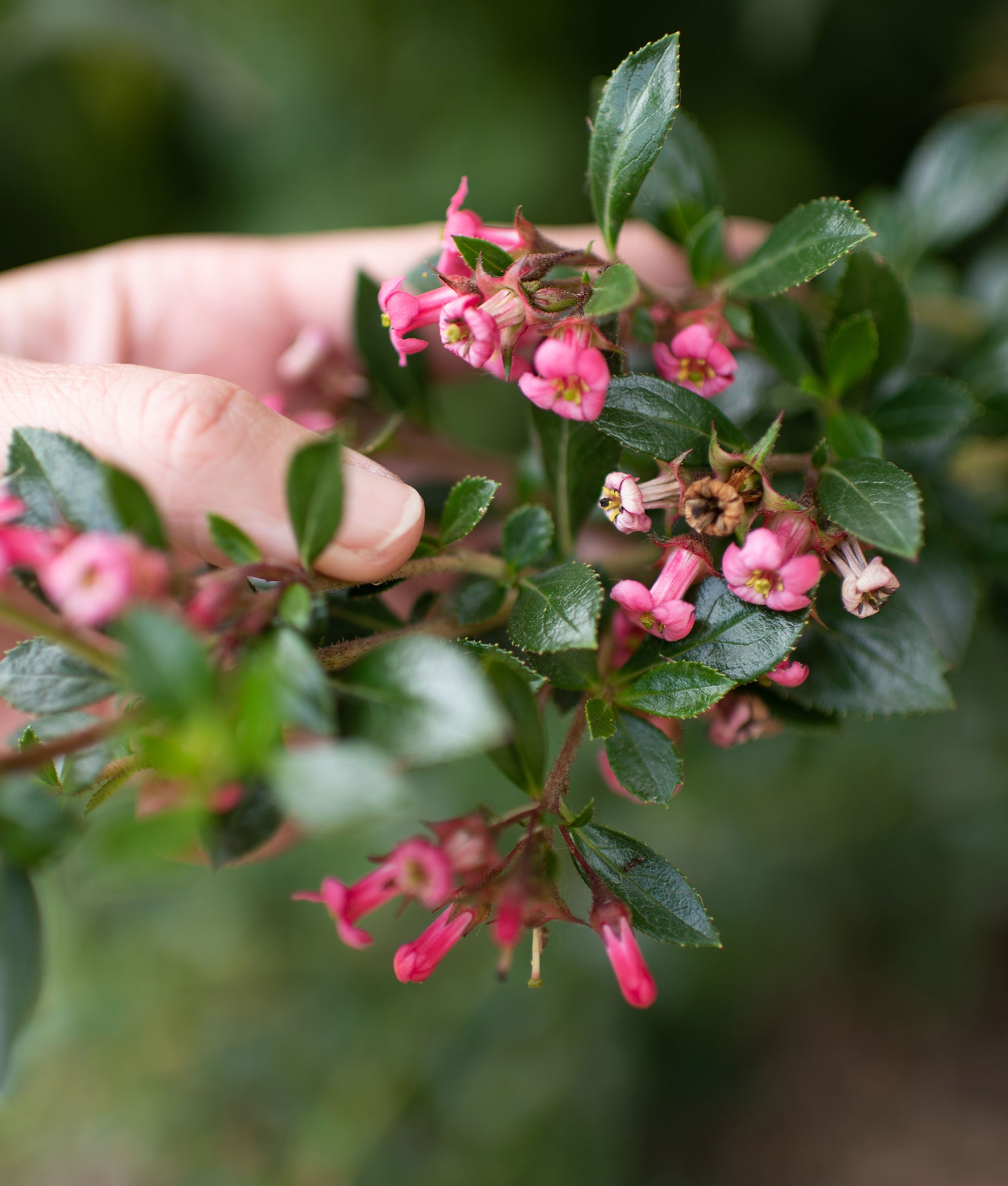
It is wonderful to see biodiversity thriving here. There is a considerable amount of flowering, with the presence of bumblebees, finches, and doves. The shrub layer is at the same level as the tree layer, while the low (herbaceous) layer is slightly below.
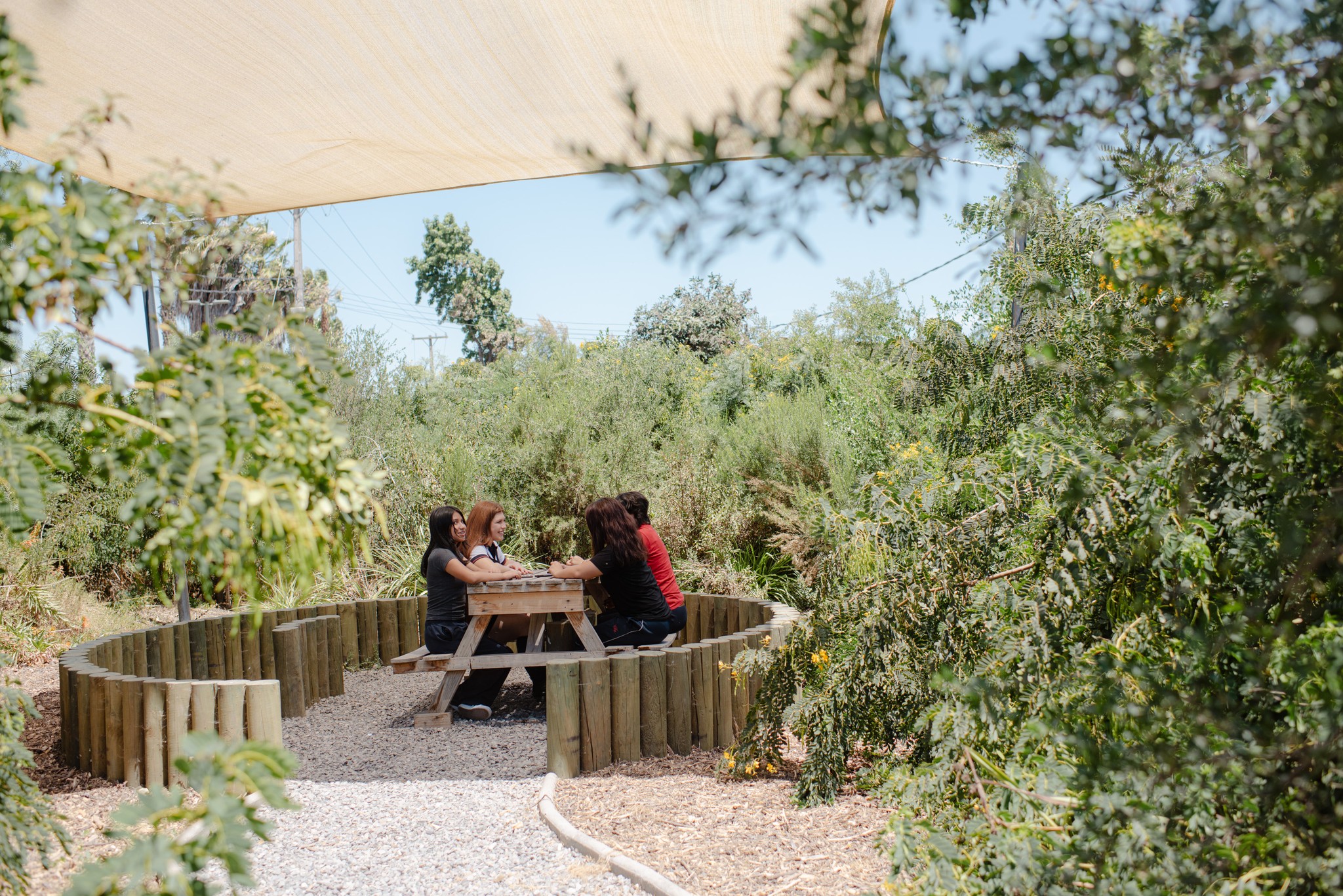
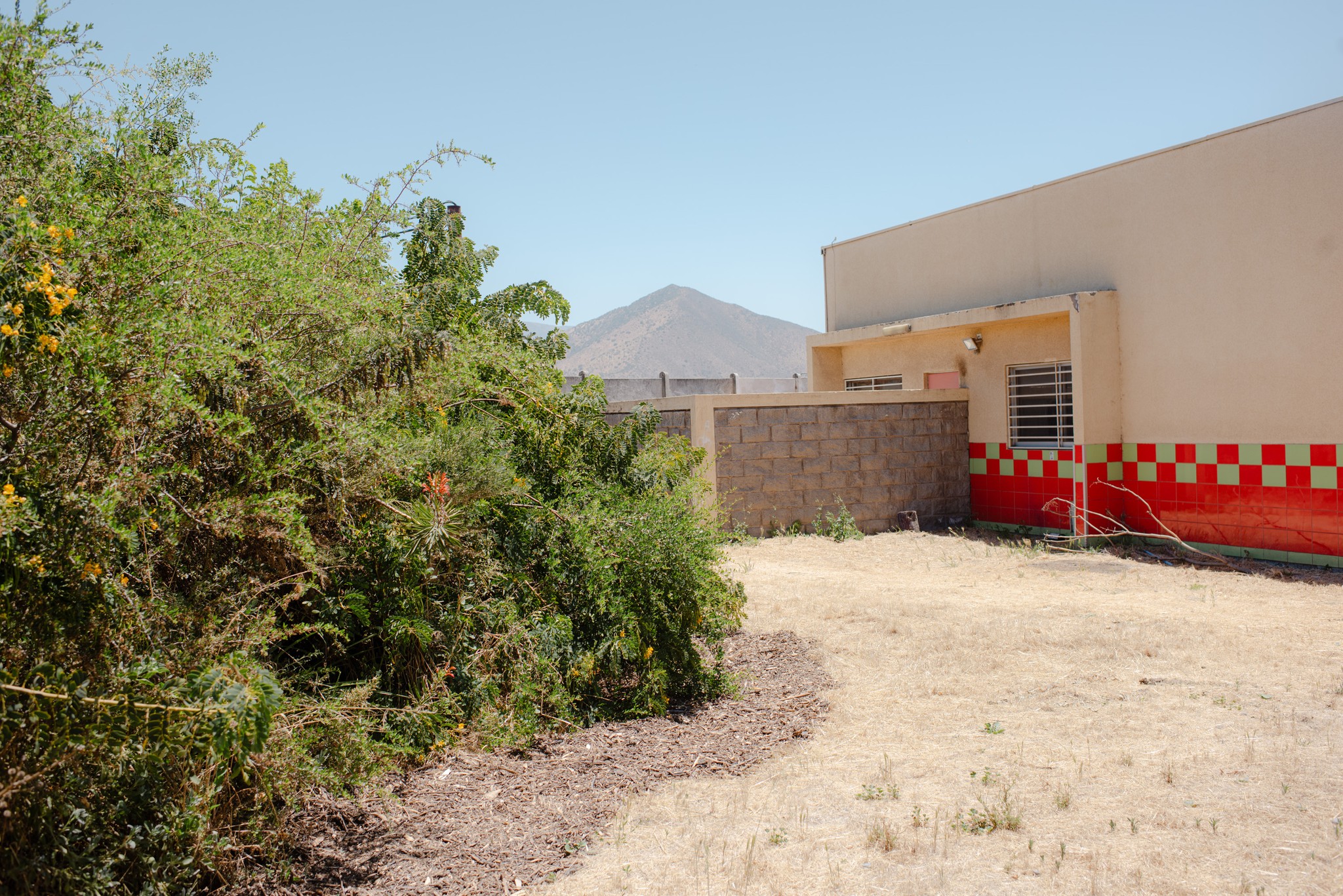
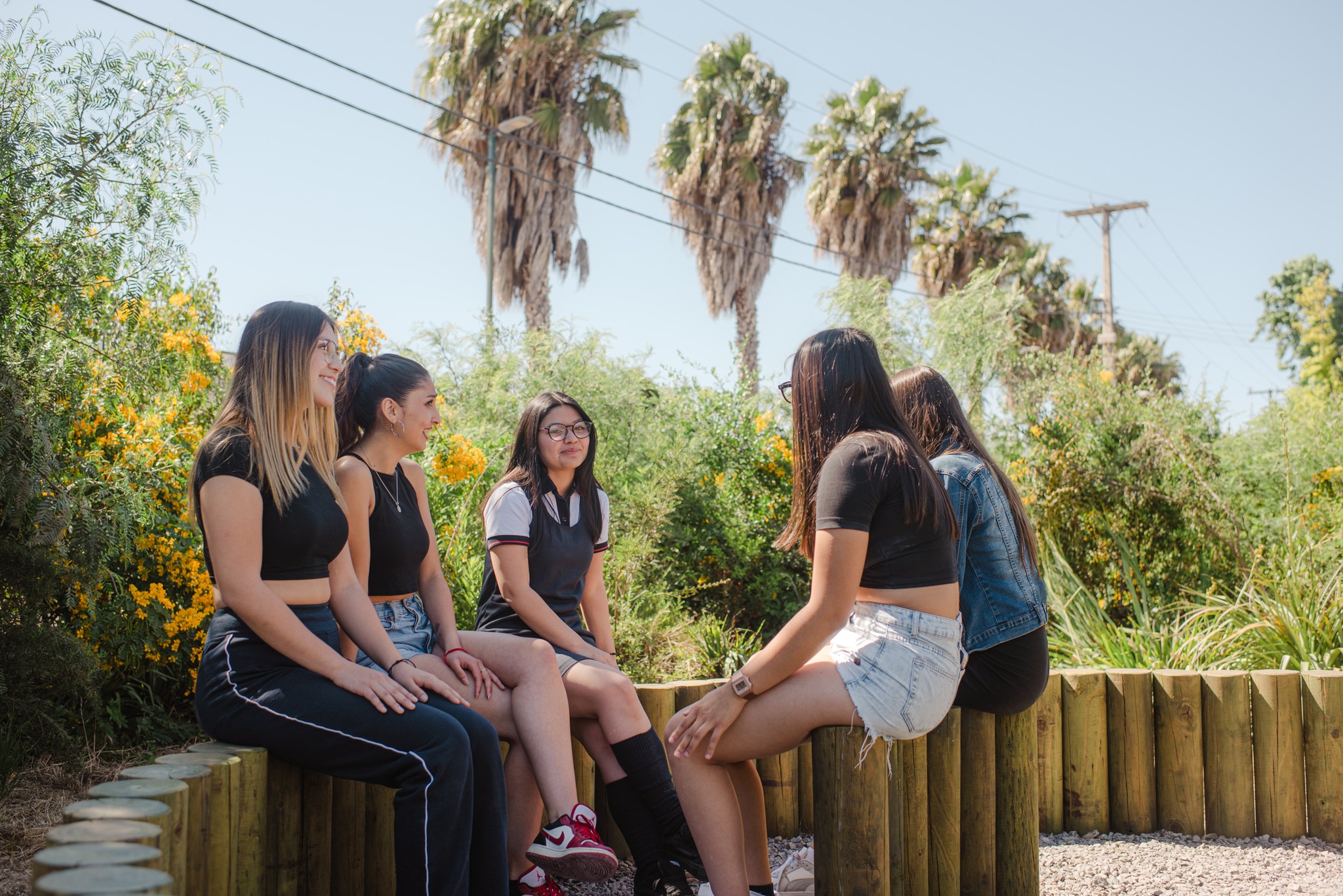
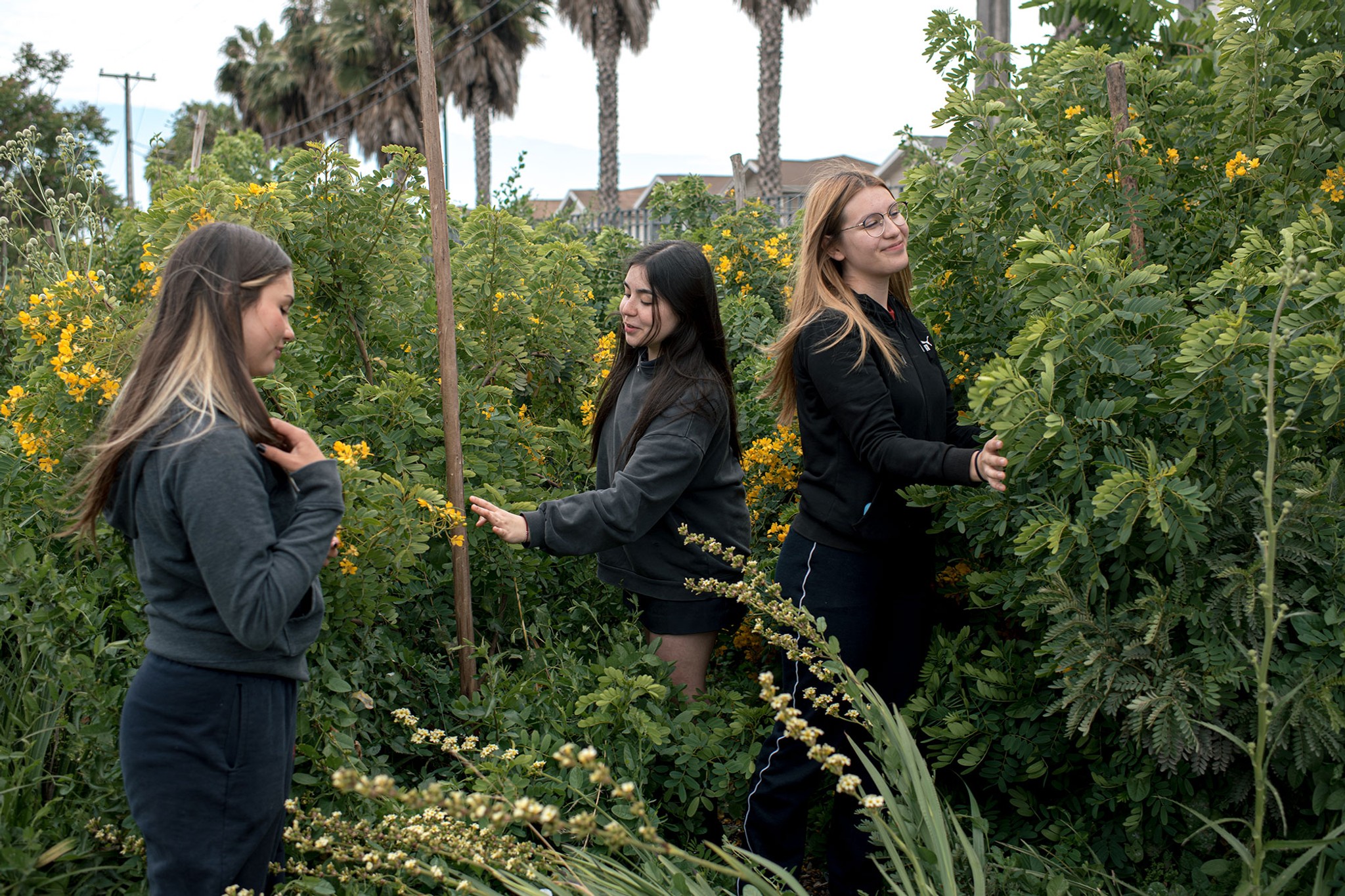
In the future, the intention is to open up the space to the local community, not just the educational community. Additionally, there is a plan to create a classroom in the spaces between the forest patches, which has a significant impact on reducing external noise (vehicles) in that area of the school.
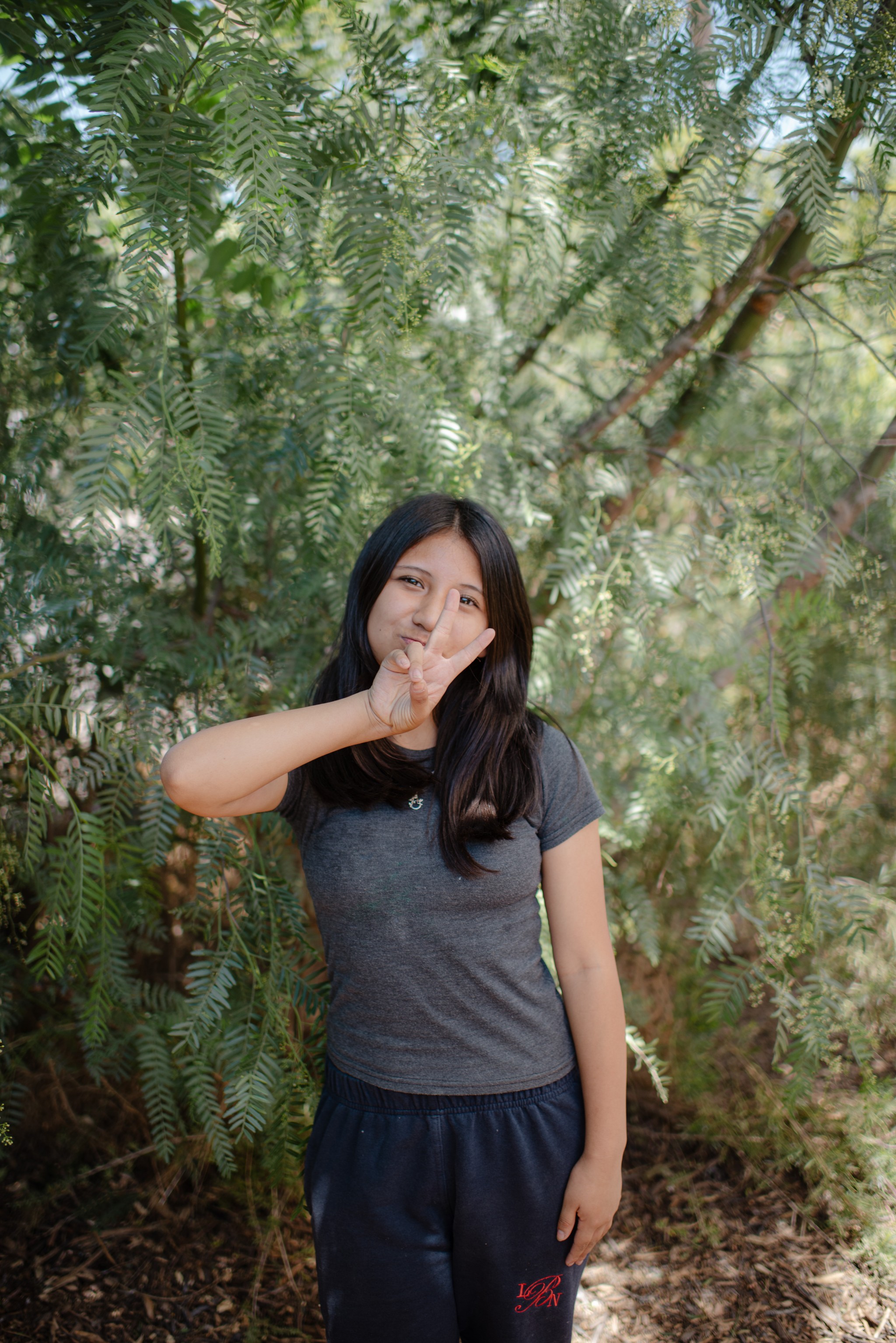
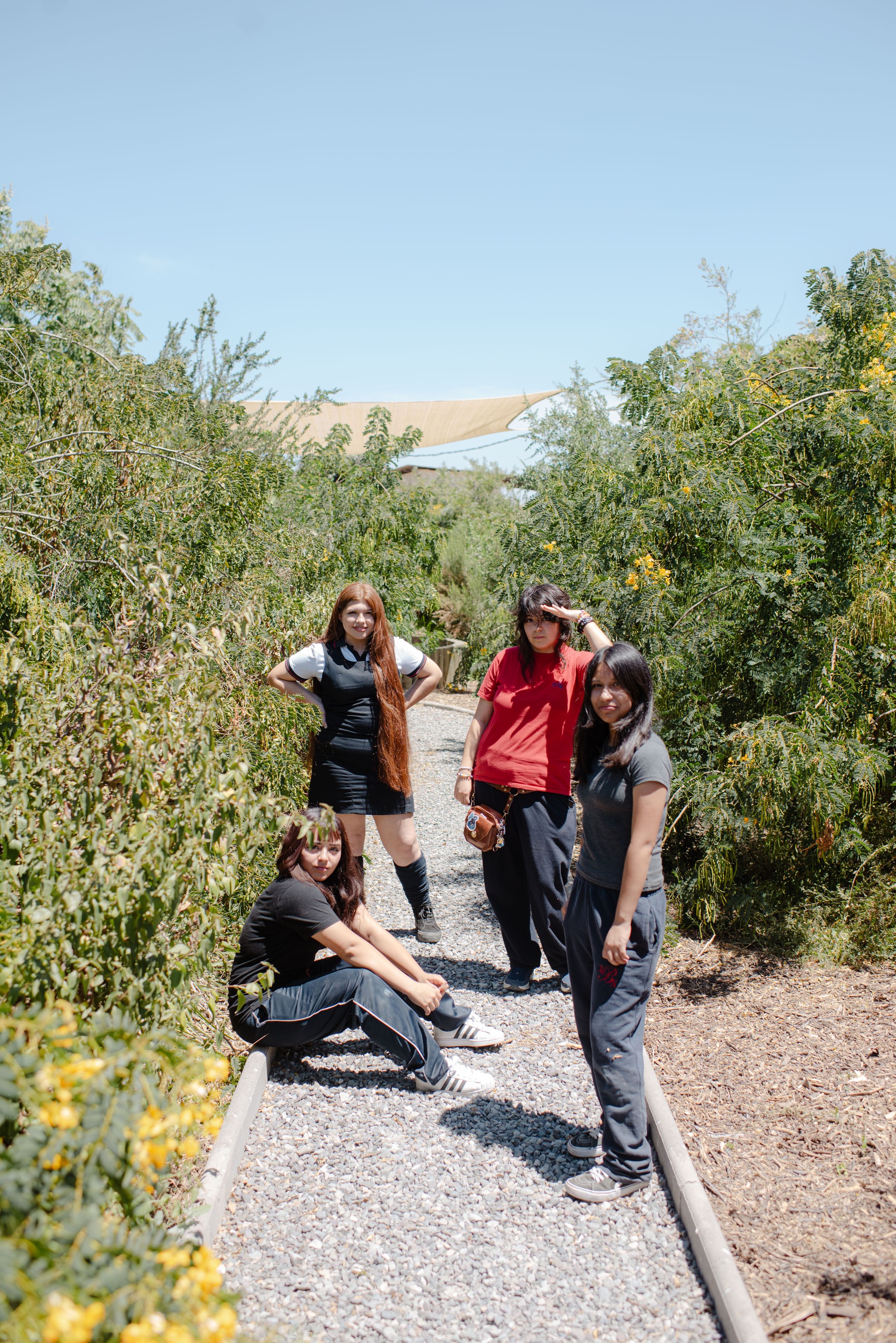
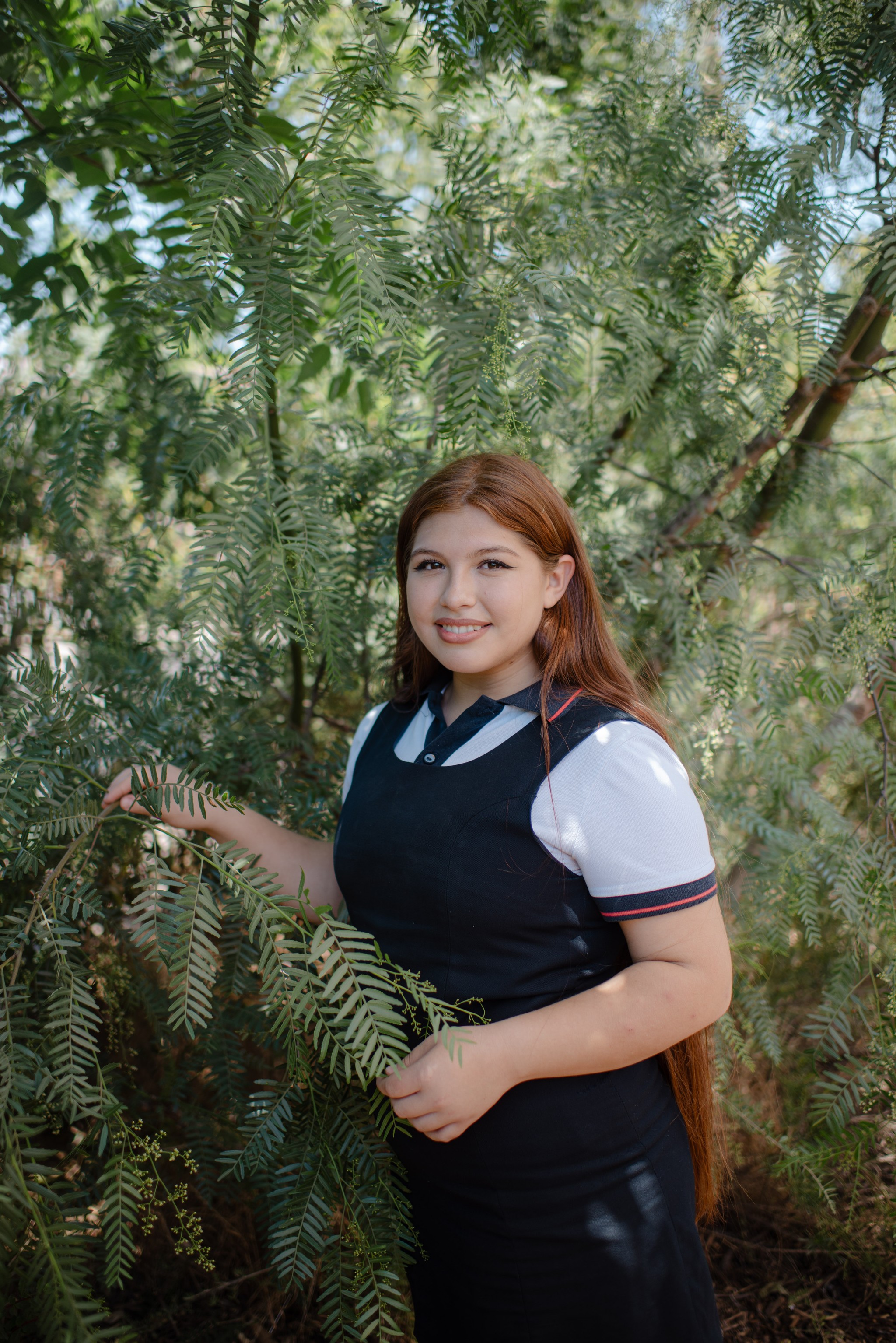
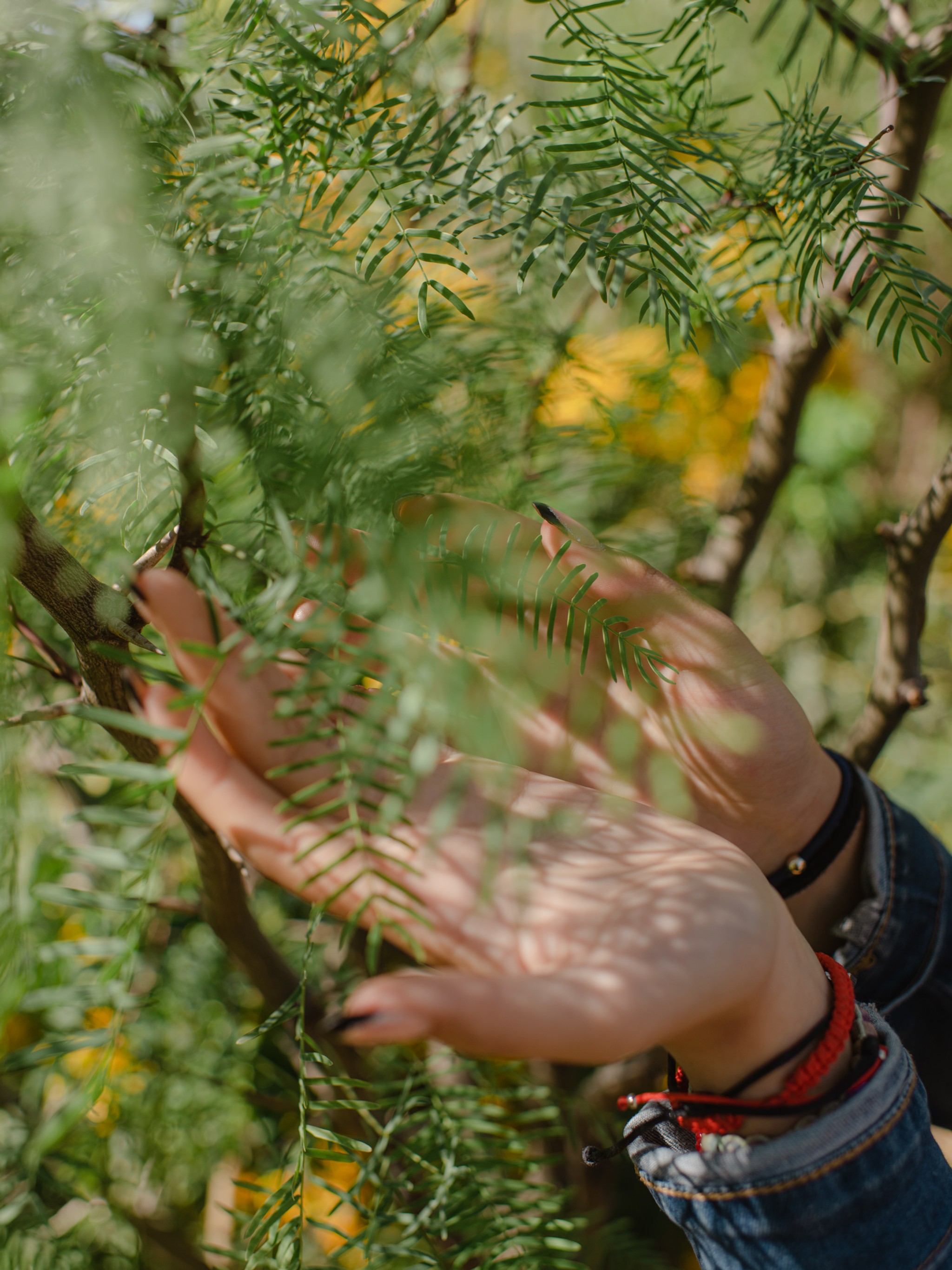
Maintenance has been carried out by the students of the high school themselves, and the counselor notes that it has had quite positive effects, especially for those students with relational problems and mental health problems.
Biodiversity Notes:
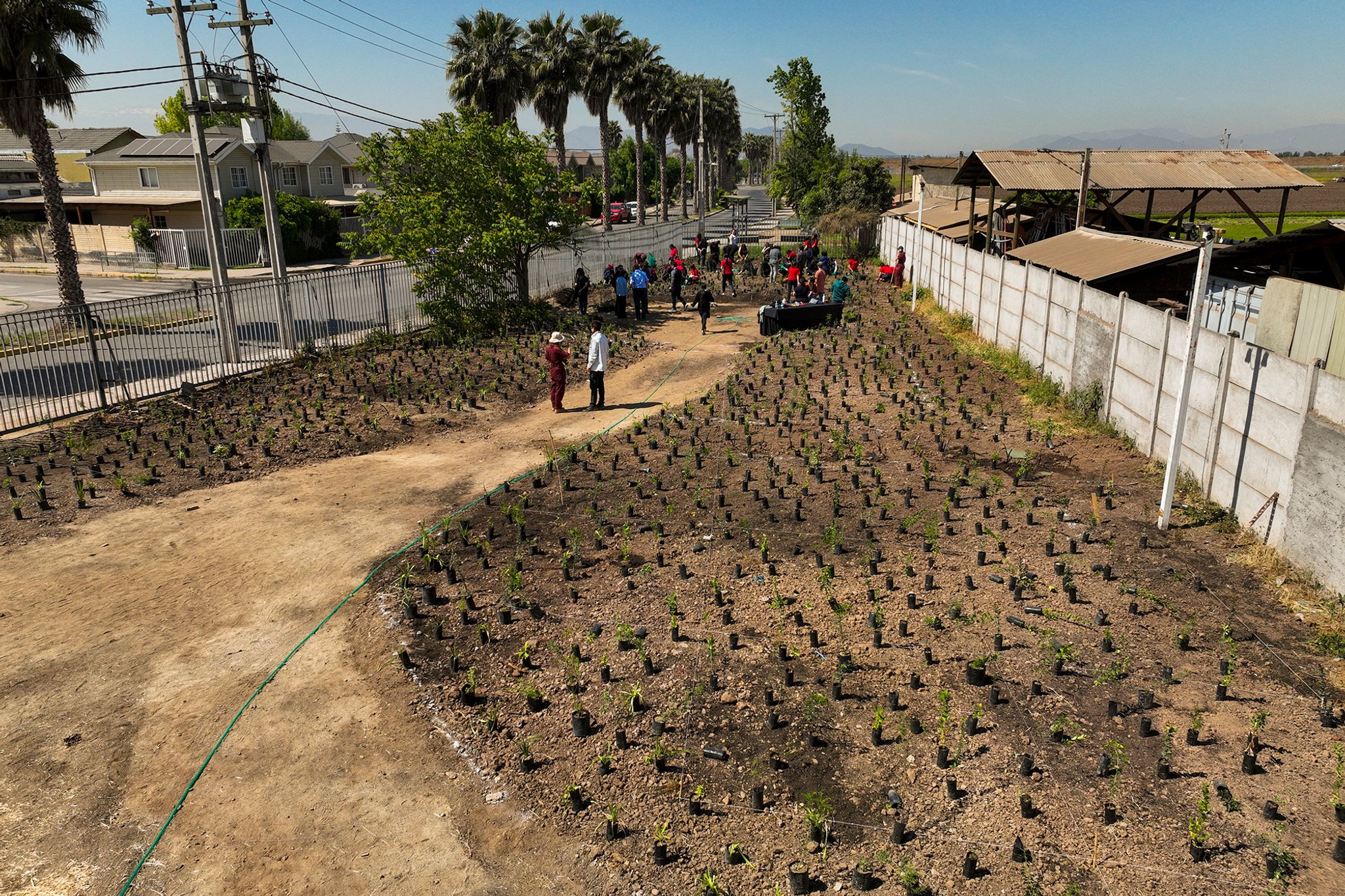
Planting: October 2022
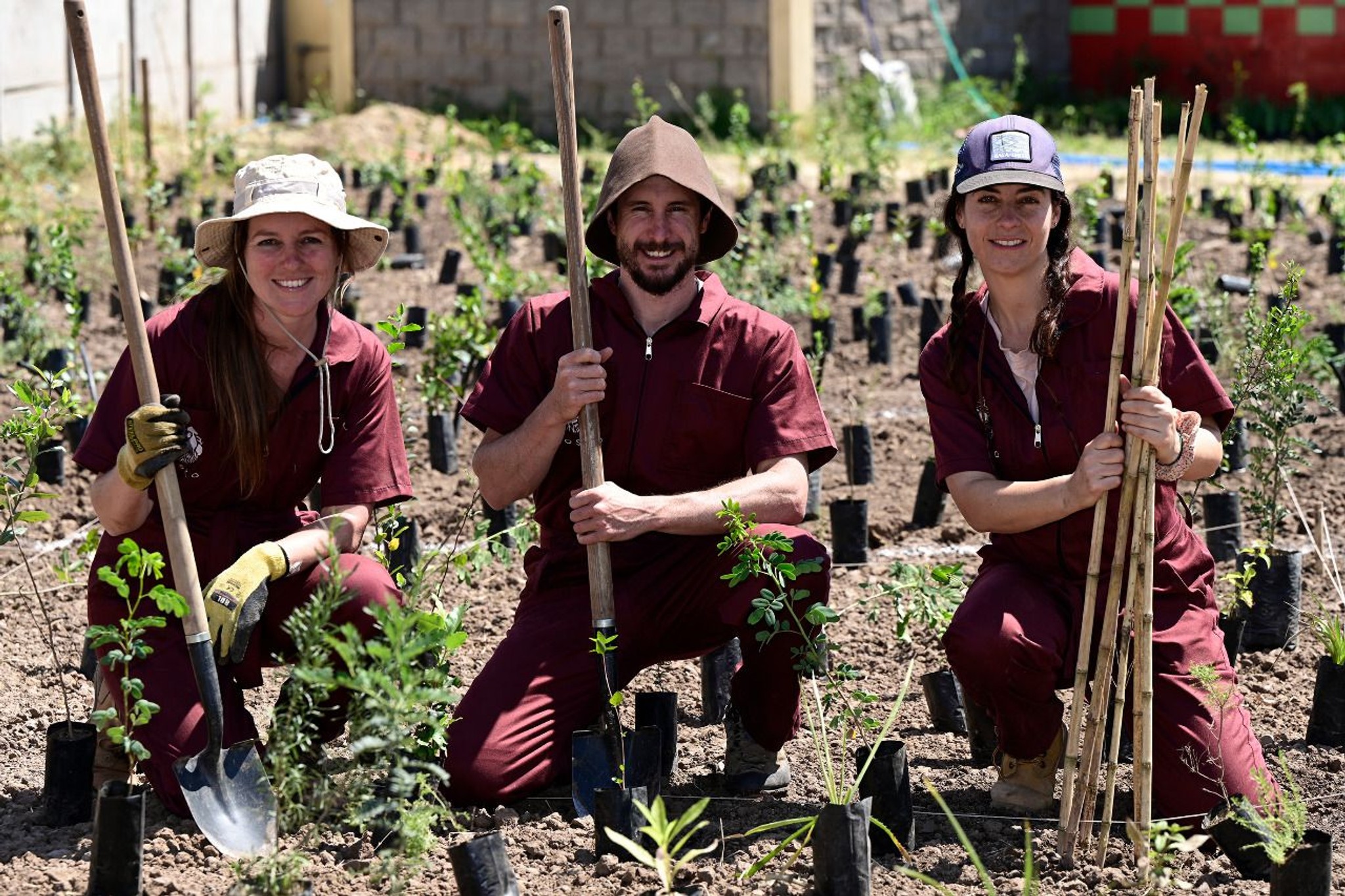
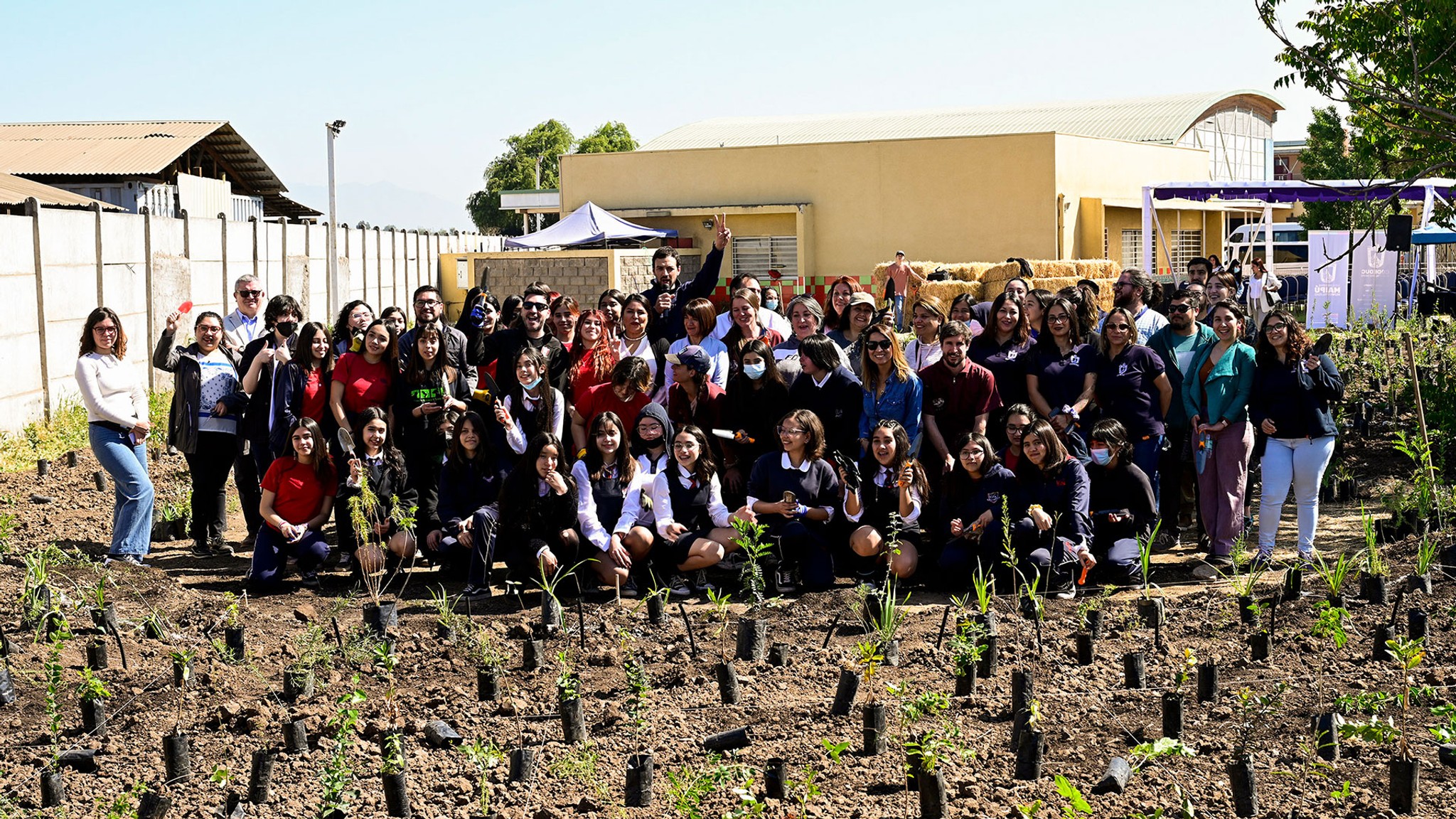
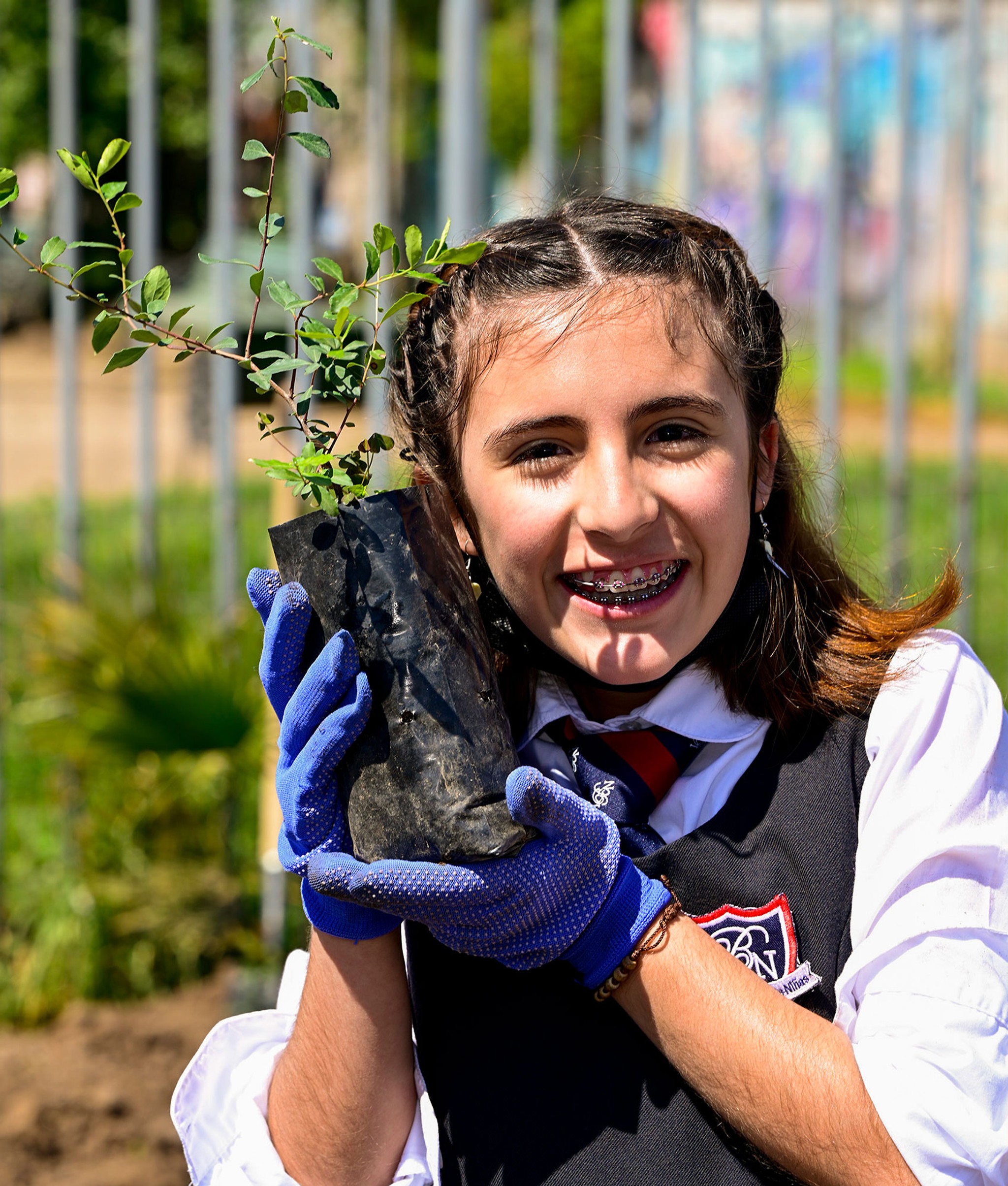
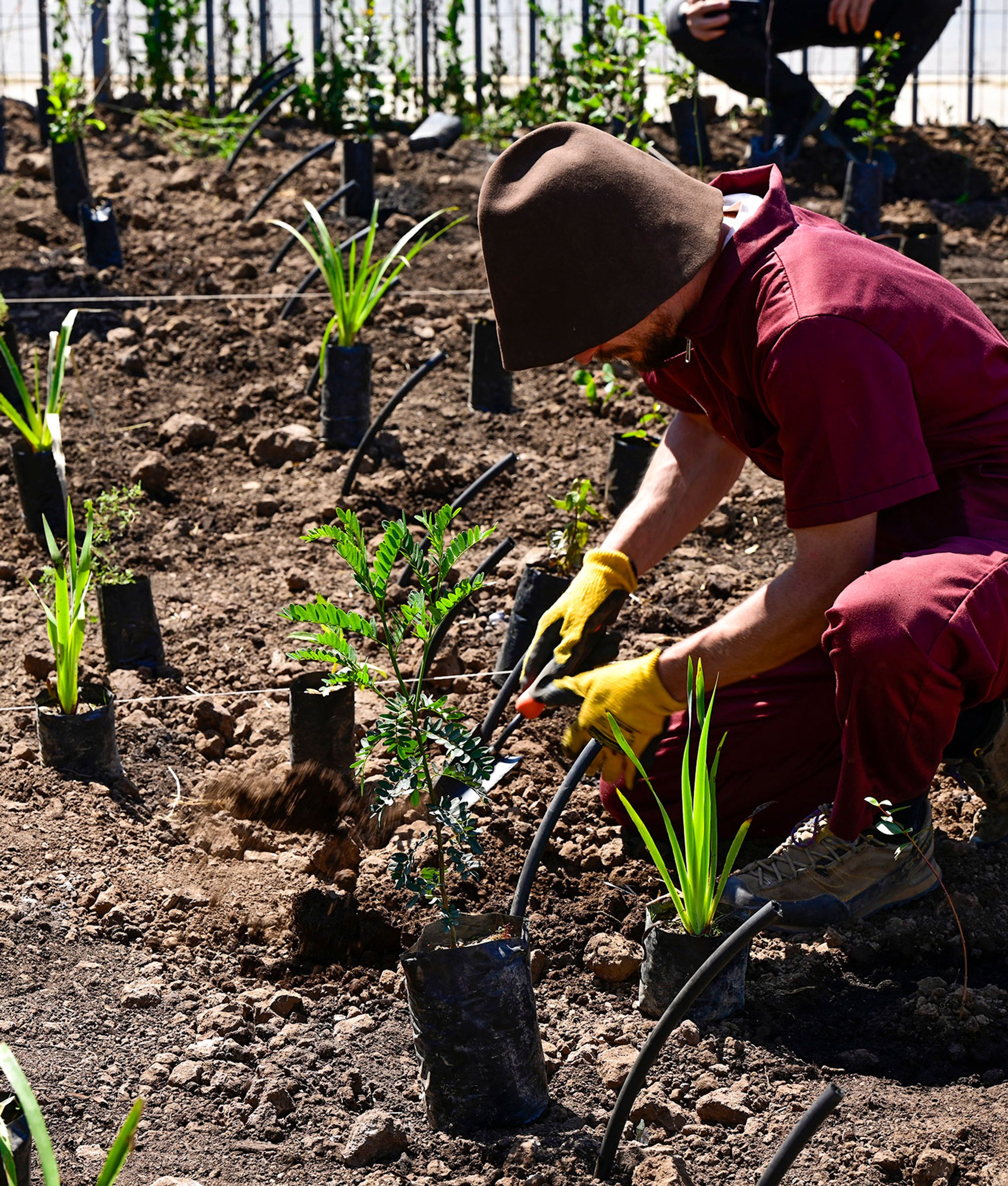
"Schools are meant to be spaces full of life, that stimulate the senses and enable learning. With great joy and gratitude, we start to turn a lost area of our school into a thriving forest that will give our students more opportunities for learning, playing and enjoying nature."
Ingrid Olea, Head of Control of the Educational Corporation of Maipú