Etome
Rewilding to restore a degraded ecosystem and save local water supplies.

0
Trees
0
Square Meters
0
Native Species
Self sustaining pocket forest
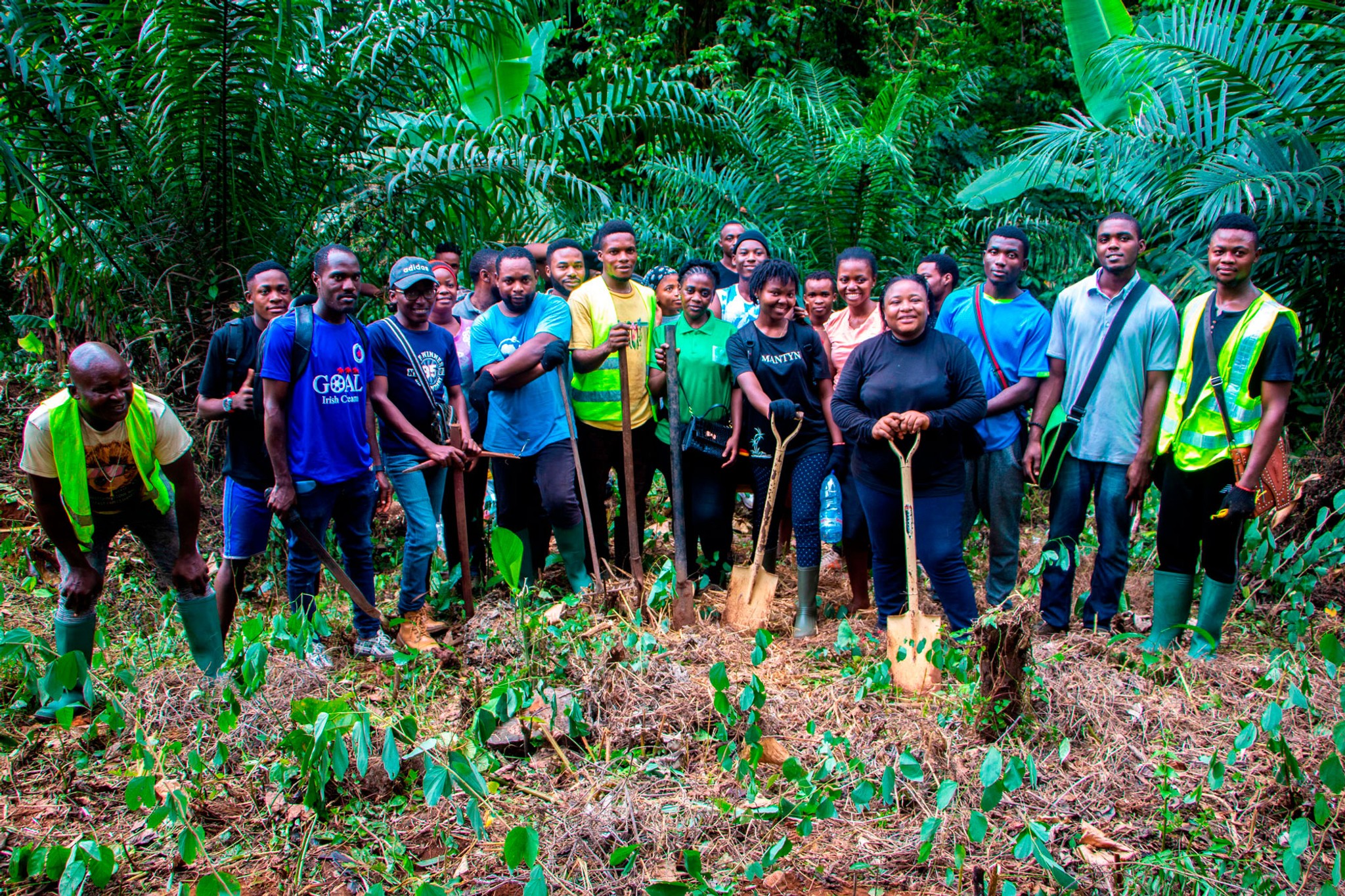
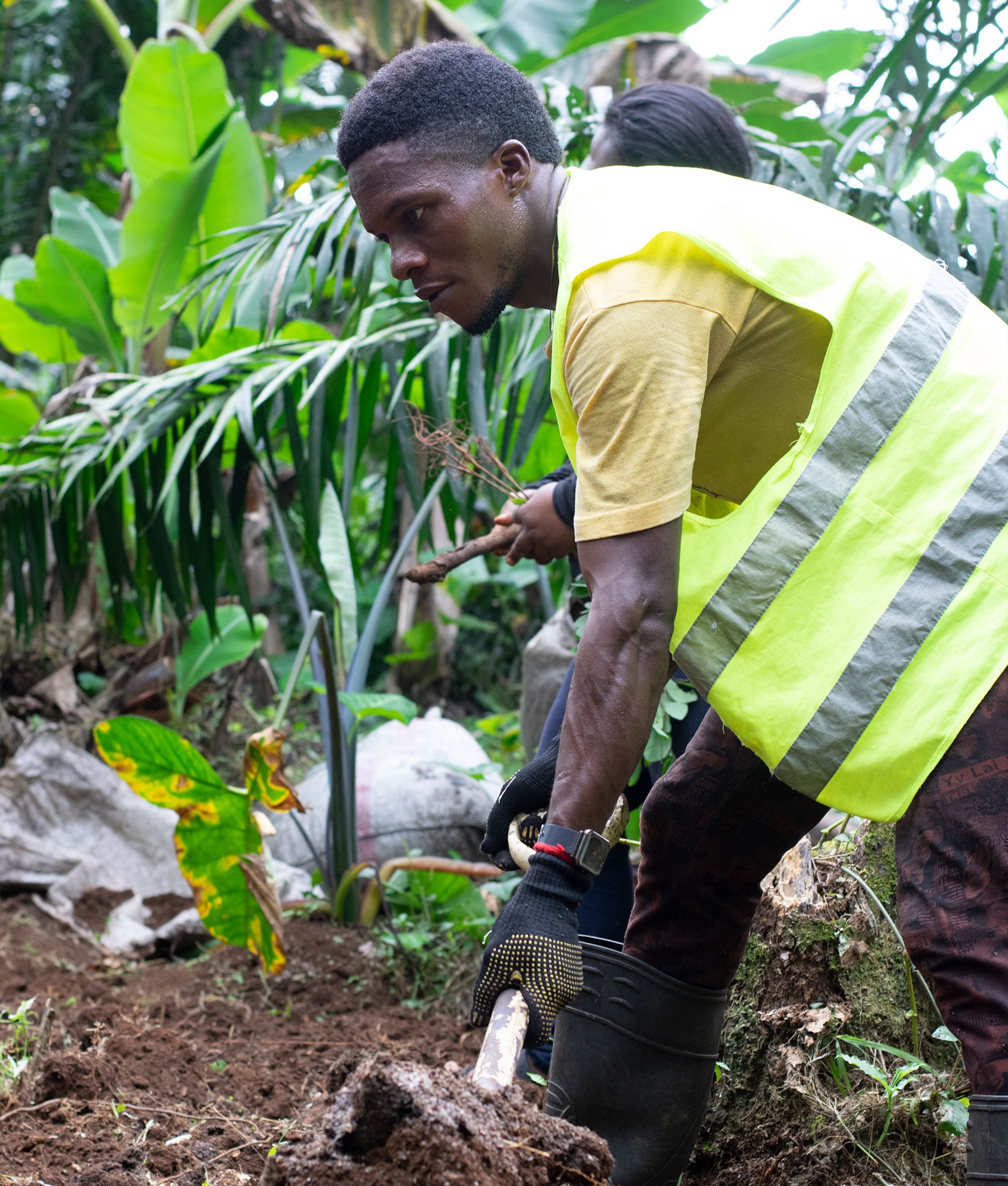
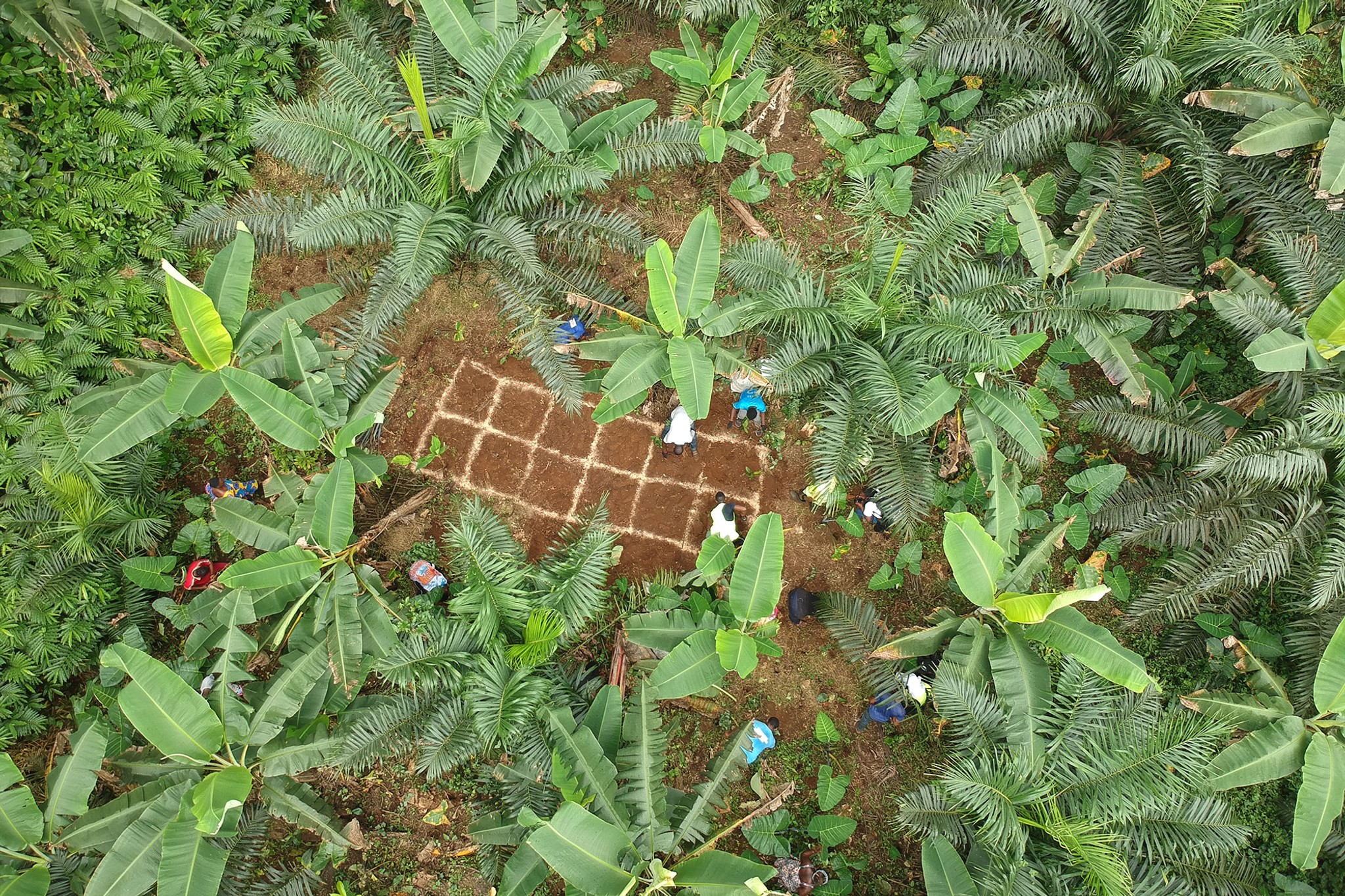
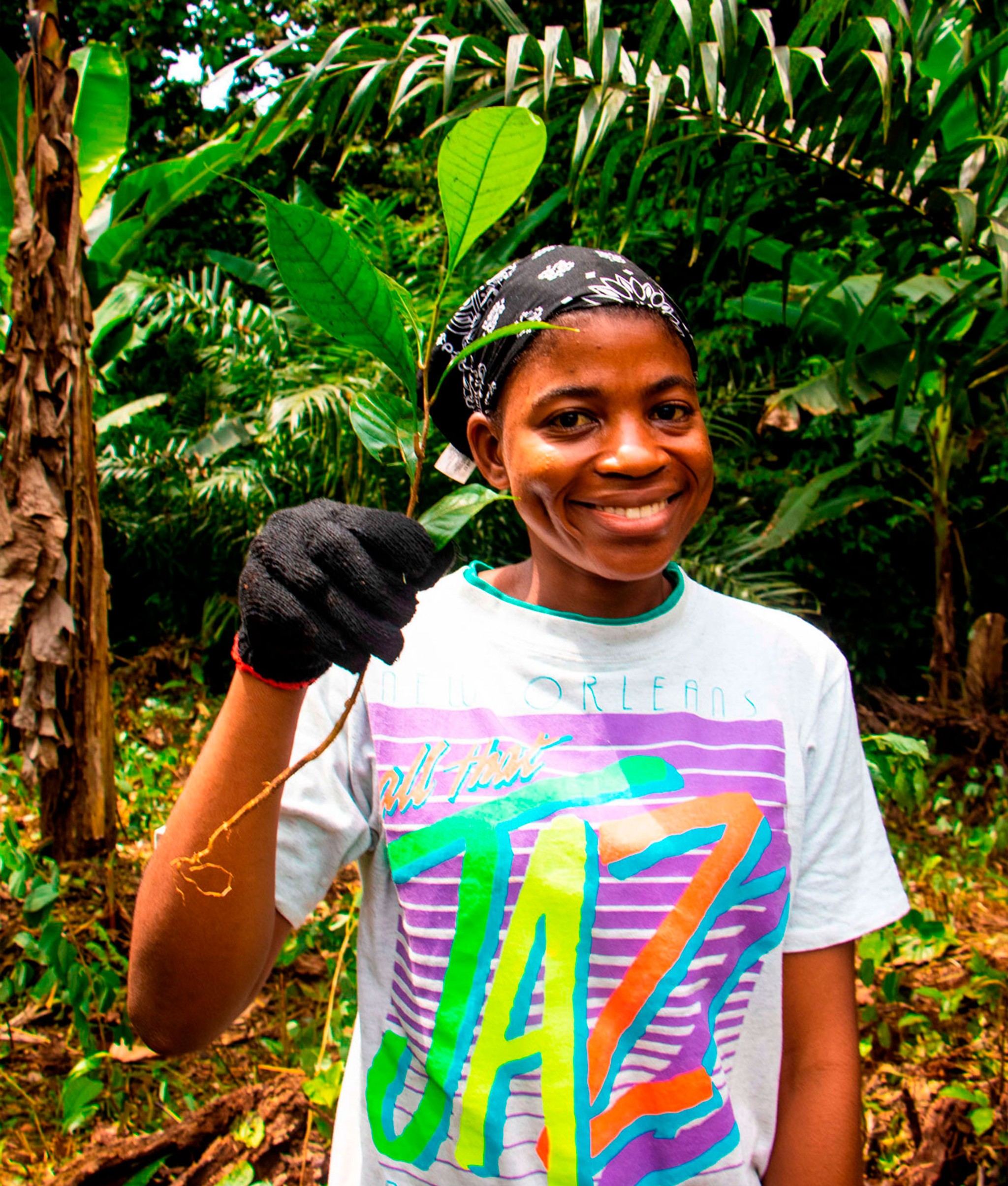
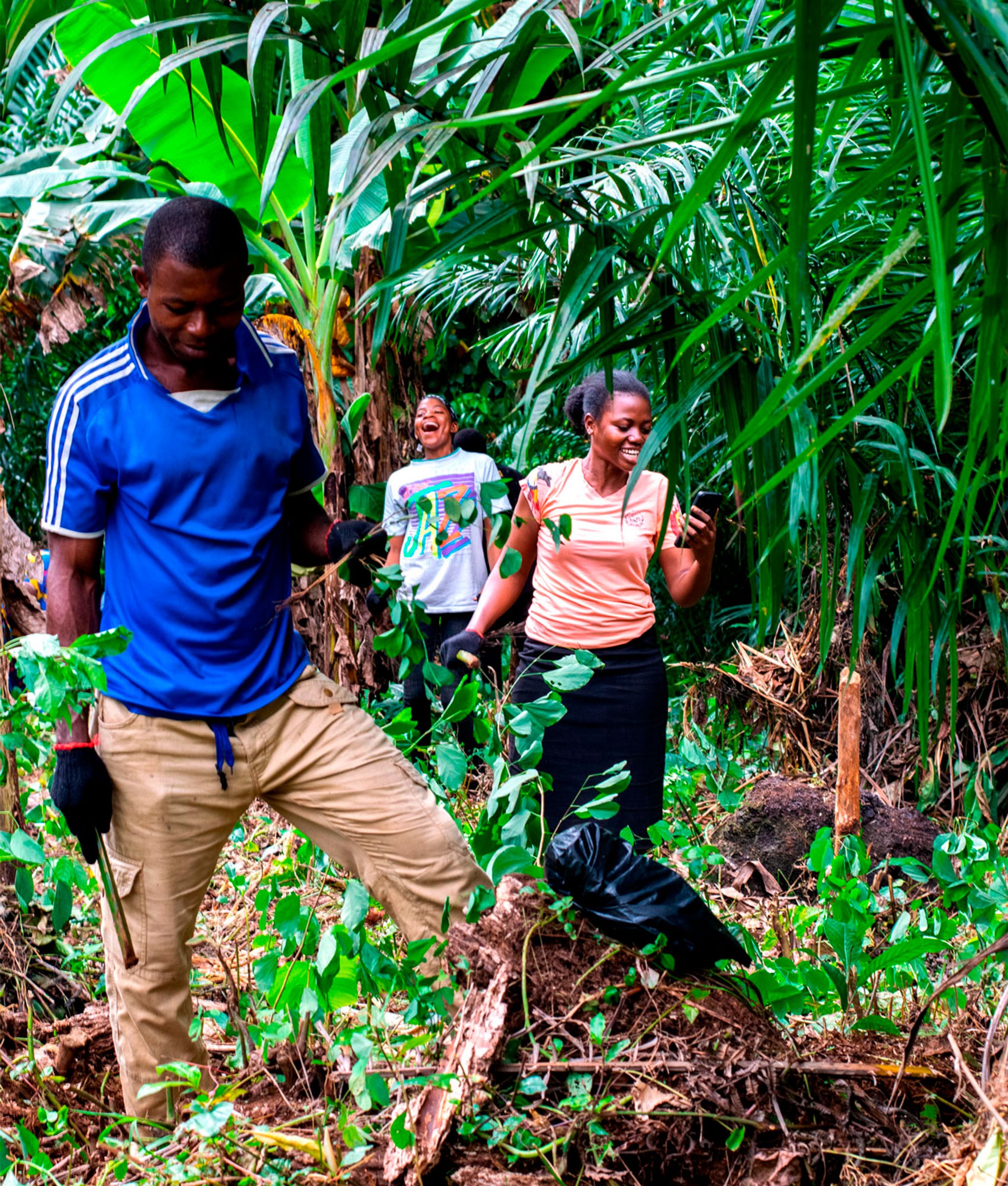
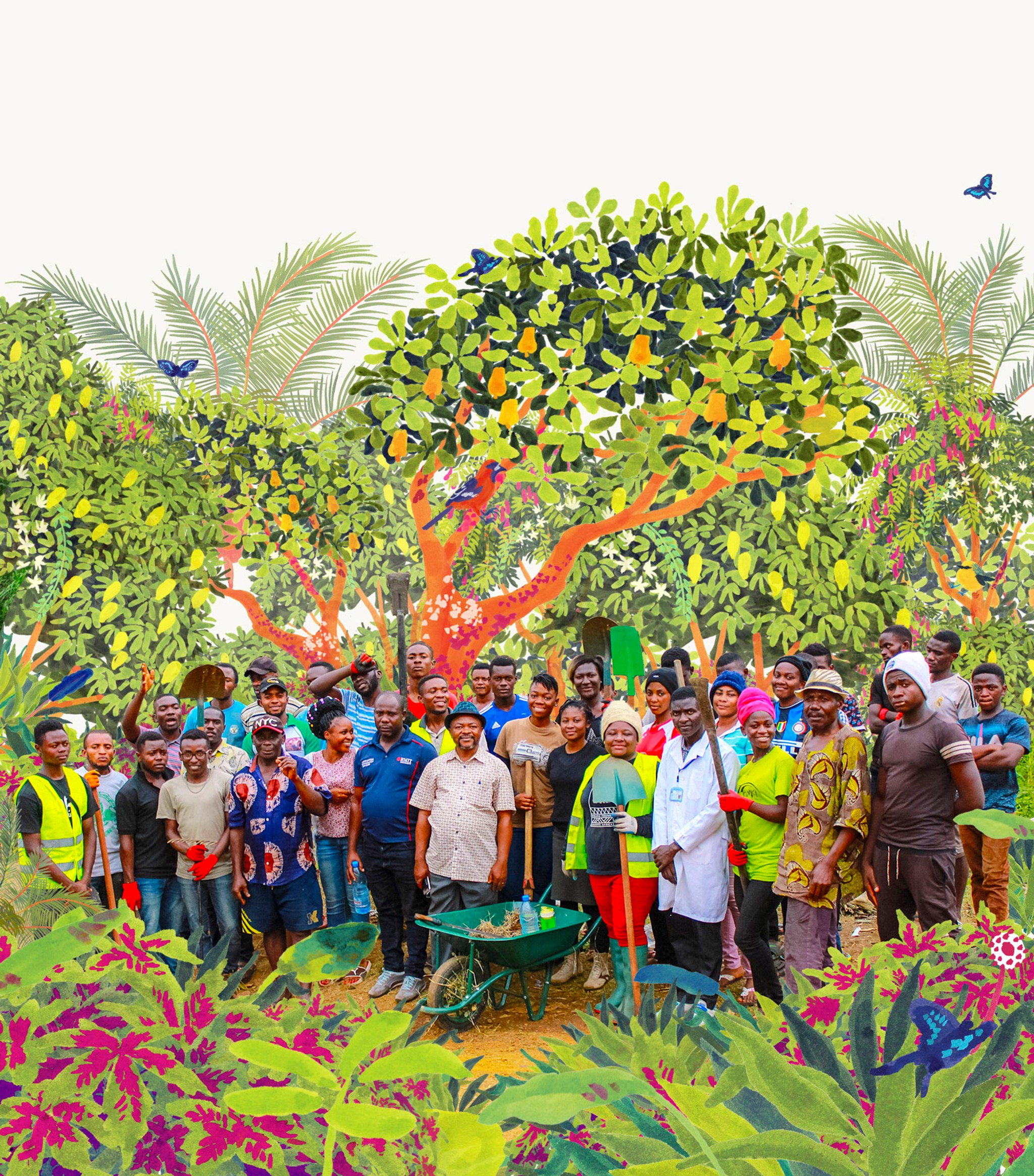
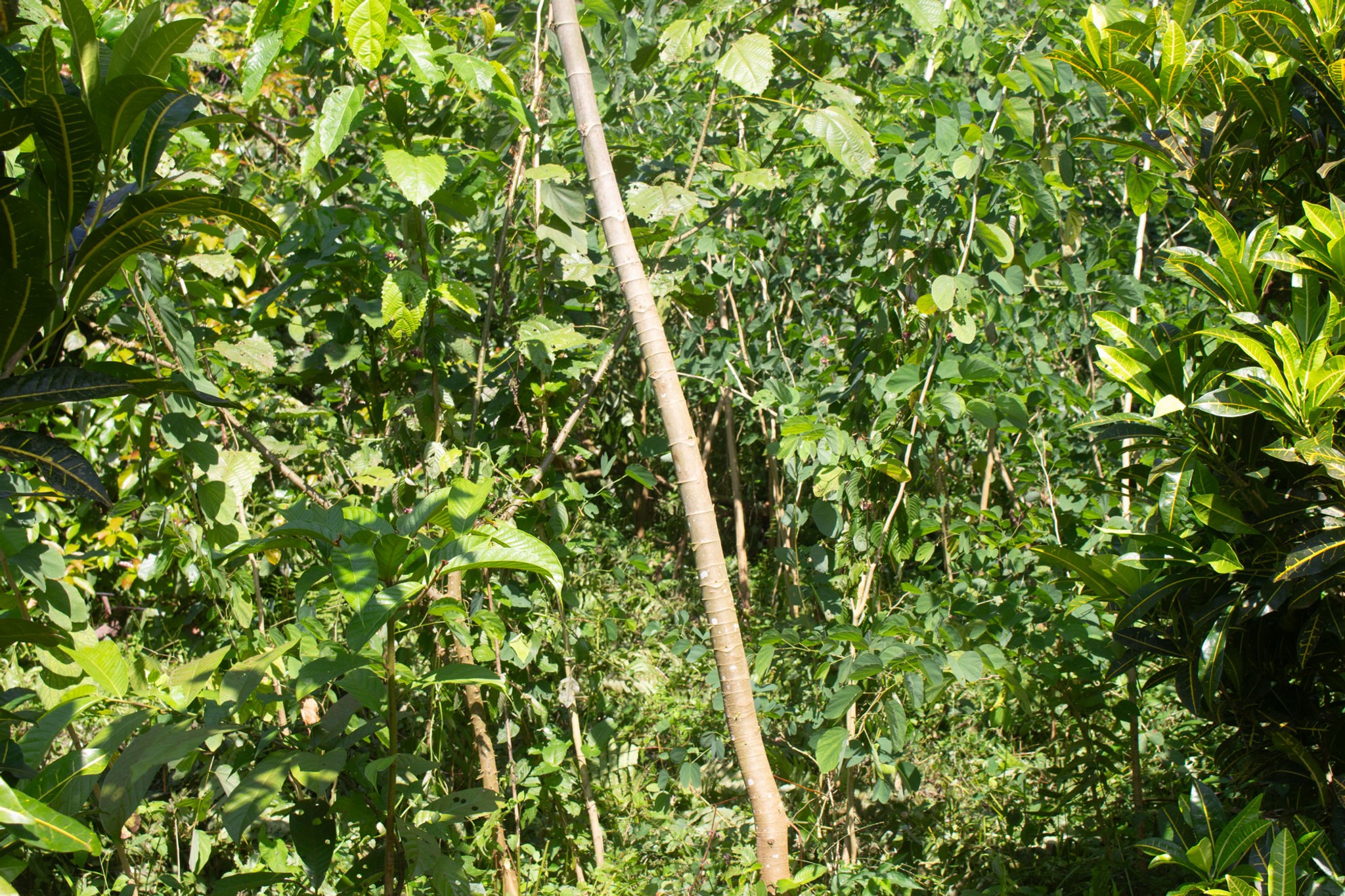
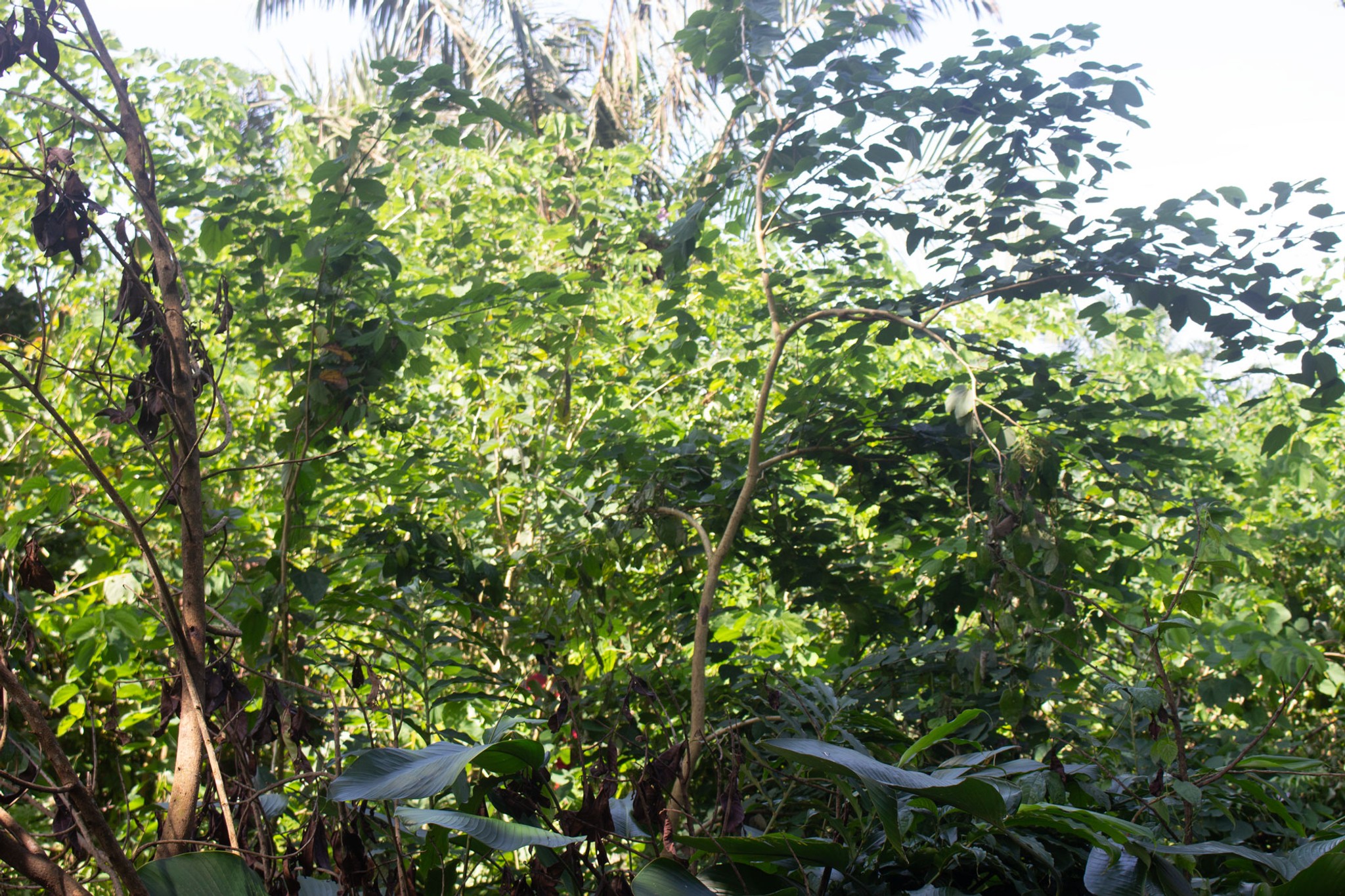
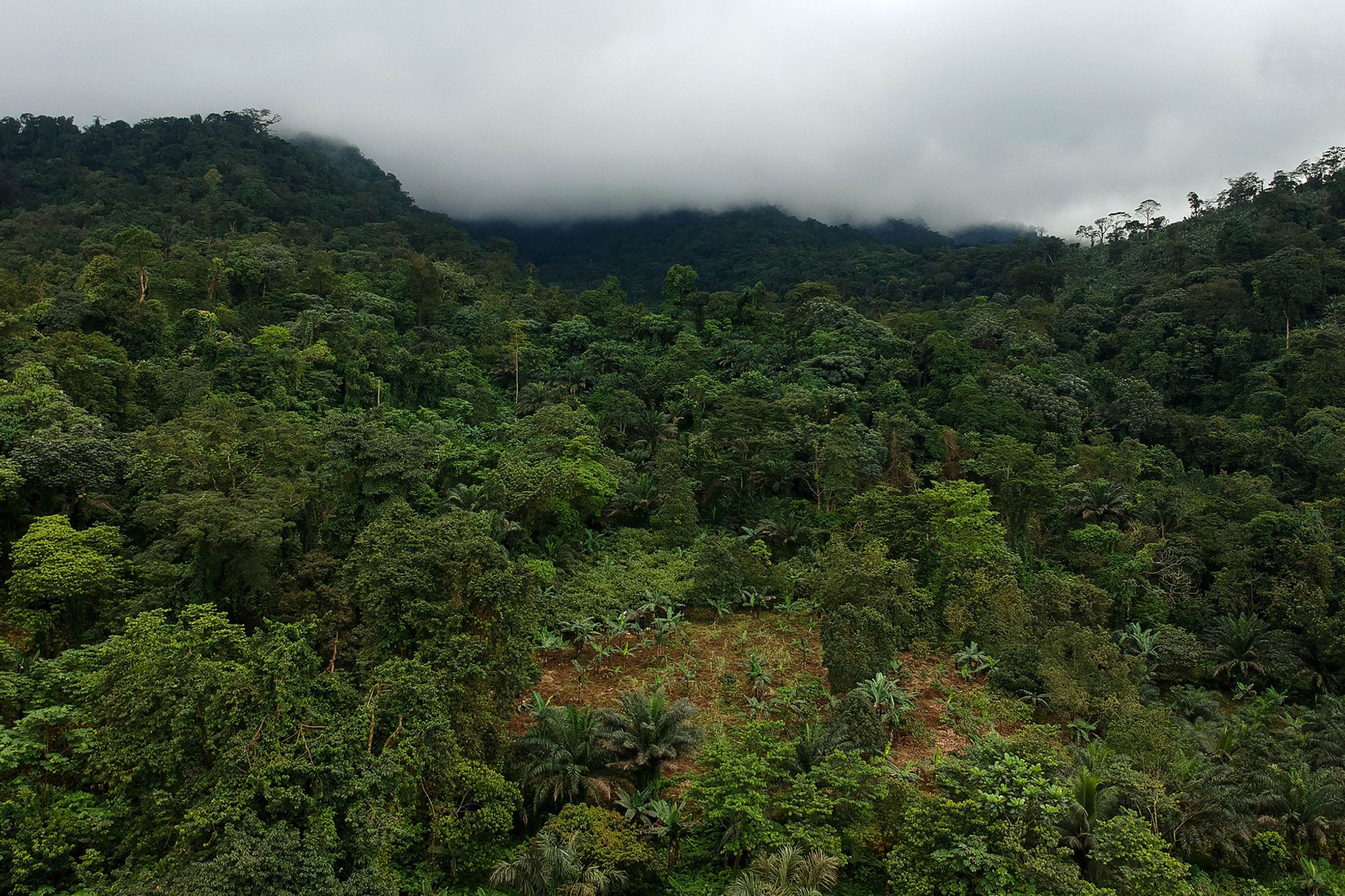
Planted with over 7,000 trees in December 2022, Etome Forest is now self-sustaining, despite ongoing challenges linked to occasional encroachment by members of the local community. Etome is SUGi’s fourth water catchment project and is located in a region of exceptional ecological importance, with the village situated between the Atlantic coast and the slopes of Mount Cameroon and Mount Etinde, an area where native forests play a vital role in supporting biodiversity and water systems.
Prior to restoration, the landscape was under severe pressure: sections had been cleared for agricultural use, others were damaged by lava flows from Mount Etinde, and two local rivers had completely dried up while a third was rapidly diminishing. The forest was strategically planted within a critical water catchment area that supplies water to three nearby towns, making Etome a true lifeline for local communities. As the forest continues to mature, it is helping to restore natural hydrological cycles, safeguard a sustainable and clean water source, and reinforce the long-term resilience of both the ecosystem and the people who depend on it.
Forest Maker
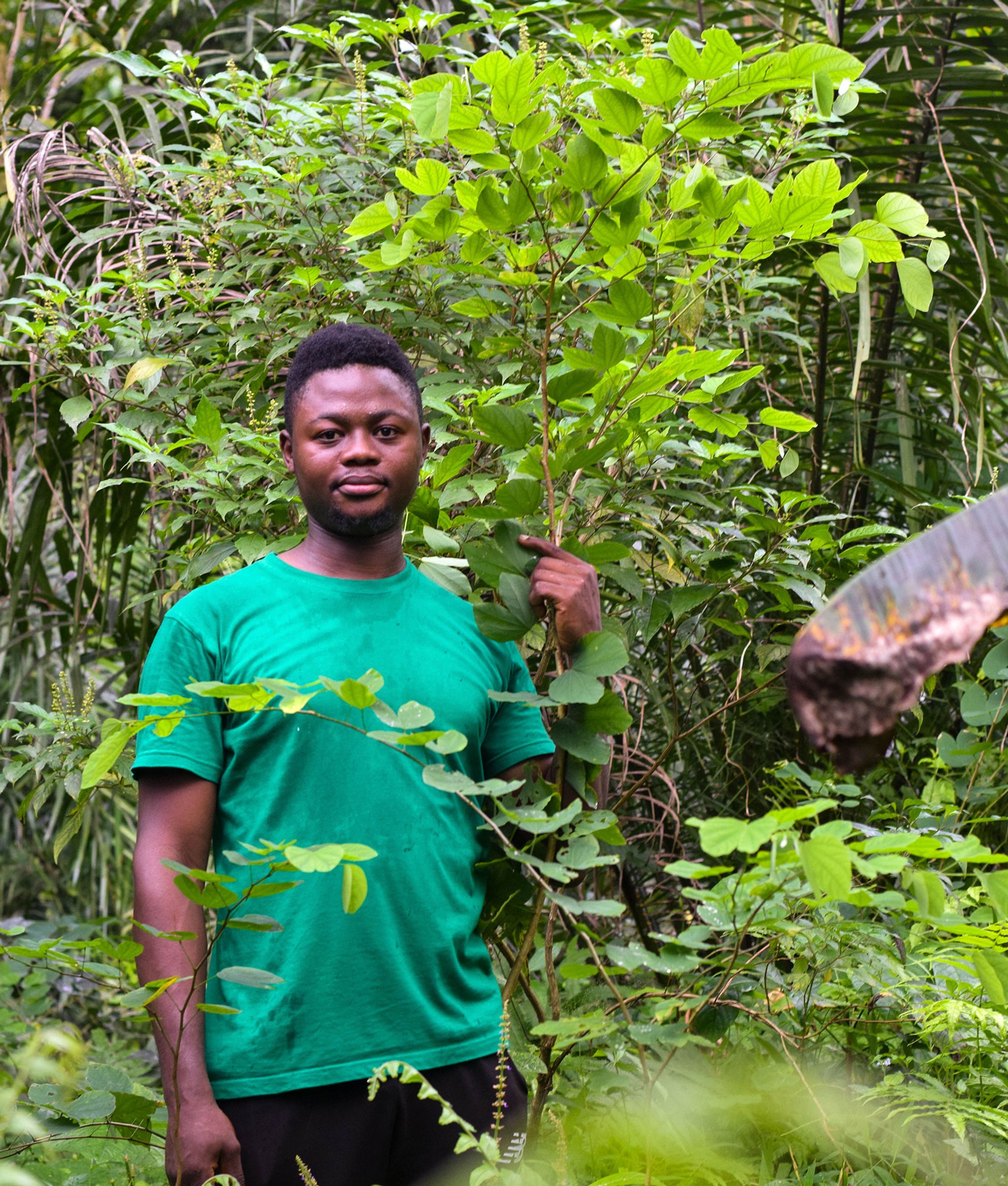
Limbi Blessing Tata
Forest Partner


Ecosystem Restored
After approximately three years our SUGi Pocket Forests become self-sustaining. They no longer require human maintenance or watering, and can be handed over to Nature for biodiversity and complexity to naturally develop.
0%
Survival Rate
0
kg of potential CO2 sequestration
0
People living within 300 meters
Biodiversity
Biodiversity is all the different kinds of life you'll find in one area—the variety of animals, plants, fungi, and even microorganisms like bacteria that make up our natural world. Each of these species and organisms work together in ecosystems, like an intricate web, to maintain balance and support life.
0
Potential number of mammals
0
Potential number of birds
0
Potential number of amphibians
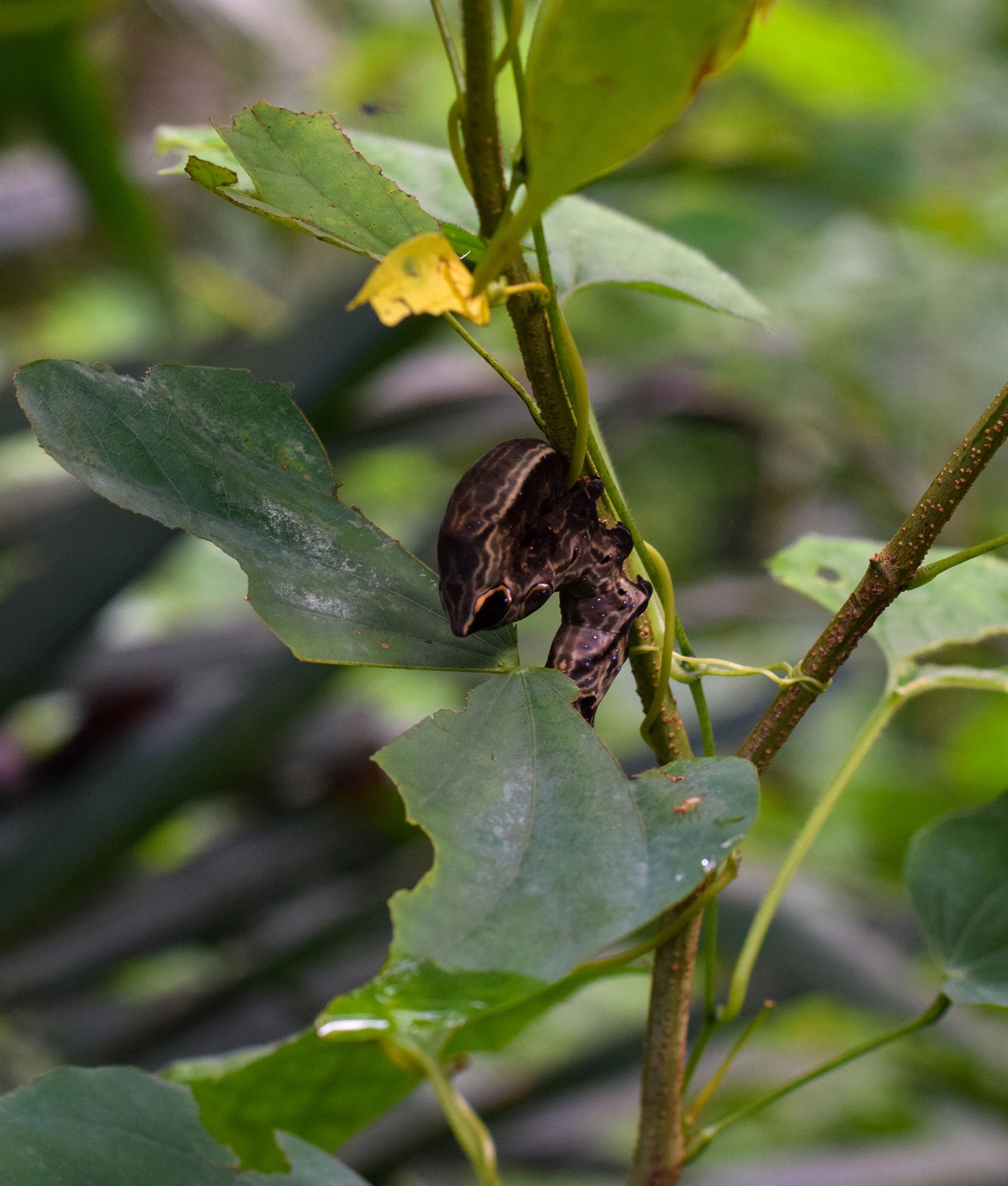
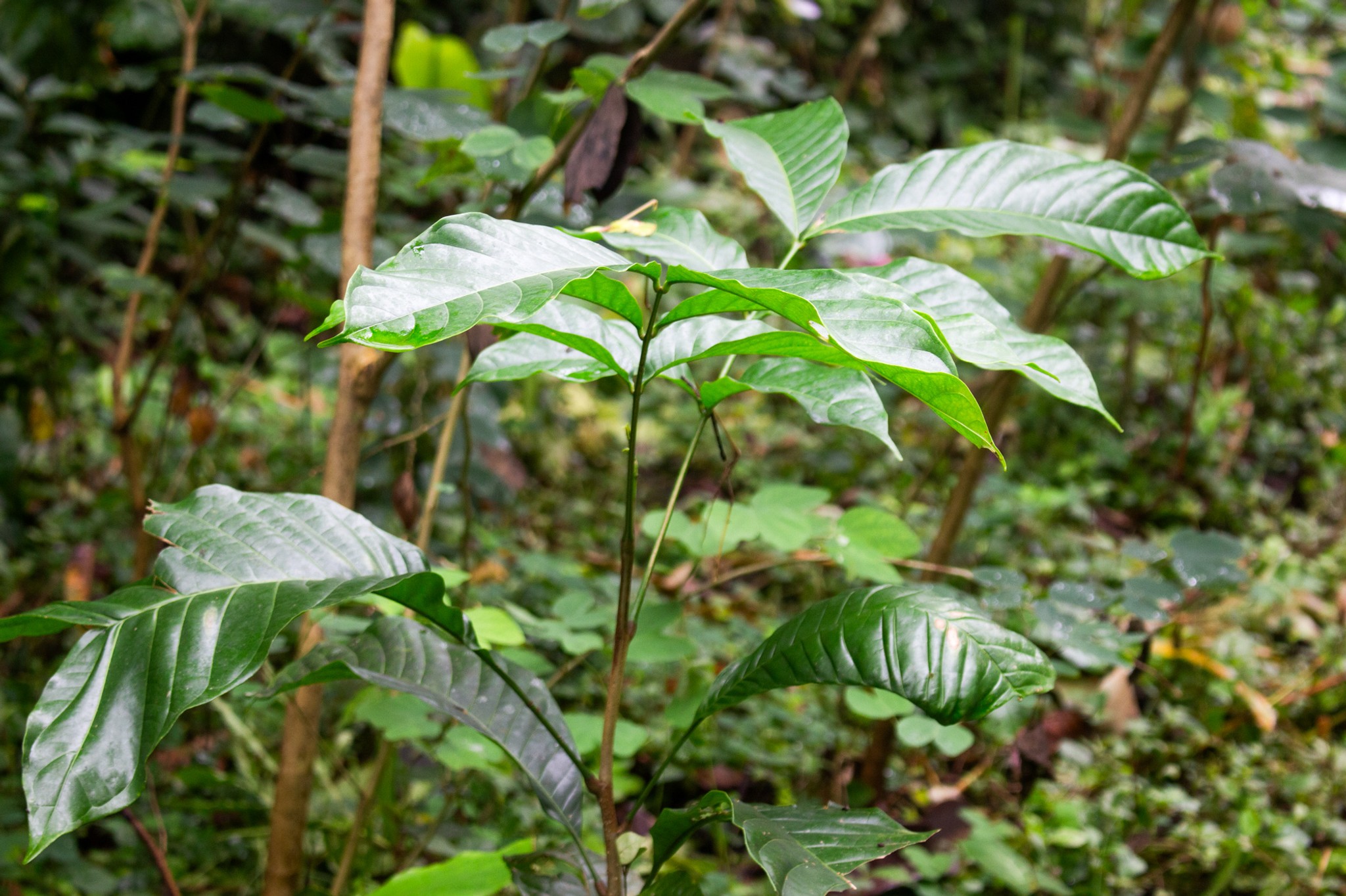
Forest Report: 2024
0 Years
Forest Age
0%
Survival Rate
0m
Average of Tallest 3 Trees
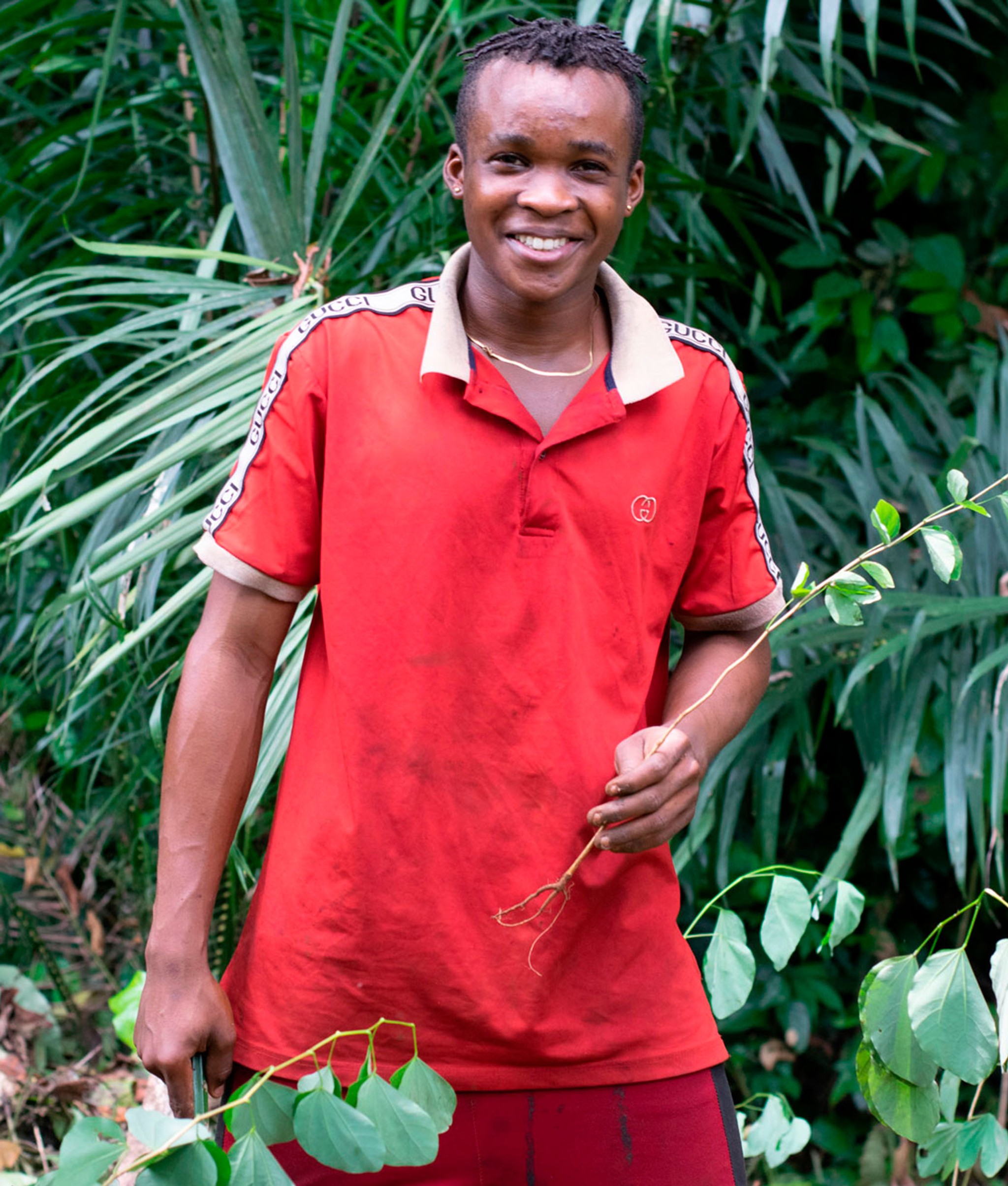
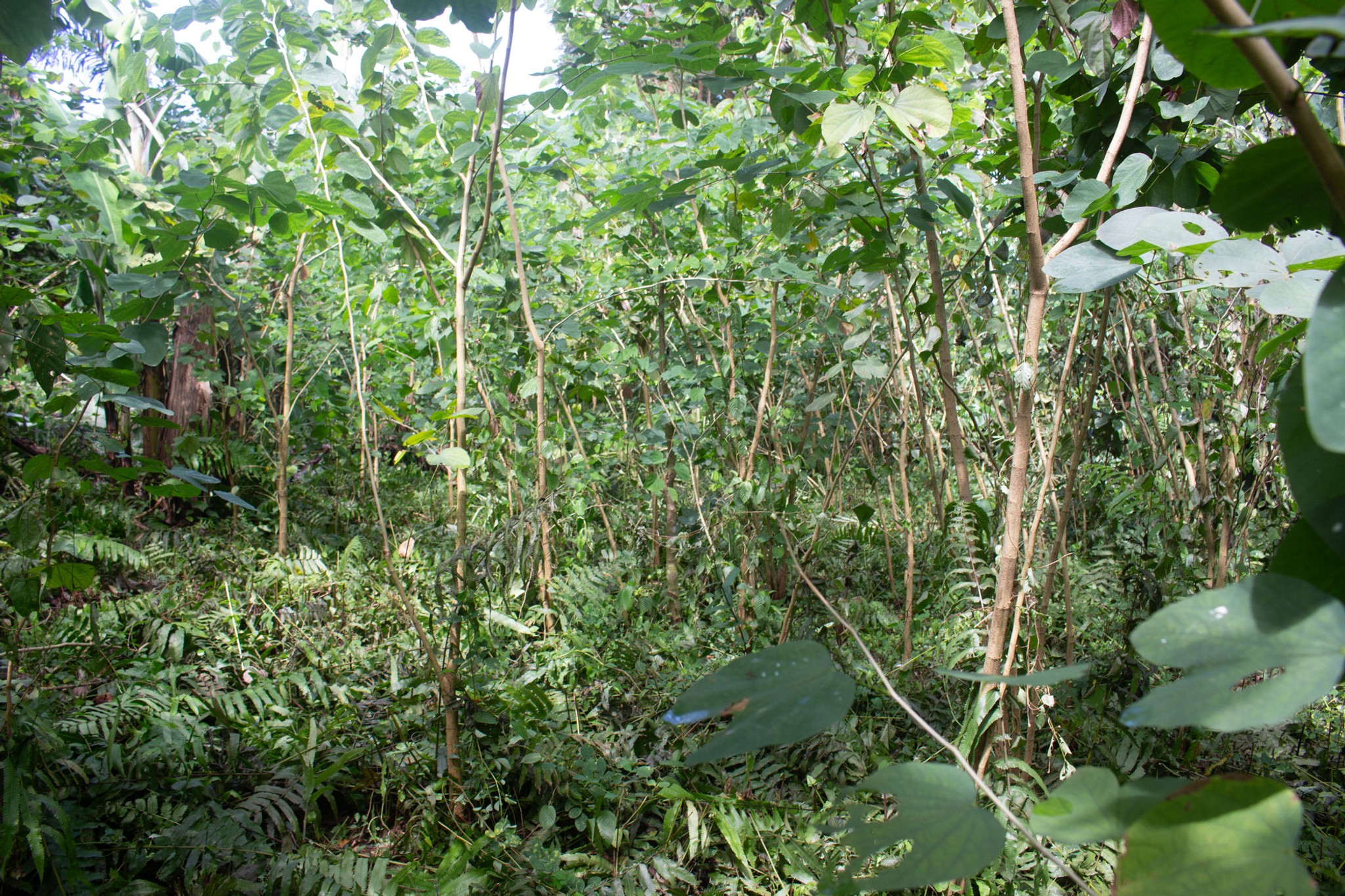
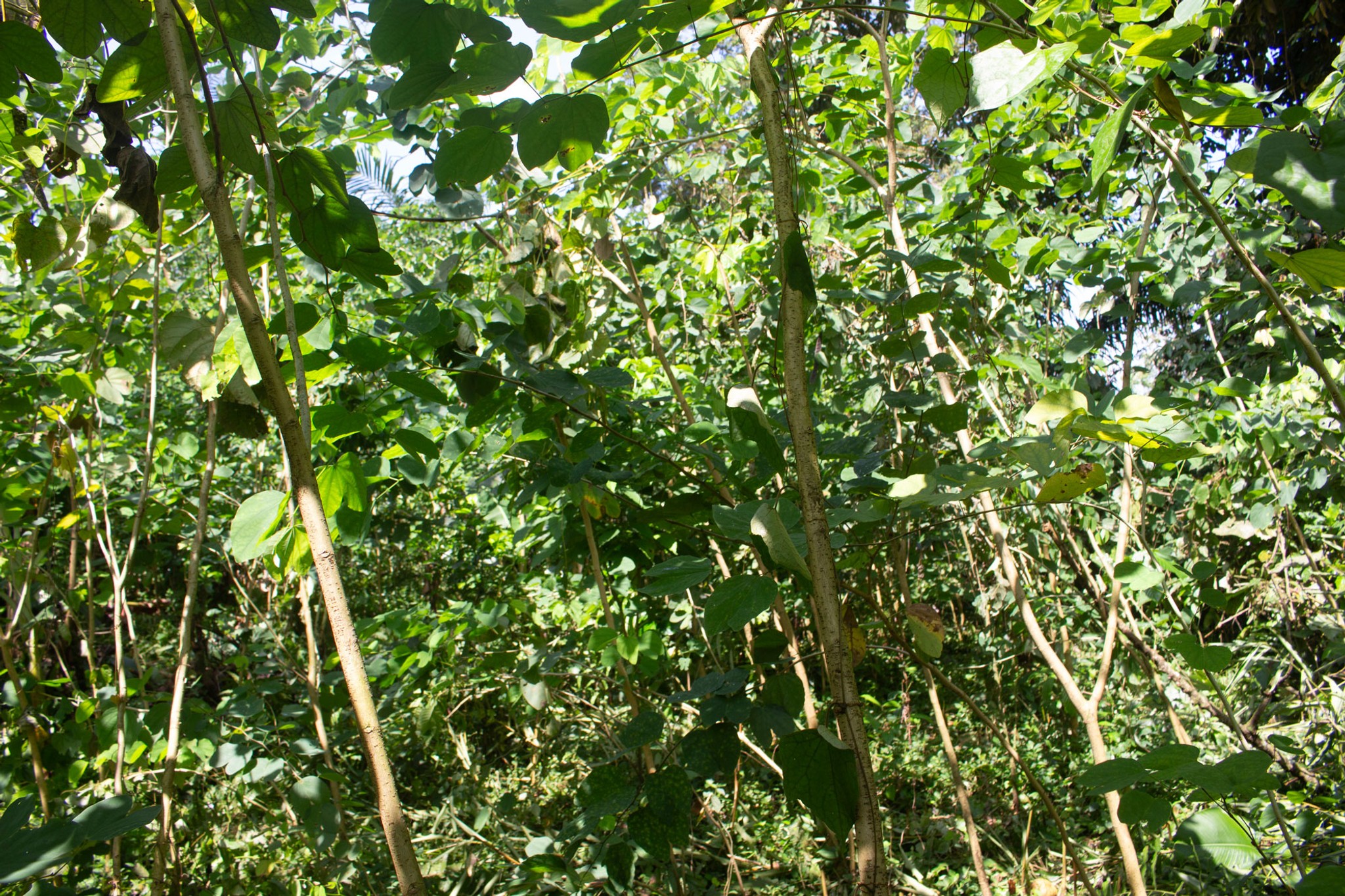
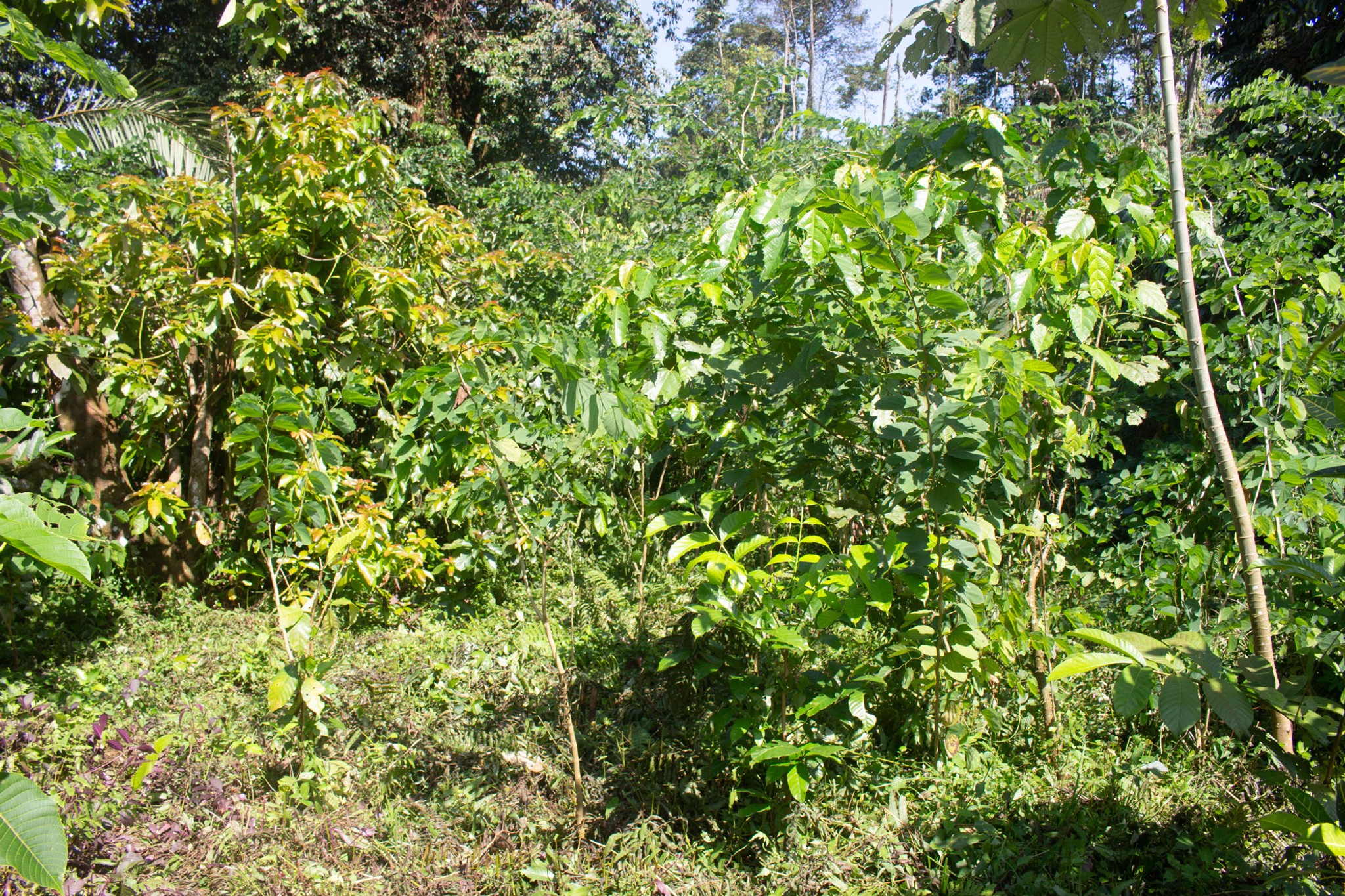
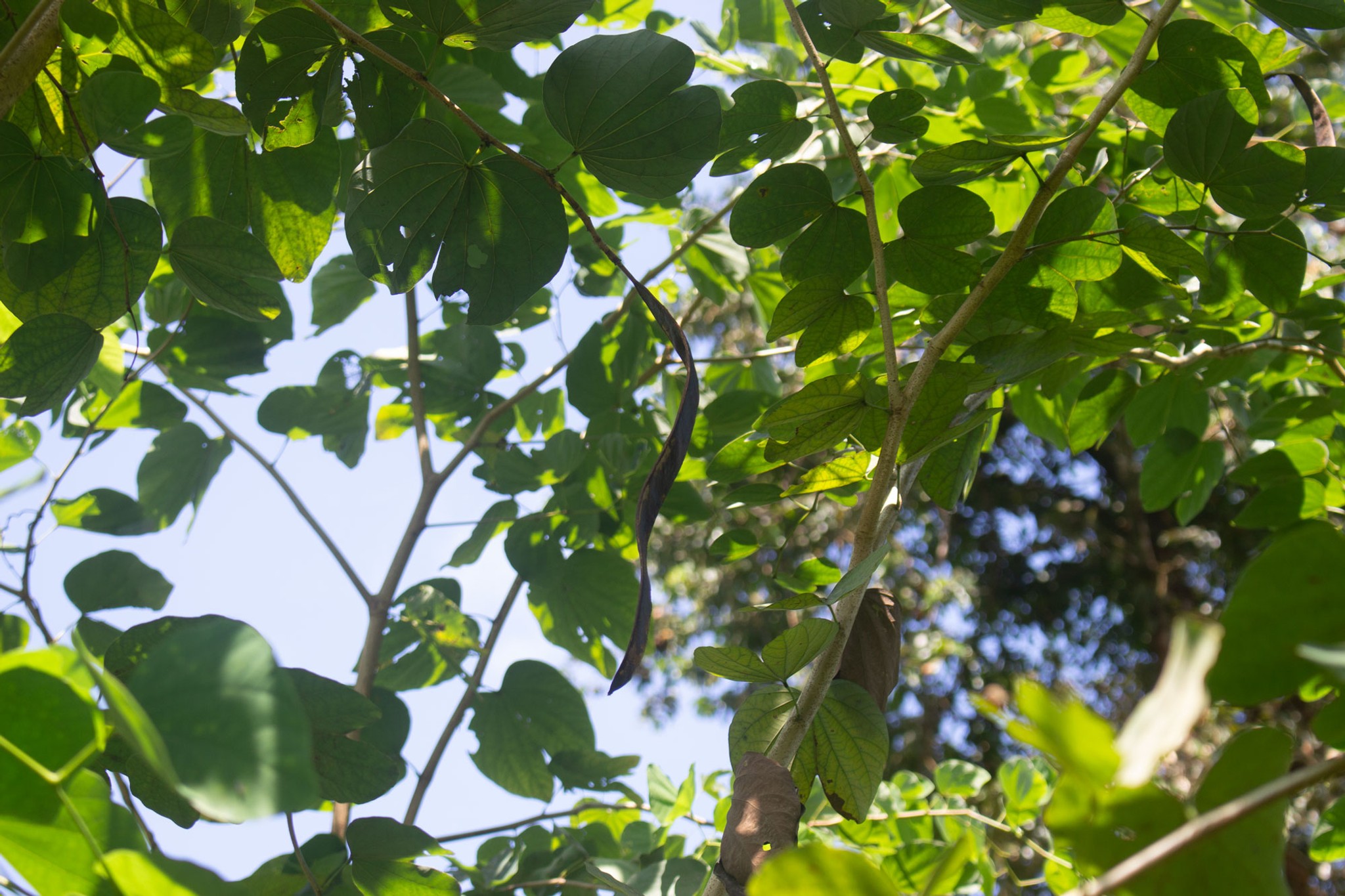
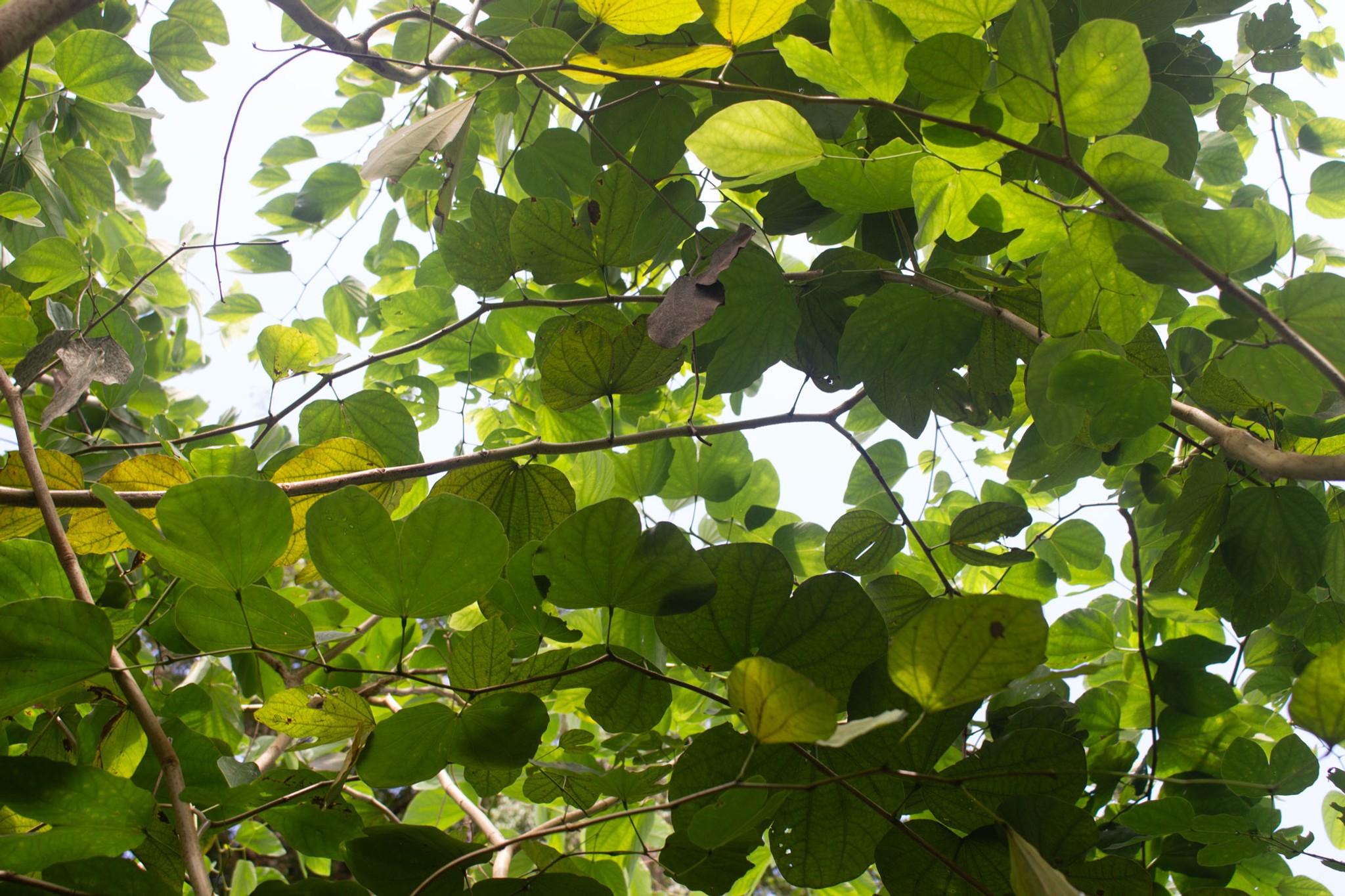
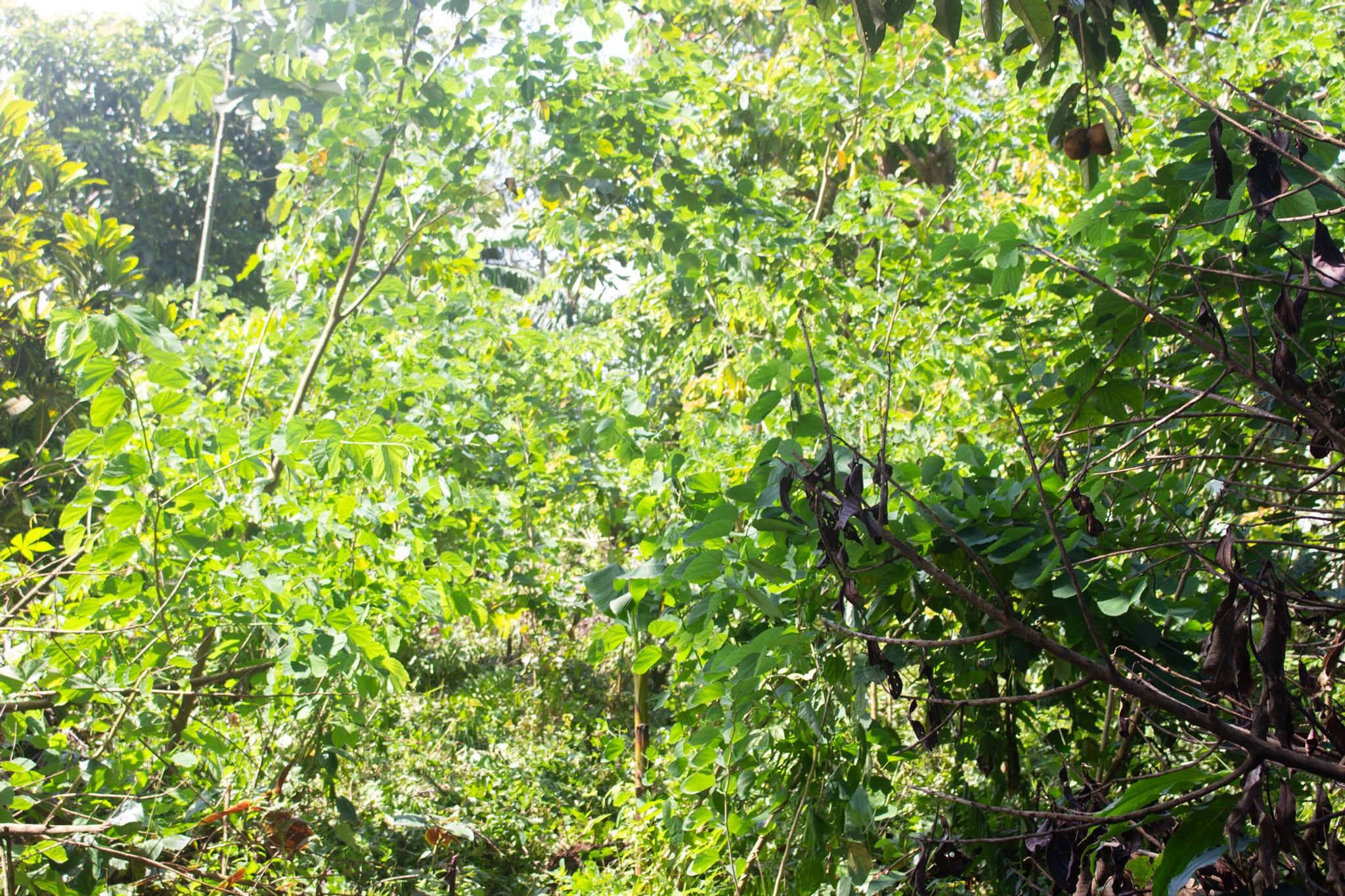
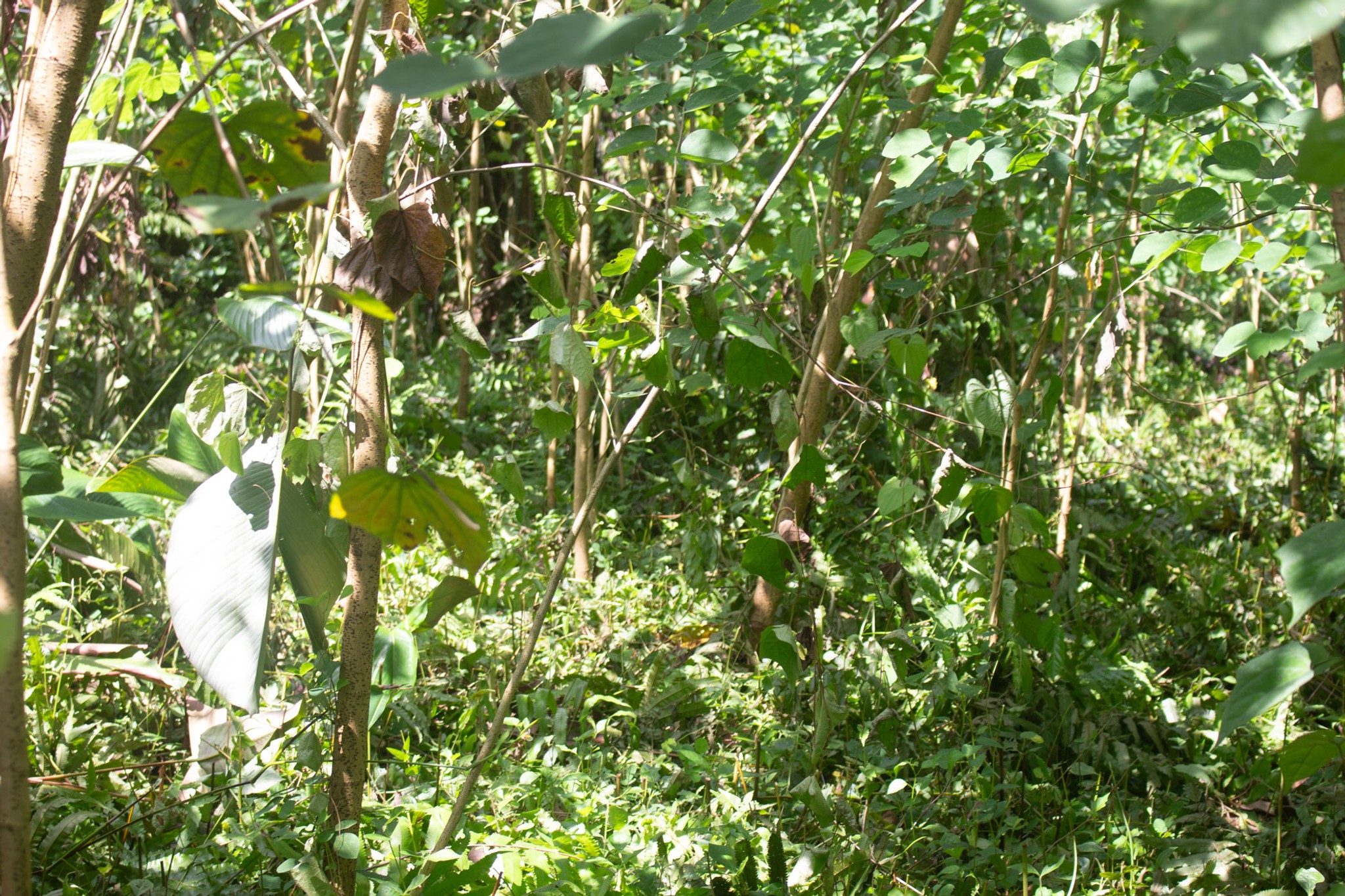
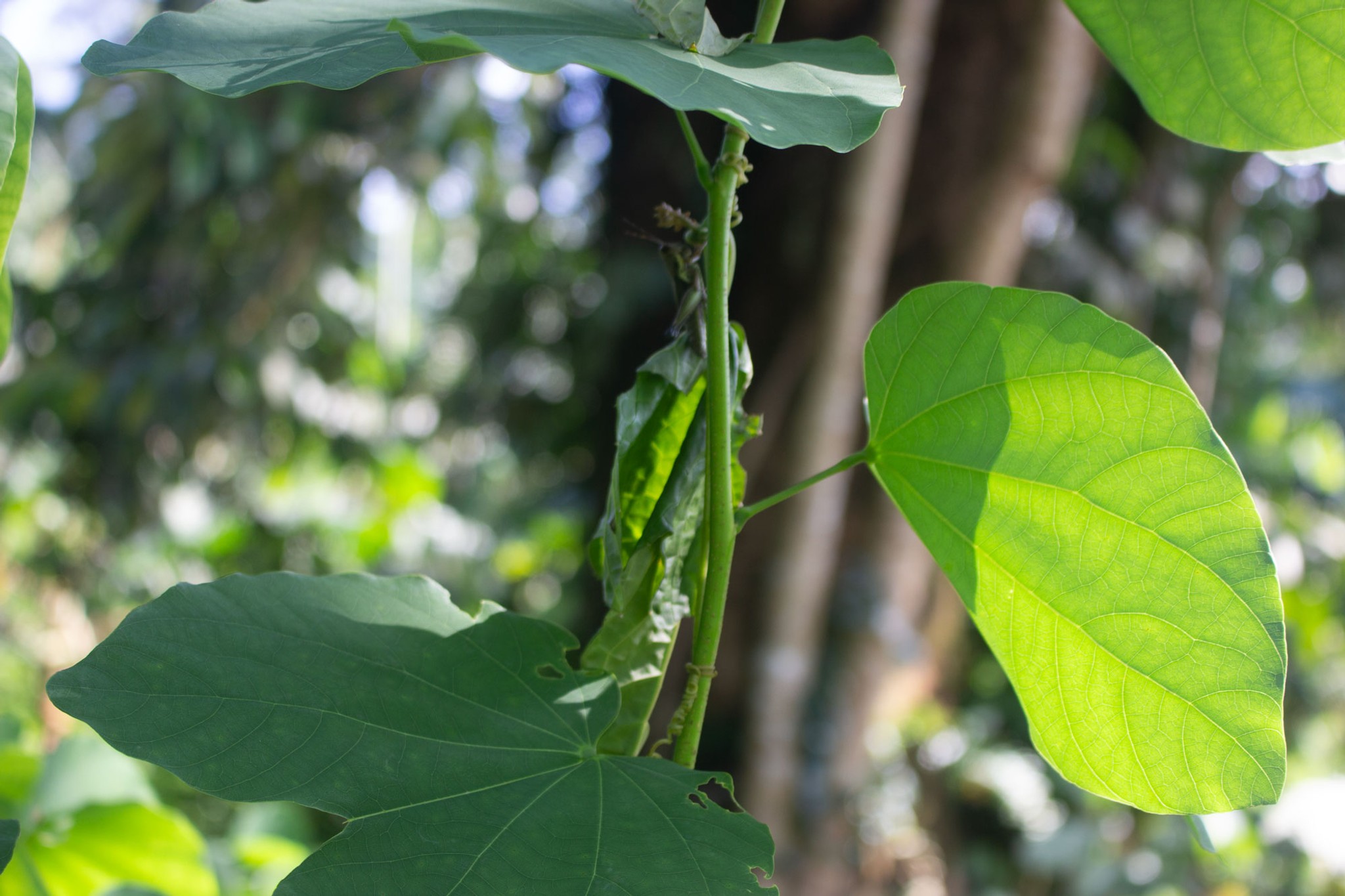
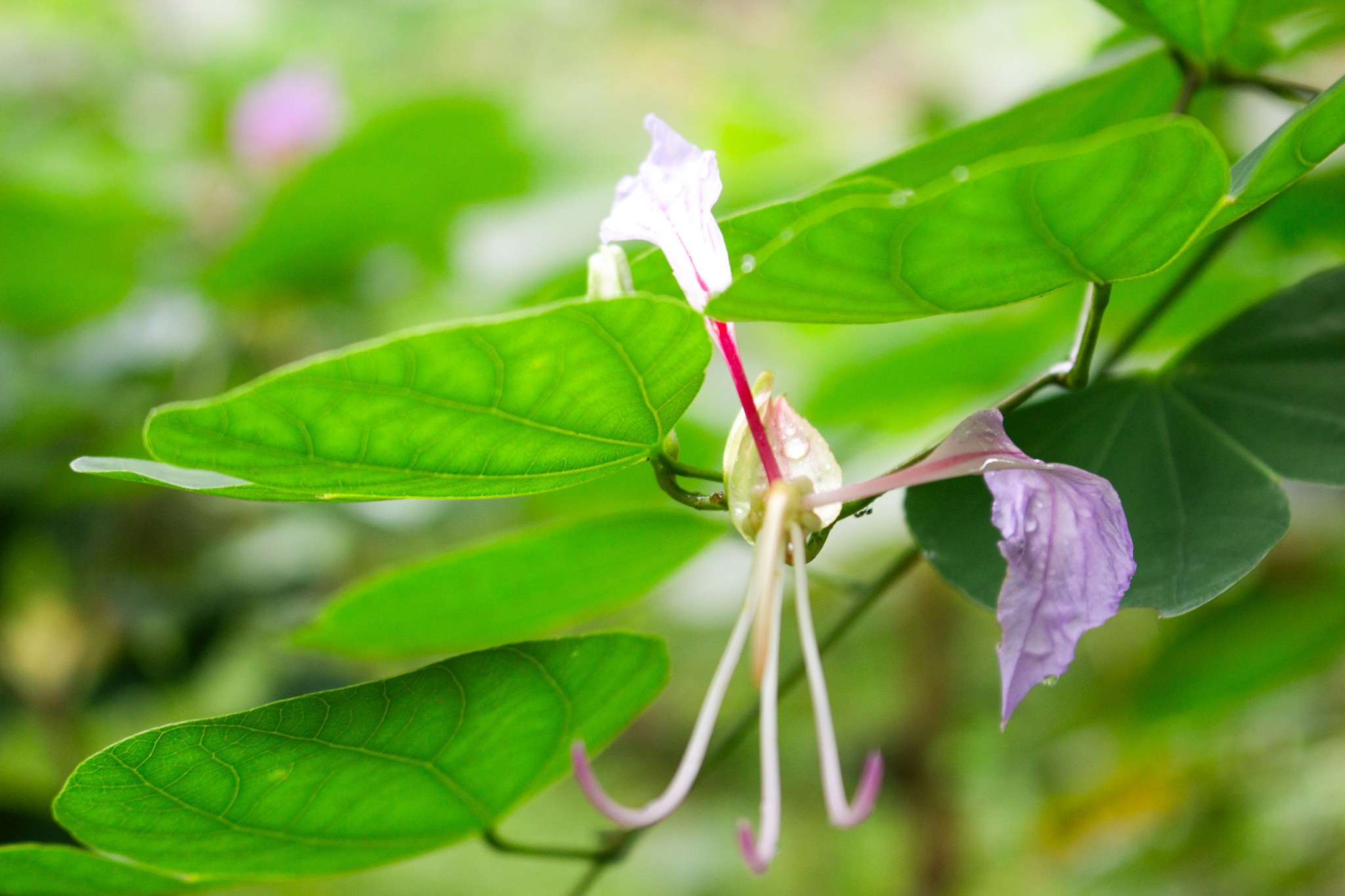
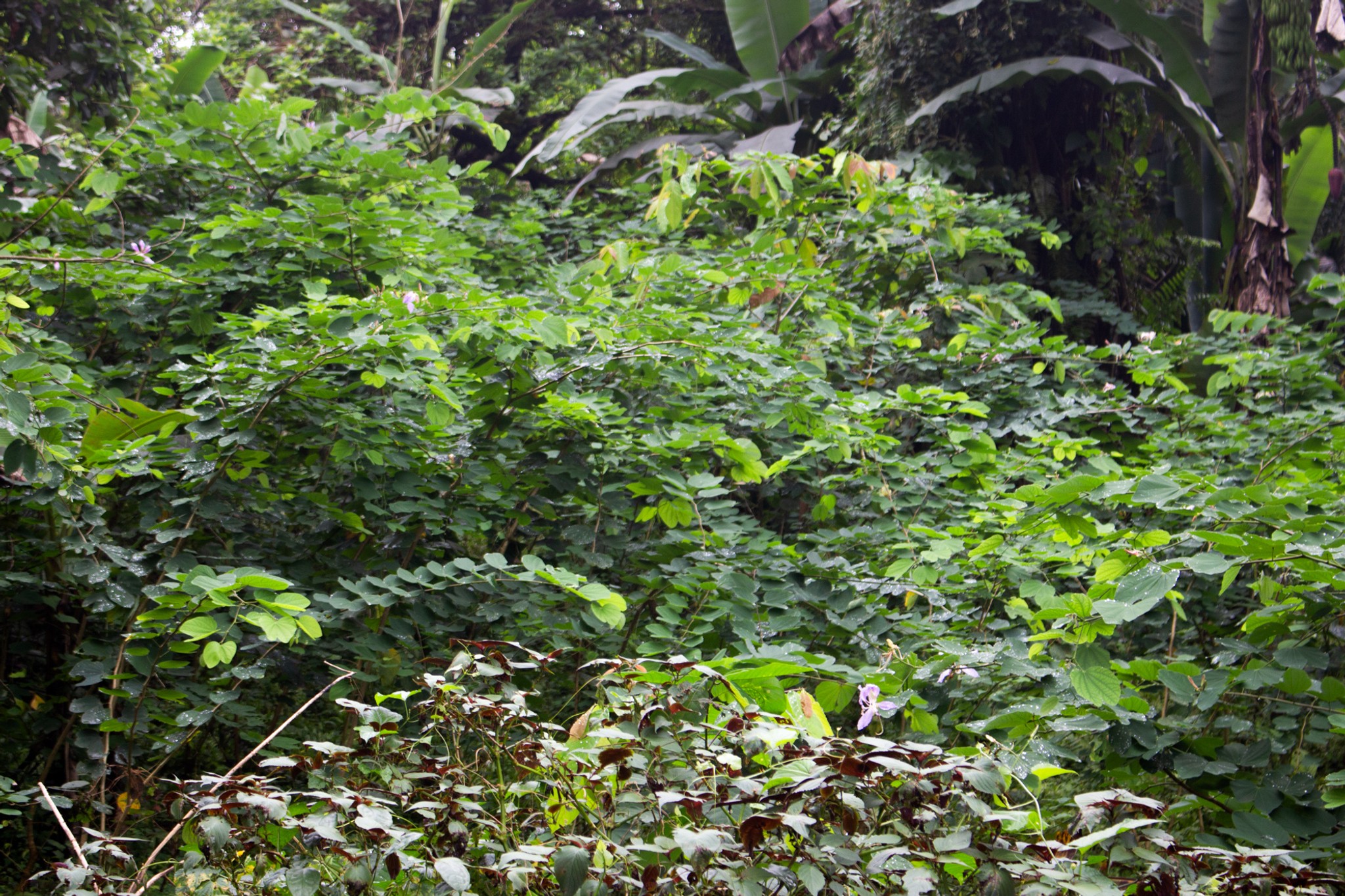
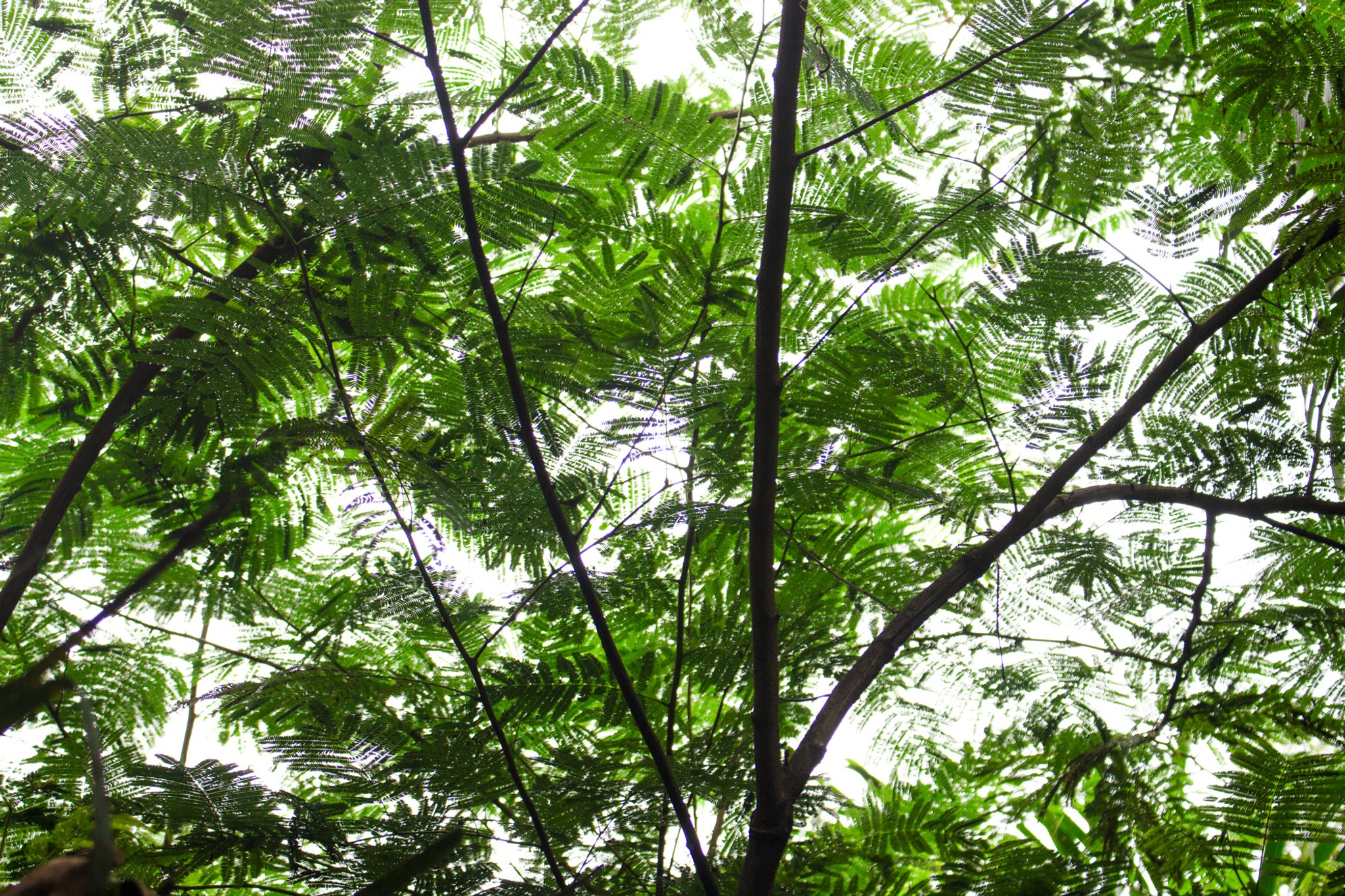
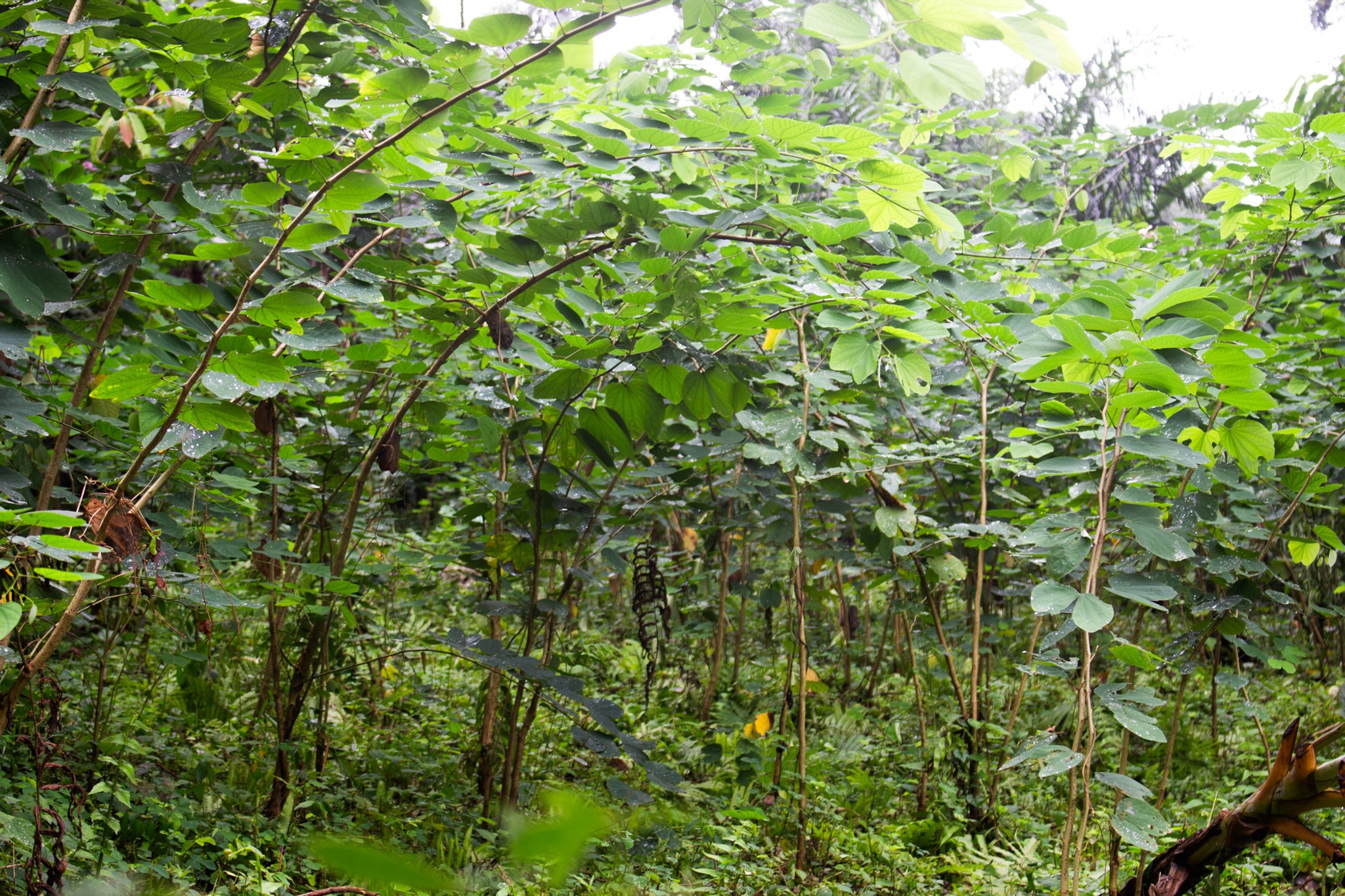
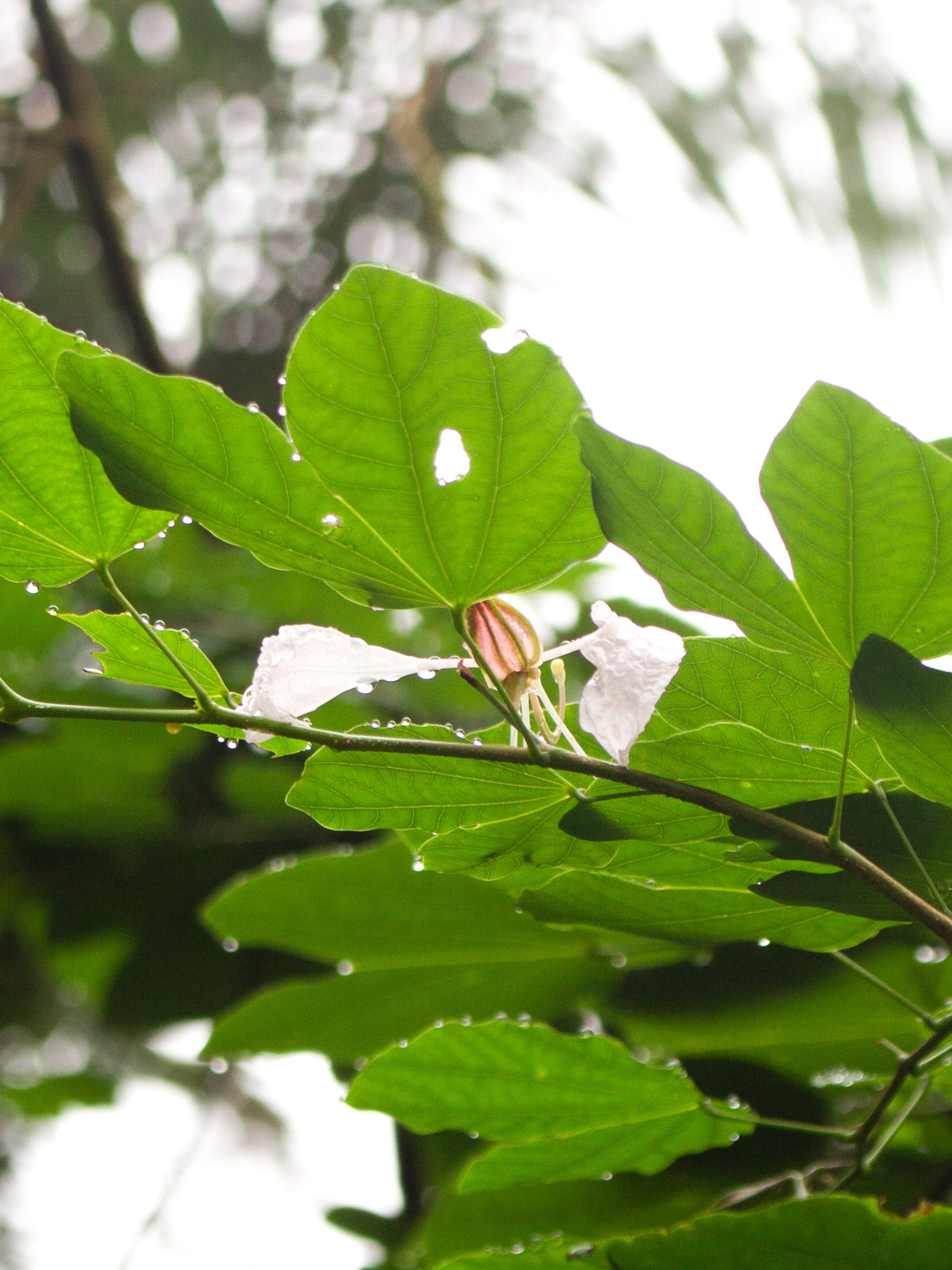
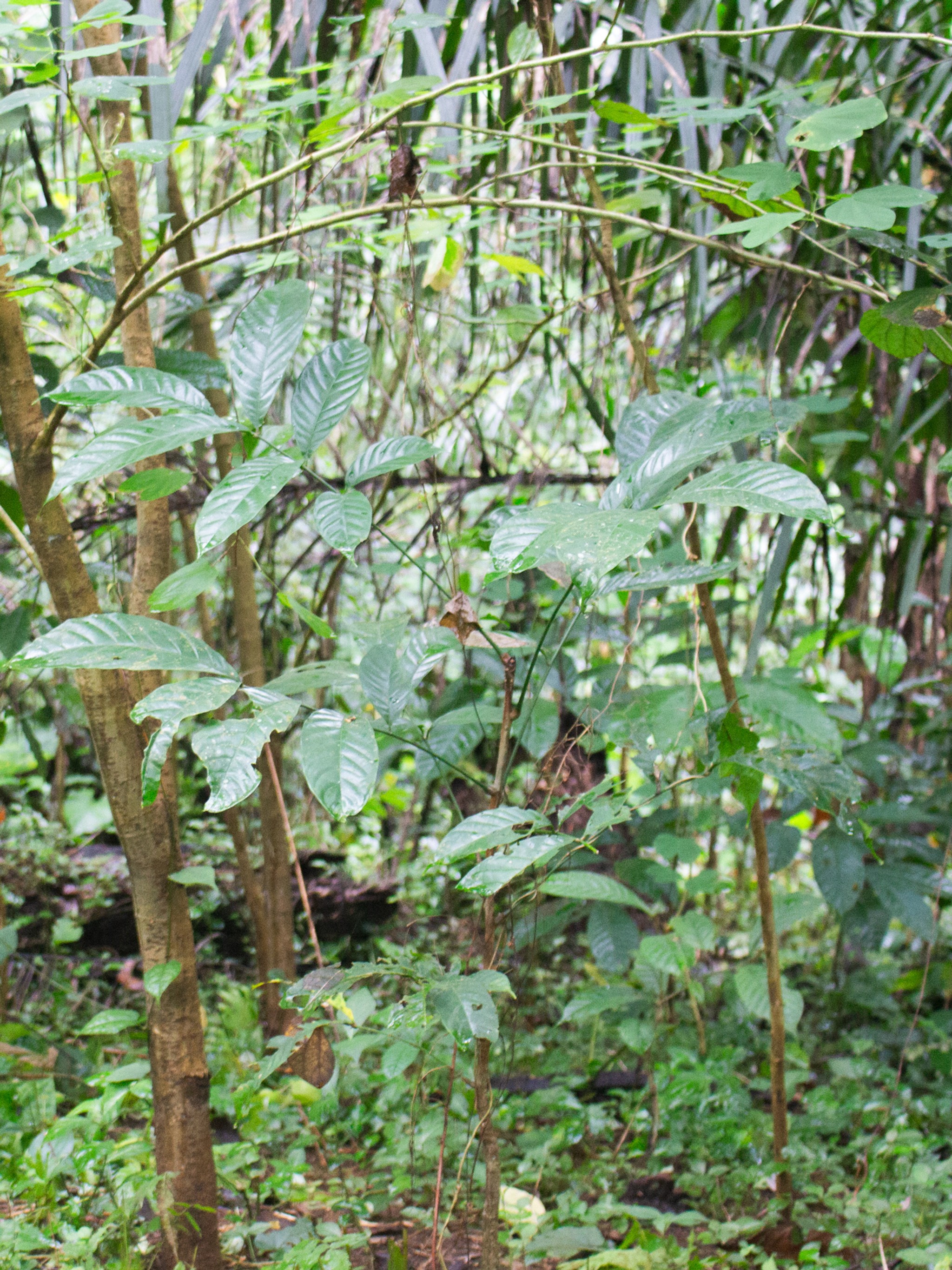
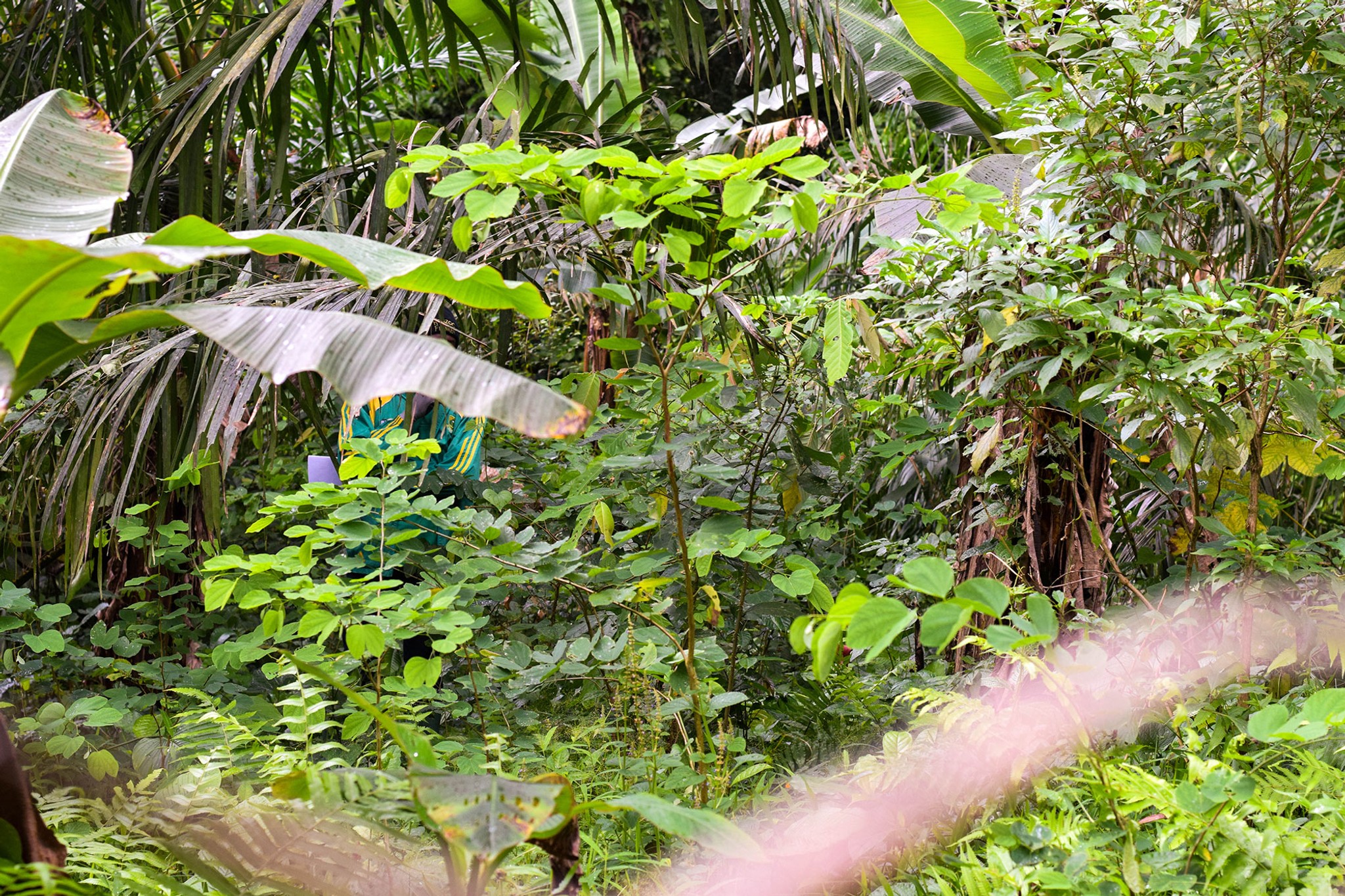
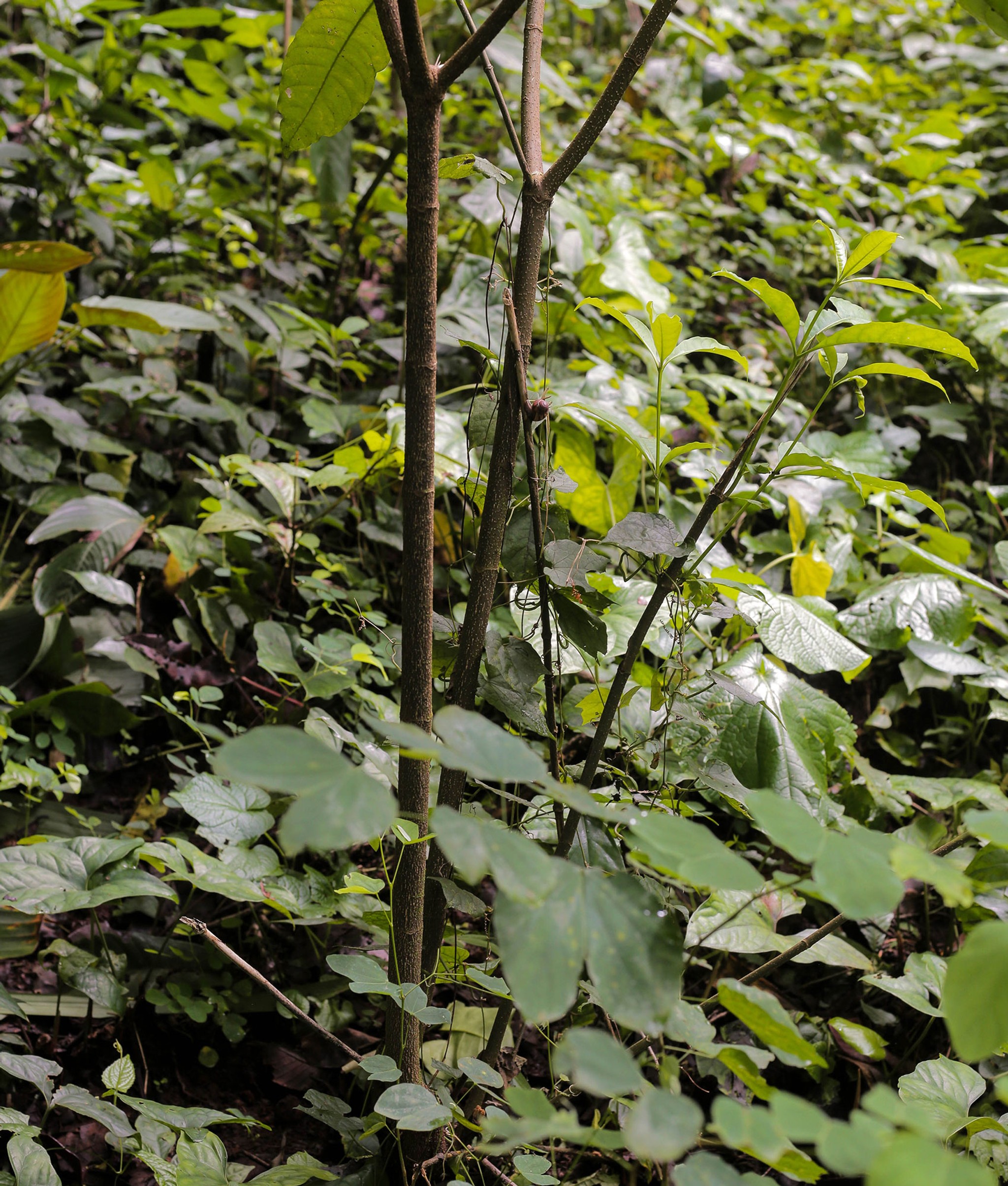
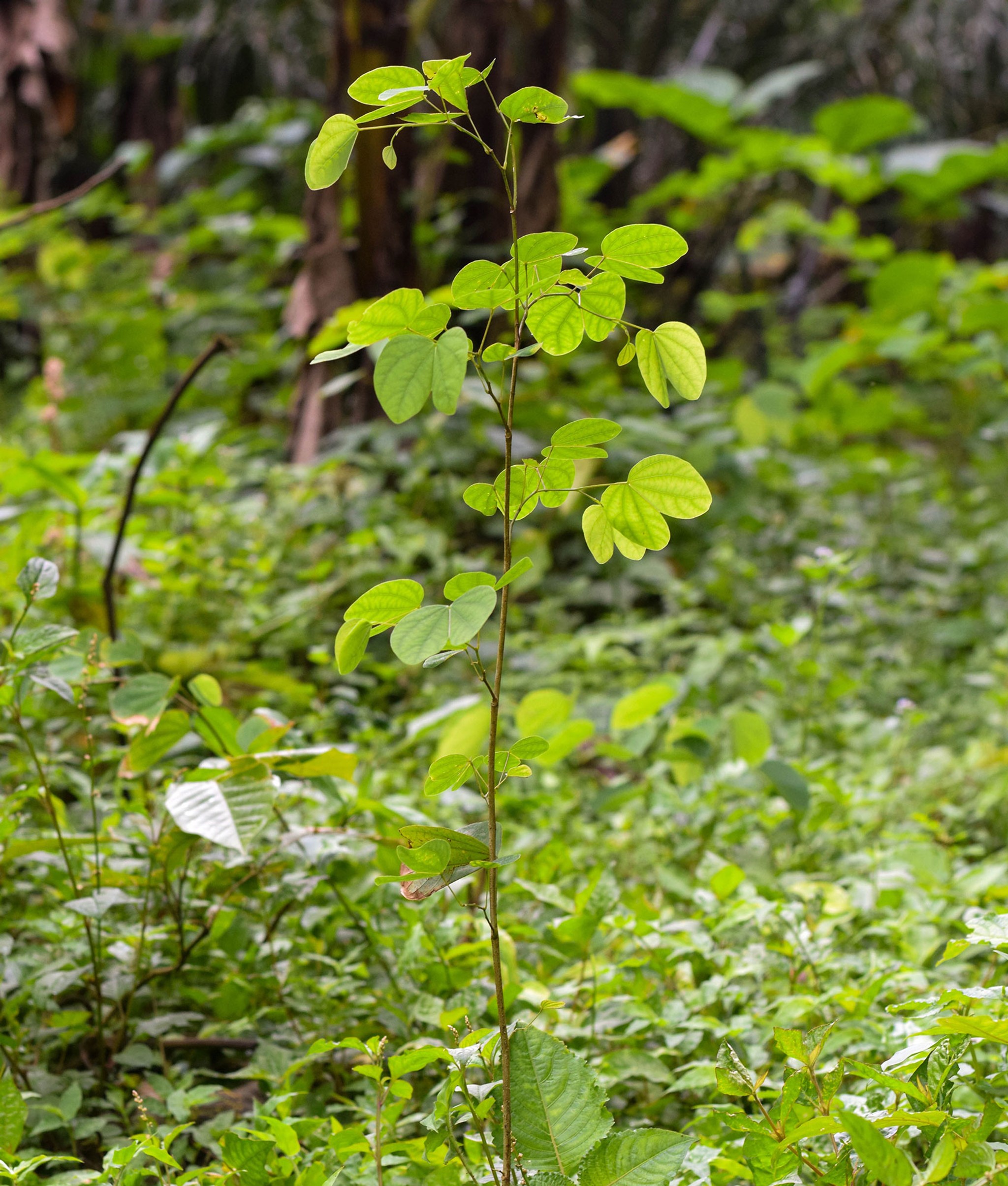
The forest is lush and growing well, with a good survival rate. The bauhinias are by far the dominant species in the forest, towering some of the other plants and standing at over five meters tall. They’re sometimes called the orchid trees, for their bright flowers’ resemblance to actual orchids, and are contributing to the greenery of the forest excellently.
Biodiversity Notes:
Forest Report: 2023
0 Months
Forest Age
0%
Survival Rate
0m
Average of Tallest 3 Trees
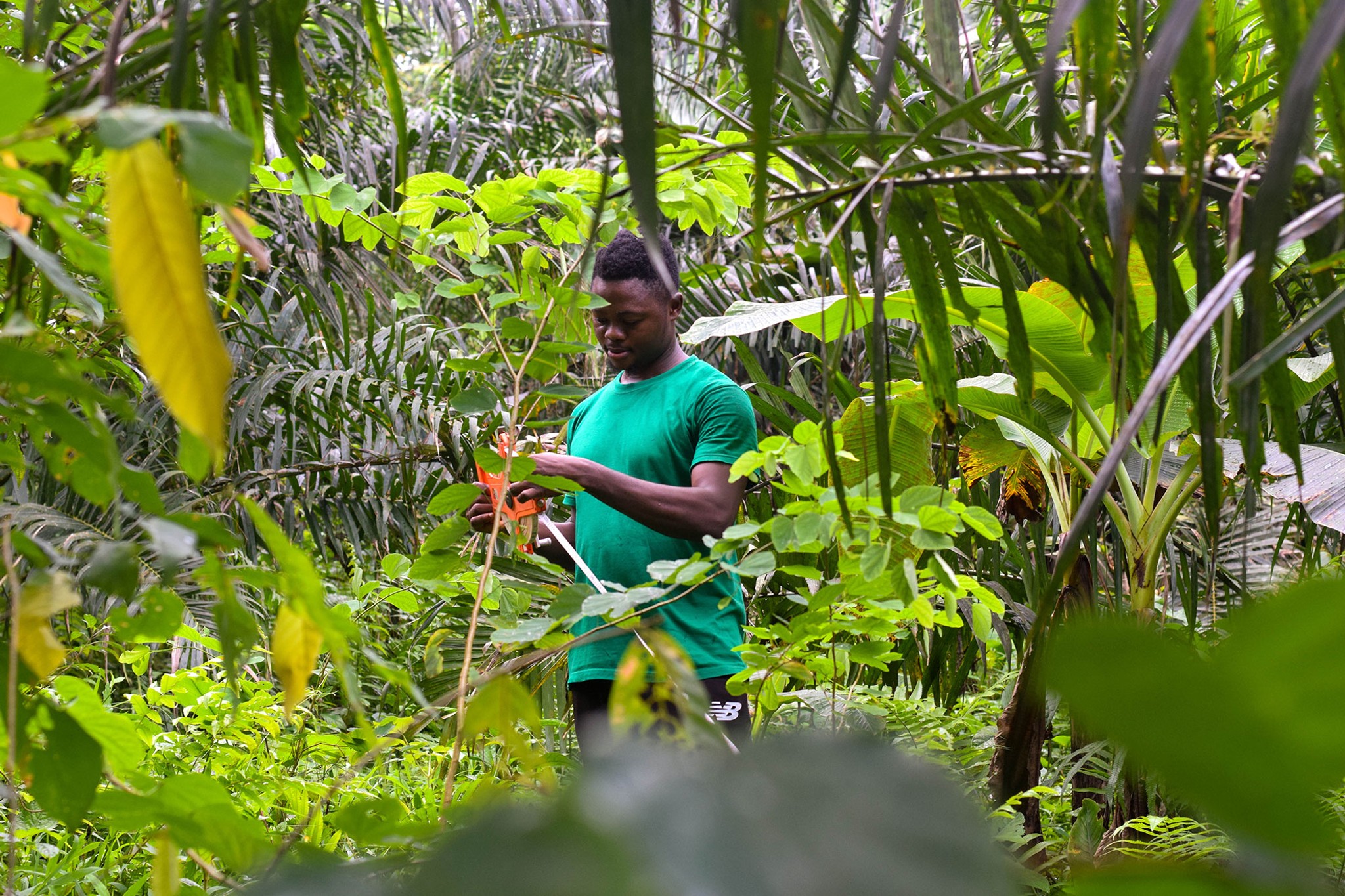
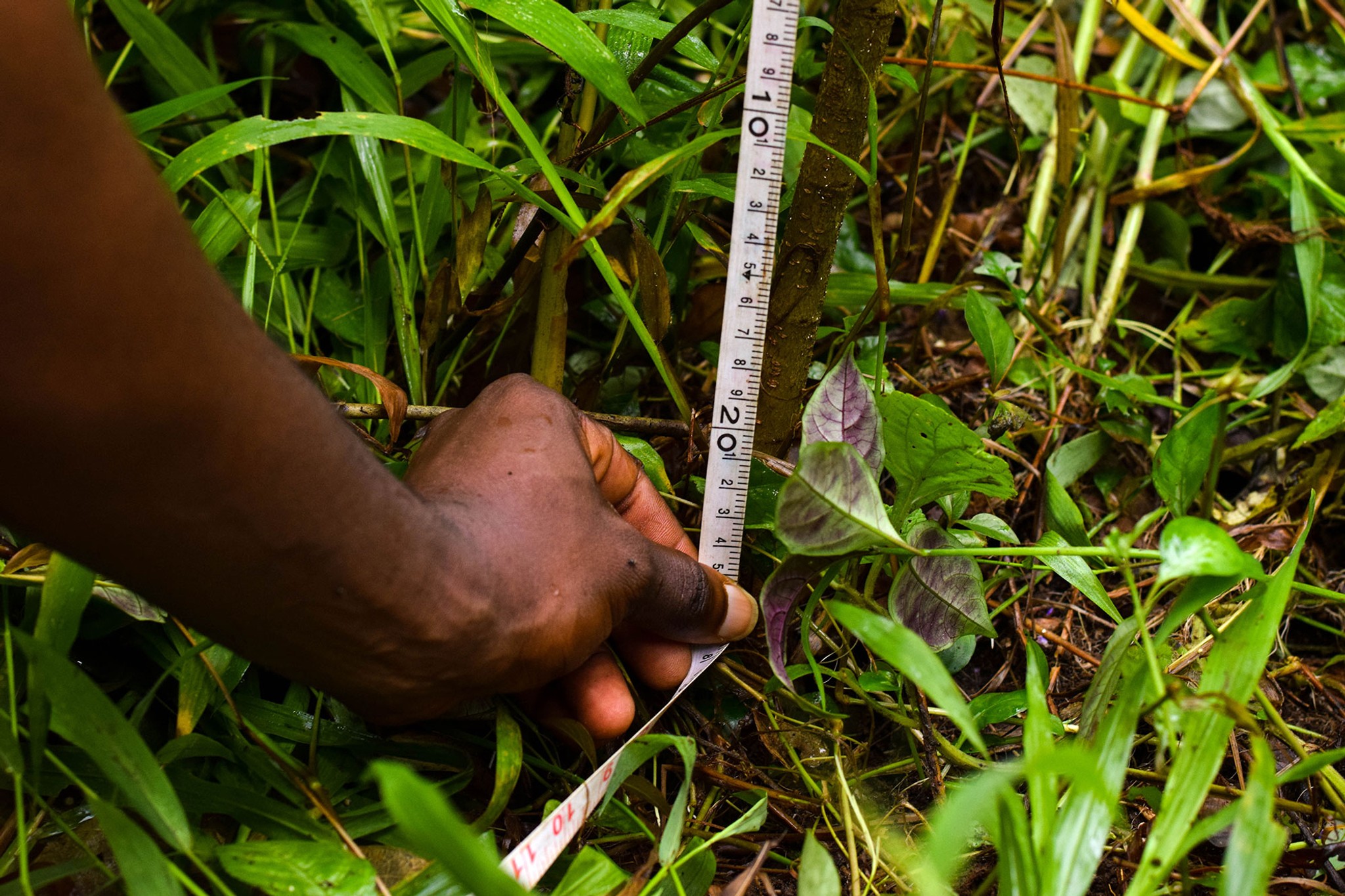
The forest is now 10 months old and most of the trees have grown and are thriving, even with little to no human interaction. We have recorded on average a surface temperature of 26 degrees inside the forest, and 29 degrees outside, demonstrating the heat island effect. There is the emergence of new species which has arisen as a result of dispersal and routine clearing of the forest.
Biodiversity Notes:
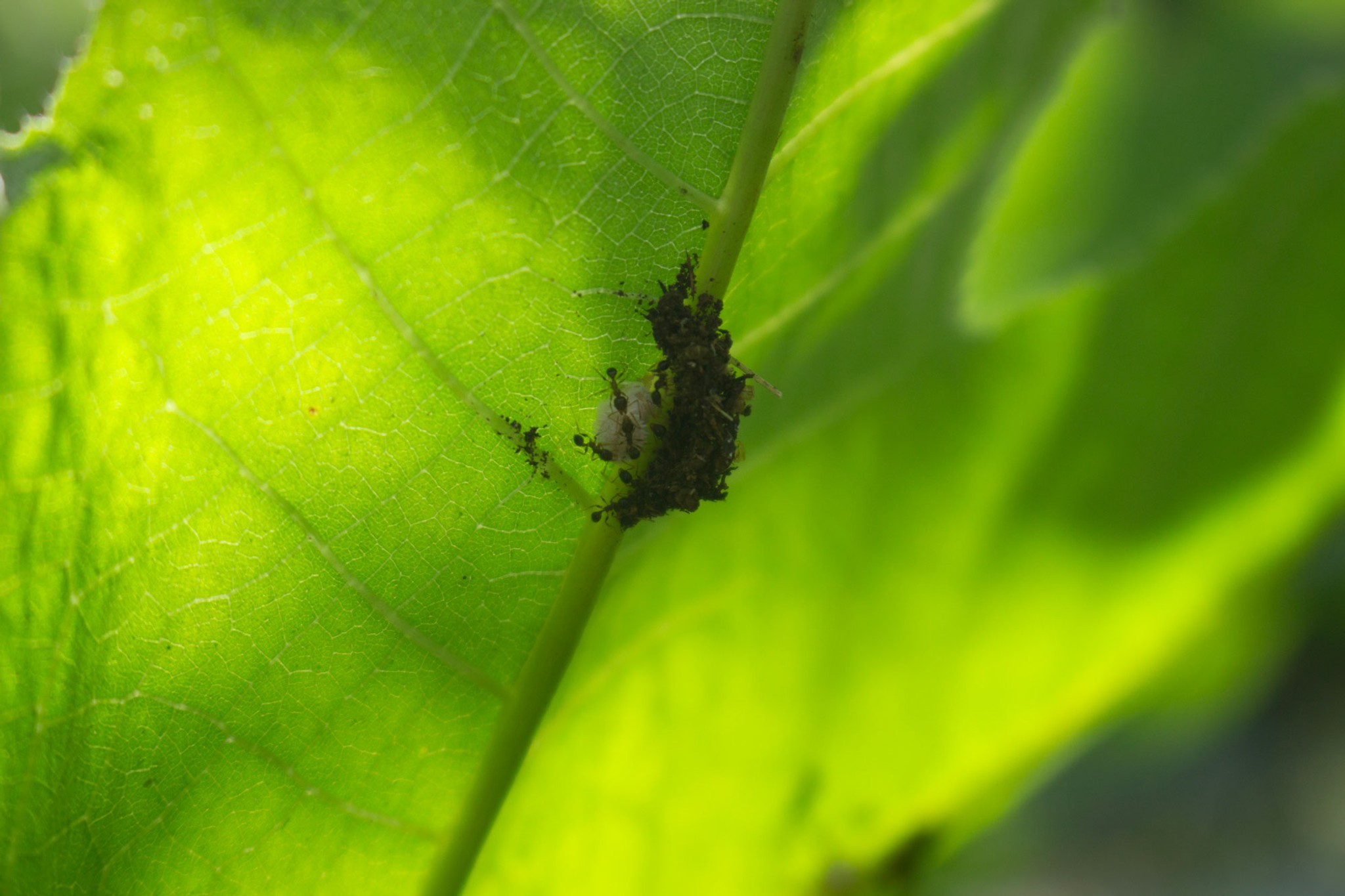
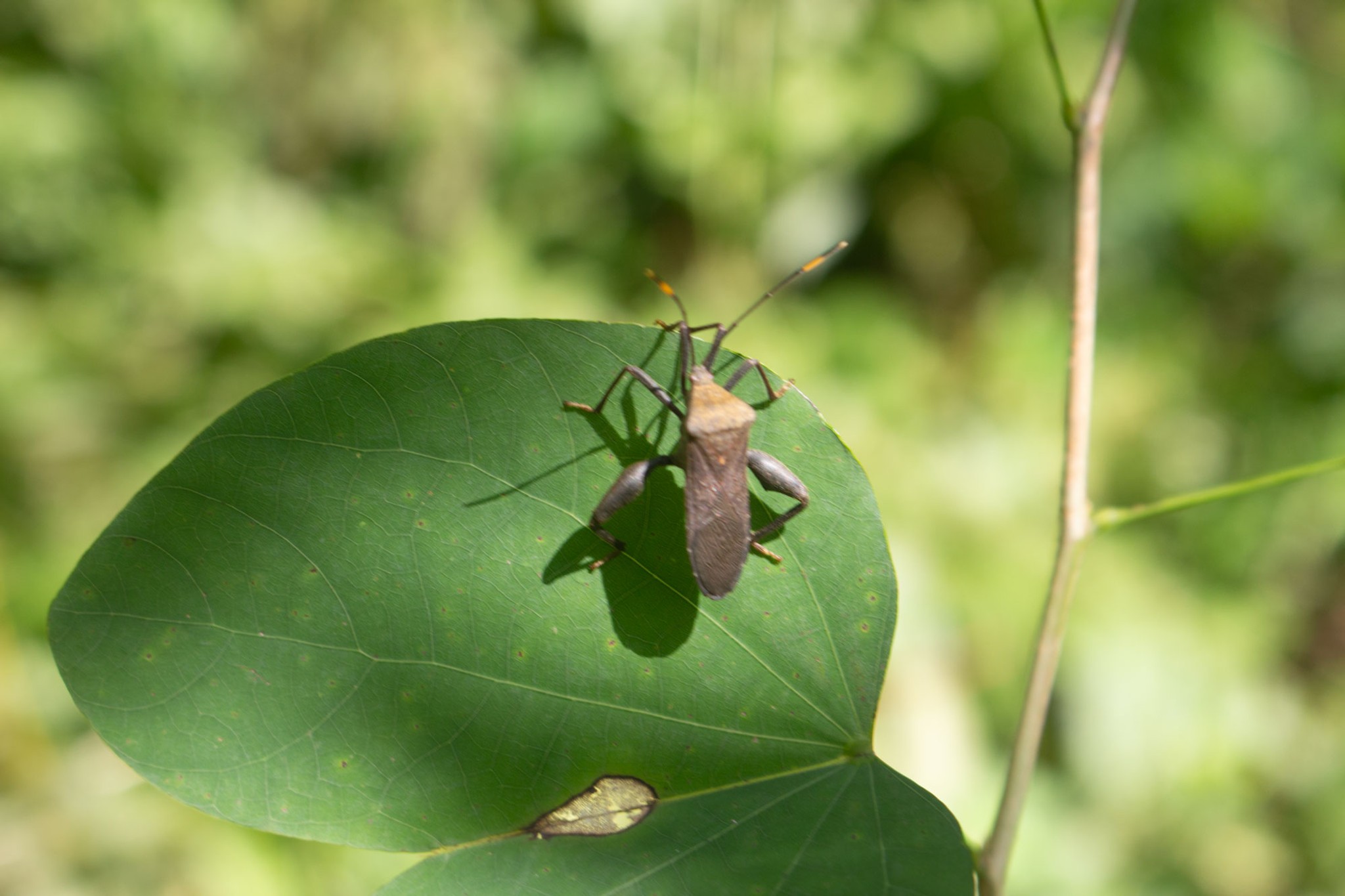
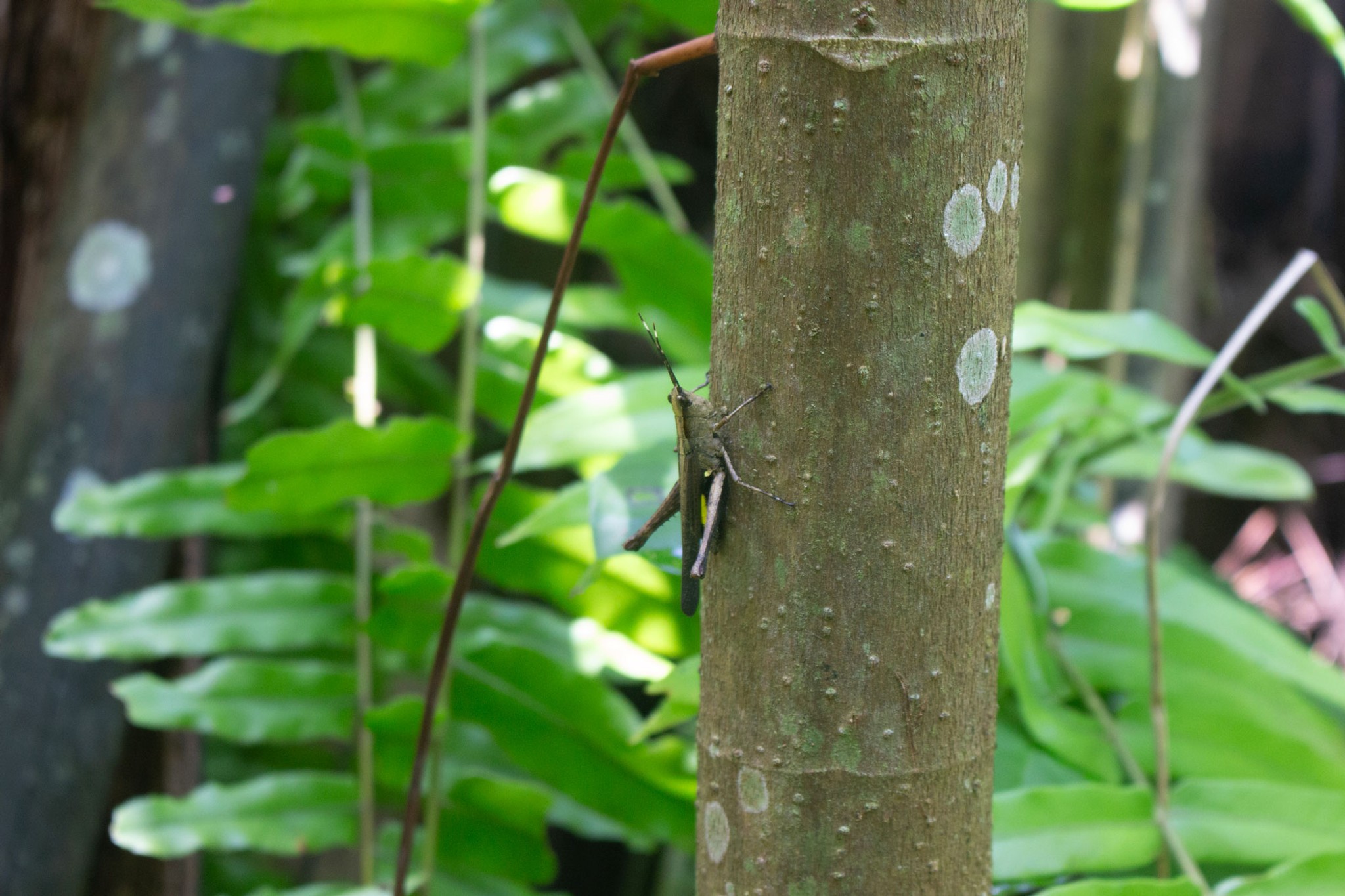
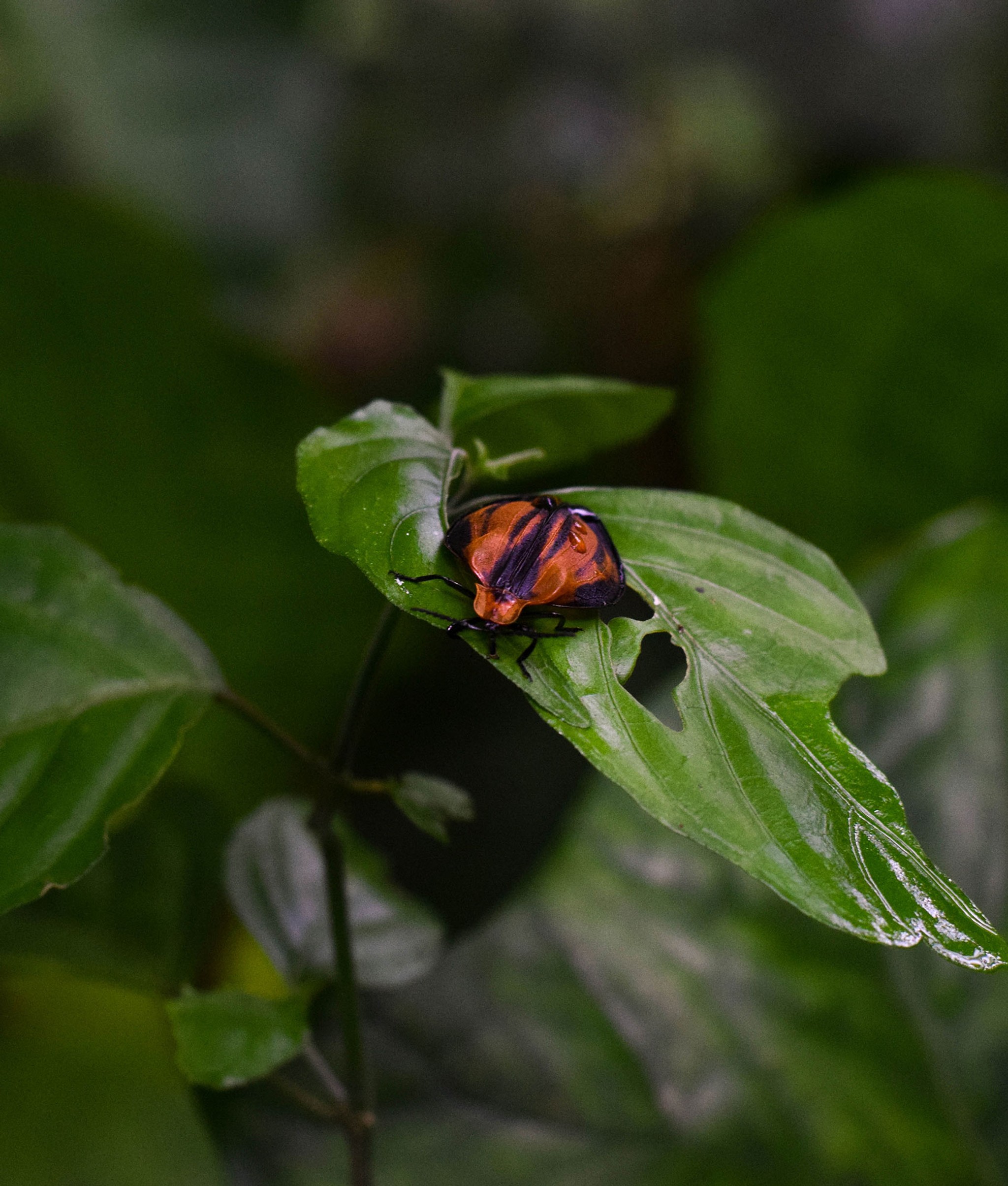
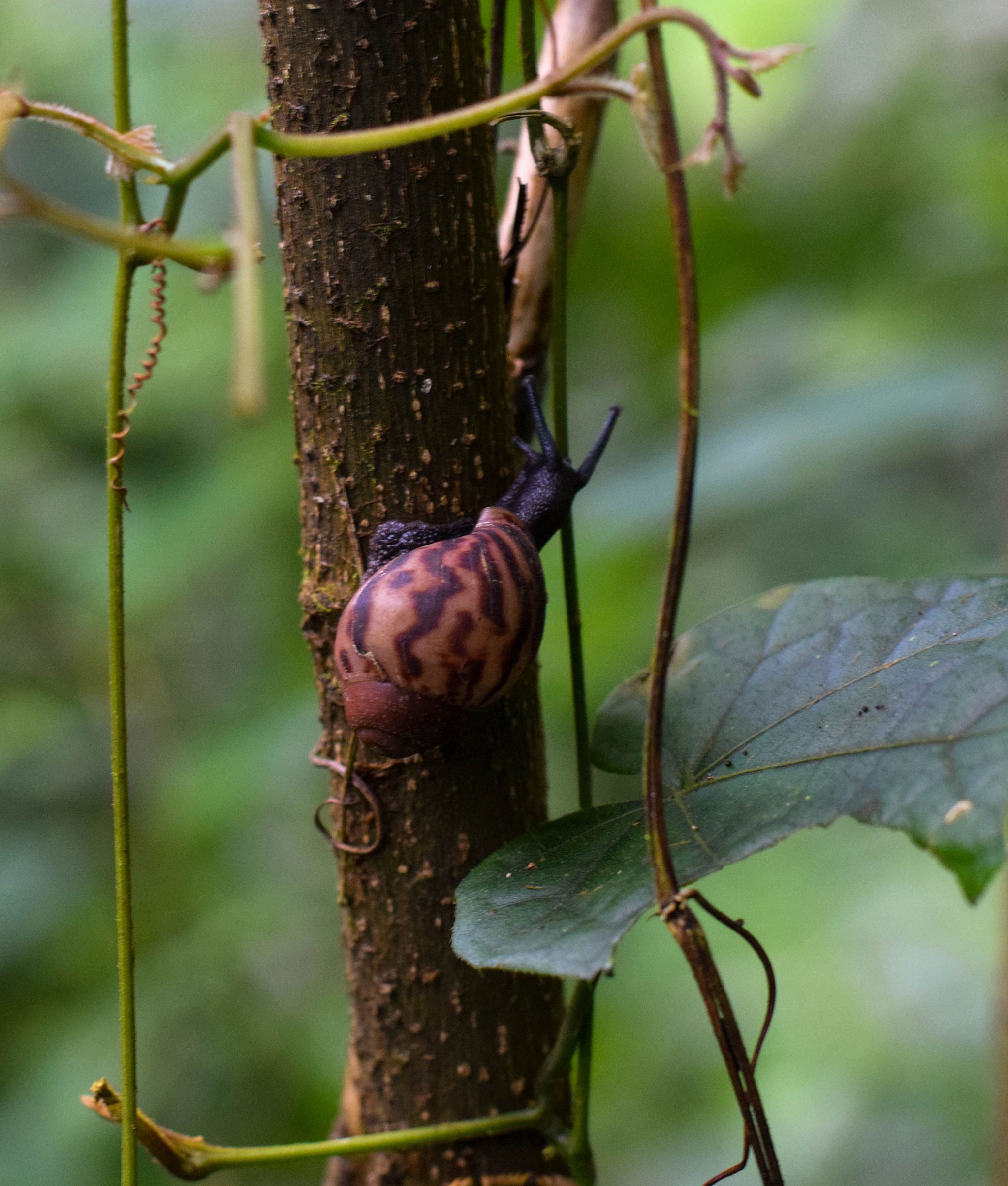
There are a number of species that have been spotted, including: house fly, midges, snails (Archatina sp.), cassin honey guide (Prodotiscus insignis), white bellied kingfisher, grasshopper (Eyprepocnemis plorans and Ruspolia nitidula), beetle (Lycus fabricius), portuguese millipede, driver ant (Dorylus sp), grass yellow butterfly and cabbage white butterfly.
“Growing forests is an activity that should be conducted by every parent. Forests ensure continuity at least for us here in Etome. We don't know life outside of the forest.”
Mr. Ekwalla Samuel, the President of the Etome Village Forest Management Committee
Planting: December 2022