Dunboyne Forest
A pocket forest to educate future rewilders.

0
Trees
0
Square Meters
0
Native Species
0
Youth Impacted
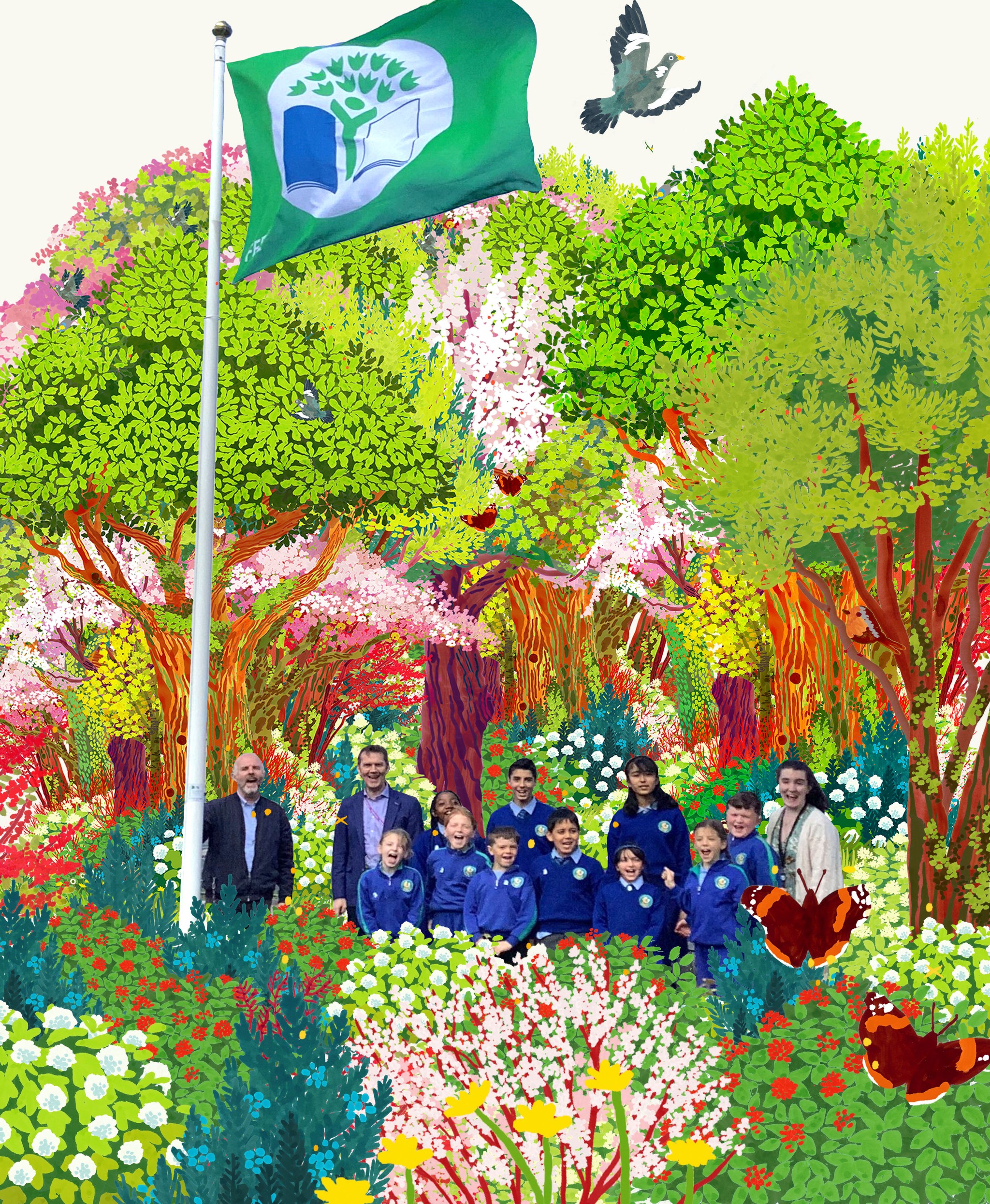
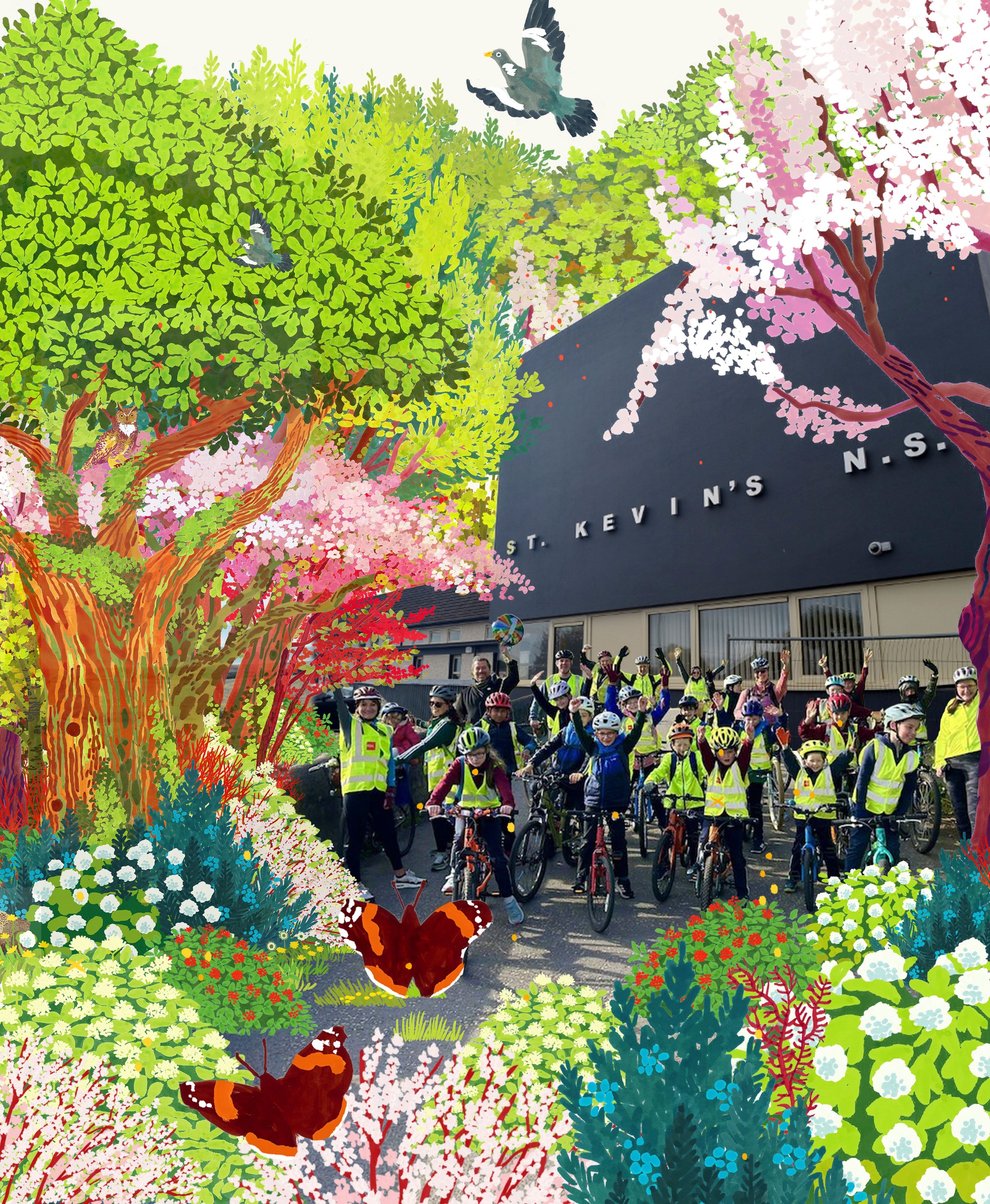
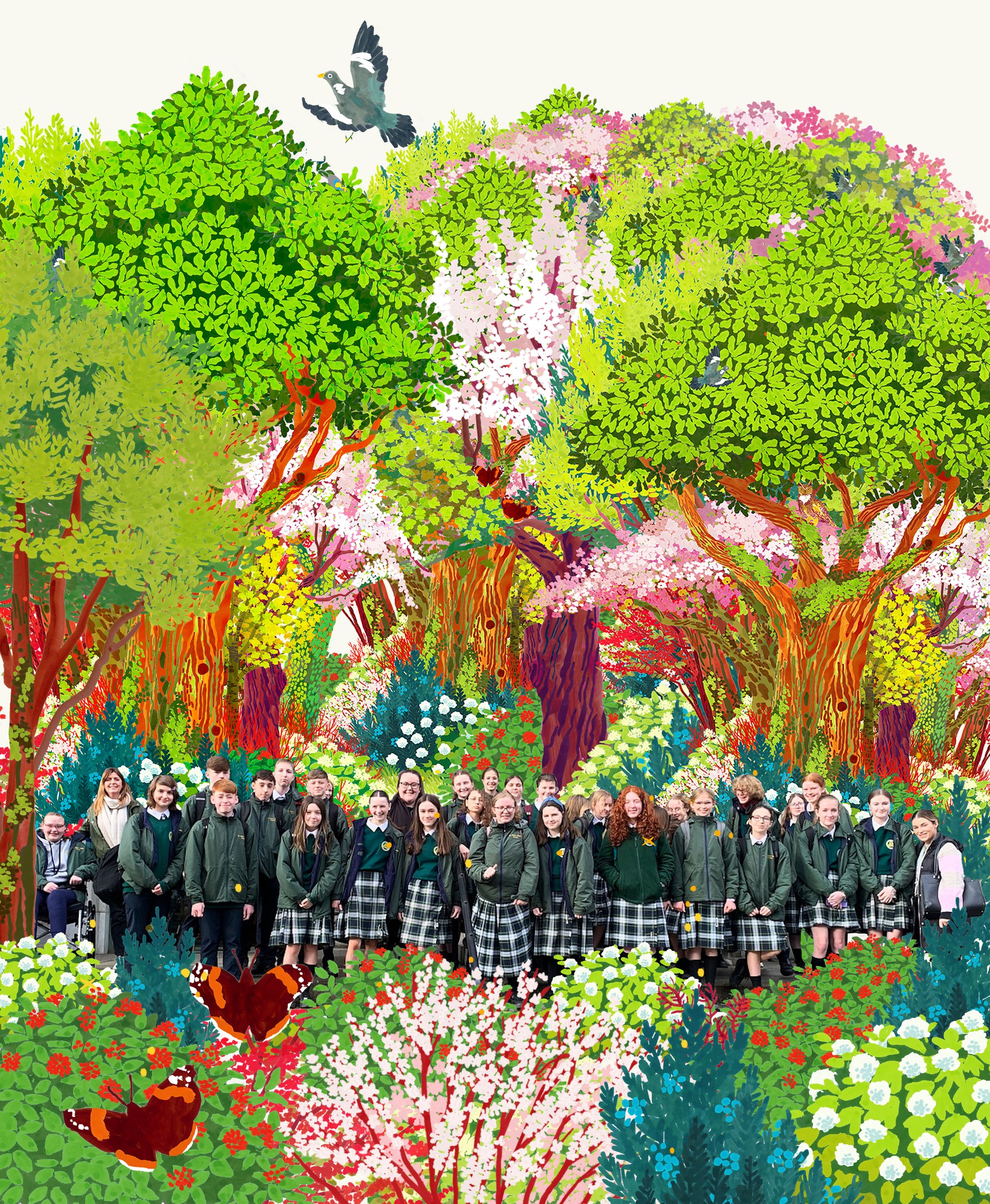
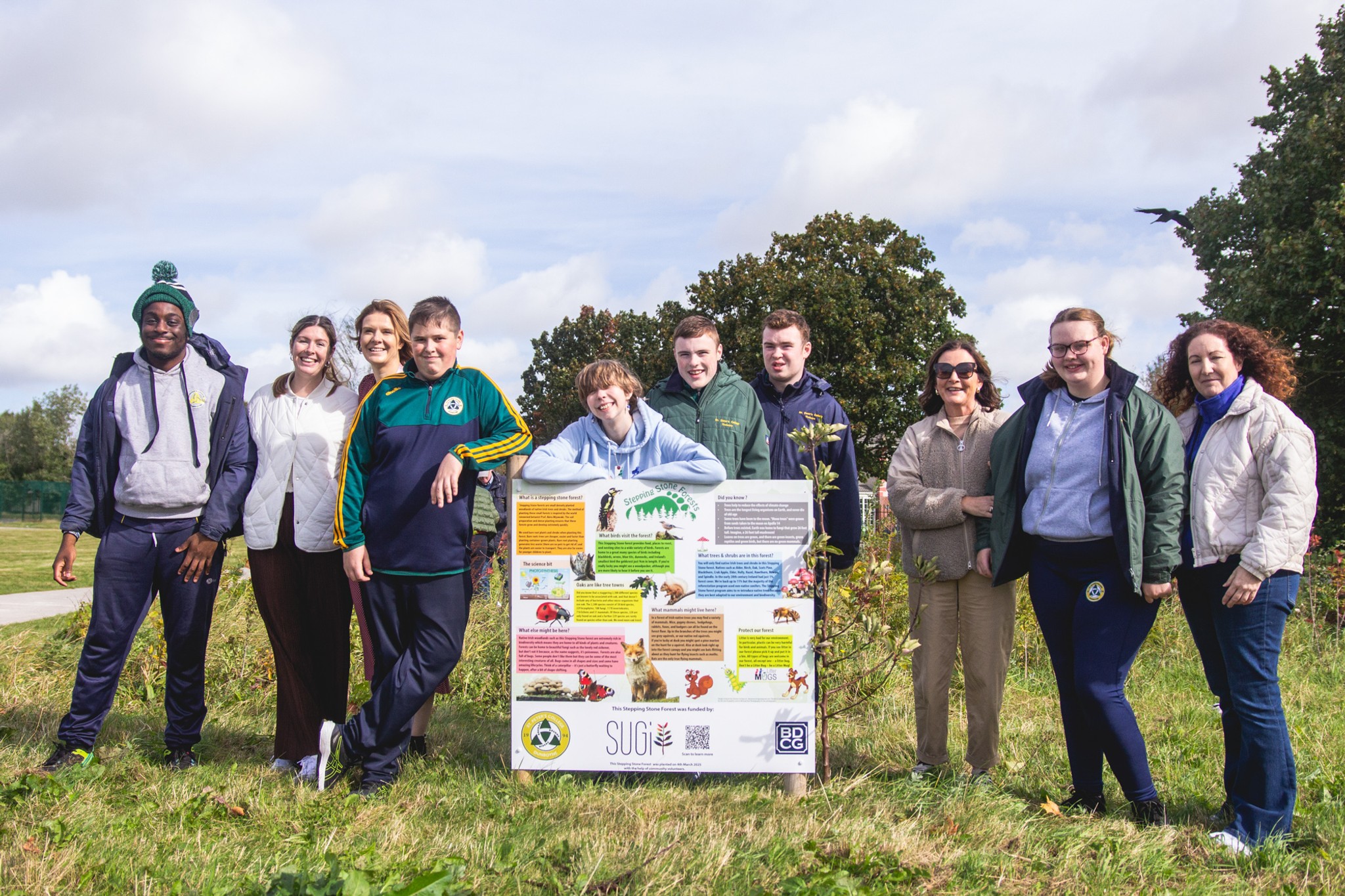
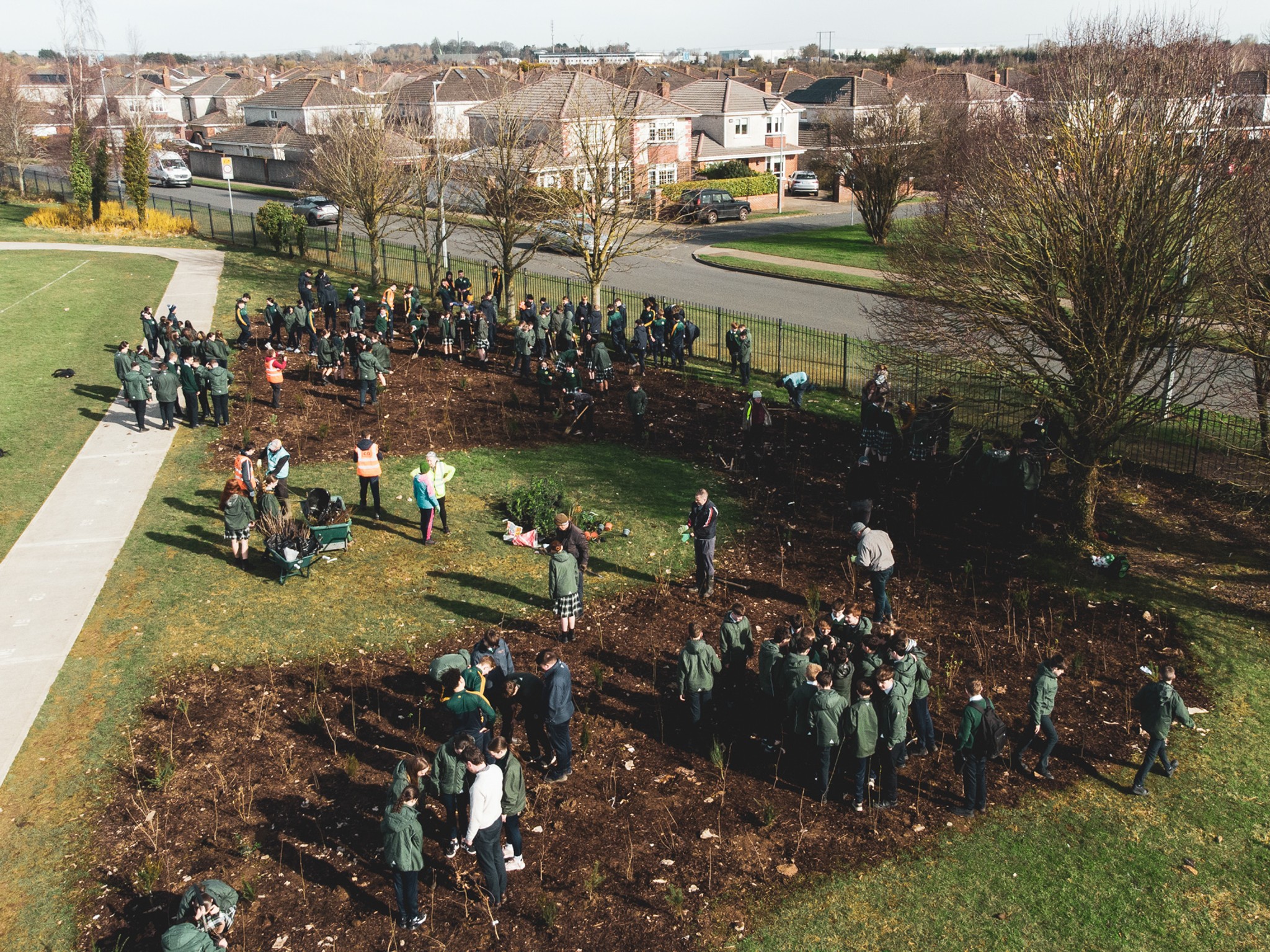
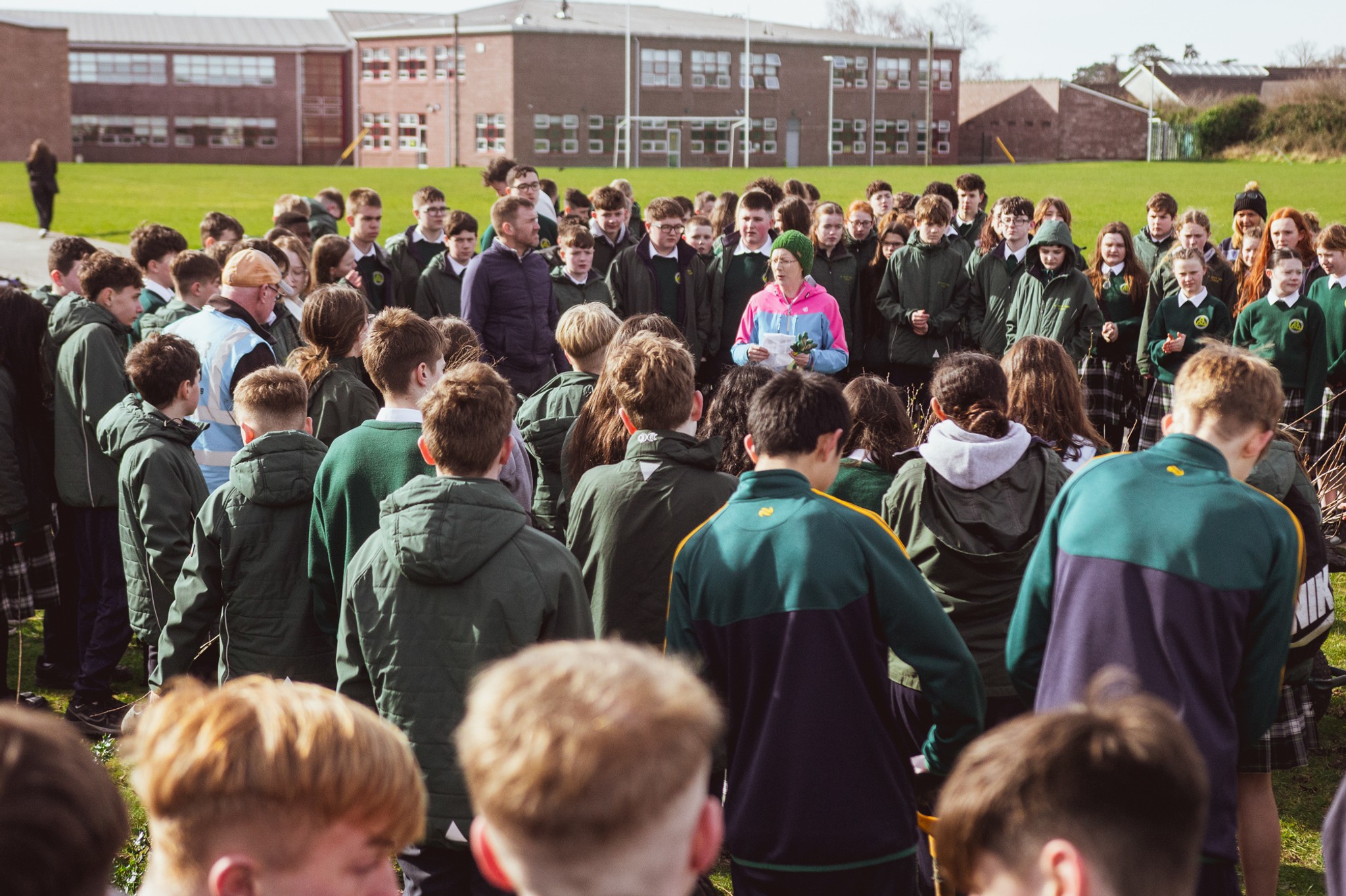
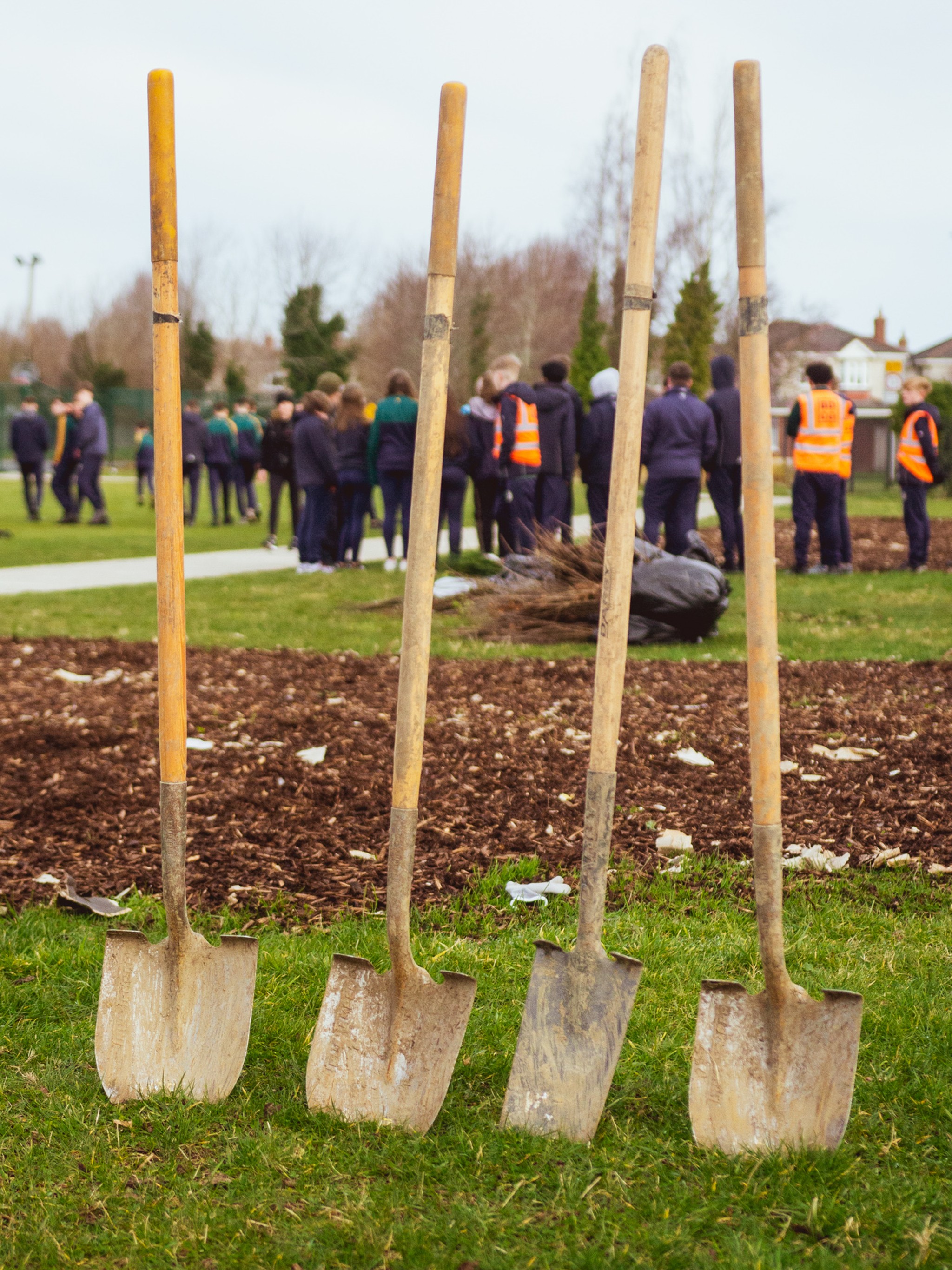
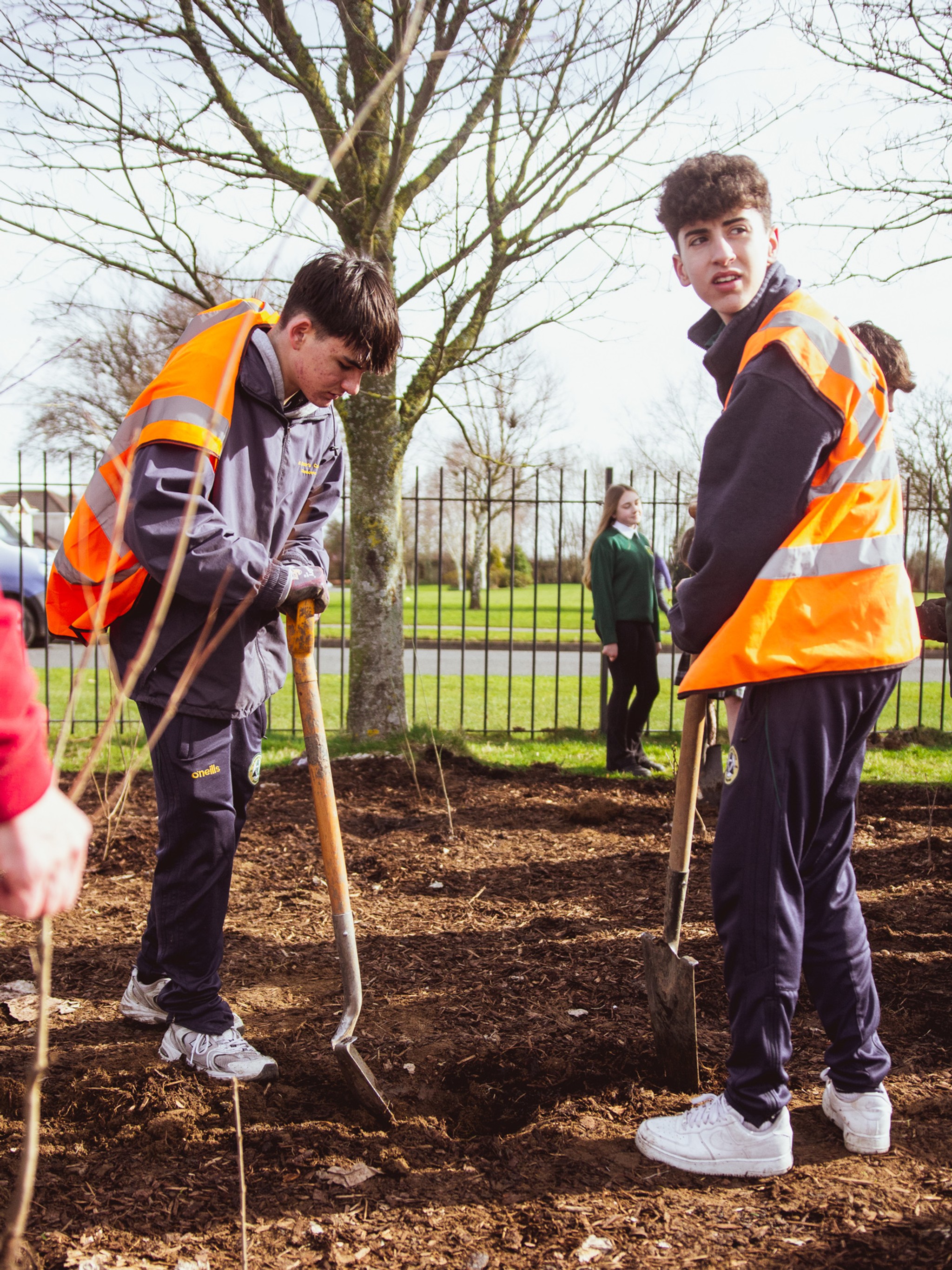
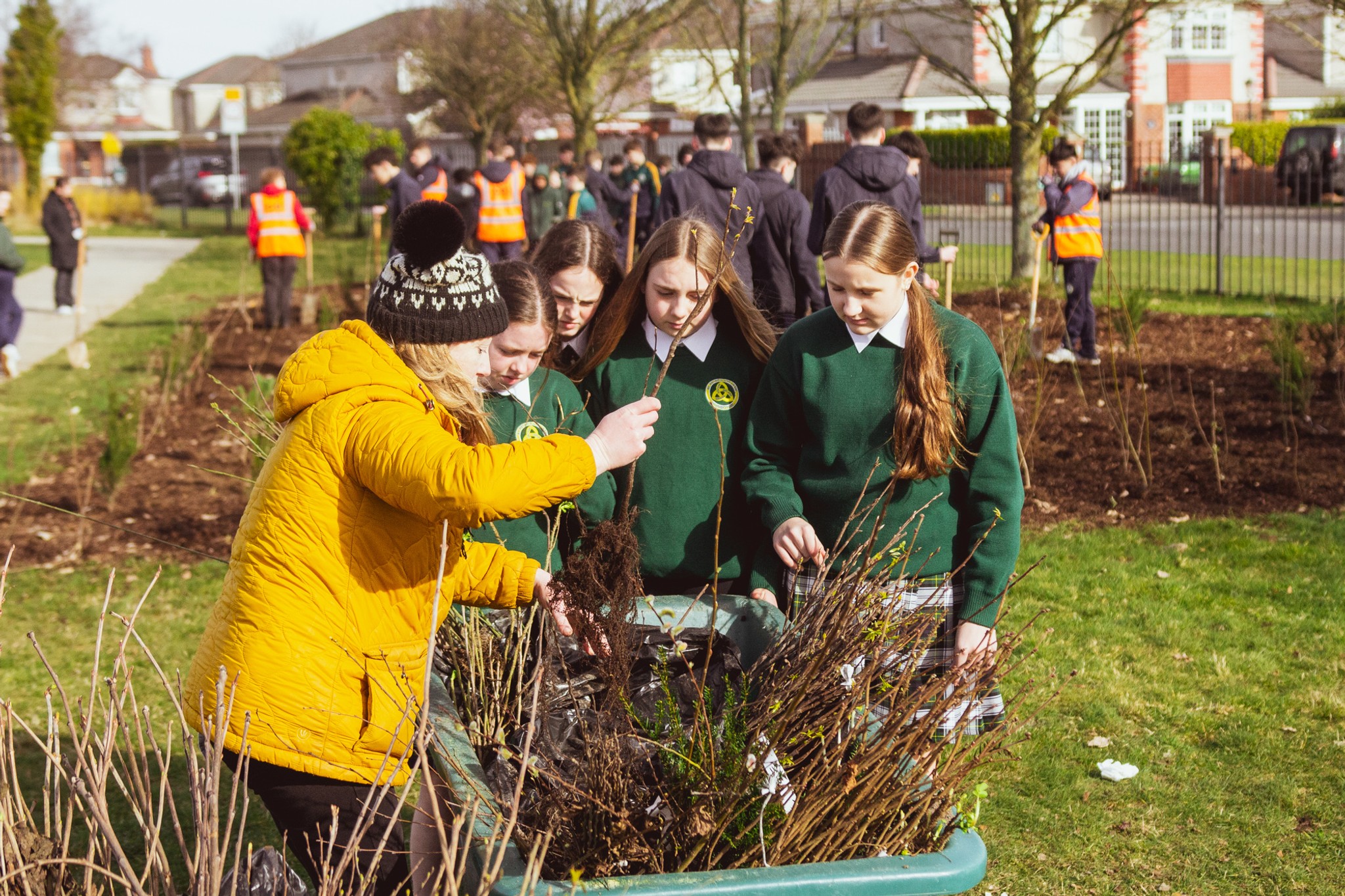
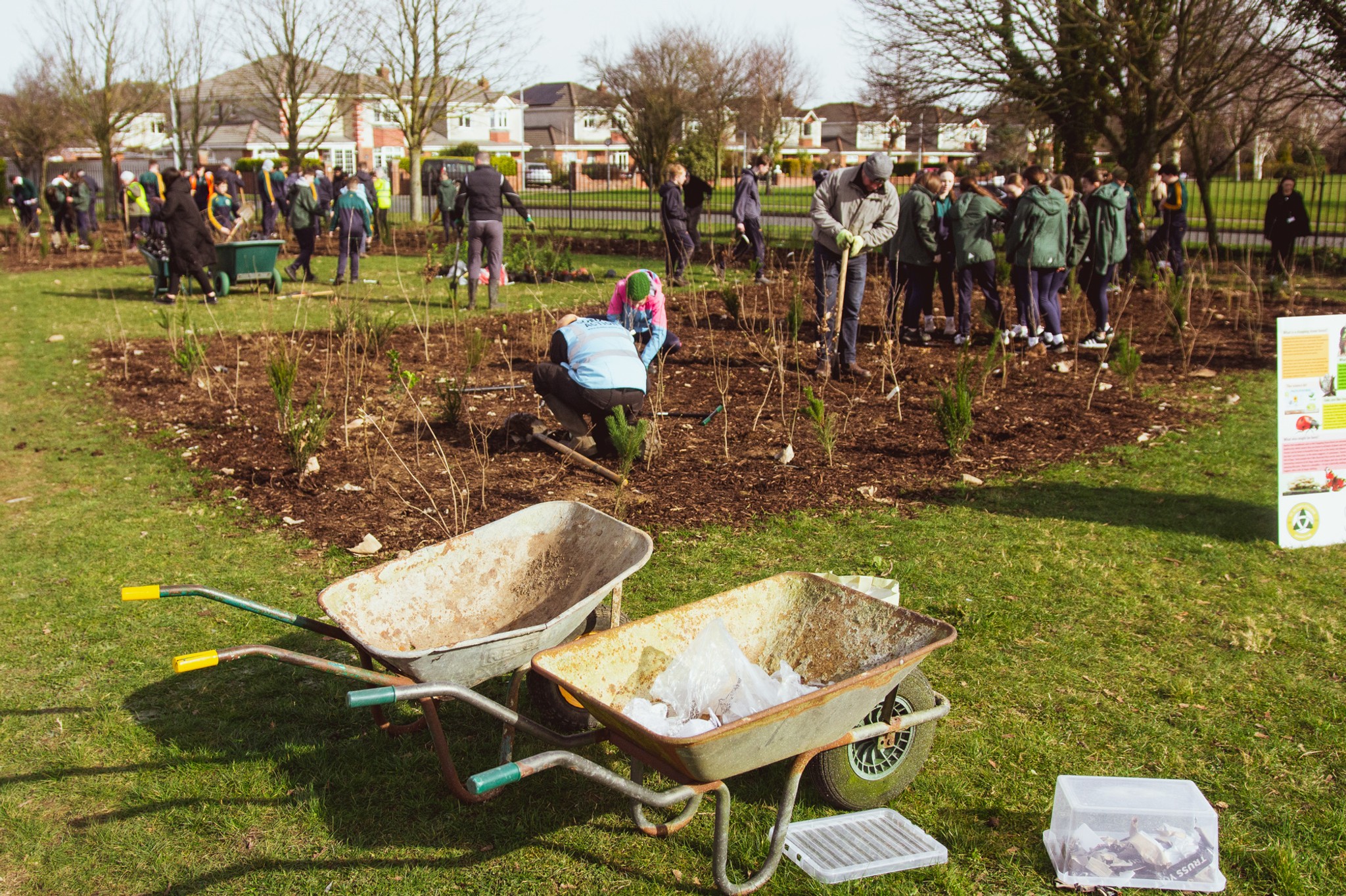
We are planting this pocket forest in St. Peter’s College, a secondary school located in the north-western suburbs of Dublin. The school has a long tradition of environmental education as a member of Ireland’s national Green-Schools programme, an initiative focused on introducing Nature curricula for students and encouraging schools to take action to protect the planet.
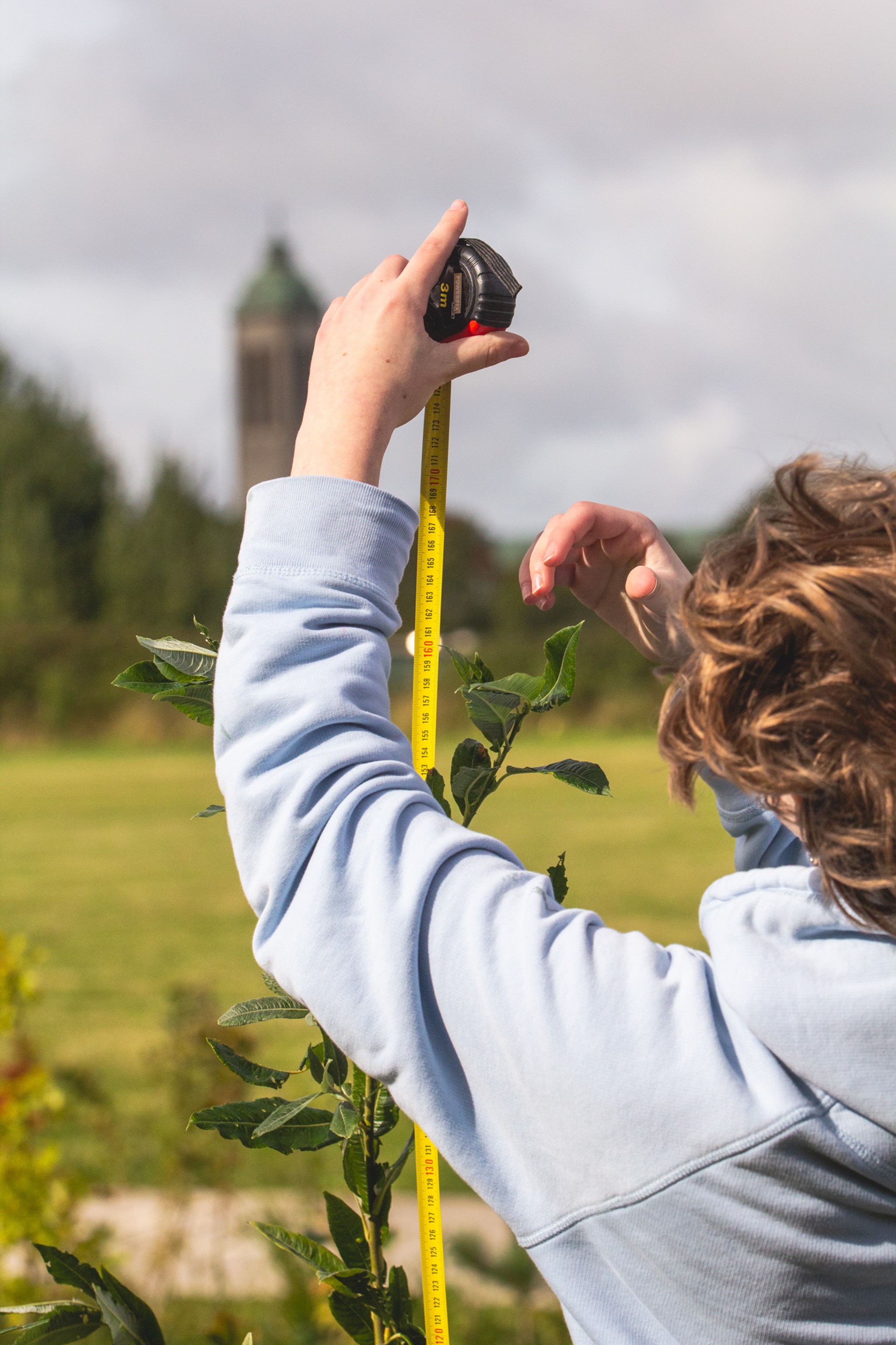
The pocket forest will provide students with an immersive, hands-on climate education experience. They will engage in the creation of biodiversity by actively planting, nurturing, and monitoring the forest’s growth, while gaining valuable insights into the dynamics of ecosystems.
The forest will also bolster the area’s climate resilience. The local council has identified flooding as a severe climate risk, and the pocket forest will play a crucial role in mitigating runoff water, helping to protect a suburb where the natural landscape has been largely replaced by farmland.
Forest Maker
John Kiberd

Forest Report: 2025
0 Months
Forest Age
0%
Survival Rate
0m
Average of Tallest 3 Trees
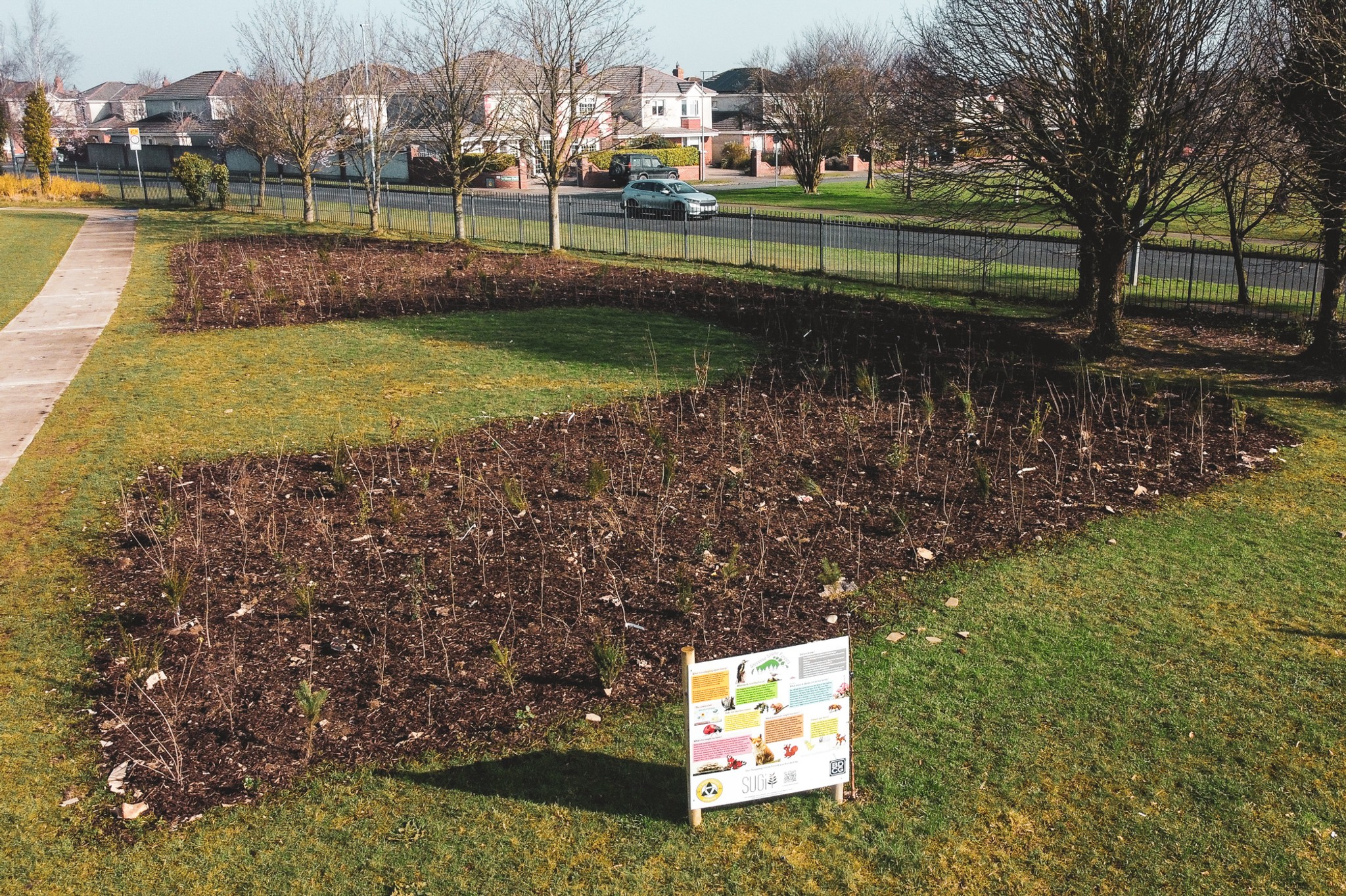
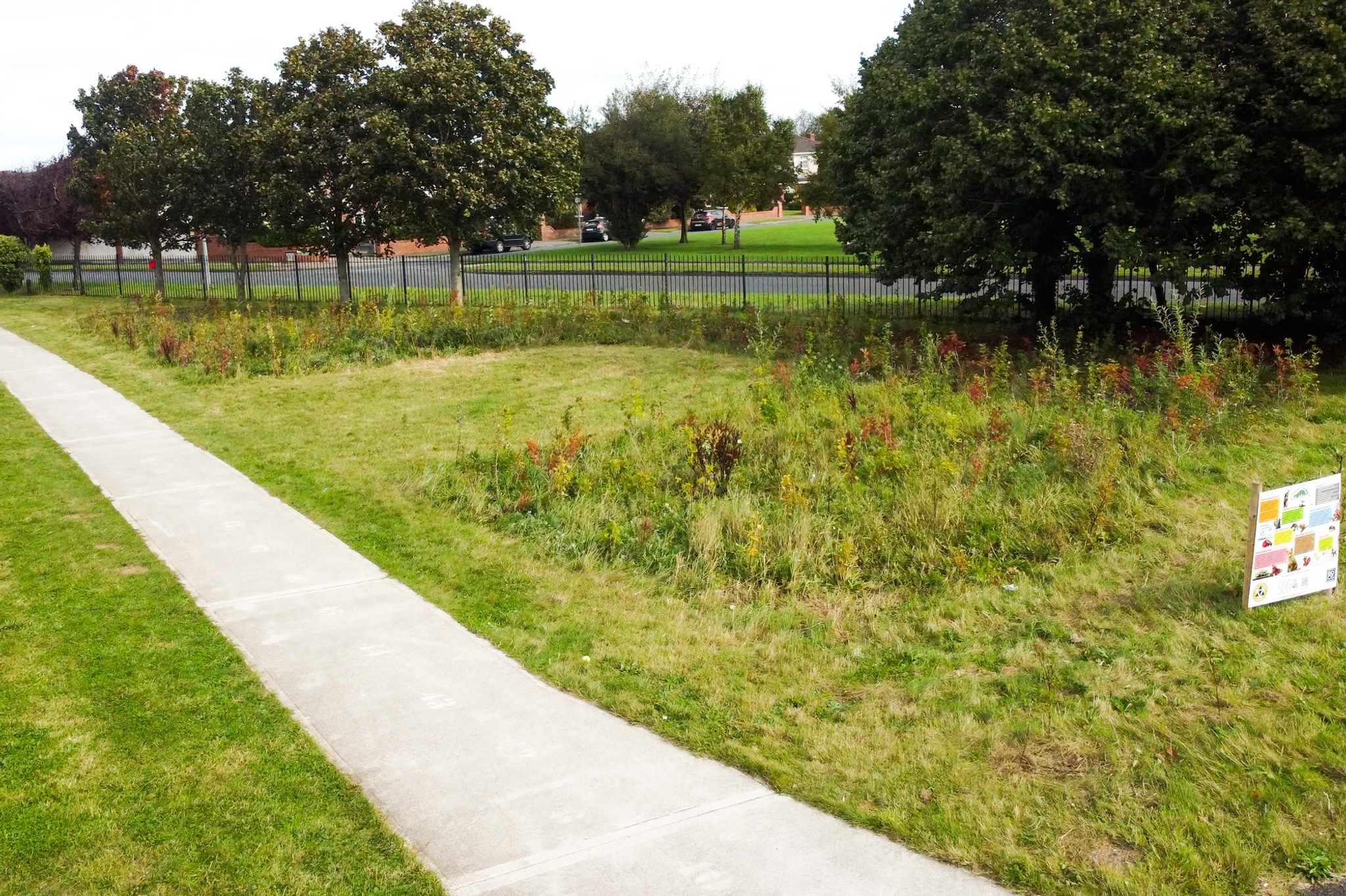
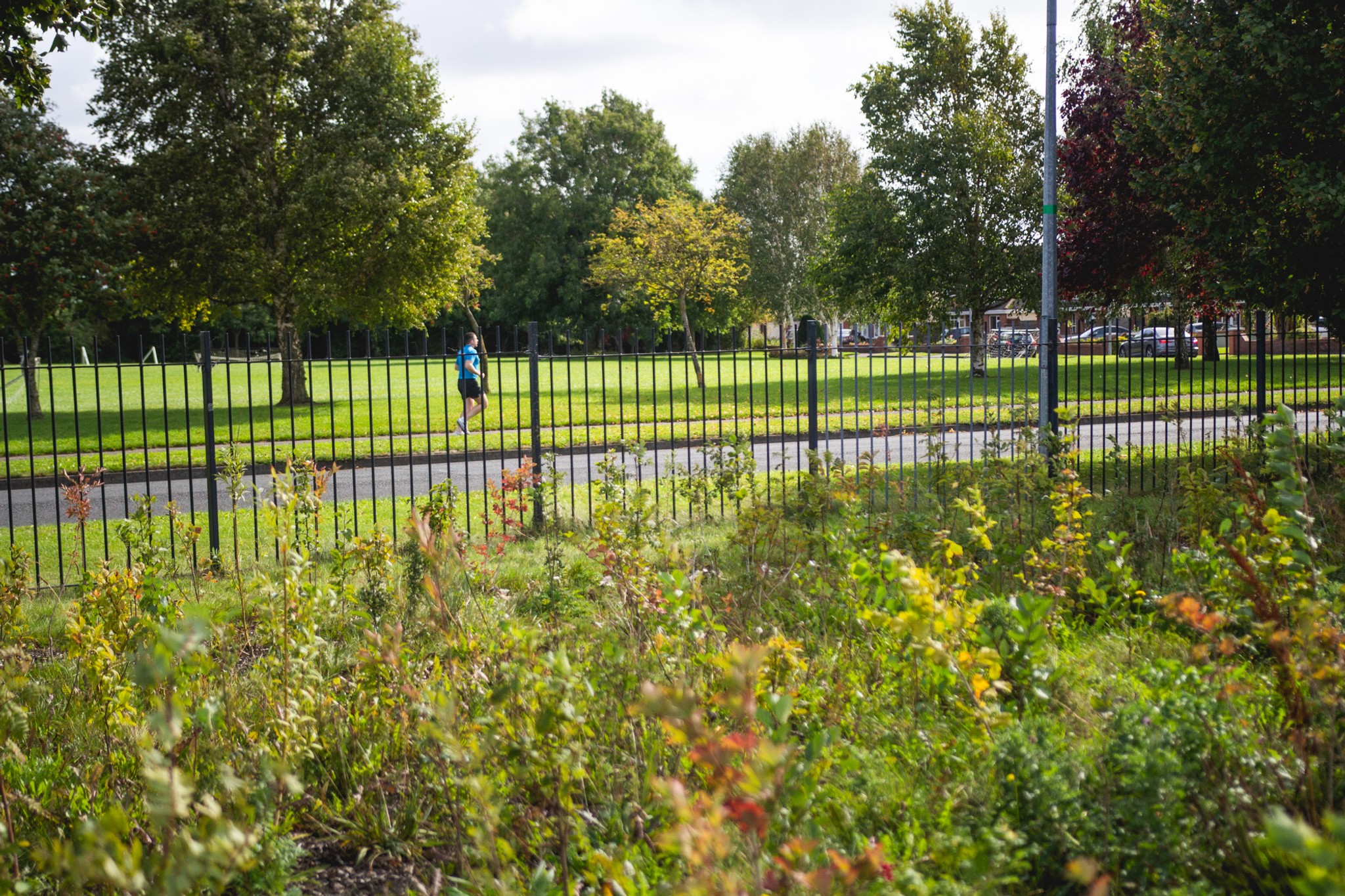
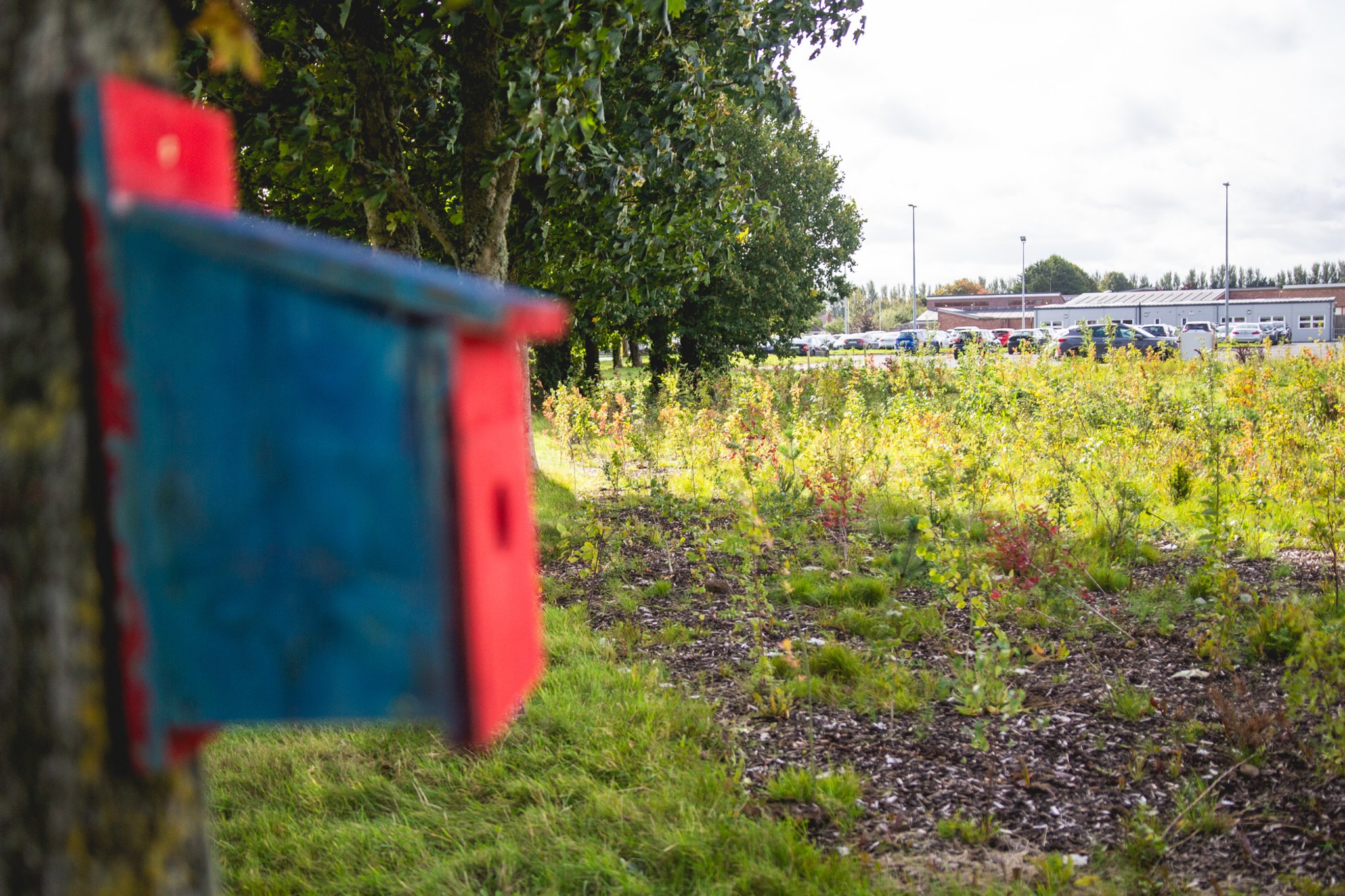
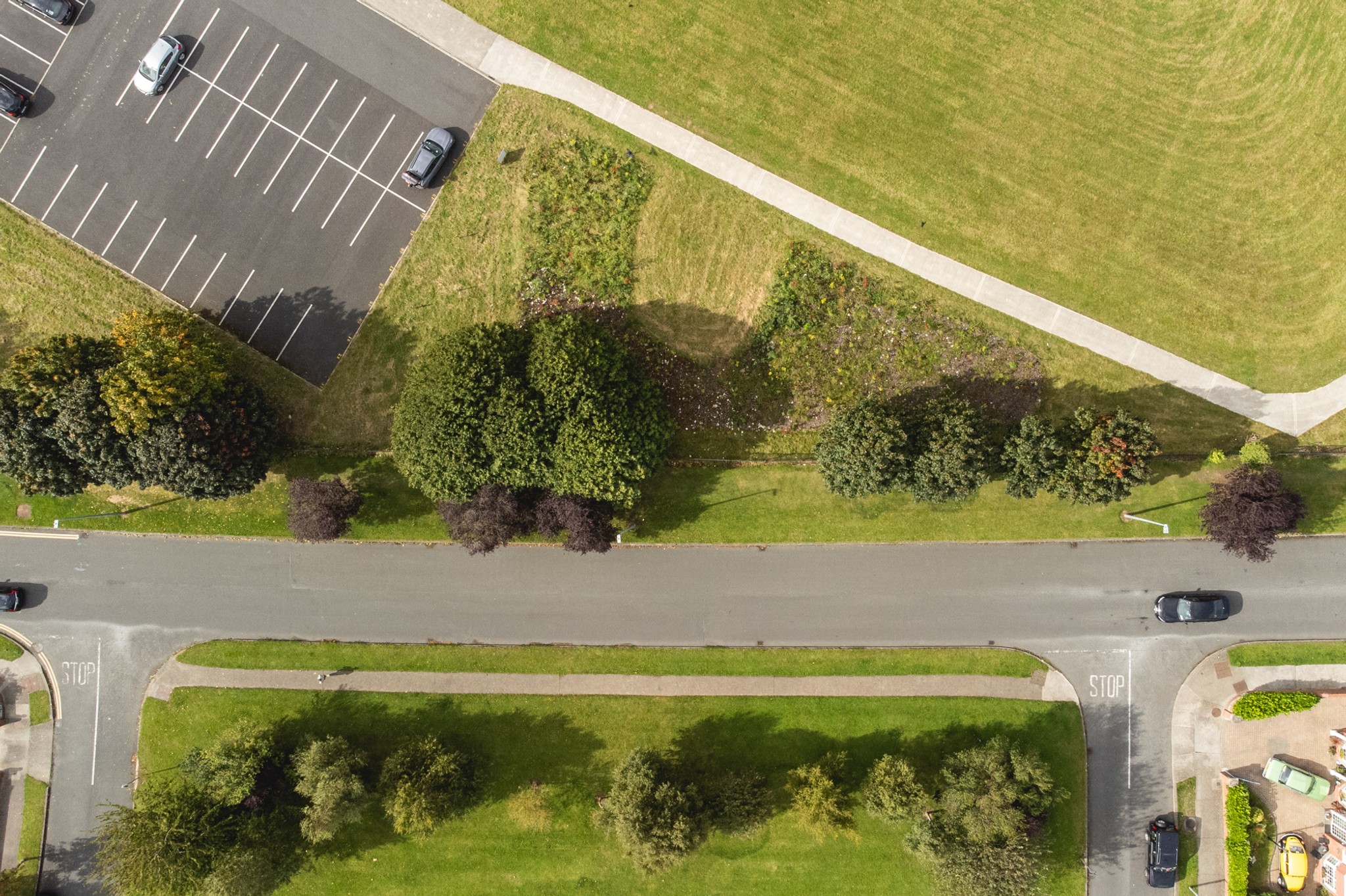
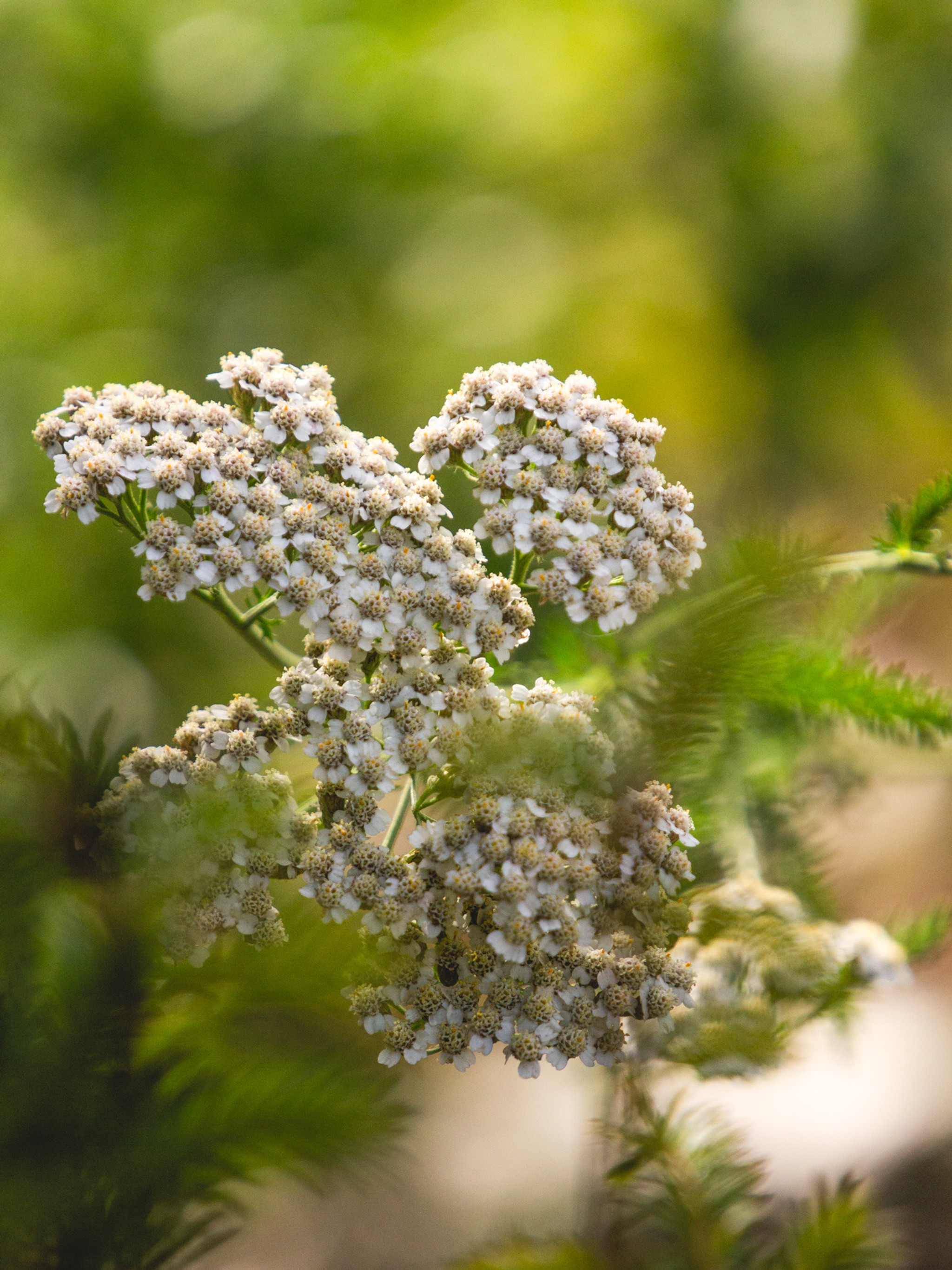
The first thing that I noted was that the mulching was far more effective in some parts of the forest than others. The forest was planted in a horseshoe shape and one side of the horseshoe contained a significant number of wild plants.
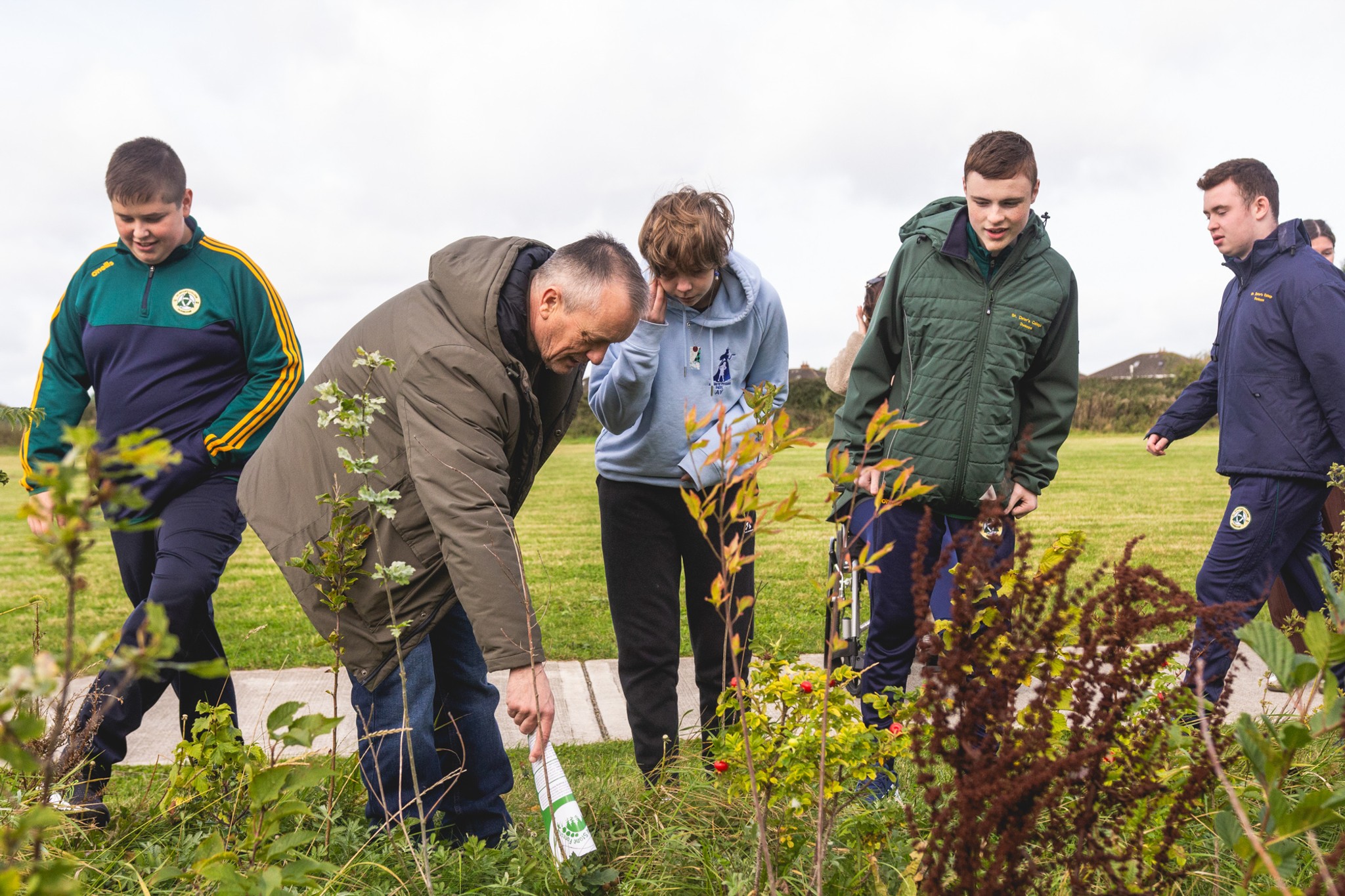
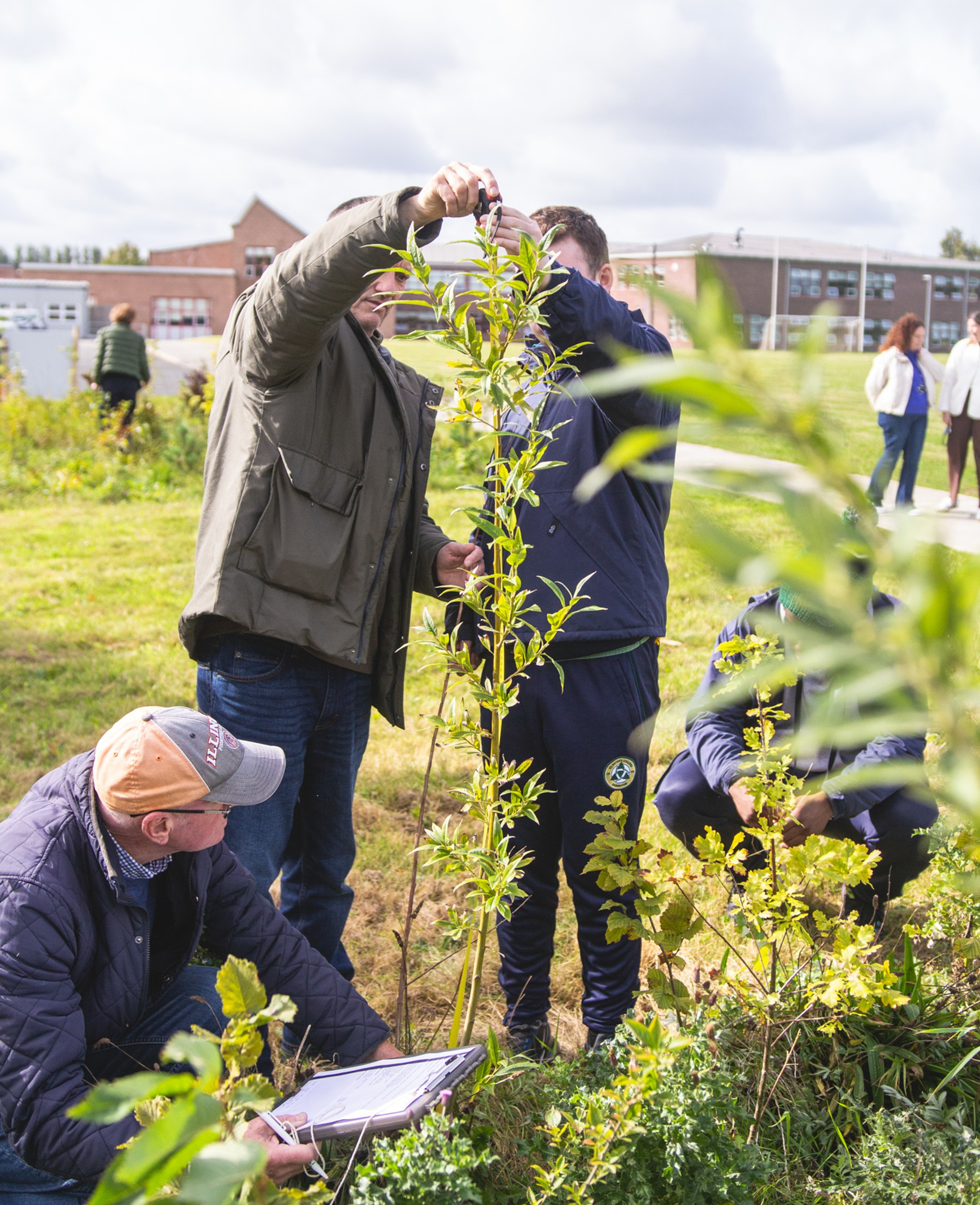
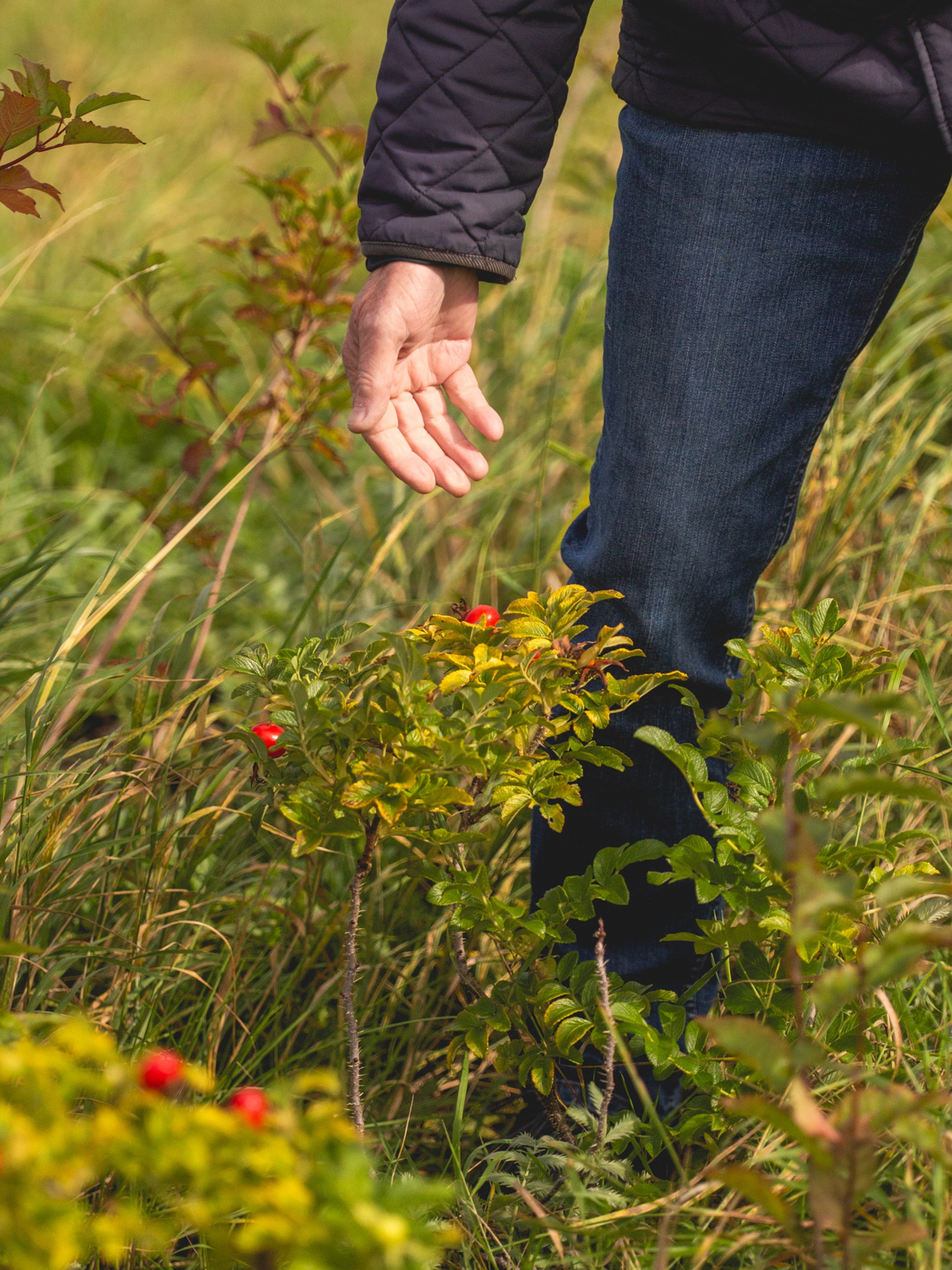
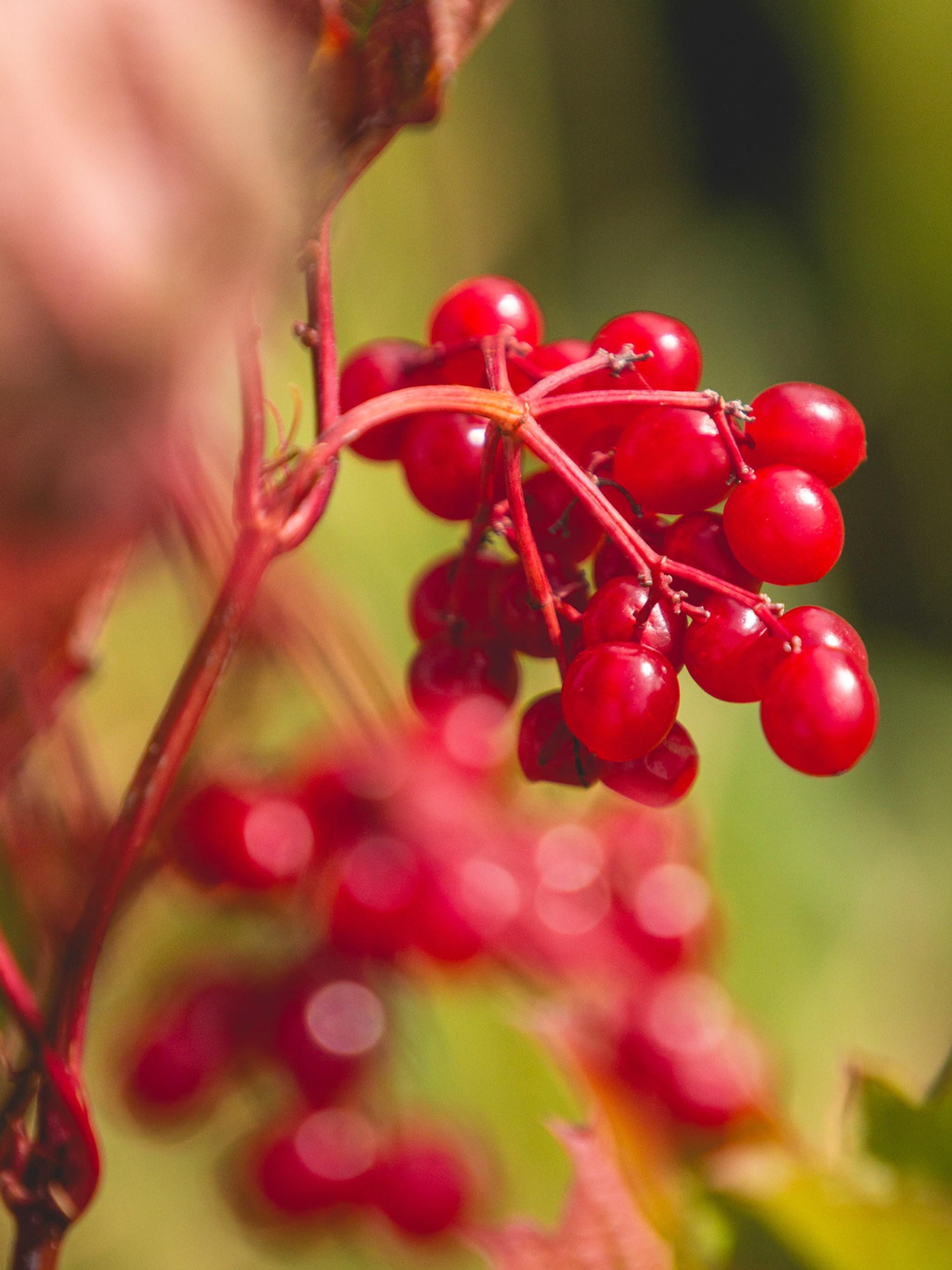
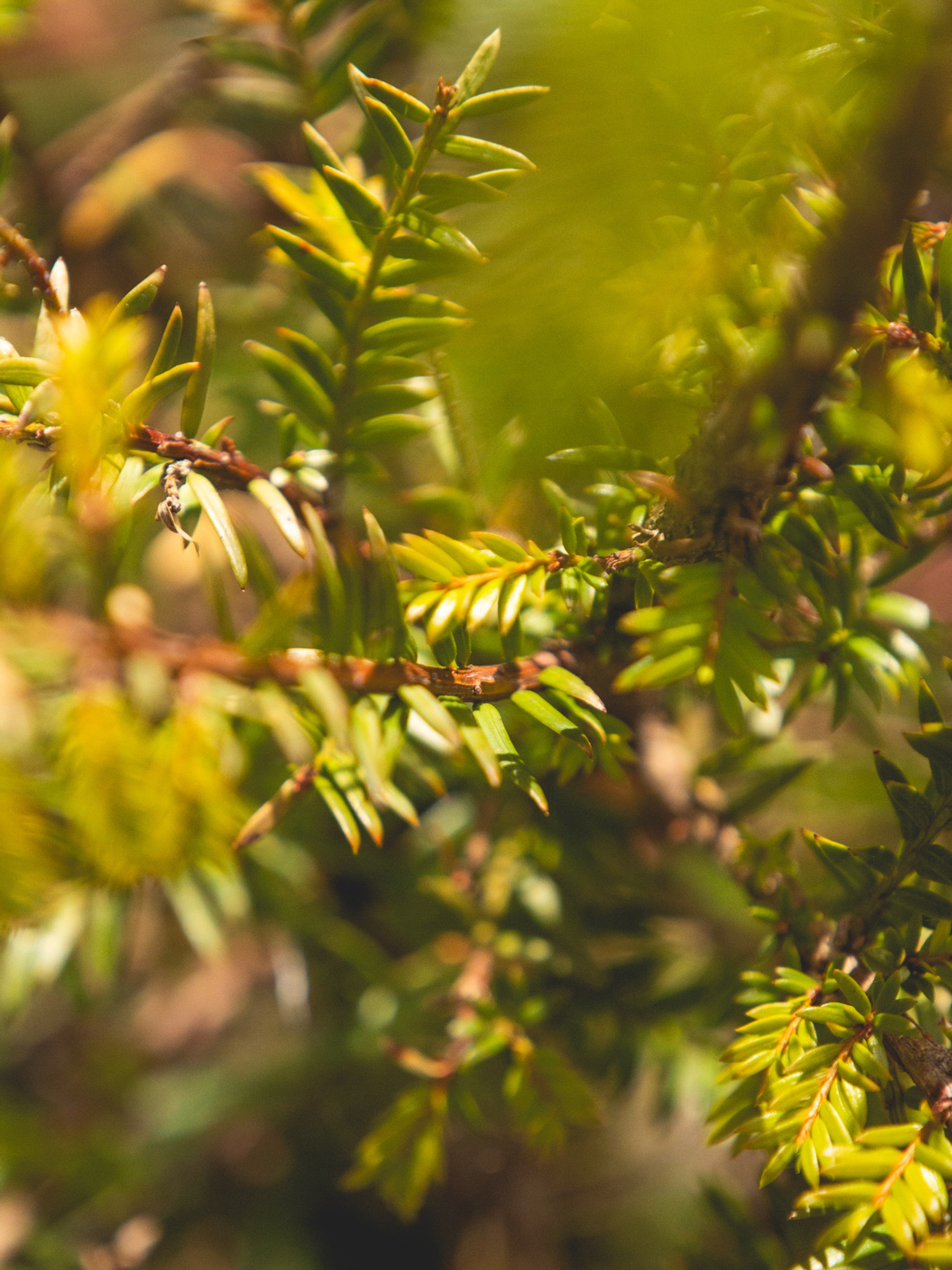
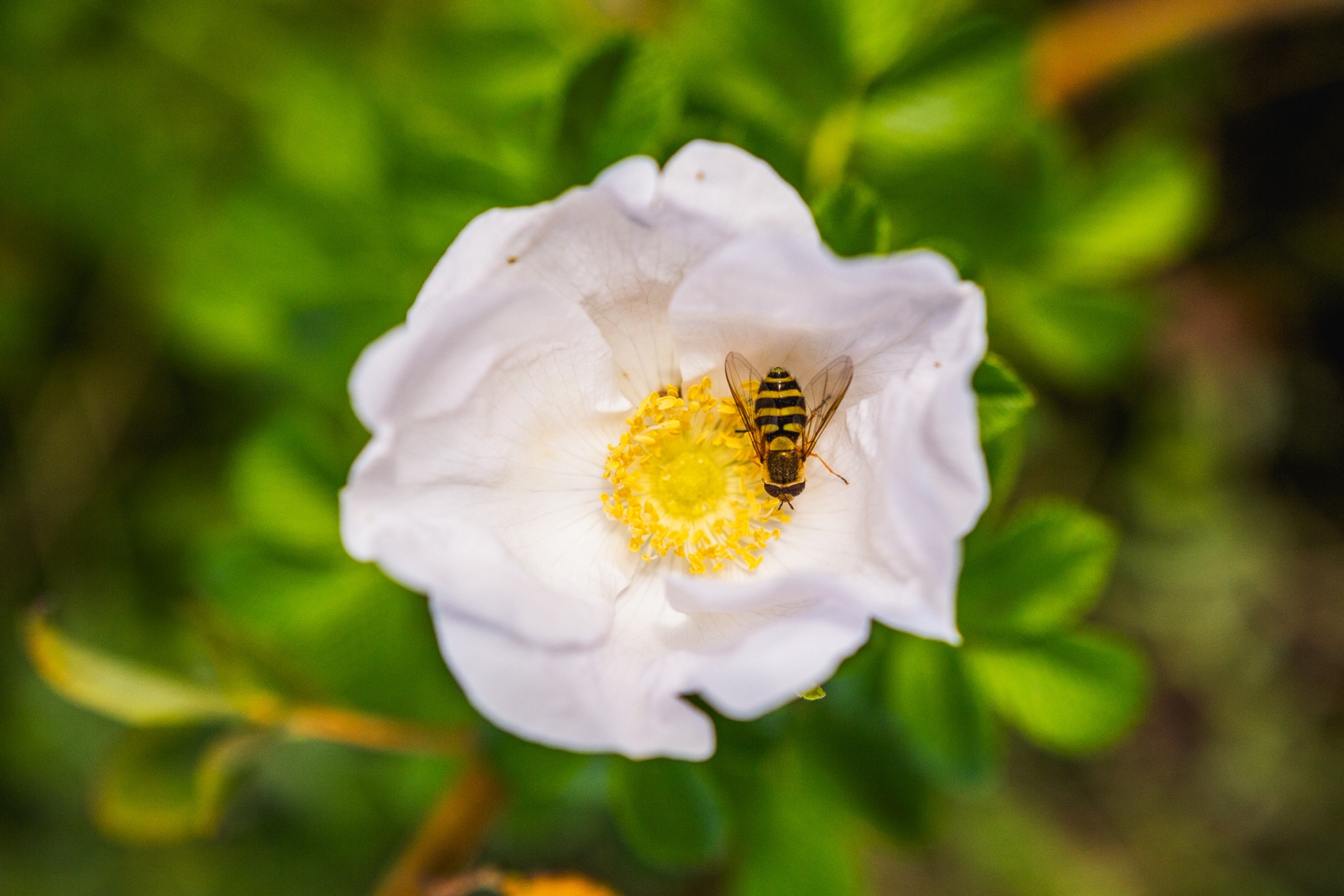
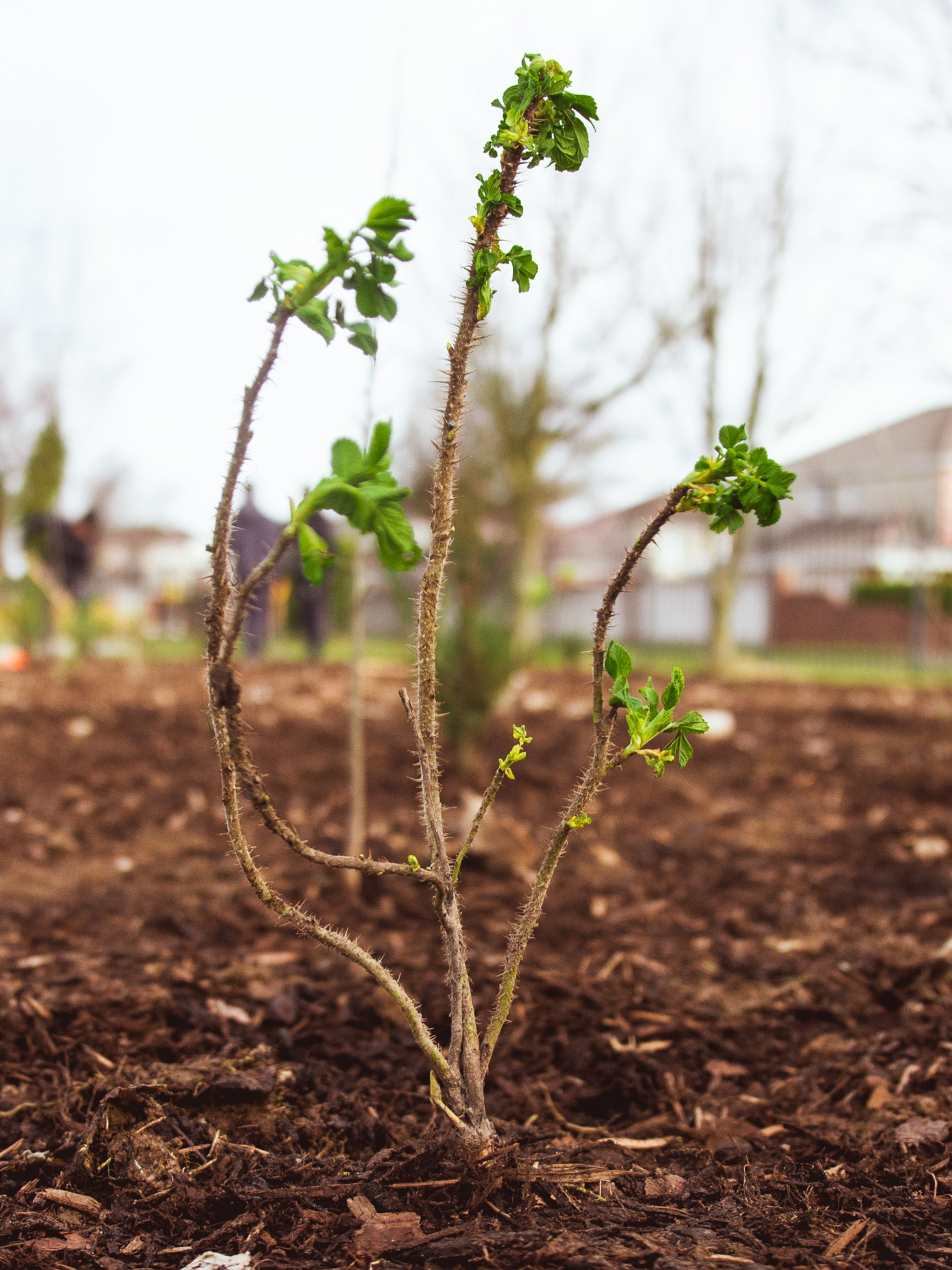
The gulder rose foliage was looking stunning and there was an abundance of red rose hips. Several of the yew trees had perished and I could not find any broom. On planting day both species arrived in pots so it is possible that the roots were not teased out sufficiently when they were being planted. Alternatively there may have been something faulty about that particular batch.
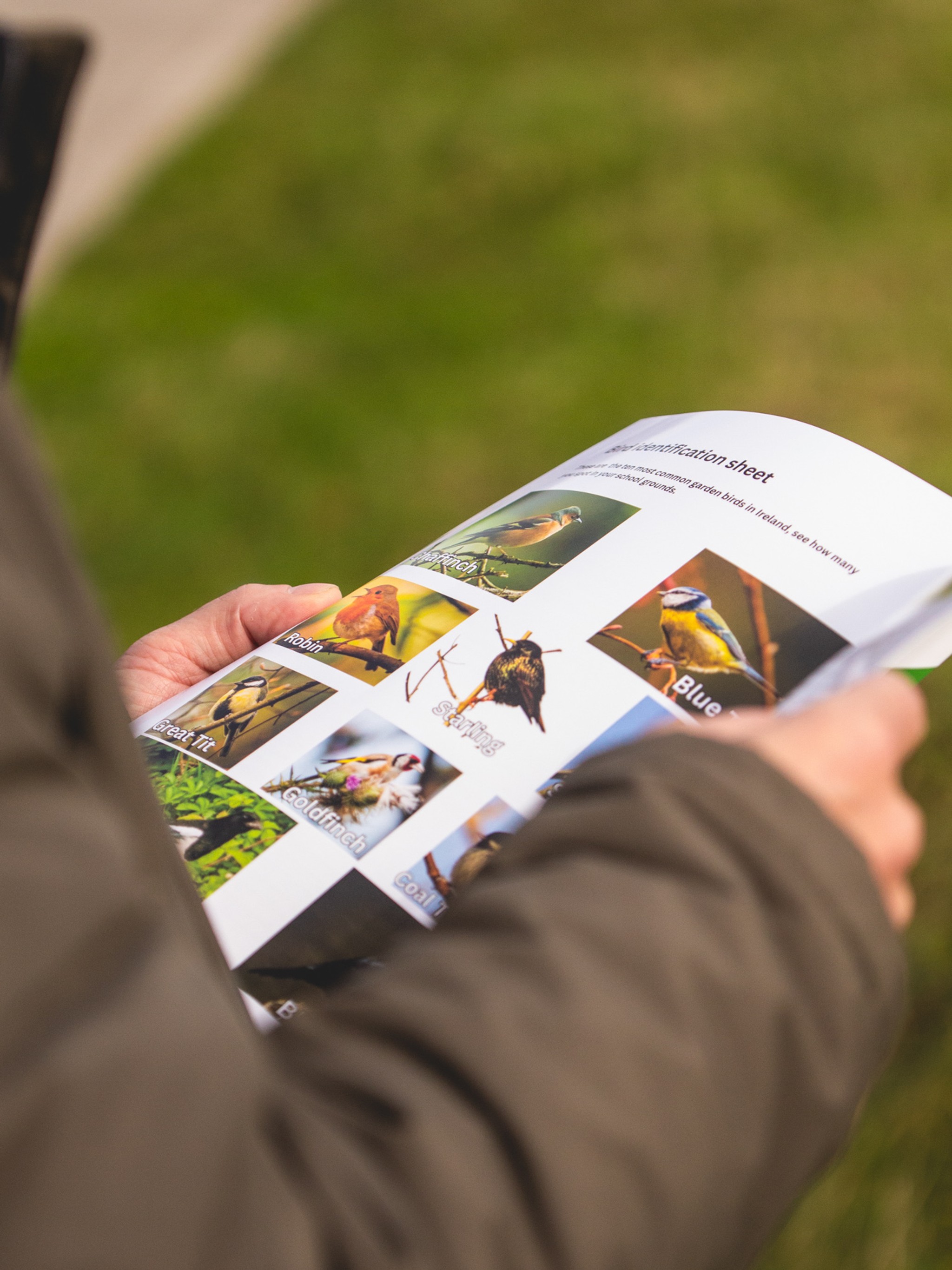
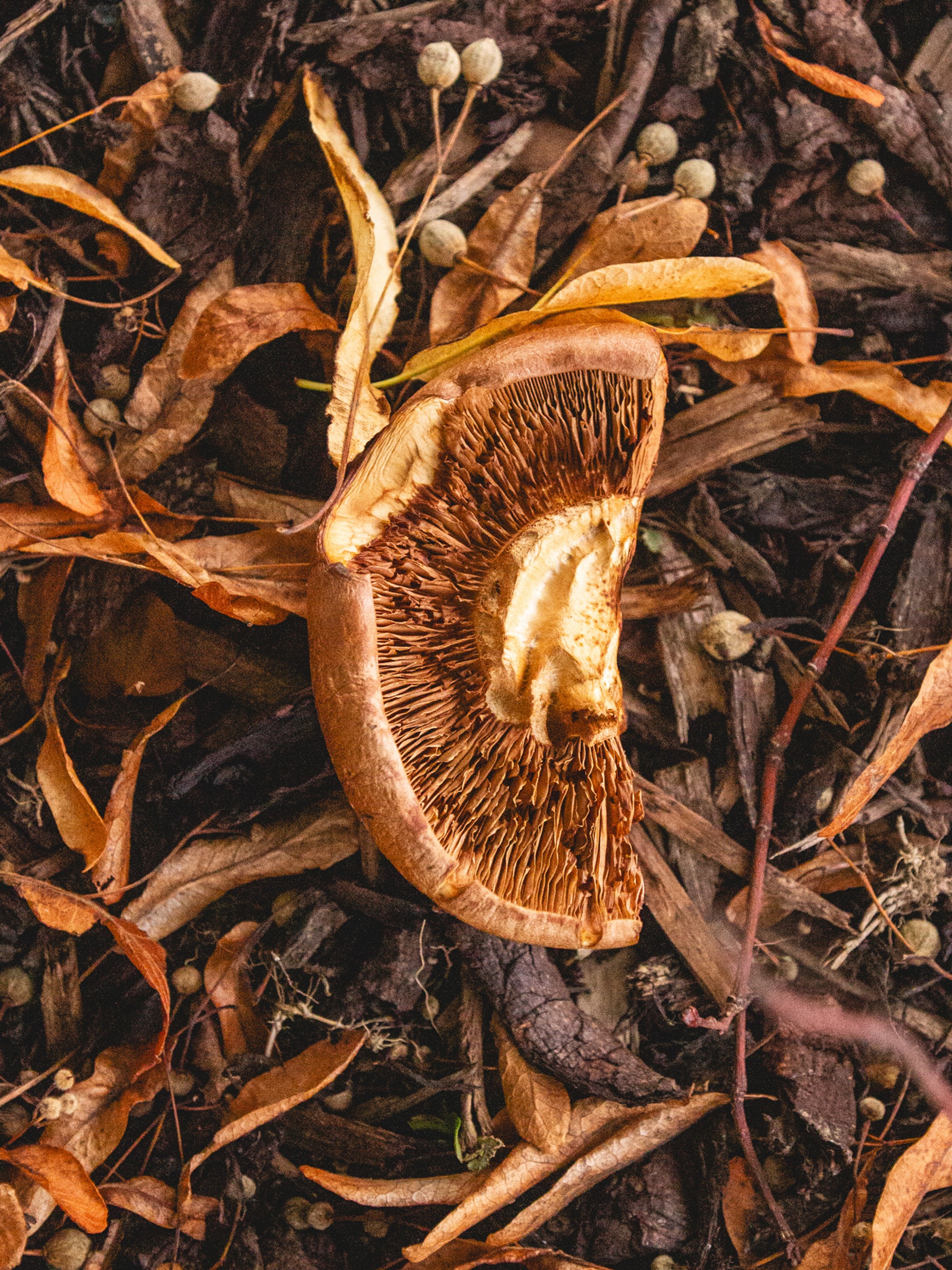
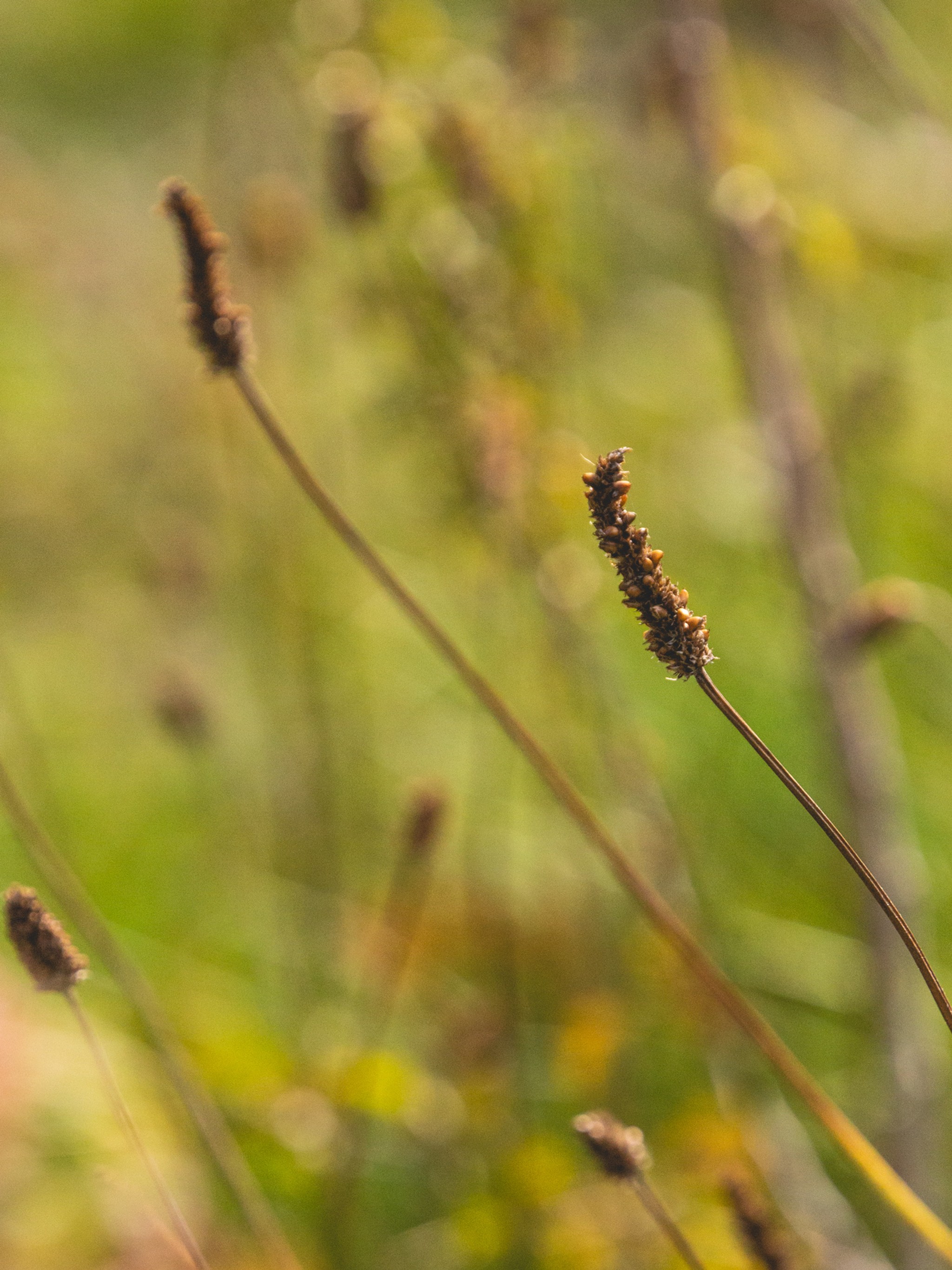
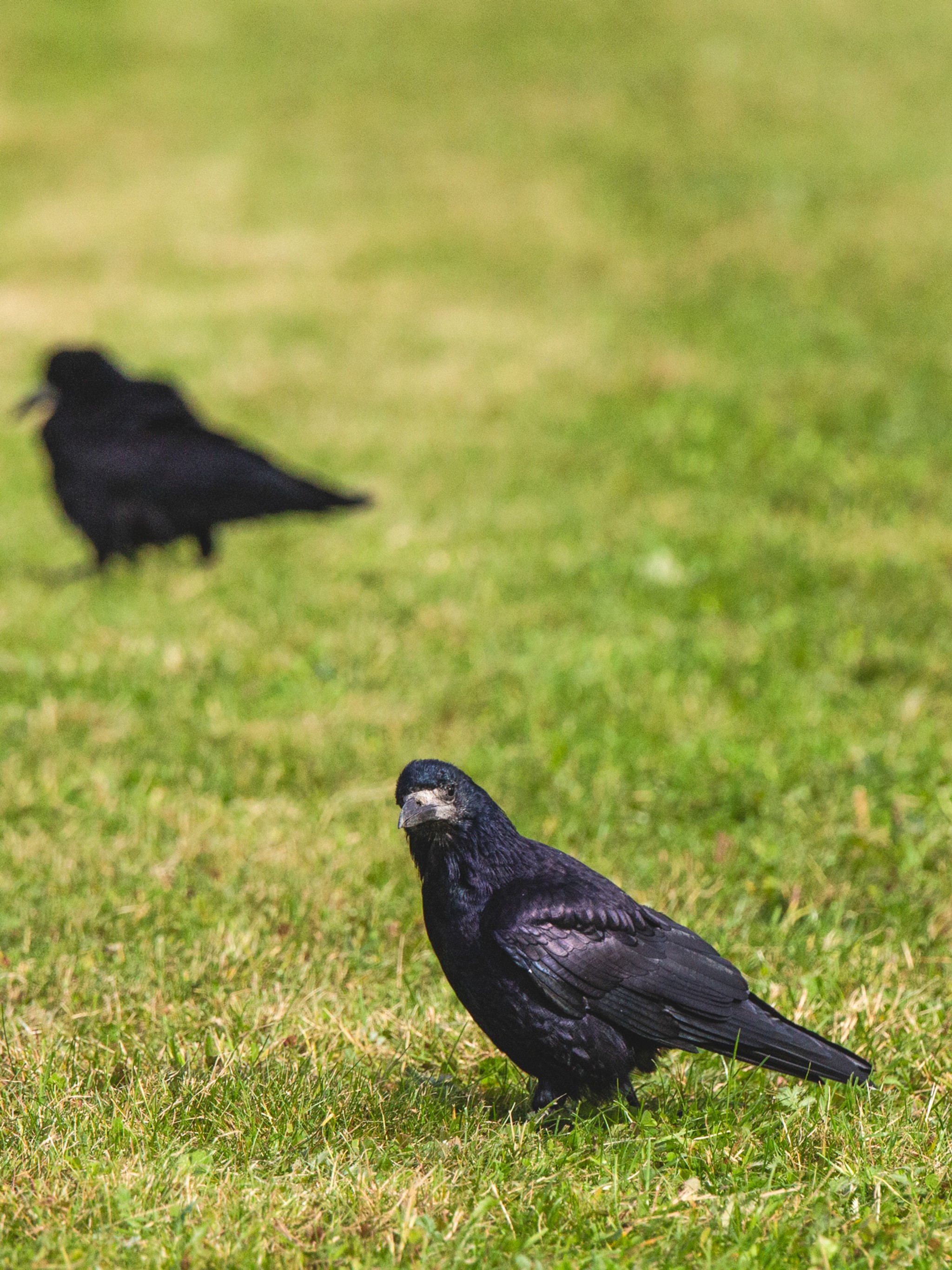
There were a few clumps of fungi fruiting bodies on the new forest floor. No bird or mammal wildlife was evident during the visit however it was clear that something had being digging in the mulch as some of the cardboard below the mulch had been brought to the surface and shredded. This was most likely caused by a fox or two.
Biodiversity Notes:

Planting: March 2025
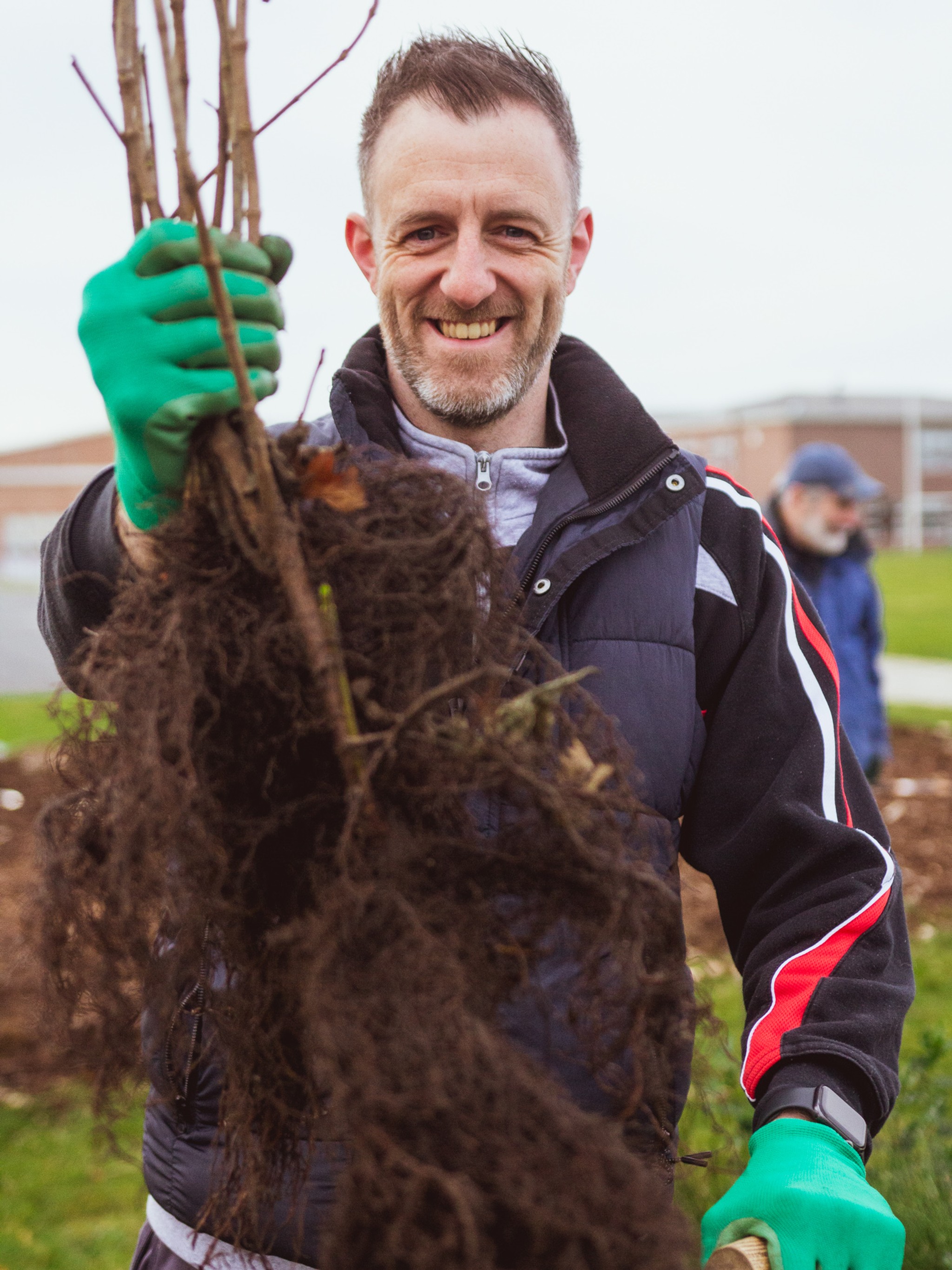
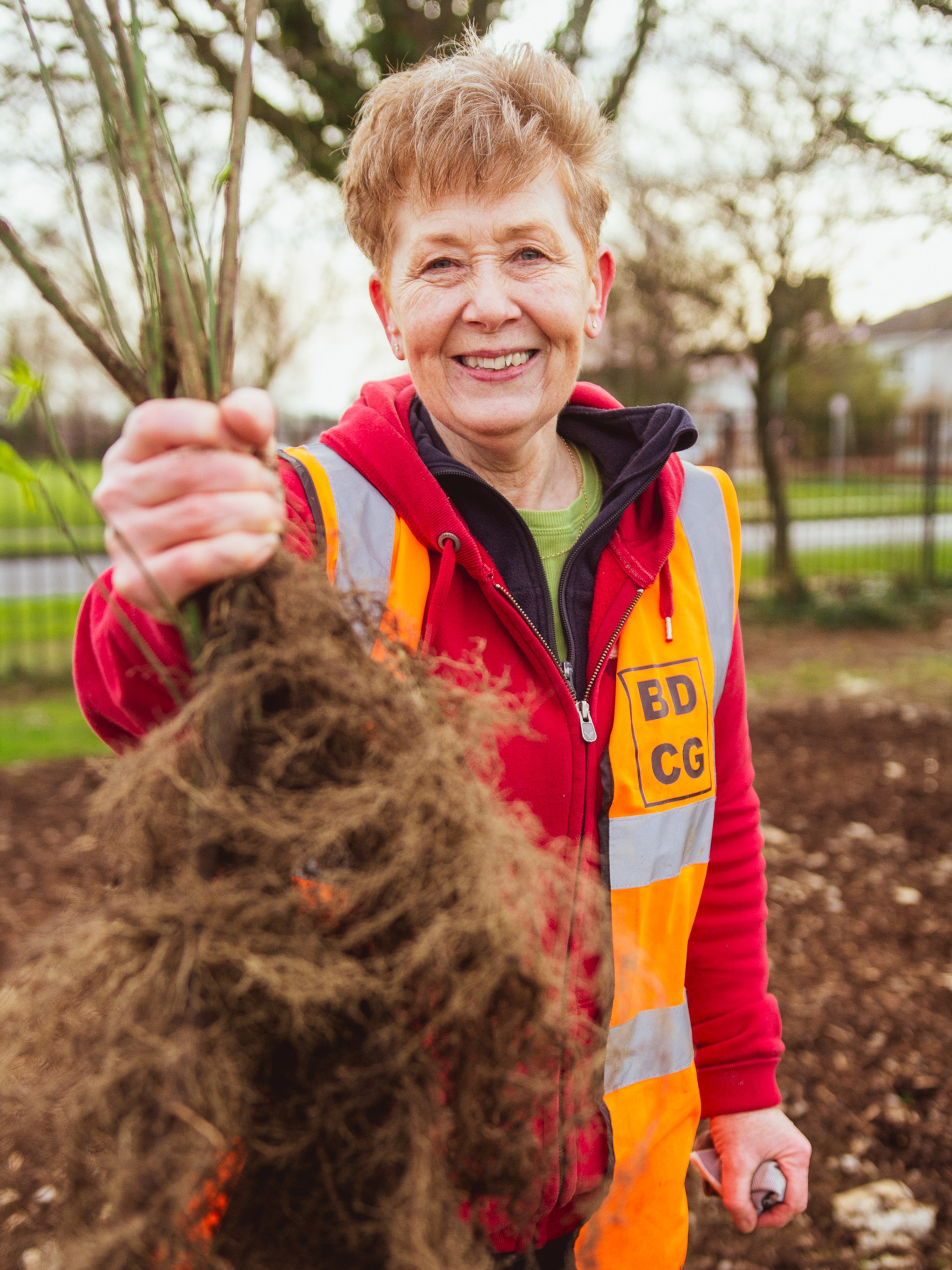
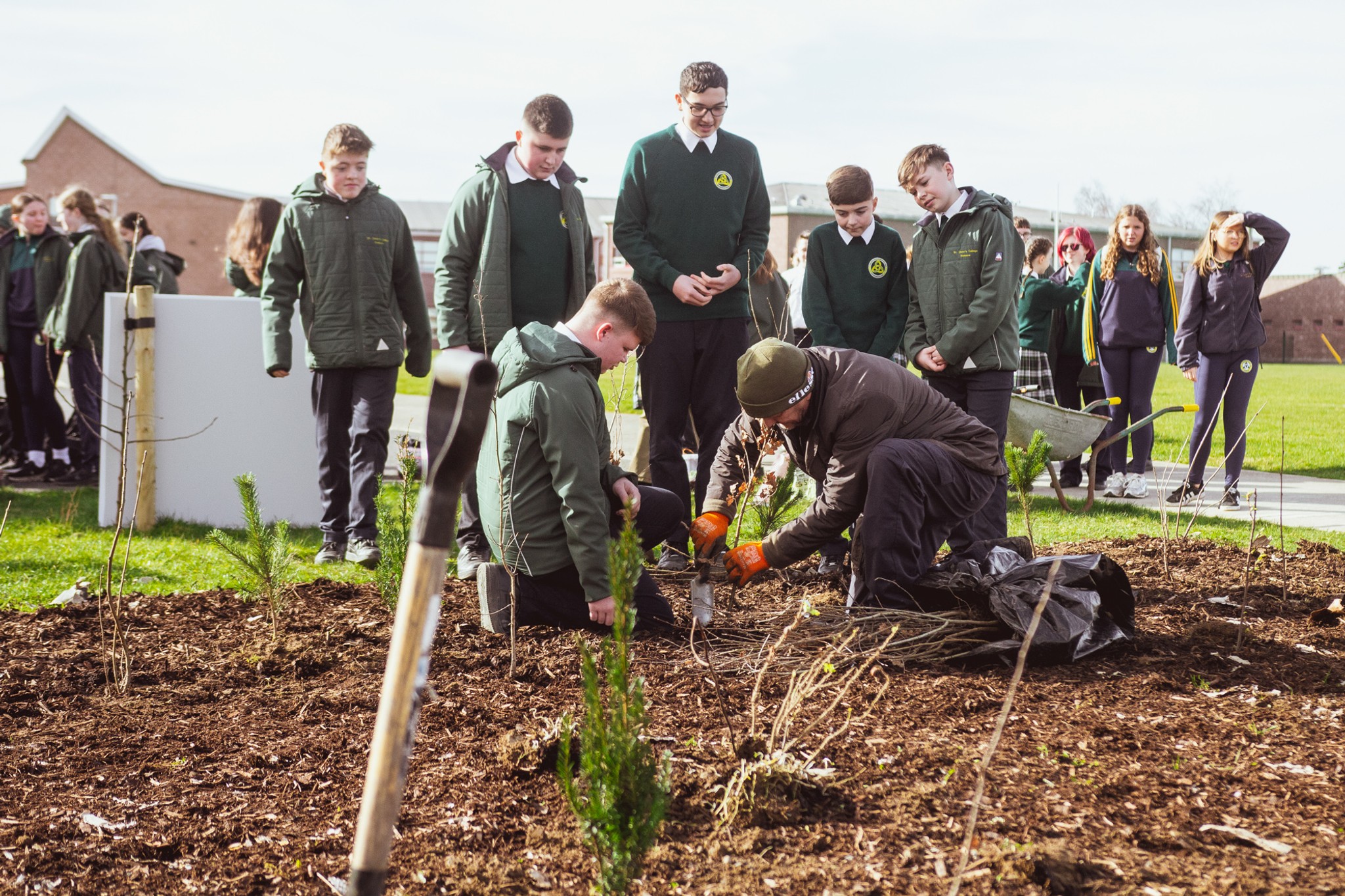
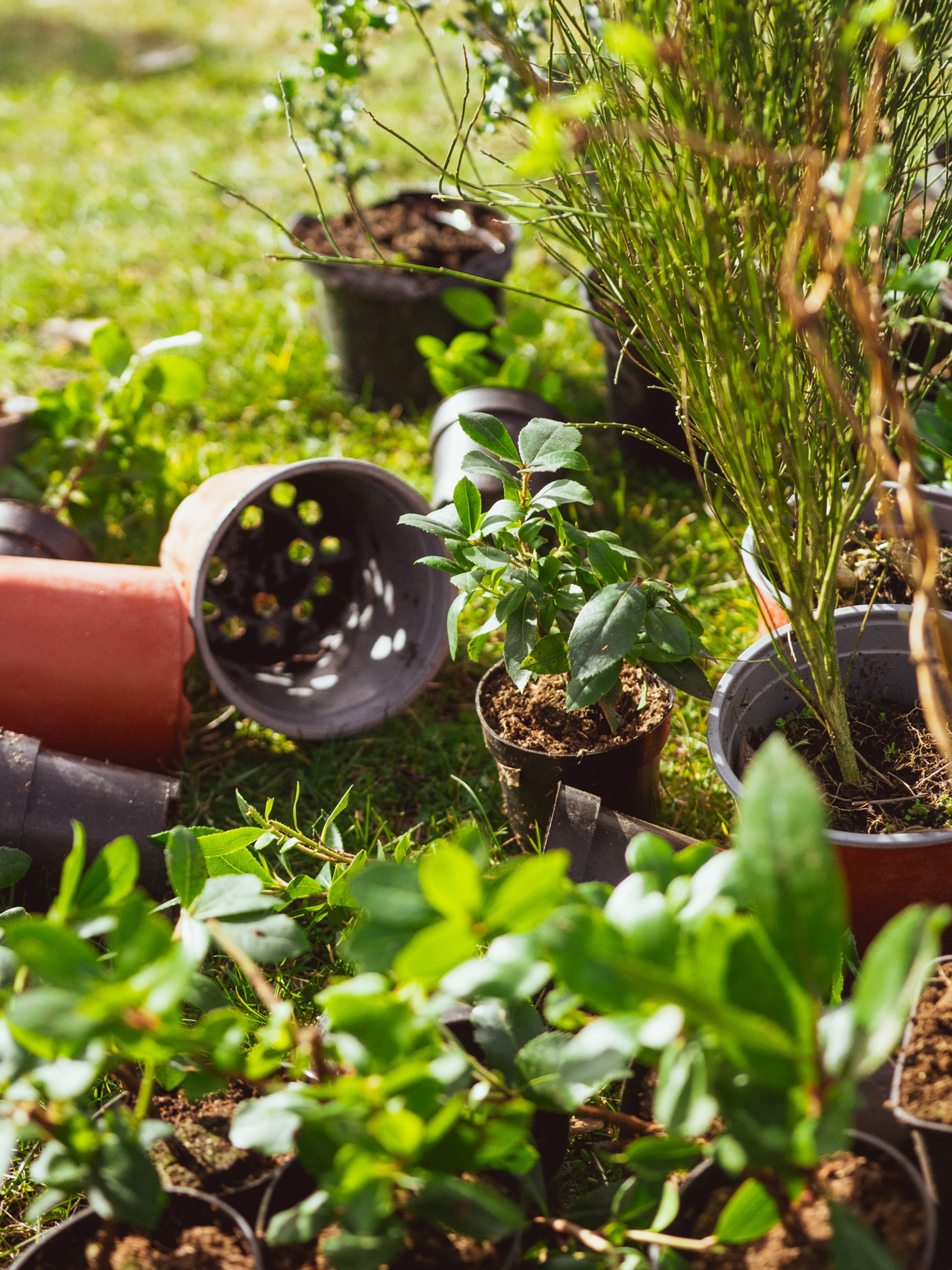
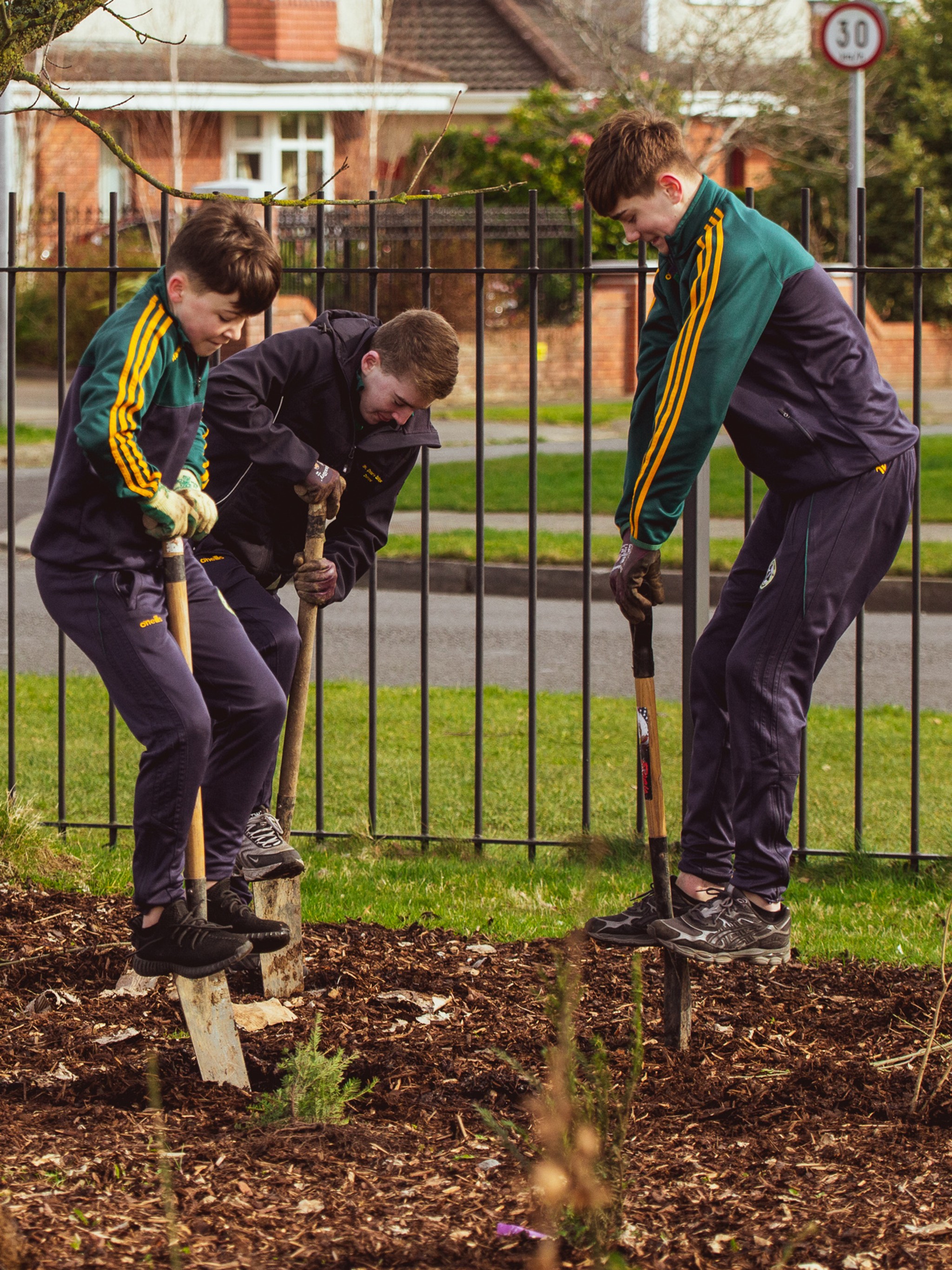
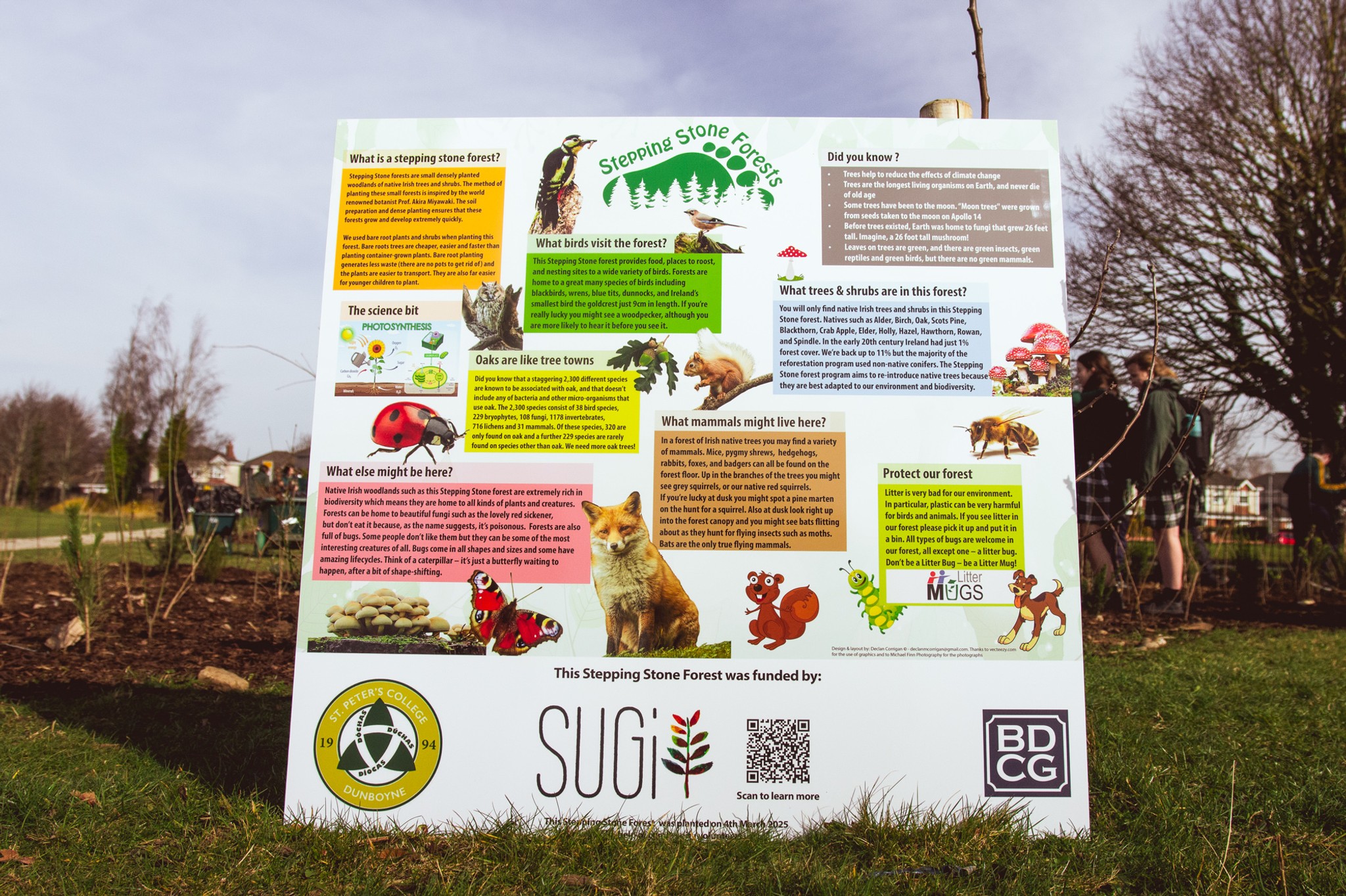
"Ever since I discovered the SUGi Project online I've really wanted to work with SUGi on a project. Our Stepping Stone Forest methods are a great fit with SUGi and we finally get to work together on a project in Ireland. I'm hoping that the Stepping Stone Forest in St Peter's College is just the beginning of a long and treeful relationship between Stepping Stone Forests and SUGi.”
John Kiberd, Stepping Stone Forests Founder