Capão Redondo Forest
Restoring a pocket of Atlantic Forest for 3,000 students in São Paulo.
0
Trees
0
Square Meters
0
Native Species
0
Youth Impacted
Self sustaining pocket forest
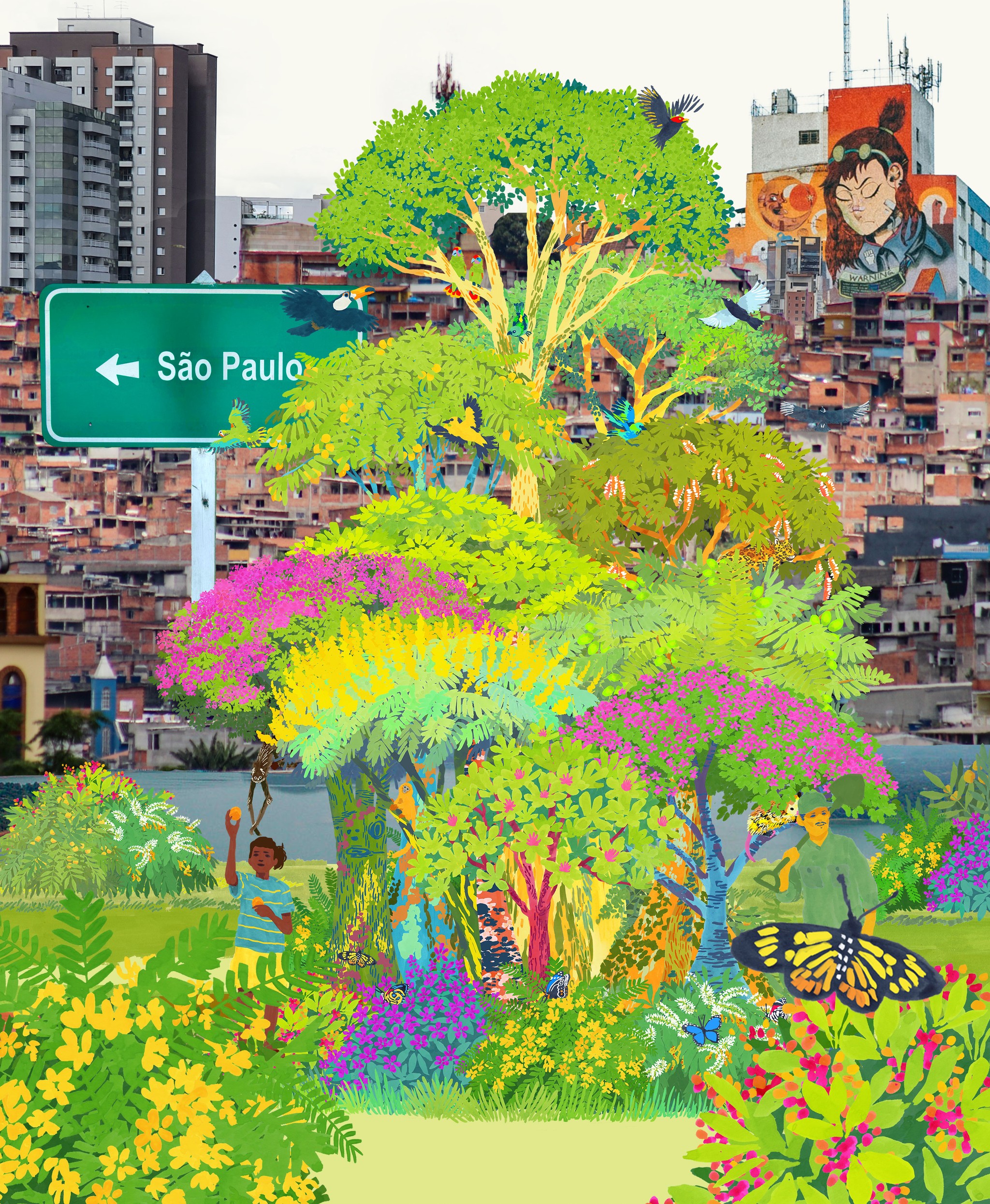
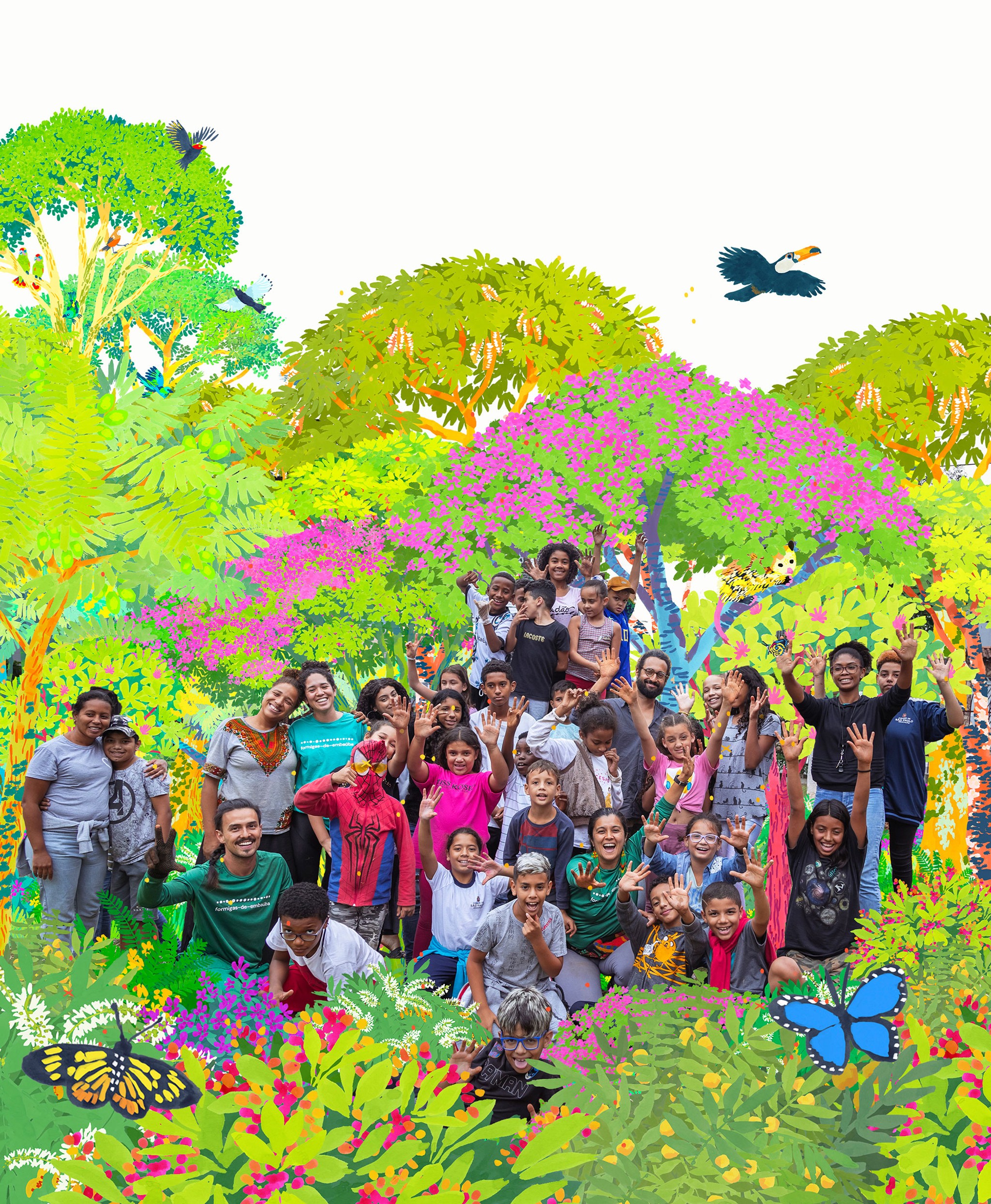
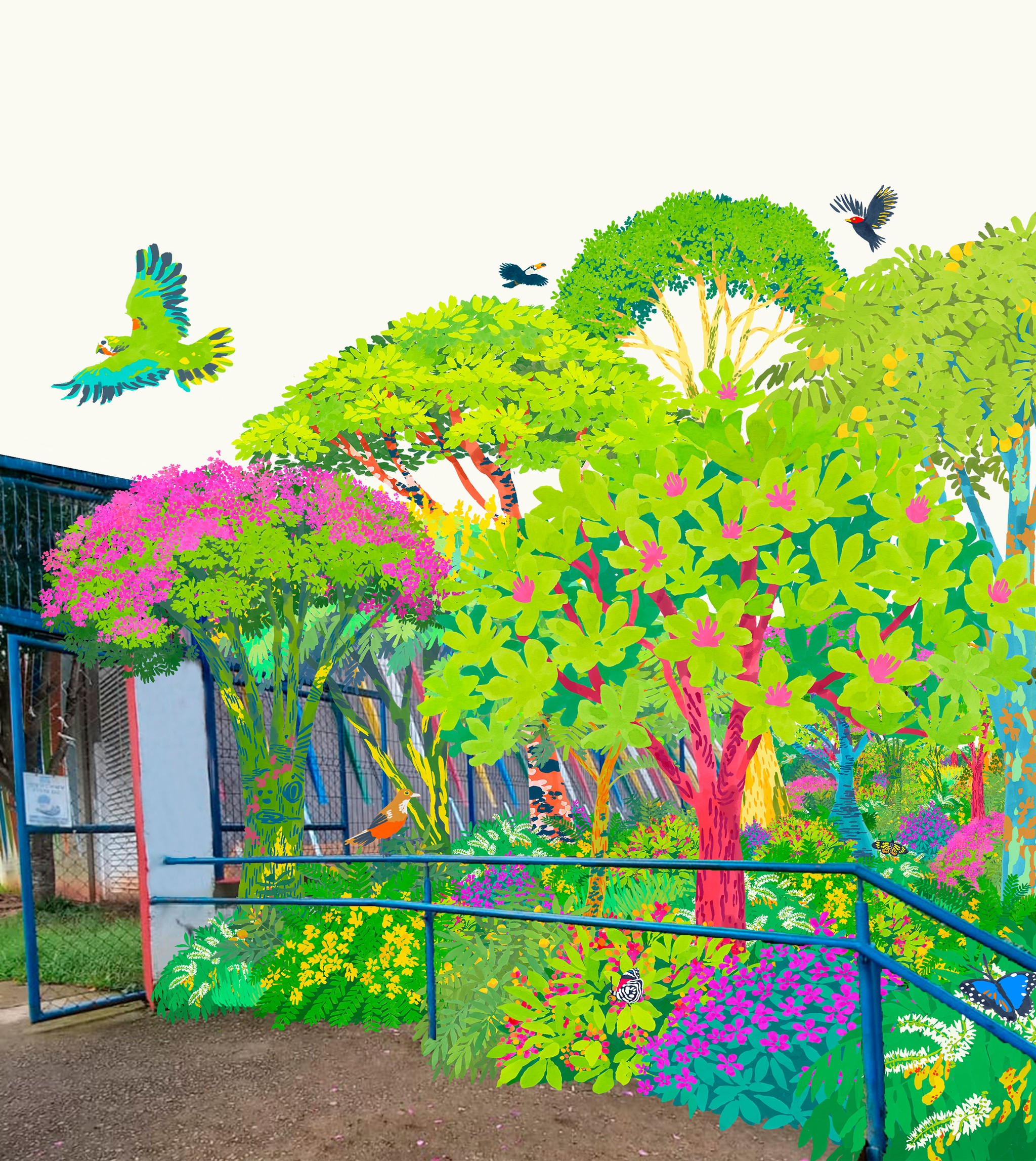
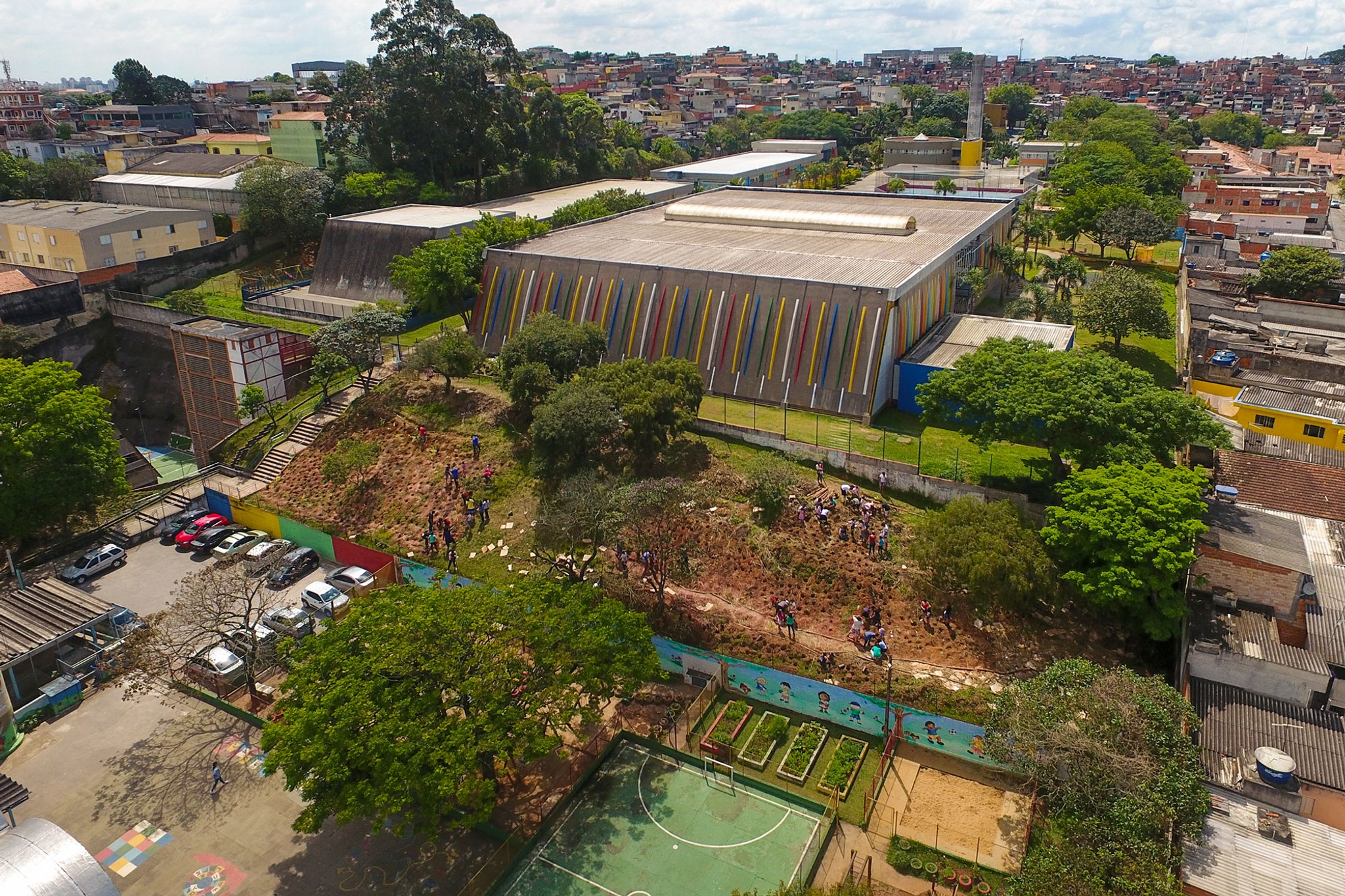
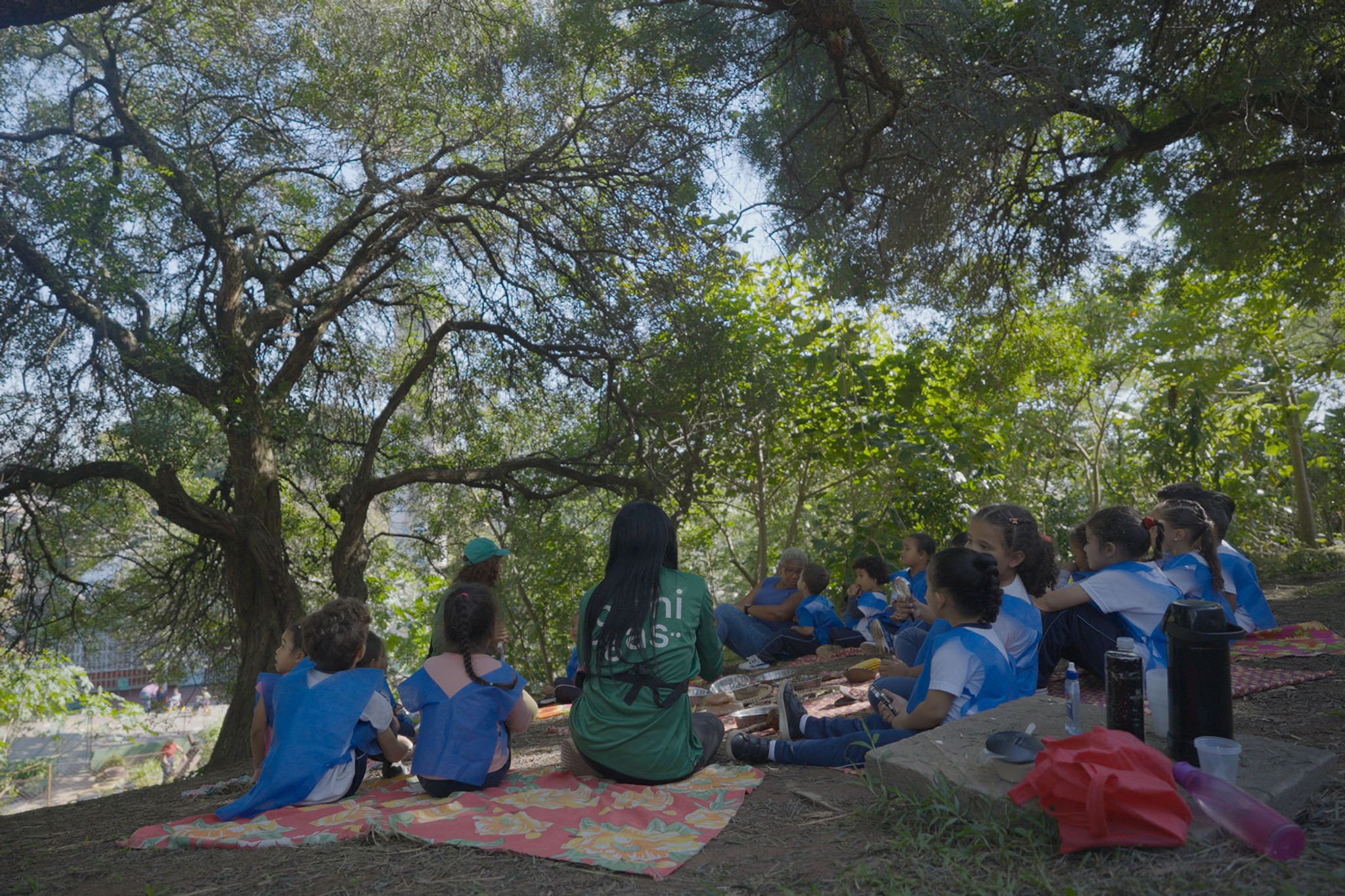
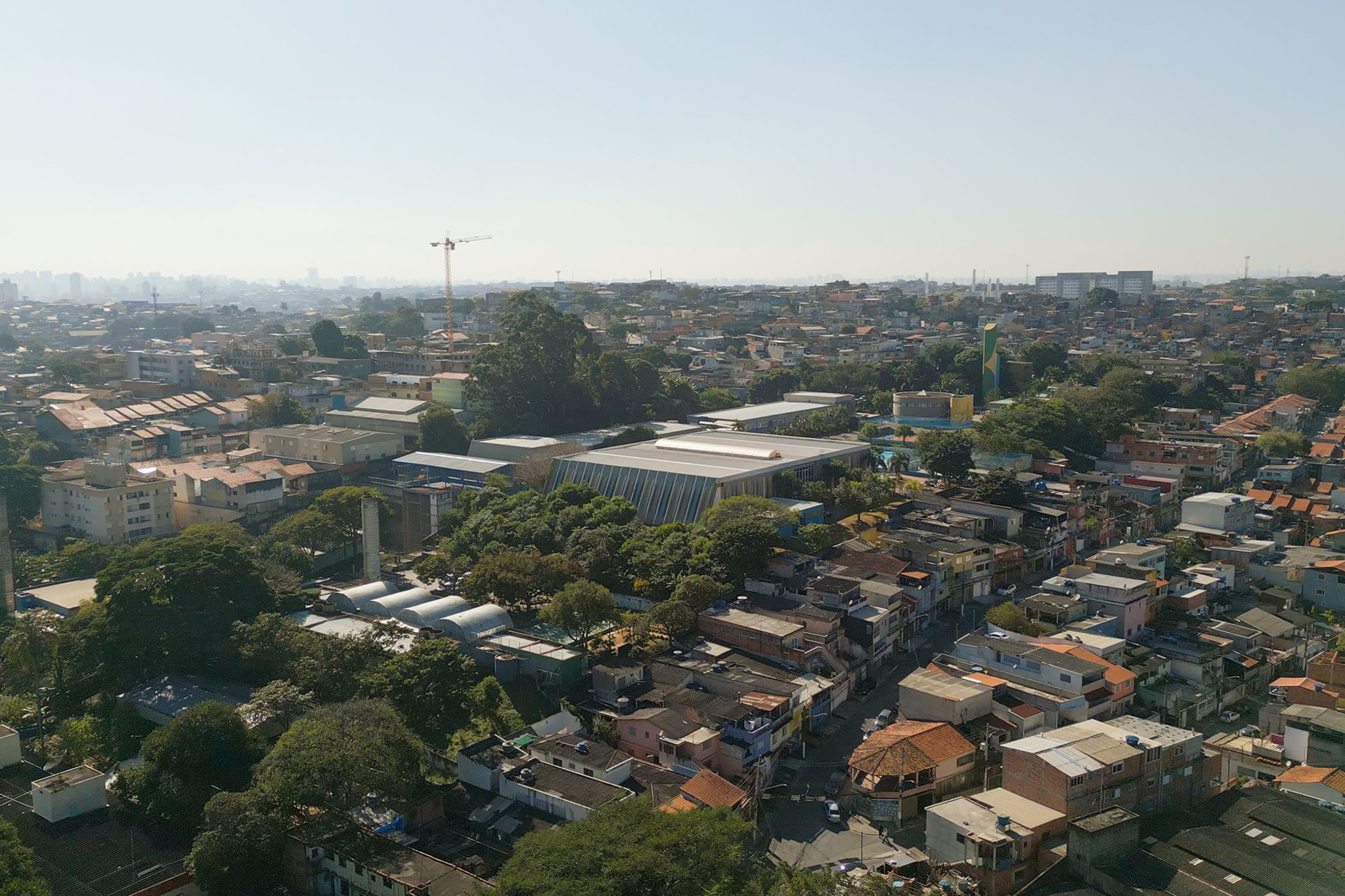
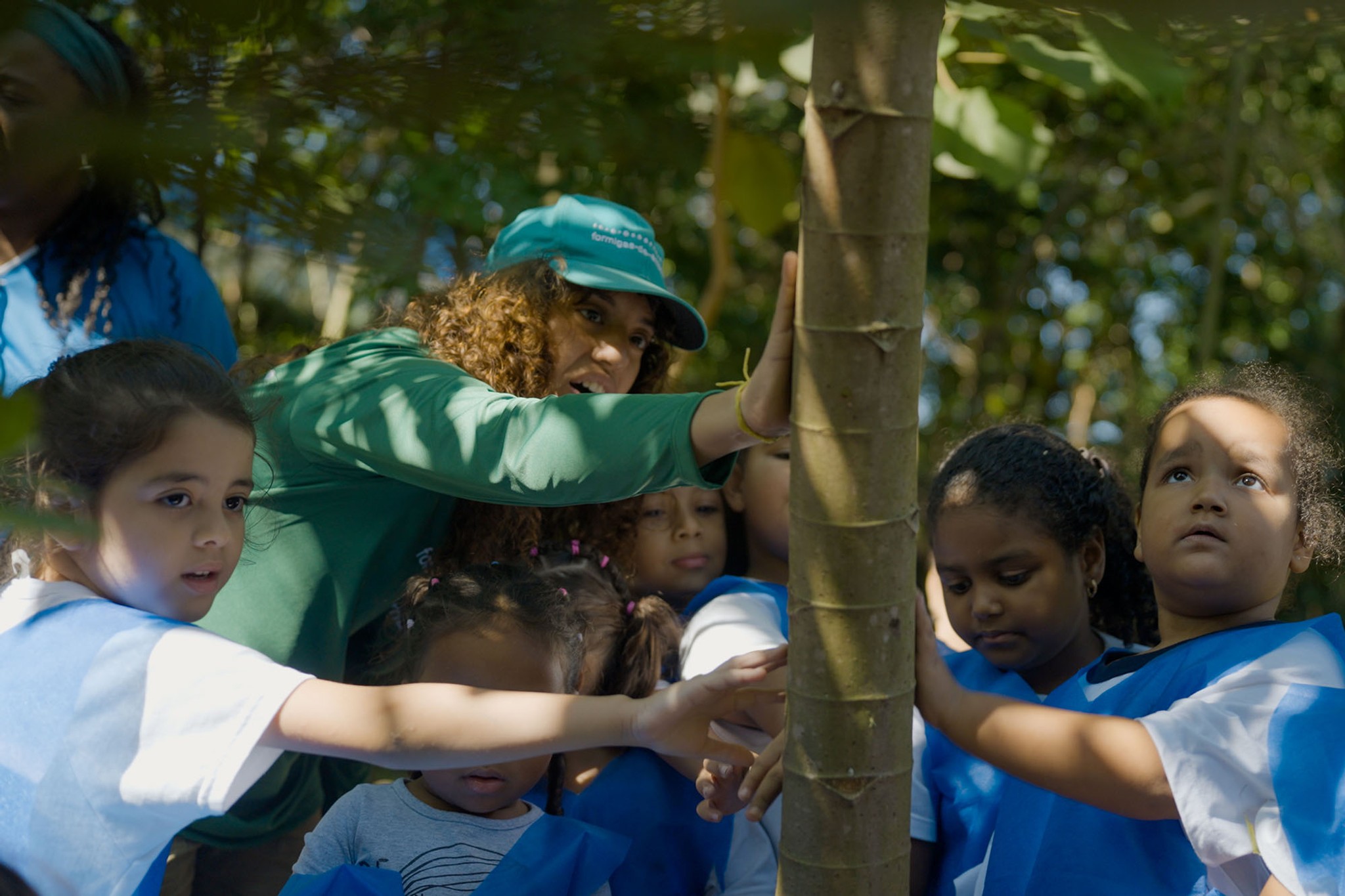
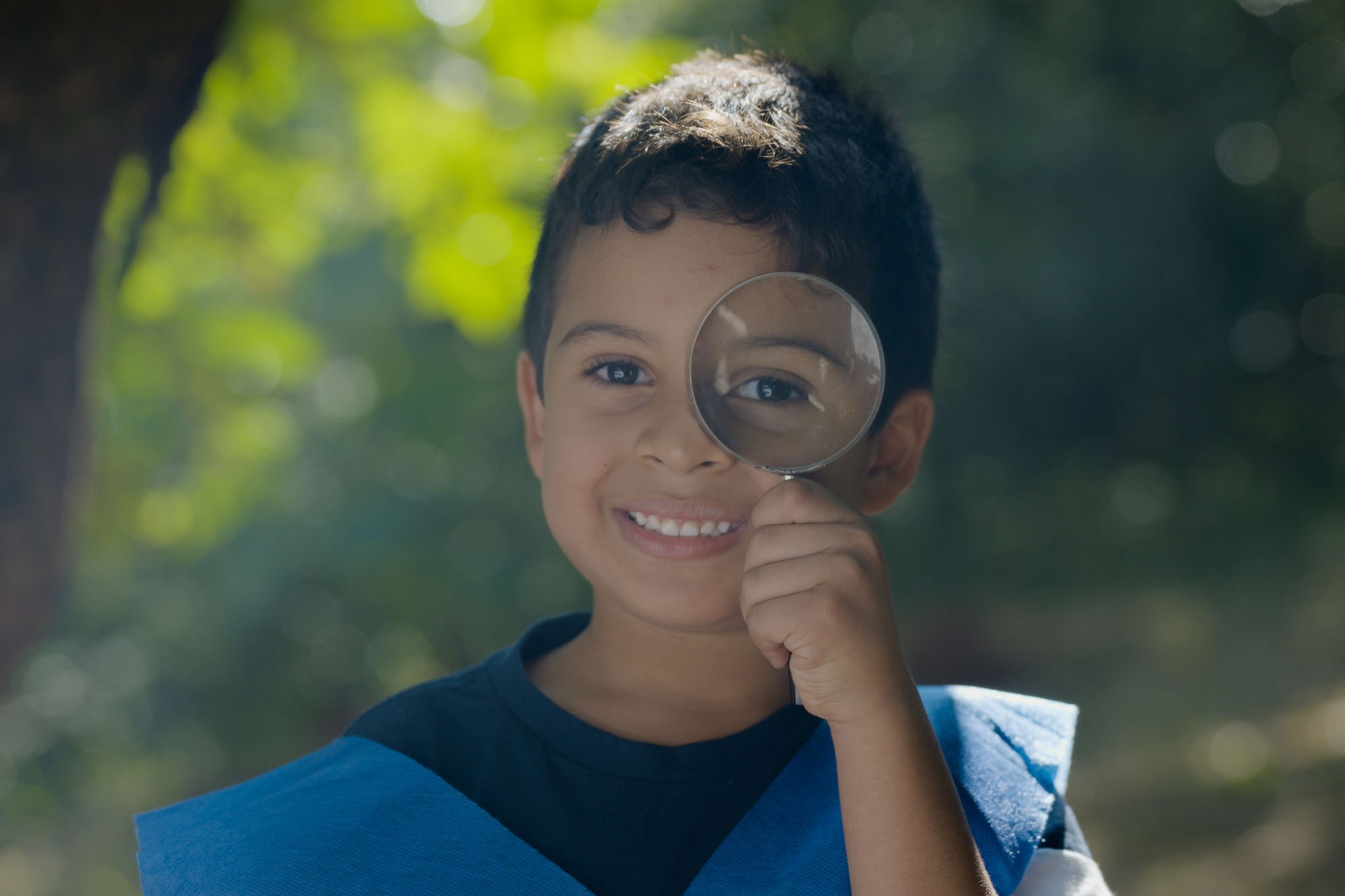
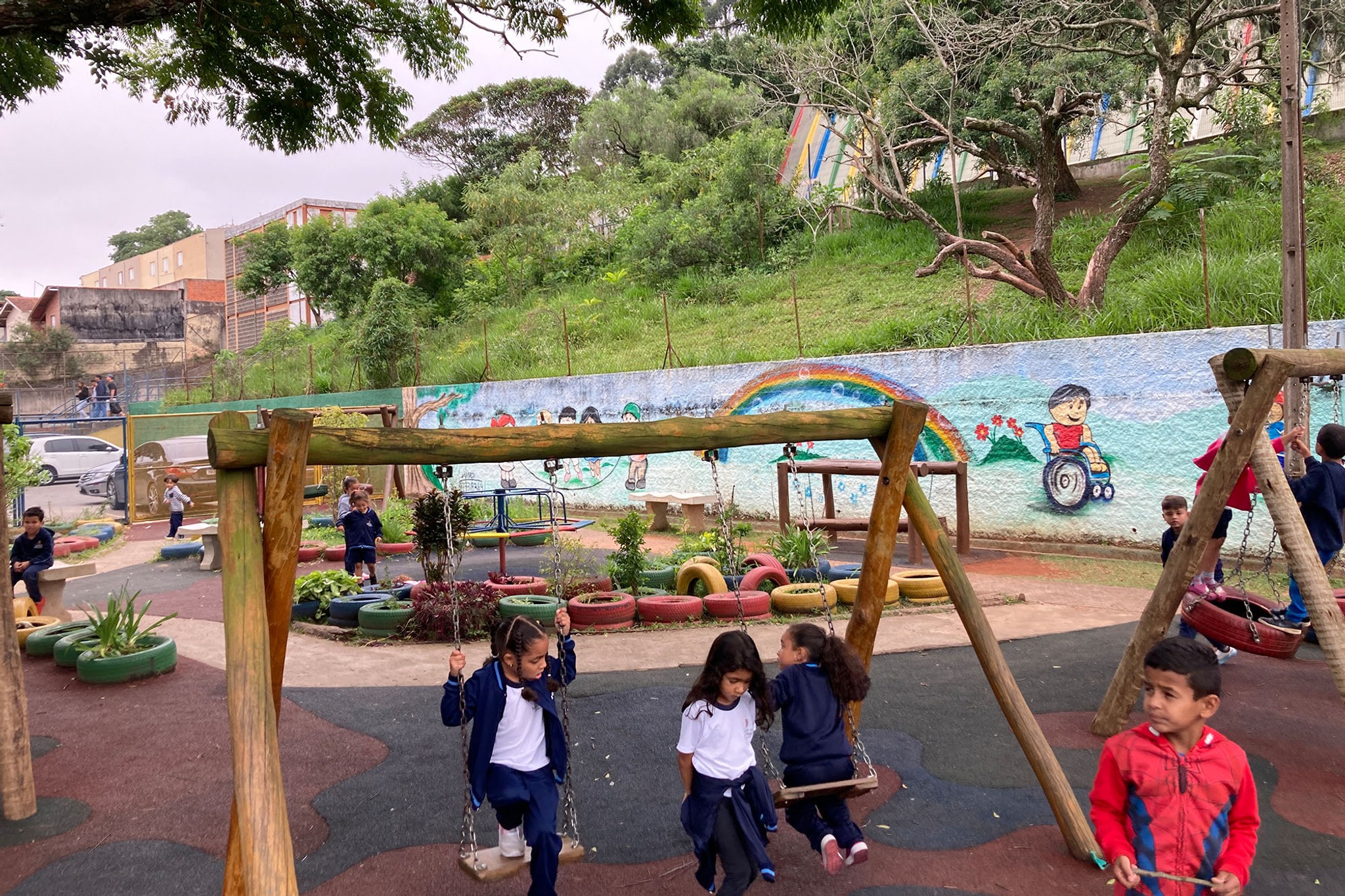
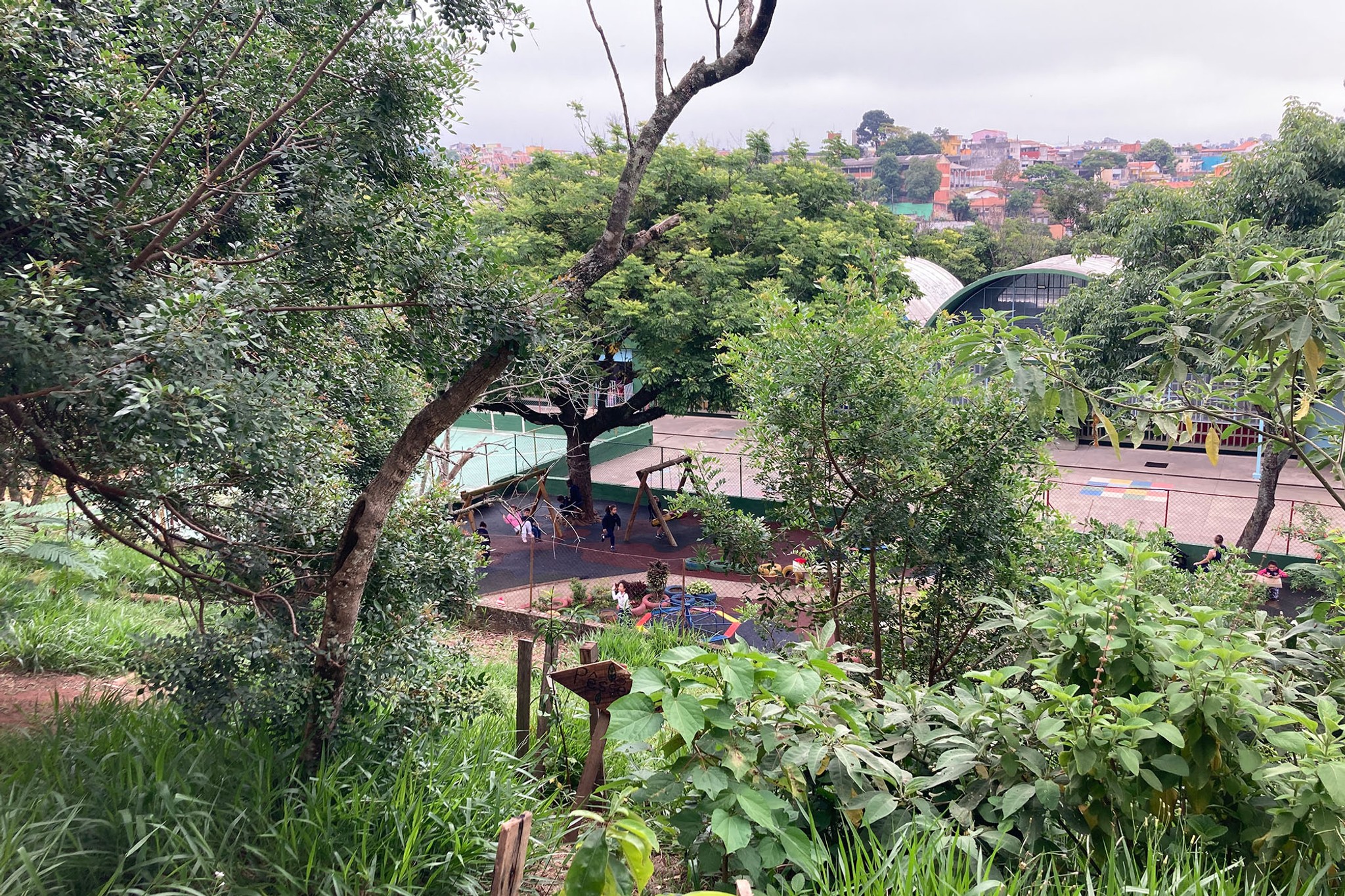
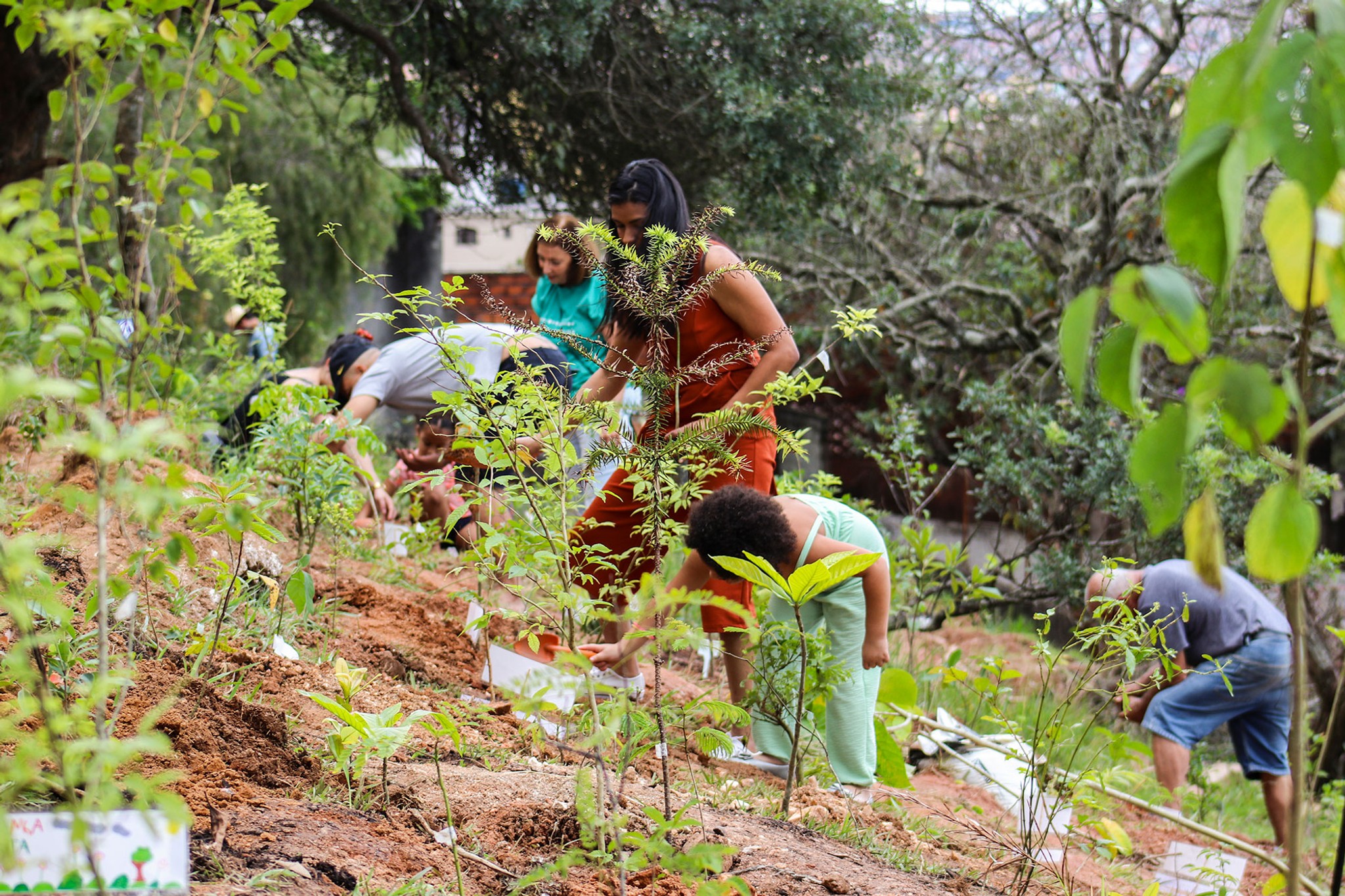
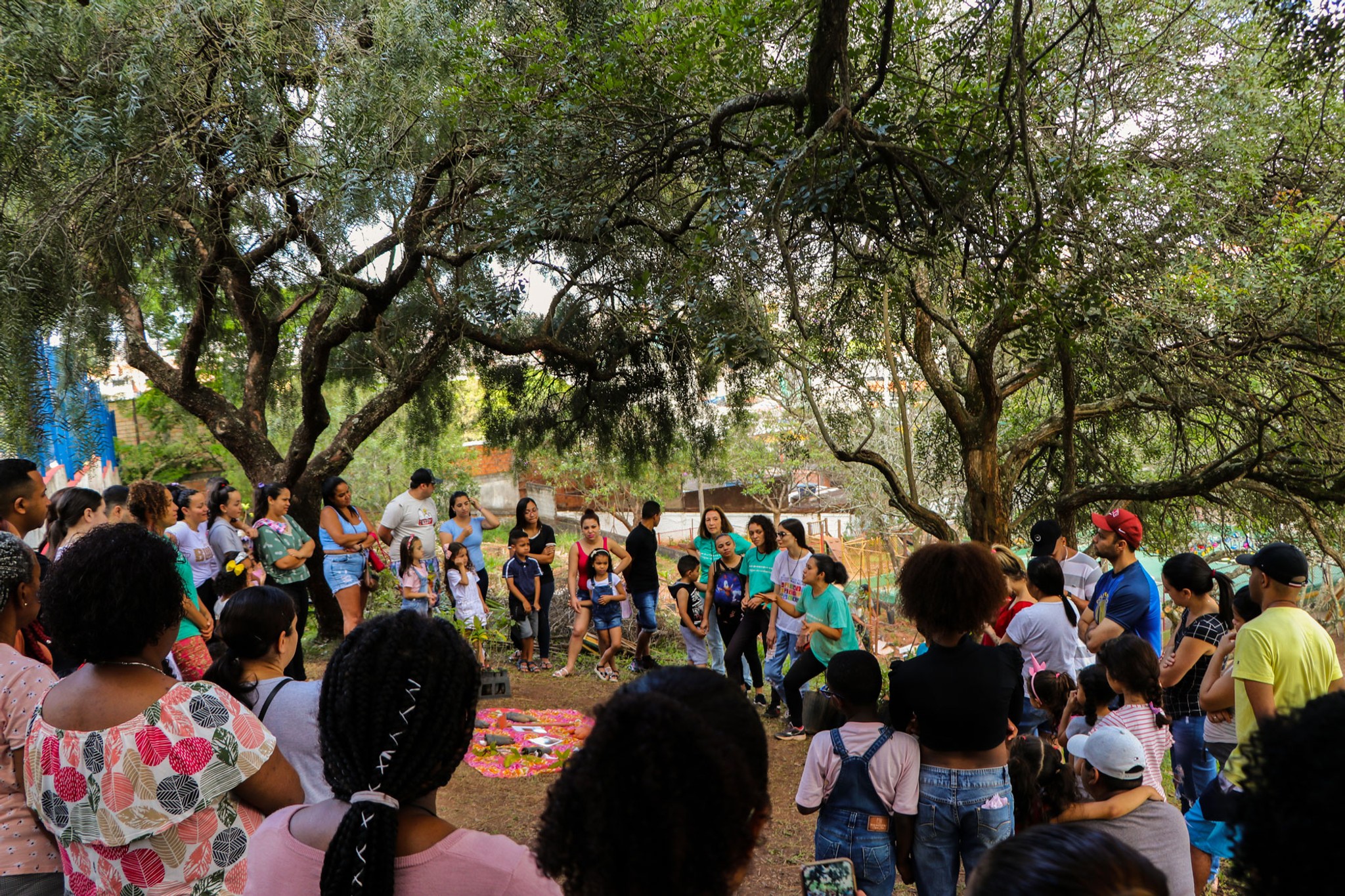
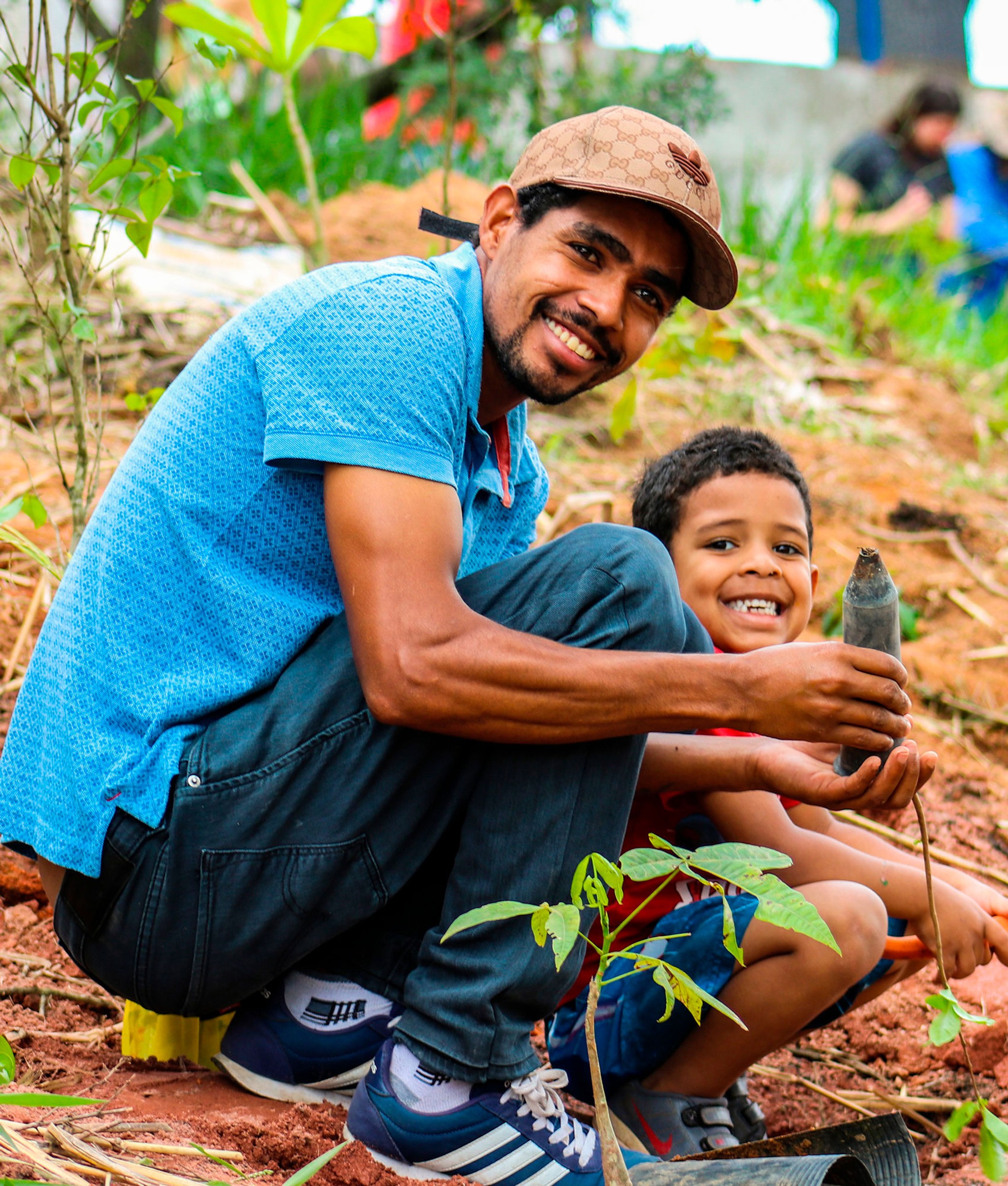
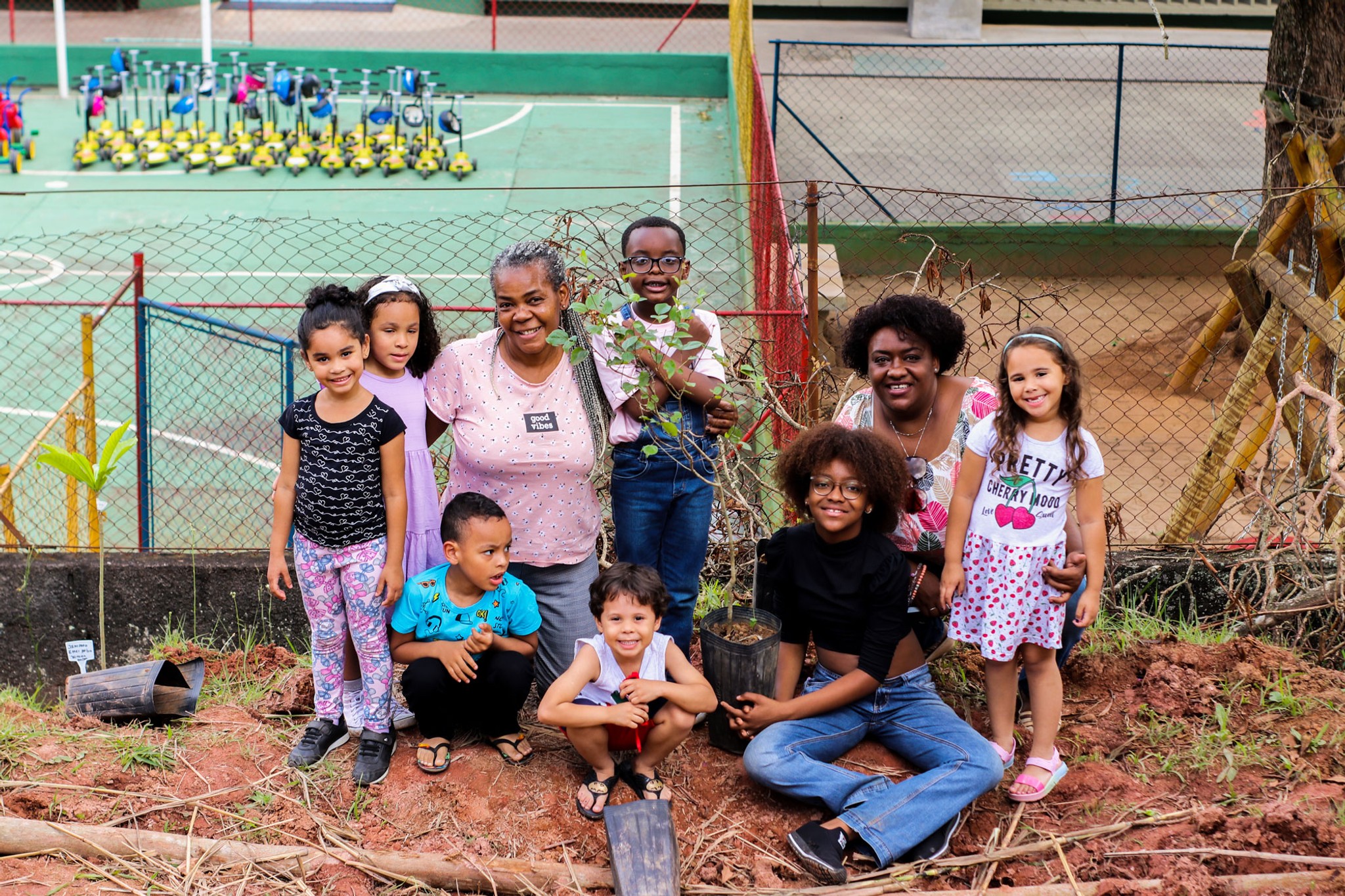
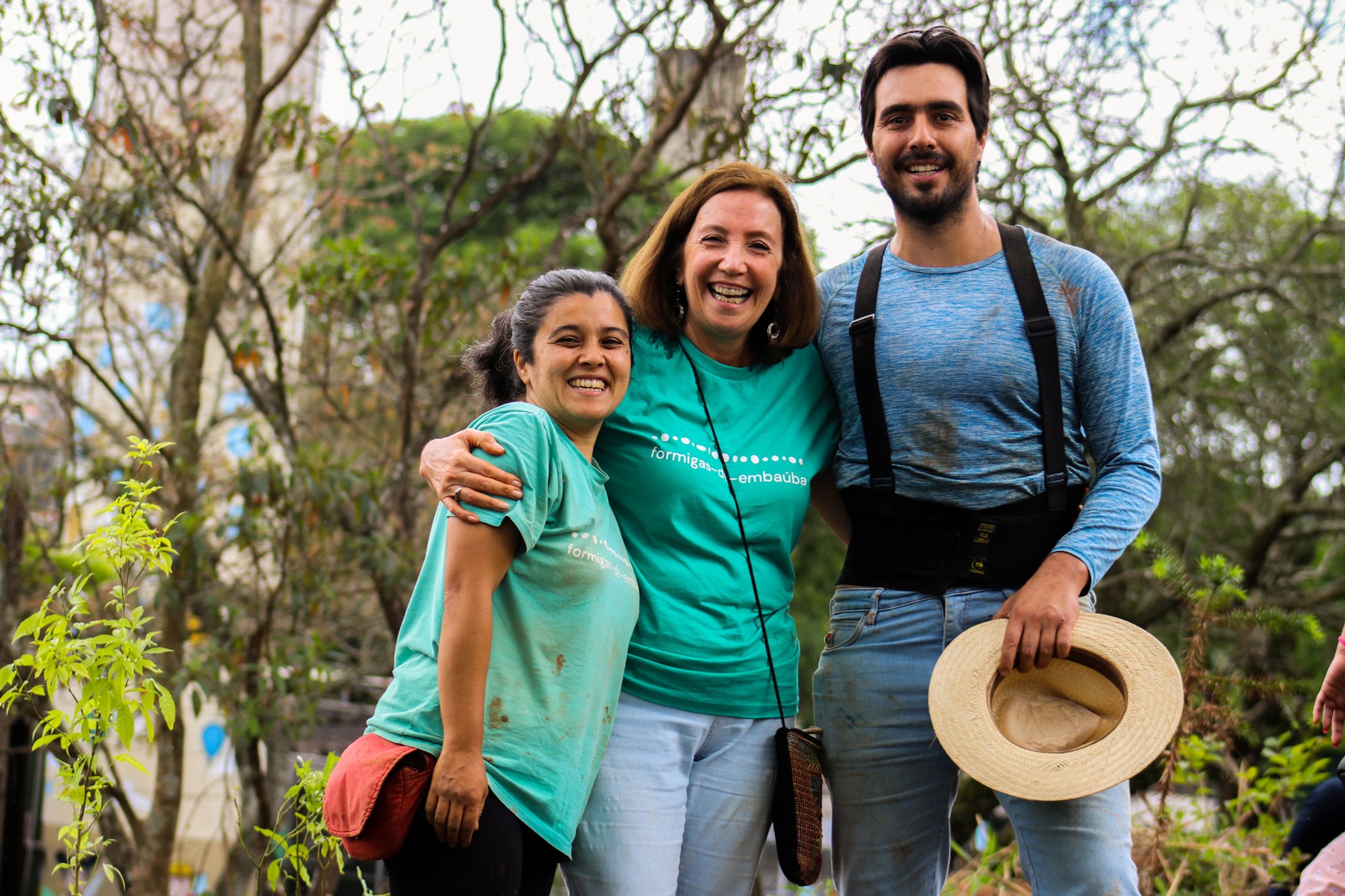
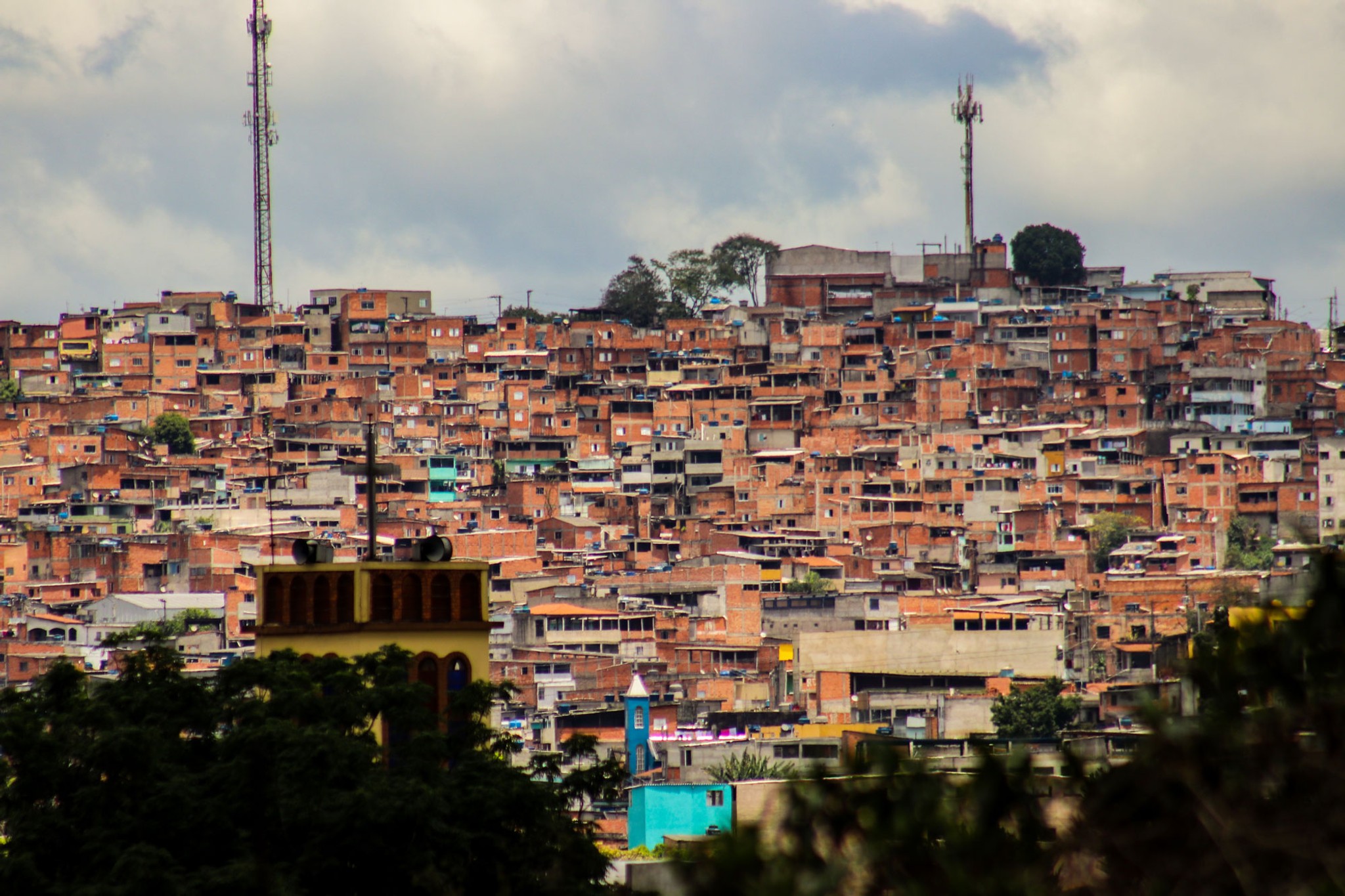
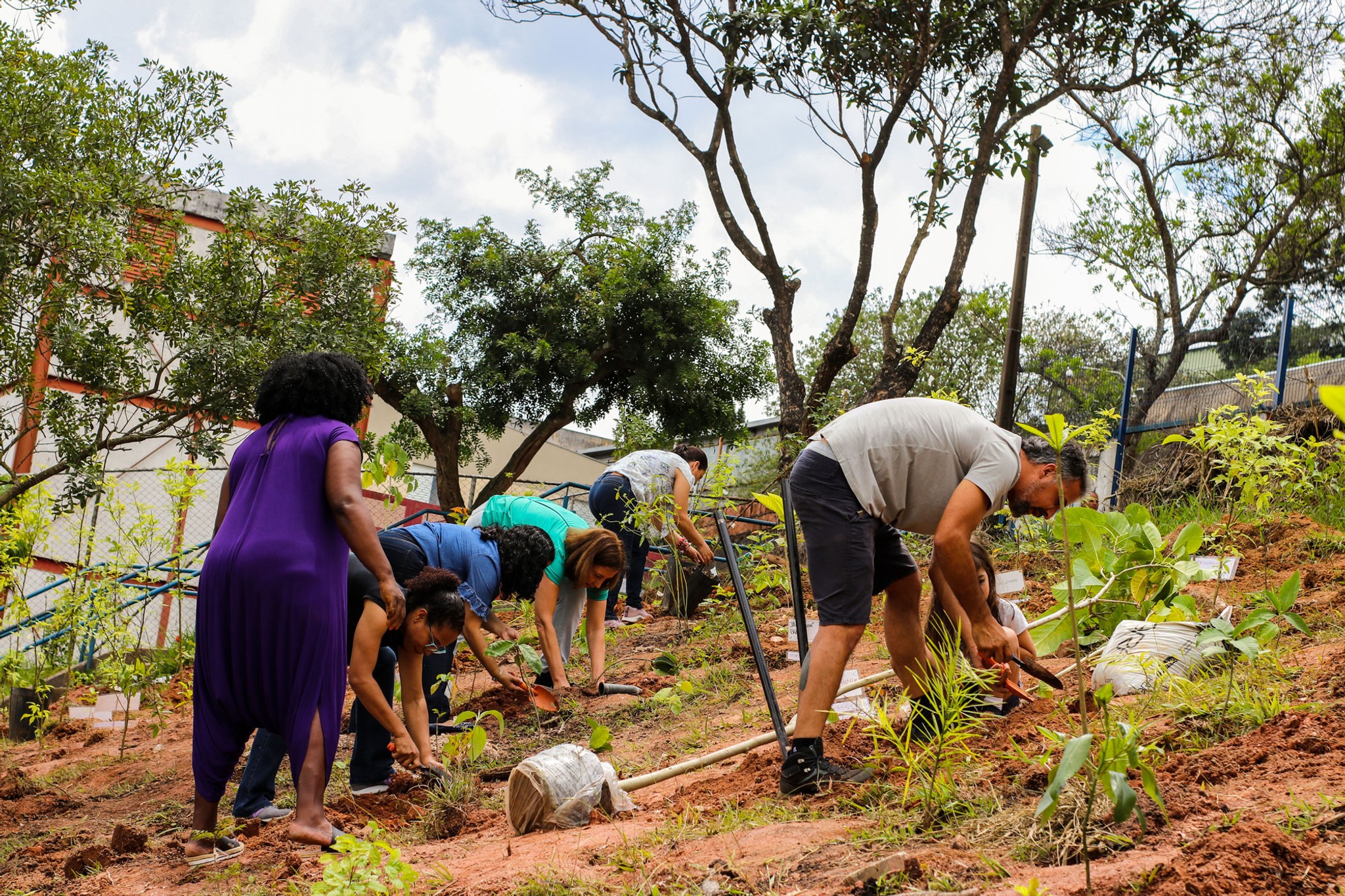
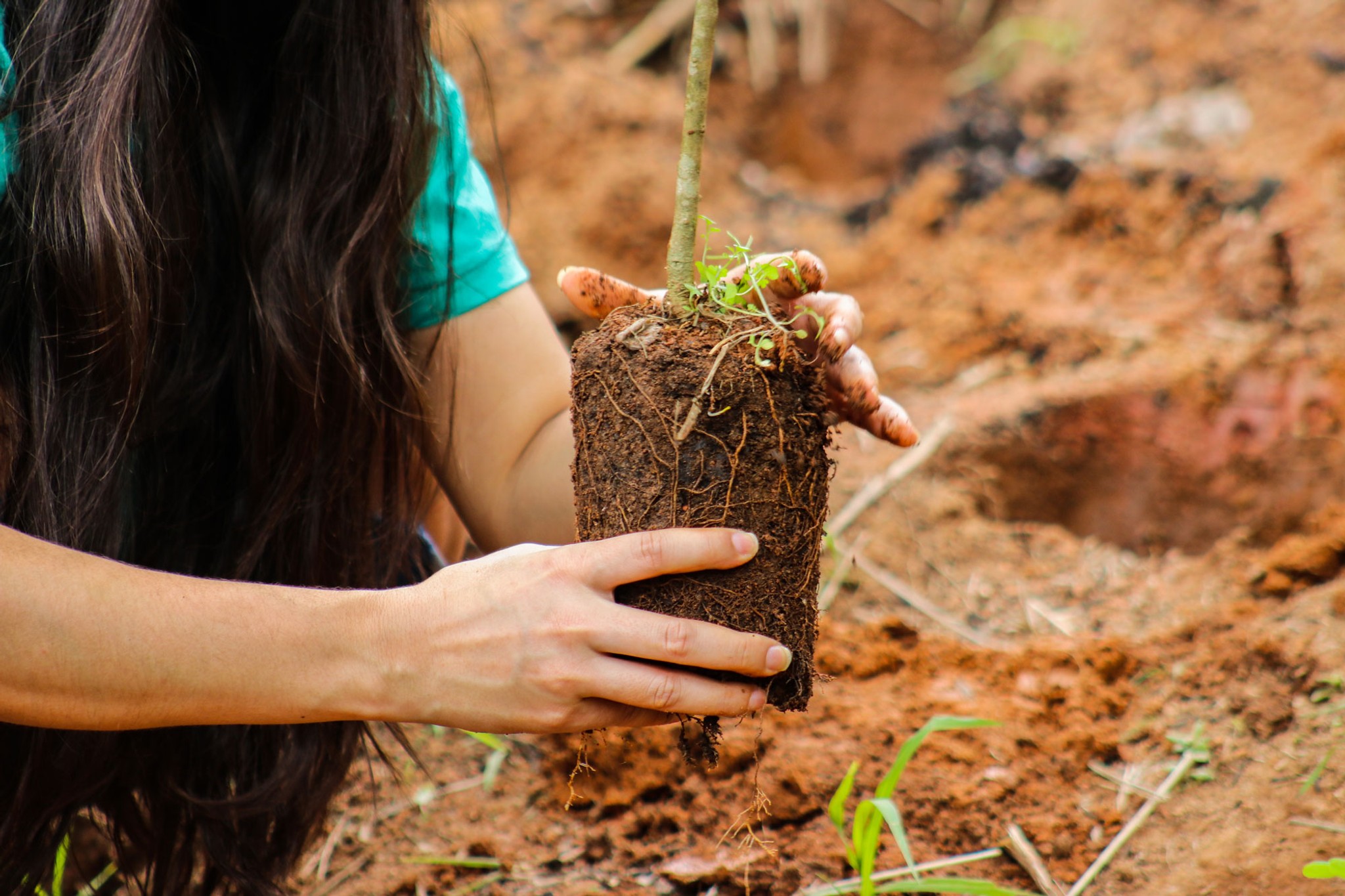
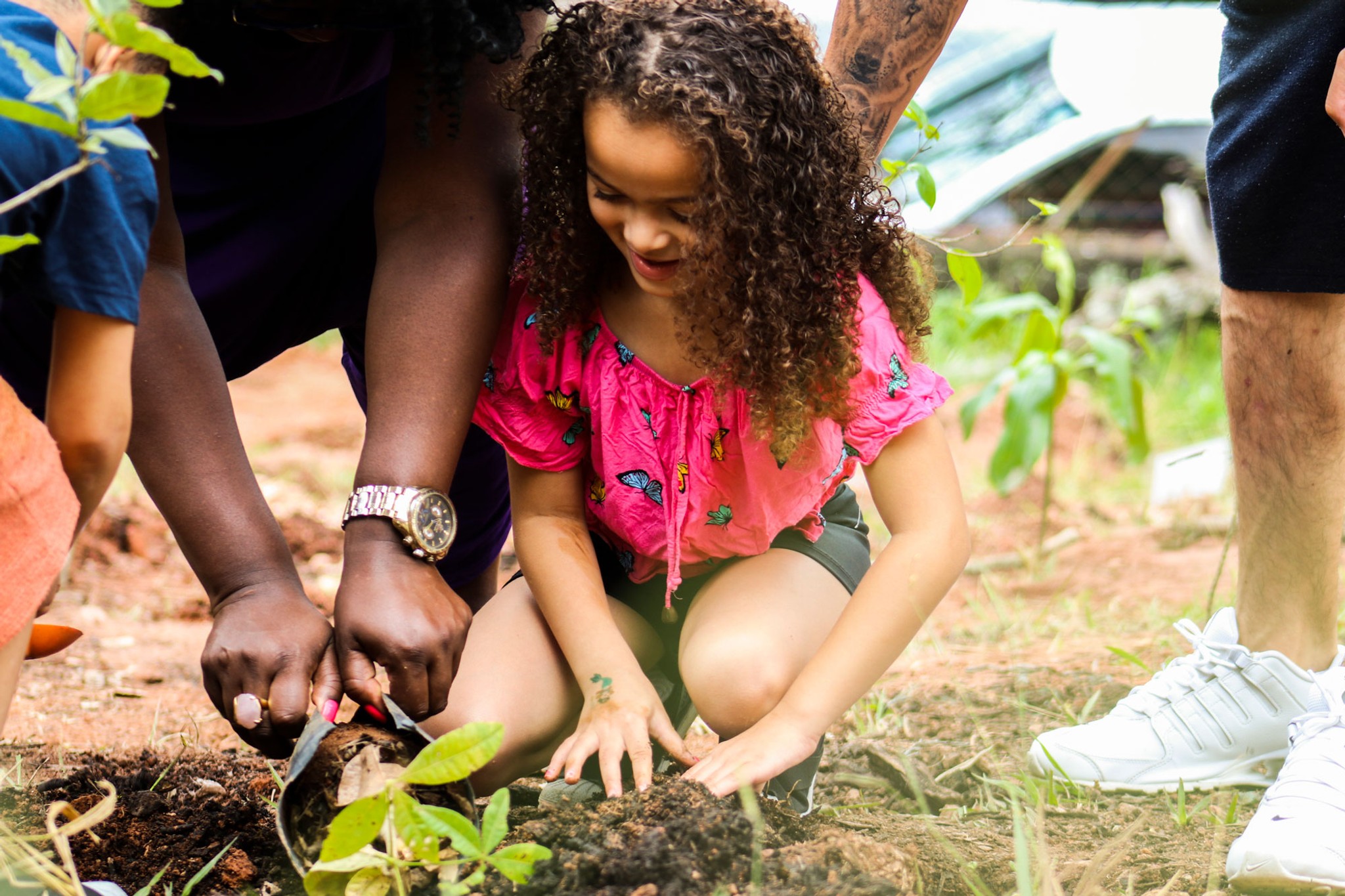
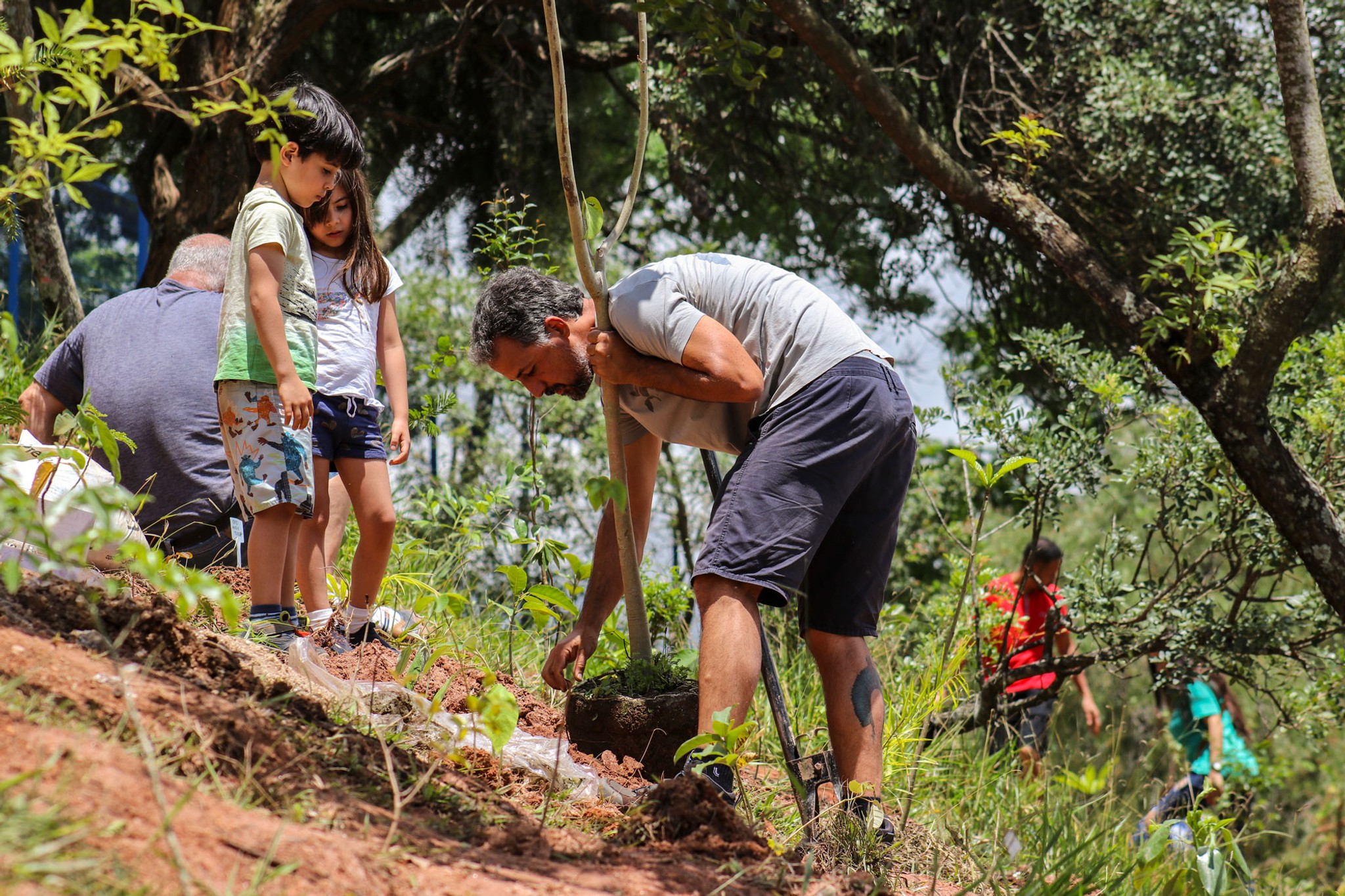
Located within the Unified Educational Center (CEU) of the densely urbanised and low-income Capão Redondo neighbourhood of São Paulo, this forest was created to restore a degraded patch of native Atlantic Forest while reconnecting the local community with biodiversity. Alongside the planting, a six-month participatory programme engaged students, staff and neighbours from the three public schools on site, which together serve nearly 3,000 children and young people aged 0 to 15. The forest forms part of a wider network of interventions by Formigas de Embaúba across the city, demonstrating how small community-led forests can contribute to broader socio-environmental transformation.
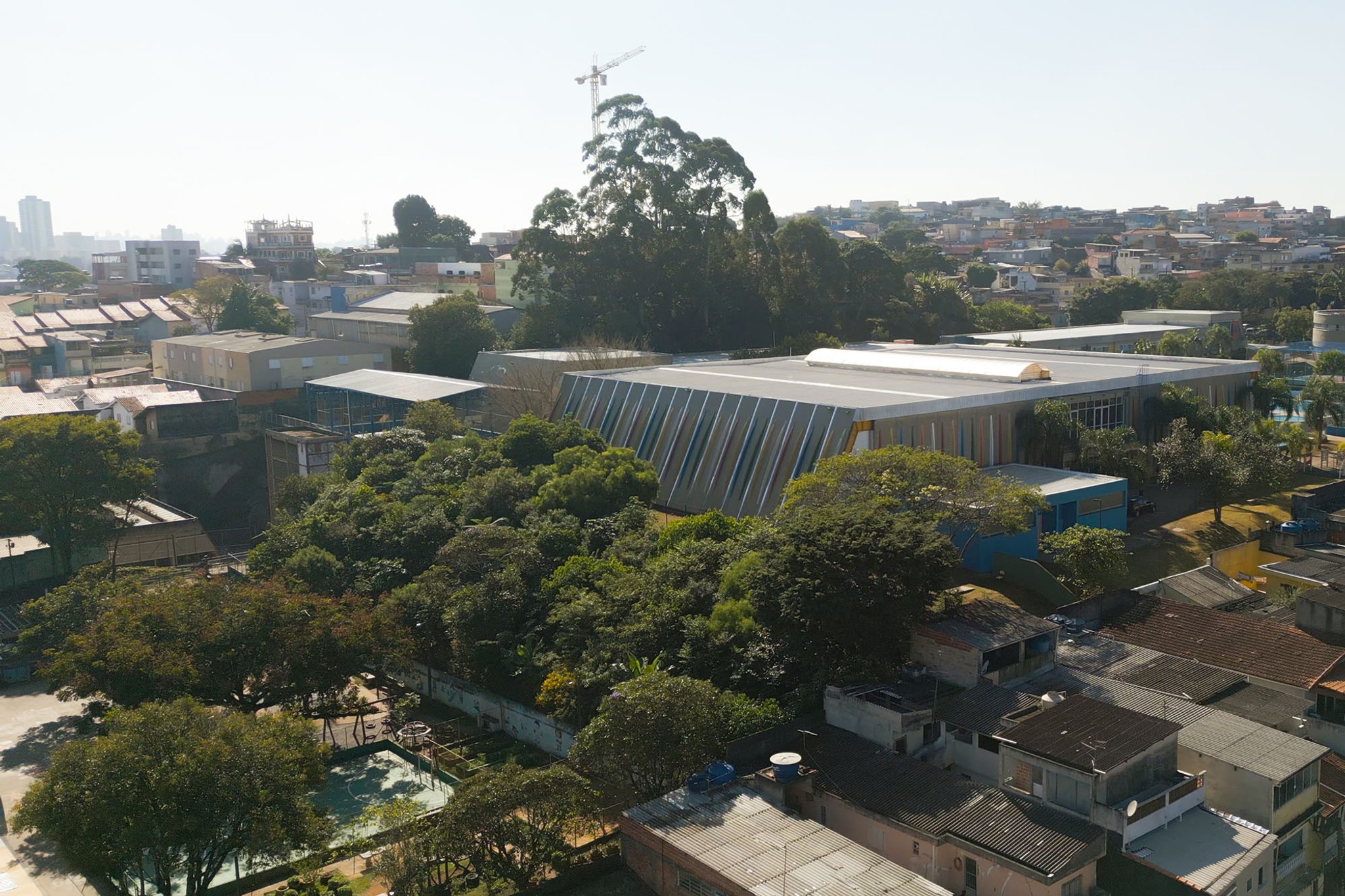
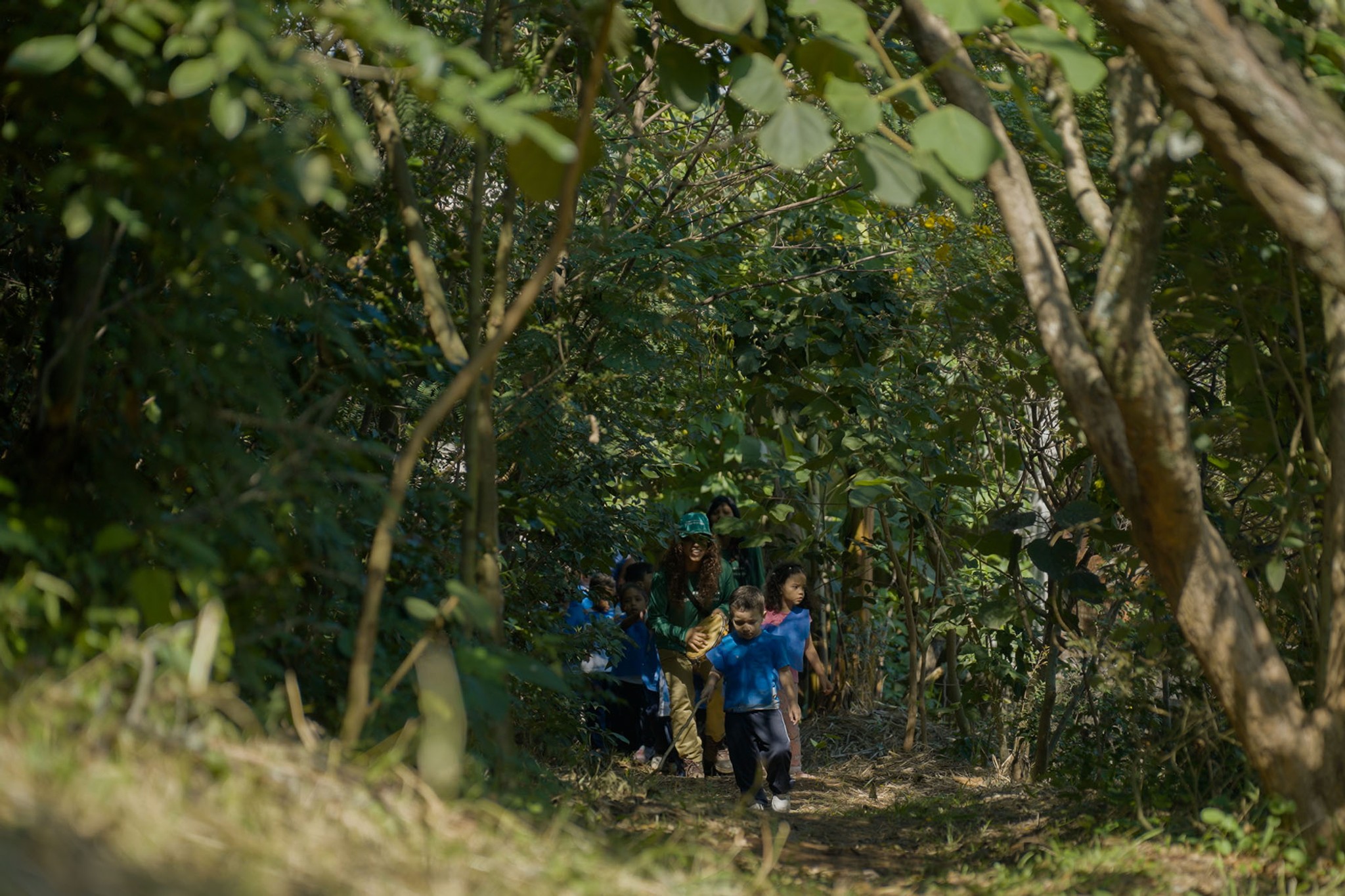
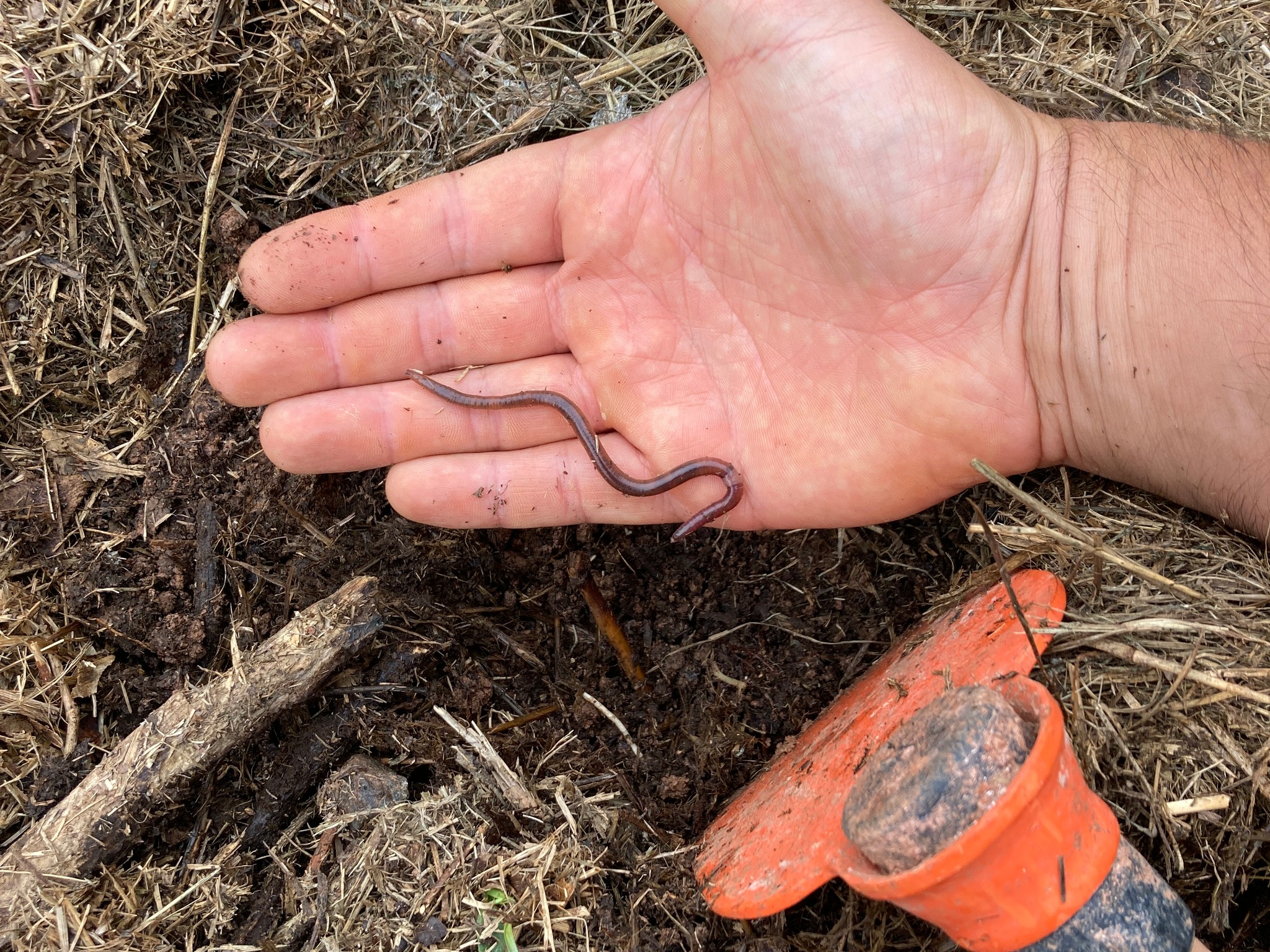
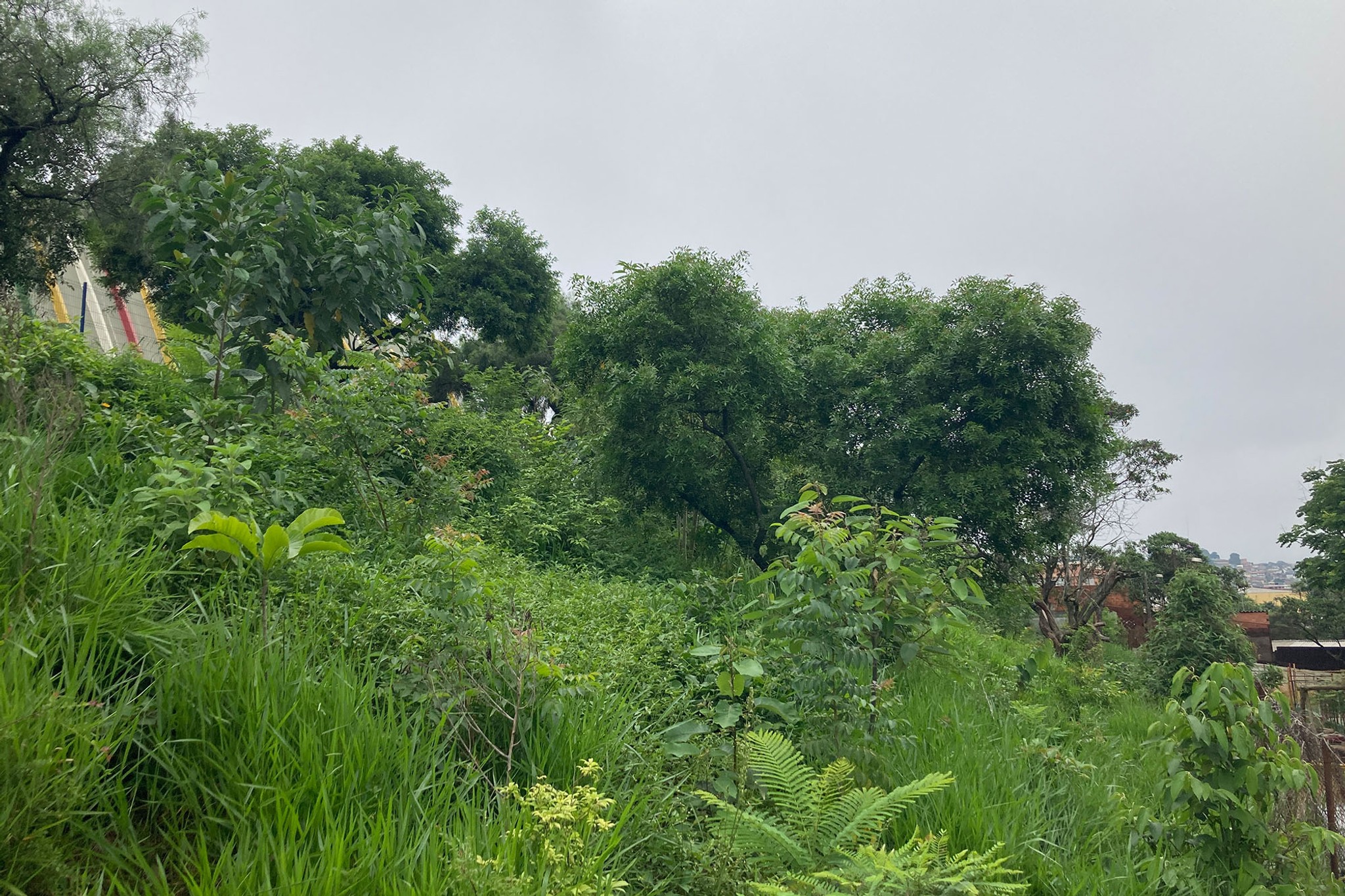
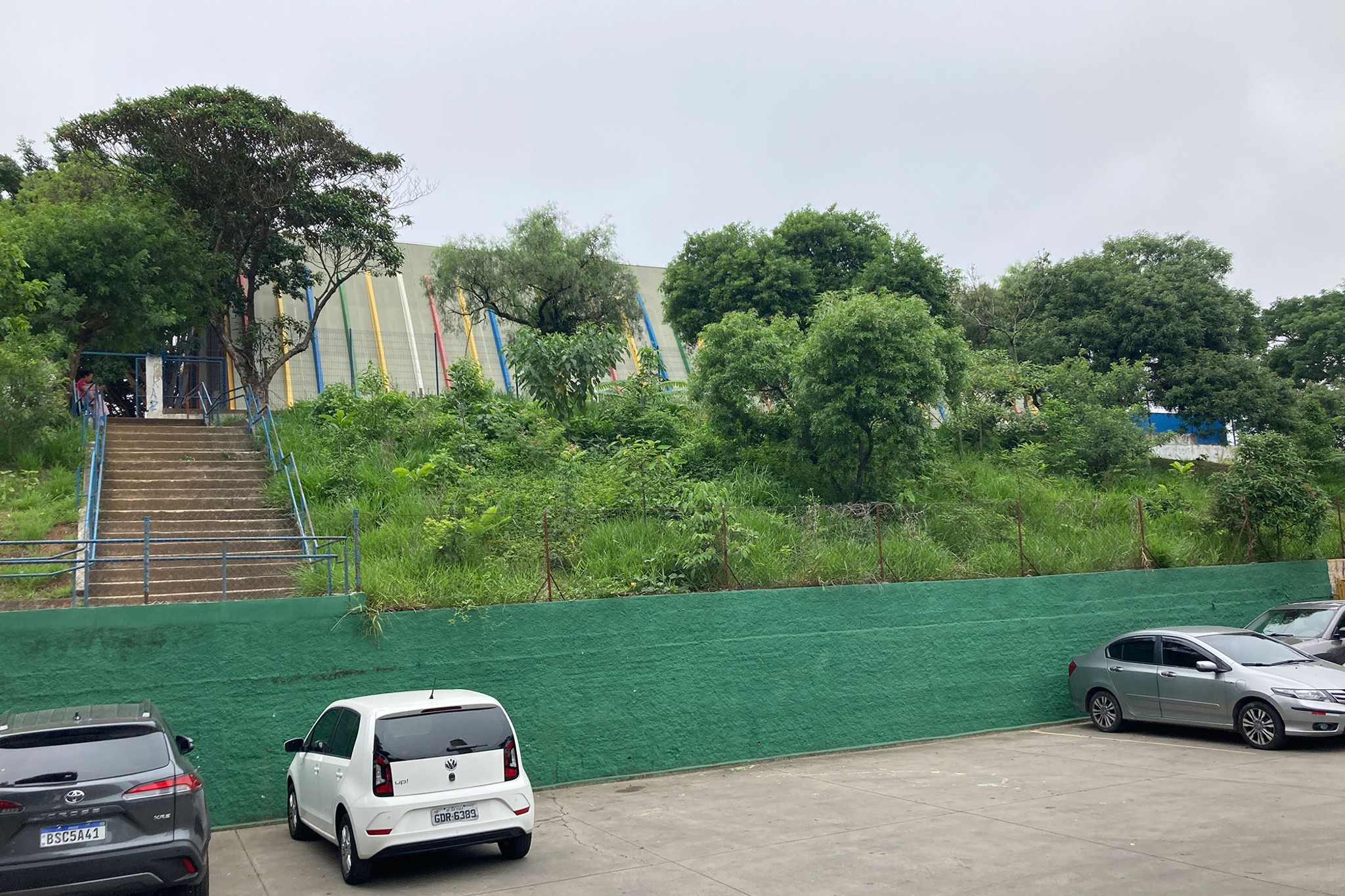
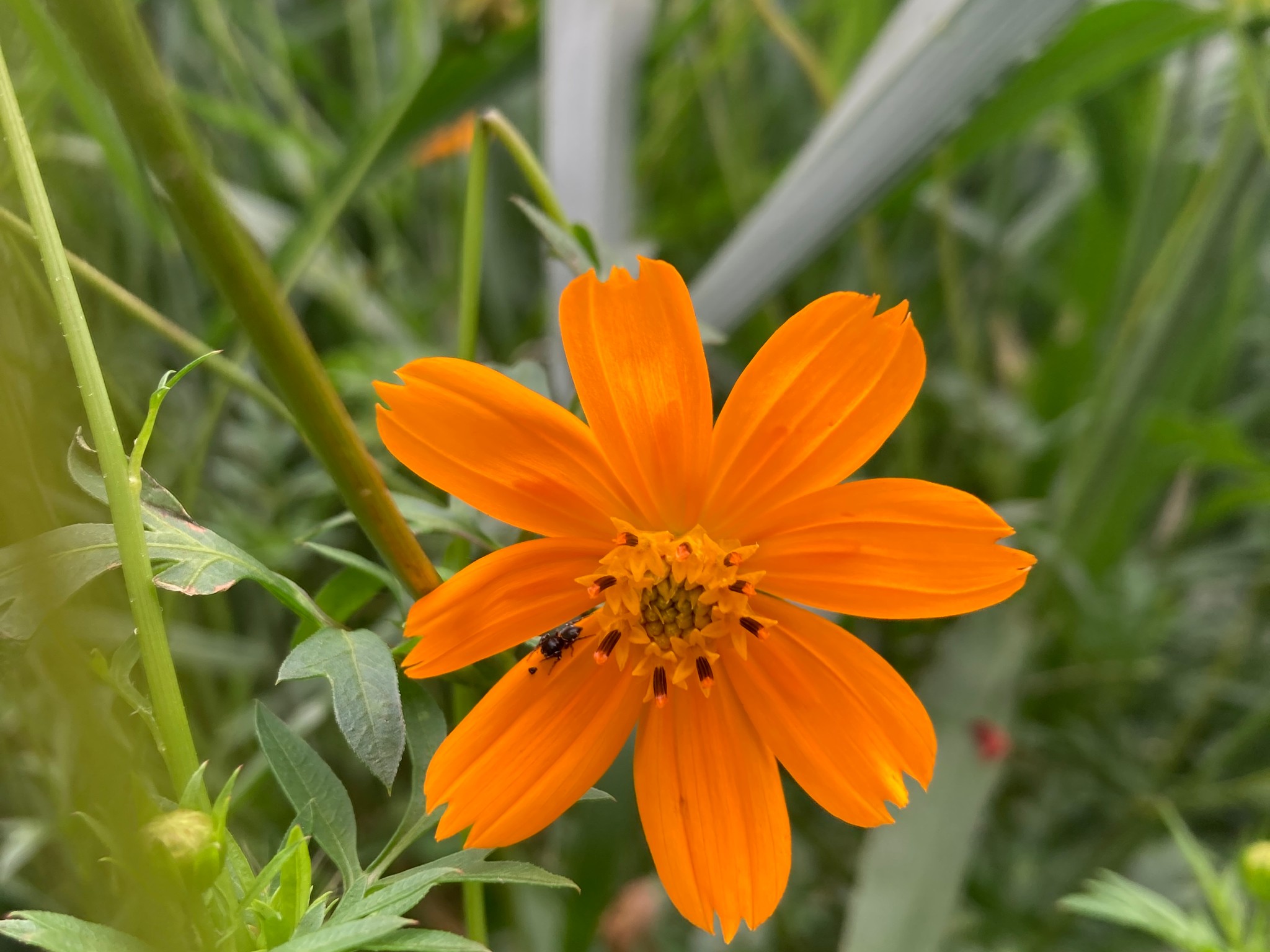
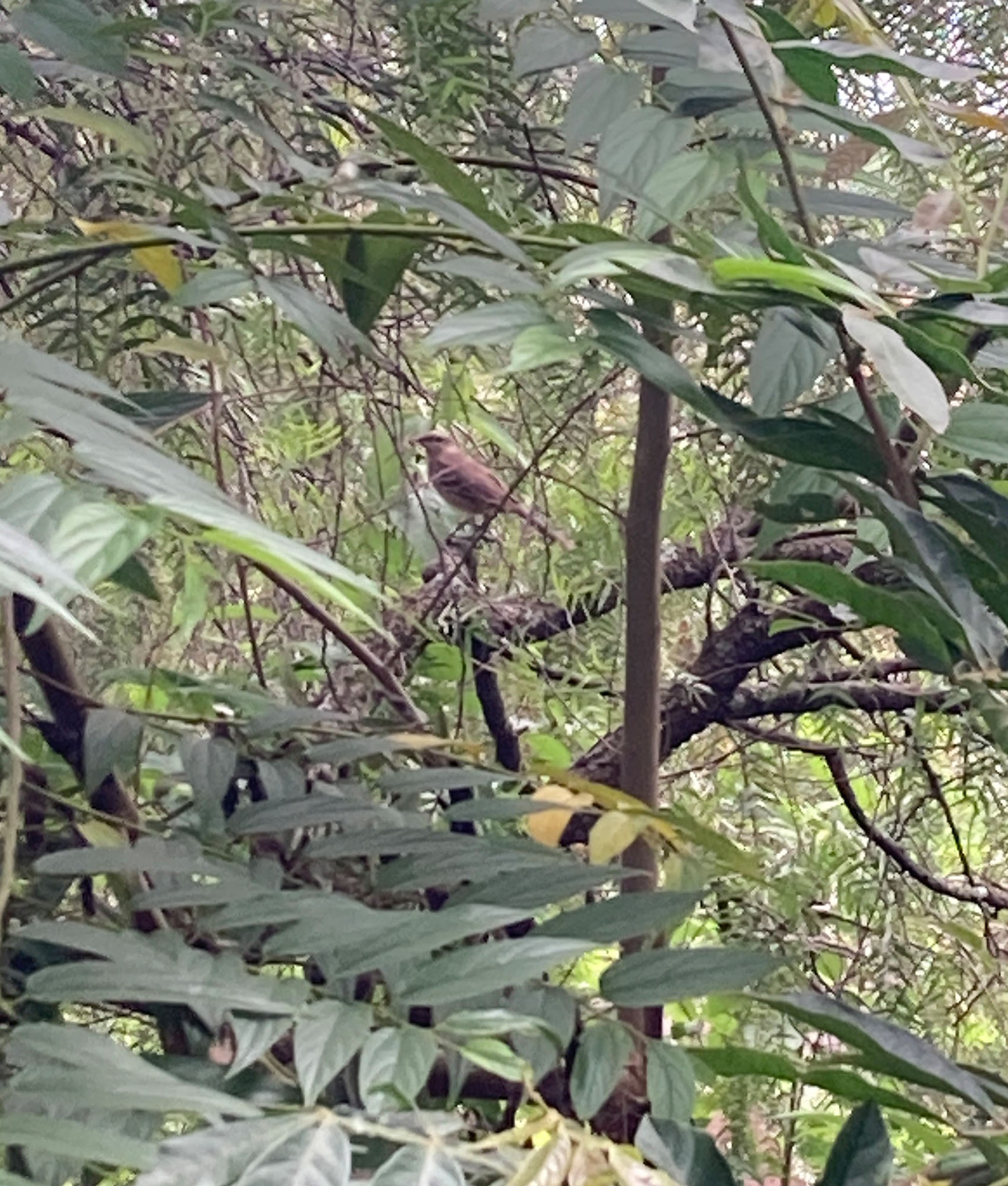
Now 3 years old, the forest has developed into a widely used and self-sustaining urban ecosystem, offering shade, cooler temperatures and a strong sense of well-being for the surrounding community. A well-established canopy has formed, with younger trees regenerating beneath it and creating an increasingly complex forest structure. Despite some exposed soil and reduced tree density in high-traffic areas caused by frequent community use, the site continues to support birds, insects and a rich diversity of plant life. The accumulation of leaf litter is naturally enriching the soil, while the forest’s layered vegetation clearly demonstrates the resilience and ecological value that dense urban reforestation can achieve within just a few years.
Forest Maker
formigas-de-embaúba
Forest Partner

Ecosystem Restored
Final report: 12.10.2025
After approximately three years our SUGi Pocket Forests become self-sustaining. They no longer require human maintenance or watering, and can be handed over to Nature for biodiversity and complexity to naturally develop.
0%
Survival Rate
0
People living within 300 meters
0
kg of potential CO2 sequestration

Biodiversity
Biodiversity is all the different kinds of life you'll find in one area—the variety of animals, plants, fungi, and even microorganisms like bacteria that make up our natural world. Each of these species and organisms work together in ecosystems, like an intricate web, to maintain balance and support life.
0
Potential number of mammals
0
Potential number of birds
0
Potential number of amphibians
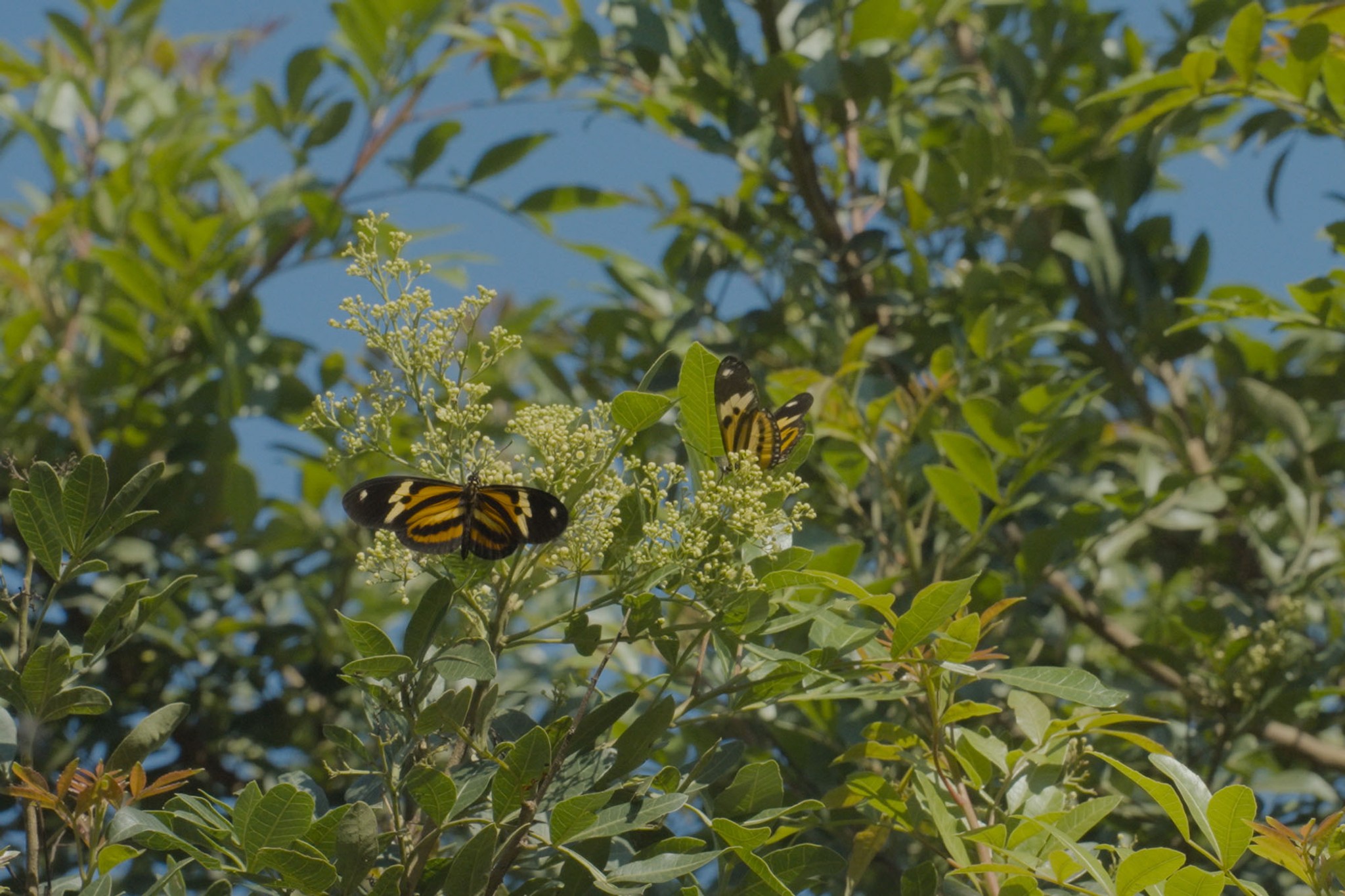
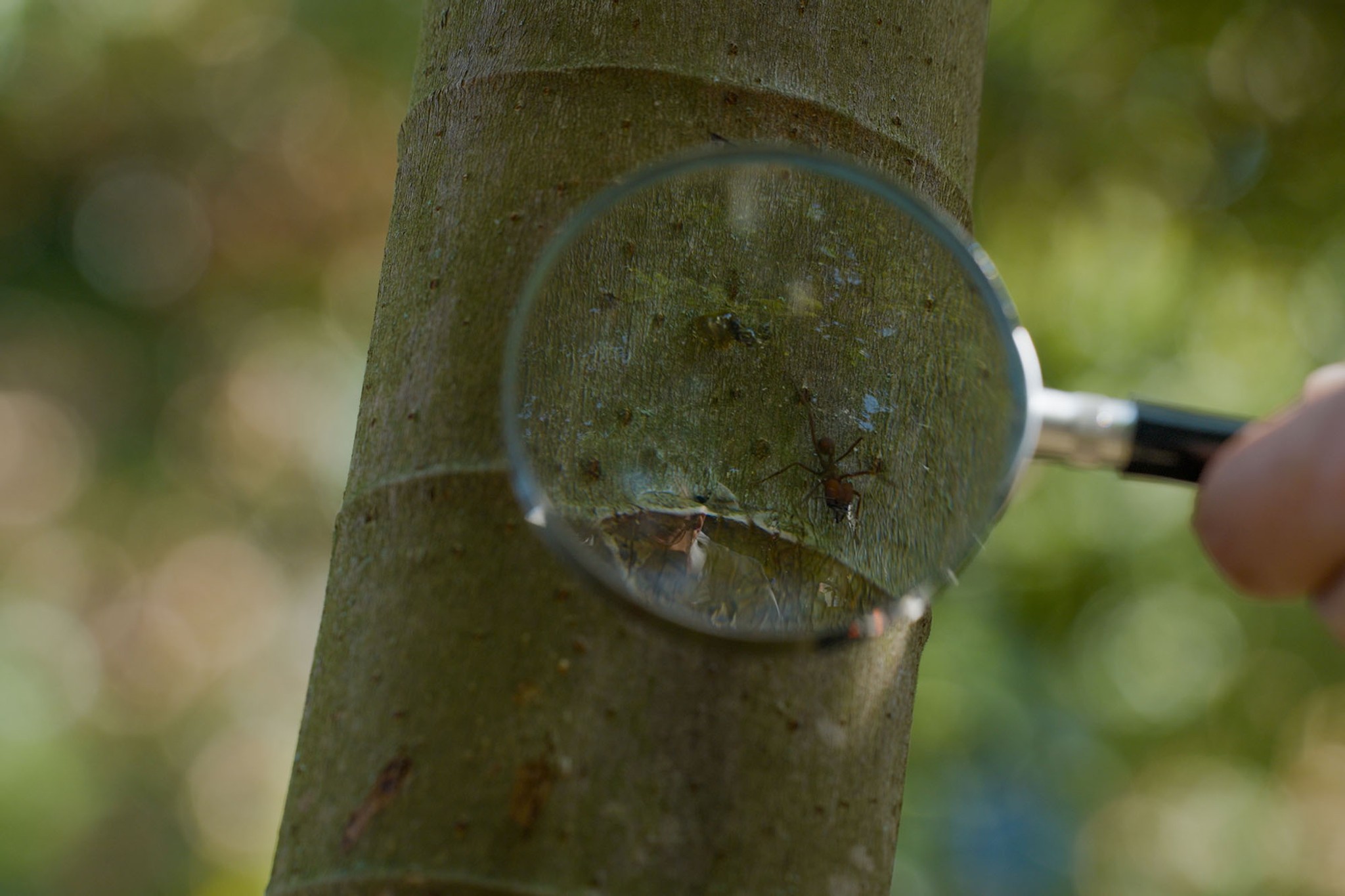

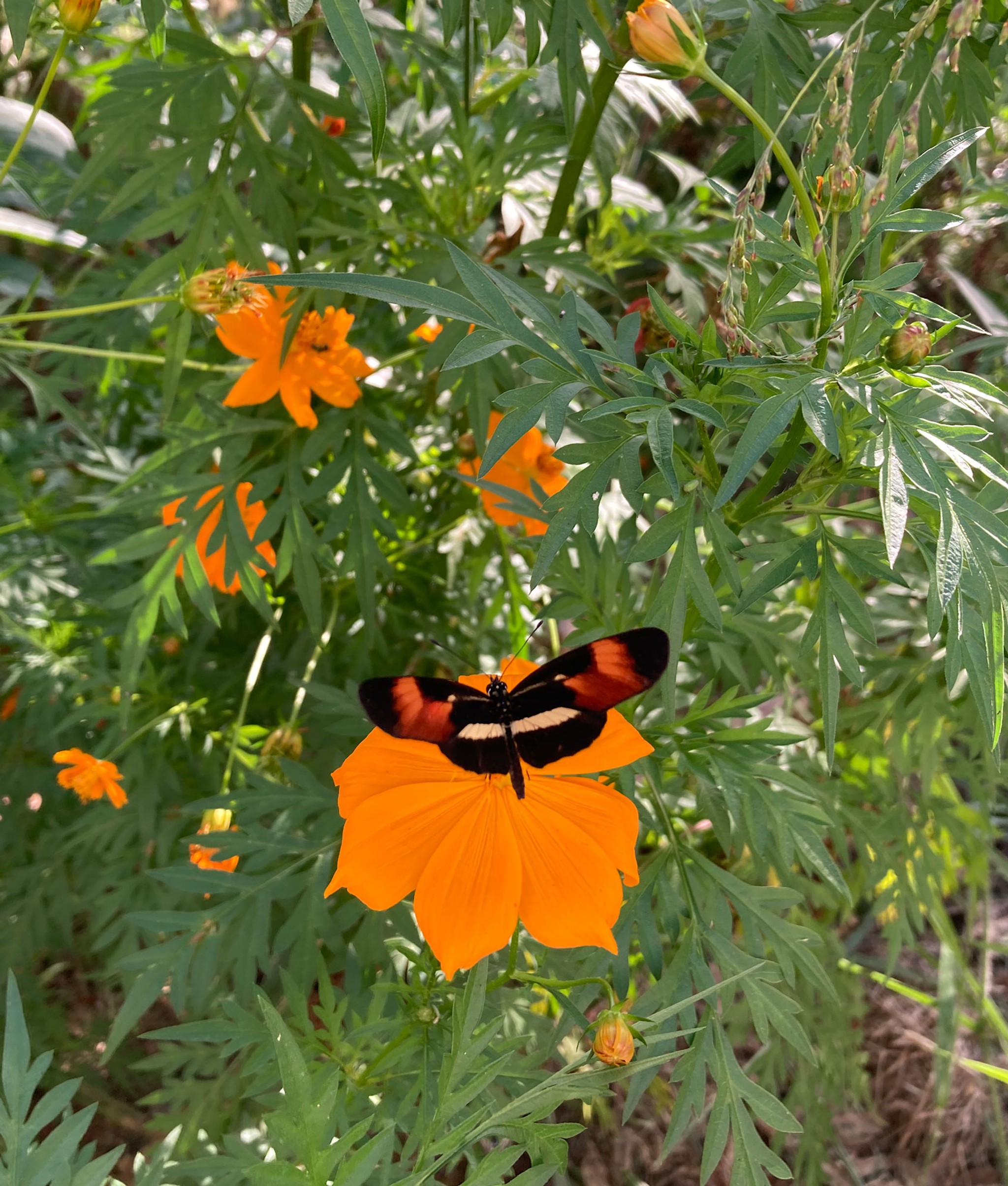


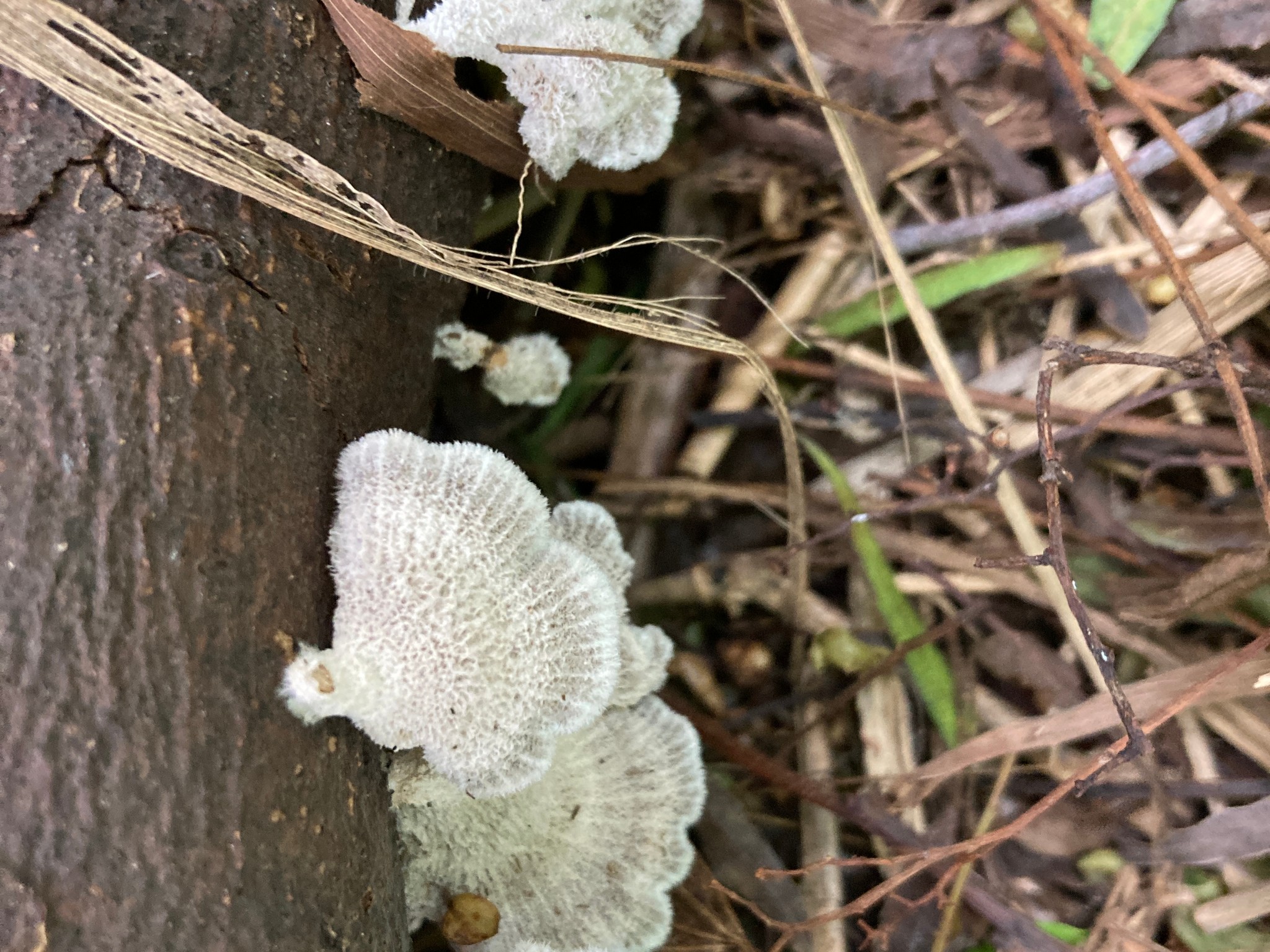
Urban Heat Profile
The Urban Heat Island Effect is affecting cities more and more each year and temperetures in urban areas can go up to 12 degrees hotter. This can be reduced and prevented by planting urban forests like this. We collected the air temperatures on a hot day in March at Capão Redondo Forest and saw amazing results.
0°C
Surface Temperature Difference
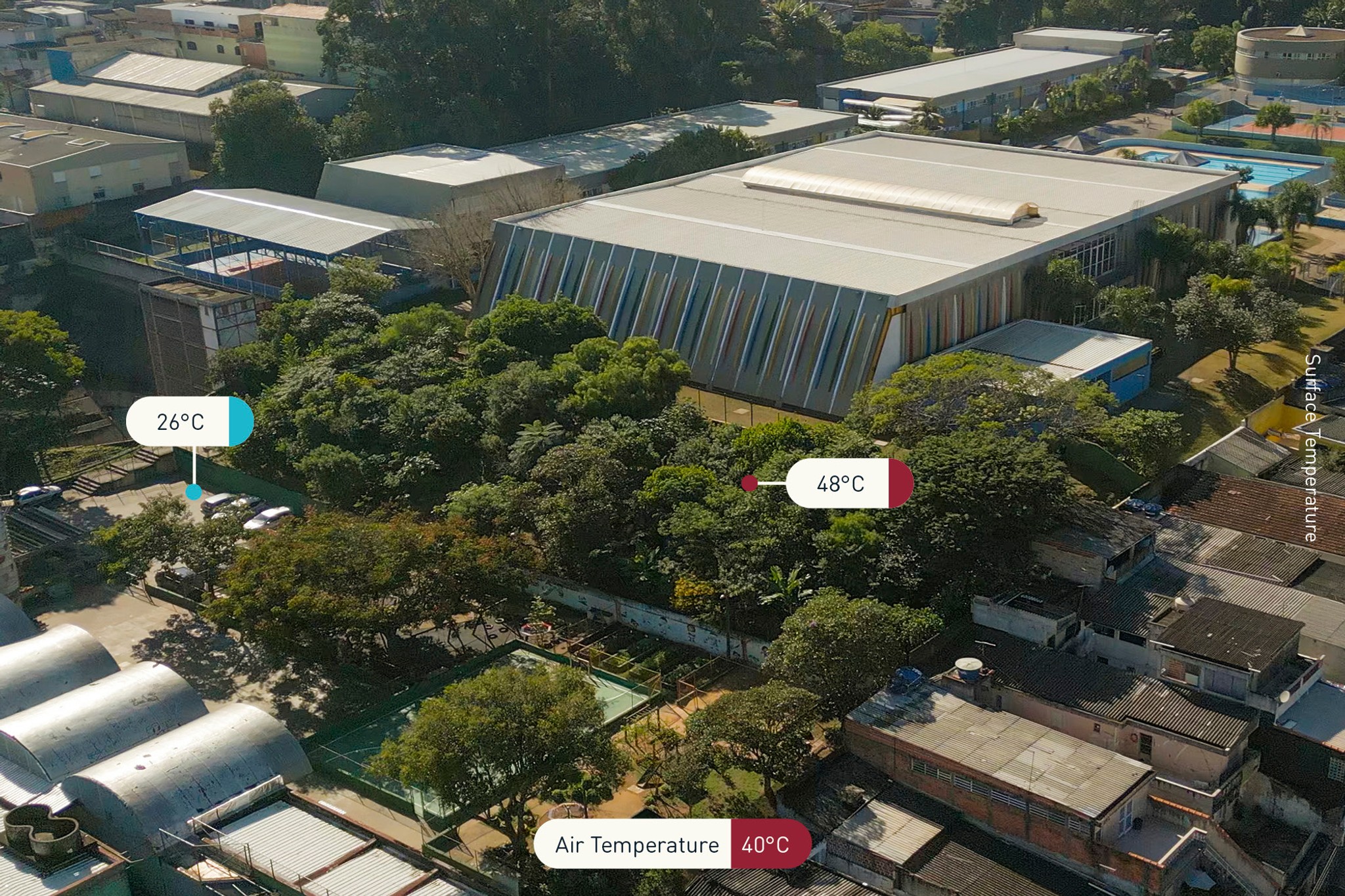
“The creation of this native forest in our schoolyard will raise the awareness of the need to preserve and regenerate nature…and increase the wellbeing of our entire community.”
Mr. Eliseu Pereira Neves, President, Administrative Council of CEU Capão Redondo
Forest Report: 2024
0 Years
Forest Age
0%
Survival Rate
0m
Average of Tallest 3 Trees
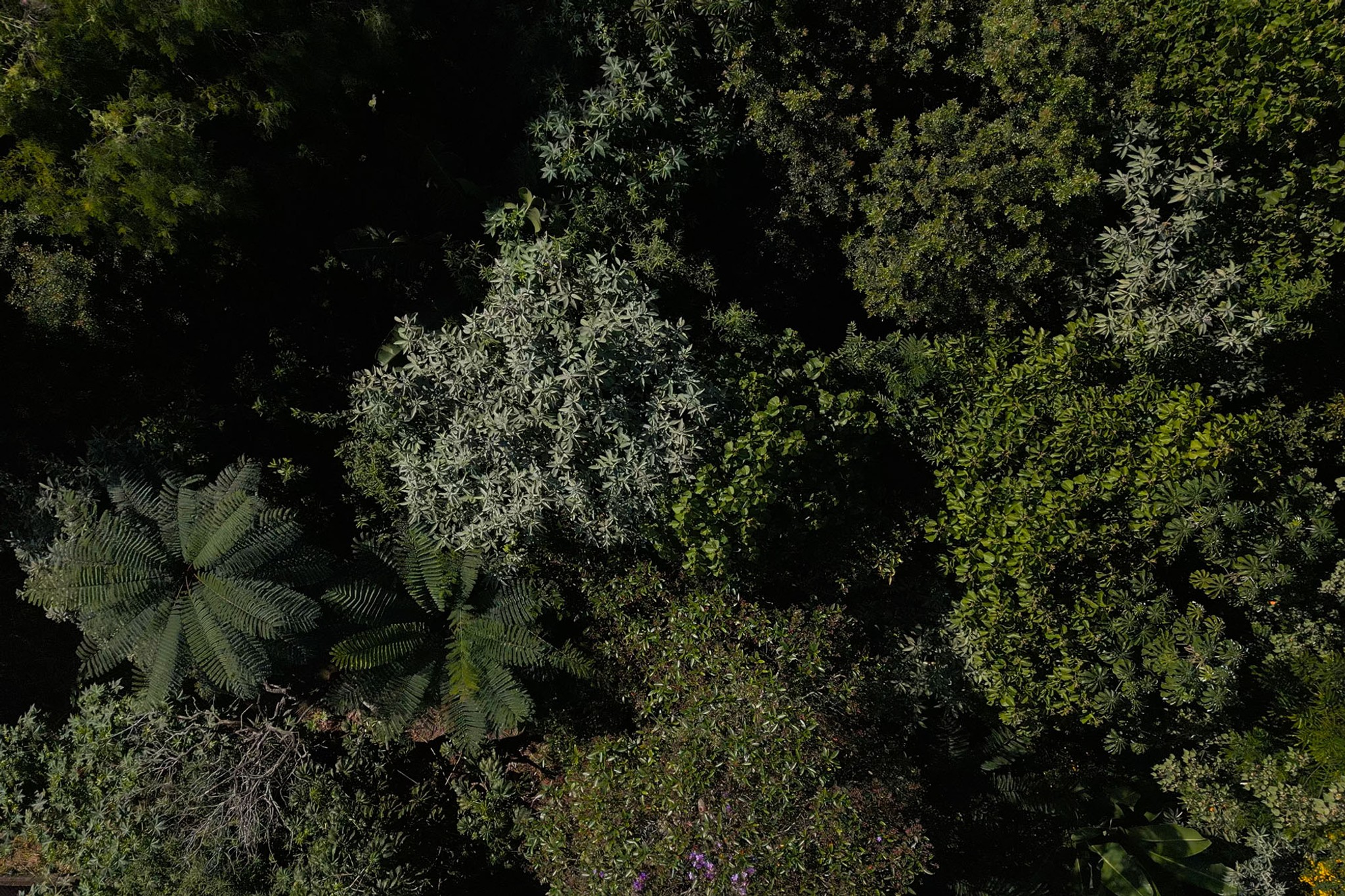
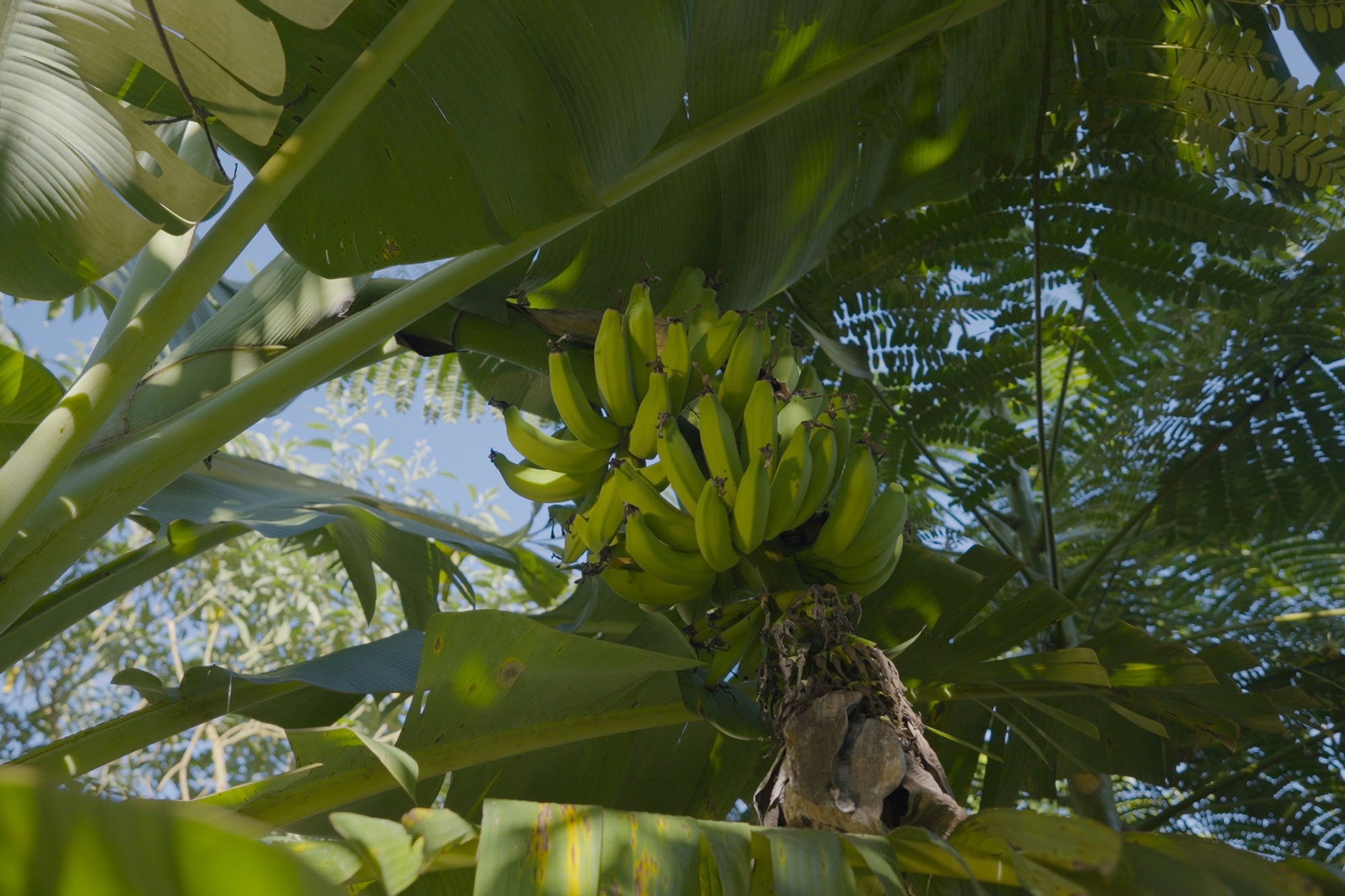
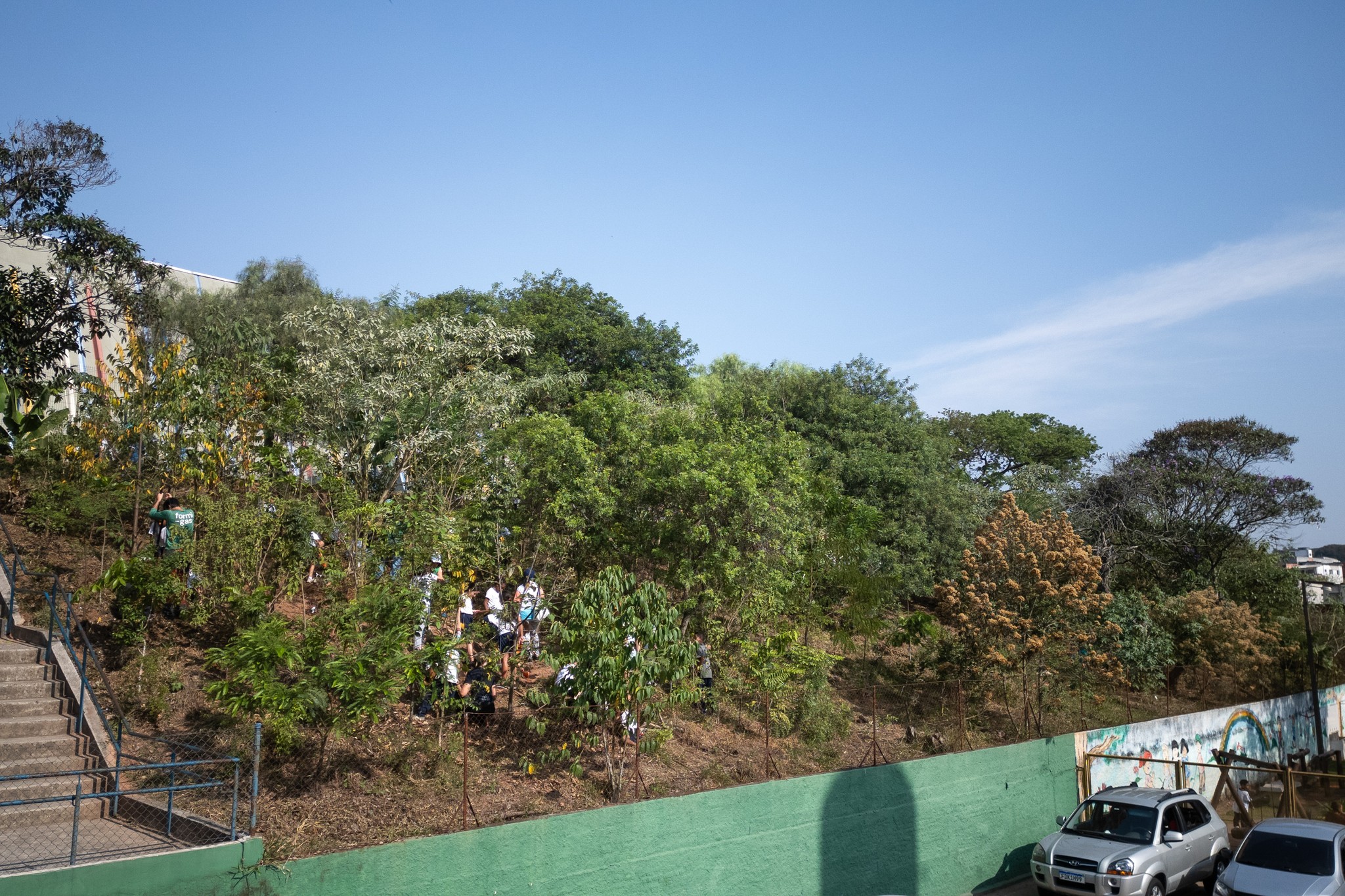
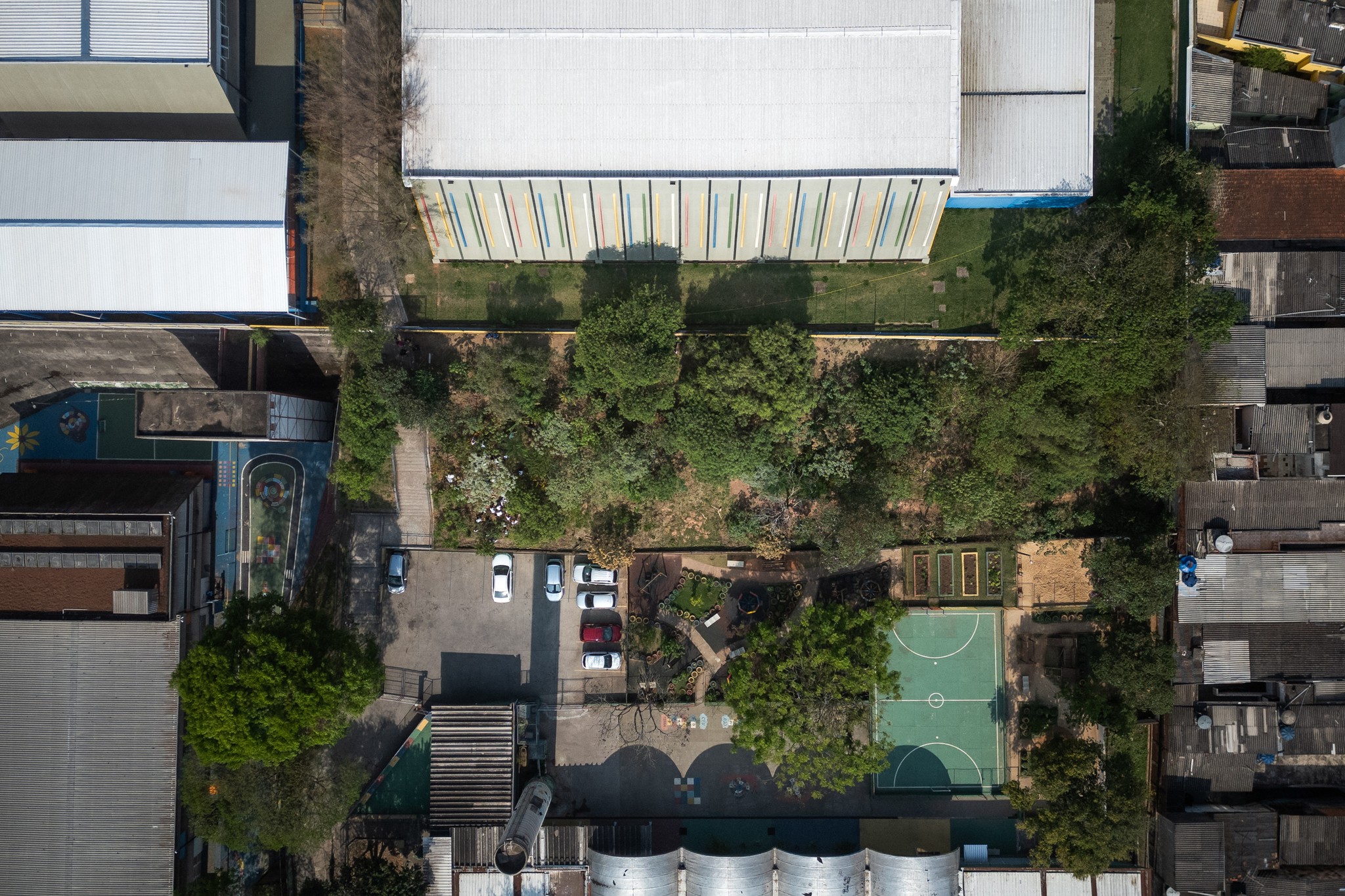
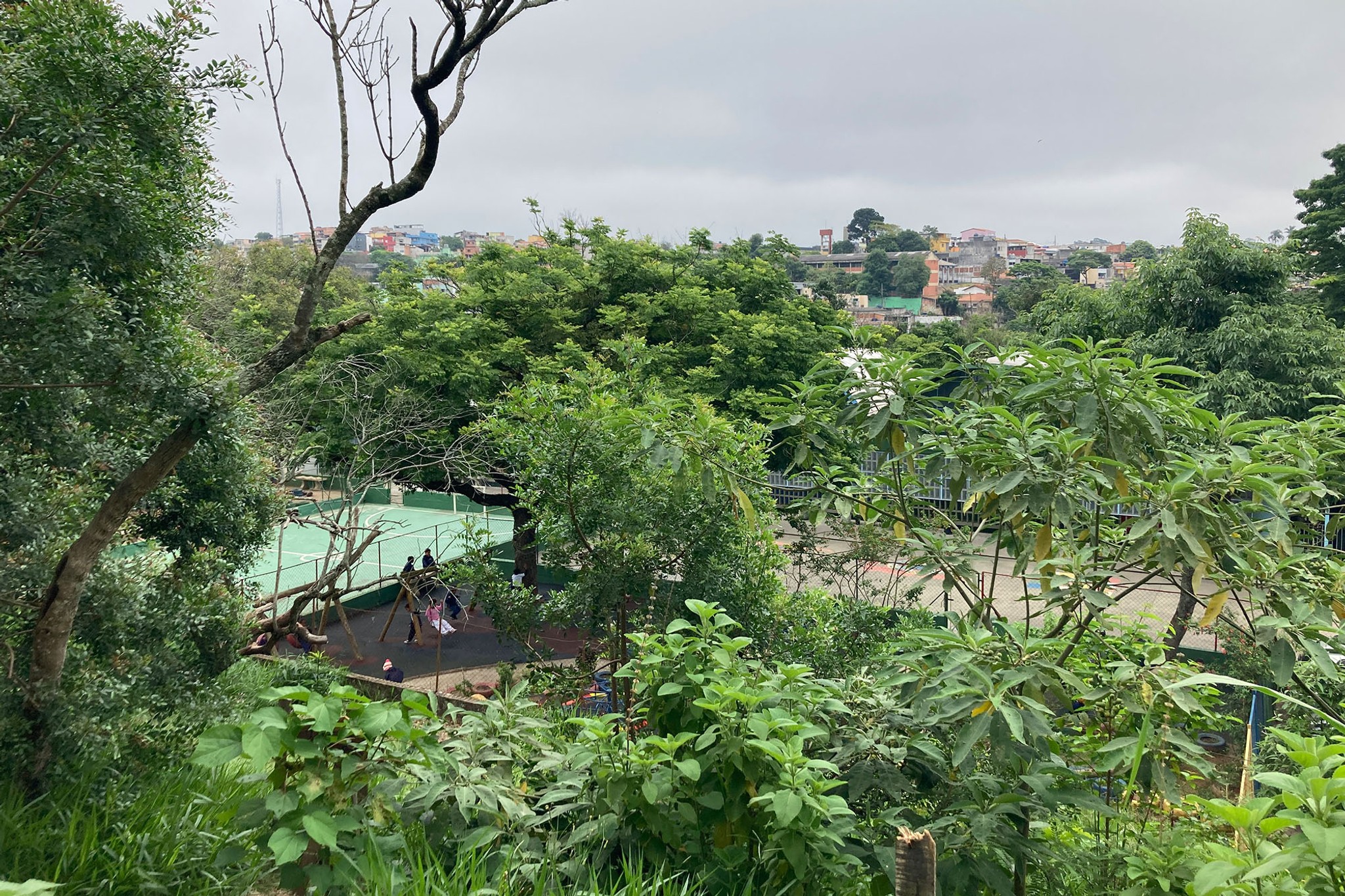
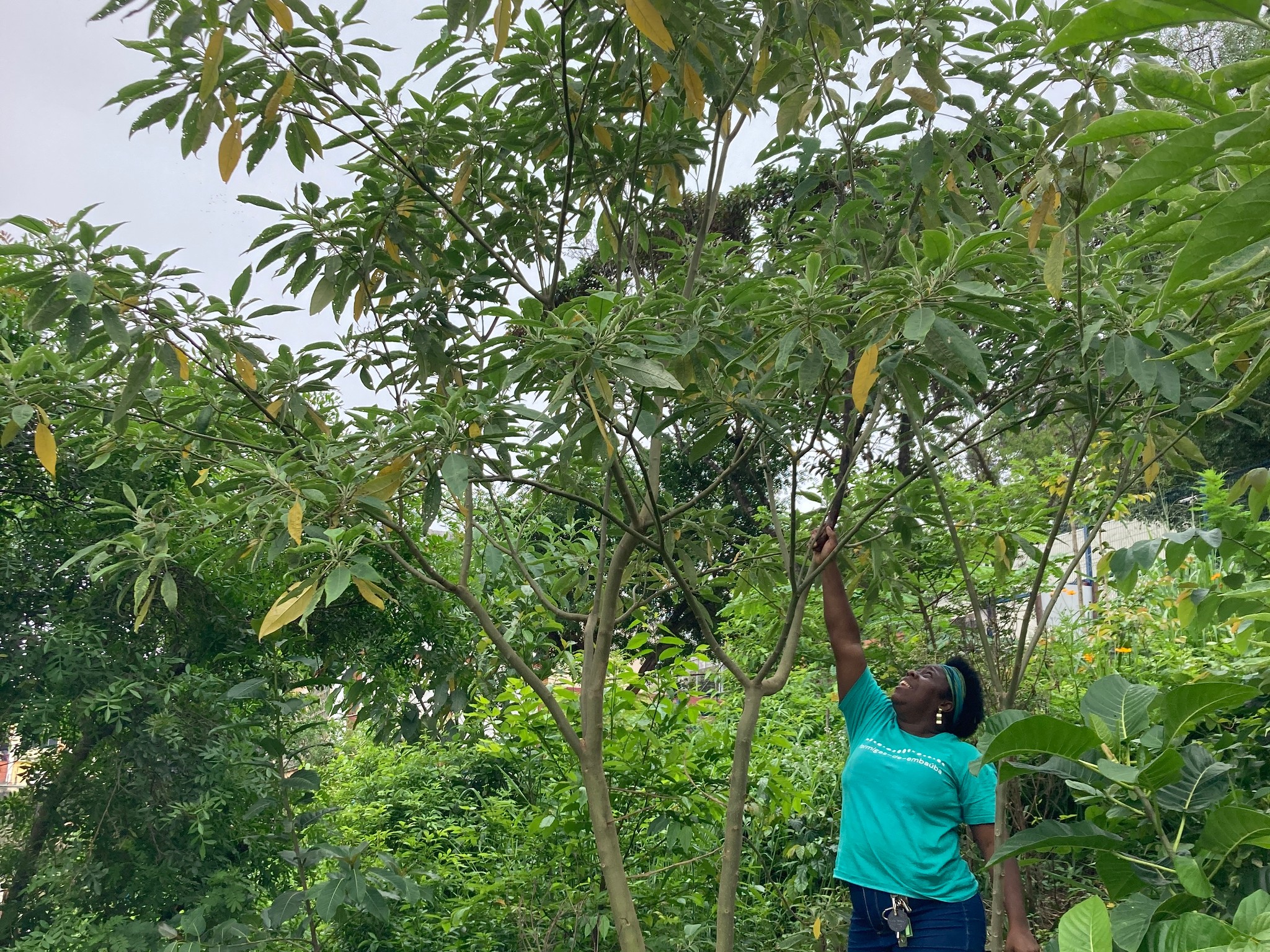
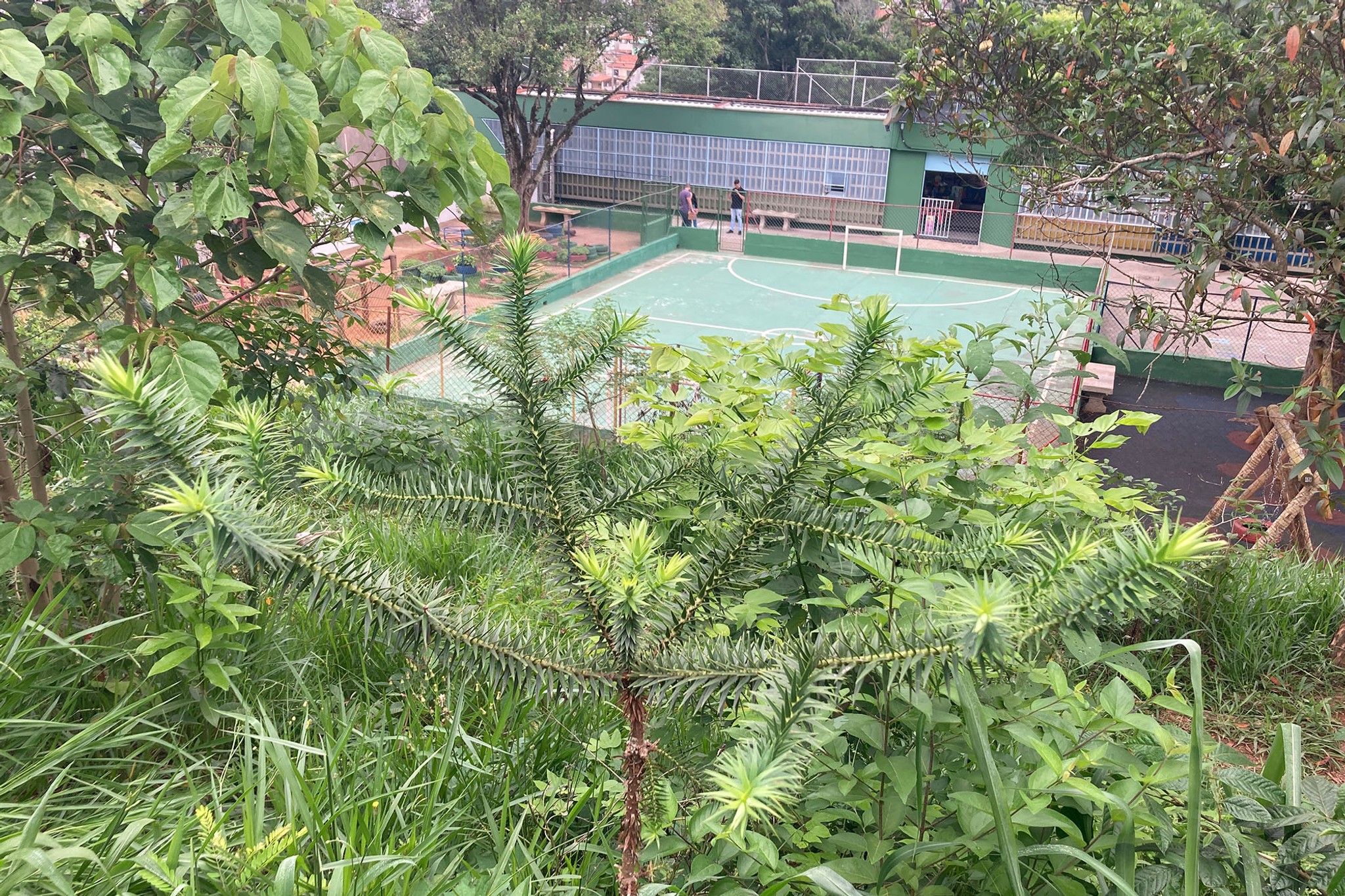
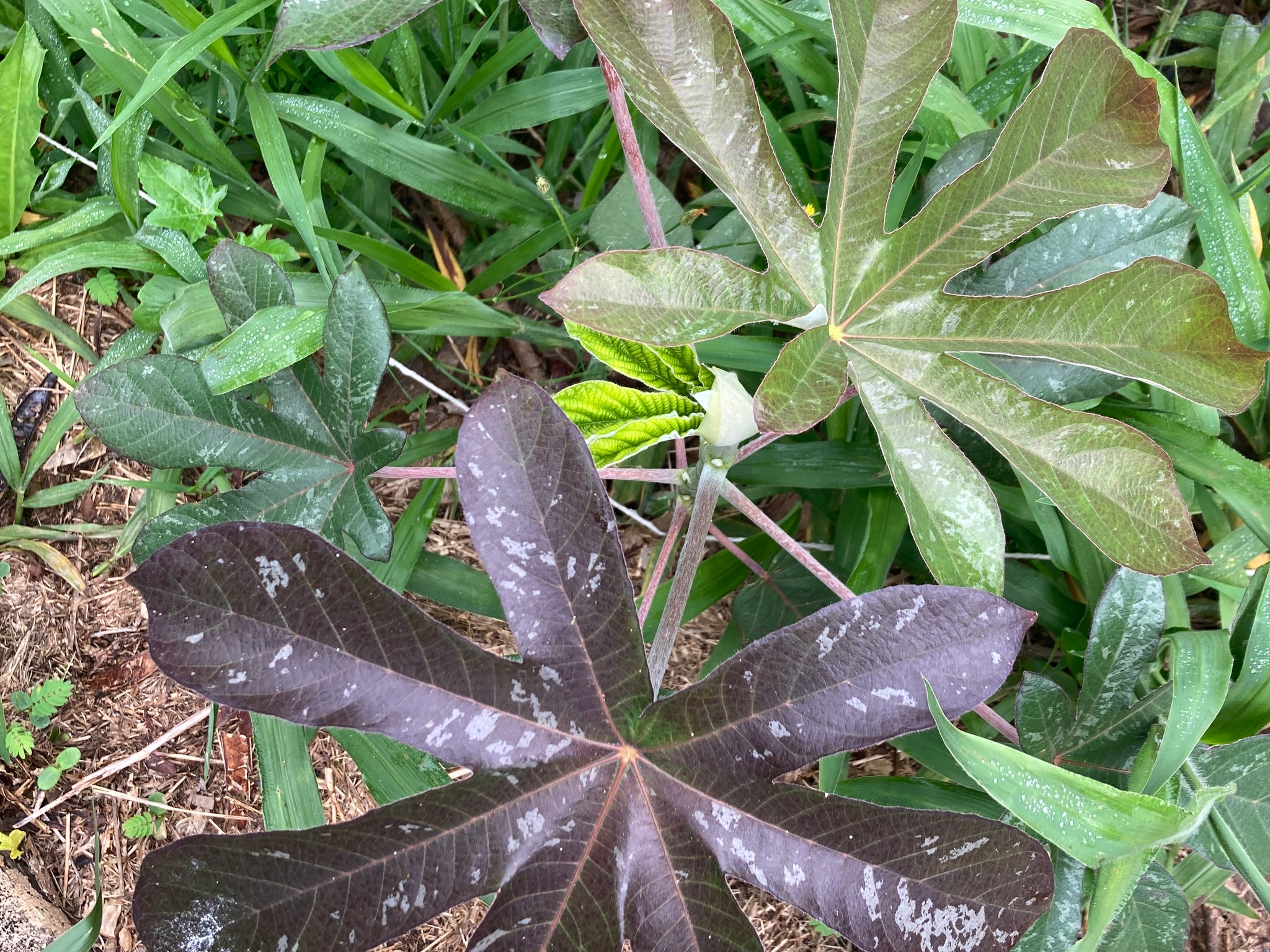
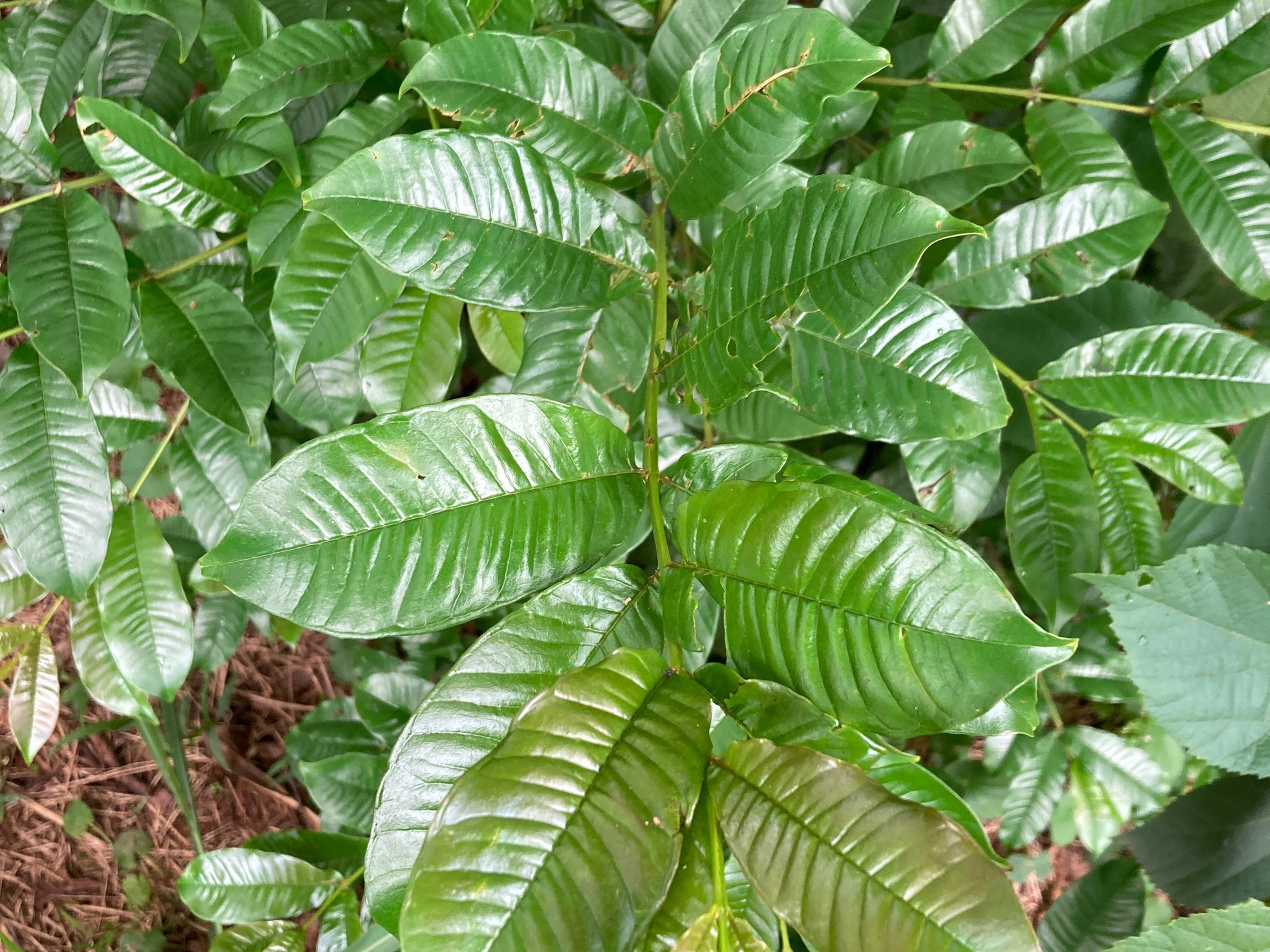
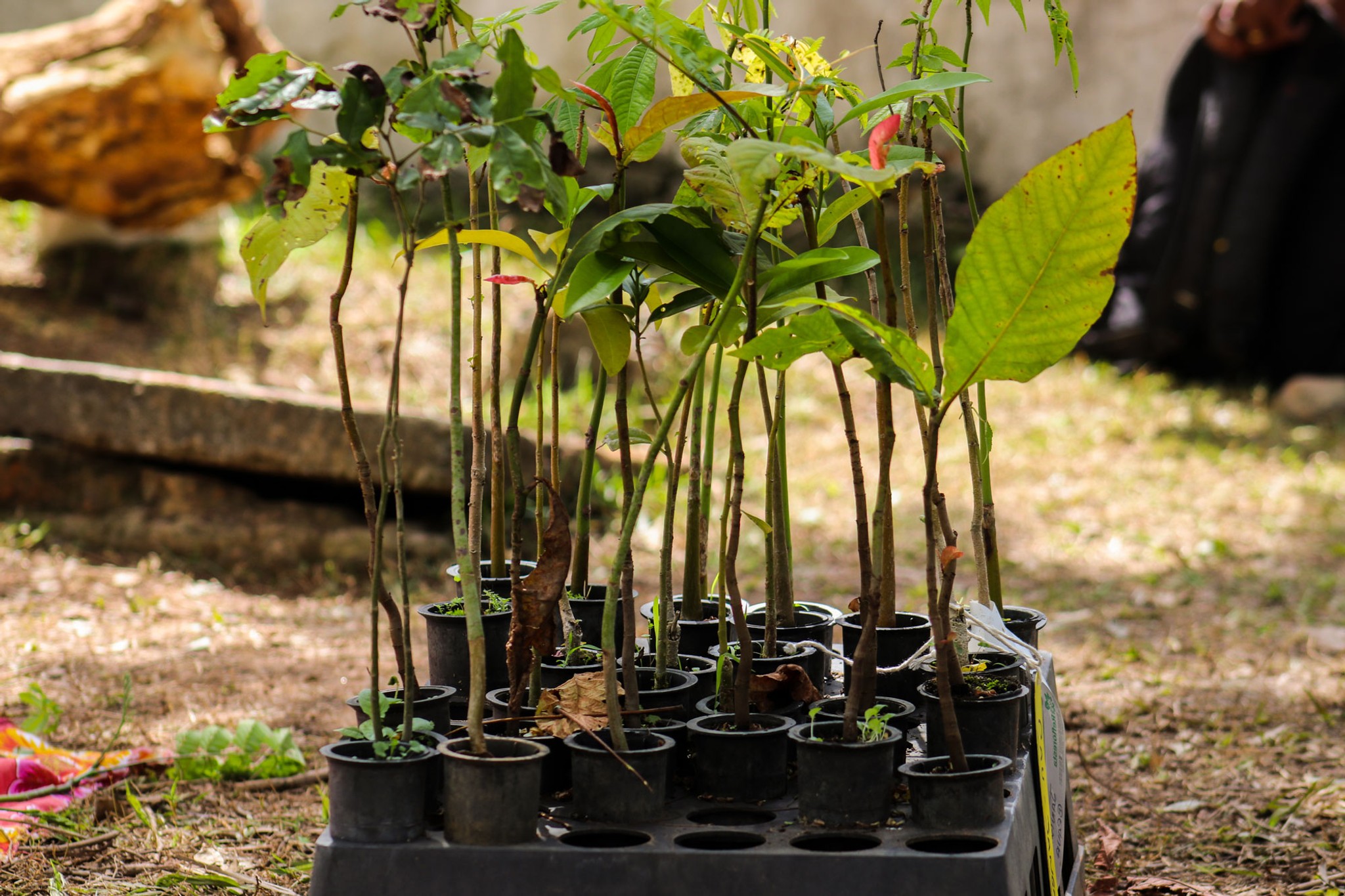
The pocket forest is now at a stage of development with a vast tree canopy, generally above 200 cm, providing shading on the ground. Notable species include Jangada Brava (Heliocarpus popayanensis), Jacaranda Bico de Pato (Machaerium nyctitans), Pau Pólvora (Trema micrantha), Couvetinga (Solanum erianthum), Embaúba Branca (Cecropia pachystachya), Guapuruvu (Schizolobium parahyba), and Figueira Branca (Ficus guaranica). Below the high canopy, several species are growing vigorously, with Araucaria (Araucaria angustifolia) standing out. Overall, the trees are lush, and there are blooming plants.




Biodiversity Notes:
Forest Report: 2023
0 Months
Forest Age
0%
Survival Rate
0m
Average of 3 Tallest Trees
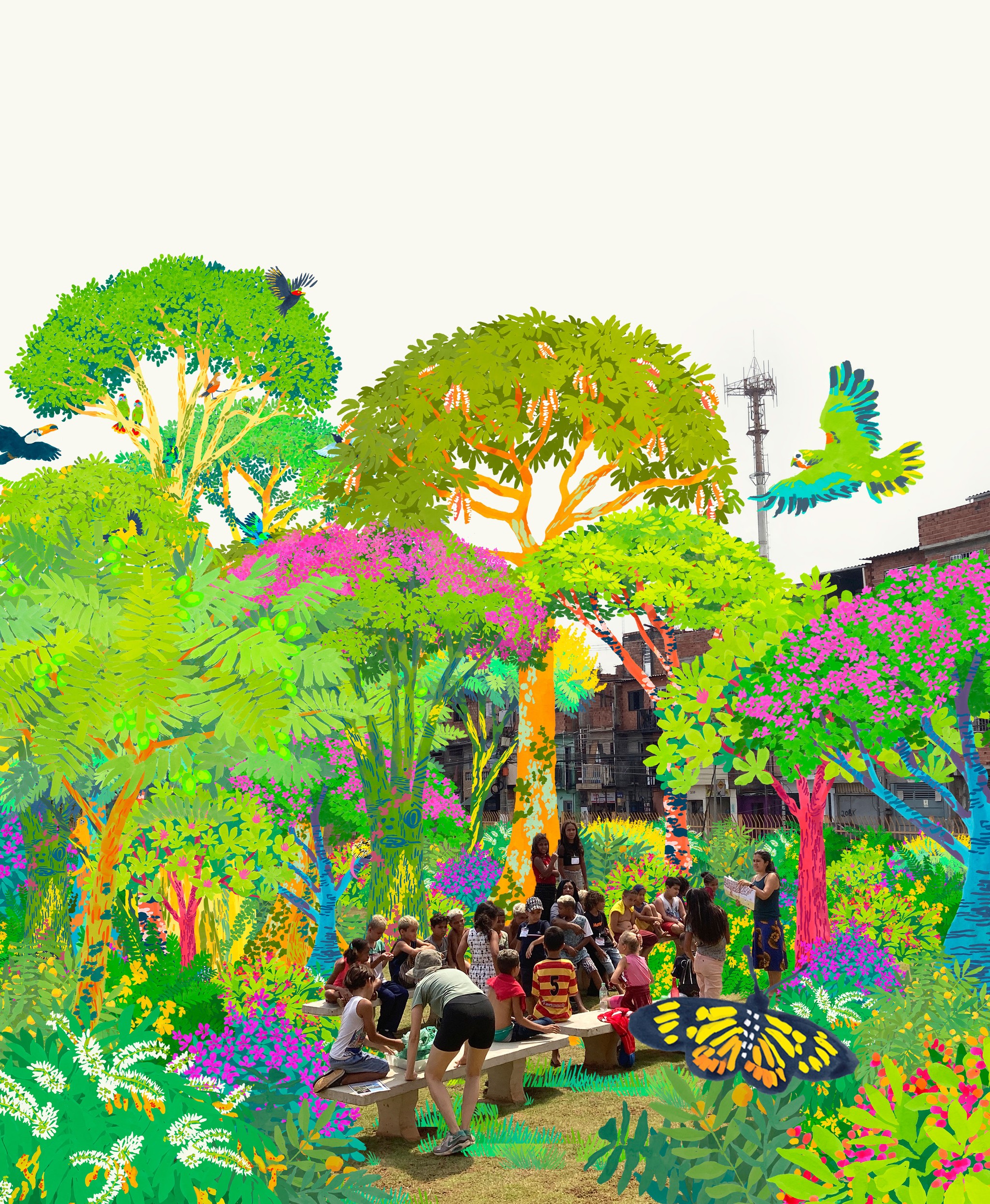
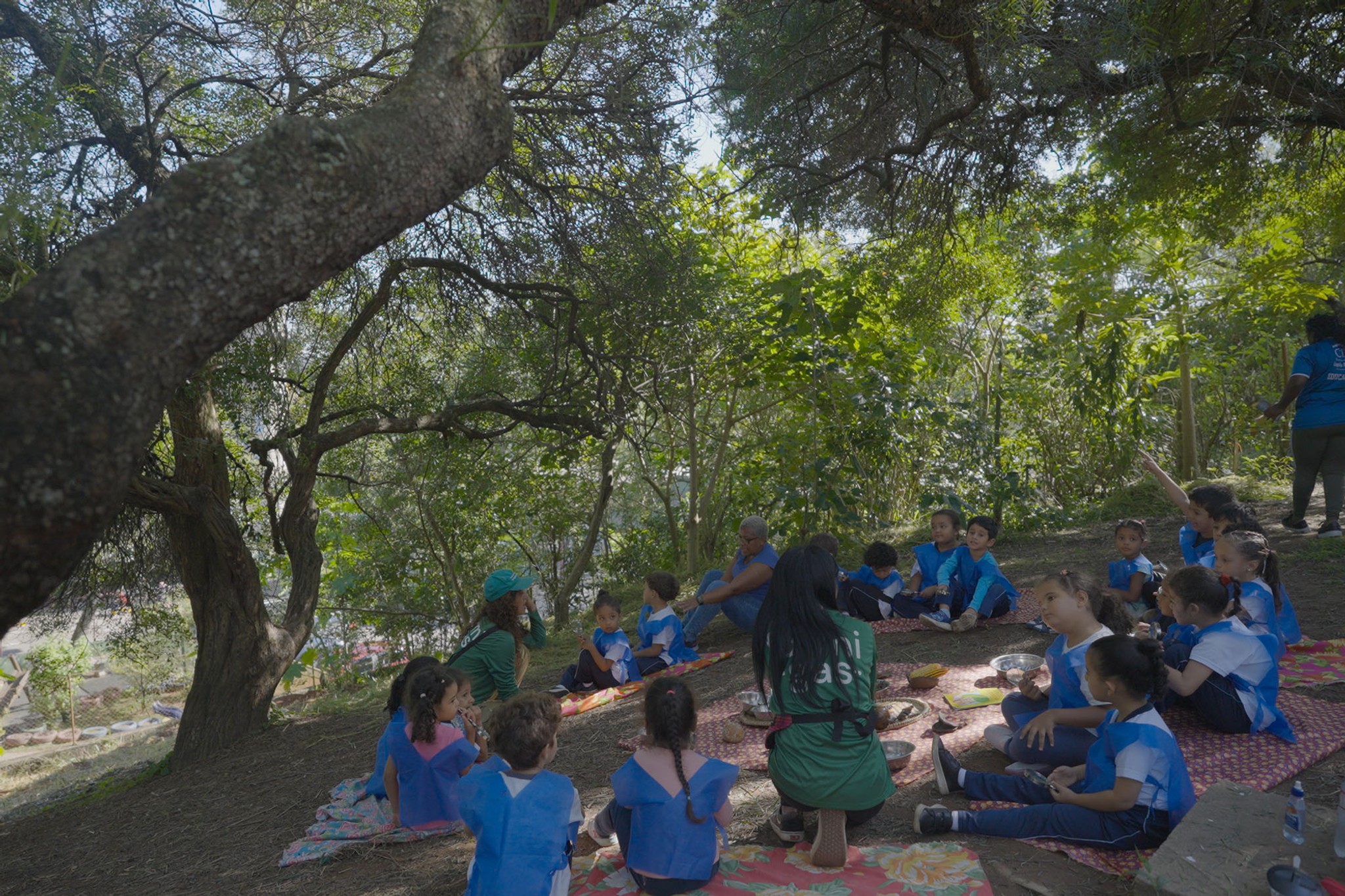
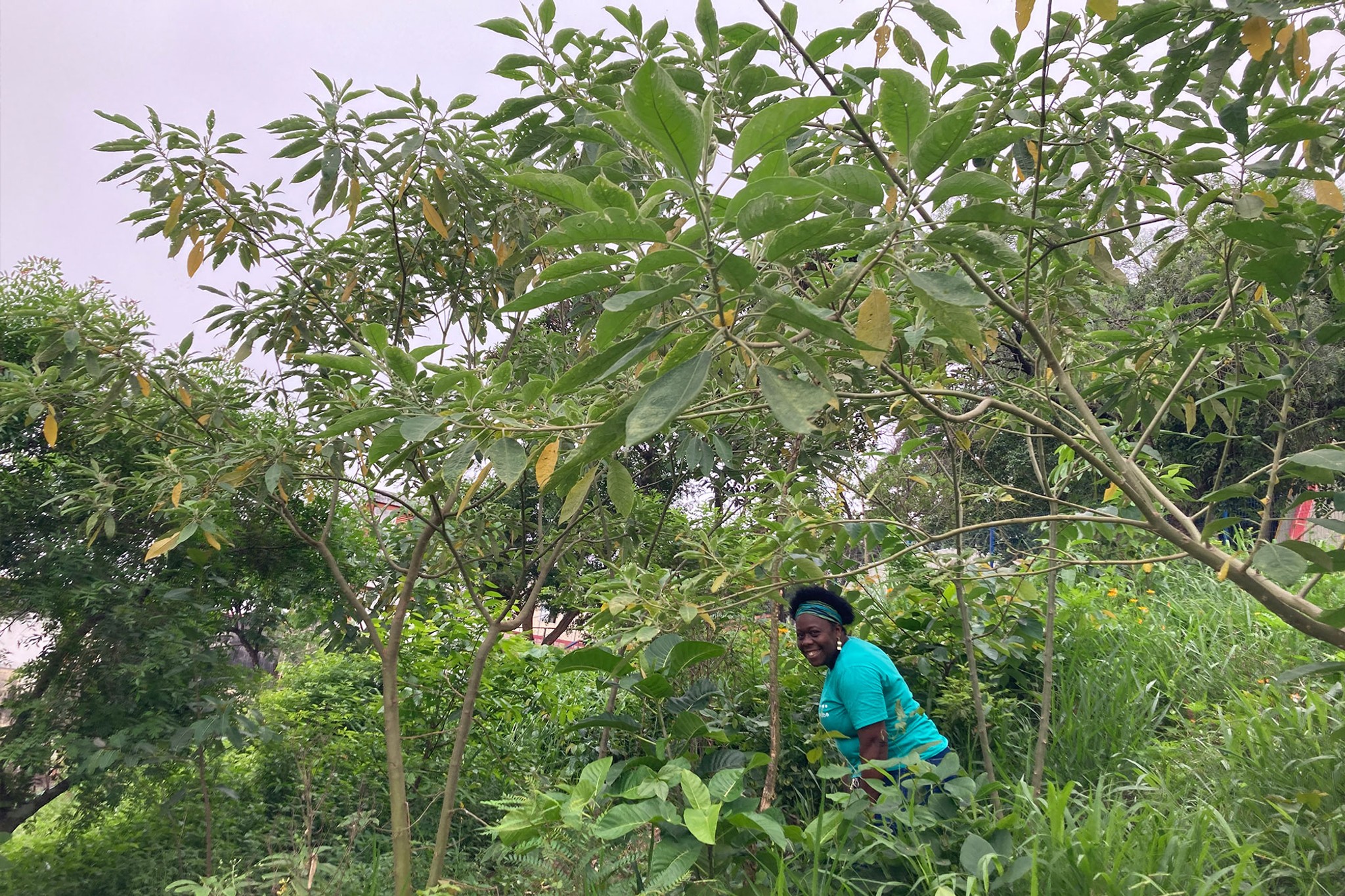
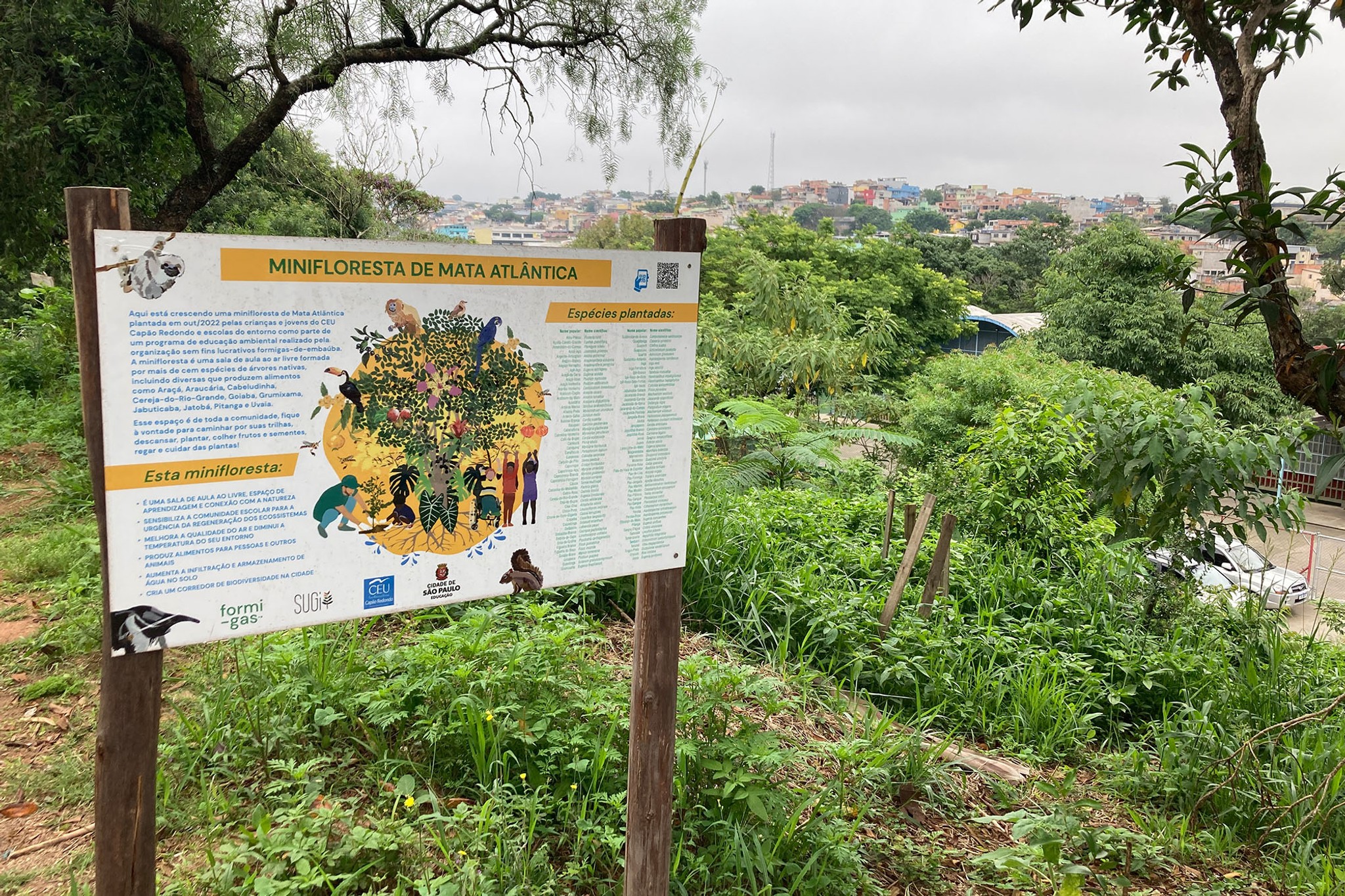
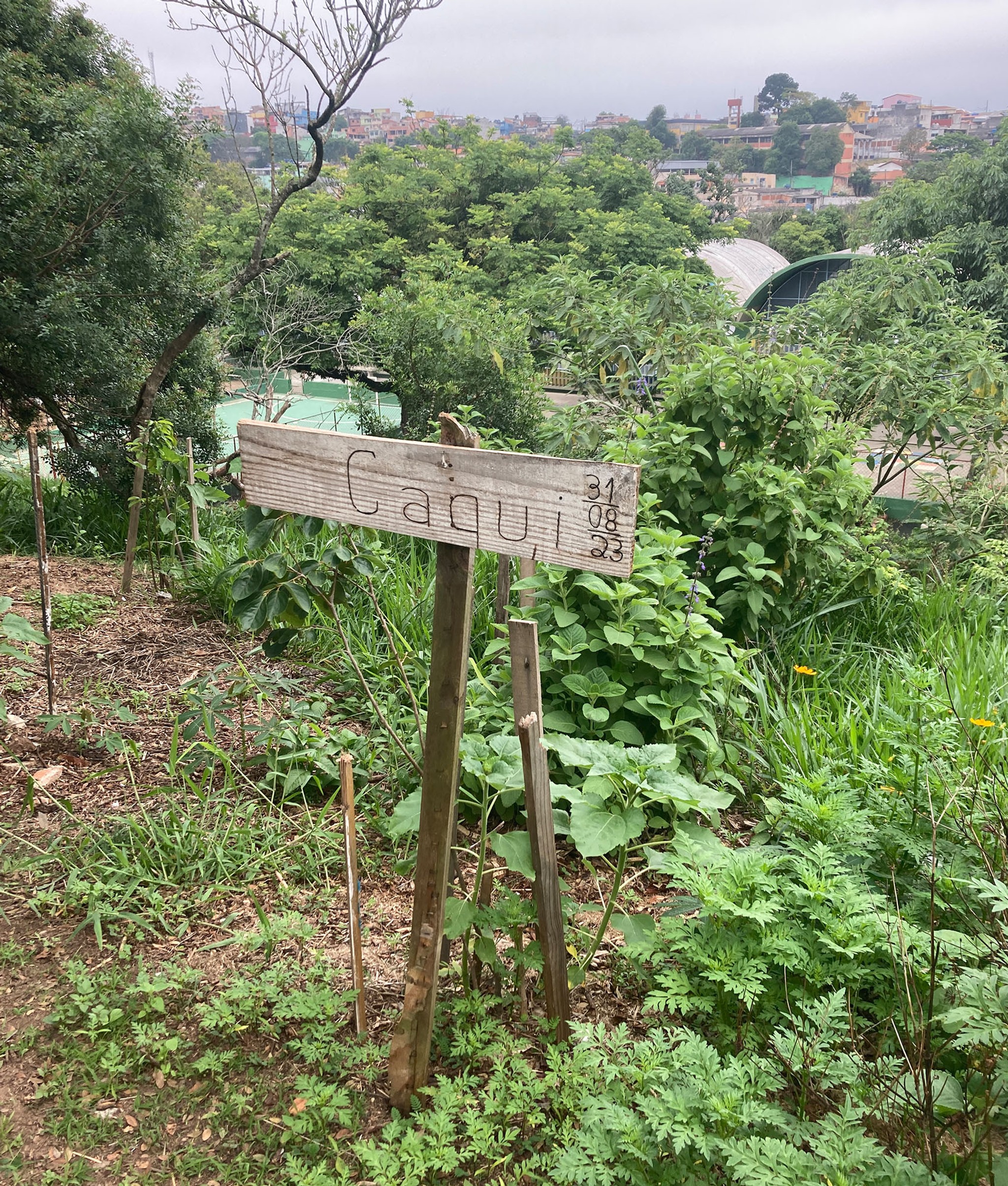
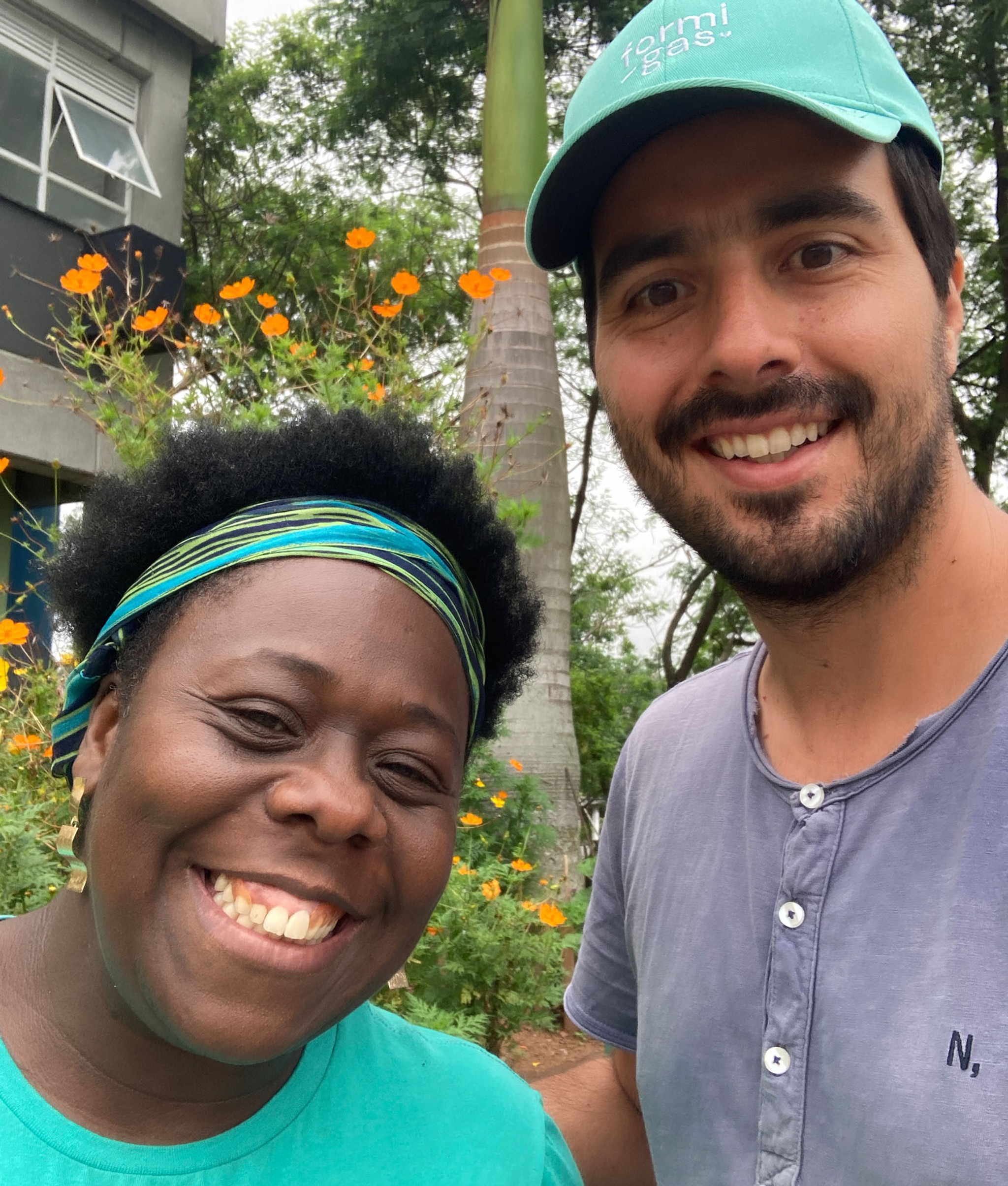
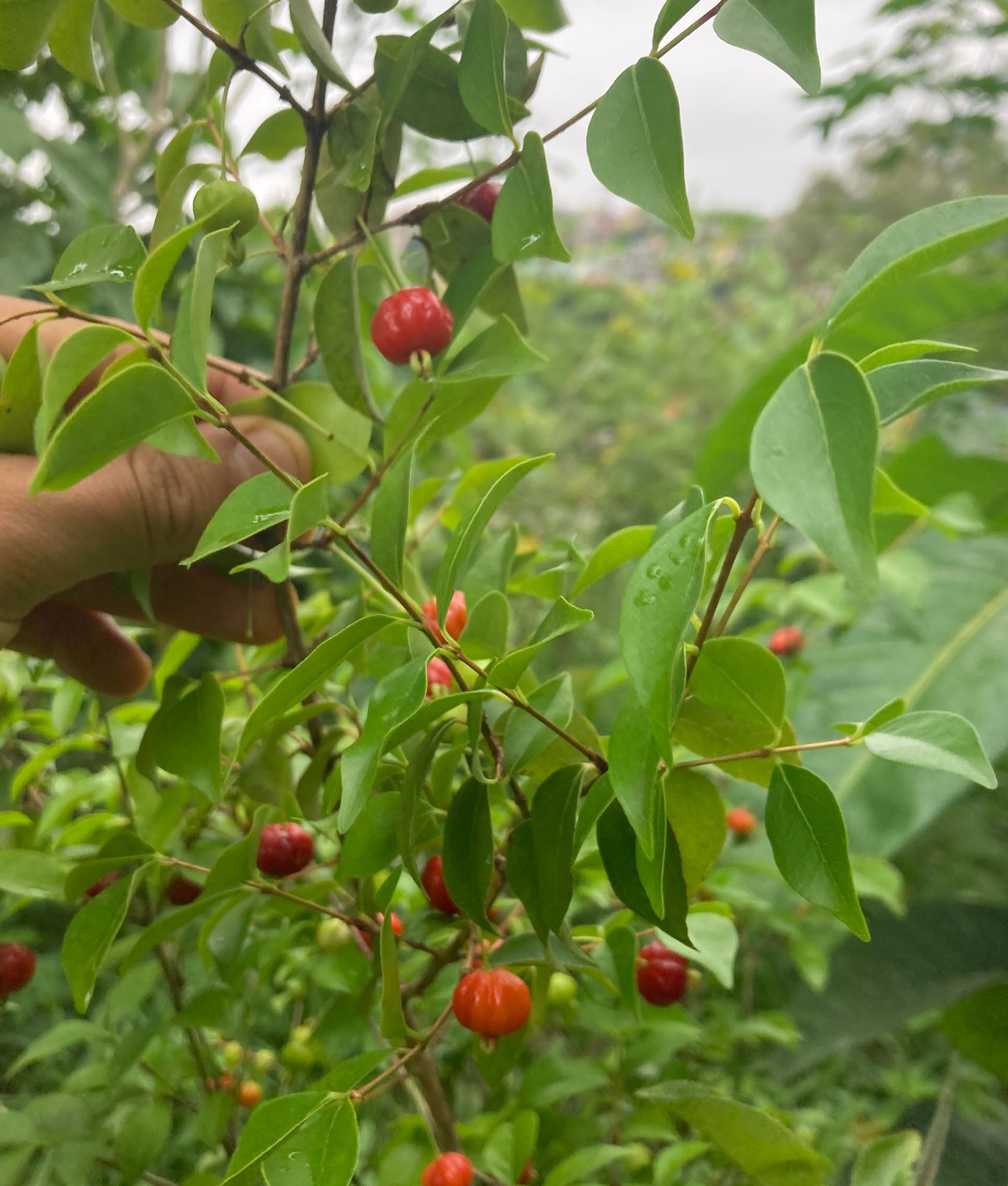
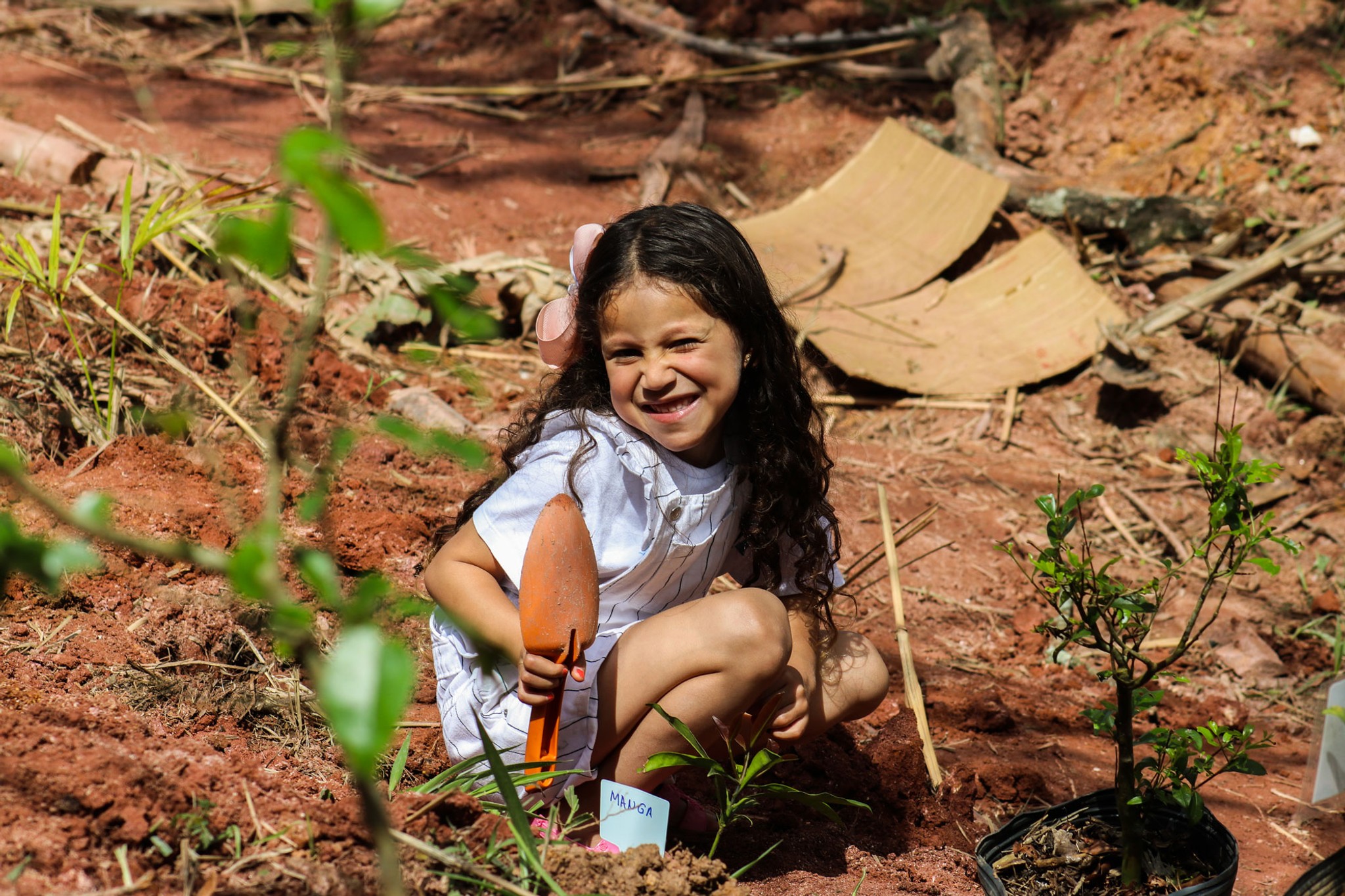
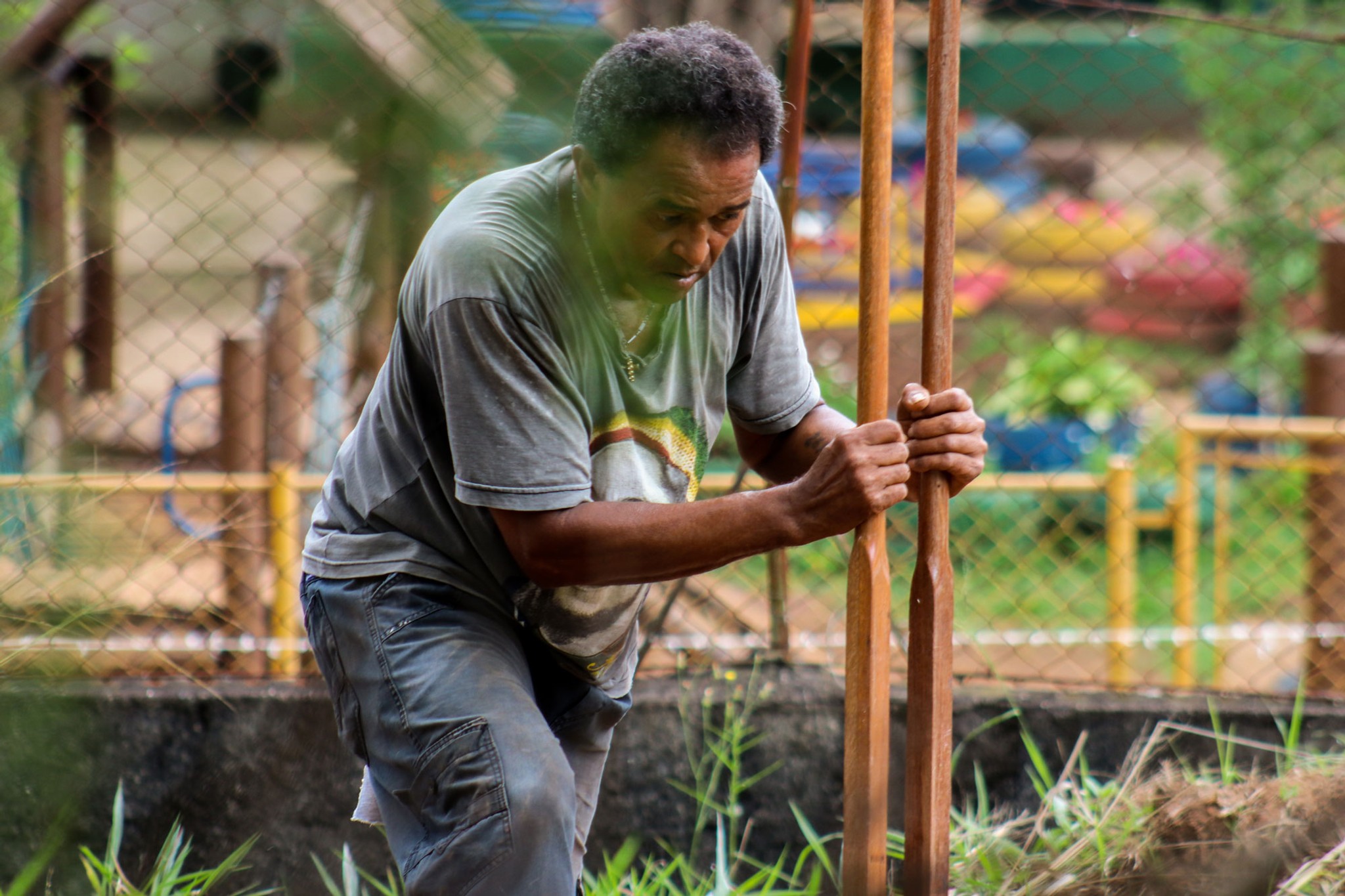
The forest is growing beautifully and the surrounding public schools are increasingly using the area as an open air classroom. Some visitors are planting and taking care of the forest. I found some fruit trees planted with signs with their names. The soil is improving fast, and more birds are coming to the forest which is a great sign that the forest is thriving. People enjoy coming here, to sit with Nature, during their work break too.
Biodiversity Notes:
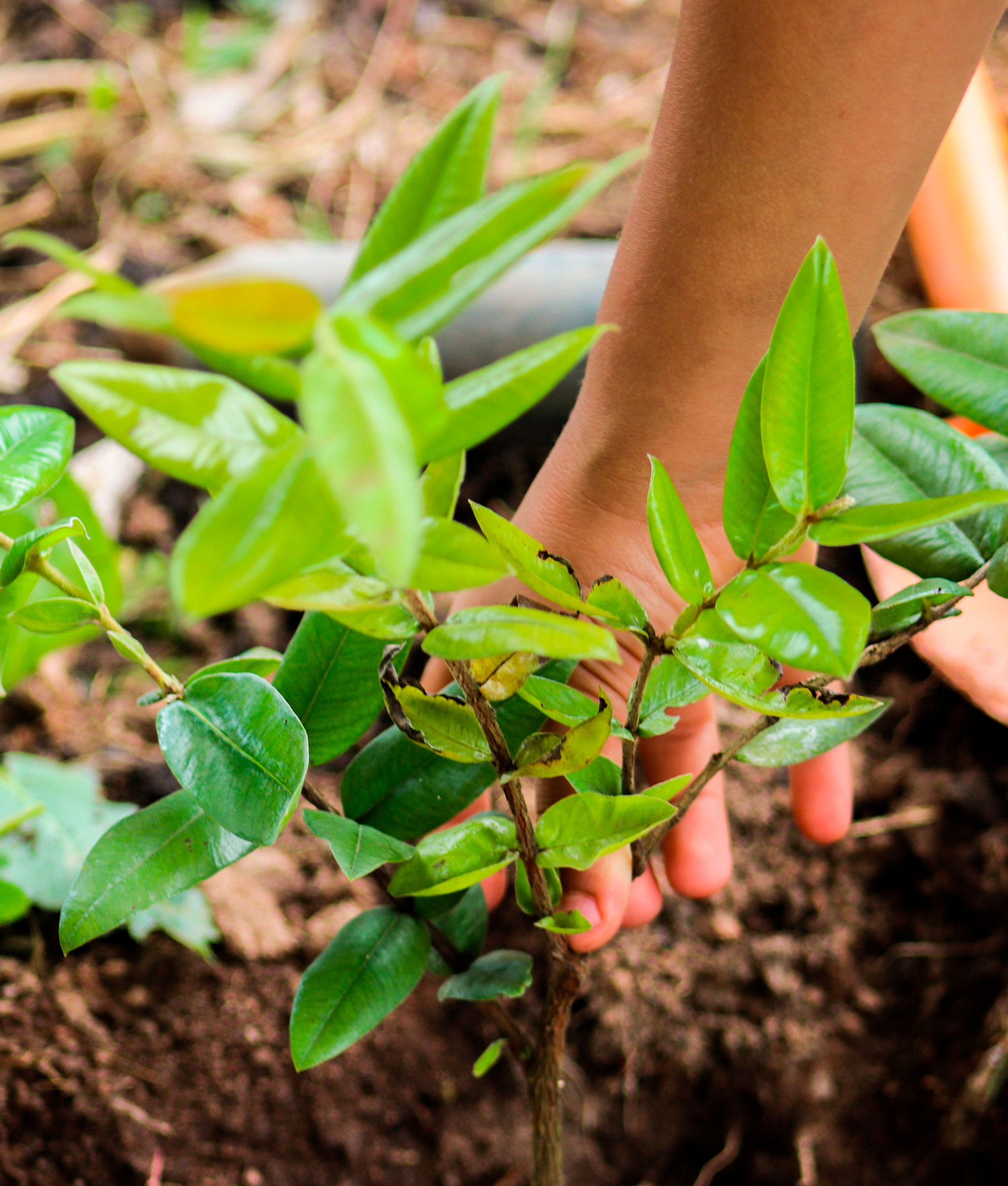
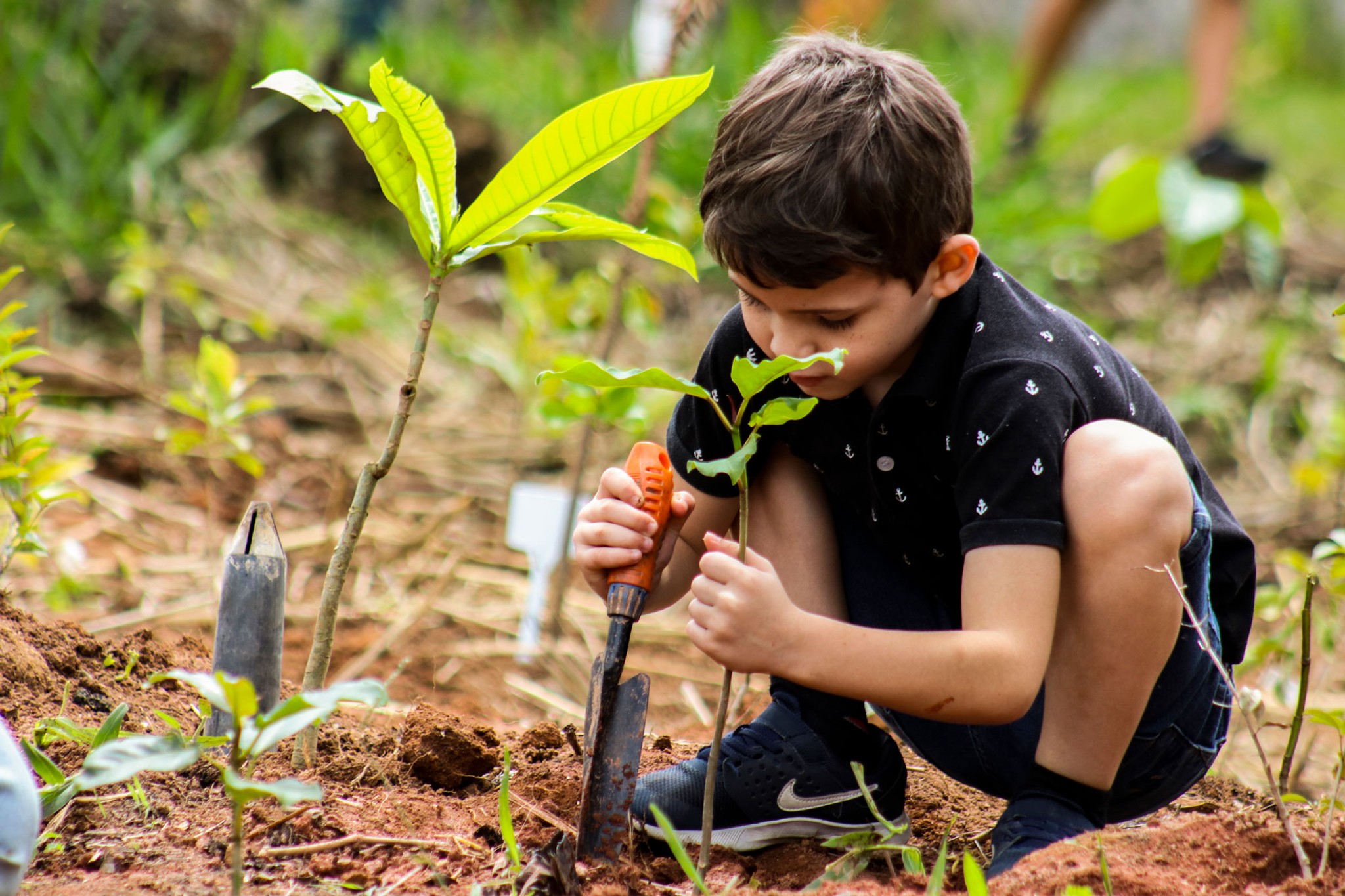
Planting: October 2022
Brazil’s Atlantic Forests
Capão Redondo means “Round Woodland”
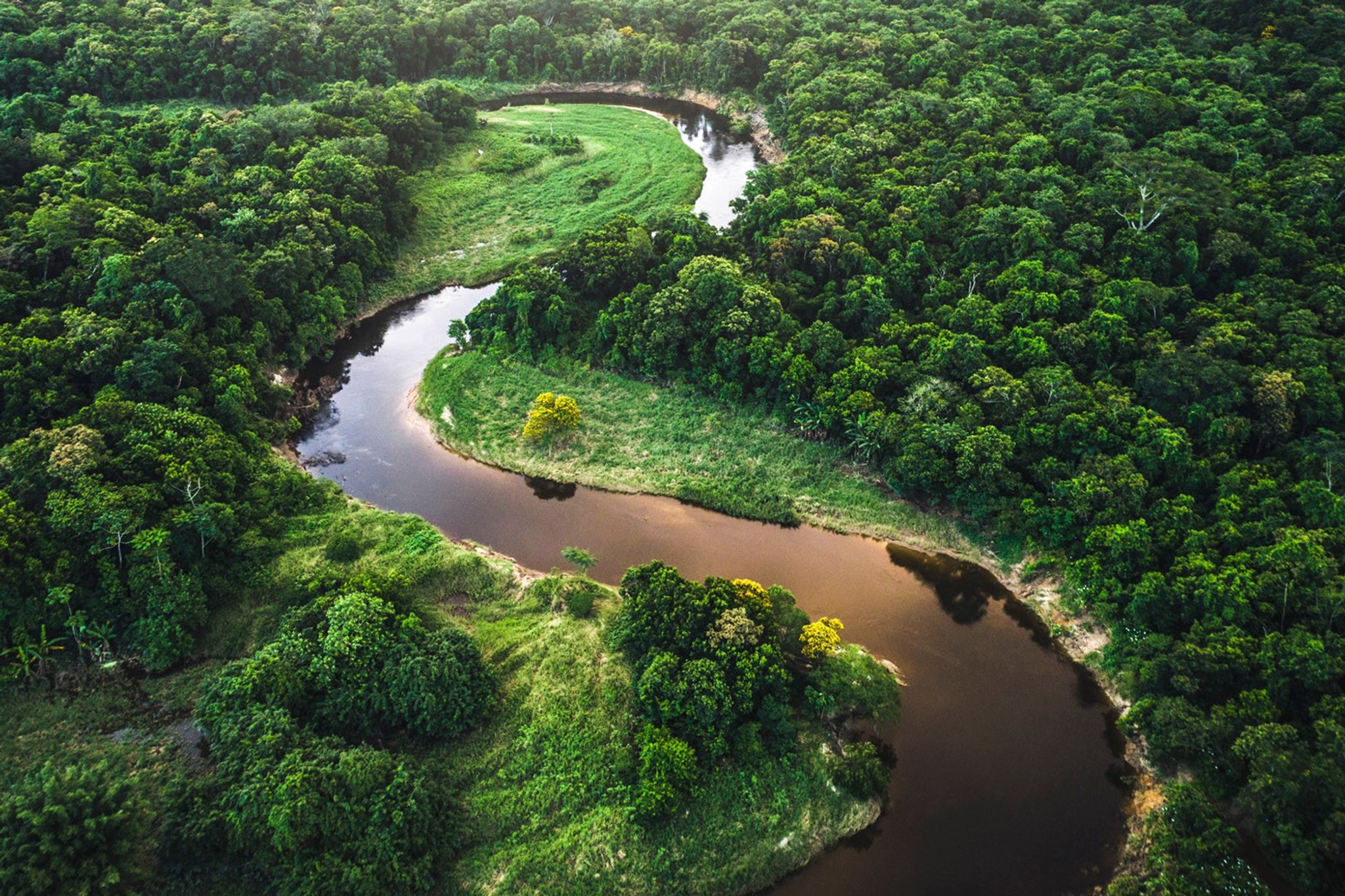
A reference to the ancient native Atlantic Forest that once predominated the area. The Atlantic Forest (Mata Atlântica in Portuguese) is the tropical rainforest that once covered Brazil’s coastline. Now, approximately 90% has been lost. The remaining pockets of Atlantic Forest are critical biodiversity hotspots, home to over 20,000 species of plants, many of which are now under threat of extinction.