
The SUGi Method
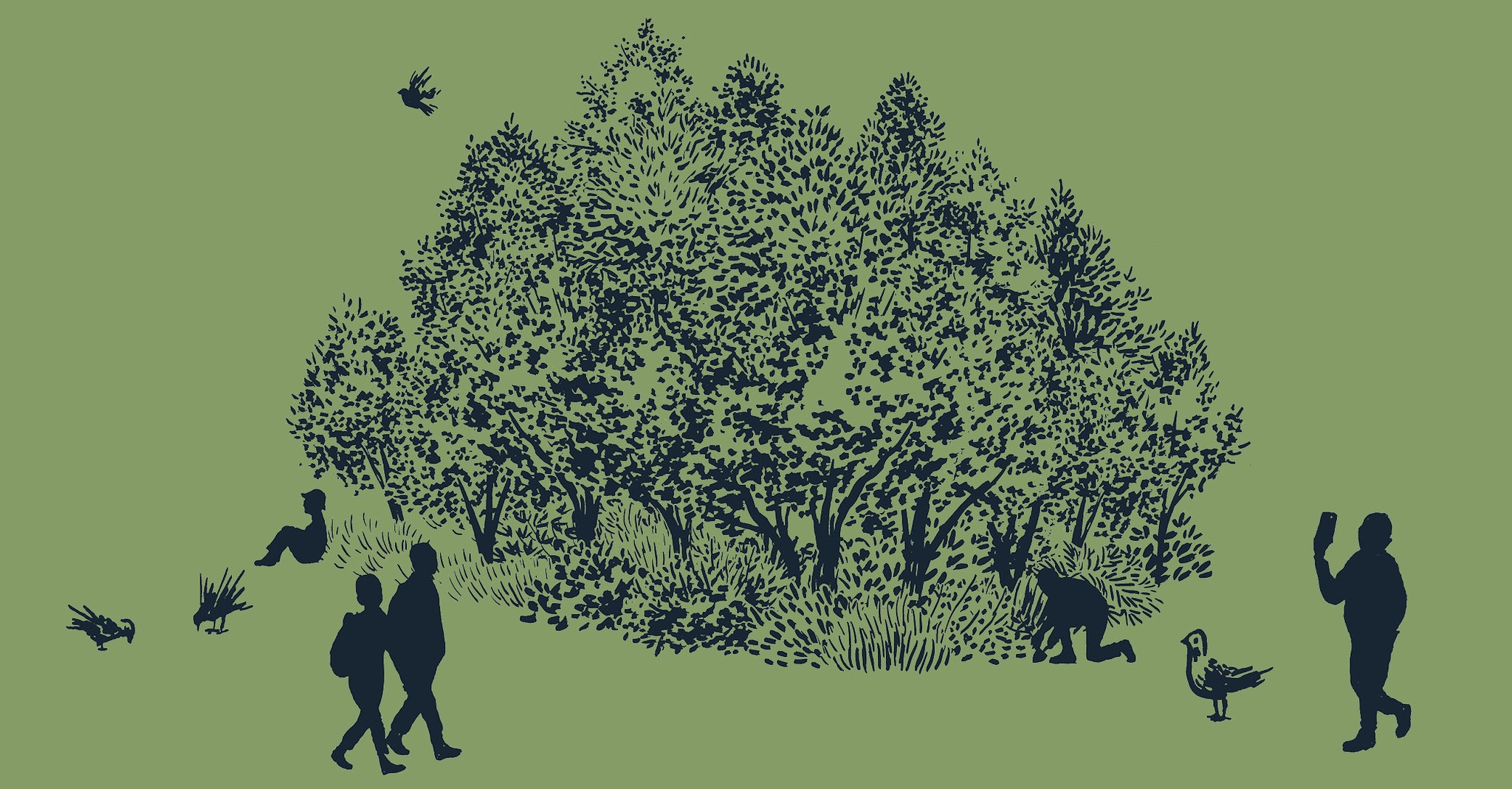
The SUGi Method is how we build pocket forests: six steps that turn a bare patch of urban land into a self-sustaining native ecosystem, in a fraction of the time nature would need on its own.
Built on Professor Akira Miyawaki's five-step approach, the SUGi Method adds a critical first step of its own: securing the site and the community that will steward the forest.
The SUGi Method






1. Secure Your Site
Every SUGi Pocket Forest starts with finding the right site. We focus on nature-deprived areas where a forest can bring biodiversity back into the landscape and create lasting value for the community.
The site needs to be secured for the long term, with local people involved in its future. A site chosen with care becomes more than a place to plant trees. It becomes a forest of hope, rooted in community and growing for generations.

2. Species Survey
The first step is to identify the native vegetation best suited to the area, known as Potential Natural Vegetation. We research what grows locally, looking to protected areas, ancient forests, and Indigenous knowledge (learning from those who have stewarded the land longest).
As natural forests are multi-layered, we identify species across four layers: canopy trees, trees, sub-trees and shrubs. Indigenous species are selected to create a diverse, balanced forest that mirrors nature and is adapted to the local environment.

3. Forest Planning
Once the species list is complete, we begin planning the pocket forest. Young saplings are sourced from local nurseries, with quantities defined by the size of the site and a planting density of three to four saplings per square metre.
Availability of each species is confirmed and the final planting mix is balanced across the different forest layers. Careful planning ensures the right trees are in the right place, ready for planting day.

4. Soil Preparation
Many SUGi Pocket Forests begin on degraded, compacted or bacteria-dominant soil. Trees need soft, crumbly and fungi-dominant soil so their roots can establish quickly and access nutrients.
Our forest makers decompact and amend the soil once, putting it on the path to becoming oxygenated, fertile and self-sustaining.
Compost tea can also be added, introducing beneficial fungi and microorganisms that interact with tree roots and help restore the living biology of the soil.

5. Planting & Mulching
Young saplings are planted randomly at a density of three to four per square metre, mirroring how a natural forest grows. Young trees adapt quickly and form relationships with mycorrhizal fungi in the soil.
Once planted, an inoculant or compost tea can be added before the forest is heavily mulched with straw or wood chips. Mulch protects the soil, retains moisture, suppresses weeds and provides organic matter that is gradually broken down by fungi, insects and microorganisms.
6. Maintenance
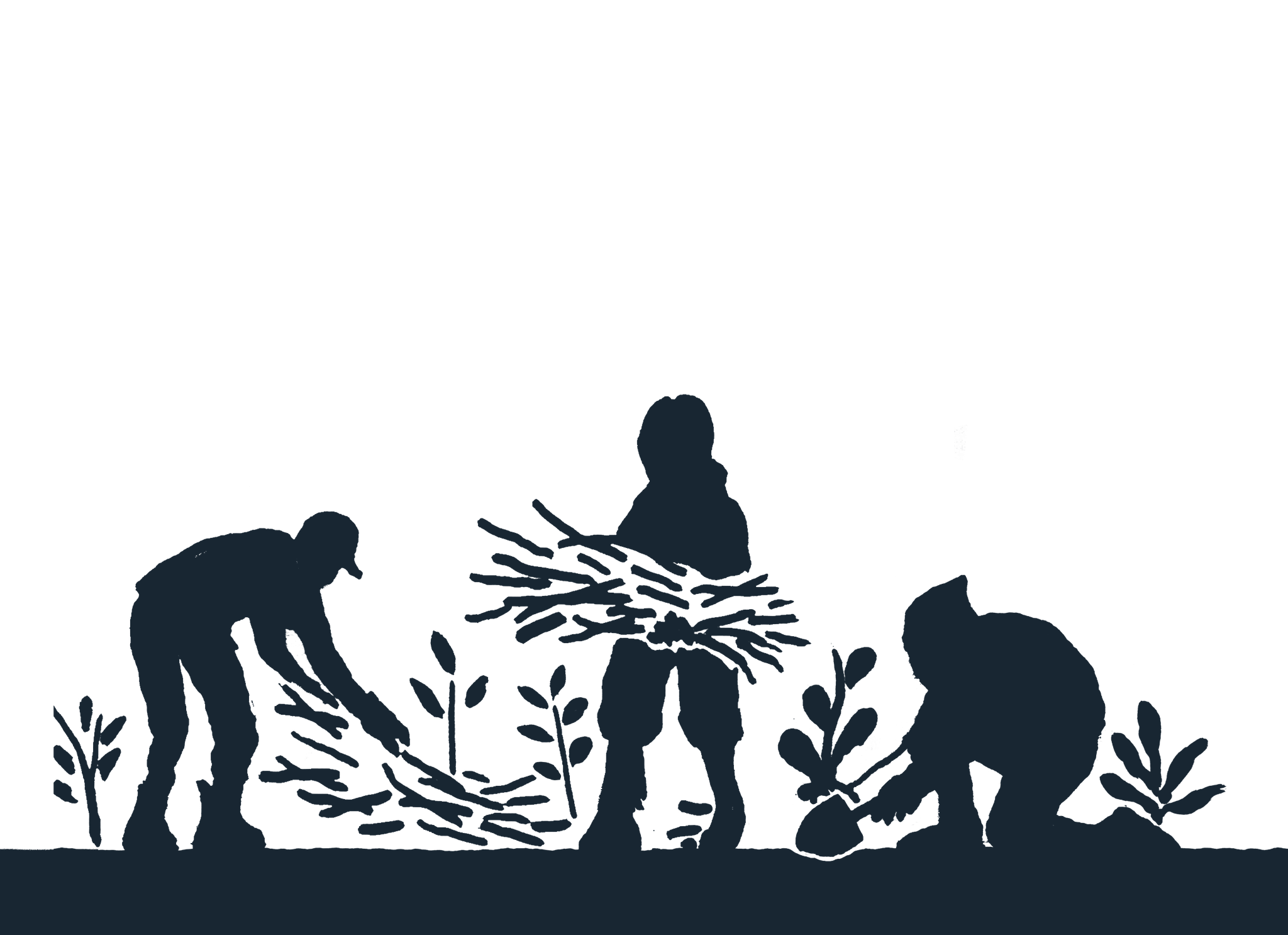
SUGi Pocket Forests are maintained during their first two to three years while the trees establish. Weeding can be carried out quarterly or bi-annually (depending on the bioregion) until the growing canopy blocks light from reaching the soil and naturally suppresses weeds.
Depending on the climate and site, watering may be needed during establishment or severe droughts. As the pocket forest develops, intervention decreases. The trees create shade, leaf litter builds soil fertility and the ecosystem increasingly takes care of itself, becoming resilient and self-sustaining.

As the forest grows, it becomes more than a collection of trees. It becomes a third space for people to slow down, gather and reconnect with nature.
A place for performance and play, foraging for medicinal plants, fruits and berries, and observing and studying how nature returns. Each forest can take on a life of its own, shaped by it's community.
Ultimately, these spaces offer a glimpse of a different urban future, where our cities are wilder, more alive and support our health and well-being.